

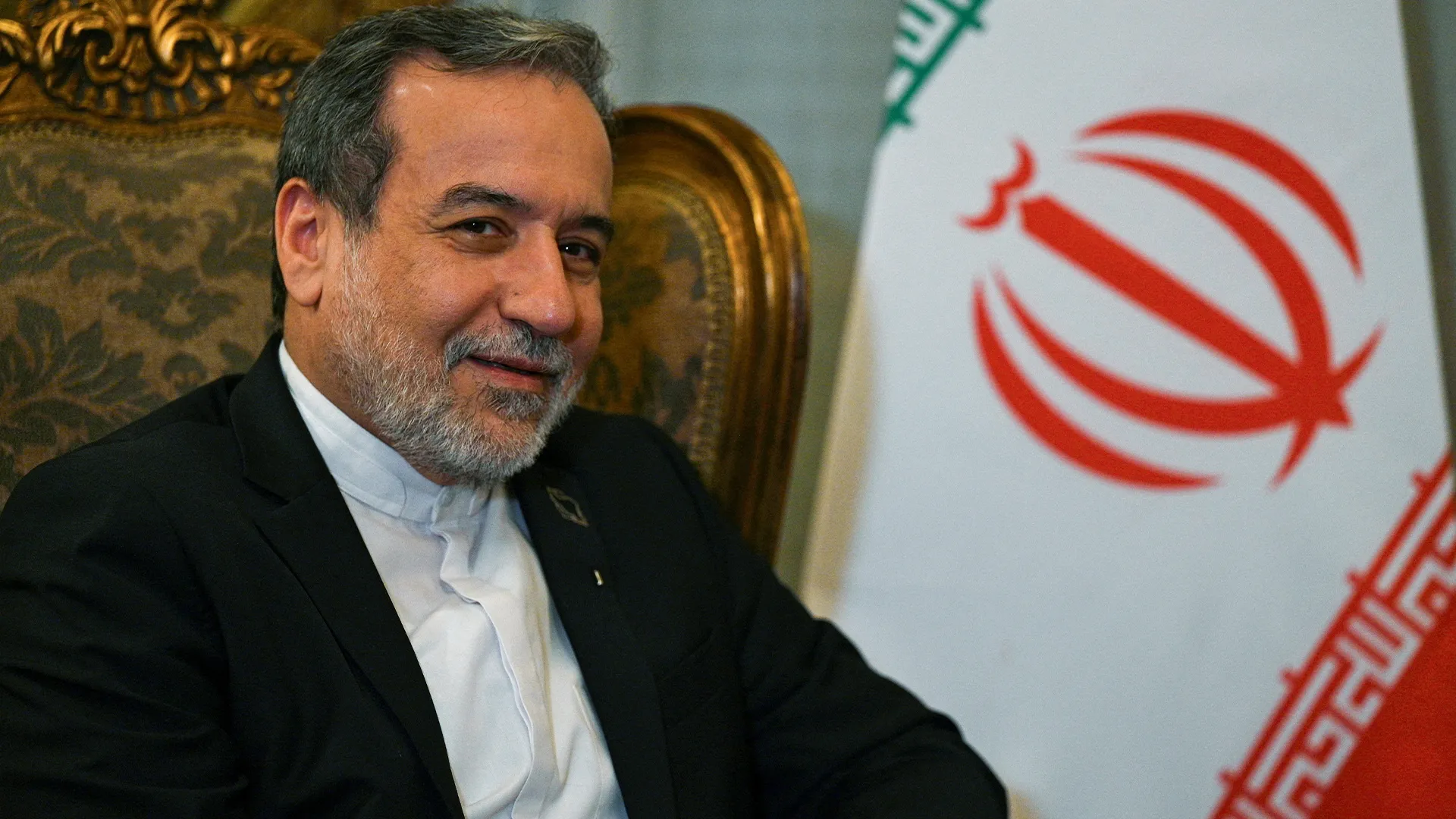
Iranian leadership has publicly dismissed the latest round of US sanctions, describing them as a repetitive cycle of pressure that fails to change their strategic course.
The Iranian government has responded with skepticism to reports of an impending package of sanctions from the United States, characterizing the move as a repetitive and ineffective strategy. Foreign Minister Abbas Araghchi recently addressed the situation, suggesting that the international community is witnessing a familiar sequence of events rather than a novel shift in geopolitical strategy. an is signaling that these economic pressures have not altered its long-term policy objectives or its stance on regional affairs.
Tehran’s leadership maintains that these restrictive measures are merely a continuation of historical patterns of pressure. According to Araghchi, the current approach mirrors previous administrations' tactics, suggesting that the underlying philosophy of the United States remains unchanged regardless of the specific political figures occupying the White House. This perspective underscores a deep-seated belief within the Iranian foreign policy establishment that economic isolation is an entrenched tool of American statecraft that they have learned to navigate over several decades.
The Iranian perspective on these sanctions is rooted in the characterization of such measures as a form of bullying. ale behind the sanctions, portraying them not as a response to specific policy grievances, but as an exertion of raw power intended to force compliance. This rhetoric serves to rally domestic support that it considers unjust and coercive.
The Foreign Minister emphasized that the current administration's actions are fundamentally indistinguishable from those of its predecessors. This narrative is designed to manage domestic expectations and reinforce the idea that the country’s economic challenges are the result of external interference rather than internal mismanagement. Iranian officials aim to minimize the perceived impact of the measures on the public consciousness.
For years, Iran has operated under a robust framework of international sanctions, which has forced the country to develop alternative economic networks and internal supply chains. The dismissive attitude toward the latest US announcements reflects a calculated effort to project stability. ting to reassure its citizens and trading partners that the nation has developed the necessary mechanisms to absorb additional economic shocks without collapsing.
This ongoing dynamic highlights the limitations of using sanctions as a primary tool for achieving diplomatic breakthroughs. When a target nation views these measures as a predictable and inevitable feature of the geopolitical landscape, the leverage that such measures are supposed to provide is significantly diluted. Tehran appears to be betting that its experience in managing a sanctioned economy will allow it to withstand the latest wave of restrictions, thereby neutralizing the intended impact of the US policy shift.
The latest exchange of rhetoric indicates that there is little room for immediate diplomatic reconciliation between Washington and Tehran. As the United States prepares to roll out its newest economic constraints, the Iranian response suggests that there is no appetite for re-negotiating the terms of engagement under these conditions. Both nations seem firmly locked into their respective positions, with the US continuing its policy of maximum pressure and Iran opting for a strategy of defiance and endurance.
Looking ahead, the international community remains concerned about the implications of this persistent cycle. The lack of a common ground for dialogue means that the regional tensions involving Iran are likely to remain elevated. As long as both parties view the other’s actions as part of a stale and predictable script, the prospect of a de-escalation in tensions remains distant, leaving the global community to navigate the consequences of this long-standing diplomatic impasse.