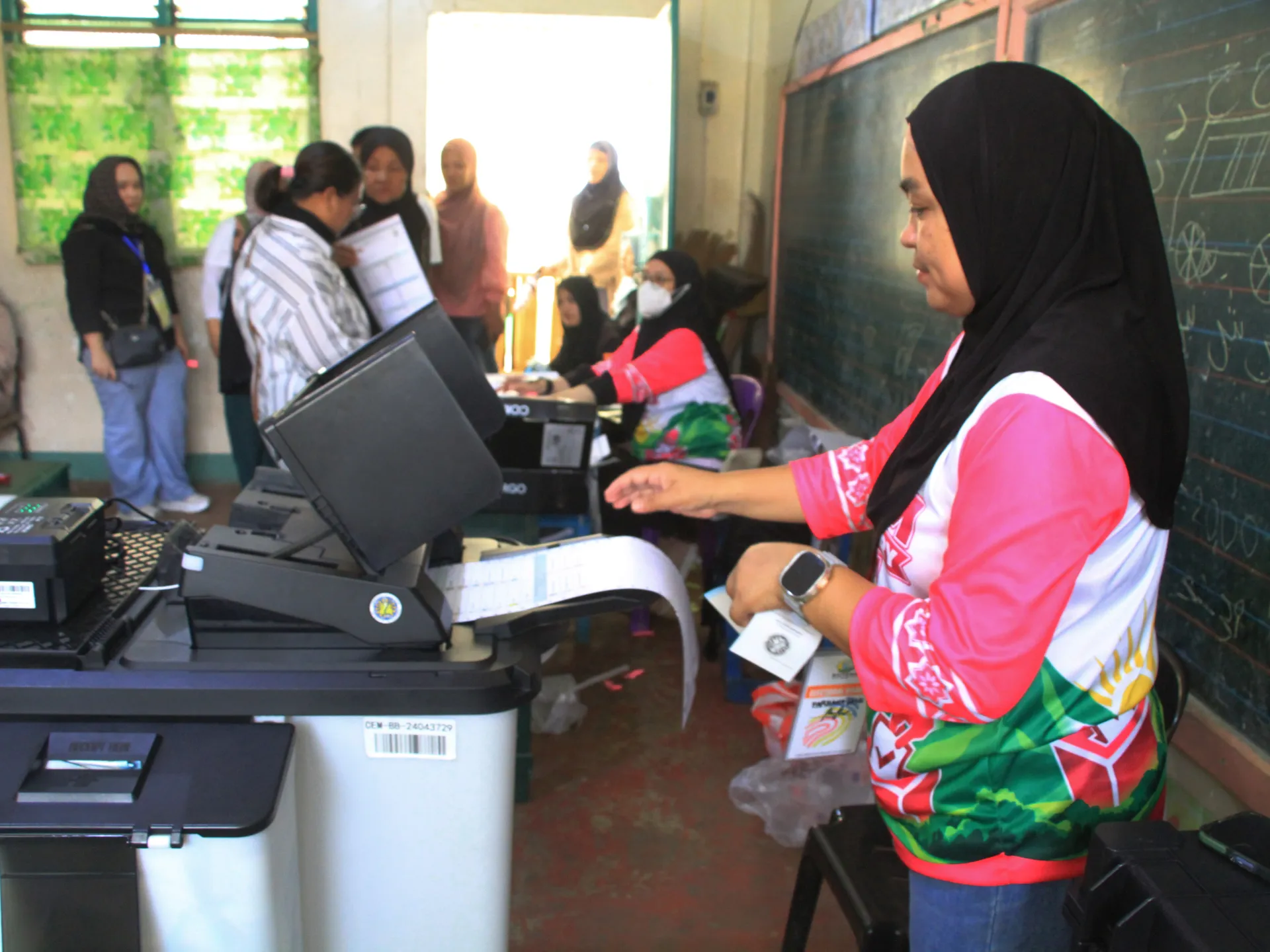
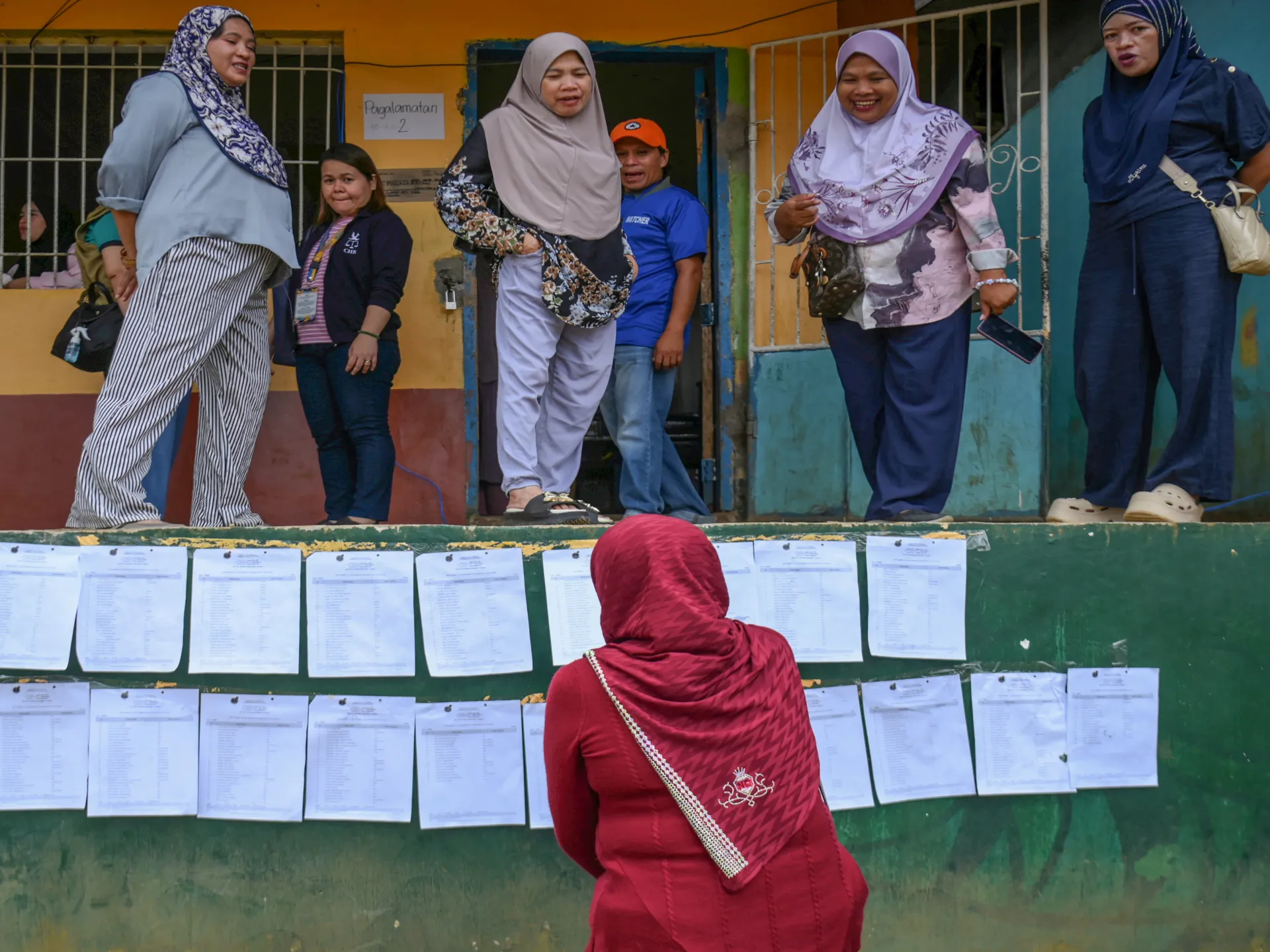
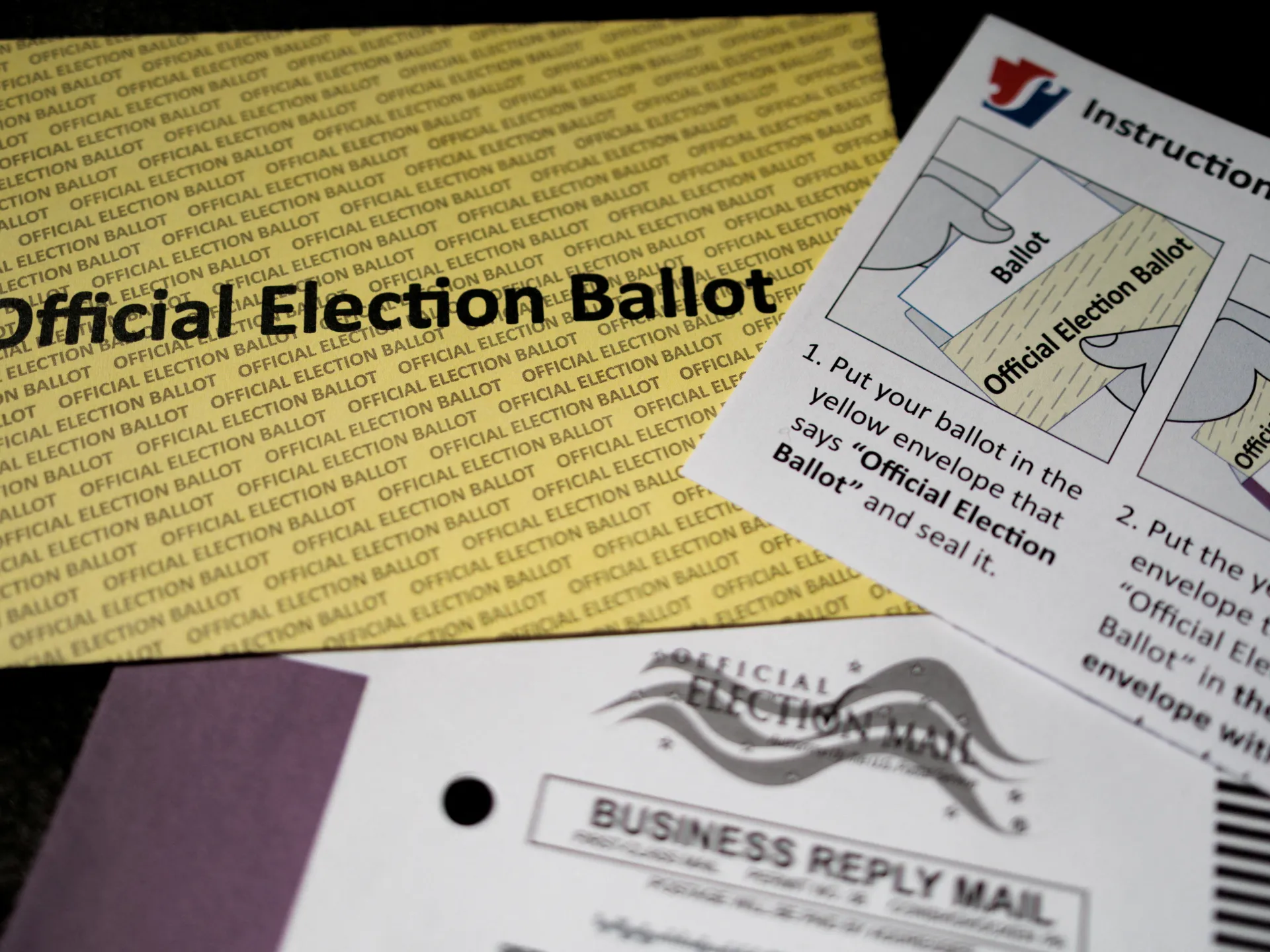
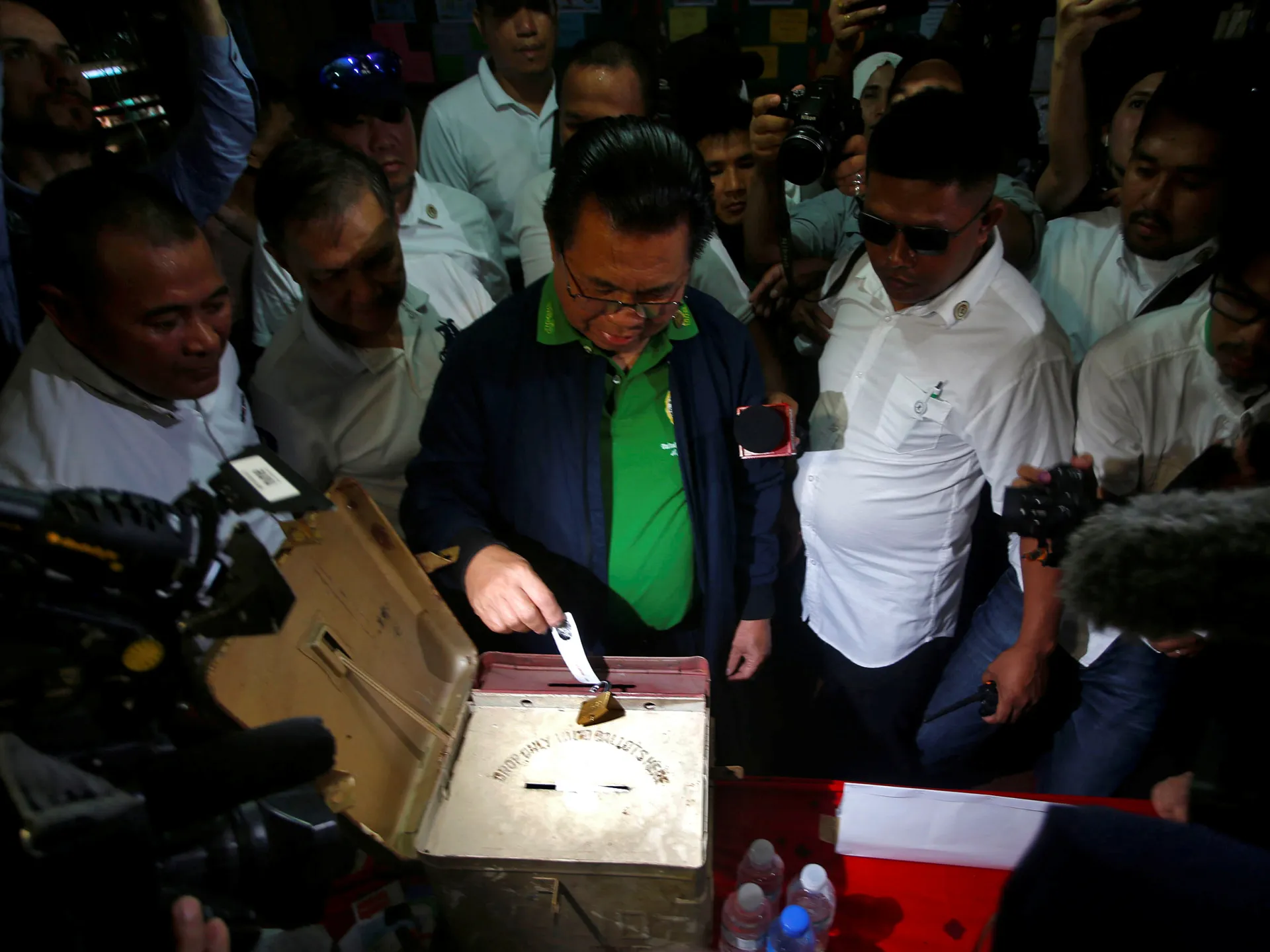
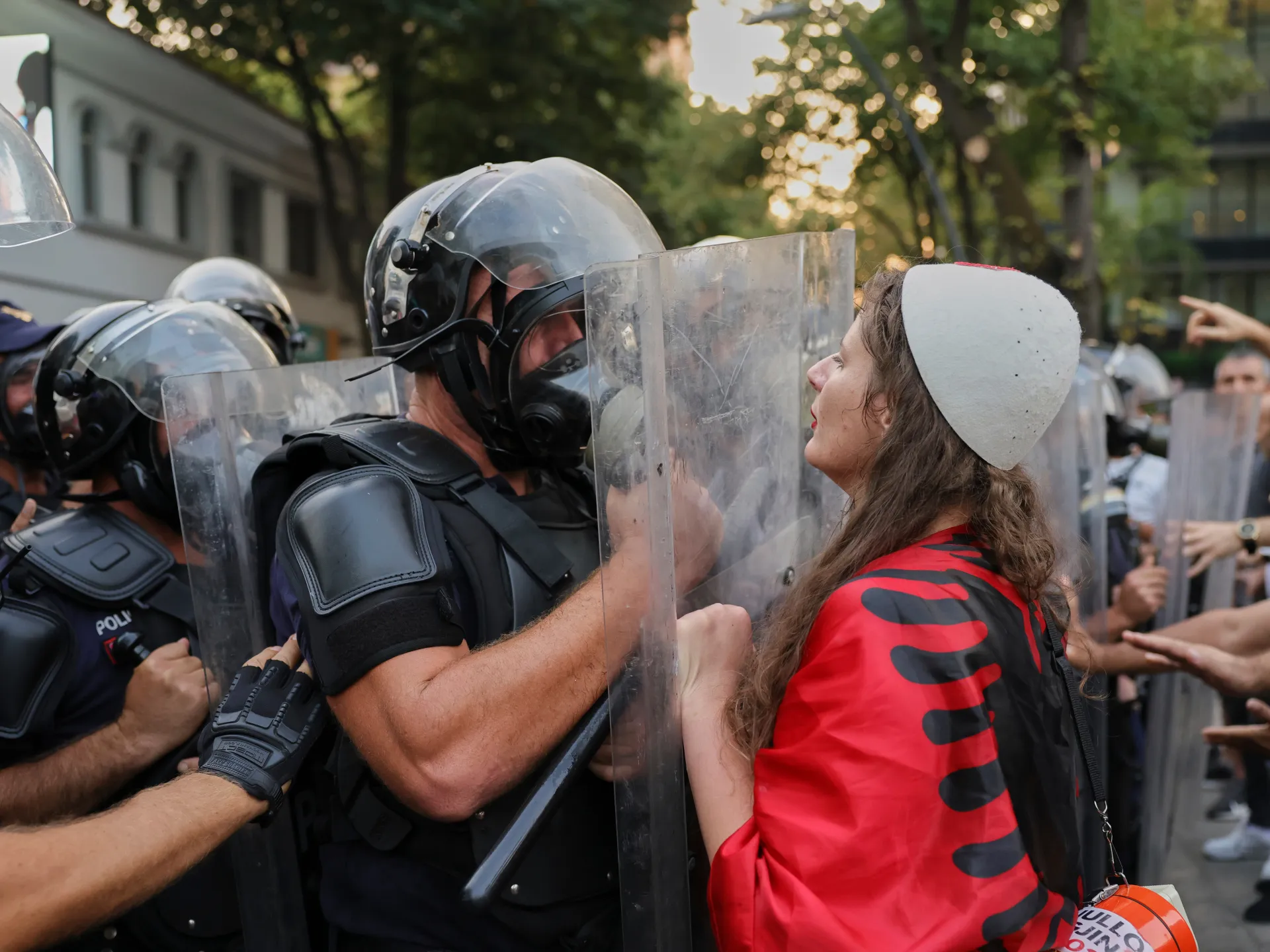
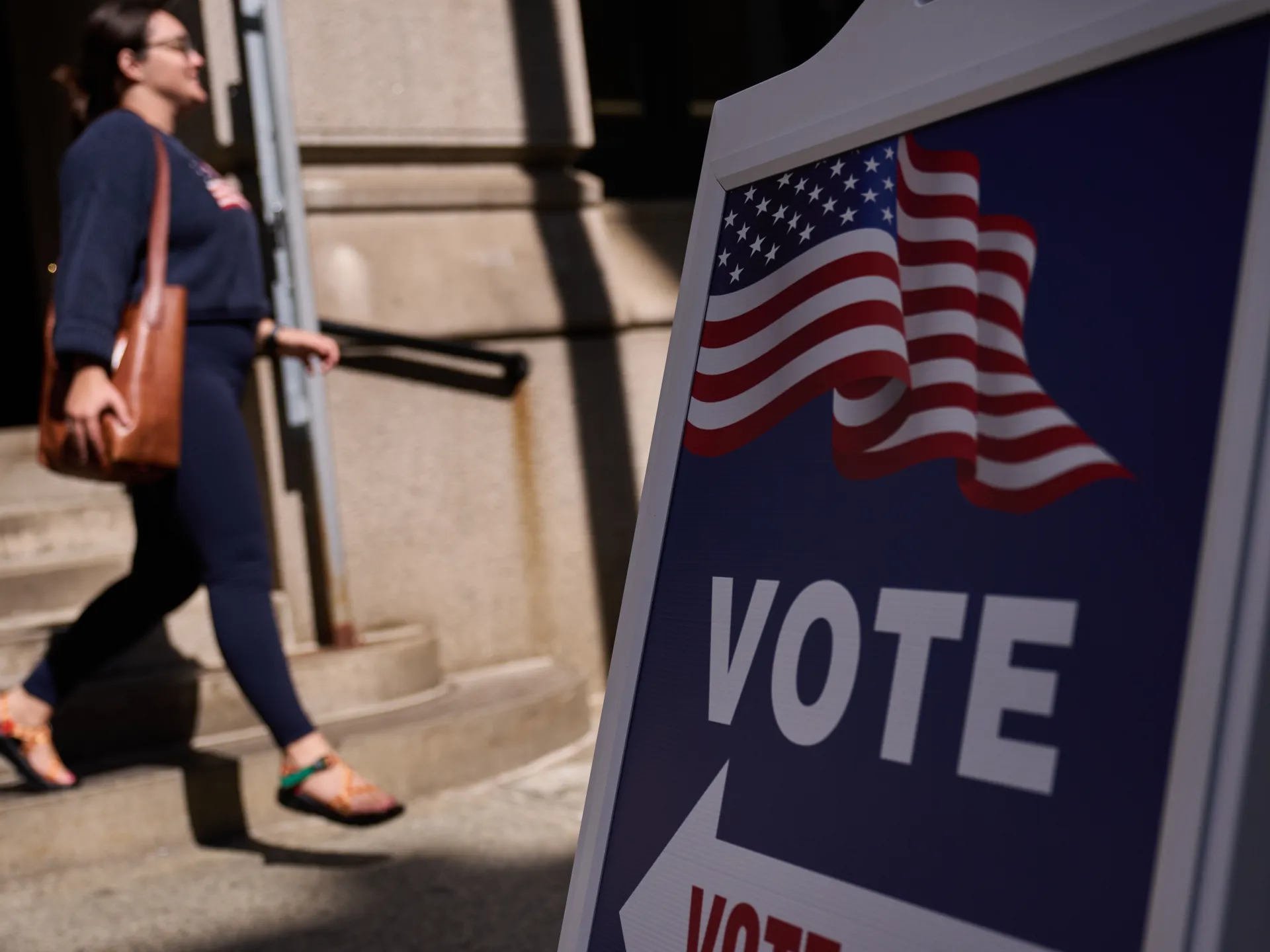
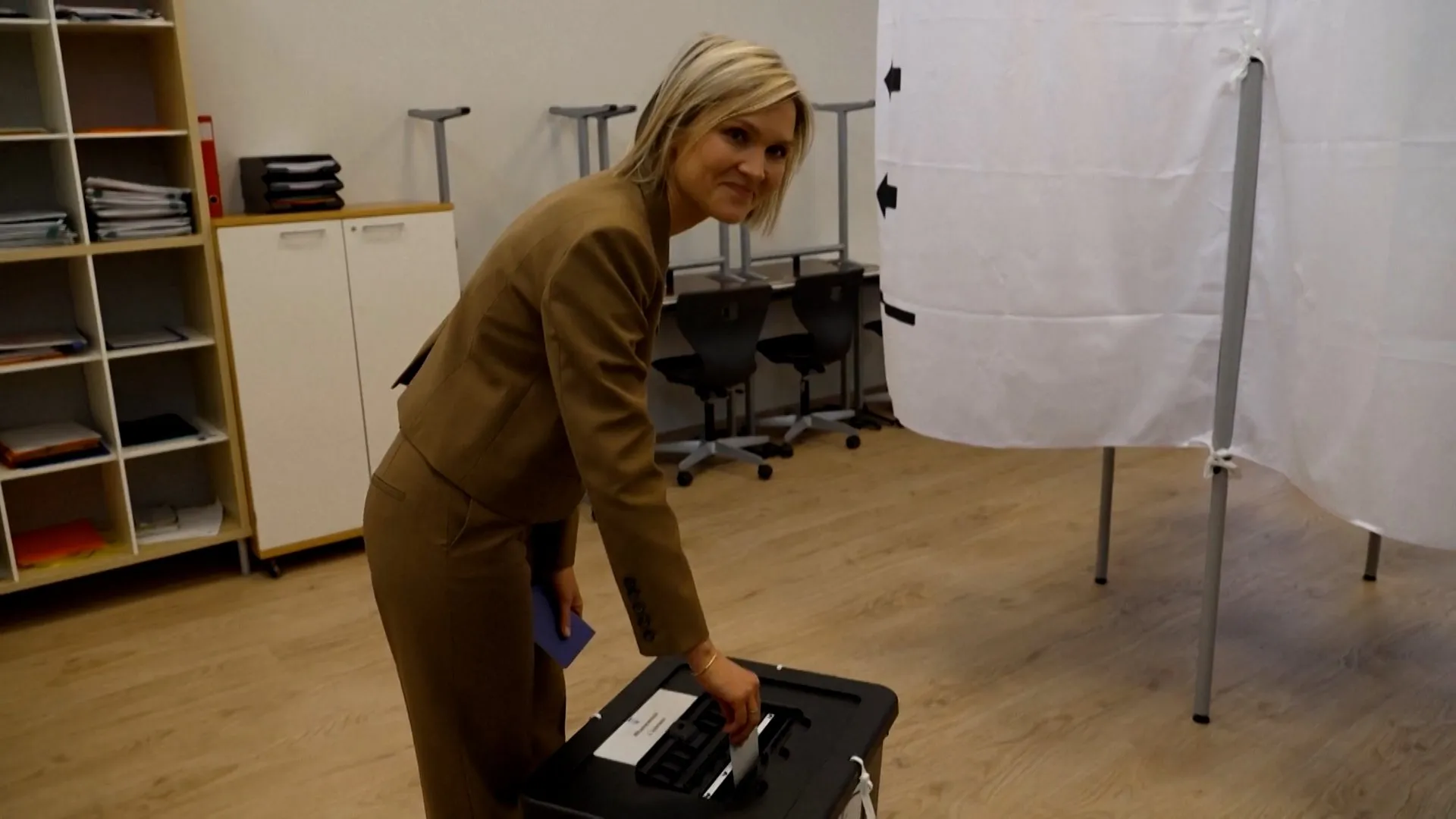
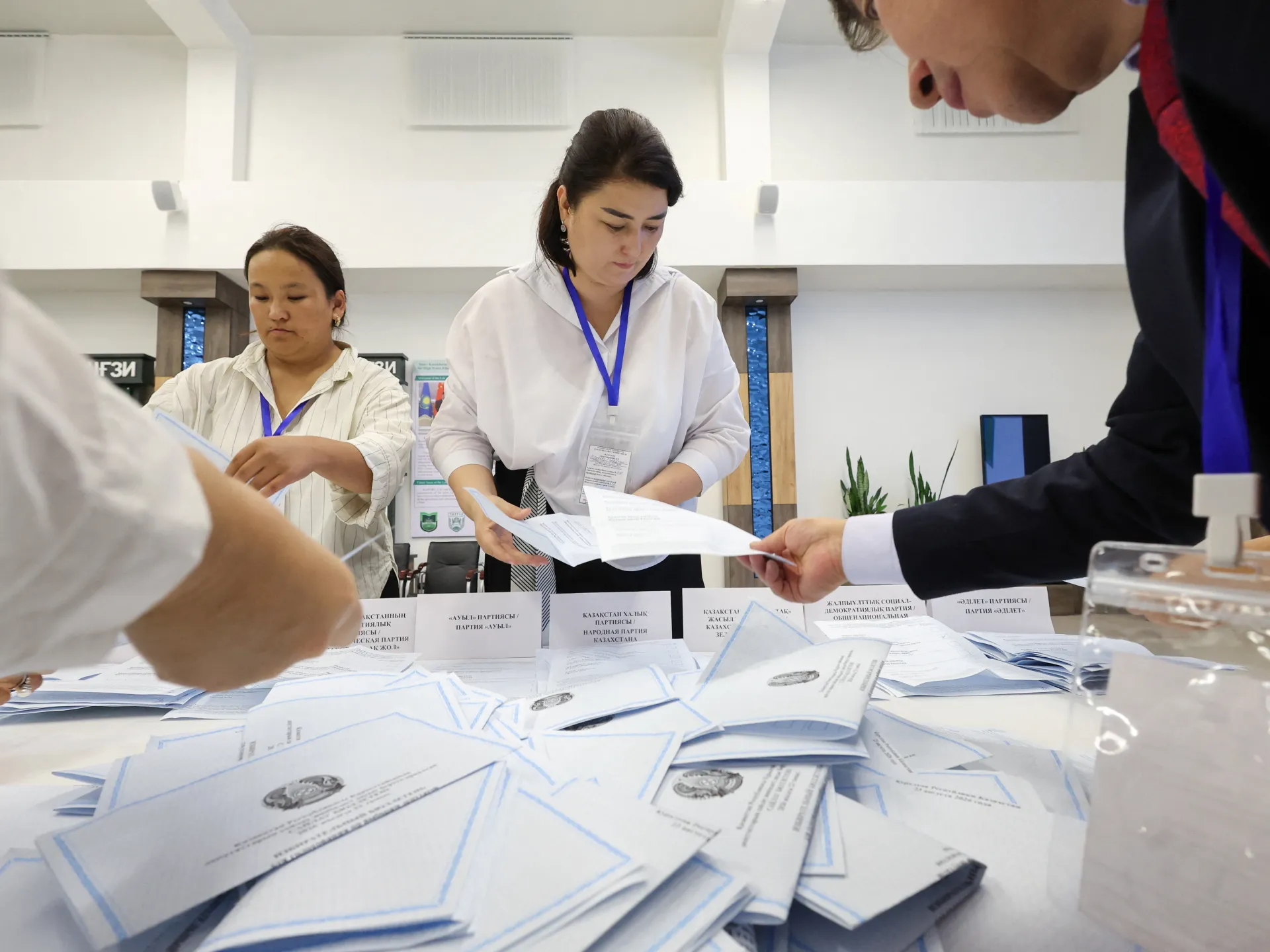
The Bangsamoro region is holding its inaugural parliamentary elections, marking a definitive step forward following a 50-year armed struggle.
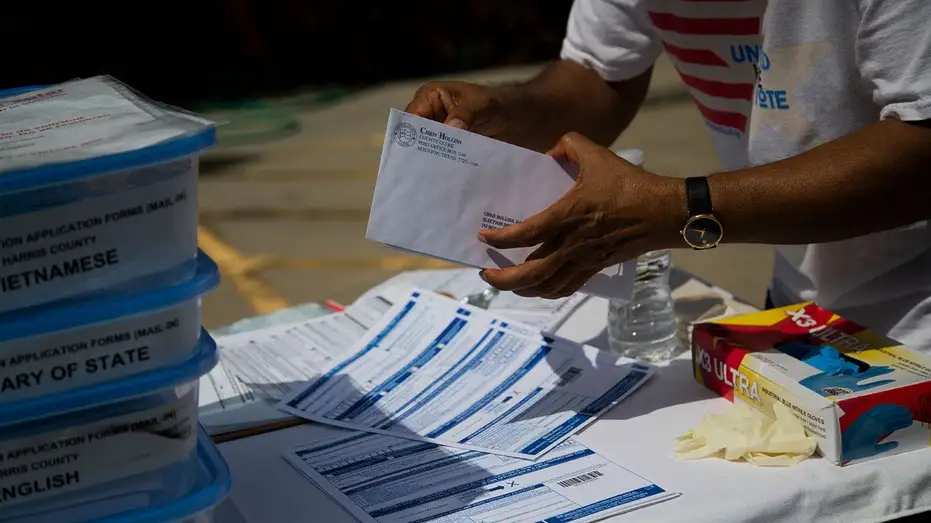
The southern Philippines is on the cusp of a historic transition as the Bangsamoro Autonomous Region in Muslim Mindanao (BARMM) prepares to conduct its inaugural parliamentary elections. This democratic exercise marks a monumental shift for a territory that has been defined resentatives who will help shape the future of their autonomous governance, signaling a departure from years of centralized control and instability.
This election is not merely a procedural event; it represents the culmination of a long and arduous peace process. The establishment of this autonomous region was designed to provide a framework for self-governance, allowing local communities to manage their own socio-economic and political affairs. e solidification of a peace agreement that was once considered an impossible dream.
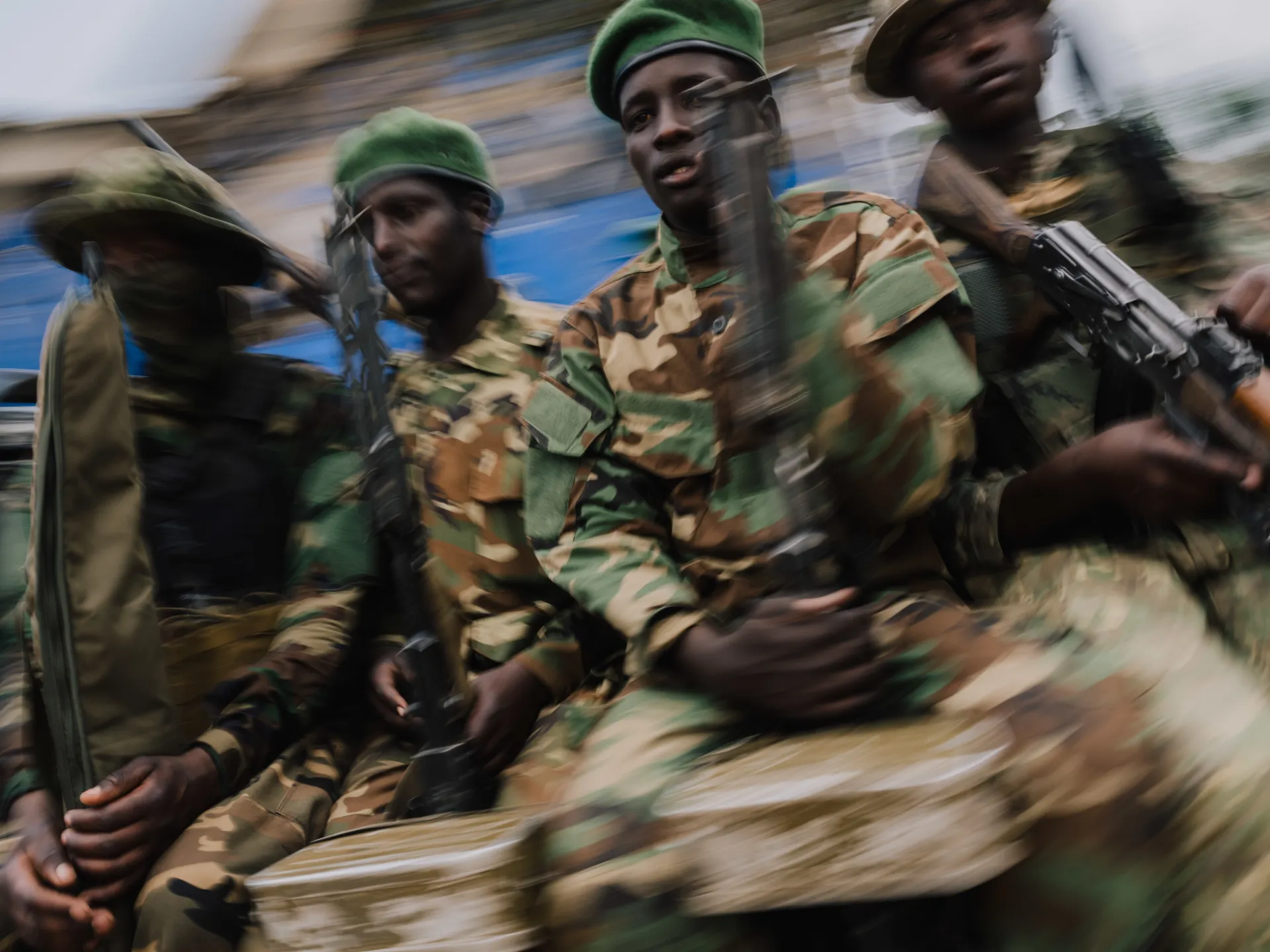
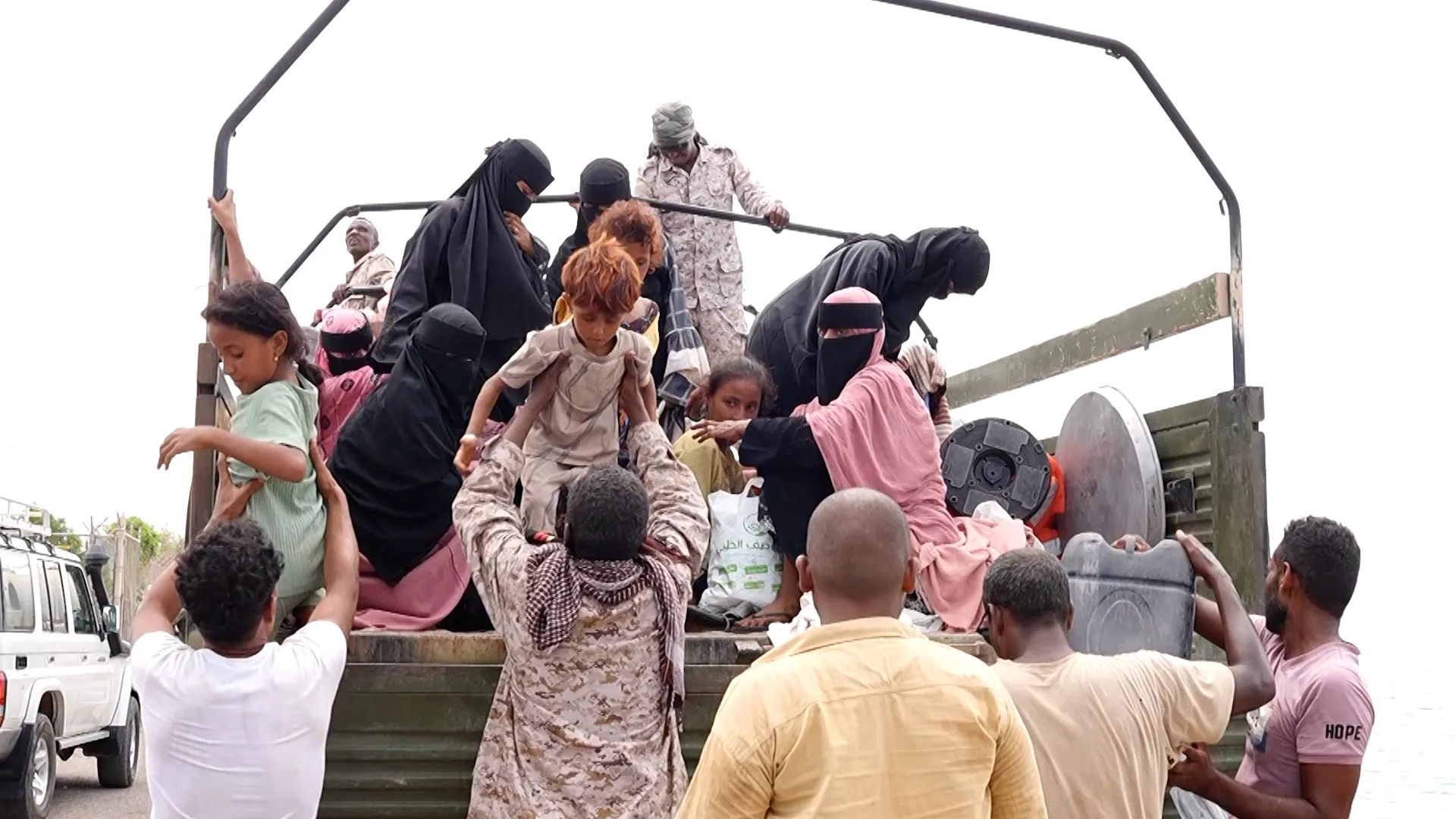
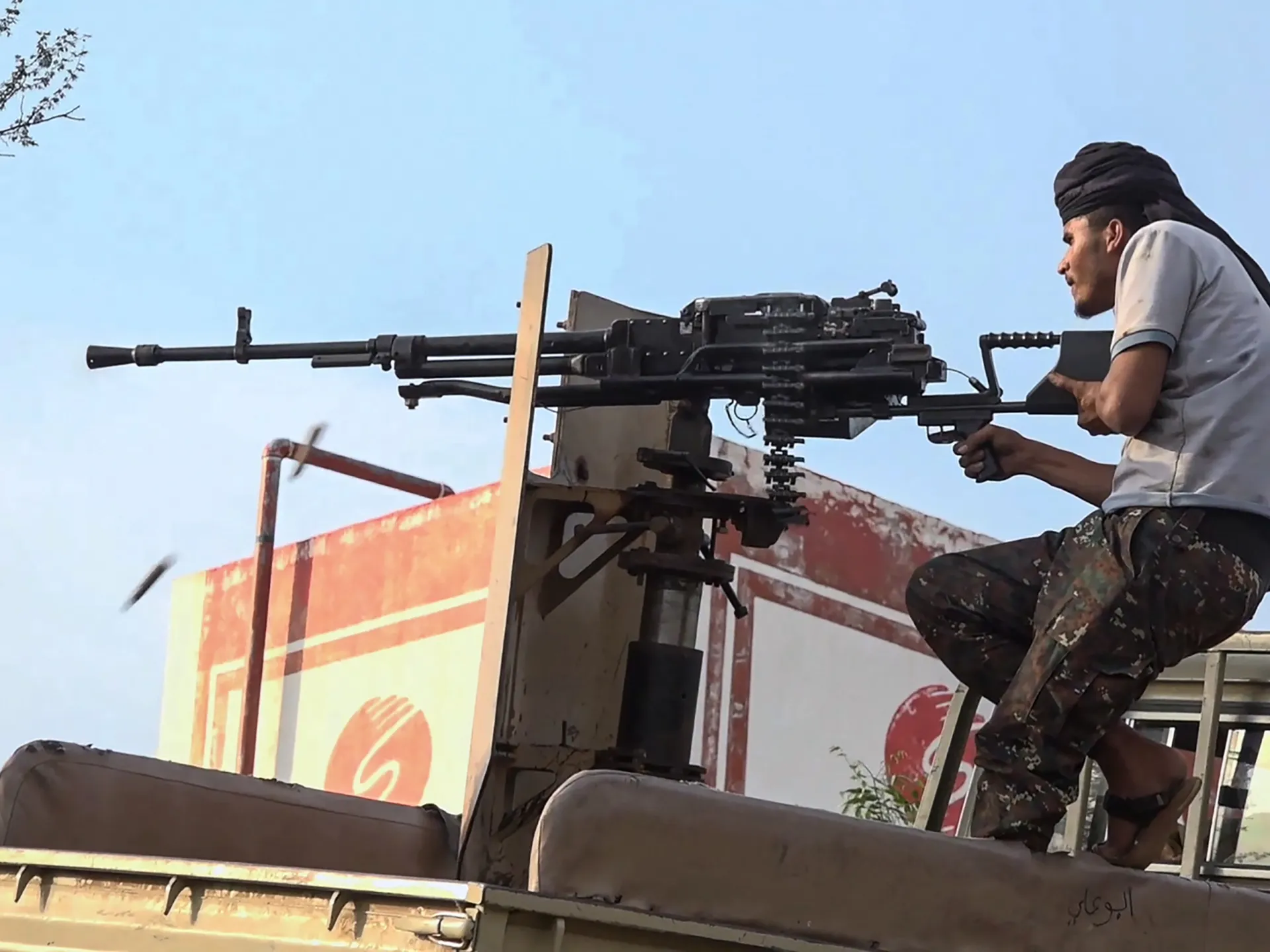
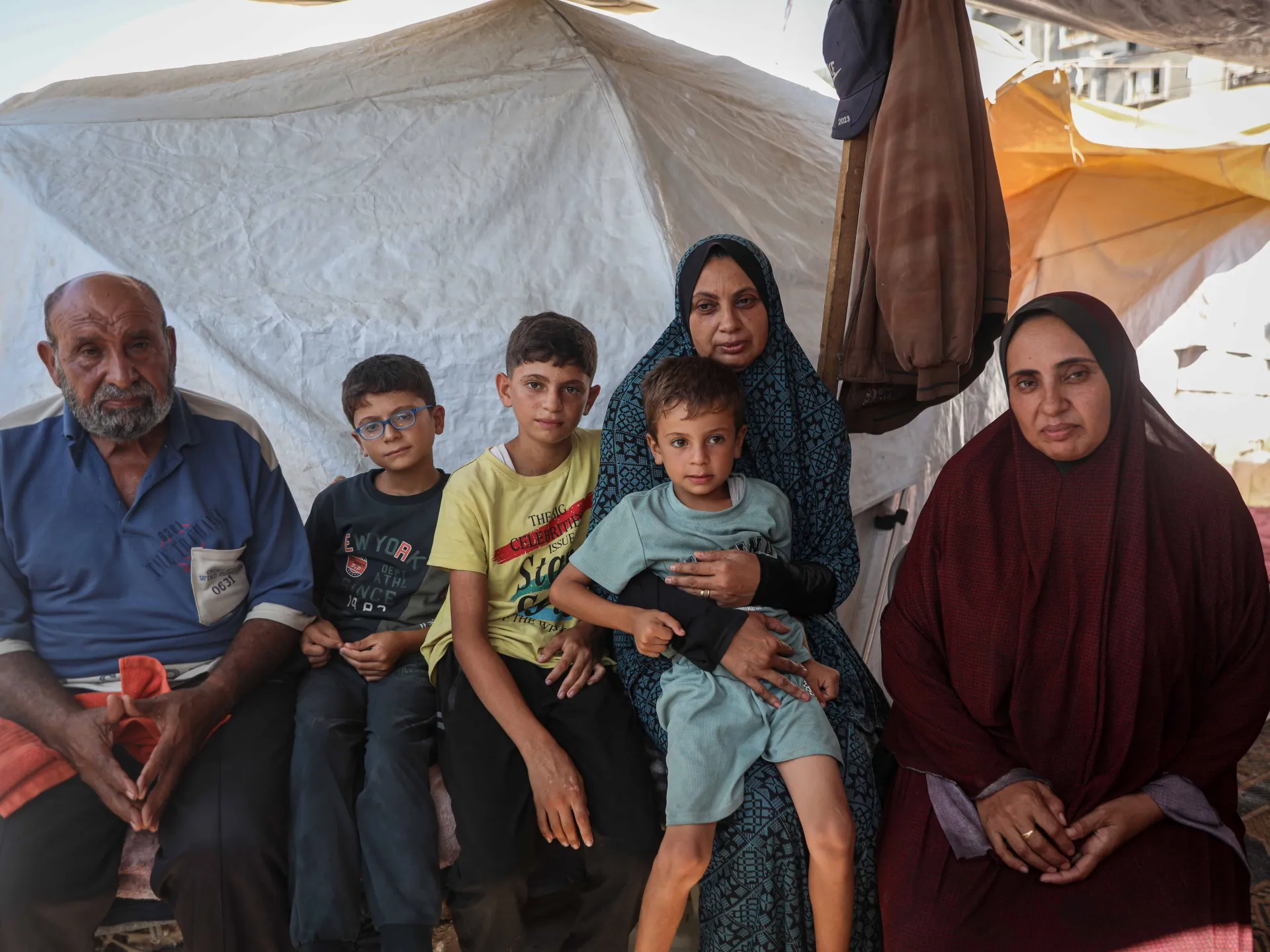
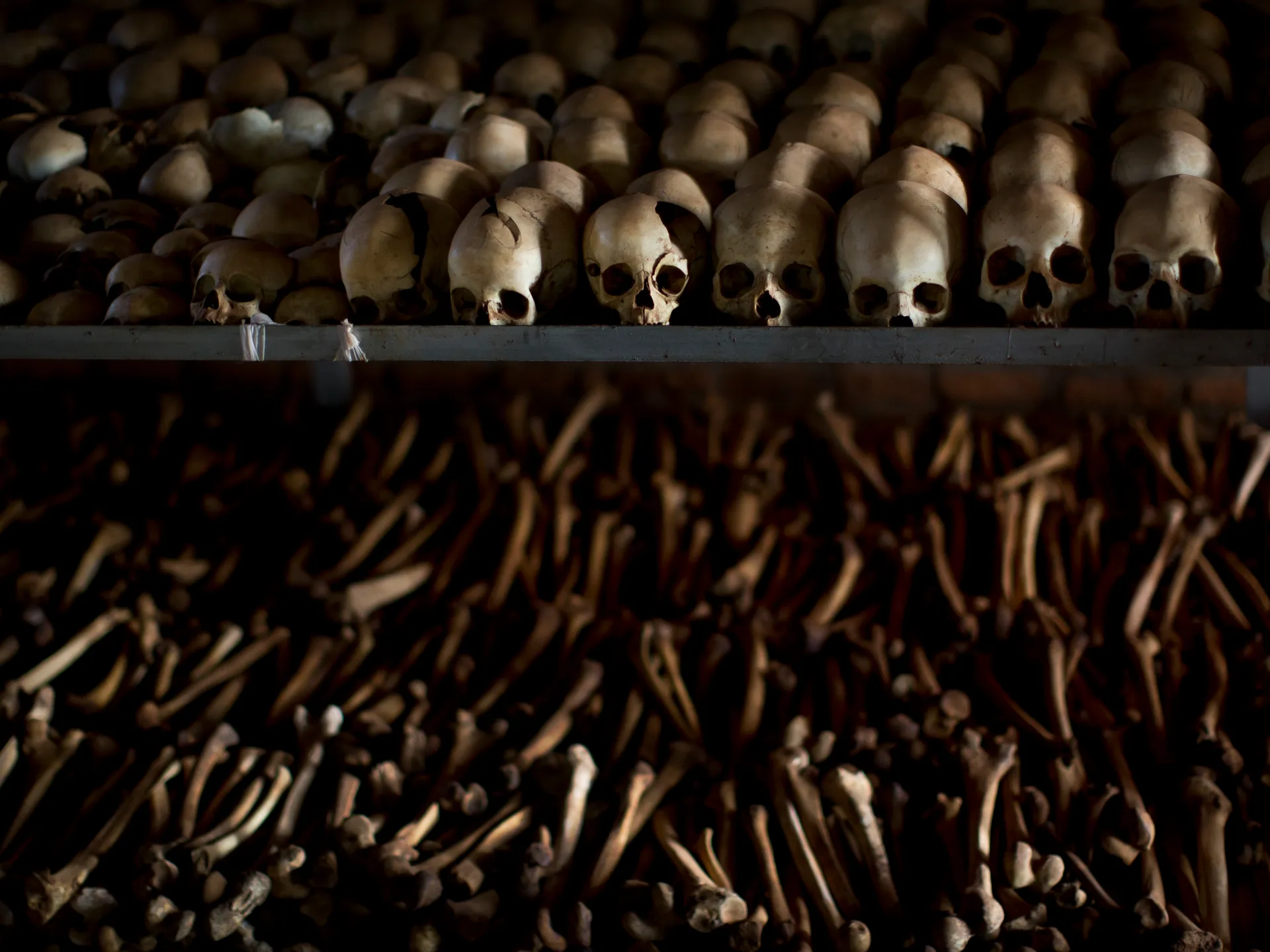
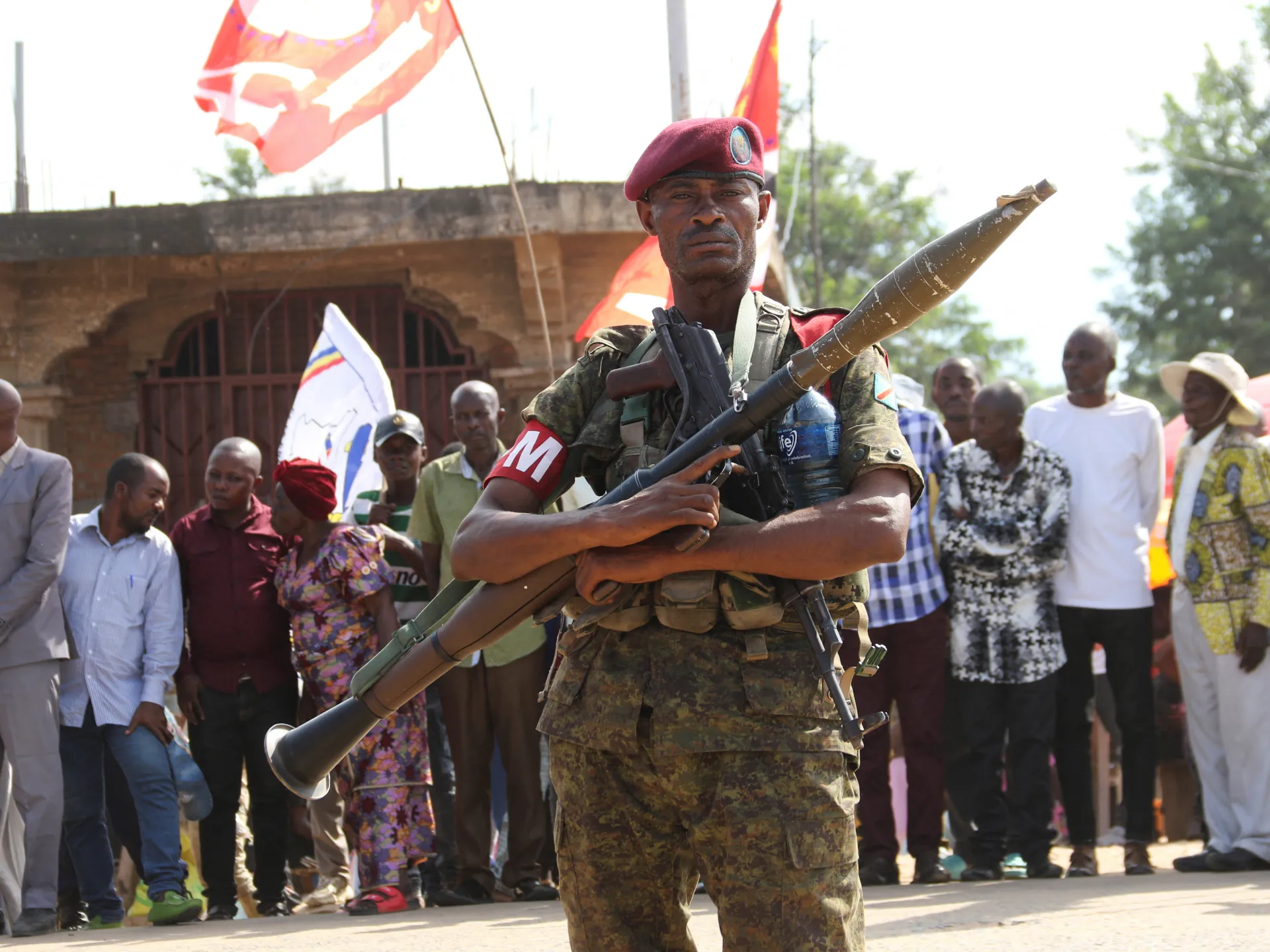
The path to this weekend's vote has been paved with profound sacrifice. For five decades, the southern Philippines was embroiled in a violent armed struggle between government forces and various separatist movements. The conflict, which sought greater autonomy for the Moro people, exacted a staggering toll on the population. Estimates suggest that at least 120,000 lives were lost during the long-standing hostilities, leaving behind a legacy of displacement, economic stagnation, and deep-seated trauma.
The violence hindered development in the region, keeping many communities in a cycle of poverty and insecurity. Schools, infrastructure, and public services were often disrupted ocratic process is viewed h prolonged conflict to flourish. Moving toward institutionalized politics is seen as a necessary step to ensure that the grievances of the past are addressed through policy rather than weaponry.
The upcoming vote is the direct result of the 2014 peace agreement signed between the Philippine government and the Moro Islamic Liberation Front (MILF). This landmark accord served as the foundation for the Bangsamoro Organic Law, which paved the way for the creation of the current autonomous government. The transition has been a gradual process of decommissioning combatants and transforming former rebels into political stakeholders, a delicate balancing act that has tested the resolve of both sides.
International observers and local advocates emphasize that the success of this election is vital for the long-term stability of the entire country. The peace agreement was touted as a model for resolving internal territorial disputes through negotiation rather than military force. As the first parliament is formed through the ballot box, the focus will shift toward economic reconstruction, the implementation of regional laws, and the delivery of essential services to a population that has waited decades for the fruits of peace.
While the mood in the region is one of cautious optimism, significant challenges remain. Integrating former combatants into civilian life and ensuring the new government can effectively manage regional resources are daunting tasks. The transition government has worked to build administrative capacity, but the real test lies in the ability of the new administration to foster inclusive governance that represents the diverse interests of the Bangsamoro people, including various ethnic and religious groups.