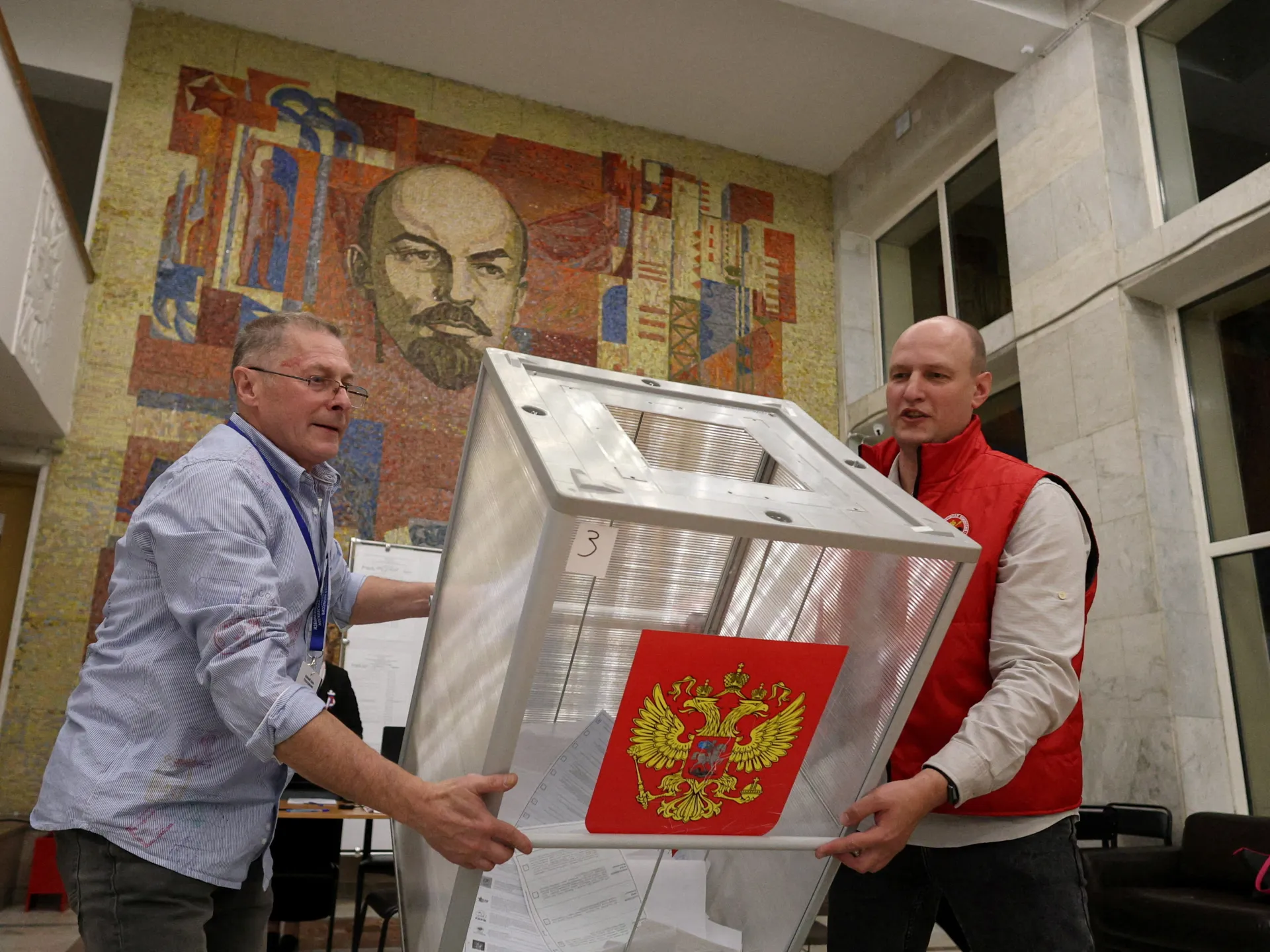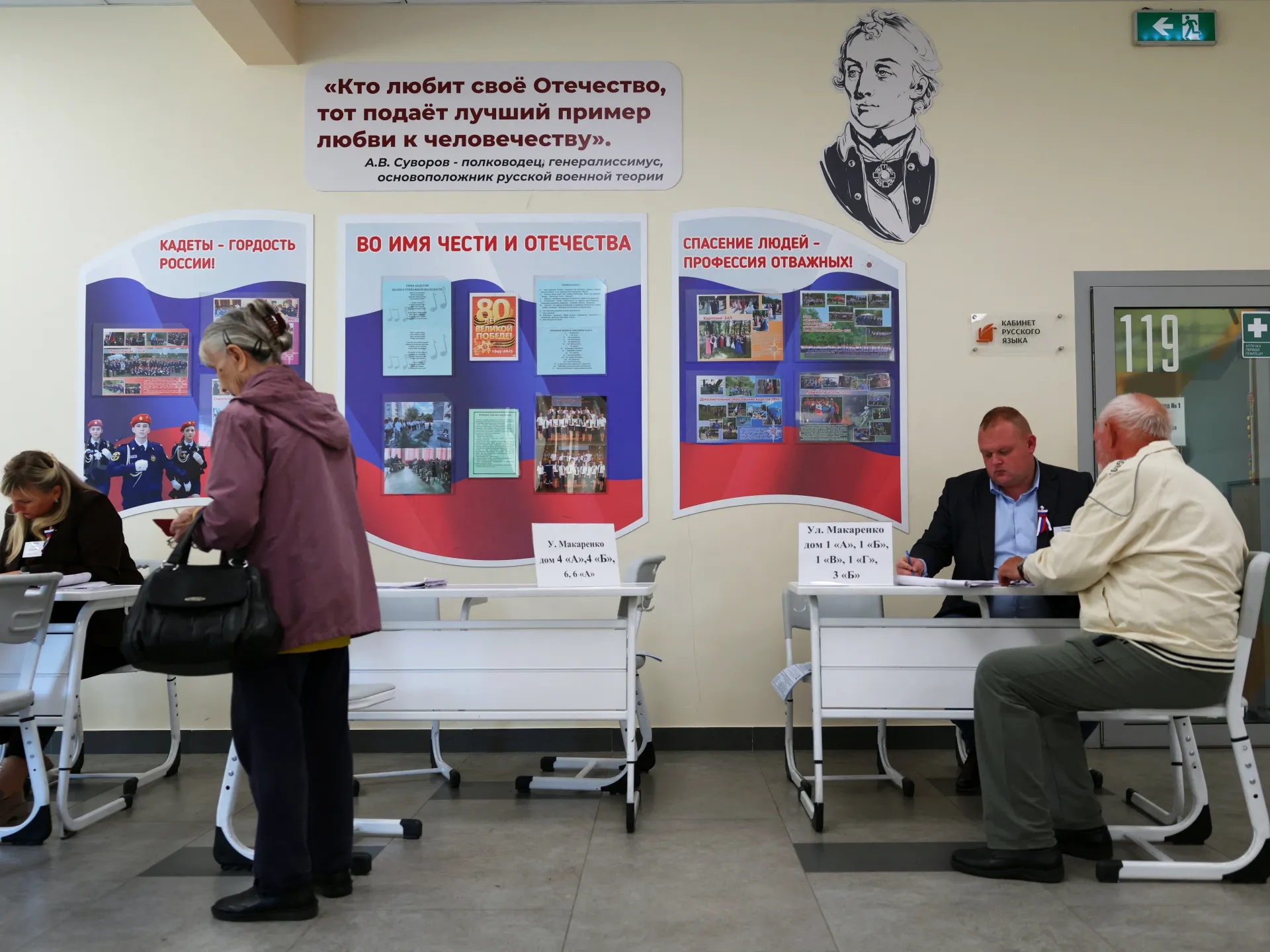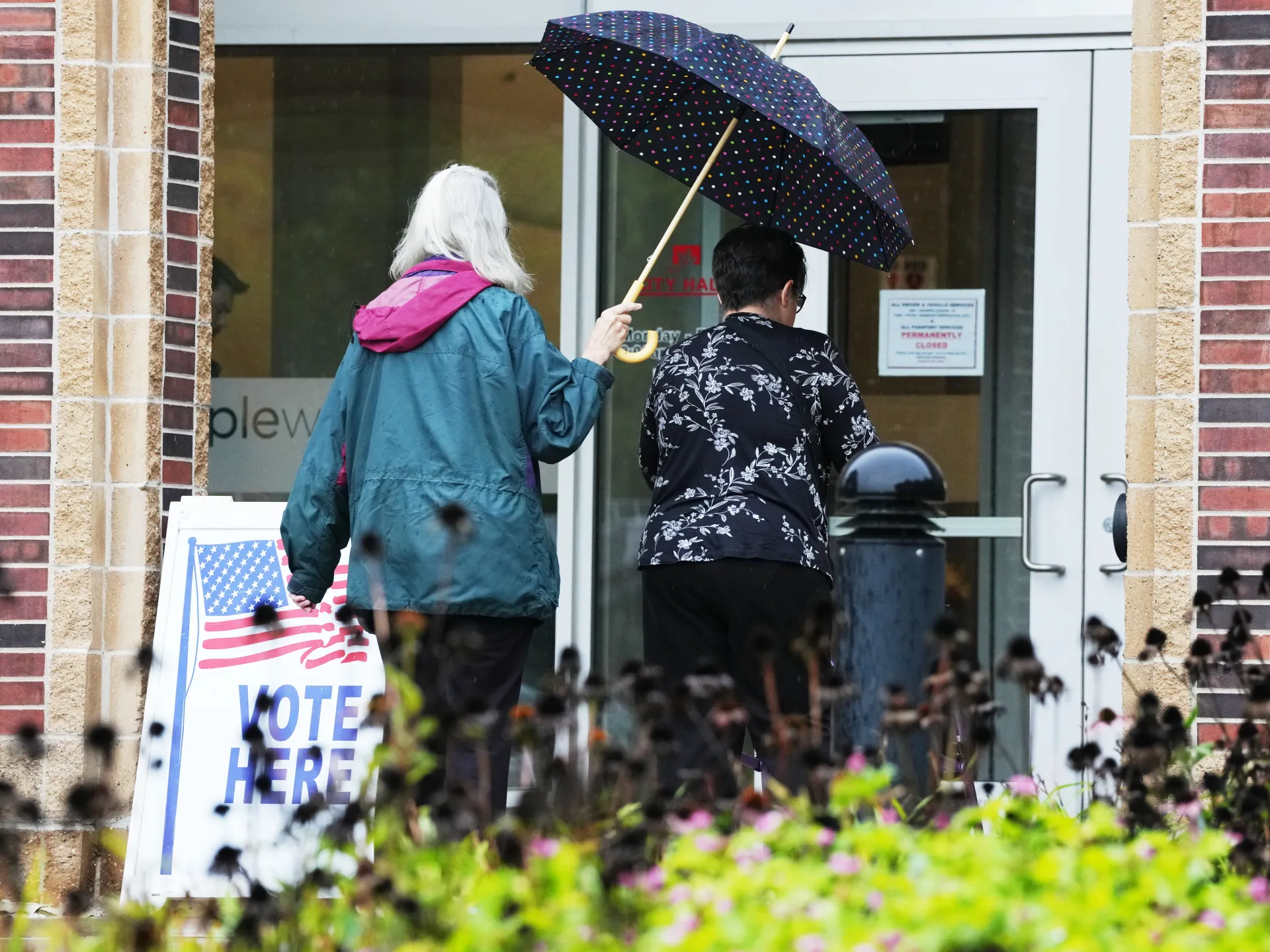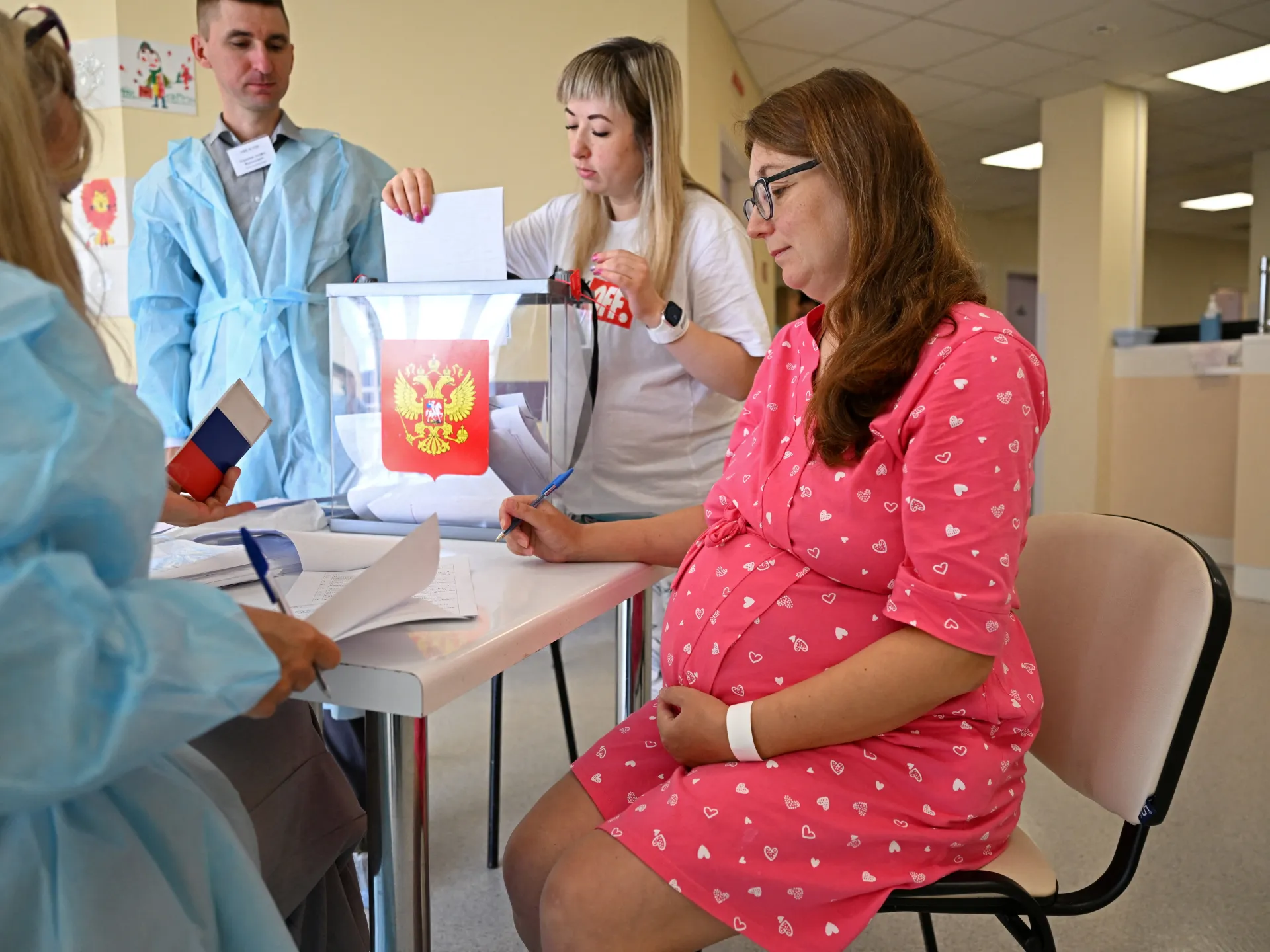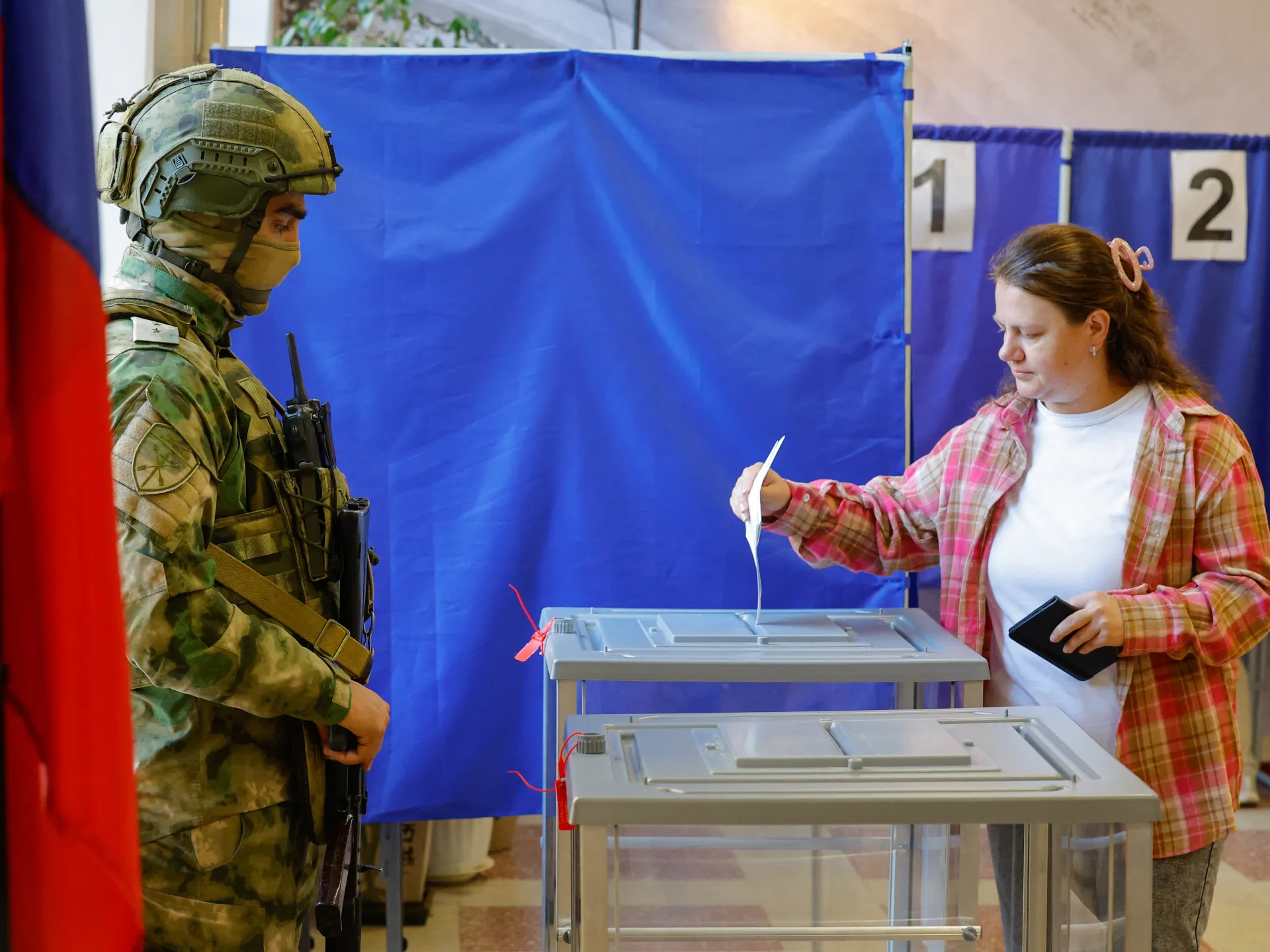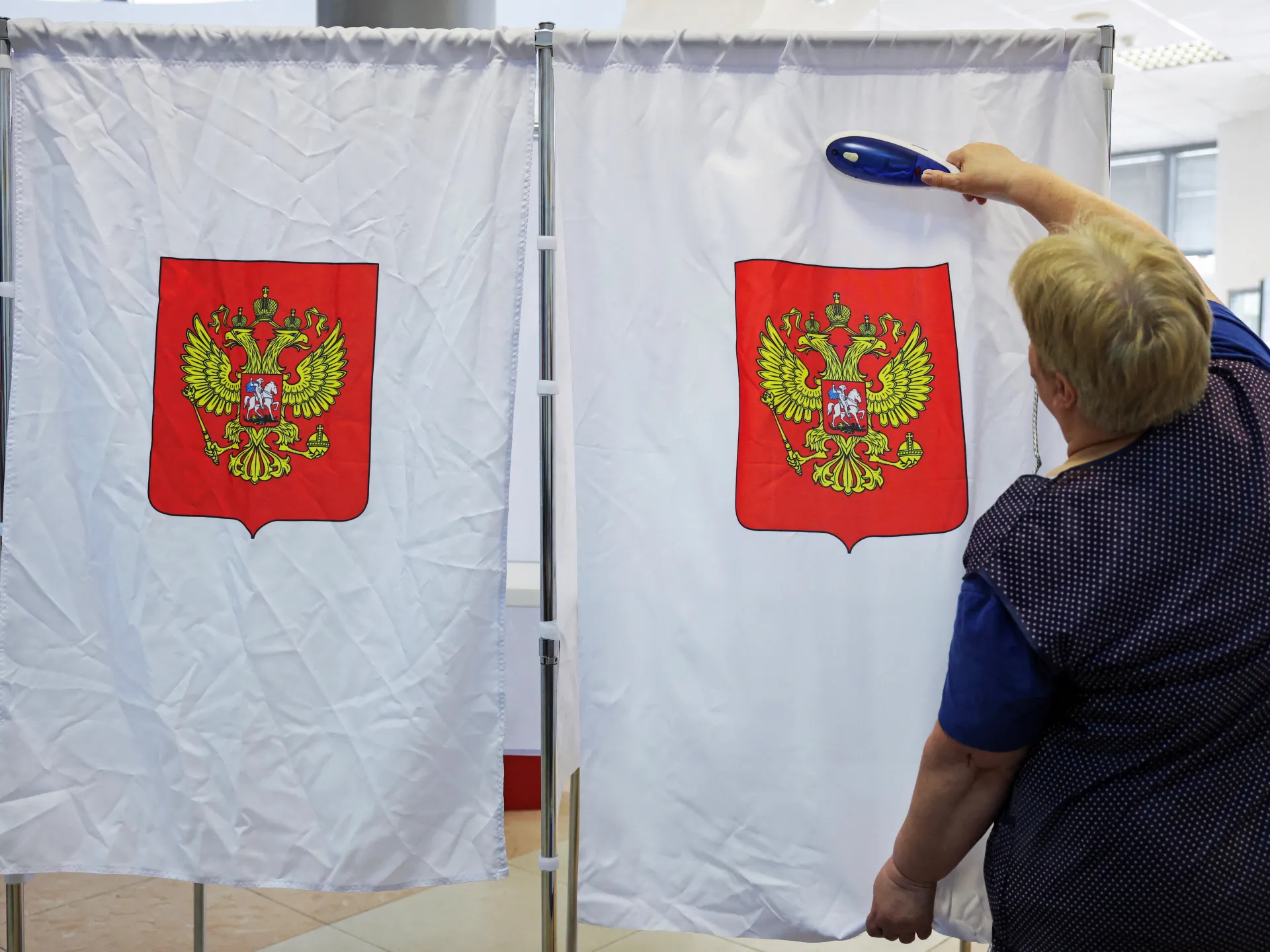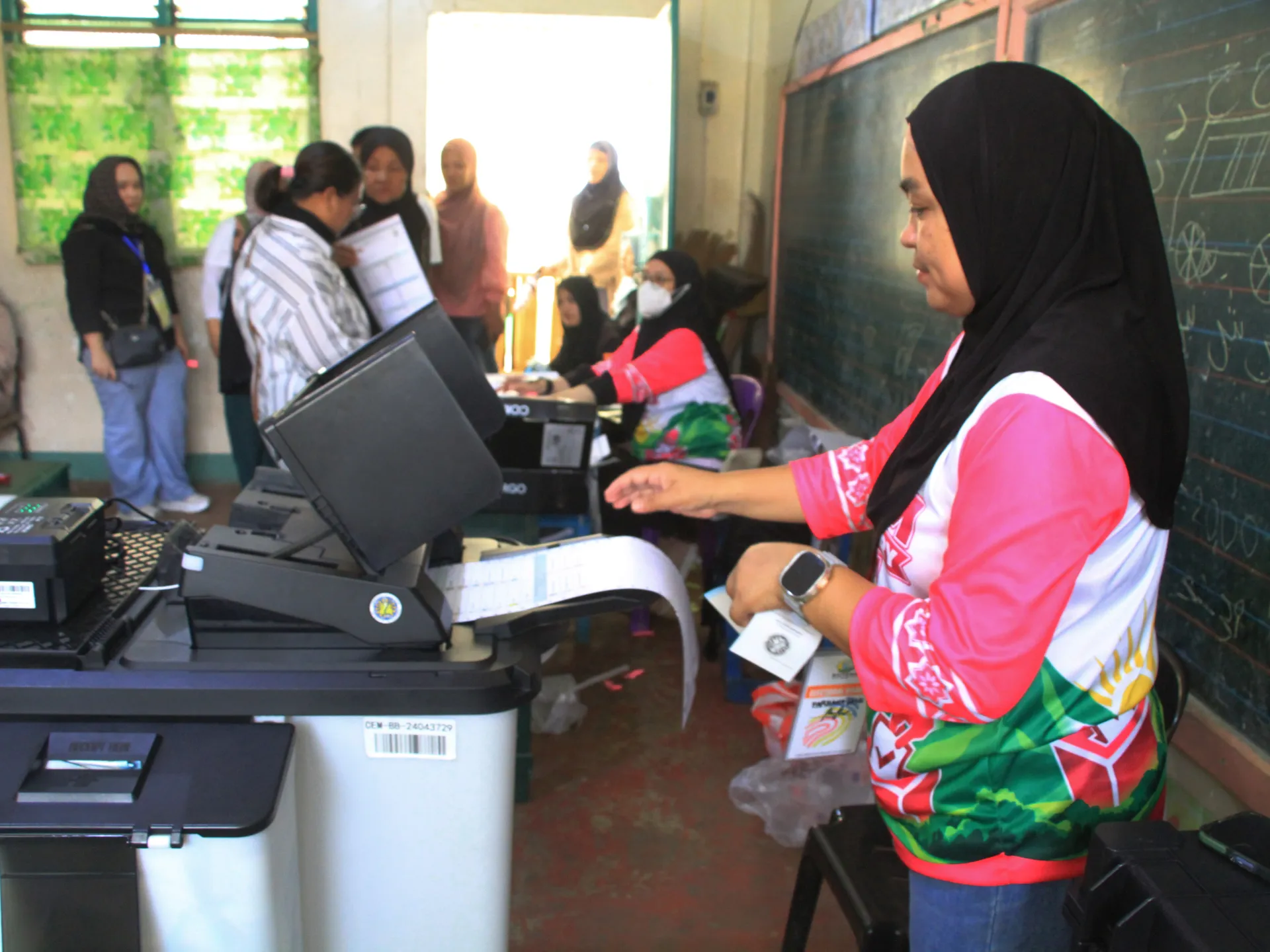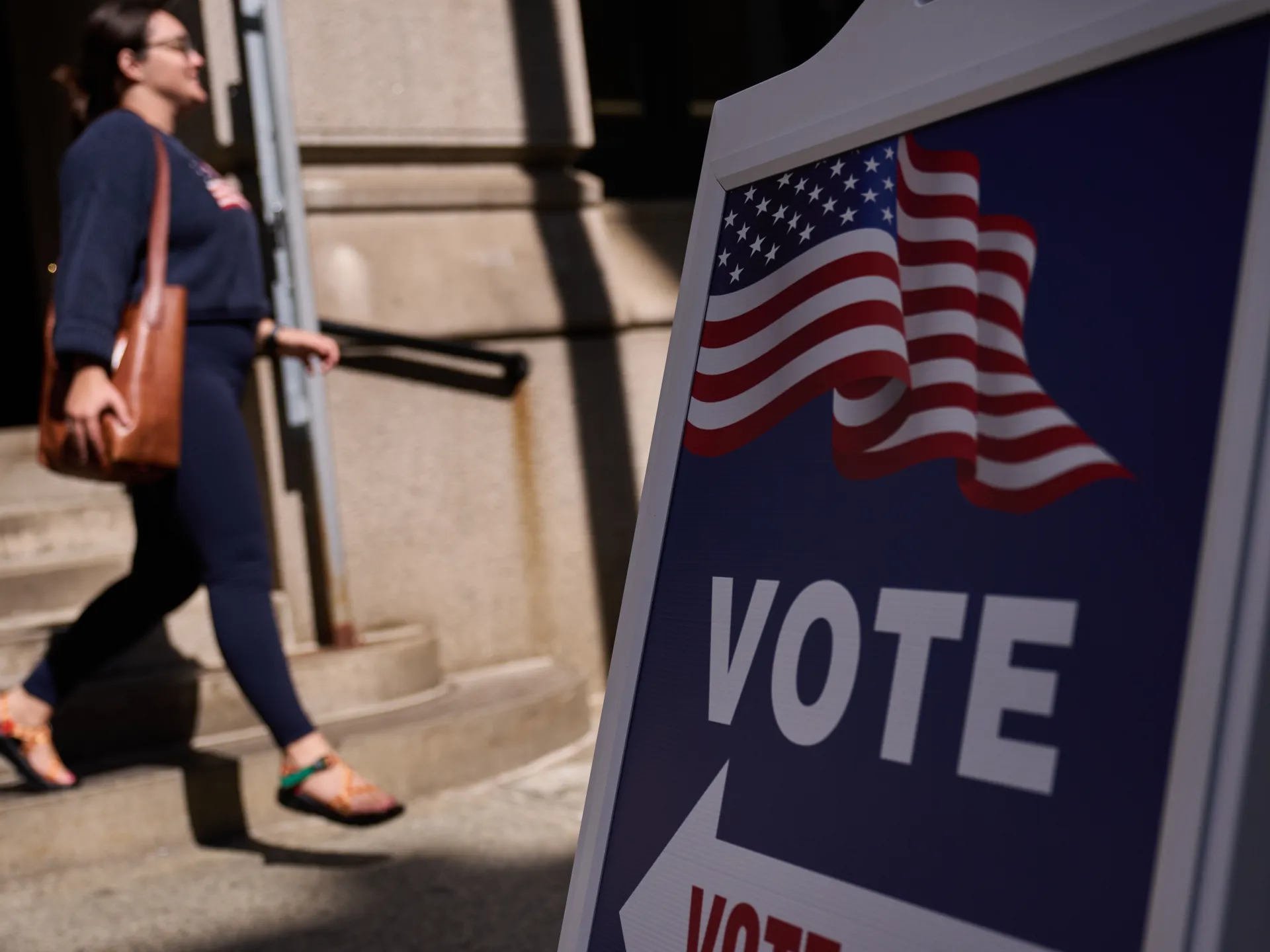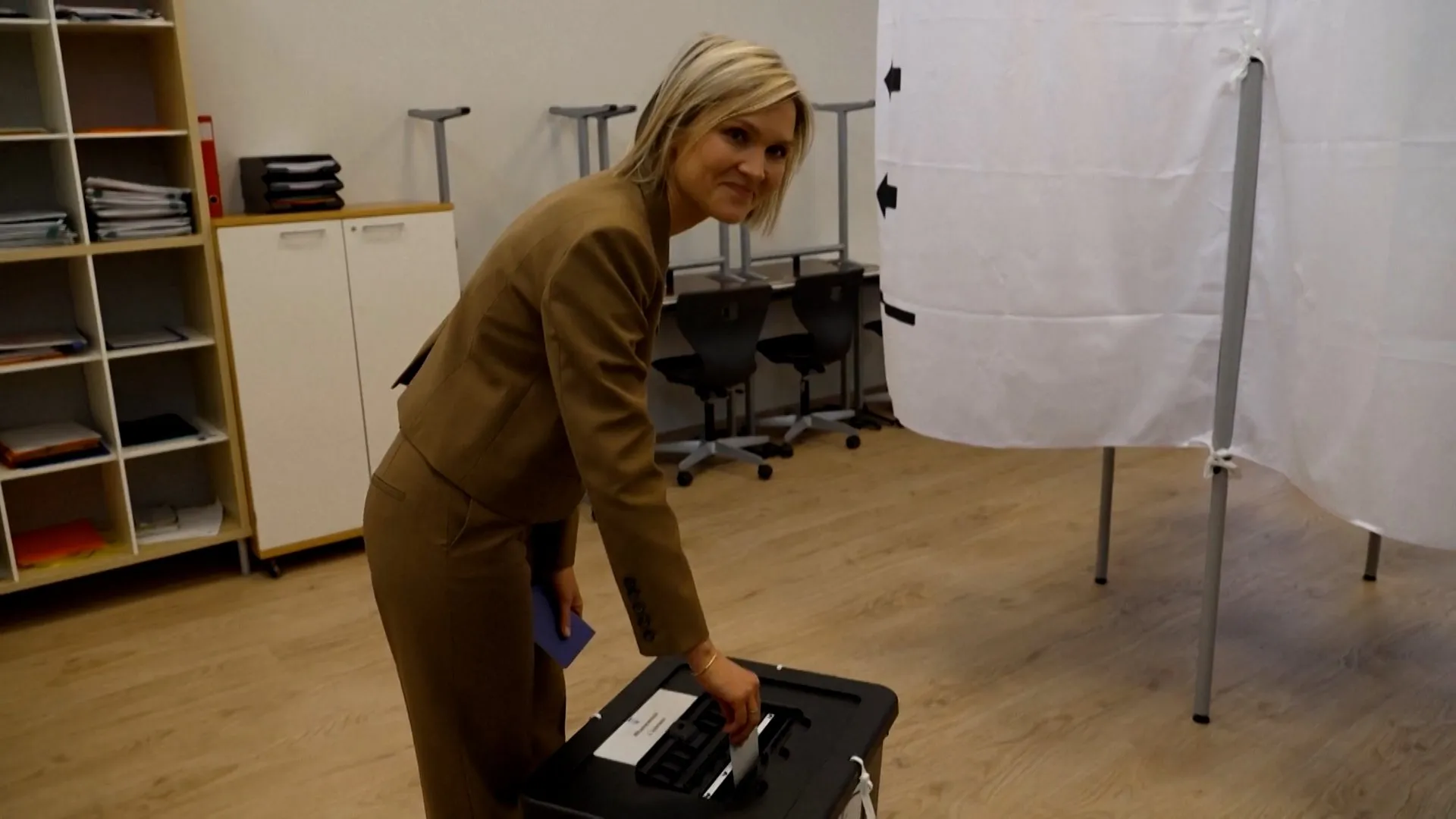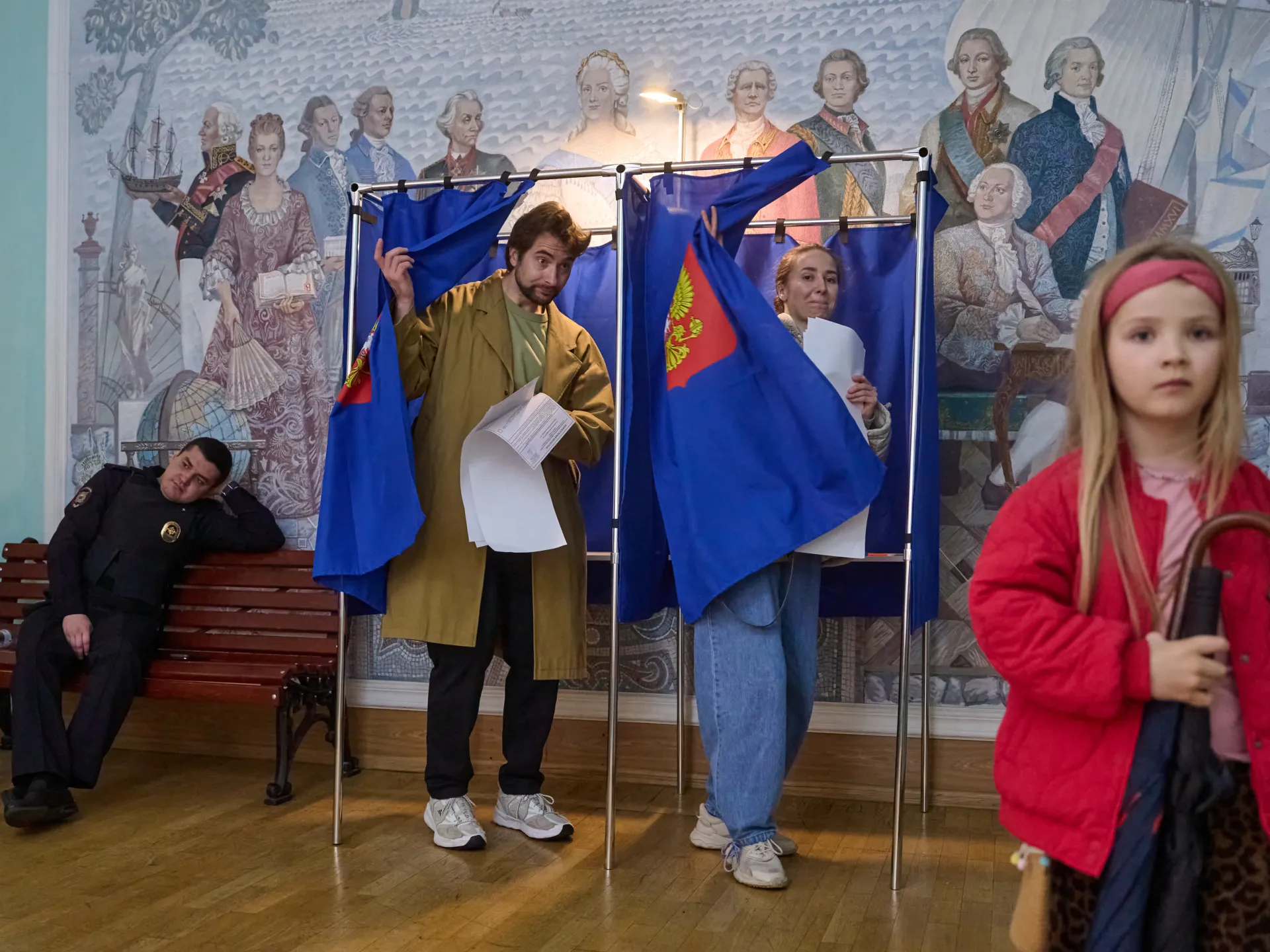
Early vote counts confirm a predictable victory for President Vladimir Putin’s party as Russia holds its first parliamentary elections since the invasion of Ukraine.
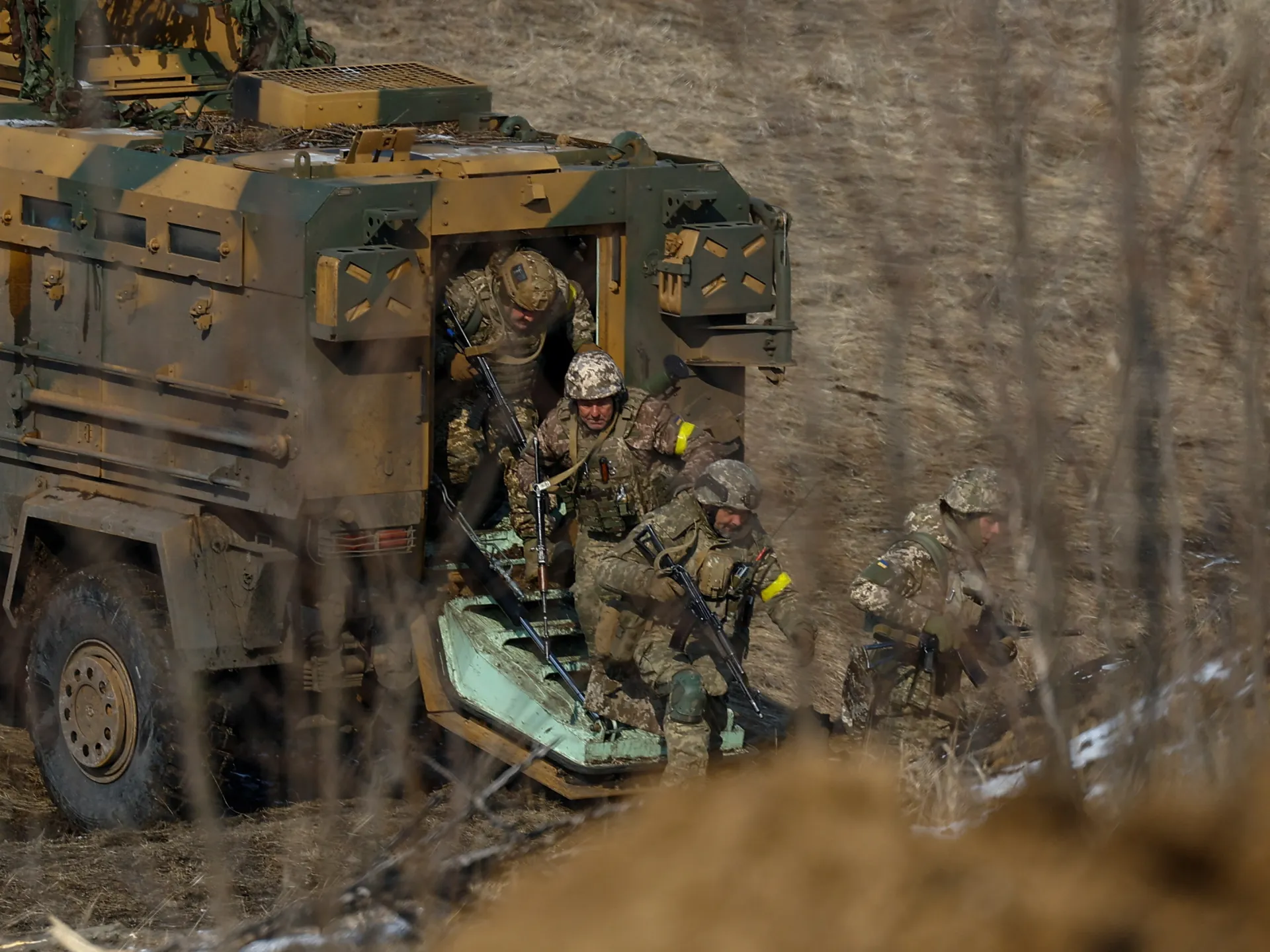
The conclusion of Russia's latest parliamentary elections serves as a critical barometer for the internal stability of the Kremlin during an ongoing, high-stakes military engagement in Ukraine. stripped of substantive opposition, signaling that the domestic front is being managed with the same rigid control applied to the front lines. The inclusion of voting in illegally annexed Ukrainian territories underscores the degree to which Moscow is attempting to normalize the integration of seized lands into its administrative and political infrastructure, a move that remains categorically rejected
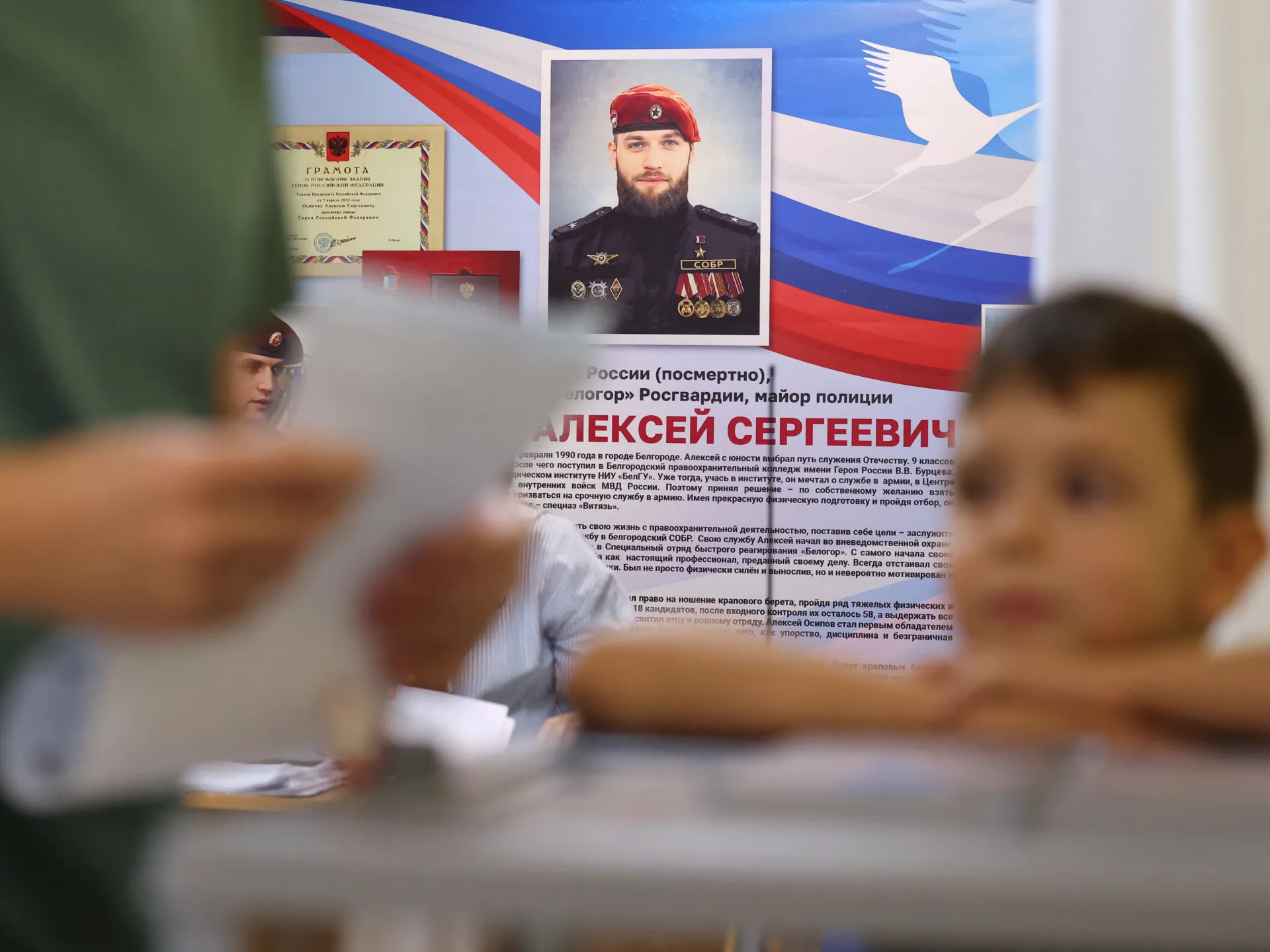
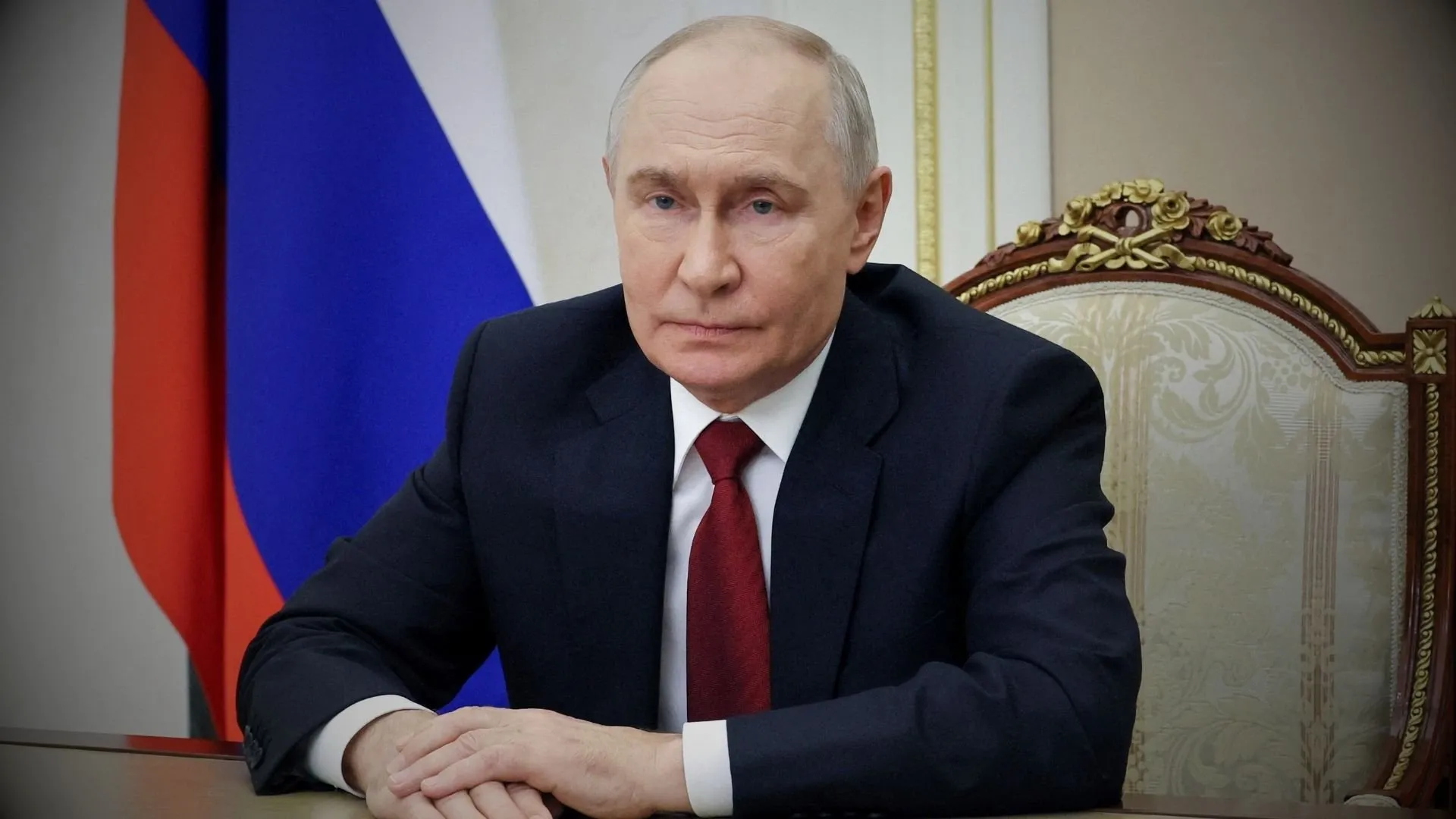
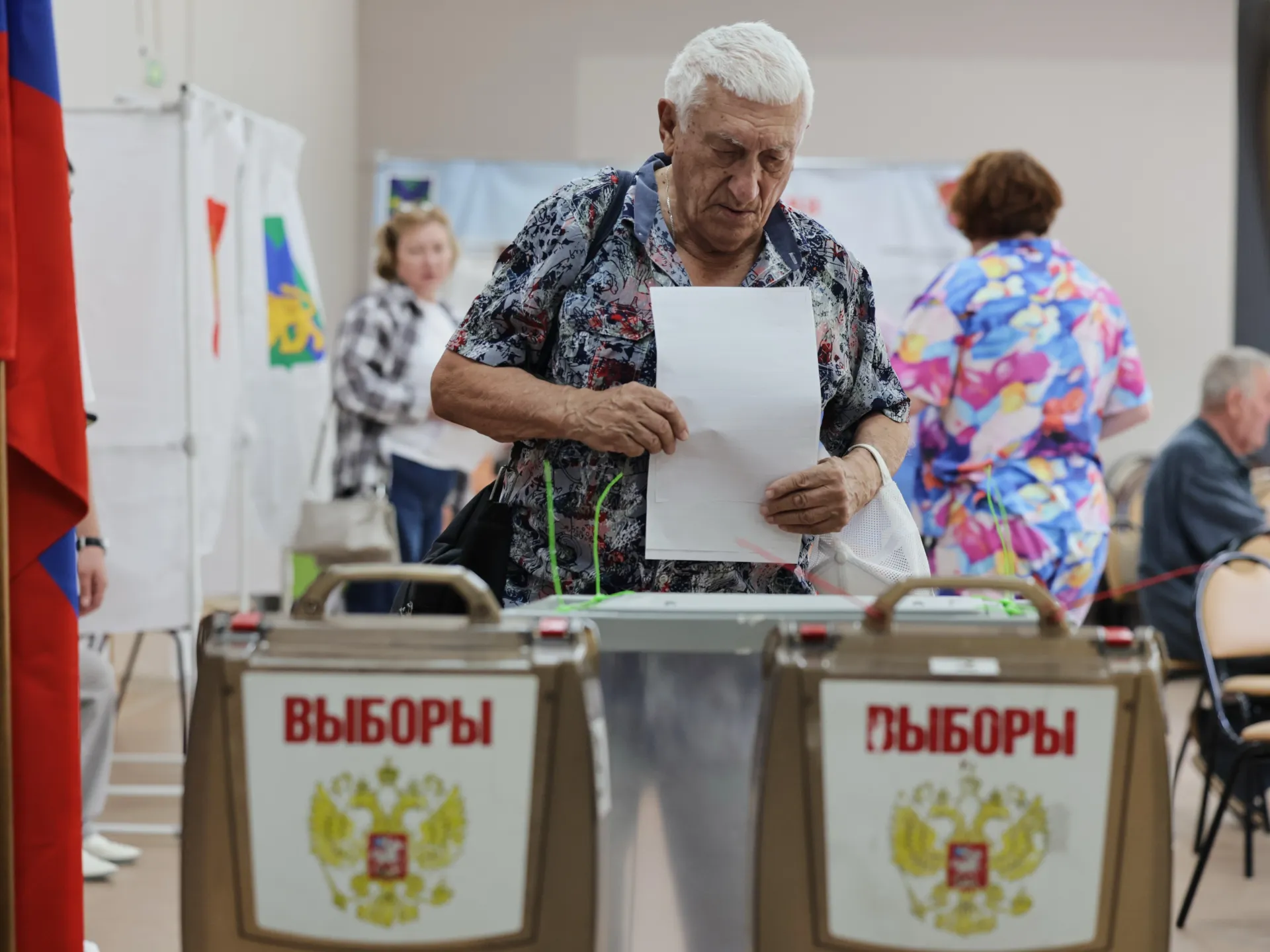
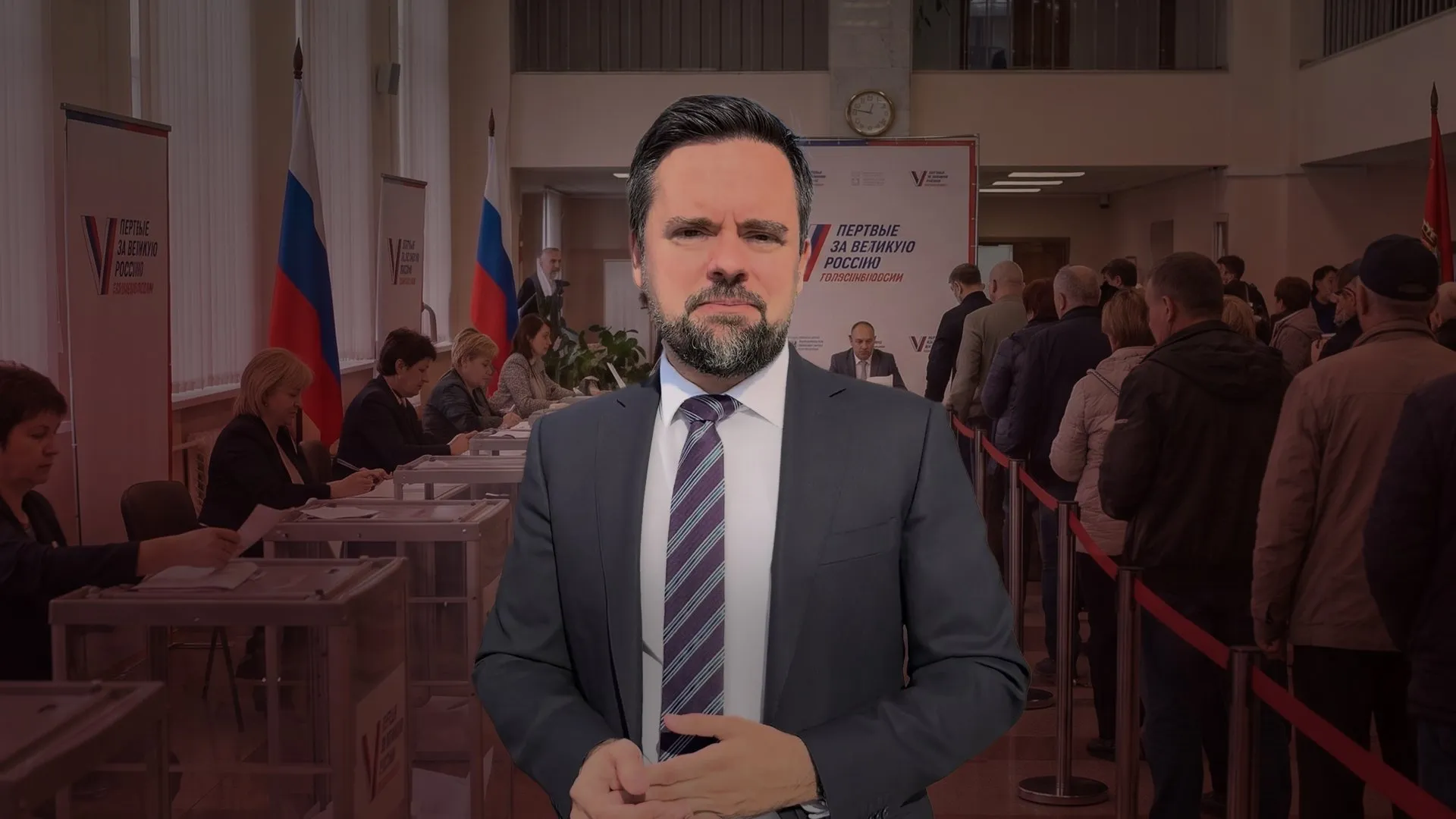
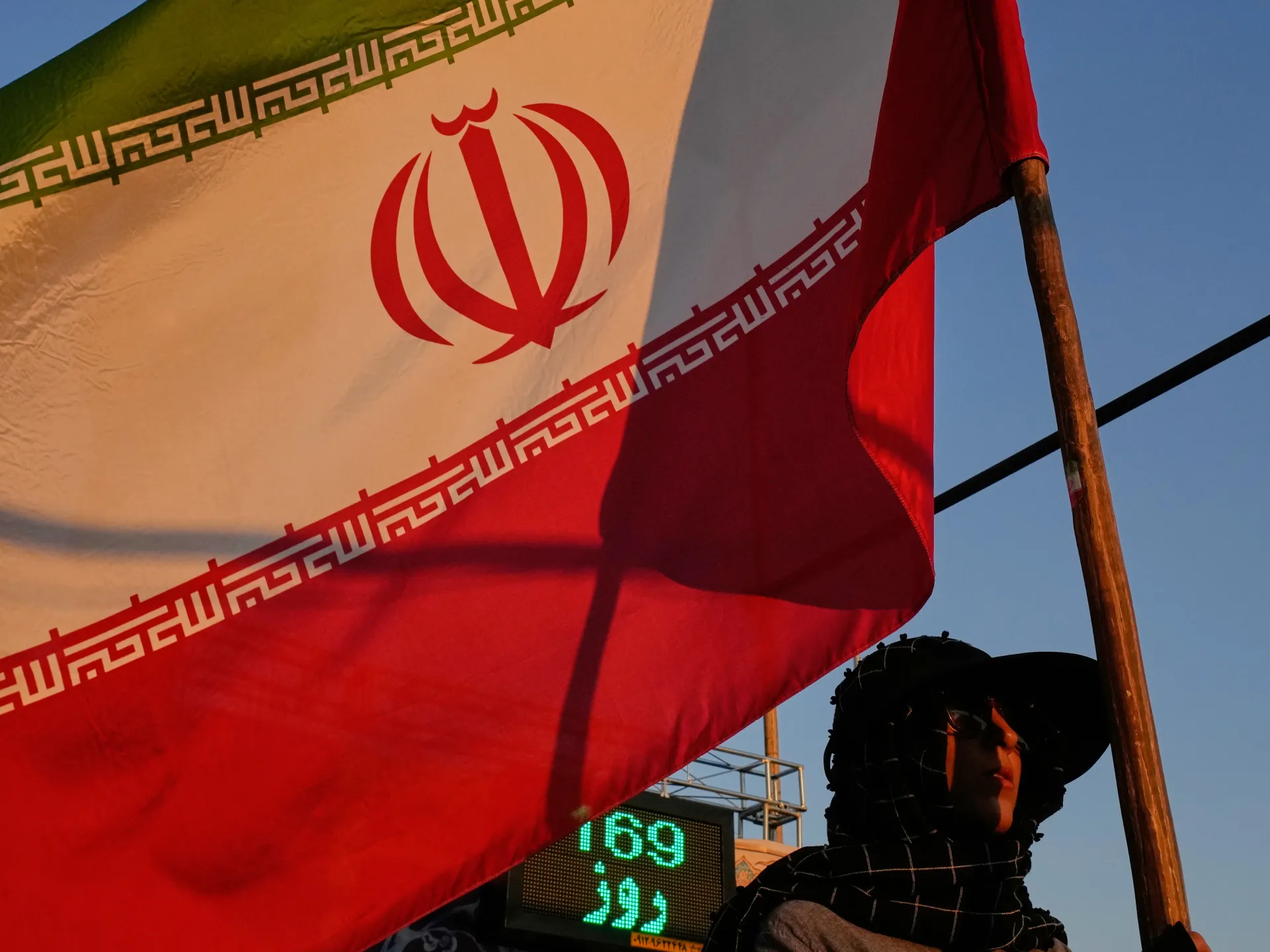
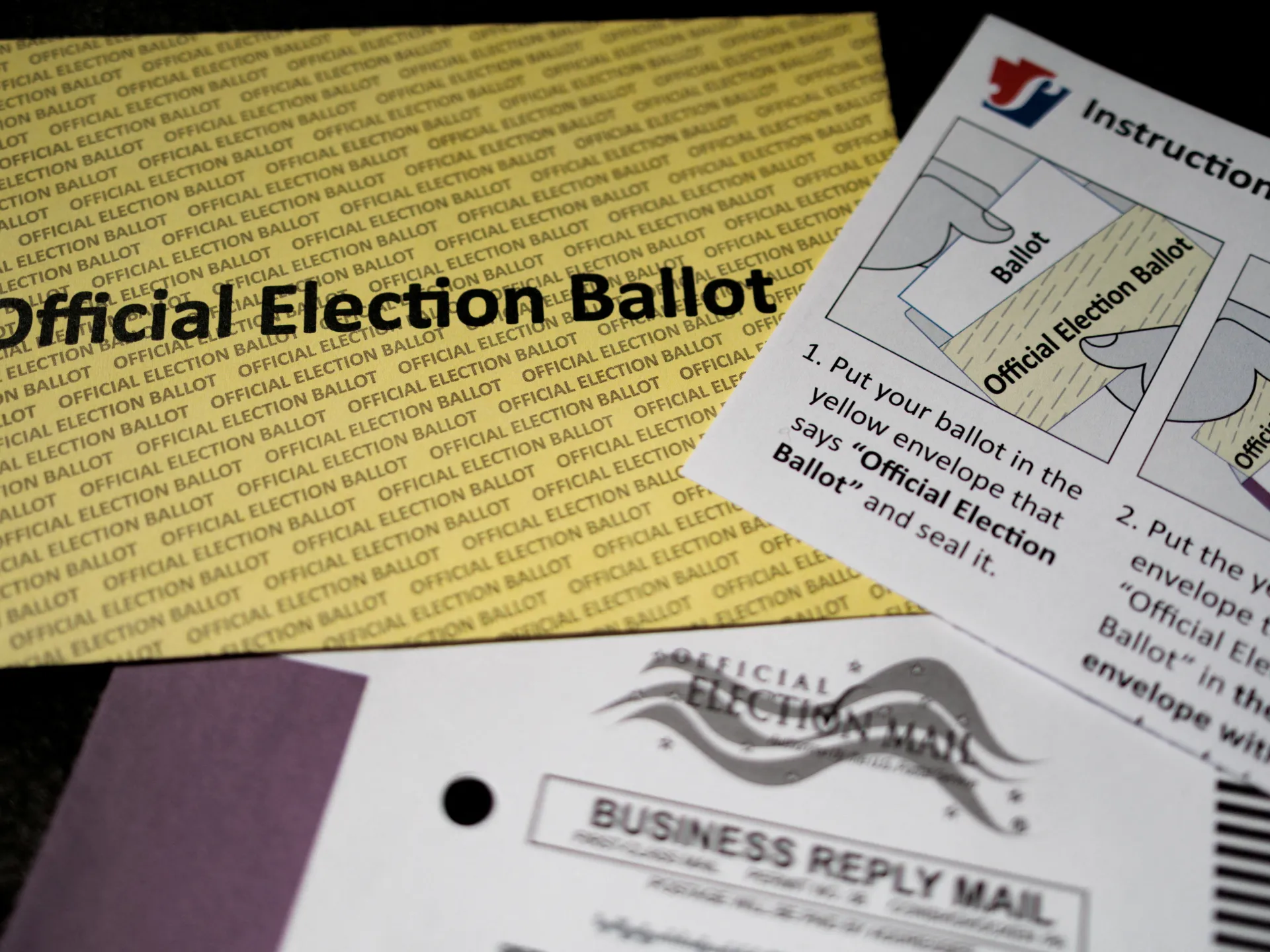
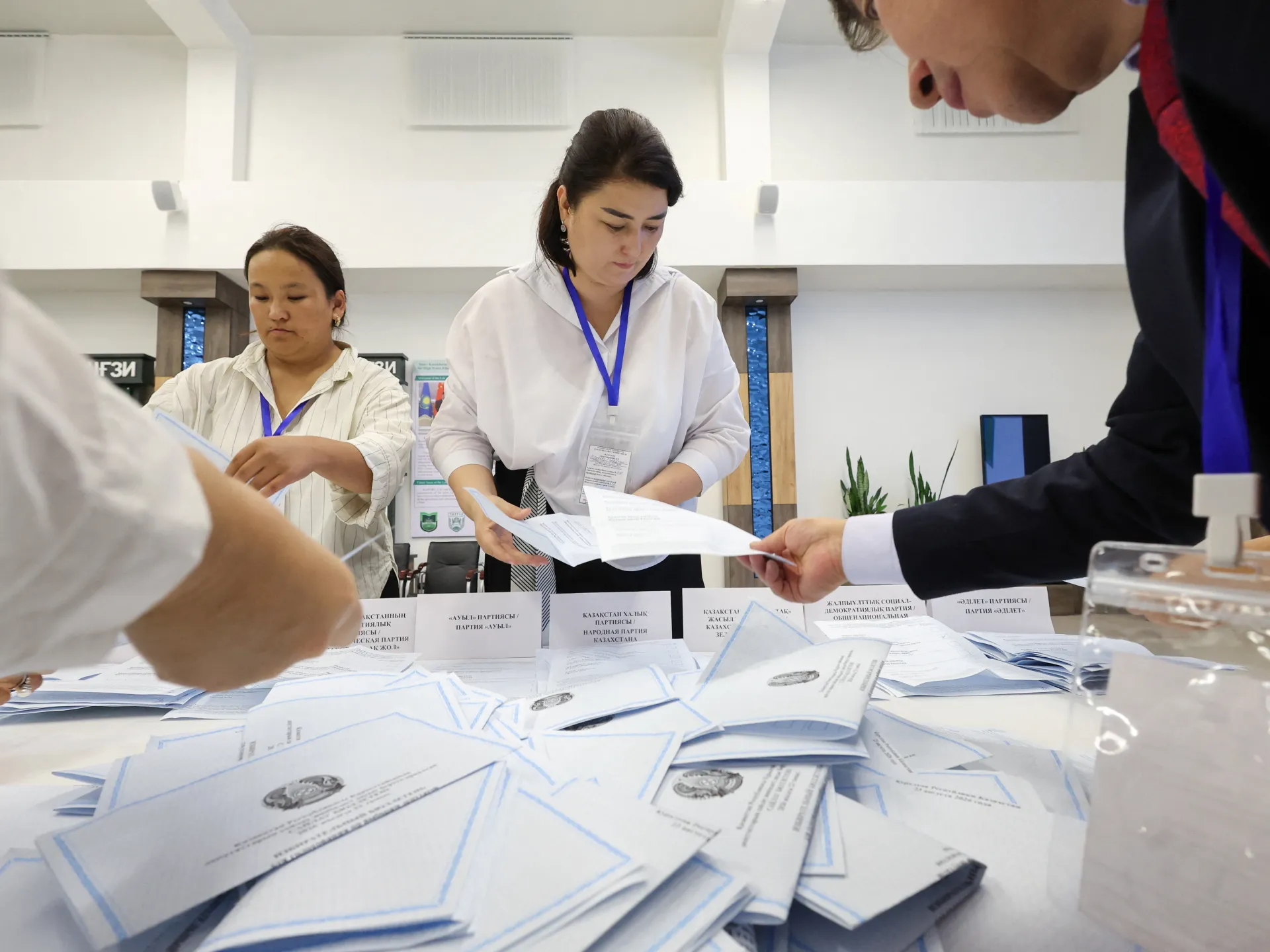
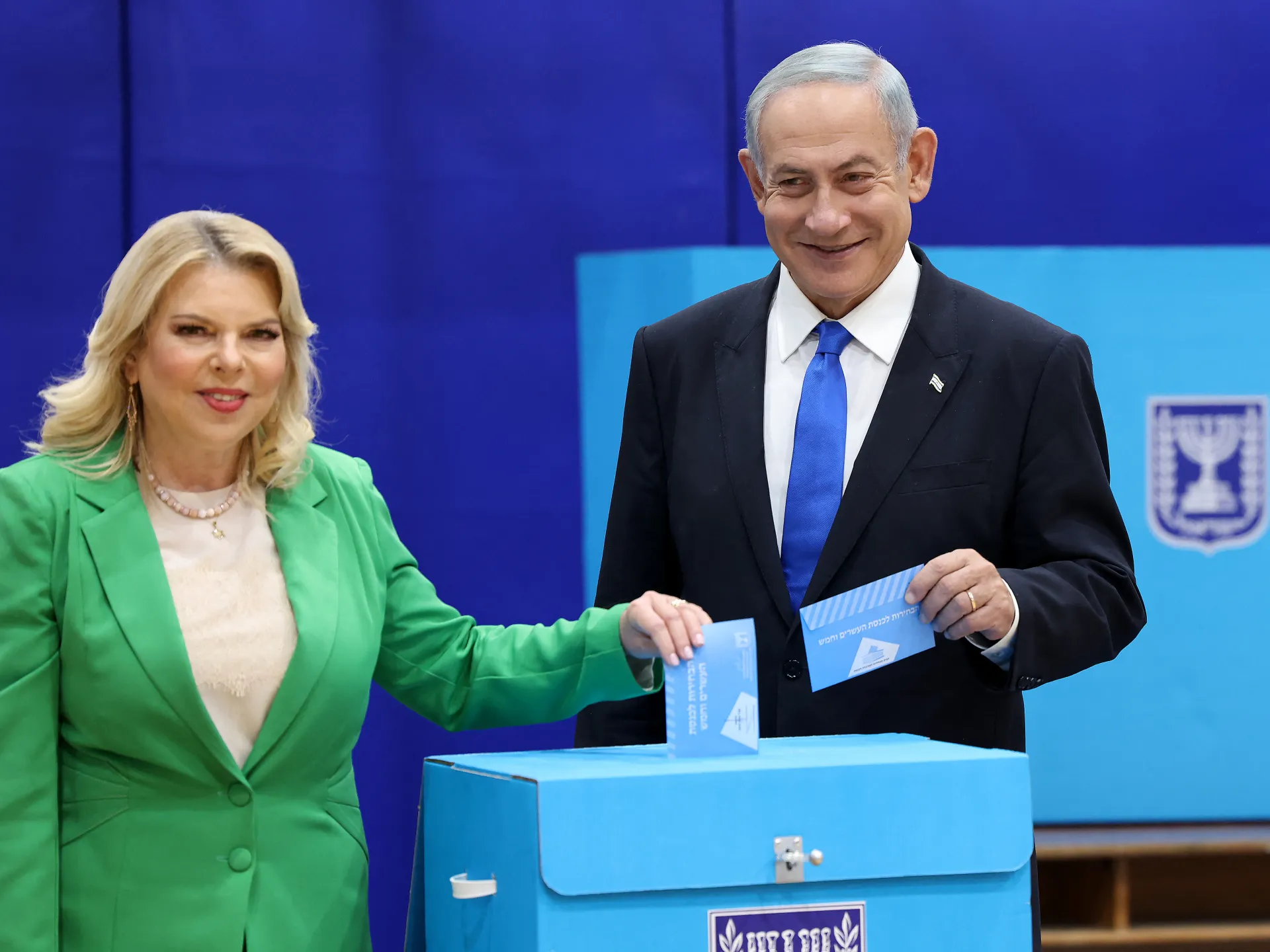
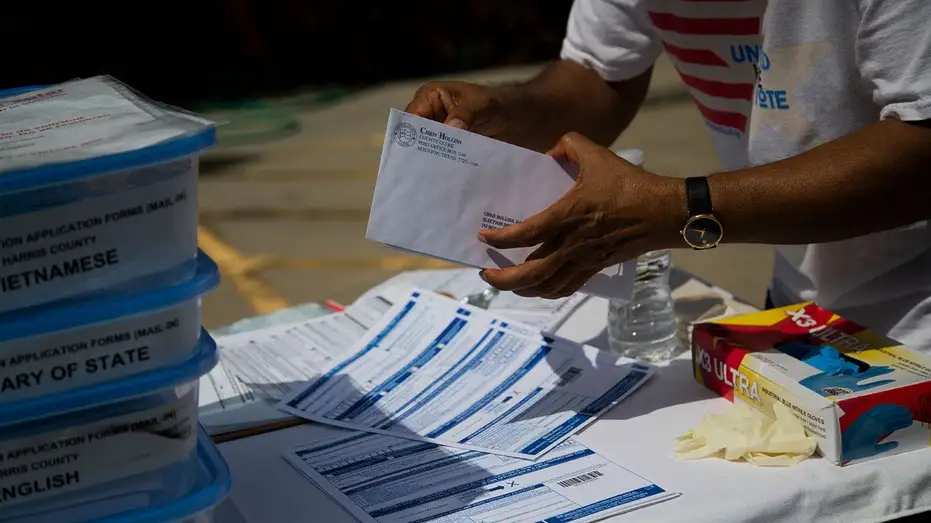
As the Central Election Commission (CEC) approaches the final tally, with over 90 percent of ballots processed, the results confirm that President Vladimir Putin’s United Russia party has secured a dominant position within the State Duma. The outcome, which was widely anticipated, places the ruling party at roughly 57.86 percent of the vote. Under the current system, this secures 225 seats via party lists, with expectations that the party will perform similarly well in the remaining single-seat constituencies.
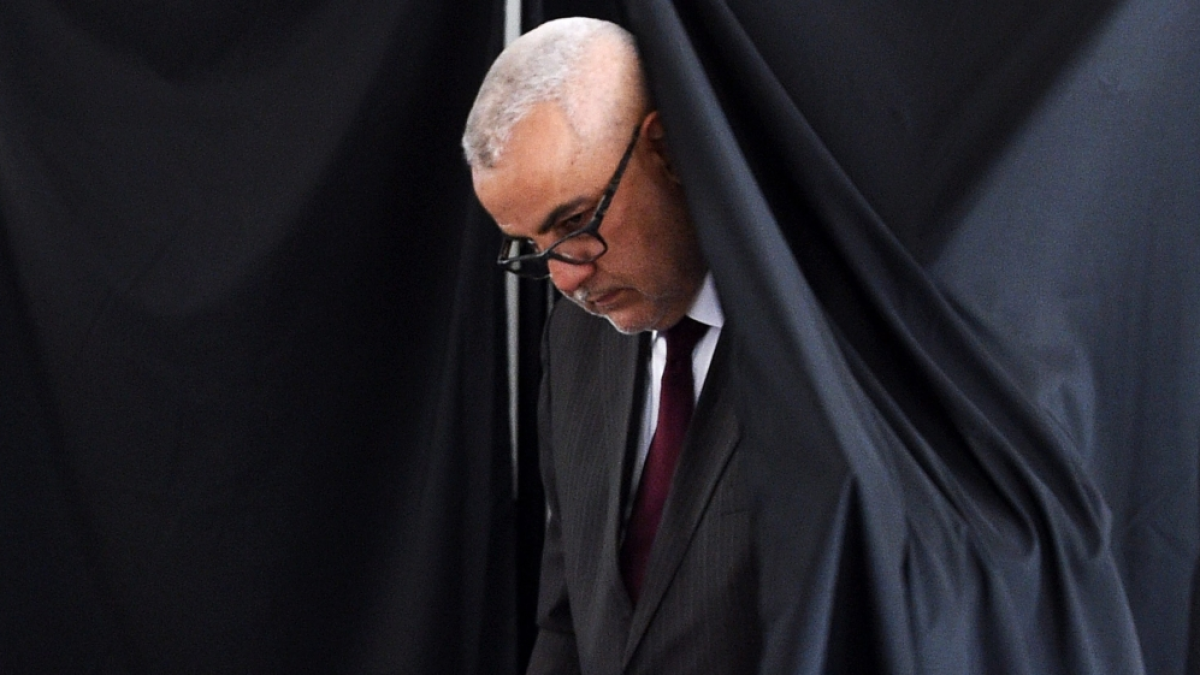
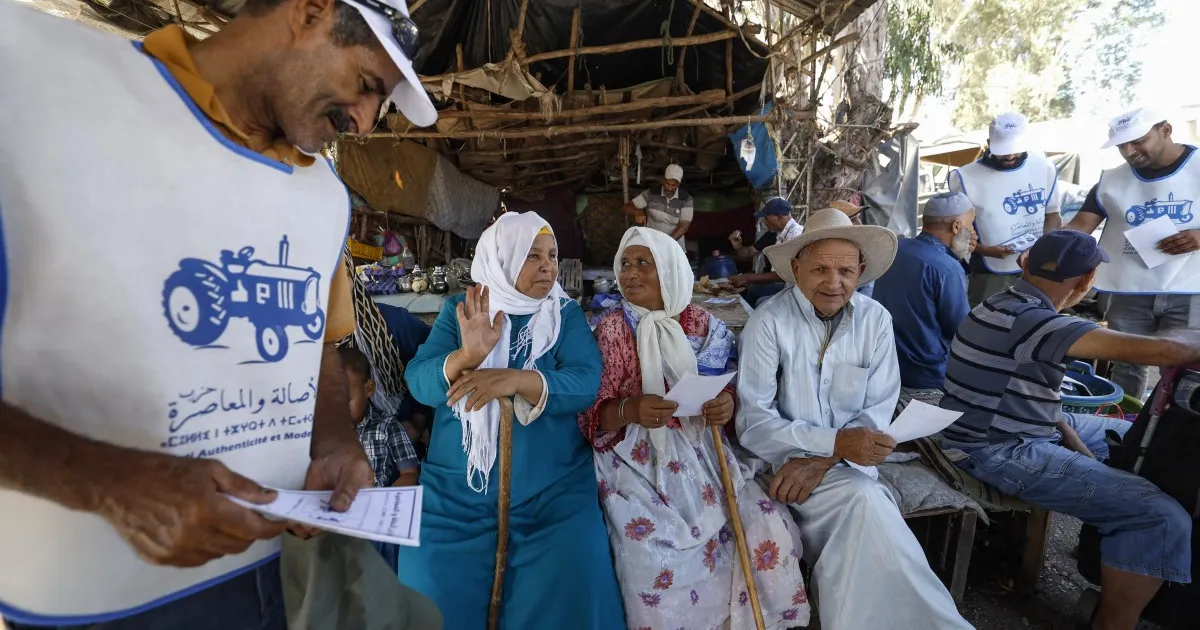
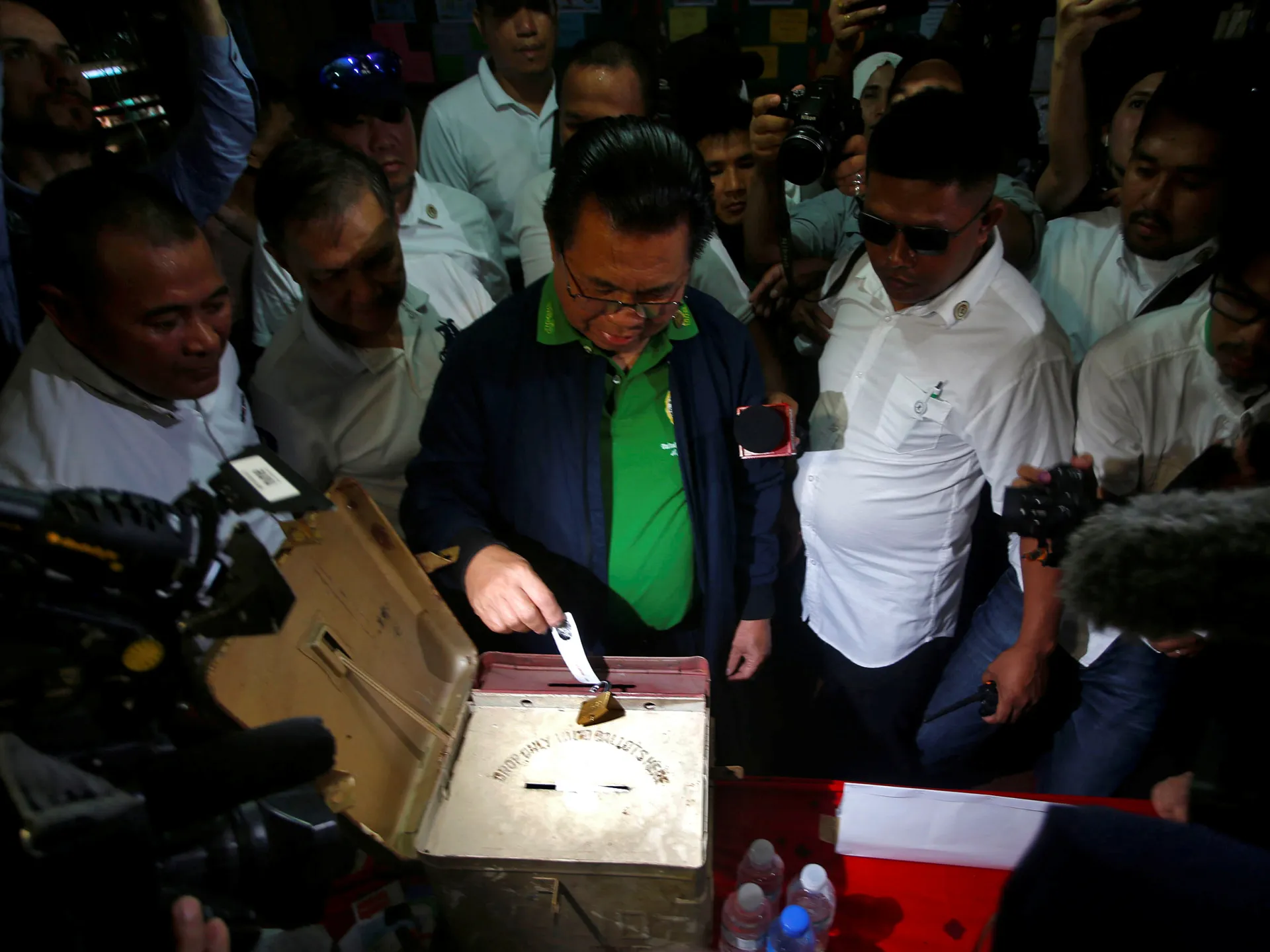
This electoral cycle was characterized onflict in Ukraine barred from the ballot, the remaining field was limited to parties that generally align with Kremlin policy. The Communist Party of the Russian Federation (CPRF) trailed with 13.84 percent, followed percent, and A Just Russia at 4.95 percent. The restrictive environment led to rare acts of protest, such as the leader of the Yabloko party, Nikolai Rybakov, publicly spoiling his ballot to advocate for peace.
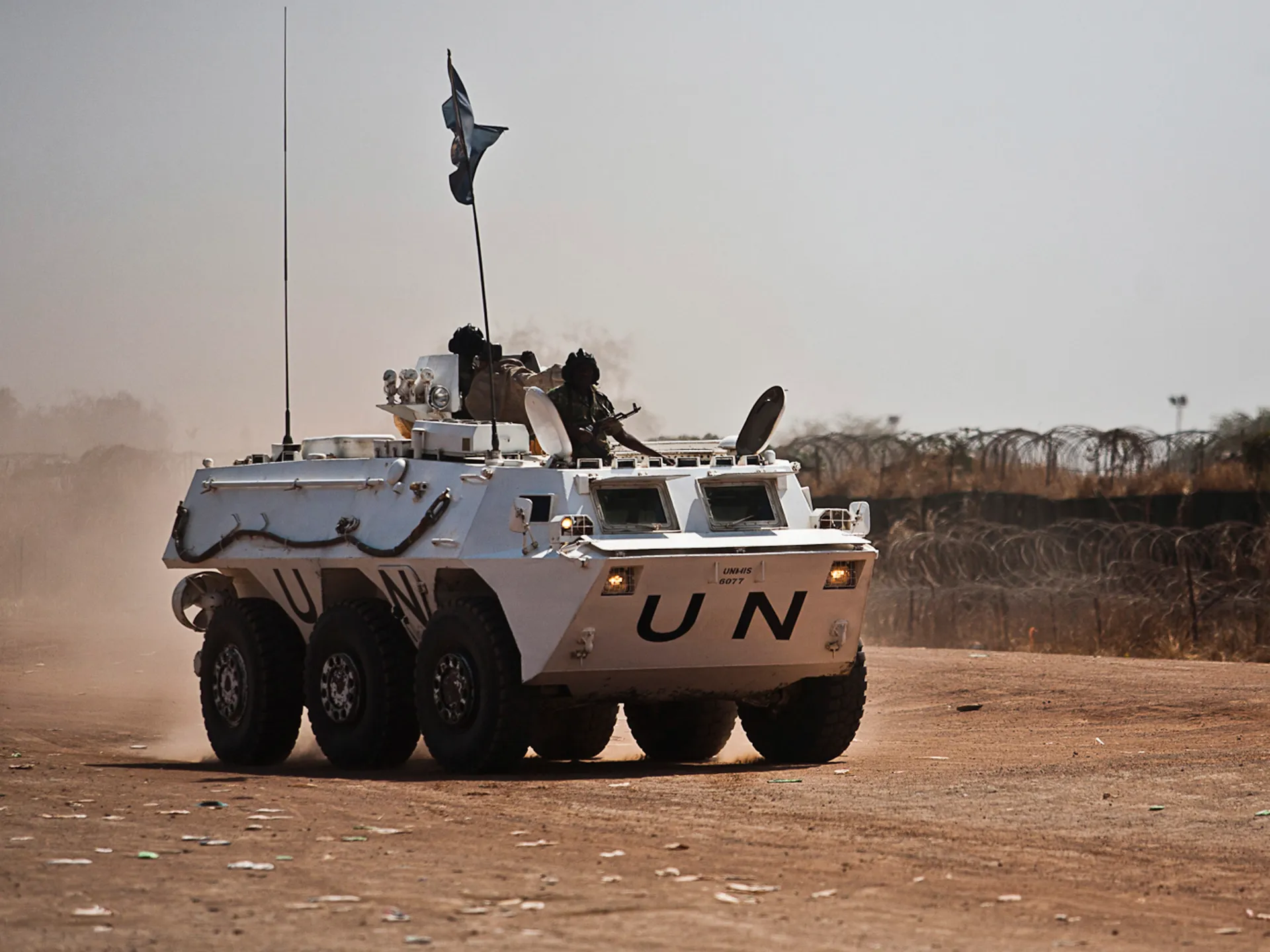
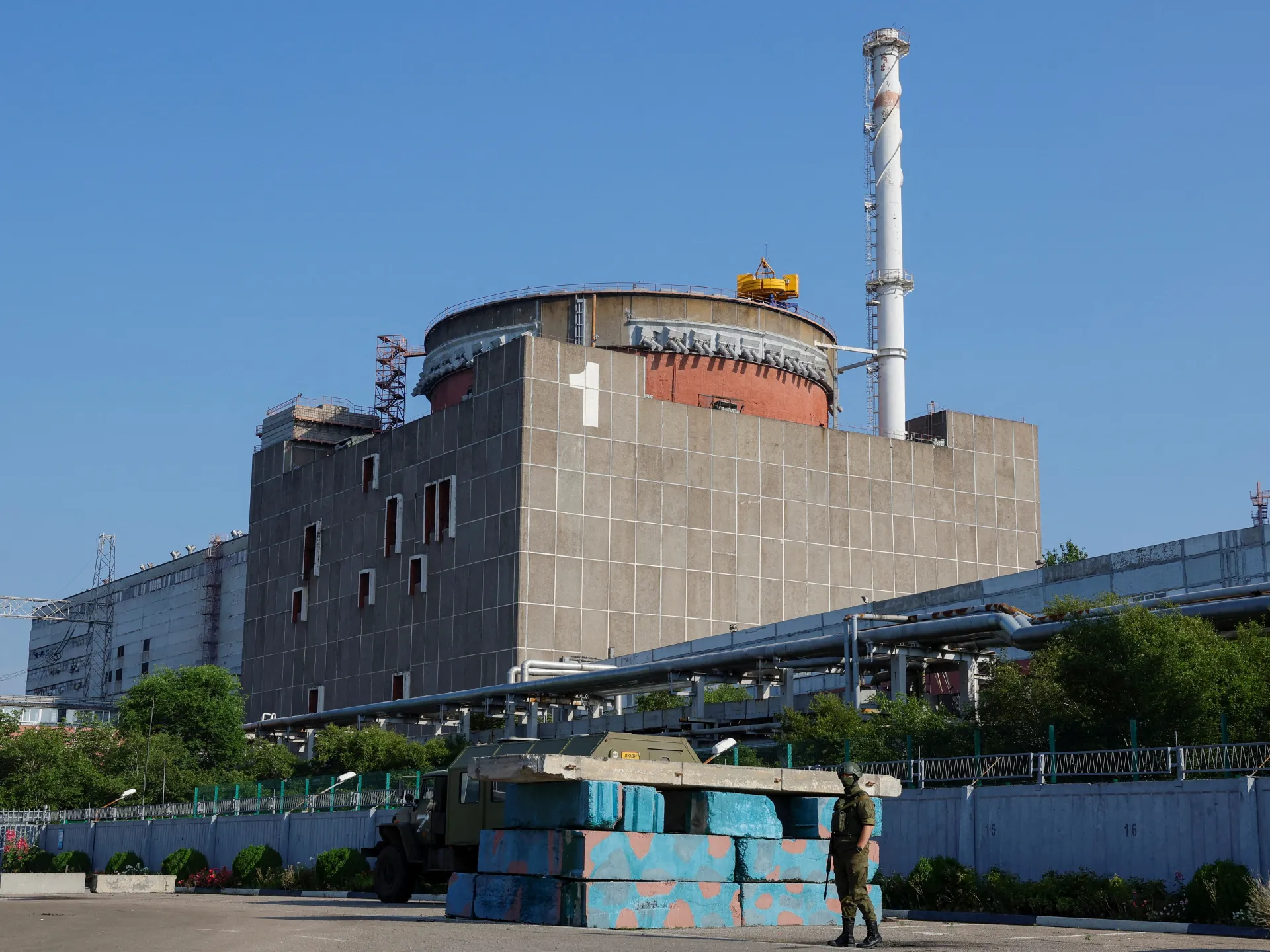
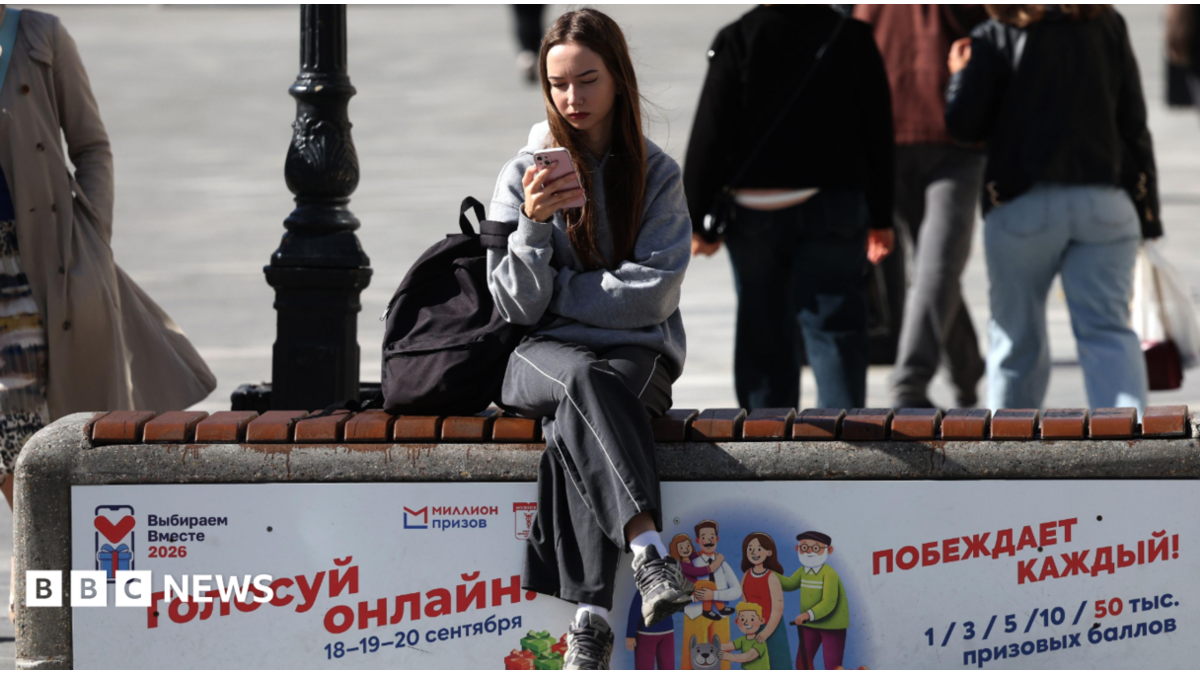
A notable feature of this election was the facilitation of voting in the annexed regions of Donetsk, Luhansk, Kherson, and Zaporizhia, alongside Crimea. The Ministry of Digital Development reported that over 3.6 million individuals participated in online voting mechanisms, a figure that includes residents within these contested and occupied zones. While the Kremlin presents this as a democratic exercise for its citizens, the United Nations and the broader international community continue to view these territories as sovereign Ukrainian land, rendering the electoral participation there illegitimate under international law.
With the legislative body firmly under the control of pro-Kremlin parties, the State Duma is expected to continue its role as a rubber-stamp institution for presidential decrees and wartime legislation. Analysis suggests that the Kremlin will likely leverage these results to bolster its narrative of national unity and popular support for its geopolitical objectives. Domestically, the continued absence of institutional opposition indicates that future political challenges, if they emerge, will likely remain outside of formal parliamentary structures, potentially leading to further suppression of dissent as the state prioritizes total alignment with its military and economic strategies.