A massive Russian drone and missile barrage has sparked regional volatility, as Moscow balances front-line escalations with a domestic push for political consolidation.
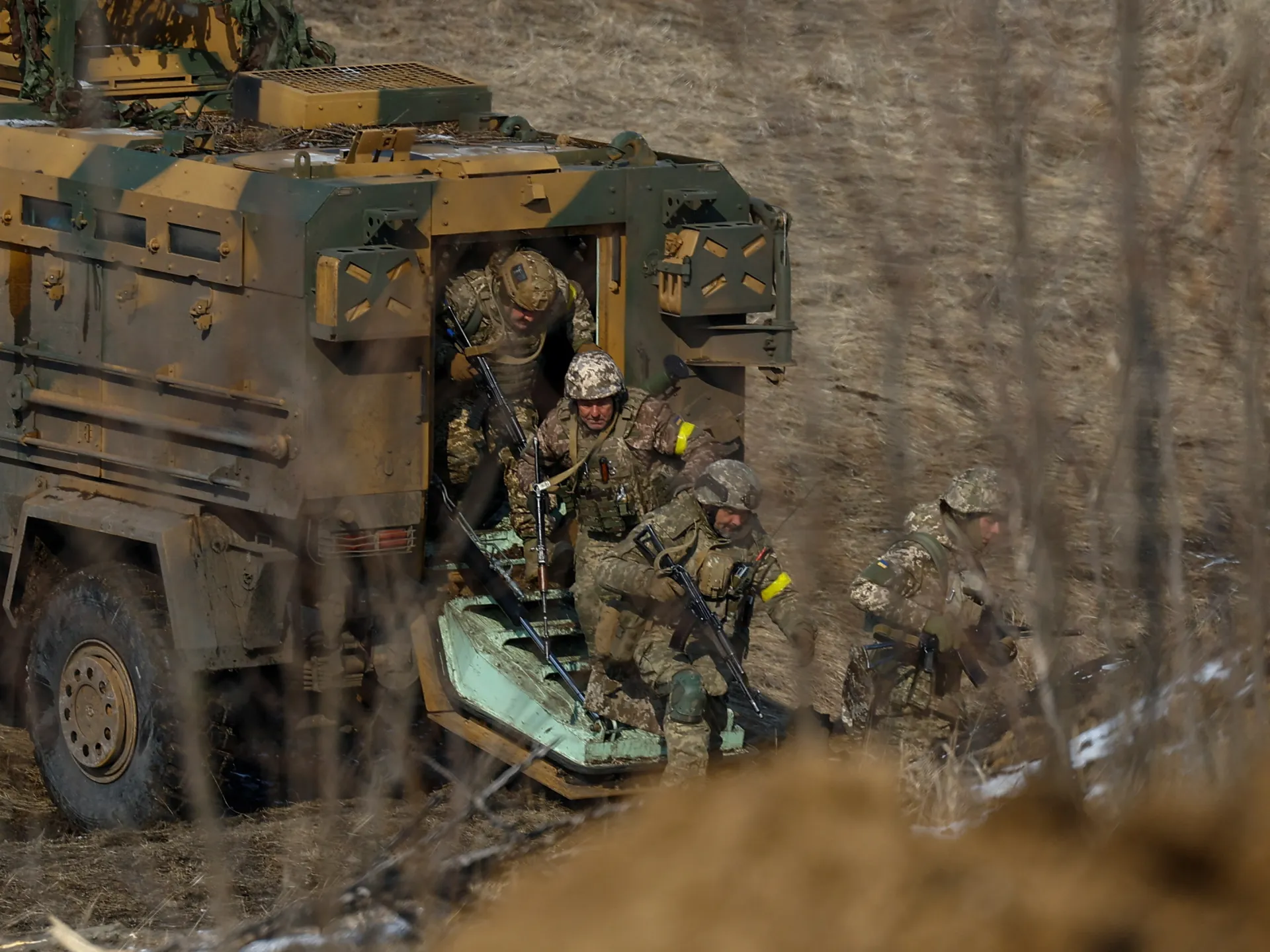
The intensification of hostilities in late September 2026 underscores a precarious shift in the conflict’s geography. While the Kremlin continues to utilize the domestic political theater of Duma elections to project an image of absolute national unity, the reality on the ground—and on the water—suggests a war that is far from reaching a state of equilibrium. The targeting of commercial shipping in the Black Sea, coupled with massive drone swarms, indicates a strategic pivot toward disrupting the logistics of both combatants, moving beyond static trench warfare into a domain of contested maritime corridors.
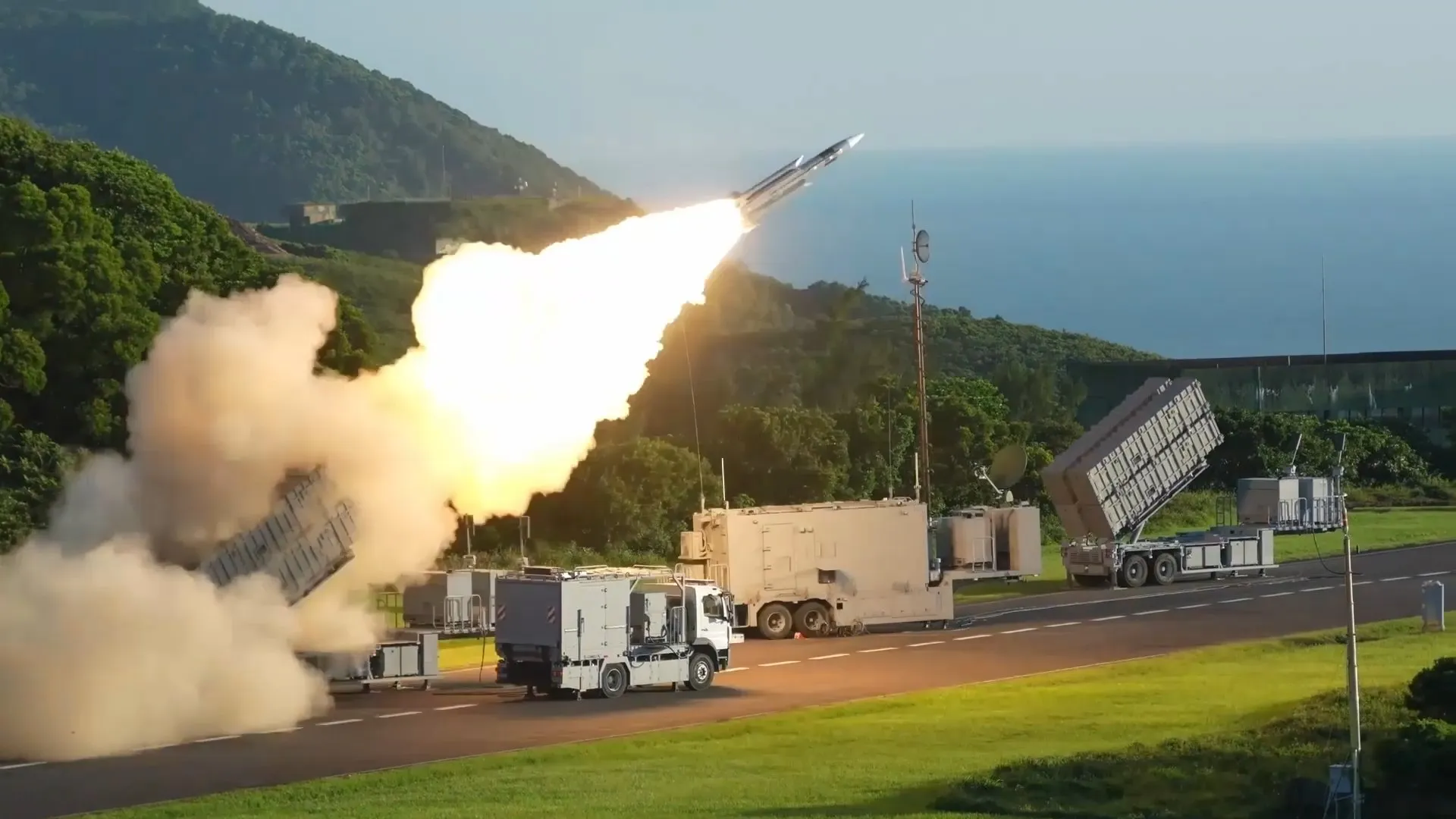
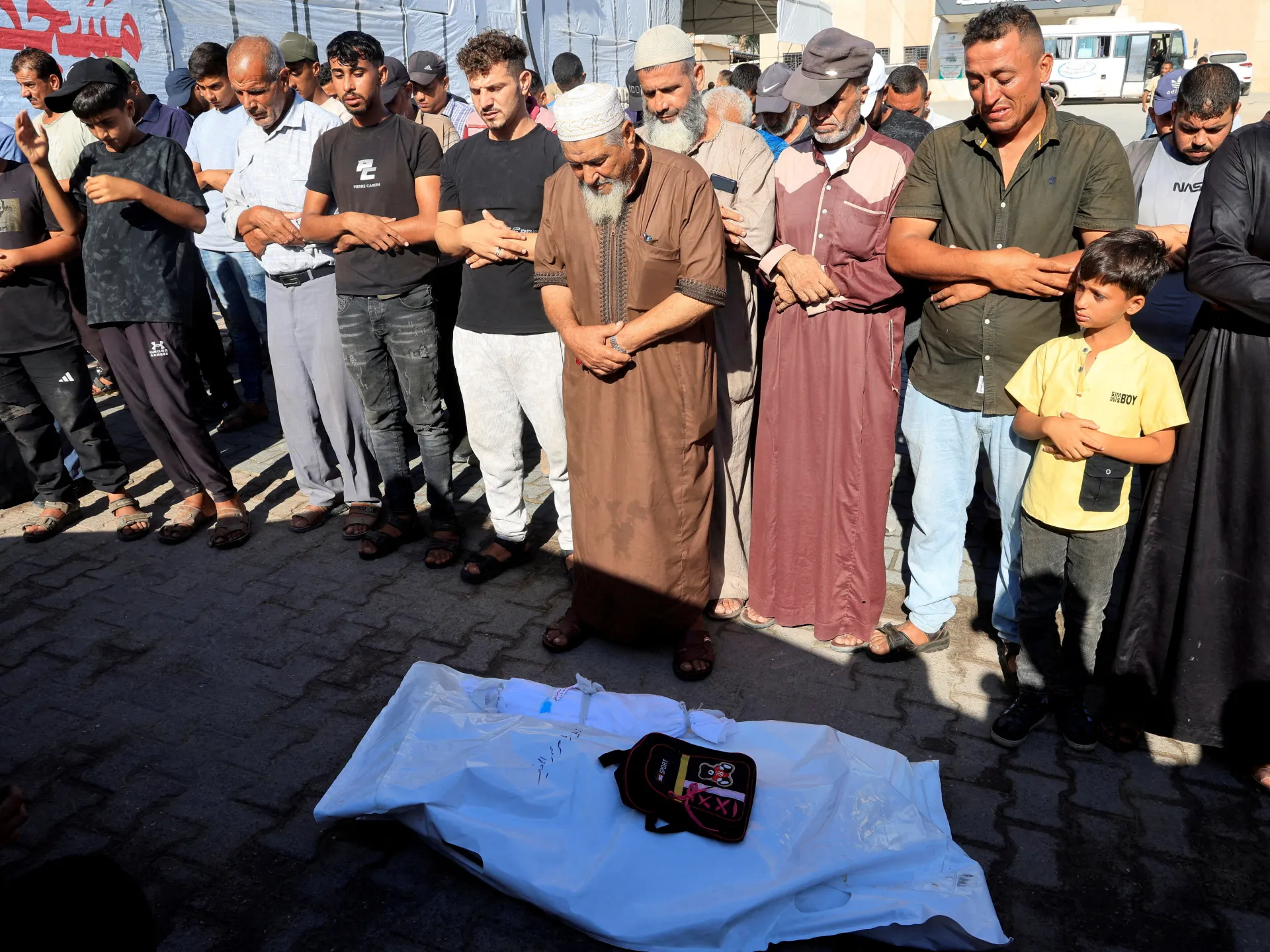
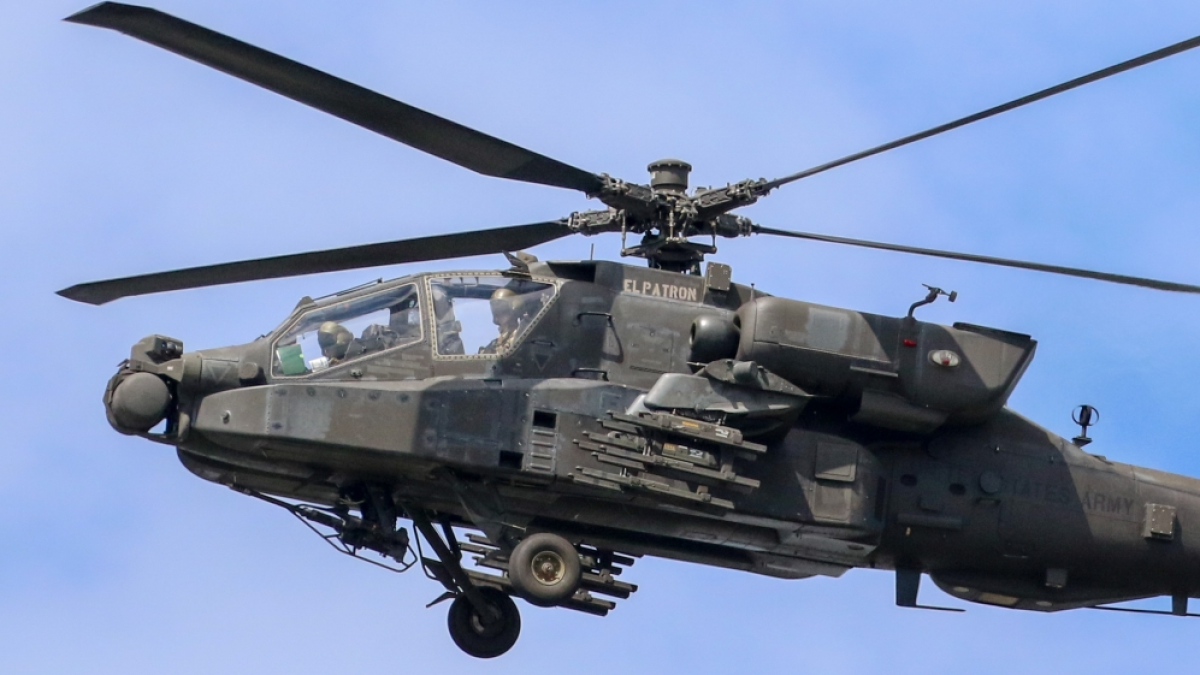
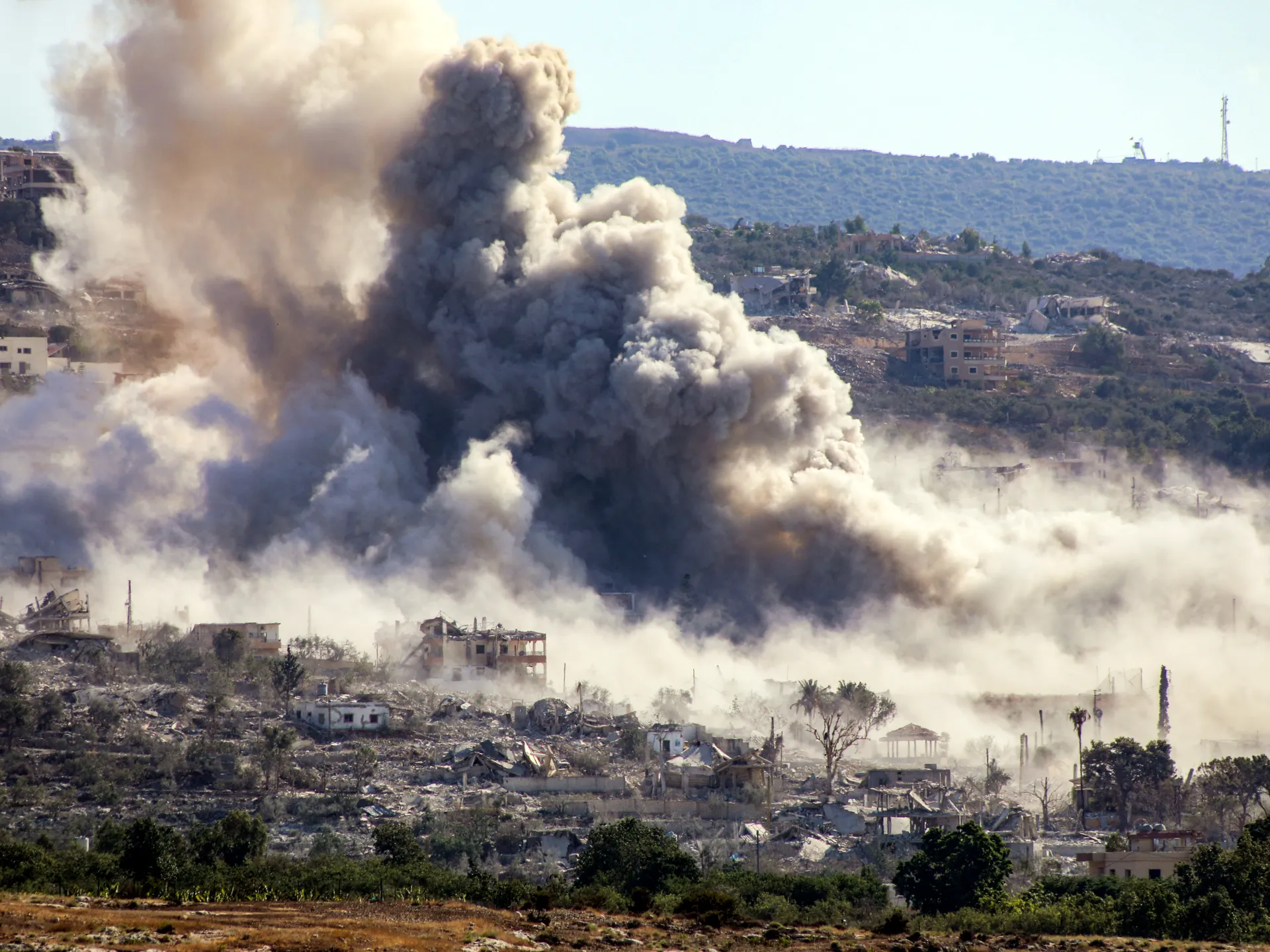
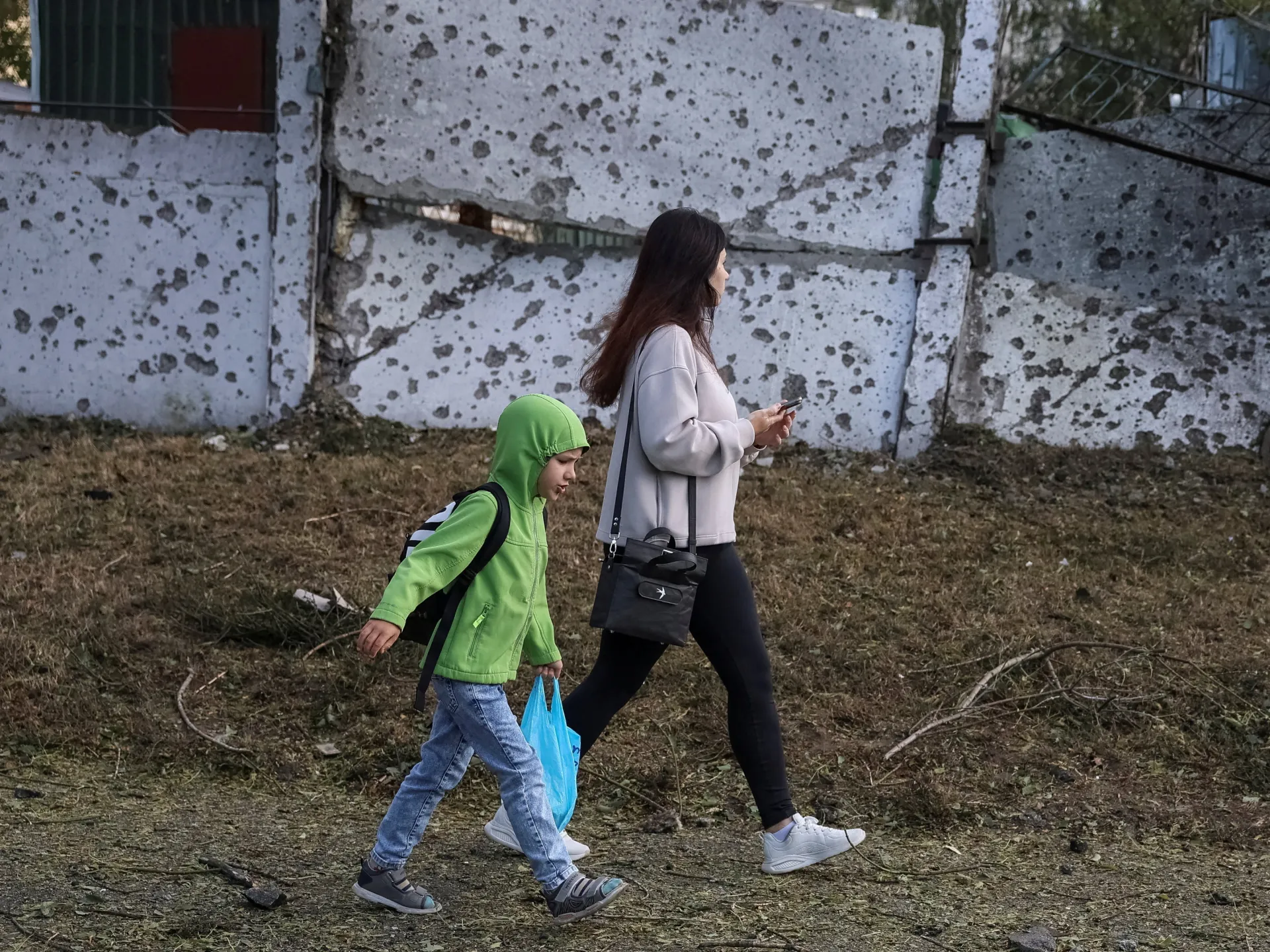
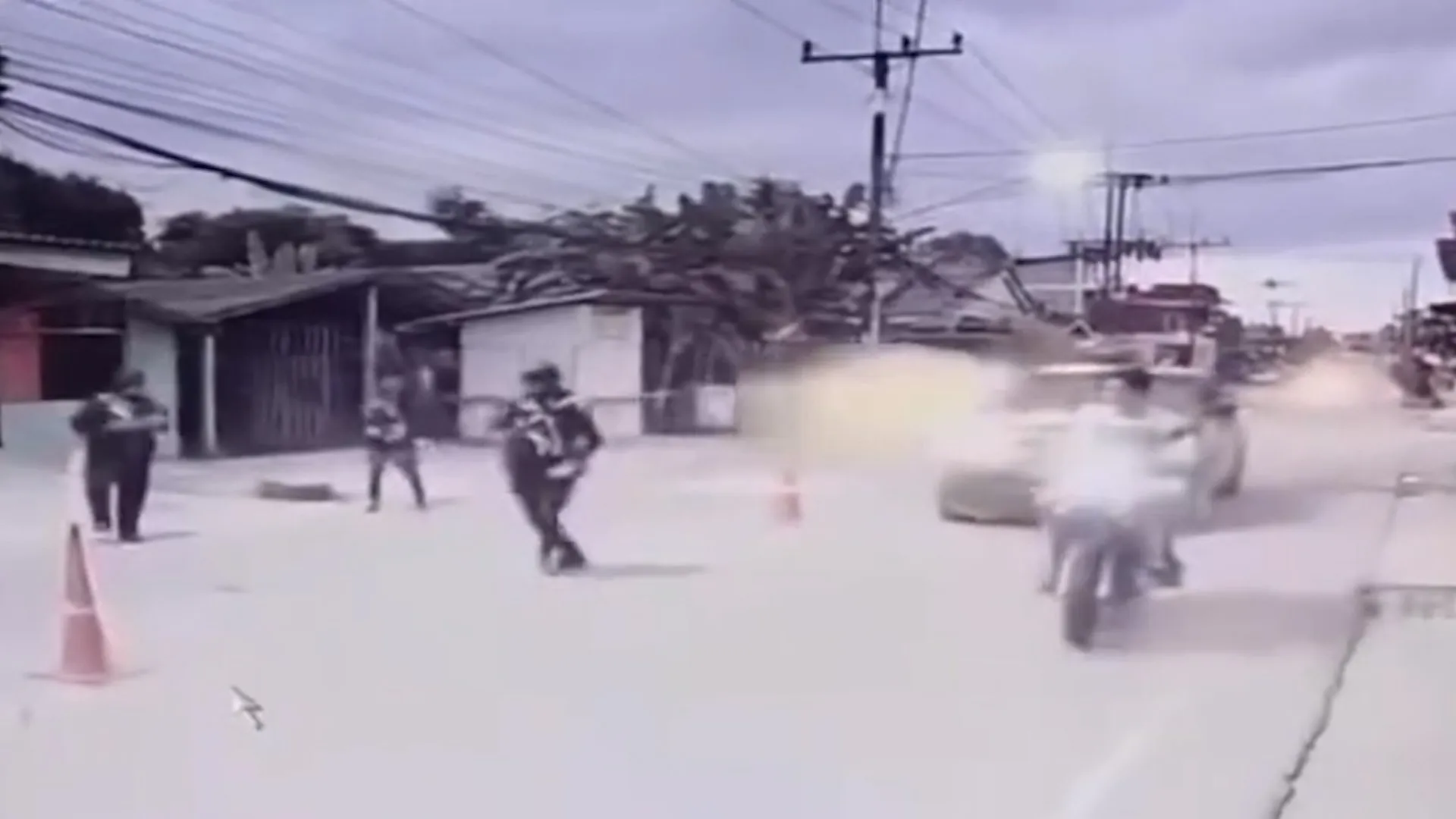
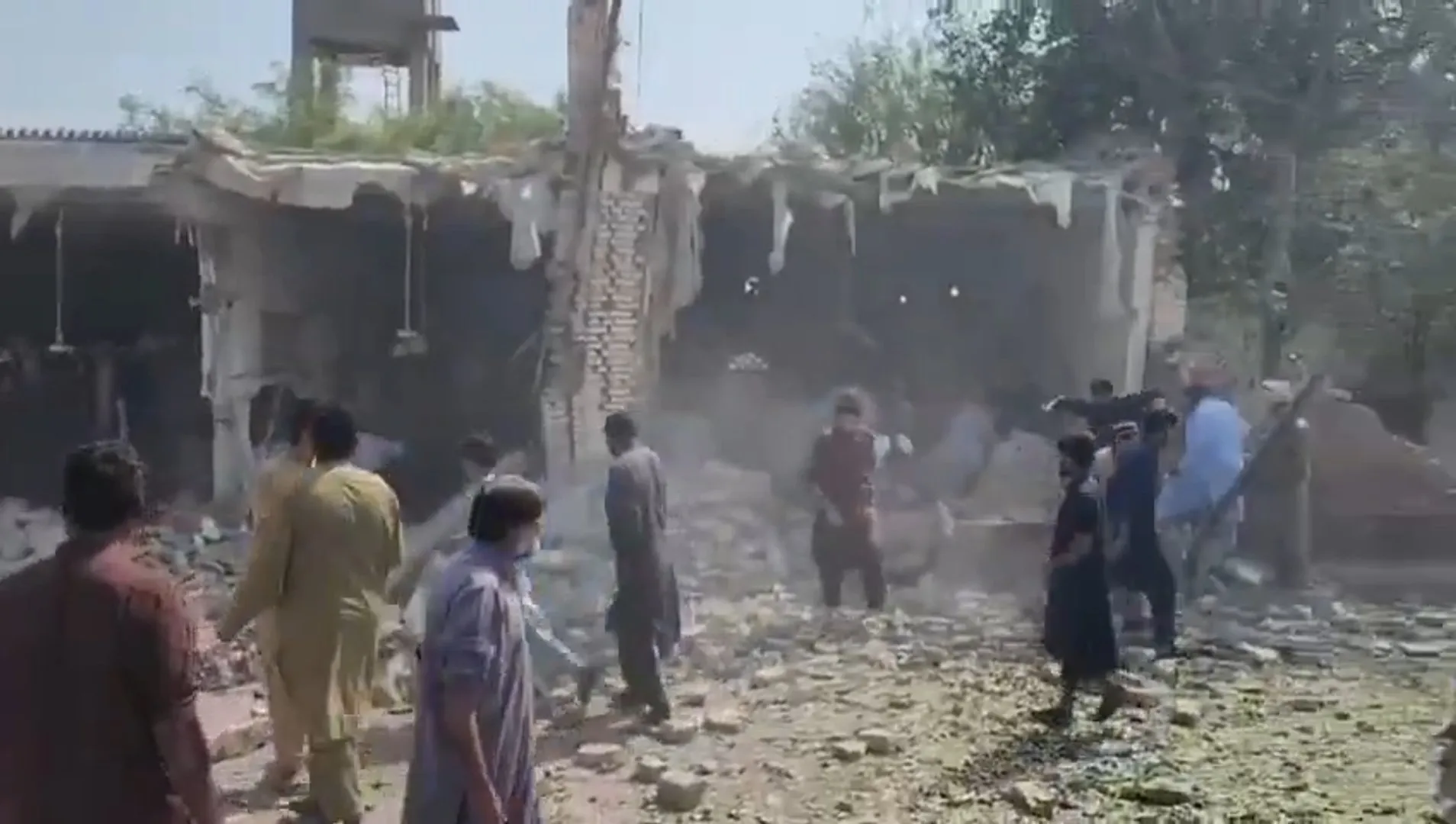
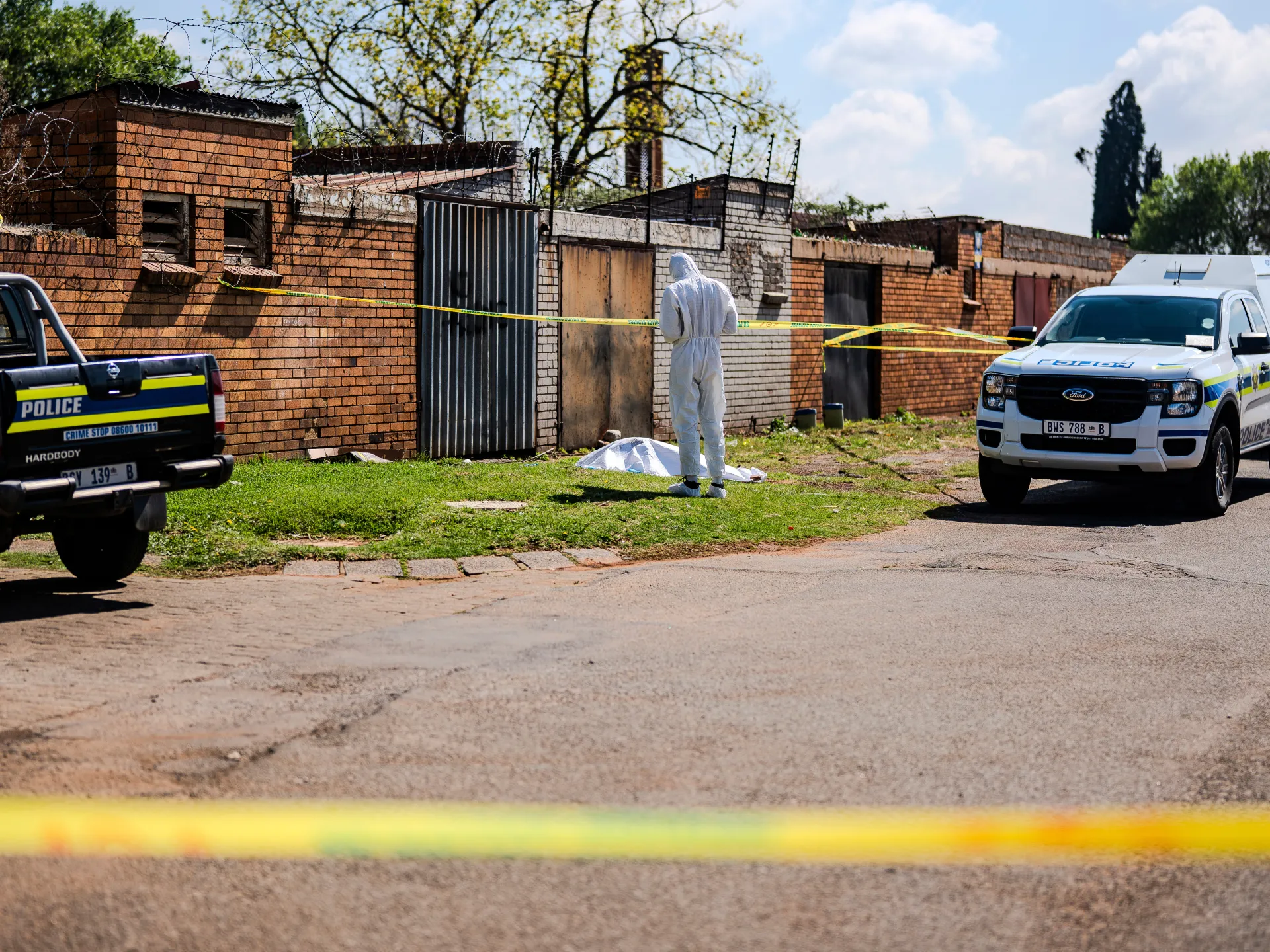
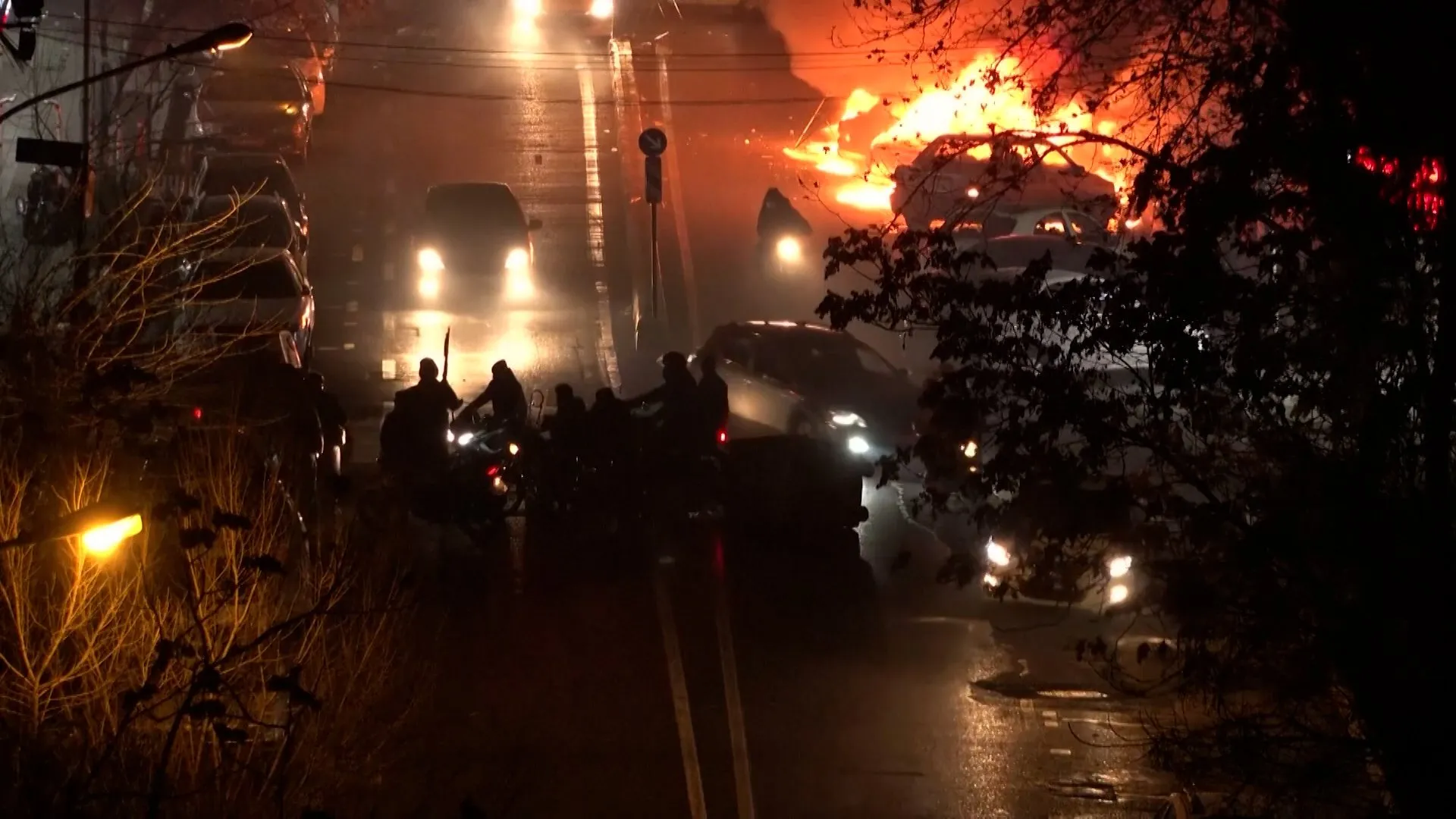
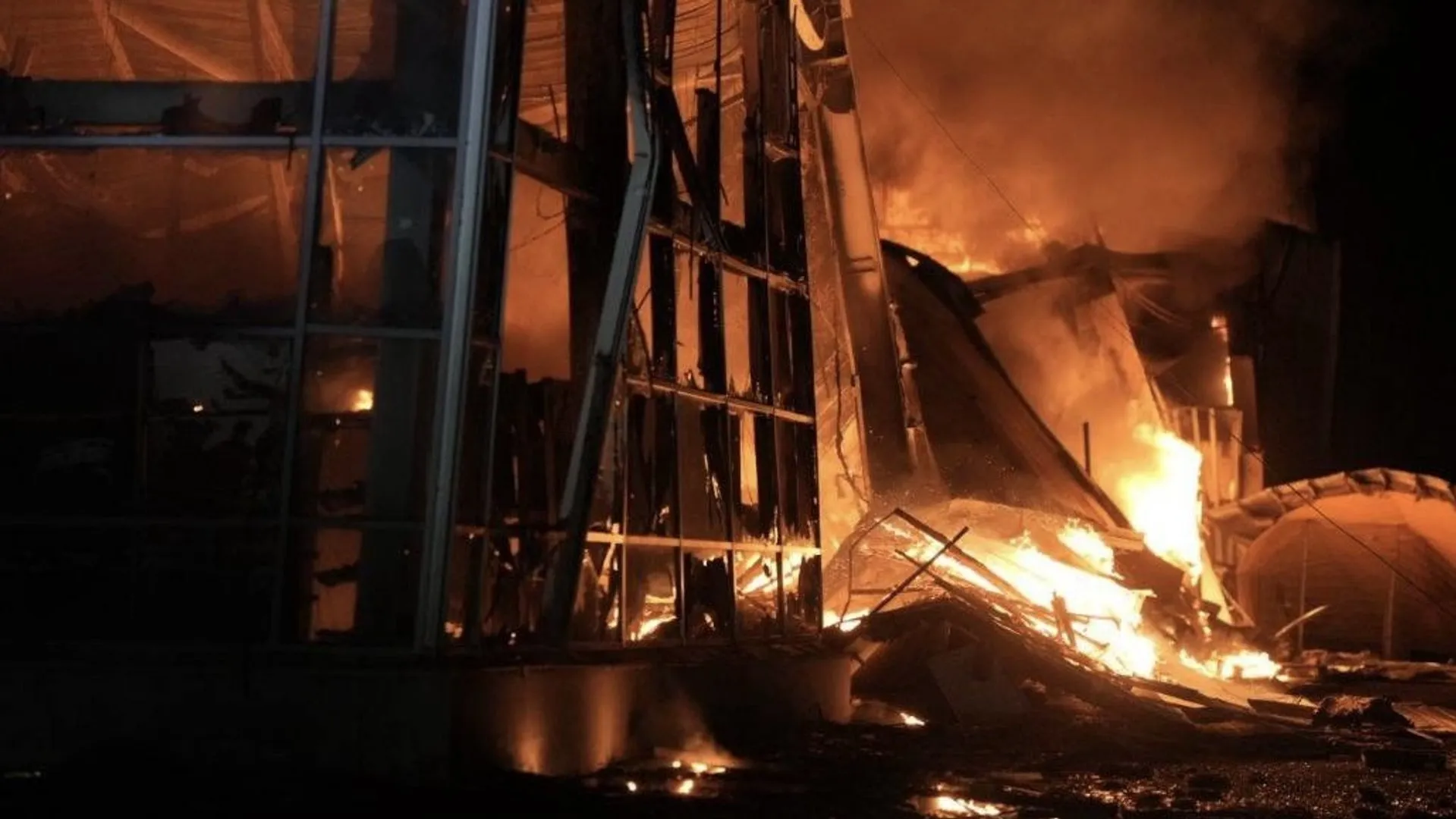
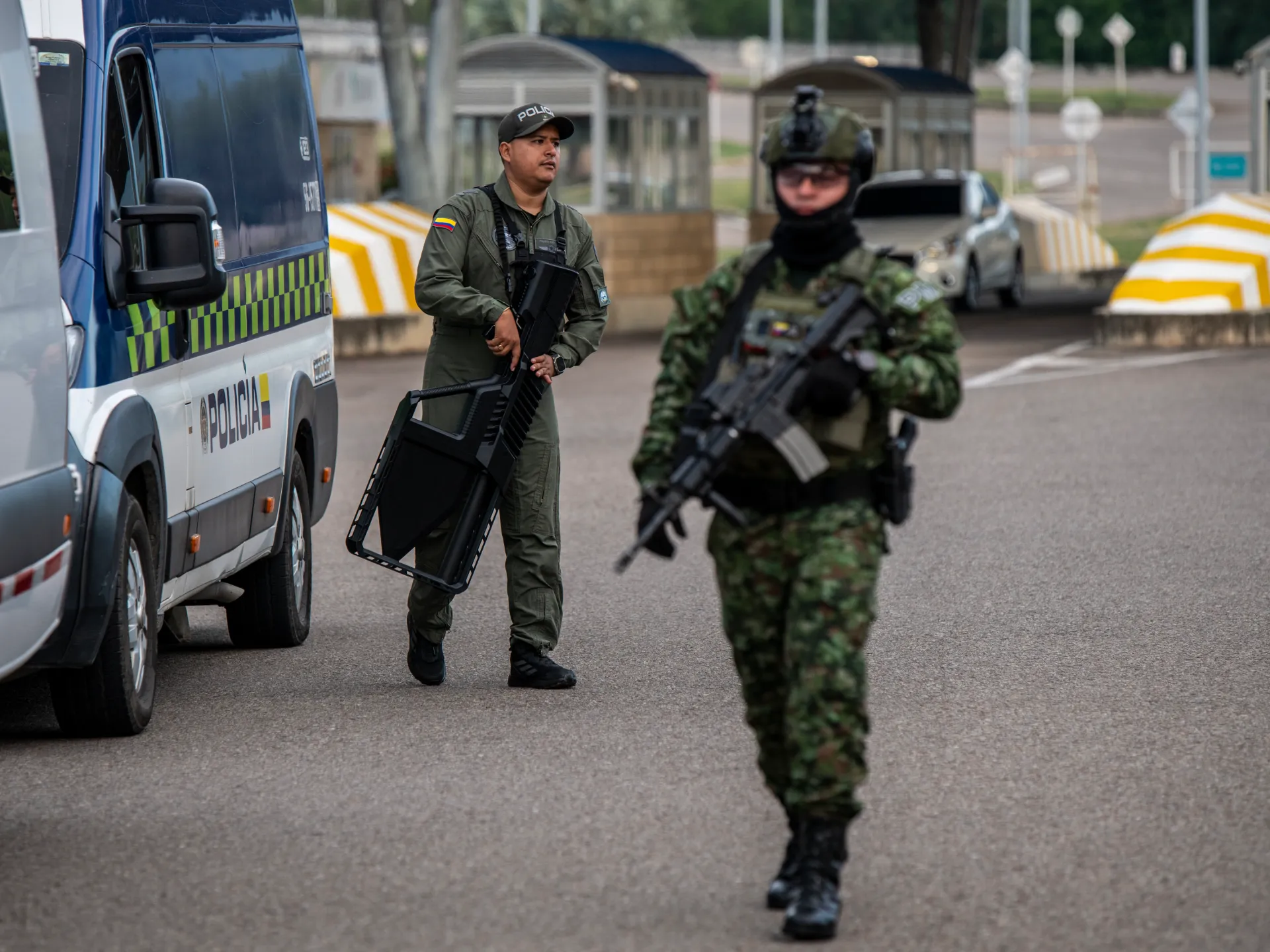
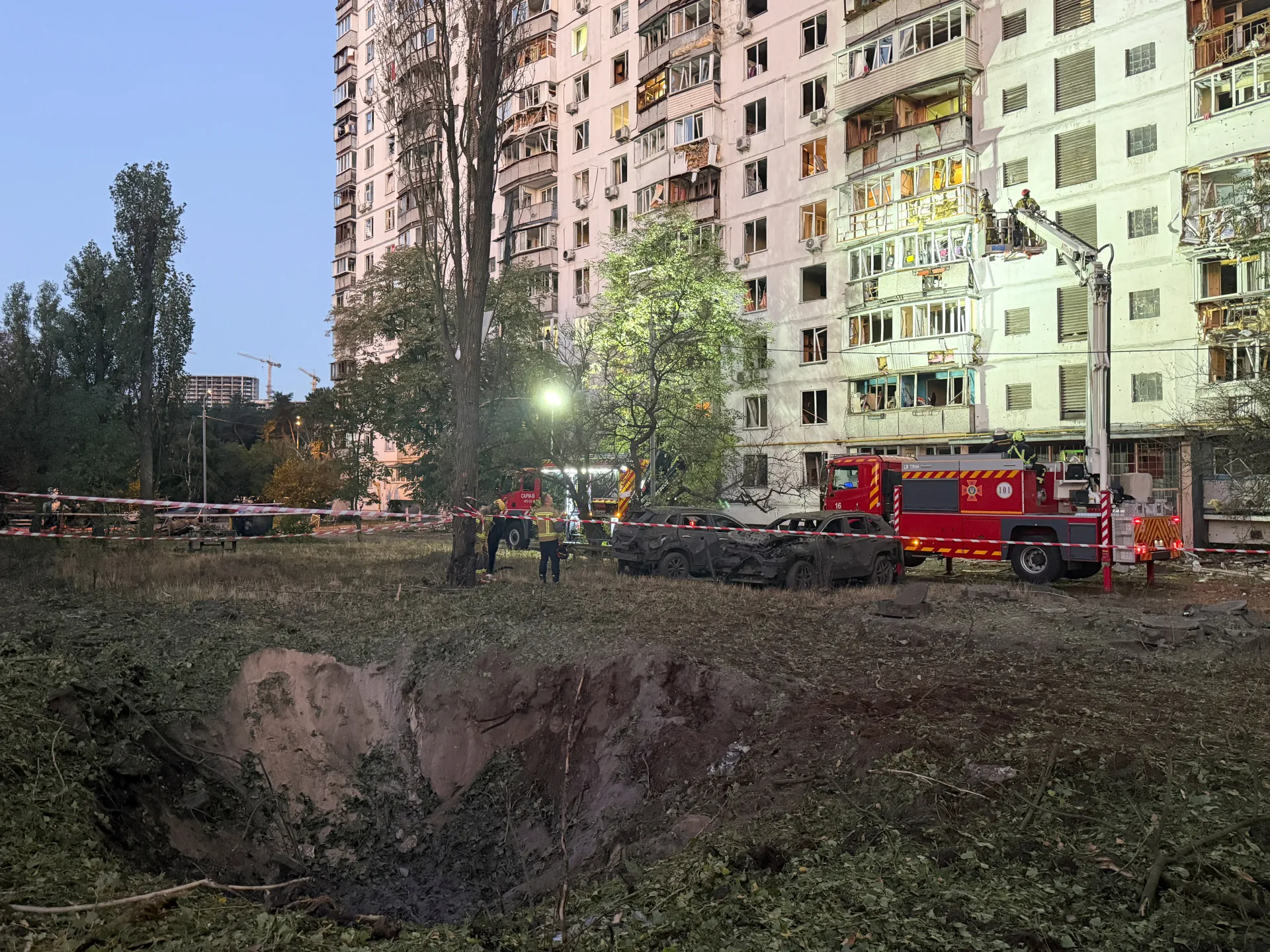
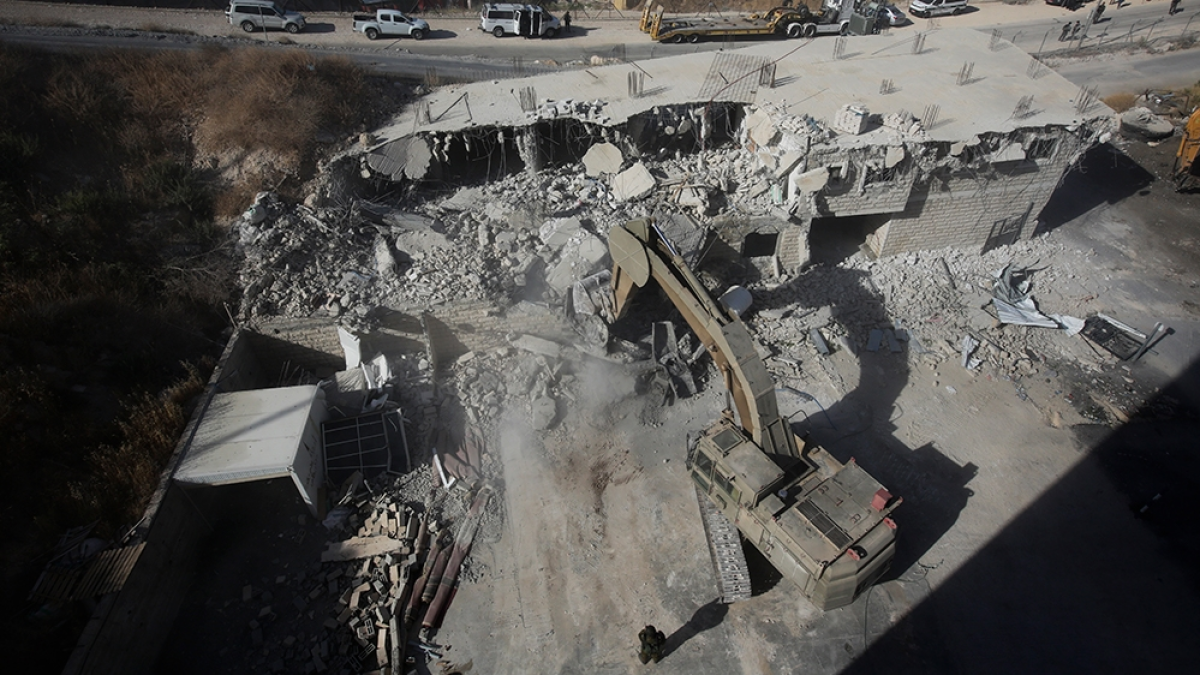
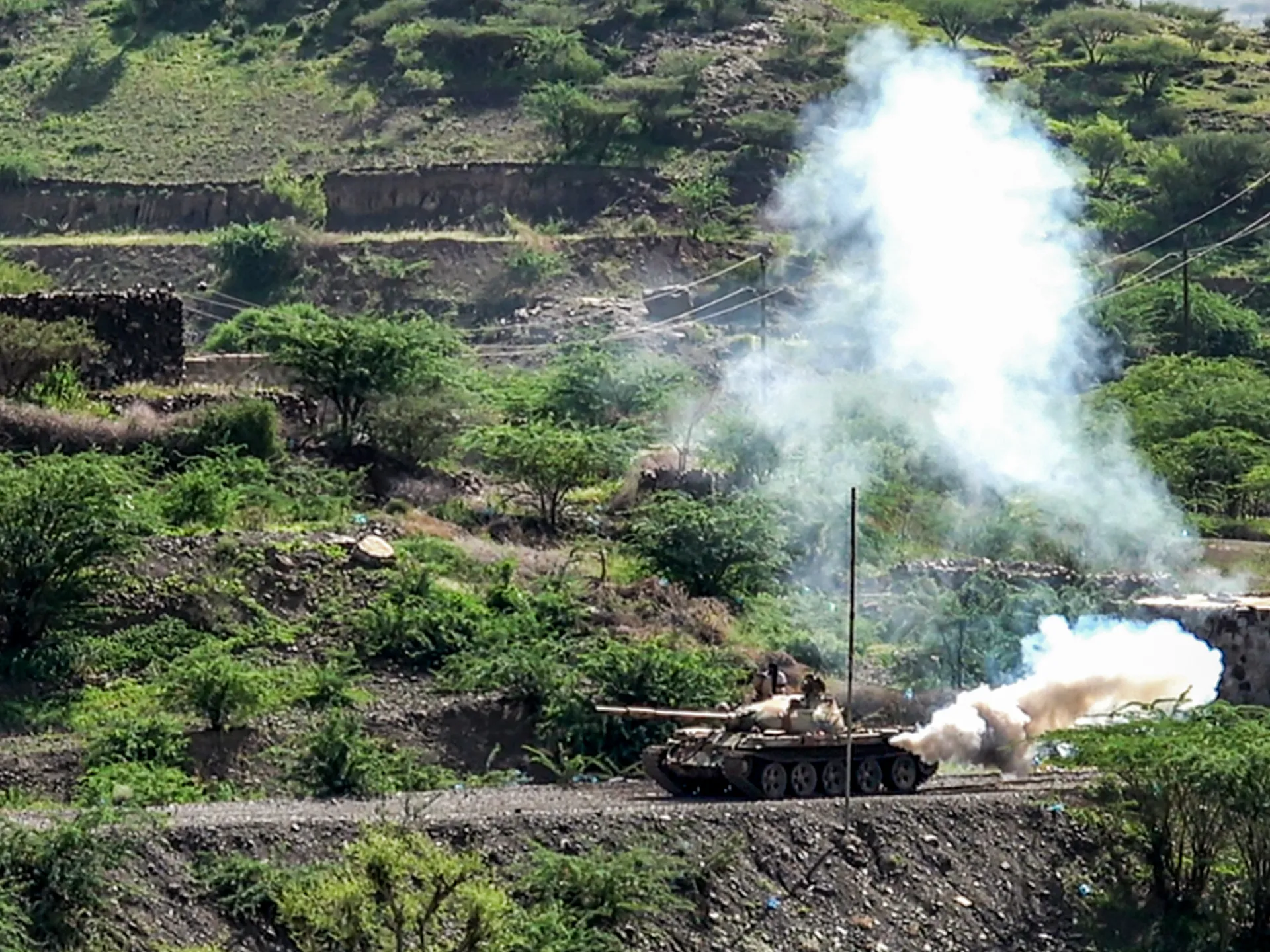
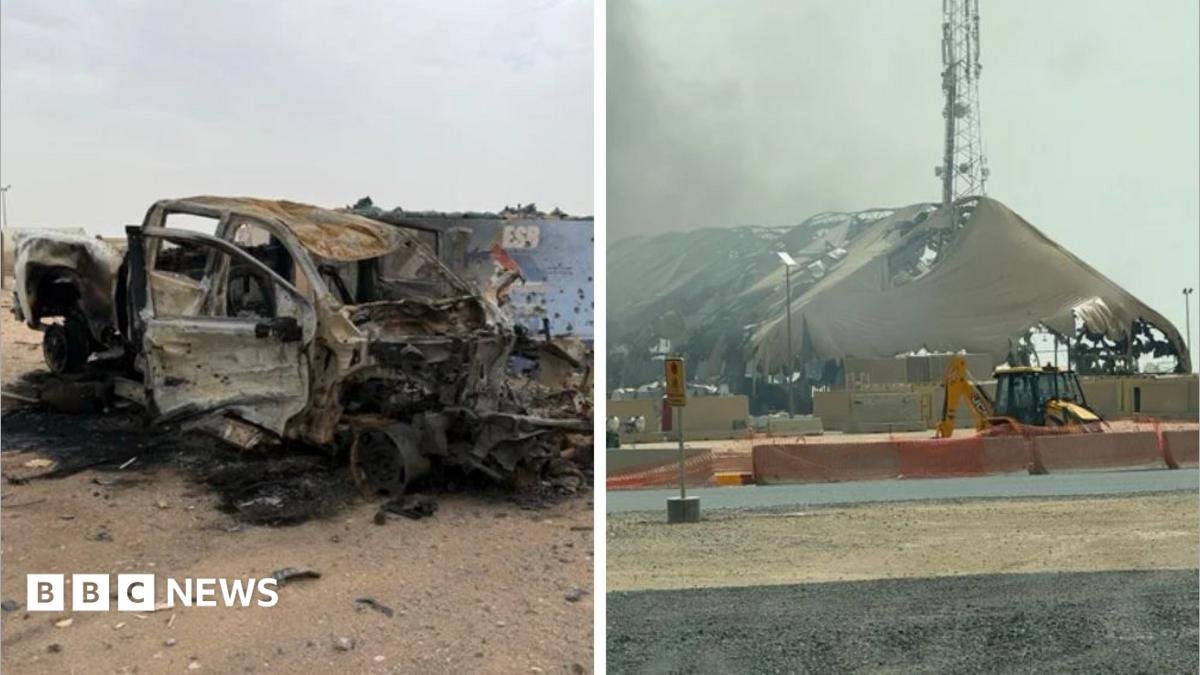
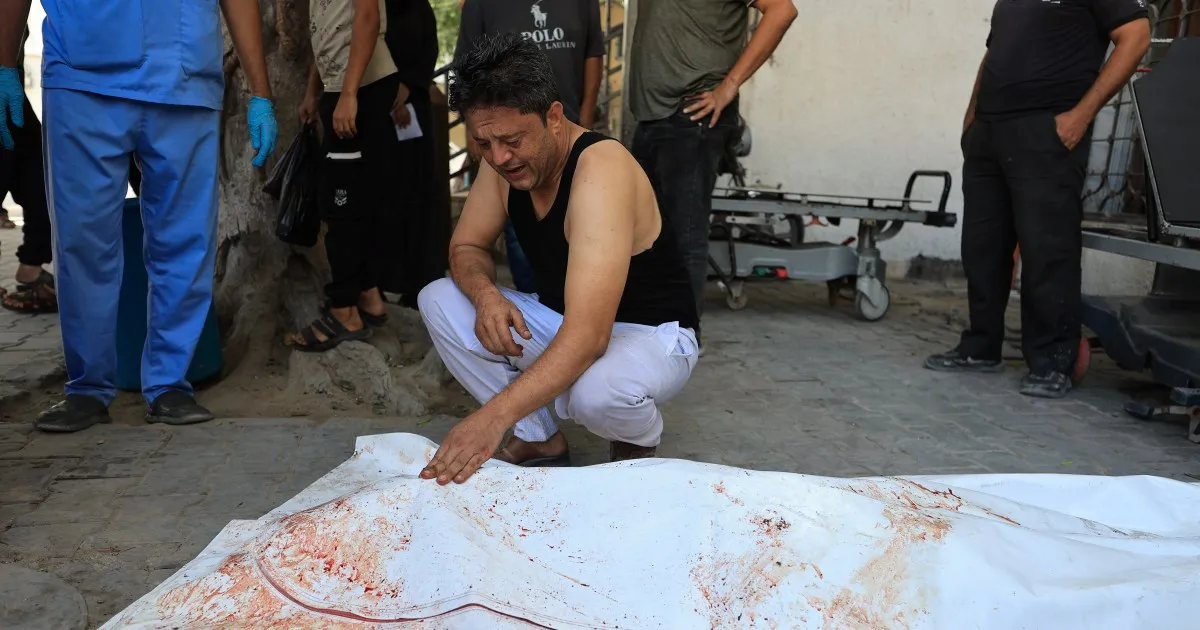
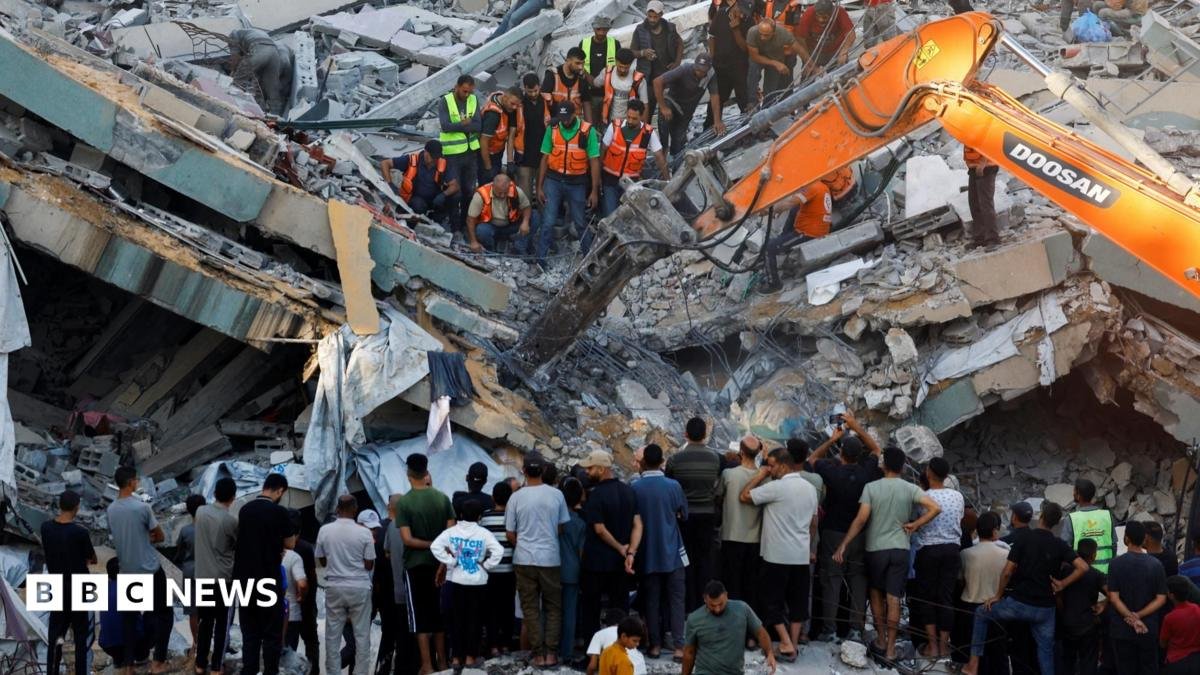
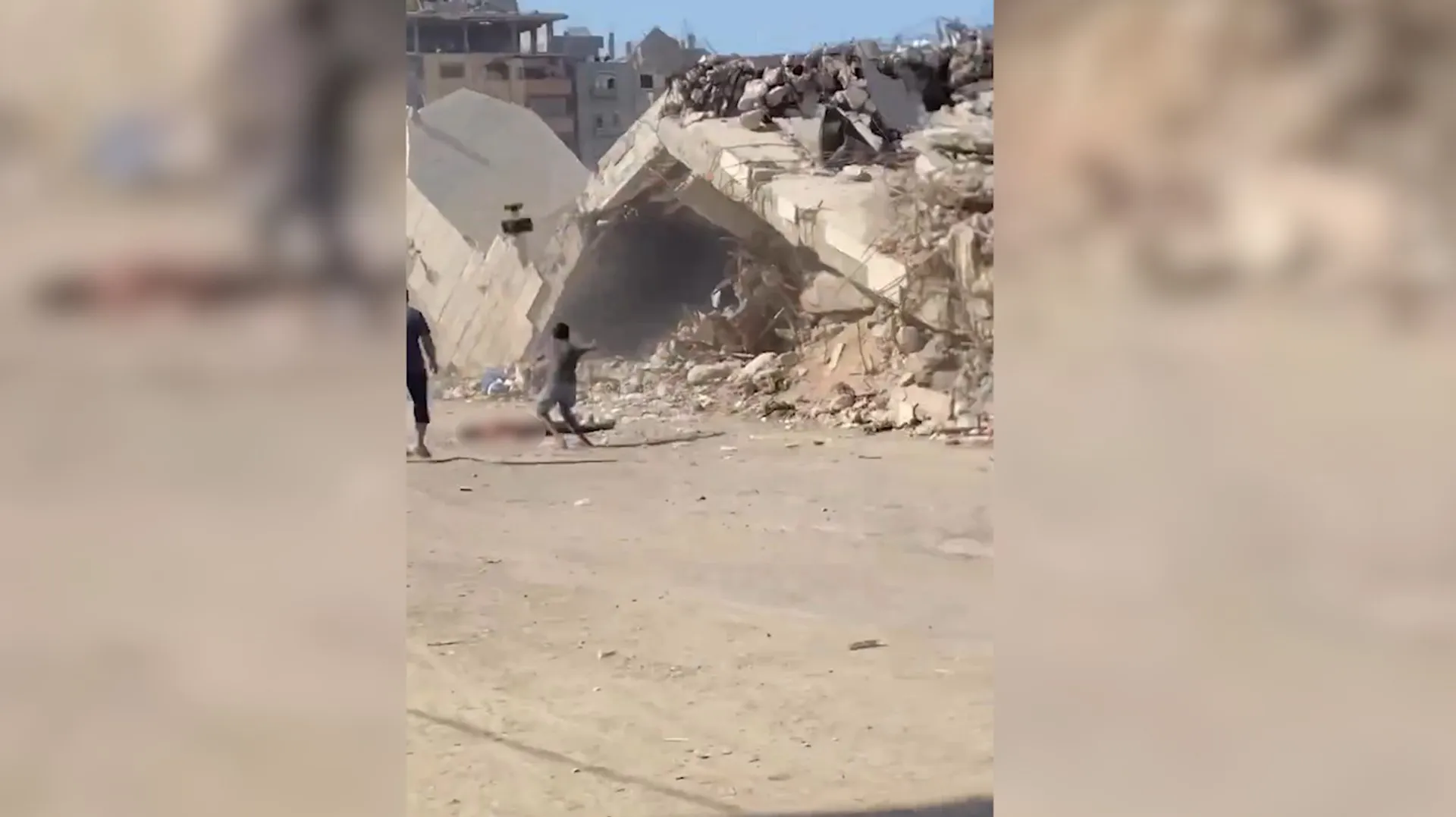
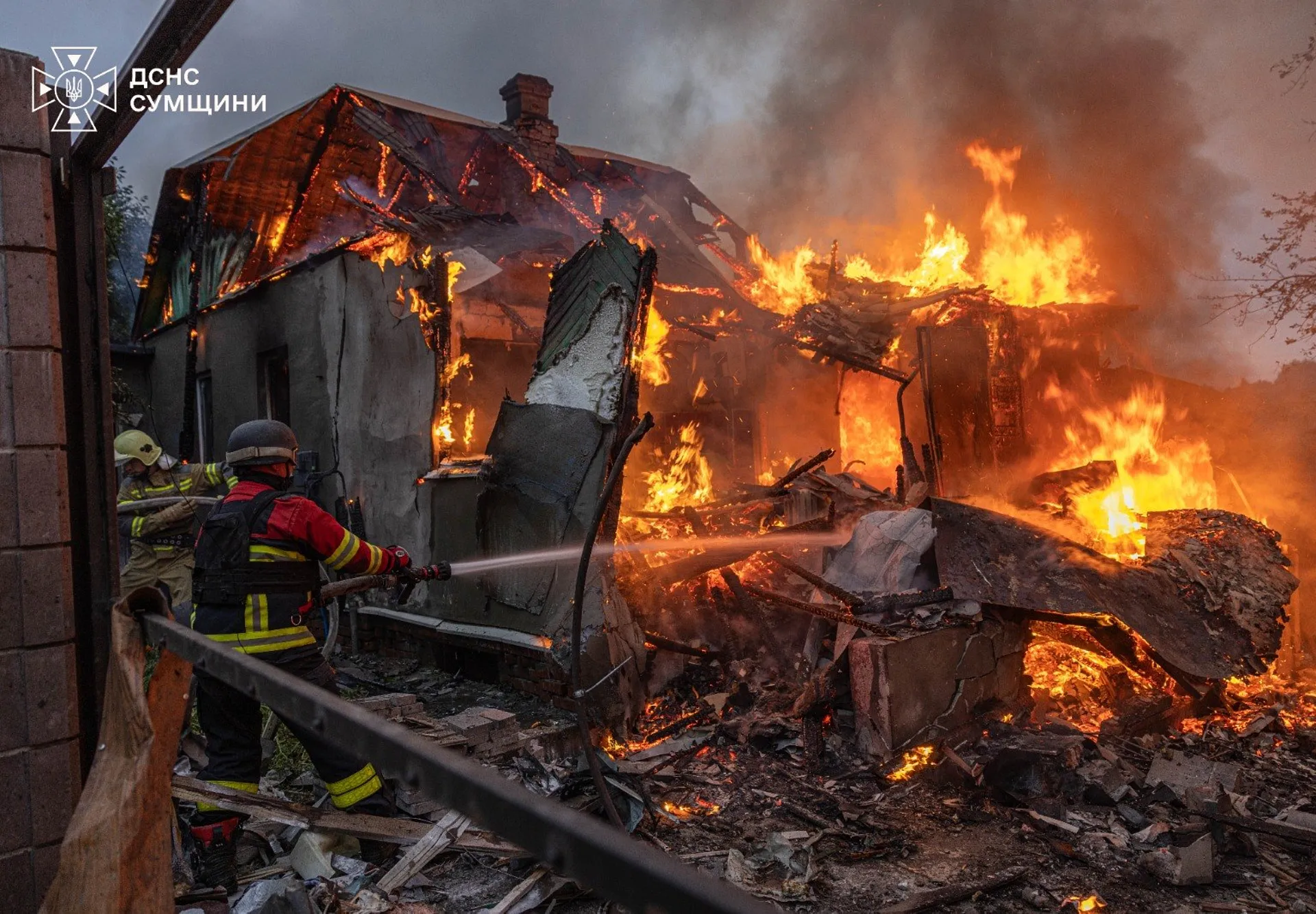
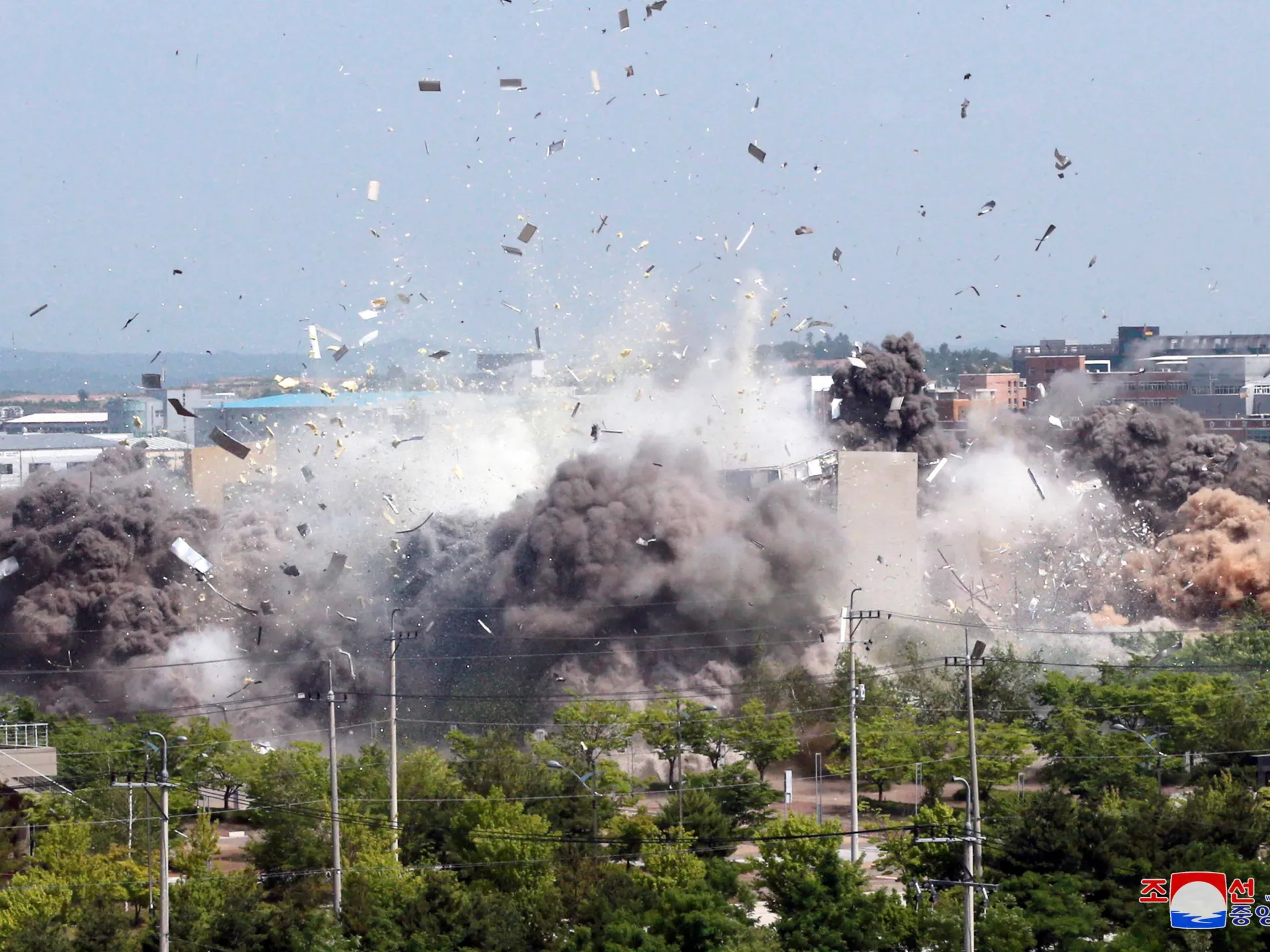
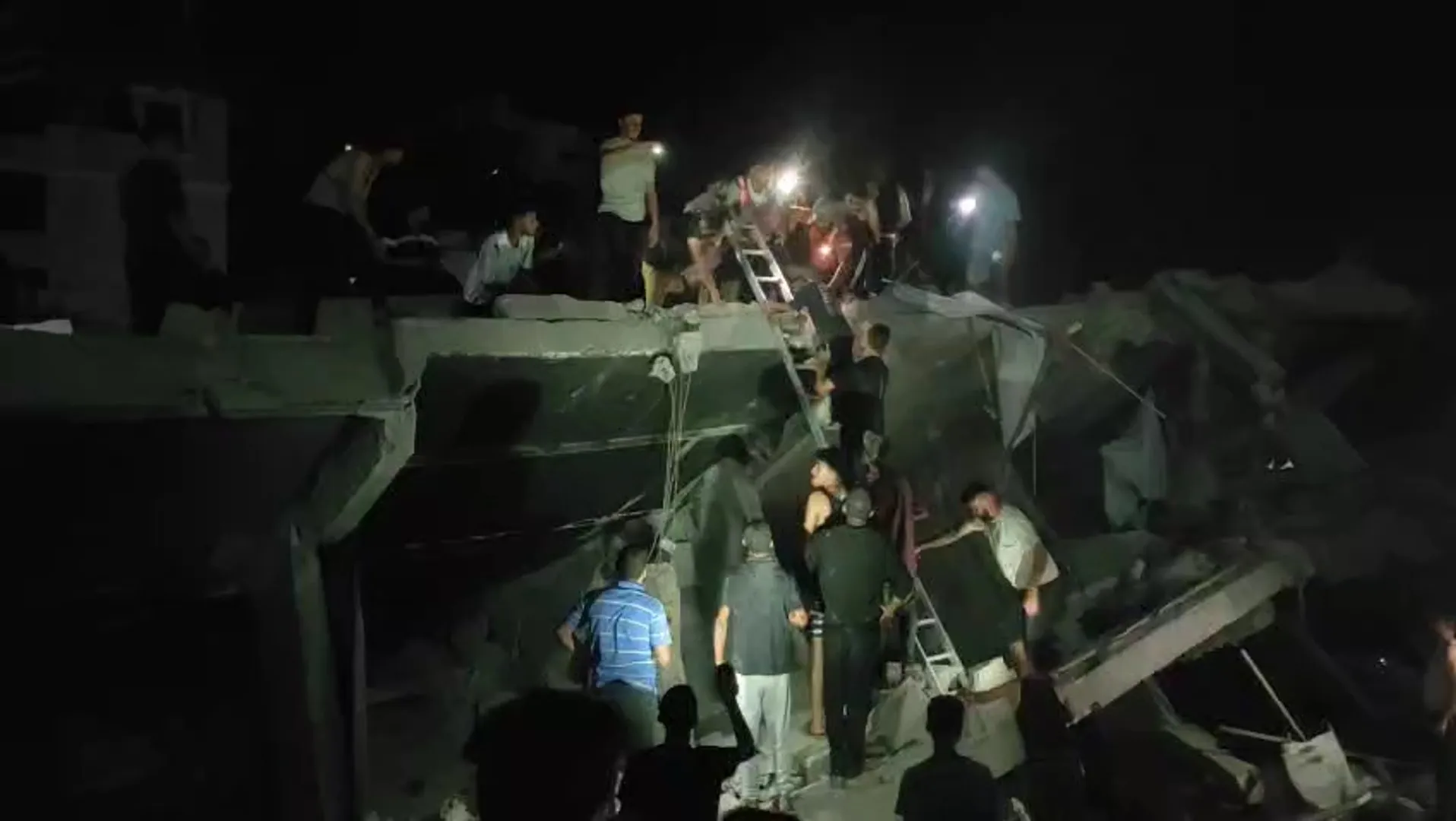
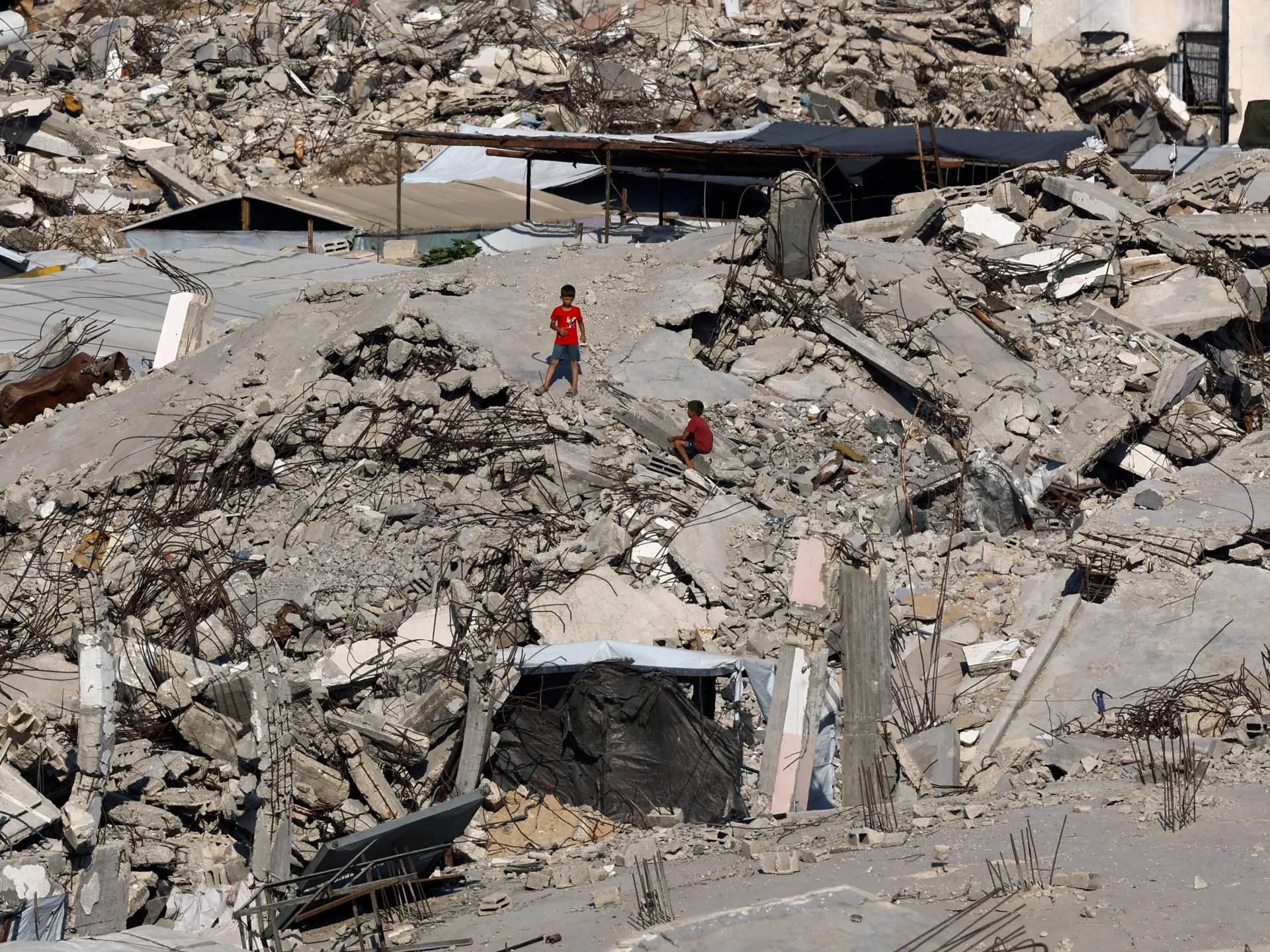
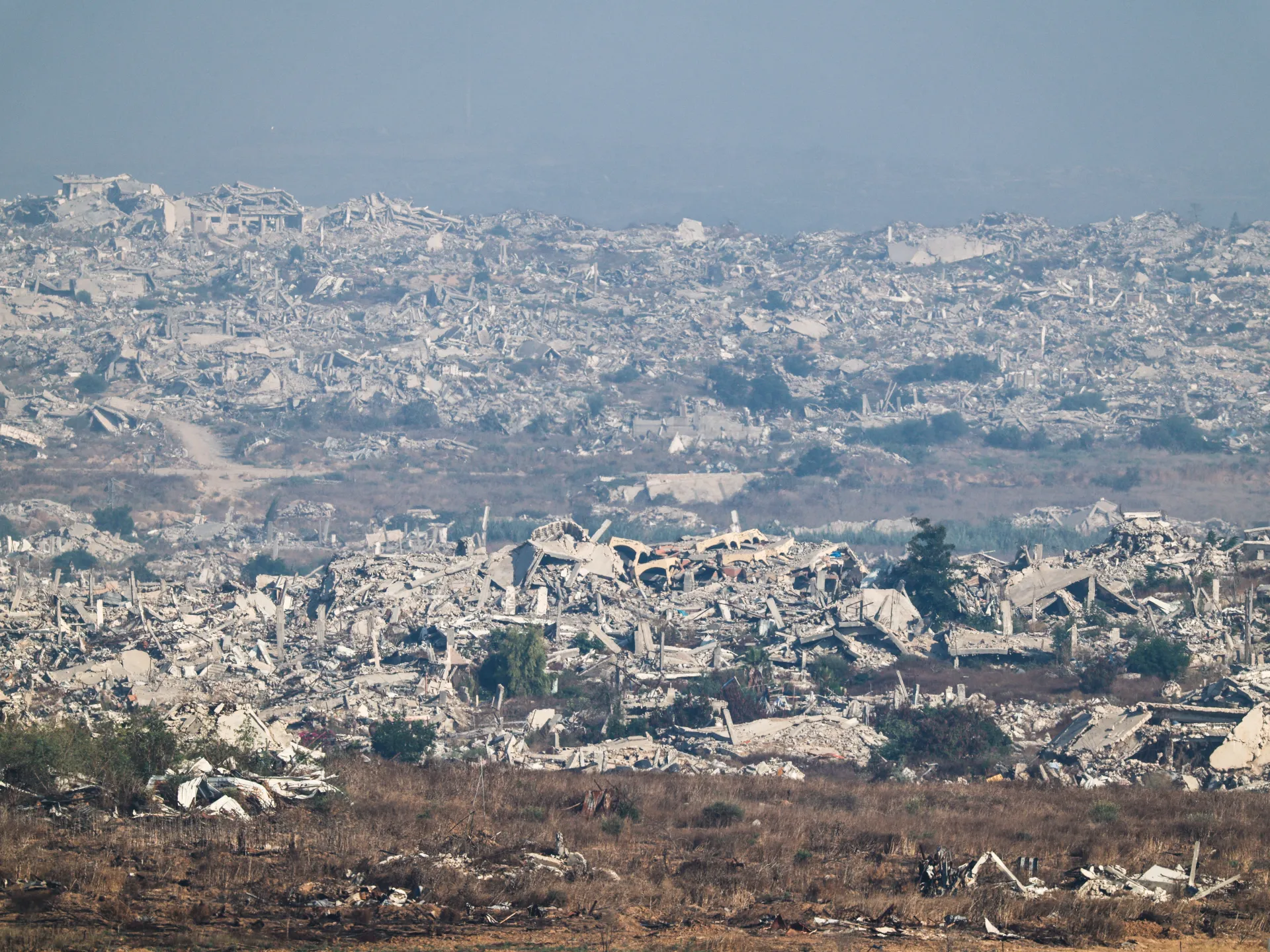
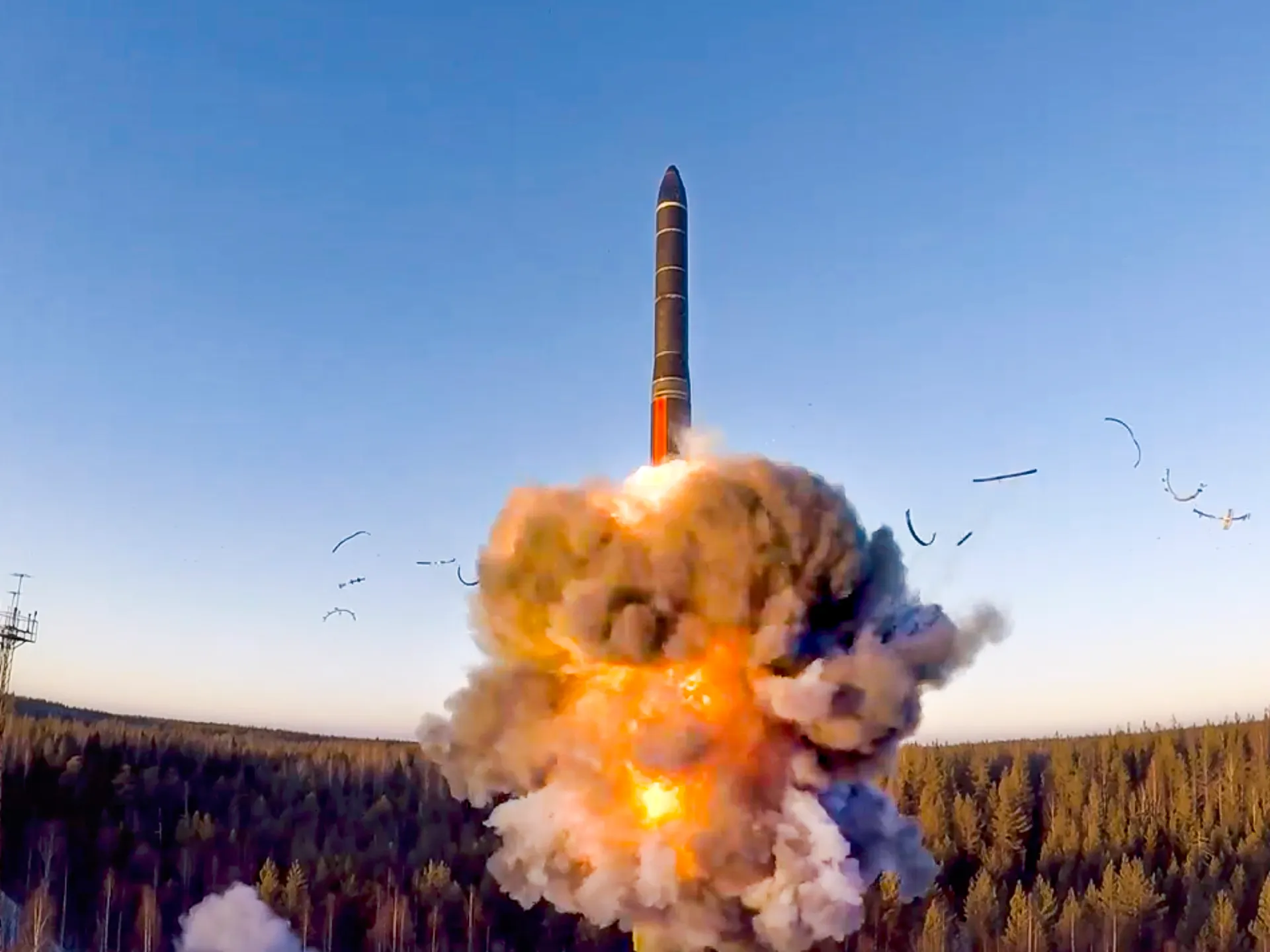
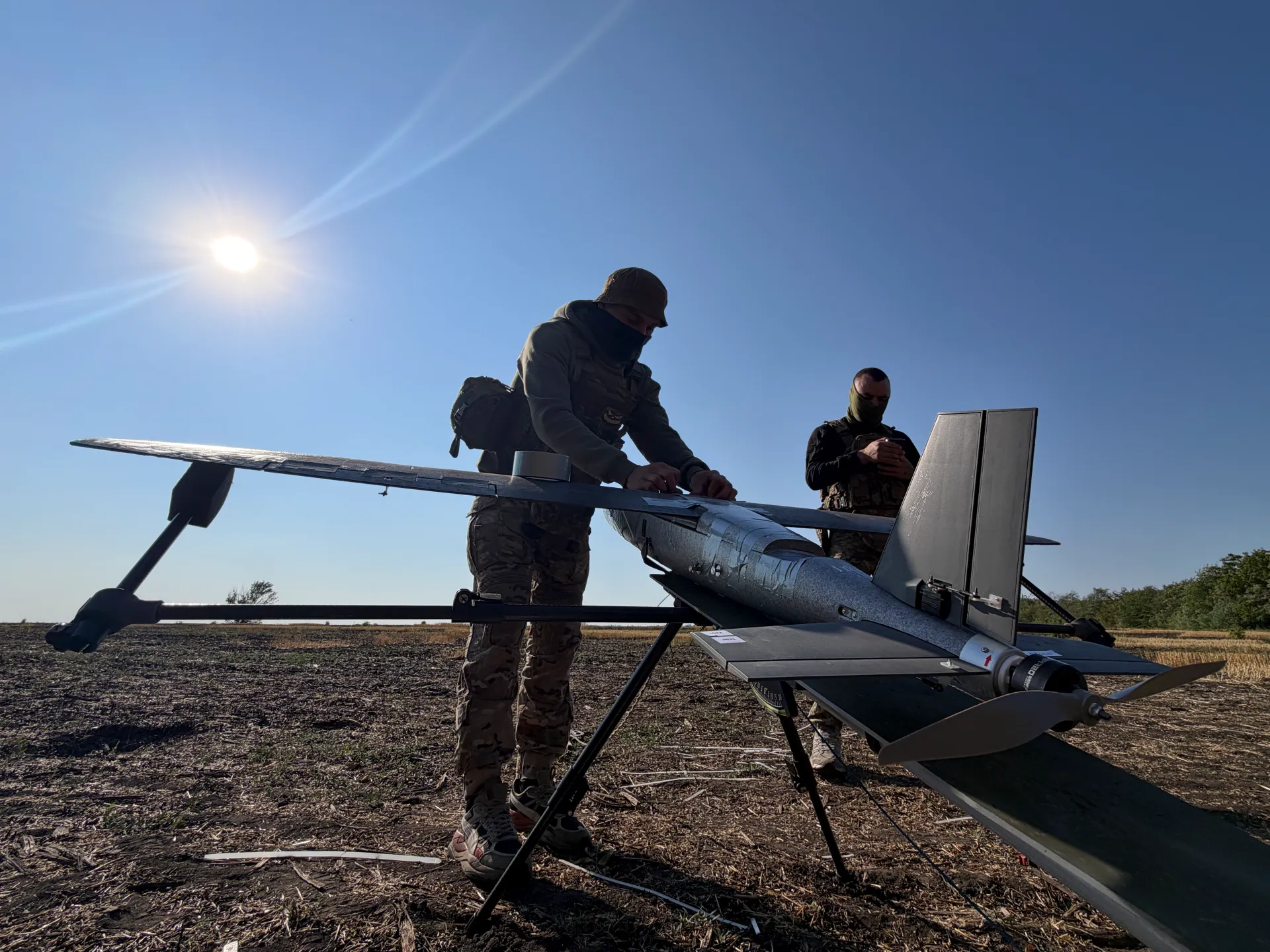
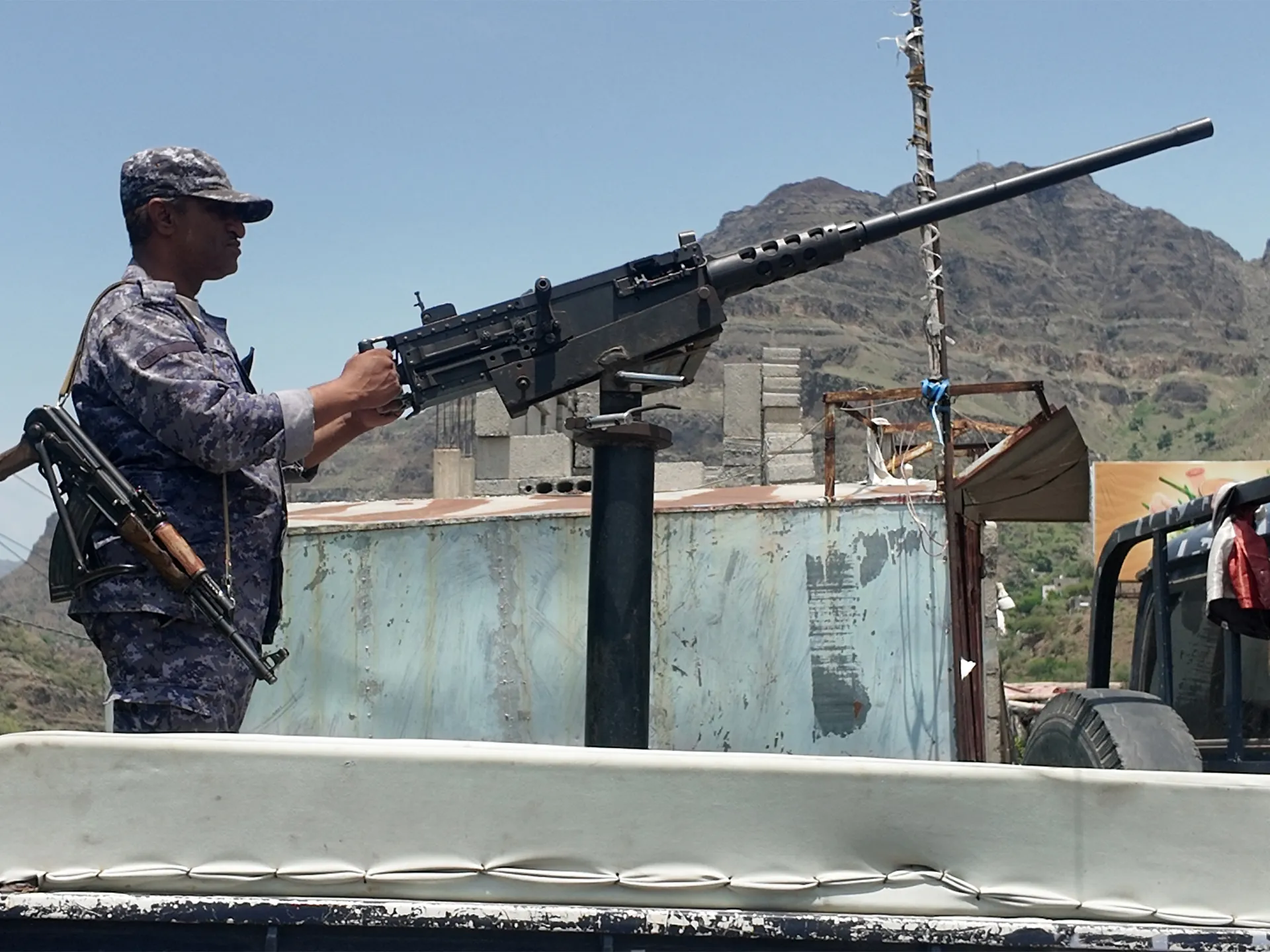
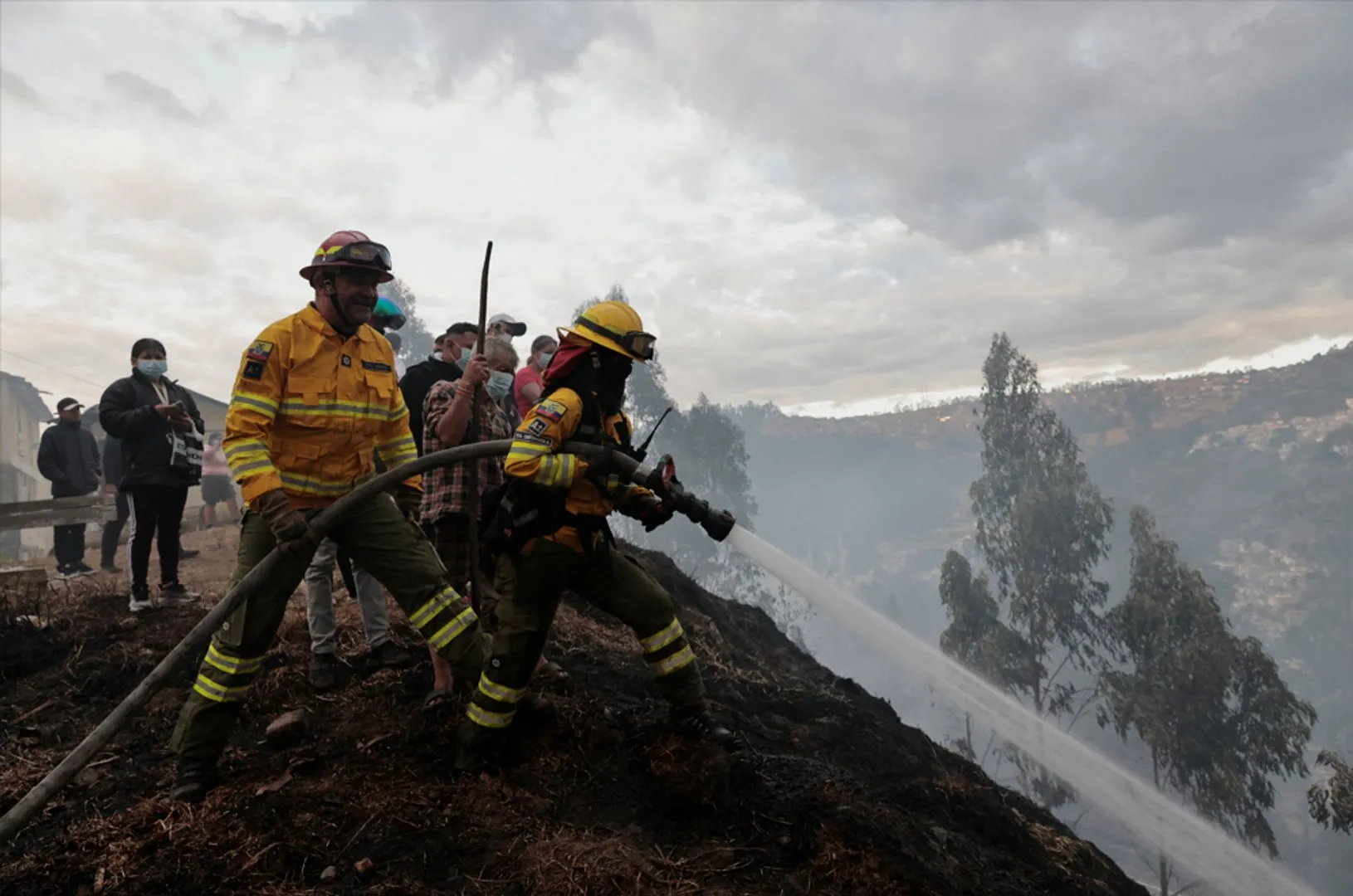
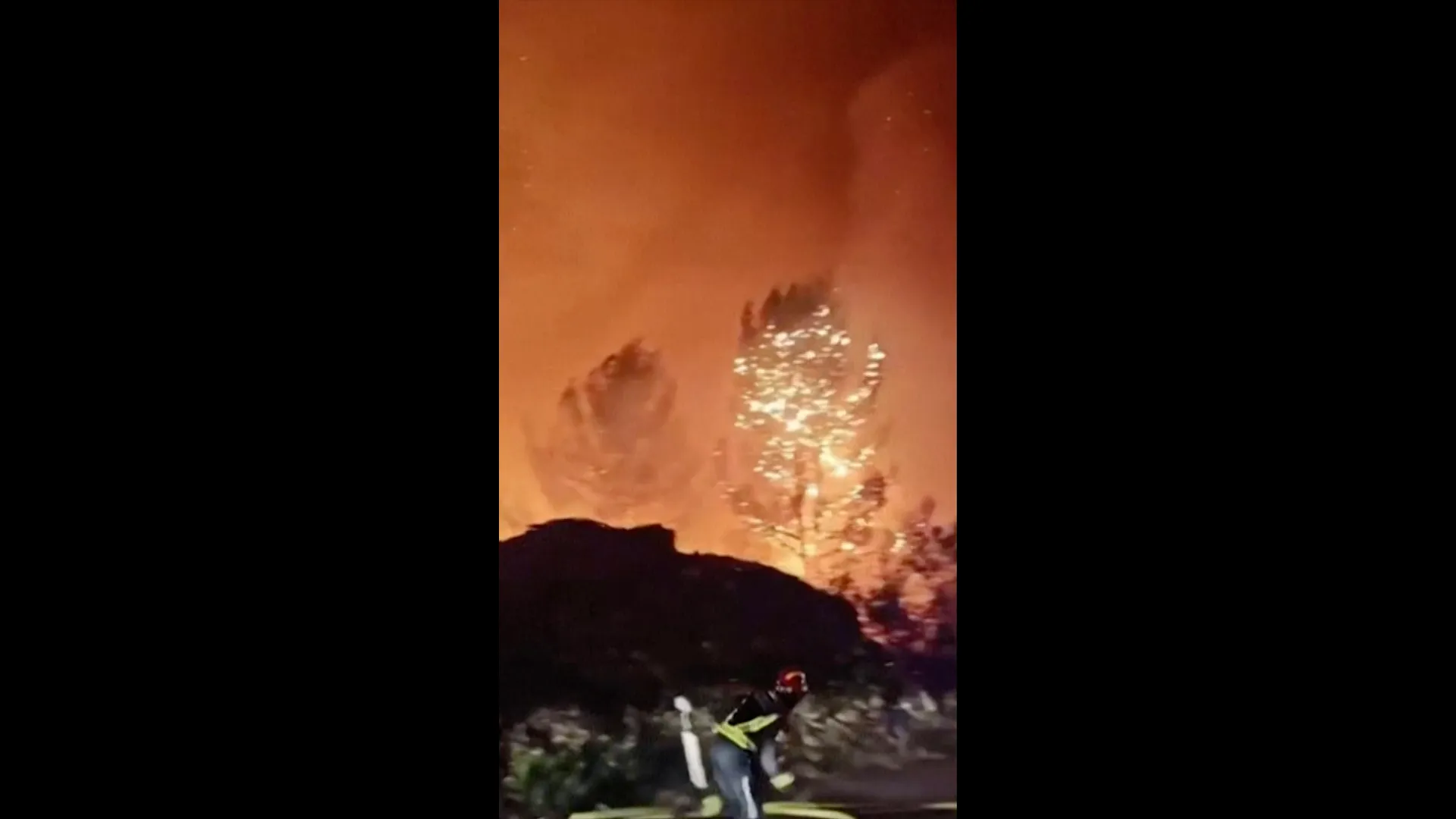
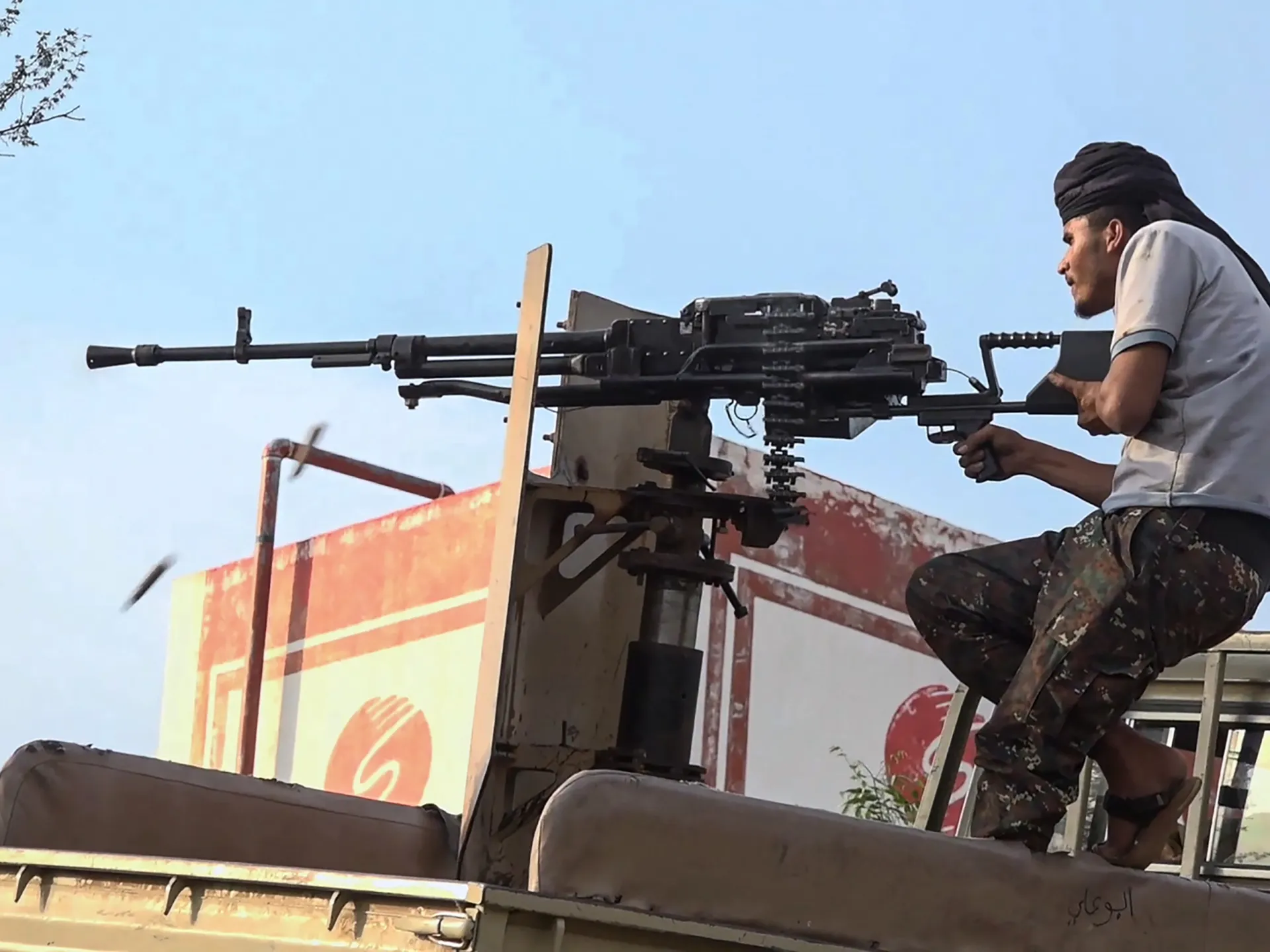
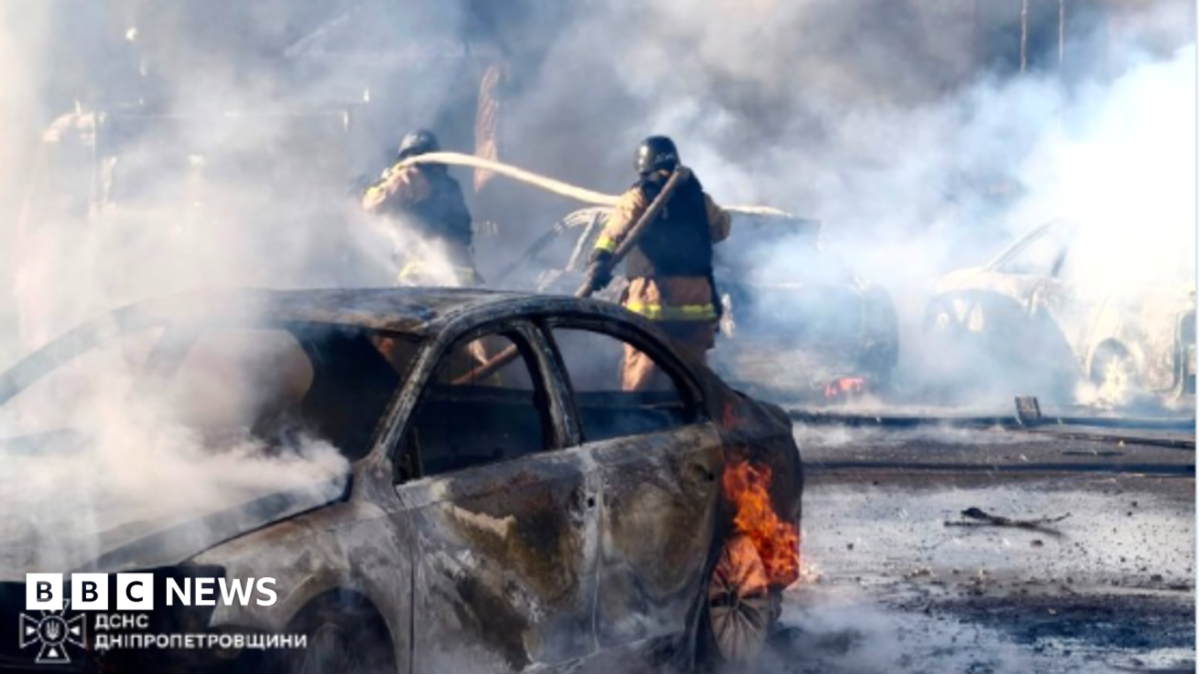
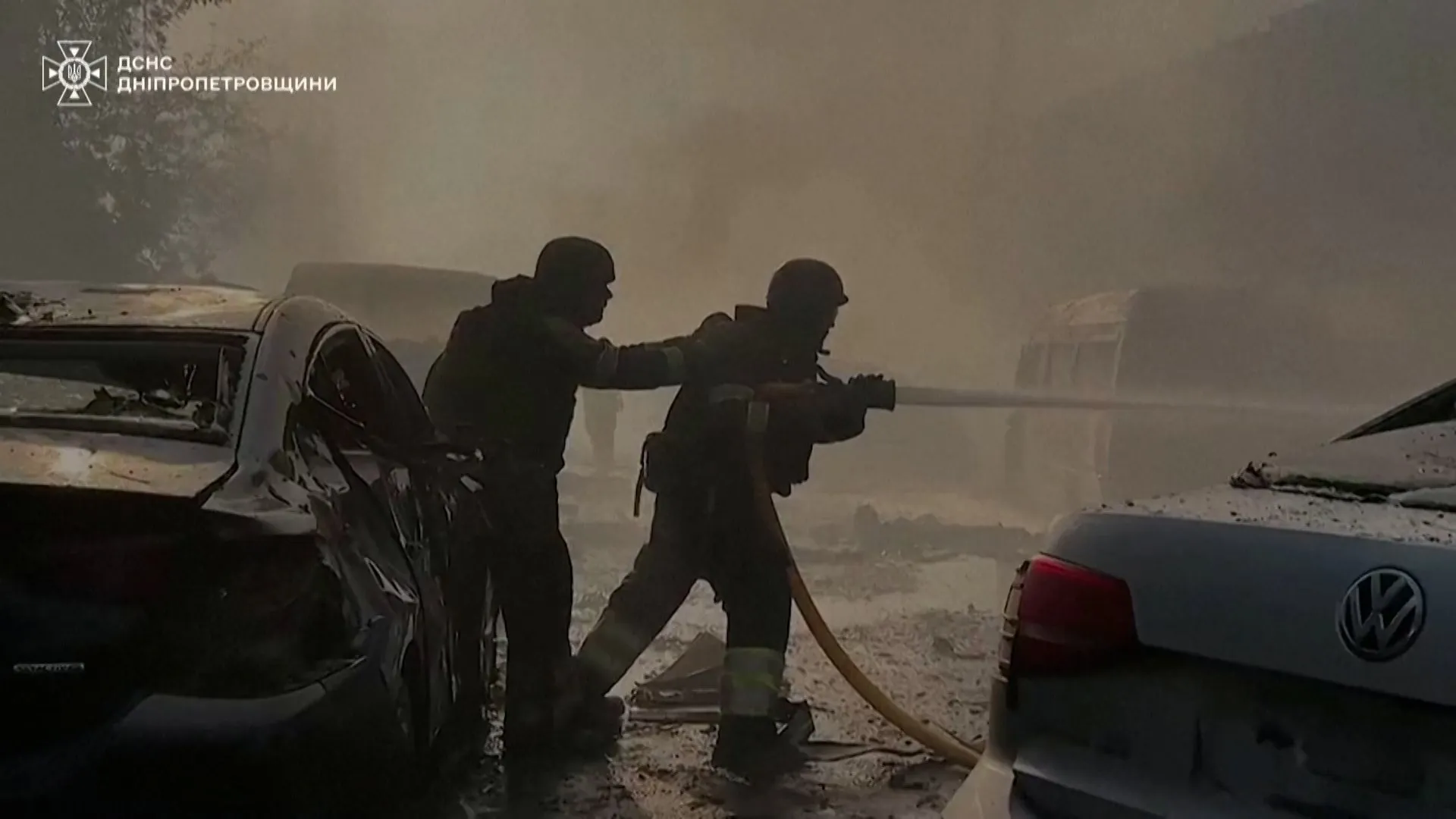
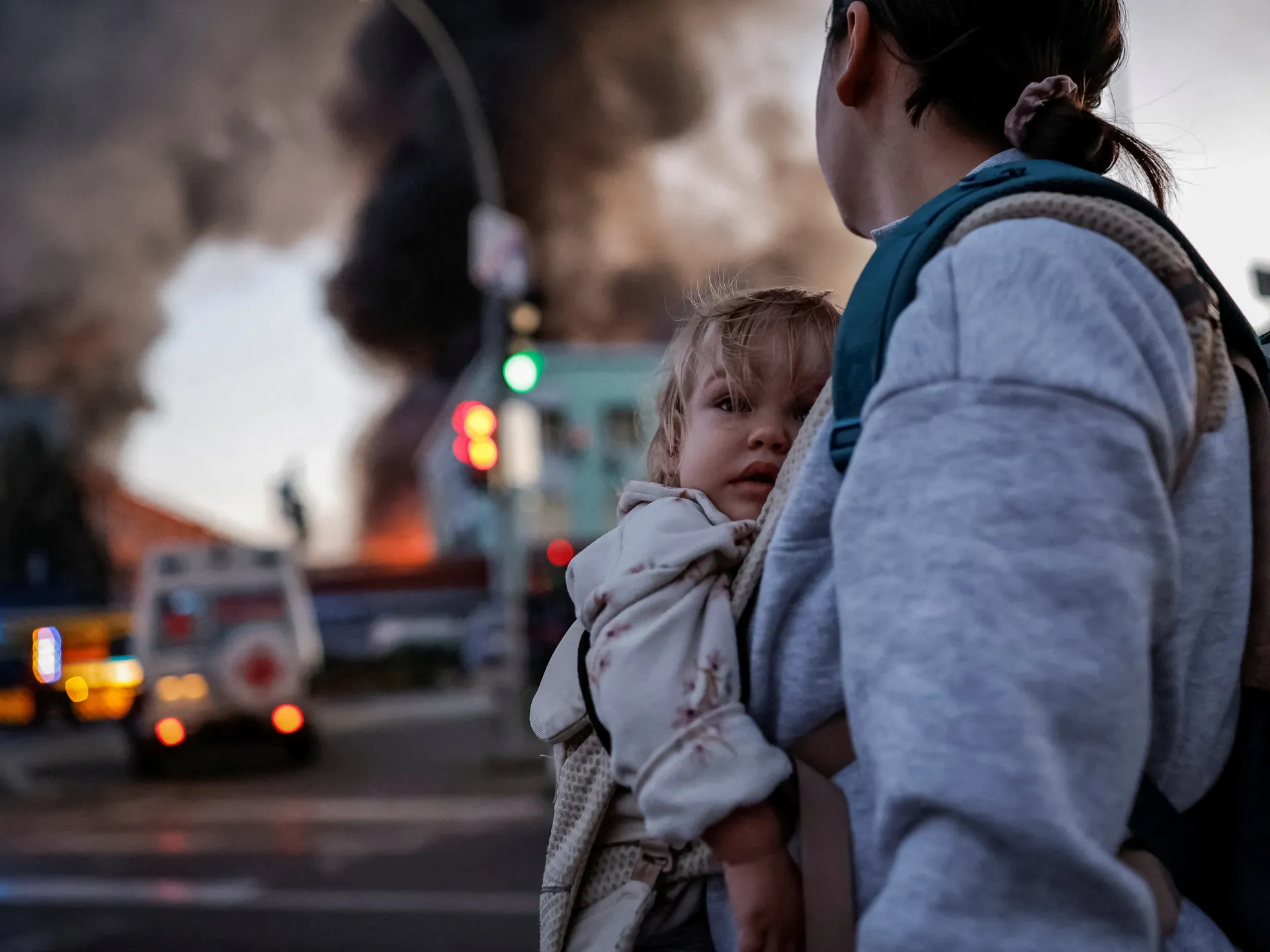
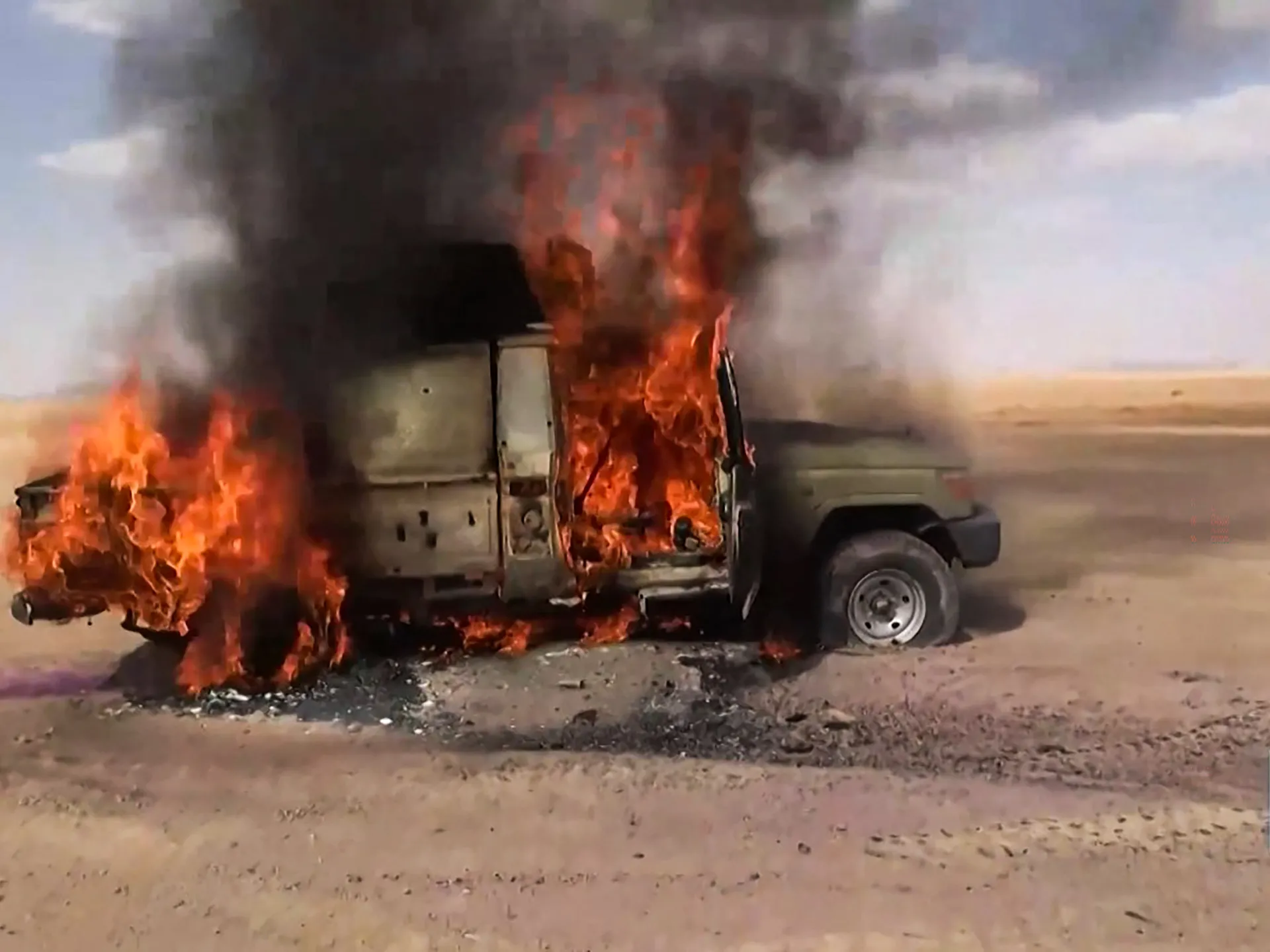
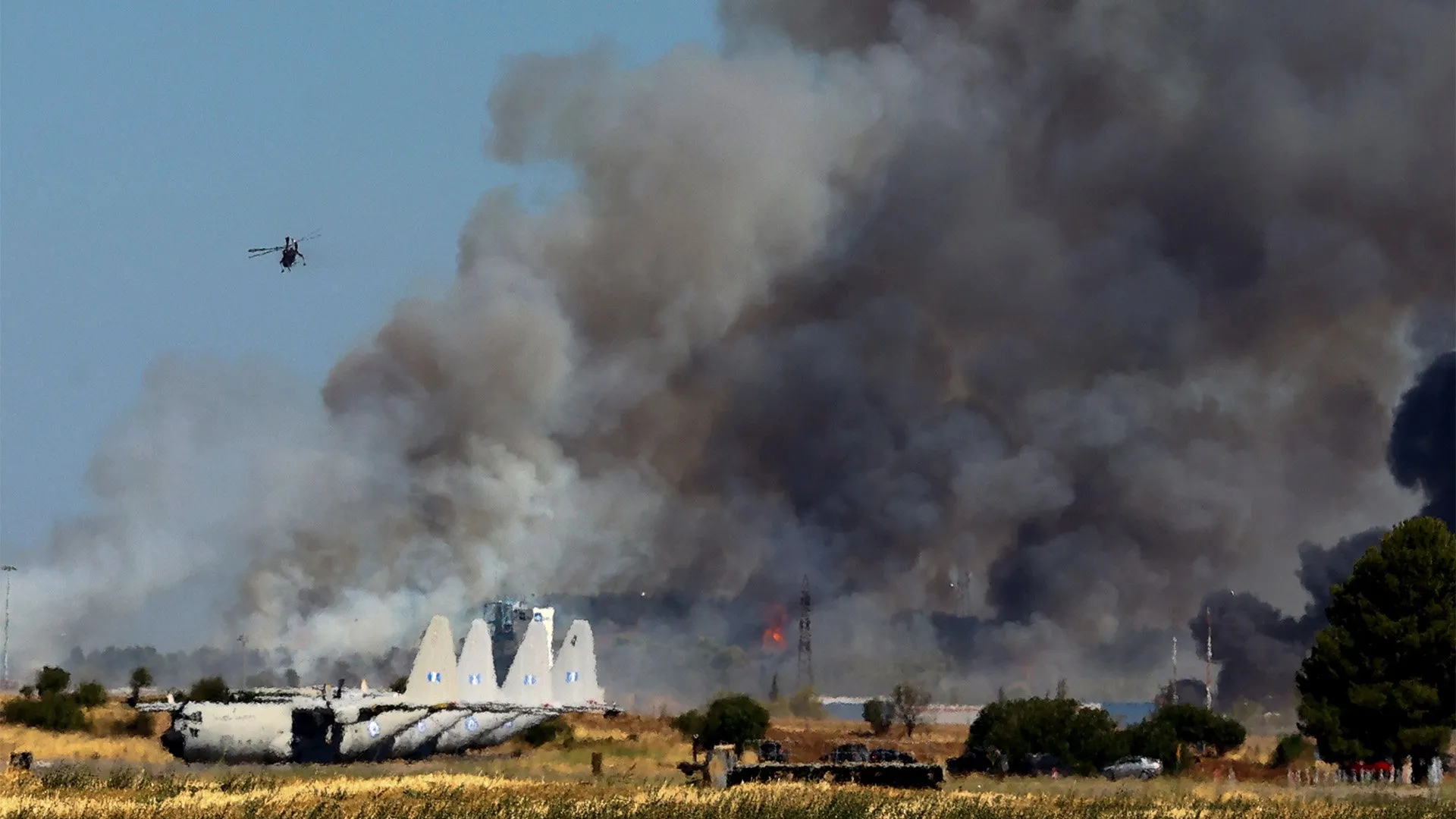
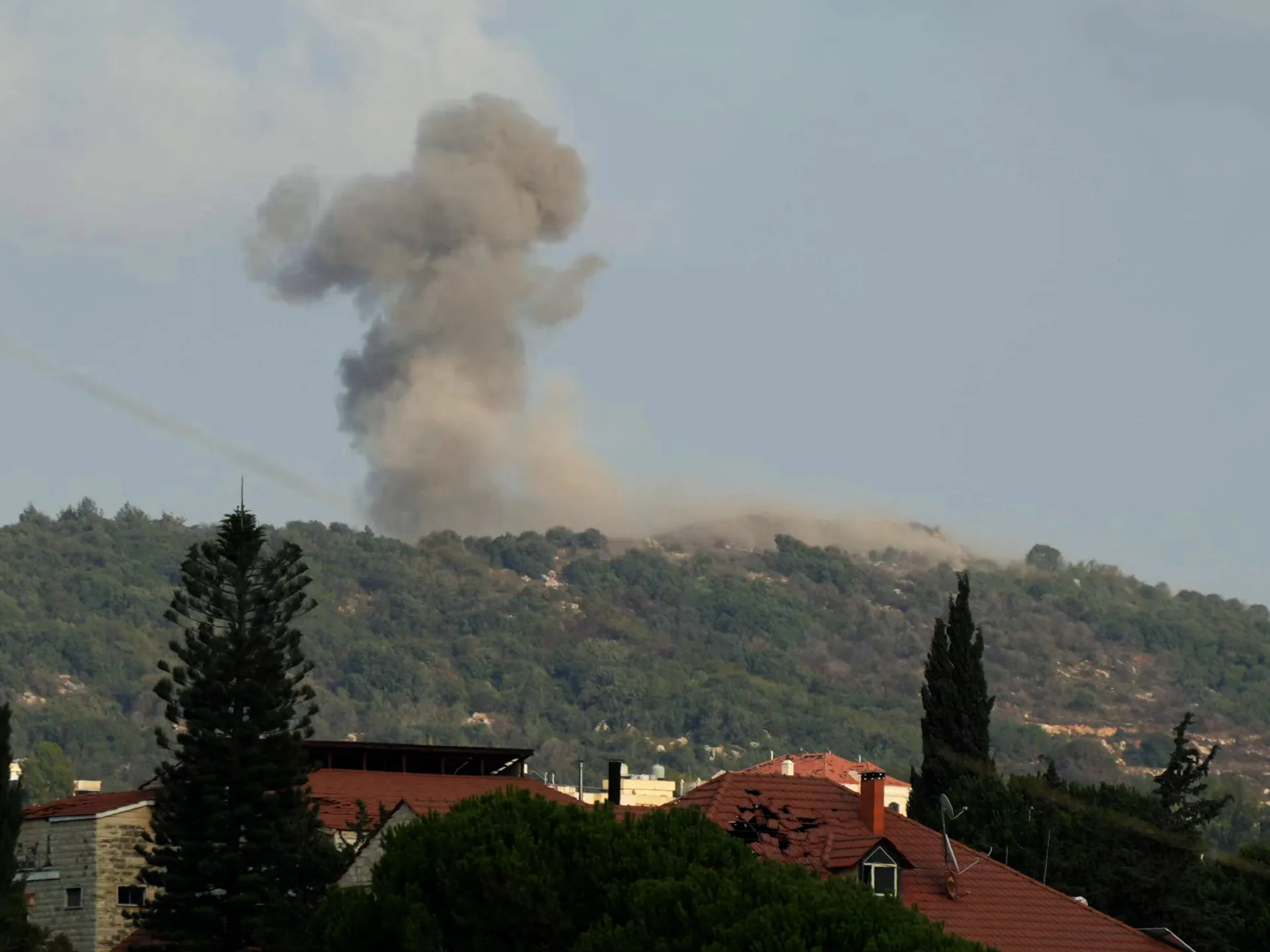
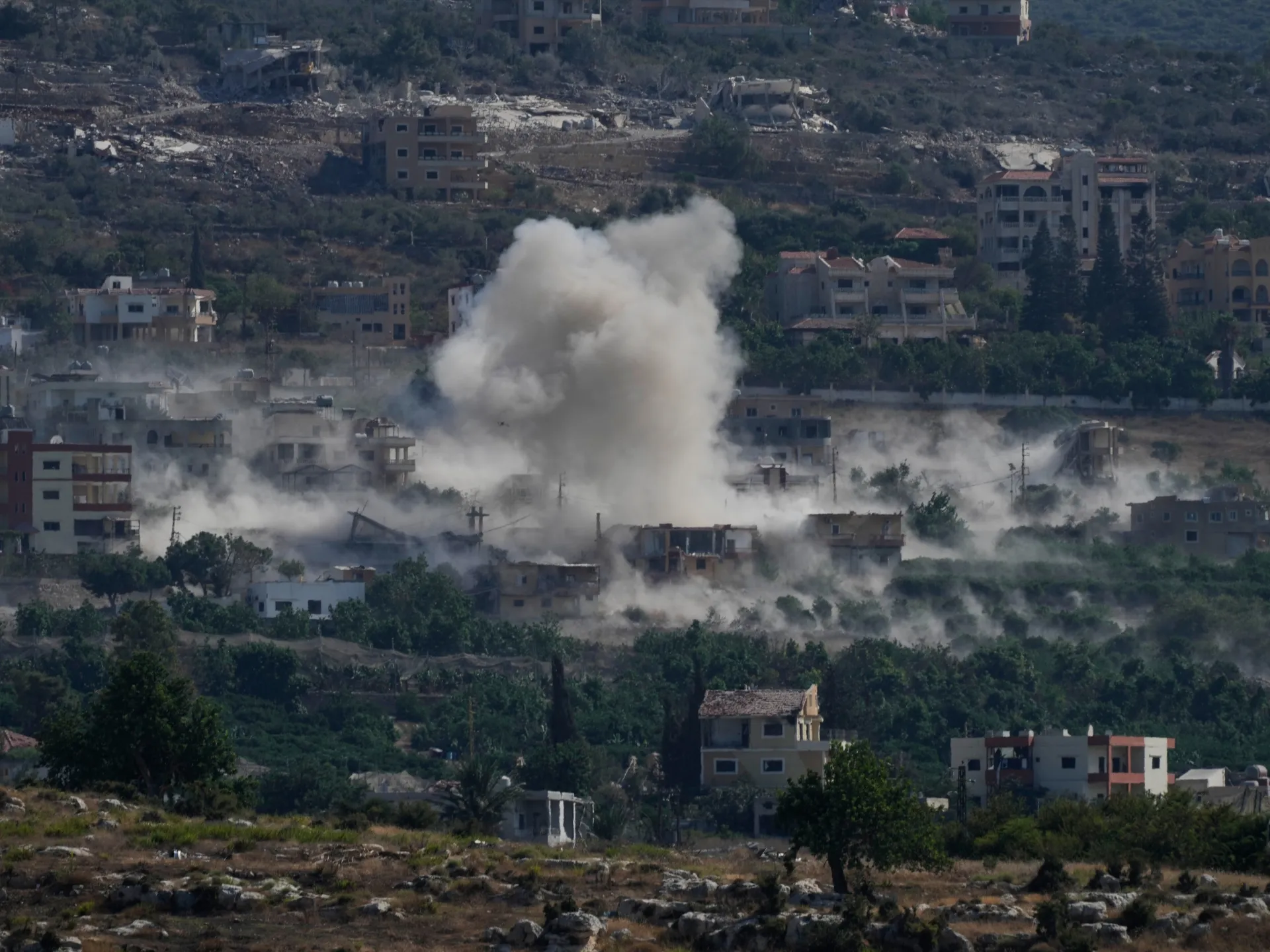
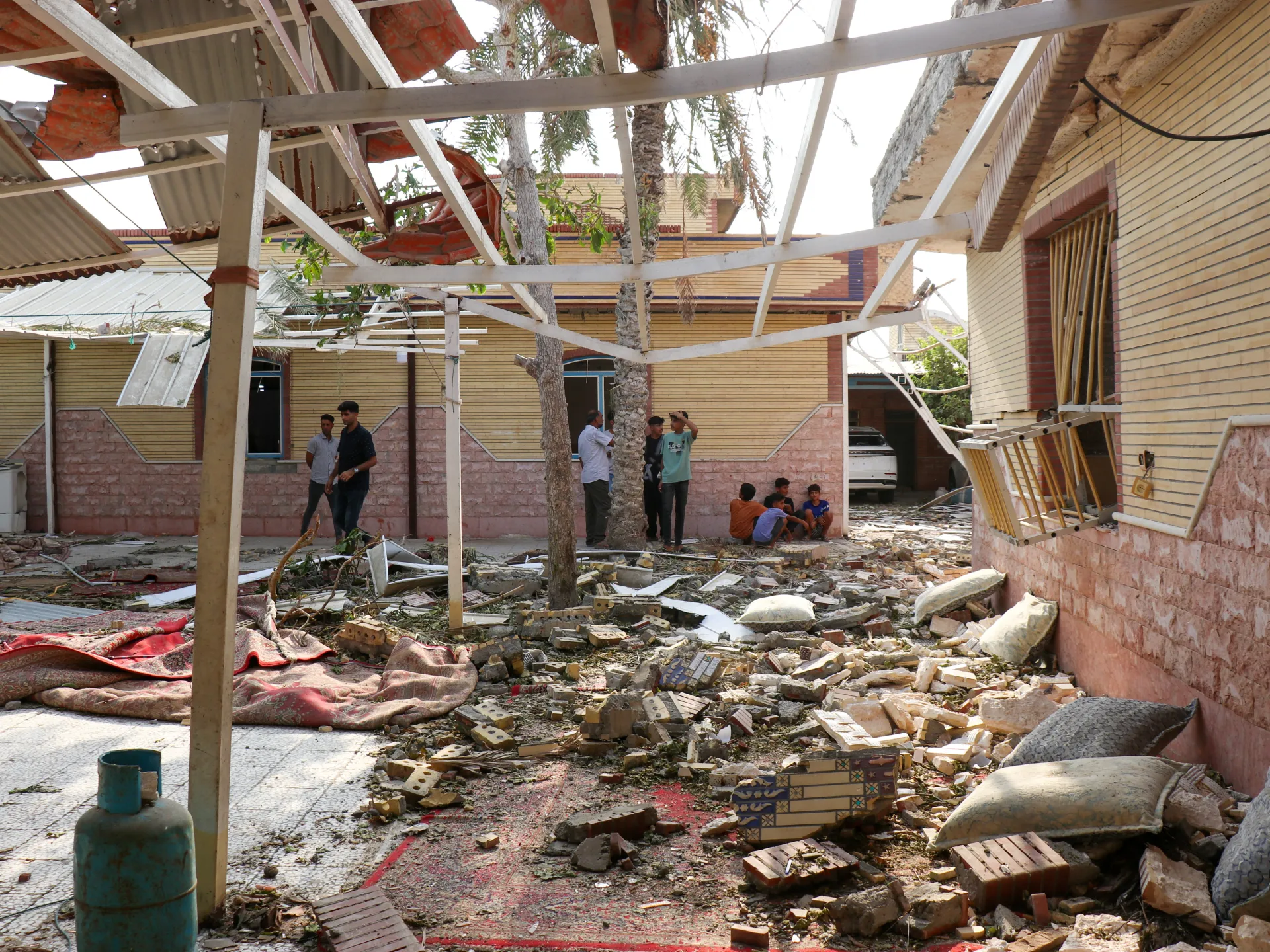
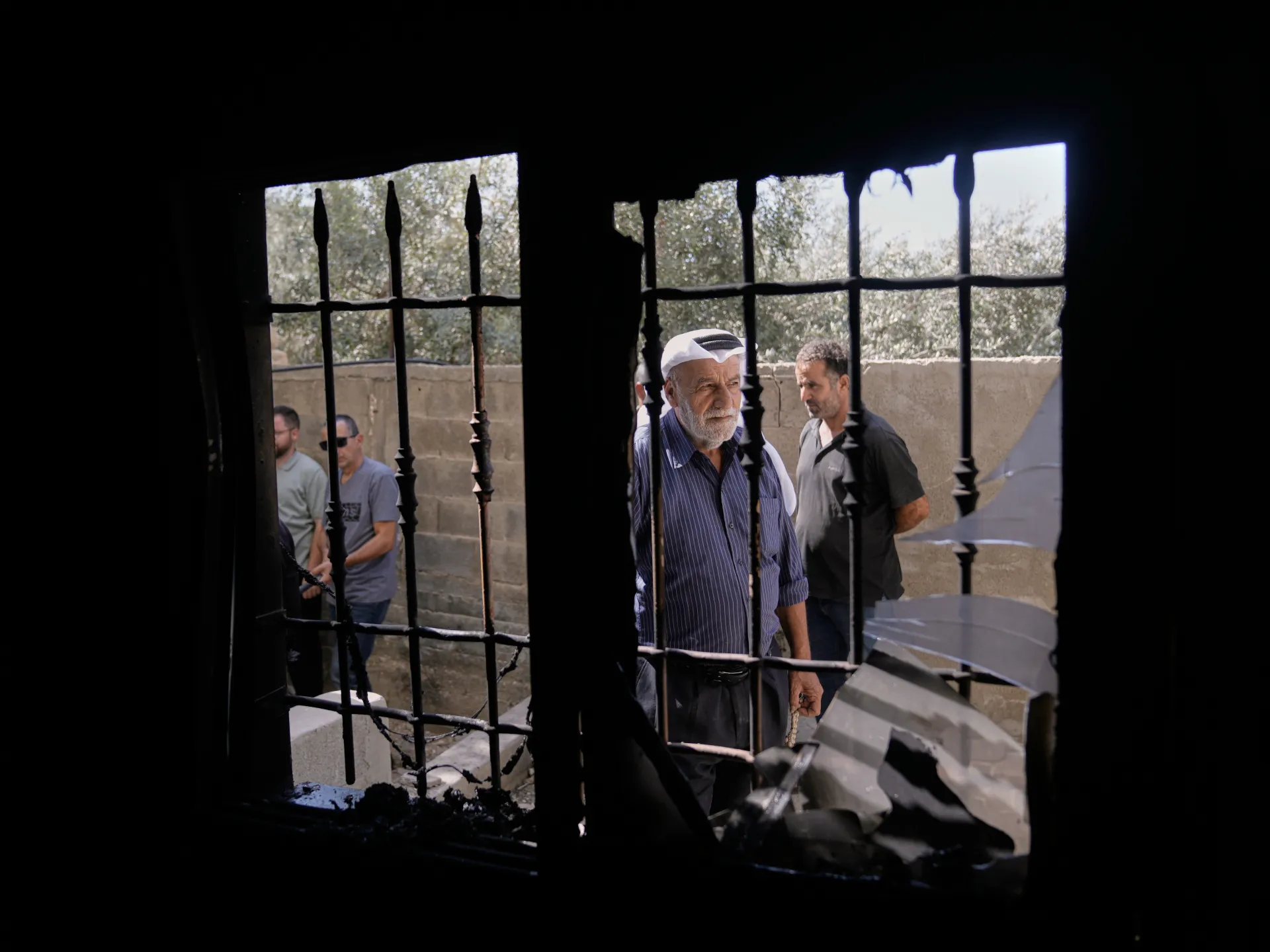
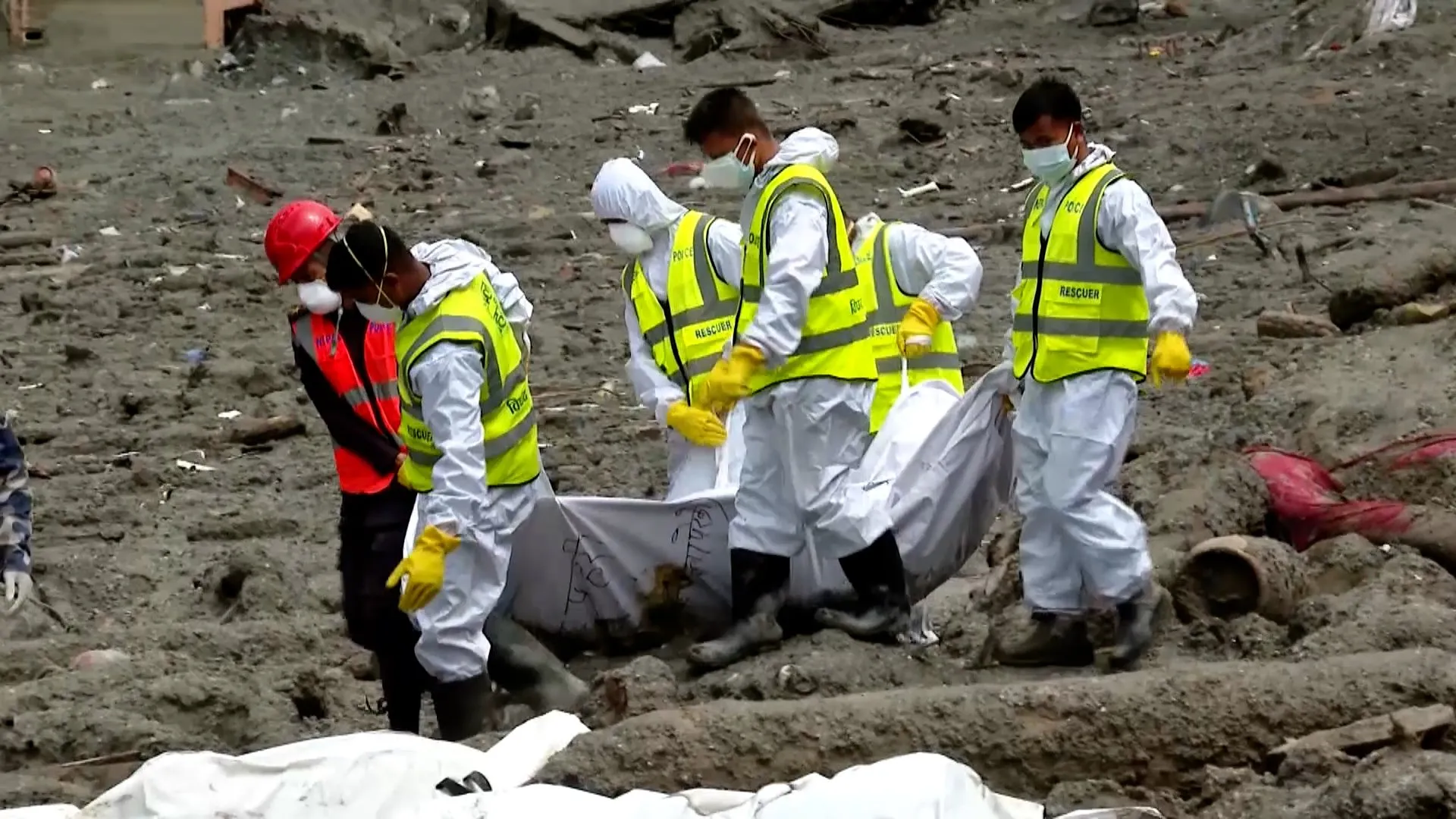
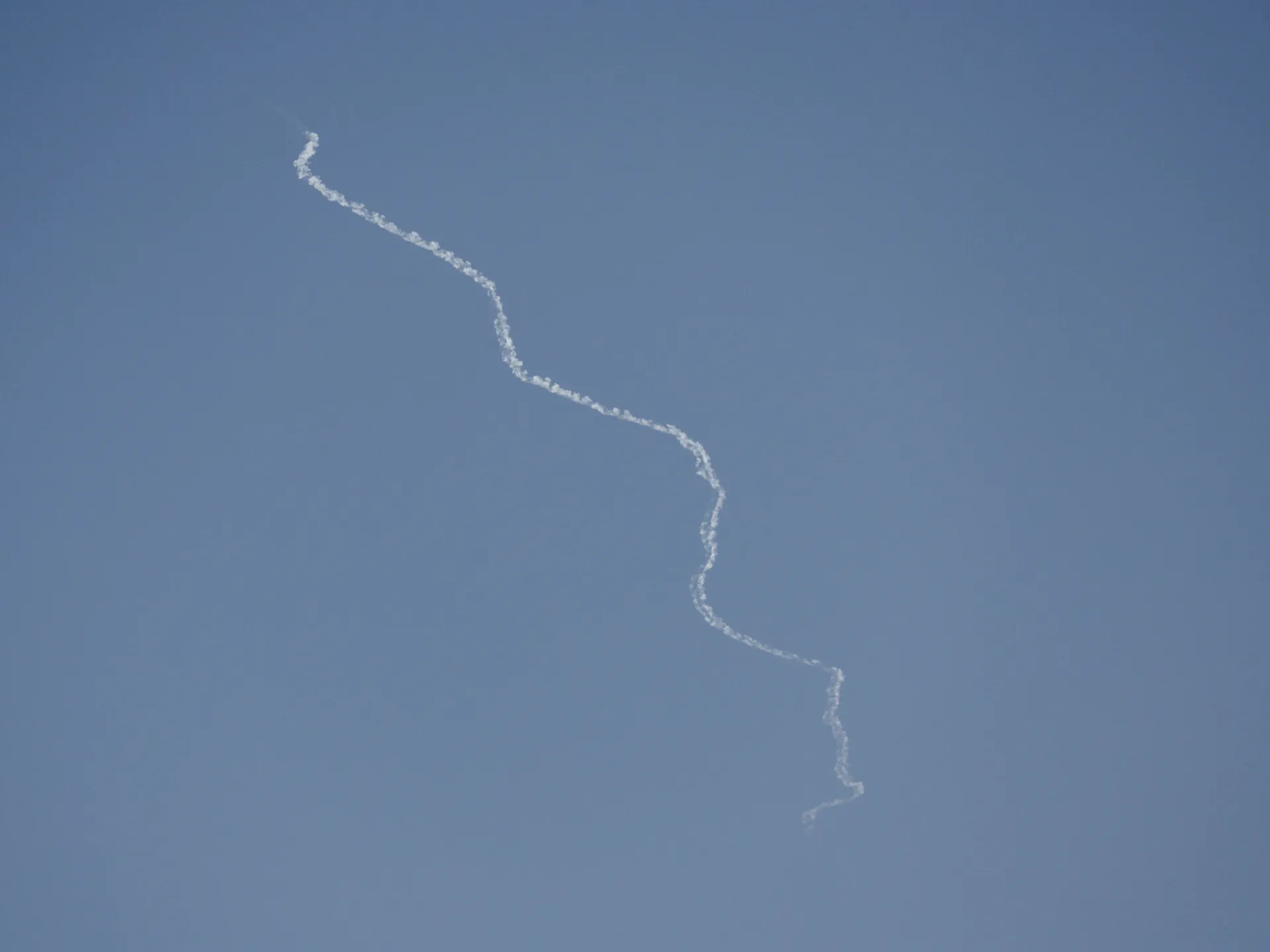
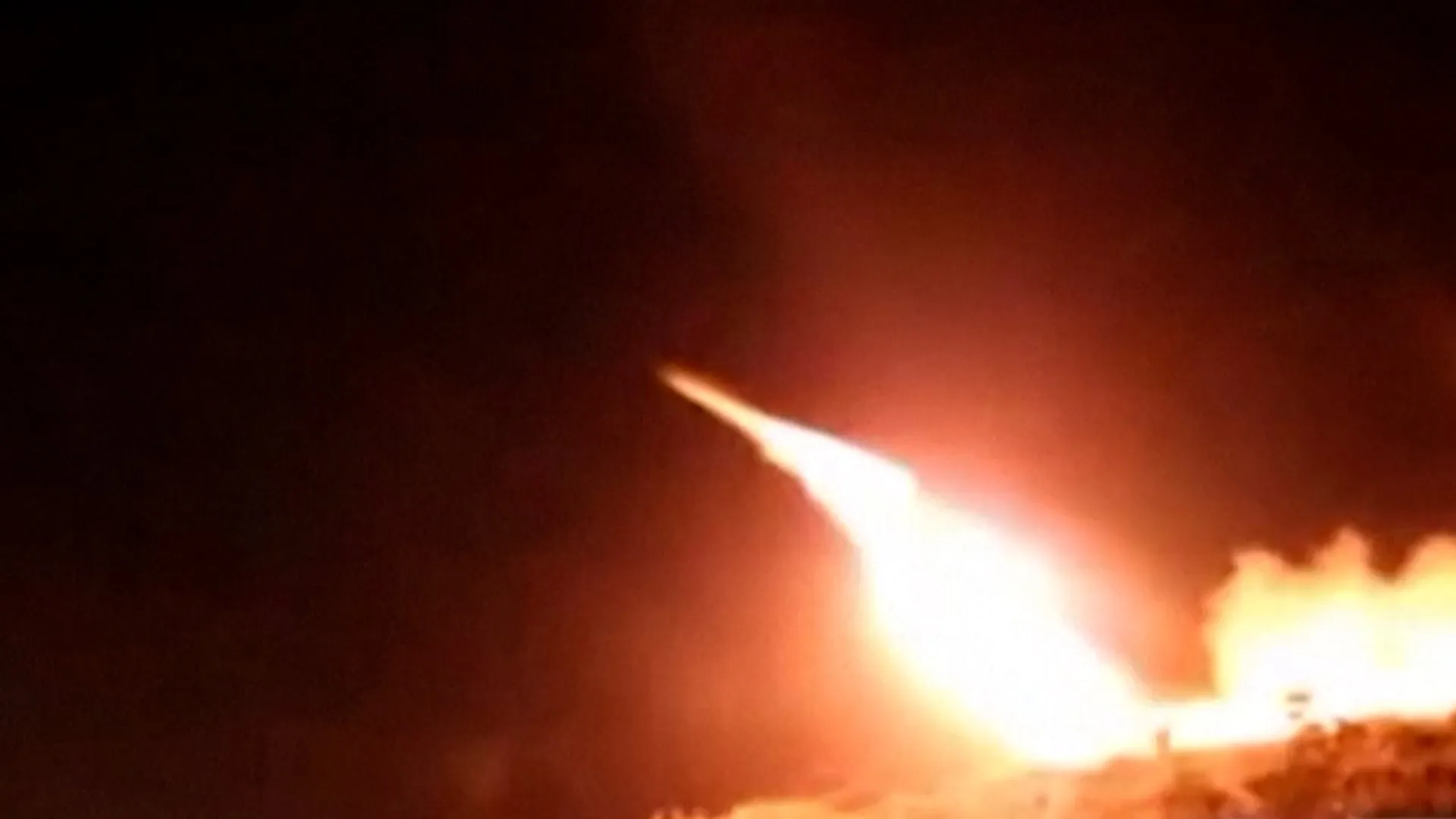
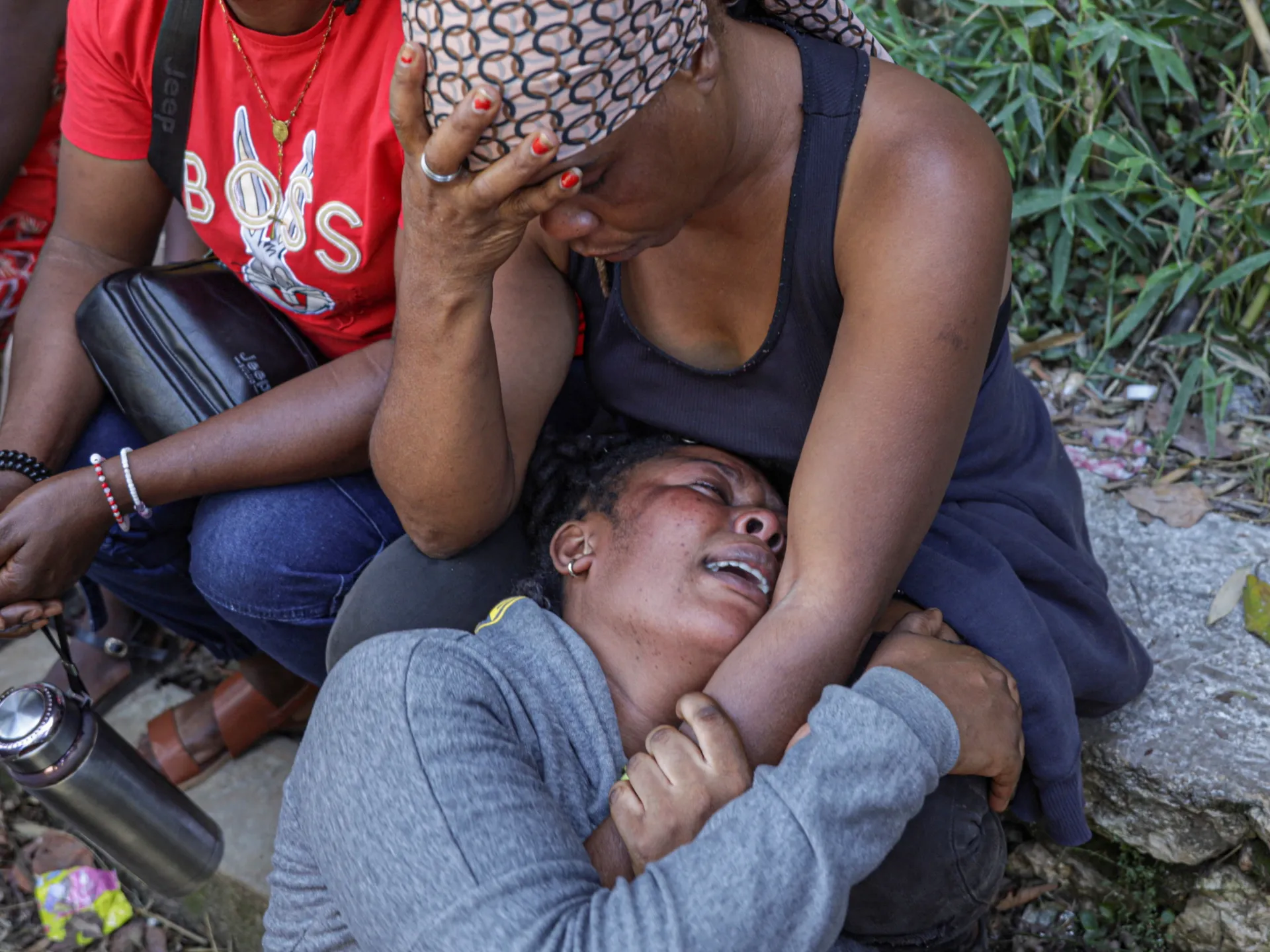
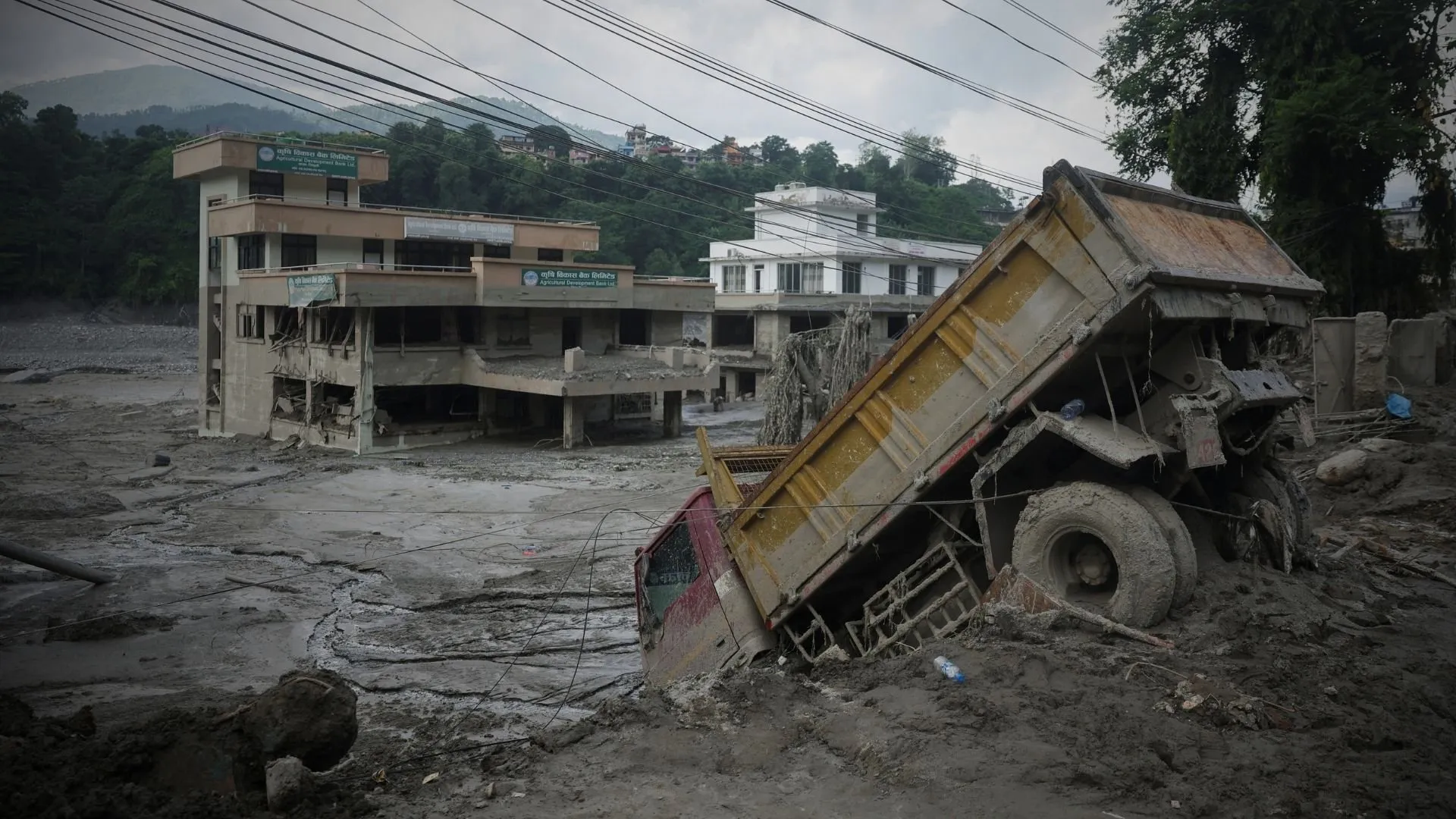
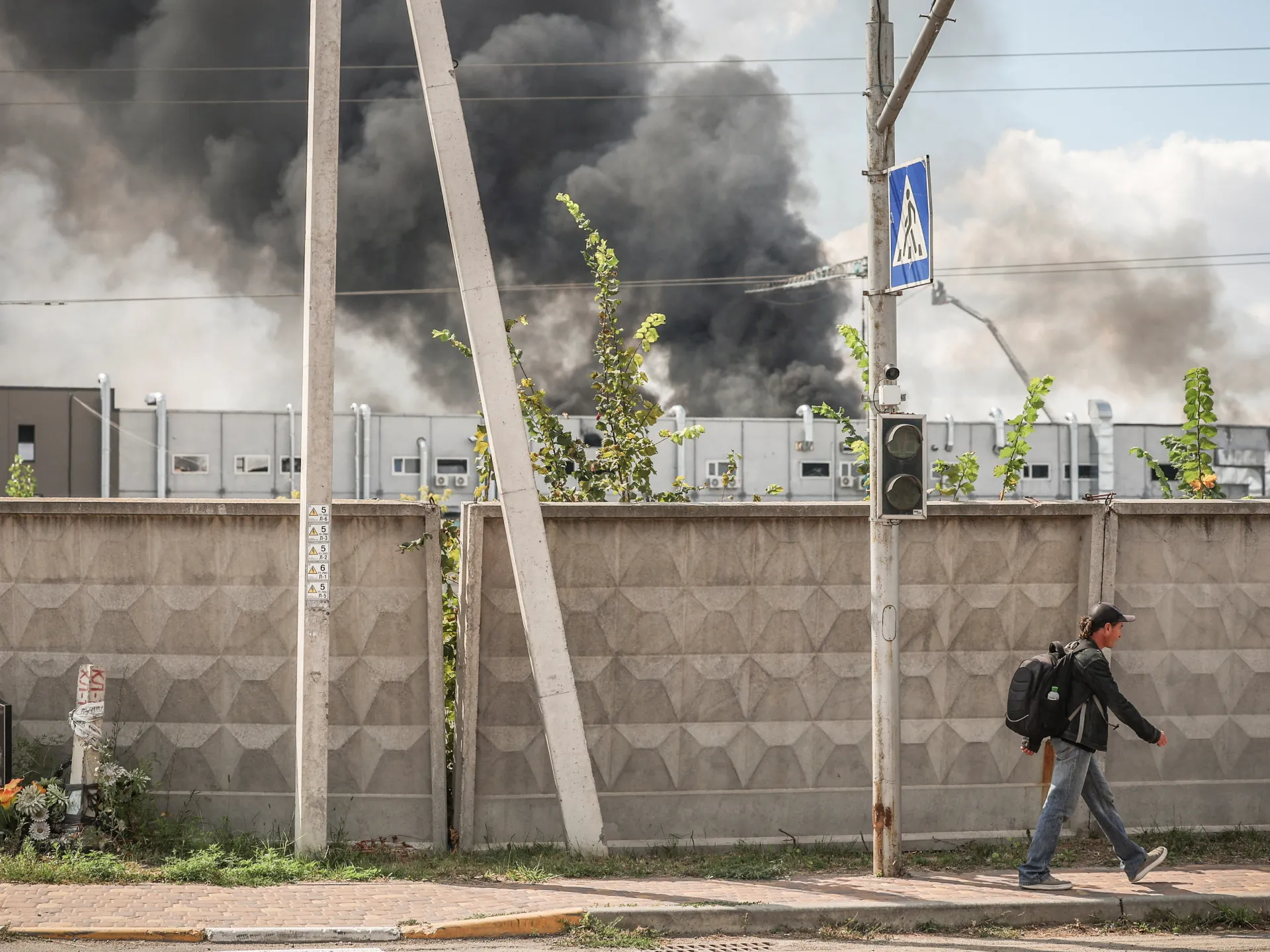
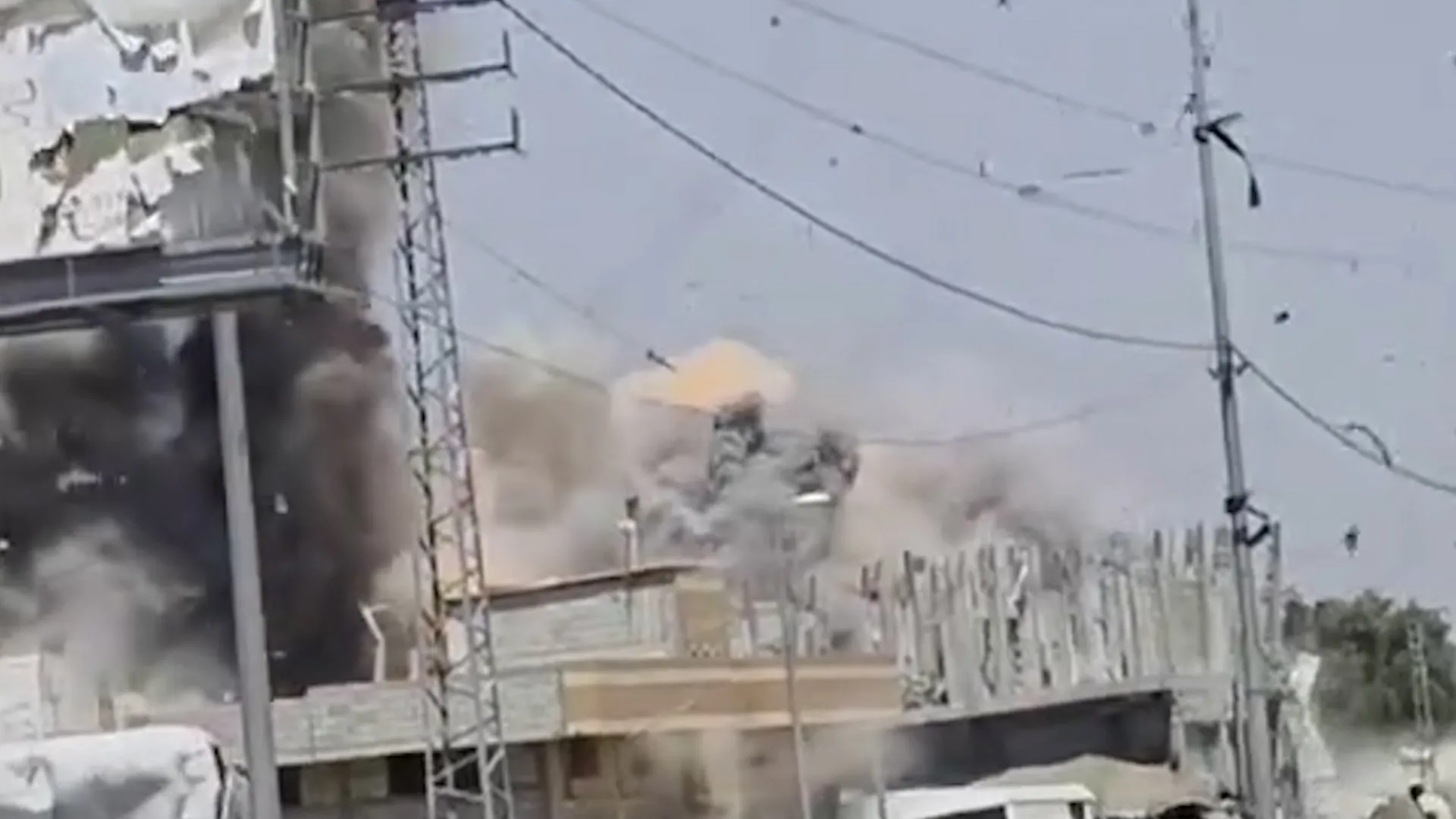
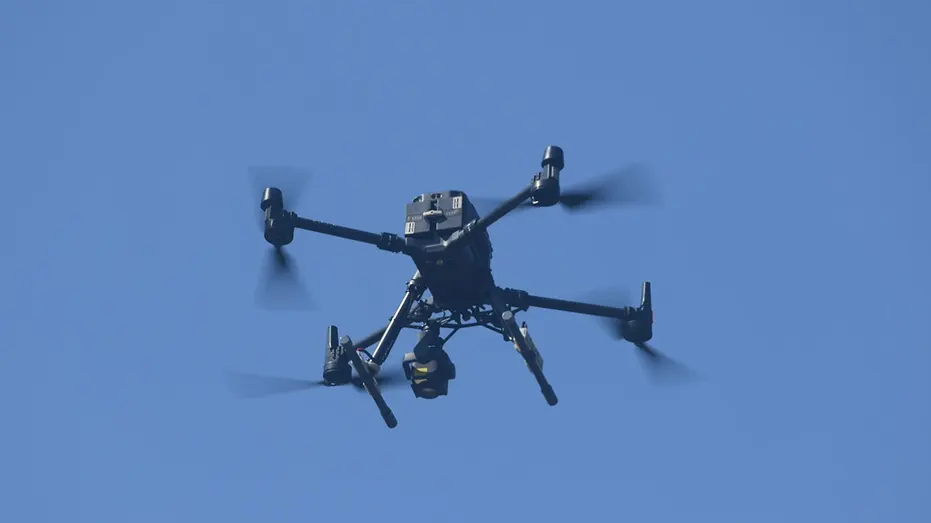
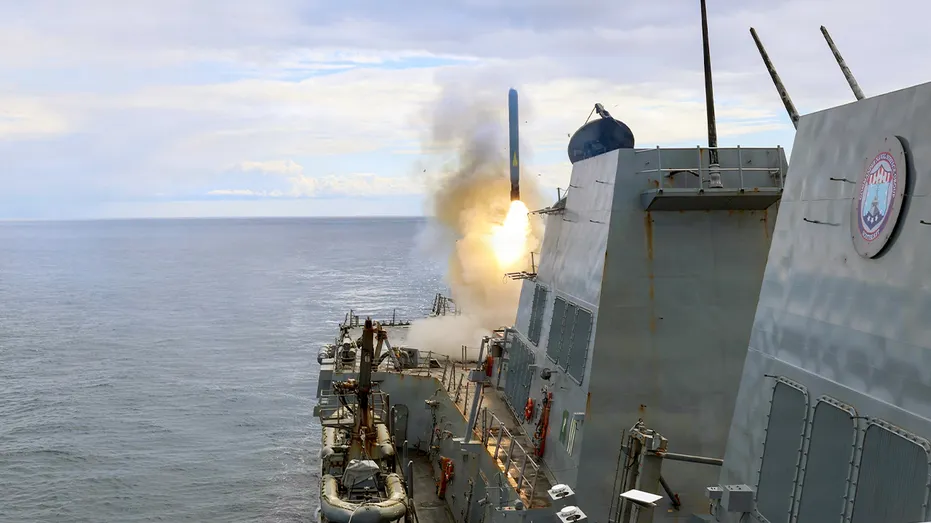
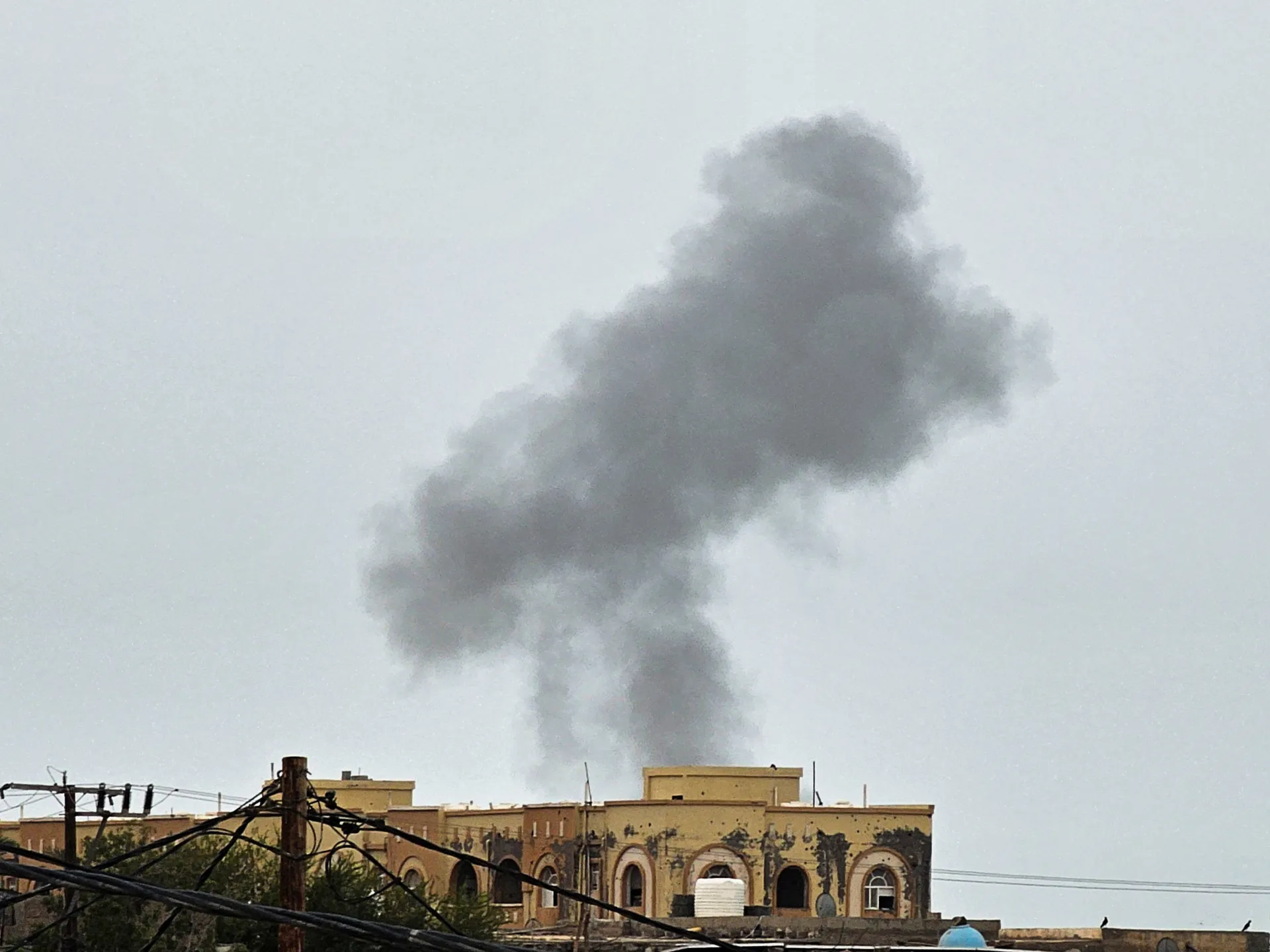
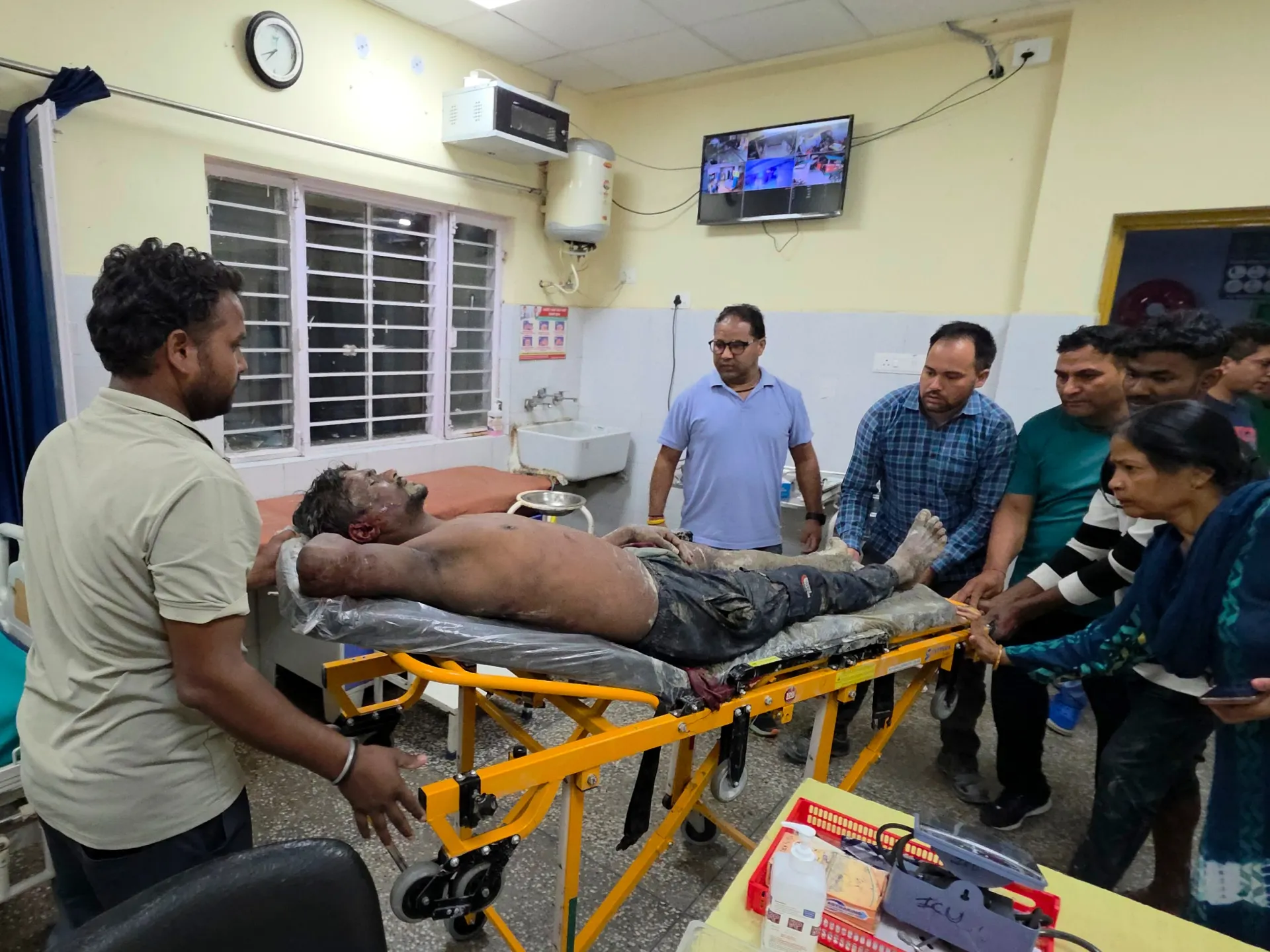
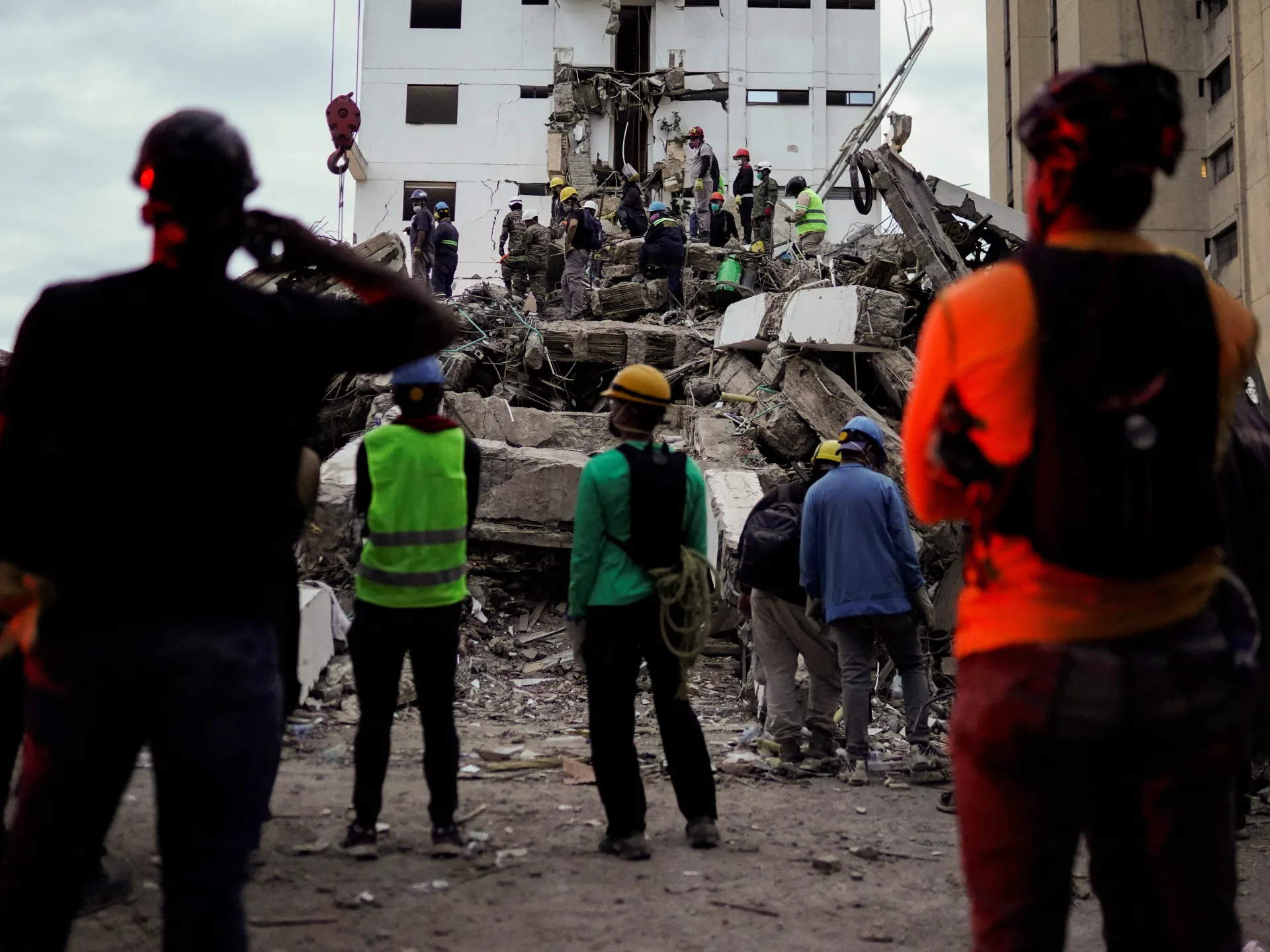
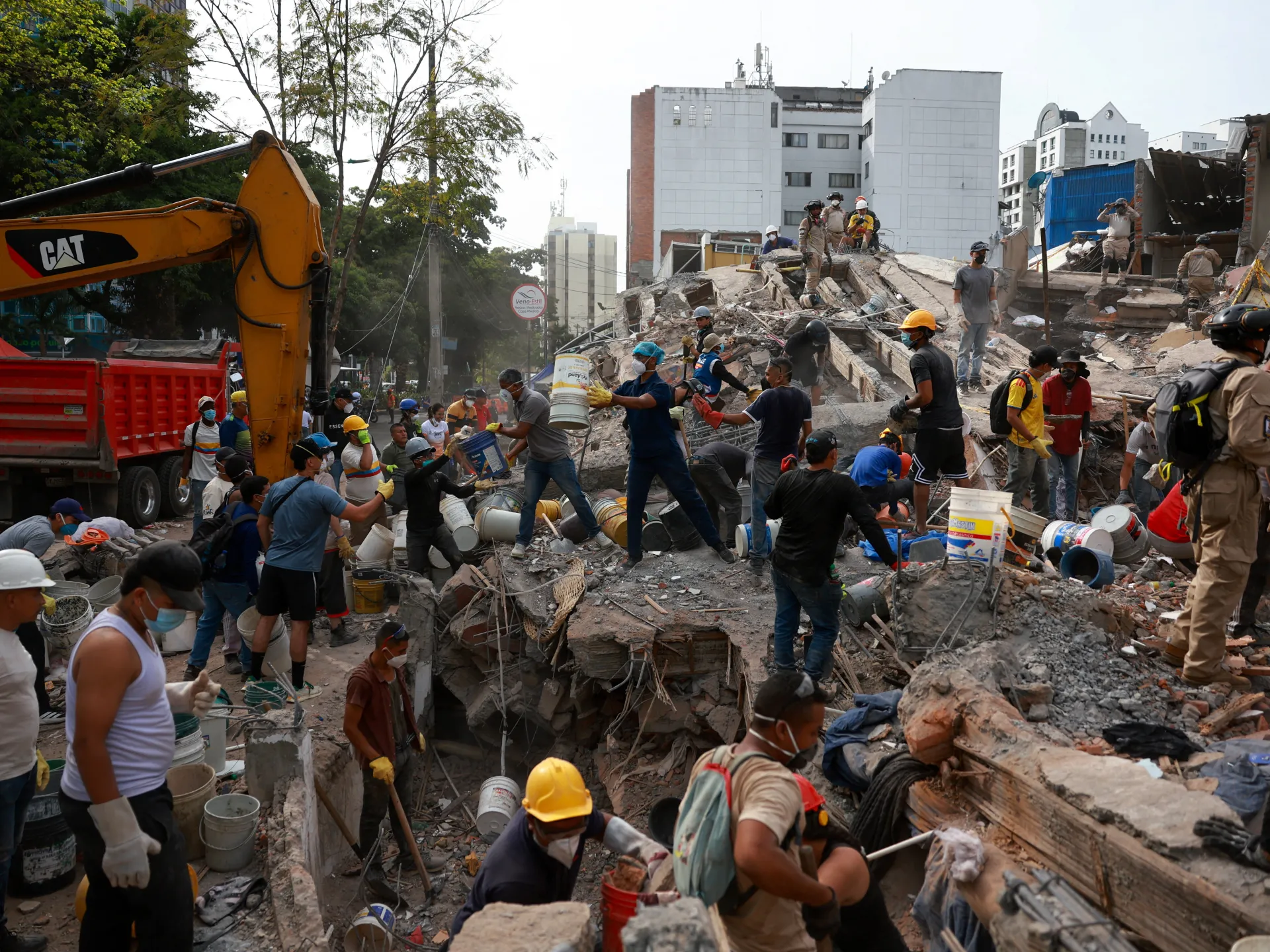
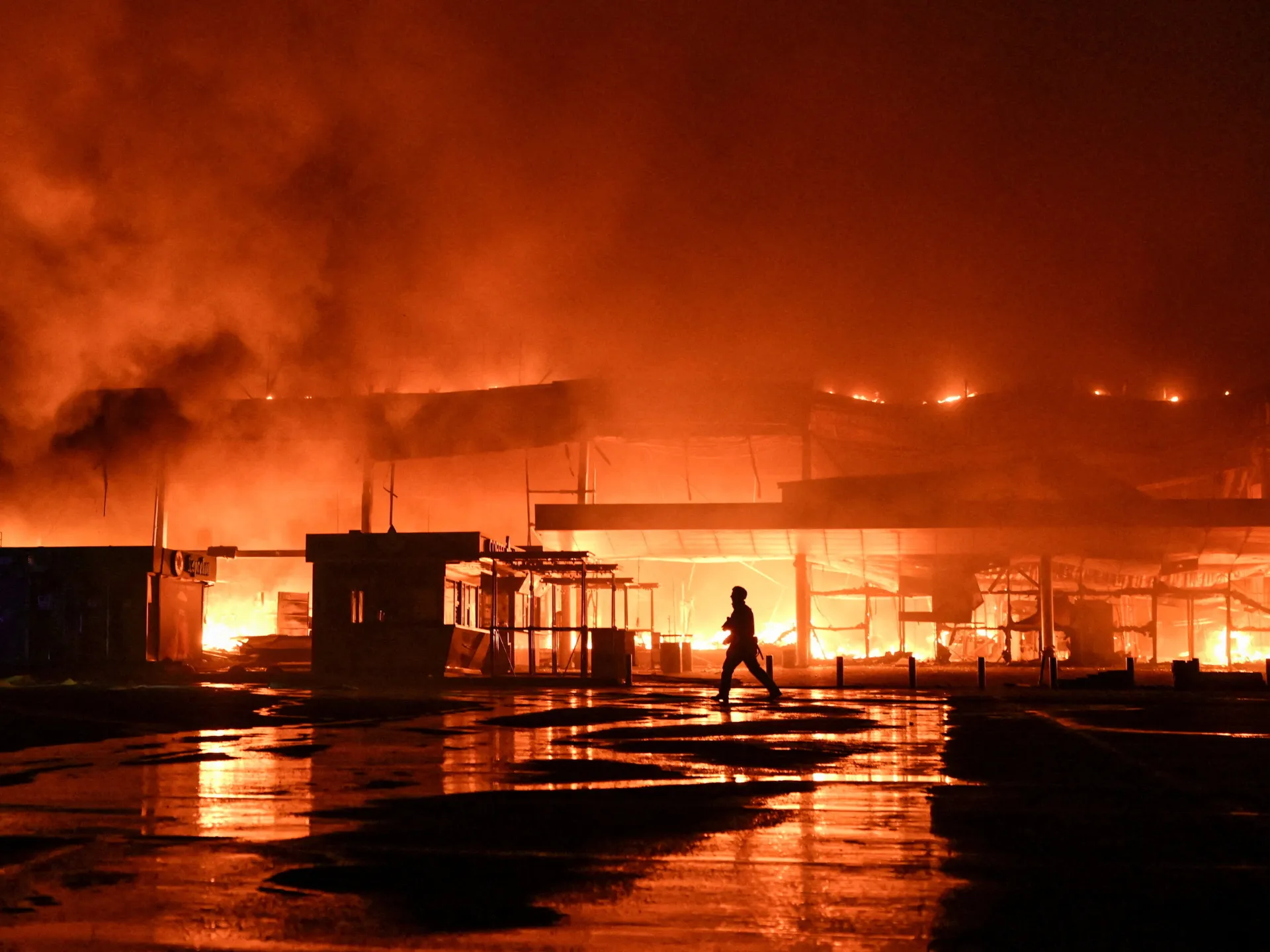
Russian forces executed a massive overnight offensive against Ukraine, deploying a combined force of 174 drones and two Zircon anti-ship missiles. Ukrainian air defense systems reported intercepting or neutralizing 141 of these targets across 15 different regions. Despite the scale of the bombardment, Ukrainian officials maintained that the advanced Zircon missiles failed to reach their intended objectives. The aftermath, however, was severe: debris fell across nine distinct locations, and regional authorities confirmed multiple civilian casualties. Kharkiv and Kherson suffered the highest human toll, with governors reporting a combined eight deaths and numerous injuries resulting from artillery and aerial strikes on residential infrastructure, including high-rise apartments and gas pipelines.
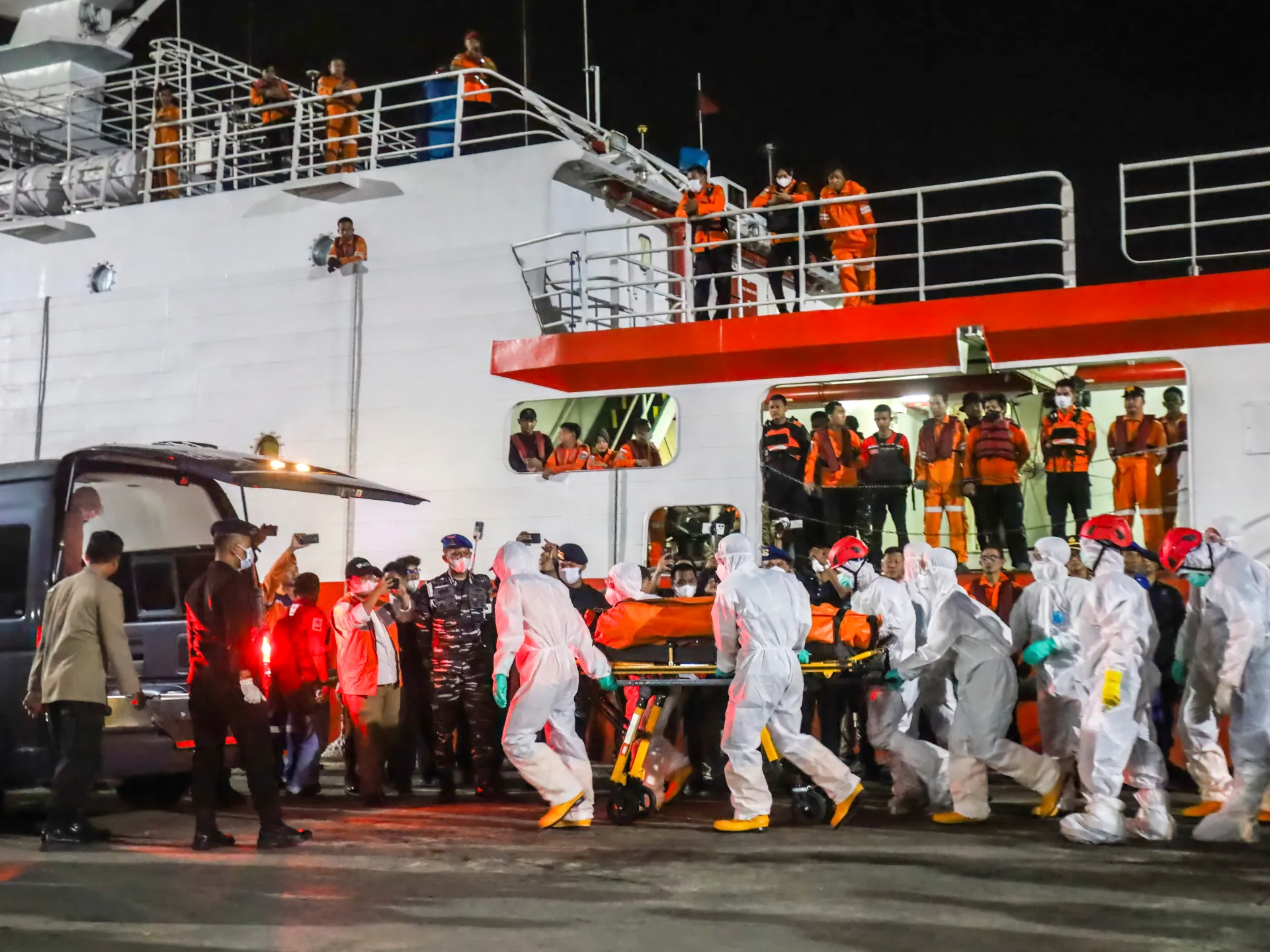
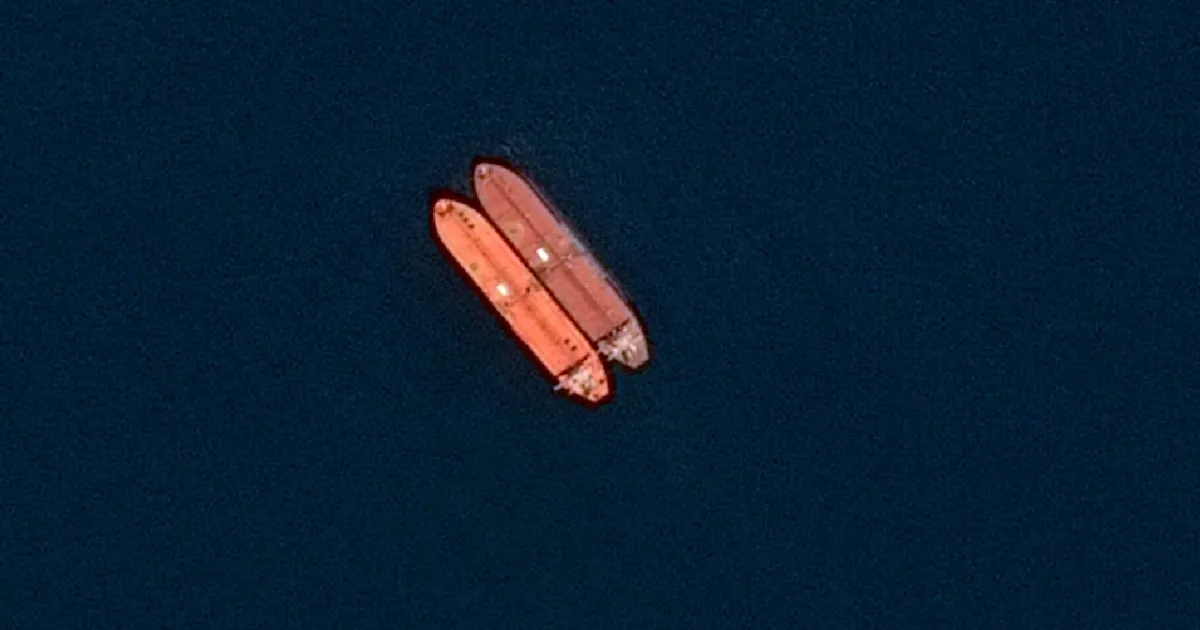
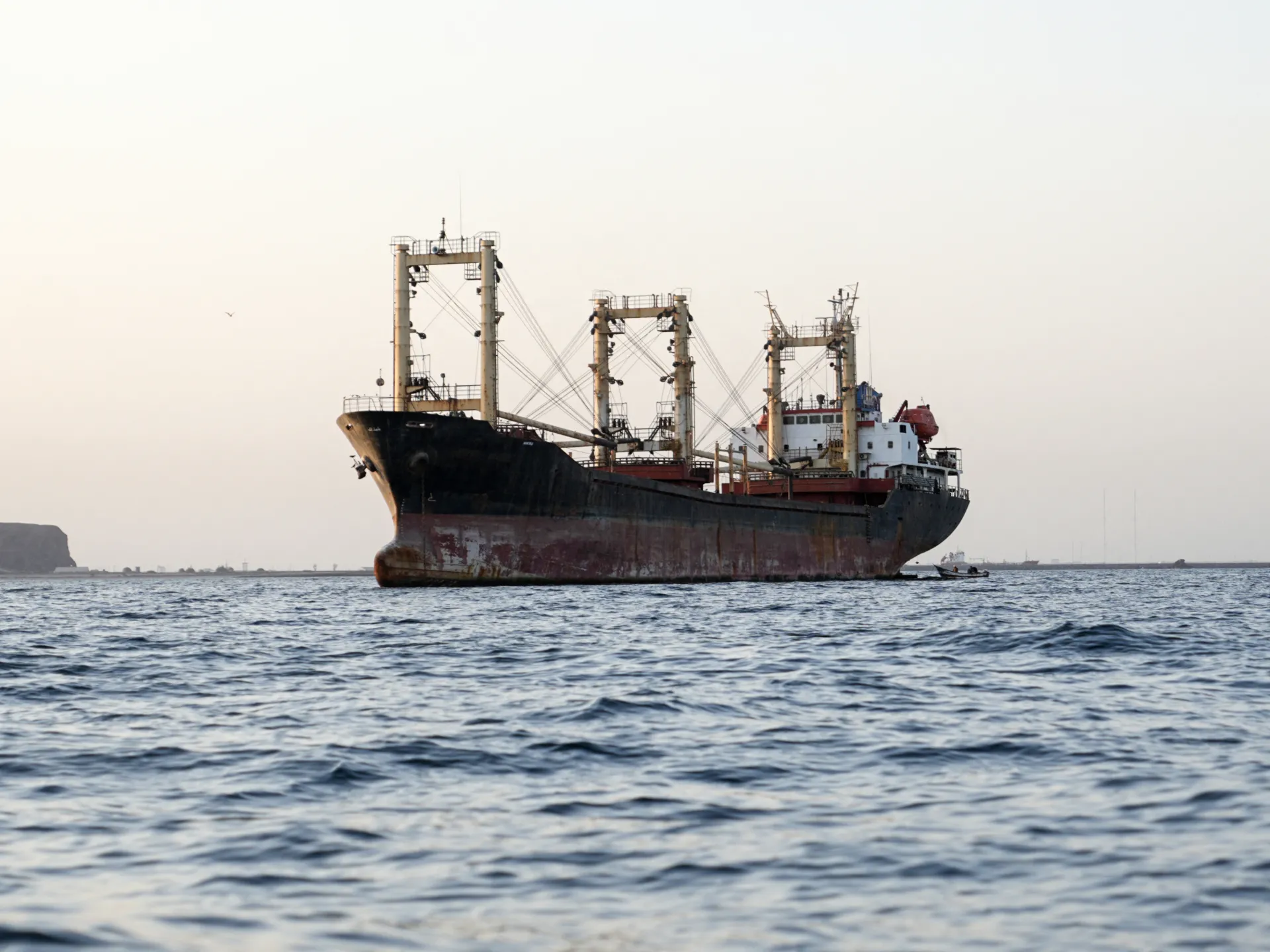
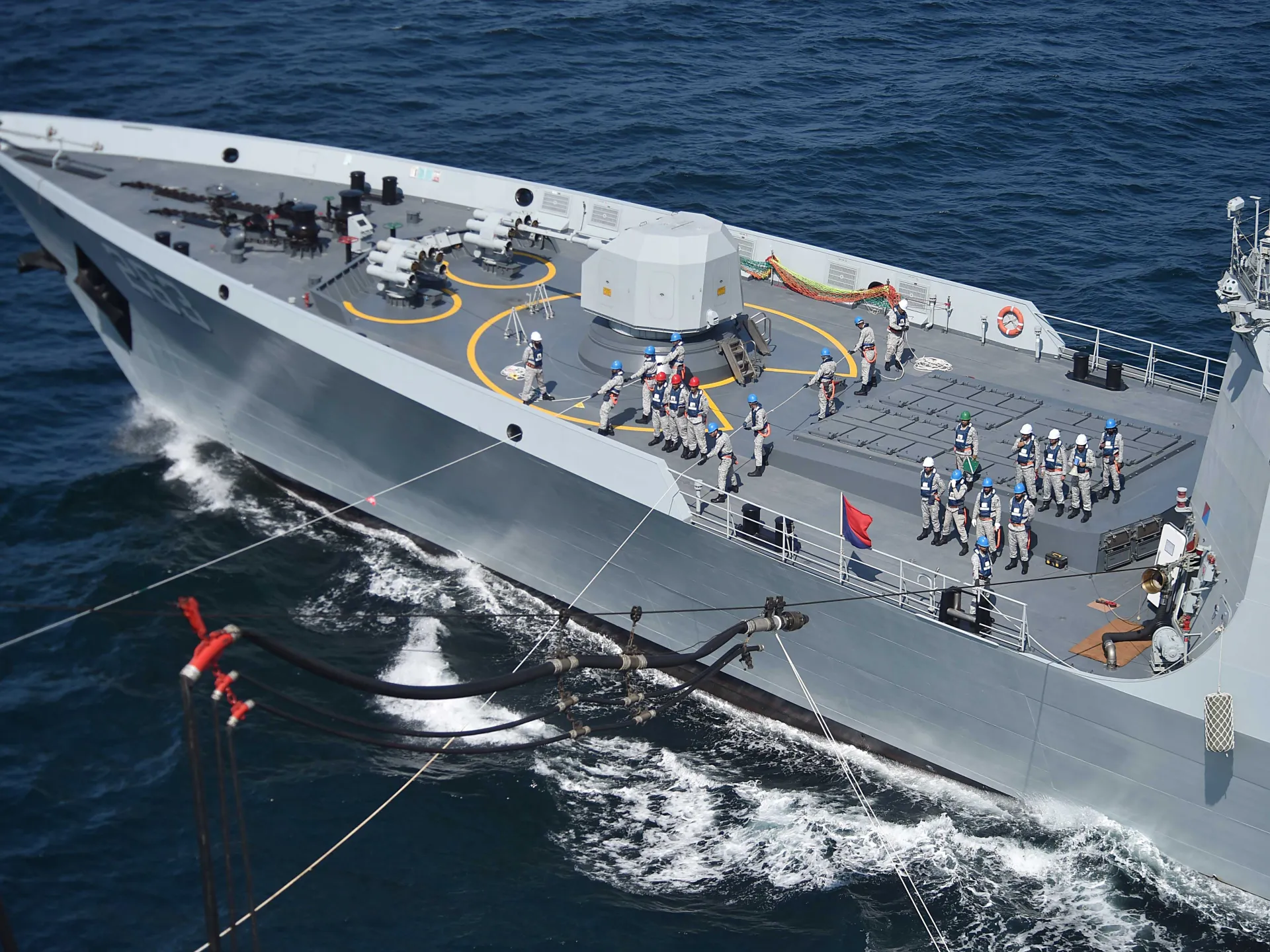
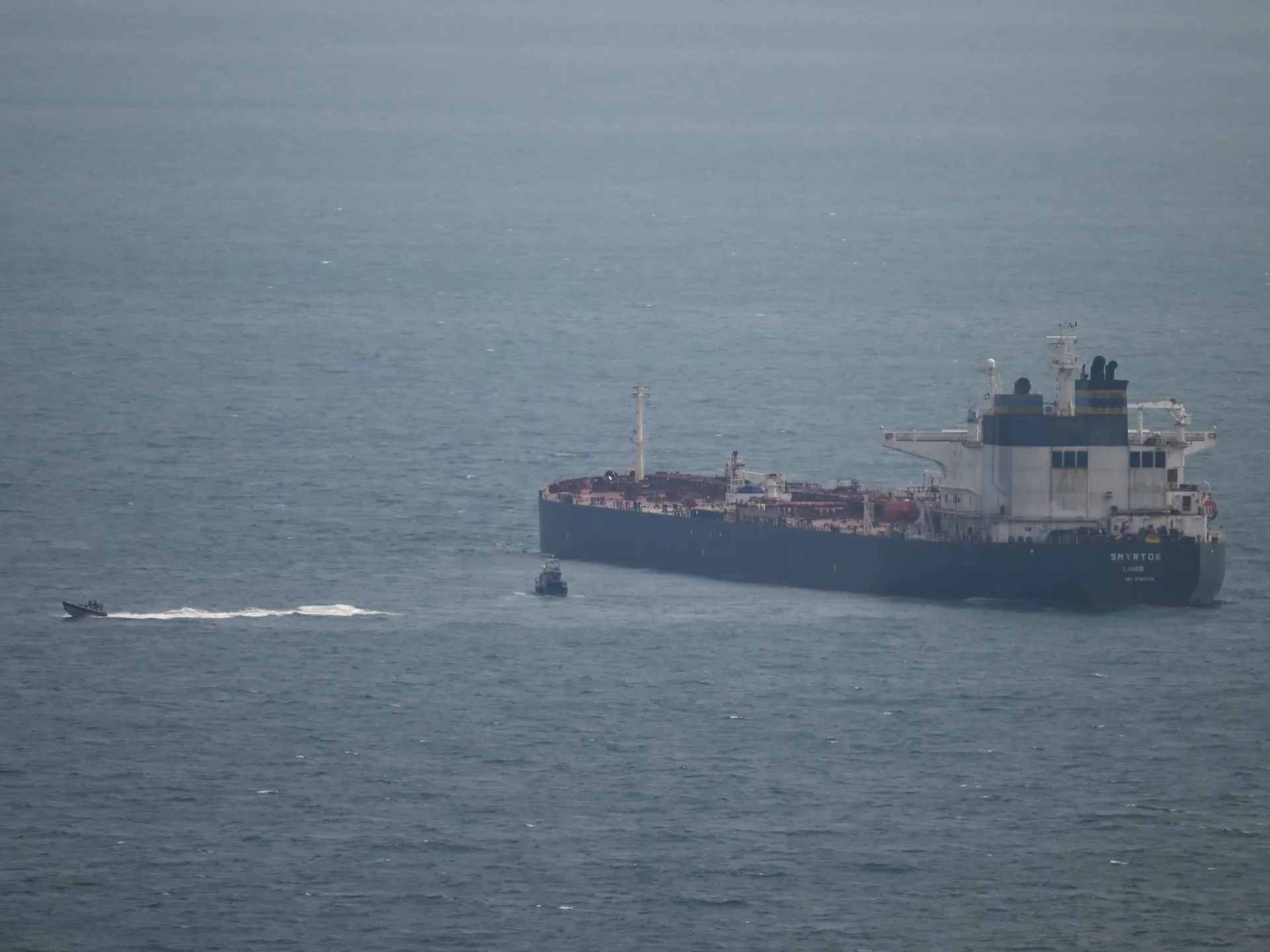
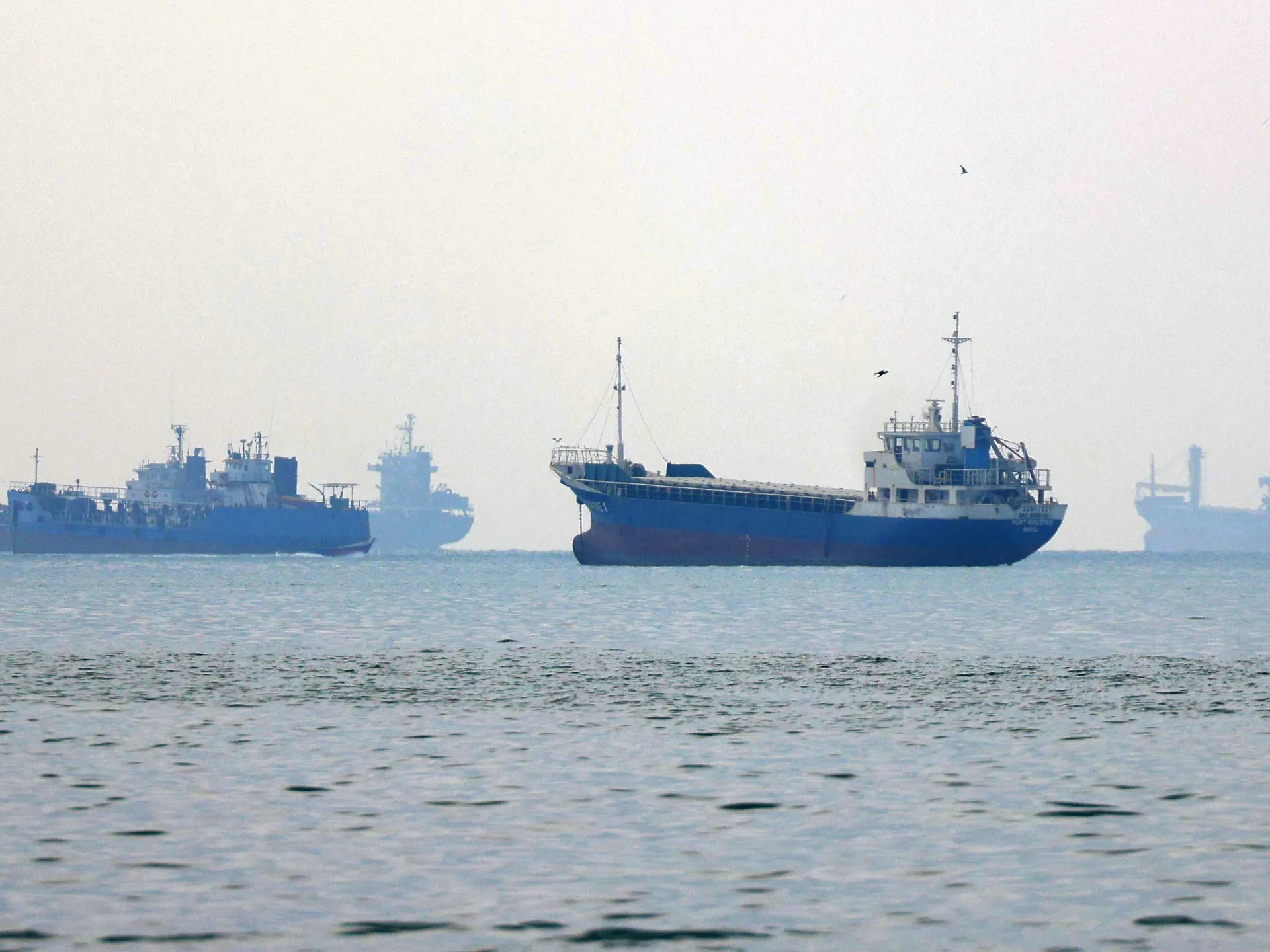
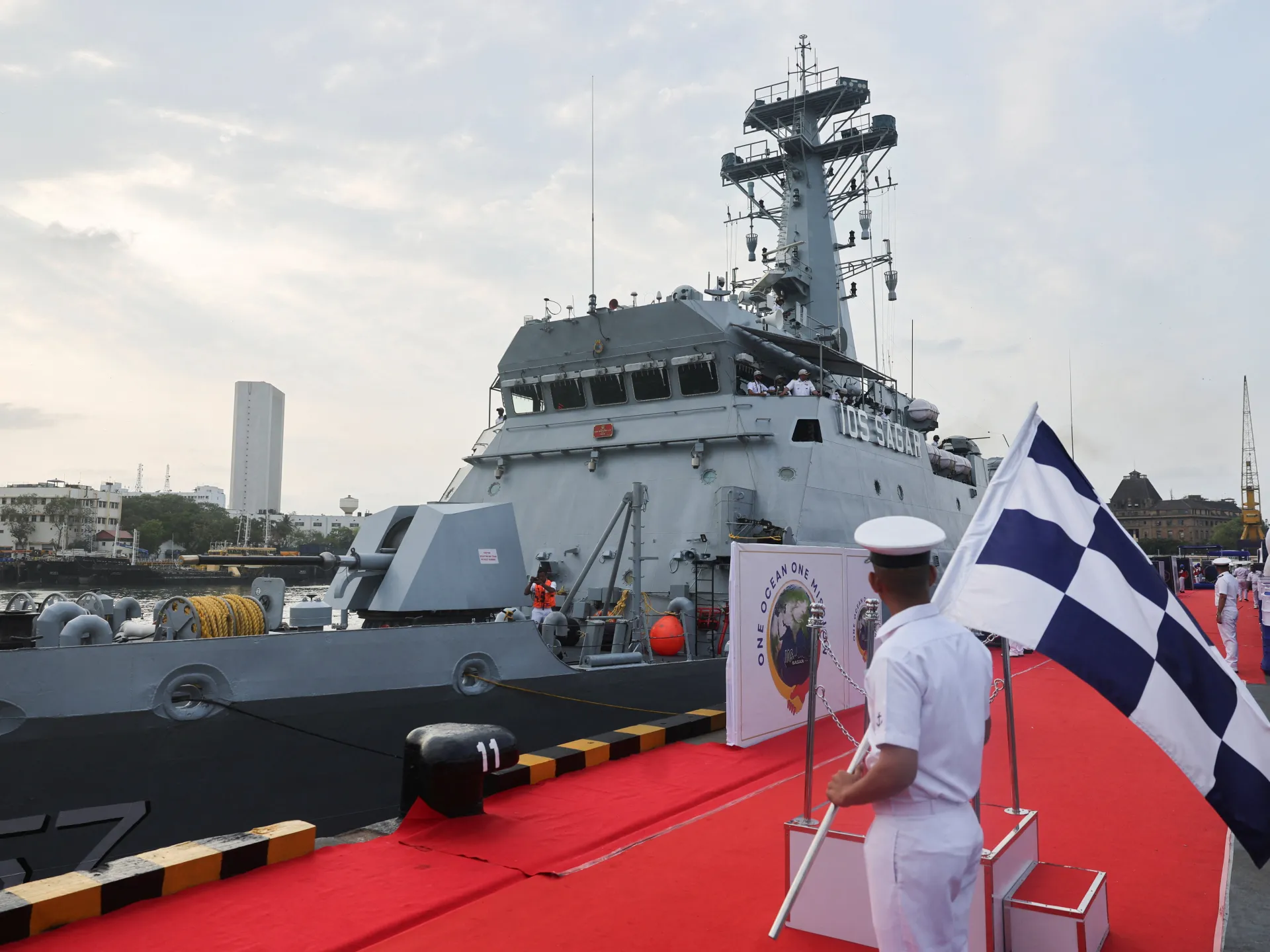
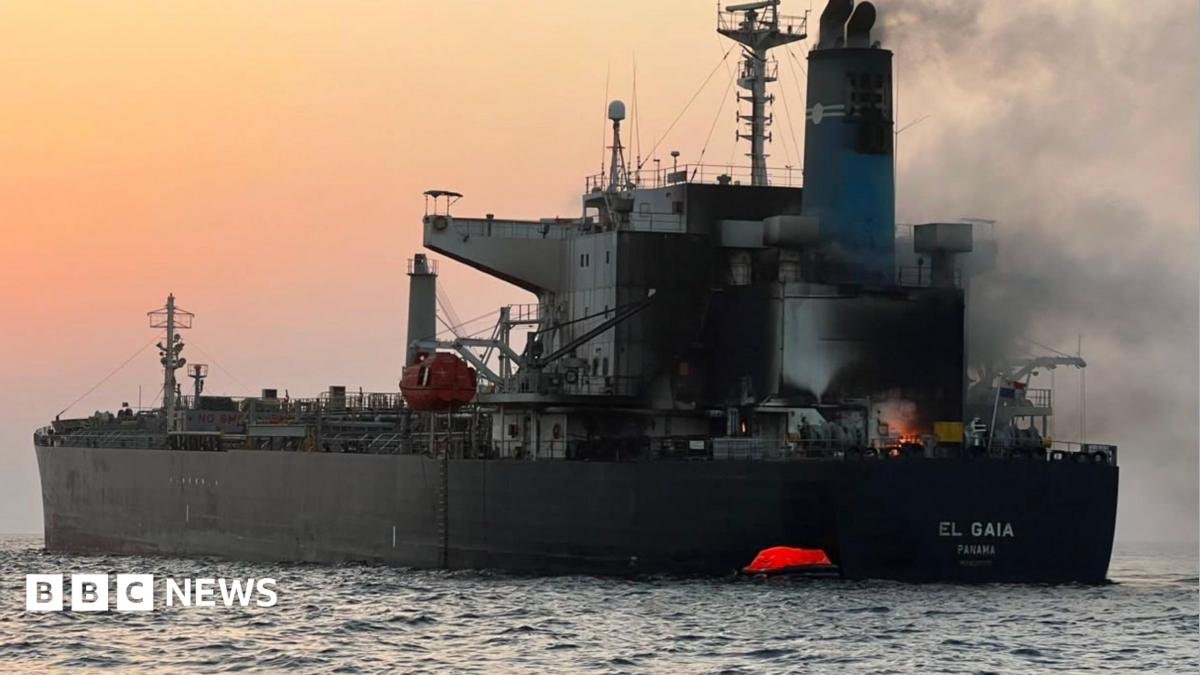
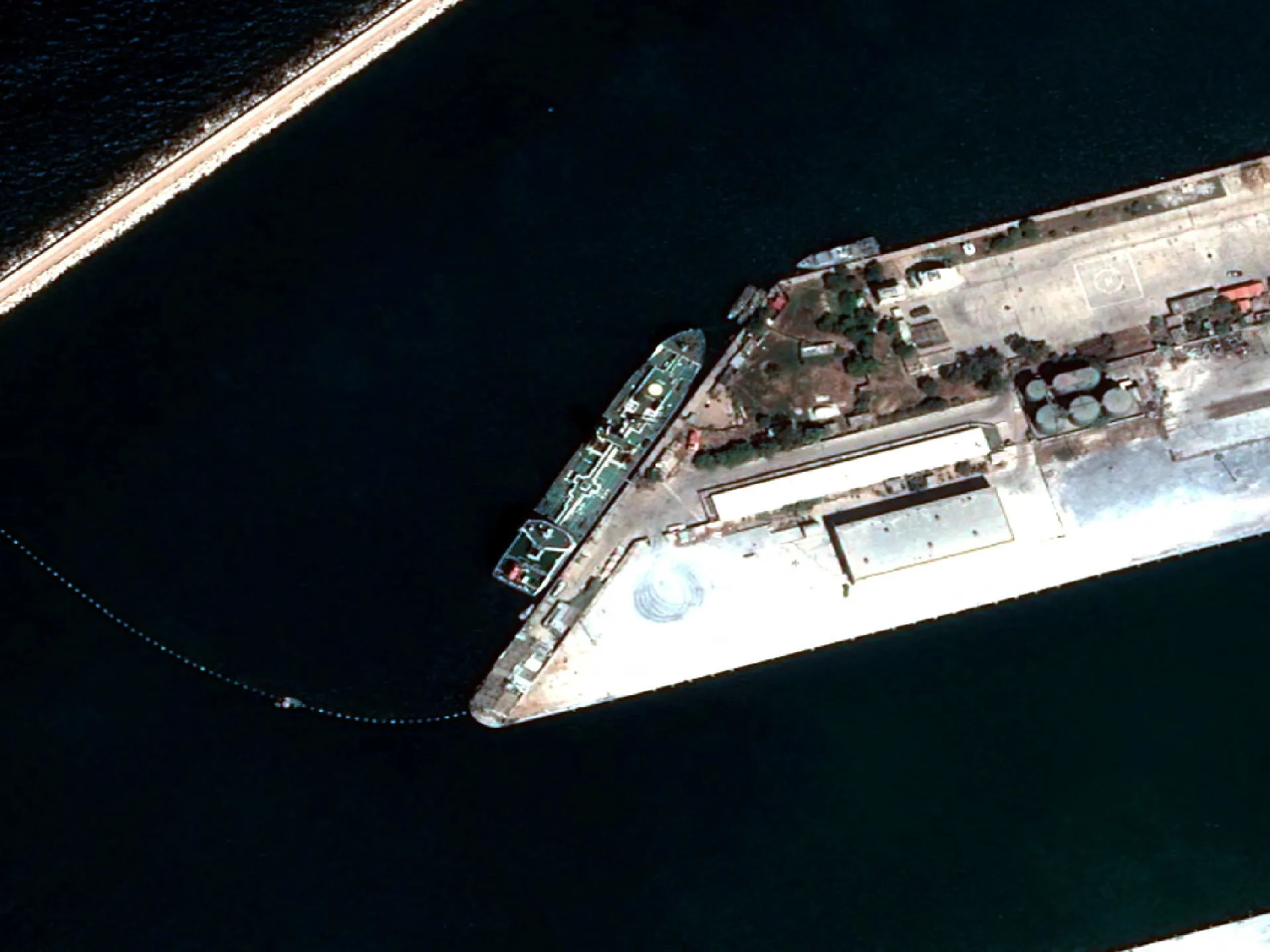
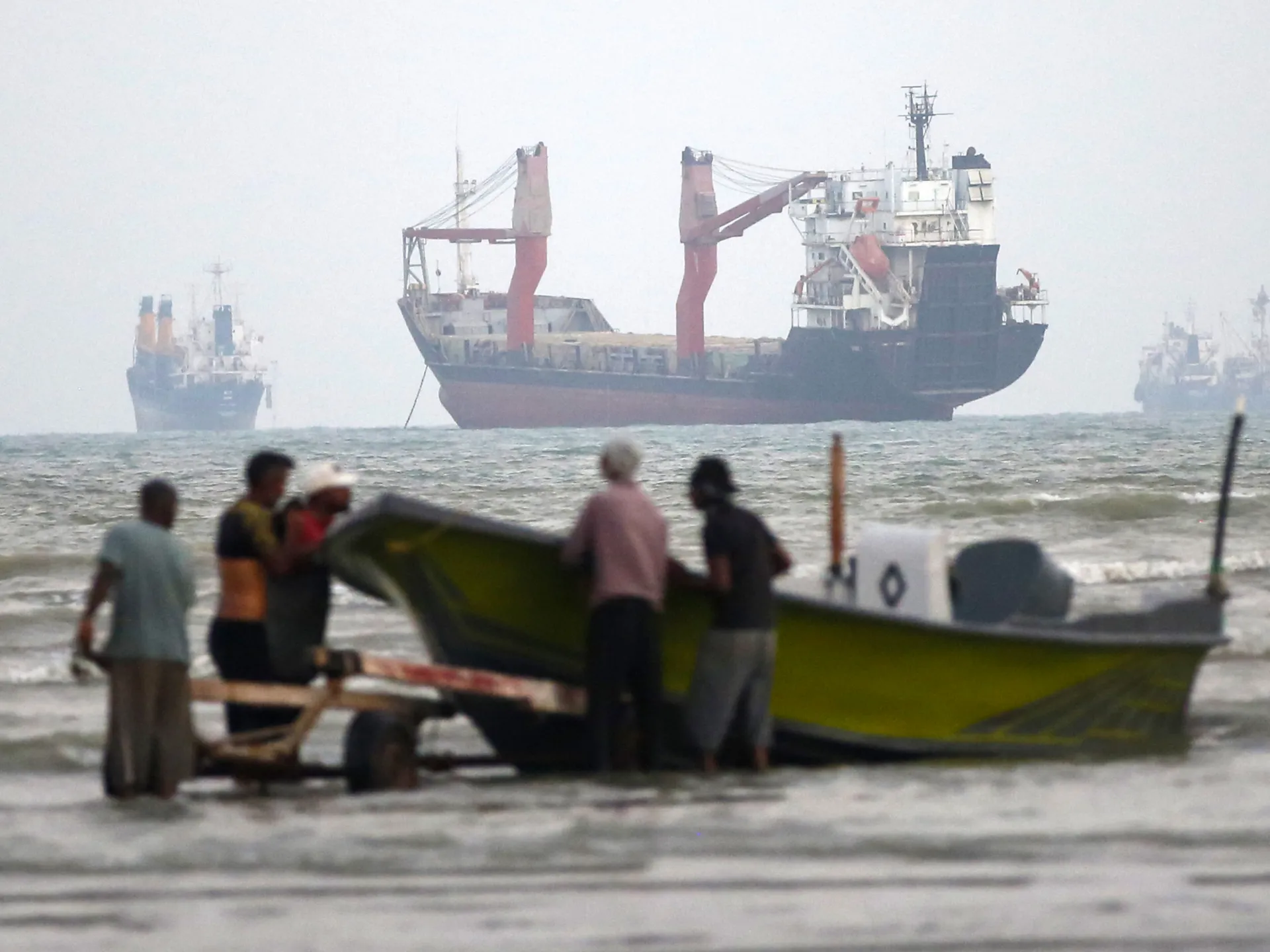
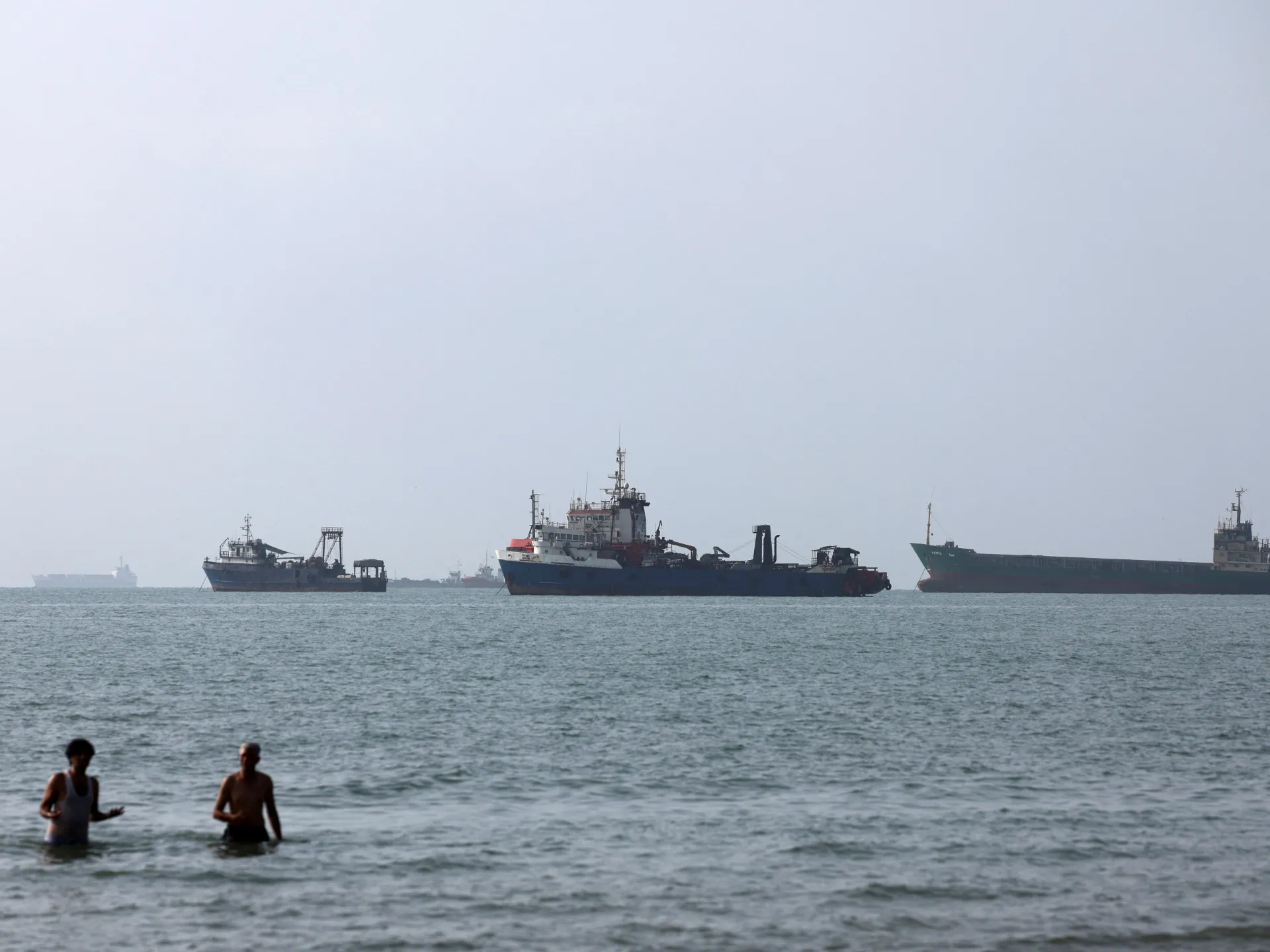
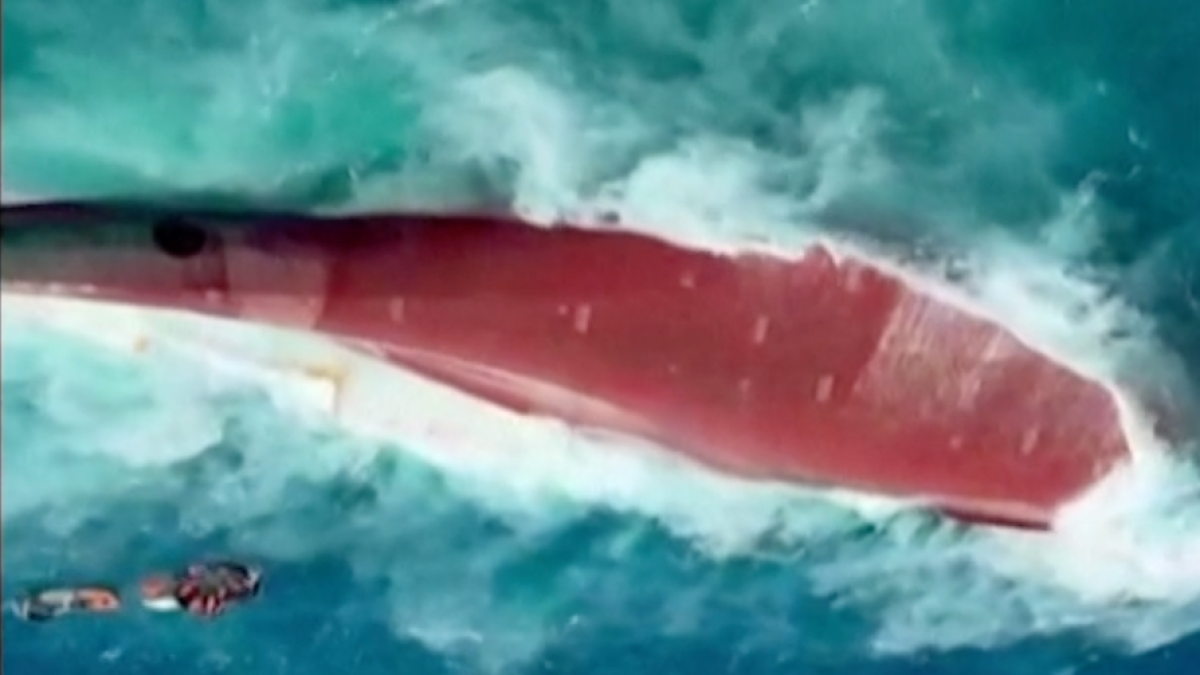
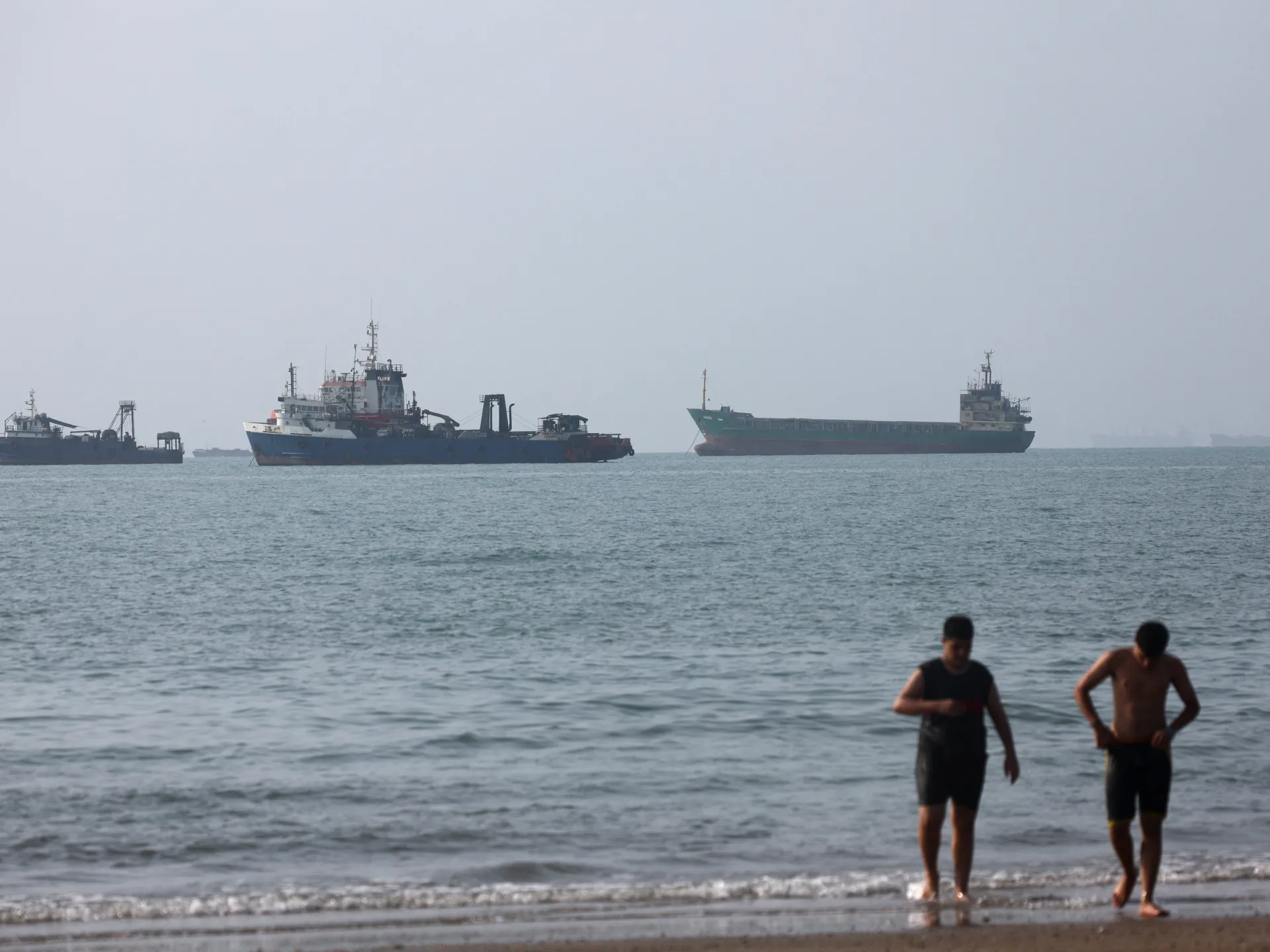
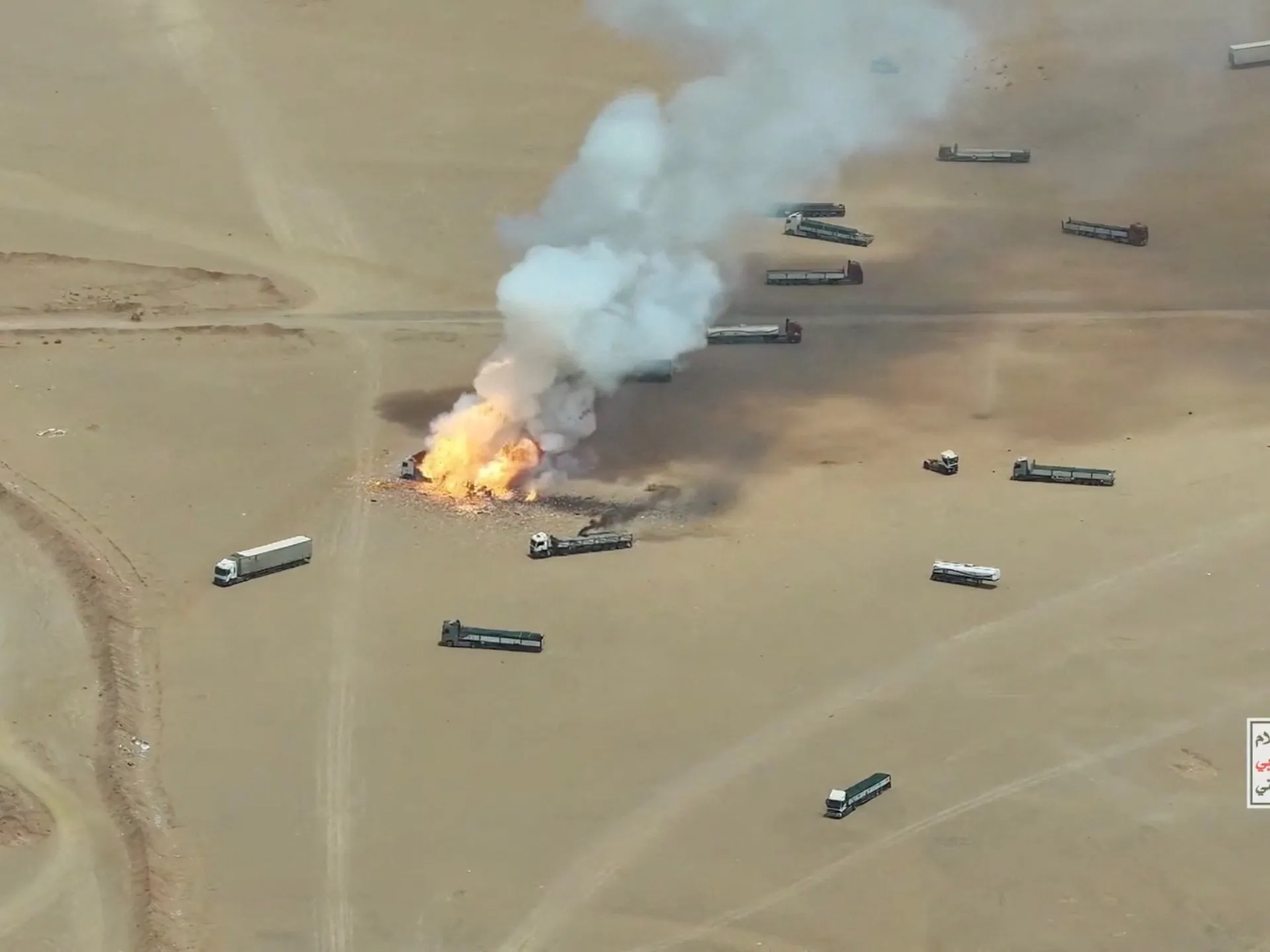
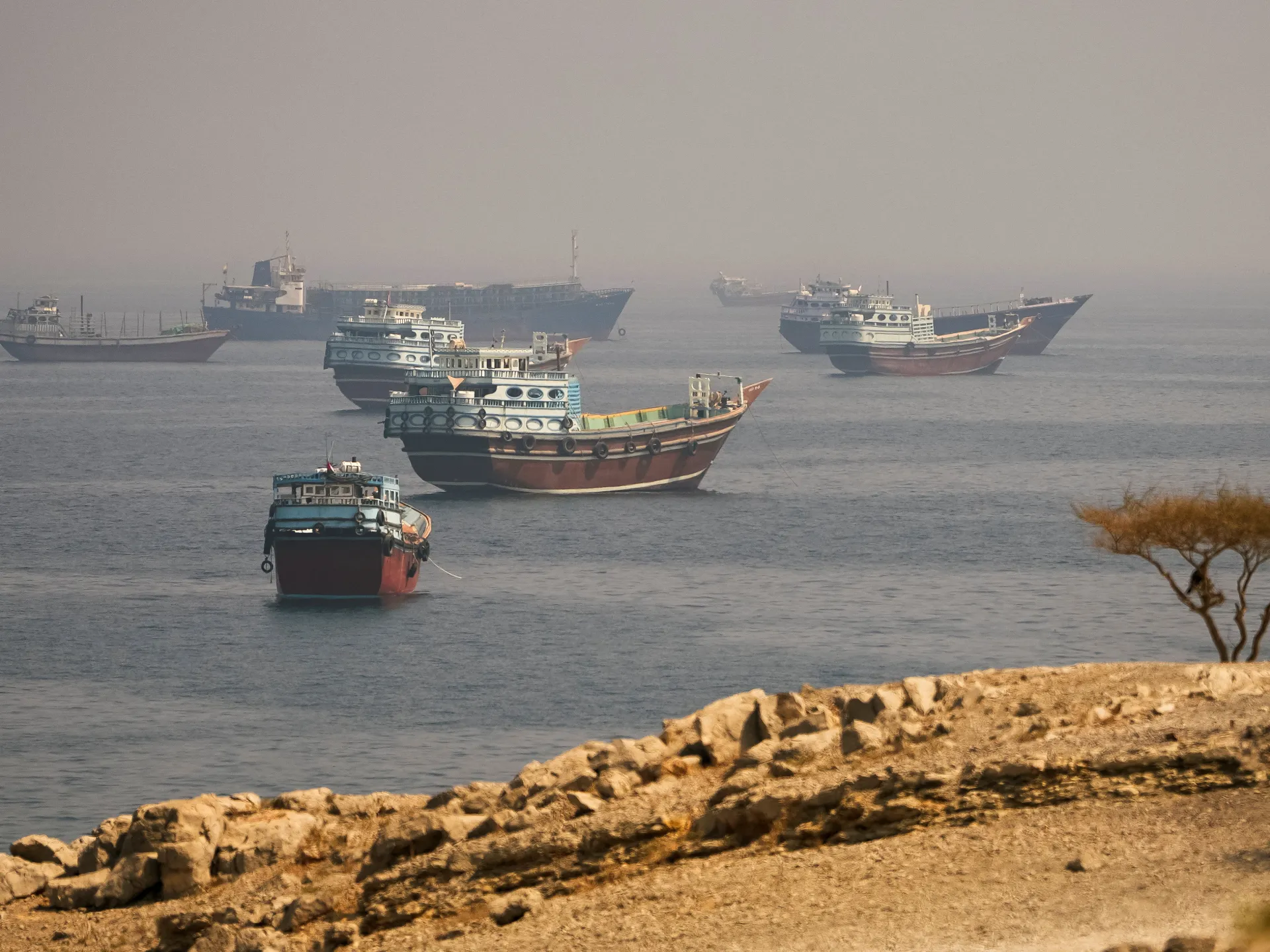
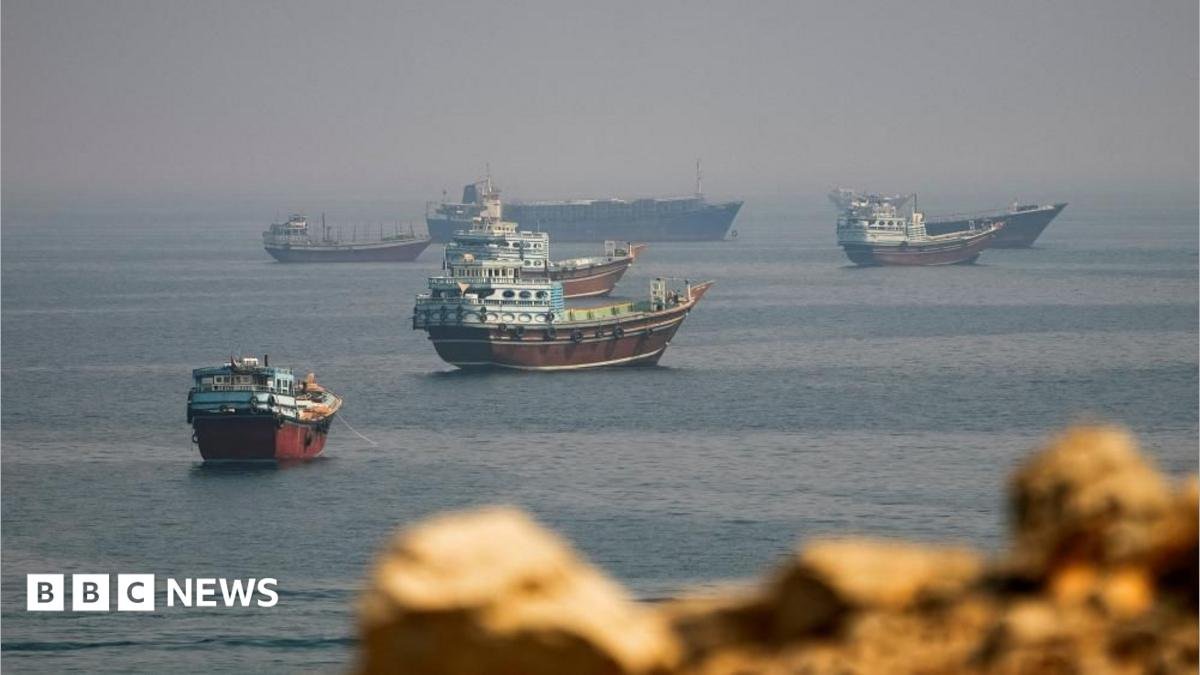
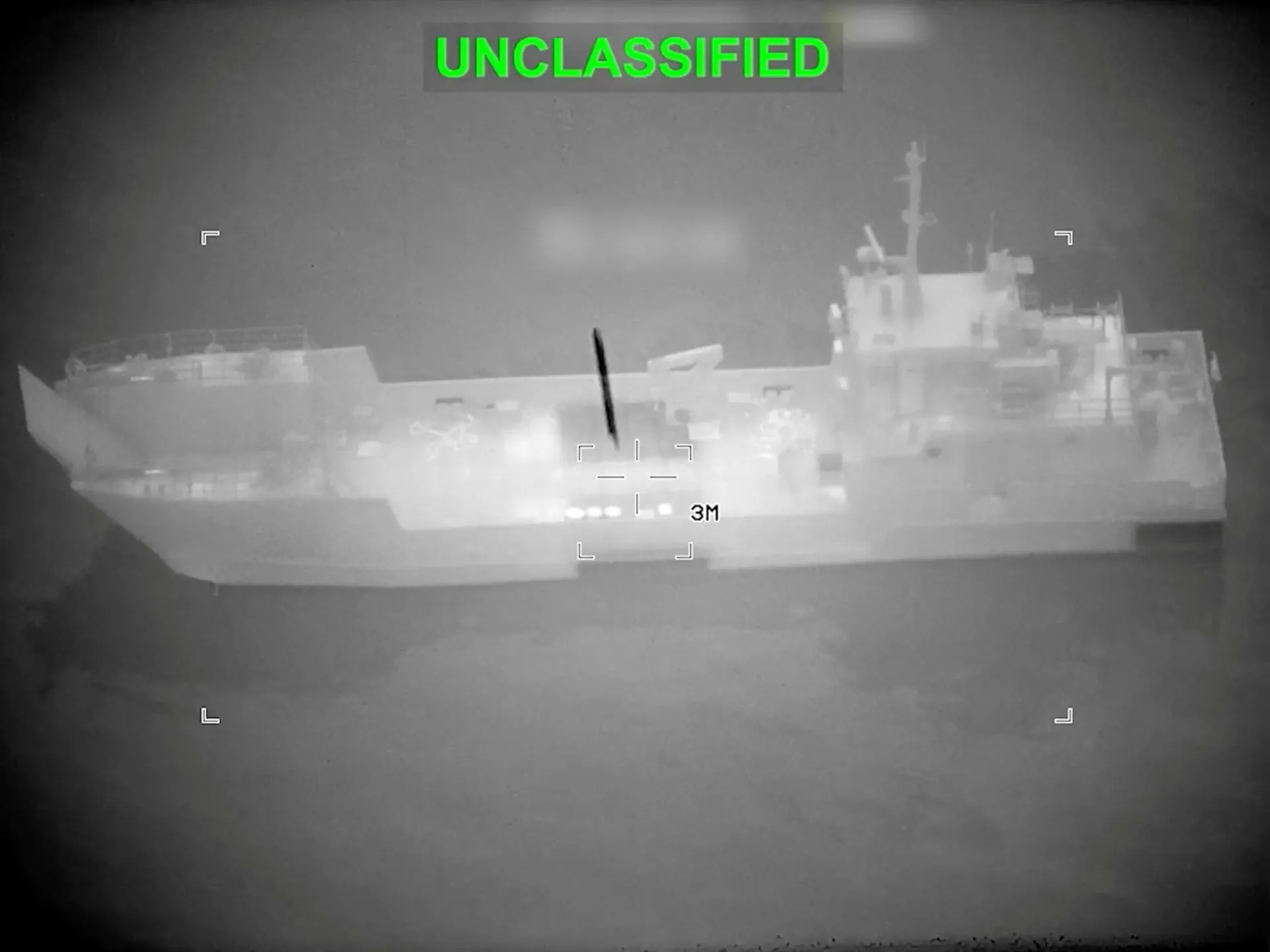
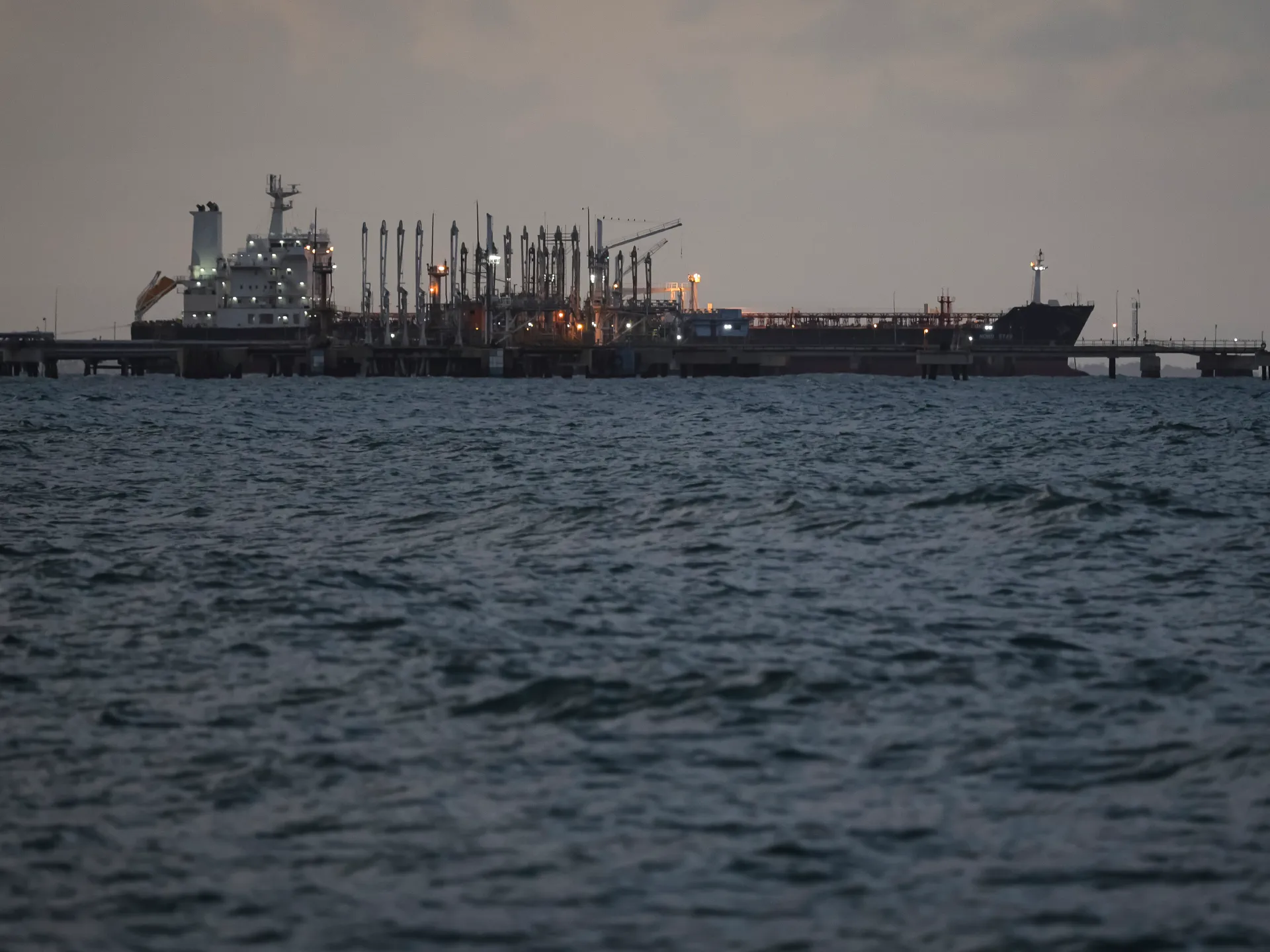
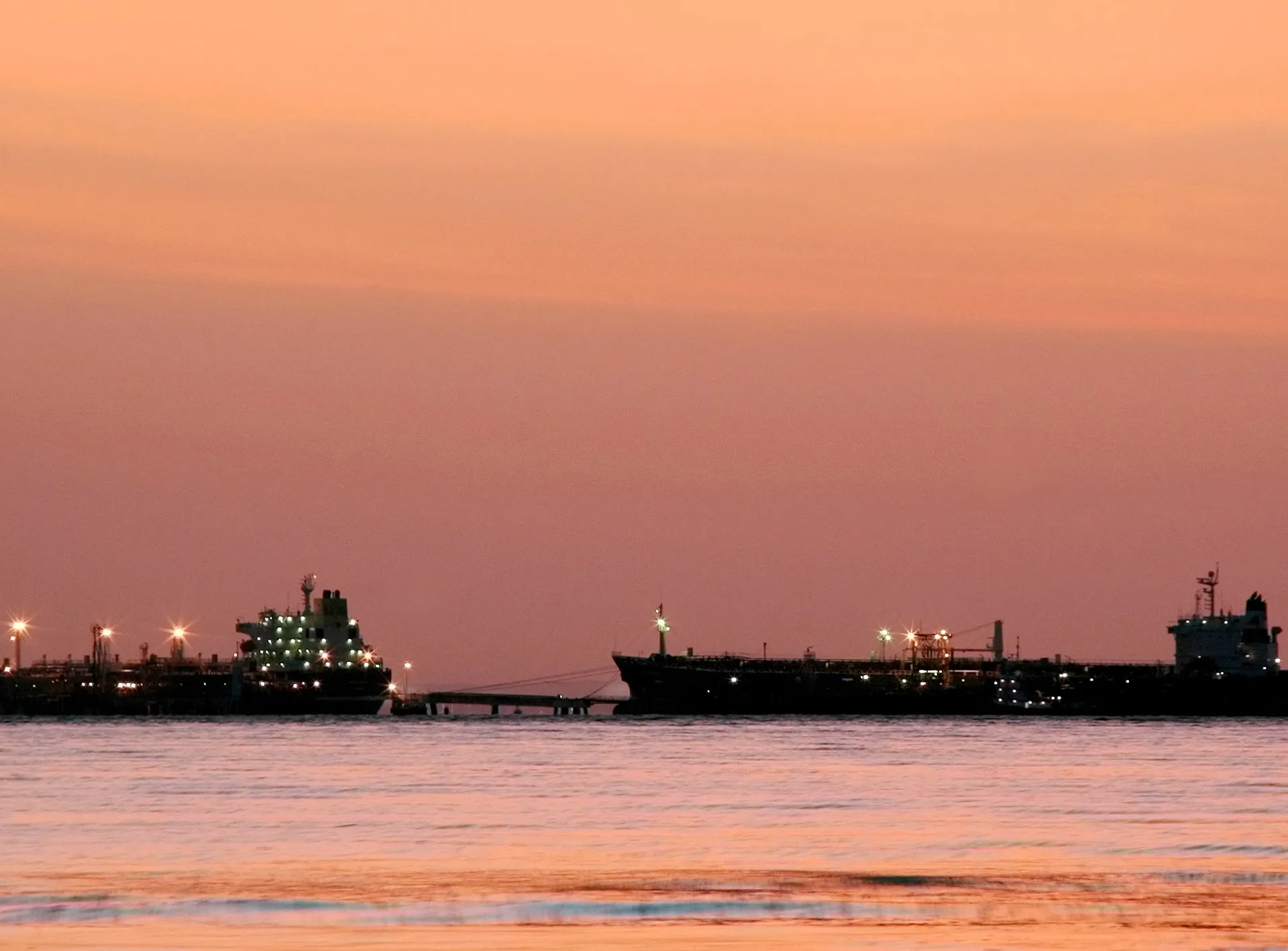
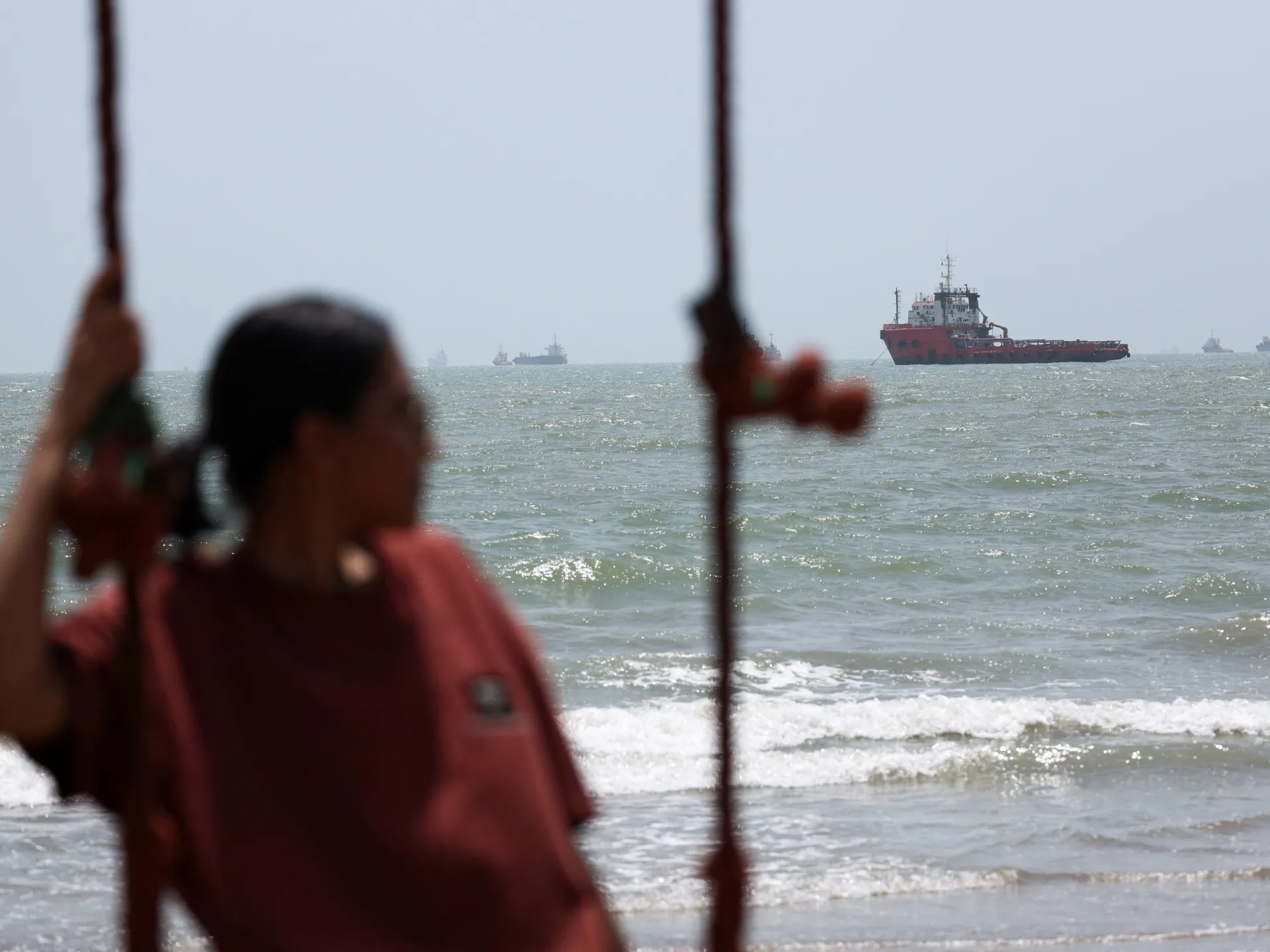
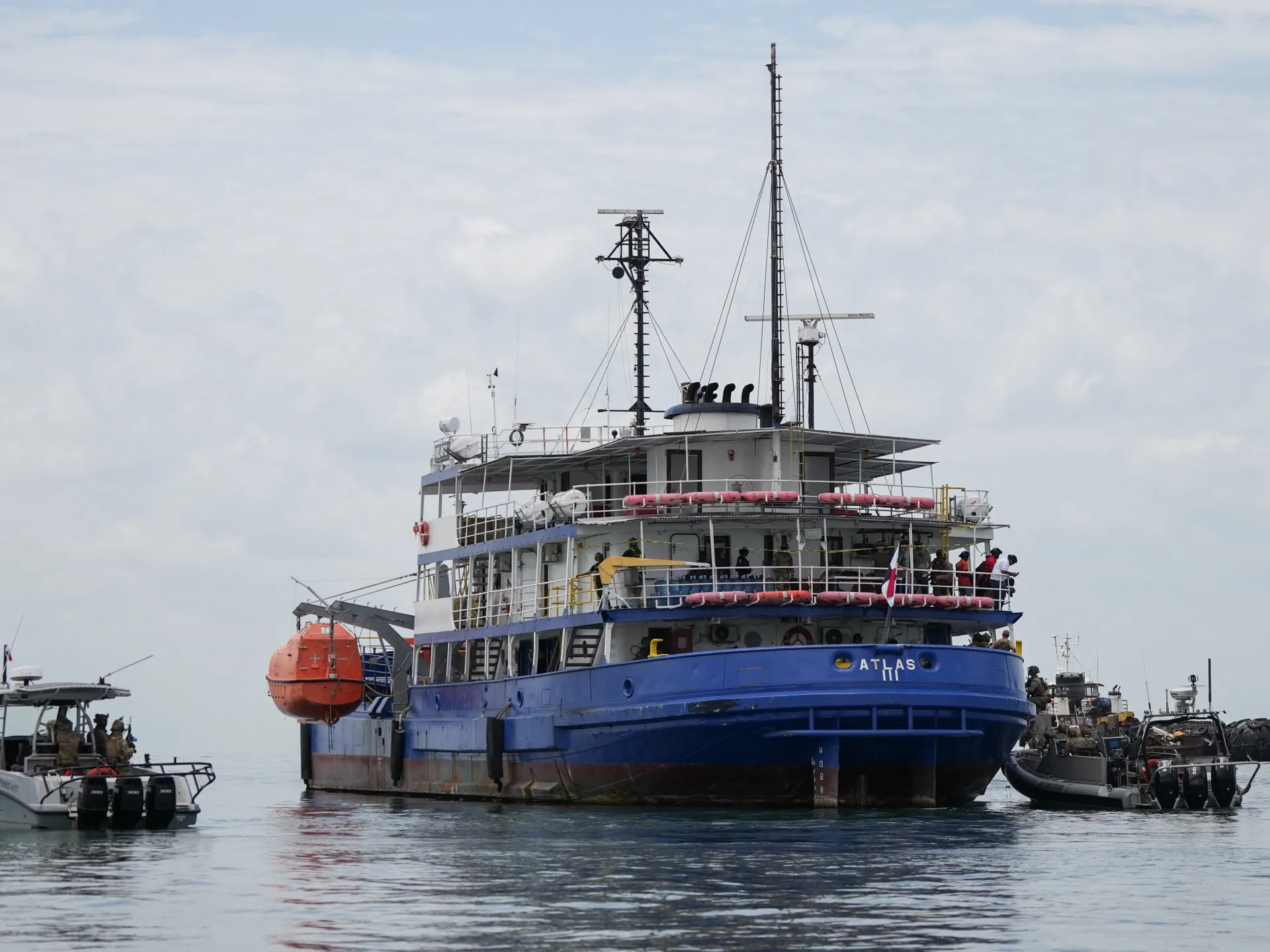
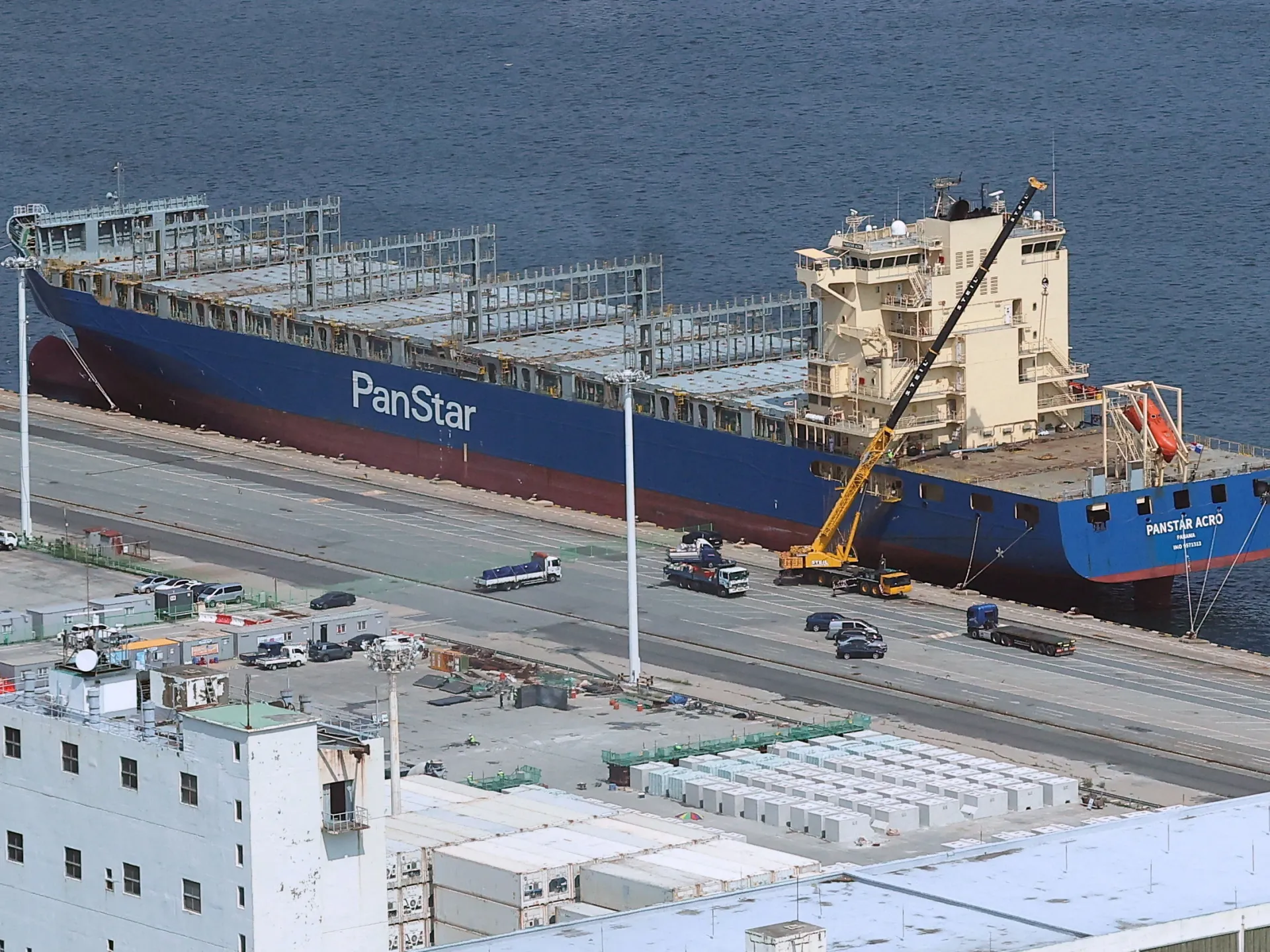
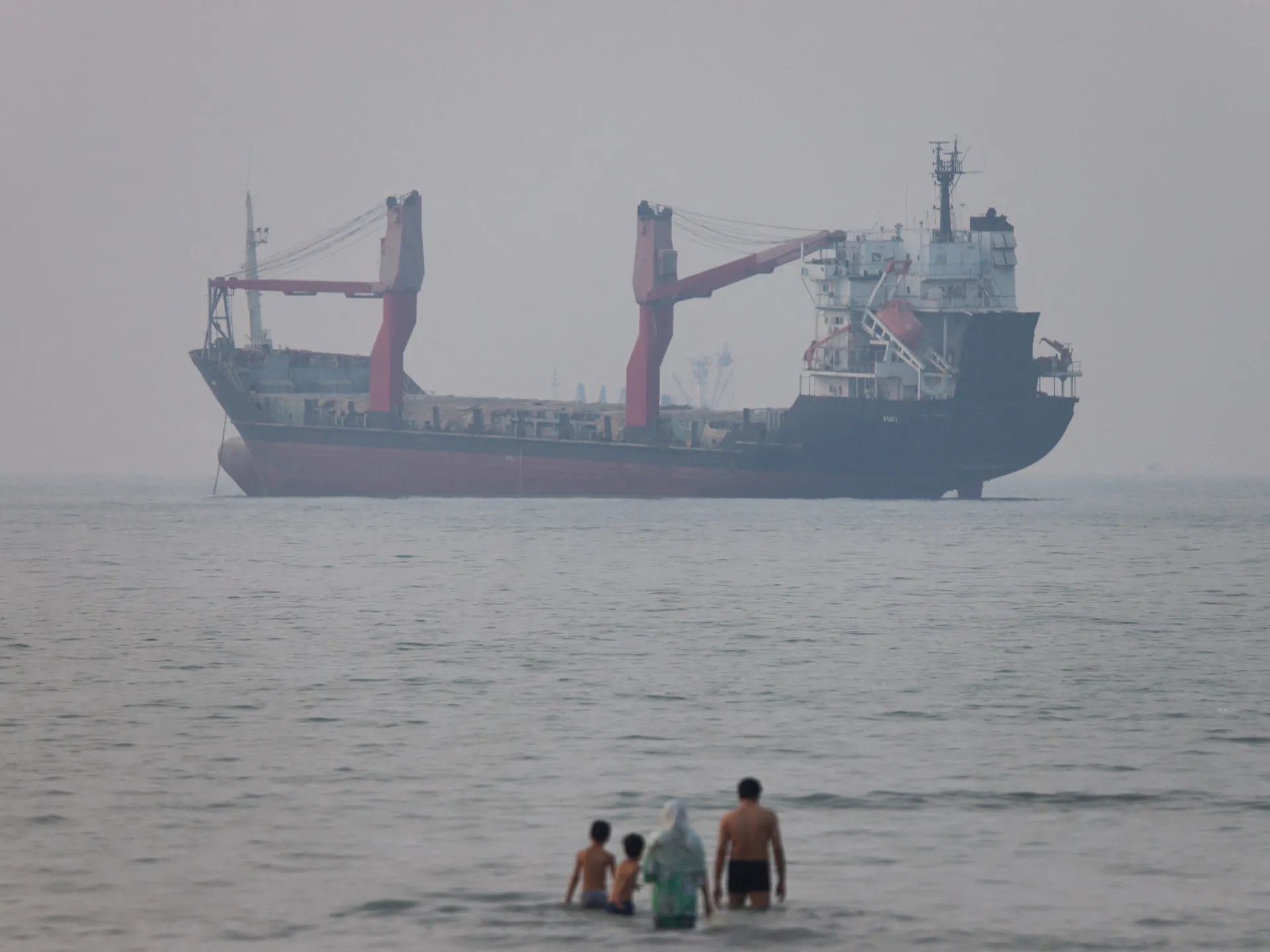
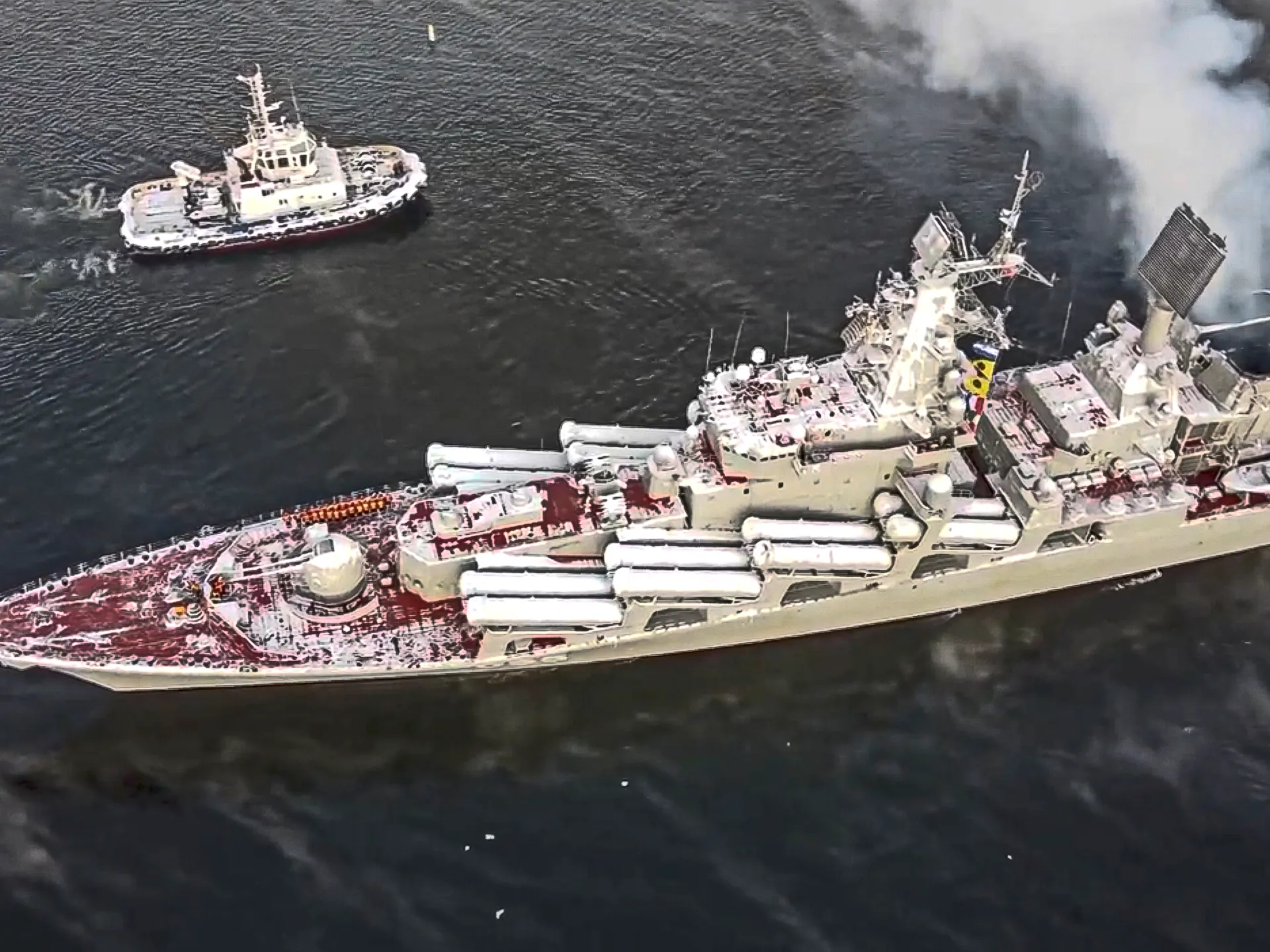
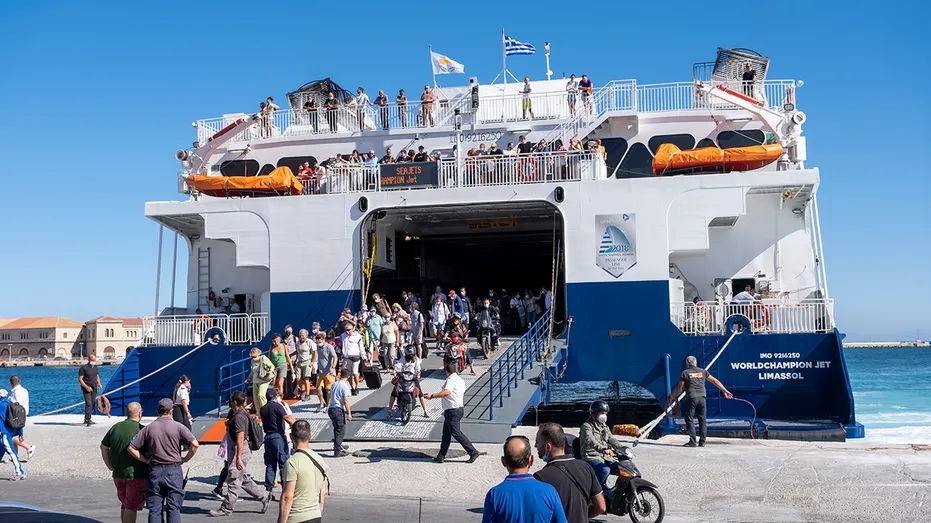
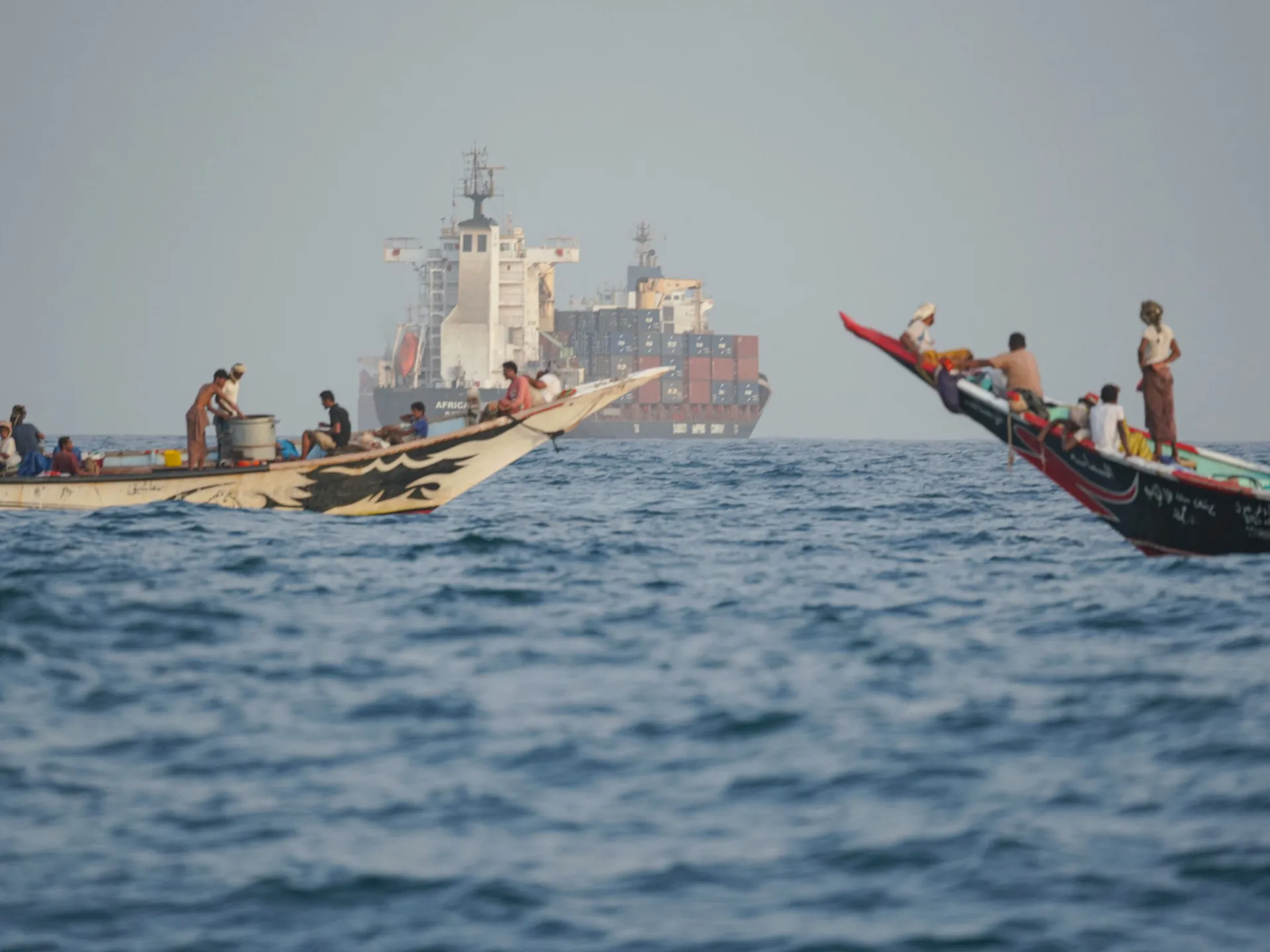
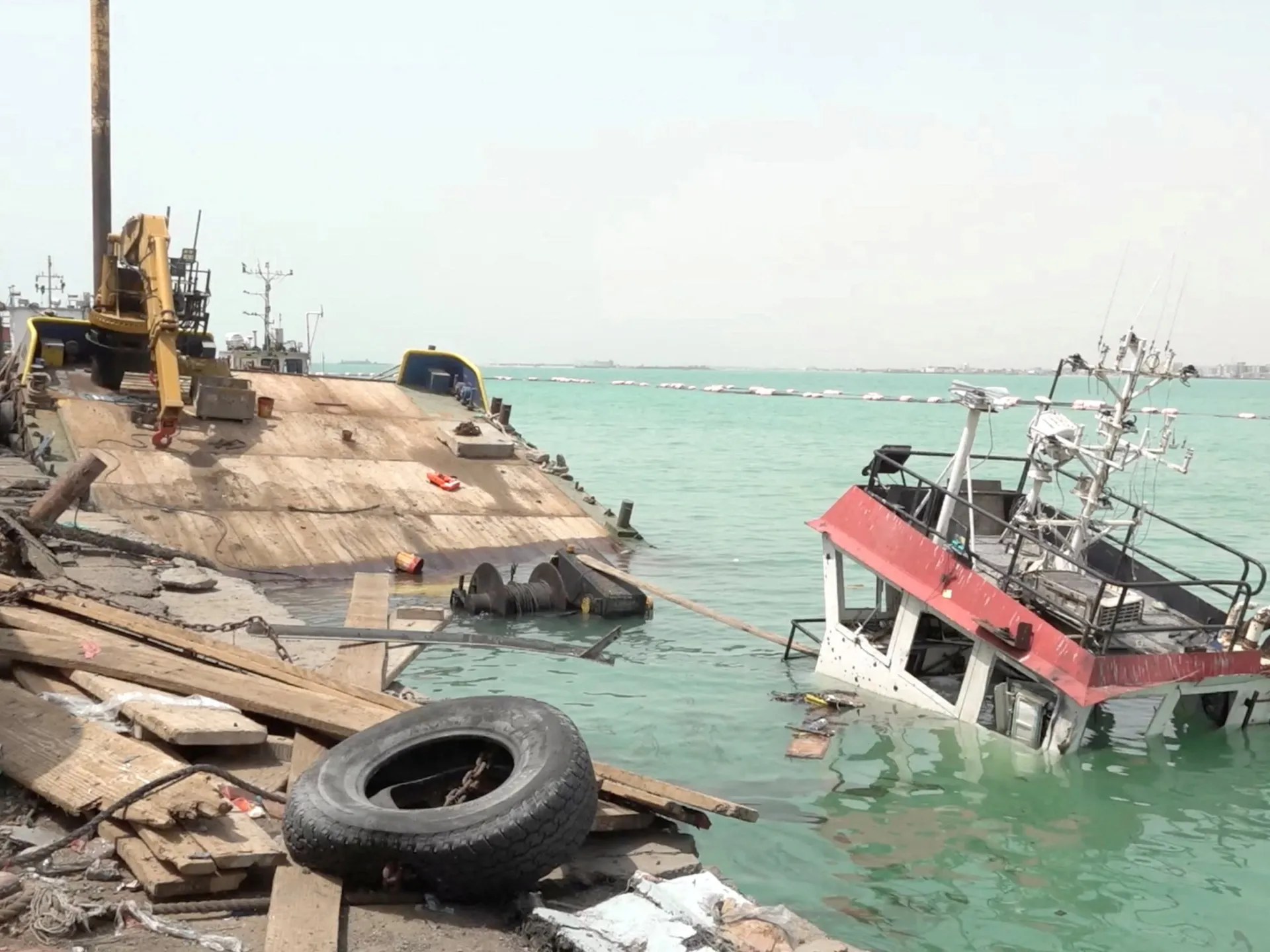
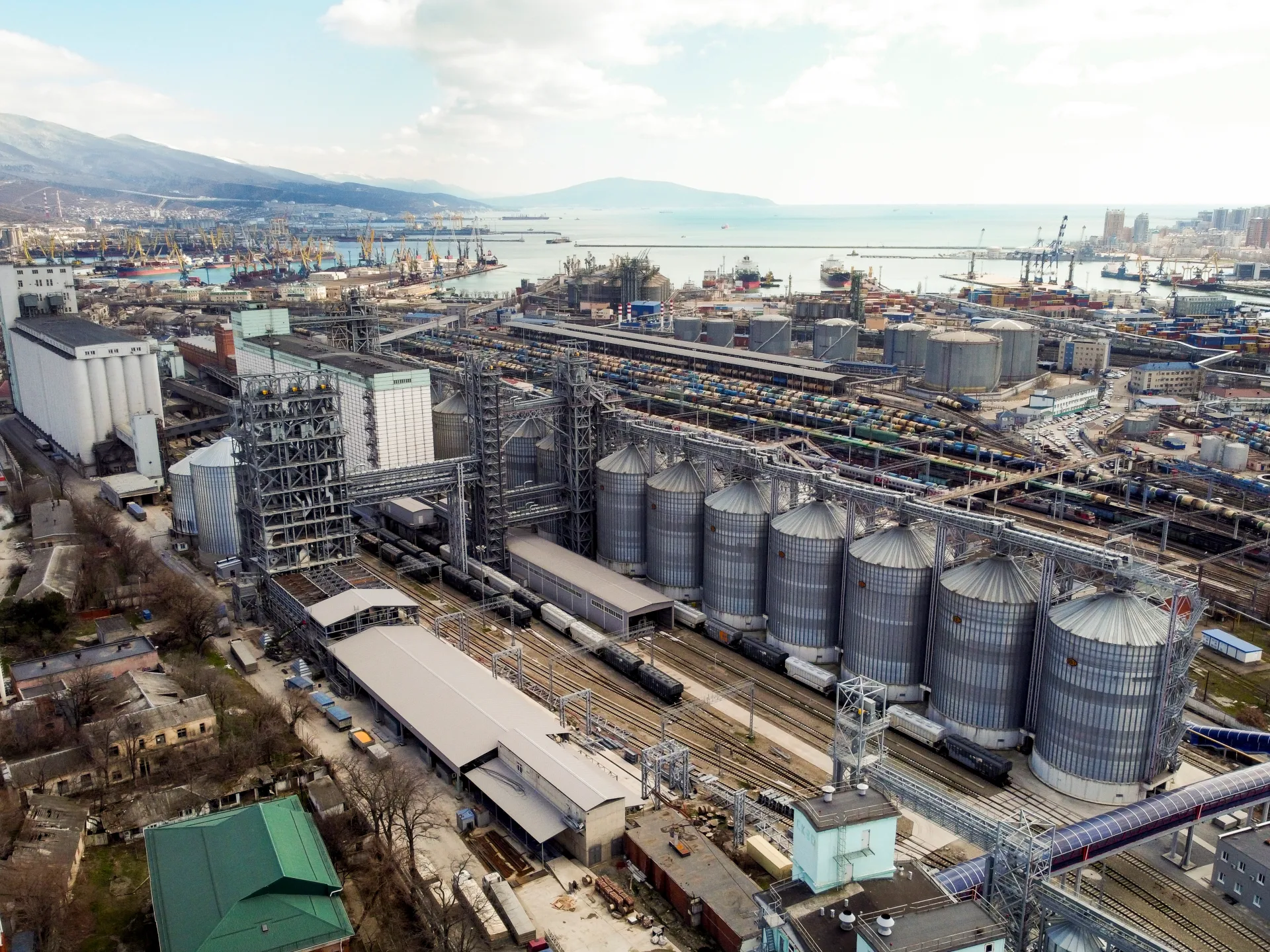
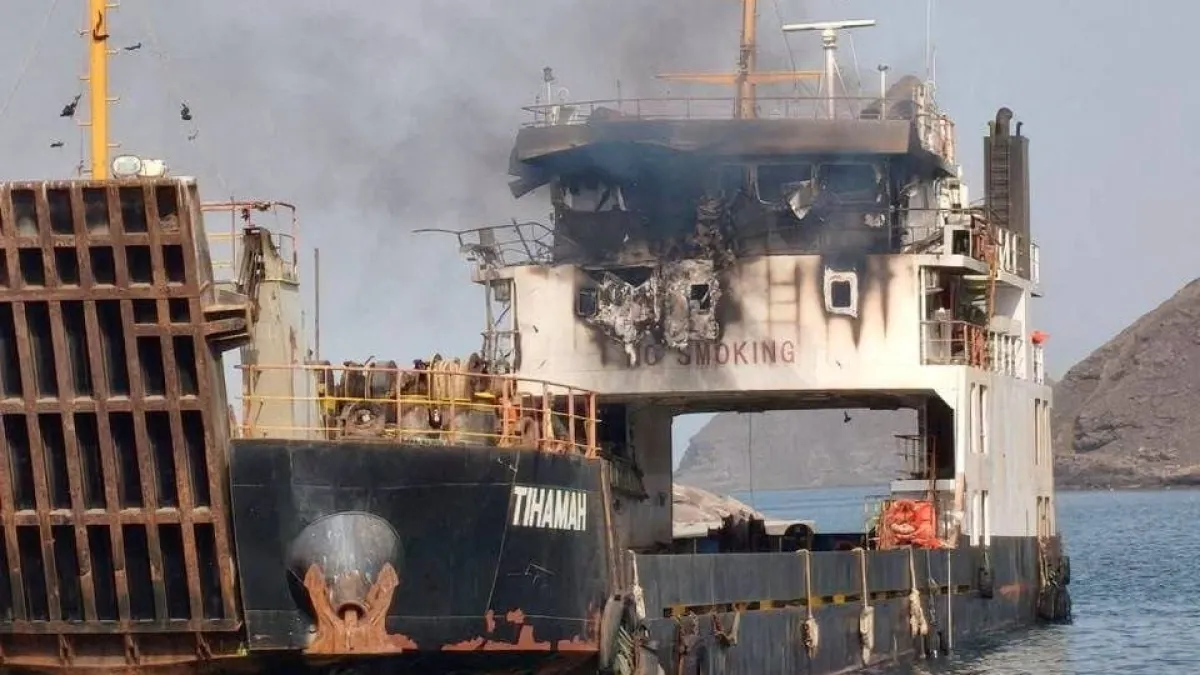
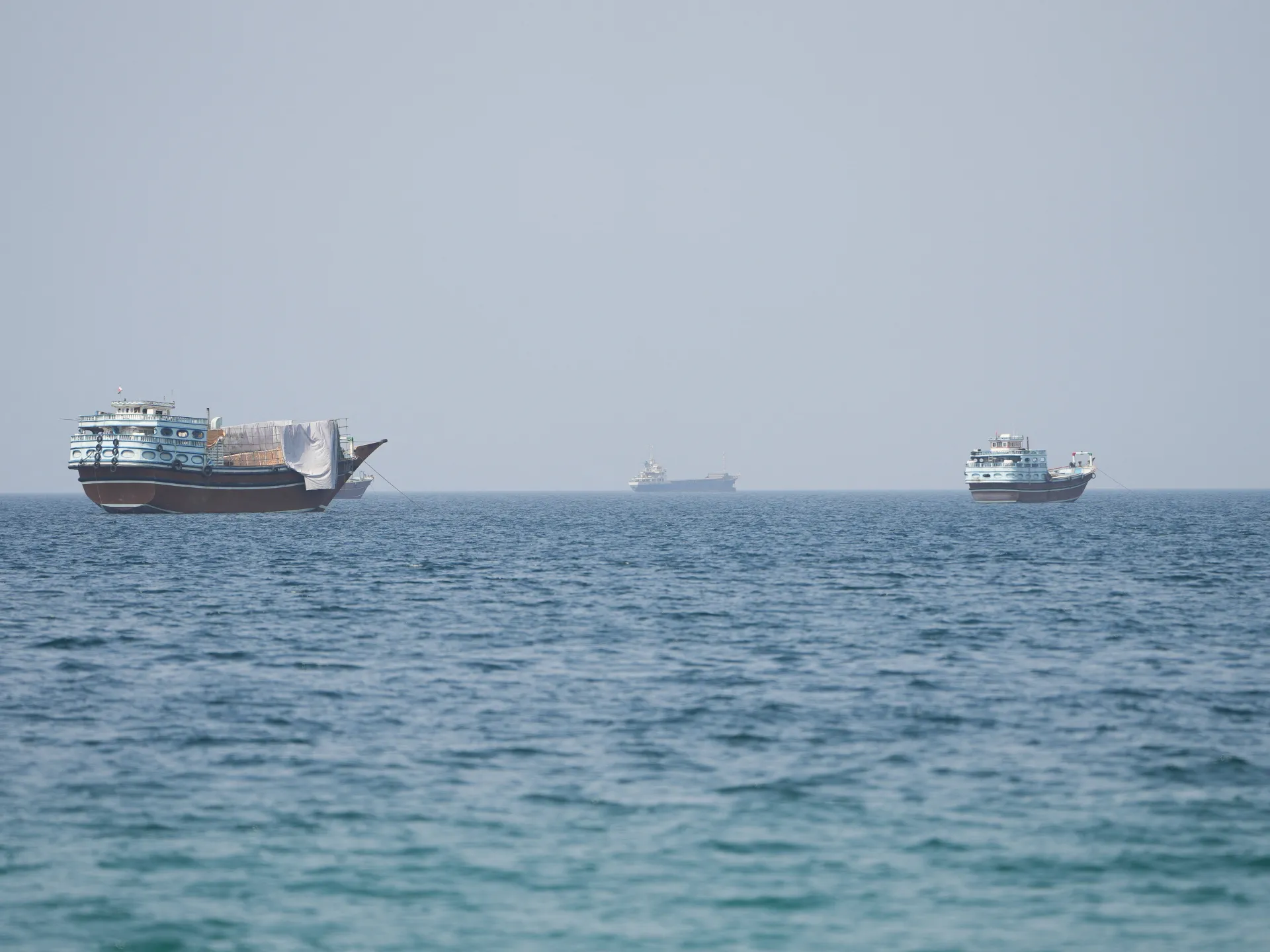
Simultaneously, the theater of conflict expanded into the Black Sea. The Russian Ministry of Defence reported a tactical strike against two commercial vessels, alleging that a dry cargo ship headed for Odesa and a docked tanker were being utilized to transport military supplies. This assertion of military-industrial logistics targeting comes as Kyiv simultaneously launched drone operations deep within Russian territory, with reports indicating strikes on a Wildberries warehouse and further civilian casualties on the Russian side of the border.
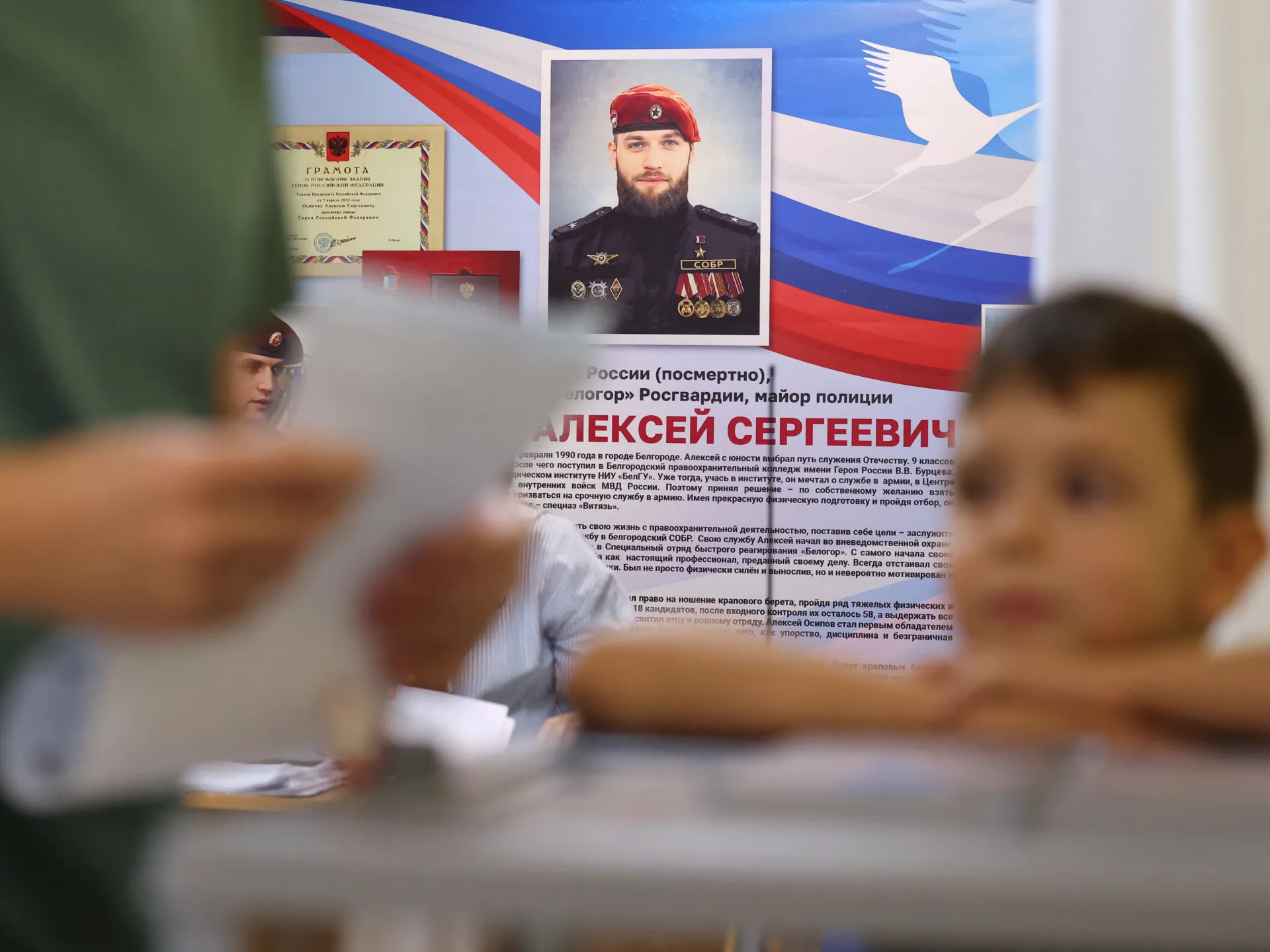
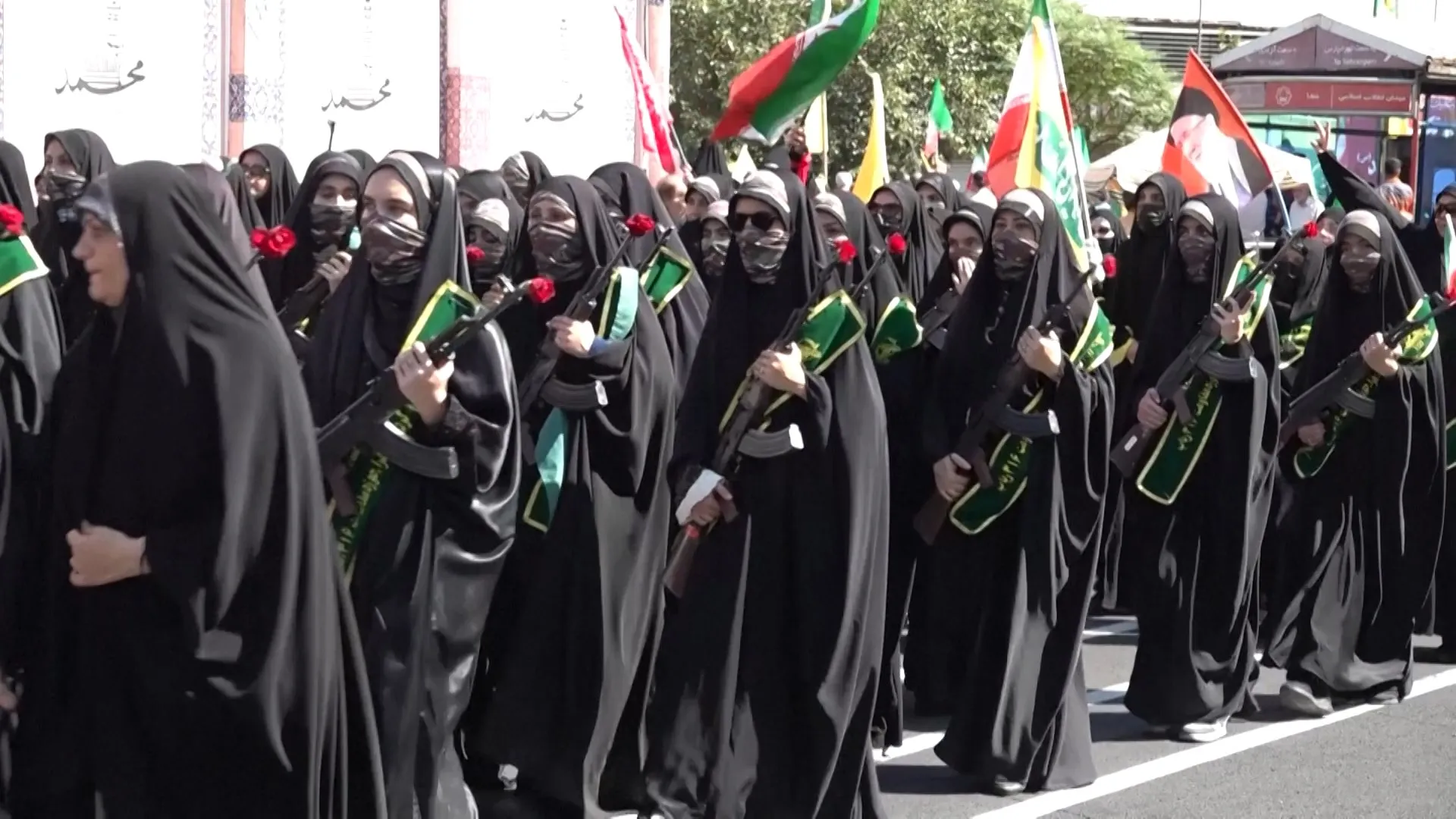
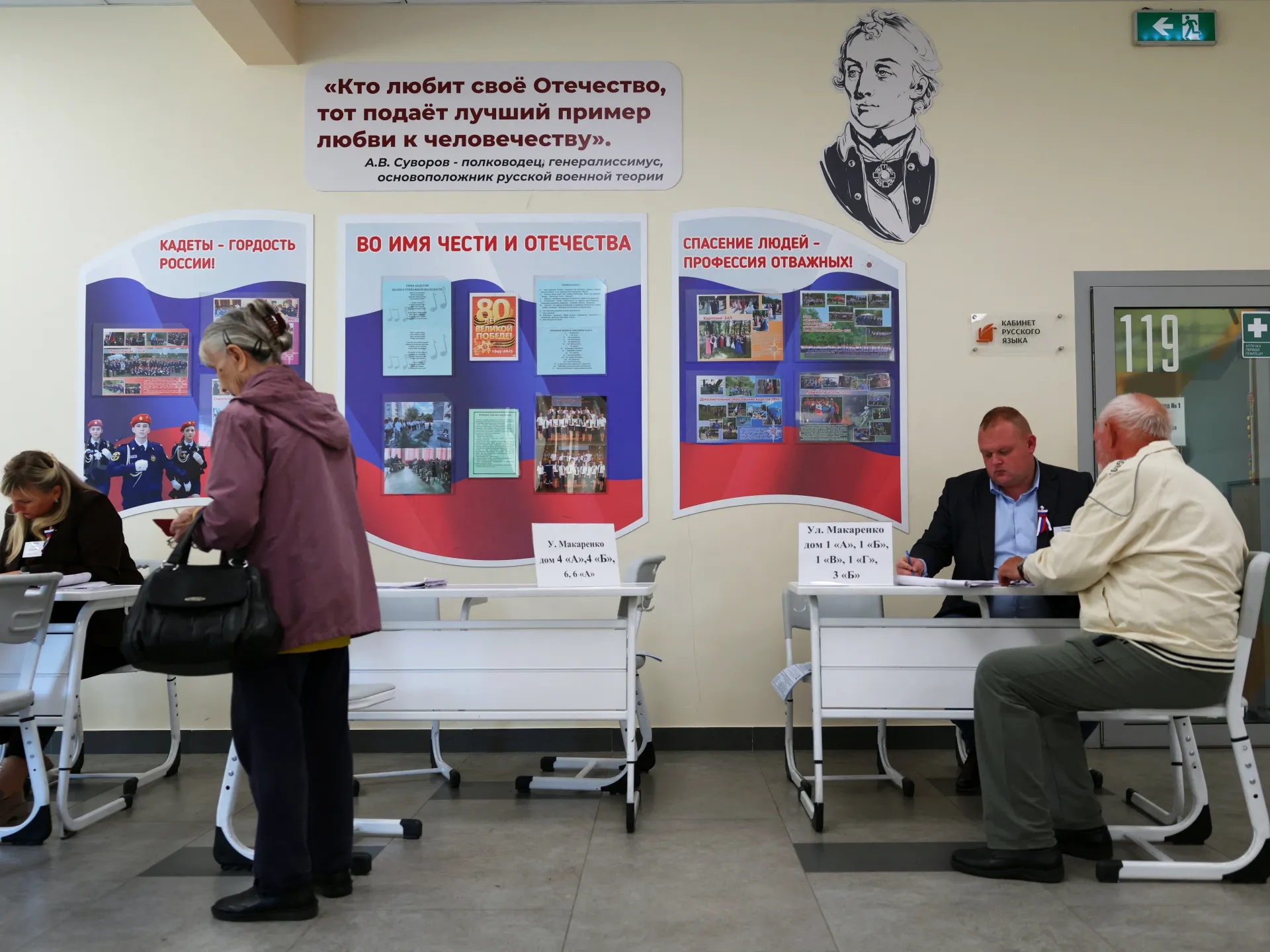
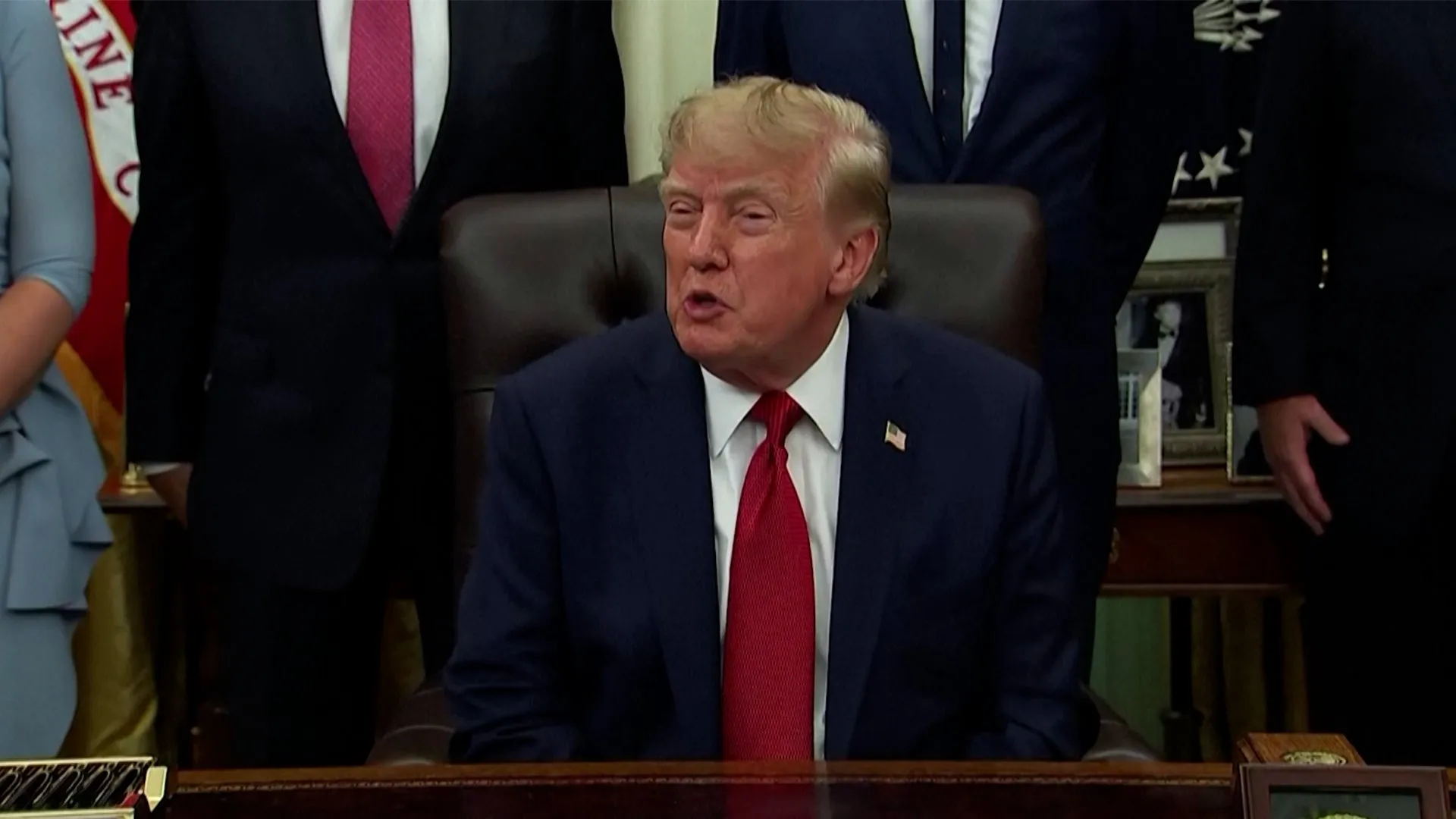
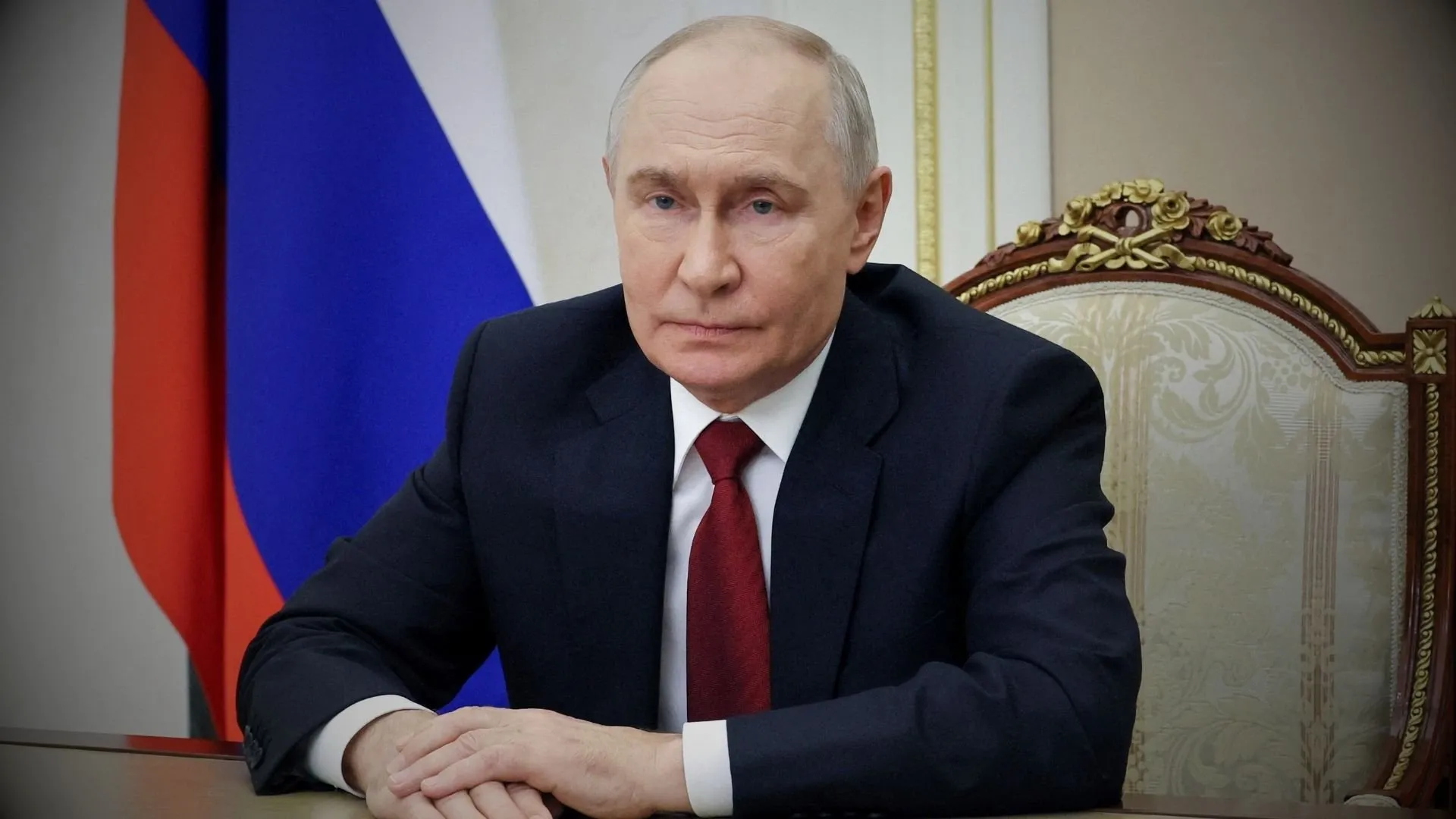
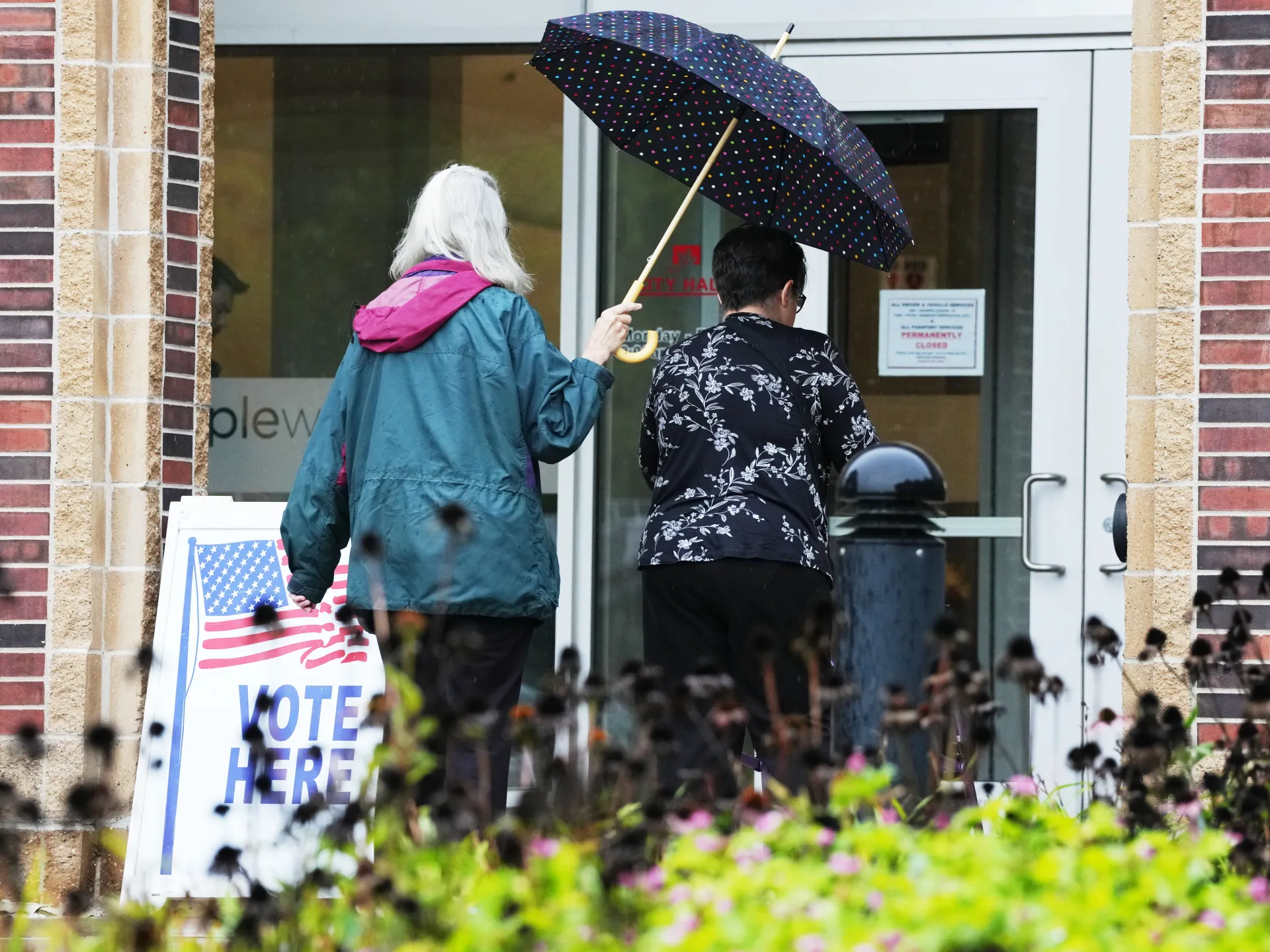
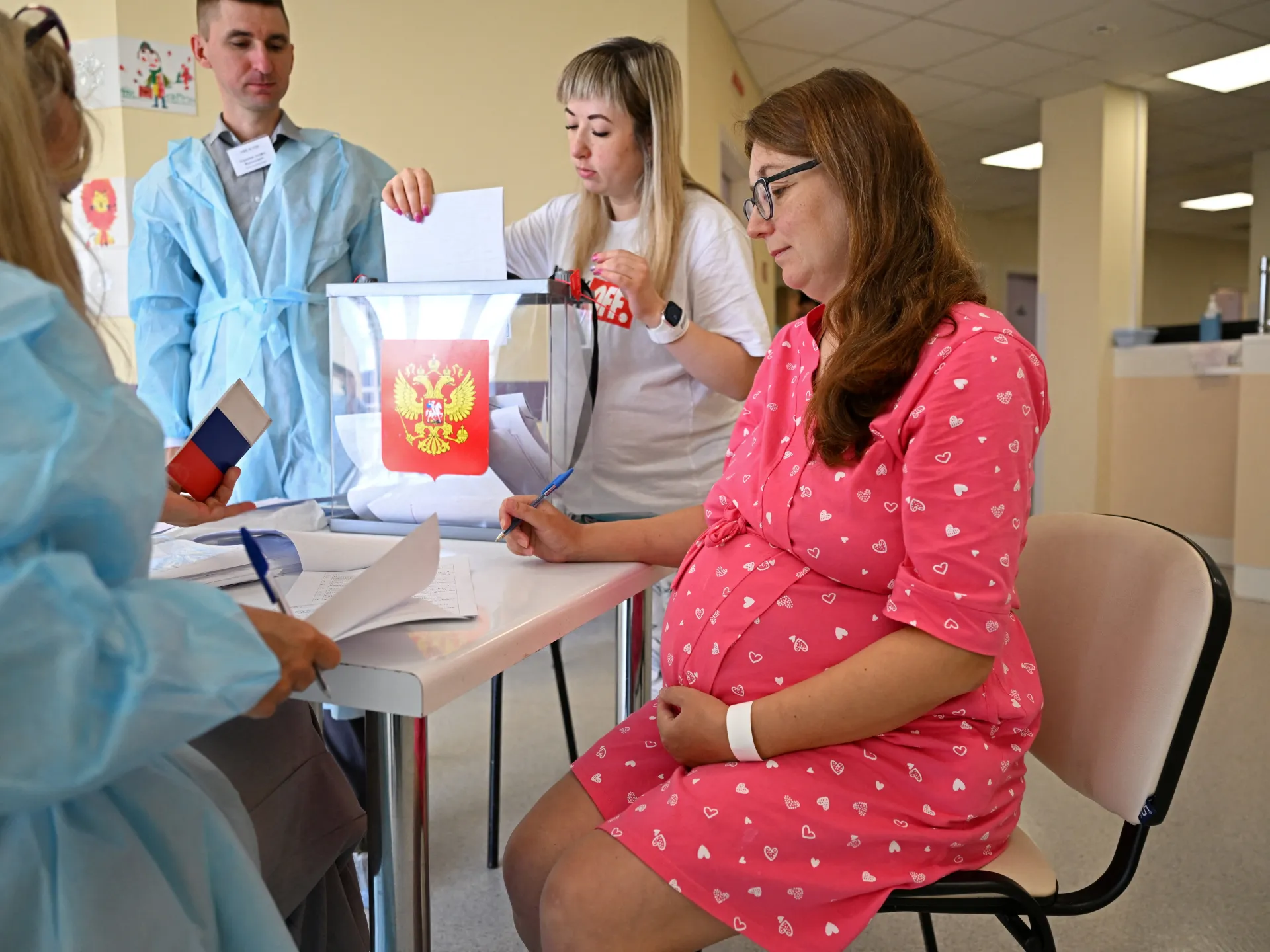
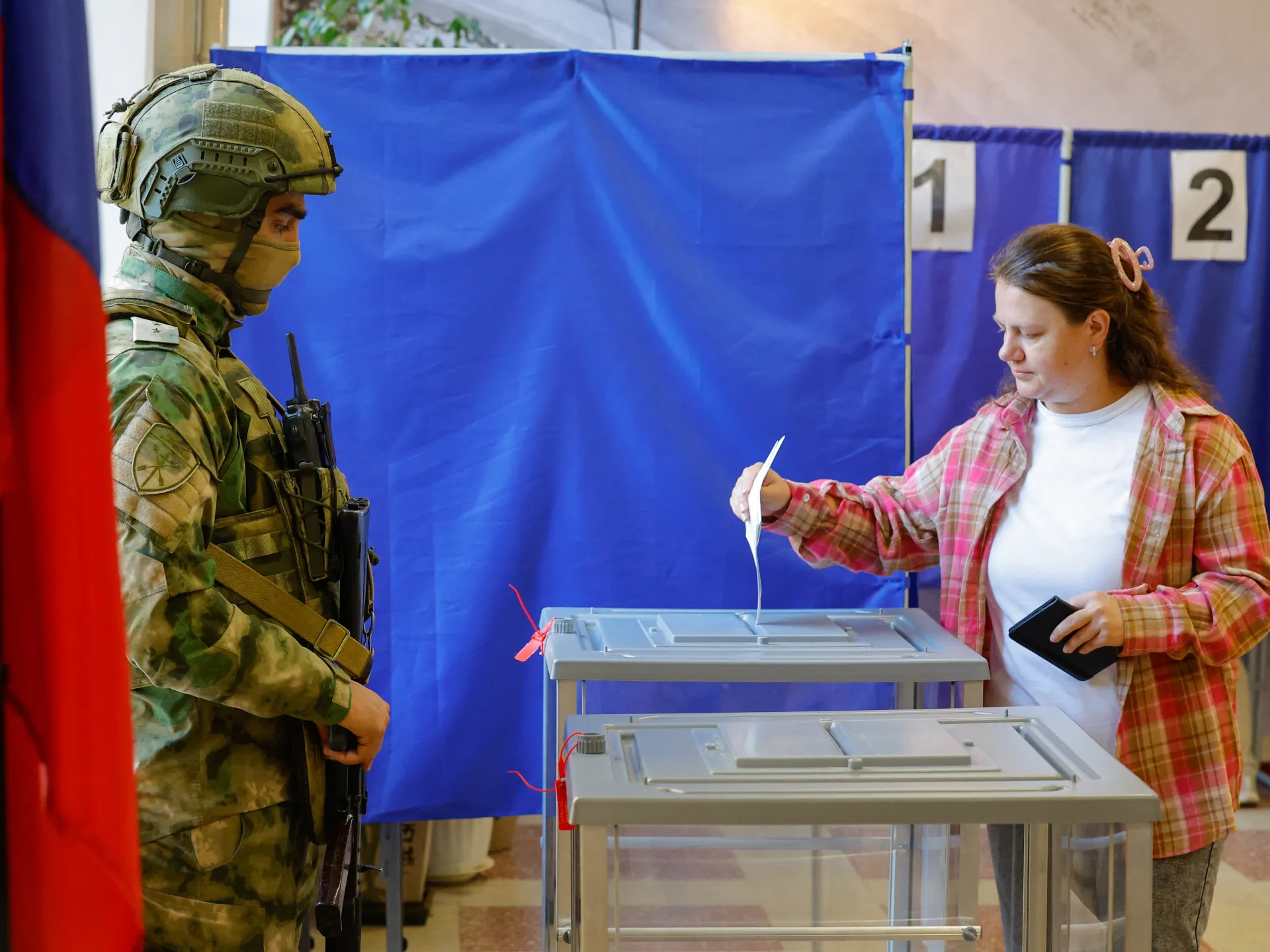
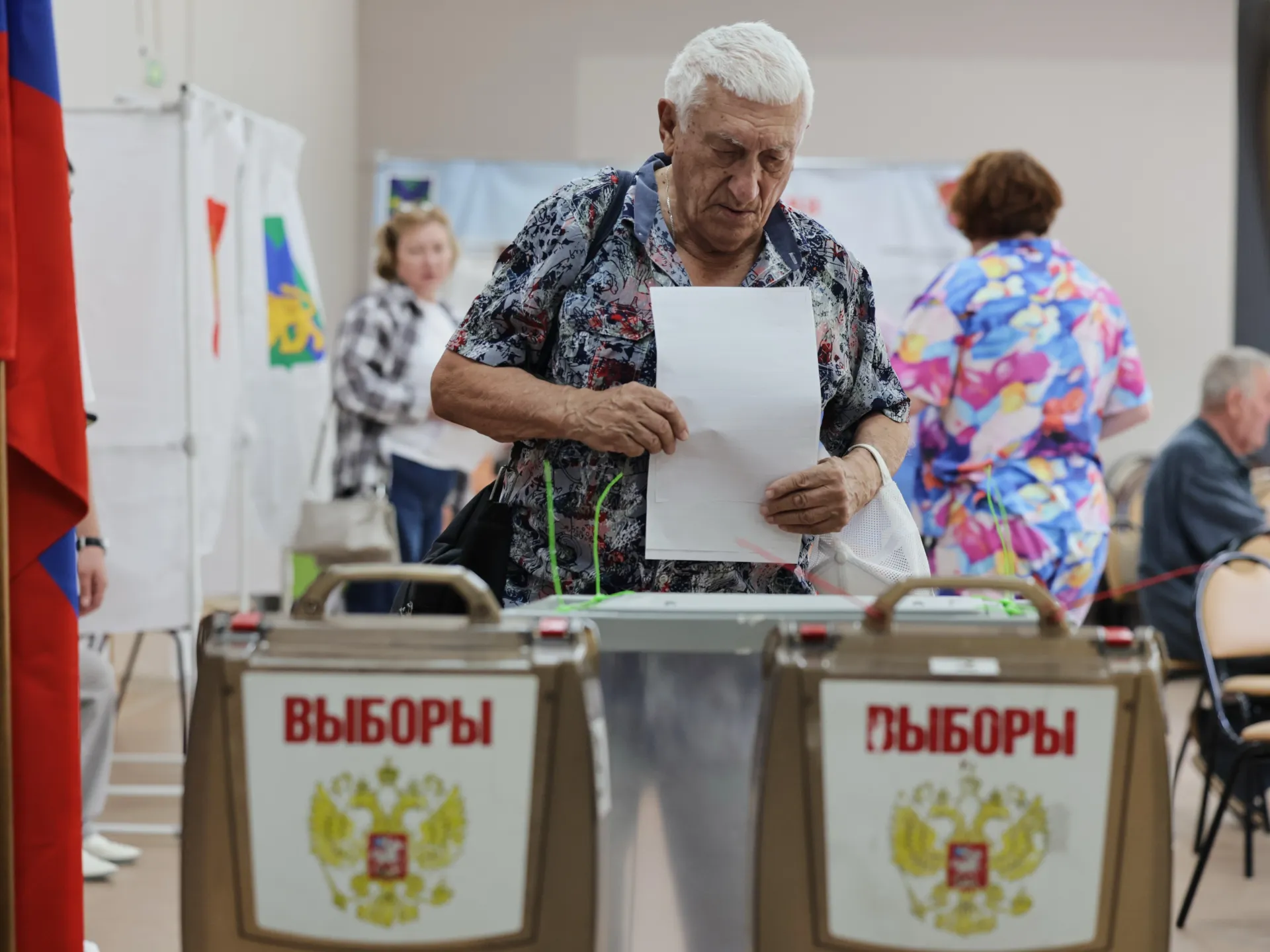
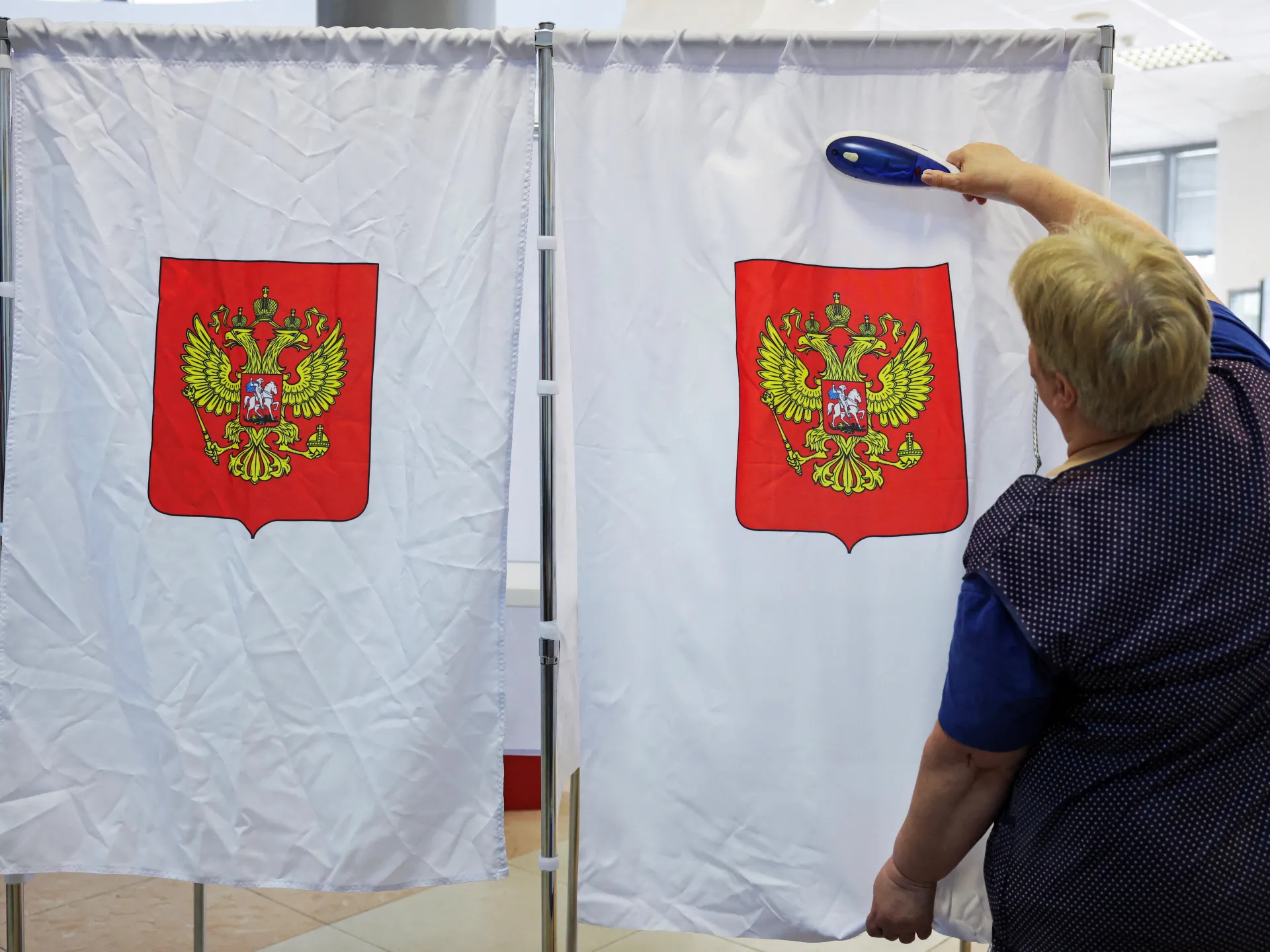
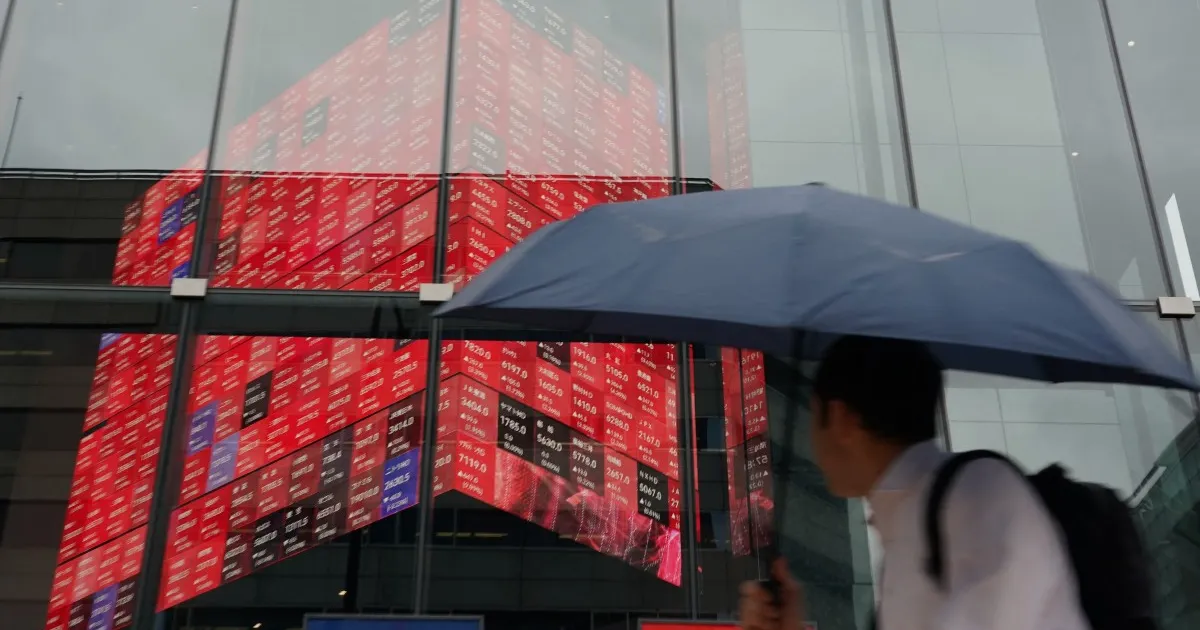
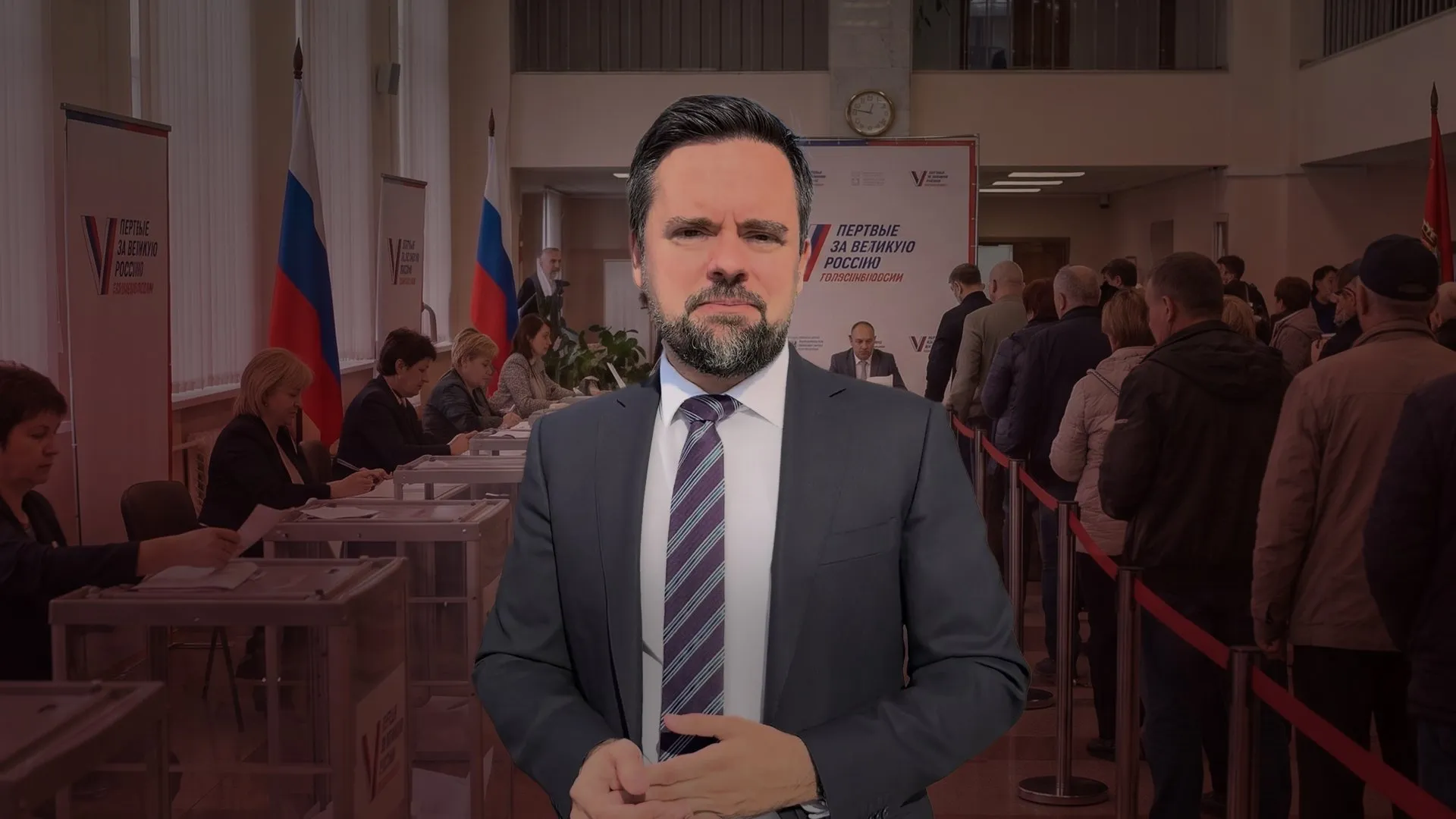
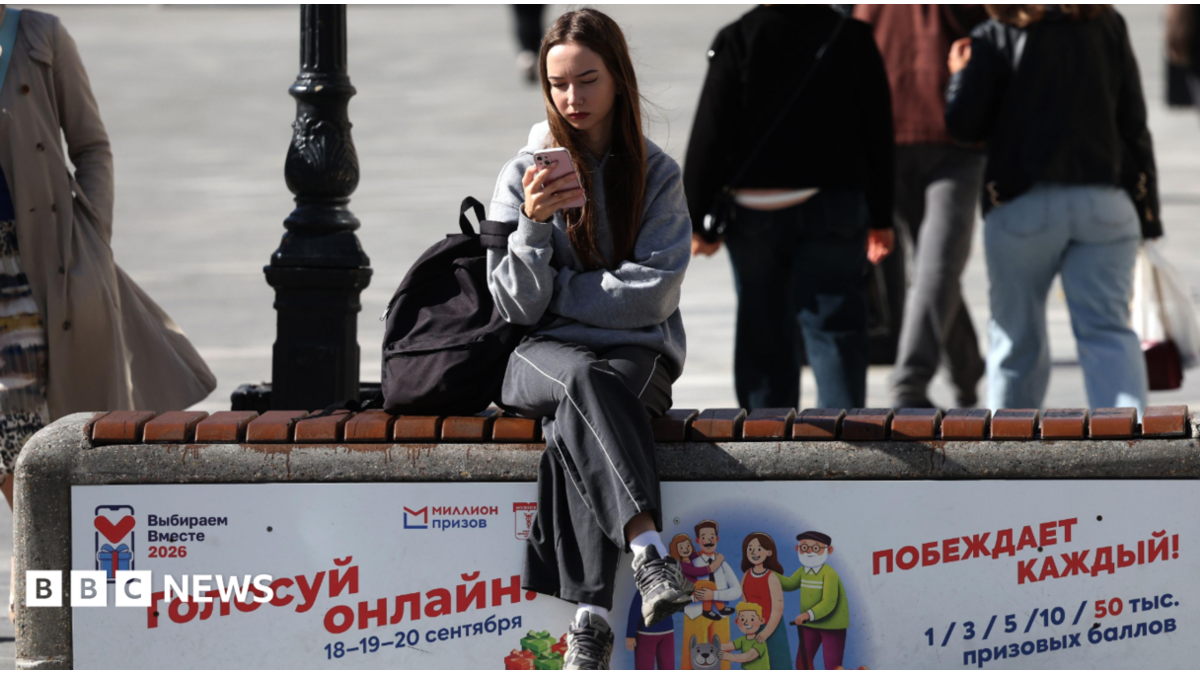
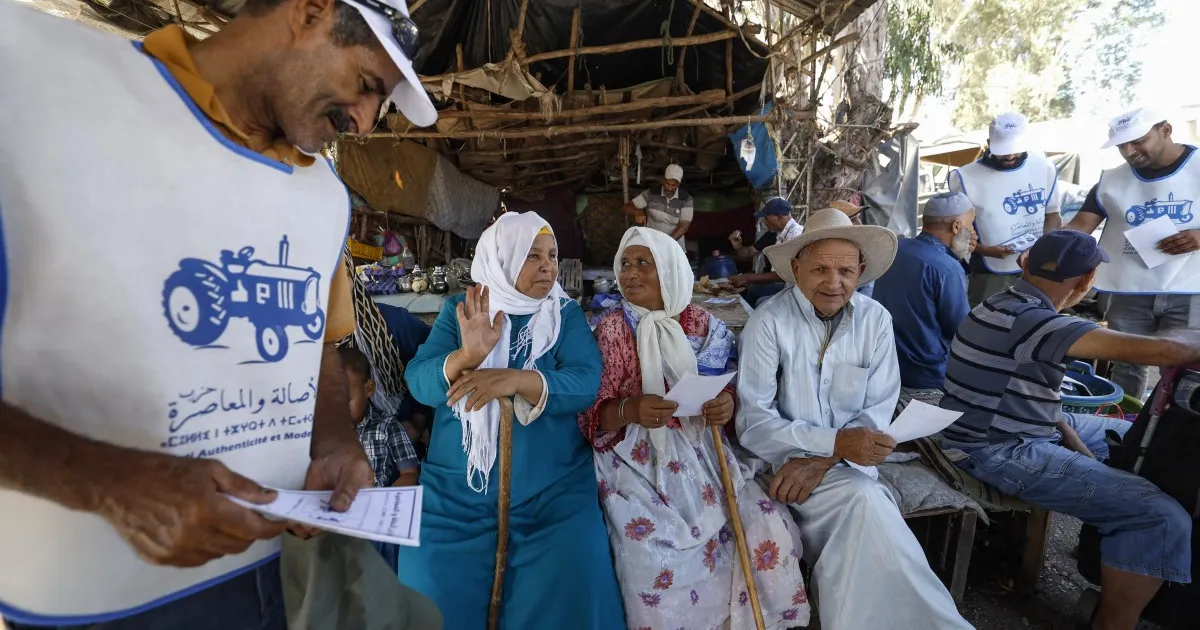
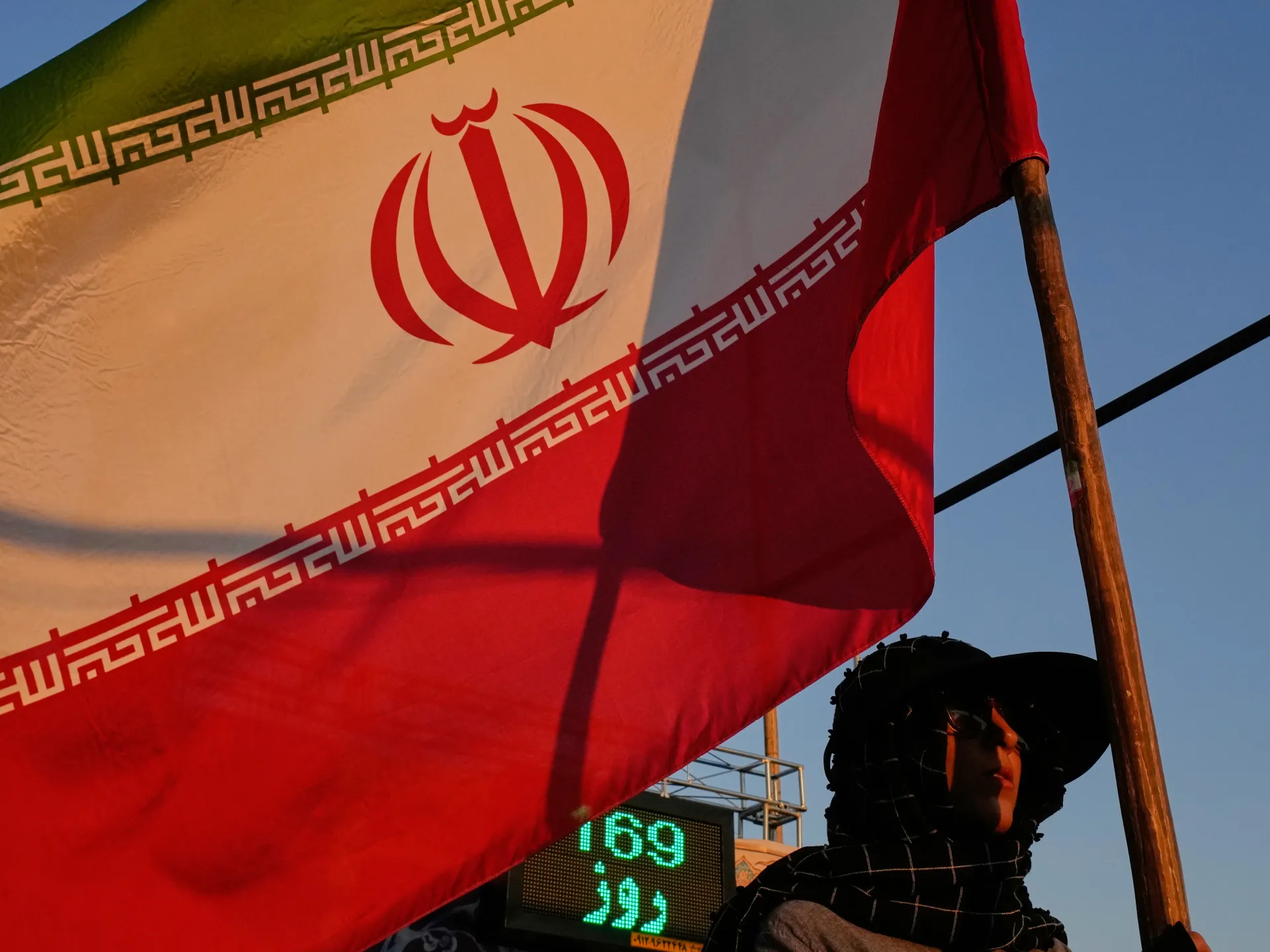
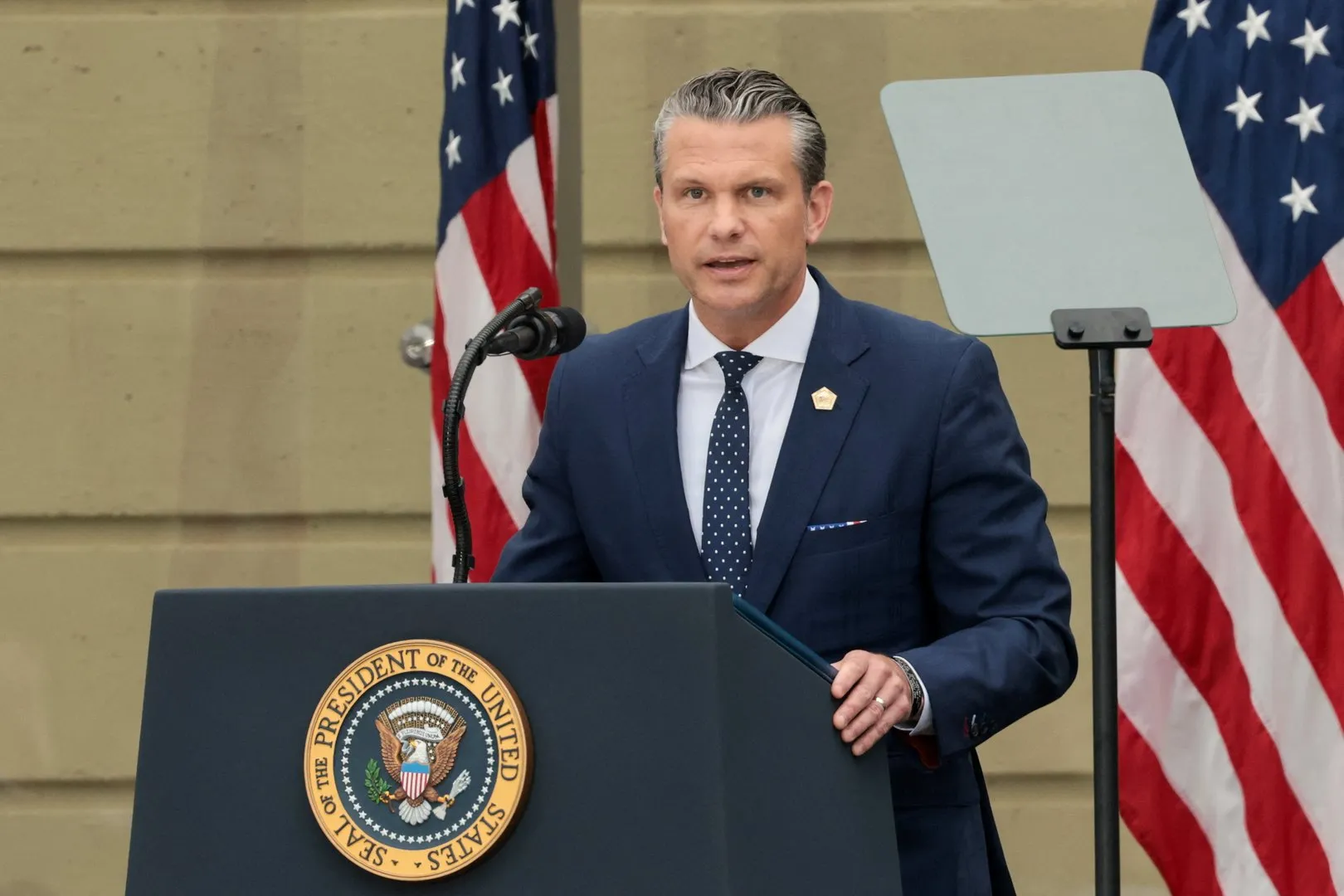
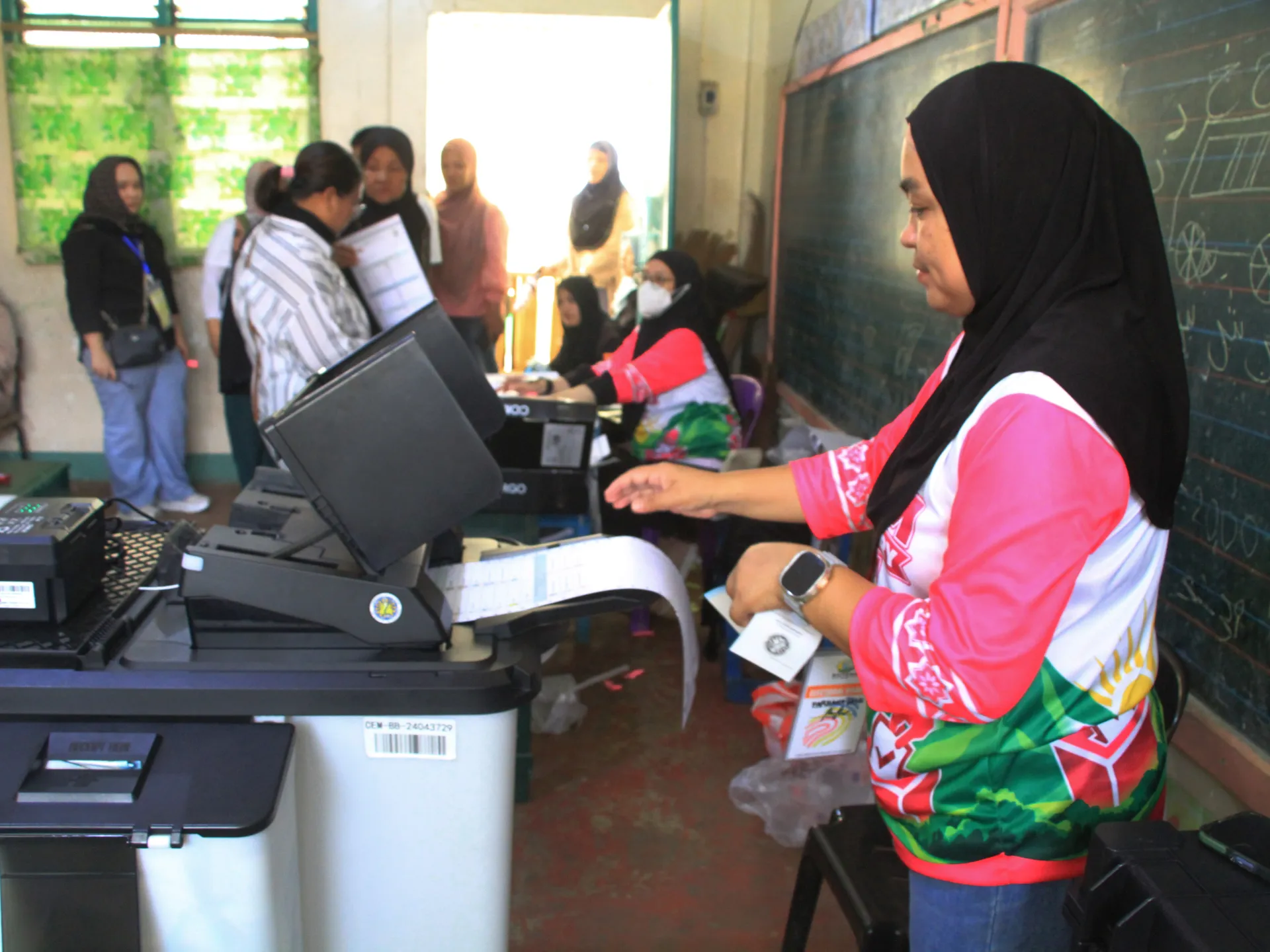
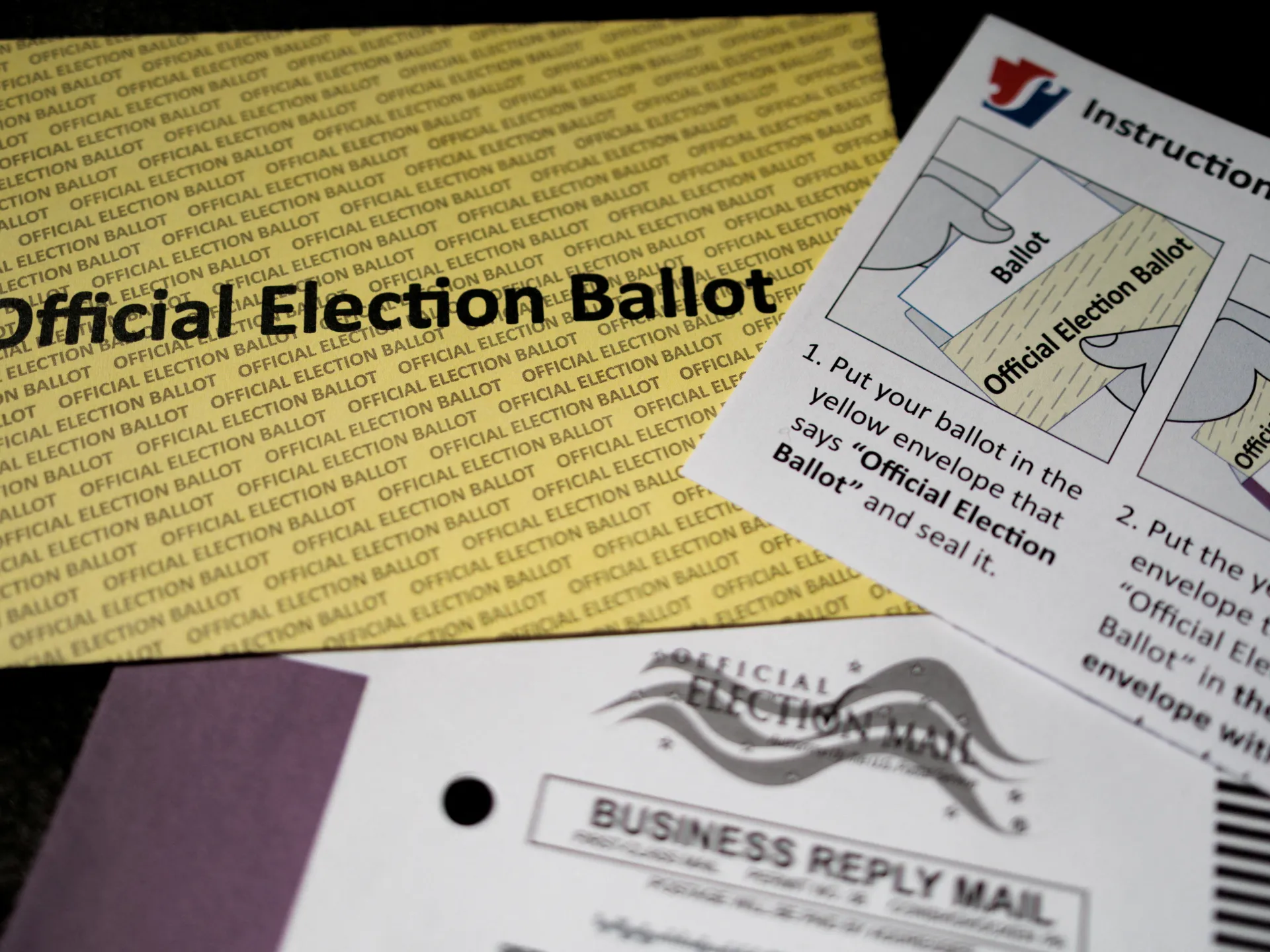
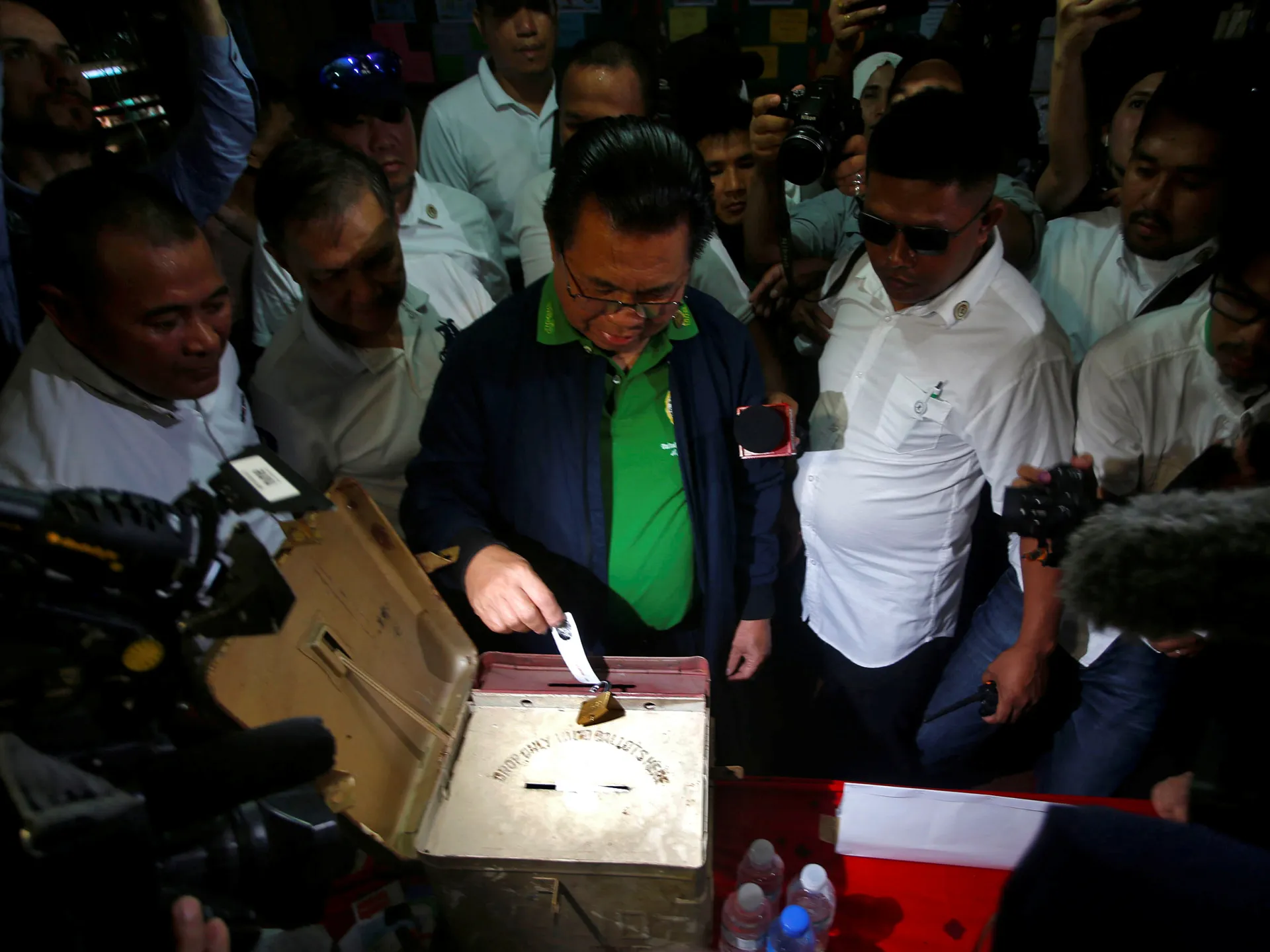
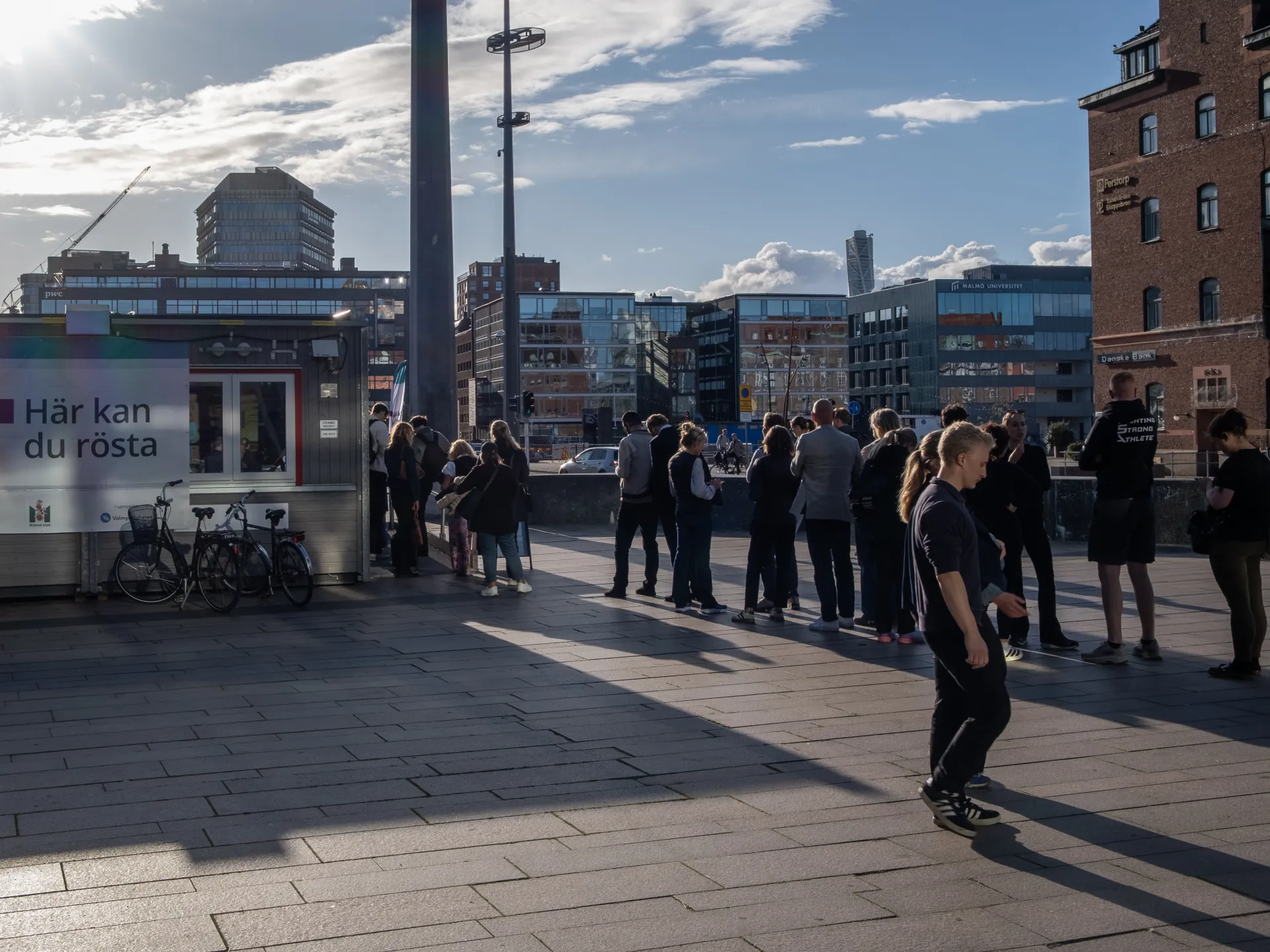
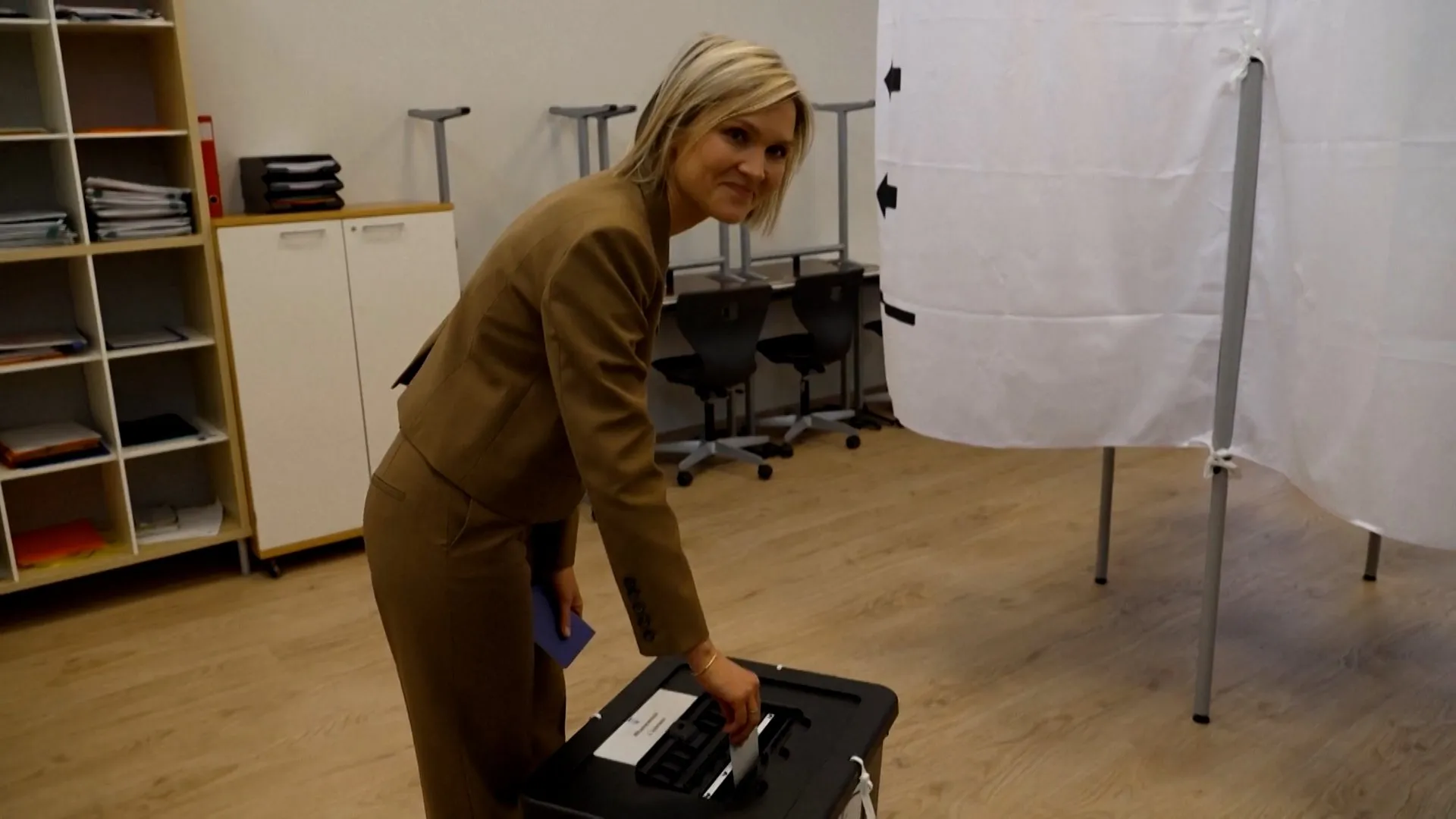
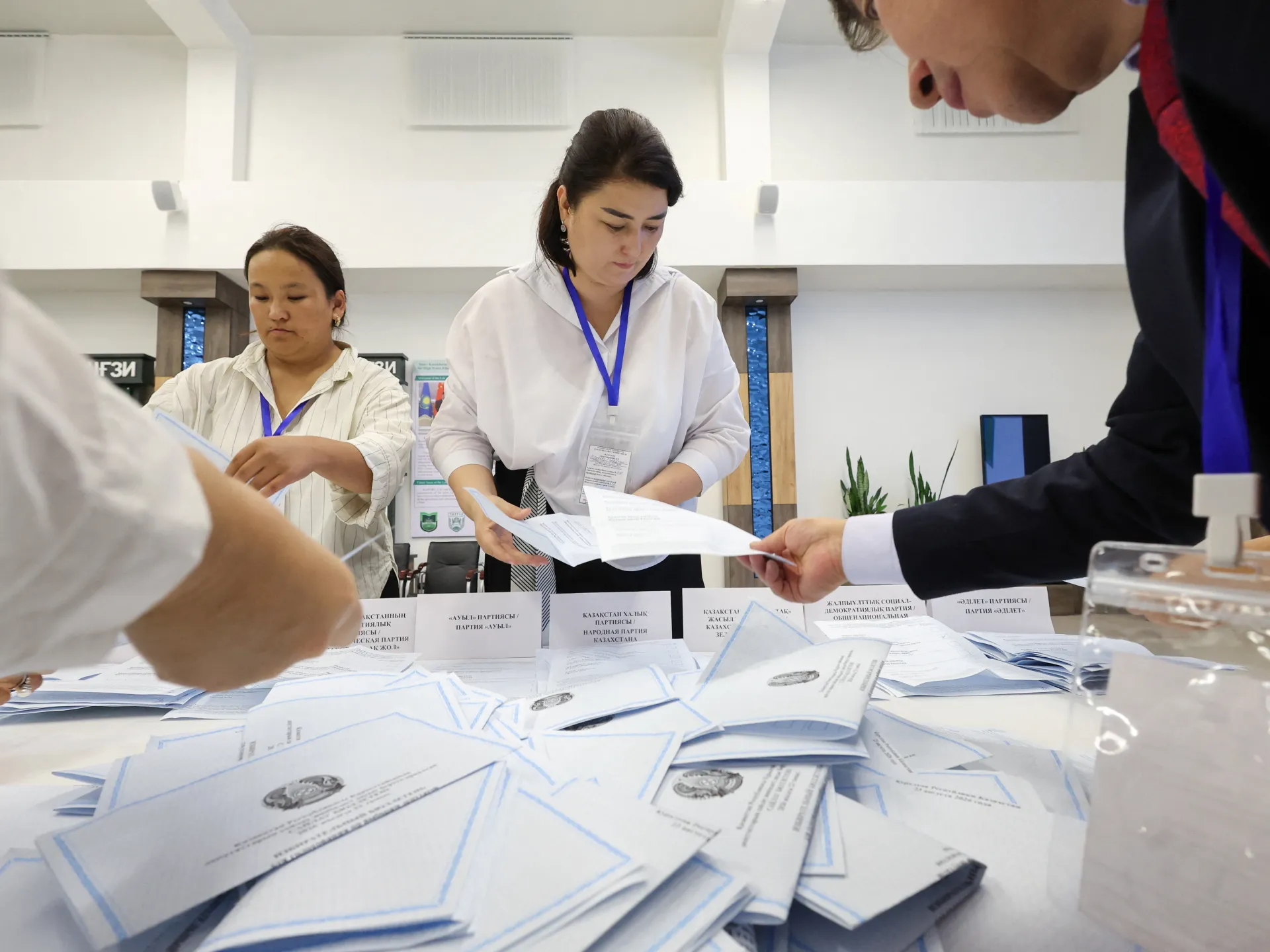
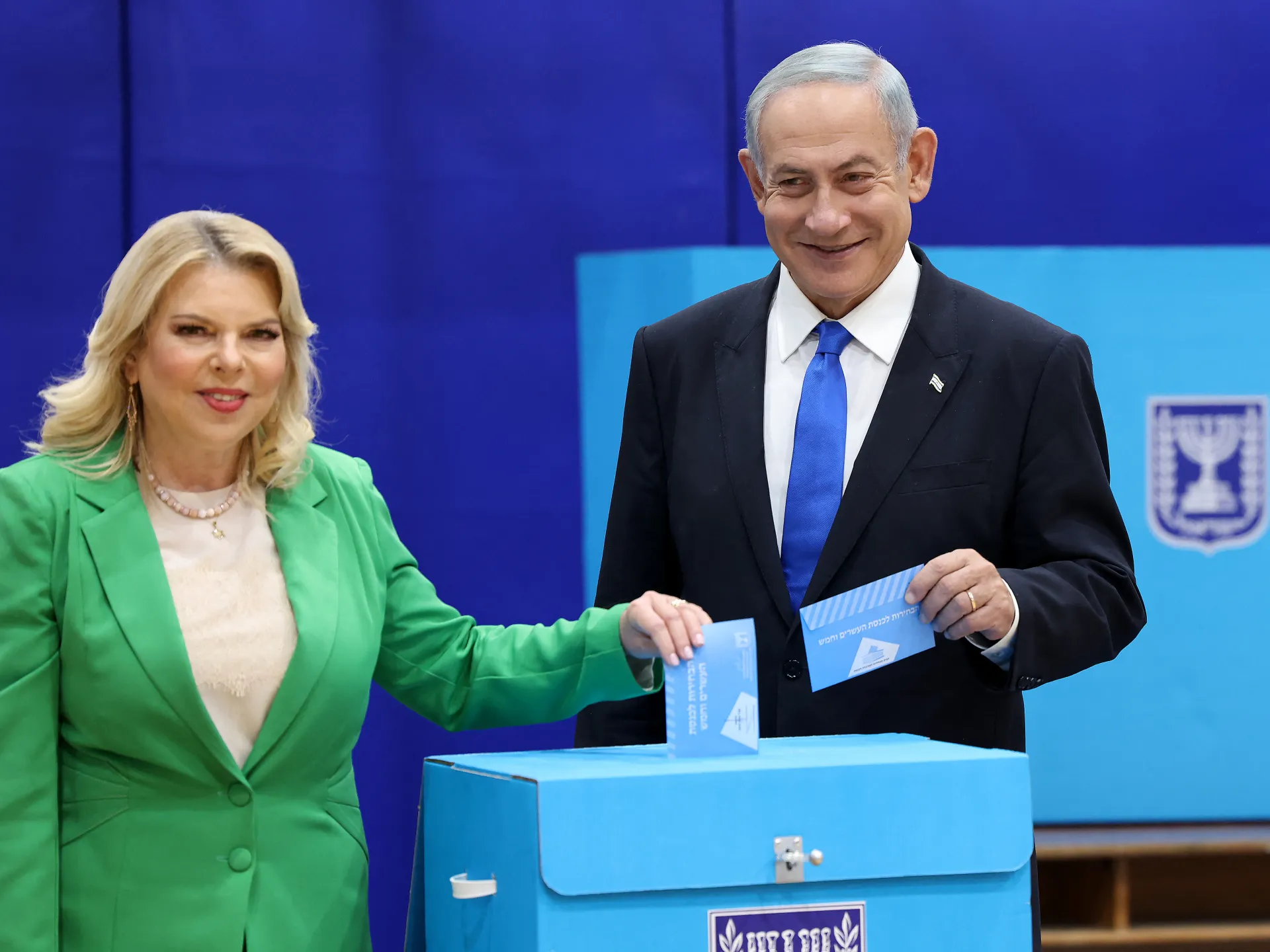
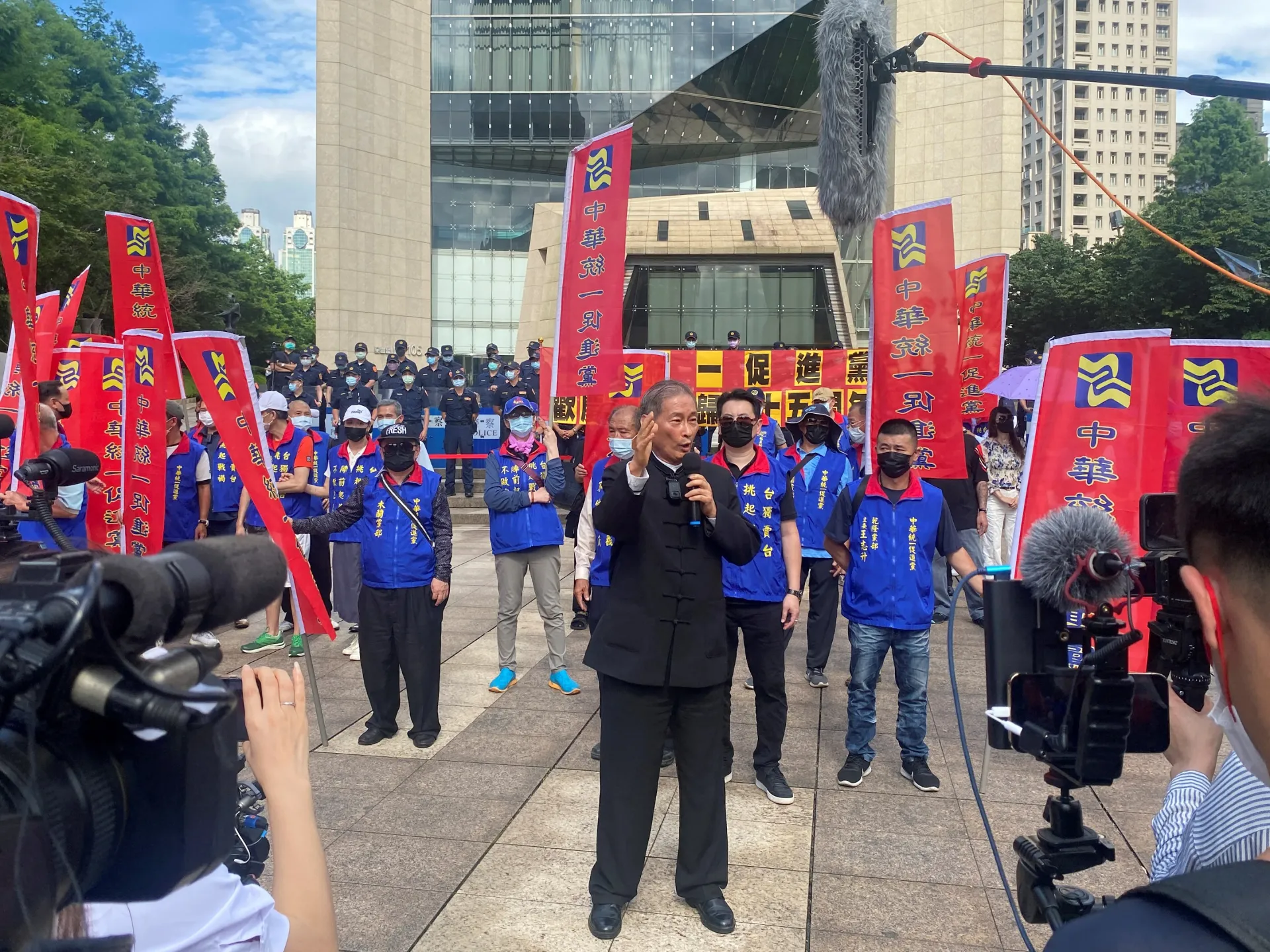
While the front lines erupt, Moscow has focused on the parliamentary elections for the Duma. The Kremlin is using these polls to consolidate the narrative of a nation unified behind the war effort. With nearly 200 war veterans integrated into the candidate lists, the state is actively rebranding its political class to include those who have served on the front lines. Despite the performative nature of the campaign—marked branch remains a critical mechanism for the Kremlin, having unanimously passed over 170 laws supporting the "special military operation" during the previous session.
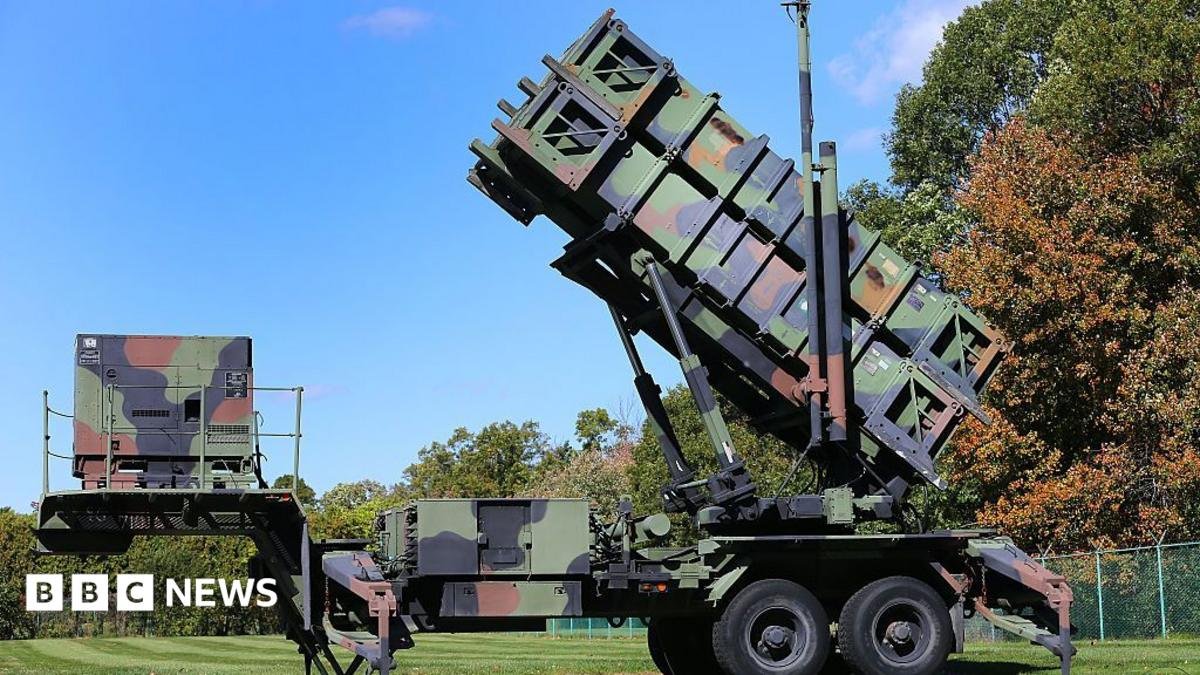
The immediate activation of Polish air defenses indicates that the risk of vertical escalation remains high. As long as aerial barrages continue to skirt NATO-member borders, the potential for accidental or calculated spillover grows. On the domestic front, the conclusion of the Duma elections will likely provide the Kremlin with a renewed mandate to further mobilize resources for the war, likely leading to more rigorous integration of military veterans into civil administration. Militarily, the increased focus on Black Sea shipping lanes suggests that the war will increasingly be defined potentially dragging international commercial interests into the direct line of fire.