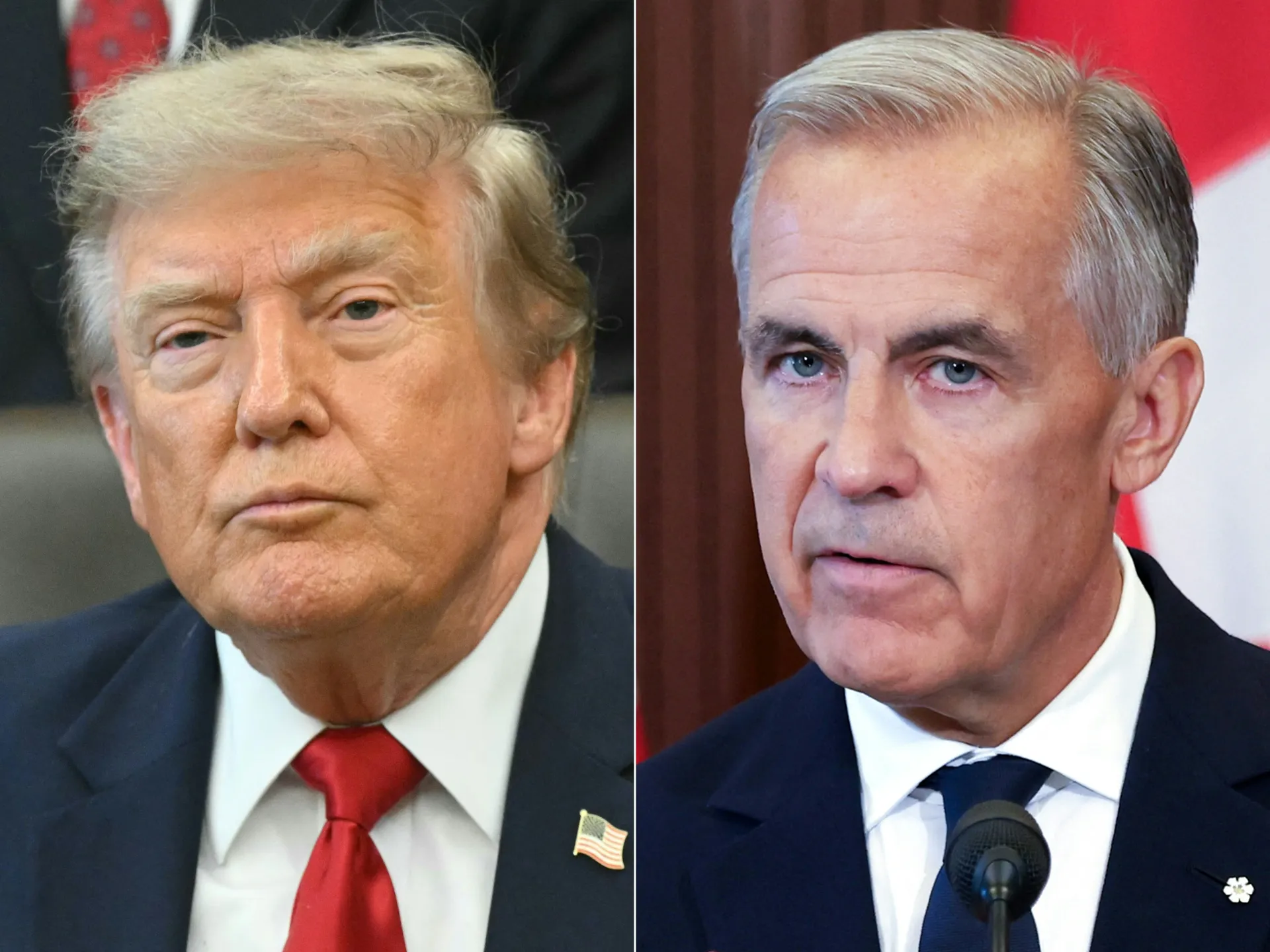
A deepening trade conflict between the US and Canada has triggered retaliatory tariffs, threatening to disrupt major industries and increase costs for consumers.
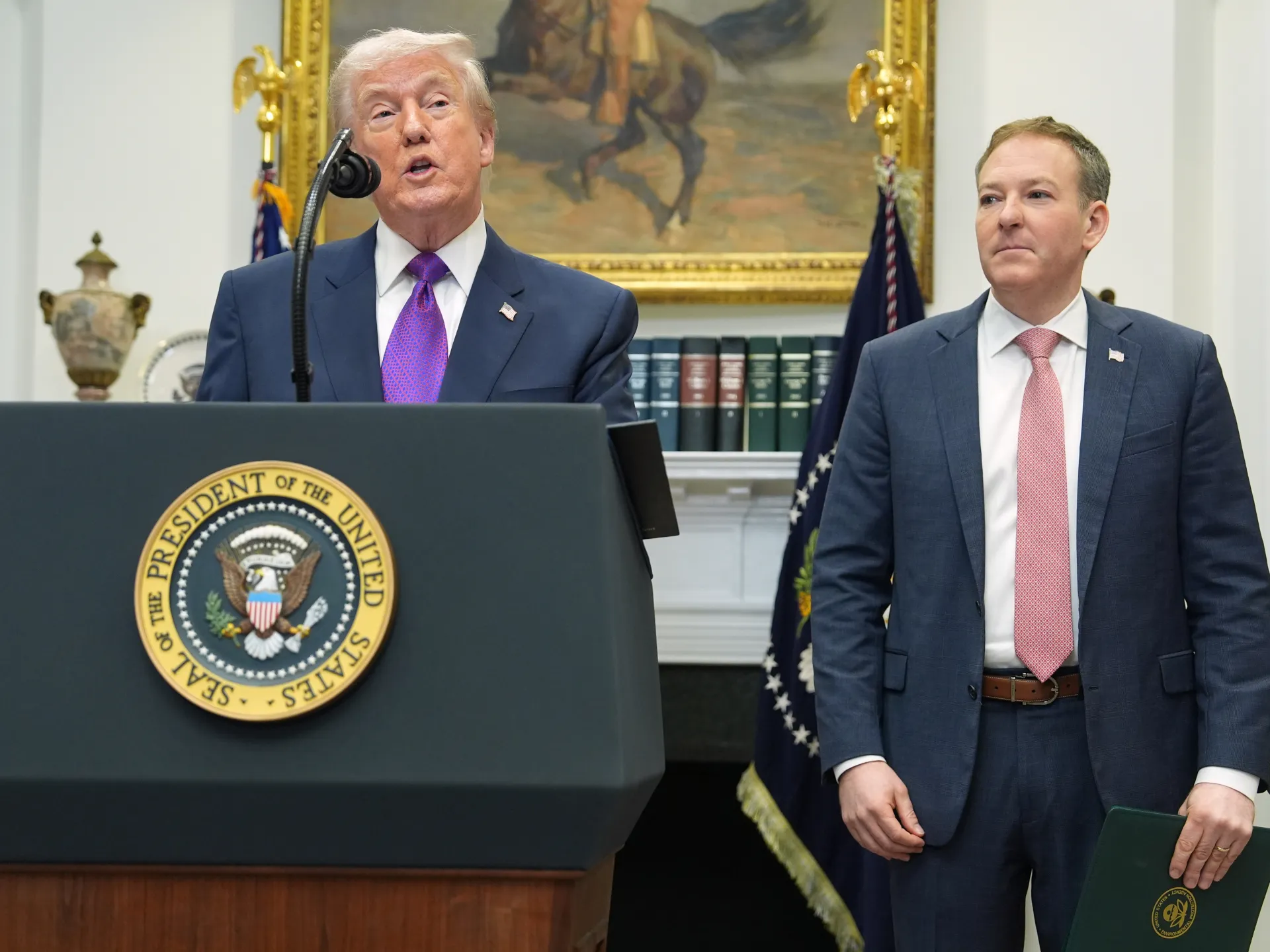
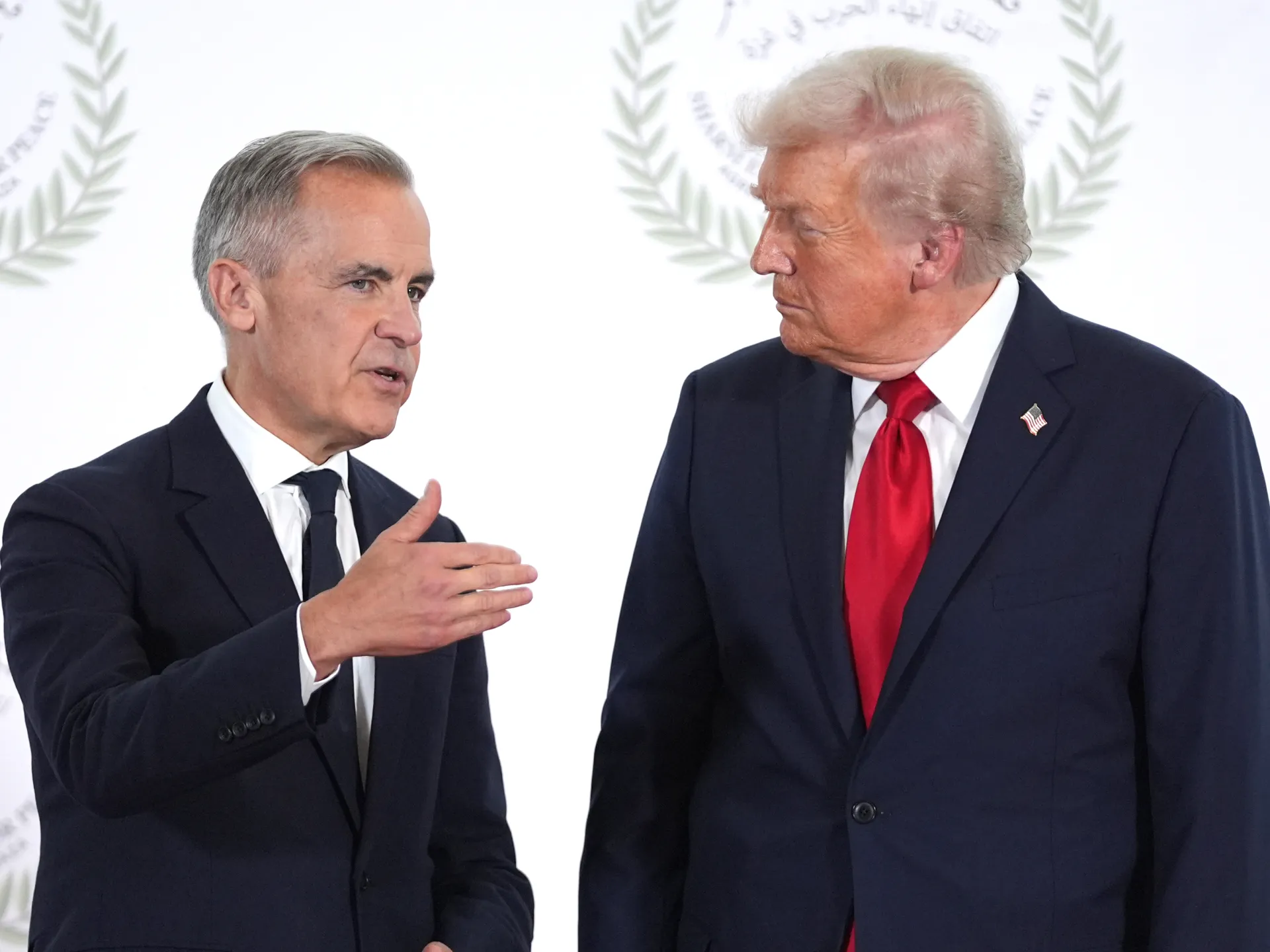
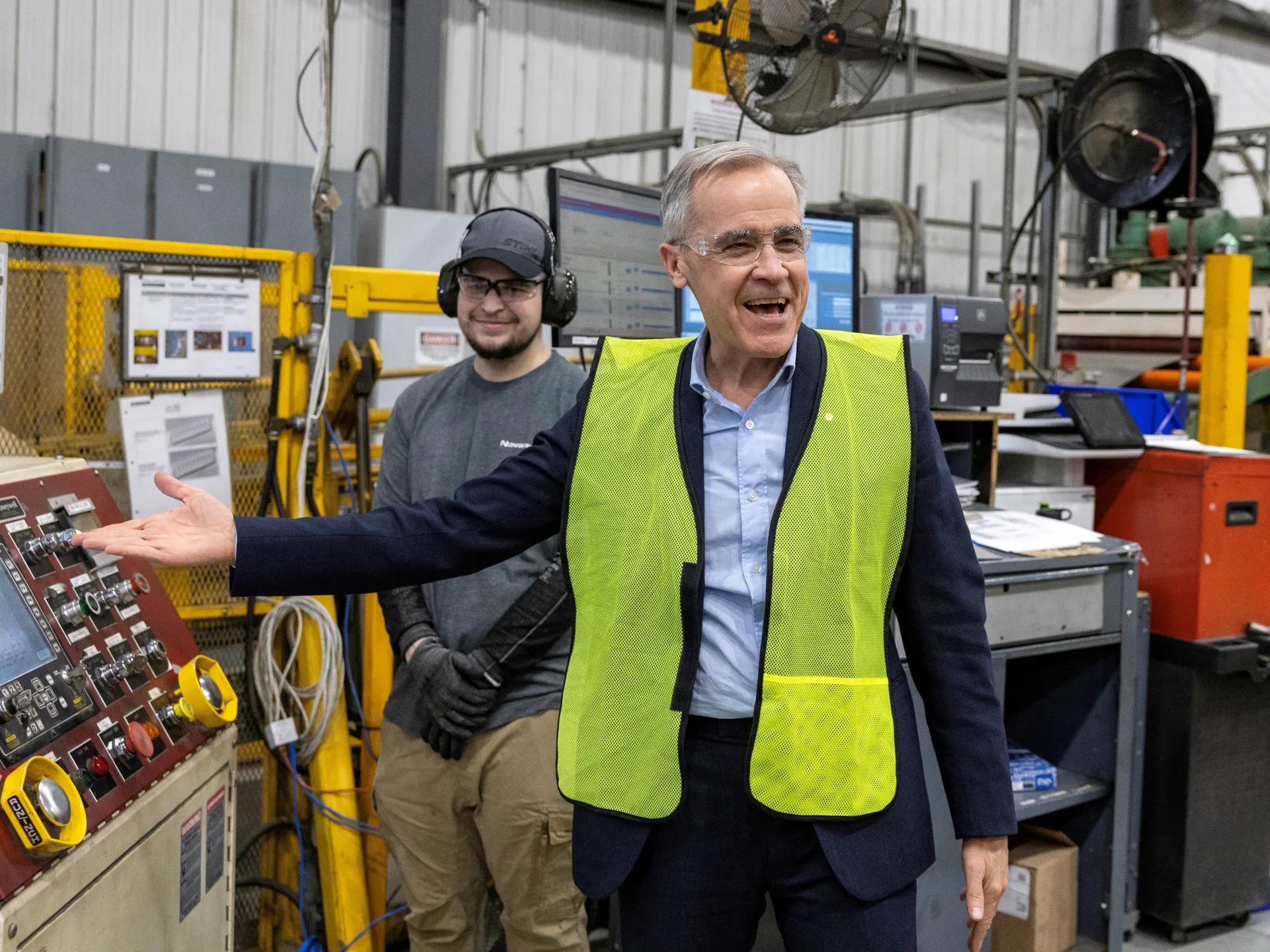
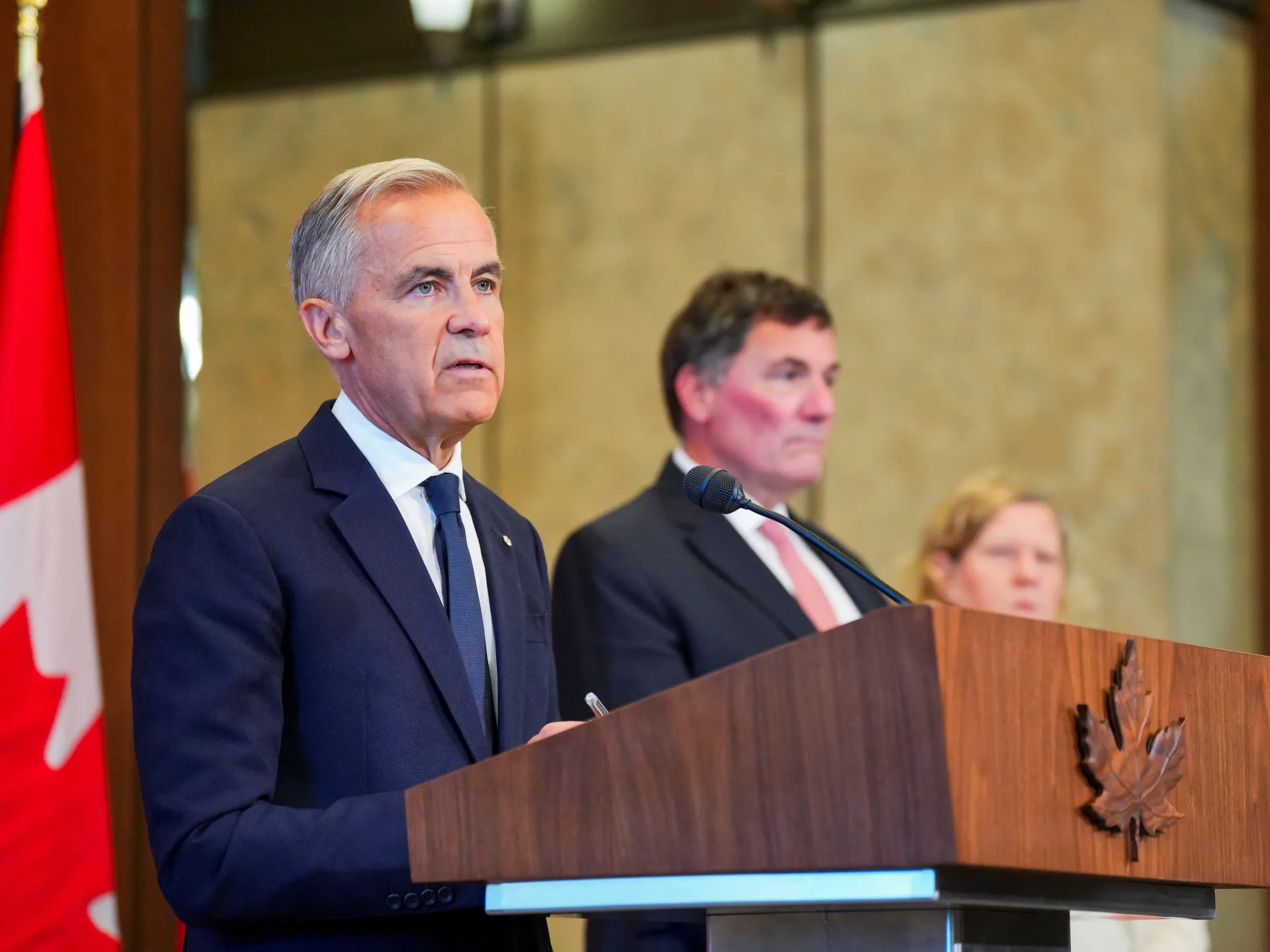
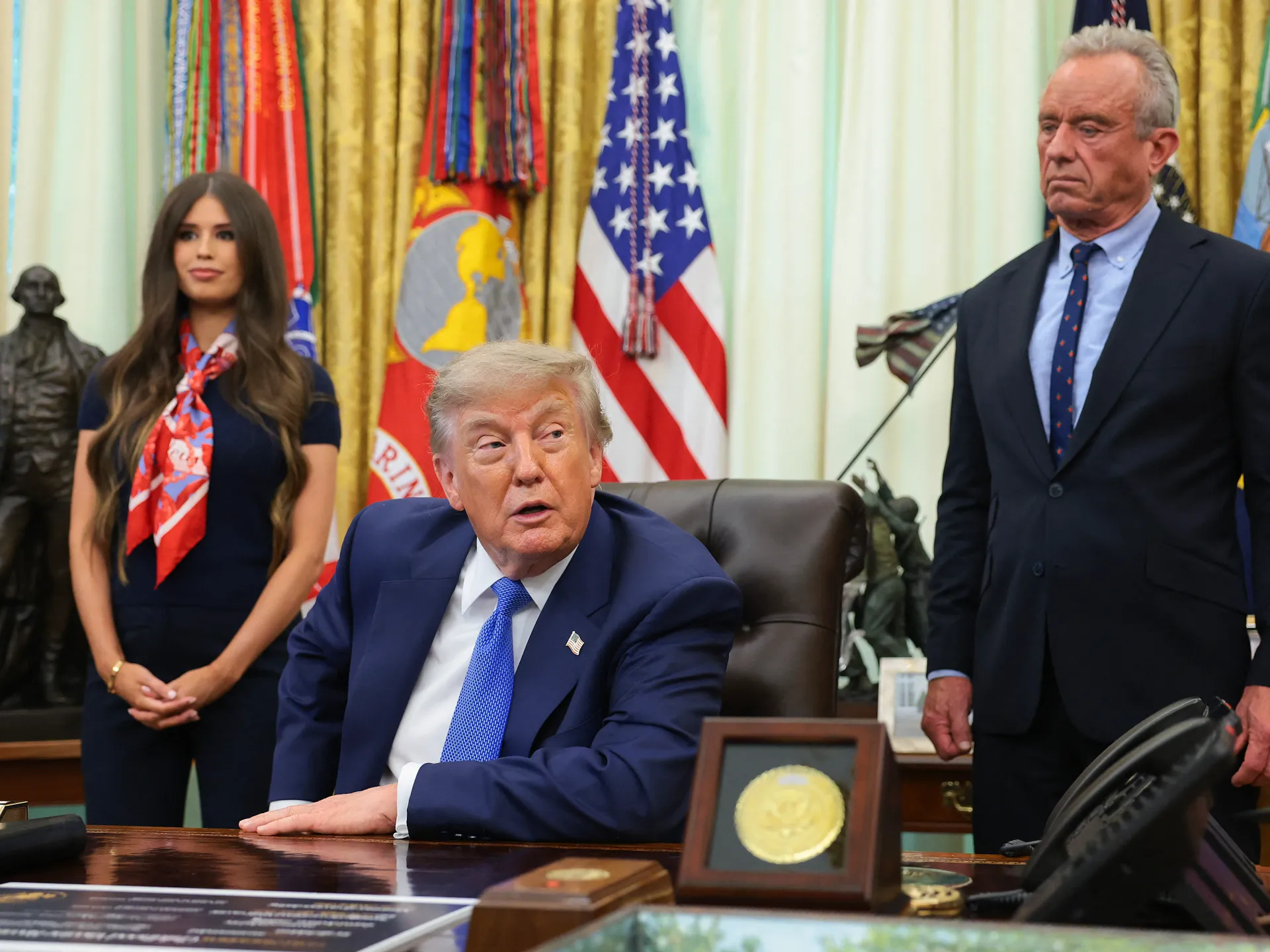
The long-standing economic partnership between the United States and Canada has reached a critical turning point following the collapse of high-stakes trade negotiations. Canadian Prime Minister Mark Carney recently announced that his government would implement retaliatory measures, matching the United States dollar-for-dollar in response to new trade barriers. This development follows a decision orth of Canadian goods, a move that effectively targets over 5 percent of Canada's total export volume.
The collapse of talks occurred after the US proposed conditions that were widely viewed Prime Minister Carney indicated that American negotiators sought to restrict Canada’s autonomy regarding the formation of future international trade agreements. Furthermore, the discussions were reportedly marred the French language and heritage within Quebec. These factors, combined with what Ottawa described as “uneconomic” terms, led to the immediate recall of the Canadian negotiating team from Washington.
The scope of the American tariffs is extensive, affecting more than 500 product categories that were previously considered stable under the existing US-Mexico-Canada Agreement. Among the goods facing the new 50 percent levy are Canadian whisky, specialized outerwear, and professional ice hockey equipment. These measures add to pre-existing duties already in place on Canadian steel, lumber, and automotive components, creating a compounding effect that threatens to disrupt established supply chains across North America.
In response, Ottawa has outlined a comprehensive retaliatory strategy scheduled to take effect in early September. The Canadian government intends to target critical American sectors, including dairy, electronics, industrial appliances, and farm equipment. y while signaling its refusal to accept terms that it perceives as a violation of its economic independence. The specific list of affected US goods is expected to be finalized and released to the public in the coming days.
Economists have raised significant concerns regarding the long-term outlook for the Canadian economy as it navigates this trade conflict. With roughly 73 percent of Canadian exports currently destined for the US market, the heavy reliance on its southern neighbor makes Canada particularly vulnerable to these protectionist policies. Analysts warn that the immediate consequences will include rising costs for businesses, increased consumer prices, and a potential spike in unemployment rates as companies struggle to absorb the impact of the tariffs.
Despite these challenges, the Canadian administration is framing this period of friction as a necessary catalyst for economic diversification. Prime Minister Carney has been actively pursuing new trade opportunities in Asian and European markets to reduce Canada’s historical dependency on the United States. While diversifying trade partners remains a long-term goal, experts acknowledge that the immediate transition will be difficult, as small and medium-sized enterprises face the risk of bankruptcy due to the sudden loss of access to the American consumer base.
The trade war is not without its domestic critics within the United States. Leading industry organizations, including the Business Roundtable, have cautioned that these sweeping tariffs risk increasing operational costs for American corporations and driving inflation for households. on’s approach has drawn scrutiny from experts who argue that blanket tariffs are inherently ineffective compared to more surgical, sector-specific trade policies.
As the United States approaches critical midterm elections, the political cost of this trade dispute is becoming increasingly apparent. Trade specialists suggest that while targeted tariffs might be used to address specific unfair trade practices, the current broad-spectrum approach is causing unnecessary economic pain on both sides of the border. With both nations now locked in a cycle of retaliation, the challenge remains for policymakers to find a path toward stabilization before the damage to regional economic integration becomes irreparable.