As Thailand’s southern insurgency threatens to reignite following failed peace talks, Malaysia deals with the aftermath of a landmark juvenile psychiatric ruling.
Tensions across Southeast Asia are manifesting in starkly different ways this week, as both Thailand and Malaysia grapple with internal crises that challenge their respective legal and security frameworks. While the deep south of Thailand faces a resurgence of decades-old separatist violence, the Malaysian legal system has concluded a high-profile criminal case that has left a nation questioning the intersection of adolescent mental health, digital influence, and judicial responsibility.
These distinct developments highlight the varied pressures facing the region’s stability, from long-standing ethno-religious insurgencies to the modern, unsettling intersection of social media trends and youth violence.
The simultaneous focus on Thailand’s southern insurgency and Malaysia’s judicial handling of juvenile violence underscores a critical trend in Southeast Asia: the difficulty of maintaining social cohesion in the face of both historical grievances and modern societal shifts. In Thailand, the failure of peace talks suggests that military solutions remain prioritized over diplomatic resolution. Meanwhile, the Malaysian verdict forces a broader confrontation with how juvenile justice systems handle individuals who commit severe crimes while suffering from chronic mental health conditions. Both situations serve as litmus tests for how these nations manage the safety of their citizens while addressing the underlying causes of institutional instability.
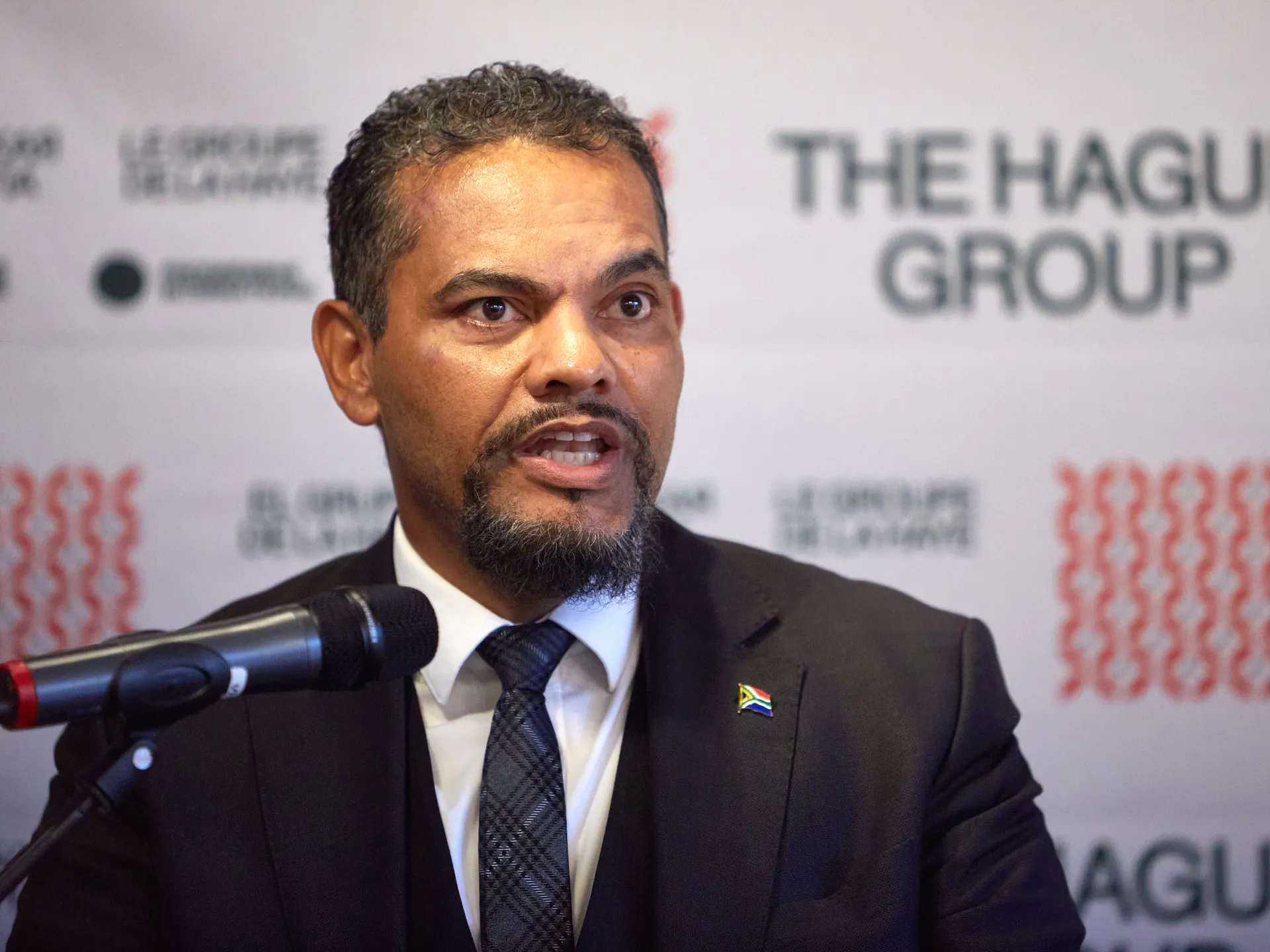
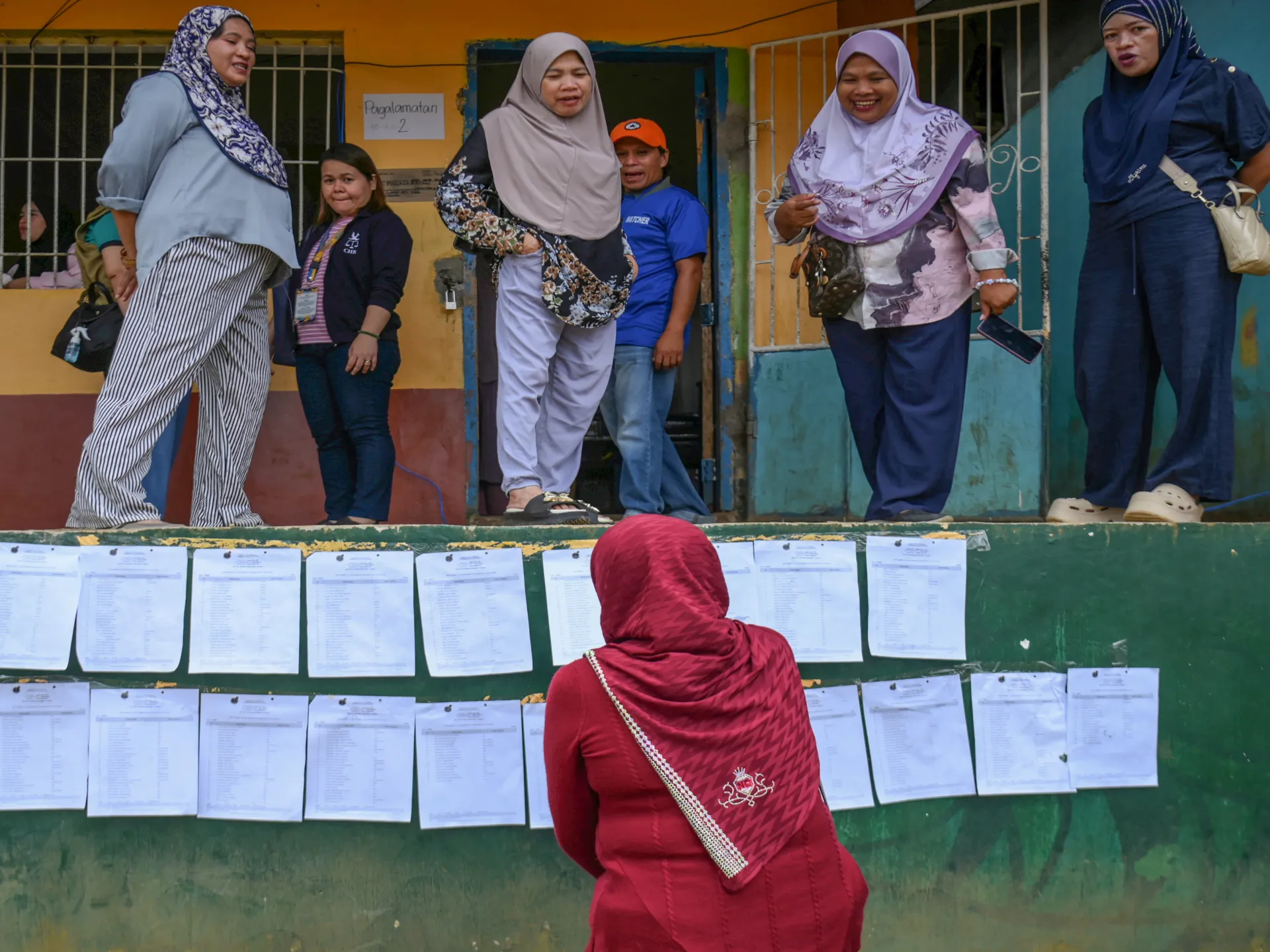
In the Malay-majority provinces of southern Thailand, the Barisan Revolusi Nasional (BRN) has signaled a firm intention to escalate its campaign for self-determination. The separatist group, which has been the primary architect of the region’s protracted conflict, has dismissed the recent lack of progress in peace negotiations. While local reports indicate that violence is currently surging, there is a glimmer of hope that informal, back-channel discussions could resume as early as October.
This potential dialogue is widely viewed as a last-ditch effort to breathe life into one of Southeast Asia's longest-running insurgencies. However, the BRN’s commitment to continued armed struggle suggests that the gulf between the Thai state’s vision for integration and the separatists' demand for autonomy remains wider than ever. The international community is watching closely to see if October’s proposed talks can achieve what years of formal negotiations have failed to deliver: a sustainable ceasefire.
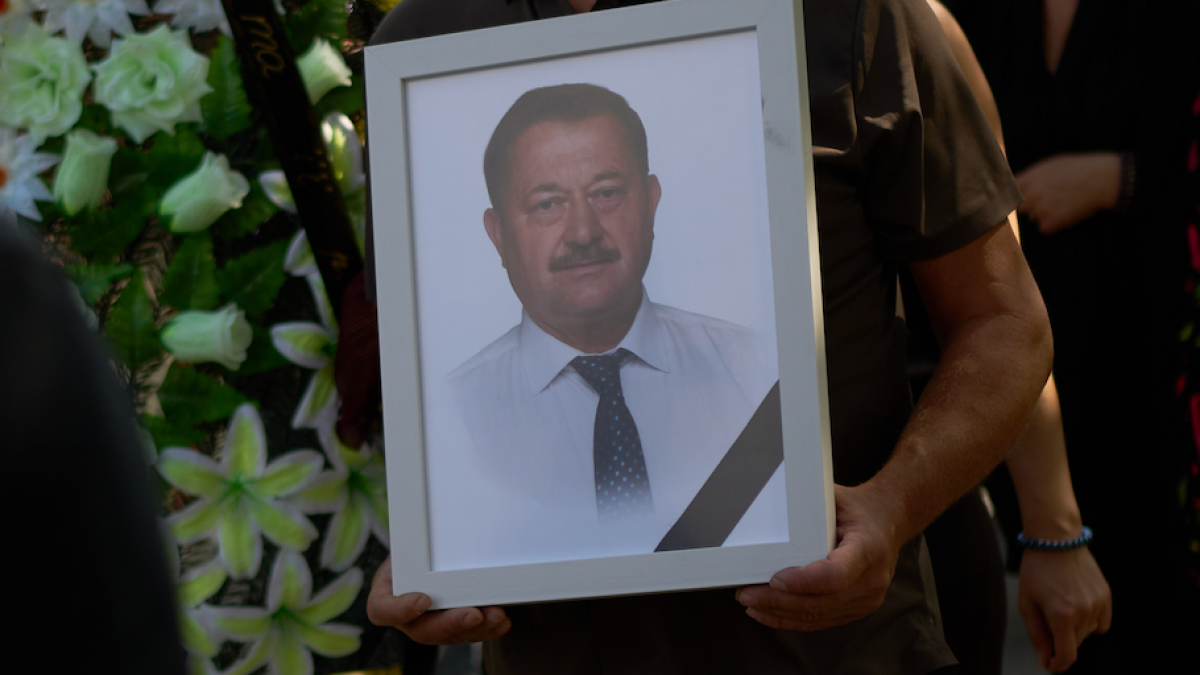
Across the border, the Malaysian legal system reached a definitive, though emotionally fraught, conclusion in the case of a 14-year-old boy who killed a schoolmate in a suburb of Kuala Lumpur. The court’s decision to acquit the minor on the grounds of insanity followed testimony from psychiatric experts confirming that the defendant had suffered from schizophrenia and delusional behavior since age nine. The judge mandated that the boy be held indefinitely in a psychiatric facility, subject to annual reviews to determine his mental fitness.
The case, which involved the stabbing of 16-year-old Yap Shing Xuen, became a flashpoint for national outrage earlier this year. Public discourse was fueled tion about the influence of social media and fictional media portrayals of violence on children. The resulting public outcry directly prompted government authorities to implement stricter regulations on children's access to social media platforms, a policy shift that remains a cornerstone of the Malaysian government’s digital safety agenda.
In Thailand, the success of the projected October back-channel talks will likely depend on the government’s willingness to address the core demands of the BRN, which go beyond mere security assurances. If these discussions fail to produce a tangible framework for a ceasefire, the region could see a further escalation in violence, potentially destabilizing the Thai south further. Conversely, if the sides show flexibility, it could provide the first real momentum for a political solution in years.
In Malaysia, the focus will shift from the courtroom to the efficacy of the psychiatric rehabilitation program. As the defendant begins his treatment, the government will likely face continued pressure from victim advocates to ensure that justice is not perceived as being undermined on will likely intensify, as policymakers weigh the effectiveness of existing restrictions against the persistent challenges of monitoring online environments that impact the psychological development of the nation's youth.