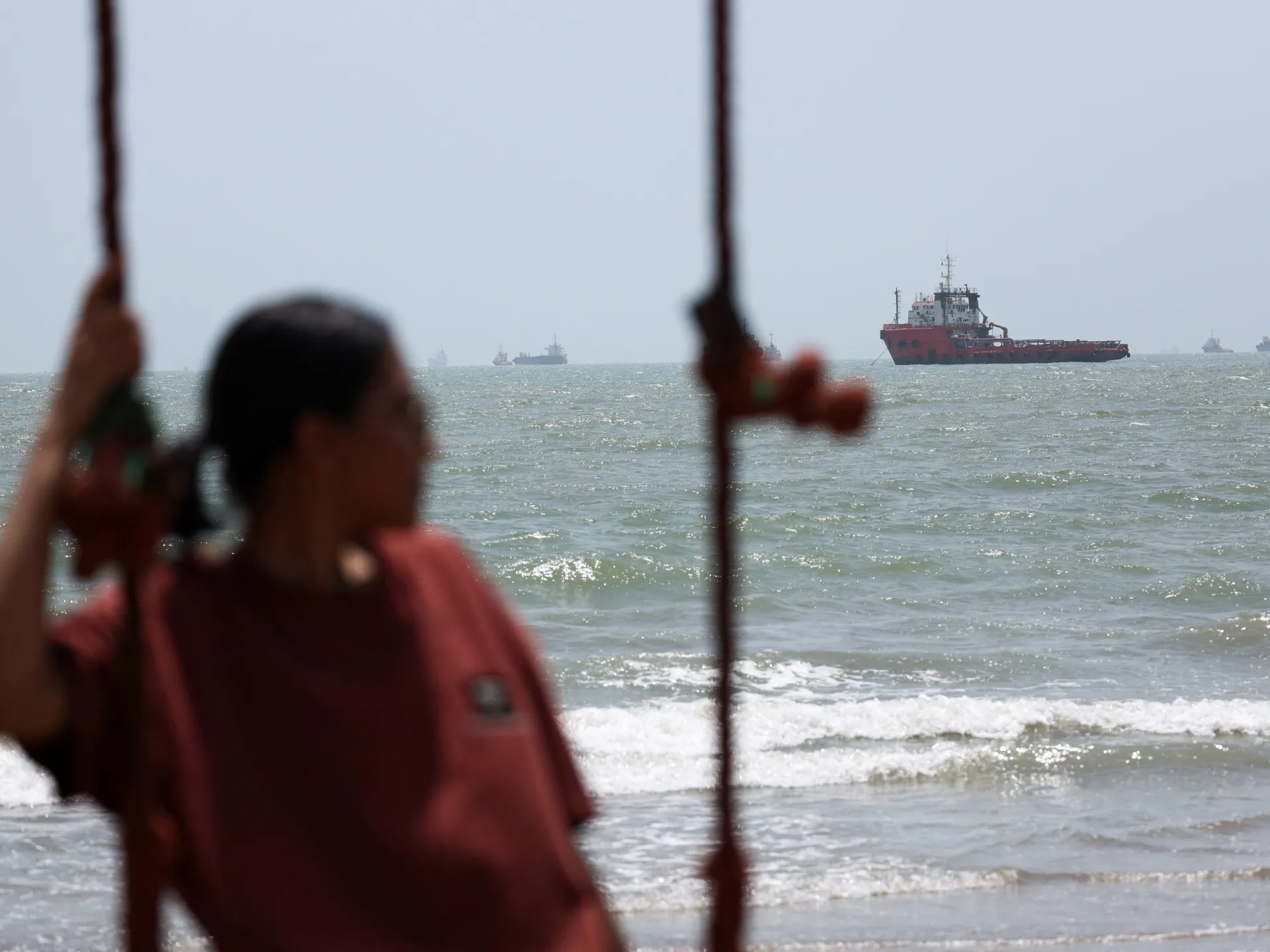
India has formally protested a naval collision with Pakistan in the Arabian Sea, citing a breach of maritime safety agreements and demanding accountability.
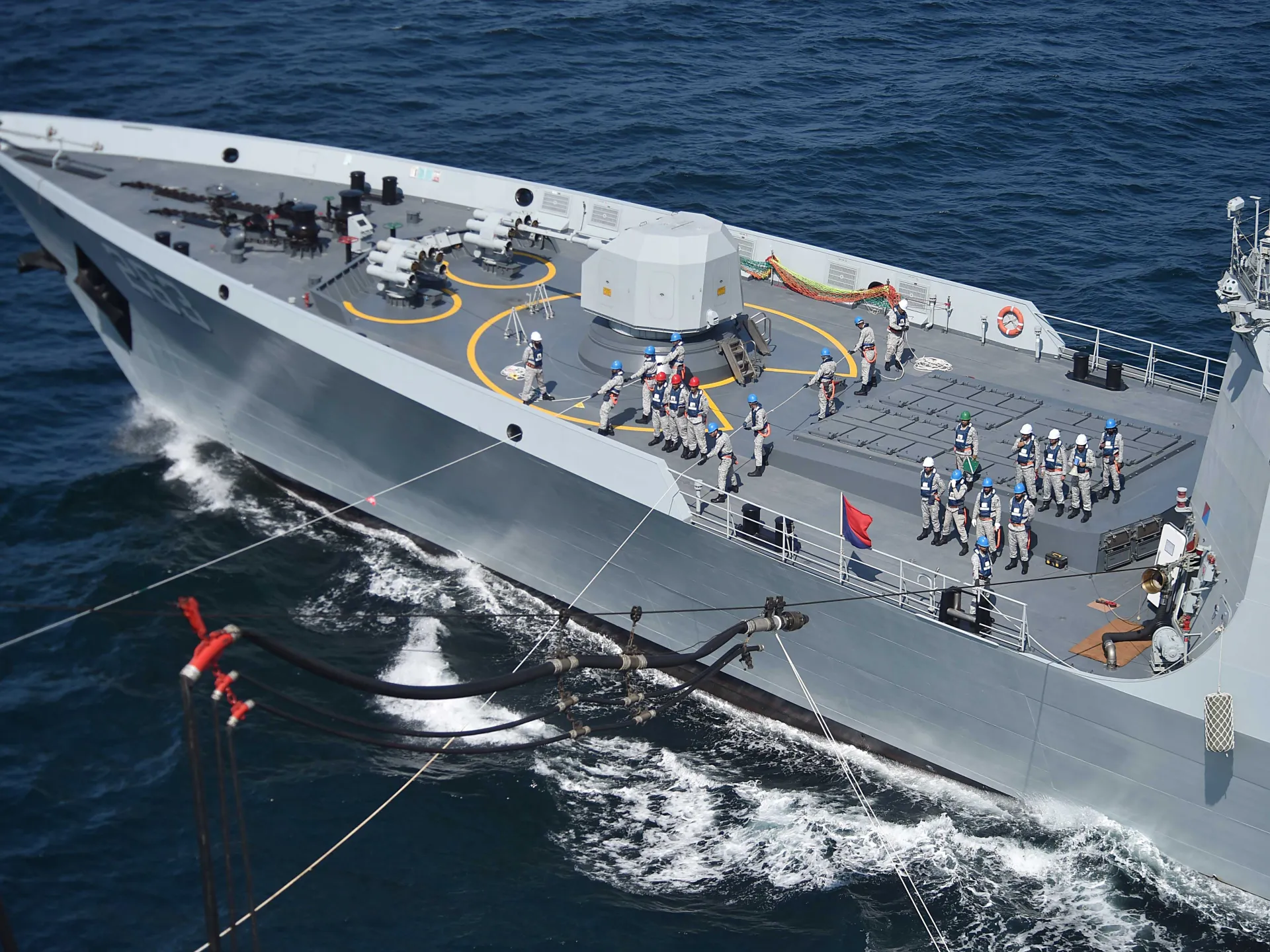
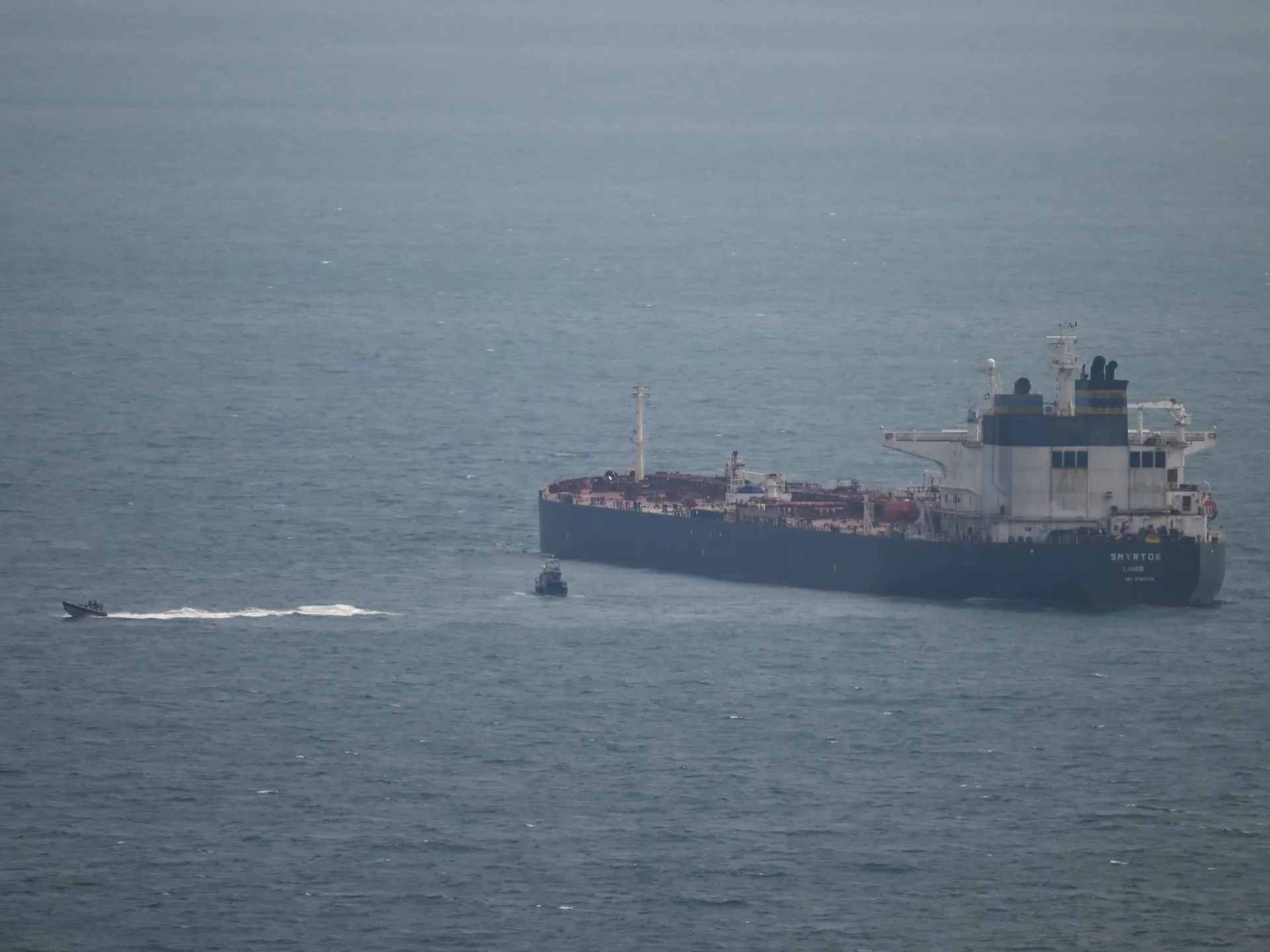
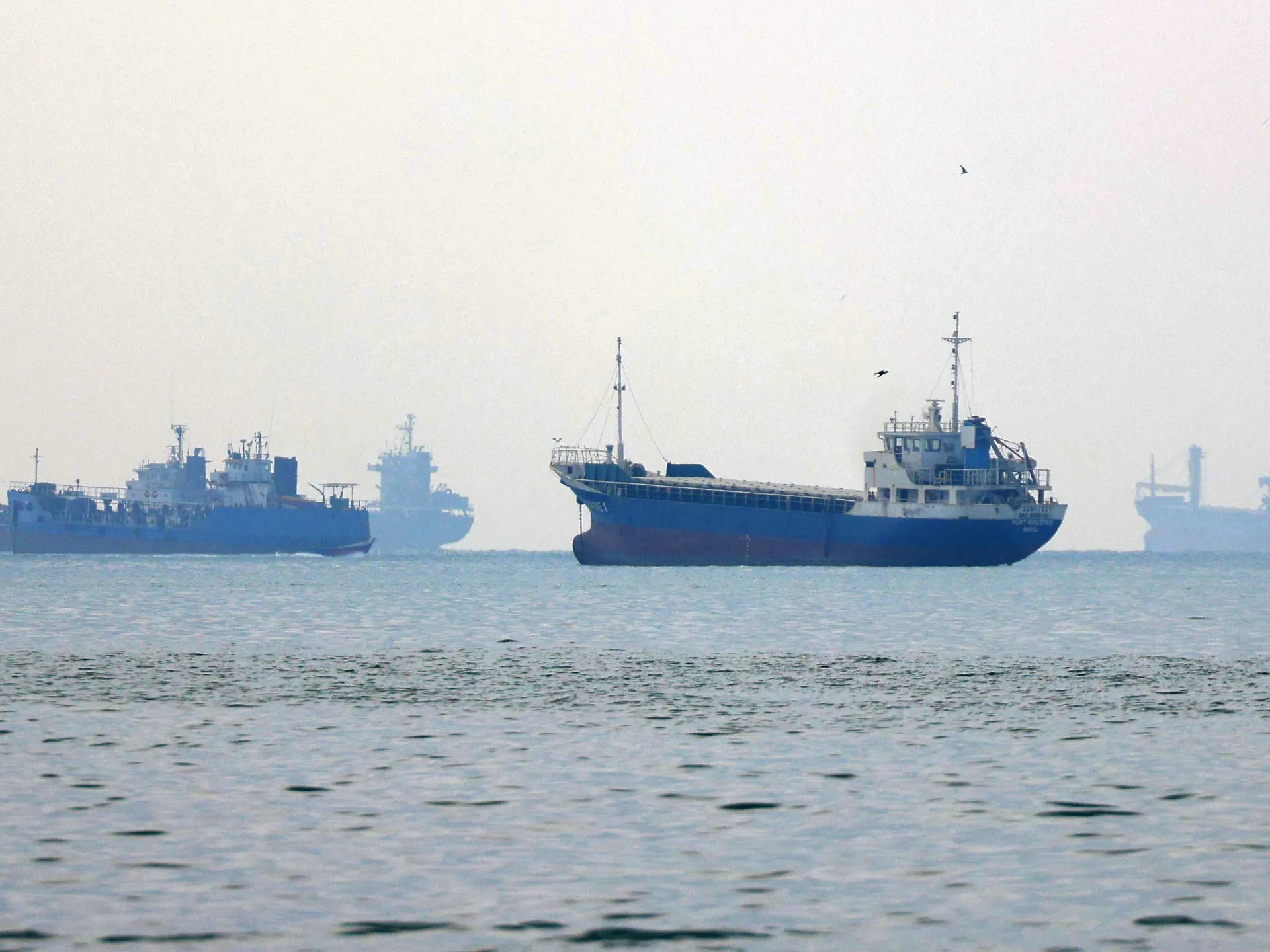
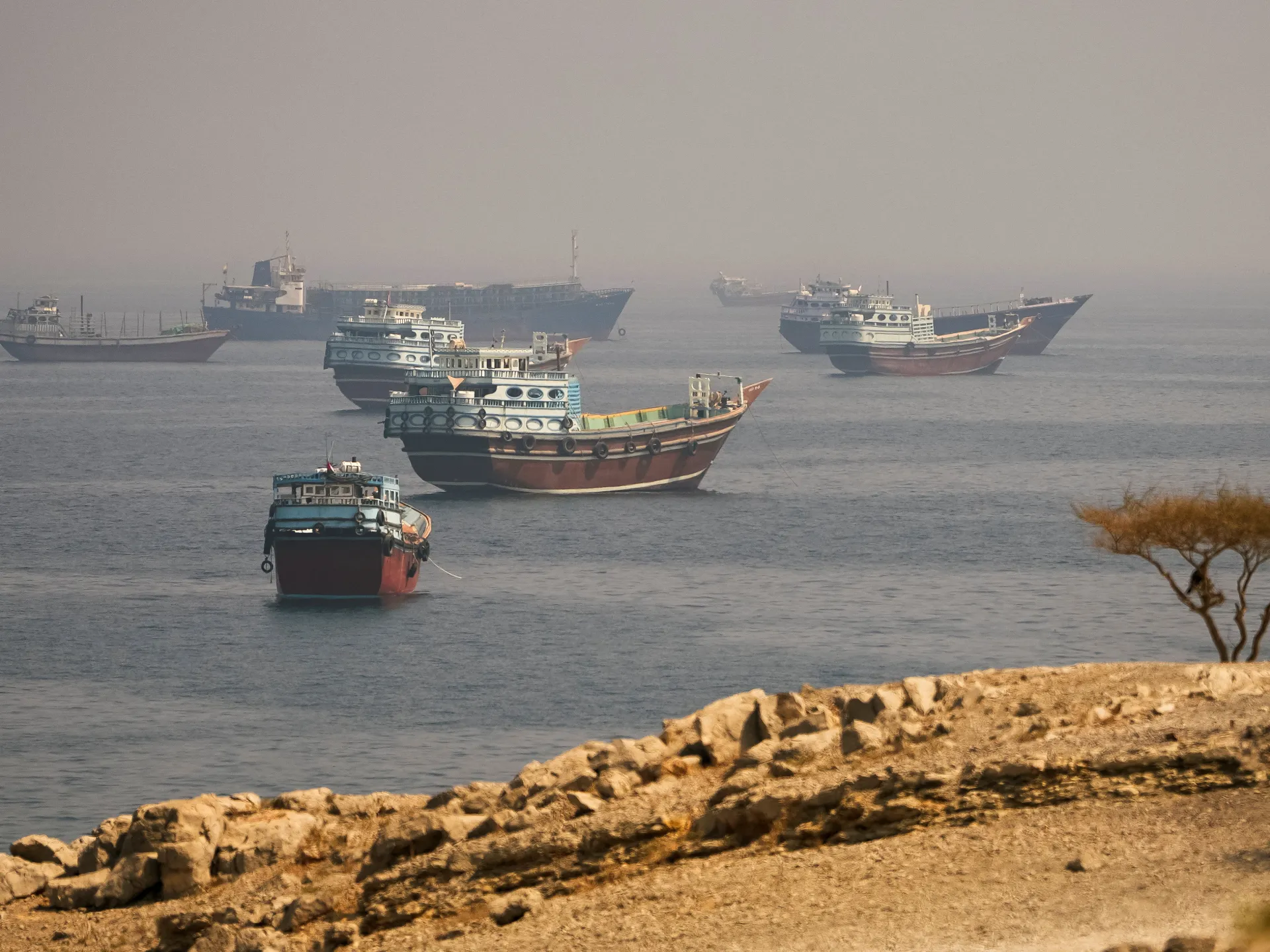
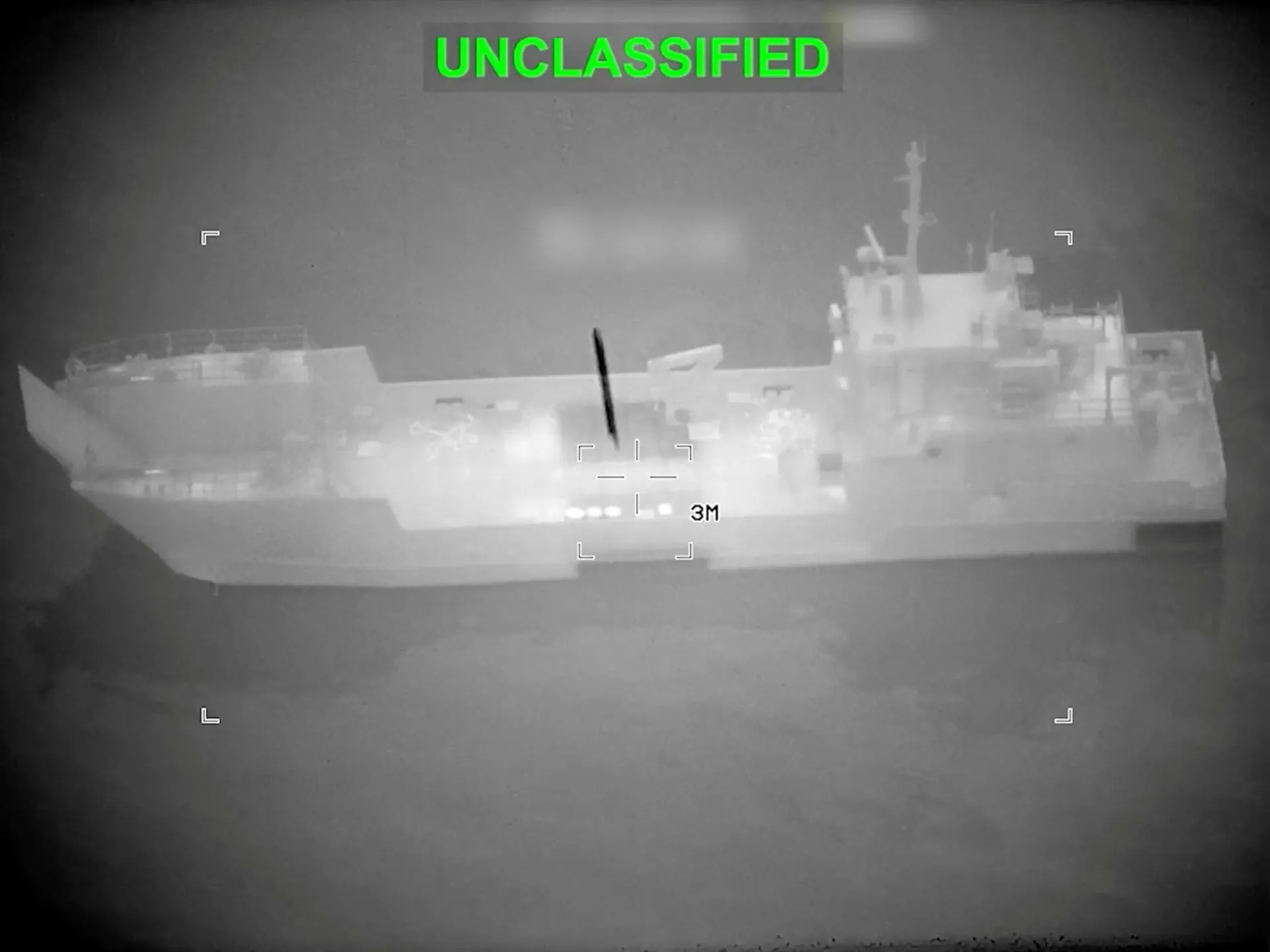
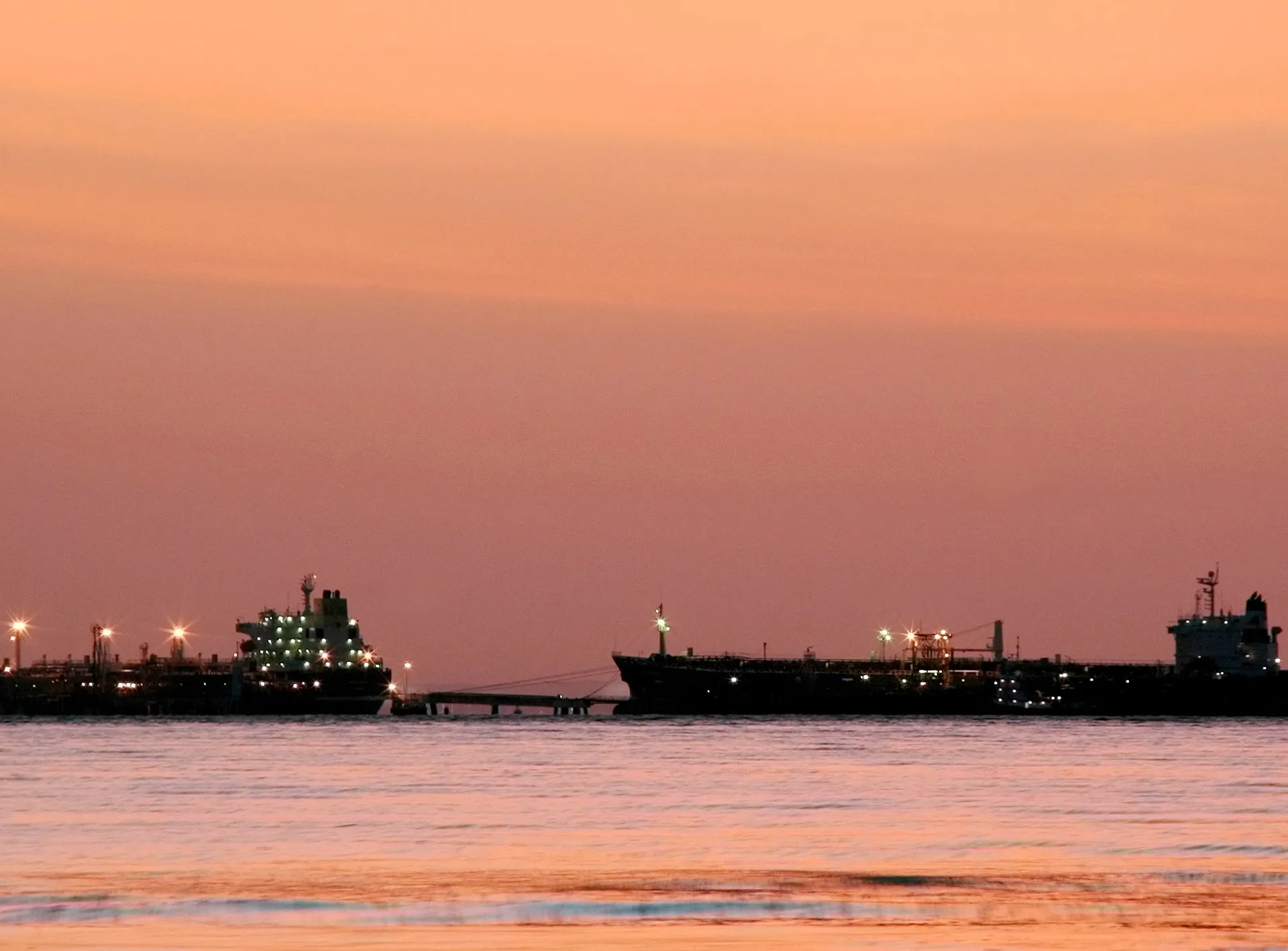
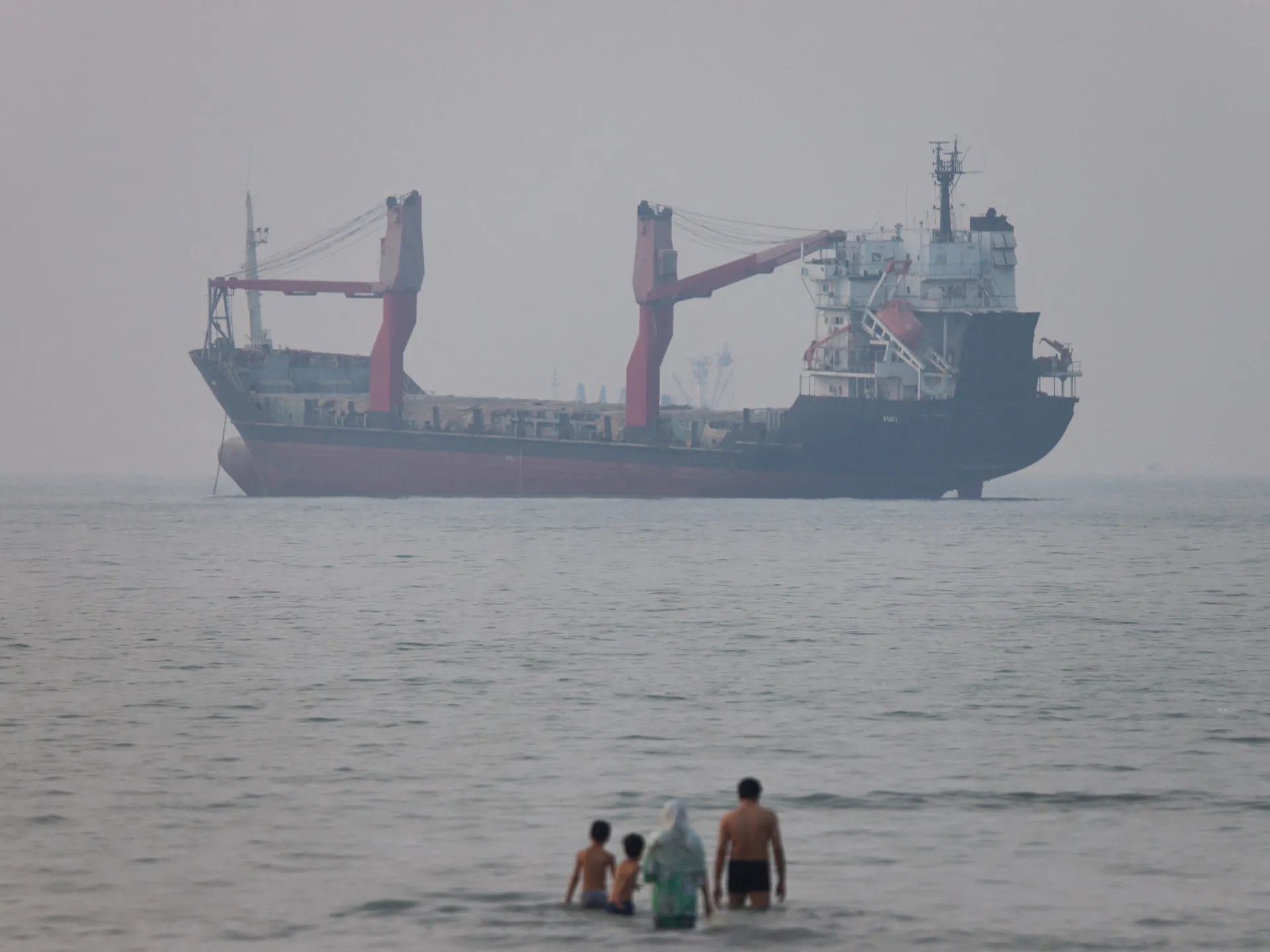
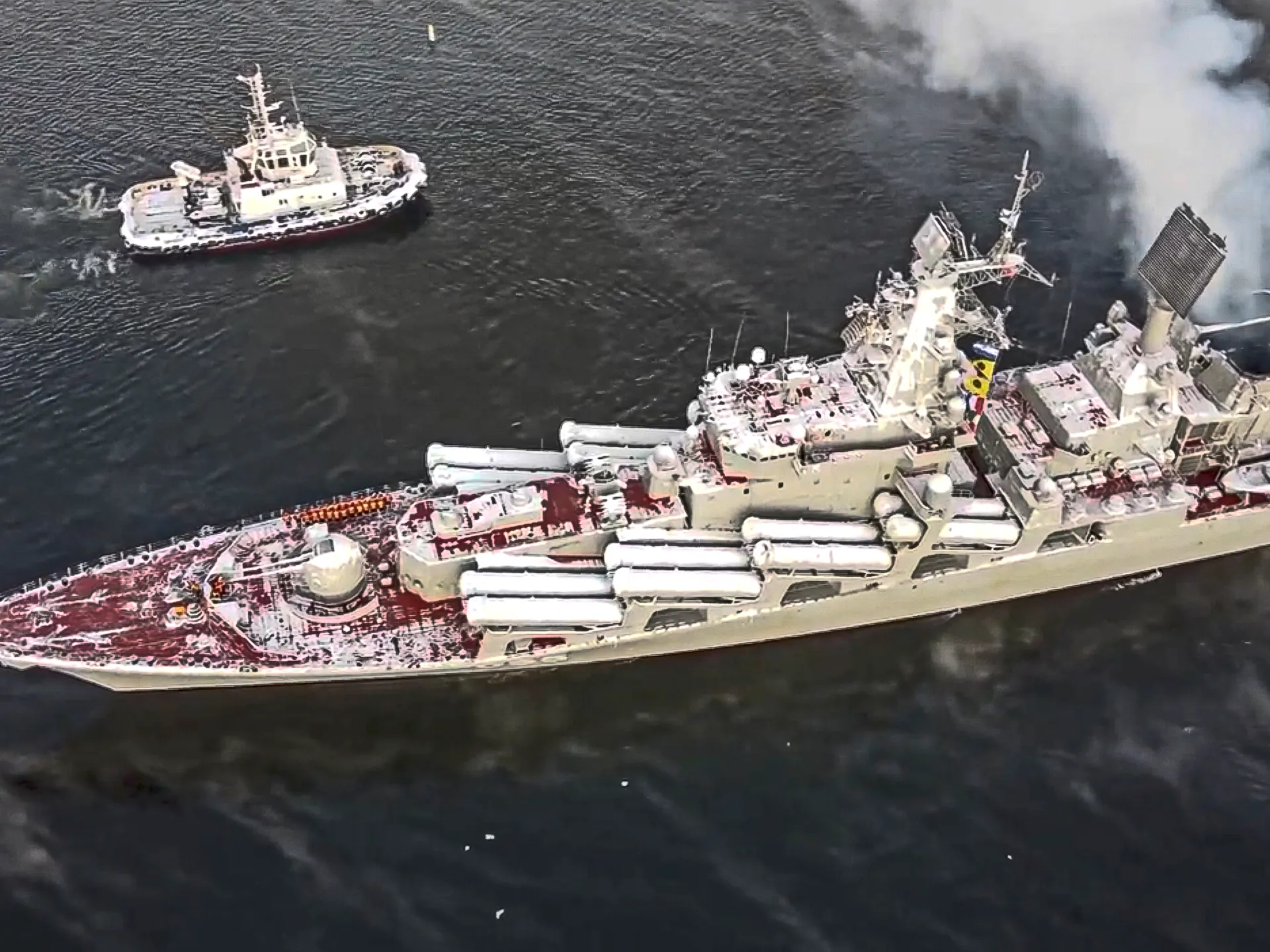
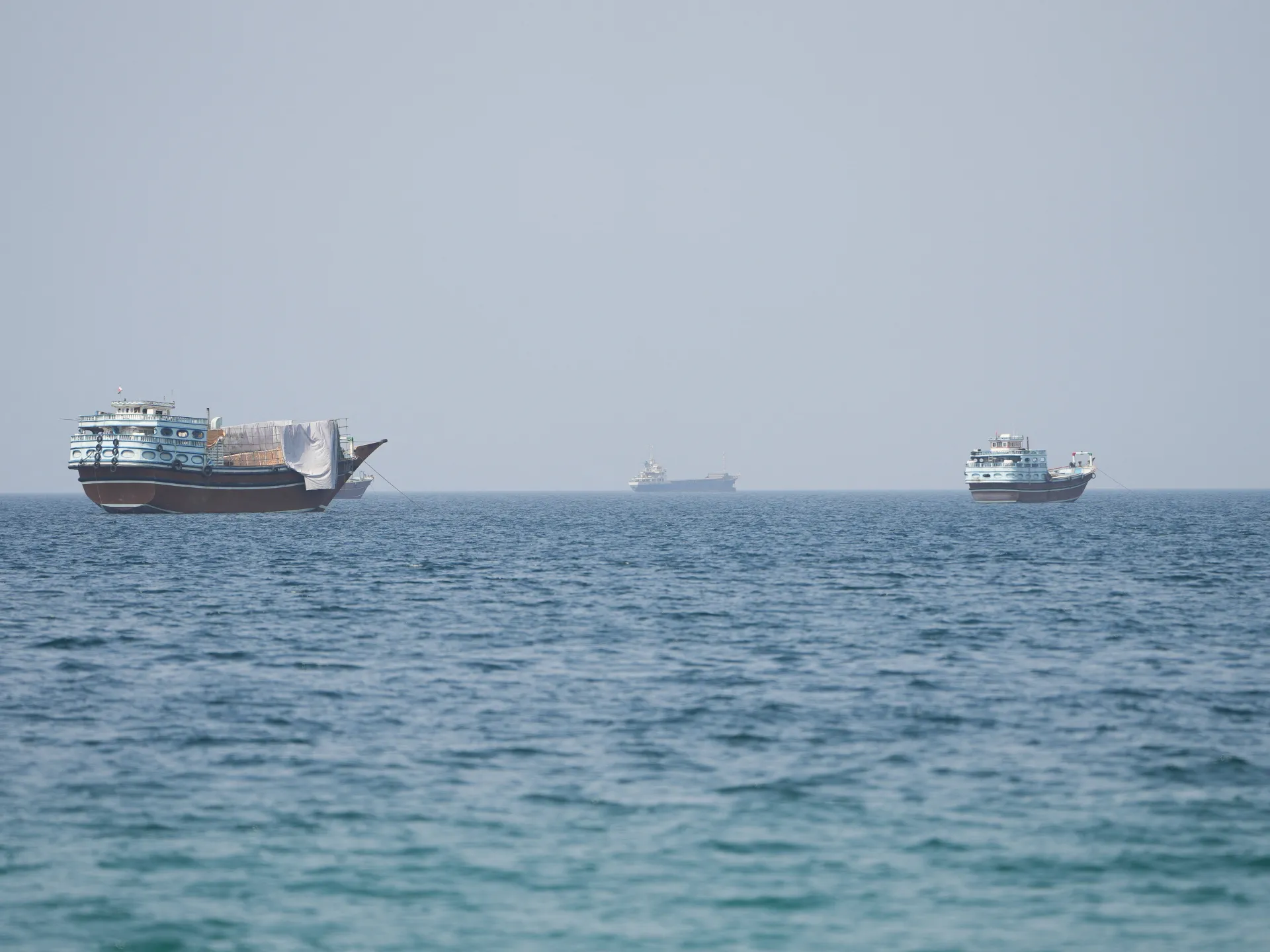
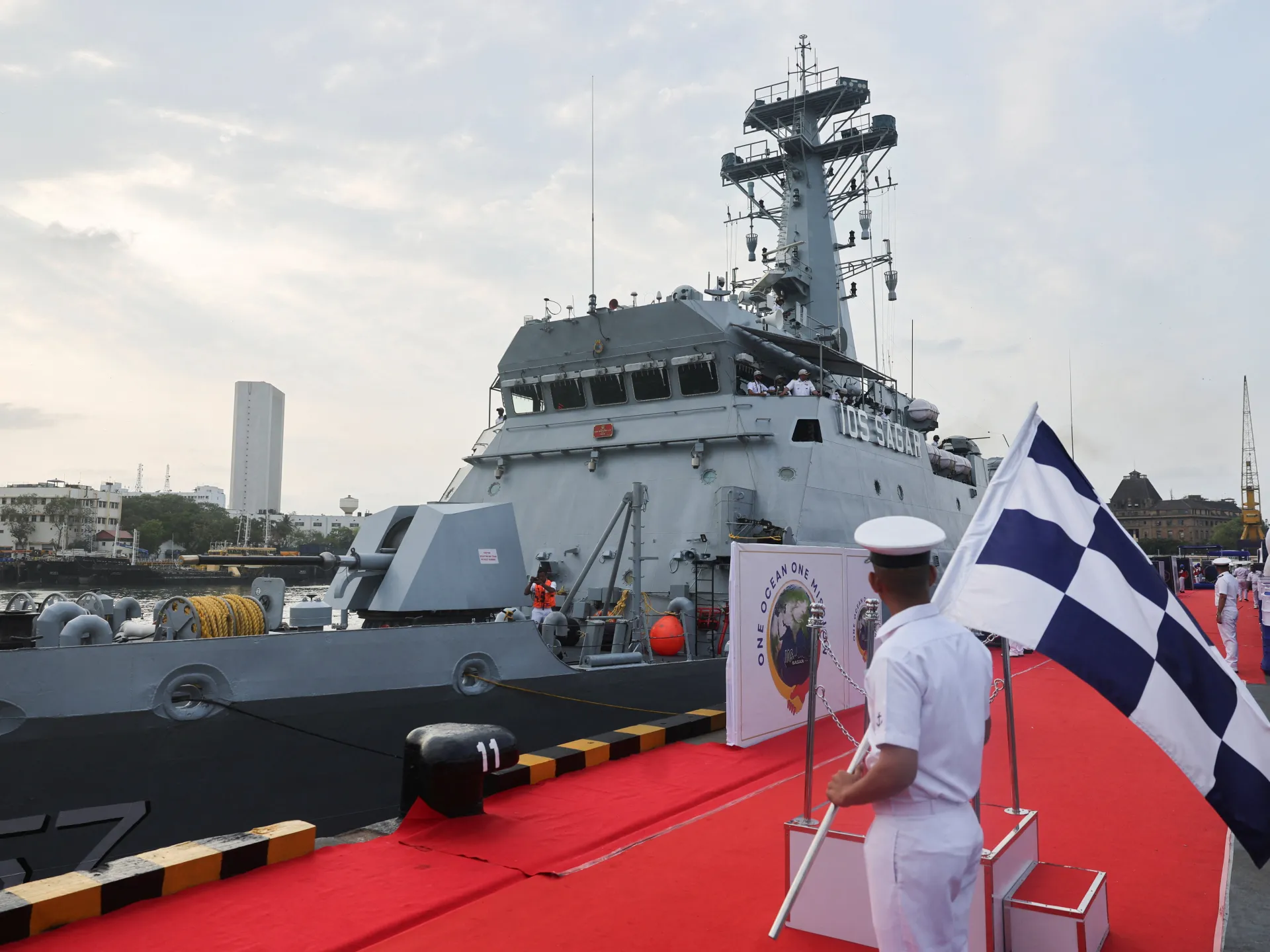
The Indian government has taken formal diplomatic action following a maritime incident involving the naval forces of India and Pakistan. Officials in New Delhi summoned the Pakistani charge d'affaires to express strong disapproval regarding a collision between a Pakistani naval vessel and an Indian warship. This event, which occurred in international waters within the Arabian Sea, has prompted urgent calls for restraint and adherence to established protocols between the two nuclear-armed neighbors.
The Ministry of External Affairs in India characterized the actions of the Pakistani navy as both unprofessional and unacceptable. or maneuvers that led to the physical contact between the two vessels. The summons serves as a clear indication that New Delhi views the incident as a significant lapse in maritime safety and conduct, necessitating an immediate explanation from the diplomatic representatives of Pakistan.
In a coordinated effort to emphasize the gravity of the situation, the Indian government has also instructed its own diplomatic representative in Islamabad to issue a parallel protest to the Pakistani foreign ministry. This dual-pronged diplomatic approach underscores the tension currently surrounding the incident and highlights the lack of direct communication channels typically managed
At the center of the dispute is a 1991 bilateral agreement designed specifically to prevent such confrontations in international waters. This accord mandates that naval ships and submarines operating from both nations must maintain a safety buffer of at least three nautical miles. India asserts that the collision is a direct breach of this agreement, which was established to ensure that routine naval patrols do not escalate into unintended military conflicts.
The Indian government has explicitly urged Pakistani authorities to ensure that their military units strictly adhere to these pre-existing safety measures. The primary goal of this diplomatic intervention is to prevent a recurrence of such an event, which carries the risk of rapid escalation in a region already characterized India is framing the collision as an objective failure of operational standards rather than a mere navigational error.
While the immediate details regarding the extent of the damage to the vessels remain limited, the focus of the Indian authorities is clearly on the systemic implications of the event. The government maintains that military discipline is essential for regional stability and that failure to respect established distances undermines the fragile peace that has persisted despite long-standing geopolitical friction.
This latest incident marks a notable spike in tension, representing the first direct military-related friction between the two countries since a brief, four-day conflict occurred last year. The Arabian Sea has long been a theater of strategic posturing for both nations, but direct physical contact between naval units remains a rare and dangerous development. The lack of a swift response from the Pakistani government has only added to the uncertainty surrounding the event.
The broader diplomatic relationship between India and Pakistan has been strained since 2019. During that period, New Delhi revoked the special constitutional status of Indian-administered Kashmir, leading to a downgrade in diplomatic representation. Since then, neither nation has maintained an ambassador in the other’s capital, relying instead on lower-level diplomats to manage communication. This absence of high-level diplomatic infrastructure complicates the process of de-escalation when military incidents occur.
Since gaining independence from British rule in 1947, India and Pakistan have engaged in three major wars, most of which were rooted in the contested status of Kashmir. While the current maritime incident is distinct from land-based border disputes, it occupies a precarious place in the history of Indo-Pakistani relations. Experts suggest that without improved communication and a renewed commitment to military transparency, the potential for future miscalculations remains a persistent threat to regional security in South Asia.