Two UN peacekeepers were killed and several others wounded in an ambush in Jonglei state, as South Sudan faces a rising threat of full-scale civil war.
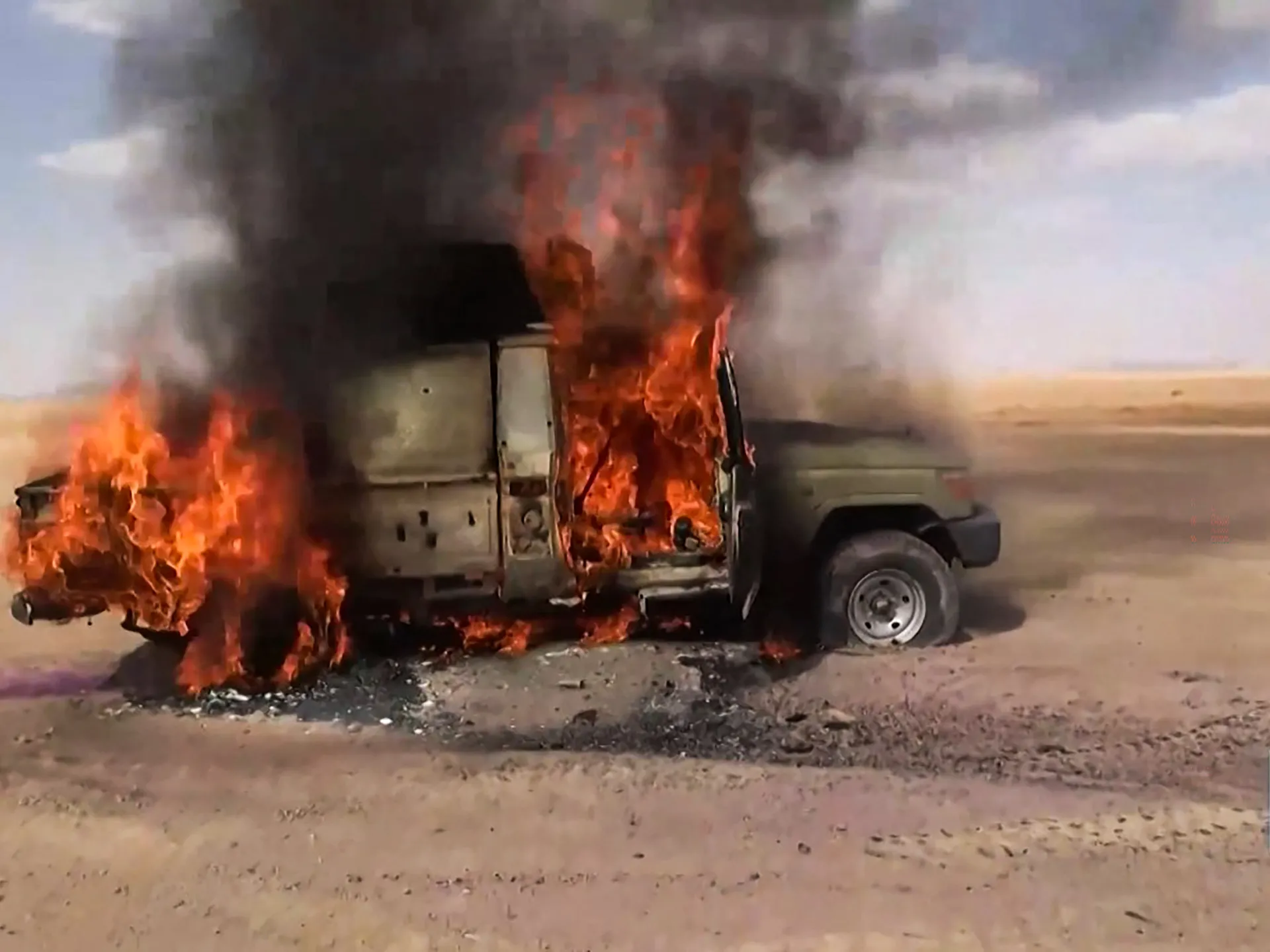
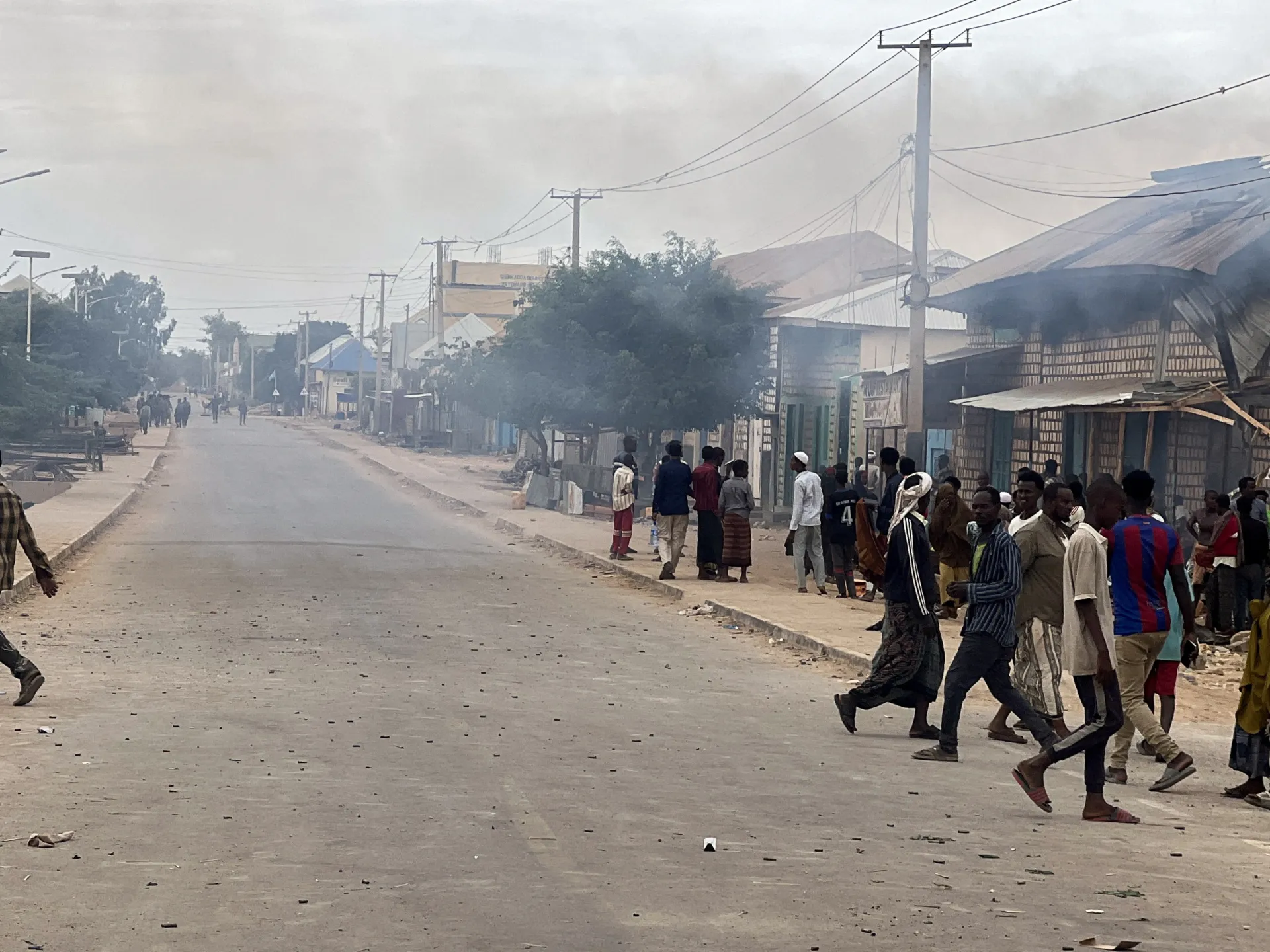
Two United Nations peacekeepers have been killed in a targeted ambush while patrolling in South Sudan’s Jonglei state. The incident, which occurred as the patrol was traveling toward the town of Pajut, represents a significant escalation in the security risks faced tions Mission in South Sudan (UNMISS) confirmed the fatalities in a formal statement, noting that the attack has drawn sharp condemnation from humanitarian and peacekeeping leadership.
In addition to the two fatalities, several other individuals were injured during the engagement. The casualty list includes three peacekeepers, two local South Sudanese police officers, and two civilian staff members affiliated with the UN mission. Following the ambush, the UN deployed a Quick Reaction Force to the site to establish security and coordinate emergency medical evacuations for the wounded. The identities and nationalities of the fallen soldiers have been withheld pending notification of their families.
The attack on UN personnel occurs against a backdrop of deteriorating security conditions across South Sudan. While attacks on humanitarian workers have become a recurring feature of the region's instability, direct violence against UN peacekeepers remains relatively uncommon. This shift in targeting underscores the growing vulnerability of international actors attempting to mediate or assist in the volatile political environment.
Statistical data from the United Nations paints a grim picture of the security landscape. Between January and July of this year, there were more than 450 recorded attacks against humanitarian workers and their assets, a figure that has already doubled the total recorded during the same period last year. The human toll has been equally devastating, with at least 36 humanitarian personnel and contractors losing their lives in 2026, surpassing the total death toll of 31 recorded throughout the entirety of 2025.
The current violence is deeply rooted in the fractured relationship between the government of President Salva Kiir and forces loyal to opposition leader Riek Machar. The 2018 power-sharing agreement, which was designed to transition the country away from conflict and toward a stable democratic future, has effectively collapsed. Machar, who previously served as vice president, is currently under house arrest while facing treason charges that he maintains are purely political in nature.
The breakdown of this accord has left the nation teetering on the brink of a widespread civil war. Tensions reached a breaking point in December when opposition fighters launched operations against government outposts in Jonglei. In response, the government has intensified its military posture, utilizing both aerial strikes and ground-based offensives. Despite the ongoing hostilities, the government maintains that it remains dedicated to the principles of the 2018 peace deal, though the reality on the ground suggests a different trajectory.
International observers and world powers are closely monitoring the situation as South Sudan edges closer to a full-scale return to civil war. The United States has been among the most vocal, consistently urging both President Kiir and Riek Machar to return to the negotiating table. Washington has called for urgent diplomatic intervention, emphasizing the need for an immediate cessation of hostilities and a renewed commitment to the dialogue framework established eight years ago.
The head of the UN mission in South Sudan, Anita Kiki Gbeho, has condemned the ambush as an unacceptable act of violence. She reiterated that the mission’s personnel are present solely to facilitate peace and provide stability to a nation struggling to overcome its internal divisions. As the security situation continues to deteriorate, the international community faces the difficult challenge of protecting its personnel while attempting to incentivize a political resolution that seems increasingly out of reach.