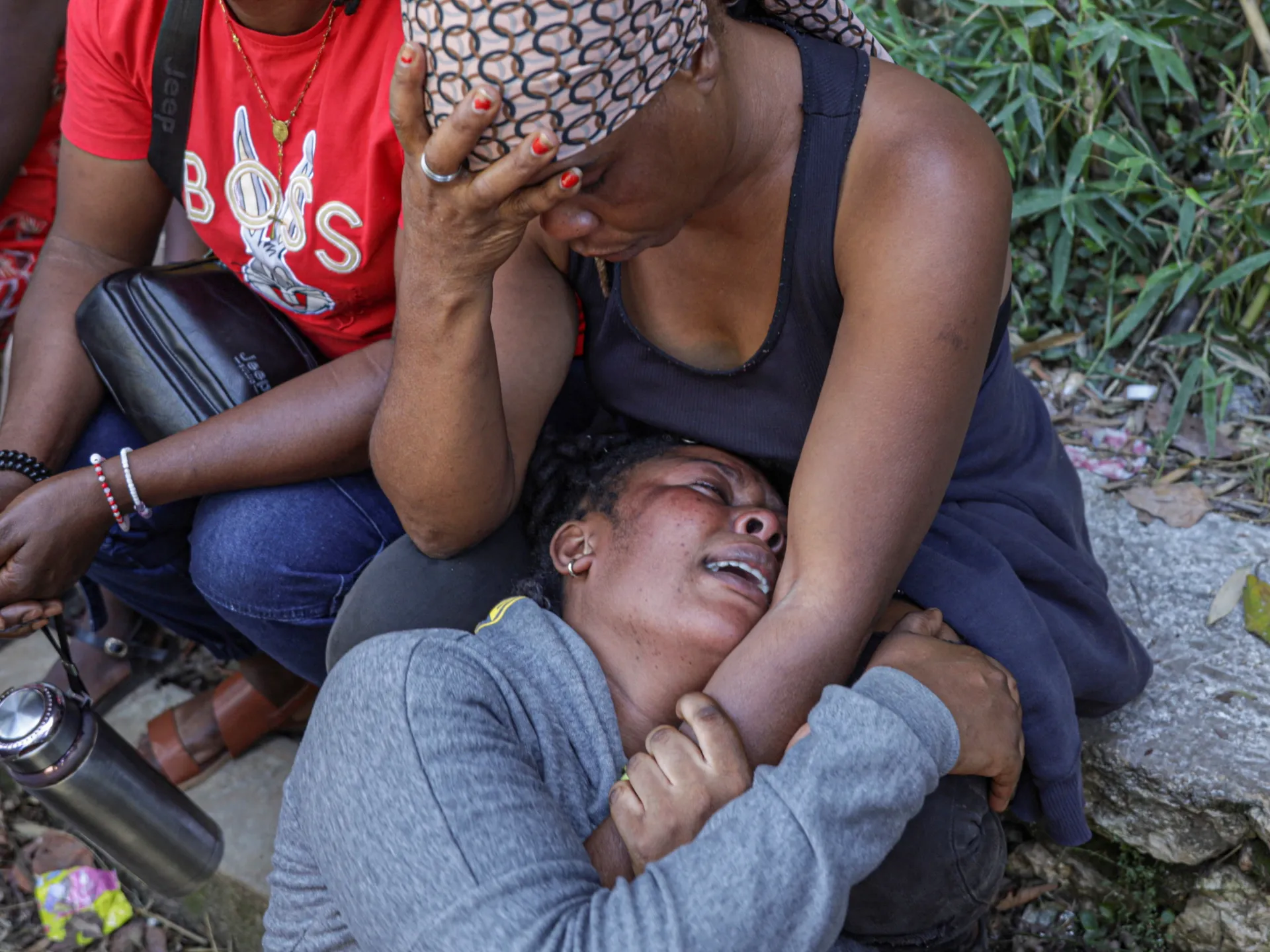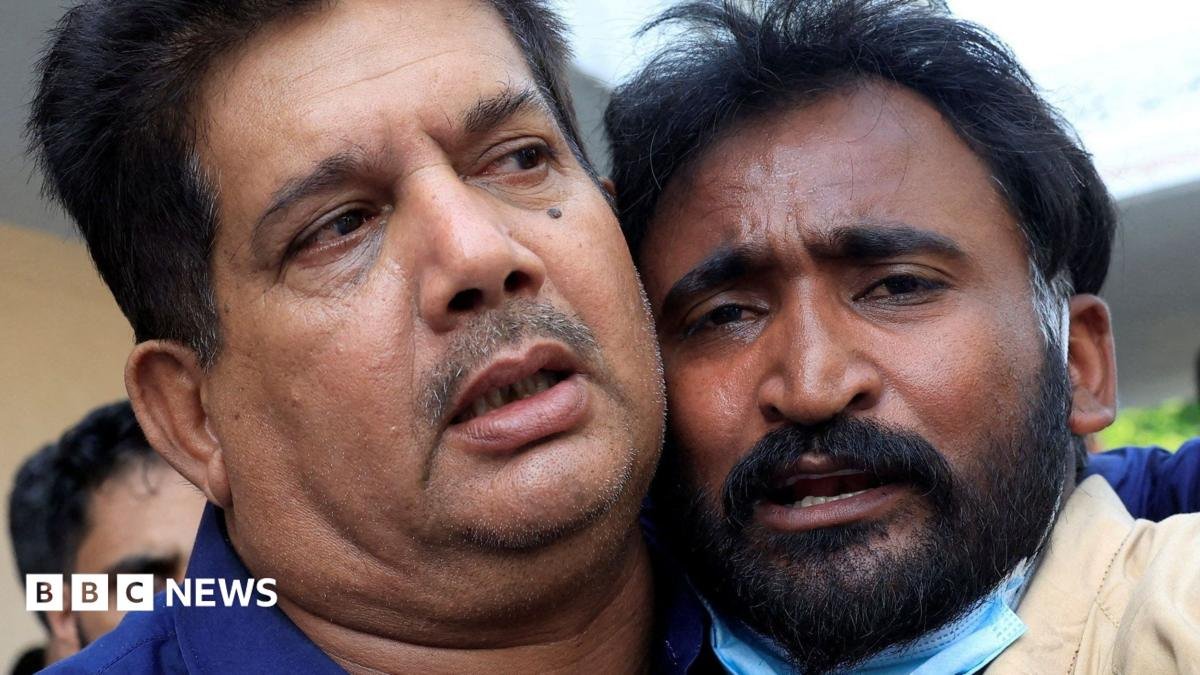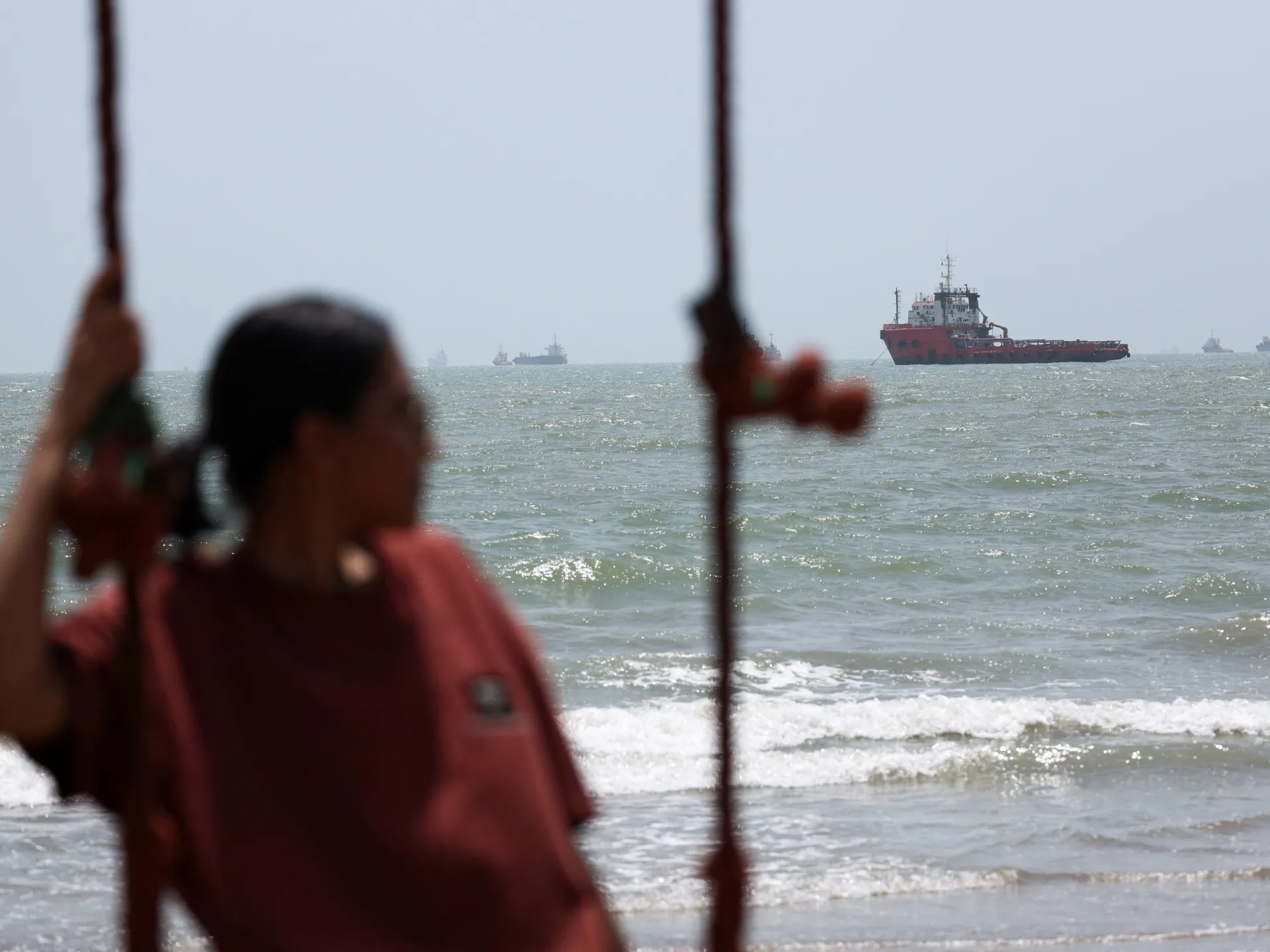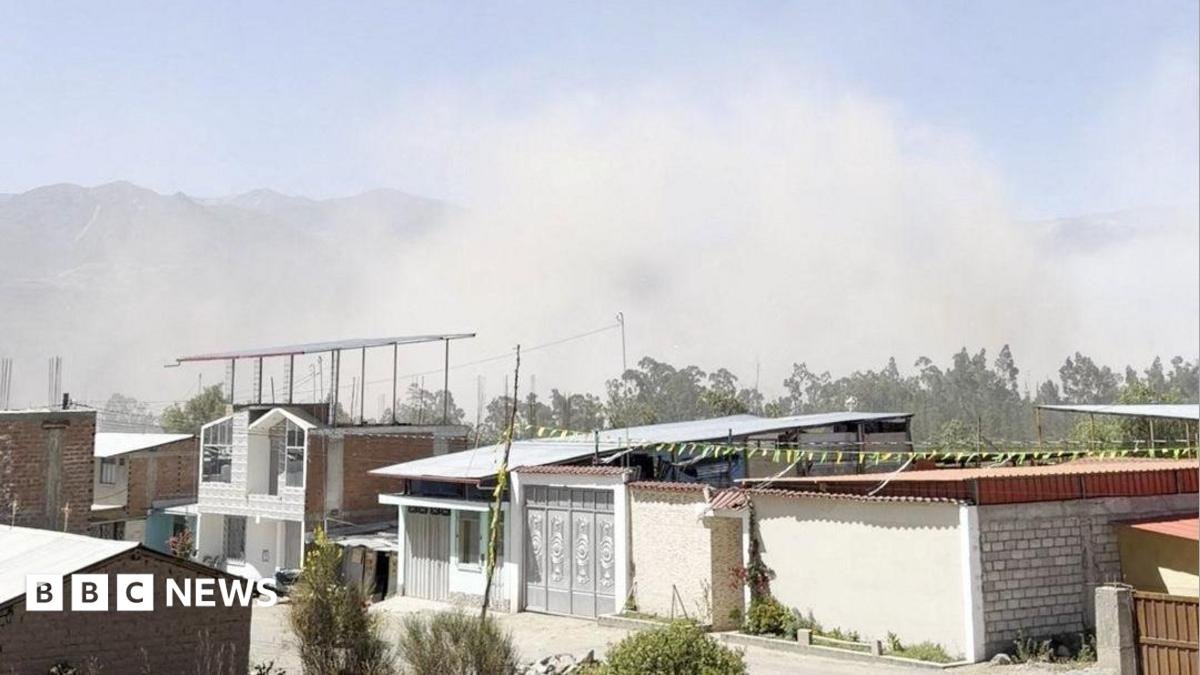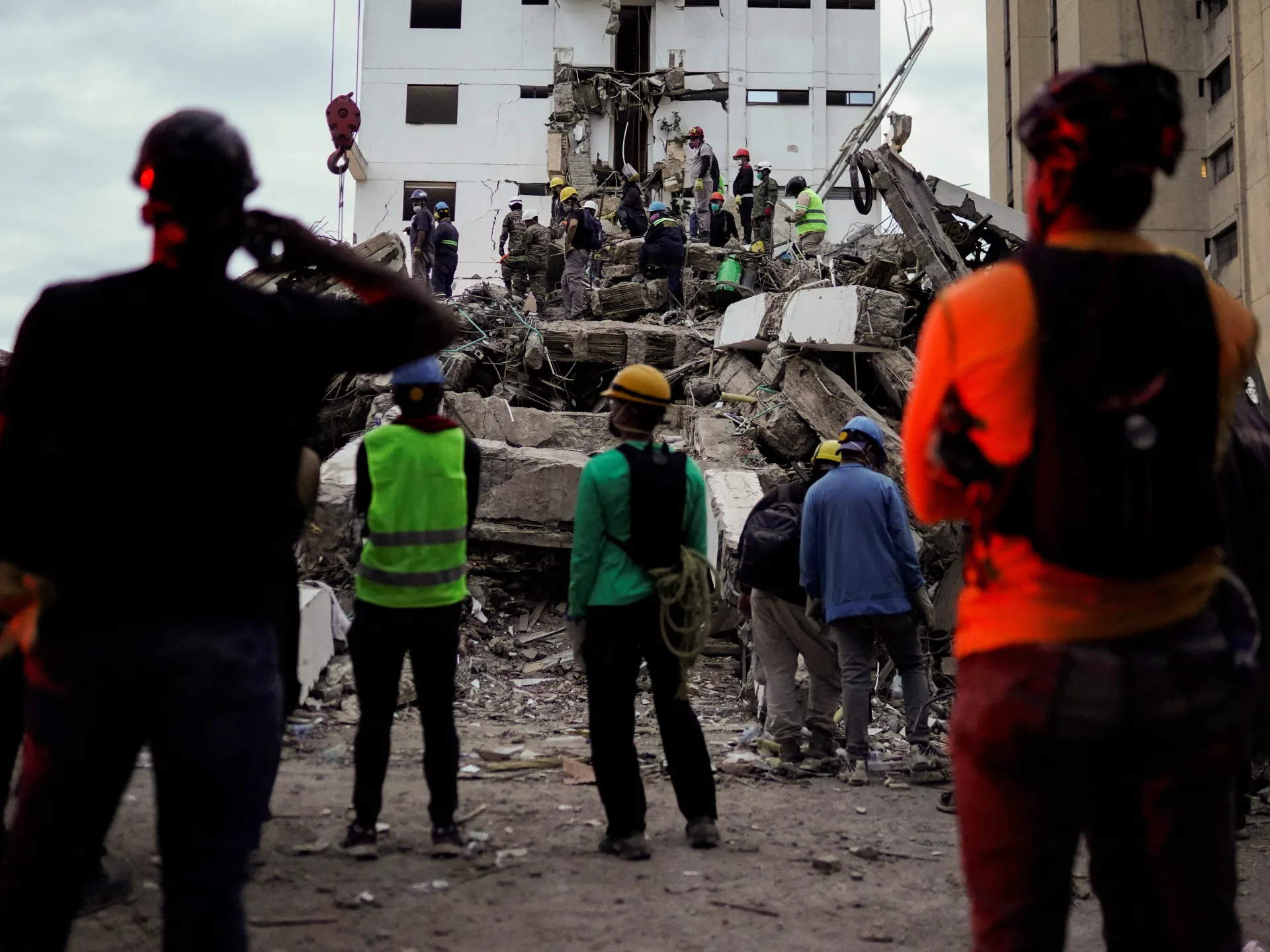
Residents of the Colombian port city of Buenaventura are calling for urgent state support, reporting that aid has failed to reach them following a 7.4-magnitude earthquake.
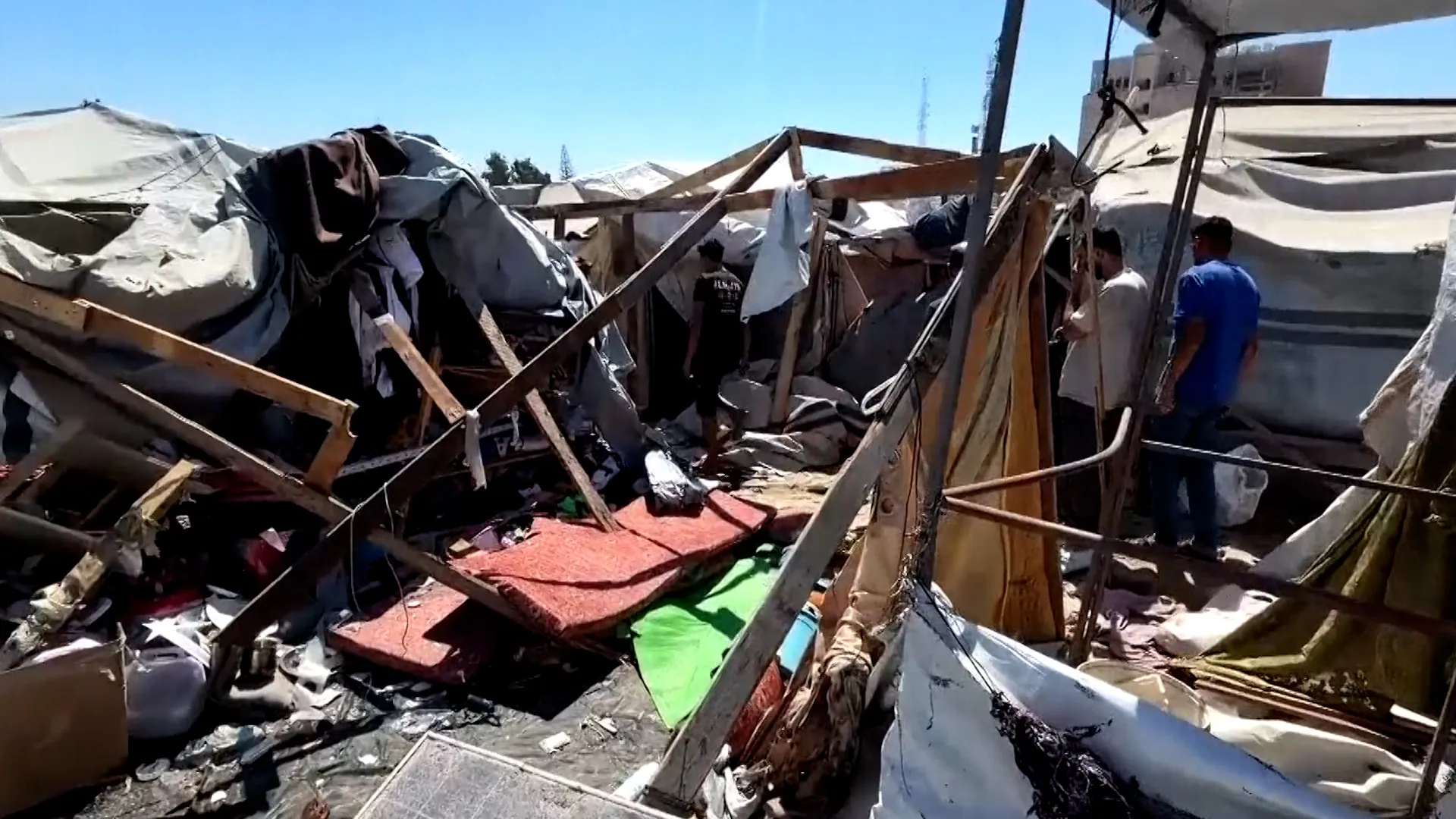
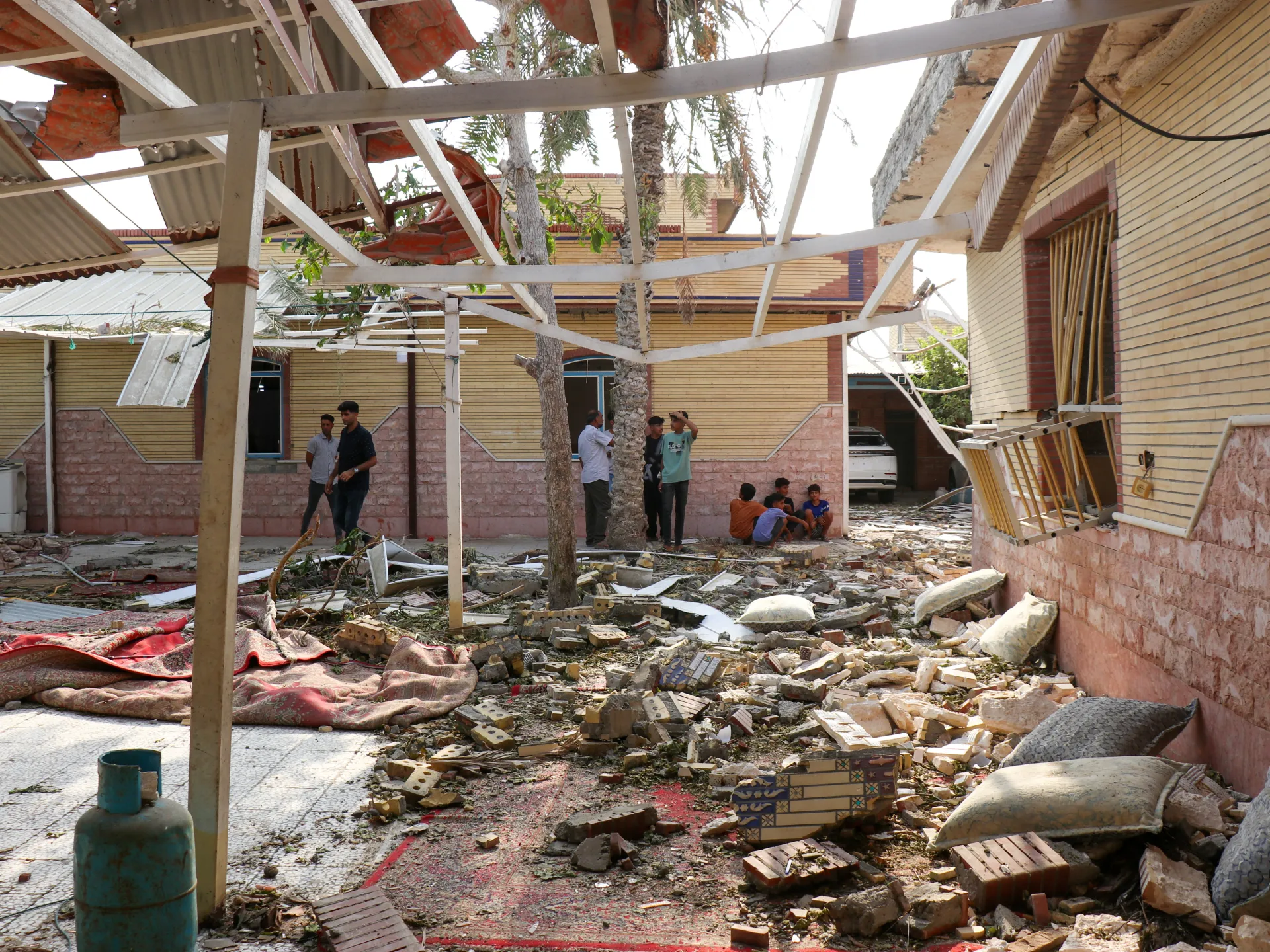
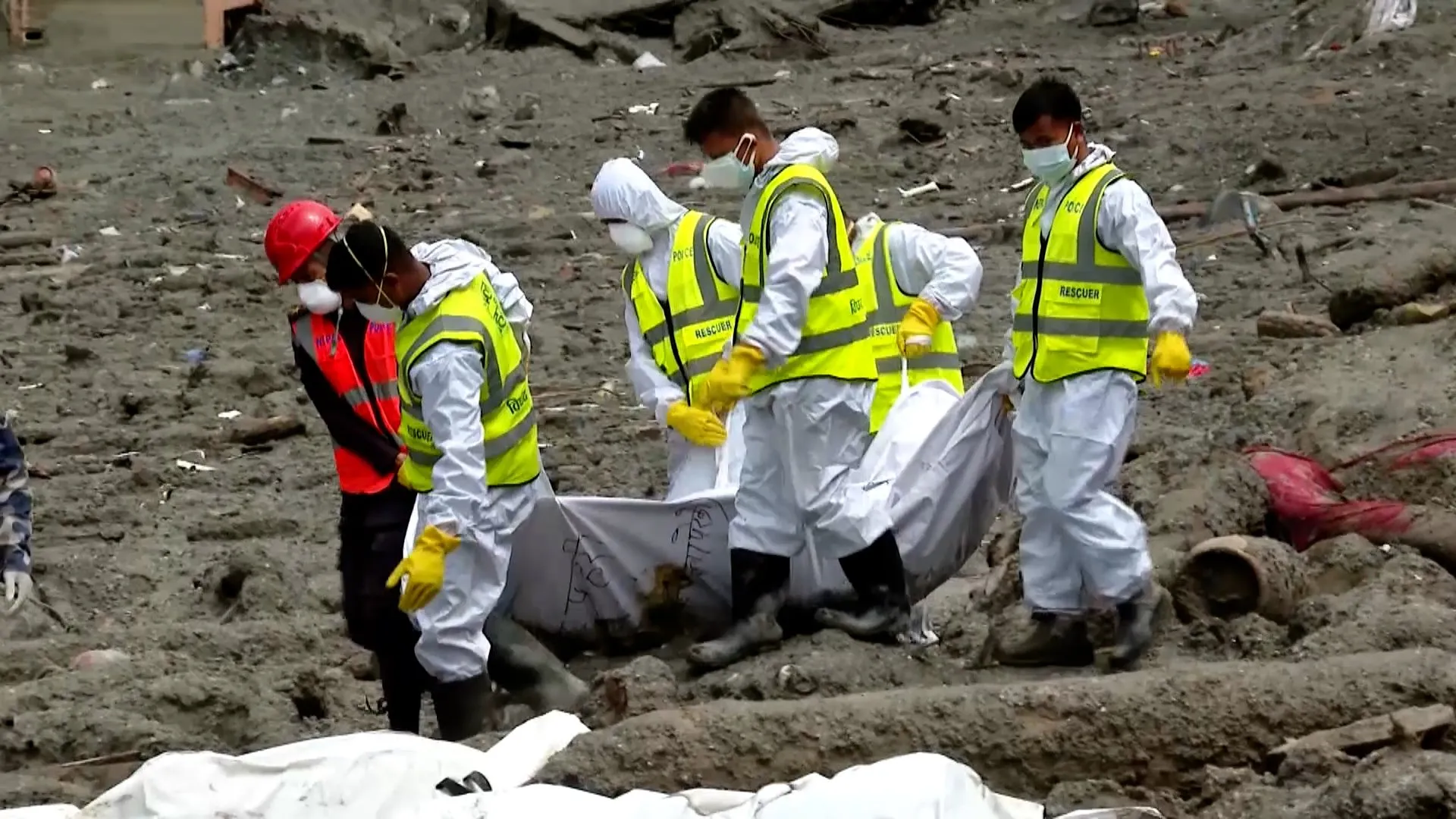
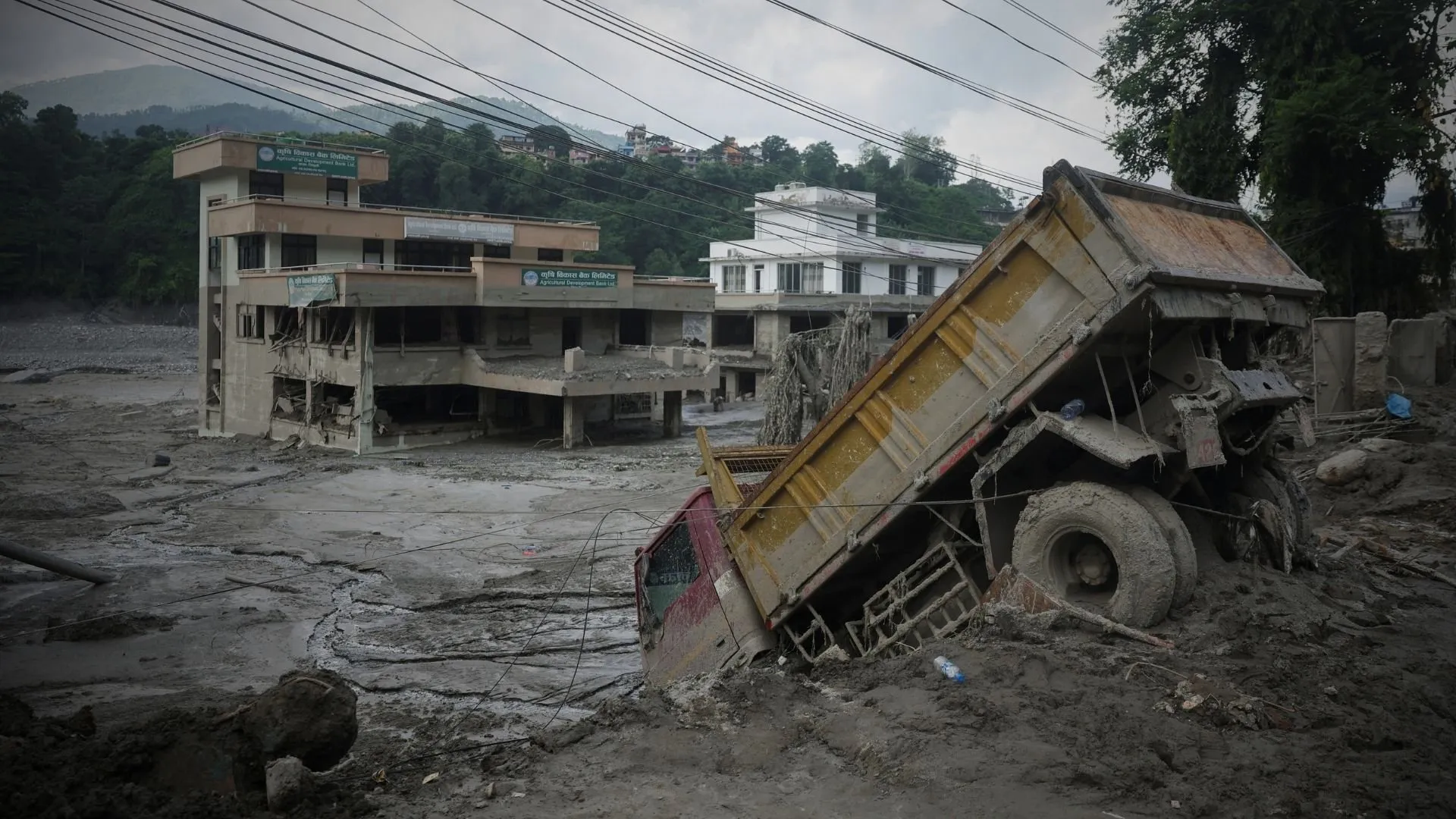
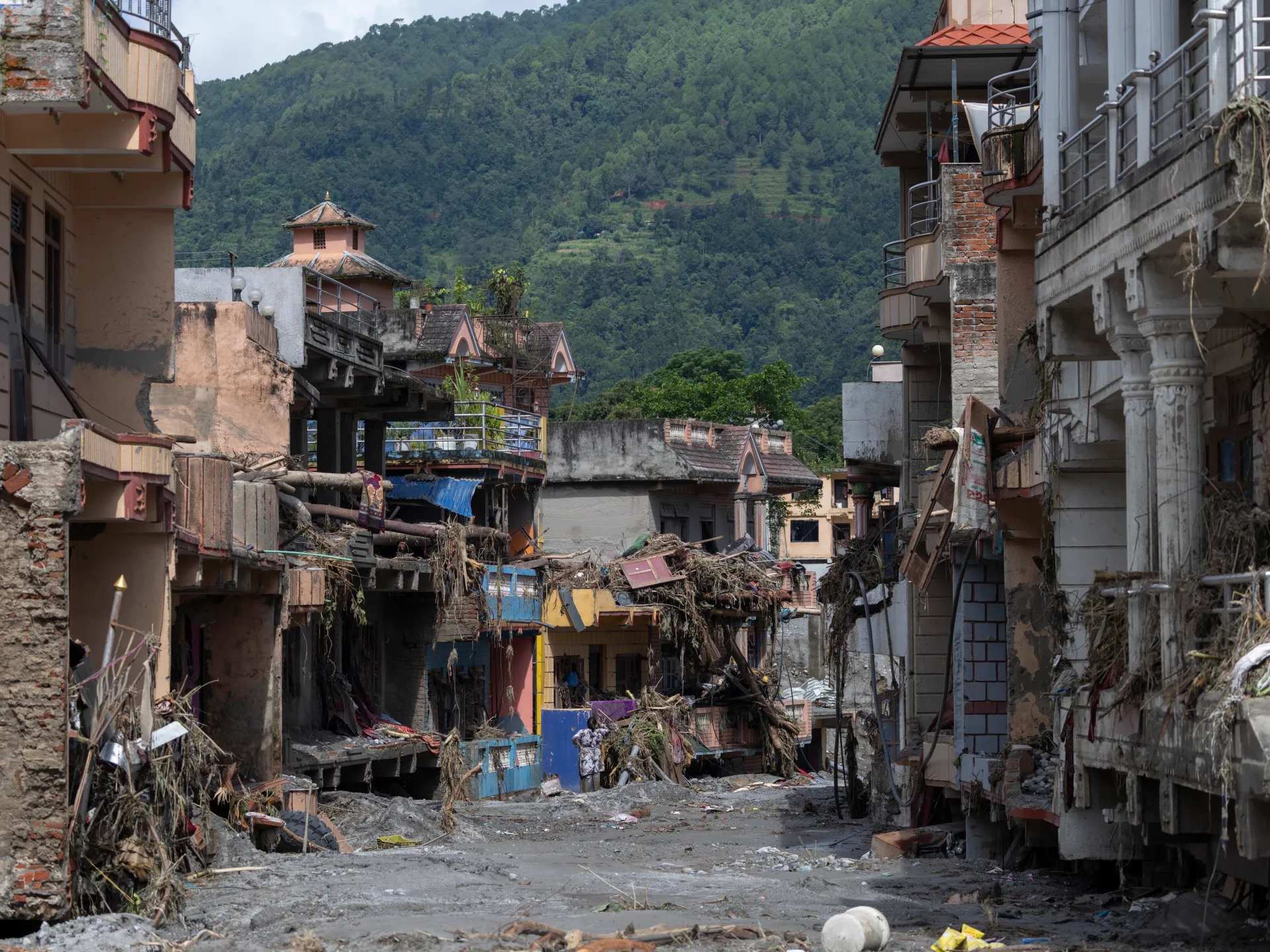
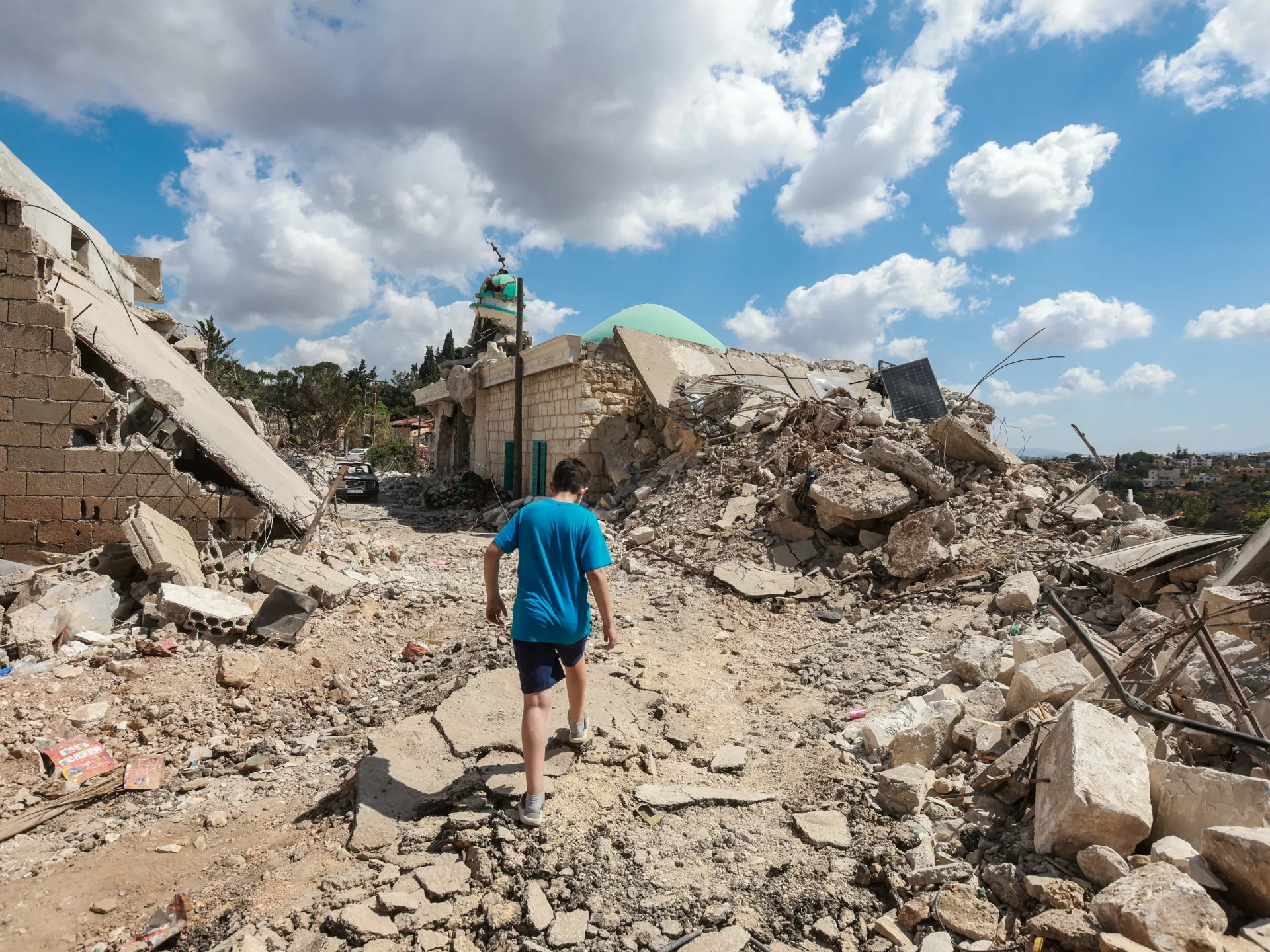
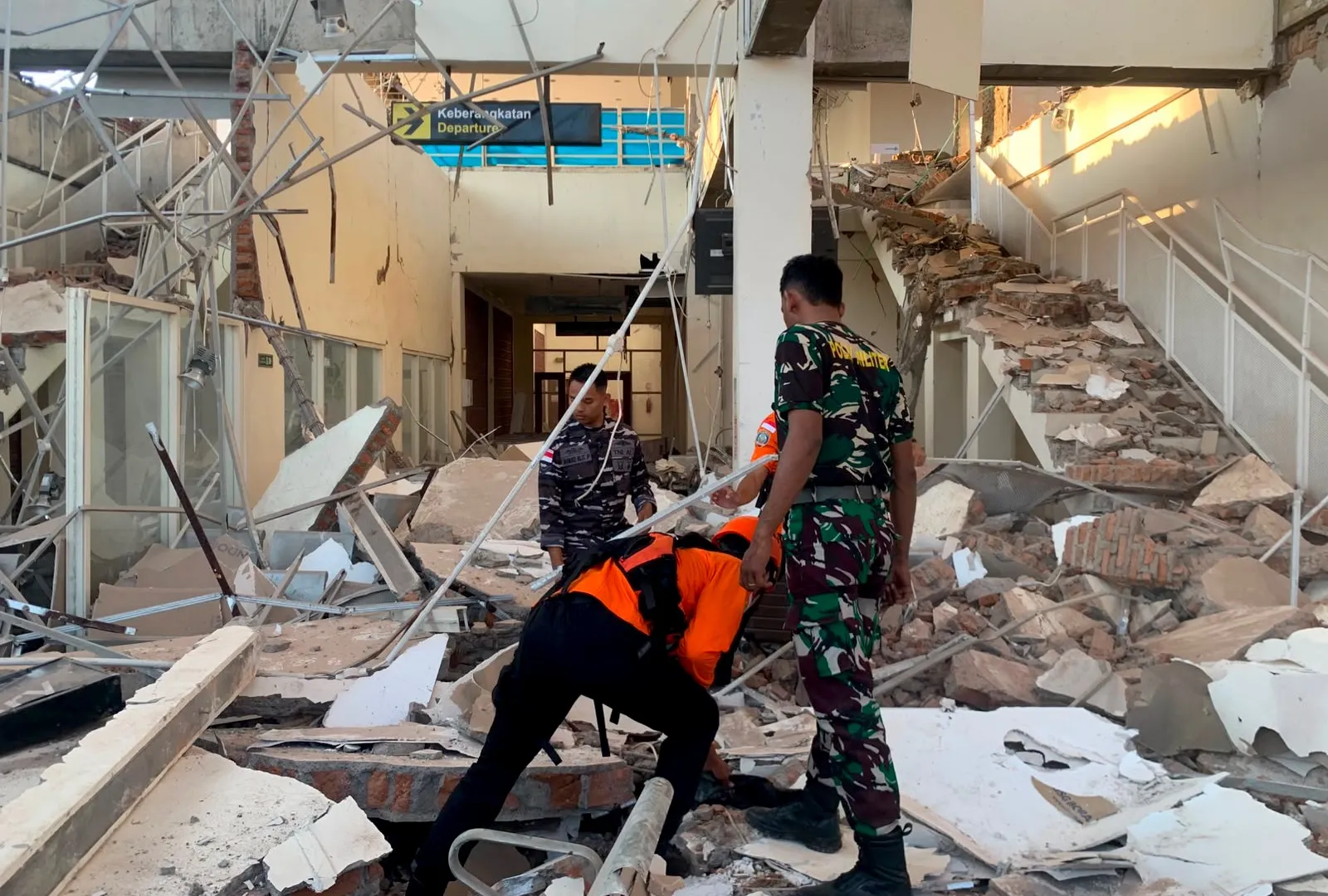
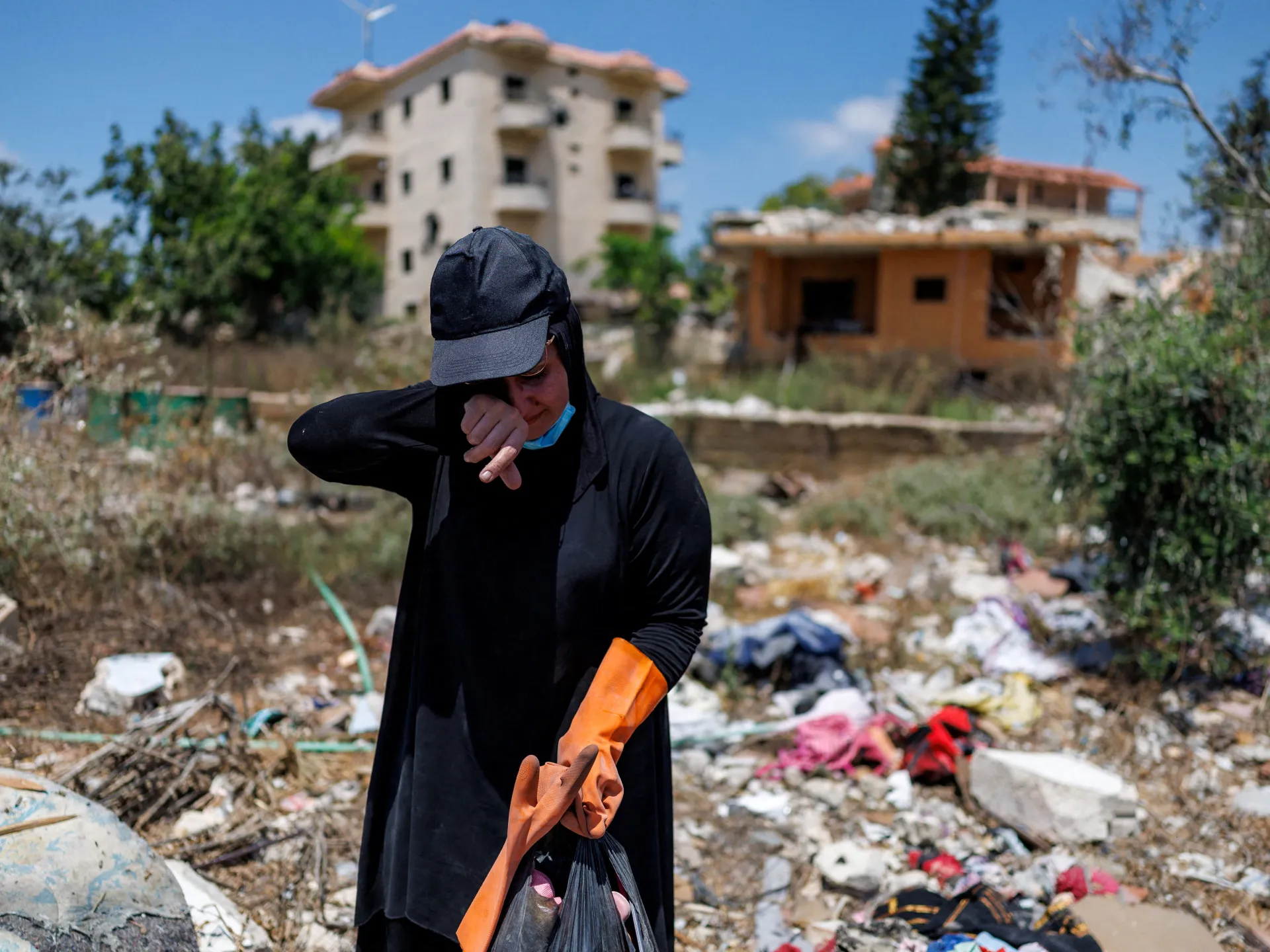
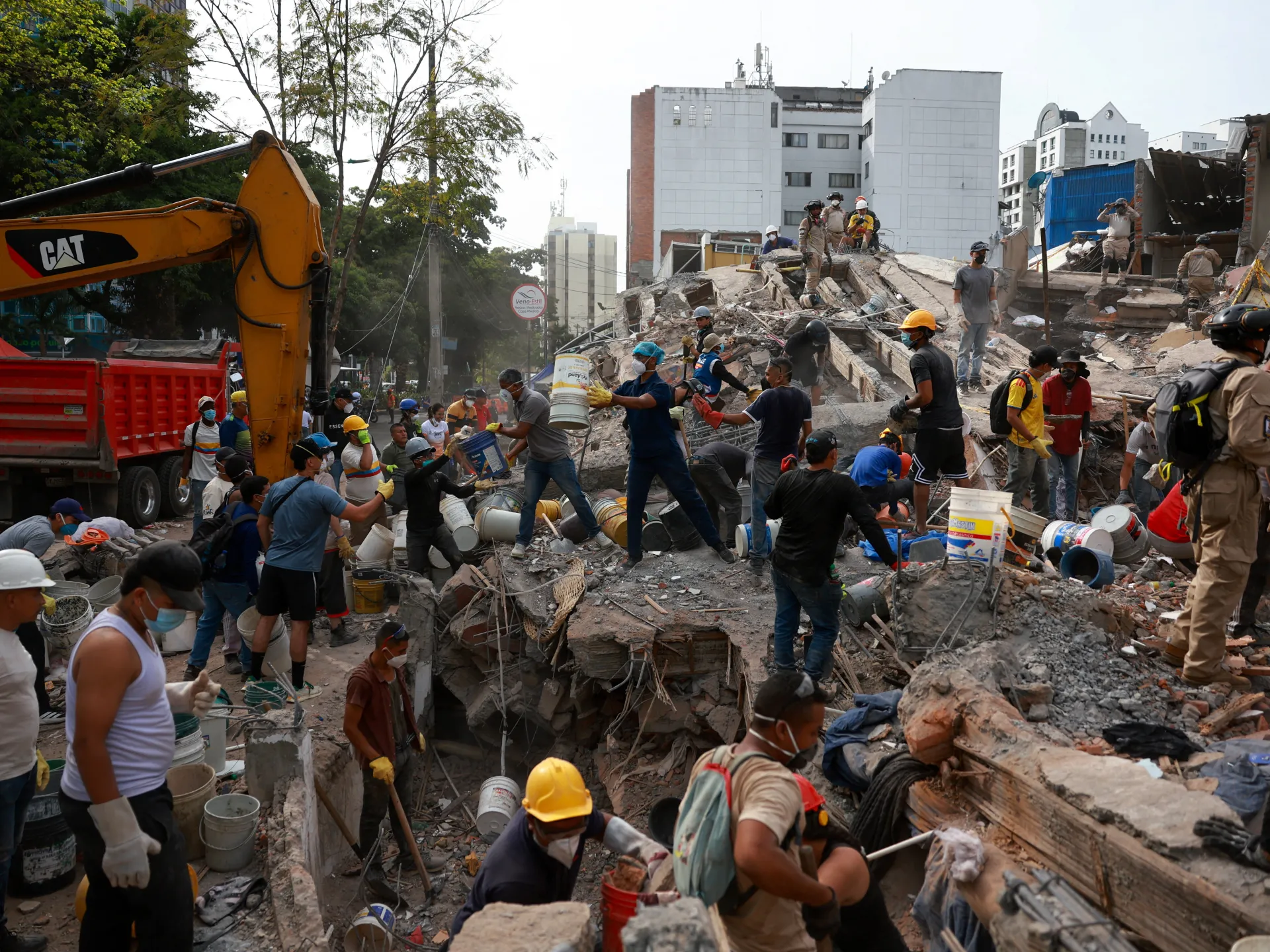
Following the devastating 7.4-magnitude earthquake that struck Colombia earlier this week, residents of Buenaventura are voicing deep frustration over what they describe as systematic state neglect. While the national death toll has climbed to 287, the Pacific port city has seen its own infrastructure crumbled, with 19 reported fatalities and thousands of homes rendered uninhabitable. For survivors like Lorena Hipis, the reality is a daily struggle for safety. Her home, partially destroyed xposed. With metal rebar hanging from ceilings and unstable walls threatening to give way at any moment, she remains trapped in a state of uncertainty, waiting for government aid that she says has yet to arrive.
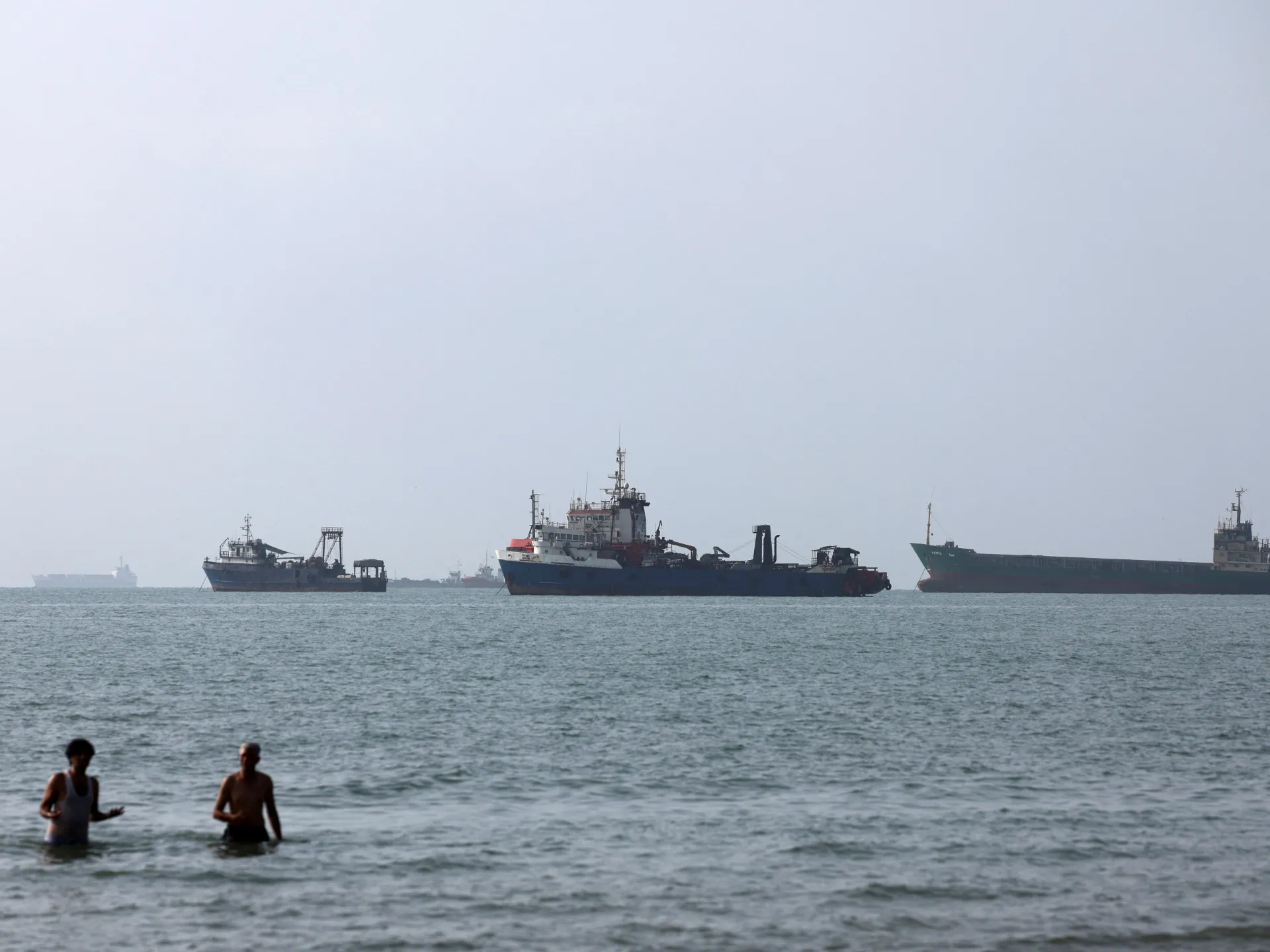
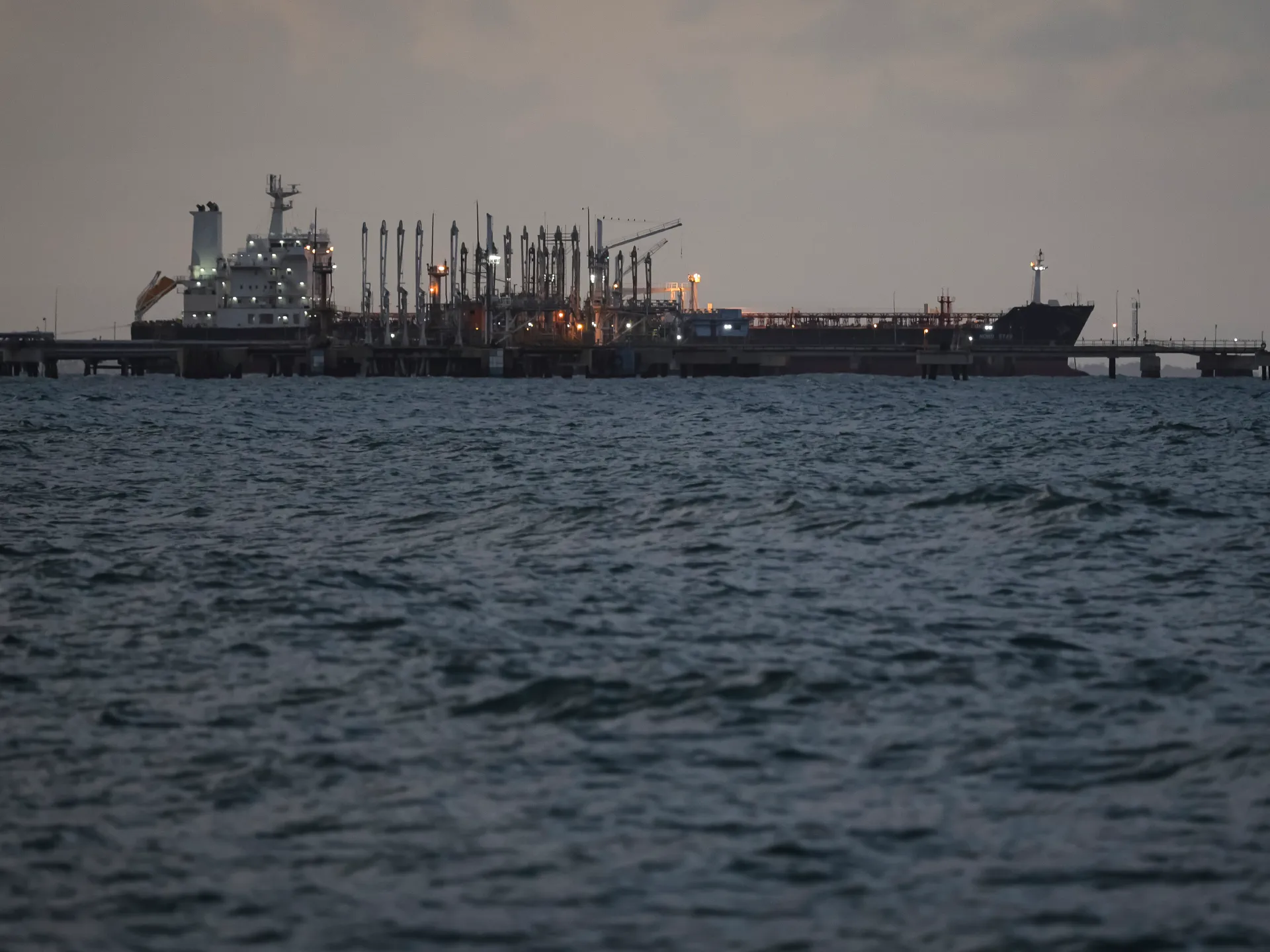
The situation in Buenaventura highlights a growing fear among citizens that their city will be sidelined in favor of more prominent provincial capitals like Cali or Pereira. Despite hosting Colombia’s largest port, Buenaventura has long grappled with significant socioeconomic challenges. Residents report that beyond a brief, symbolic visit from local leadership in the immediate aftermath of the disaster, there has been no tangible support from the municipality or national government. For many, the lack of a coordinated recovery plan is not an anomaly but a continuation of a long-standing history of institutional abandonment that has plagued the region for decades.
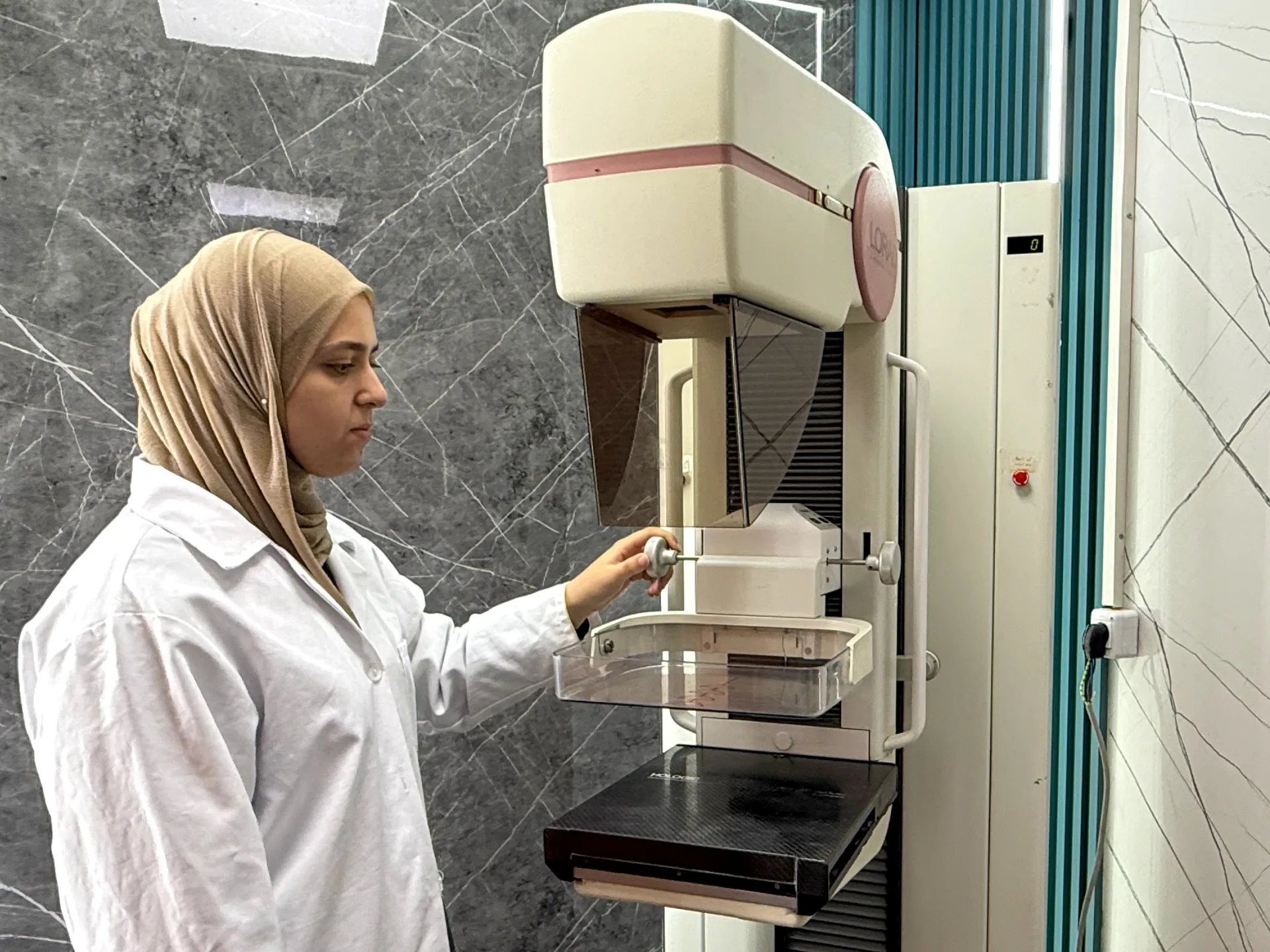
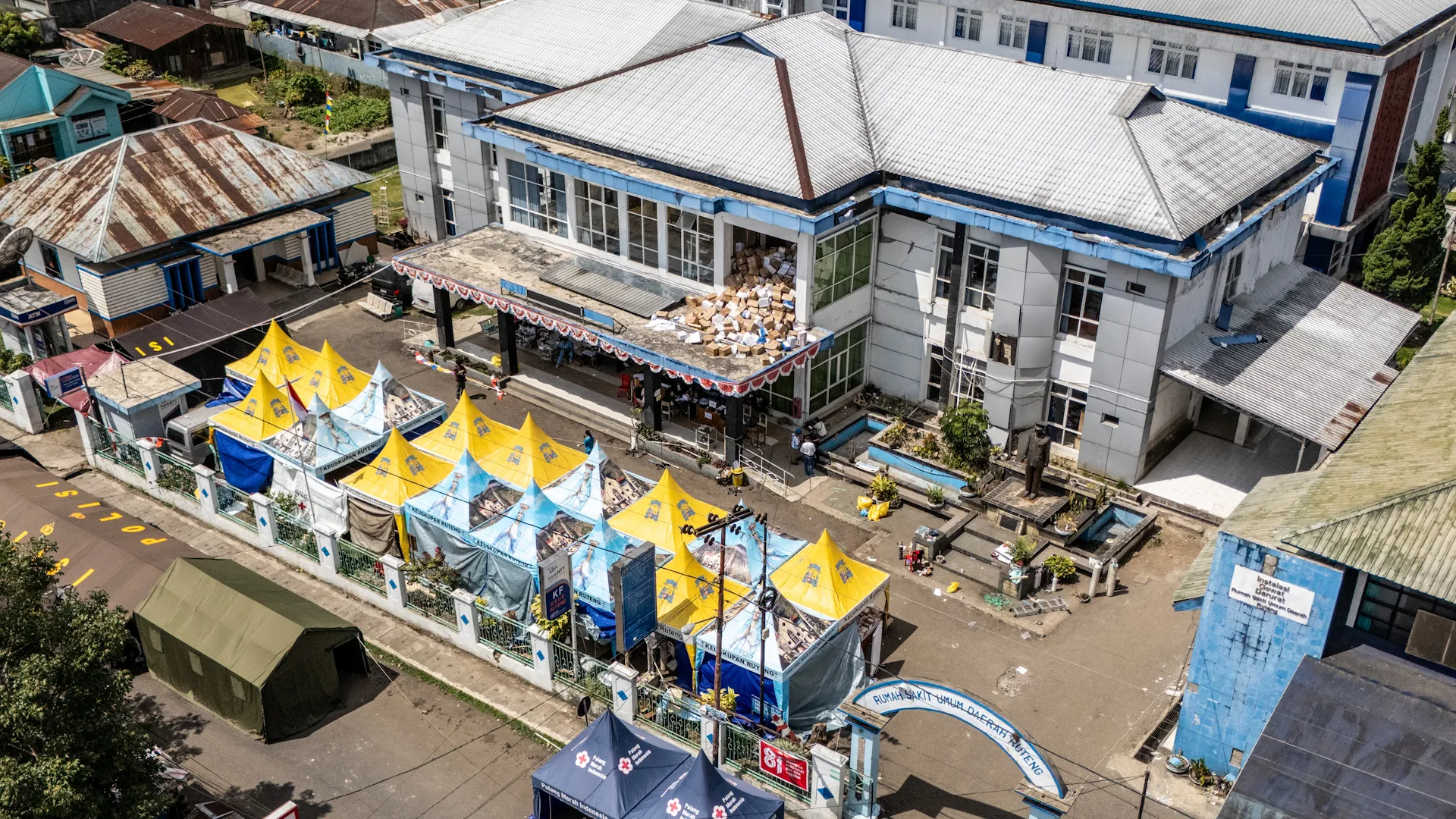
The impact of the earthquake has been severely compounded system. The Luis Ablanque de la Plata District Hospital, the primary medical facility for the area, was struggling with internal labor disputes and supply shortages long before the ground started shaking. Workers had reportedly been striking over unpaid wages, and the facility faced chronic under-investment that left it ill-equipped to handle a mass casualty event. Today, injured survivors are left waiting for treatment in wards that are only partially operational, serving as a stark reminder of the city's precarious state of development.
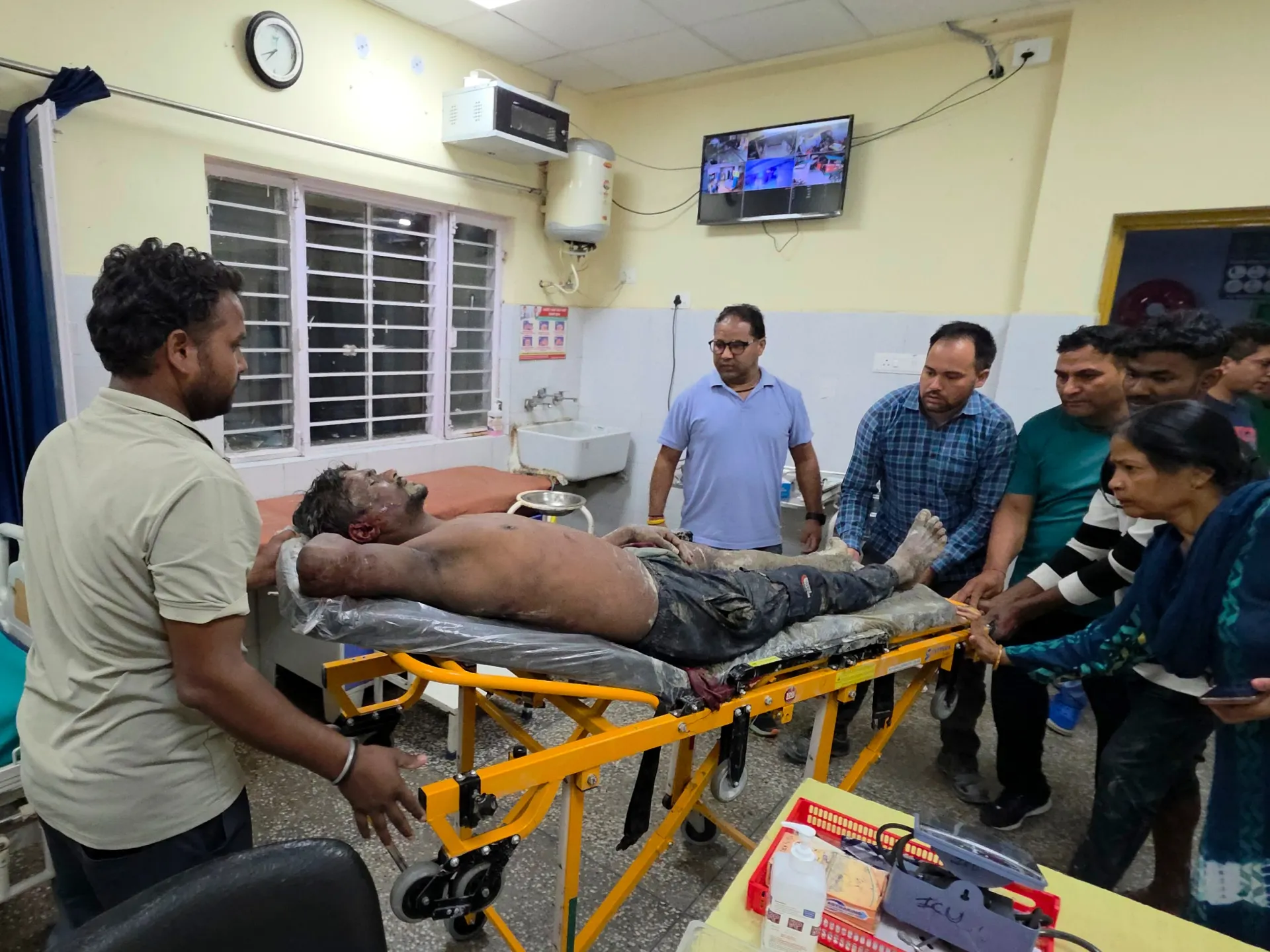
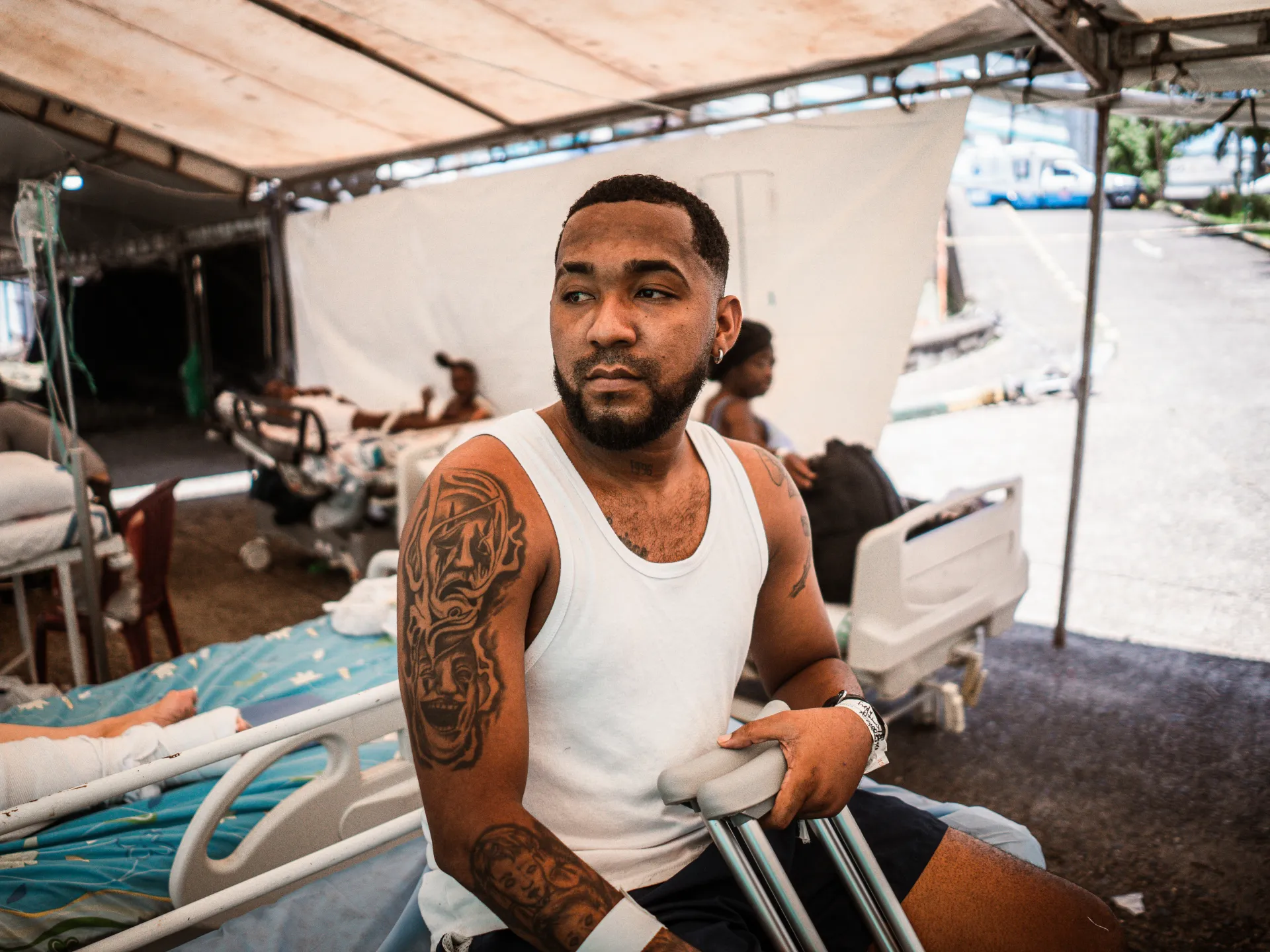
Bryan Reyes, a shipyard worker who sustained multiple fractures during the disaster, is among those struggling to access adequate care. His experience underscores the broader narrative of a city that feels forgotten ck of essential supplies and a shortage of specialists. This systemic failure has left the population of 432,000 vulnerable, not just to the natural disaster itself, but to the secondary crisis of a failing public infrastructure that cannot meet the basic needs of its injured and displaced citizens.
Buenaventura’s struggle is deeply rooted in significant economic and social disparities. Government data from 2024 reveals that over 15 percent of the city’s population lives in multidimensional poverty—a figure more than double that of nearby Cali. This measure accounts for deep-seated issues such as limited access to education, stable employment, and basic health services. With an Afro-Colombian majority that has historically faced marginalization, many residents believe their struggle is overlooked ast majority of the population lacks trust in both local and national government institutions.
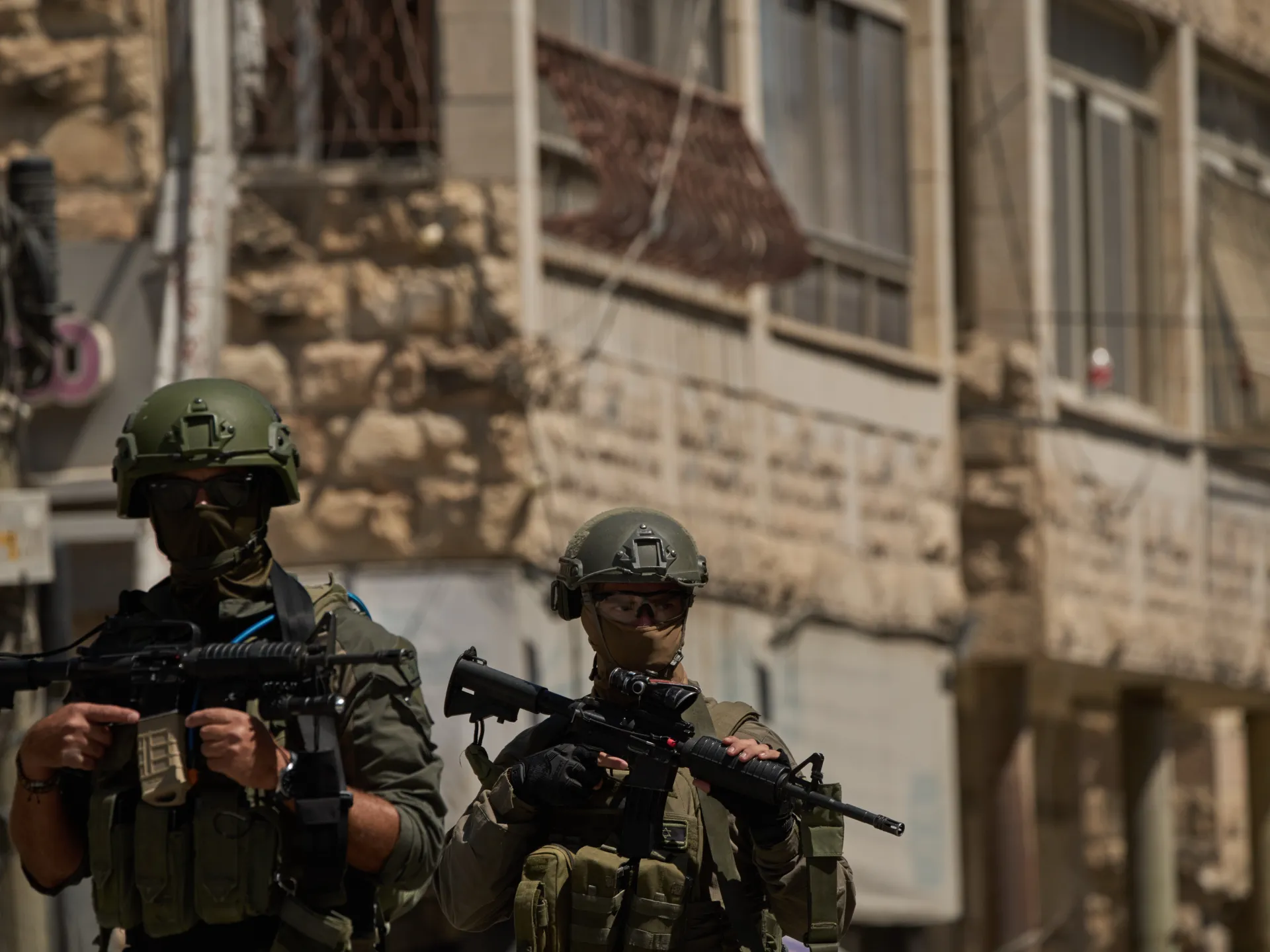
Security has emerged as another critical concern in the wake of the disaster. While other regions affected residents report a lack of adequate police or military presence. Instances of looting have already been reported at abandoned sites, leaving vulnerable families, such as those in the Barrio Oriente, feeling exposed to both structural hazards and criminal elements. Community leaders note that even aid delivery efforts have become difficult, often requiring security escorts to navigate areas where gang activity remains a persistent threat.
Social workers and community advocates warn that the earthquake is likely to exacerbate the cycles of poverty and violence that have defined the Pacific region for years. Iveth Dalissa Caceres, a local social worker, points out that disasters in this region are rarely isolated events; they are layered upon existing crises of underdevelopment. The displacement caused potentially creating a long-term humanitarian challenge that will require more than just short-term relief efforts to resolve.
Despite the overwhelming sense of abandonment, the people of Buenaventura have turned to one another for survival. Community-led initiatives, such as makeshift kitchens providing hundreds of meals daily, have become the primary source of support for those who lost everything. This spirit of solidarity, forged through years of weathering systemic hardship, remains the city’s most resilient asset. As the dust settles, the residents’ demands for an equitable recovery effort grow louder, as they seek to ensure that their city is no longer treated as an afterthought in the face of national tragedy.