As the UN Security Council faces paralysis over global conflicts, Germany’s government struggles to maintain stability against a surging far-right movement.
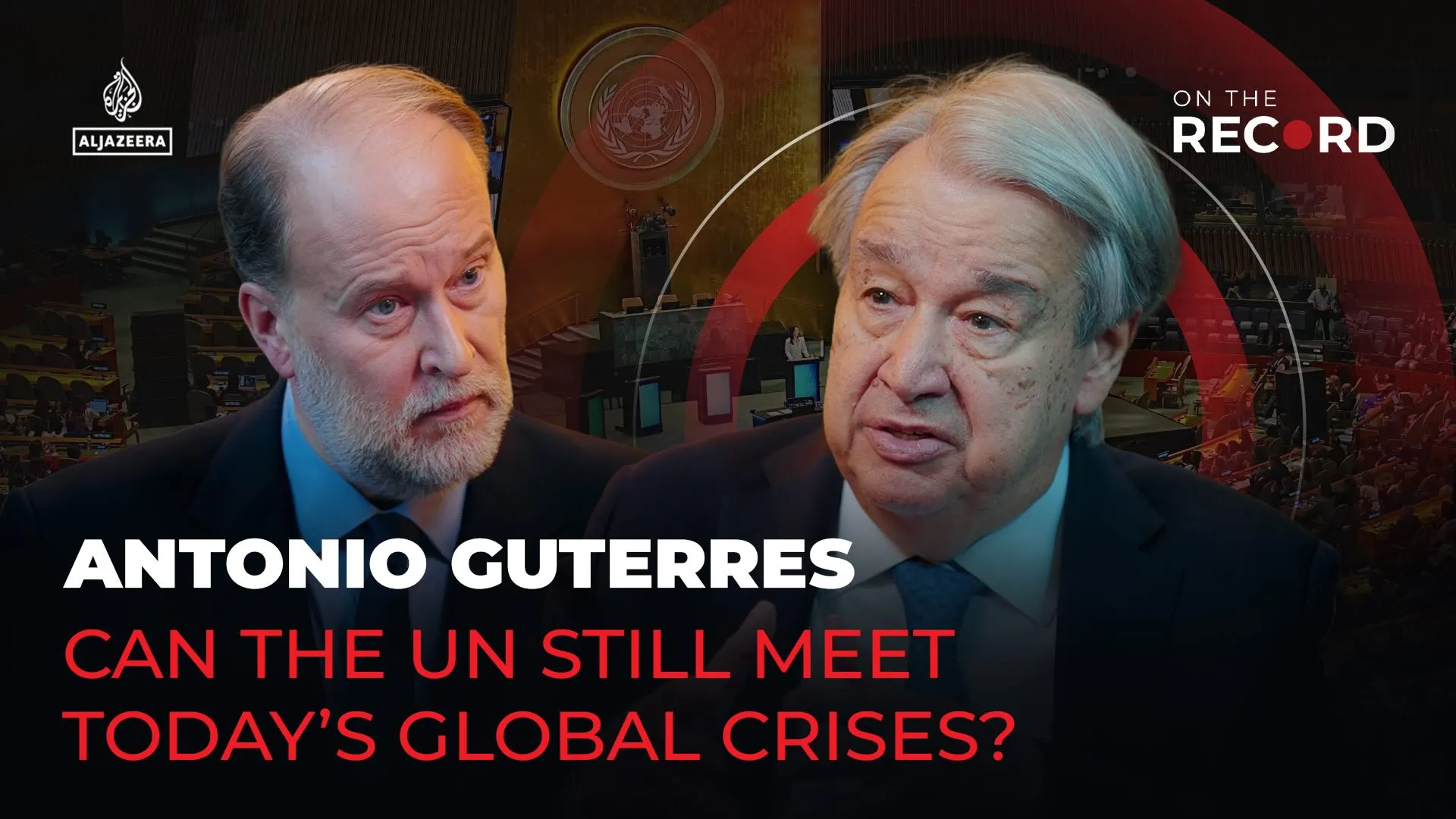
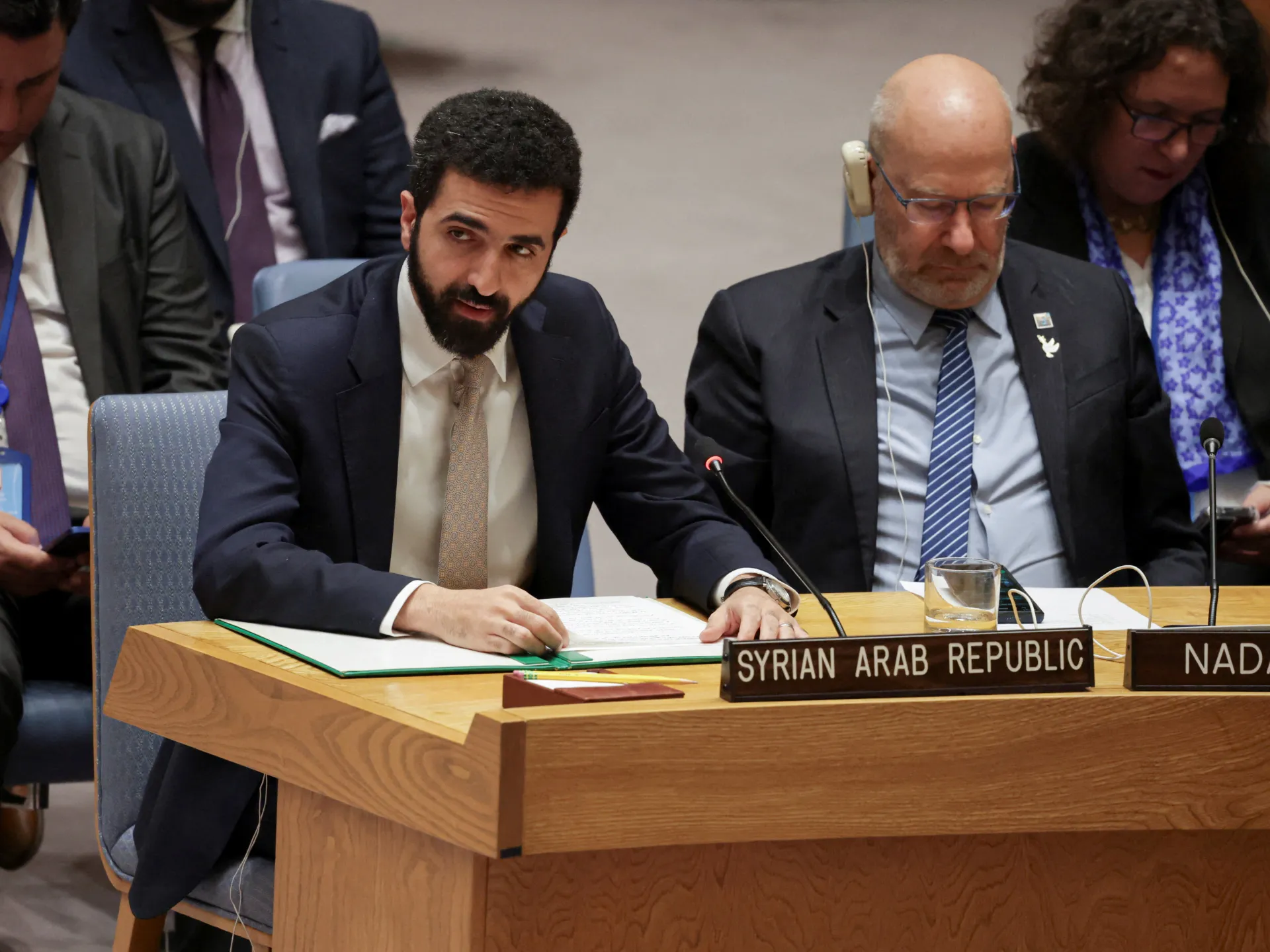
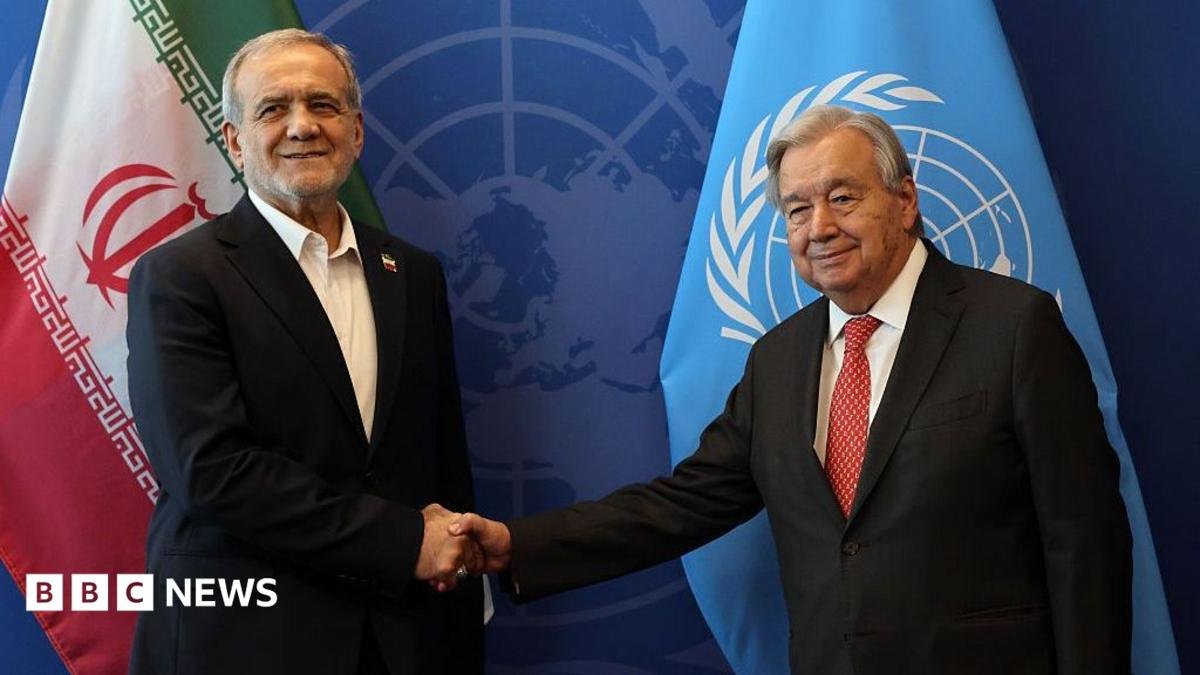
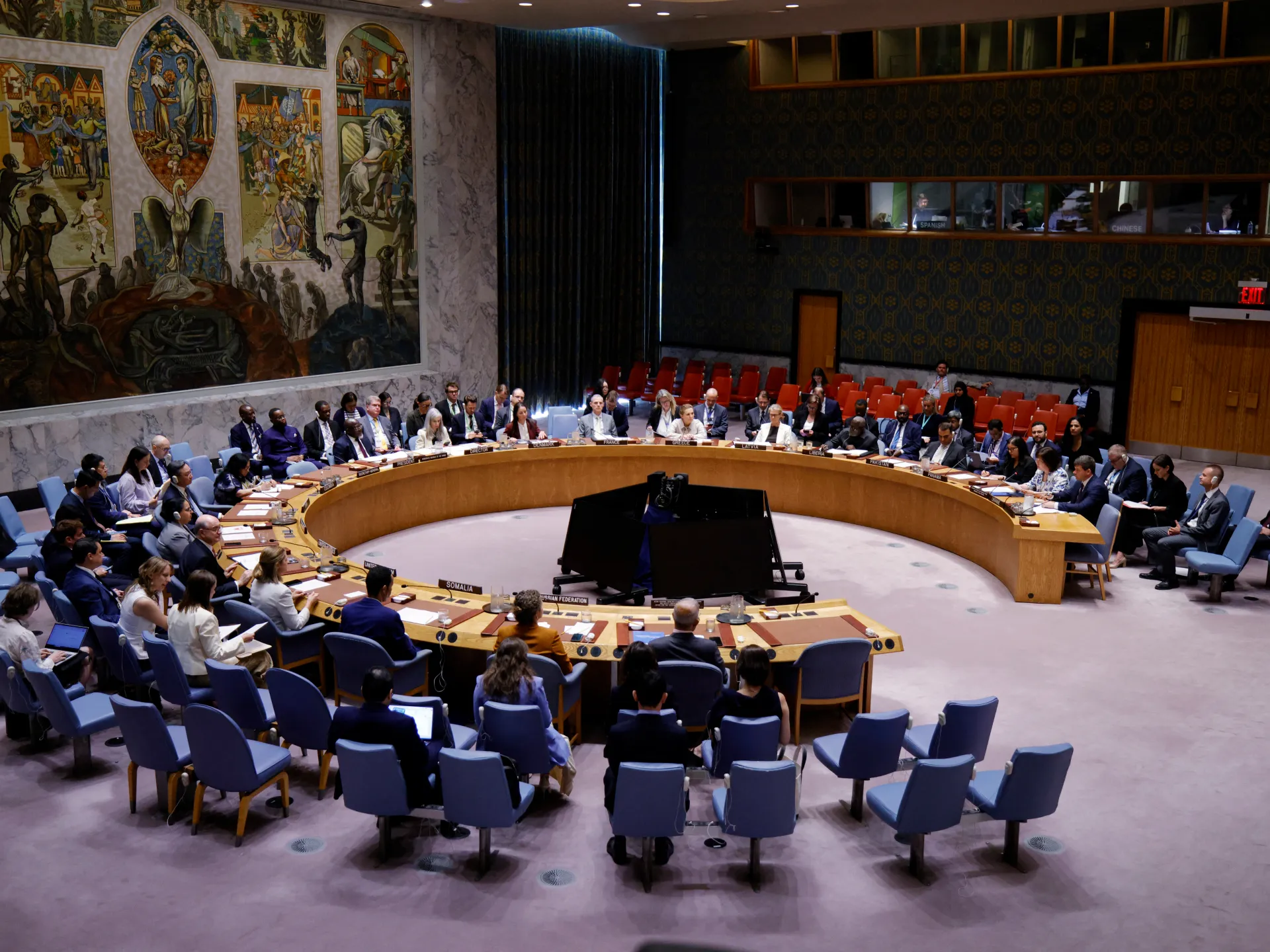
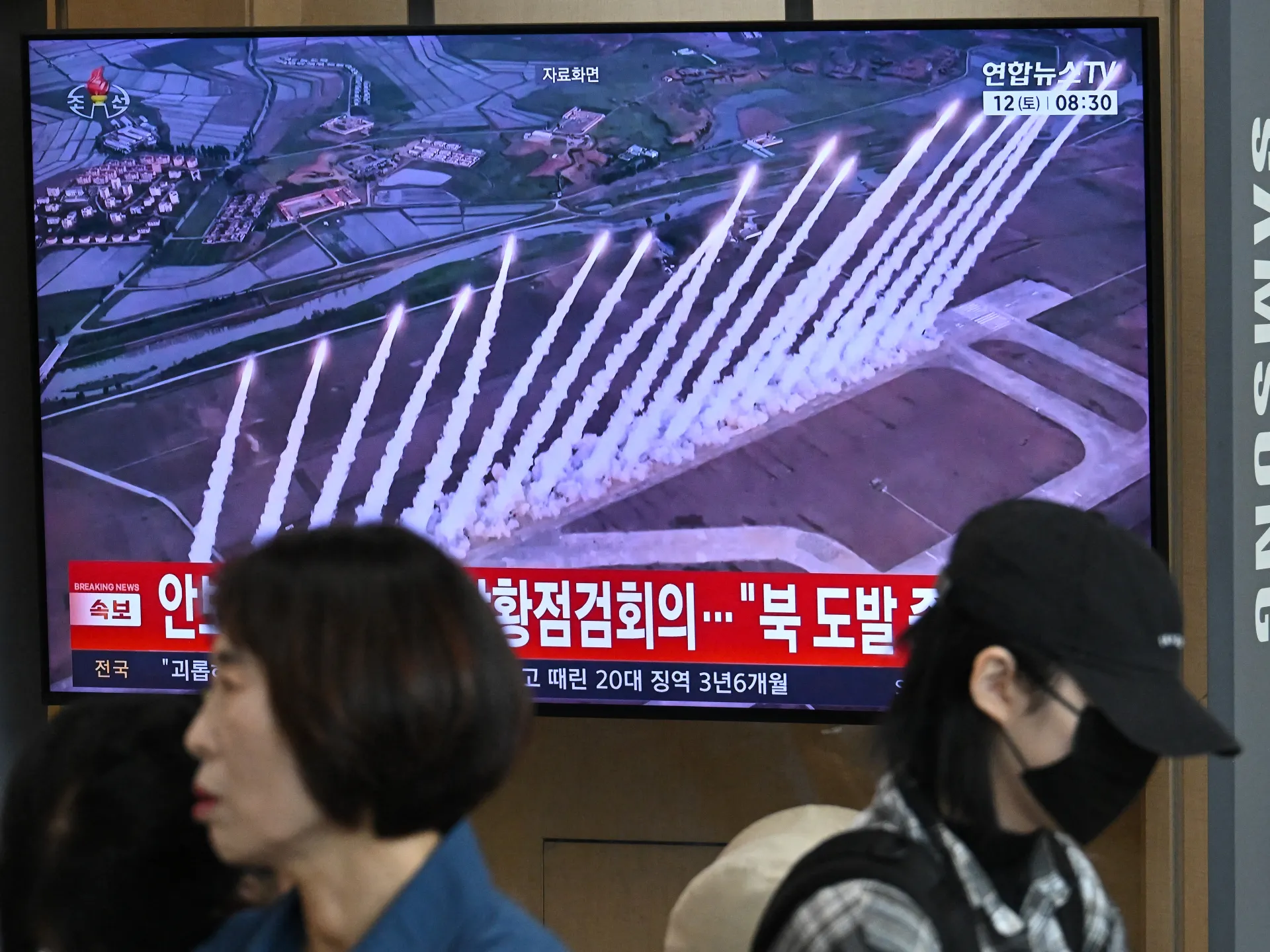
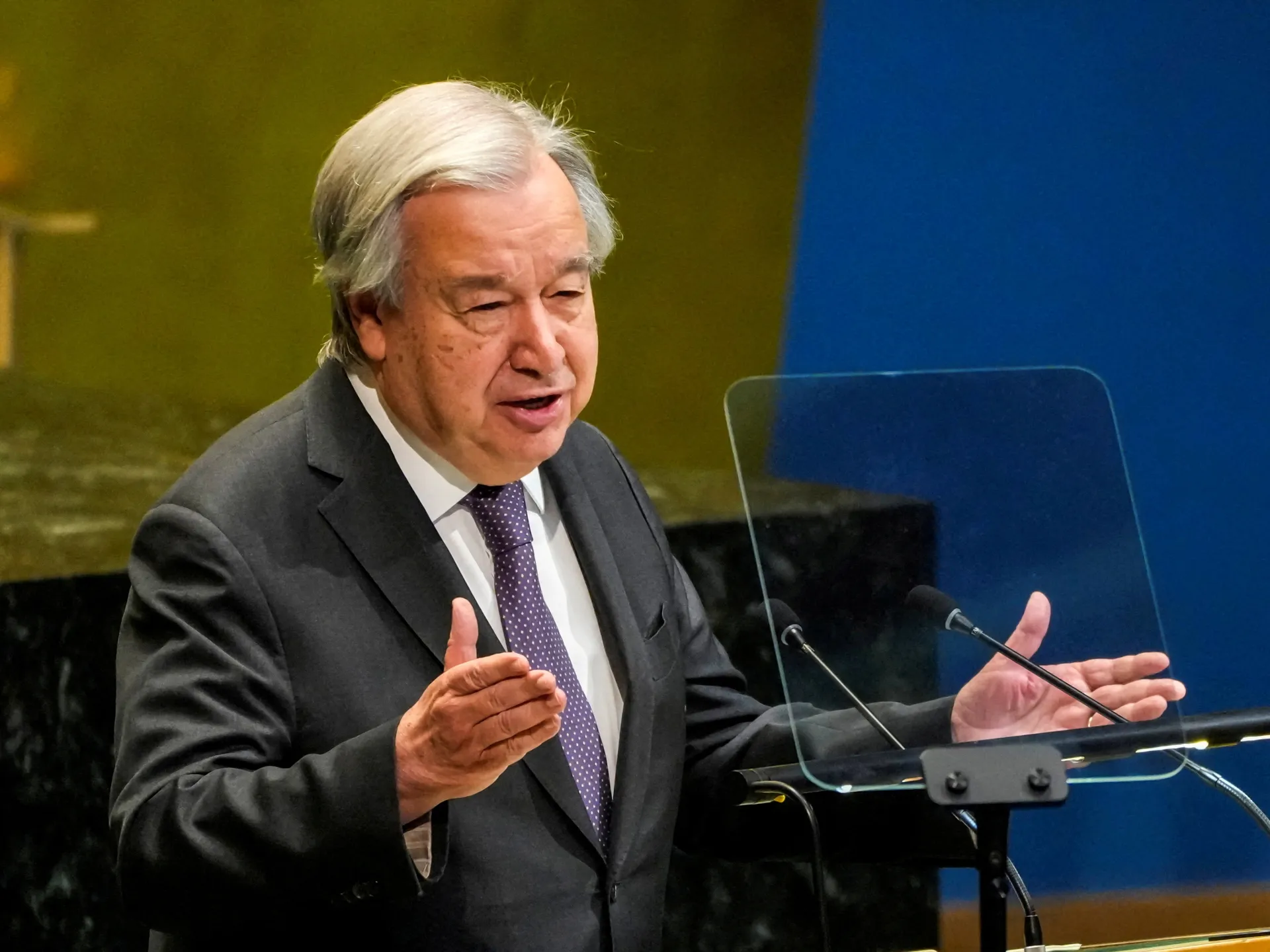
As the international community prepares for its annual diplomatic gatherings, the United Nations faces a profound existential crisis. Outgoing Secretary-General Antonio Guterres has issued a stark warning that the state of the world is deteriorating, driven gues that the current structure of the council, which essentially mirrors the power dynamics of 1945, is failing to address contemporary conflicts, thereby emboldening mid-sized powers to act with perceived impunity.
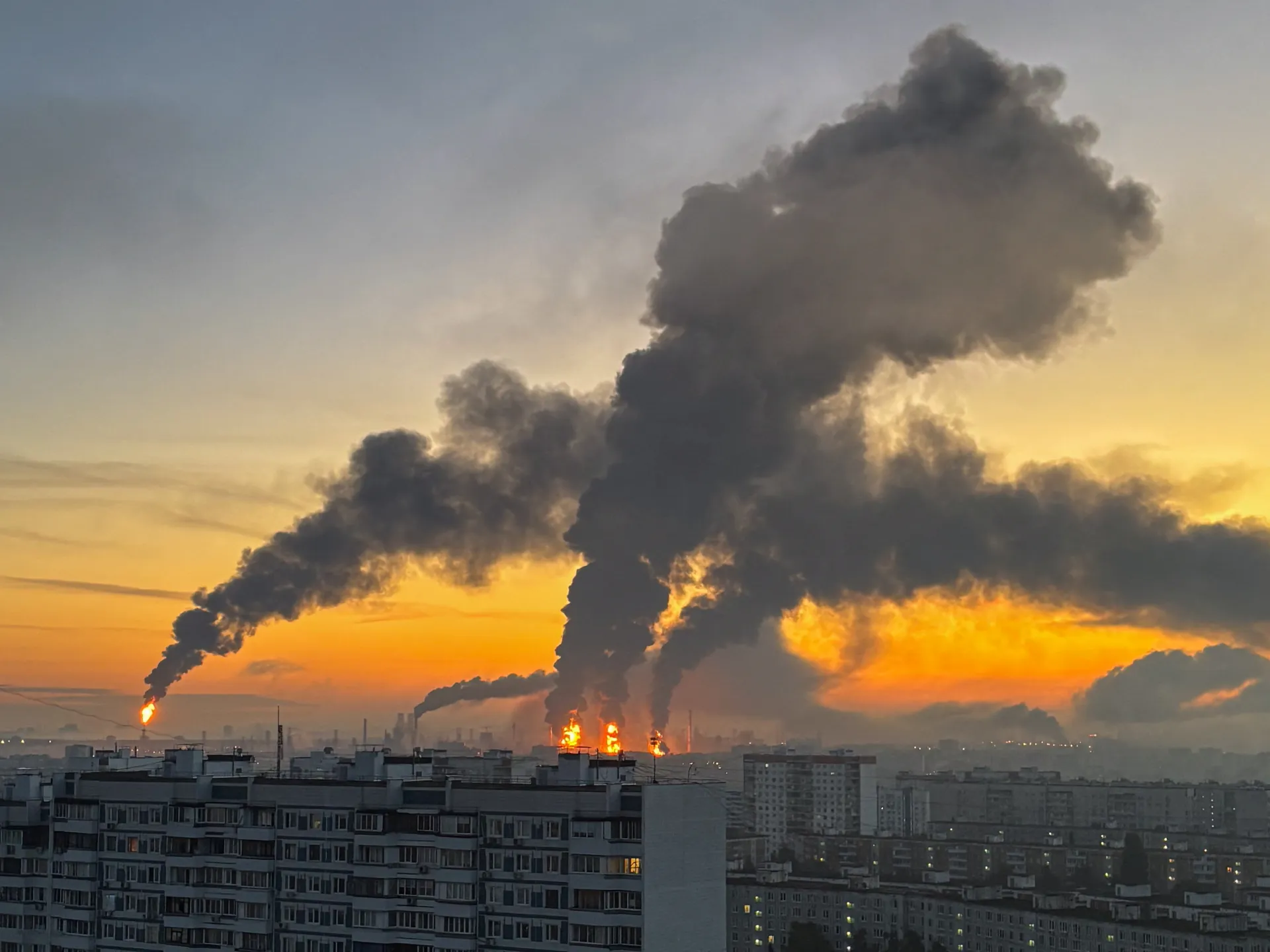
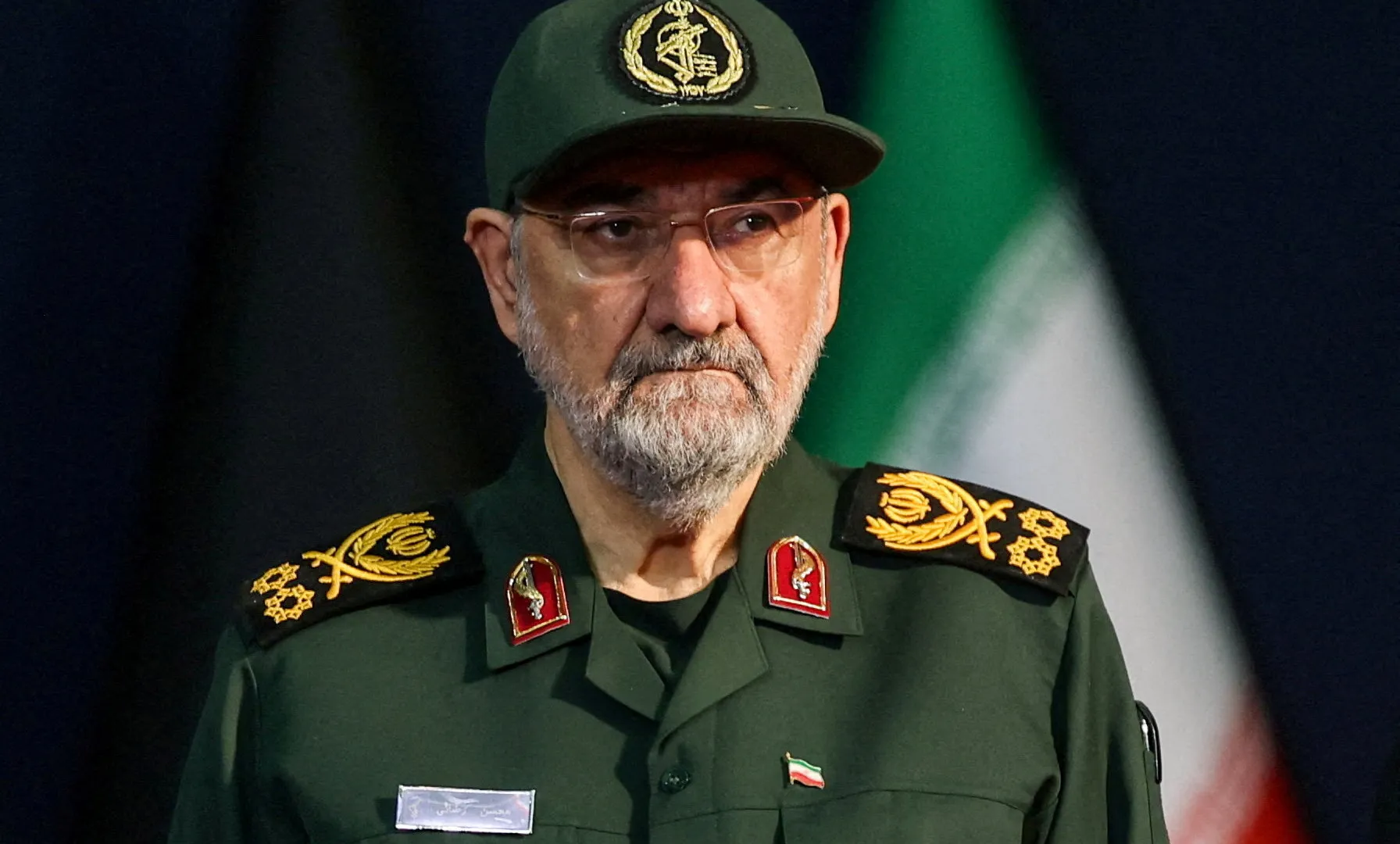
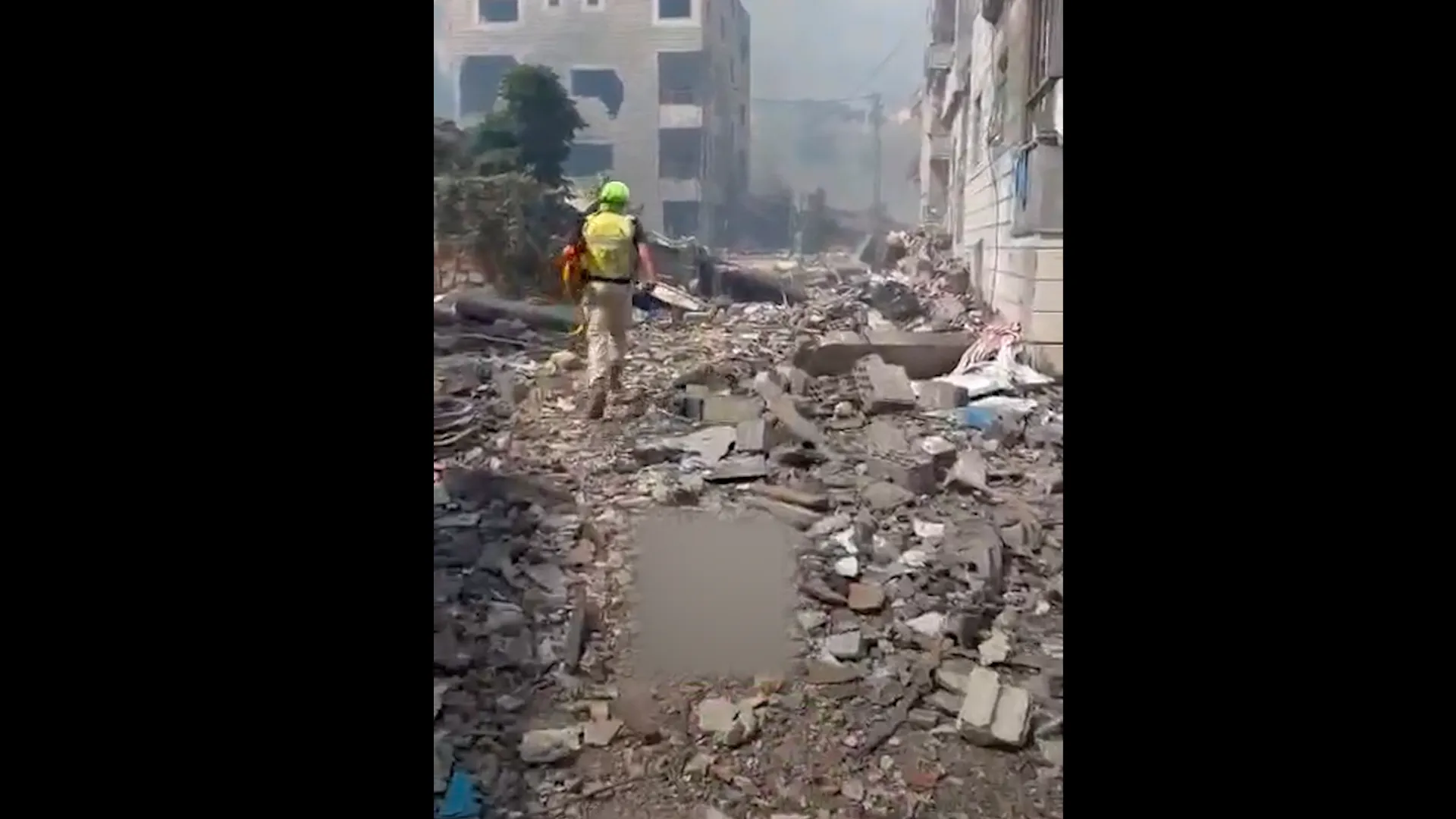
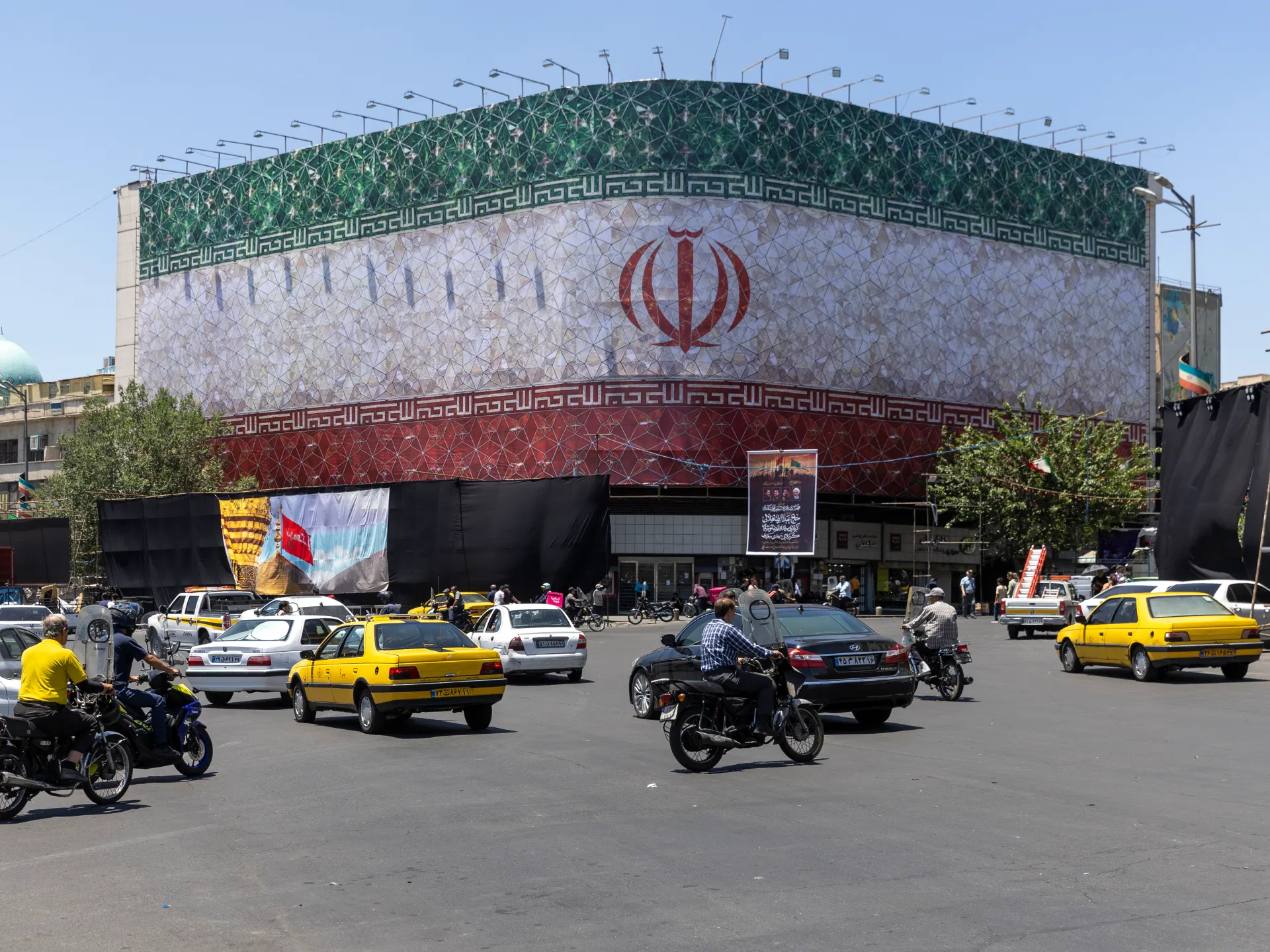
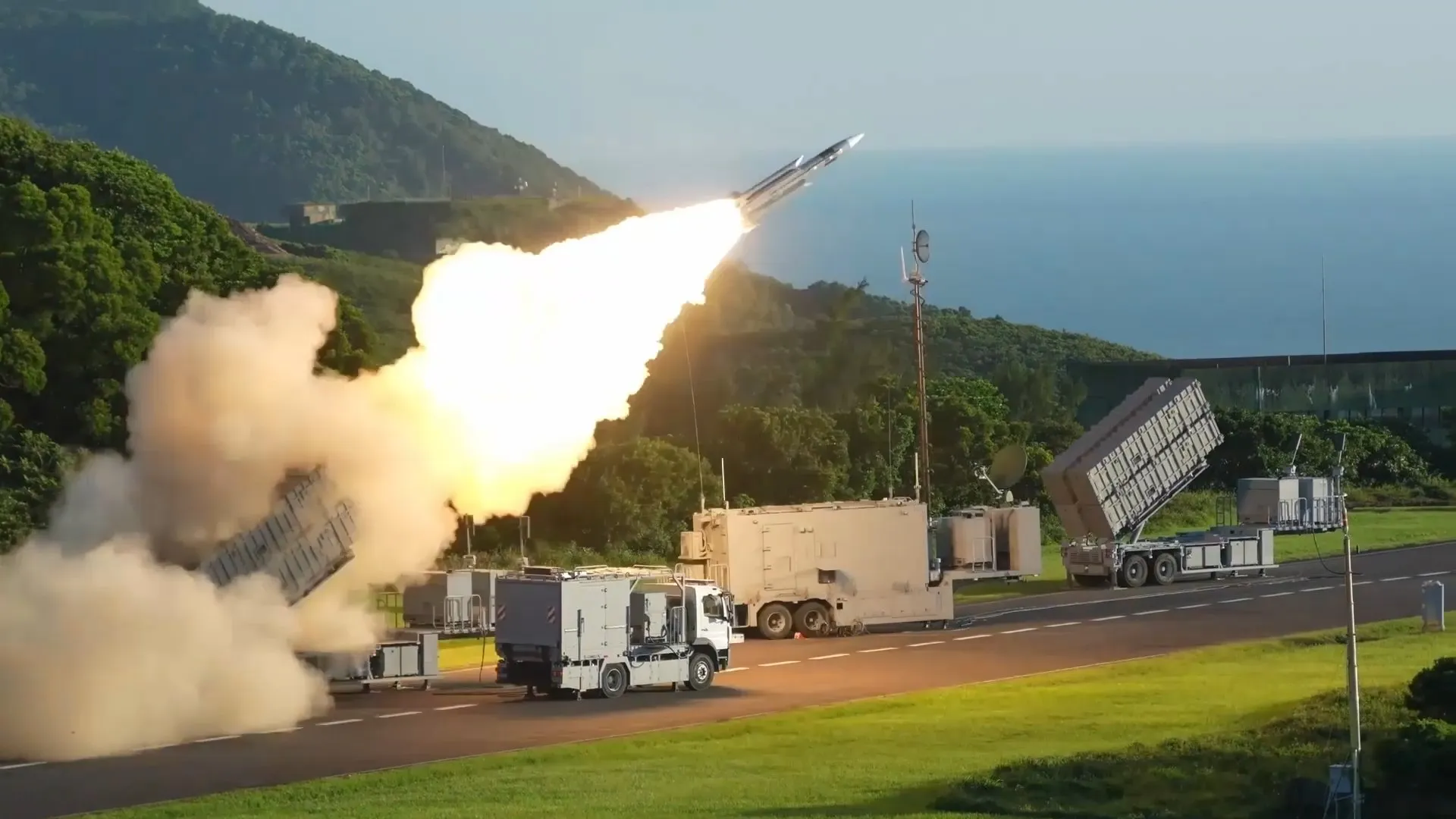
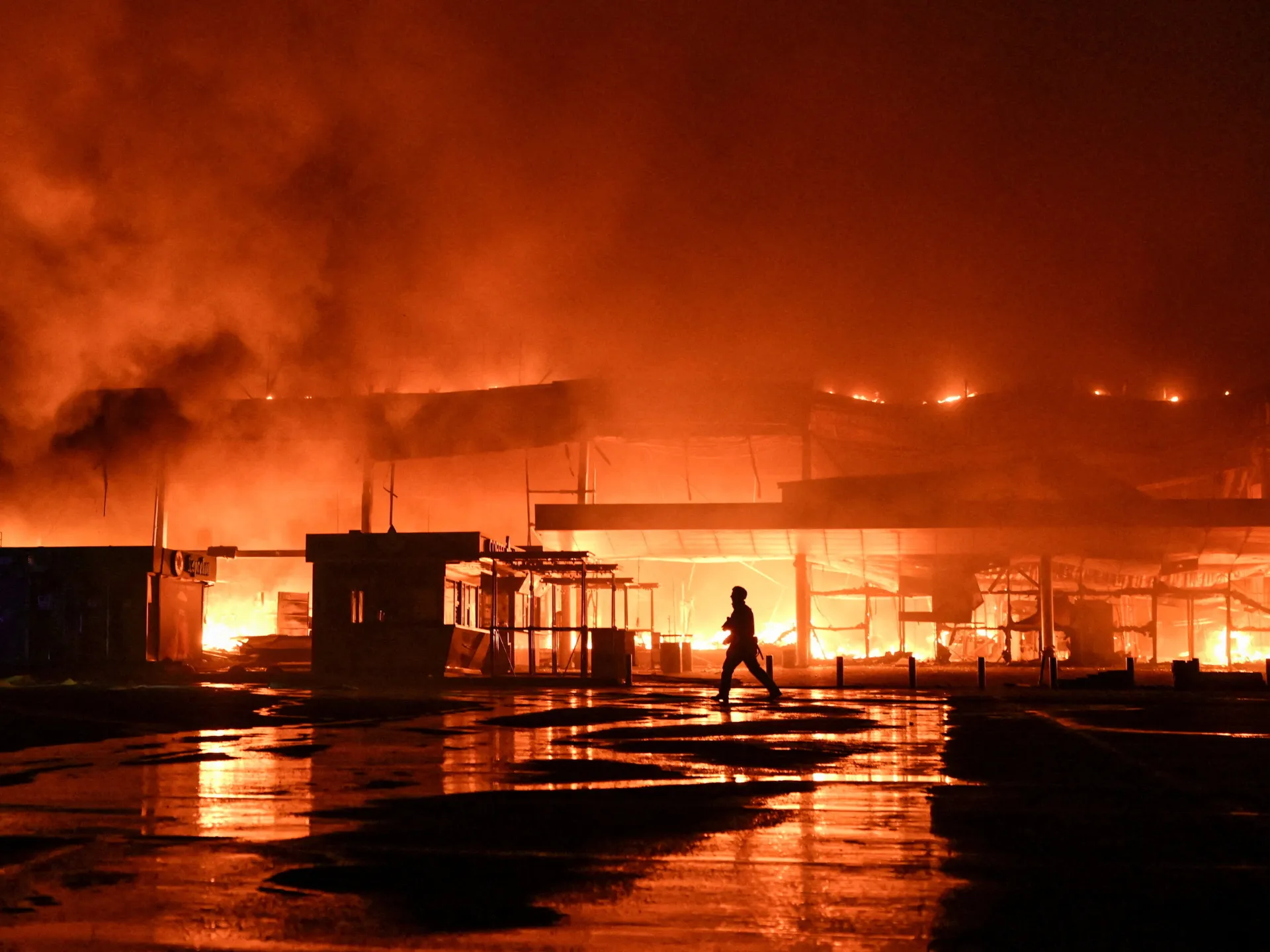
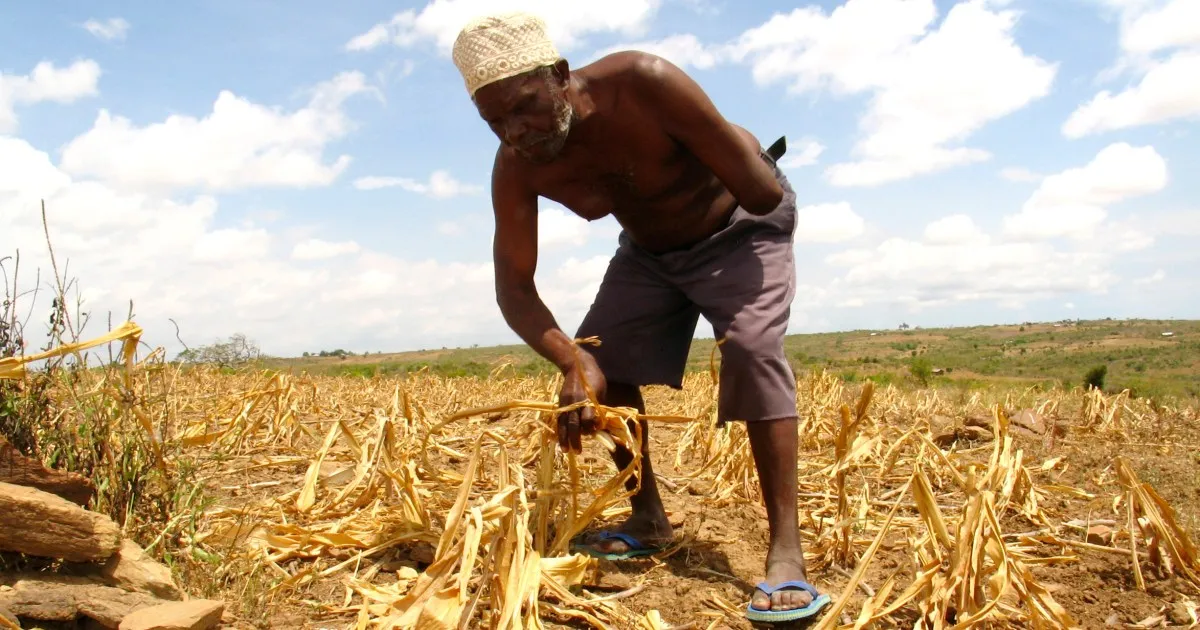
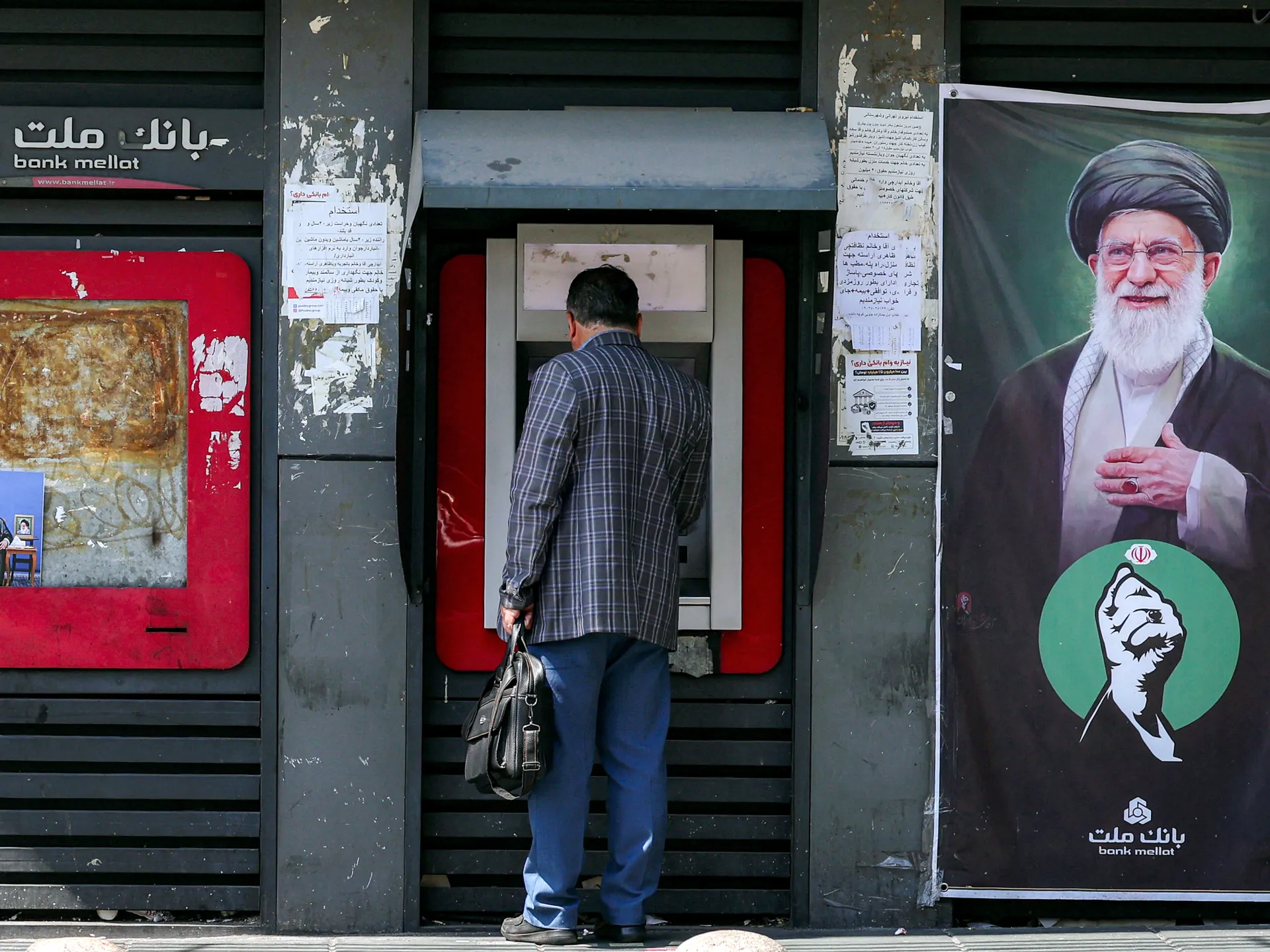
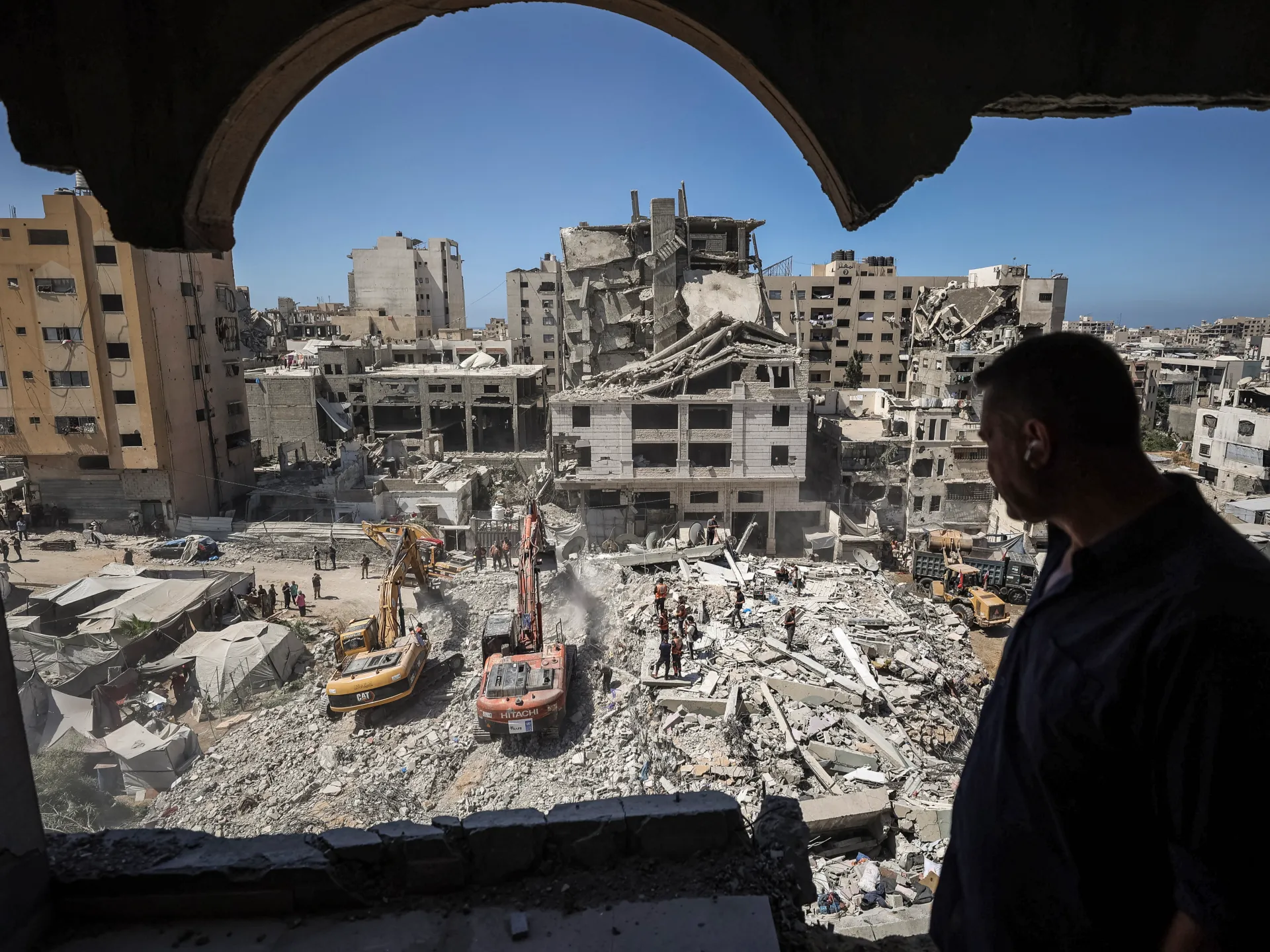
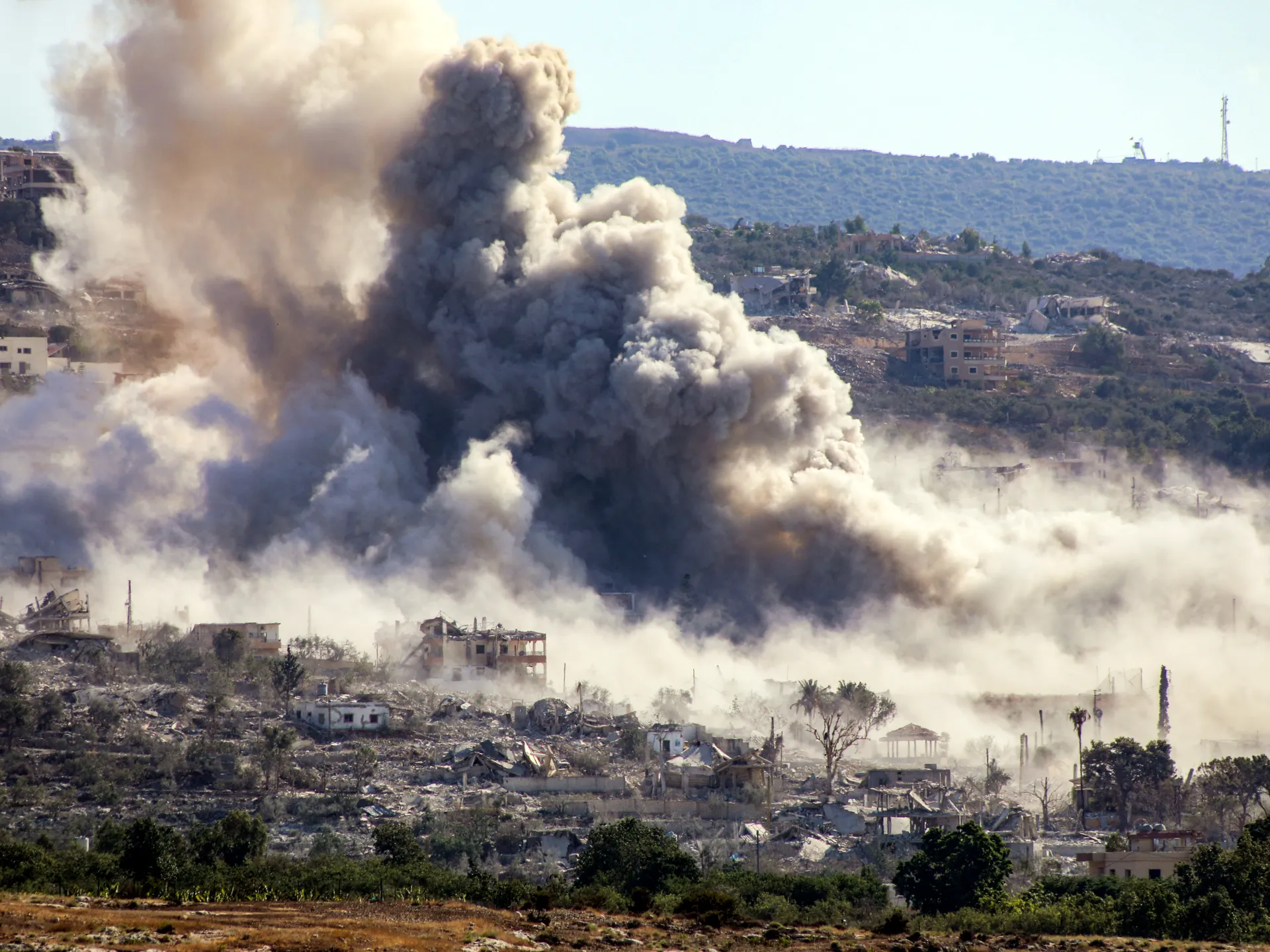
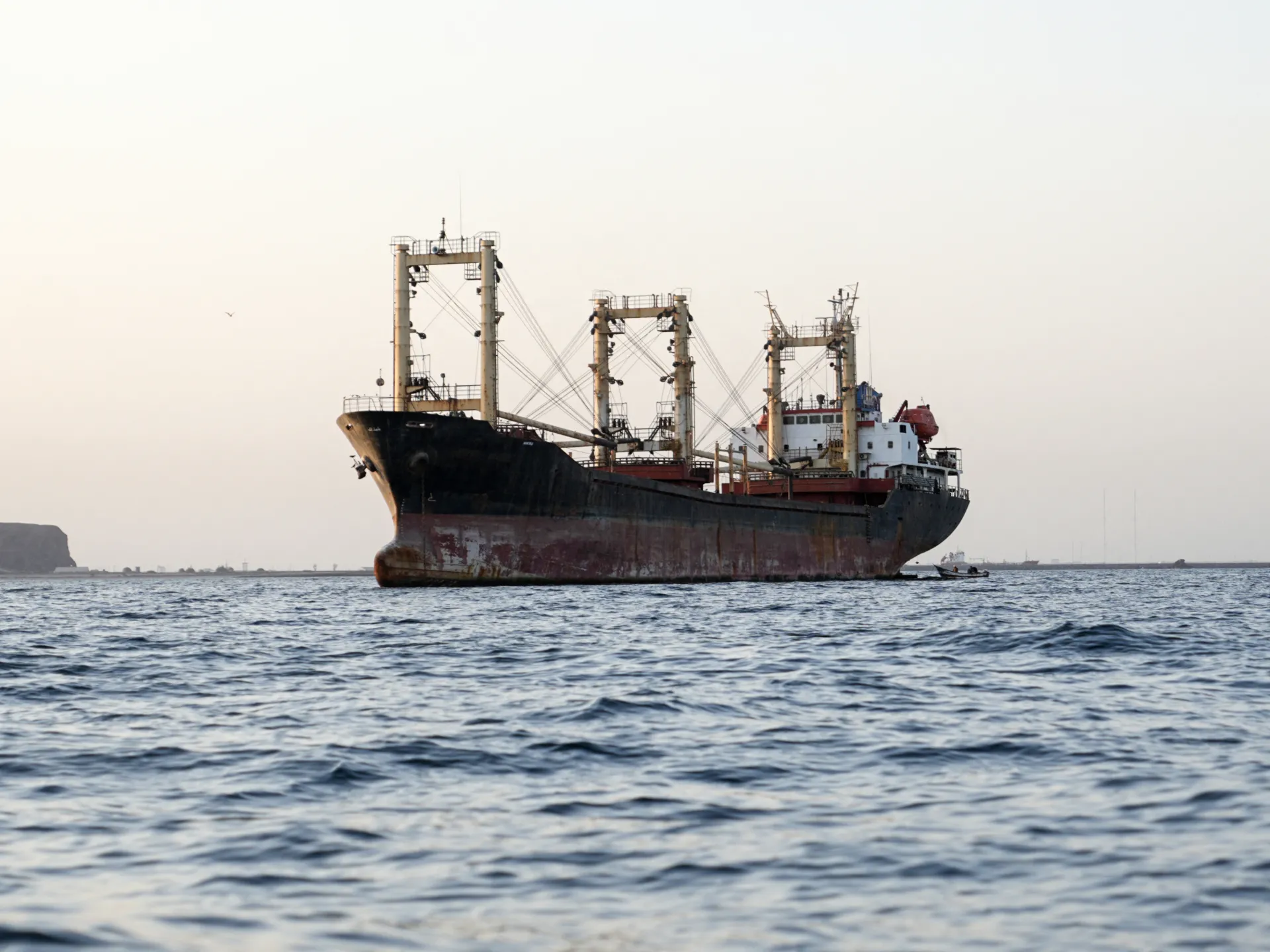
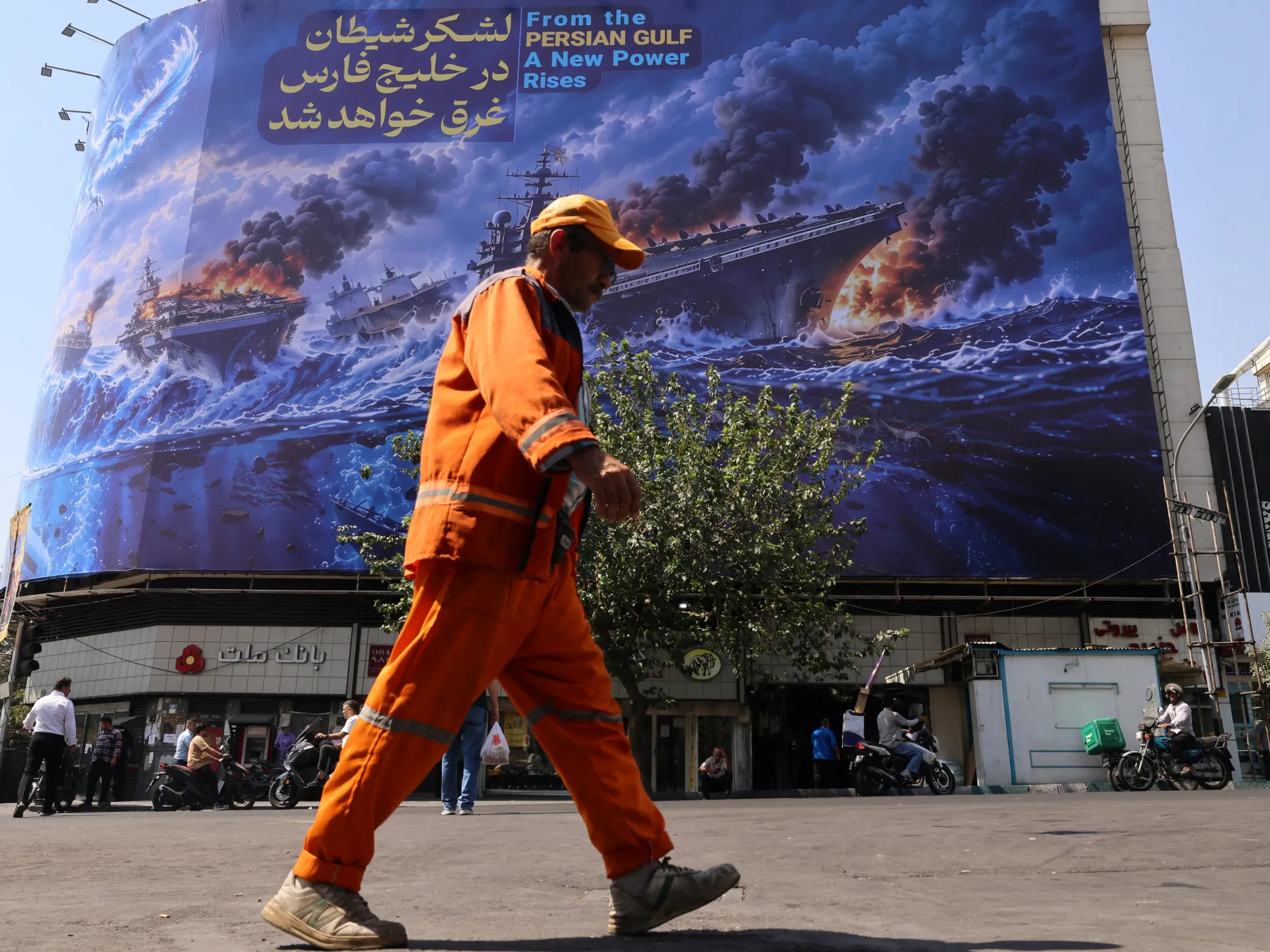
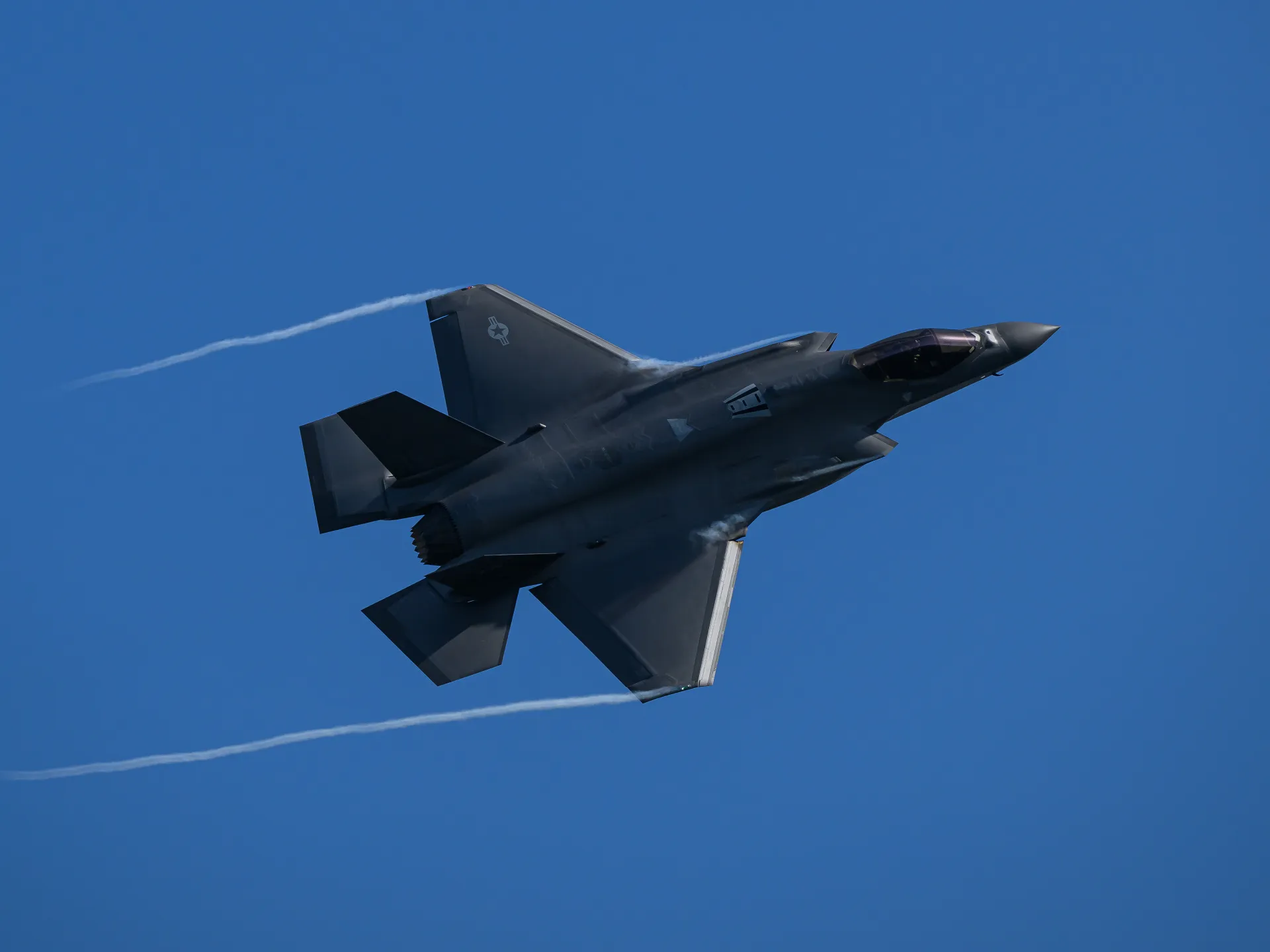
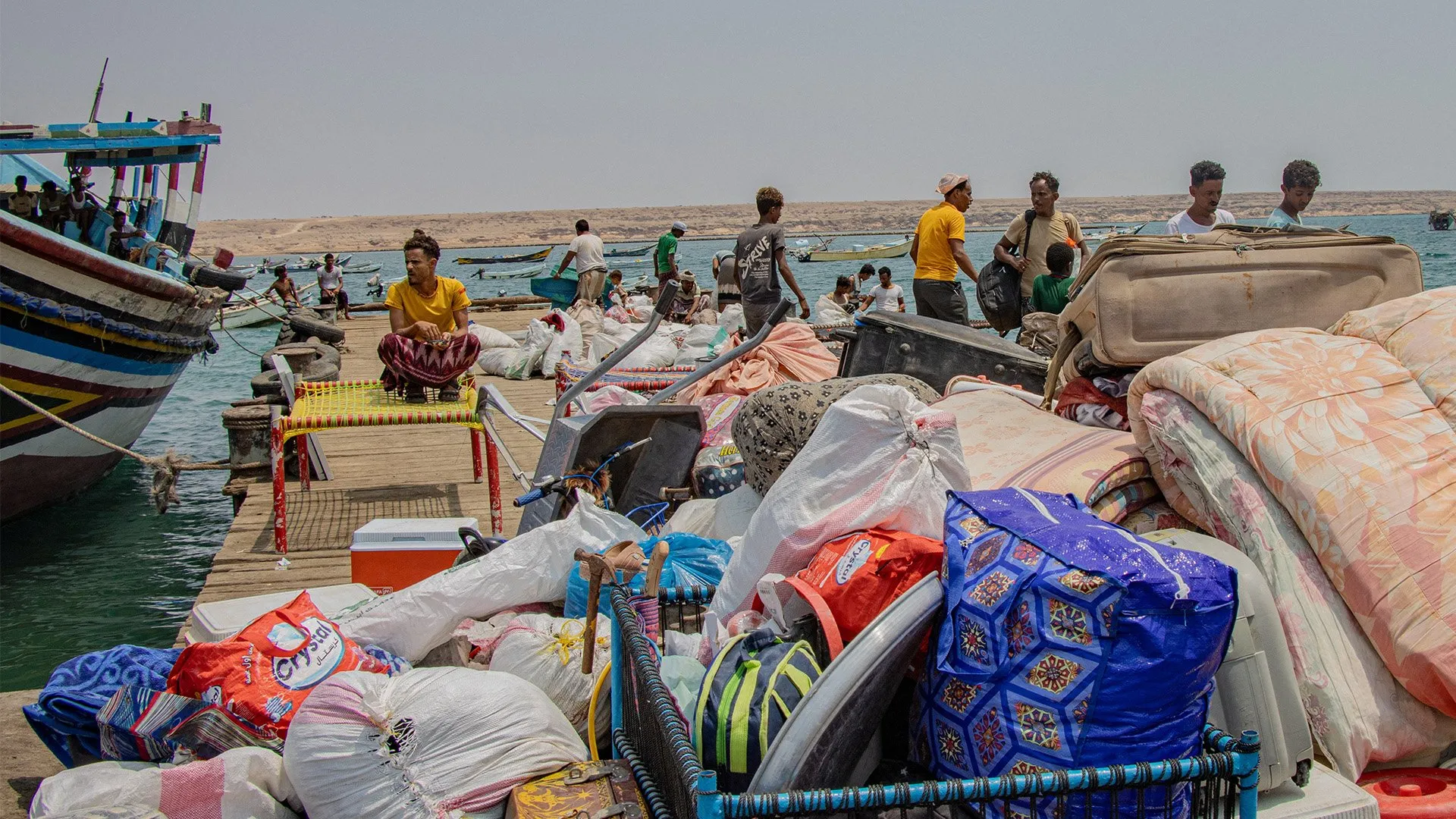
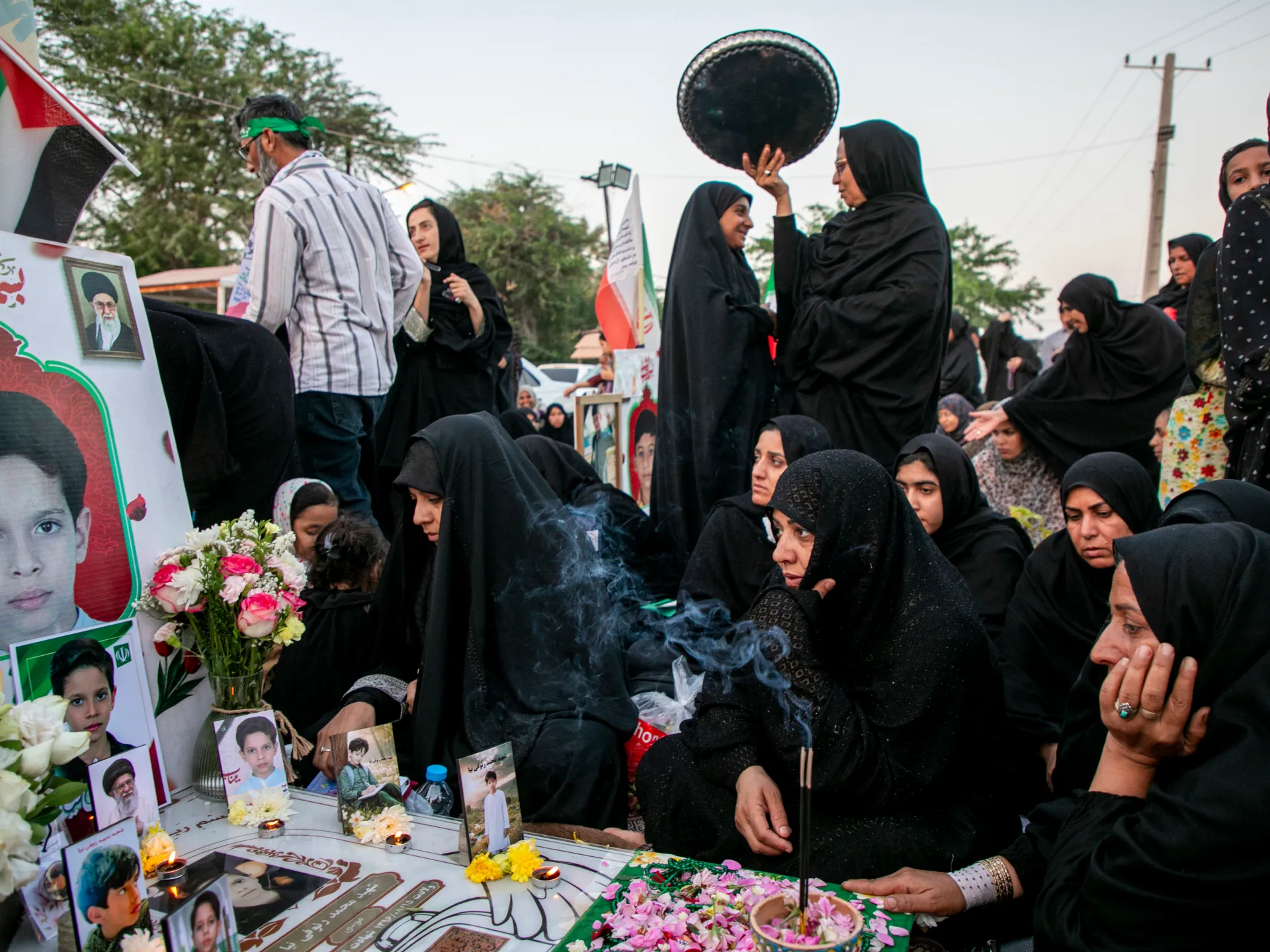
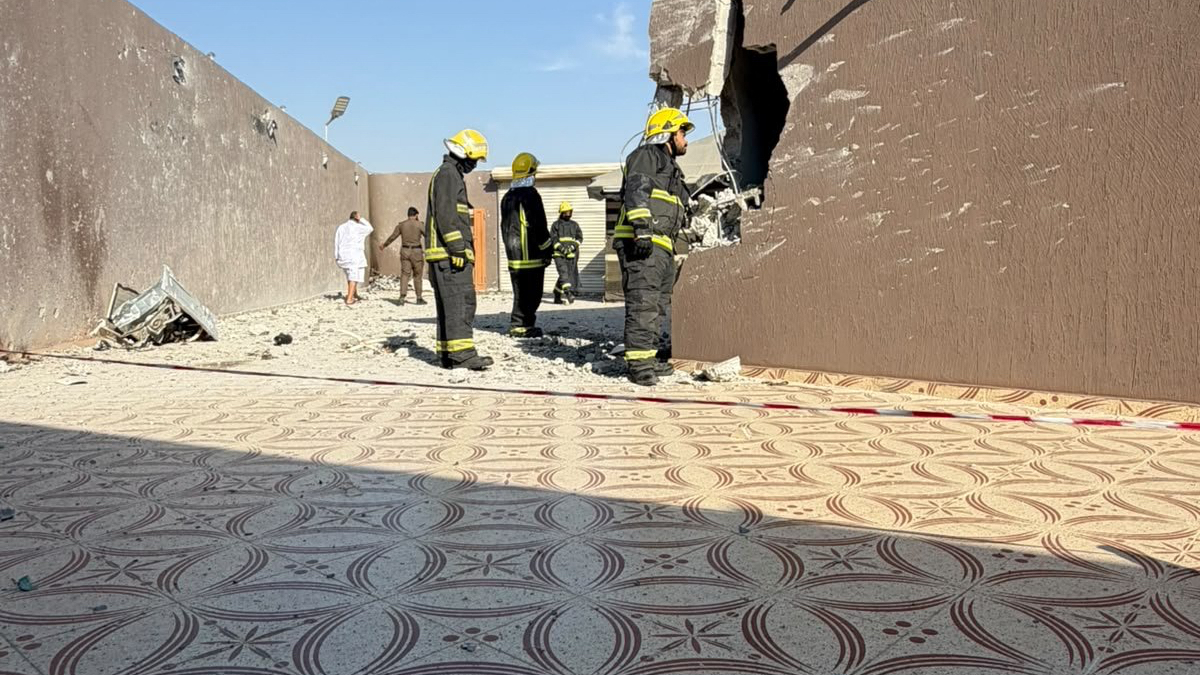
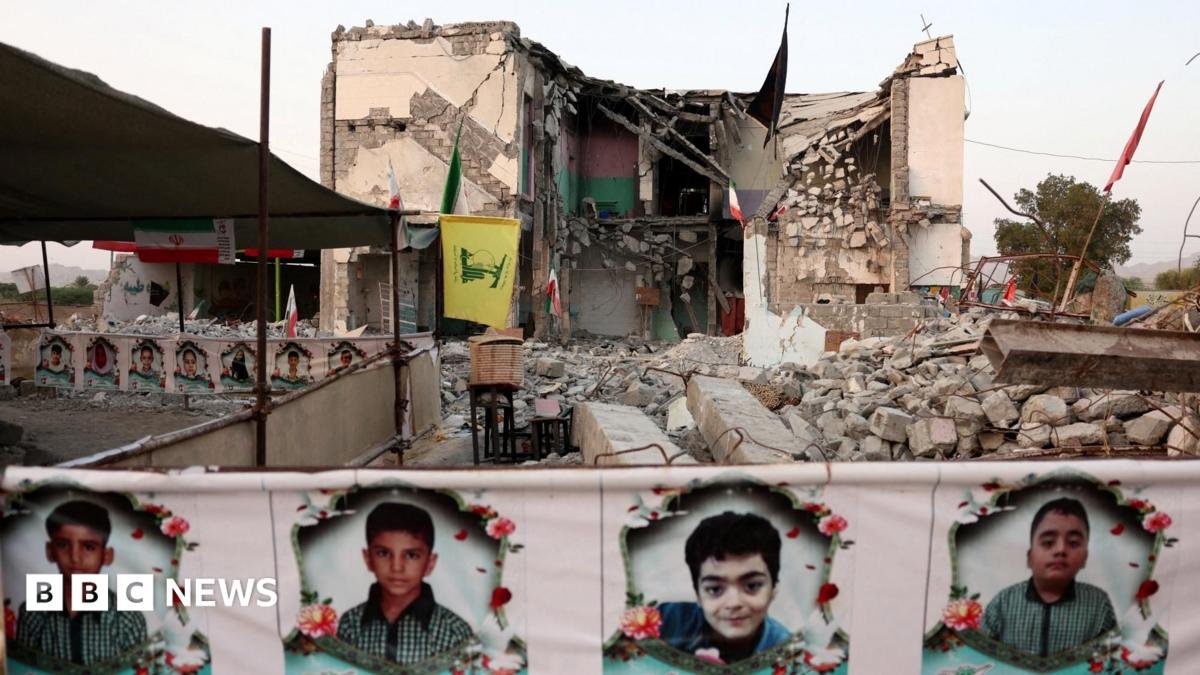
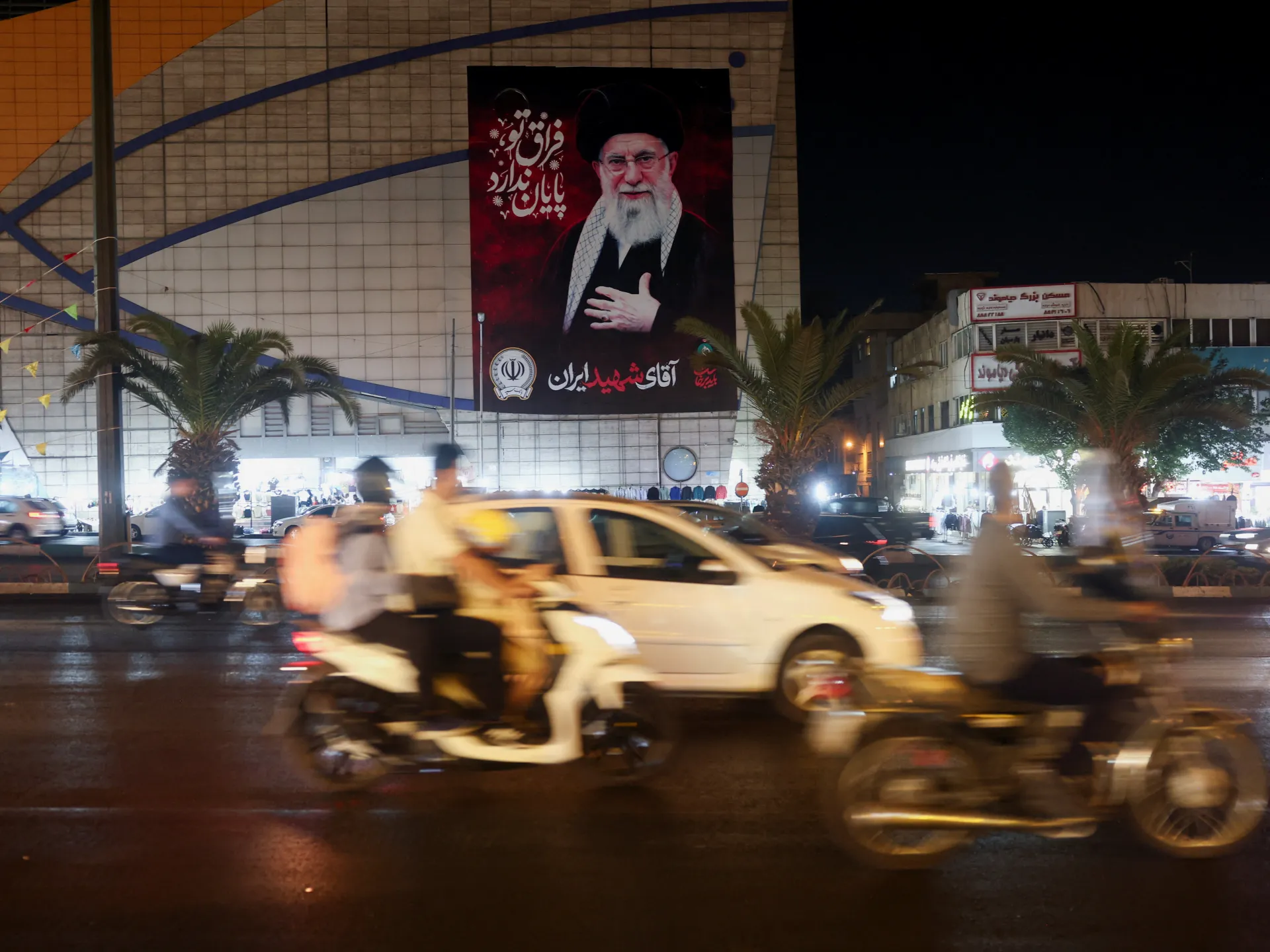
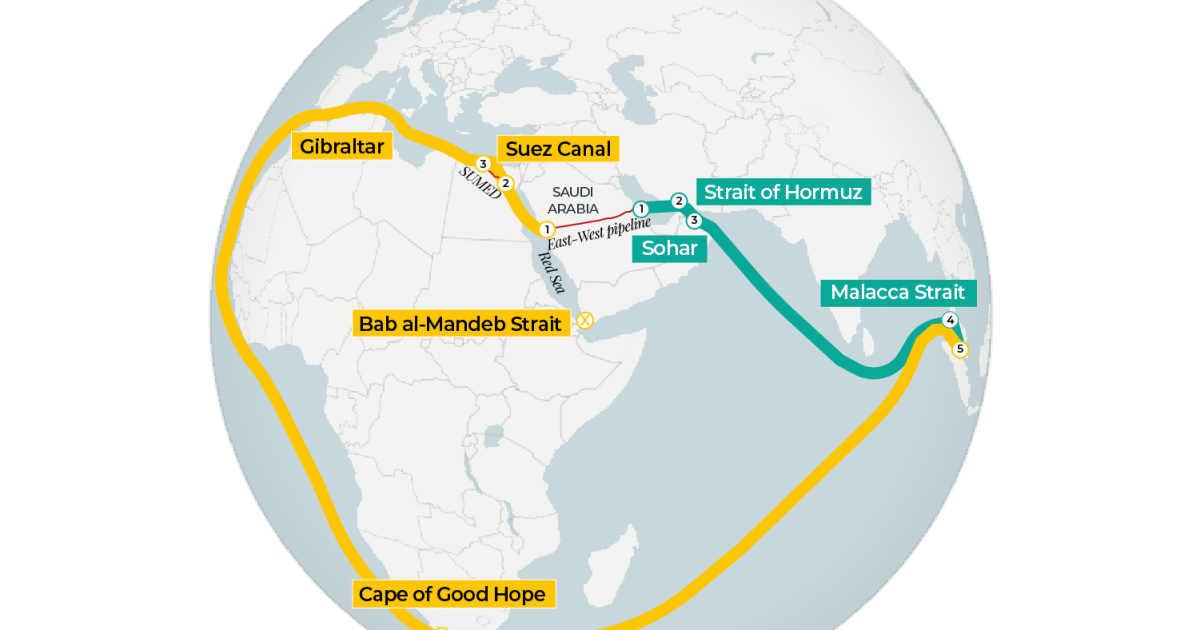
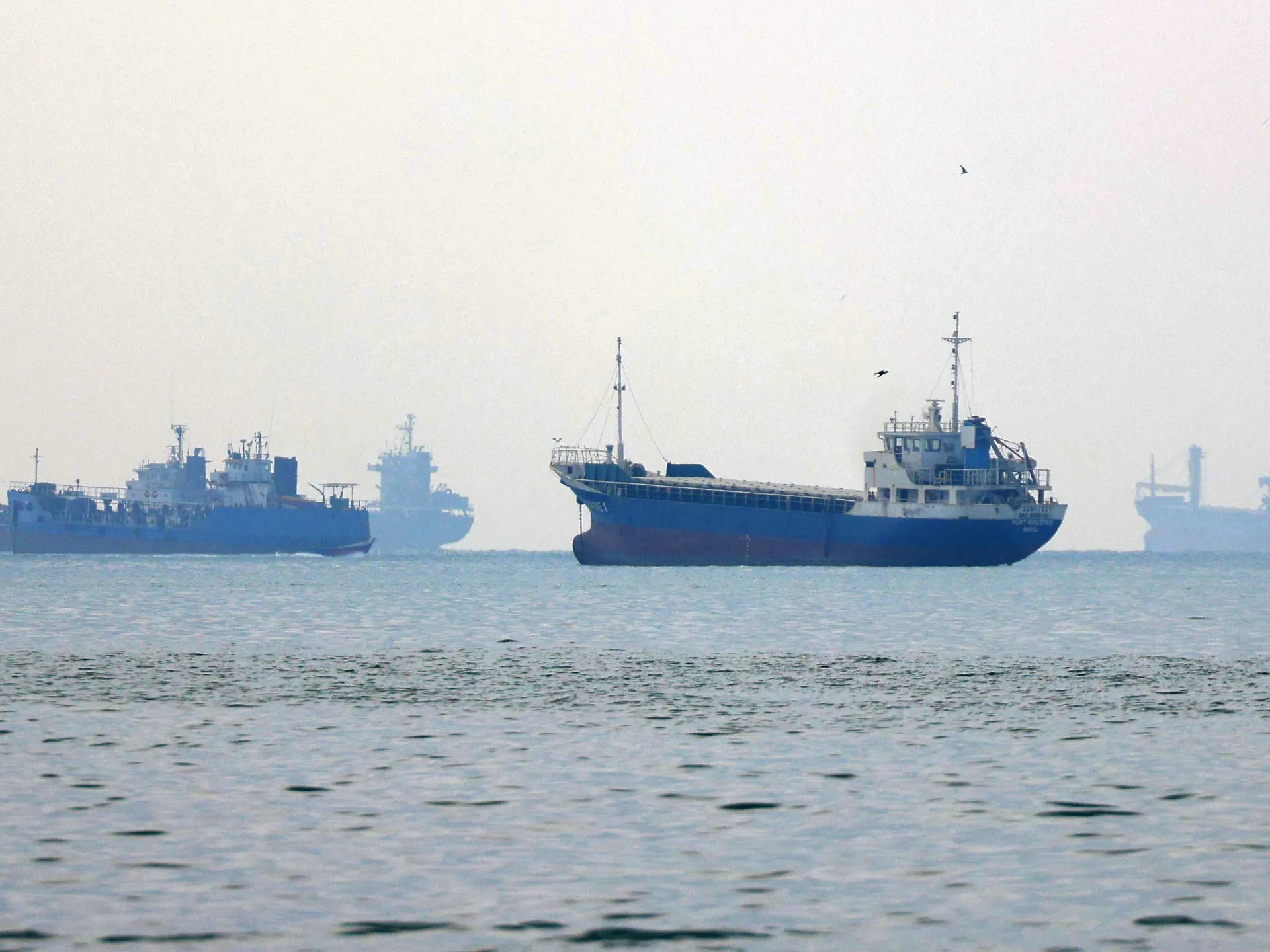
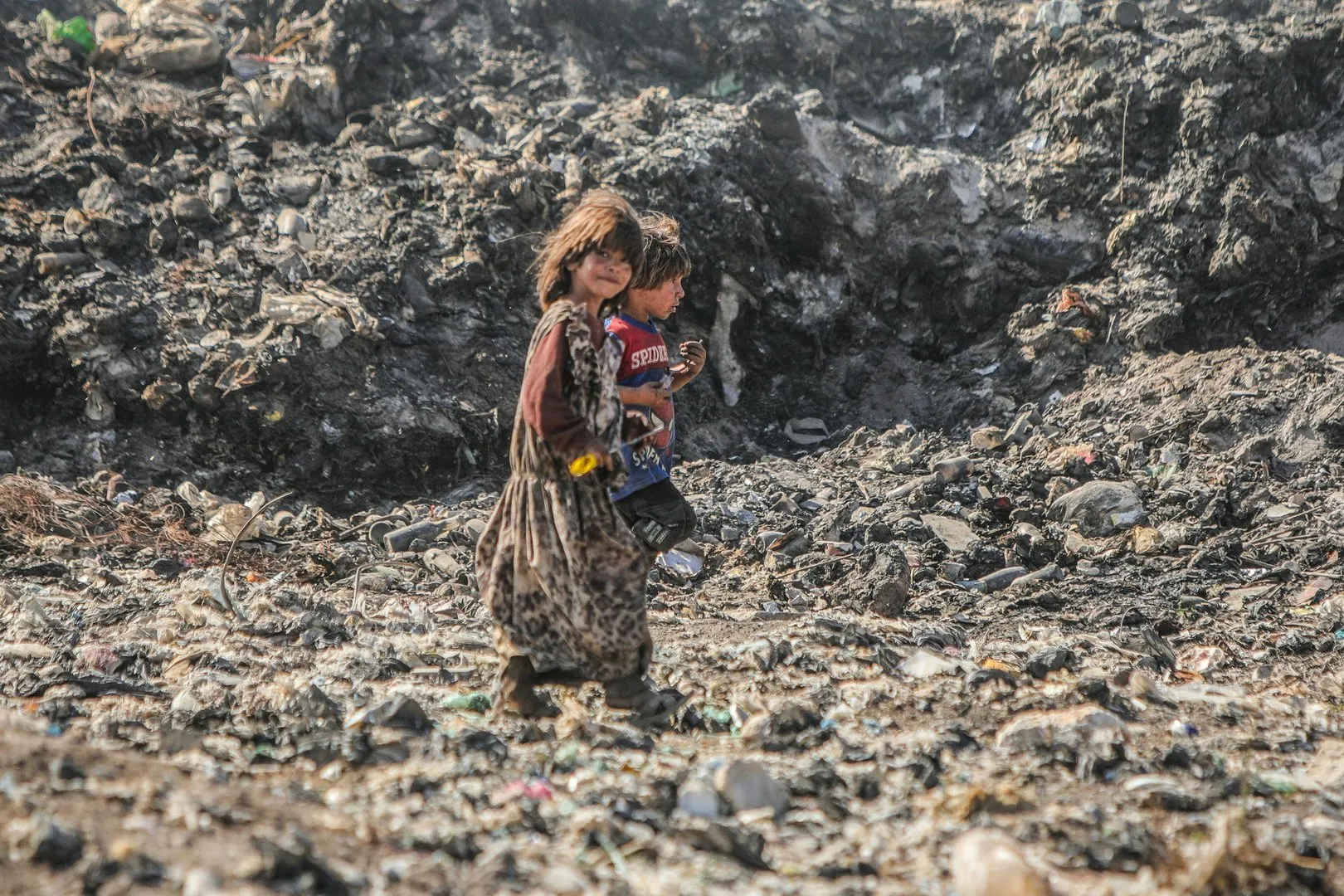
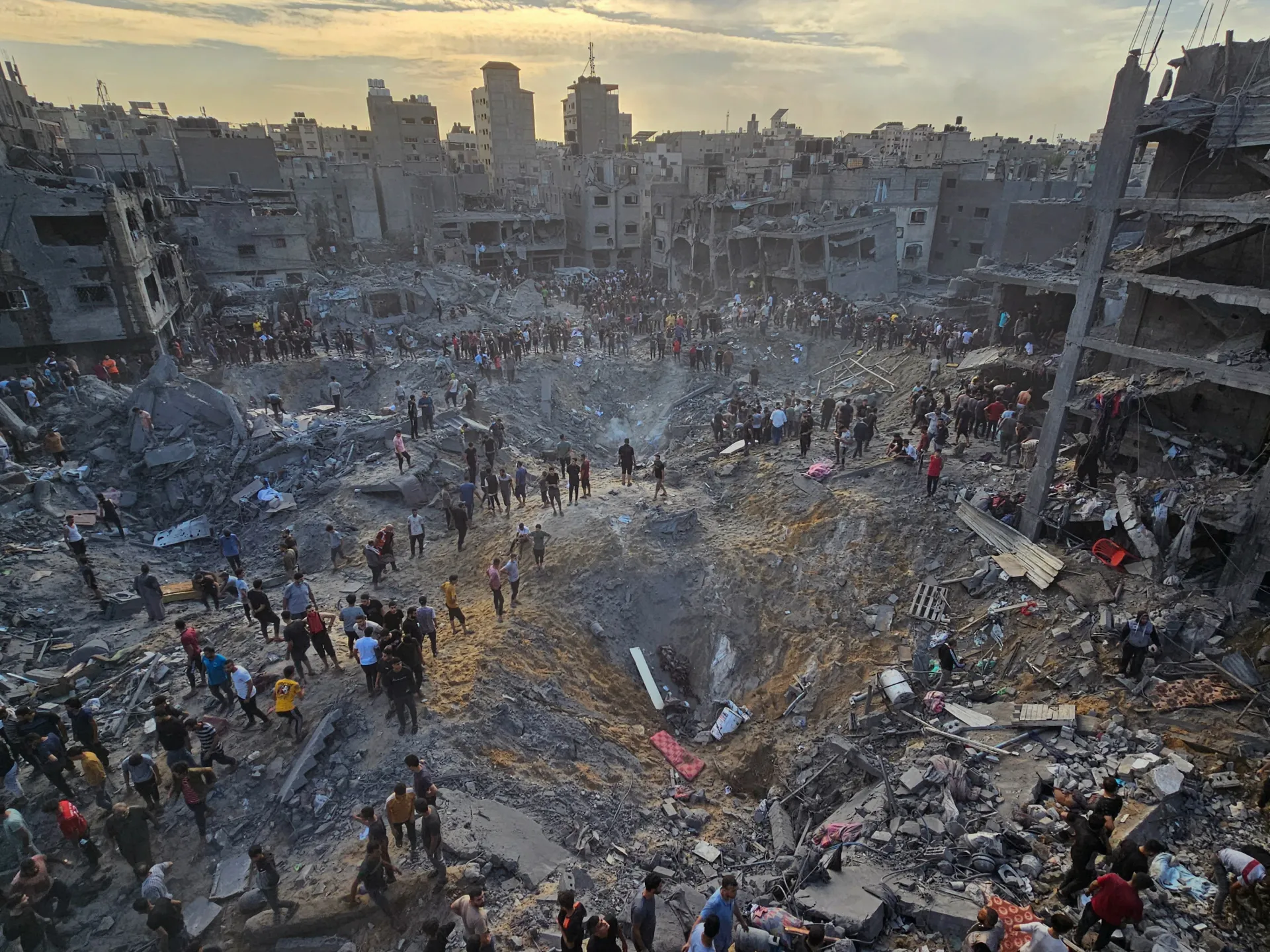
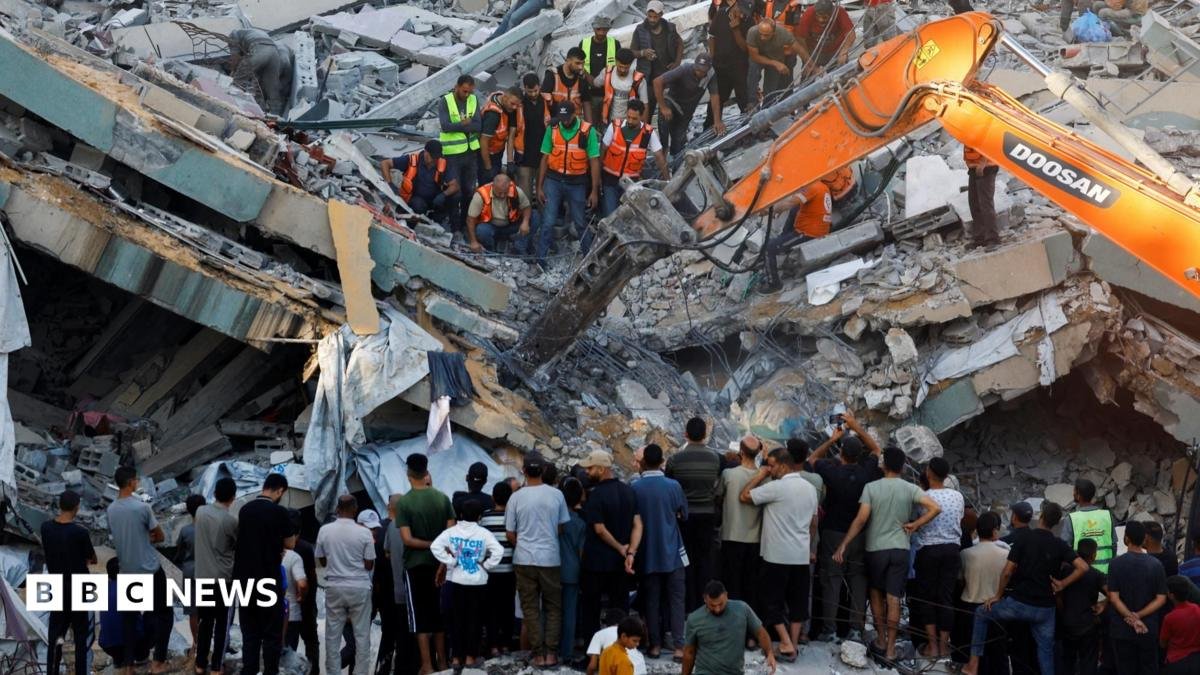
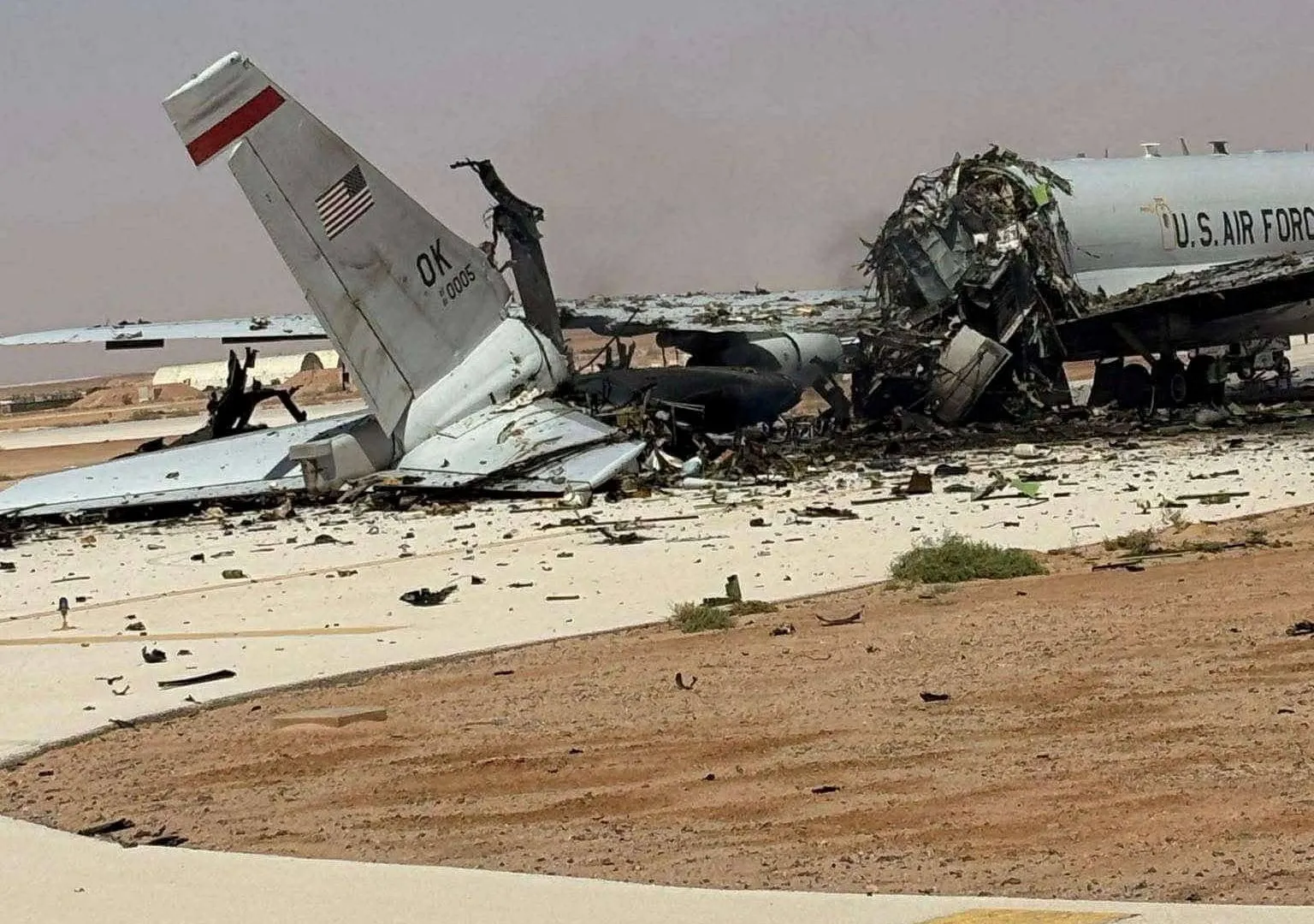
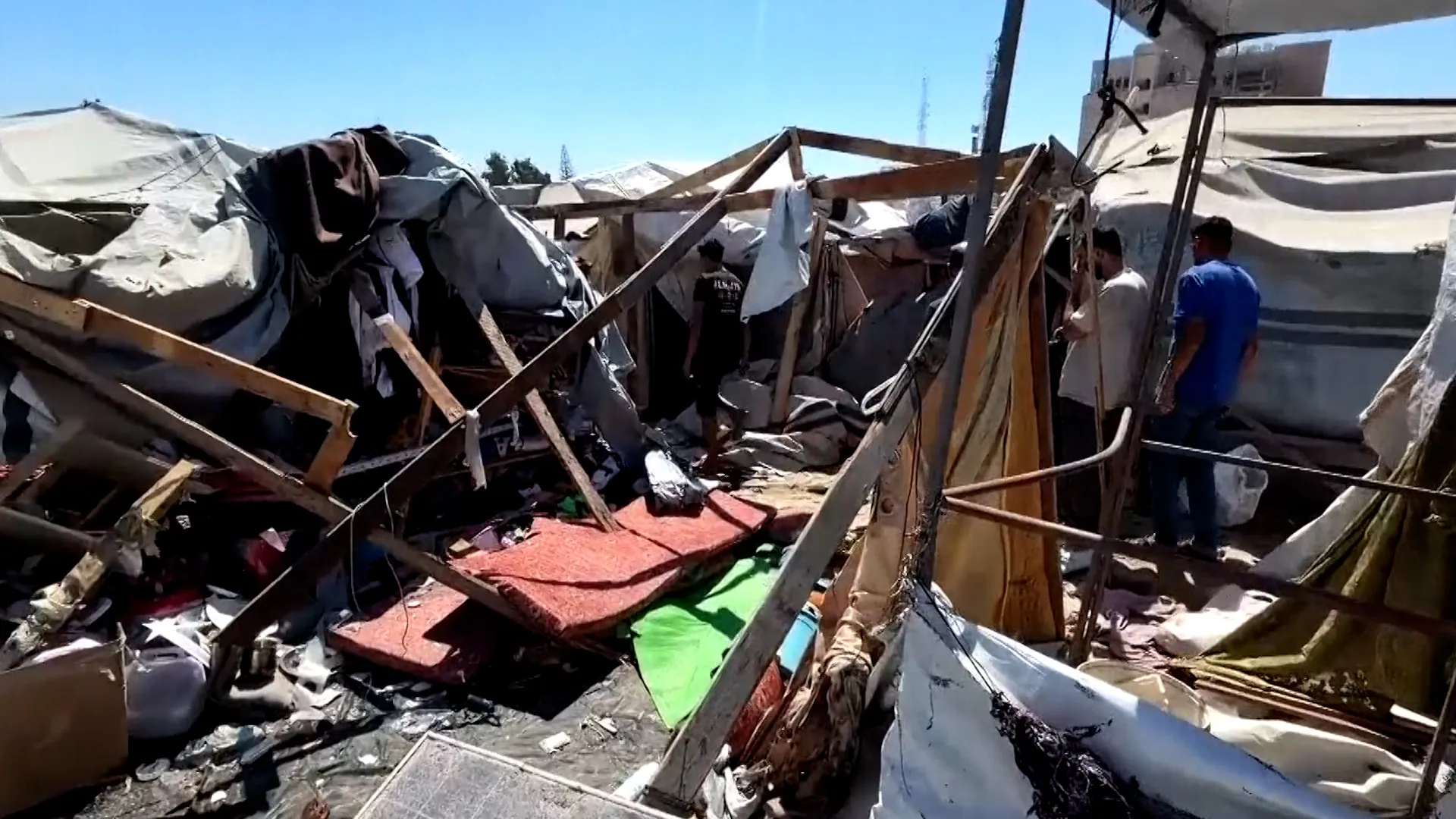
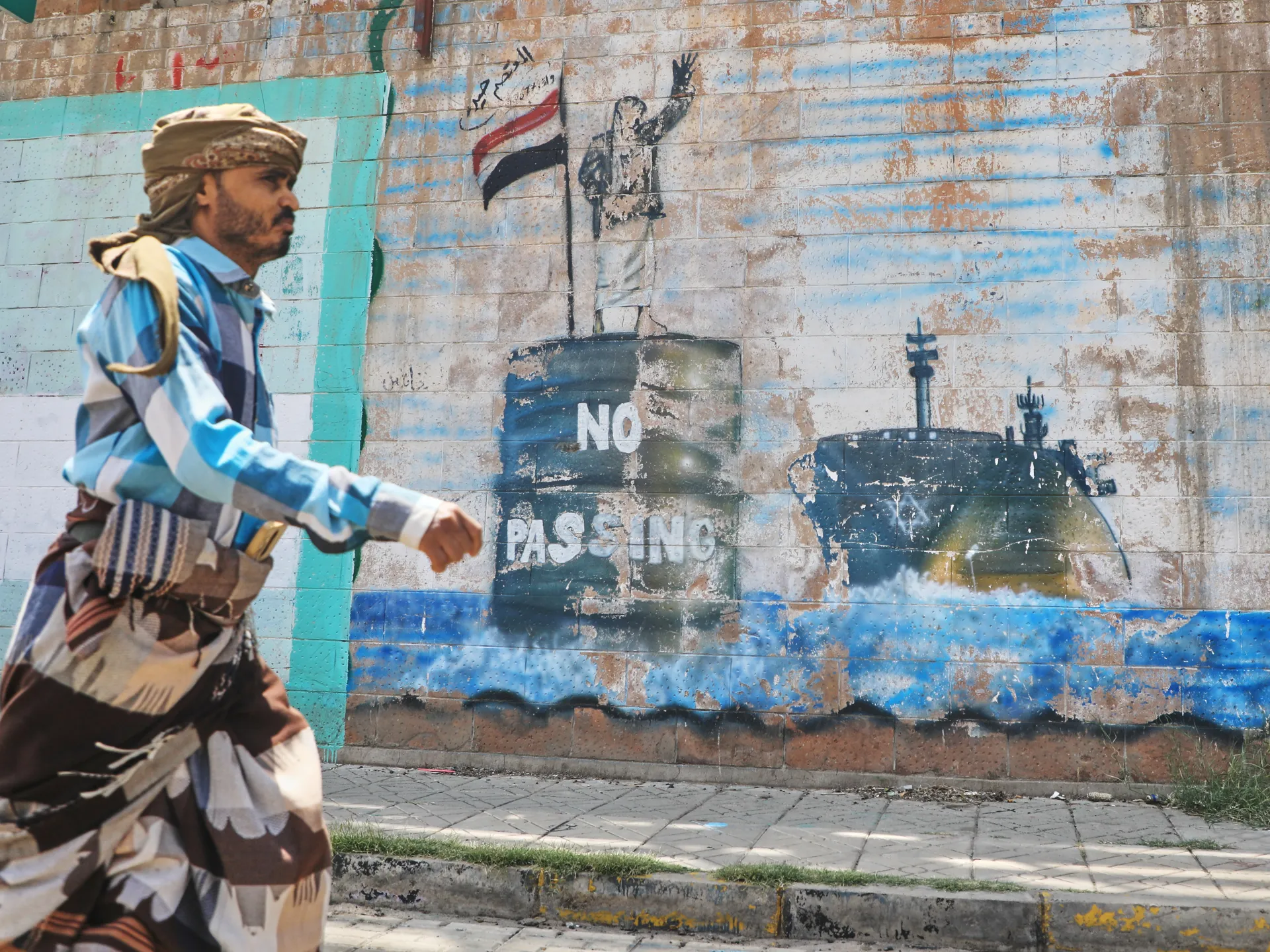
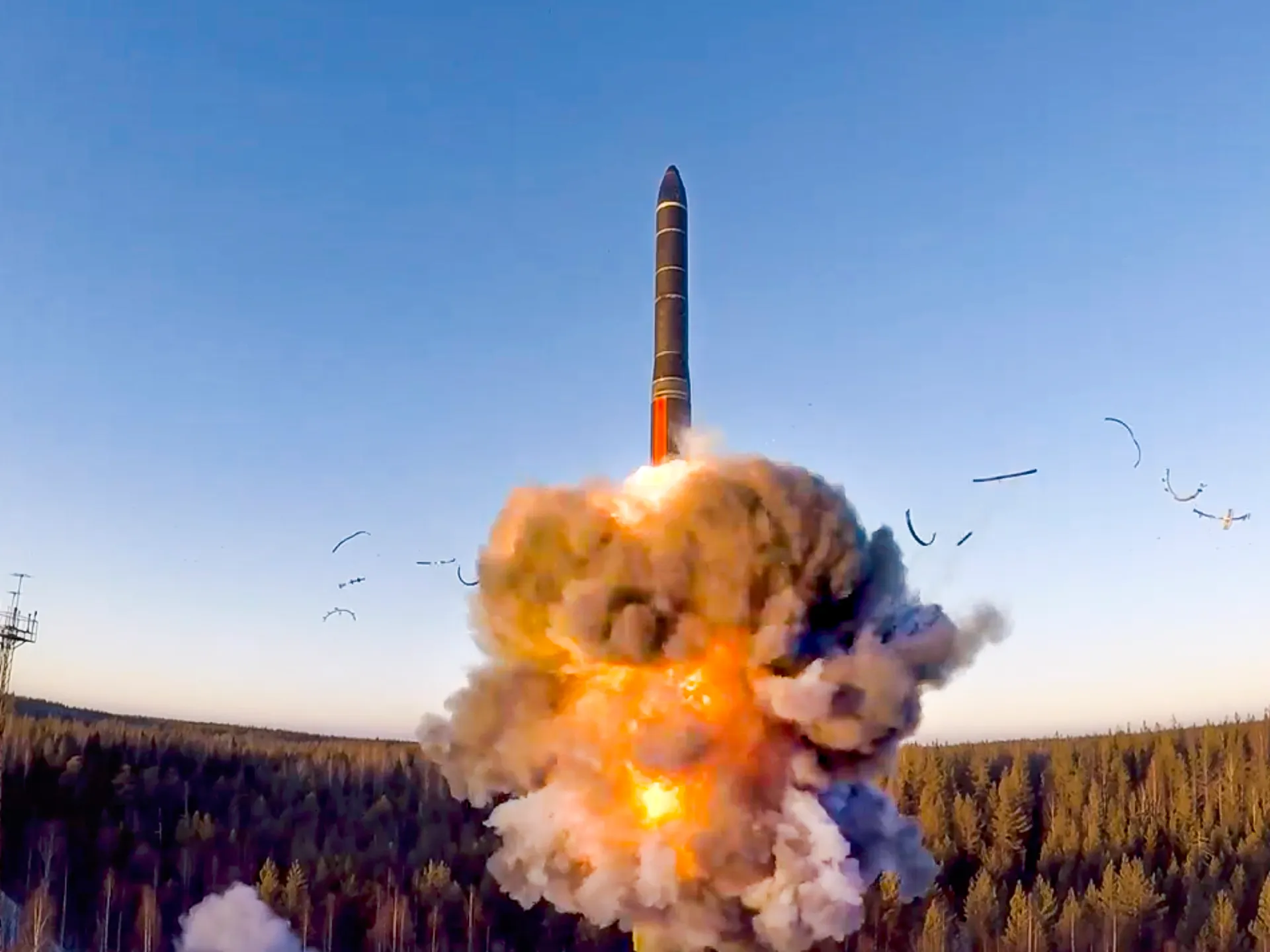
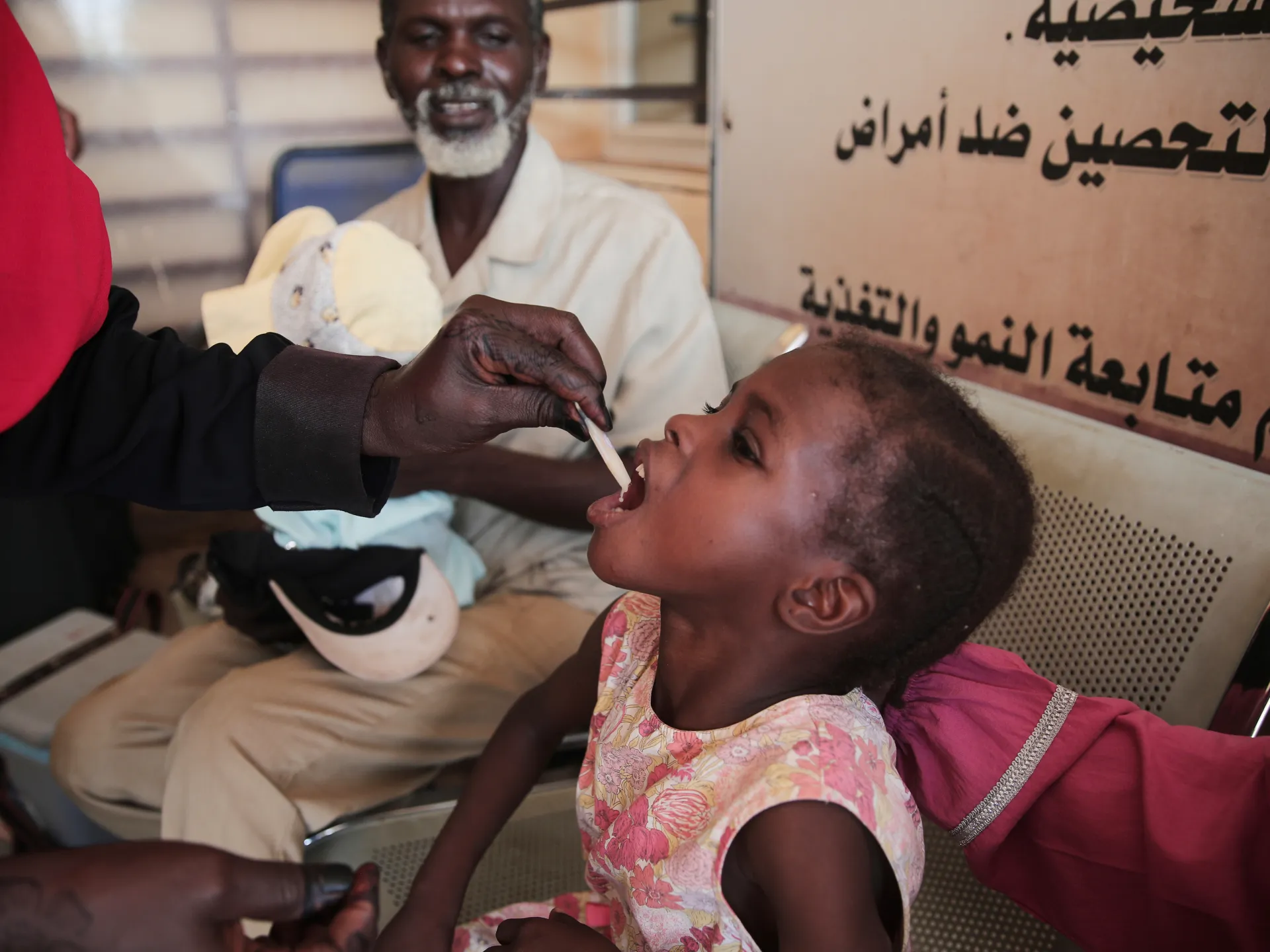
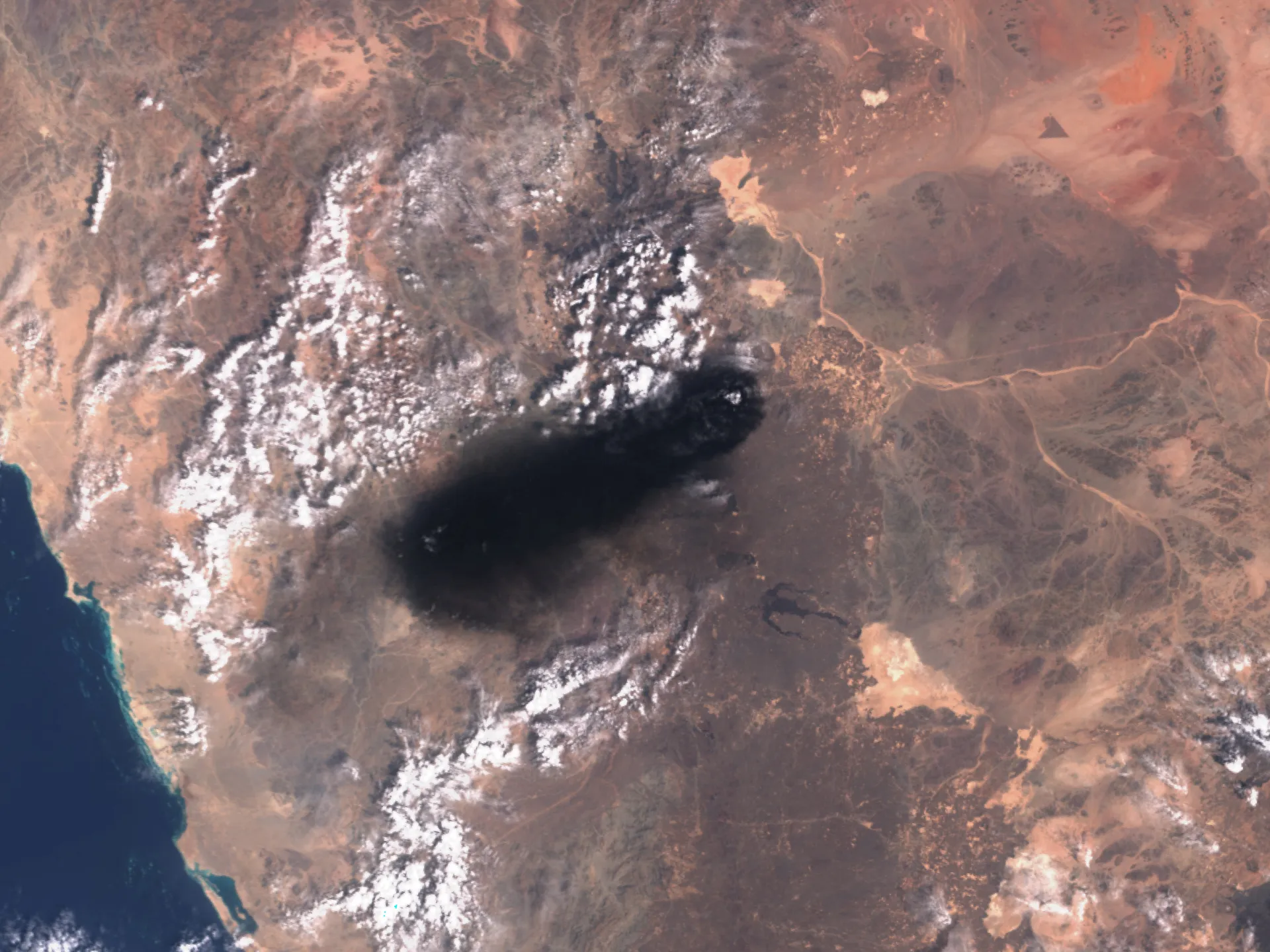
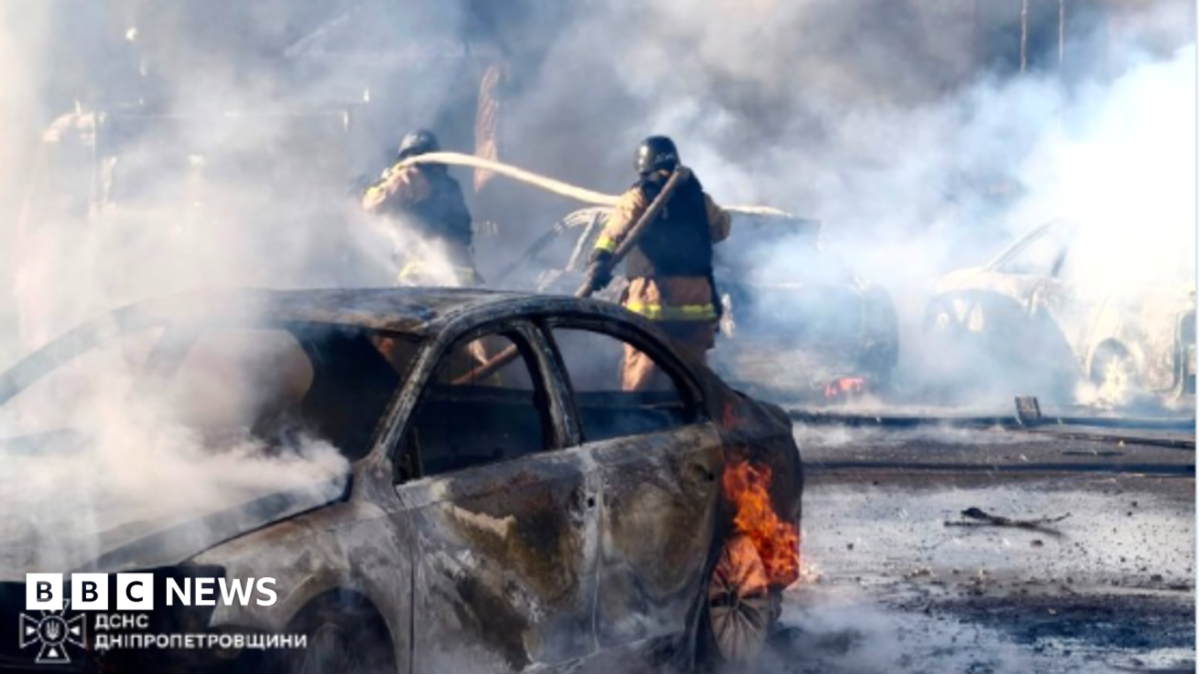
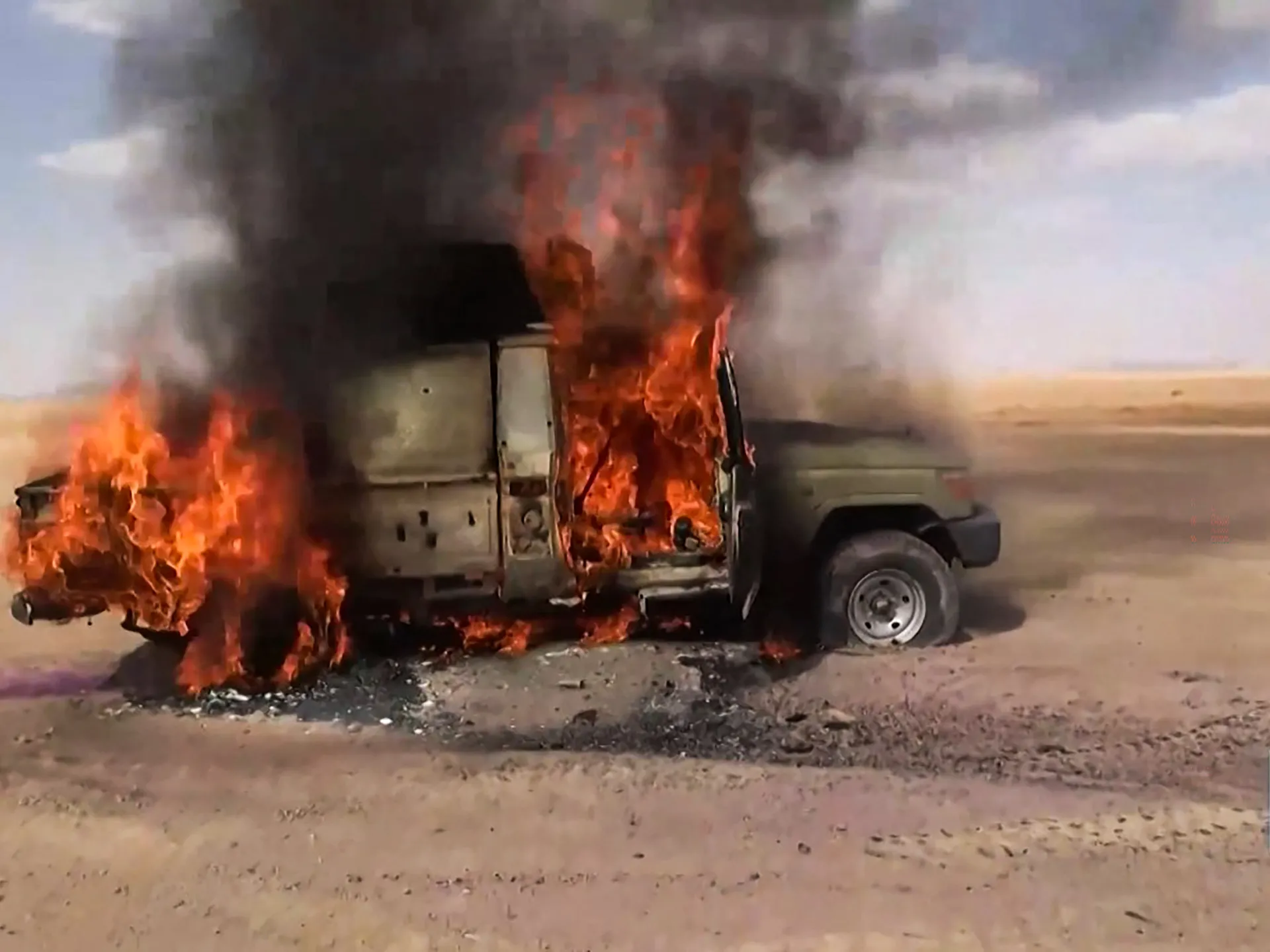
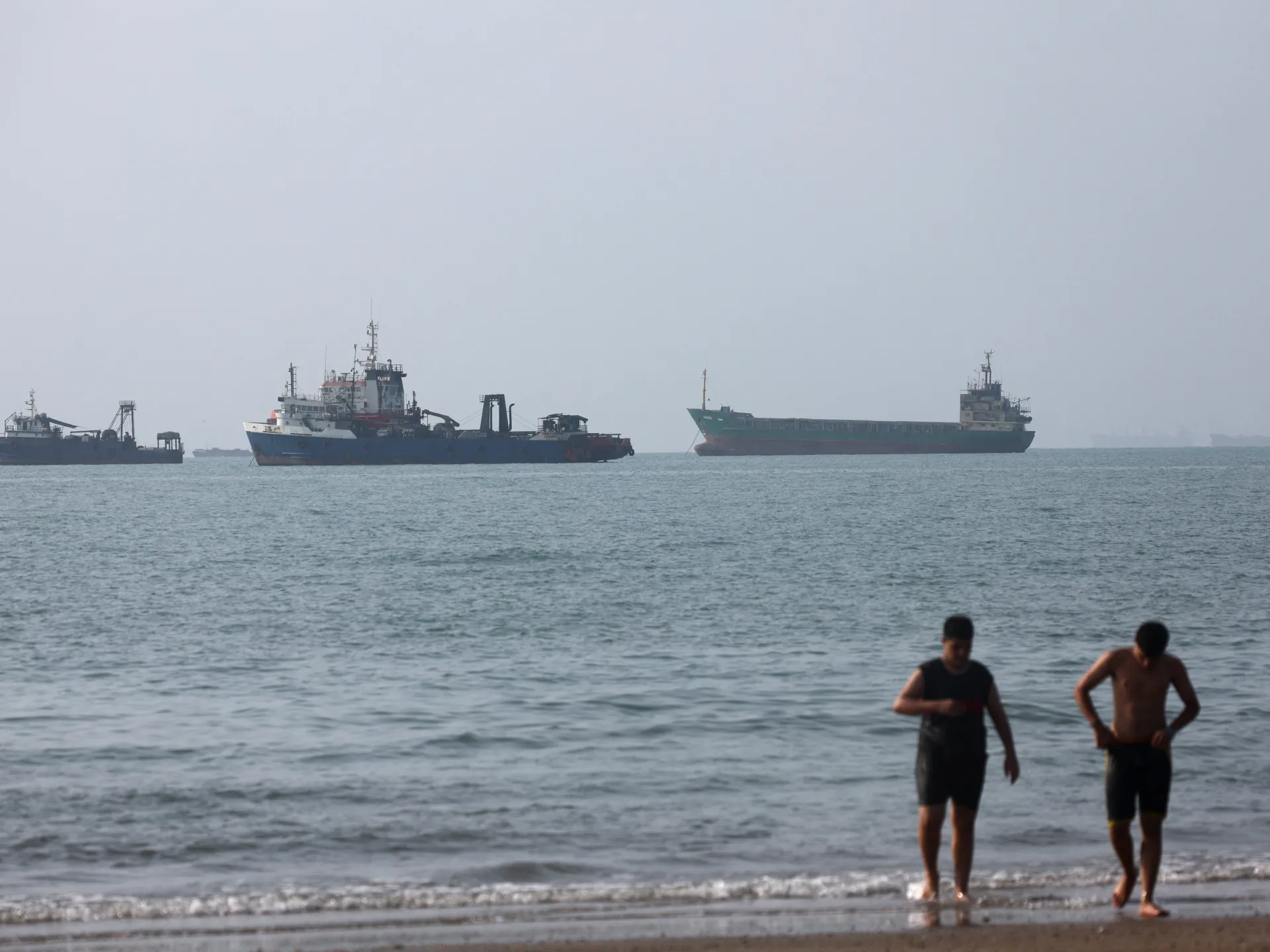
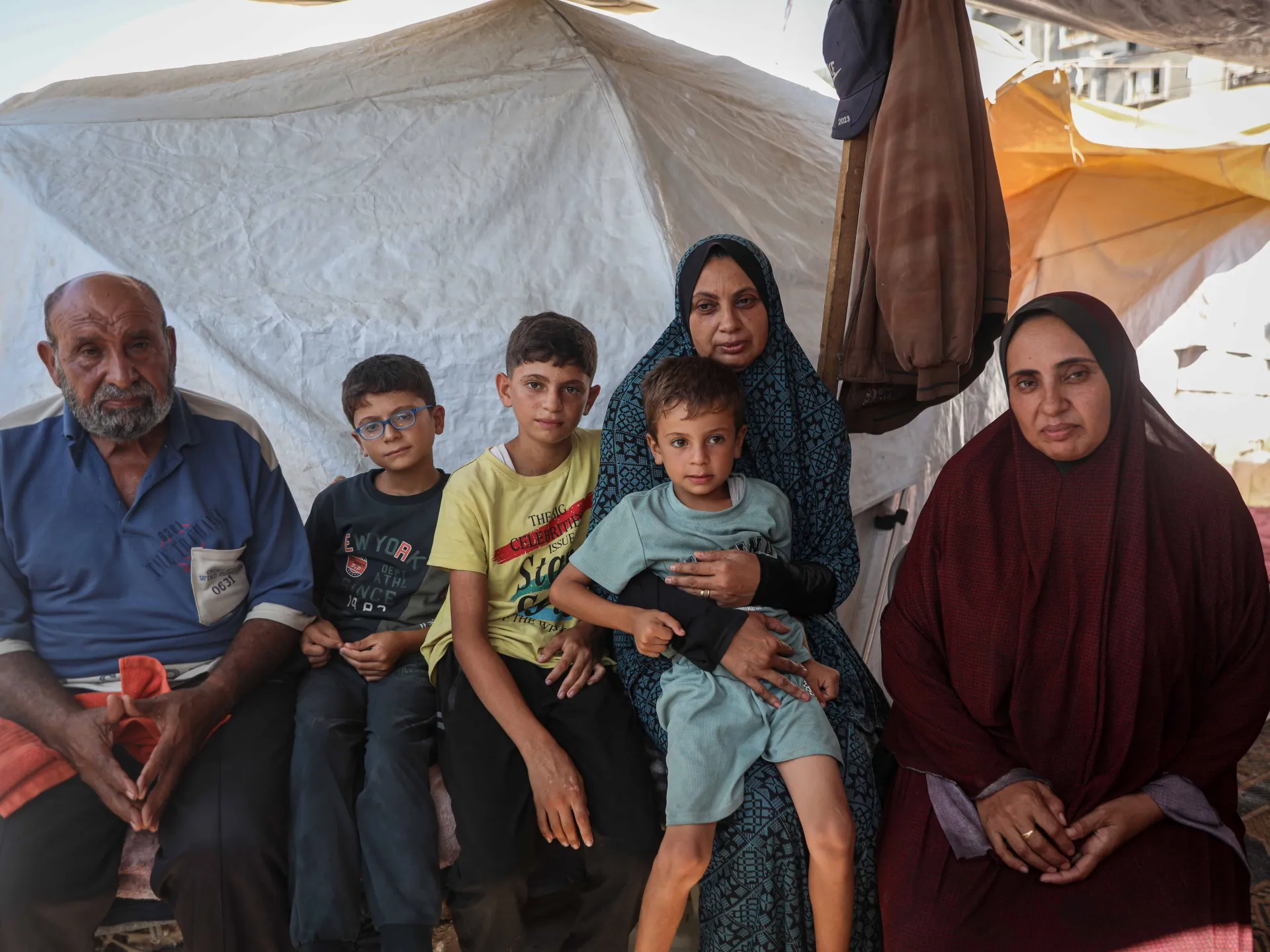
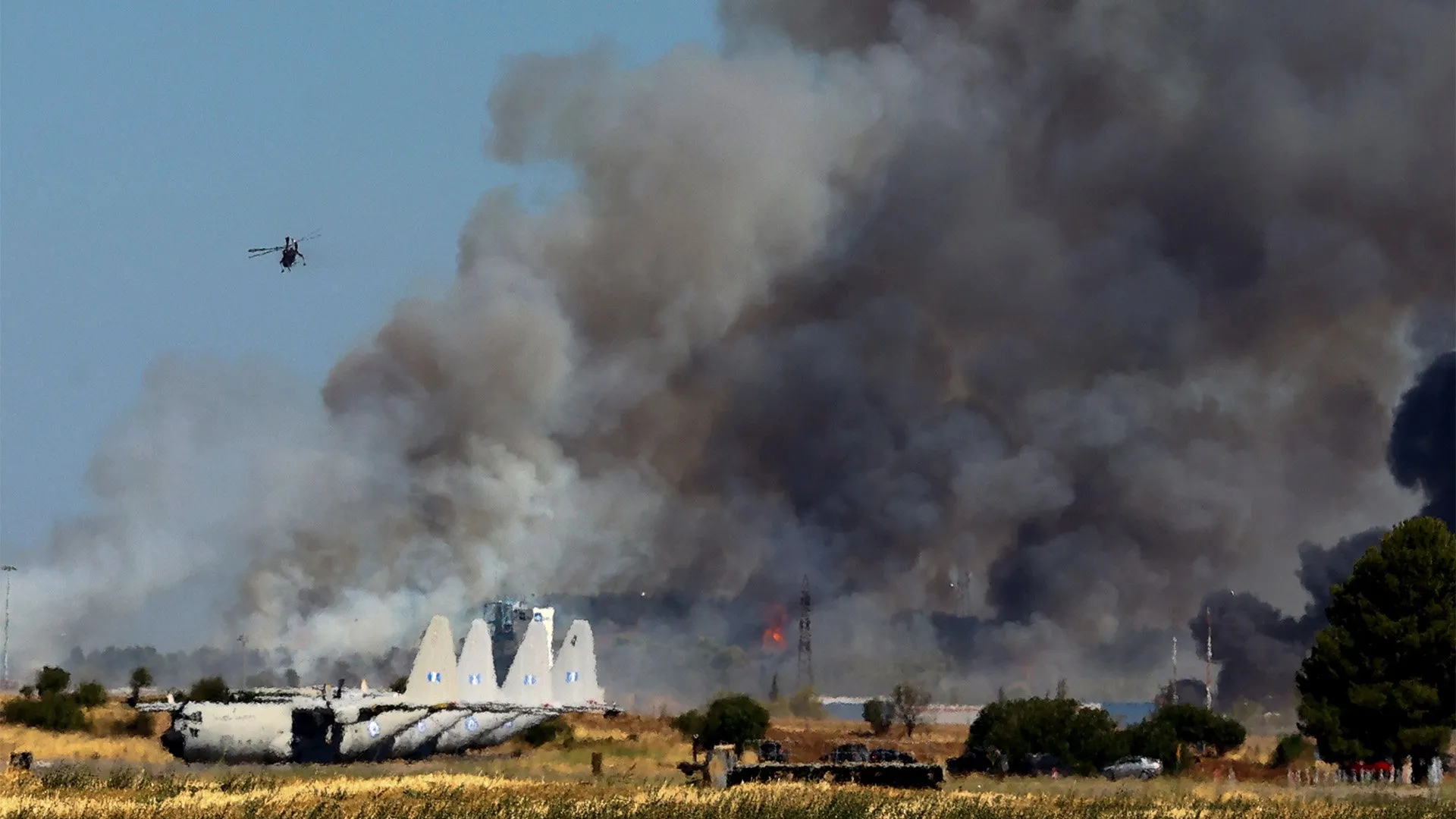
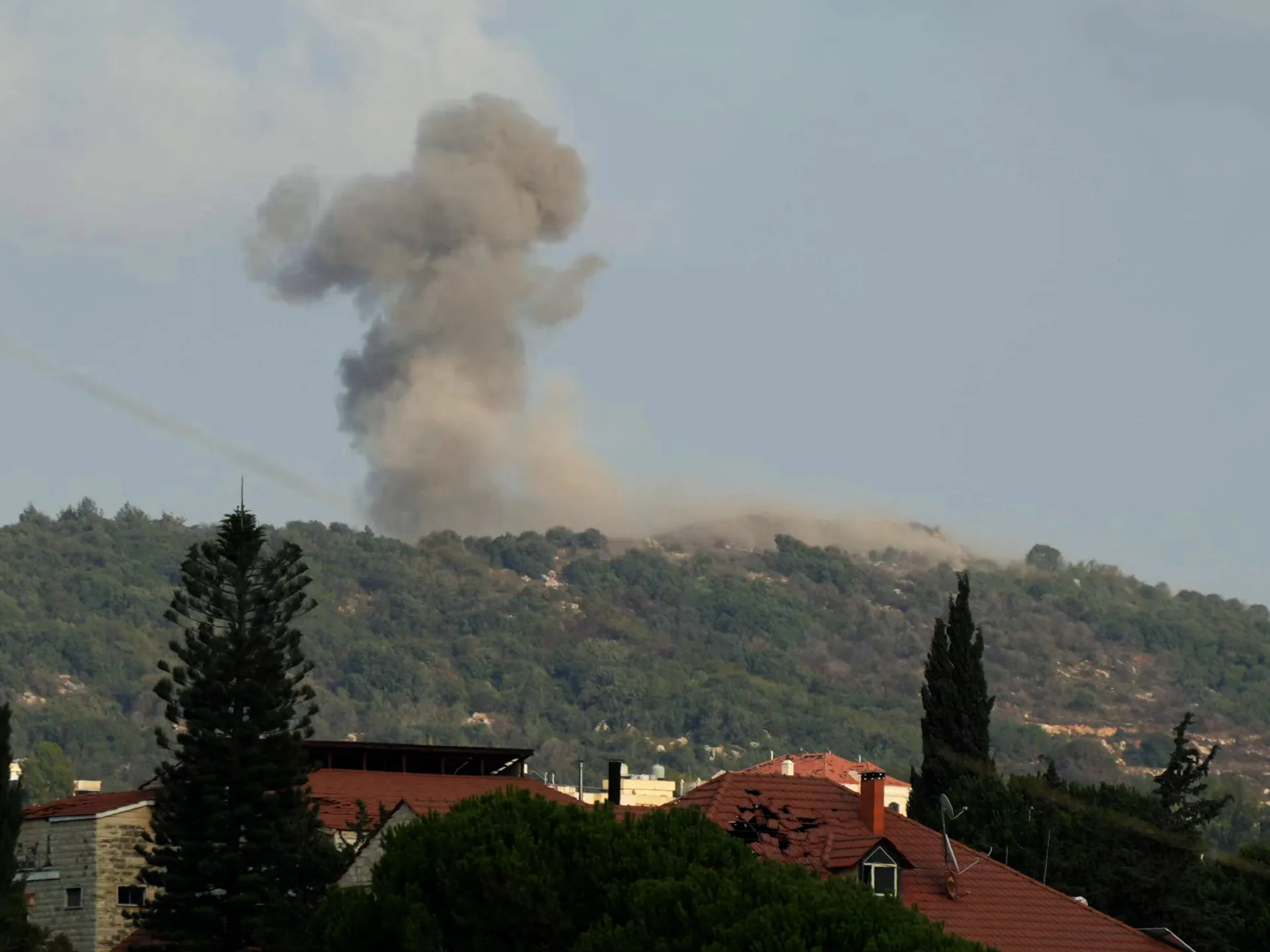
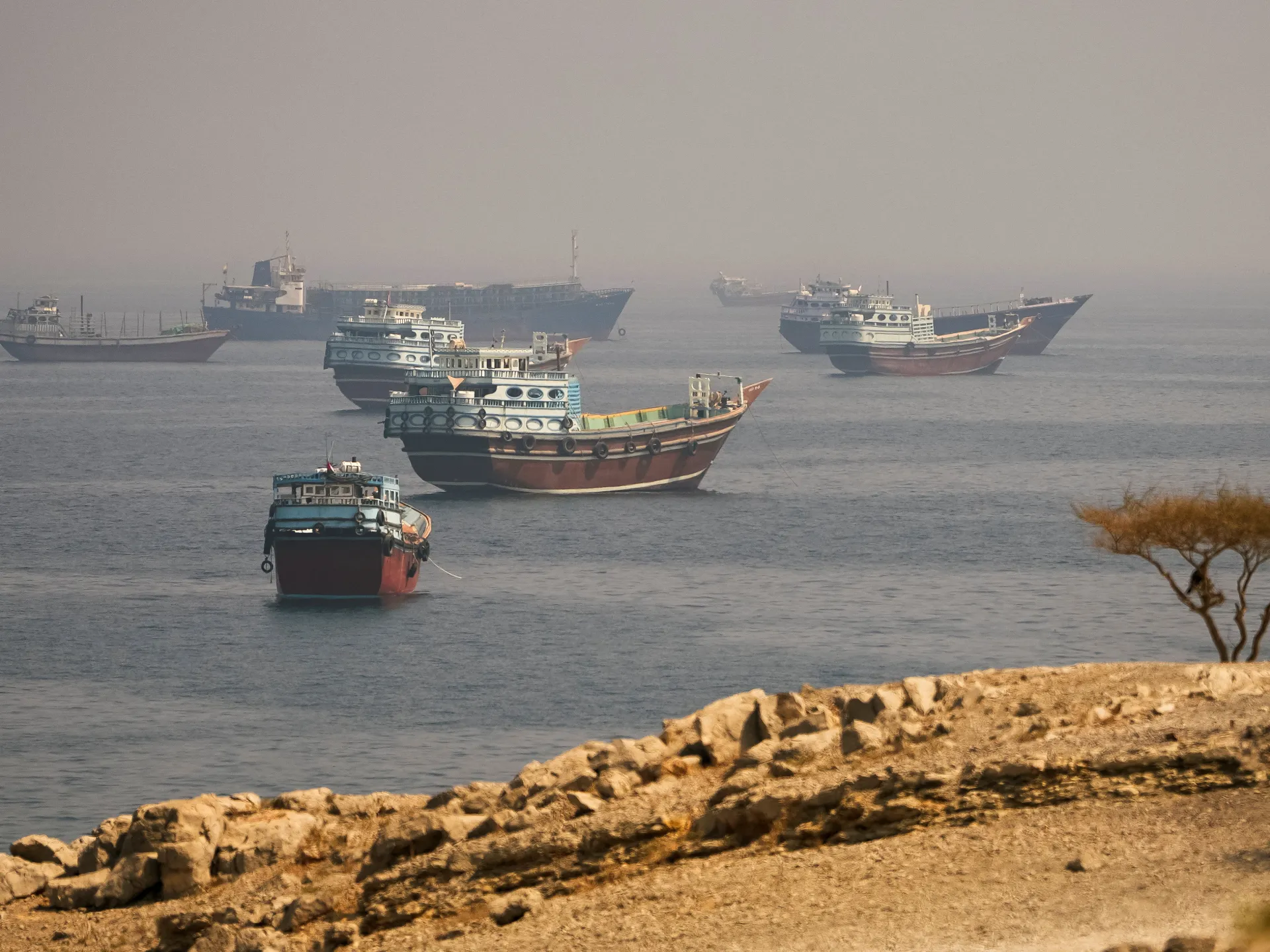
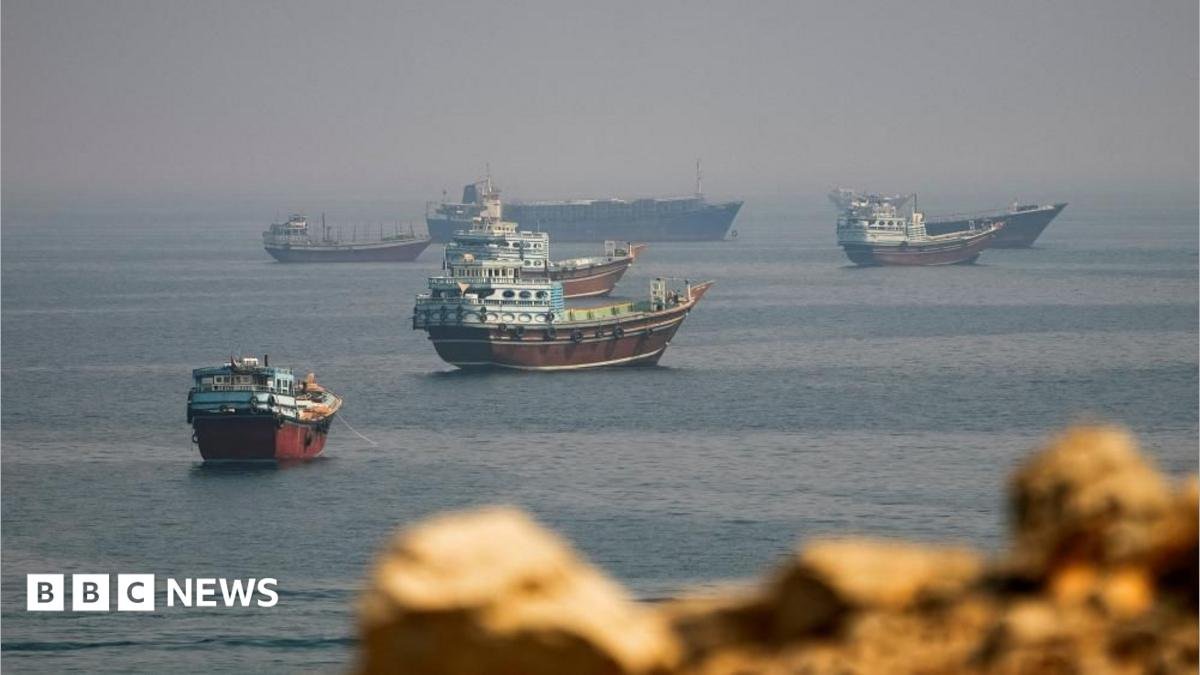
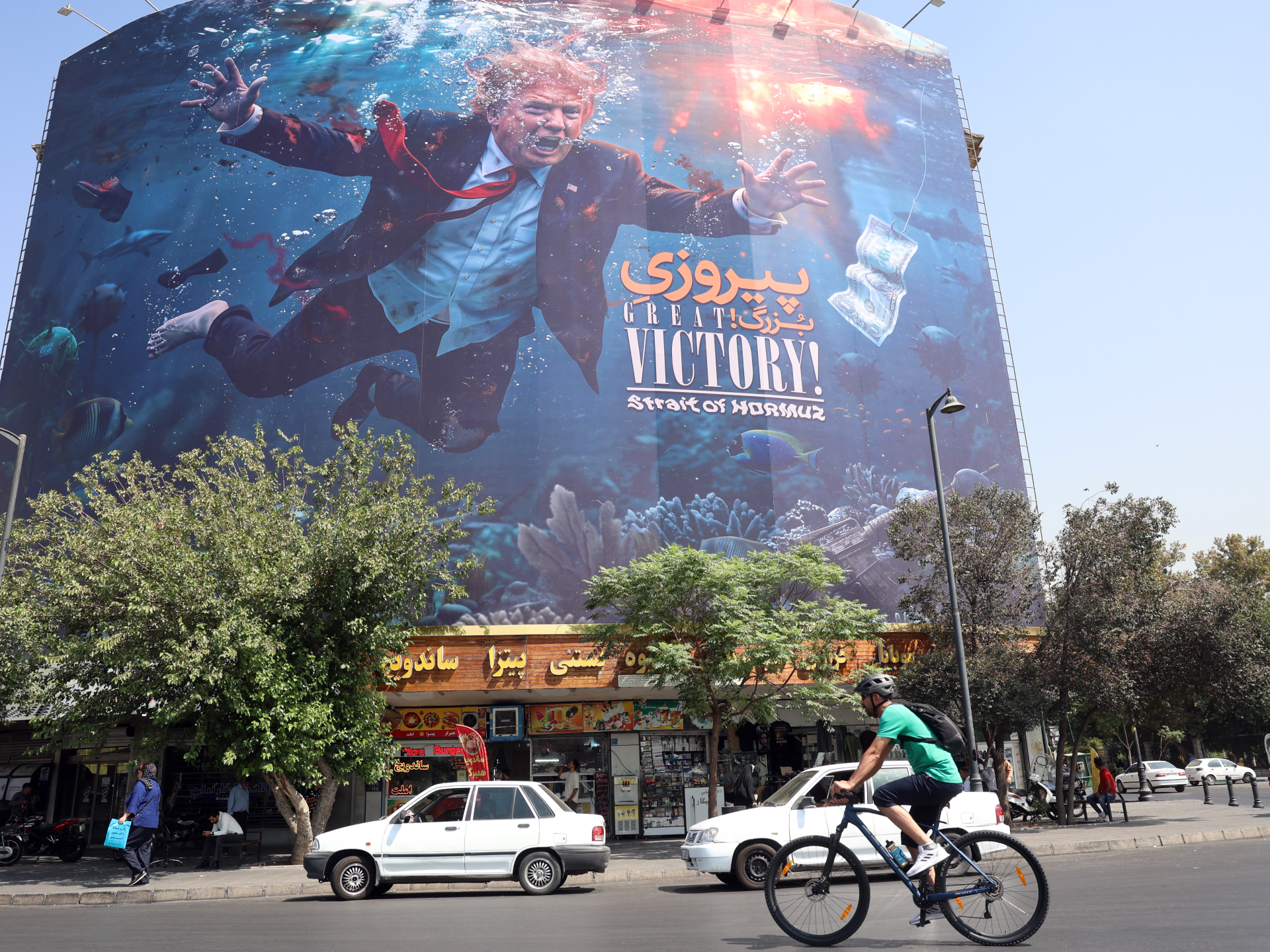
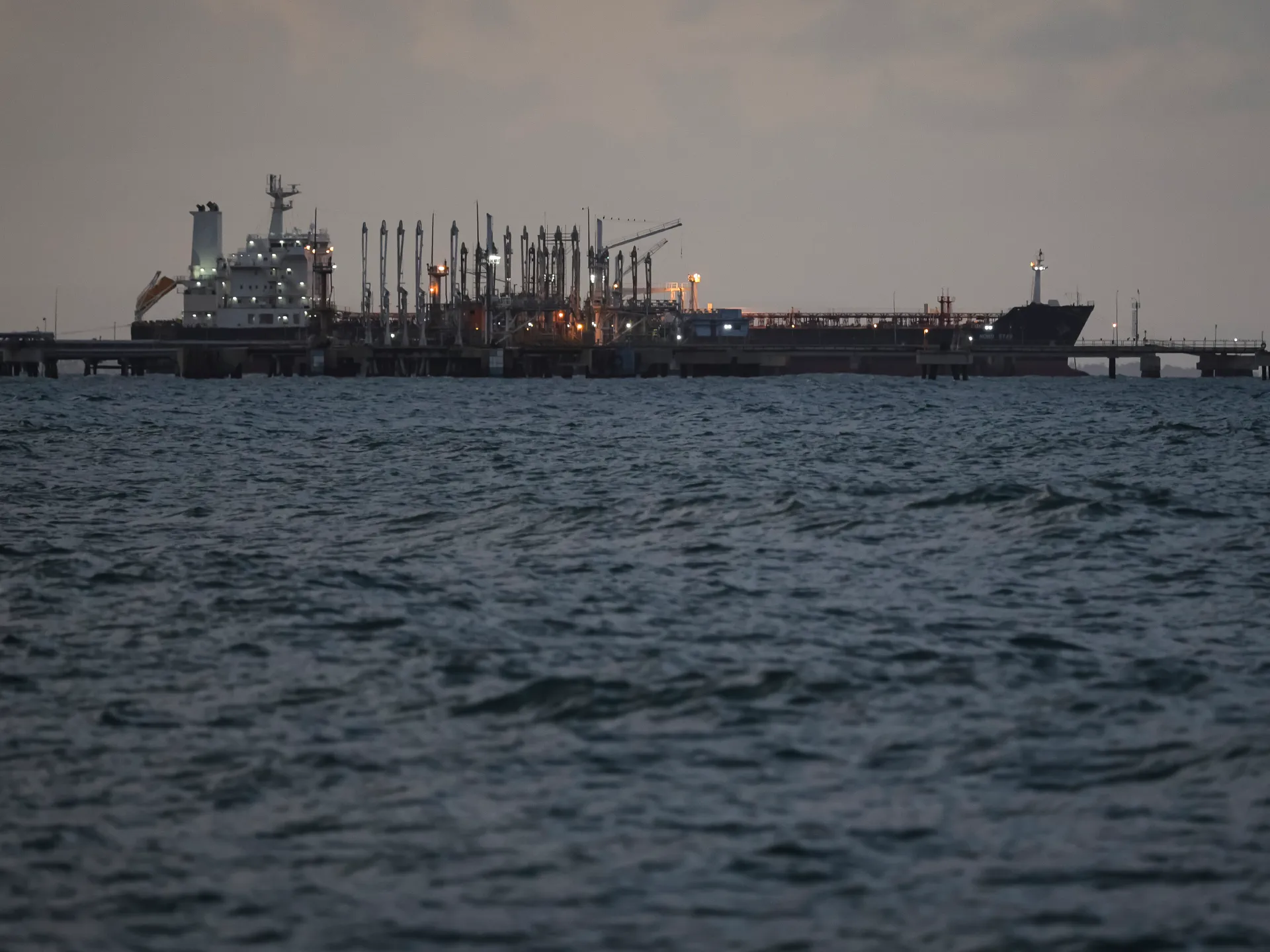
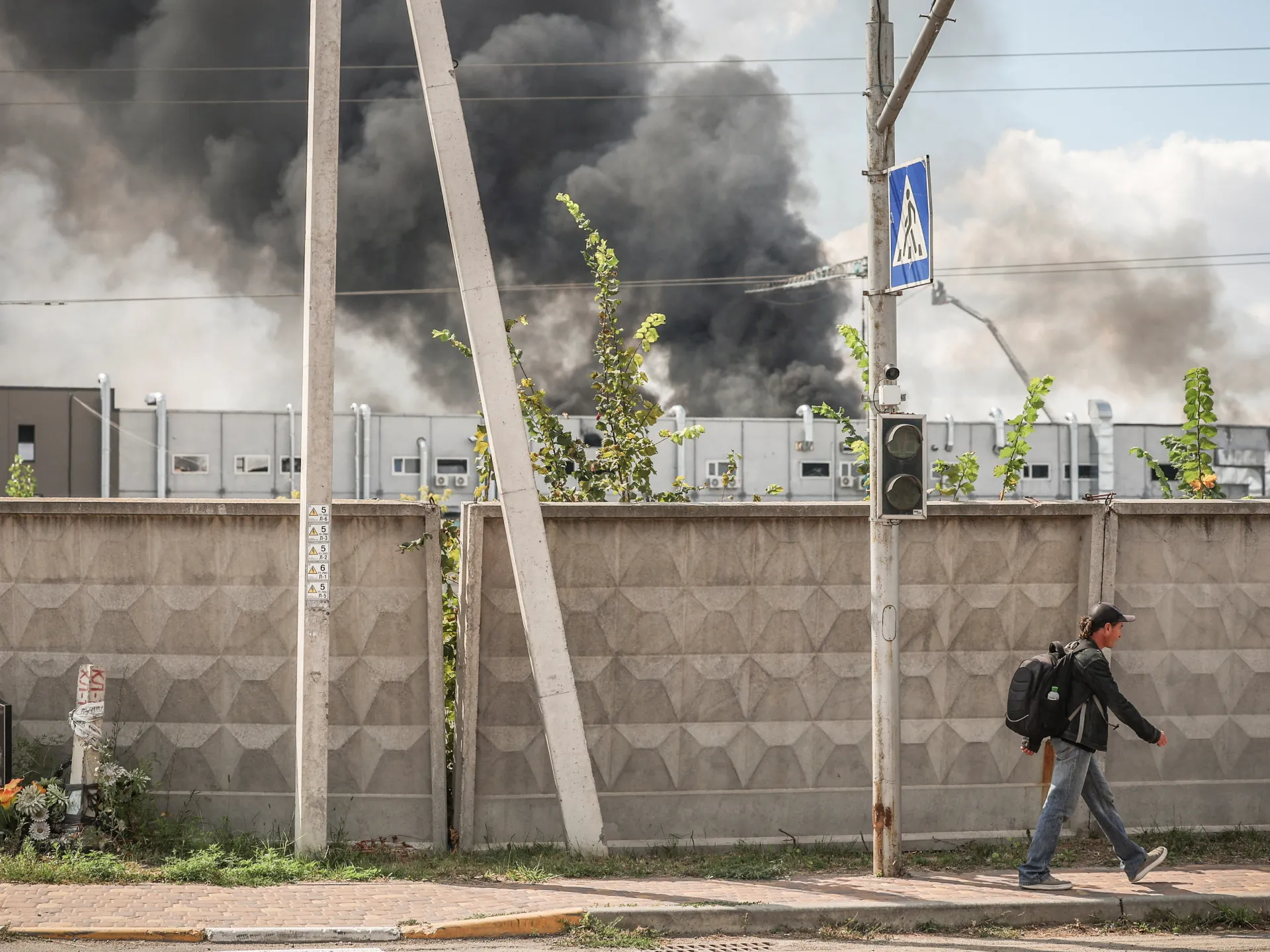
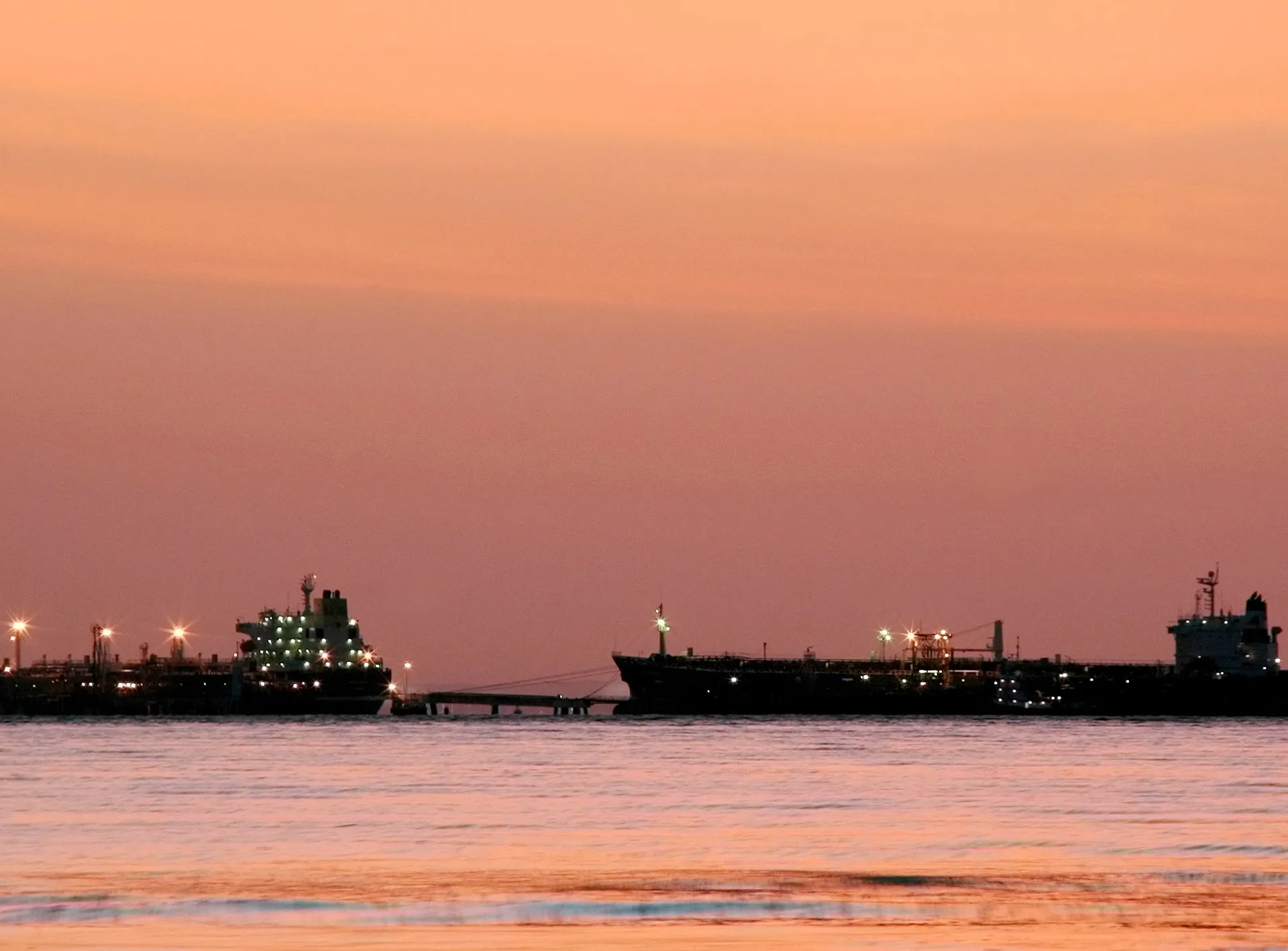
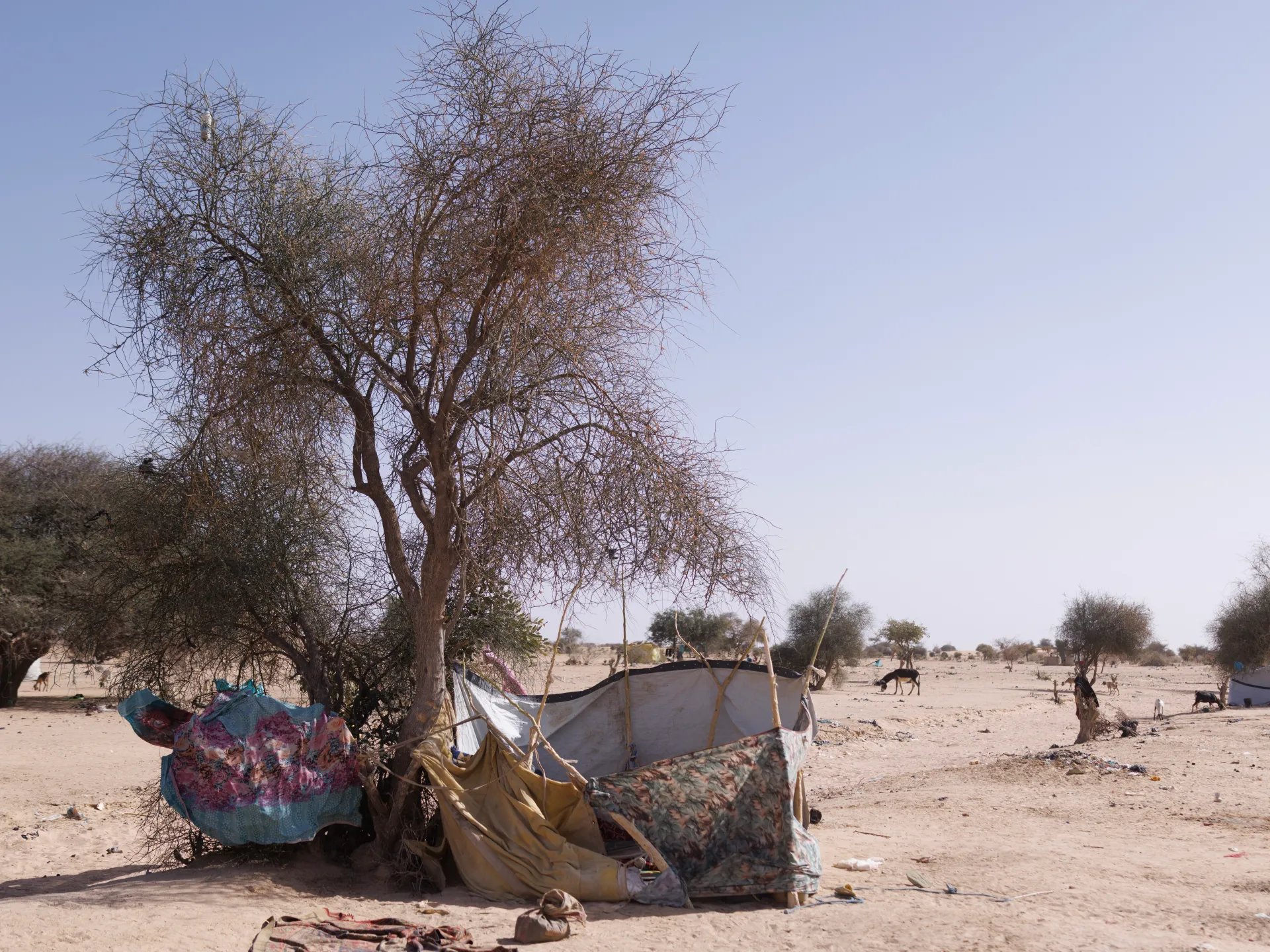
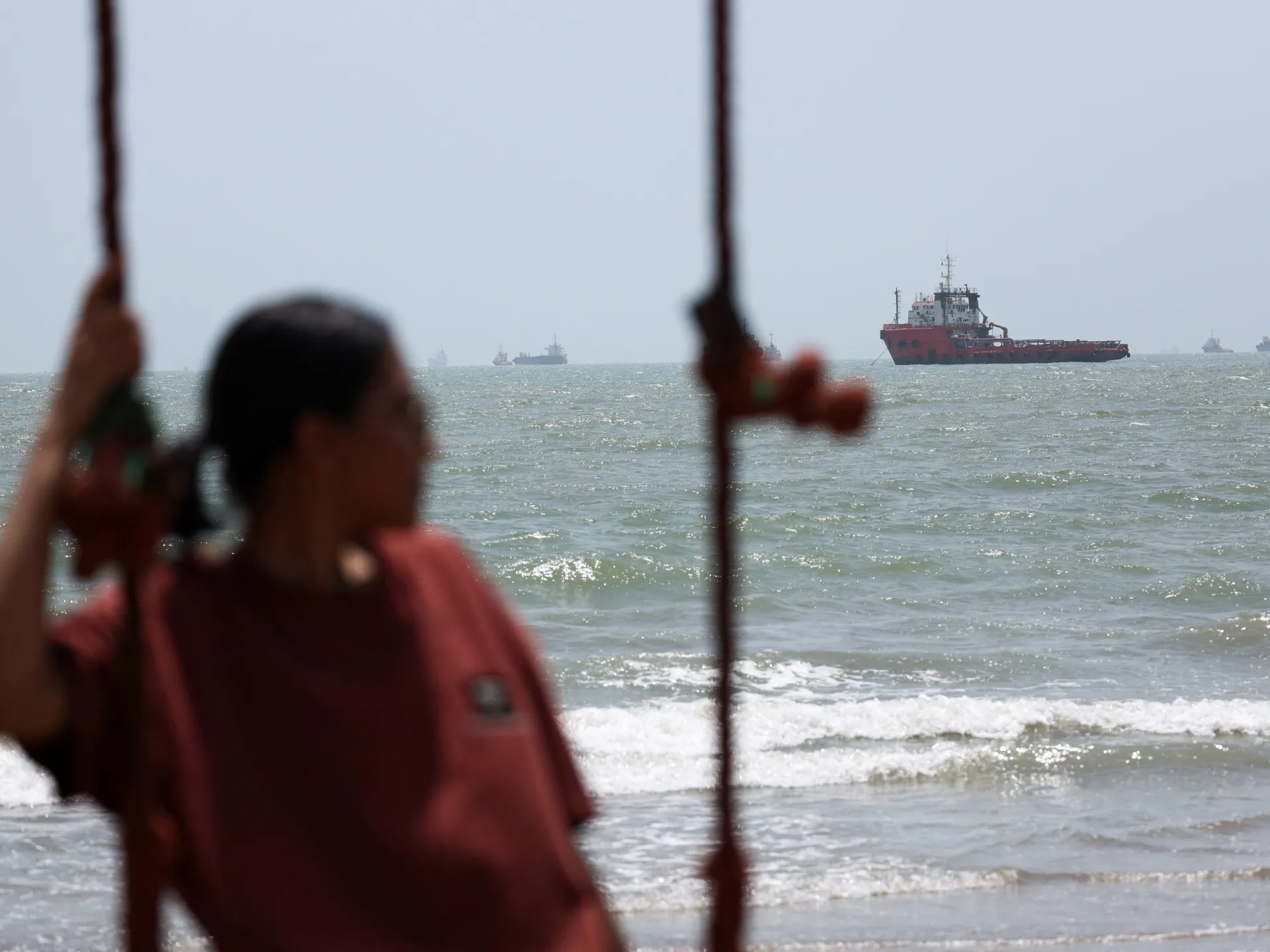
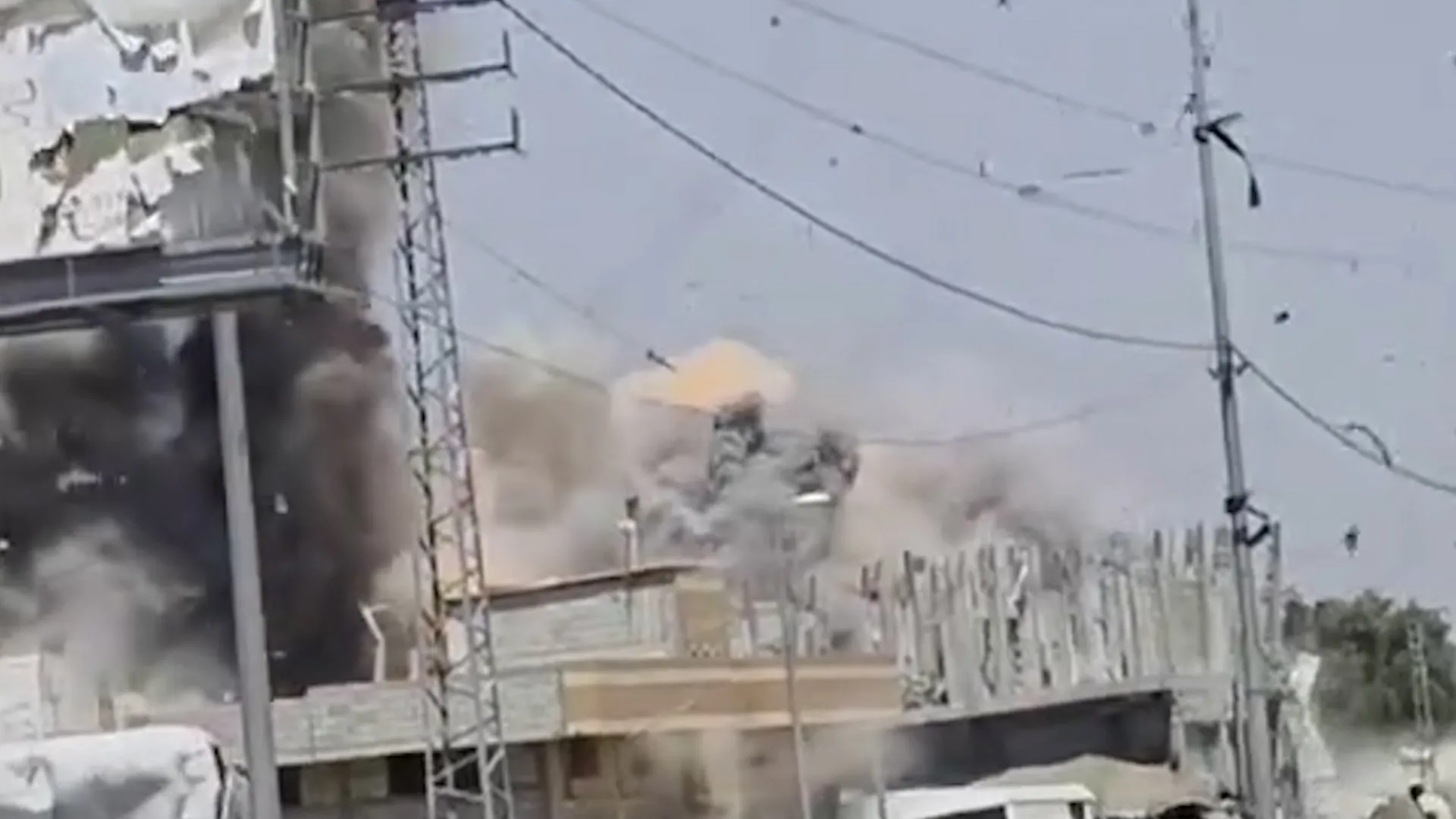
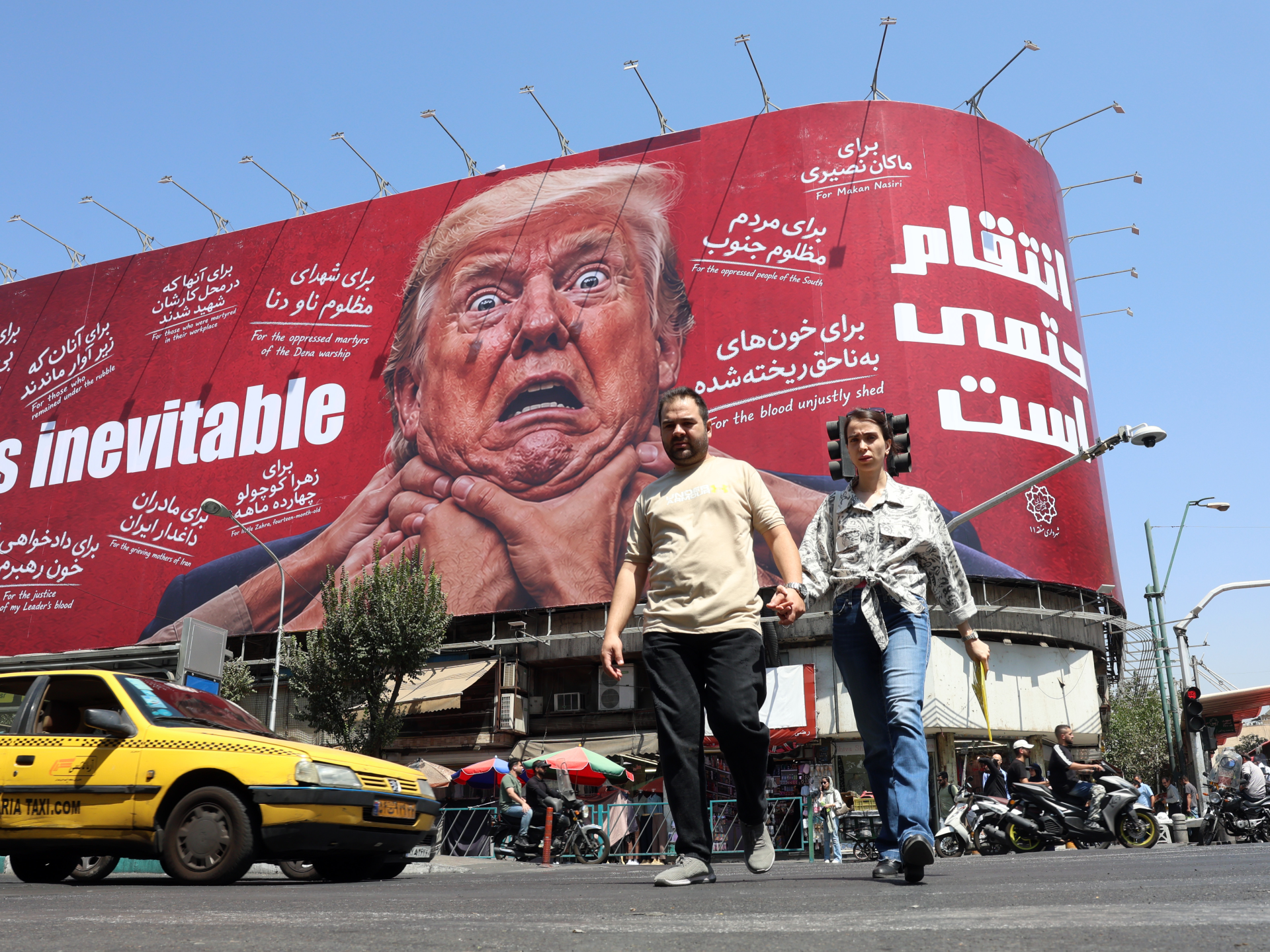
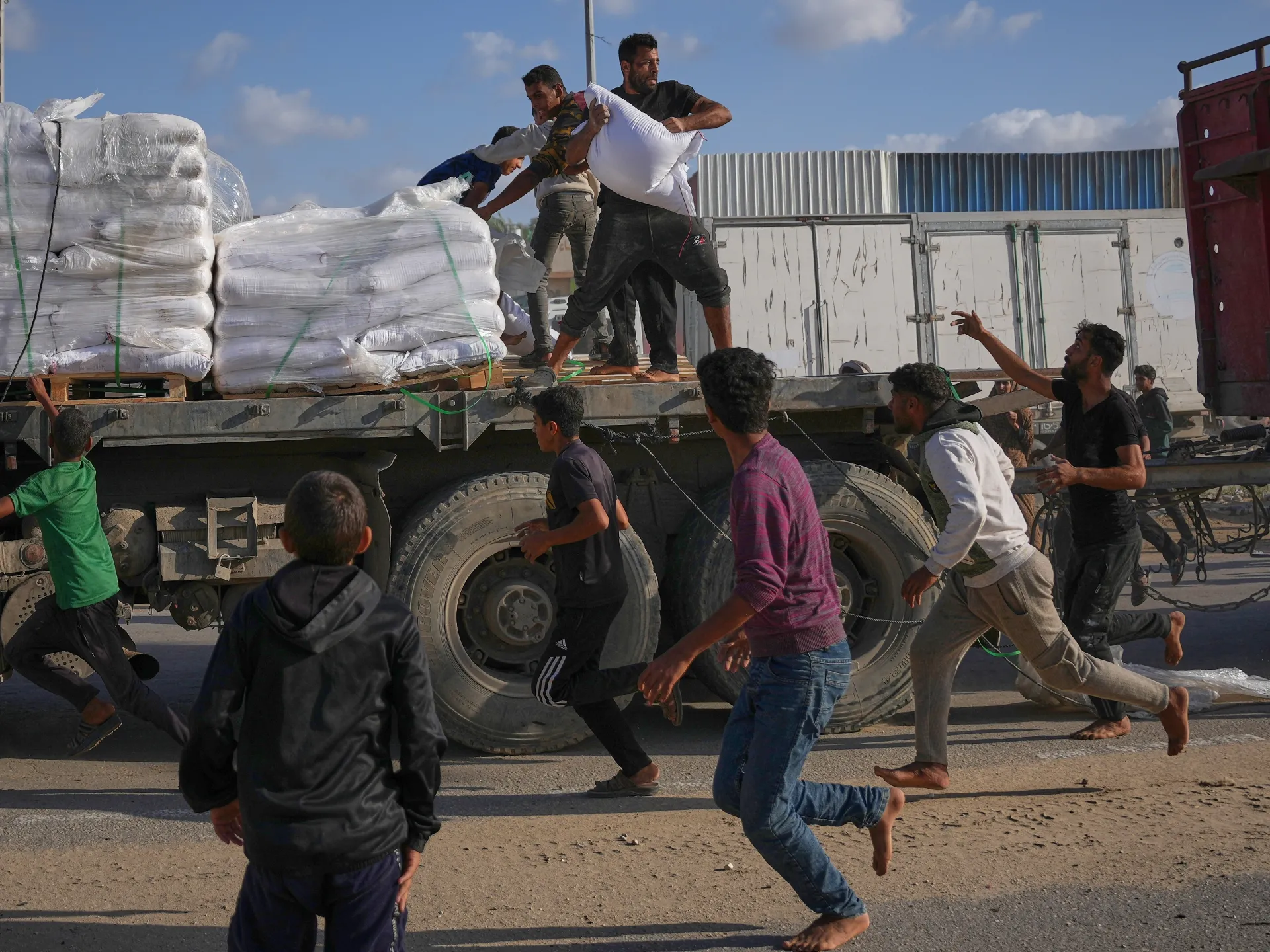
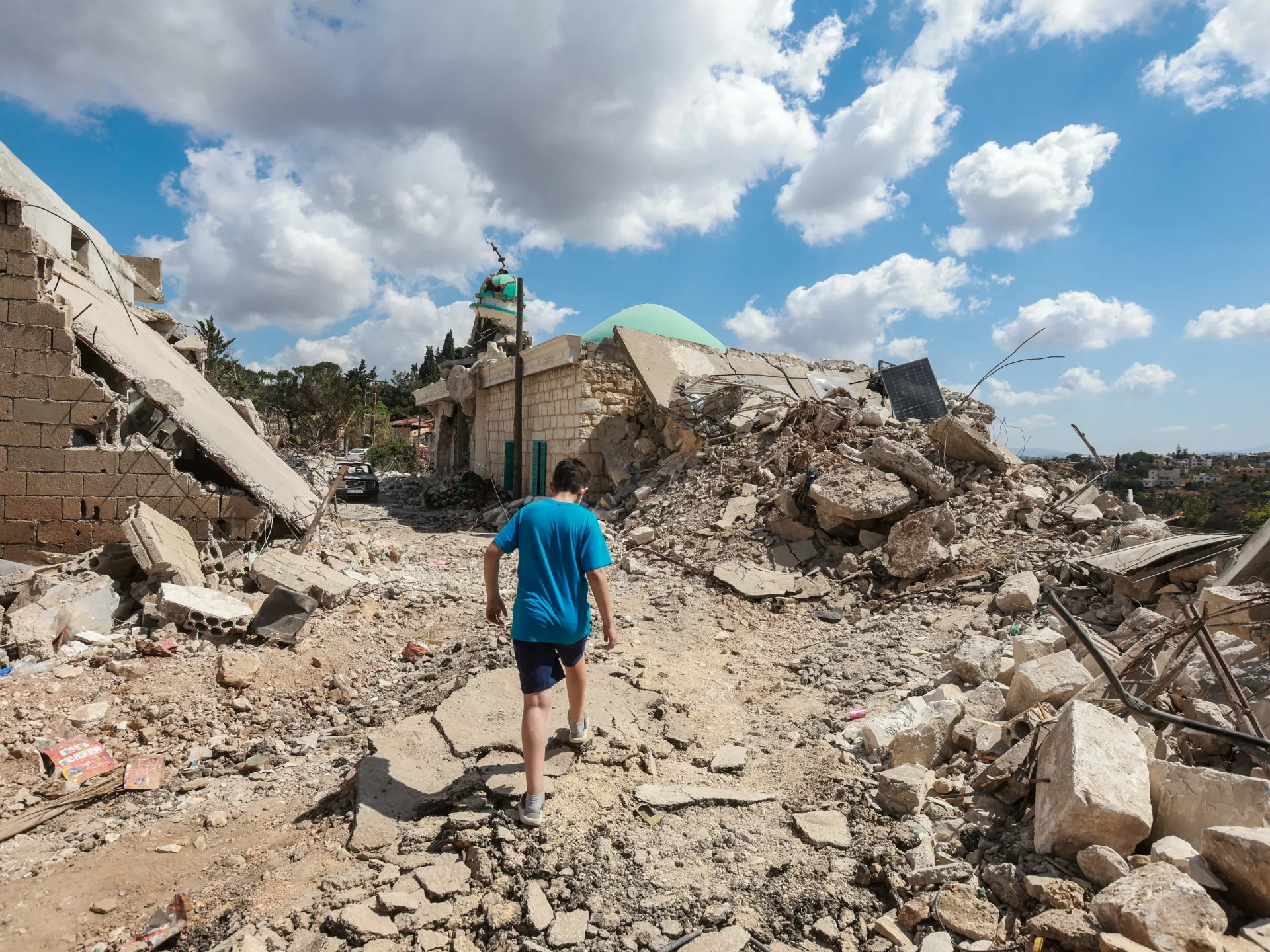
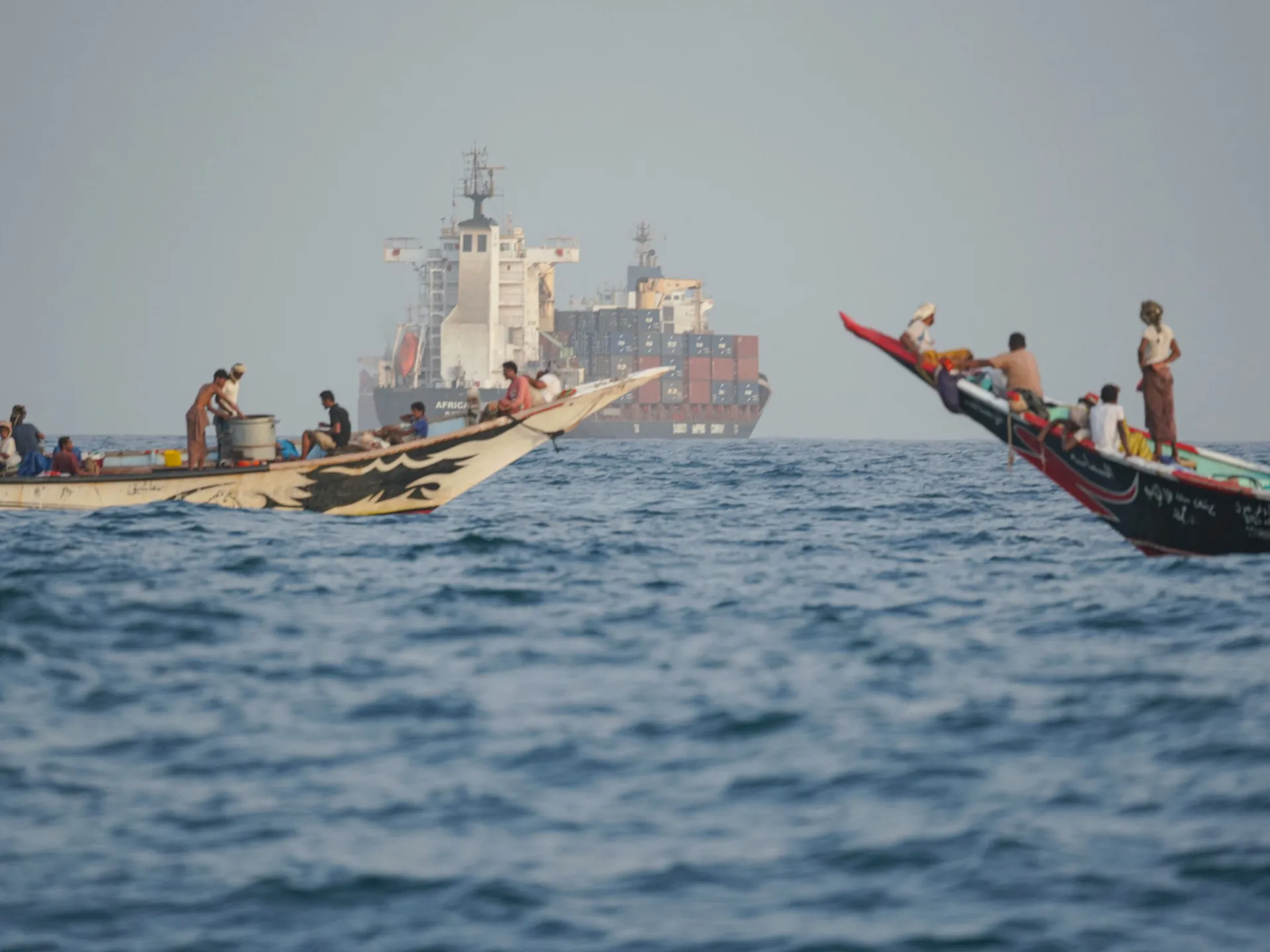
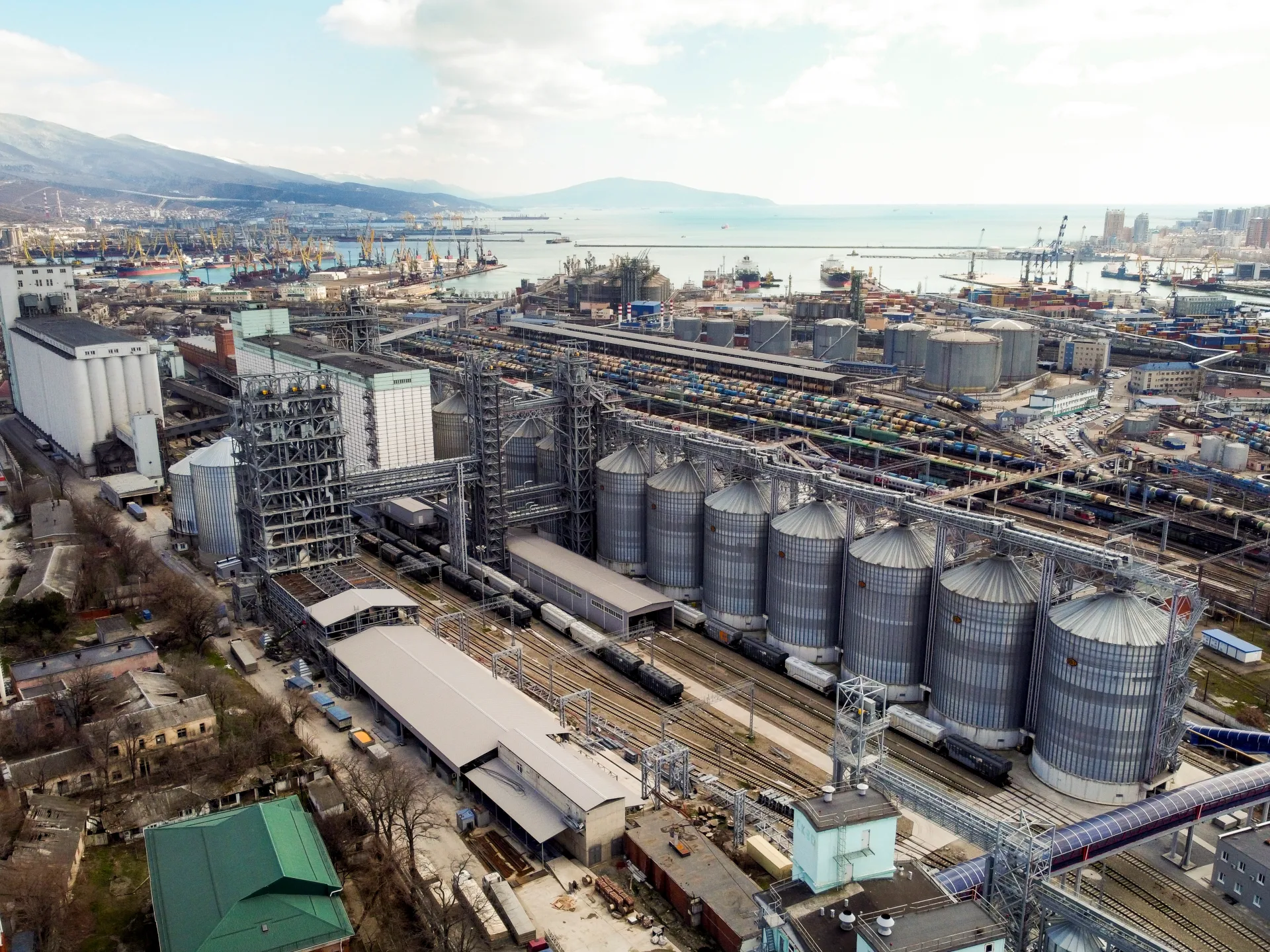
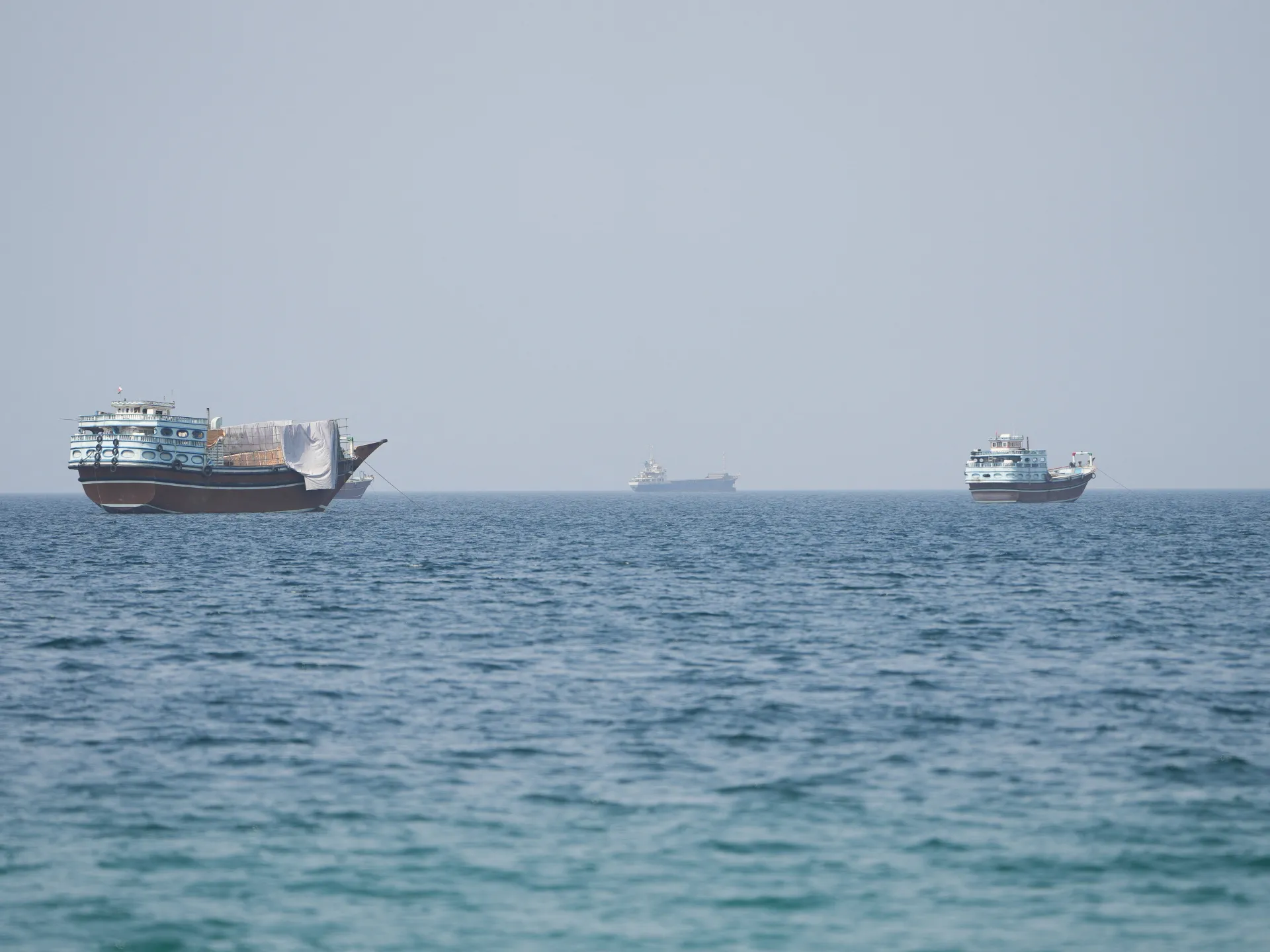
The Secretary-General emphasized that direct involvement r in Ukraine to the expanding hostilities in the Middle East, including the conflict between the United States and Iran, the ripple effects are being felt most acutely in the developing world. Disruptions to the export of food, fertilizers, and energy—particularly through the Black Sea and the Strait of Hormuz—have exacerbated inflation and fuel costs, placing the most vulnerable populations in a state of desperation.
The simultaneous paralysis of global institutions and the rise of domestic political instability in major Western democracies suggest a decoupling of international stability from national governance. While the UN struggles to mediate conflicts that directly impact the global economy, domestic political entities like Germany’s CDU are fighting for survival against populist surges. This dual-front crisis indicates that the post-war liberal order is not merely being challenged s that makes collective action on climate, security, and migration increasingly difficult to achieve.
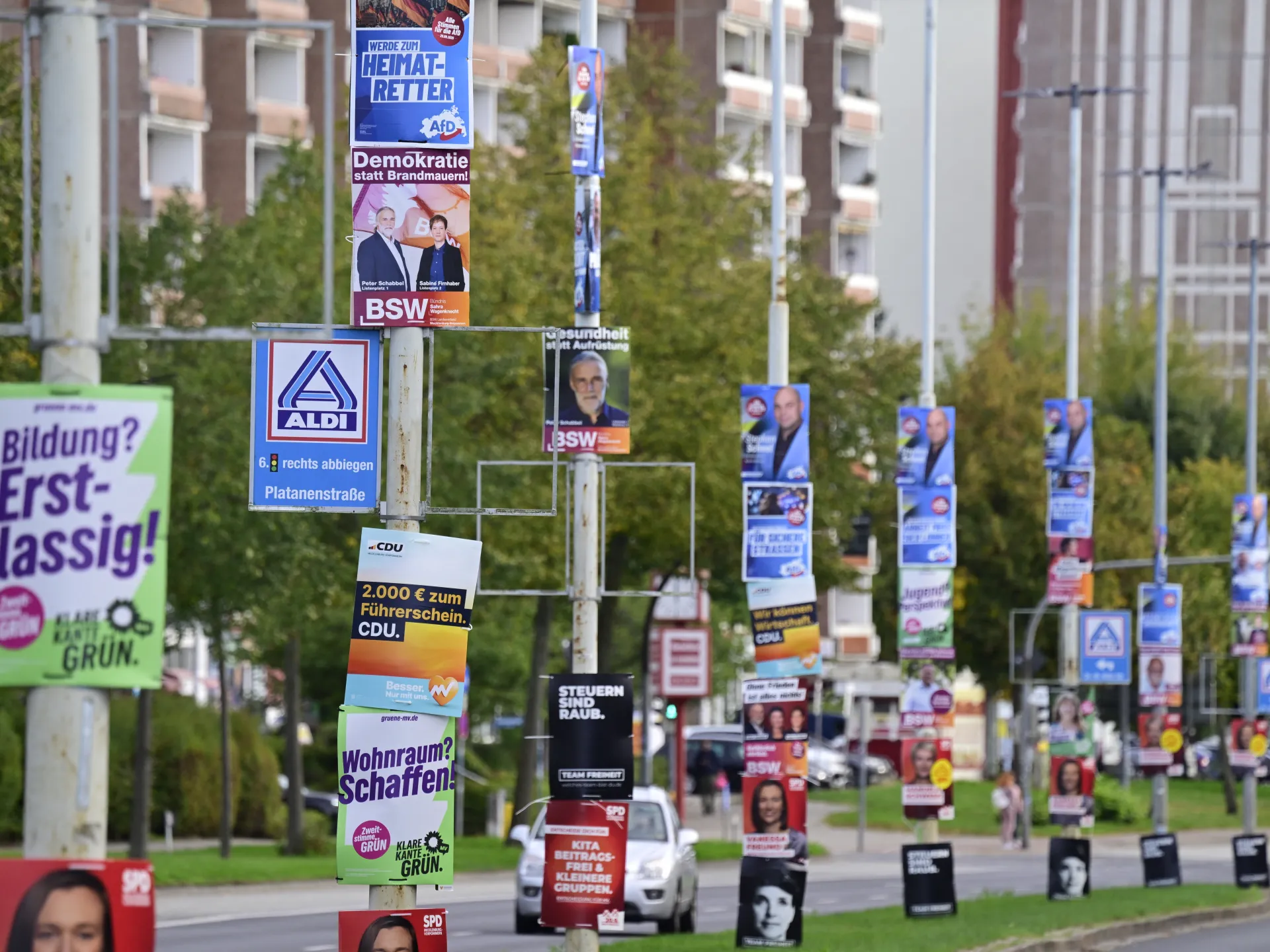
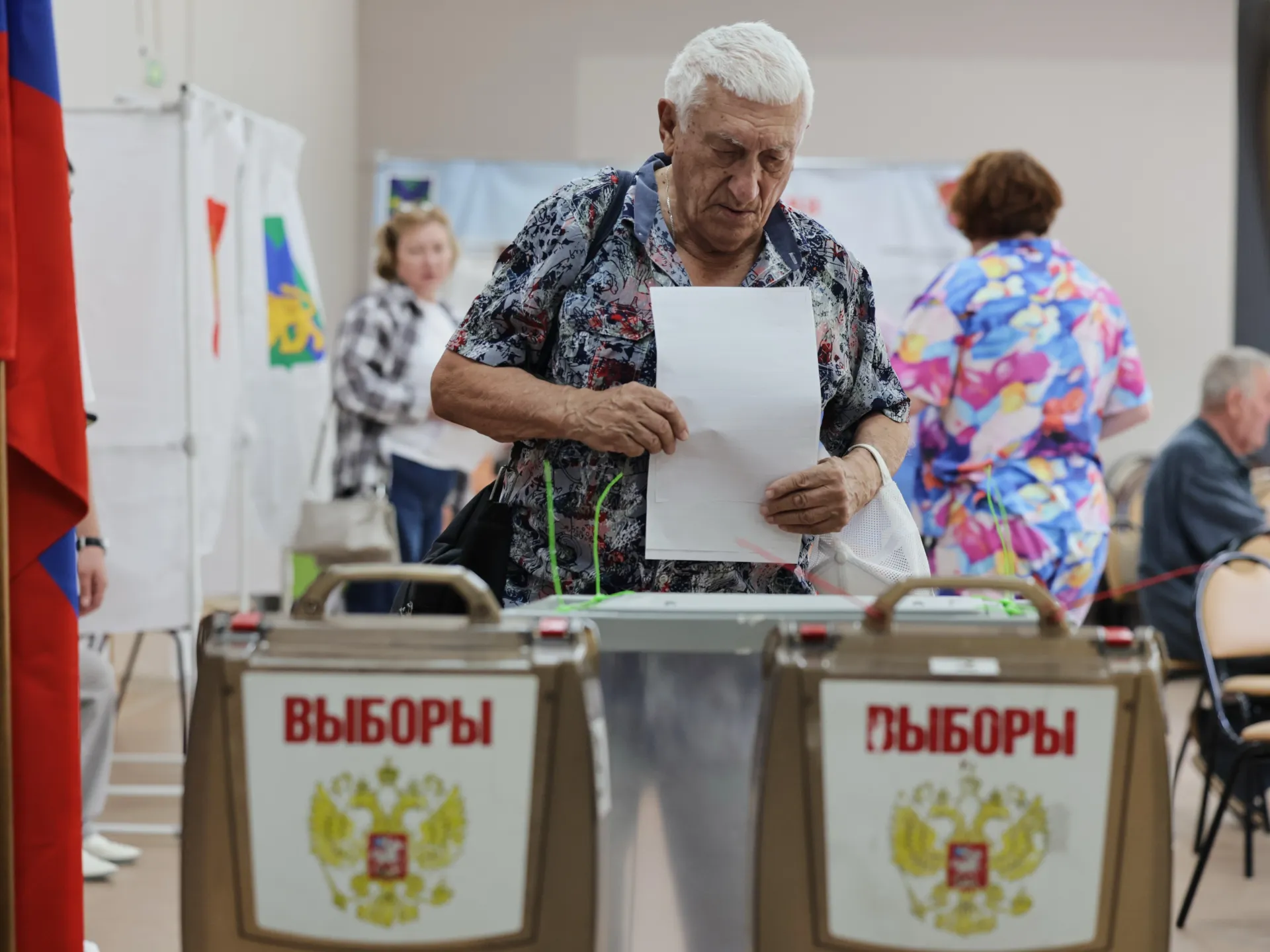
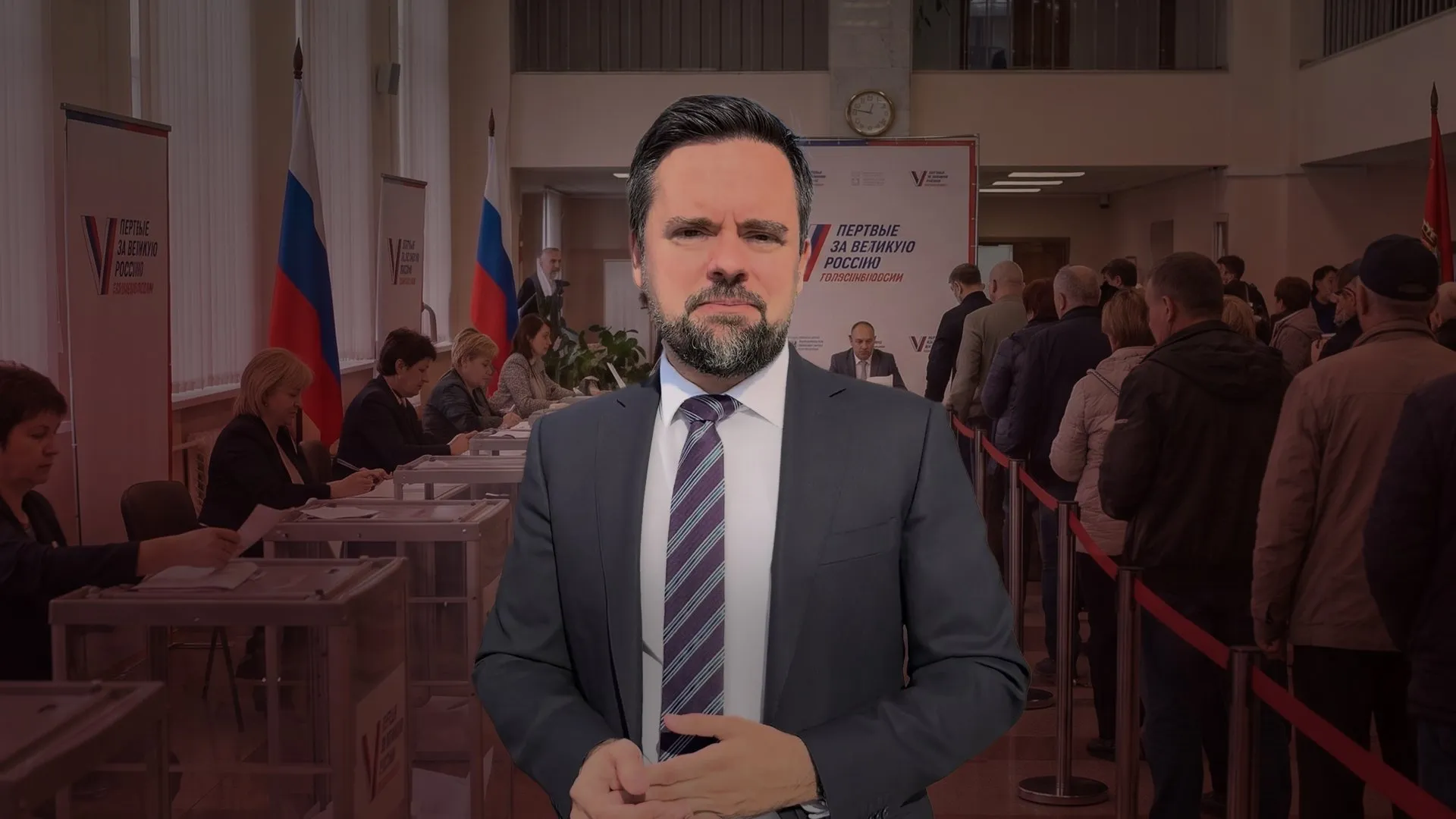
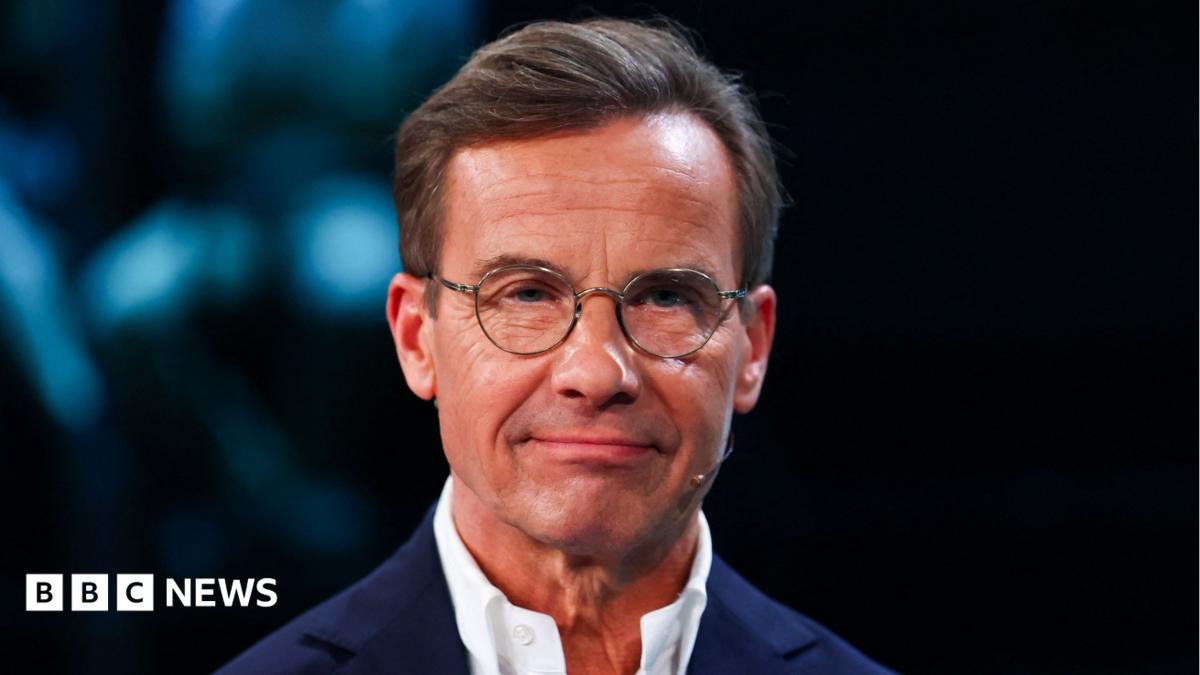
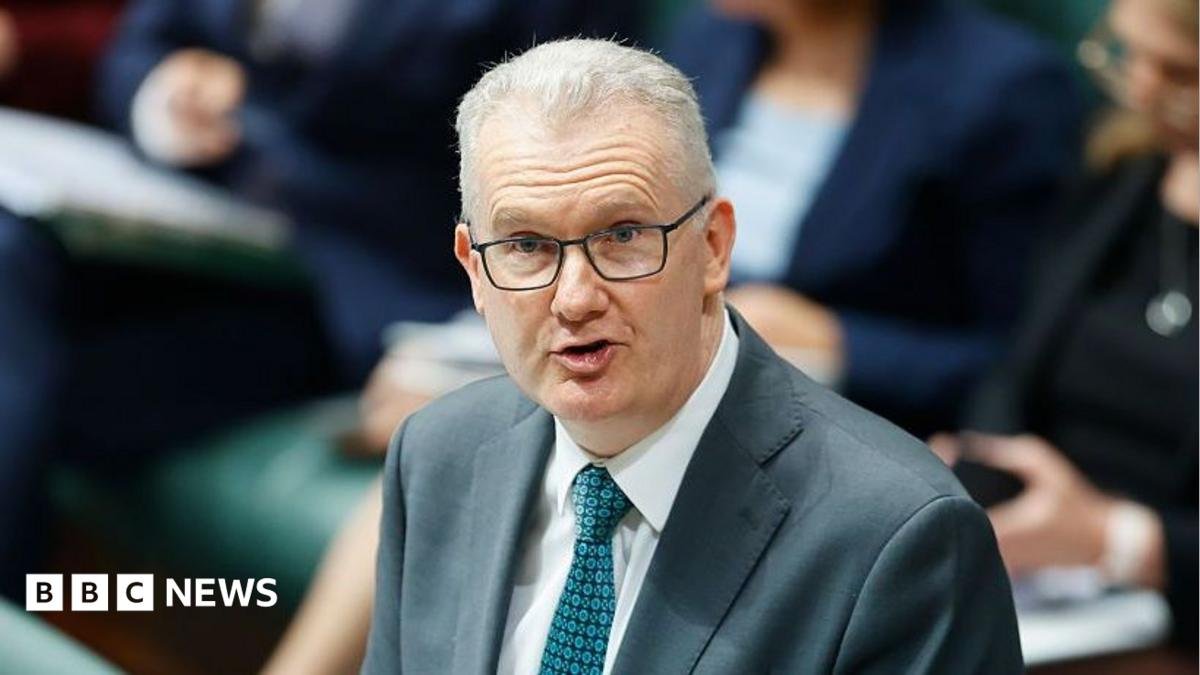
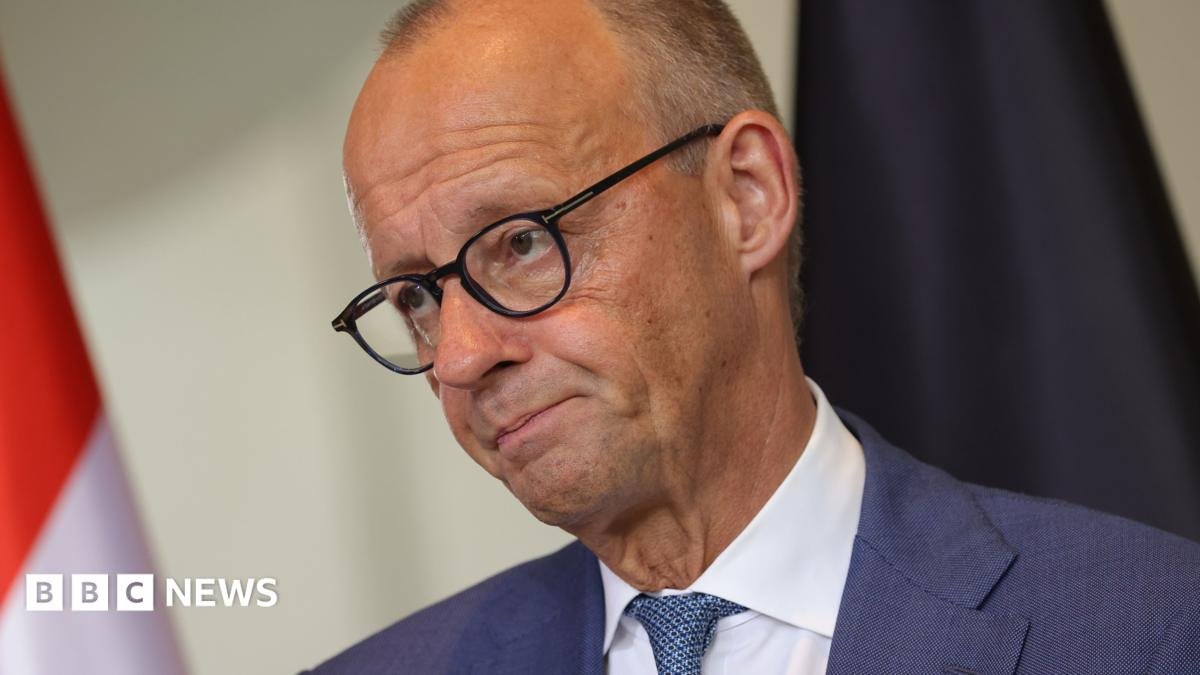
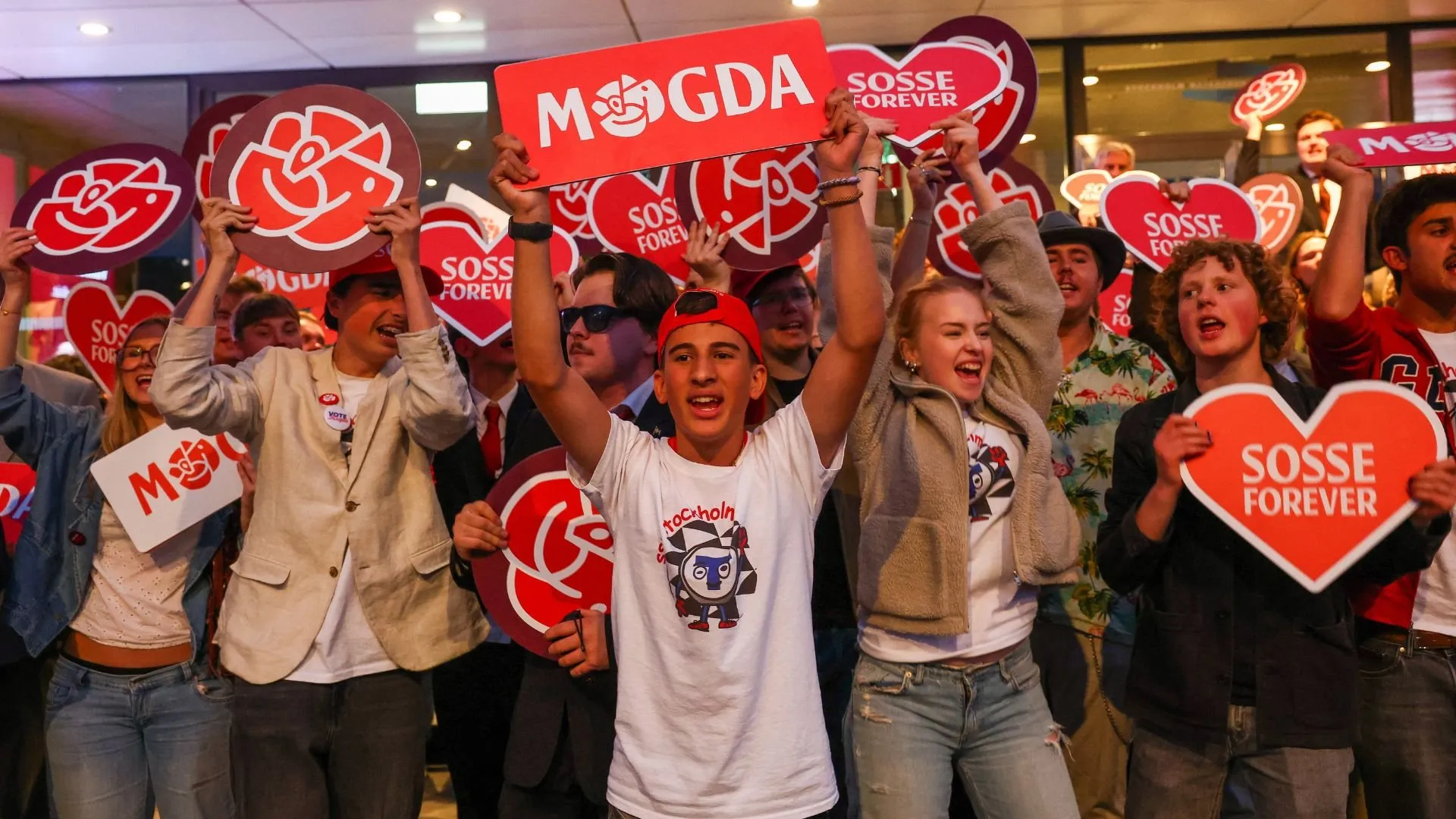
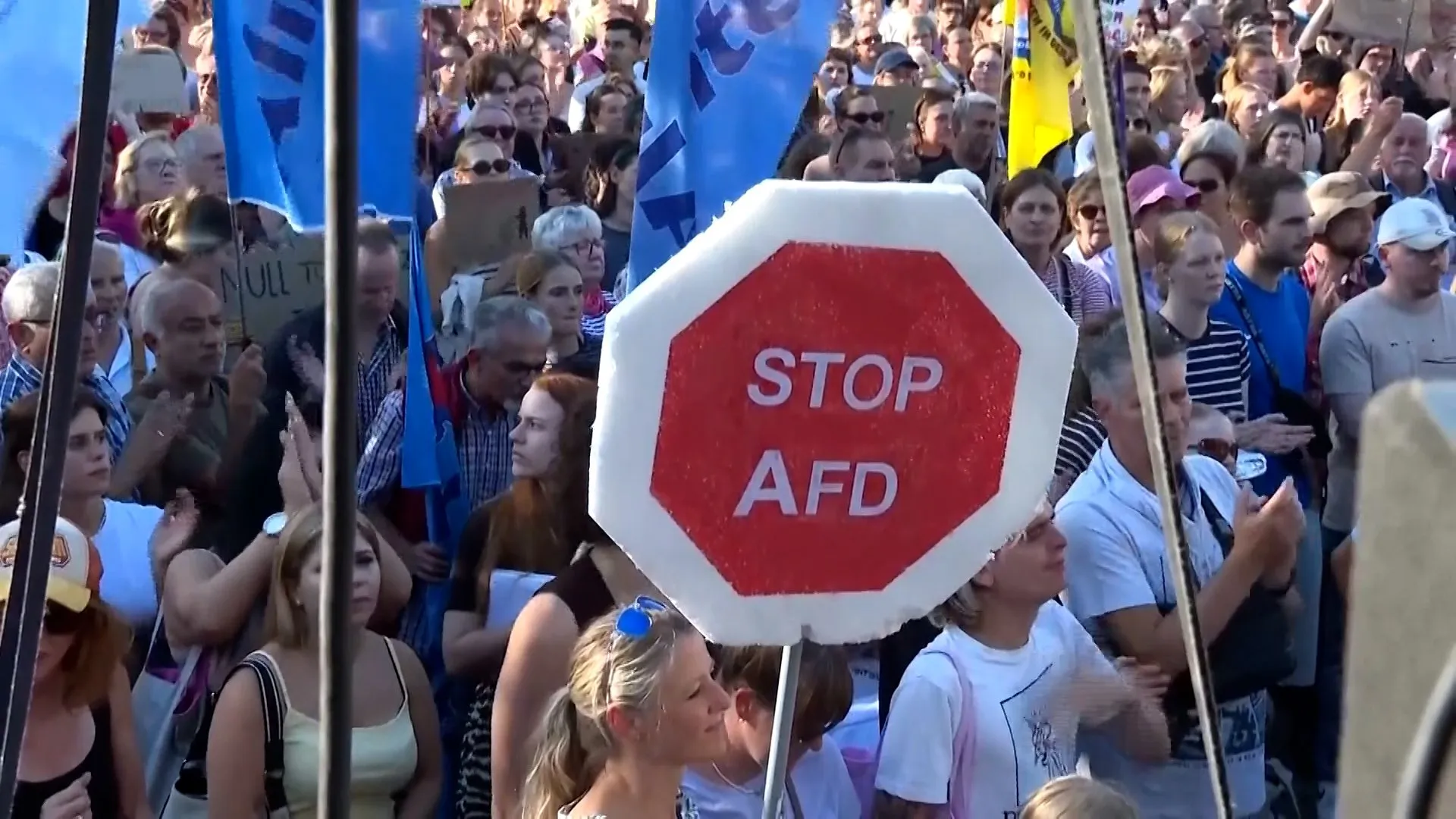
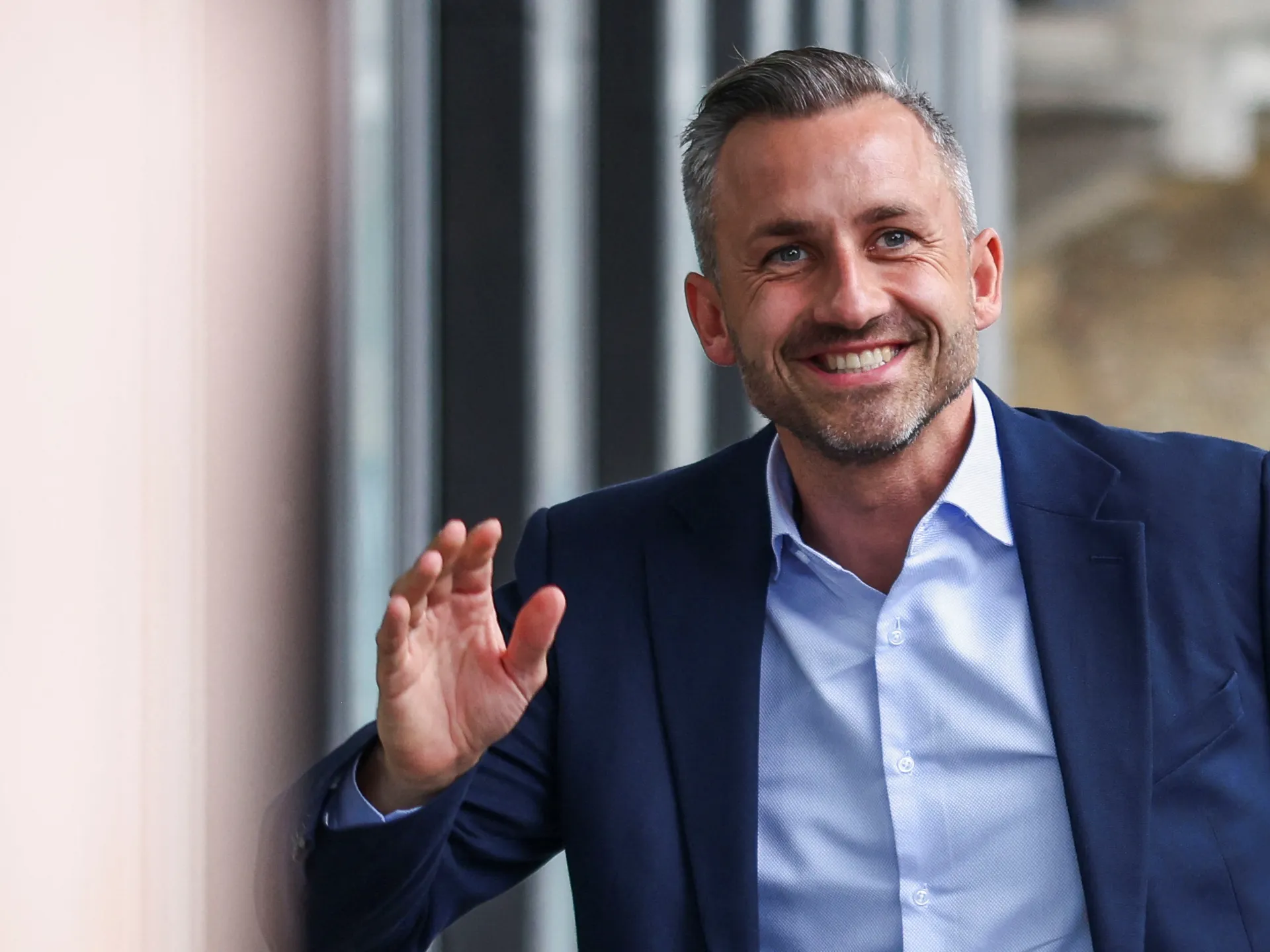
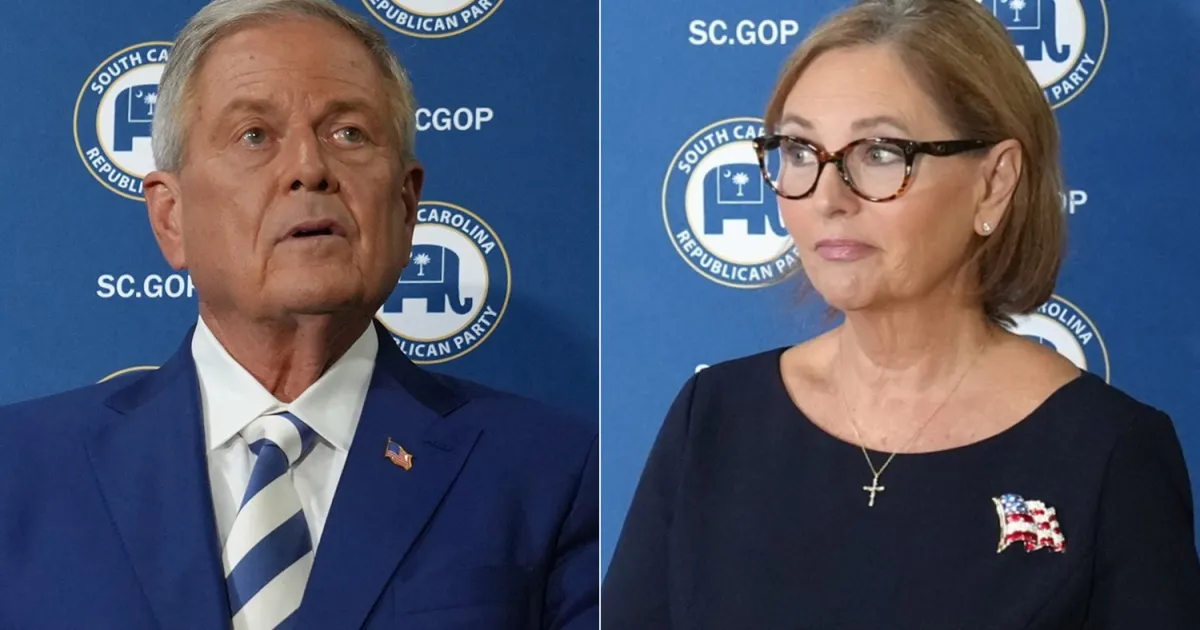
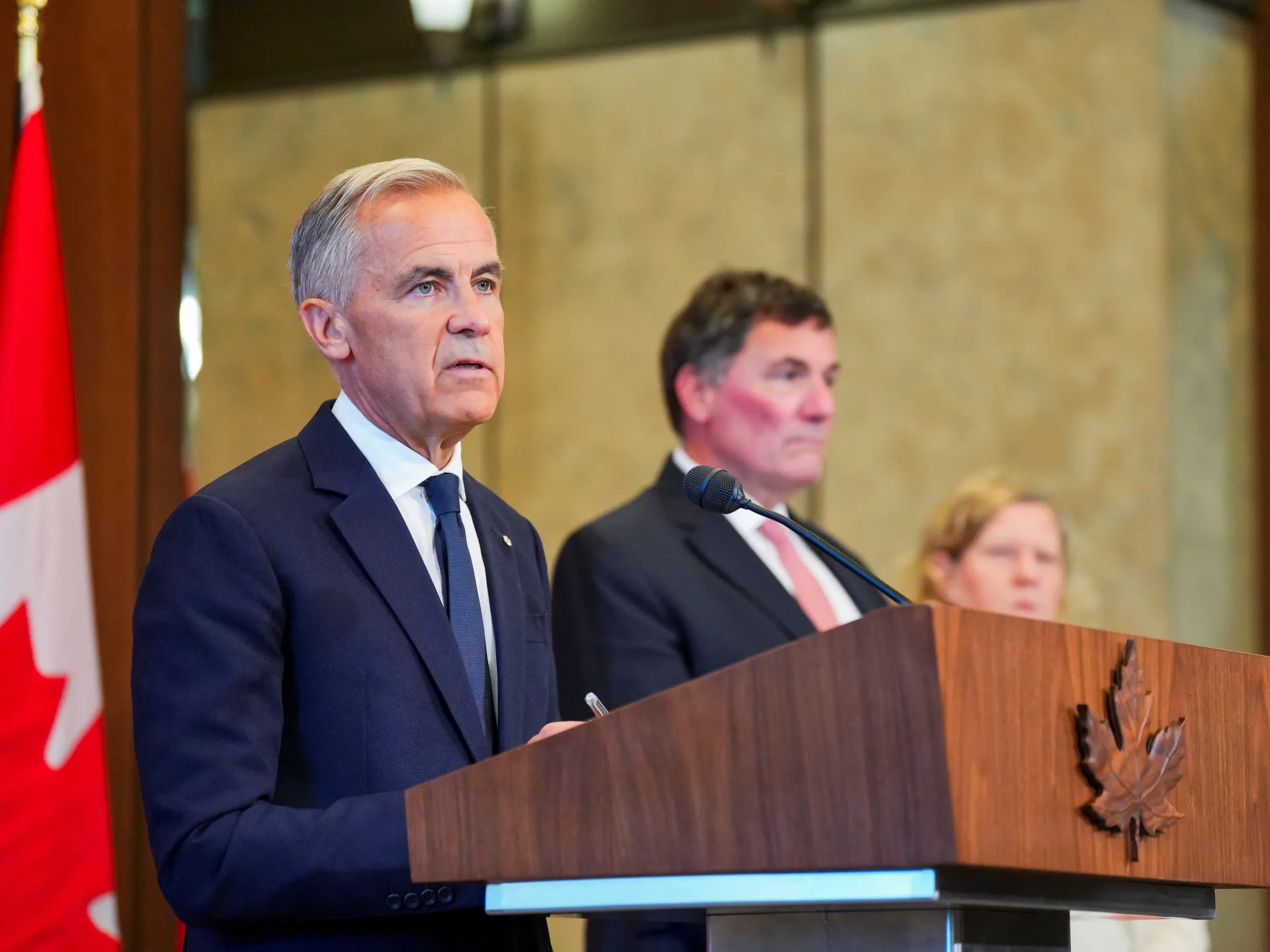
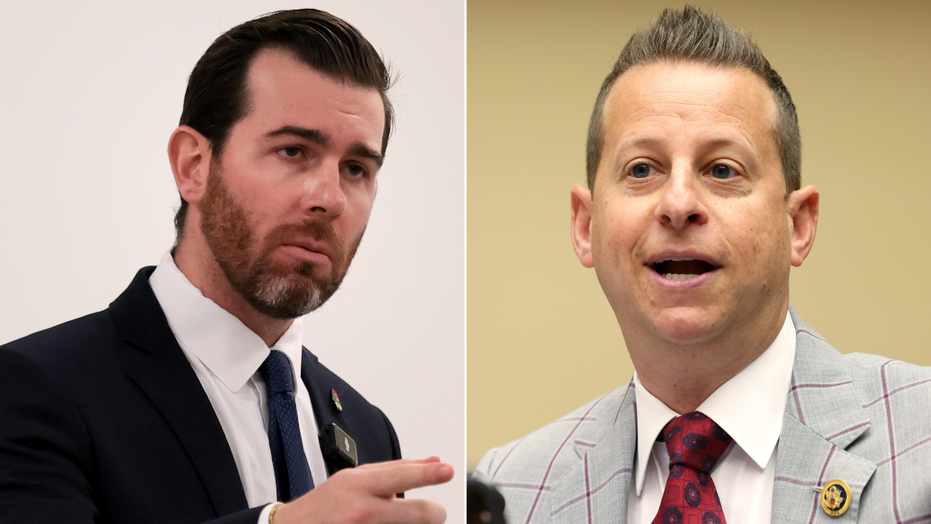
While global leaders weigh the future of international cooperation, the German government is grappling with a severe domestic crisis. Chancellor Friedrich Merz, having served only 16 months in office, is facing acute pressure following a series of electoral setbacks. The rise of the far-right Alternative for Germany (AfD) party reached a critical juncture in early September when the party secured 43.8% of the vote in the state of Saxony-Anhalt, compared to the CDU’s 17.2%. This result marks the first time since World War II that a far-right party has neared control of a German state.
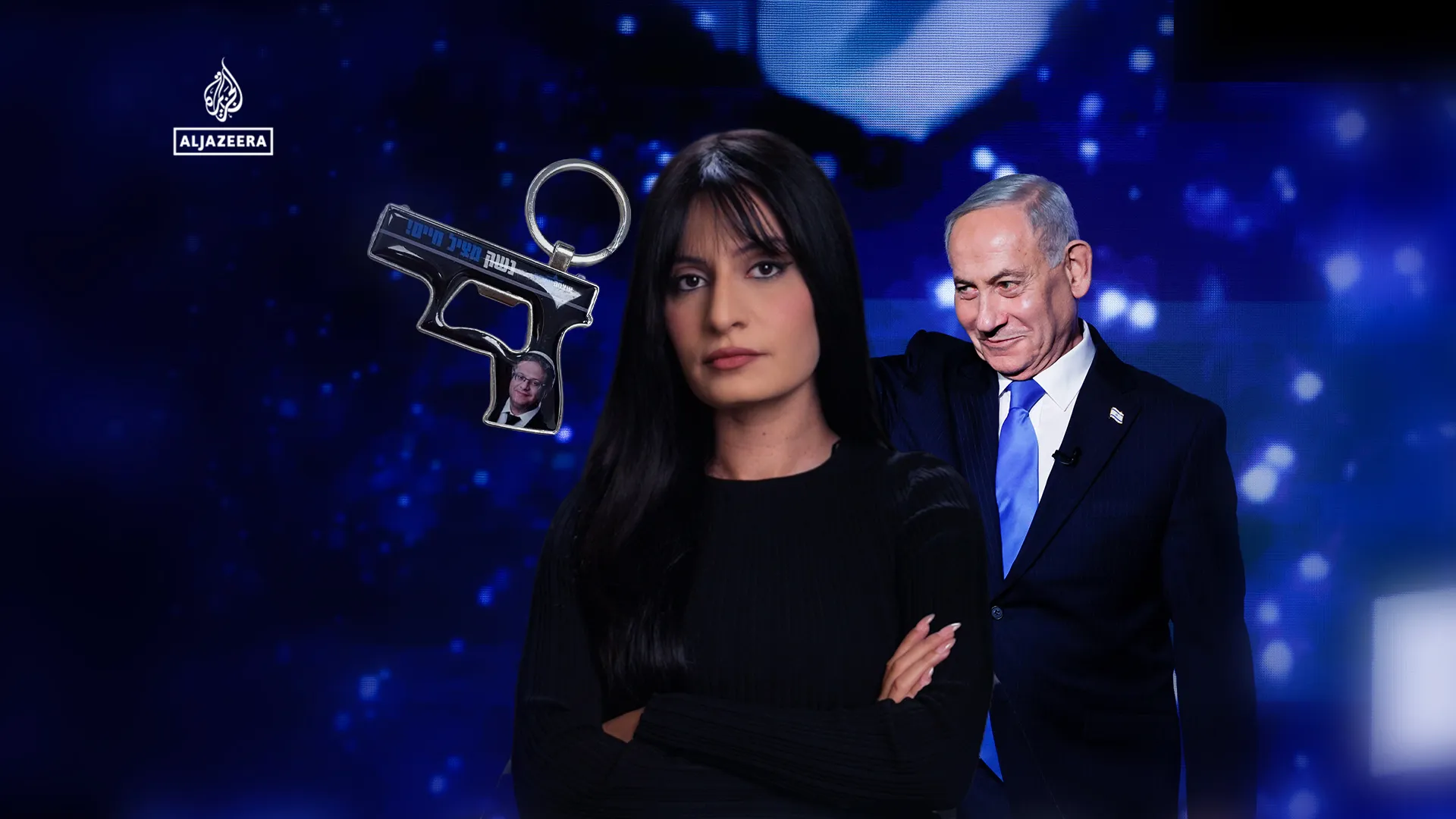
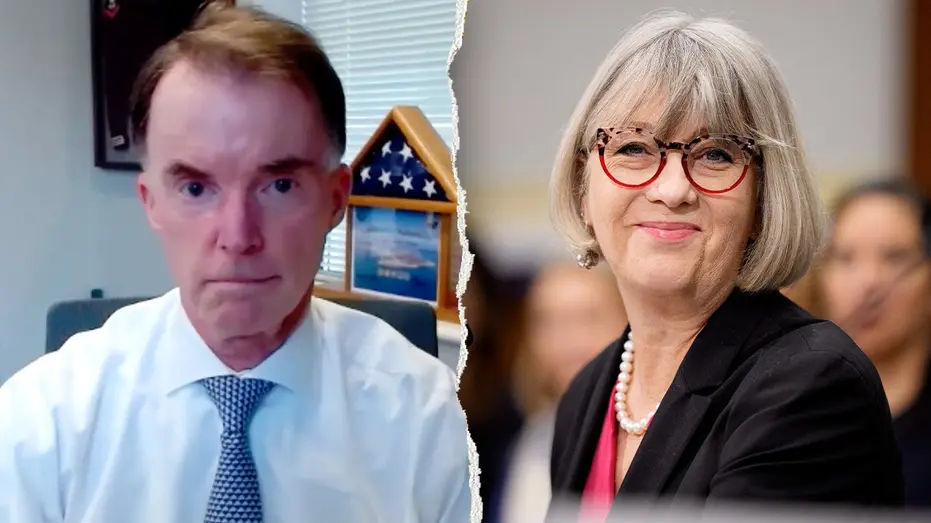
In response to speculation regarding a potential "Kanzlertausch" (chancellor swap), eight state premiers from the CDU have publicly backed Merz, arguing that the nation requires stability over personnel debates. Merz has characterized the AfD as a destructive force, even accusing them of promoting policies that amount to an "ethnic cleansing" of skilled workers. The AfD, which advocates for renewed ties with Russia, has rejected these claims as "disgusting" and has threatened legal action, further highlighting the deep polarization currently defining the German political landscape.
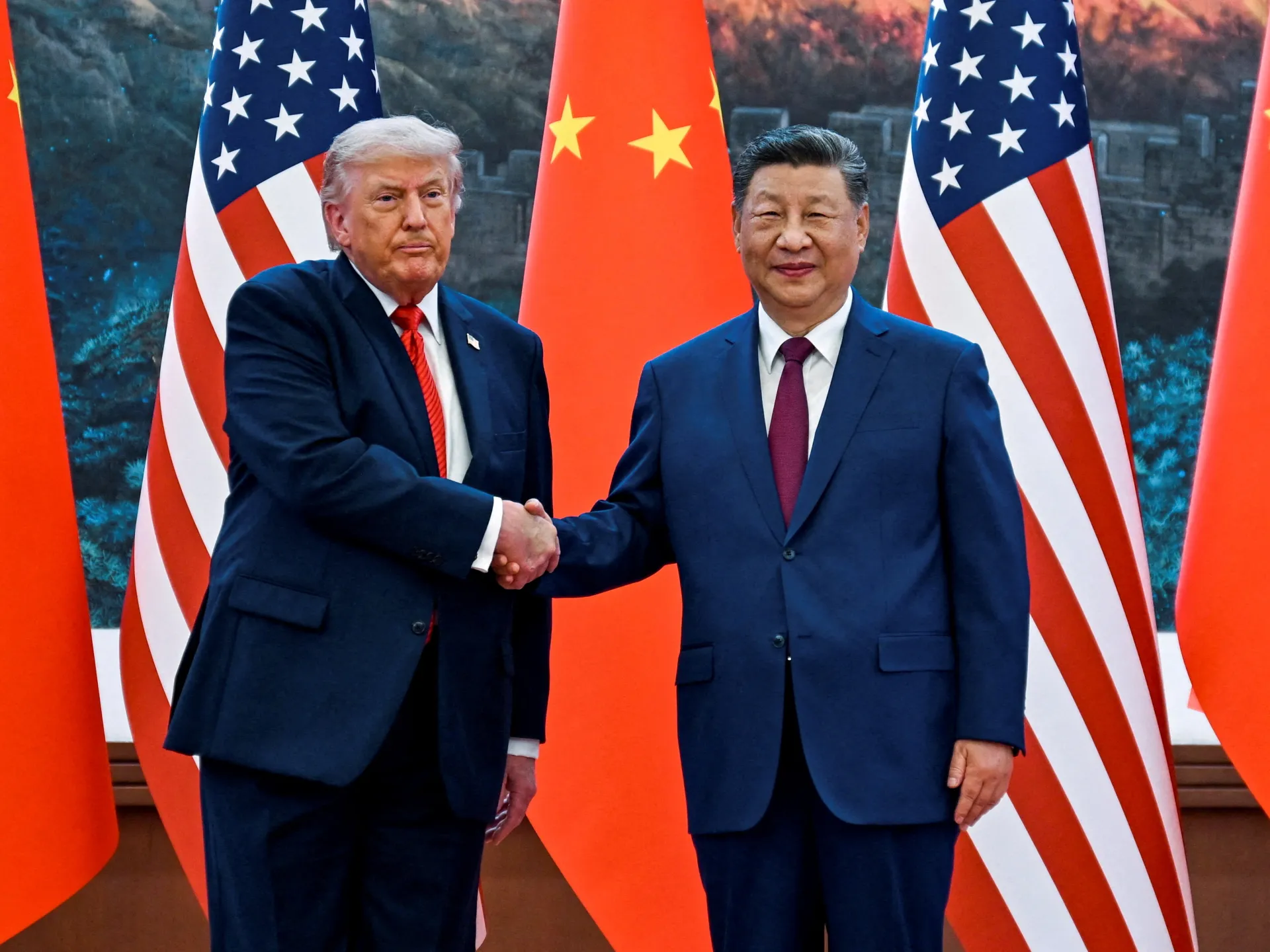
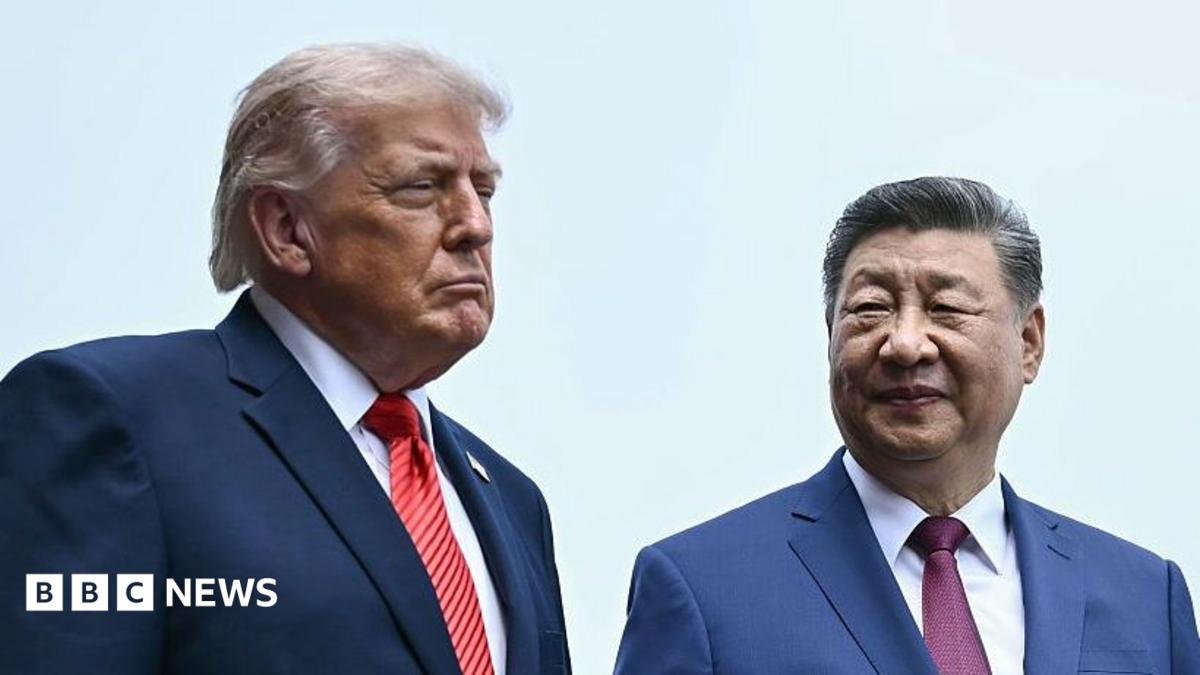
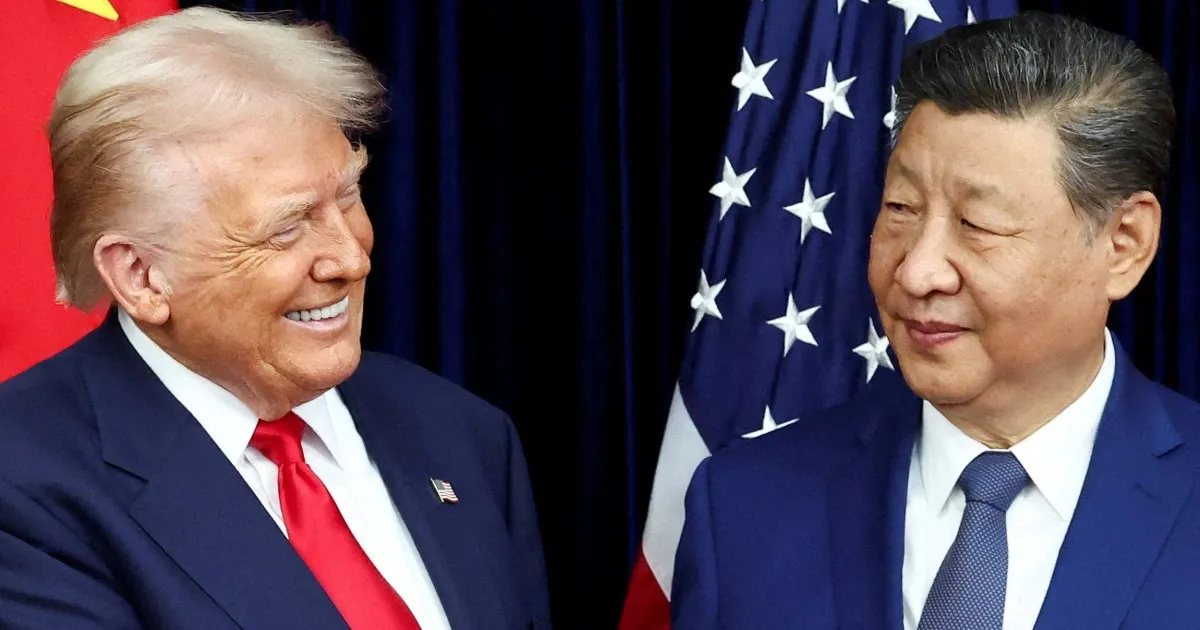
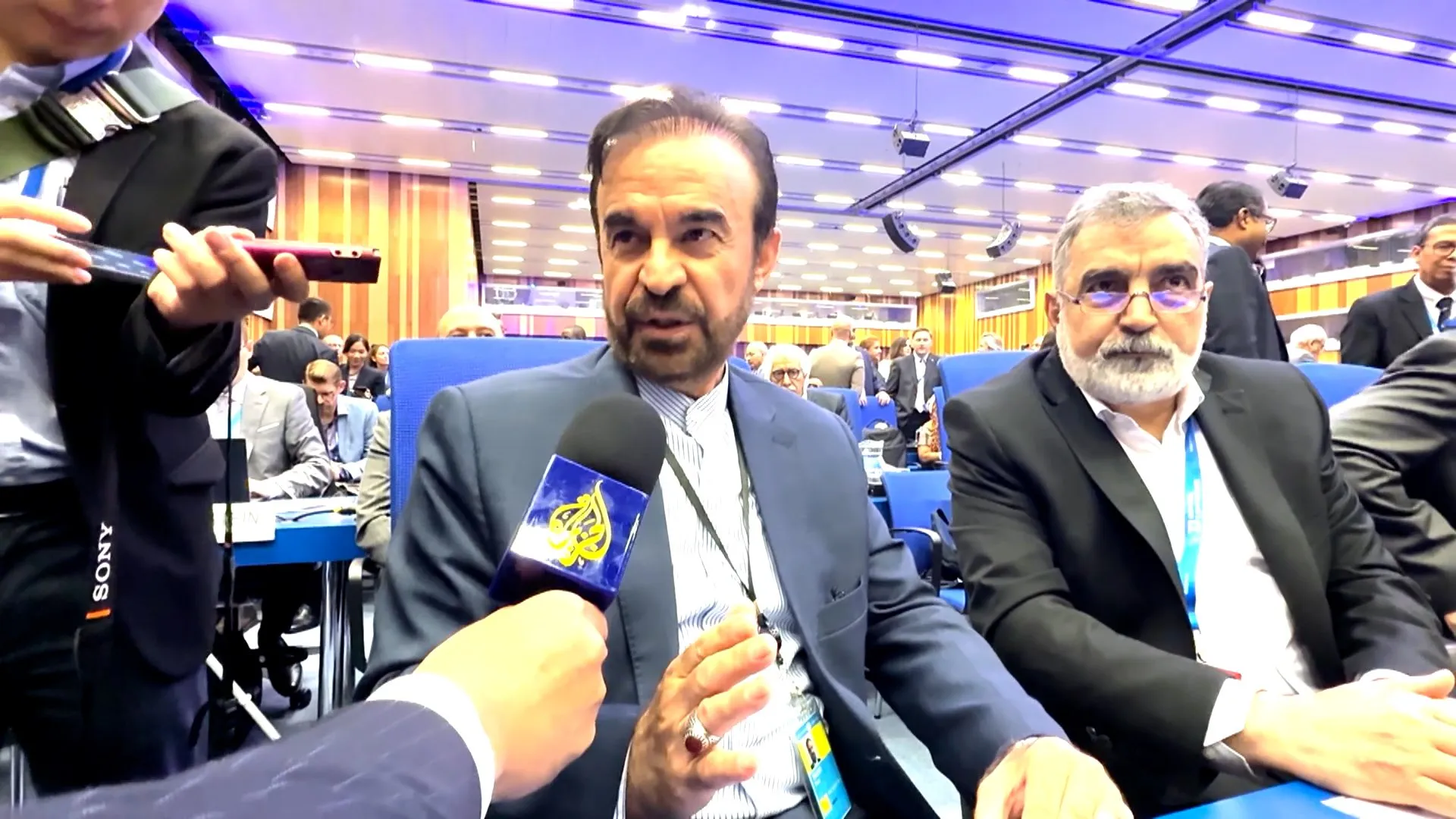
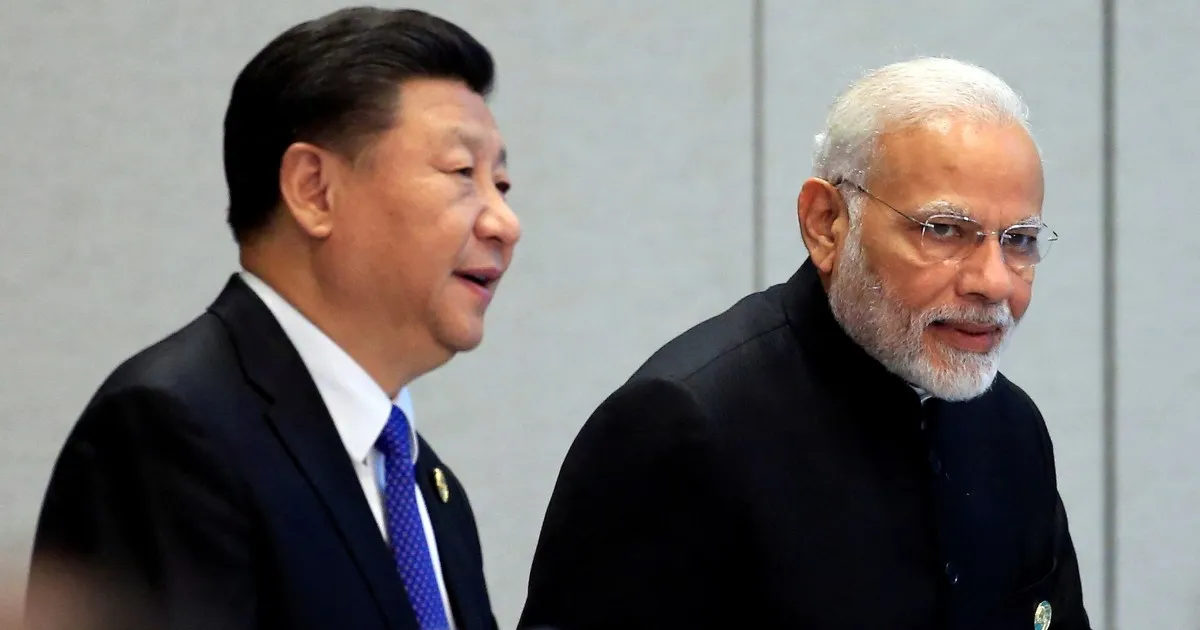
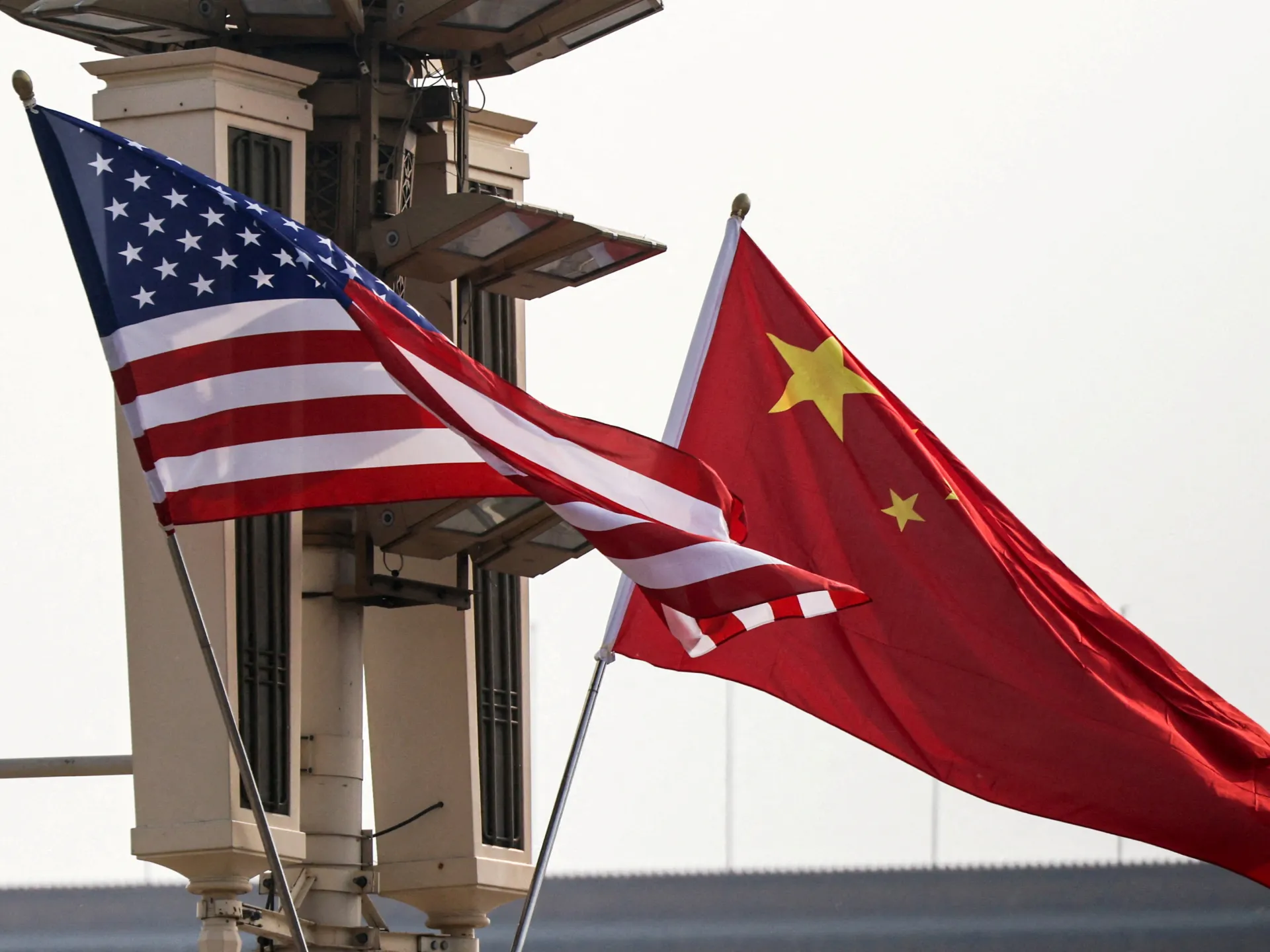
As Guterres prepares to deliver his final address, the conversation in the diplomatic corridors has shifted toward the necessity of reform and the uncertain future of UN leadership. With his mandate concluding on December 31, 2026, the search for a successor has intensified, with figures such as Rafael Grossi of the IAEA and former Senegalese President Macky Sall frequently mentioned. However, the influence of the United States and China remains the decisive factor in these high-level trade-offs.
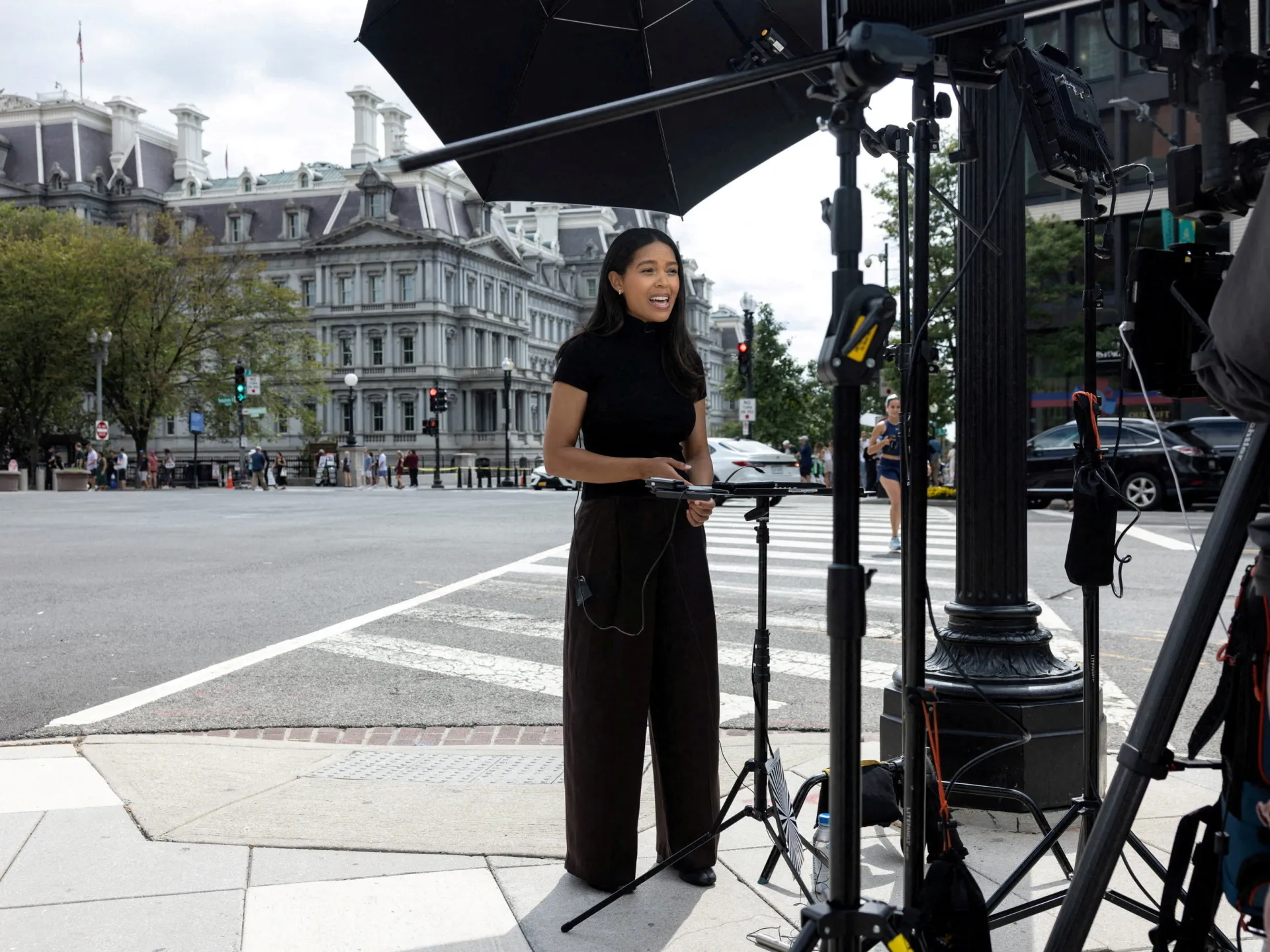
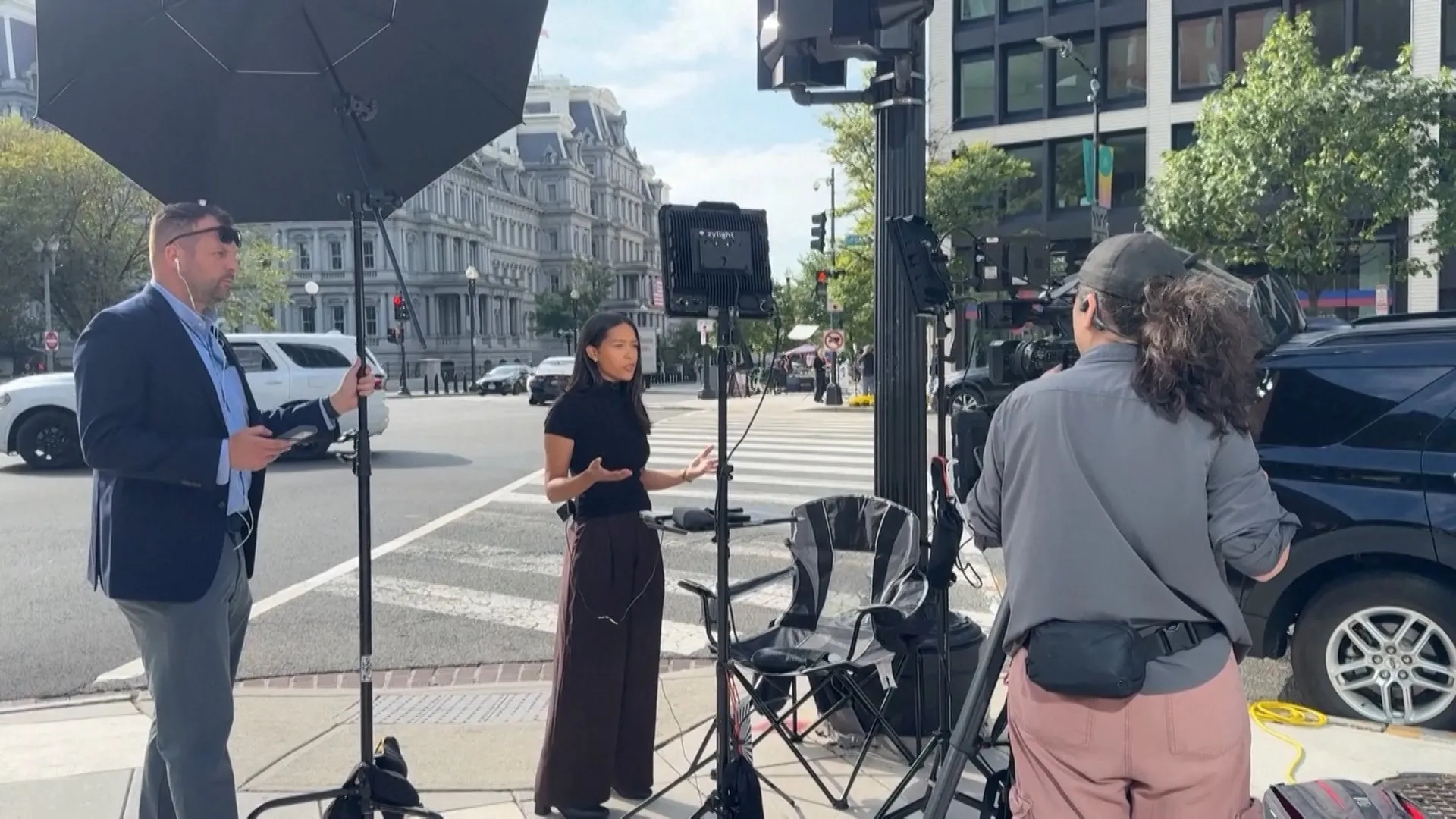
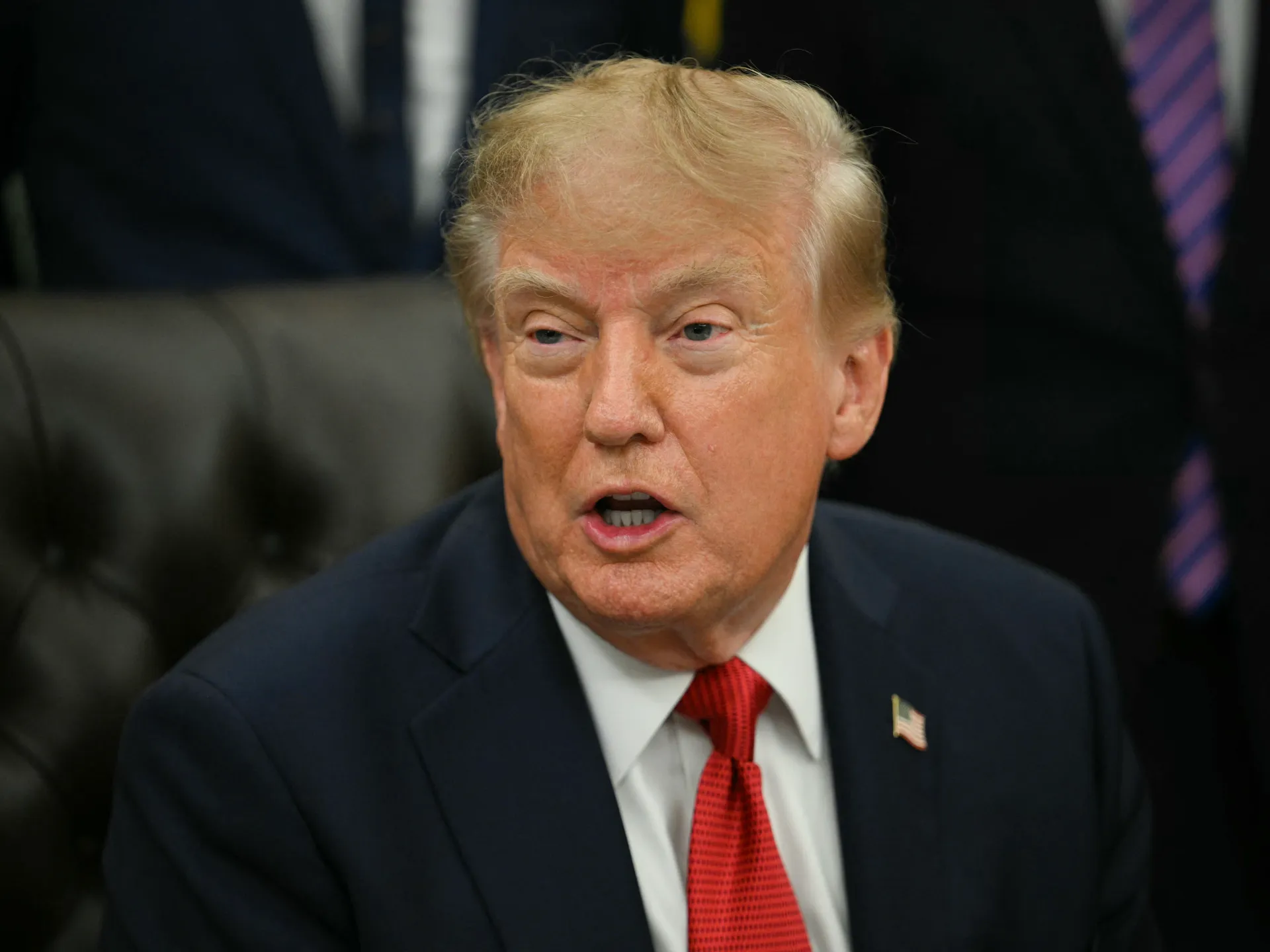
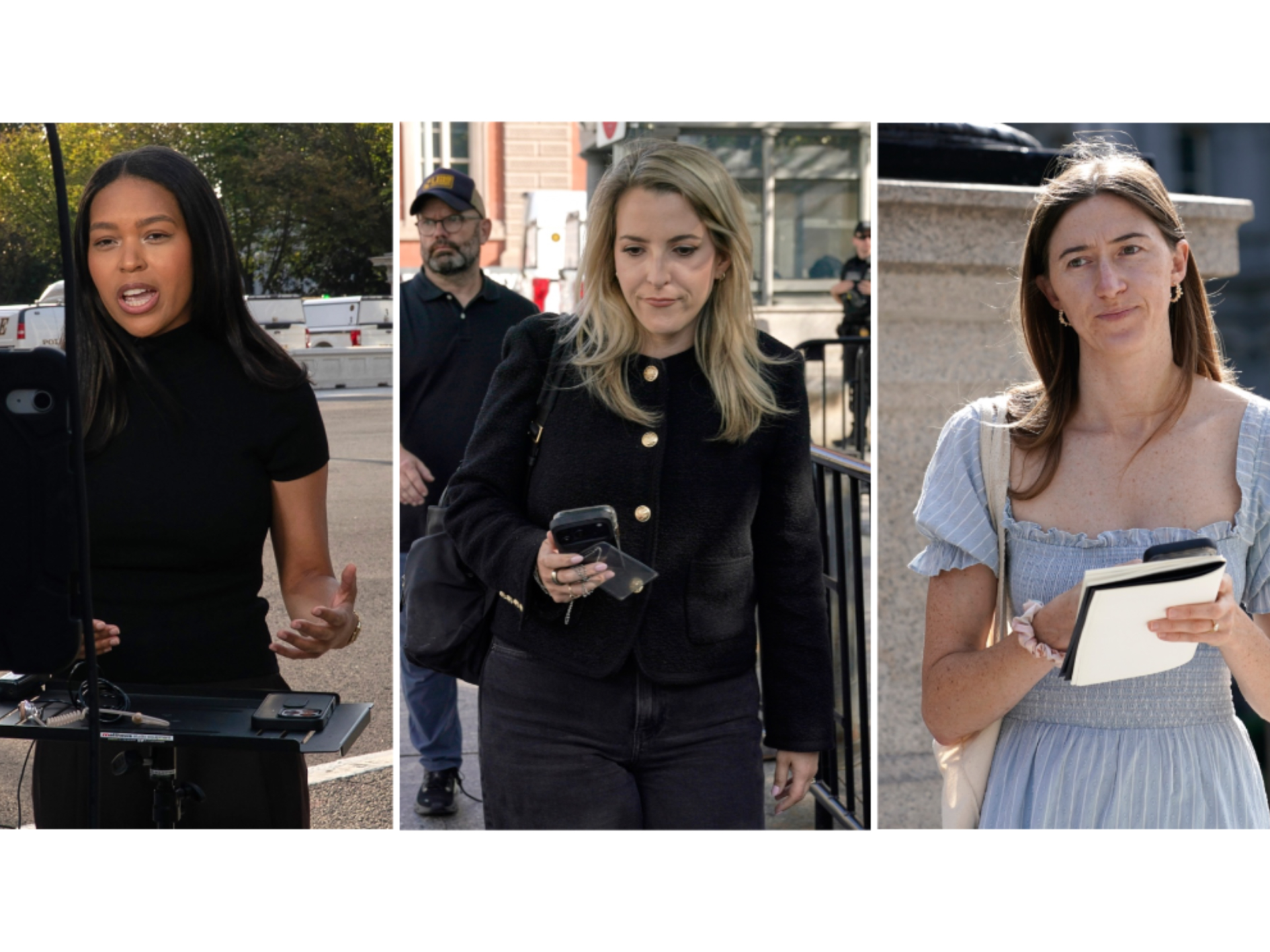
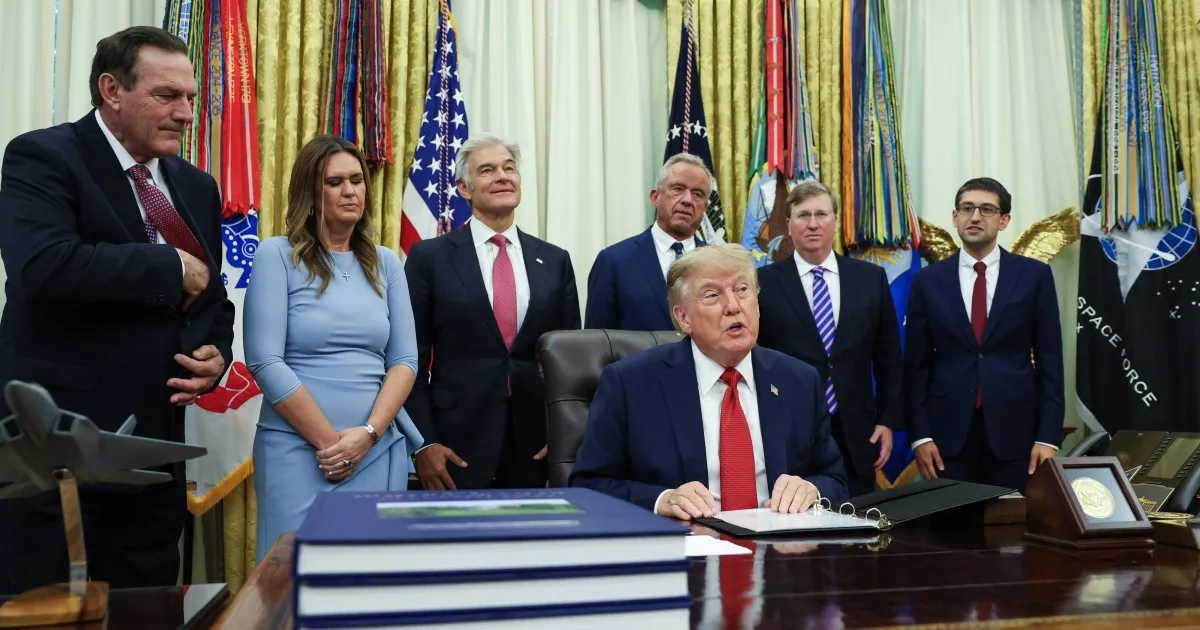
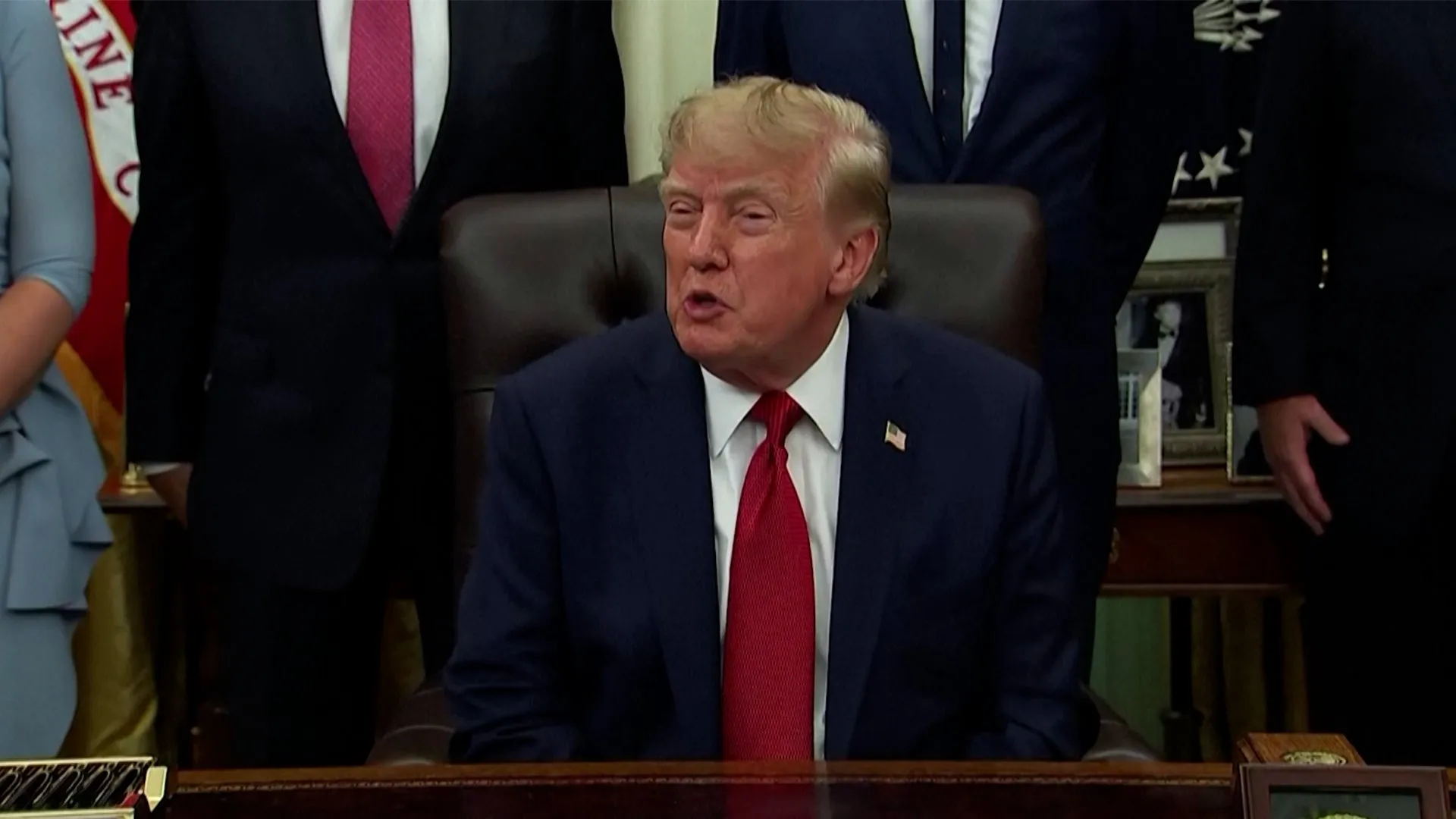
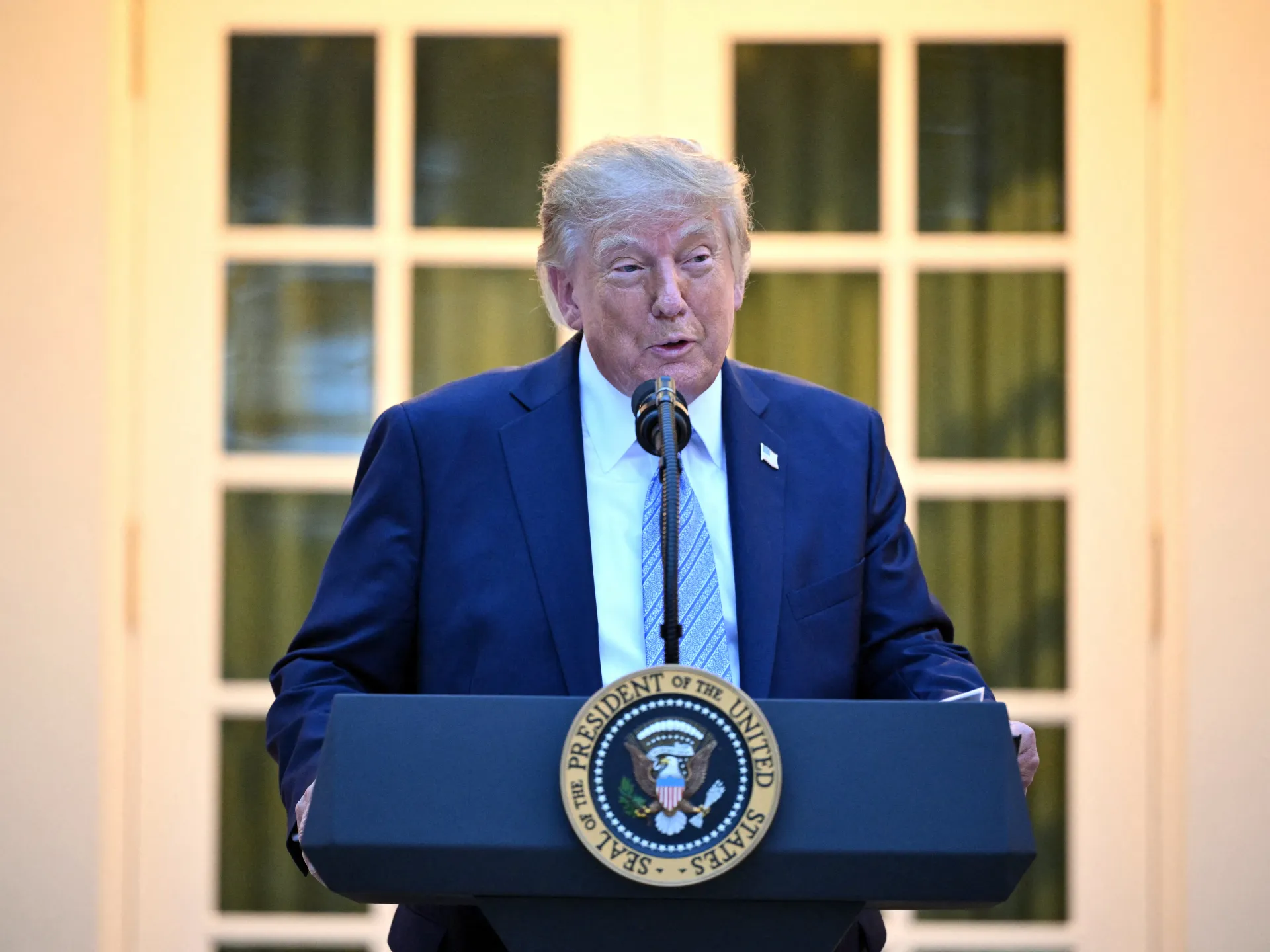
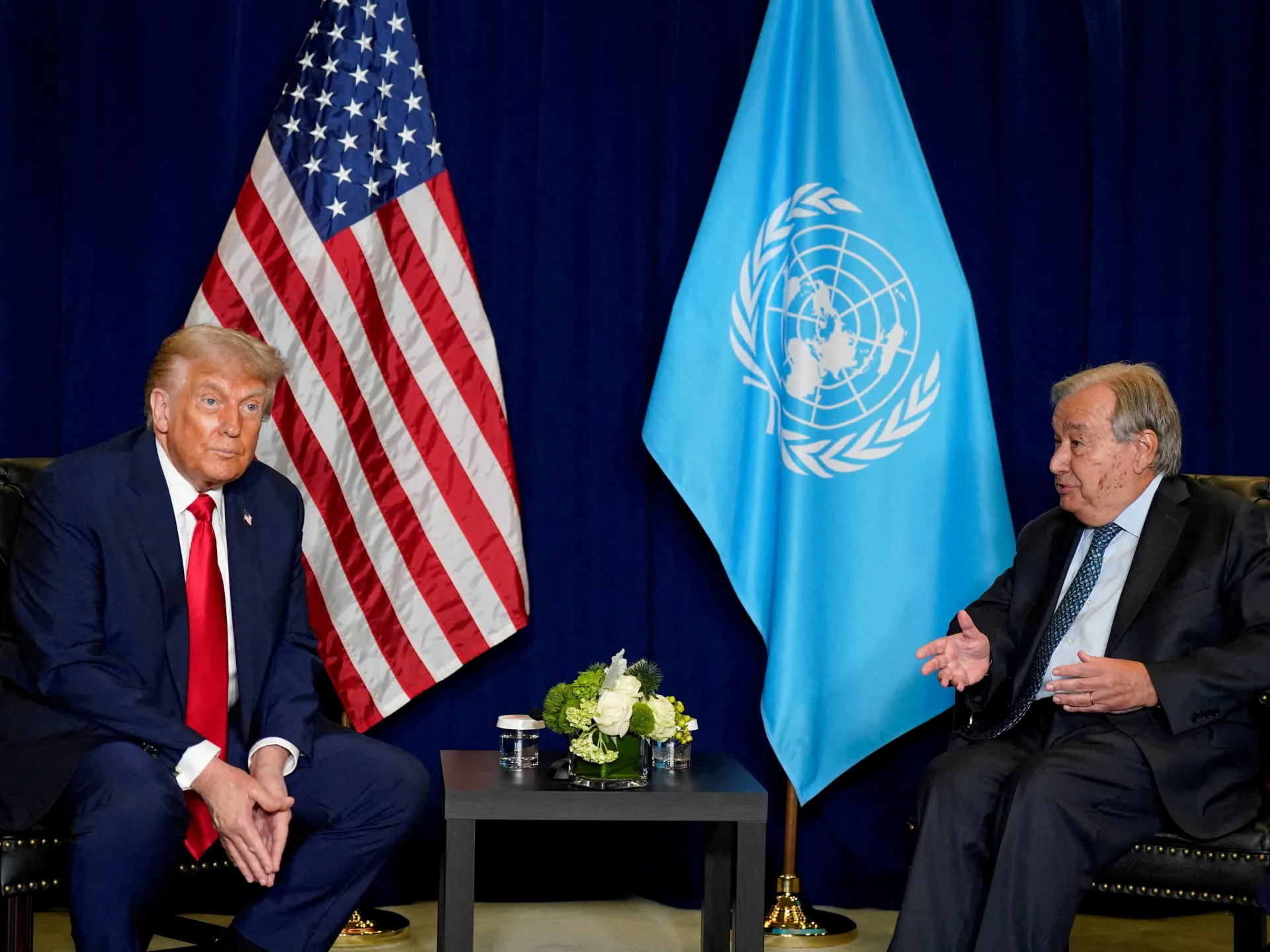
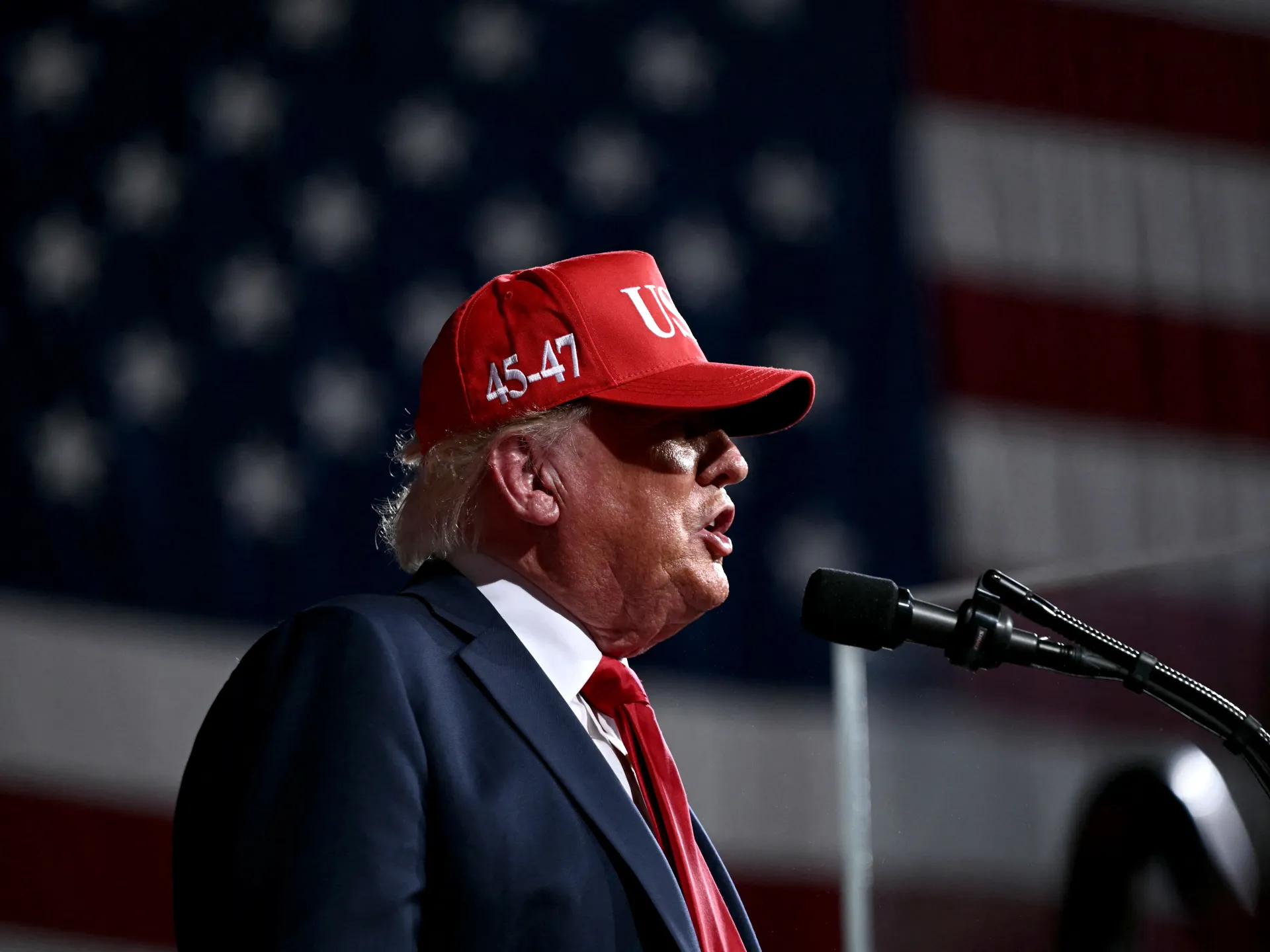
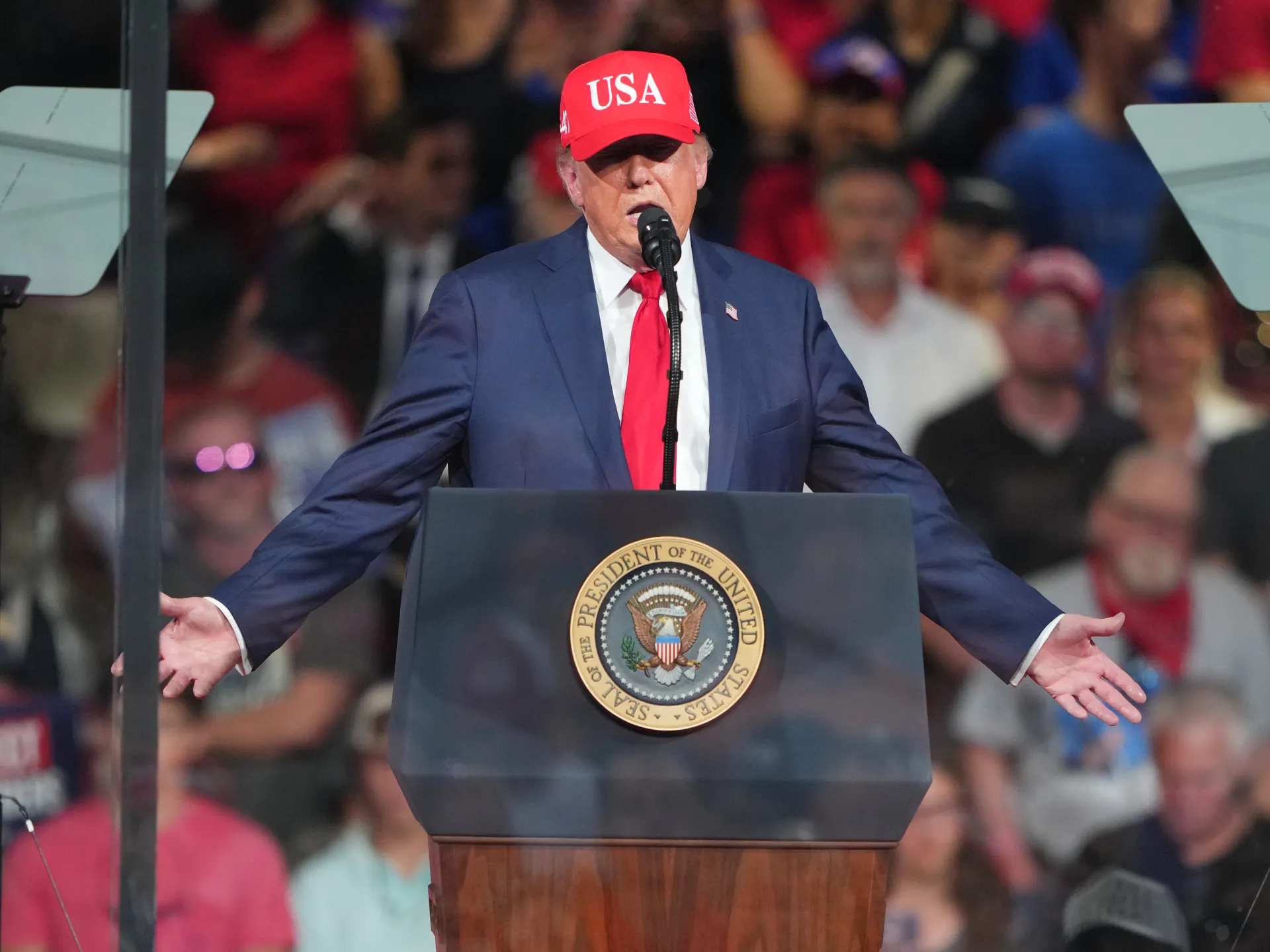
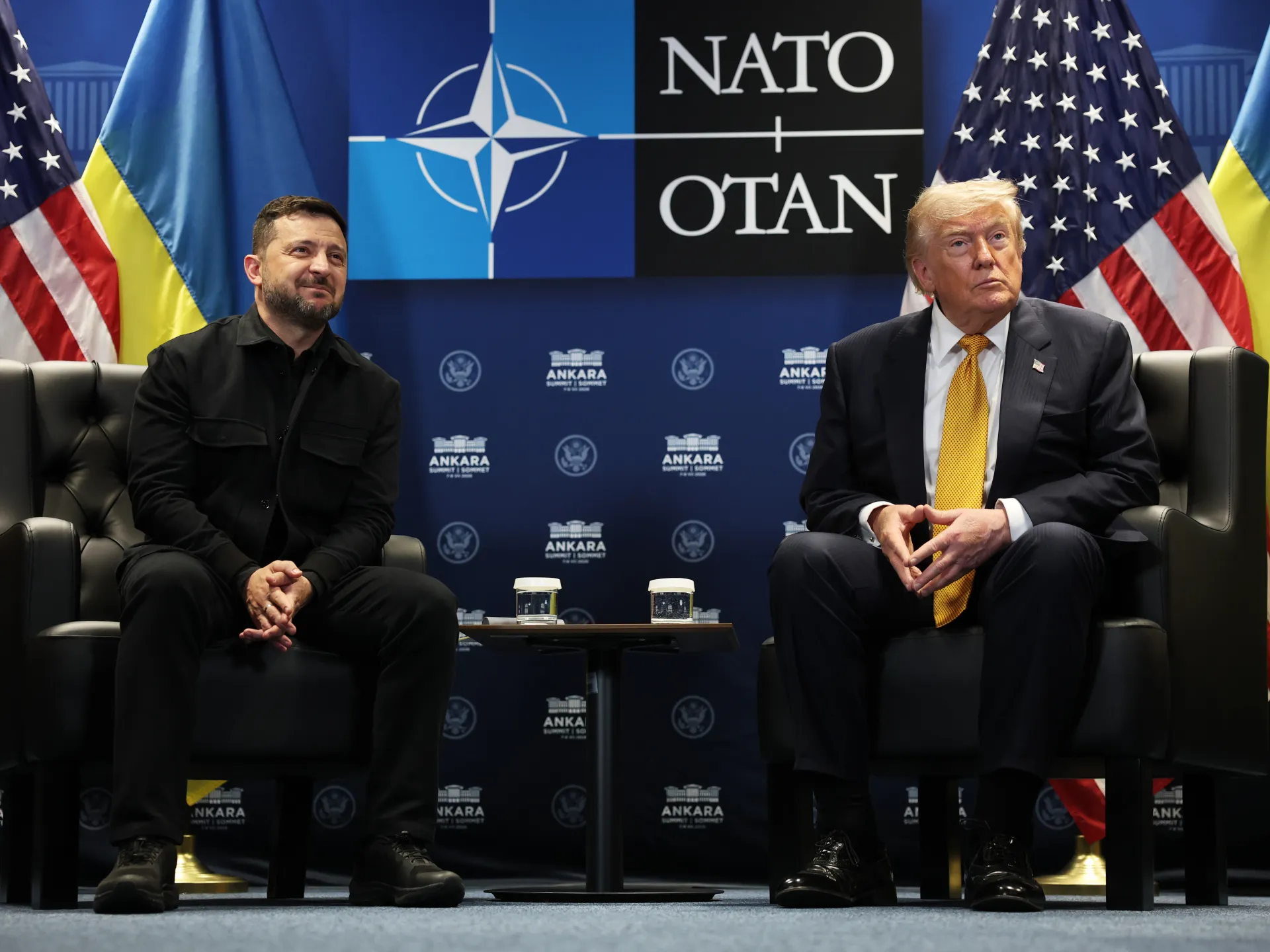
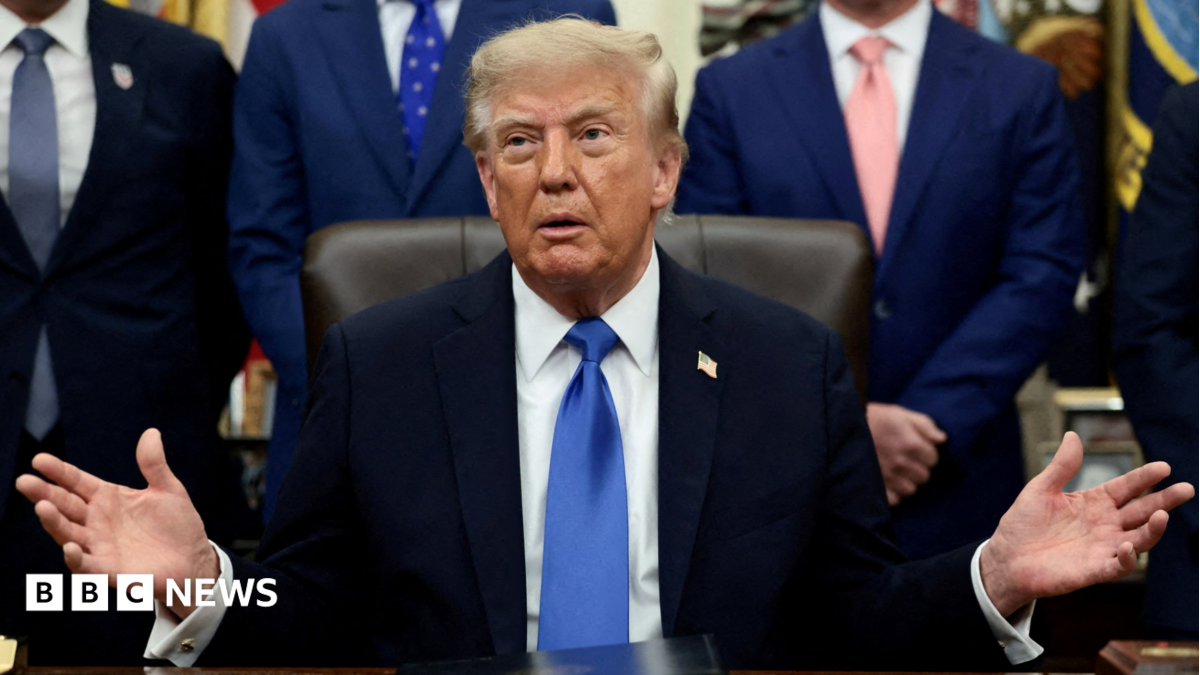
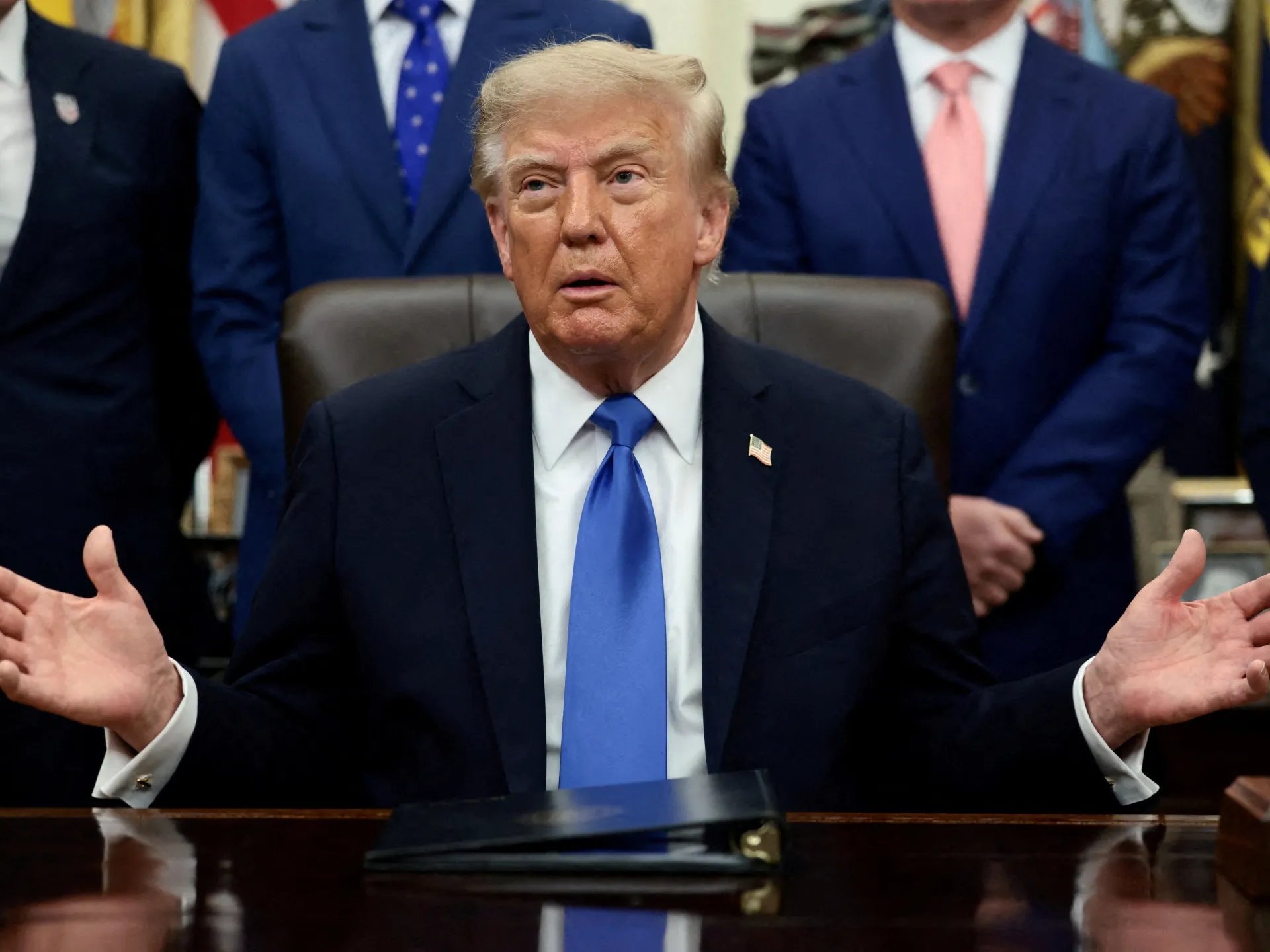
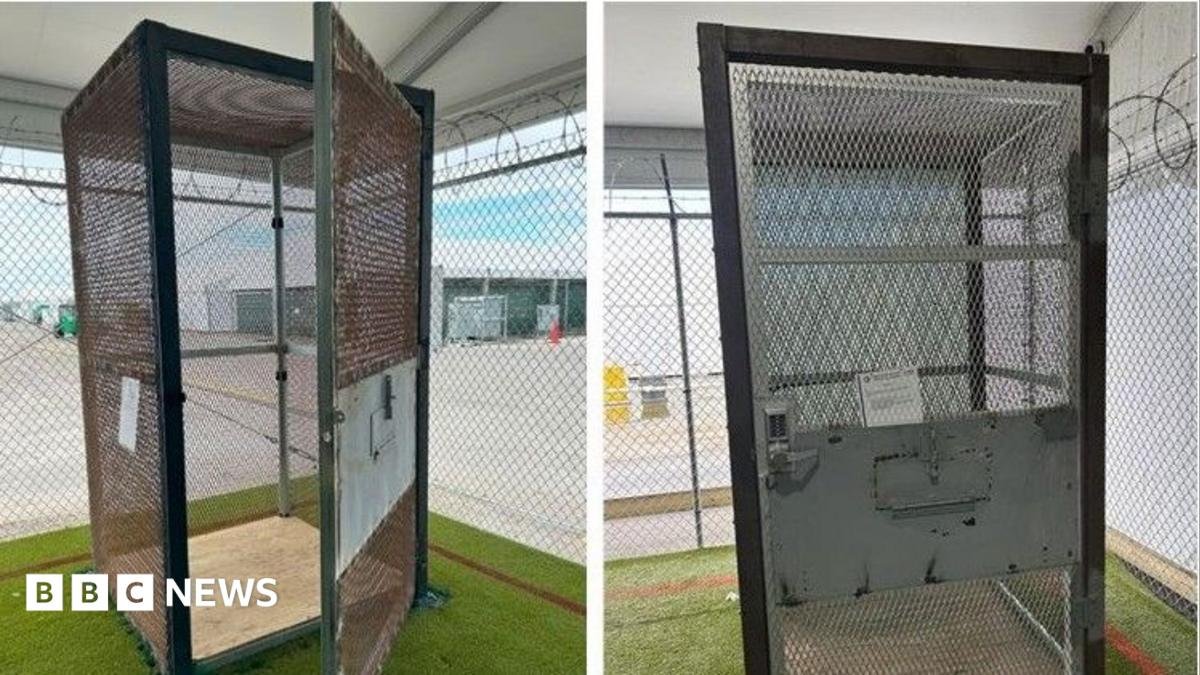
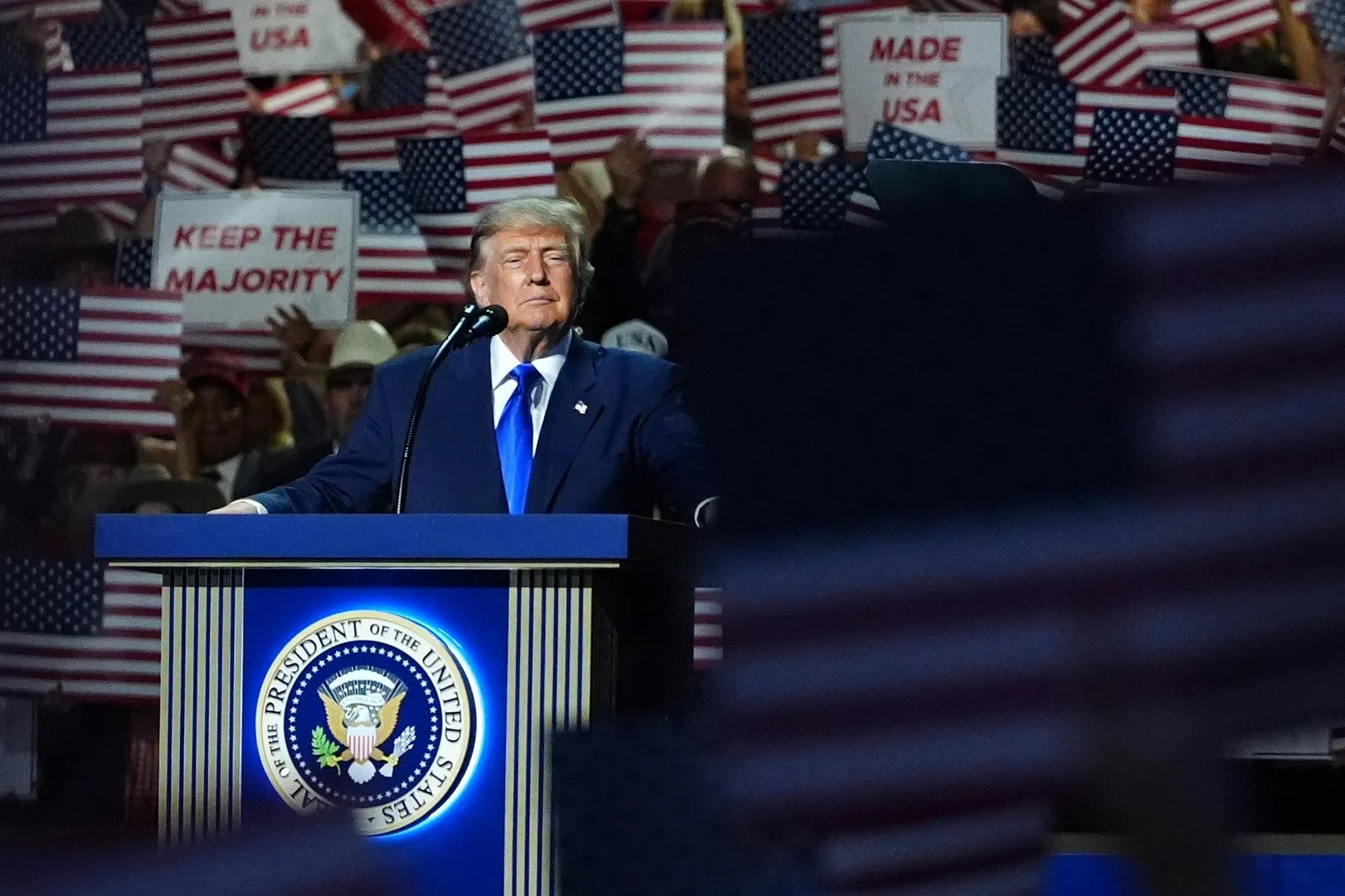
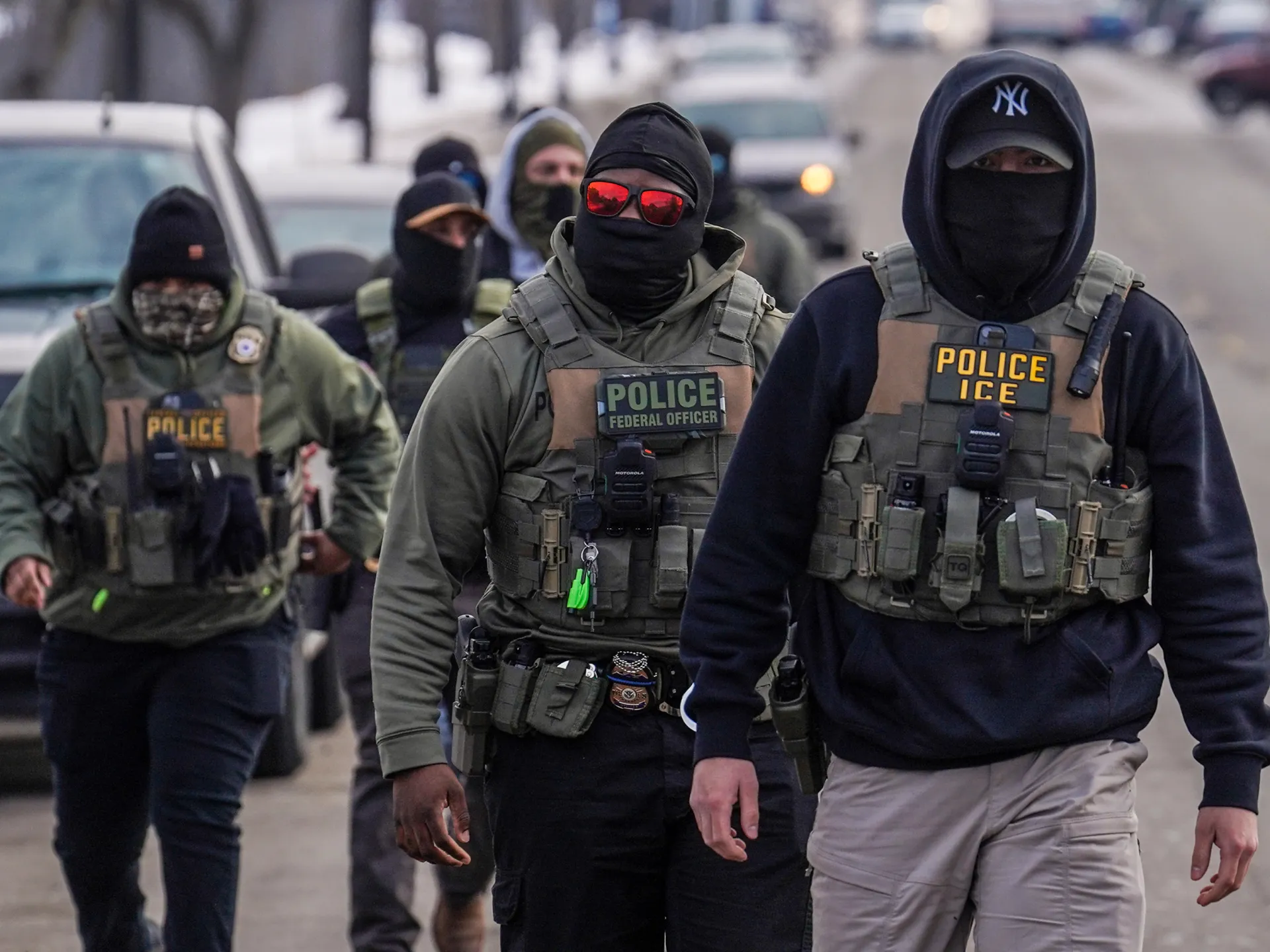
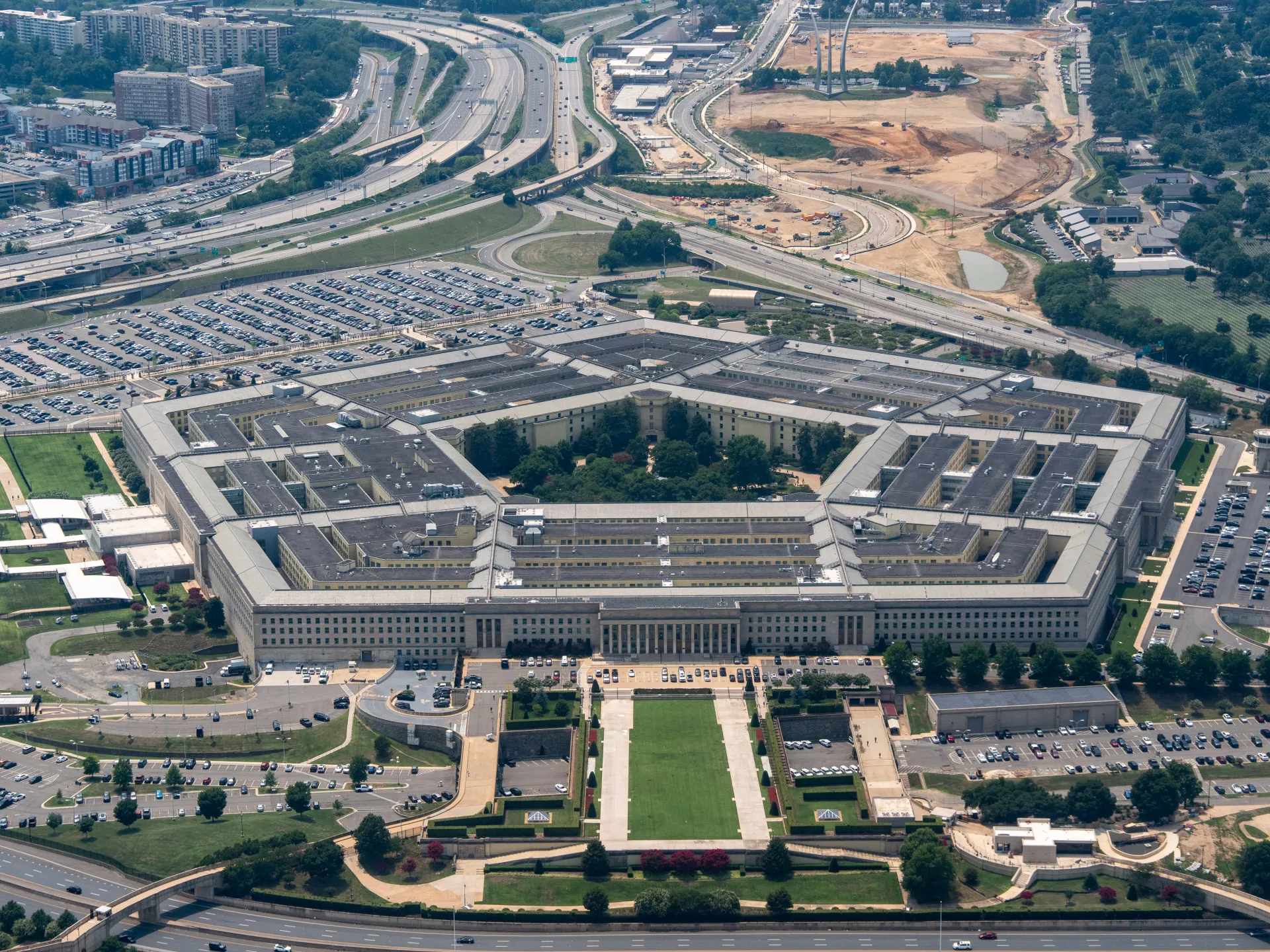
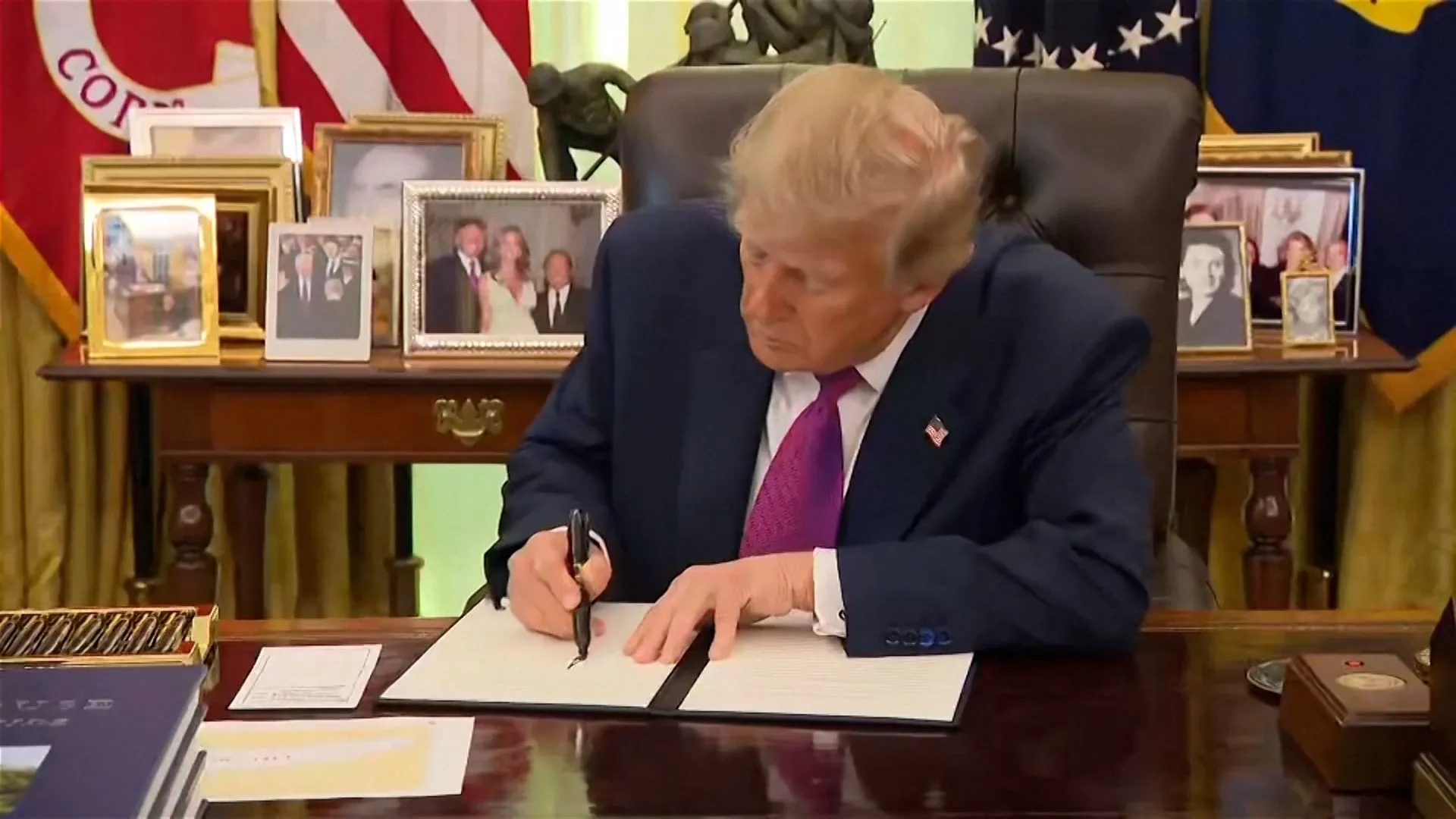
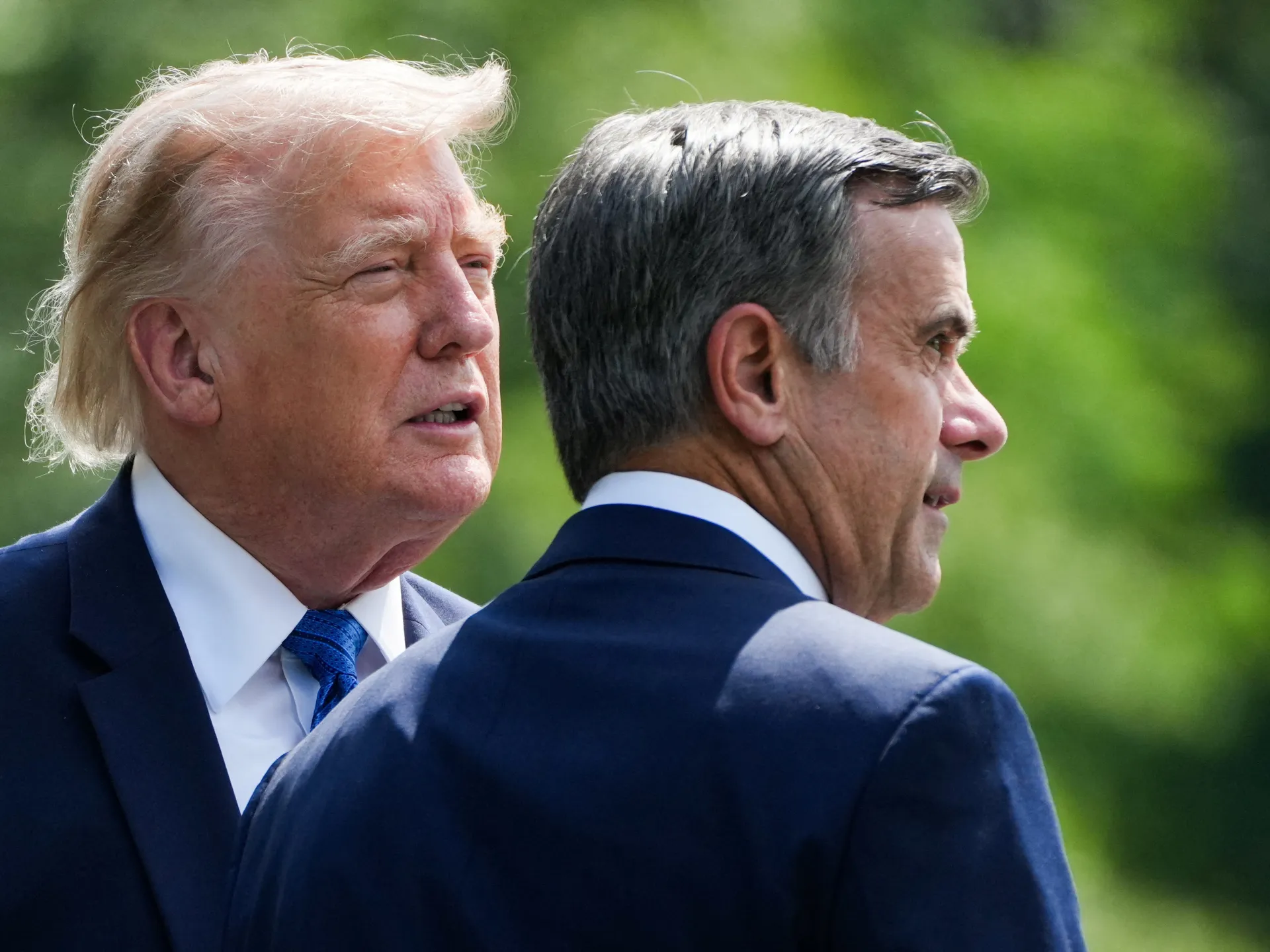
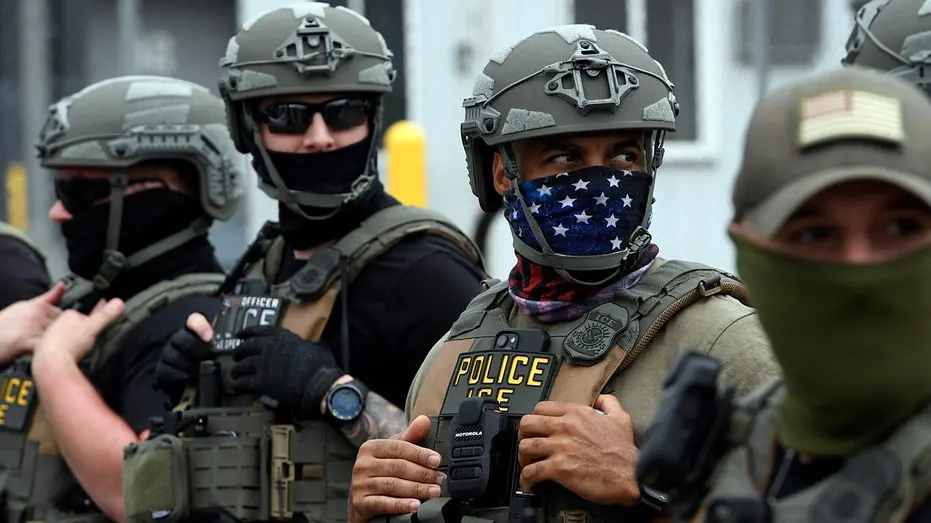
Meanwhile, the United States continues to exert a disruptive influence on the world stage. Reports indicate that the U.S. administration is pushing for an energy ceasefire between Russia and Ukraine, while simultaneously employing aggressive immigration policies, such as the deportation of individuals to third-country locations in Africa. This "show of force" approach, coupled with a policy of blocking media networks from White House access, has drawn criticism and lawsuits, signaling a retreat from traditional diplomatic norms that further complicates the UN's ability to maintain global order.
The immediate path forward appears dictated eral Assembly. If the CDU fails to stem the tide of AfD popularity in the next round of elections, it is unlikely that the state premiers’ support for Merz will remain intact, regardless of their current calls for stability. At the international level, the UN's influence will likely continue to wane if the Security Council fails to find a path toward consensus on the wars in Ukraine and the Middle East. Analysts suggest that without a fundamental shift in the veto-wielding powers' approach to international law, the organization may remain relegated to a secondary role as mid-sized powers and rogue states continue to operate under a widening umbrella of impunity.