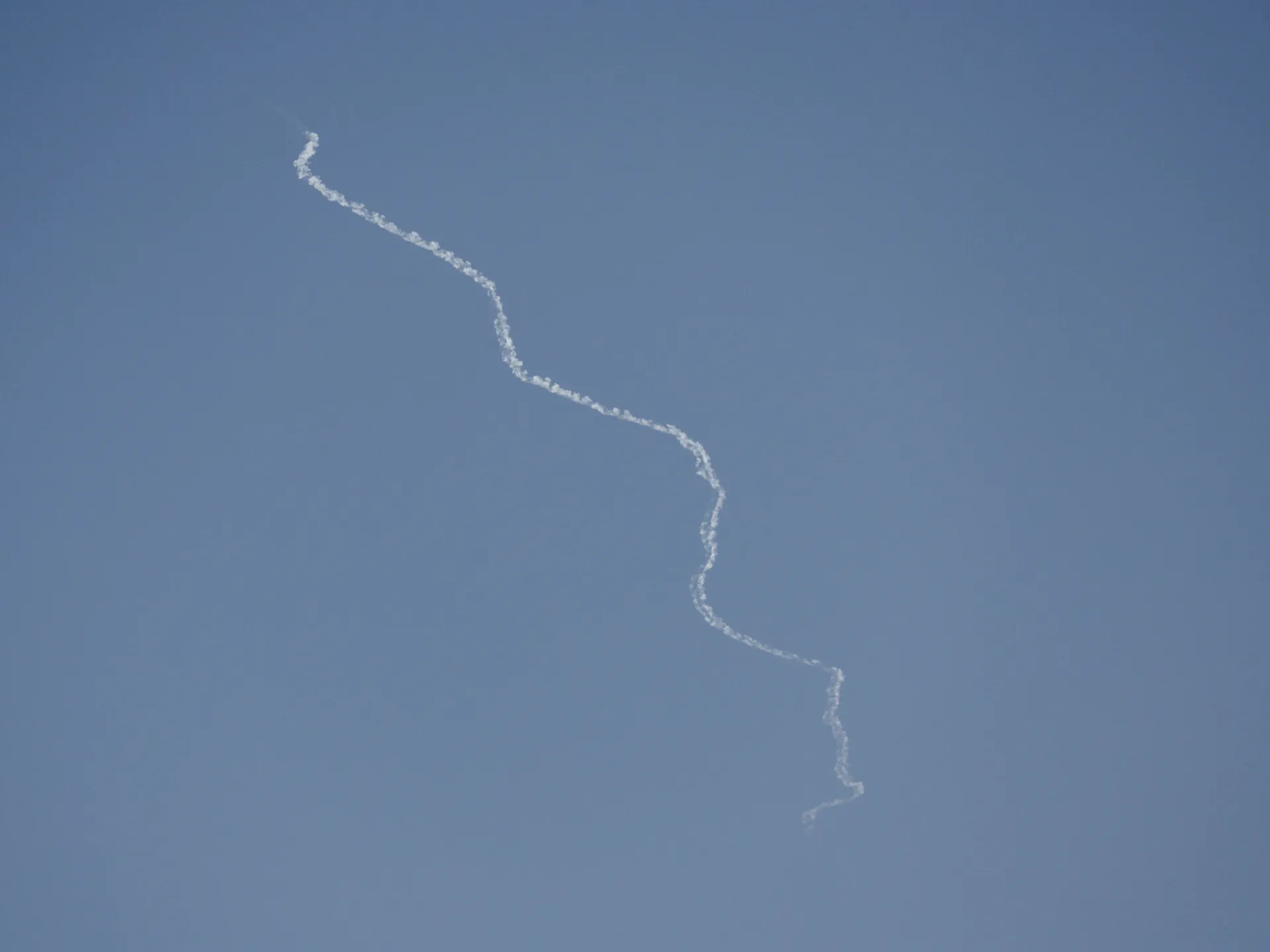
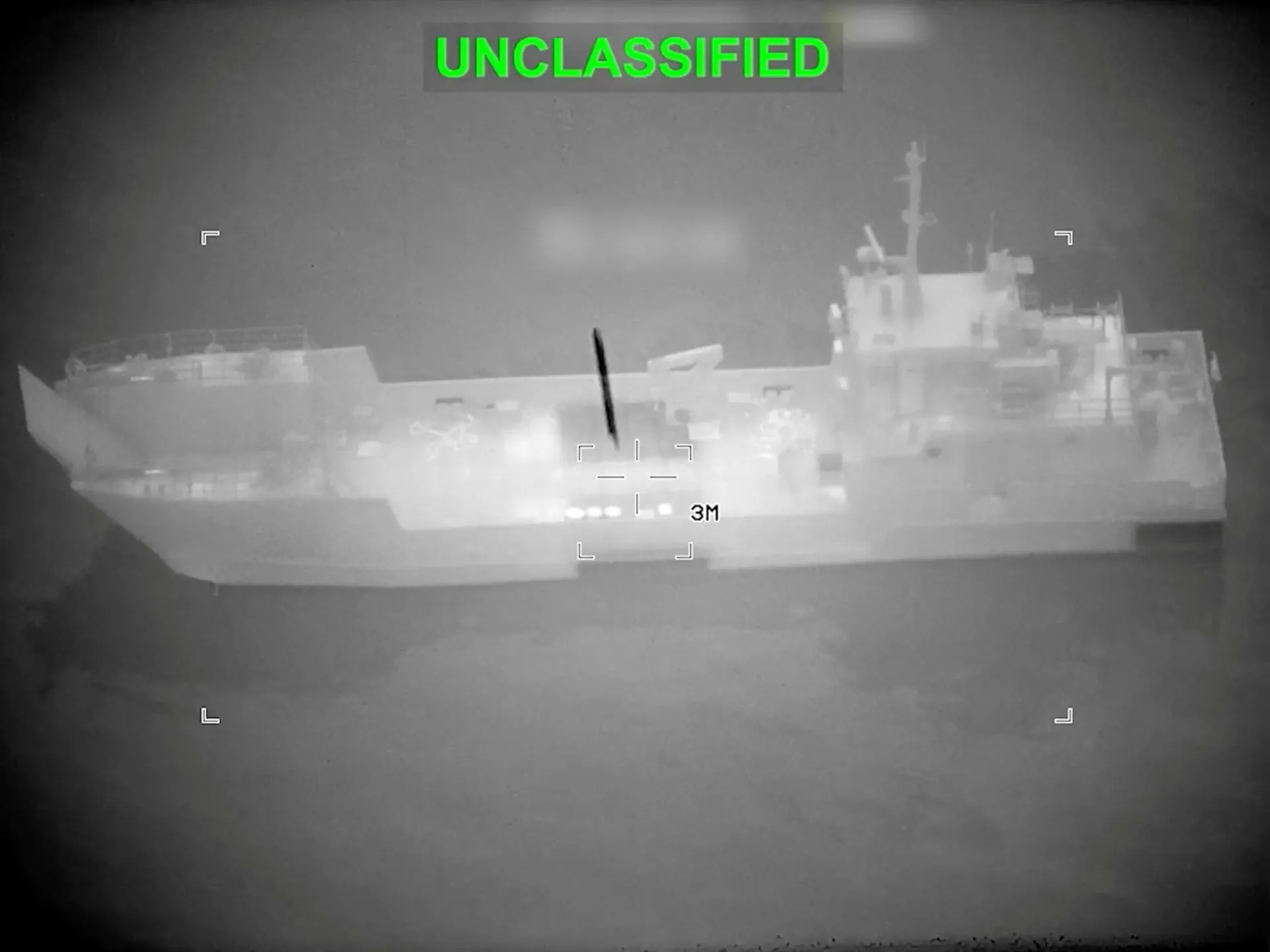
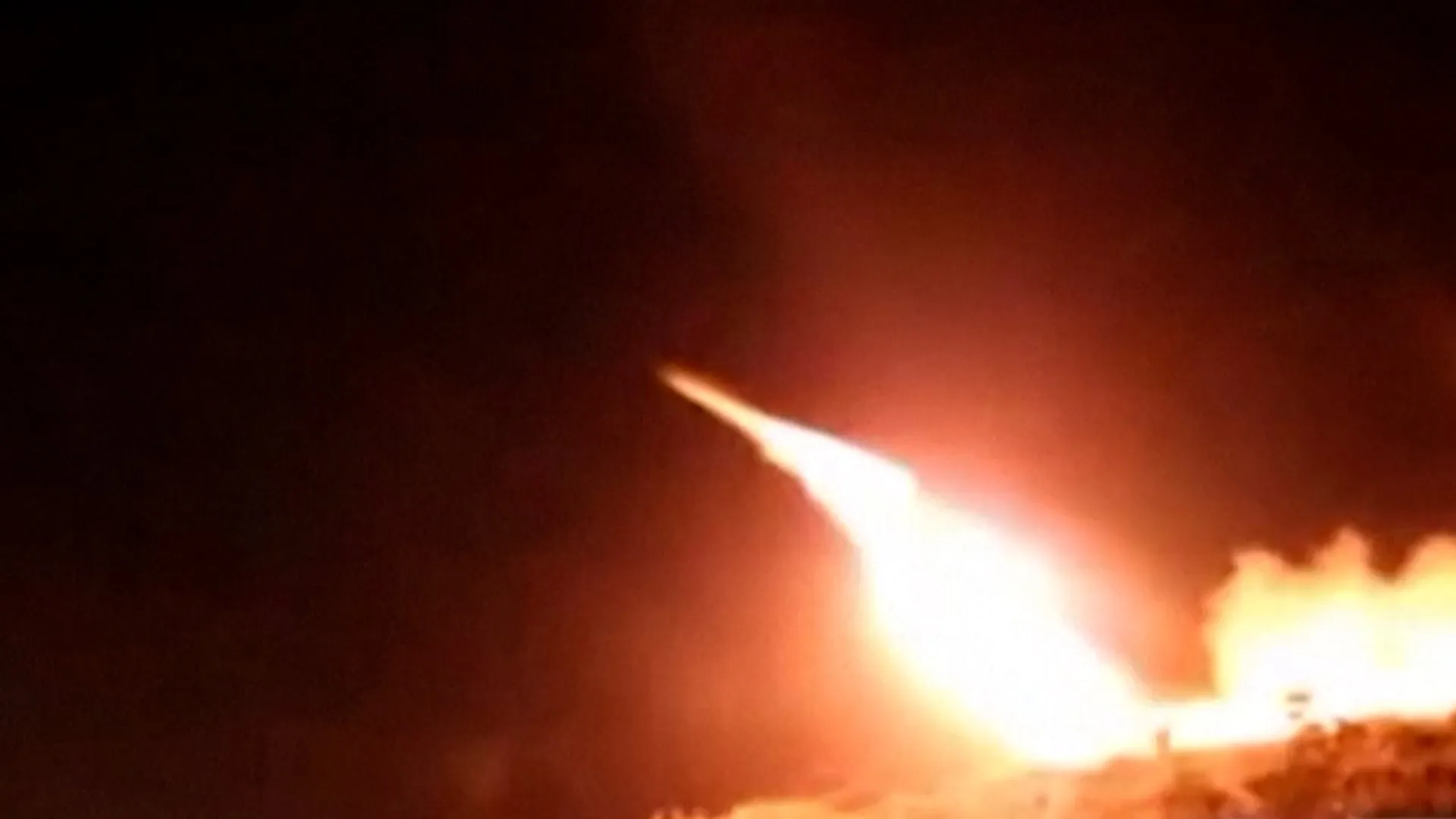
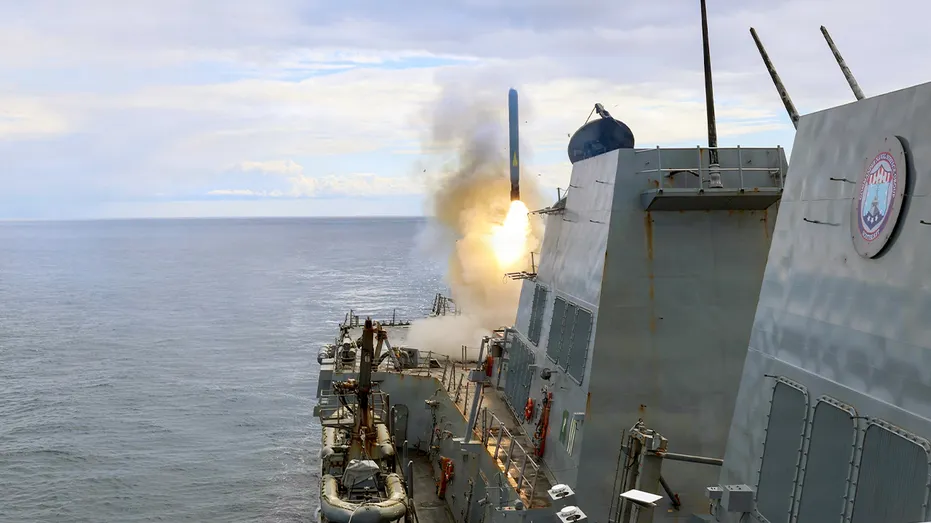
The United States conducted a strike against rocket launchers on Iran's Lark Island, marking the first military engagement between the two nations in weeks.
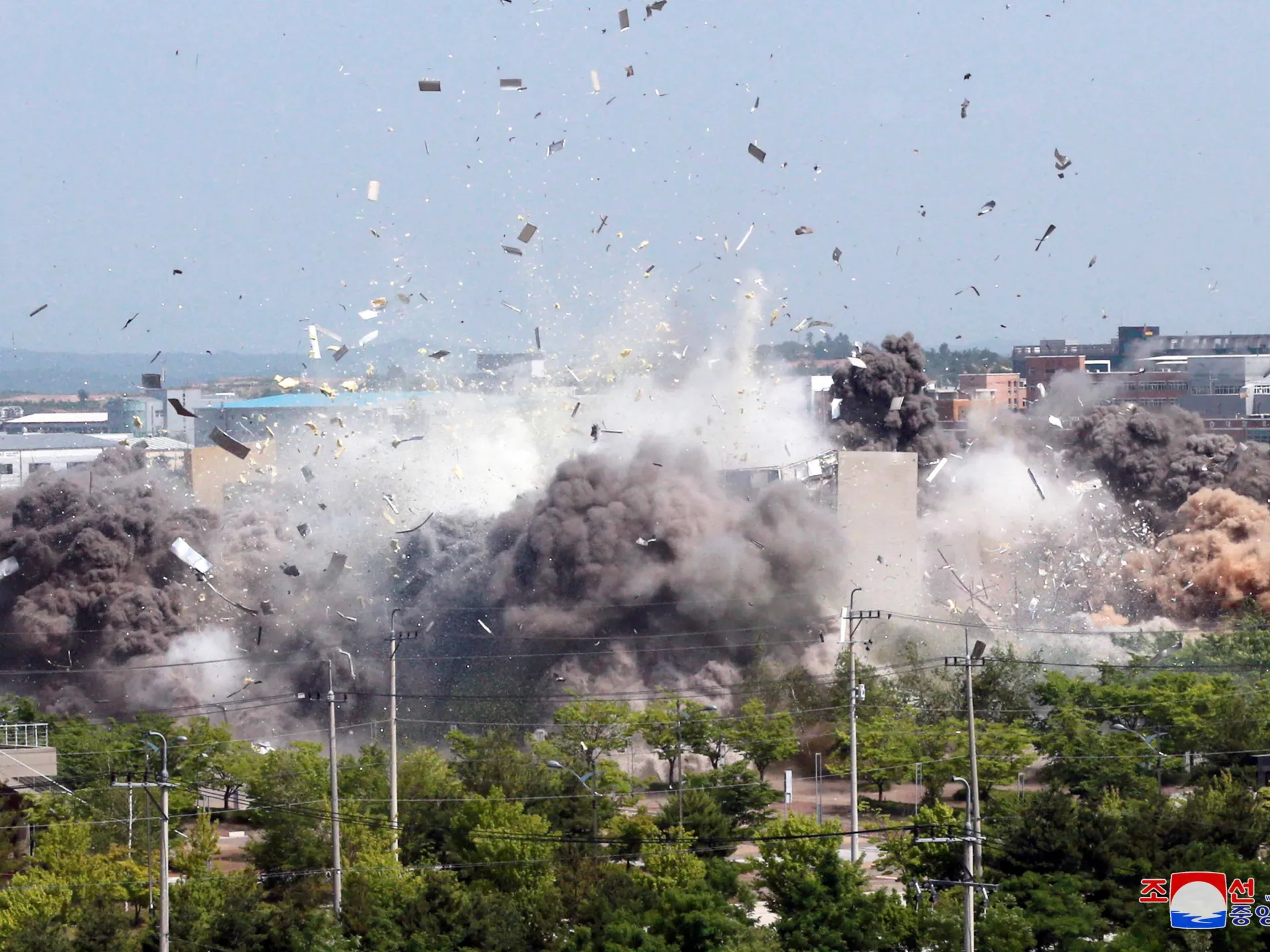
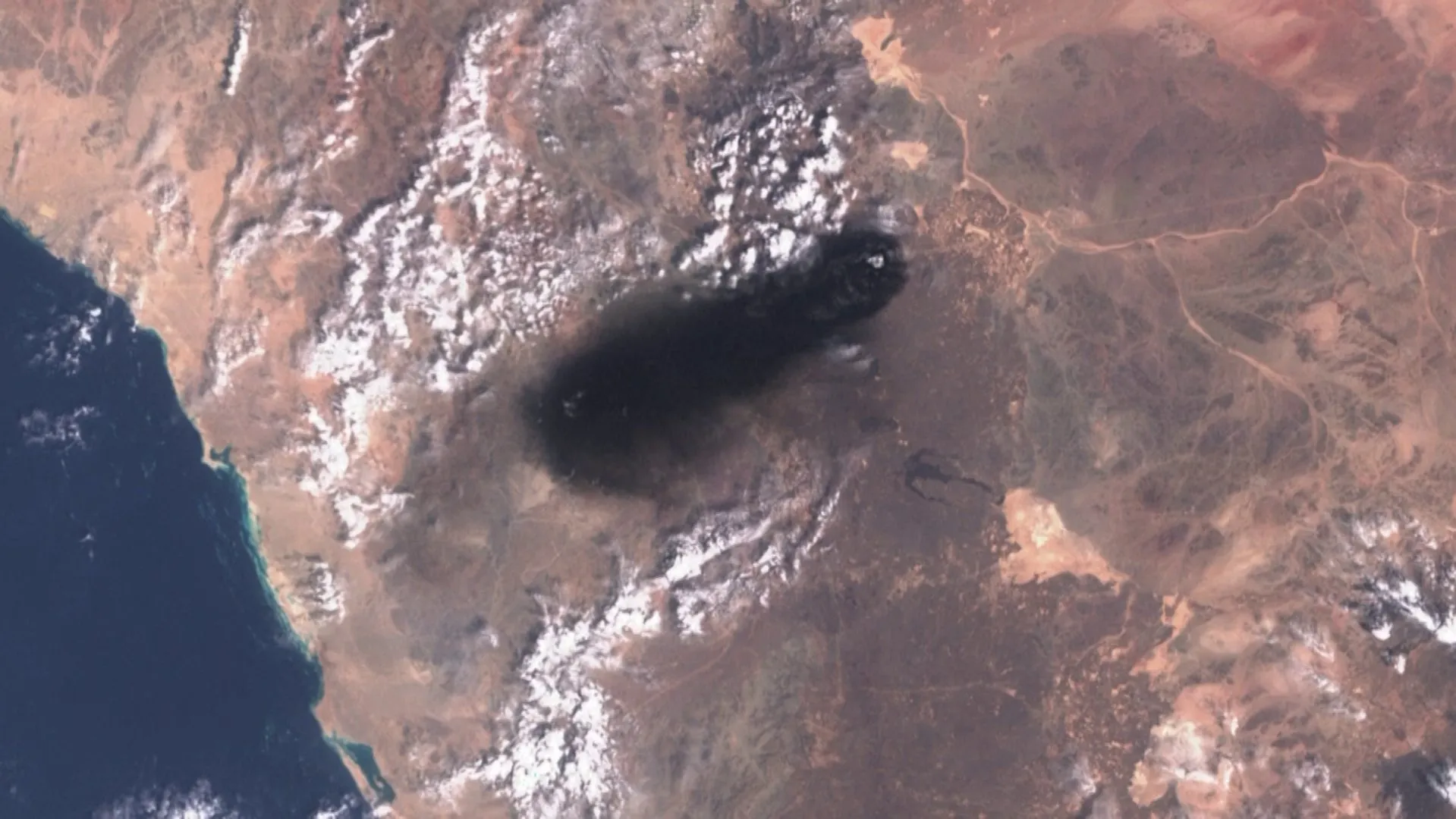
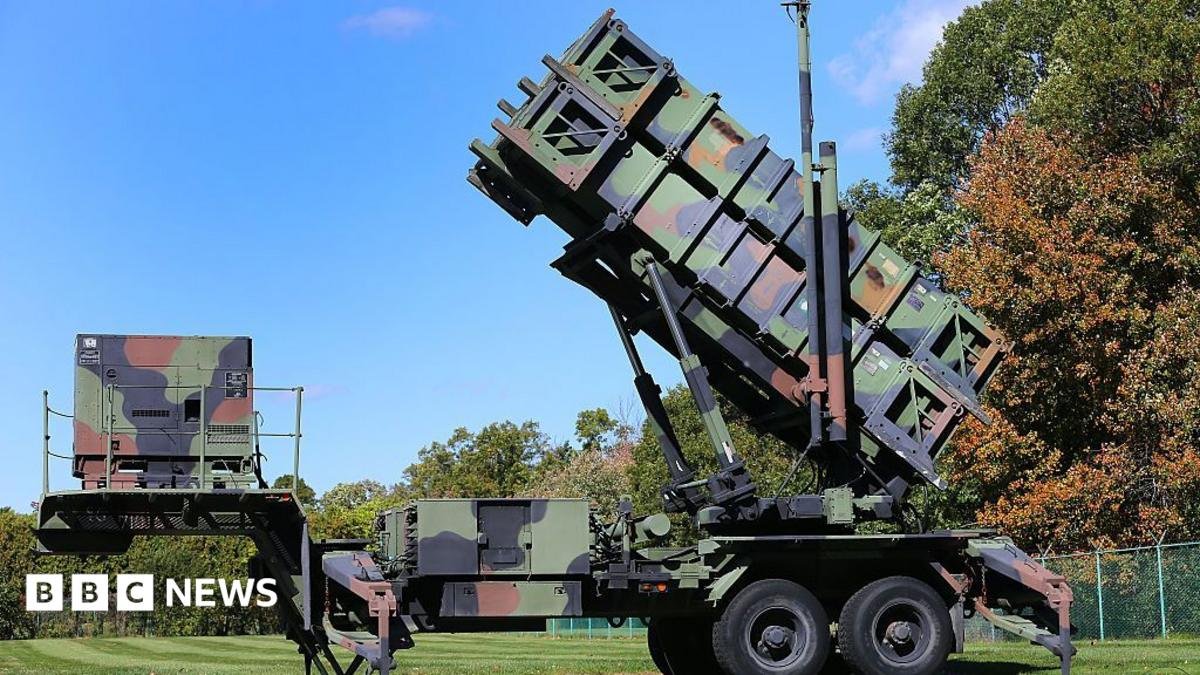
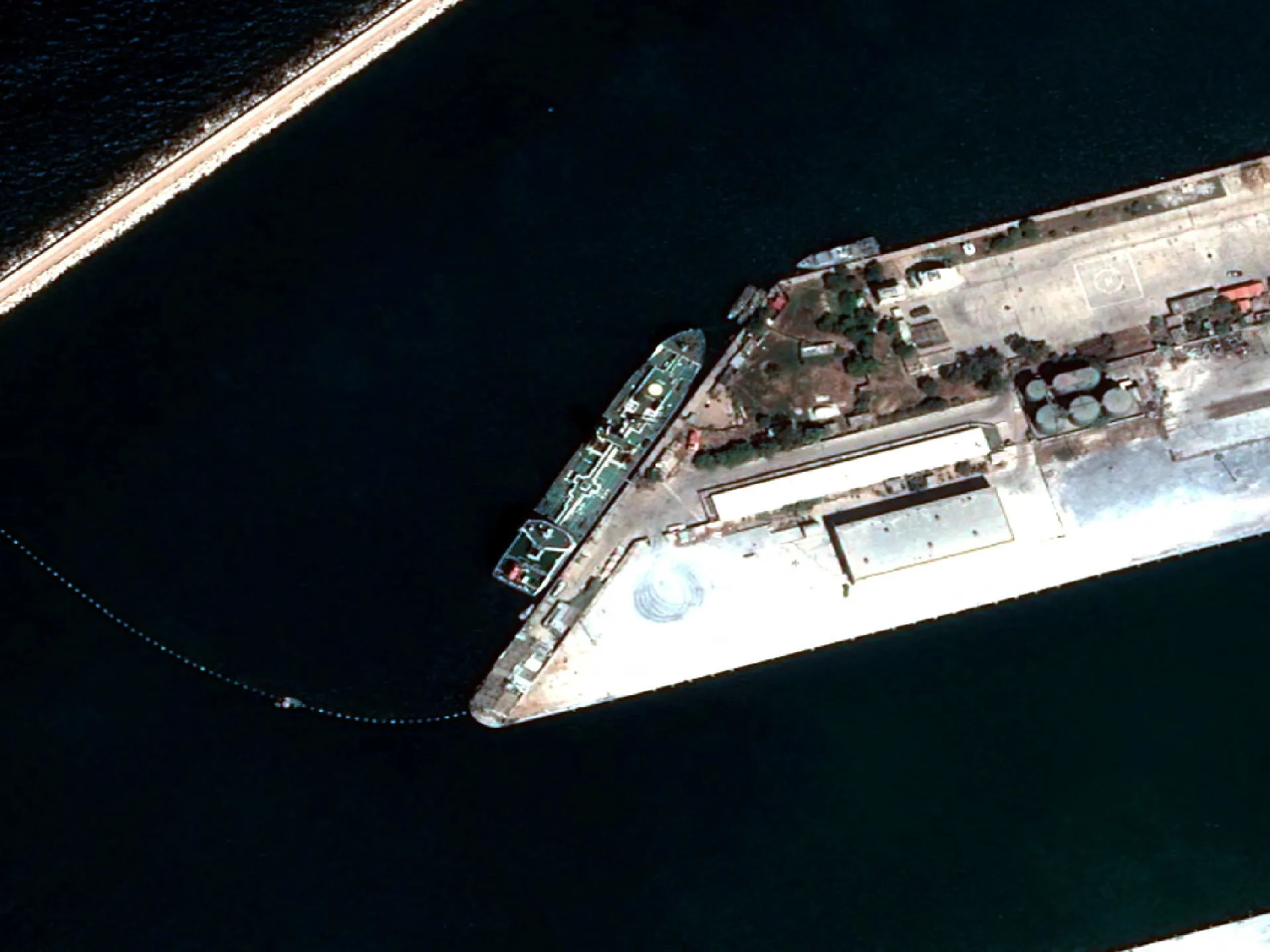
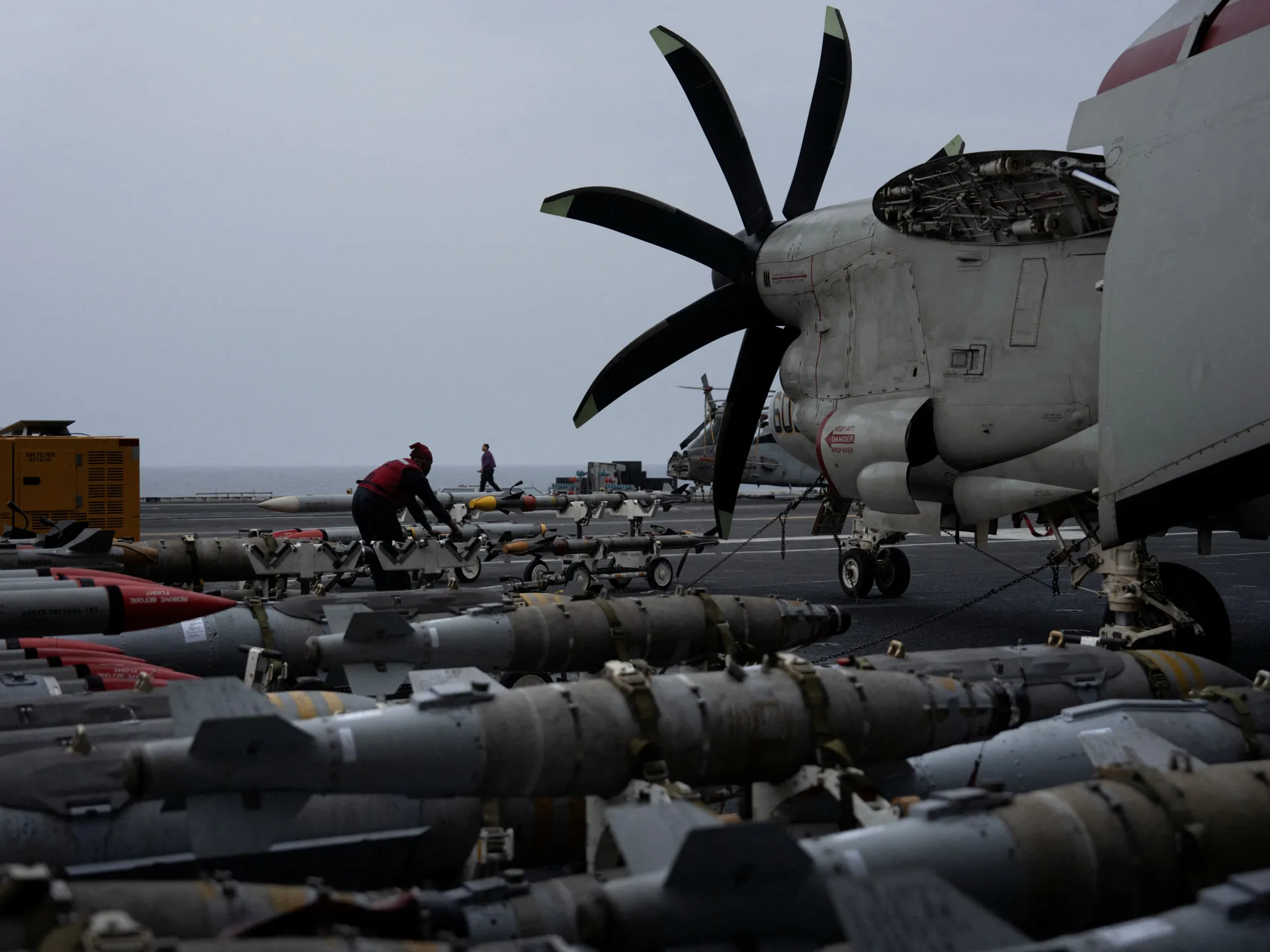
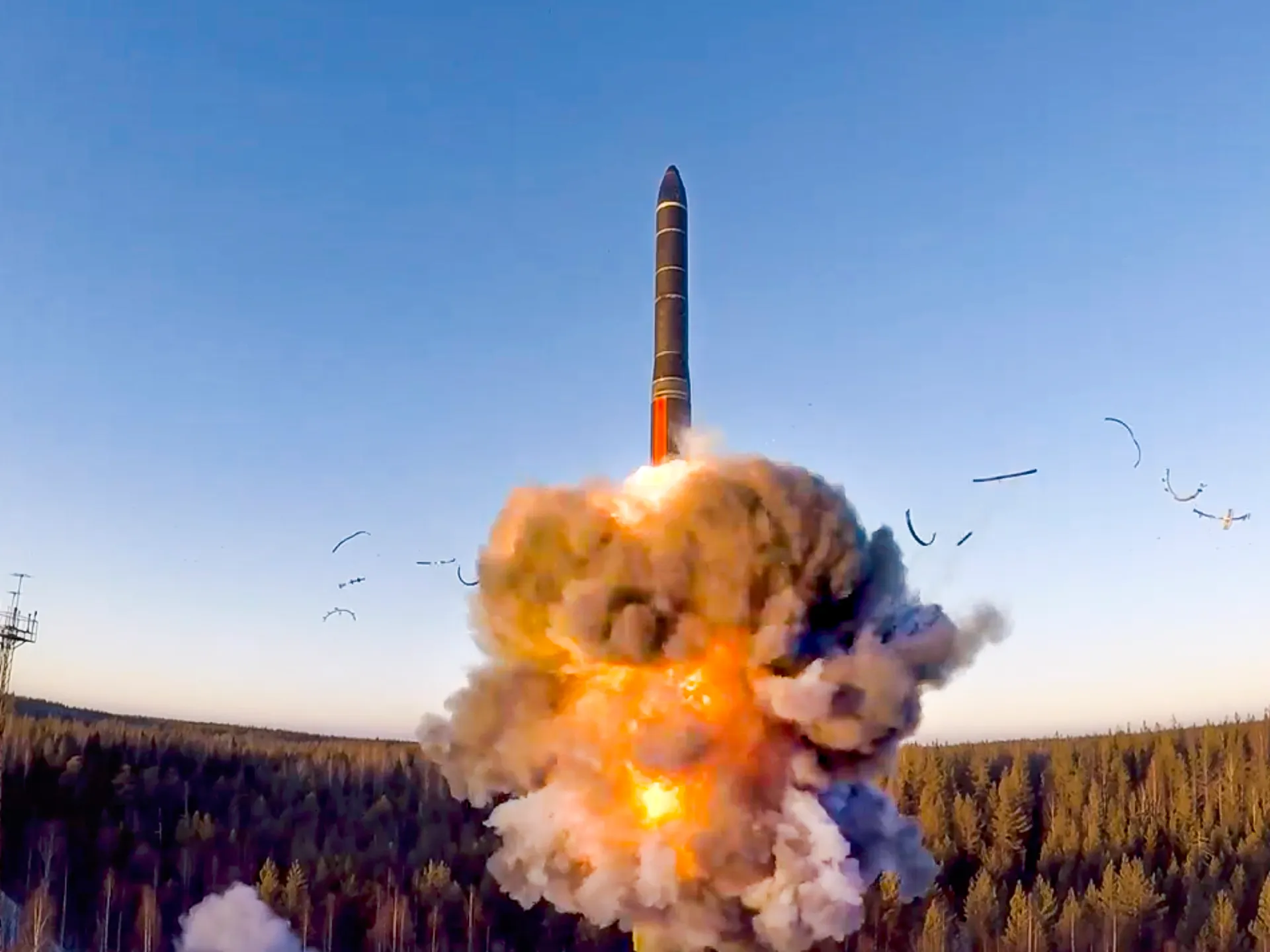
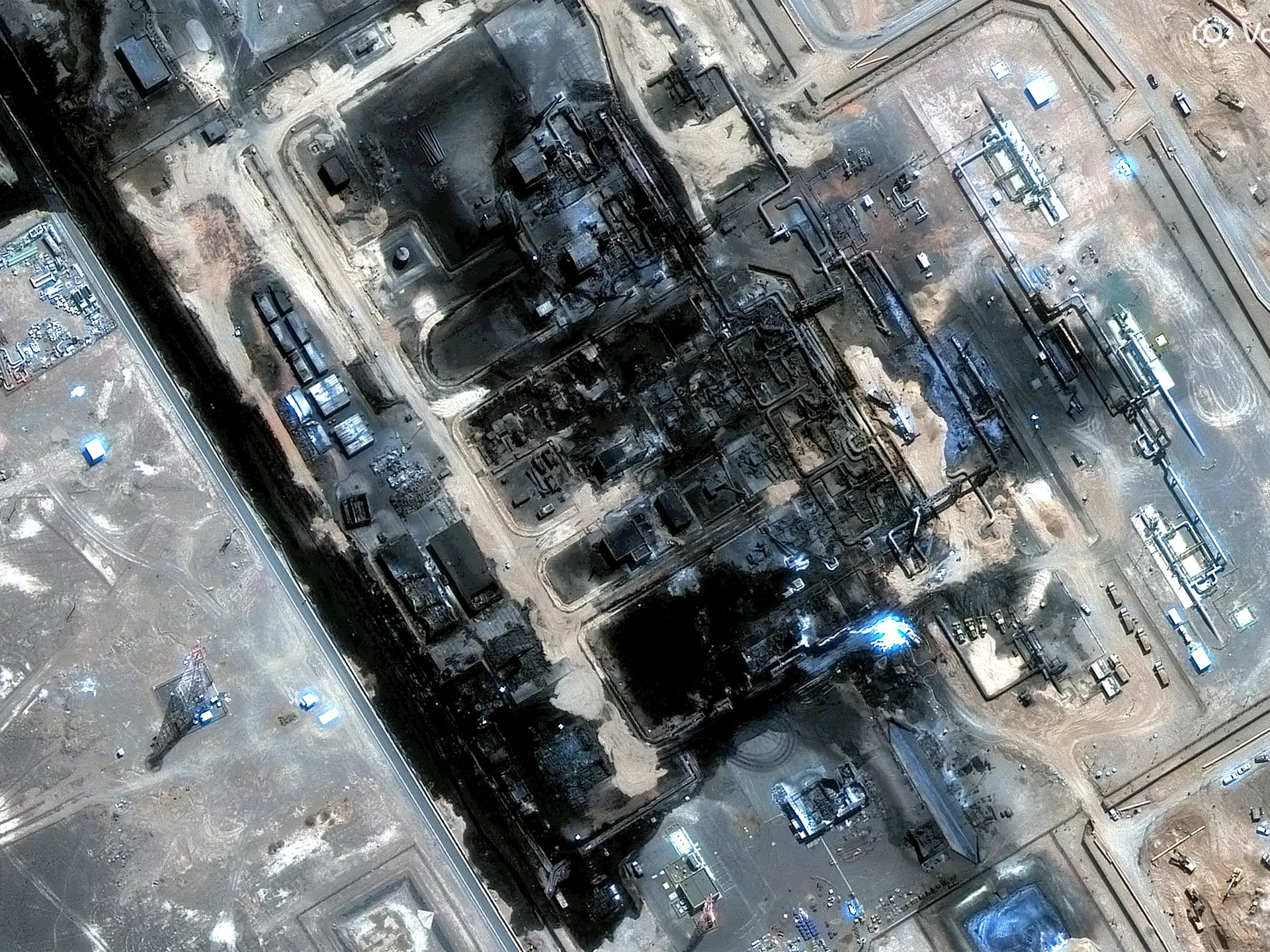
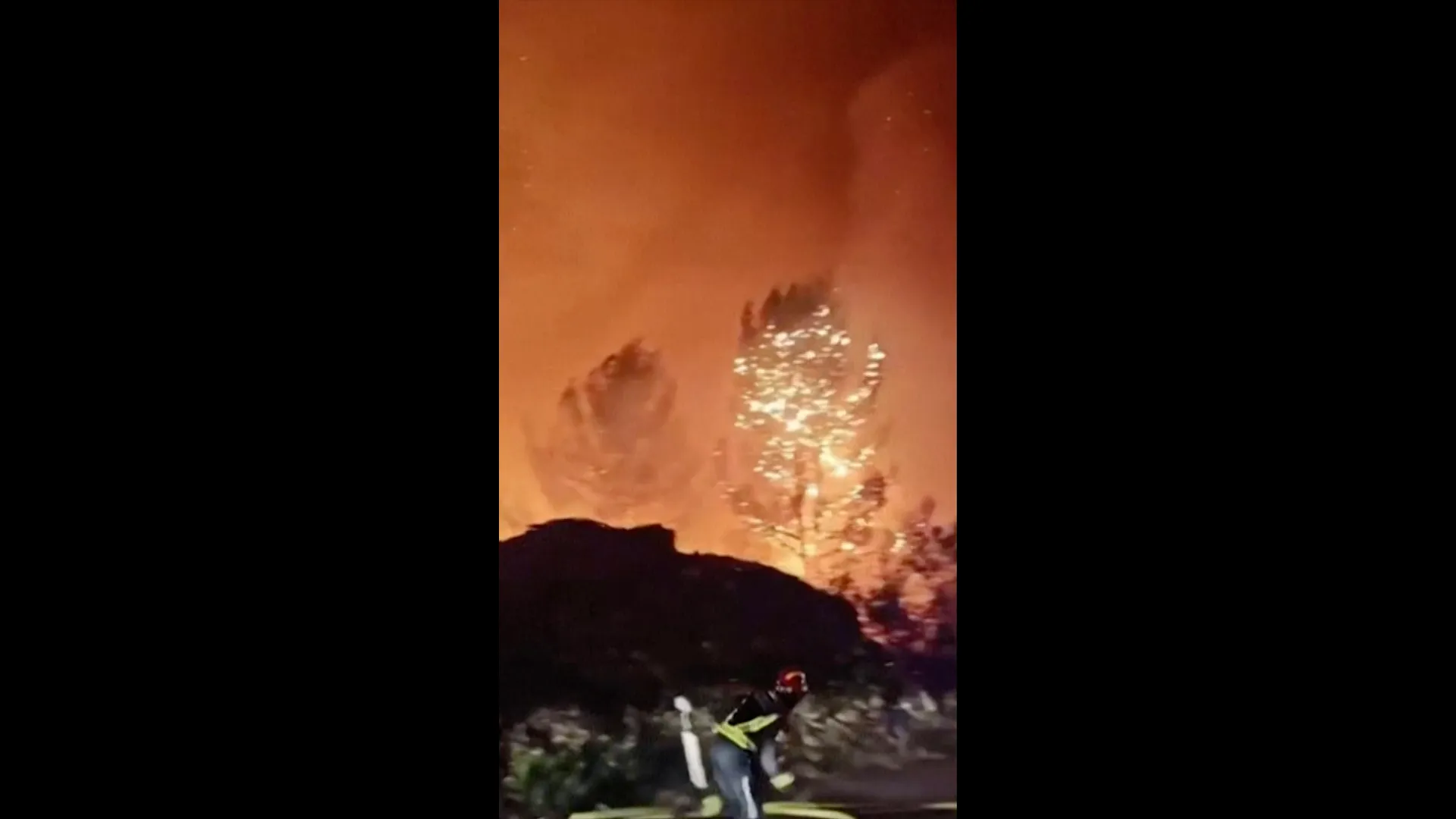
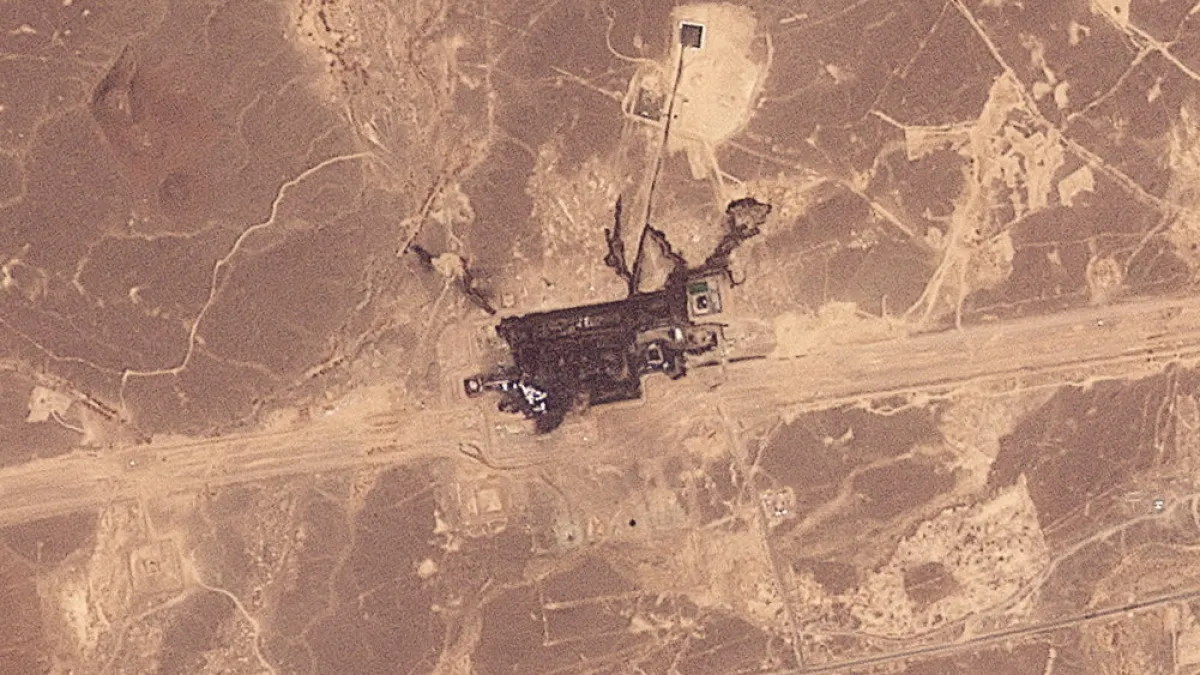
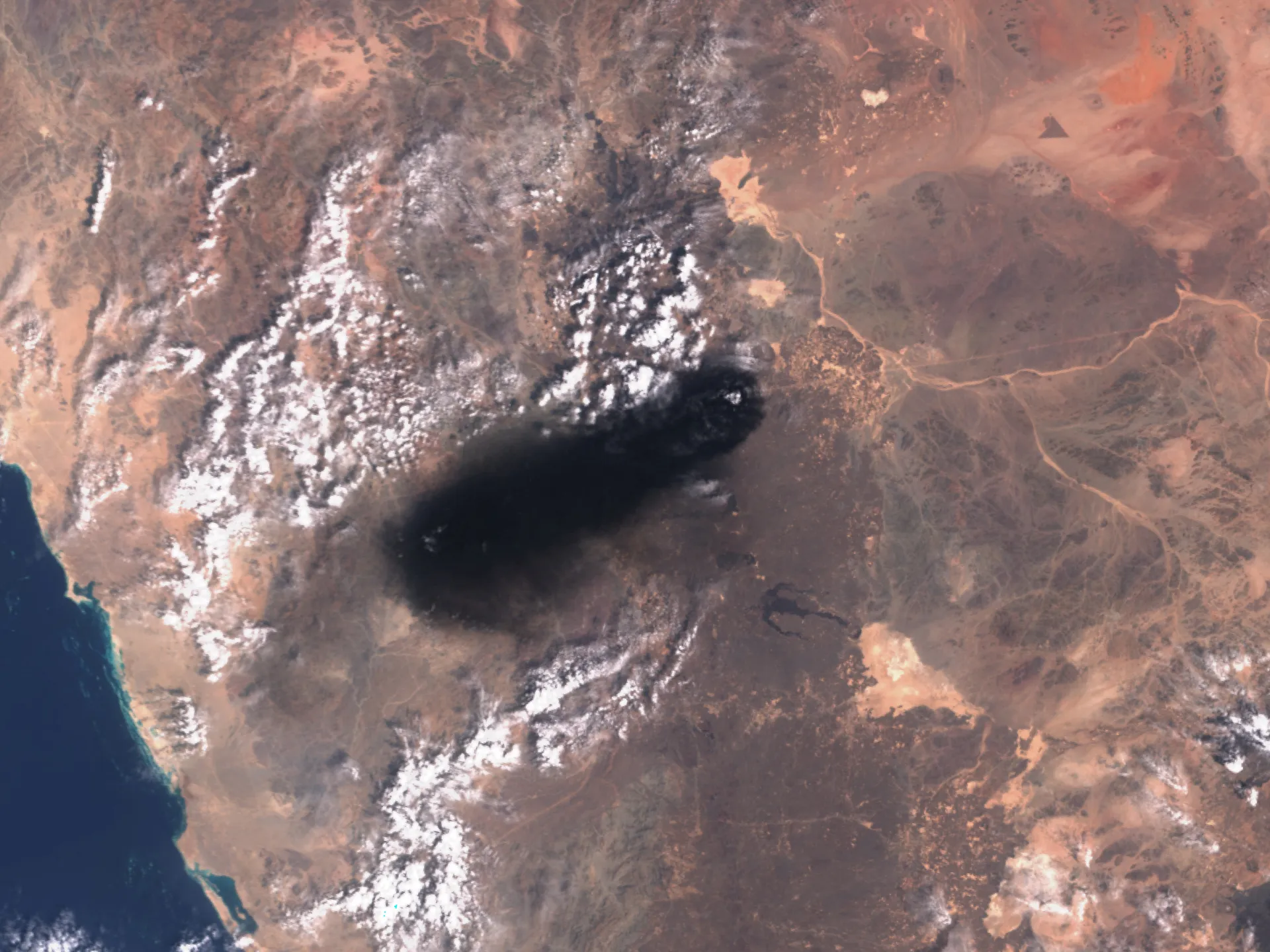
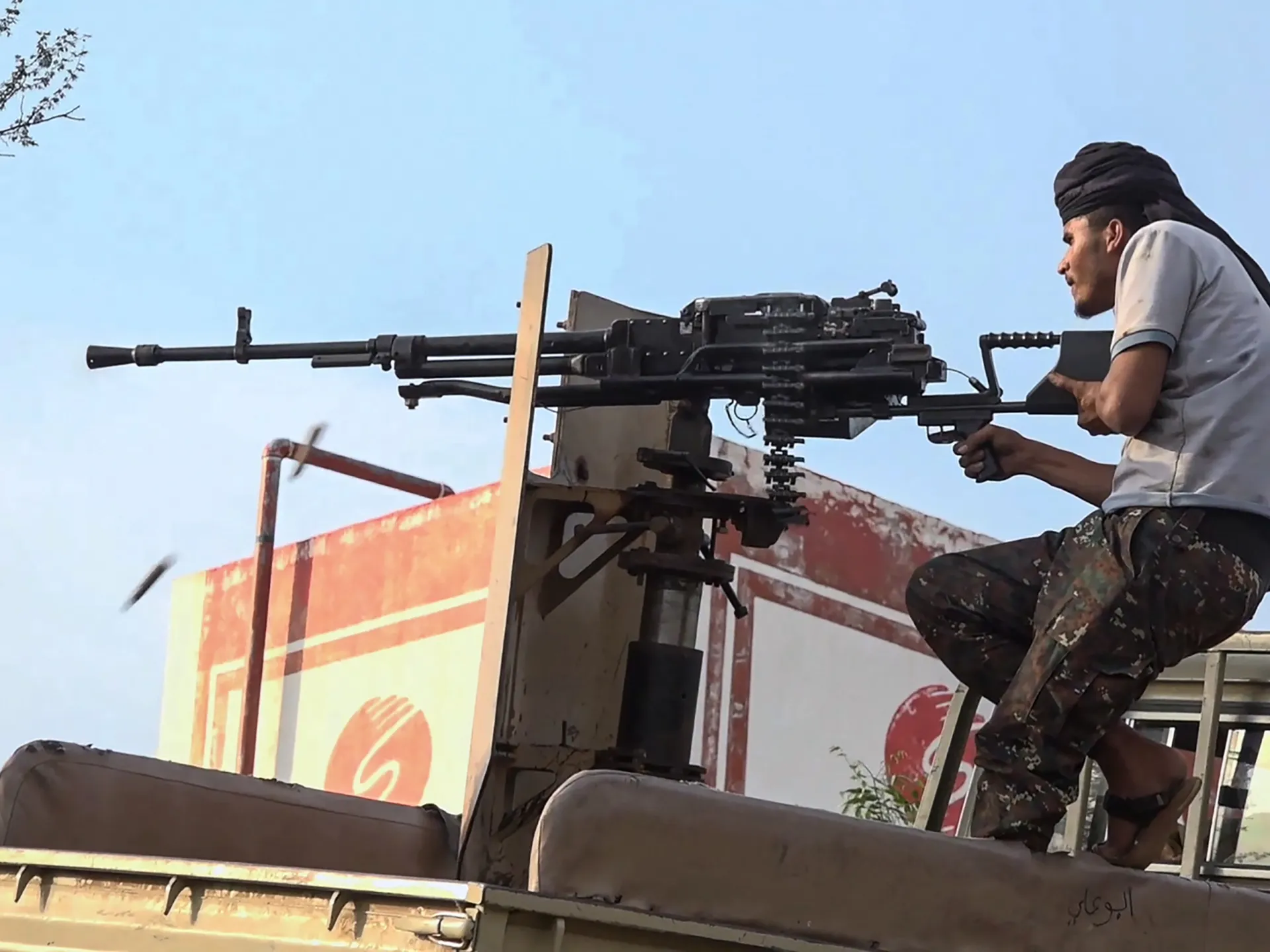
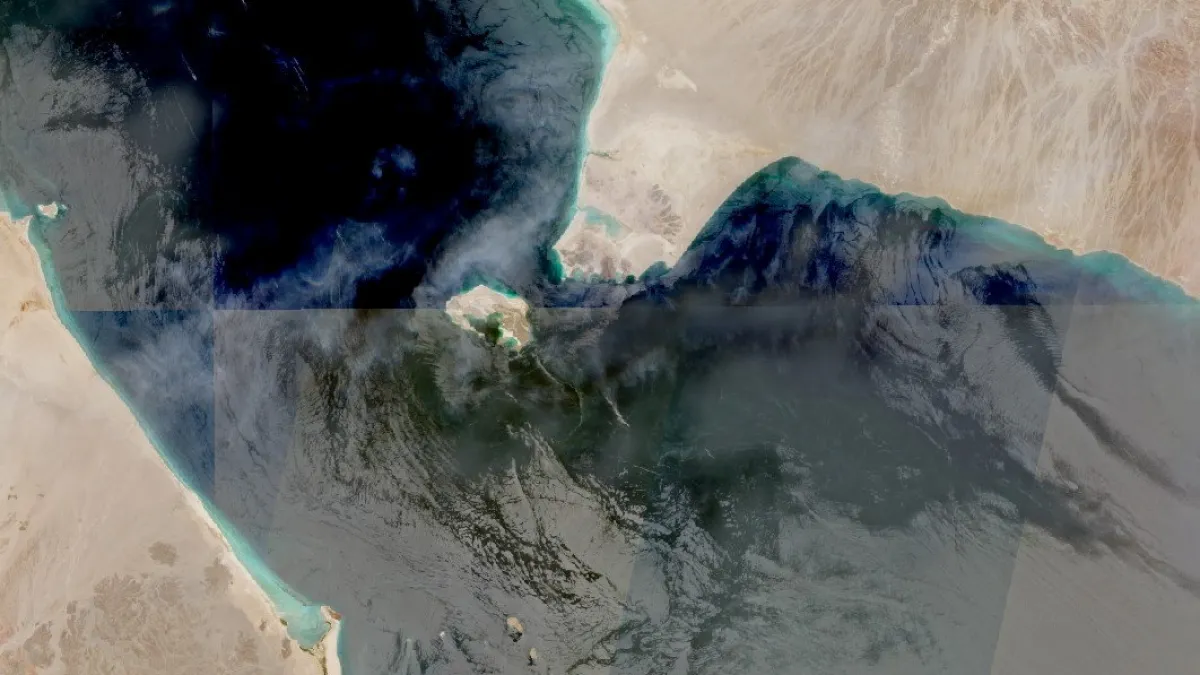
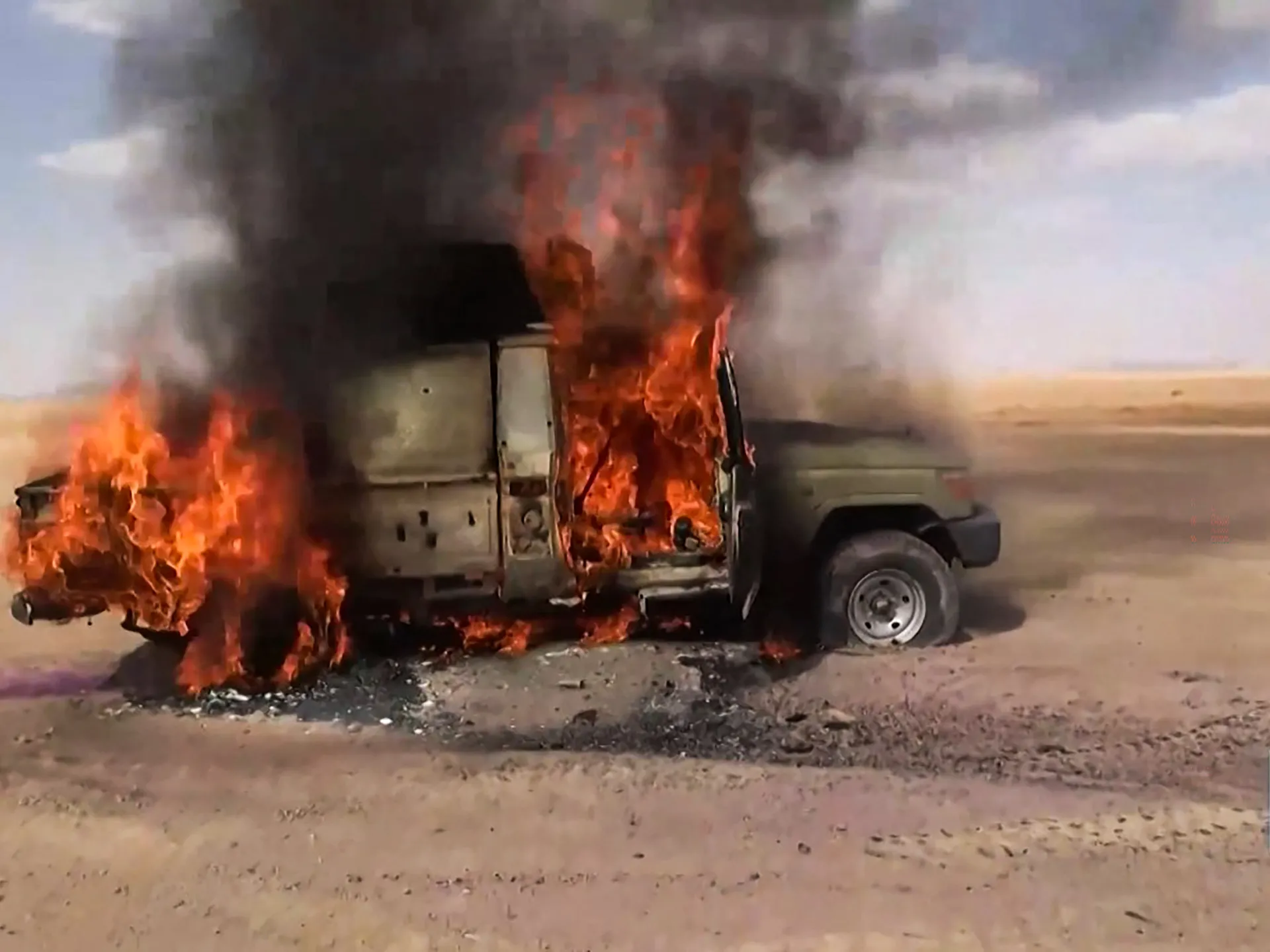
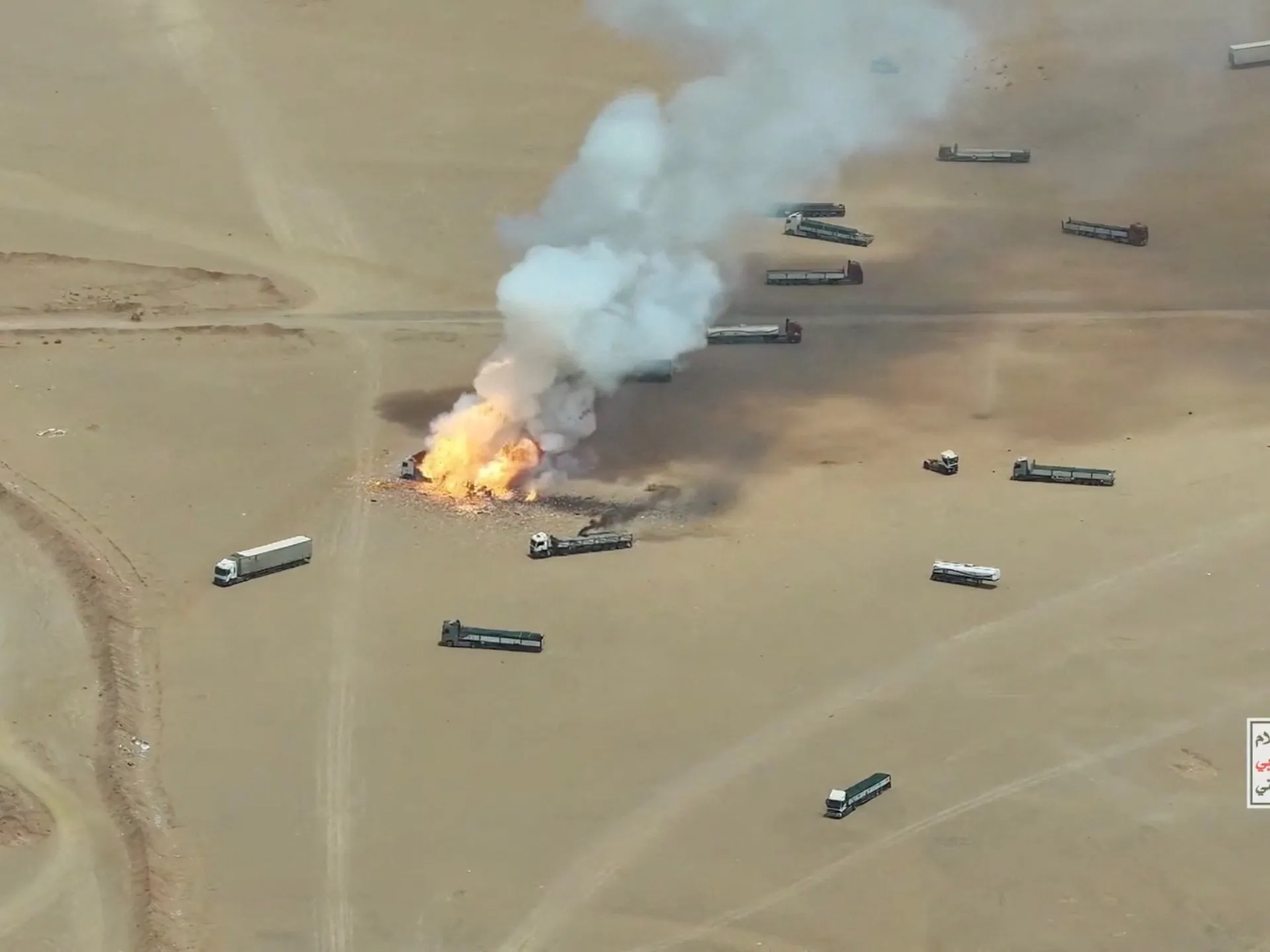
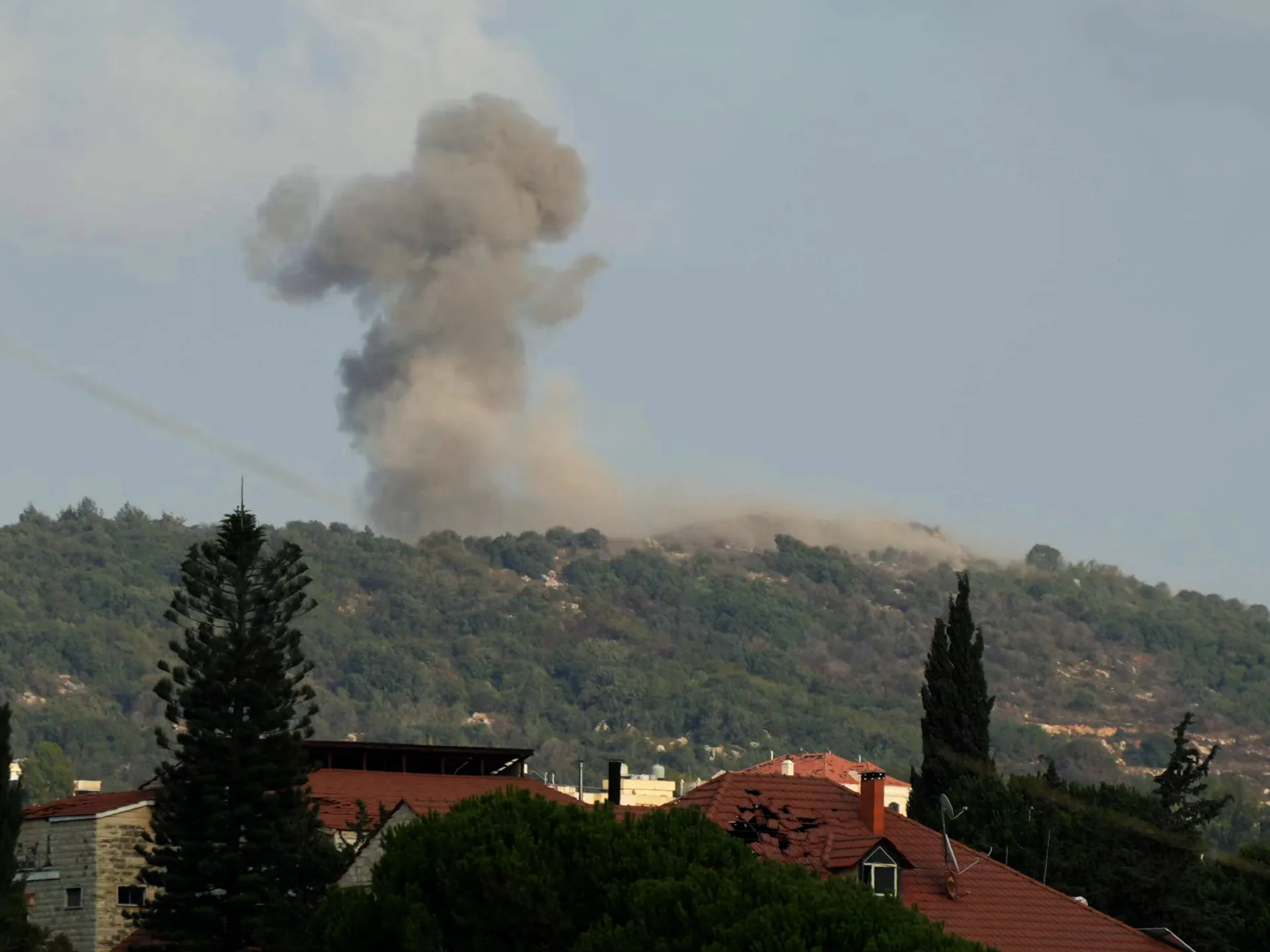
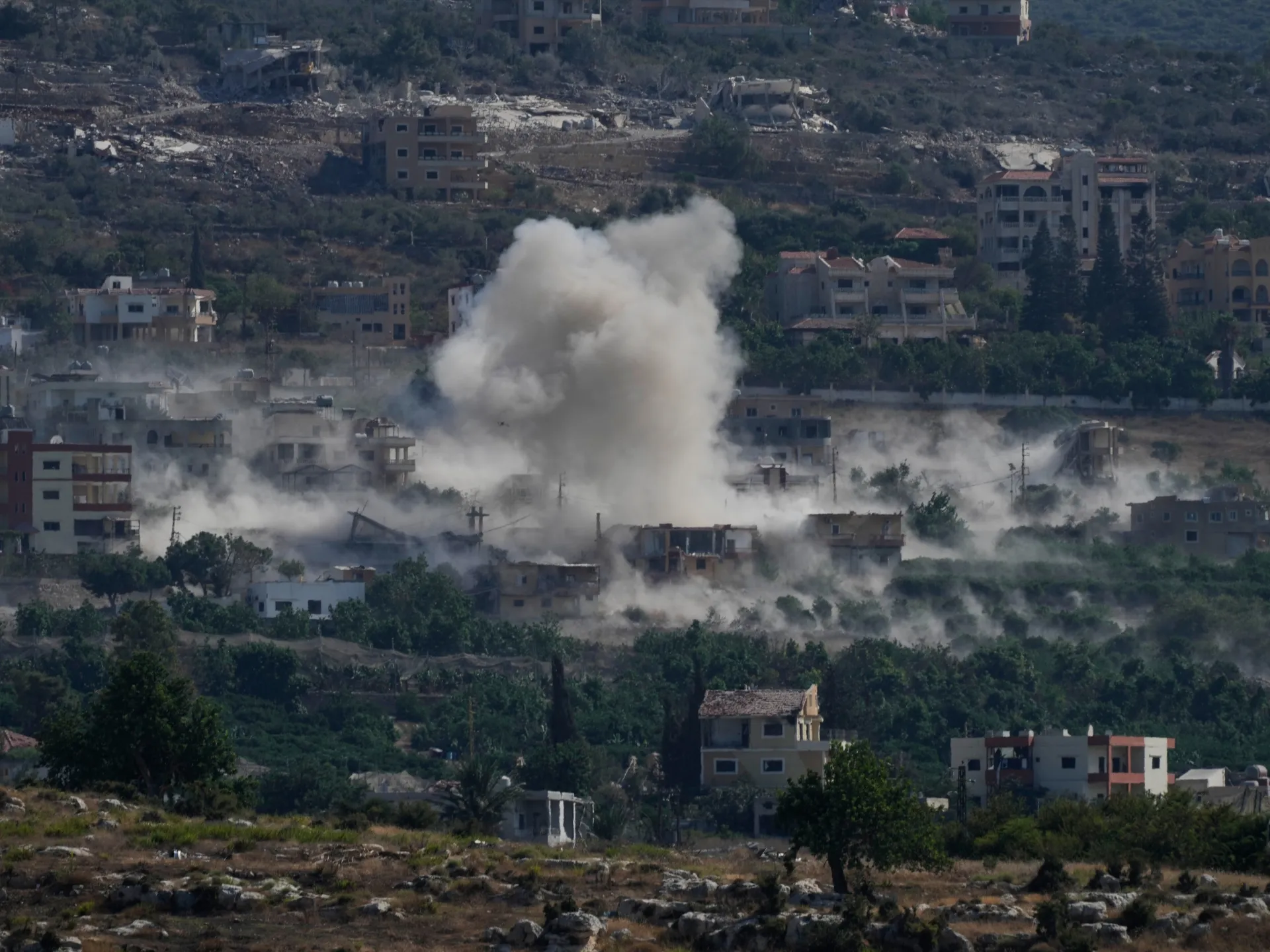
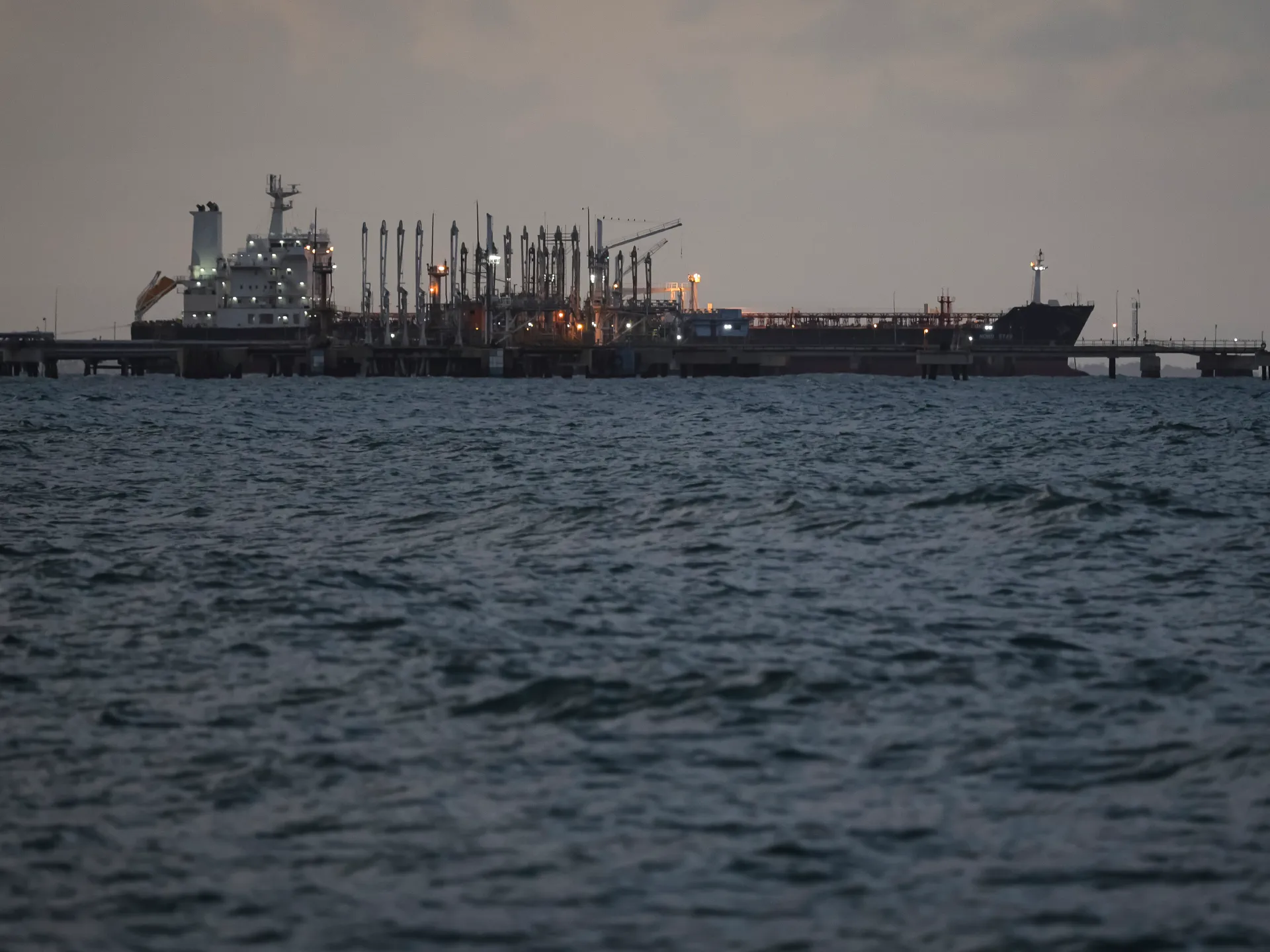
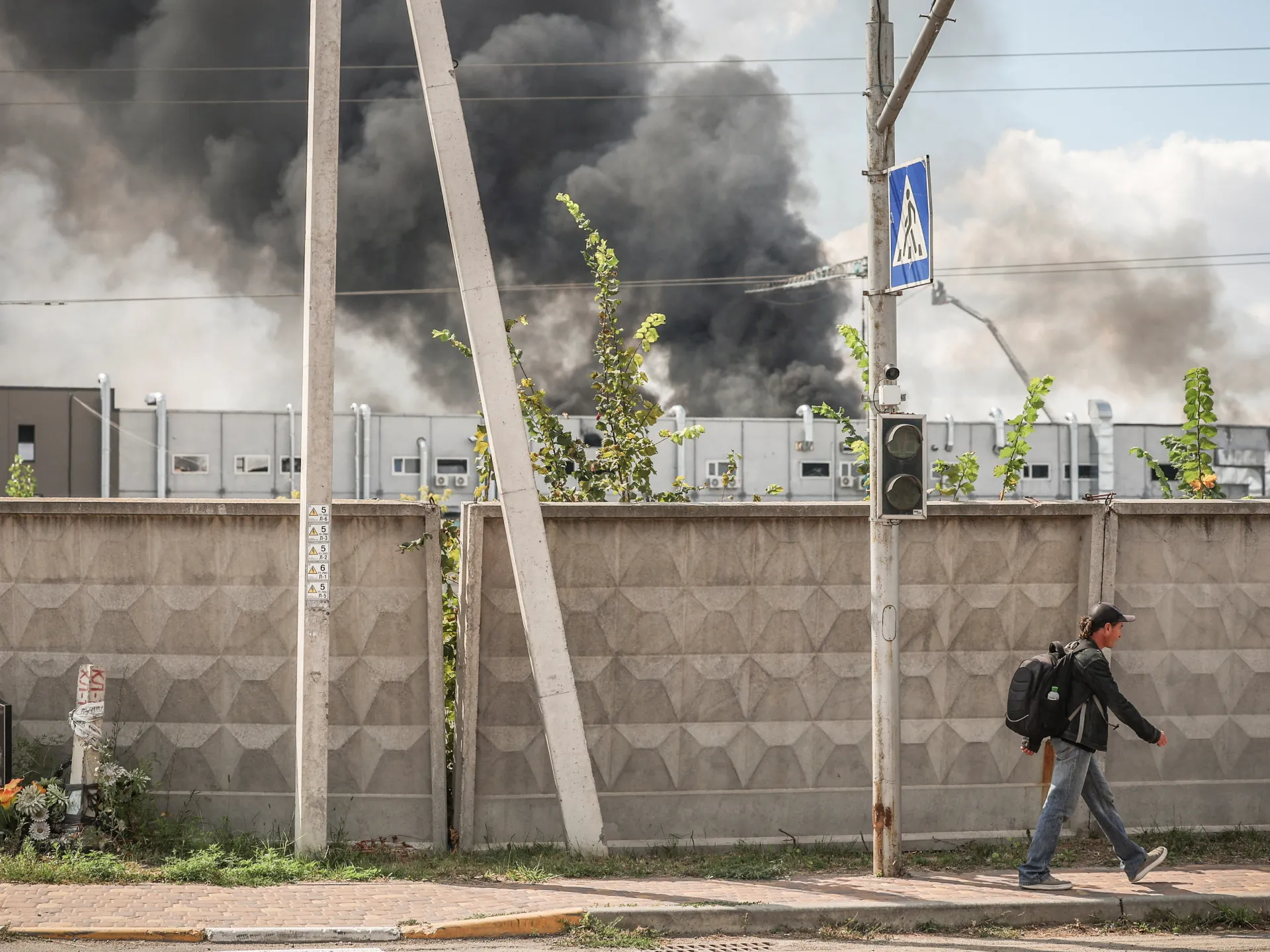
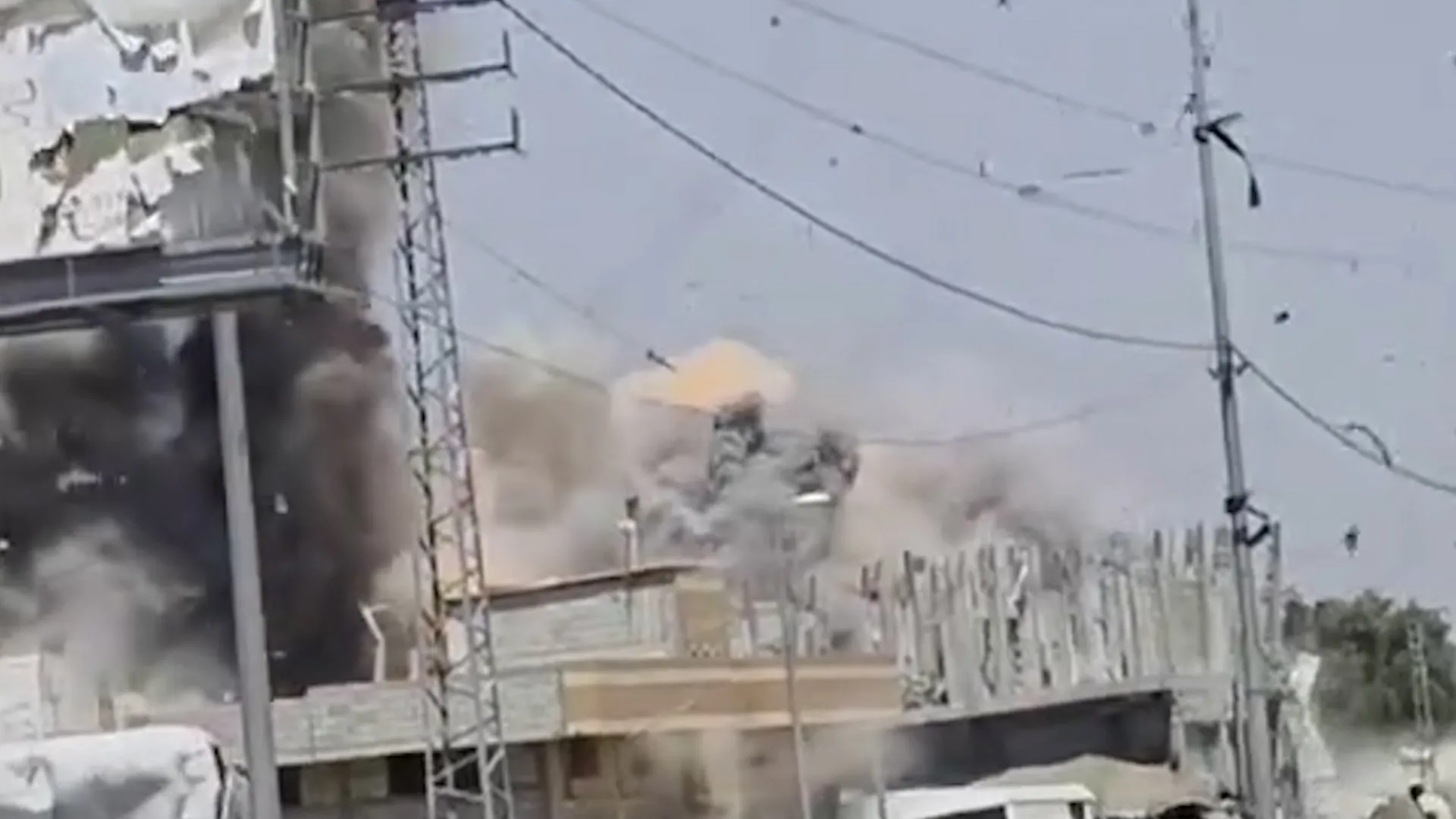
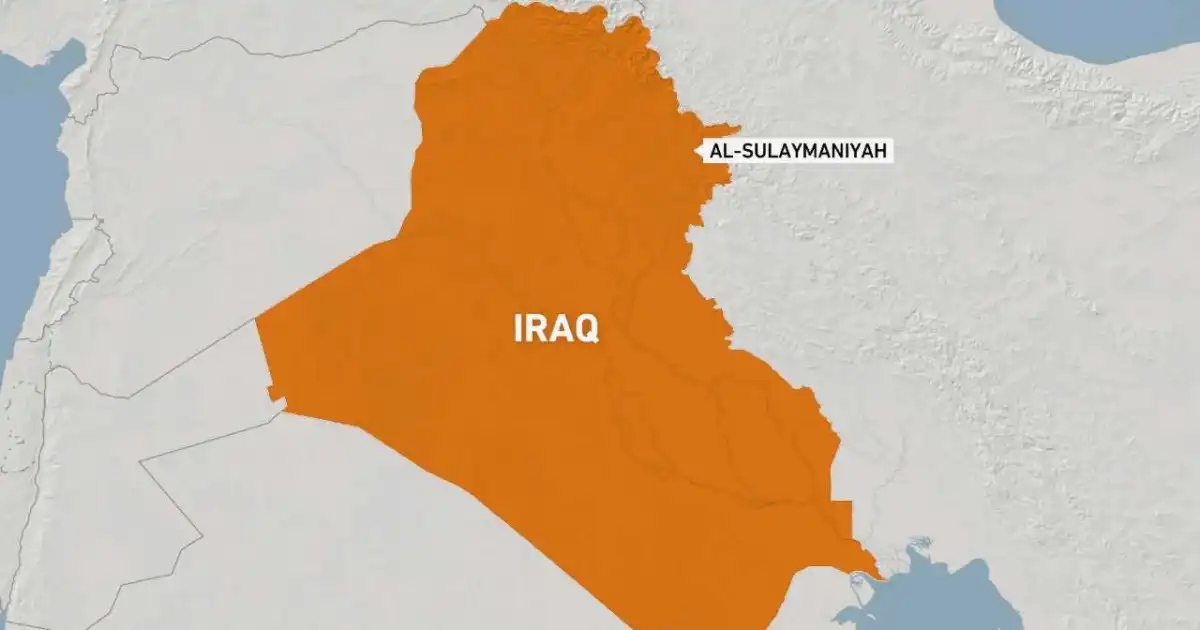
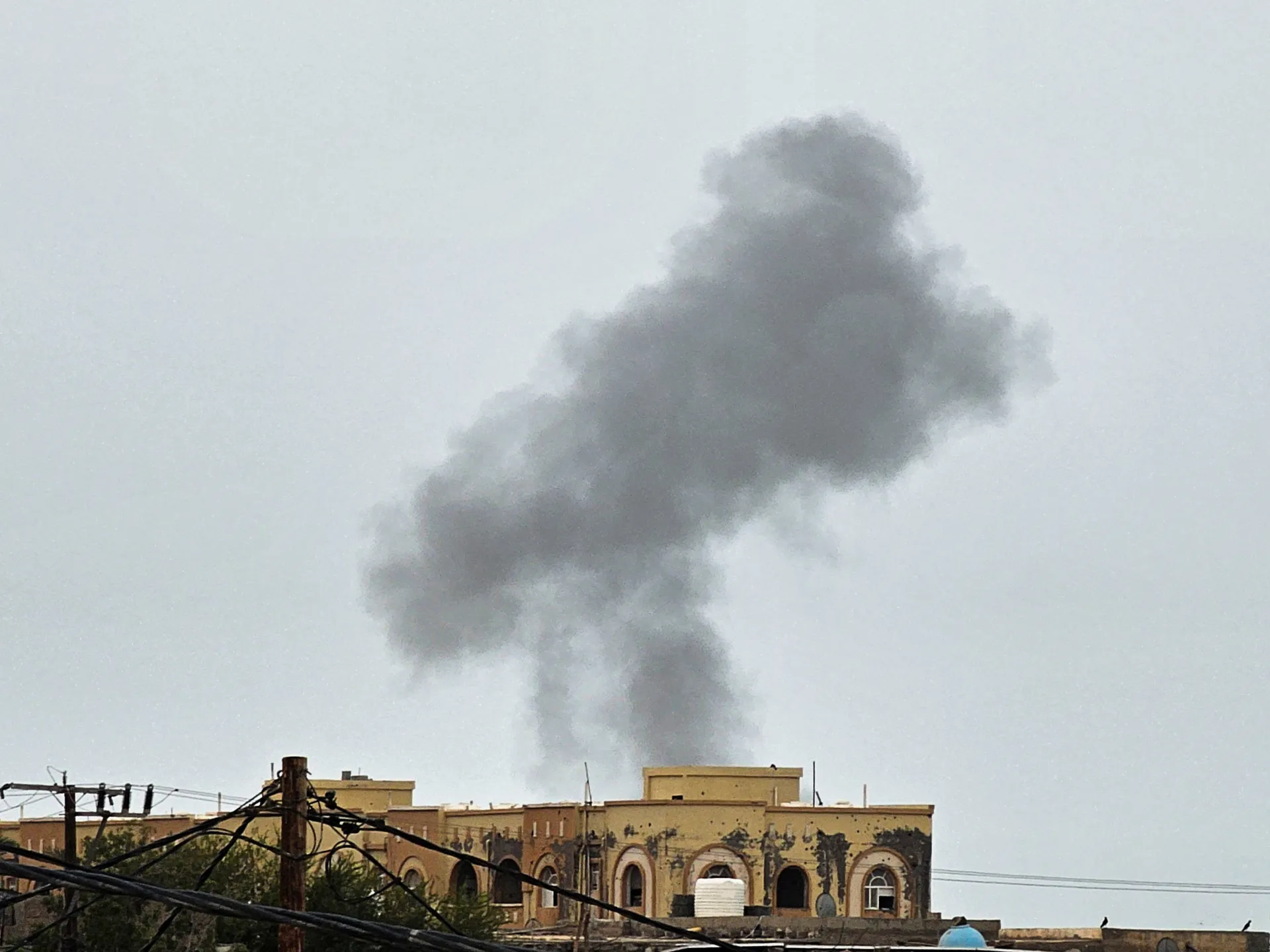
The United States military has conducted a targeted strike against Lark Island in southern Iran, marking a significant escalation after a period of relative operational silence that lasted since late July. A senior American official confirmed that the mission was specifically designed to neutralize rocket launchers positioned on the island, which intelligence indicated were prepared to deploy mines into the vital Strait of Hormuz. This operation represents the first direct US military engagement against Iranian territory in several weeks, signaling a potential shift in the tactical approach of the current conflict.
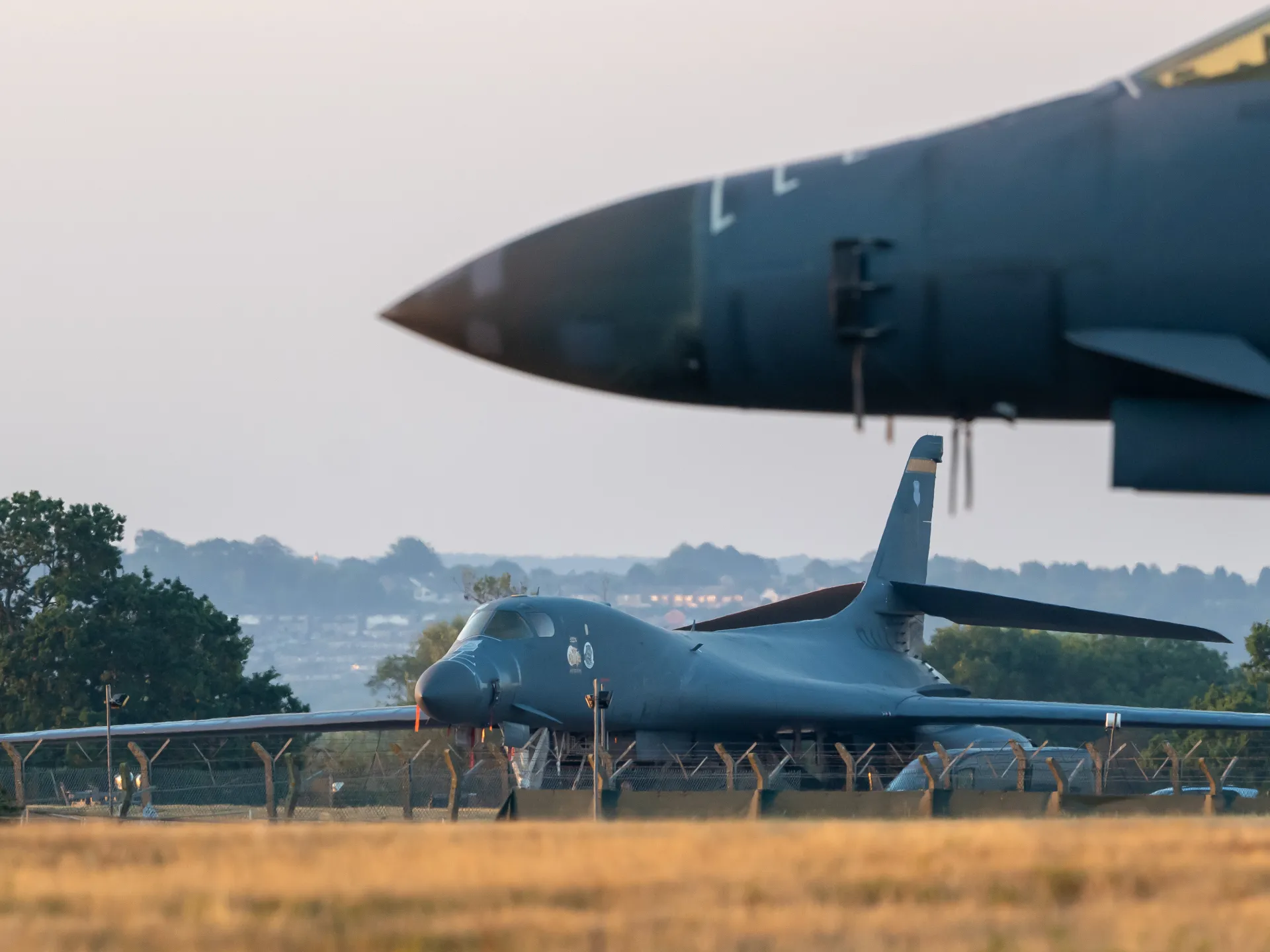
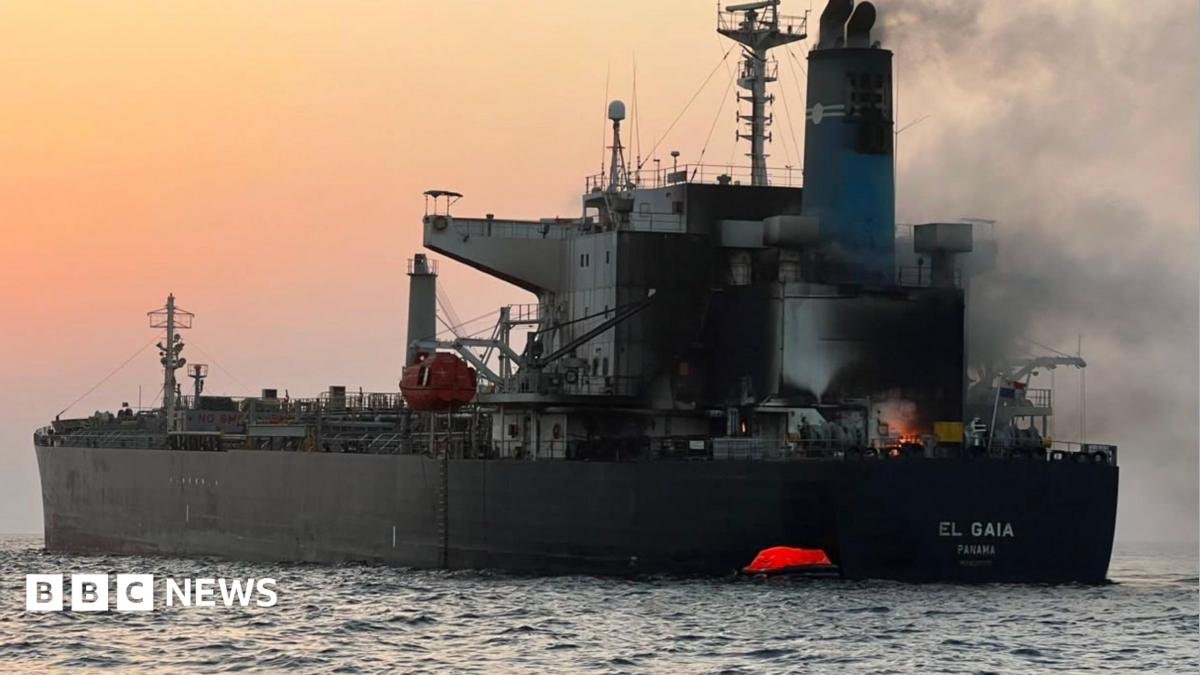
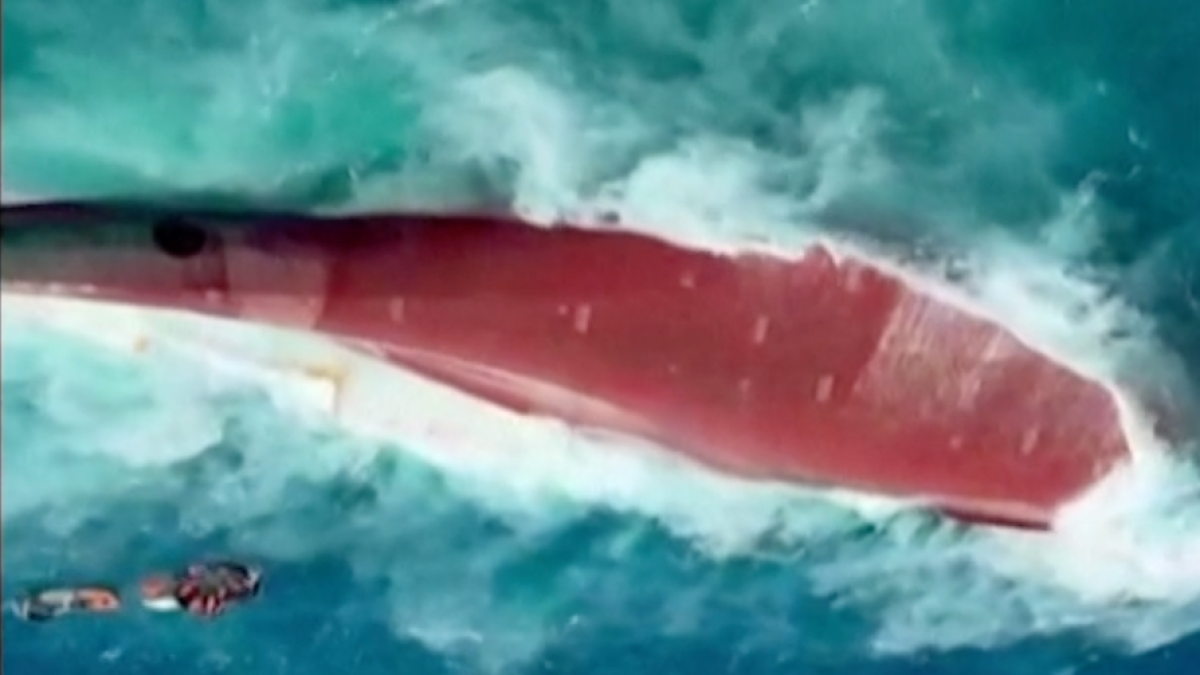
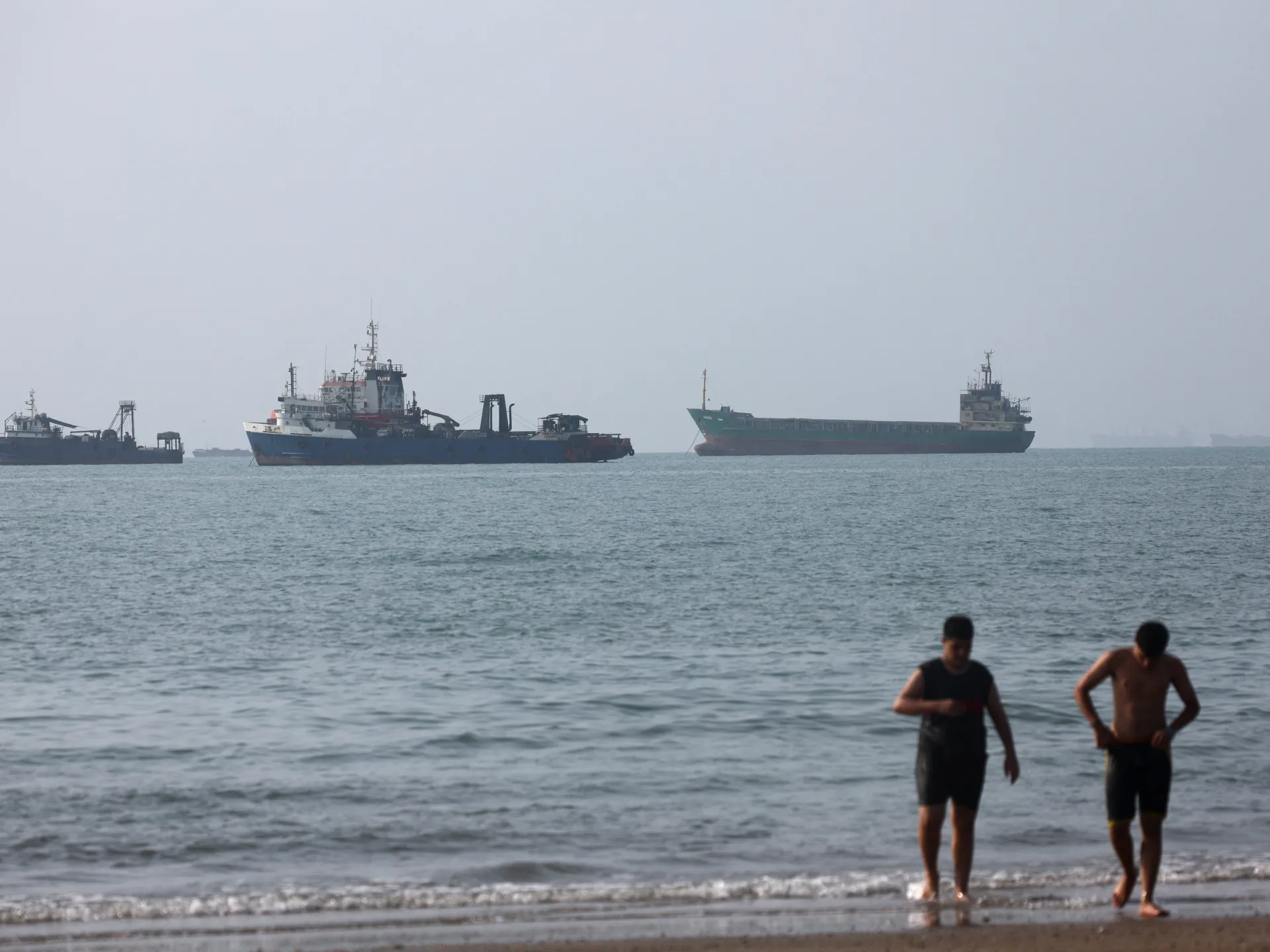
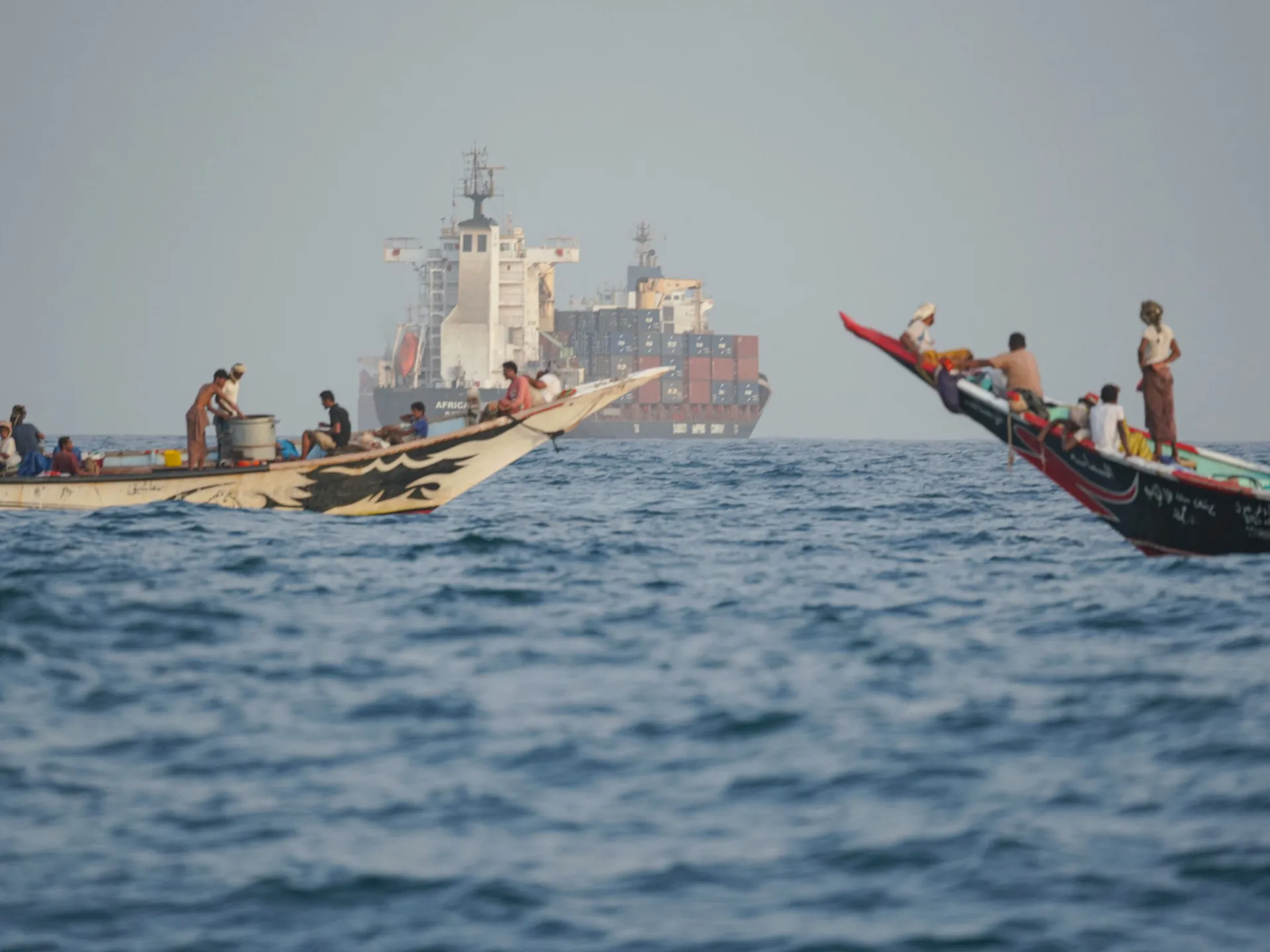
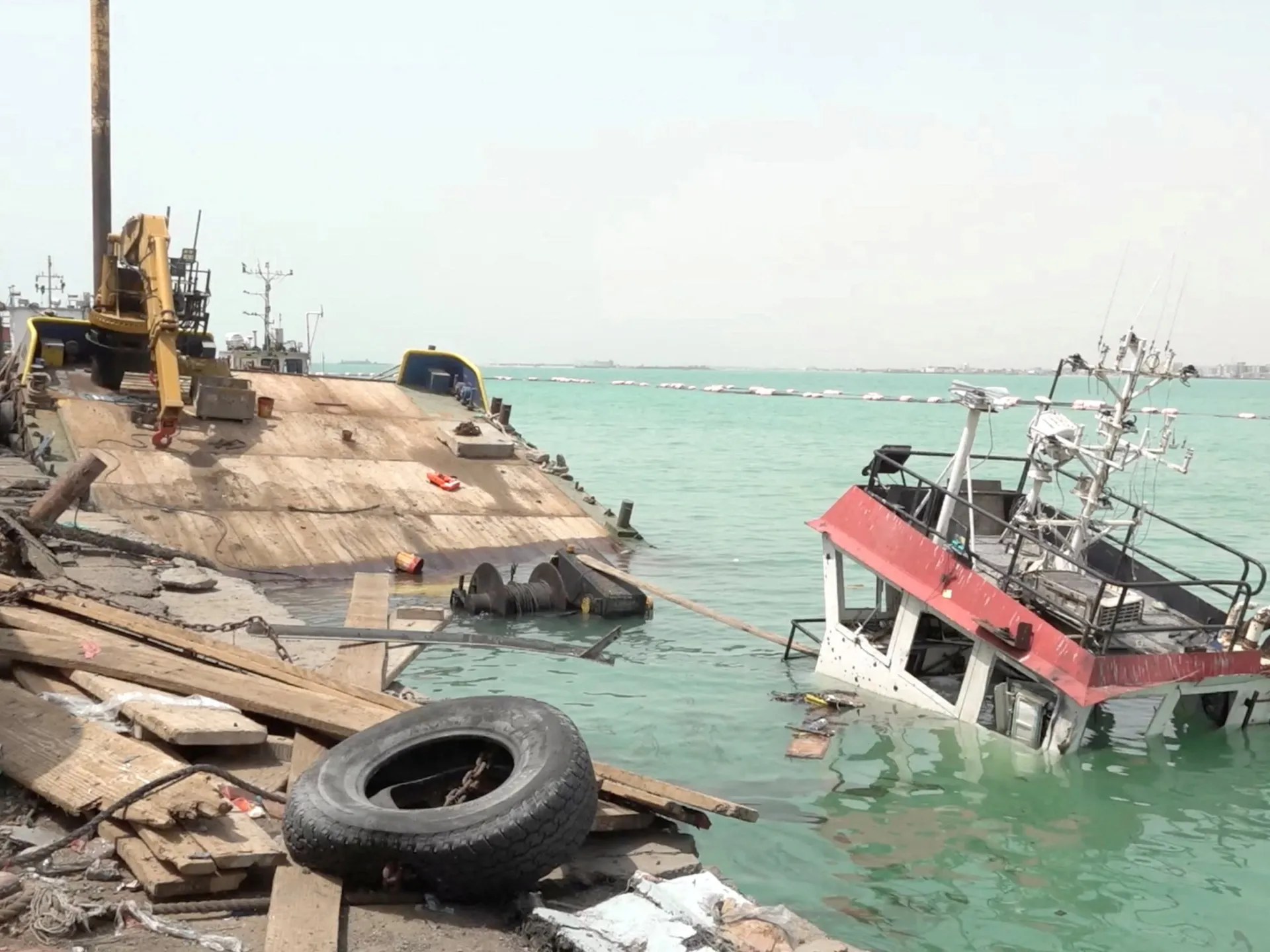
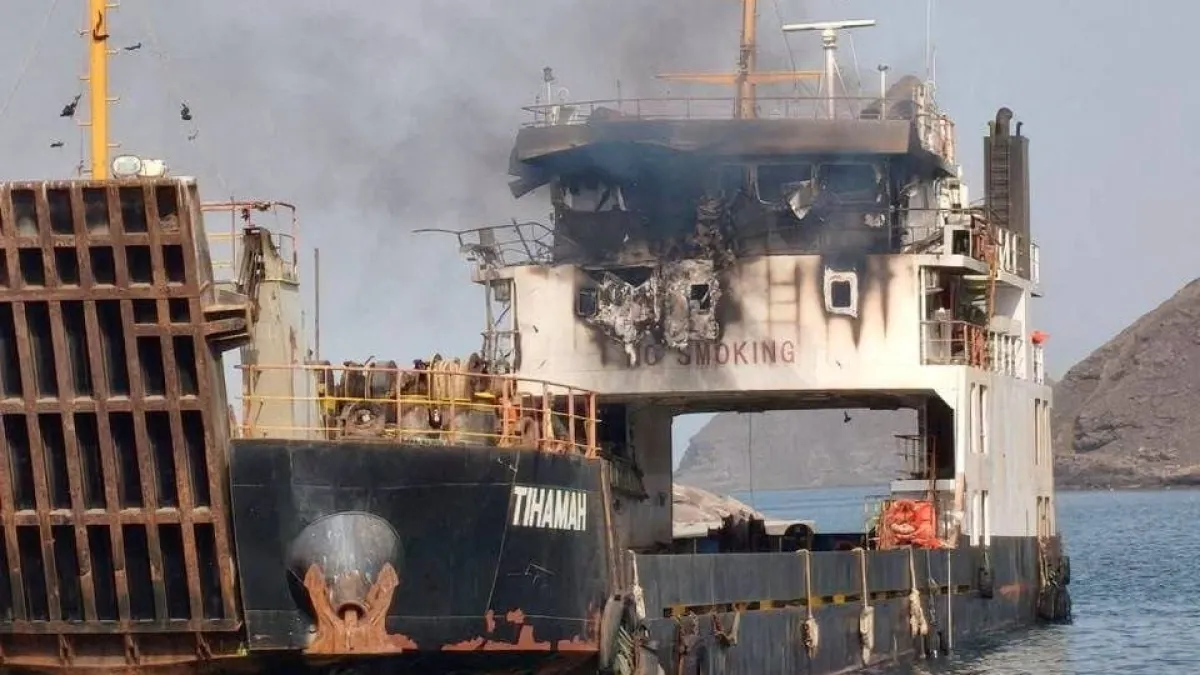
For weeks, the maritime corridor has been the epicenter of a high-stakes standoff between Washington and Tehran. While the US has publicly asserted its ability to secure the passage for commercial tankers, reports of maritime incidents have persisted on a near-daily basis. The strike on Lark Island serves as a kinetic reminder that the US remains prepared to utilize force to maintain what it views as freedom of navigation, despite a broader strategic pivot toward economic and financial containment.
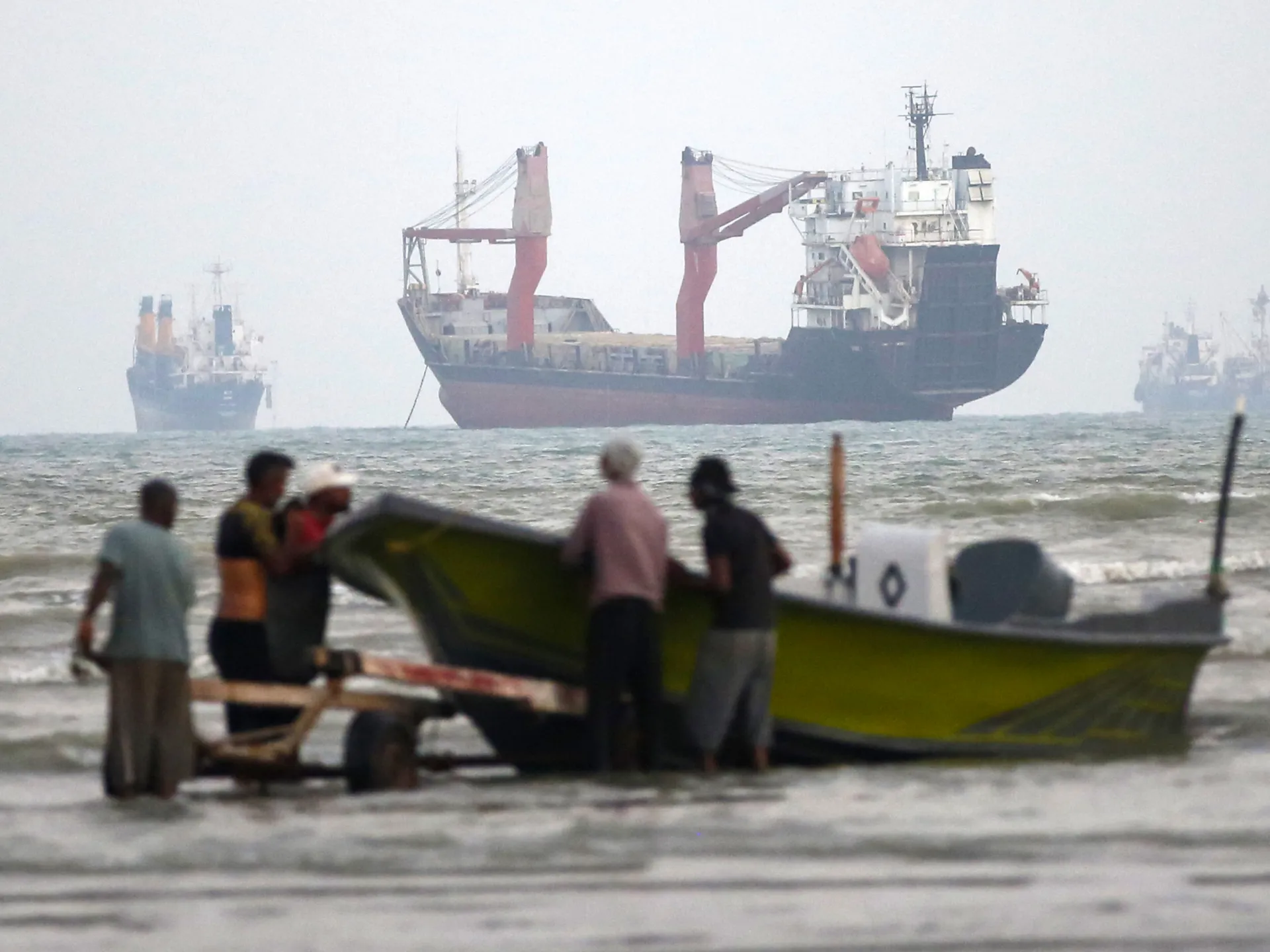
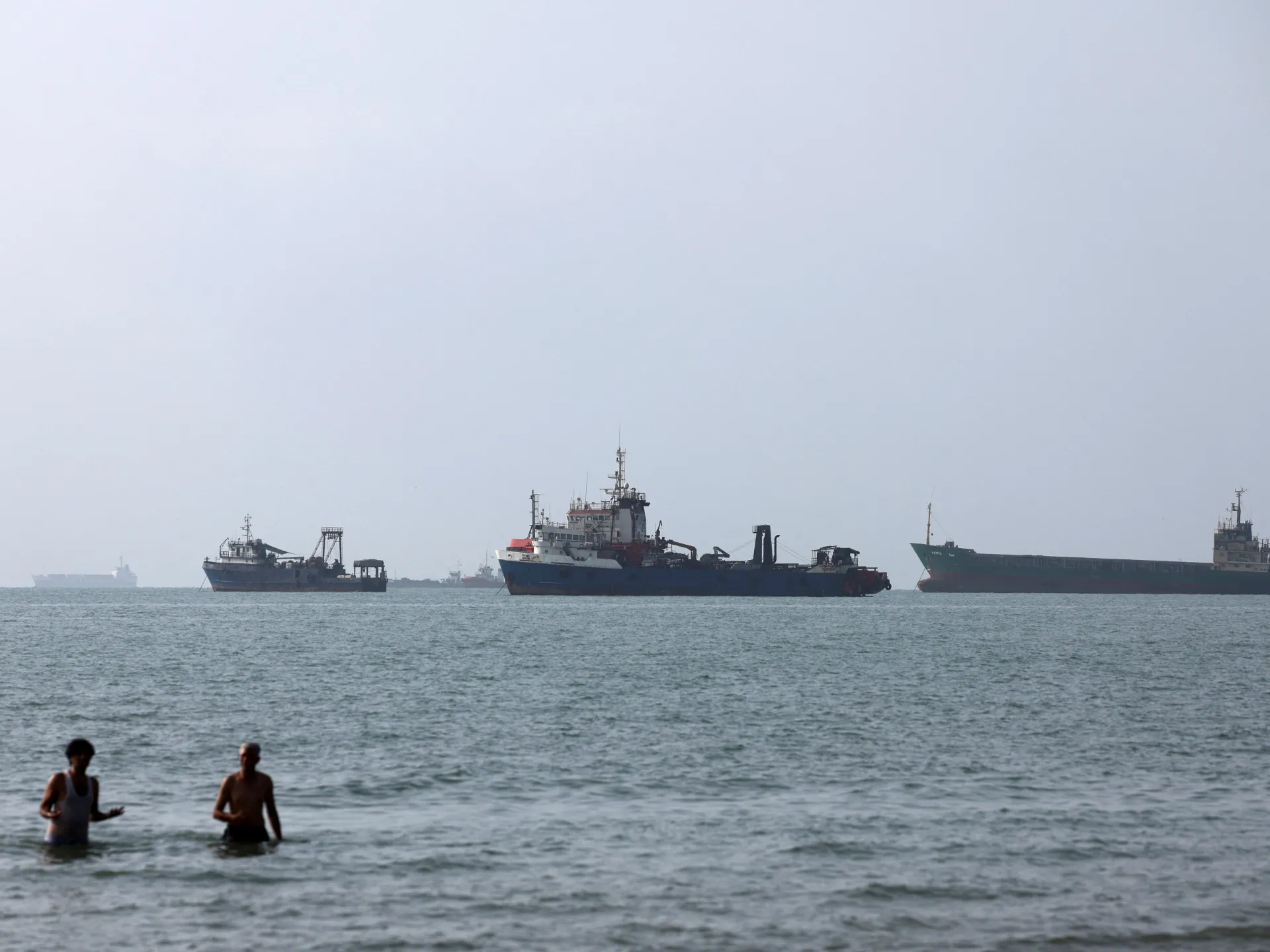
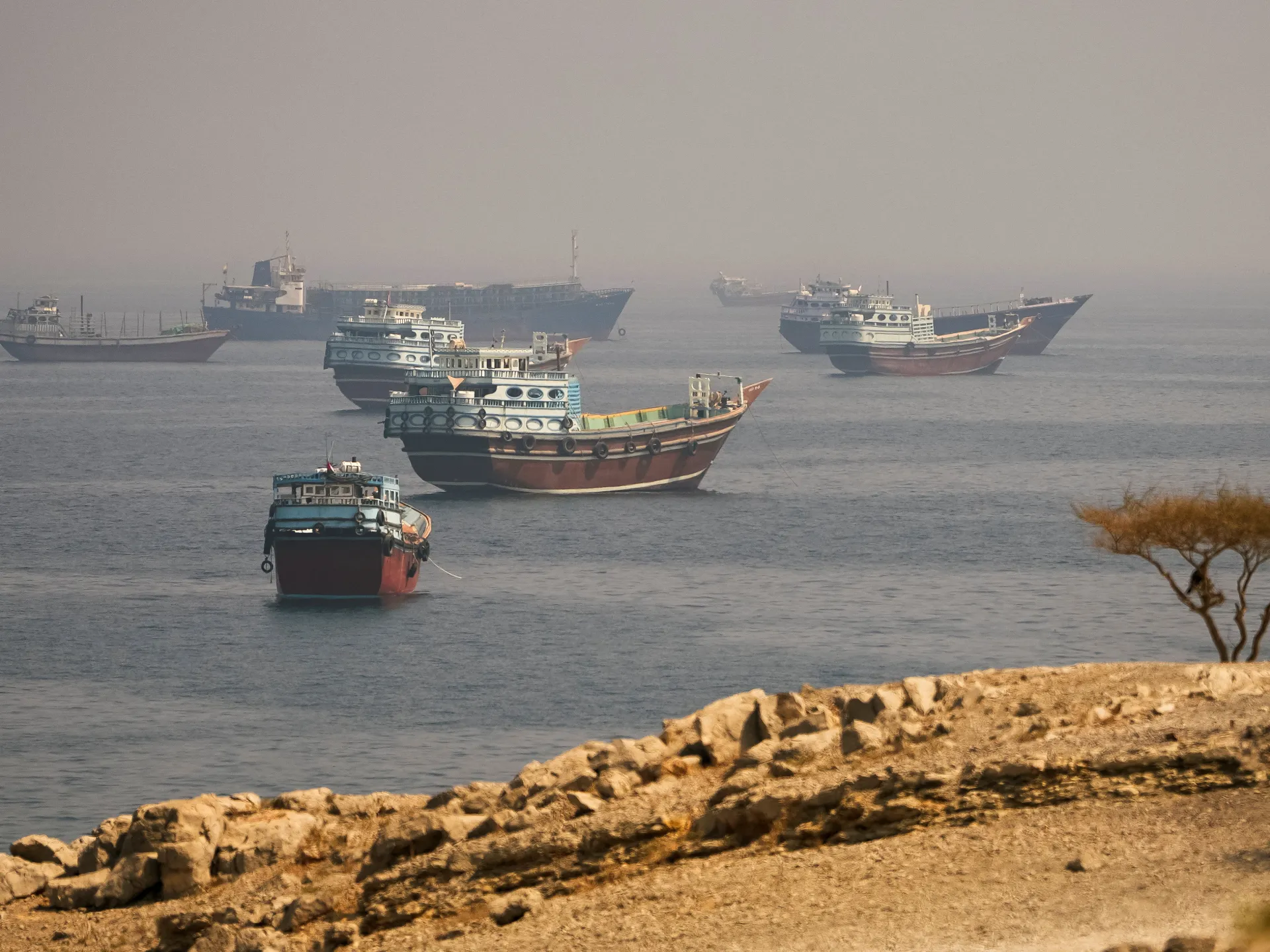
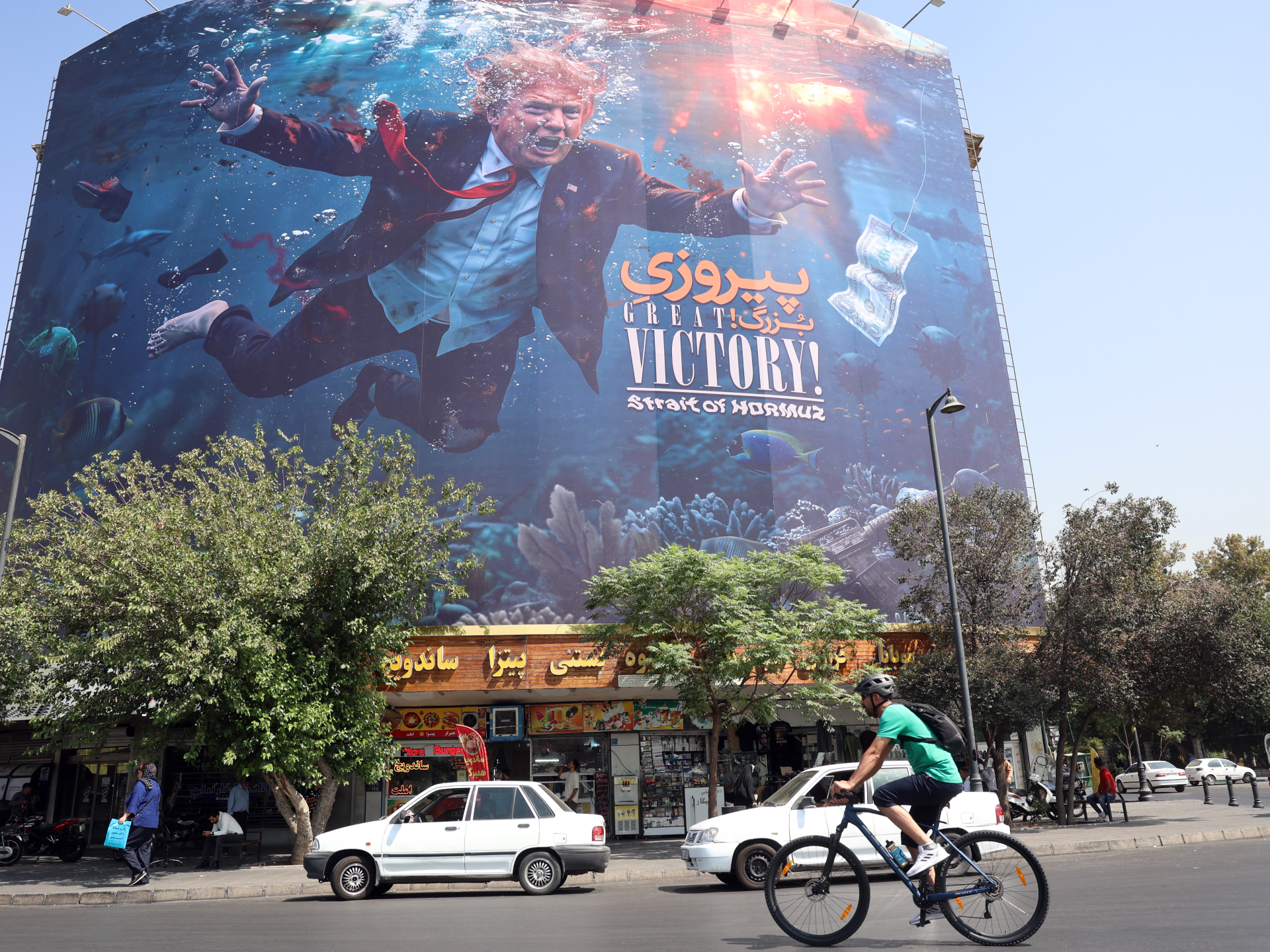
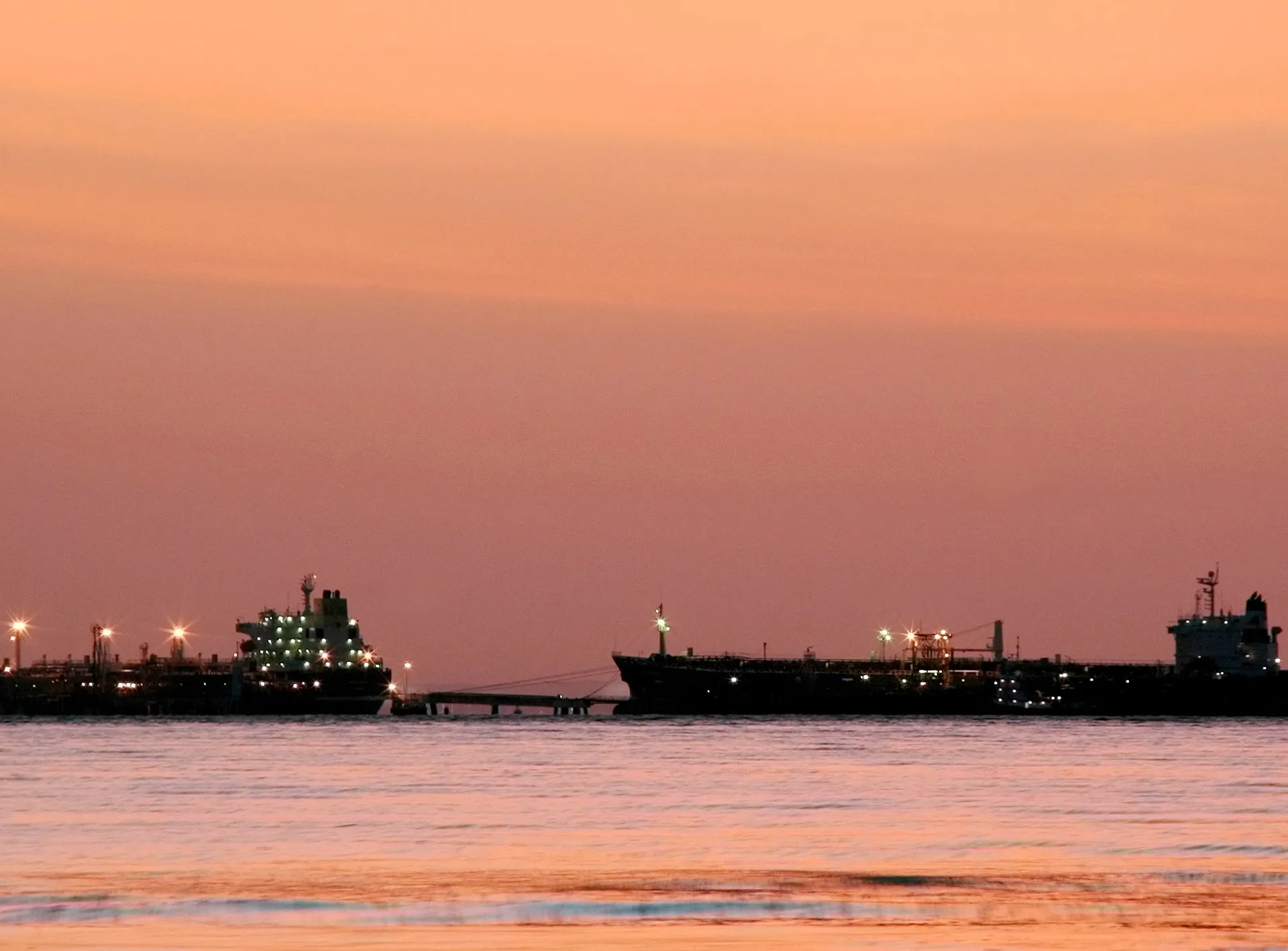
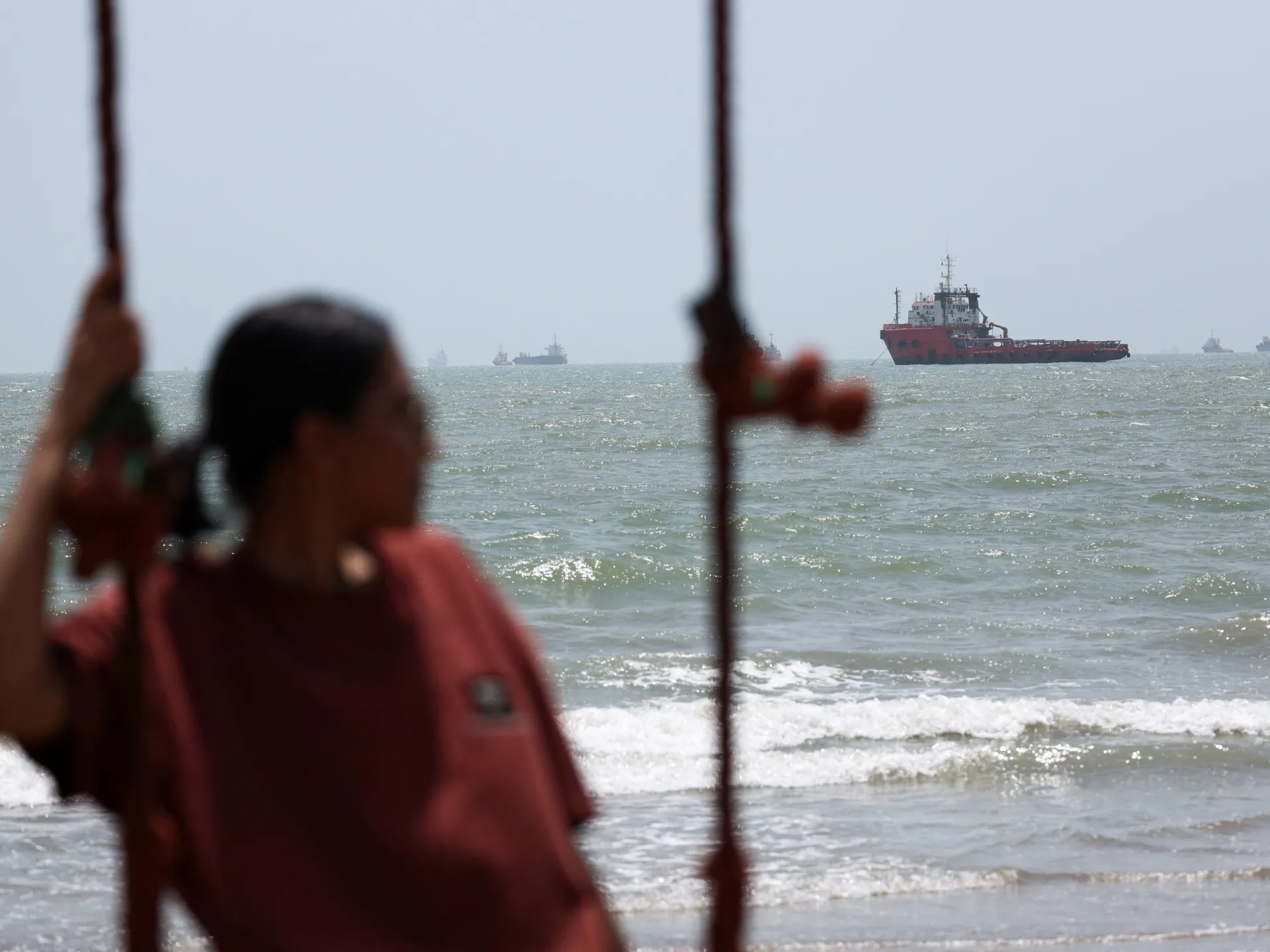
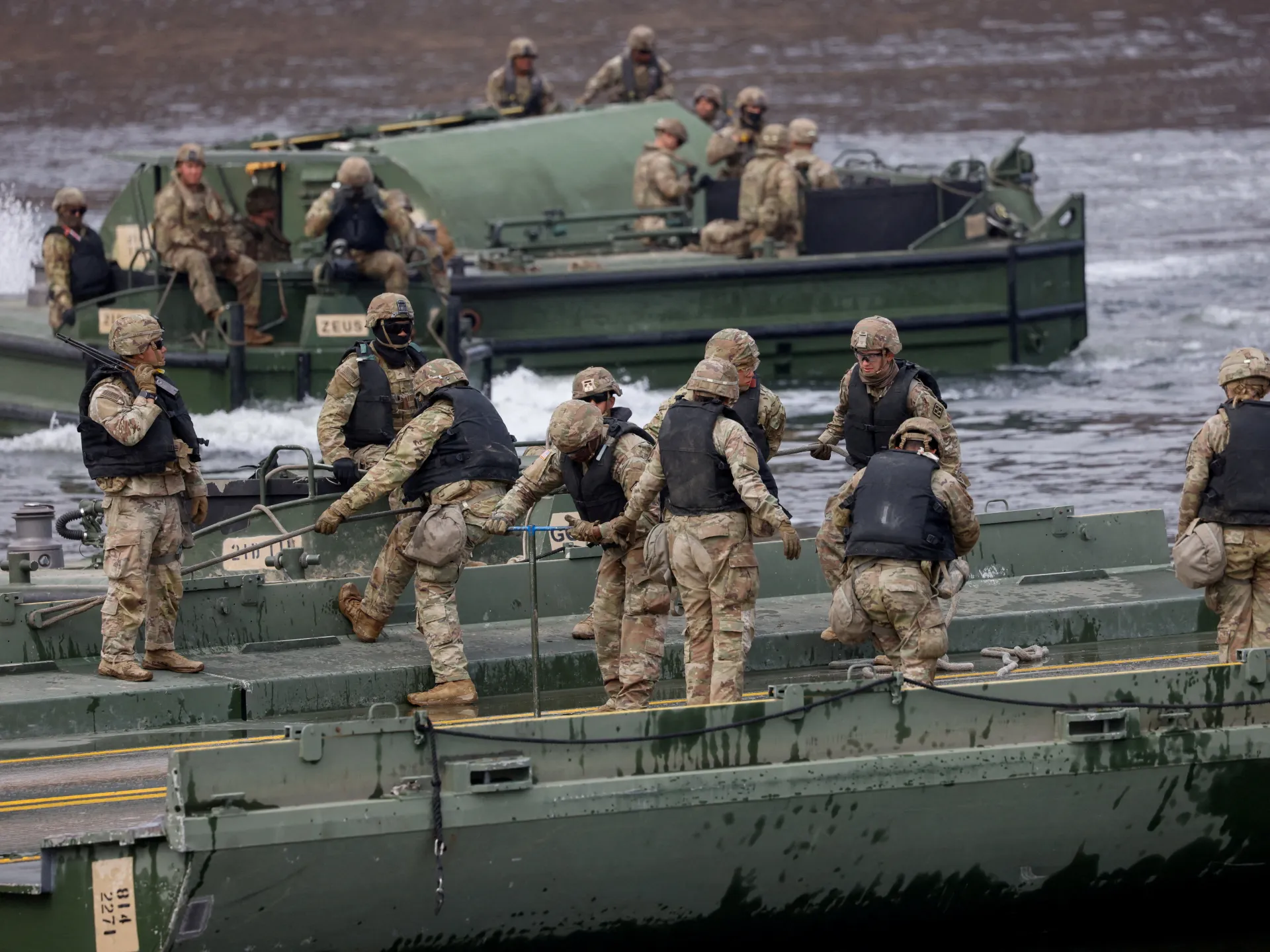
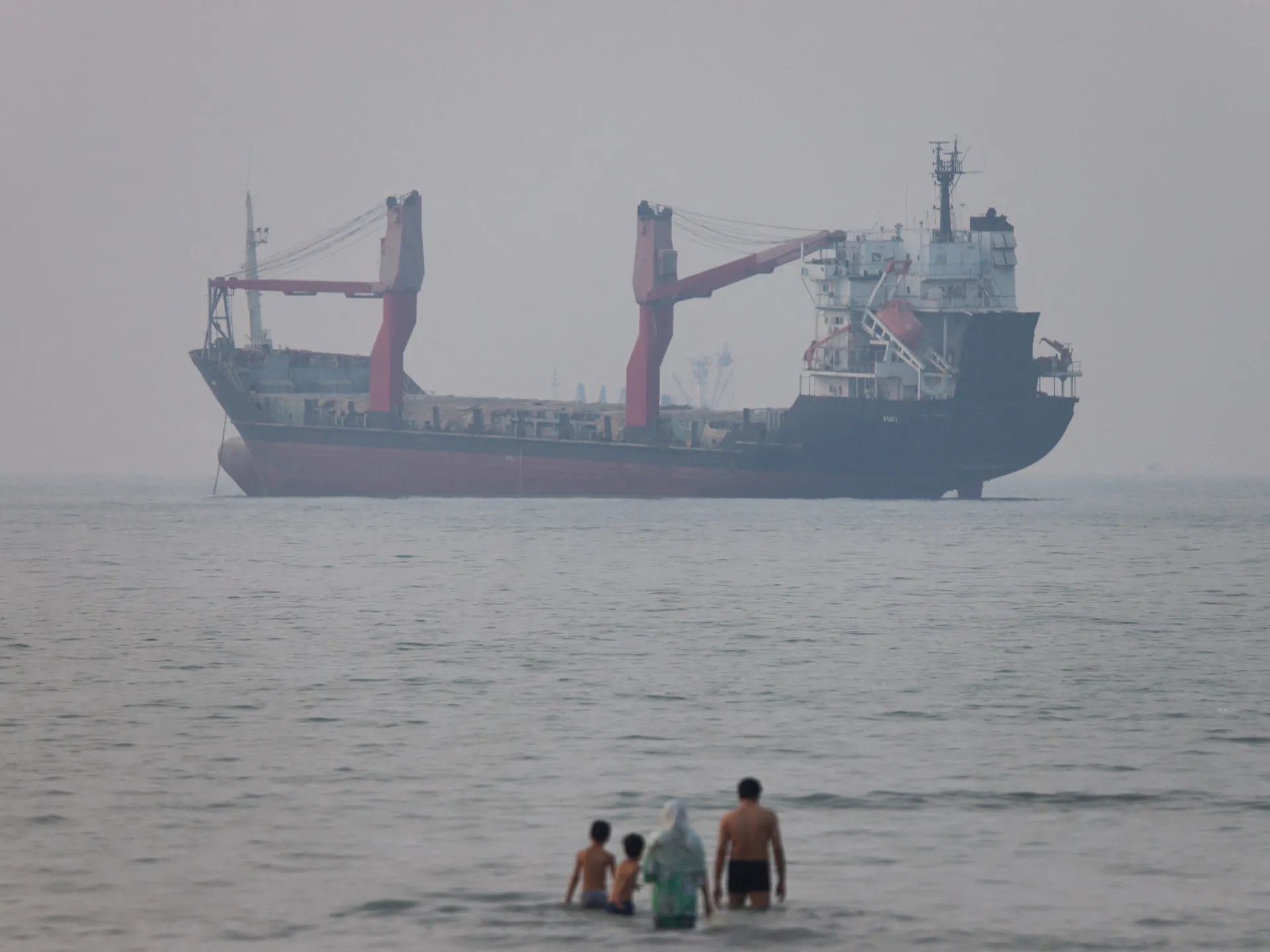
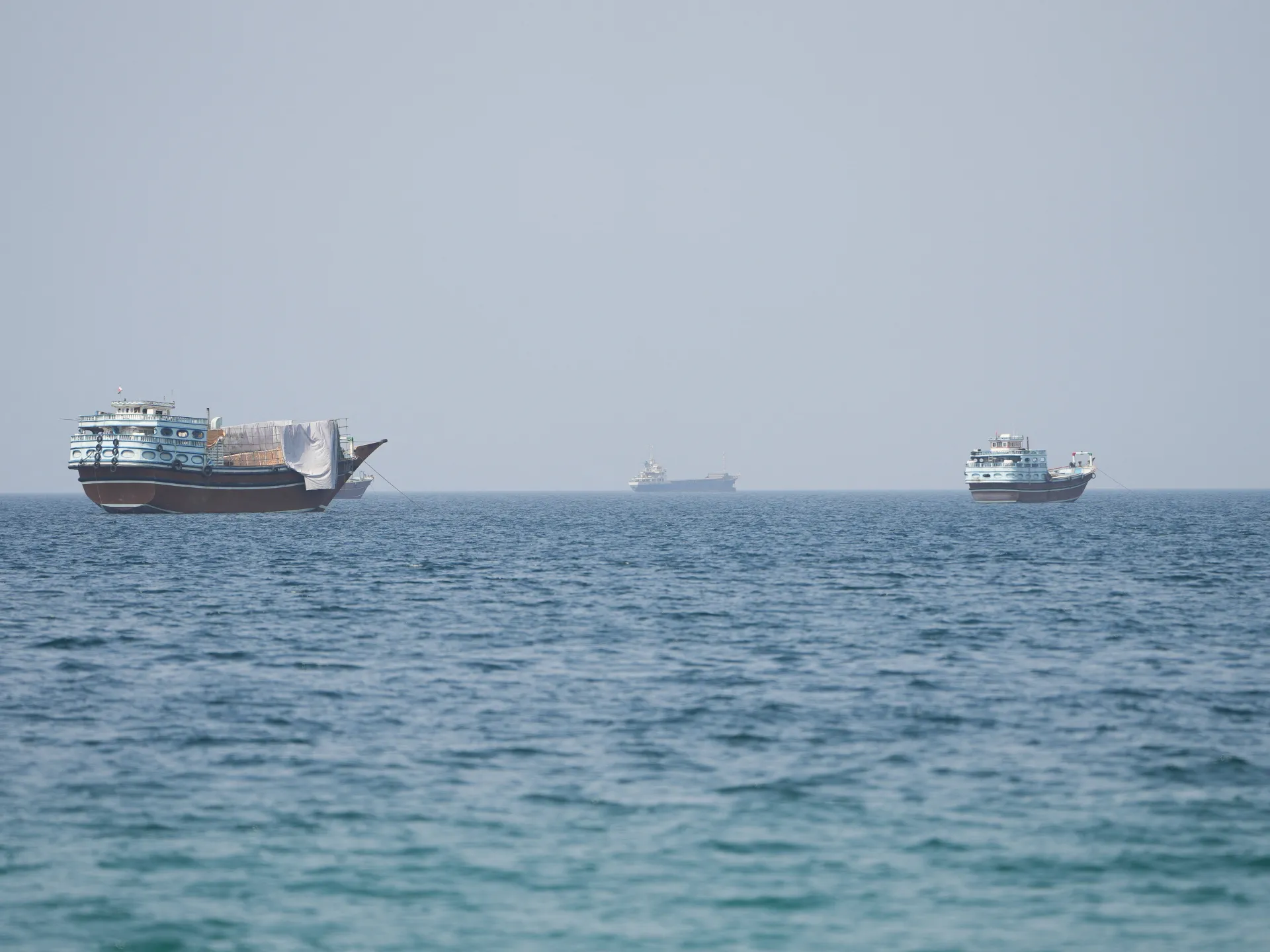
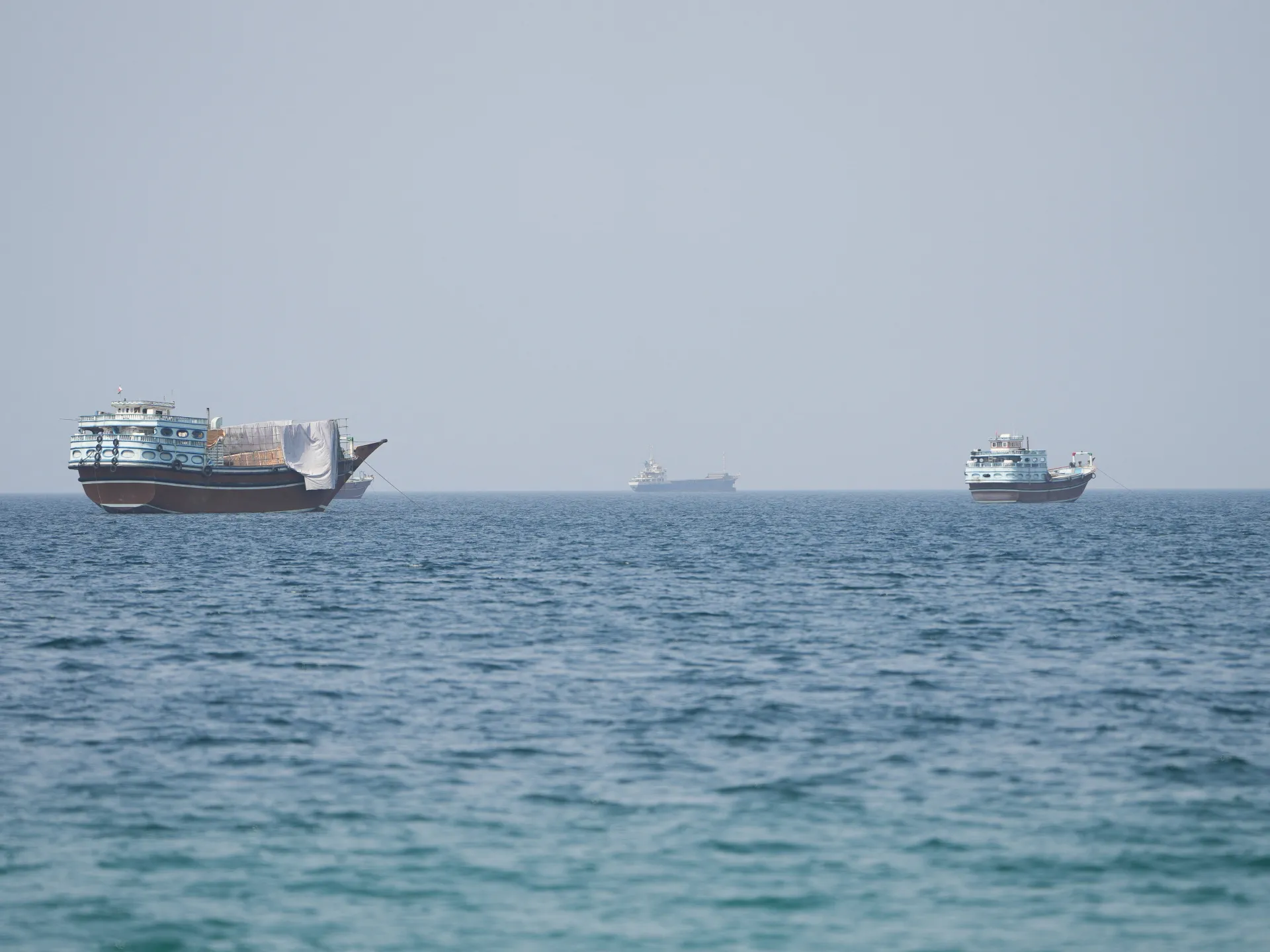
The Strait of Hormuz remains one of the most critical maritime chokepoints in the world, serving as a primary conduit for global oil supplies. Iran has consistently maintained that the waterway is effectively closed, directly challenging US claims of control. The US military has been actively escorting merchant vessels through the region, attempting to facilitate the transit of millions of barrels of oil even as regional tensions continue to jeopardize shipping lanes.
The deployment of mines via rocket launchers represents a sophisticated attempt ts, the United States is attempting to preemptively degrade Iran’s ability to enforce its blockade. However, the persistence of reported attacks on shipping indicates that the situation remains highly volatile, with both sides testing the limits of the other’s tolerance for direct confrontation.
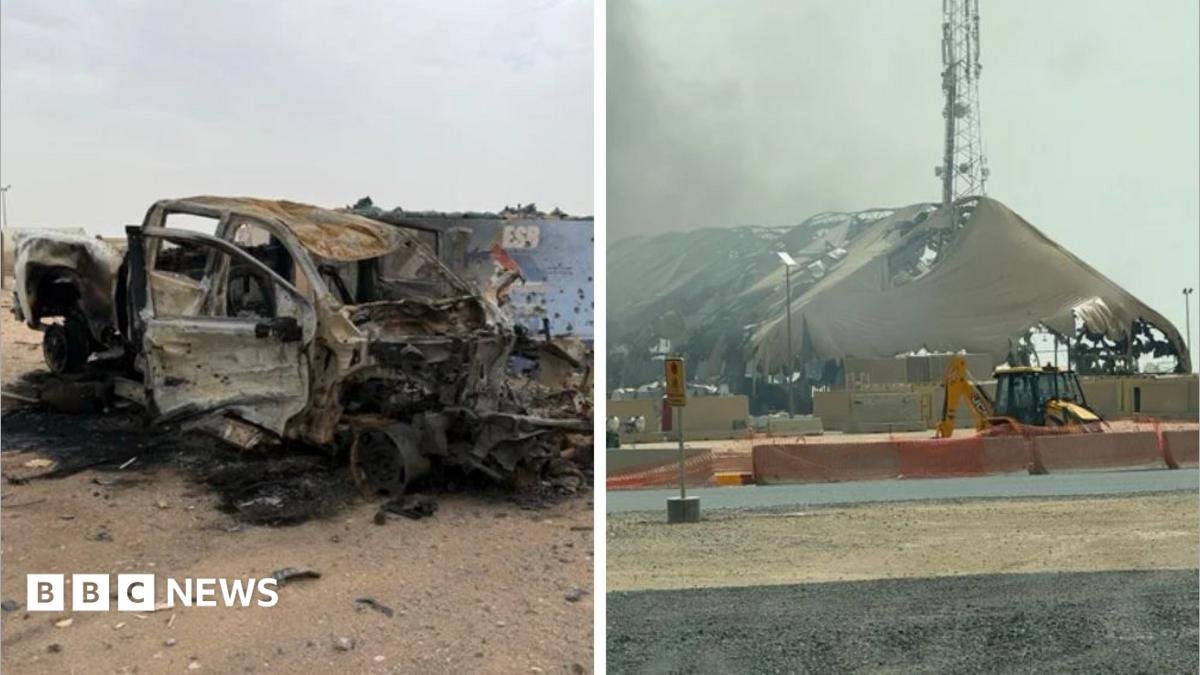
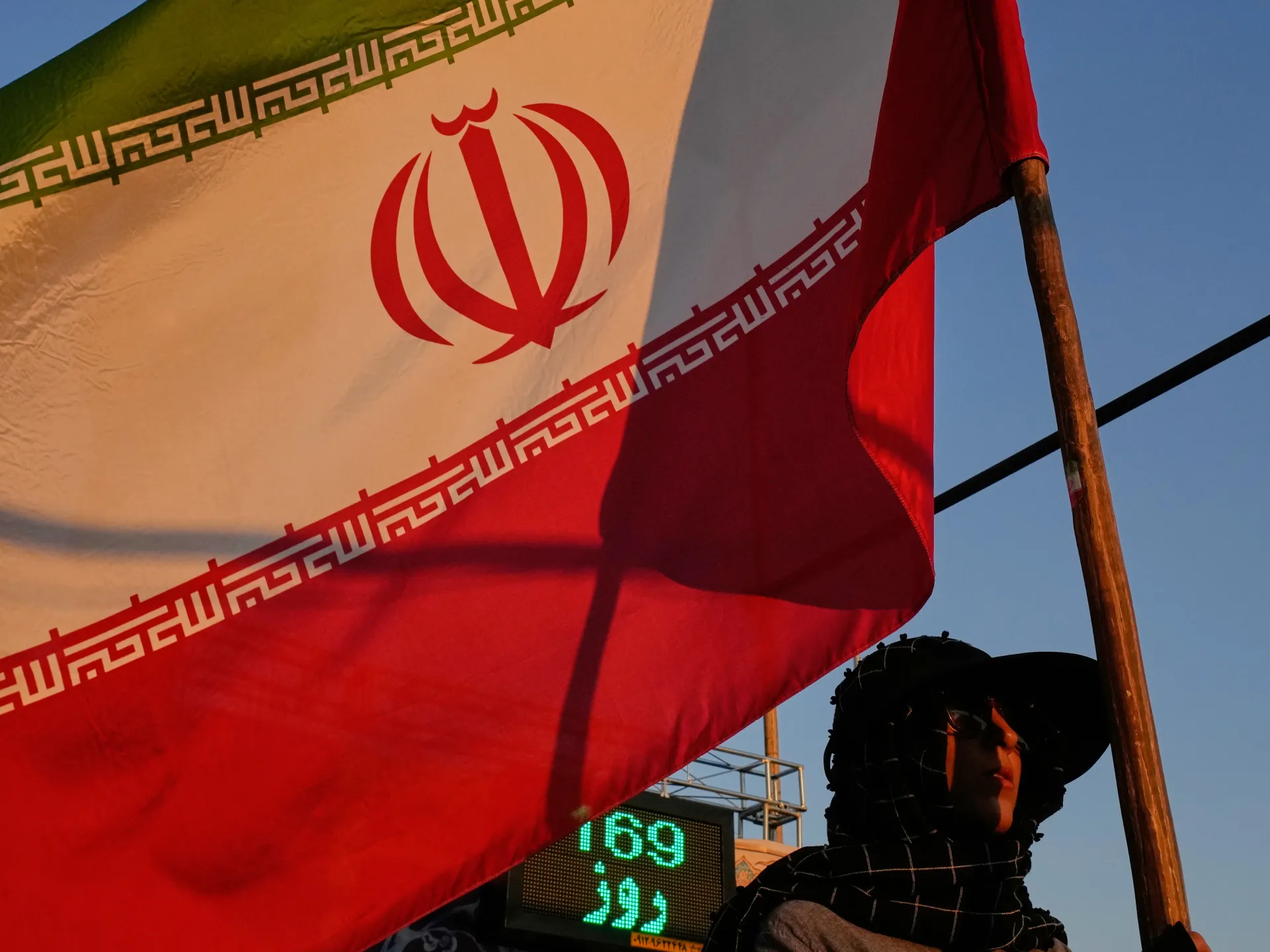
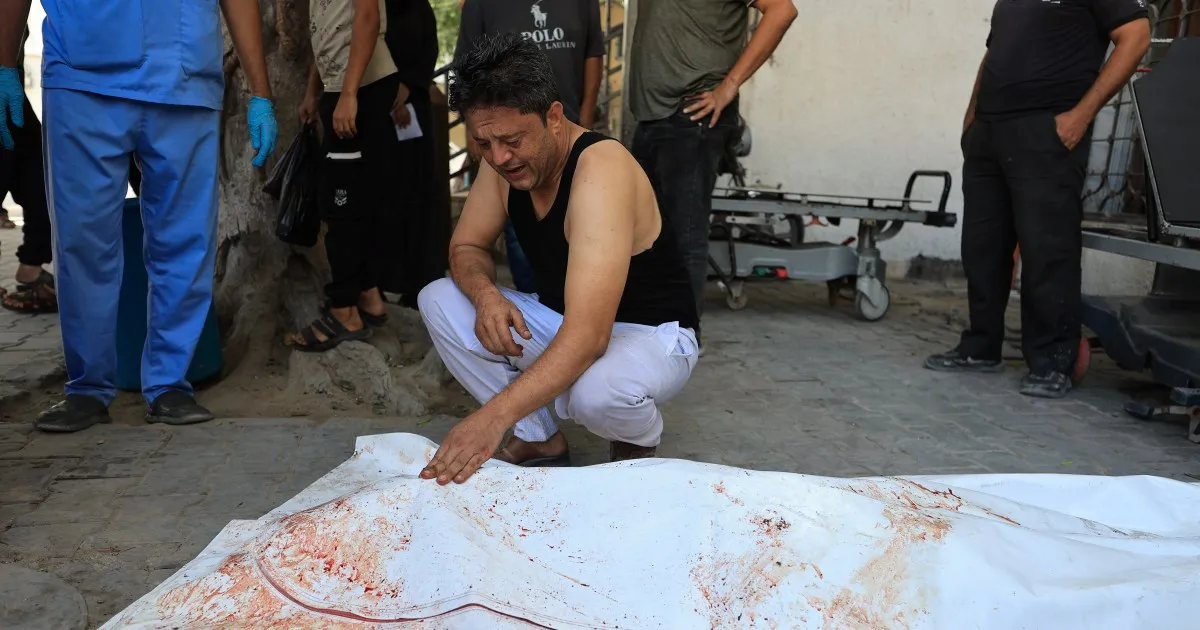
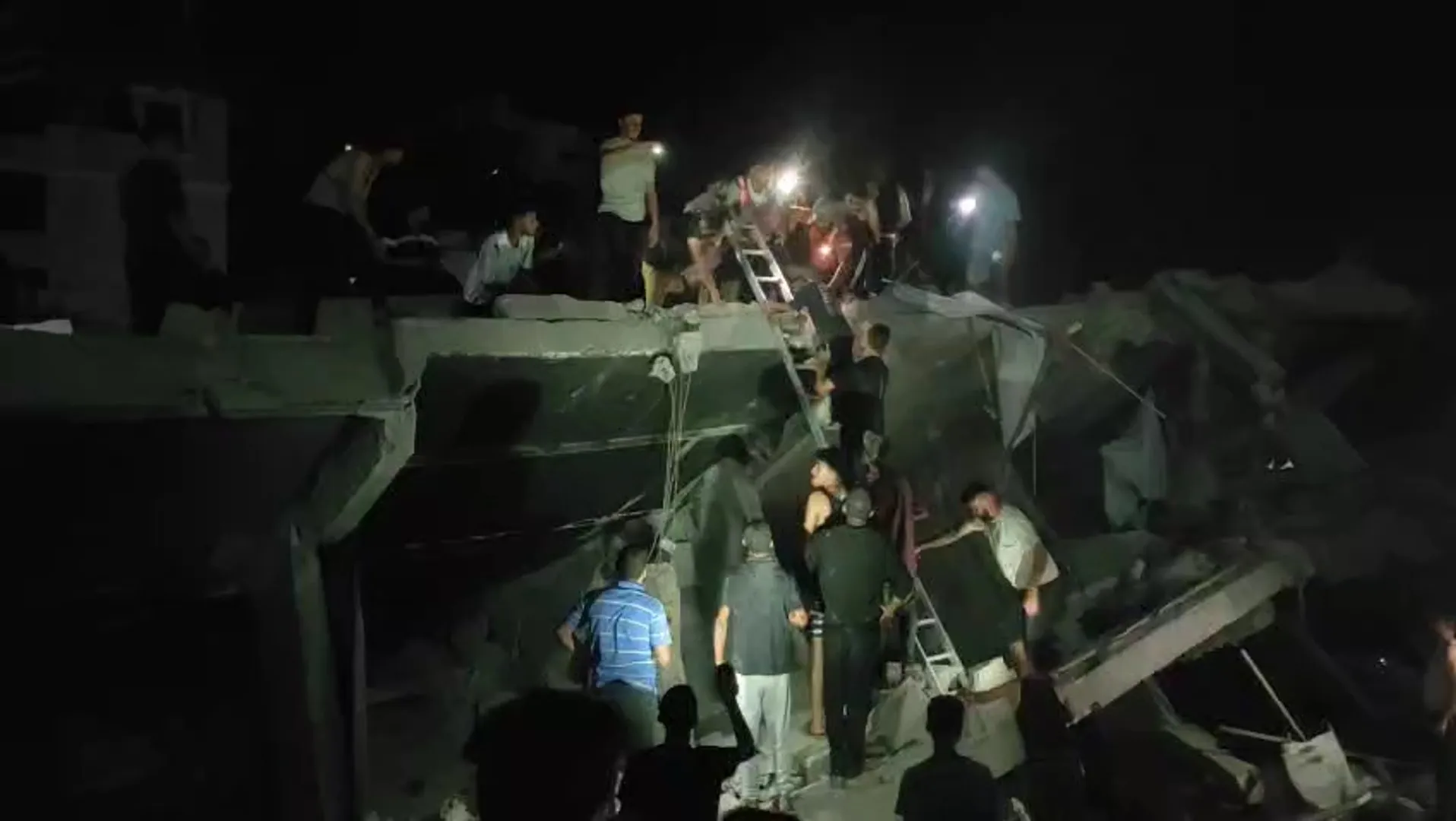
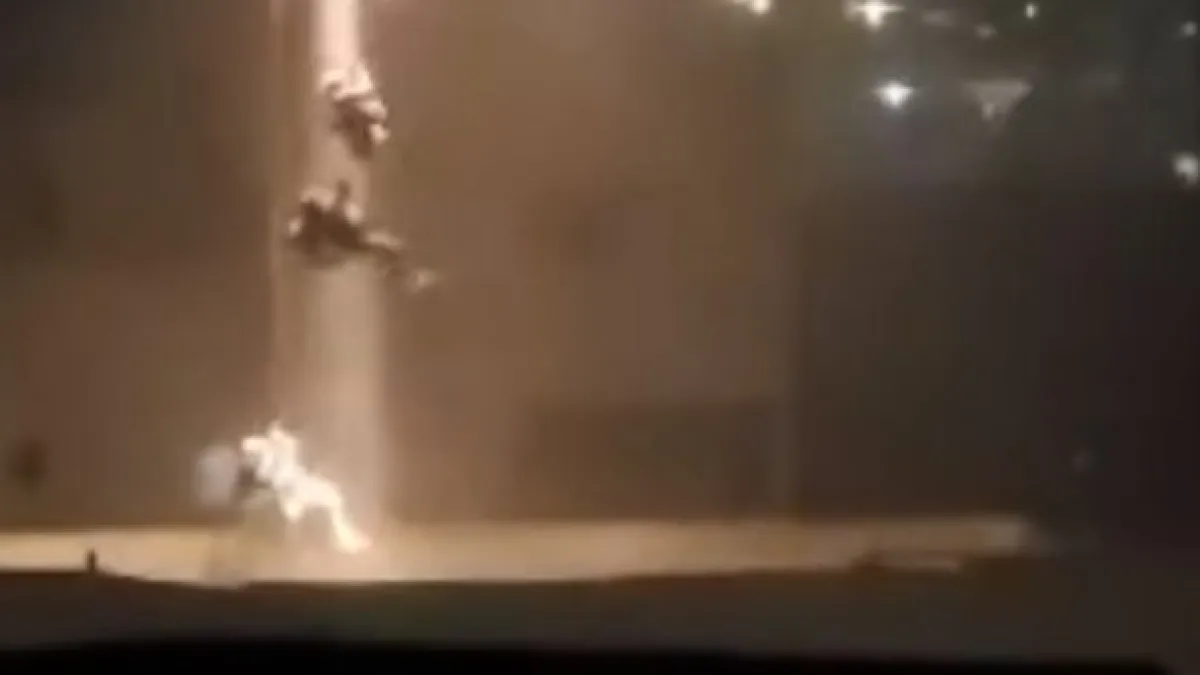
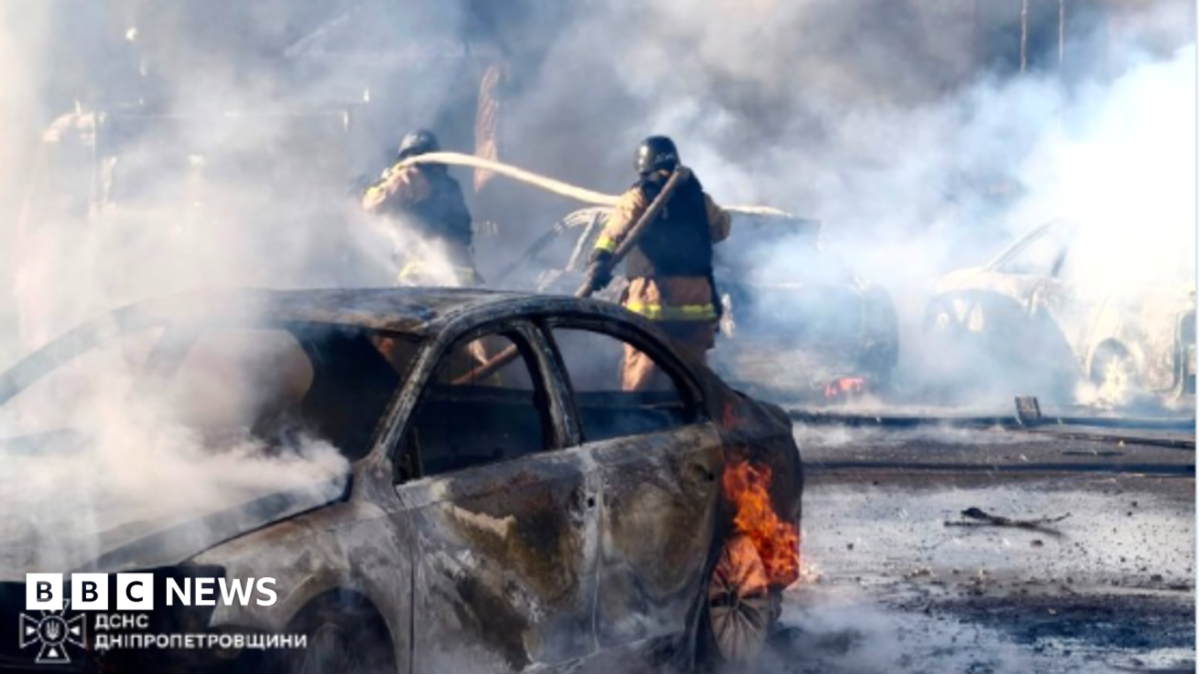
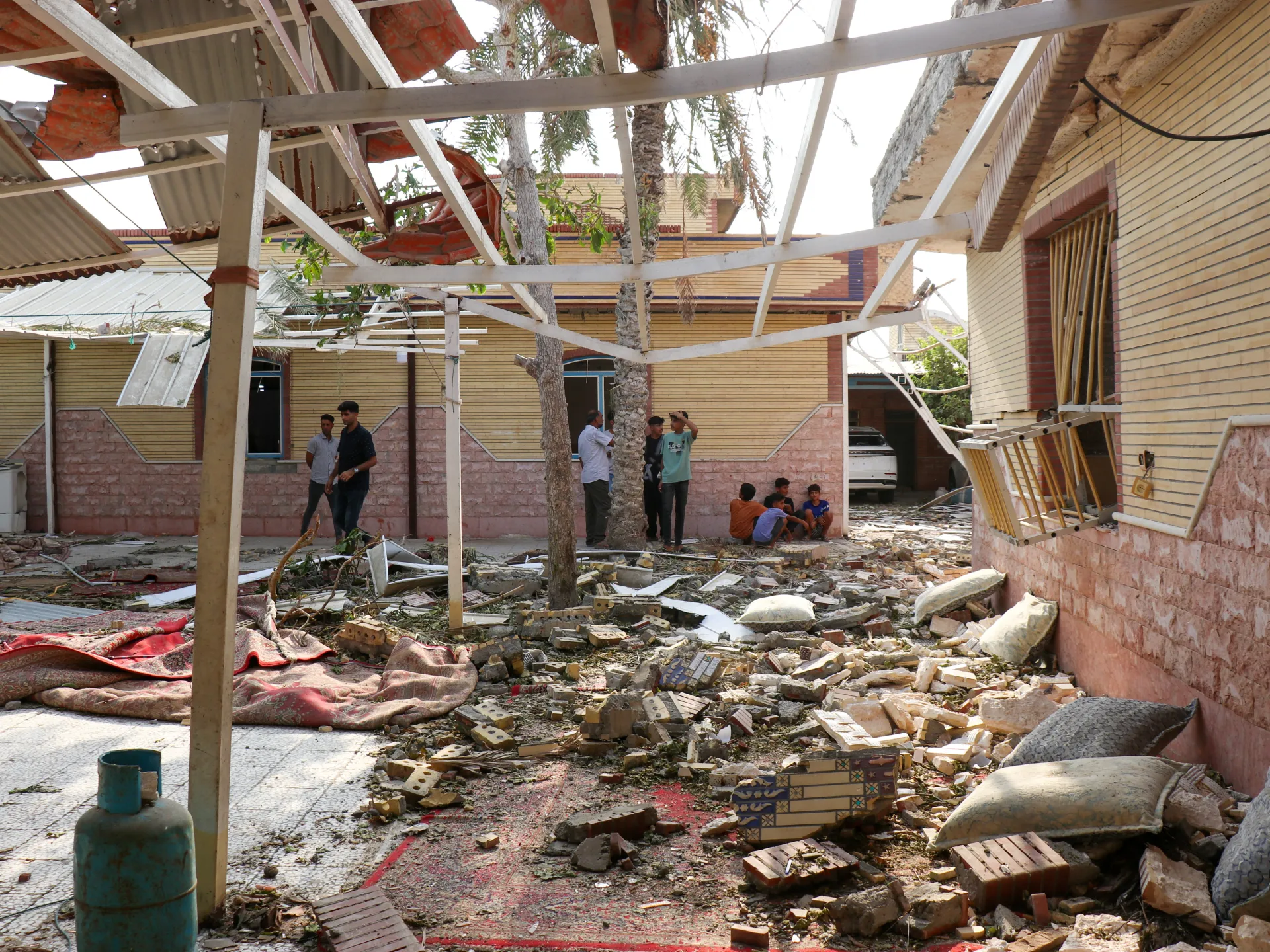
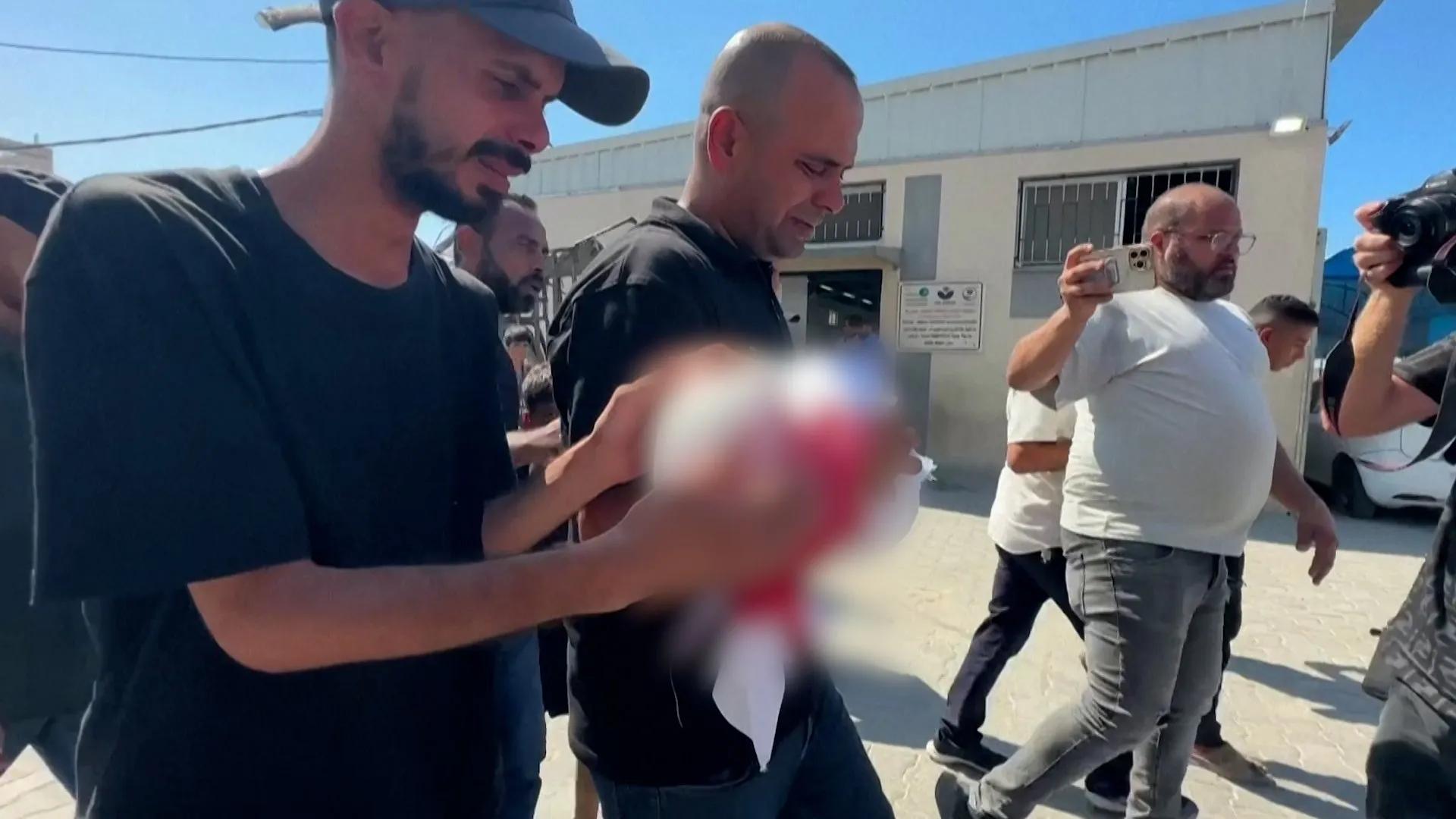
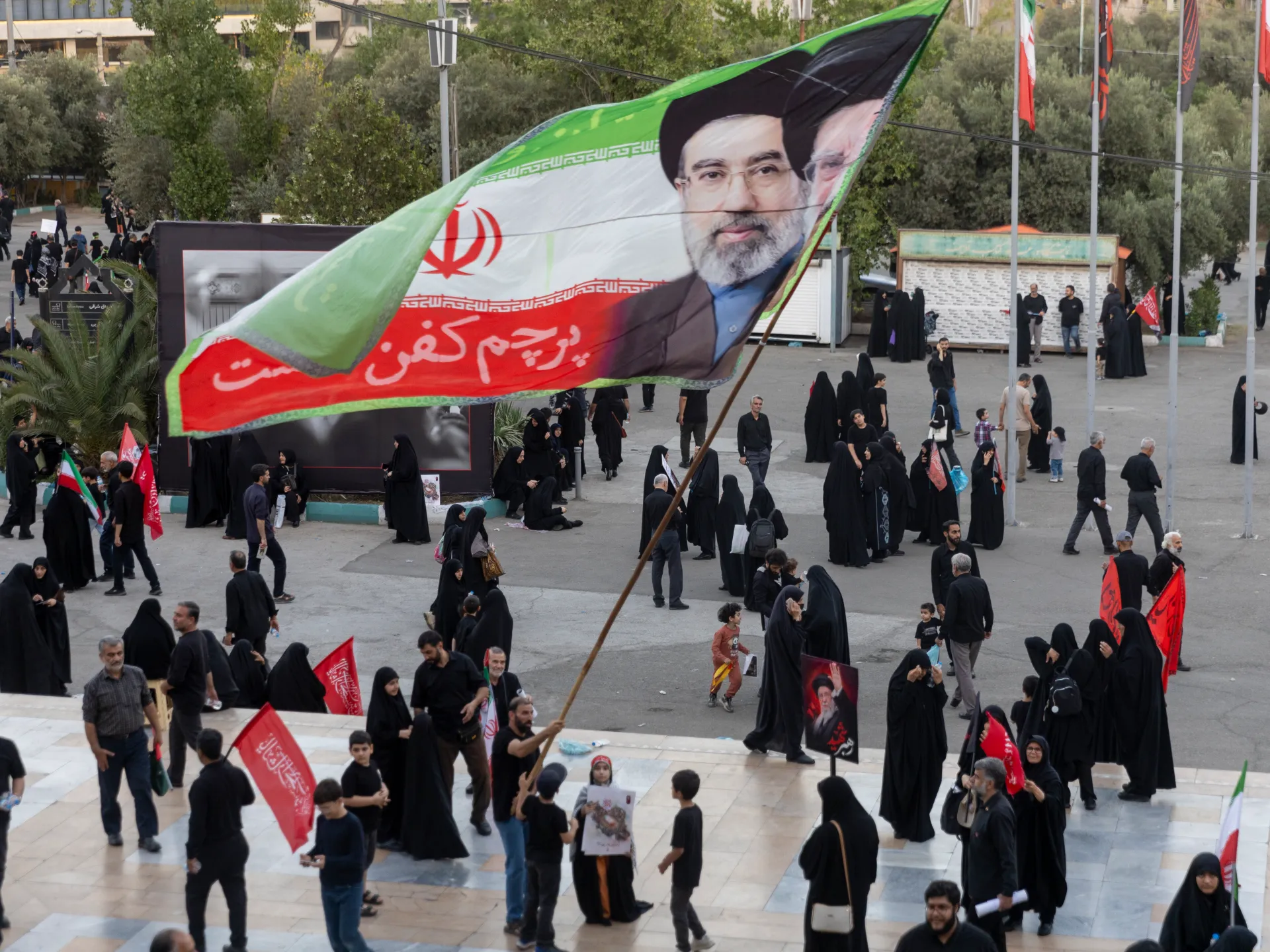
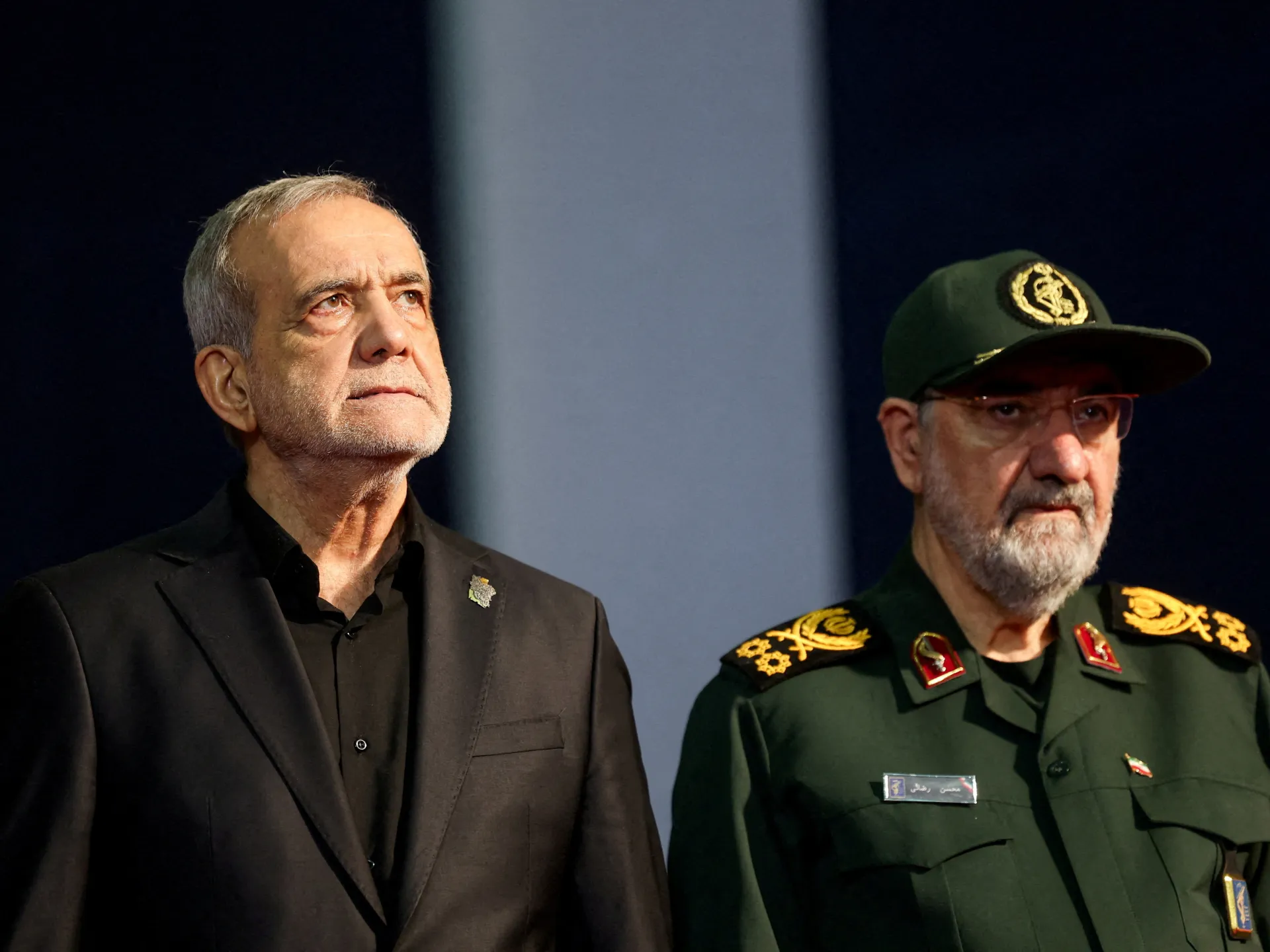
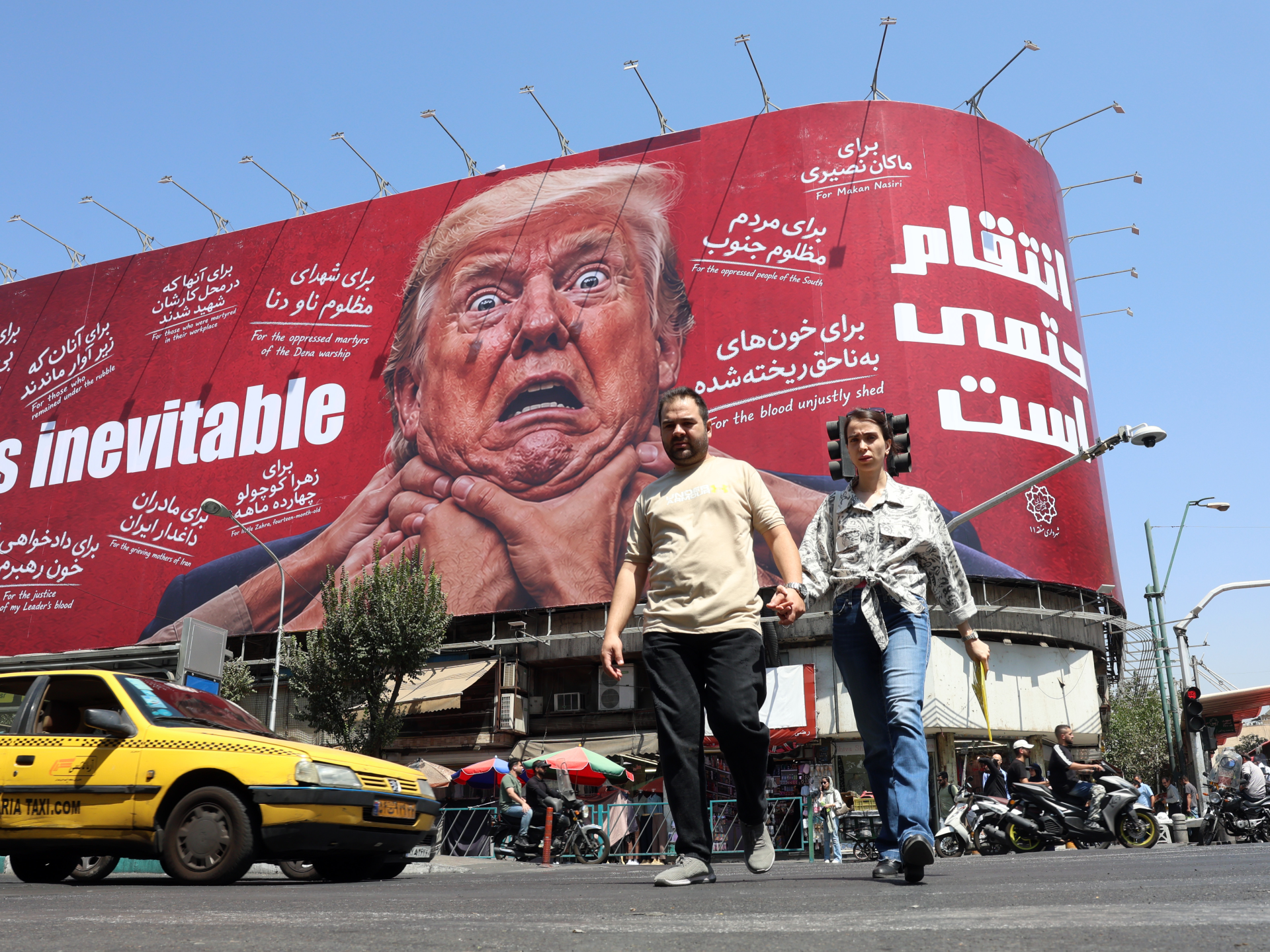
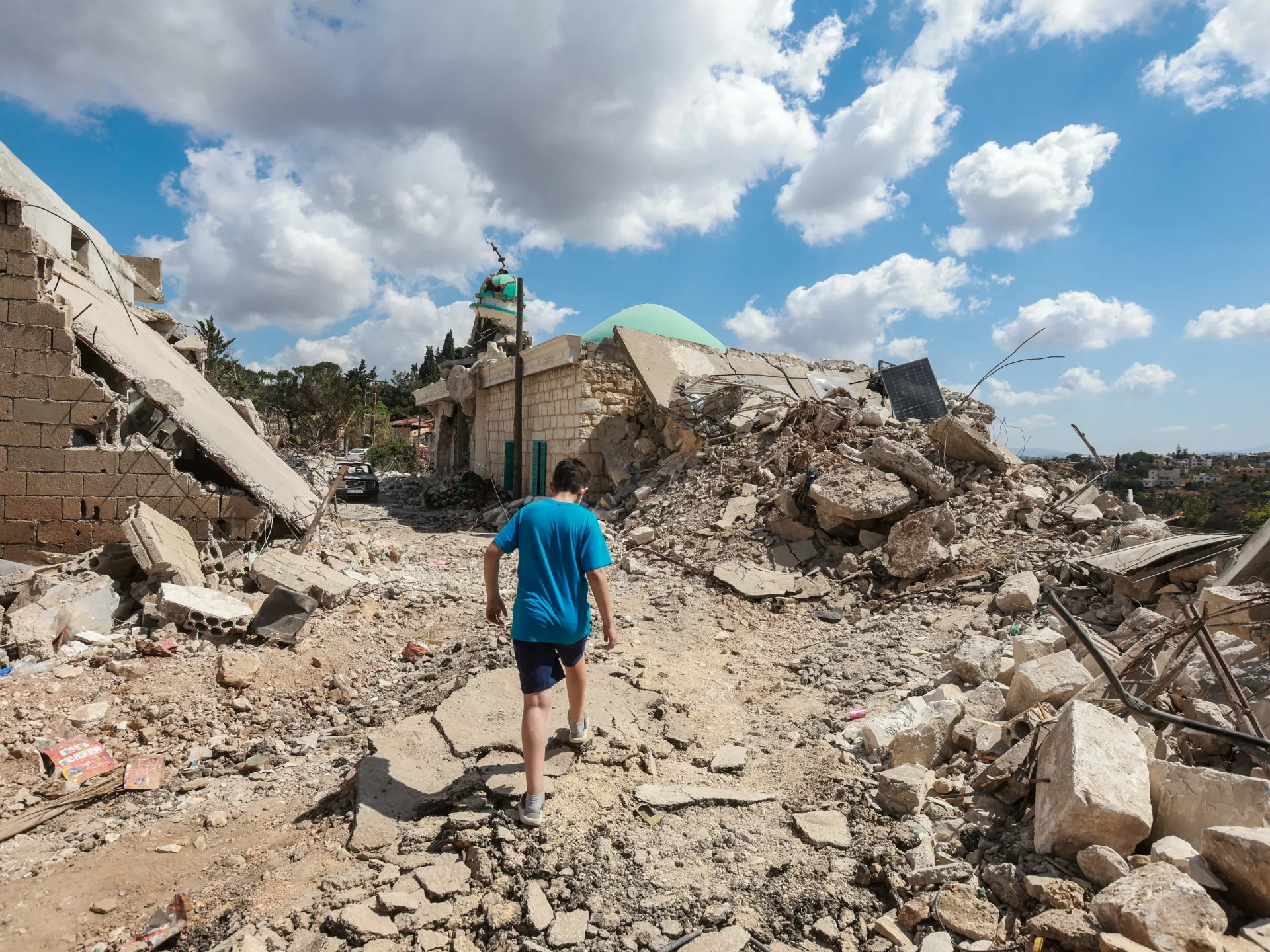
Following the explosions reported near the island, the Islamic Revolutionary Guard Corps (IRGC) formally confirmed the strike and reported that several personnel were killed during the bombardment. Tehran has issued a stern vow of retaliation, warning that the United States will face consequences for the operation. This response highlights the ongoing cycle of action and reaction that has defined the six-month conflict between the two nations.
Historically, Iran has utilized regional proxies and its own military apparatus to respond to US strikes, often expanding the scope of the conflict to neighboring countries or increasing pressure on regional maritime traffic. Analysts fear that this latest incident could derail ongoing efforts to transition the confrontation into a strictly financial pressure campaign. As Tehran prepares its response, the international community remains concerned that the conflict could spiral beyond the immediate vicinity of the Strait of Hormuz.
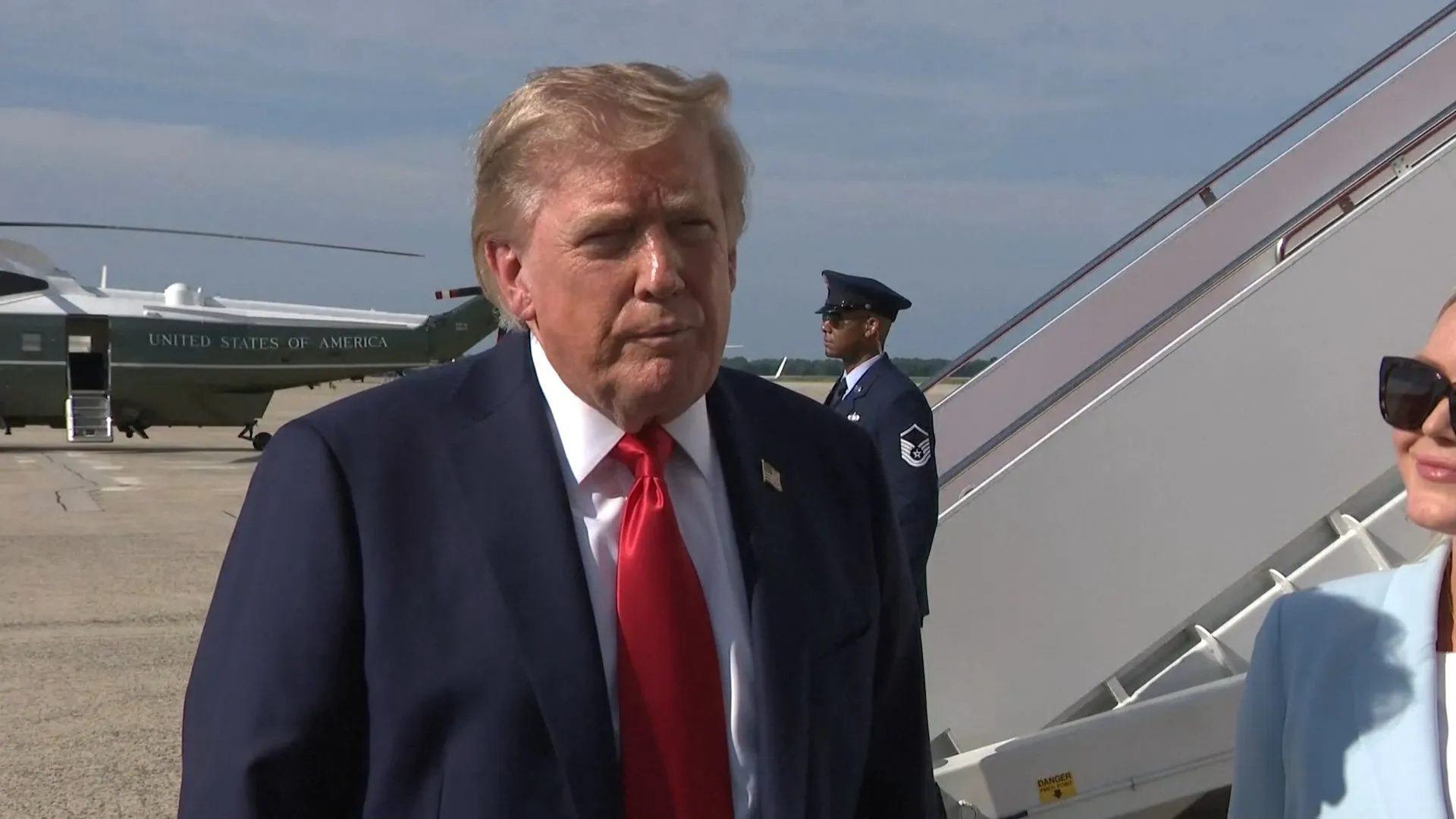
The strike arrives at a pivotal moment in the broader diplomatic and economic war between Washington and Tehran. While the United States has sought to exert maximum pressure through a comprehensive sanctions regime—aimed at forcing concessions regarding Iran’s nuclear program and its territorial claims over the Strait—the necessity for military intervention remains a constant reality. The decision to strike Lark Island confirms that the US will not rely solely on economic instruments if it perceives an immediate threat to its strategic interests.
Moving forward, the challenge for the US administration will be balancing the need for regional stability with the imperative of maintaining military credibility. As Iran signals its intent to retaliate, the prospect of a prolonged military engagement appears increasingly likely. The coming days will be critical in determining whether this incident remains a contained tactical strike or whether it serves as a catalyst for a wider, more dangerous phase of the current conflict.