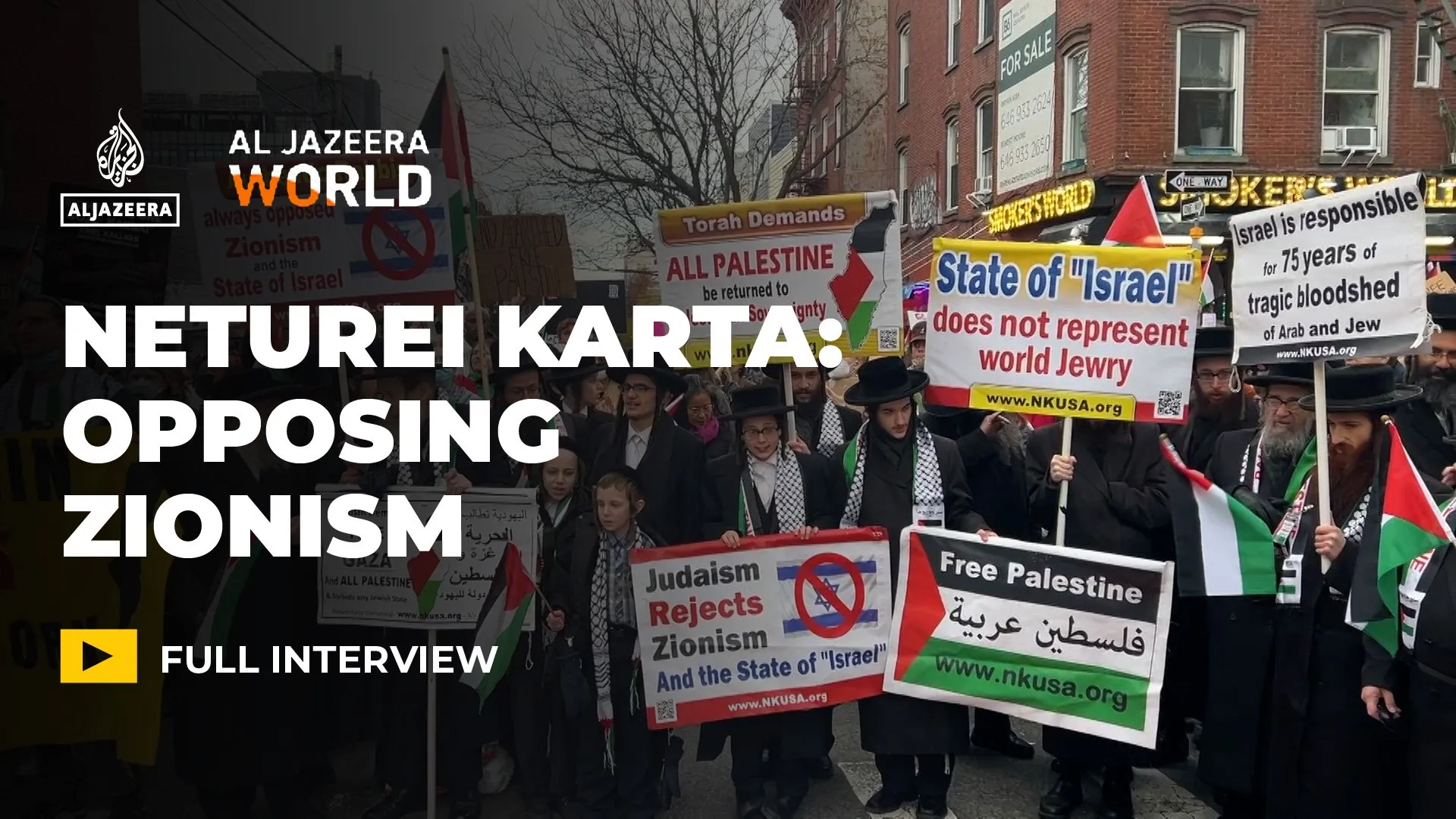
This exploration examines the history and theology of Neturei Karta, an ultra-Orthodox group that rejects Zionism and advocates for the Palestinian cause.
Neturei Karta, an ultra-Orthodox Jewish movement, remains one of the most controversial and distinct voices within the global Jewish community. Unlike mainstream religious Zionist groups that view the modern state of Israel as a fulfillment of biblical prophecy, Neturei Karta asserts that the establishment of a sovereign Jewish state prior to the coming of the Messiah is a direct violation of divine law. Members of the group argue that the Jewish people are currently in a state of divinely mandated exile and that any attempt to end this exile through political or military force is an act of rebellion against the Almighty.
This theological stance is rooted in a strict interpretation of Talmudic tradition, which suggests that the Jewish people should remain loyal citizens of their host nations and live peacefully among other peoples. upholding the true essence of Judaism, which they believe has been corrupted tion is not merely political but is a profound religious obligation that dictates their relationship with the state and their fellow citizens.
The roots of the movement can be traced back to the early 20th century, a period when Zionism was gaining momentum among various factions of the Jewish population in Europe. Even before the formal establishment of the State of Israel in 1948, there were significant voices within the ultra-Orthodox community that warned against the dangers of political nationalism. The movement solidified as a distinct entity during the turbulent years surrounding the Holocaust, as the divide between those who sought a secular state and those who prioritized religious devotion became increasingly sharp.
Key historical milestones, such as the Balfour Declaration and the assassination of Jacob Israel de Haan—a prominent critic of the Zionist movement—serve as focal points for the group’s narrative. These events are often cited evolving Zionist project. As the 1948 conflict unfolded, the group chose a path of total non-recognition of the newly formed Israeli state, a position that has remained consistent throughout the decades of regional instability and military occupation.
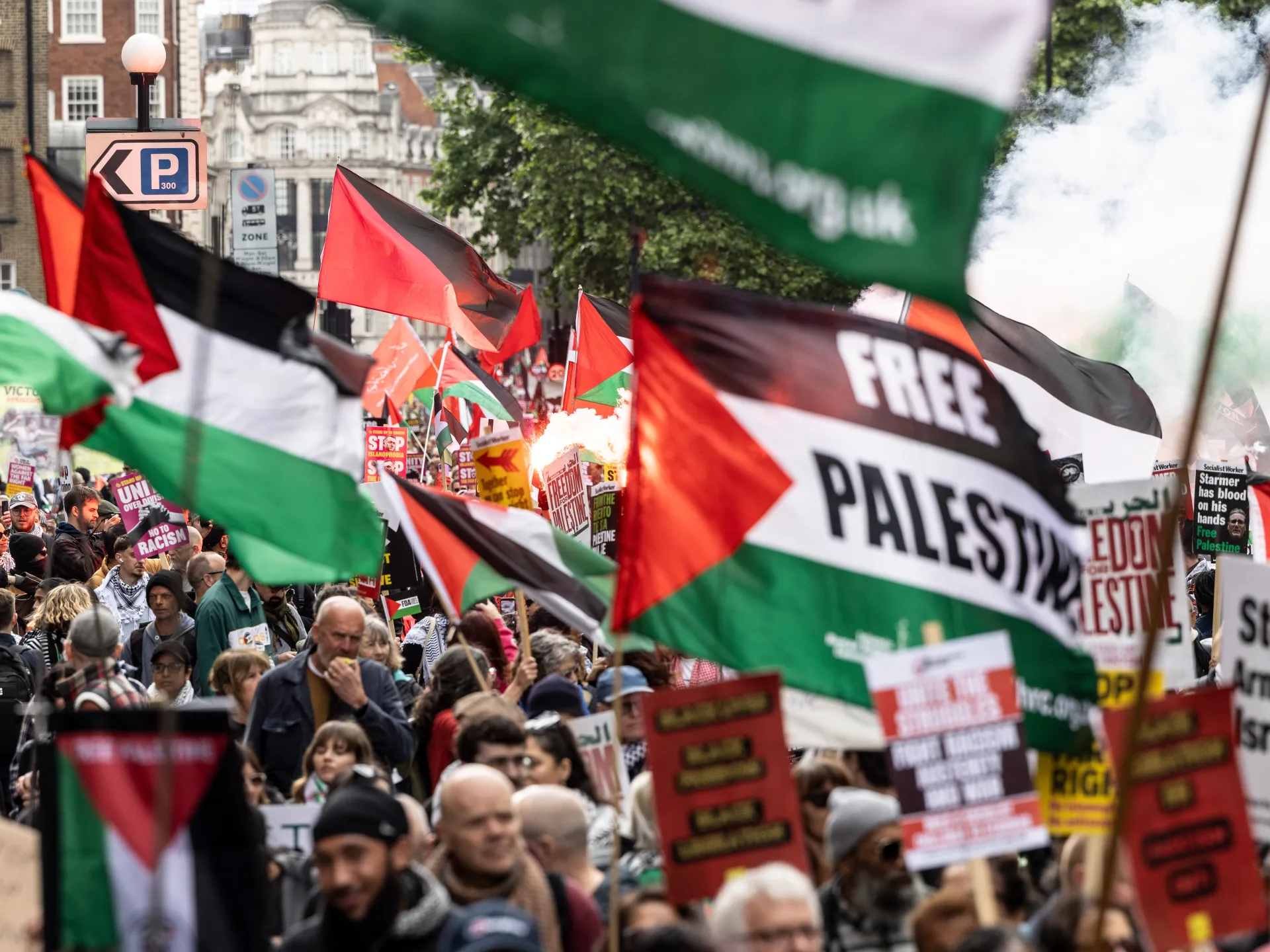
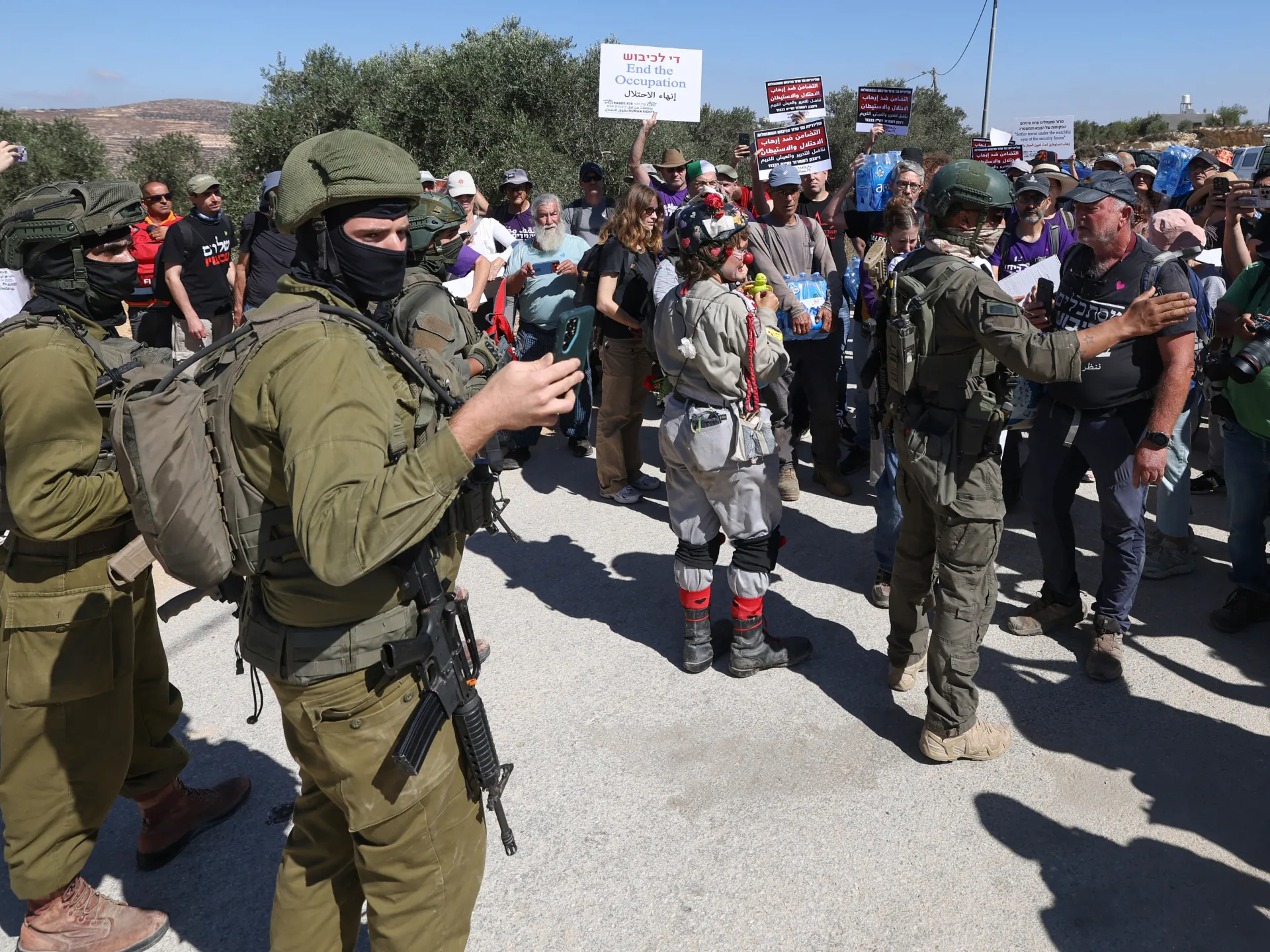
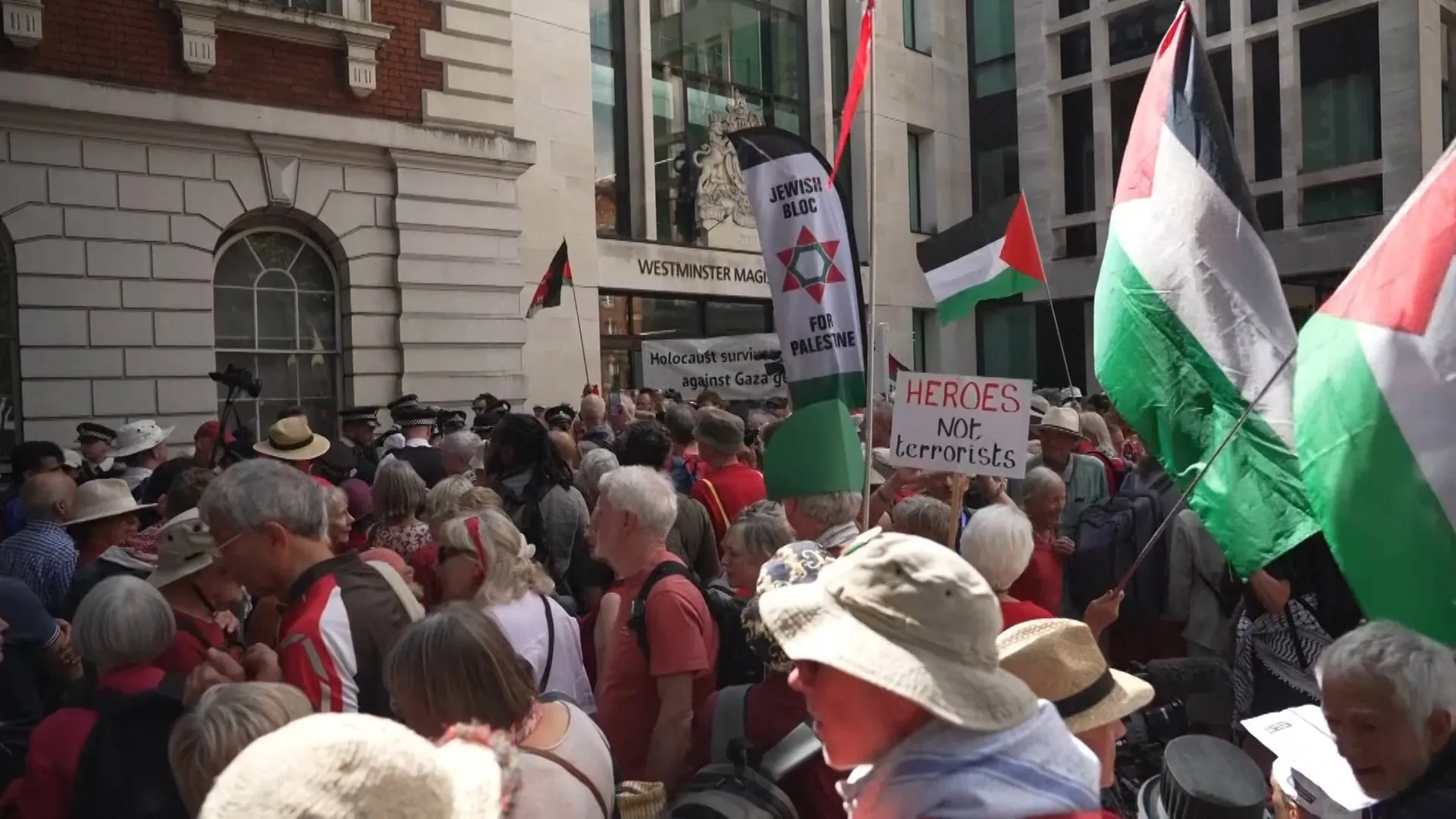
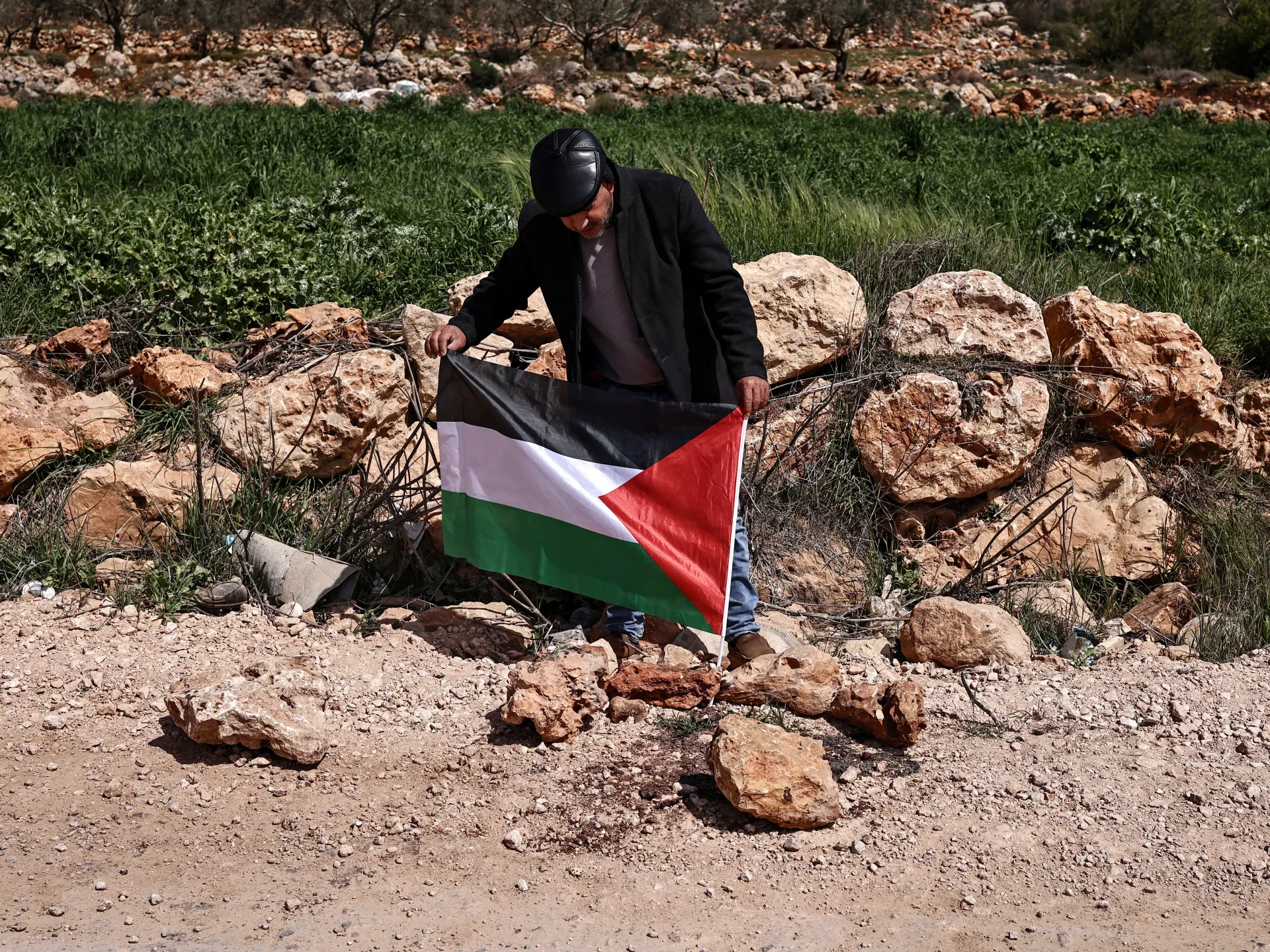
In contemporary settings, Neturei Karta is perhaps most visible through its public demonstrations and its vocal support for the Palestinian cause. The sight of the group members marching under the Palestinian flag has often drawn intense scrutiny and criticism from both the Israeli public and mainstream Jewish organizations. Their outreach has extended beyond simple rhetoric, with members having maintained connections with various Palestinian leaders and advocacy groups, positioning themselves as a bridge between the Palestinian struggle and the Jewish religious tradition.
These actions have placed the group in a precarious position, leading to accusations of betrayal and threats of violence from their ideological opponents. Despite facing police interventions, social ostracization, and intense pressure from the broader Jewish community, the movement continues to assert its presence in major cities like Jerusalem and New York. Their commitment to their cause, even when it leads to isolation, highlights the deep ideological rift that persists within religious circles regarding the nature and legitimacy of the State of Israel.
The persistence of Neturei Karta challenges many of the traditional assumptions regarding the relationship between Judaism and the state. tic security, they force a re-evaluation of how religious identity is leveraged in the modern geopolitical arena. Their existence serves as a reminder that the Jewish community is not a monolith and that internal debates regarding statehood and sovereignty are as old as the modern Zionist movement itself.
As the conflict in the region continues to evolve, the voices of this small but defiant group remain an outlier. Whether viewed as an essential critique of secular nationalism or as a fringe entity out of touch with modern realities, Neturei Karta continues to influence the discourse Their story is one of religious perseverance, political confrontation, and the complexities of identity in a world defined