The US EPA has repealed regulations limiting greenhouse gas emissions from power plants, citing a need to lower costs and boost energy infrastructure development.
The United States Environmental Protection Agency (EPA) has officially moved to repeal long-standing federal rules that placed limits on greenhouse gas emissions from power plants. Announced e is part of a broader push to reduce what the current administration refers to as regulatory "red tape." Officials argue that these restrictions hindered the ability of utility companies to operate efficiently and discouraged the construction of necessary new power-generating infrastructure.
utonomy in managing their facilities, moving away from mandates that often necessitated the closure of older or less efficient plants. The EPA has framed this decision as a vital step toward ensuring grid reliability, particularly as demand for electricity surges due to the expansion of artificial intelligence, advanced manufacturing, and data centers. The administration contends that these changes will ultimately benefit consumers
The financial scale of this policy reversal is significant, with the EPA estimating that the move will eliminate more than $300 billion in compliance costs for the energy sector. This action aligns with a series of deregulatory measures taken since the beginning of the current presidential term. The administration has explicitly stated its goal to "unleash American energy," viewing previous environmental mandates as a "war" on domestic energy supplies that threatened to stifle economic growth.
To solidify this shift, the EPA has proposed an additional rule, expected to be finalized in the coming year, which is designed to prevent future administrations from reinstating greenhouse gas regulations on power plants. This move effectively attempts to create a long-term deregulatory framework, ensuring that fossil fuel-fired plants are not subject to the same strict carbon-capture requirements that were championed
The decision has triggered immediate backlash from environmental advocacy groups and health organizations, who argue that the rollback will have devastating consequences for public well-being and the global climate. Experts warn that power plants are responsible for roughly one-quarter of the nation’s total climate pollution, second only to the transportation sector. Critics emphasize that the removal of these protections is likely to increase the prevalence of harmful airborne particles, mercury, and lead, alongside rising greenhouse gas emissions.
Legal challenges are already being organized e public from dangerous pollution. Opponents of the repeal point to recent extreme weather events, including intense heatwaves, destructive storms, and wildfires, as evidence that the government is ignoring the escalating impacts of climate change. For these groups, the move represents a significant departure from scientific consensus, which they claim will lead to increased long-term health risks for families and communities across the country.
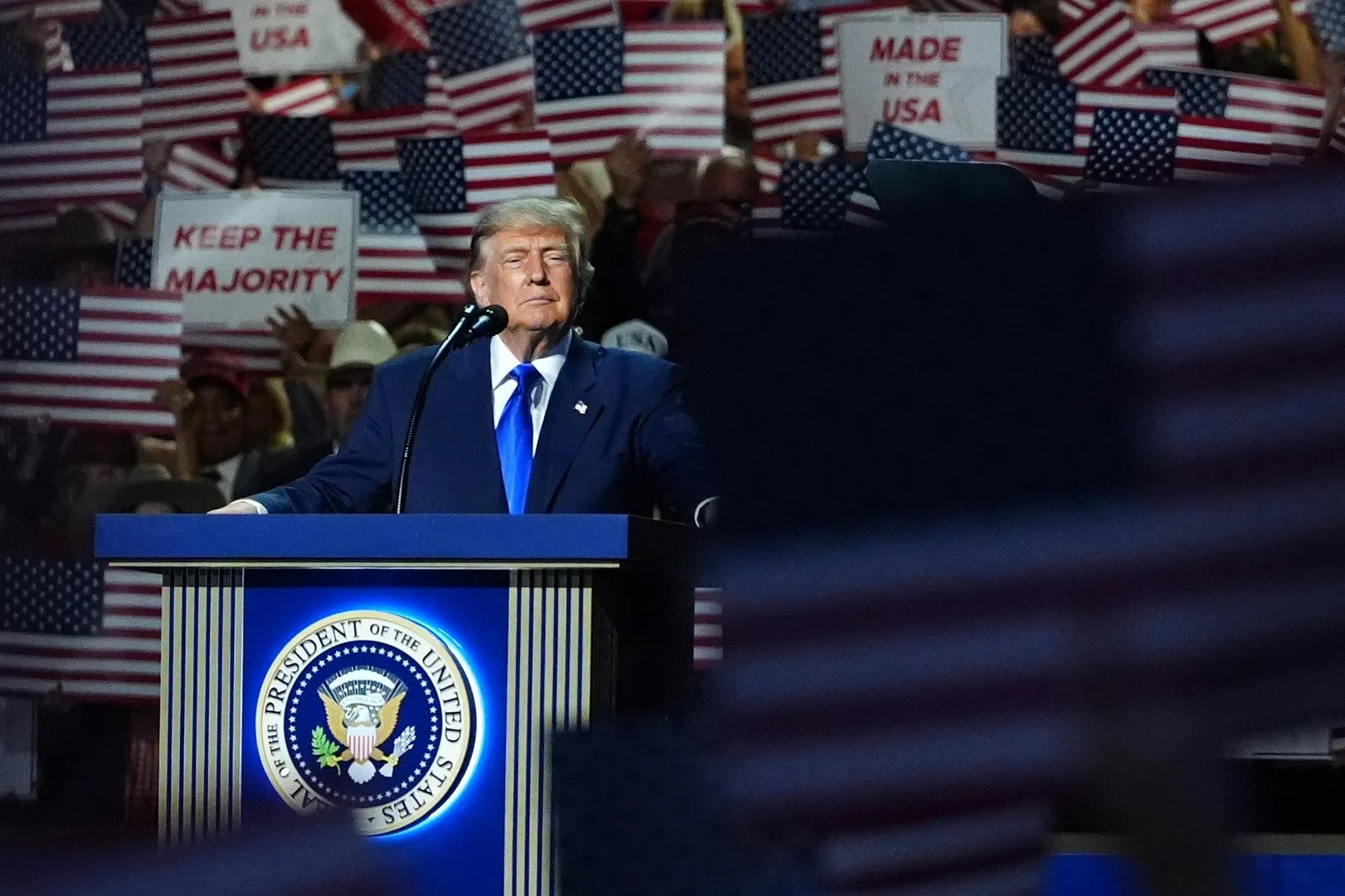
The timing of the announcement at the G20 ministerial meeting in Houston underscored a clear divide between the US administration and its international allies. While many nations continue to pursue environmentally conscious policies, the US has doubled down on its commitment to energy independence through fossil fuels. This approach has been marked ategorize greenhouse gas emissions from power plants as a significant driver of dangerous pollution under the Clean Air Act.
As global fuel markets remain volatile due to ongoing geopolitical conflicts, the administration continues to prioritize domestic energy abundance over international climate goals. urrent leadership has solidified a policy path that favors the coal and gas industries. Whether these actions will withstand the anticipated wave of litigation remains to be seen, but the policy shift marks one of the most substantial transformations in US environmental governance in recent history.