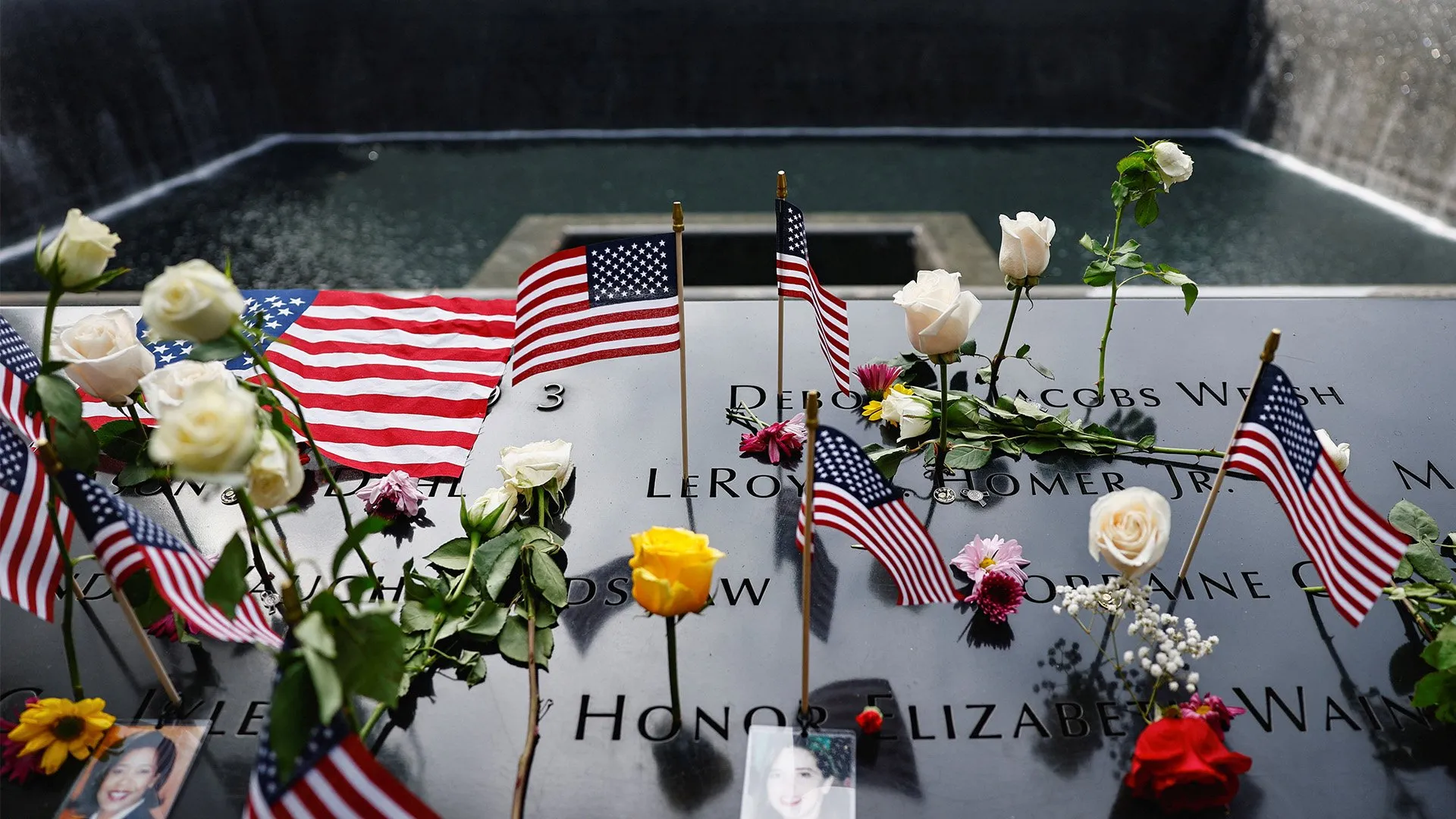
Twenty-five years after the September 11 attacks, conspiracy theories have evolved from niche internet discussions into a significant influence on mainstream American political rhetoric.
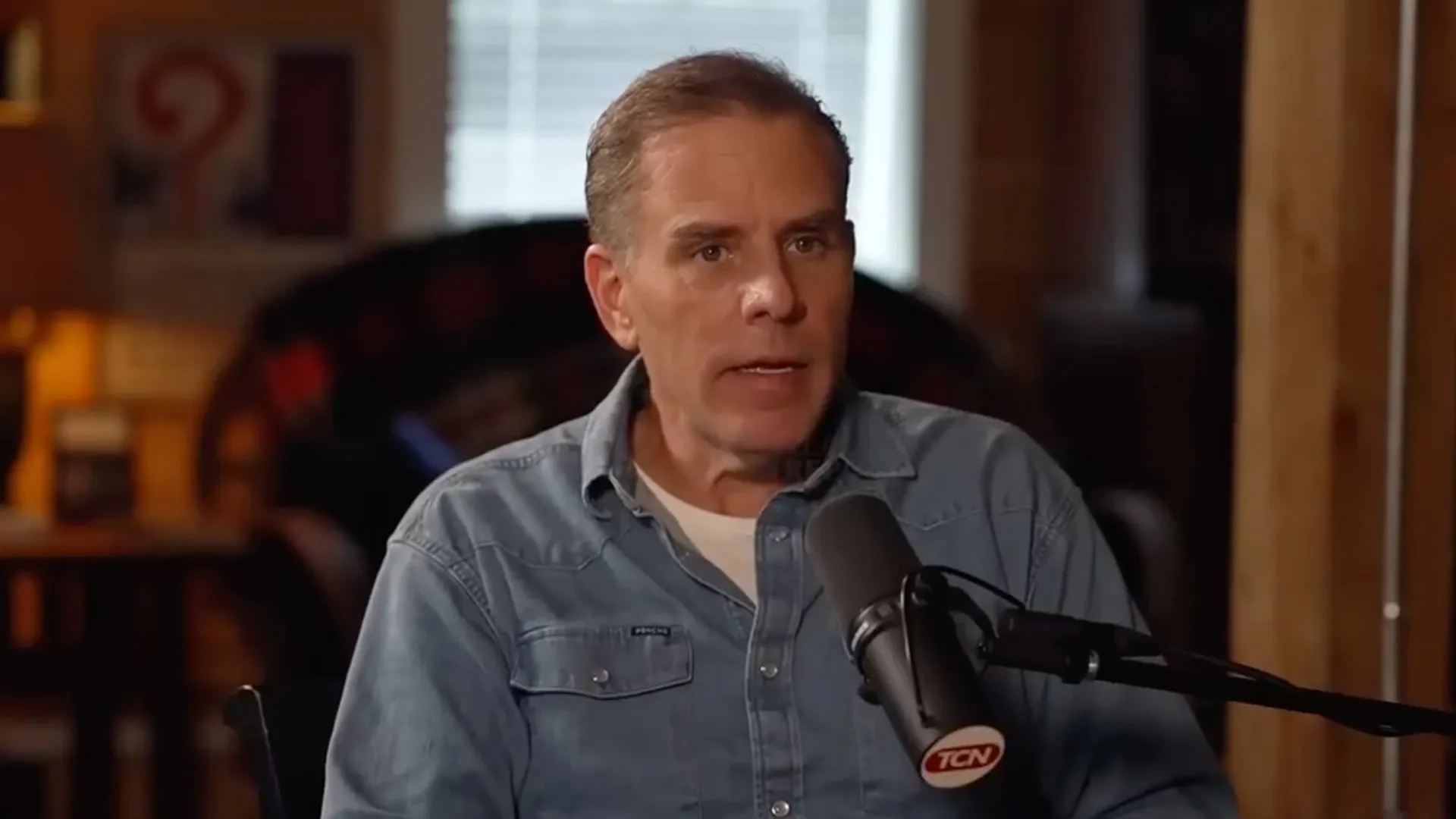
Two and a half decades after the September 11 attacks, conspiracy theories regarding the event remain a potent force in the American digital landscape. Despite the overwhelming evidence provided IA, the so-called "deep state," or various shadow entities continue to circulate widely online. Platforms such as YouTube have served as modern incubators for these ideas, where influential media figures and commentators frequently discuss "inside job" theories that have garnered hundreds of thousands of views. These narratives, once confined to the fringes of society, have proven remarkably resilient, constantly mutating to remain relevant in the current political climate.
The longevity of these theories is partially rooted in the unique way the attacks were experienced. As a global spectacle captured live on television, the tragedy left a profound psychological mark on a generation. The immediate aftermath, characterized flawed intelligence regarding weapons of mass destruction, fostered a deep-seated distrust of government narratives. This institutional skepticism created a fertile environment for speculative theories to take root, as the public began to equate official government accounts with potential deception.
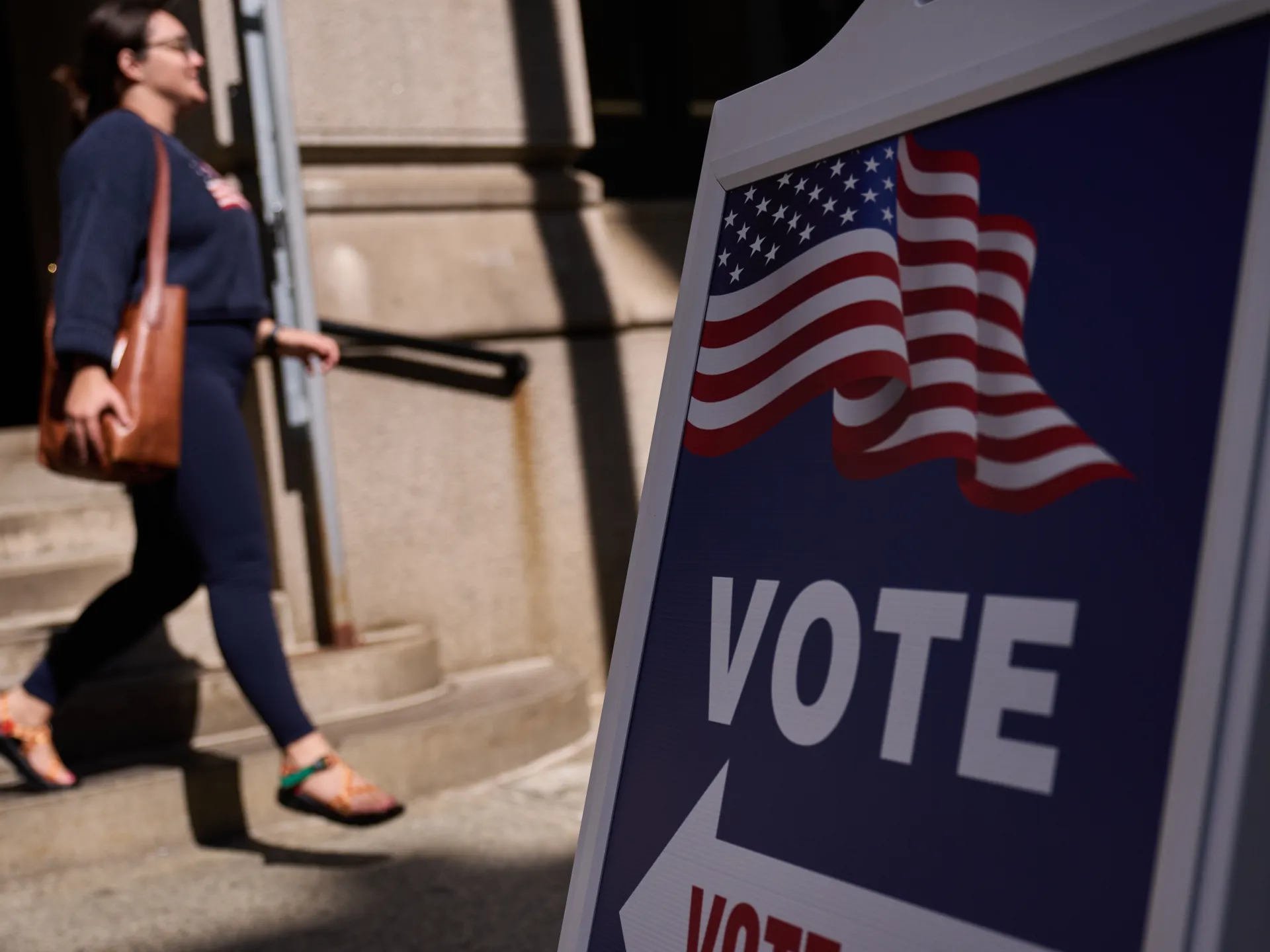
While conspiracy theories are not a new phenomenon in American history—as evidenced hn F. Kennedy—the integration of these theories into mainstream political discourse marks a significant shift. Since 2016, a year recognized for the rise of "post-truth" rhetoric, conspiratorial thinking has moved from the basement to the ballot box. Experts note that when political actors begin to weaponize these narratives, they cease to be mere social curiosities and instead become active tools for shaping public opinion and mobilizing voter bases.
This transition has been accelerated content. When high-profile politicians or influential broadcasters repeat unsubstantiated claims, these ideas gain a veneer of legitimacy. This creates a feedback loop where the theories gain visibility through political amplification, and in turn, the public begins to view them as credible explanations for complex political realities. The result is an environment where misinformation can rapidly harden into ideological dogma, influencing everything from electoral integrity claims to foreign policy perspectives.
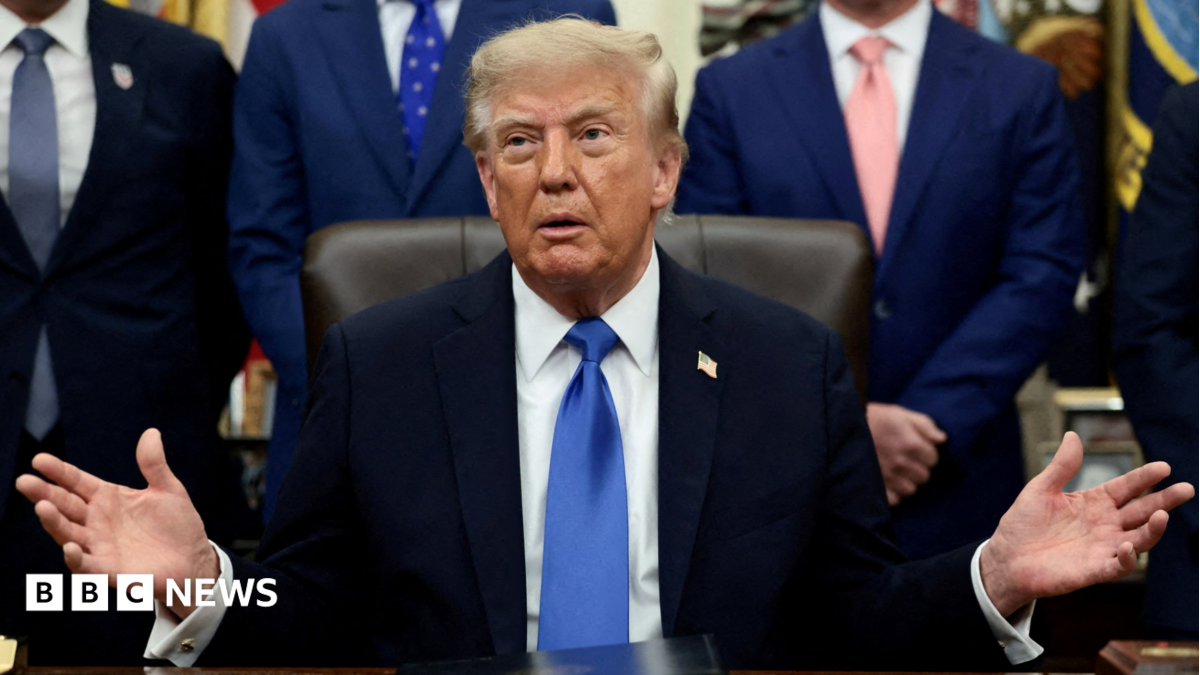
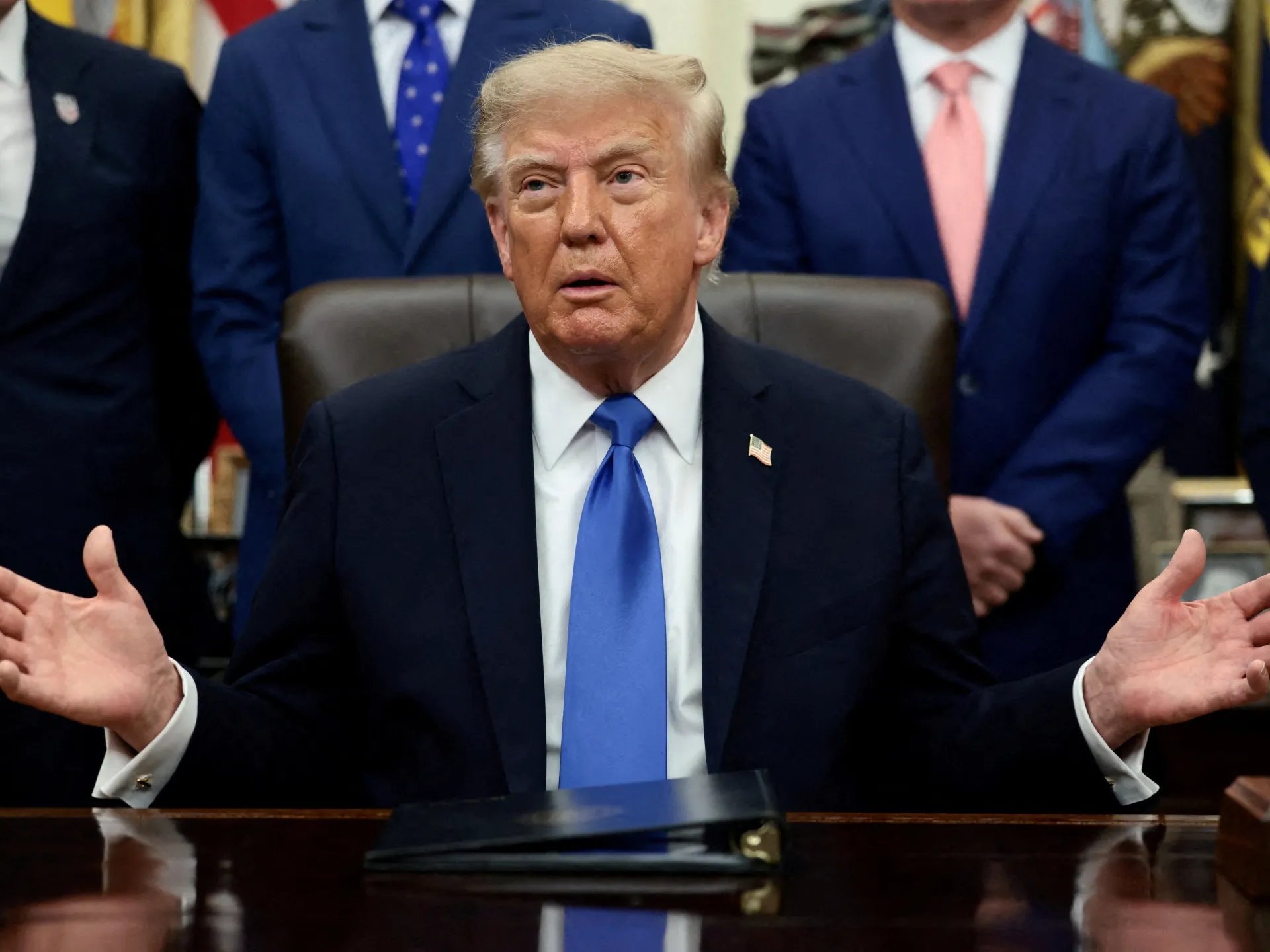
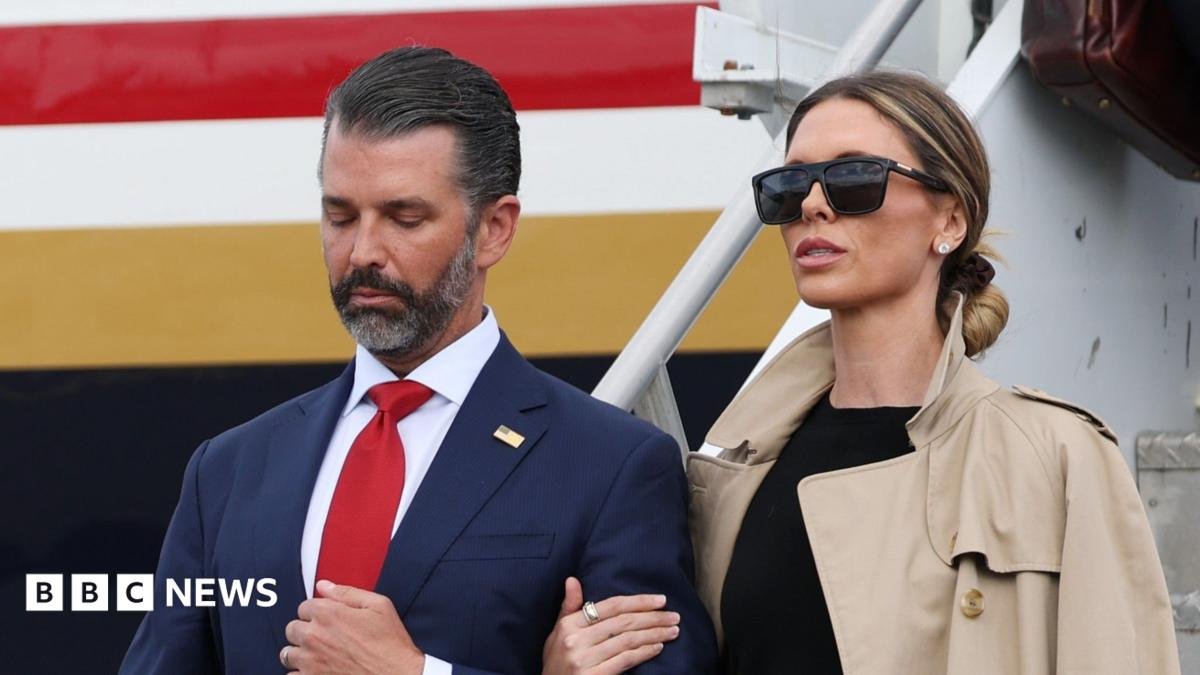
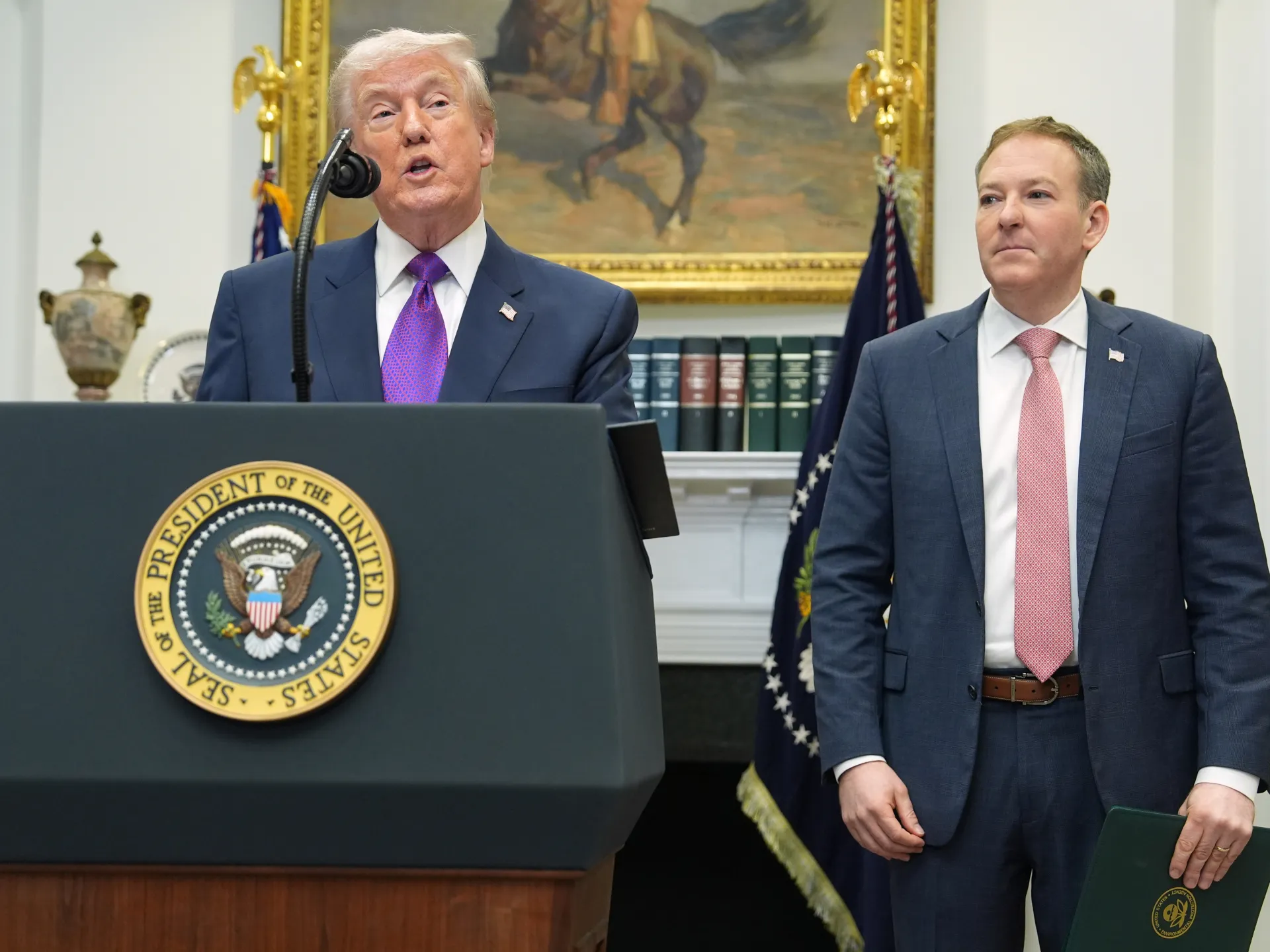
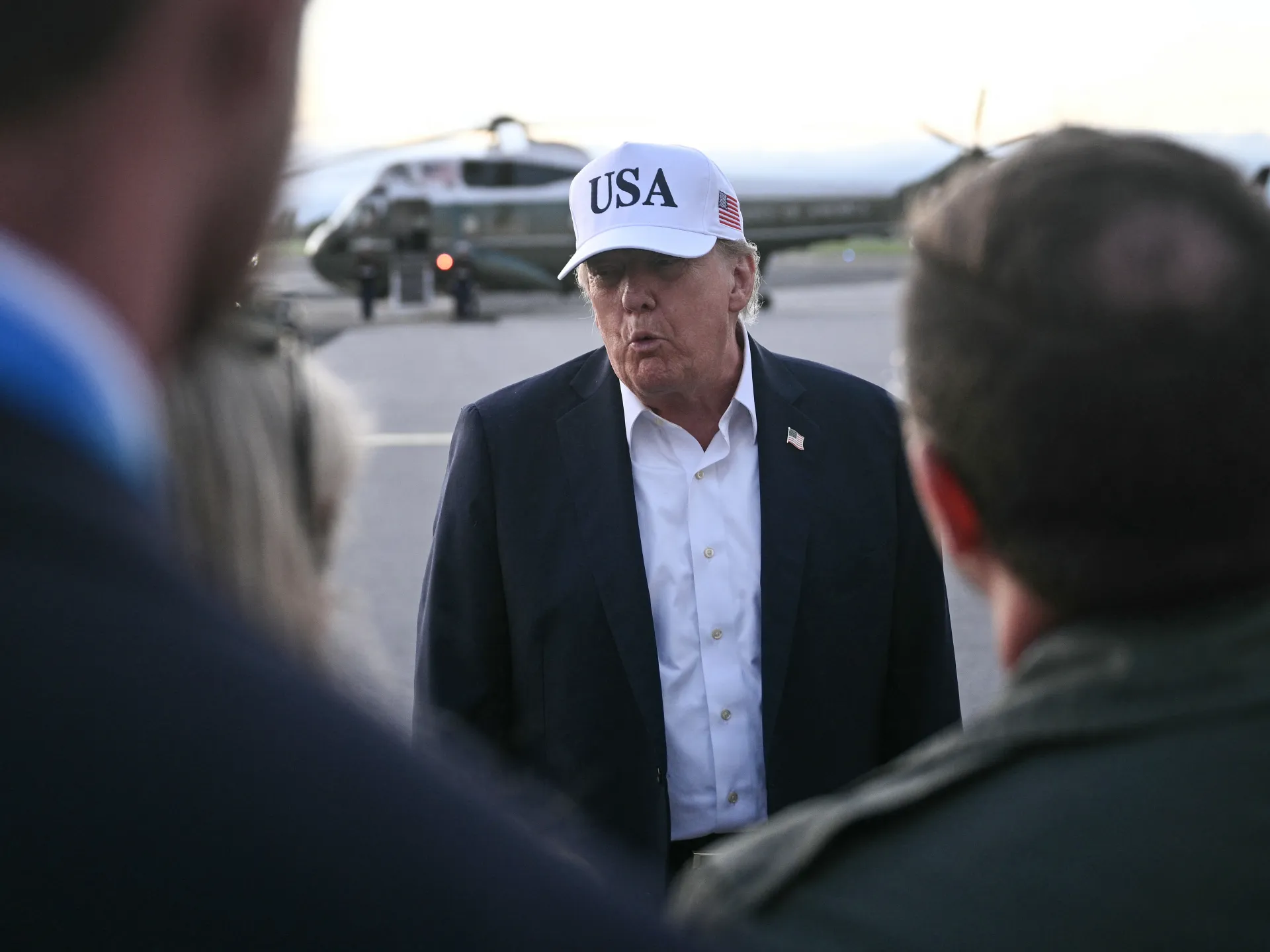
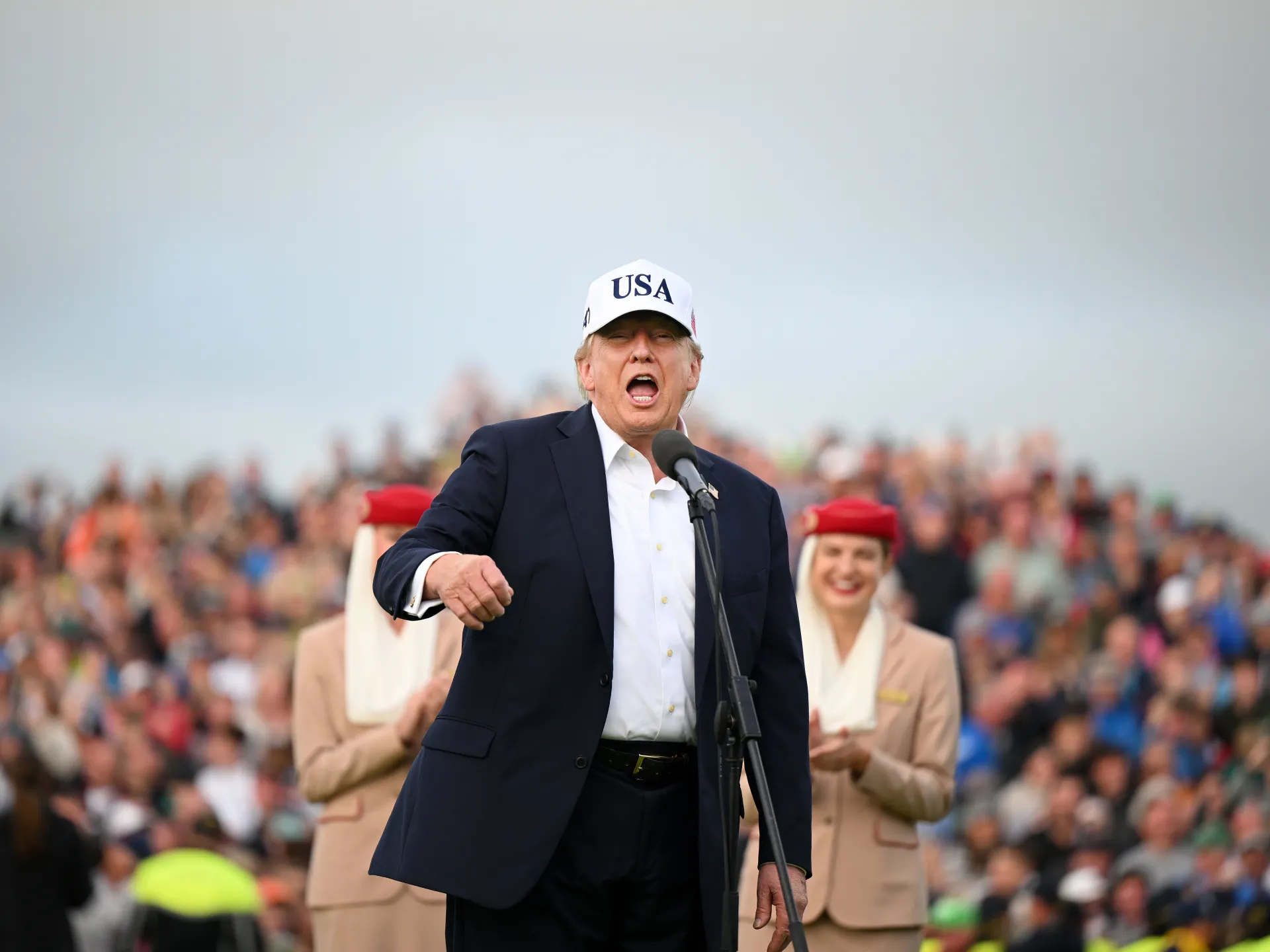
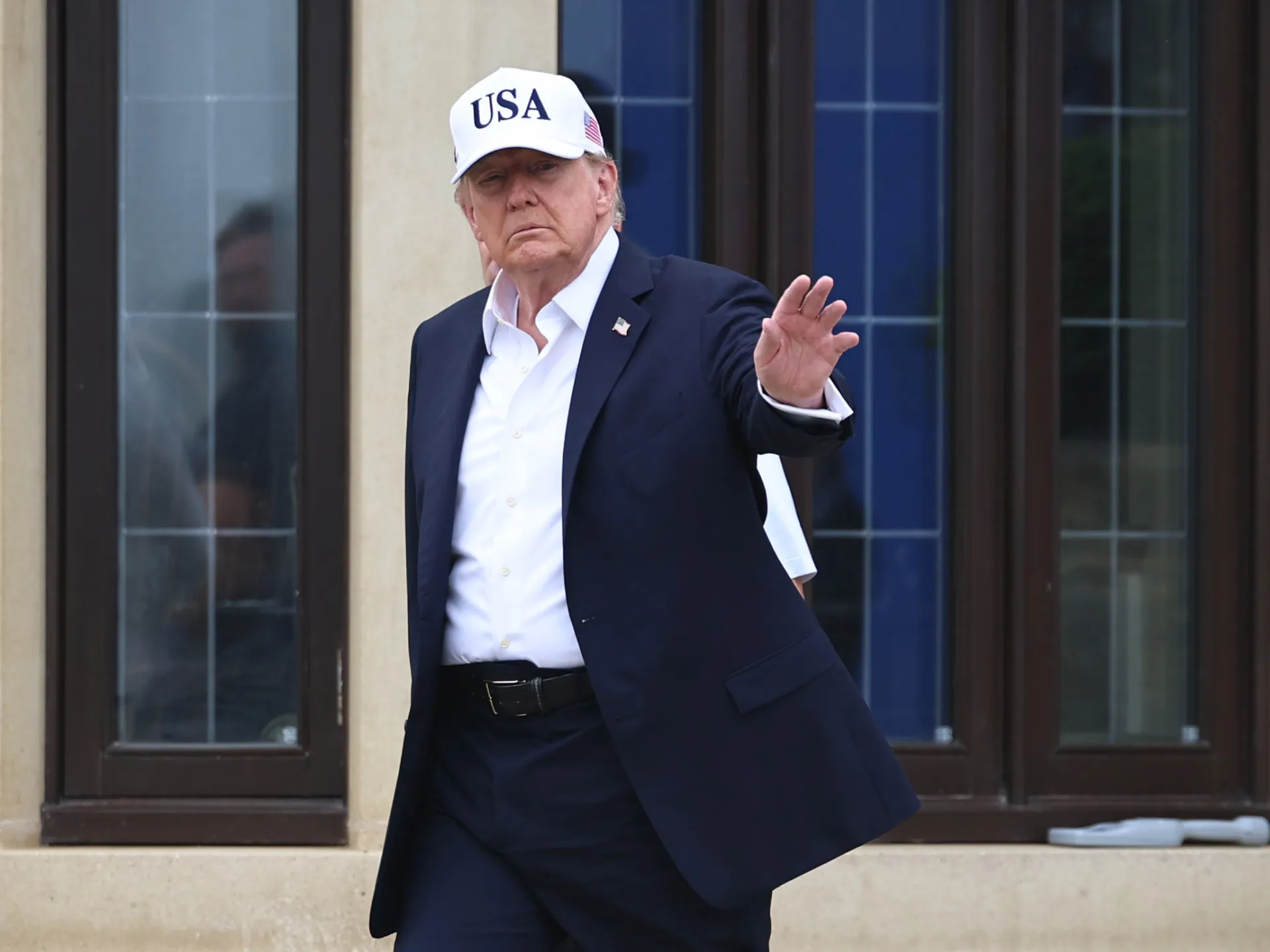
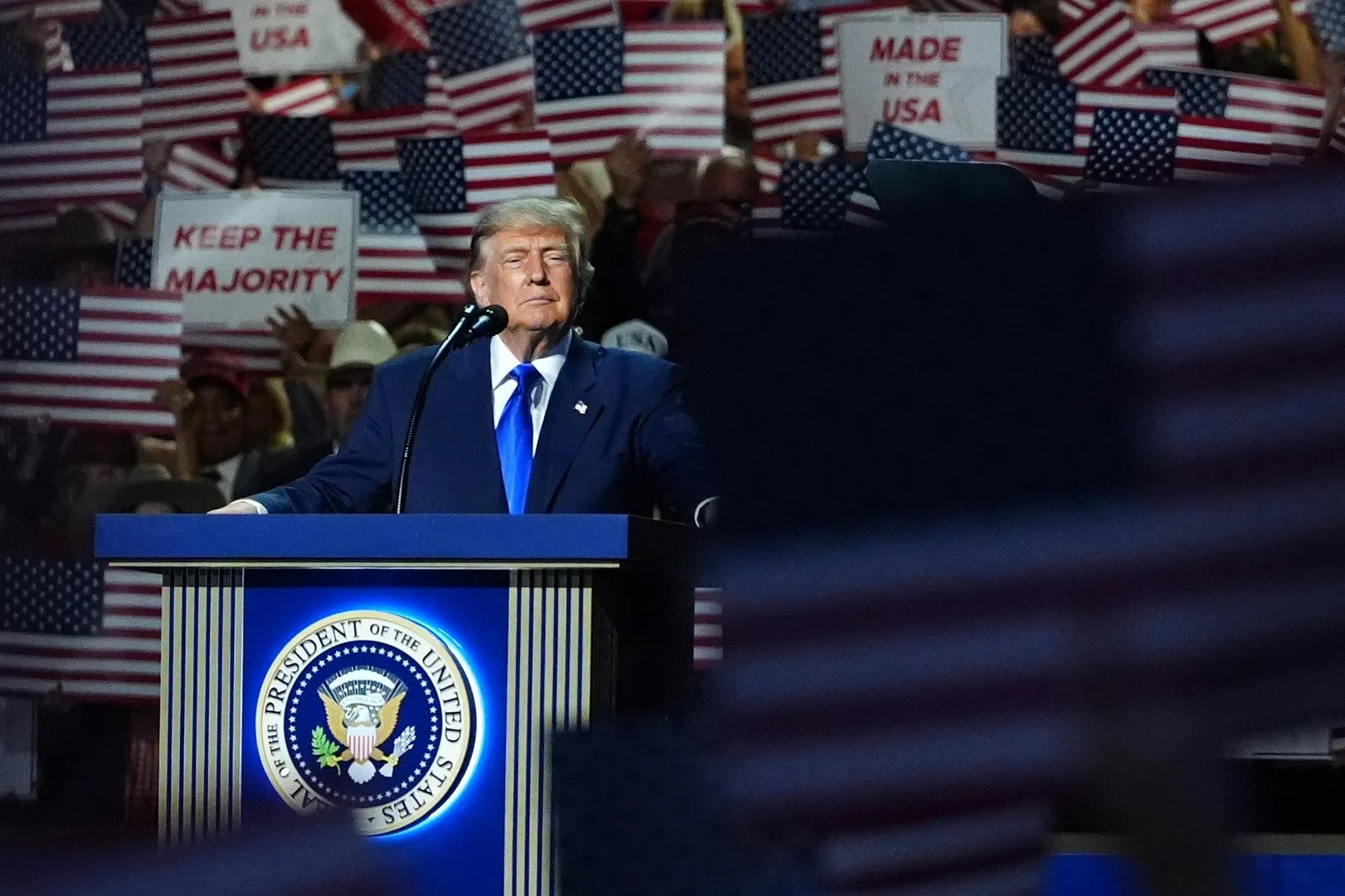
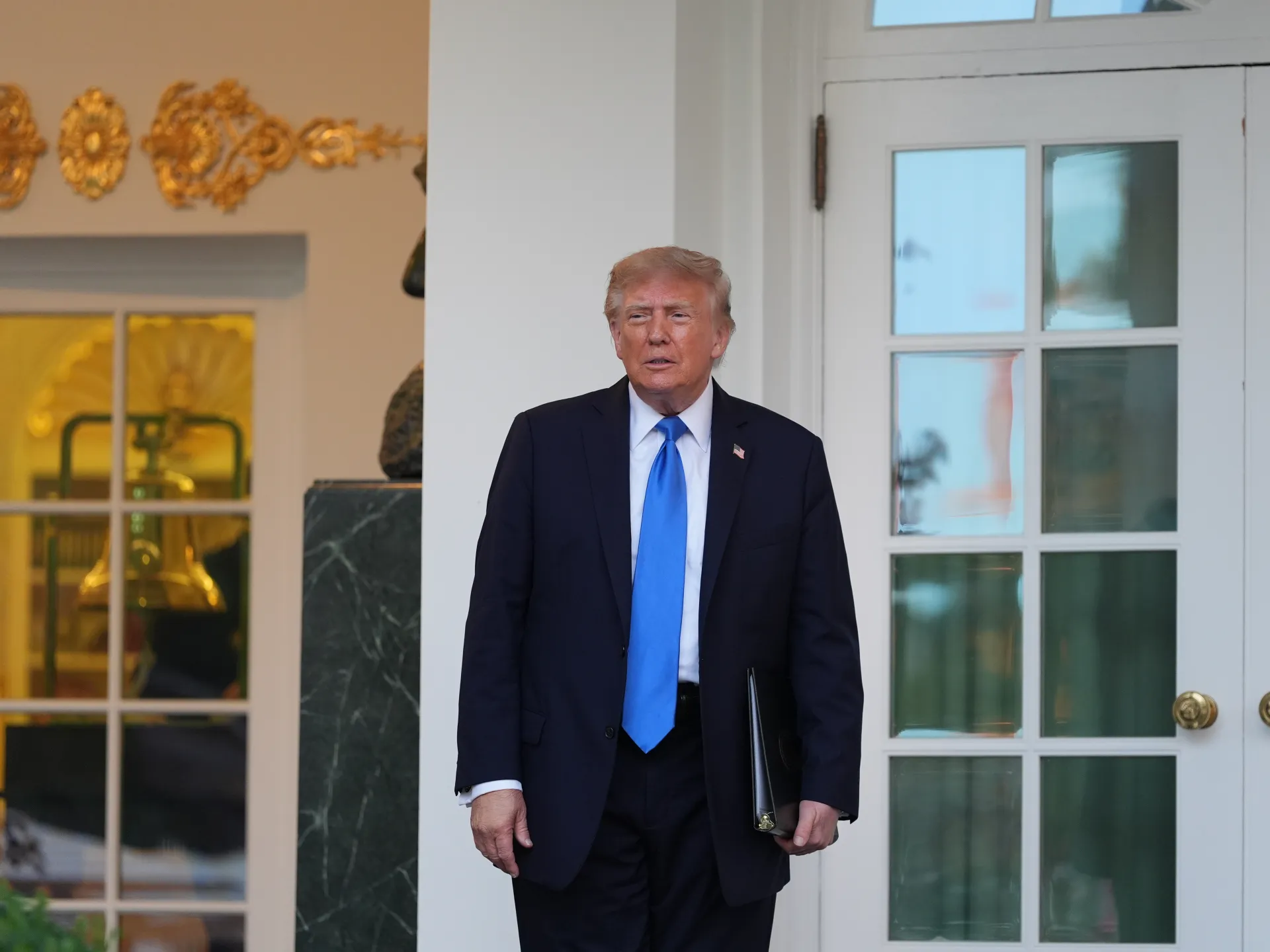
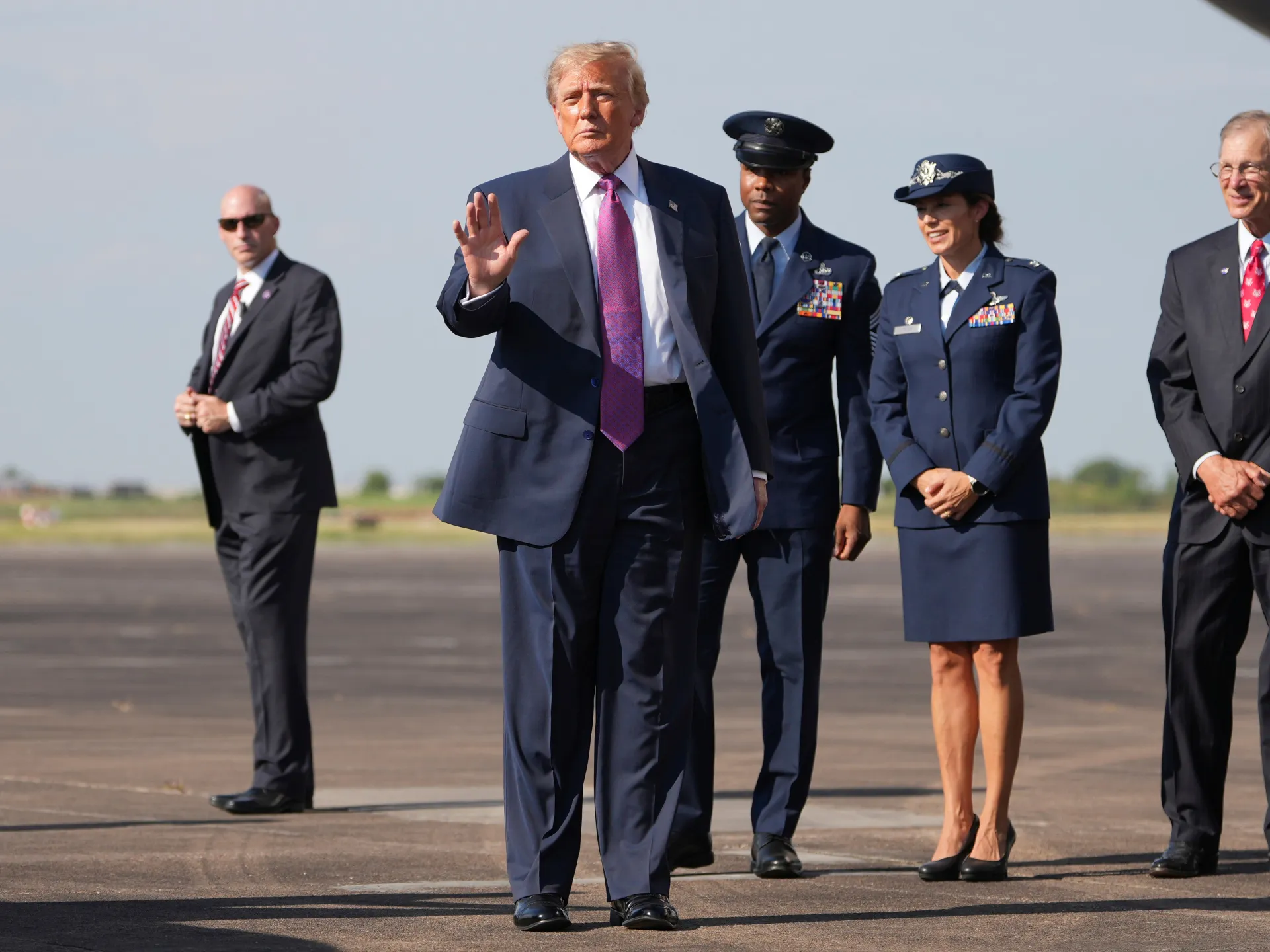
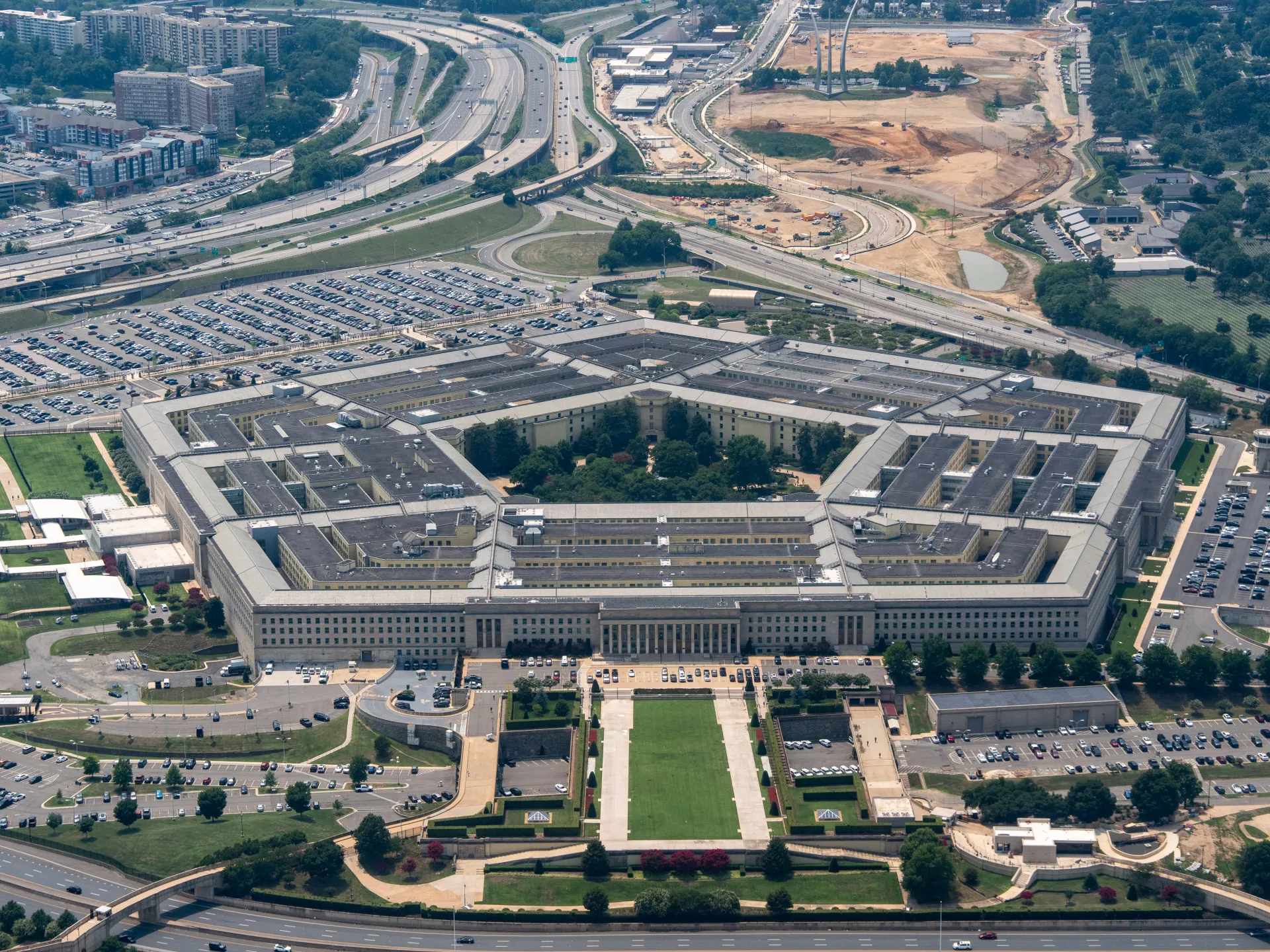
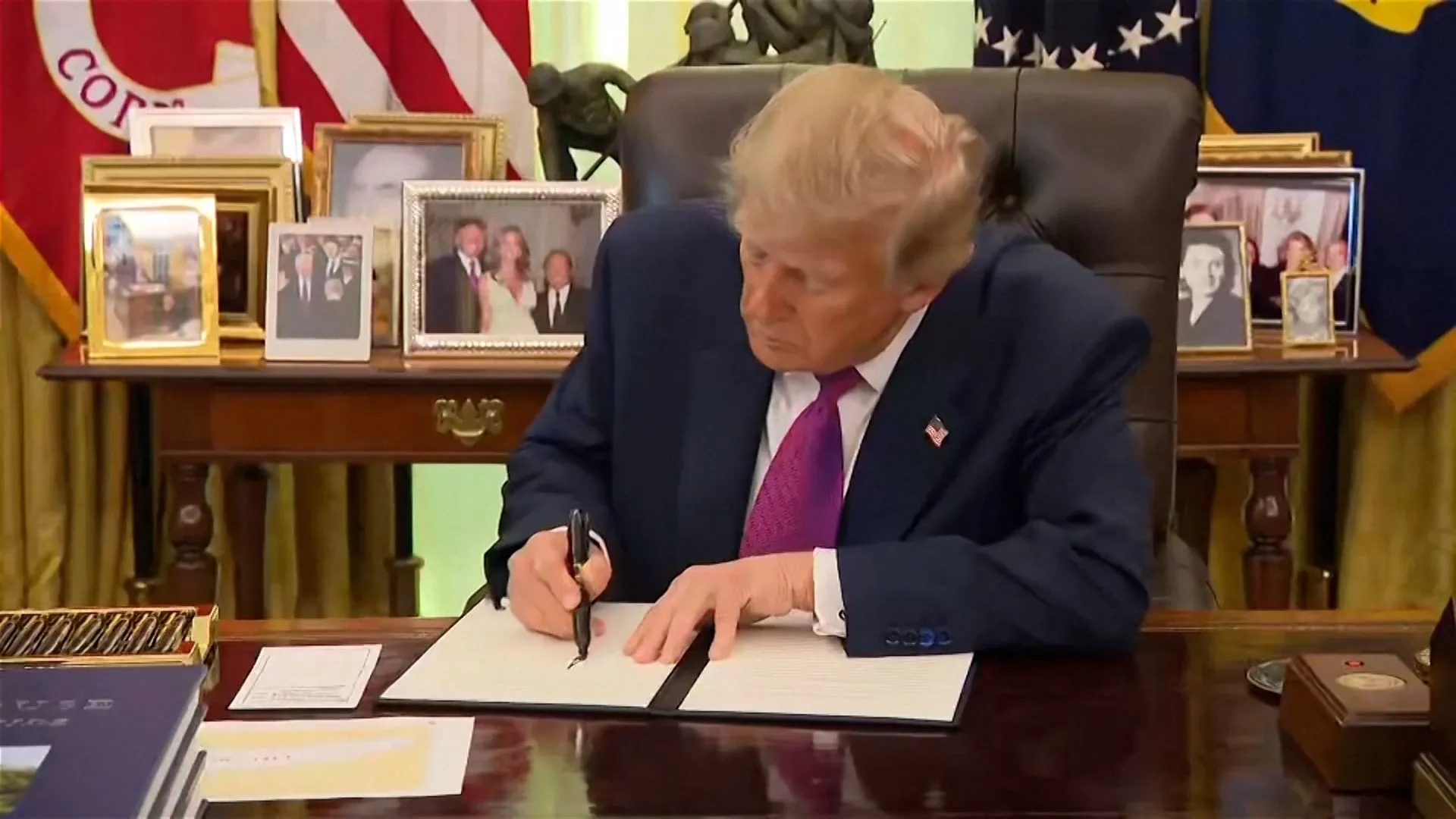
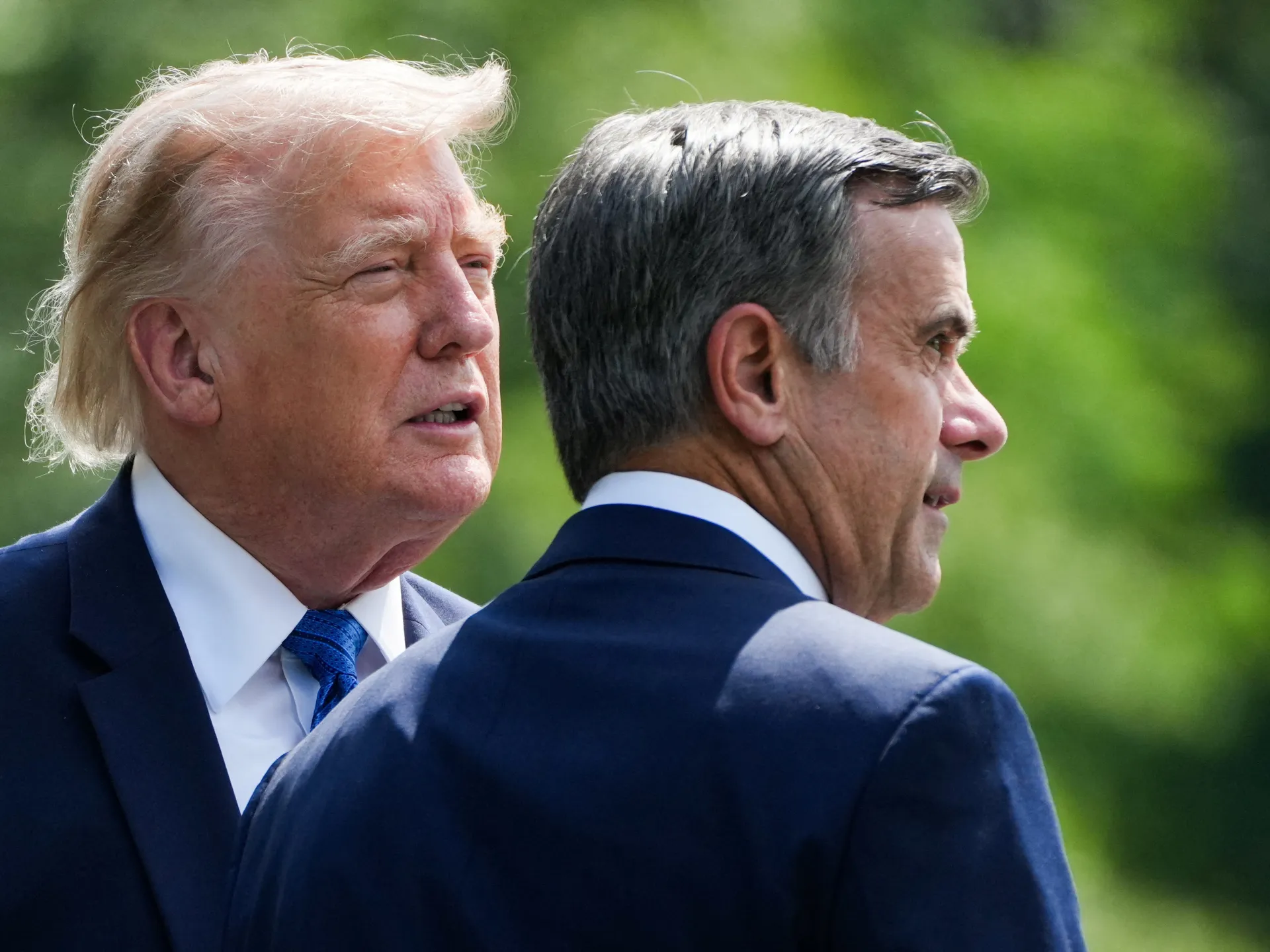
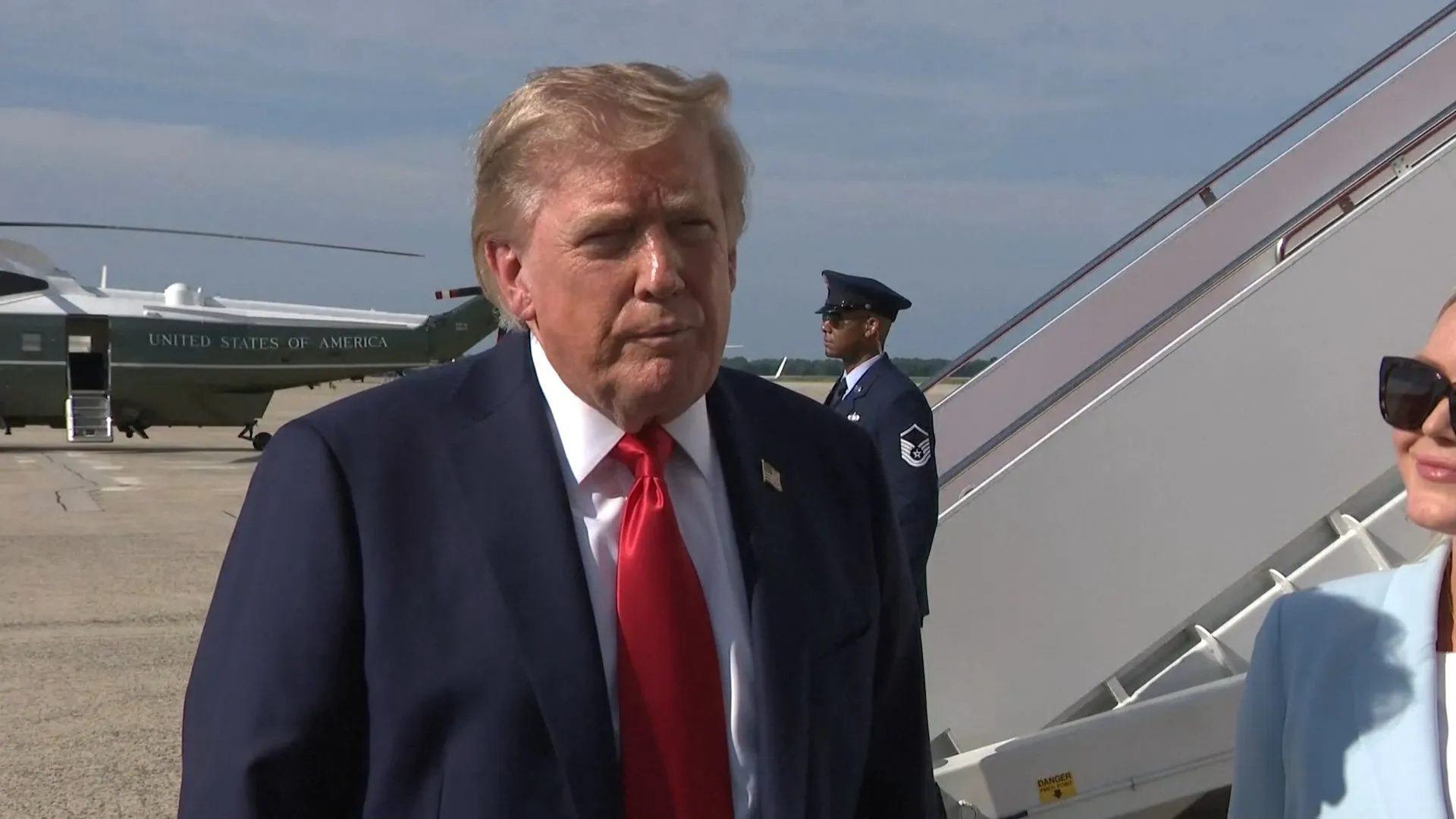
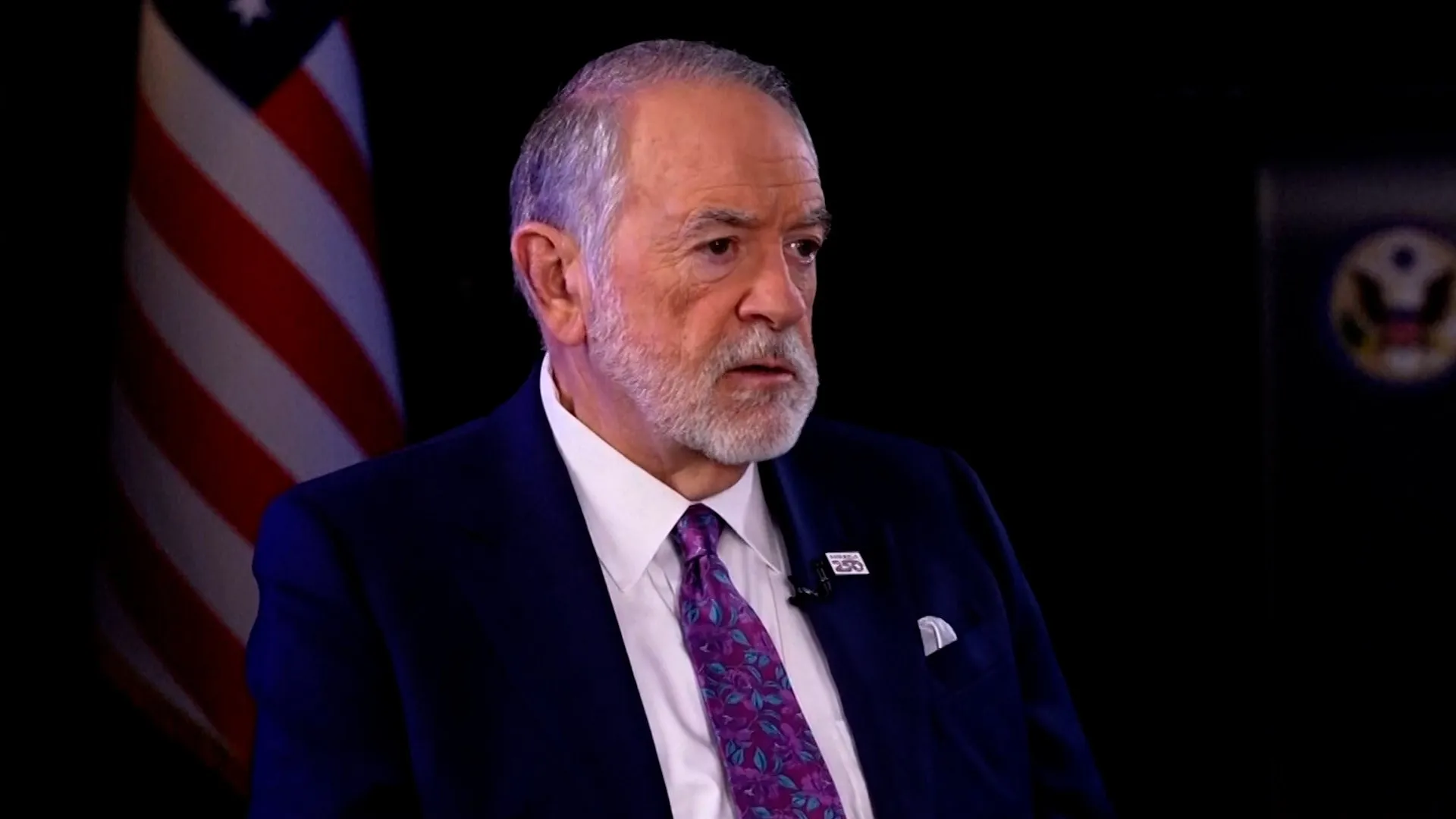
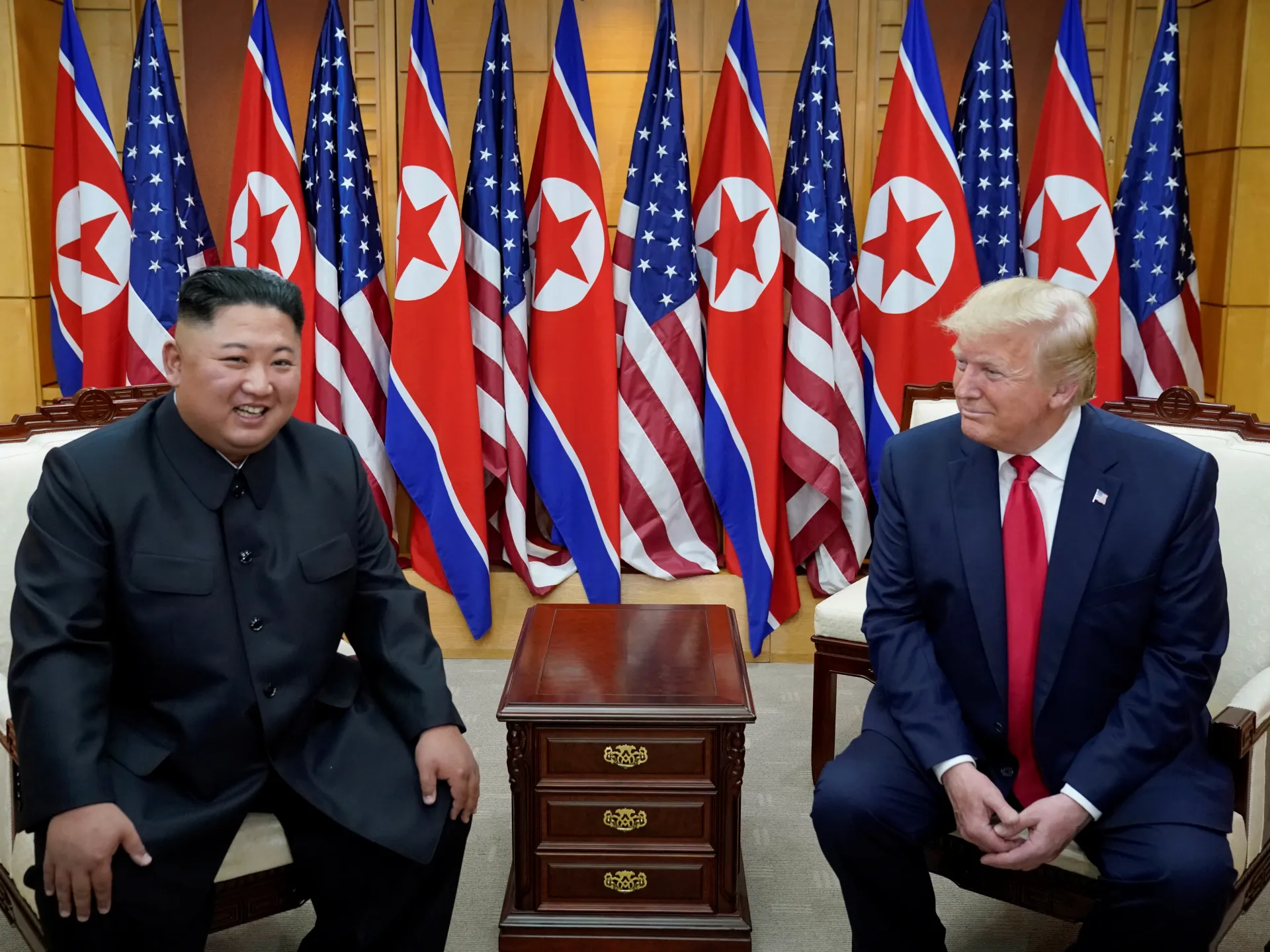
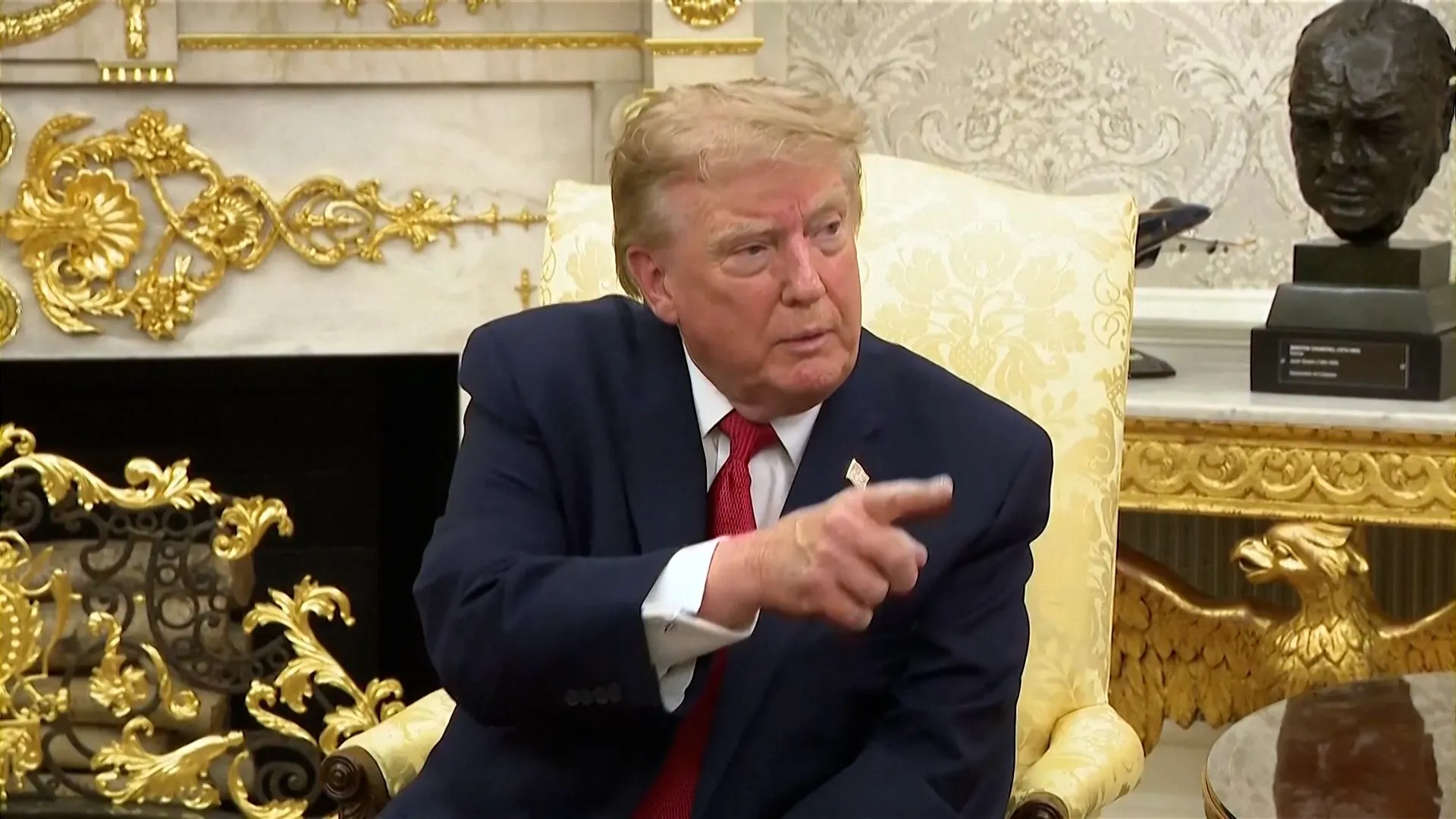
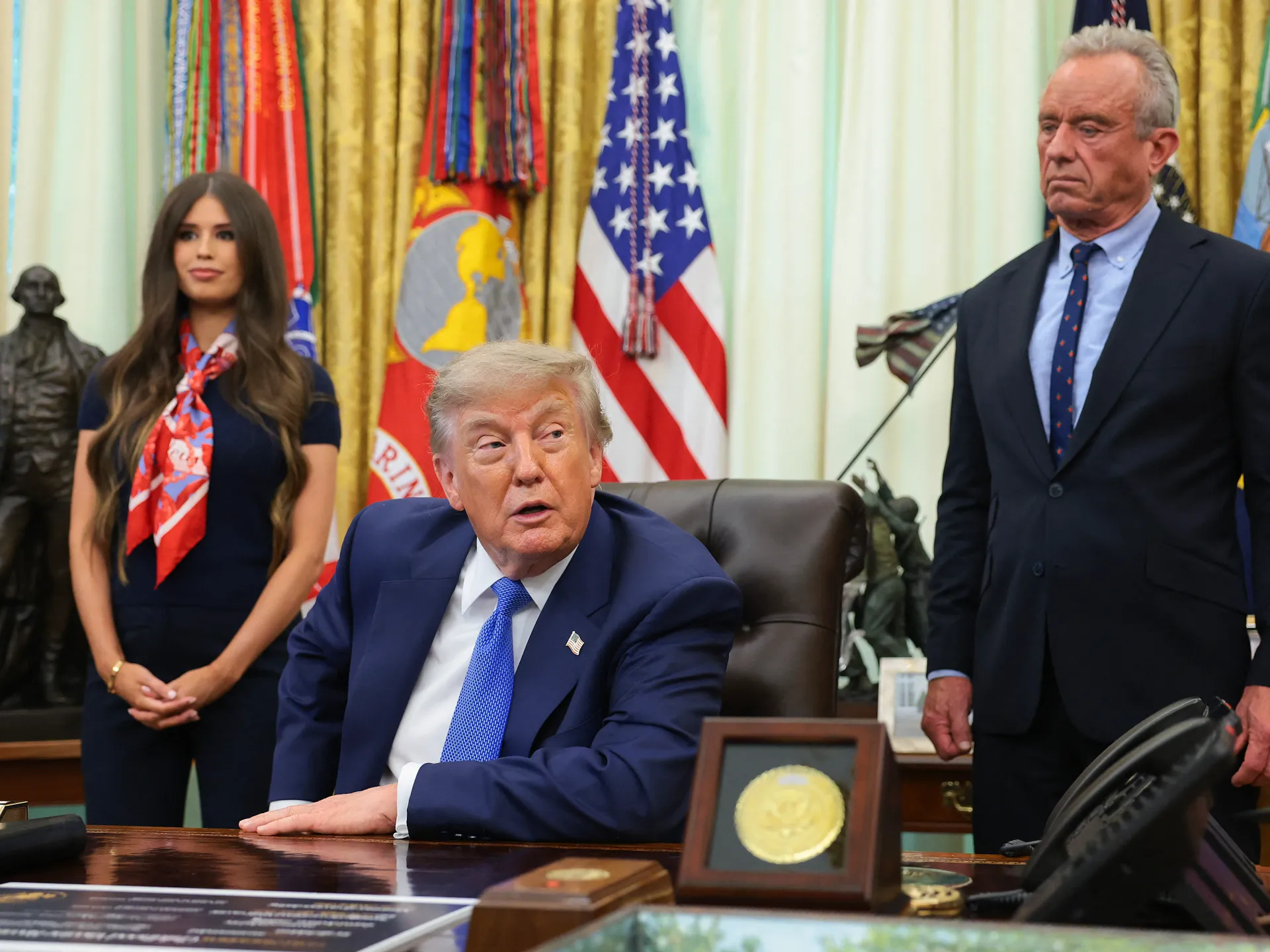
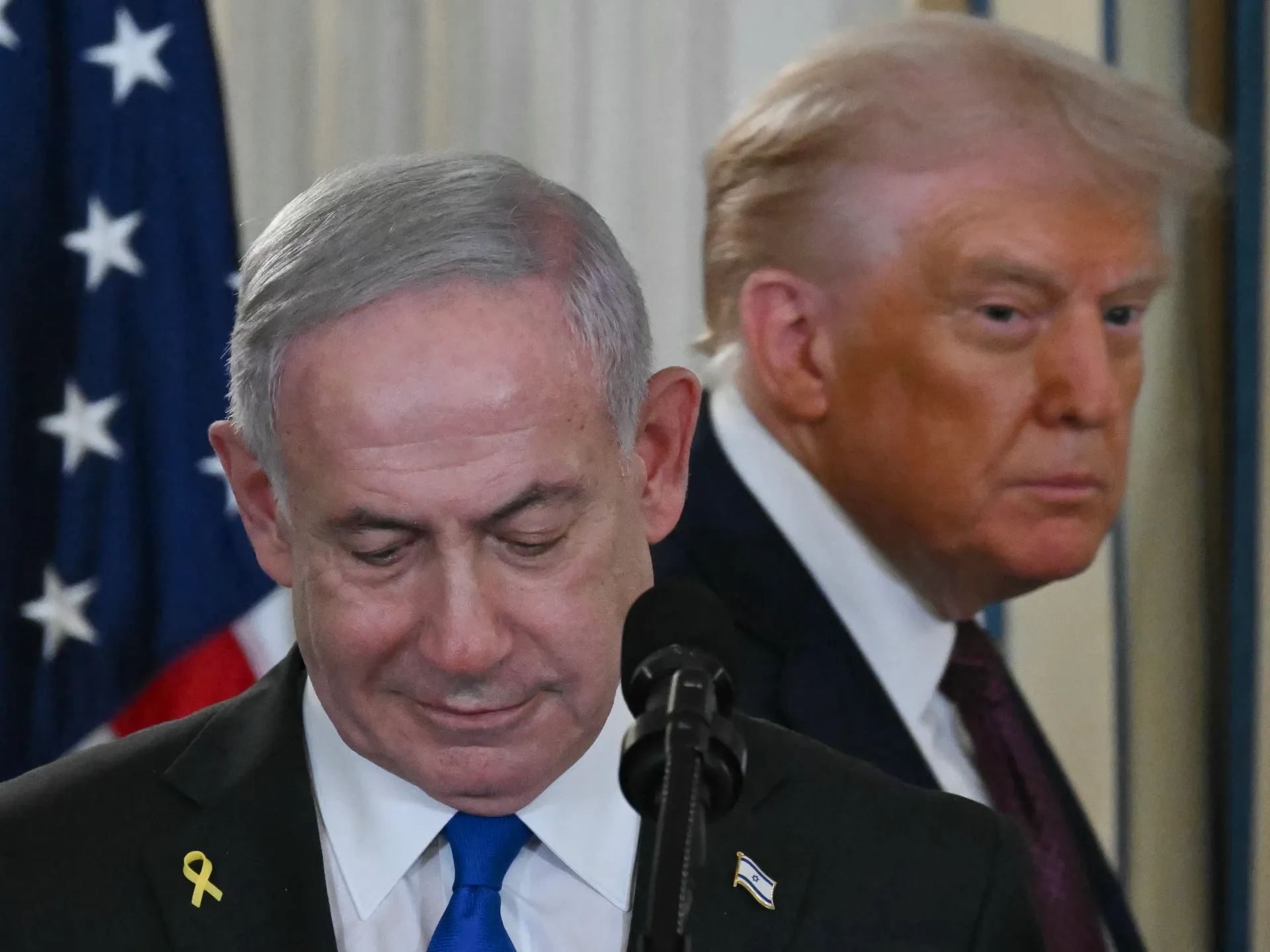
Contemporary political figures have frequently engaged with 9/11-related claims to serve specific agendas. For instance, former President Donald Trump has repeatedly inserted himself into the historical narrative of the day, making unsubstantiated claims about his personal experiences at Ground Zero and alleging, without evidence, that large groups of people cheered as the towers fell. Similarly, other prominent right-wing figures have questioned the established facts of the attack, ranging from the integrity of the Pentagon strike to the mechanics of the World Trade Center collapse.
More recently, these narratives have begun to pivot toward geopolitical targets, specifically implicating Israel in the events of 9/11. Prominent media personalities have leveraged growing public frustration over the war in Gaza to push claims that Israel possessed foreknowledge of the attacks and withheld it to manipulate US foreign policy. These unsupported allegations demonstrate how conspiracy theories are highly adaptive; they recycle older, debunked tropes and repackage them to align with contemporary grievances and shifts in public sentiment regarding international relations.
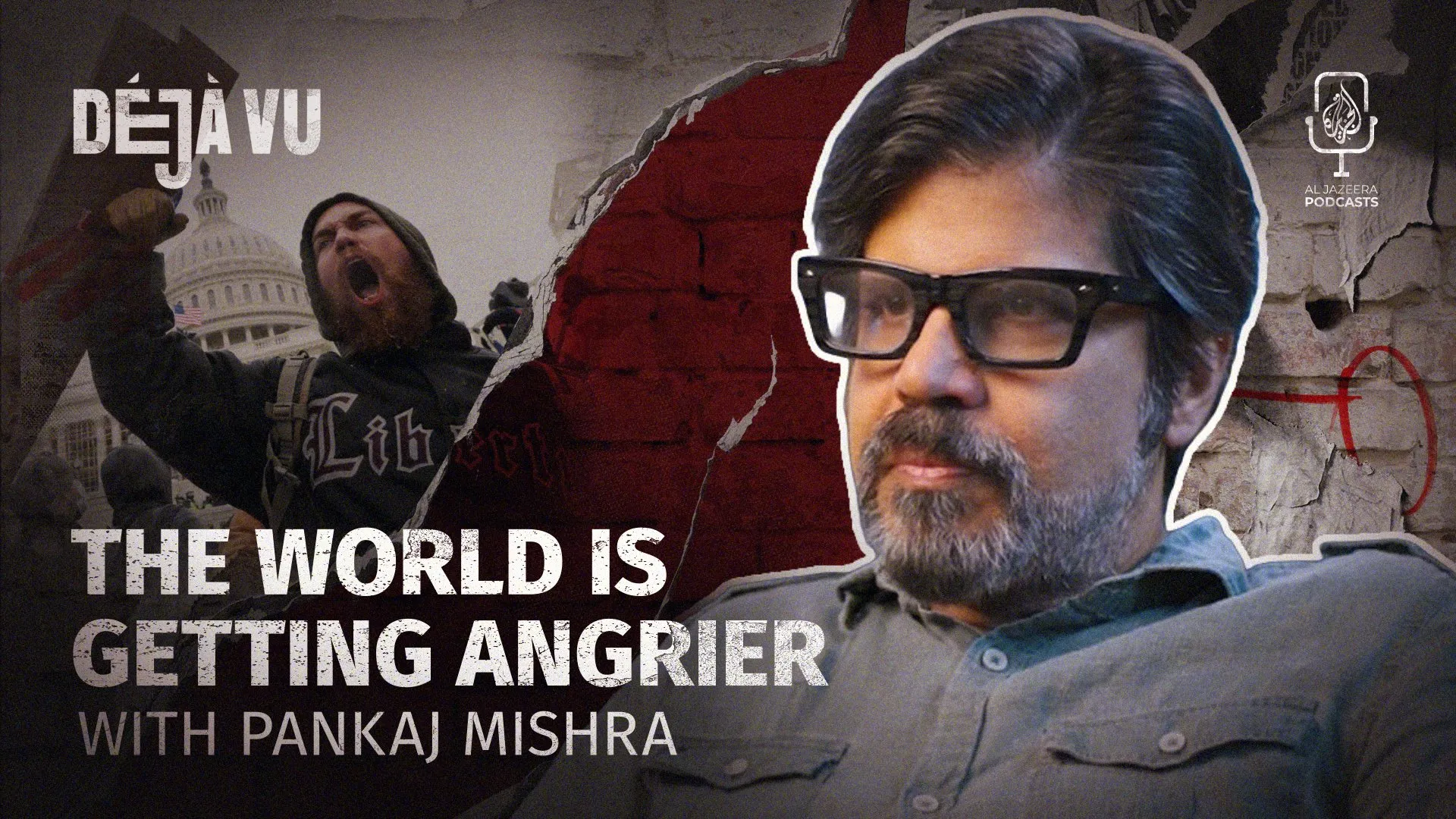
The danger of this trend lies in the mainstreaming of individuals who promote these ideas. When influential figures, who possess significant reach and political power, champion conspiratorial thinking, it erodes the shared reality necessary for a functioning democracy. The events of January 6, 2021, serve as a stark reminder of how online conspiracy theories can manifest in real-world violence, as slogans and imagery from movements like QAnon were visible among those storming the US Capitol.