

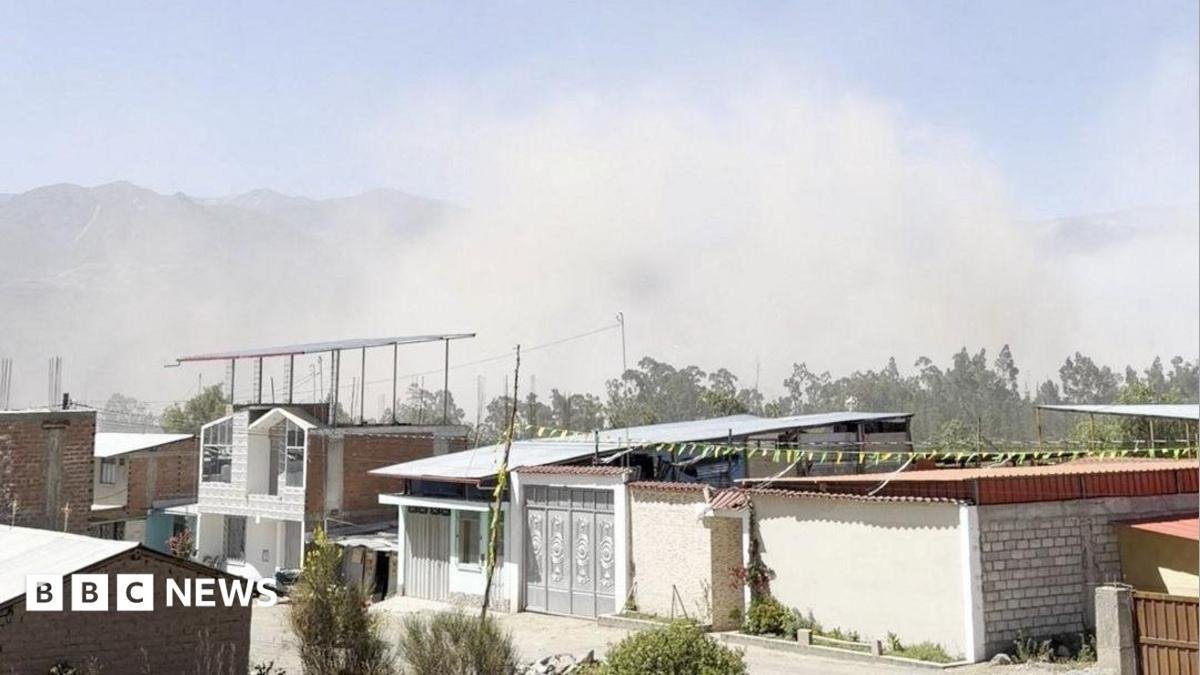
A magnitude 6.7 earthquake in Peru's Ayacucho region has damaged dozens of homes and schools, leaving thousands without power while officials coordinate emergency responses.
A powerful earthquake recently shook southern Peru, causing significant structural damage and disrupting essential services in the Ayacucho region. The tremor, which occurred near the remote settlement of Aniso, prompted an immediate response from civil defense authorities as they assessed the impact on local infrastructure. While the epicenter was situated in a mountainous area of the Andes, the effects of the seismic event were felt across a broad swath of the country, including in the capital city of Lima, located hundreds of miles away.
According to data provided 7. However, local monitoring entities, specifically the Geophysical Institute of Peru, recorded a higher magnitude of 7.2. The discrepancy in readings highlights the complexities of seismic measurement, yet both figures indicate a significant event capable of causing substantial damage to properties and public facilities. The quake occurred at a depth of approximately 62 miles, which likely mitigated the potential for total destruction in the immediate vicinity of the epicenter.
The impact of the earthquake was felt most acutely in the residential and educational sectors. Government officials confirmed that dozens of homes were damaged, along with several schools throughout the region. The National Institute of Civil Defence reported that at least 22 homes suffered structural compromise, while educational facilities—nine in total—also sustained damage. These figures underscore the vulnerability of infrastructure in remote Andean communities when faced with high-magnitude seismic events.
Beyond residential and academic buildings, the regional healthcare network was also affected. Reports indicate that 10 healthcare facilities within the Ayacucho region sustained some form of damage, with two additional facilities affected in the neighboring Cusco region. Despite these structural concerns, health officials confirmed that these facilities remained operational, ensuring that medical services for the local population were not interrupted during the critical hours following the earthquake.
One of the most immediate consequences of the earthquake was the loss of electrical power for thousands of residents. Approximately 9,000 properties were left without electricity as a result of the tremor. Emergency crews were dispatched to restore power lines and assess the stability of the grid, prioritizing critical infrastructure and public safety in the wake of the disturbance. Defense ministry officials have been actively coordinating the emergency response to ensure that aid reaches the affected populations in the Ayacucho region.
Regarding human casualties, officials have expressed a sense of relief that the injuries reported were not life-threatening. Three individuals were confirmed injured, though none suffered serious harm. This low casualty rate is often attributed to the relatively remote location of the epicenter and the depth at which the earthquake occurred, which likely reduced the intensity of the shaking experienced in densely populated areas.
Peru sits directly along the intersection of the Nazca and South American tectonic plates, a region famously known for its high level of seismic activity. This geological reality makes the country particularly susceptible to frequent and sometimes devastating earthquakes. The recent event in Ayacucho is part of a broader pattern of seismic instability affecting South America, which has seen several major quakes in recent months, including significant events in neighboring Colombia and Venezuela.
The recurrence of such events serves as a constant reminder of the necessity for robust disaster preparedness and resilient building codes. As the country moves into the recovery phase, authorities continue to monitor for aftershocks and evaluate the long-term integrity of the damaged structures. The coordination between national defense agencies and local civil protection teams remains the cornerstone of Peru’s strategy to mitigate the risks associated with its precarious tectonic position.