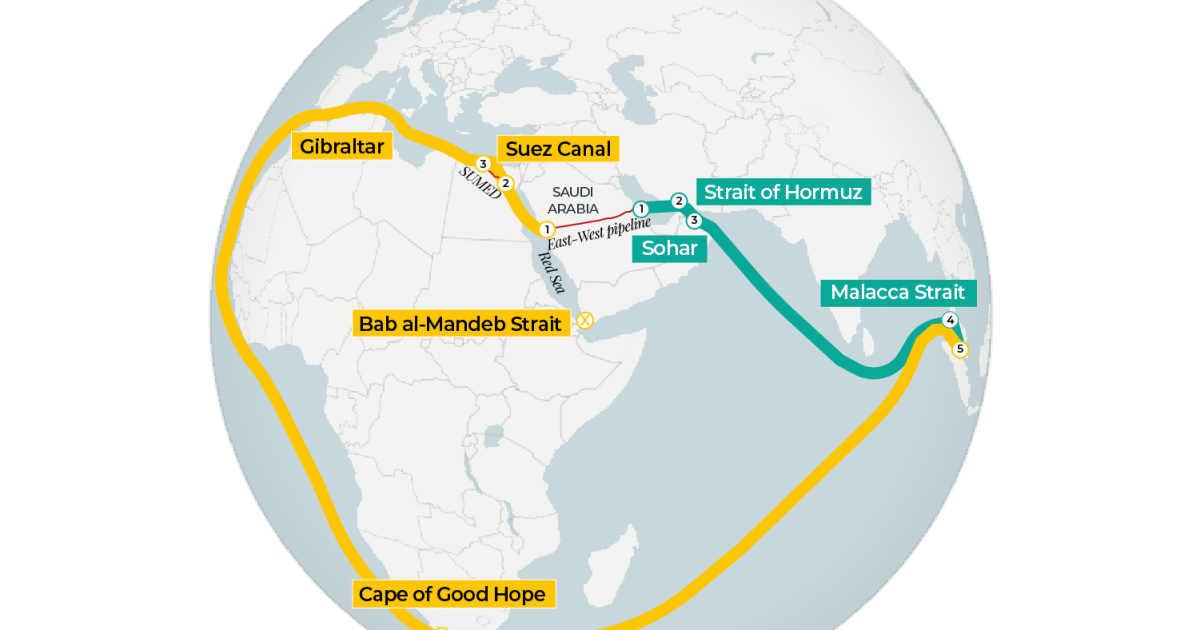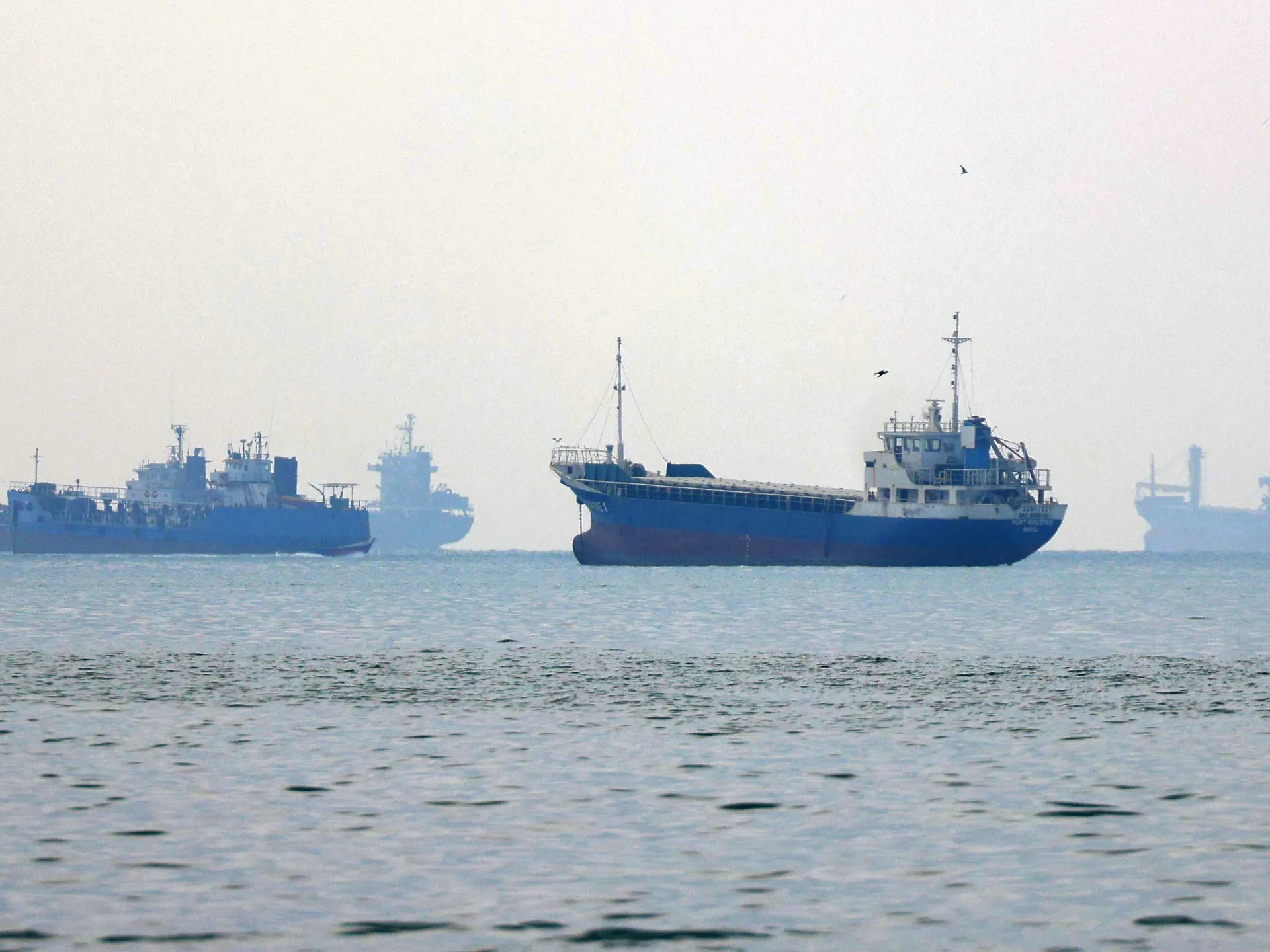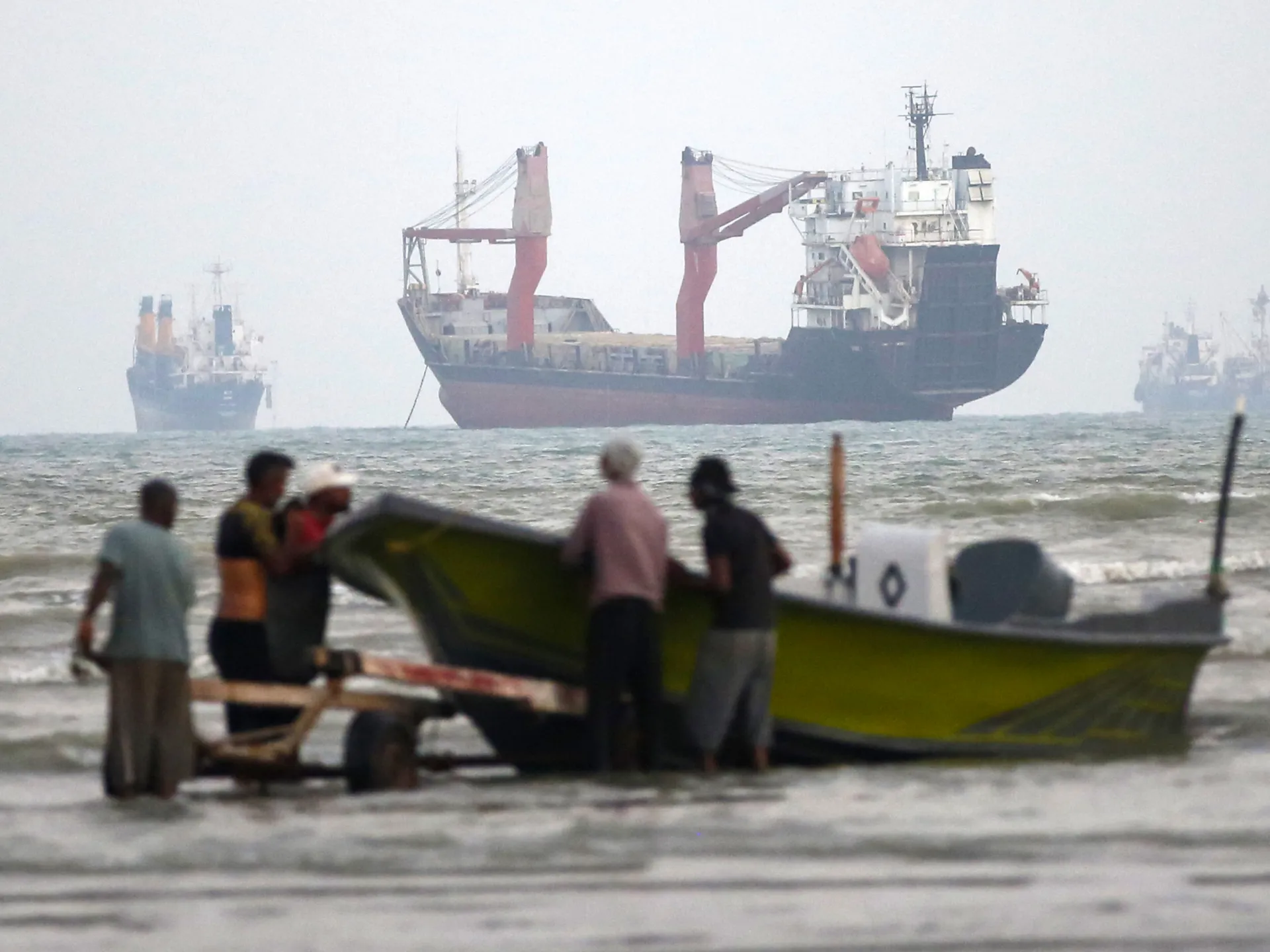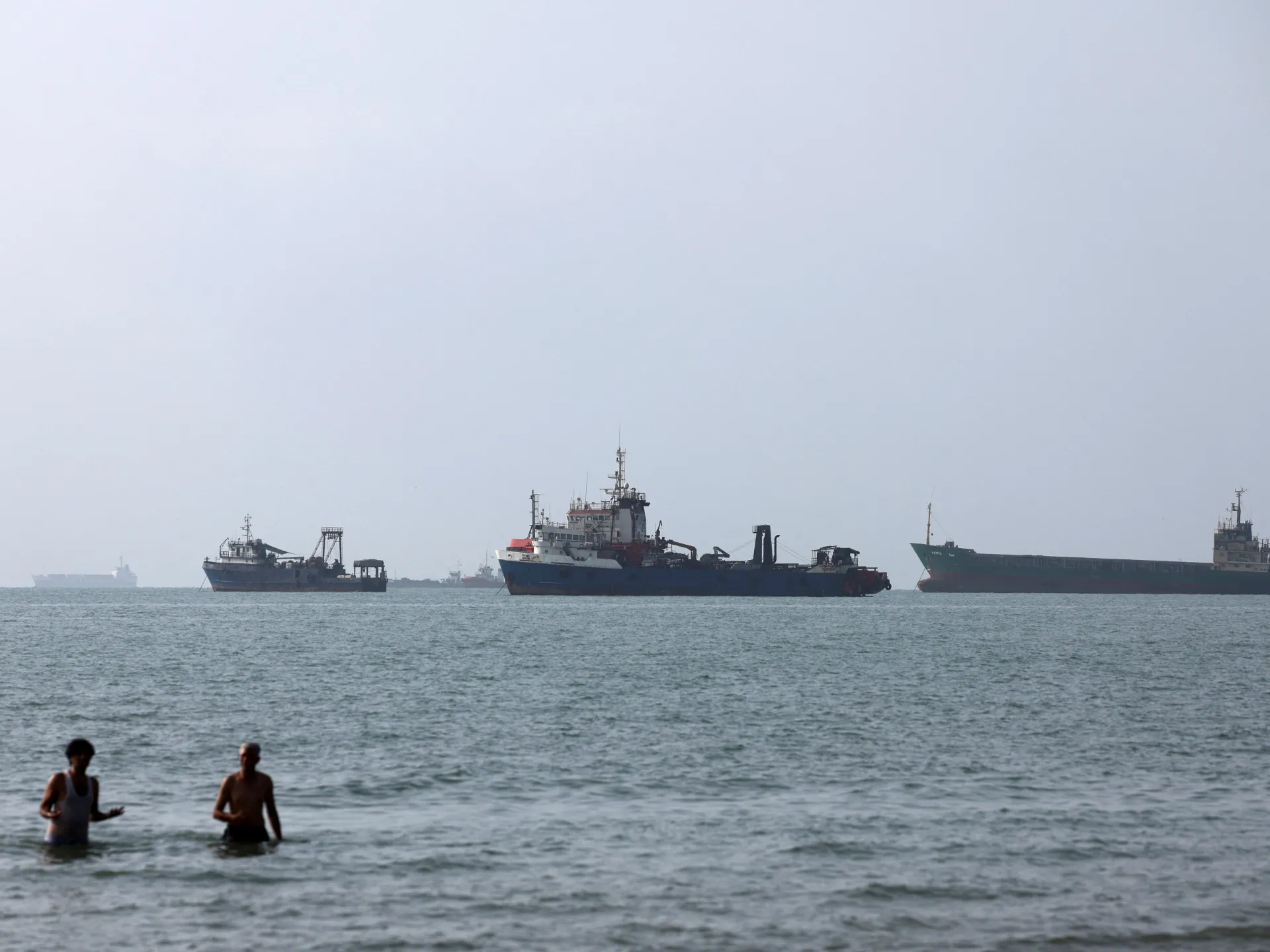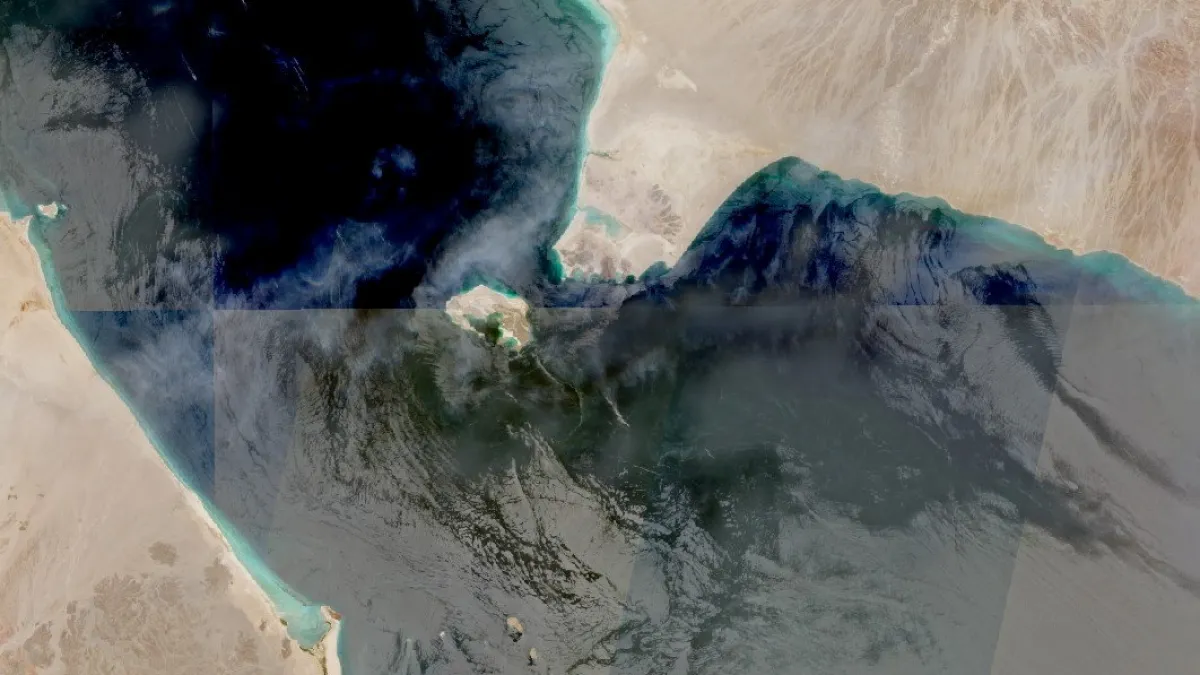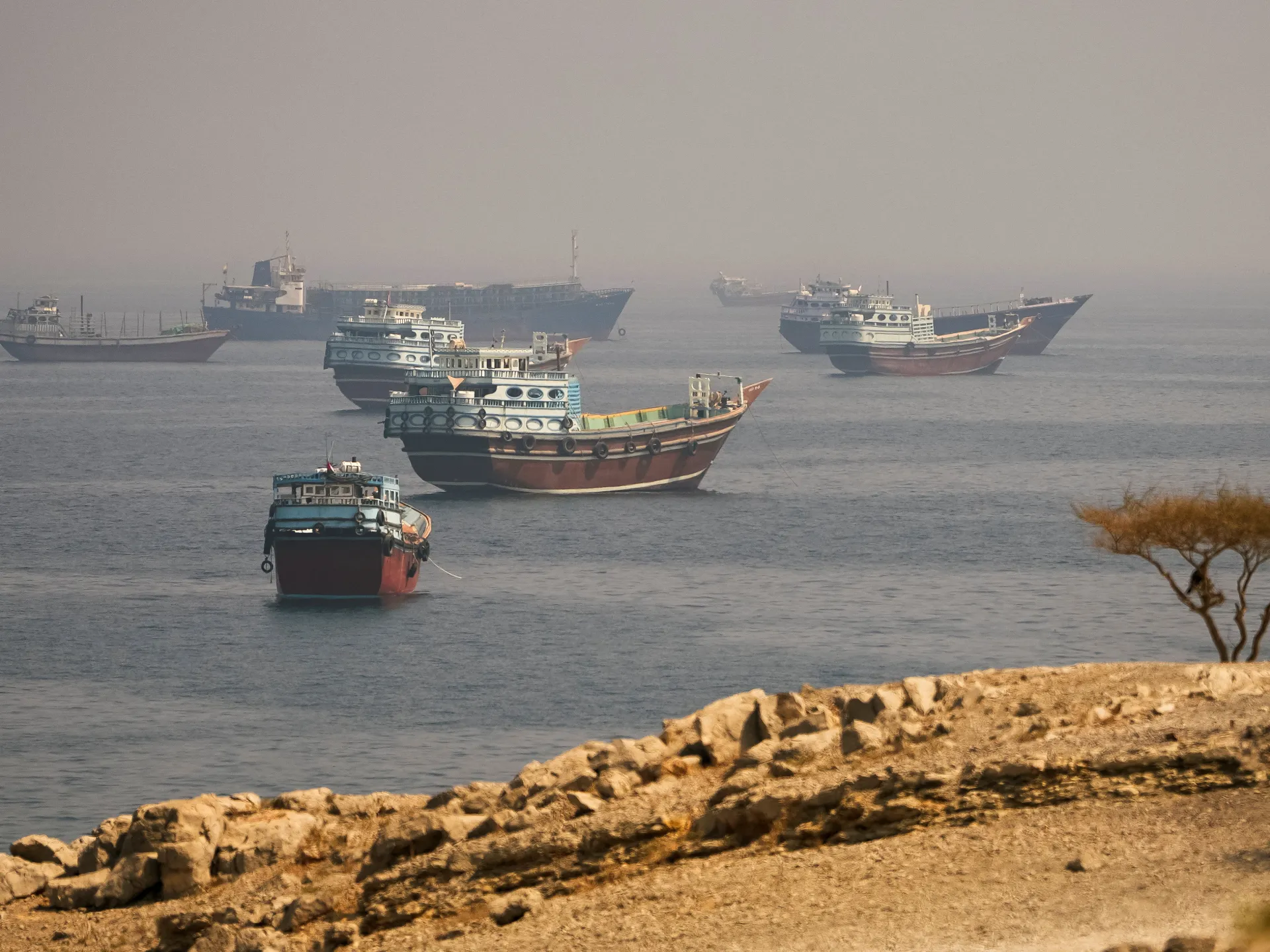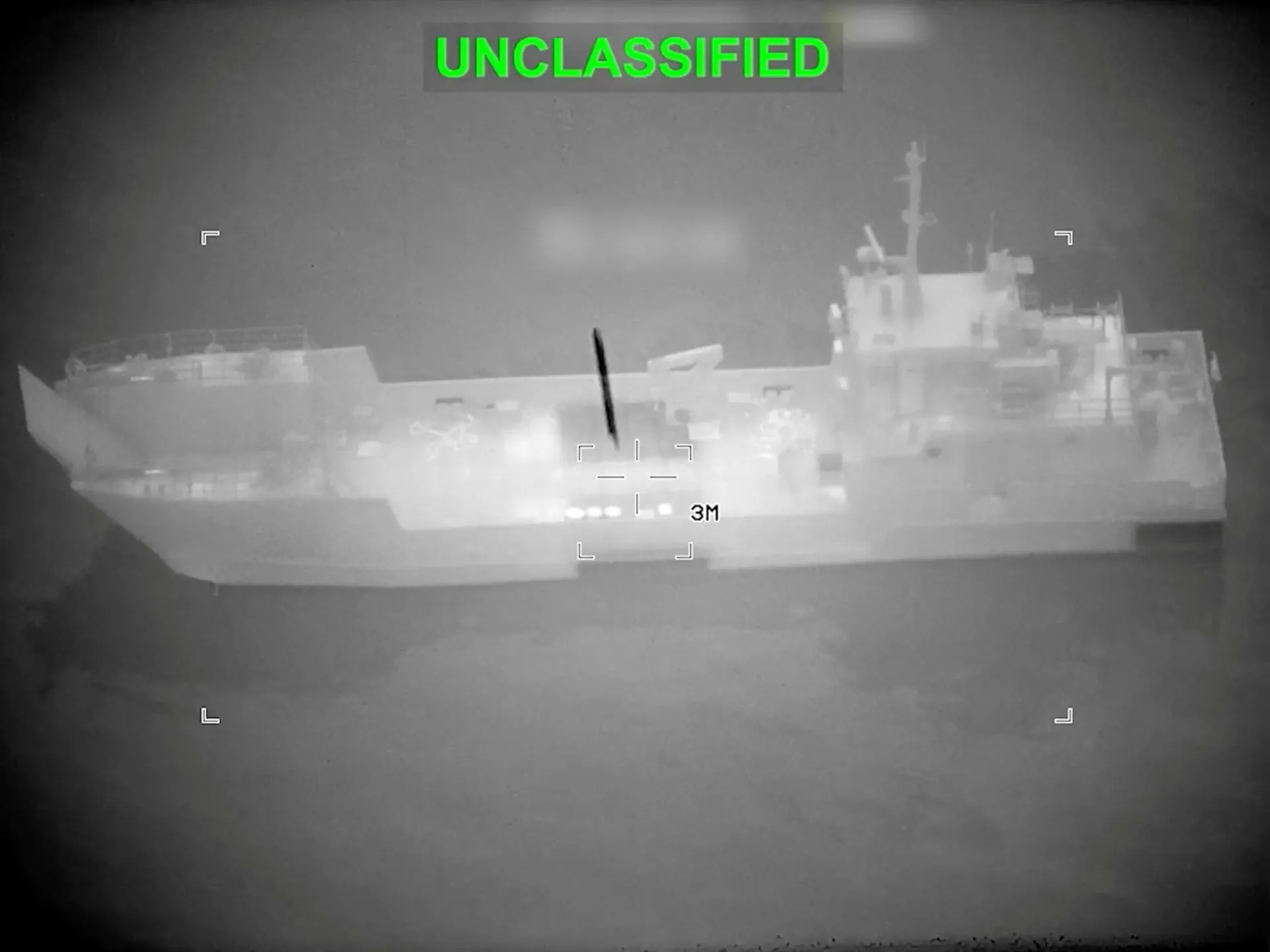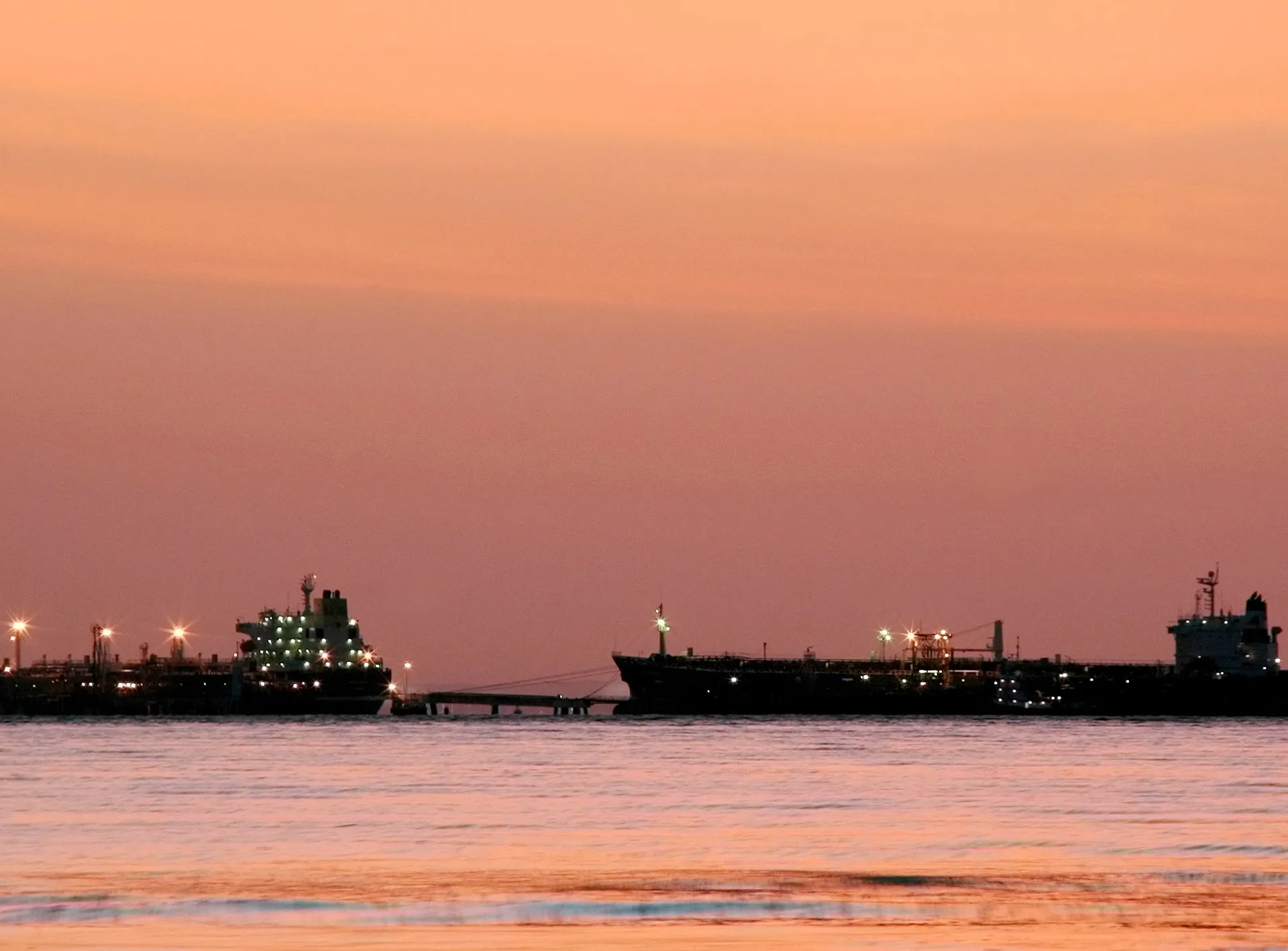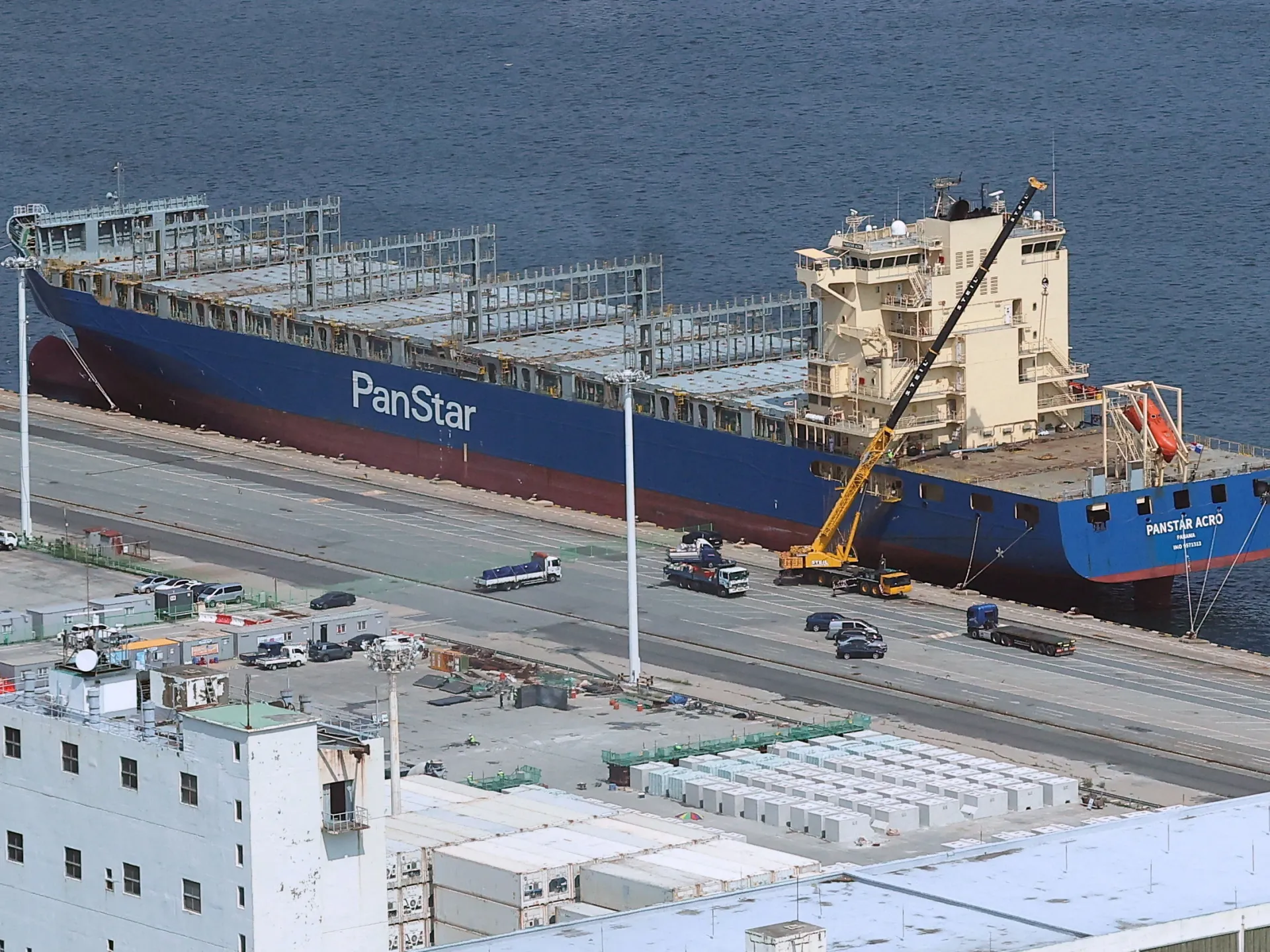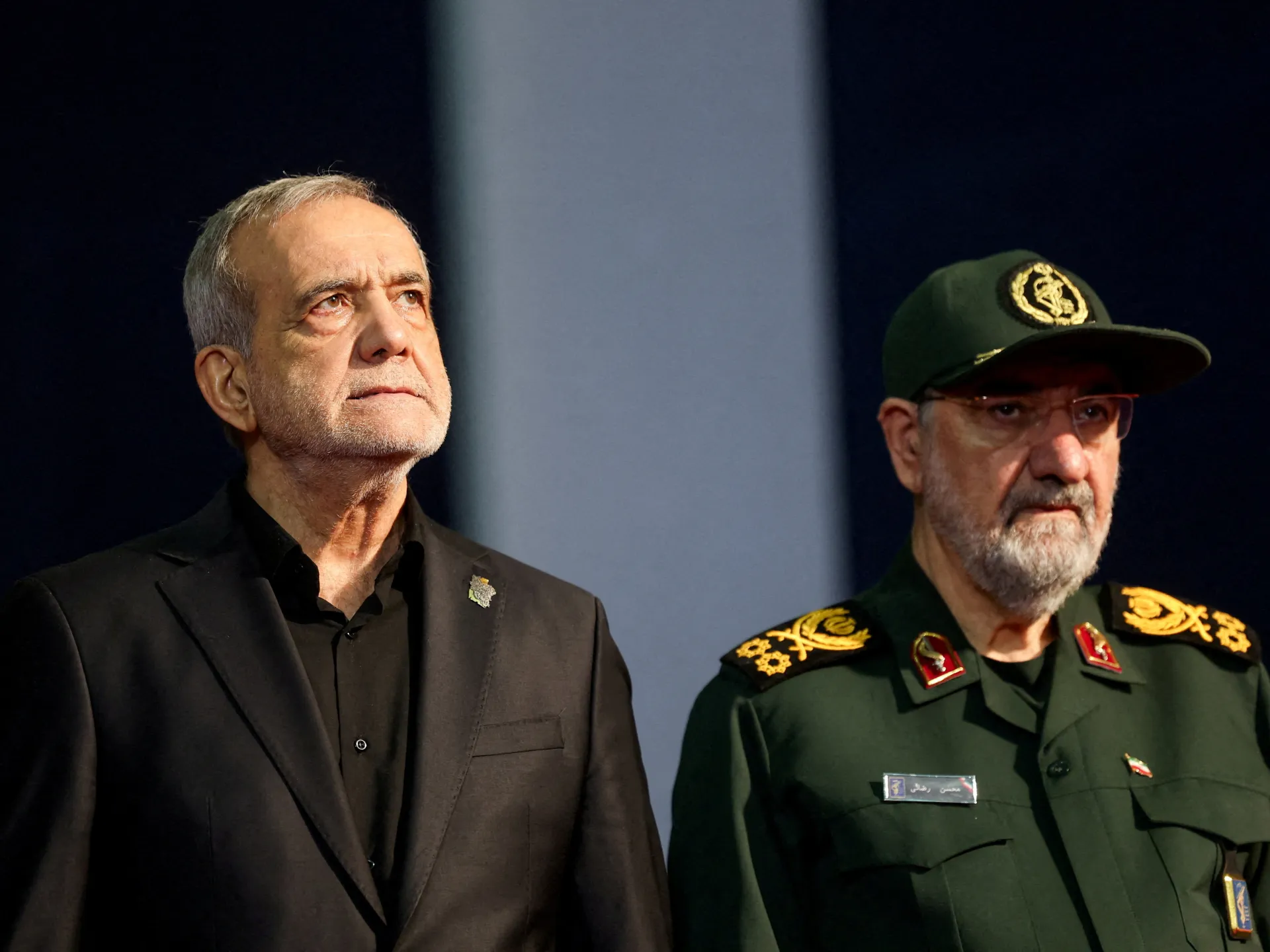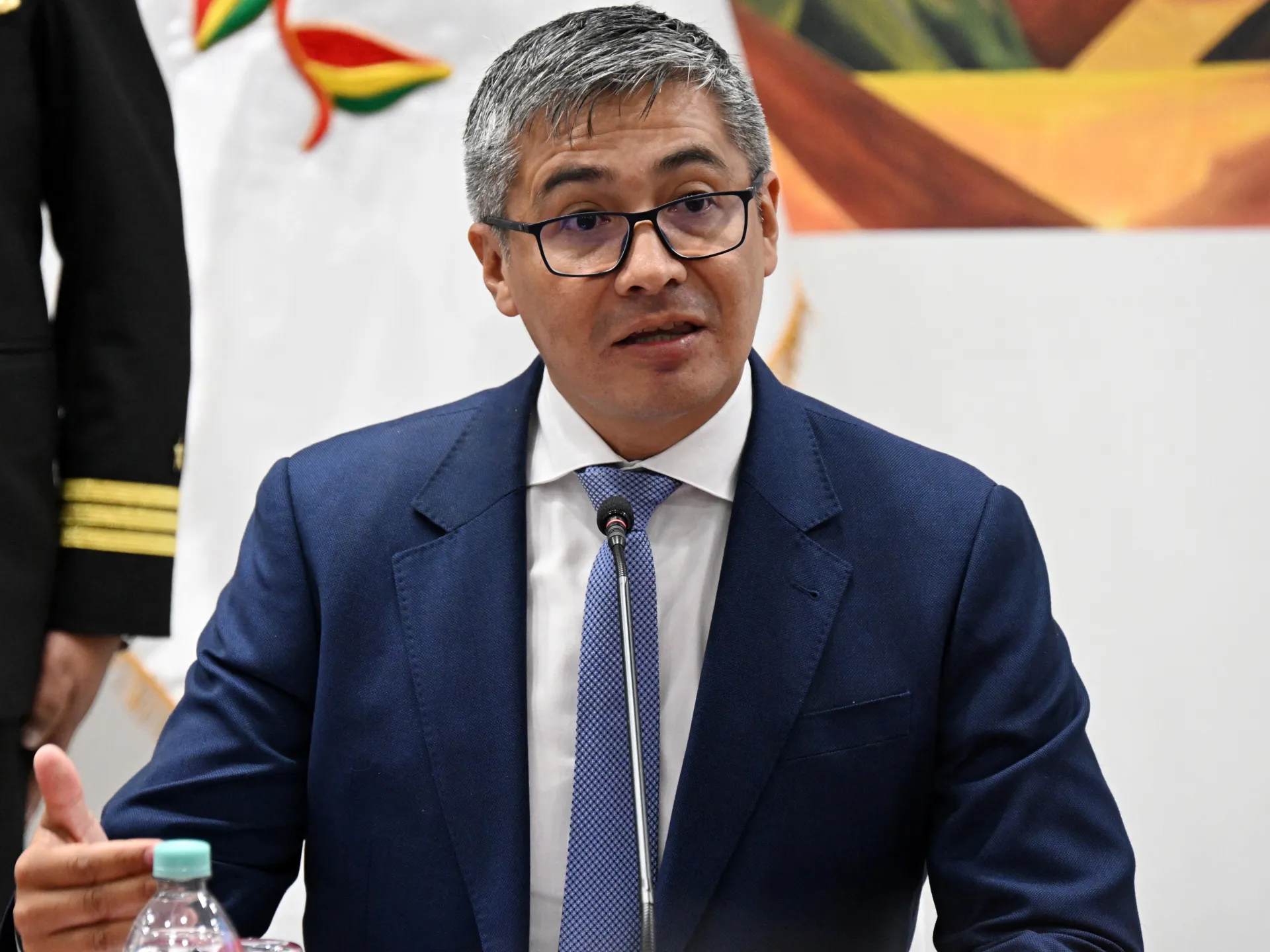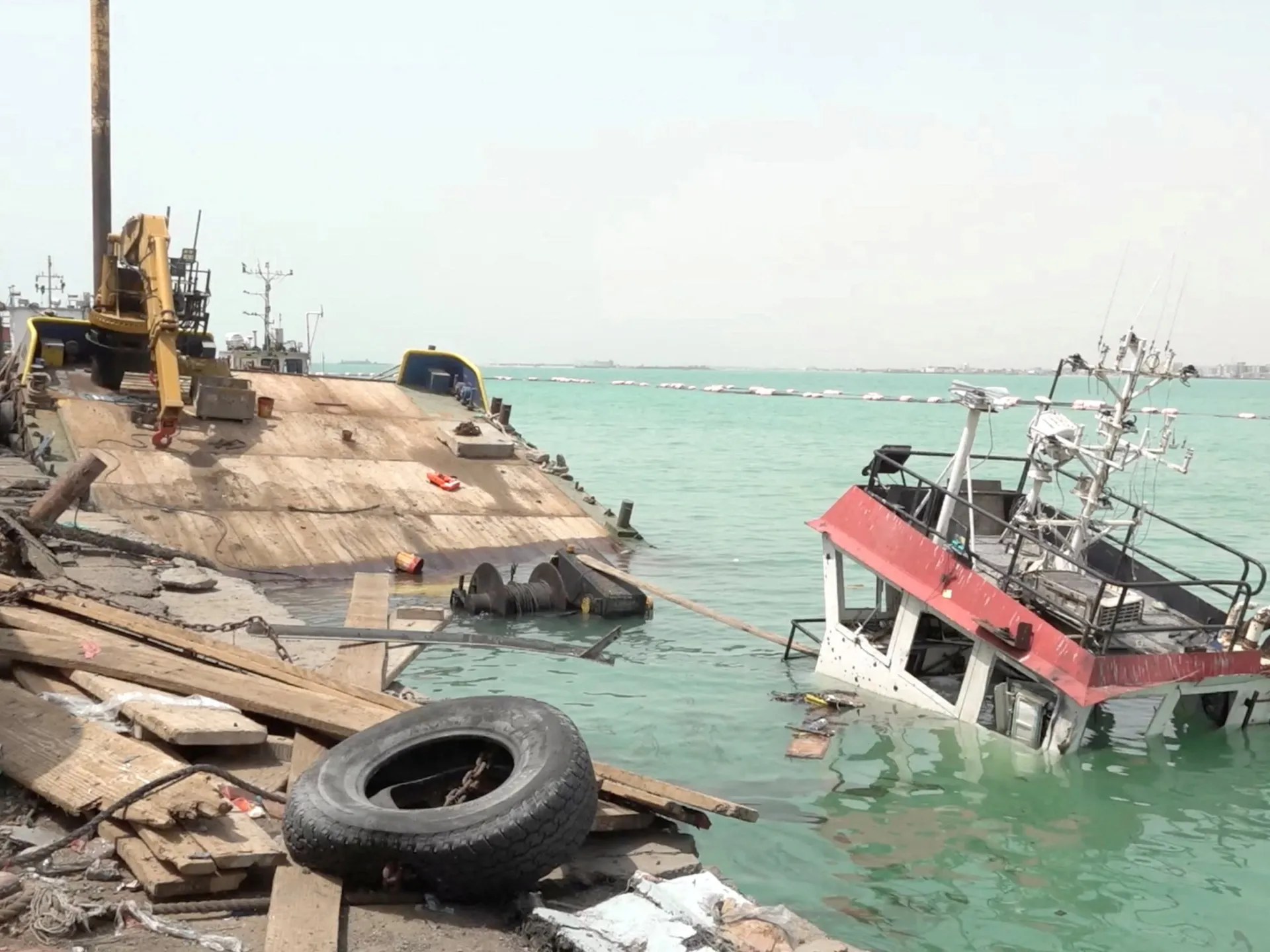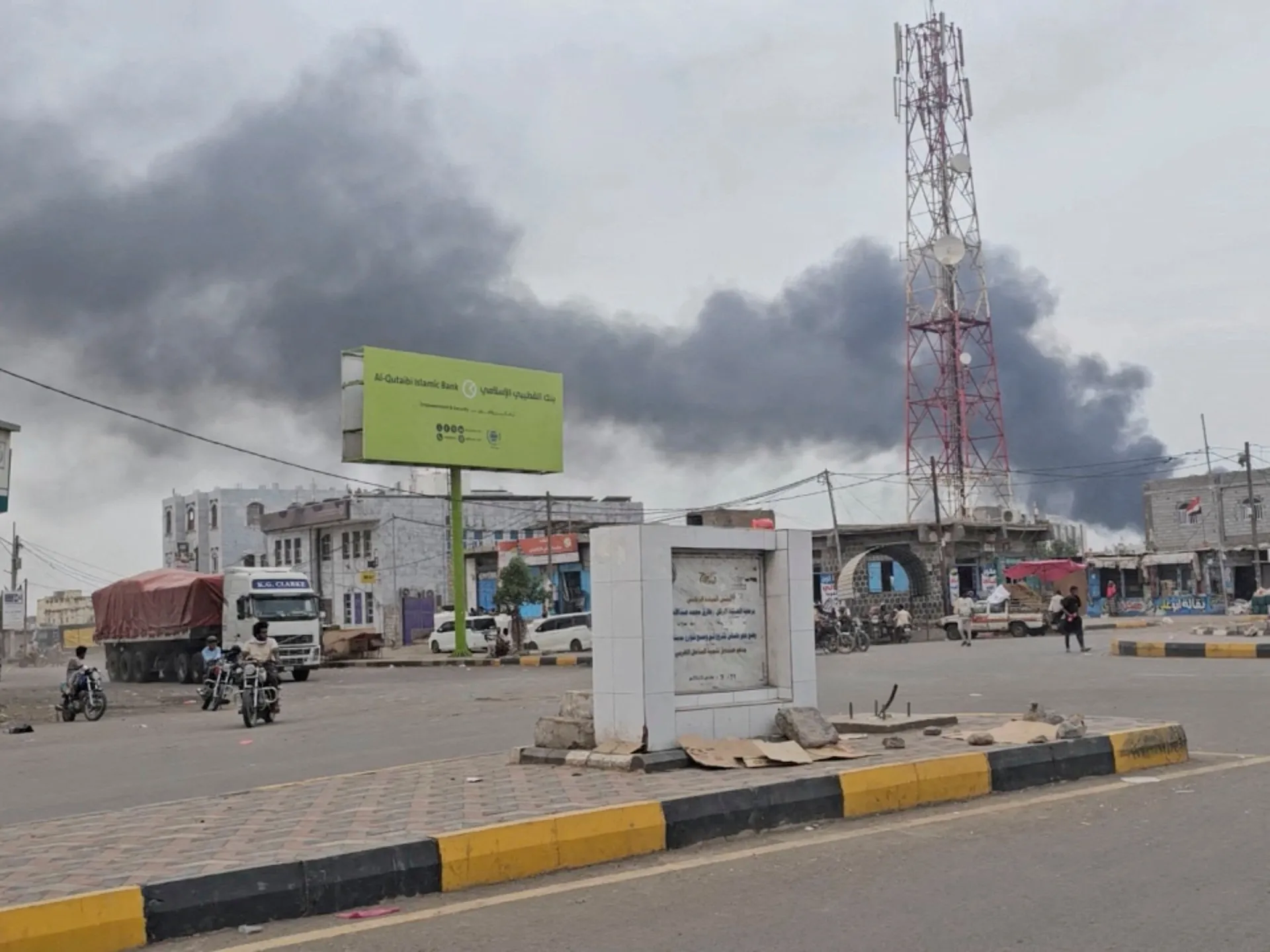
Recent developments at the Bab al-Mandeb strait signal a profound shift in regional security, as the U.S. pivots away from its traditional role as the primary guarantor of maritime energy routes.
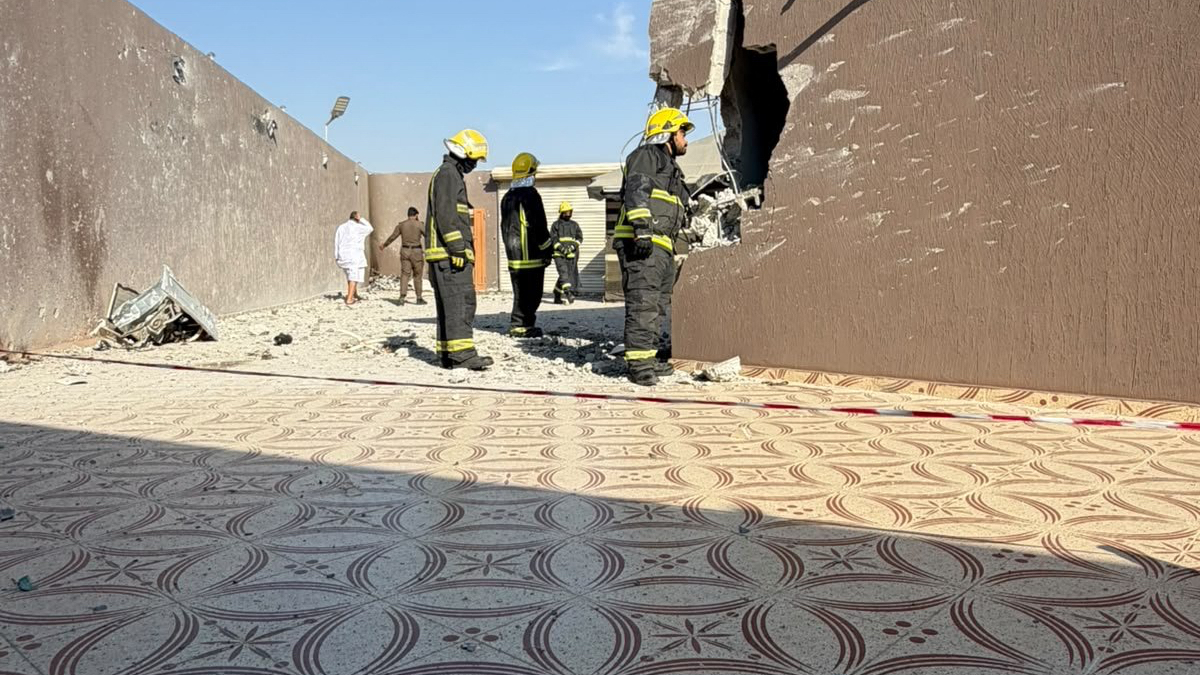
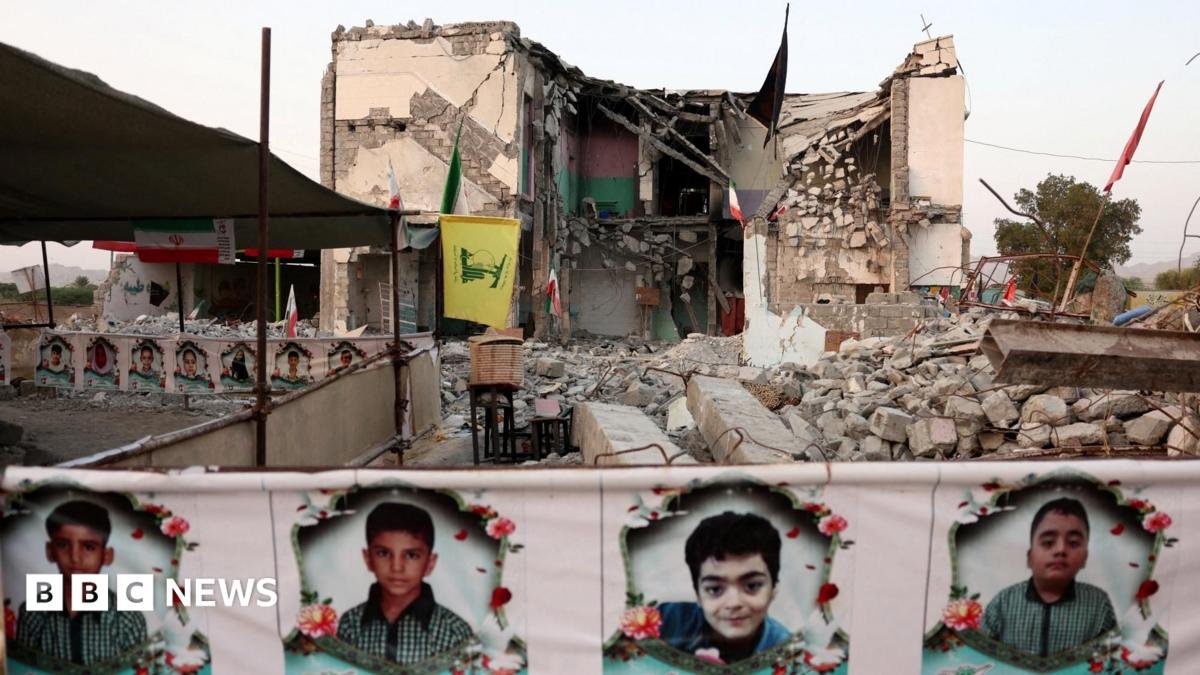
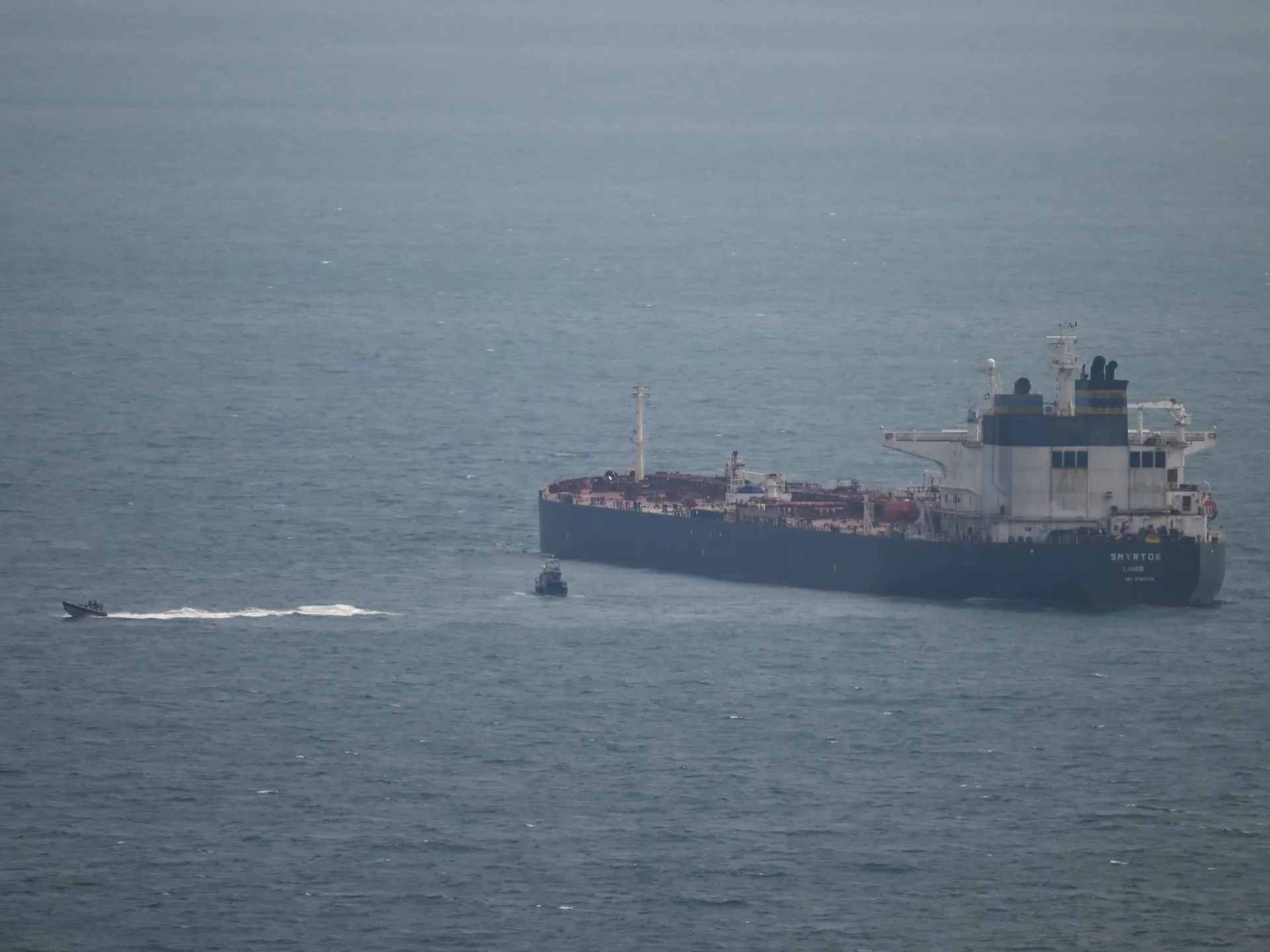
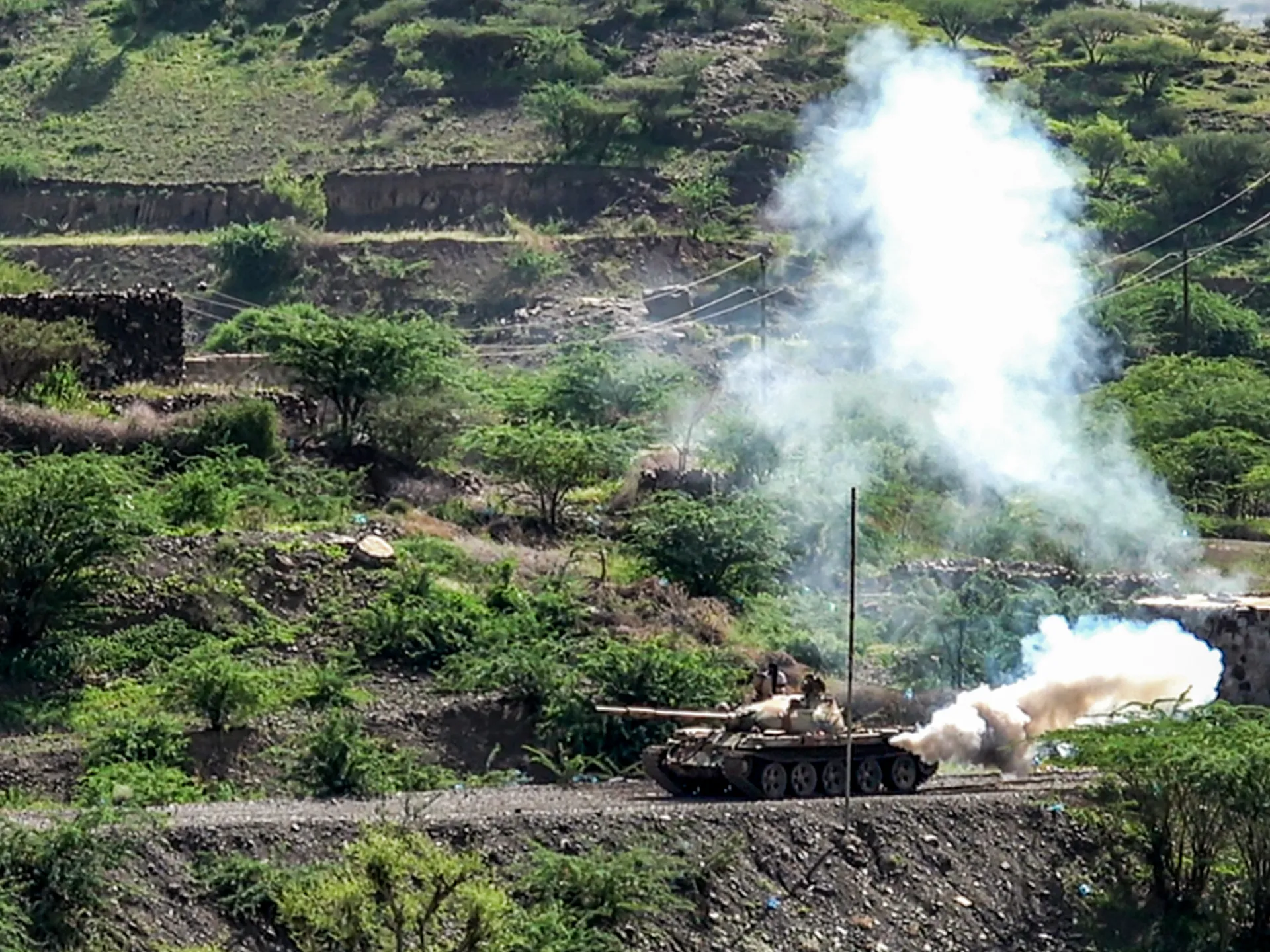
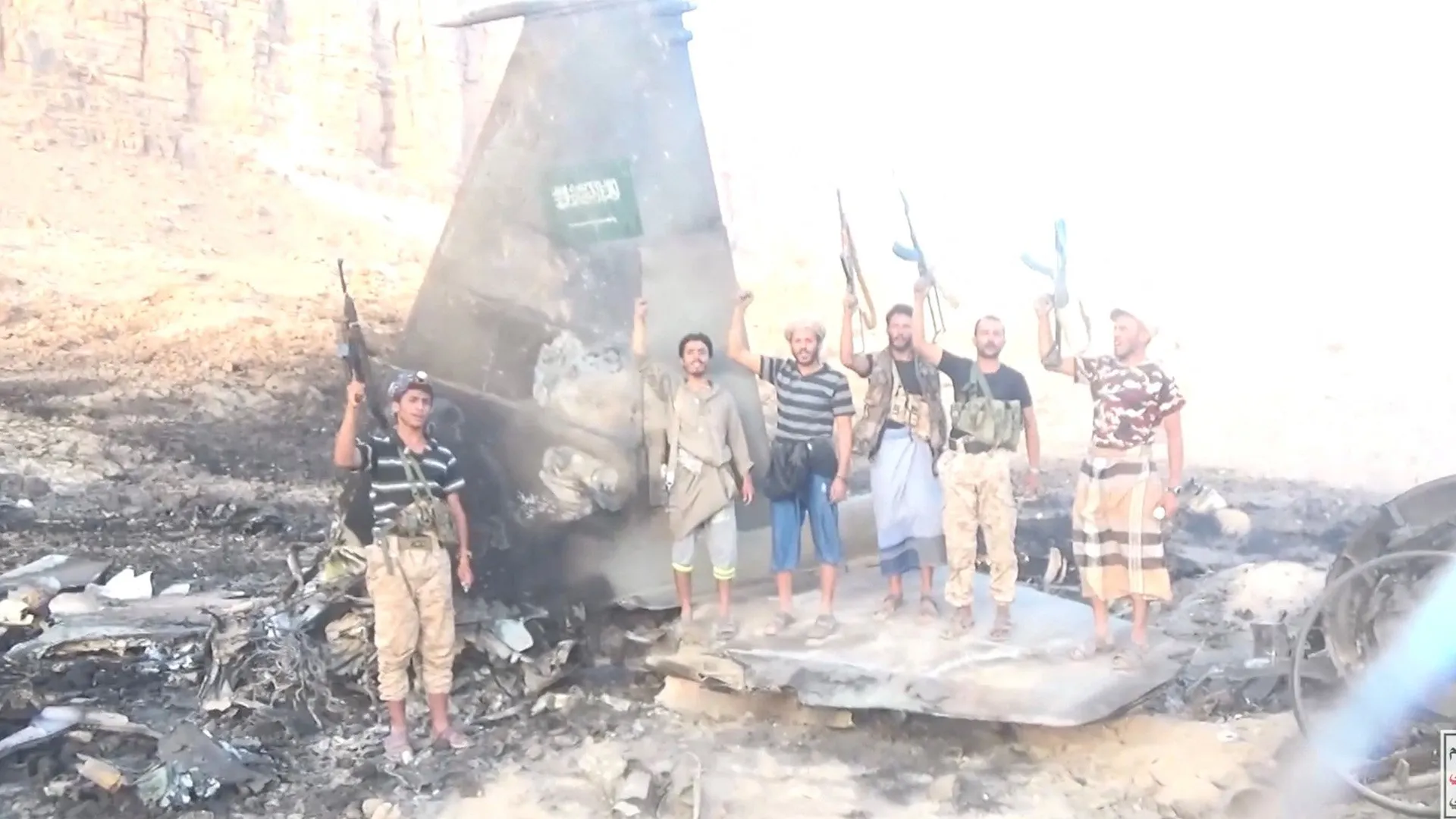
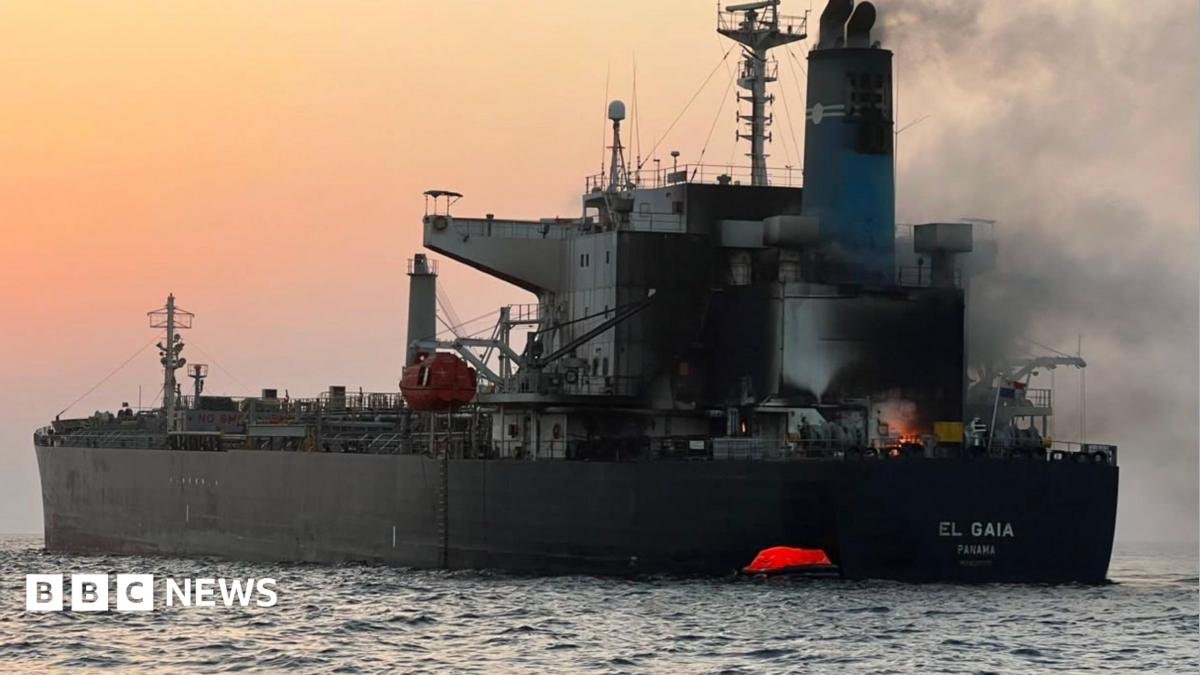
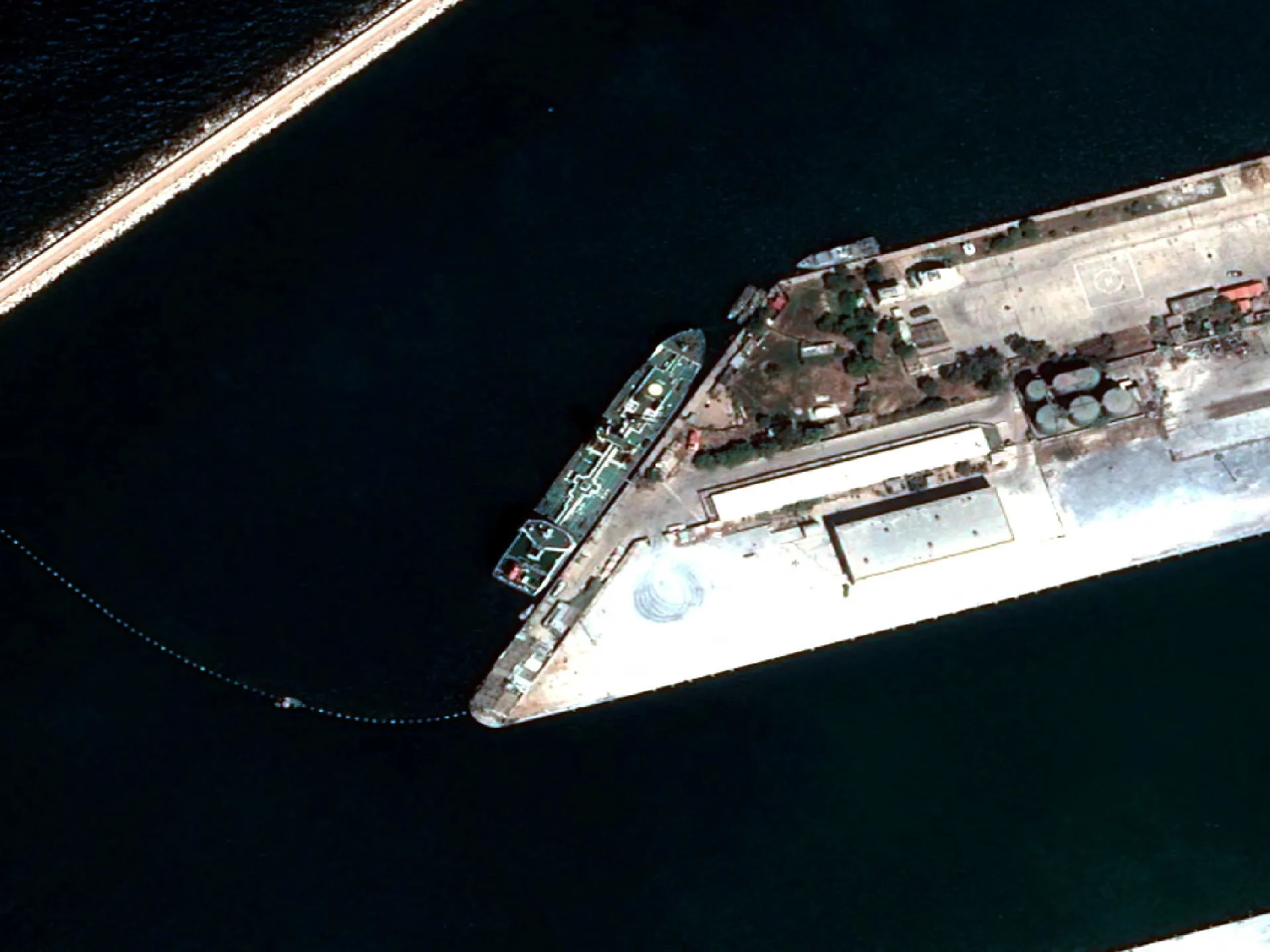
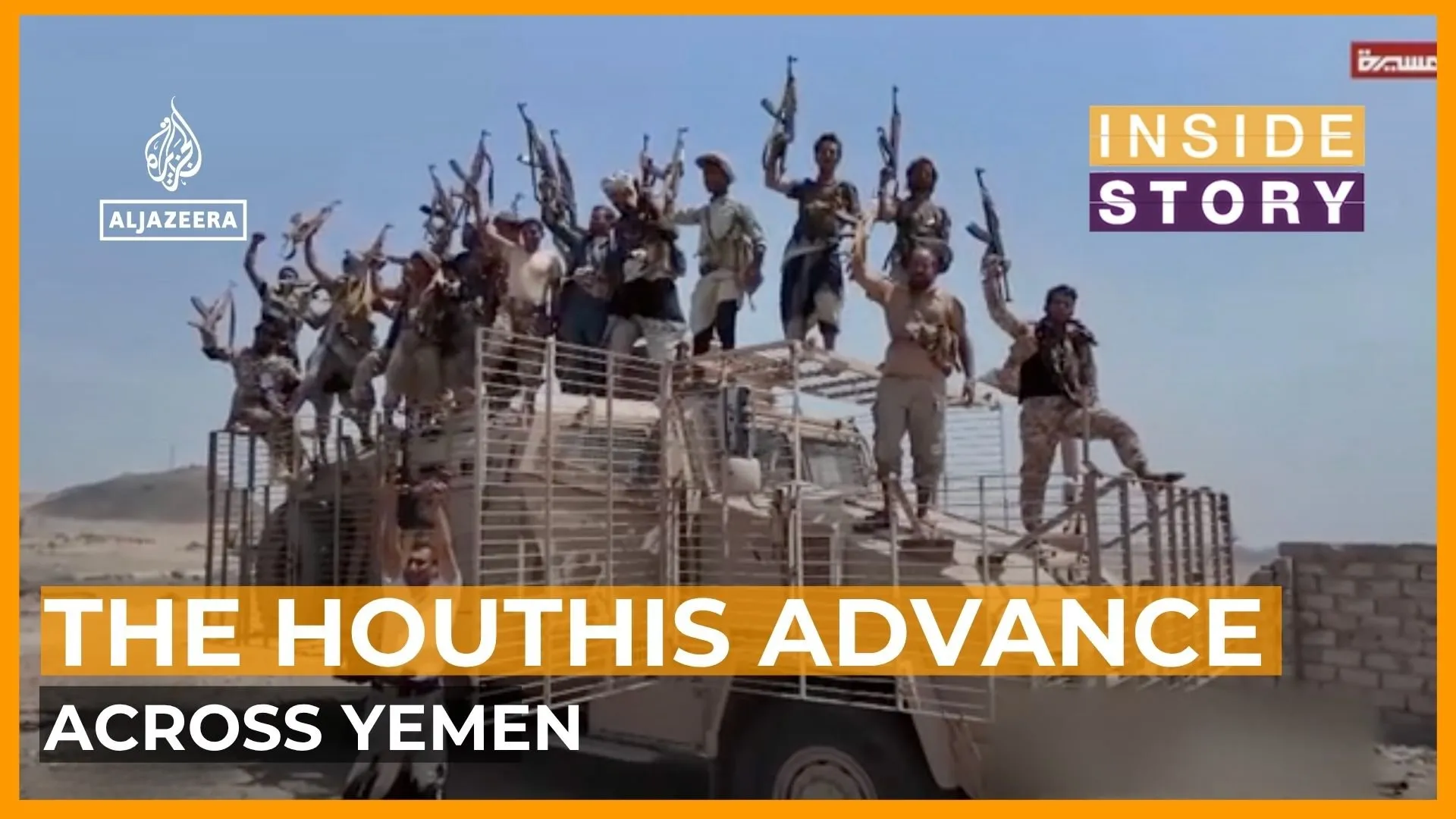
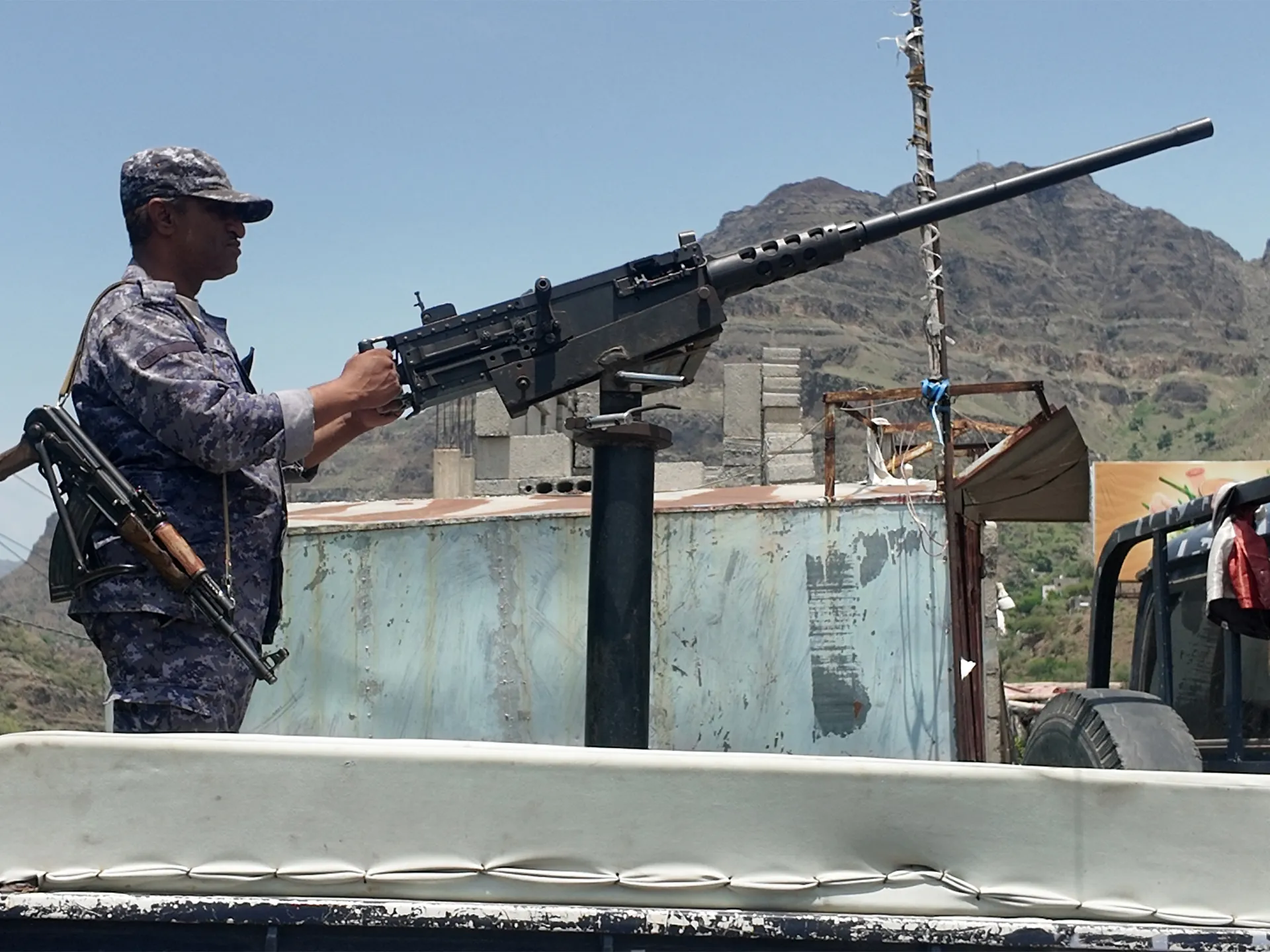
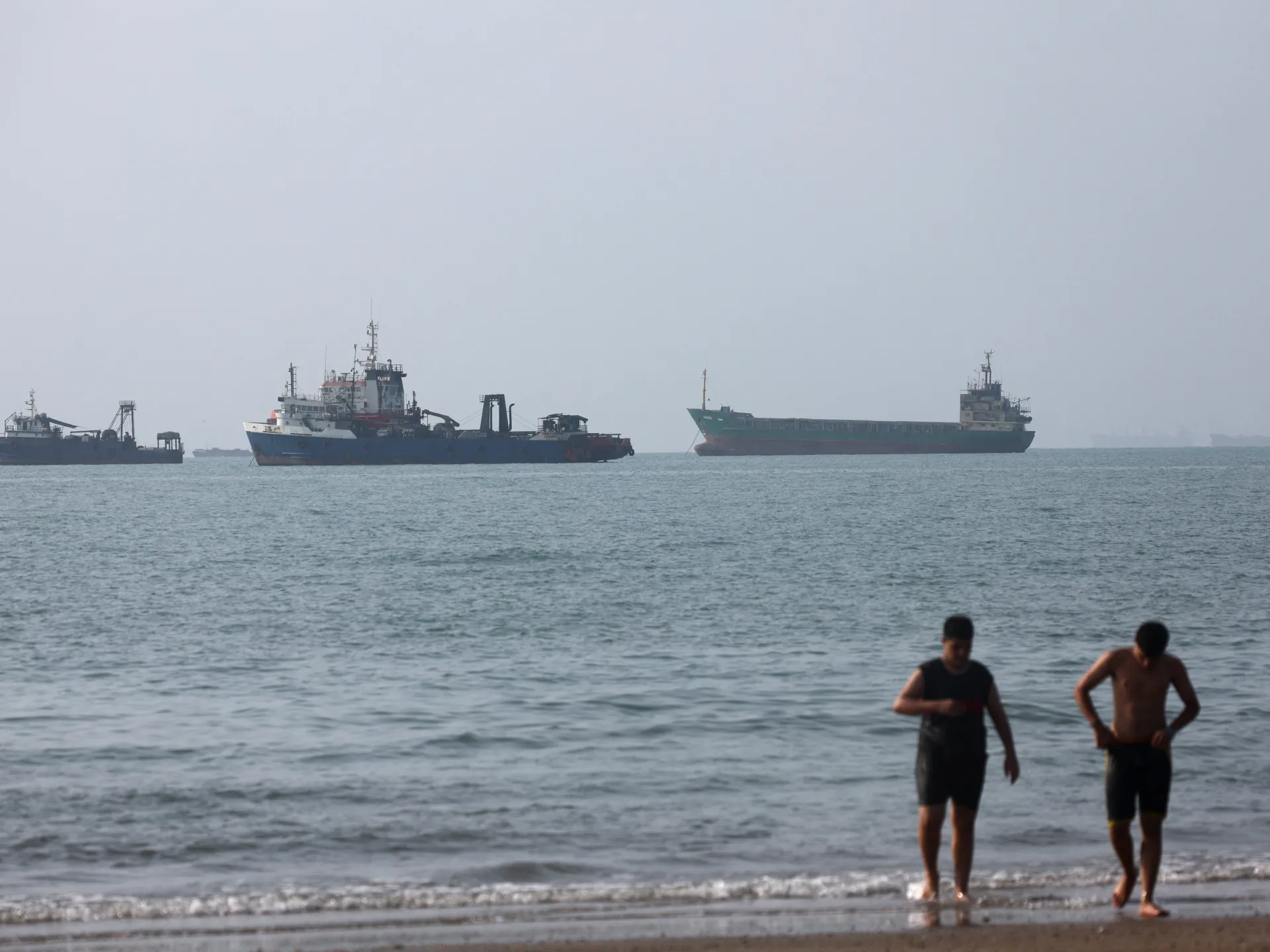
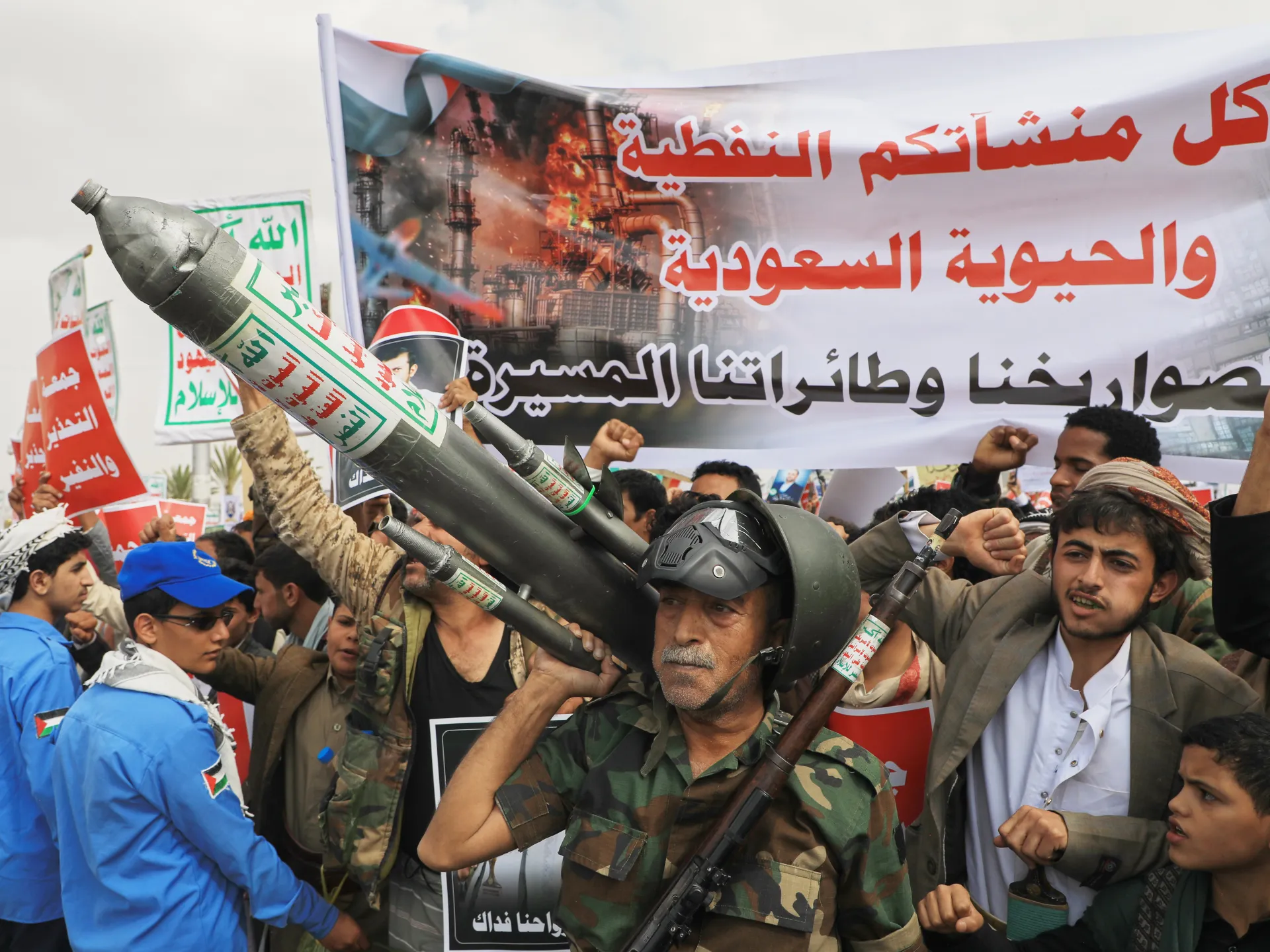
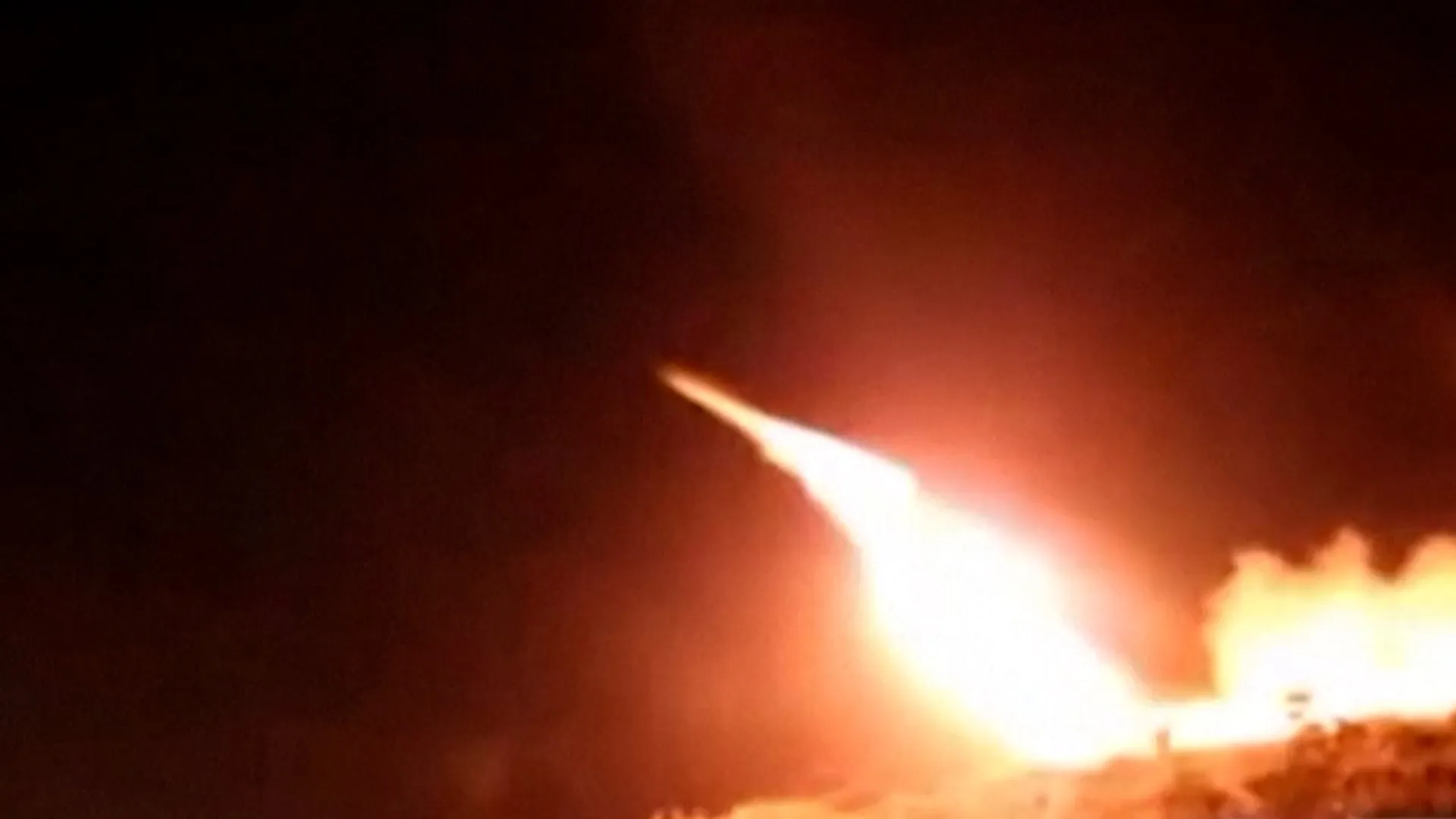
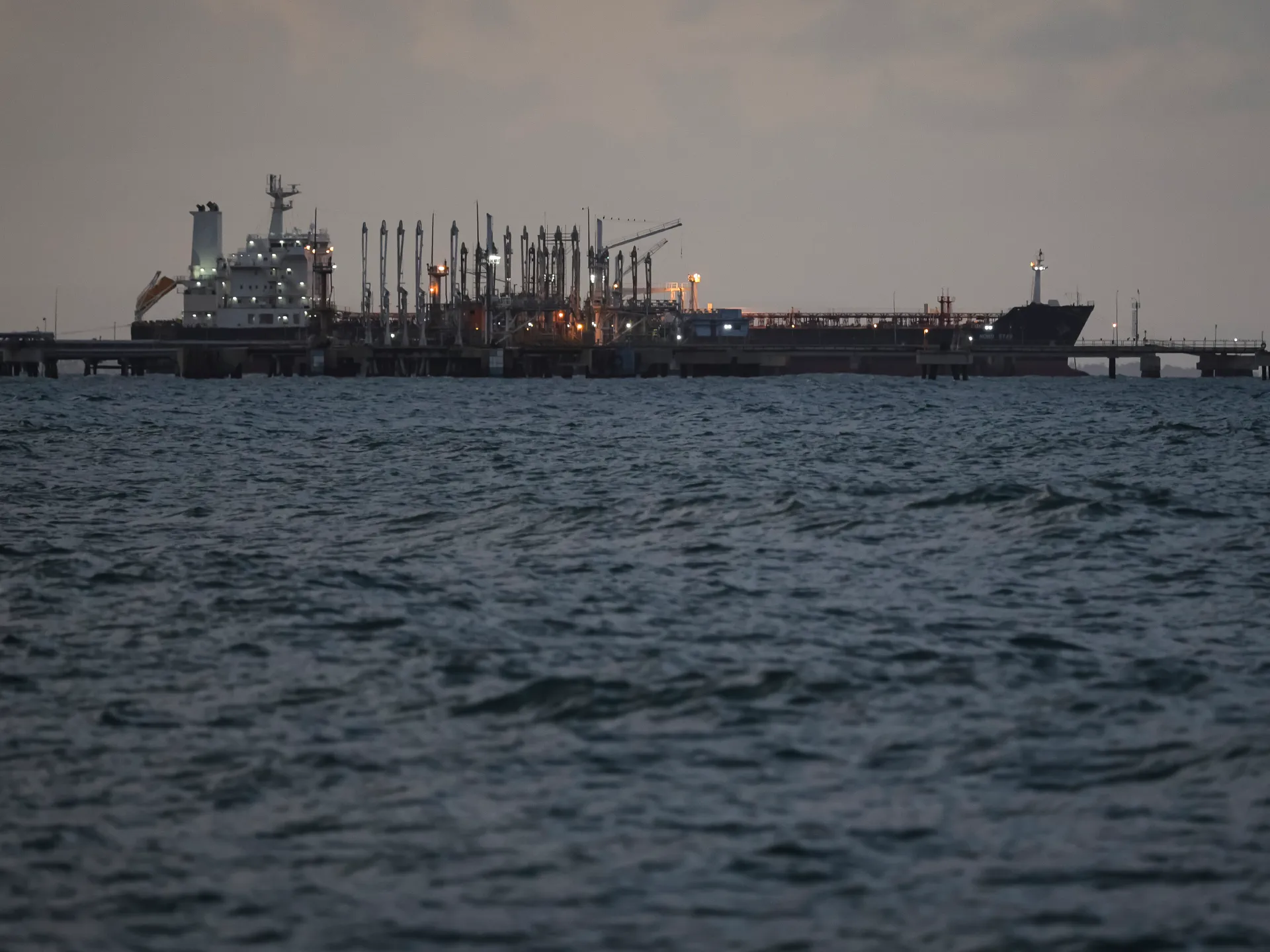
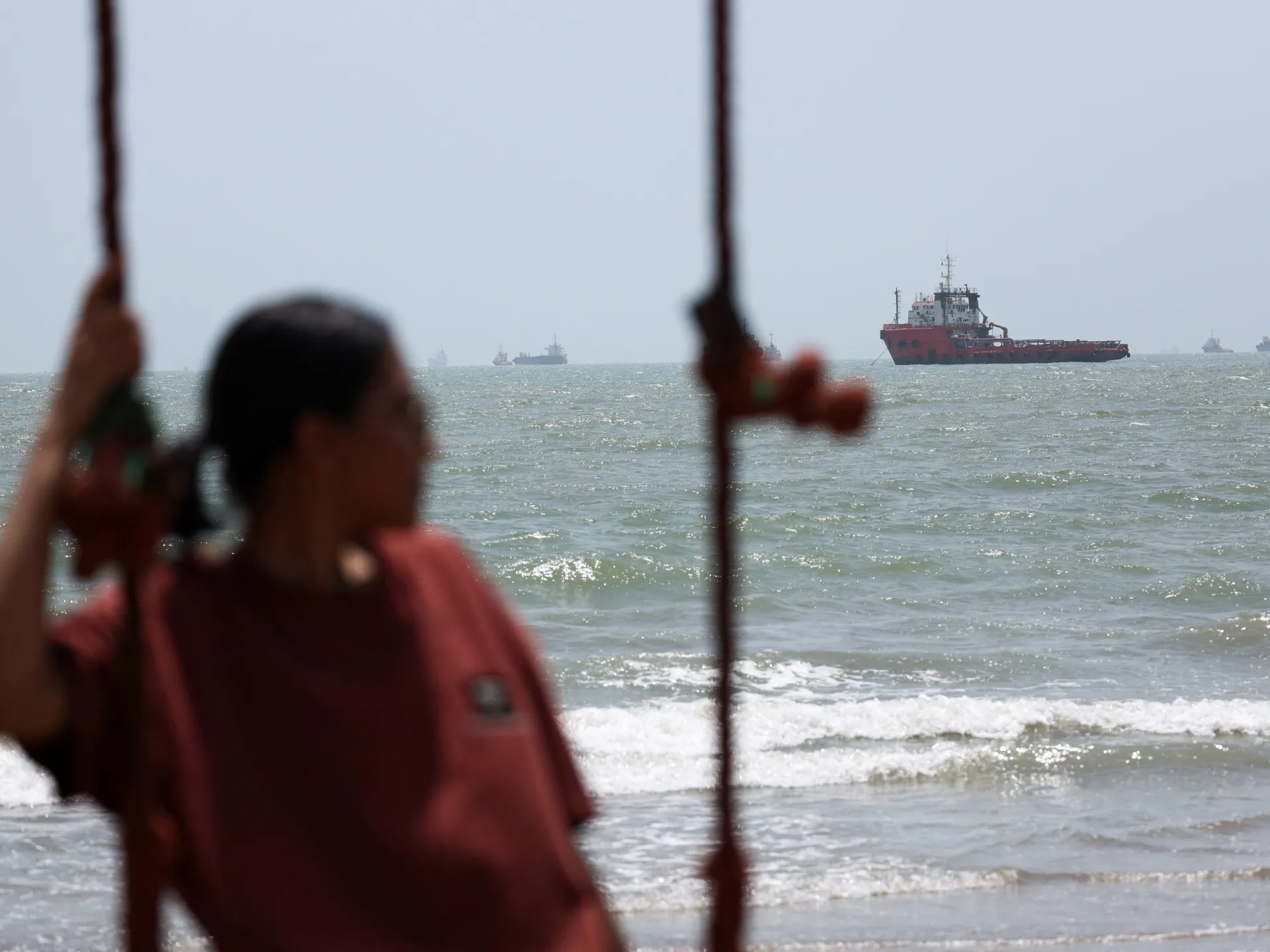
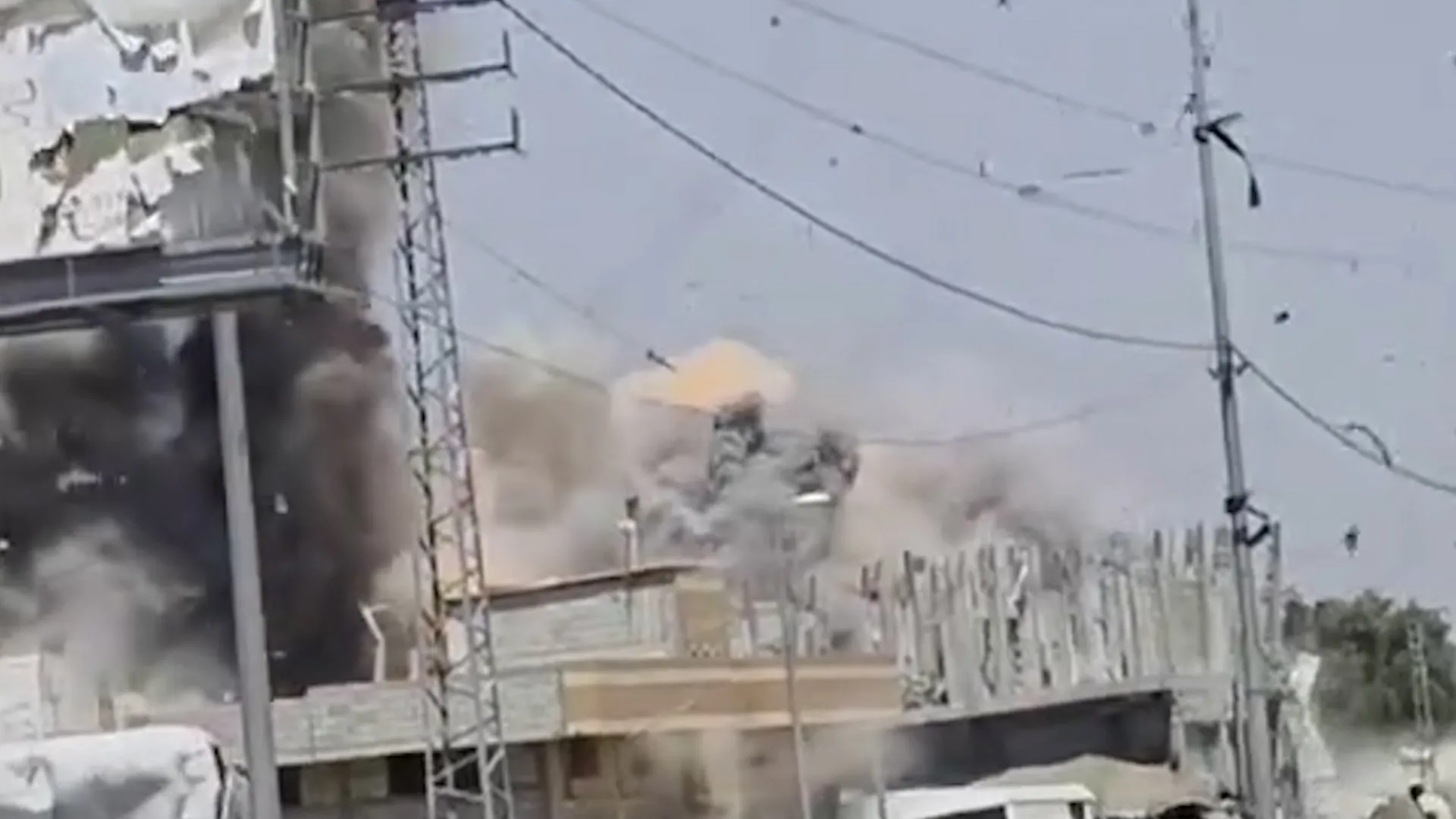
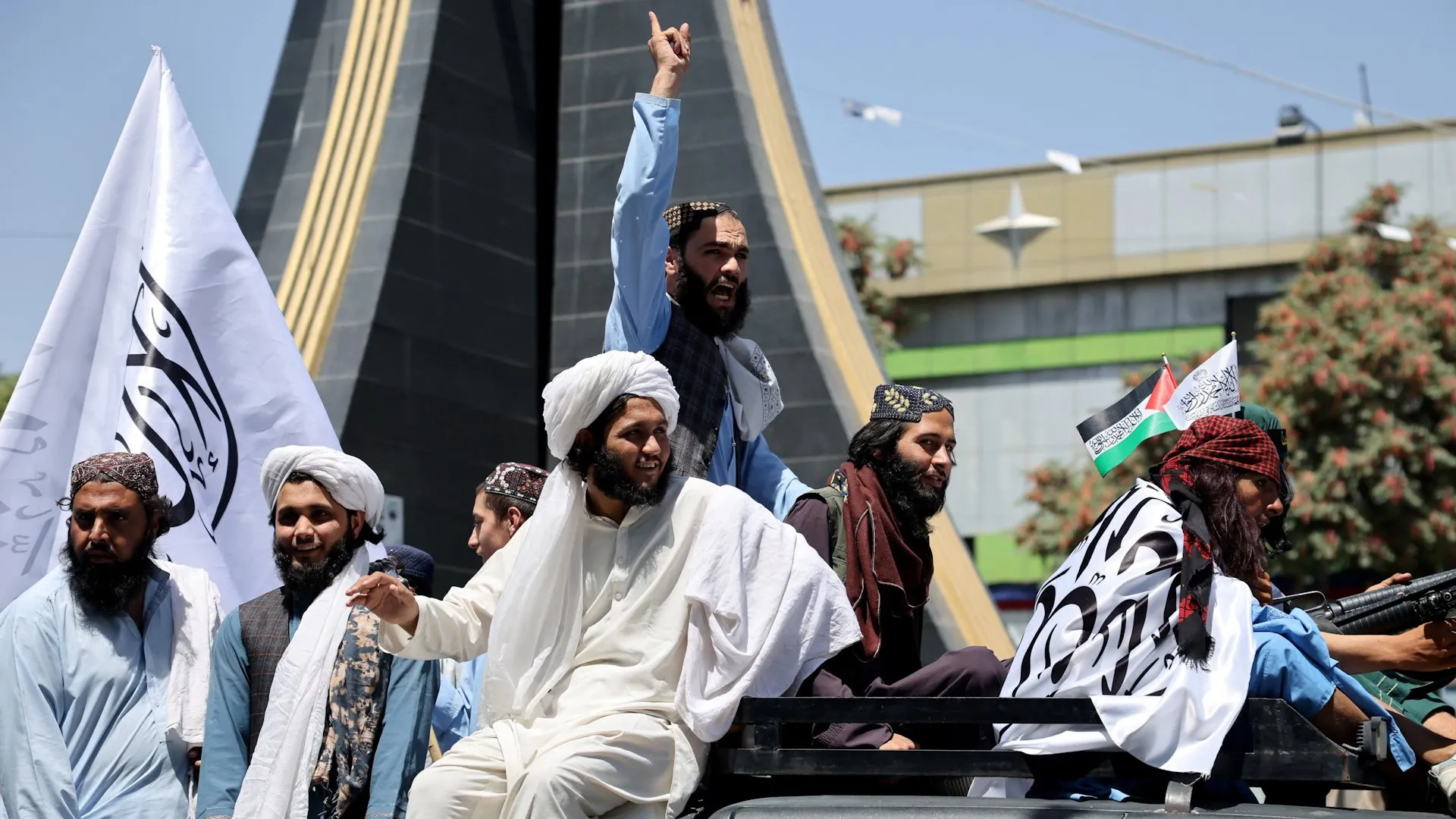
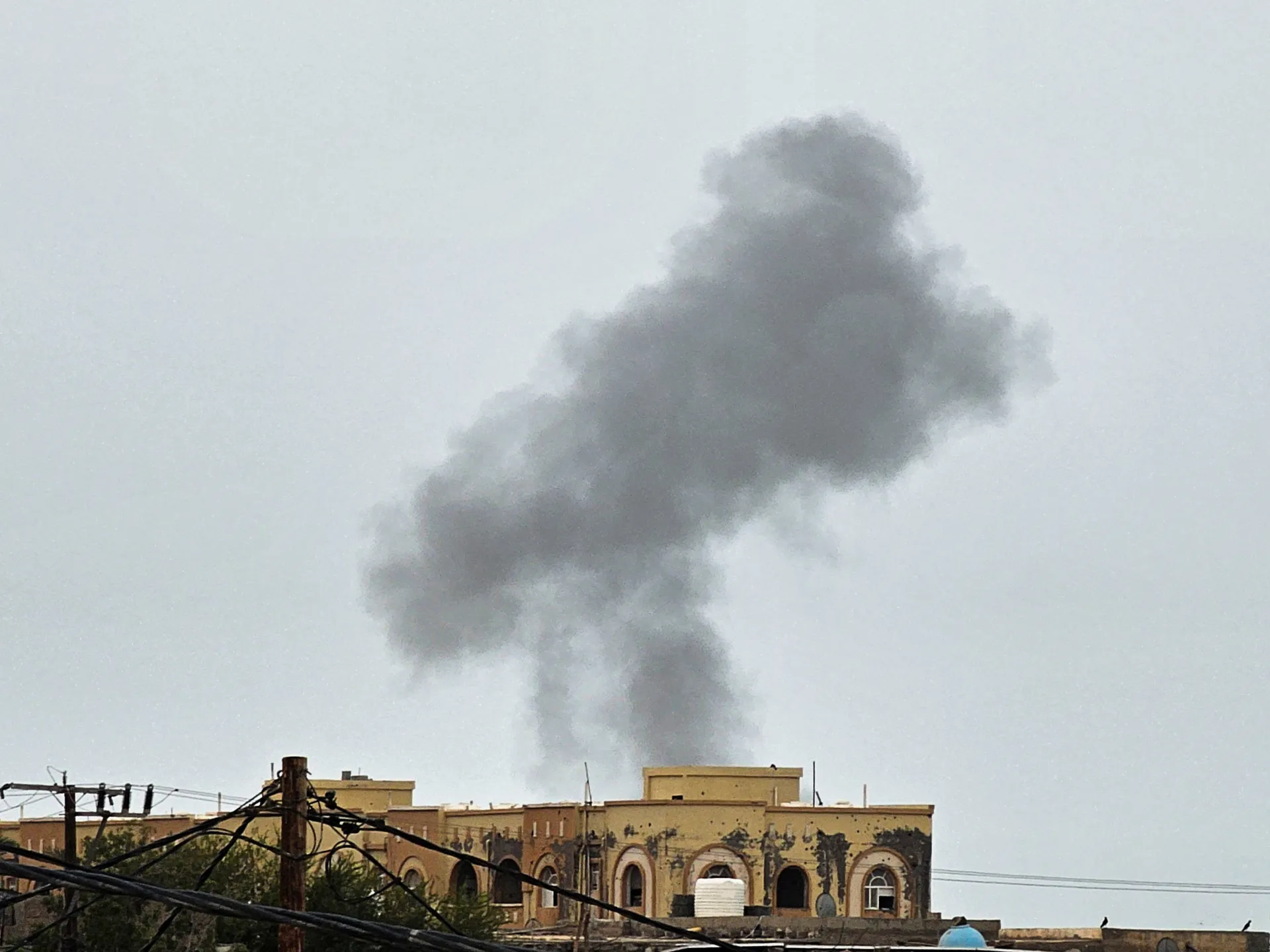
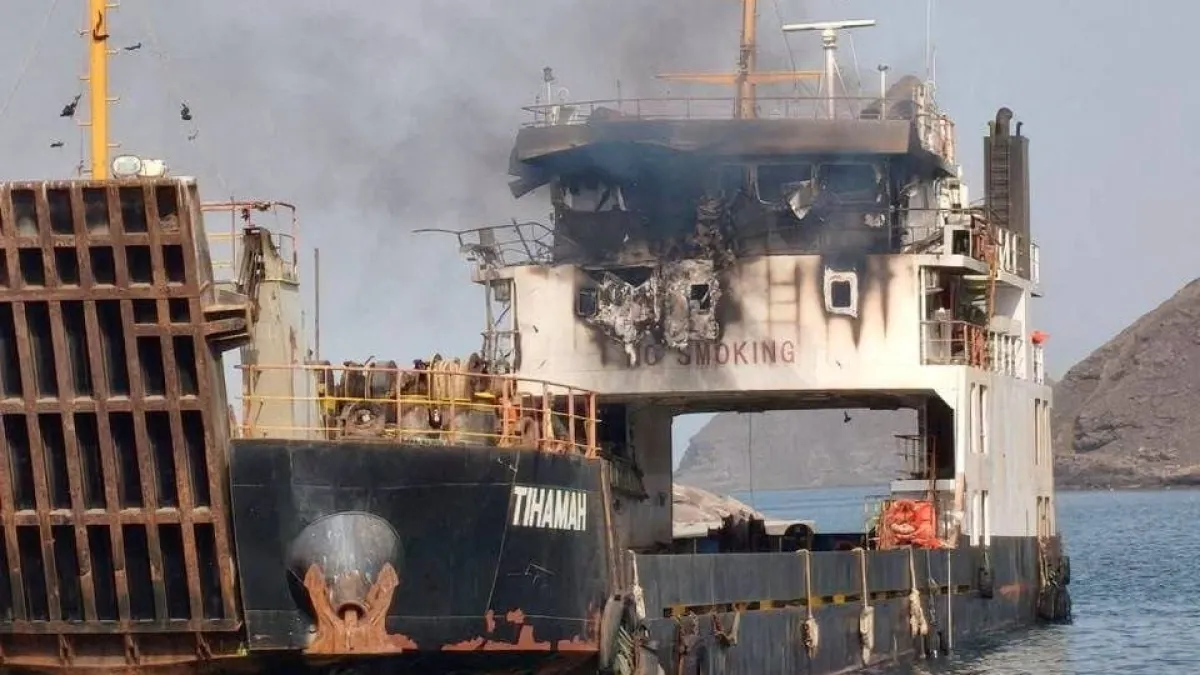
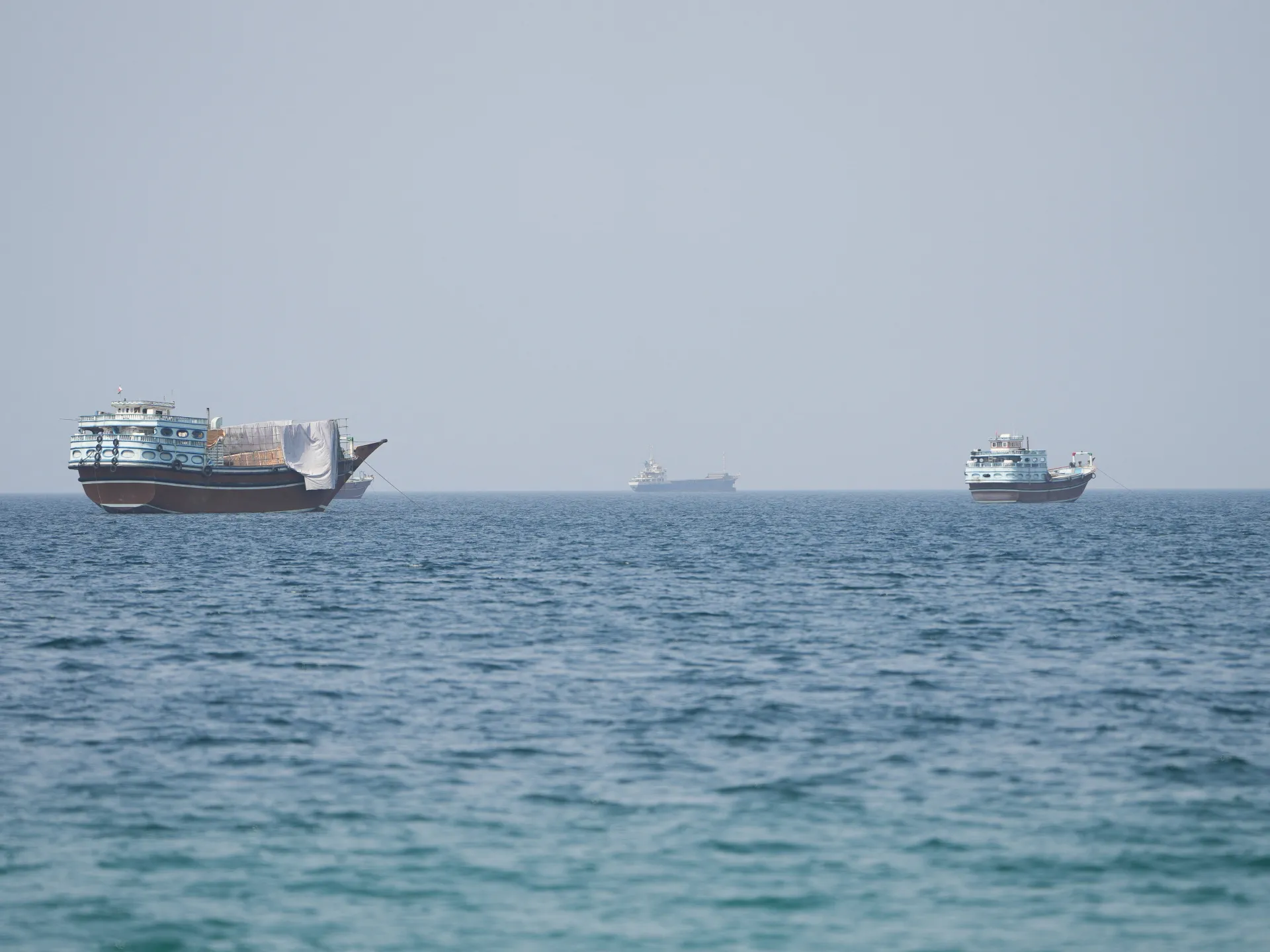
The geopolitical stability of the Middle East is undergoing a significant transformation as the United States appears to recalibrate its long-standing security commitments. Recent developments at the Bab al-Mandeb strait, a vital maritime artery, highlight a departure from the traditional "security-for-oil" framework that has dictated Washington’s relationship with Gulf states for decades. As Houthi forces have expanded their control over key coastal positions and islands, the U.S. administration has signaled a reluctance to engage in direct military intervention, marking a departure from historical patterns of deterrence.
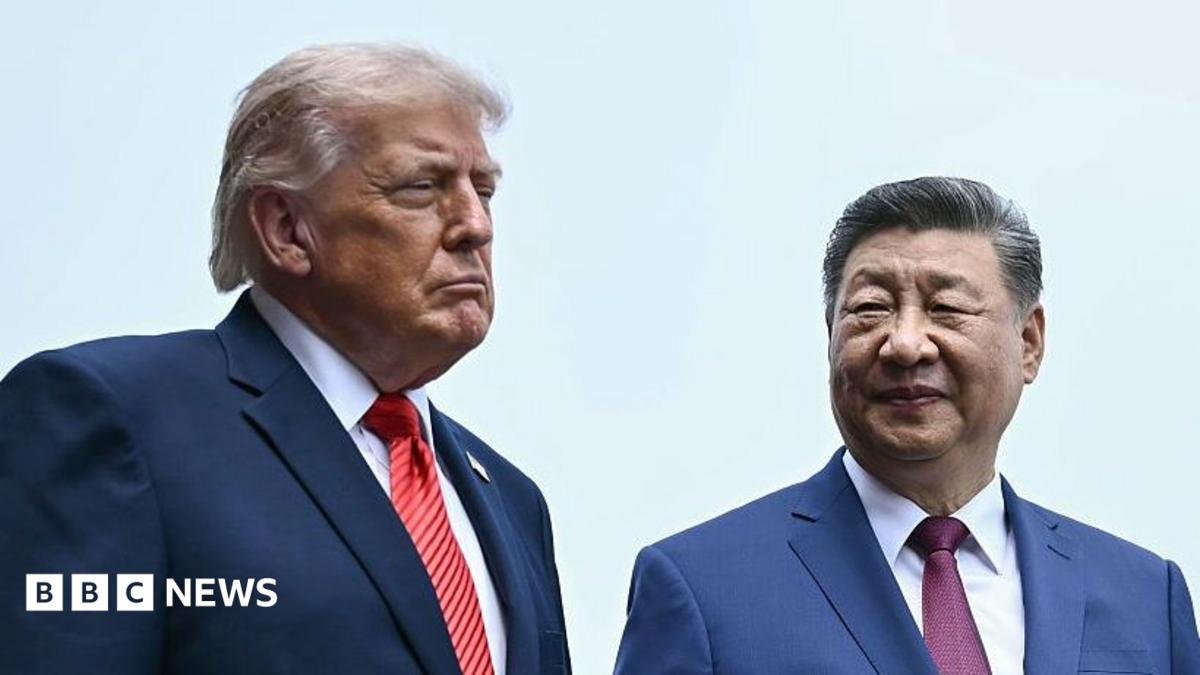
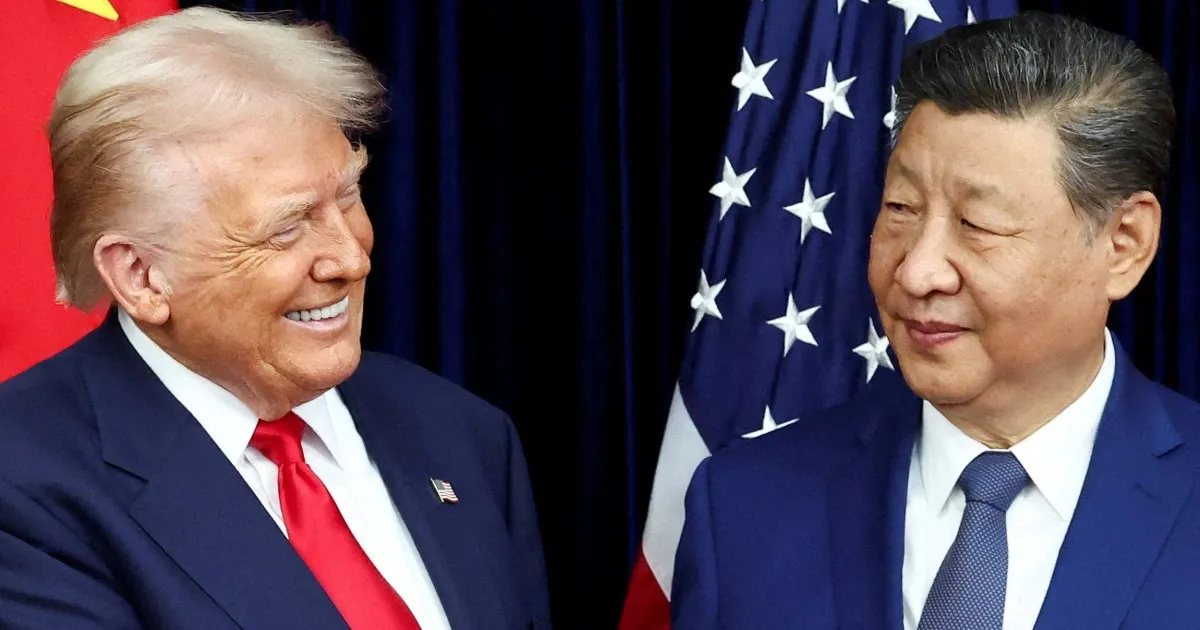
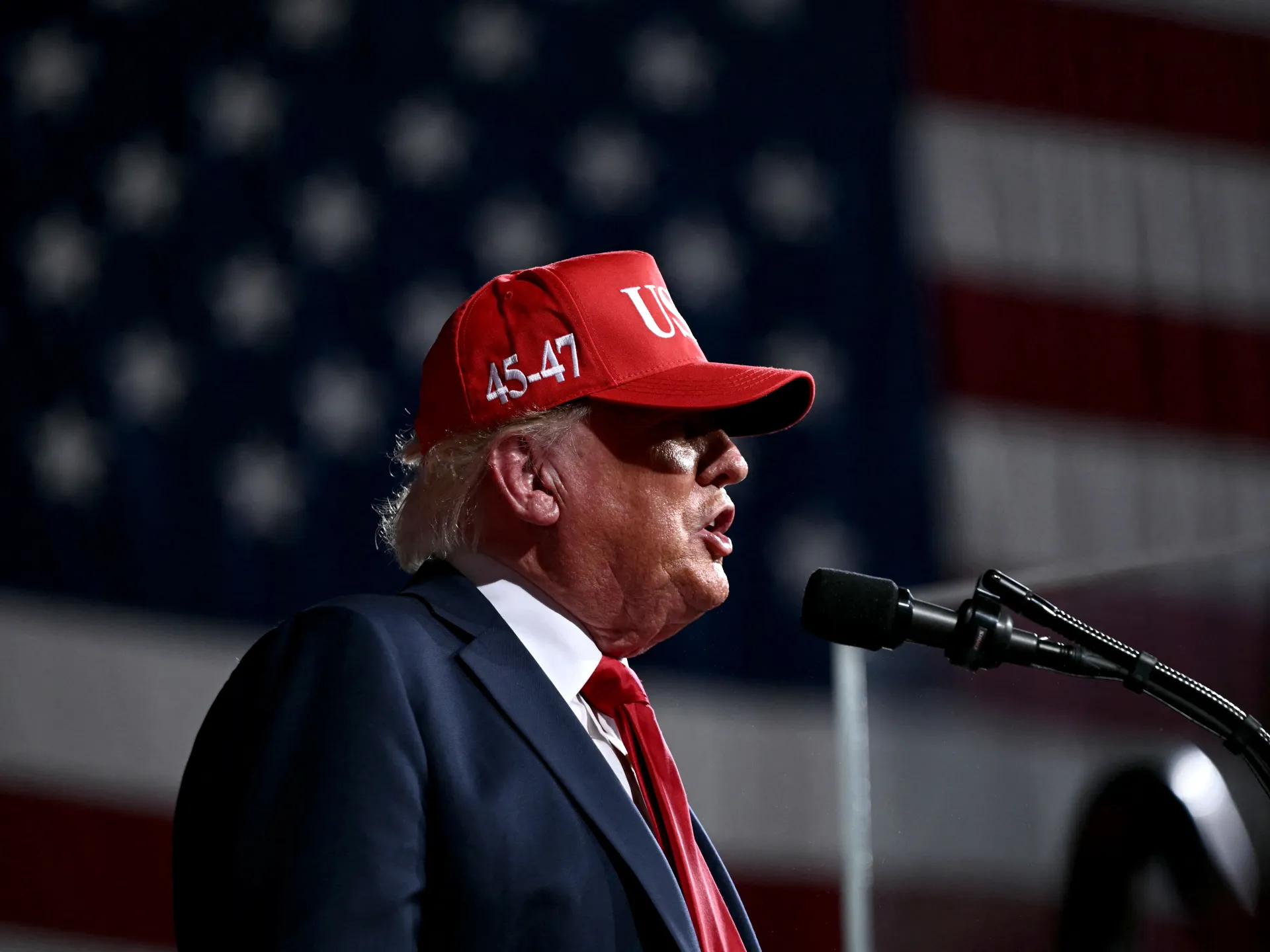
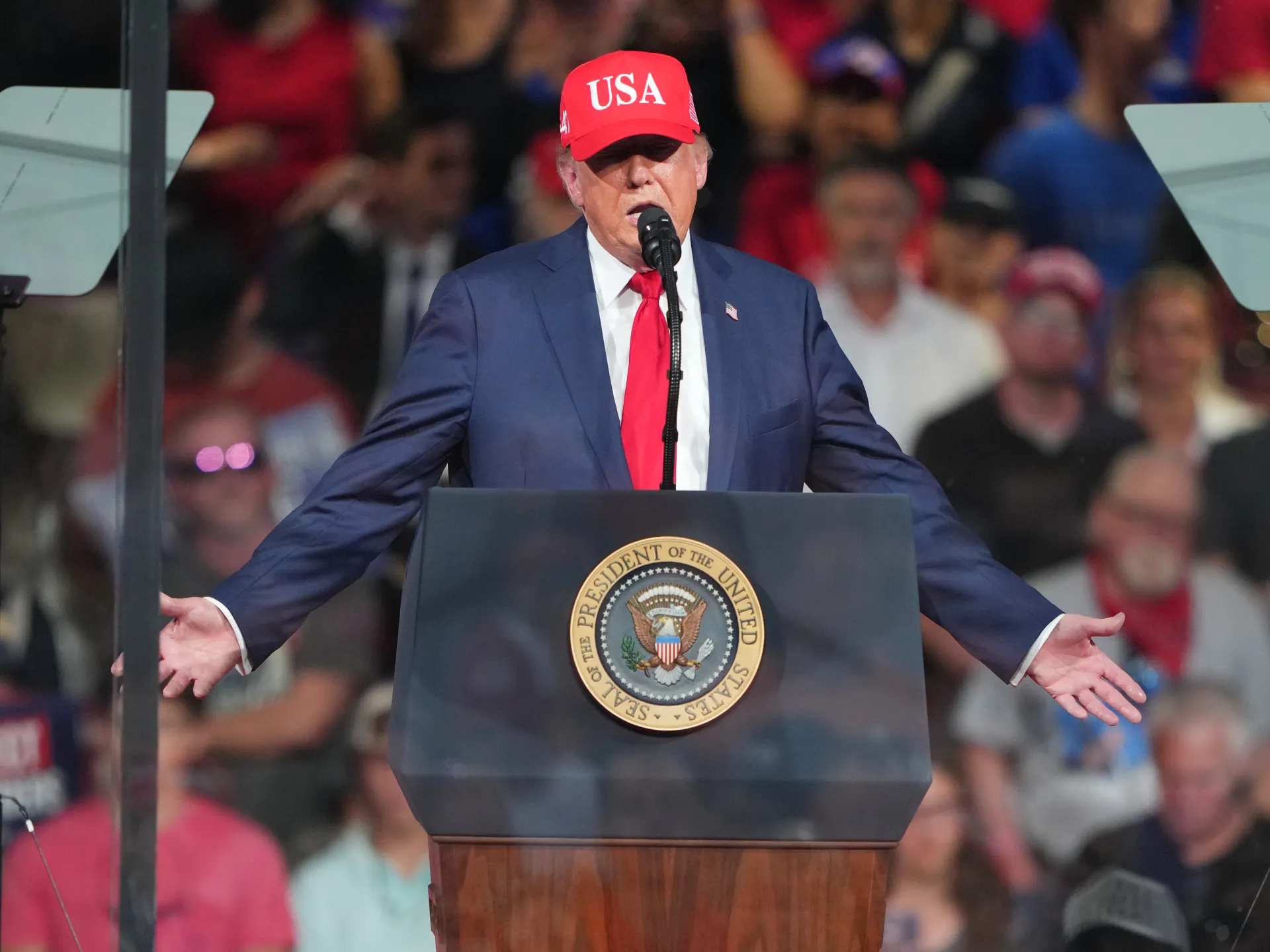
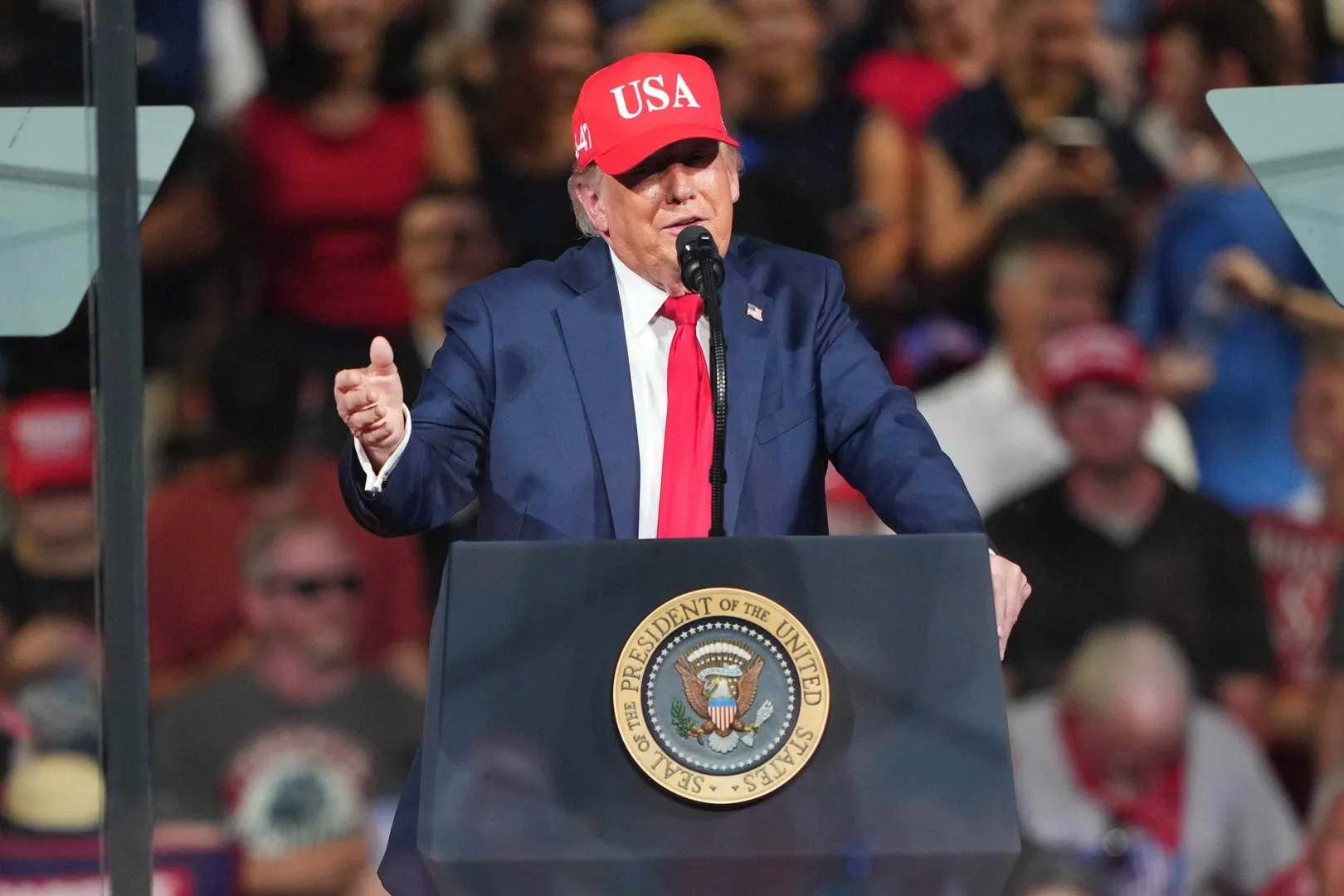
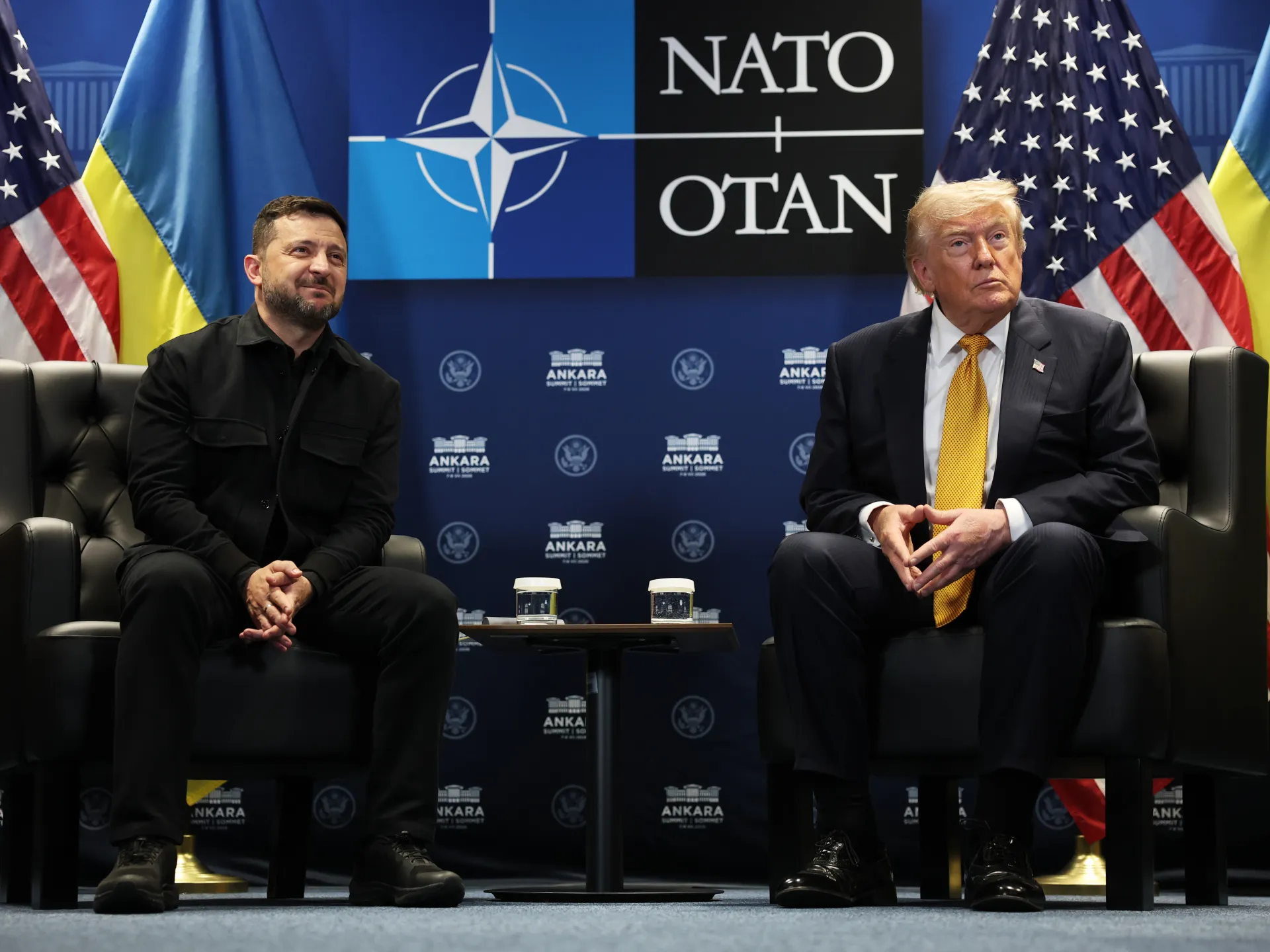
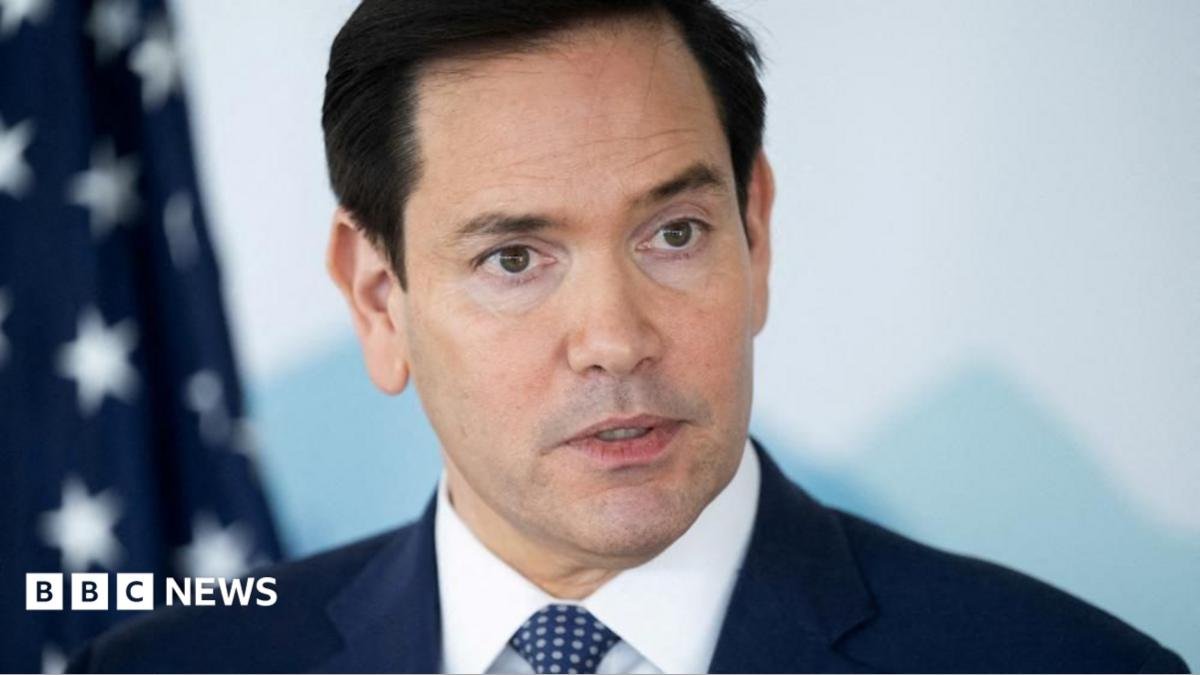
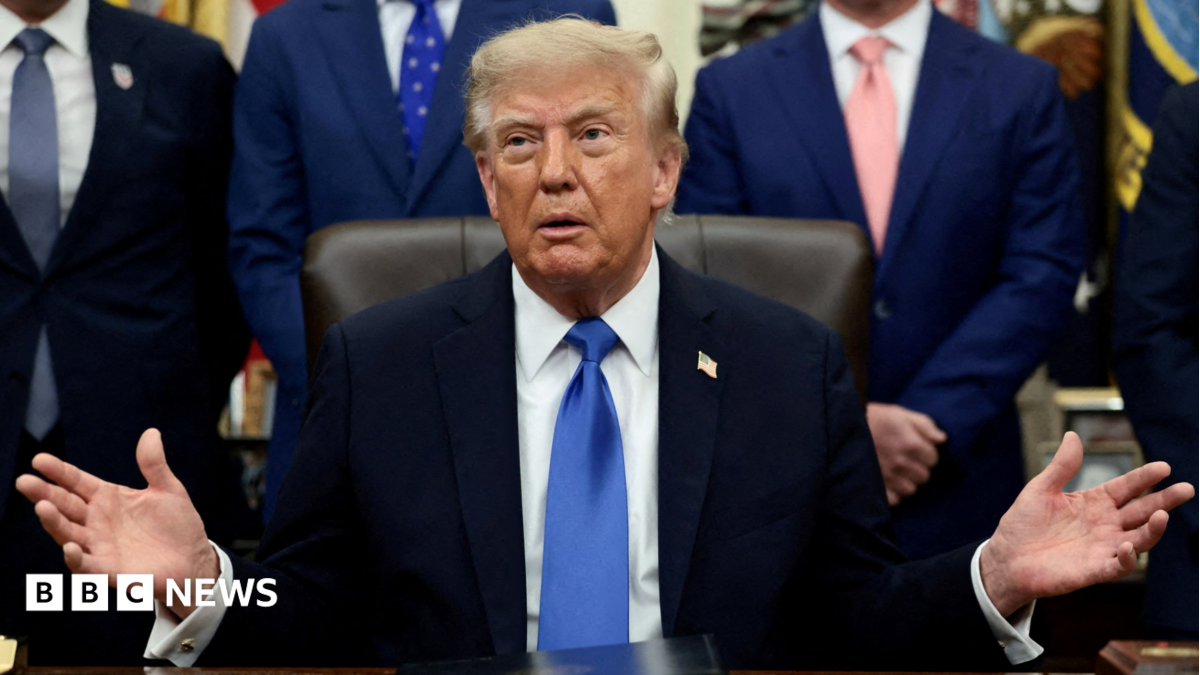
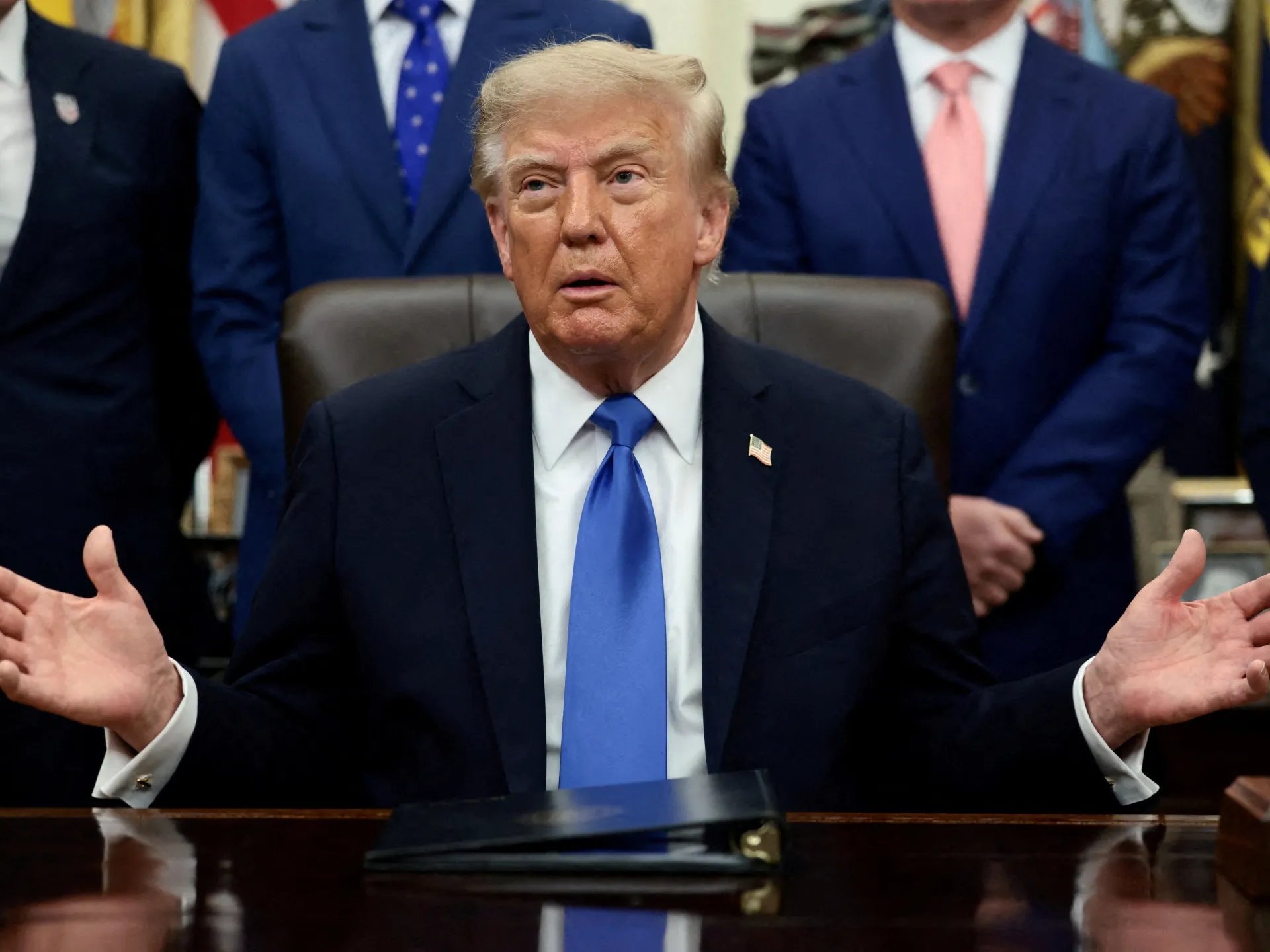
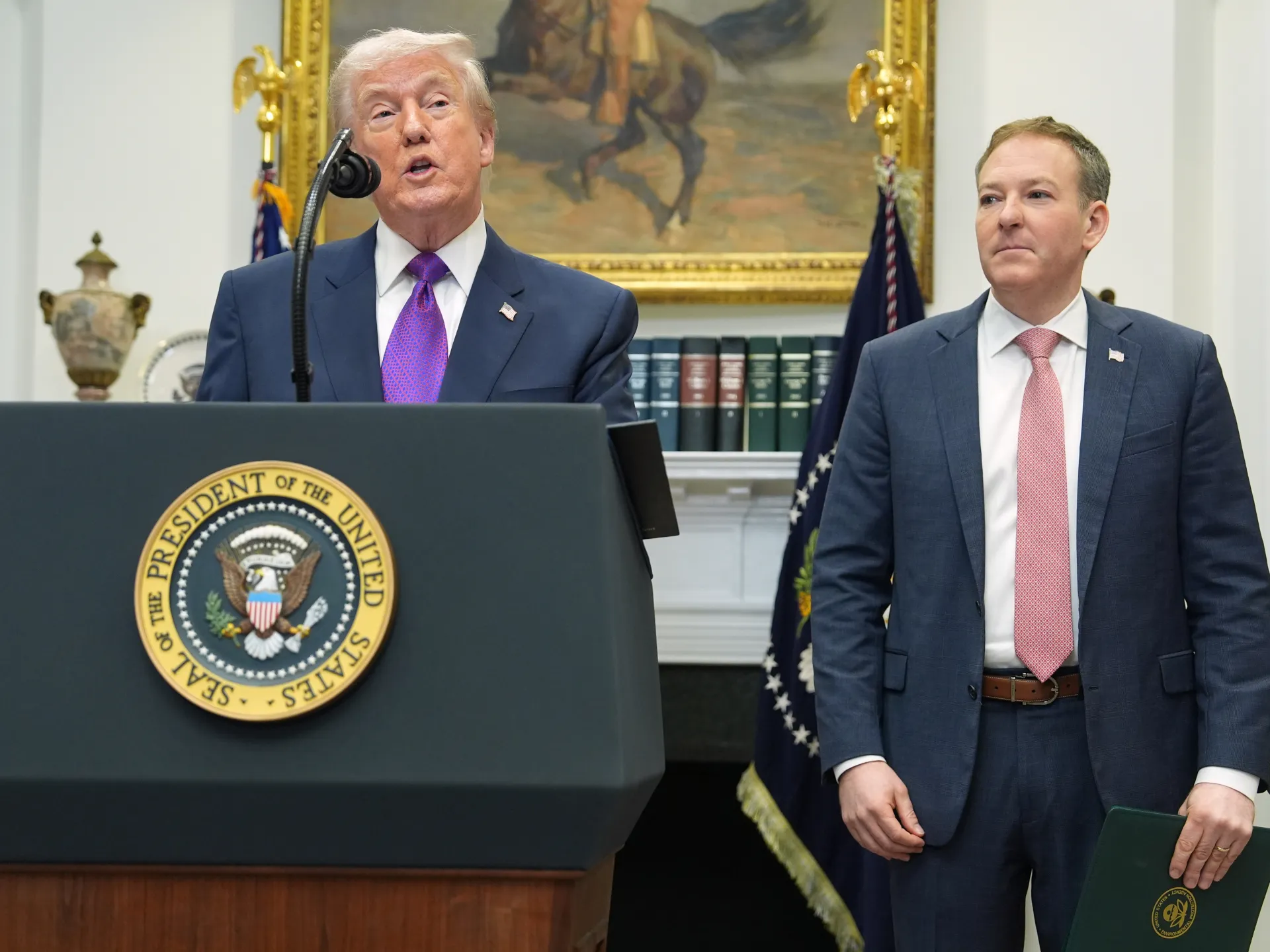
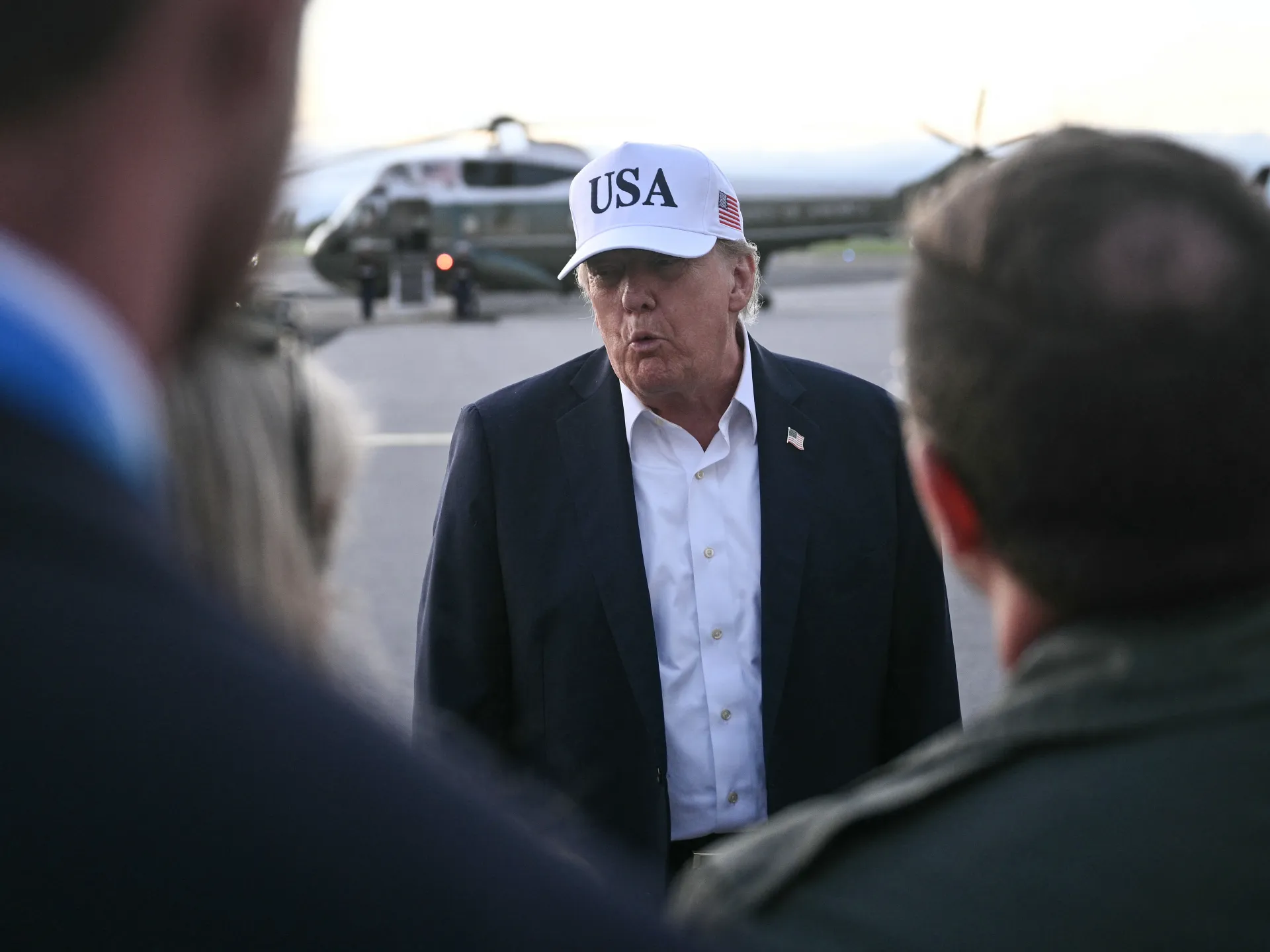
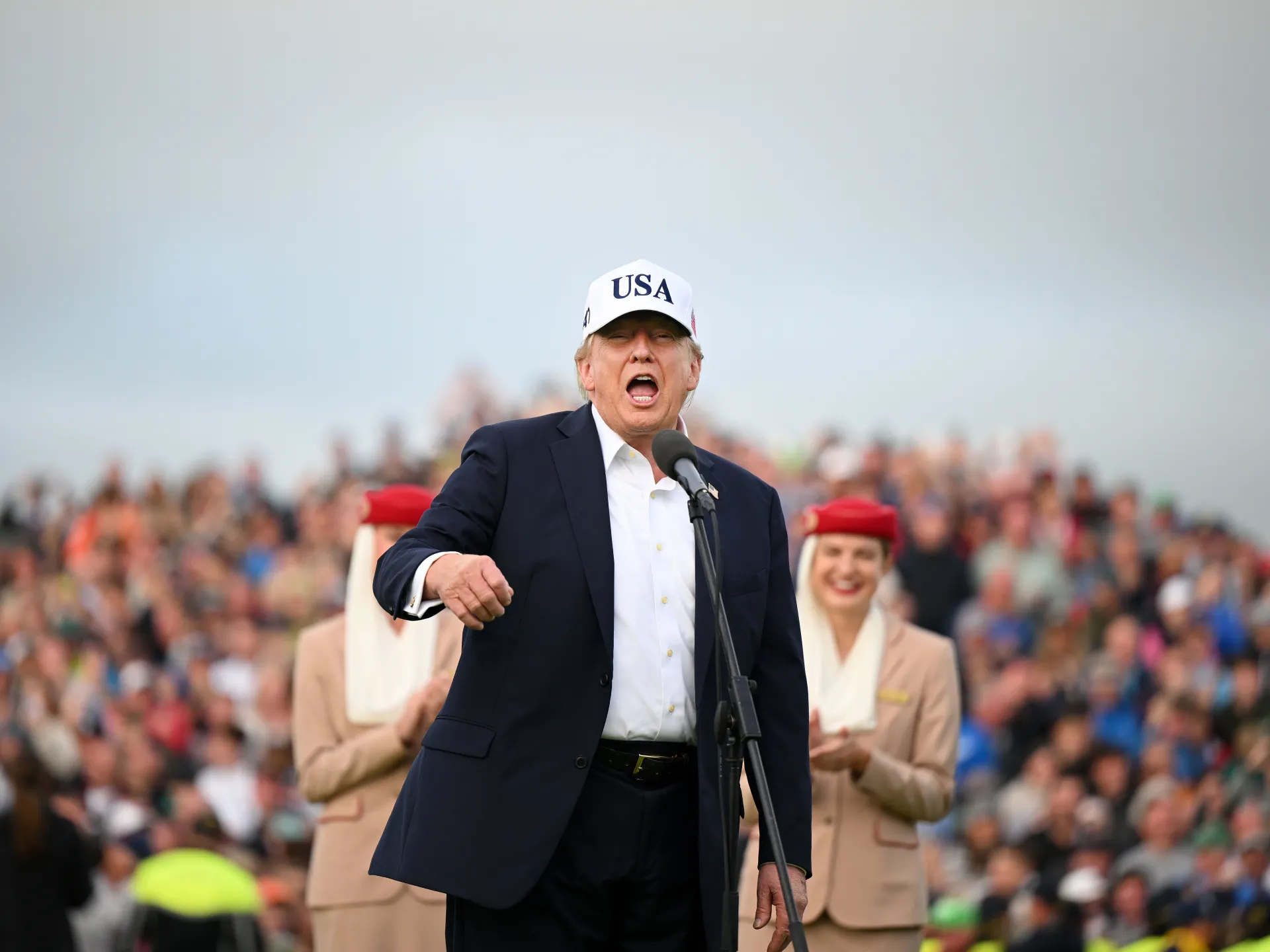
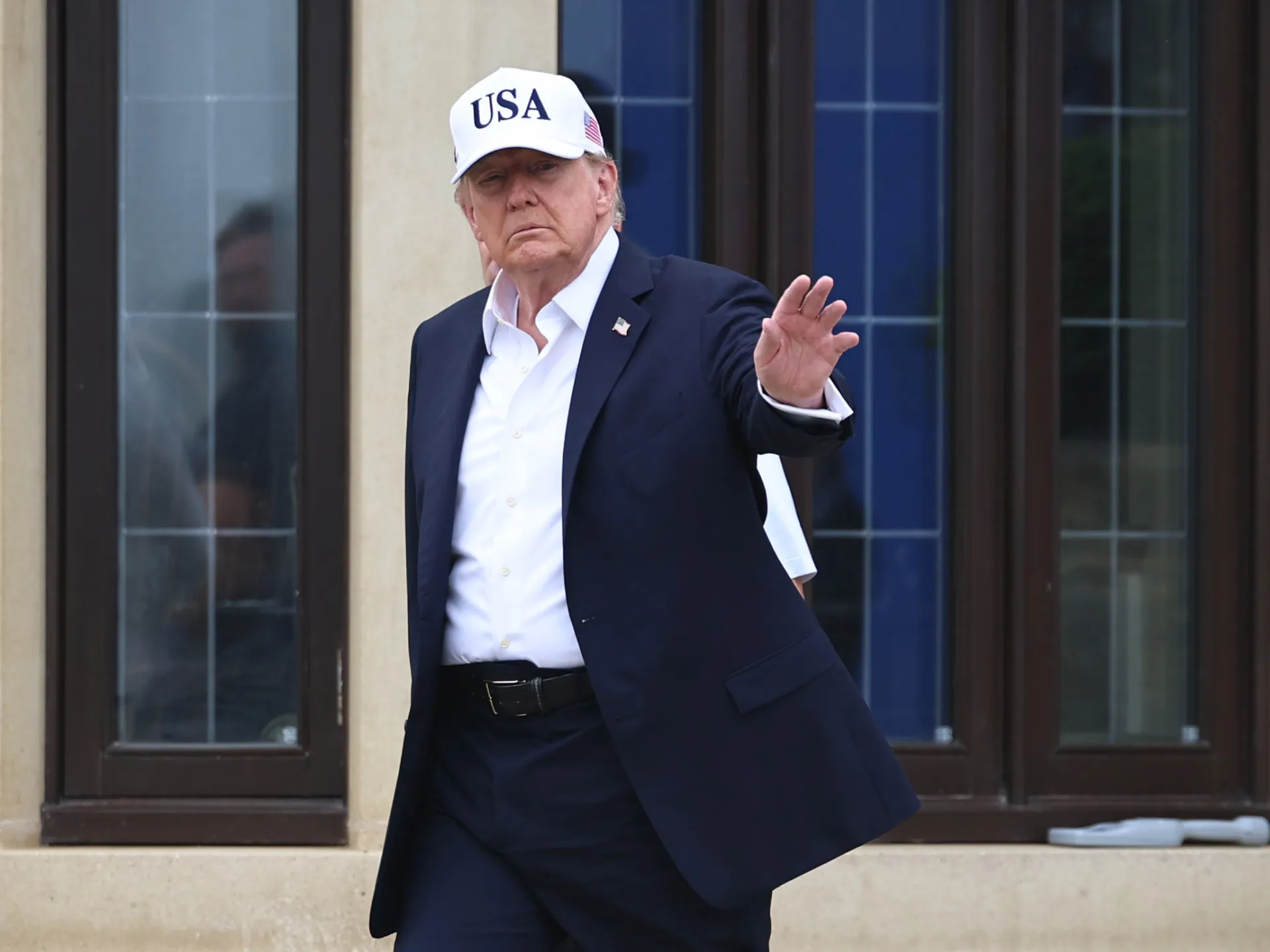
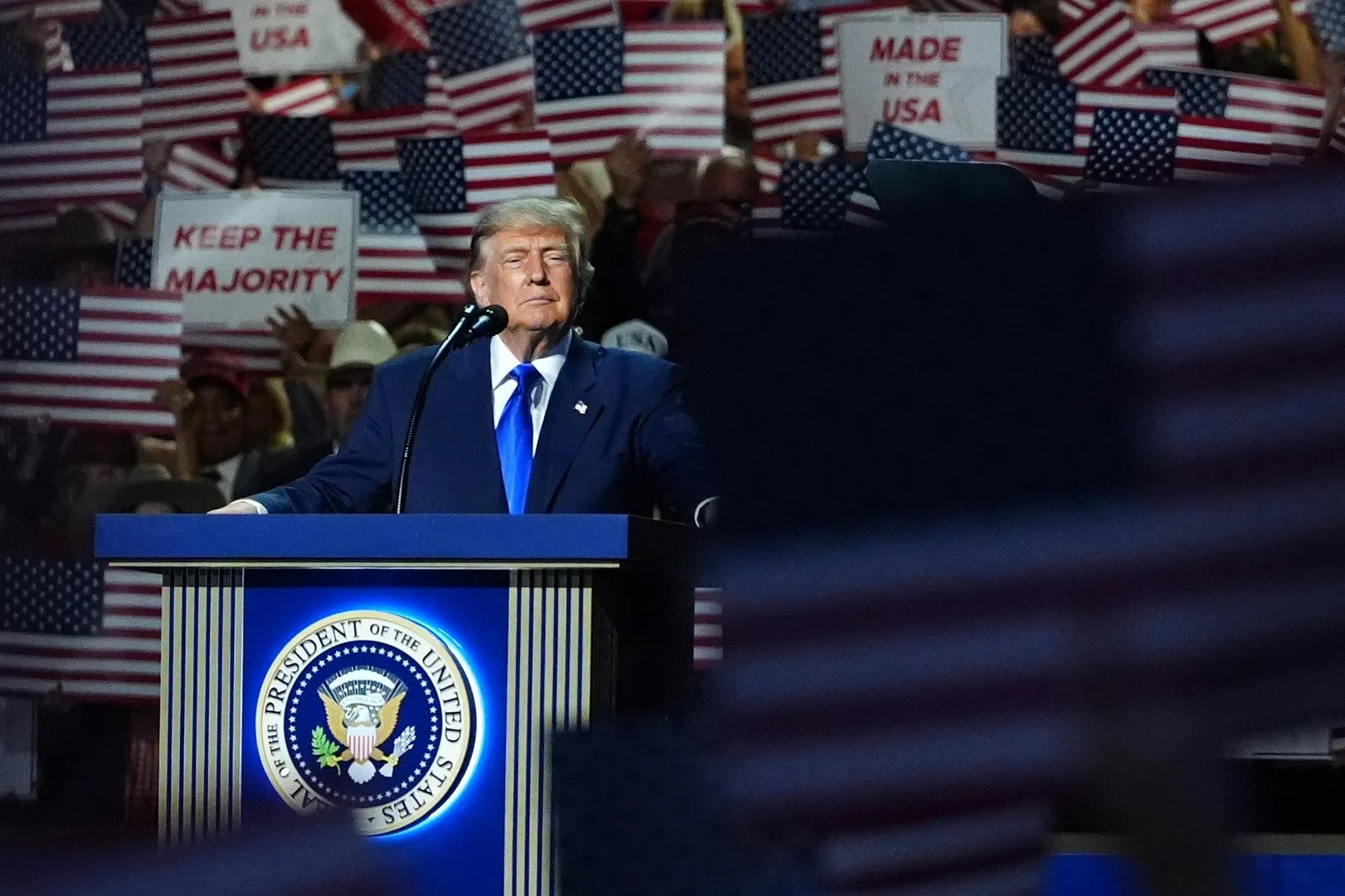
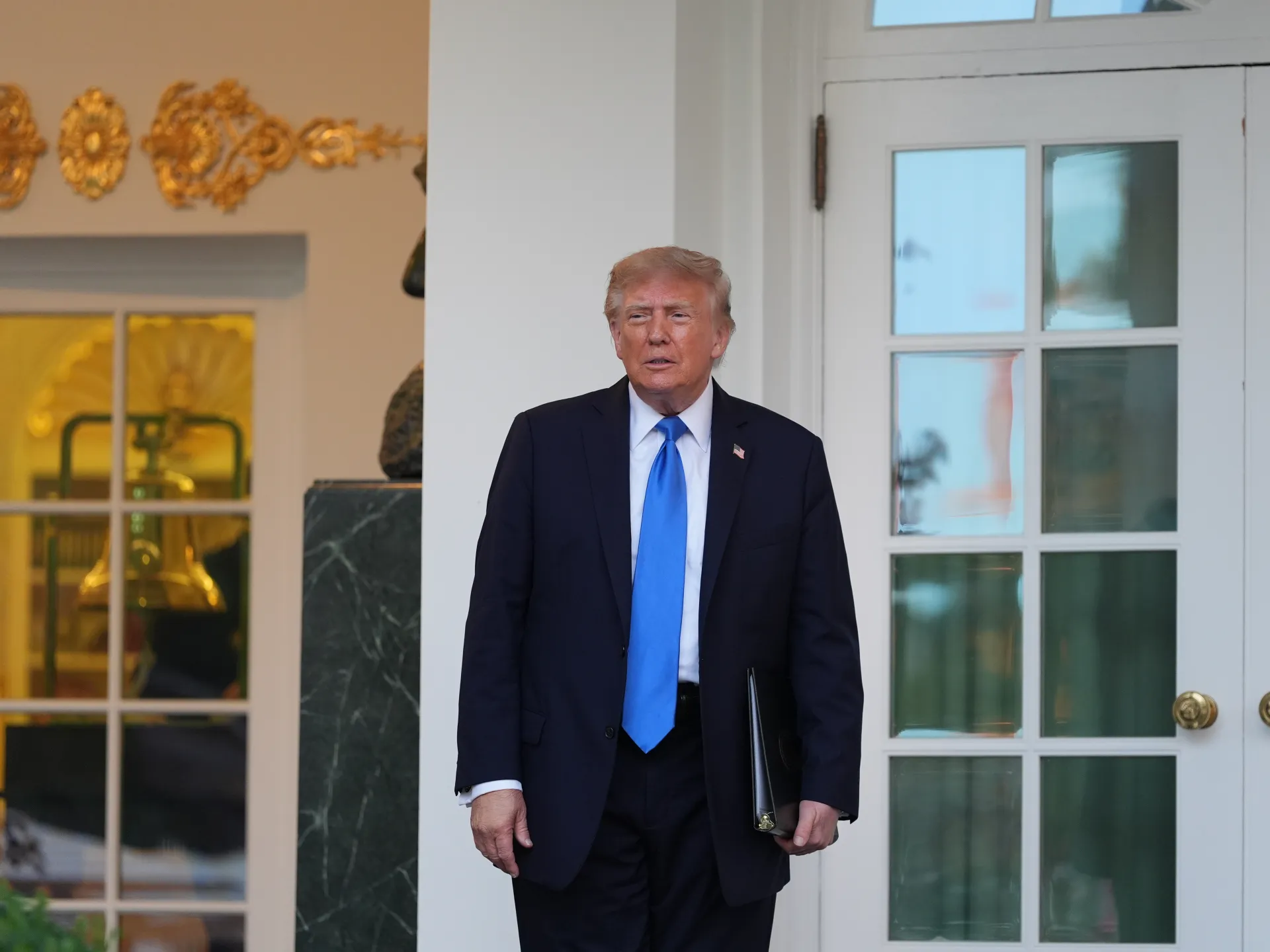
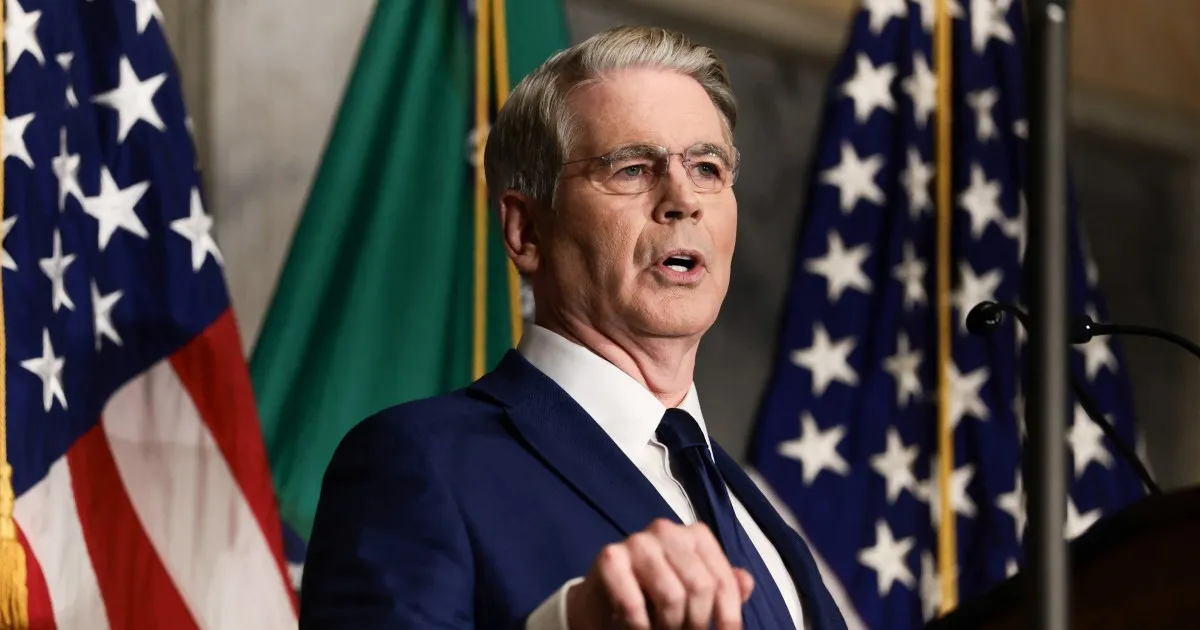
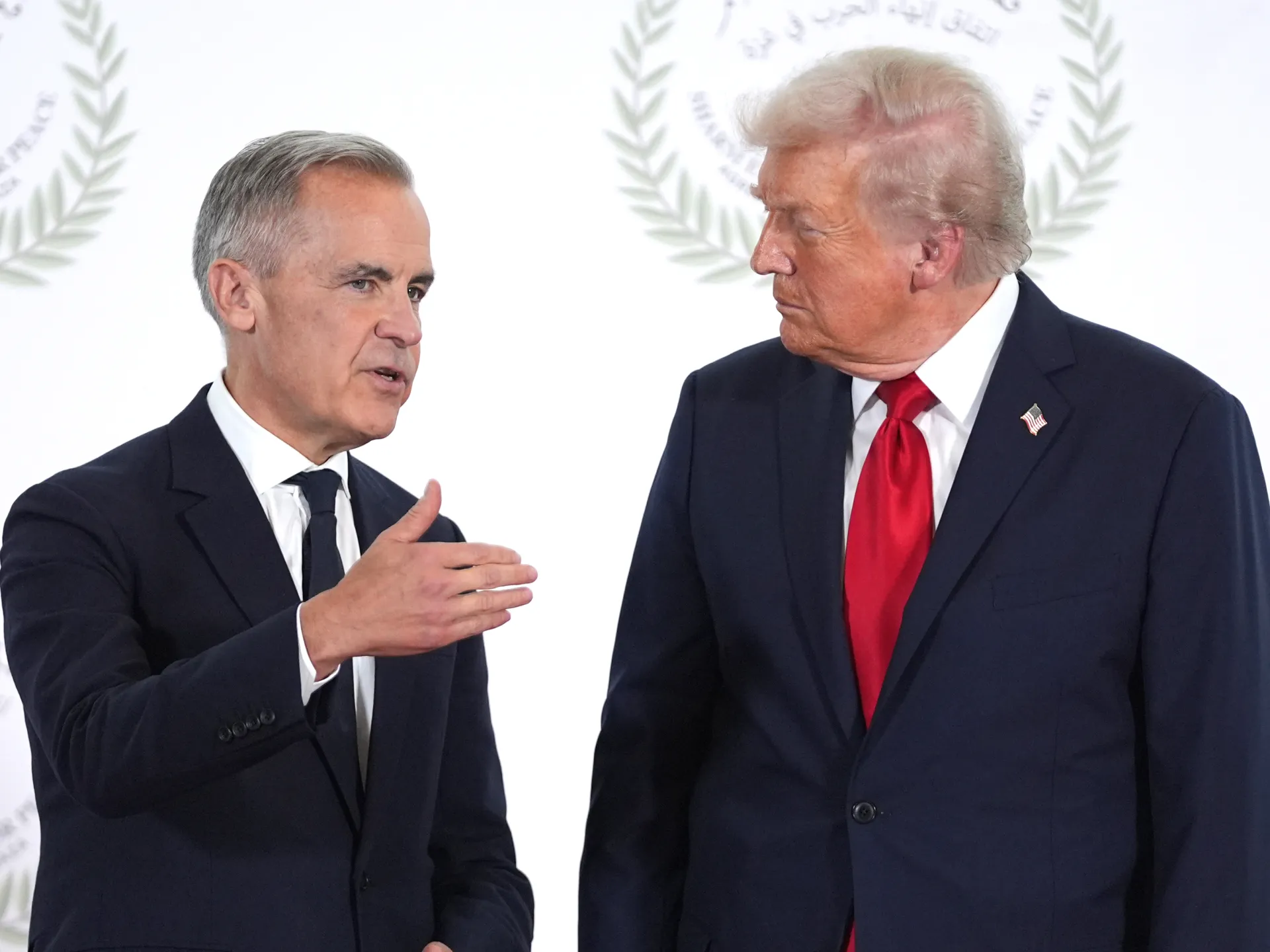
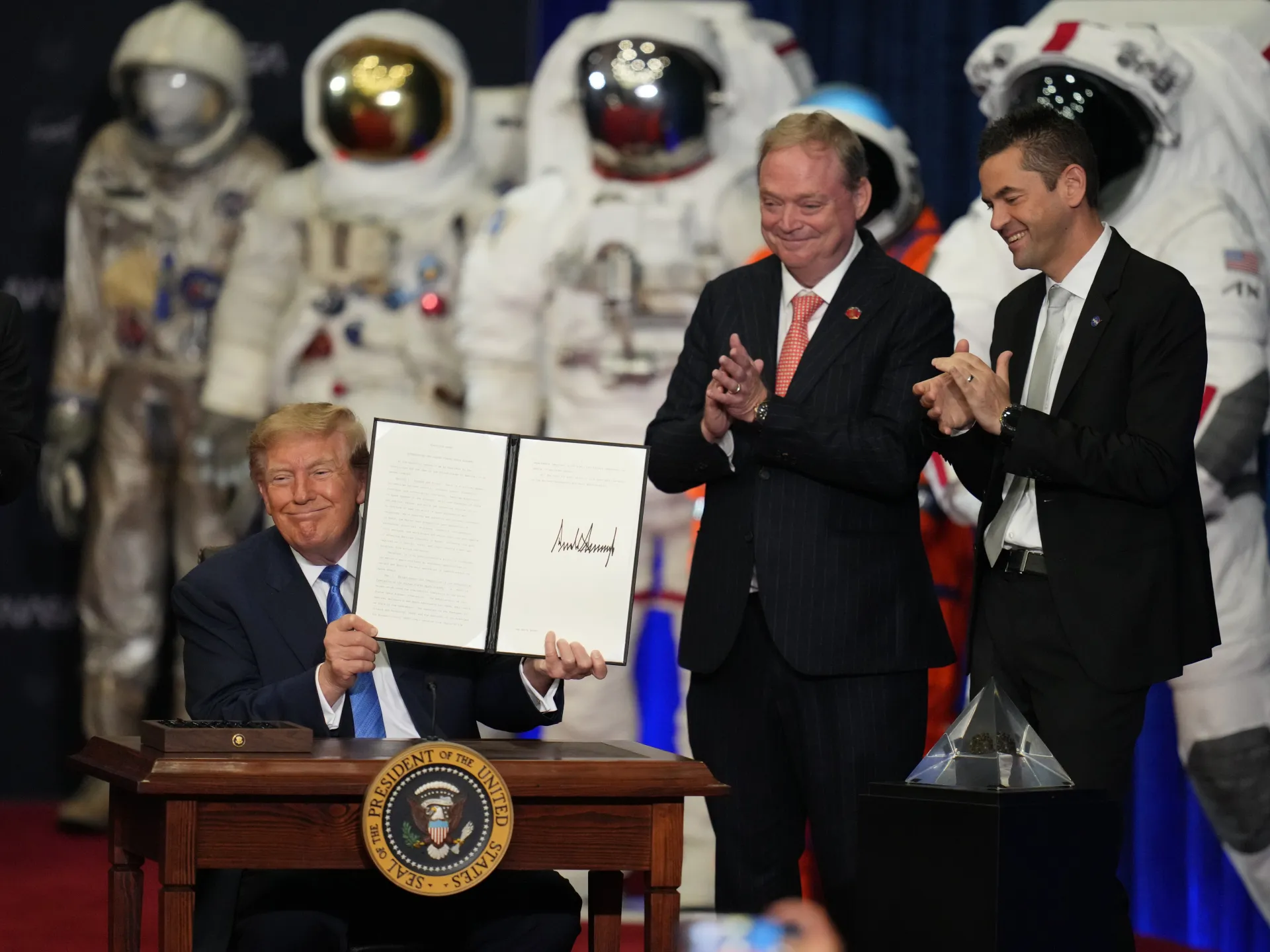
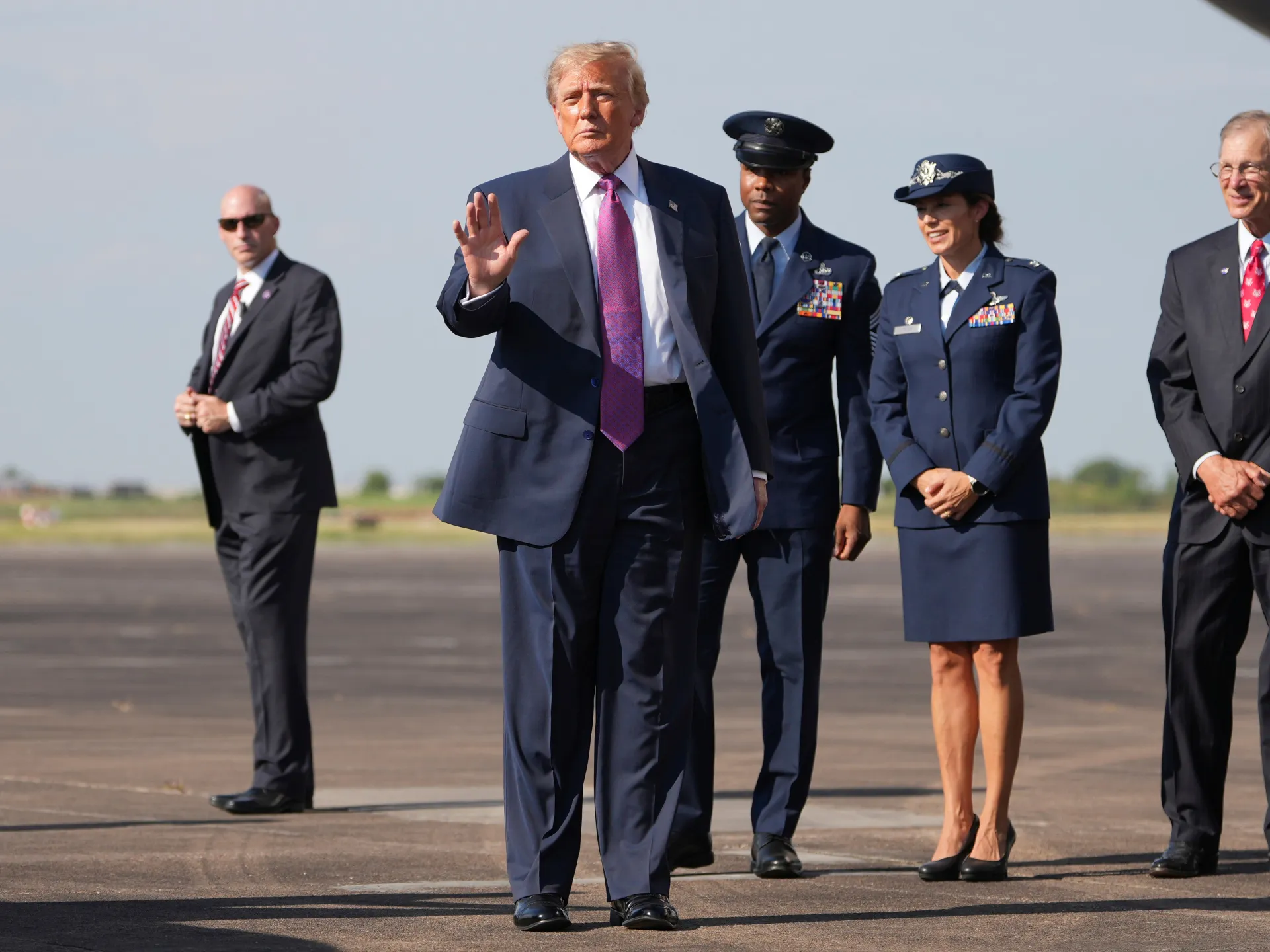
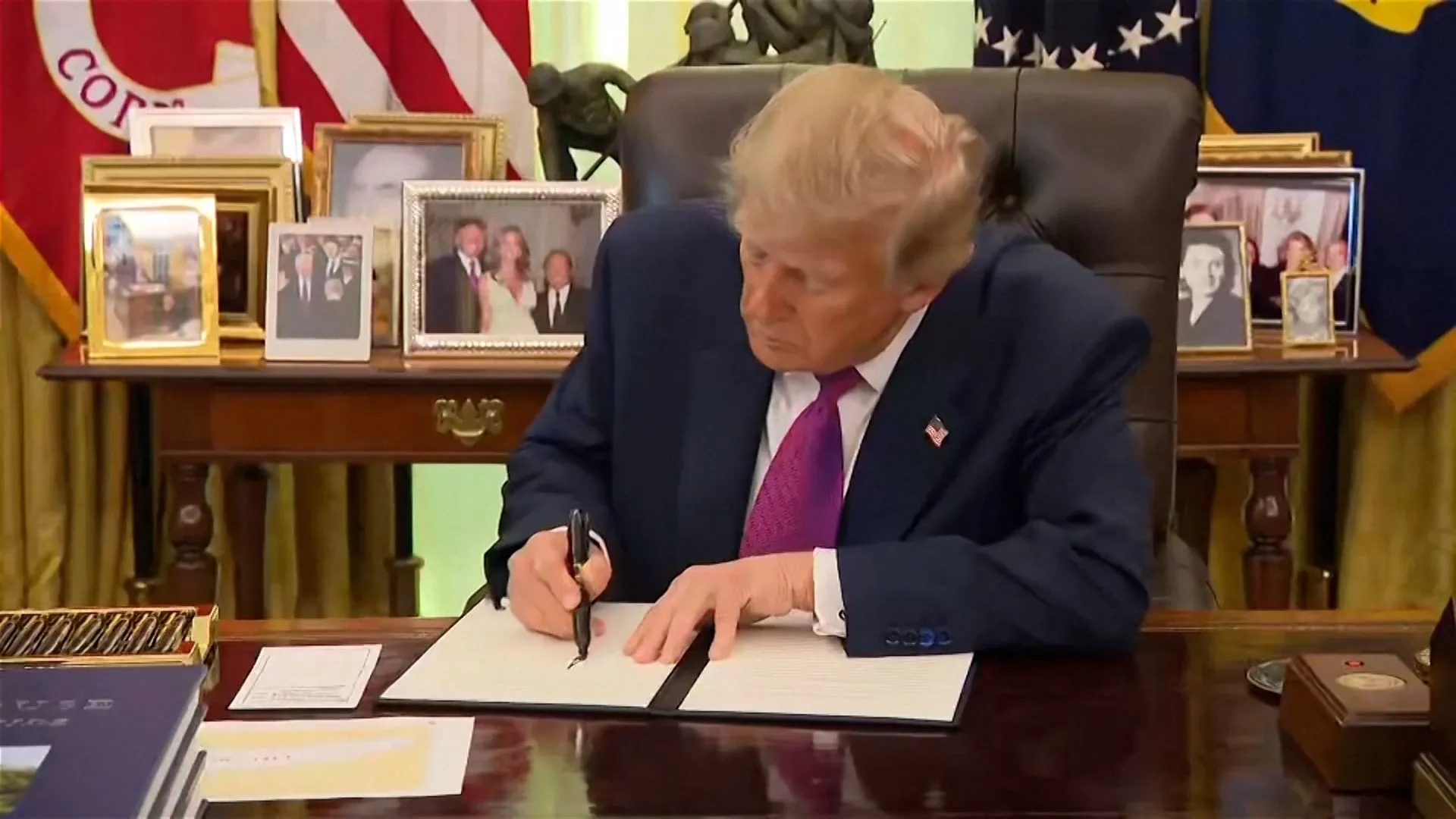
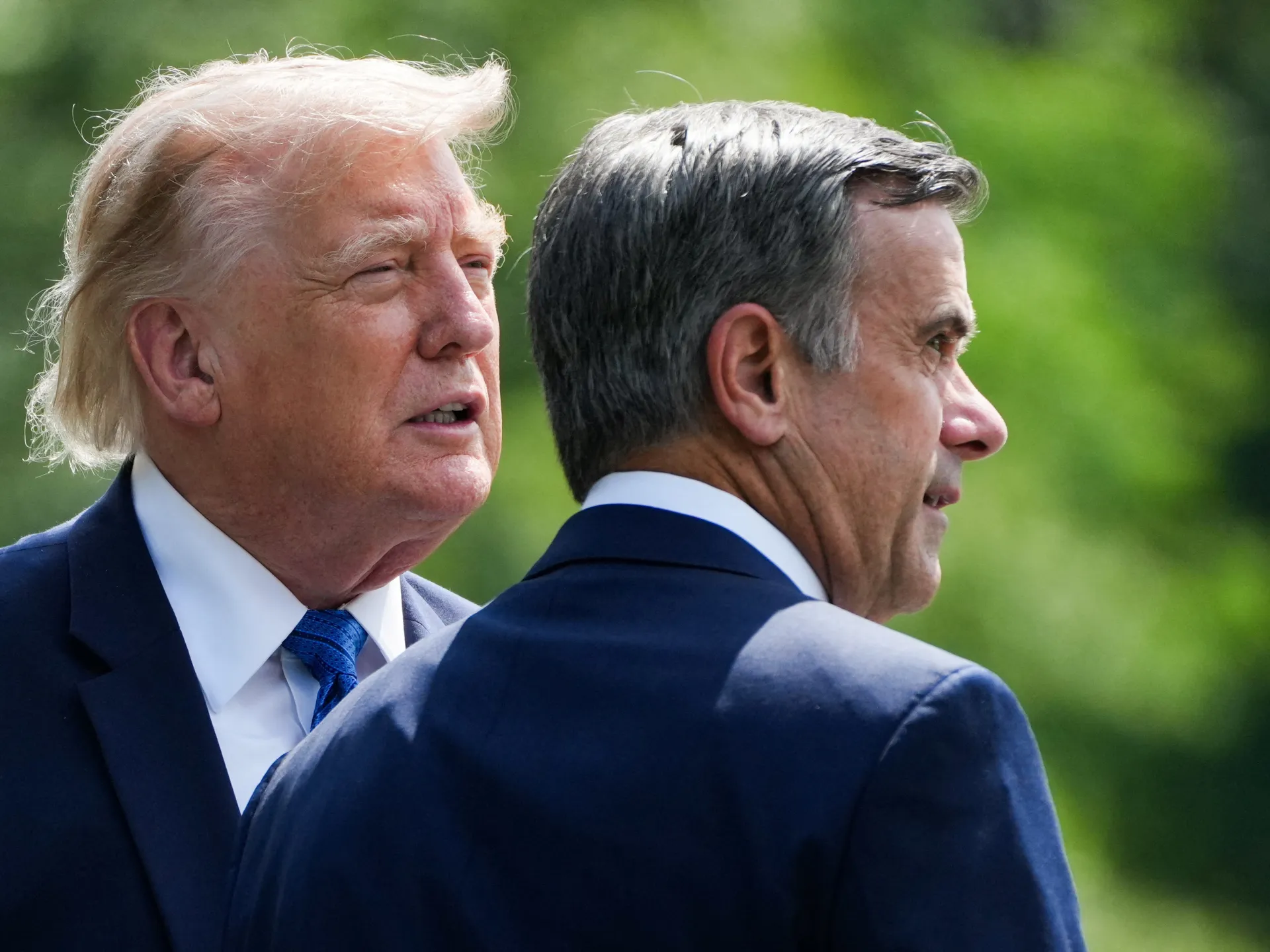
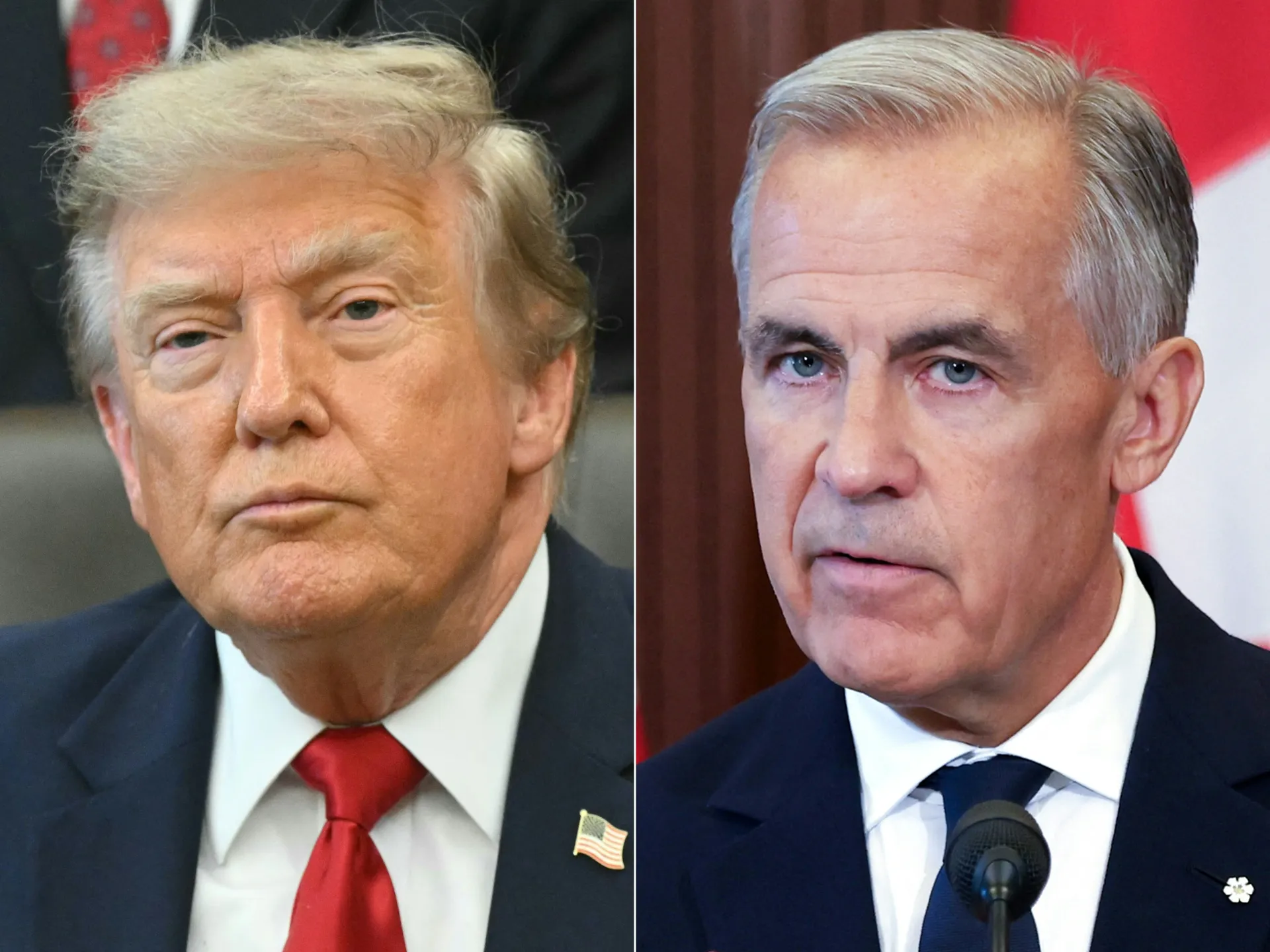
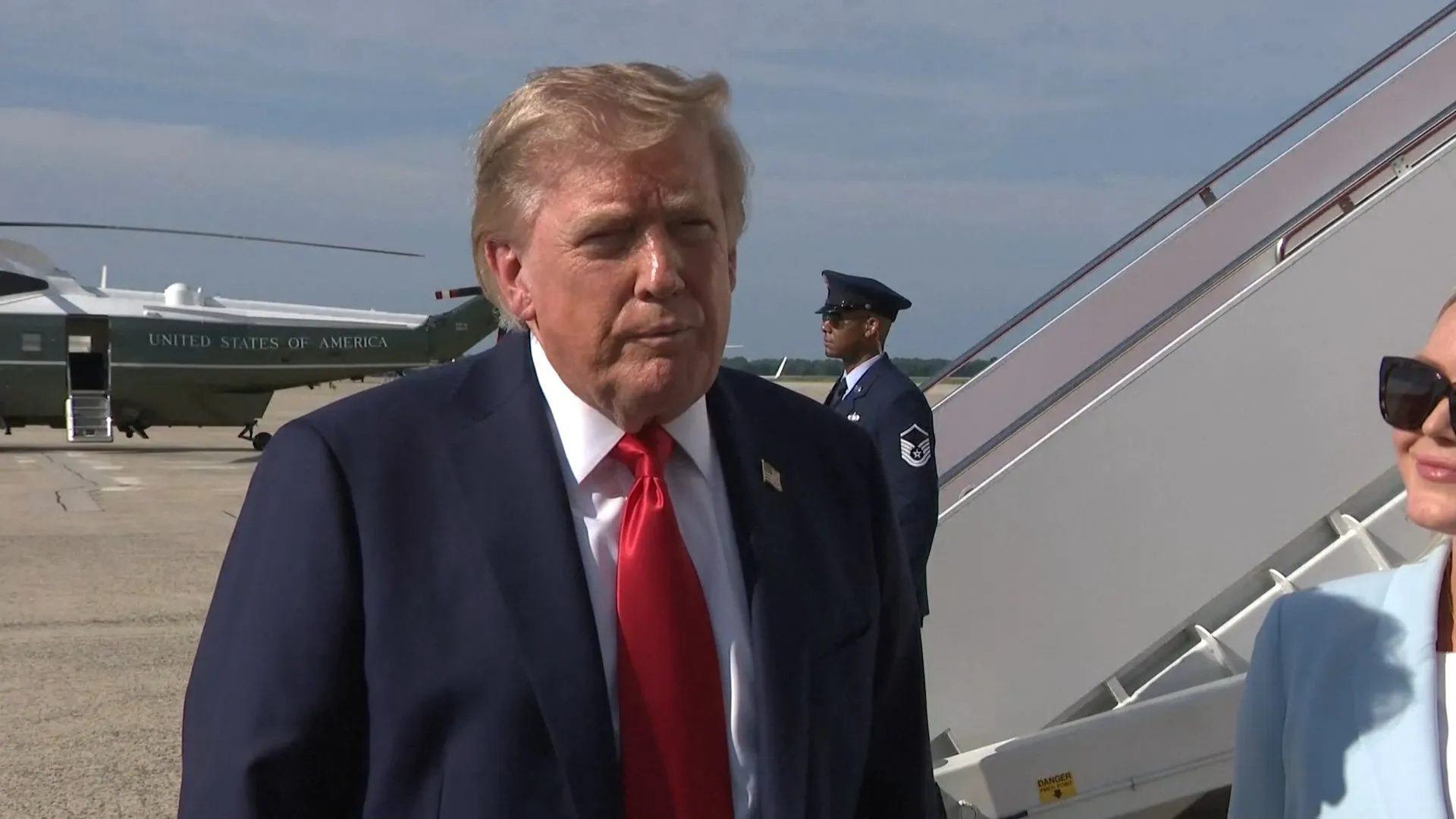
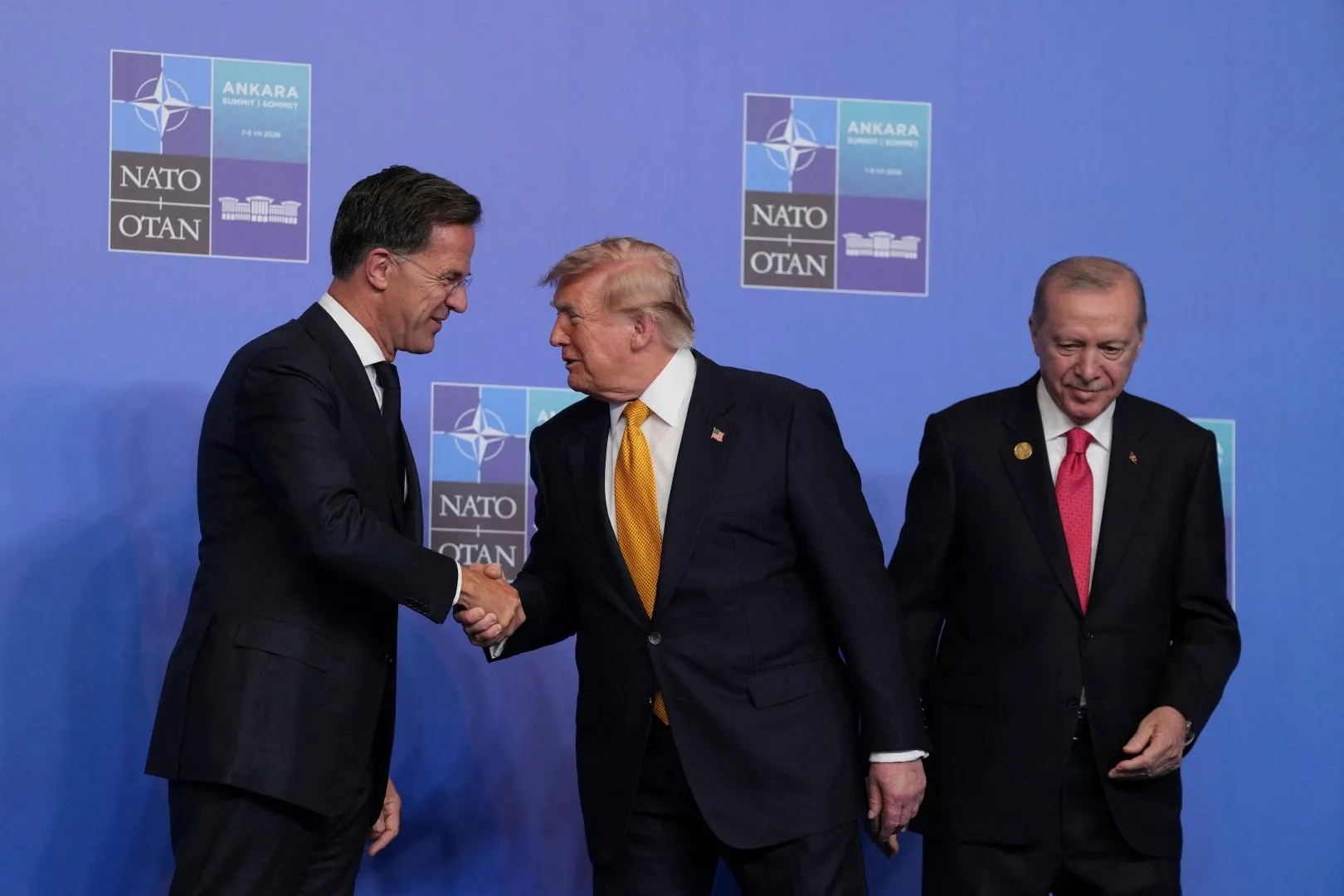
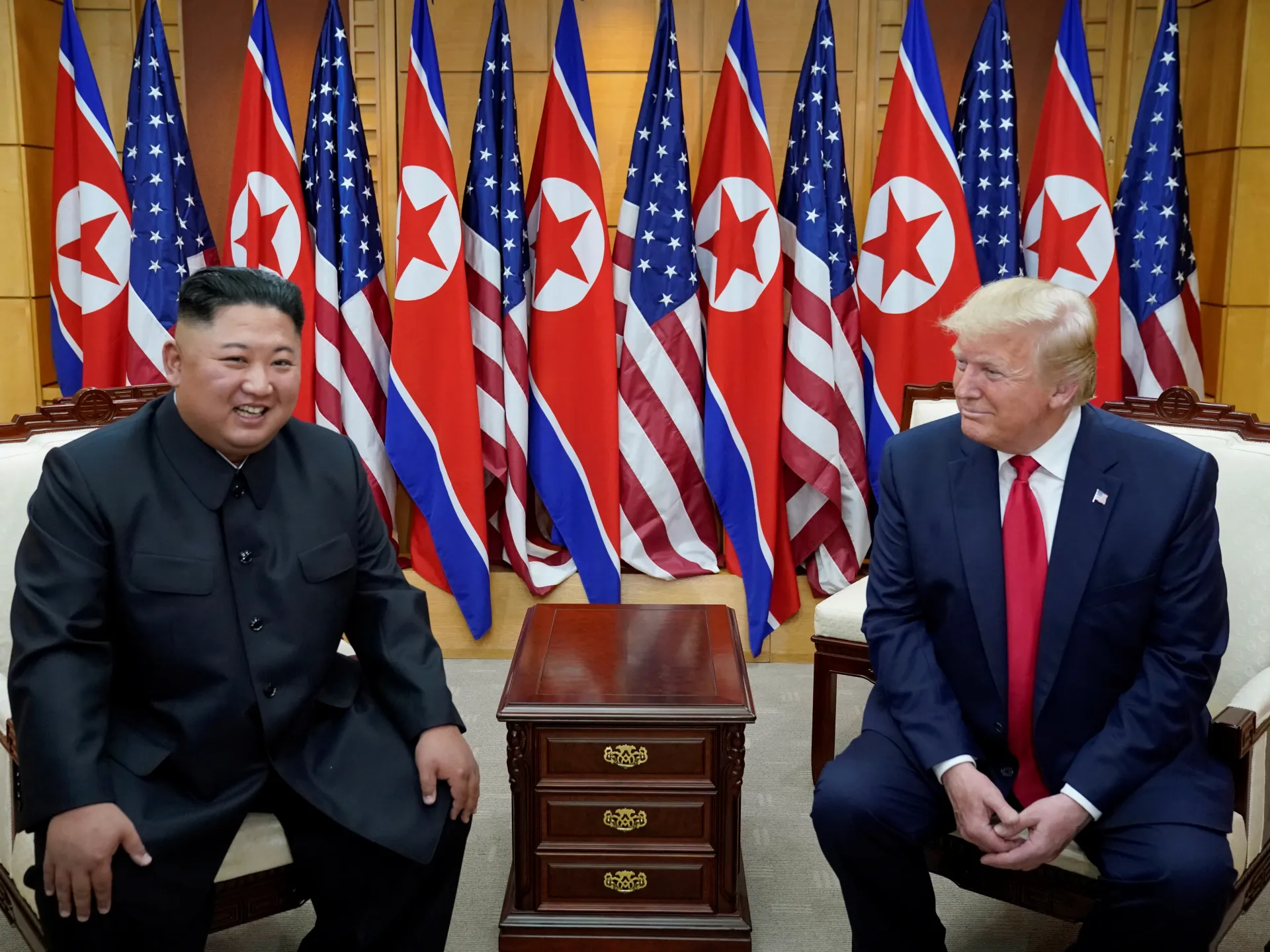
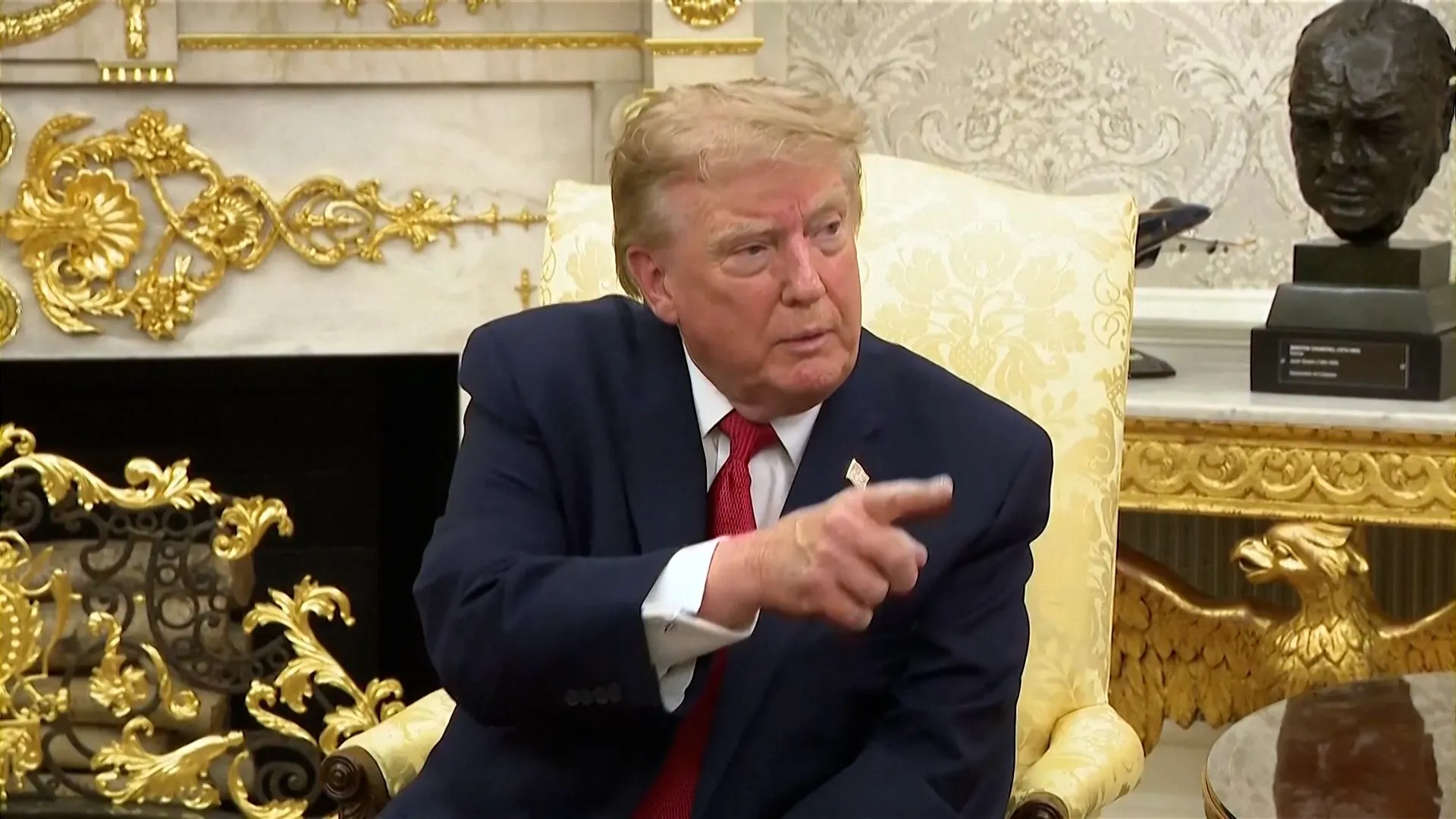
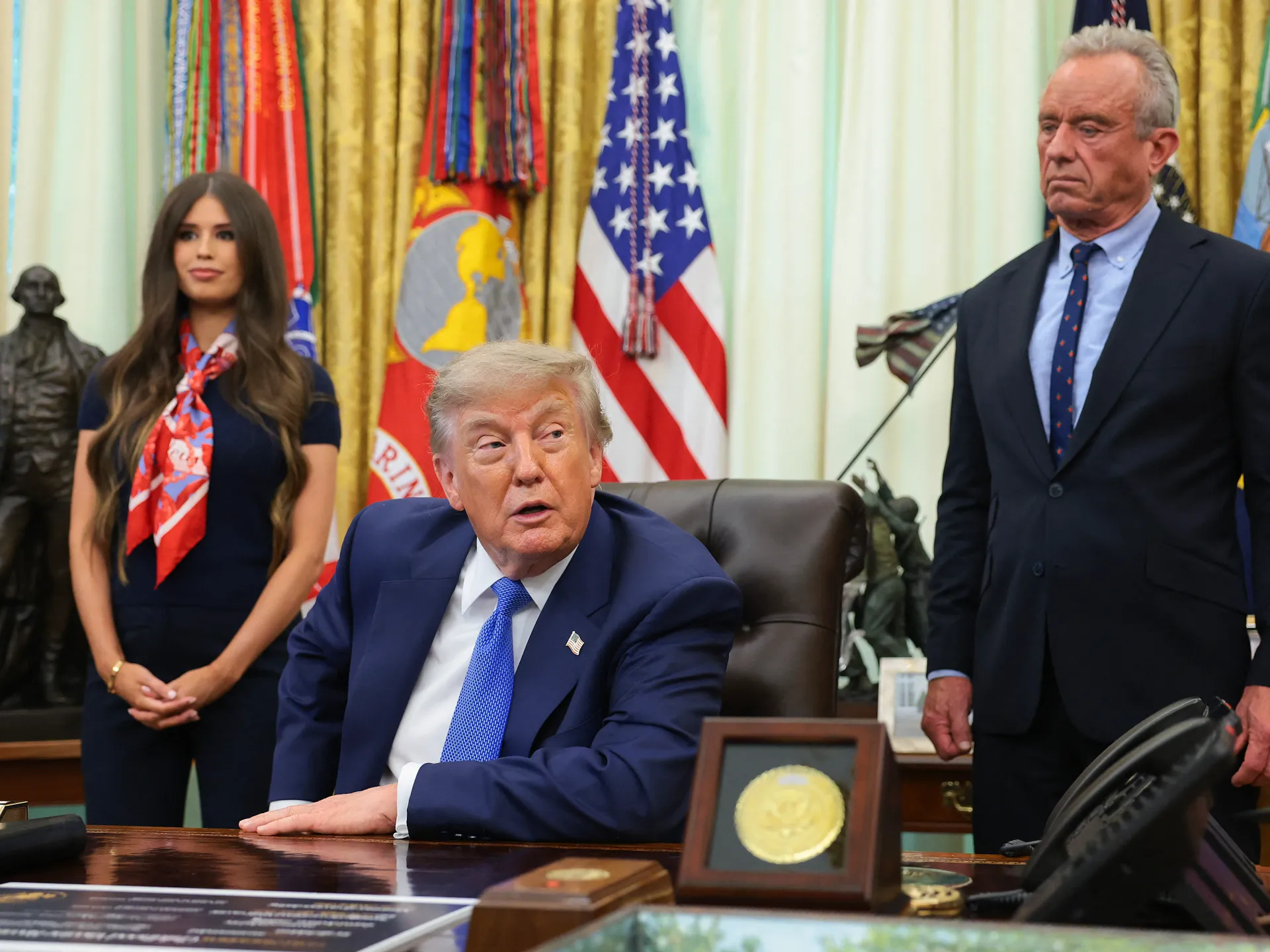
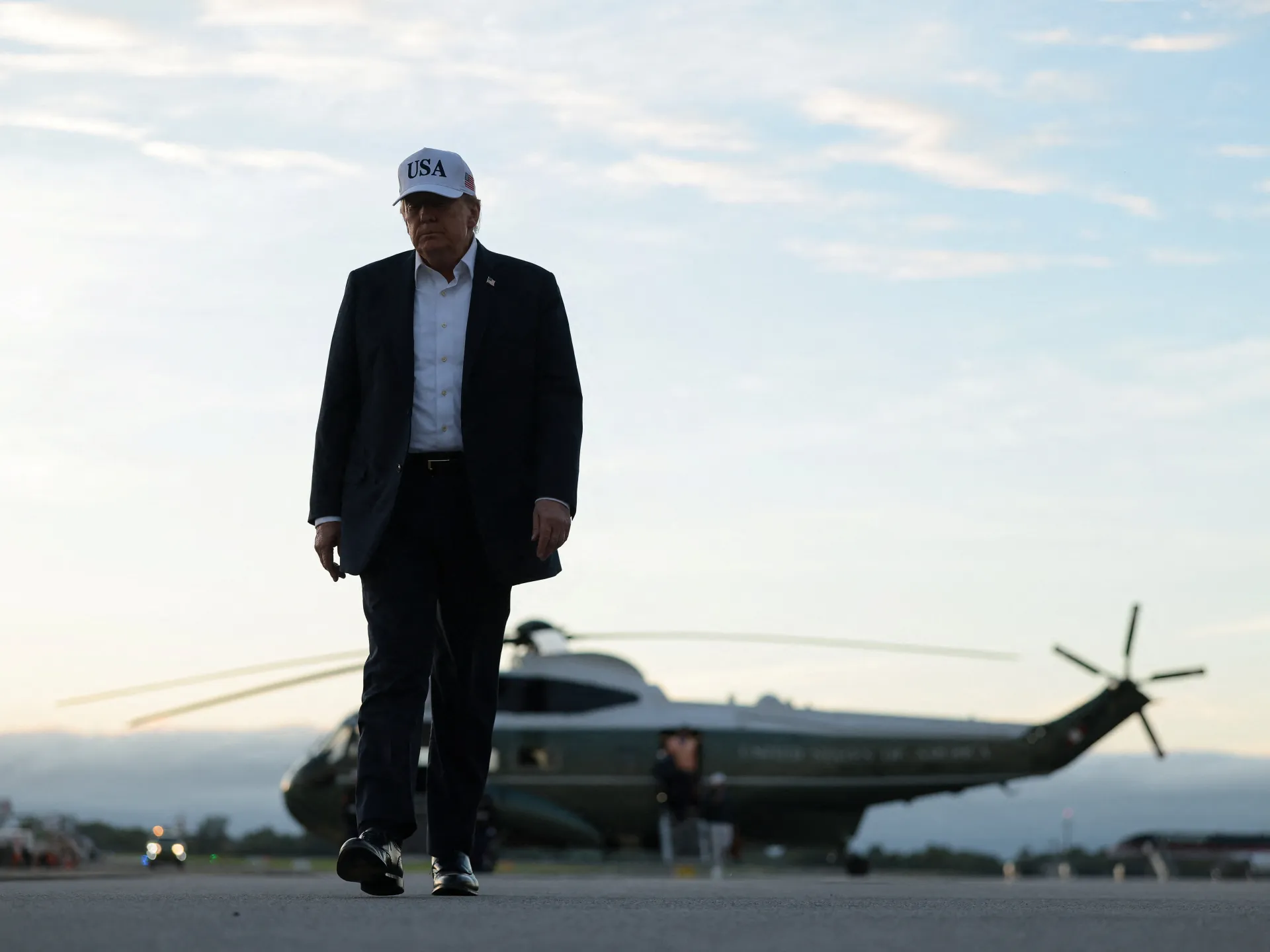
During a high-level diplomatic visit to Dublin, President Donald Trump noted that the Houthis had reached out to the U.S. to express a desire to avoid confrontation. The administration’s public stance suggests that as long as American assets are not explicitly targeted, the U.S. is prioritizing its limited military bandwidth elsewhere. This strategic pivot is not merely a tactical maneuver but reflects a broader assessment of American interests, where the protection of global energy flows is increasingly viewed through a more selective and transactional lens.
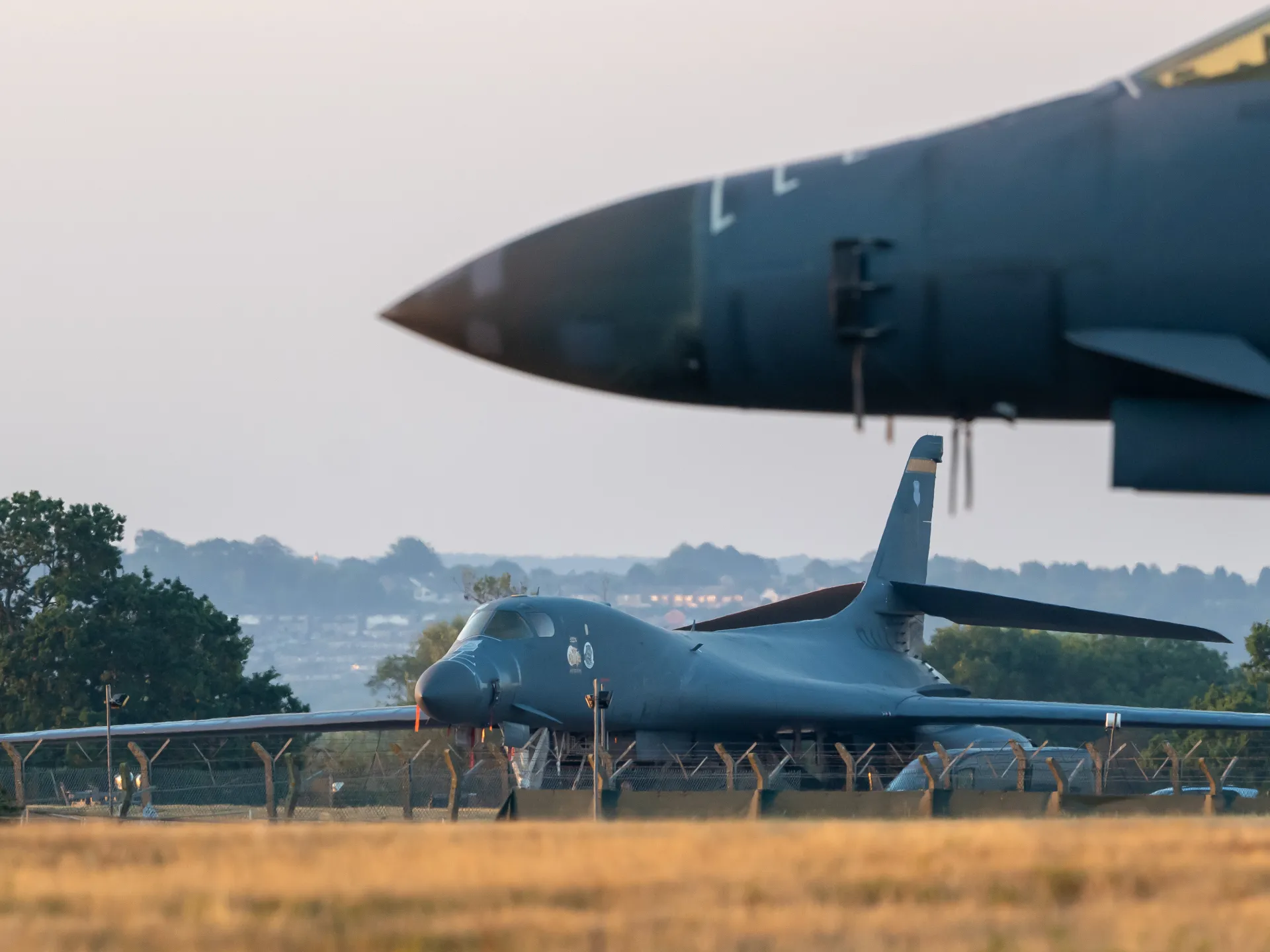
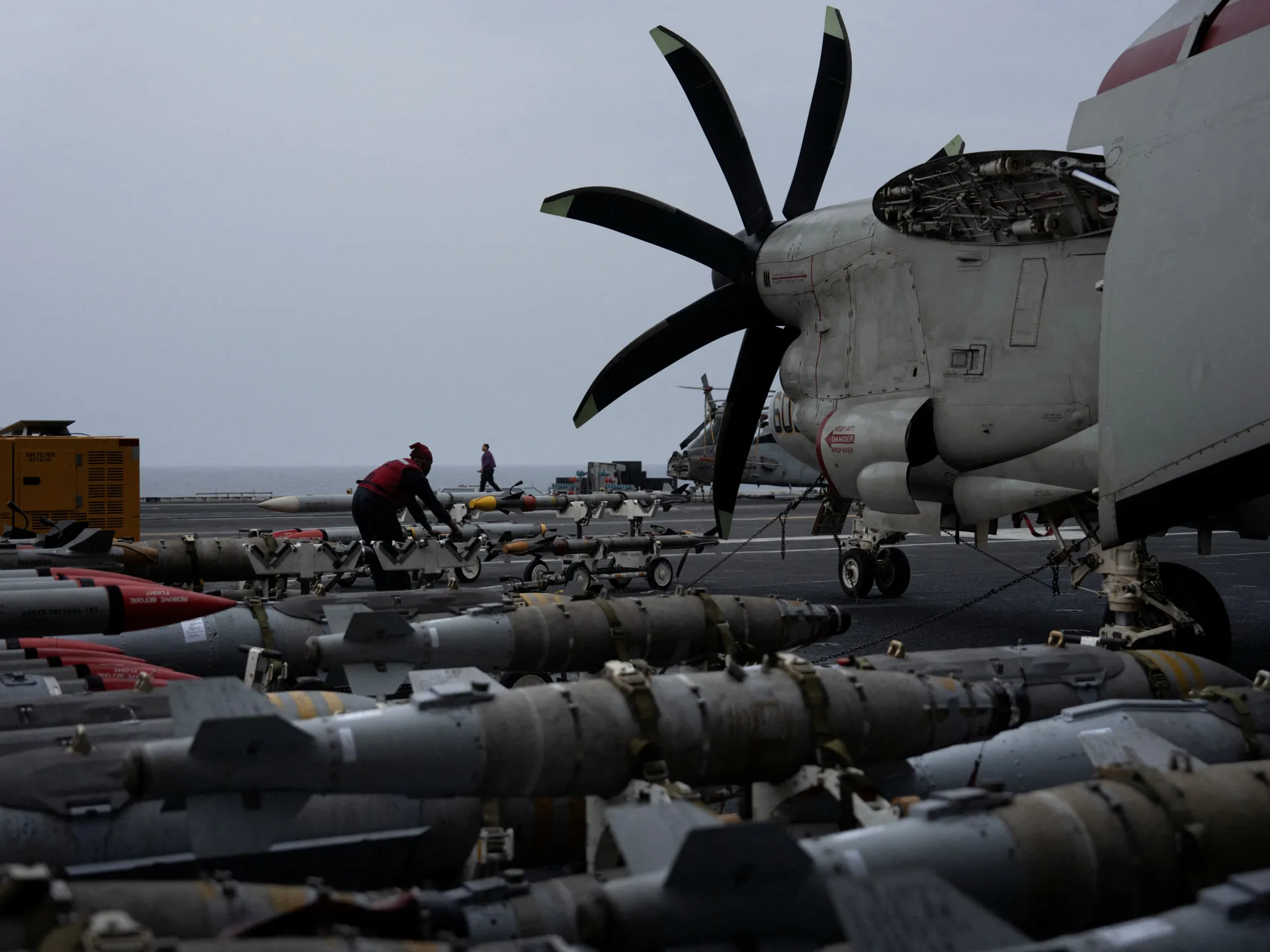
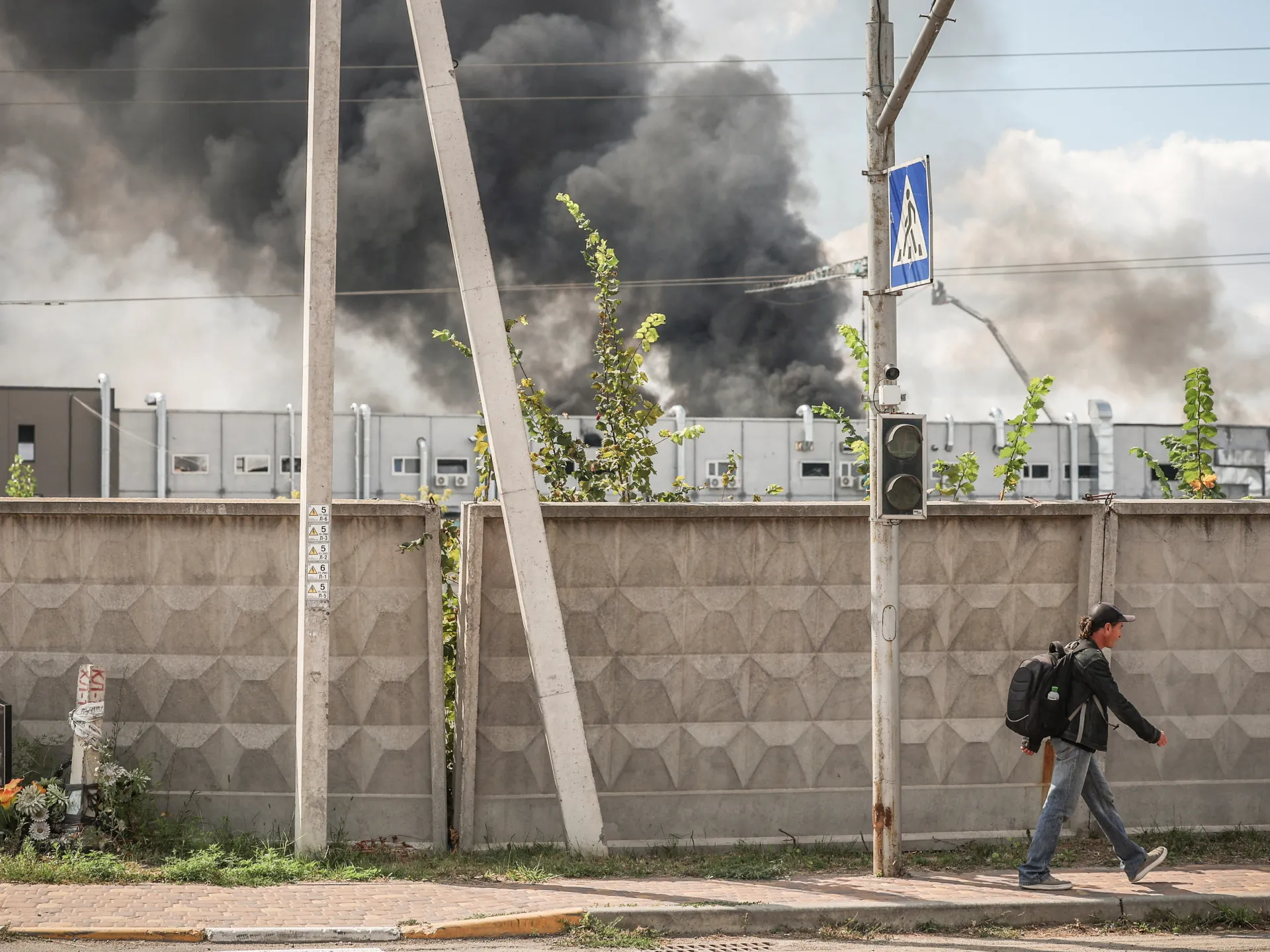
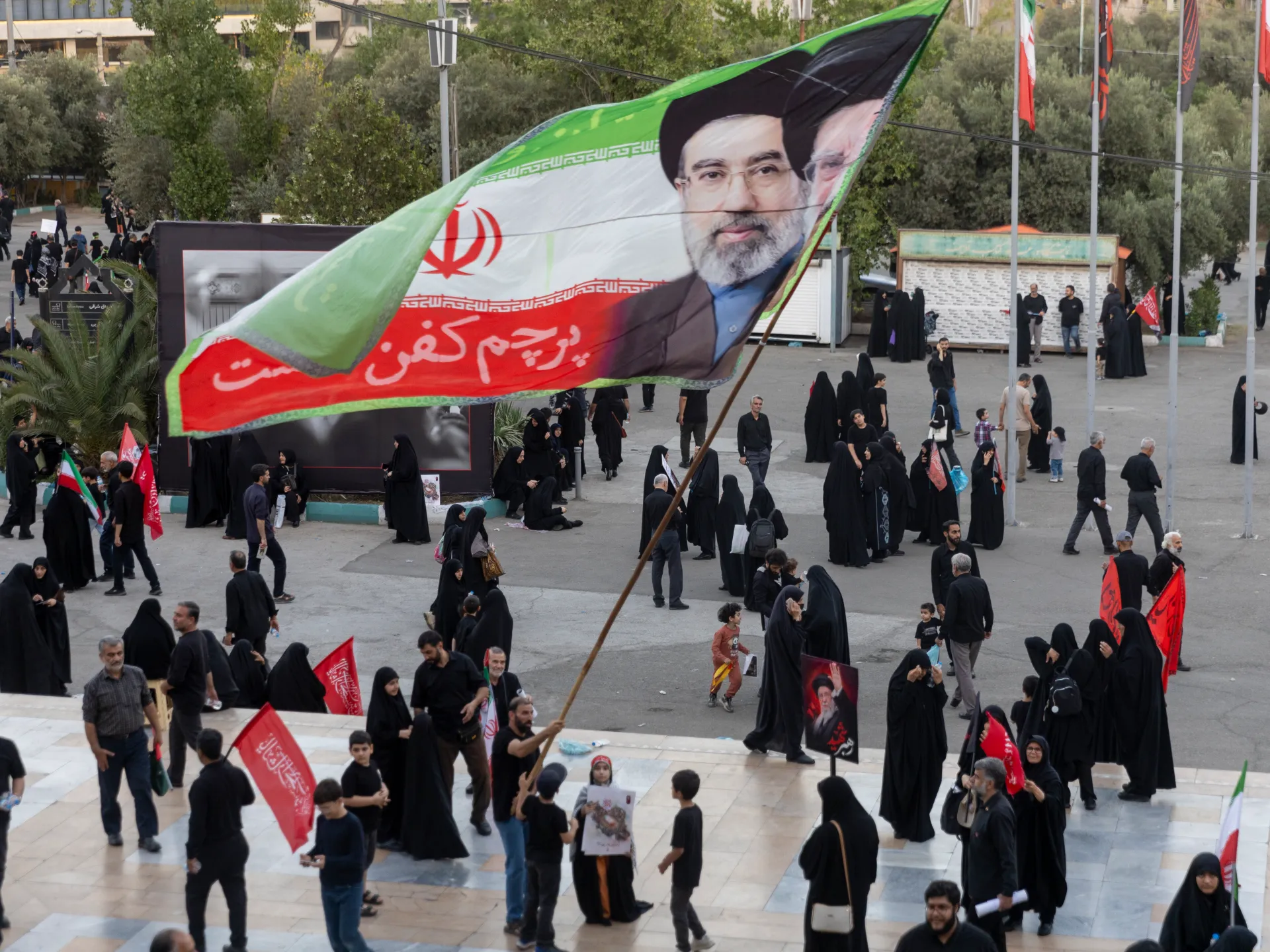
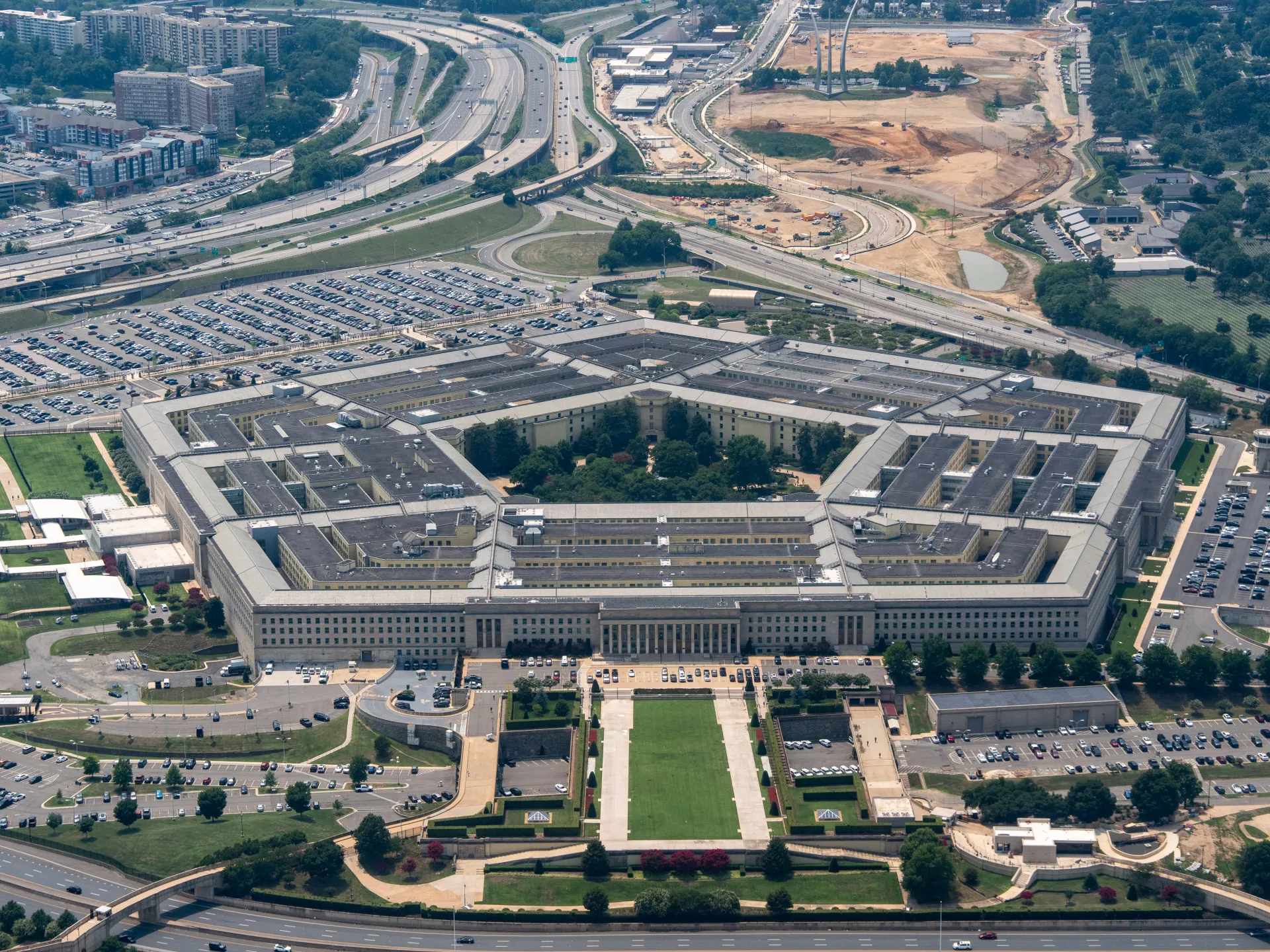
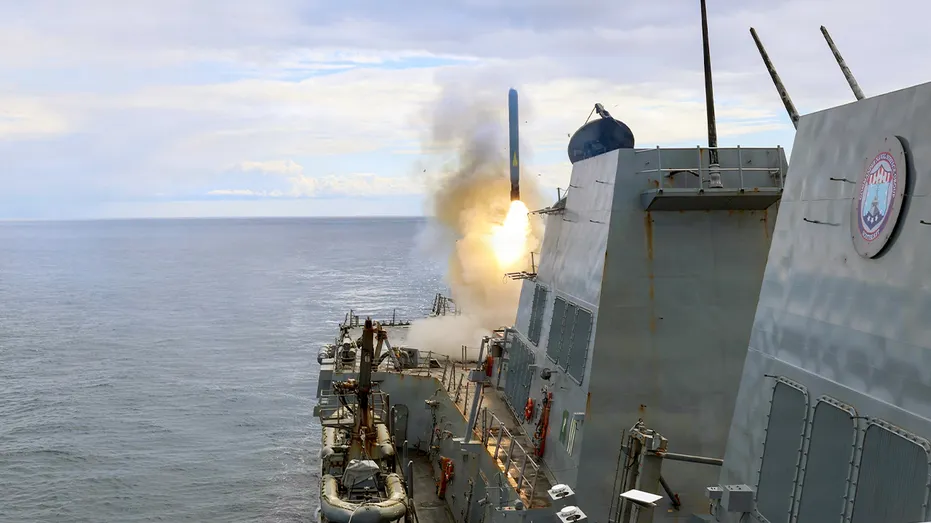
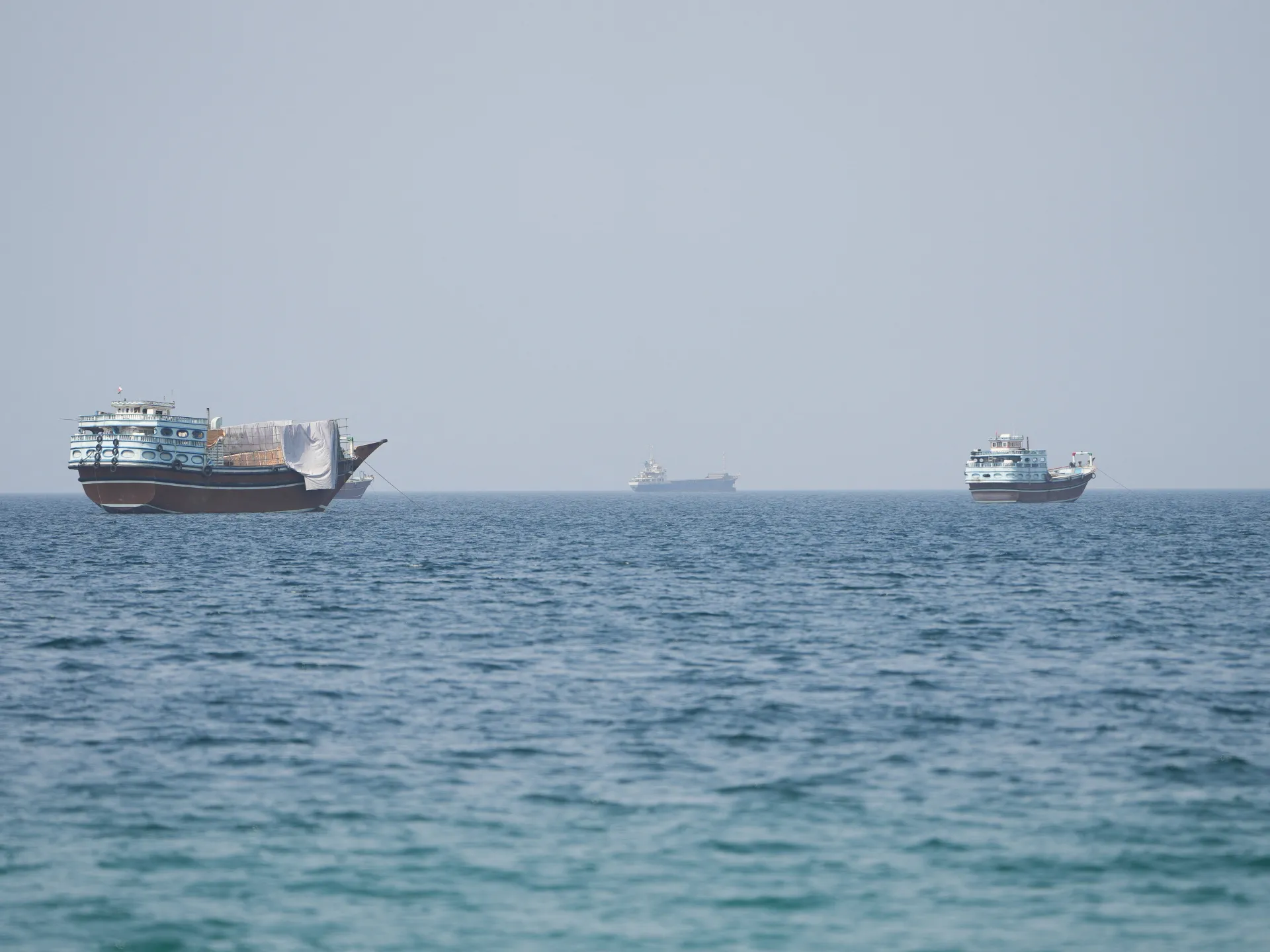
The U.S. military’s current operational focus is heavily concentrated on the Strait of Hormuz, where it is managing the fallout of a wider conflict with Iran. This preoccupation has created a structural limitation on the Pentagon's capacity to open new fronts, such as in Yemen. For the Trump administration, the Bab al-Mandeb strait is often viewed as a secondary concern, particularly as the oil flowing through that region is increasingly destined for Asian markets rather than the United States. This domestic-focused prioritization is further complicated t of new, costly military engagements unappealing to the current administration.
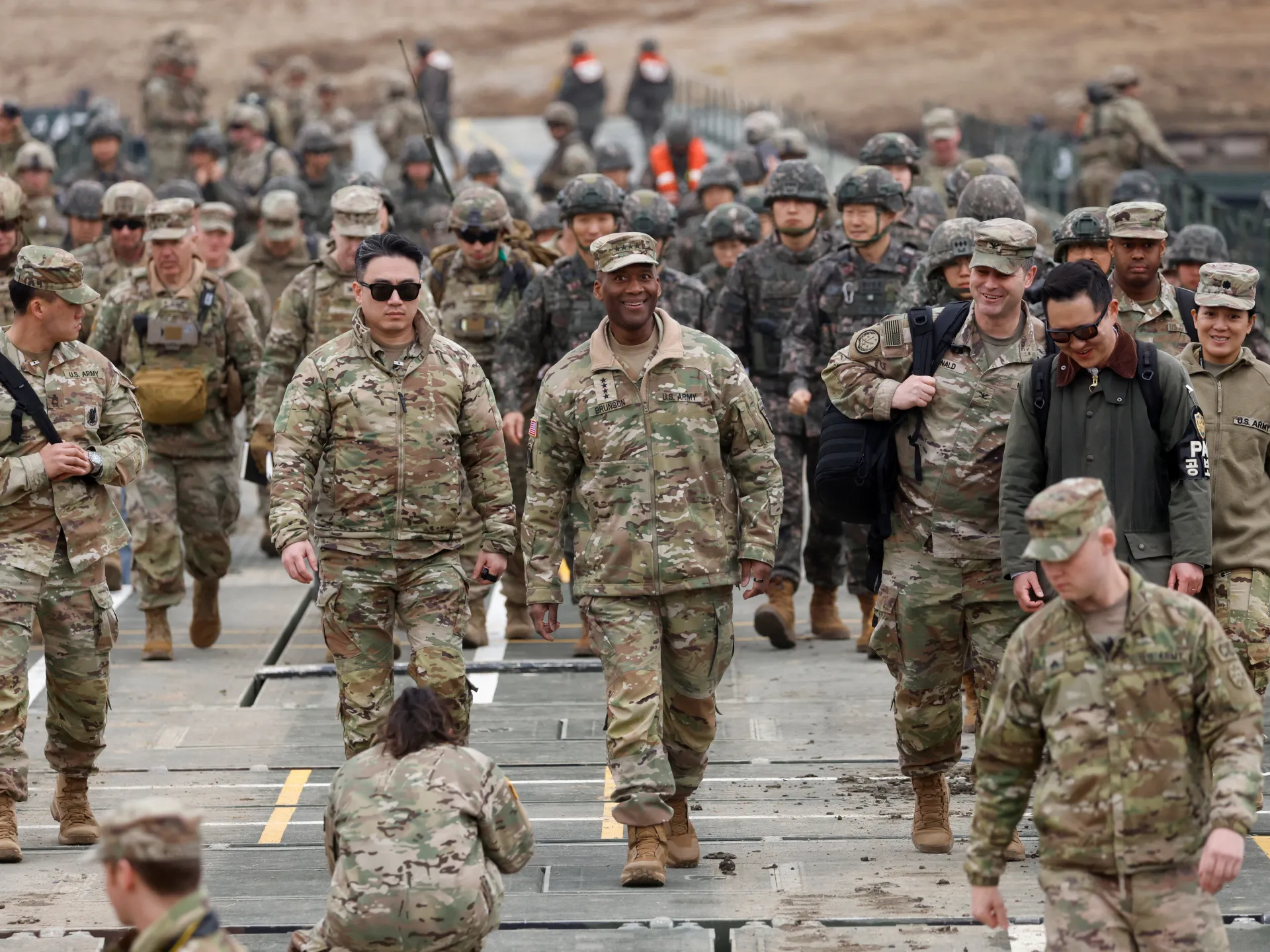
Furthermore, the perceived exhaustion of U.S. military resources has forced a re-evaluation of what the American "security umbrella" actually covers. While the U.S. maintains a presence in the region, the days of unconditional guarantees appear to be waning. This transition has led to a state of uncertainty among Gulf allies who have historically relied on Washington to ensure the security of international waters. The result is a shift toward a more complex, multilateral security environment where Gulf nations are increasingly forced to internalize the costs of their own defense.
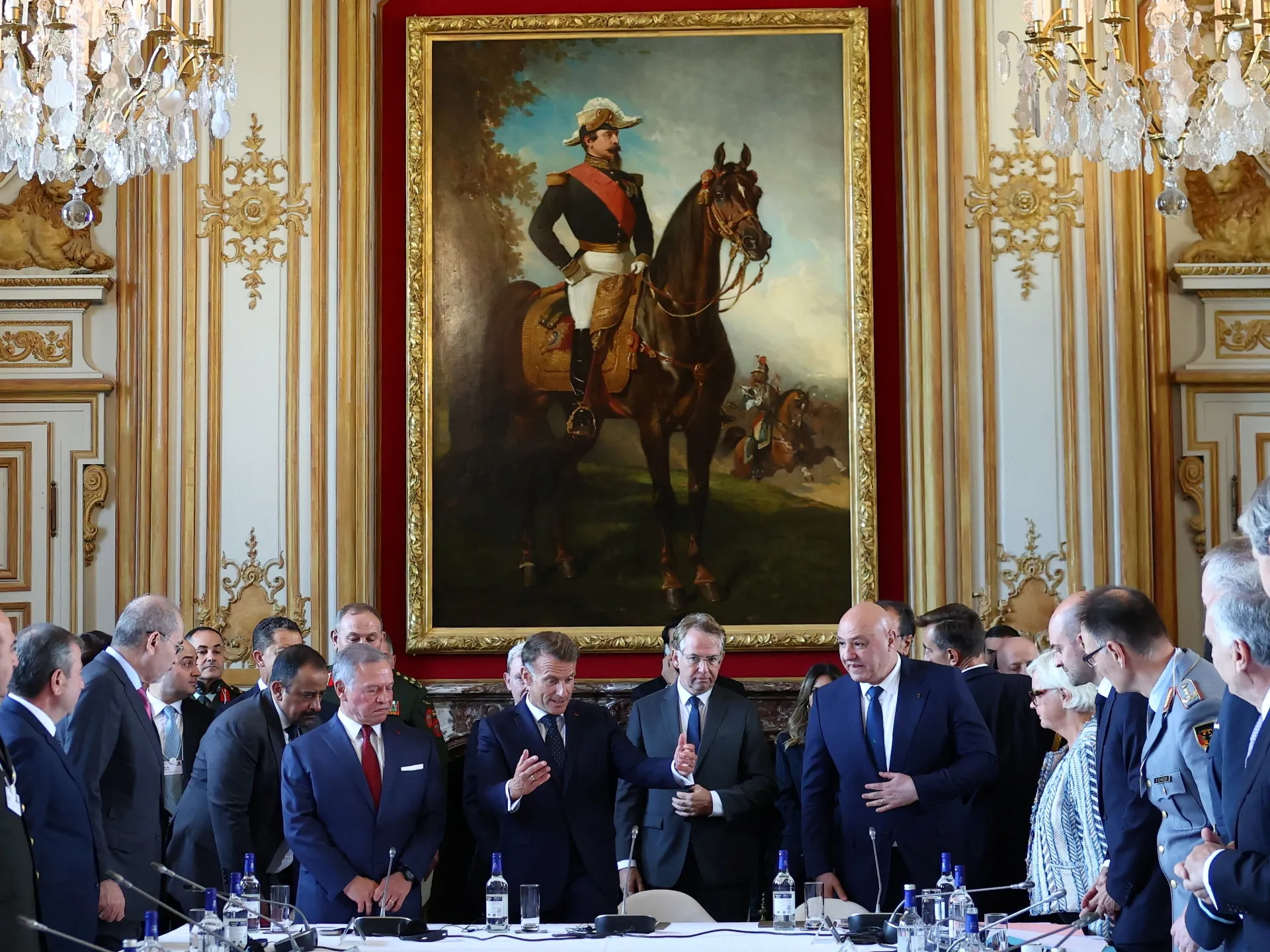
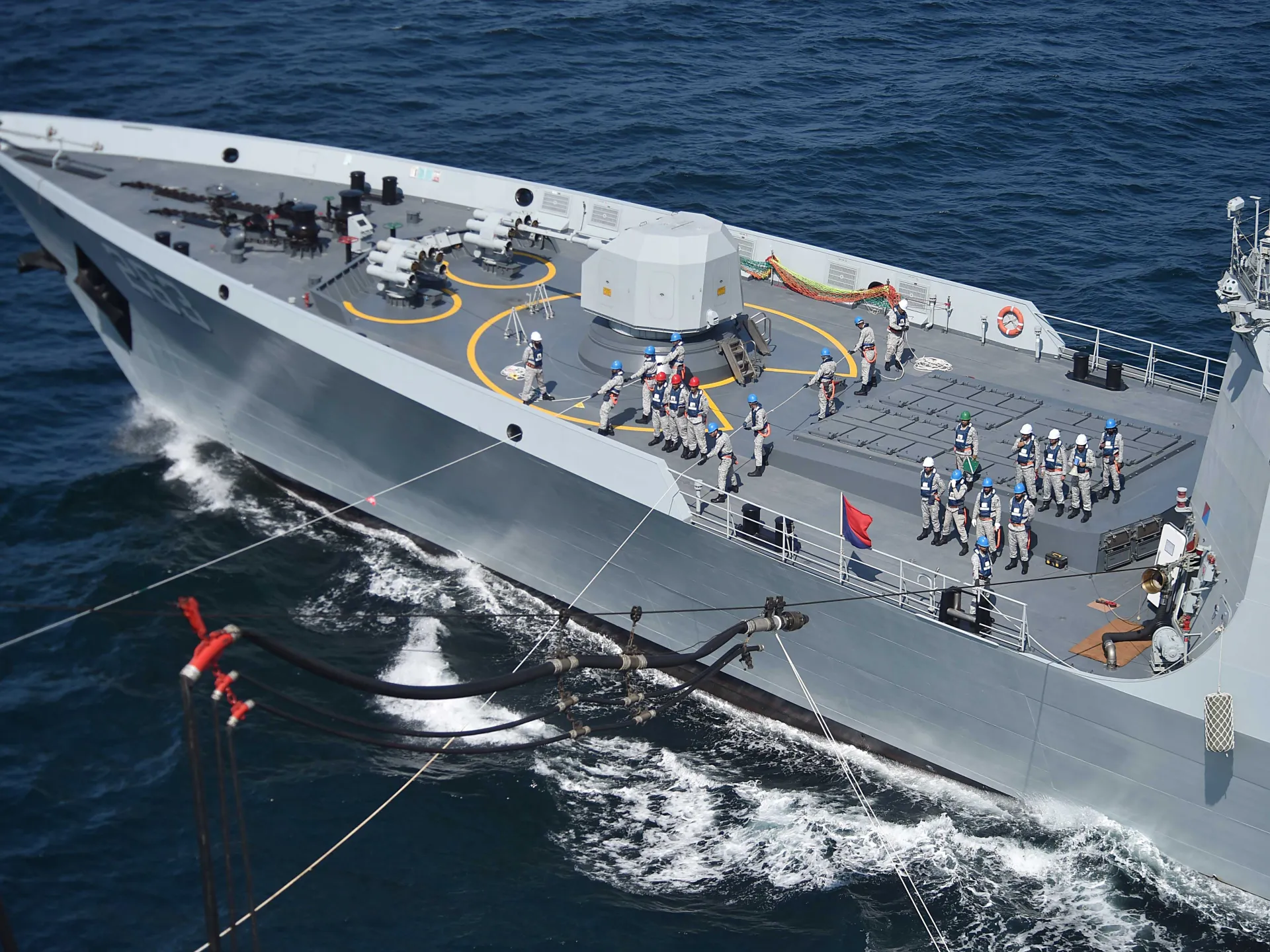
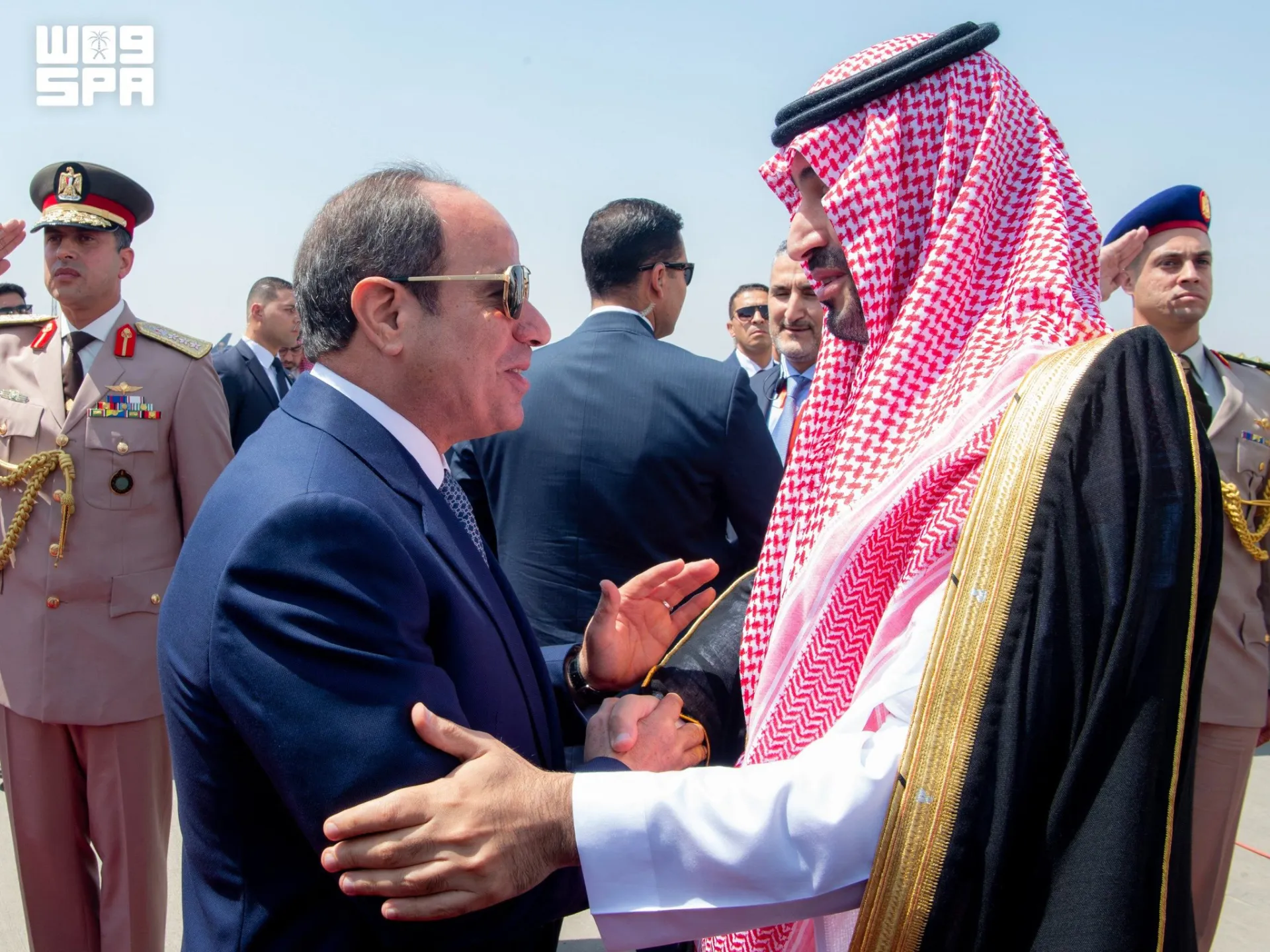
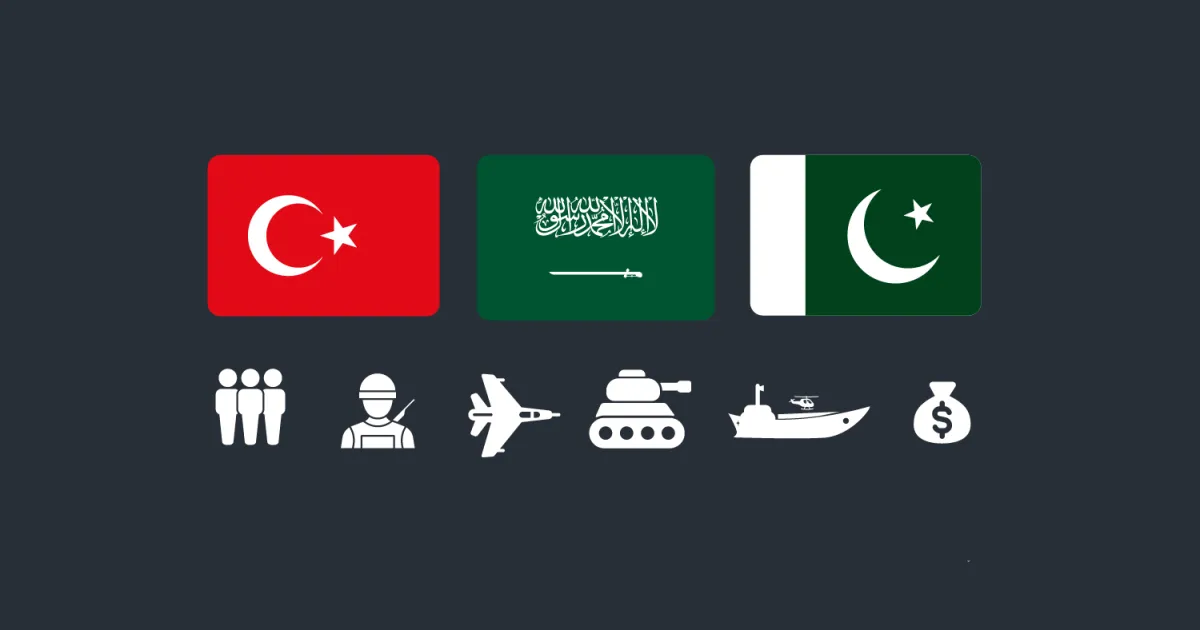
In response to the perceived vacuum left security architecture. The formation of a 14-state multinational defensive maritime alliance—which includes nations like Turkey, Pakistan, and Egypt—represents a fundamental shift in regional defense strategy. o build a framework based on collective responsibility, emphasizing that the protection of international trade routes is a global imperative rather than a task for one nation alone.
This new doctrine serves as a direct message to industrialized nations that benefit from energy security. Saudi leadership has signaled that they are no longer prepared to act as the sole guarantor of global supply stability if their own sovereignty and territorial integrity are left vulnerable. l actors, the kingdom is creating a hedging strategy designed to withstand a more unpredictable international environment. This evolution marks the end of an era where Gulf security was automatically synonymous with American military intervention.
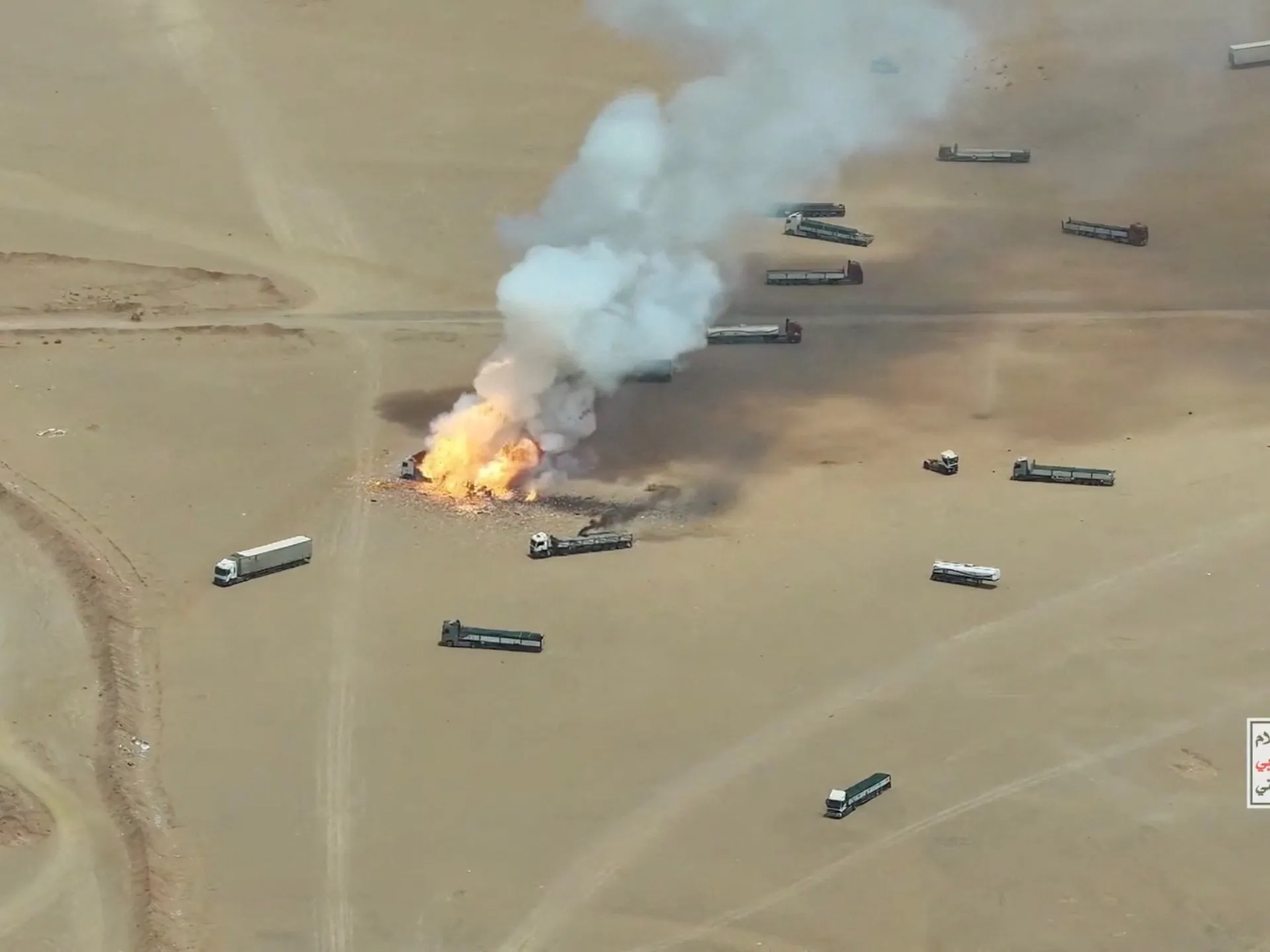
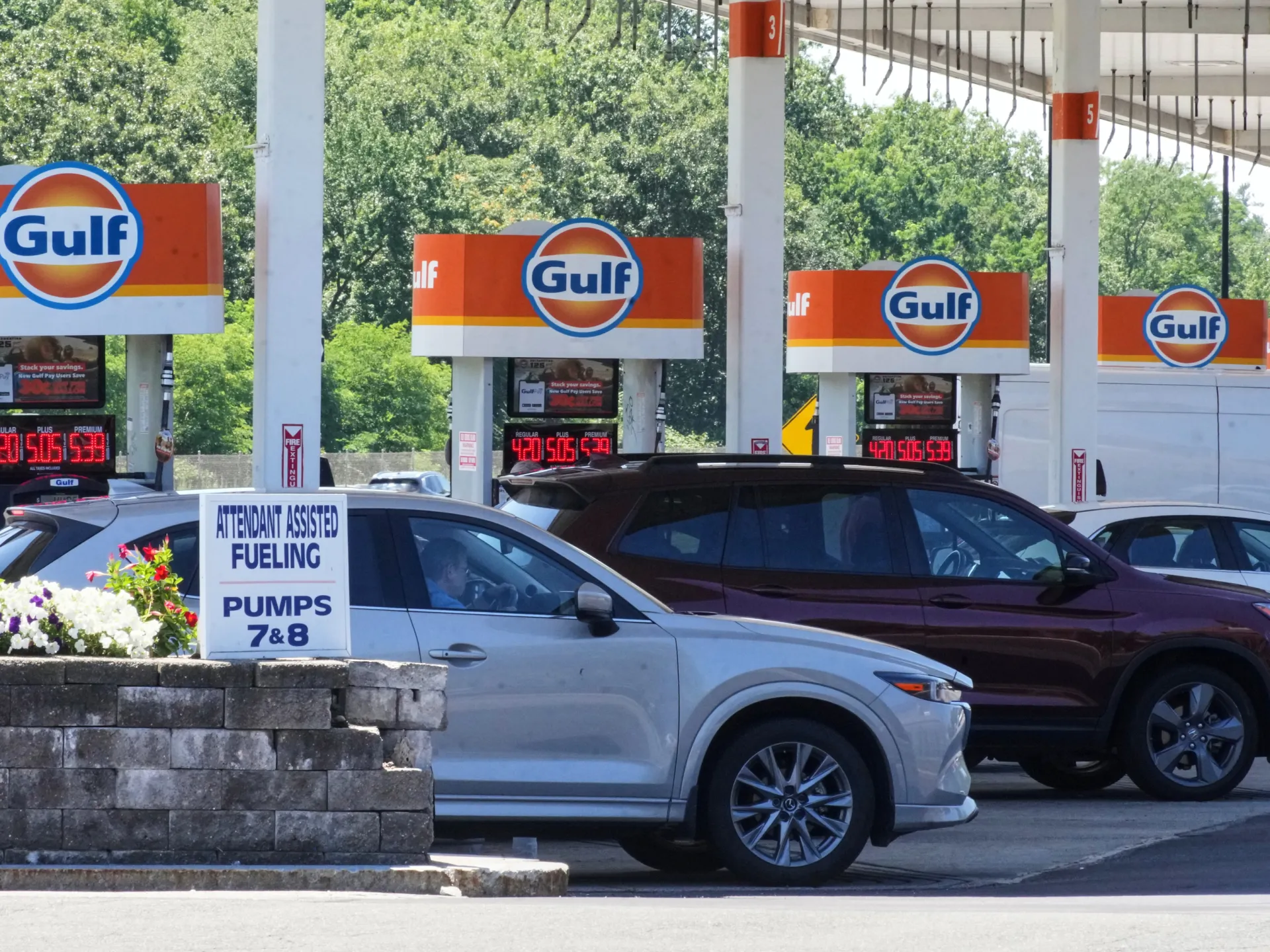
The disruption at Bab al-Mandeb, coupled with the instability near the Strait of Hormuz, has introduced a permanent risk premium into global energy prices. As the Houthis maintain control over critical chokepoints, the volatility of oil and gas supplies is likely to persist. While Saudi Arabia has managed to navigate some of these challenges, the economic impact of reduced exports and higher transit costs serves as a reminder of the fragility of the global energy system. The indifference shown security solutions.
Ultimately, the current situation underscores a structural weakness in traditional deterrence models. As the U.S. faces internal political constraints and competing global priorities, the regional powers are forced to redefine their alliances and military postures. The transition from a comprehensive U.S. security guarantee to a more fragmented, conditional model is likely to define the next chapter of geopolitics in the Middle East, necessitating a more proactive and collaborative approach from all nations dependent on the stability of these critical maritime channels.