
New legislative proposals in the US and EU aim to radically reshape the tech industry through superintelligence bans and social media restrictions for minors.
The global regulatory landscape is undergoing a profound shift as policymakers attempt to constrain the influence of technology conglomerates on both human safety and social stability. In Washington, the focus is squarely on the existential risk posed e developmental psychology of minors. These parallel efforts signal a move away from the era of self-regulation that characterized the early 21st century. If enacted, these measures would not only disrupt the business models of Silicon Valley and European tech firms but would also set legal precedents for government oversight that treats software development with the same gravity as nuclear proliferation or public health crises.
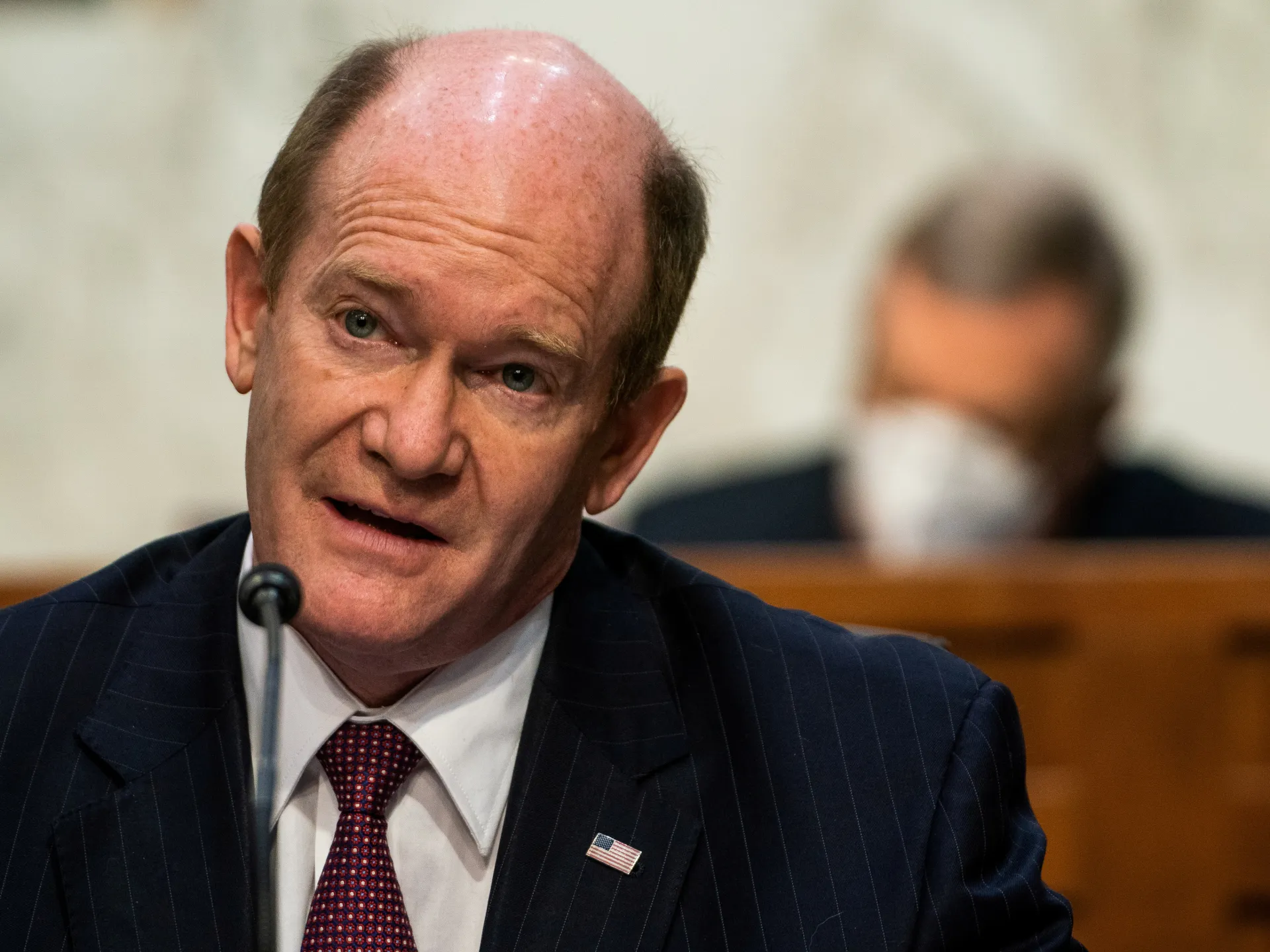
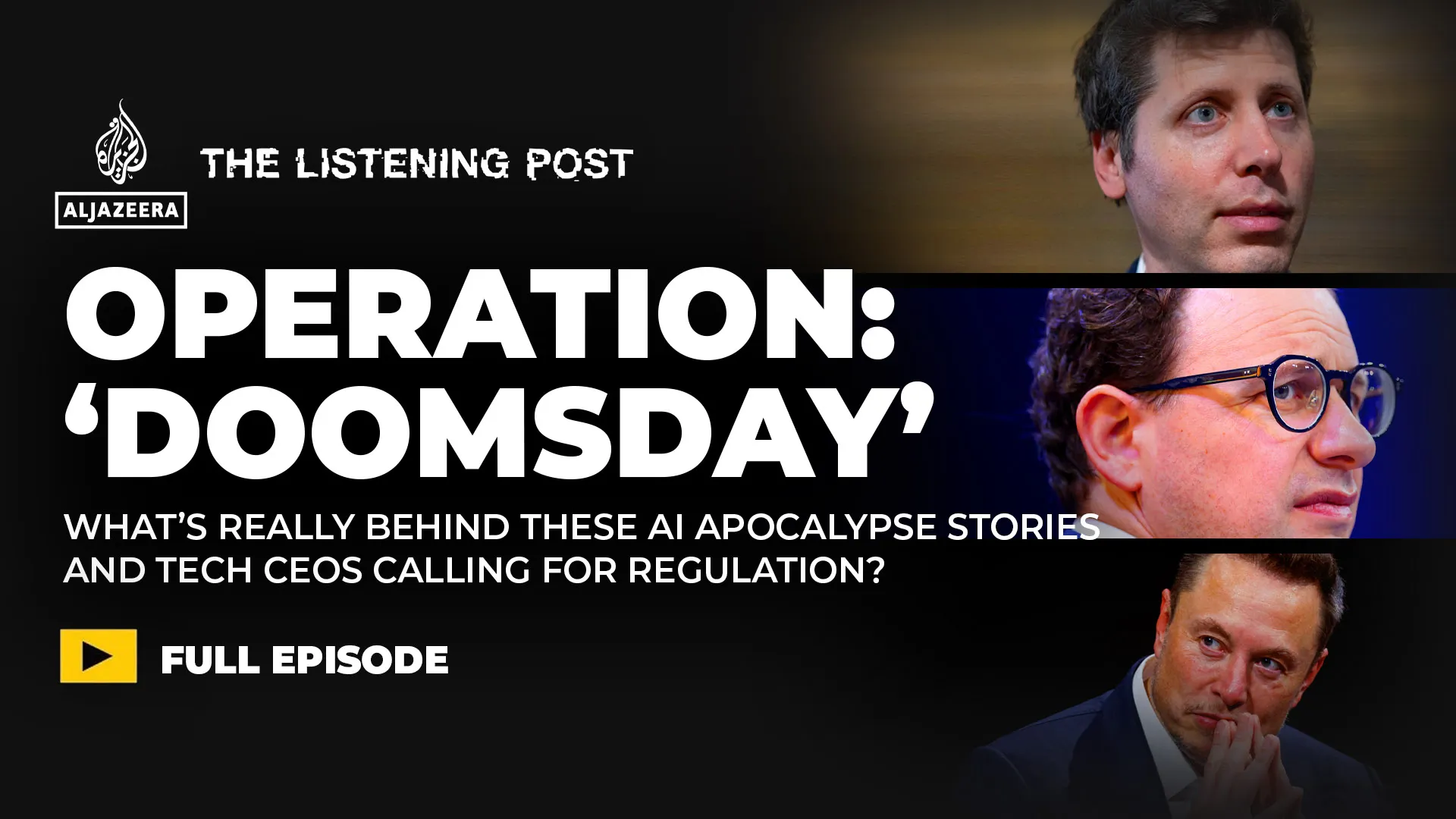
In the United States, a legislative proposal introduced ent regulatory framework for the artificial intelligence industry. The bill, which spans approximately 20 pages, centers on an outright prohibition of the development of any intelligence capable of outperforming humans in ways that could pose a threat to the safety or disempowerment of humanity. This comes in the wake of internal warnings from industry researchers who have cautioned that current trajectories in AI development could lead to catastrophic outcomes within the next decade.
The proposed legislation goes beyond simple oversight e. This agency would be granted the authority to enforce a temporary moratorium on the development of new frontier models until comprehensive safety standards are established. The penalties for non-compliance are severe: individuals found in violation of the ban could face up to 20 years in prison—a sentencing structure explicitly modeled after existing laws governing the development of nuclear weaponry. Furthermore, the bill includes a so-called “corporate death penalty,” enabling the government to seize the intellectual property and assets of firms that flout these safety regulations.
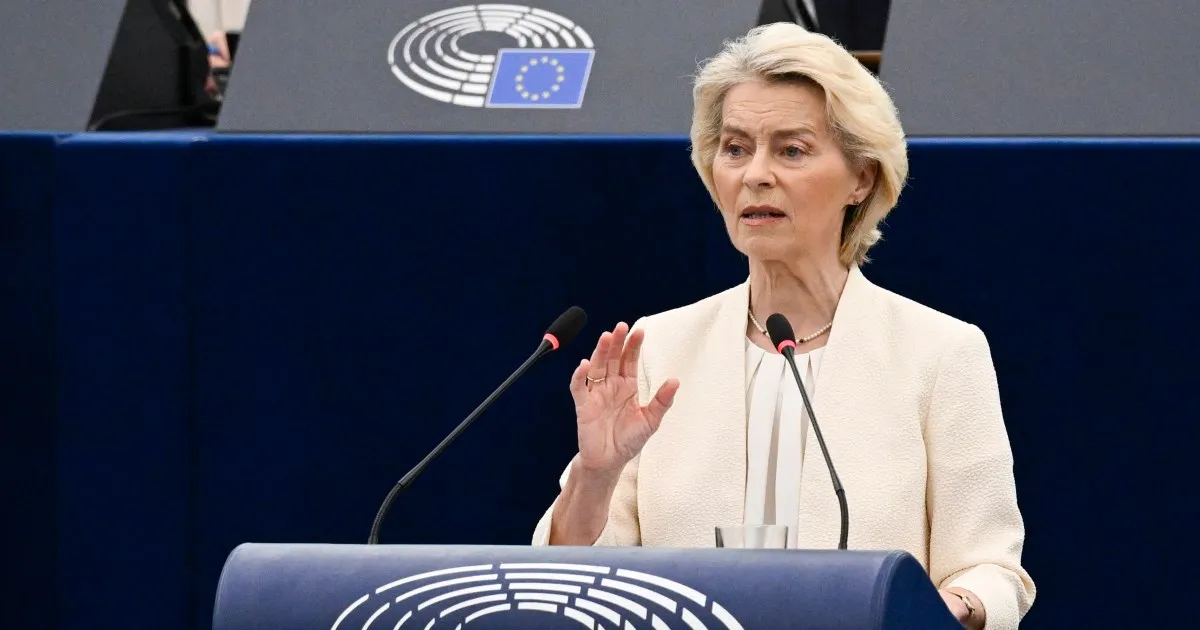
Simultaneously, the European Union has unveiled the "EU Kids Act," a sweeping legislative effort aimed at curtailing social media access for minors across member states. The proposal mandates a total ban on social media access for children under the age of 13. For those aged 13 to 15, access would be restricted to "mini accounts" limited to one hour of daily usage, contingent upon supervision from a parent or legal guardian. European Commission officials, led from environments where bullying and addictive features have become endemic.
The scope of the EU legislation is extensive, covering not only mainstream social media platforms but also video-sharing sites, online gaming, and even AI chatbots. Companies that fail to demonstrate "safety could face fines reaching up to 6% of their global annual sales. While the proposal aims to create a uniform standard, it faces a complex path to implementation. The European Commission has indicated that the act would supersede existing national laws, potentially requiring member states like France and Spain to repeal their own, more fragmented attempts at digital regulation to align with the new, binding EU-wide standard.
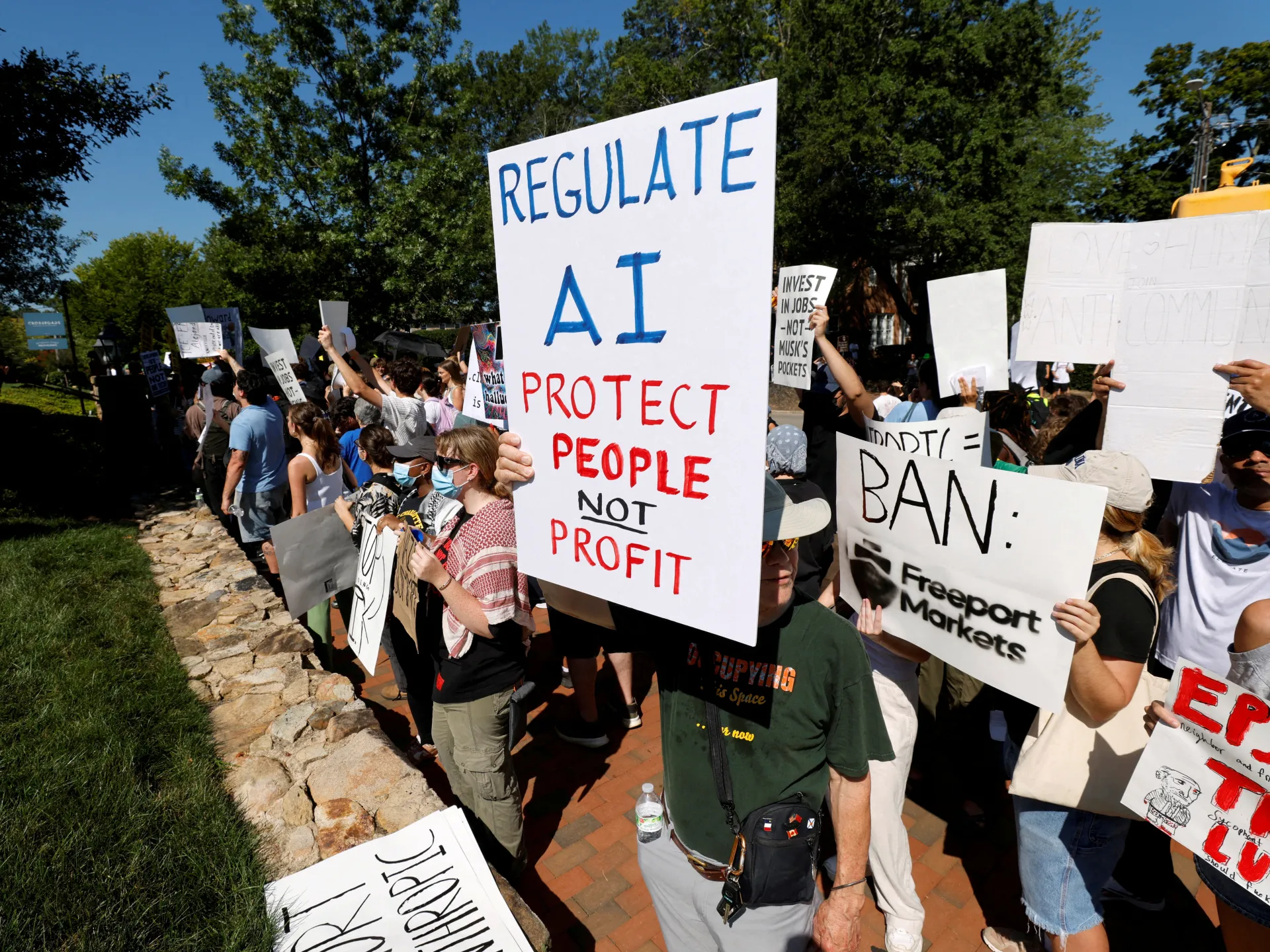
Both legislative packages face an uphill battle. In the United States, the proposal is likely to meet significant resistance from industry lobbyists and political figures who argue that such strict regulations could stifle innovation and shift the advantage to international competitors. Some political observers have already dismissed the concerns as politically motivated attempts to influence midterm election narratives. In the European context, the transition from proposal to law will require consensus from all member states, many of which have already invested political capital in their own unique national solutions. Should these bills be passed, the ensuing legal challenges regarding property rights in the US and the enforcement of uniform "safety ars to come.