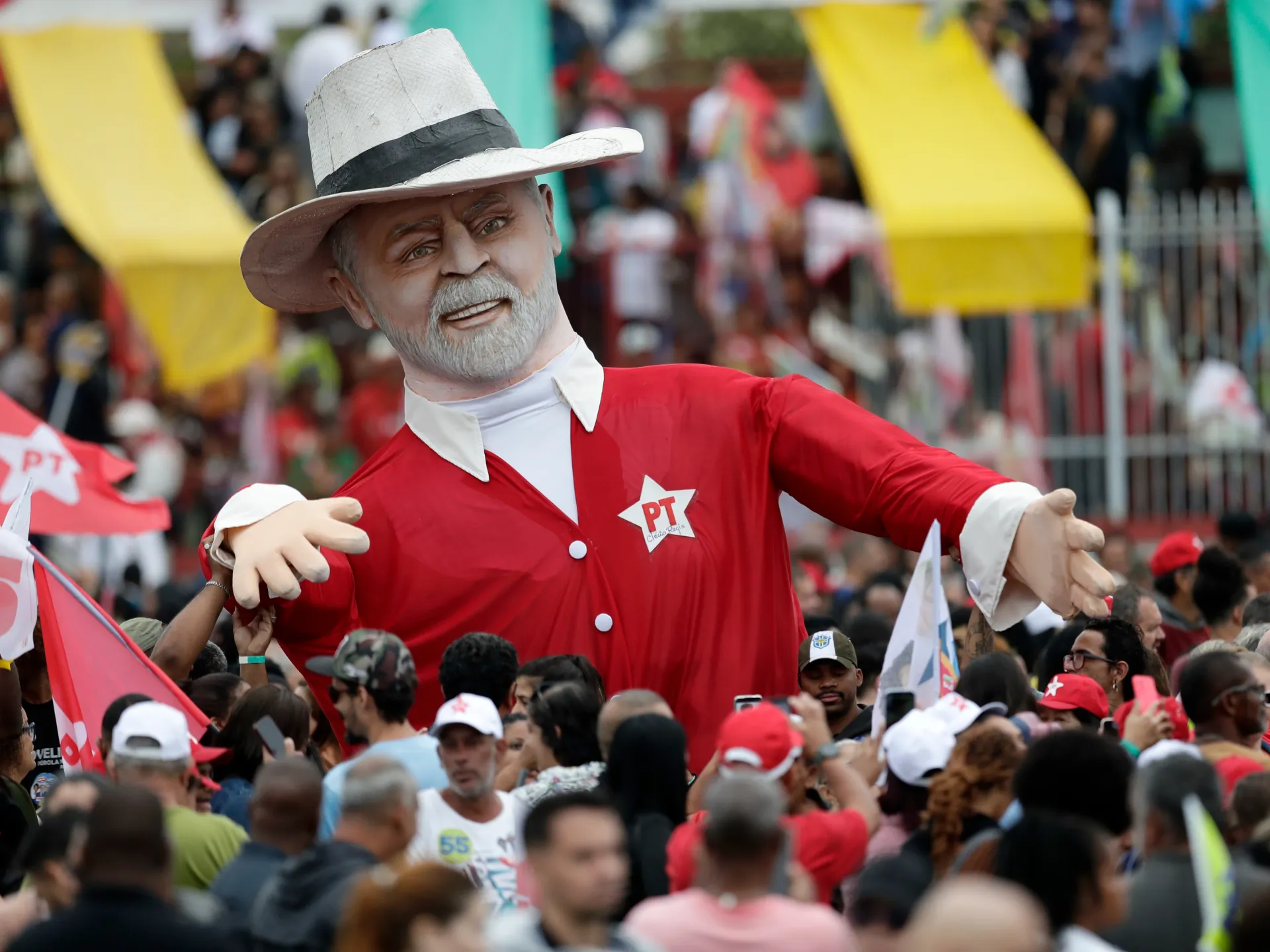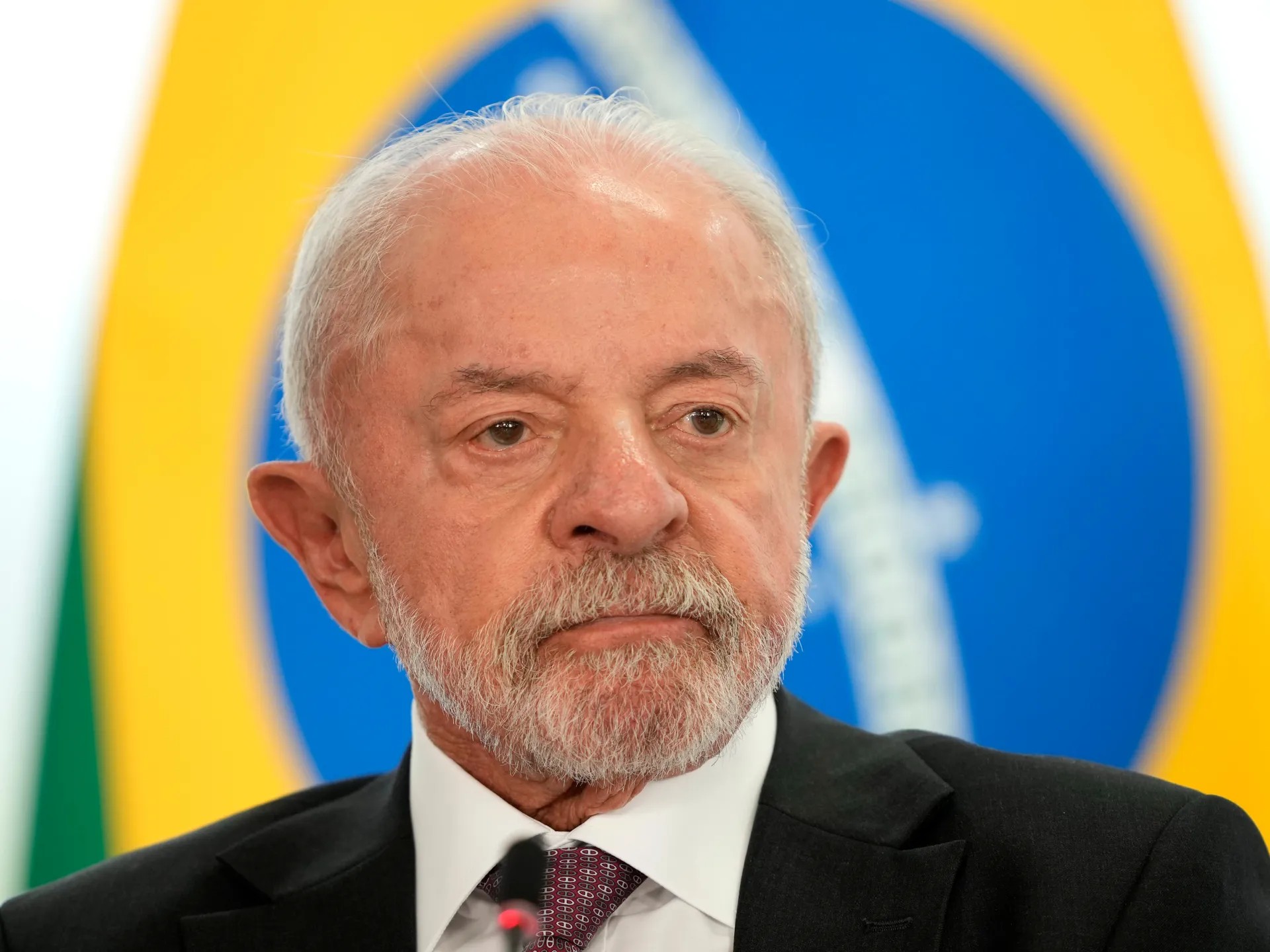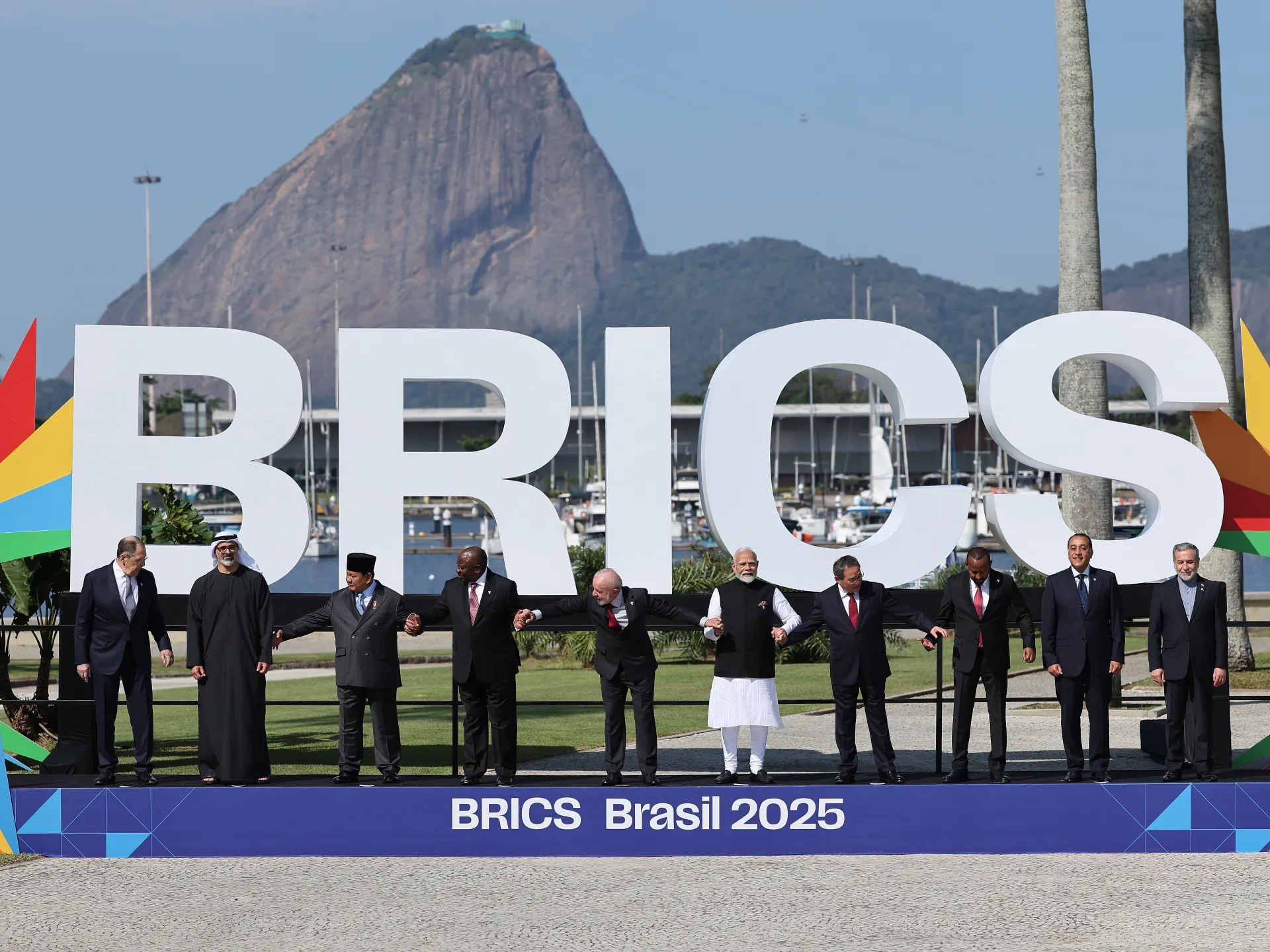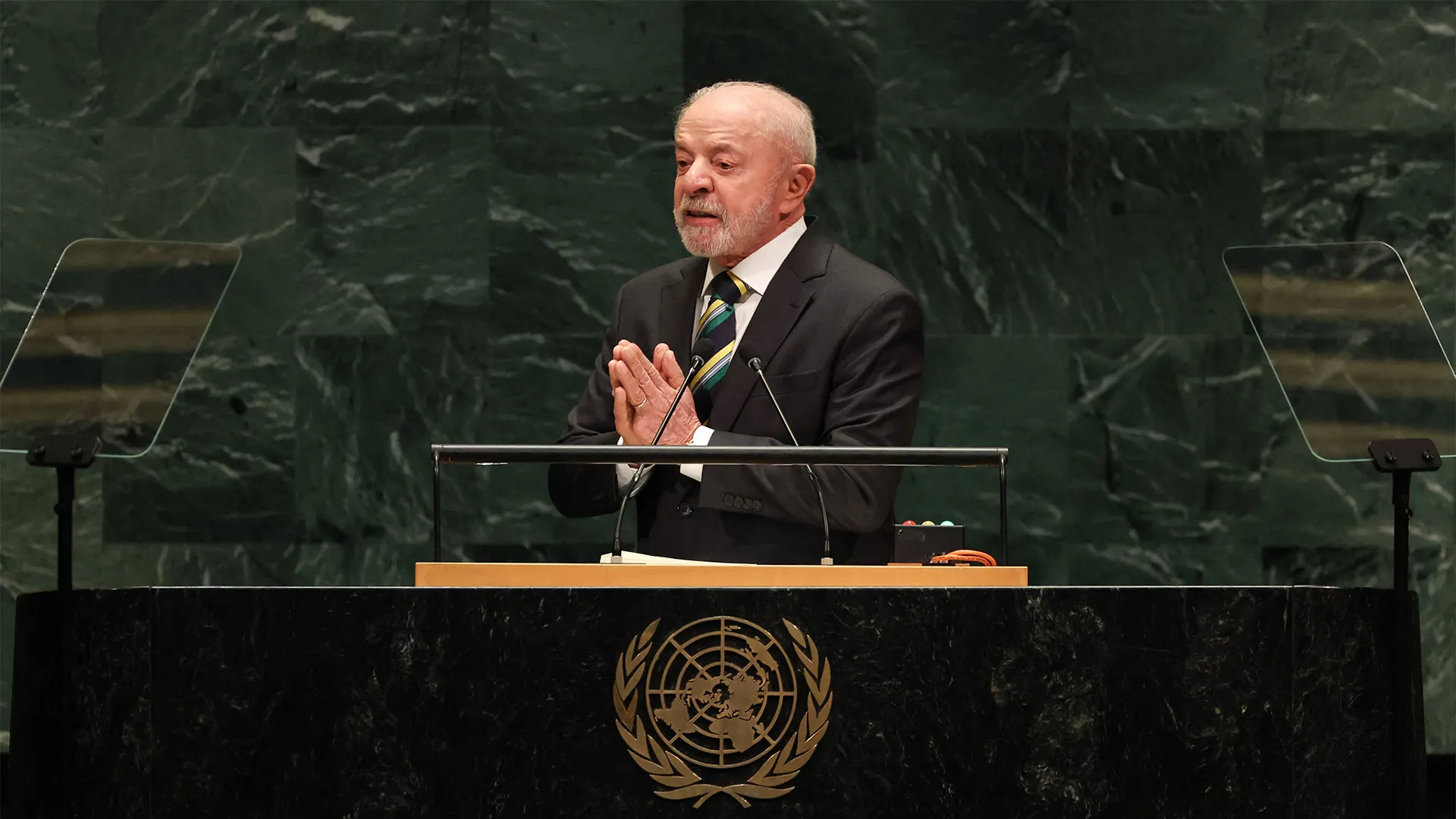
Brazilian President Luiz Inacio Lula da Silva has expressed concerns over the long-term impact of the war in Gaza, while simultaneously defending the work of a key UN human rights official.
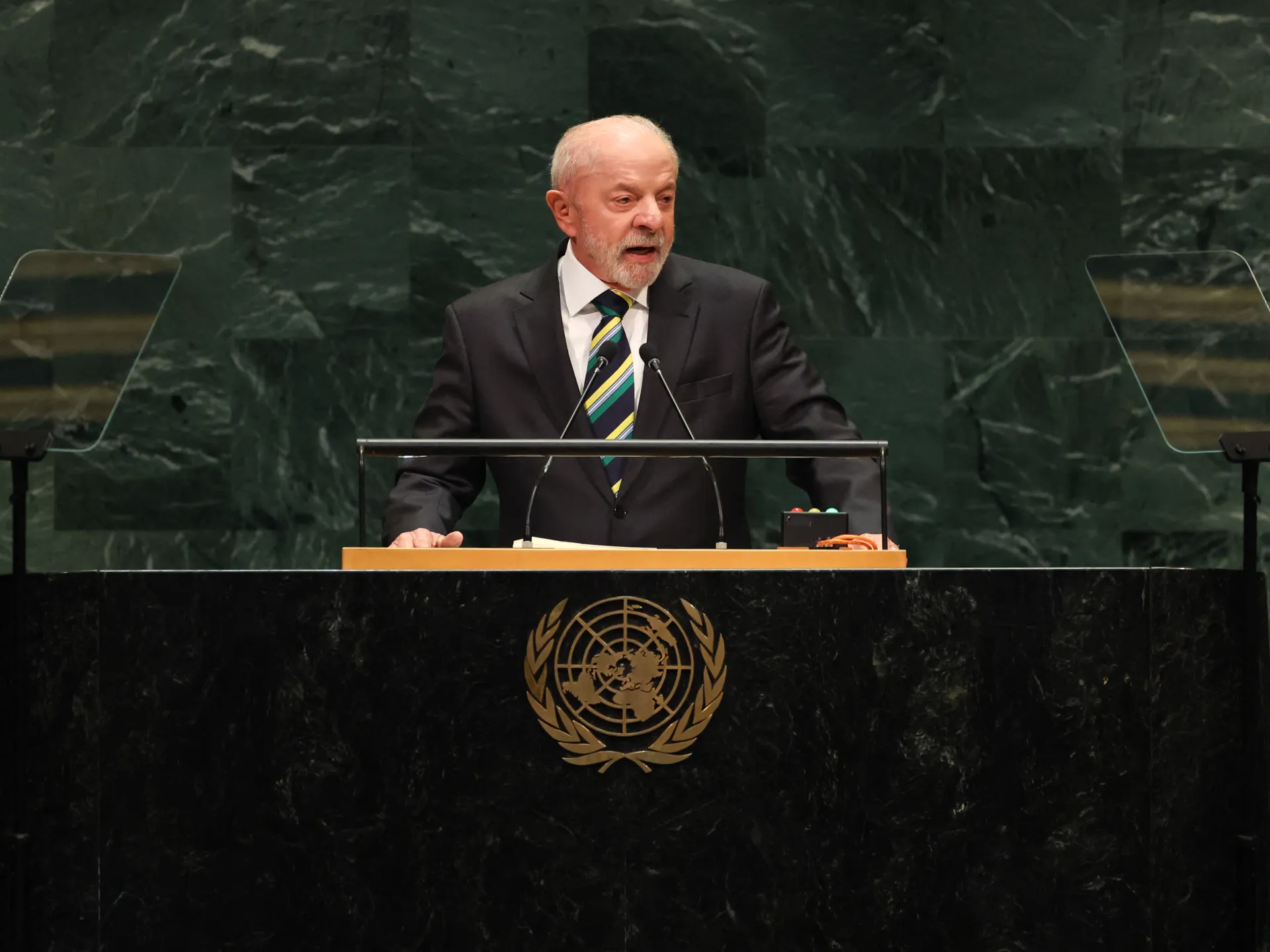
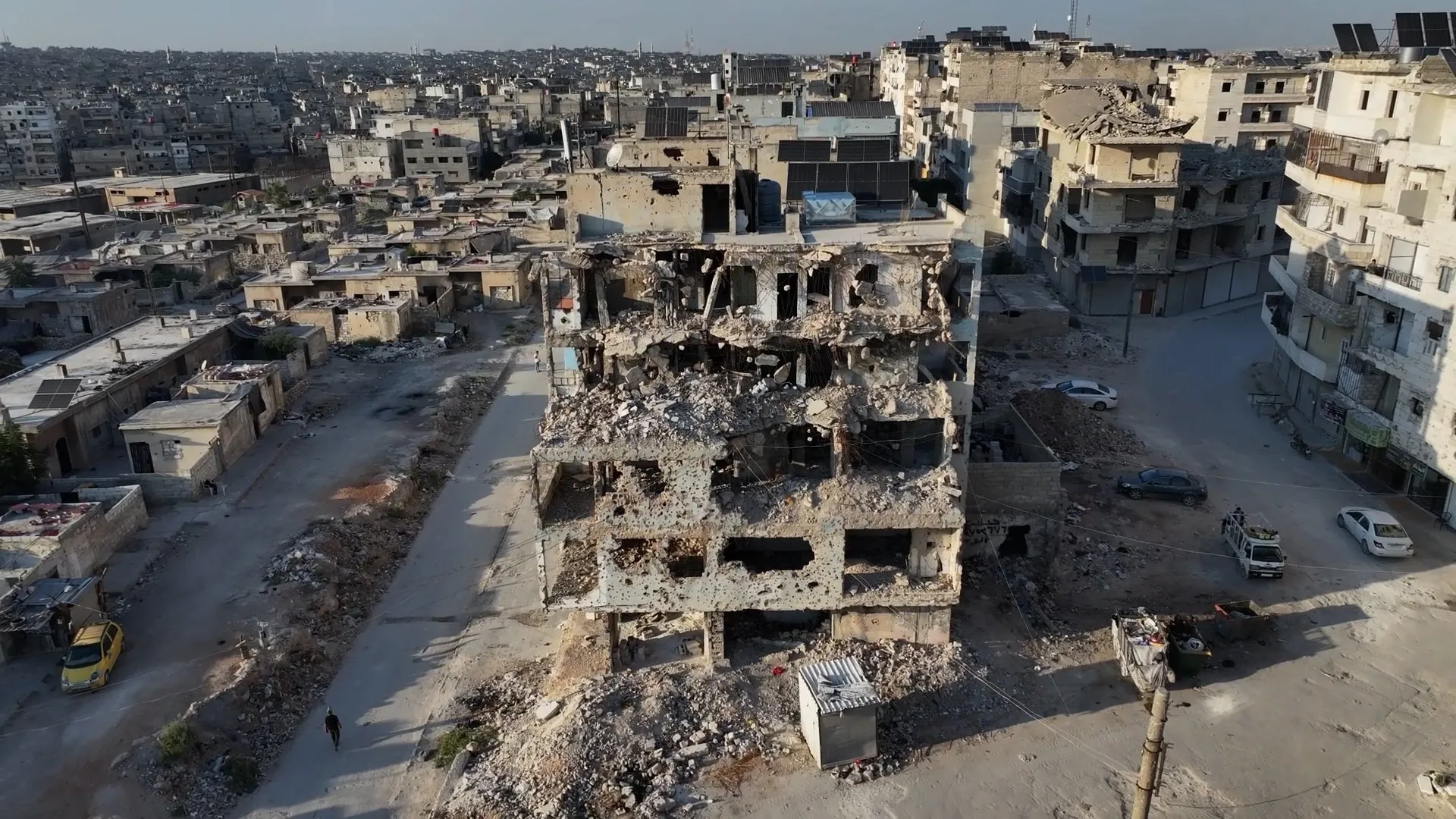
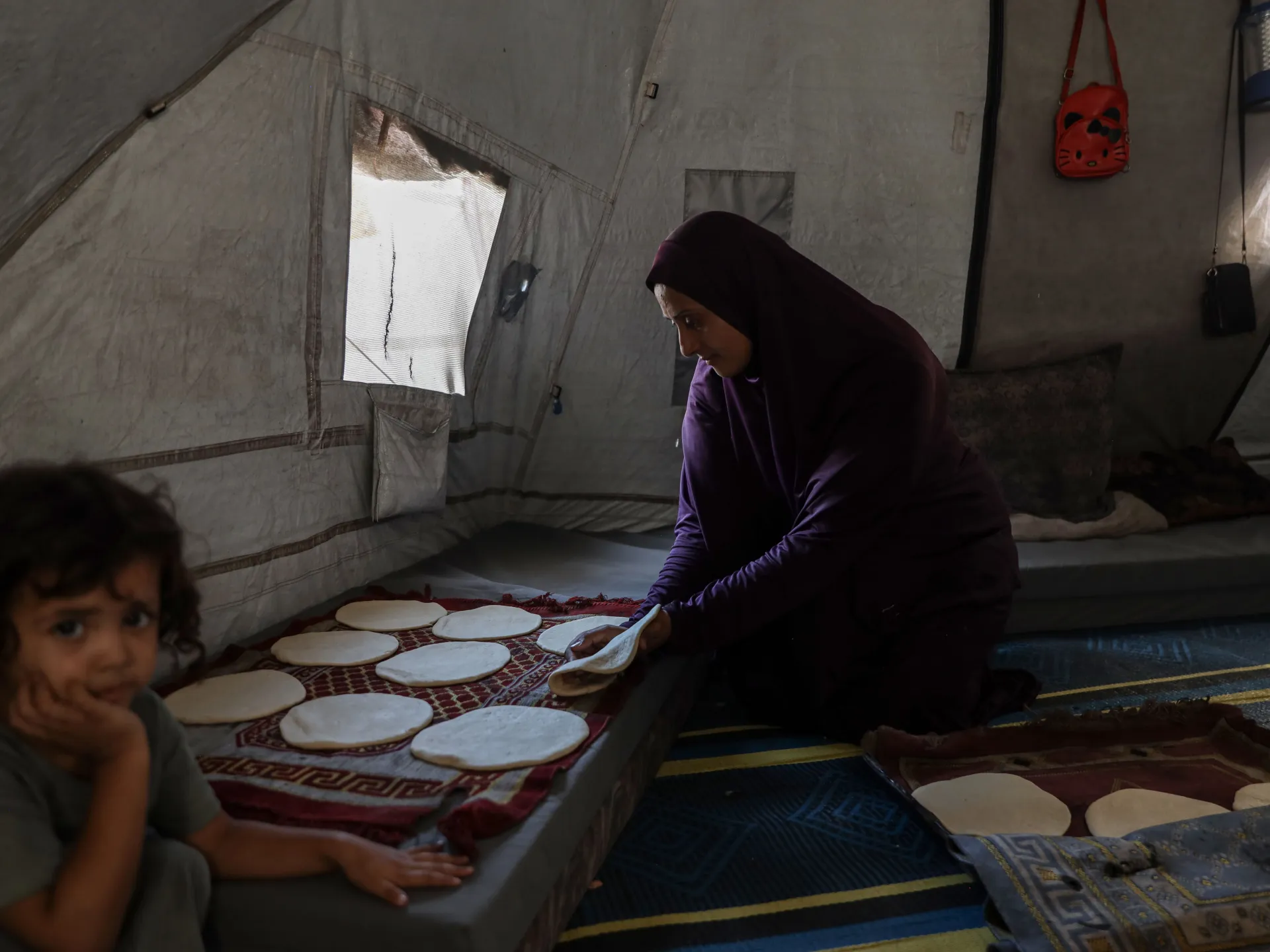
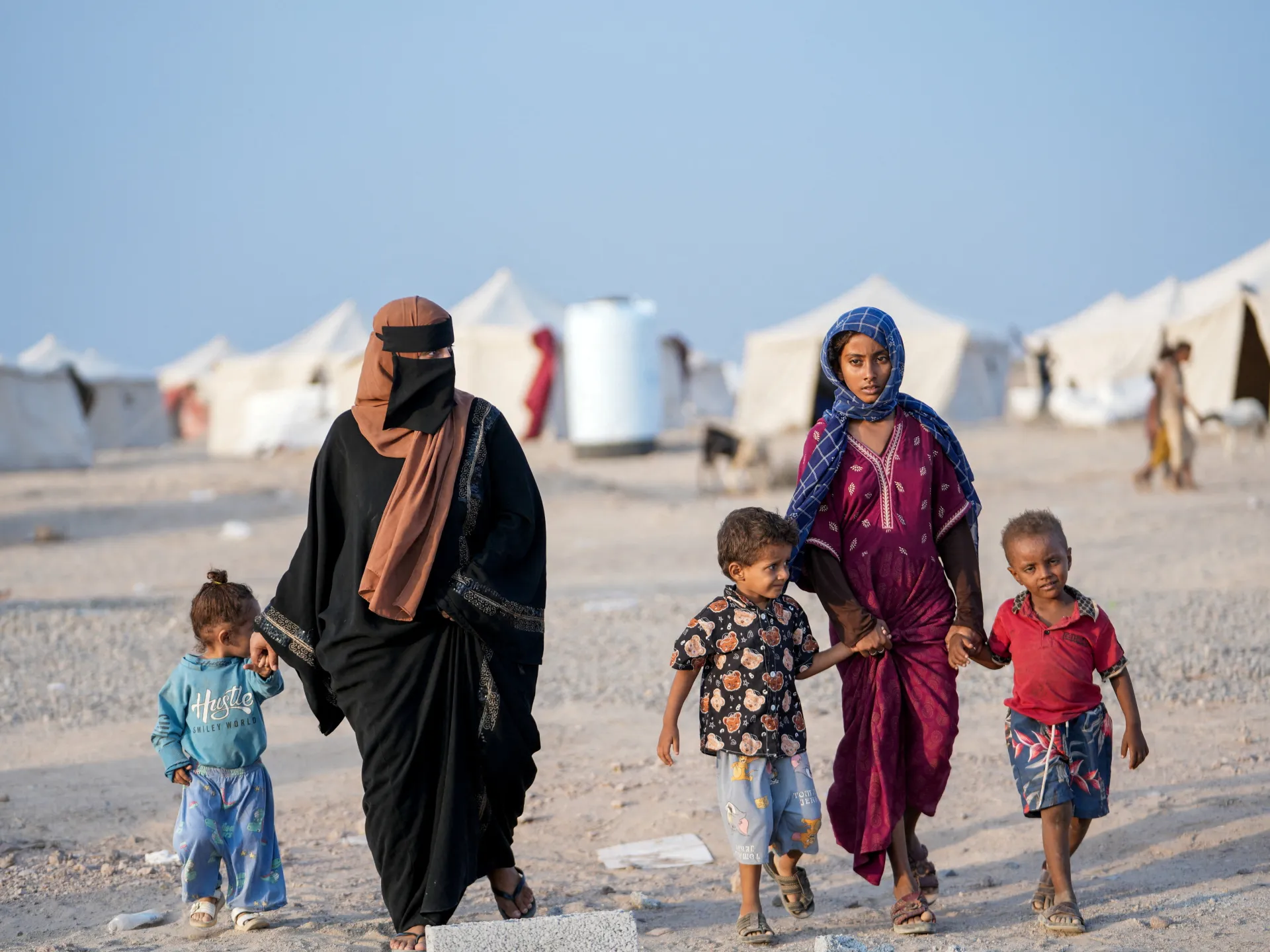
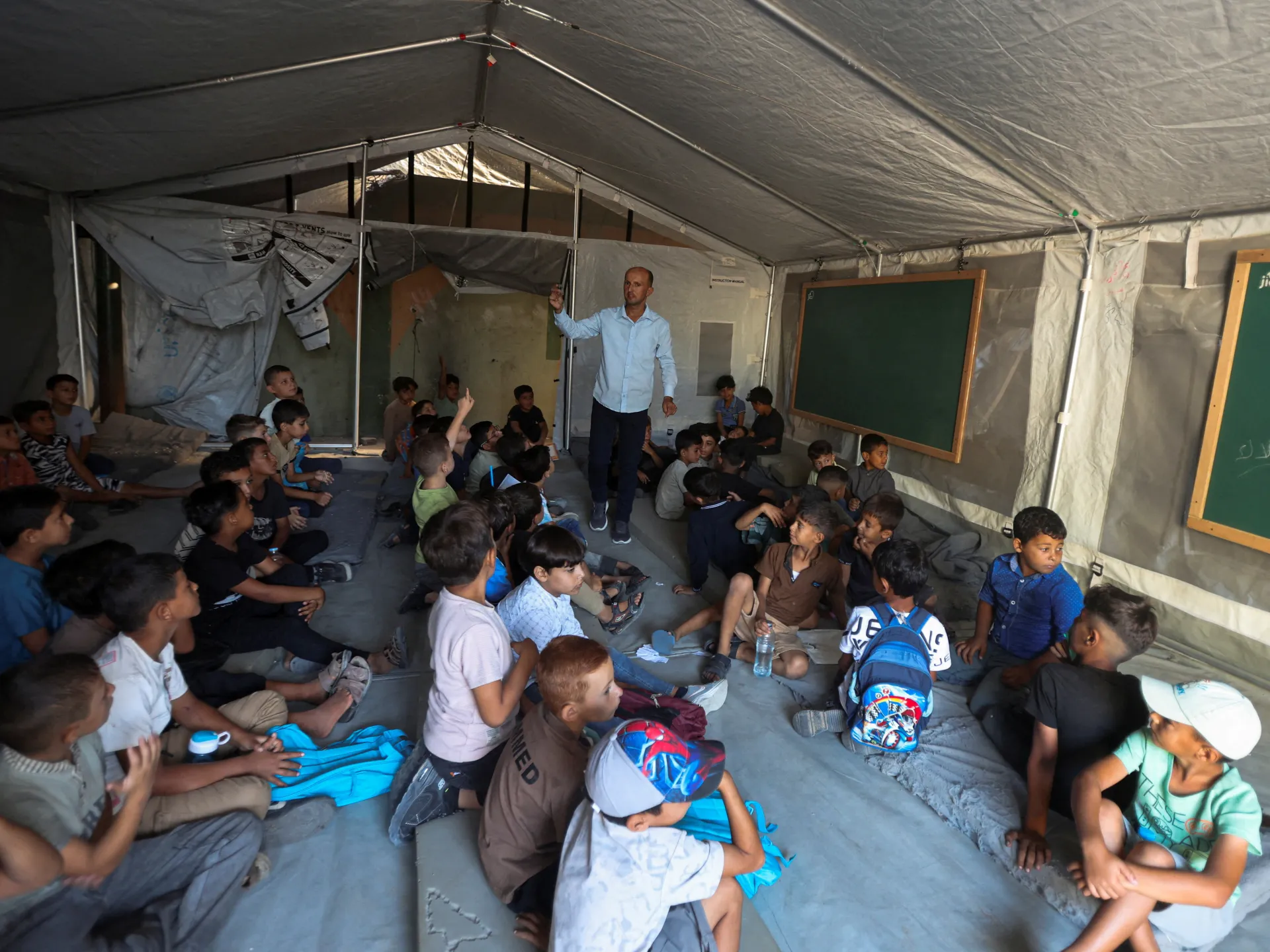
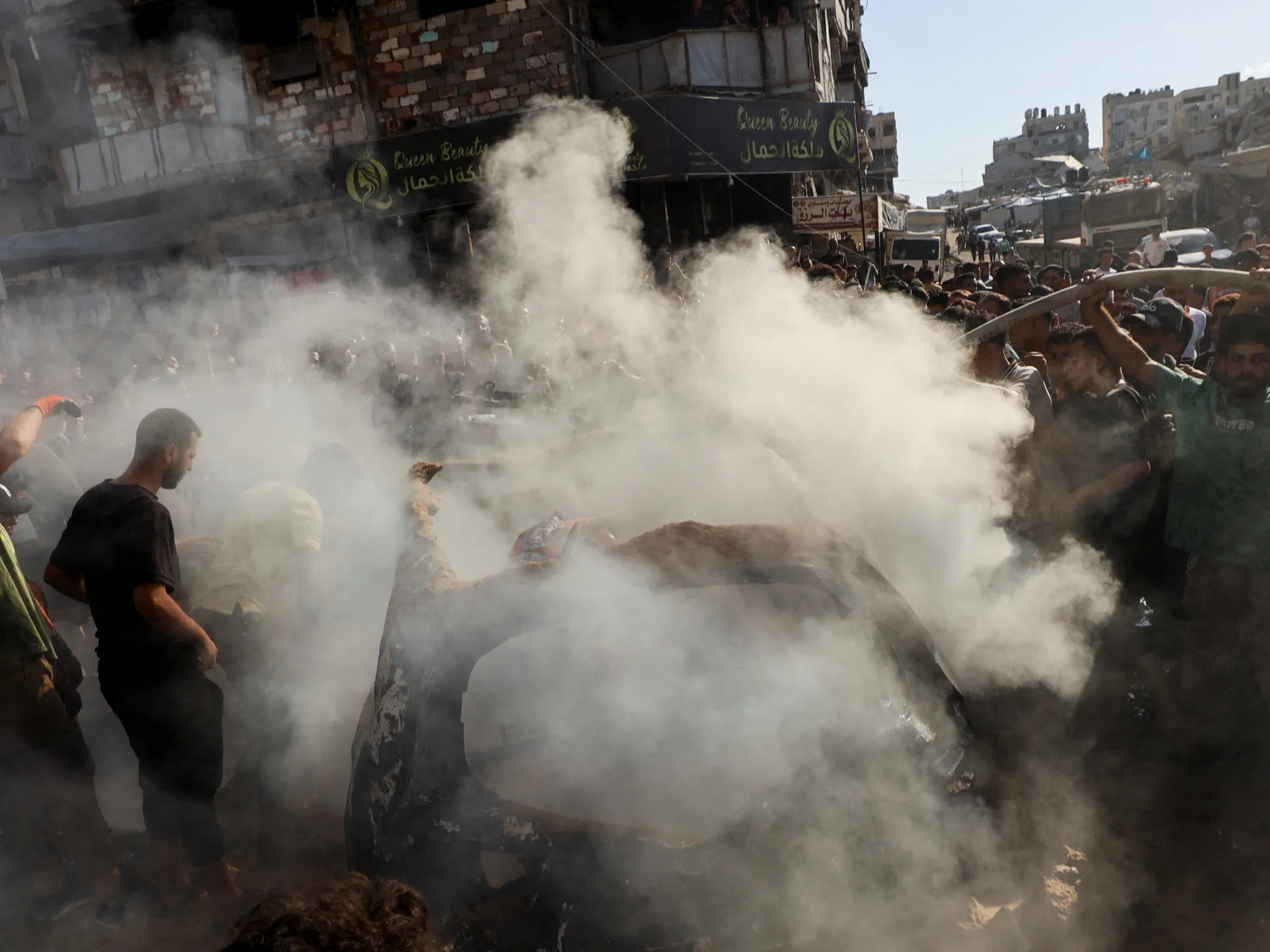
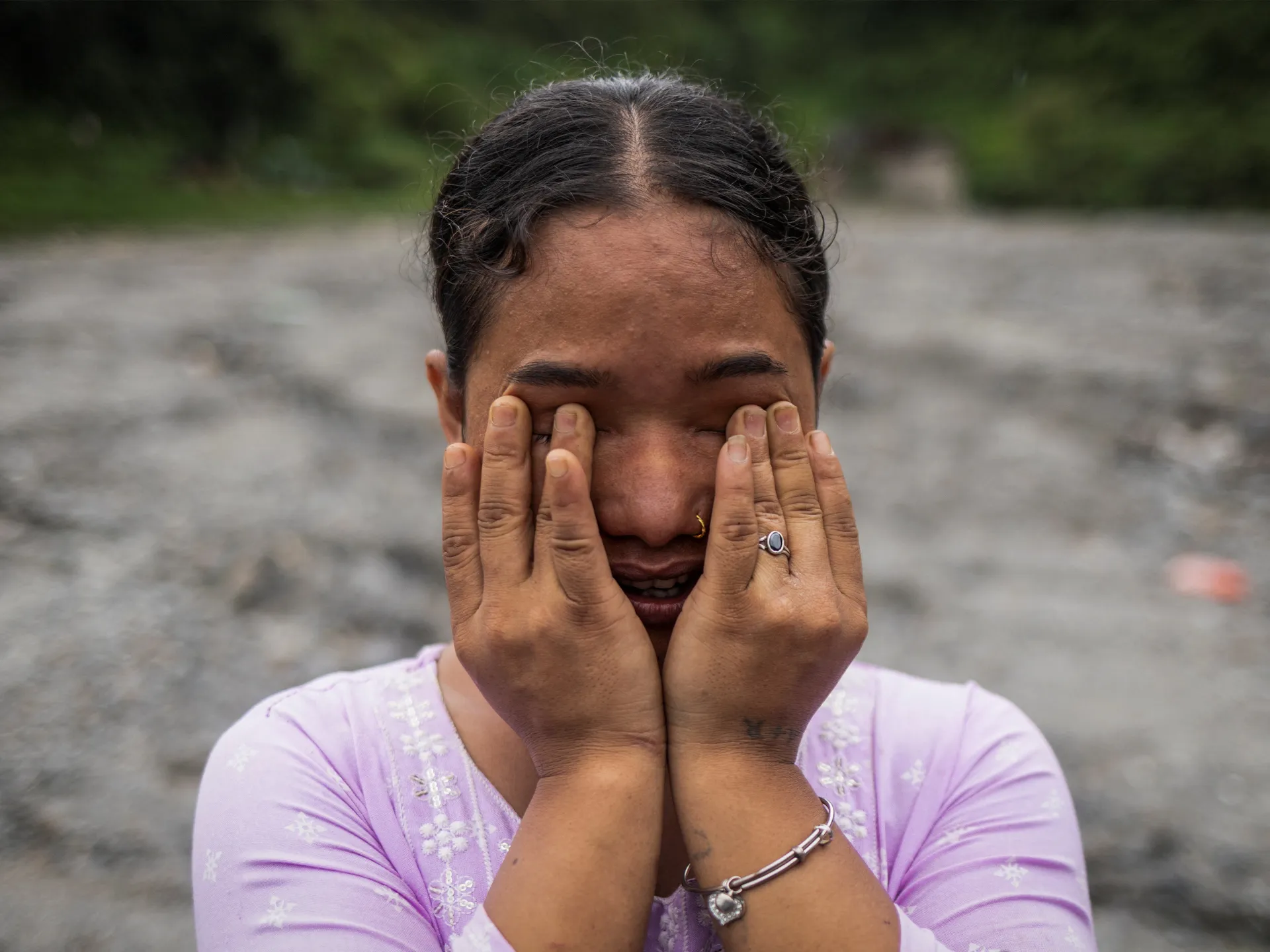
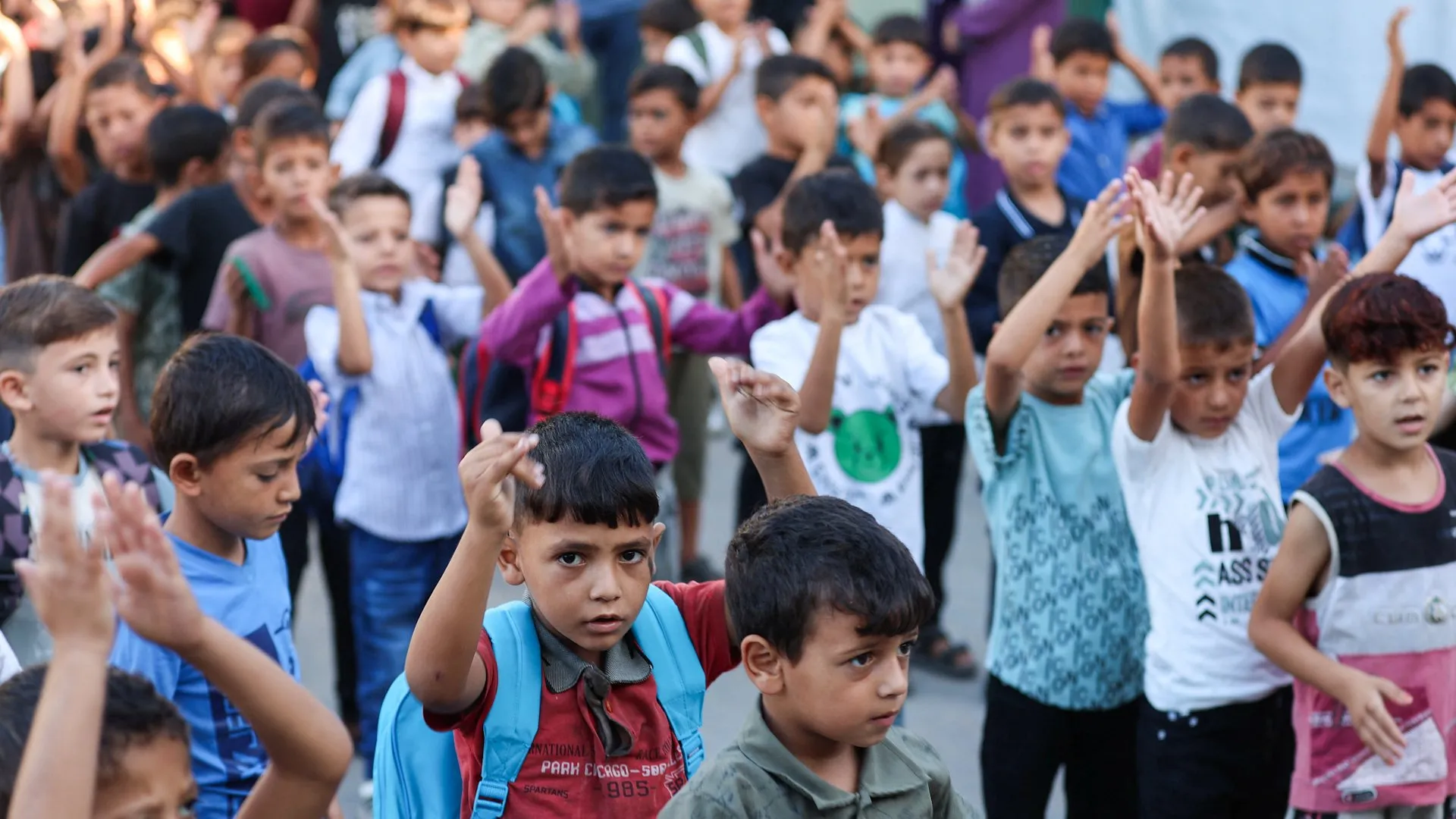
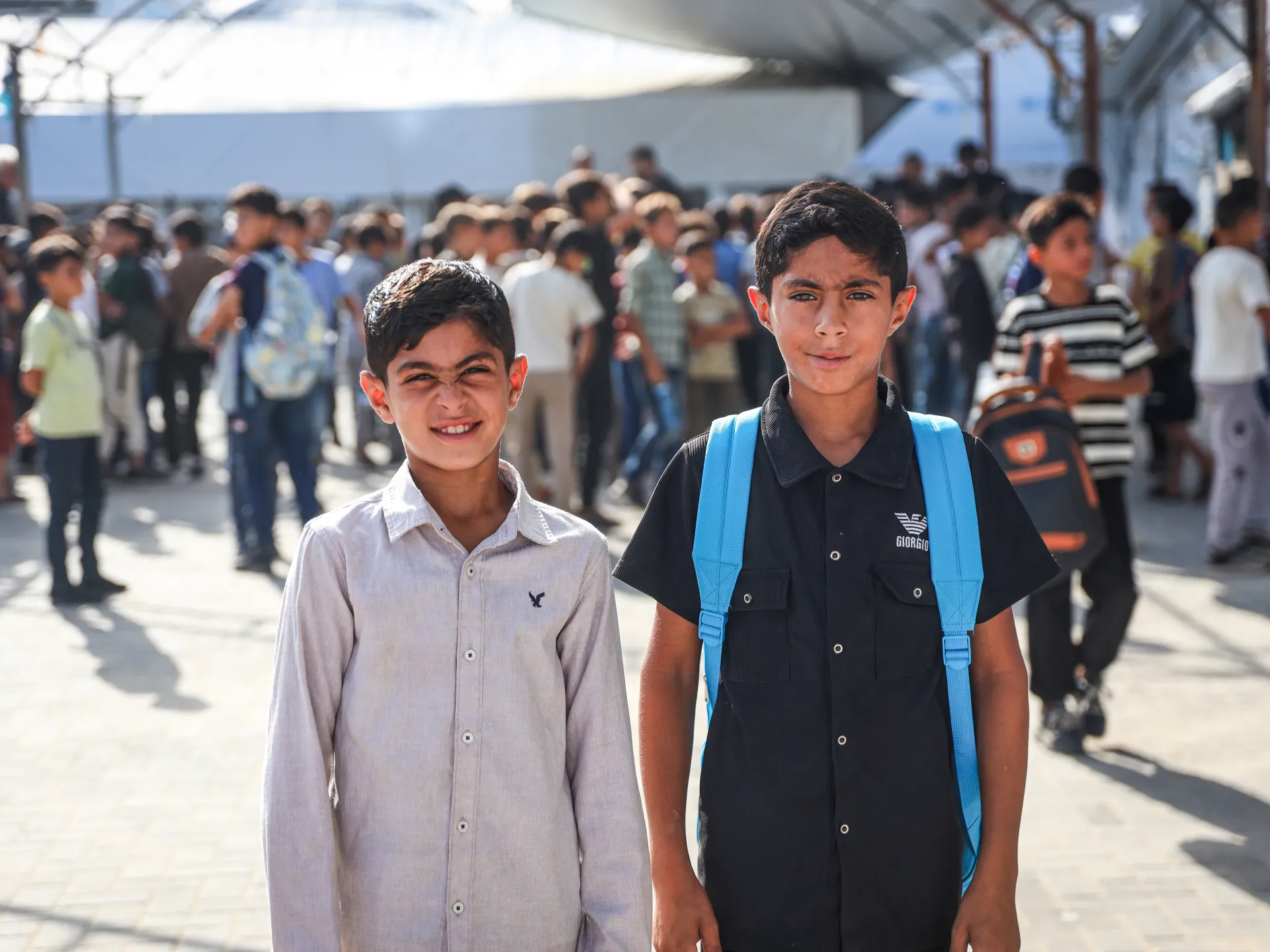
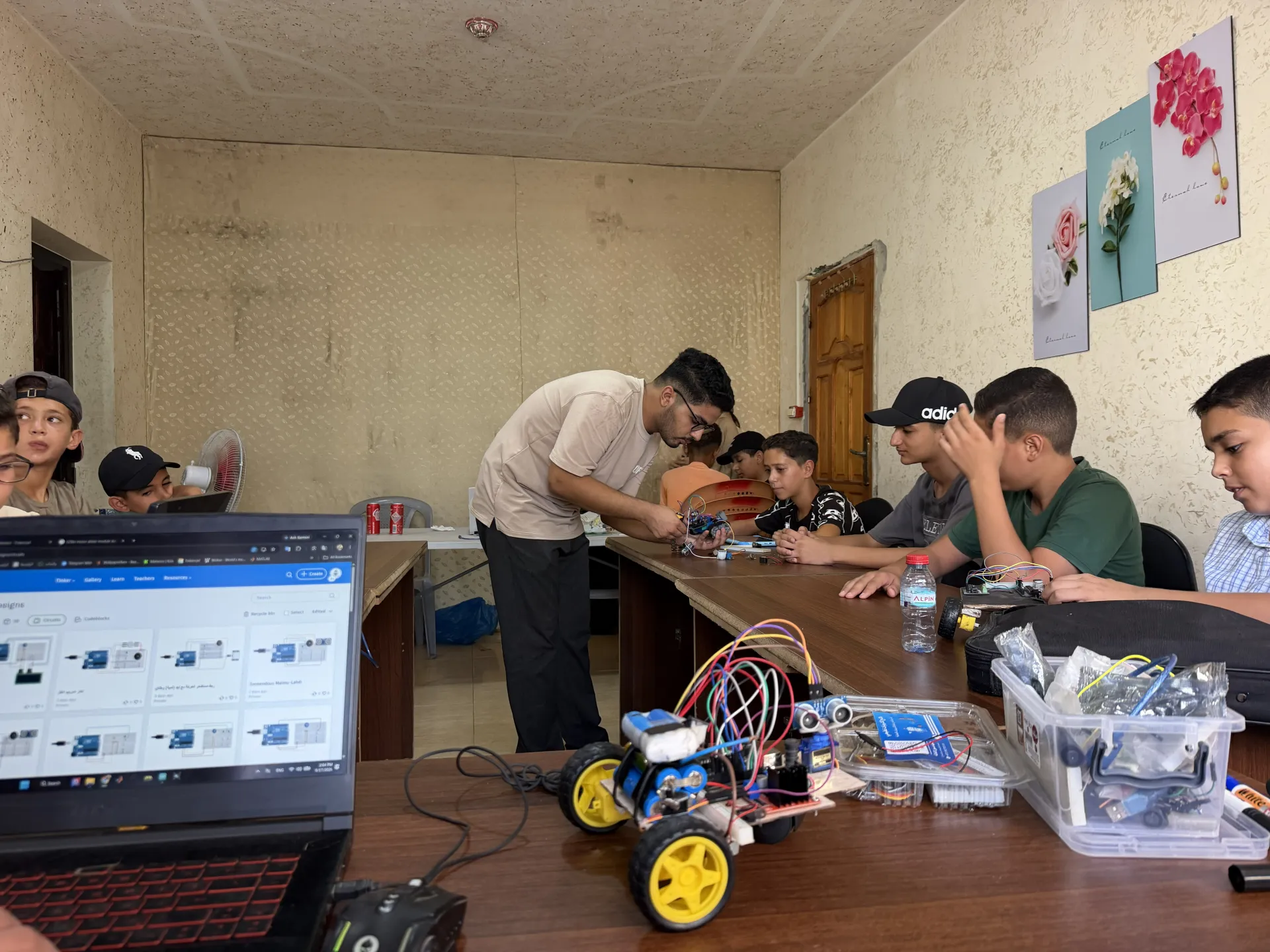
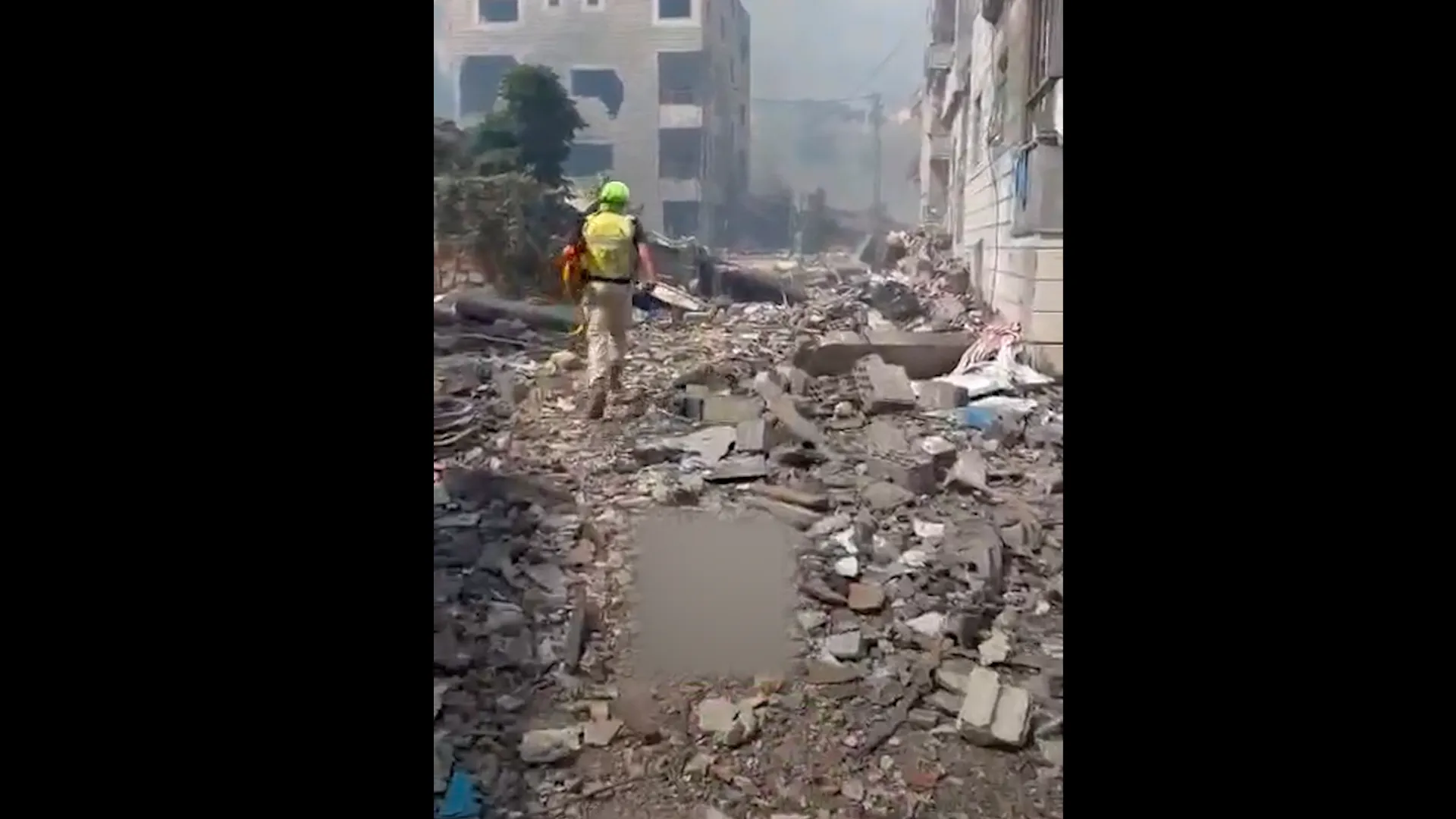
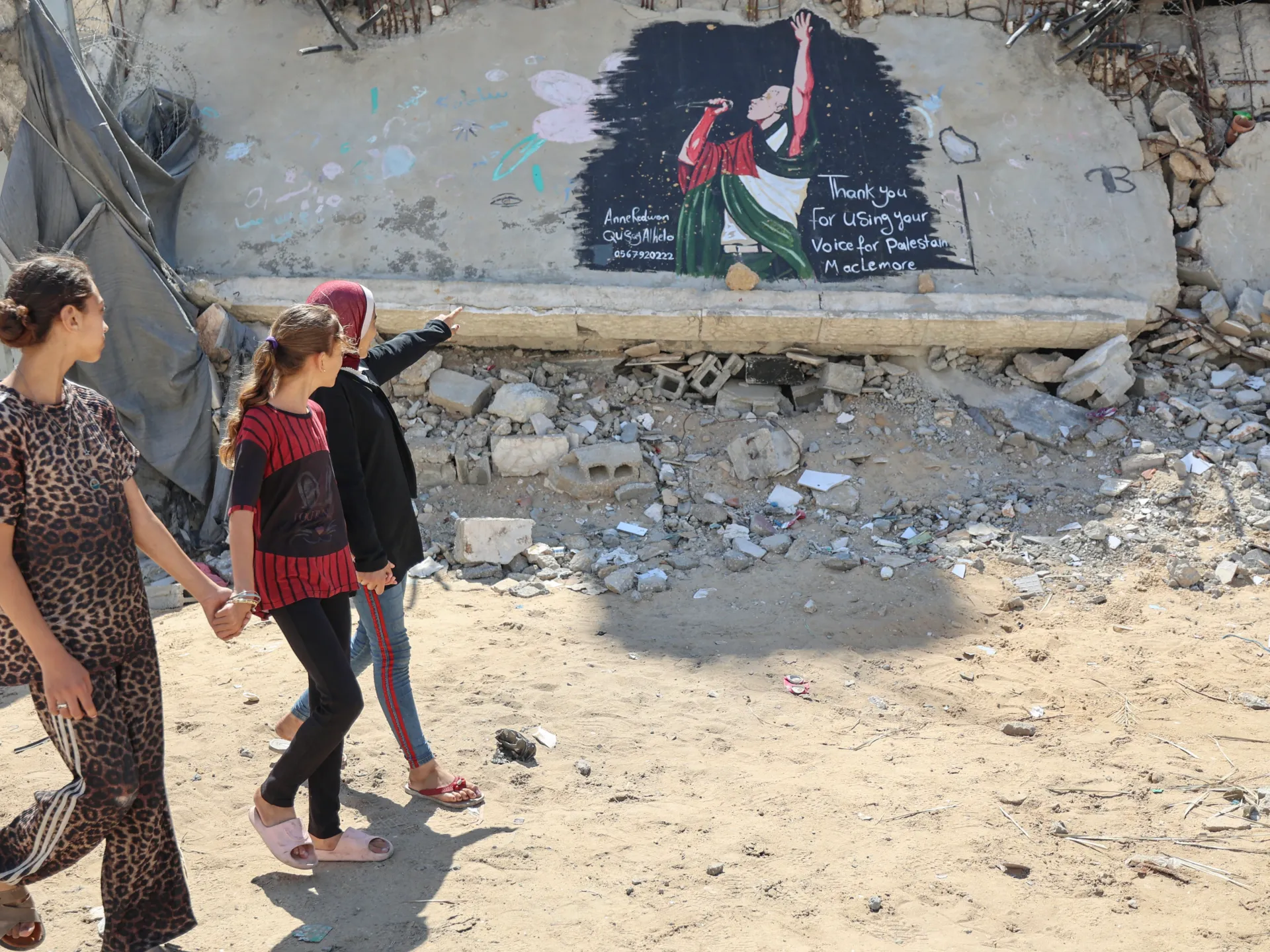
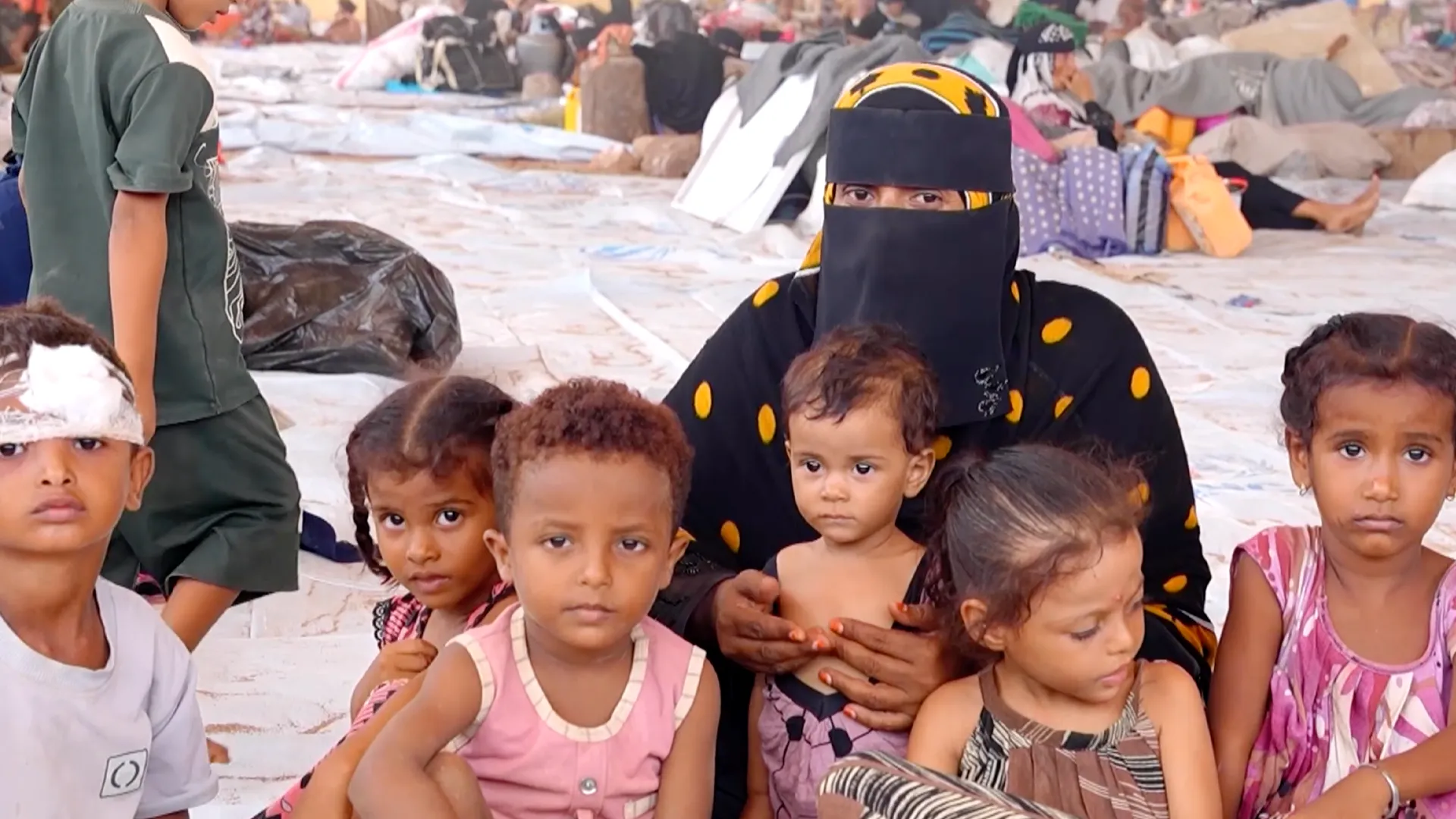
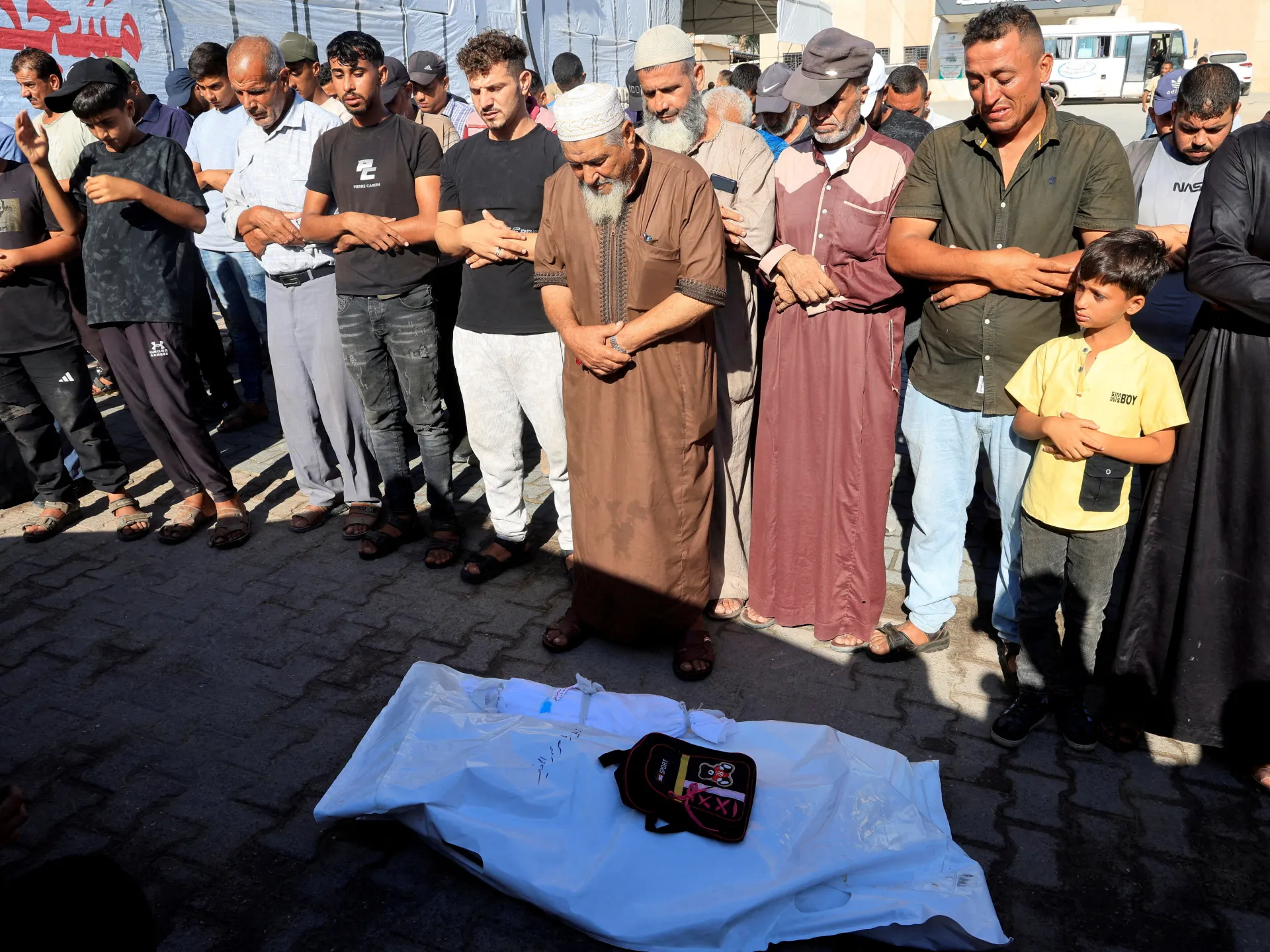
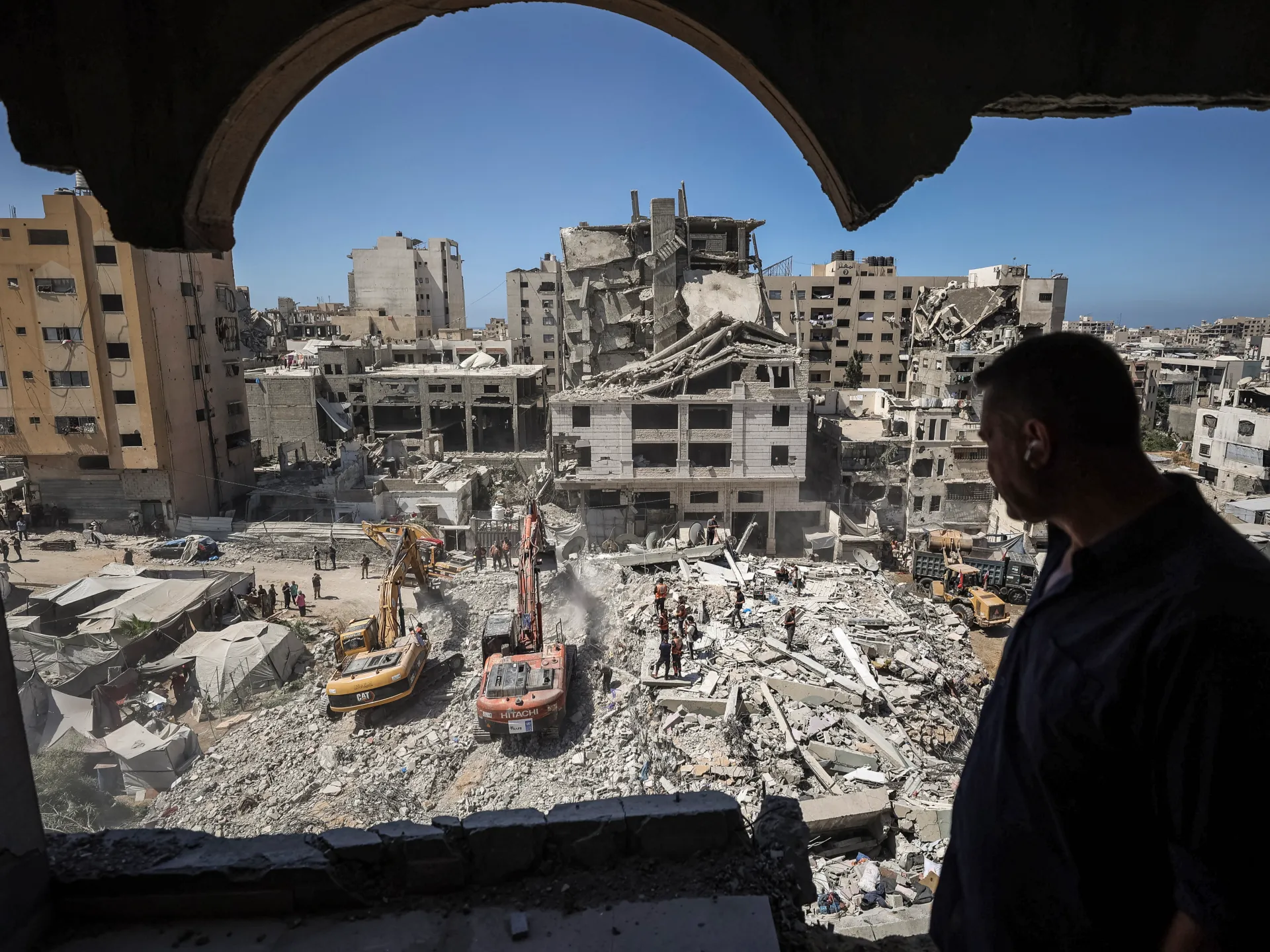
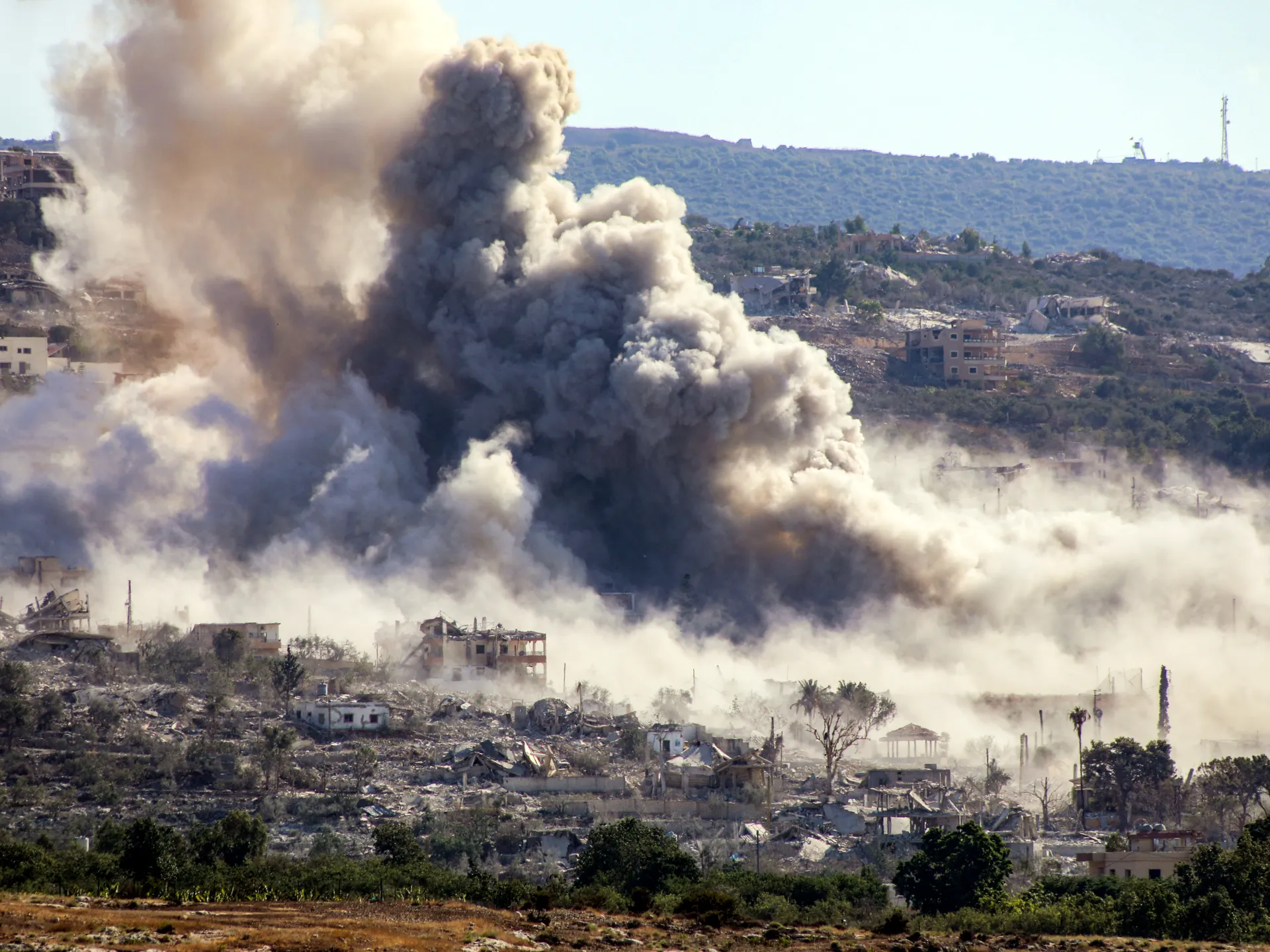
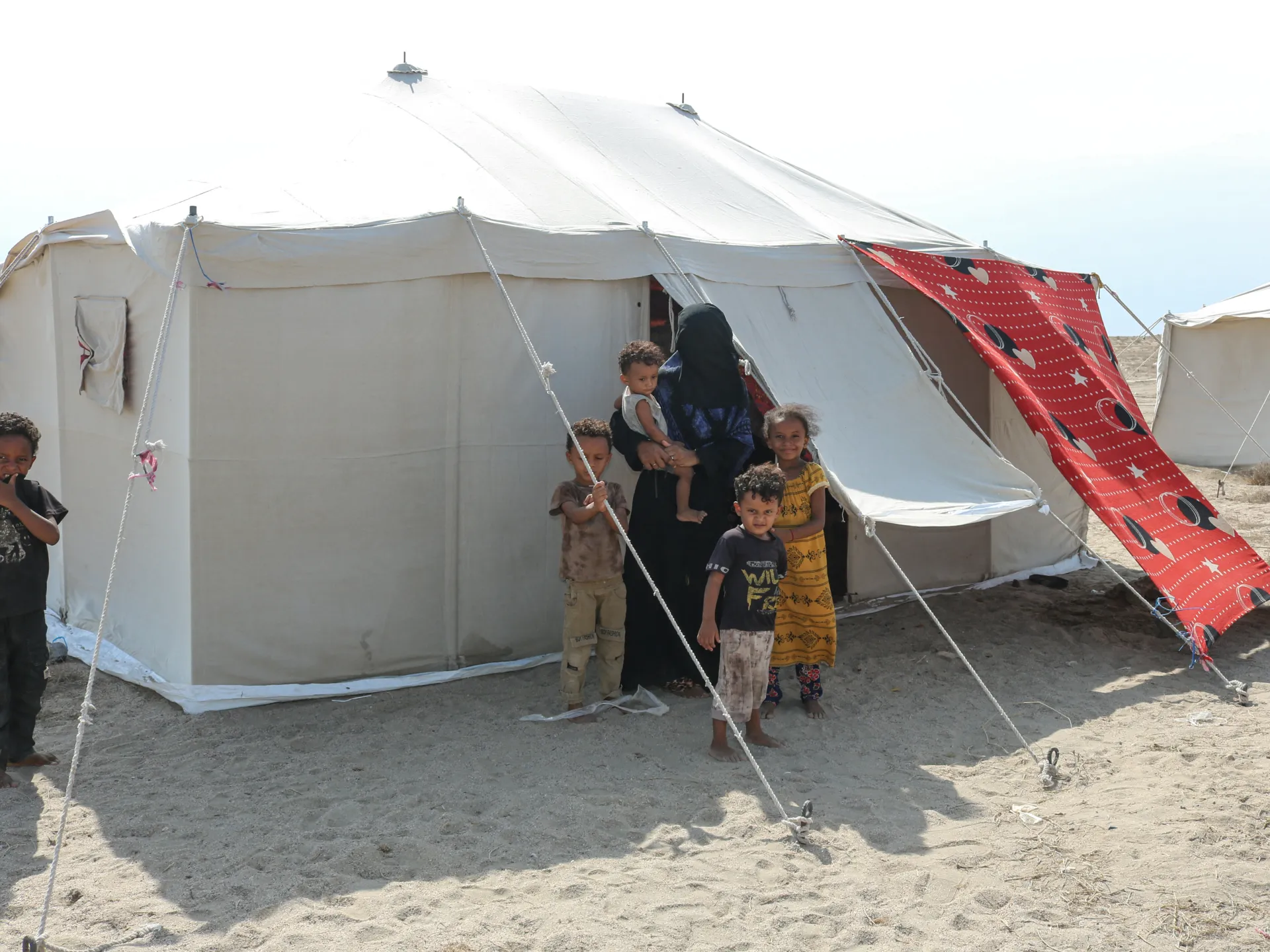
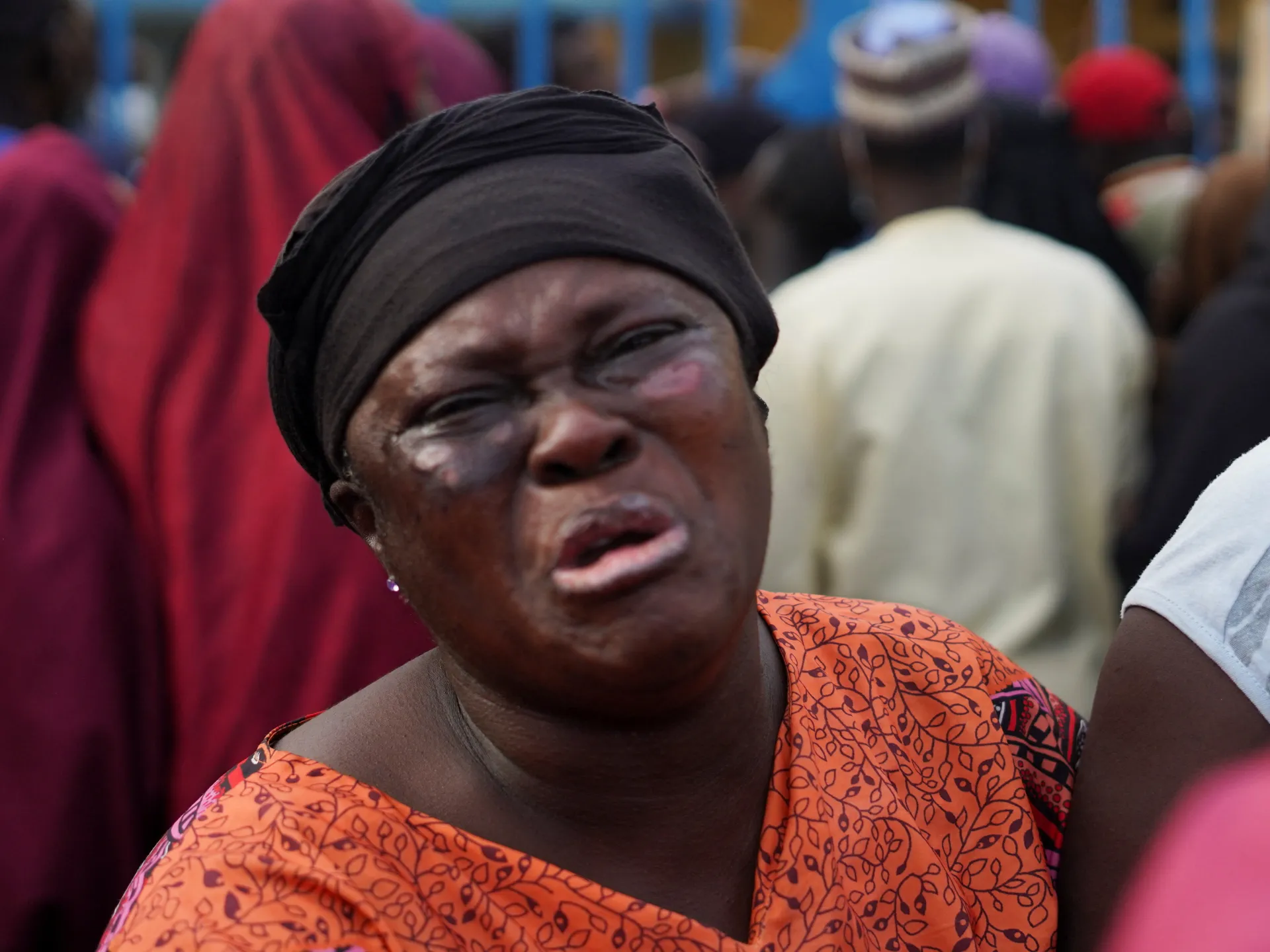
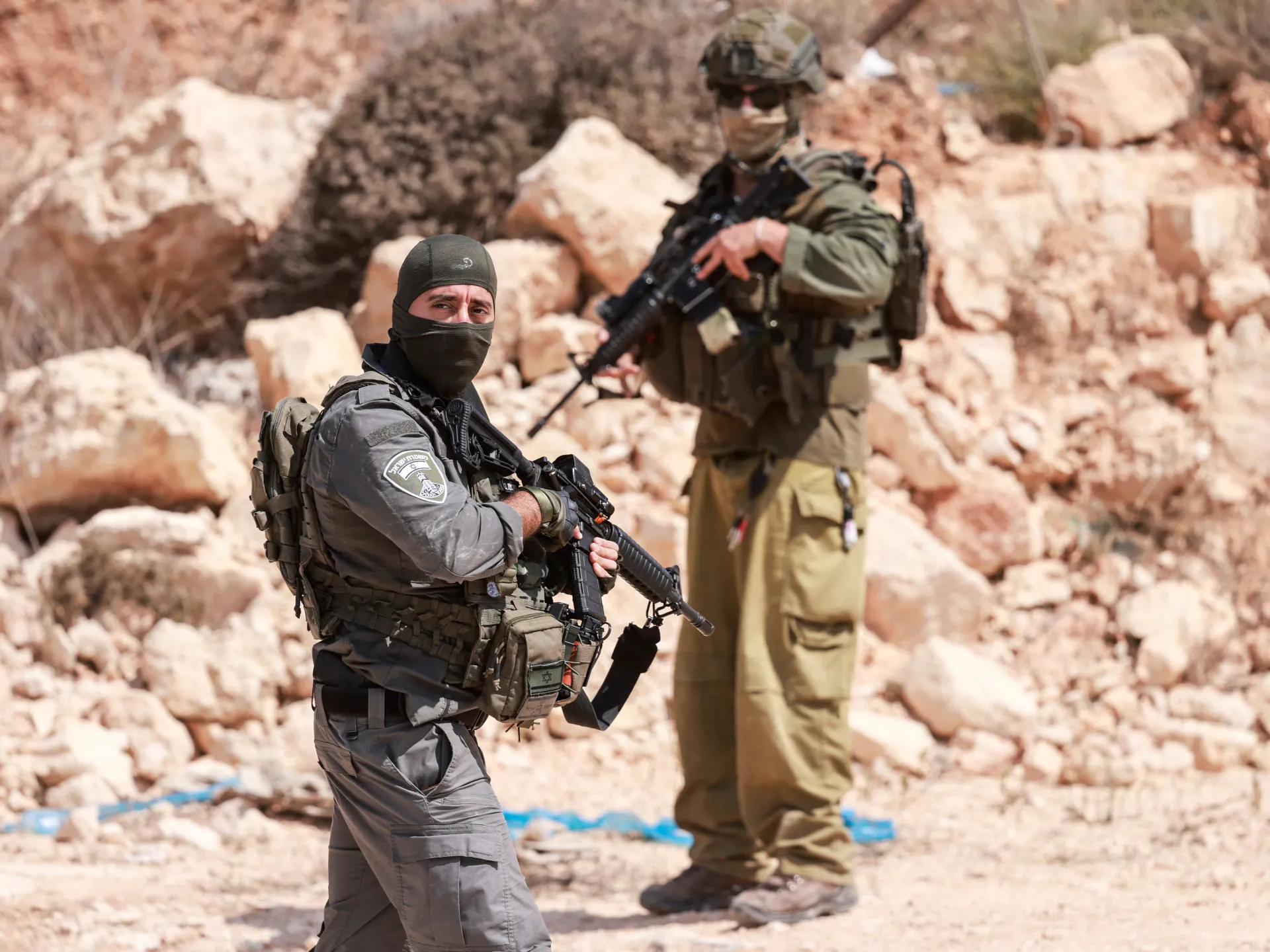
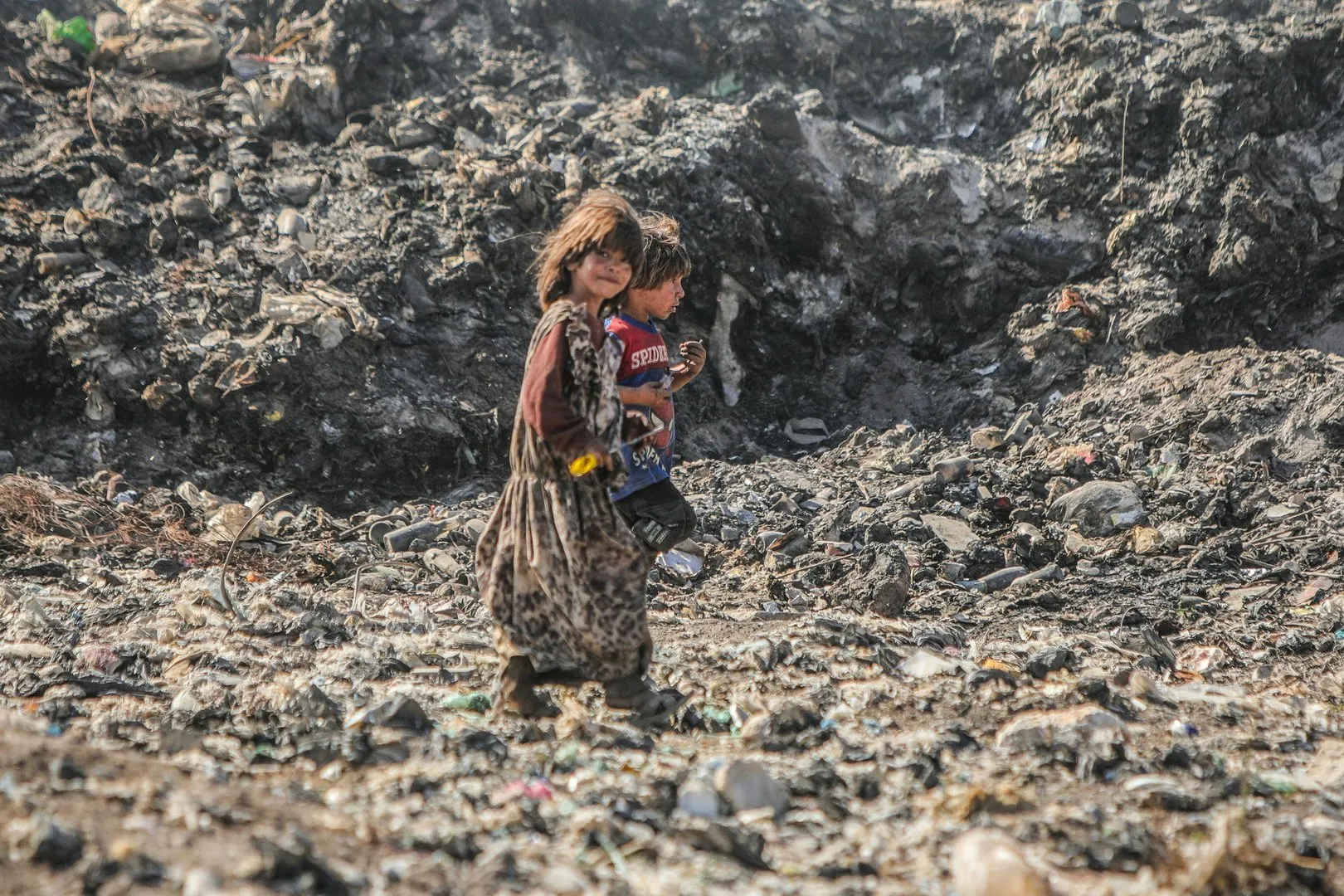
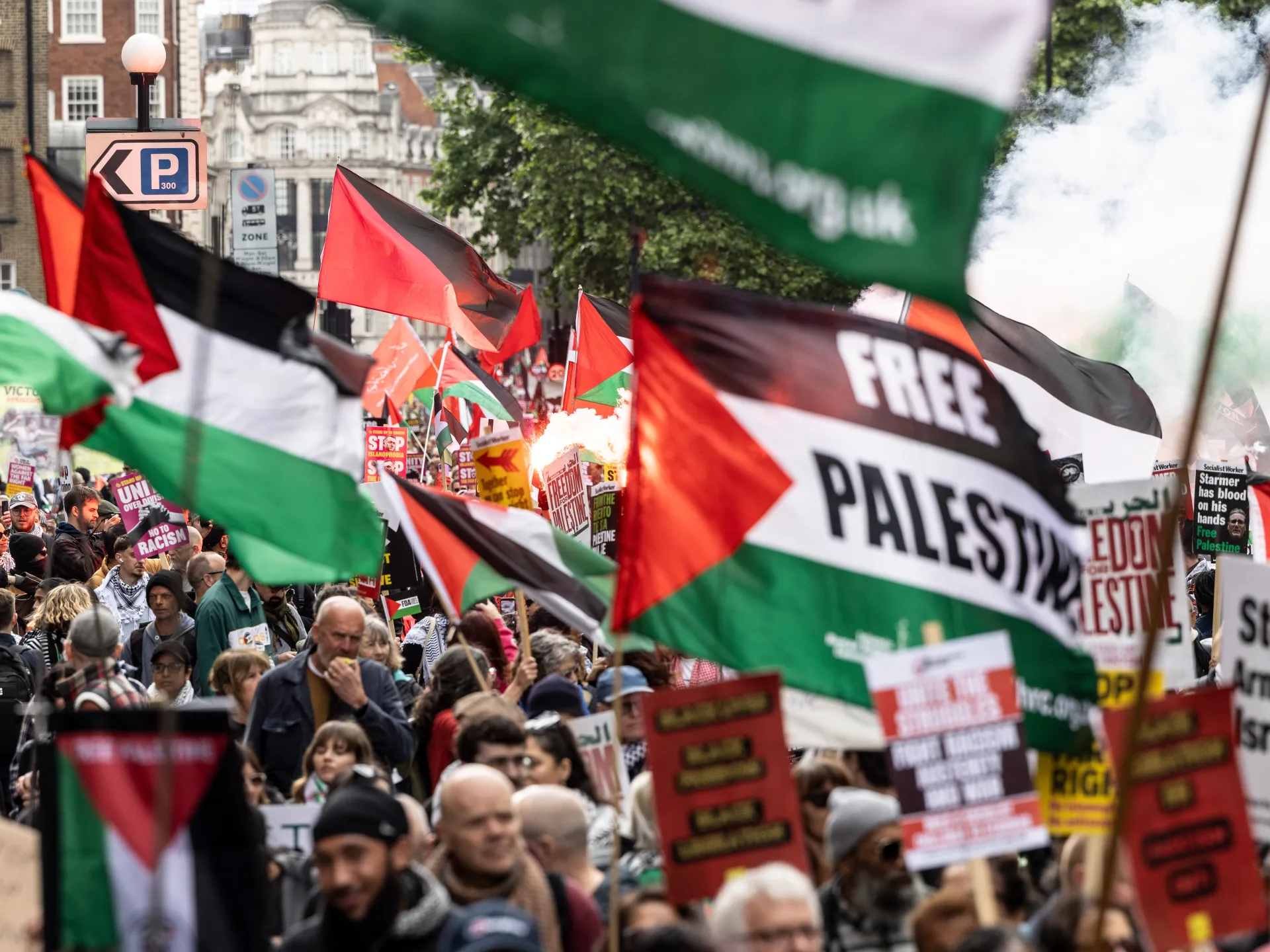
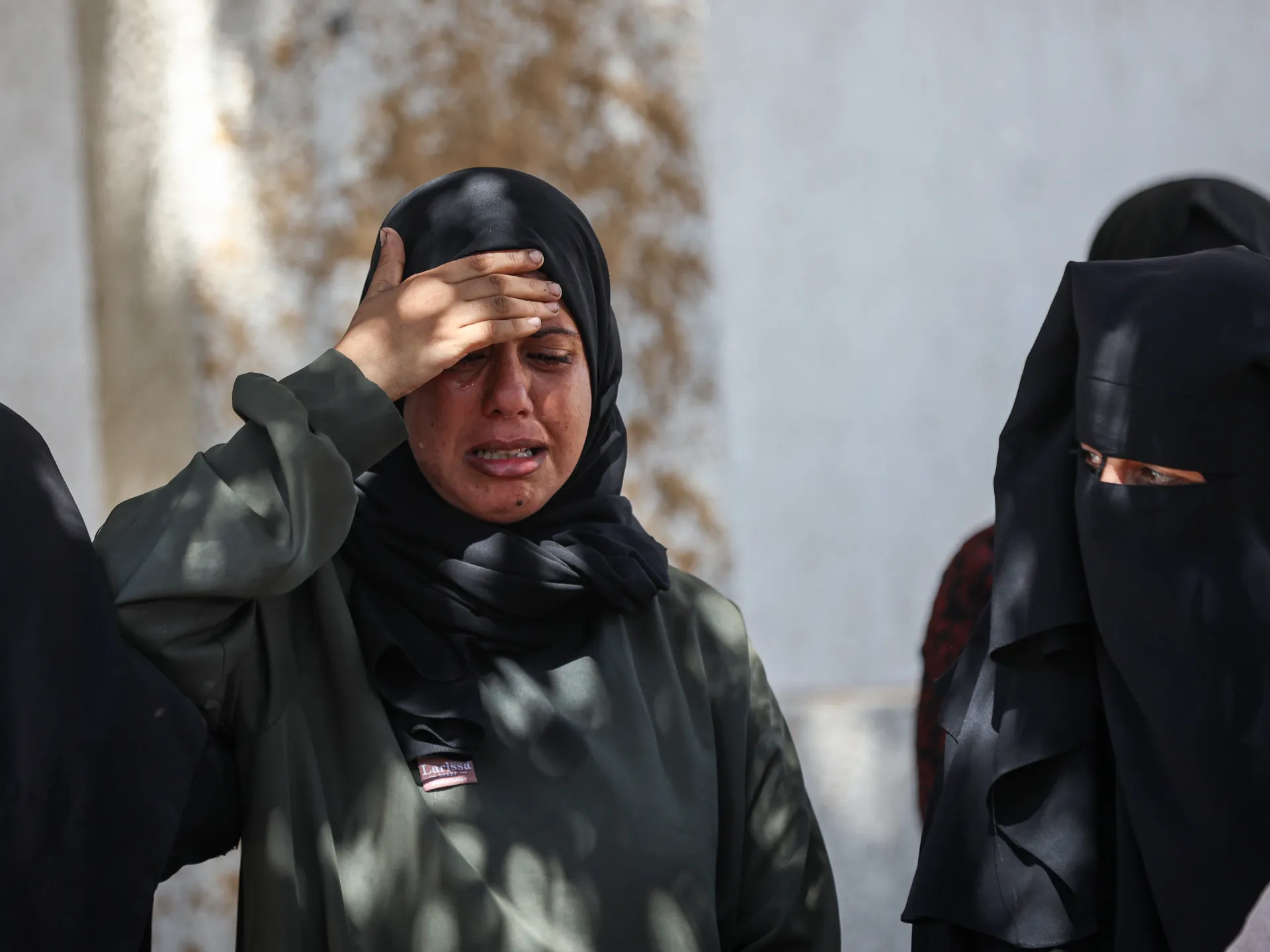
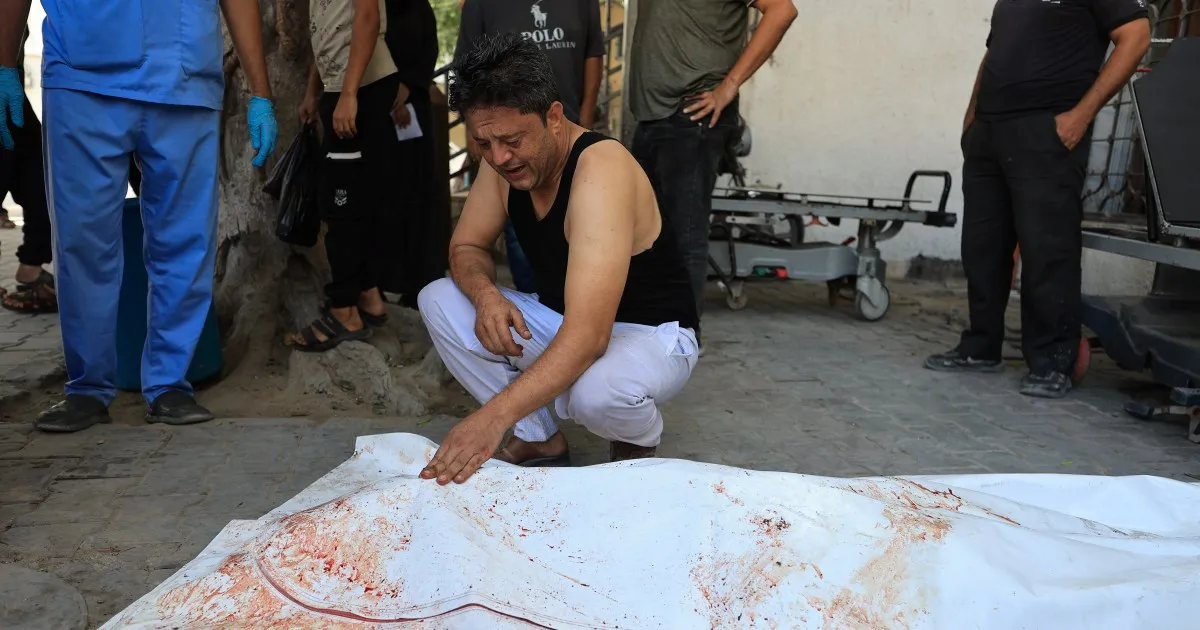
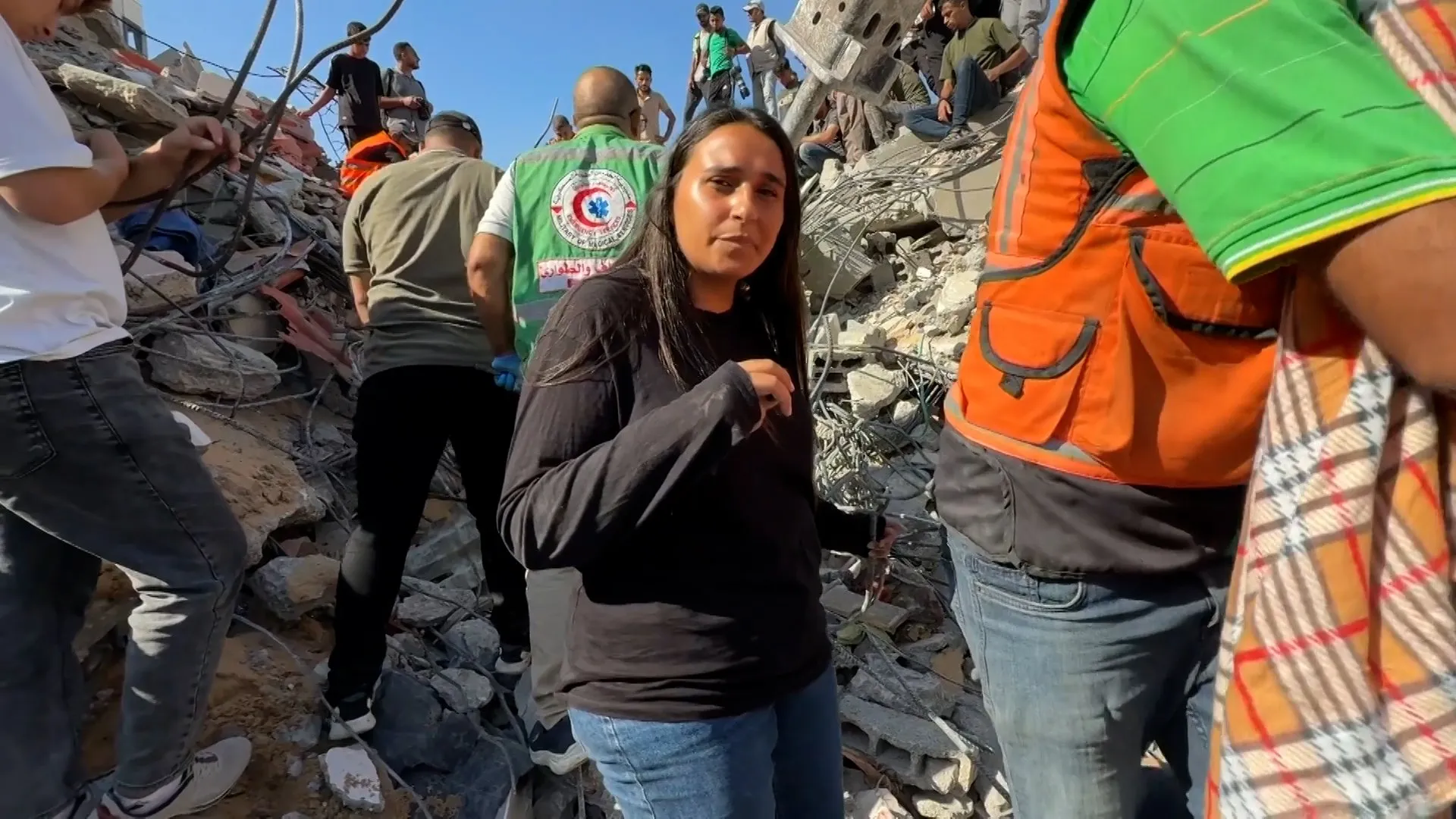
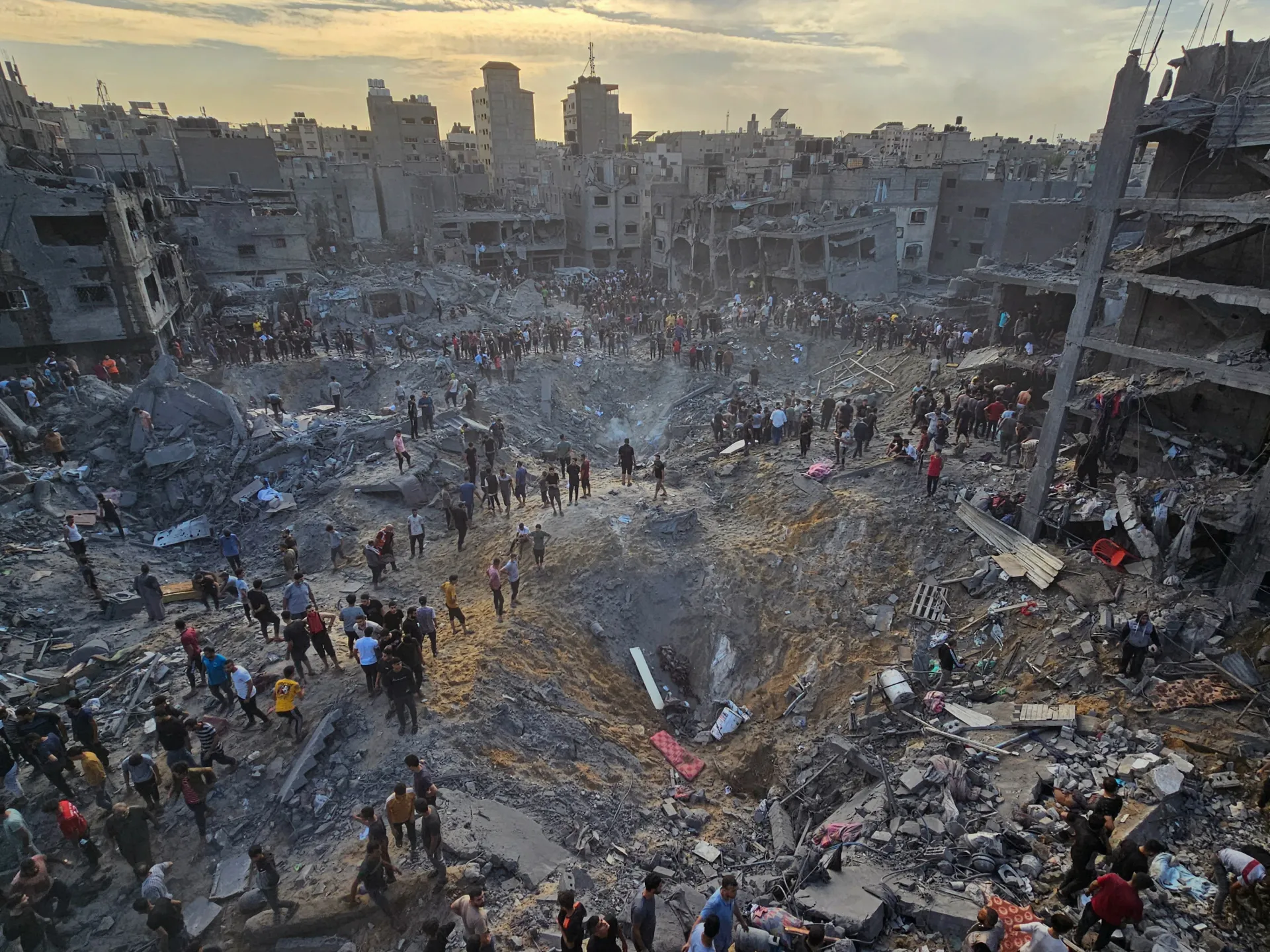
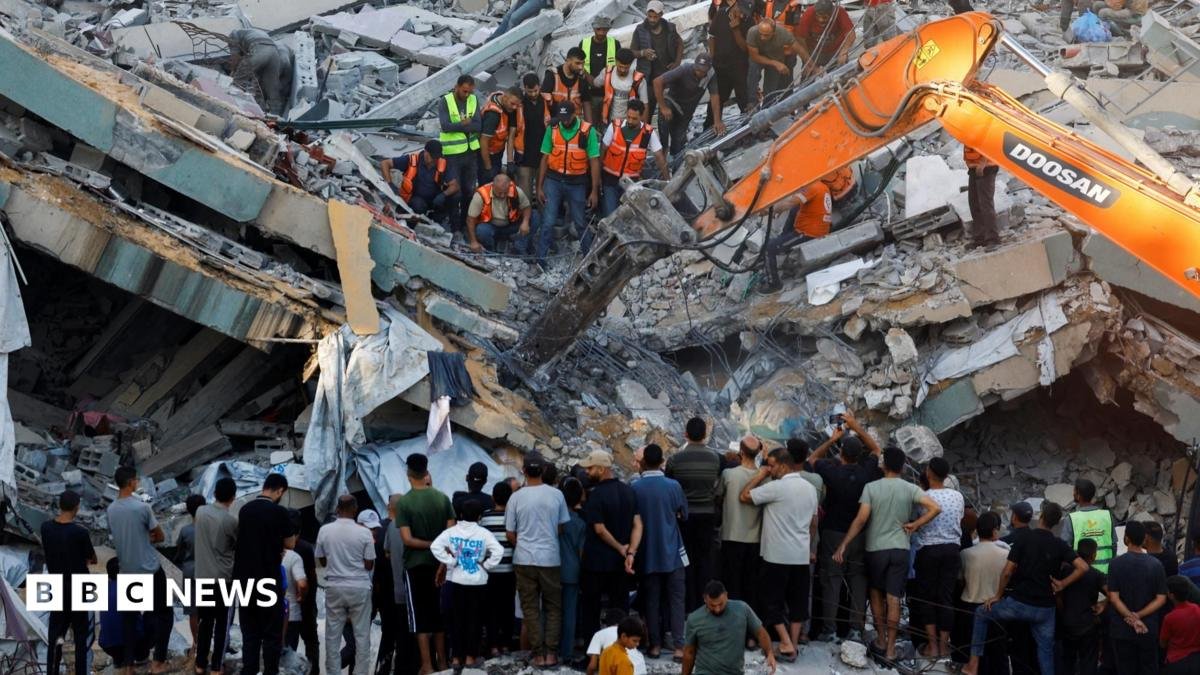
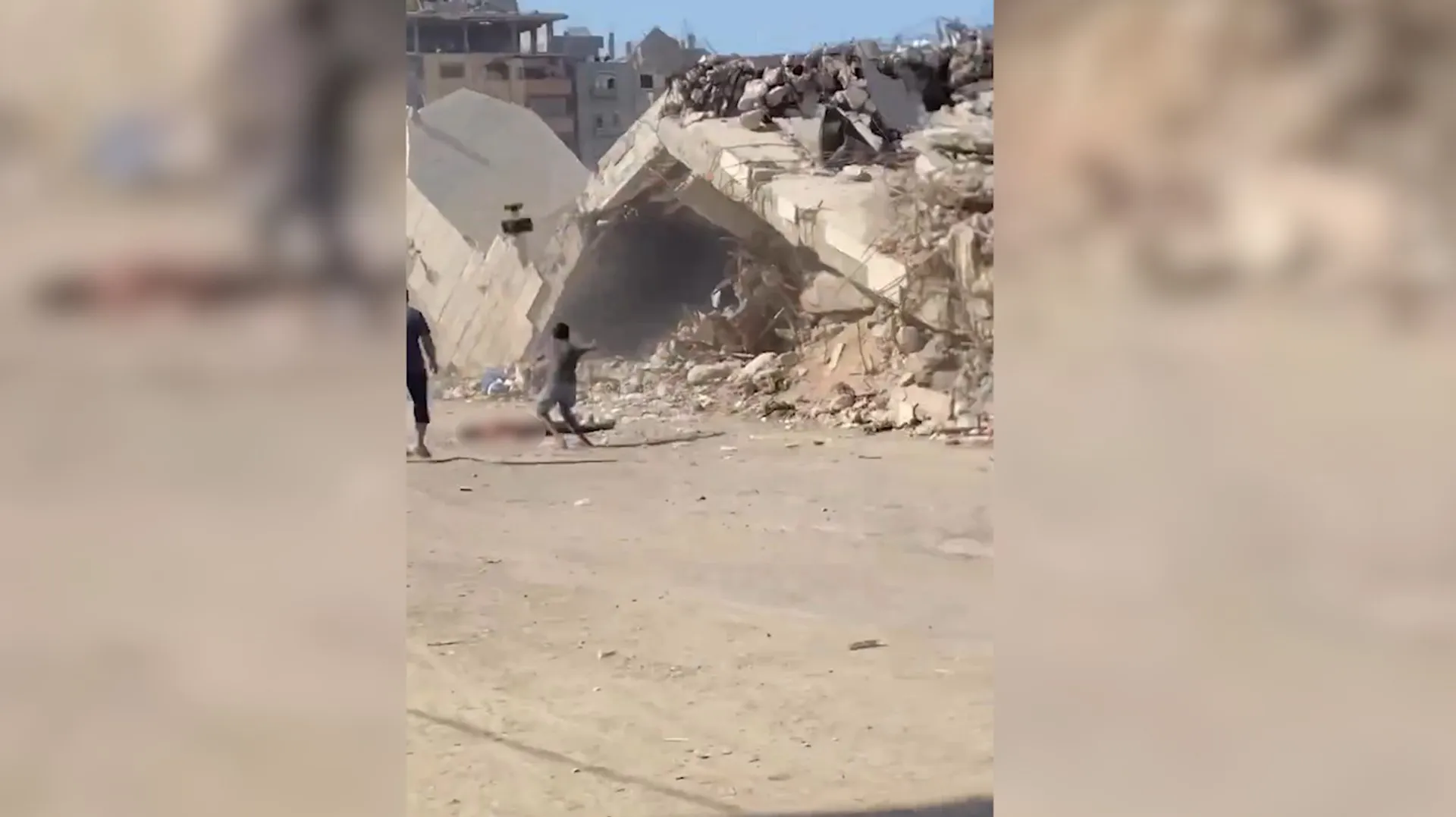
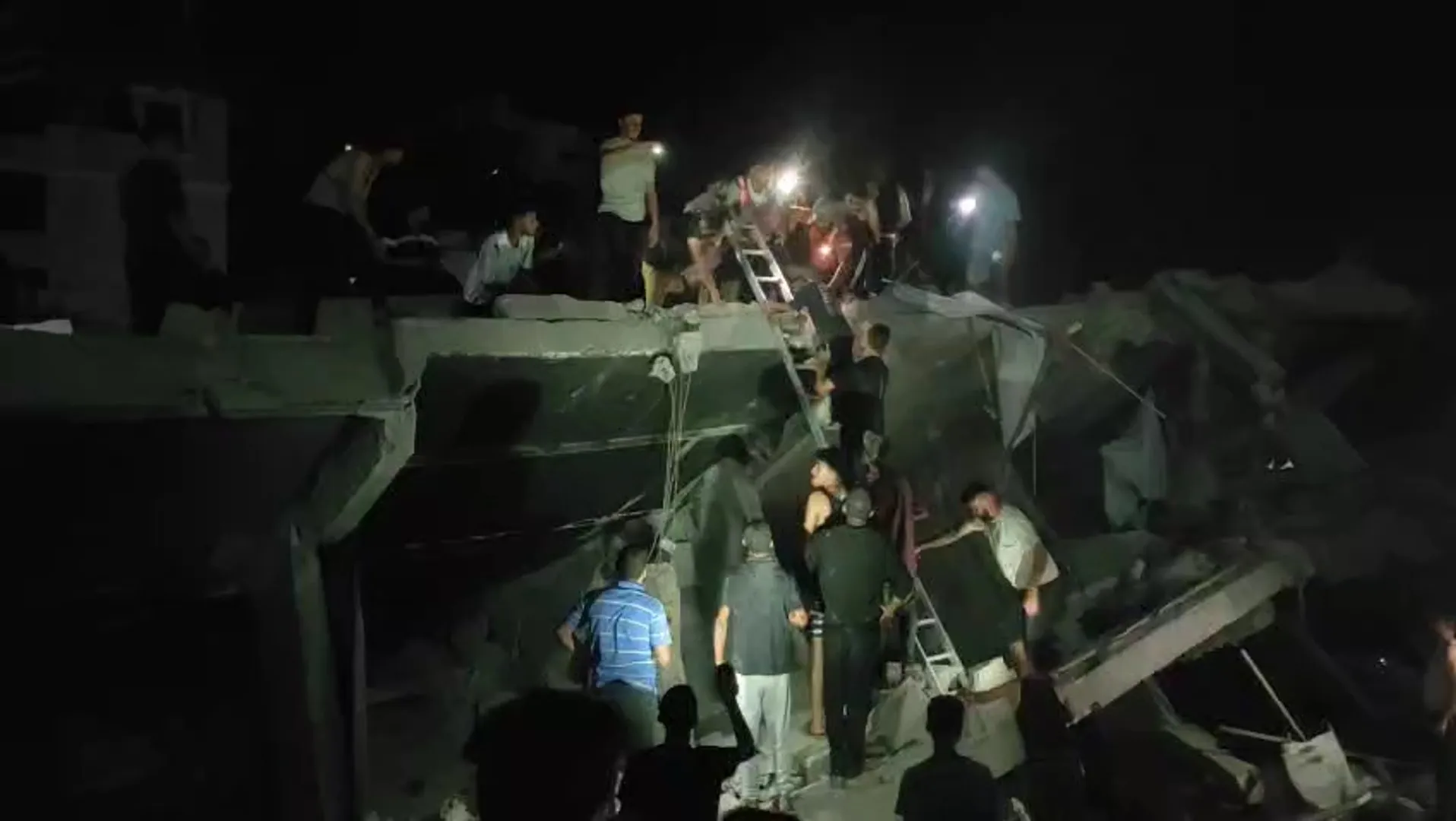
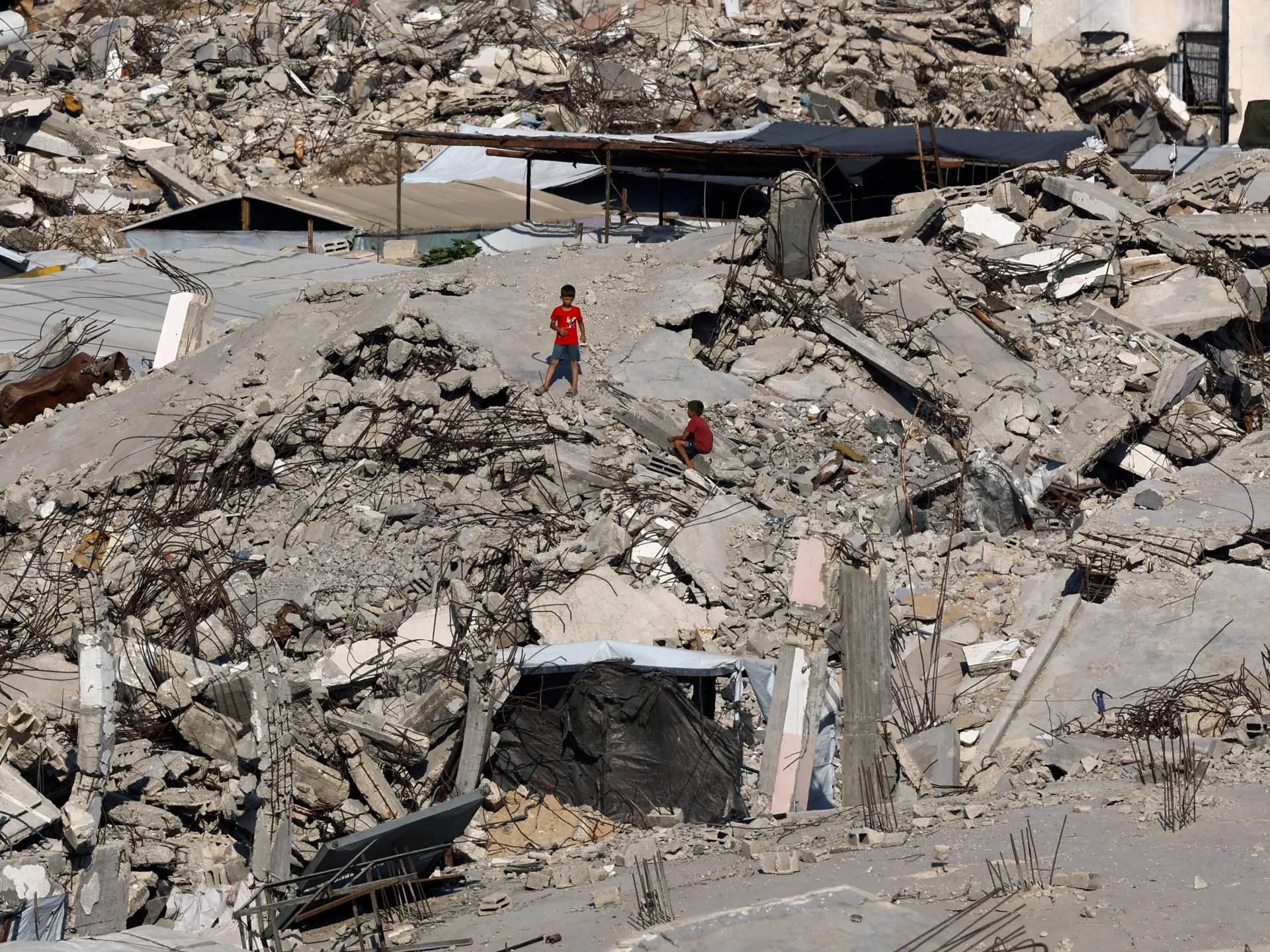
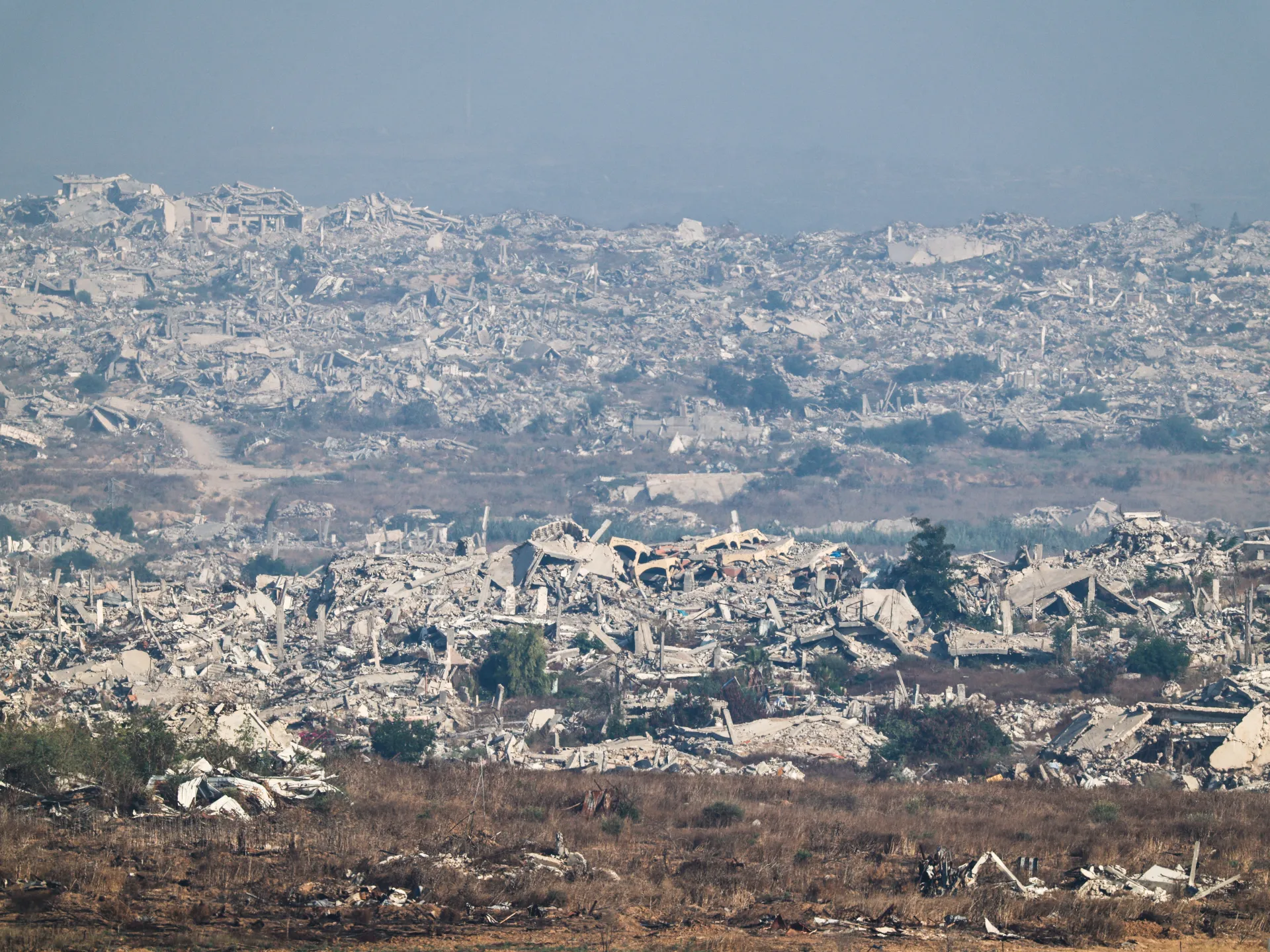
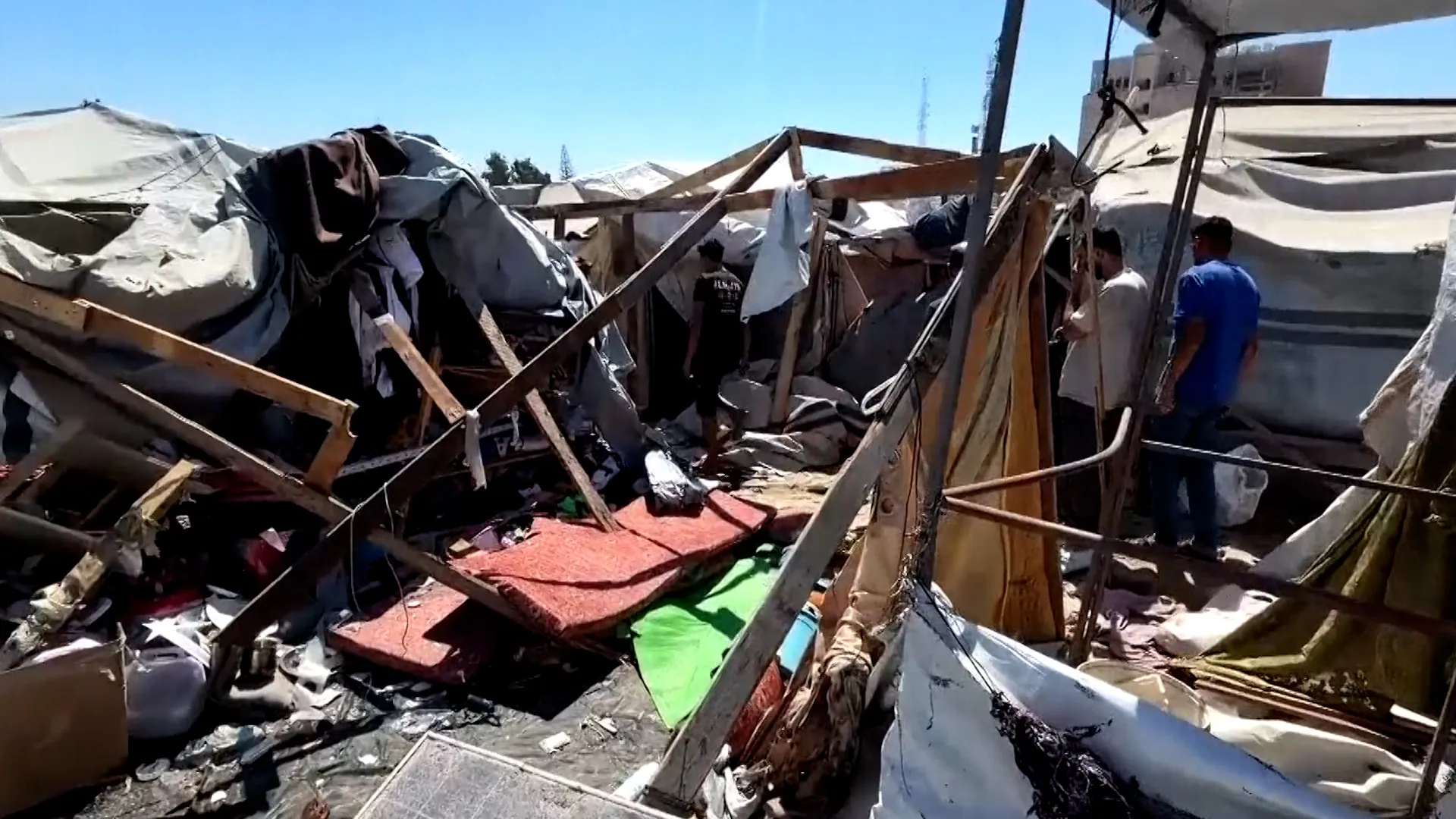
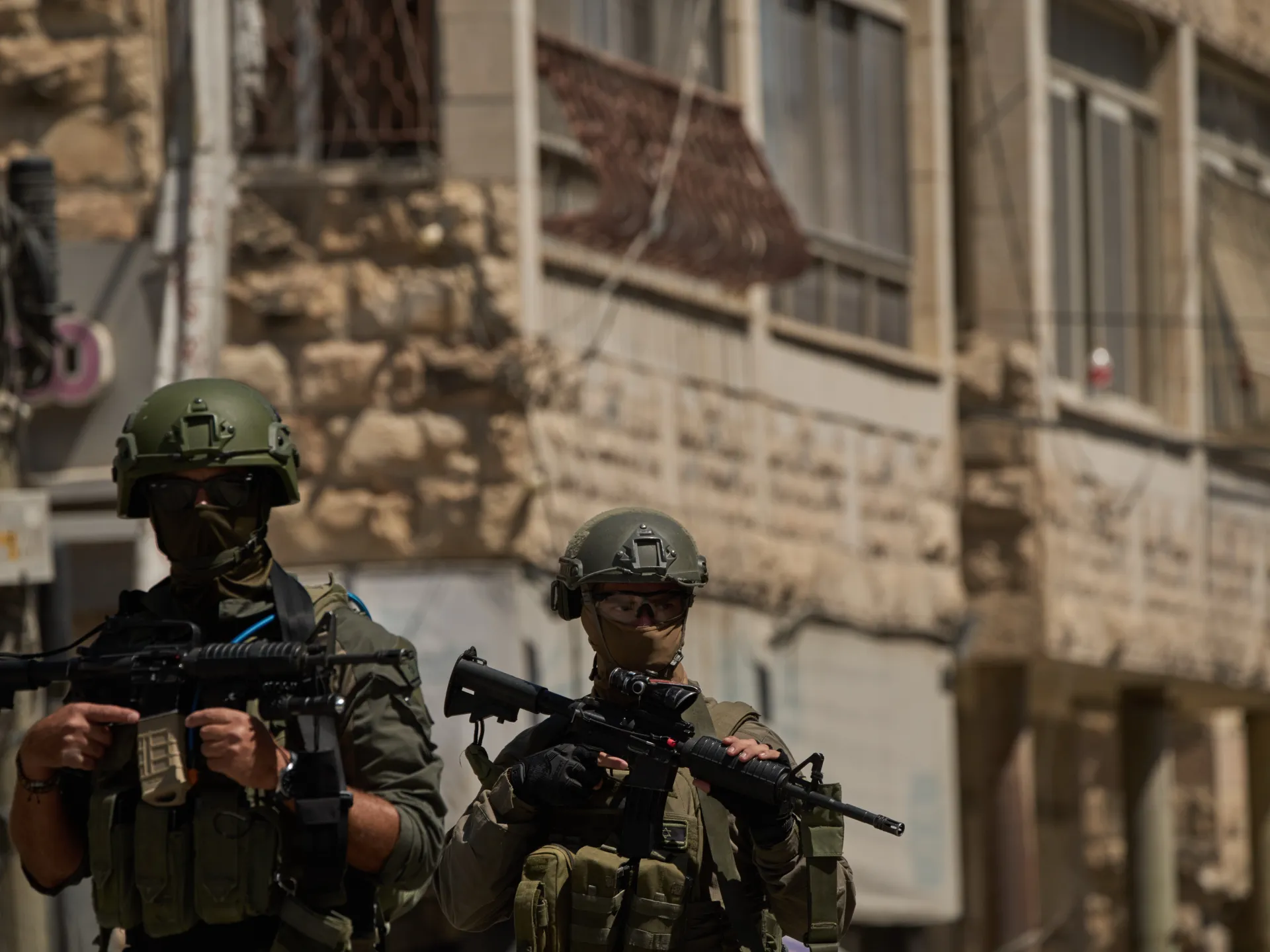
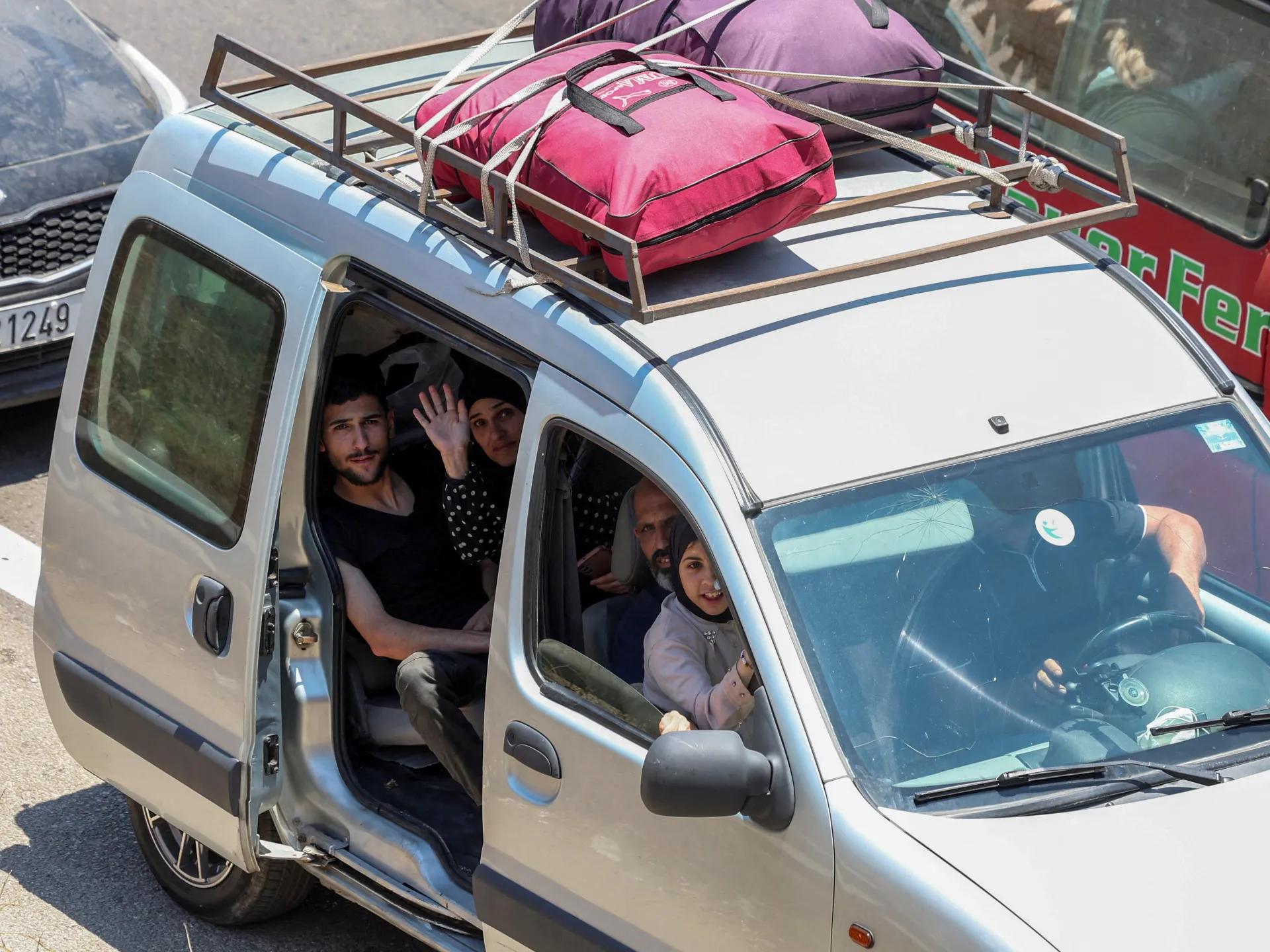
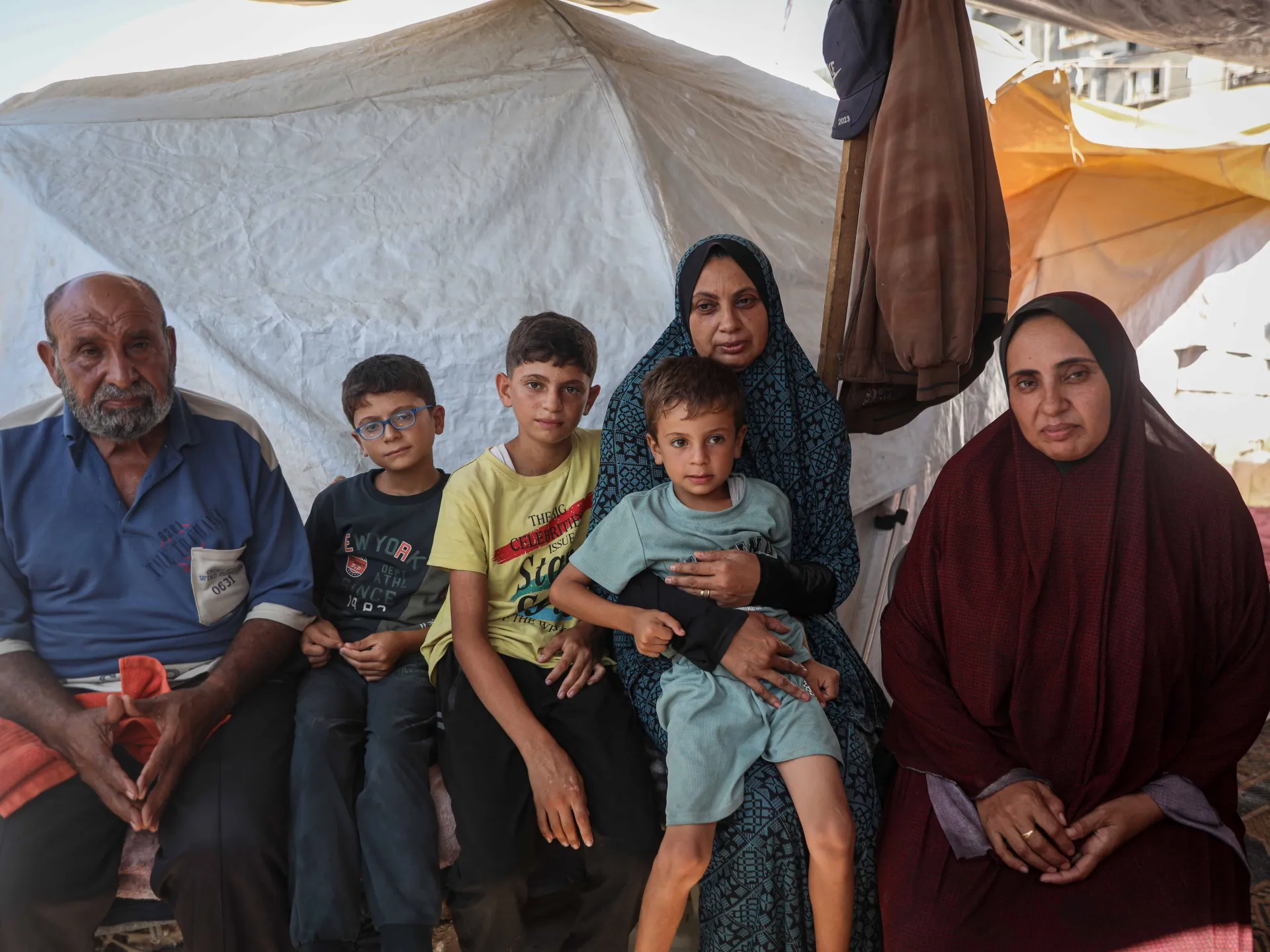
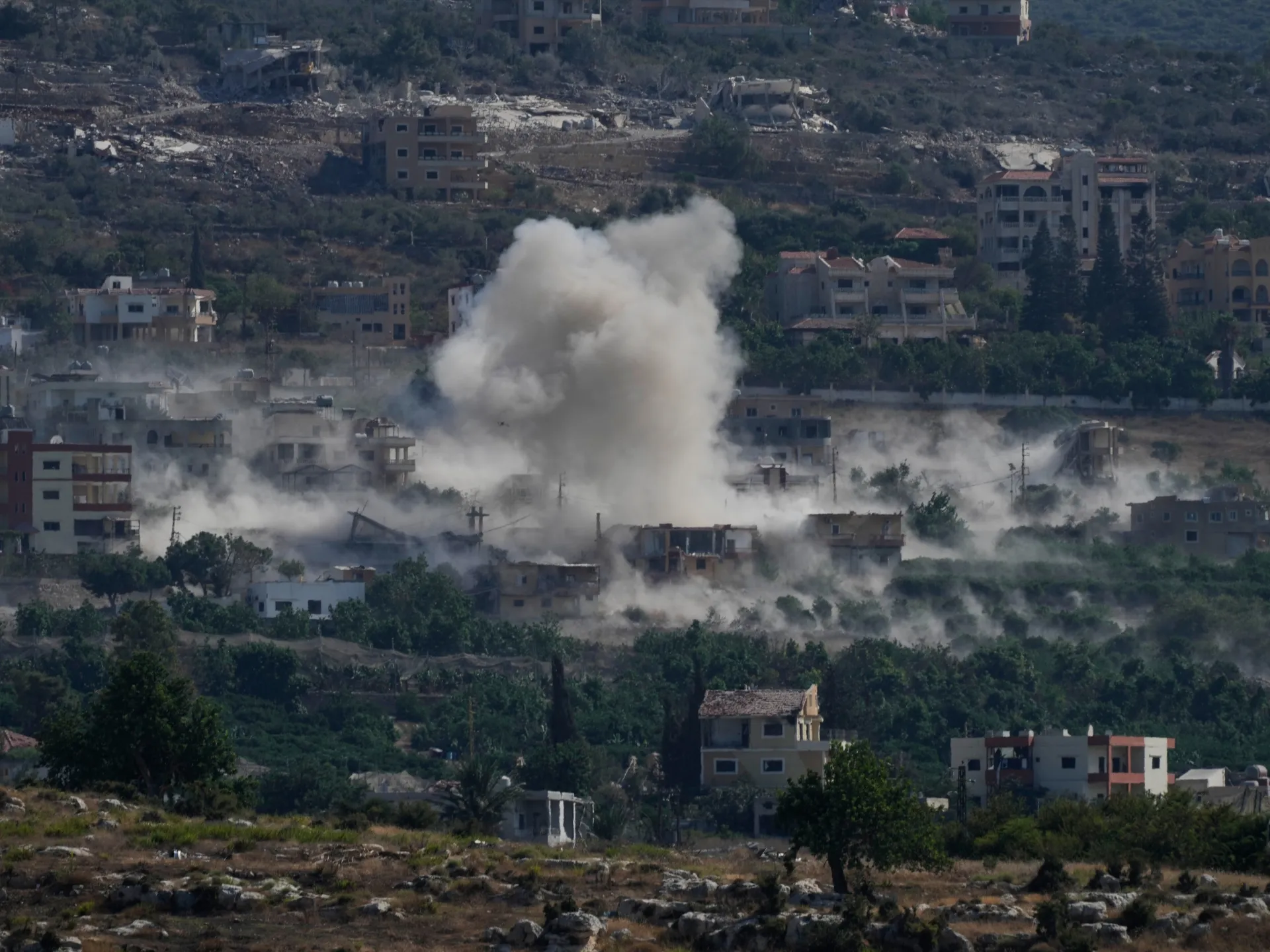
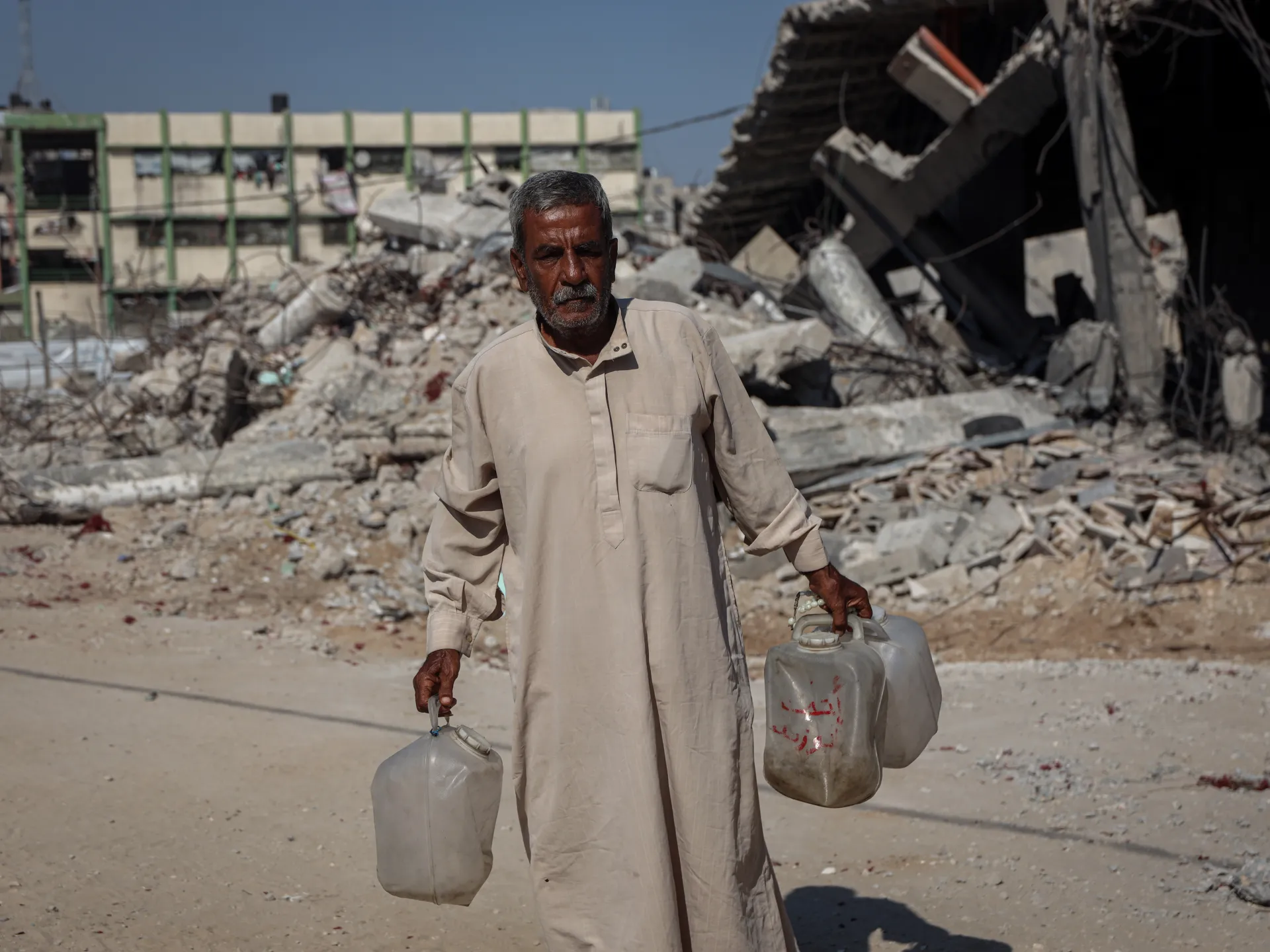
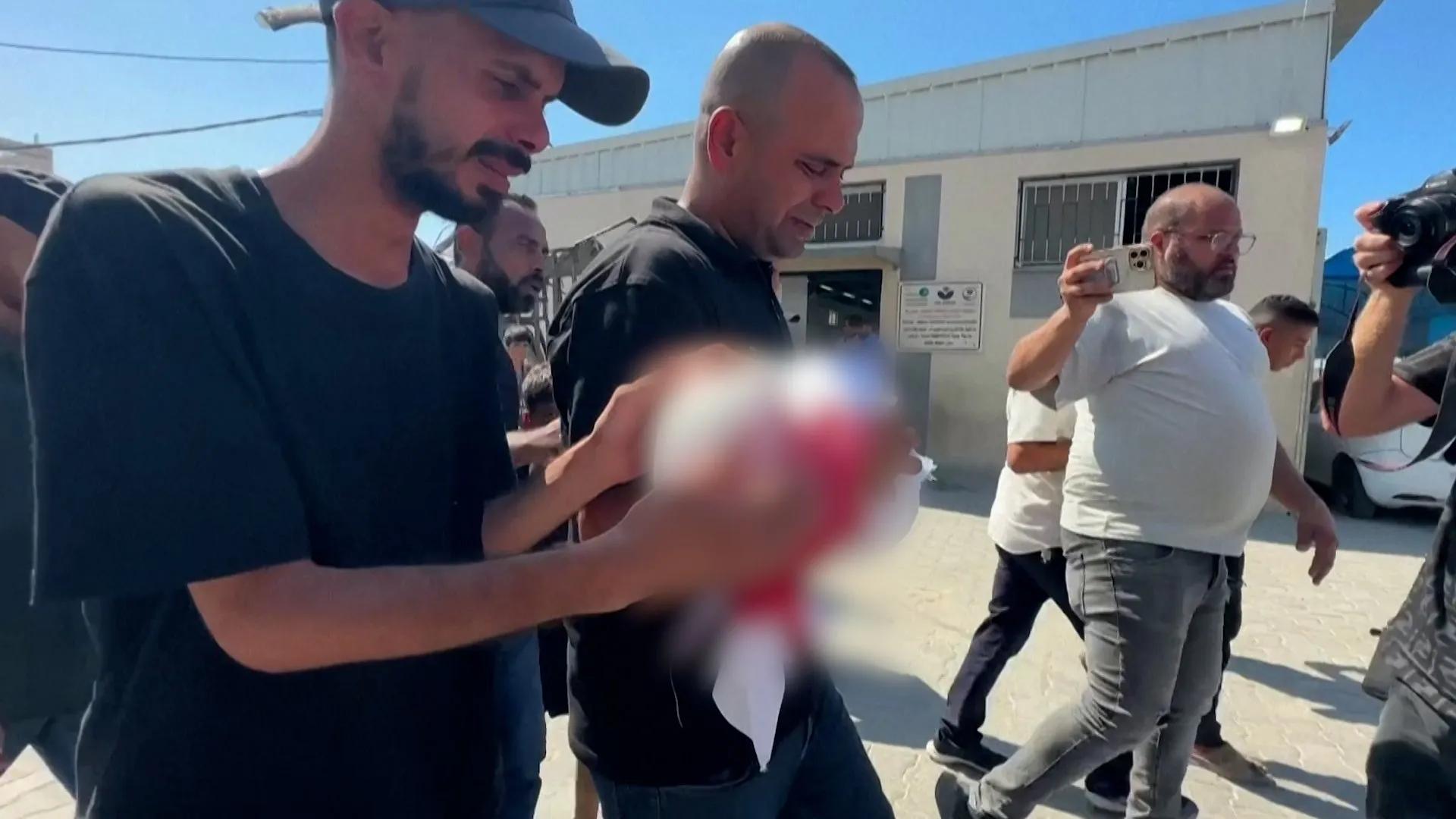
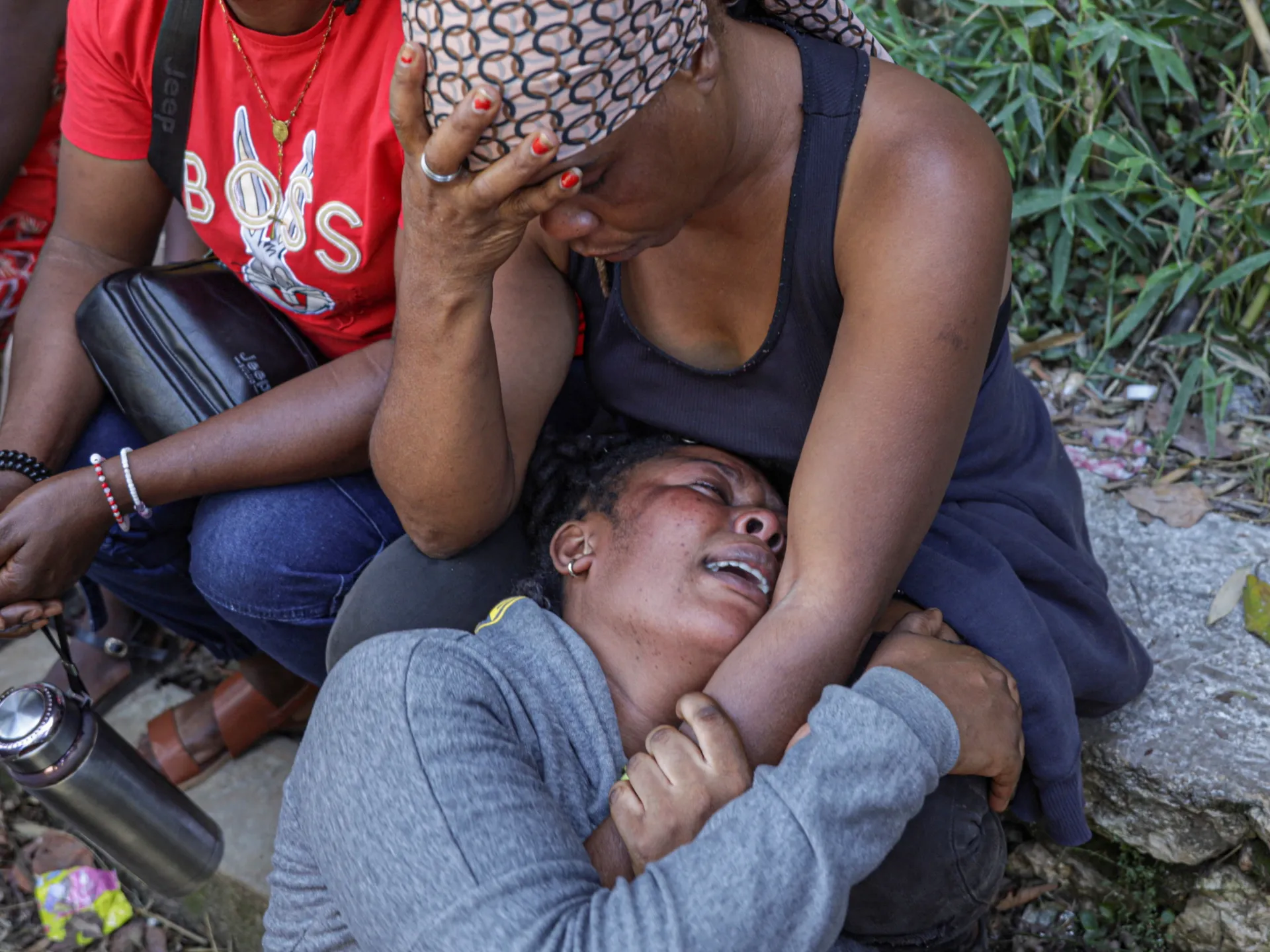
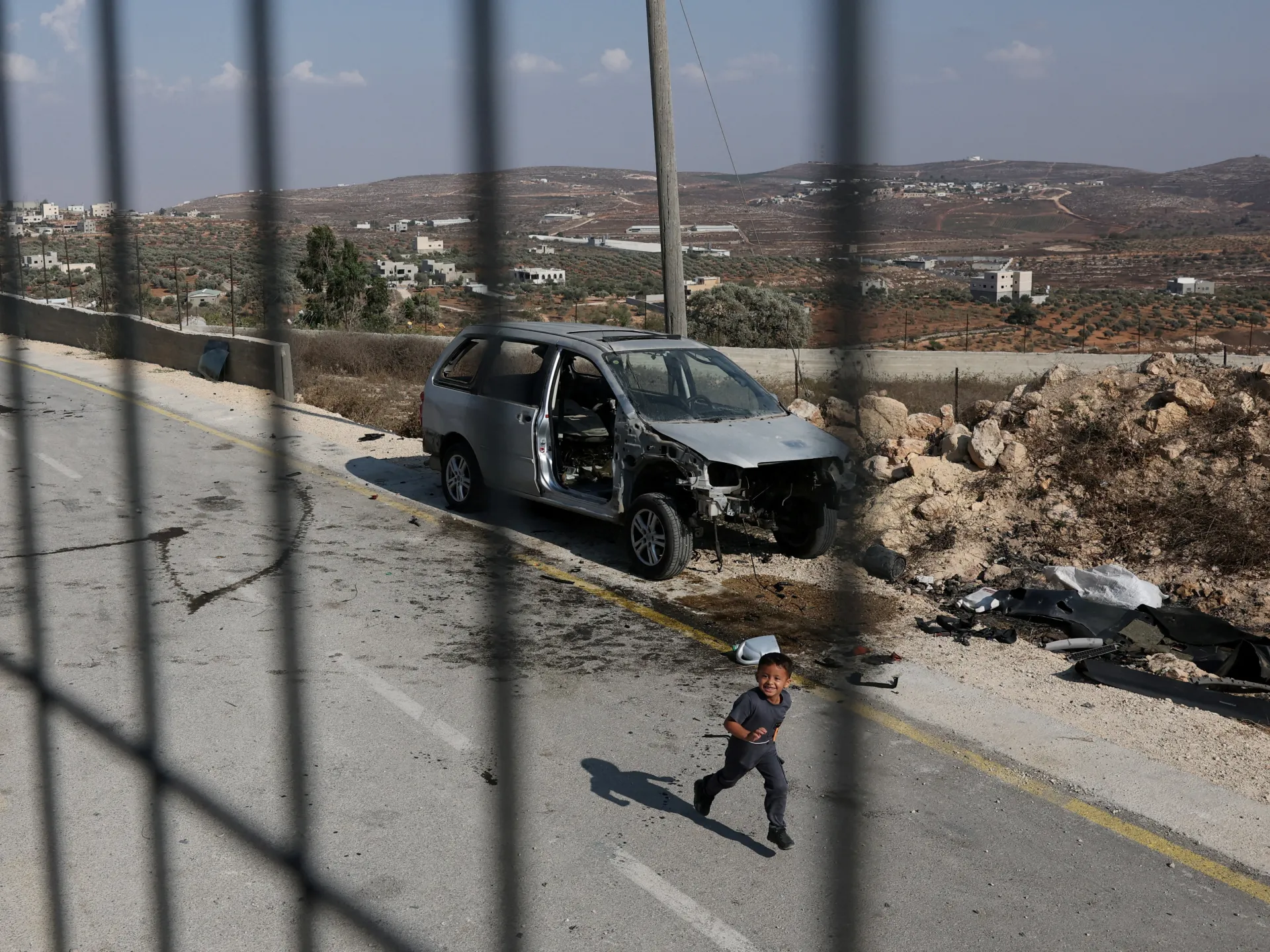
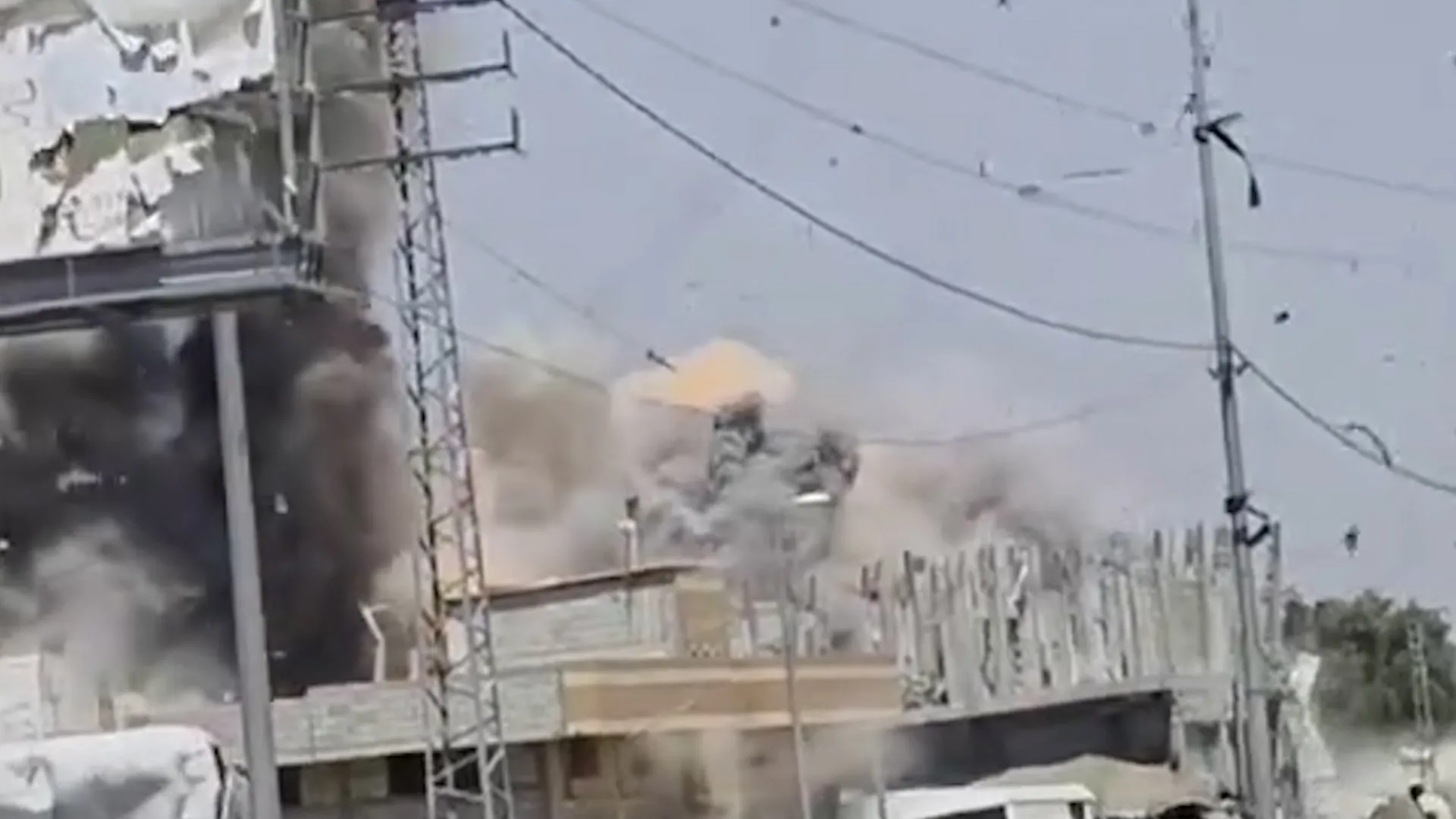
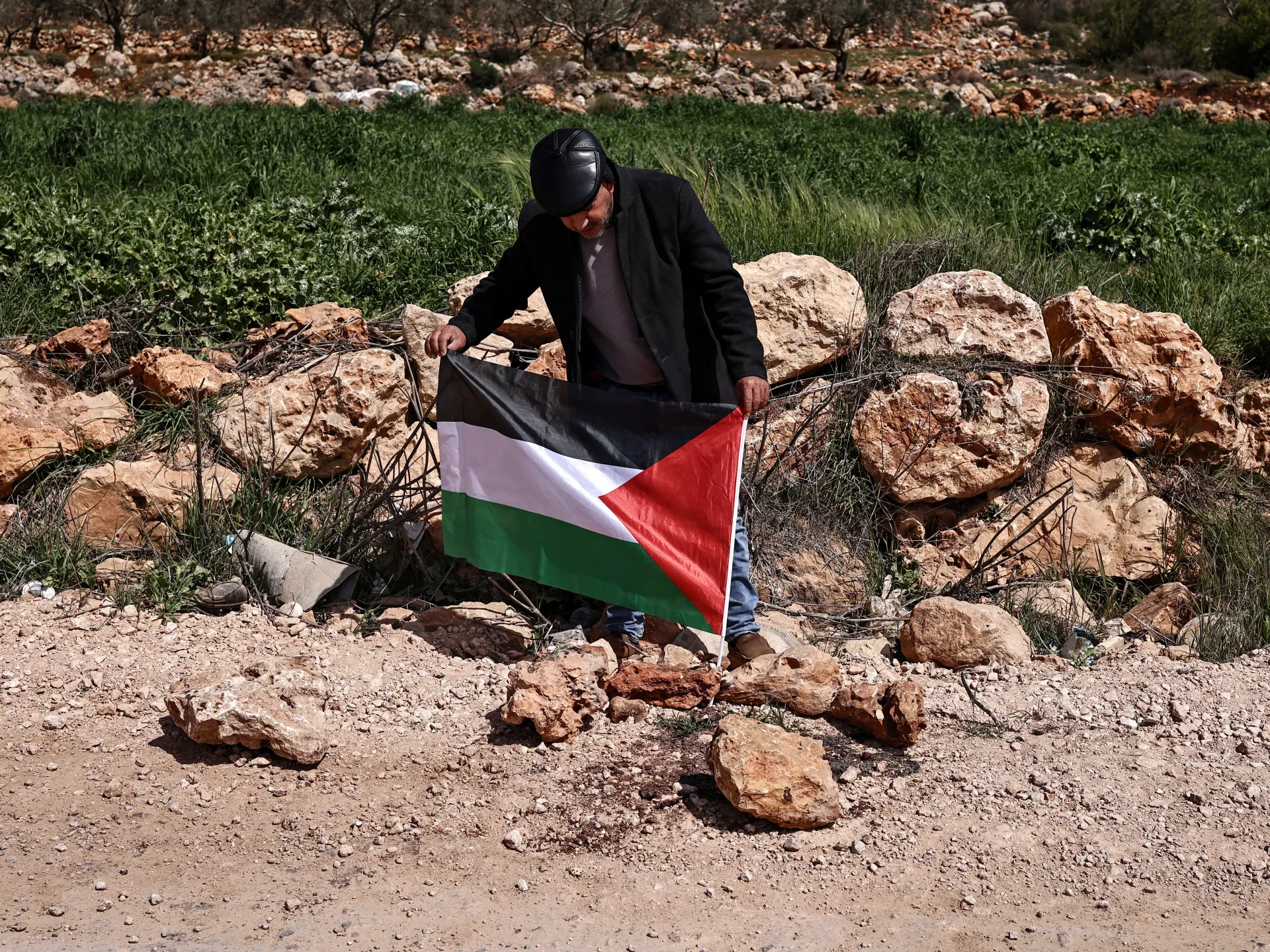
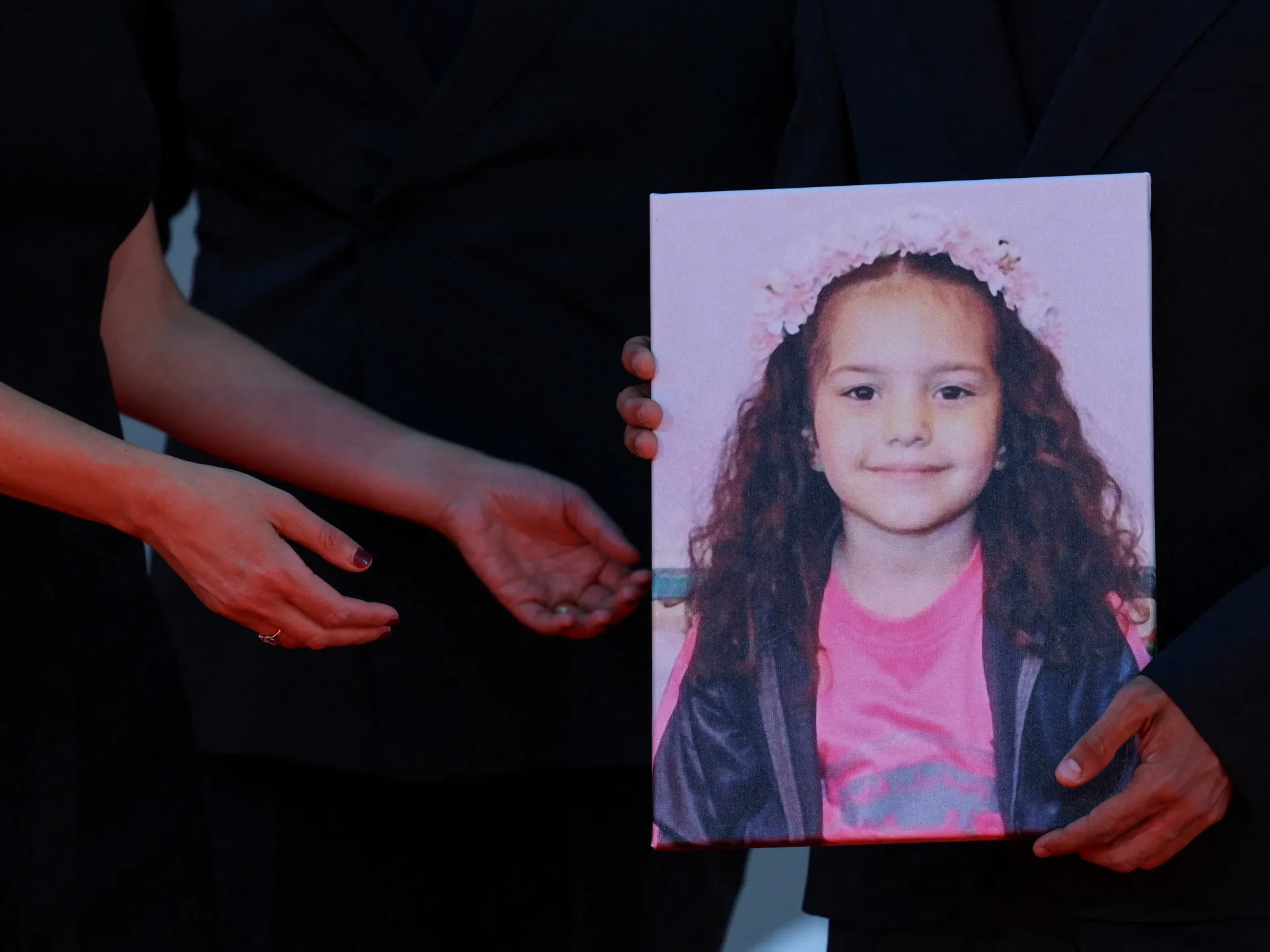
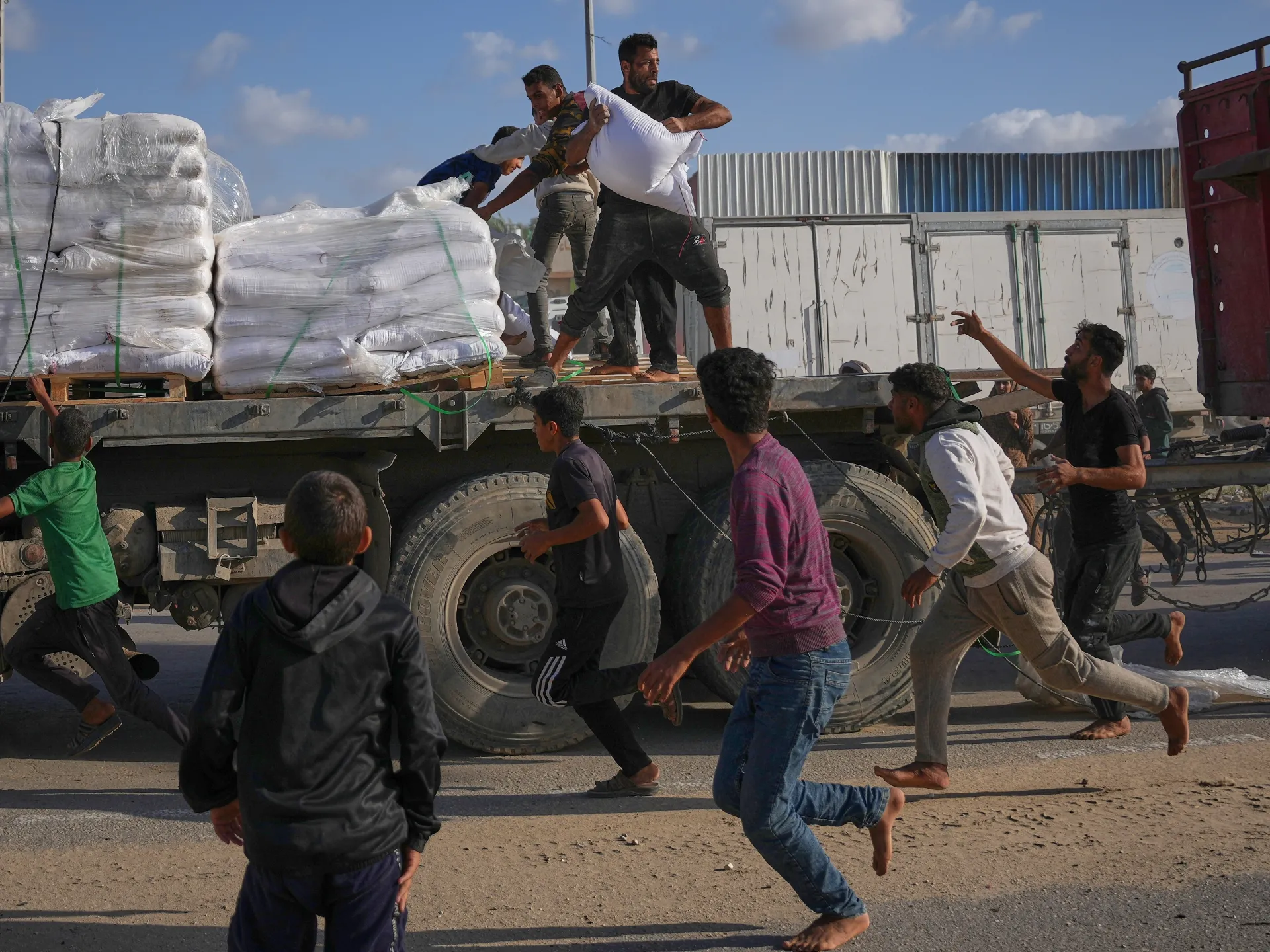
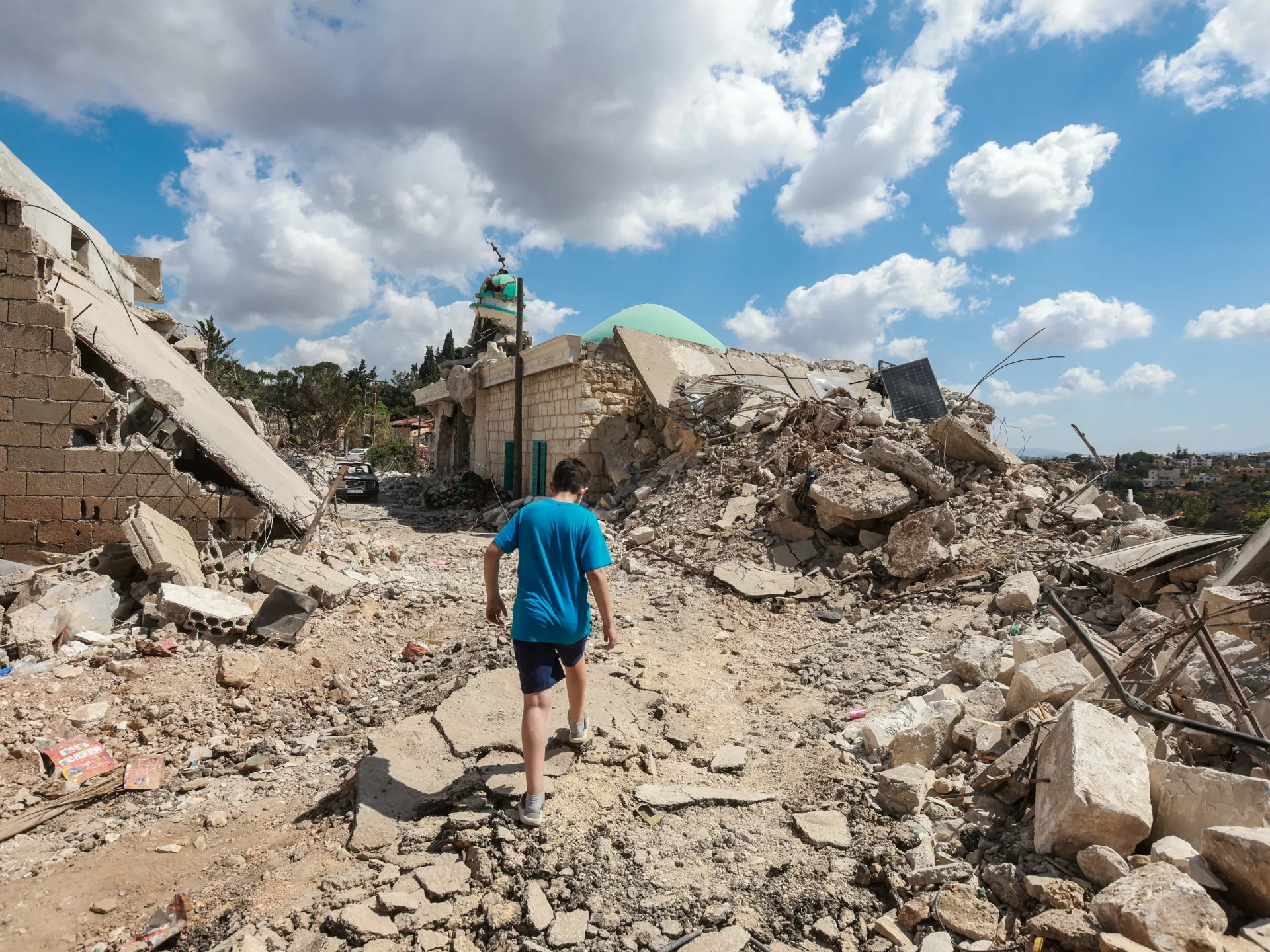
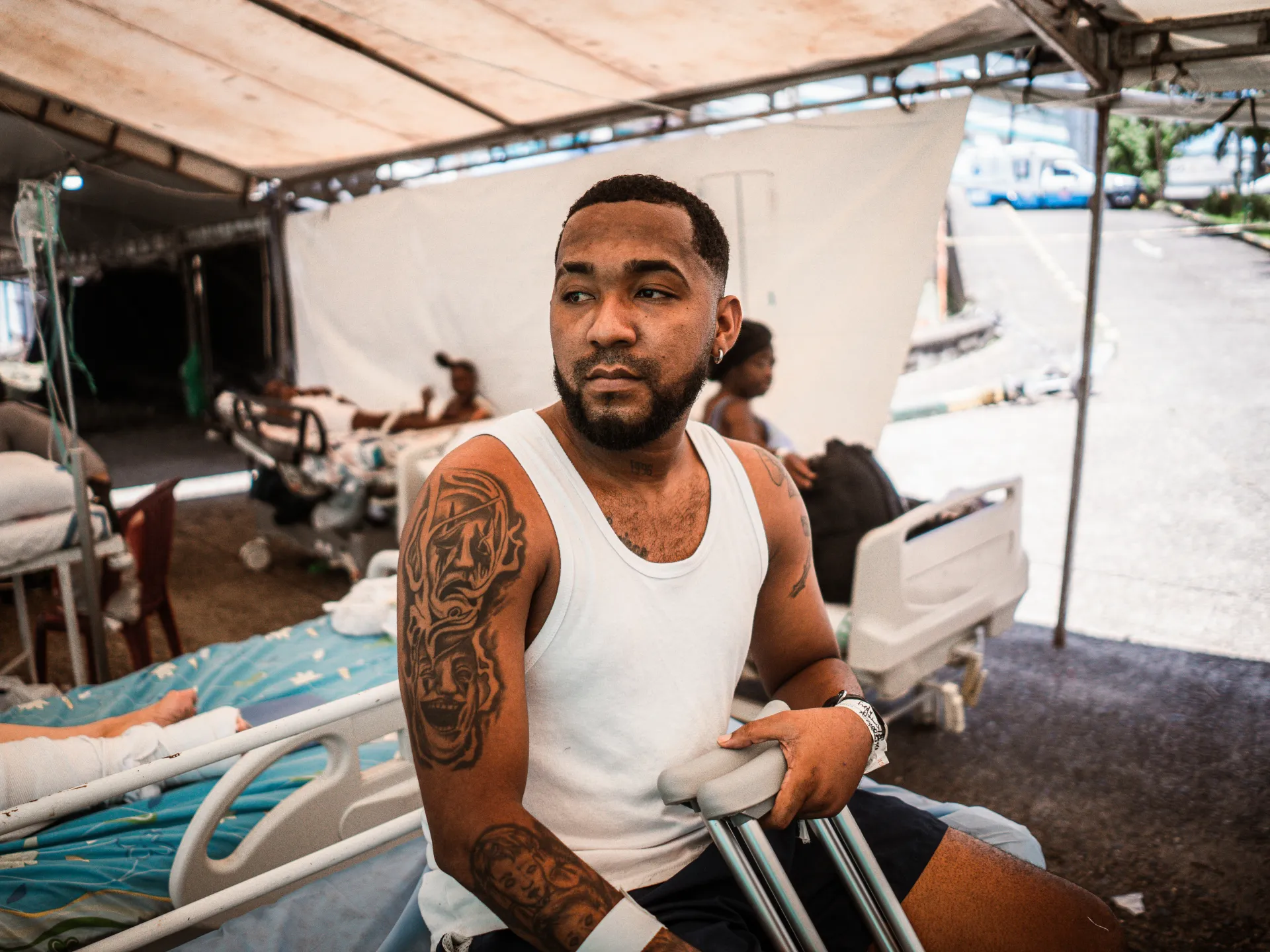
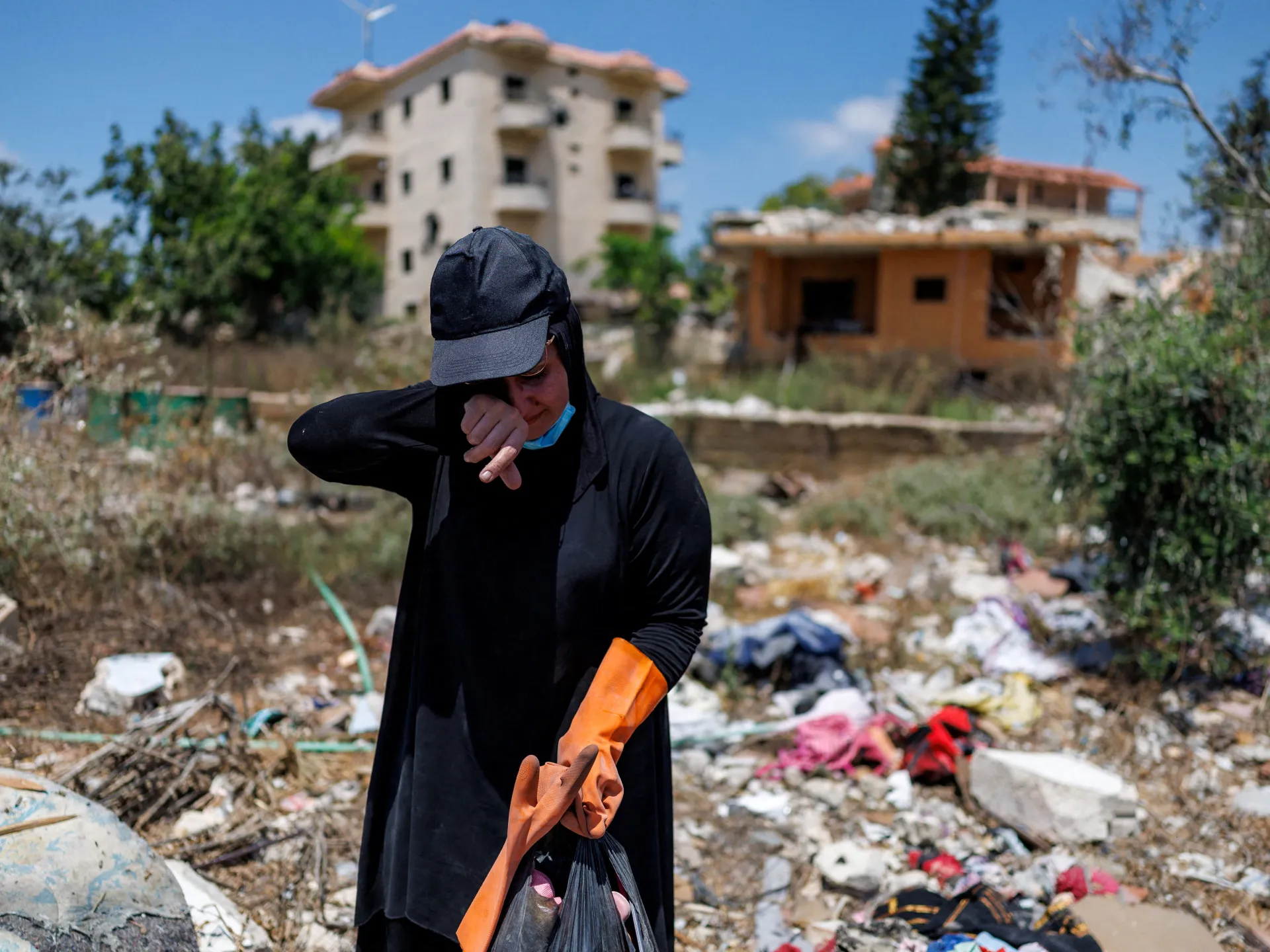
Brazilian President Luiz Inacio Lula da Silva has issued a sharp condemnation regarding the long-term humanitarian consequences of the ongoing conflict in the Gaza Strip, characterizing the experience of the civilian population as a cycle of profound trauma that will endure for generations to come. Speaking on the international stage, the Brazilian leader emphasized that the scale of destruction currently unfolding within the Palestinian territory constitutes a generational crisis that necessitates urgent attention from the global community.
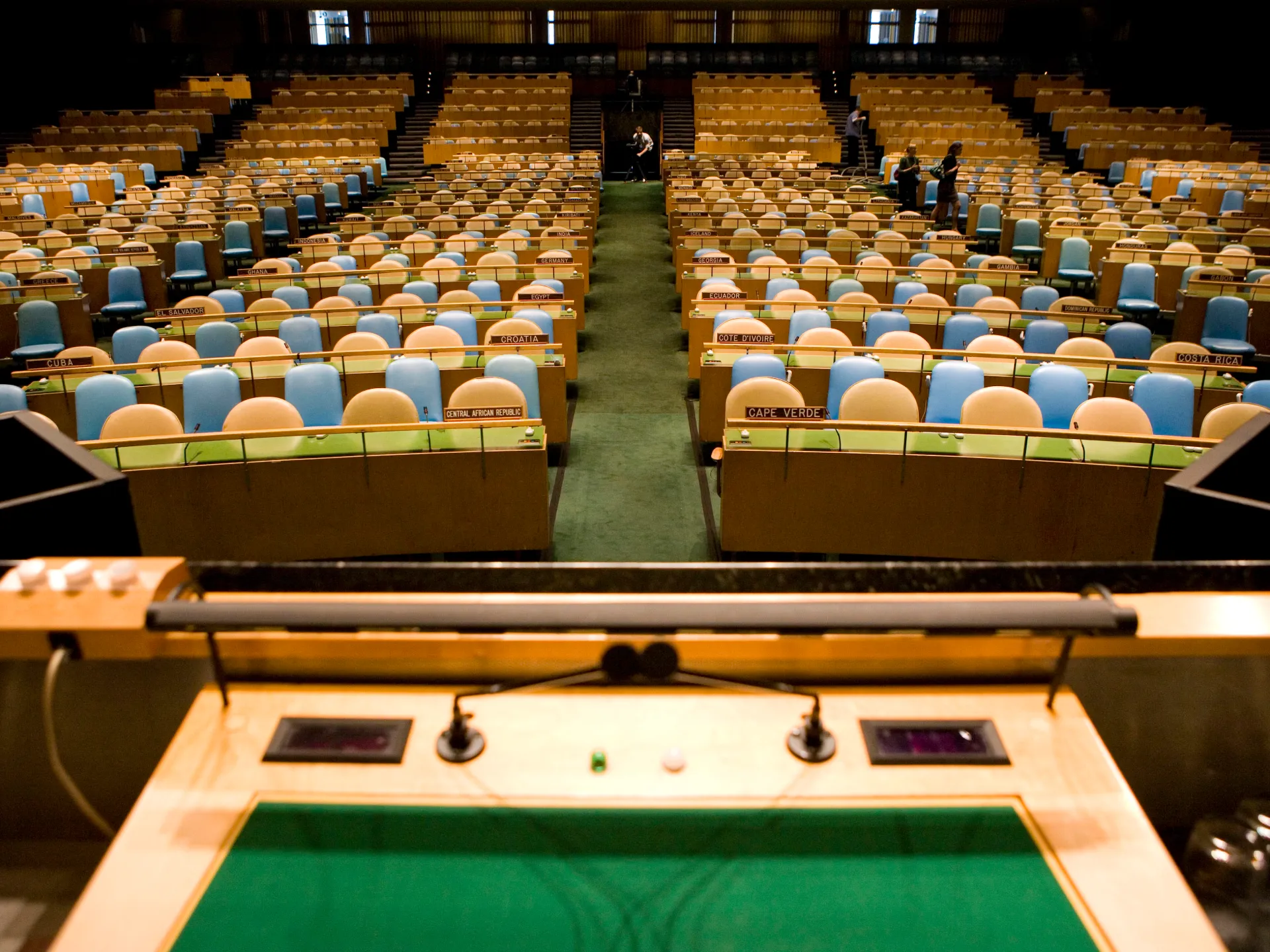
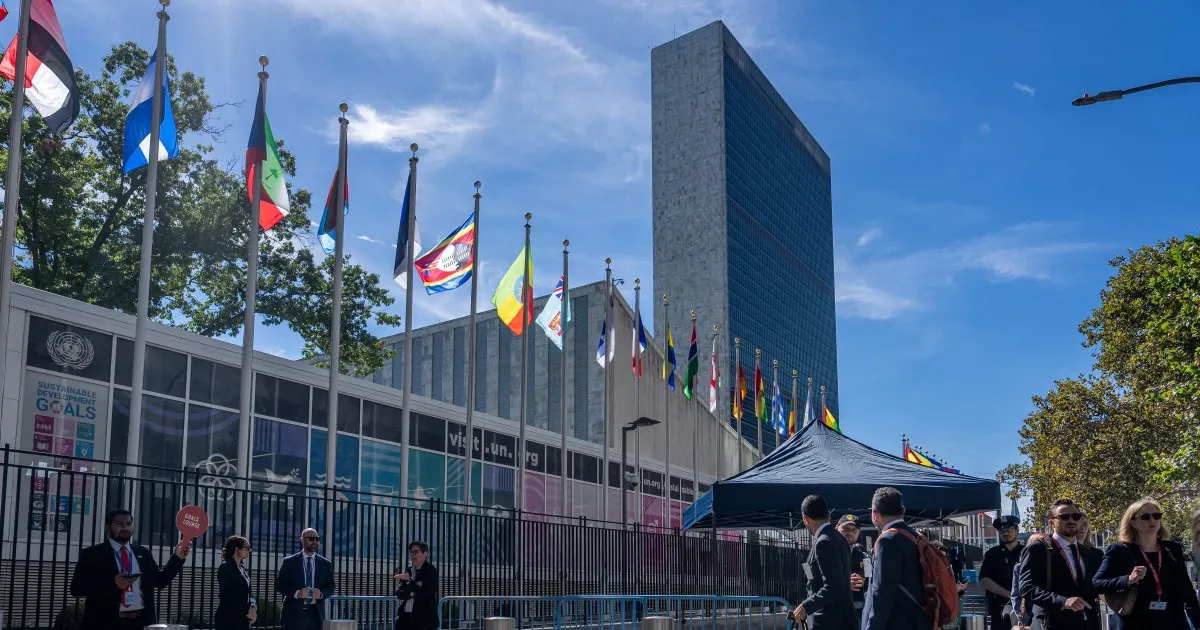
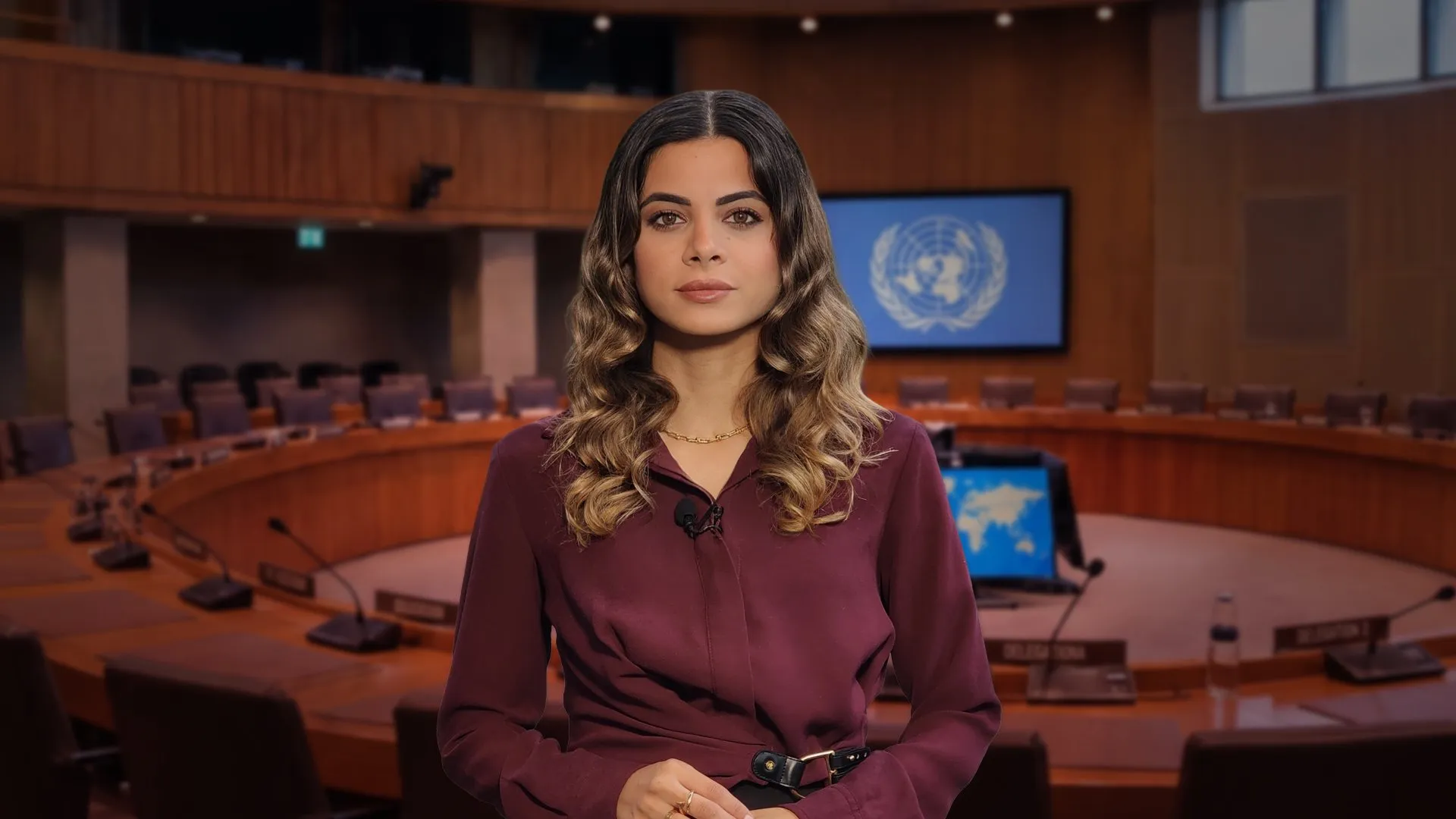
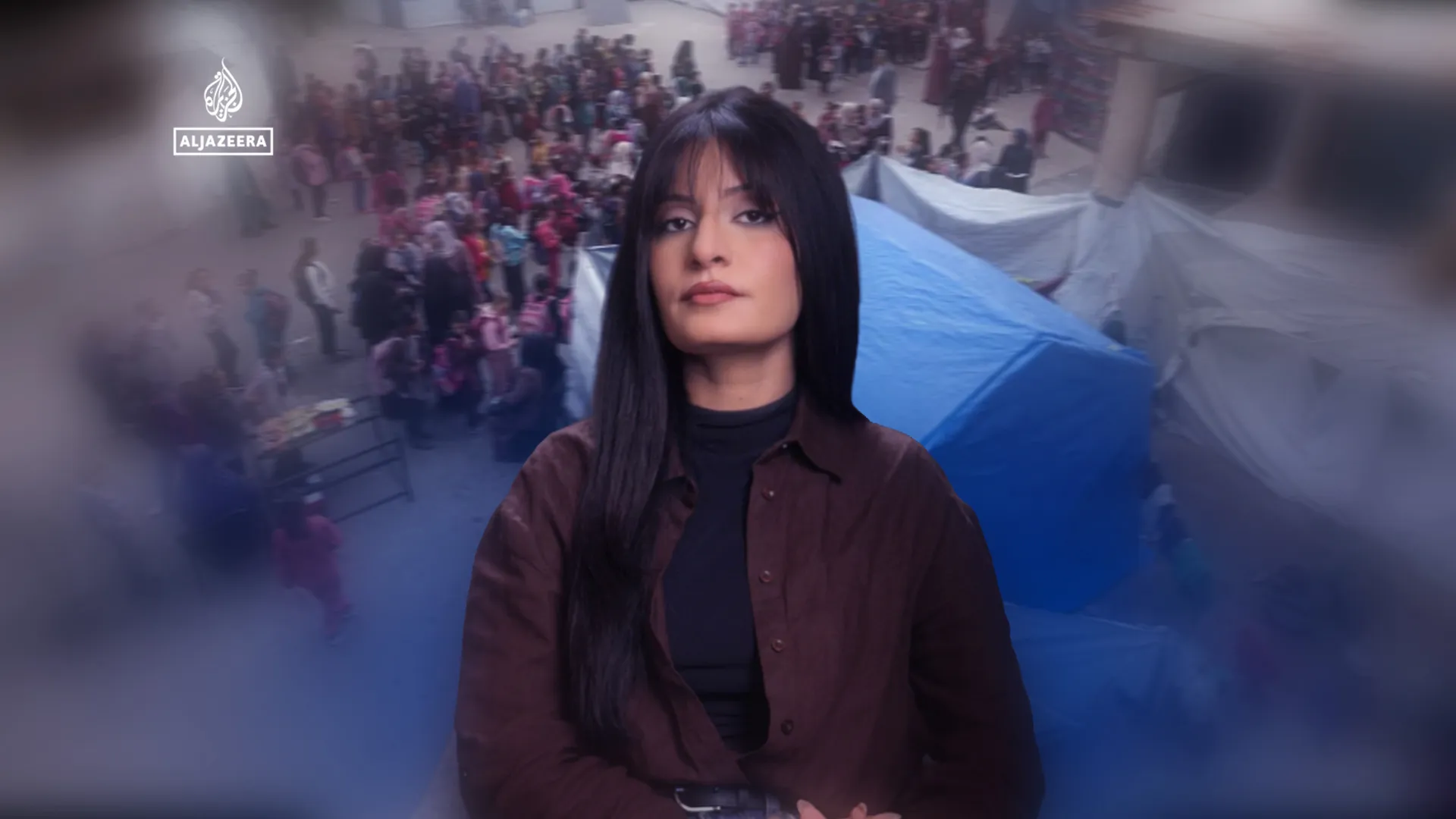
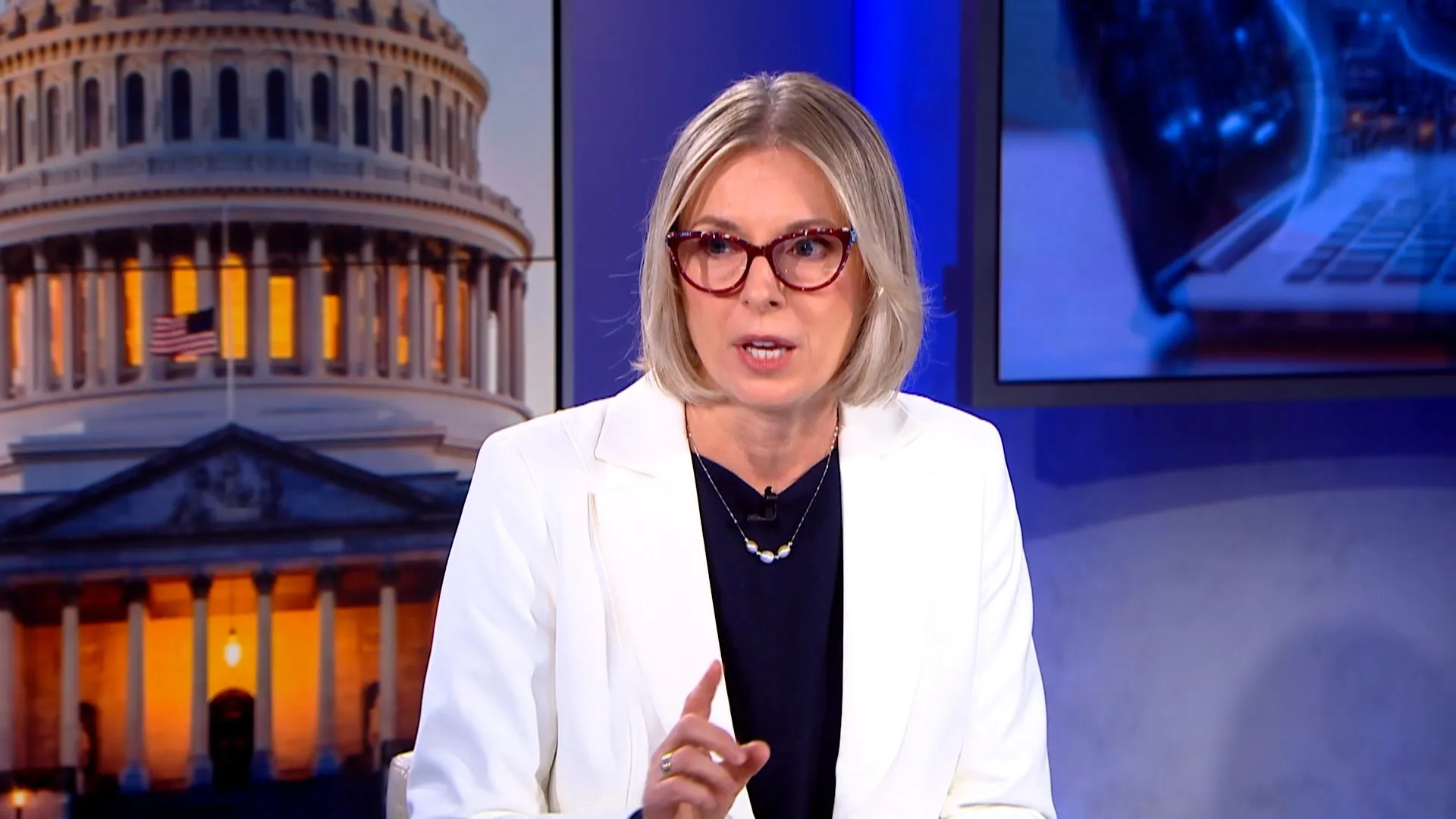
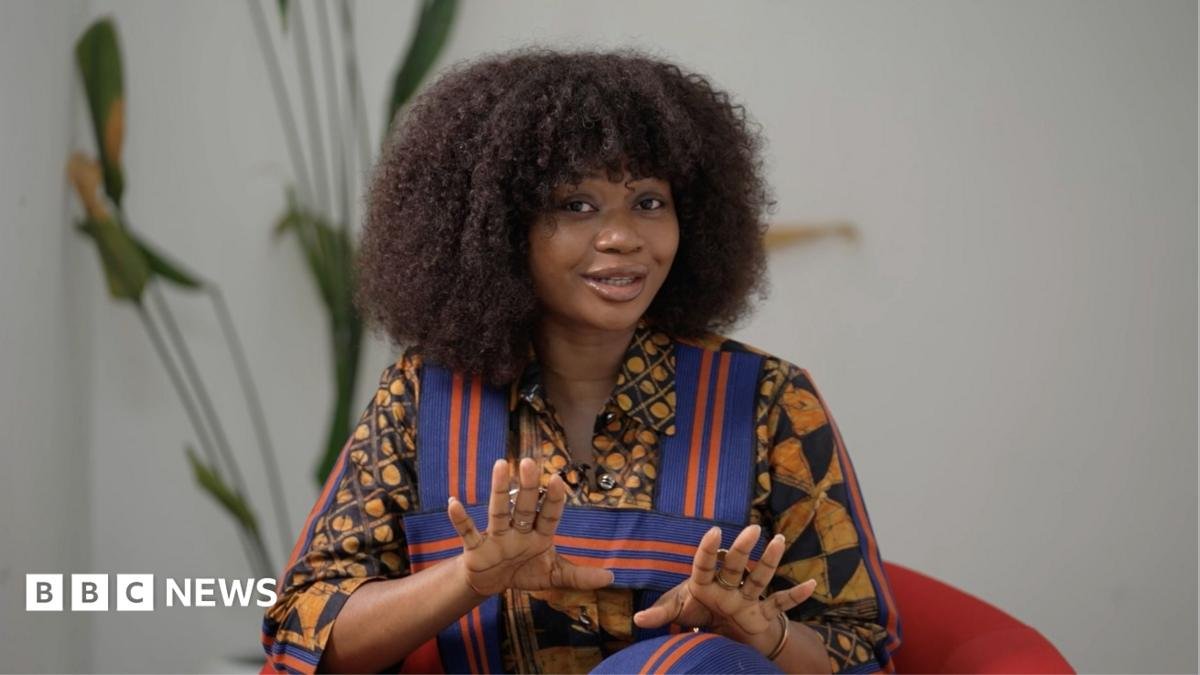
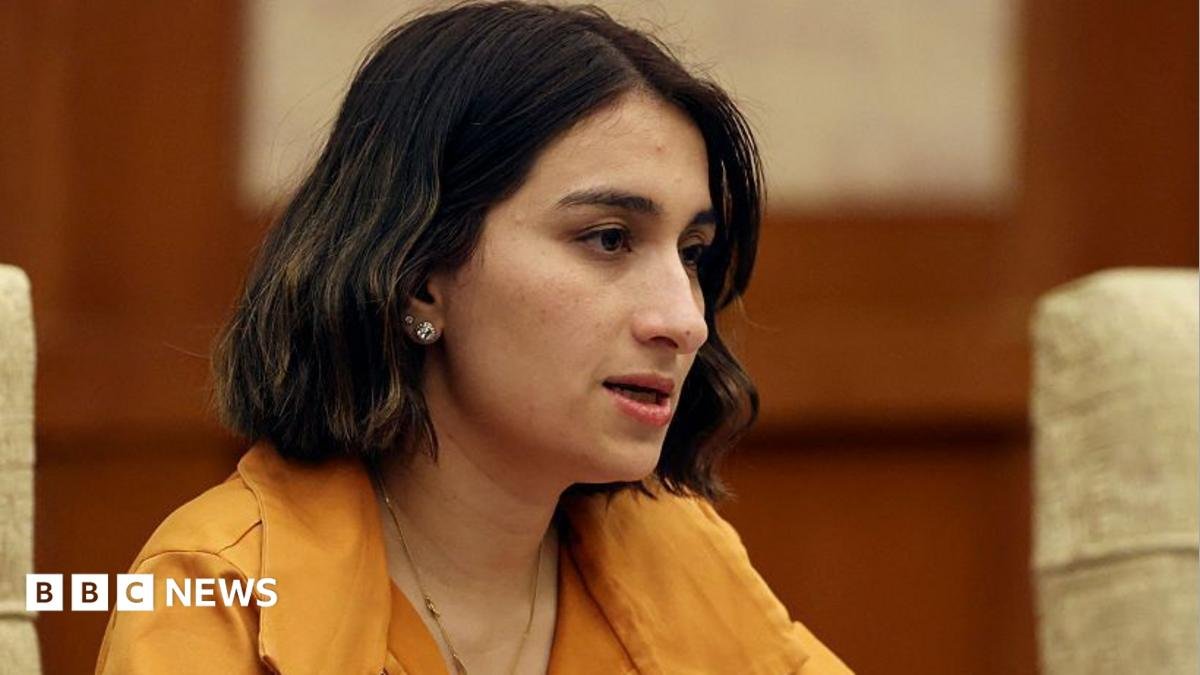
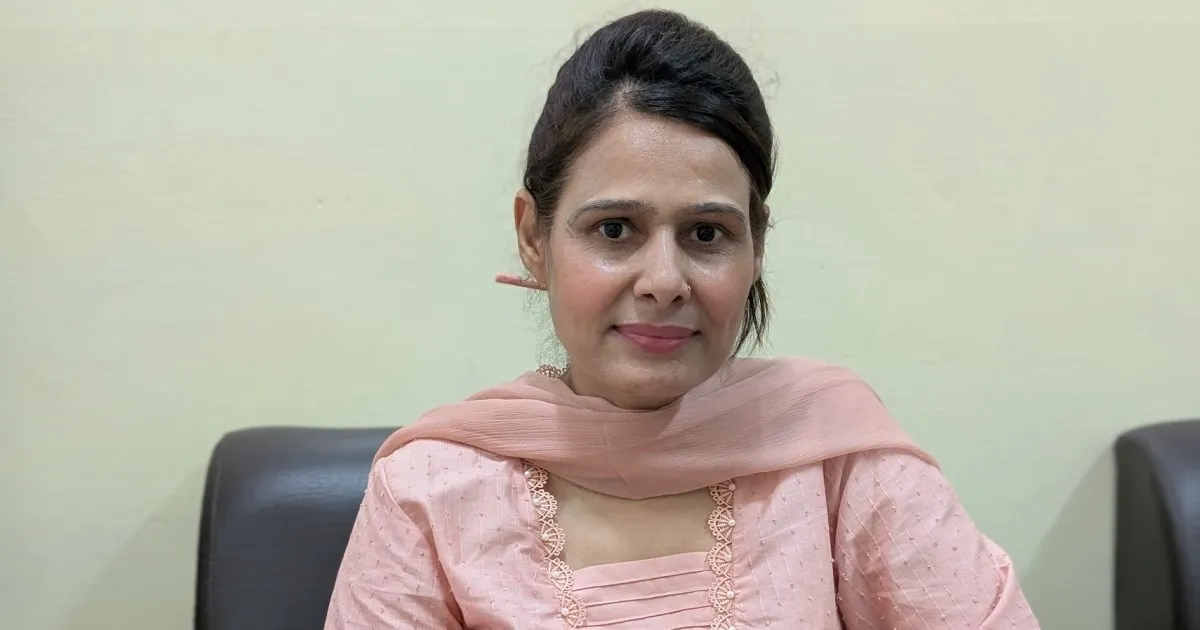
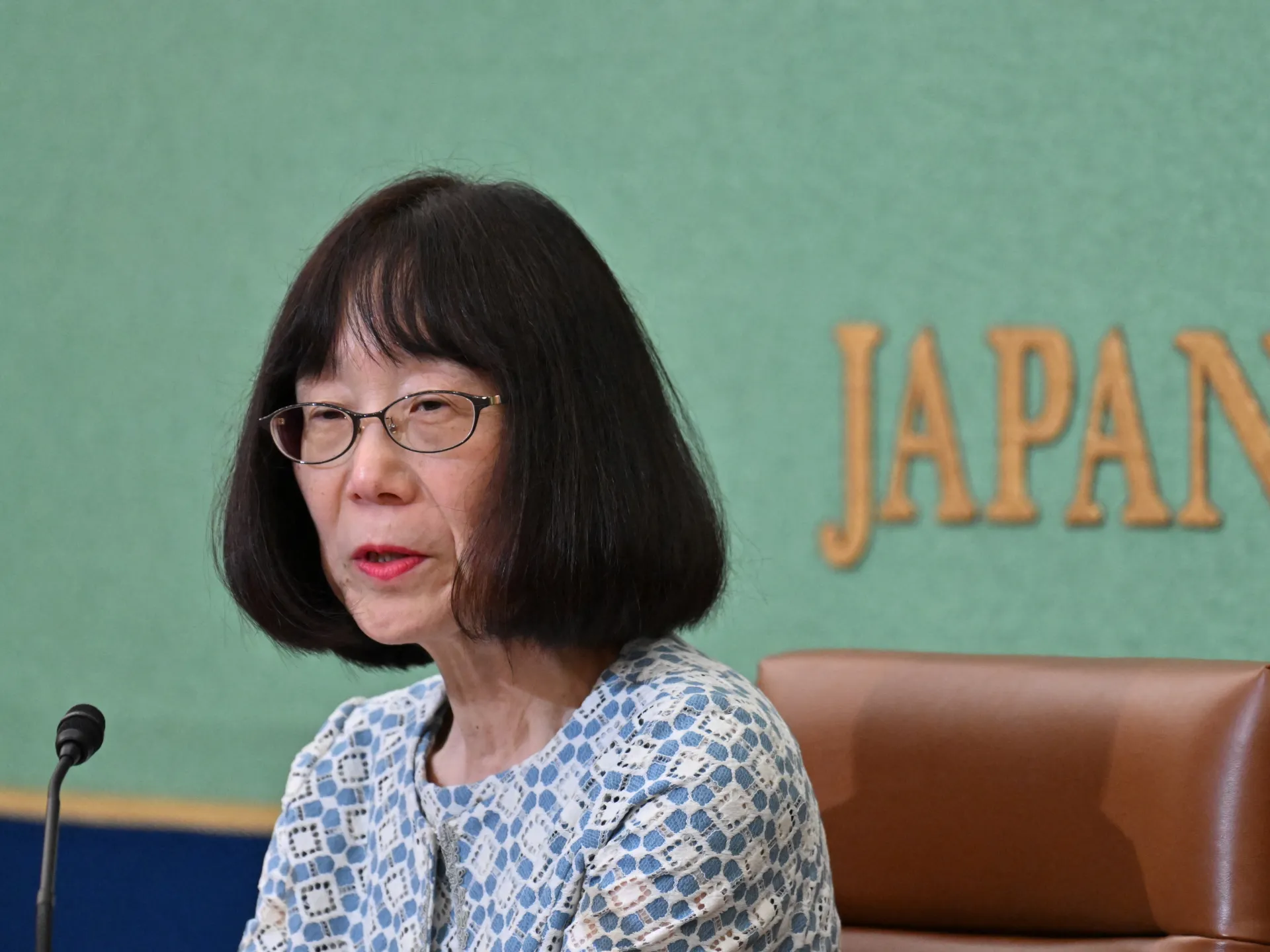
Beyond his assessment of the humanitarian toll, President Lula utilized his platform to extend strong political support to Francesca Albanese, the United Nations Special Rapporteur on the occupied Palestinian territories. Lula explicitly argued that international observers like Albanese should not be subjected to efforts aimed at silencing their reporting on the realities of the situation, signaling a firm stance against attempts to discredit independent human rights investigations.
The intervention conflict’s management and the role of international human rights monitors. tself, but is also asserting the necessity of keeping independent channels of information open during active combat. This sets a precedent for how South American powers might use their diplomatic leverage to influence the narrative surrounding the conflict, potentially complicating relations with nations that have sought to limit the scope and influence of UN-led inquiries.
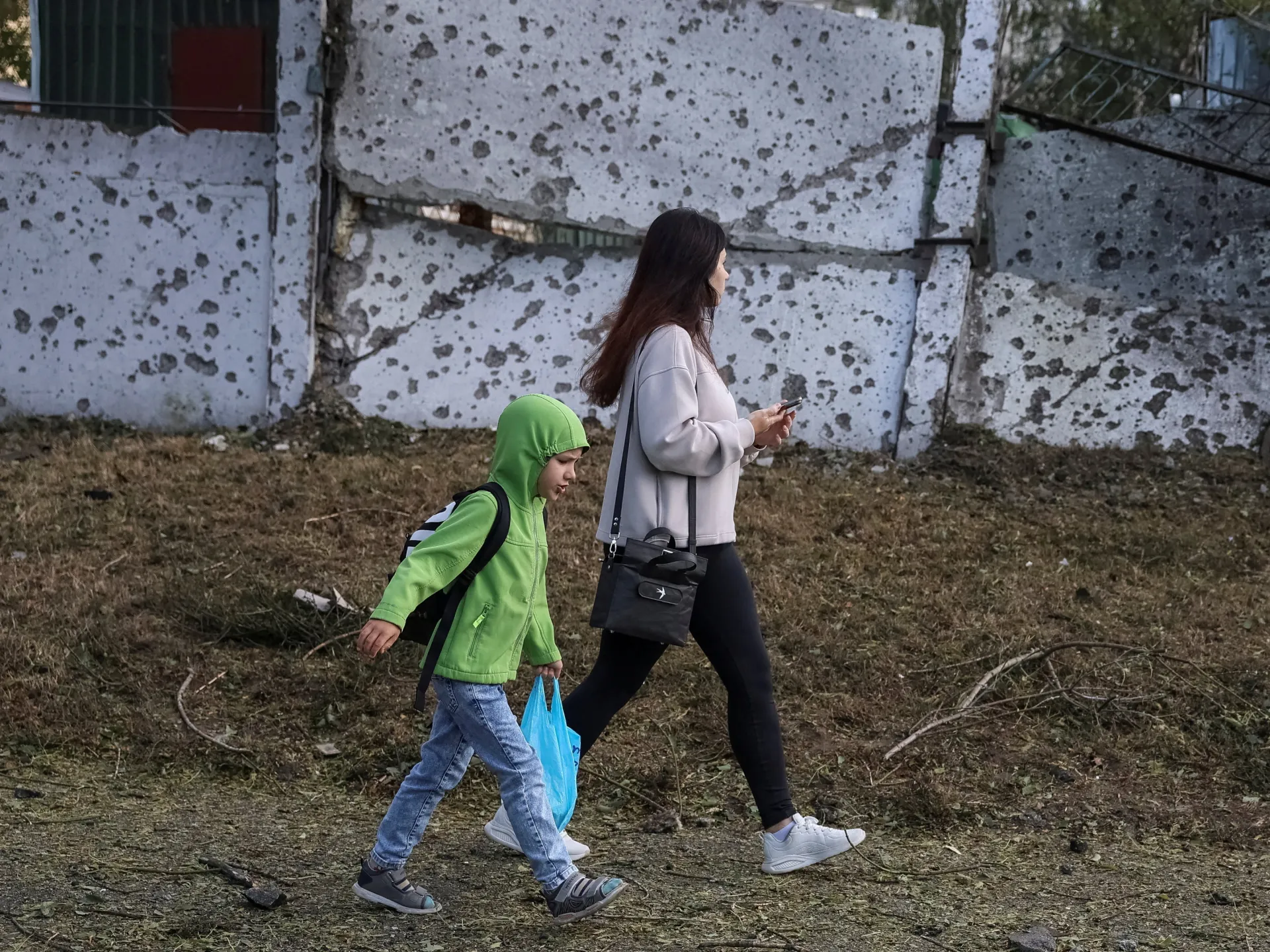
President Lula’s remarks serve as a continuation of his government’s consistent criticism of the humanitarian impact of the war. His focus on the long-term psychological and societal scars within the Gaza Strip marks a shift toward addressing the post-conflict reality, suggesting that the current approach to the war fails to account for the decades of recovery that will be required once the fighting ceases.
The defense of Francesca Albanese comes amid ongoing tensions between UN officials and various stakeholders in the conflict. Lula’s insistence that she “must not be silenced for telling the truth” serves as a direct rebuke to critics of the Rapporteur, positioning Brazil as a key defender of the integrity of UN mandate holders. This rhetorical stance highlights the friction between state-level actors and international human rights bodies, as Brazil seeks to prioritize the visibility of independent reports on the ground.
As the international community grapples with the fallout from the conflict, the Brazilian administration’s vocal support for UN rapporteurs is likely to foster increased scrutiny at the United Nations level. We can expect further debates regarding the role of international observers, particularly as the conflict continues to elicit diverse reactions from various global powers. Brazil’s move may embolden other nations in the Global South to adopt similar rhetoric, potentially leading to a more polarized UN environment where the legitimacy of human rights investigators becomes a central point of diplomatic contention. Furthermore, the emphasis on “generational trauma” may influence future international aid packages, shifting the focus from immediate military or survival support toward long-term psychological and infrastructure rehabilitation programs.