A Massachusetts judge has declared a mistrial in the murder case against Lindsay Clancy after jurors failed to reach a unanimous verdict regarding her criminal responsibility.
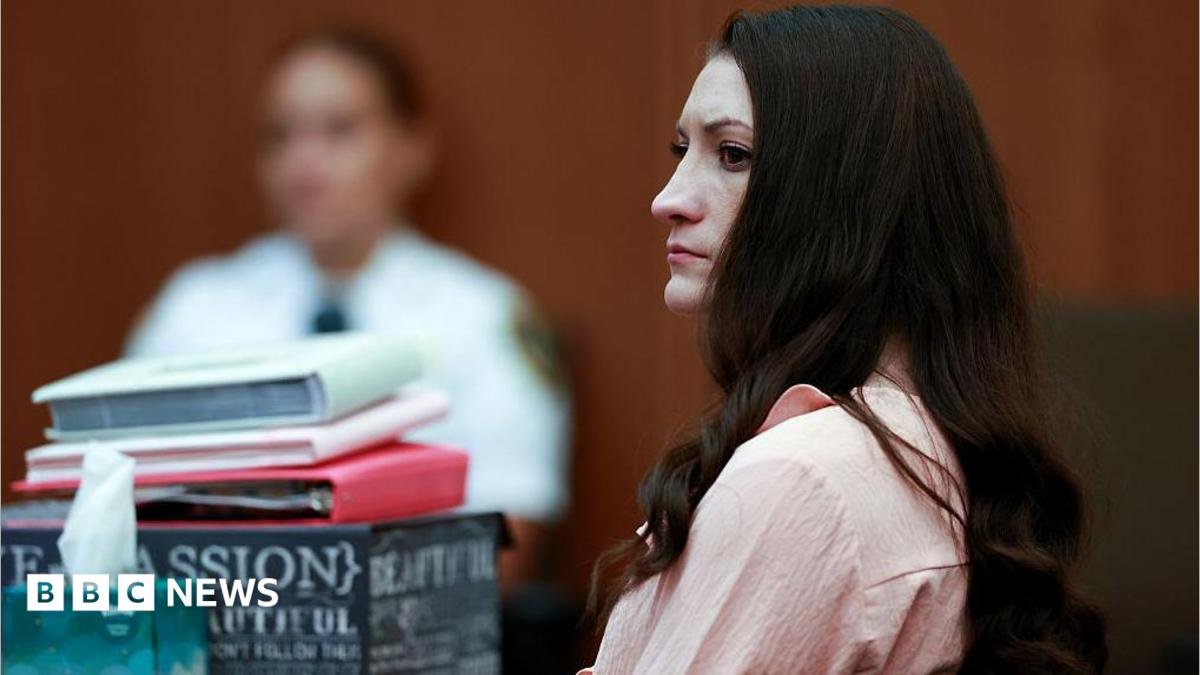
A Massachusetts judge has officially declared a mistrial in the case of Lindsay Clancy, a former nurse accused of murdering her three young children. The decision came after seven days of intense deliberations, during which the jury repeatedly signaled their inability to reach a unanimous verdict. Judge William Sullivan ultimately concluded that the panel was hopelessly deadlocked, bringing a temporary, yet uncertain, end to a trial that has garnered significant national attention.
The proceedings, which spanned several weeks of testimony and emotional evidence, left the courtroom in a state of solemn disbelief. While the defense team made a desperate, last-minute attempt to prevent the mistrial instructions, the request was denied. The impasse means that the legal question of Clancy’s criminal liability remains unresolved, leaving the case in a precarious state of limbo.
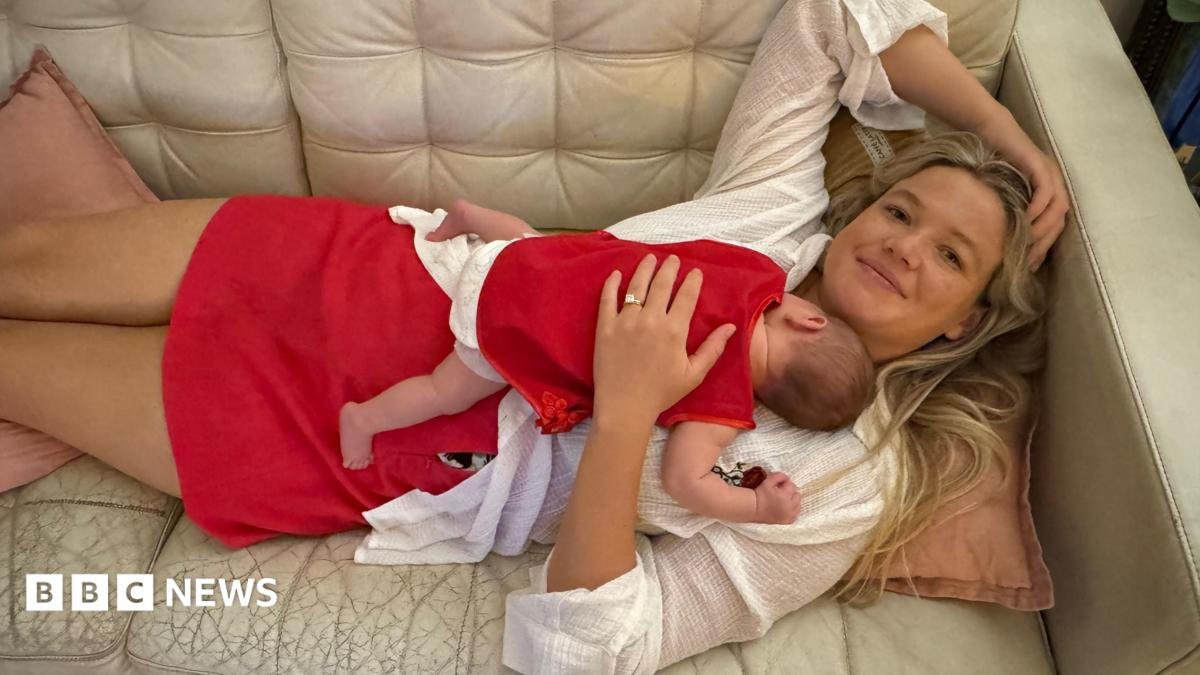
The core of the legal battle centers on the tragic events of 2023, during which Clancy’s three children—five-year-old Cora, three-year-old Dawson, and eight-month-old Callan—were strangled in their family home. Clancy, who does not contest that she killed her children, has pleaded not guilty to three counts of first-degree murder. Her defense team has consistently argued that she was suffering from severe postpartum psychosis at the time, rendering her unable to form the necessary intent for criminal responsibility.
Following the killings, Clancy attempted to take her own life paralyzed. The defense contends that this mental health crisis was the driving factor behind the tragedy, rather than conscious malice. Throughout the trial, the defense sought to highlight the complexities of postpartum illness, challenging the prosecution's narrative that Clancy maintained control over her actions during the commission of the crimes.
Prosecutors, led ent perspective. They argued that the evidence presented during the trial showed that Clancy was fully aware of her actions when she killed her children. Despite the jury’s failure to reach a consensus, the state has not abandoned its position. District Attorney Cruz stated that his office would consult with their legal team to evaluate whether to proceed with a second trial or explore potential plea agreements.
For the time being, Clancy remains in custody, continuing to reside at the mental health facility where she has been held throughout the legal proceedings. A follow-up hearing is scheduled for late September, which is expected to clarify the path forward. Whether the state chooses to retry the case or seeks a different resolution, the legal system must now navigate the challenging prospect of re-litigating a case that has deeply polarized the public and legal observers alike.
The intensity of the trial was underscored proceedings were livestreamed, the nation watched experts and family members provide testimony, sparking a widespread conversation regarding the legal and social recognition of postpartum psychosis. The debate has touched on how the justice system should account for severe mental health crises when evaluating criminal culpability.
The gravity of the situation even drew remarks from high-profile figures, including former President Donald Trump, who characterized the events as a horrific tragedy. As the legal process continues, the case serves as a somber reminder of the complexities inherent in cases involving mental health and the law. For now, the parties involved—and the public—must wait for the next court date to determine how the justice system will address the unresolved tragedy of the Clancy family.