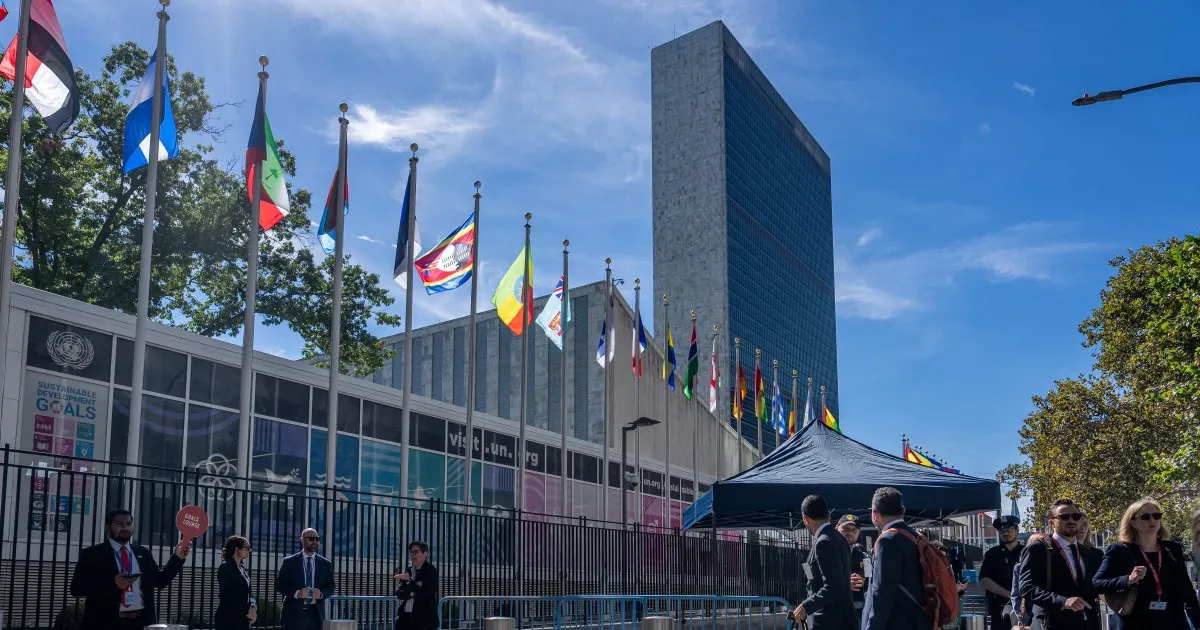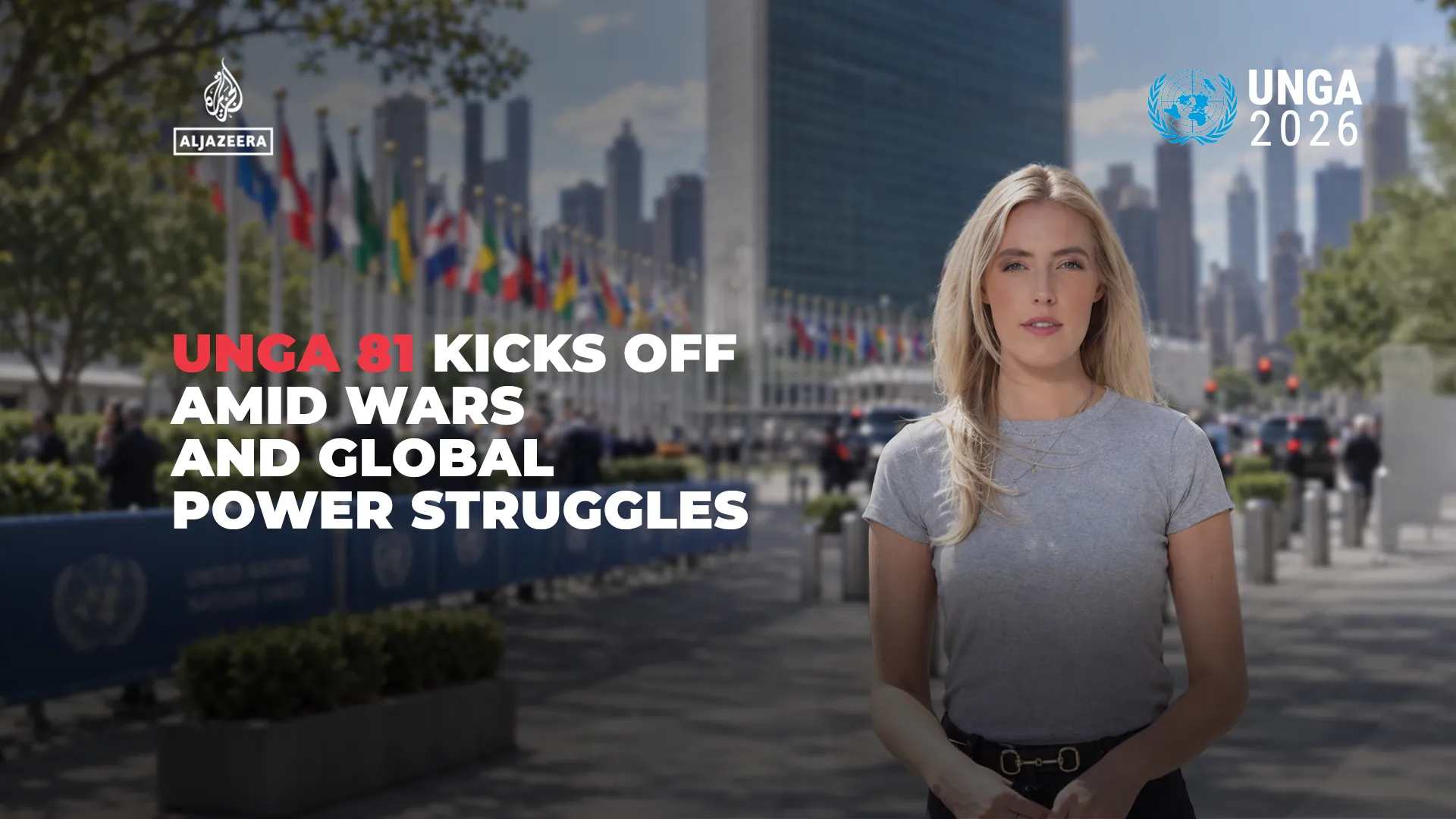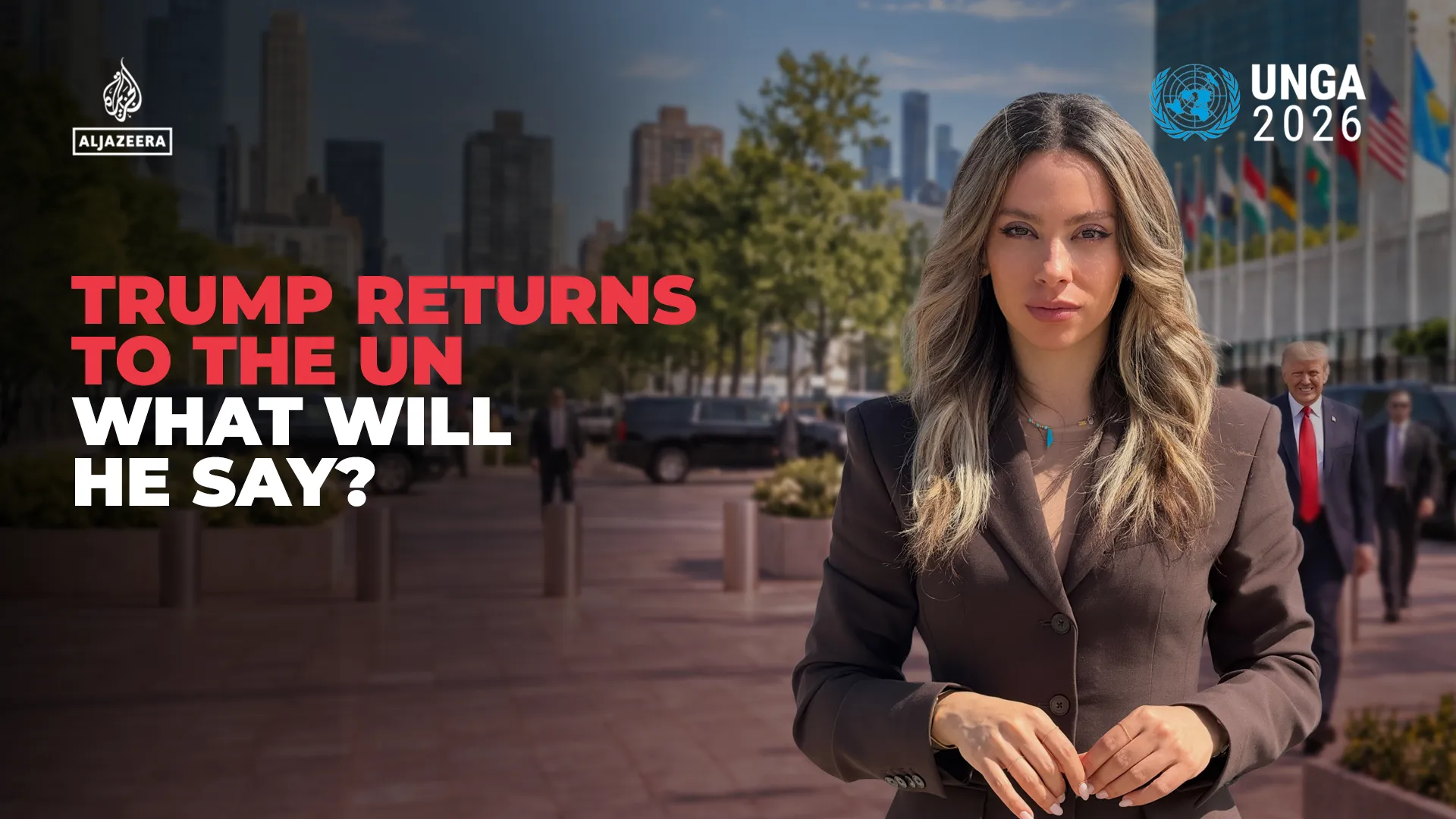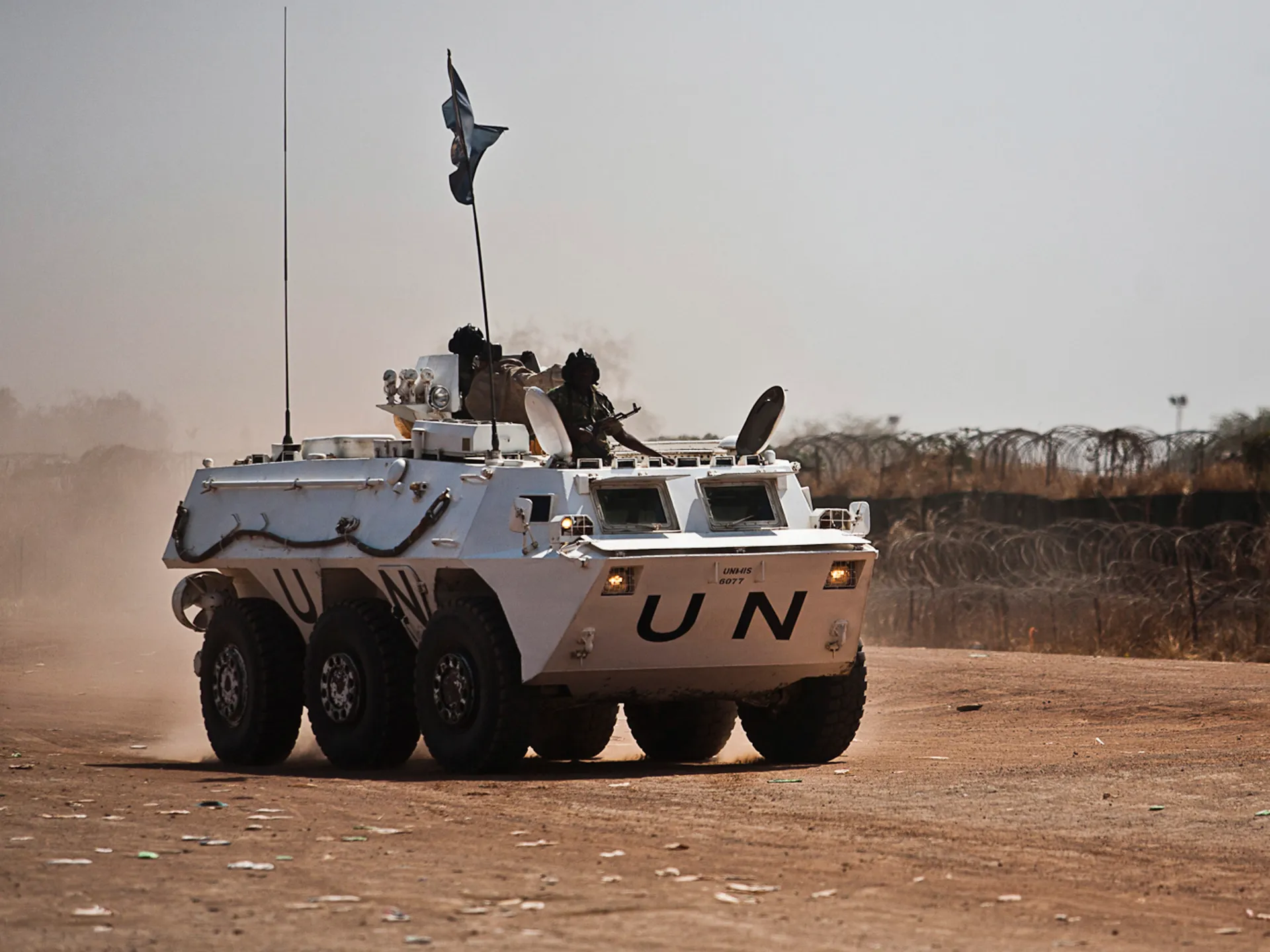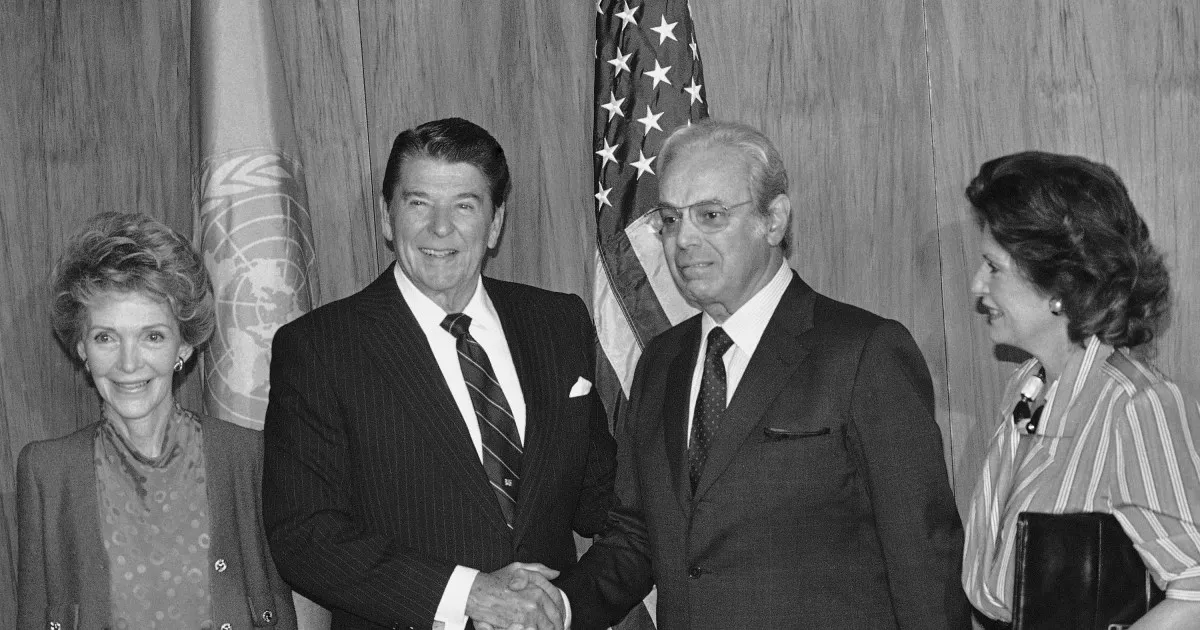
As the UN General Assembly convenes in New York, the organization grapples with a $4.2 billion funding shortfall and an increasingly assertive U.S. policy of financial leverage.
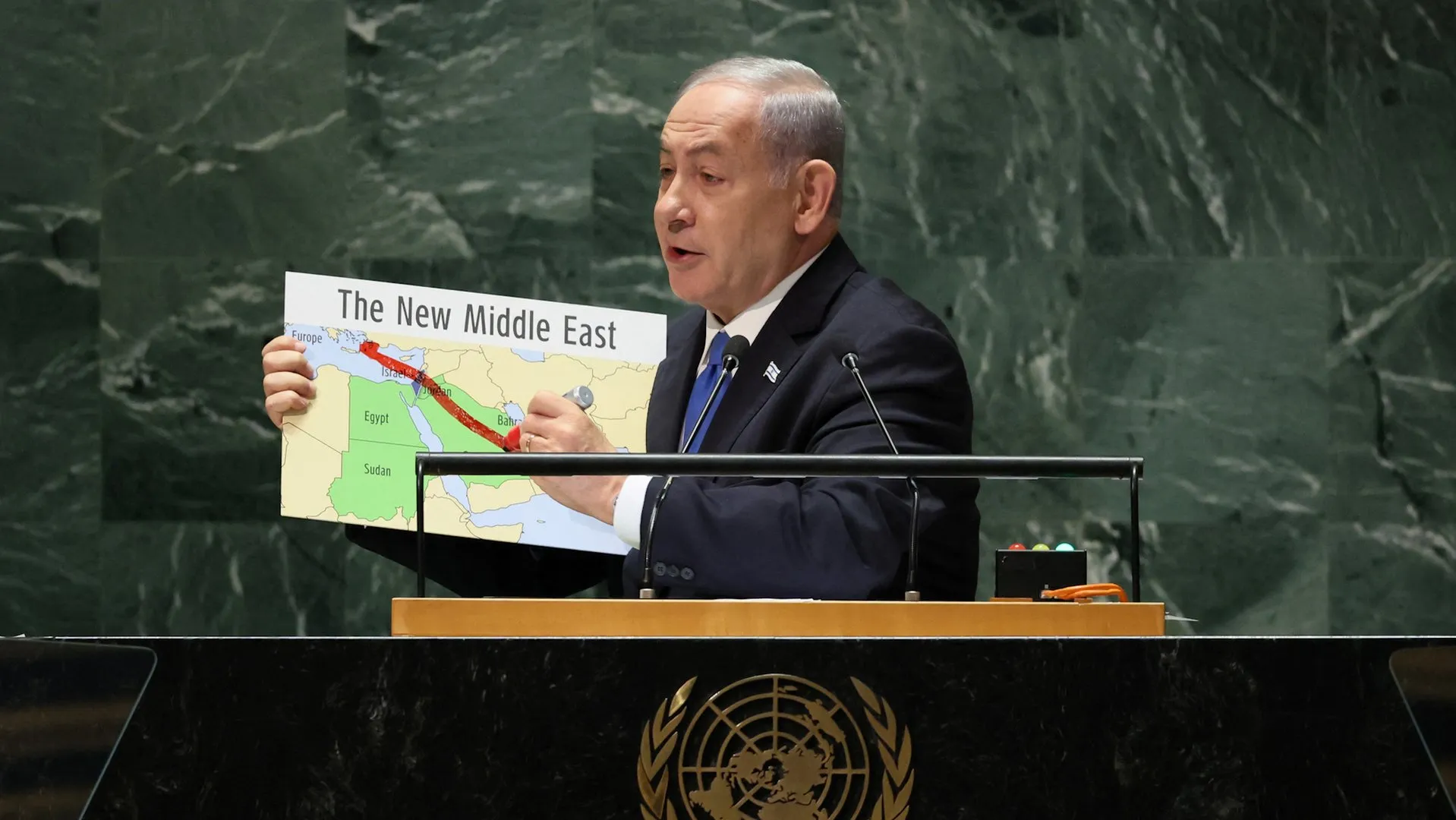
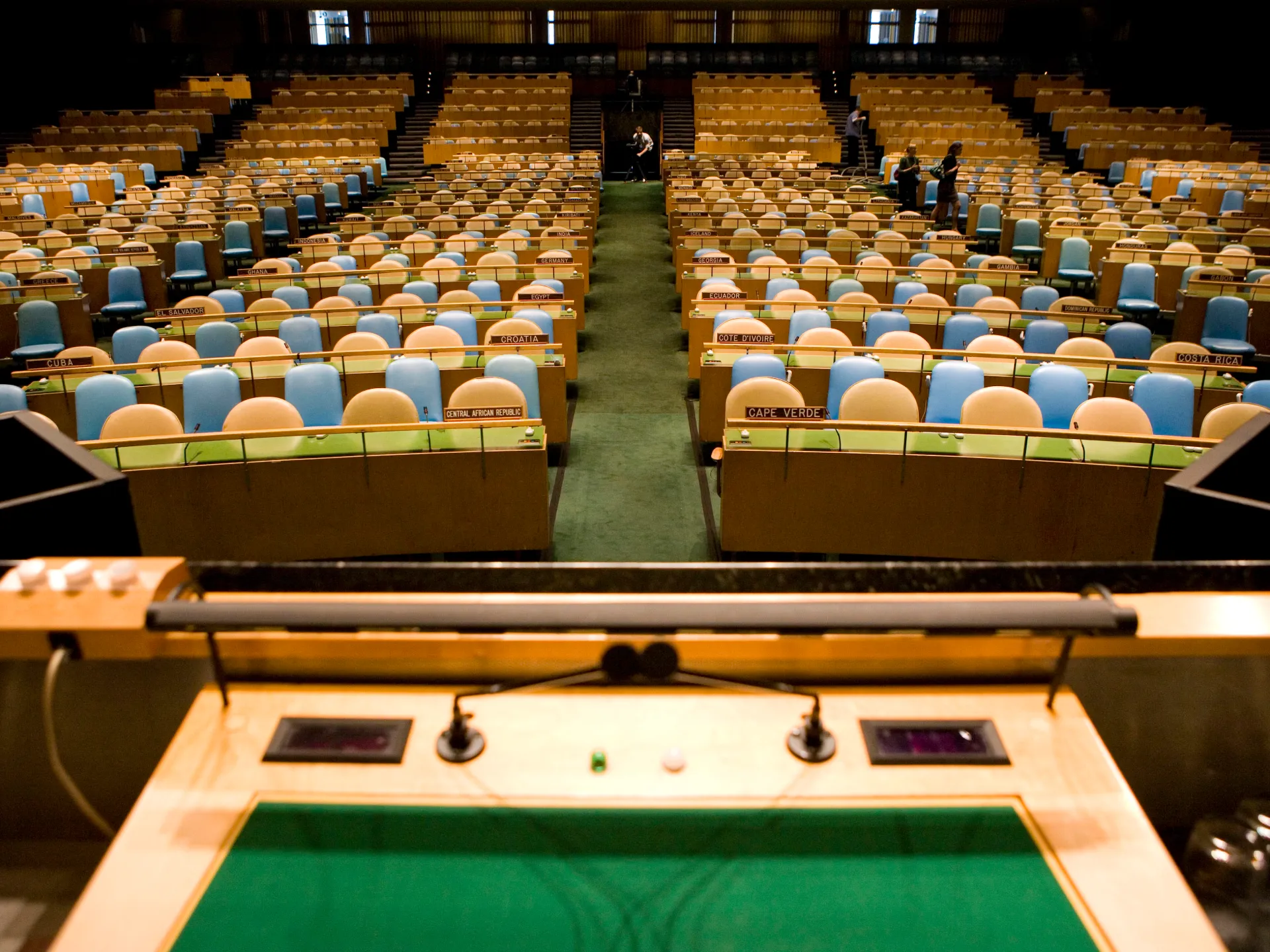
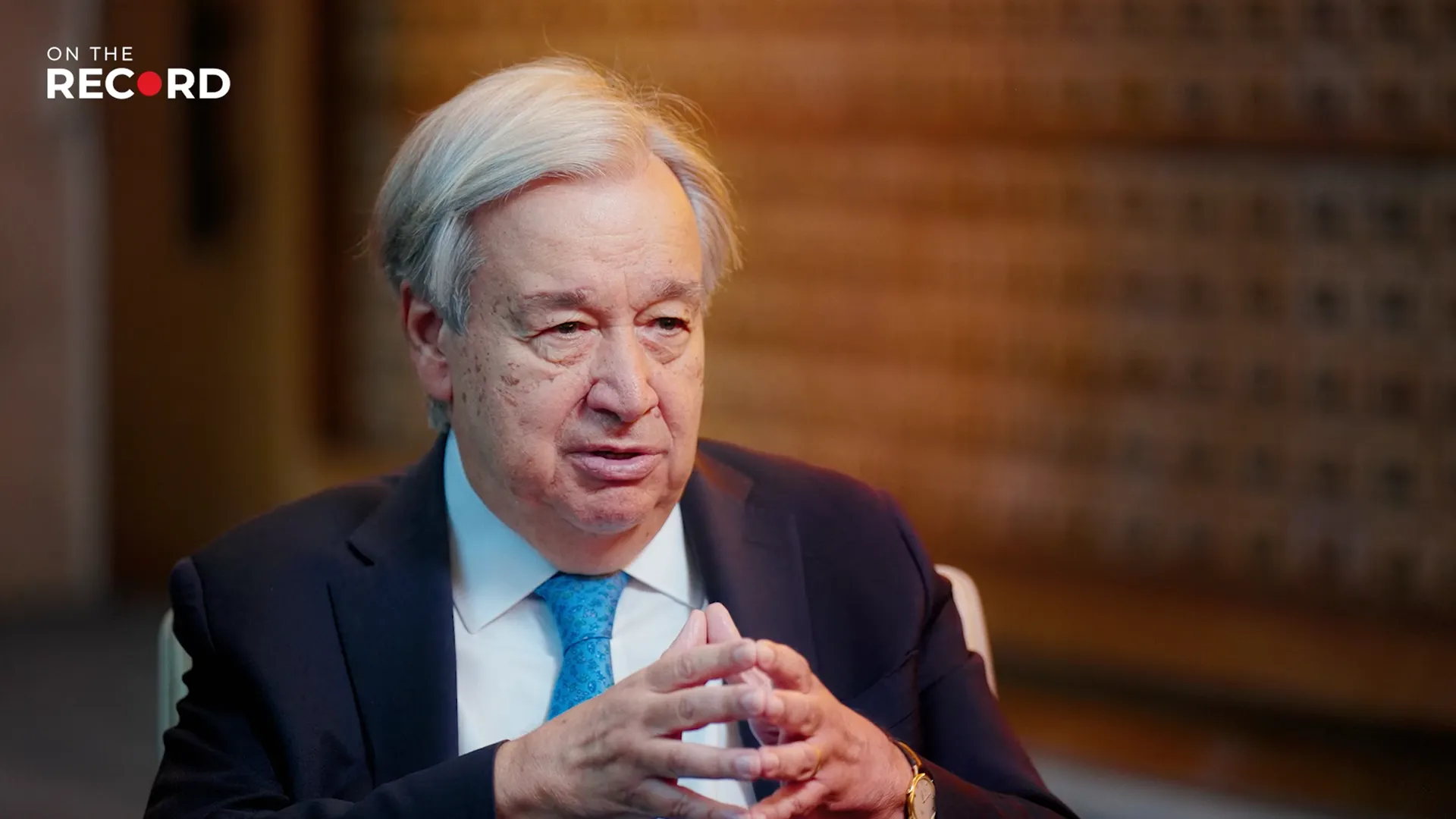
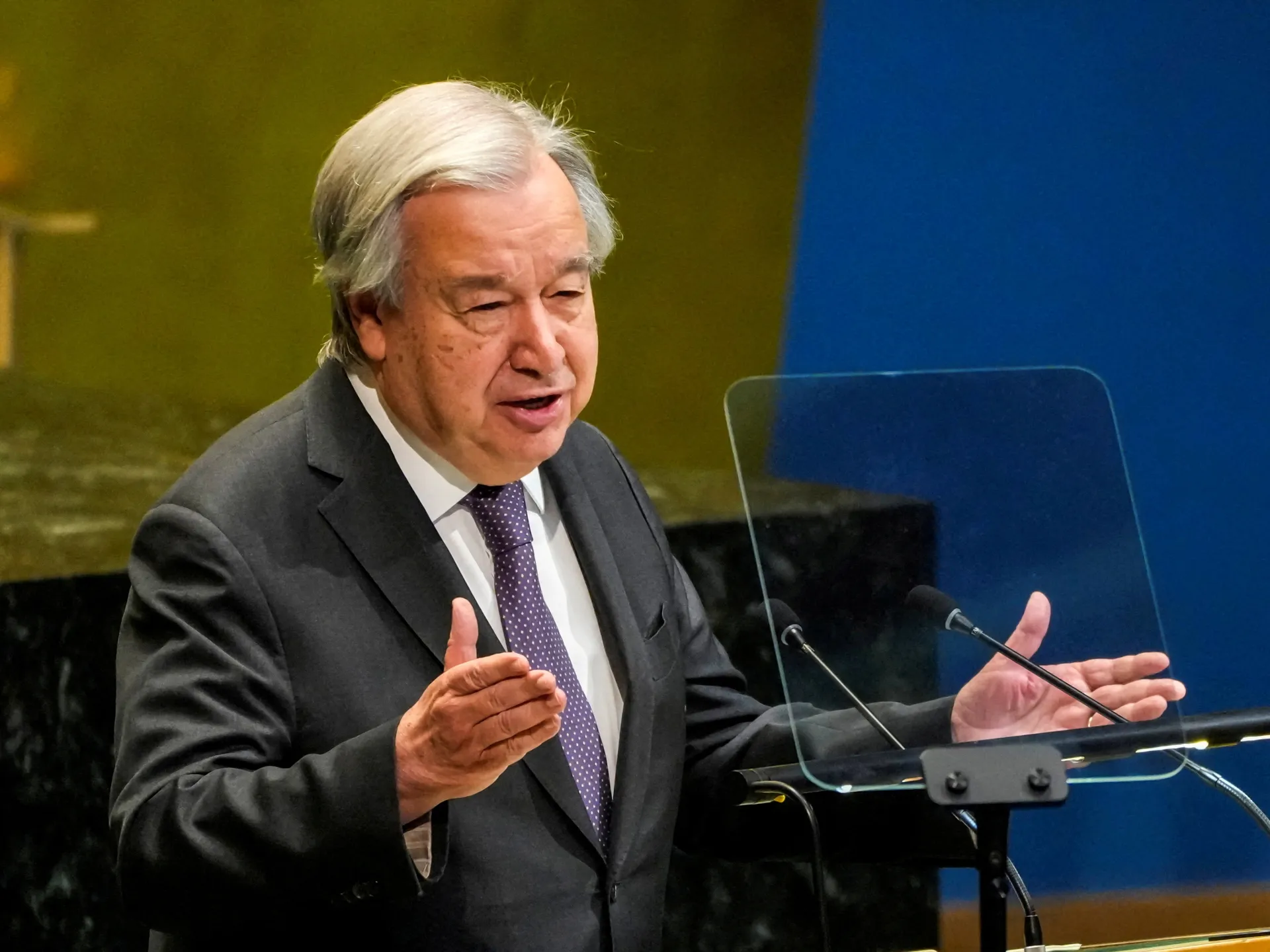
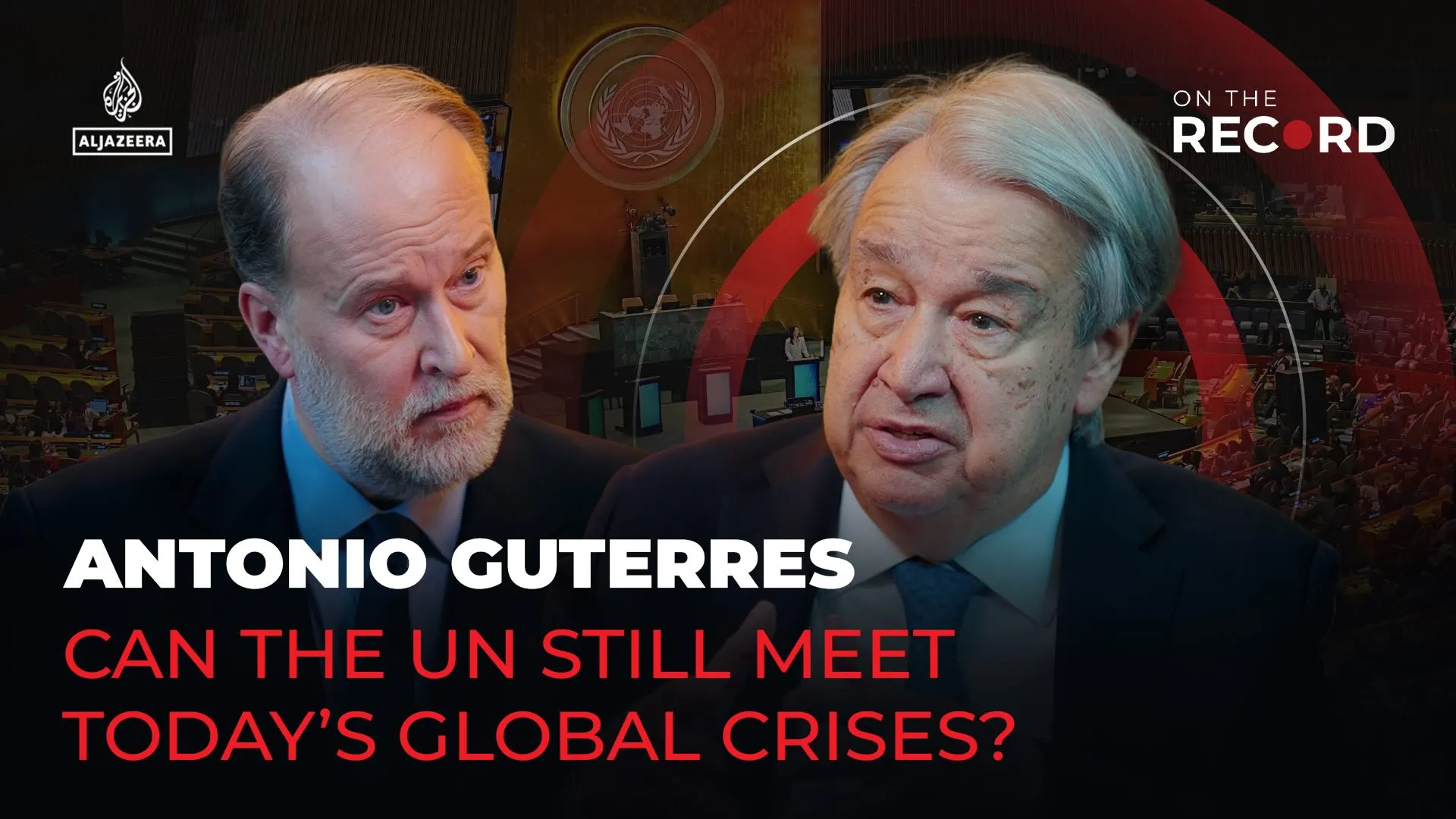
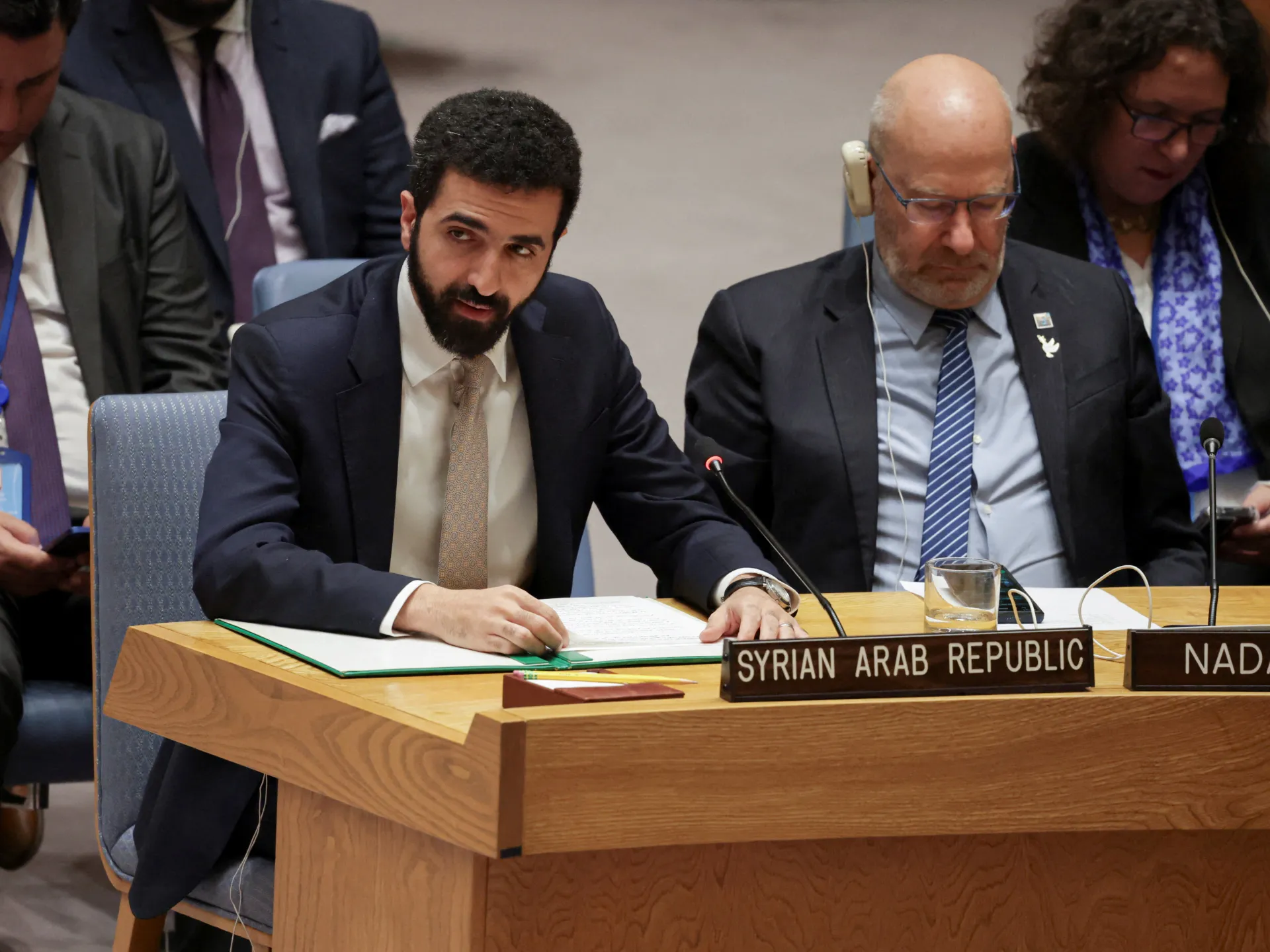
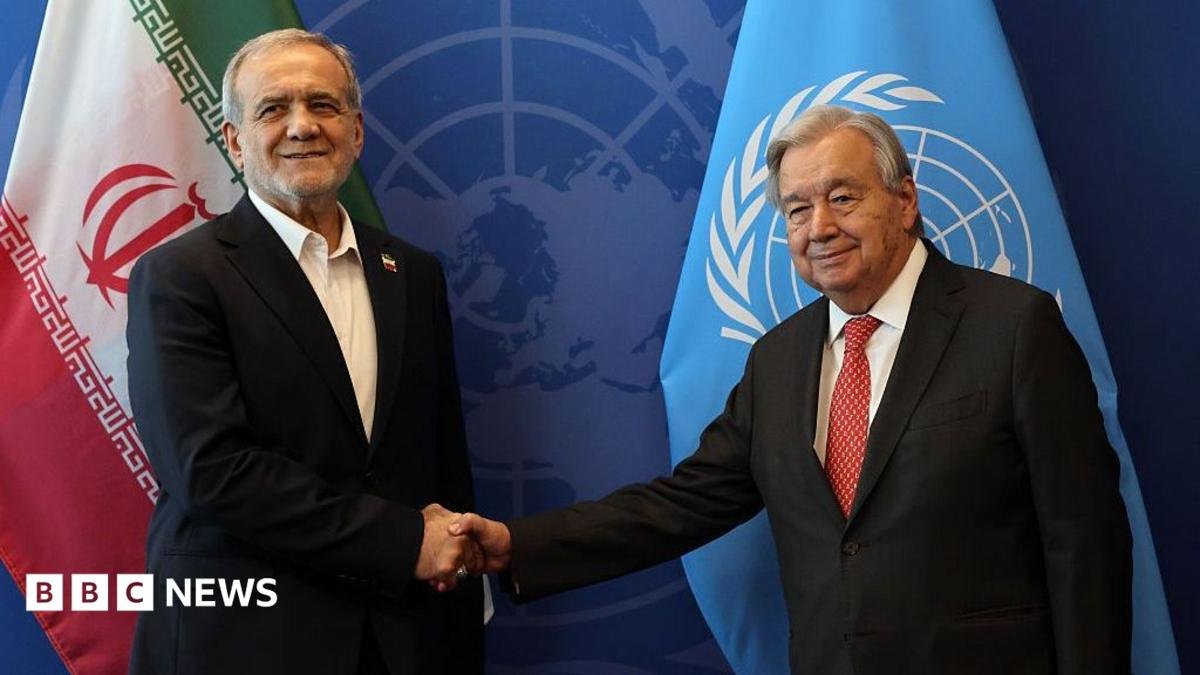
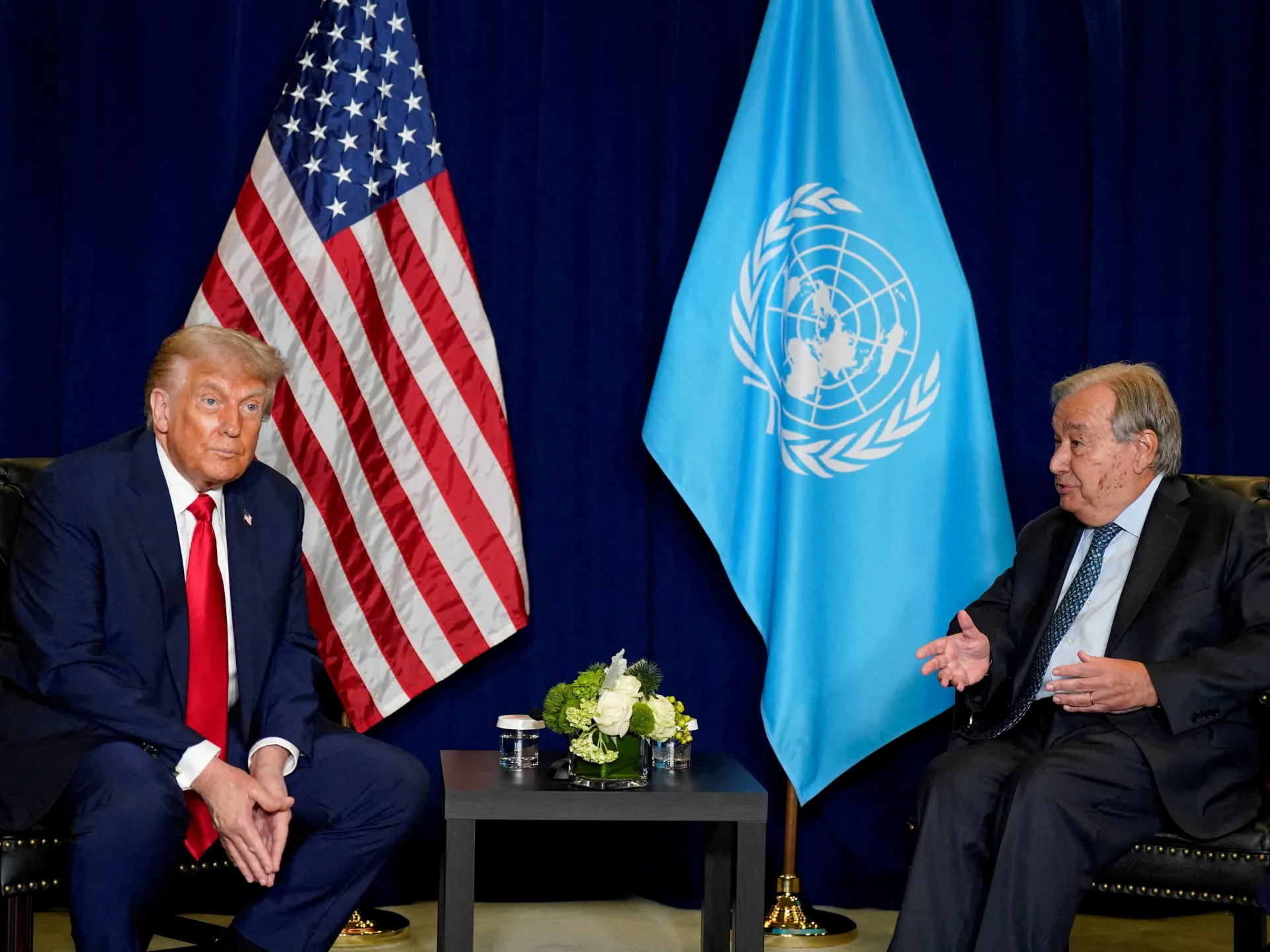
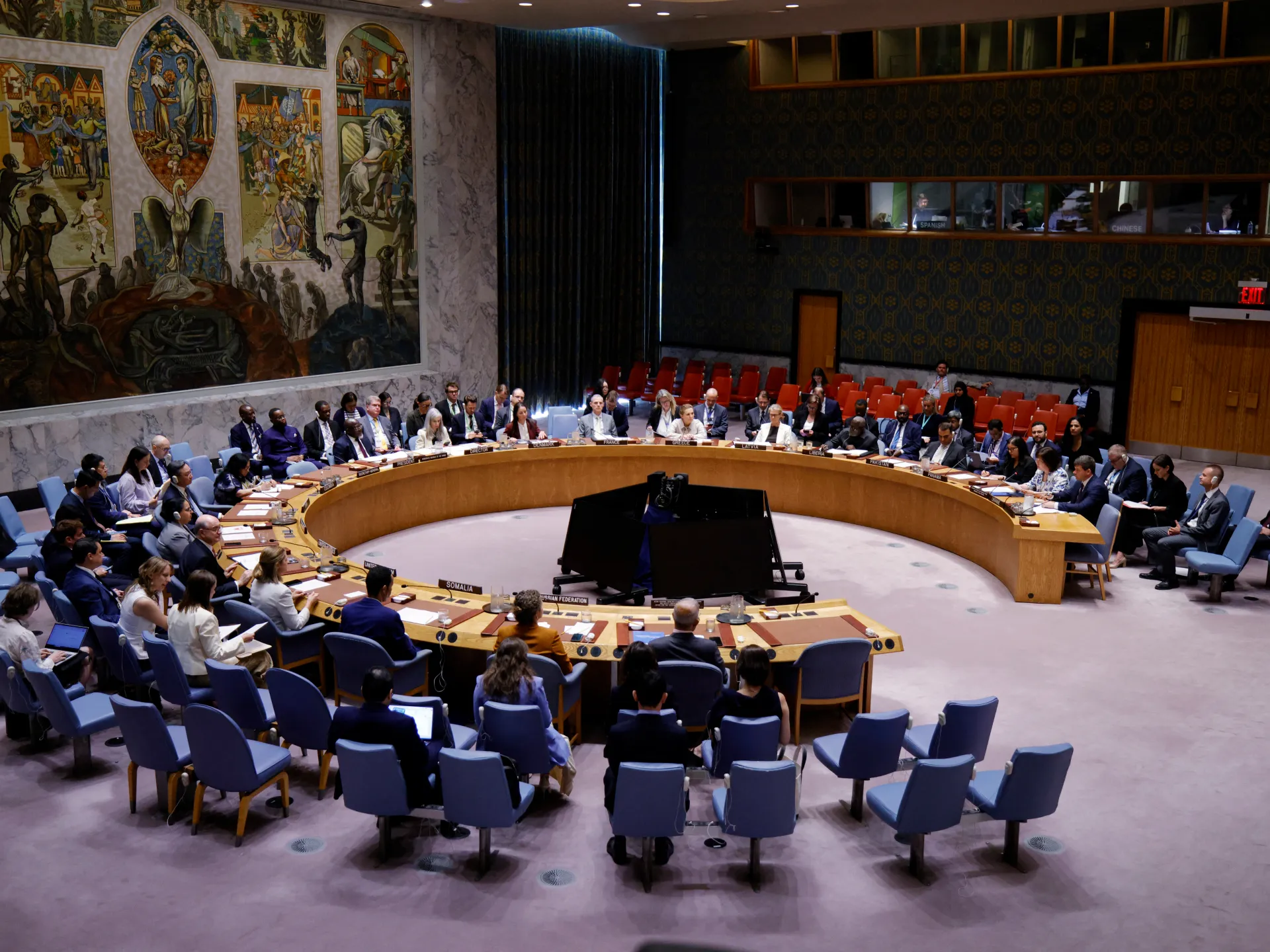
As world leaders gather in New York for the annual United Nations General Assembly, the organization faces a dual crisis of institutional marginalization and severe fiscal instability. While the event is traditionally marked a backdrop of mounting arrears and a fundamental shift in the United States' approach to multilateral engagement. Secretary-General Antonio Guterres, concluding his ten-year tenure, prepares to address a body that remains significantly hampered ool of political control.
The current state of the United Nations is not a sudden development but the culmination of a long-standing U.S. policy trajectory that treats the organization as an instrument of national interest rather than a neutral multilateral entity. n has deepened the financial precariousness of the UN, forcing the body to navigate a landscape where its operational capacity is increasingly dictated
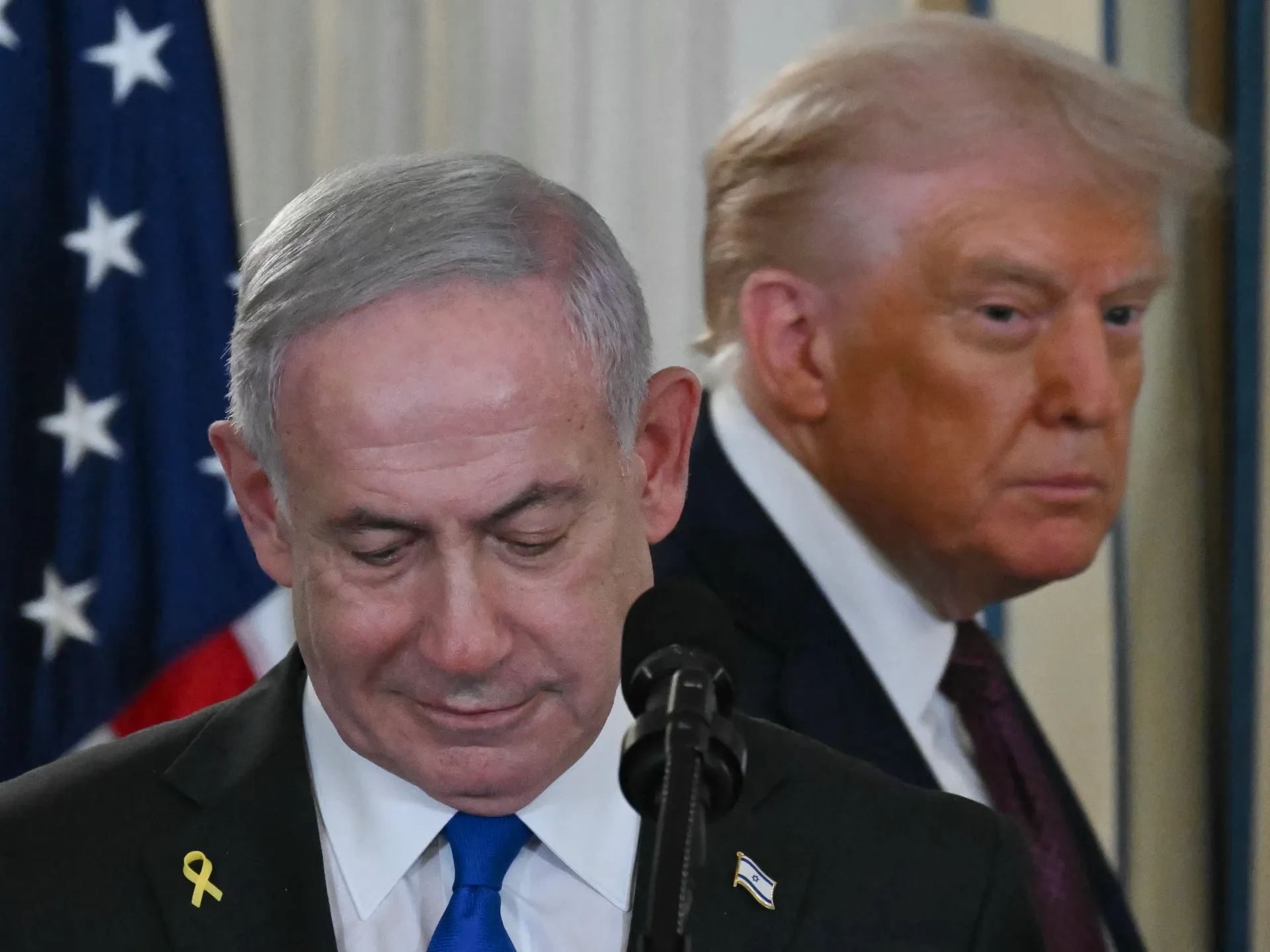
The systematic erosion of the UN’s financial independence sets a volatile precedent for international cooperation. When a permanent member of the Security Council—and the organization's largest donor—utilizes the threat of insolvency to compel policy changes, the fundamental premise of a multilateral forum is compromised. This strategy, while often framed as a quest for institutional reform, effectively reduces the UN to a transactional vehicle. For the international community, the stakes are not merely budgetary; they involve the potential collapse of global peacekeeping, humanitarian aid, and environmental oversight mechanisms. As the U.S. leans further into unilateralism, the vacuum left amics replace the established norms of collective diplomacy.
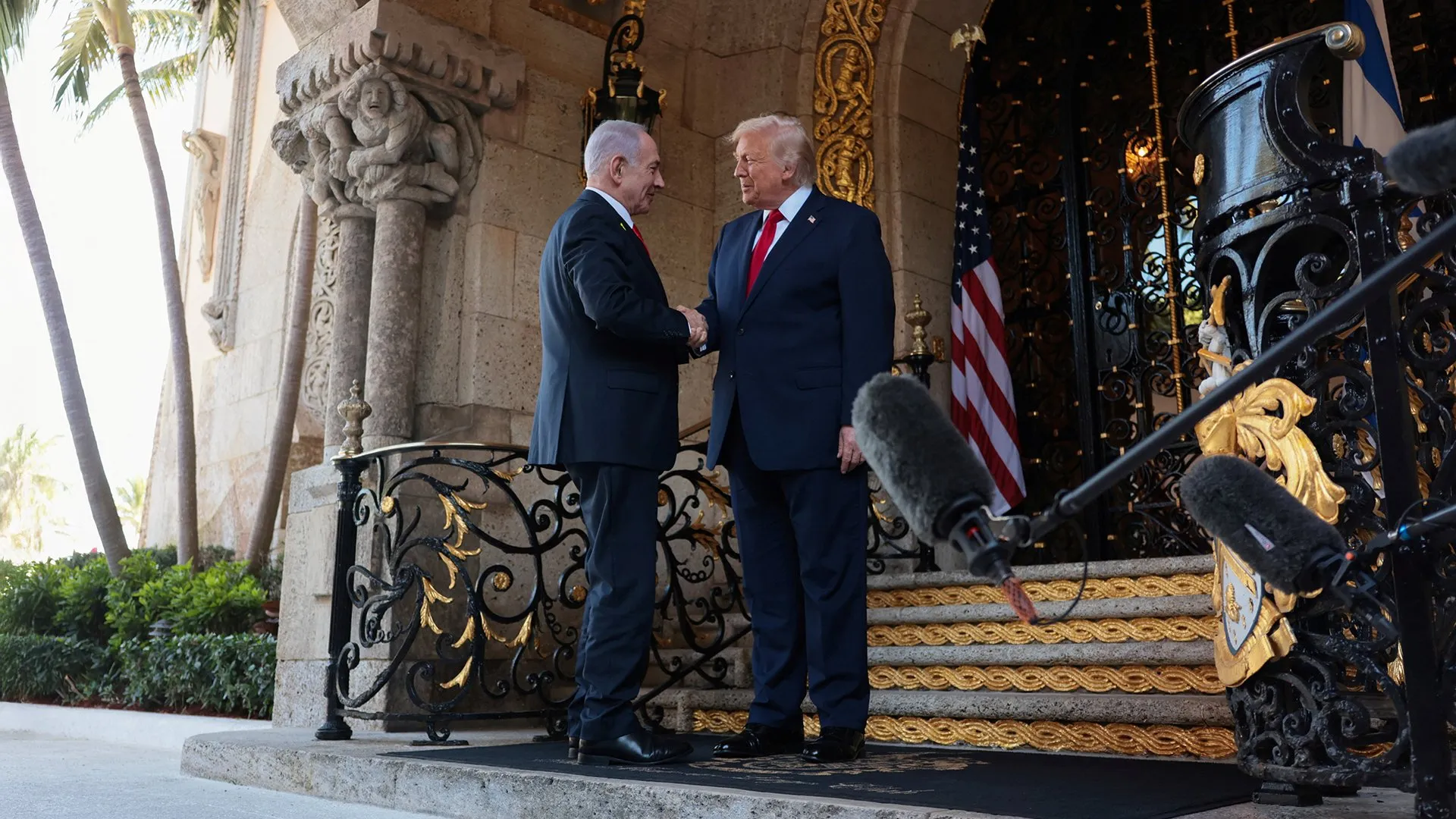
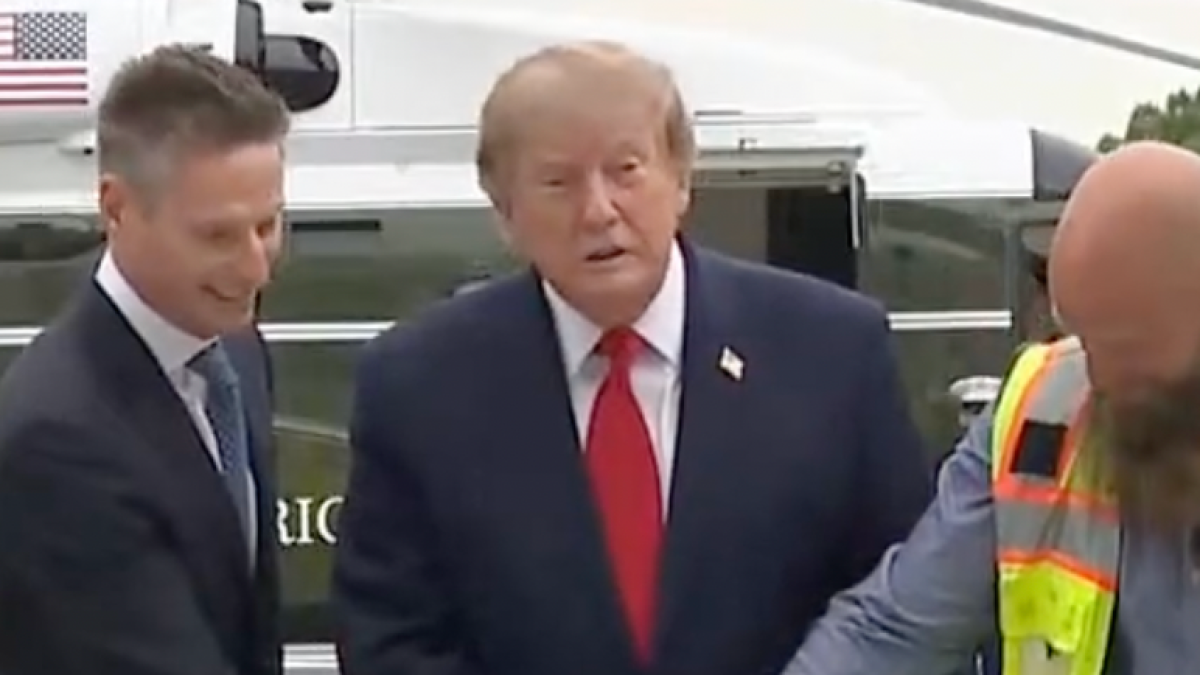
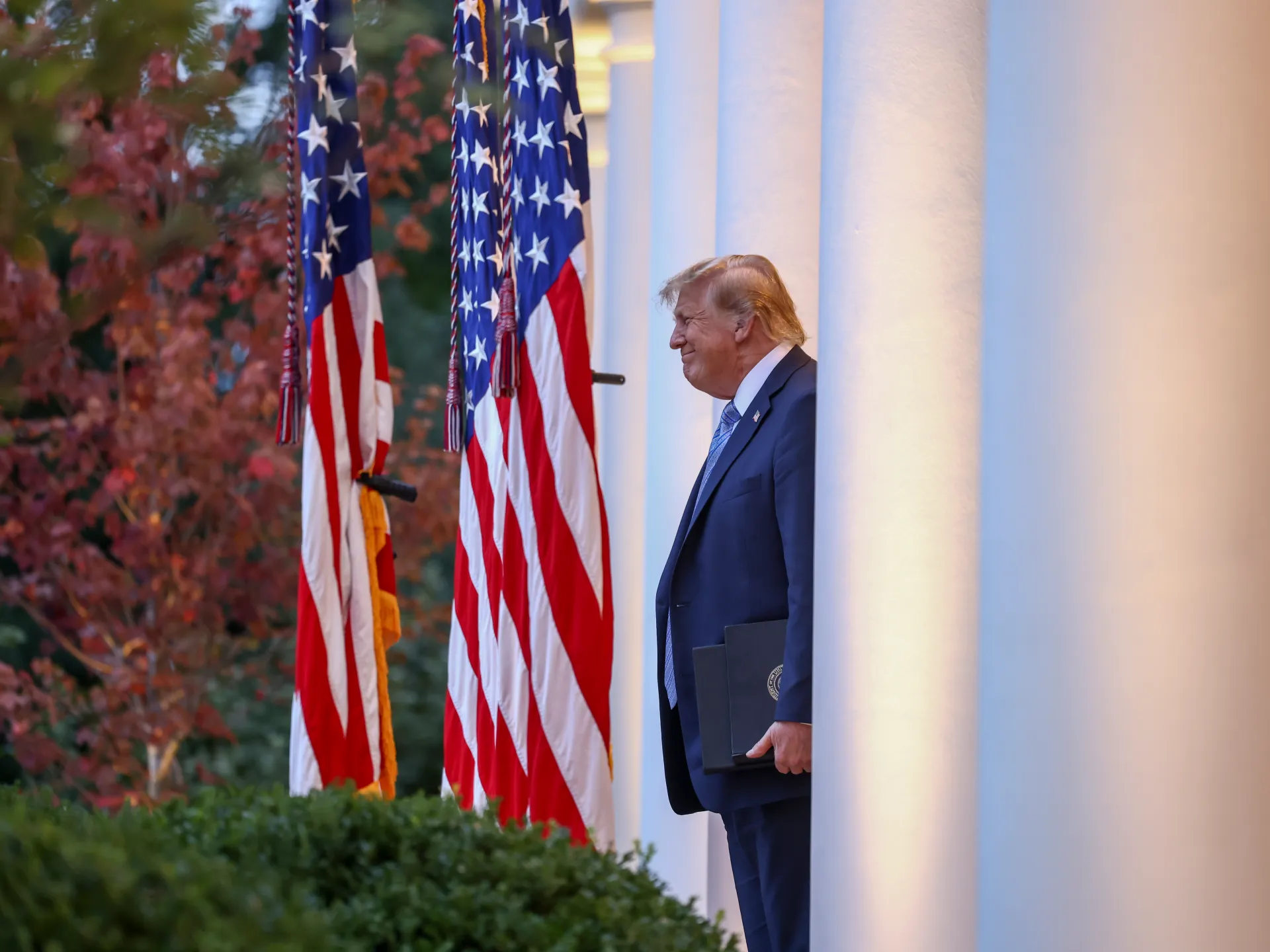
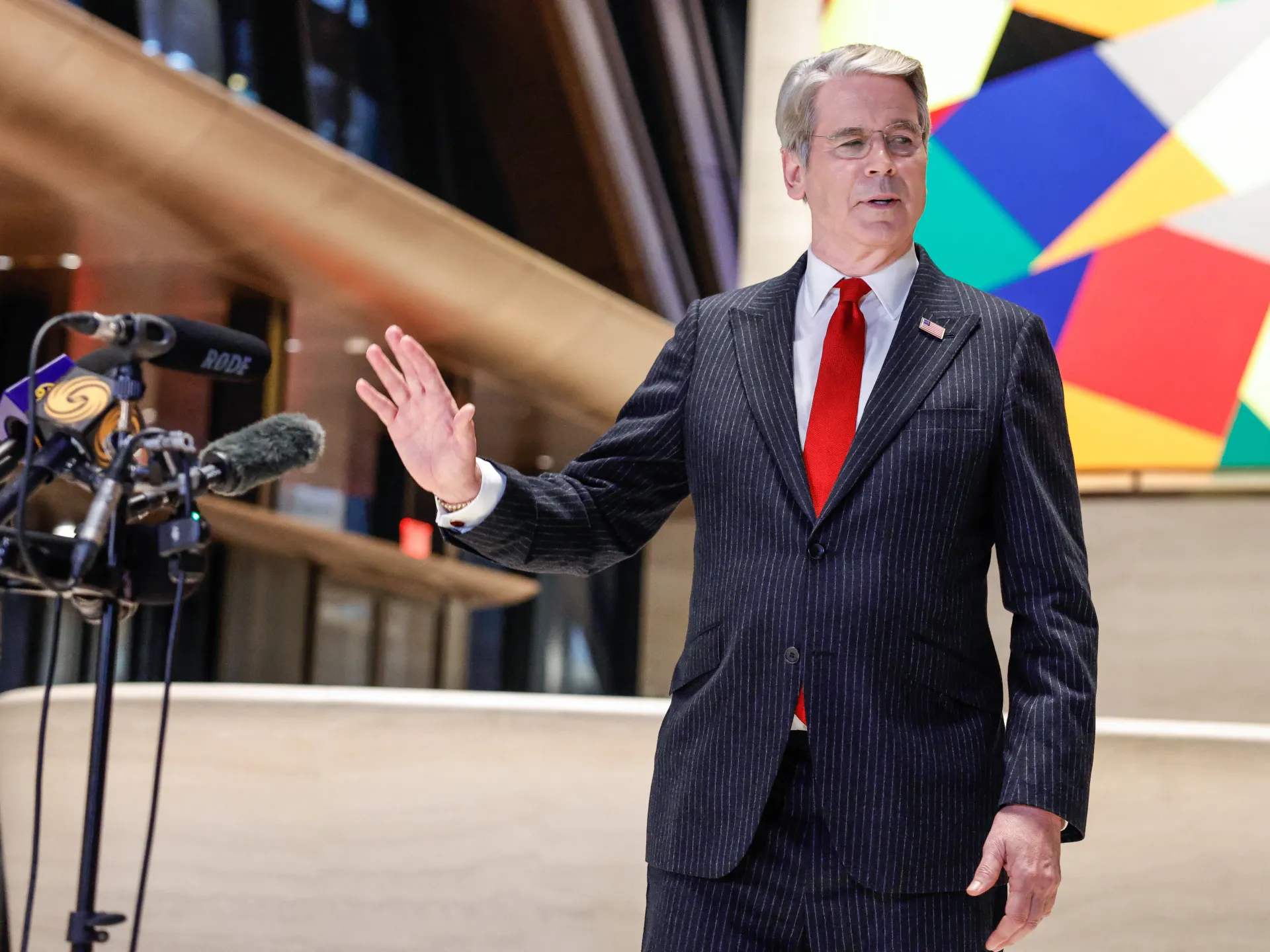
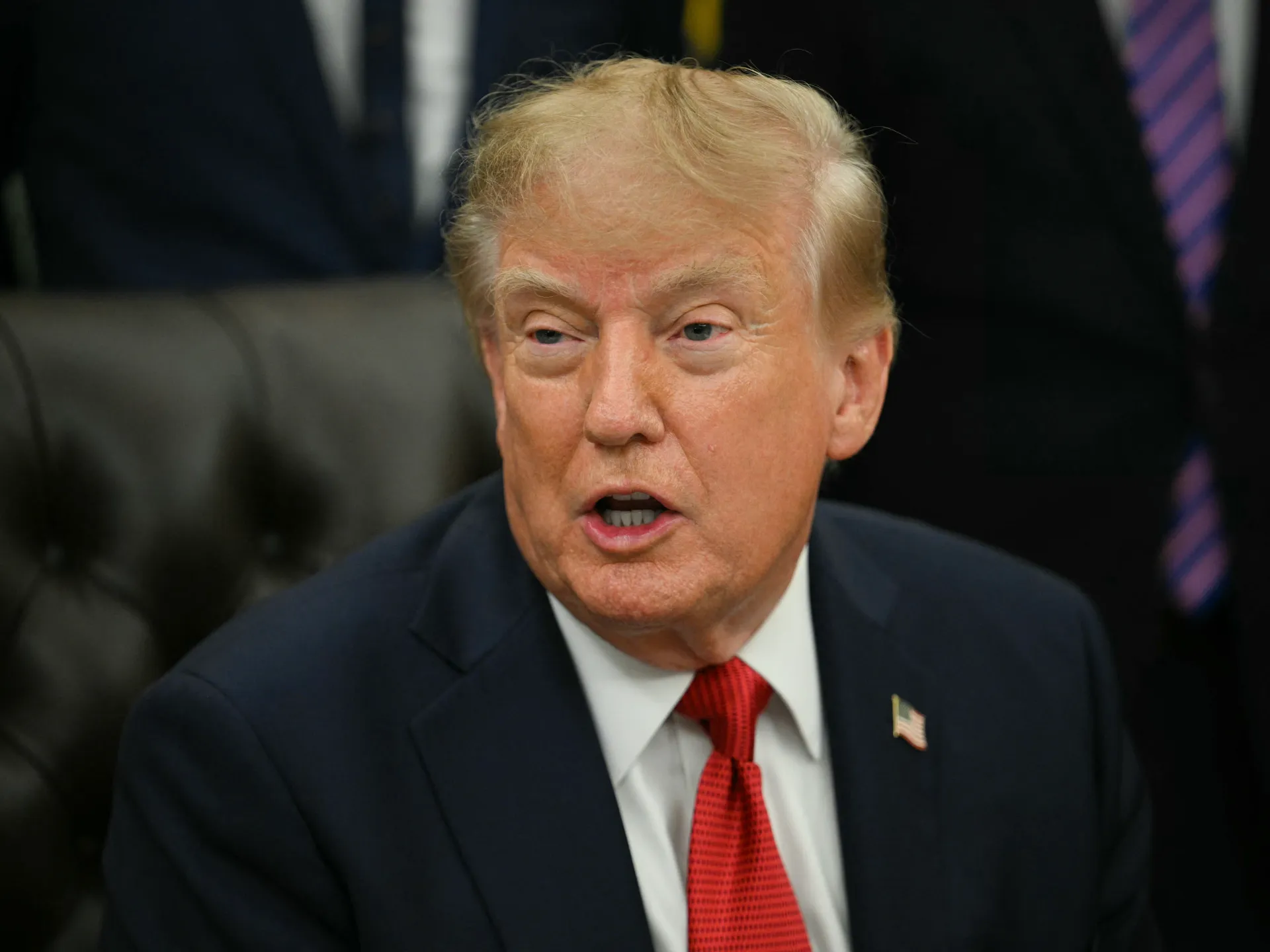
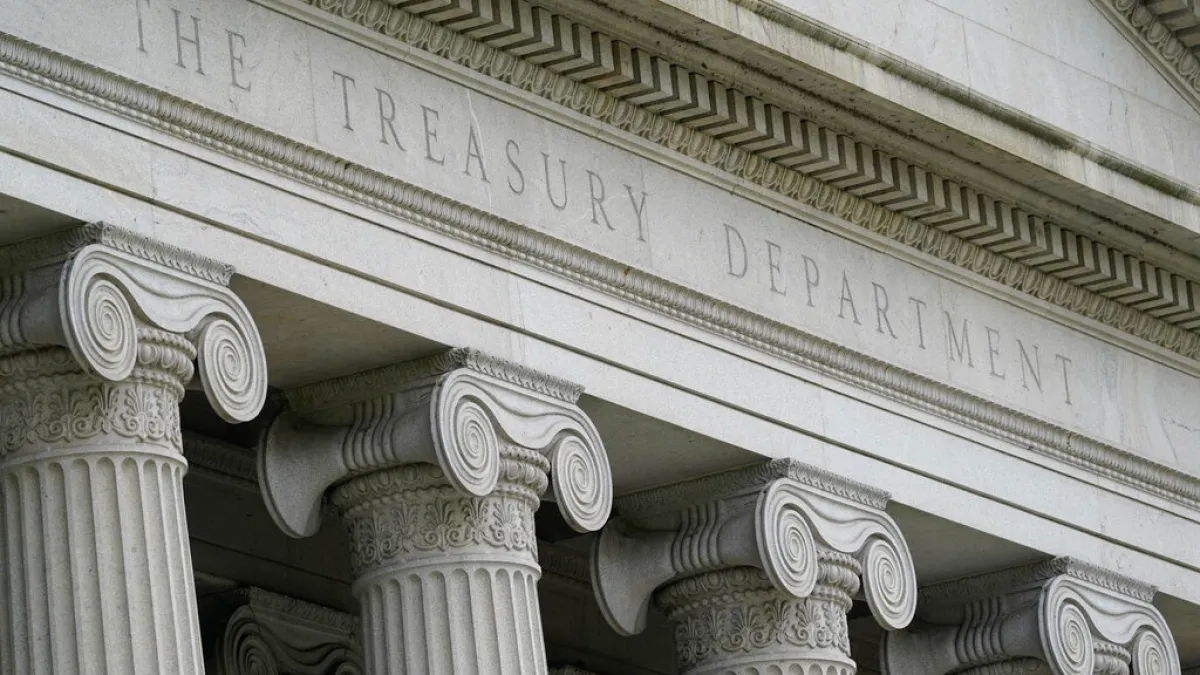
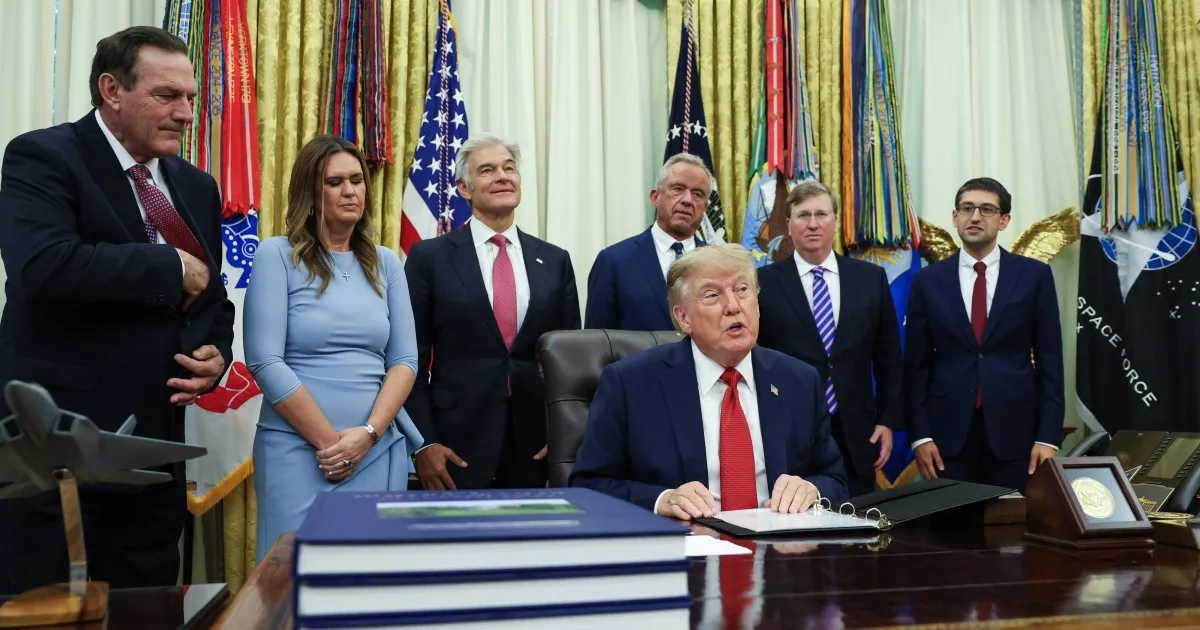
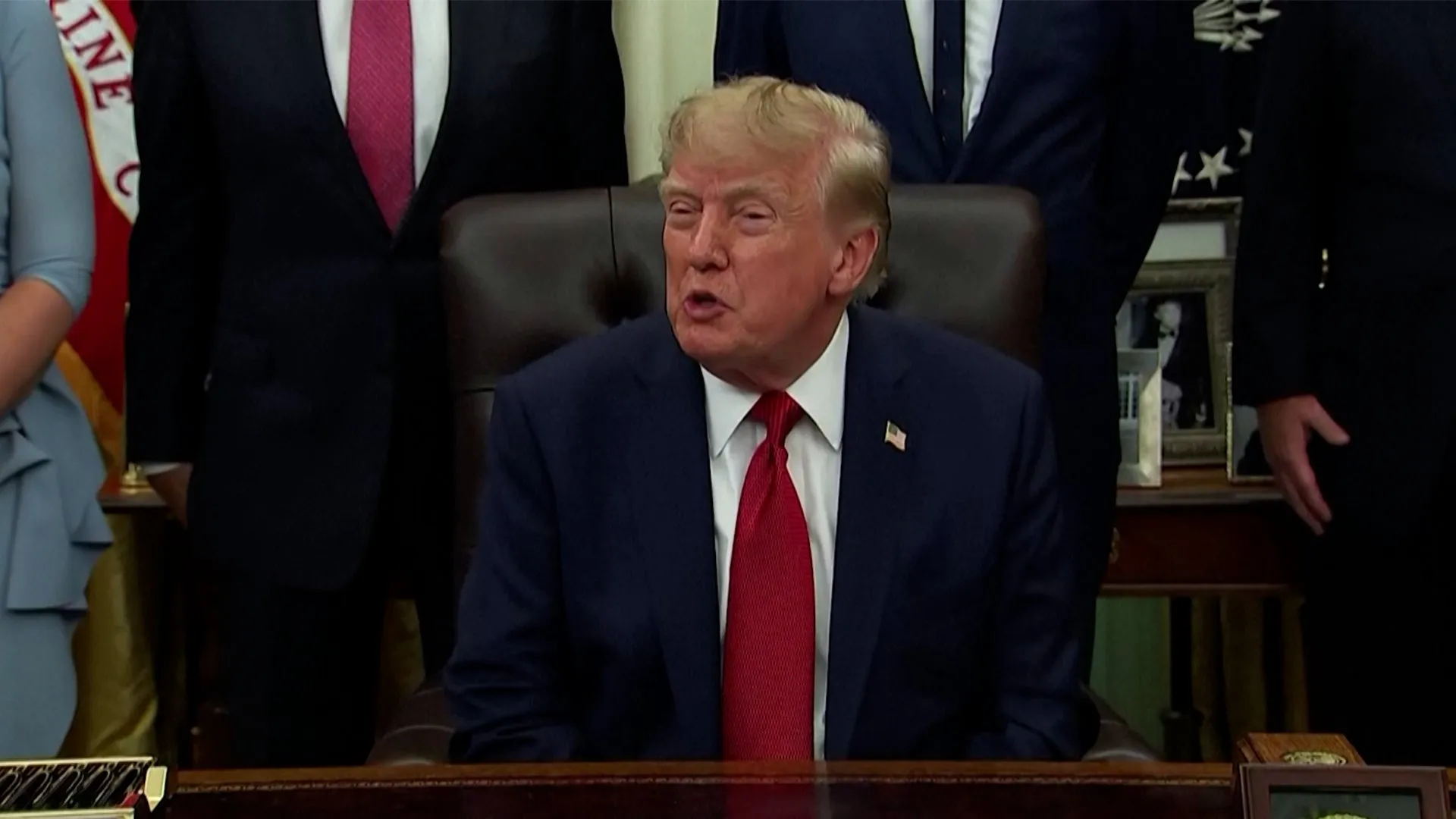
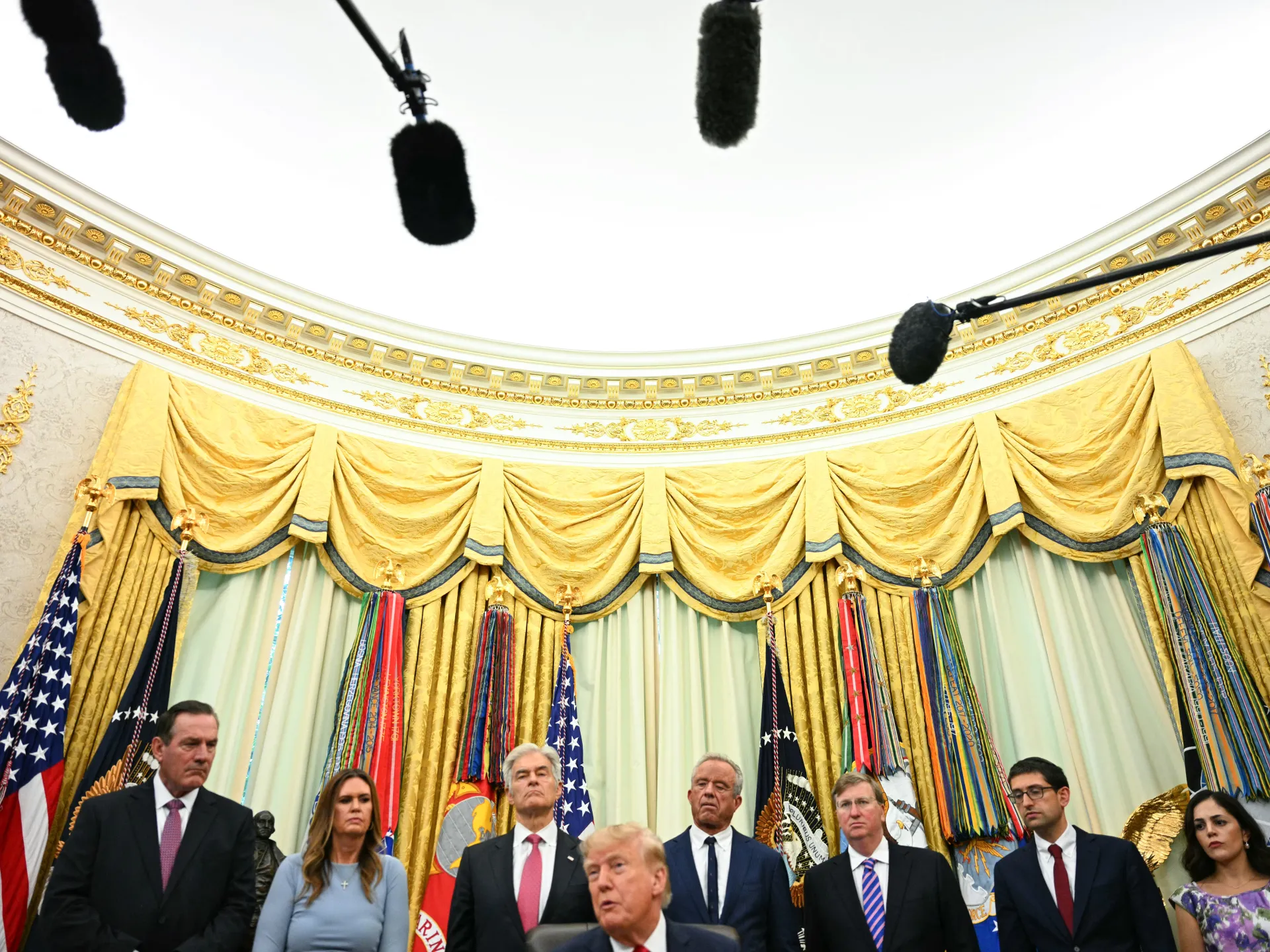
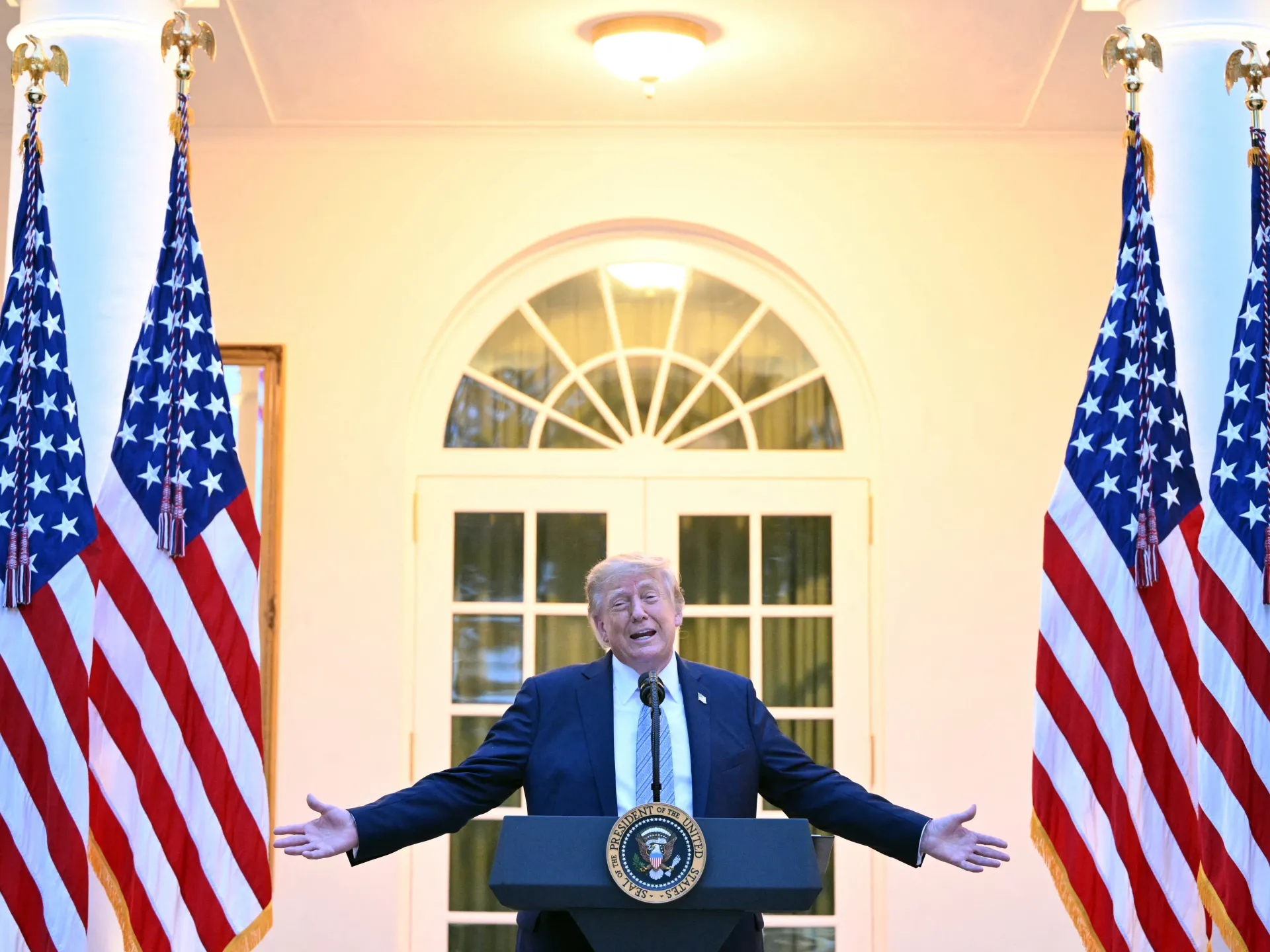
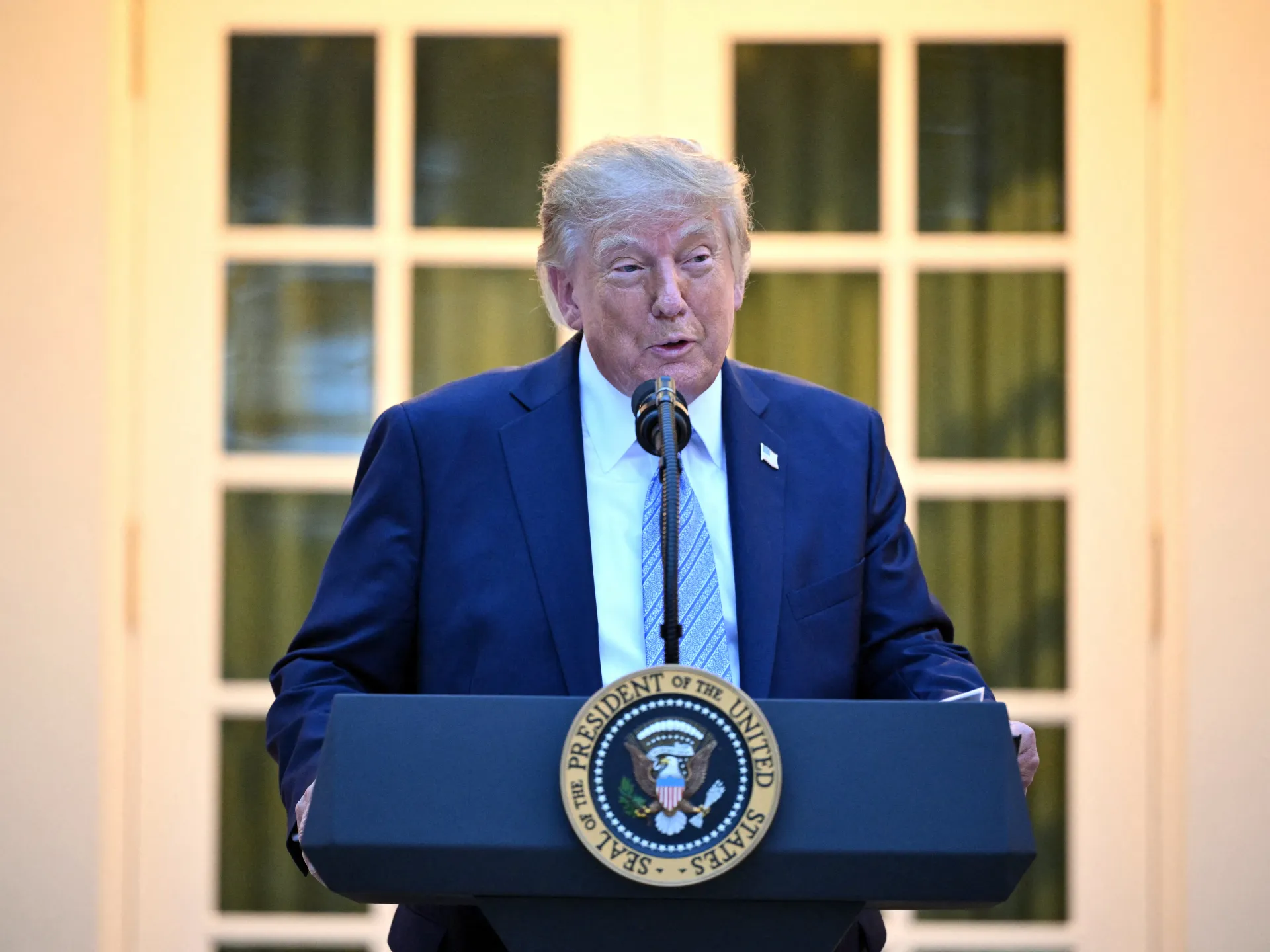
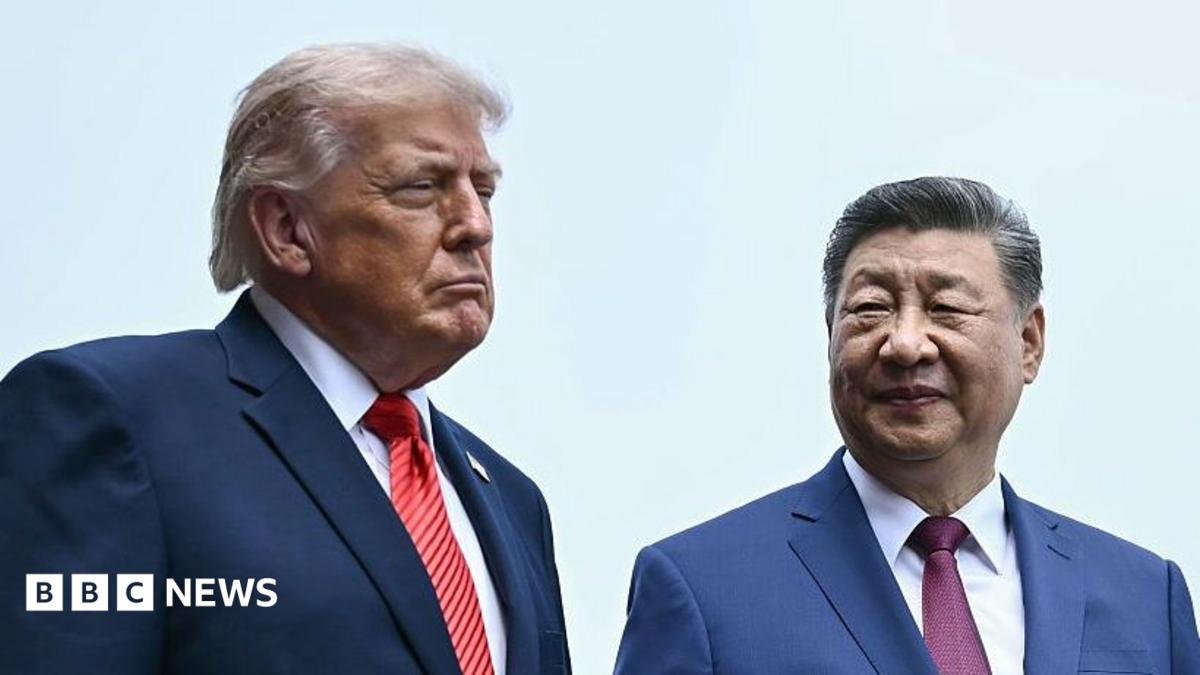
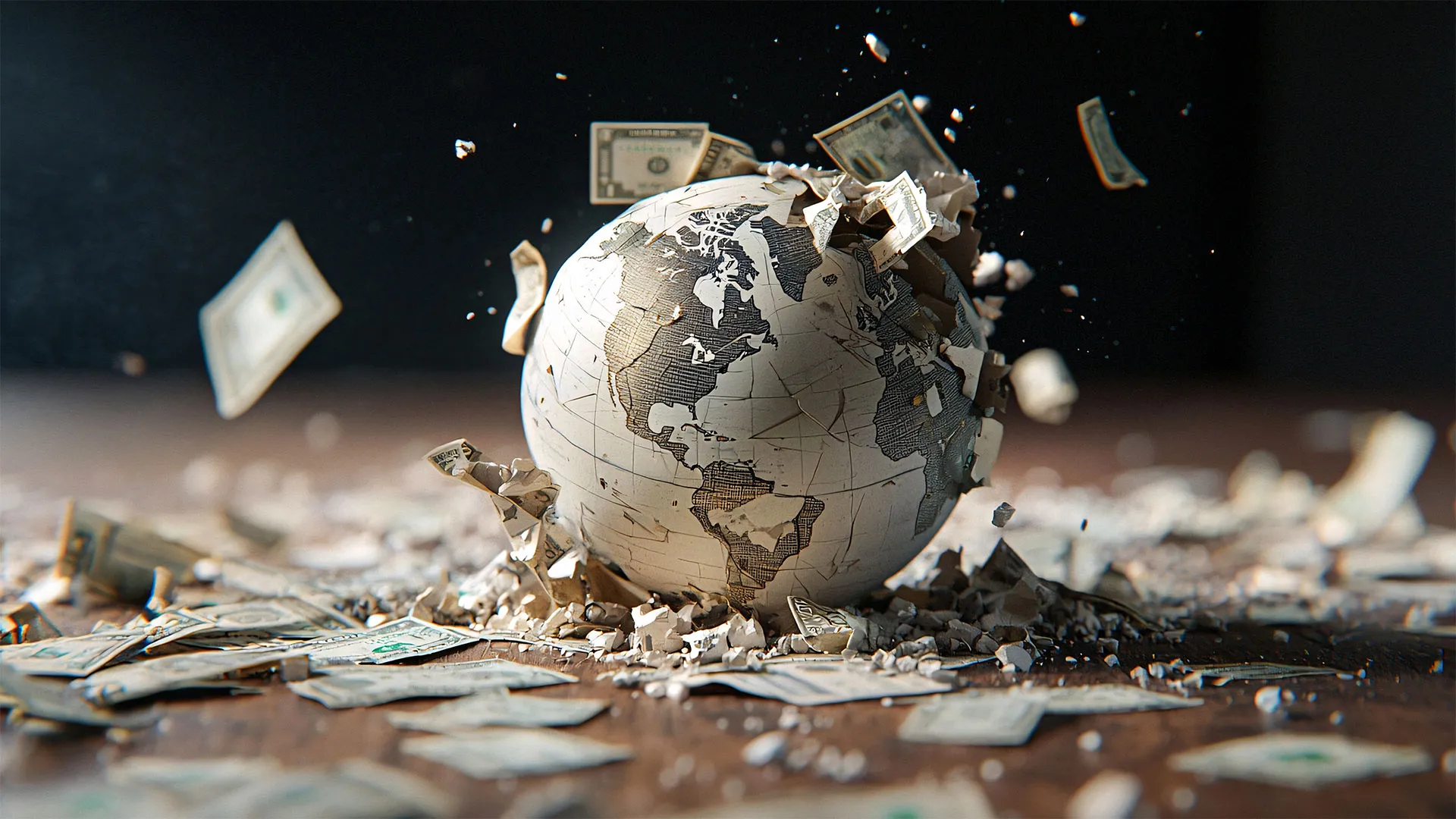
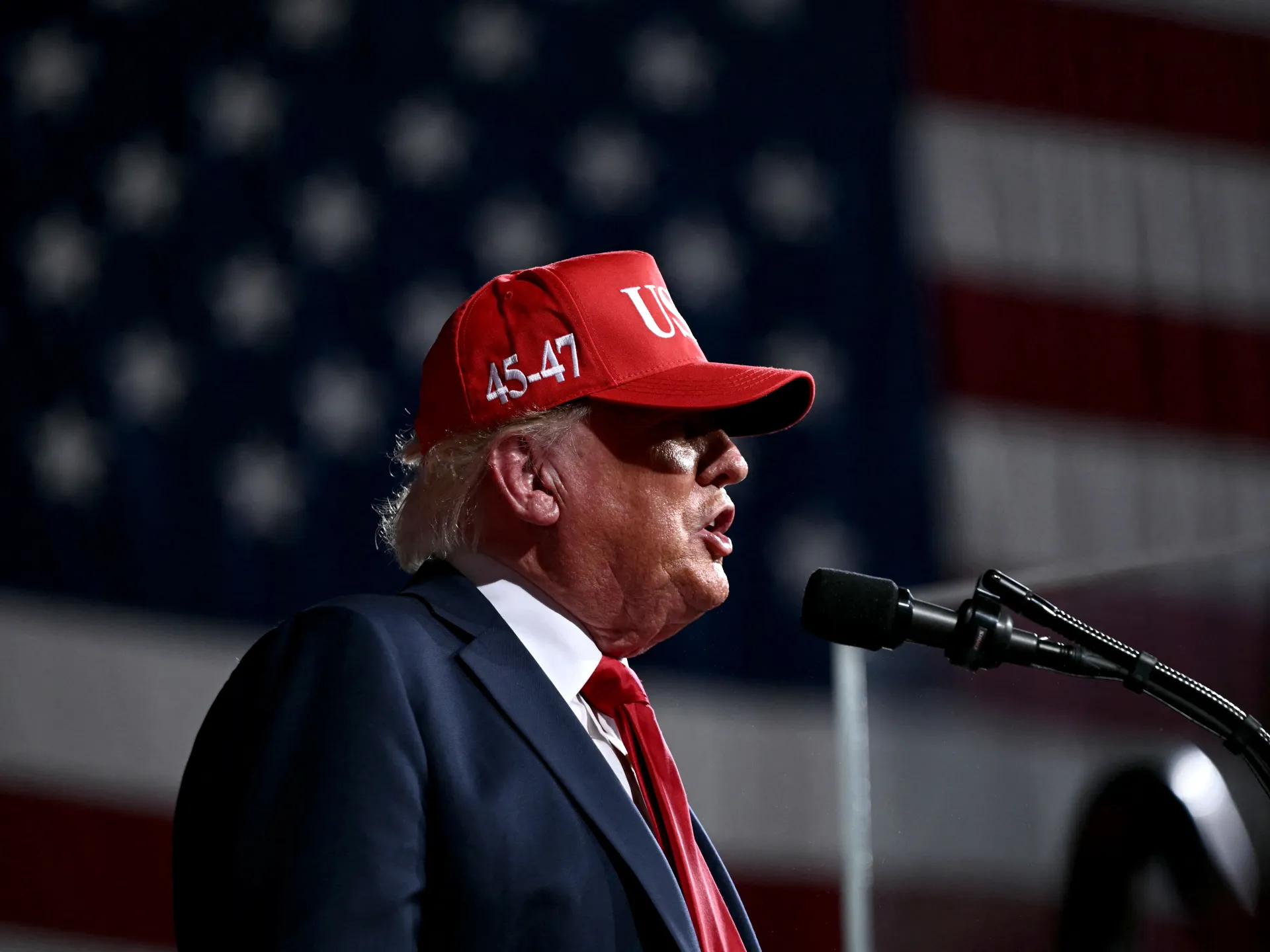
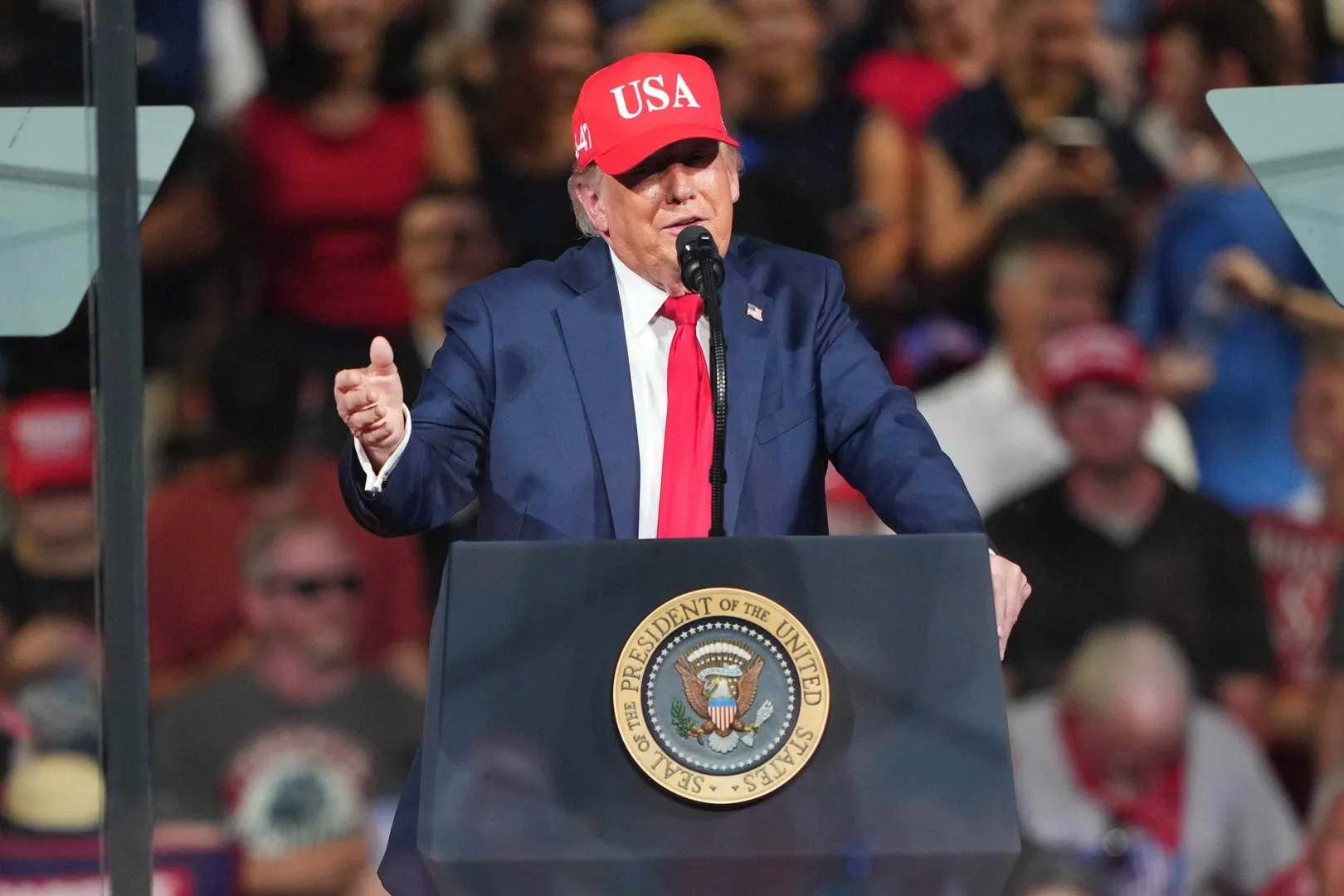
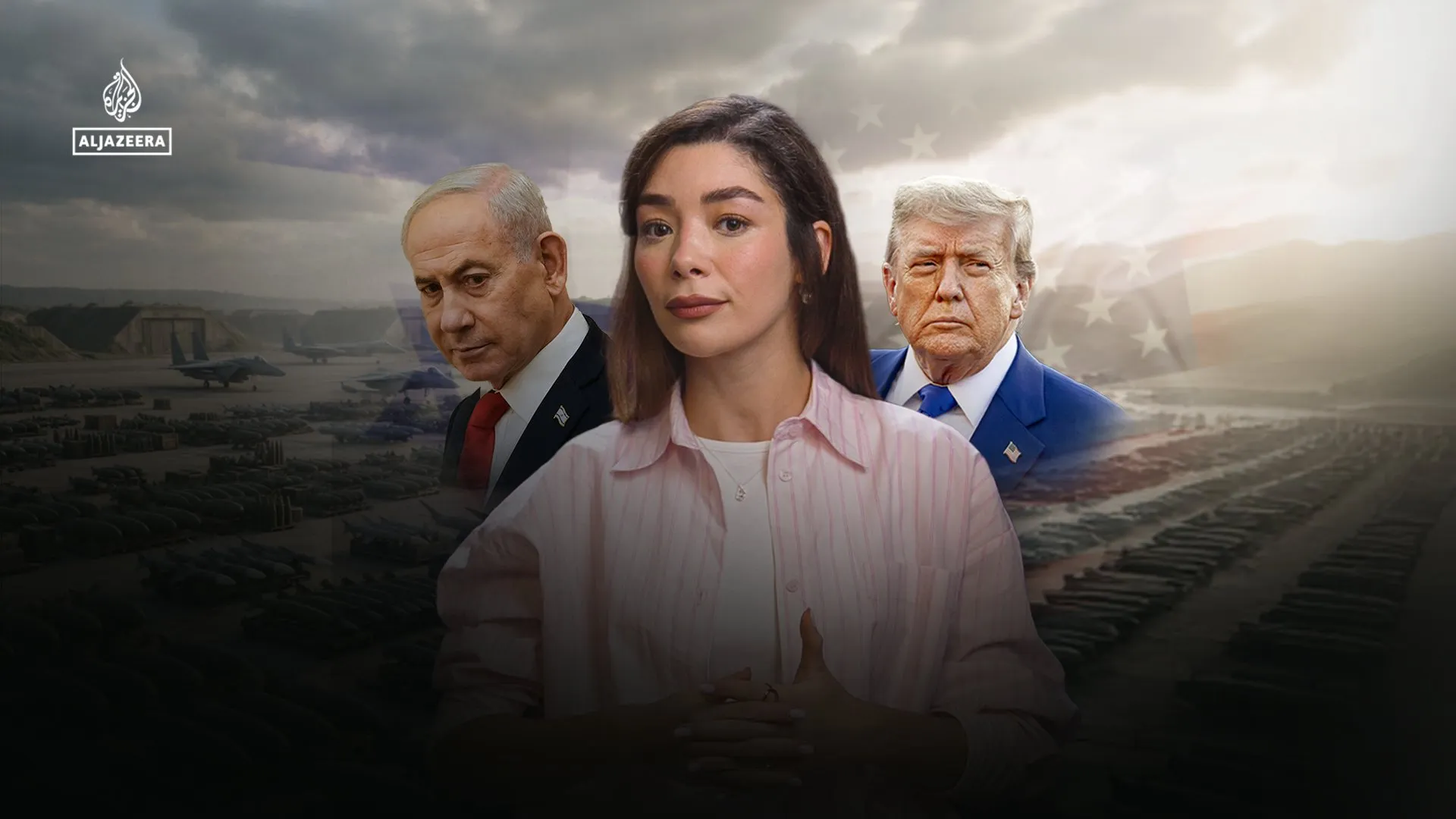
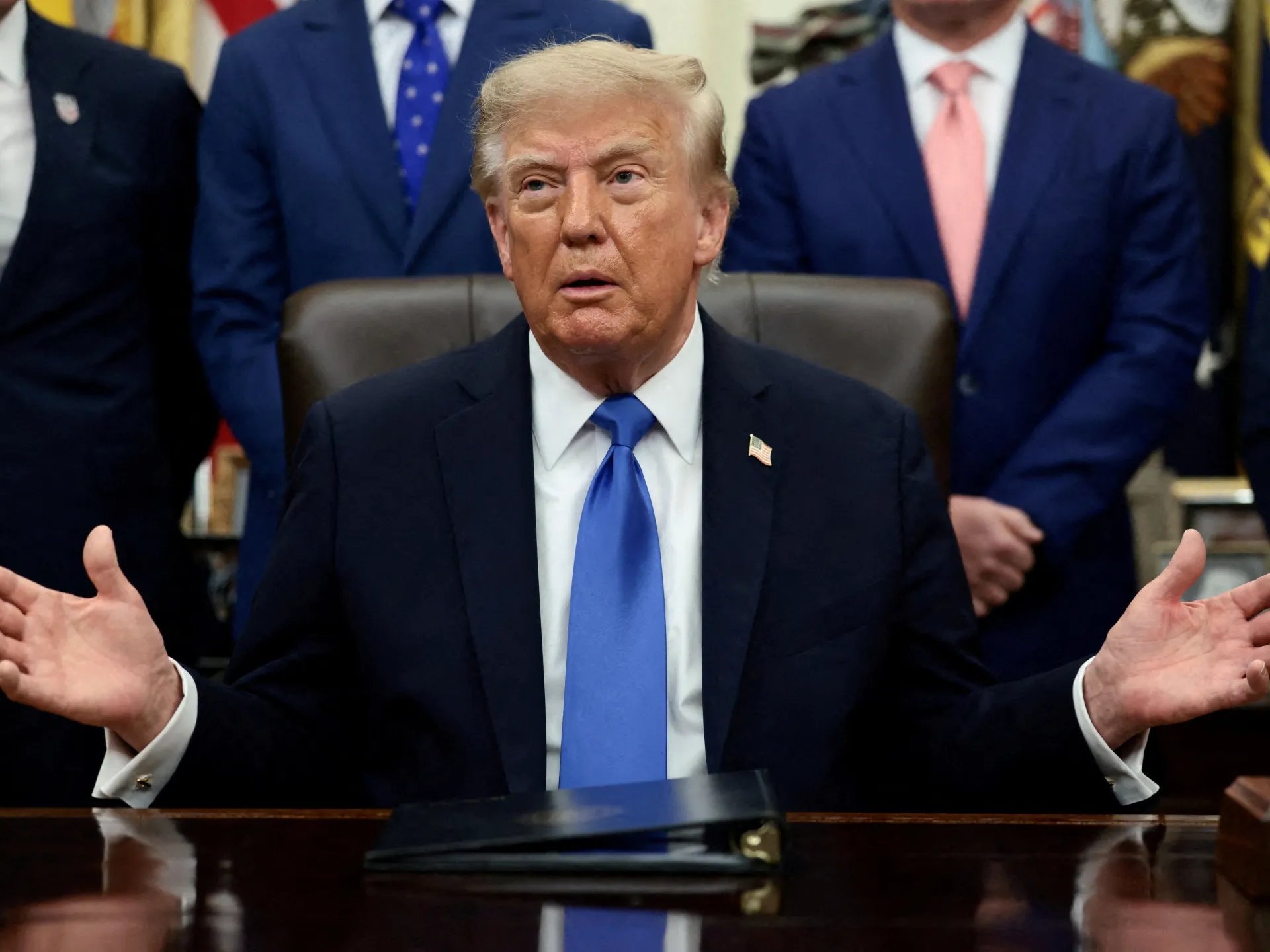
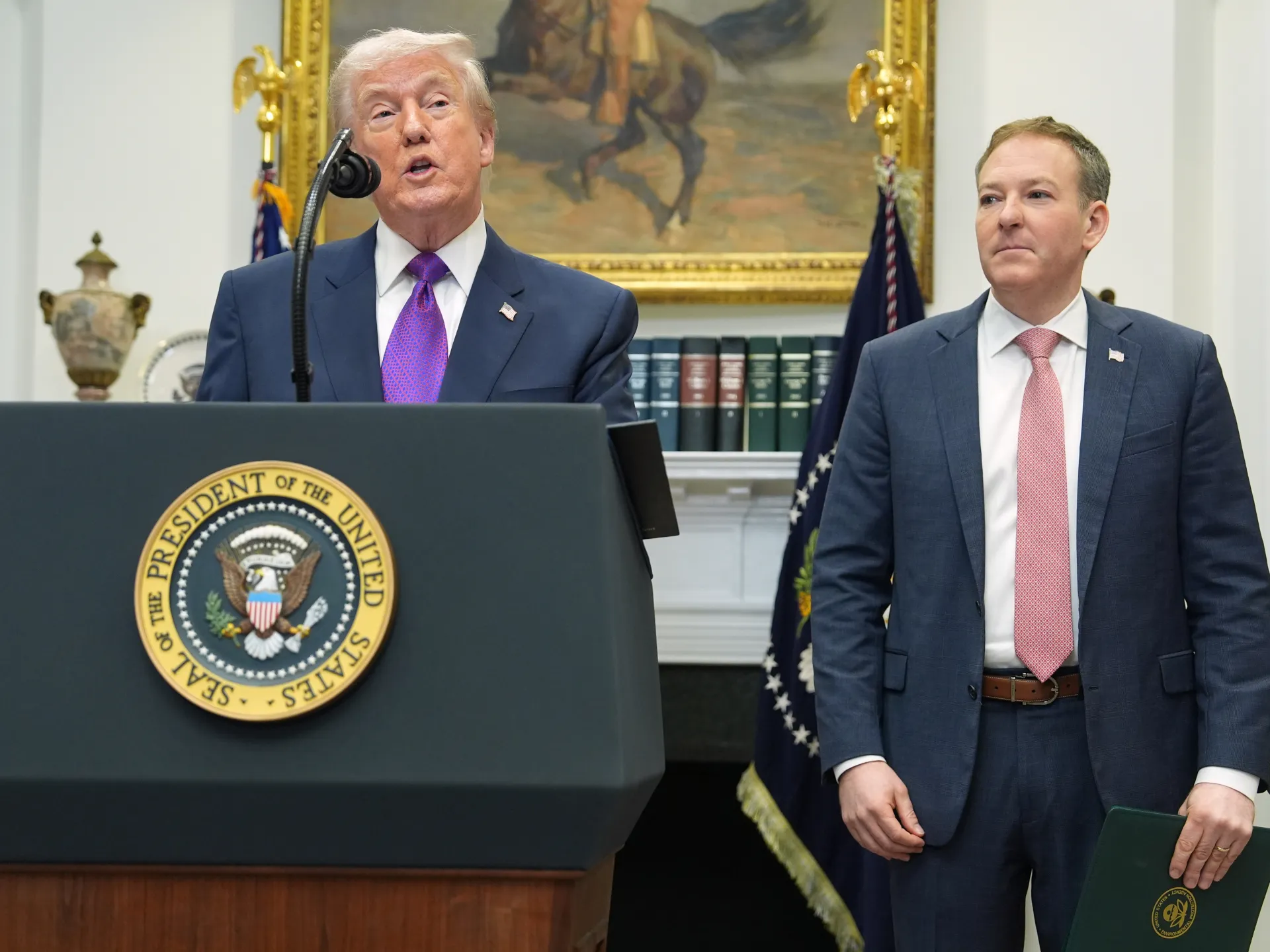
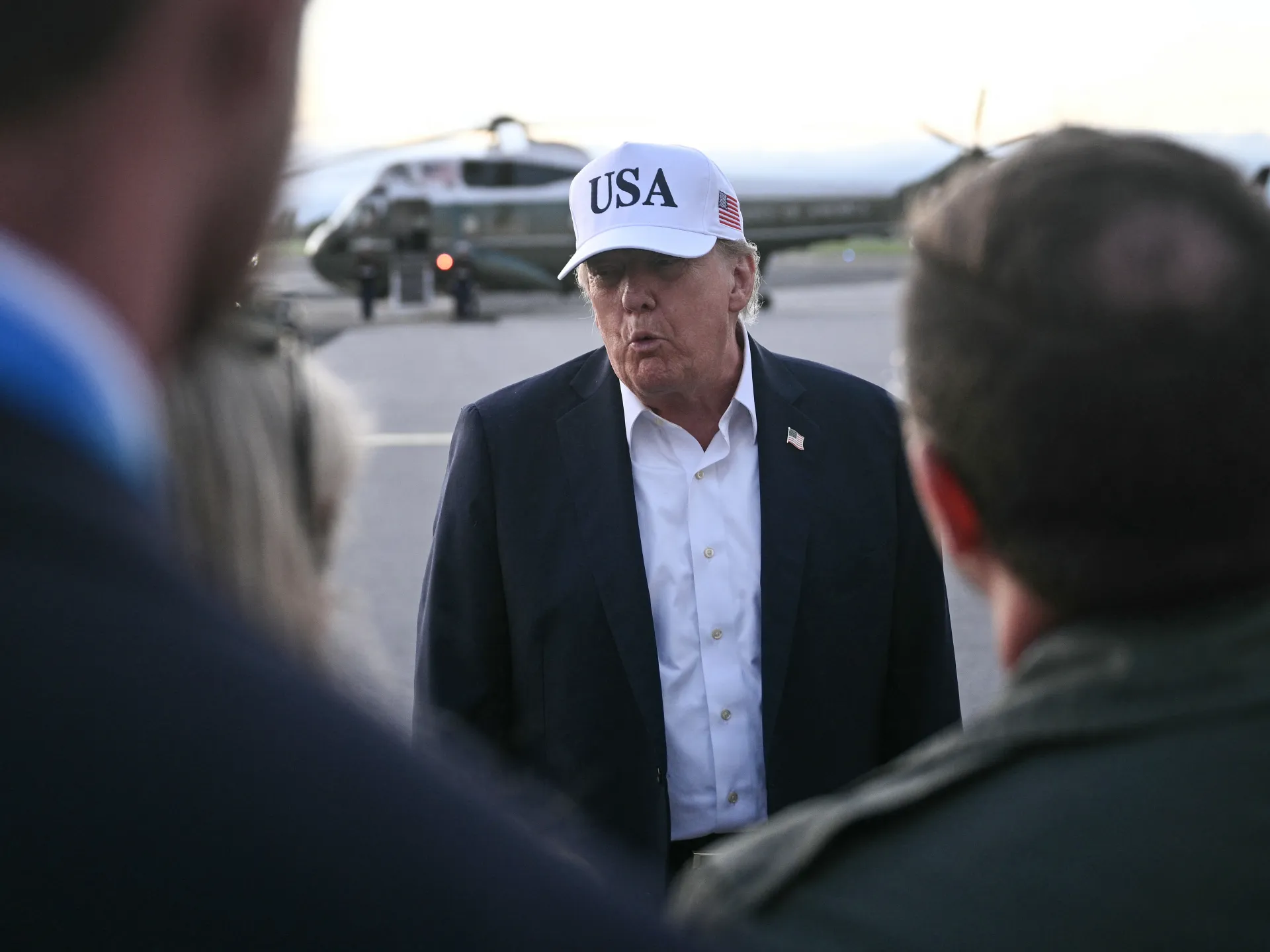
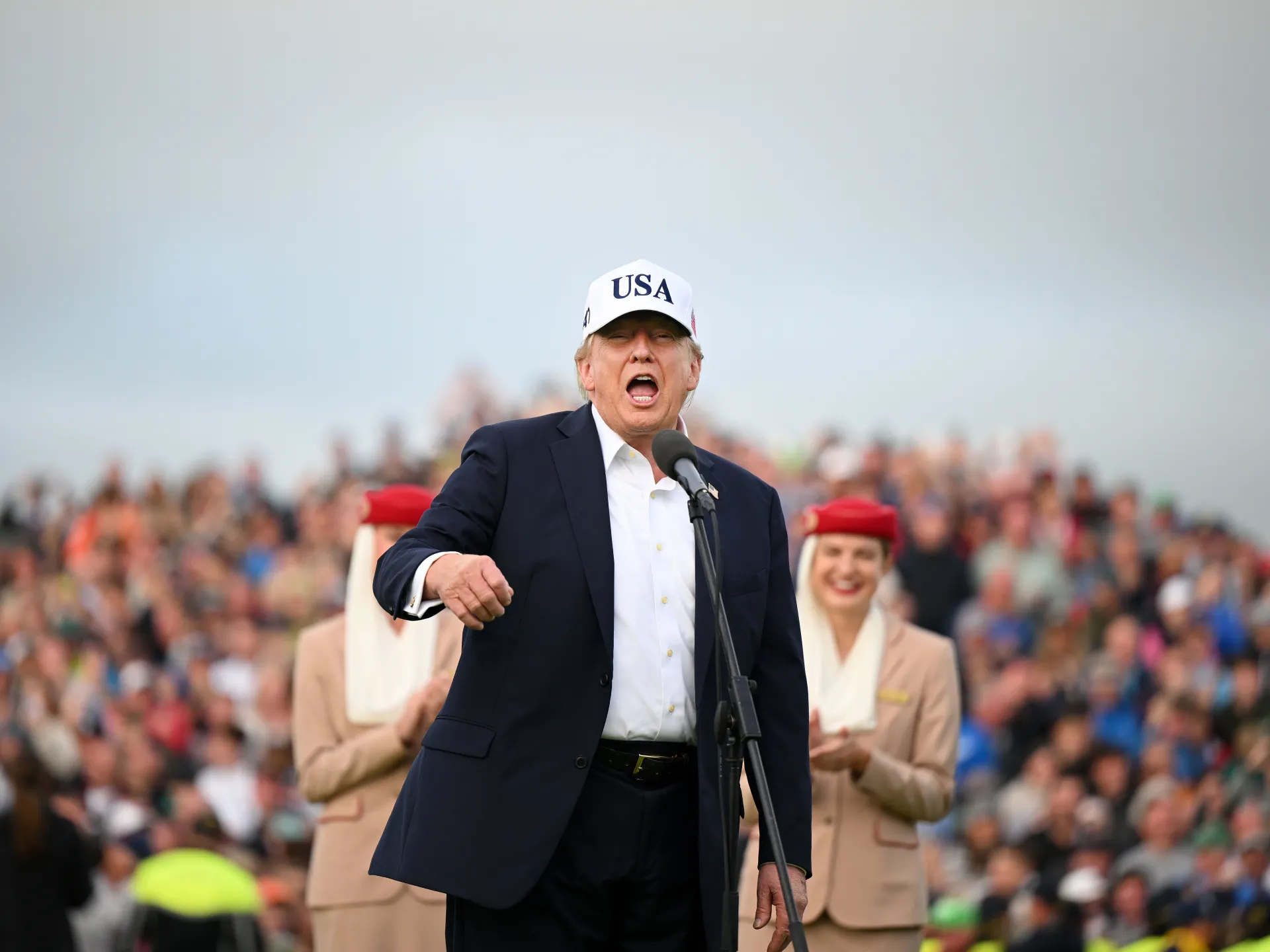
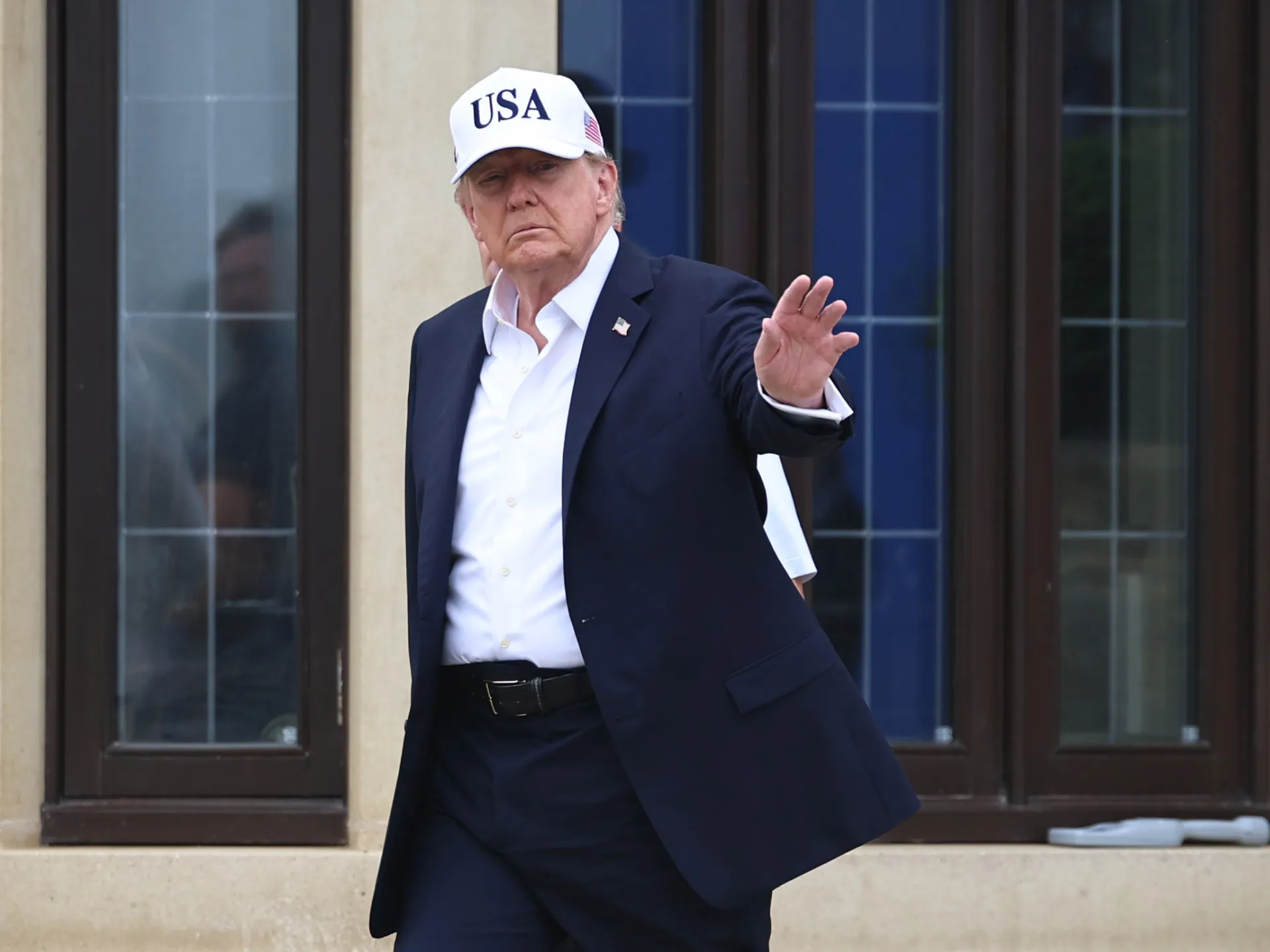
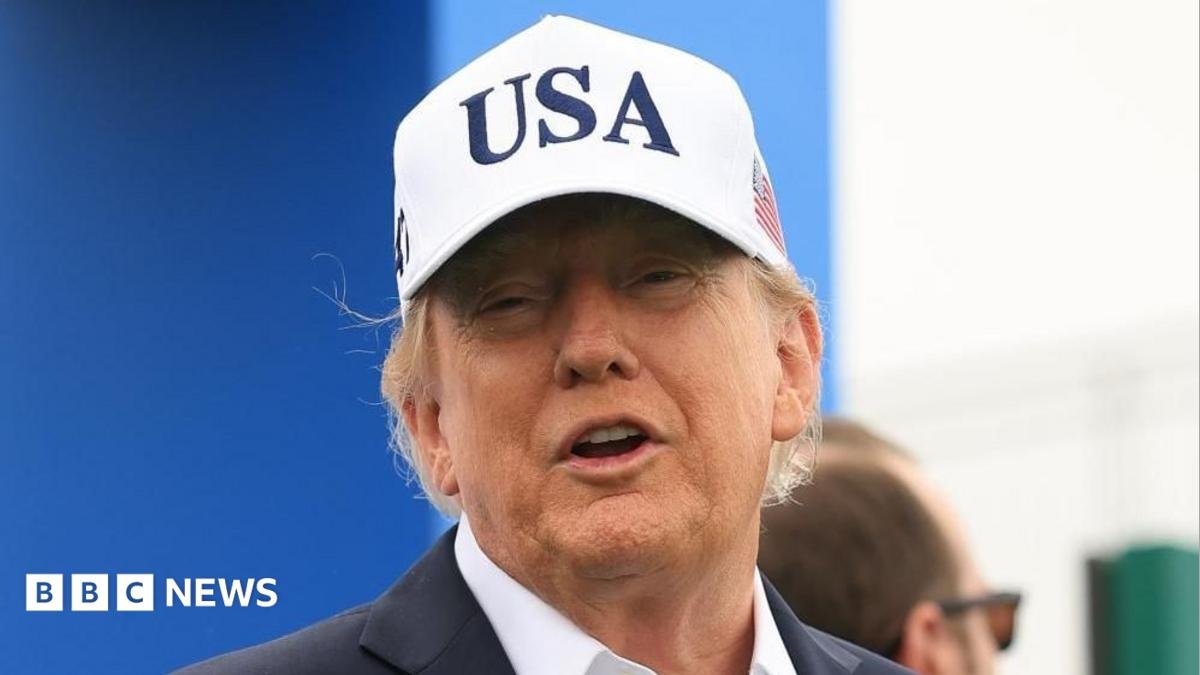
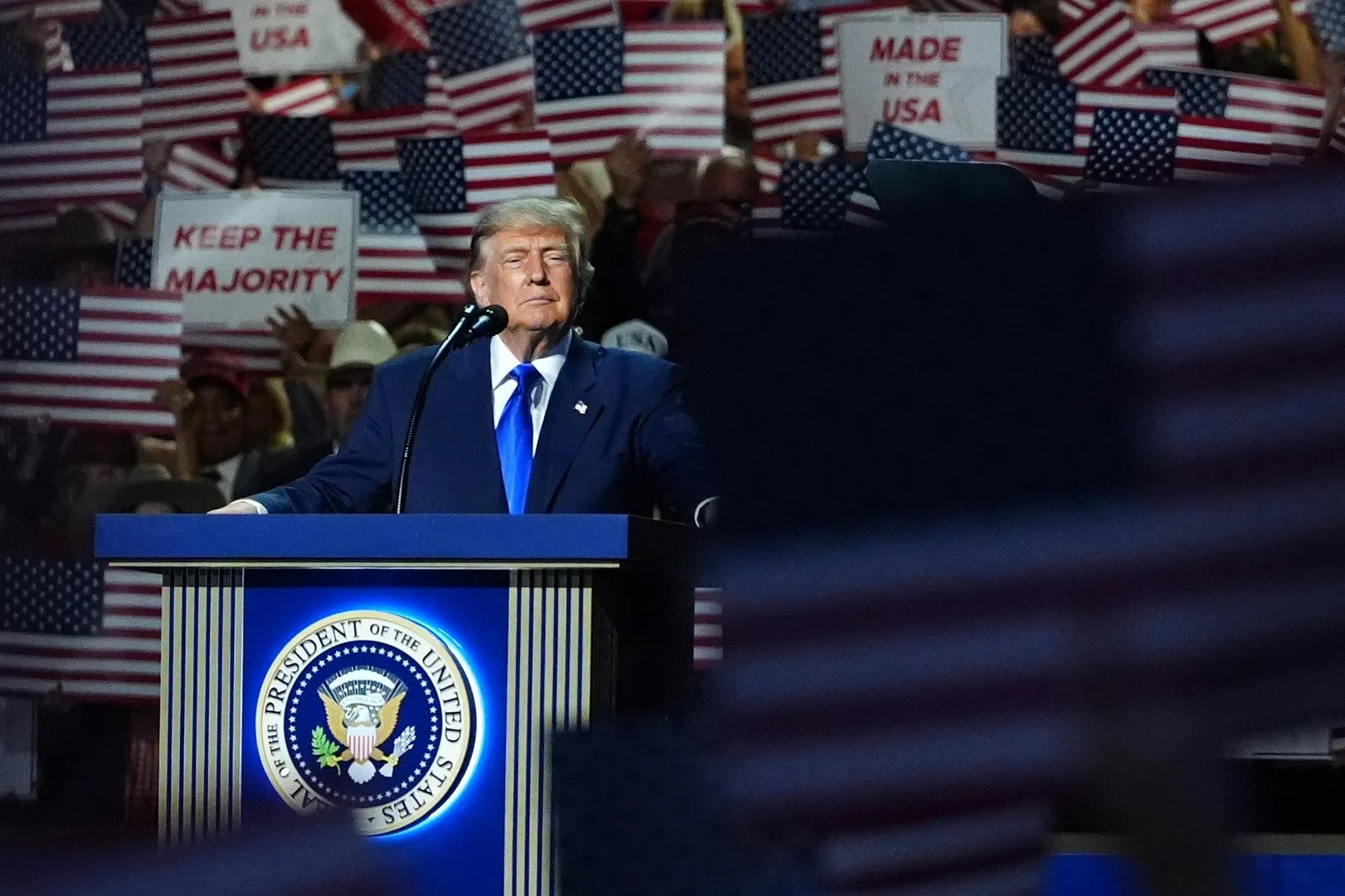
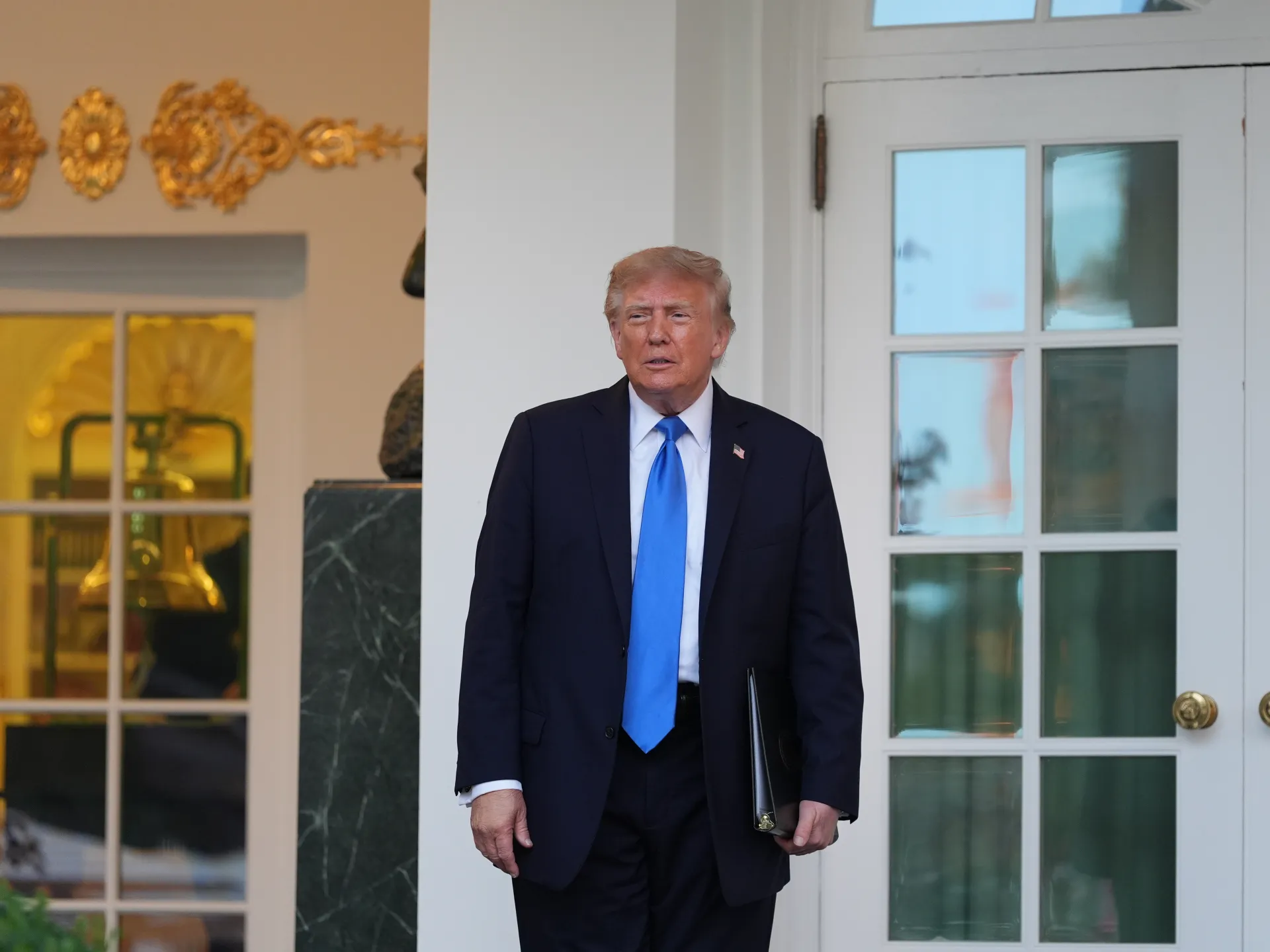
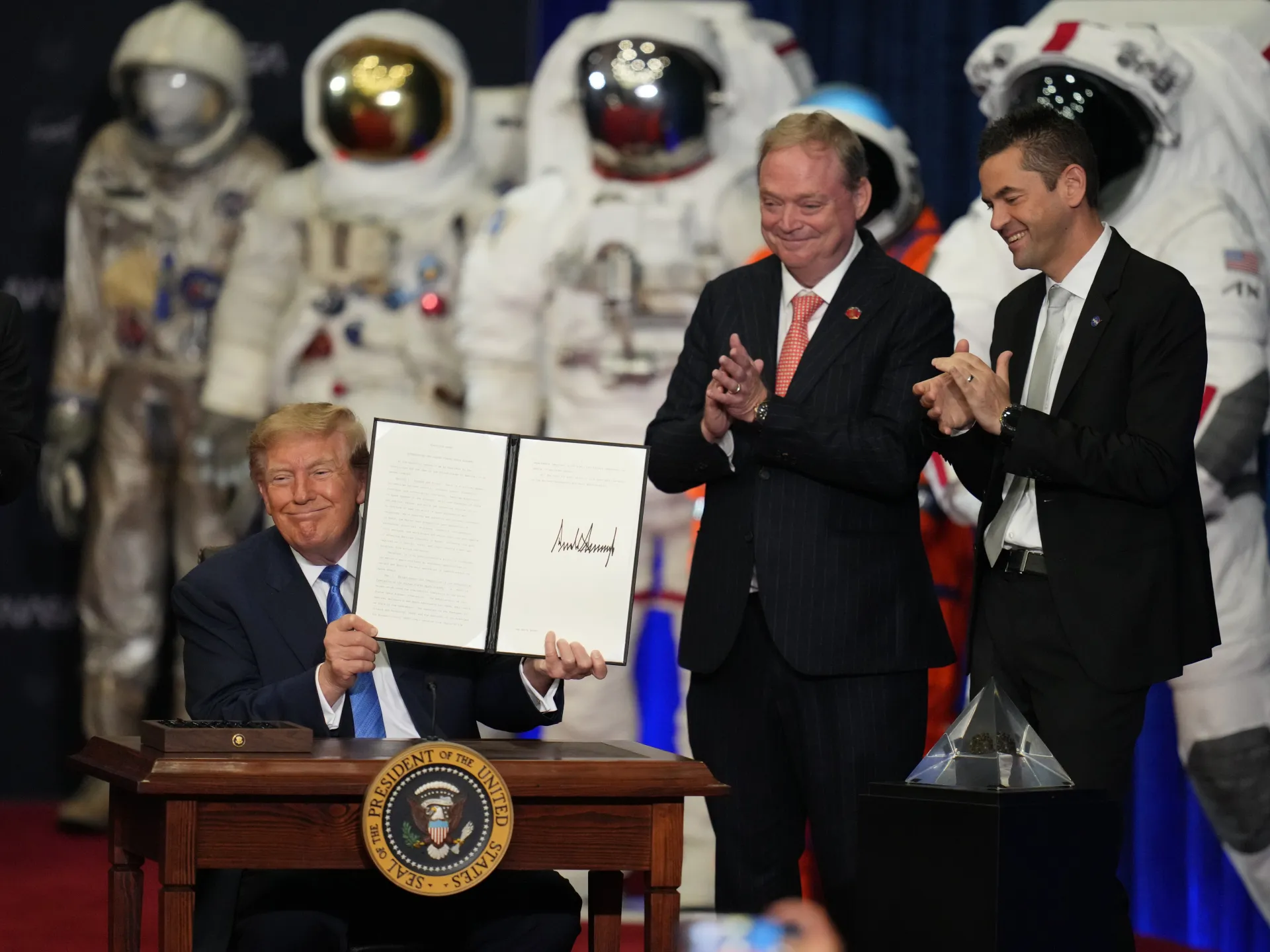
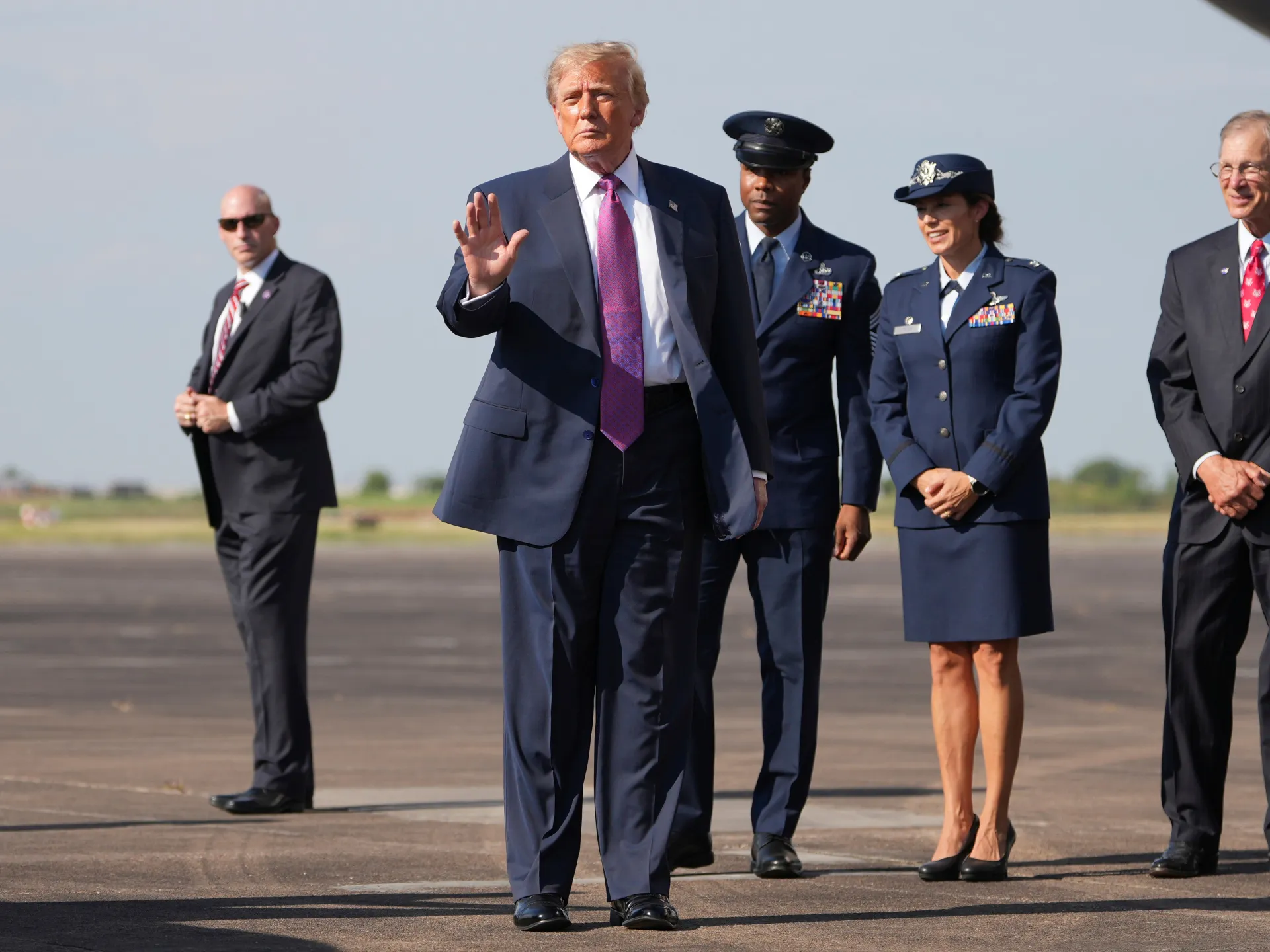
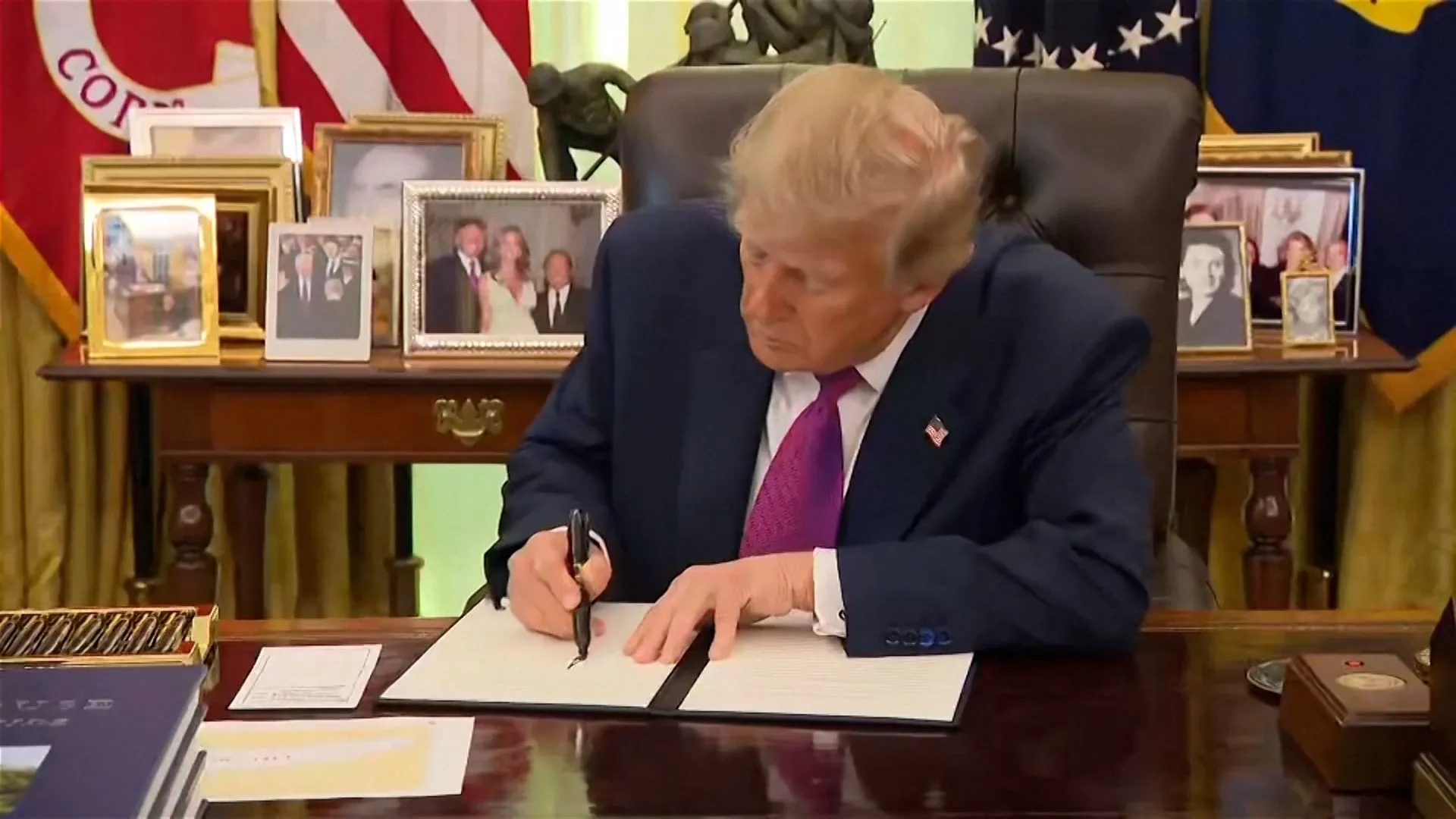
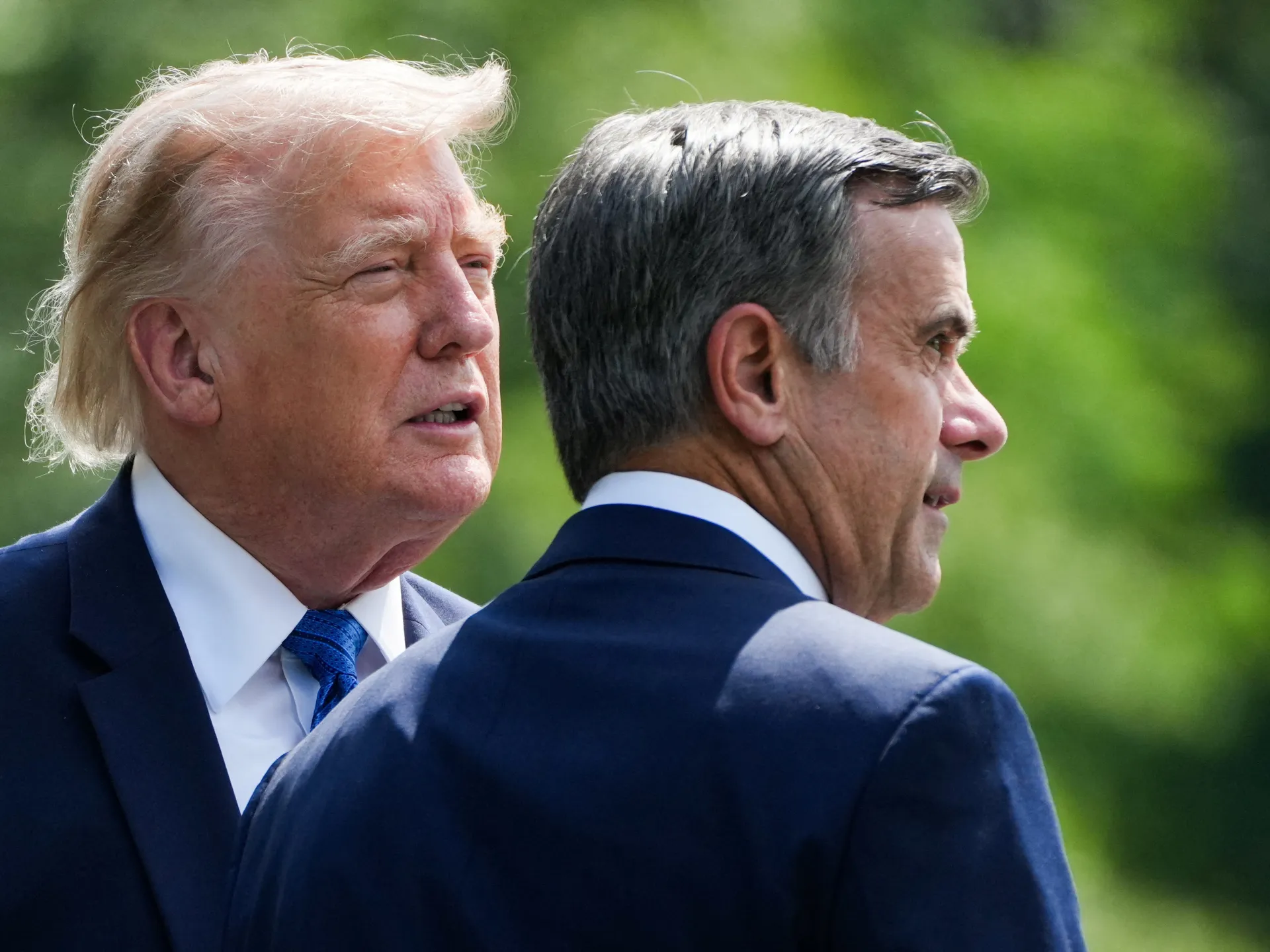
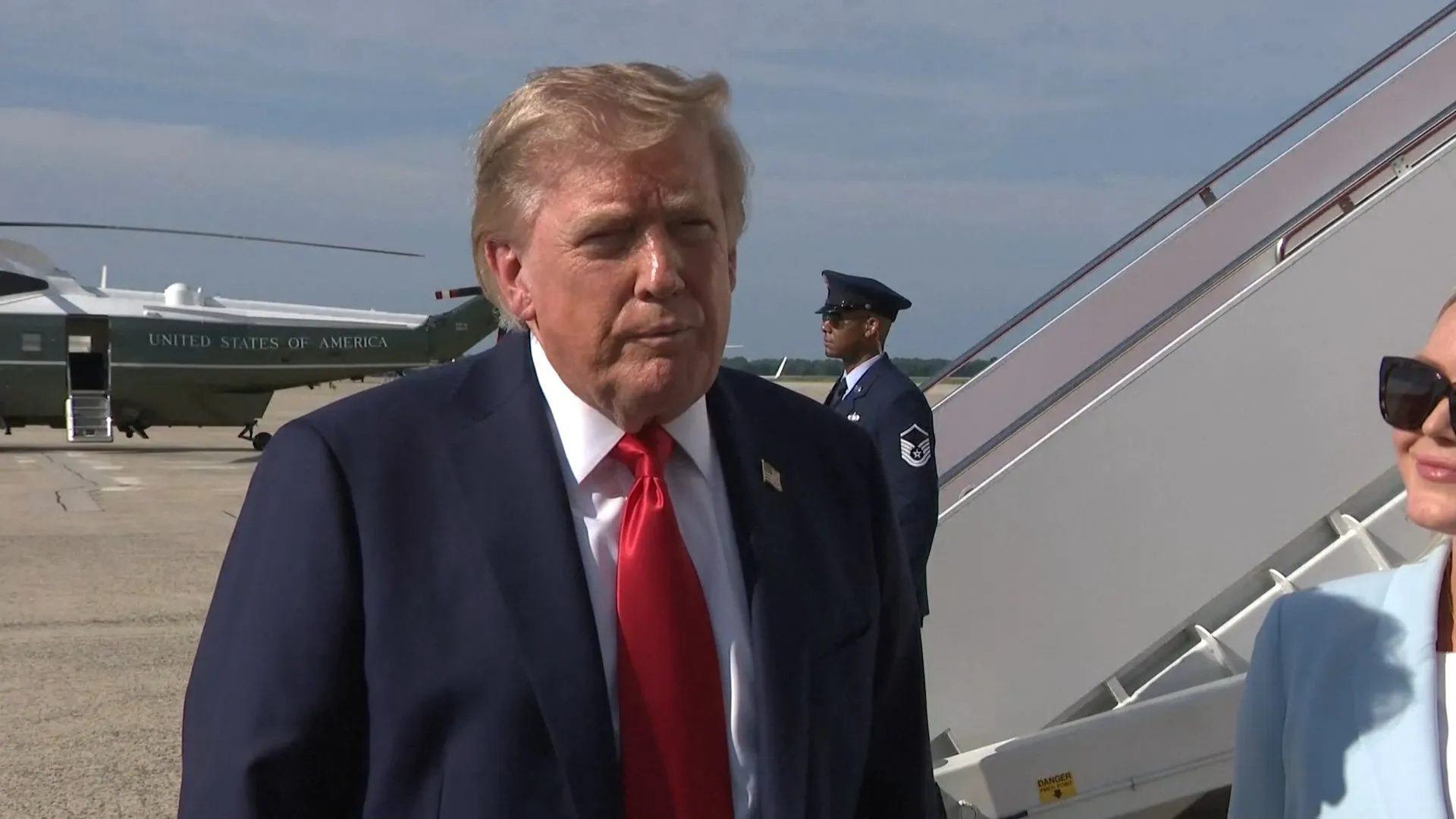
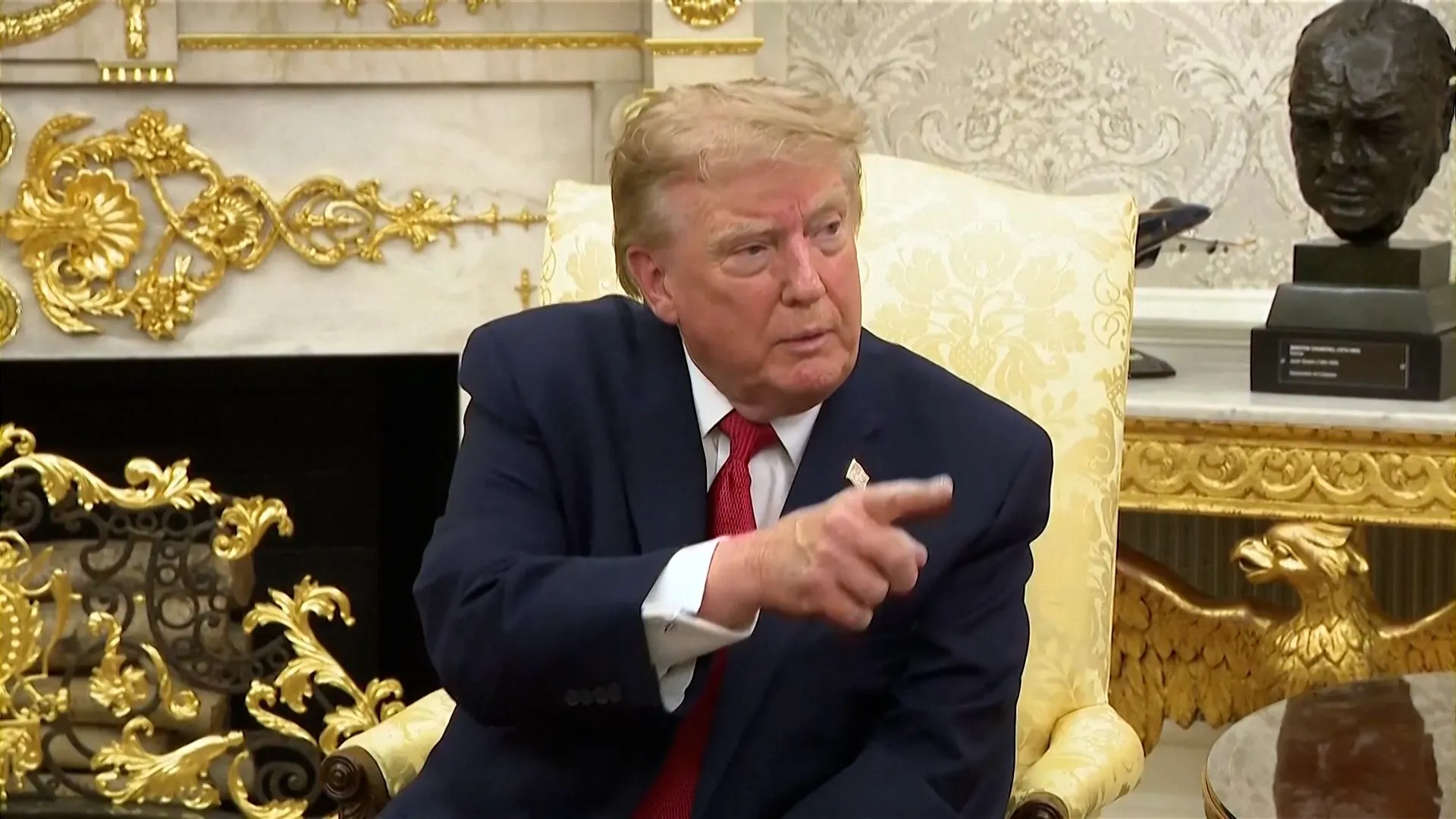
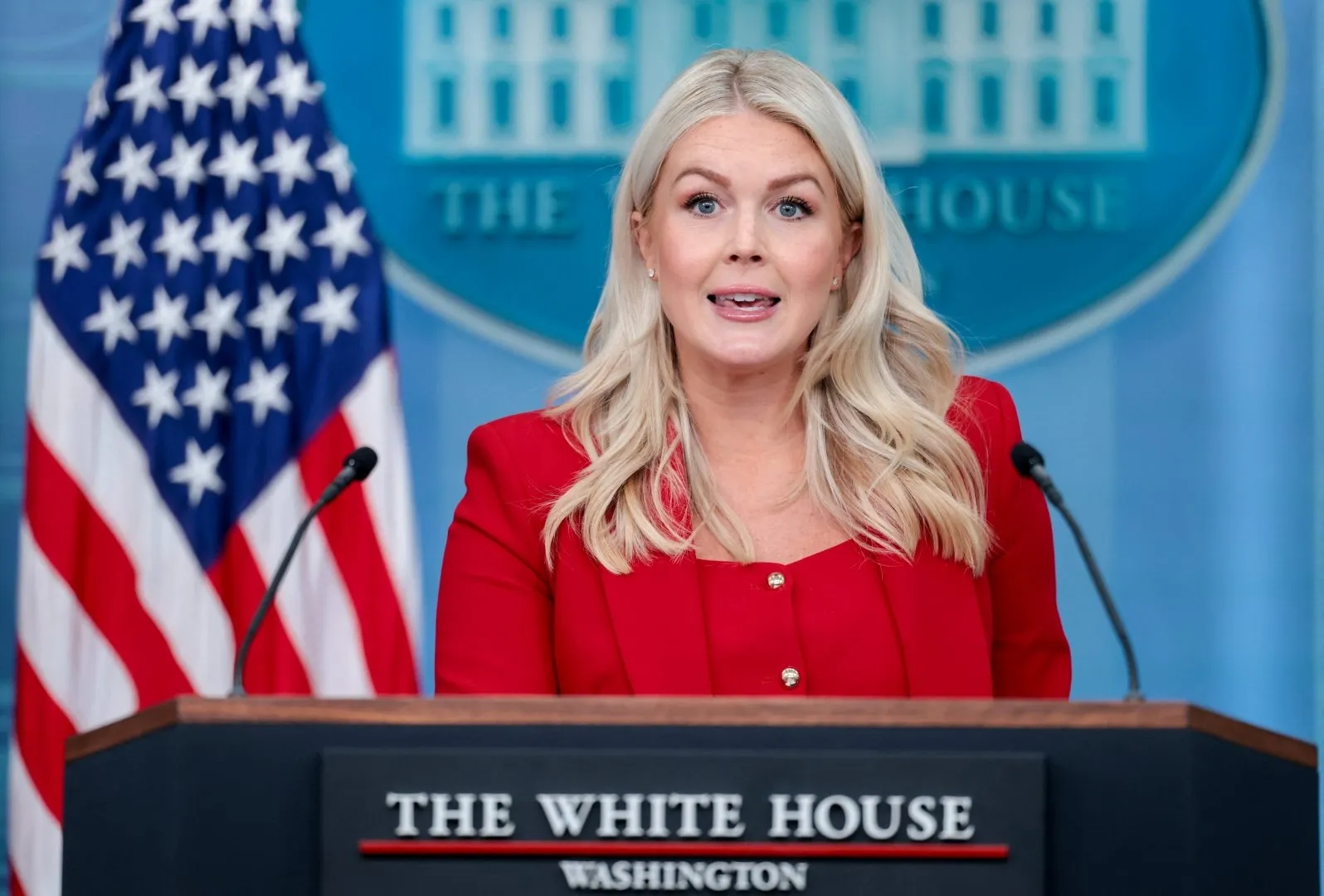
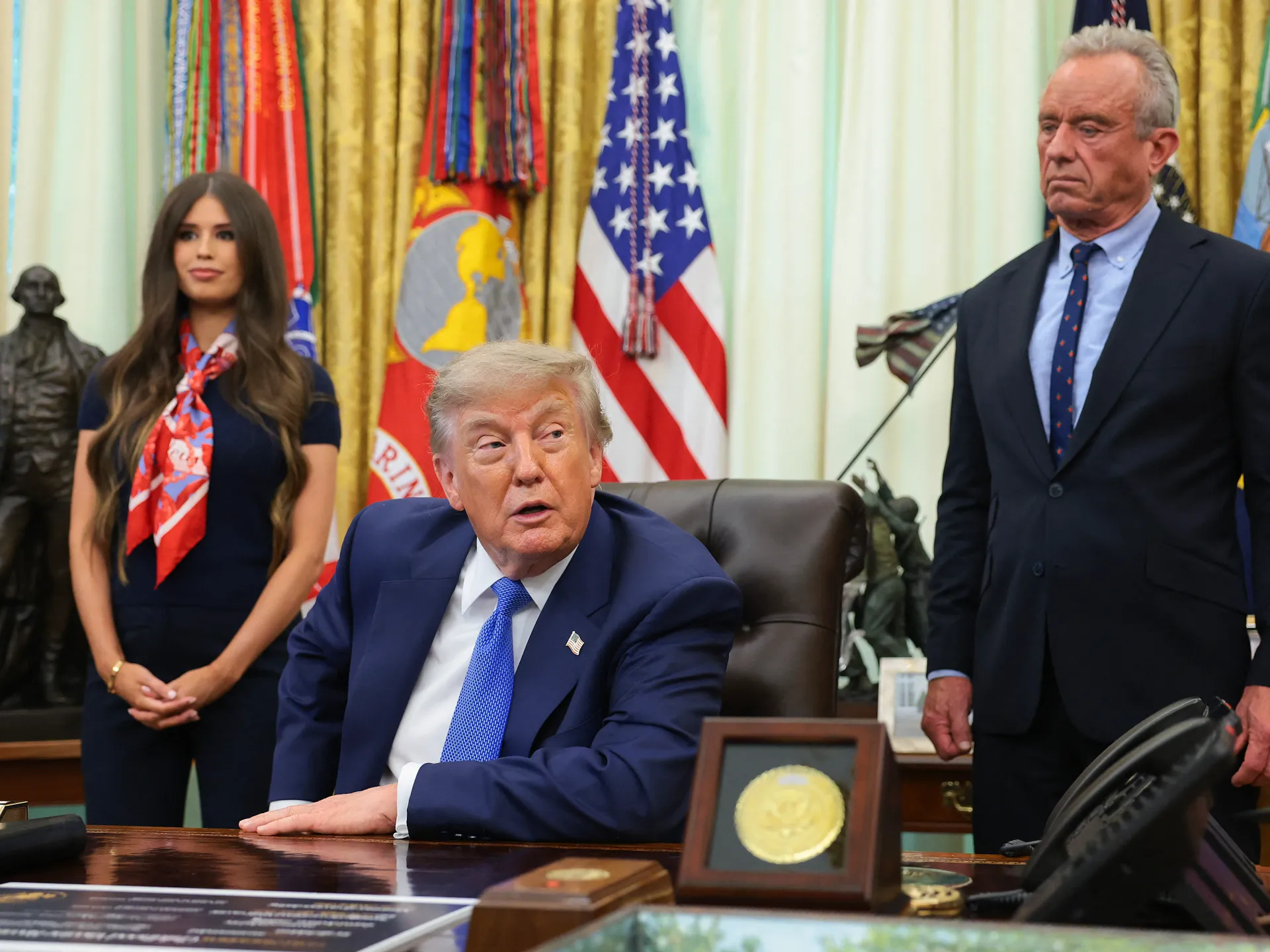
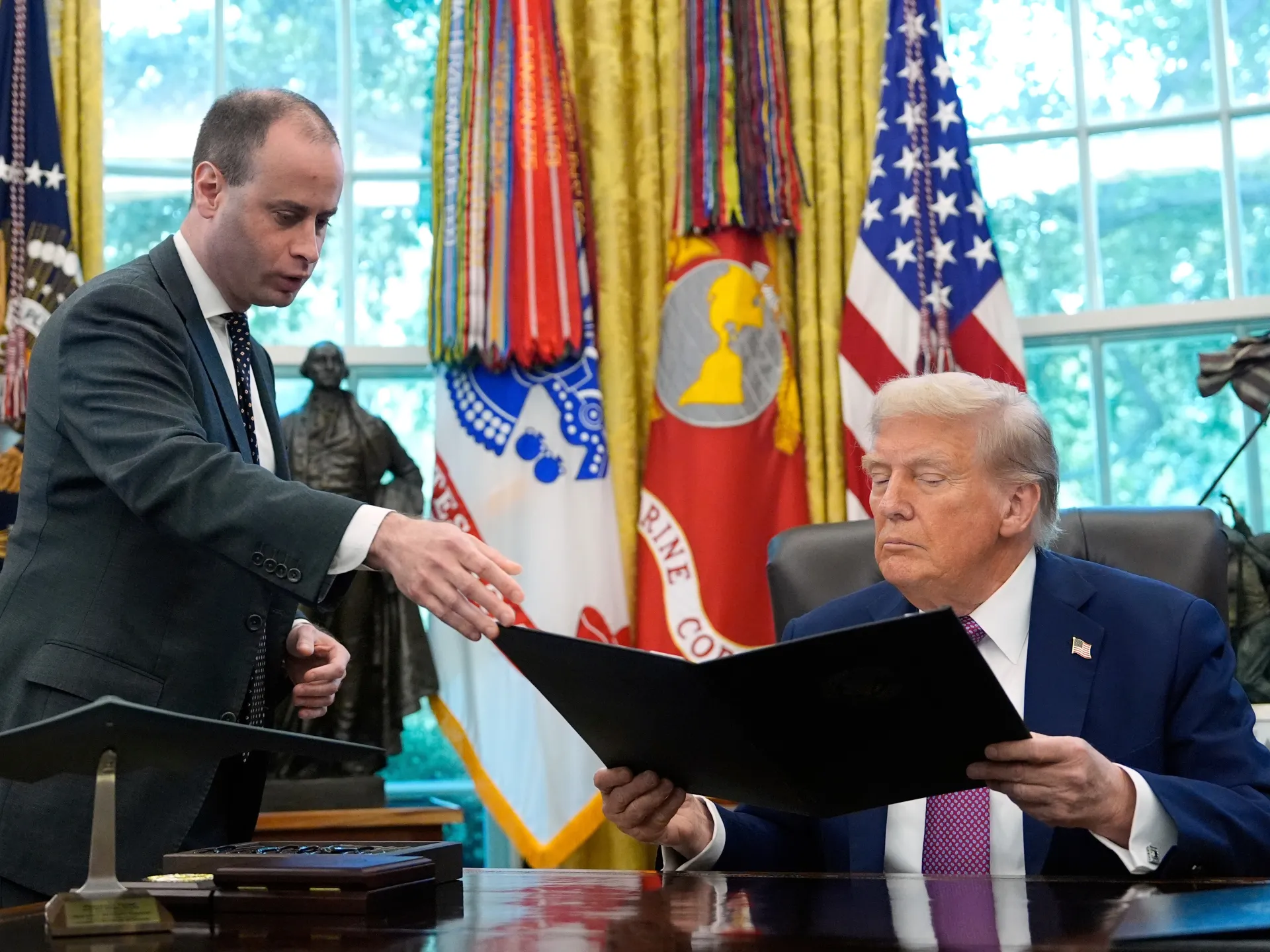
The Trump administration’s refusal to fulfill its legally binding financial obligations has left the United Nations with a staggering debt estimated at $4.2 billion, a figure representing roughly 120 percent of the regular 2026 budget. Although the White House recently remitted $827 million to avoid the loss of its voting privileges in the General Assembly, this payment was a tactical move to maintain influence rather than a commitment to the organization’s long-term sustainability. The reliance on this "financial leash" serves as a blunt instrument of policy; al rather than asserting its own agenda.
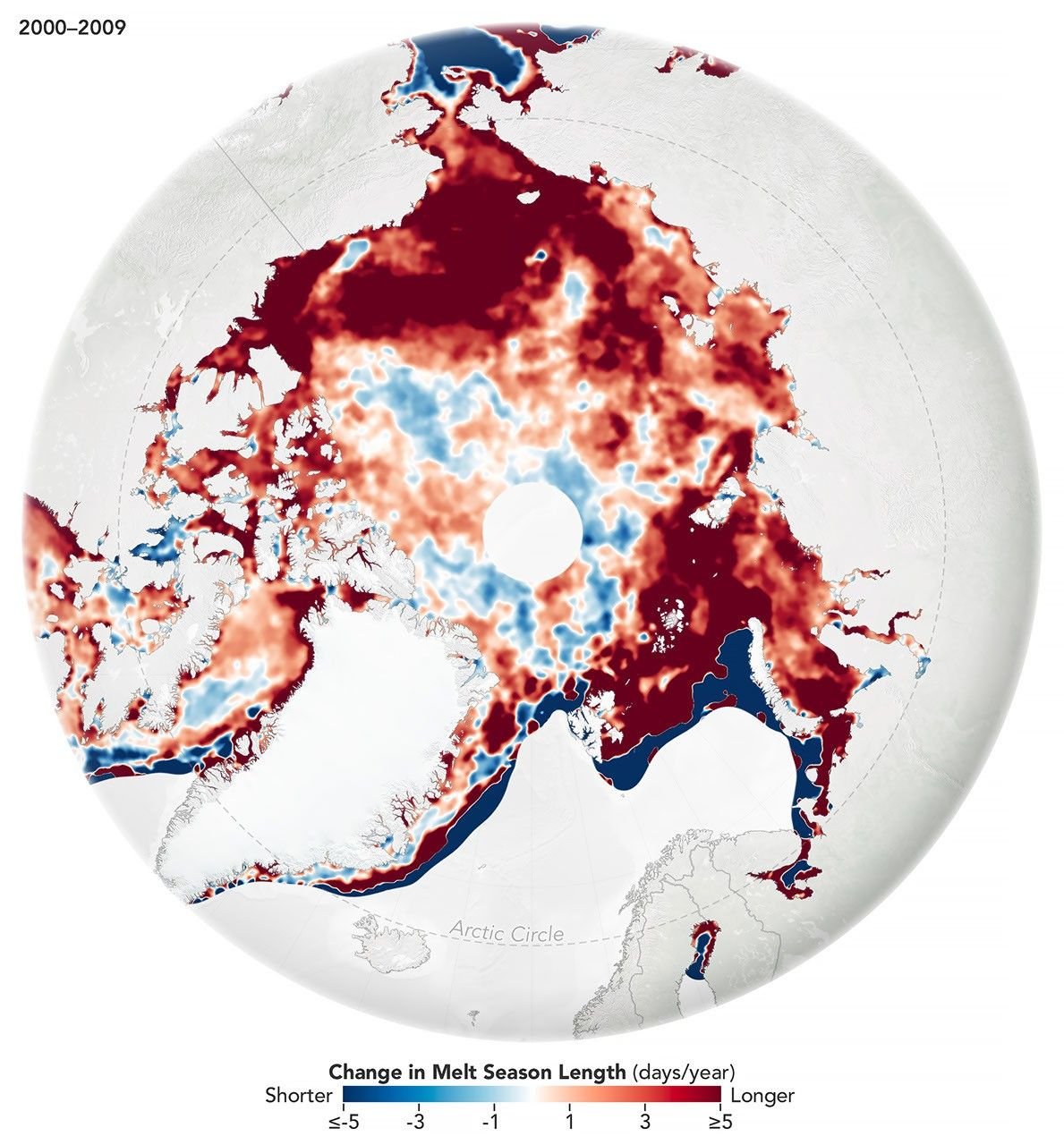
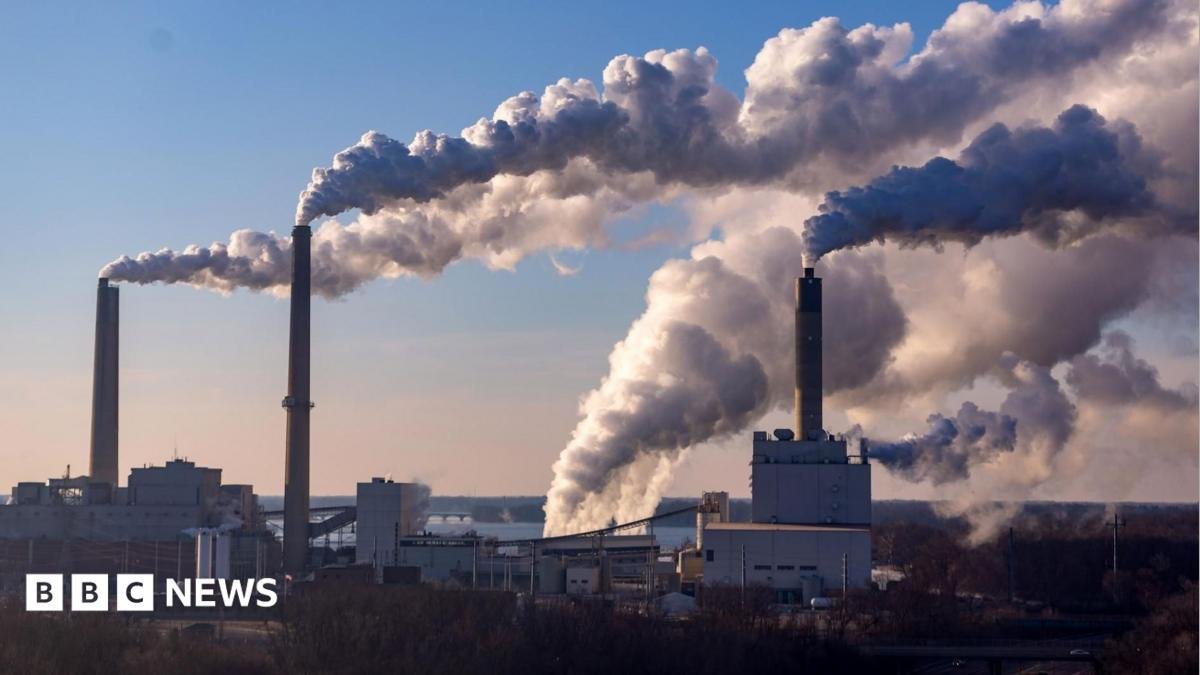
Beyond the fiscal impasse, the administration has demonstrated a willingness to intervene in the substantive output of UN bodies. Recent reports from international environmental summits indicate that U.S. representatives actively worked to dilute findings within climate-related reports, prioritizing domestic industrial interests over scientific consensus. This interference highlights a broader trend: the U.S. is not only defunding the institution but is also engaging in efforts to sanitize the organization’s findings to align with the current administration’s political narrative.
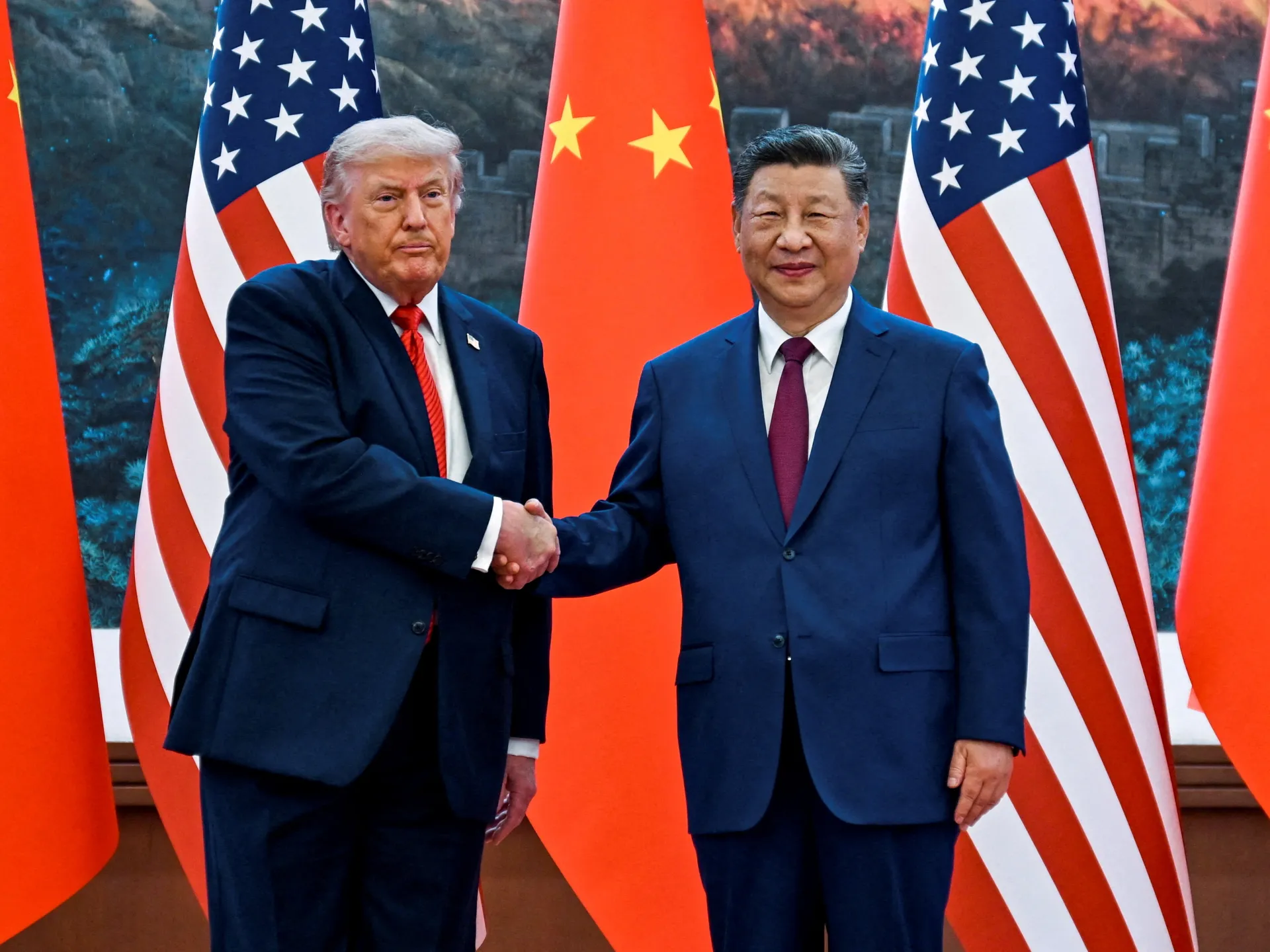
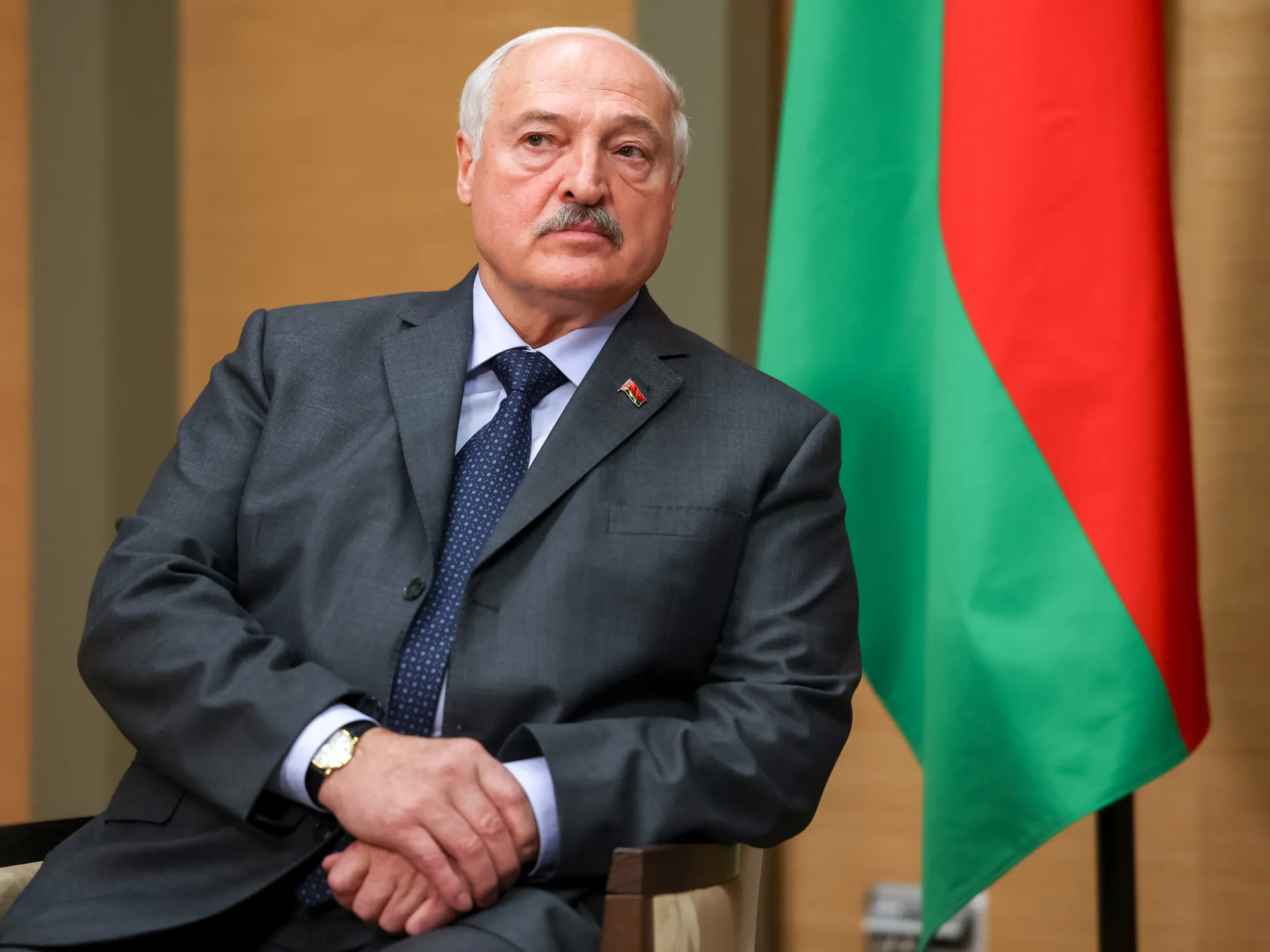
The impending transition of the UN Secretary-General position suggests a period of intense volatility. Analysts expect the race for the next top diplomat to be heavily influenced secure alignment with their respective visions for global governance. Without a significant shift in the U.S. approach to its financial obligations, the UN is likely to face a decade of diminished capacity, forcing it to rely on ad-hoc funding arrangements that prioritize the interests of wealthy contributors. Furthermore, as the U.S. continues to bypass established international frameworks to pursue trade and security deals—such as the reported overtures regarding fertilizer markets in Belarus—the relevance of the General Assembly as a venue for substantive resolution of global crises will likely continue to wane, leaving the international community to navigate a more unpredictable, multipolar landscape.