

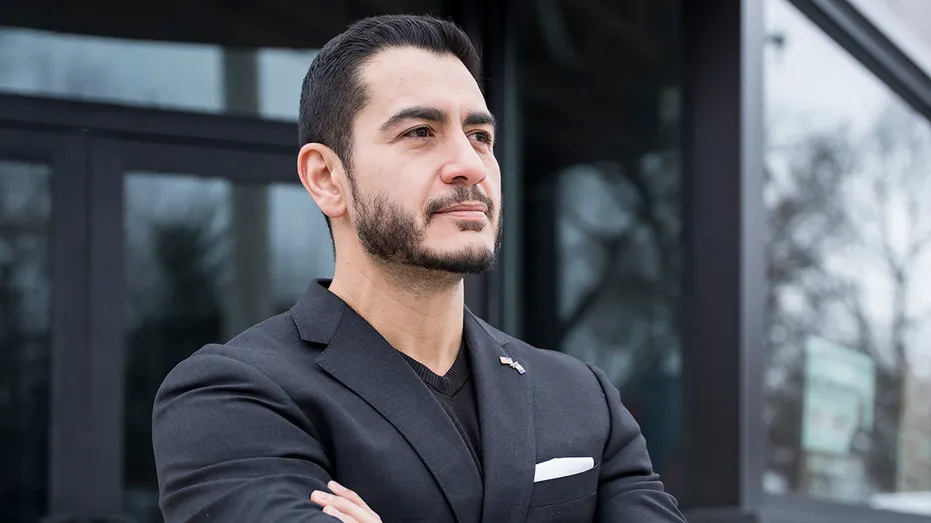
A contentious Democratic primary in Michigan has left the party struggling to unify, providing an opening for Republican challenger Mike Rogers.
The Senate seat currently held elections, with recent polling suggesting that the party faces significant challenges in maintaining its hold. Following a contentious and highly publicized primary election, the Democratic nominee, Abdul El-Sayed, is struggling to bridge the divide within his own party. This internal friction, stemming from a primary race against moderate candidate Haley Stevens, has created a window of opportunity for the Republican nominee, former Rep. Mike Rogers.
Recent survey data indicates that the race is currently leaning in favor of the Republican challenger. While the margins remain within the statistical margin of error, the shift reflects broader concerns among moderate voters regarding the ideological direction of the Democratic ticket. The divide appears to be rooted in the specific policy platforms and political branding associated with El-Sayed, who has drawn strong support from the progressive wing of the party while simultaneously alienating more traditional or moderate Democratic voters.
A significant factor in the current electoral landscape is the influence of the Democratic Socialists of America (DSA) brand on the broader Democratic electorate. While El-Sayed has secured nearly universal support among self-described DSA members, his appeal drops considerably when looking at non-DSA Democrats and independent voters. This disconnect suggests that the progressive platform, which includes calls for "Medicare-for-all" and the abolition of Immigration and Customs Enforcement (ICE), may be creating friction in a swing state that often necessitates broad, centrist support to secure a victory.
In contrast, other statewide candidates, such as gubernatorial nominee Jocelyn Benson, have demonstrated a stronger ability to maintain support among moderate and independent blocs. This disparity highlights the specific electoral vulnerability faced hat the damage sustained during the primary process is a common hurdle, yet the intensity of the current polarization suggests that the path to unification may be steeper than in previous election cycles.
The Republican campaign, led s has positioned his campaign as a viable alternative for moderate Democrats who feel alienated cted from the mainstream values of the state, Rogers is attempting to expand his coalition beyond the traditional Republican base. Recent polling suggests that this strategy is finding traction, particularly among voters who are wary of far-left policy positions.
Rogers has also emphasized a unified Republican front, noting that his campaign has successfully aligned various factions within the party, including those associated with the MAGA movement. This contrast in party cohesion is a central theme of the current campaign season. As the election approaches, the Republican strategy relies heavily on the premise that the Democratic candidate's policy stances are too extreme for the general electorate, thereby encouraging ticket-splitting or low turnout among moderate Democrats.
Despite the current polling deficits and internal party friction, El-Sayed remains optimistic about his ability to consolidate the Democratic base. His campaign has leaned into the argument that the stakes of the election, particularly regarding the influence of Donald Trump and the Republican platform, will ultimately drive voters to the Democratic ticket regardless of their primary preferences. The challenge, however, lies in converting this sense of urgency into tangible support among voters who remain skeptical of his platform.
Strategists suggest that the final phase of the campaign will be defined mocratic campaign, the focus must shift from primary-level mobilization to general election outreach. Whether El-Sayed can successfully rebrand his platform to be more palatable to the broader electorate or whether the ideological divide remains a permanent fixture of the race will likely determine the outcome in one of the most critical contests of the midterm cycle.