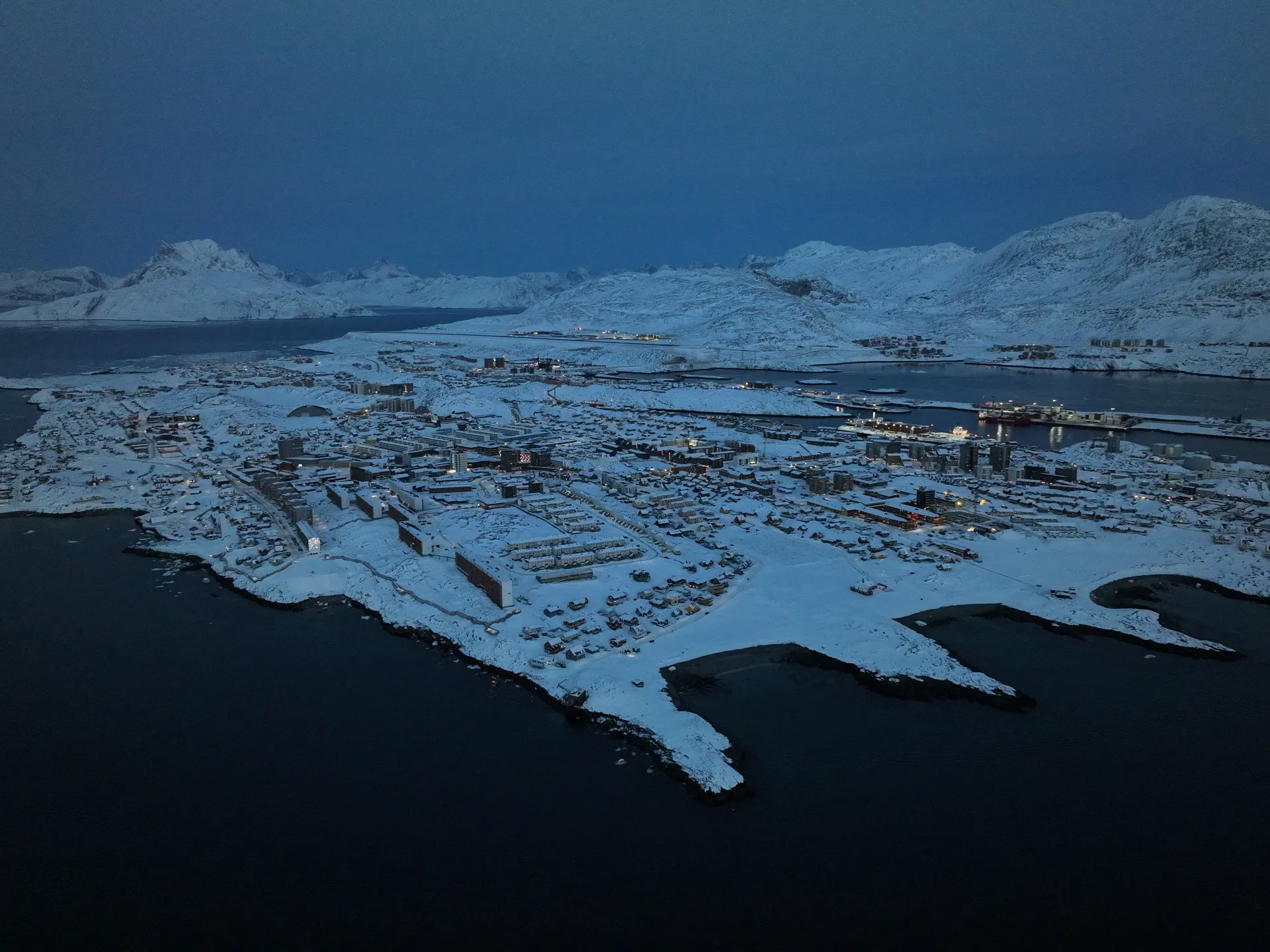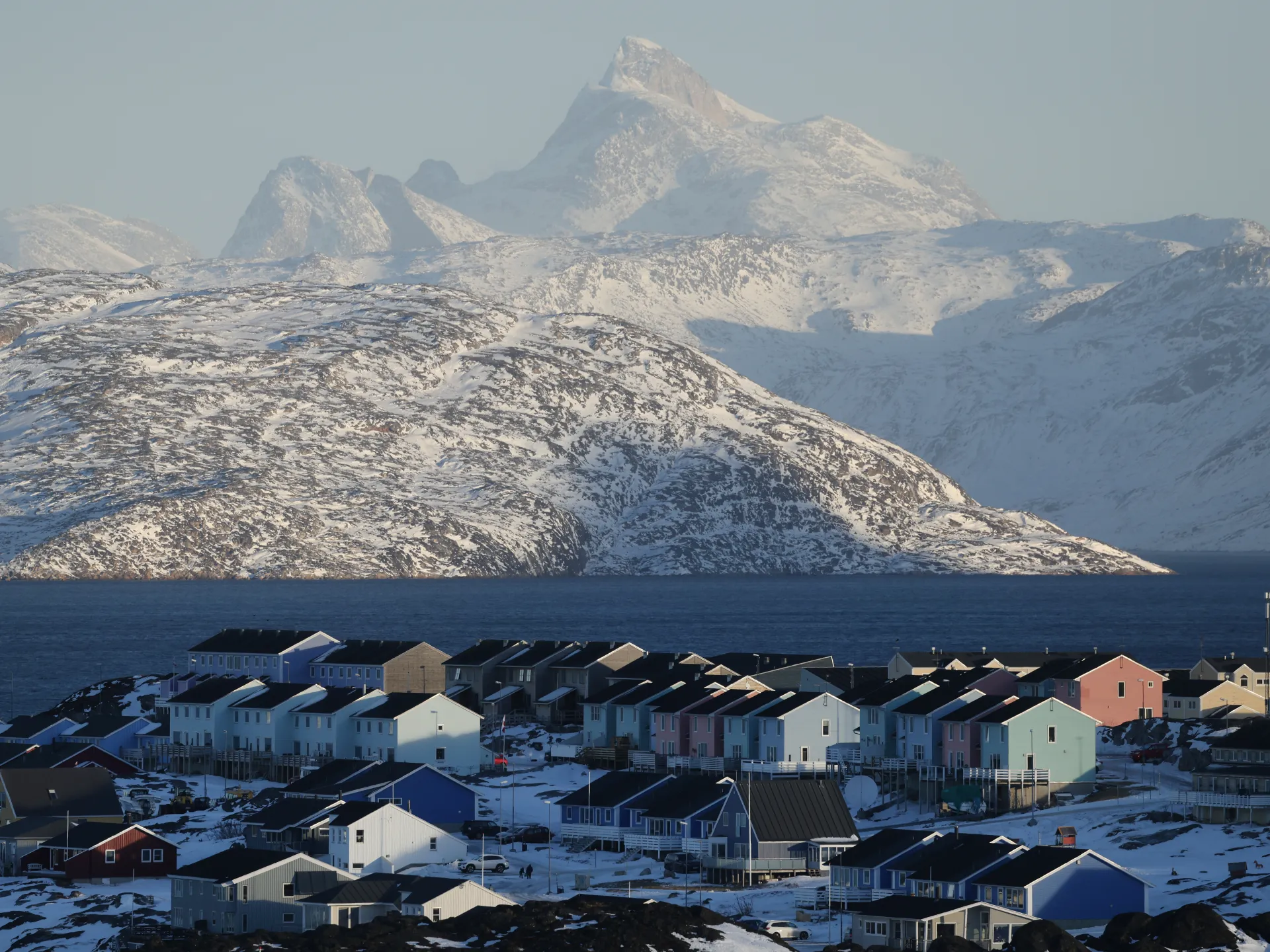
The United States is set to formalize the construction of two military bases in Greenland, ending a volatile diplomatic standoff over Arctic sovereignty.
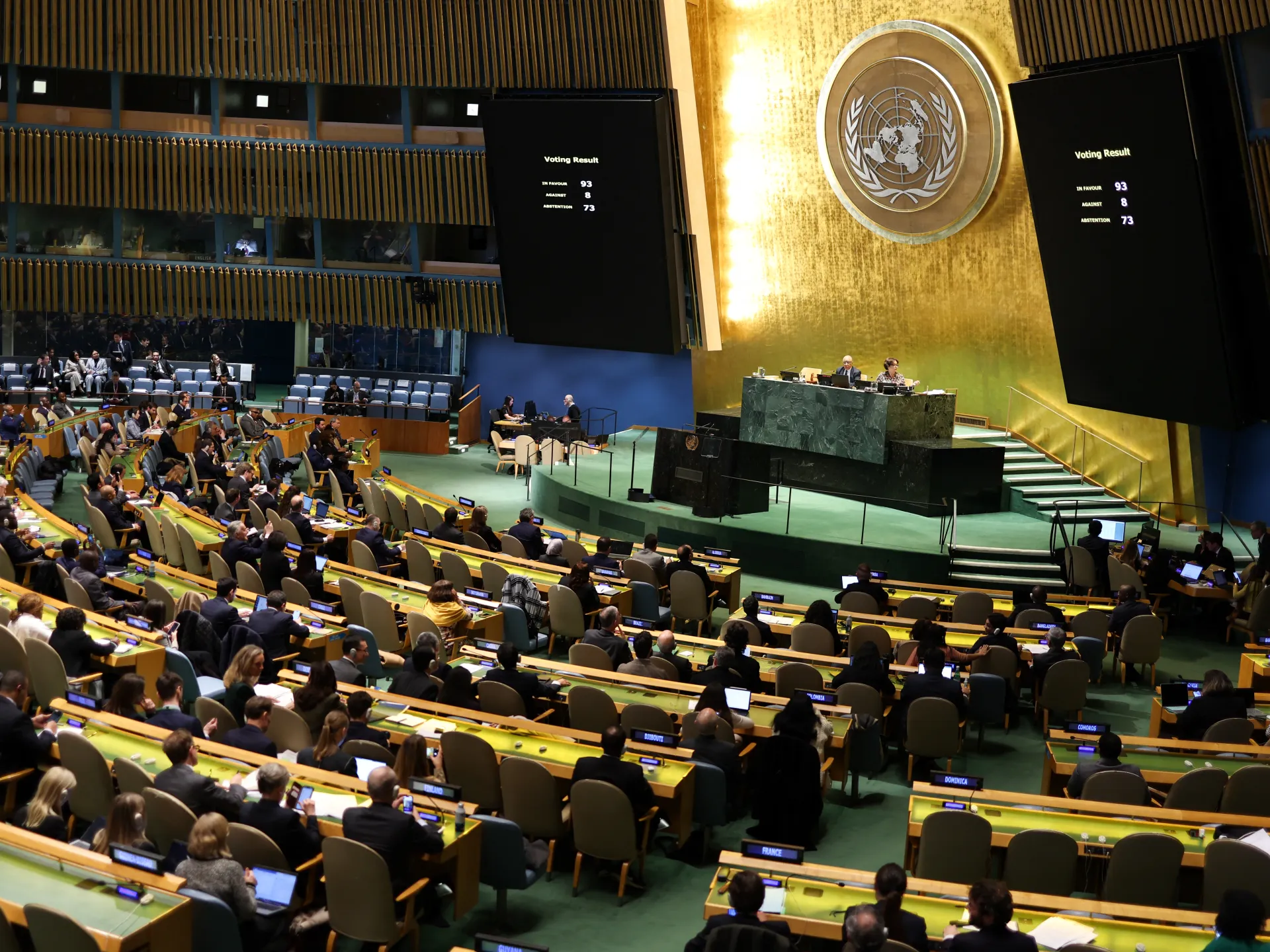
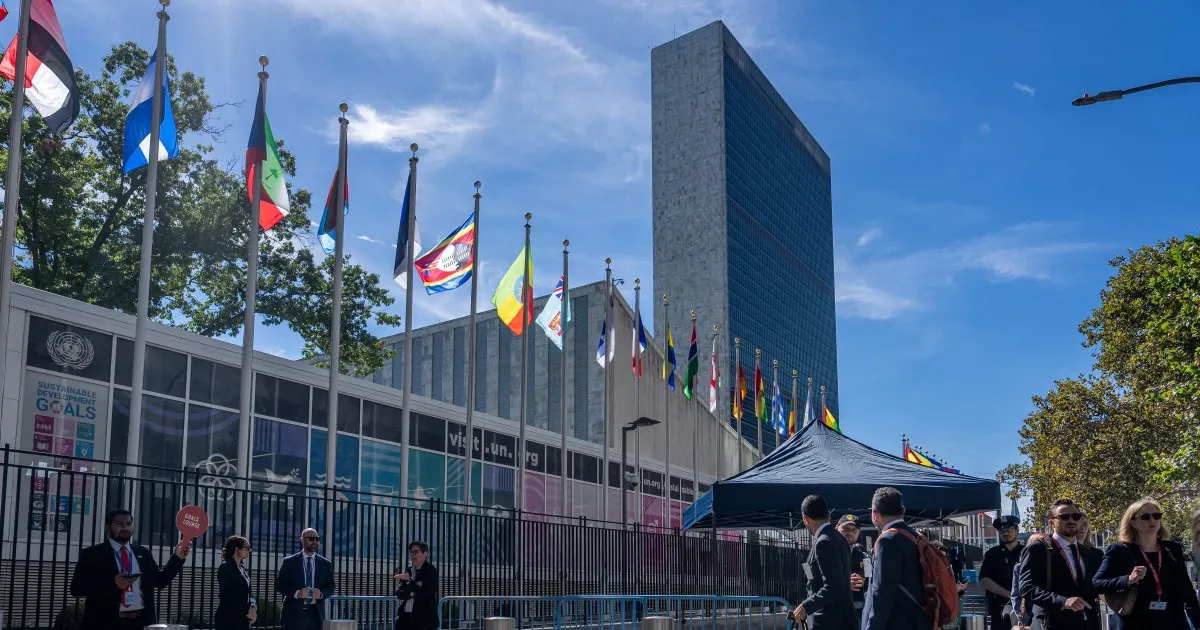
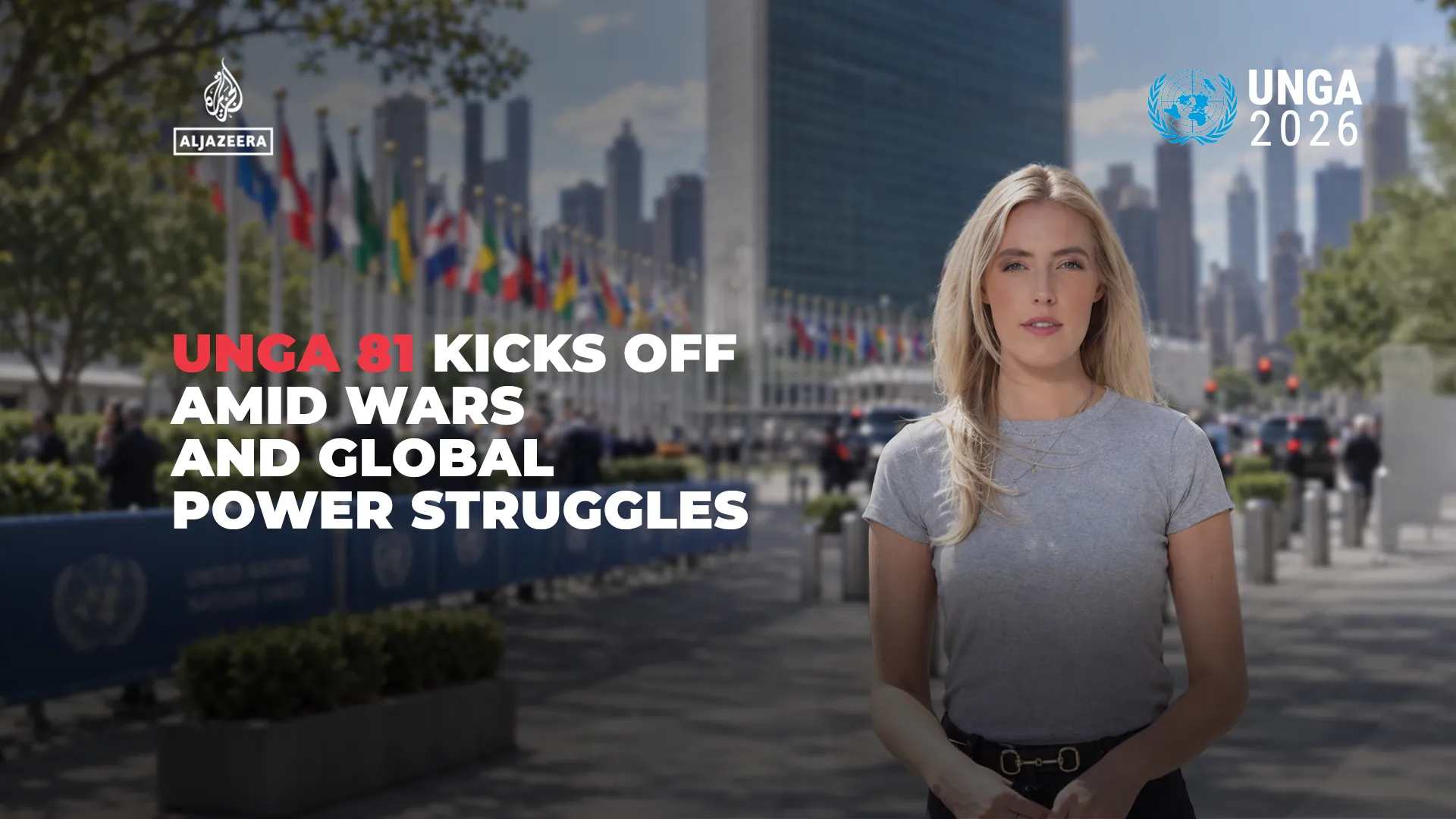
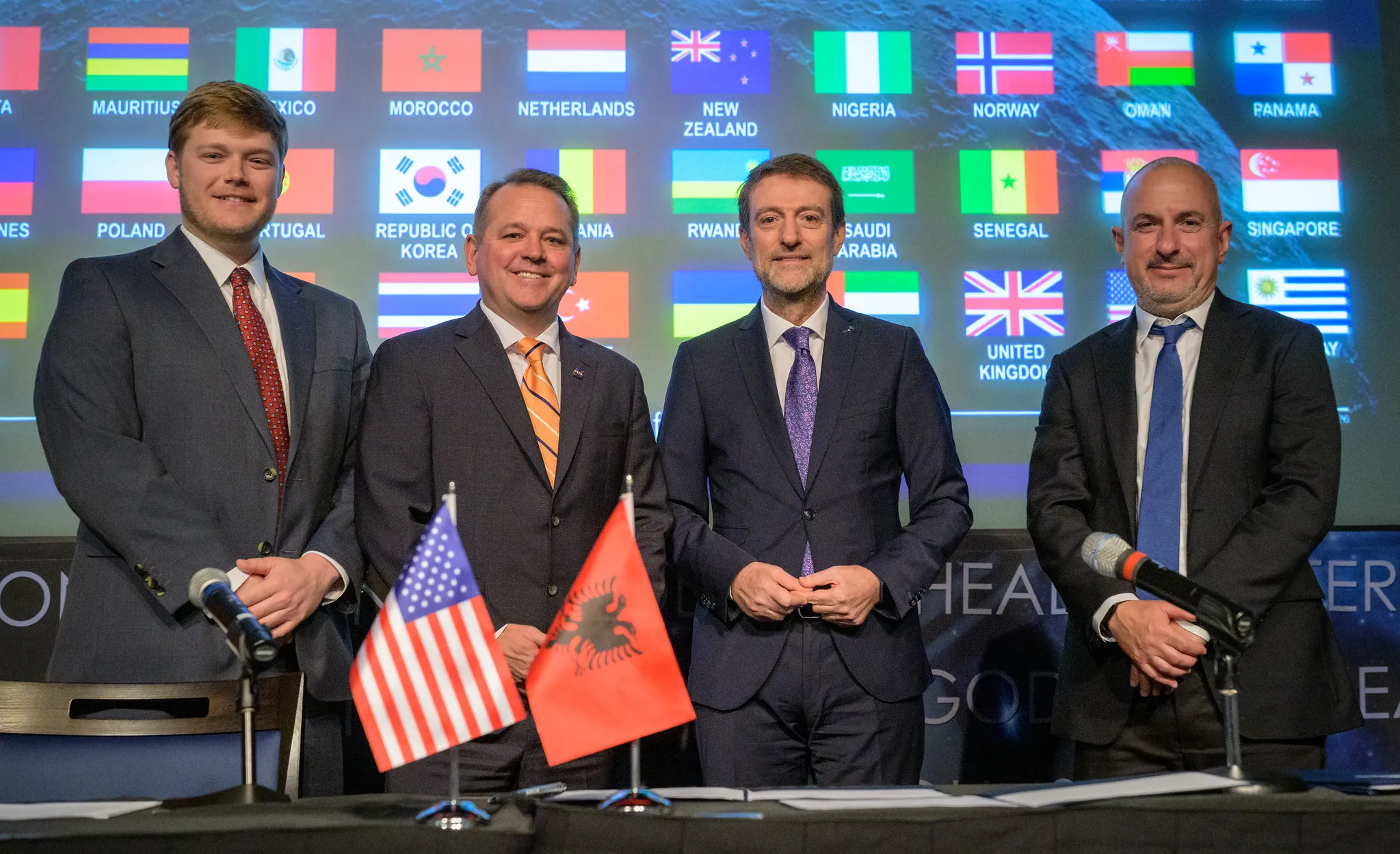
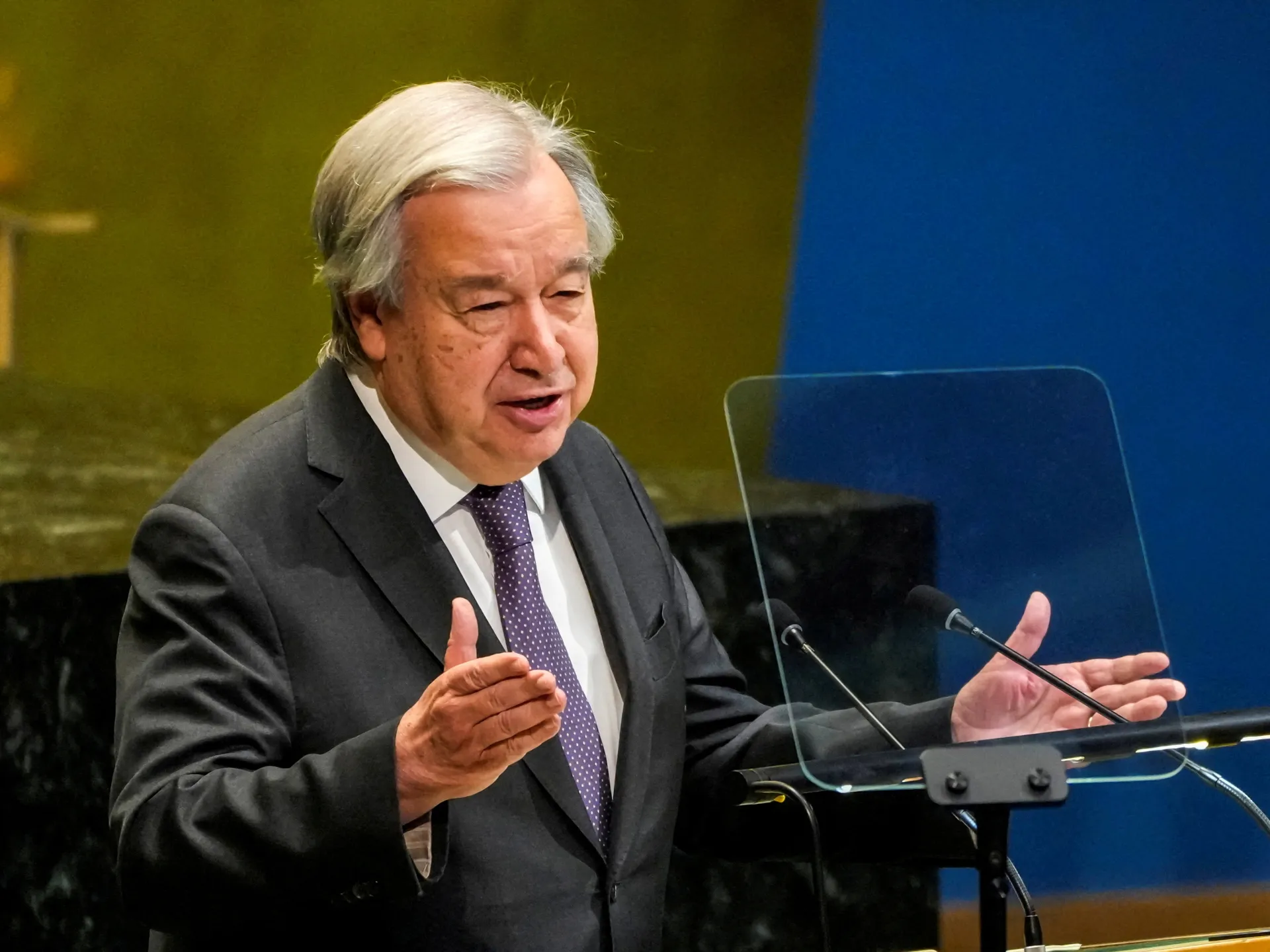
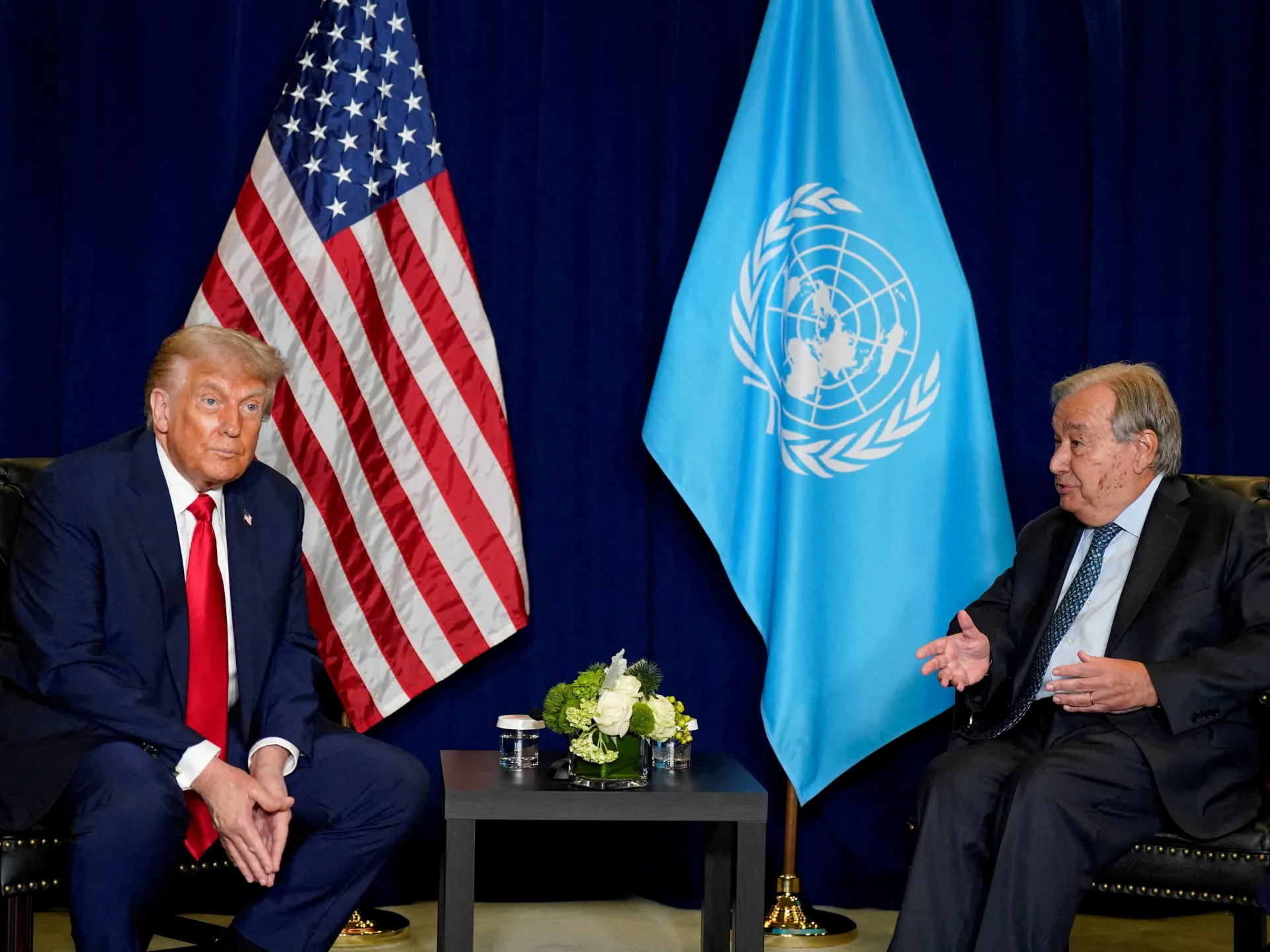
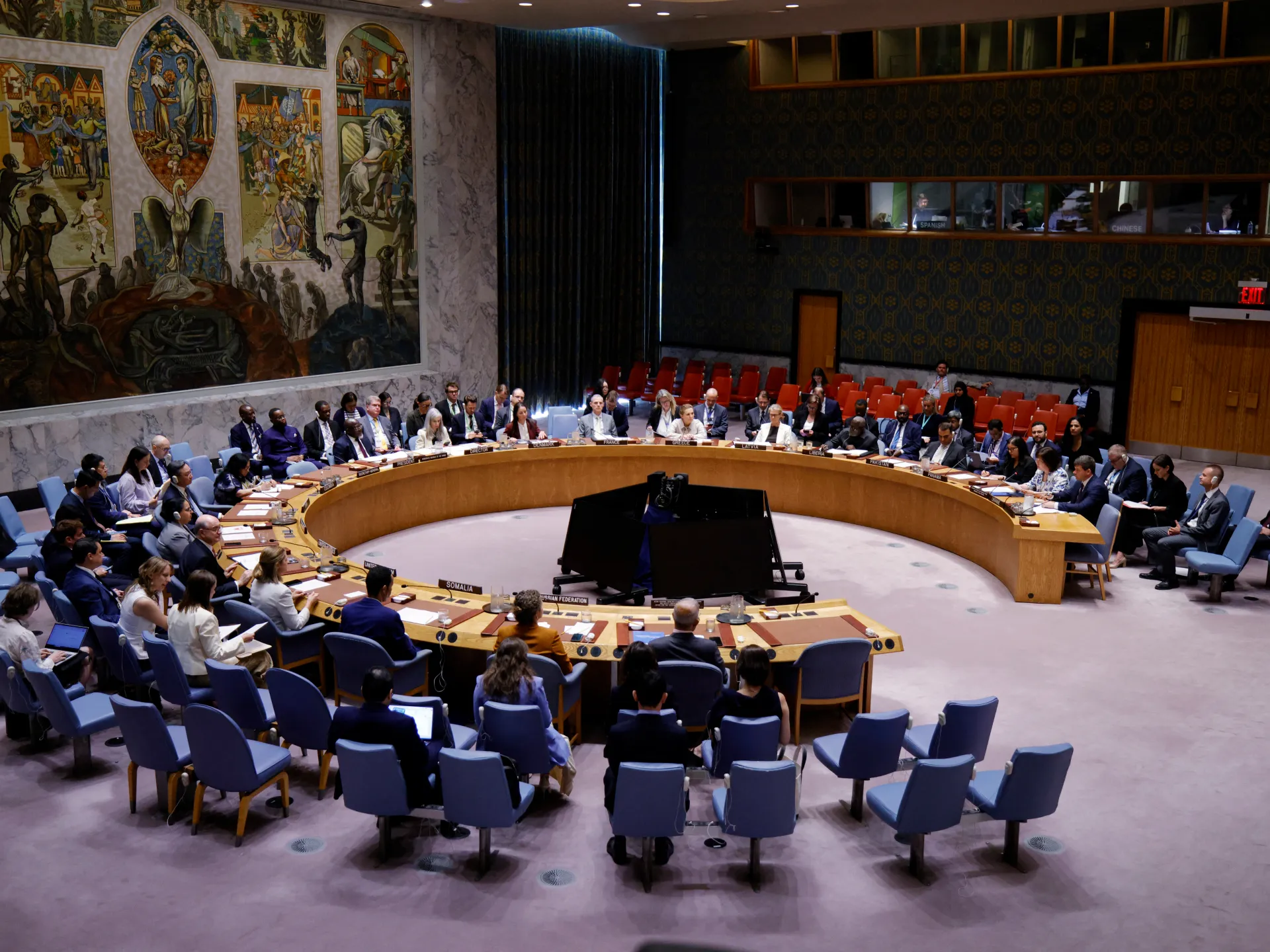
A breakthrough diplomatic agreement between Washington, Copenhagen, and Nuuk is set to reshape the strategic landscape of the Arctic. After a period of intense geopolitical friction concerning the status of the autonomous Danish territory, the United States is poised to establish two new military bases on the island. The formal signing ceremony, scheduled to coincide with the United Nations General Assembly in New York, marks a significant pivot from the aggressive rhetoric that dominated U.S.-Greenland relations throughout the previous year.
The deal, which officials describe as a de-escalation strategy, comes on the heels of a public dispute ignited he island. While the administration’s earlier, more bellicose approach—which included threats of trade tariffs and speculation regarding military intervention—drew sharp rebukes from European NATO allies, the final agreement appears to balance American security interests with the territorial integrity of the Kingdom of Denmark.
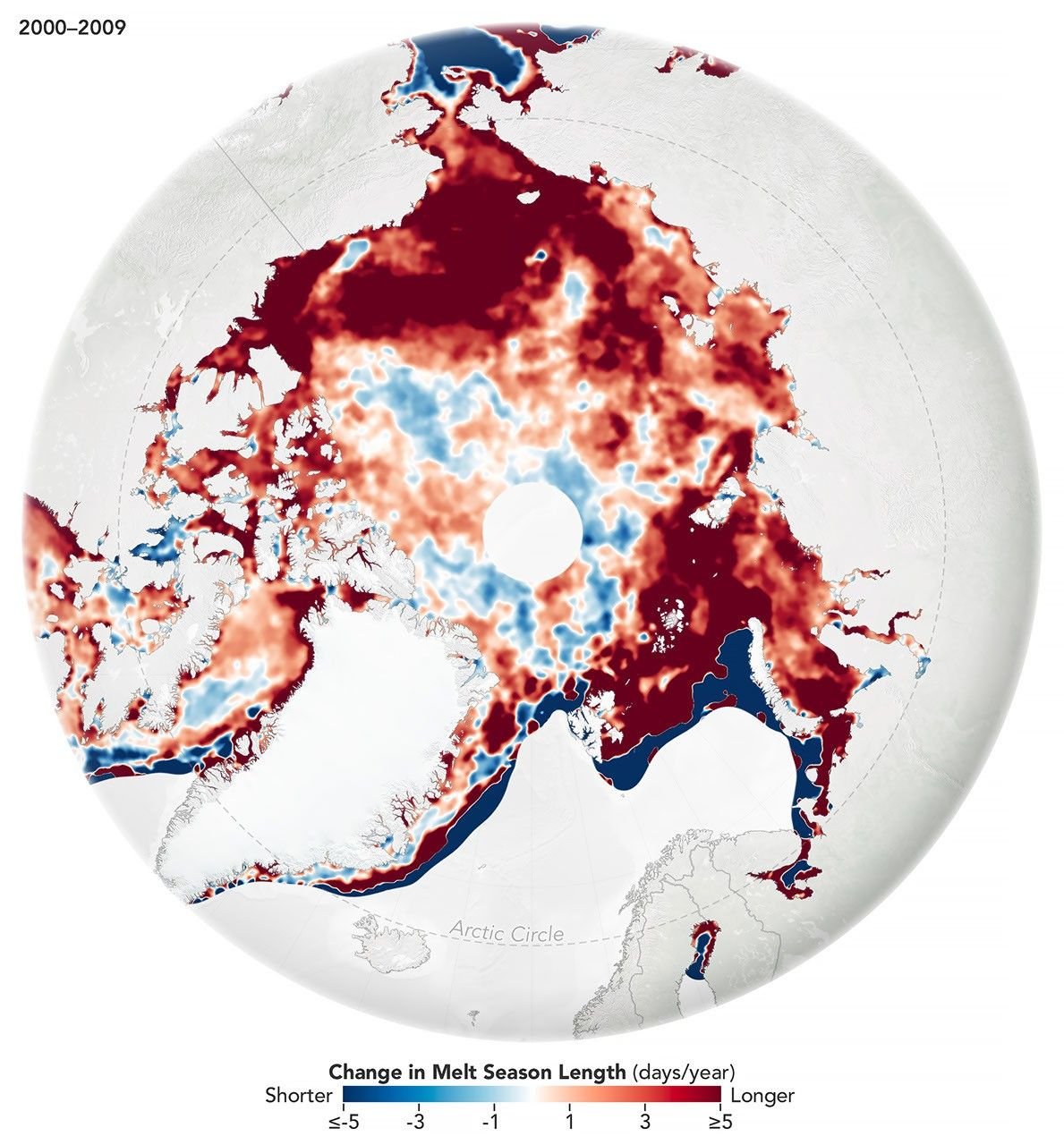
The opening of these bases is not merely a logistical expansion; it serves as a geopolitical firewall. f perceived adversaries within Greenland, the United States is signaling its intent to treat the Arctic as a critical theater of competition against global rivals. For Greenland, the deal creates an intricate tightrope walk: maintaining the right to self-determination while operating under a security umbrella that effectively turns the island into a frontline defensive position for the North Atlantic. The precedent set here suggests that the U.S. is moving toward a more assertive, bilateral approach to Arctic security, potentially bypassing broader regional consensus in favor of direct, high-level agreements with autonomous territories.
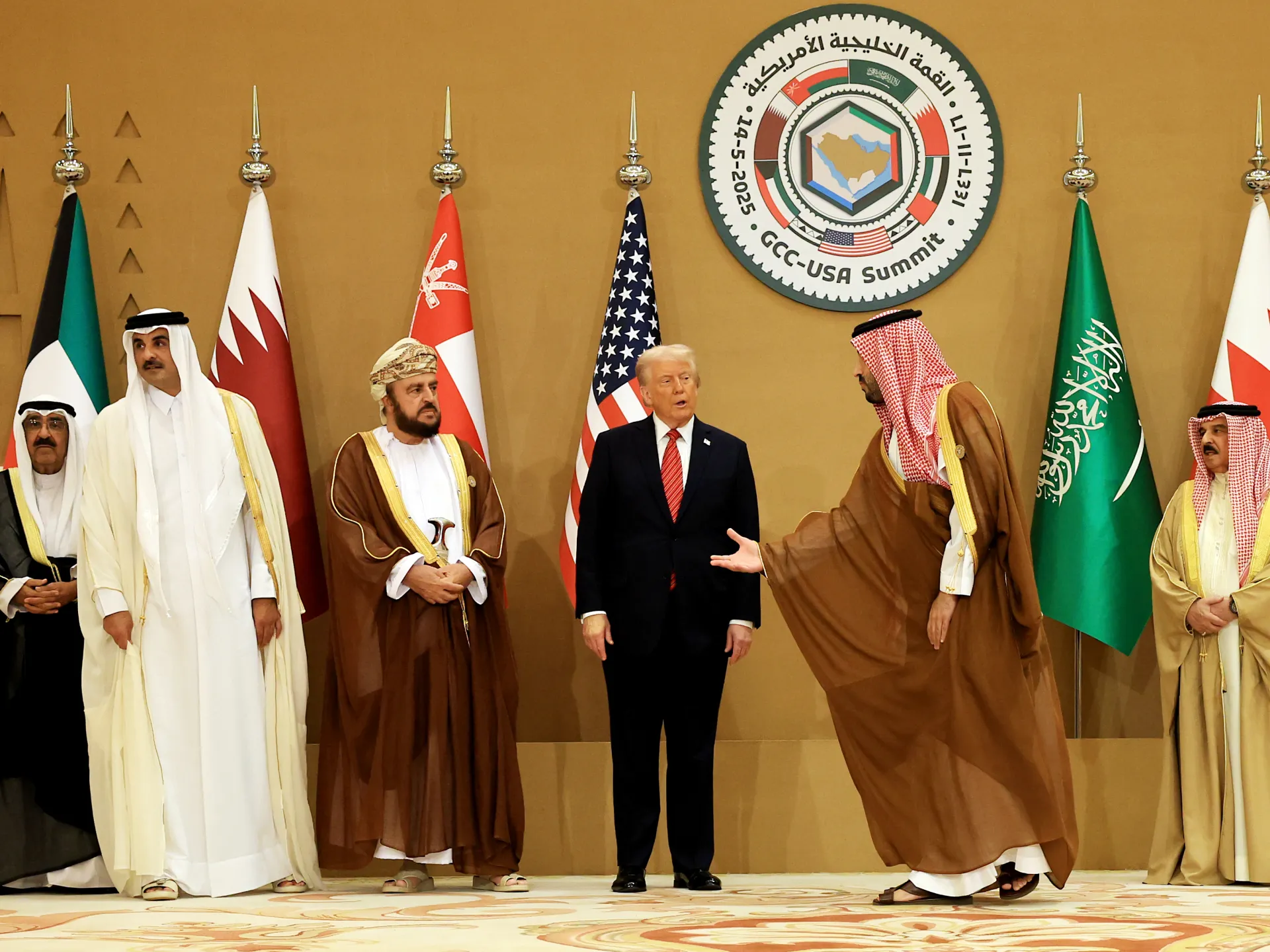
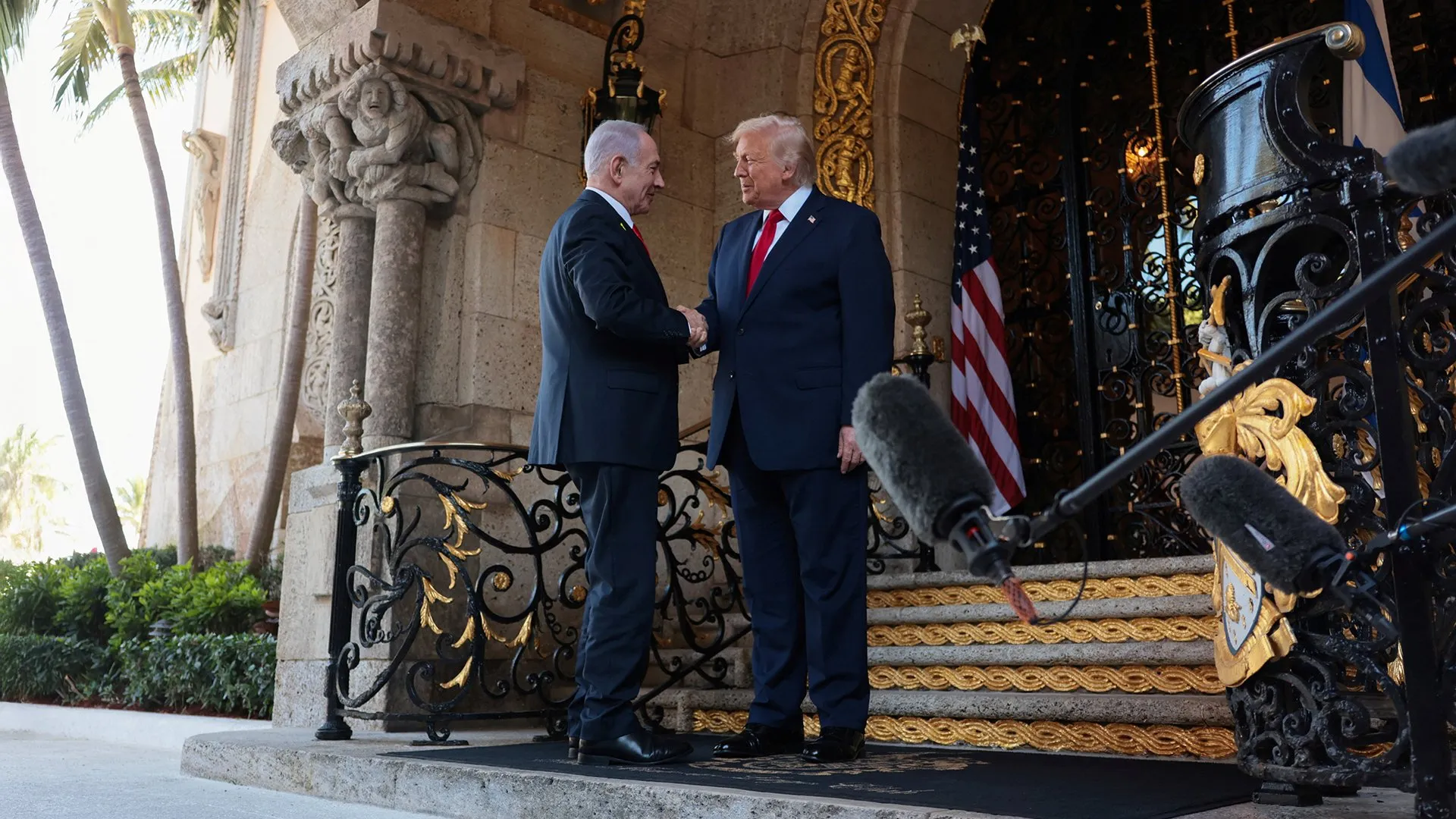
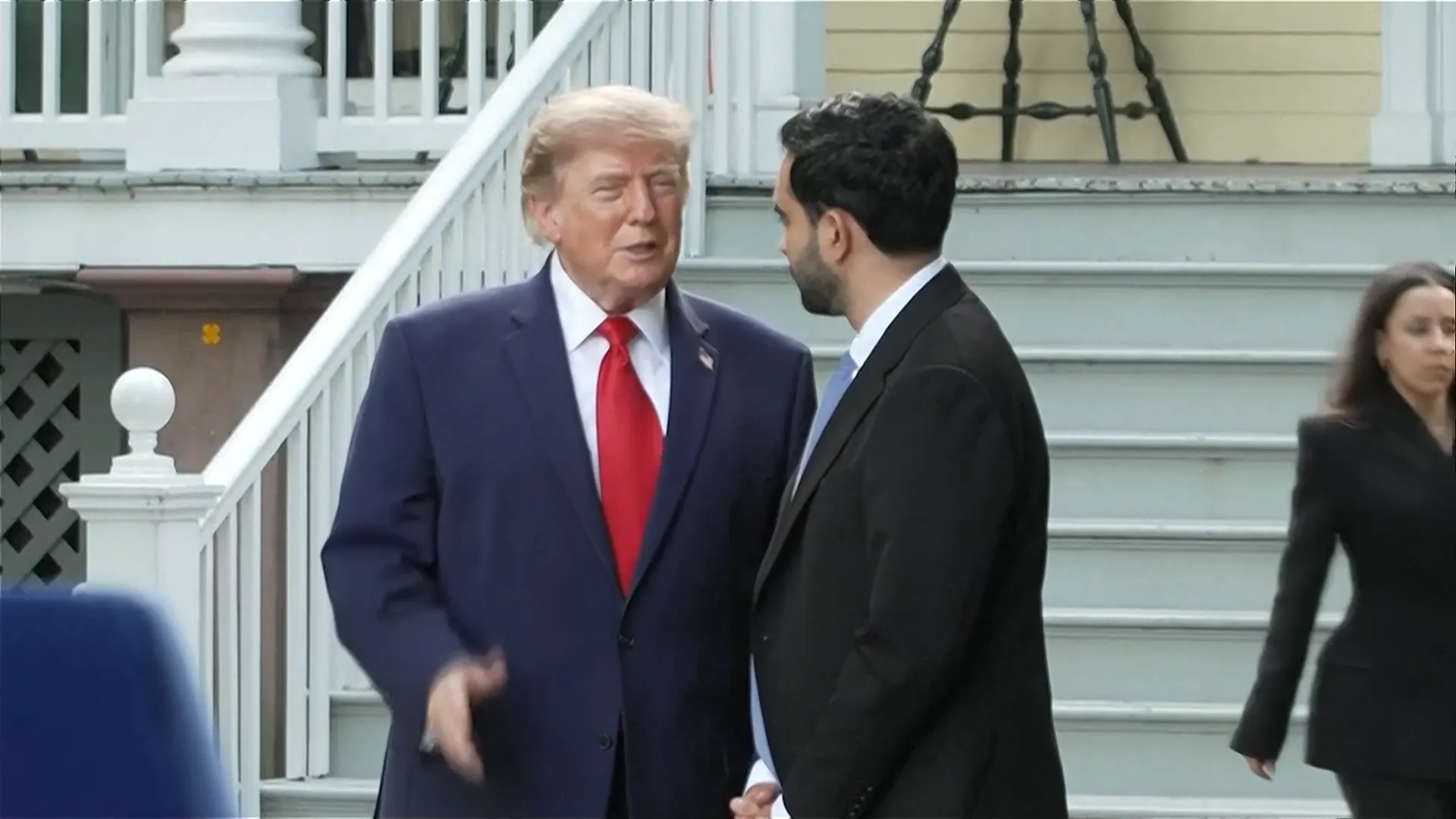
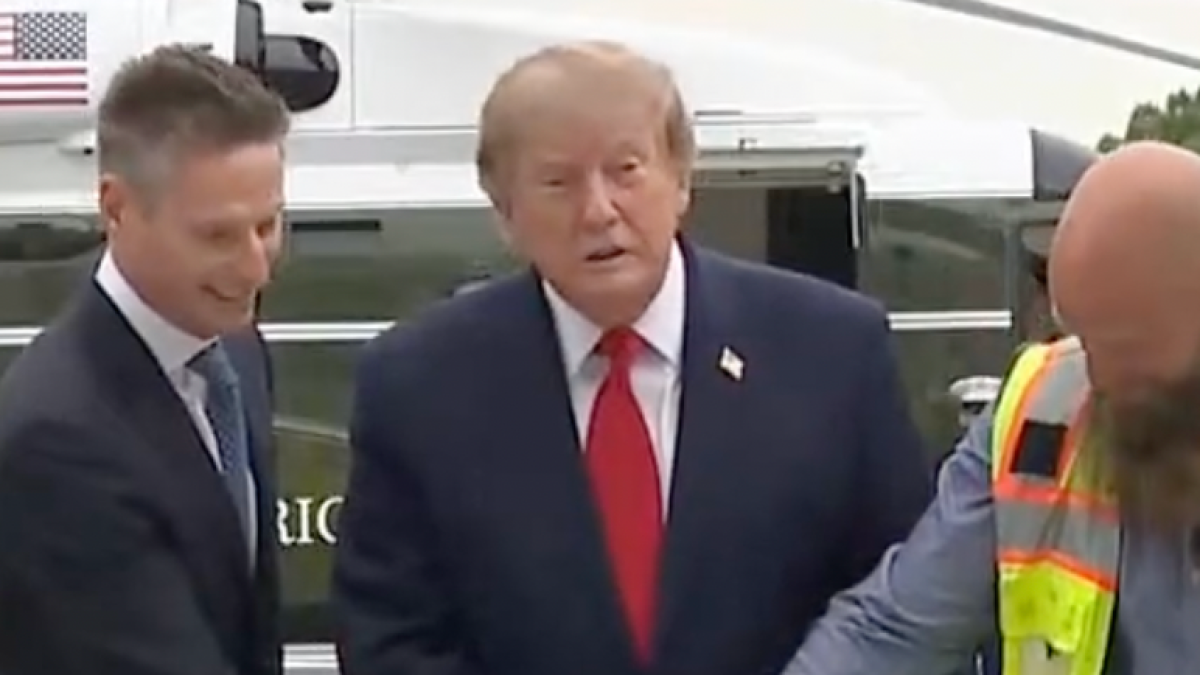
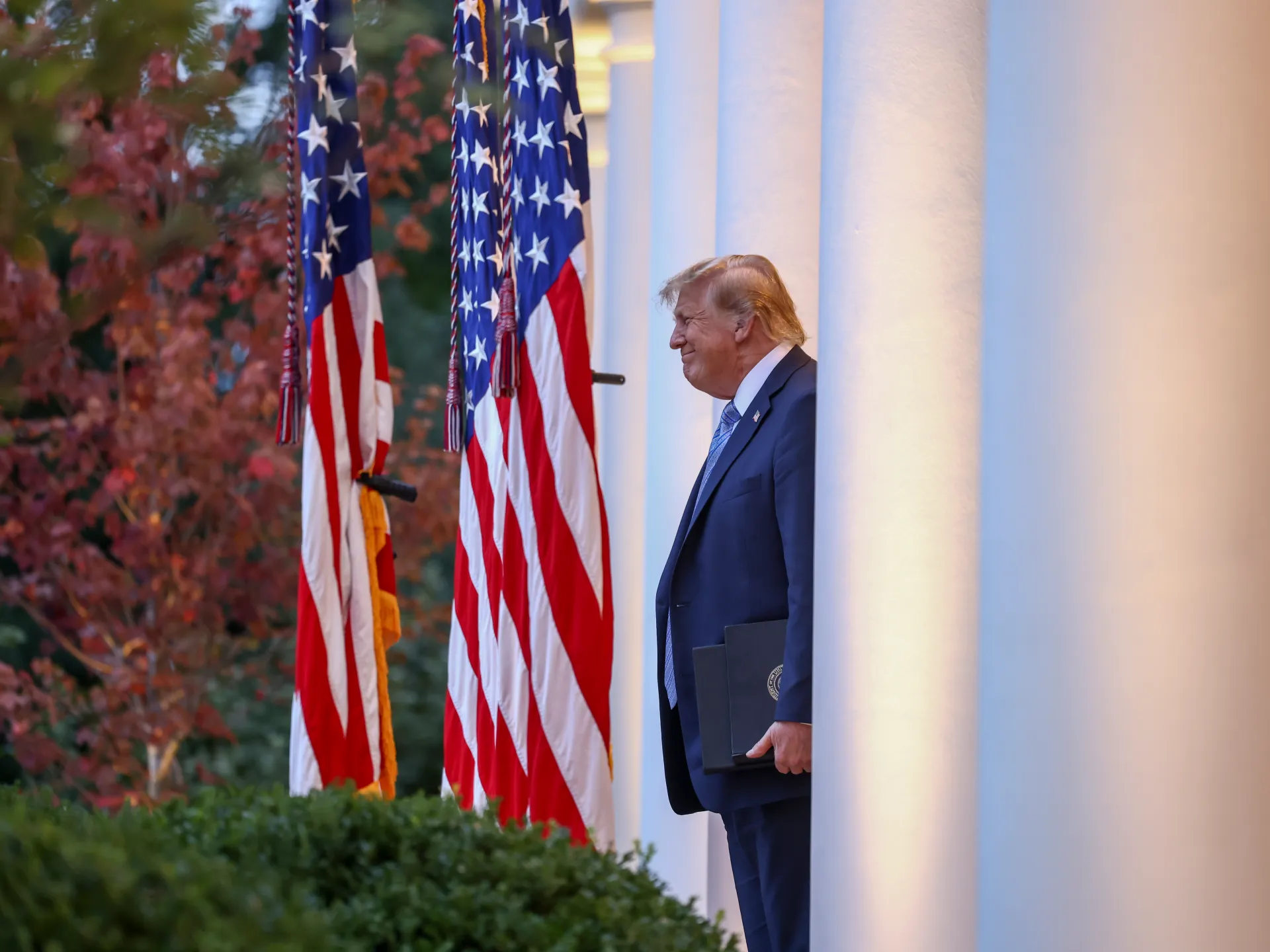
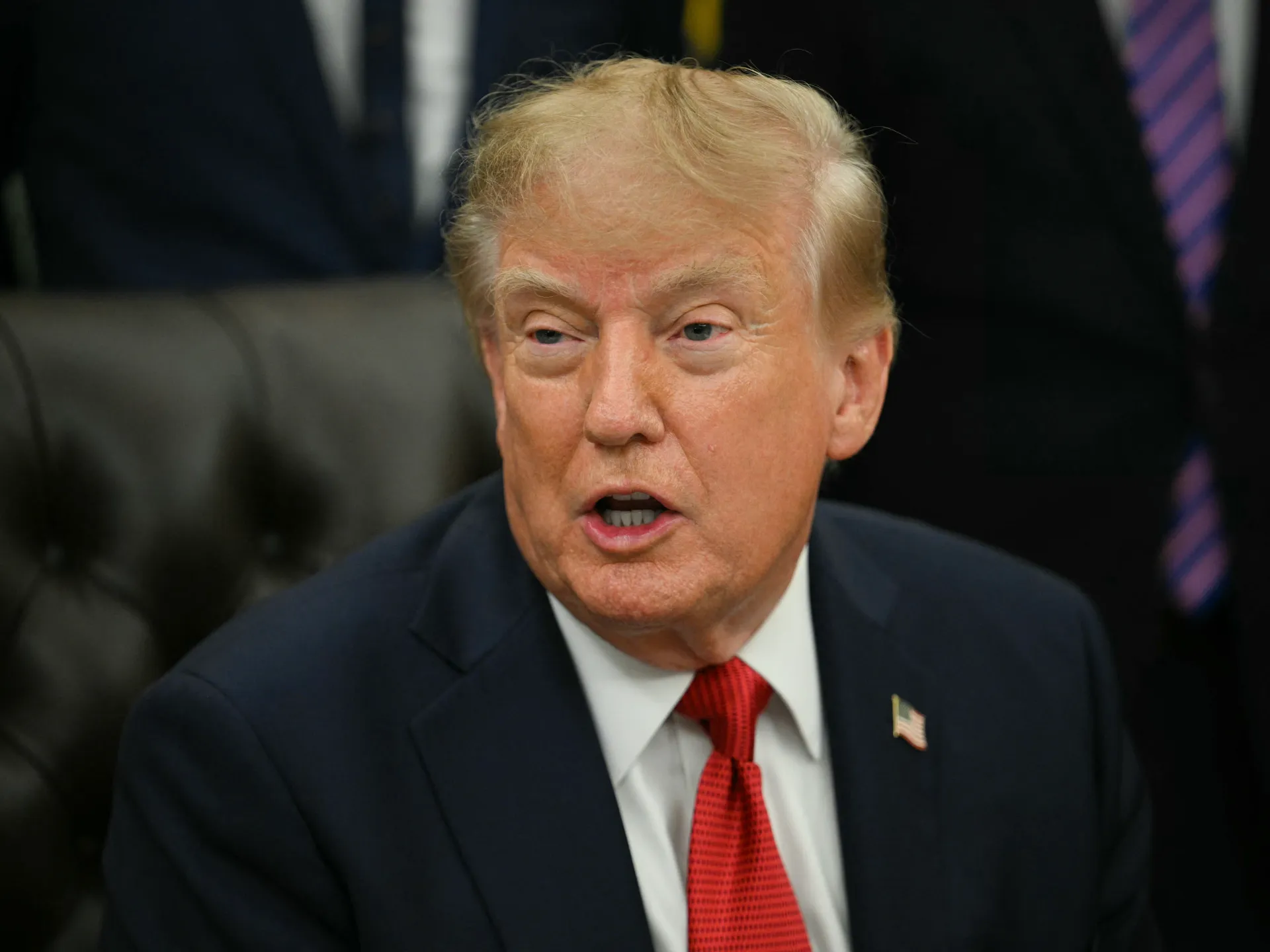
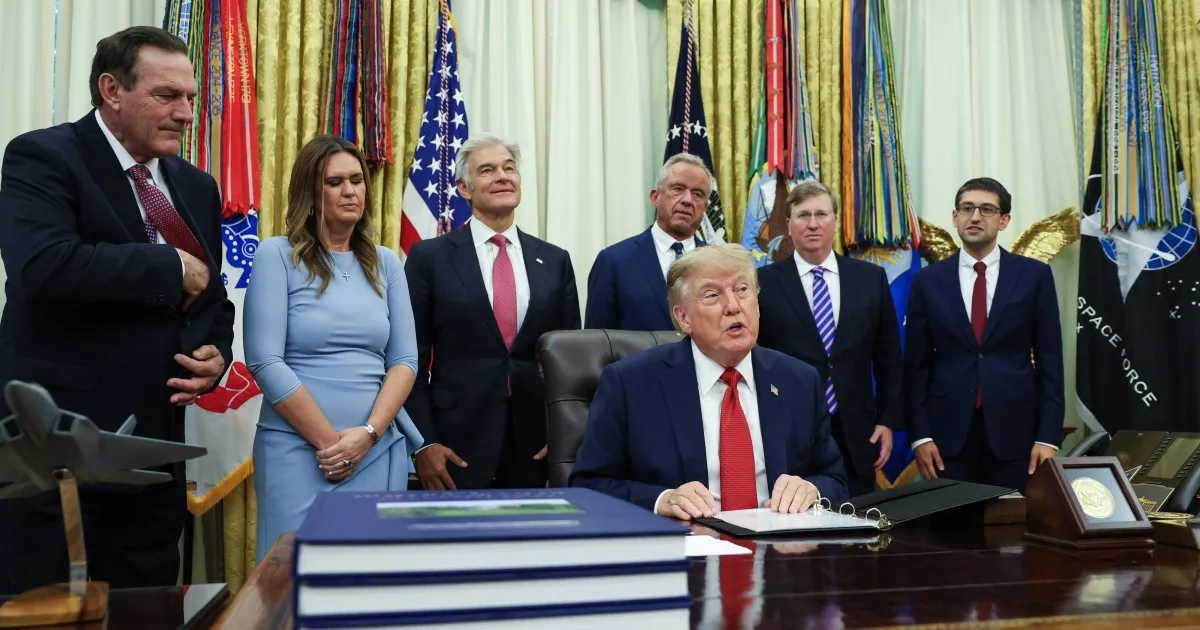
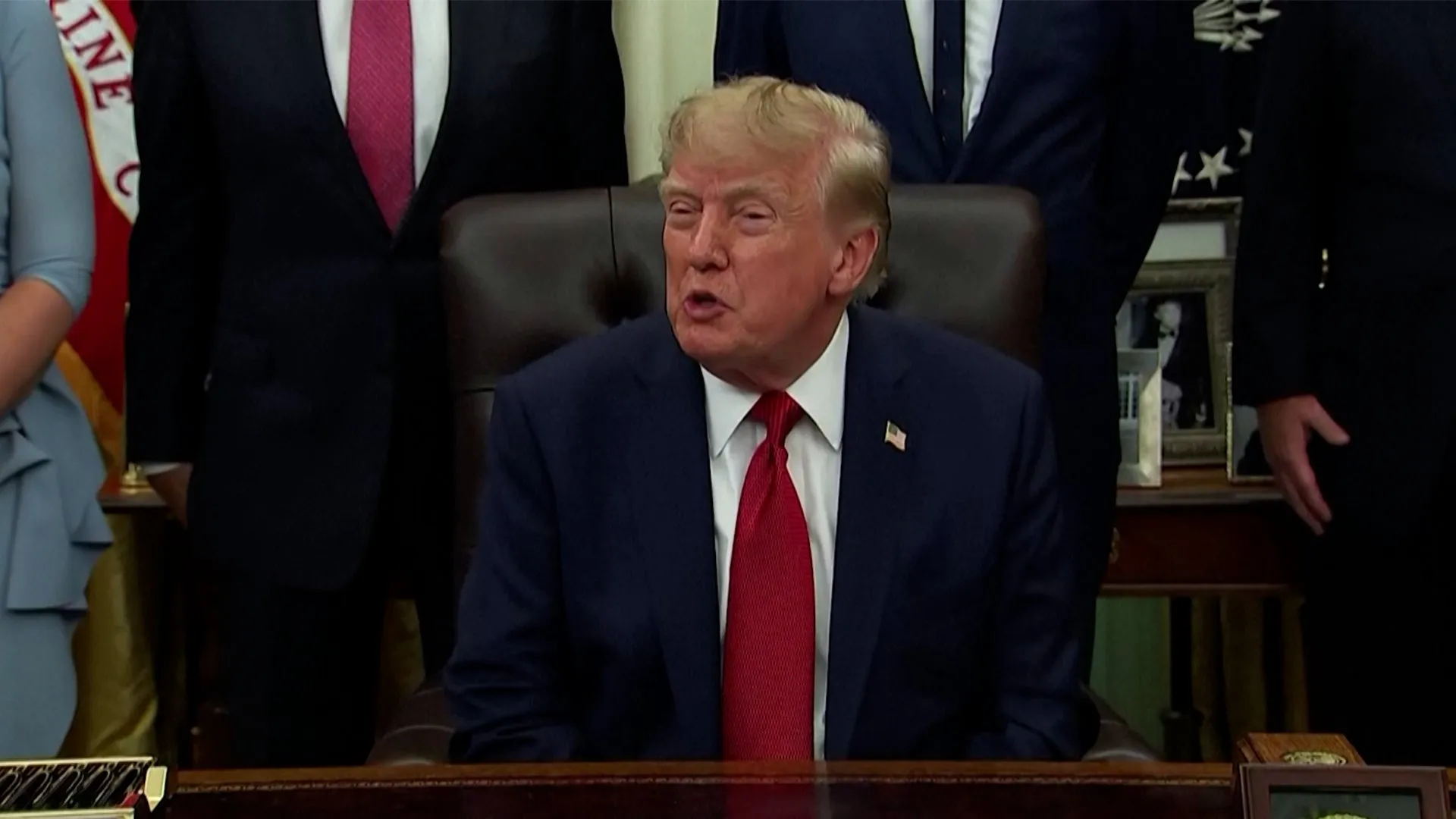
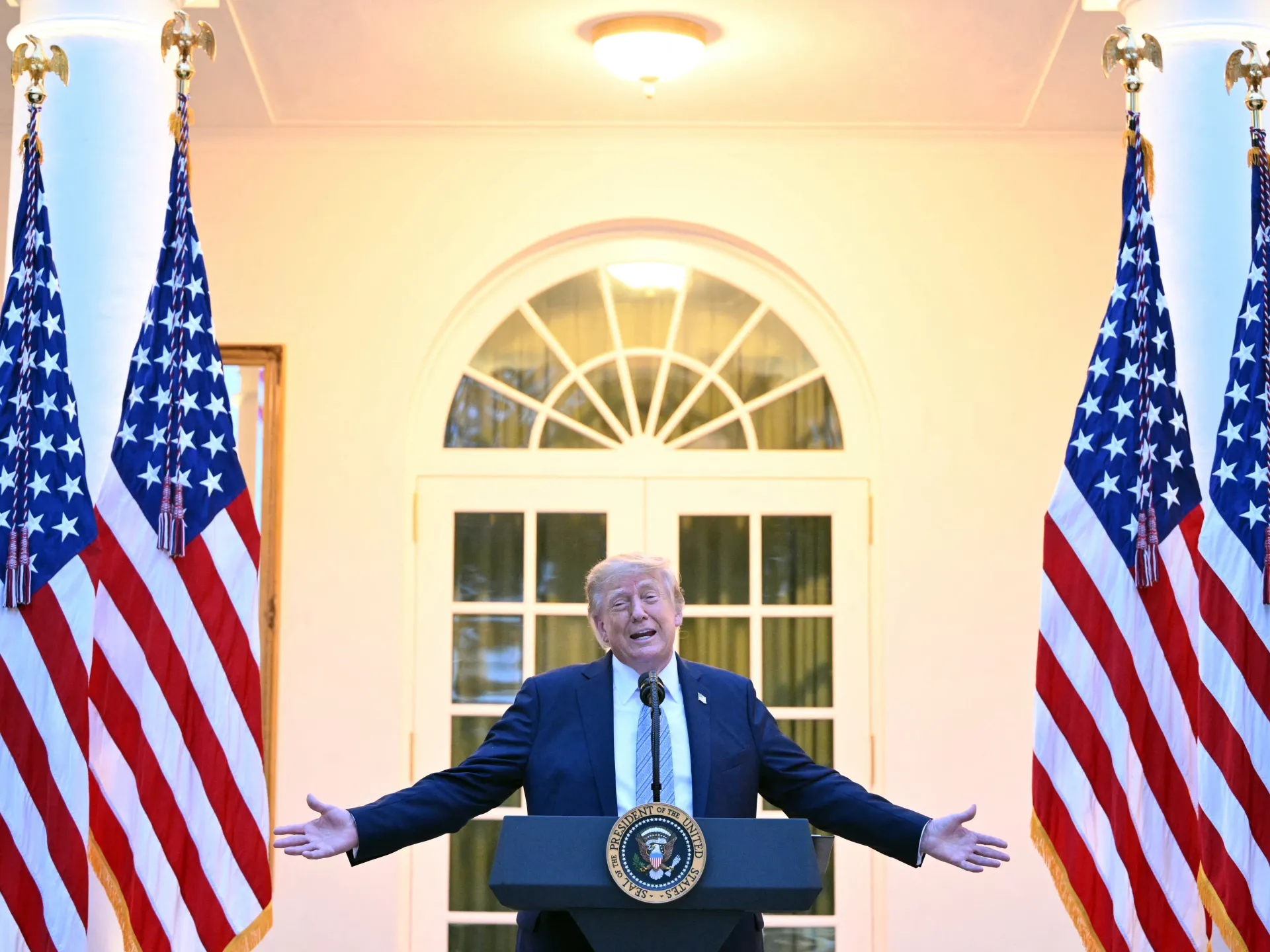
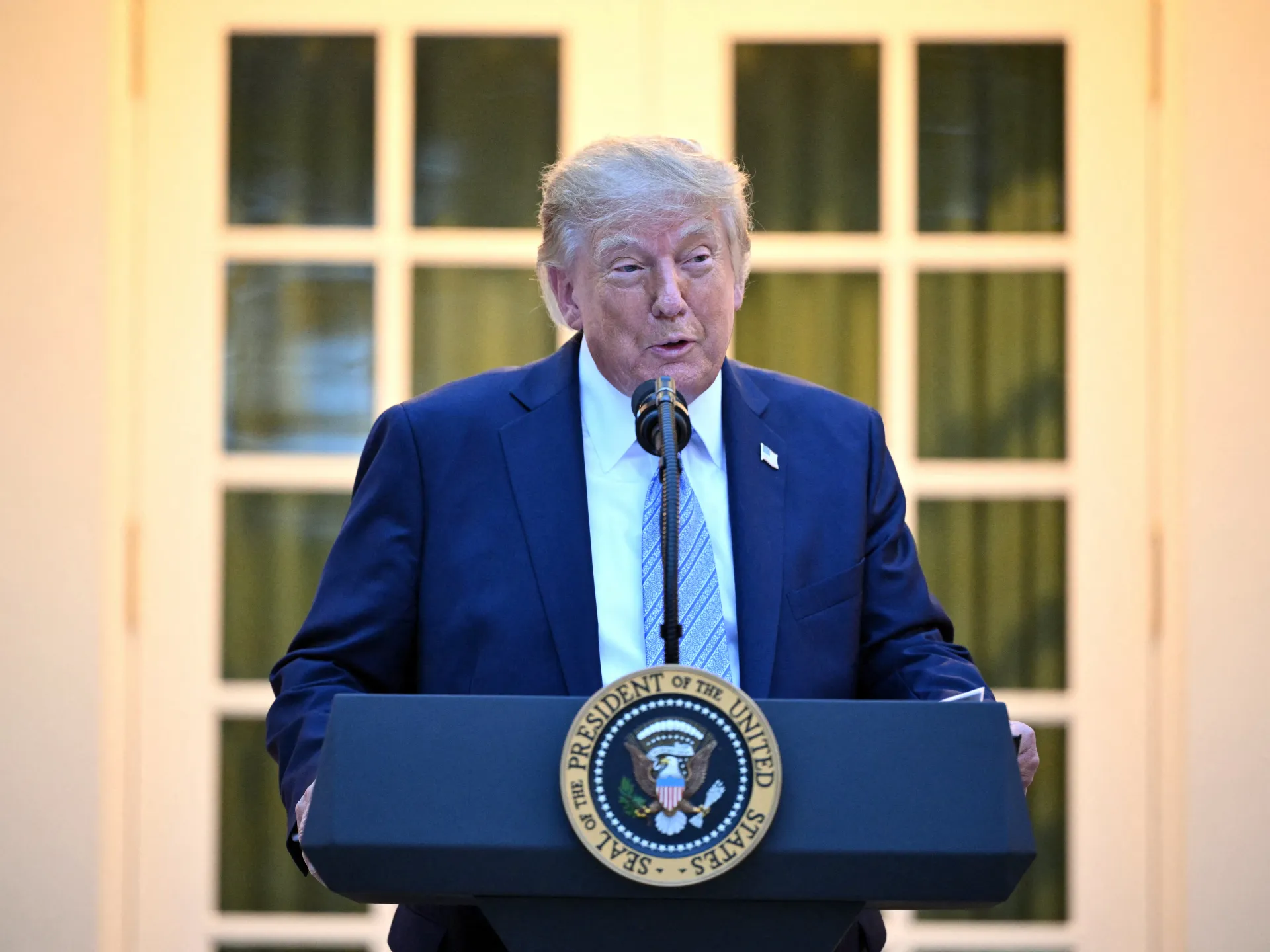
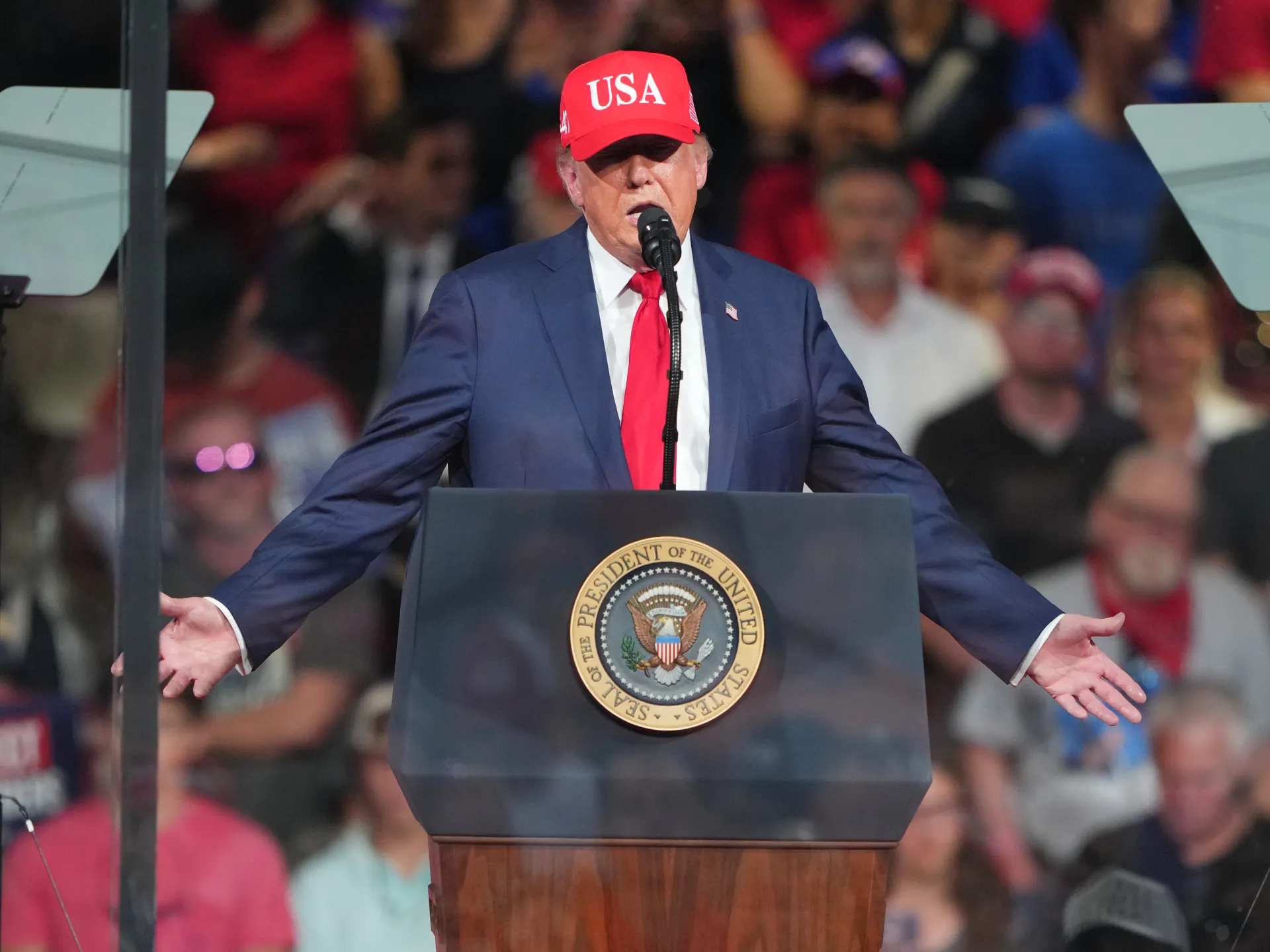
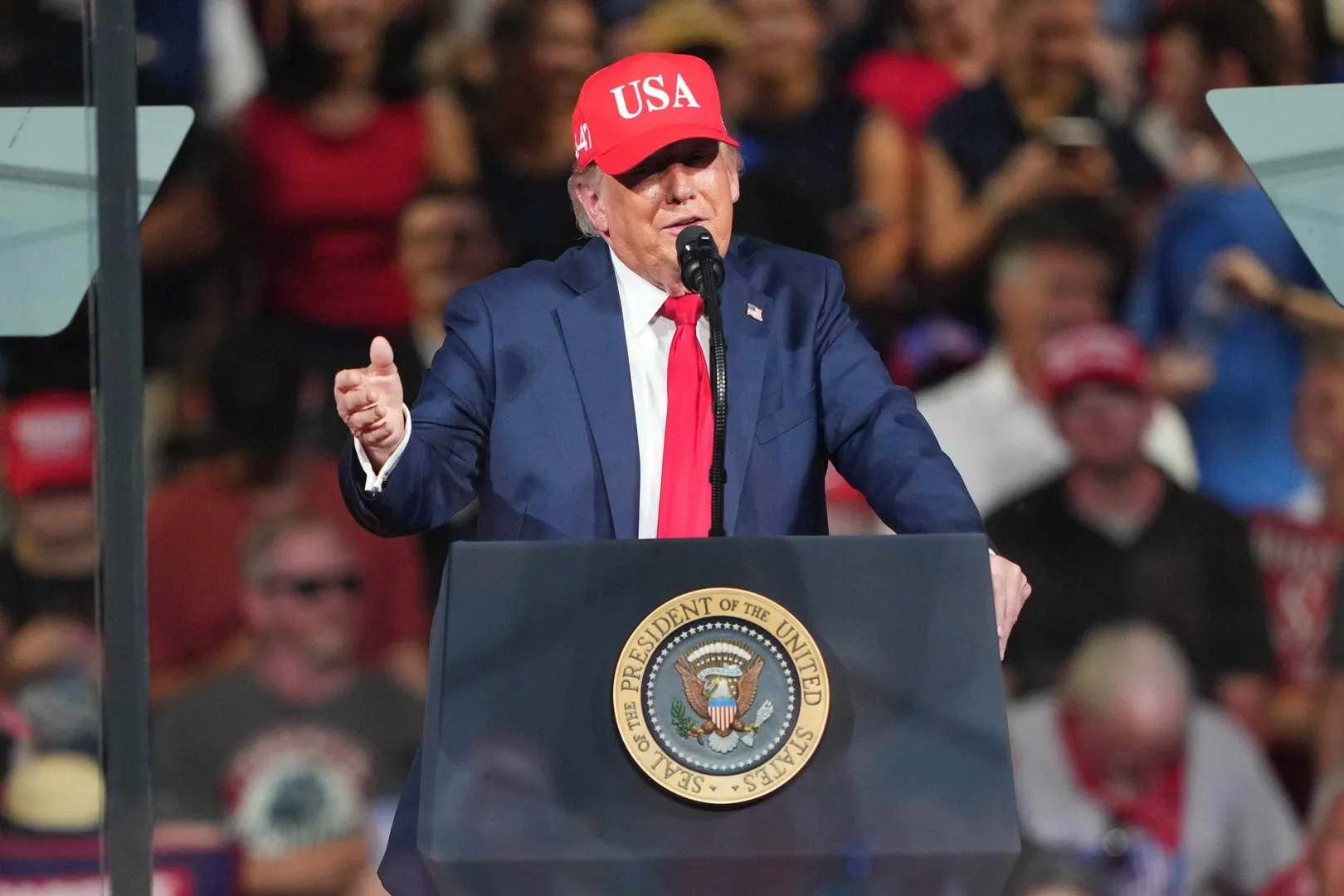
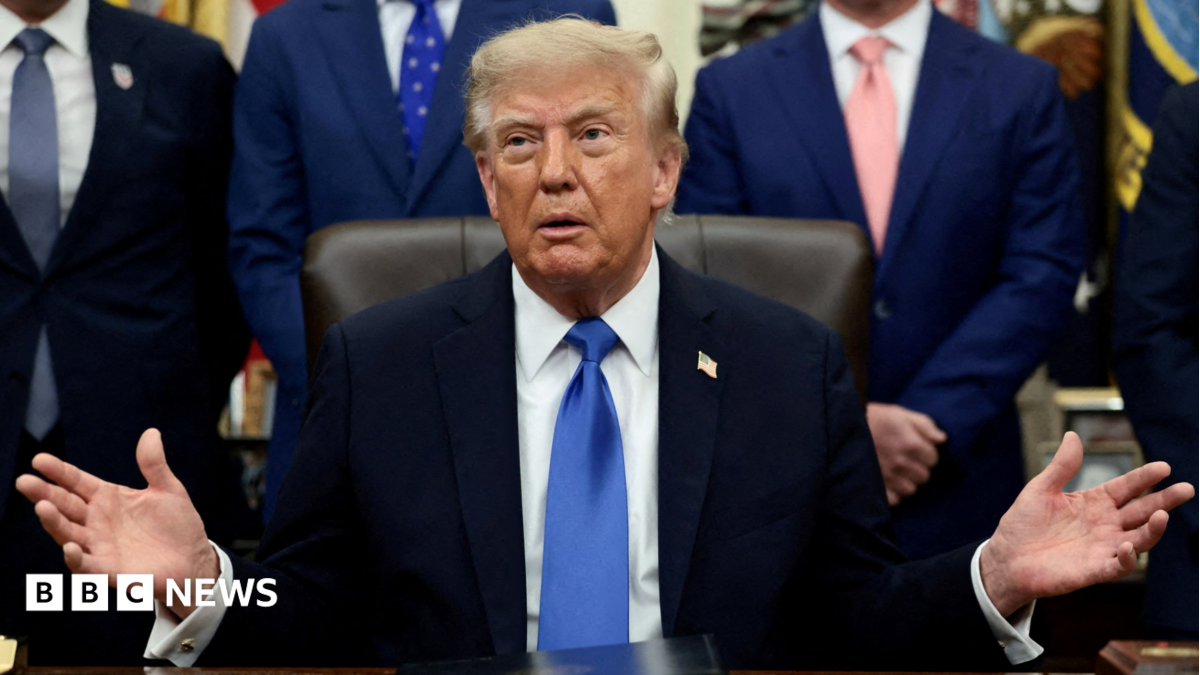
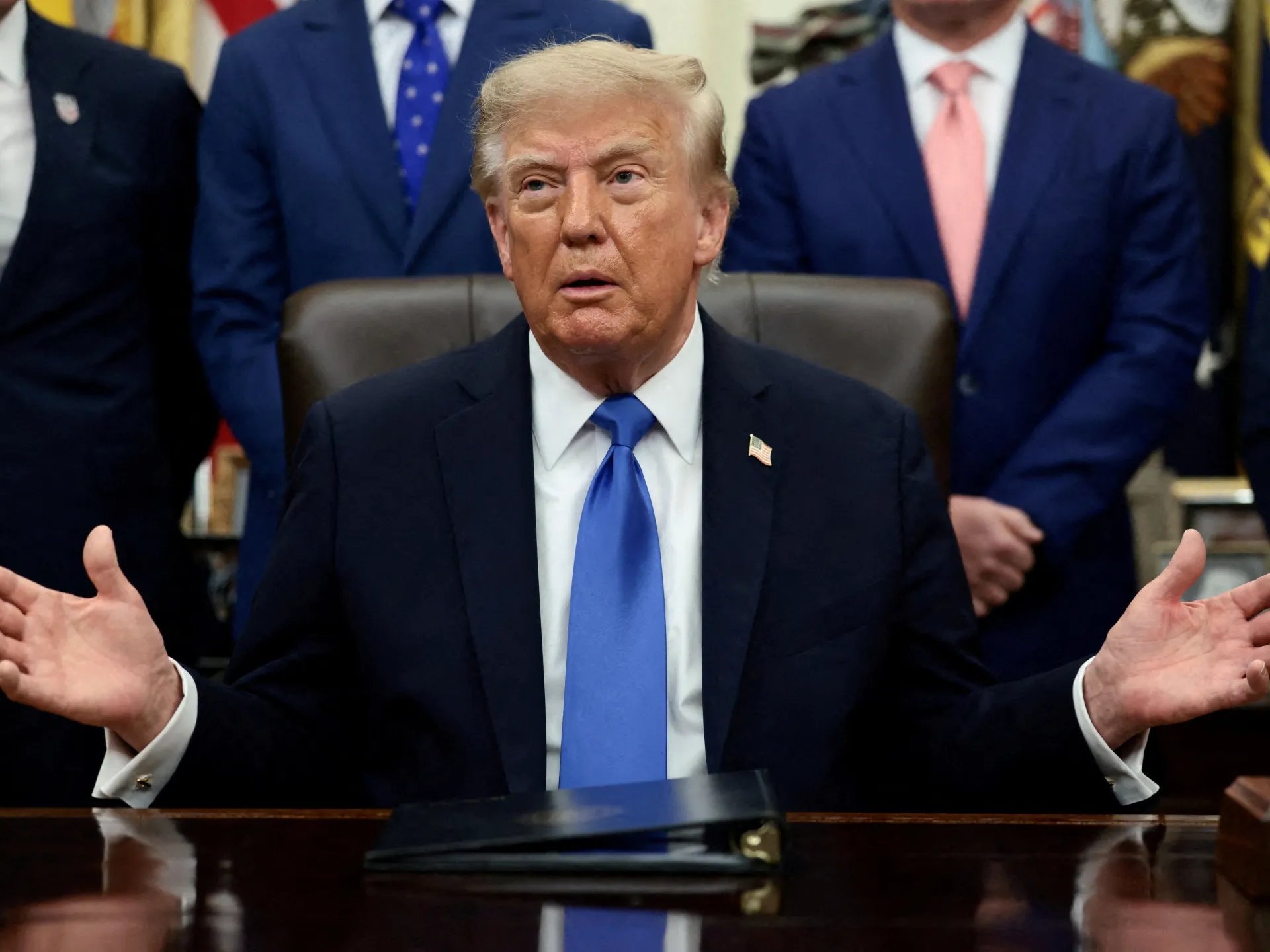
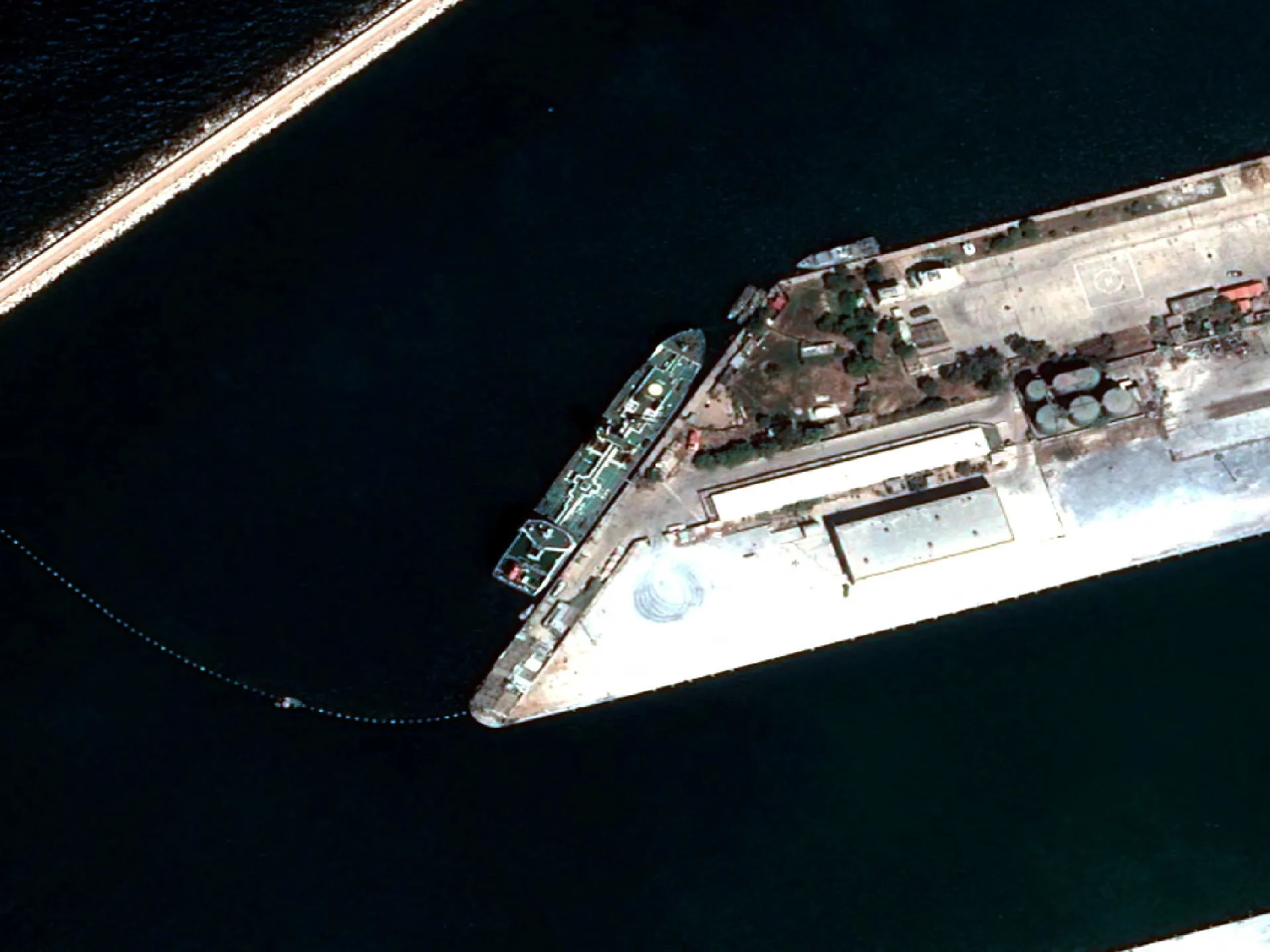
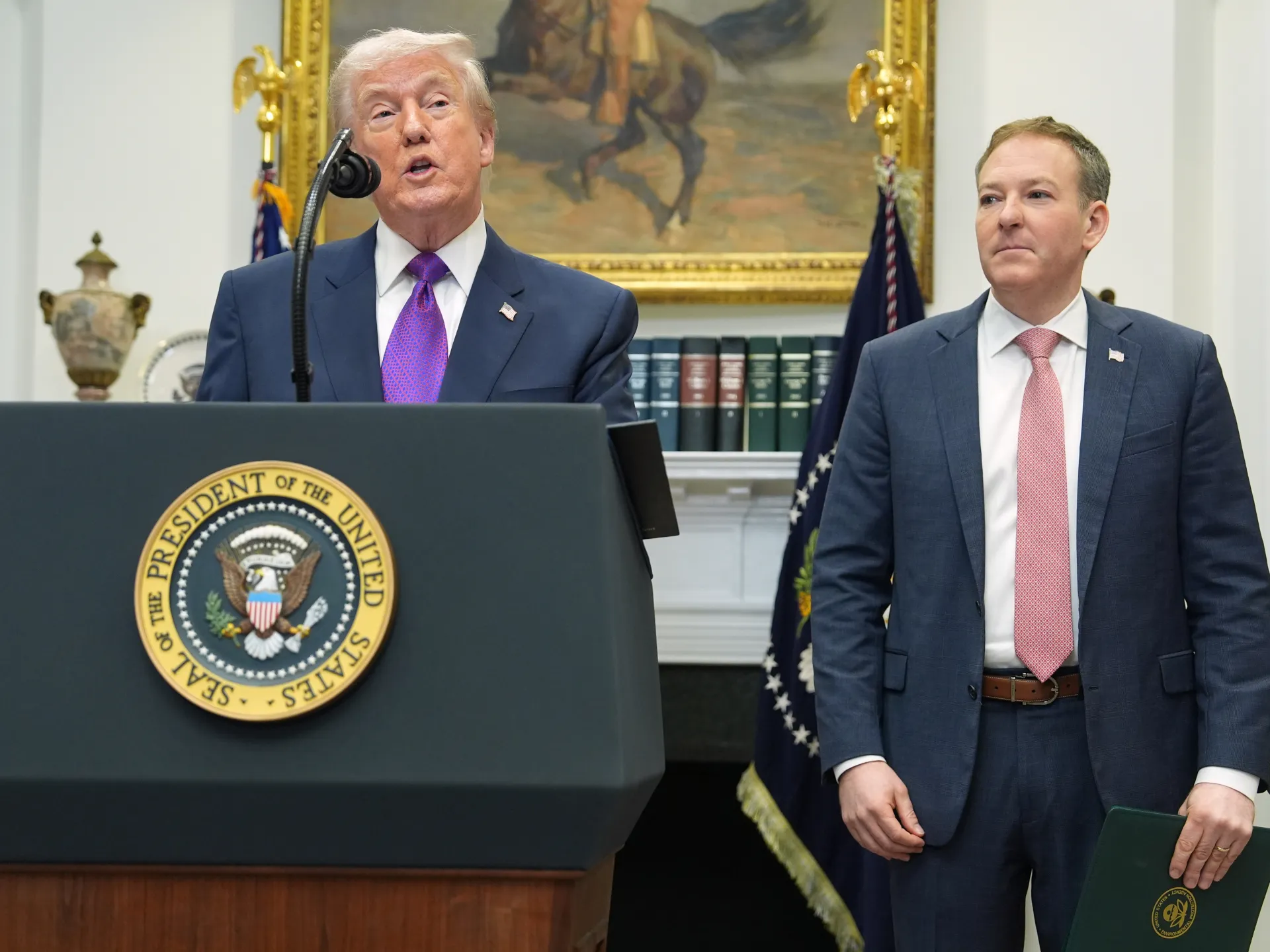
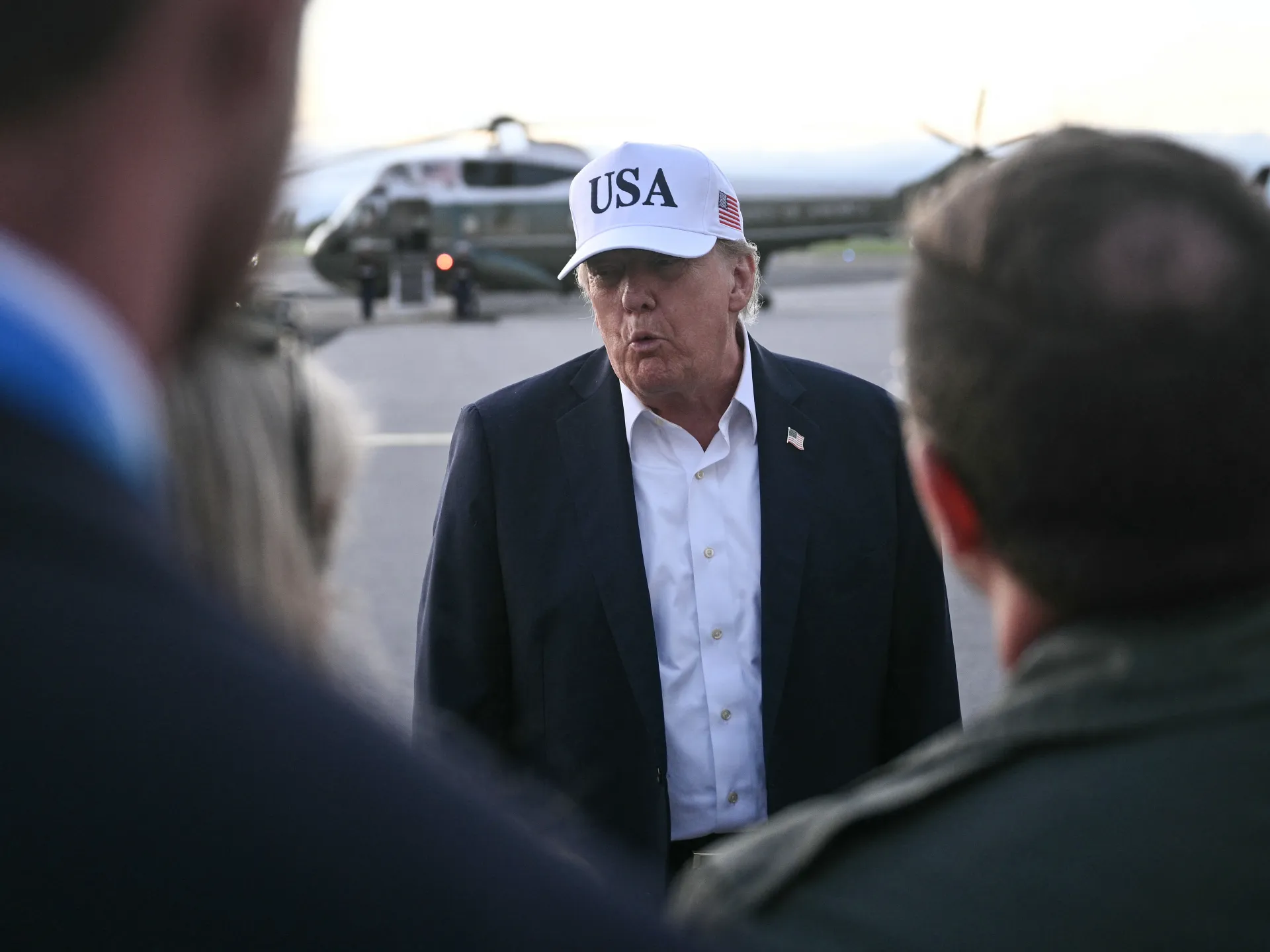
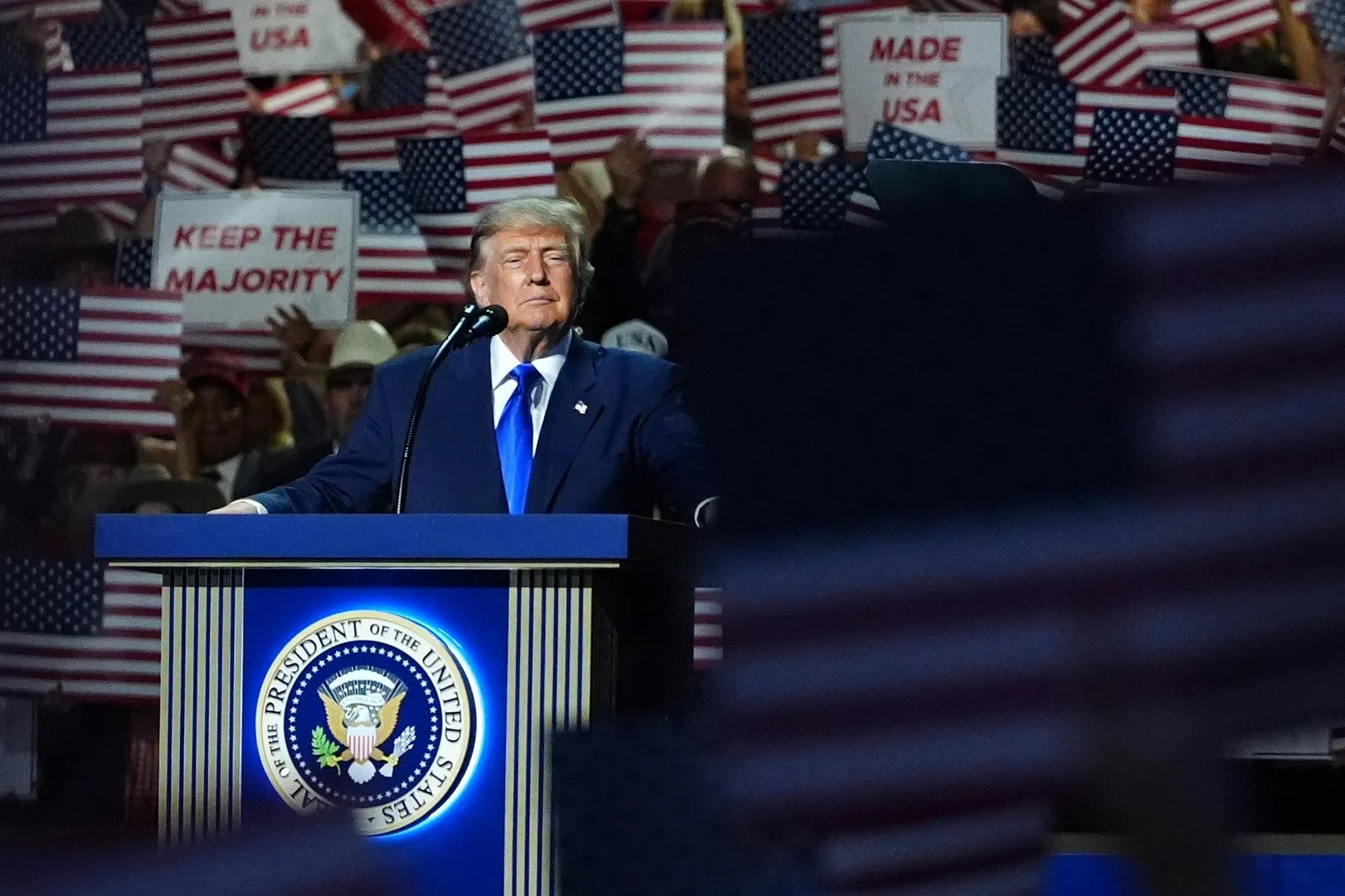
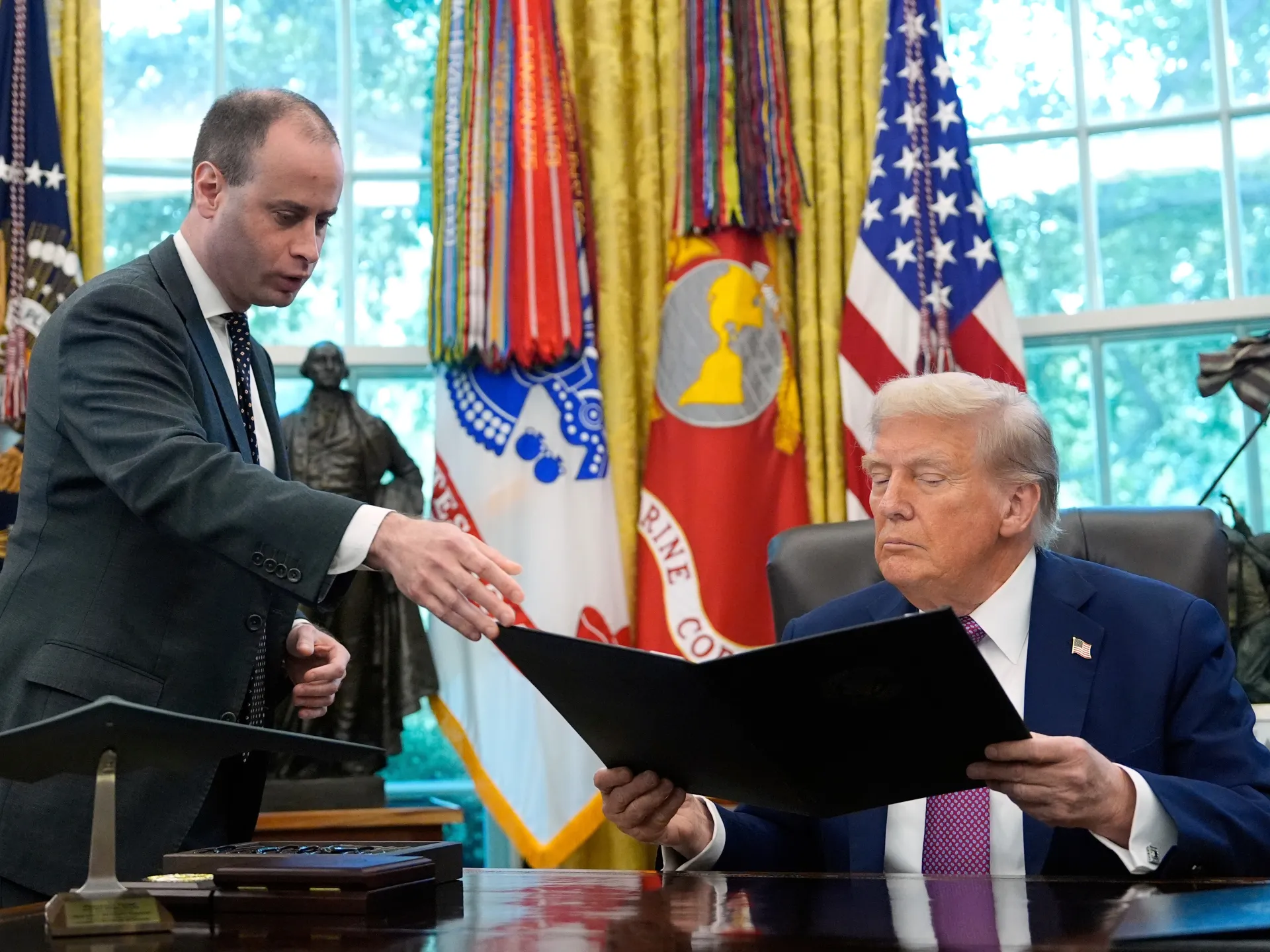
Details regarding the exact locations and operational capacity of the new bases remain sparse, though reports indicate they will be finalized during the upcoming UNGA summit. President Trump has characterized the arrangement as granting the U.S. permanent control over the island’s security requirements. Specifically, the agreement includes provisions that allow Washington to block foreign investments that are deemed a threat to American interests, a move clearly aimed at curbing the influence of foreign powers in the region’s lucrative rare-earth metal sector.
Greenland’s leadership, led a victory for sovereignty. In public statements, Nielsen emphasized that the deal respects the territorial integrity of the kingdom, characterizing the signing as a necessary conclusion to a turbulent diplomatic chapter. This narrative of mutual cooperation stands in stark contrast to the climate of early 2026, when NATO members deployed additional troops to the region as a deterrent measure to signal their opposition to American expansionist rhetoric.
The transition from a potential annexation crisis to a military basing agreement represents a significant policy reversal for the White House. Following consultations with NATO officials, including Secretary General Mark Rutte, the U.S. abandoned its 10 percent tariff threats against European nations that opposed its initial Arctic ambitions. The result is a more formalized, if still sensitive, alliance structure that solidifies the U.S. footprint in the high north without the immediate threat of a total diplomatic rupture with Denmark.
As the ink dries on the UNGA agreement, the focus will shift to implementation and the environmental or social impact on local Greenlandic communities. Analysts expect that while the U.S. has secured its security veto, the internal political pressure within Greenland to resist external control will not vanish overnight. Furthermore, the global reaction—particularly from nations with competing economic interests in the Arctic—will likely be one of calculated observation. Whether this military footprint provides the stability Washington claims or exacerbates regional militarization will depend on the transparency of the base operations and how strictly the U.S. enforces its new investment-veto authority over non-American corporate entities.