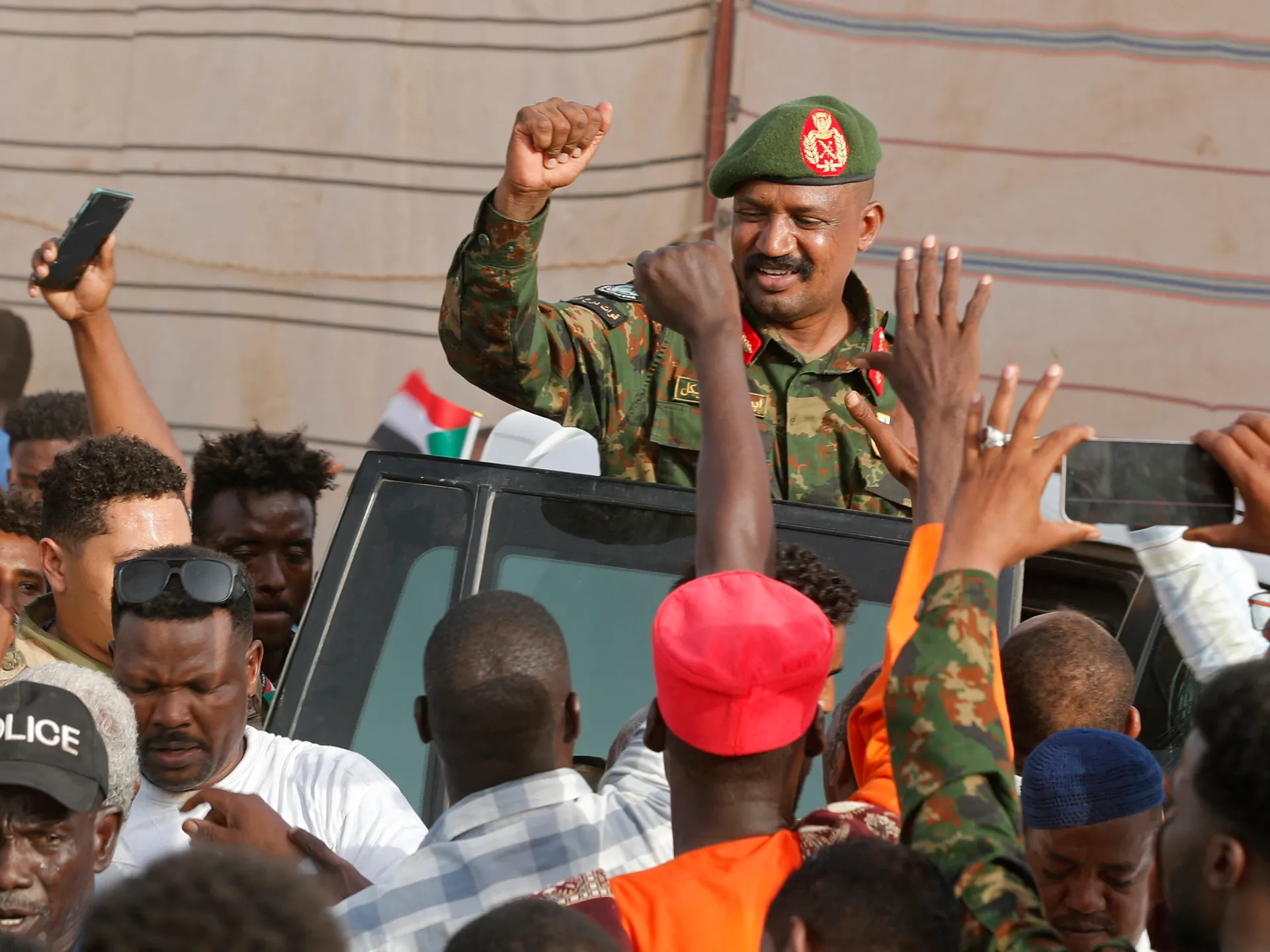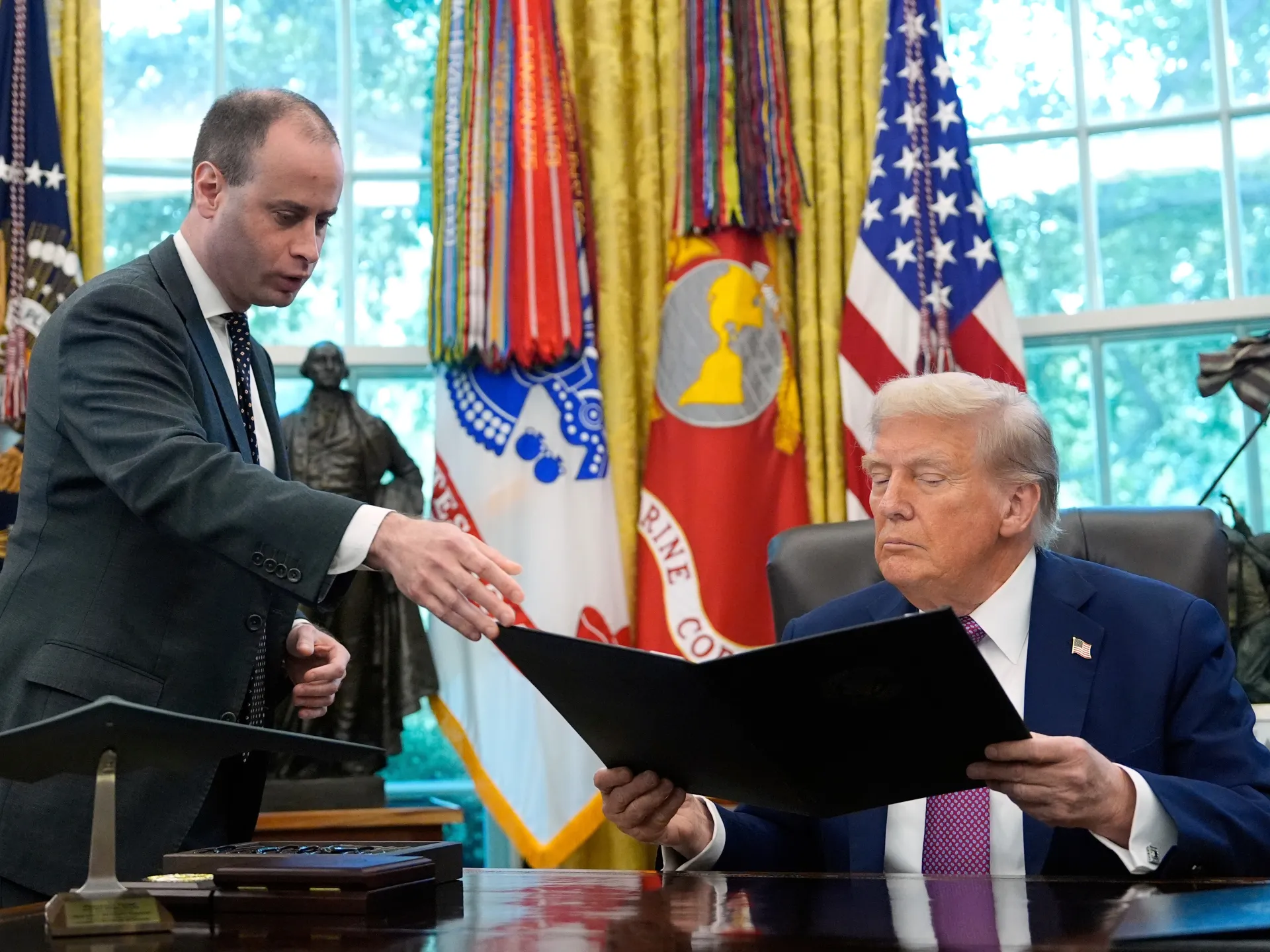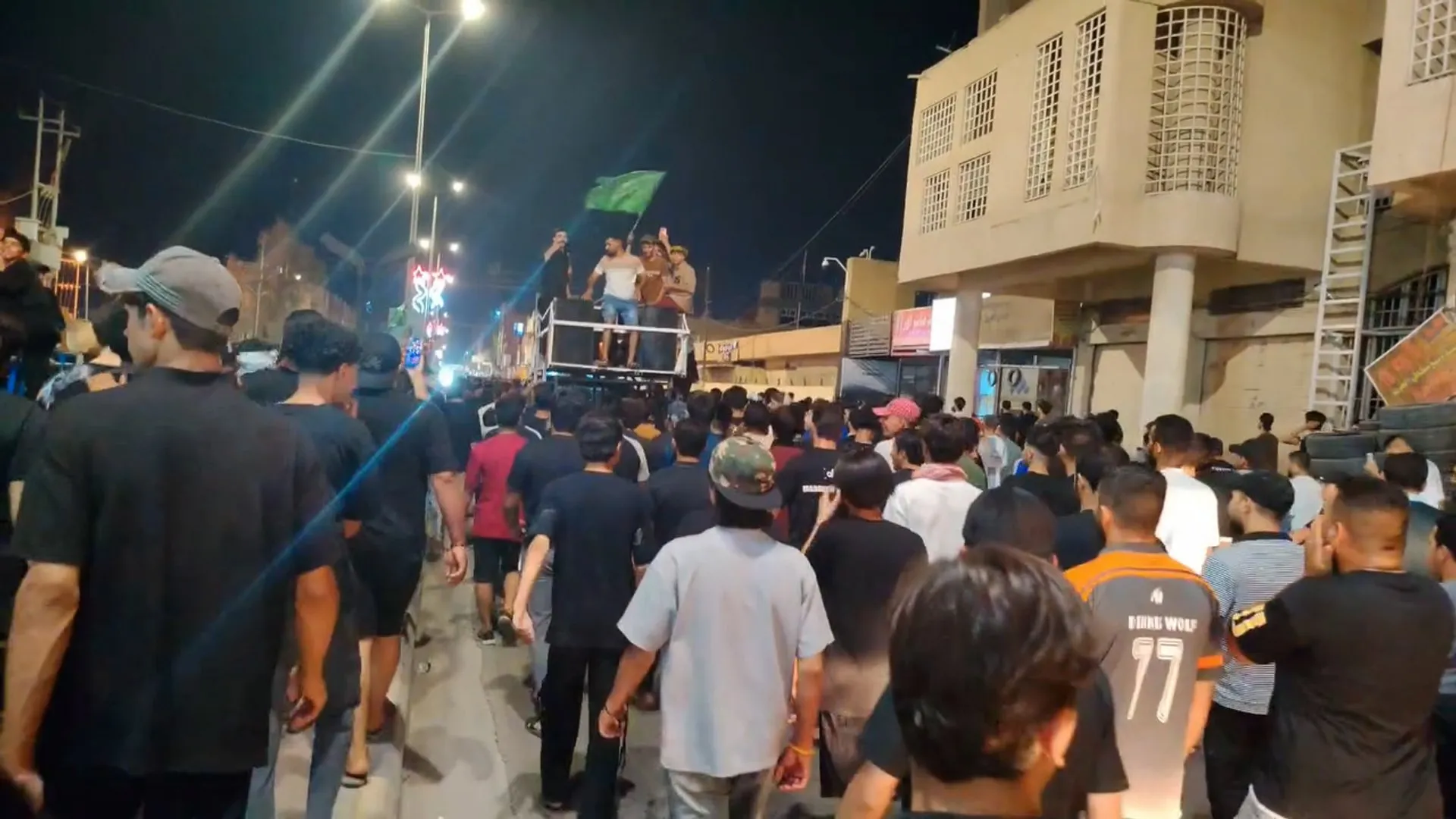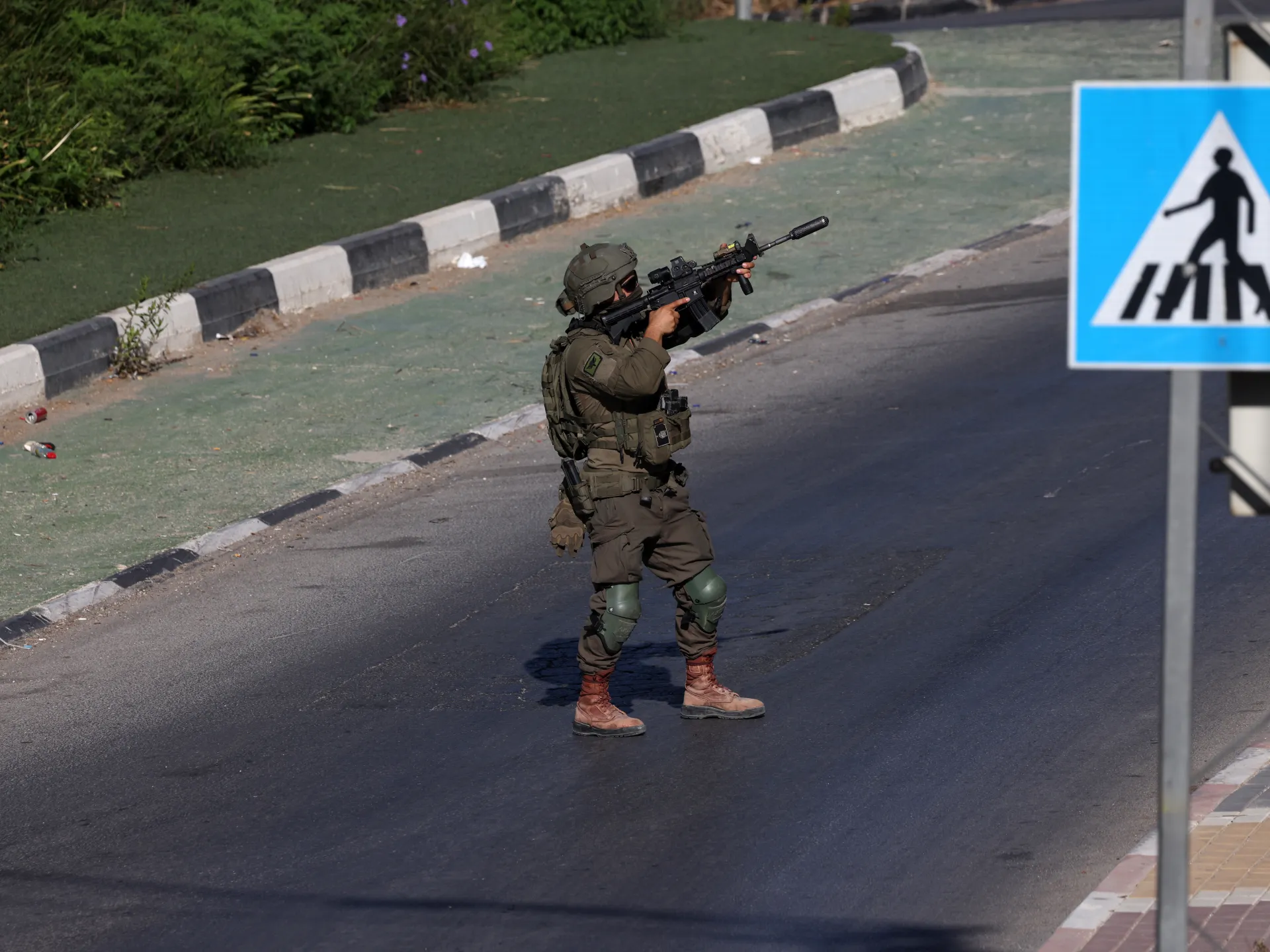
A synthesis of emerging reports reveals that both Israeli and American military capabilities are facing significant logistical strain, even as historical accounts of state-sanctioned abductions in Syria finally come to light.
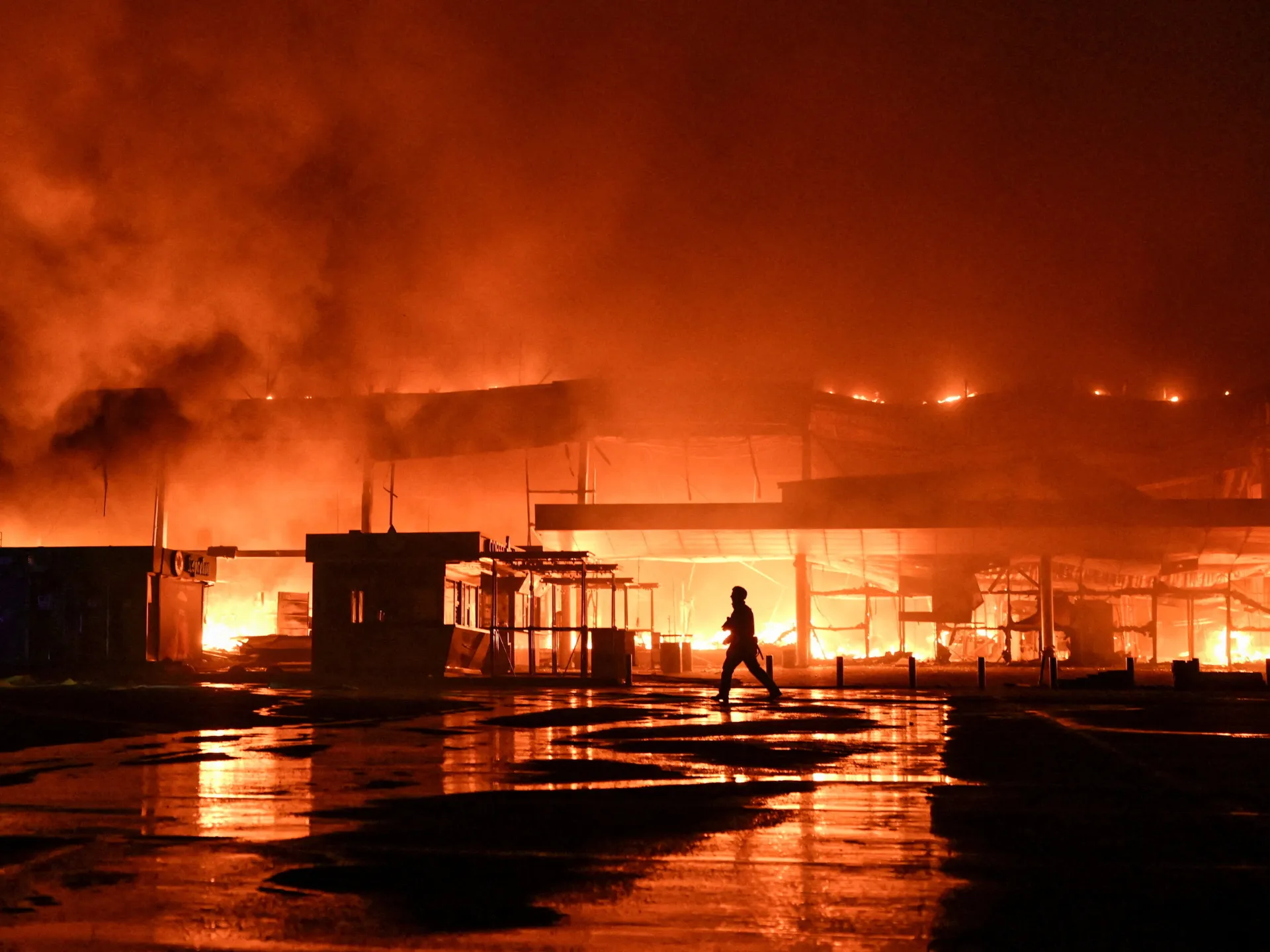
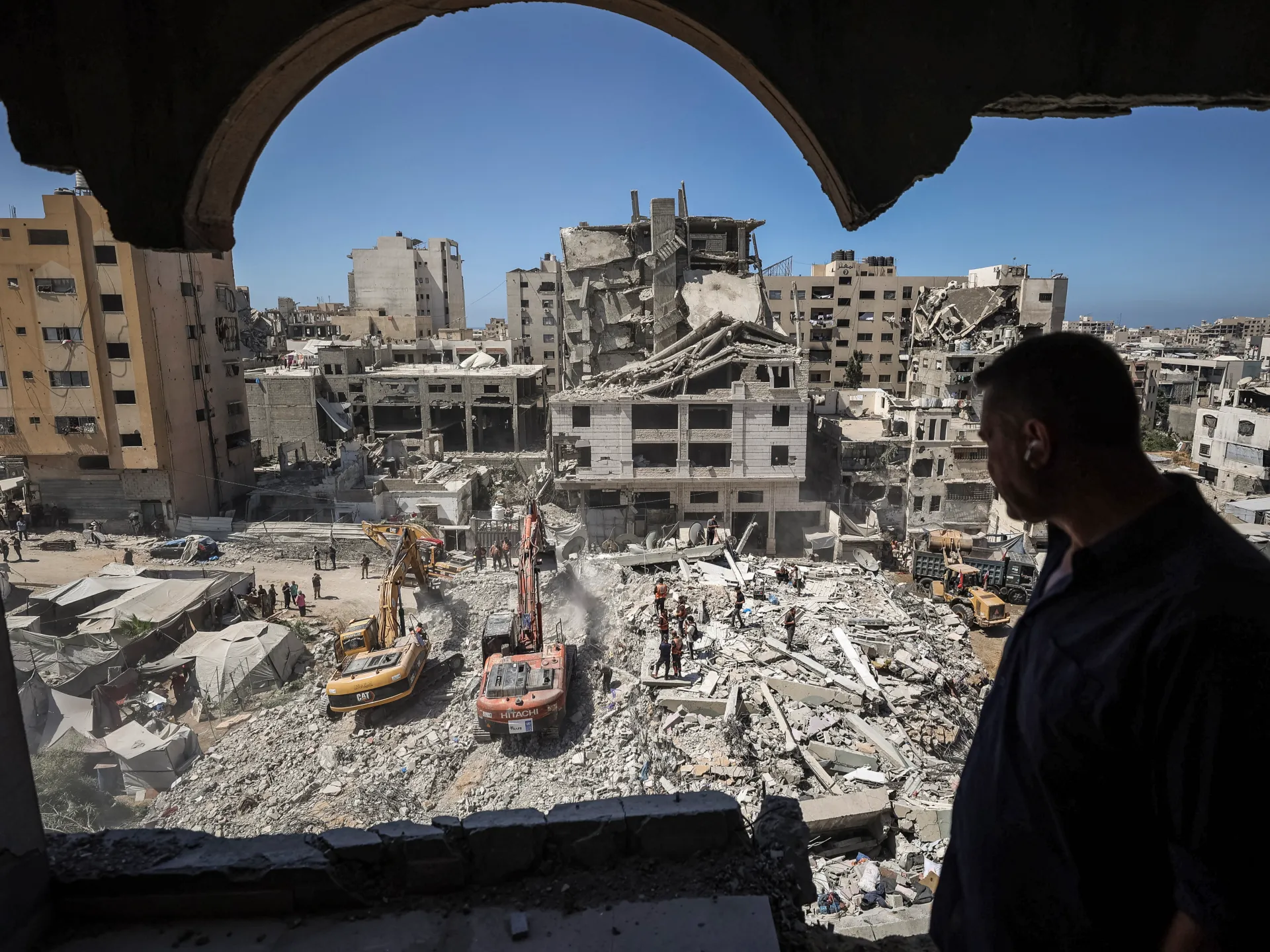
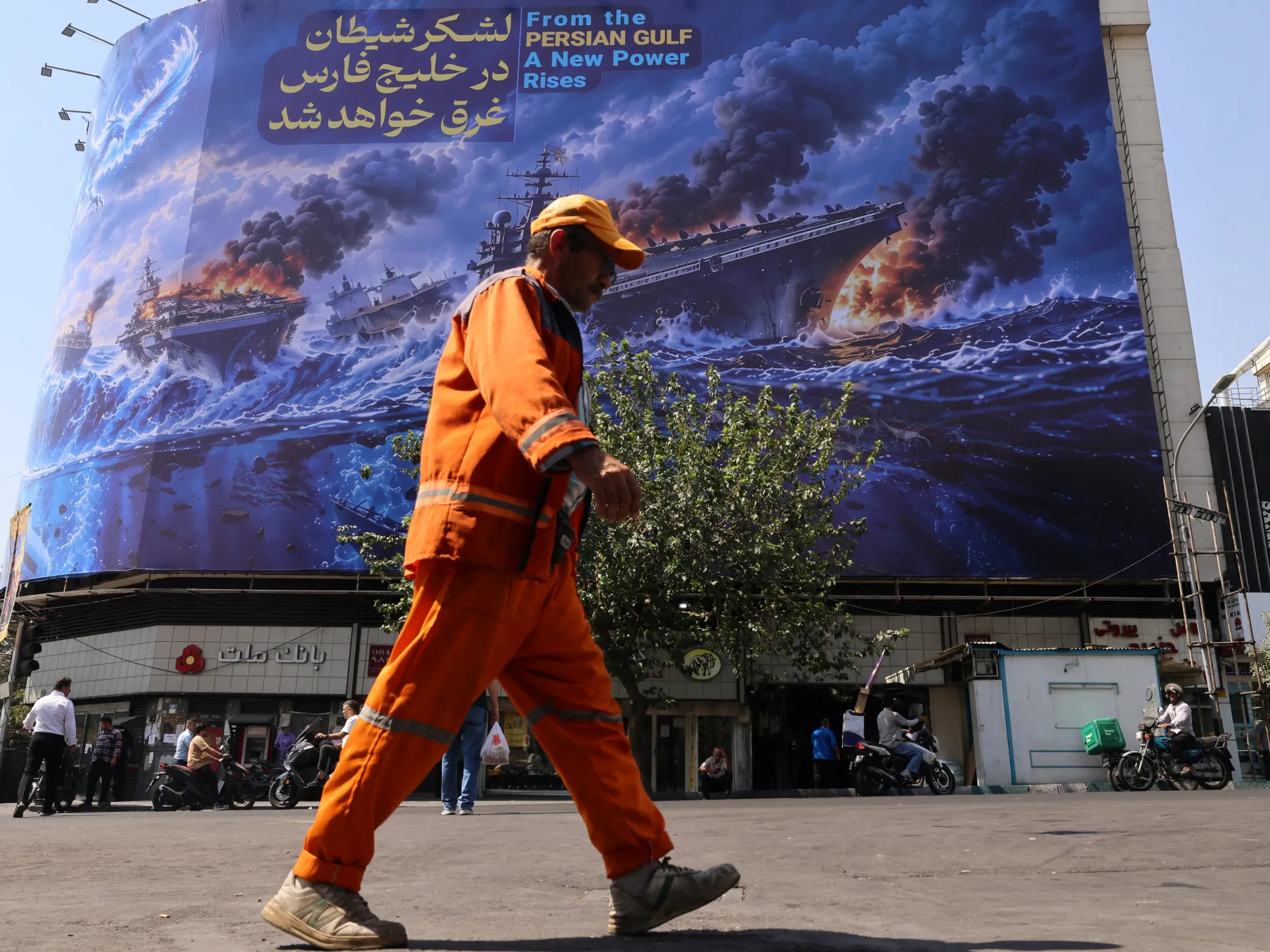
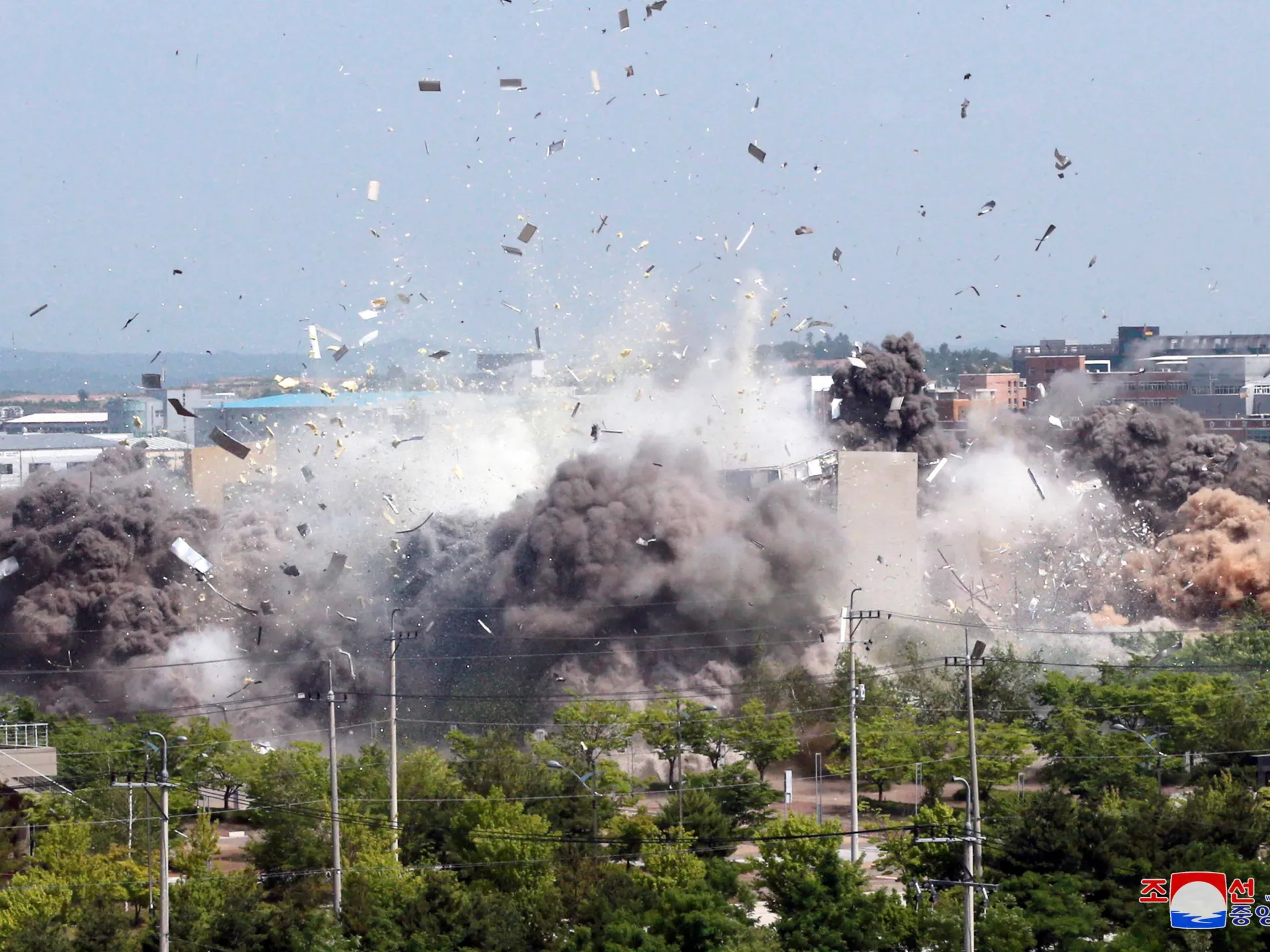
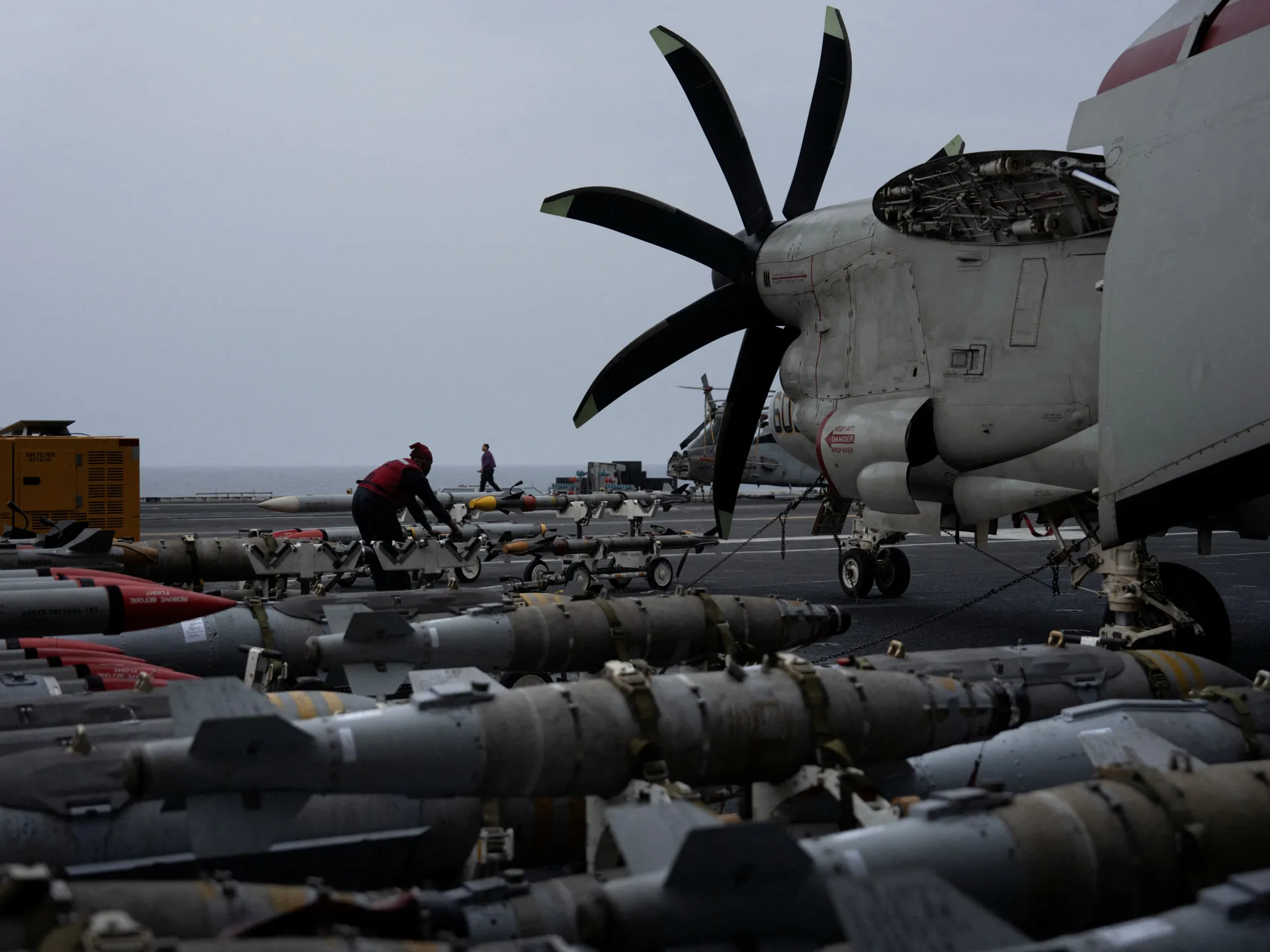
The convergence of reports regarding hardware depletion in both the United States and Israel suggests a significant shift in the strategic landscape of the Middle East. While major powers have long relied on the assumption of near-infinite logistical superiority, the intensity of current regional hostilities is challenging the sustainability of conventional warfare. This development is not merely a budgetary hurdle; it represents a fundamental stress test for alliances that have relied on the rapid replenishment of high-tech assets to maintain deterrence. When nations report that their primary precision-strike capabilities are nearing exhaustion, the window for diplomatic intervention narrows, potentially forcing a transition toward more volatile, less predictable forms of conflict engagement.
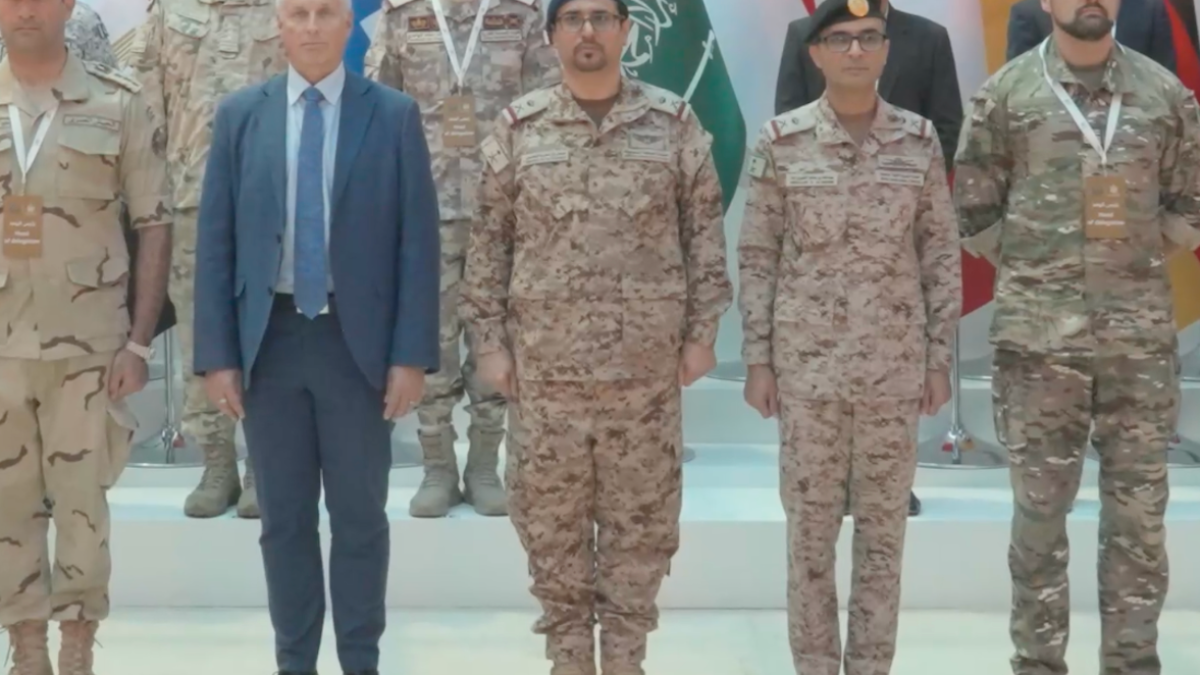
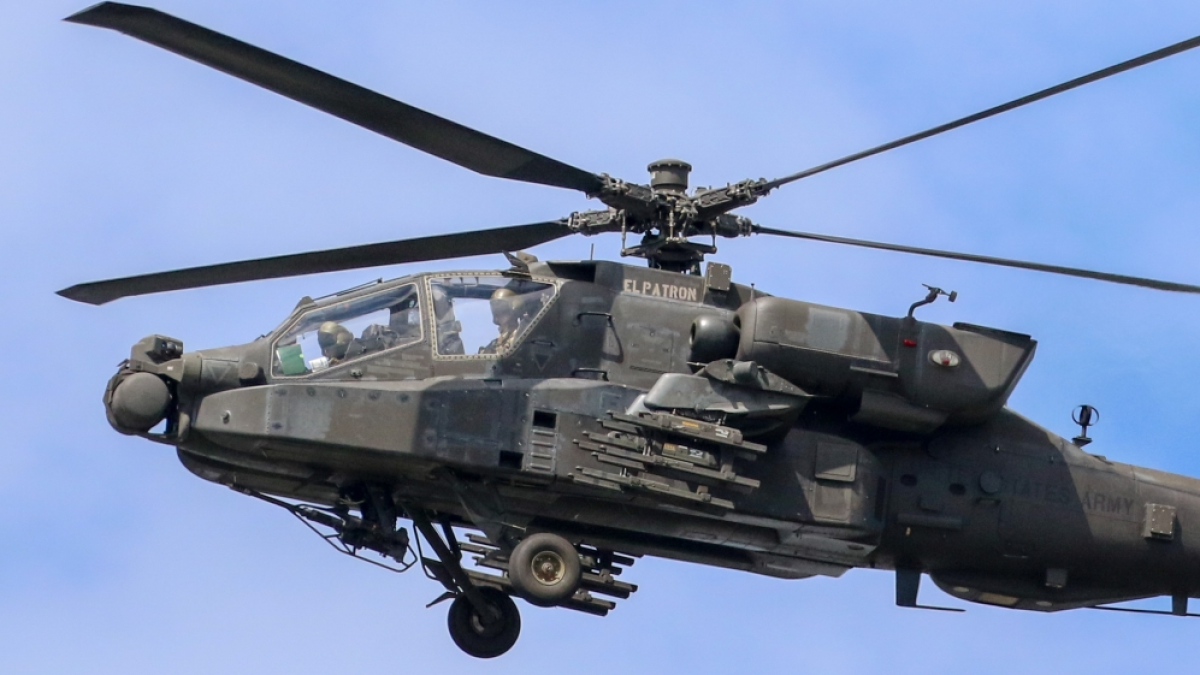
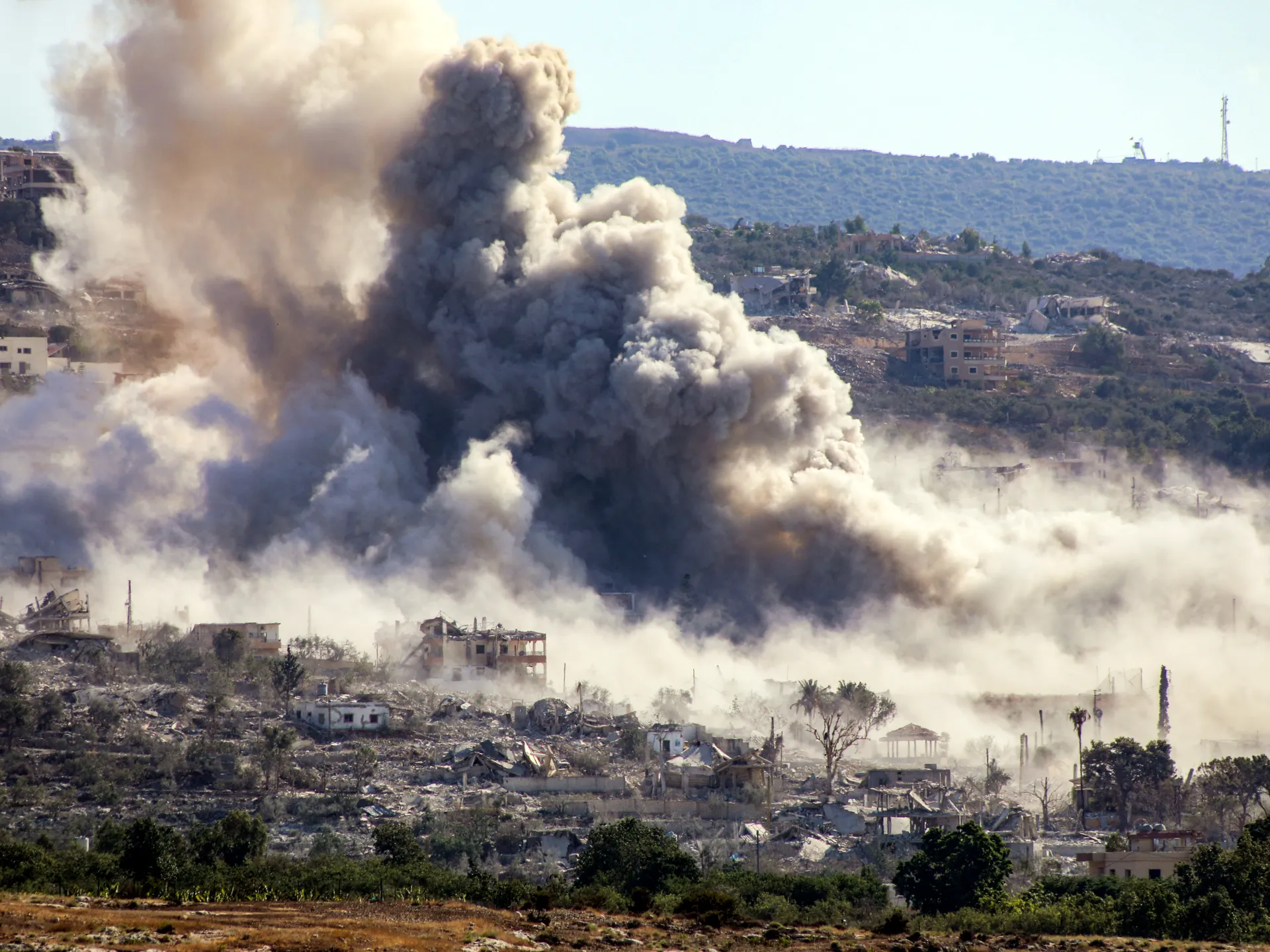
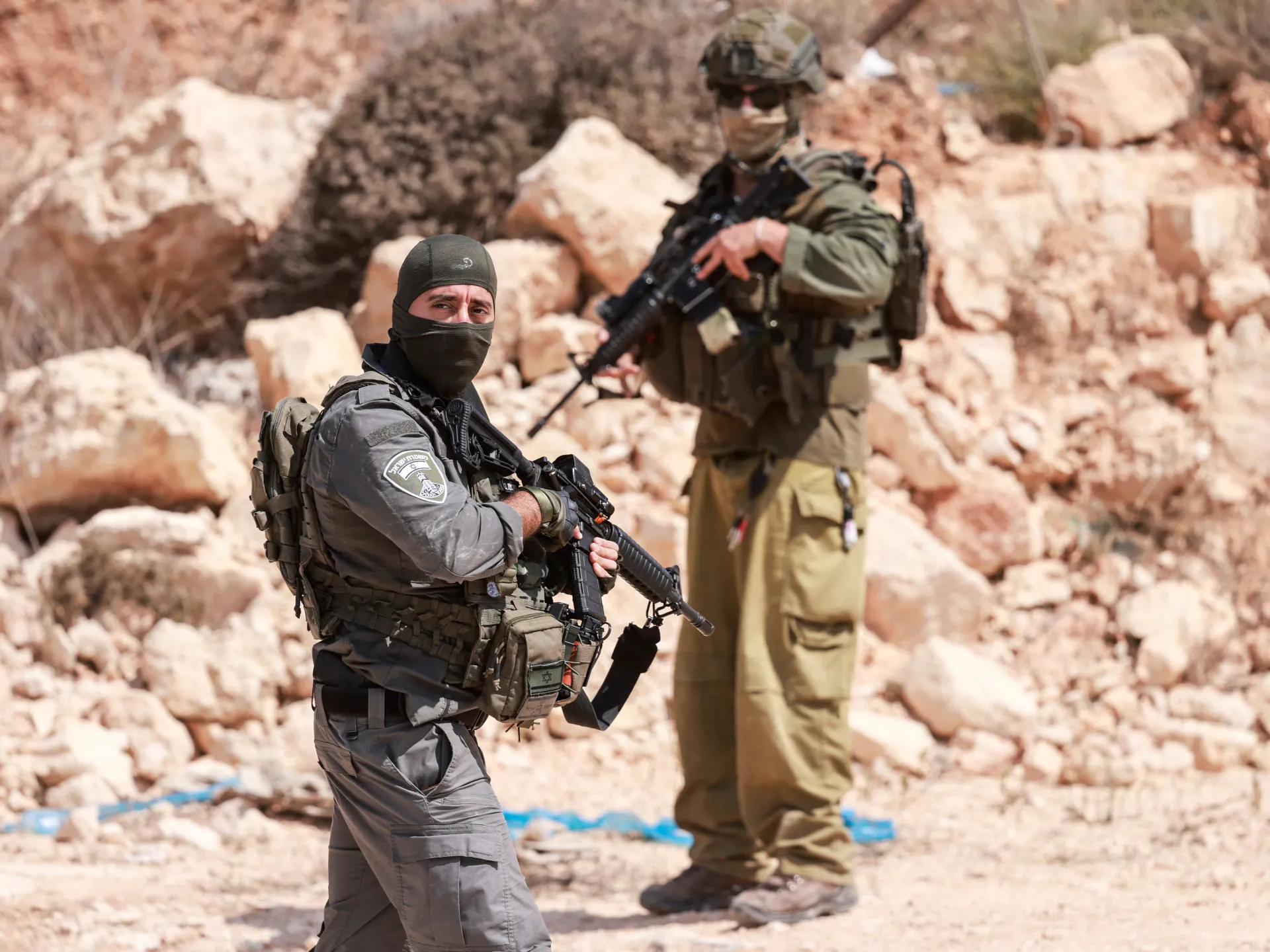
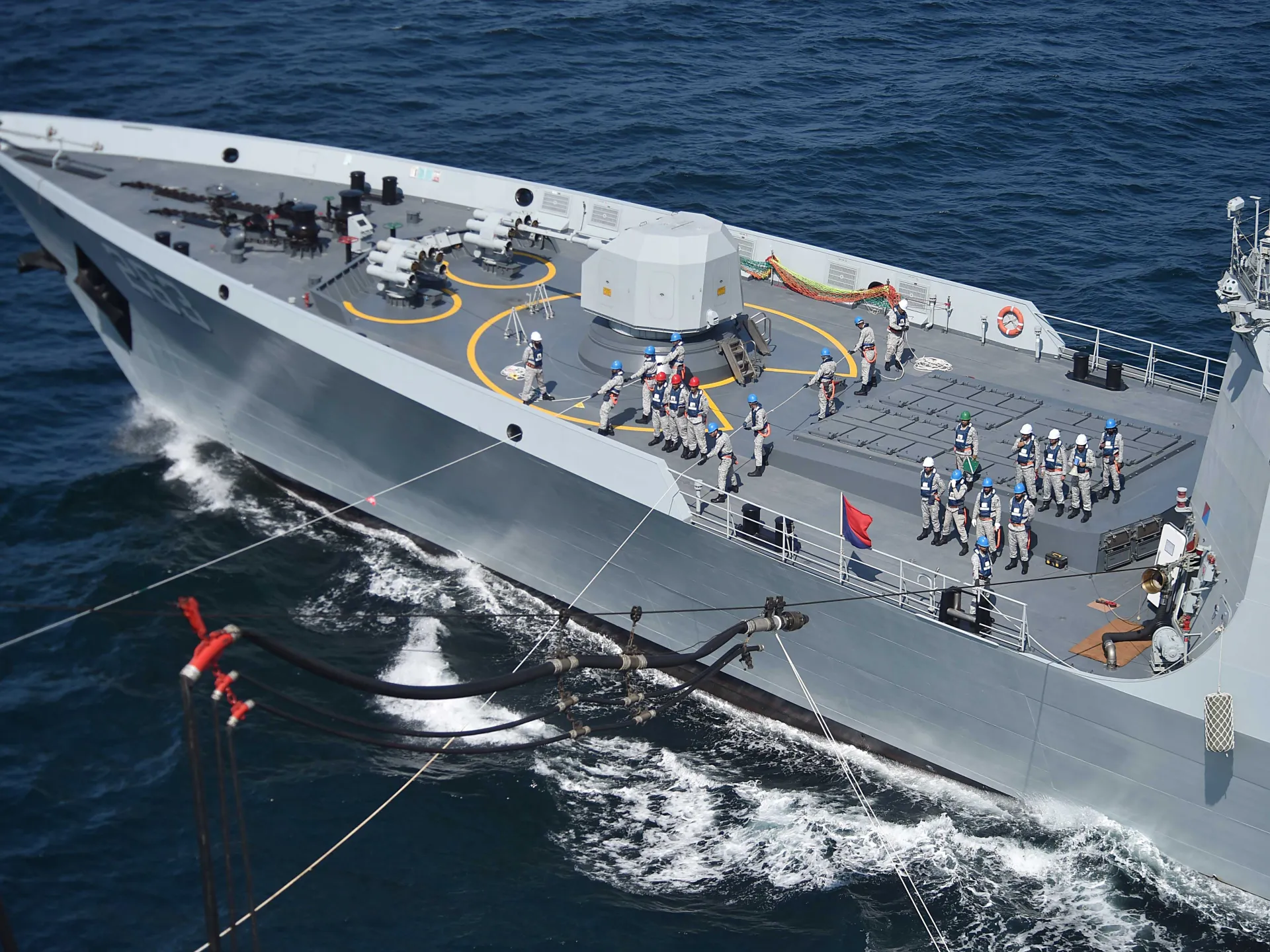
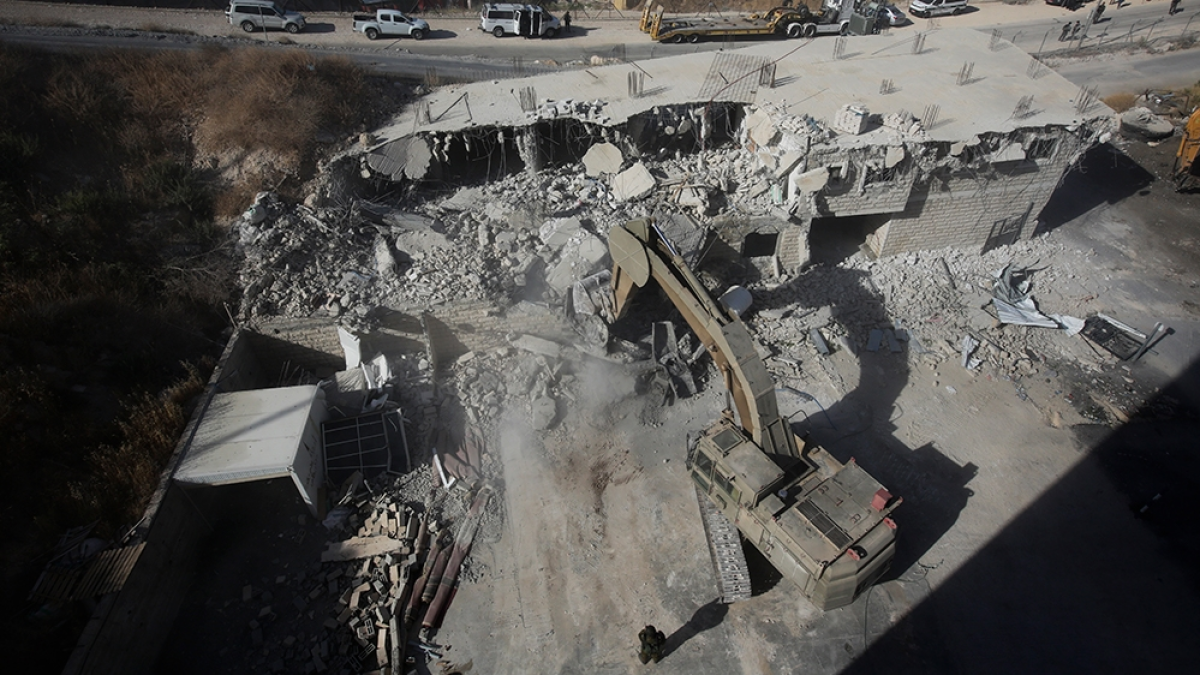
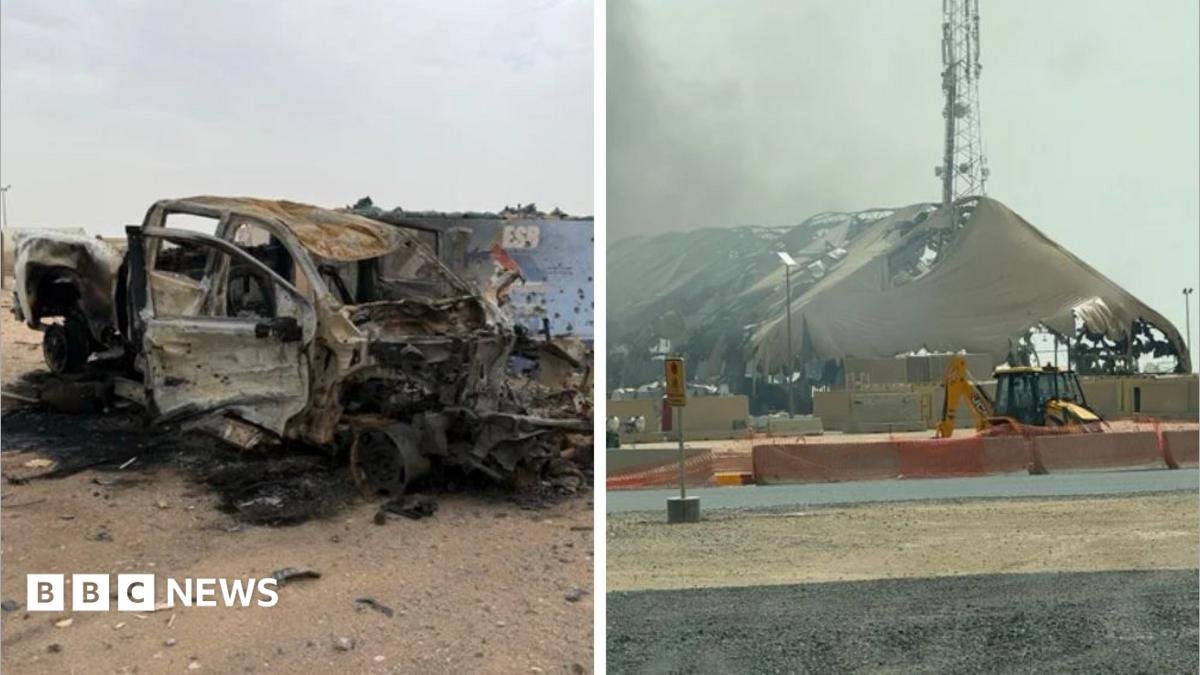
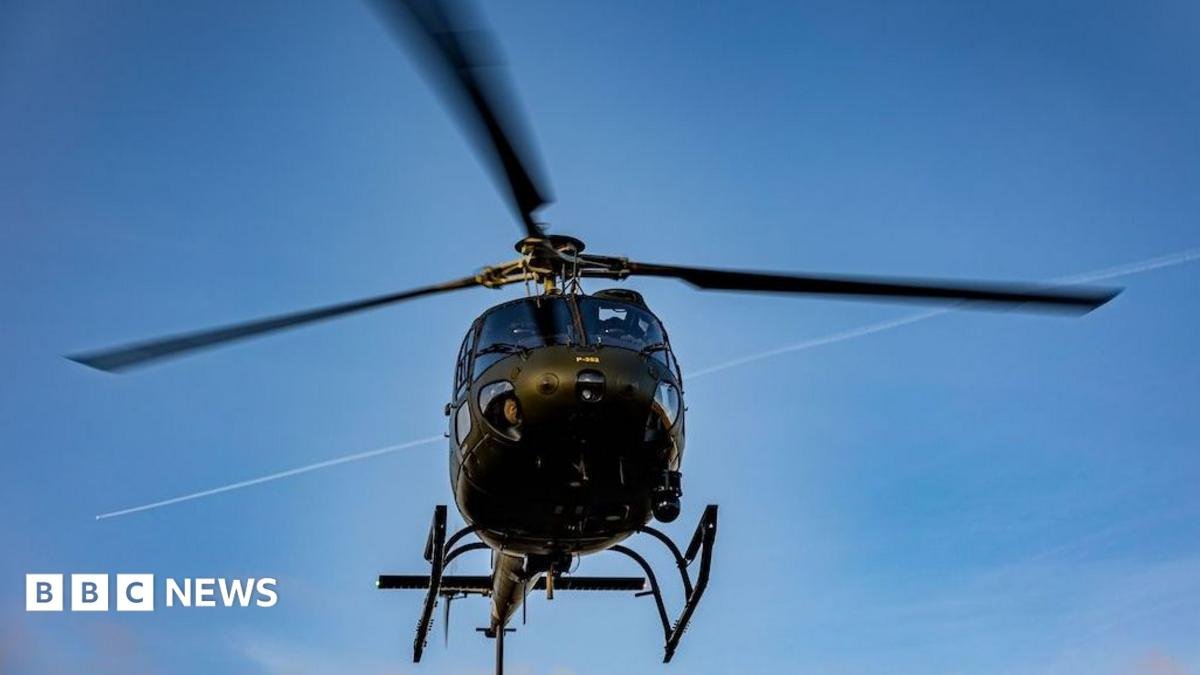
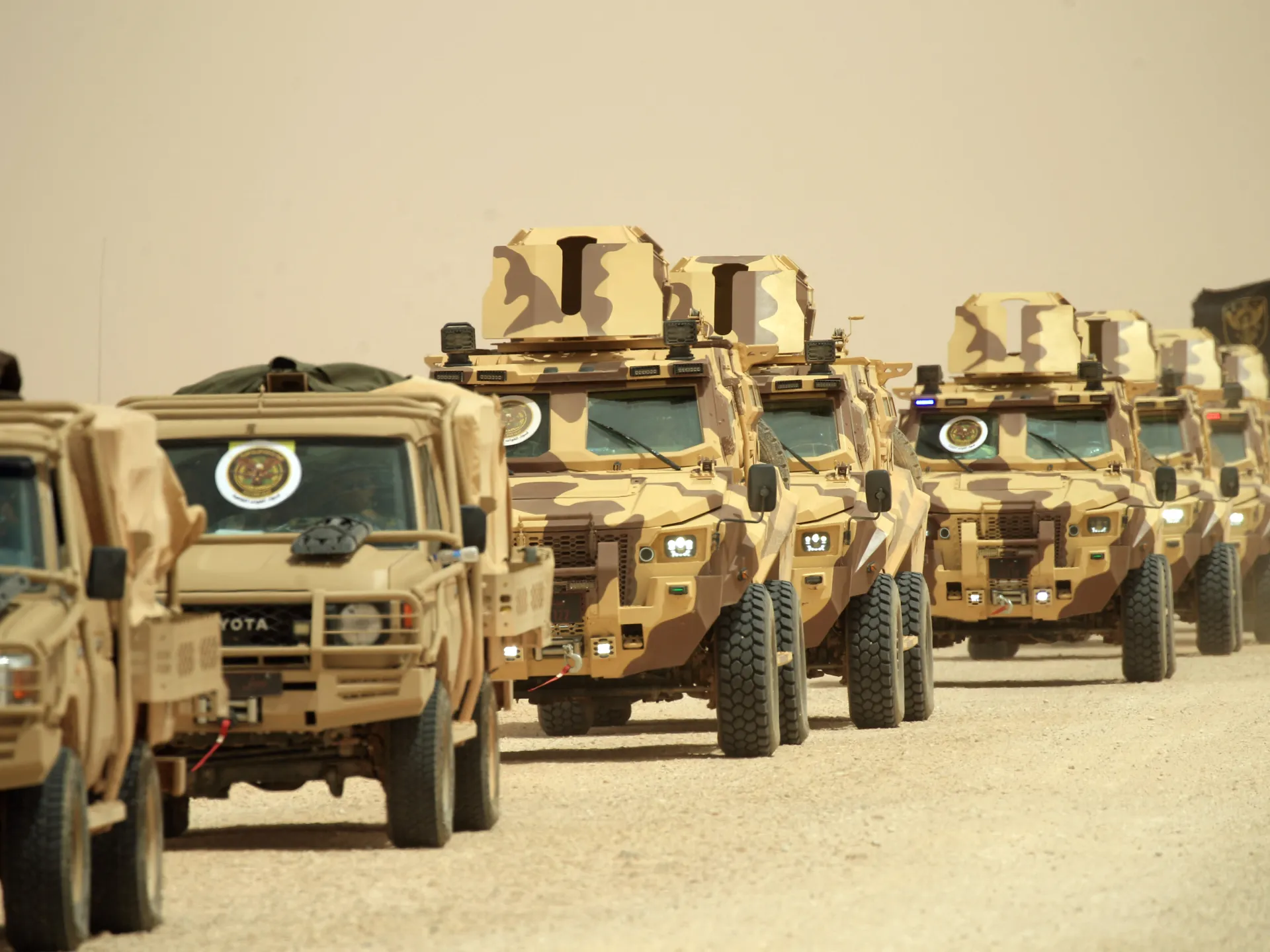
Recent disclosures from Israeli media have ignited a debate over the operational readiness of the Israel Defense Forces. Reports originating from Maariv and Channel 12 suggest that the military is grappling with significant deficits in armored vehicles and critical attack assets, such as the Boeing-manufactured Apache helicopters. These accounts paint a picture of a military struggling to maintain its frontline equipment after three years of sustained operations. However, defense analysts such as Hamze Attar offer a more nuanced interpretation, suggesting that these reports may be tactical instruments. nt can exert political pressure to accelerate procurement cycles and ensure continued funding flows amid internal government friction.
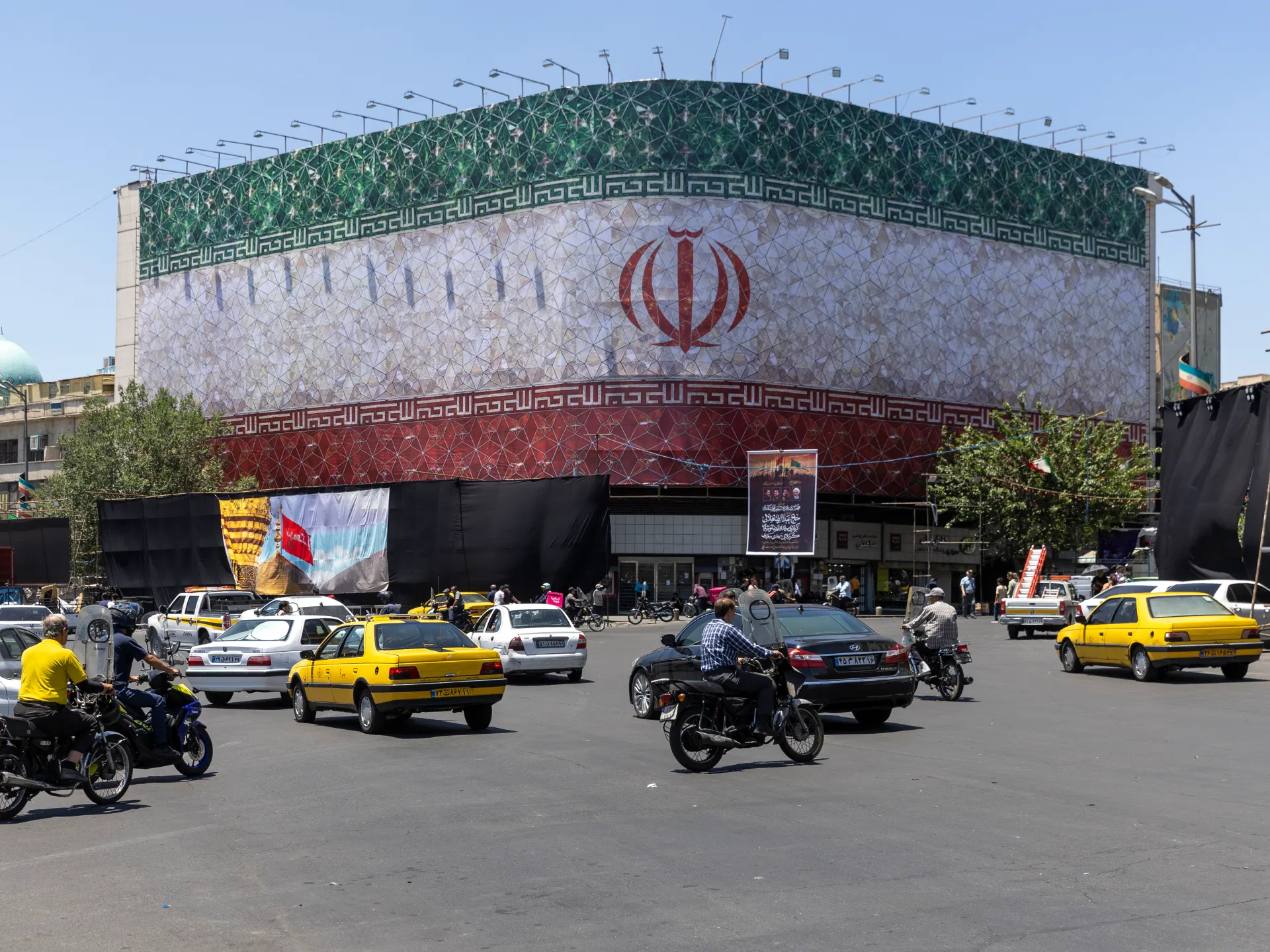
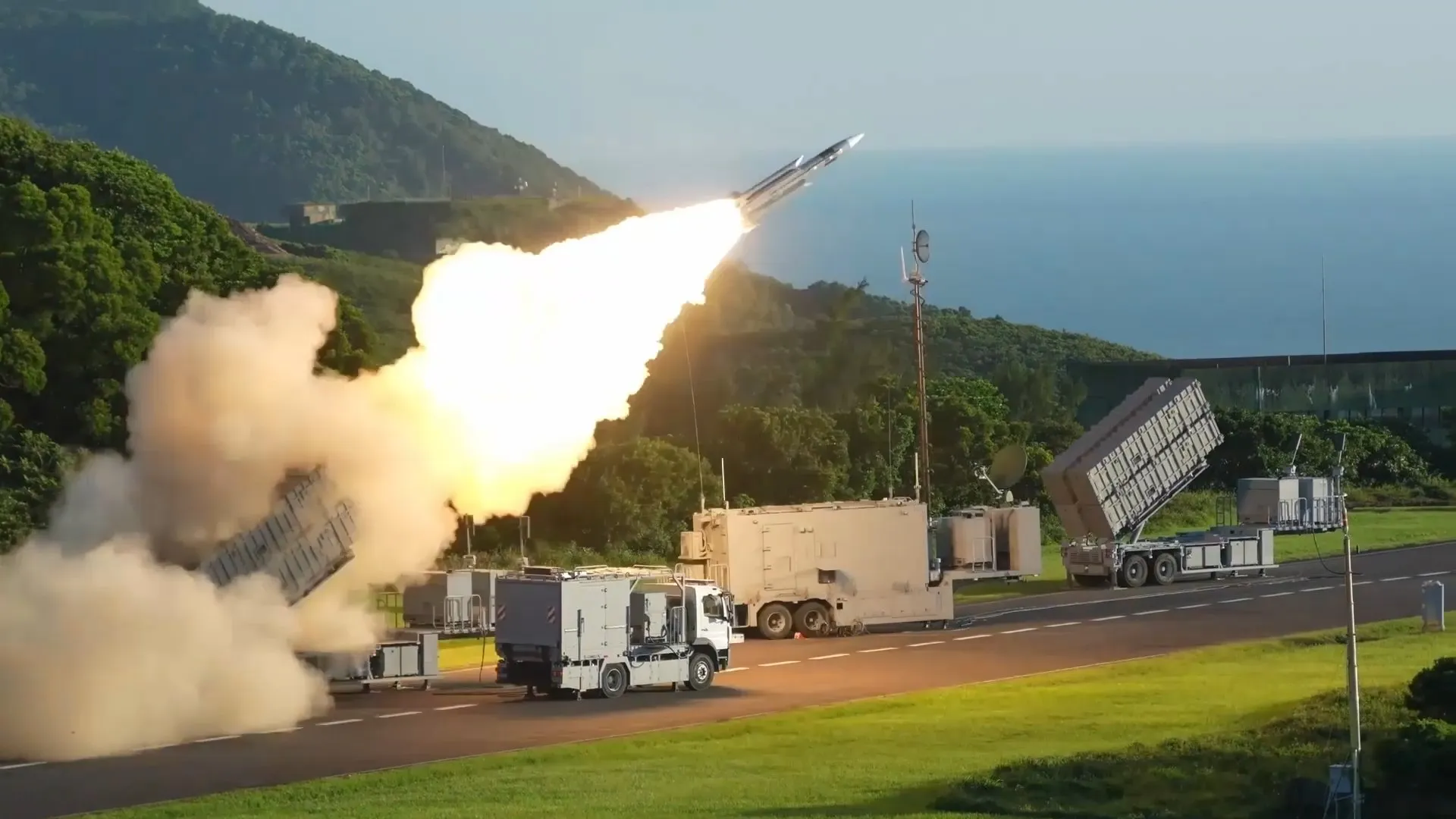
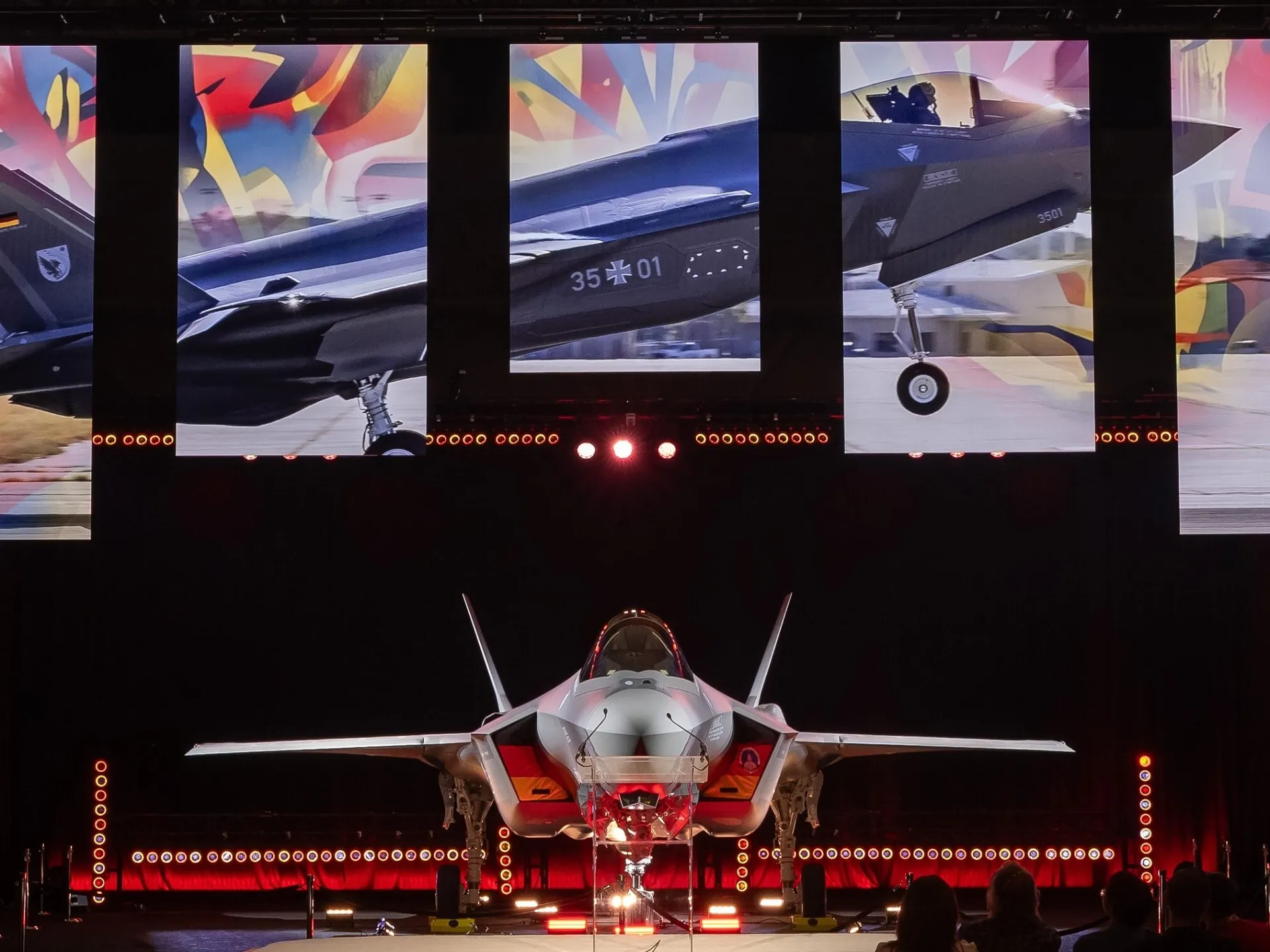
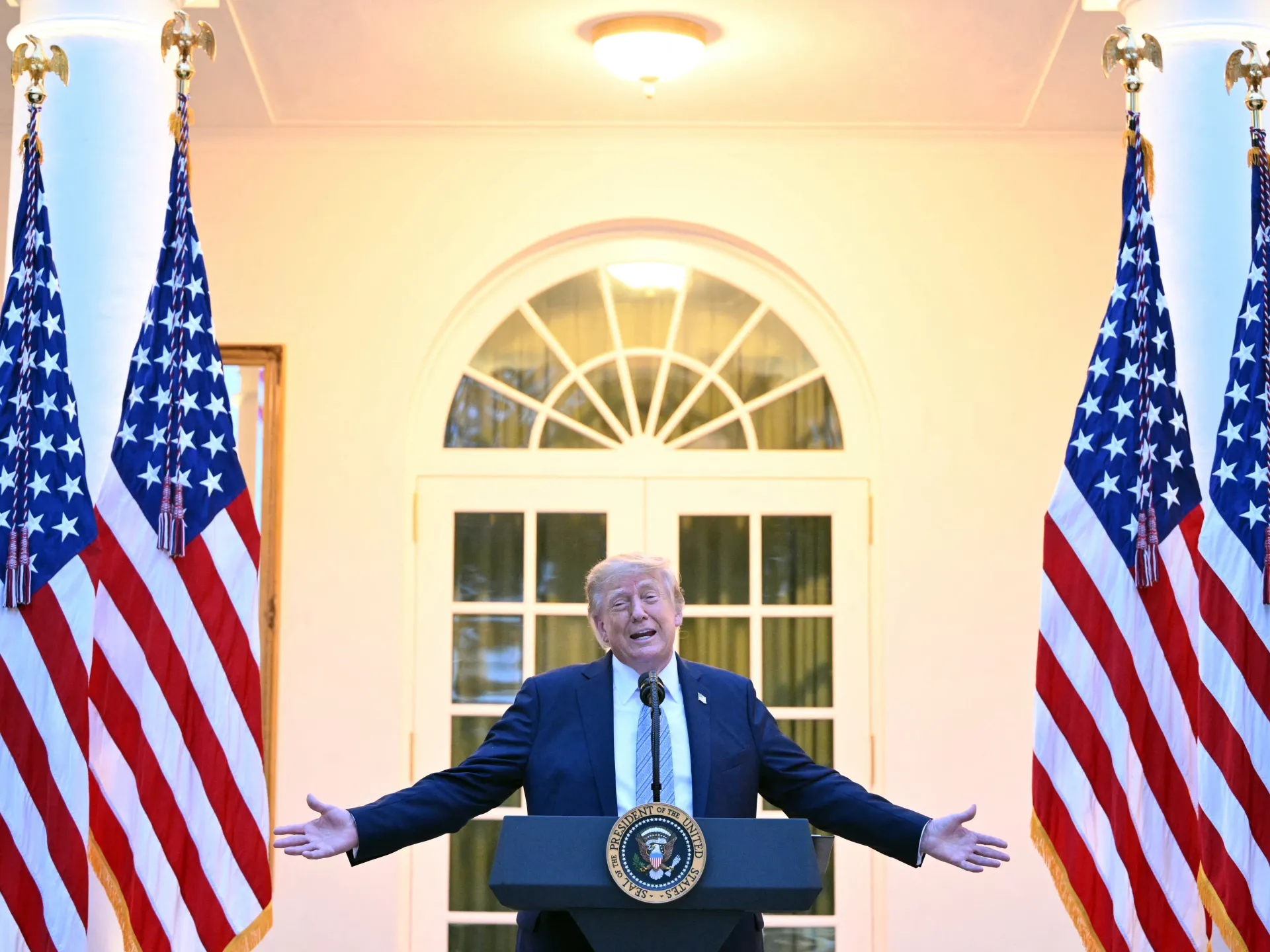
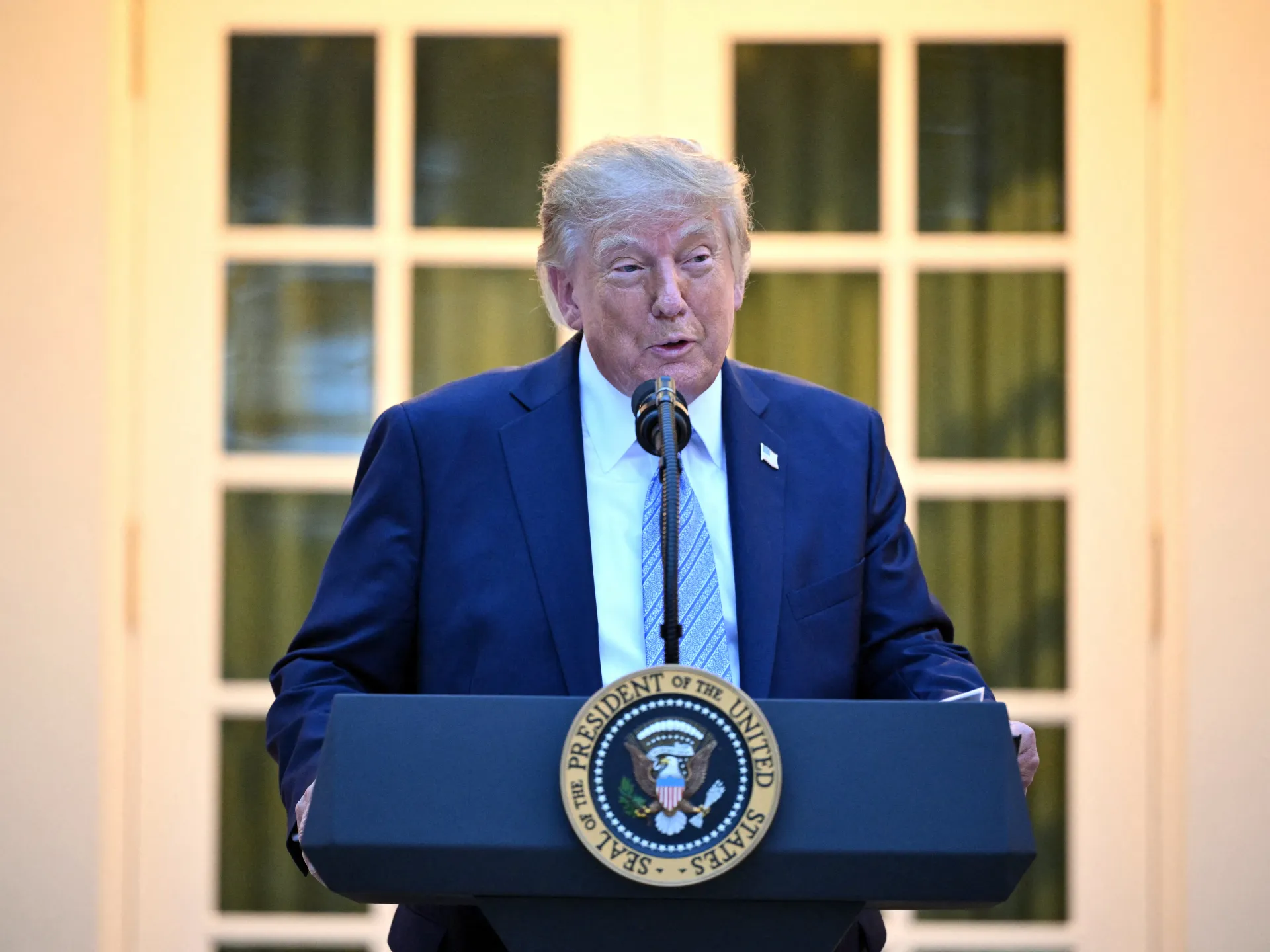
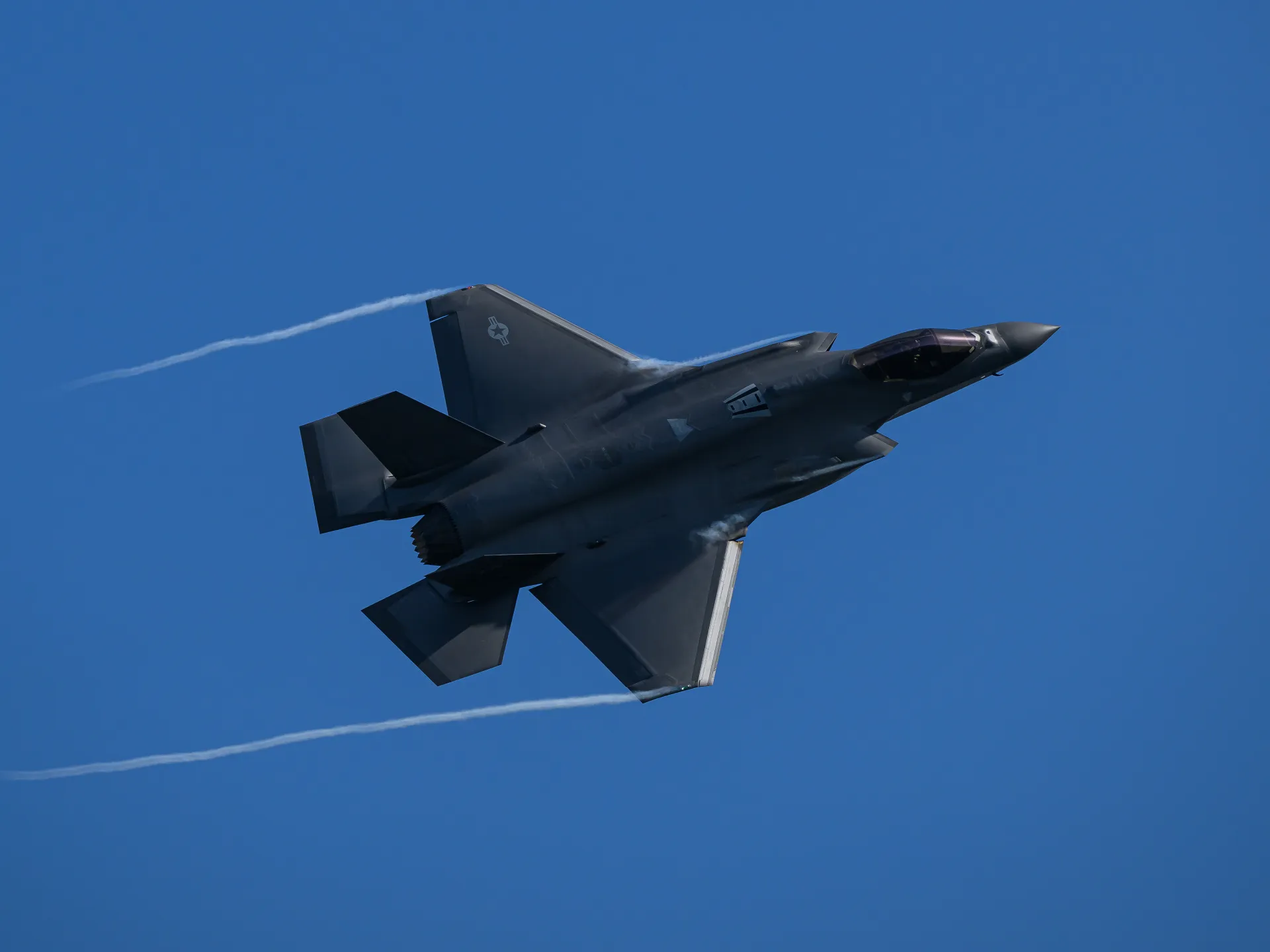
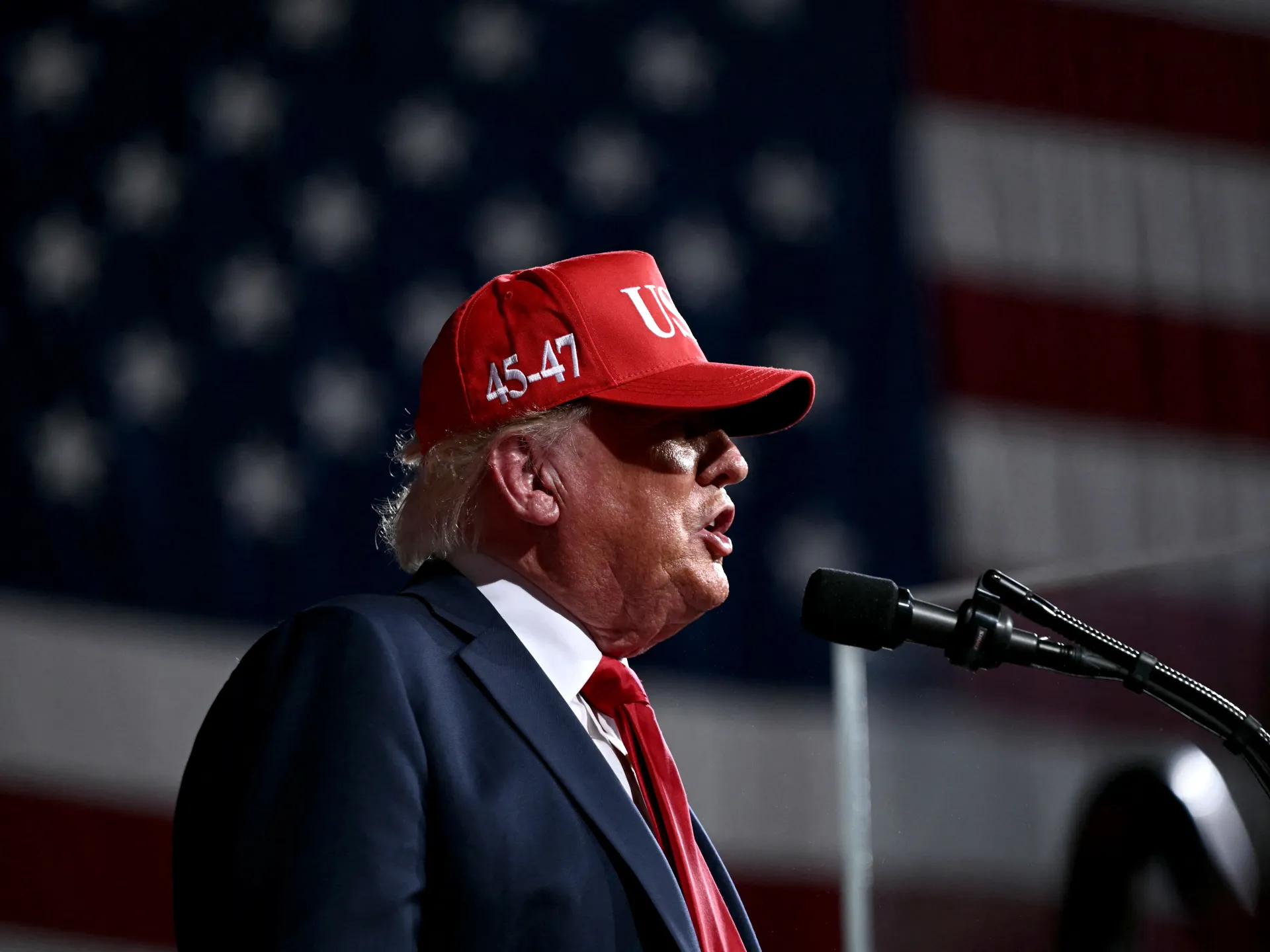
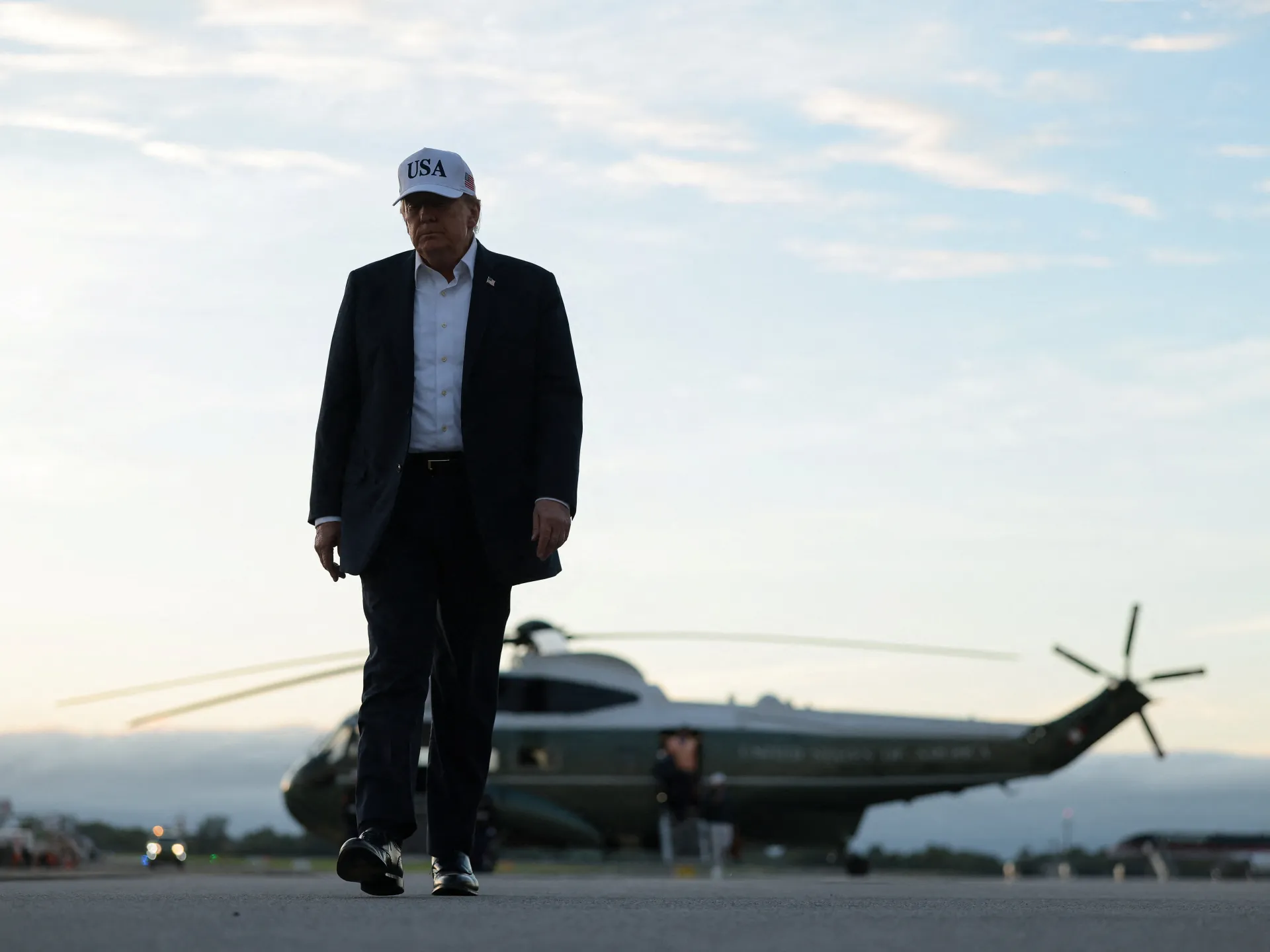
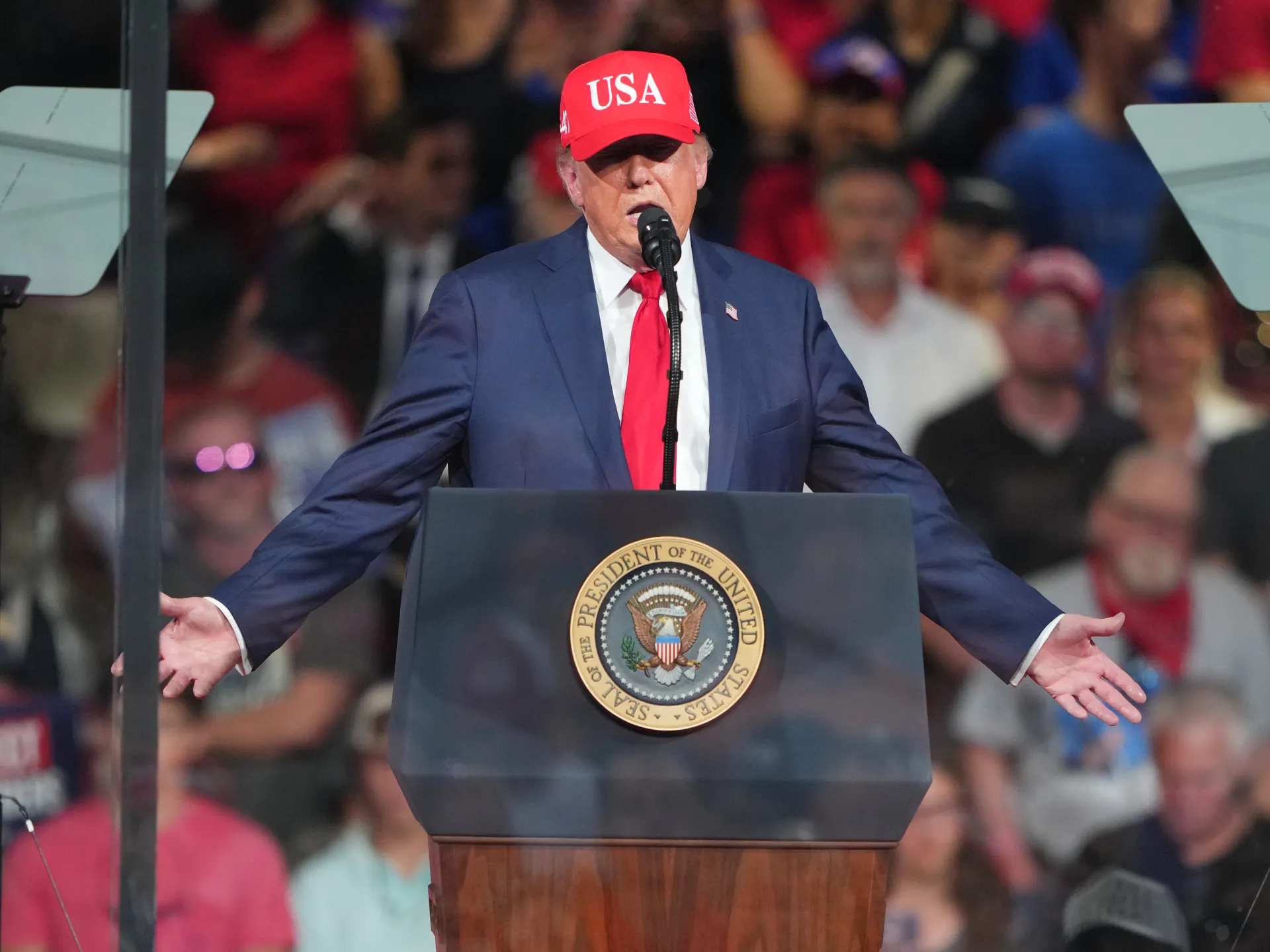
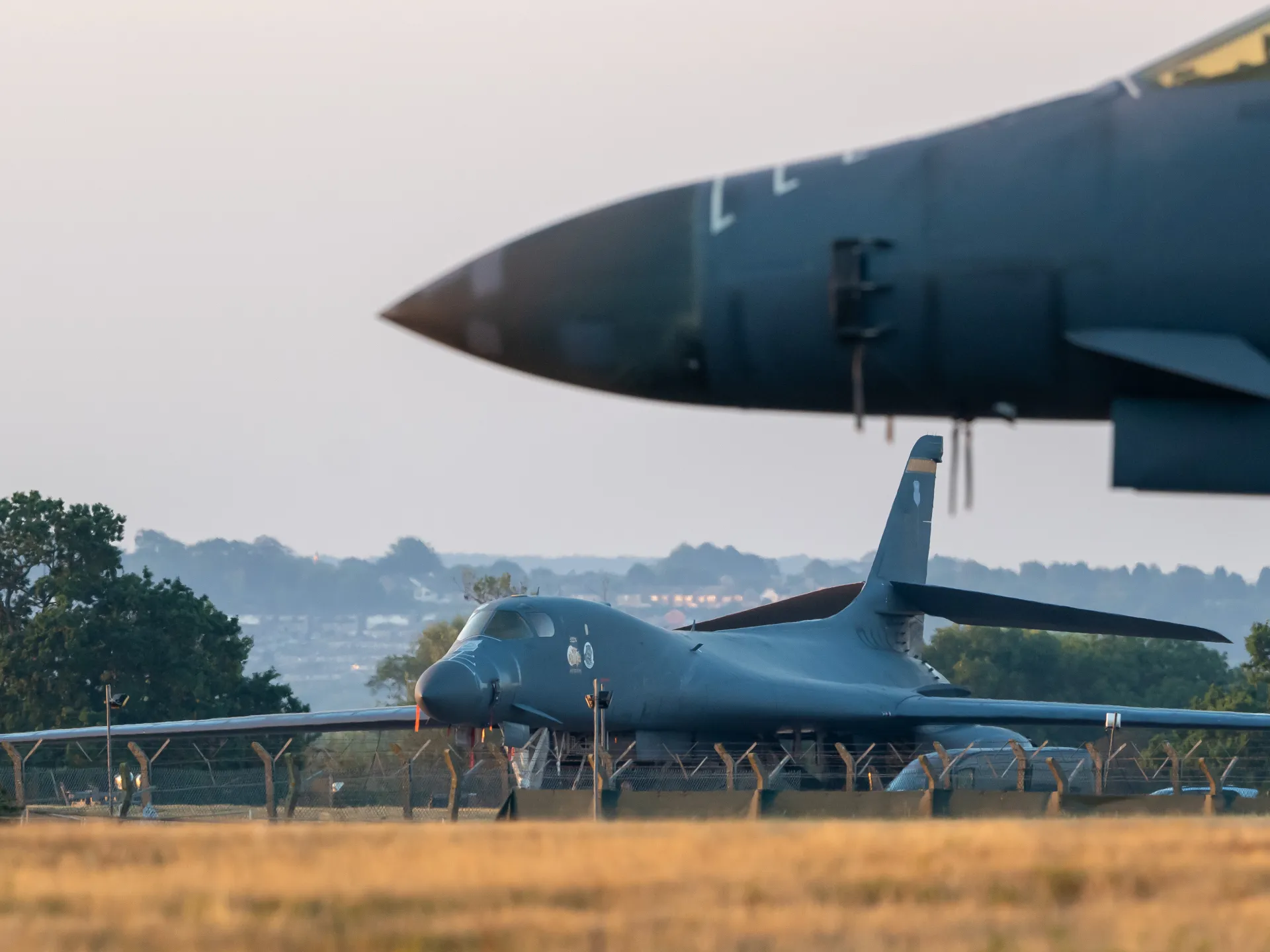
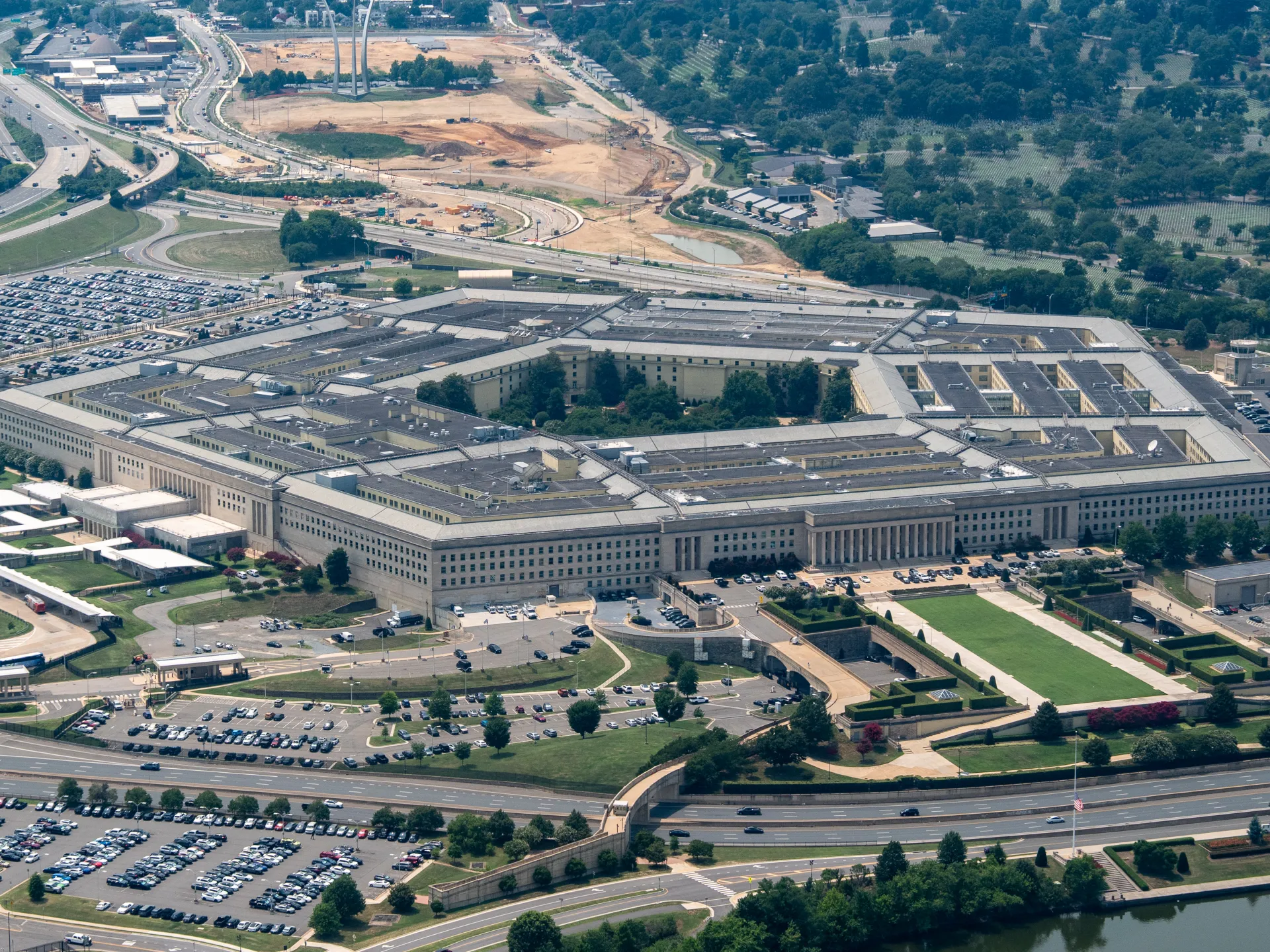
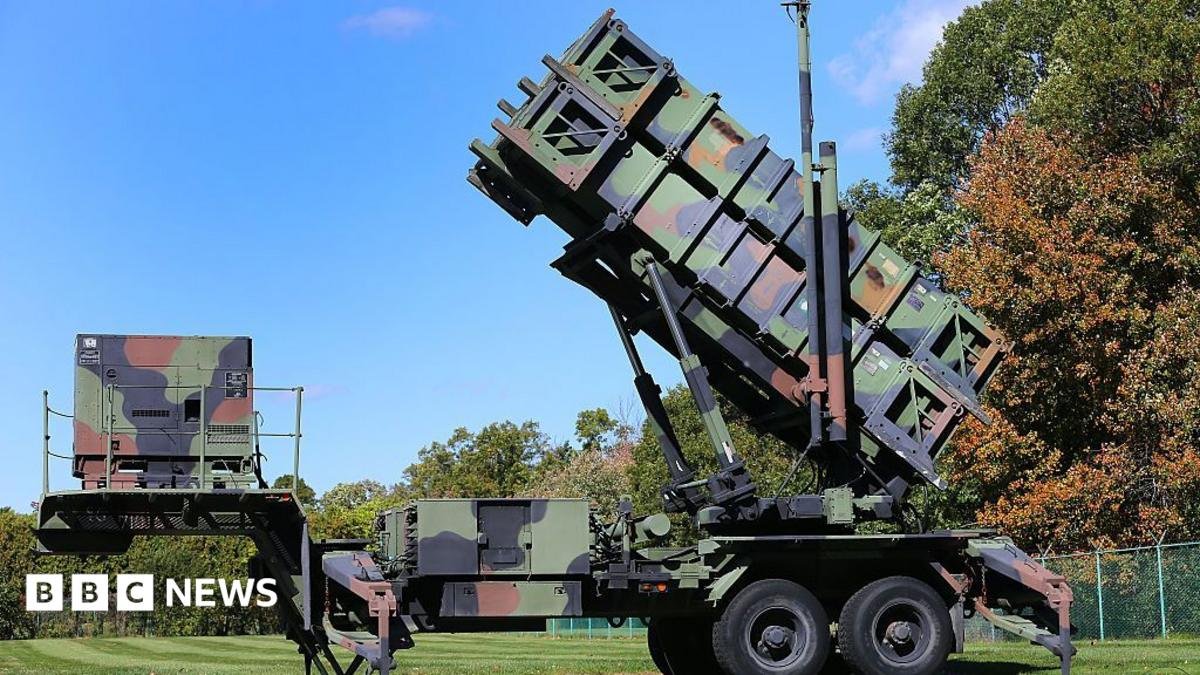
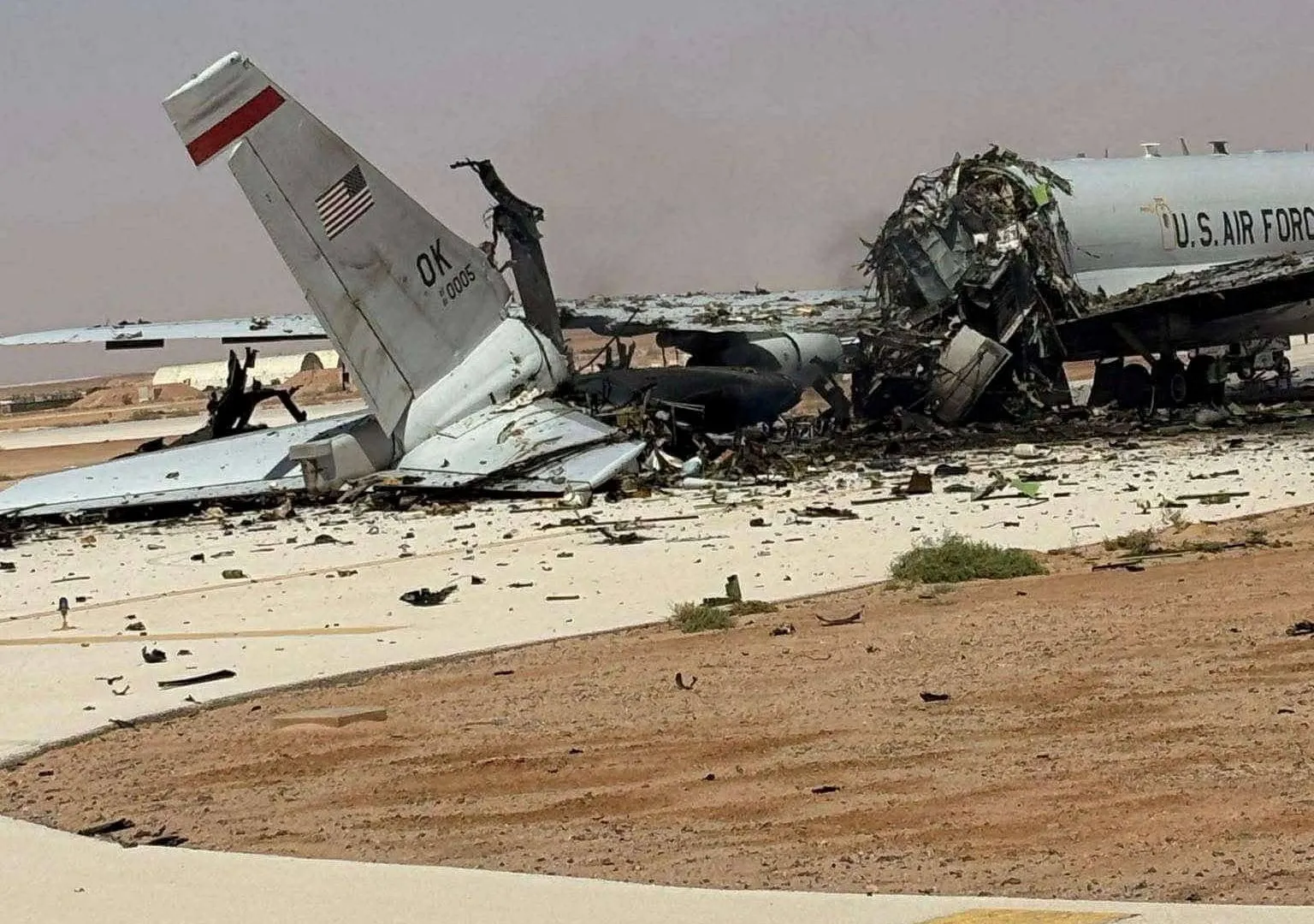
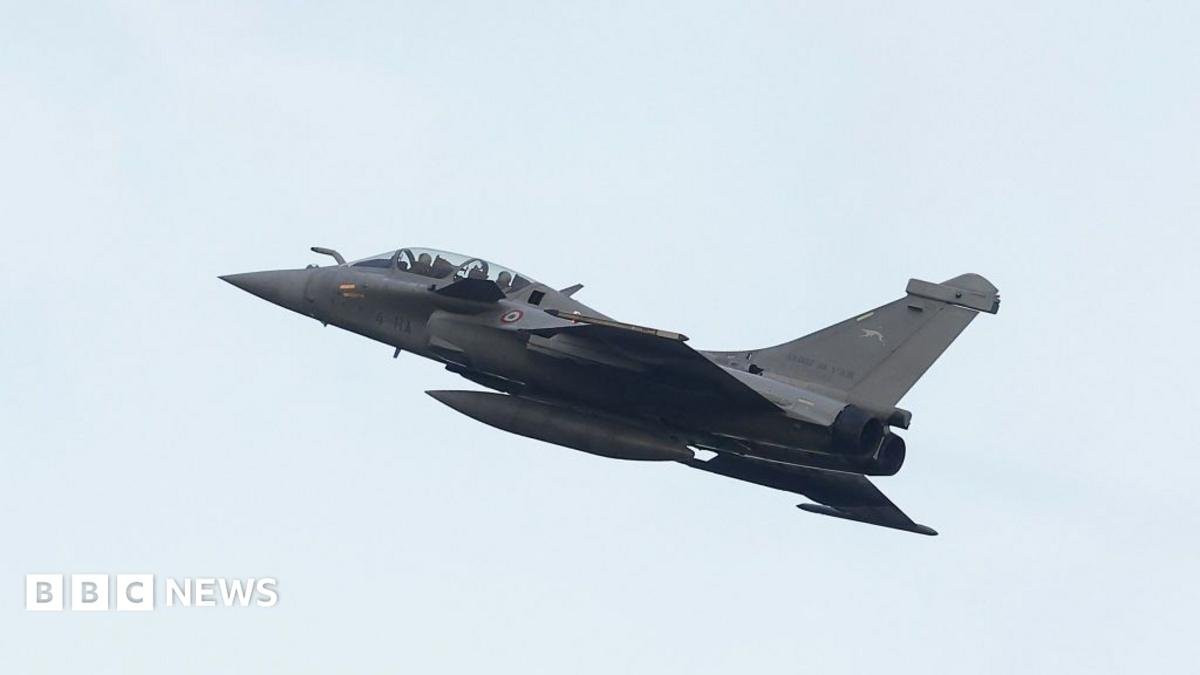
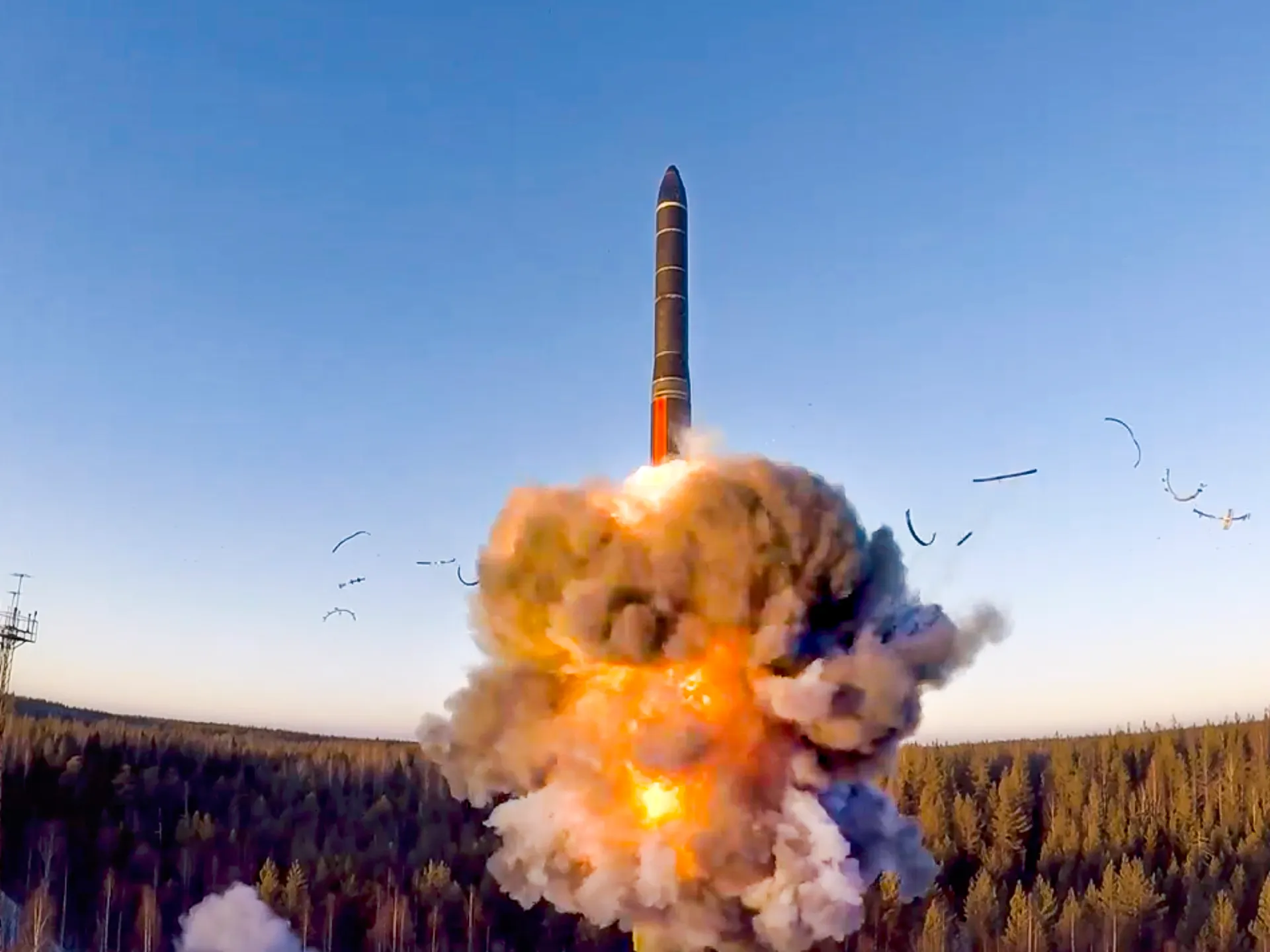
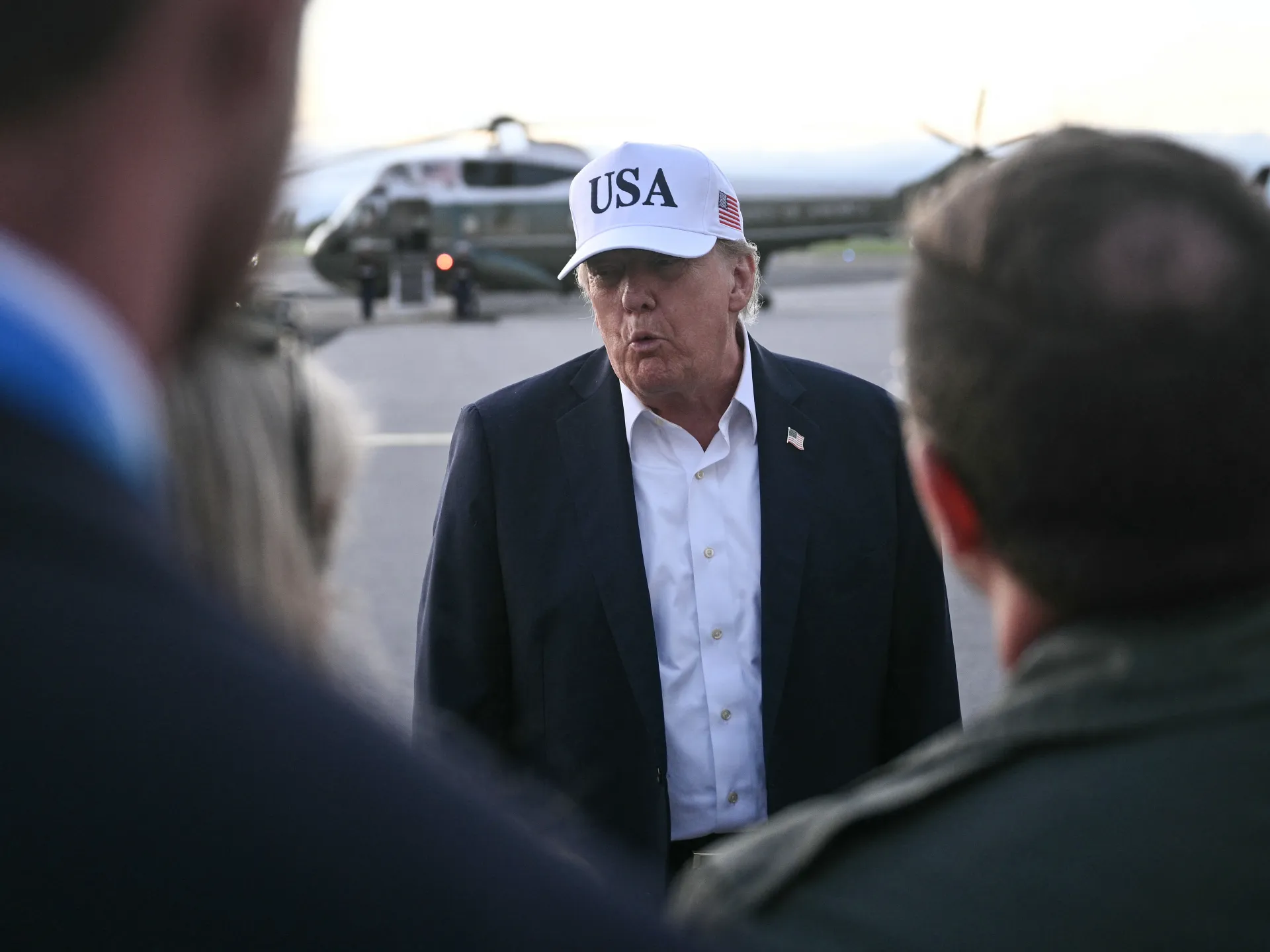
In contrast to the localized reports from Israel, the situation facing the United States appears to be rooted in the sheer volume of consumption. According to recent tory of long-range precision missiles during the ongoing conflict with Iran. This stark depletion indicates that the logistical burden of the war has far outpaced the American industrial base's ability to maintain a steady stream of munitions. Unlike the Israeli situation, which is viewed uation reflects an acute operational reality where the supply of high-end weaponry is effectively bottoming out.
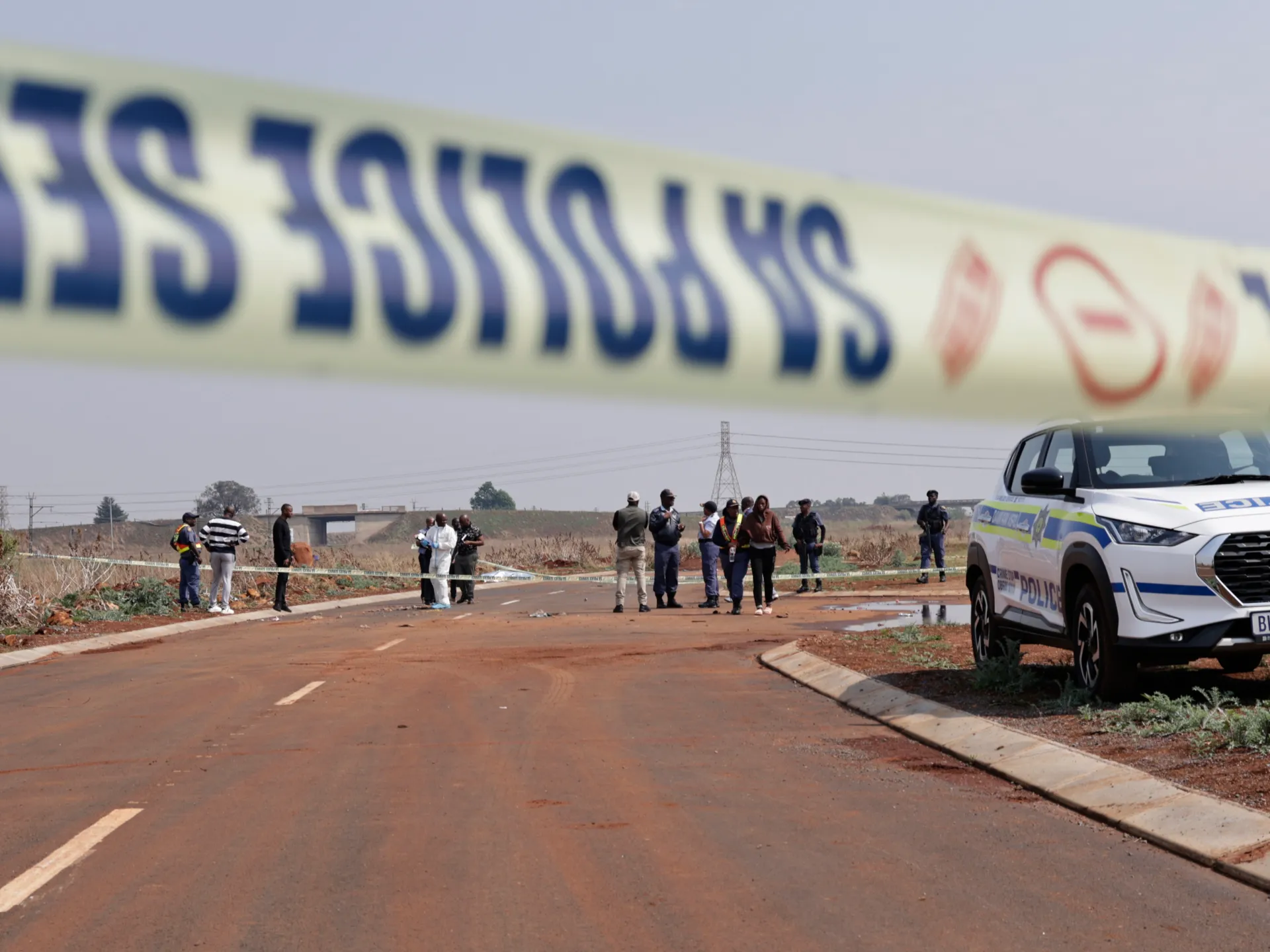
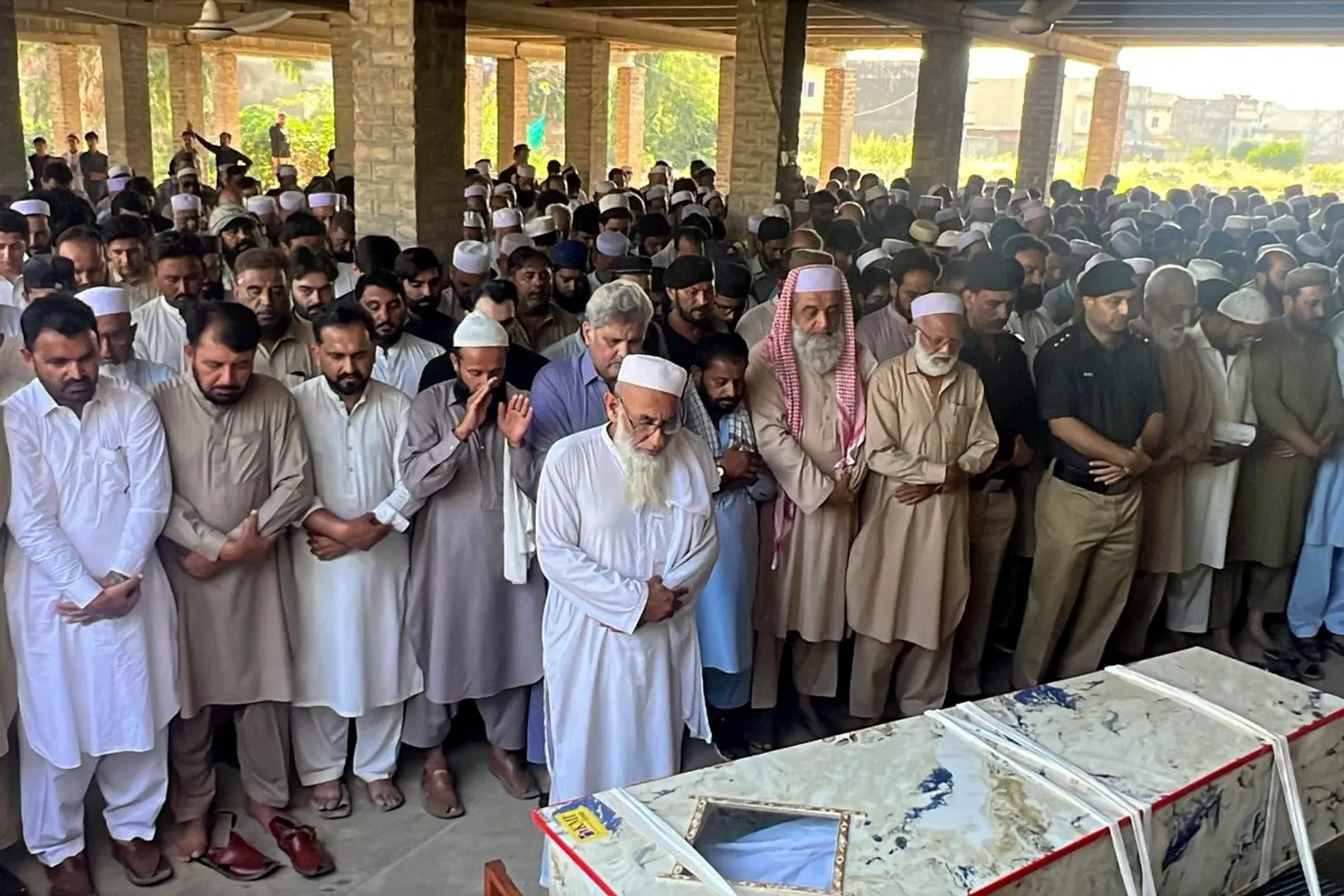
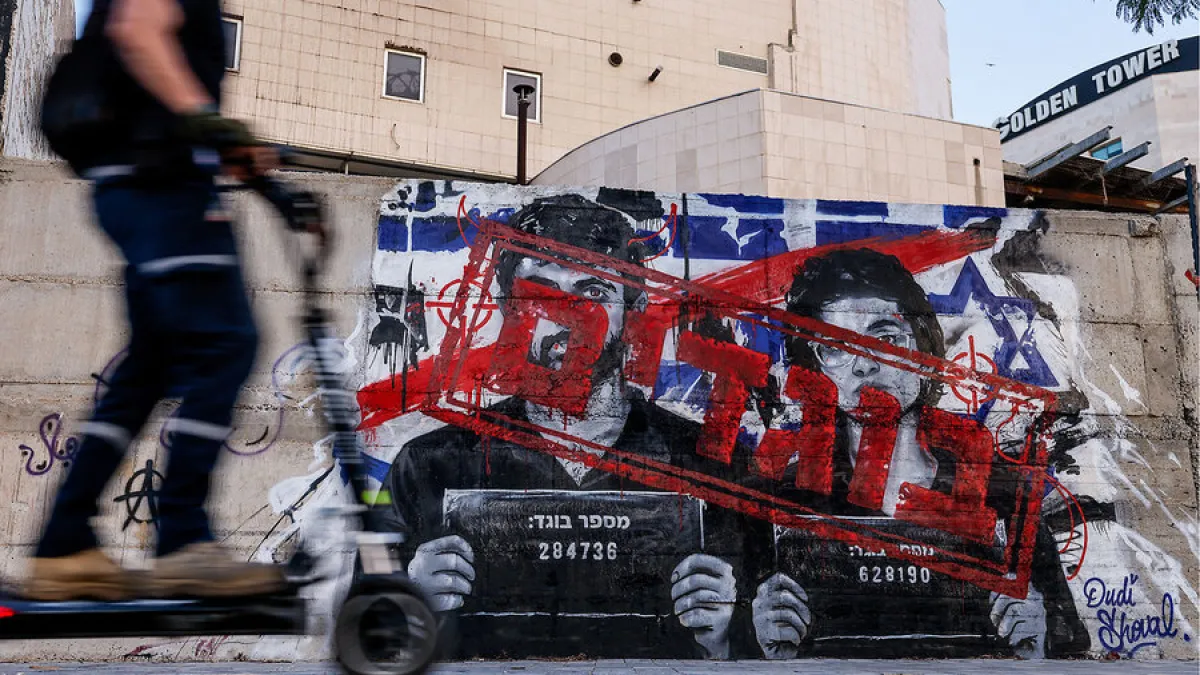
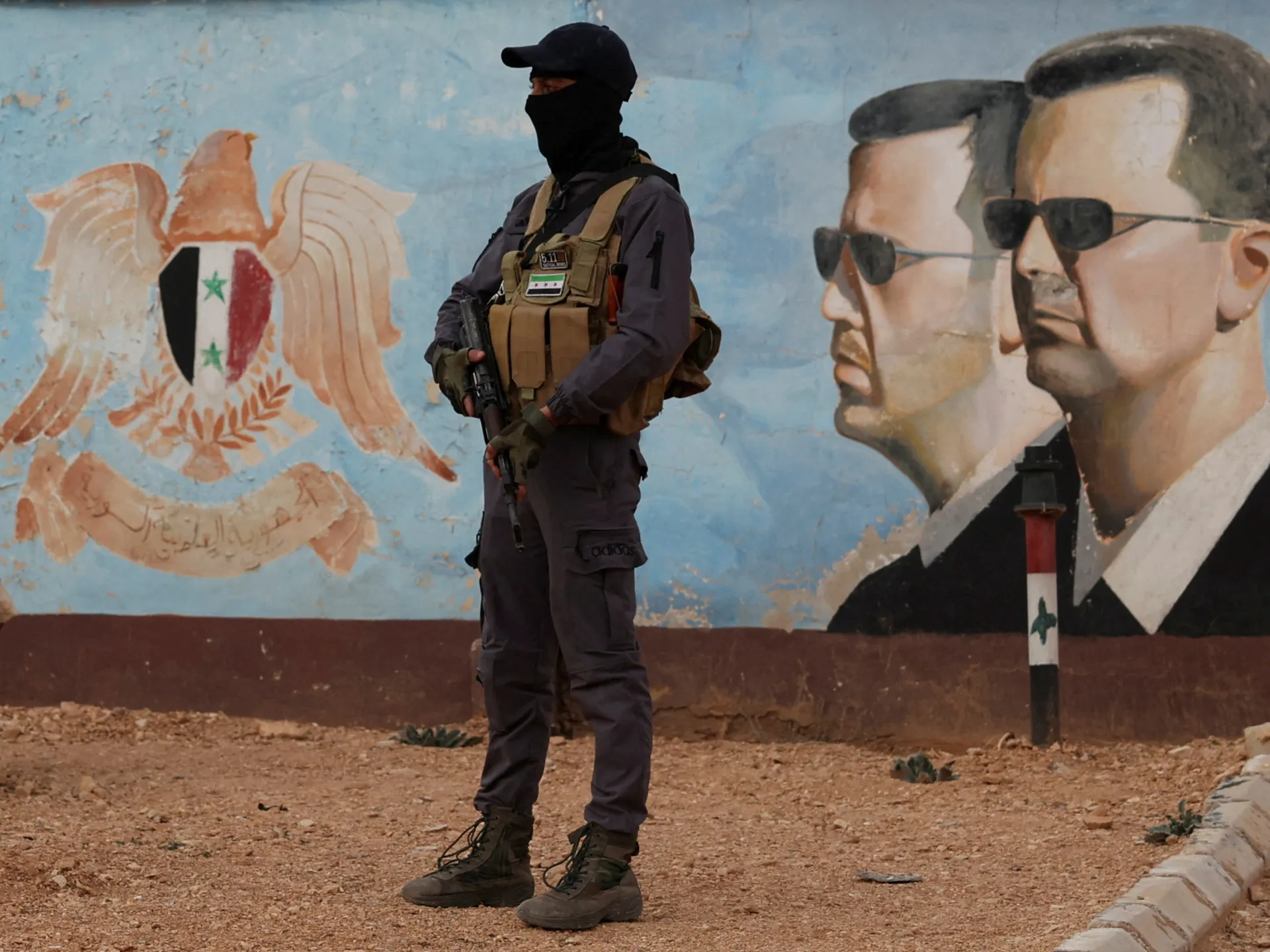
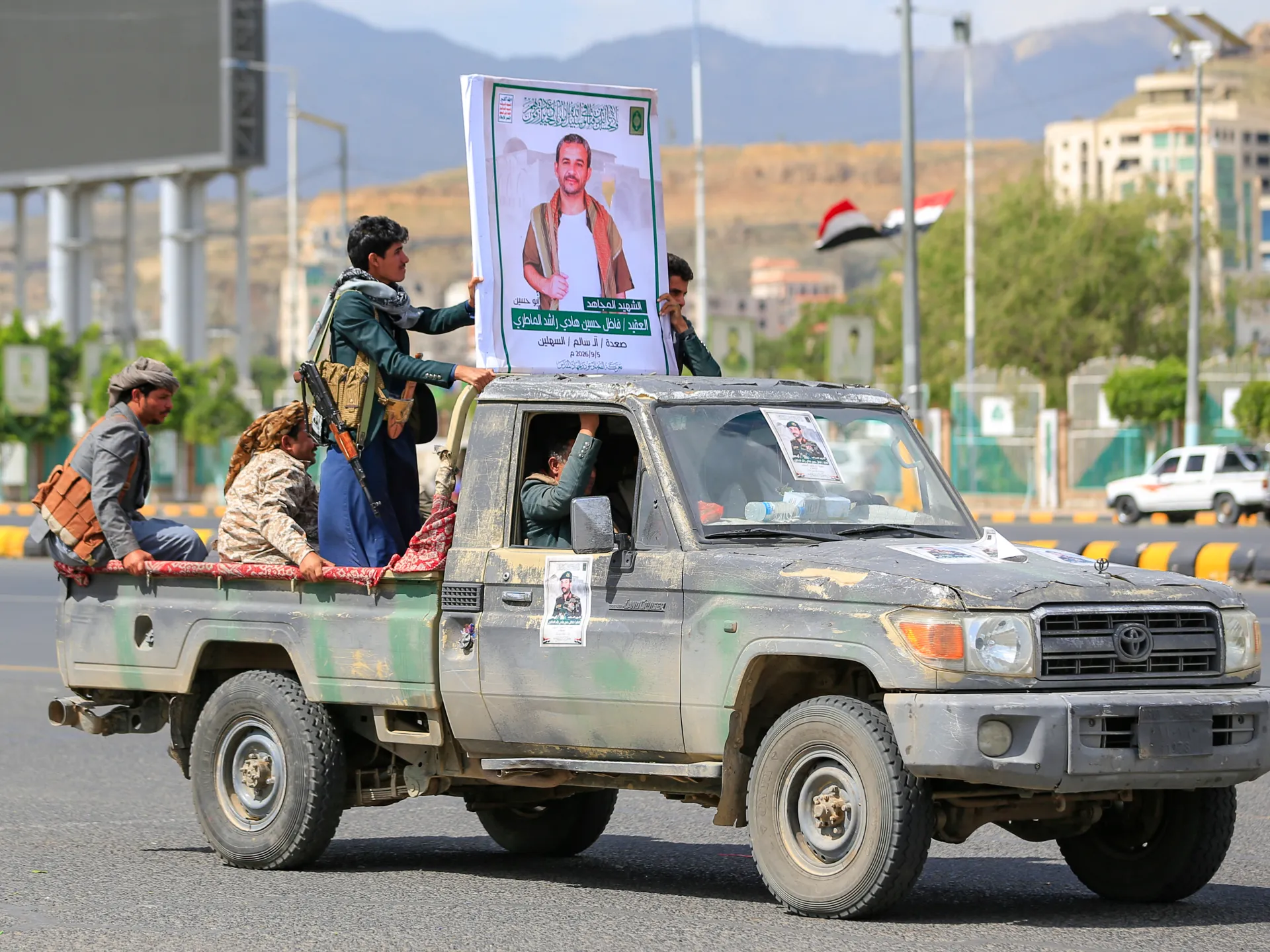
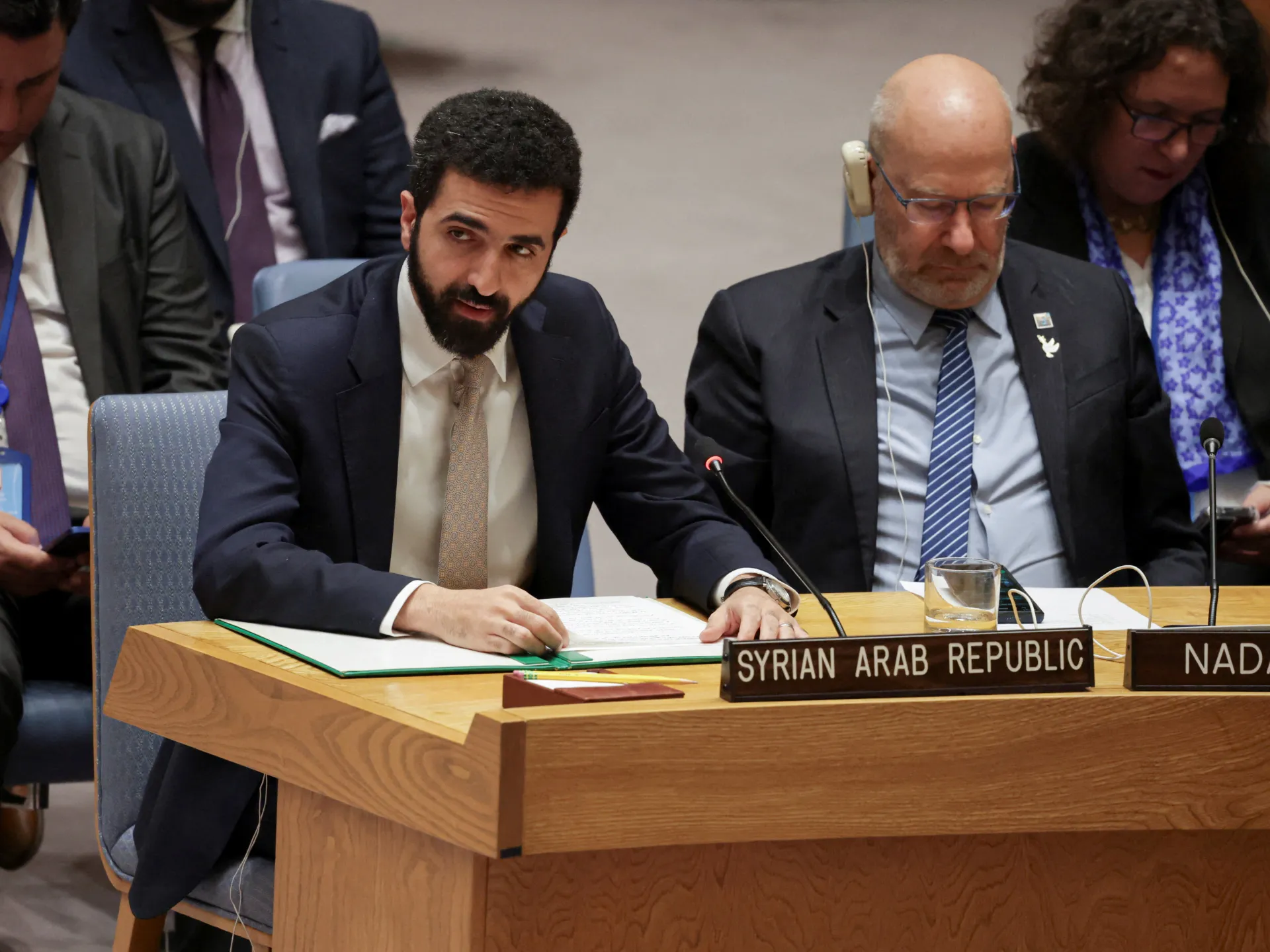
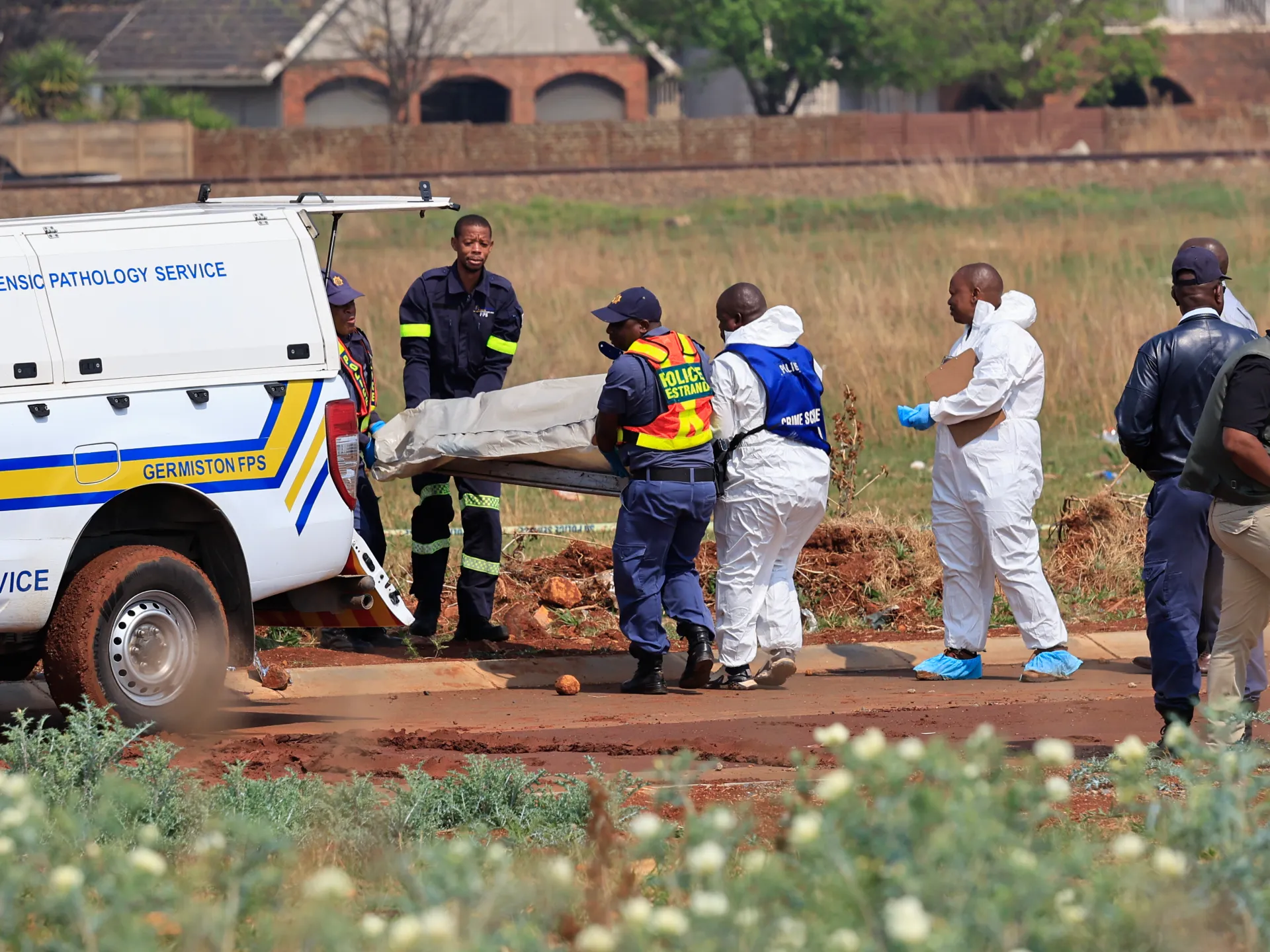
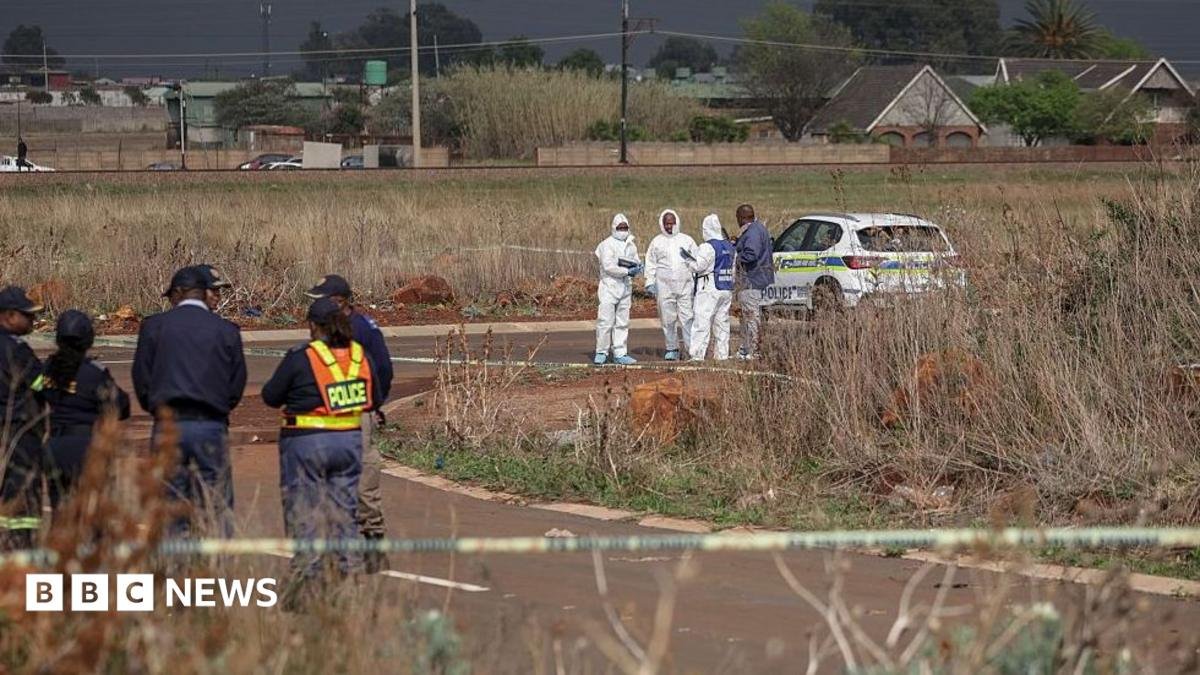
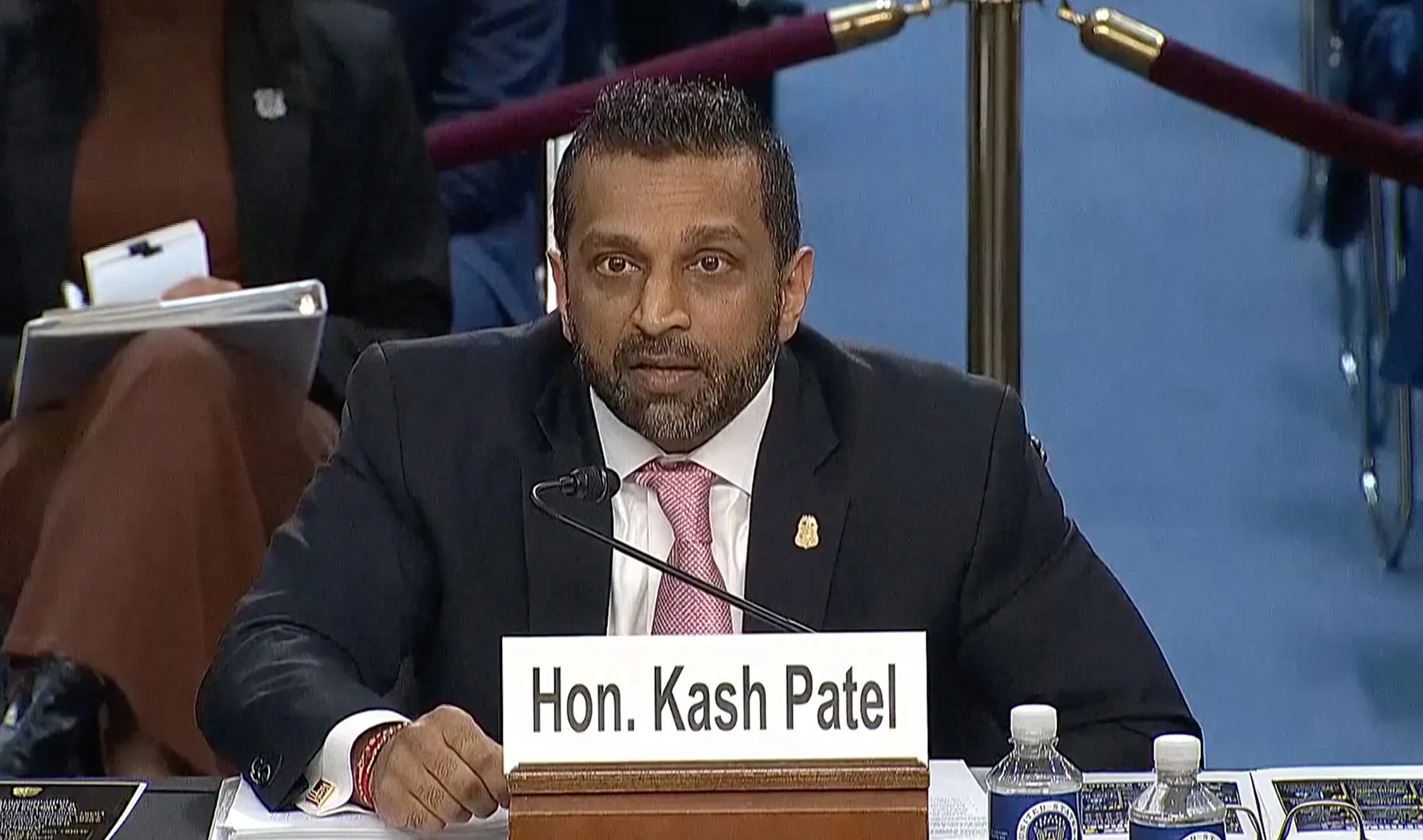
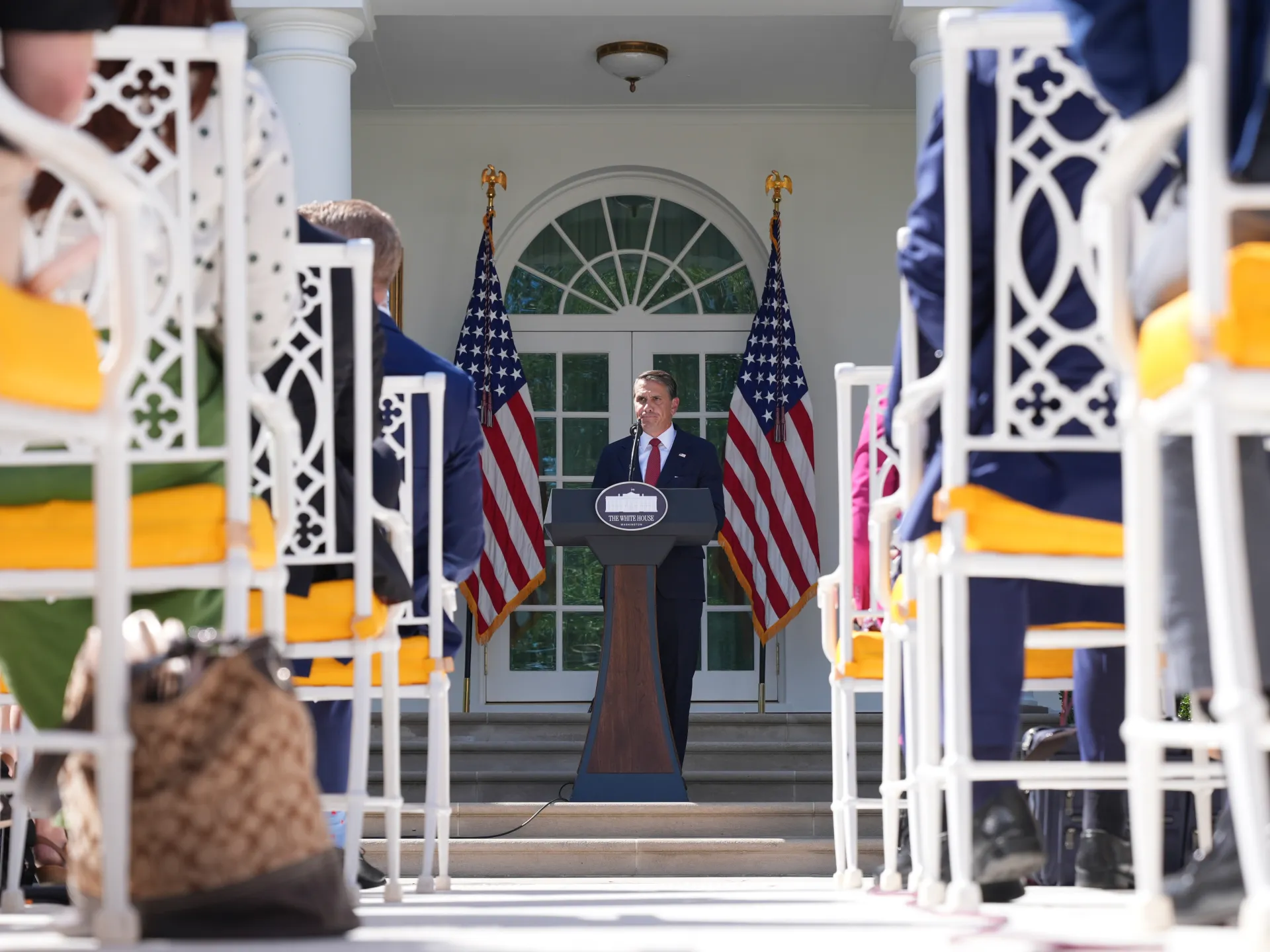
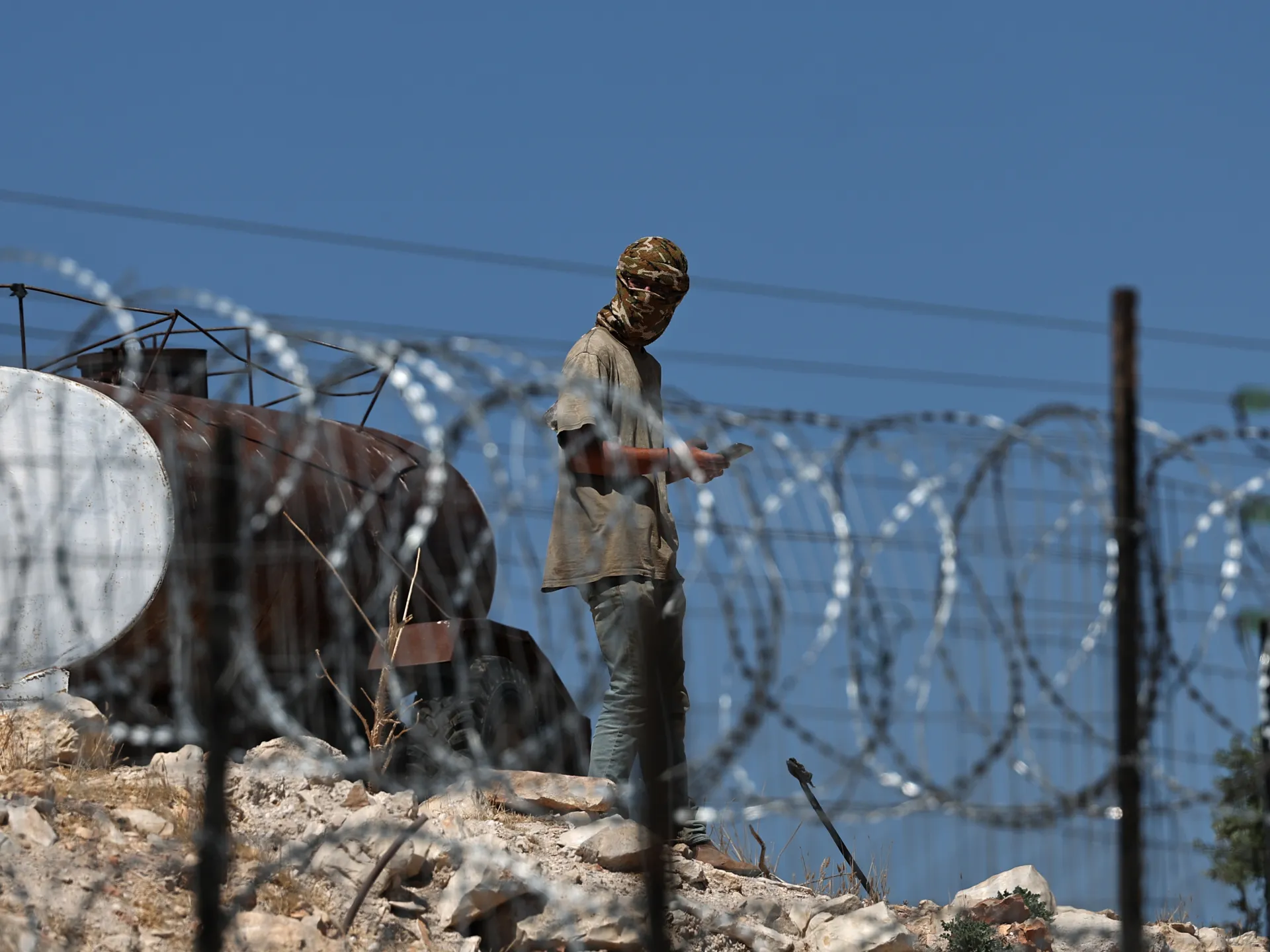
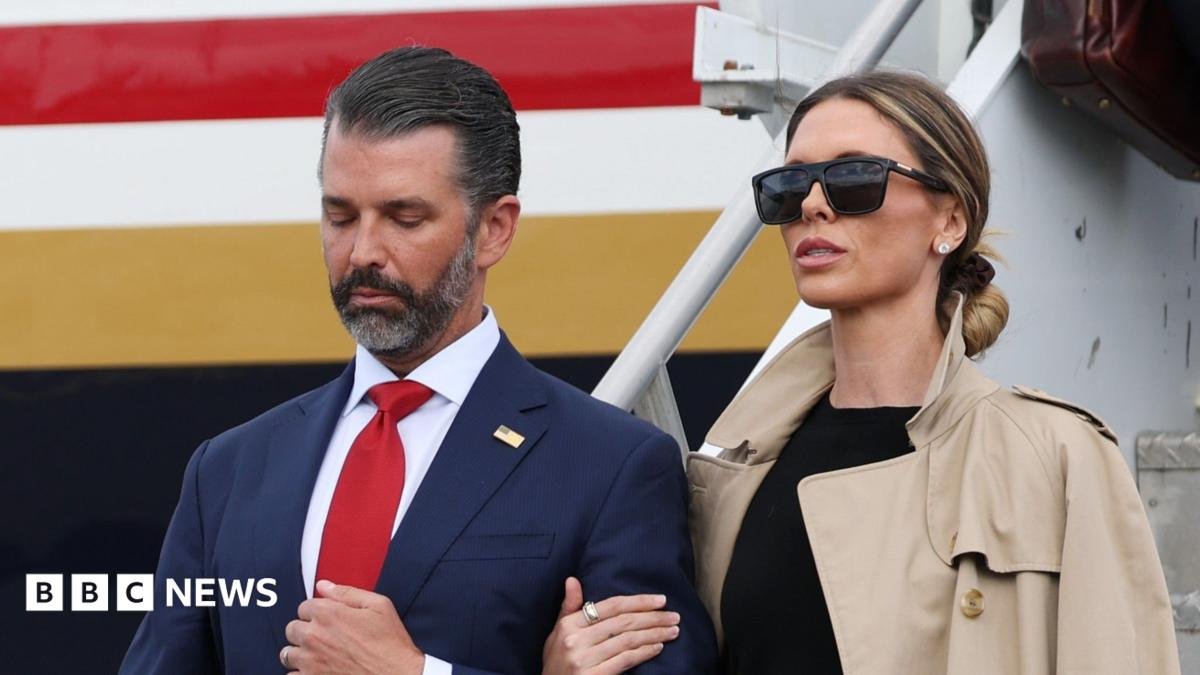
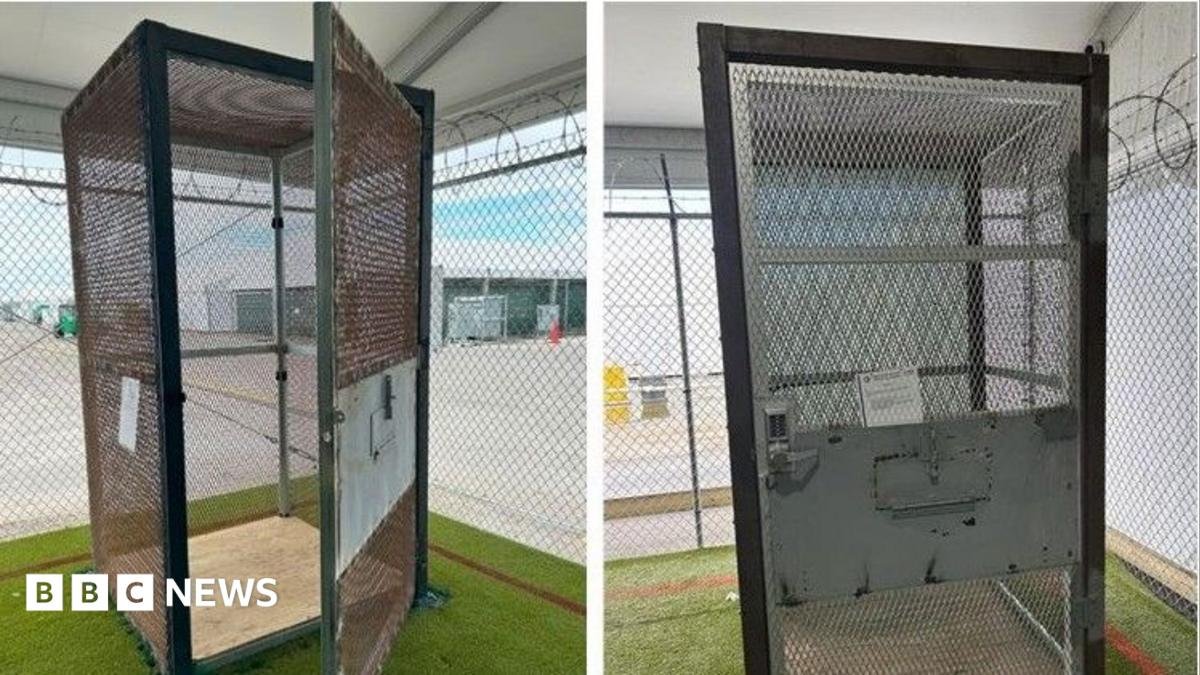
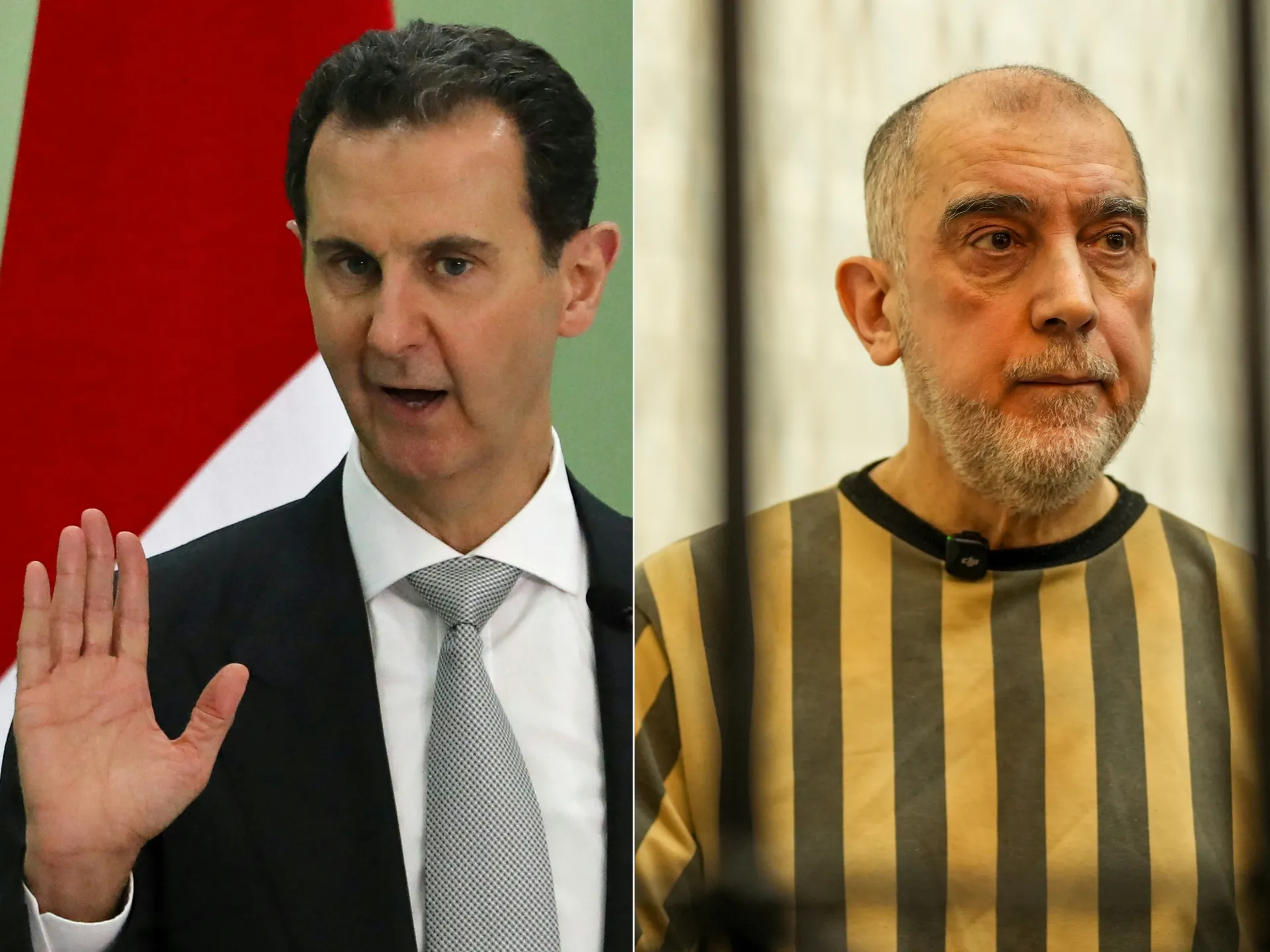
While regional powers manage the immediate consequences of hardware shortages, the ghosts of the past continue to complicate international relations. The case of Austin Tice, the US journalist abducted in Syria in 2012, has seen a definitive shift in understanding following the collapse of the Assad regime. BBC investigations have uncovered internal Syrian intelligence files confirming that Tice’s disappearance was not an opportunistic act of war, but a pre-planned operation sanctioned on was a calculated tactical maneuver underscores the long-standing, often clandestine nature of state-sponsored hostility in the region, providing a grim historical context to the current period of overt military confrontation.
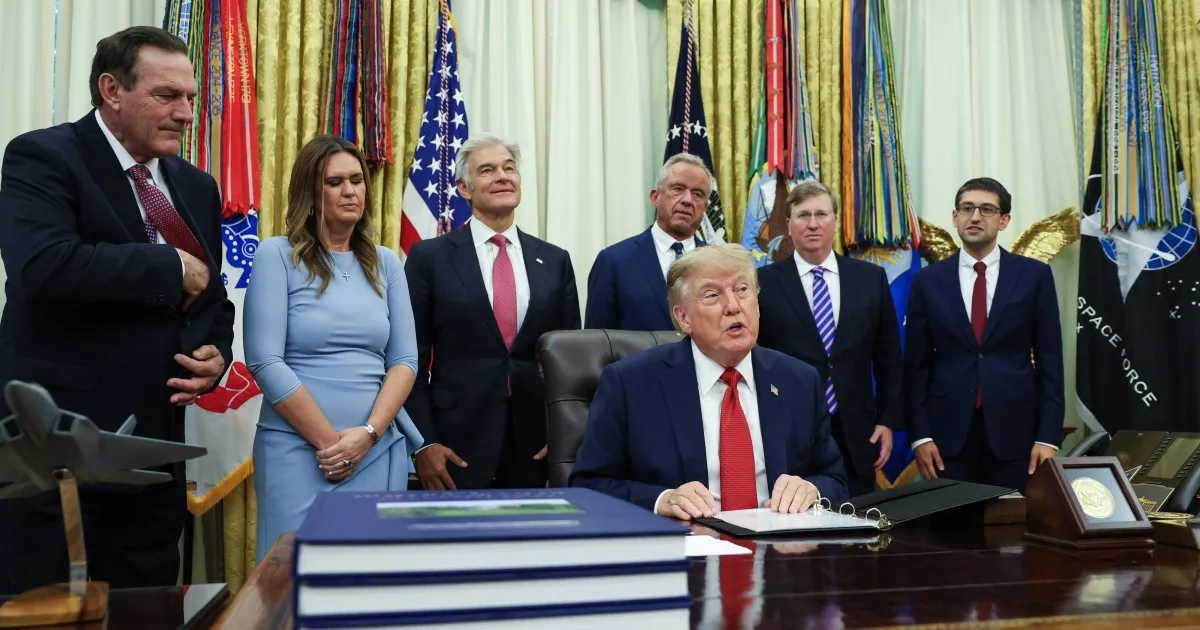
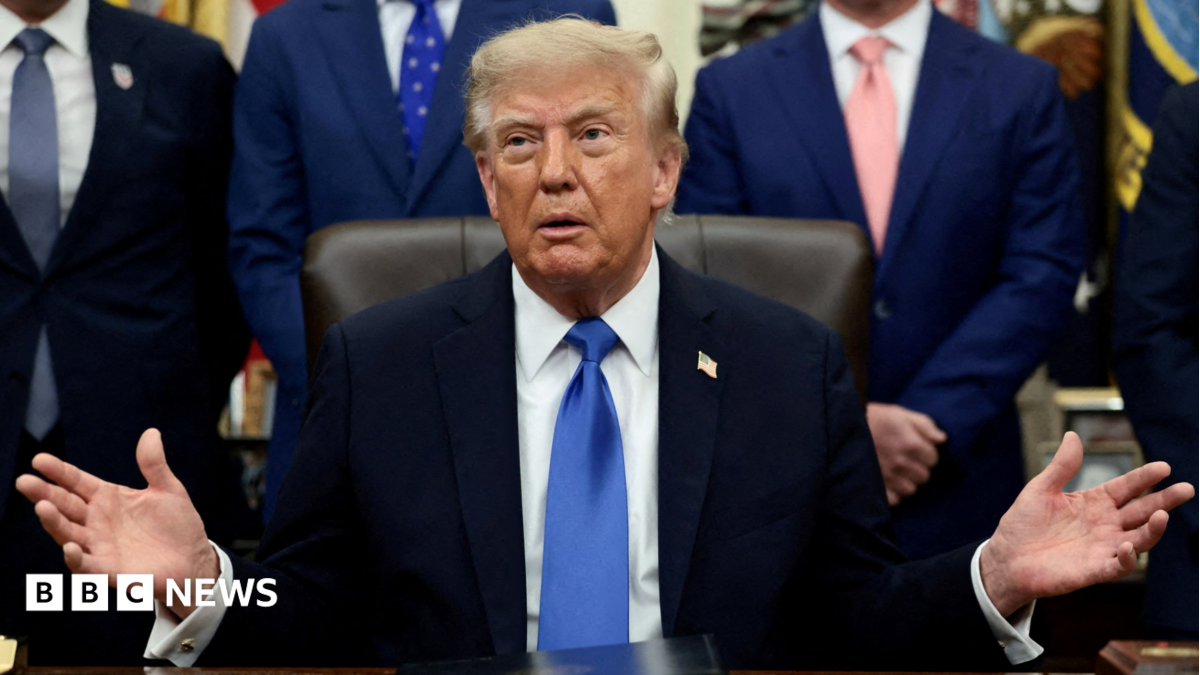
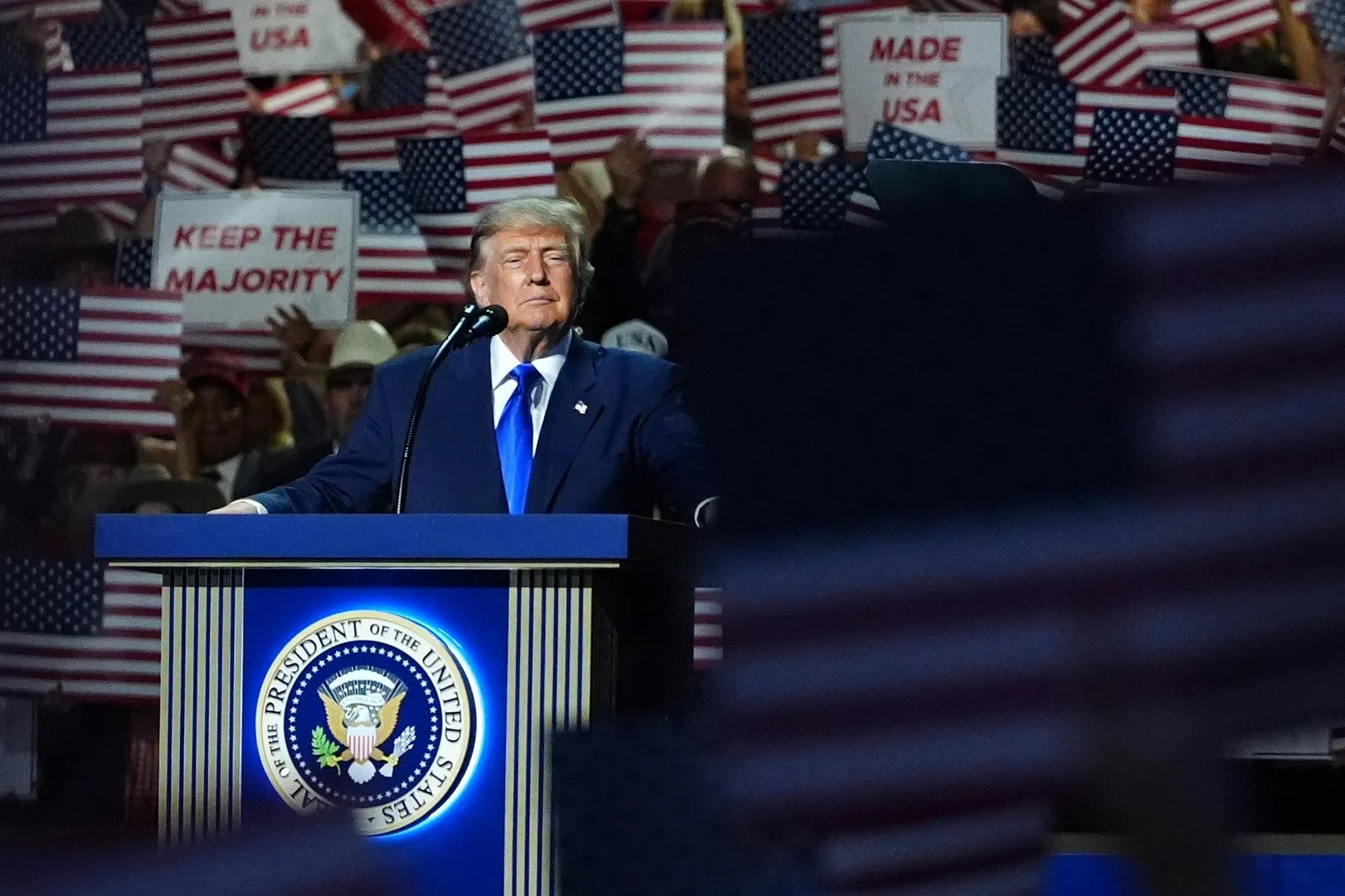
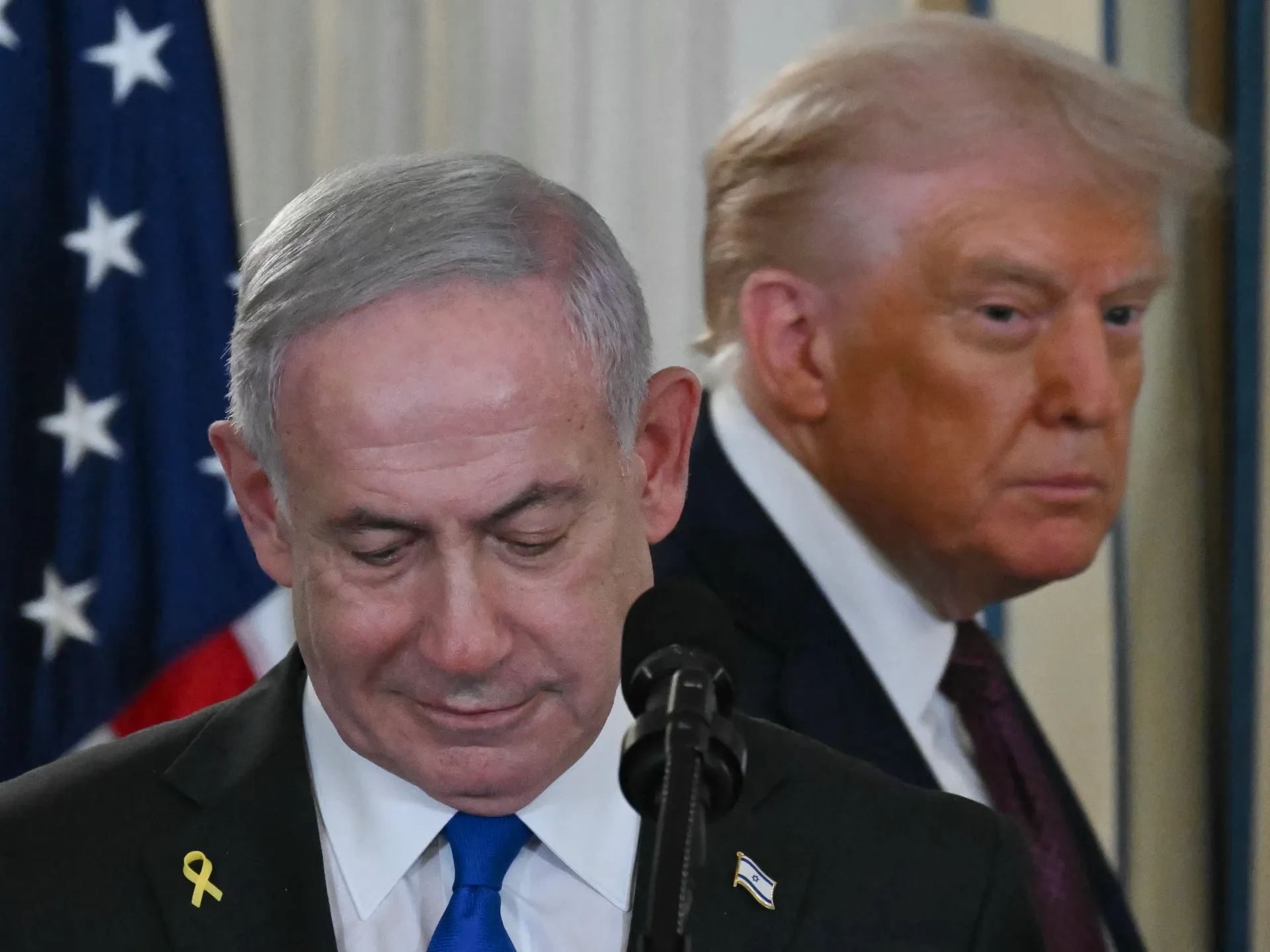
The immediate future will likely be defined l, the pressure on the Finance Ministry to unlock procurement funding will likely intensify, forcing Prime Minister Benjamin Netanyahu to either secure a deal with the opposition or risk a decline in military operational capacity. Meanwhile, the United States faces a significant strategic dilemma: with its precision missile stocks nearly empty, the administration will be forced to either recalibrate its military objectives in the conflict with Iran or accelerate production schedules at the potential cost of fiscal stability.
Furthermore, the revelations regarding the fate of Austin Tice may lead to renewed calls for accountability regarding the previous Syrian administration. As the international community processes the confirmation of state-sanctioned abductions, intelligence efforts will likely shift toward reconciling these historical records with the ongoing instability in the region. The combination of hardware scarcity and the resurfacing of past grievances suggests a period of heightened caution, where both domestic politics and international logistics will dictate the pace and nature of future military engagements.