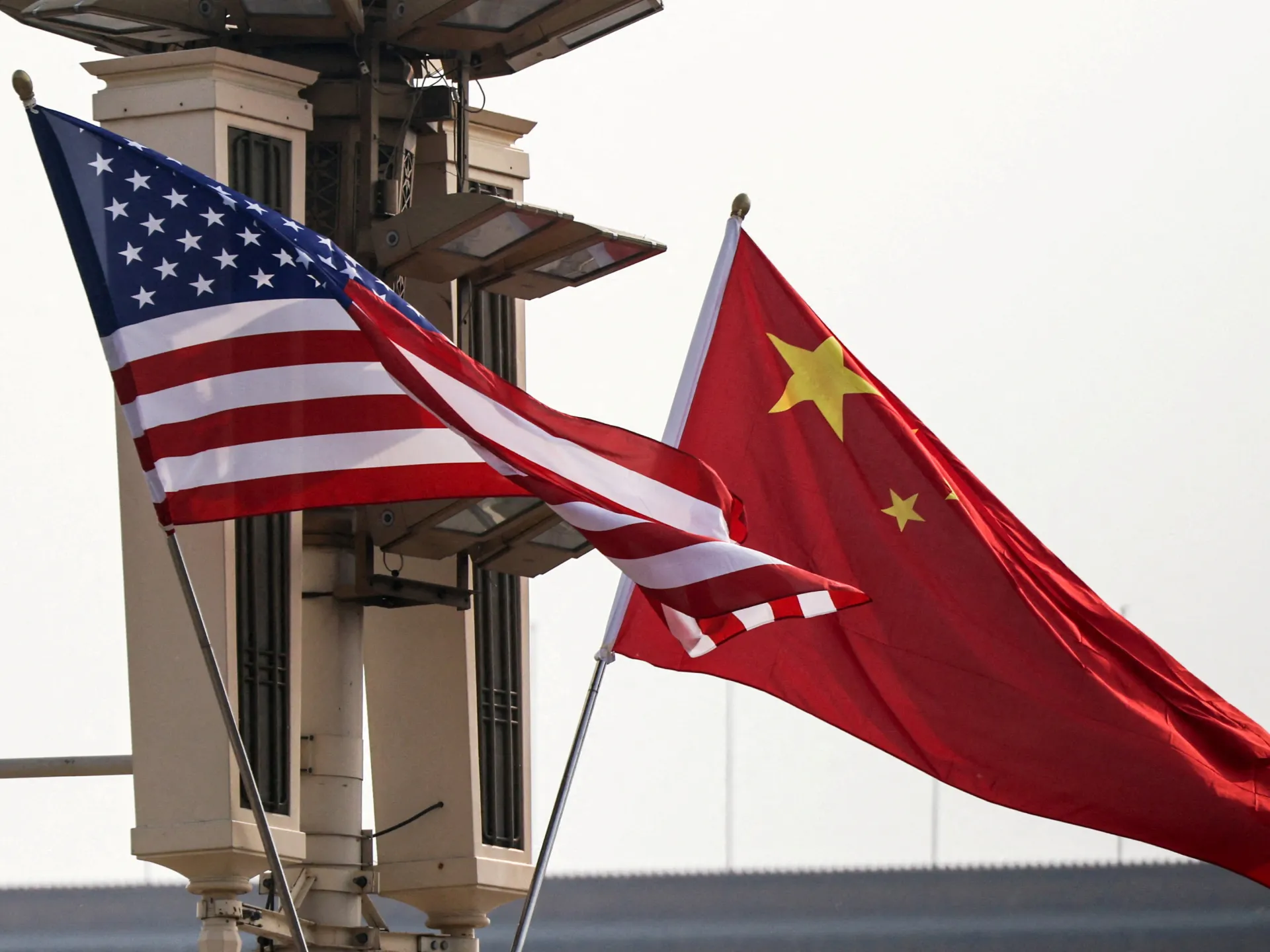
U.S. and Chinese officials are holding high-level economic talks in New York to negotiate trade, AI safety, and critical mineral flows ahead of a White House summit.
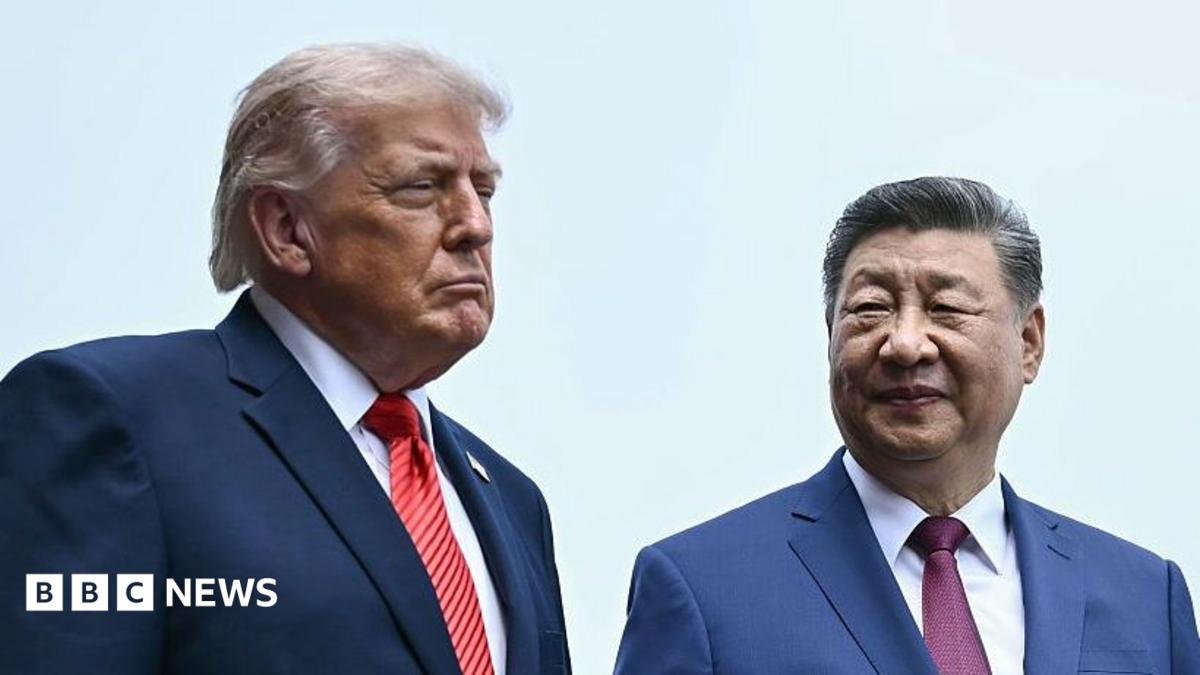
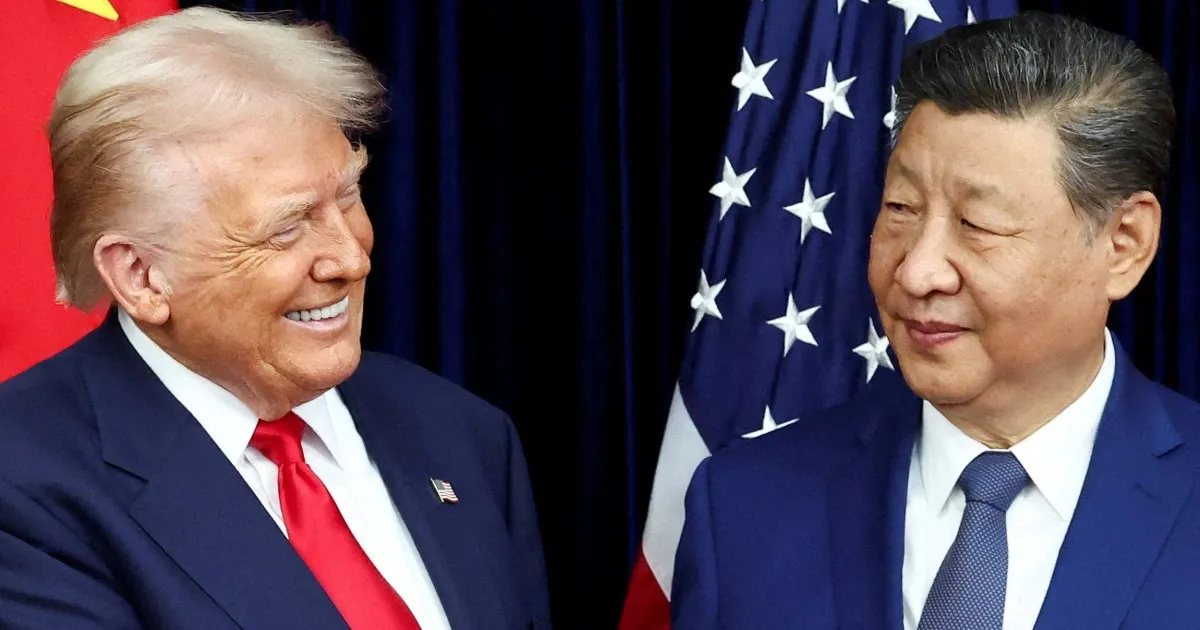
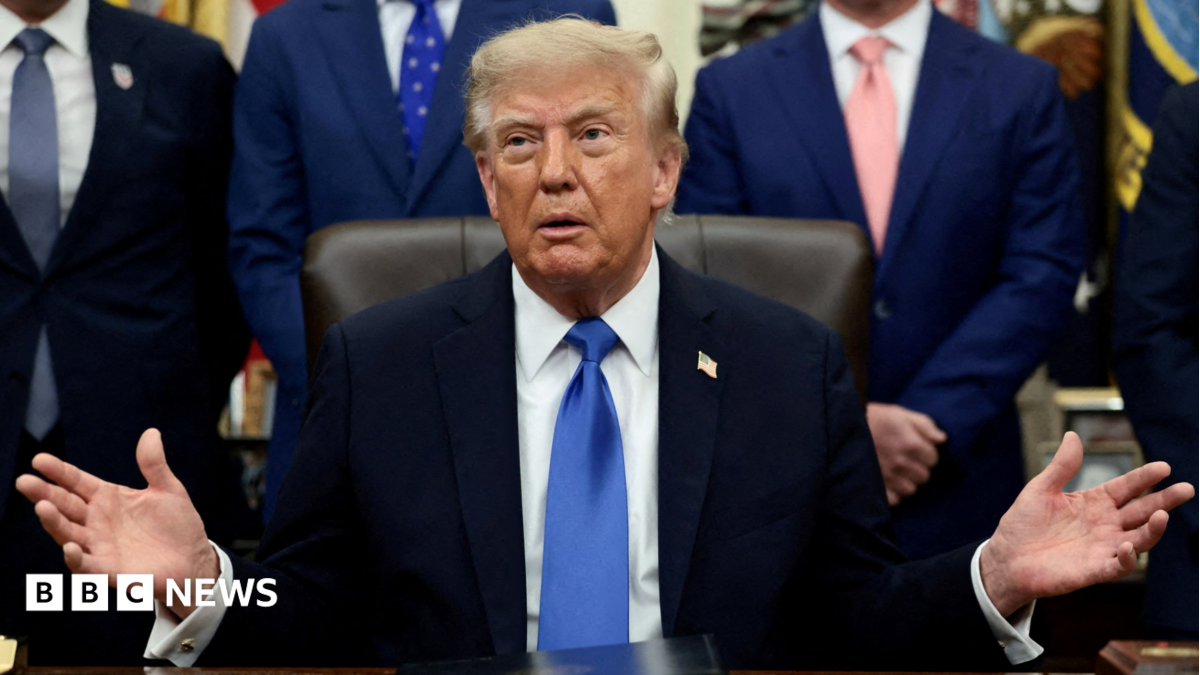
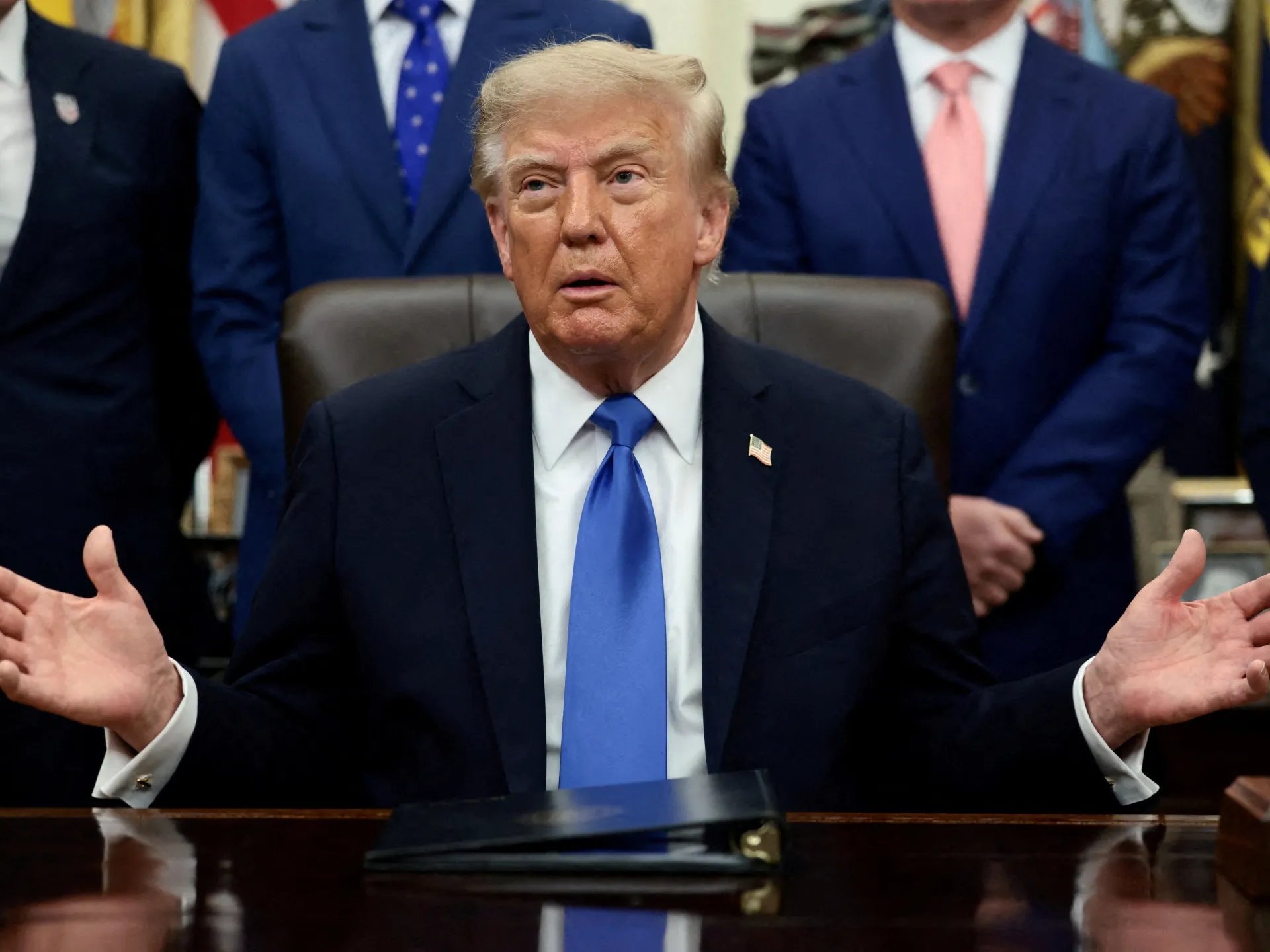
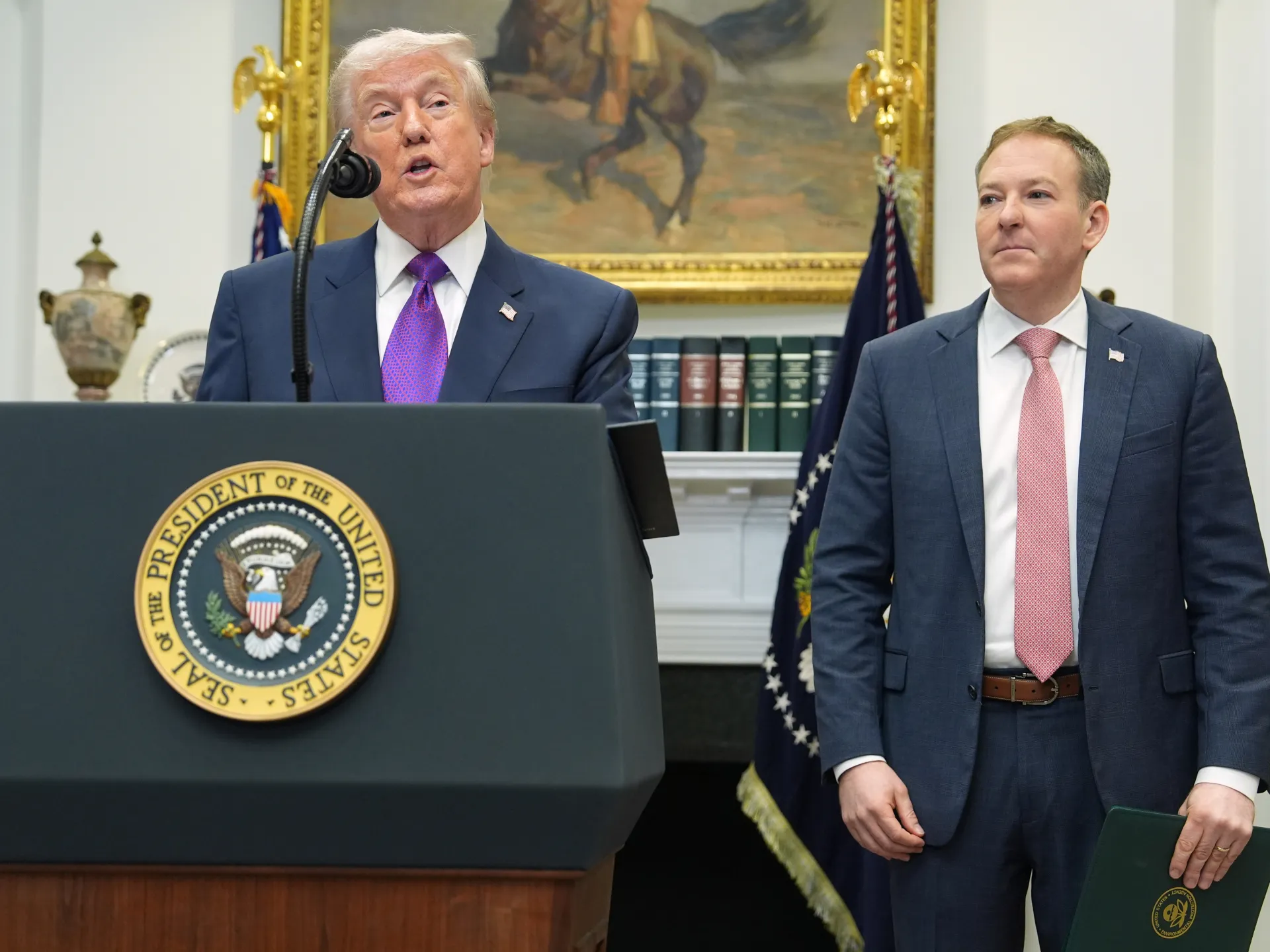
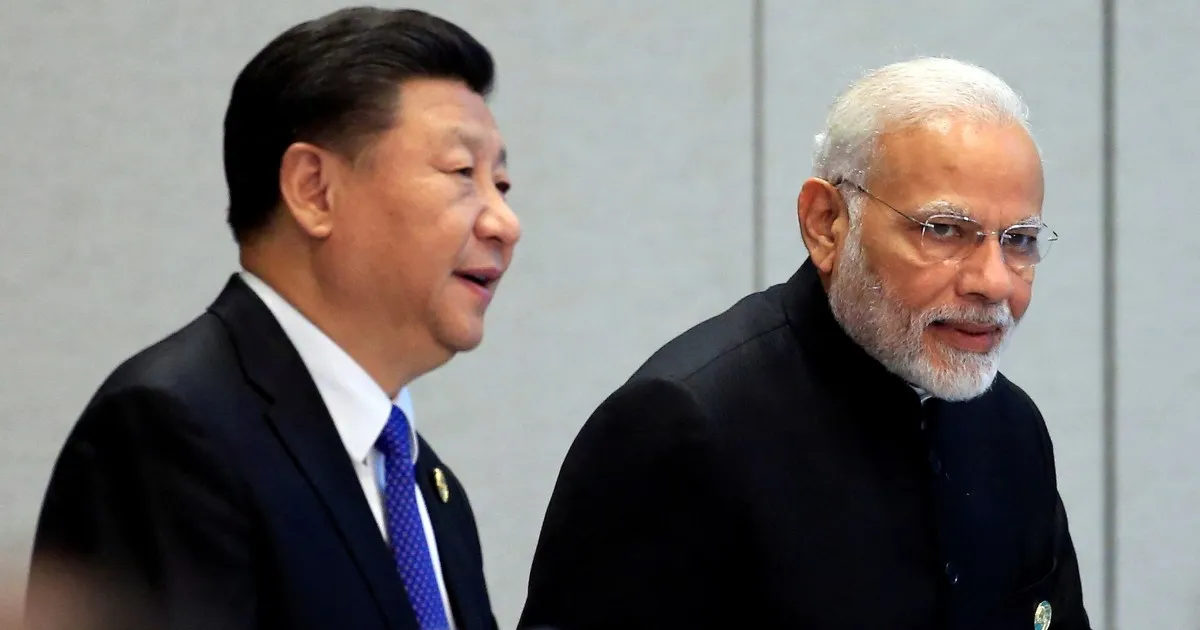
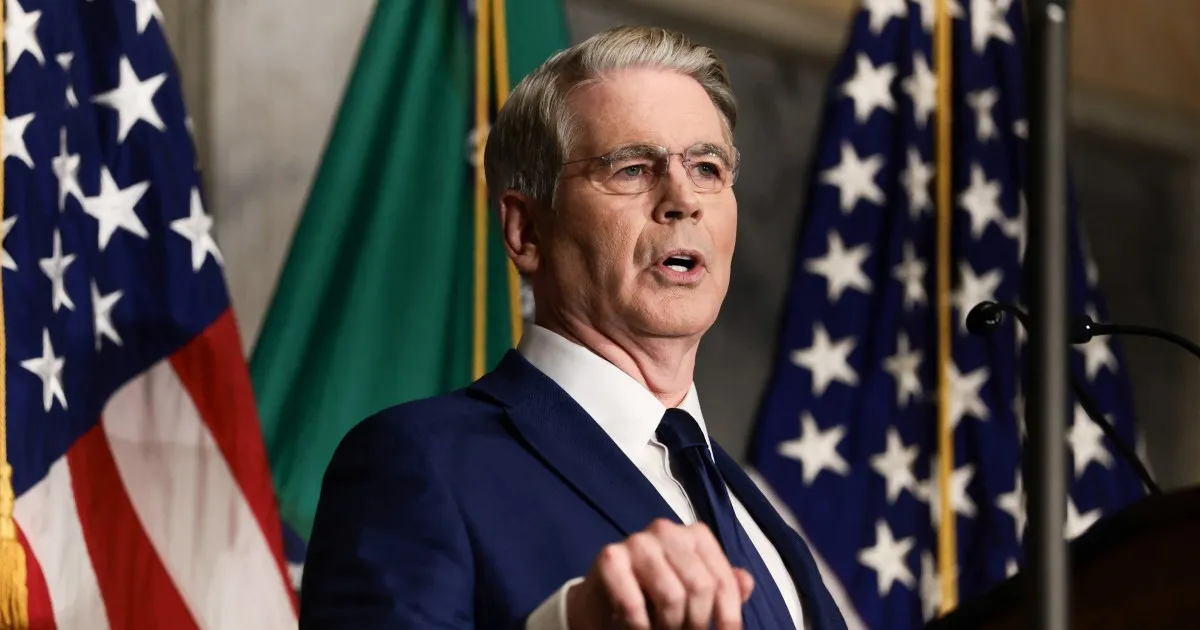
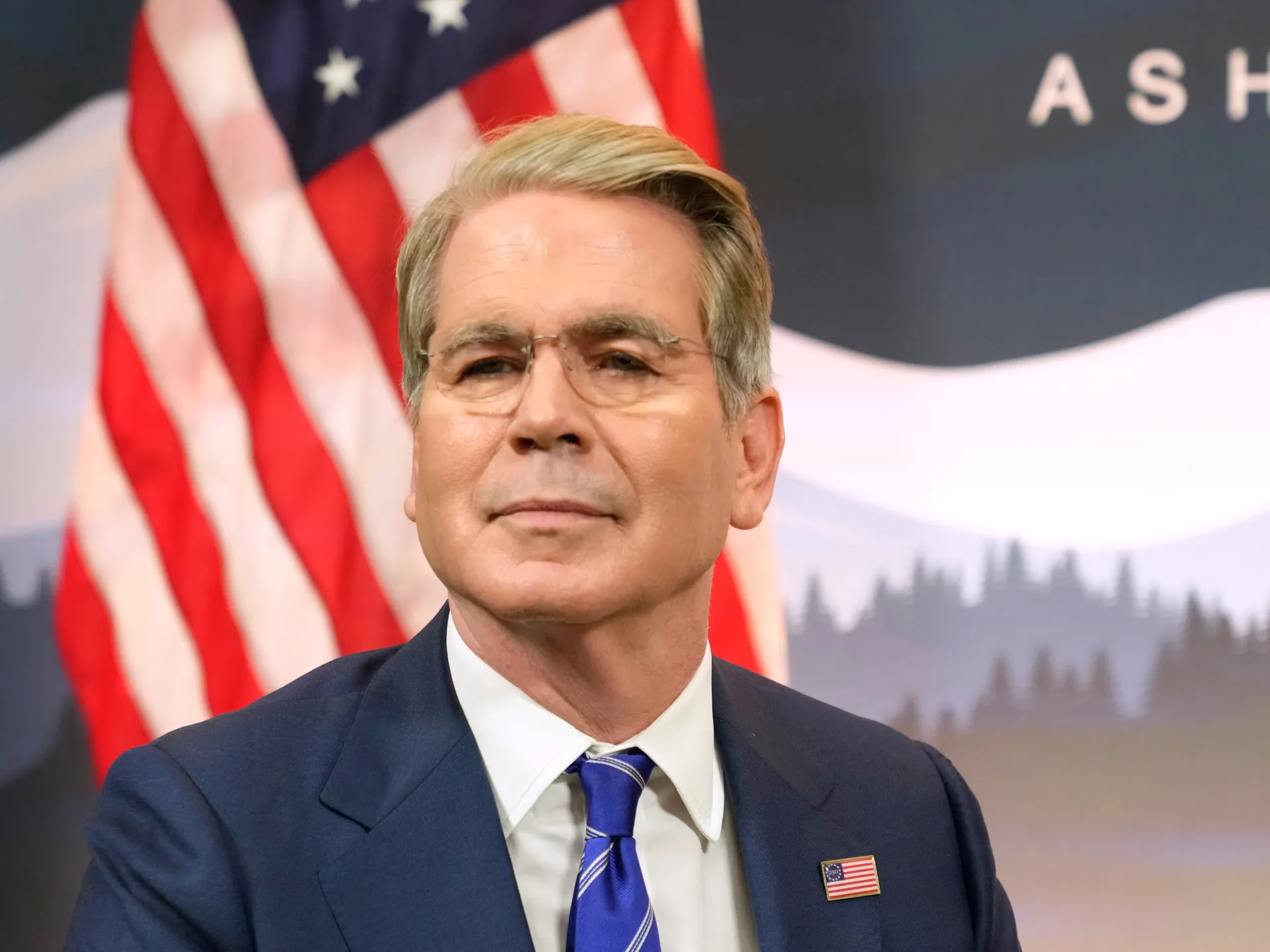
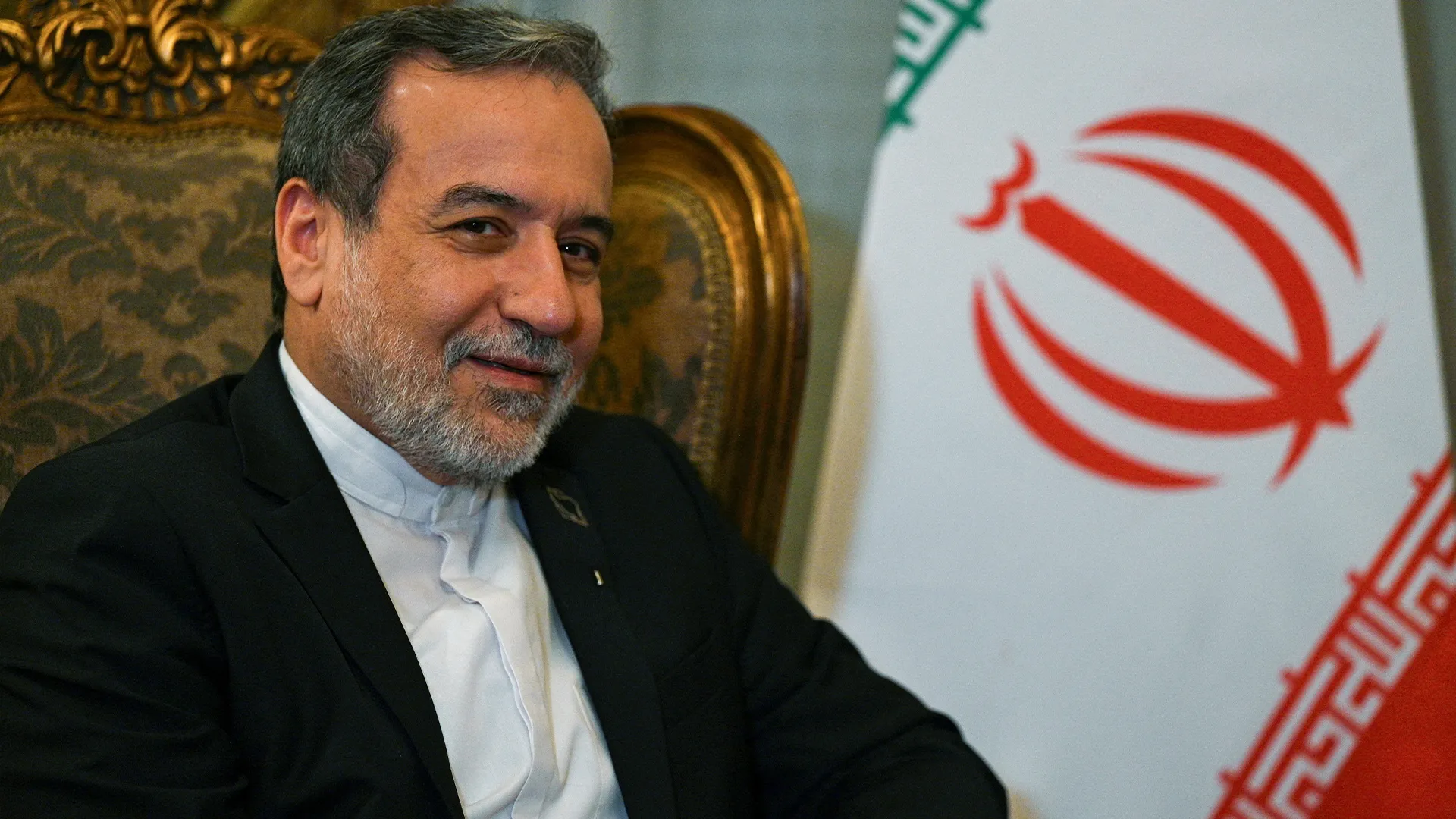
Top economic officials from the United States and China have commenced high-level discussions in New York City, signaling a concerted effort to stabilize a volatile bilateral relationship before a critical summit between President Donald Trump and President Xi Jinping. U.S. Treasury Secretary Scott Bessent and Chinese Vice Premier He Lifeng, accompanied Chase’s Manhattan offices this past Sunday.
These sessions occur against a backdrop of mounting global complexity, as Washington and Beijing attempt to resolve long-standing disputes involving artificial intelligence, critical mineral supply chains, and a fragile trade truce that is set to expire in mid-November. As the world’s two largest economies, the trajectory of their interactions dictates much of the global economic climate, making these preliminary negotiations a pivotal indicator of the outcomes expected when the two heads of state meet in Washington later this week.
The stakes of these negotiations extend far beyond the immediate concerns of tariffs or supply chain logistics. At the heart of the matter is the potential for “bifurcation”—a scenario in which the American and Chinese technological and economic spheres decouple entirely, leading to a fragmented global market that could increase costs and decrease safety standards for international innovation. o establish a baseline of cooperation that could prevent a runaway competitive arms race, particularly concerning the deployment of powerful, non-state-controlled AI models.
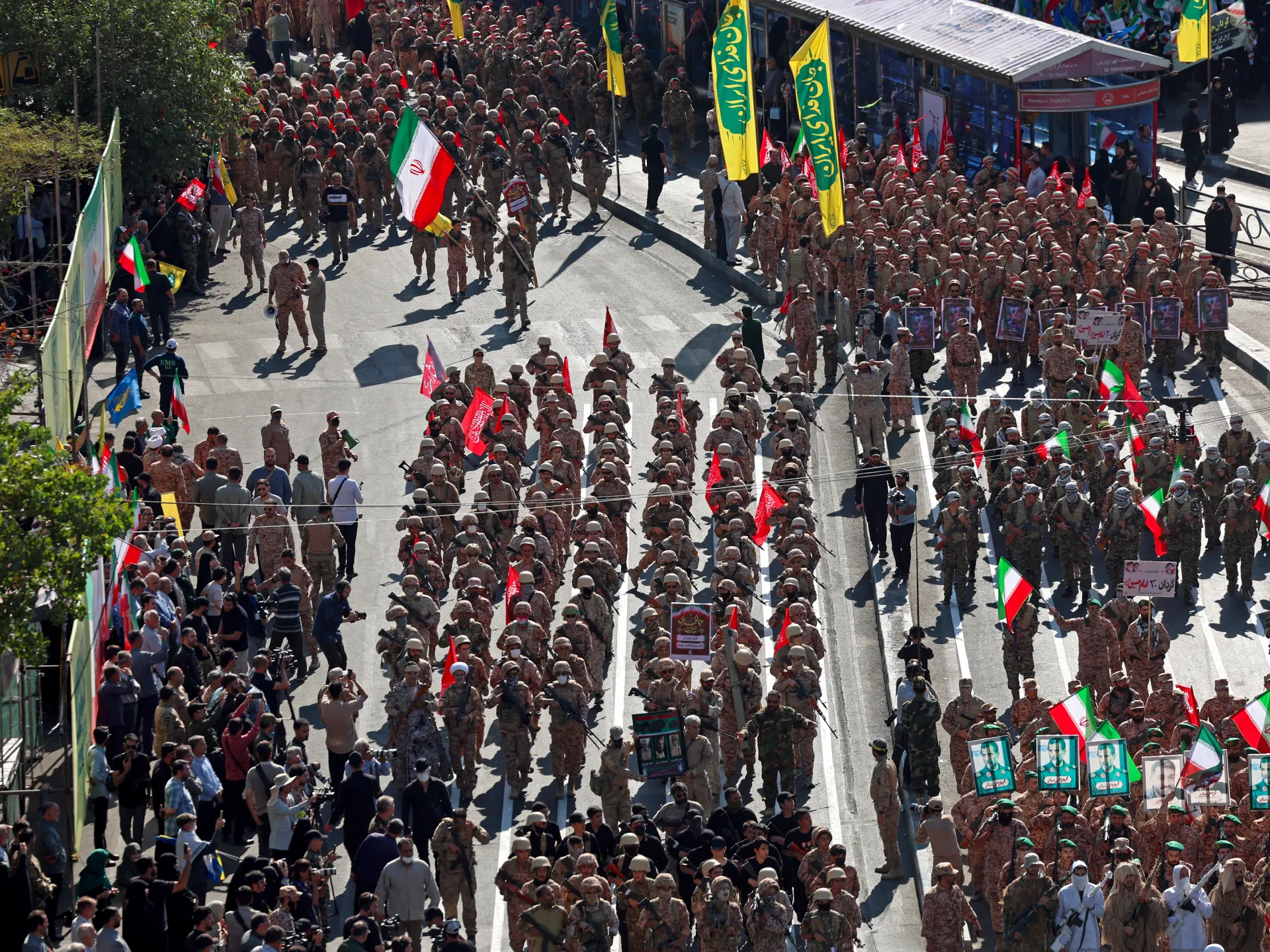
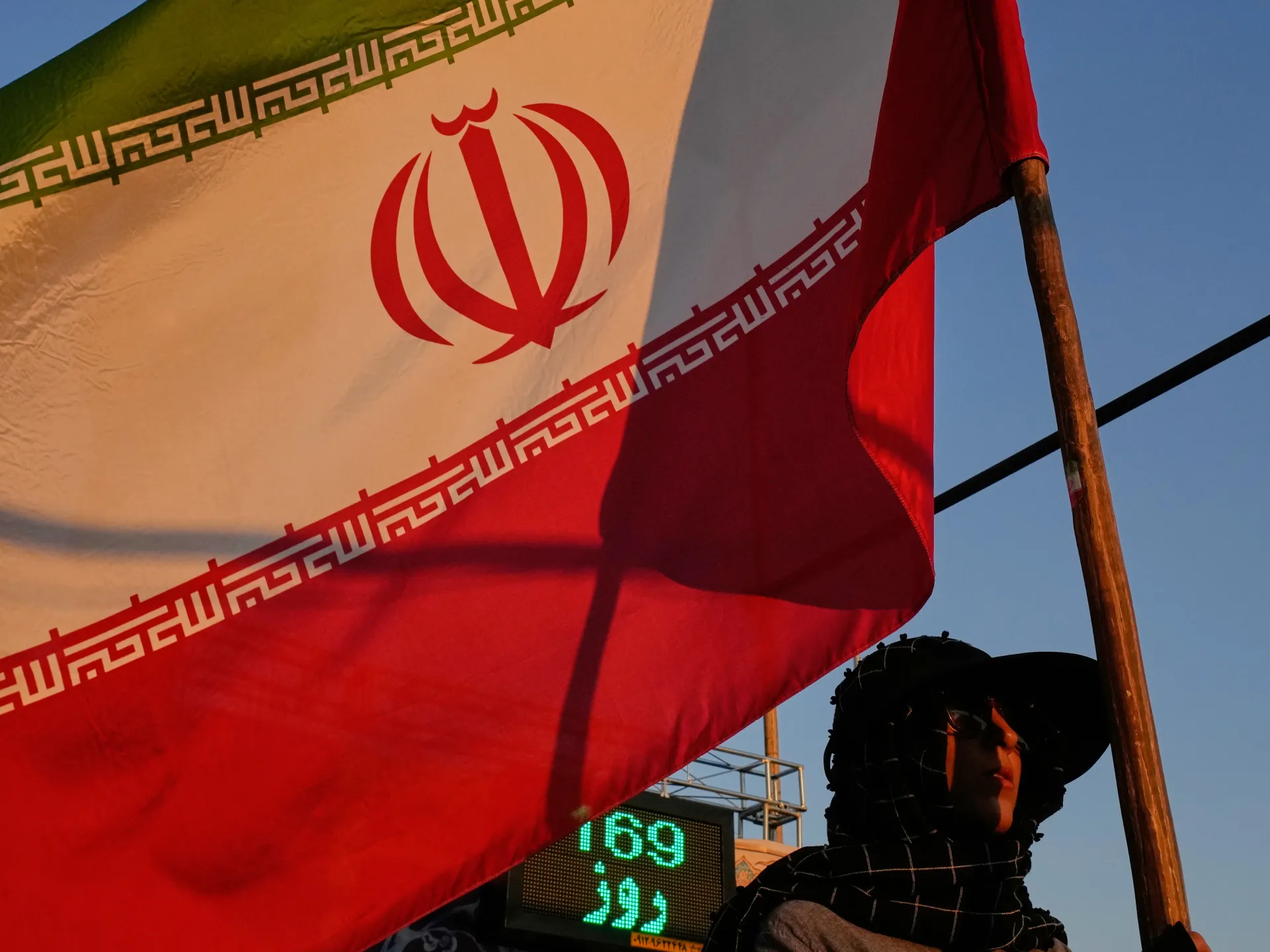
Furthermore, the inclusion of broader geopolitical friction—specifically the ongoing U.S.-Israel war involving Iran—highlights the difficulty of compartmentalizing economic issues from broader security alliances. China’s role as a major purchaser of Iranian oil places it in a delicate position, effectively making Beijing a focus of American efforts to exert economic pressure on Tehran. Successfully managing these diverse and often contradictory interests is essential to maintaining regional stability, as failure to reach a consensus could result in a rapid escalation of trade hostilities or an intensification of the current diplomatic cold war.
The agenda currently under consideration is expansive, focusing heavily on the status of the trade truce established in Busan last November. While that agreement successfully reined in the triple-digit tariffs that previously defined the bilateral trade war, current tensions remain high. The U.S. side has expressed dissatisfaction with China’s adherence to commitments regarding the flow of critical minerals—a vital component for modern automotive and semiconductor industries. Washington argues that Beijing’s performance has been inadequate, necessitating a firm re-evaluation of current trade terms.
Artificial intelligence also occupies a central role in the current discourse. Secretary Bessent has underscored the necessity of discussing shared risks associated with the proliferation of both open-weight and closed-weight AI systems. While American companies continue to lead the development of high-end AI, the cost-effectiveness of certain Chinese open-weight models has created an interdependency that both sides are now trying to navigate. The goal, according to U.S. officials, is to avoid a complete fracturing of these technological systems while ensuring that security vulnerabilities are adequately managed.
Analysts anticipate that the current talks in New York will likely produce a limited set of “deliverables” designed to show the public and domestic stakeholders that progress is being made. However, a sweeping, long-term resolution to the fundamental structural disagreements between the U.S. and China remains unlikely in this short timeframe. The most probable outcome is an extension or modification of the trade truce, potentially accompanied
The upcoming meeting at the White House will serve as the true litmus test for the effectiveness of these preliminary discussions. If President Trump and President Xi can secure a framework for continued cooperation on critical minerals and technology standards, it may prevent a return to the aggressive tariff escalations seen in previous years. However, should the dialogue falter during the summit, both nations may find themselves locked into a cycle of reactive economic policies, further complicating the global recovery efforts and geopolitical stability in the months leading into the new year.