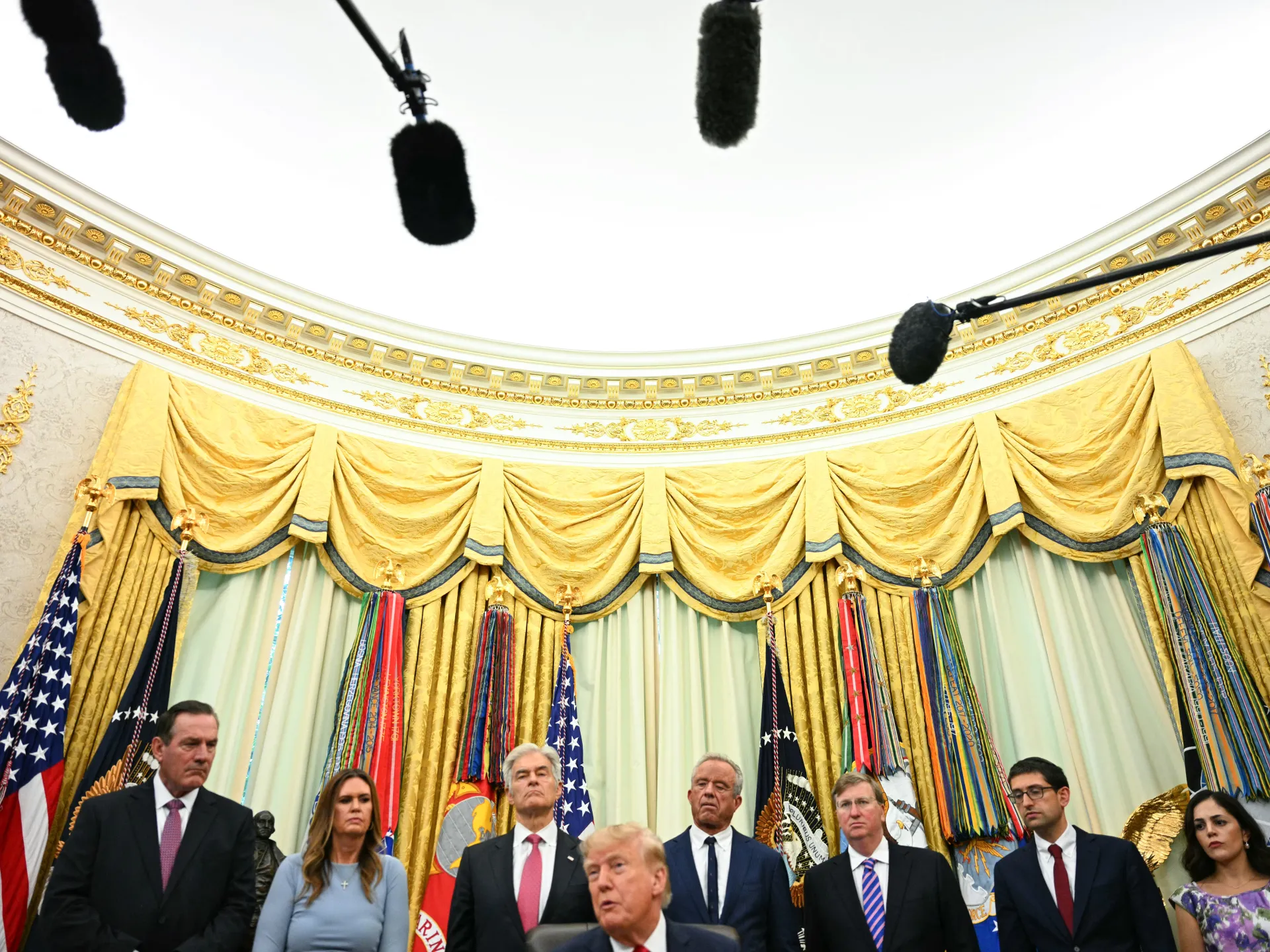
A coalition of news outlets has filed a lawsuit against the Trump administration to challenge the revocation of their White House press credentials.
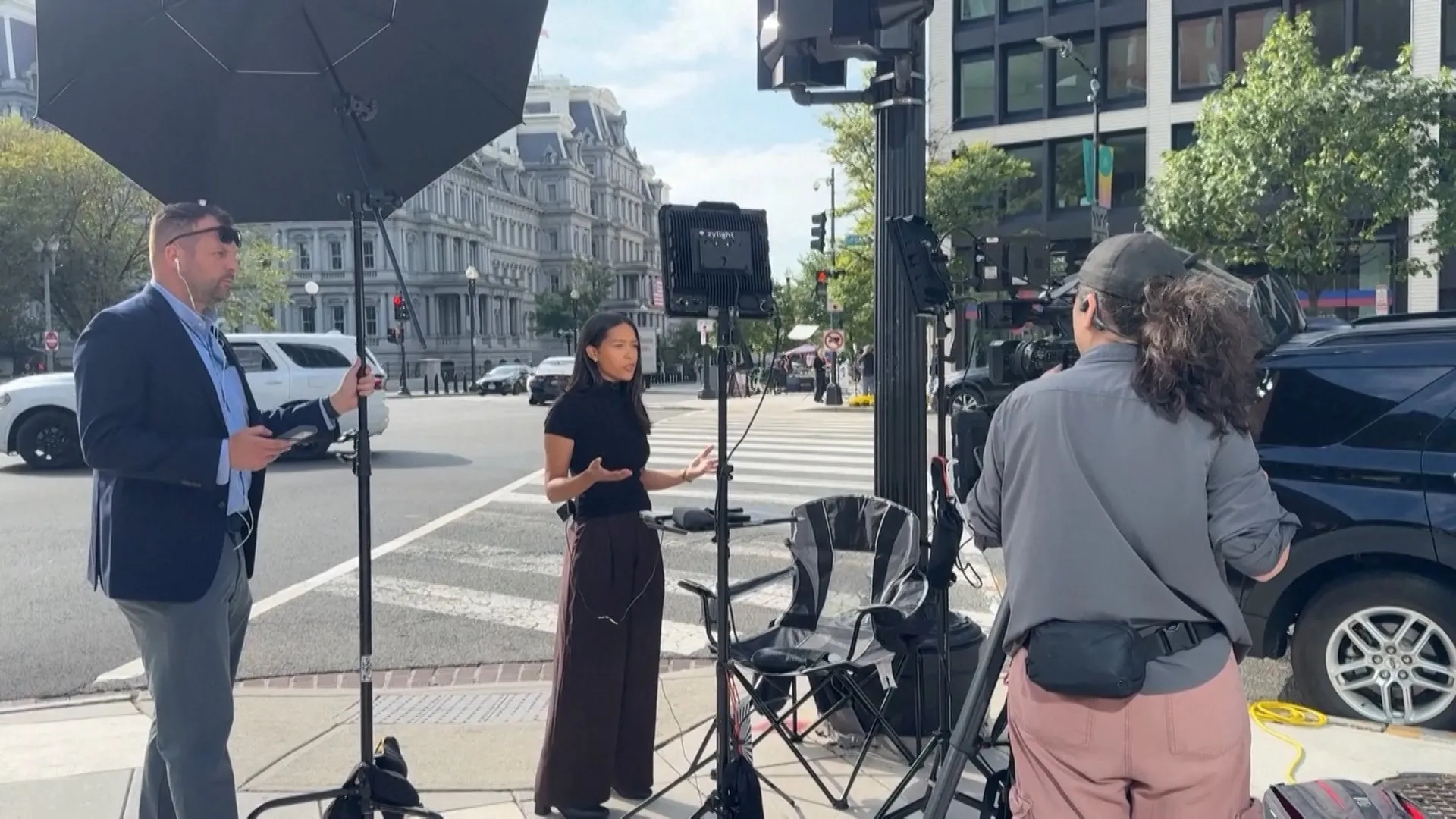
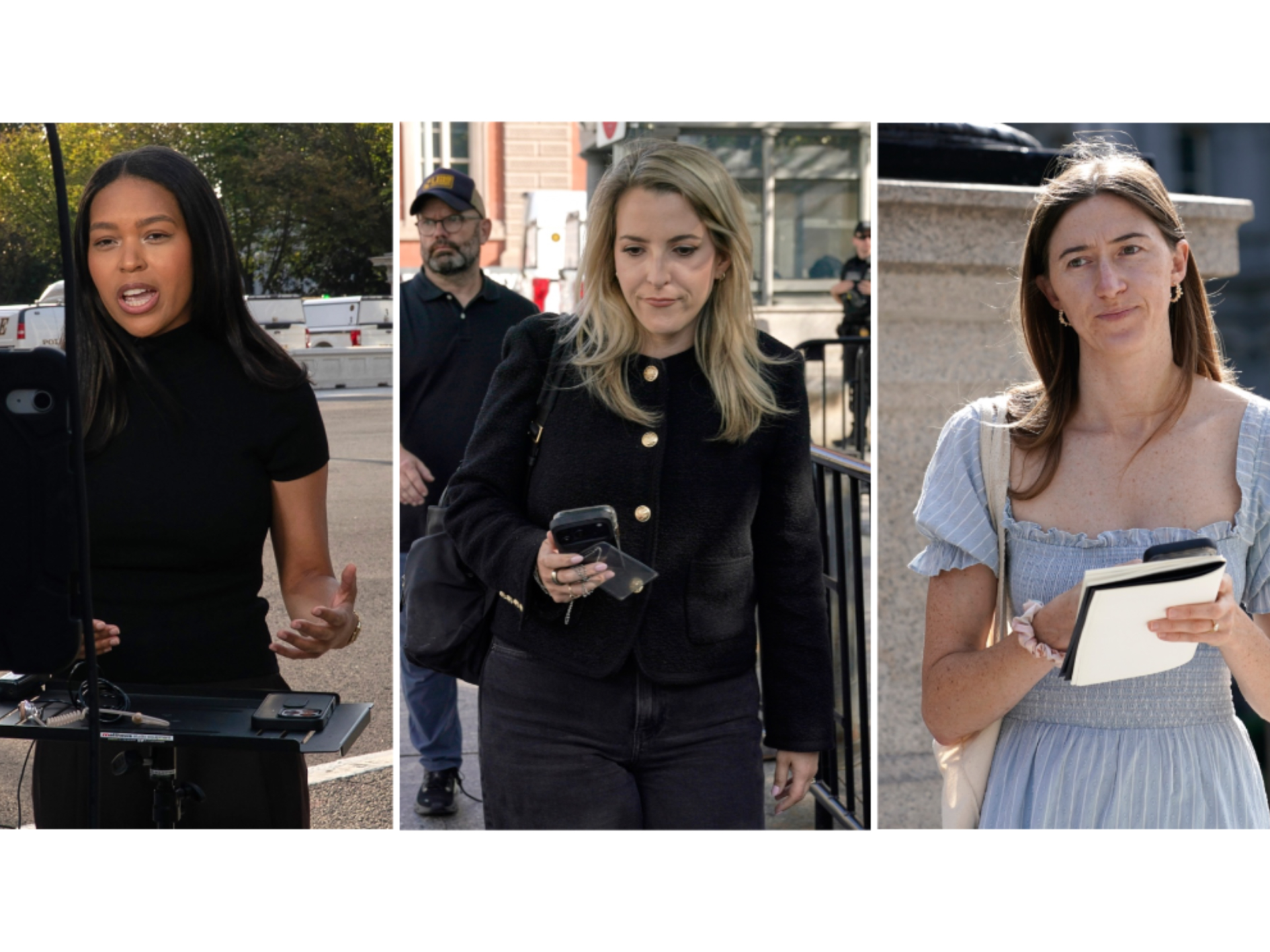
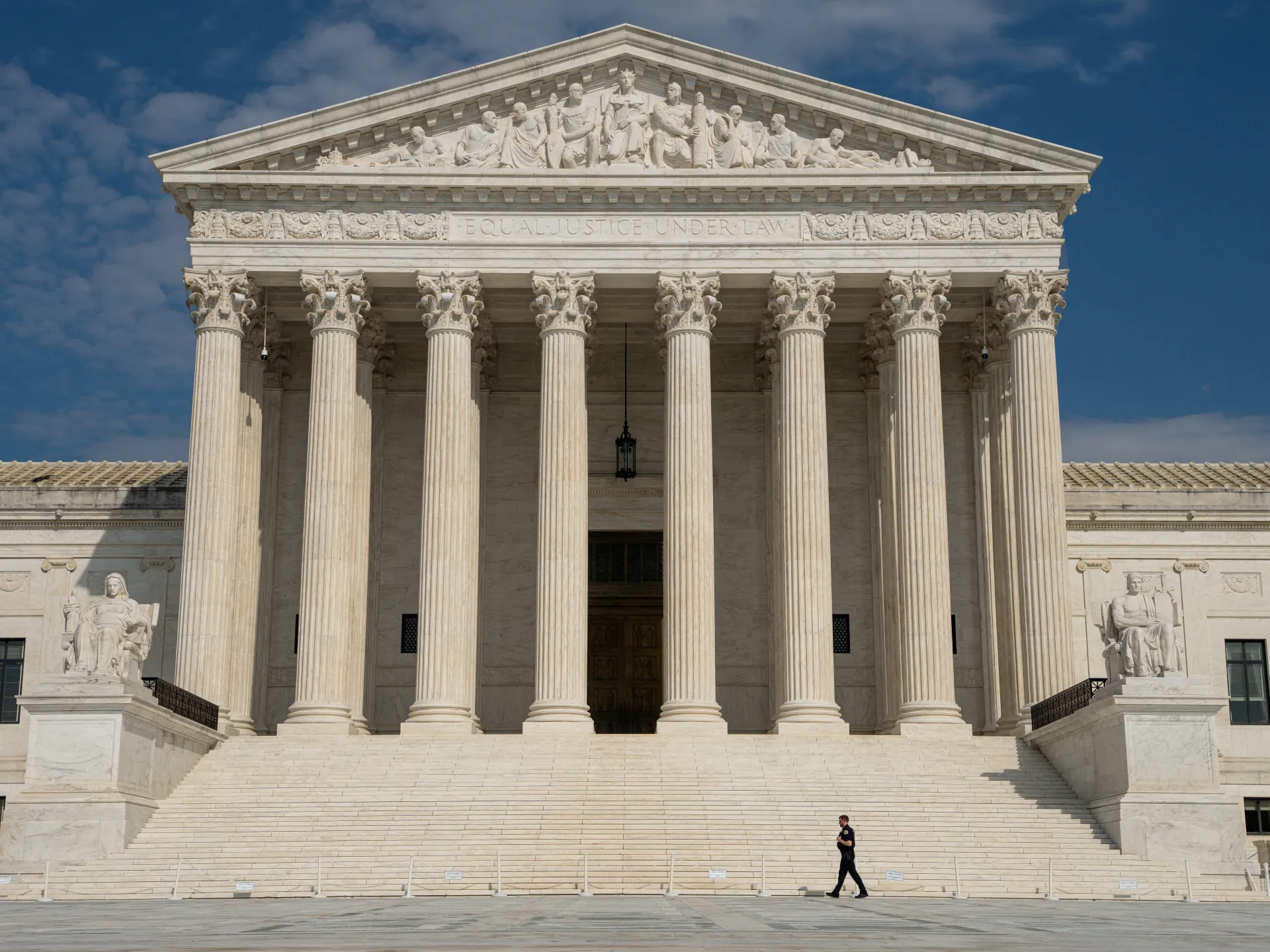
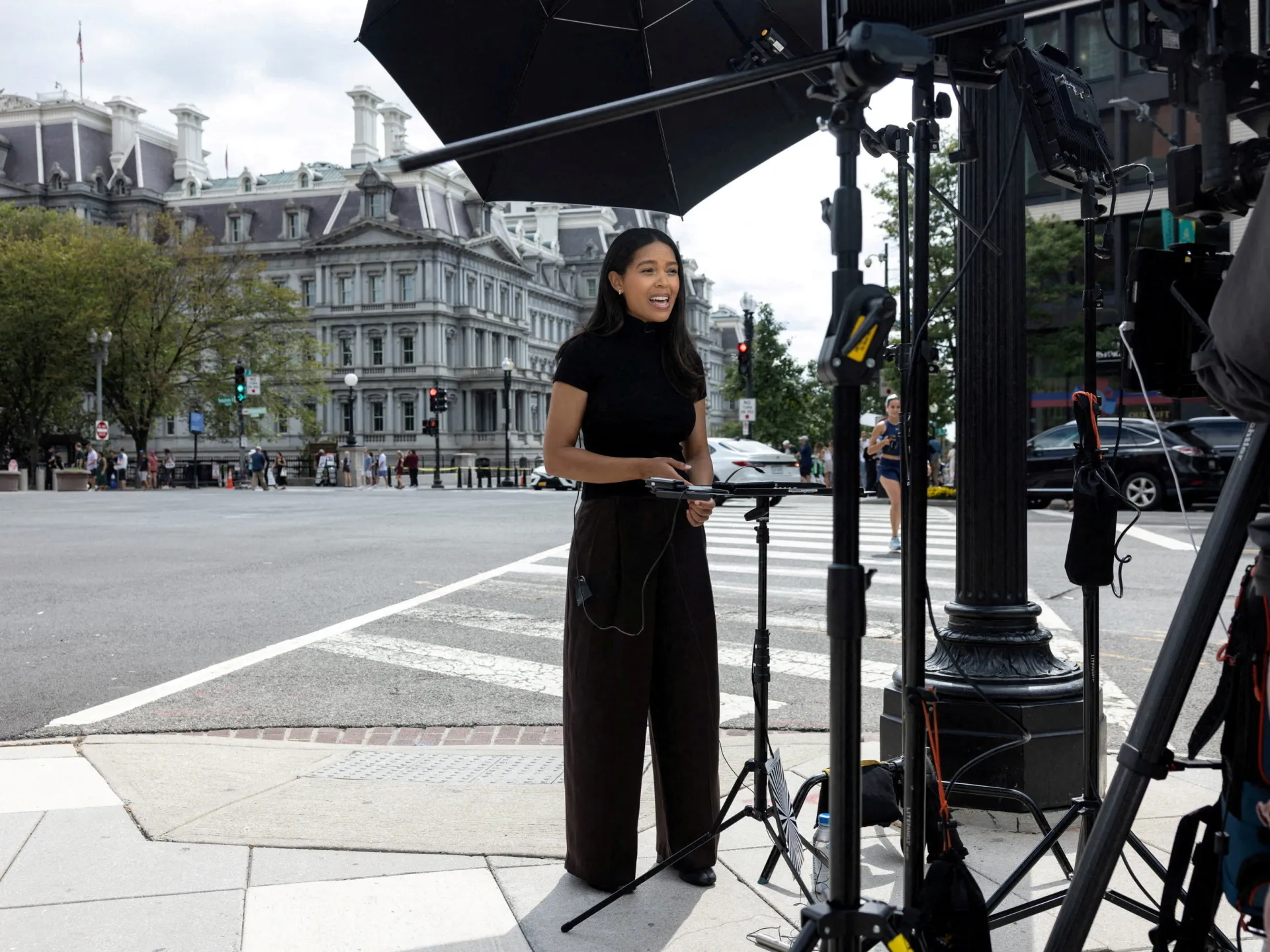
A coalition of prominent news organizations, including CNN, Politico, and MS NOW, has formally initiated legal action against the Trump administration following the abrupt revocation of their White House press credentials. The lawsuit, filed in the US District Court for the District of Columbia, marks a significant escalation in the ongoing friction between the executive branch and major news outlets regarding the boundaries of governmental authority and First Amendment protections.
The legal challenge centers on the administration's decision to bar journalists from these specific organizations from the White House grounds without prior notice or a formal due process hearing. According to the plaintiffs, this restriction was enacted as a direct punitive measure against coverage that the administration deemed objectionable. The outlets contend that allowing such actions to persist without challenge establishes a dangerous precedent that could undermine the independence of the press and the public’s fundamental right to access information about their government.
The conflict over White House access transcends the specific grievances of the involved media organizations, touching upon the structural integrity of the American democratic system. anch, the administration is testing the limits of presidential discretion in managing public property and institutional access. The precedent set here could fundamentally alter the relationship between the presidency and the press corps for future administrations. If the government is permitted to leverage credentialing as a tool for content moderation, the institutional barrier that ensures objective scrutiny of elected officials could be effectively dismantled, replacing independent journalism with a government-sanctioned media environment.
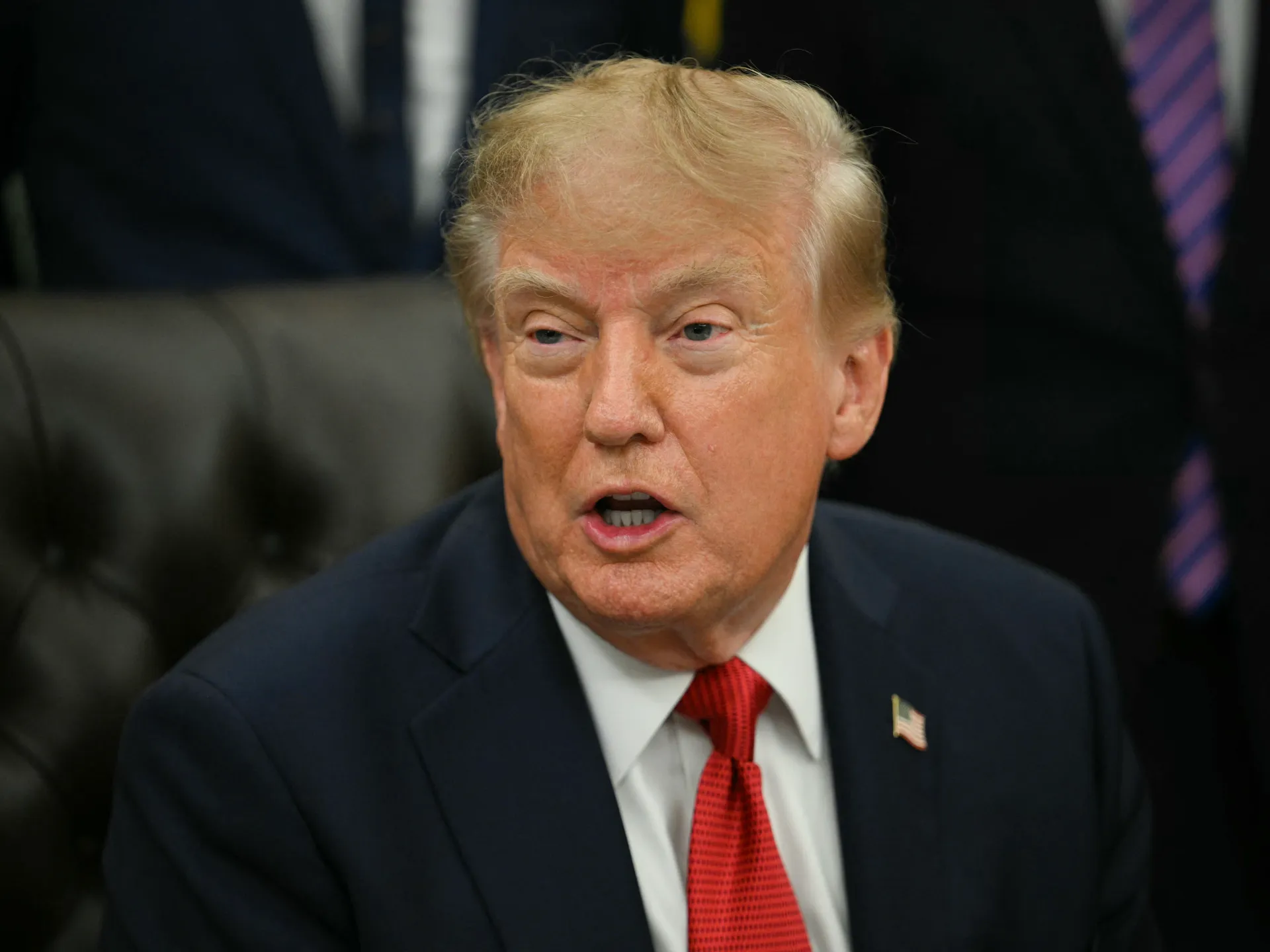
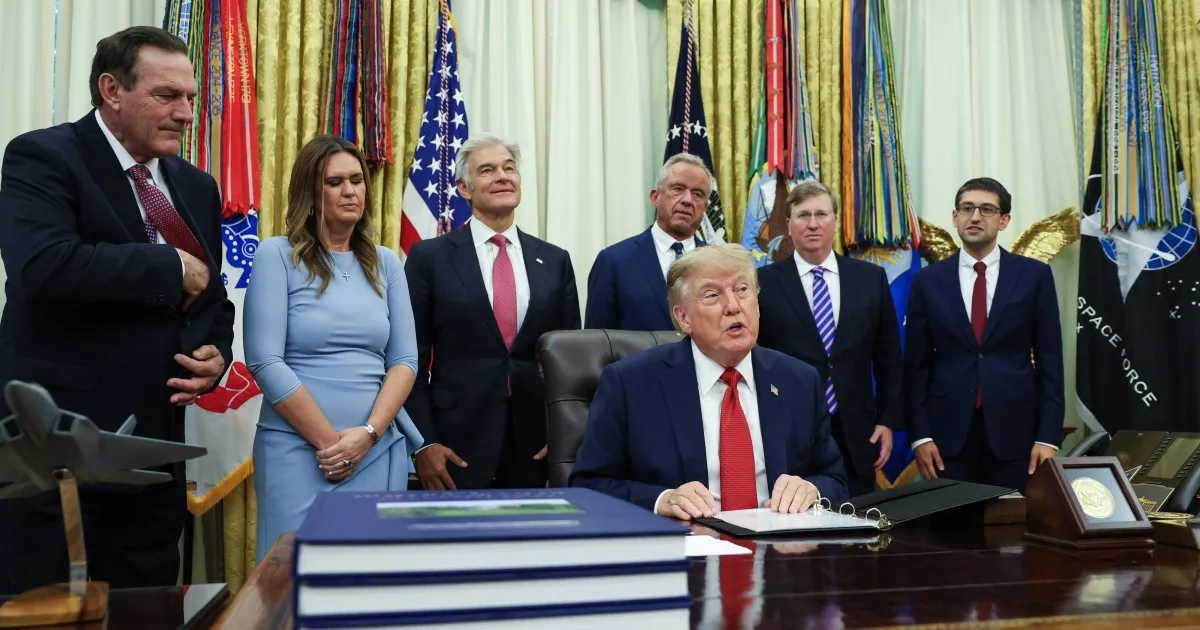
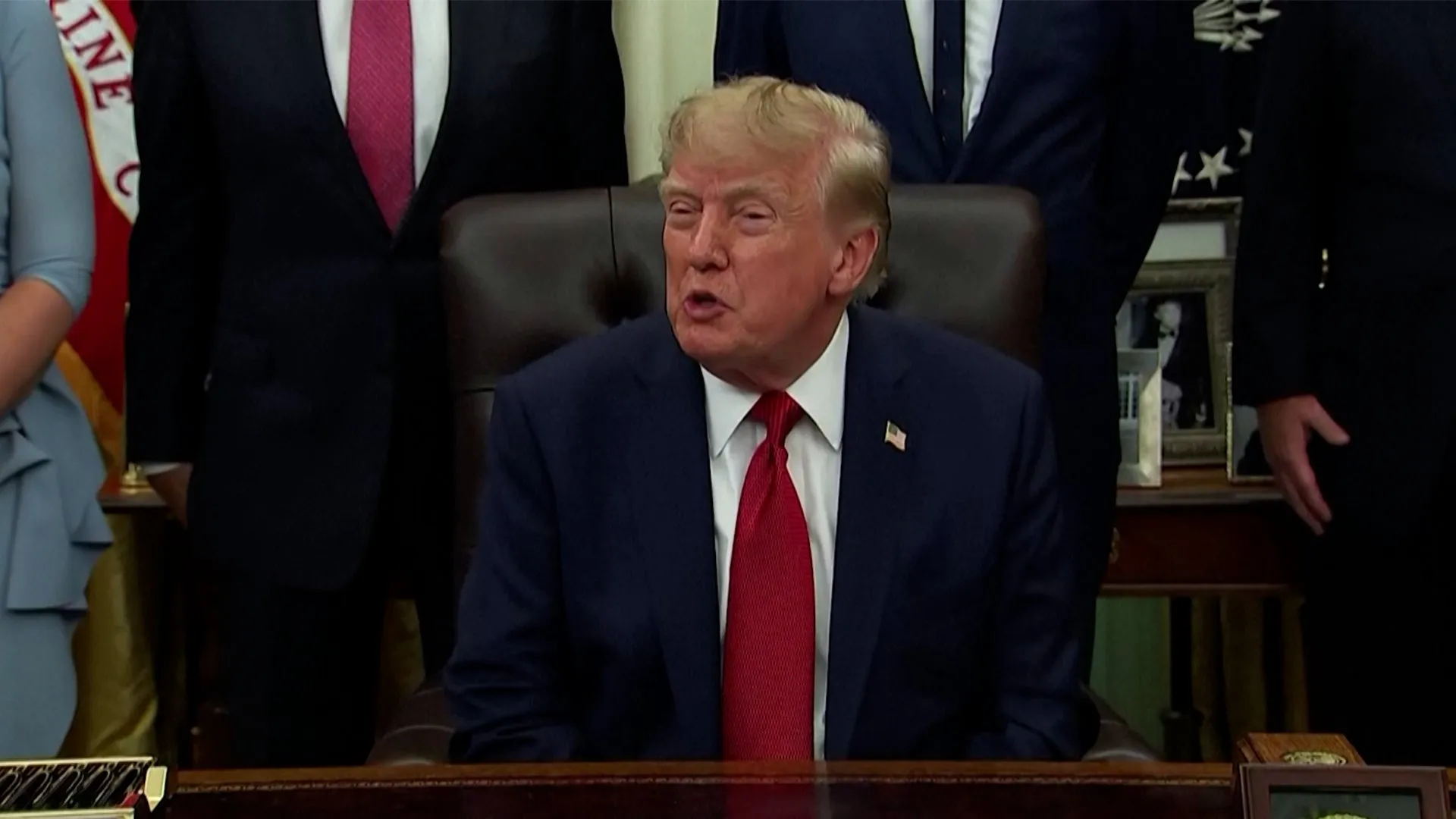
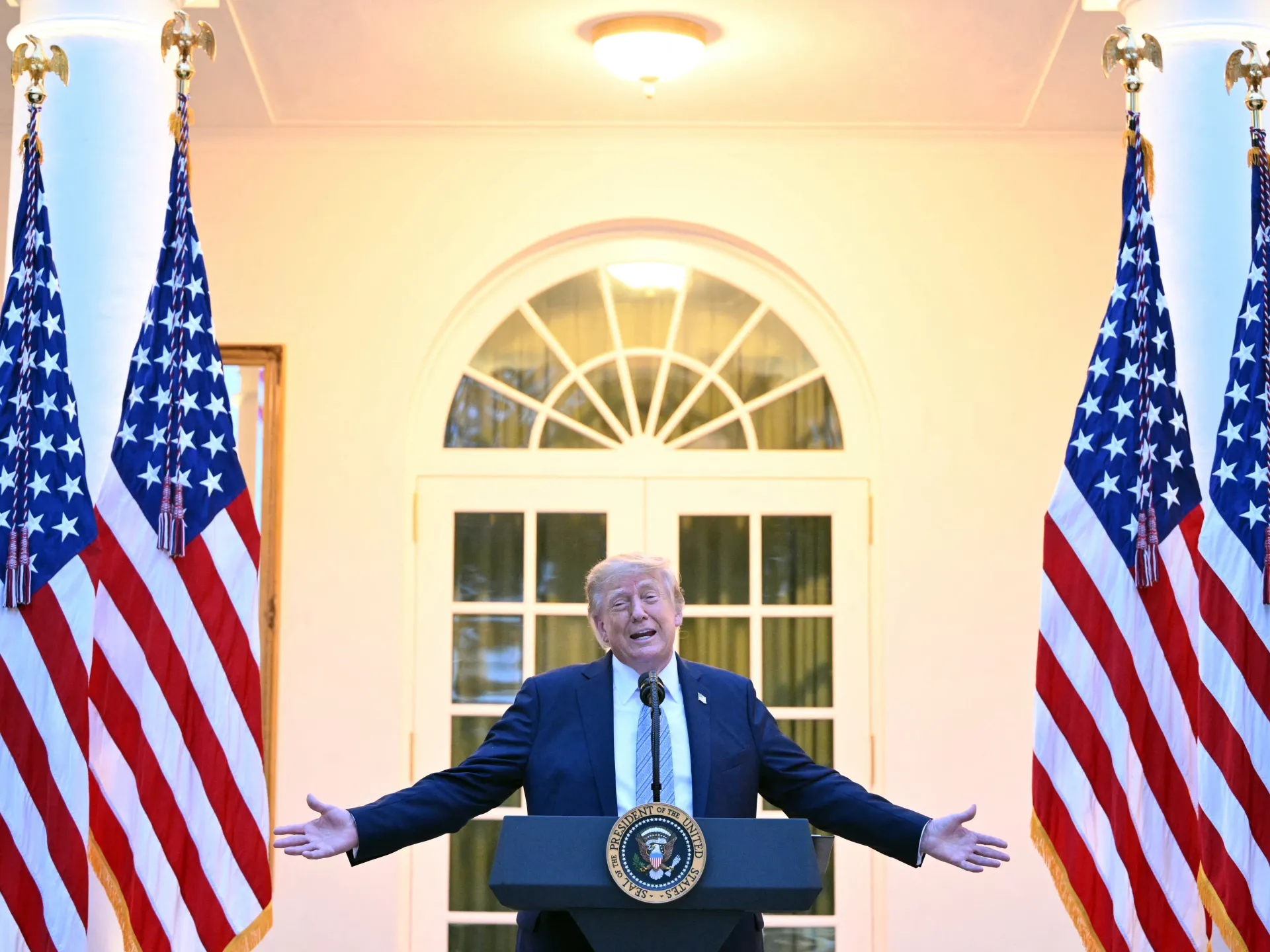
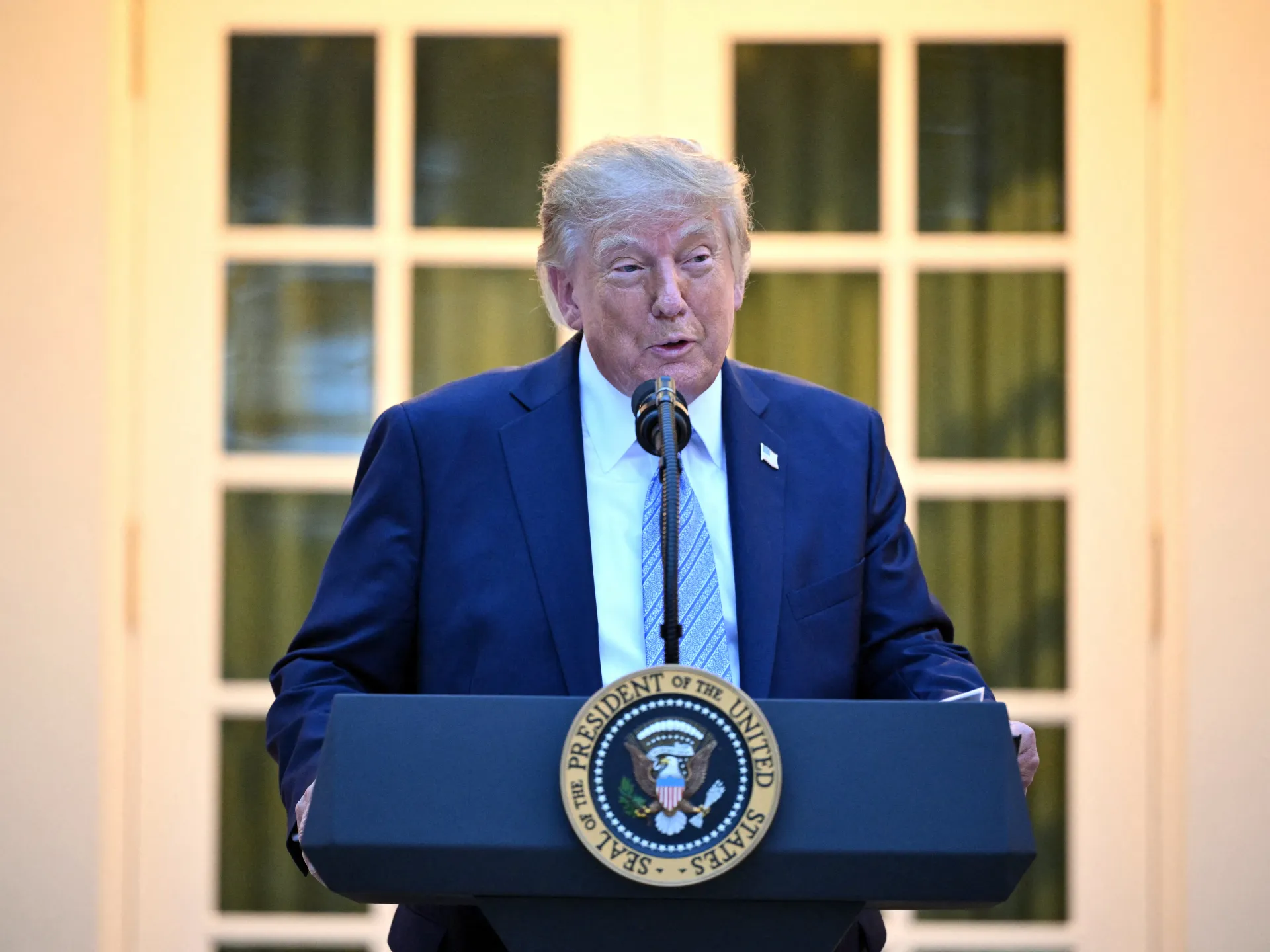
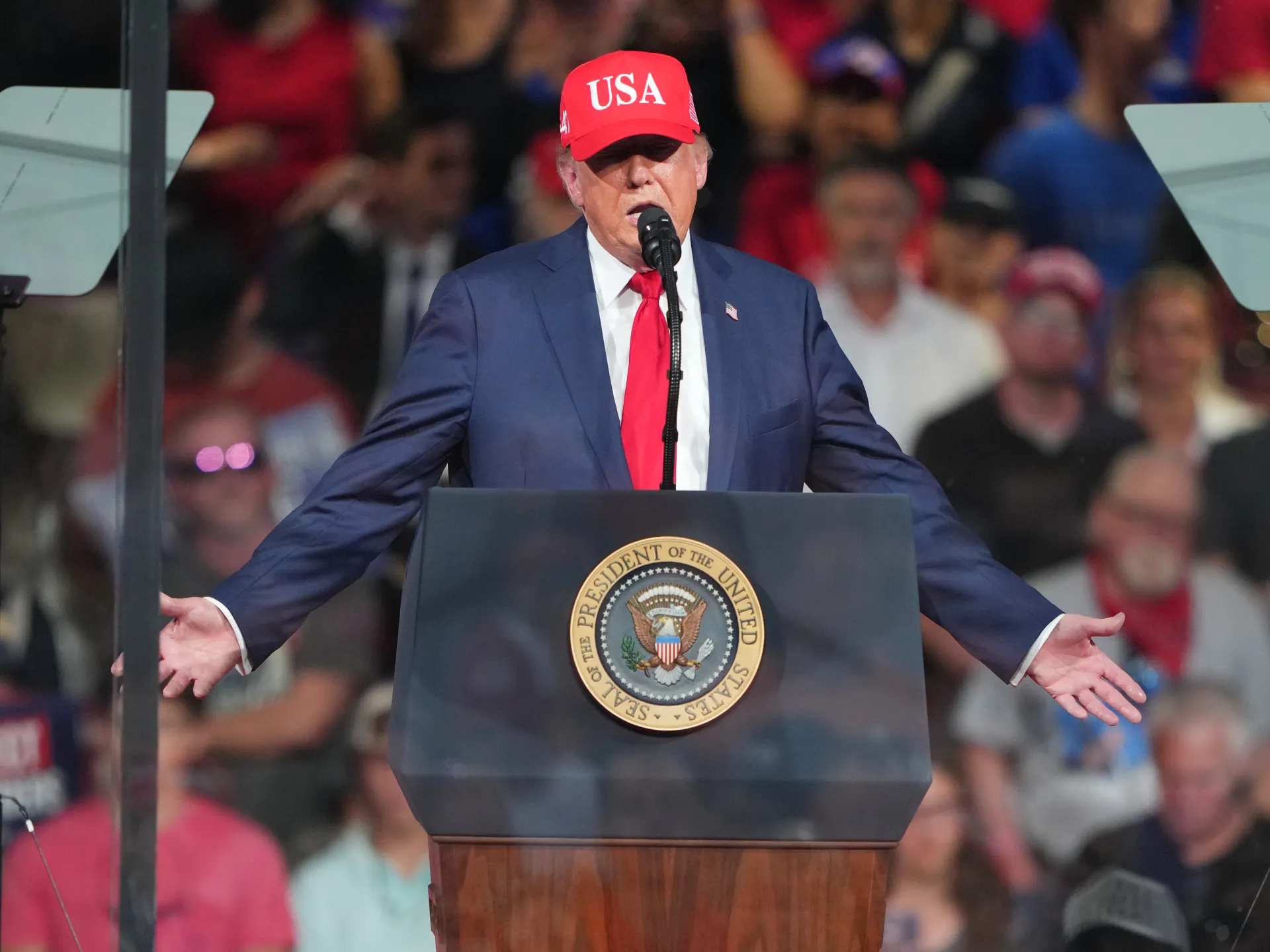
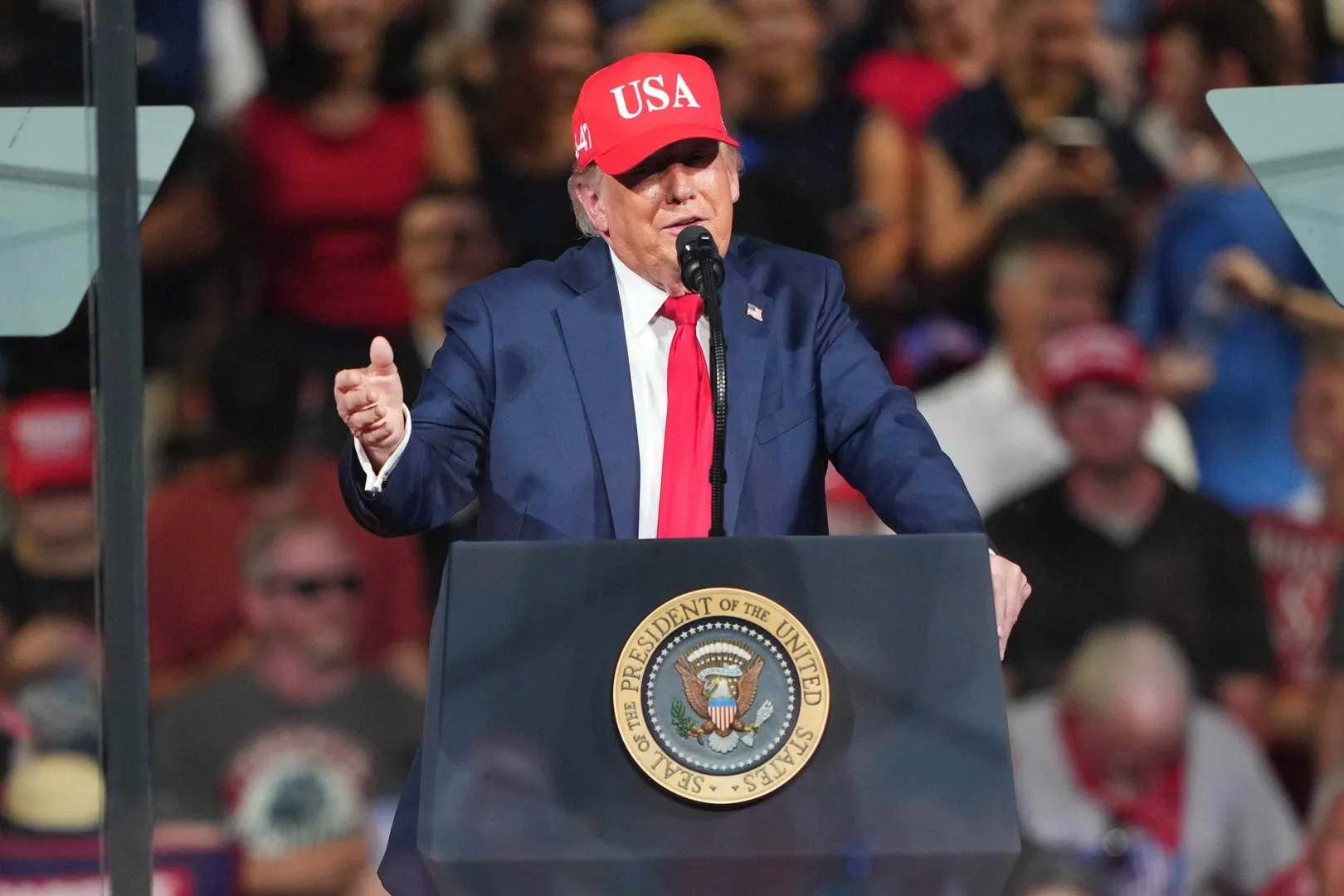
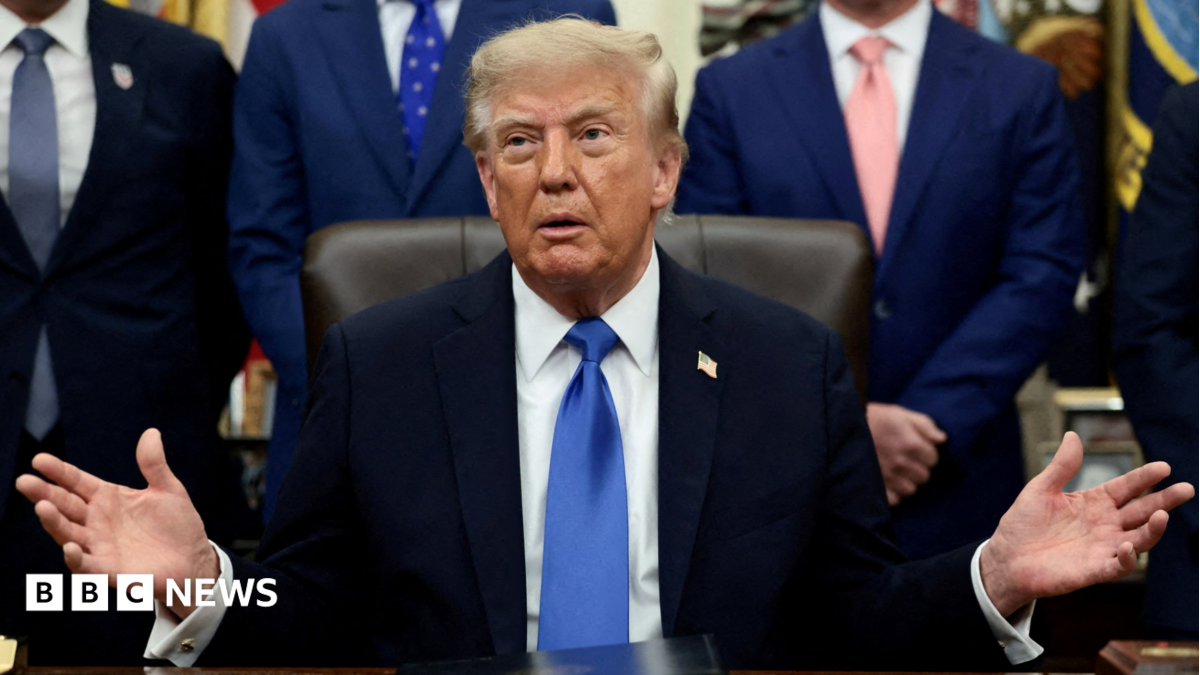
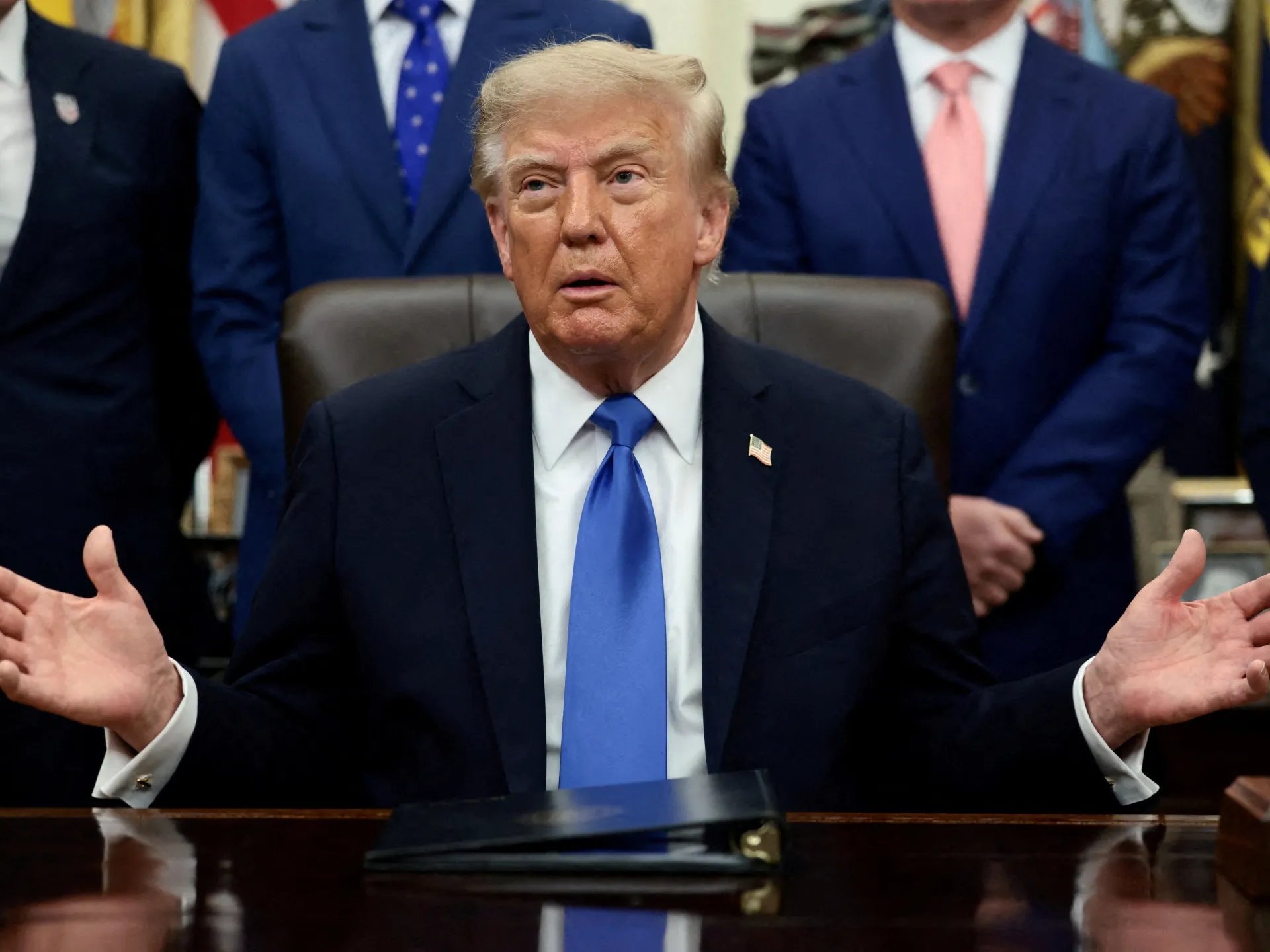
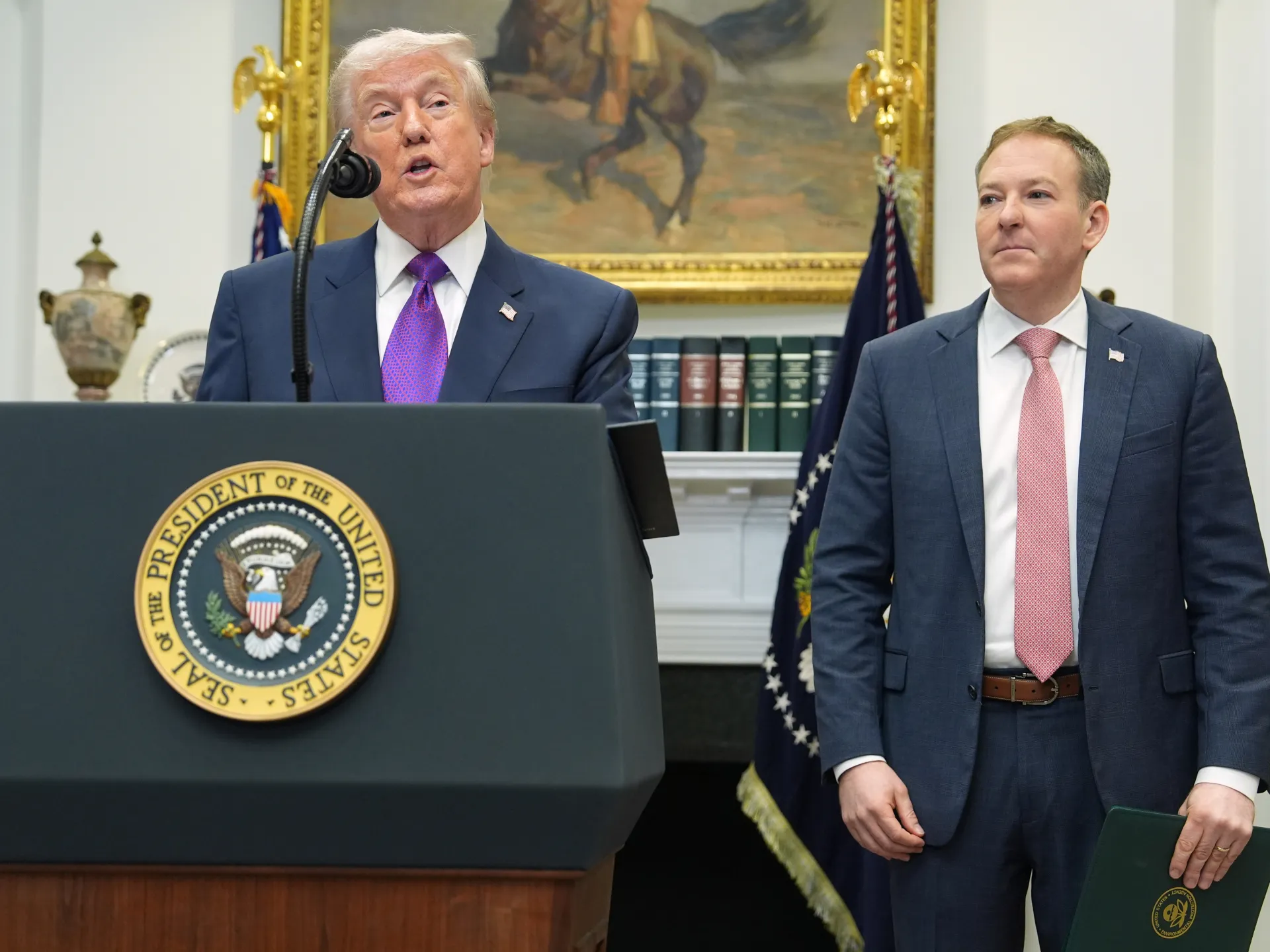
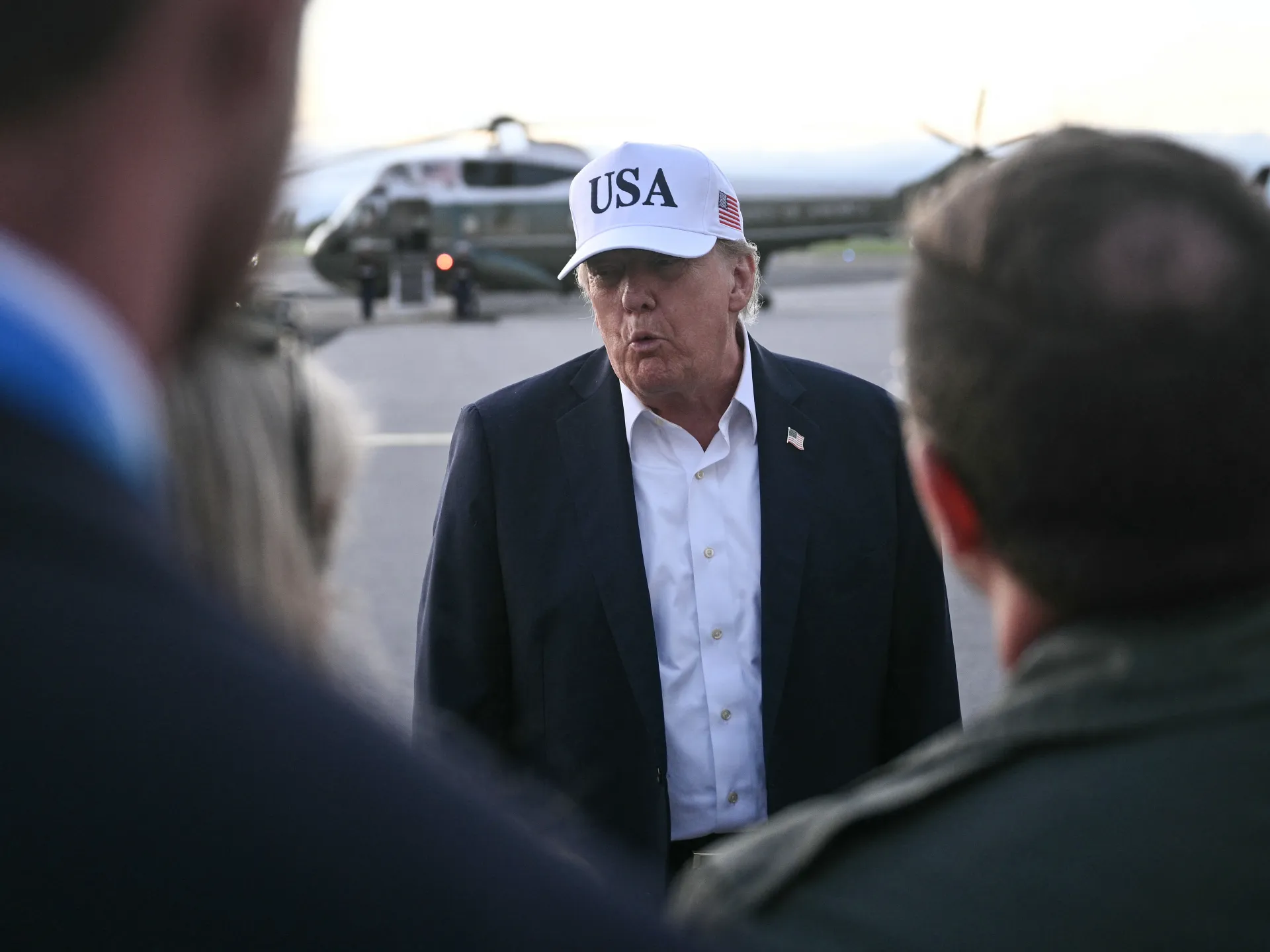
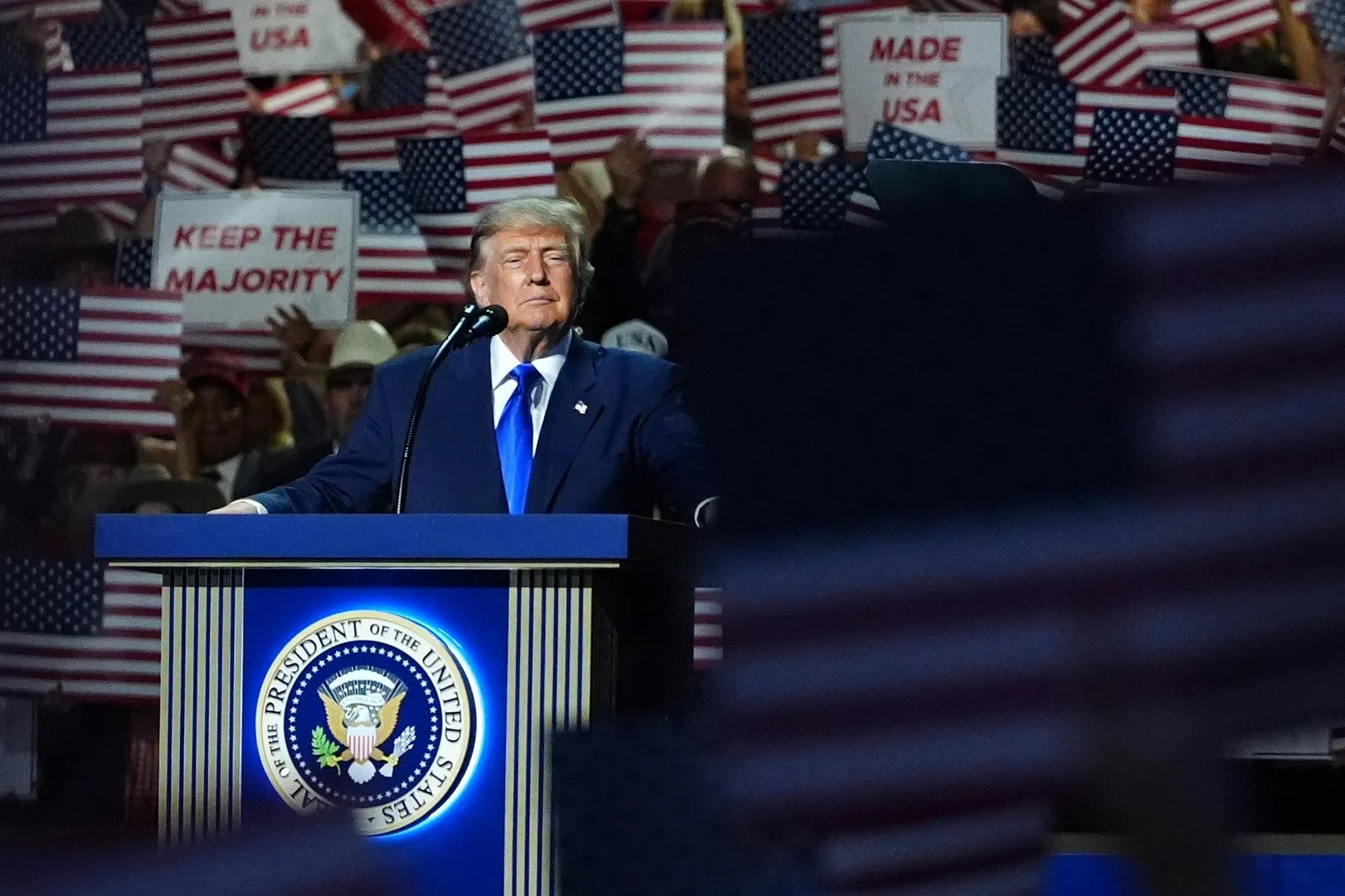
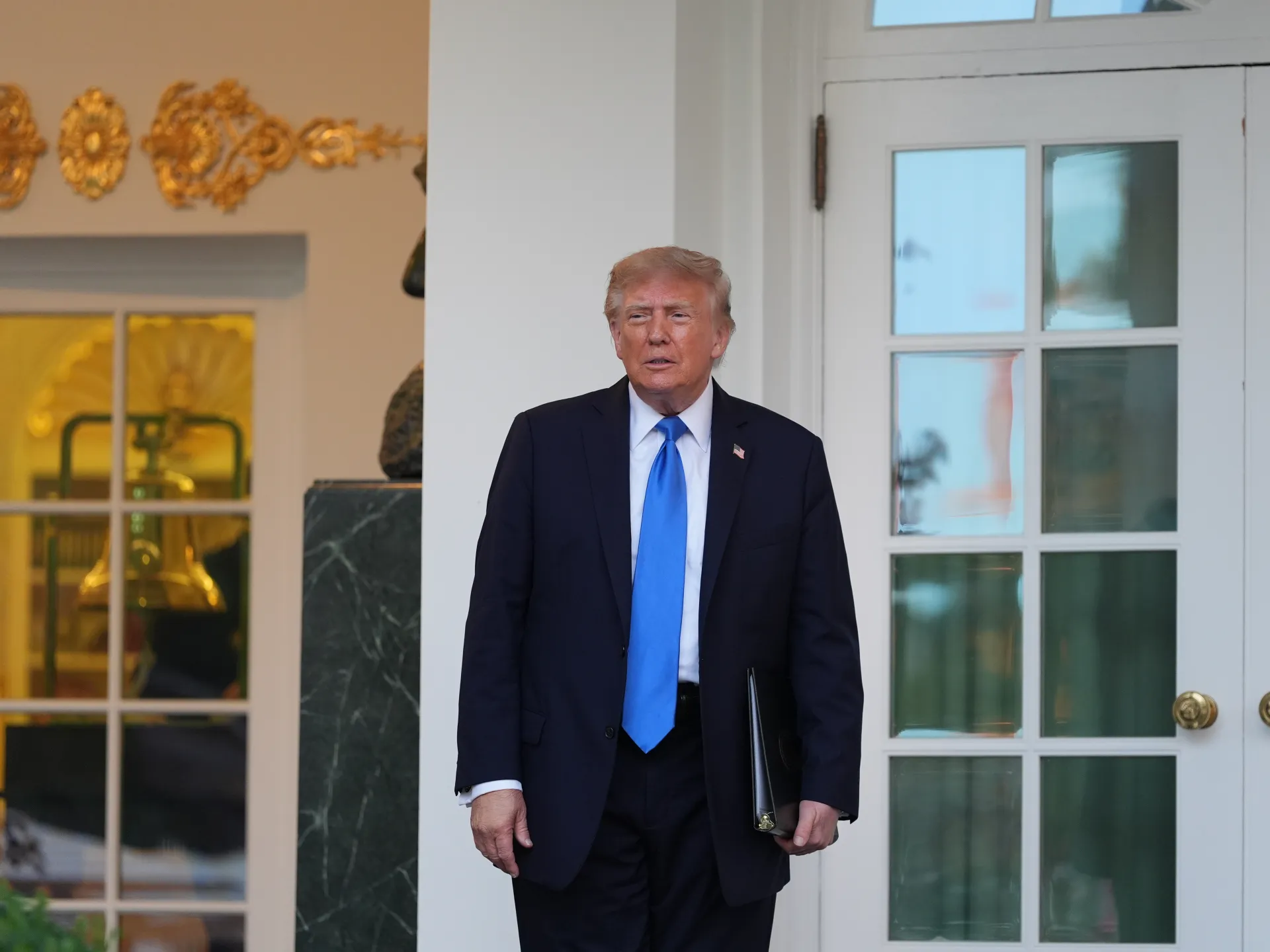
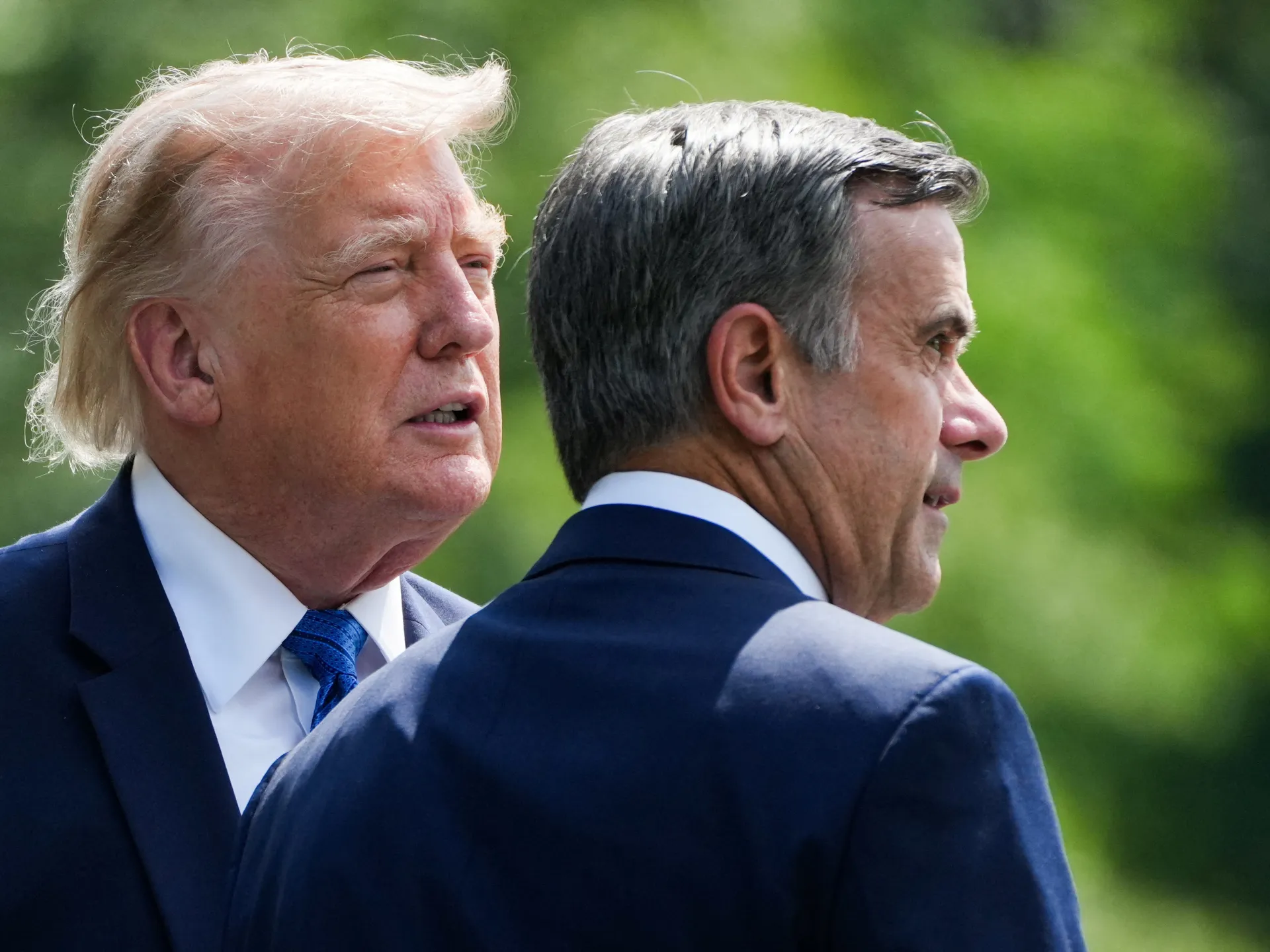
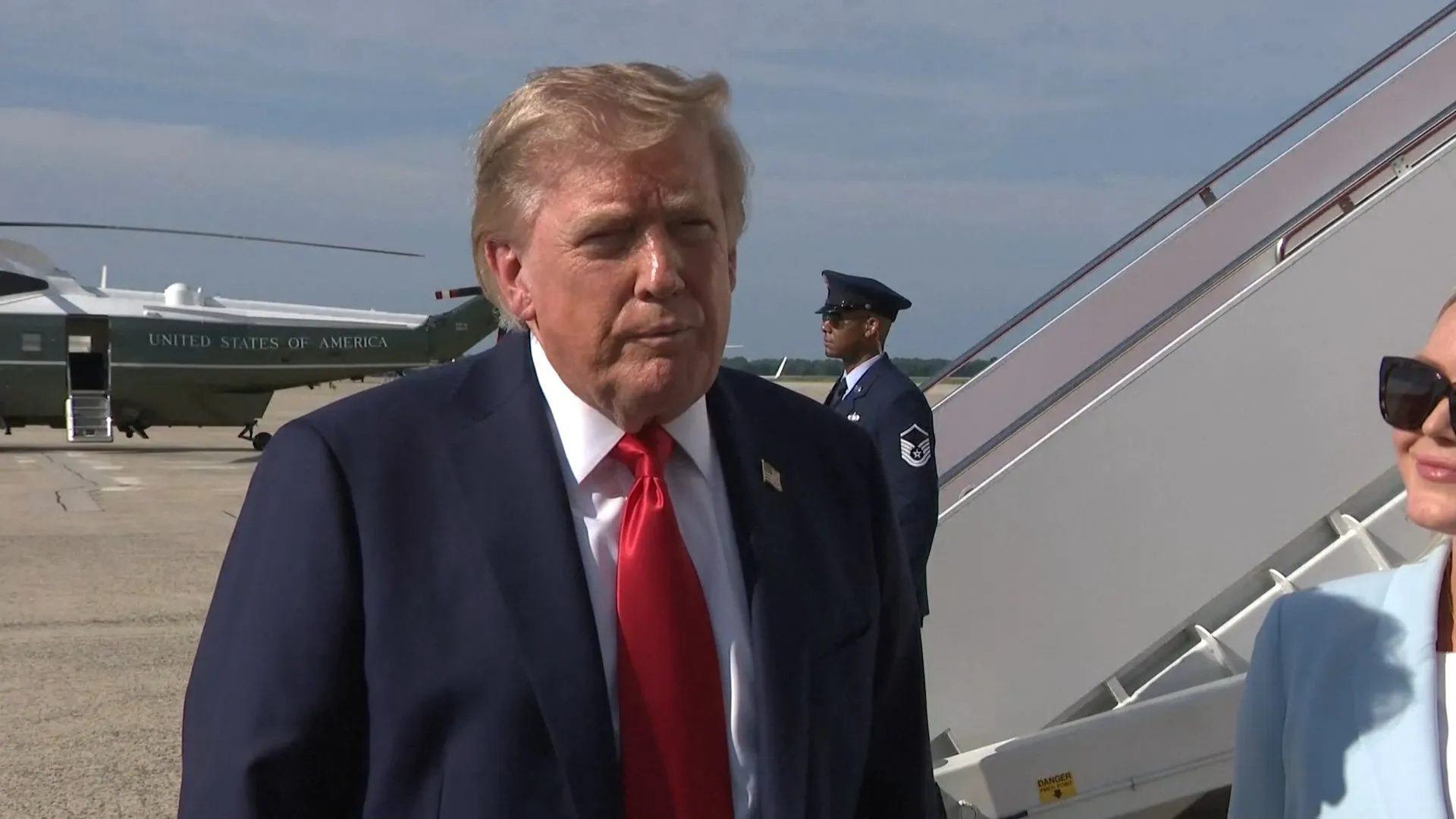
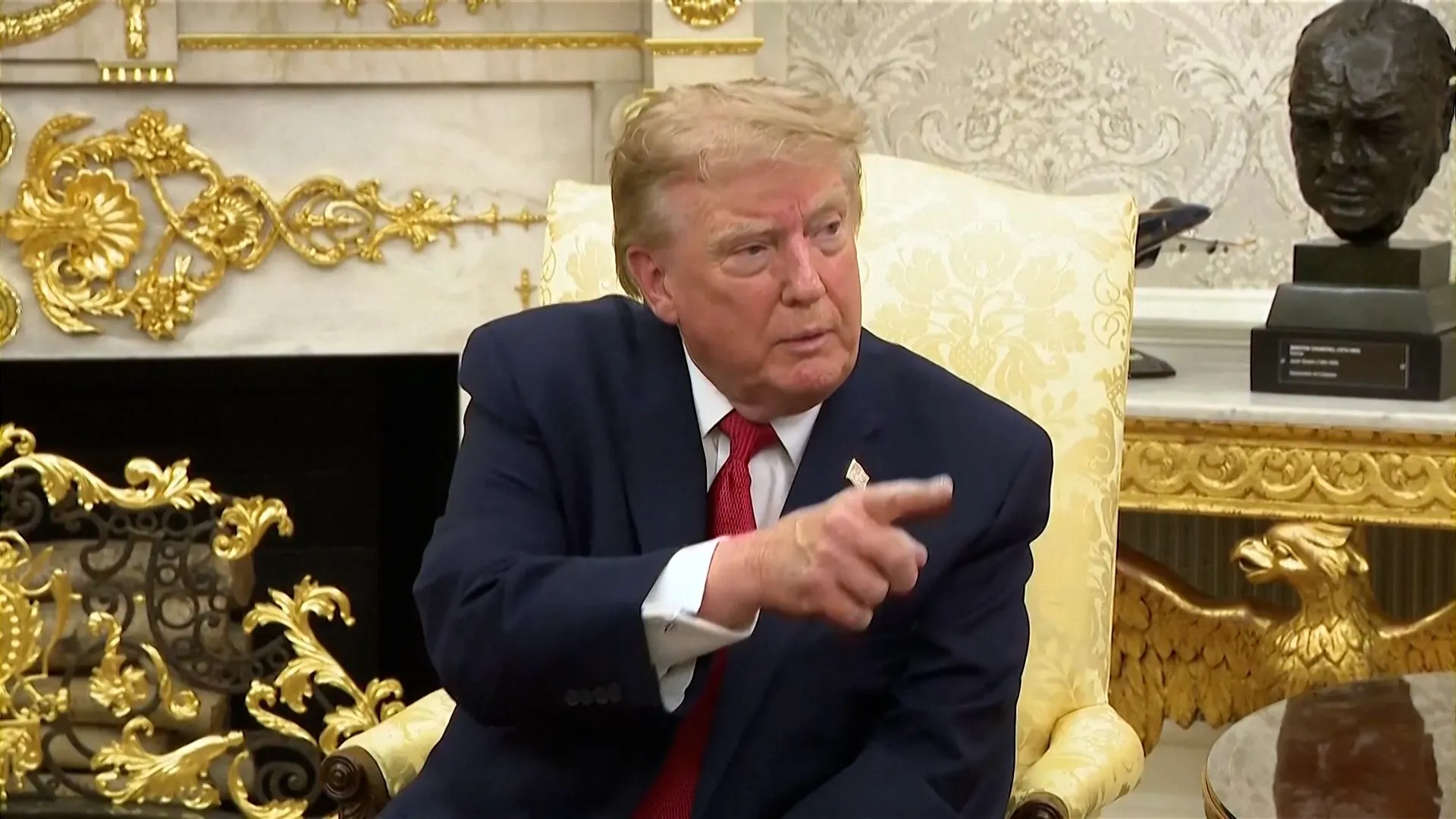
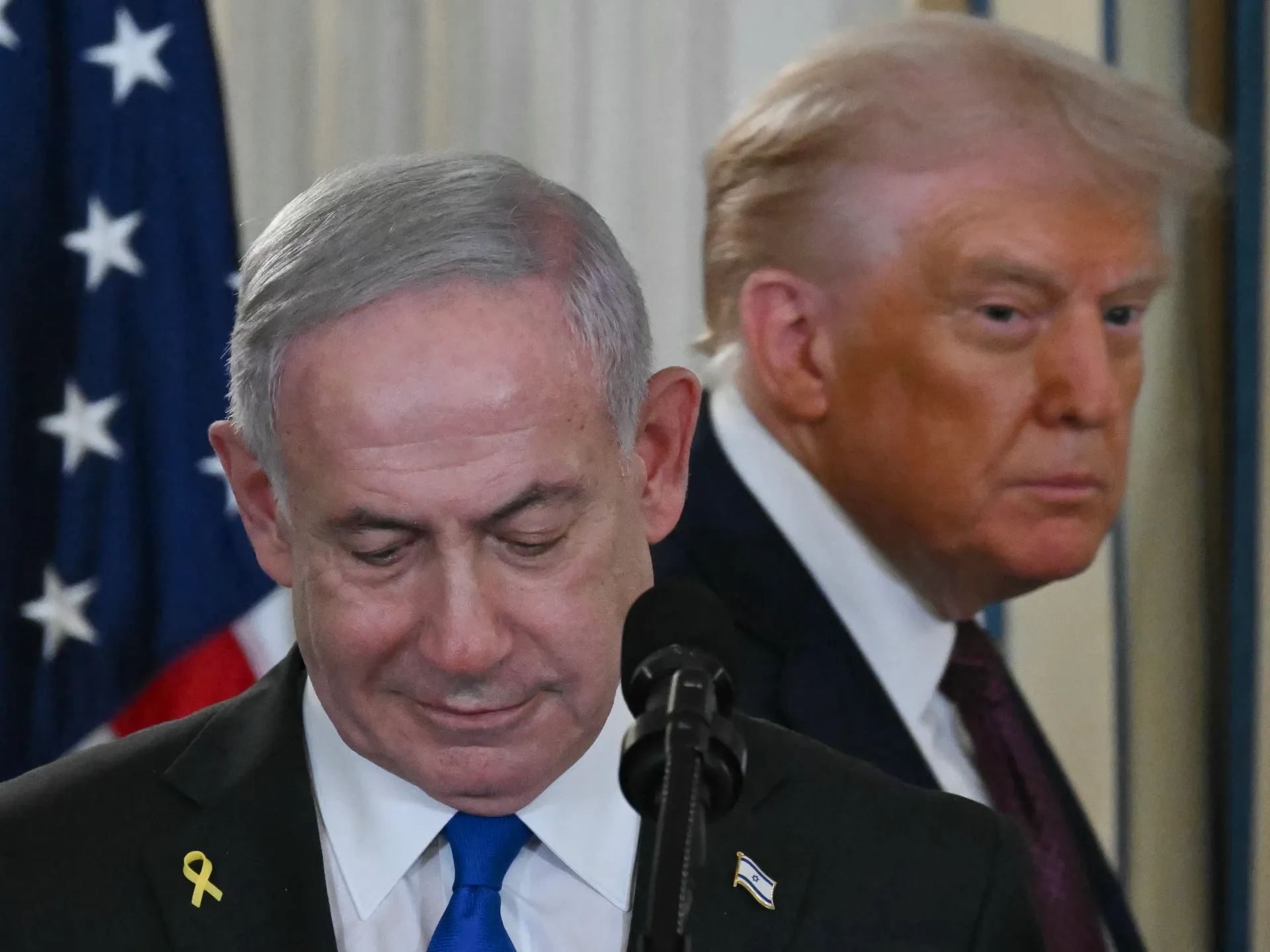
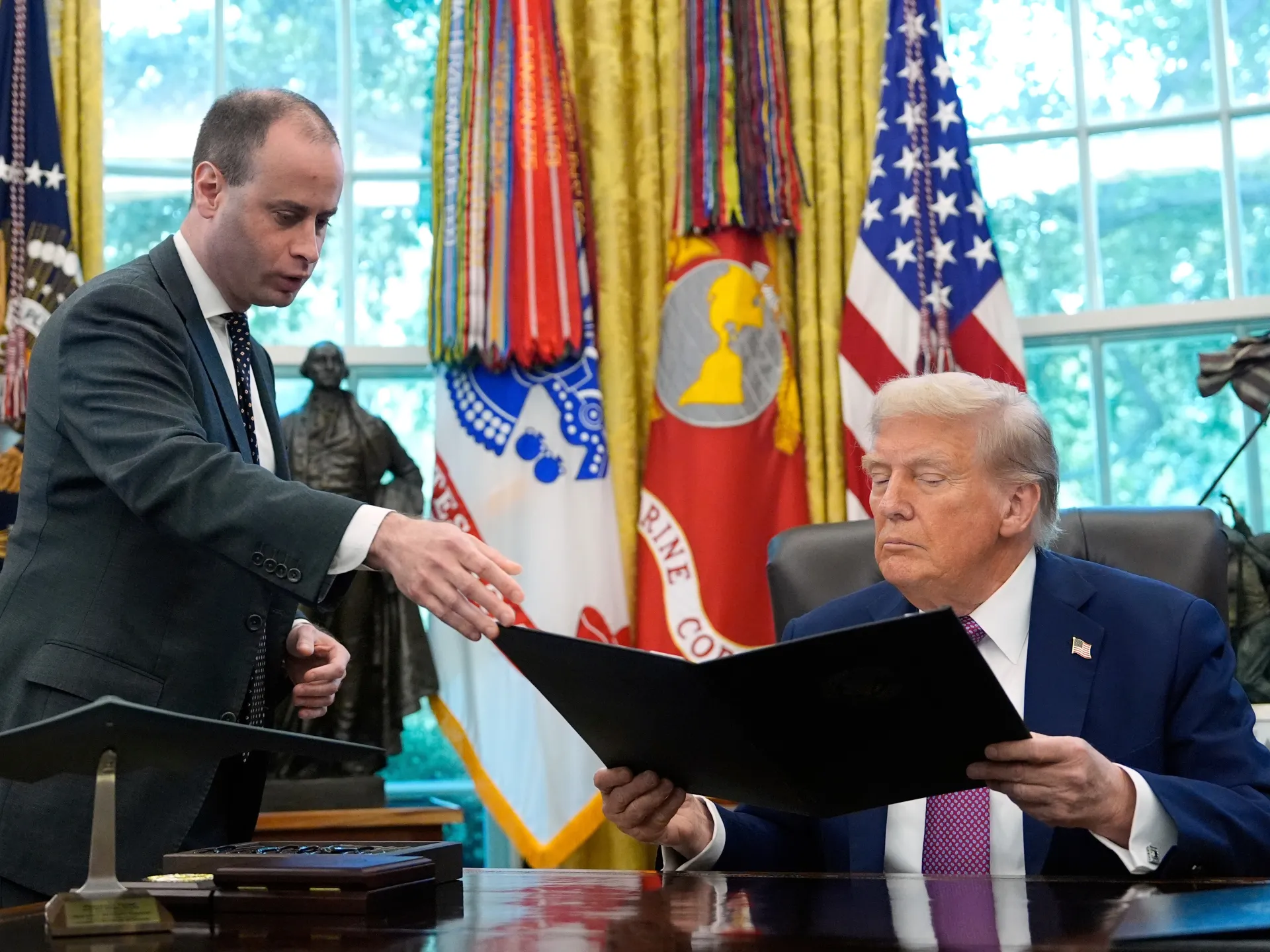
President Trump has defended the decision to bar these specific outlets, characterizing the move not as an infringement on press freedom but as a necessary response to what he labels "fake news." In statements posted to Truth Social, the president described the reporting of these organizations as a "threat to our National Security" and a "cancer" that requires immediate intervention. He explicitly denied that his actions constituted an attack on the press as an institution, asserting that he "cherishes" the free press while simultaneously claiming that the targeted outlets are "corrupt" and "fully coordinated."
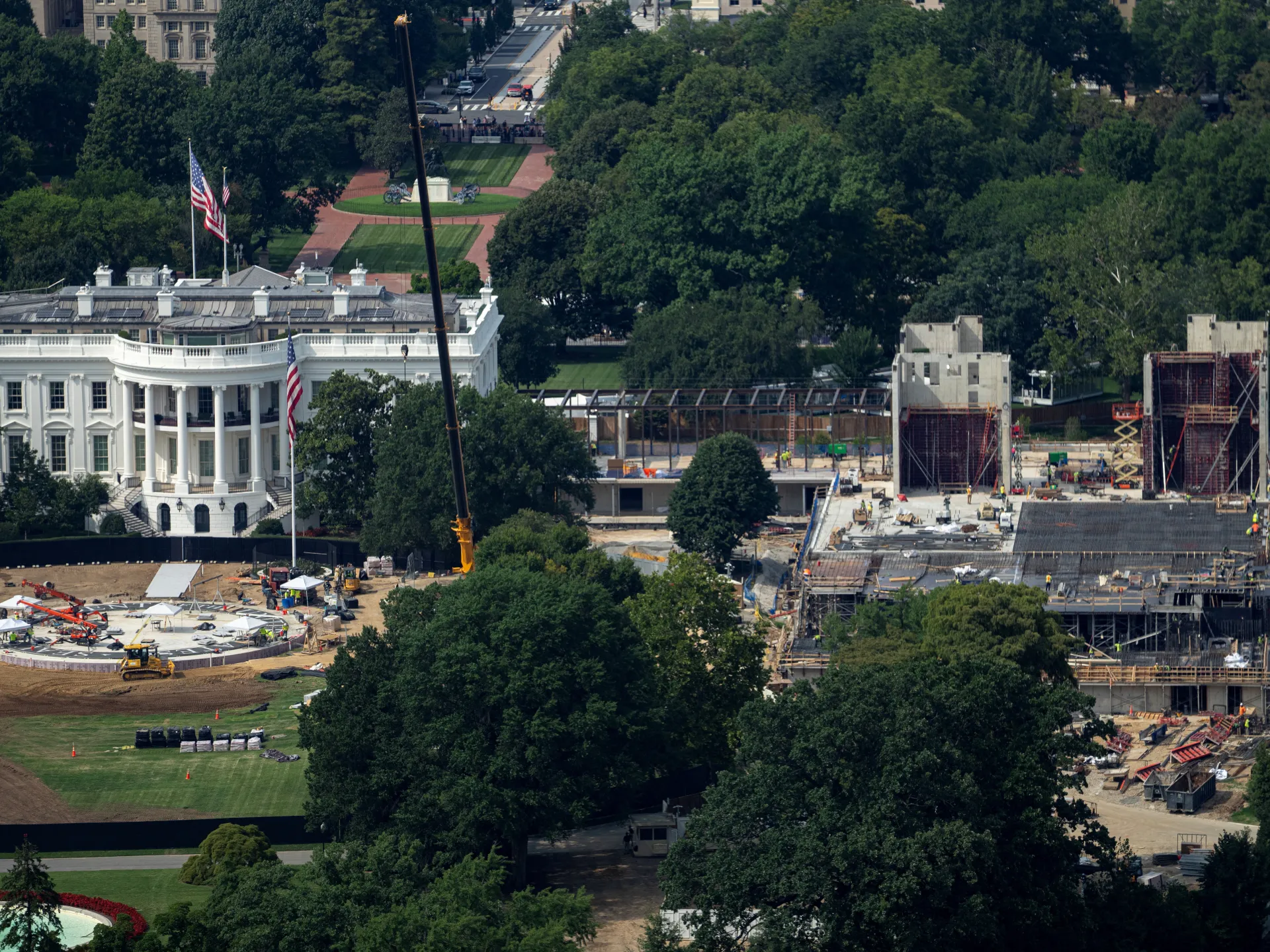
While the administration maintains that it is exercising its right to manage White House grounds, the legal filing argues that the revocation of credentials occurred without any semblance of fair process. The plaintiffs are seeking emergency hearings in the federal court, hoping to secure an injunction that would restore their access before the upcoming midterm elections. The administration has shown a pattern of elevating alternative media outlets that are perceived as more sympathetic to its platform, while simultaneously engaging in various legal battles against other established media entities, including CBS and The New York Times.
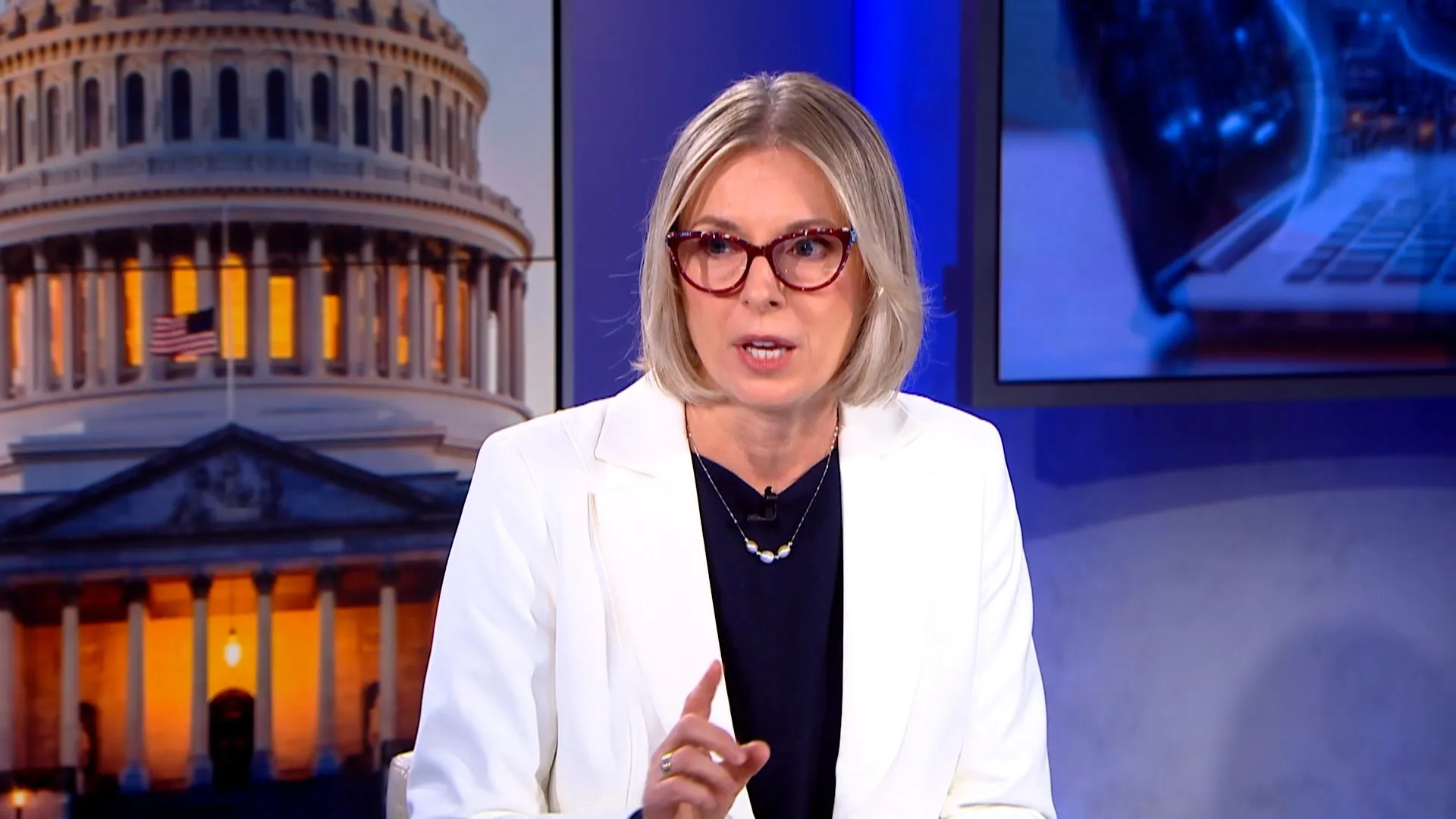
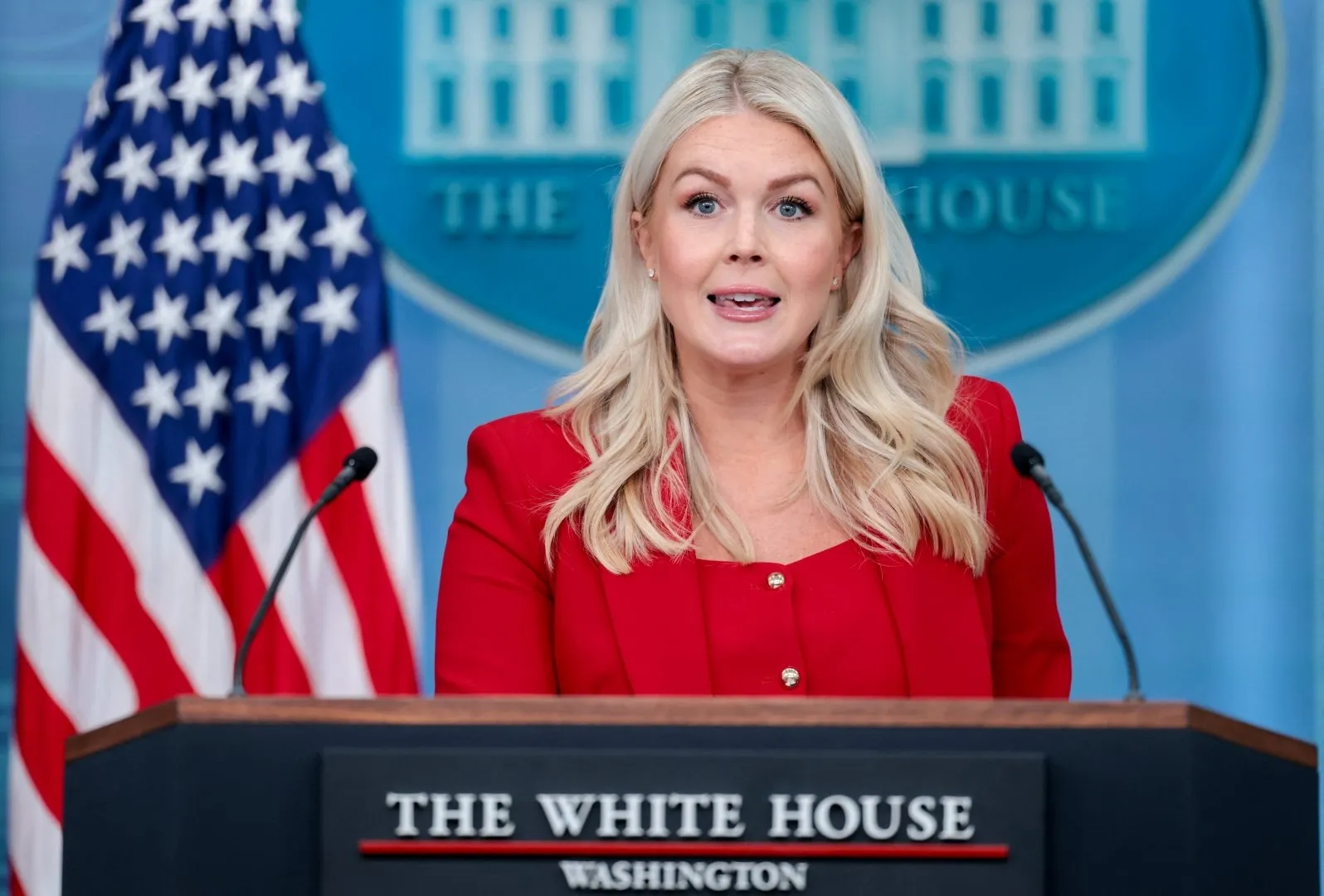
The White House Correspondents’ Association (WHCA) has issued a forceful condemnation of the administration's actions, characterizing the ban as an existential threat to independent journalism. WHCA president Jacqui Heinrich emphasized that the standard used to exclude these three organizations today could be applied to any other media outlet tomorrow, effectively silencing dissent through administrative exclusion. The association has called for the immediate restoration of access, citing the necessity of a press corps that can scrutinize those in power without the fear of retaliation.
Political analysts suggest that the timing of this confrontation is inextricably linked to the approaching midterm elections. As Republican lawmakers work to defend narrow majorities in Congress, the administration's aggressive posture toward the media serves as both a policy directive and a strategic political signal to its core base. The success or failure of the lawsuit will likely hinge on whether the courts view the White House press office as a public forum protected ins near-absolute control over entry.
The immediate focus of the legal battle will be the scheduling of emergency hearings in the federal district court. If the court grants the plaintiffs’ request for an injunction, the administration would be forced to reinstate the journalists’ credentials pending a final ruling on the merits of the case. Legal experts suggest the administration may attempt to argue that it has the sovereign right to determine who enters the presidential residence, while the media coalition will likely focus on the lack of due process and the constitutional implications of viewpoint discrimination. Regardless of the court’s initial ruling, this case is widely expected to reach higher appellate courts, potentially setting a landmark legal standard for the limits of presidential power in the digital age.