
With over 80 percent of buildings in northern Gaza destroyed, medical professionals are turning to makeshift tent clinics to provide essential dental care to a struggling population.
In the heart of Gaza City, the landscape of healthcare has been fundamentally altered ecimated, practitioners are increasingly forced to operate from improvised settings. Dr. Rizq Sufyan Abo Halima, a 31-year-old dentist, currently serves his community from a small tent pitched in an alleyway. This drastic measure follows the repeated destruction of his previous clinics, which were leveled during military operations in northern Gaza, leaving him with few alternatives to continue his professional practice.
The challenges of working in such an environment are manifold. Beyond the lack of standard clinical infrastructure, the region’s extreme summer temperatures create a stifling atmosphere that impacts both the dentist and his patients. Dr. Abo Halima has had to modify his tent’s structure, lifting the edges to encourage airflow, though such measures offer only minimal relief from the heat. Furthermore, the intermittent nature of the electricity supply frequently halts operations, leaving the facility idle until power is restored.
Despite these hardships, the tent serves as a vital lifeline for those suffering from dental pain. The decision to remain in this makeshift space is driven red catastrophic economic and personal losses. ial properties, the clinic manages to keep its fees lower than those in standard, indoor locations.
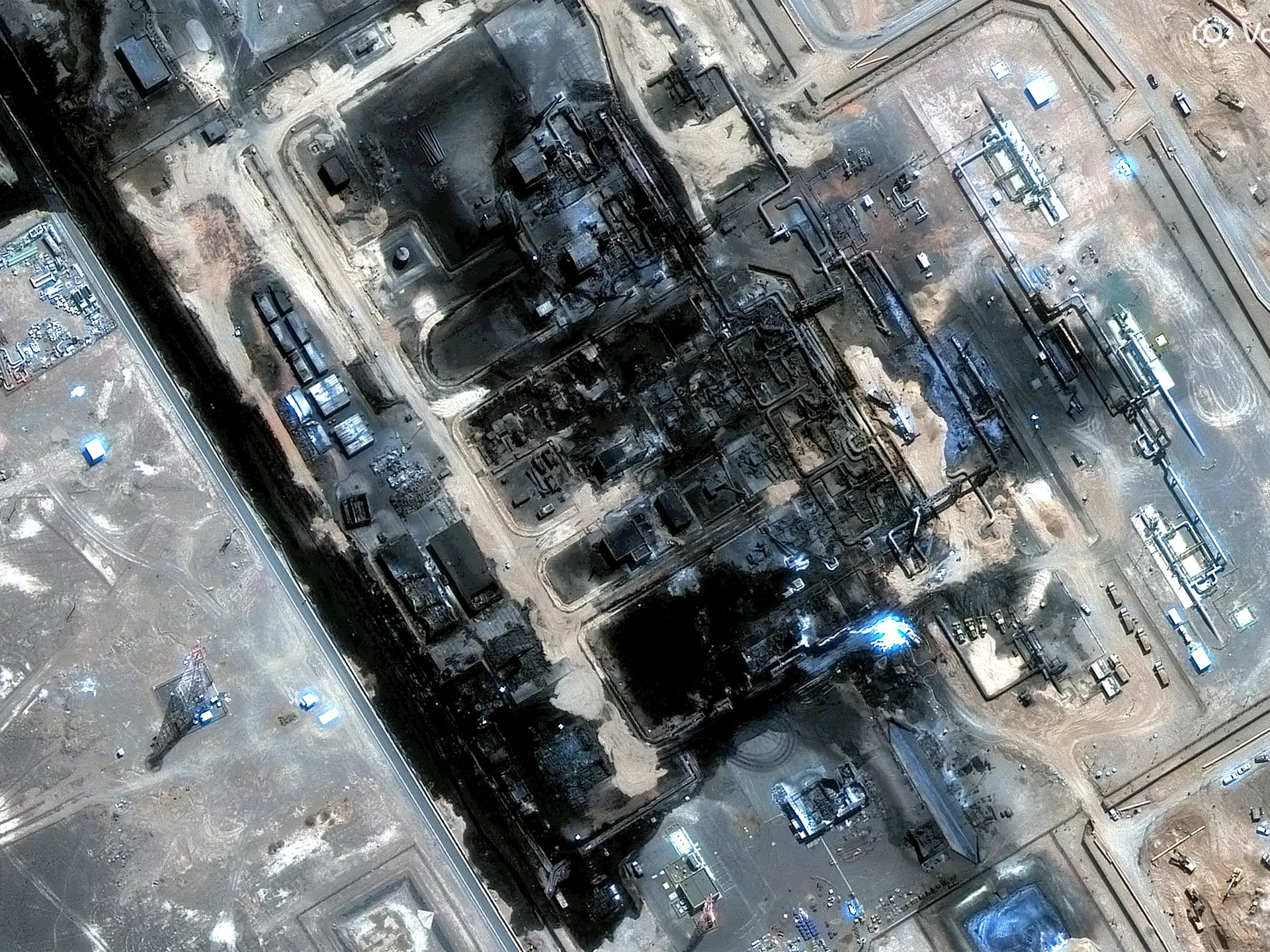
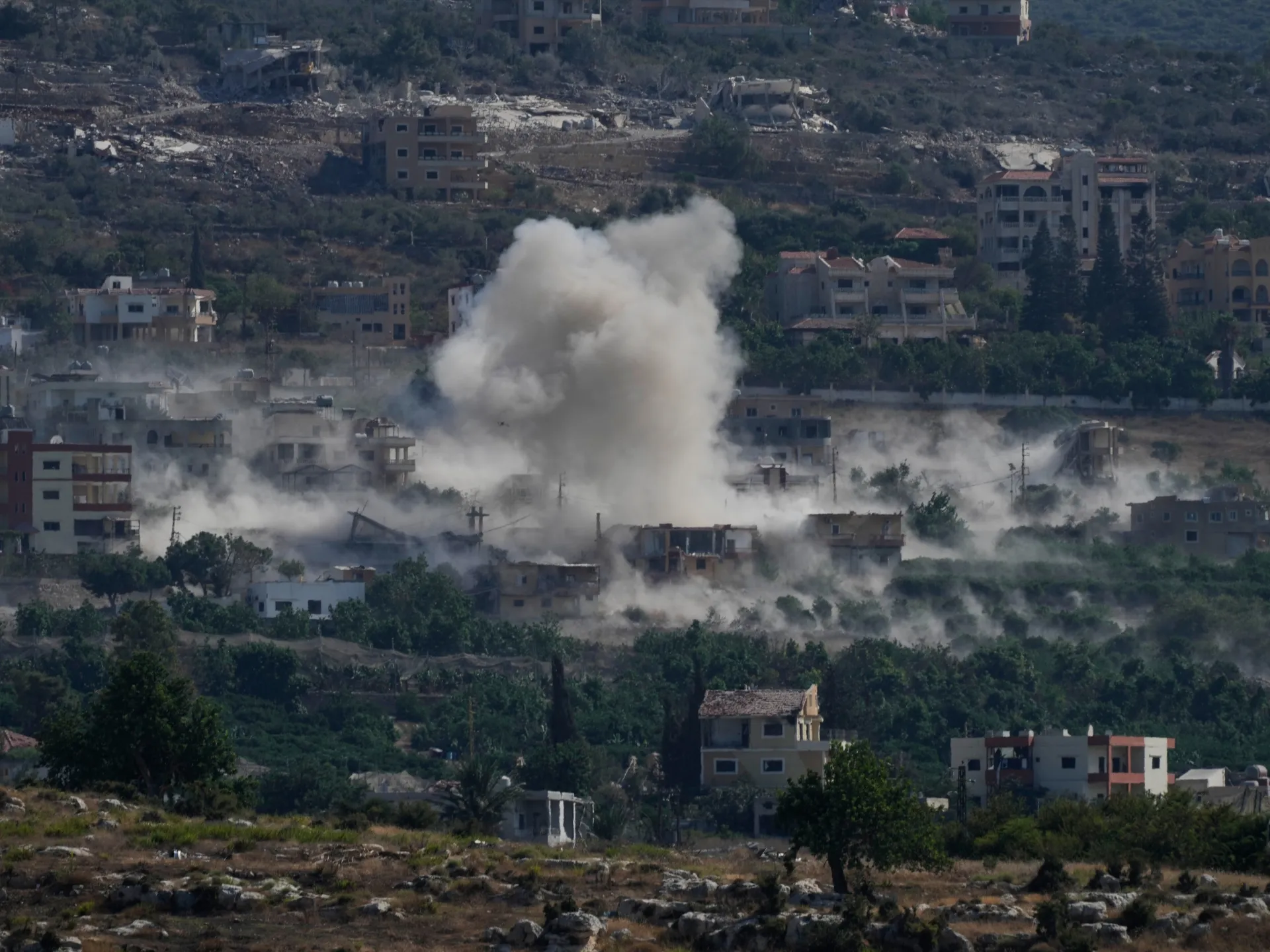
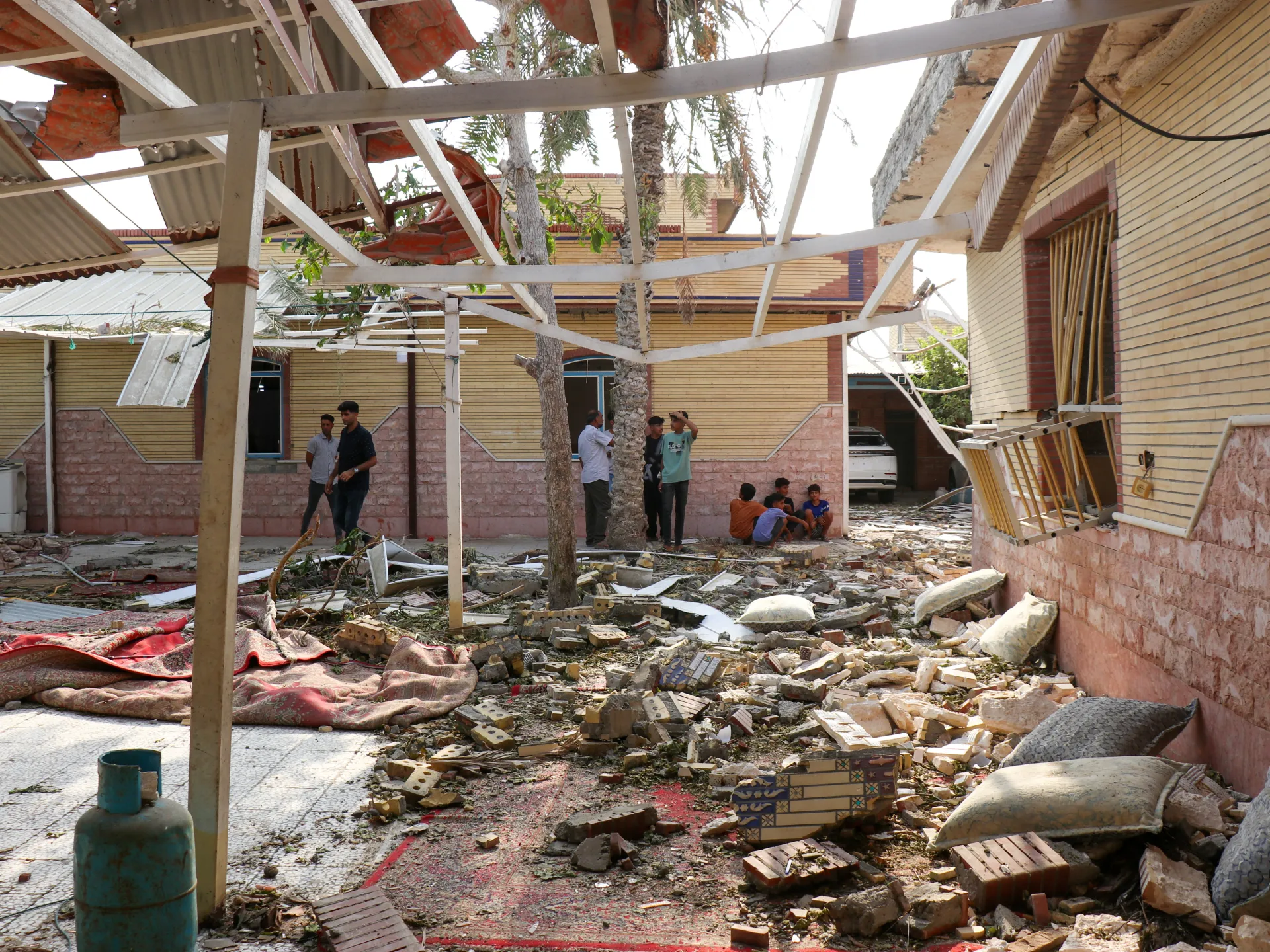
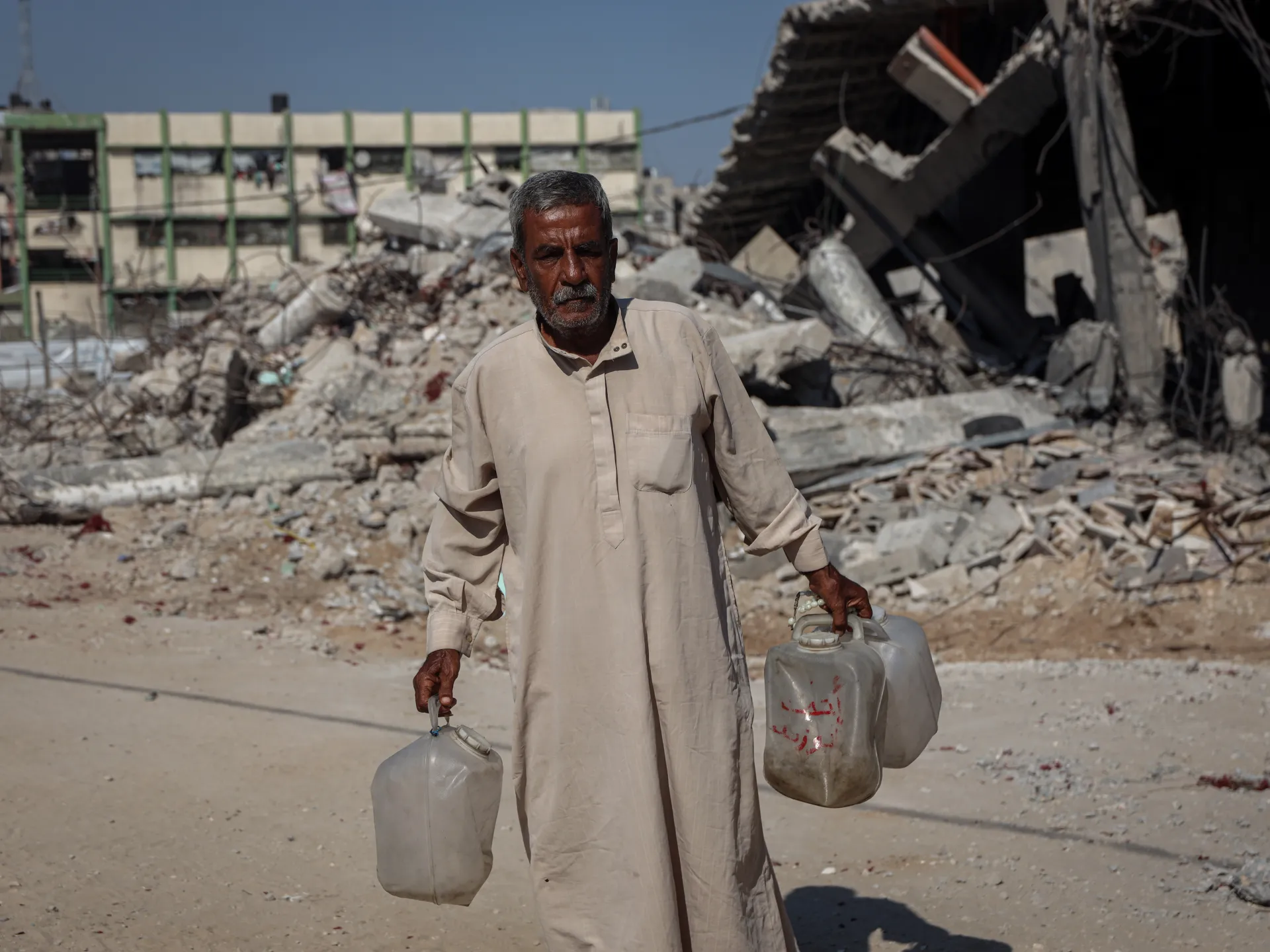
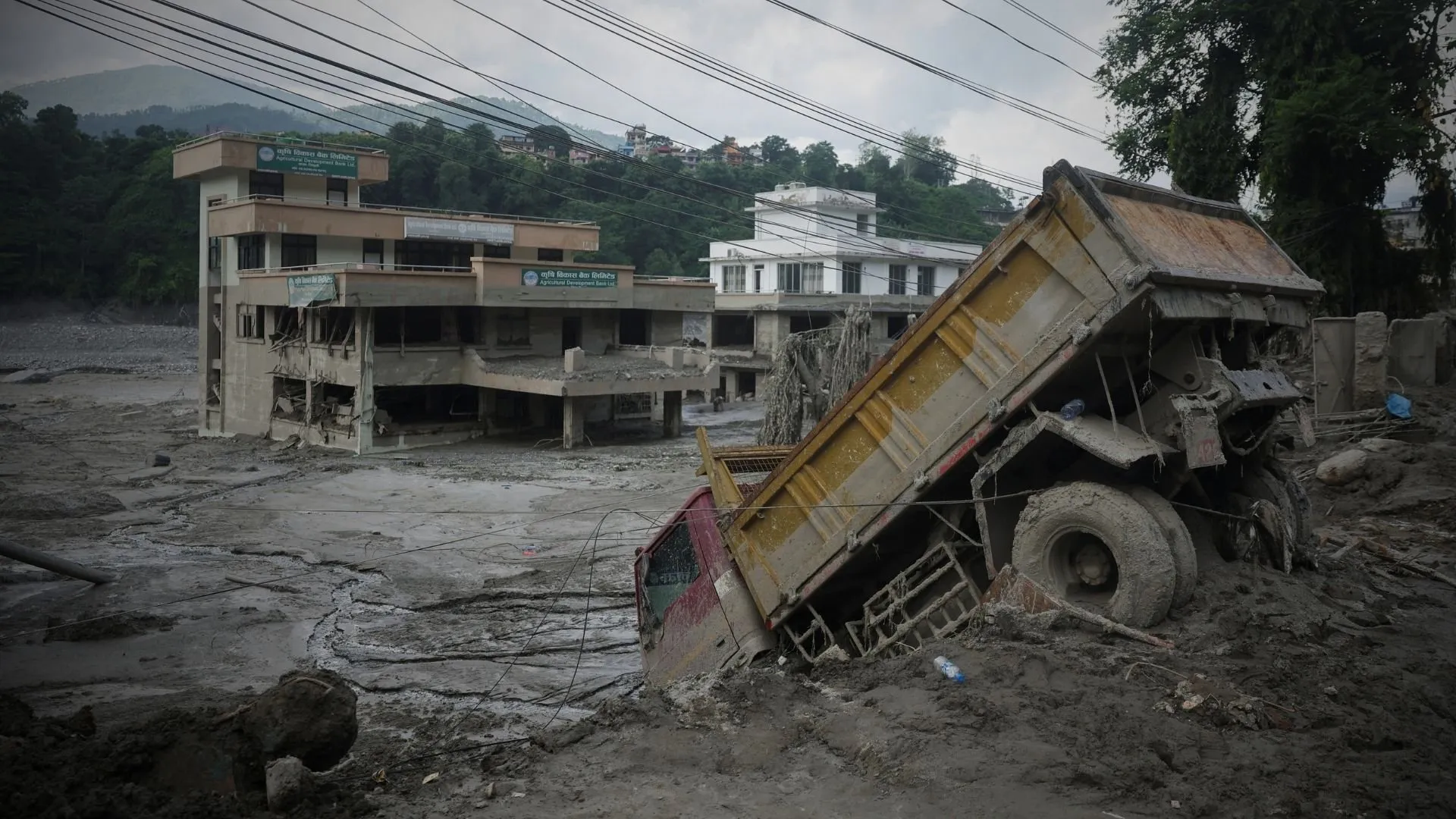
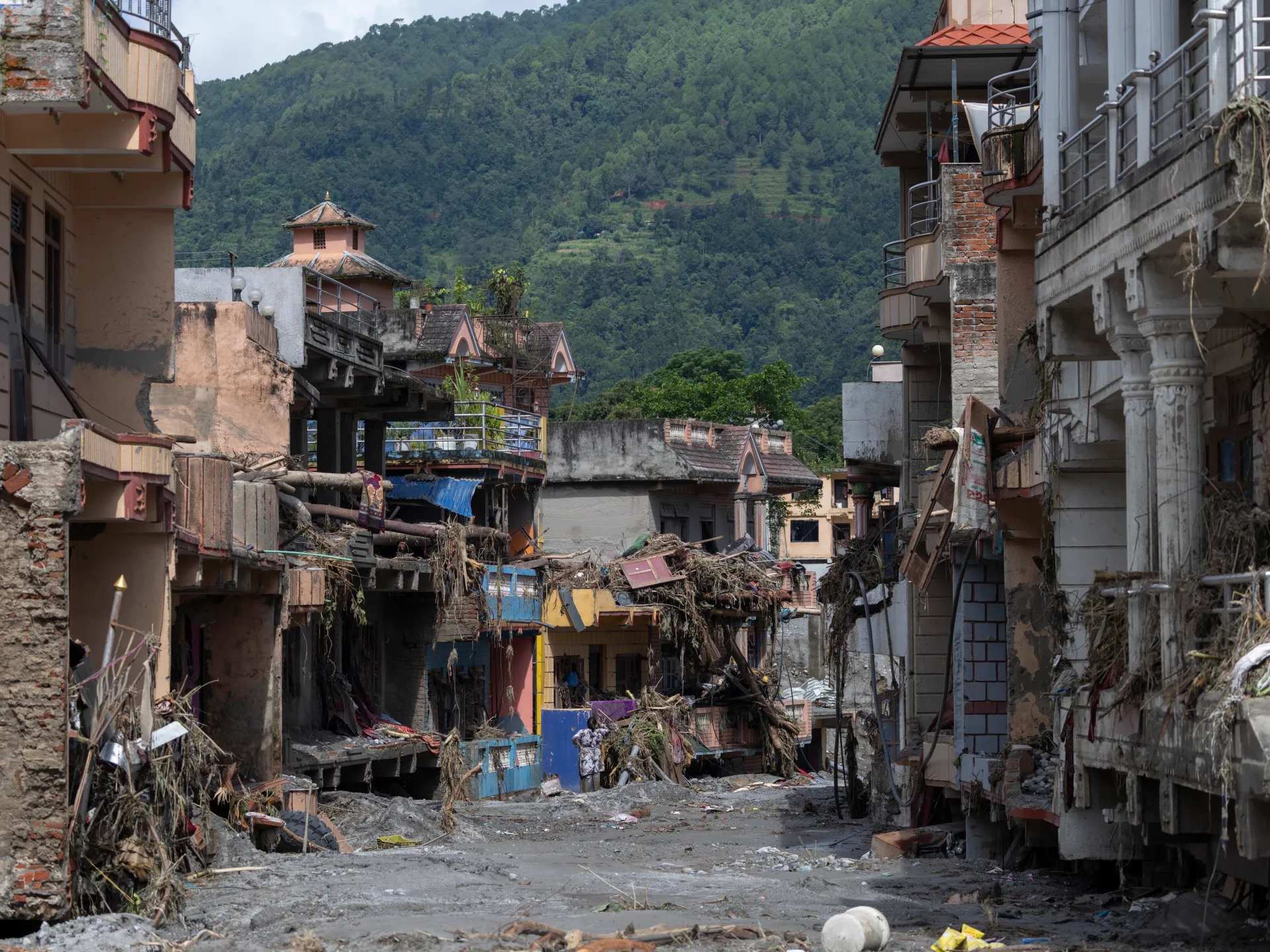
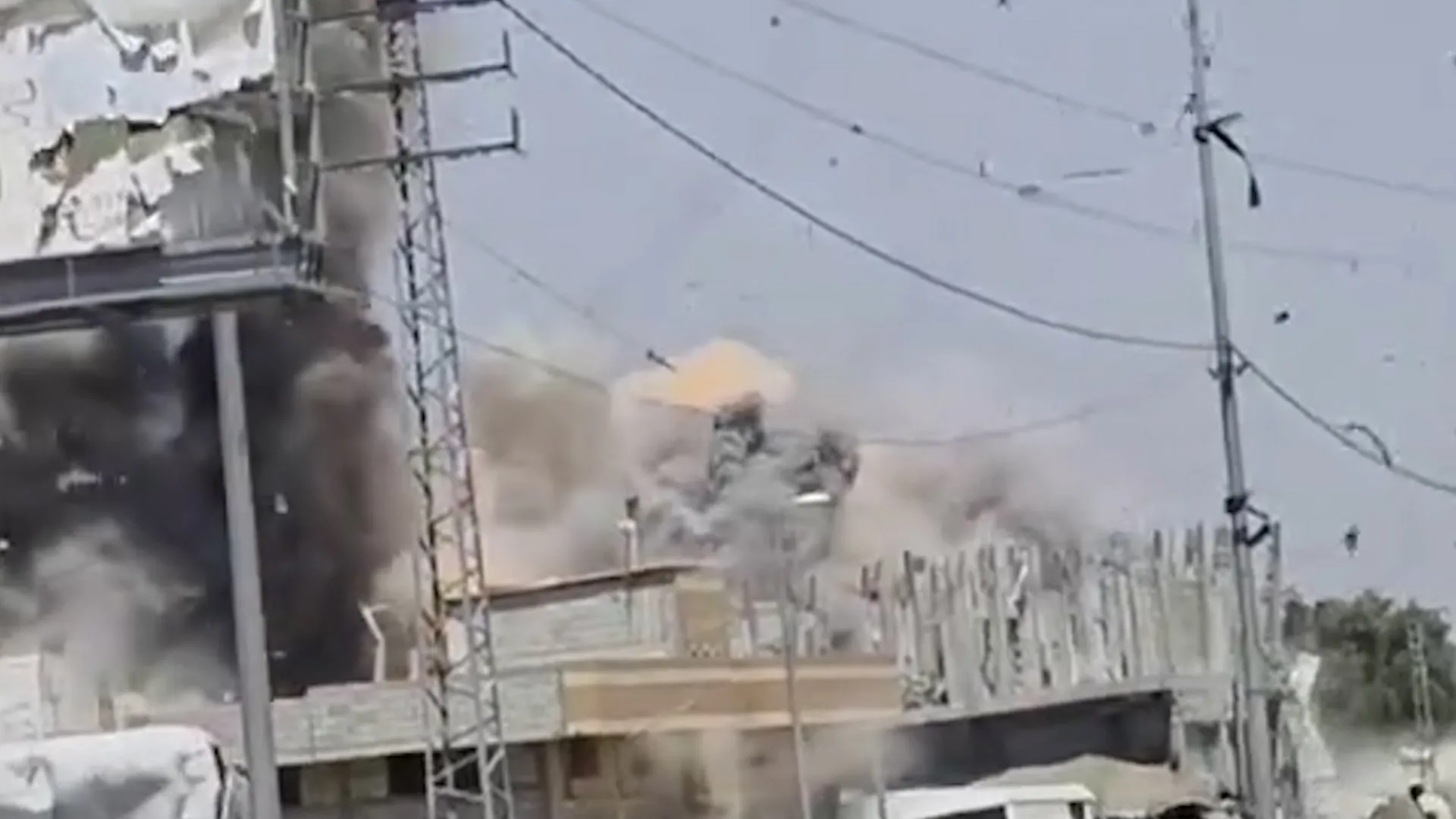
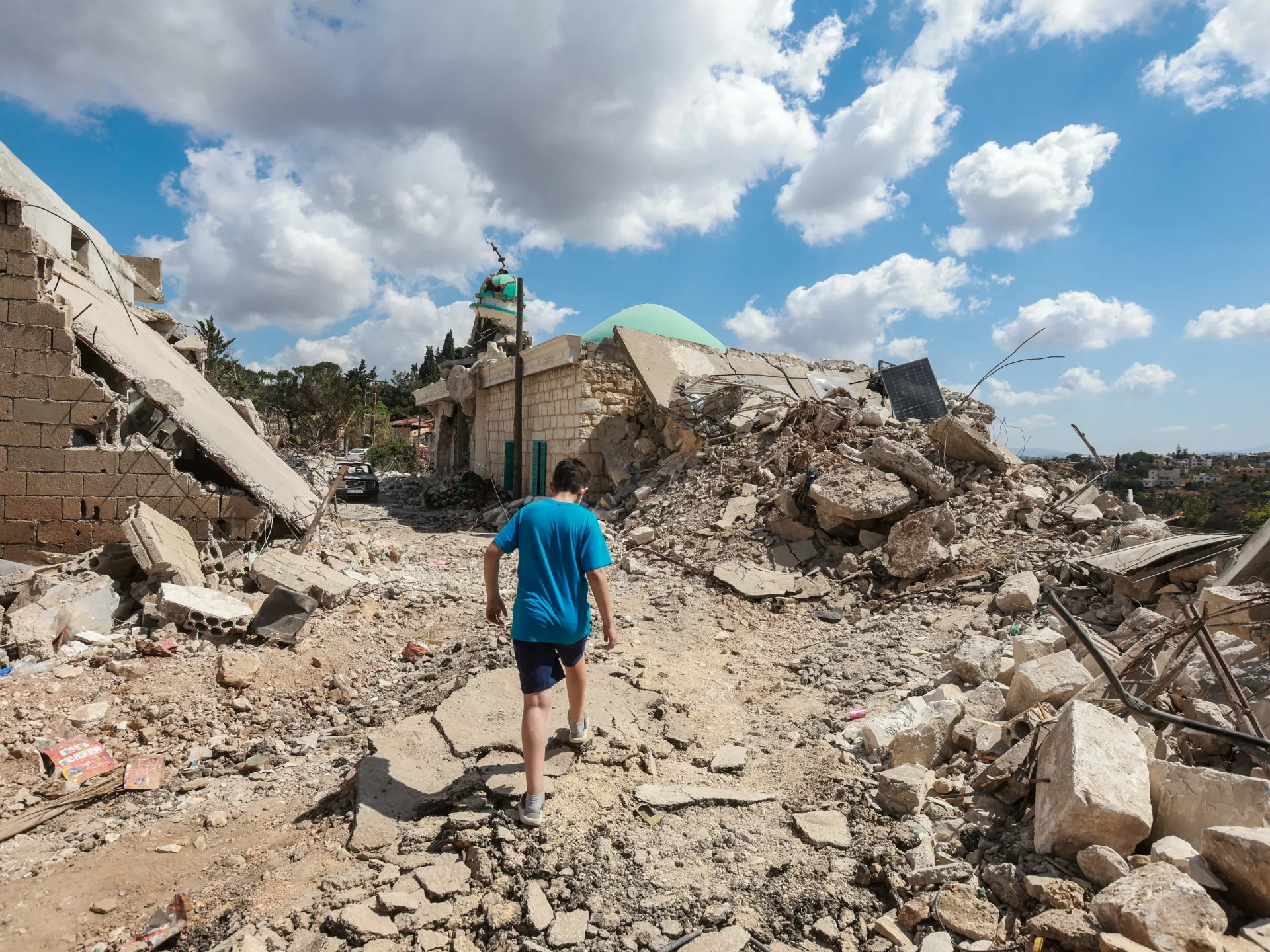
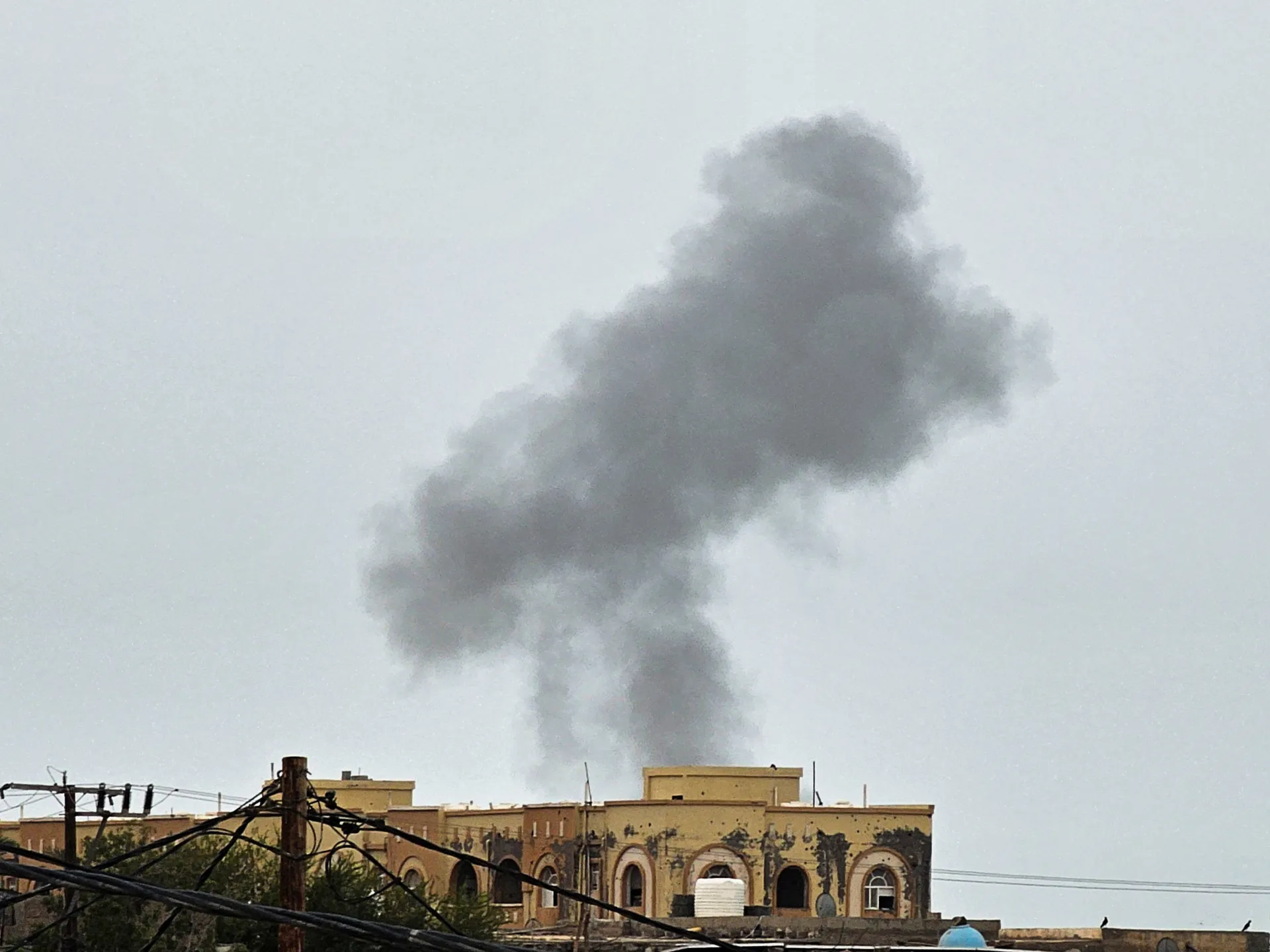
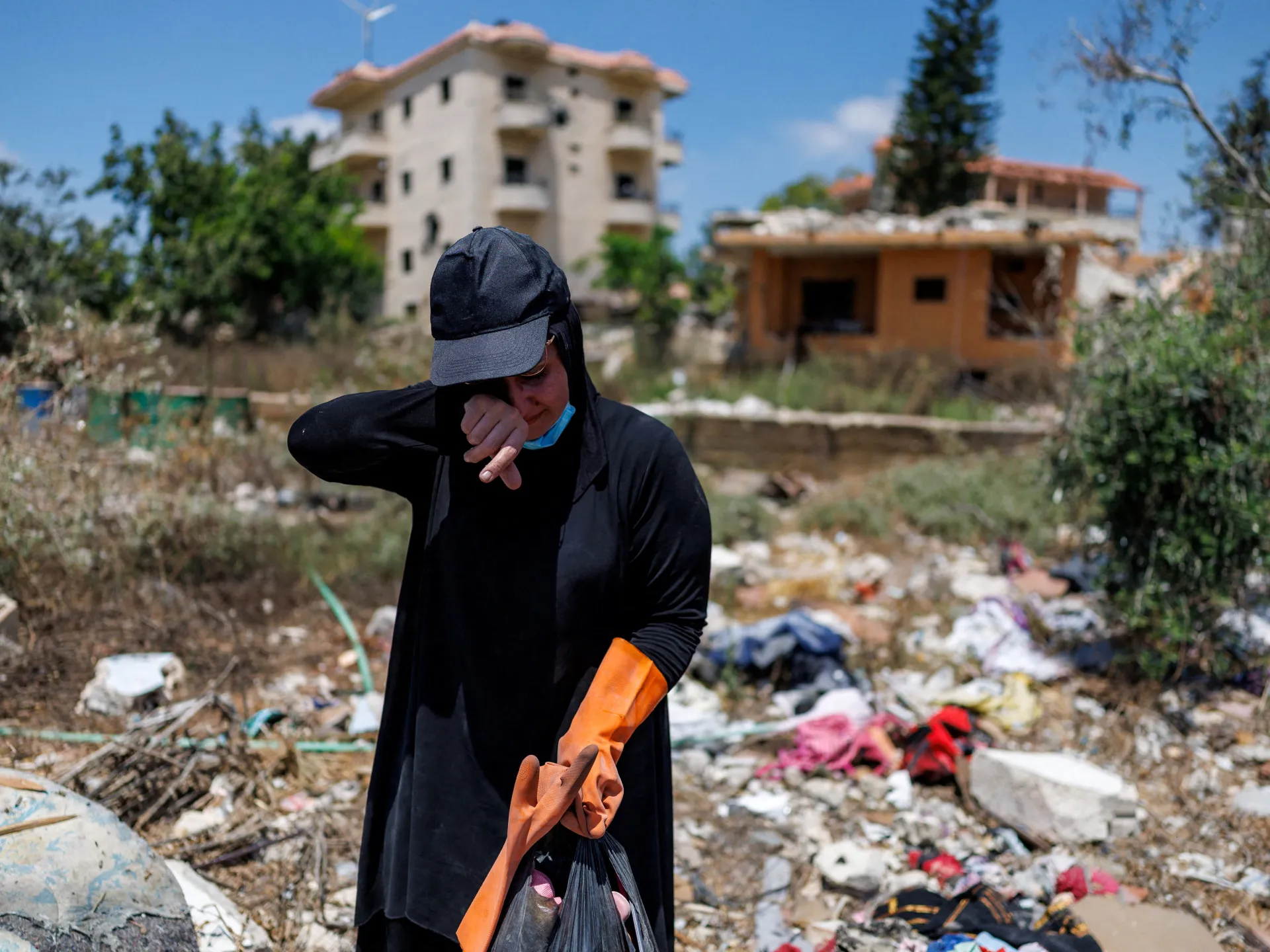
The scarcity of usable building space in Gaza has created a severe housing and commercial crisis. According to reports from the United Nations Satellite Centre, more than 80 percent of buildings in Gaza City and the northern regions have been either completely destroyed or severely damaged. The ongoing restriction on the import of construction materials means that repairs are virtually impossible, resulting in a drastically reduced supply of available units.
This imbalance between supply and demand has driven rental prices to unsustainable levels. Before the conflict, a practitioner could secure an apartment for a clinic at a monthly rate of approximately 500 shekels ($166). Today, those costs have surged to nearly $1,000, rendering the rental market inaccessible for most small business owners and medical professionals. The alternative—operating in a tent—is the only way to avoid passing these massive expenses onto patients who are already struggling to afford basic necessities.
The financial strain is felt acutely ome a luxury that many simply cannot afford. The clinic staff must often navigate difficult conversations regarding the cost of procedures, as patients frequently weigh the price of a filling against the significantly cheaper, yet permanent, option of tooth extraction.
Maintaining a clinical standard in an alleyway requires immense effort and vigilance. Dr. Abo Halima places a high priority on the sterilization of instruments, ensuring they are protected from the dust and contaminants inherent in an outdoor setting. Additionally, he employs a security guard to oversee the tent, as the thin canvas structure offers little resistance to potential theft in an area plagued
The staff at the tent, including nursing graduates like Heba Rihan, witness the emotional and physical toll of the conflict daily. Rihan, who travels long distances on foot to reach the clinic, often finds herself acting as a mediator between the realities of the market and the suffering of the patients. She recounts instances where patients in excruciating pain are forced to opt for extractions because they lack the funds for restorative treatments, a reality that underscores the broader humanitarian impact of the siege.
Ultimately, the survival of this dental practice in a tent is a testament to the resilience of those working to maintain essential health services under extreme duress. While the environment is far from ideal, it remains a critical point of care in an area where standard infrastructure has effectively ceased to exist. The persistence of these medical workers highlights the ongoing struggle to provide basic healthcare to a population navigating the long-term consequences of widespread destruction and restricted access to resources.