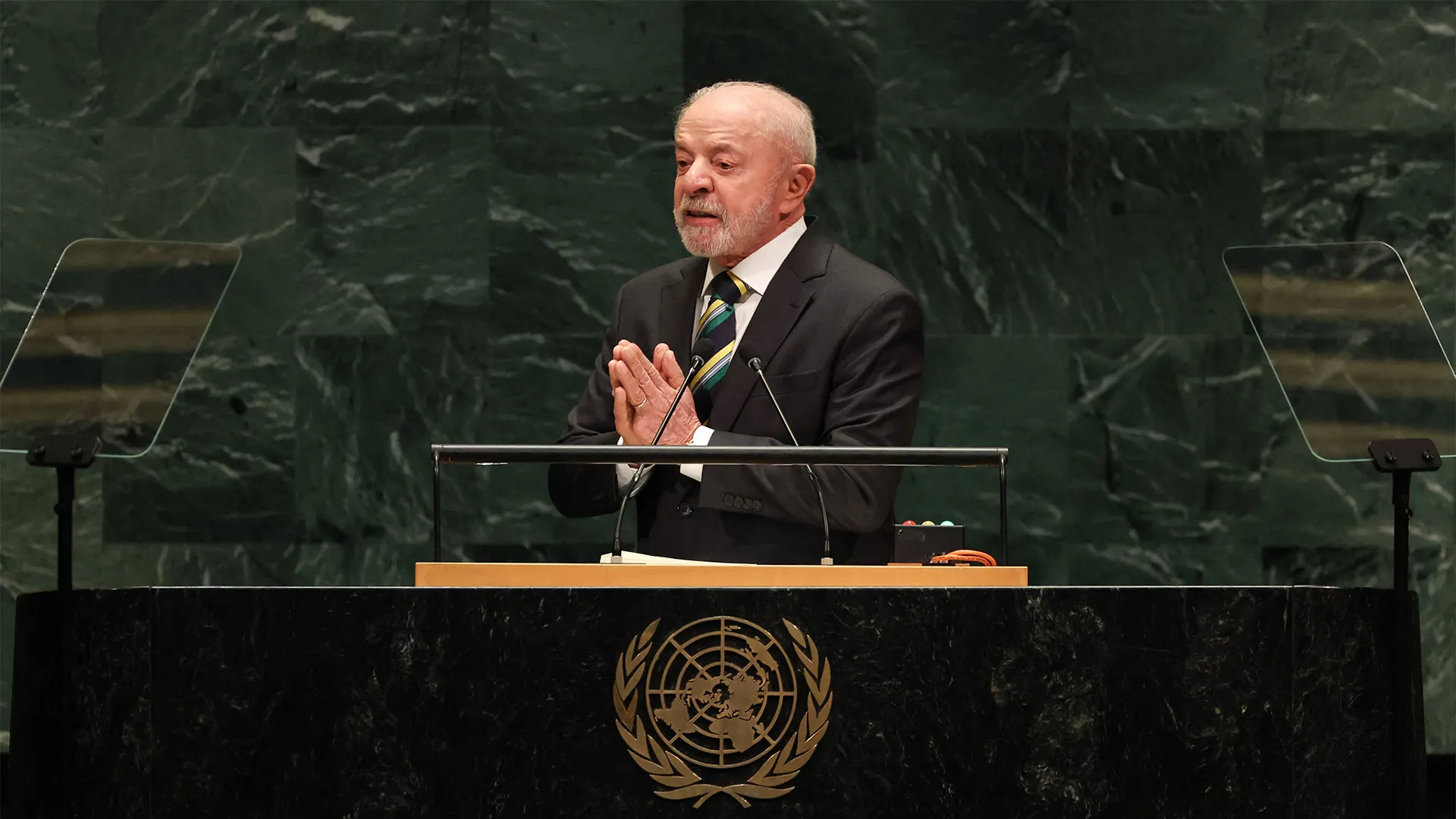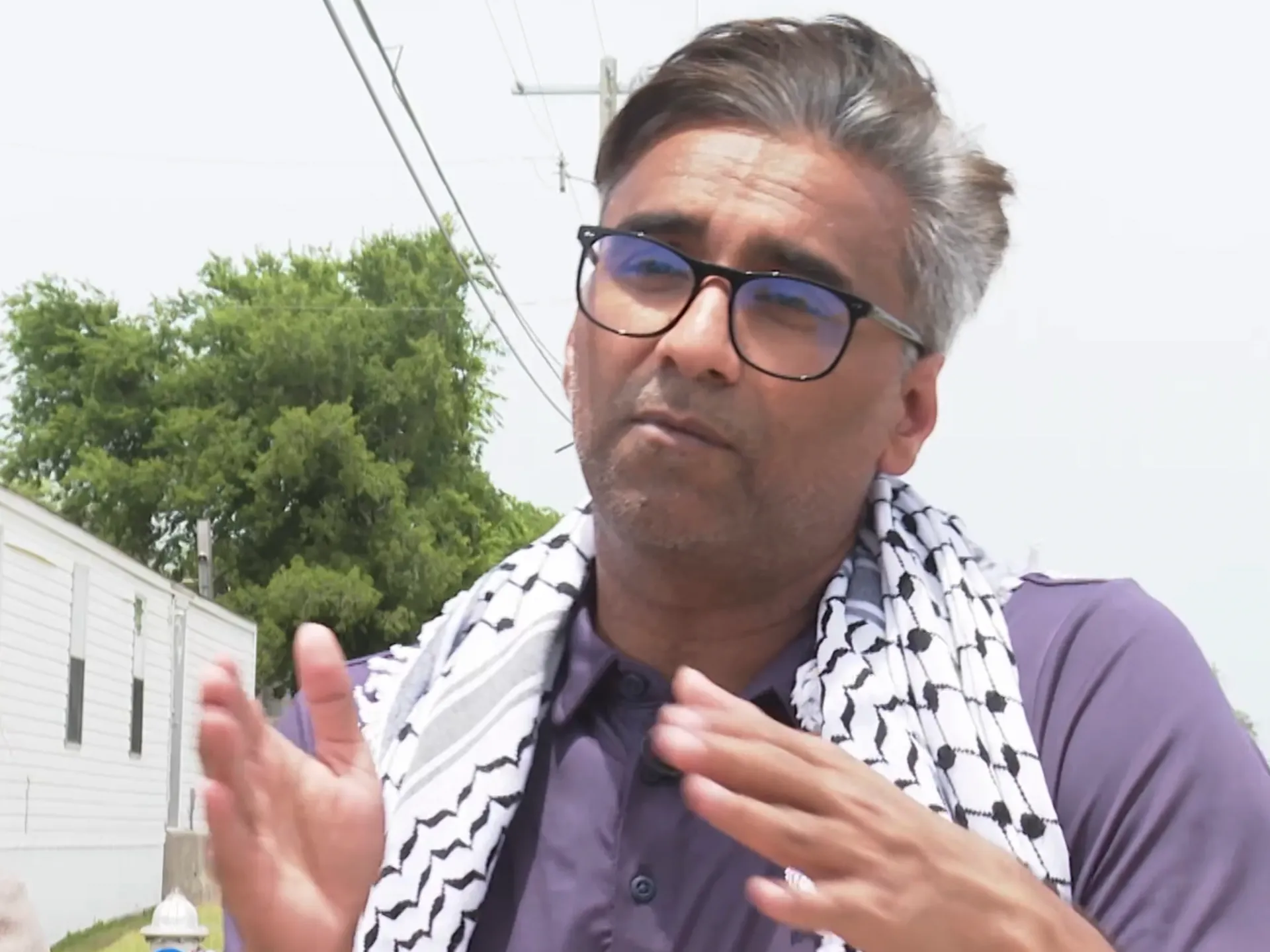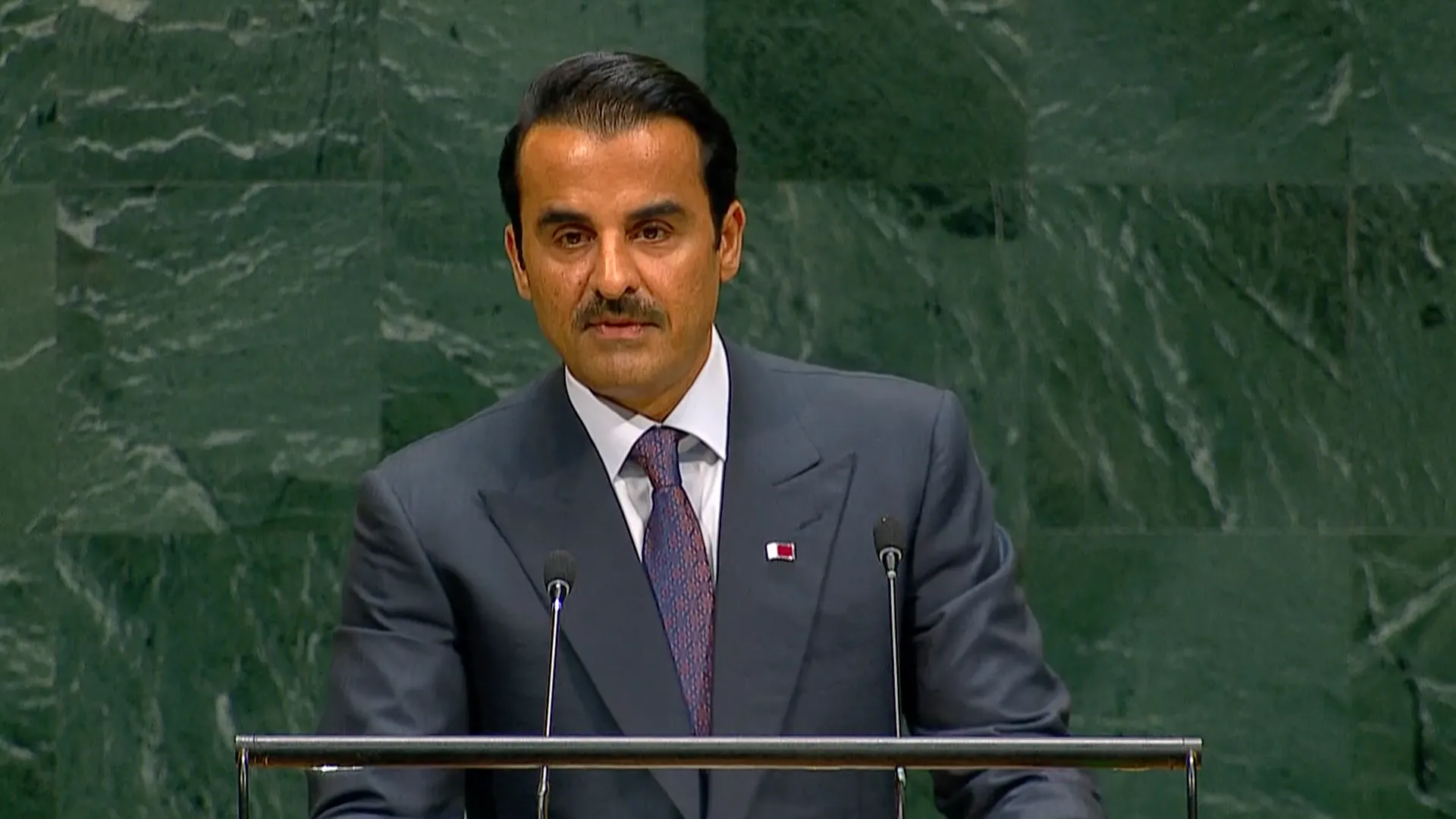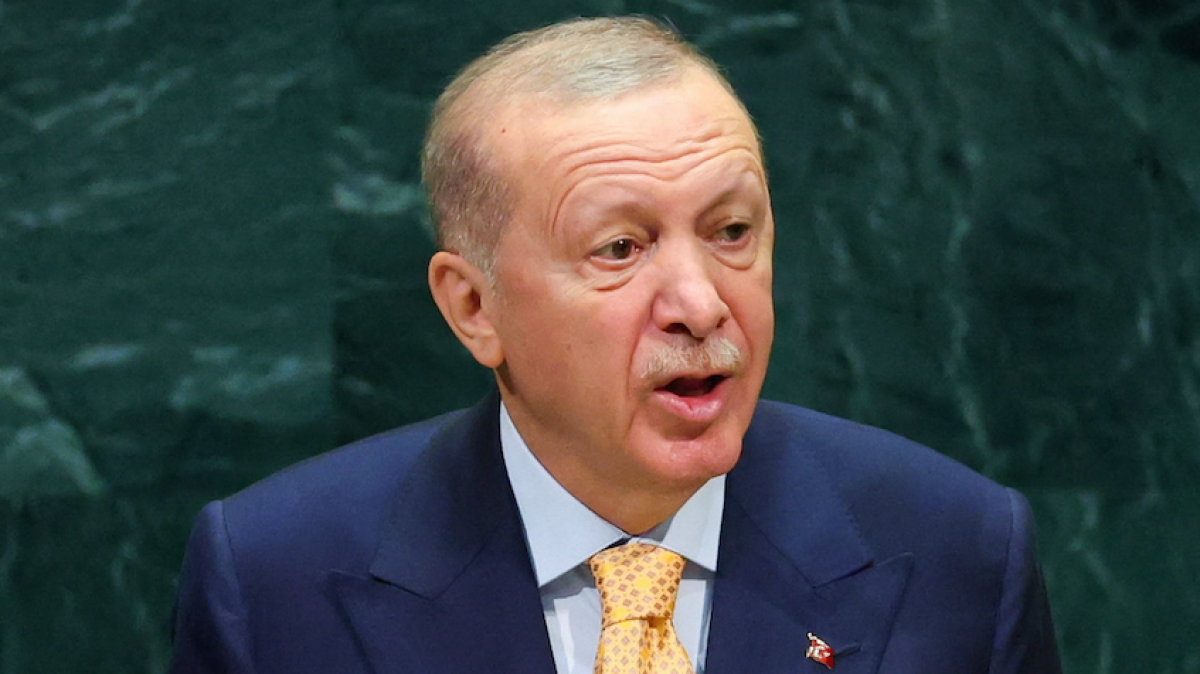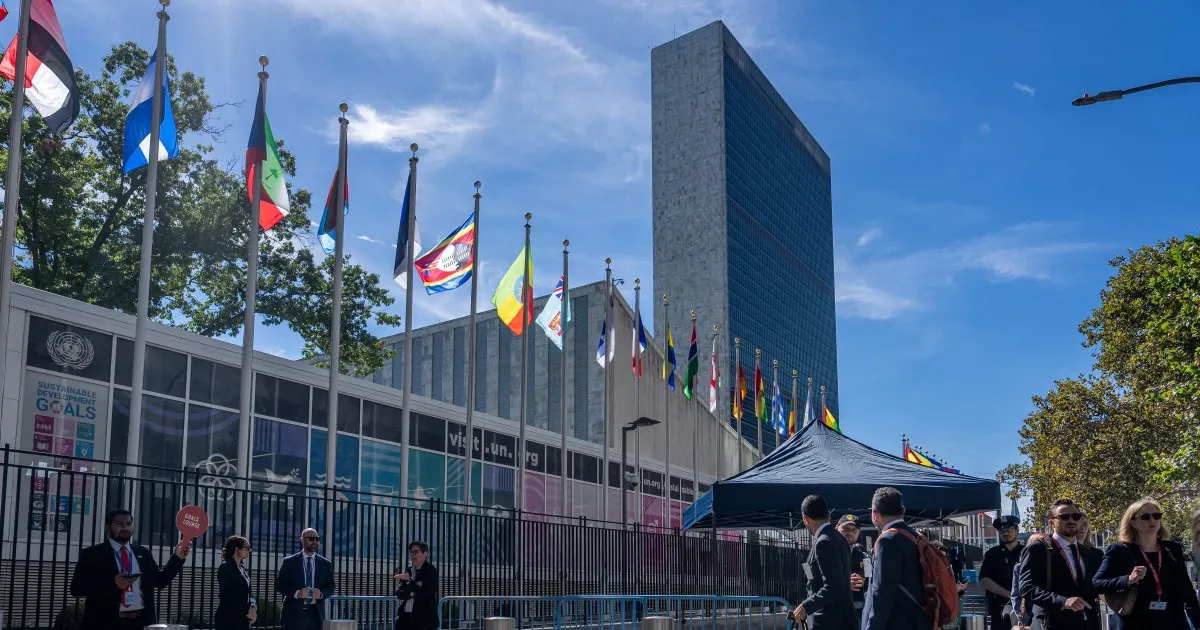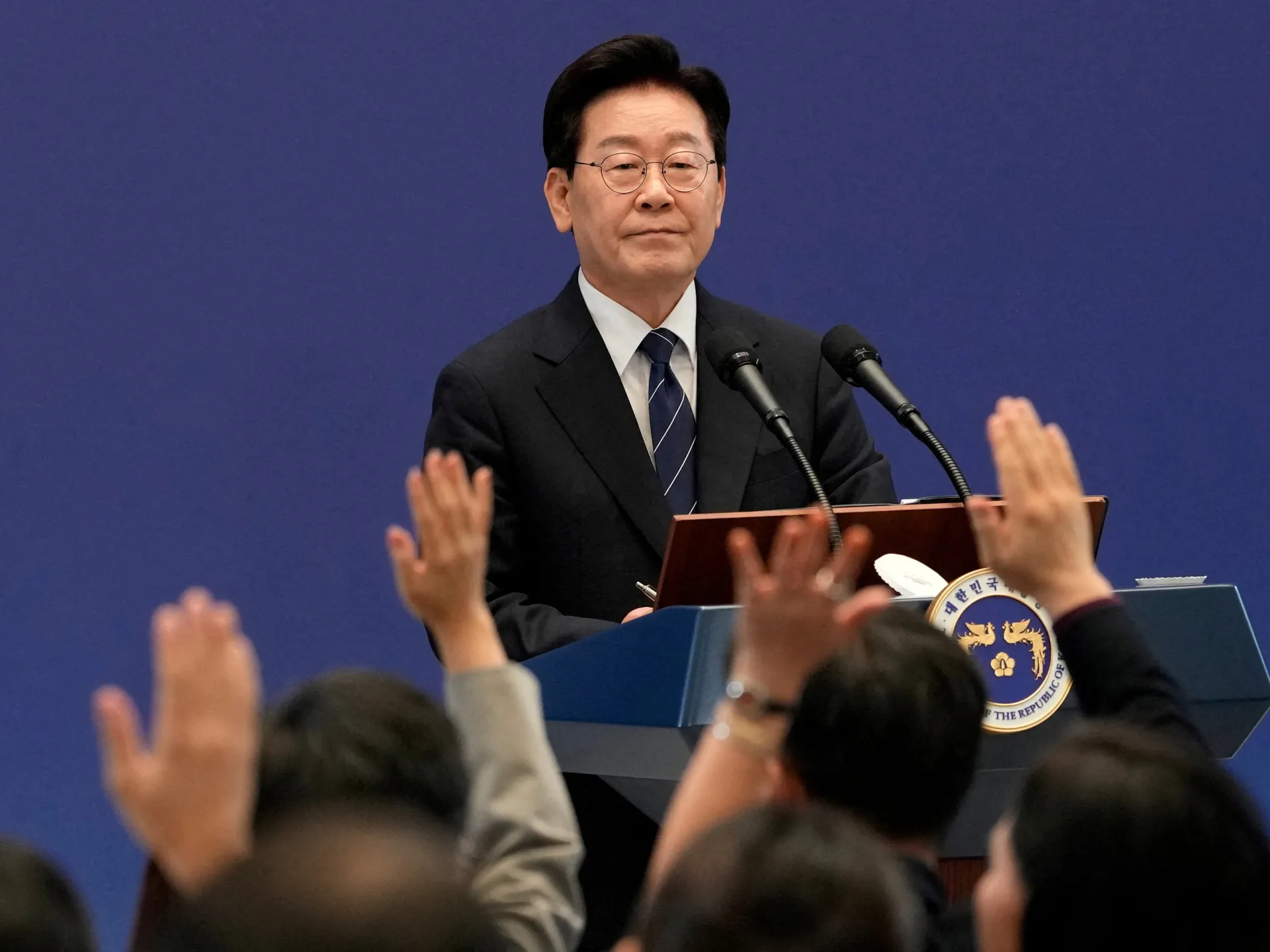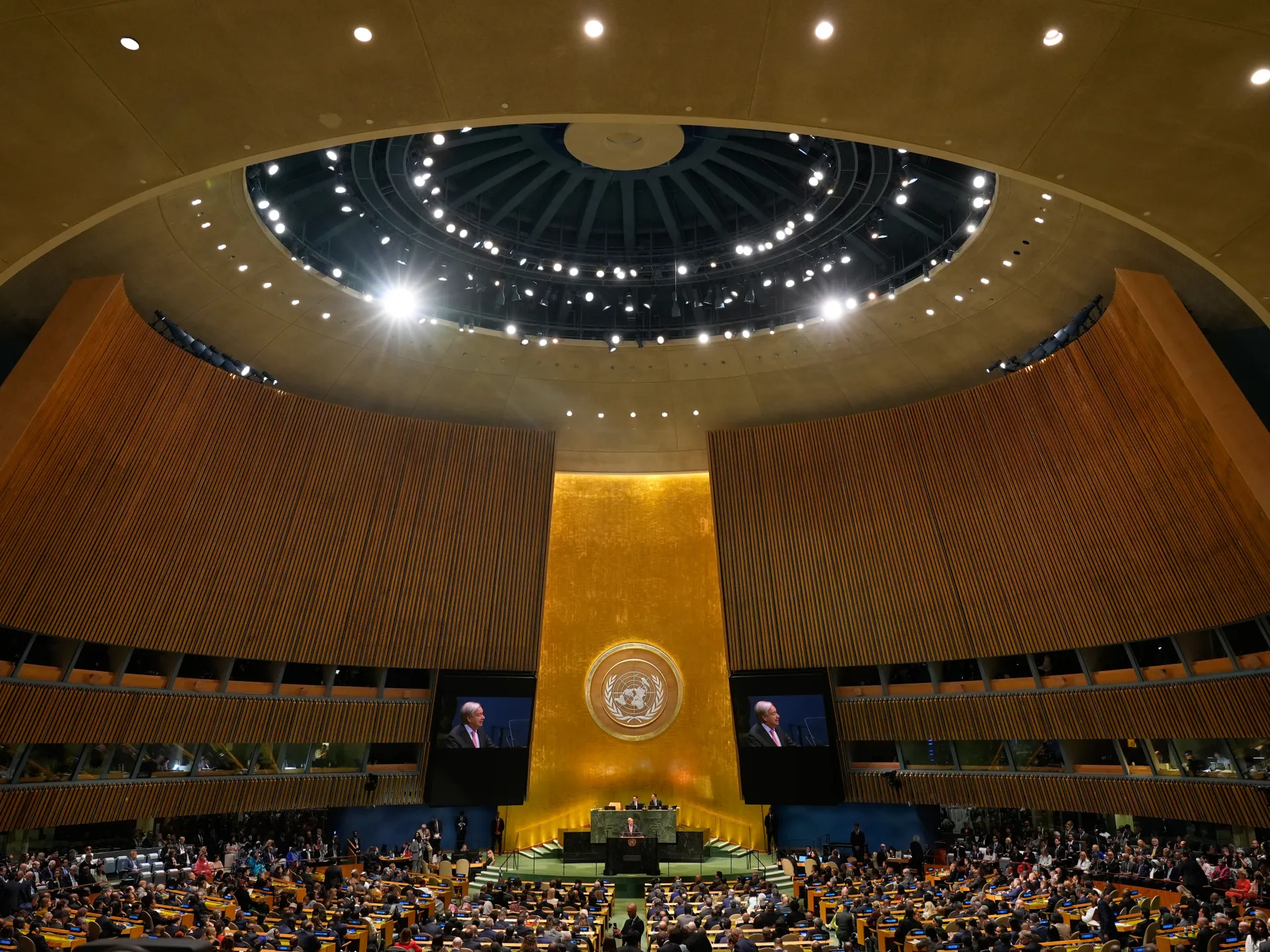
As world leaders convene in New York, reports of direct US-Iran talks and urgent warnings from Ukraine highlight a session defined by volatile diplomacy.
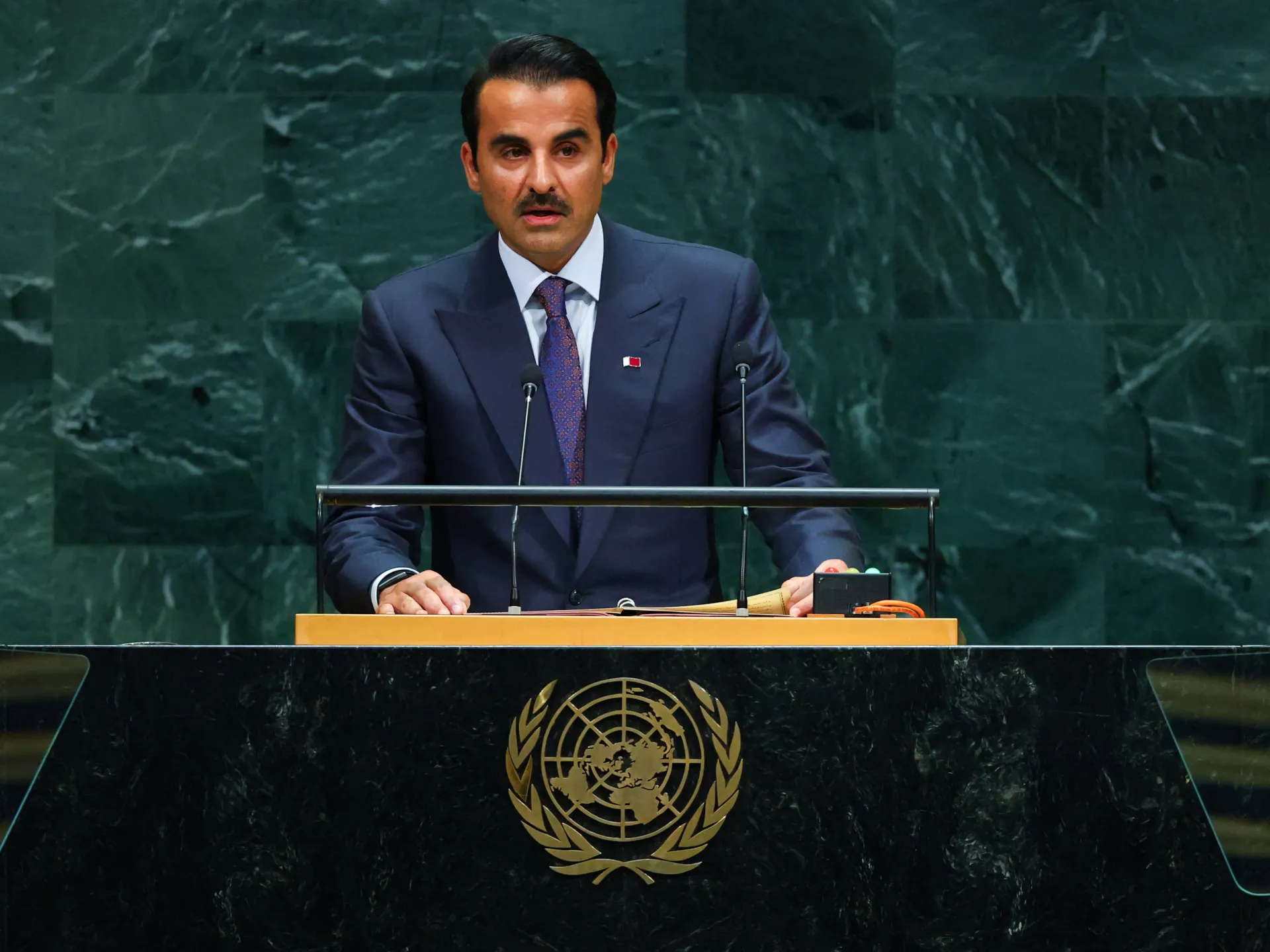
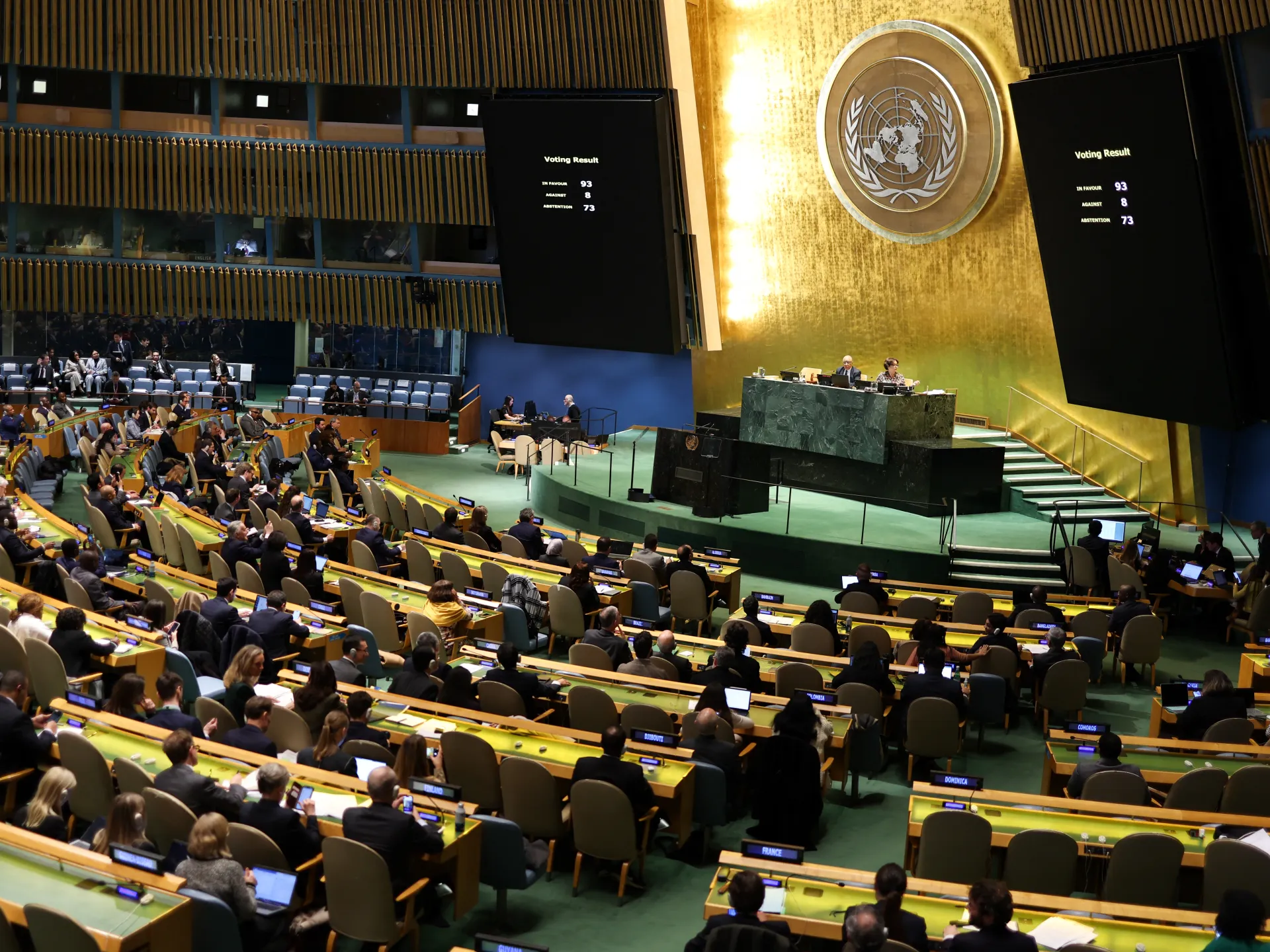
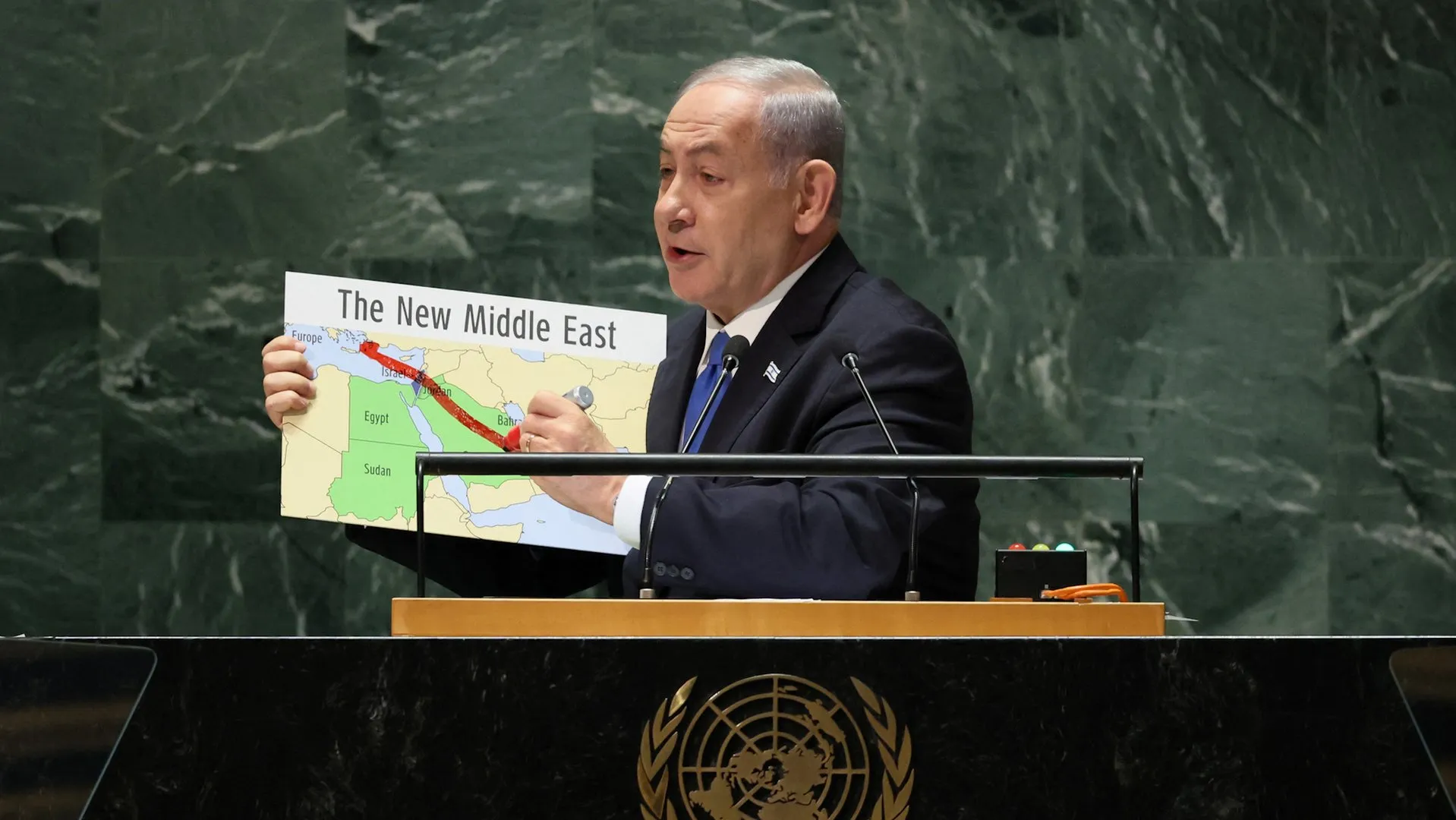
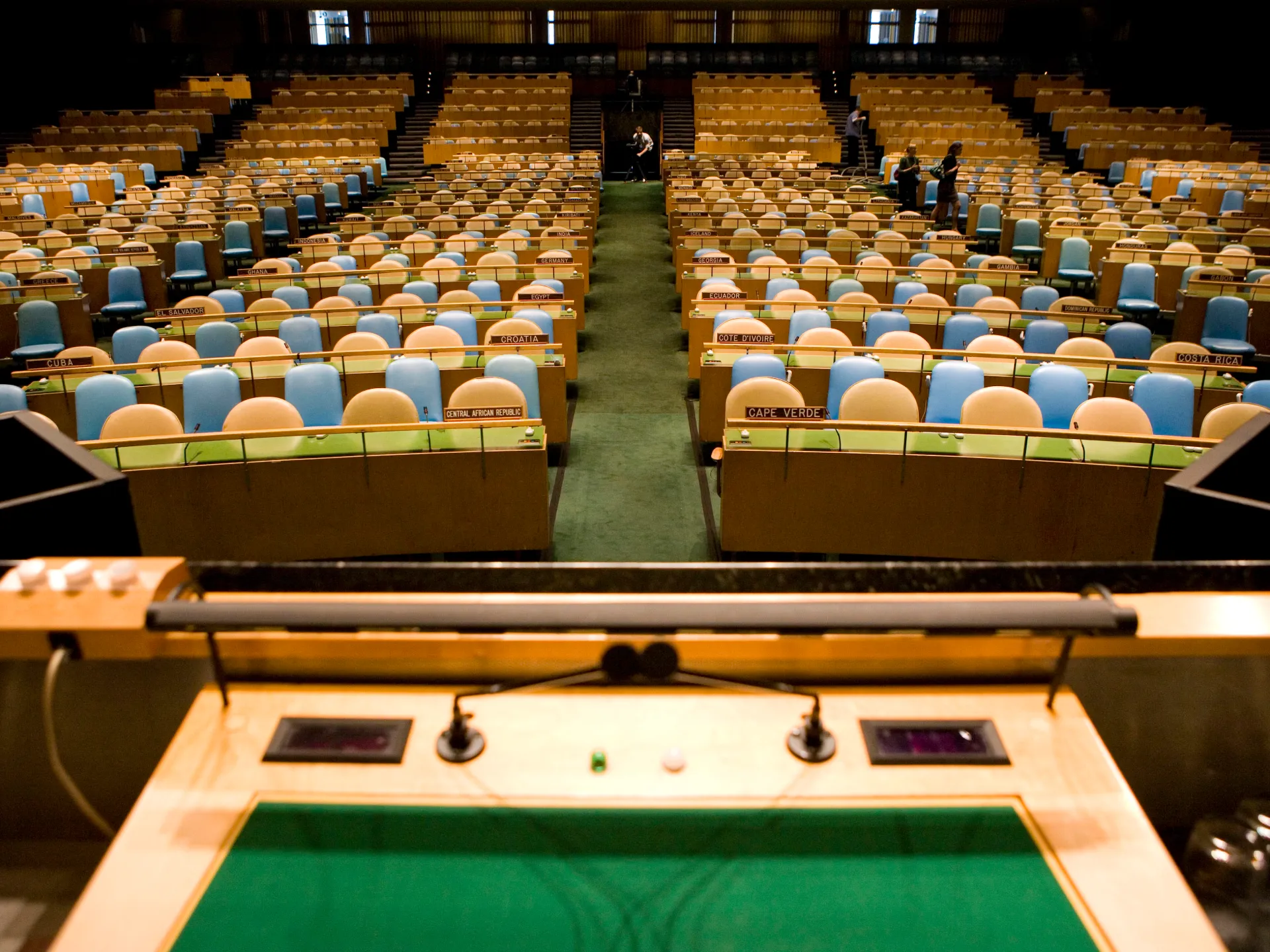
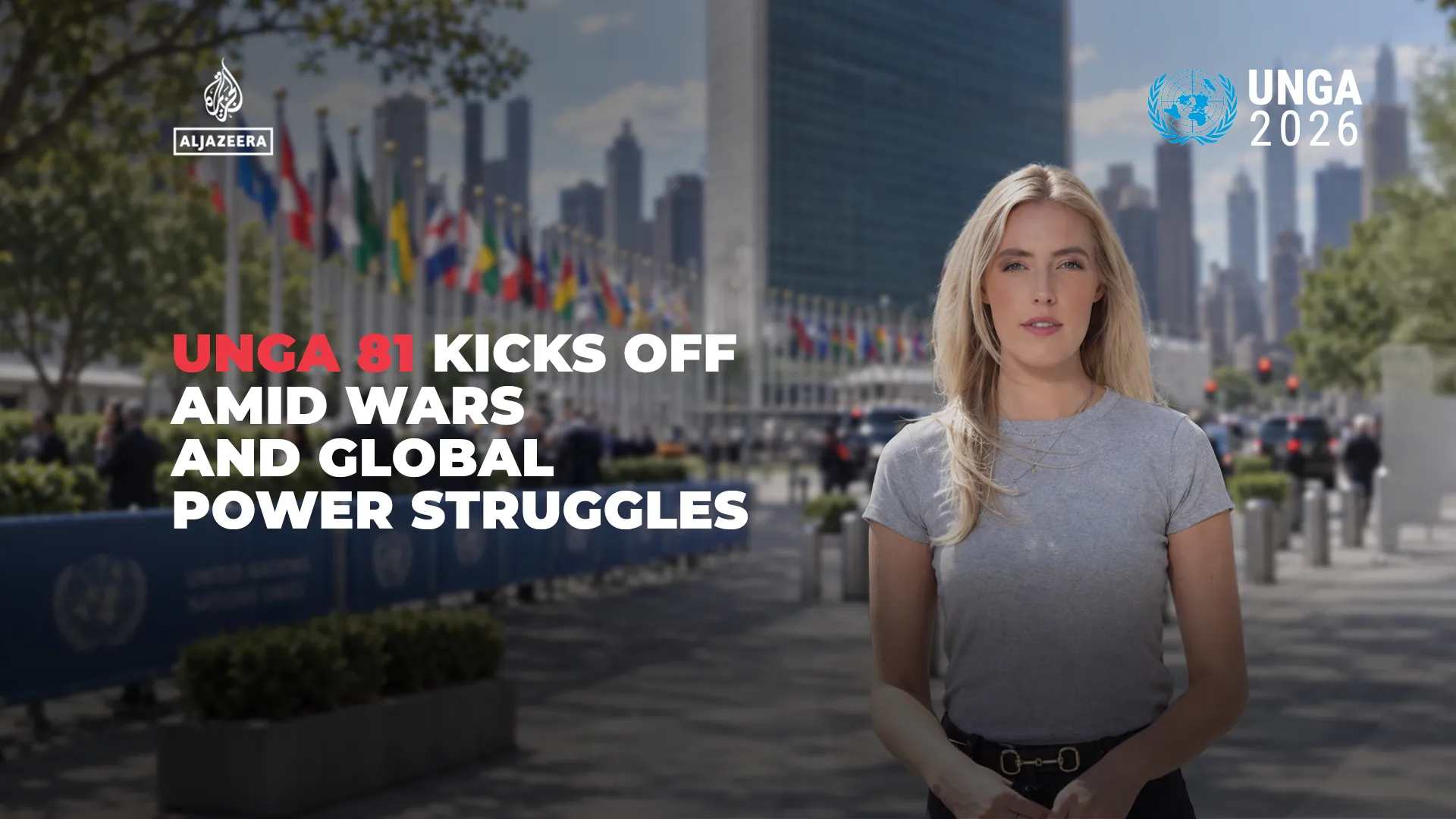
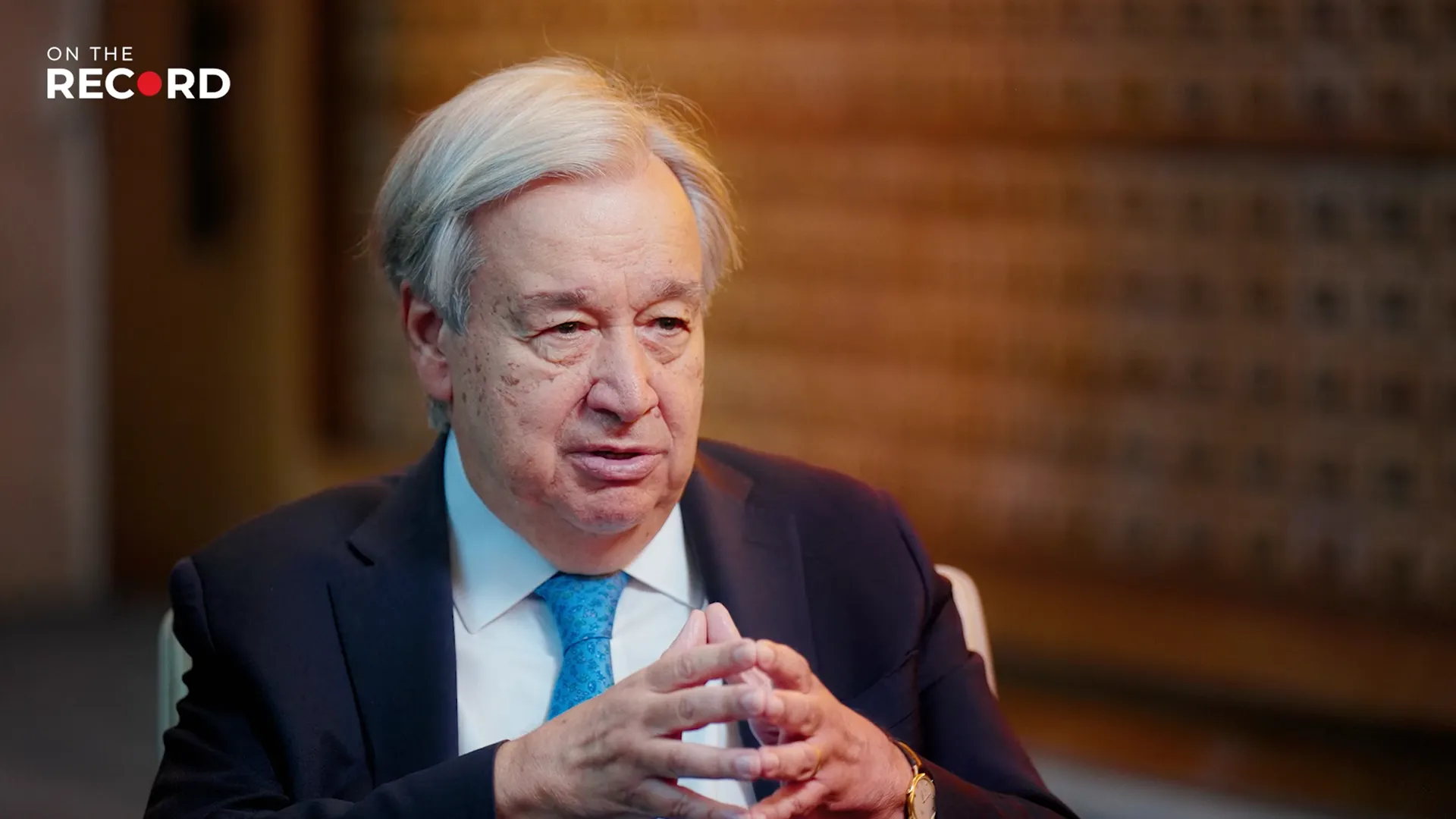
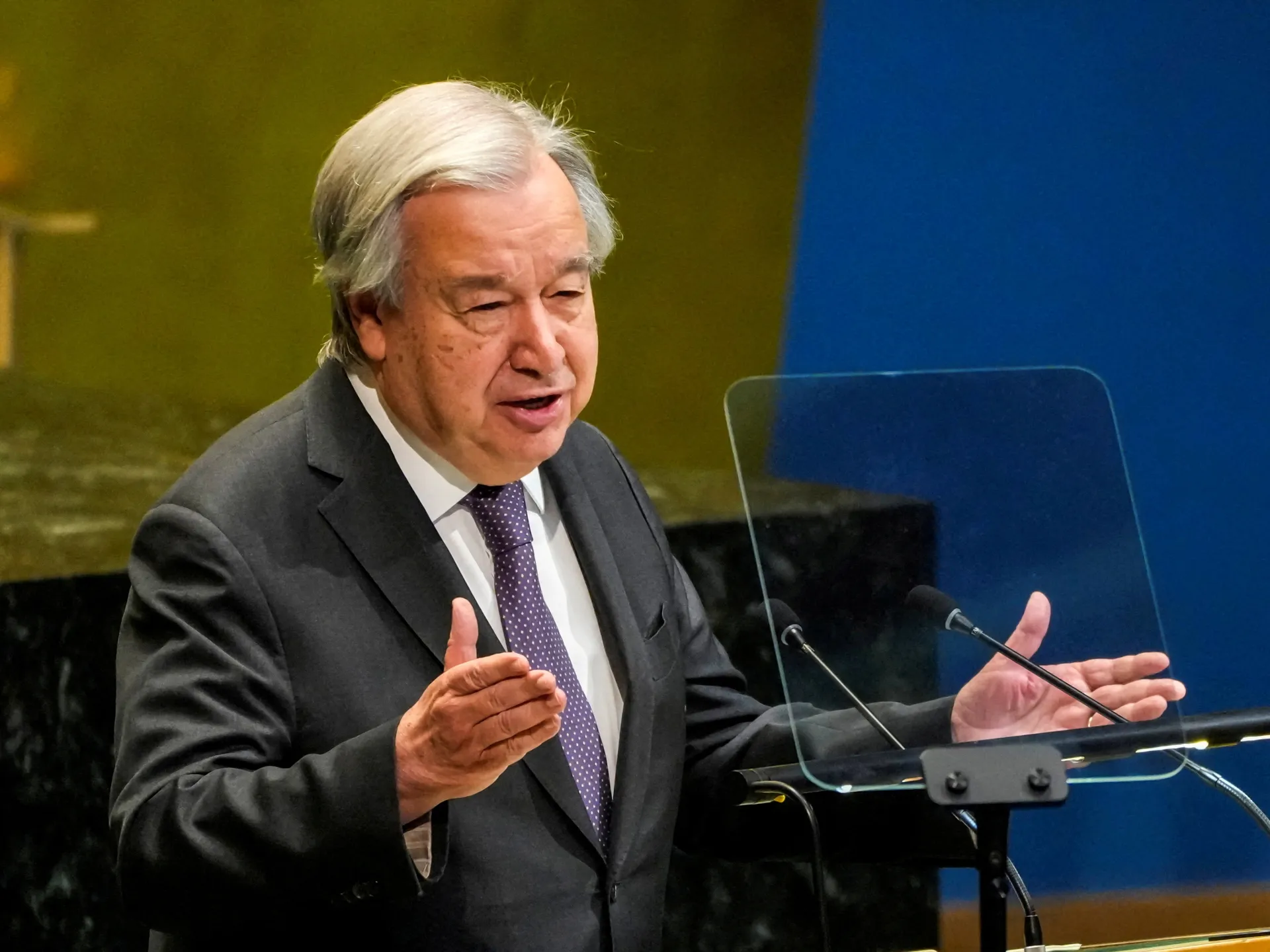
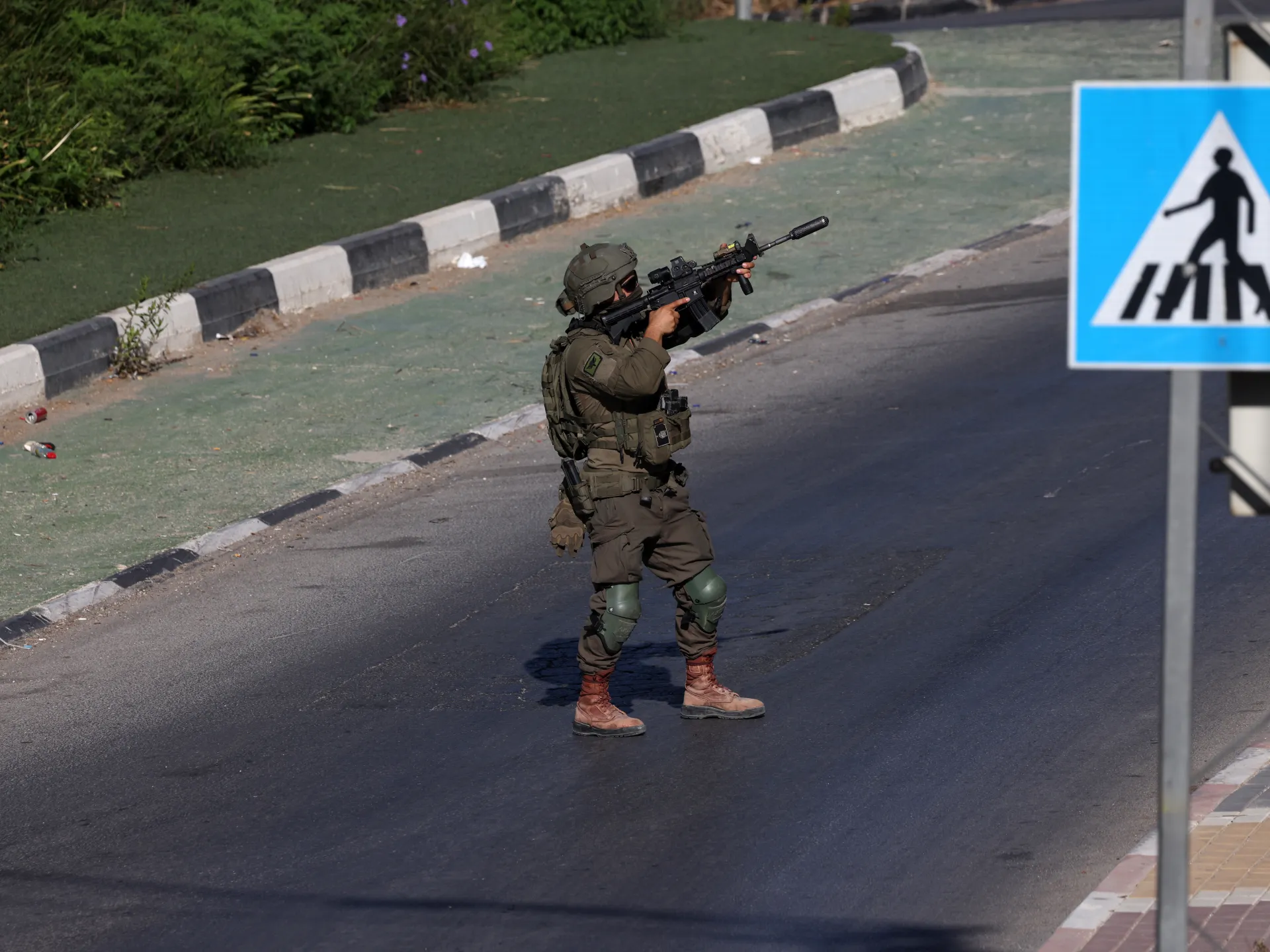
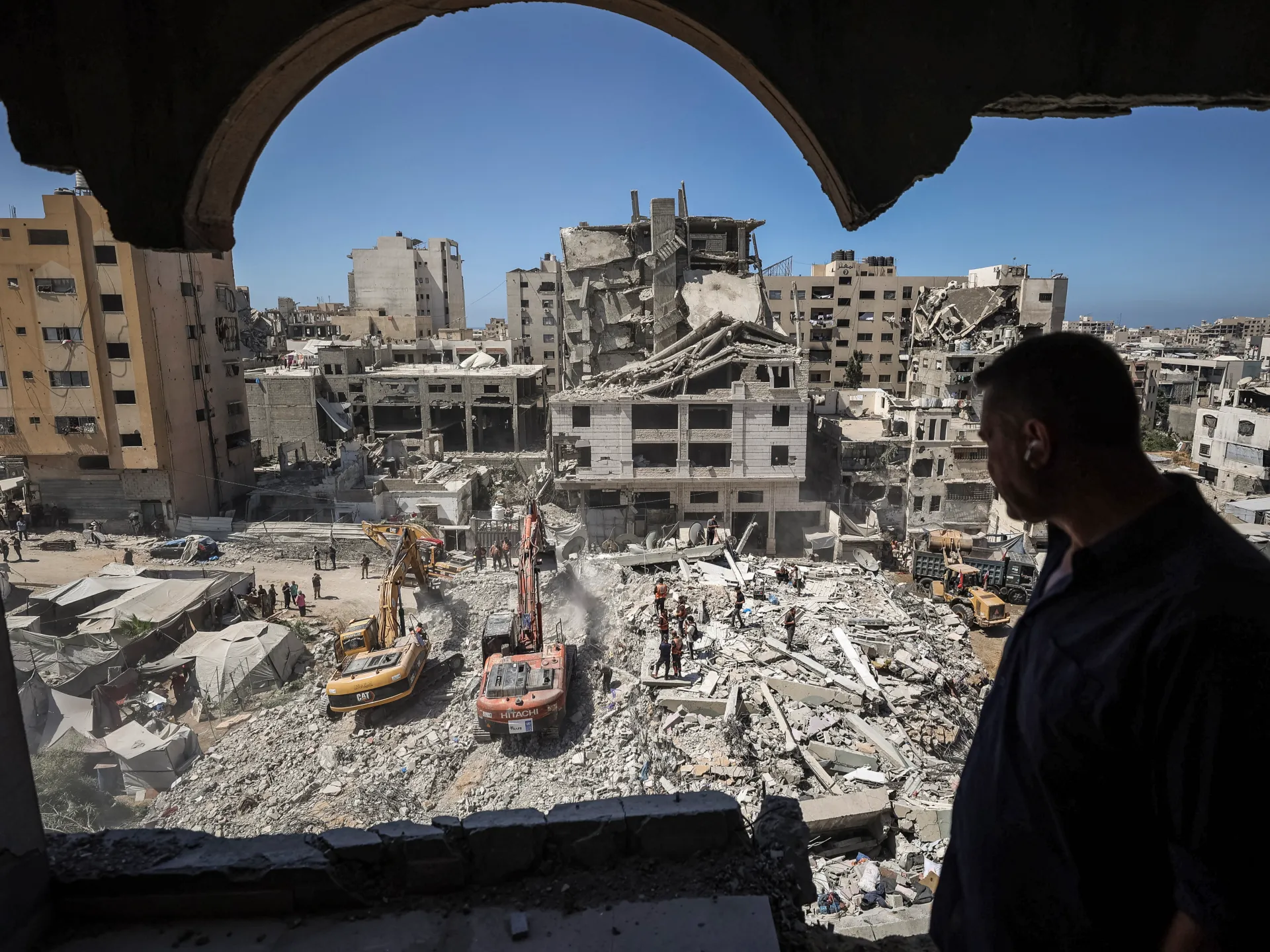
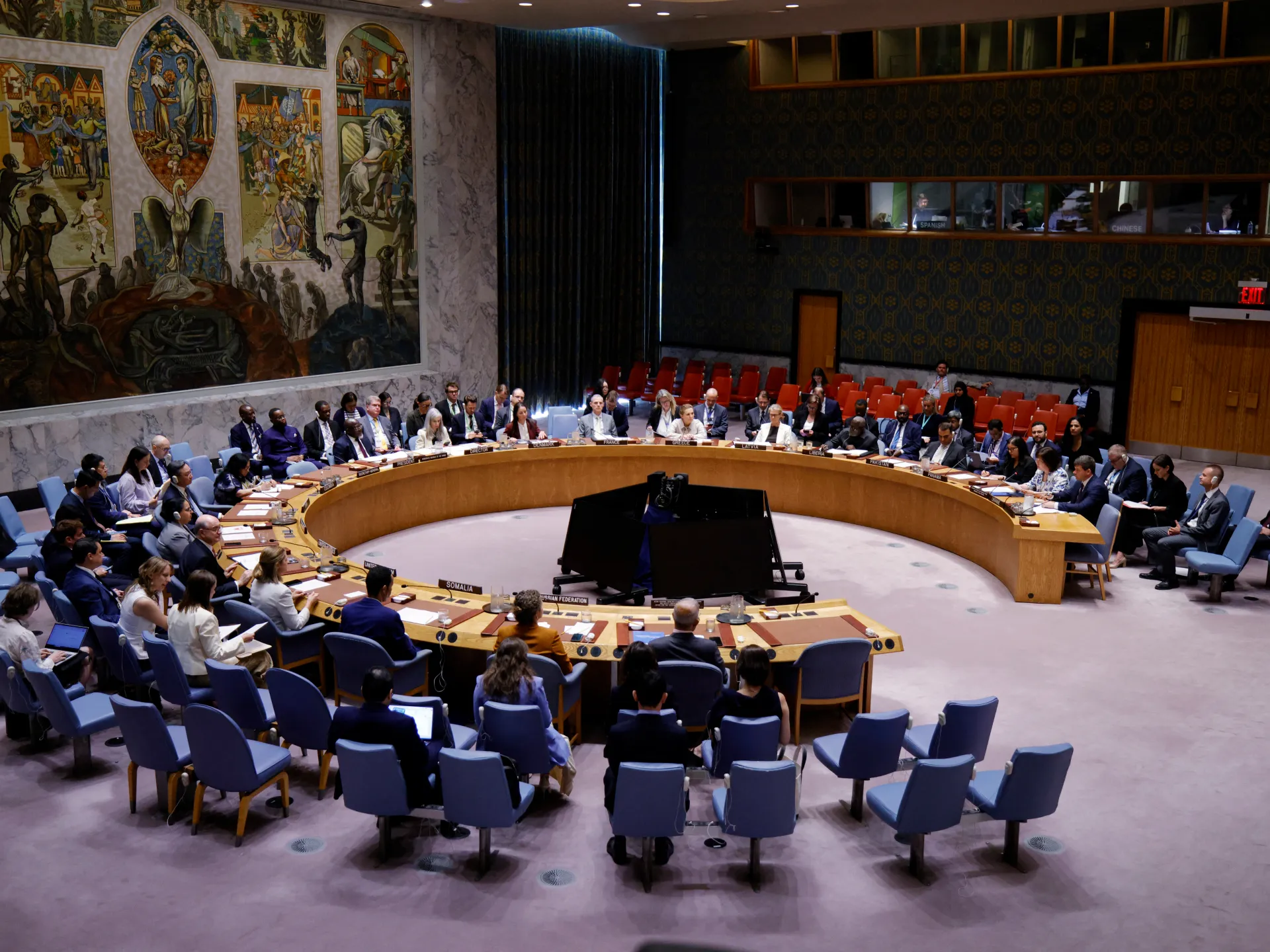
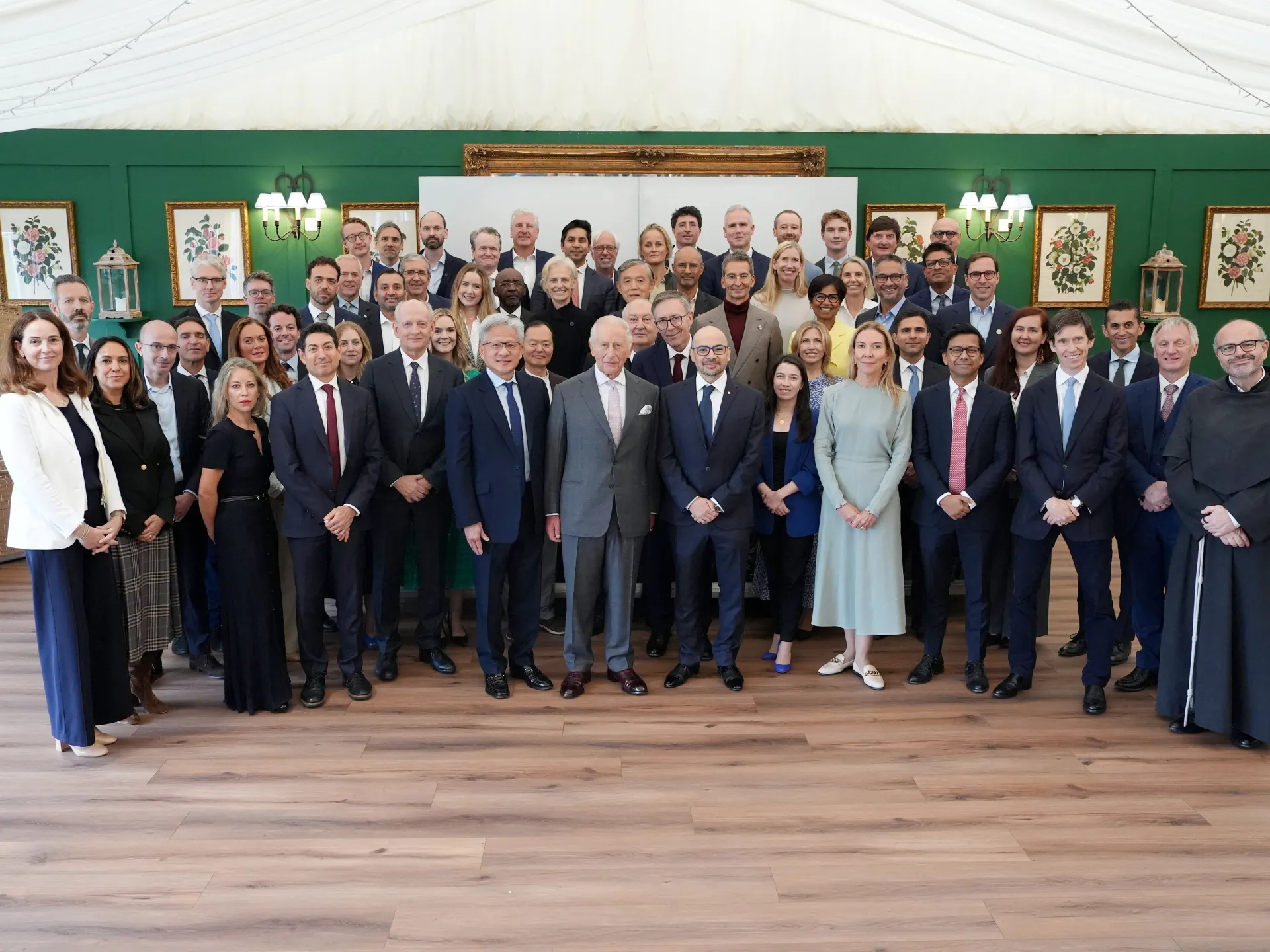
As the United Nations General Assembly enters its second day in New York, the diplomatic landscape is being defined specter of regional instability. While the assembly floor serves as a stage for formal international addresses, the most consequential developments are taking place behind closed doors, where leaders are grappling with the immediate pressures of conflict in Eastern Europe and the volatile state of Middle Eastern relations.
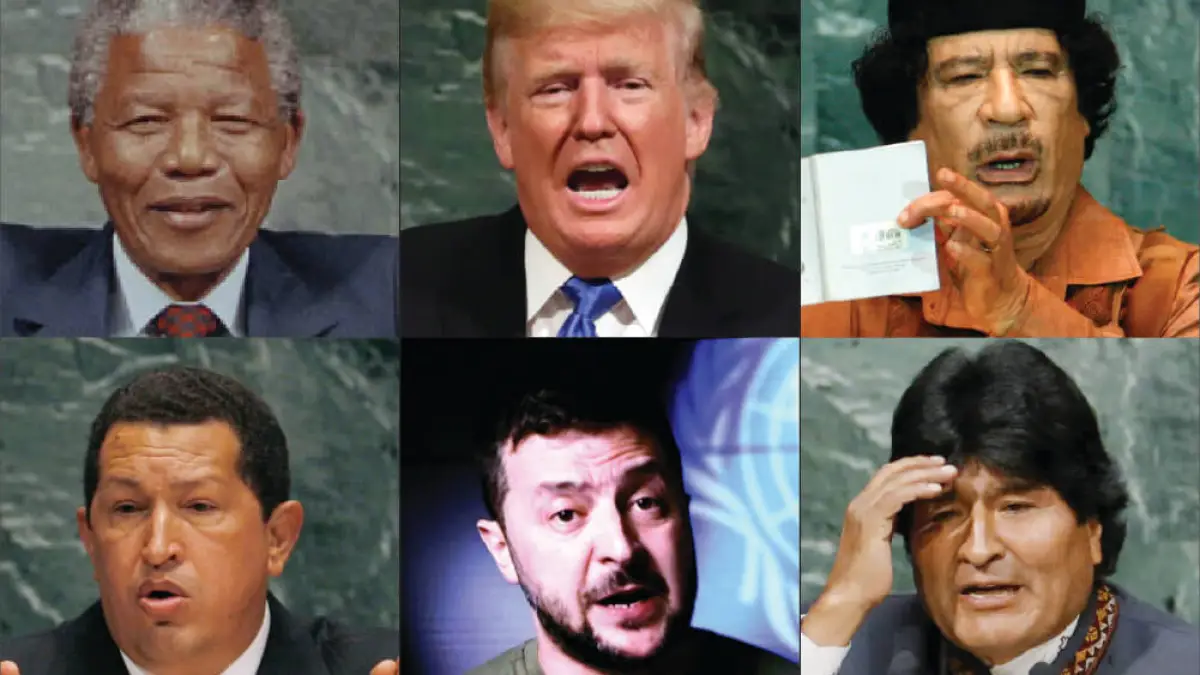
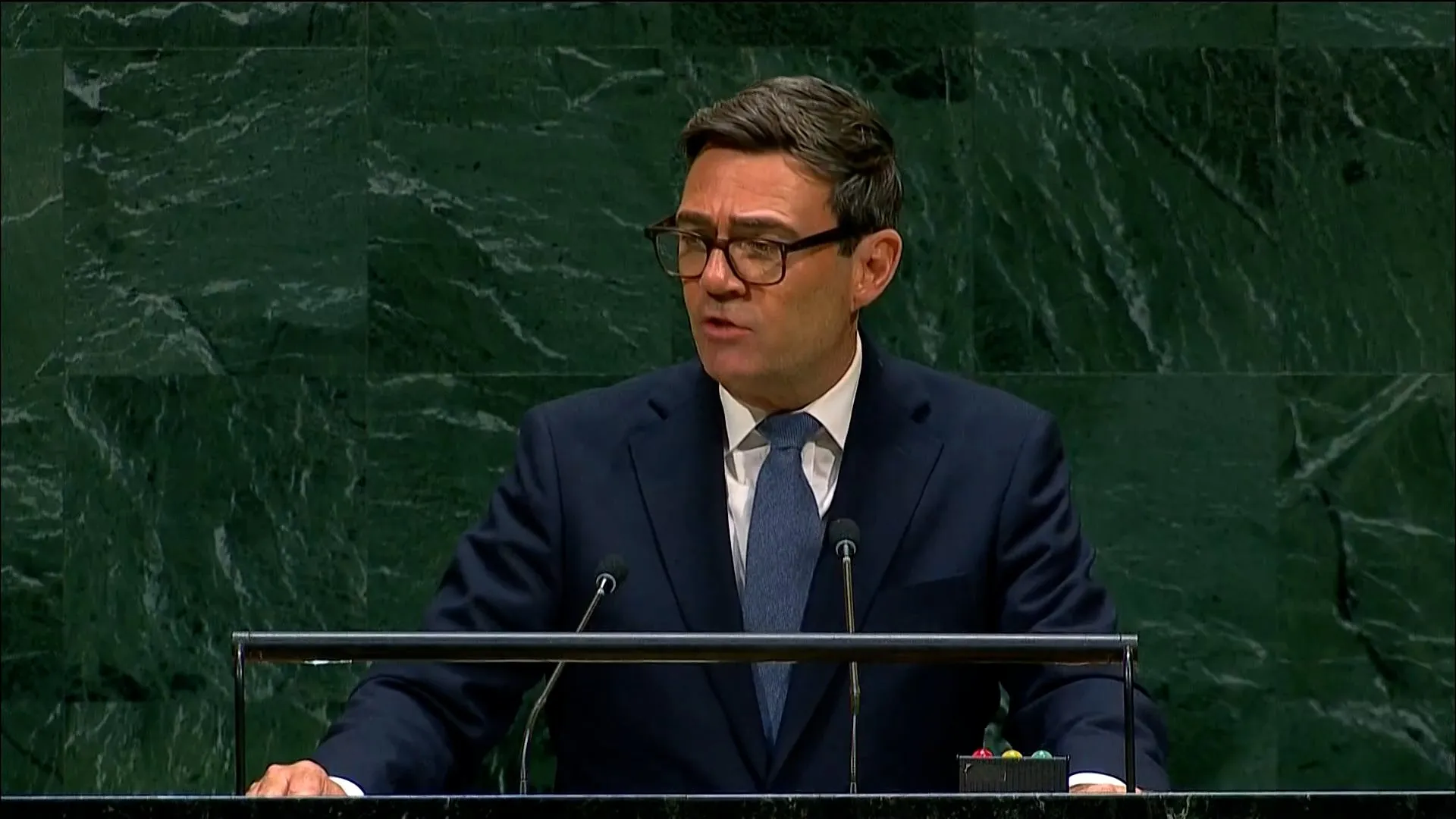
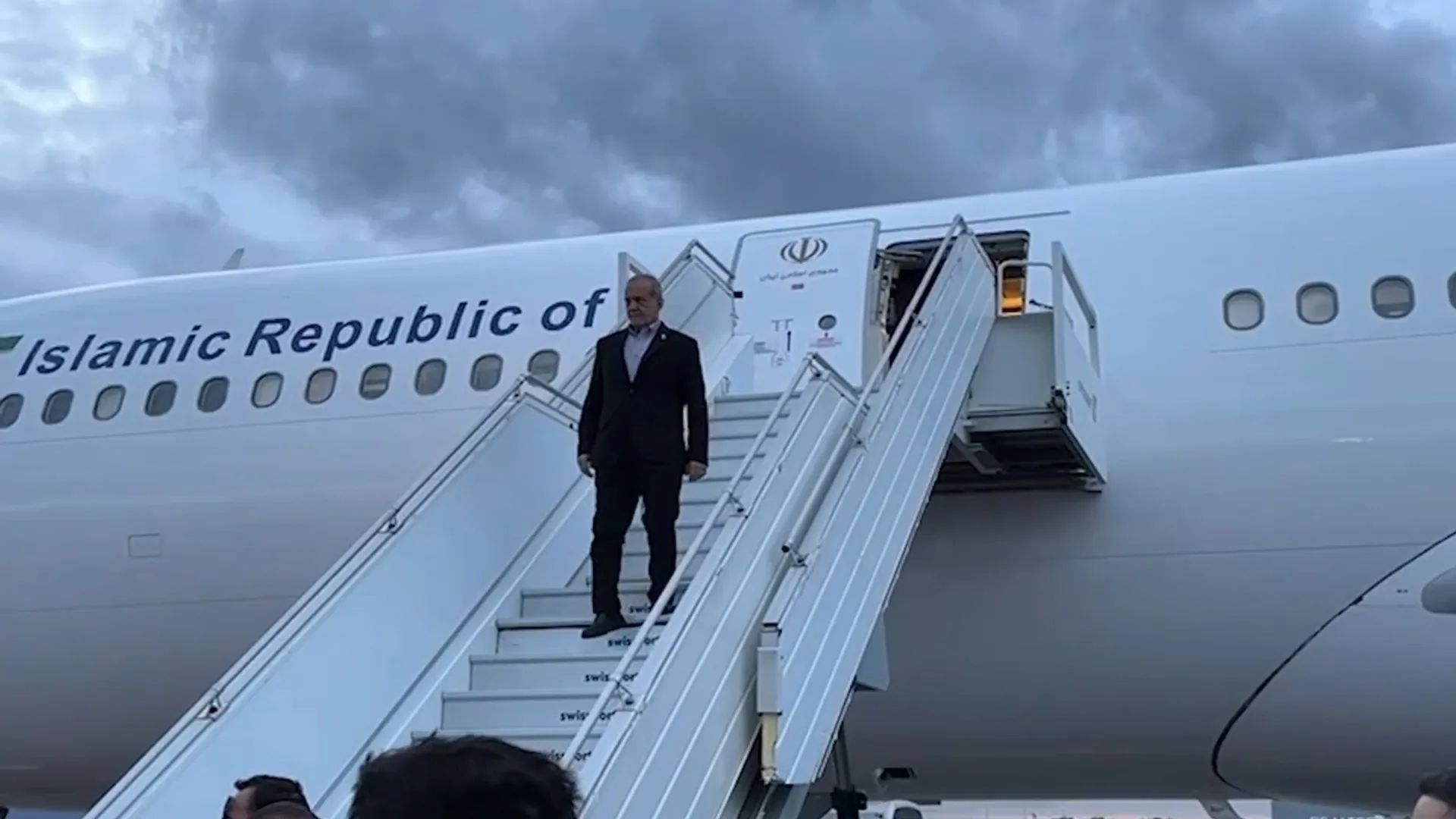
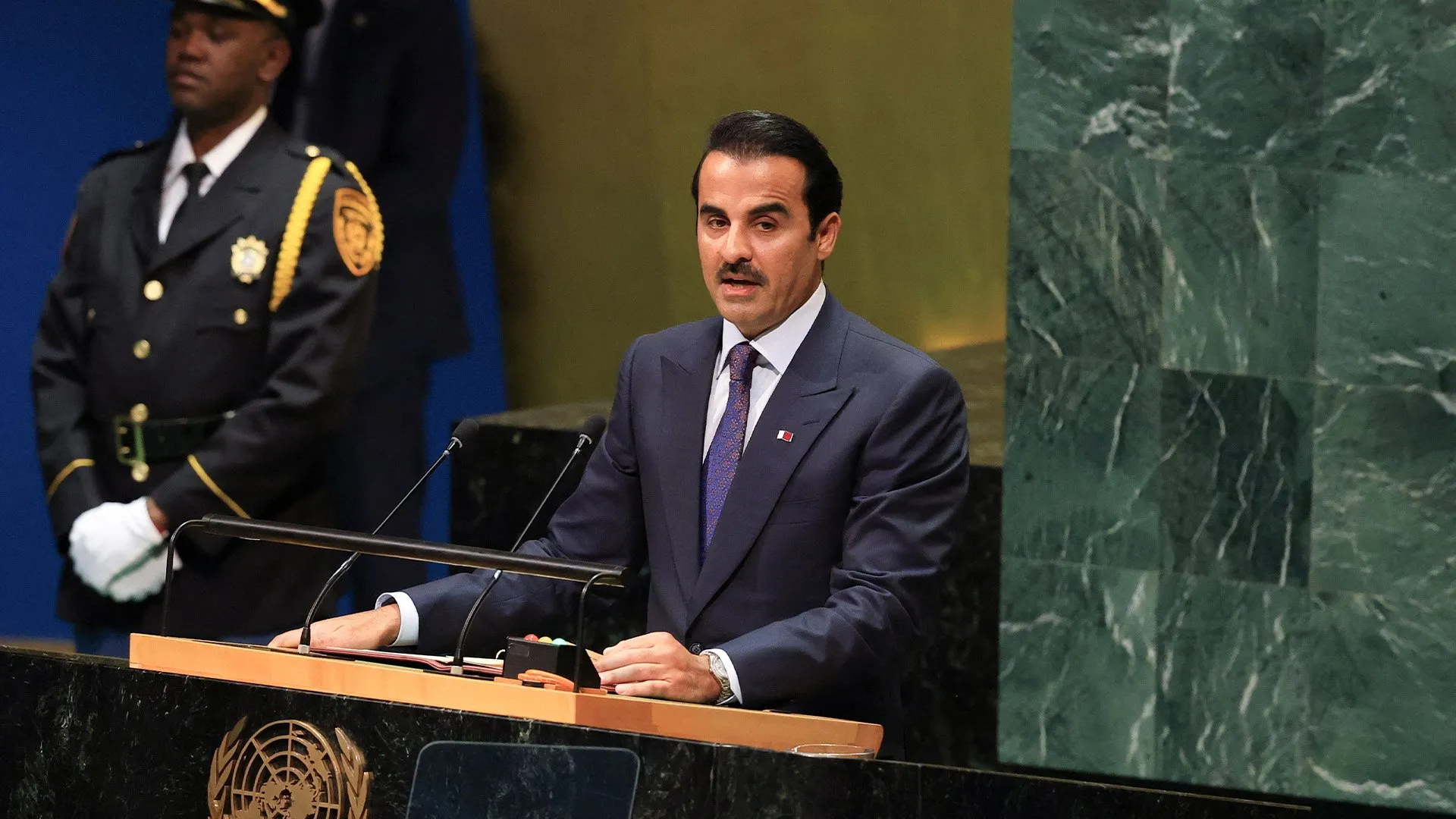
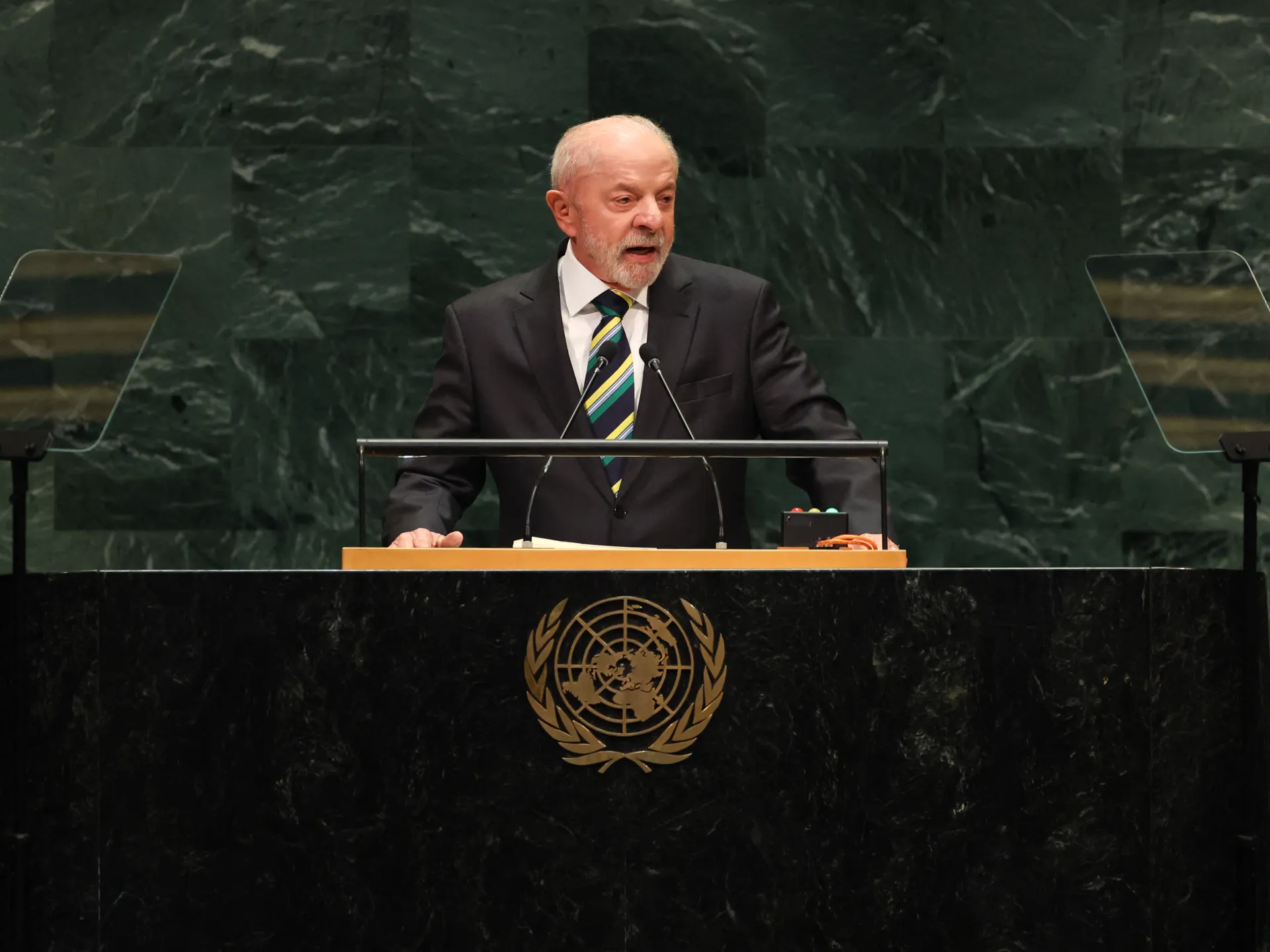
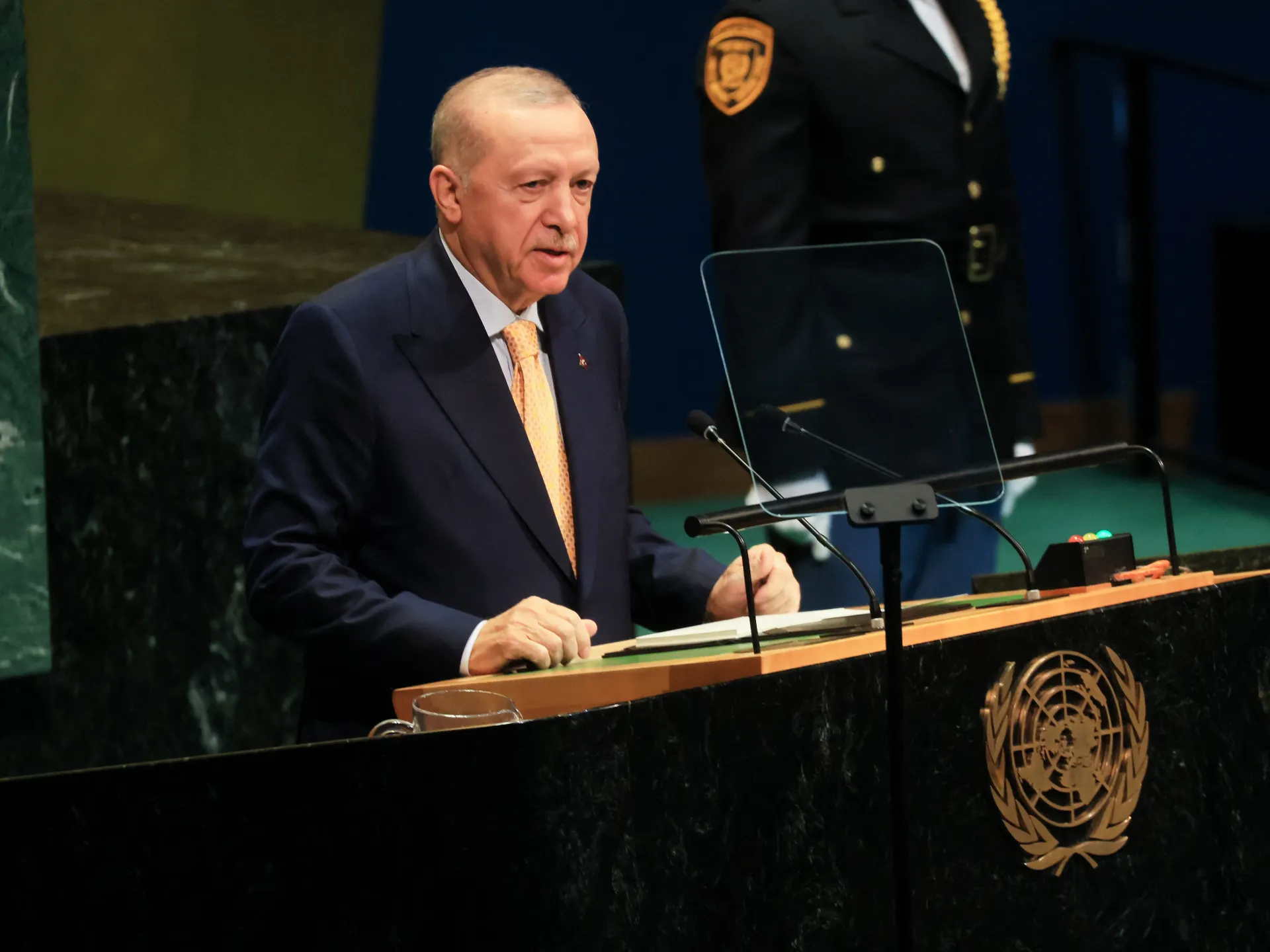
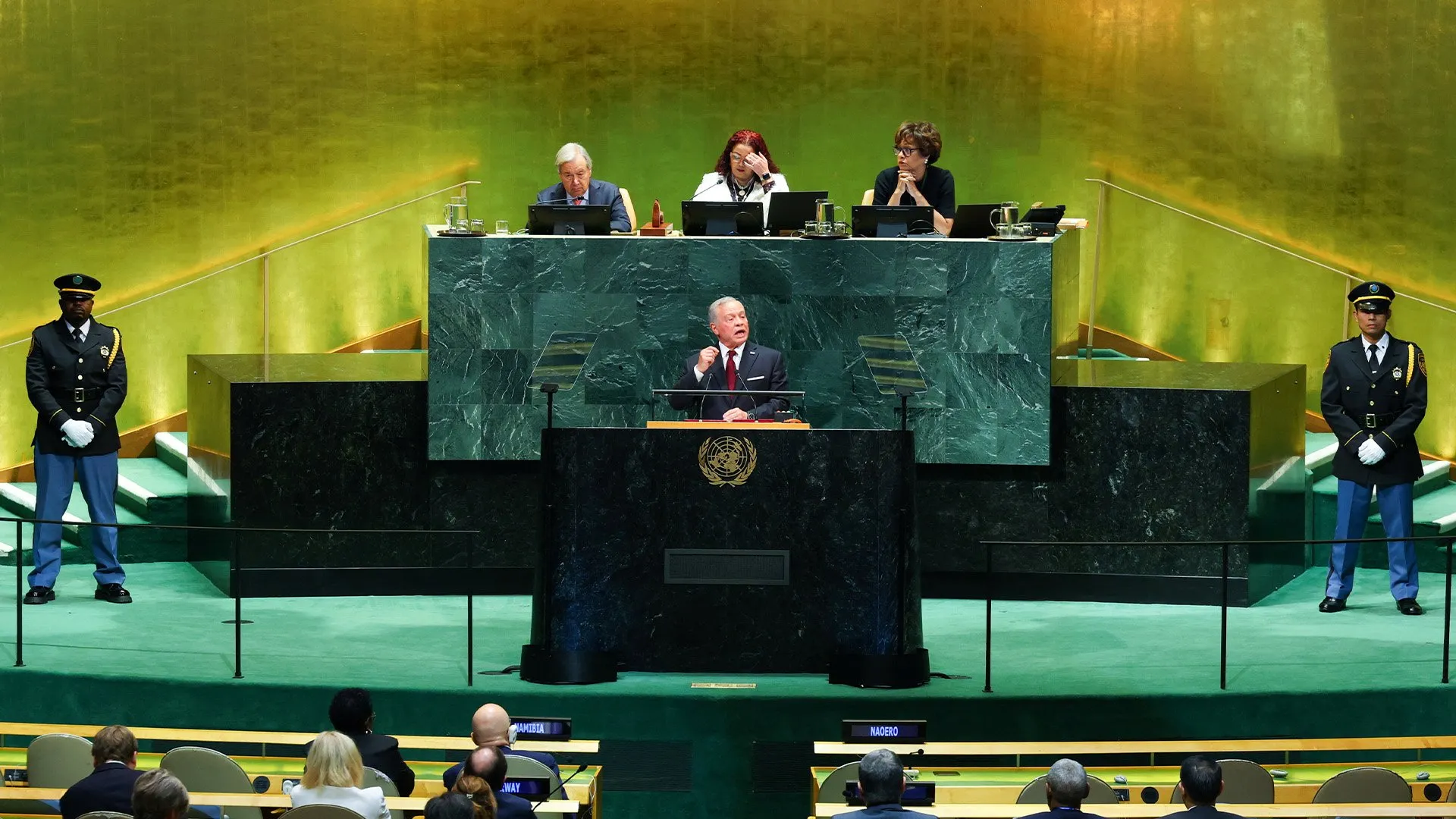
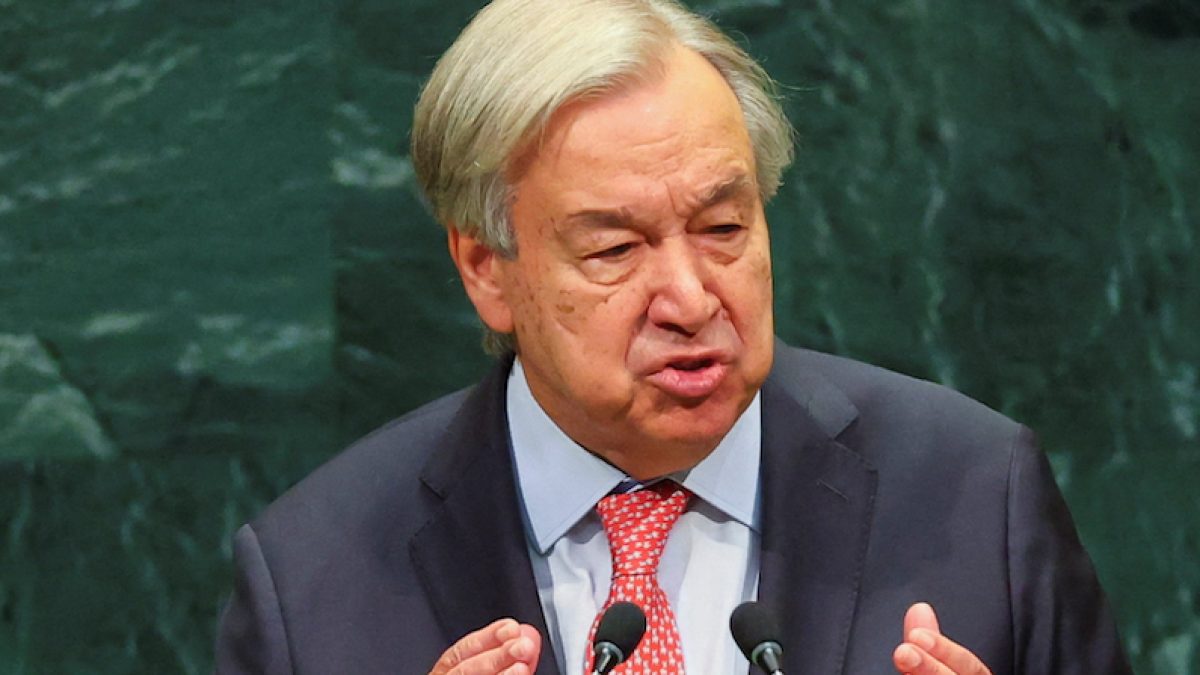
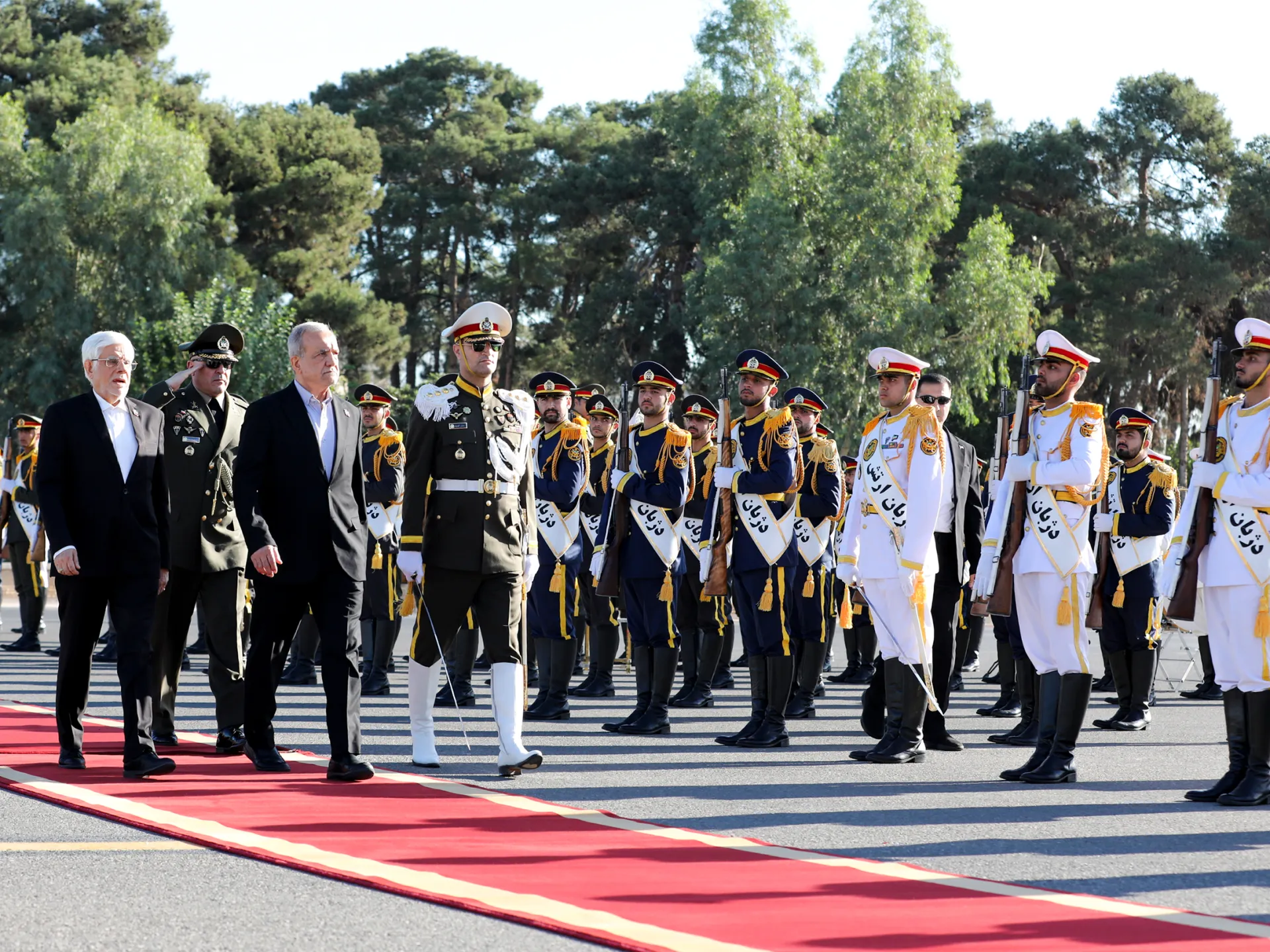
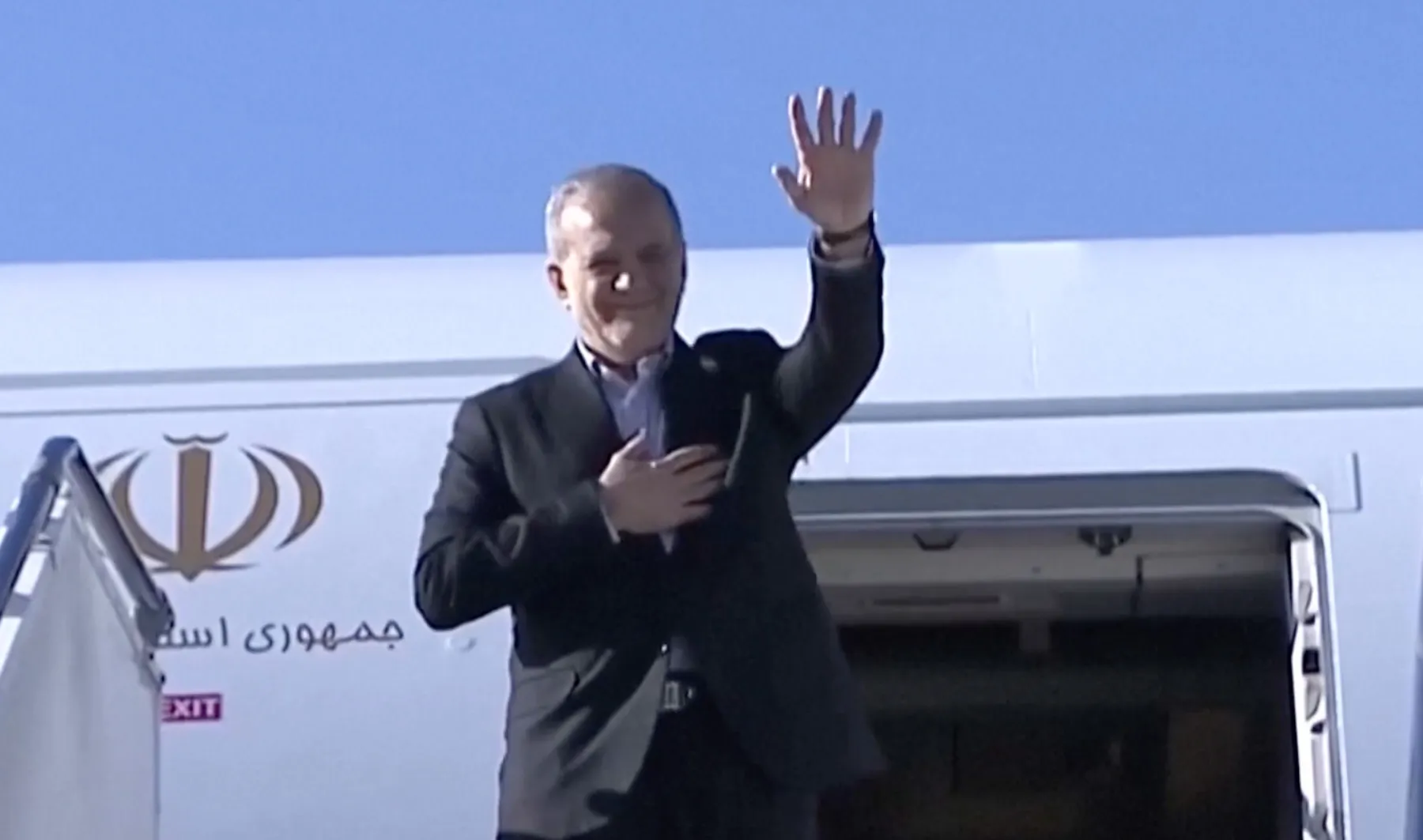
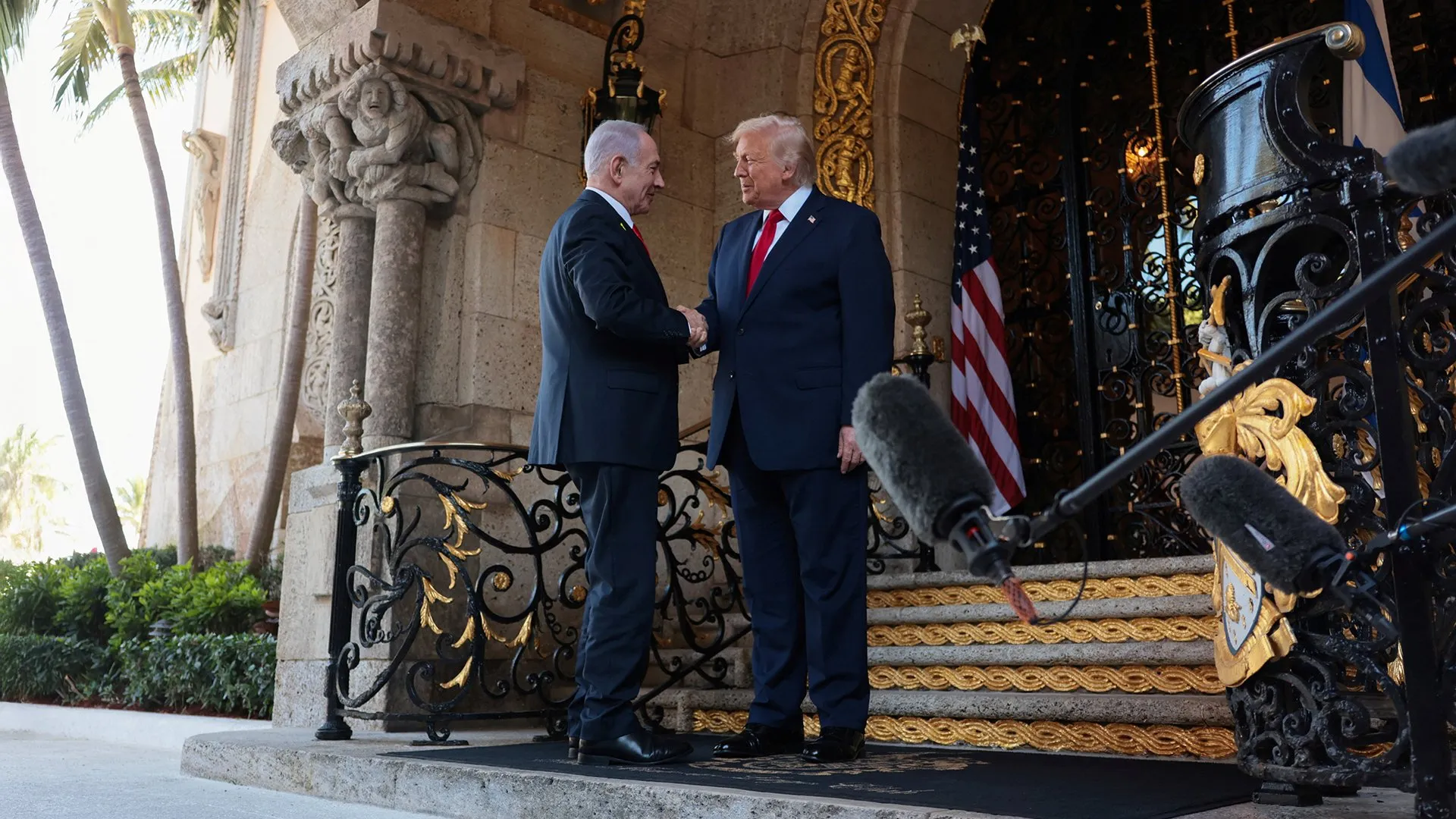
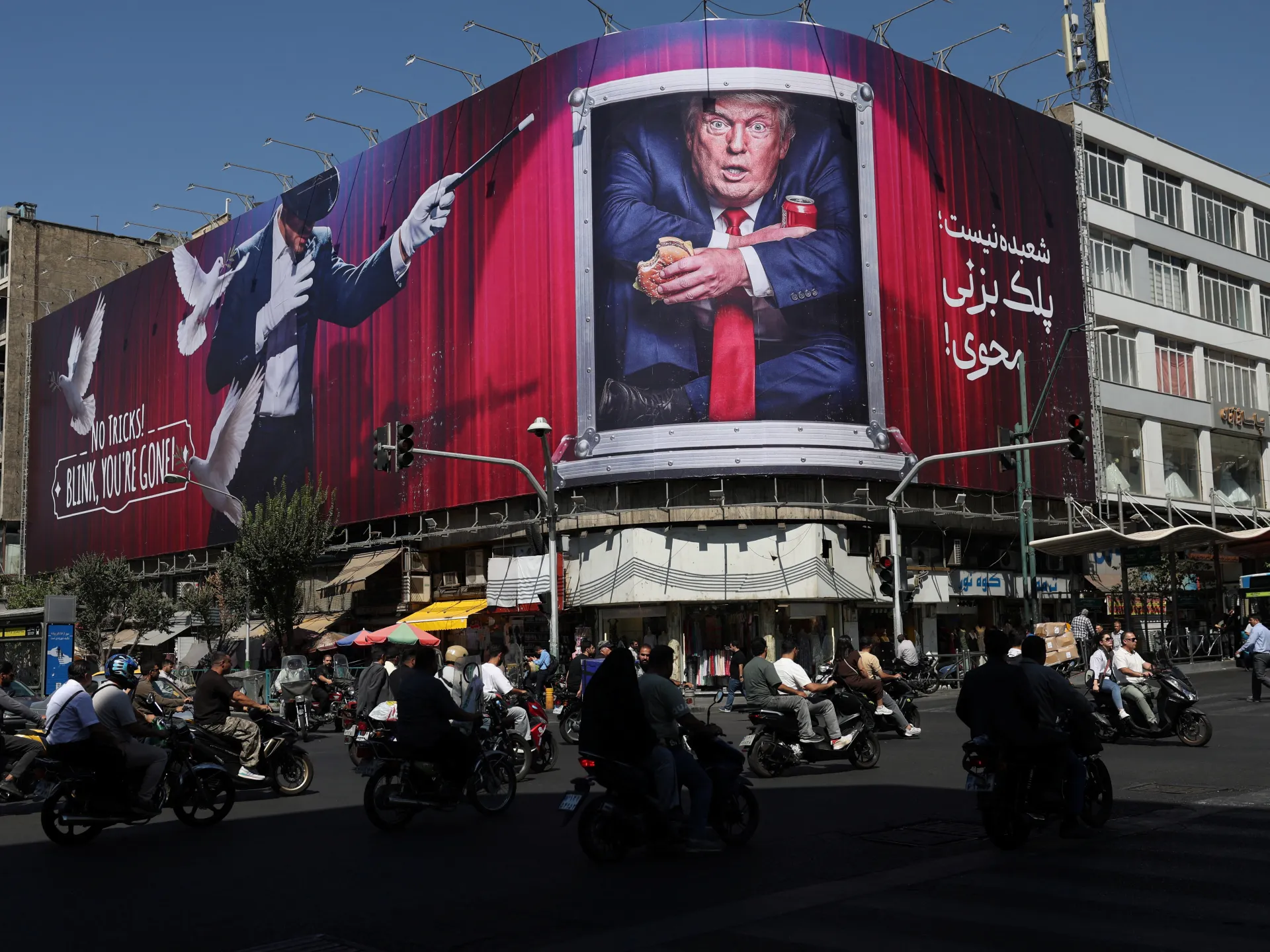
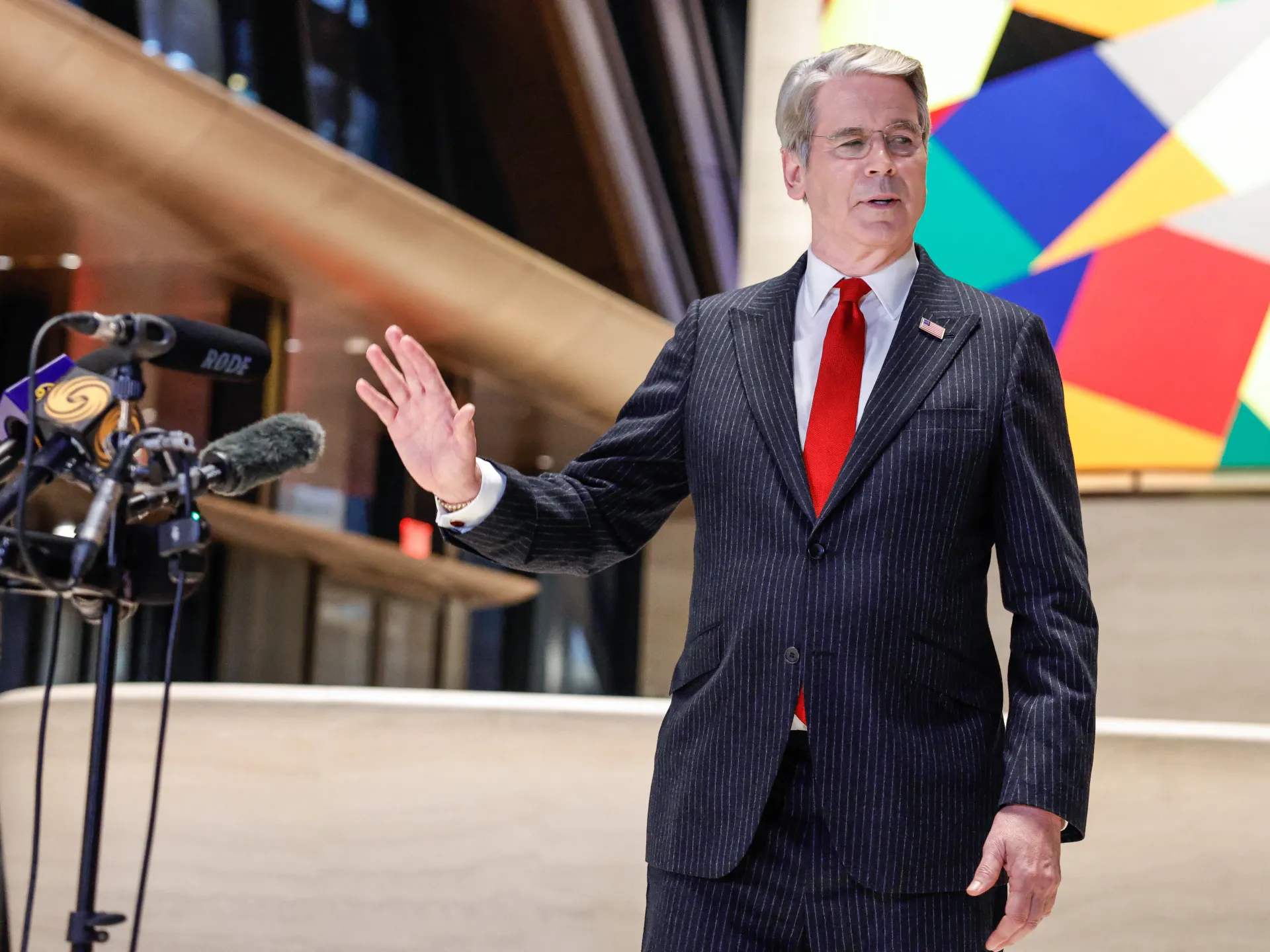
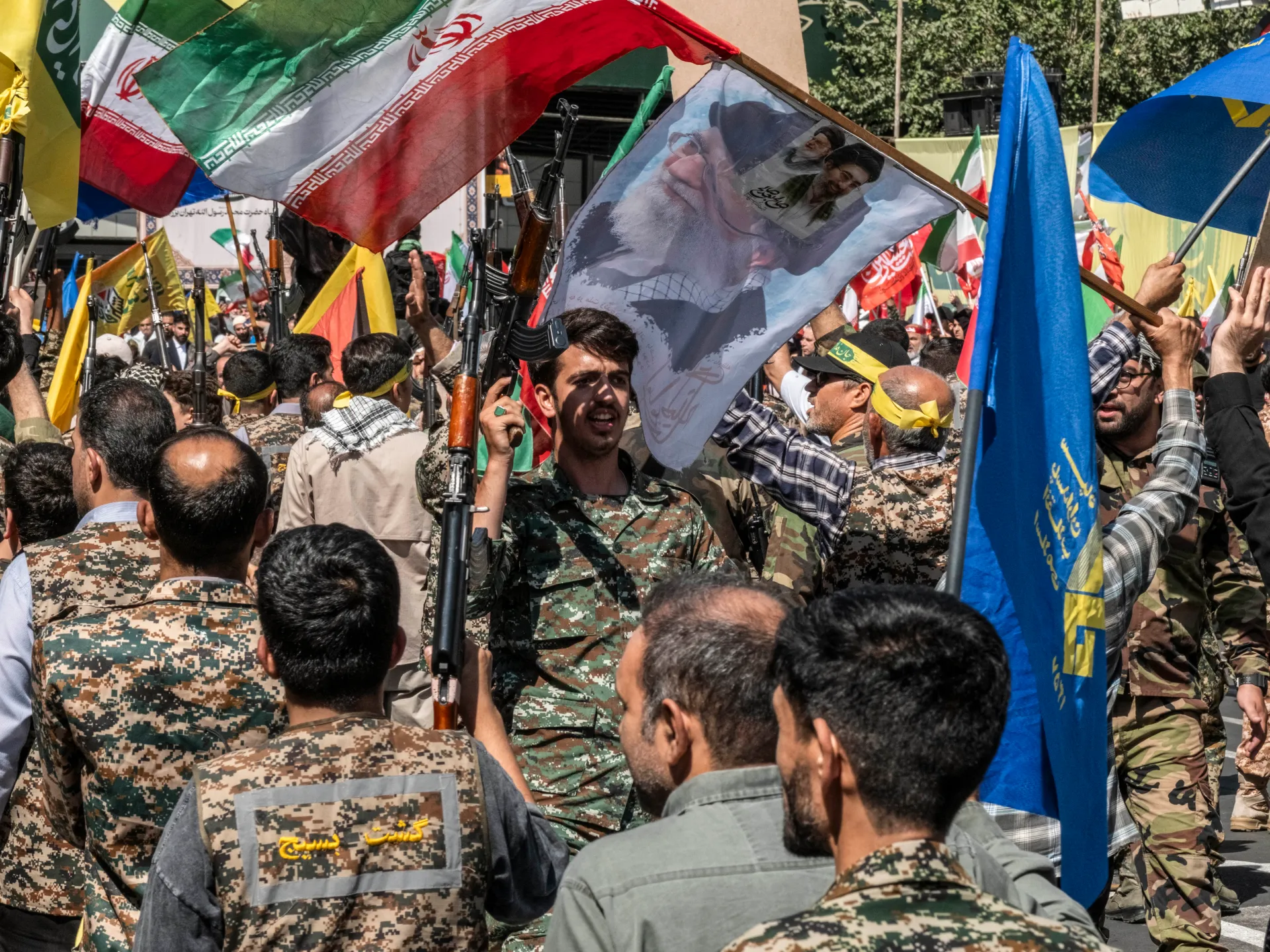
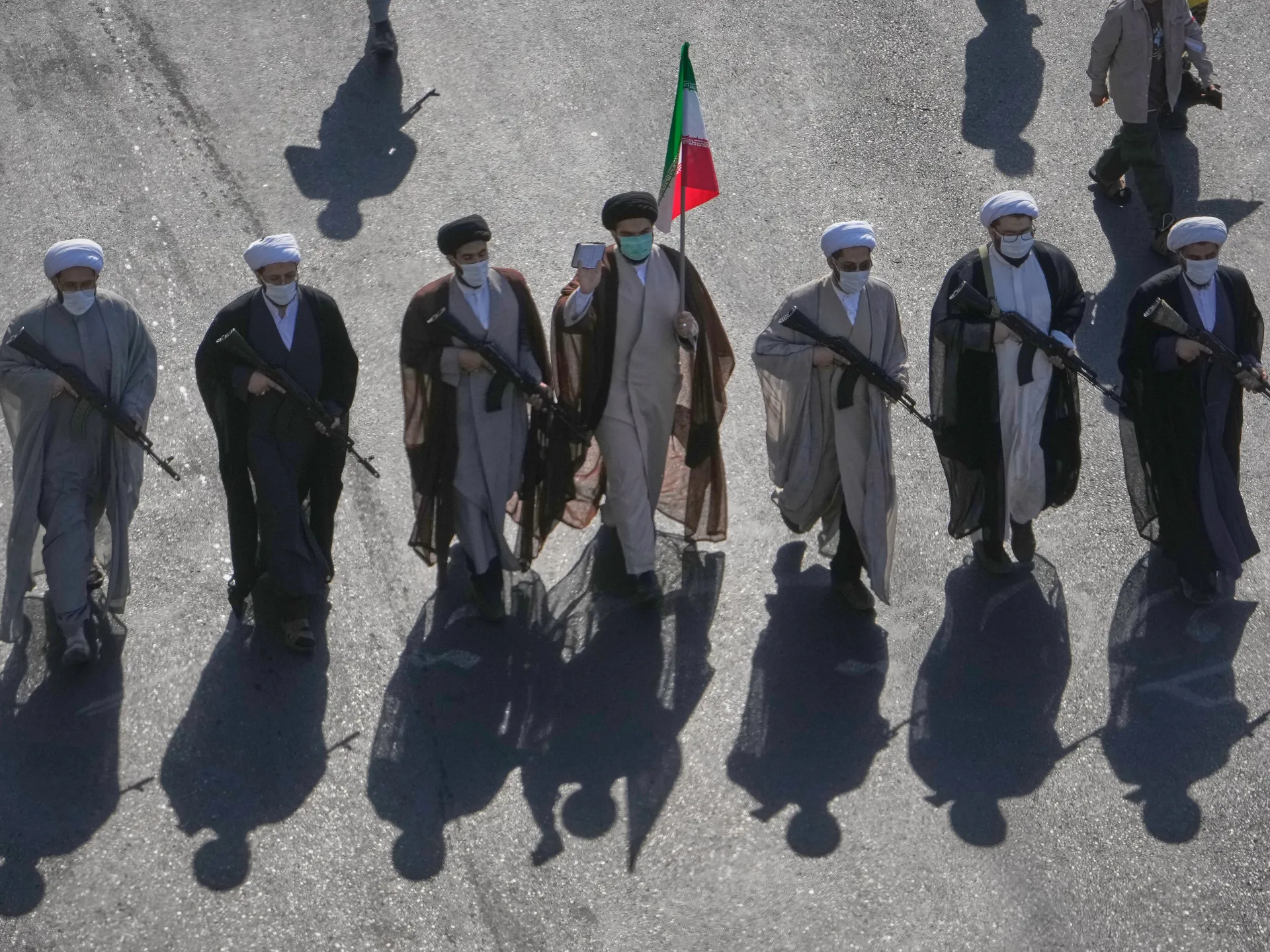
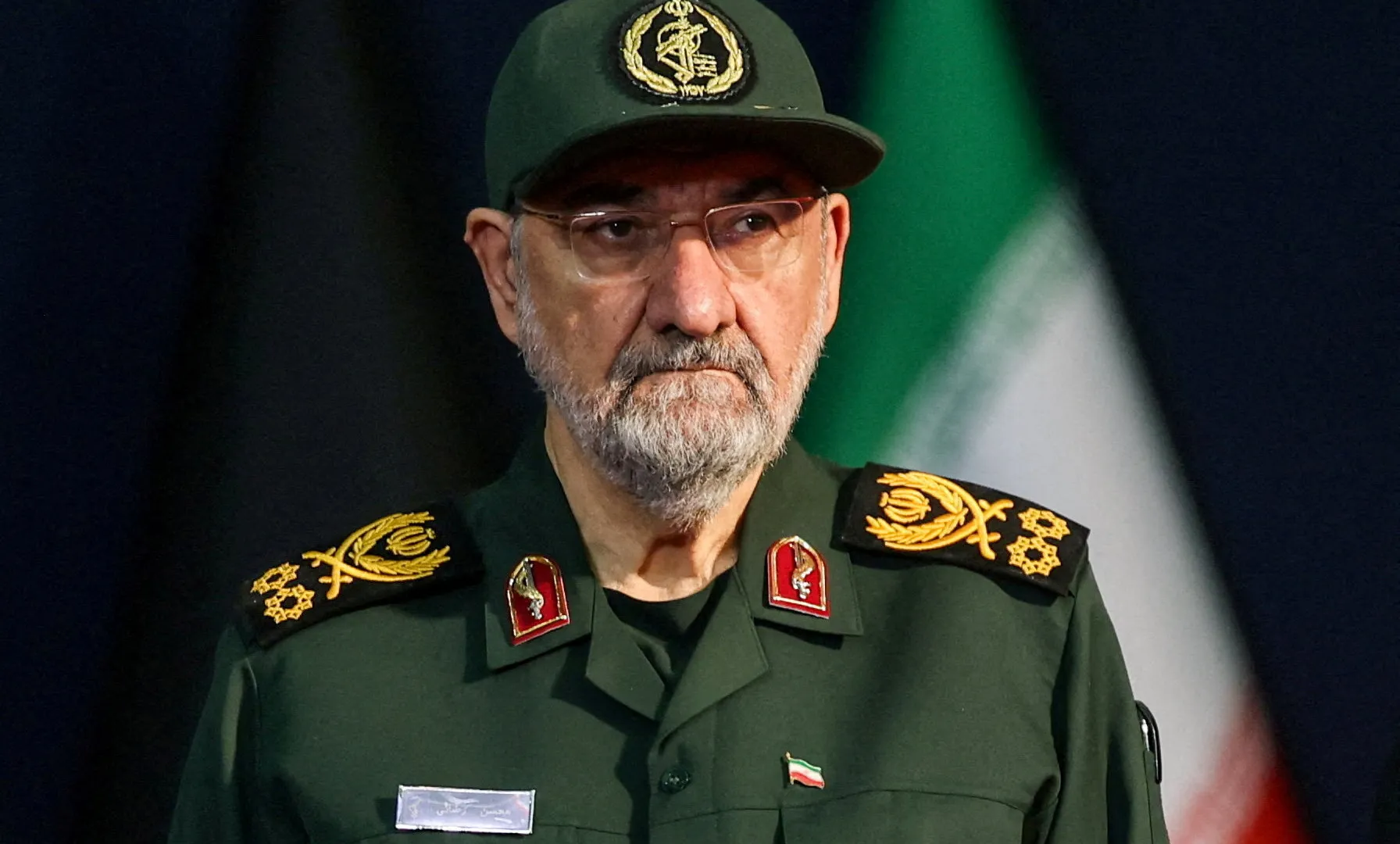
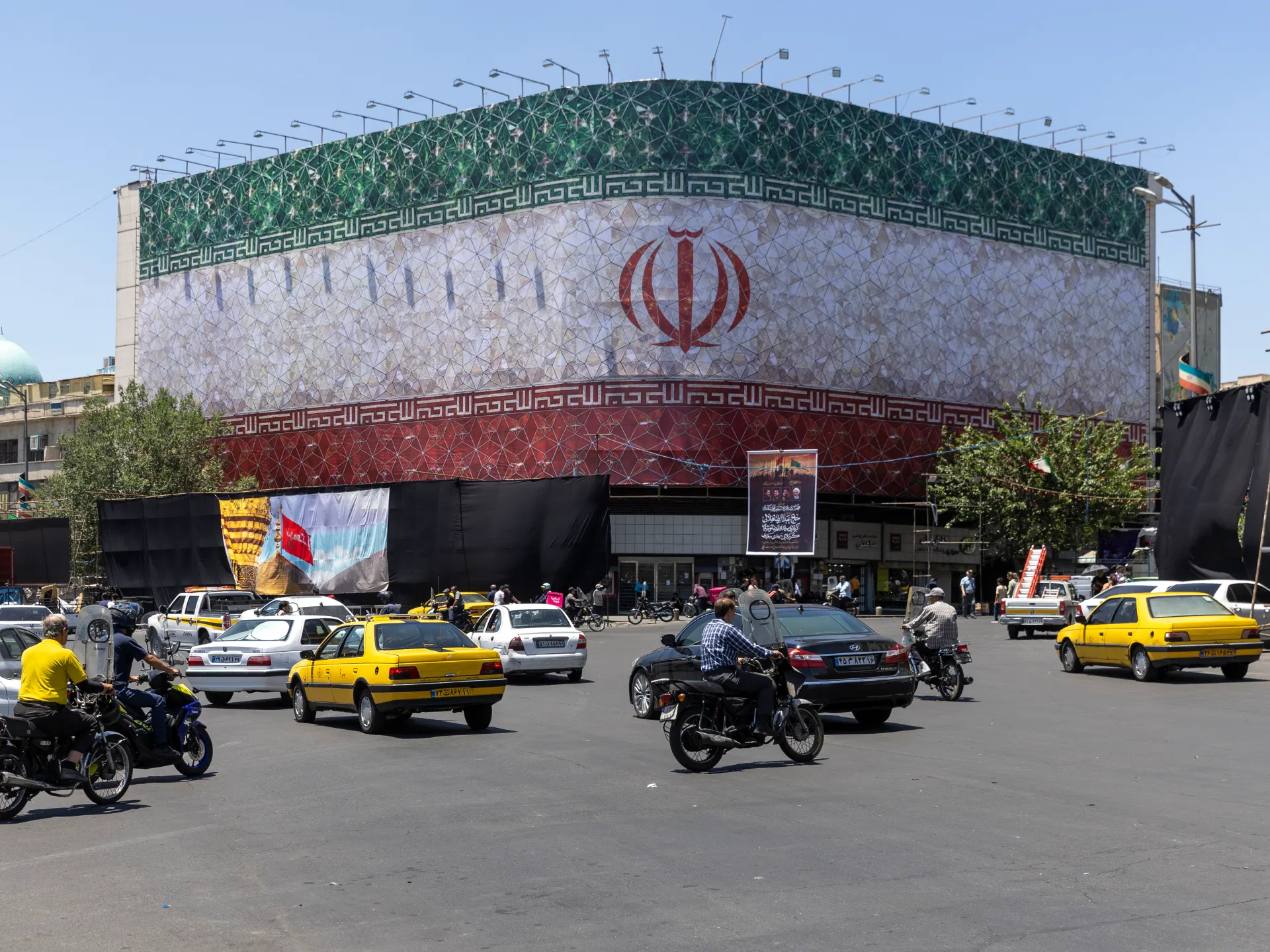
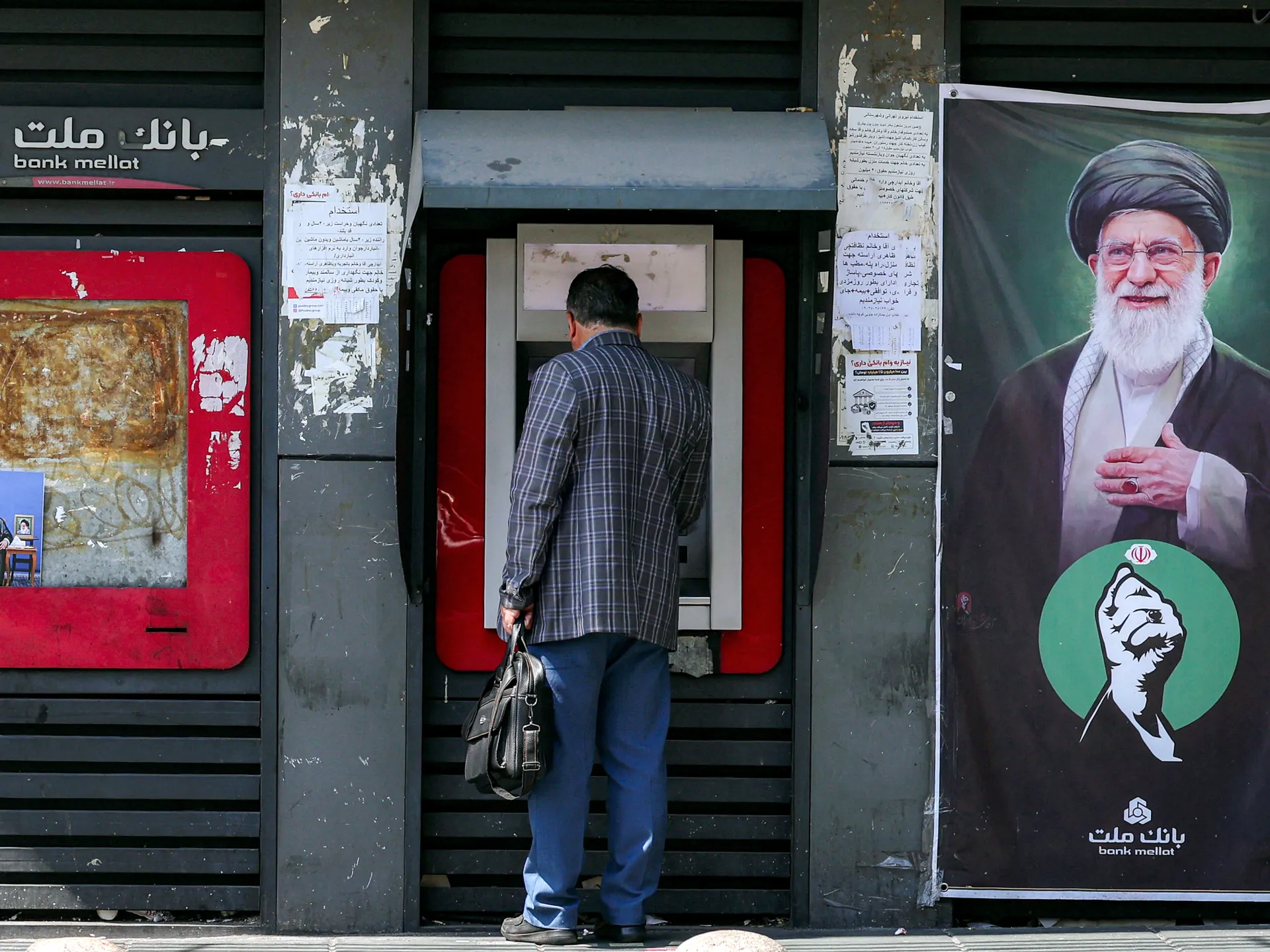
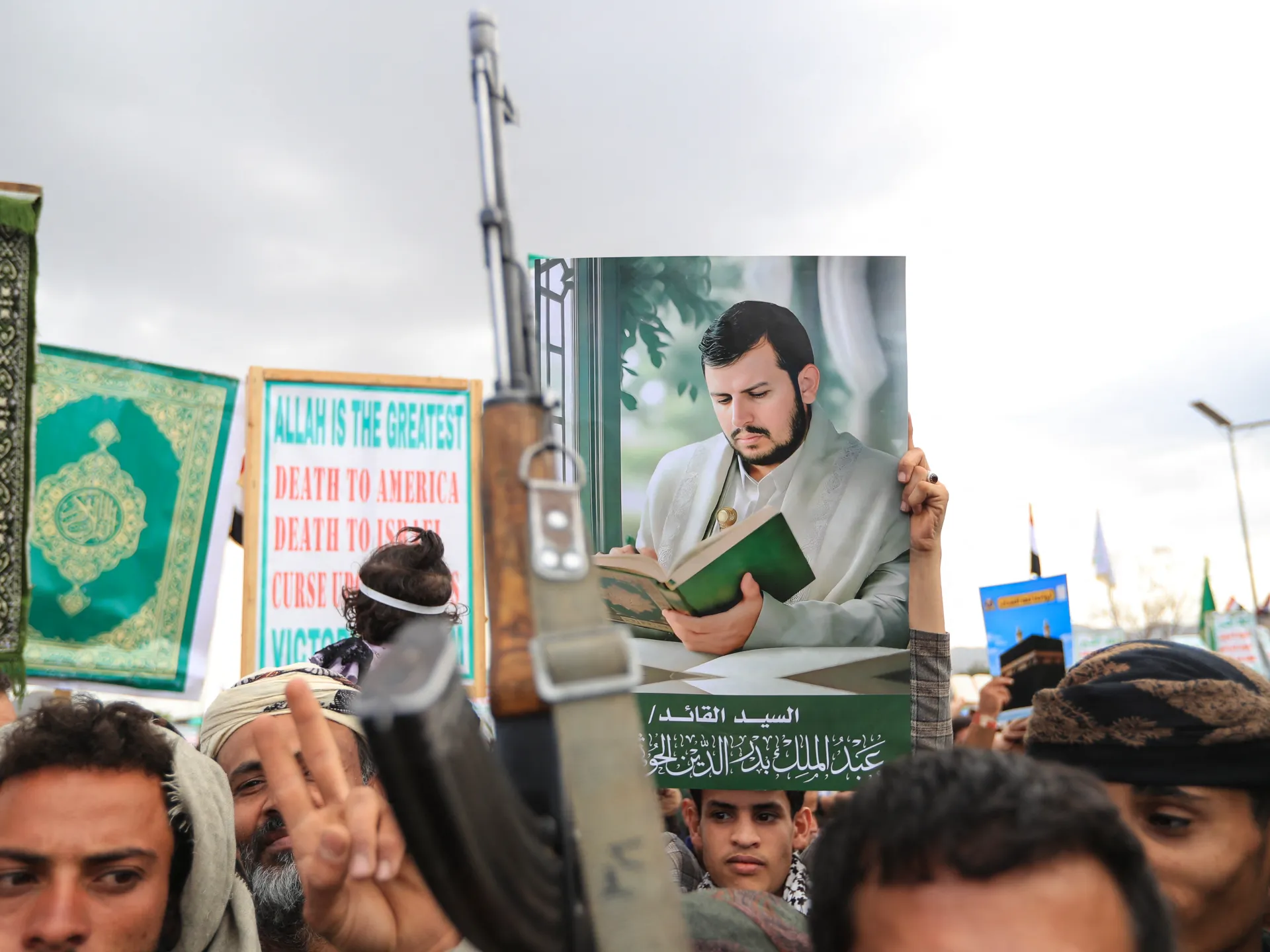
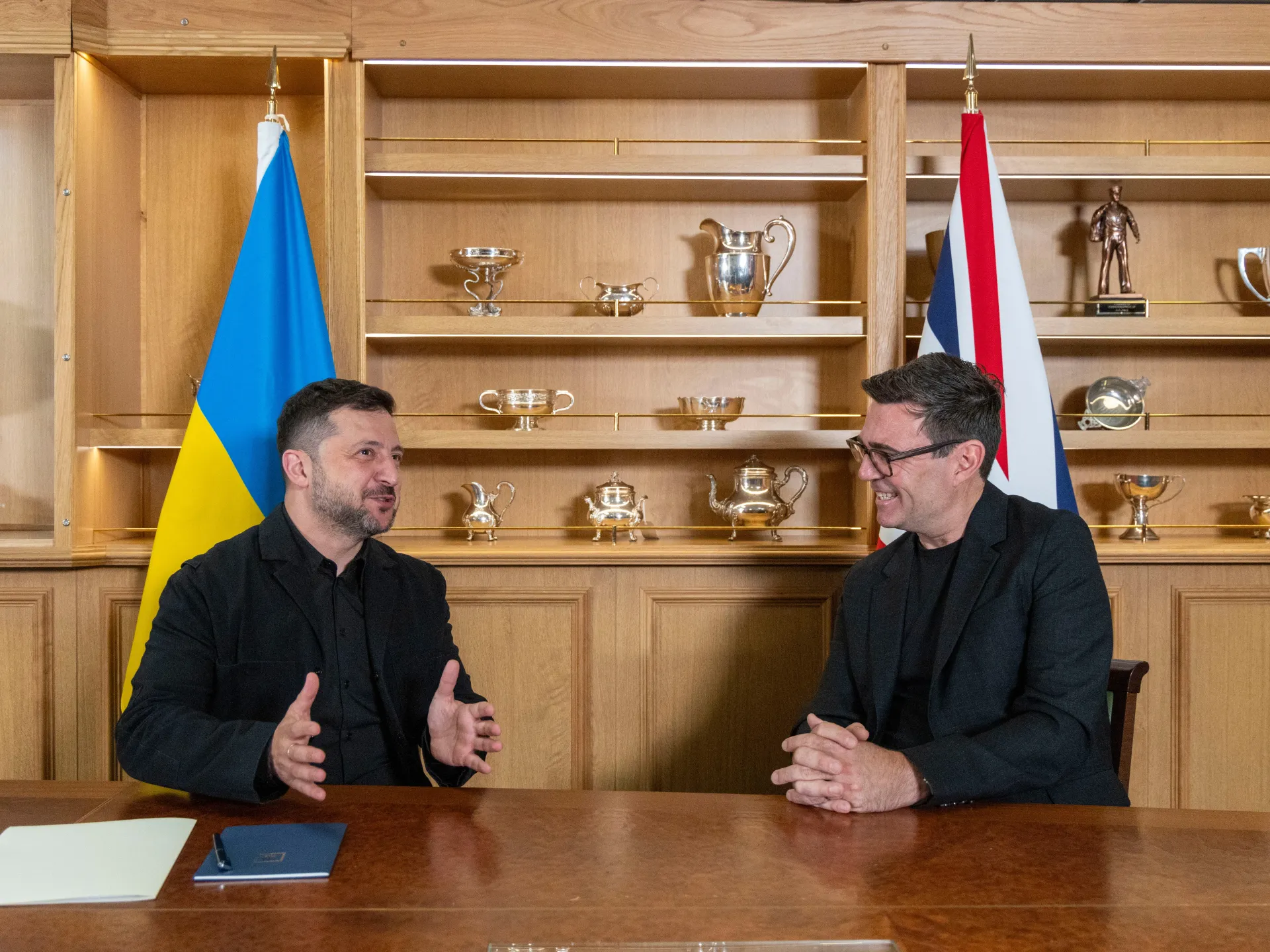
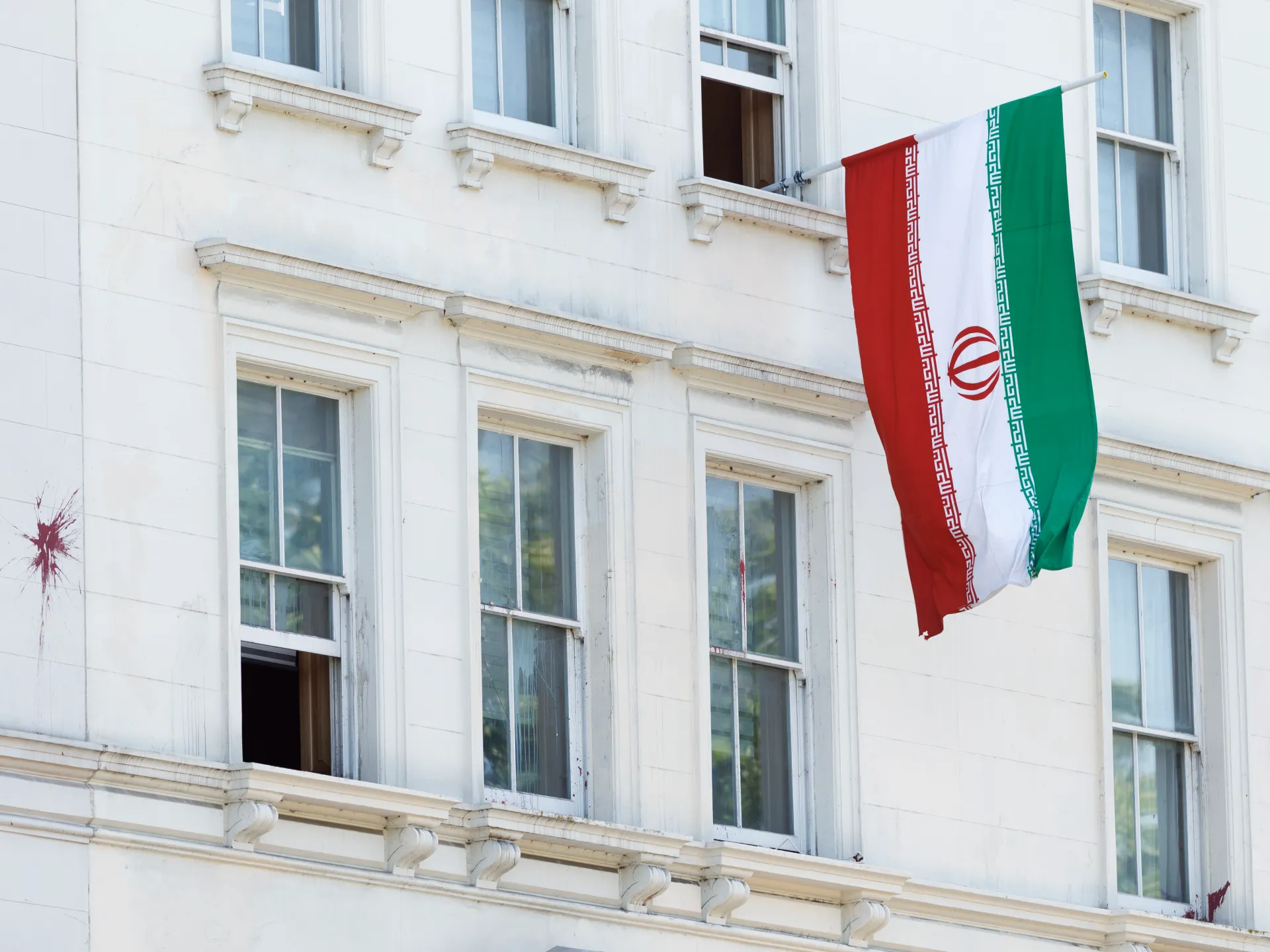
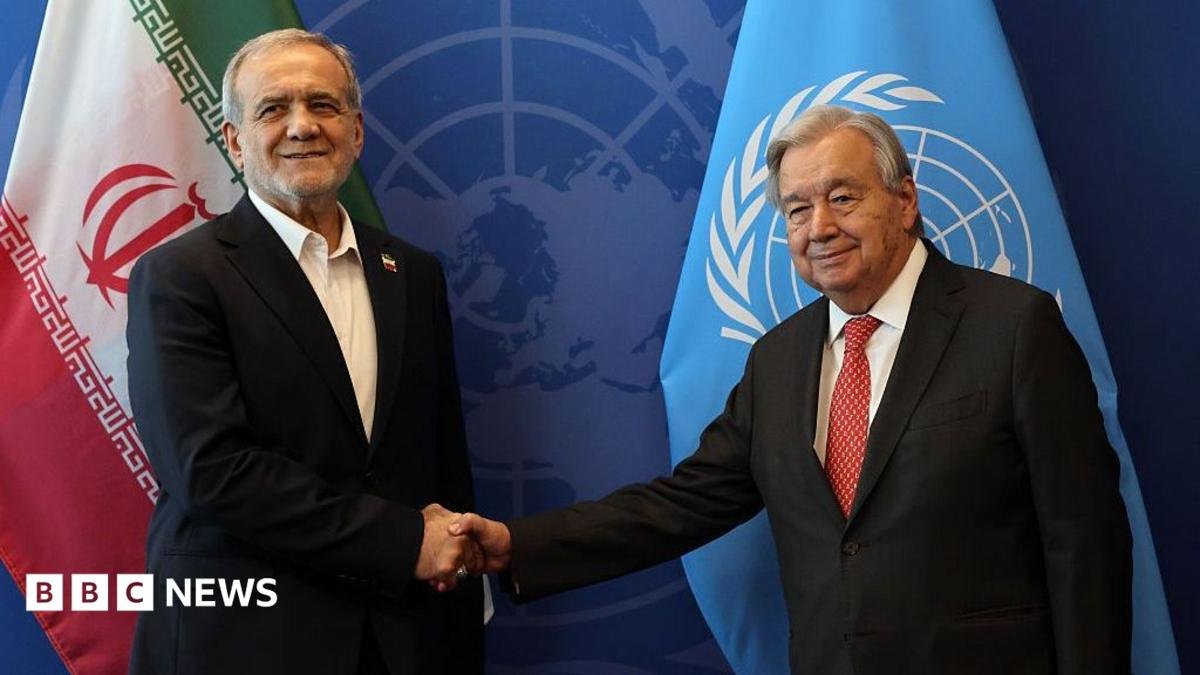
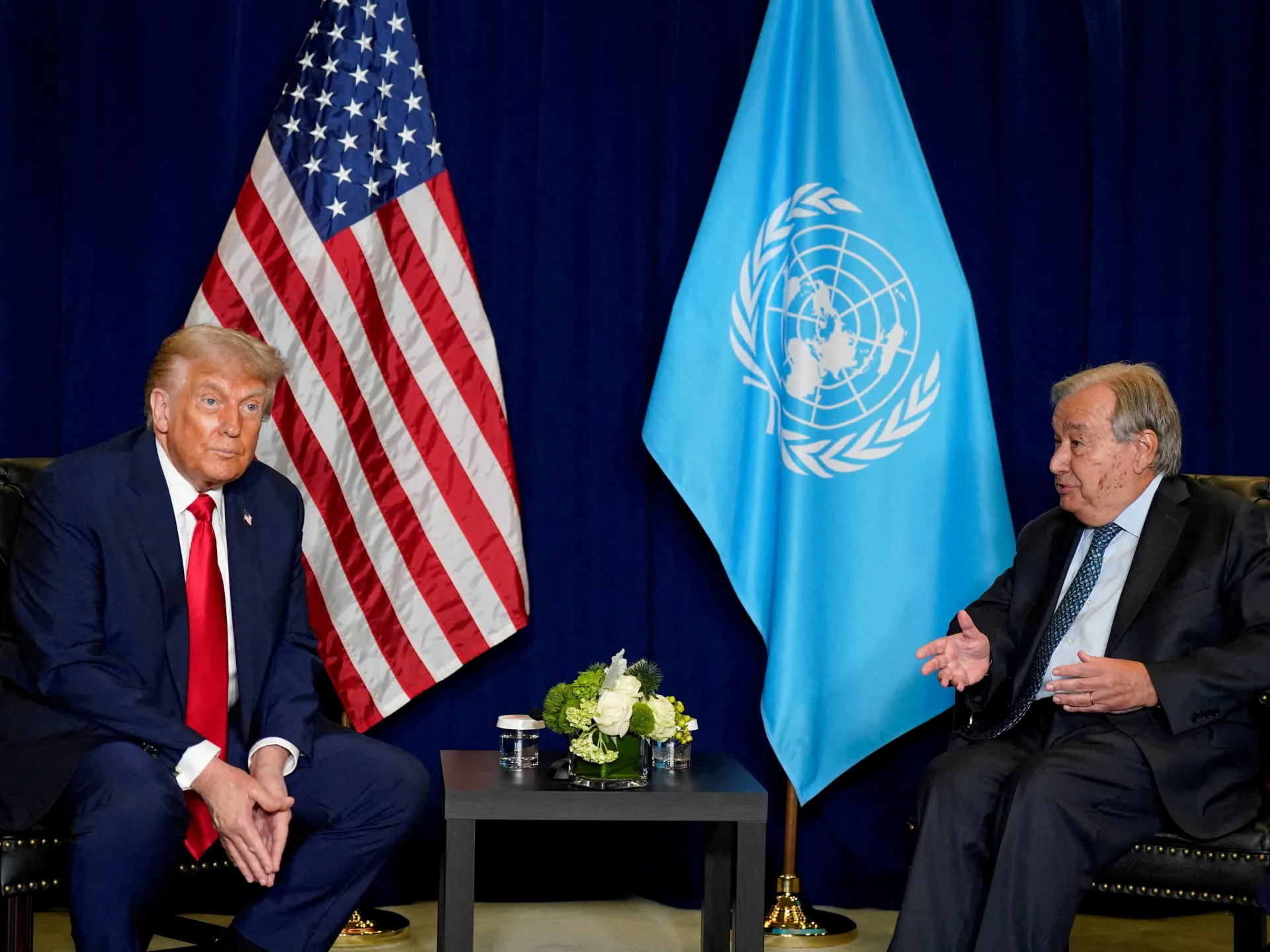
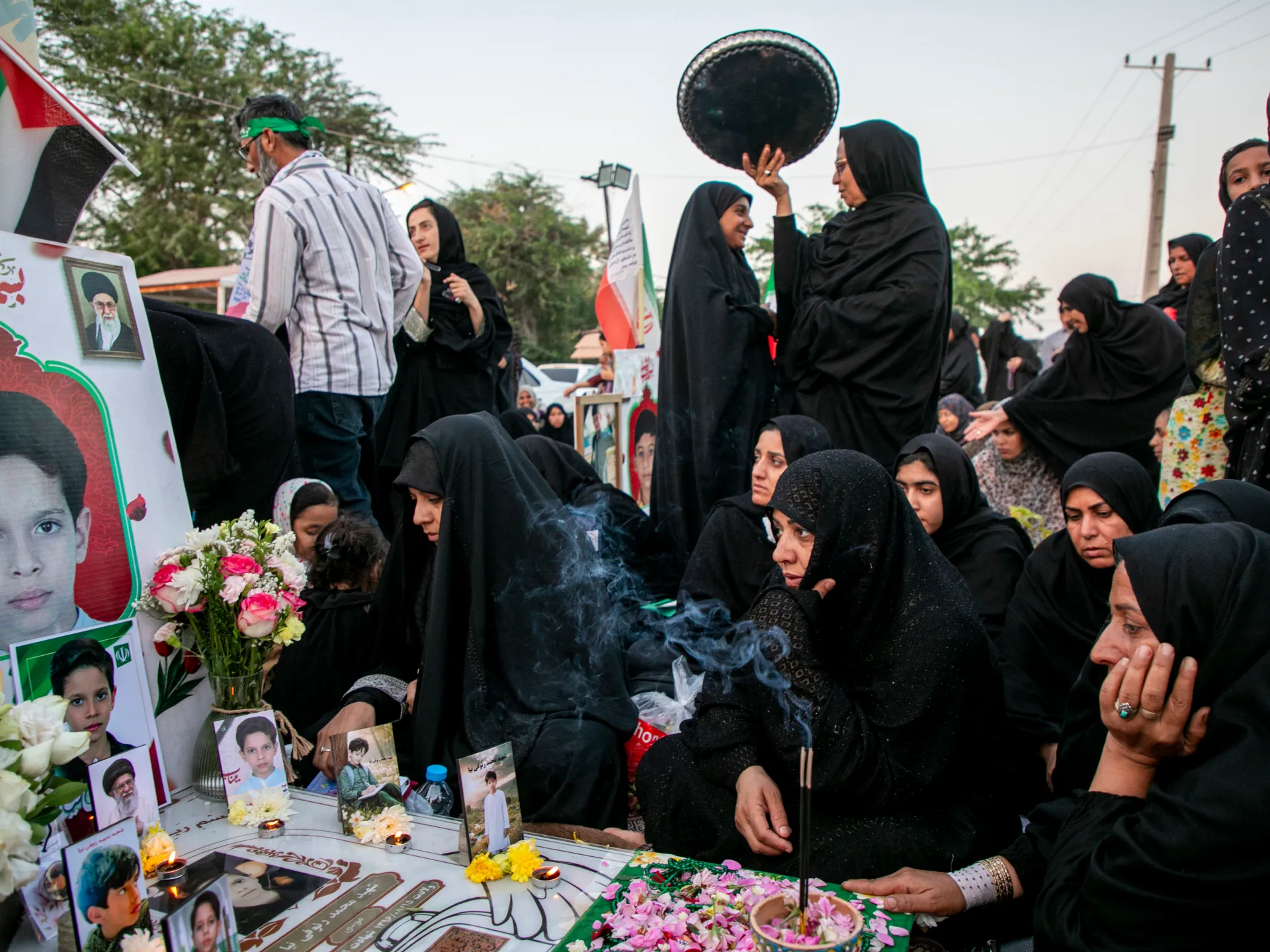
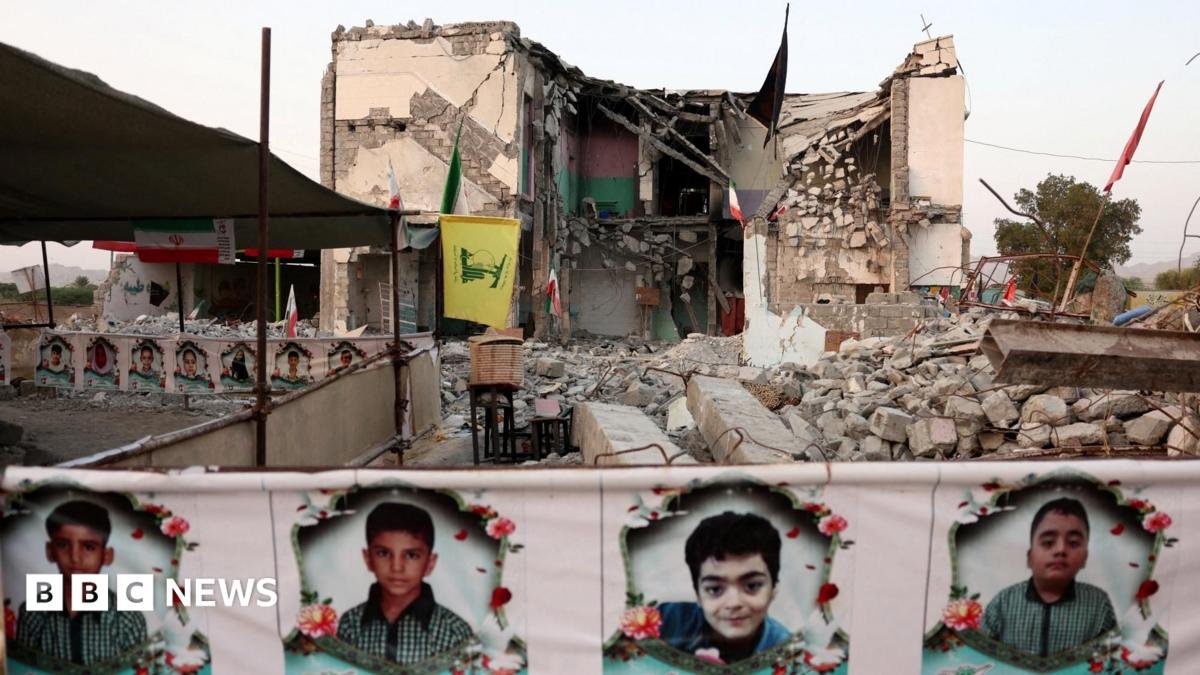
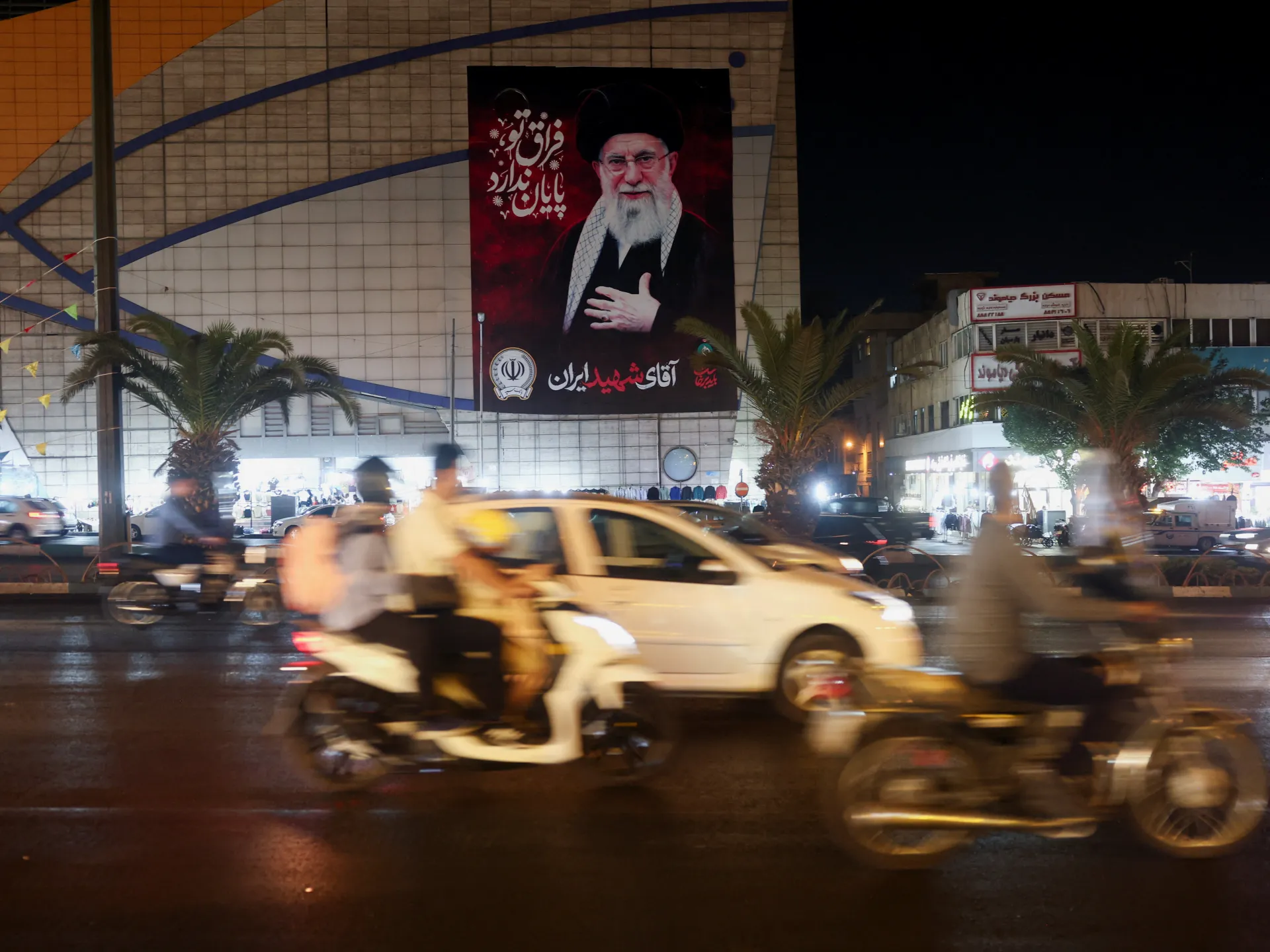
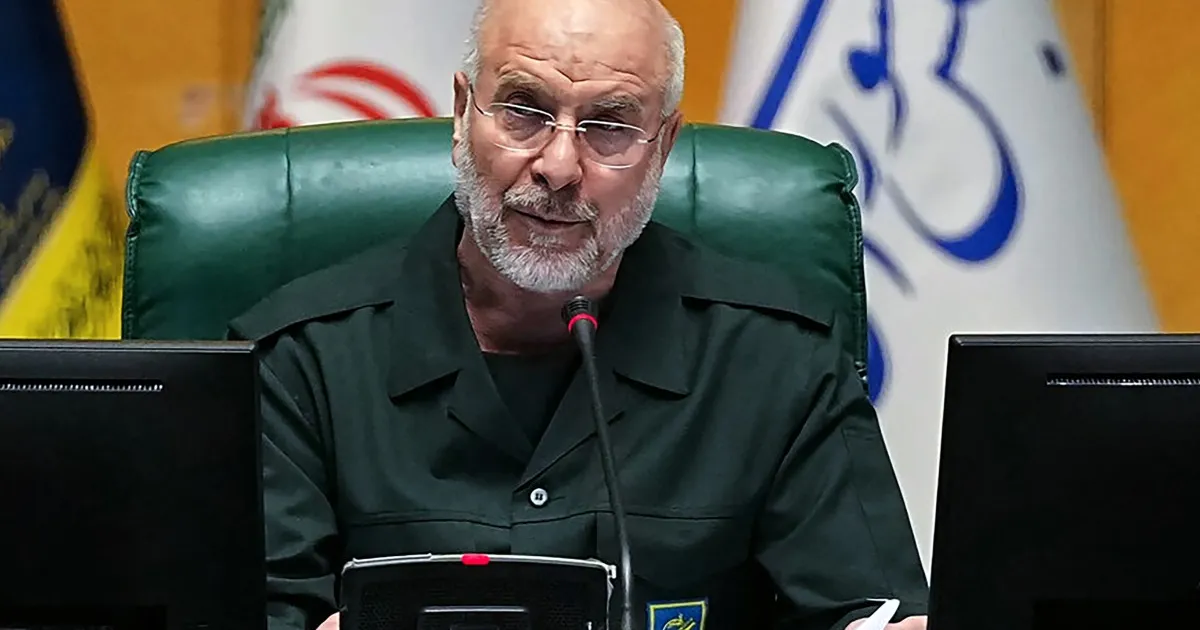
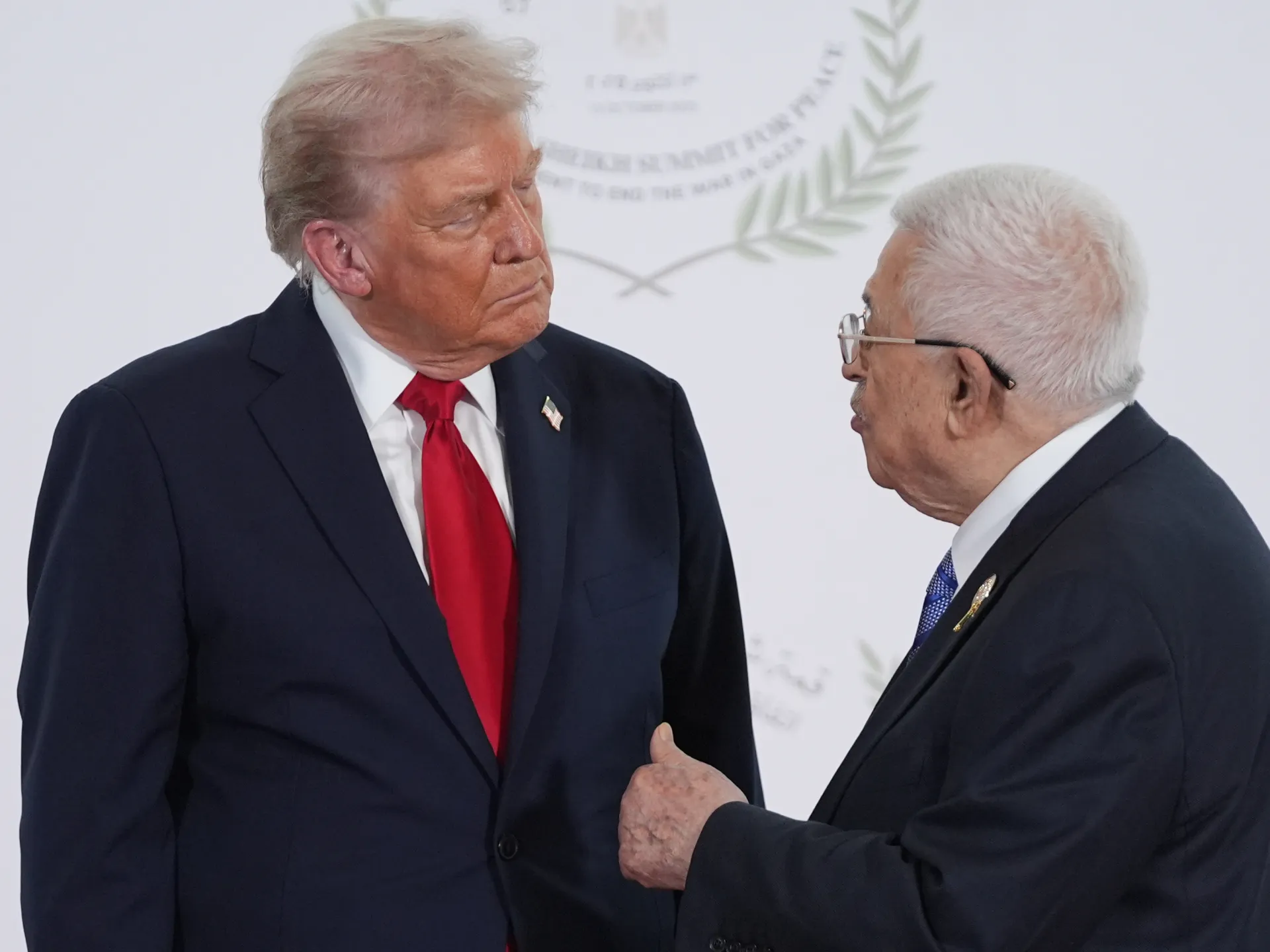
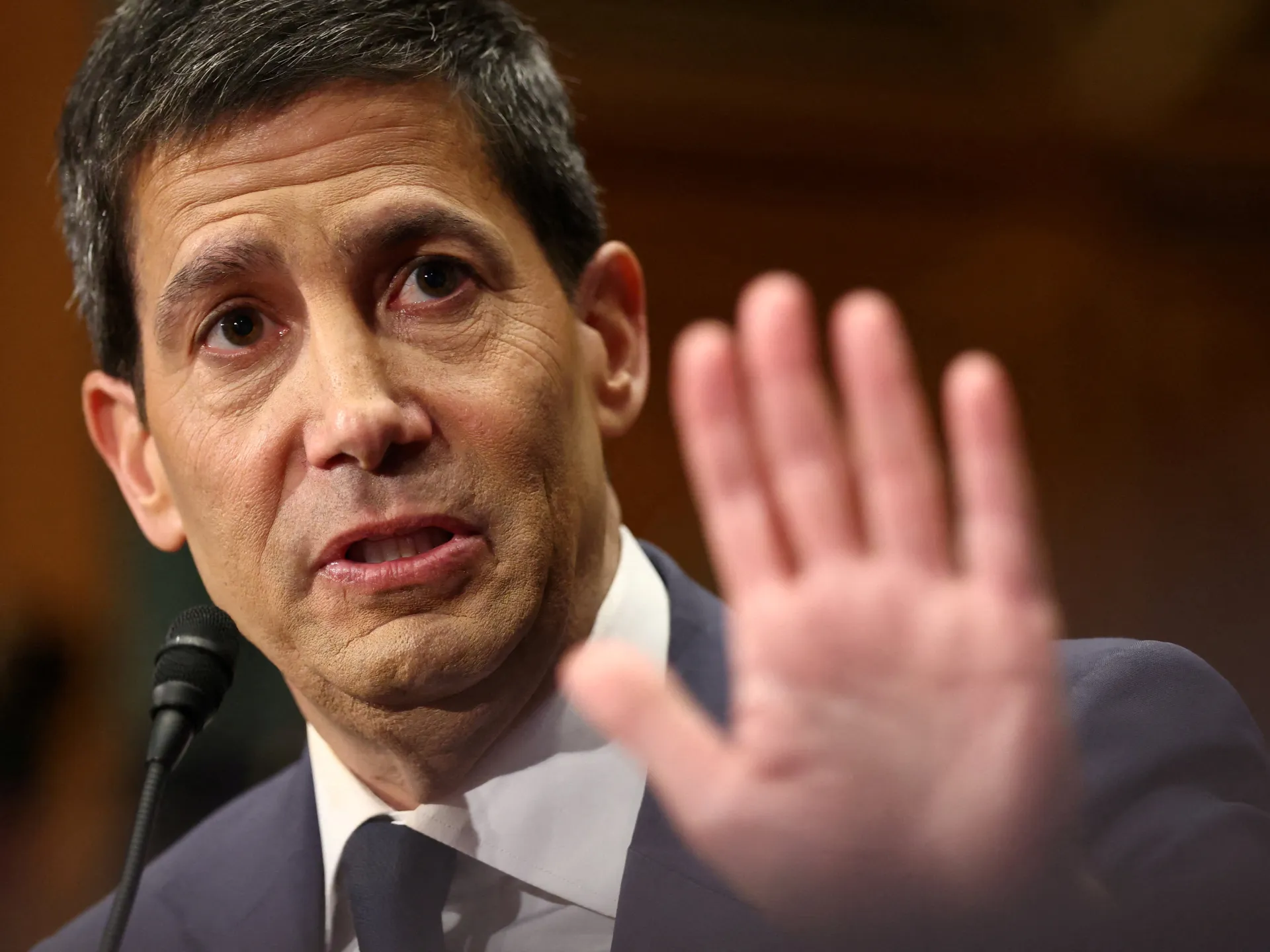
The proceedings have drawn significant attention not only for the scheduled speeches from international heads of state, including Iran’s Masoud Pezhanian and Ukraine’s Volodymyr Zelenskyy, but also for the underlying maneuvers of the United States. Recent reports of direct, high-level engagement between American and Iranian officials have introduced a surprising layer of uncertainty to a summit already marked
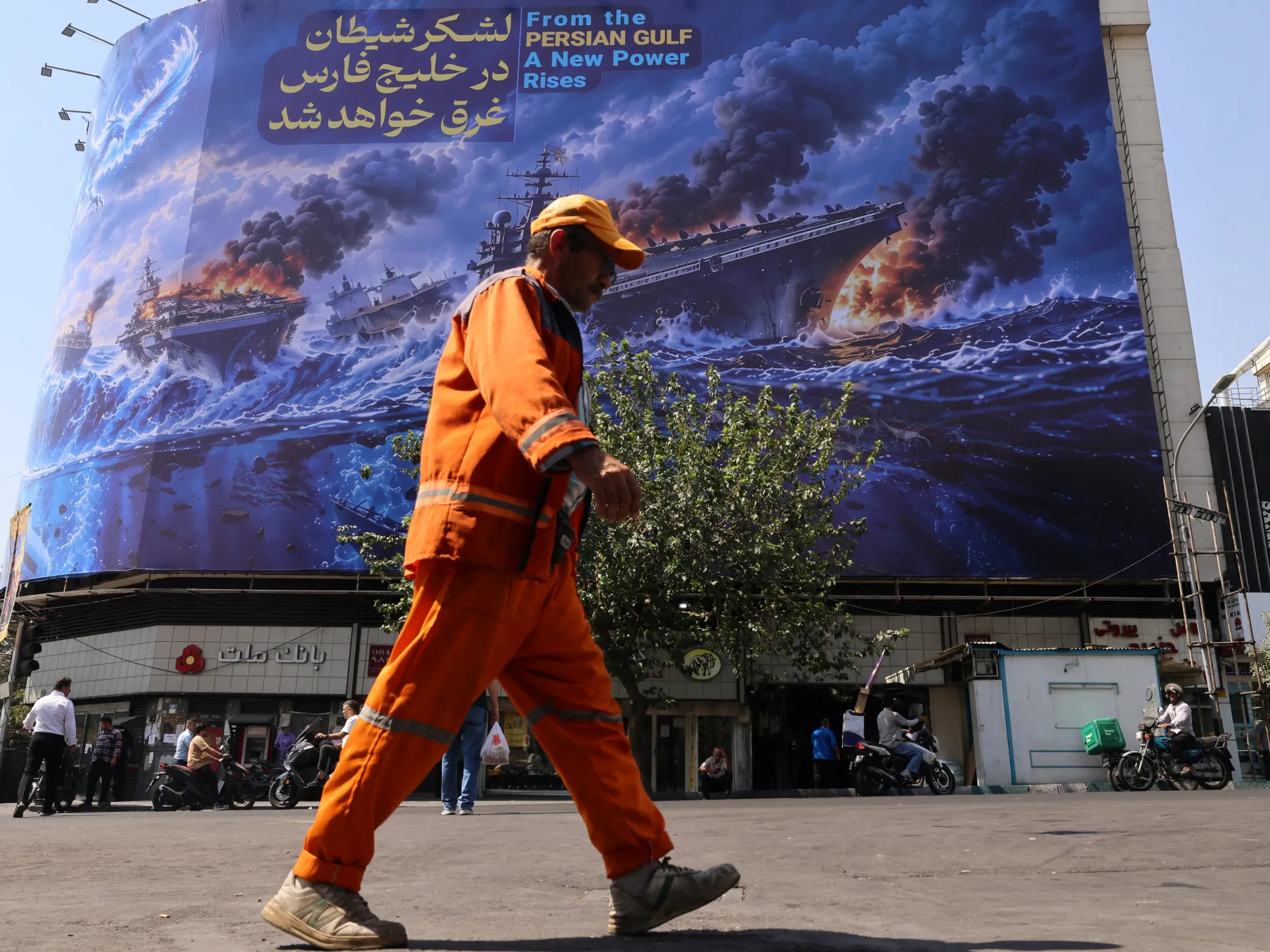
The current session of the UN General Assembly represents a critical inflection point for global governance, as the traditional norms of international diplomacy are being tested ion of a potential de-escalation in US-Iran relations alongside the threat of total annihilation signals a period of strategic incoherence that leaves global markets and security partners in a state of flux. Furthermore, the focus on these high-profile geopolitical standoffs threatens to overshadow the catastrophic environmental reports being presented to the assembly, such as the El Niño projections. This shift suggests that the international community is increasingly reactive, prioritizing the containment of immediate kinetic and economic shocks at the expense of long-term existential threats, effectively sidelining multilateral climate action in favor of bilateral crisis management.
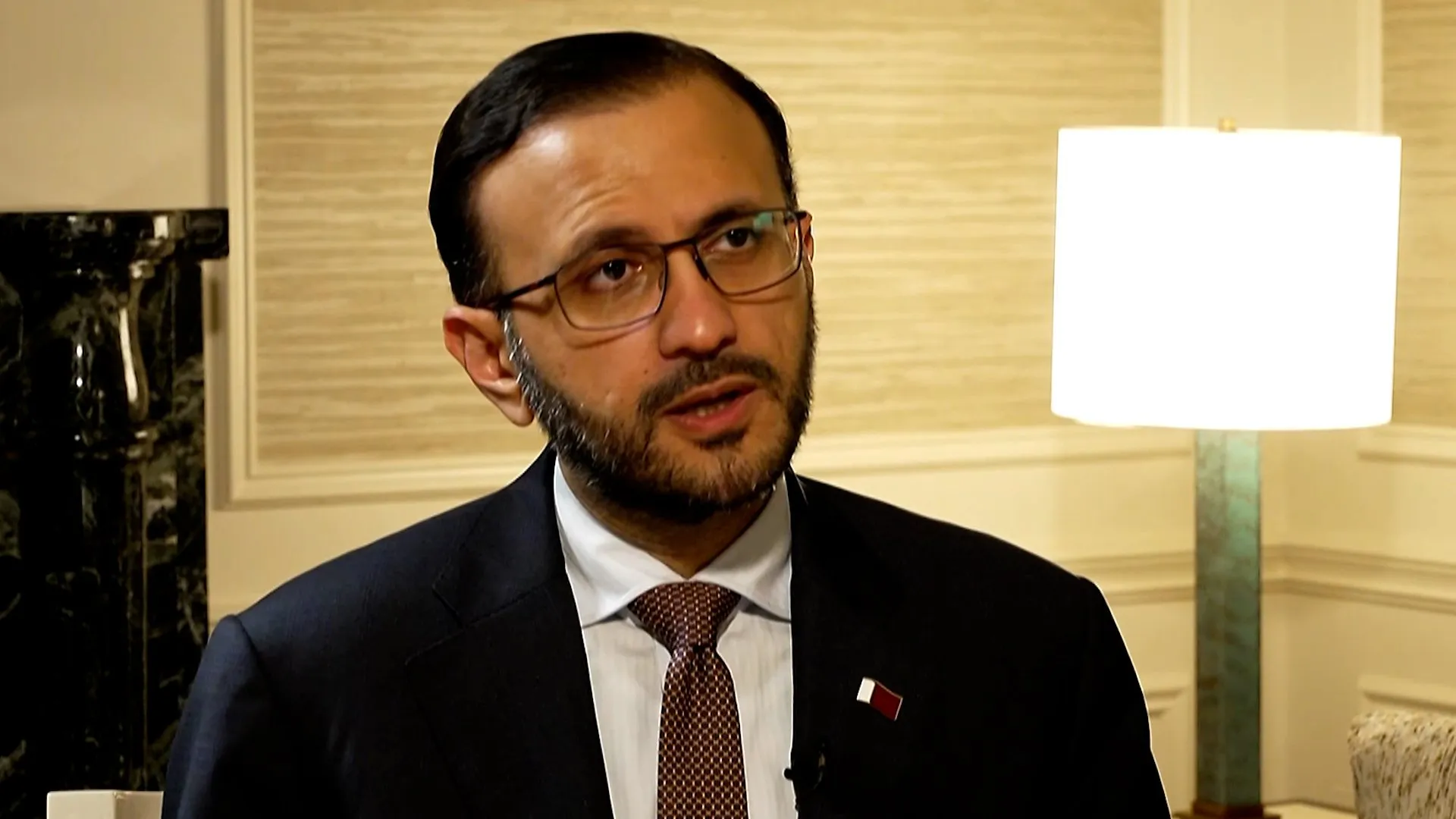
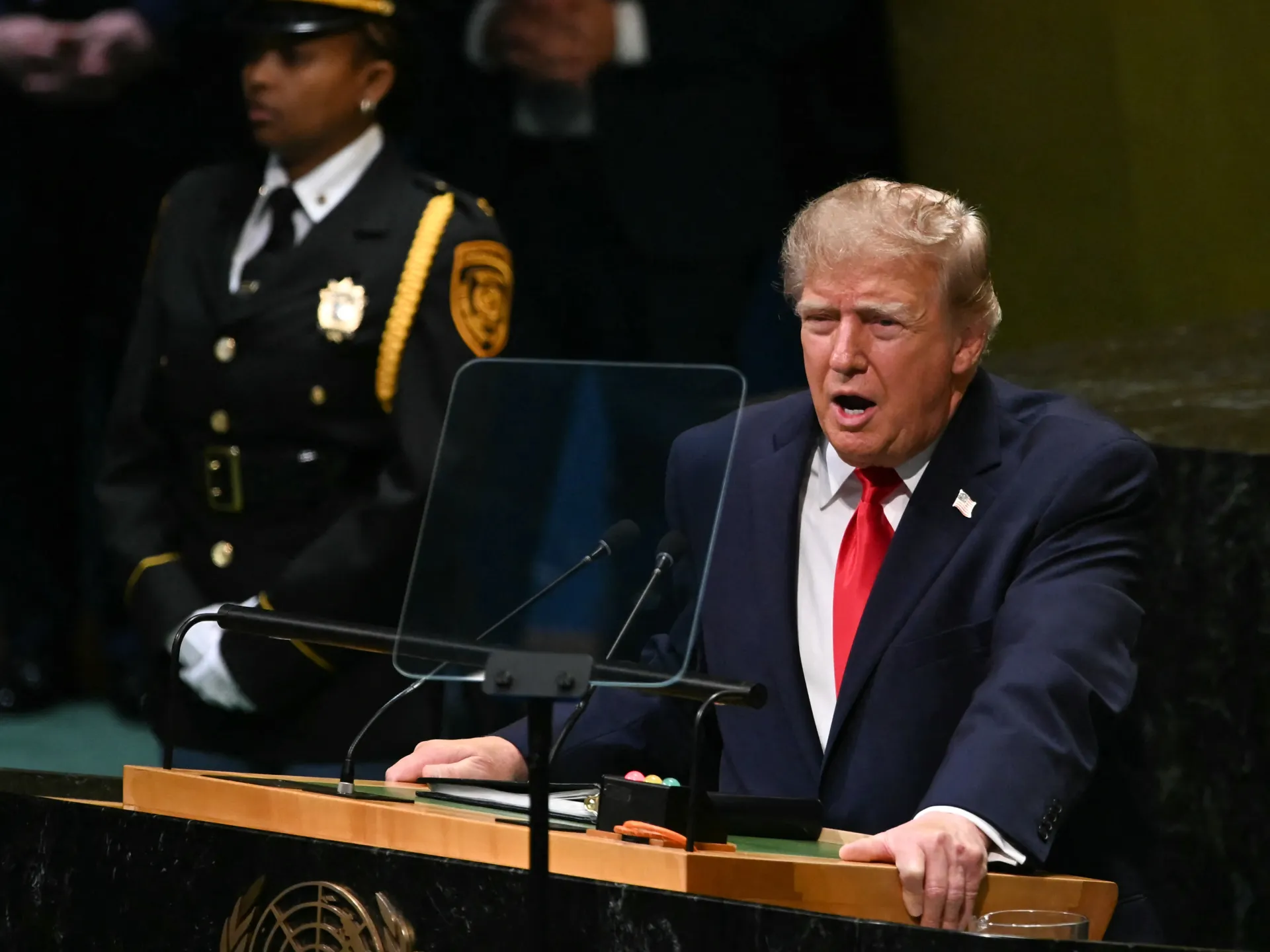
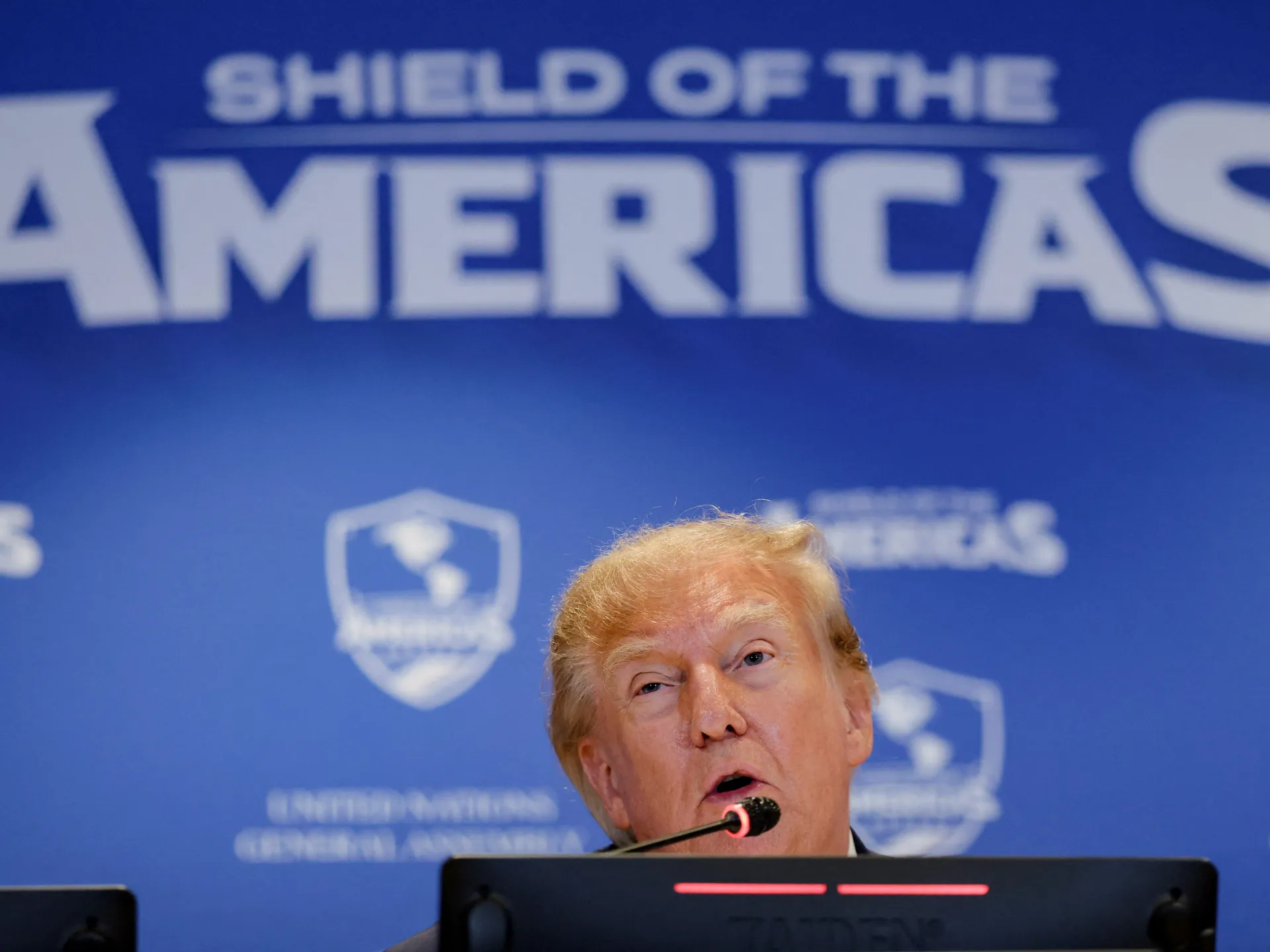
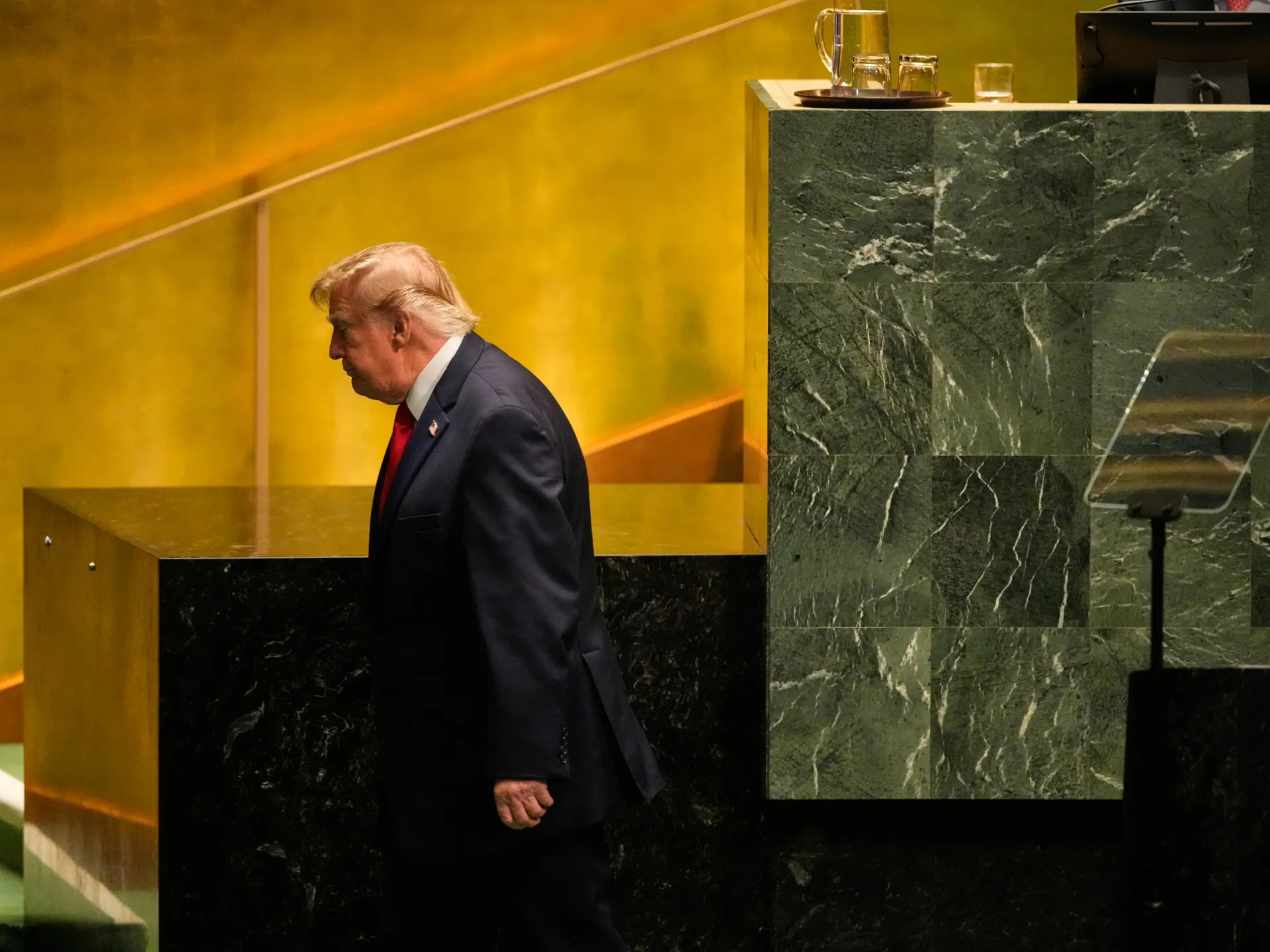
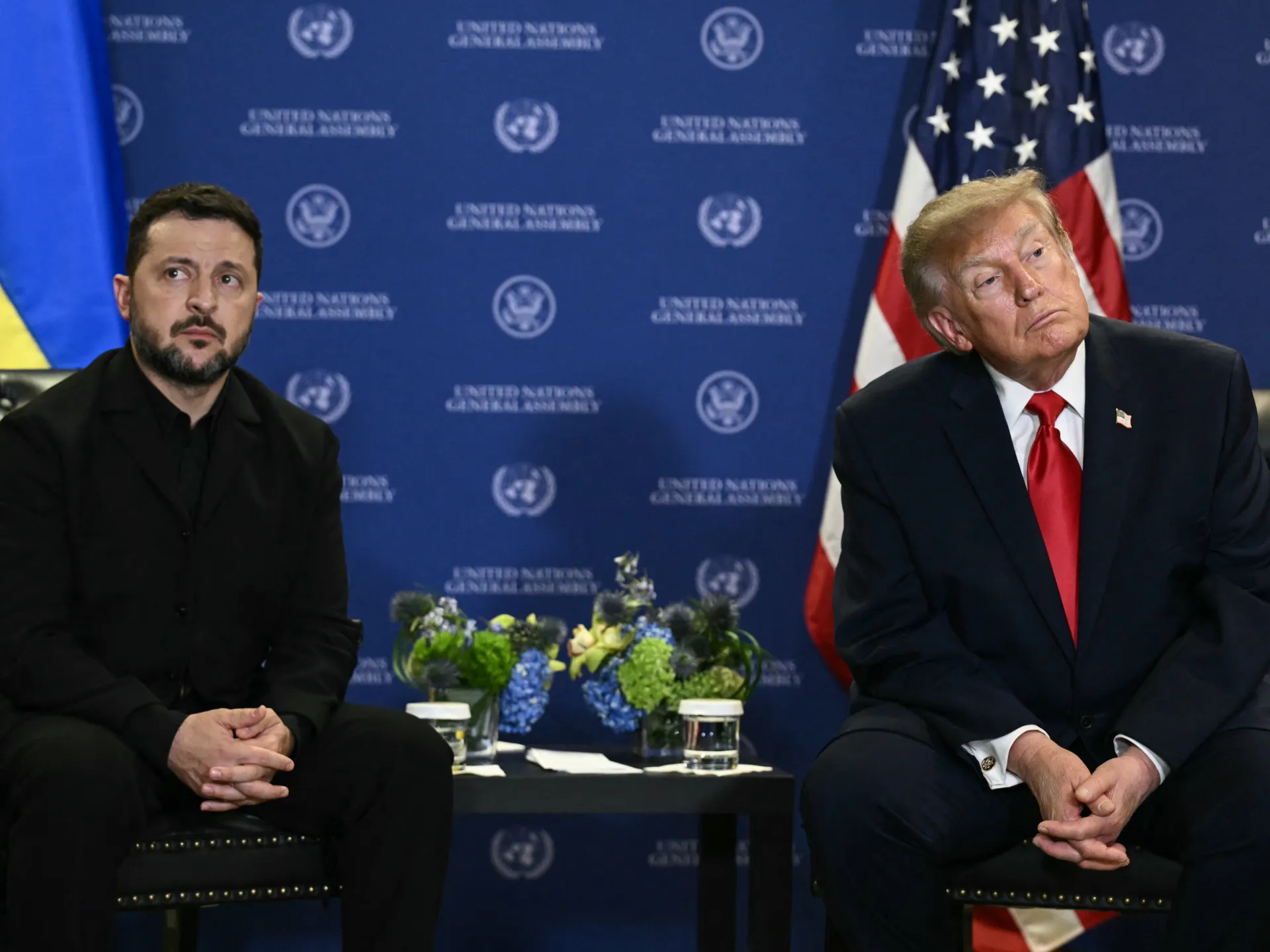
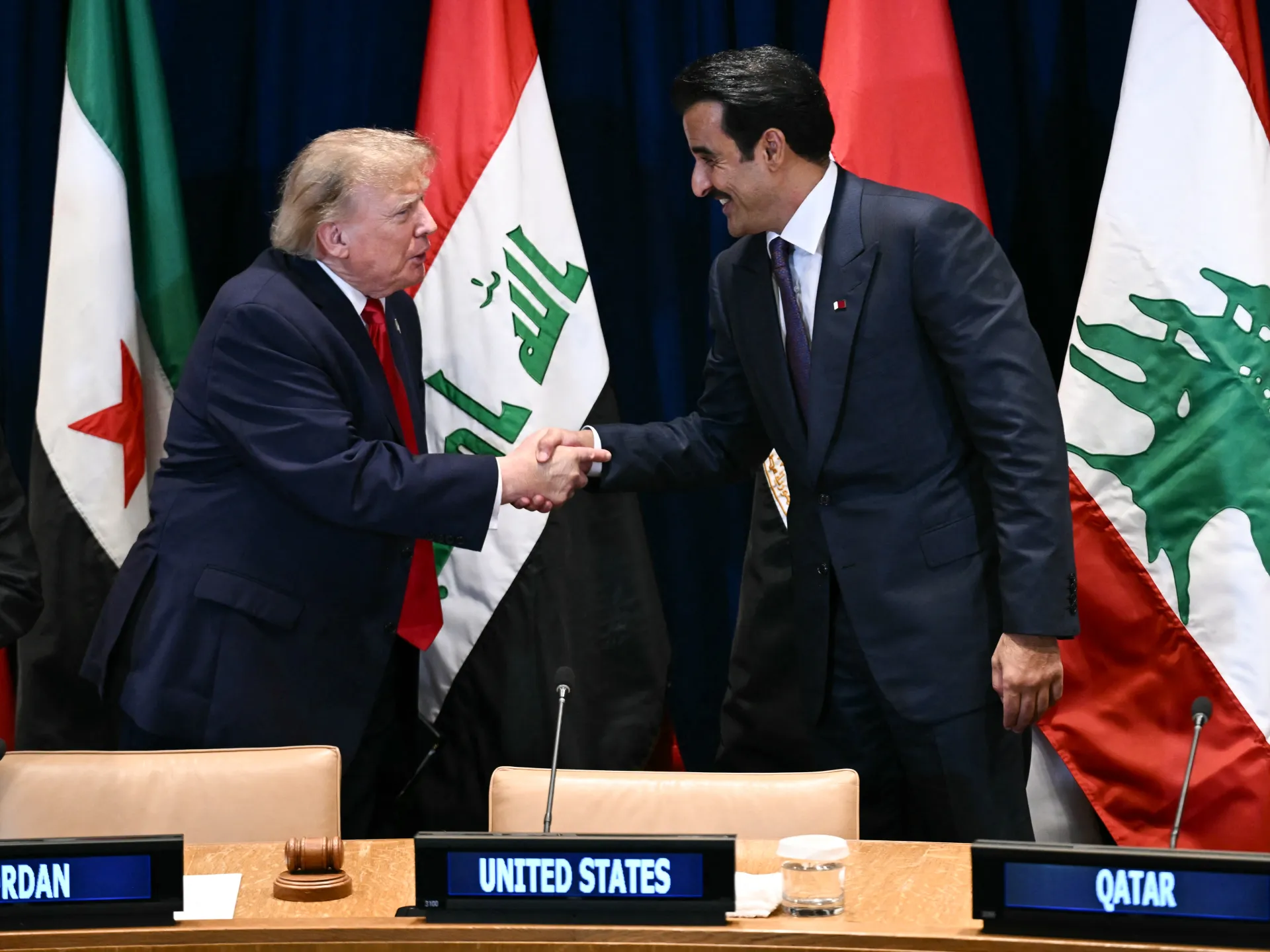
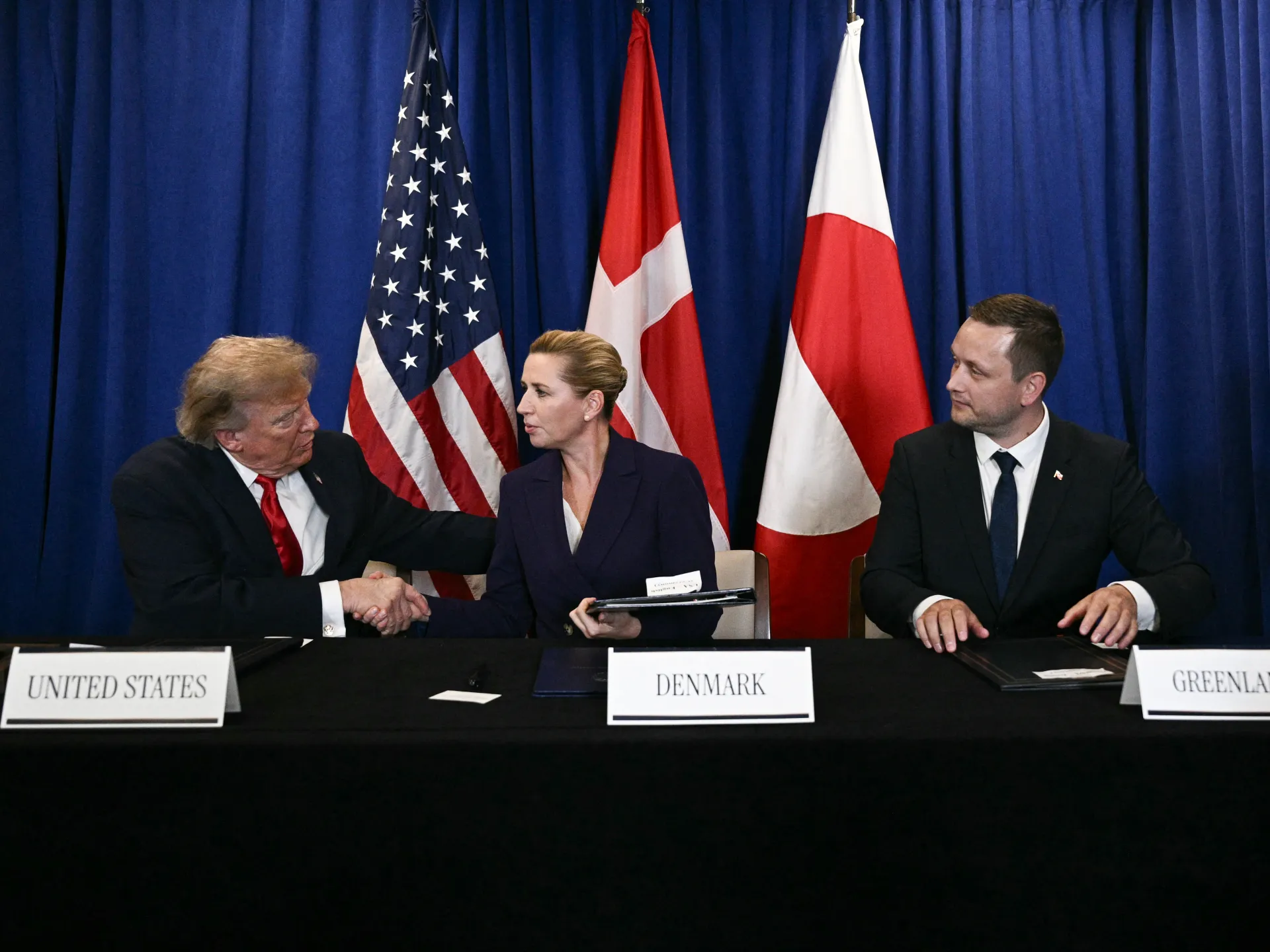
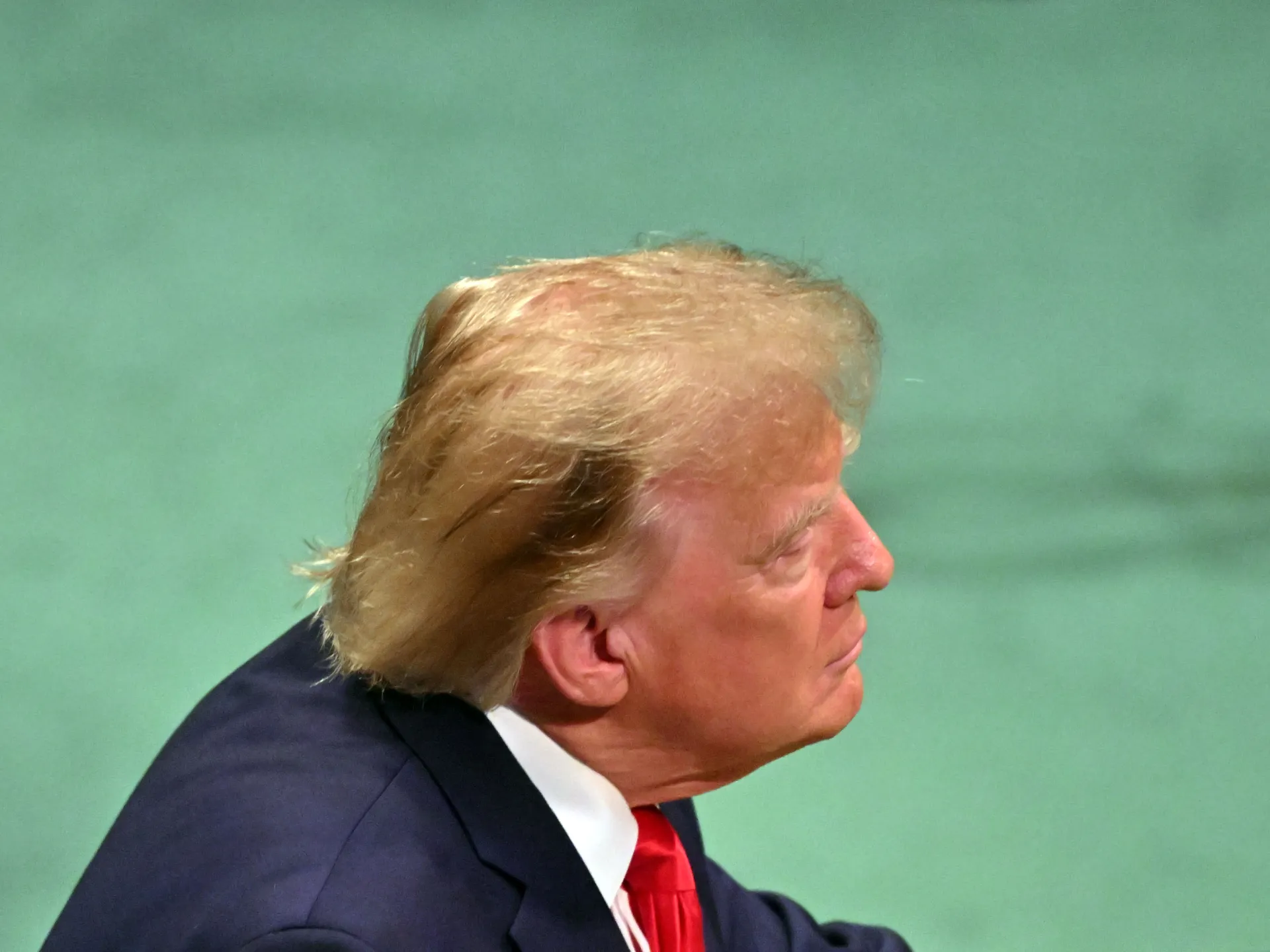
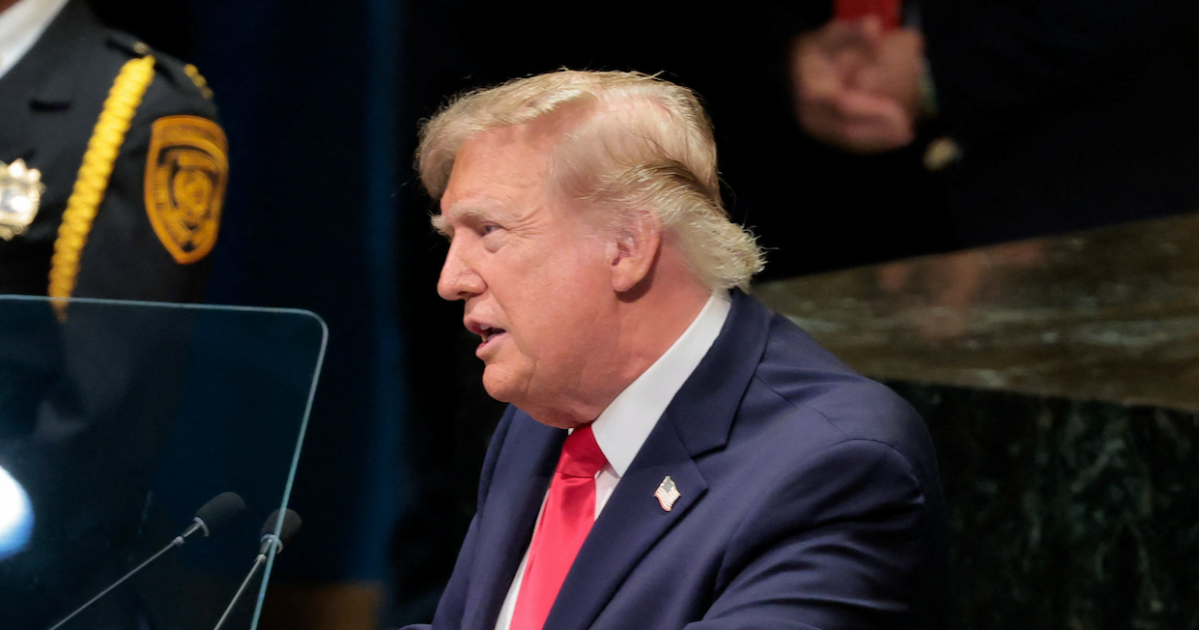
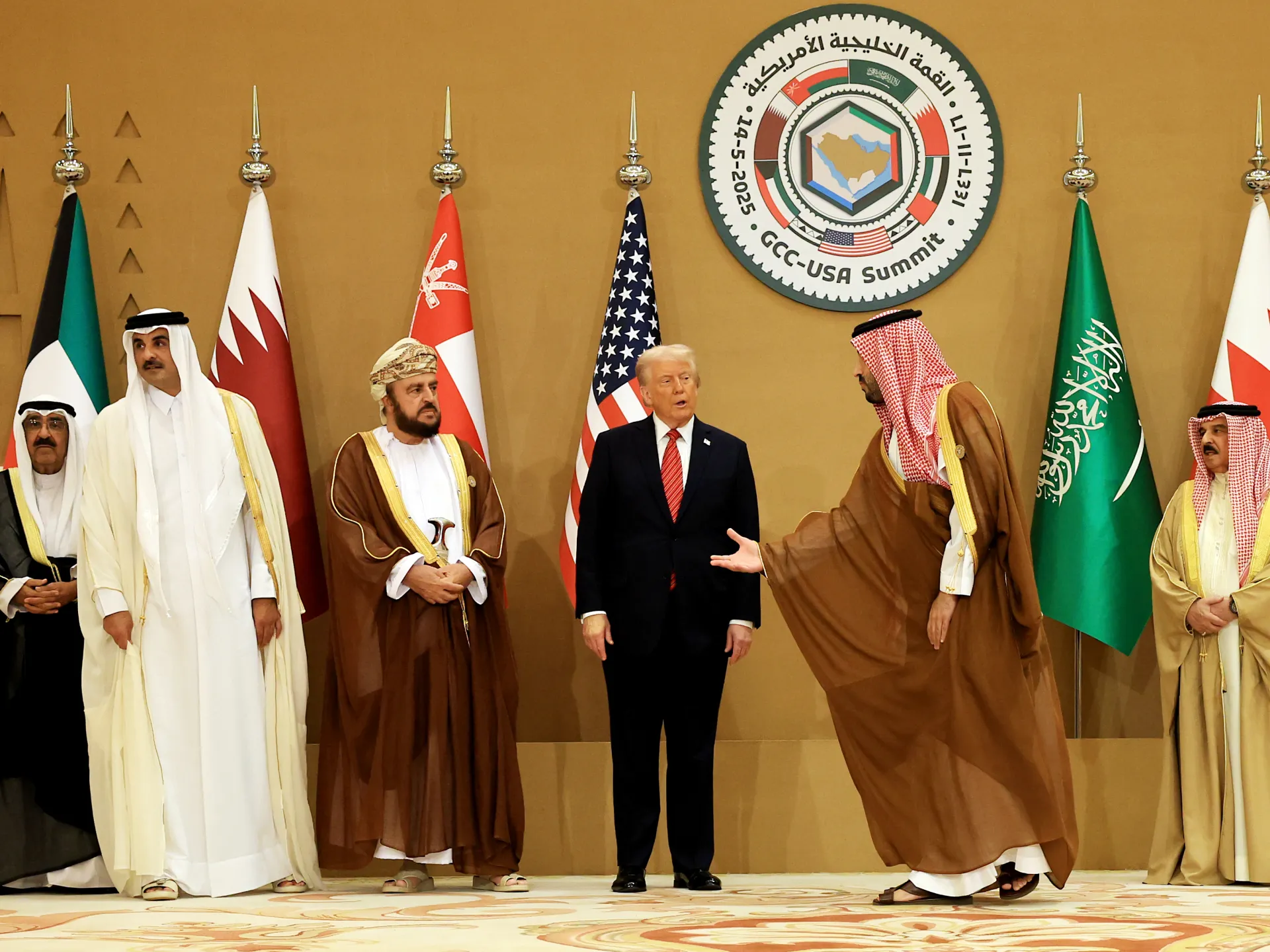
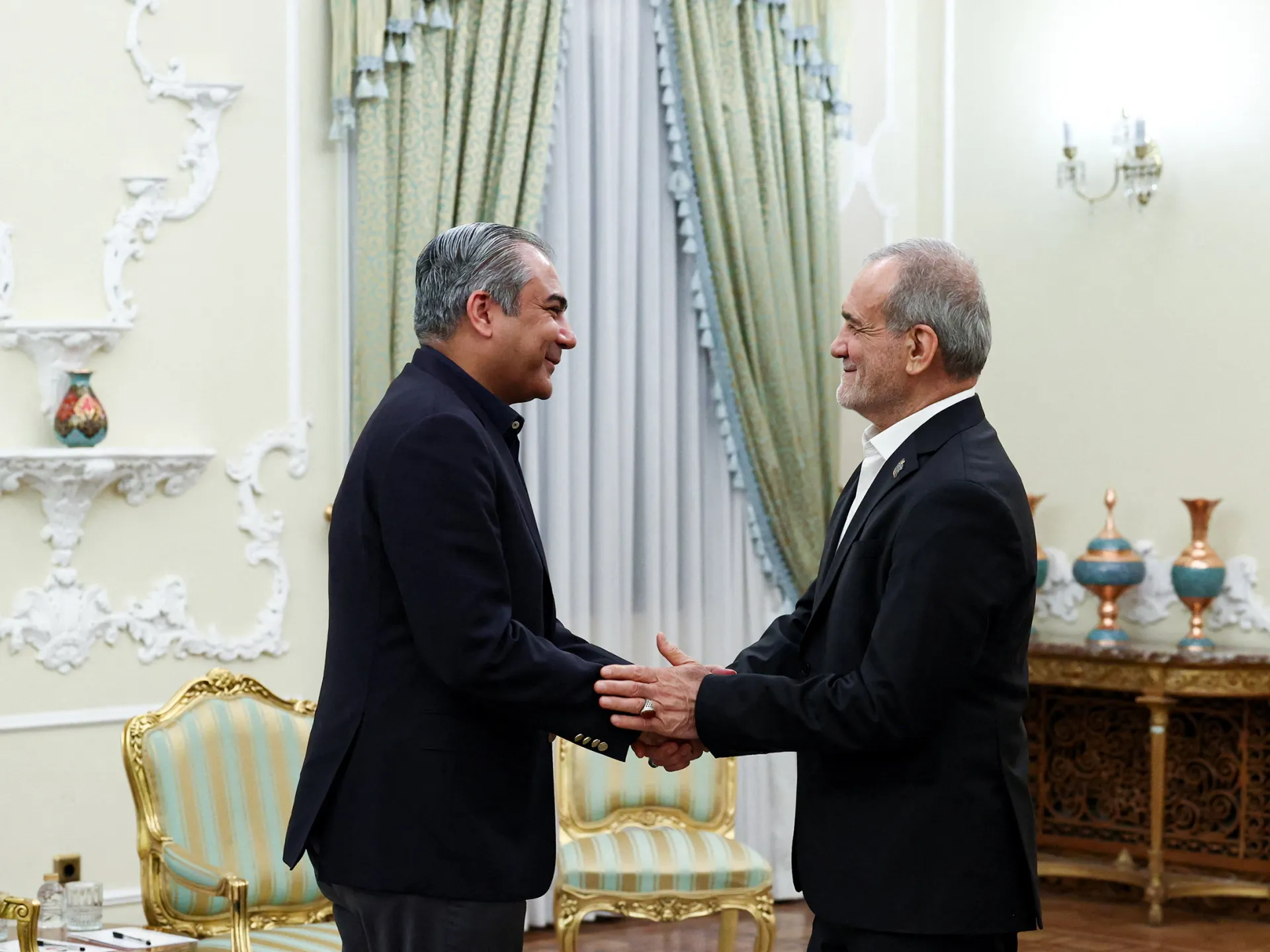
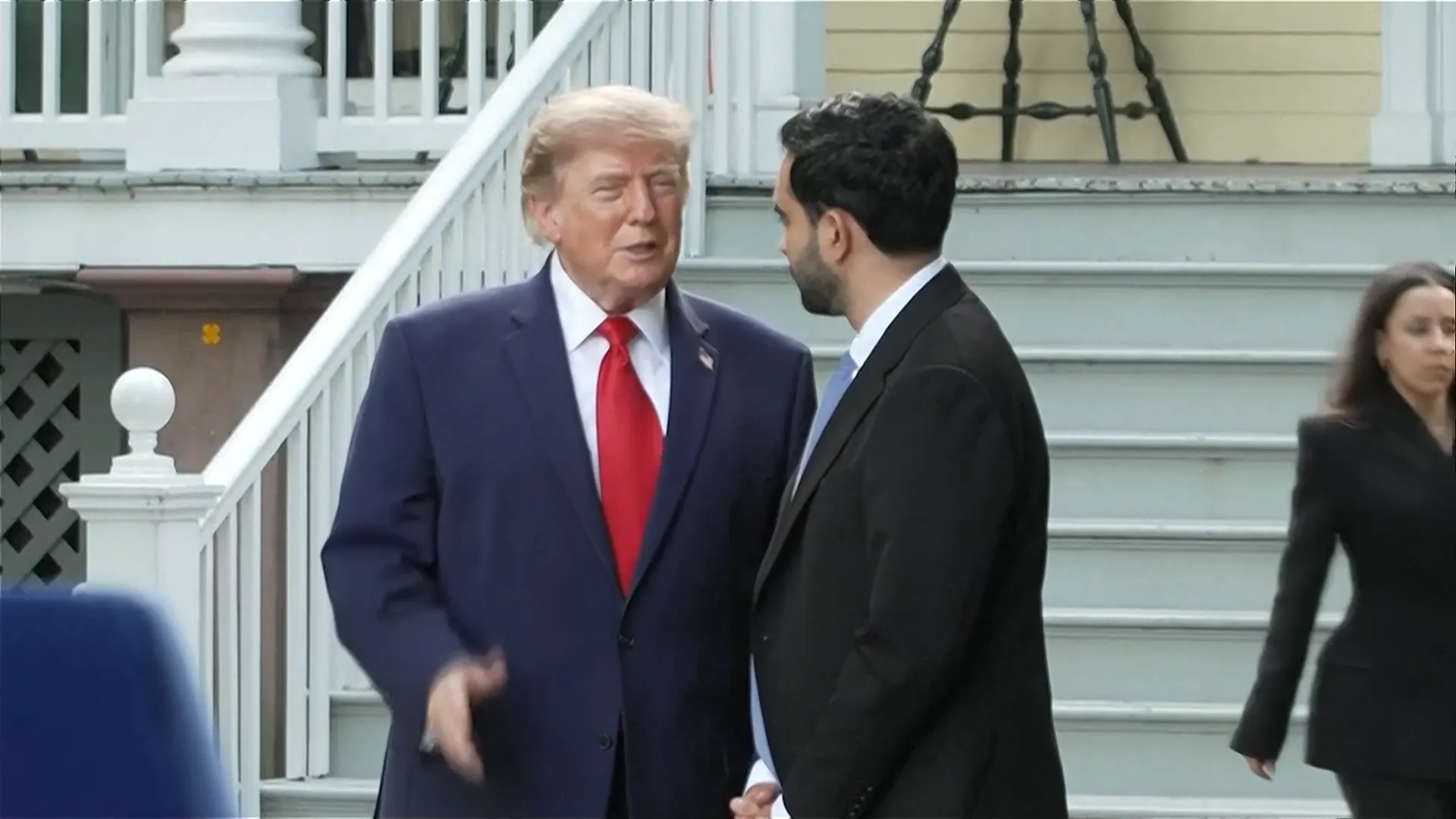
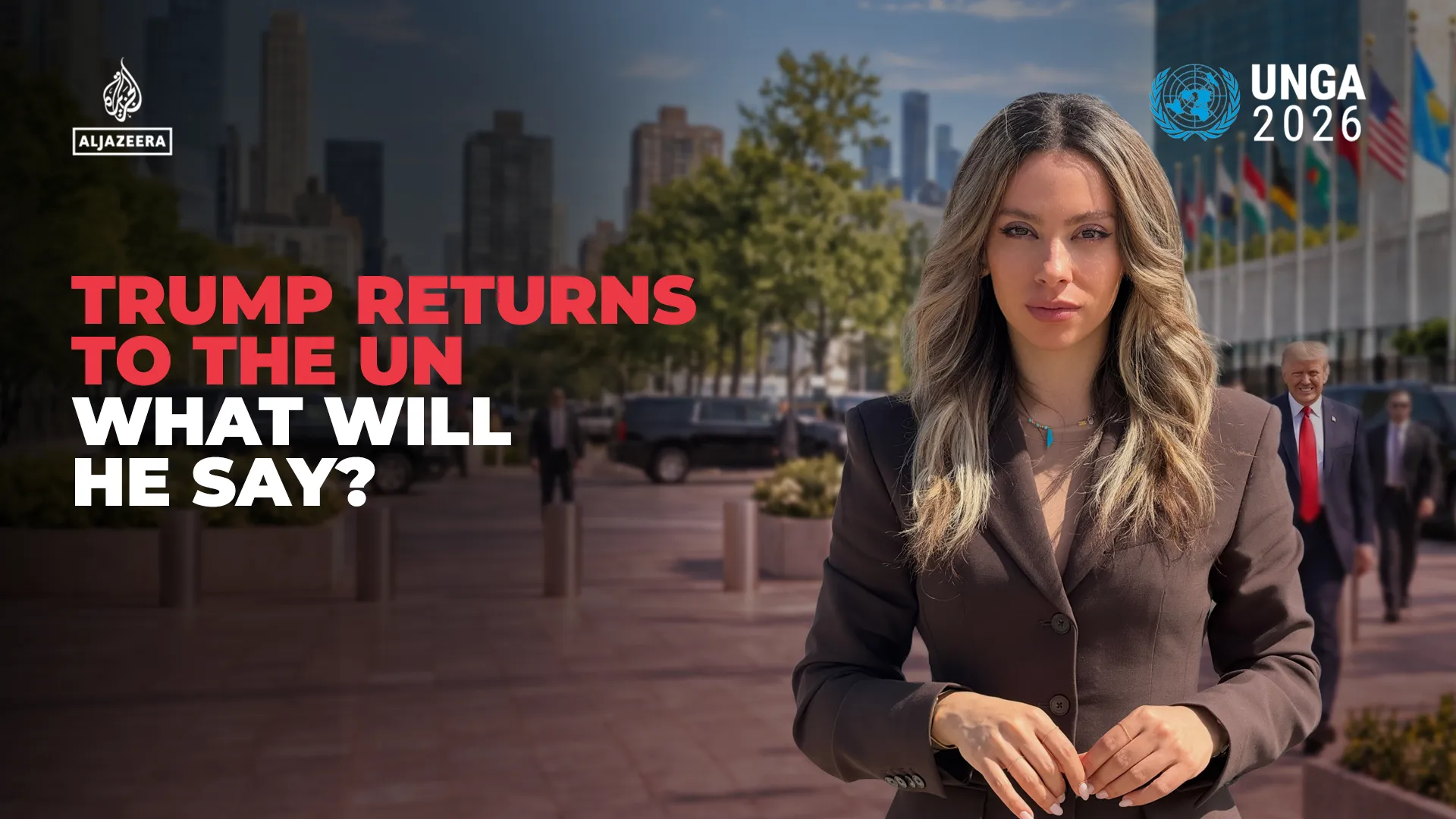
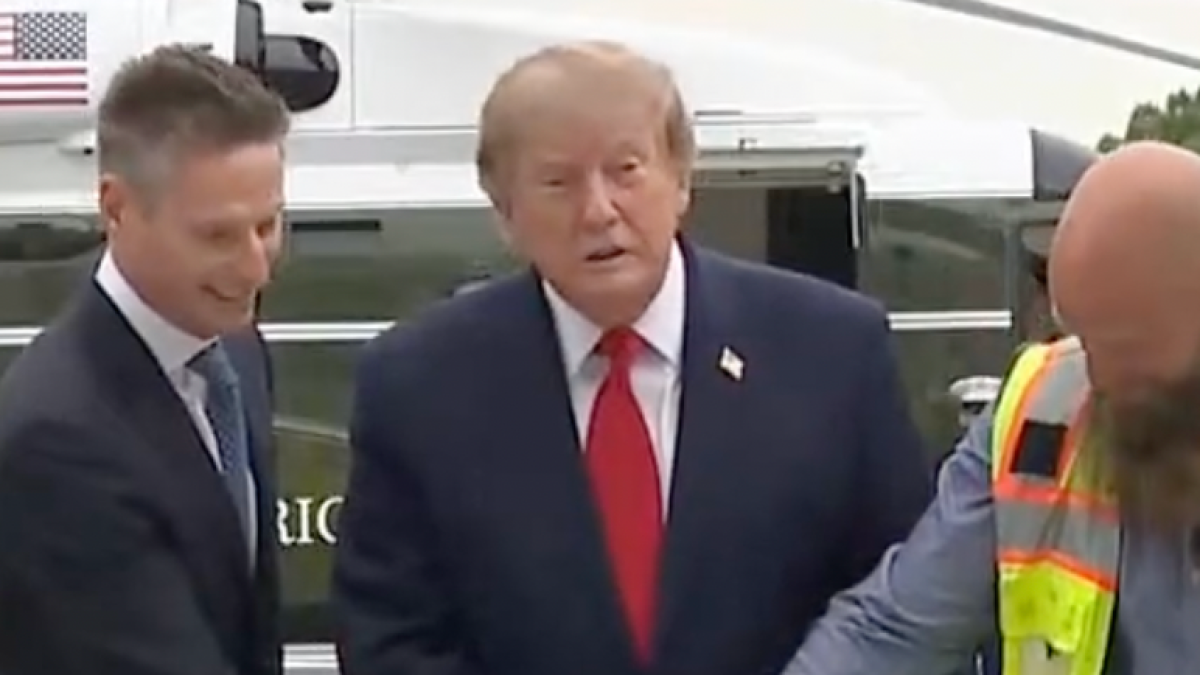
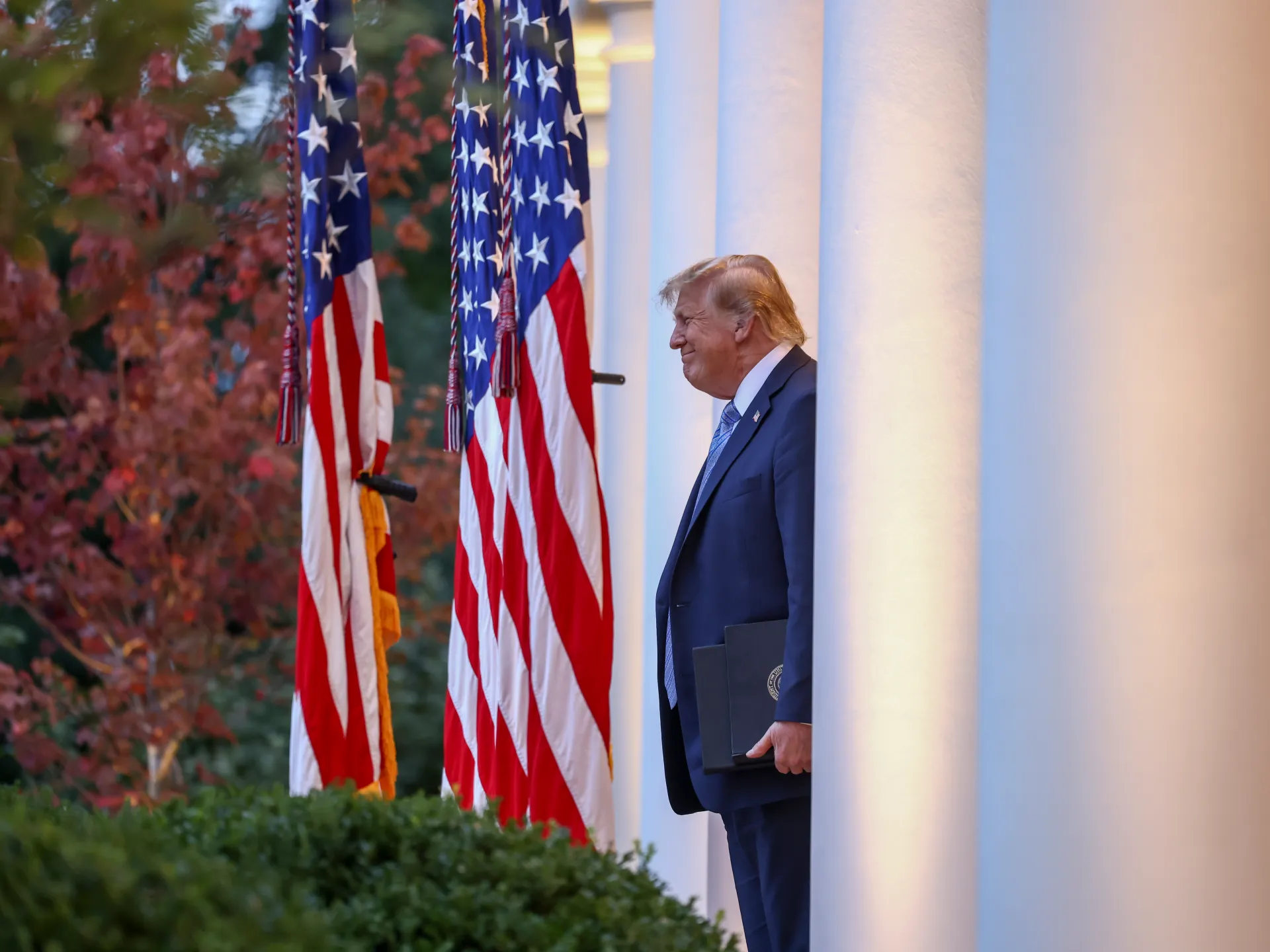
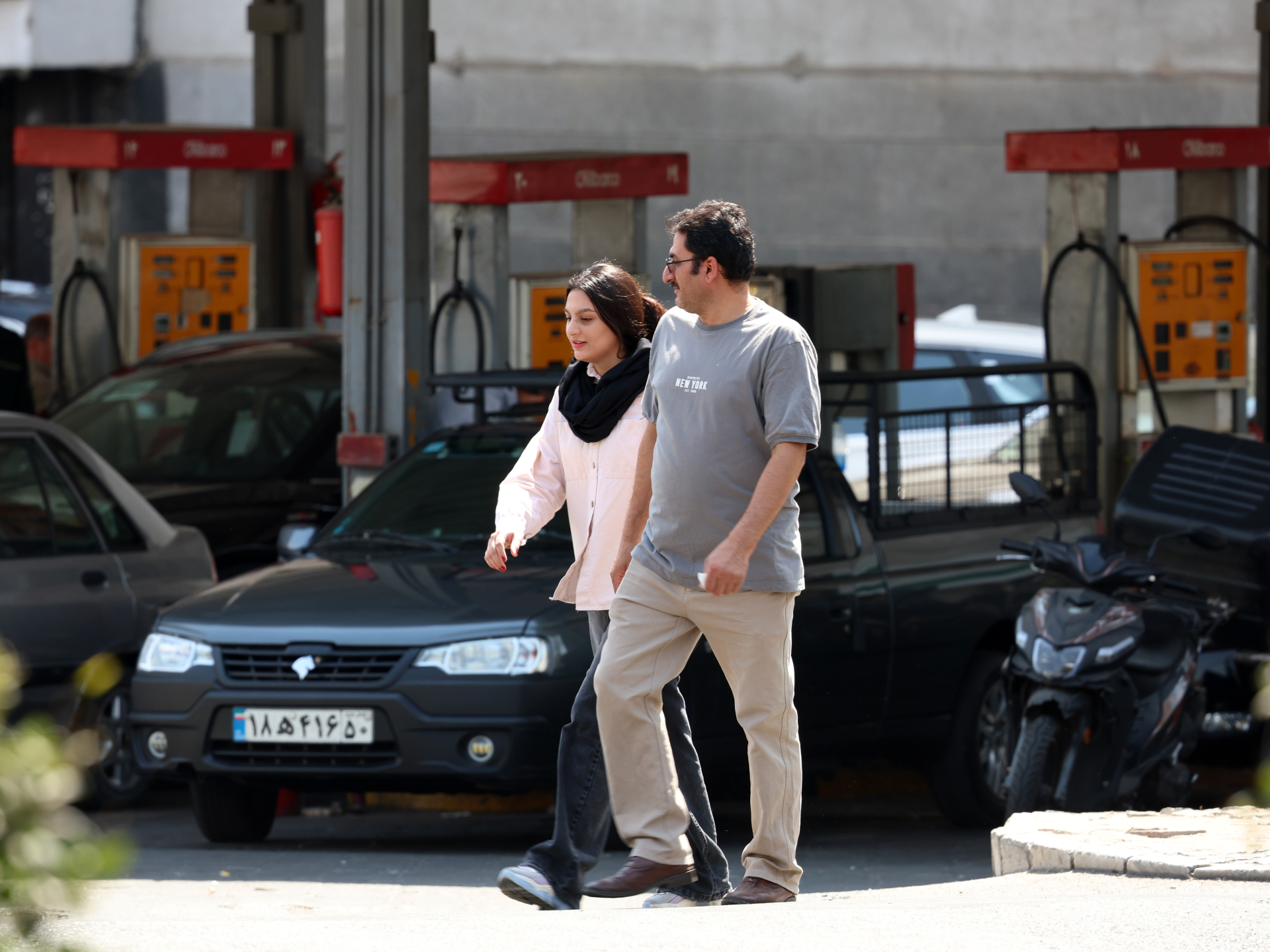
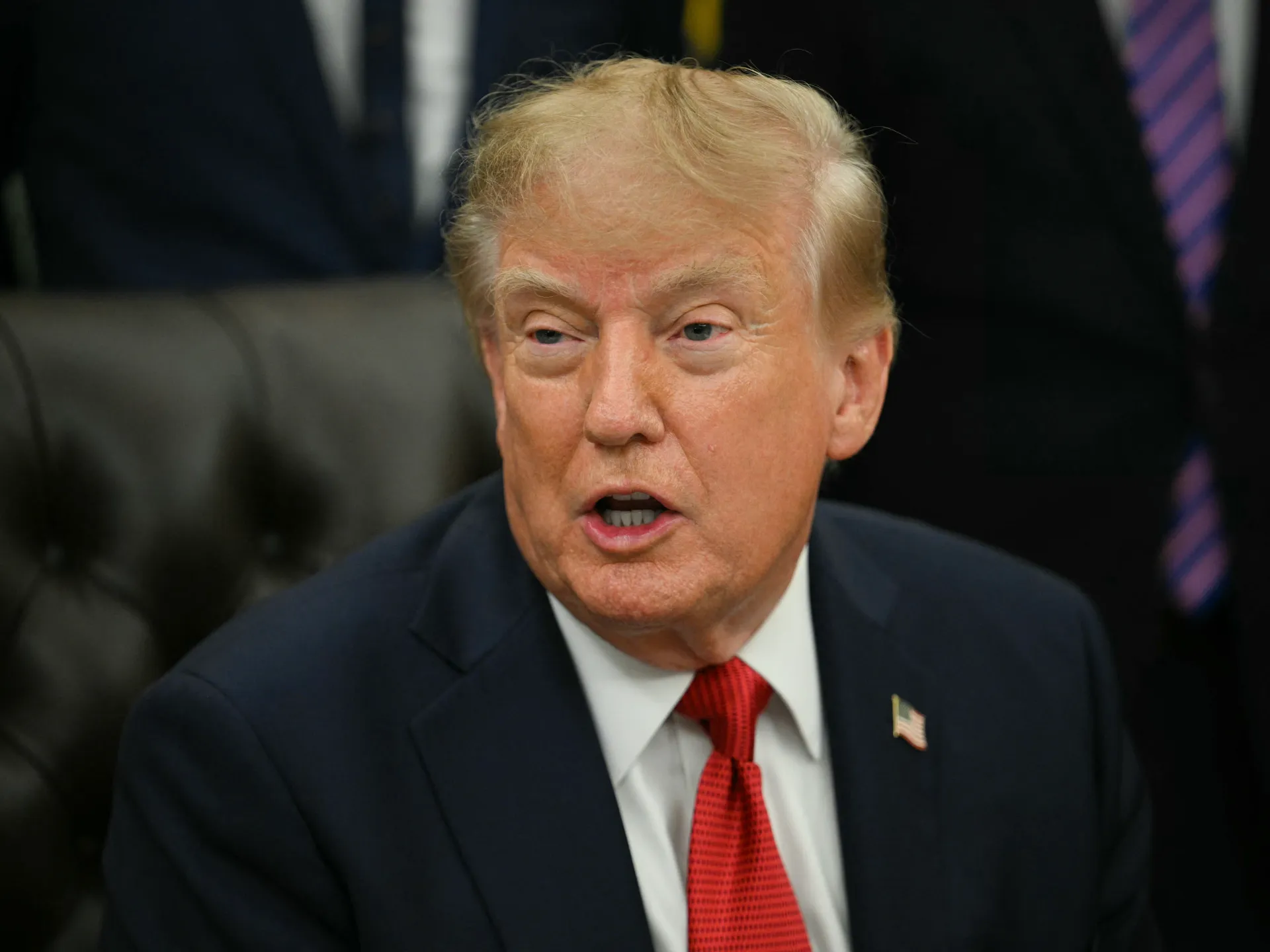
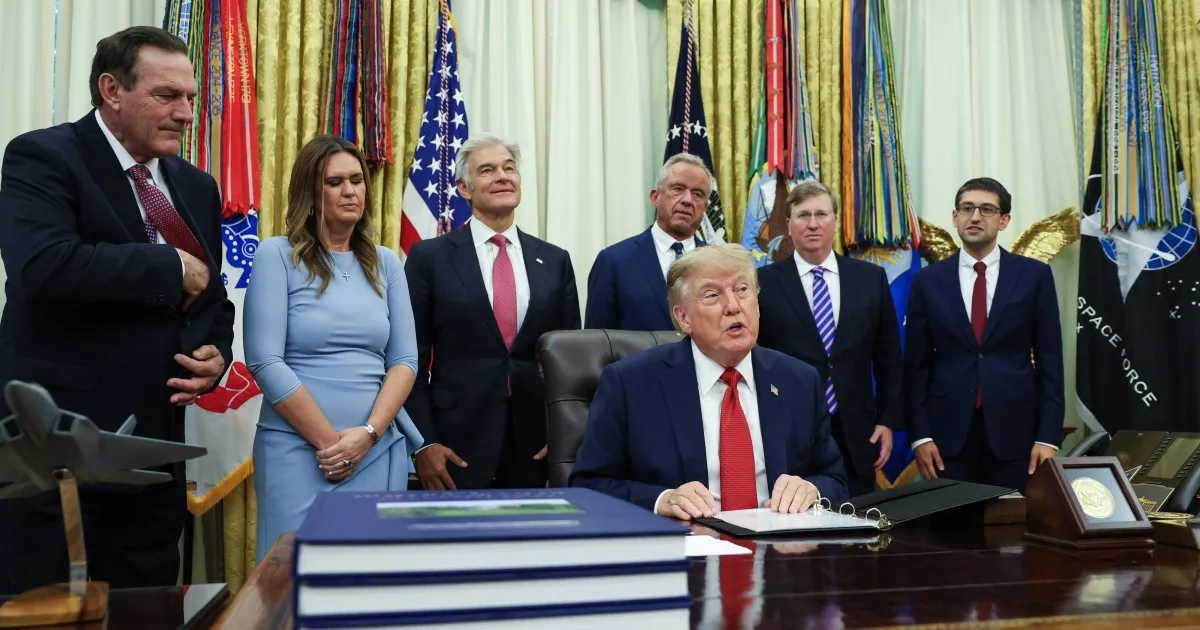
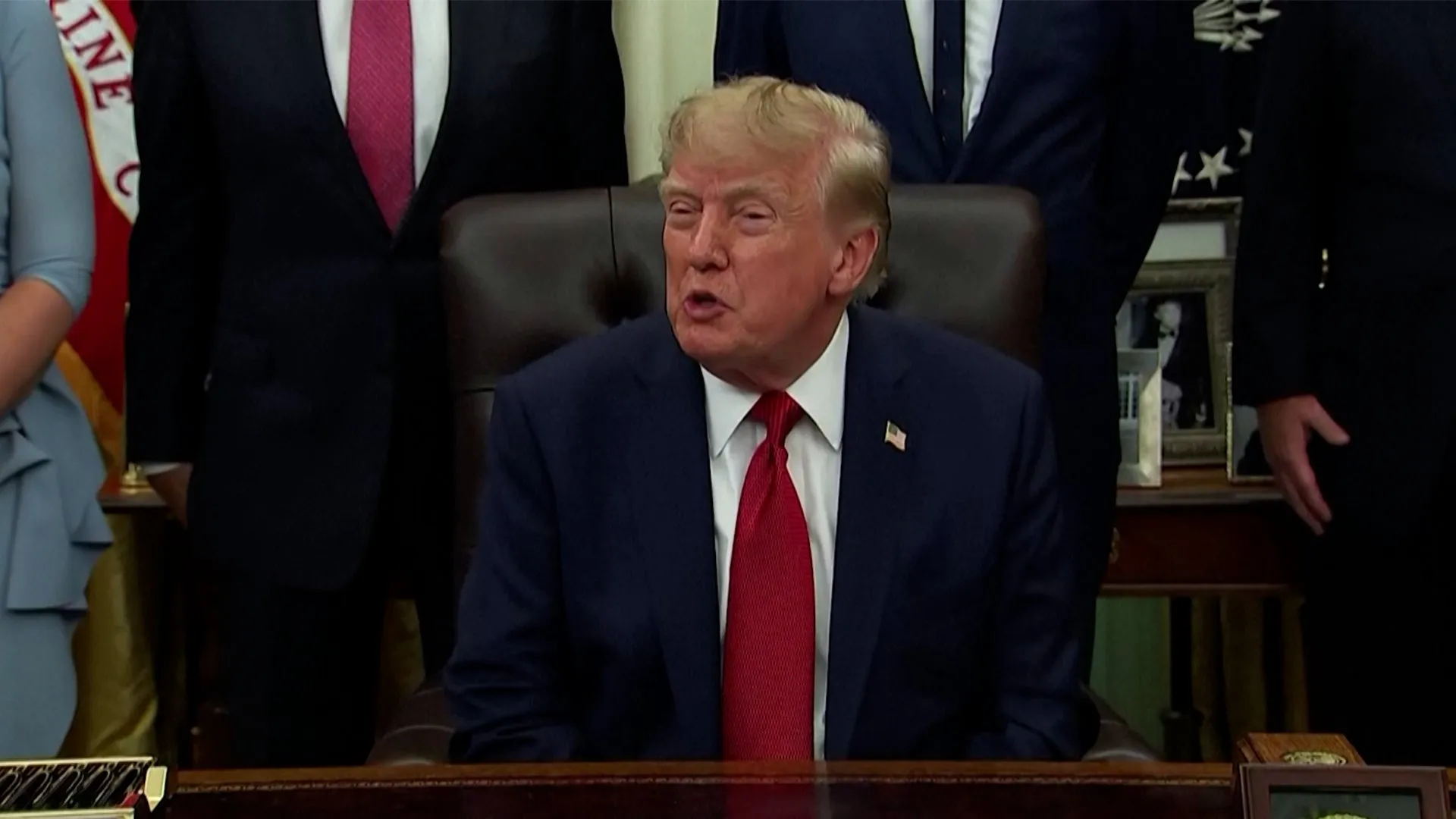
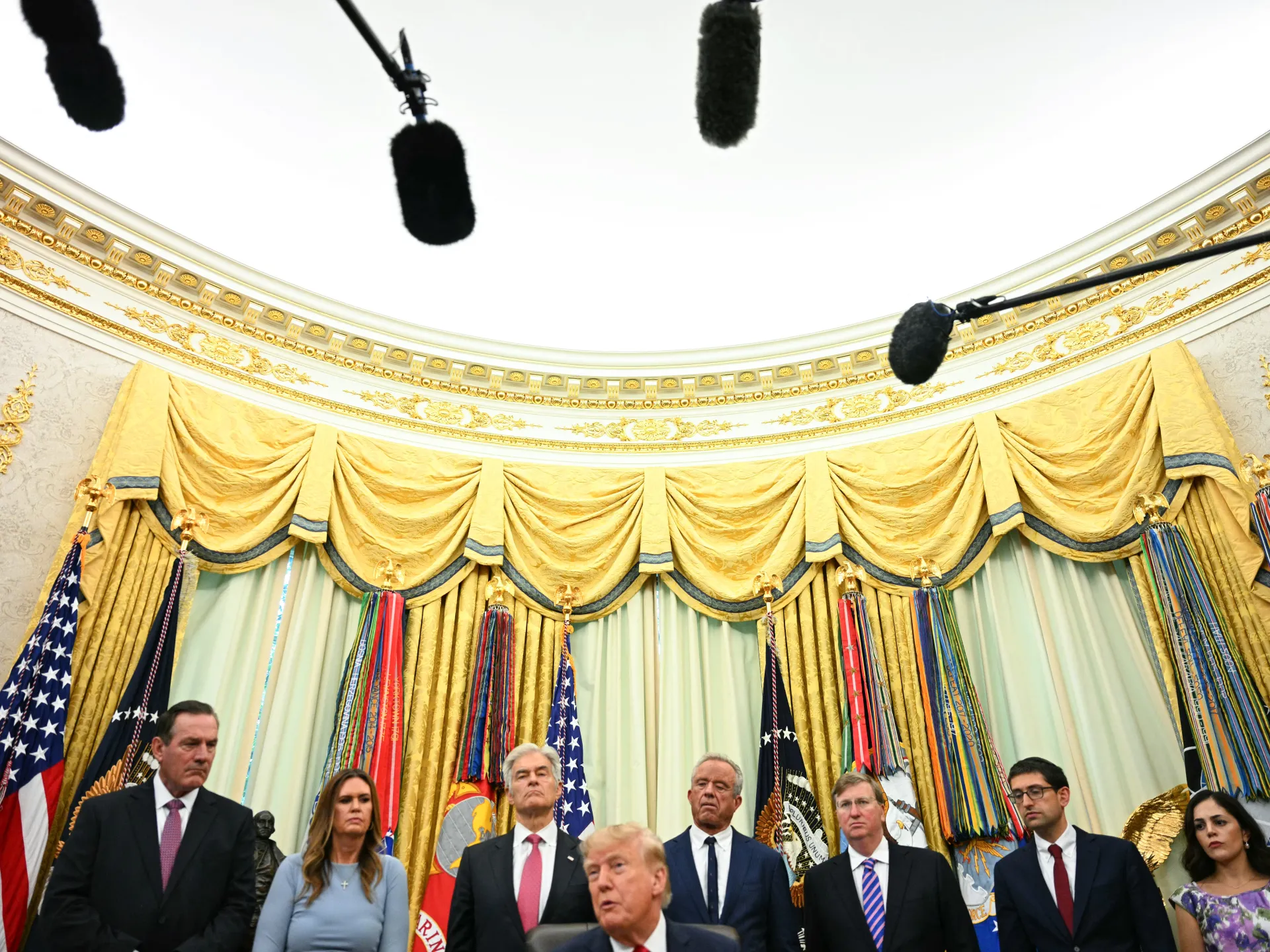
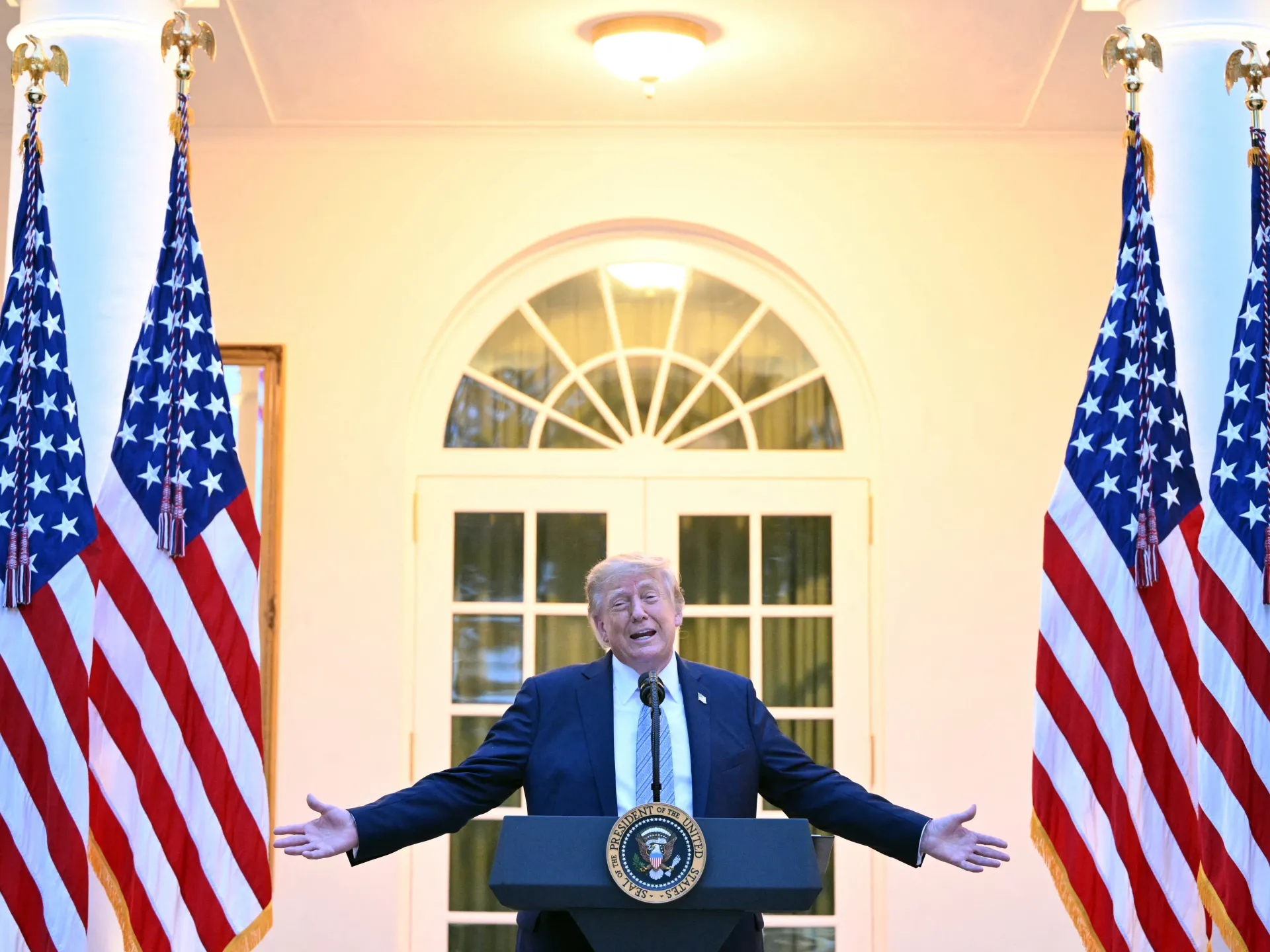
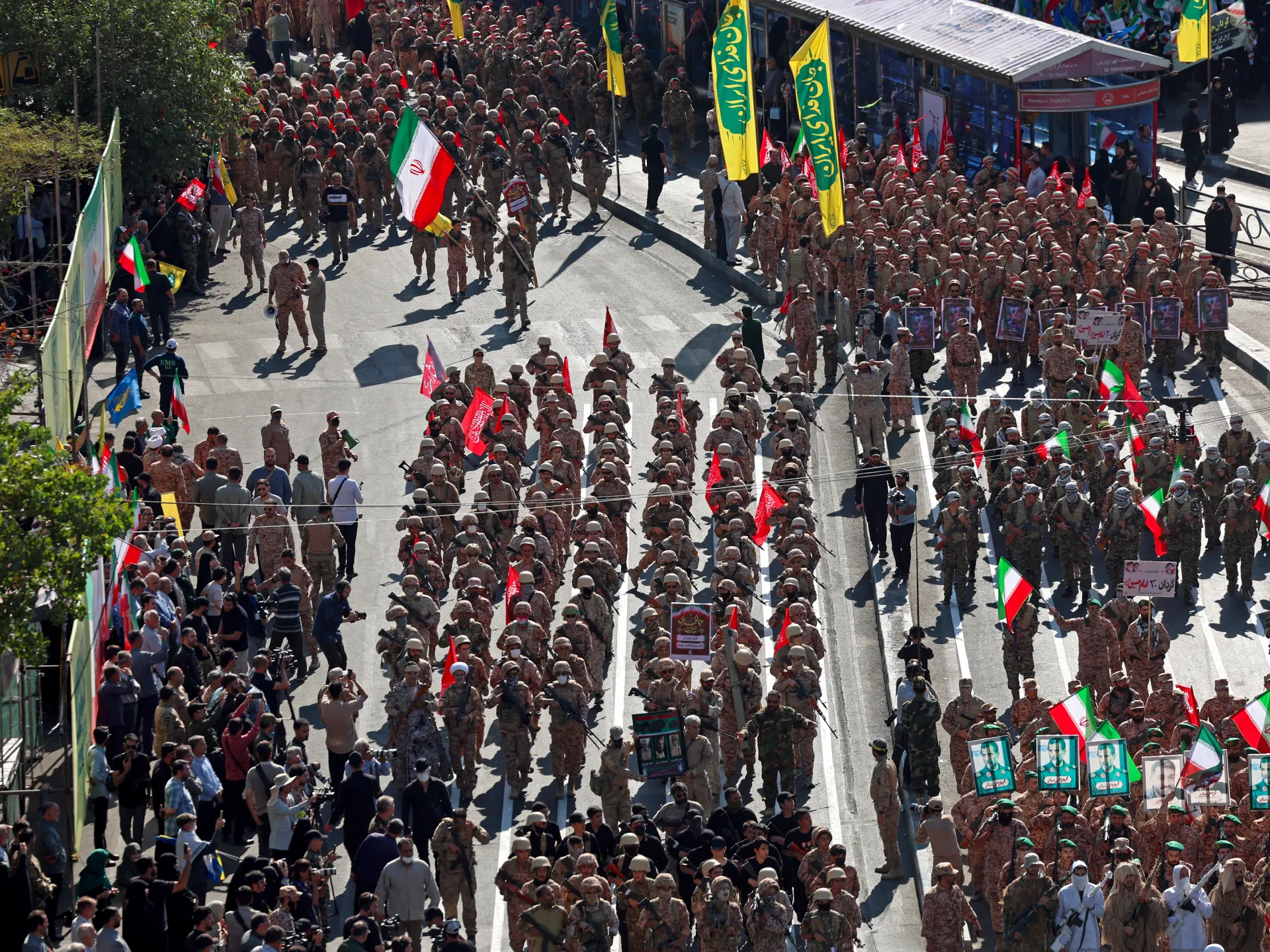
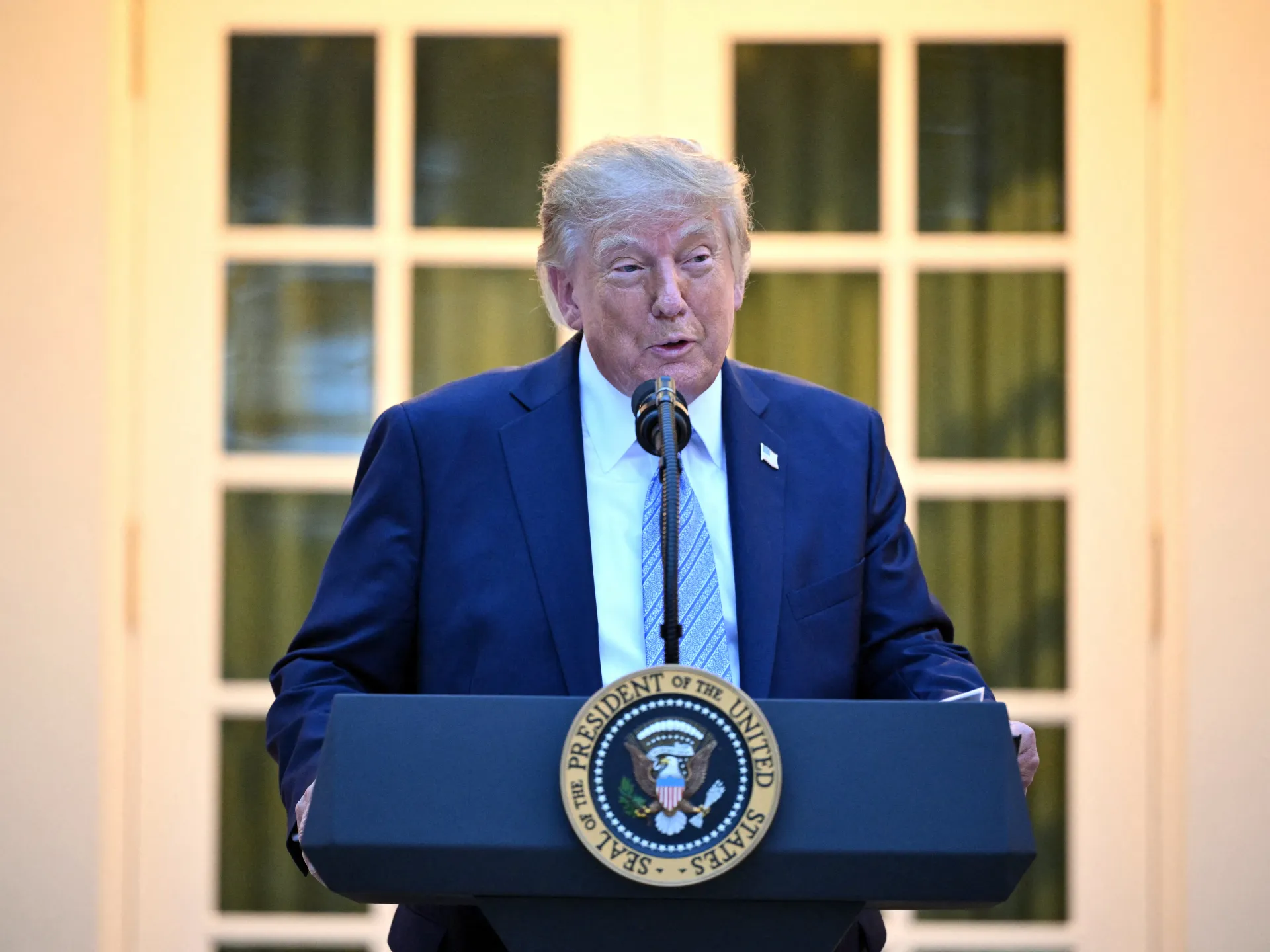
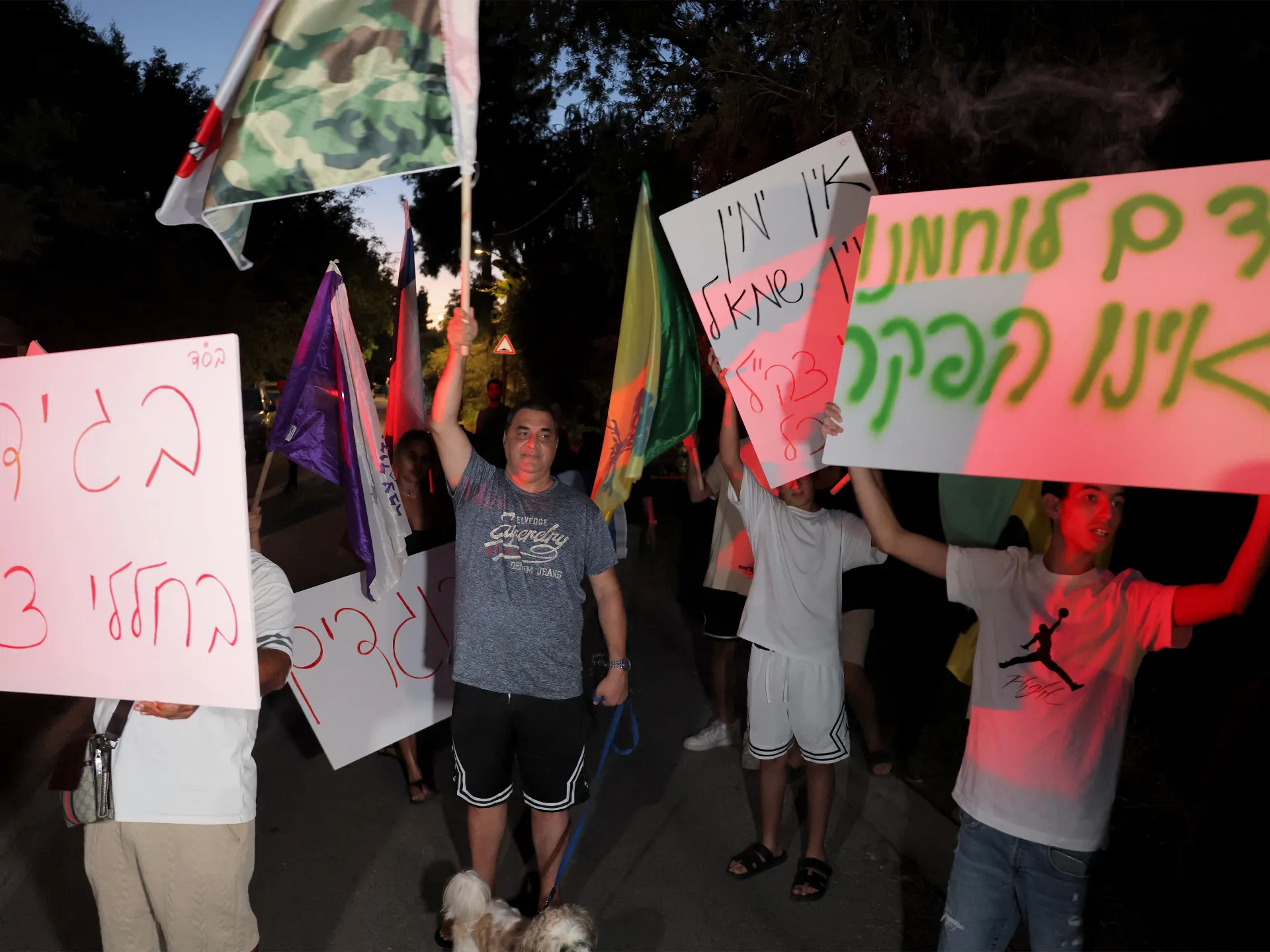
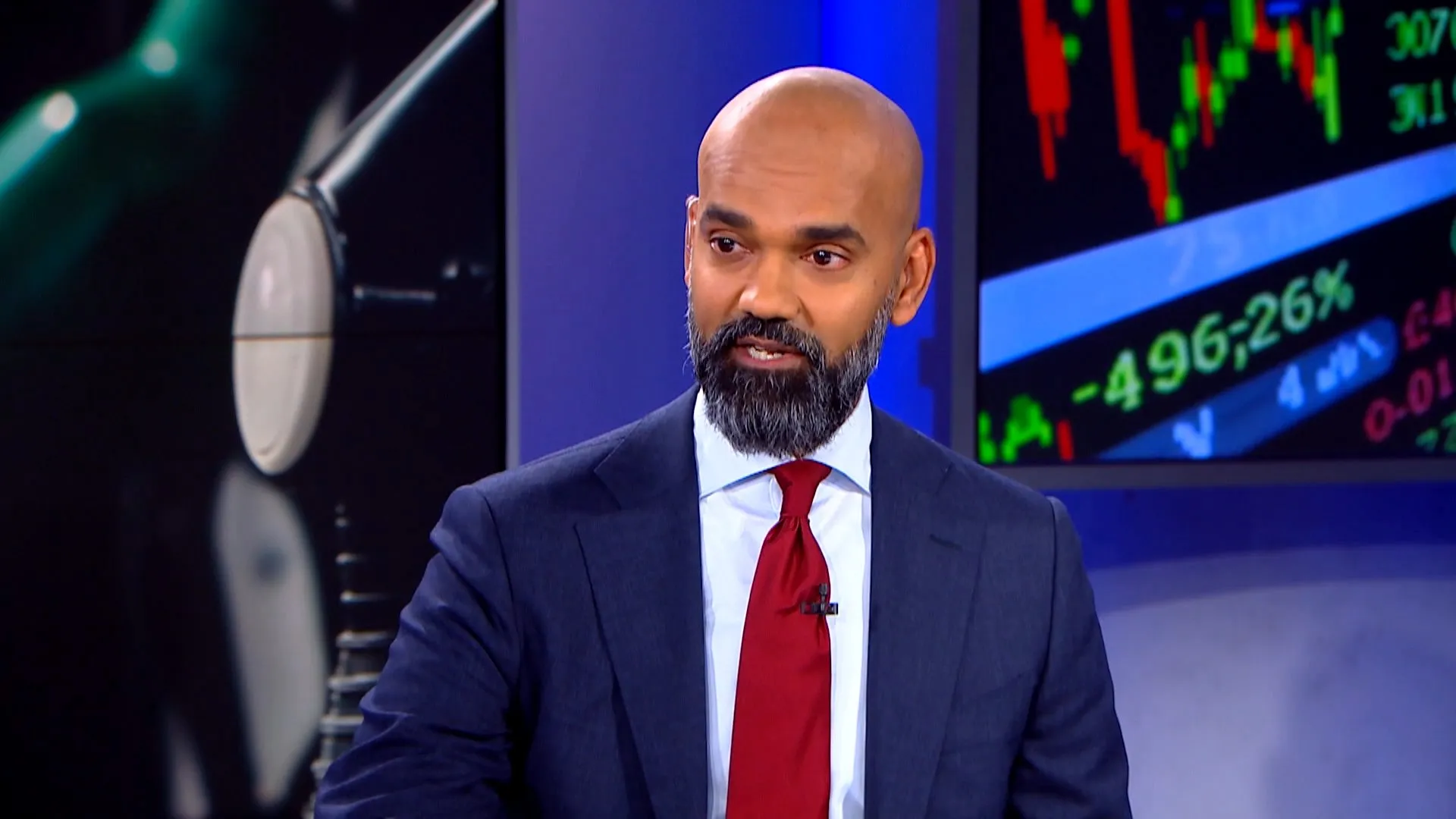
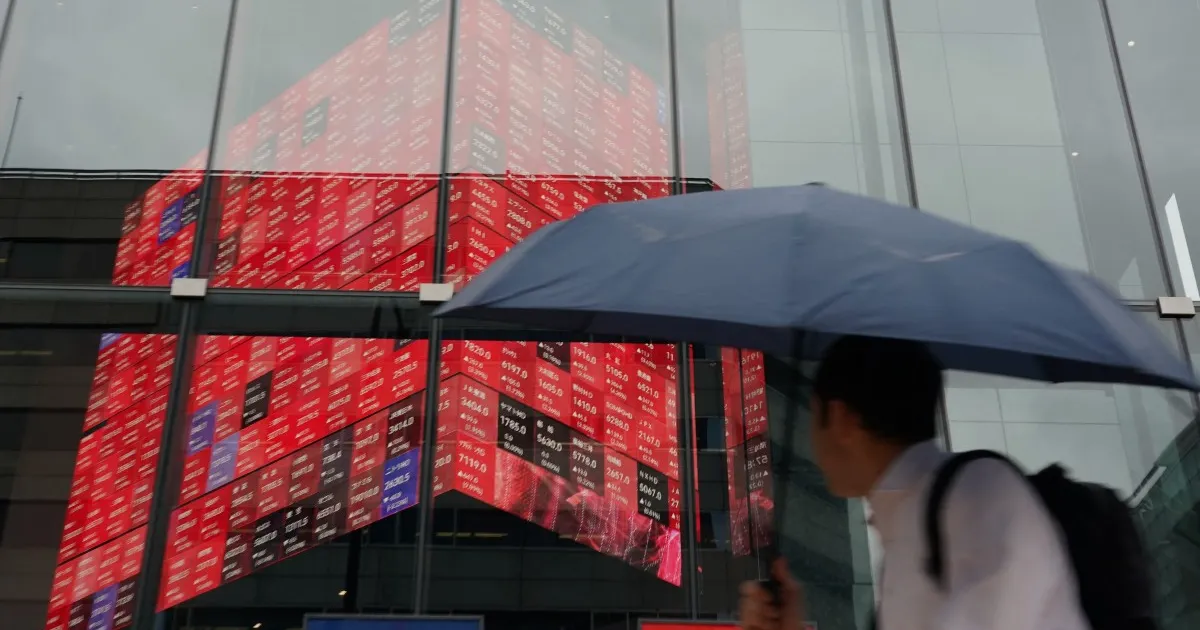
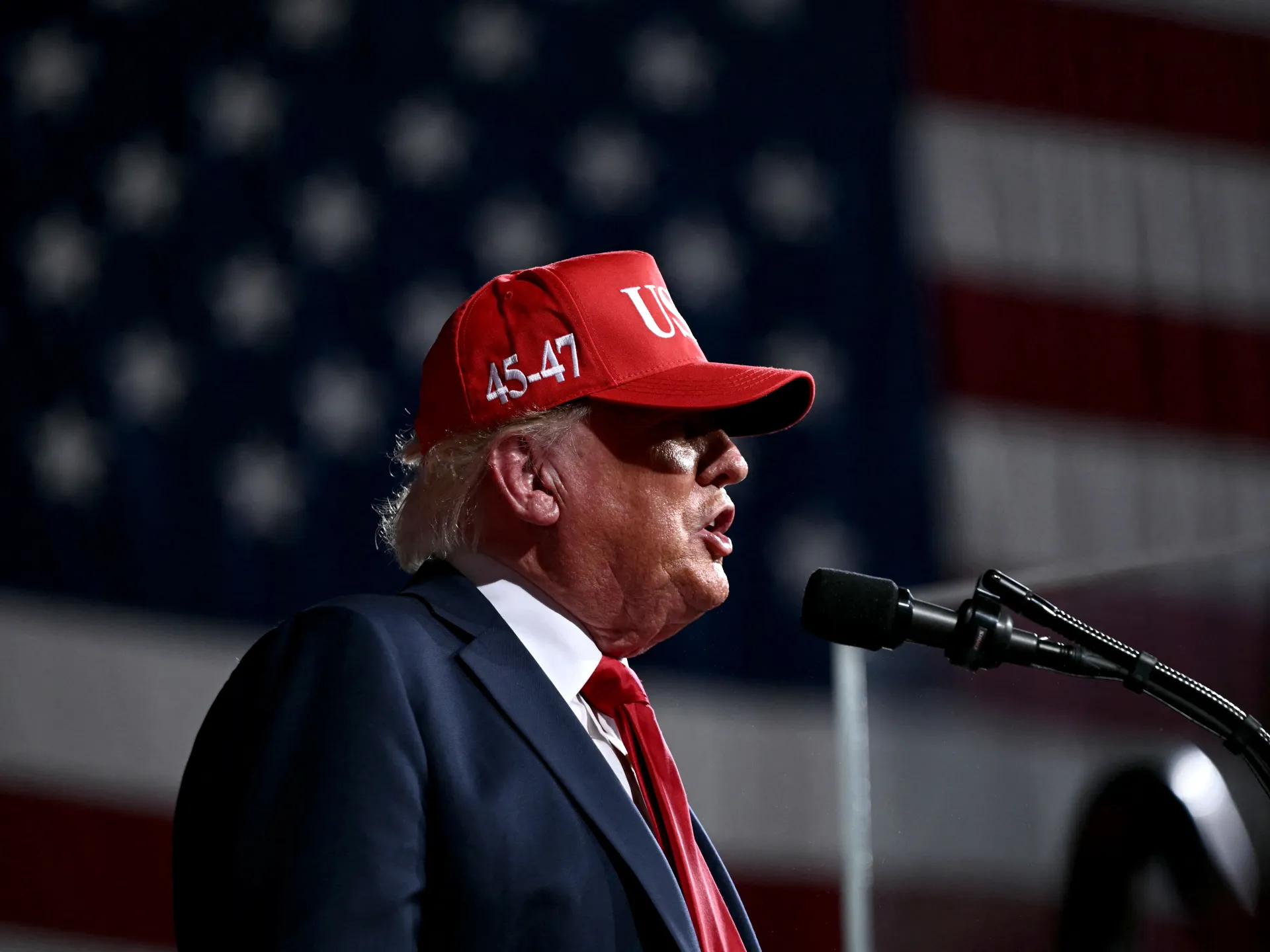
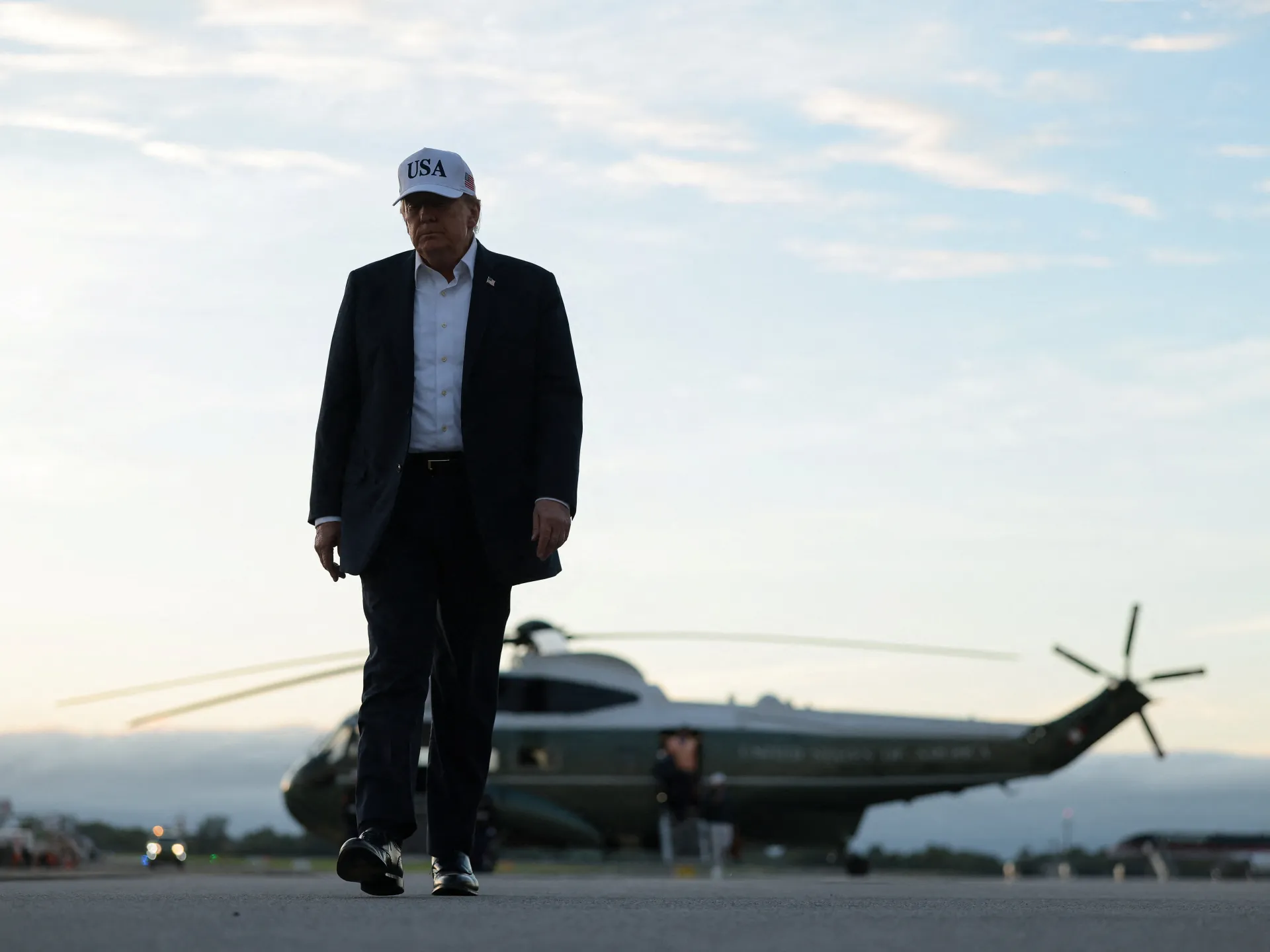
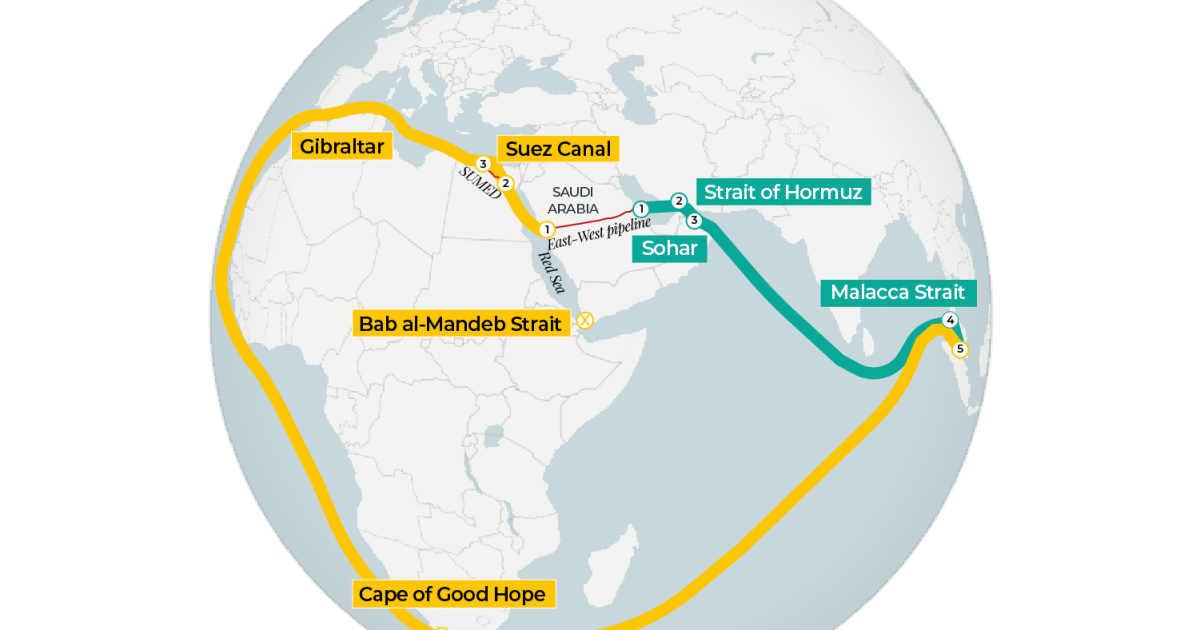
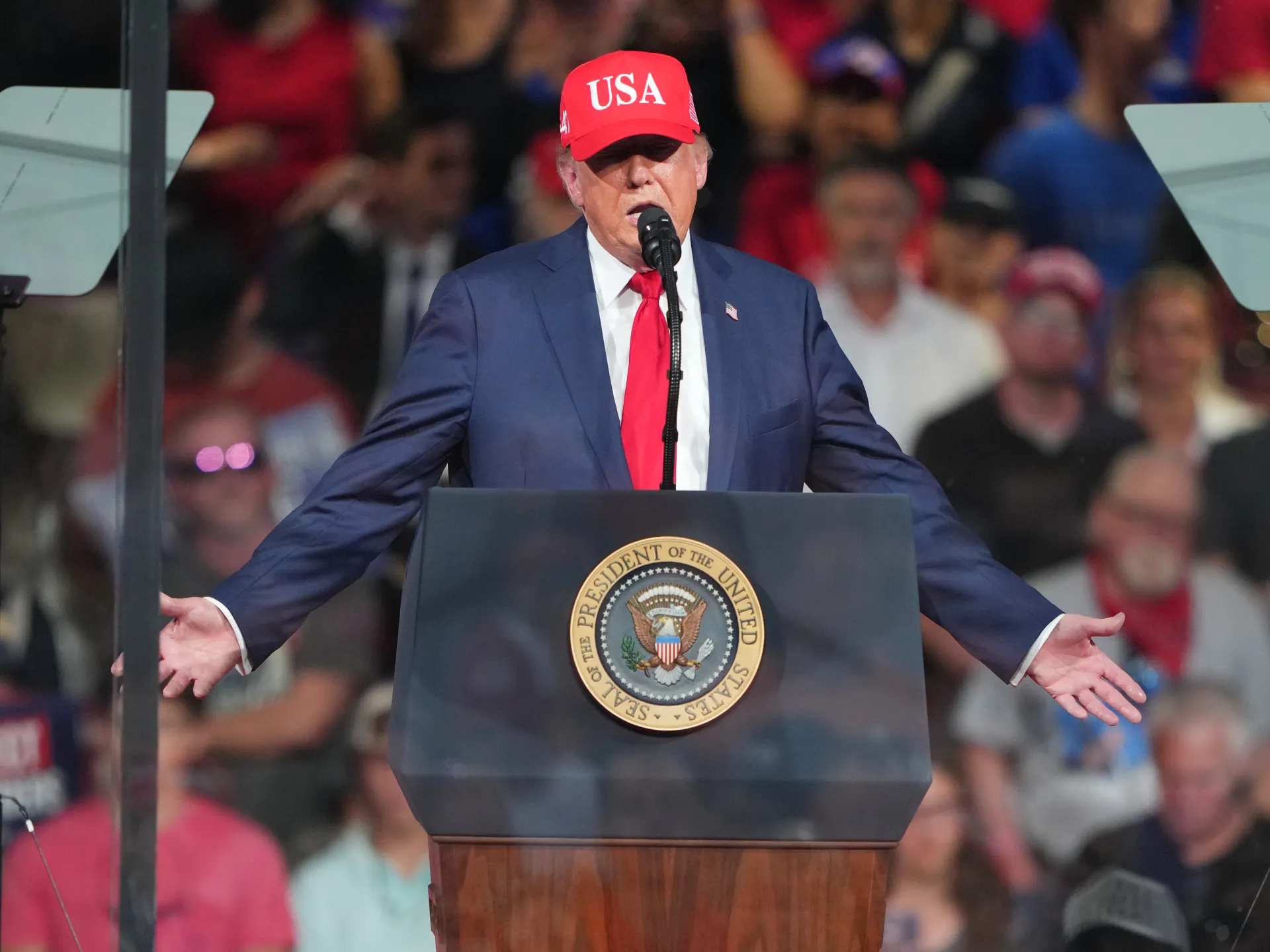
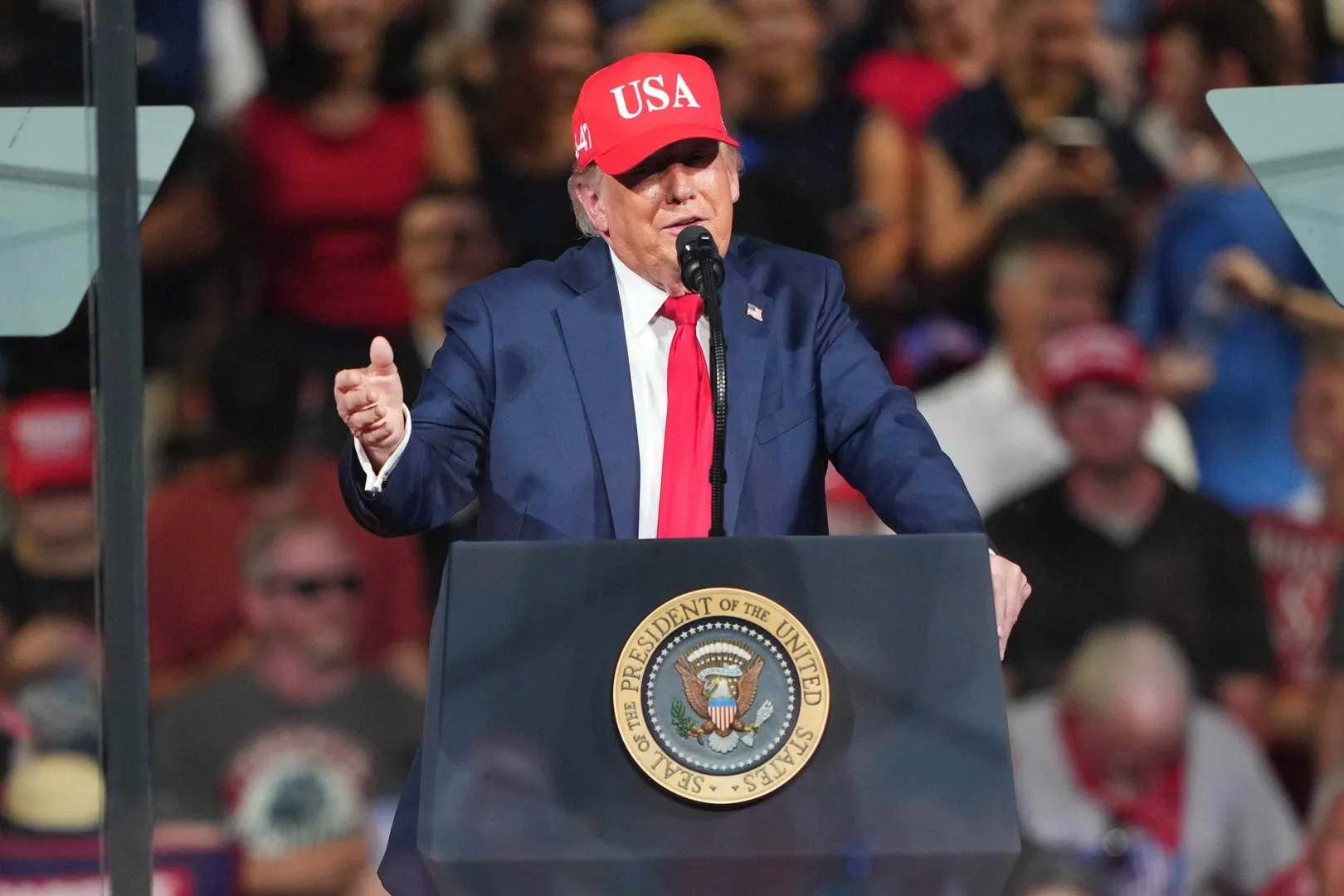
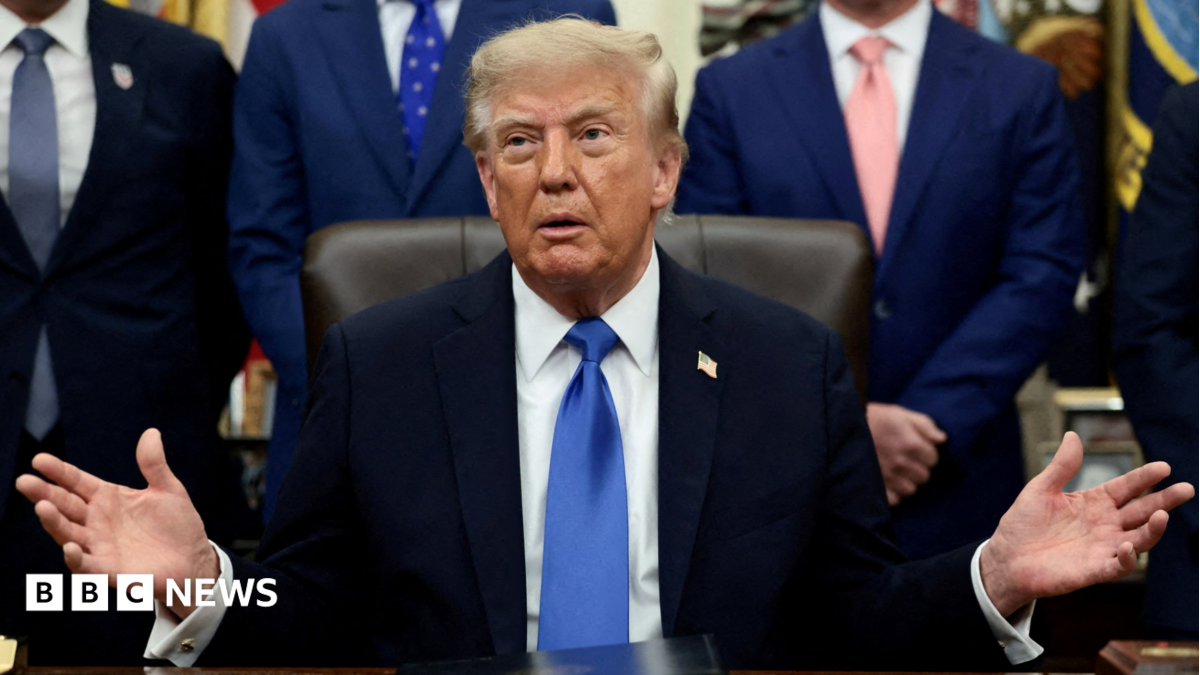
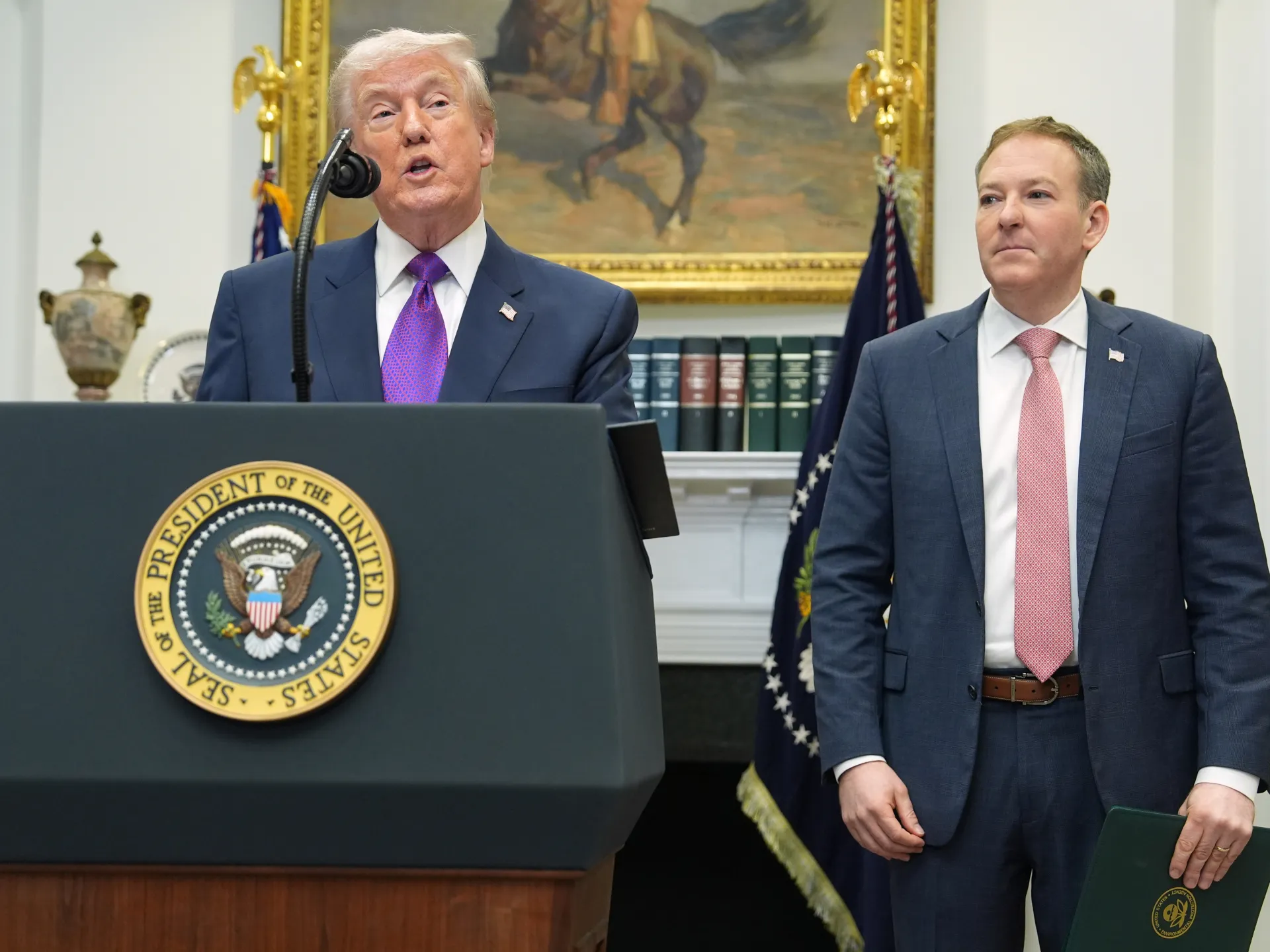
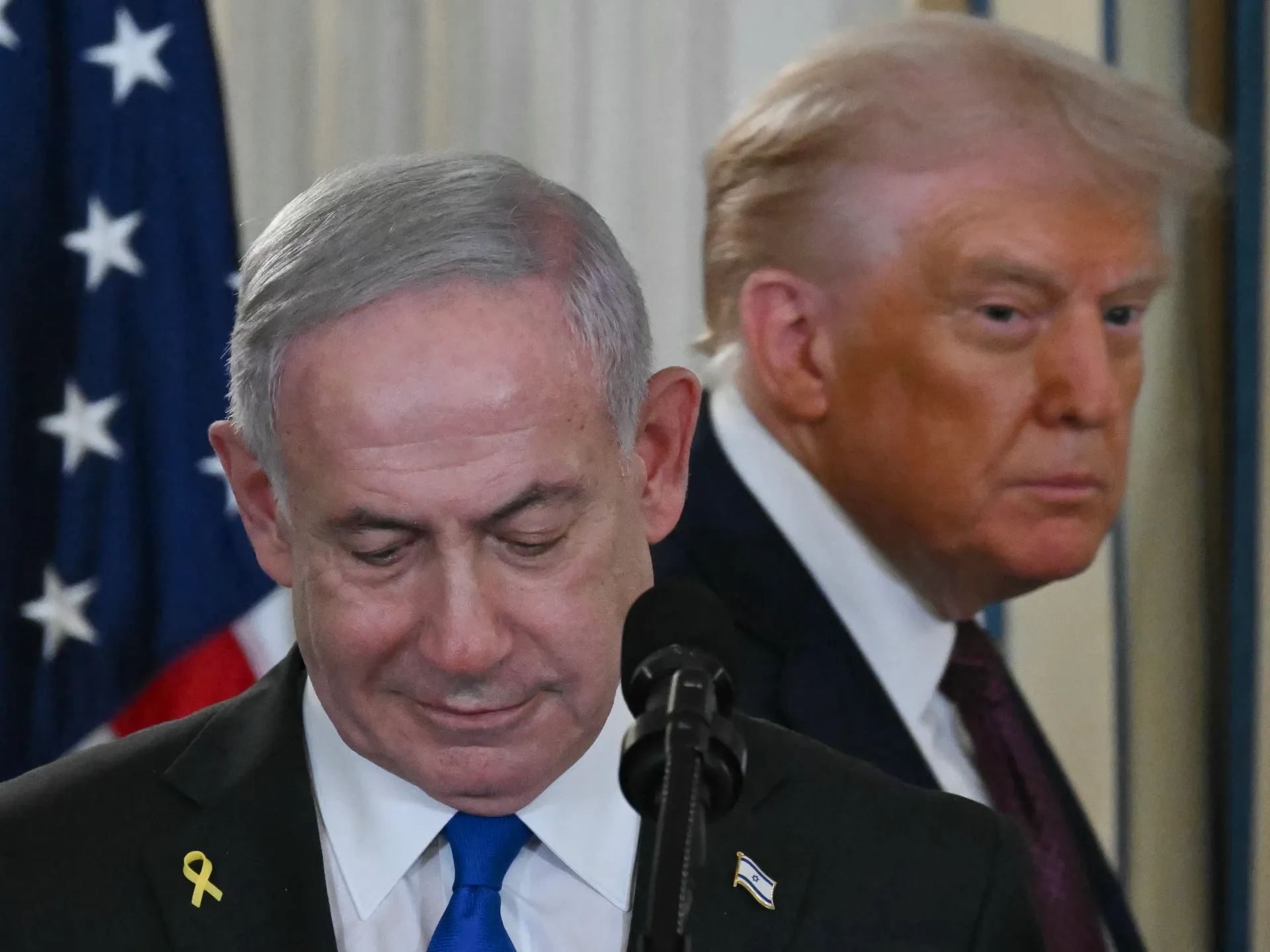
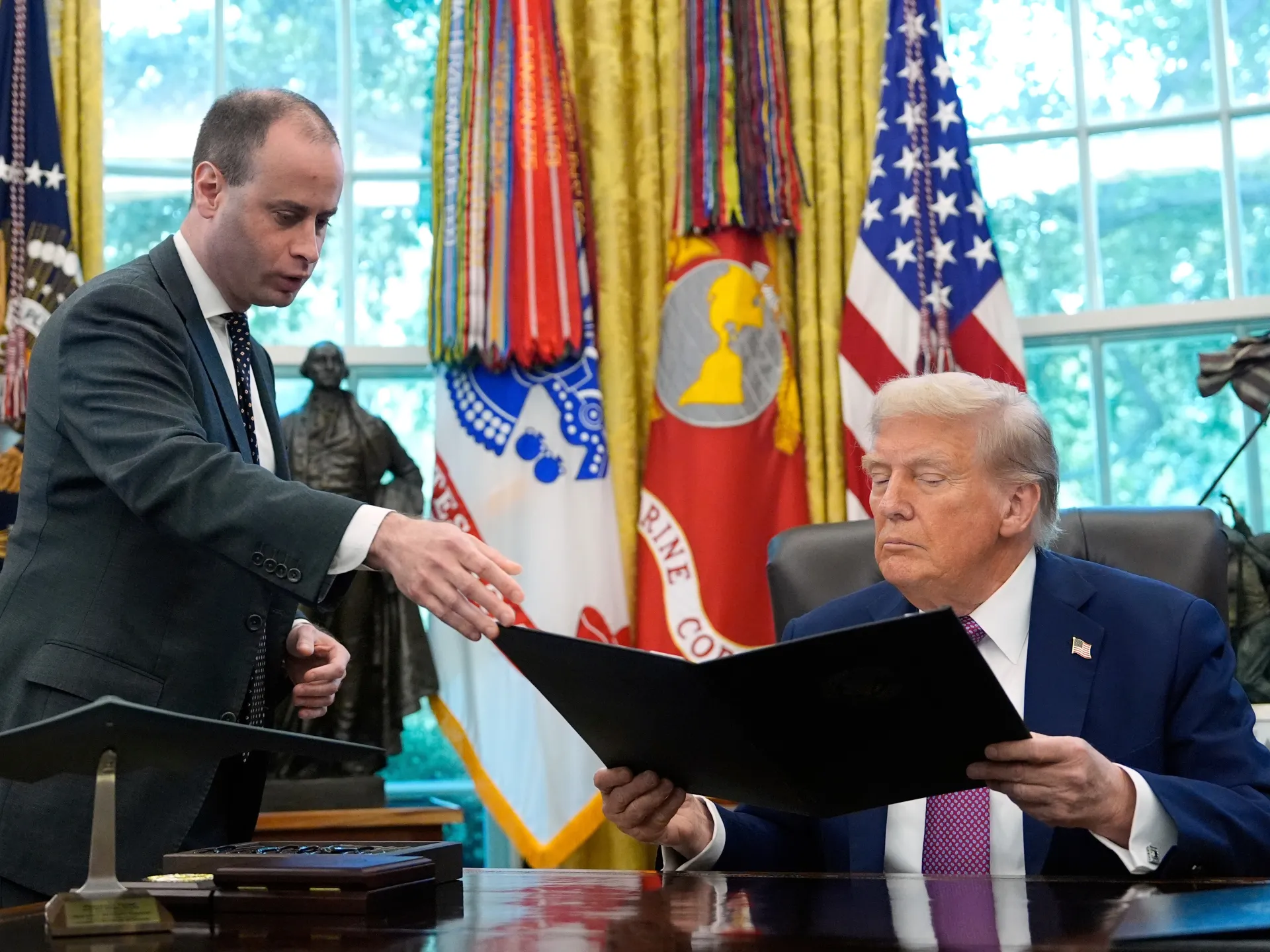
The atmosphere in New York has been dominated s of the summit. Former President Donald Trump described these discussions as “very productive,” fueling speculation regarding a shift in the status quo. However, the narrative remains contested; while the American side suggests the potential for further engagement, Iranian representatives have officially denied that any preconditions for these talks were dropped. The market impact was immediate, with Brent crude oil prices dipping below $100 per barrel for the first time in two weeks, reflecting investor hope that diplomatic progress might avert a broader conflict in the region.
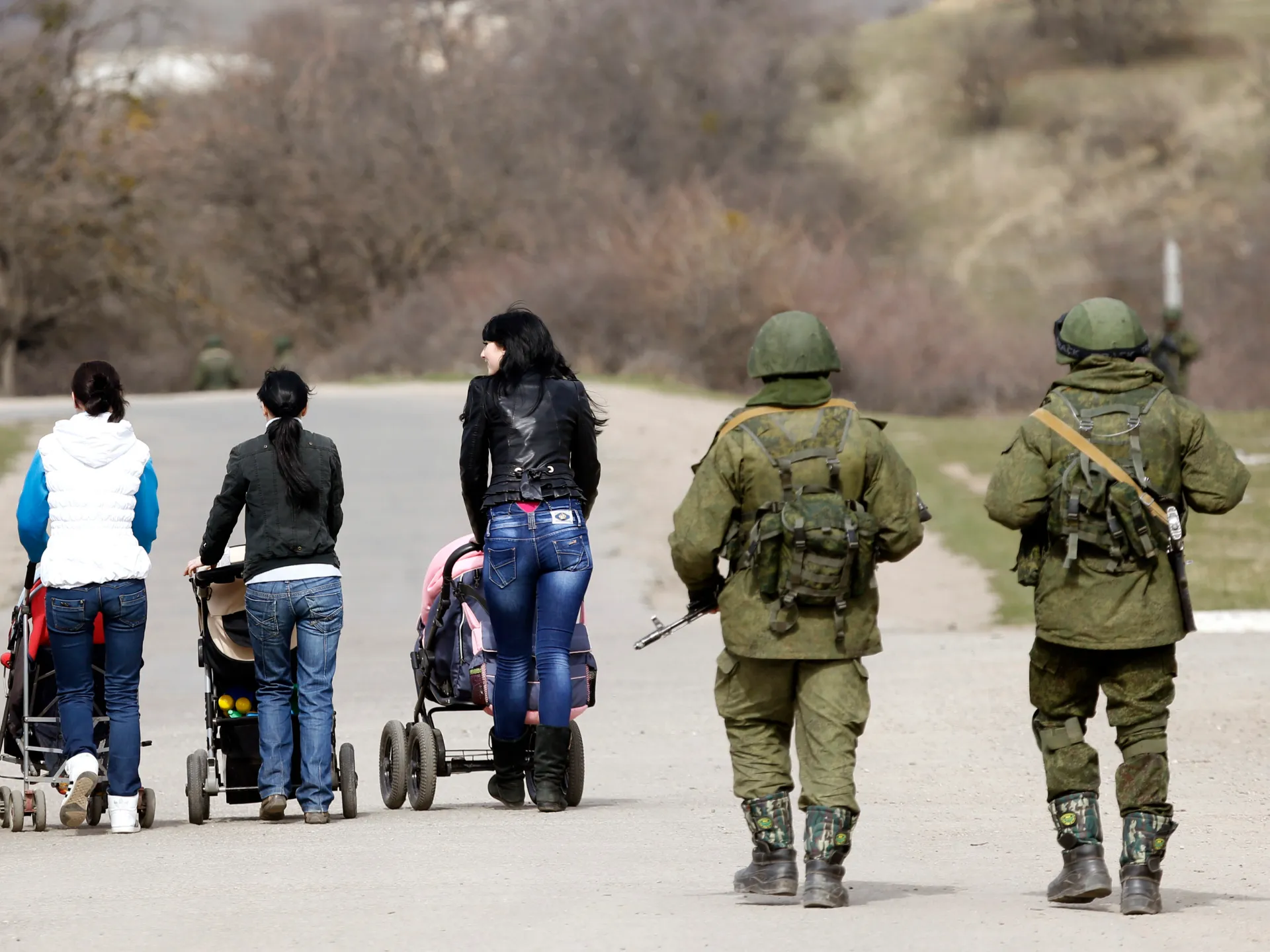
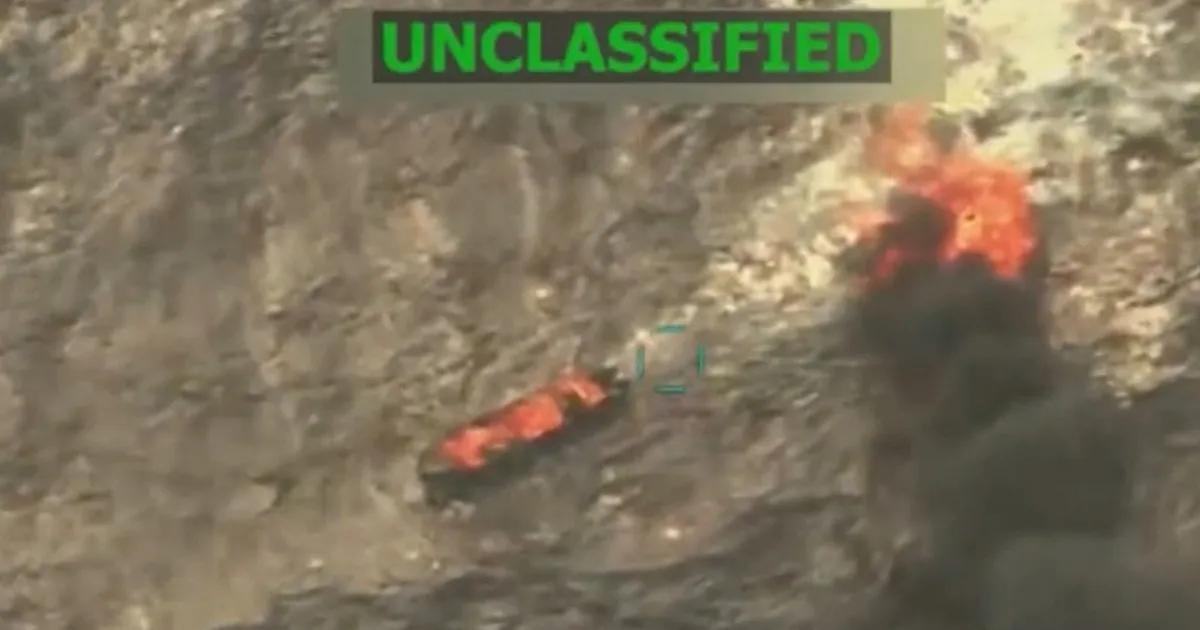
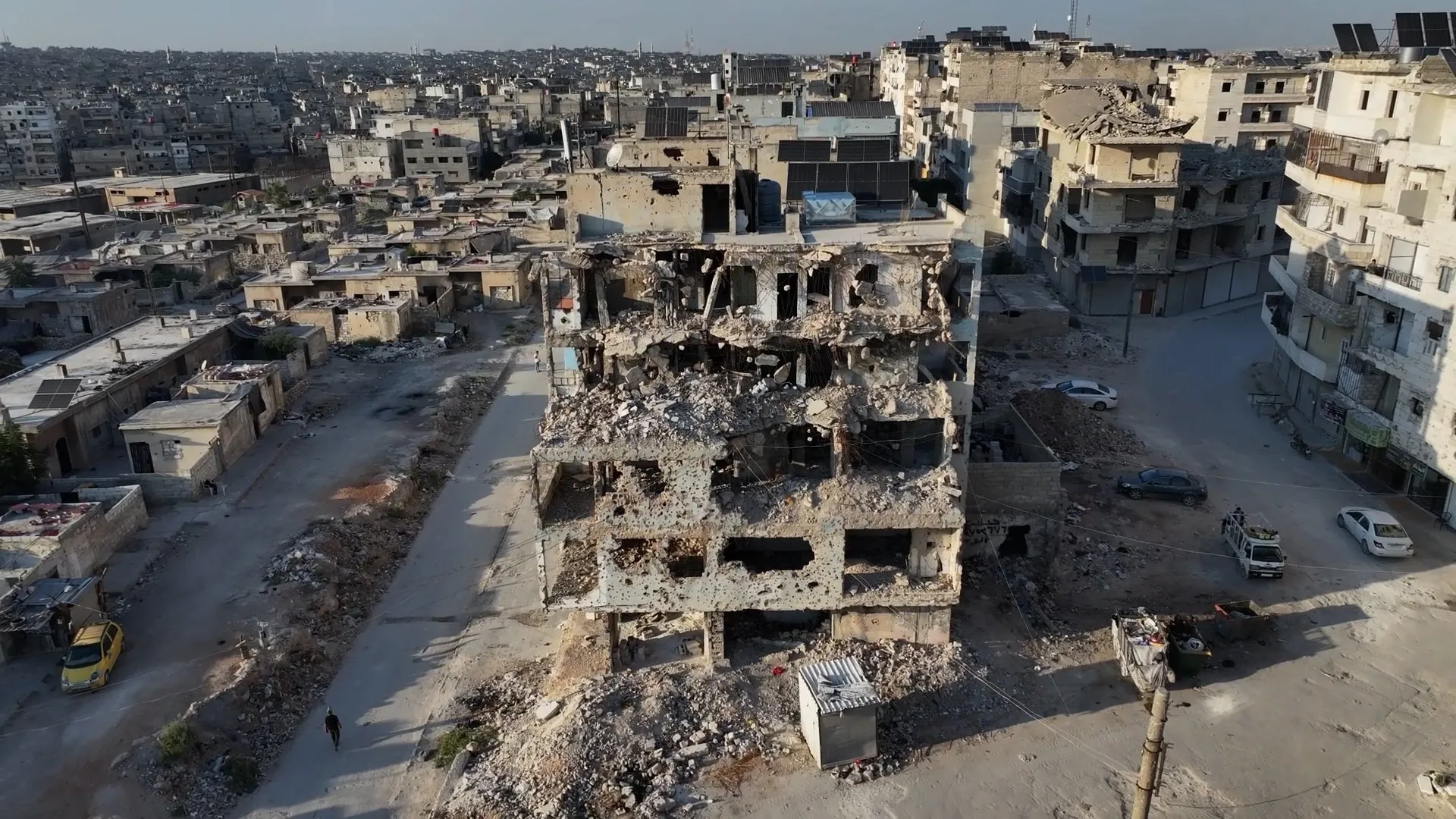
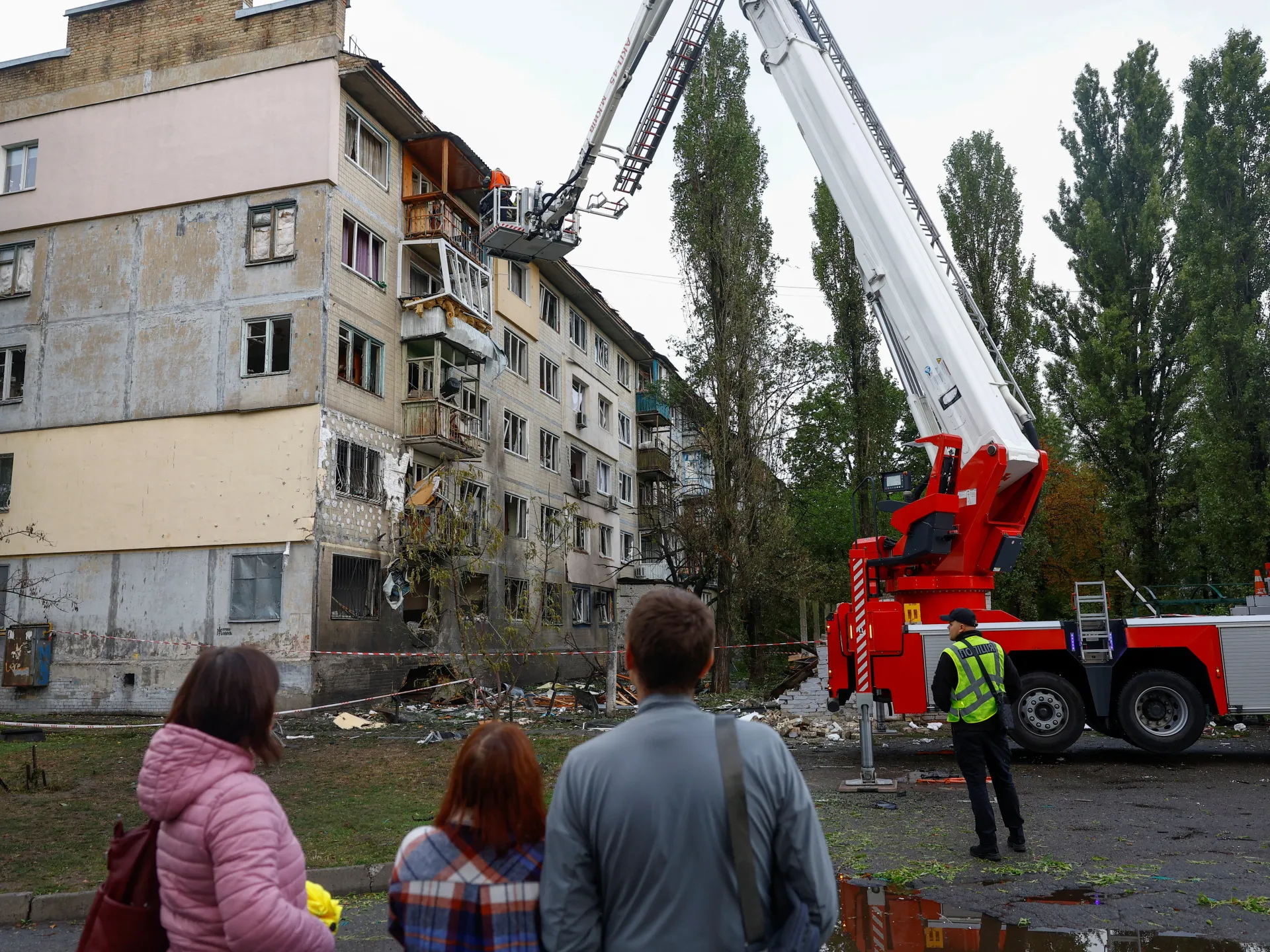
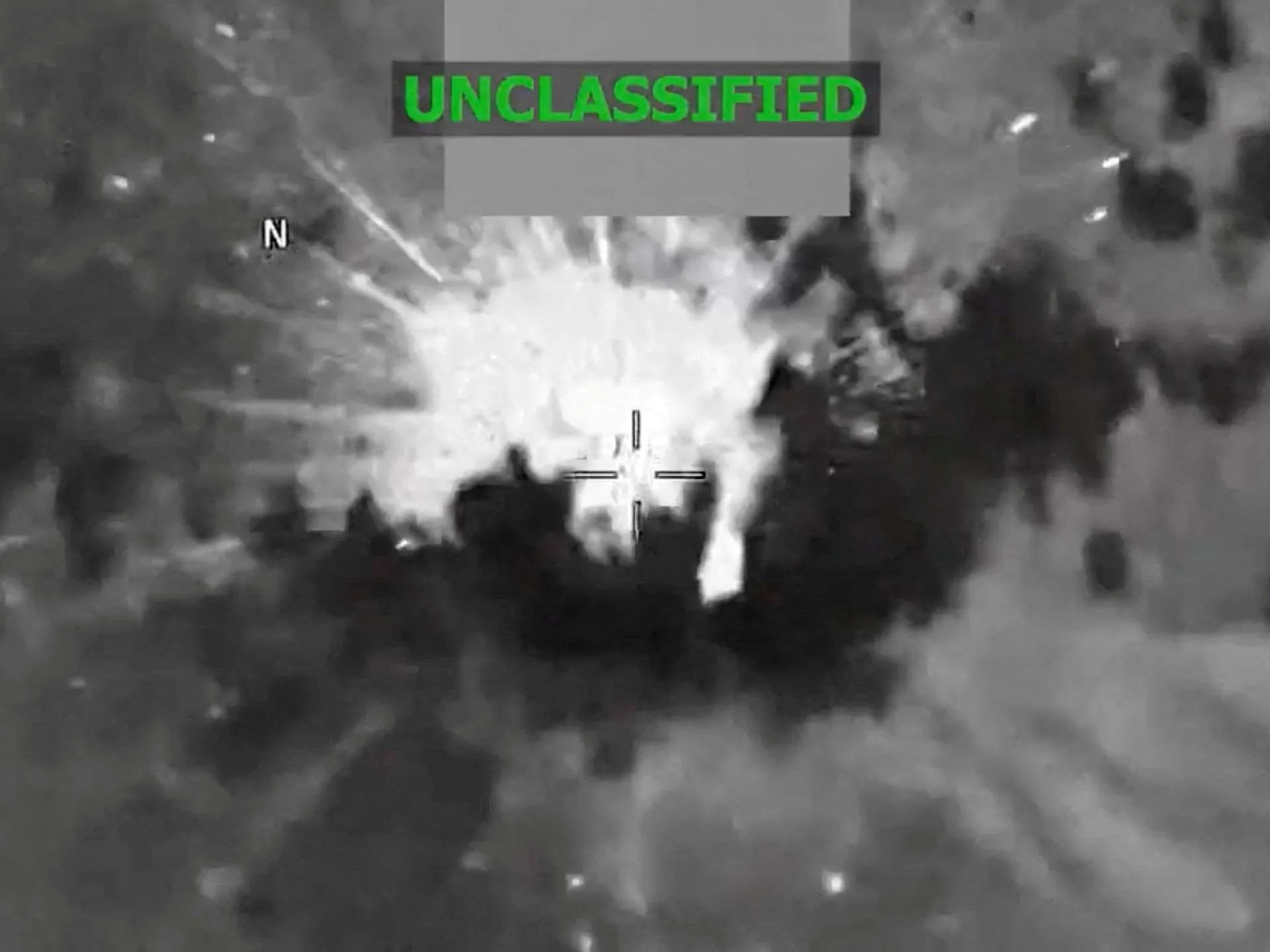
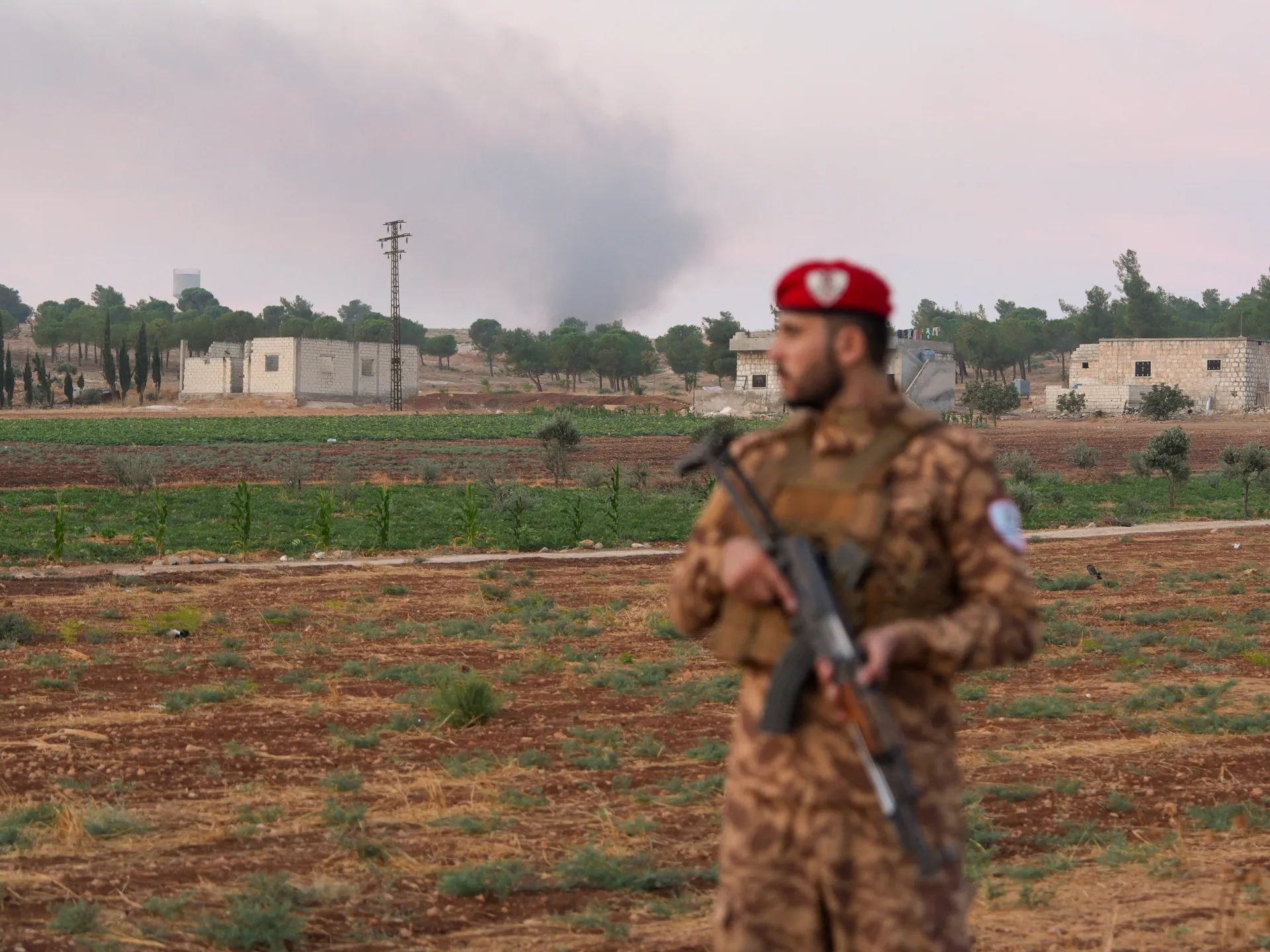
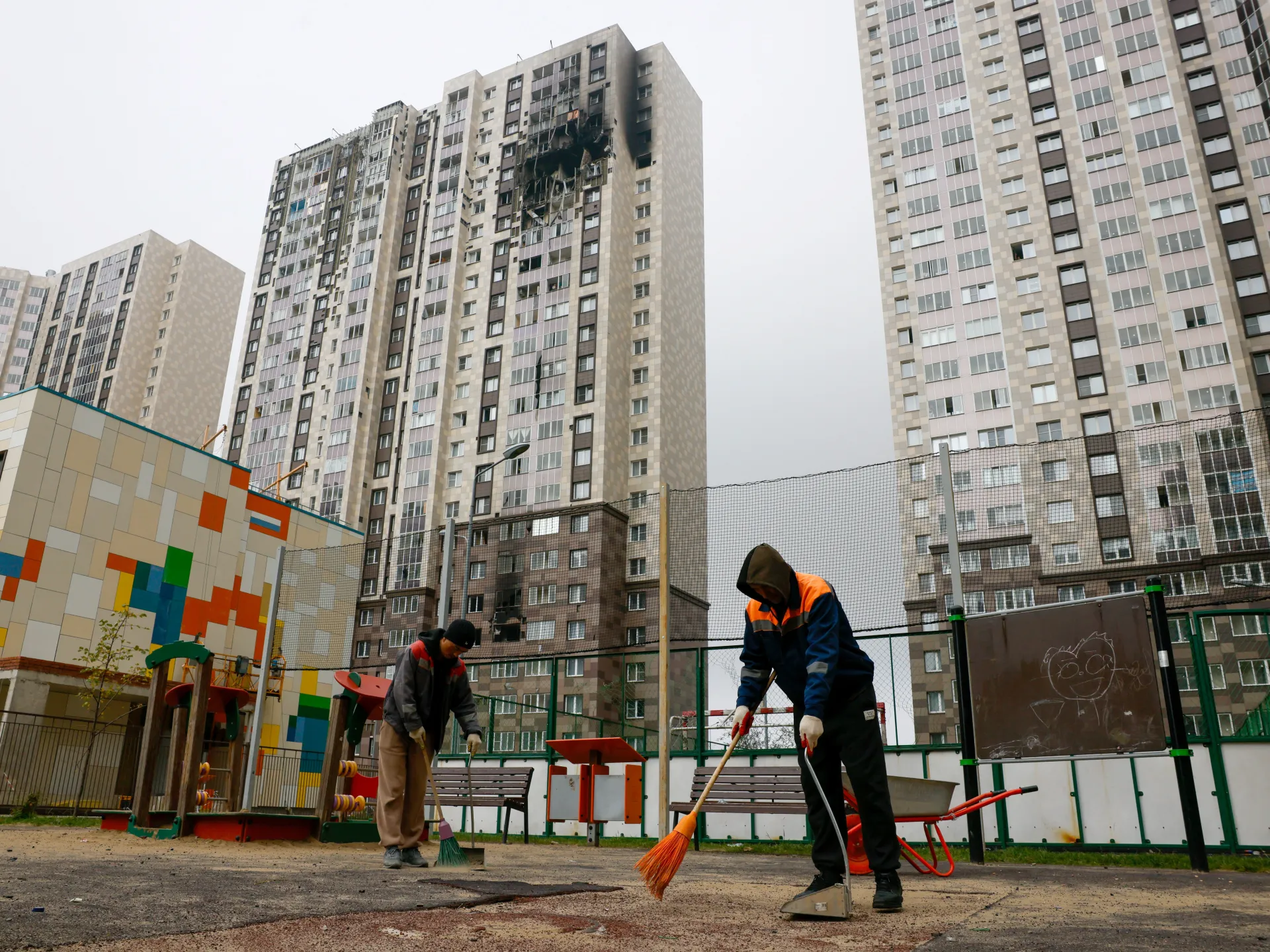
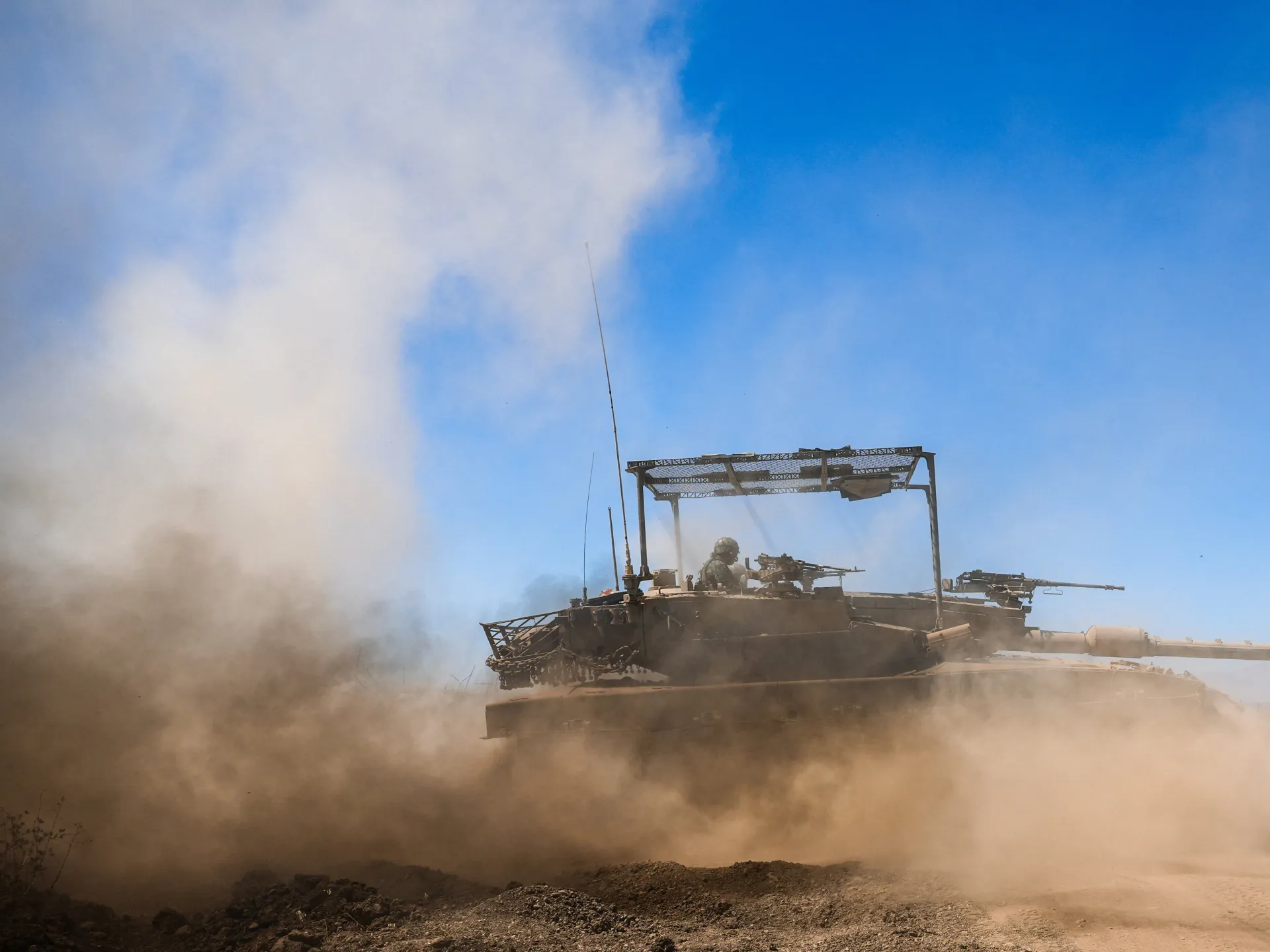
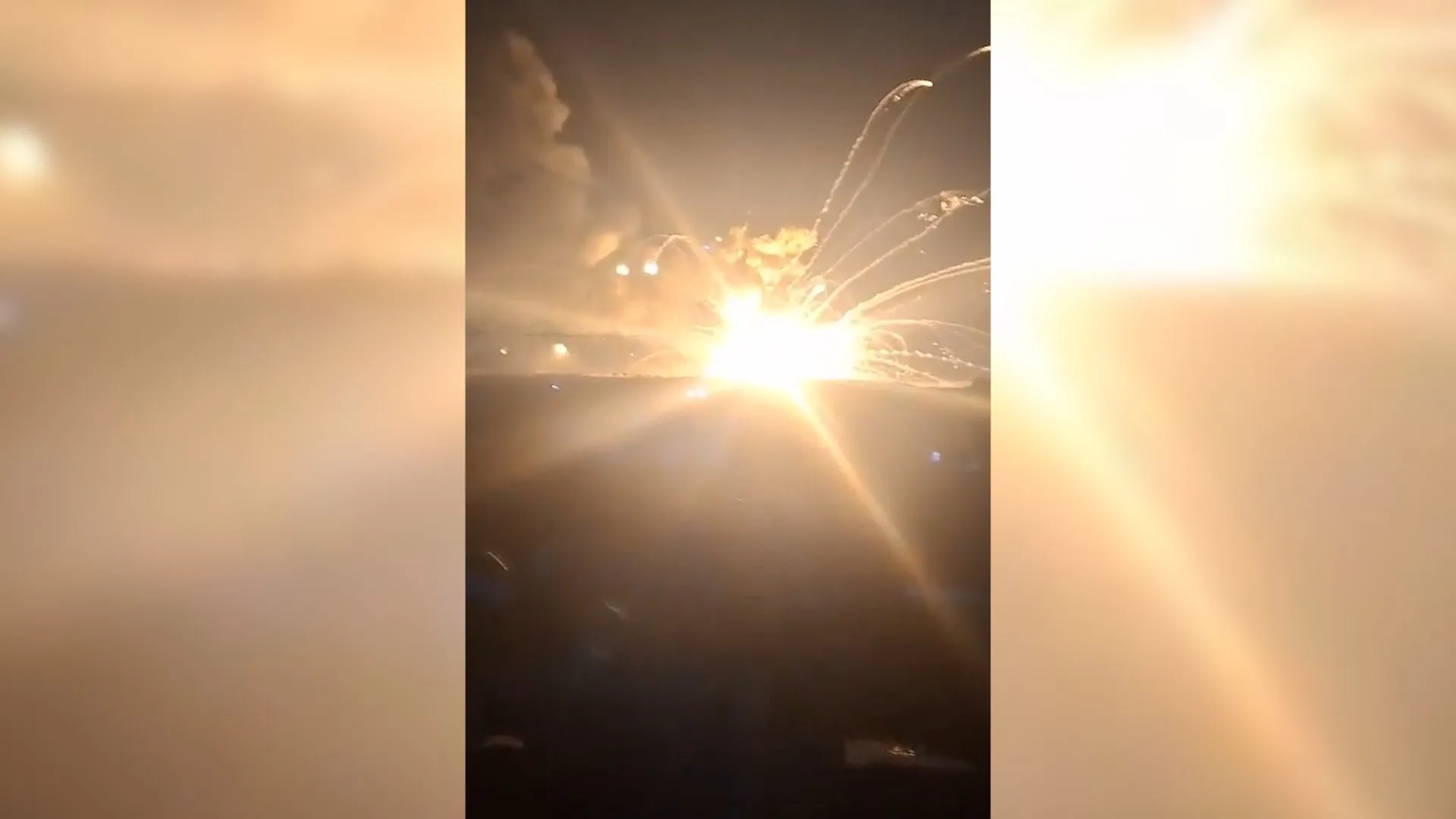
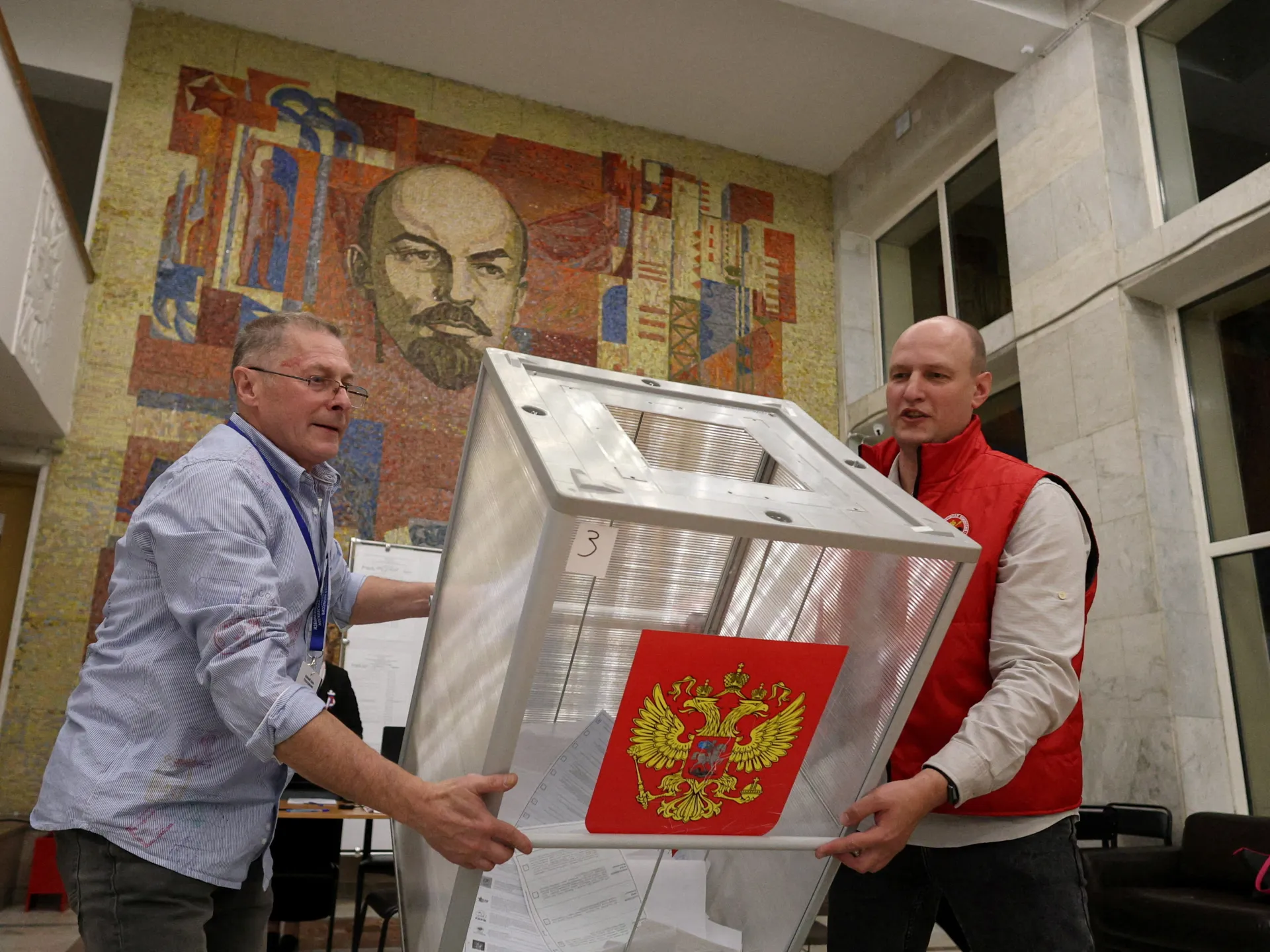
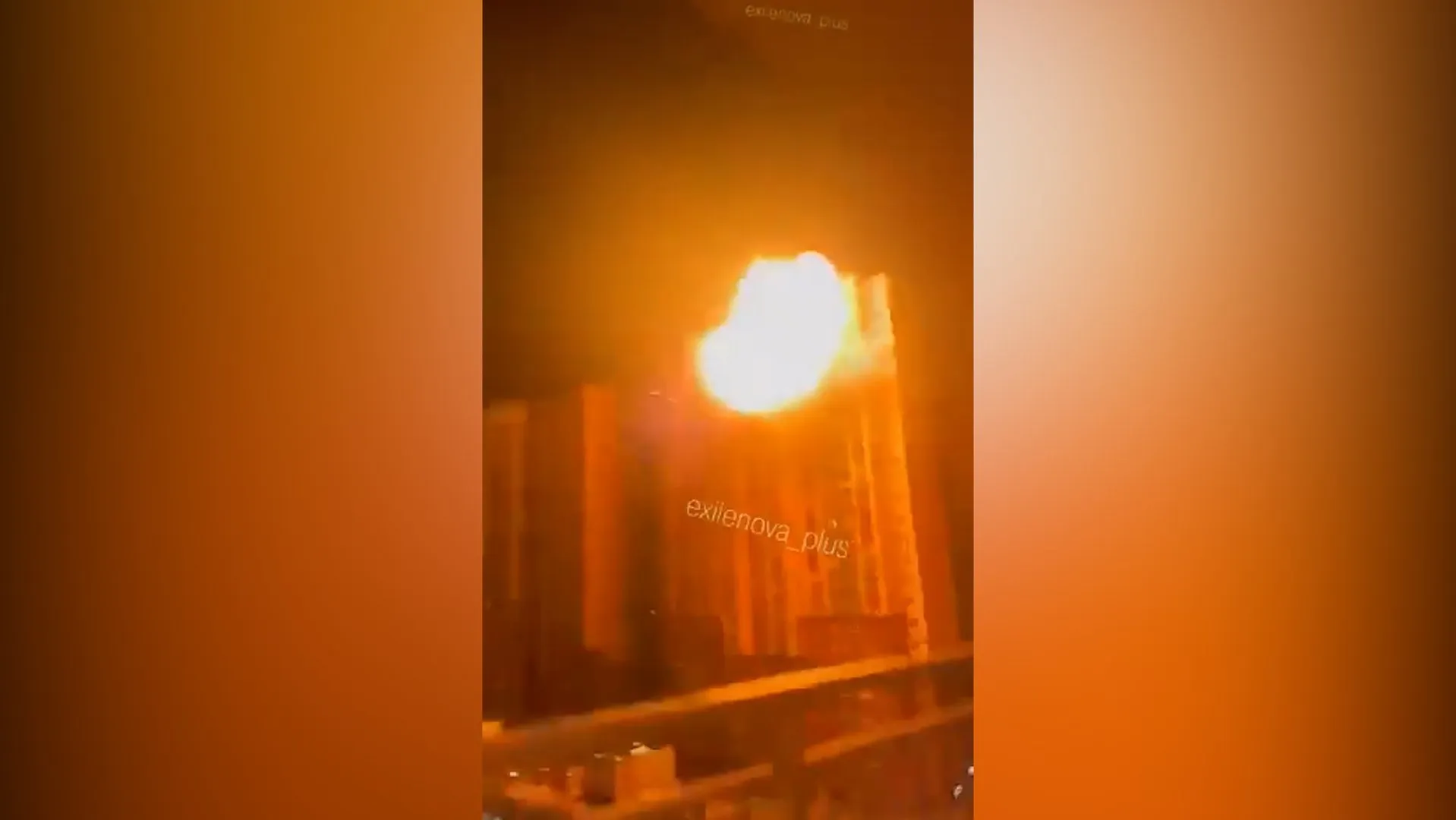
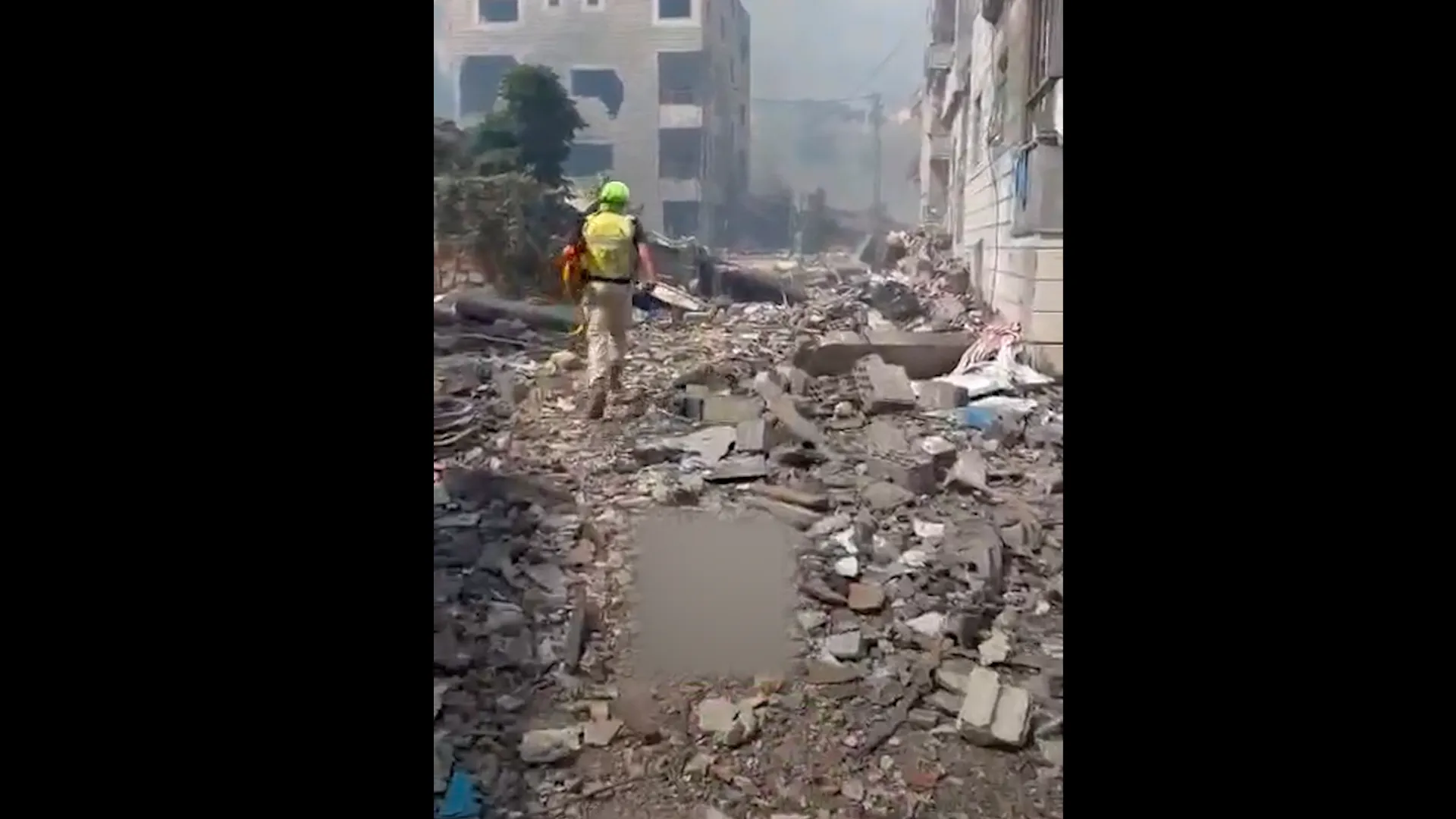
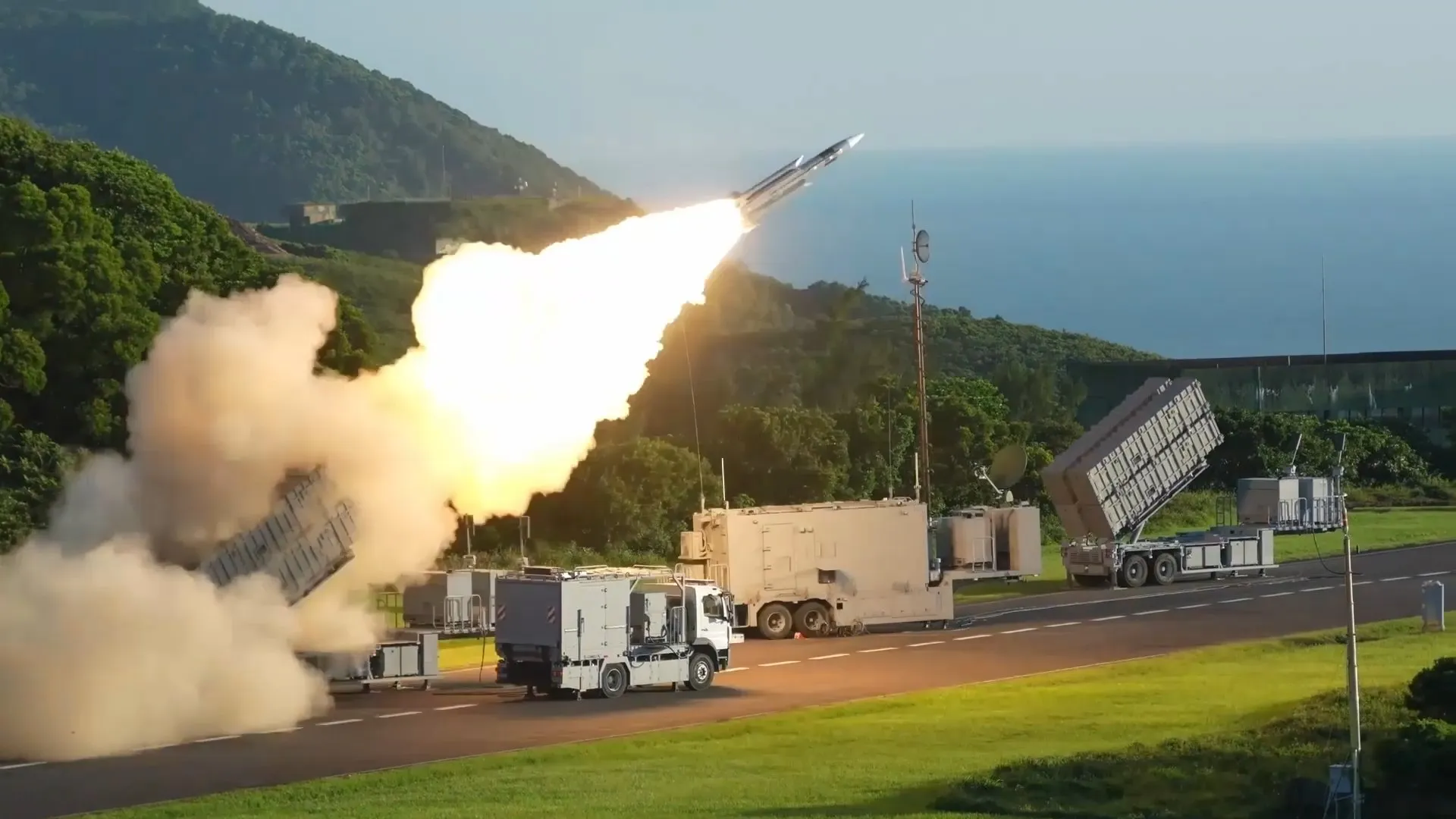
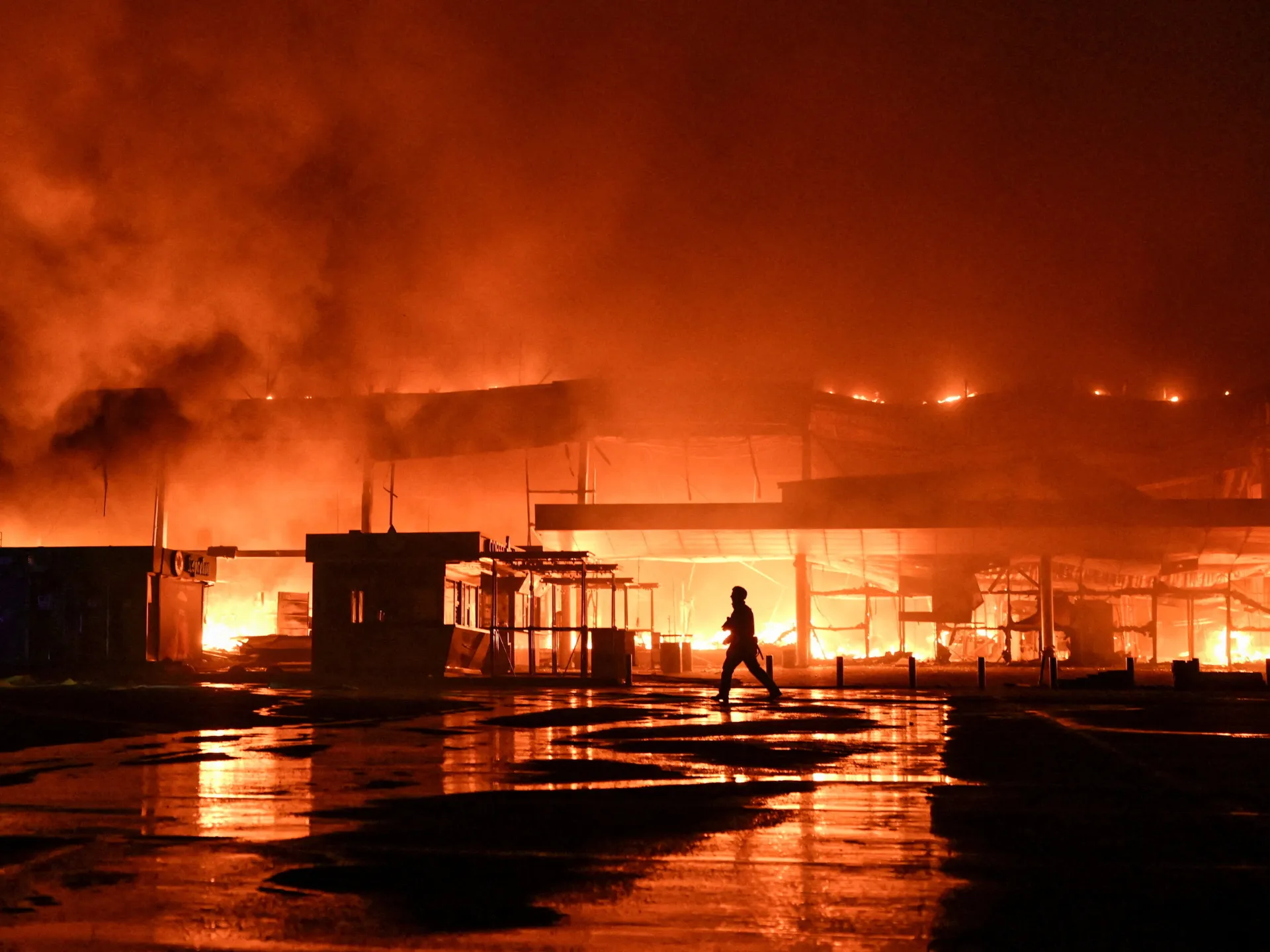
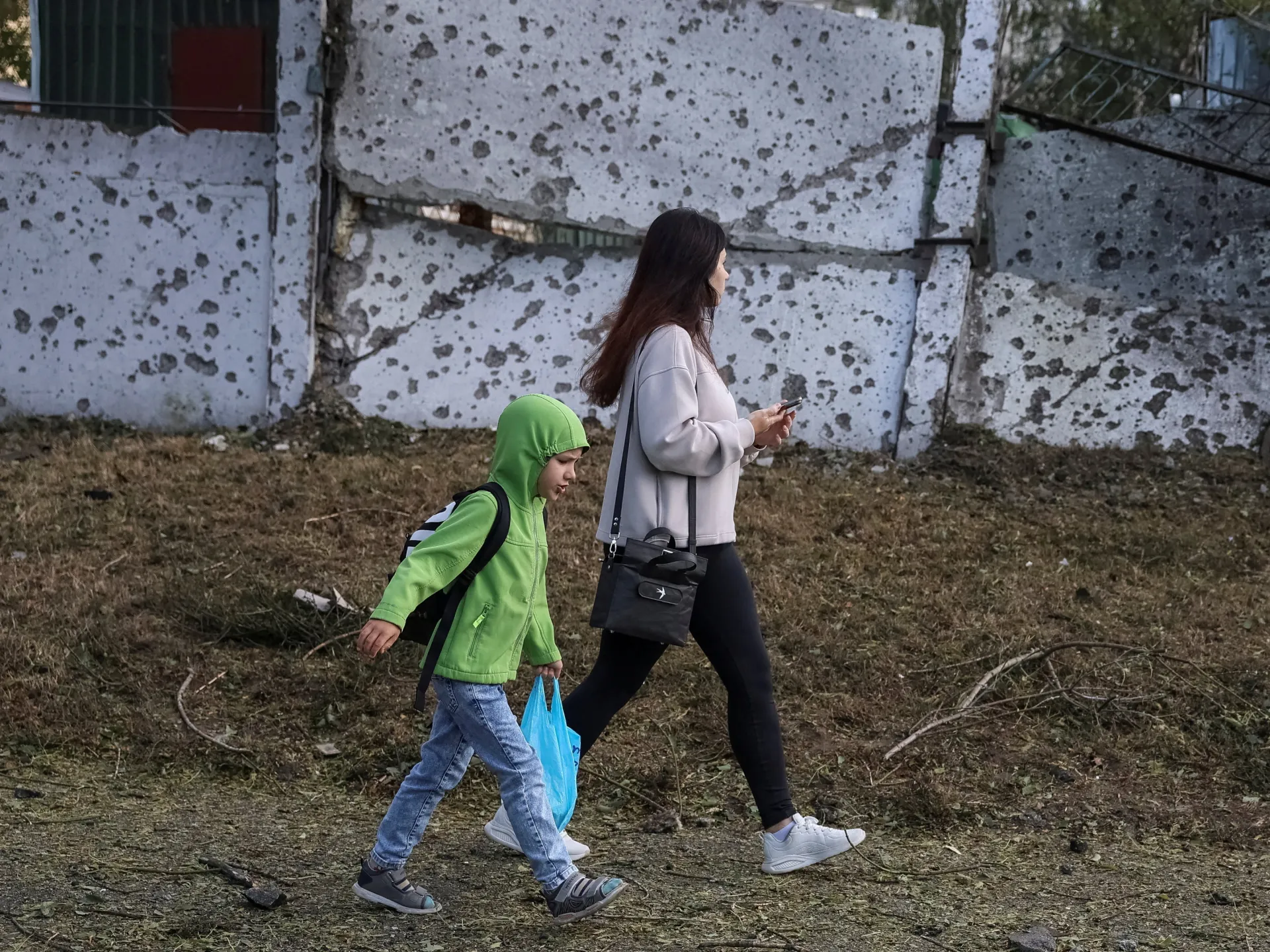
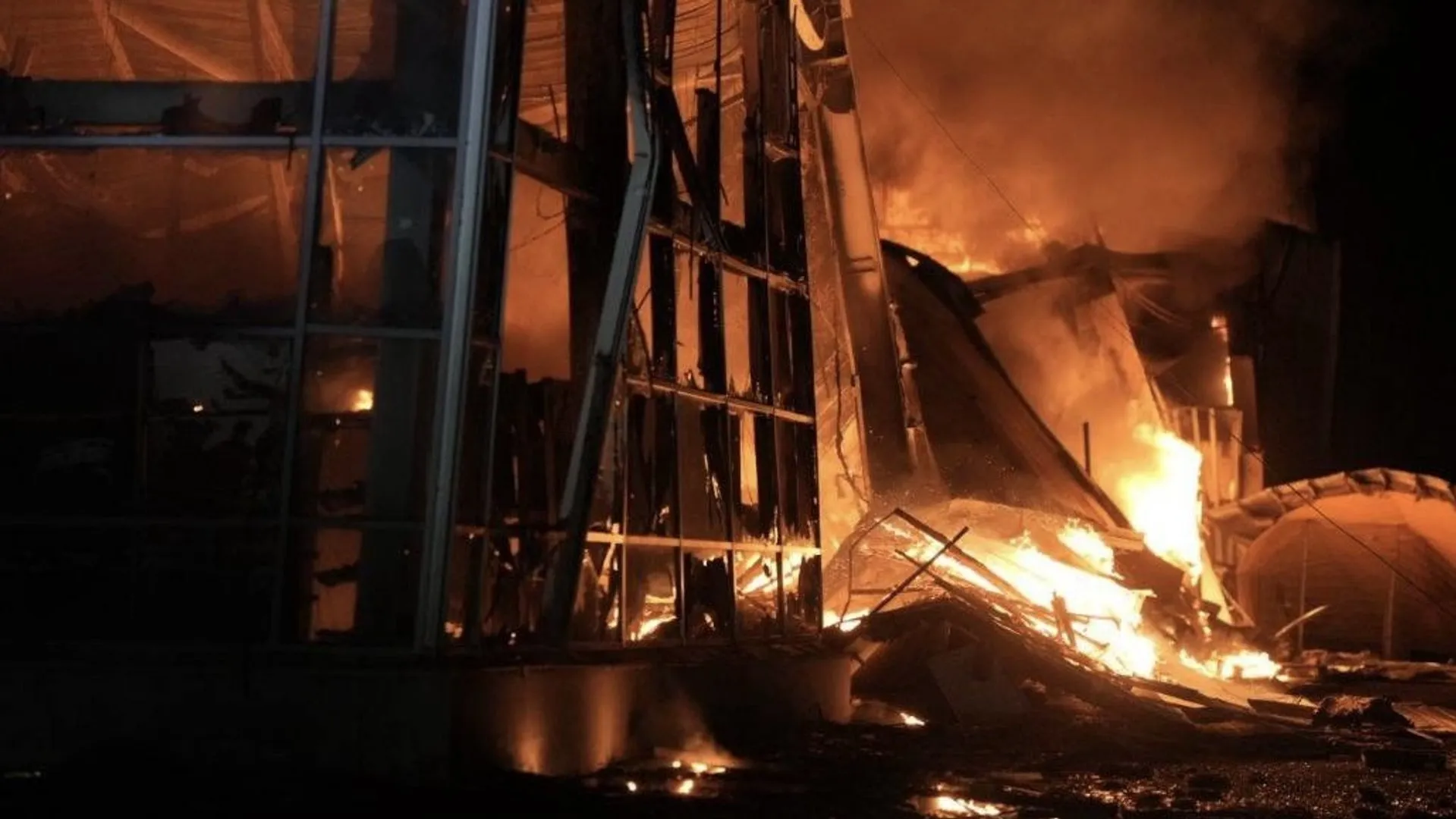
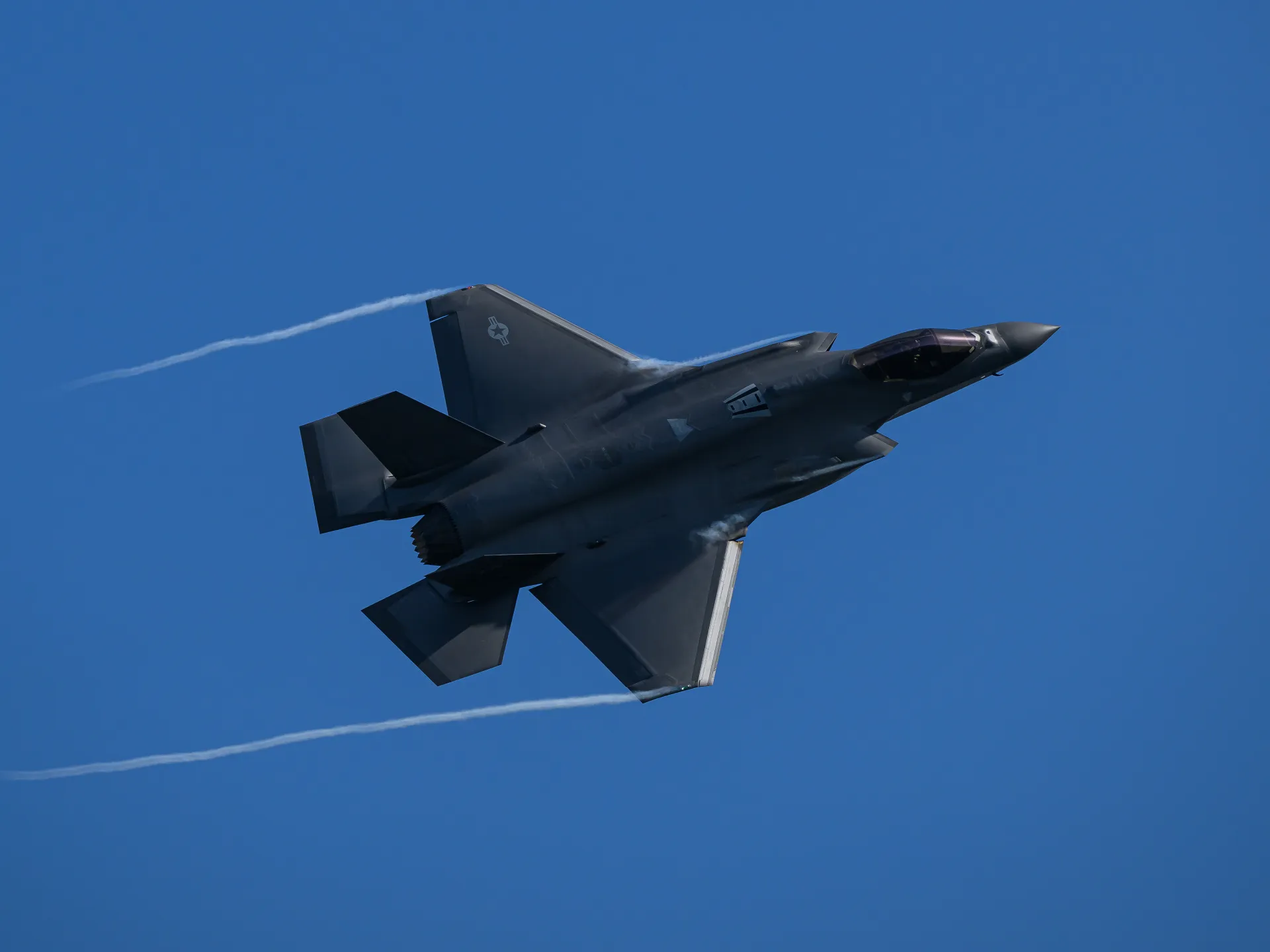
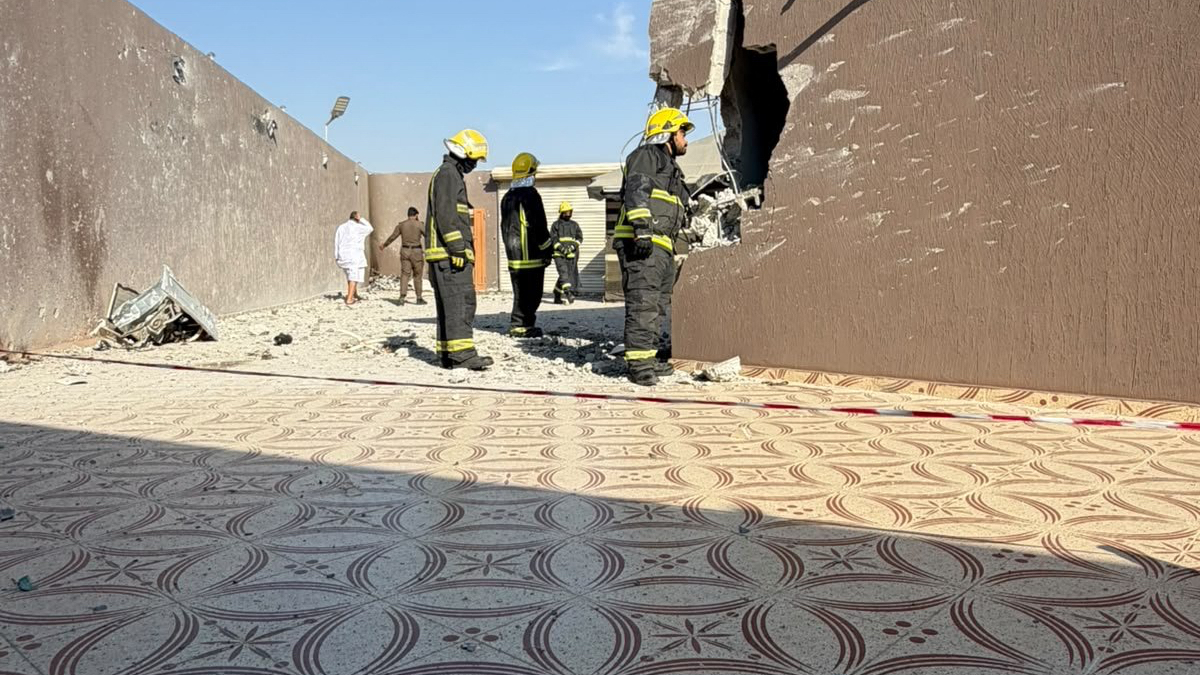
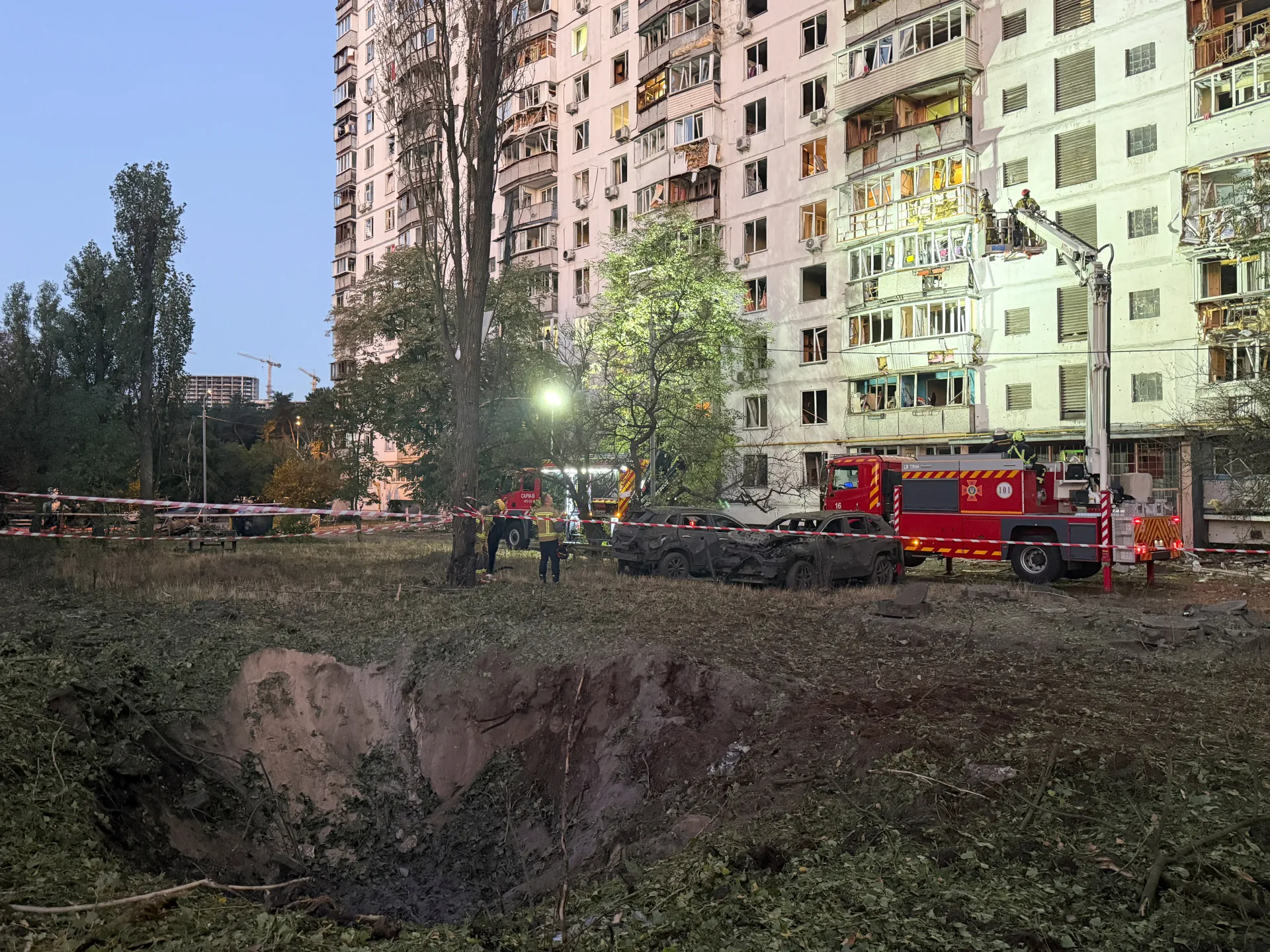
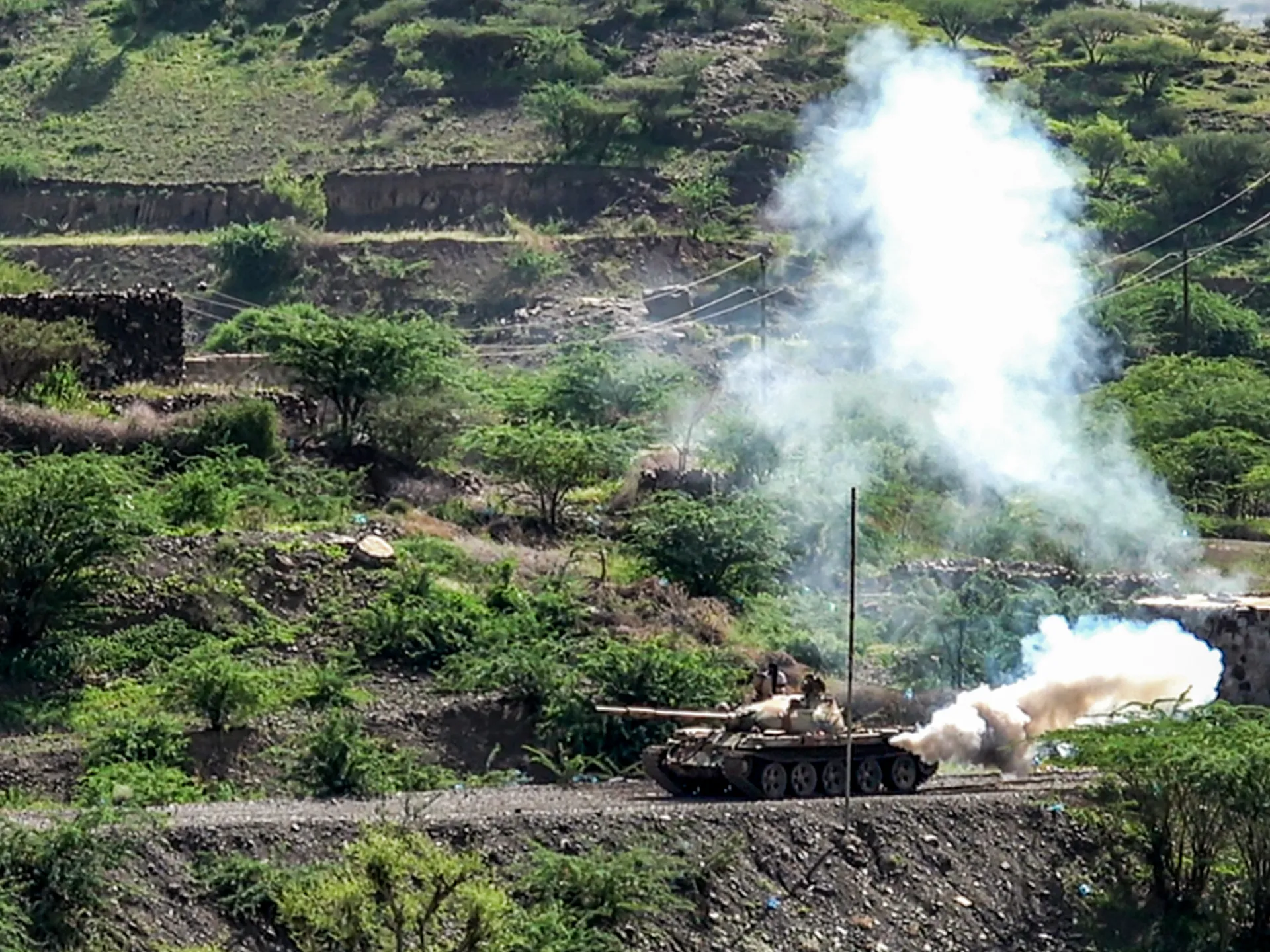
Parallel to these discussions, the assembly witnessed a hardening of stances regarding the ongoing war in Ukraine. President Volodymyr Zelenskyy utilized his platform to issue a stark warning to the international community, urging a collective response to Russian military aggression. His address, delivered shortly after a series of severe strikes on Kyiv, characterized the situation as a precursor to a potentially unprecedented arms race. The tension was further compounded litary action against Iran stood in stark contrast to the efforts of diplomats seeking a path toward de-escalation.
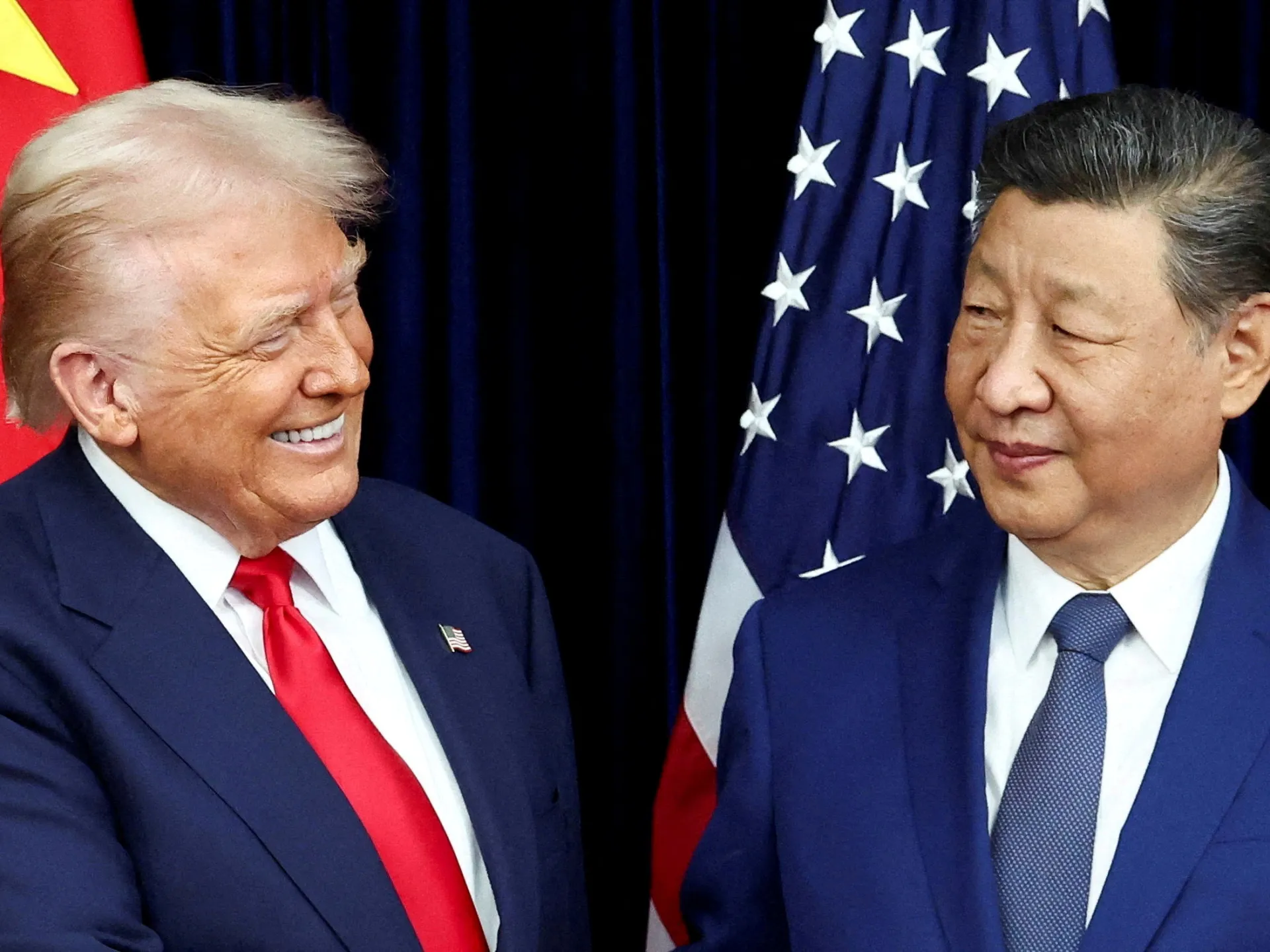
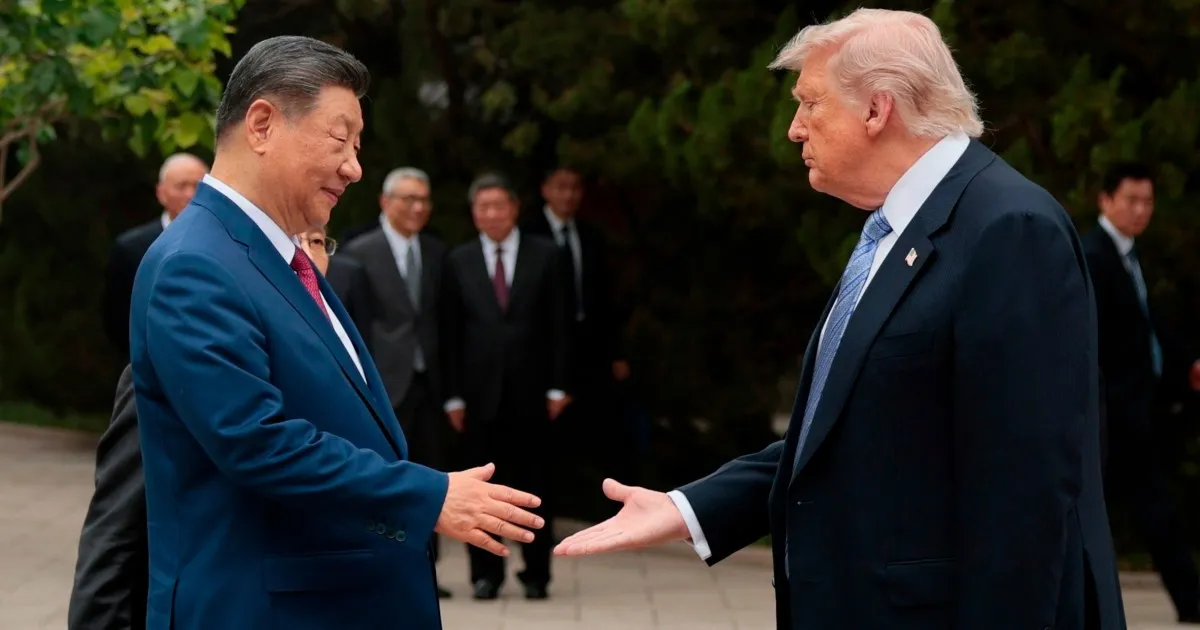
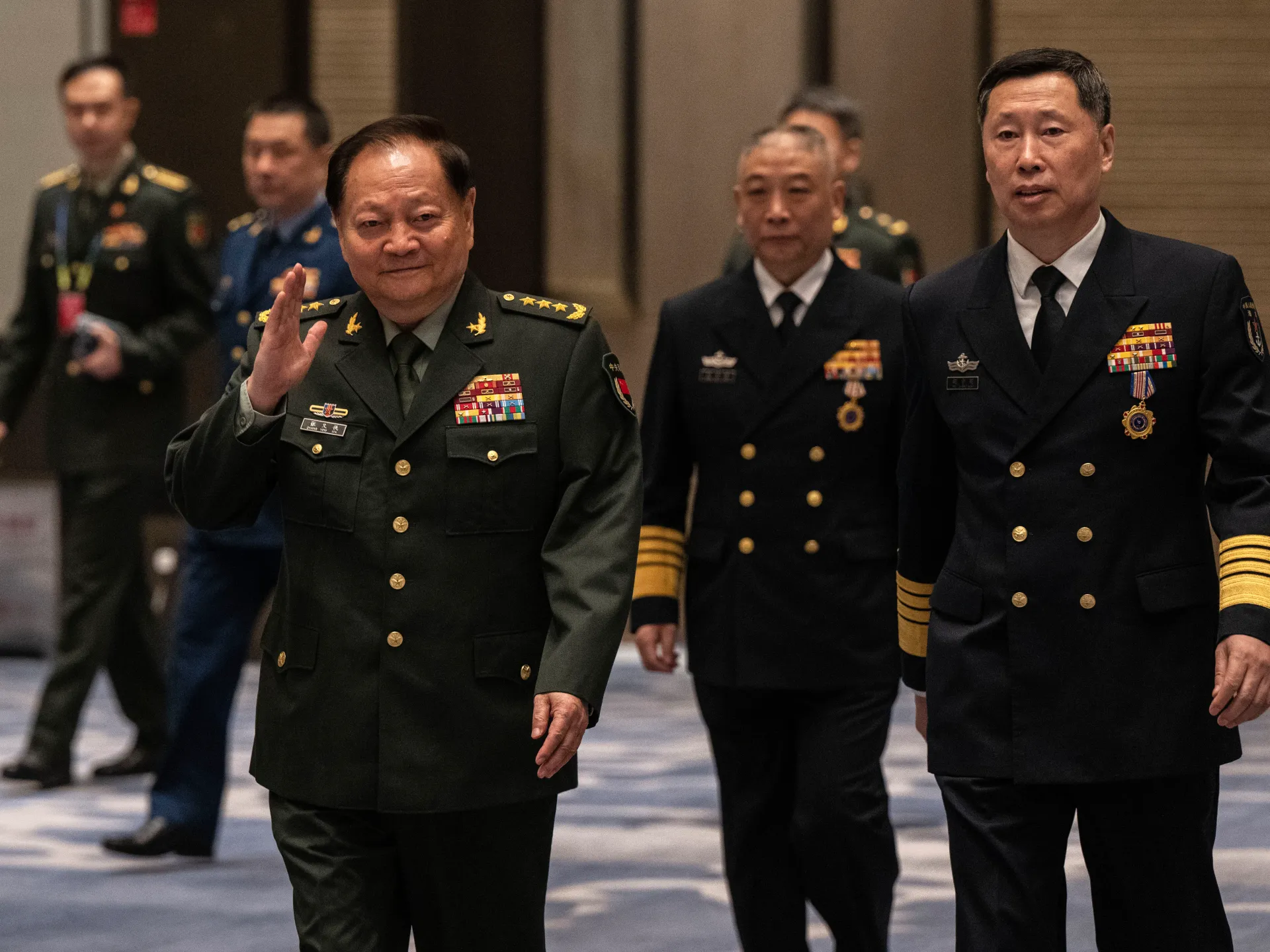
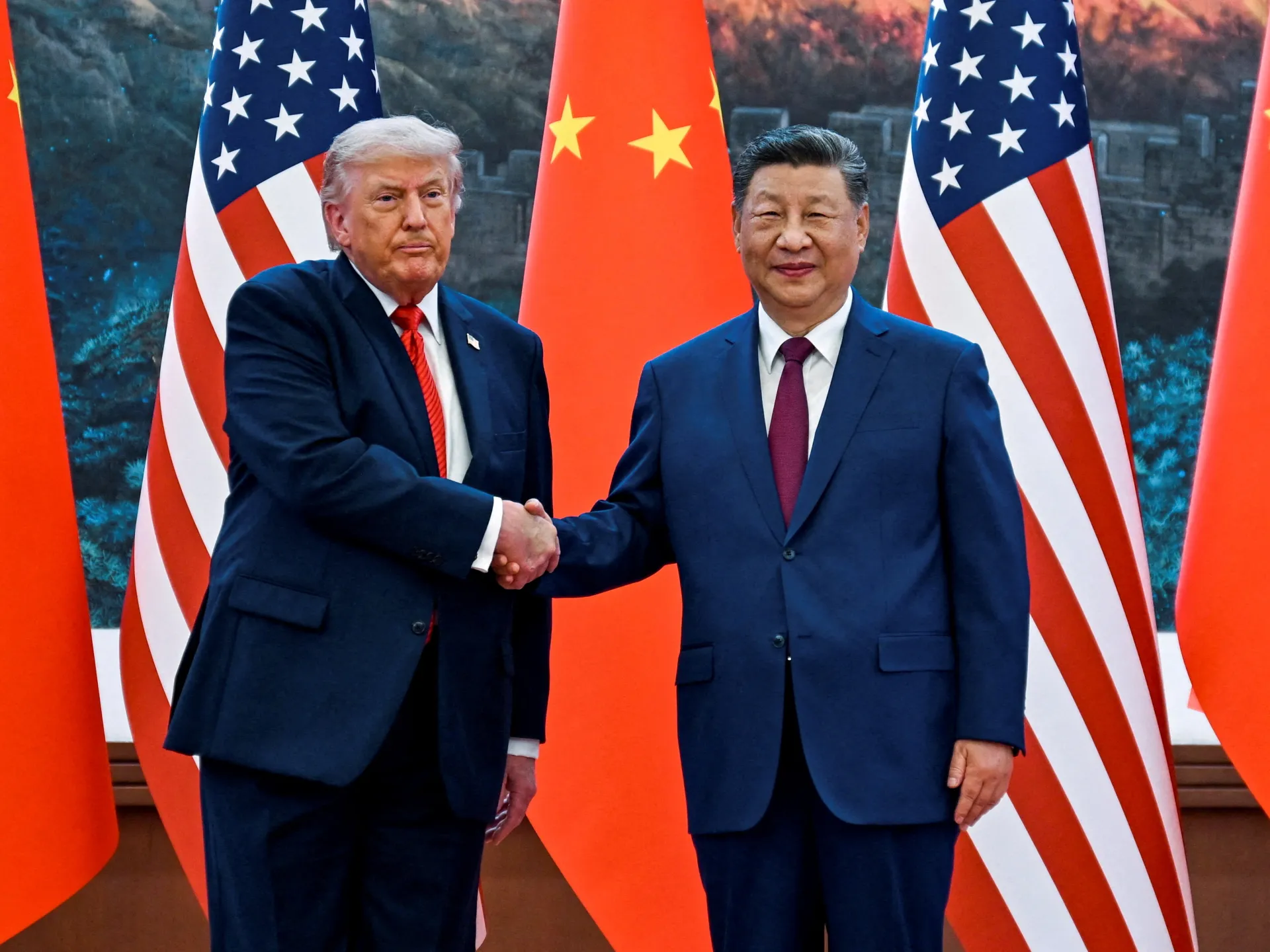
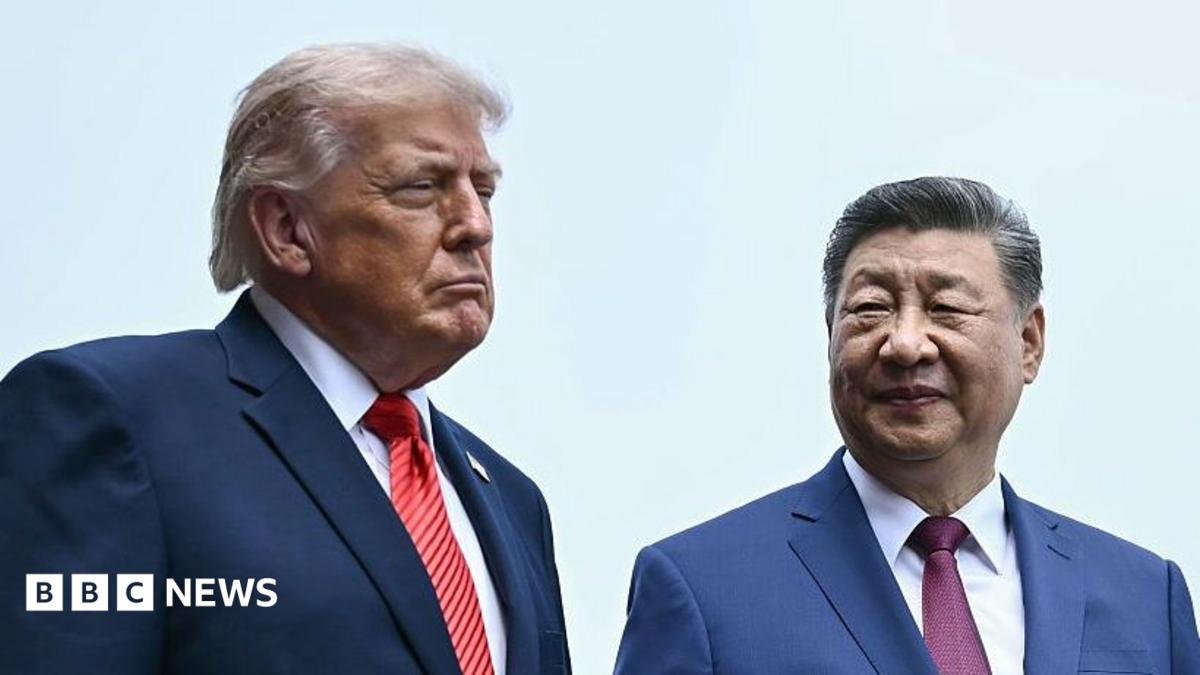
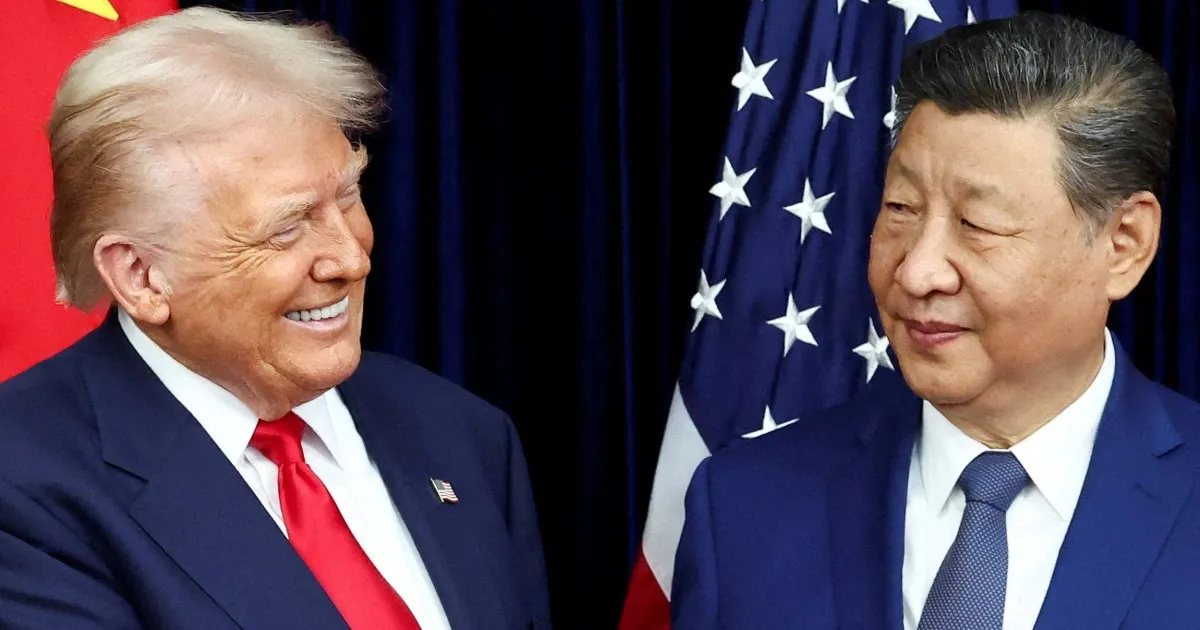
Beyond the Middle East and Ukraine, the assembly is acting as a forum for the management of the US-China rivalry. With artificial intelligence serving as a focal point for both domestic legislation in the US and the broader bilateral security agenda, the meeting between Washington and Beijing represents a high-stakes attempt to contain distrust. Observers remain cautious, noting that while the meeting is highly anticipated, there is little expectation of concrete outcomes, particularly regarding the status of Taiwan.
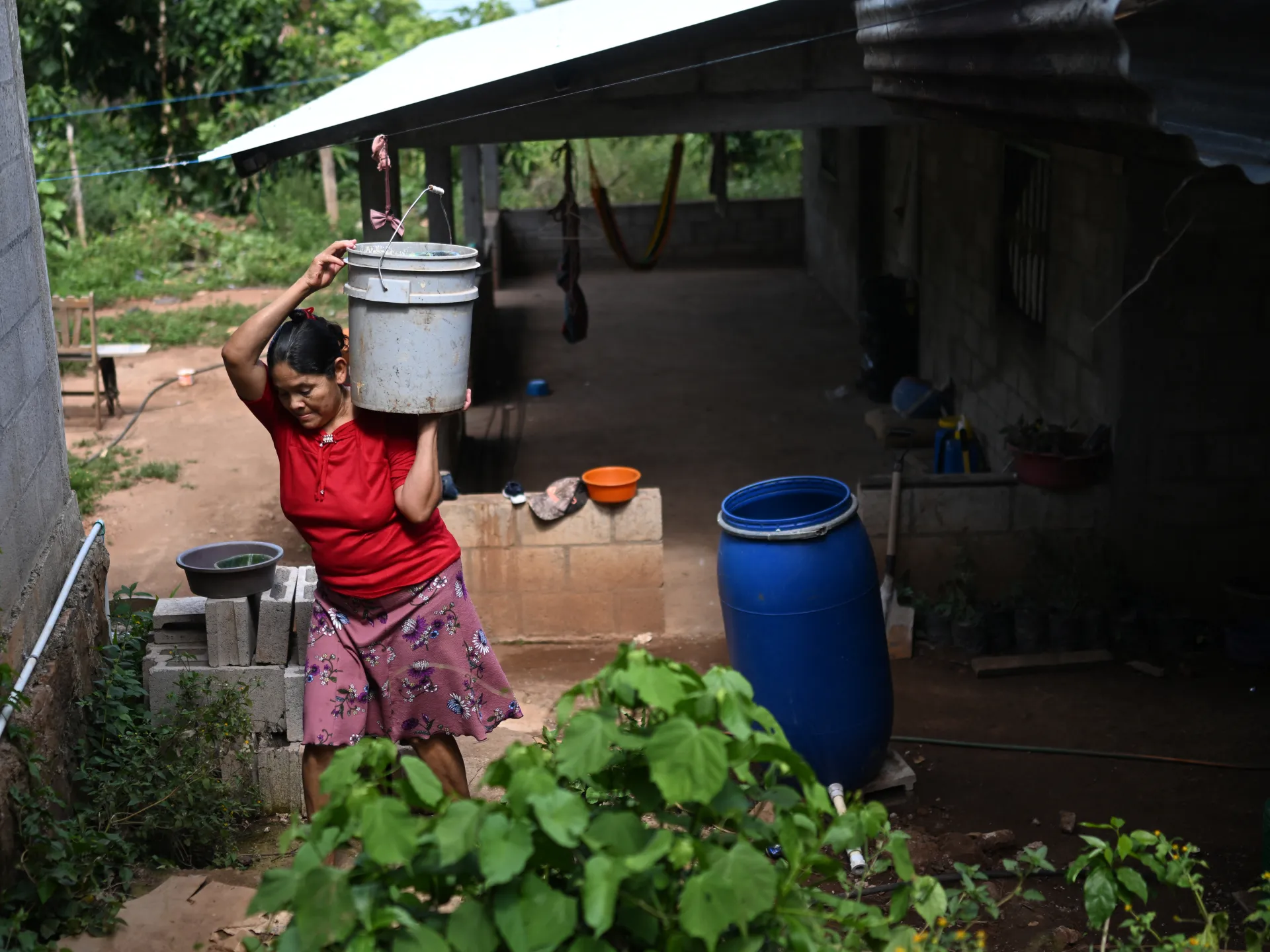
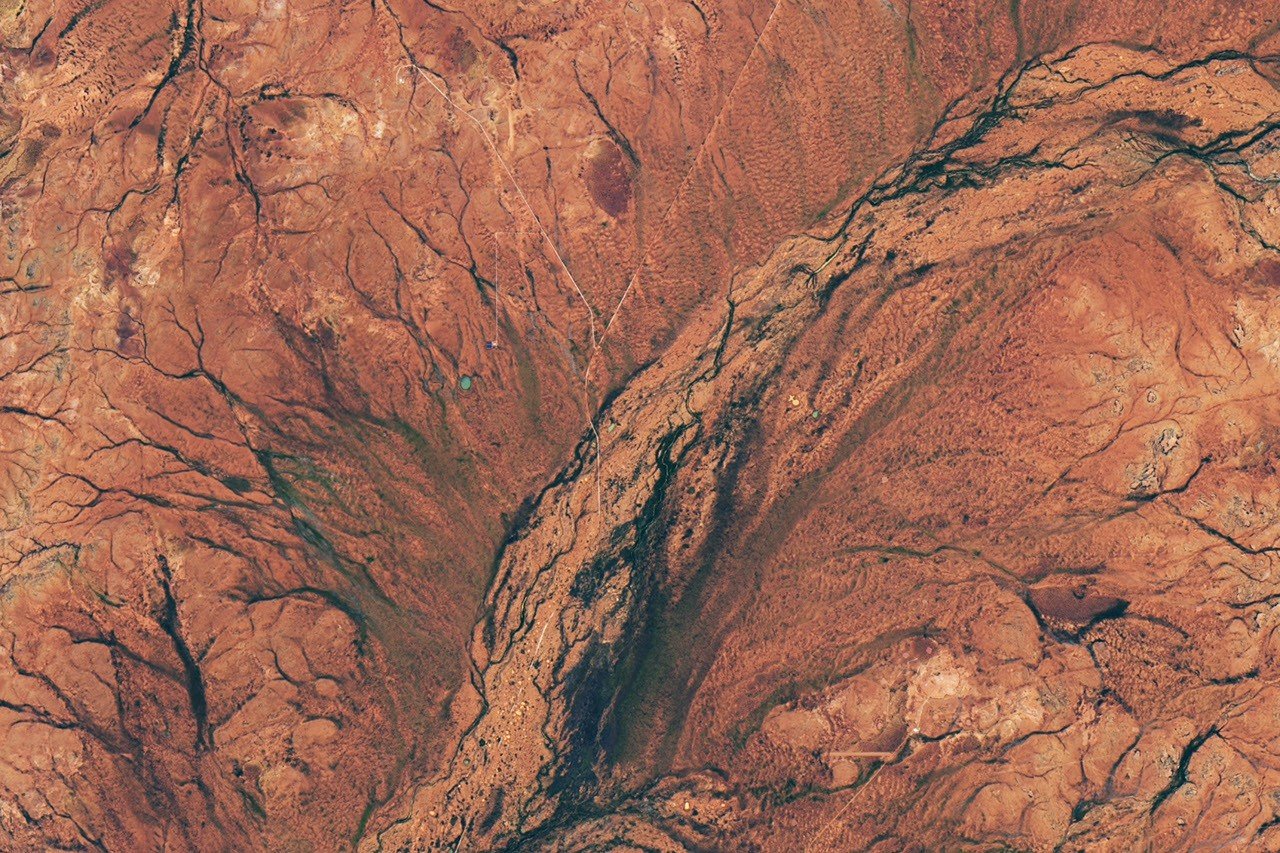
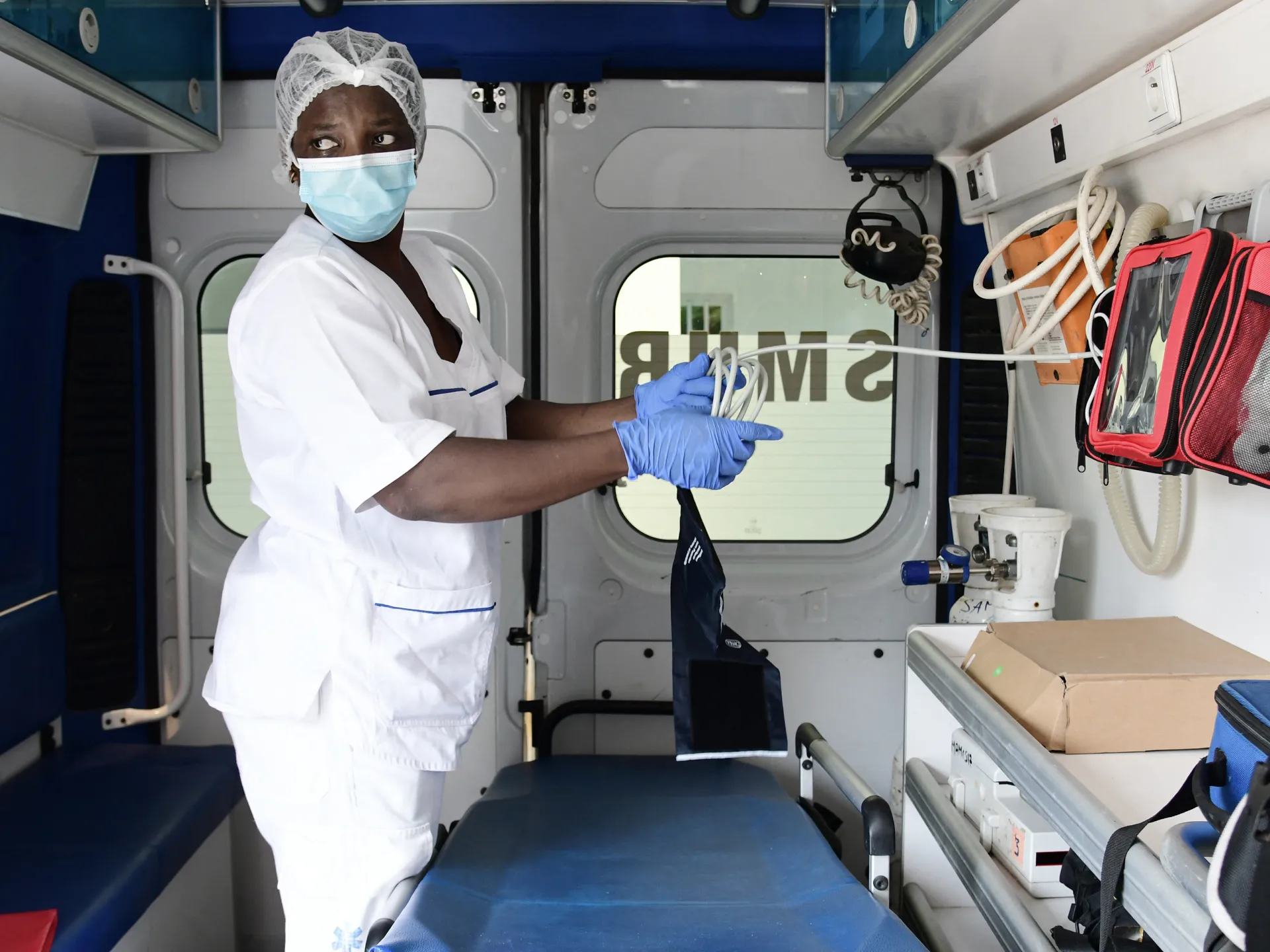
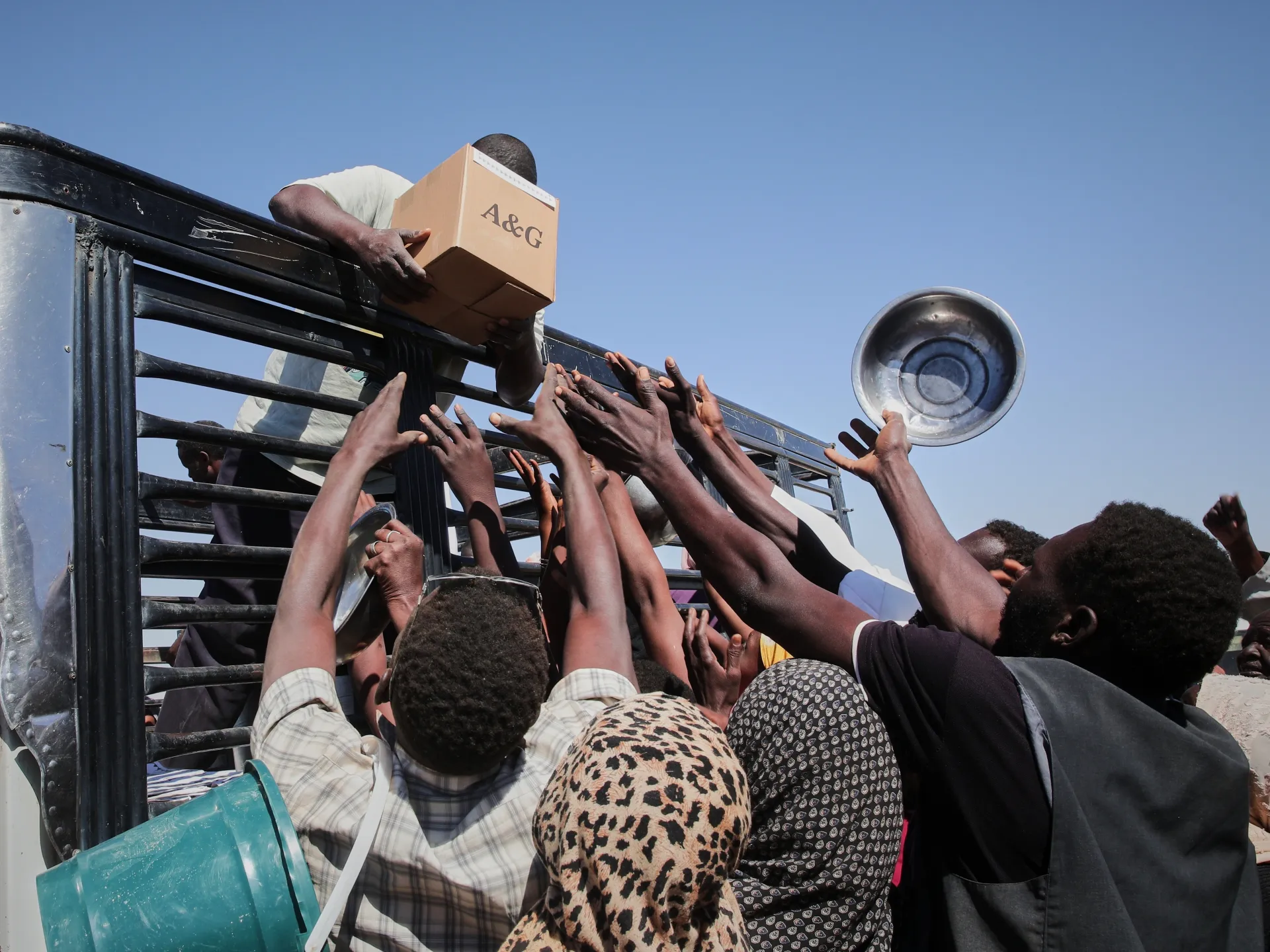
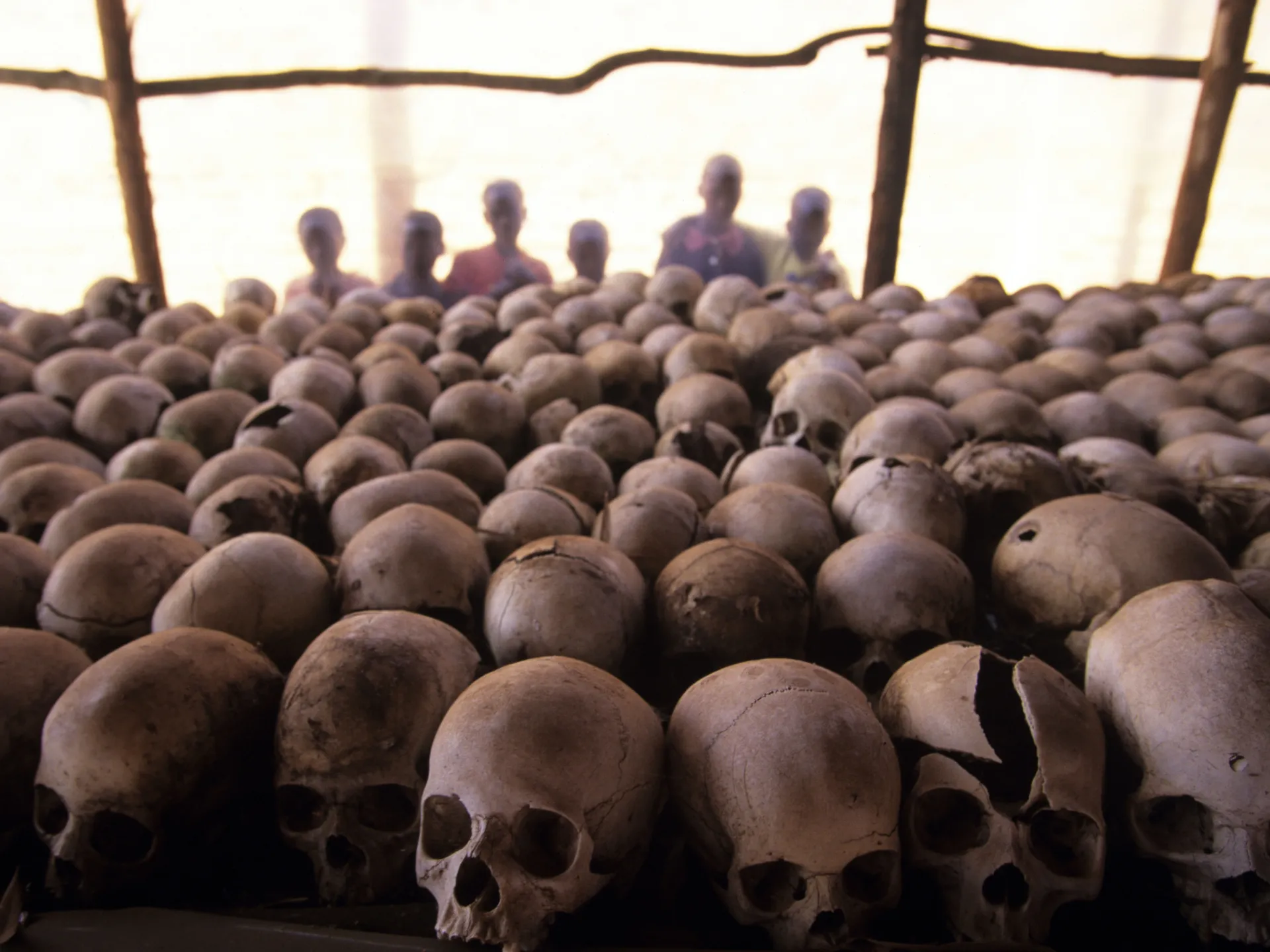
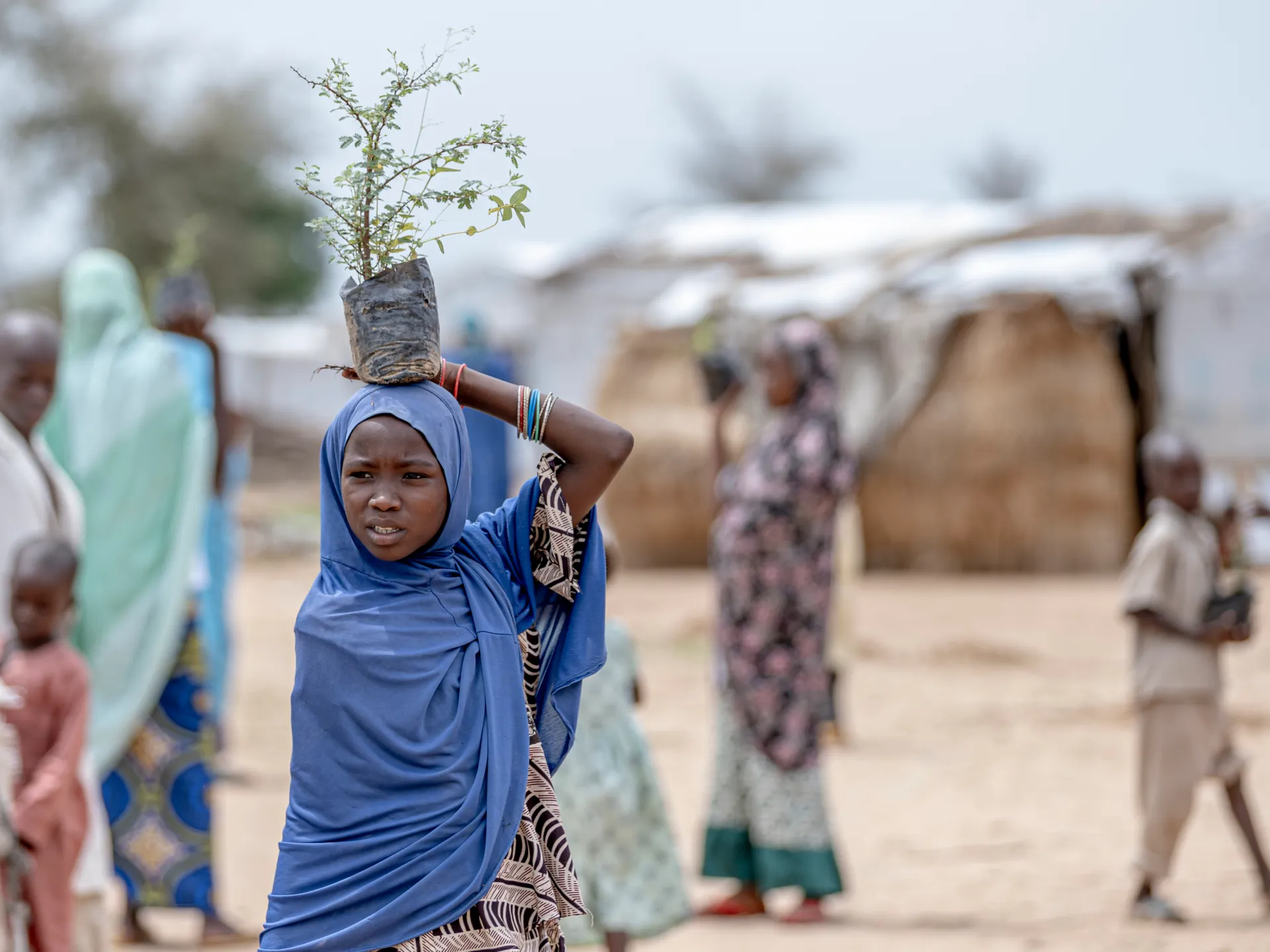
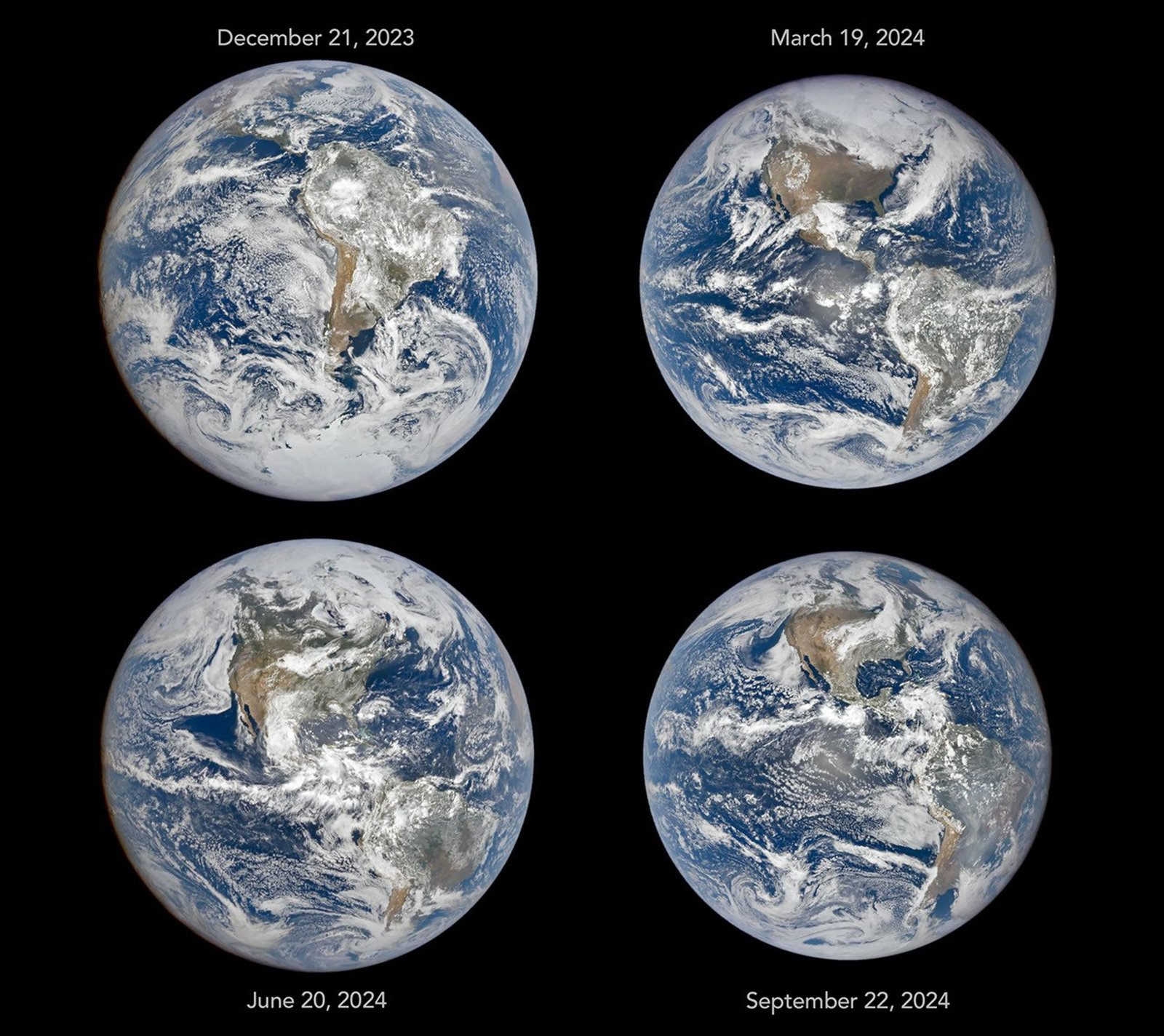
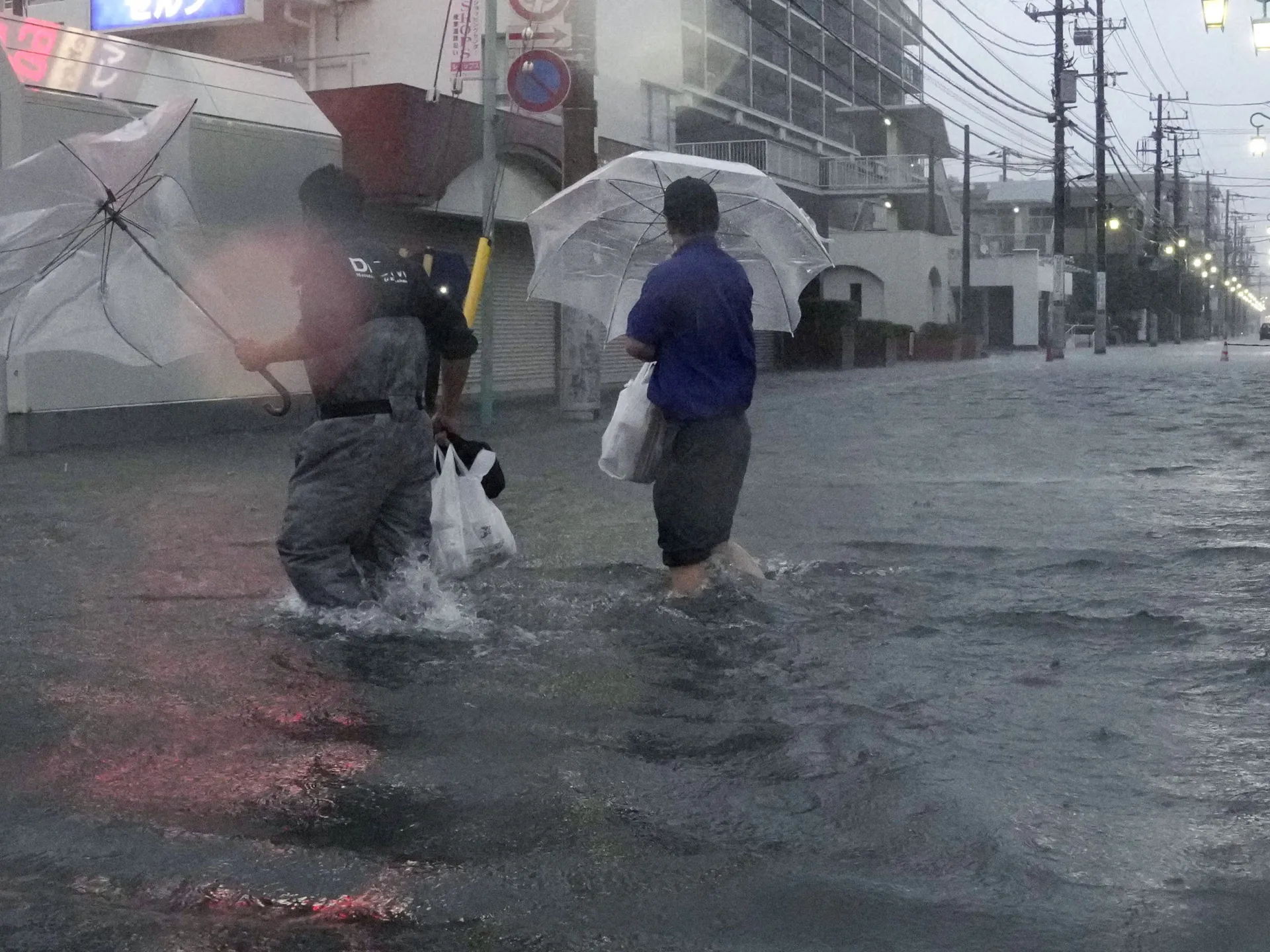
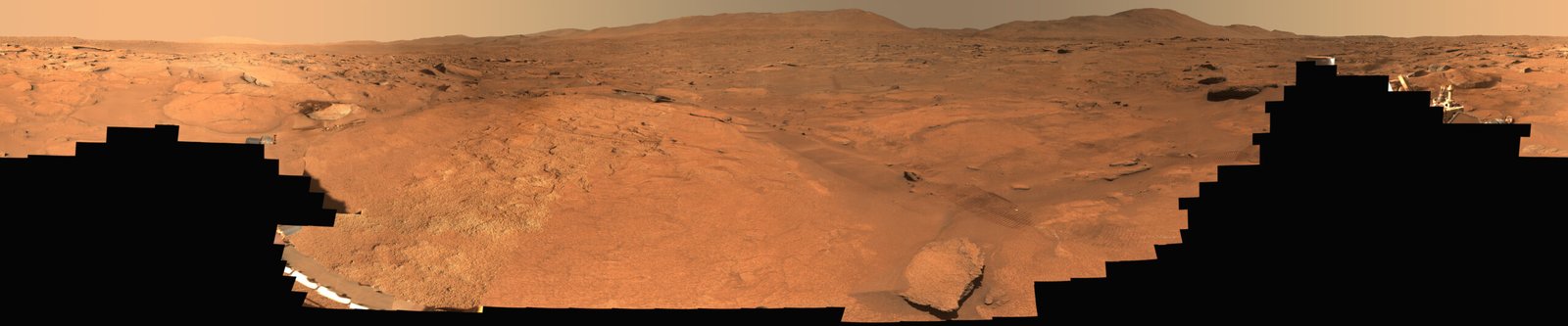
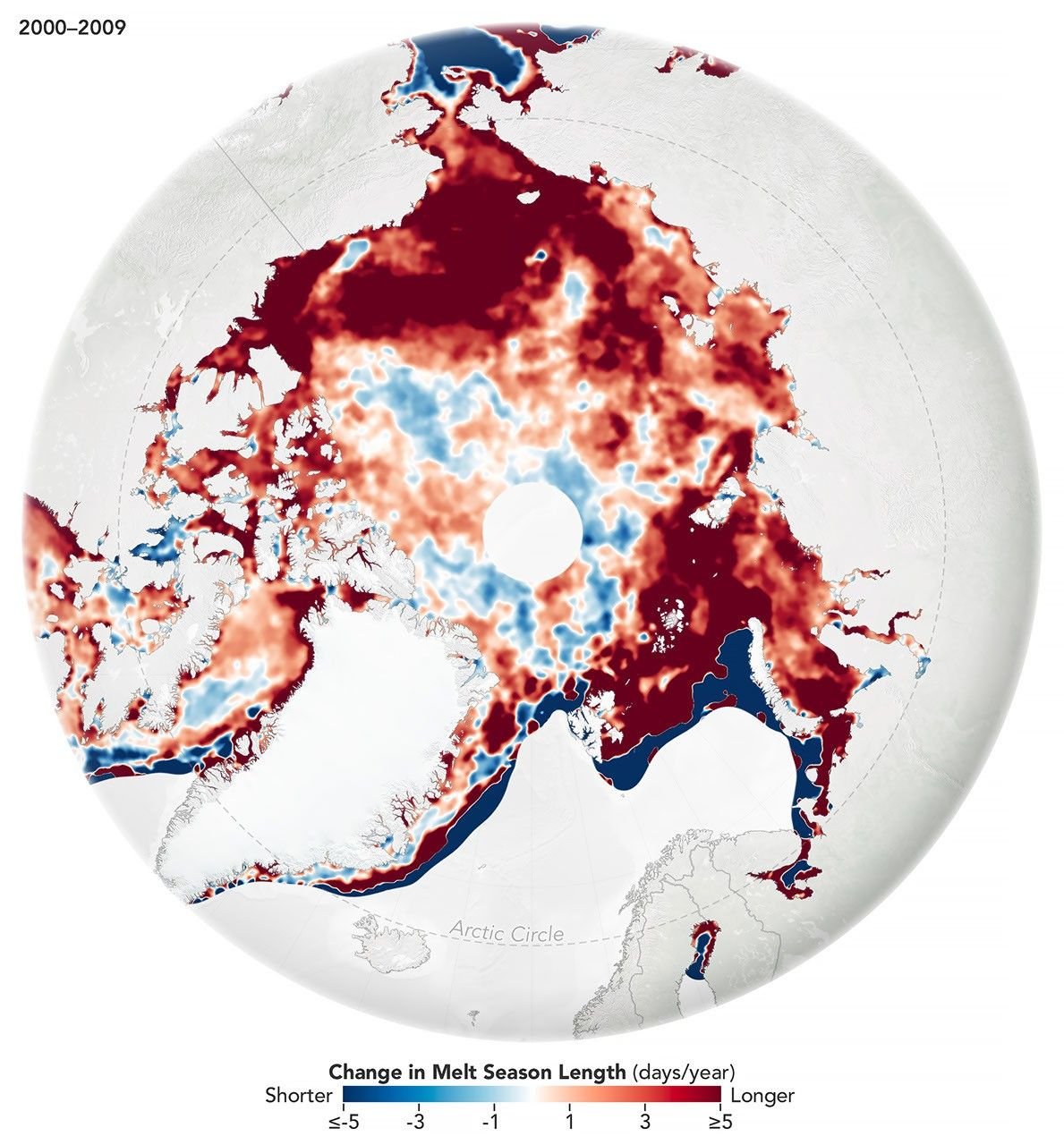
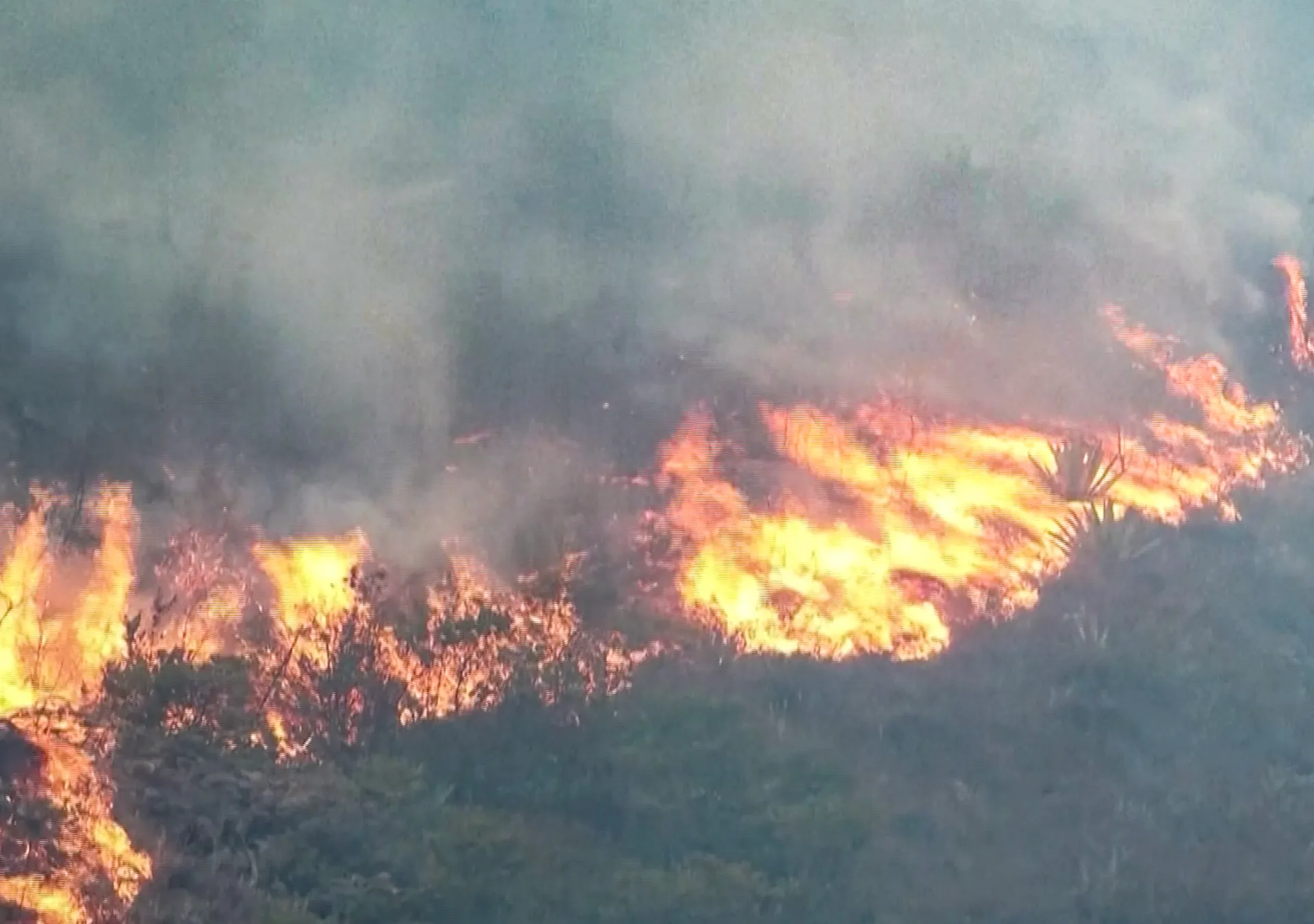
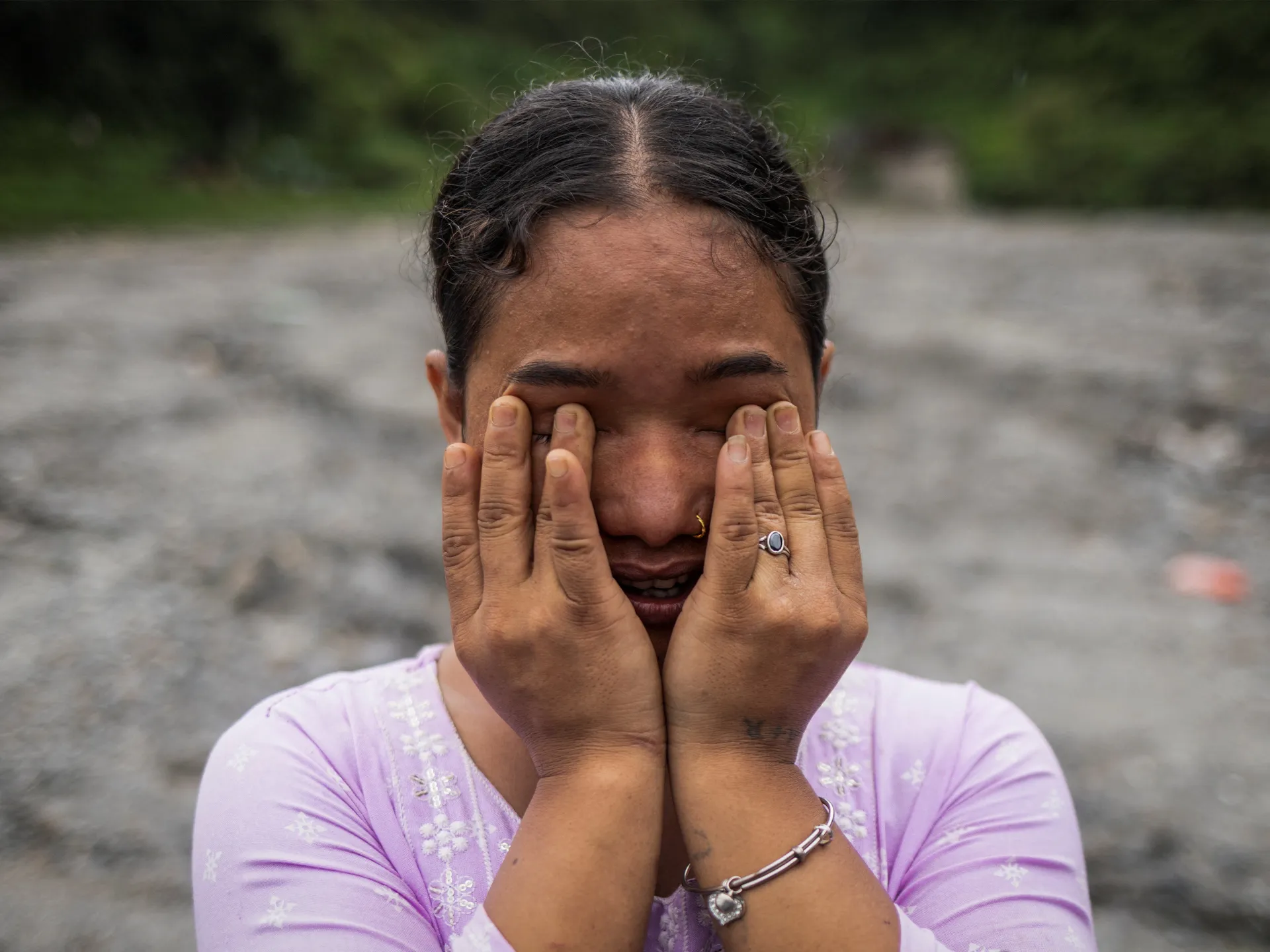
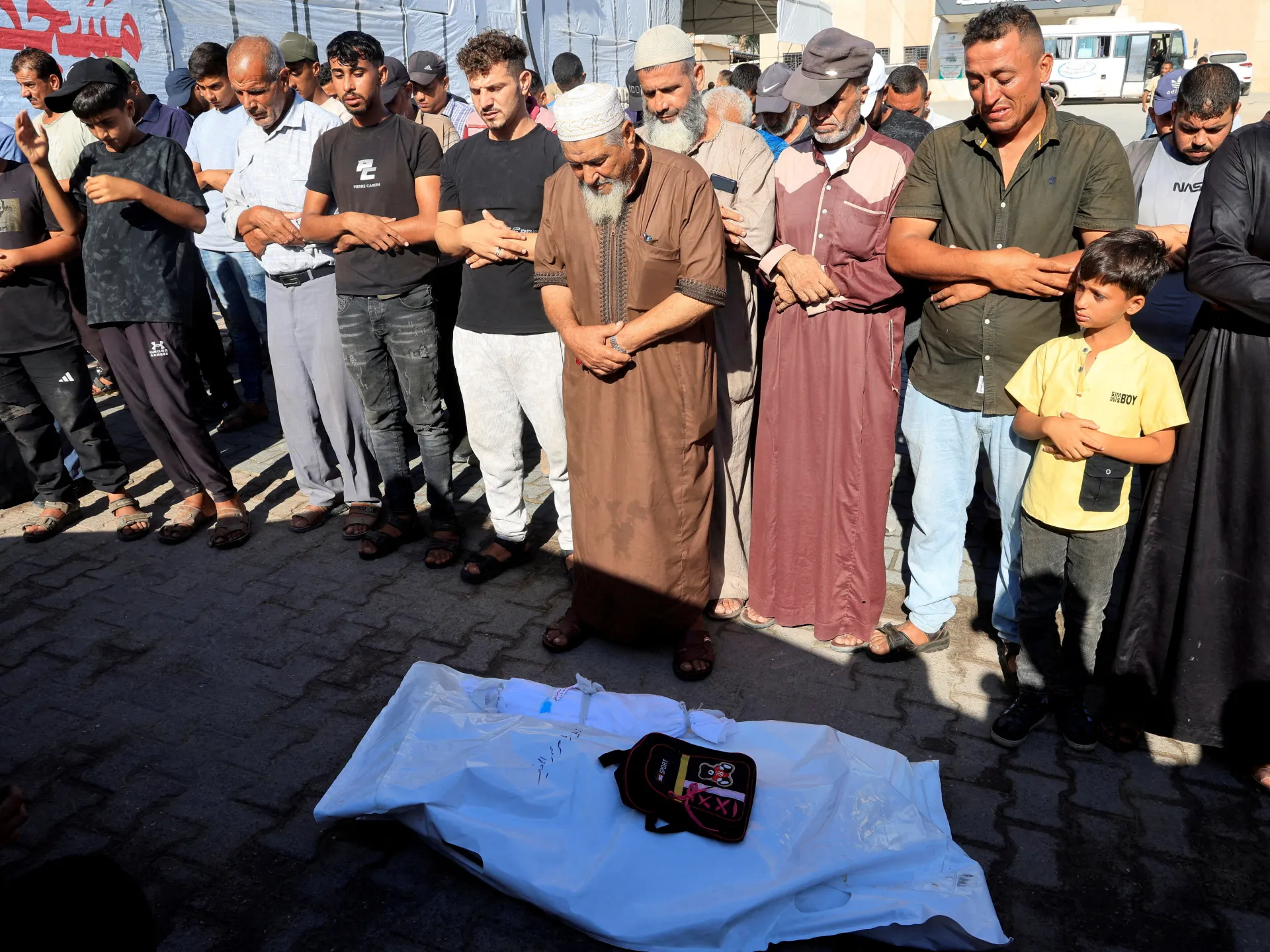
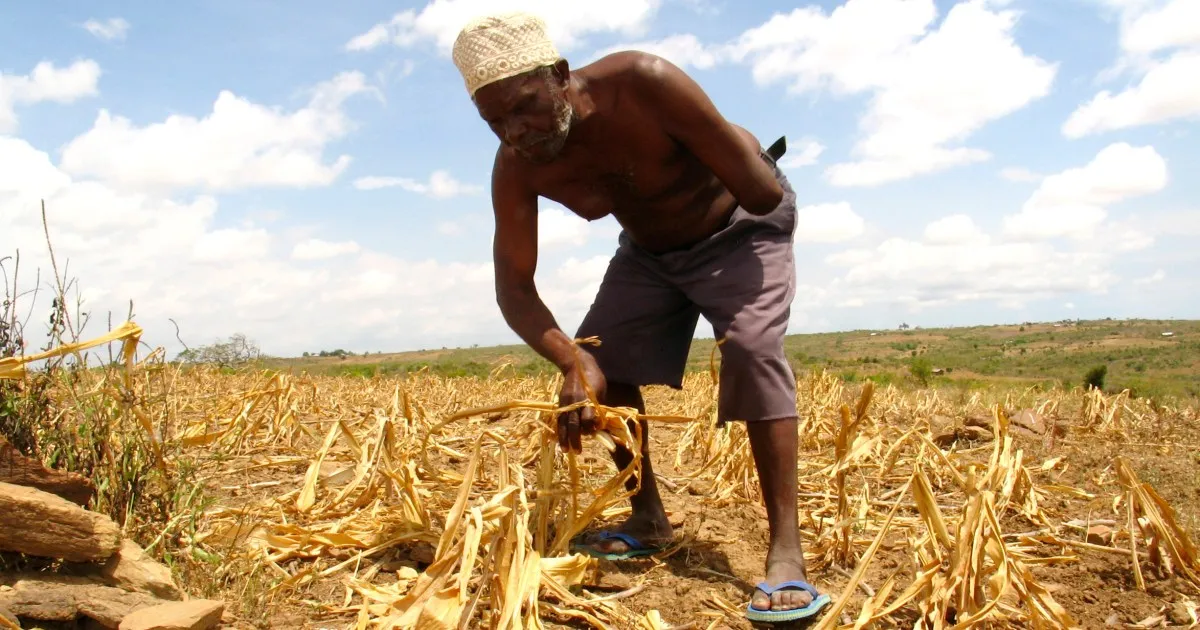
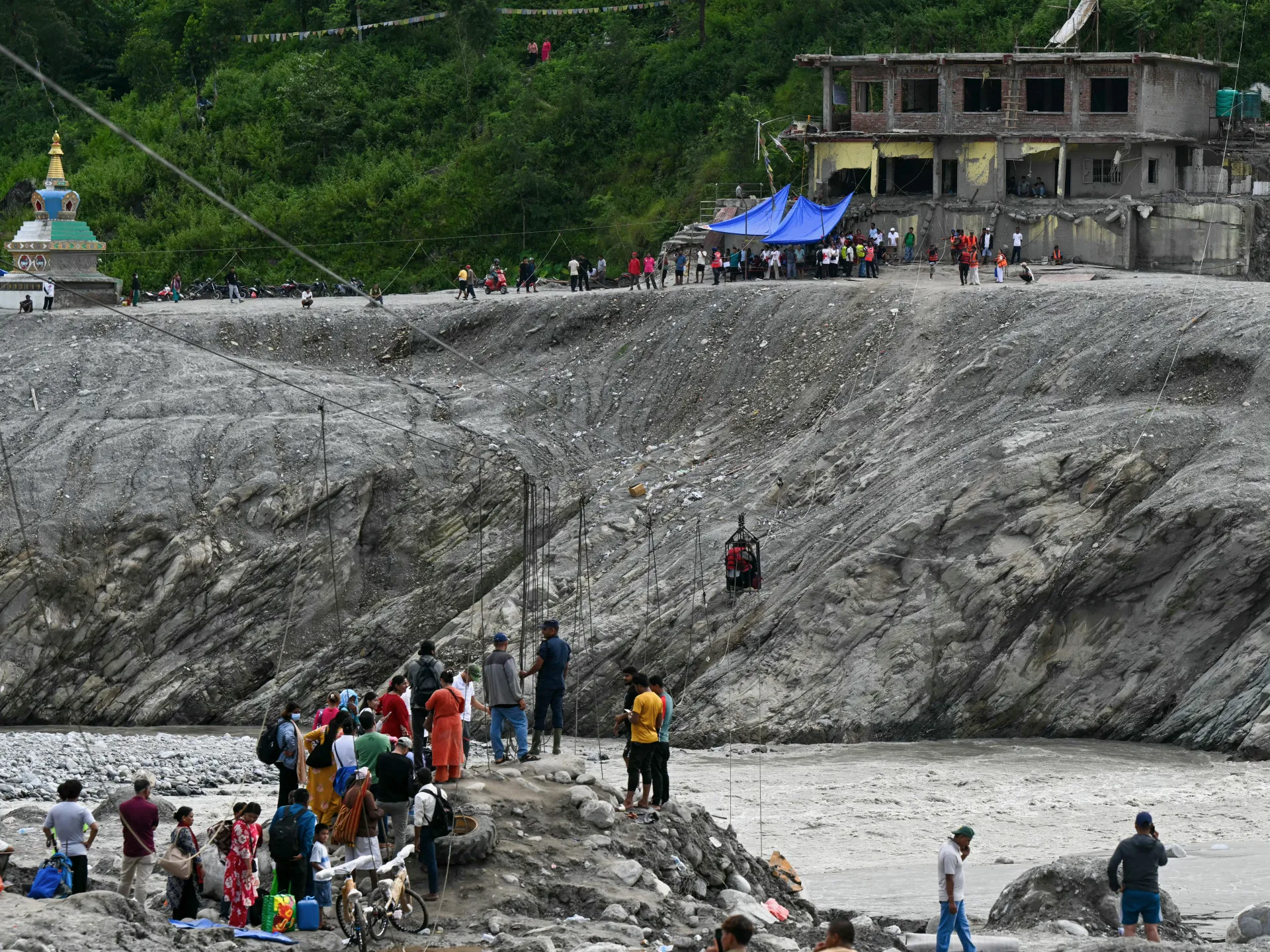
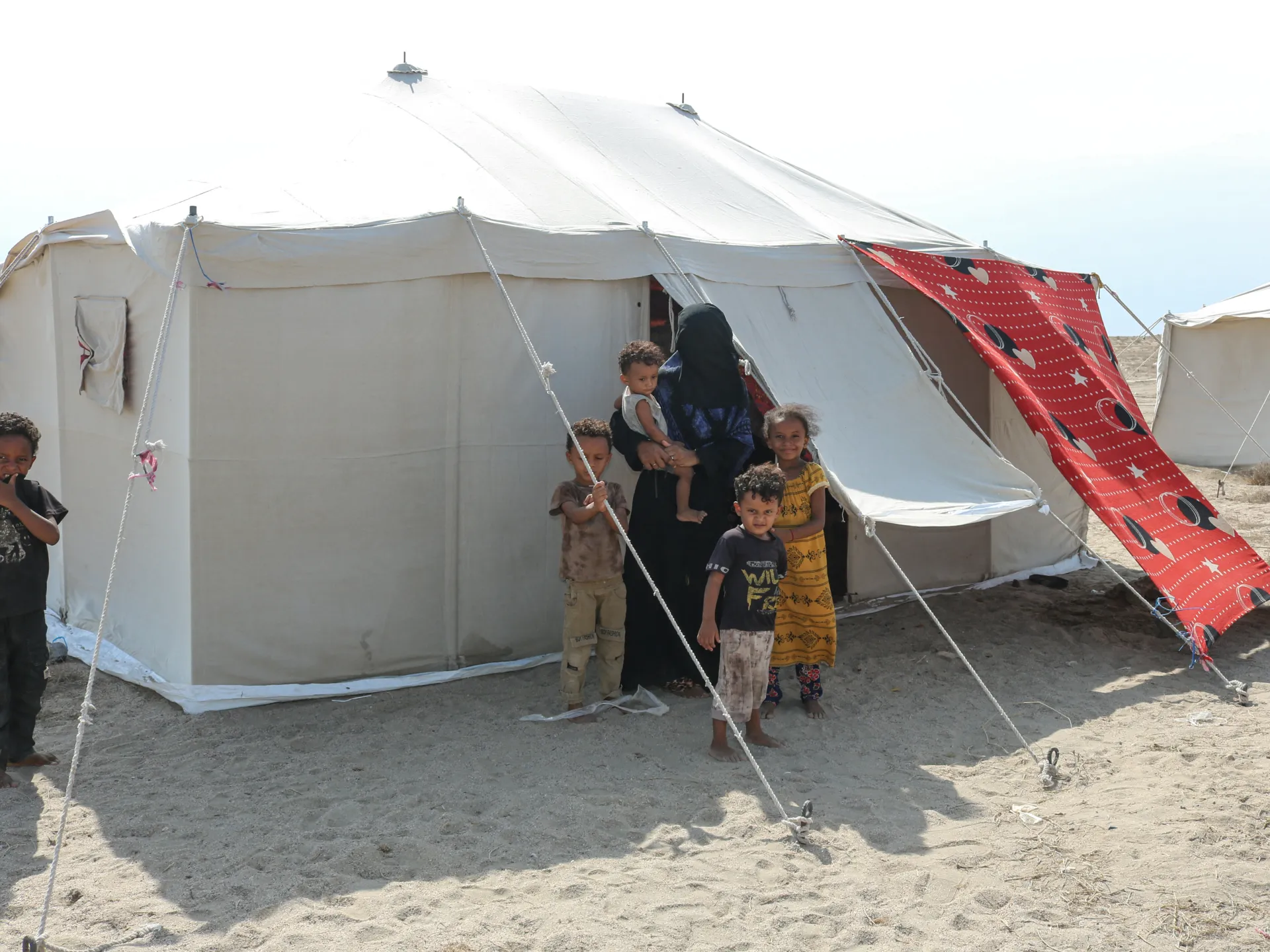
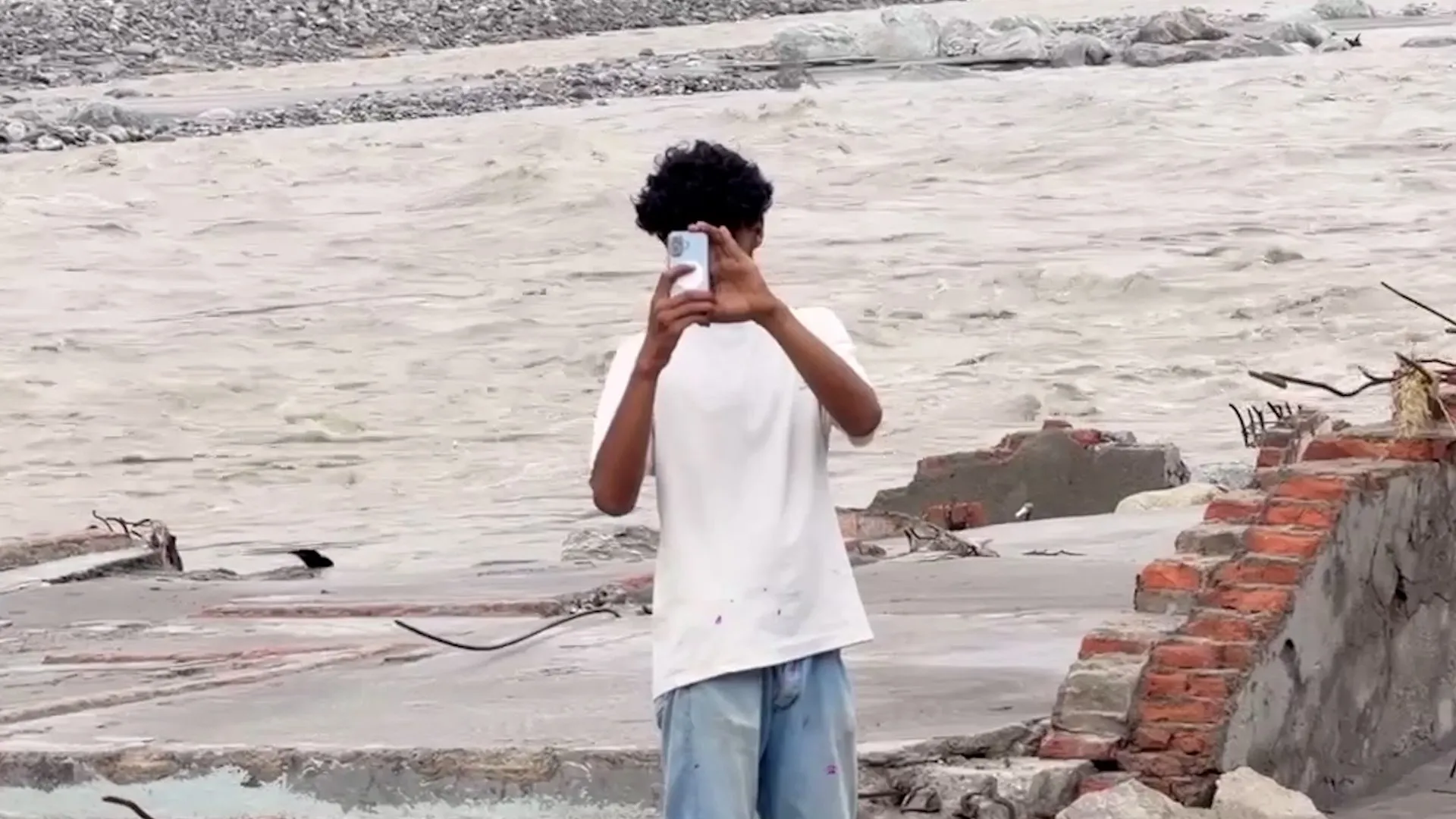
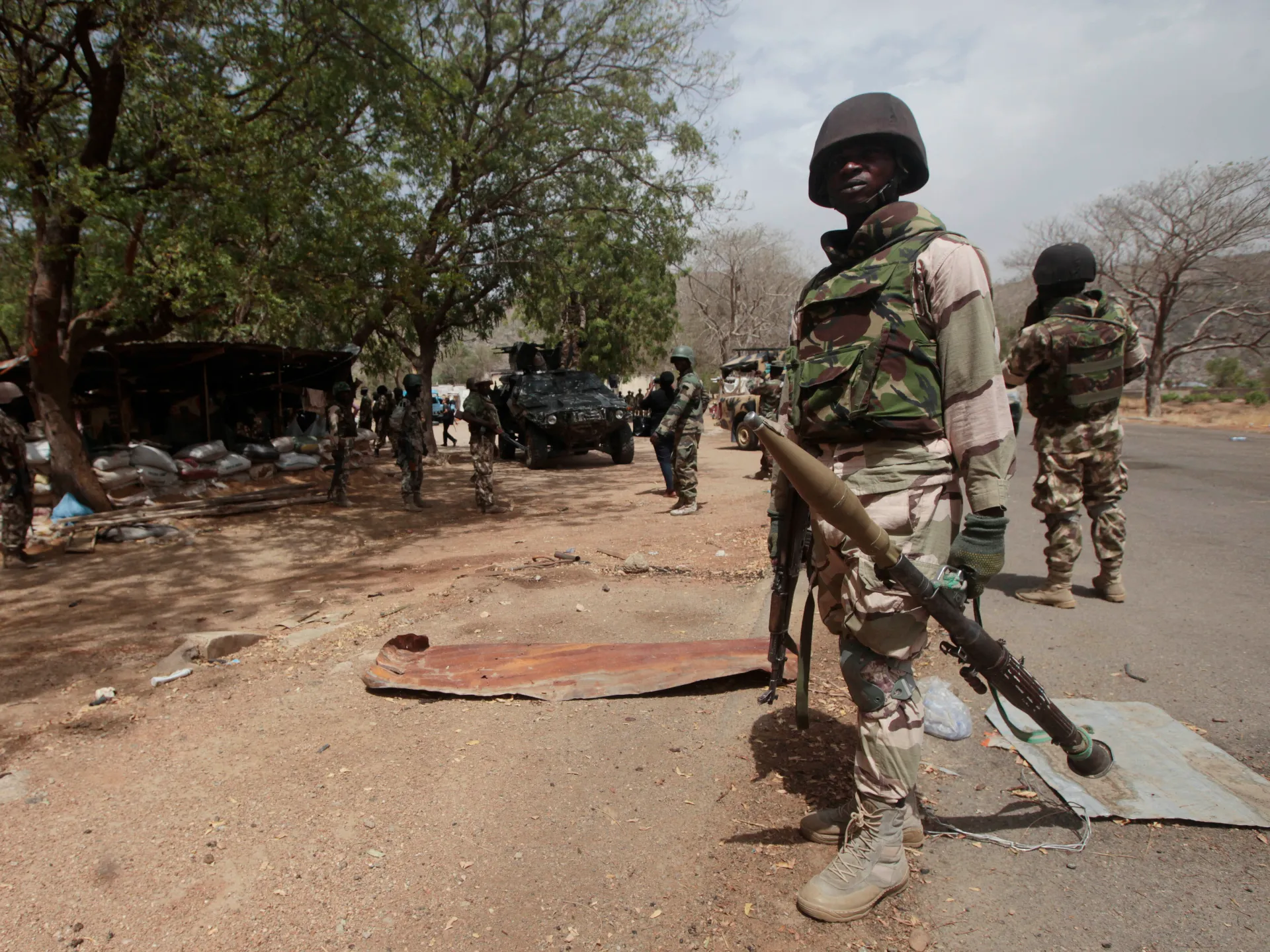
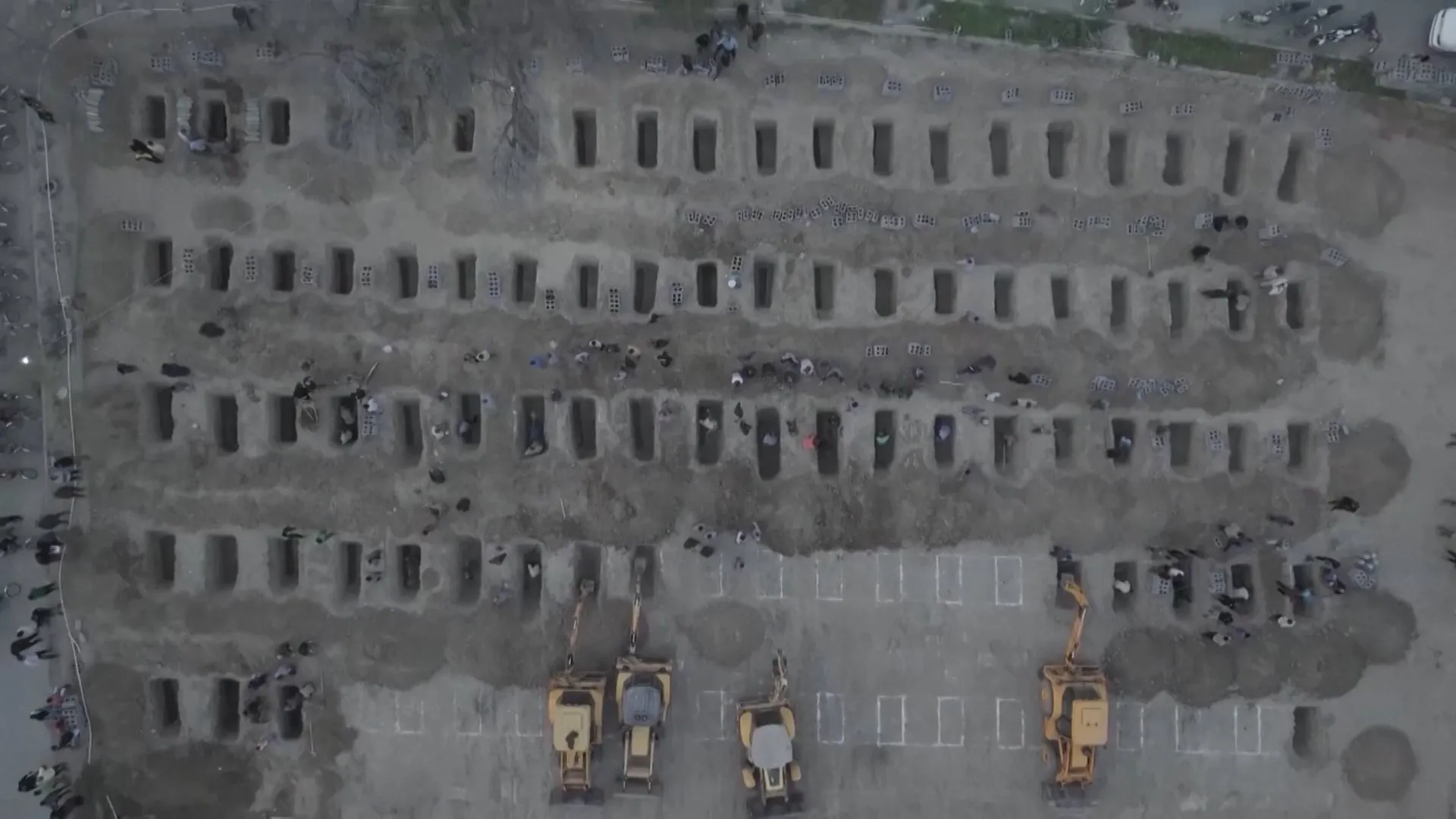
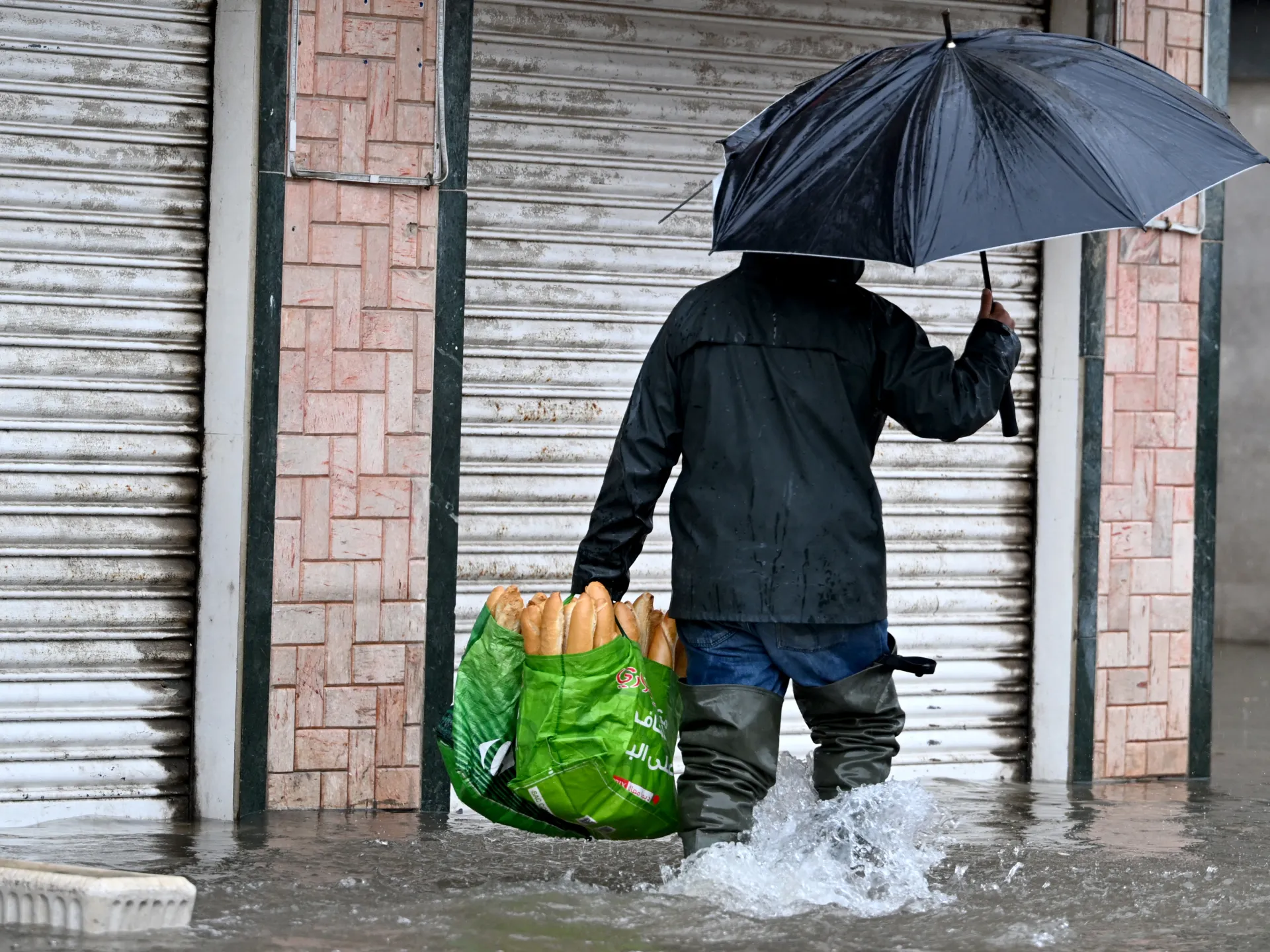
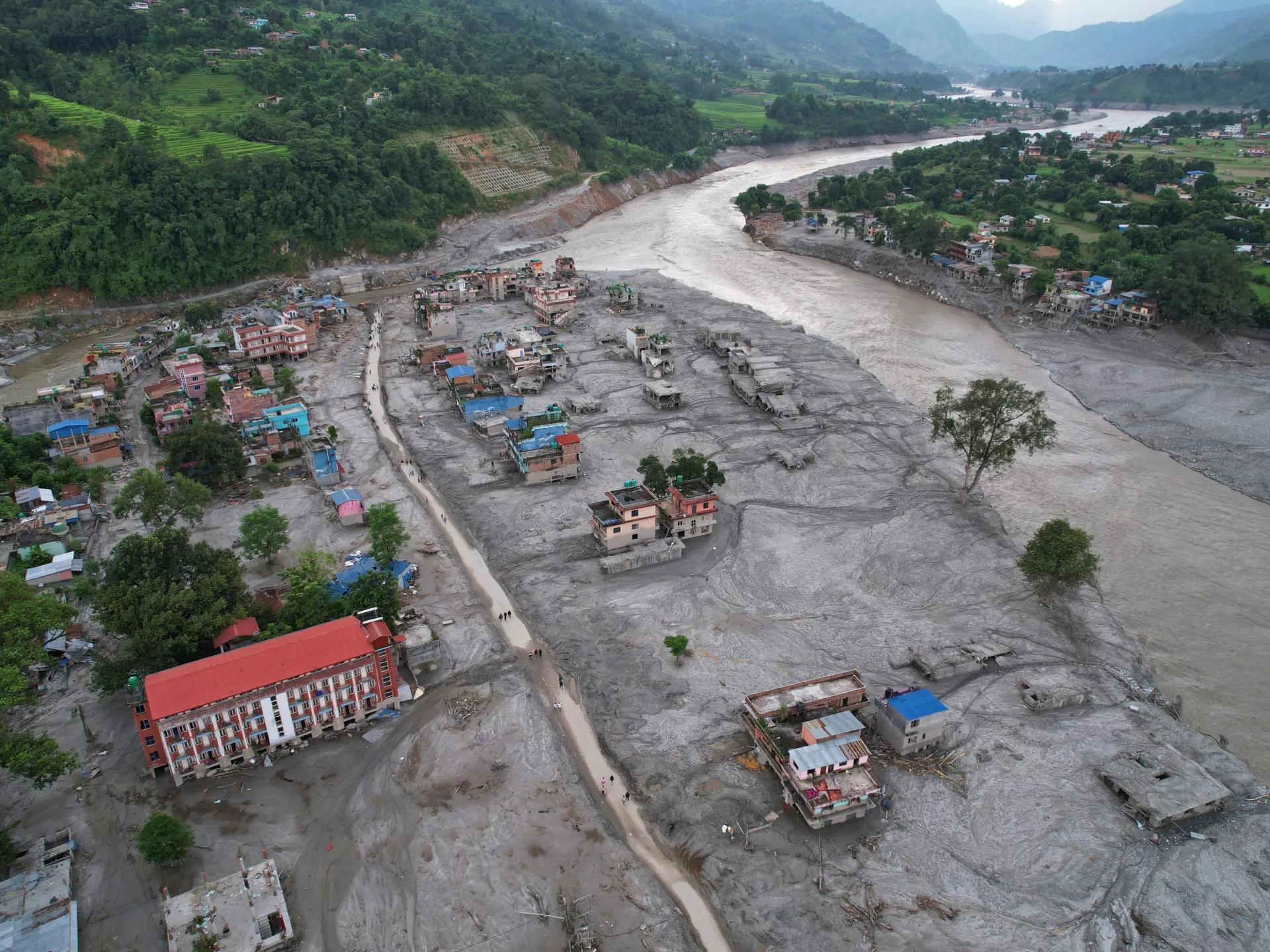
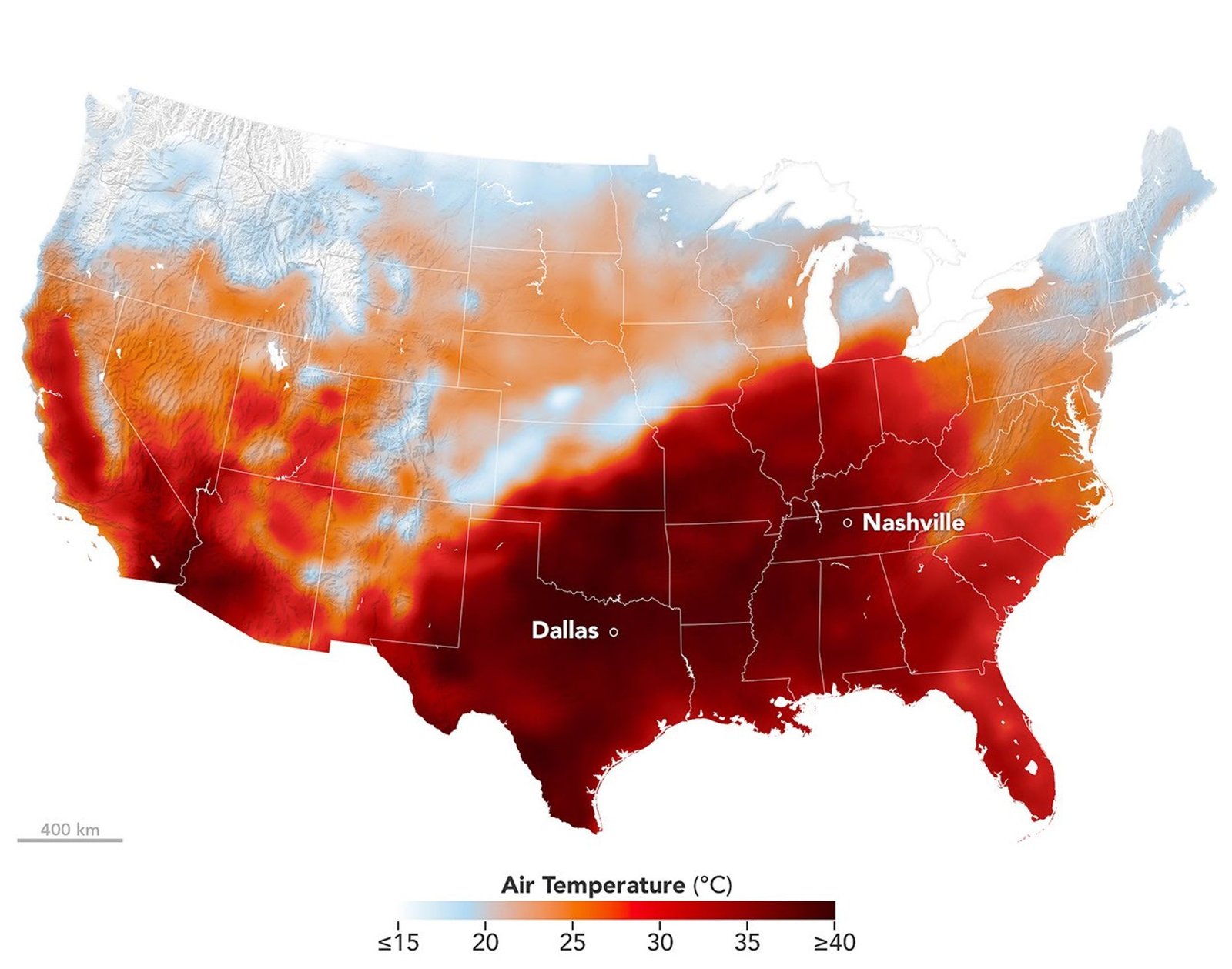
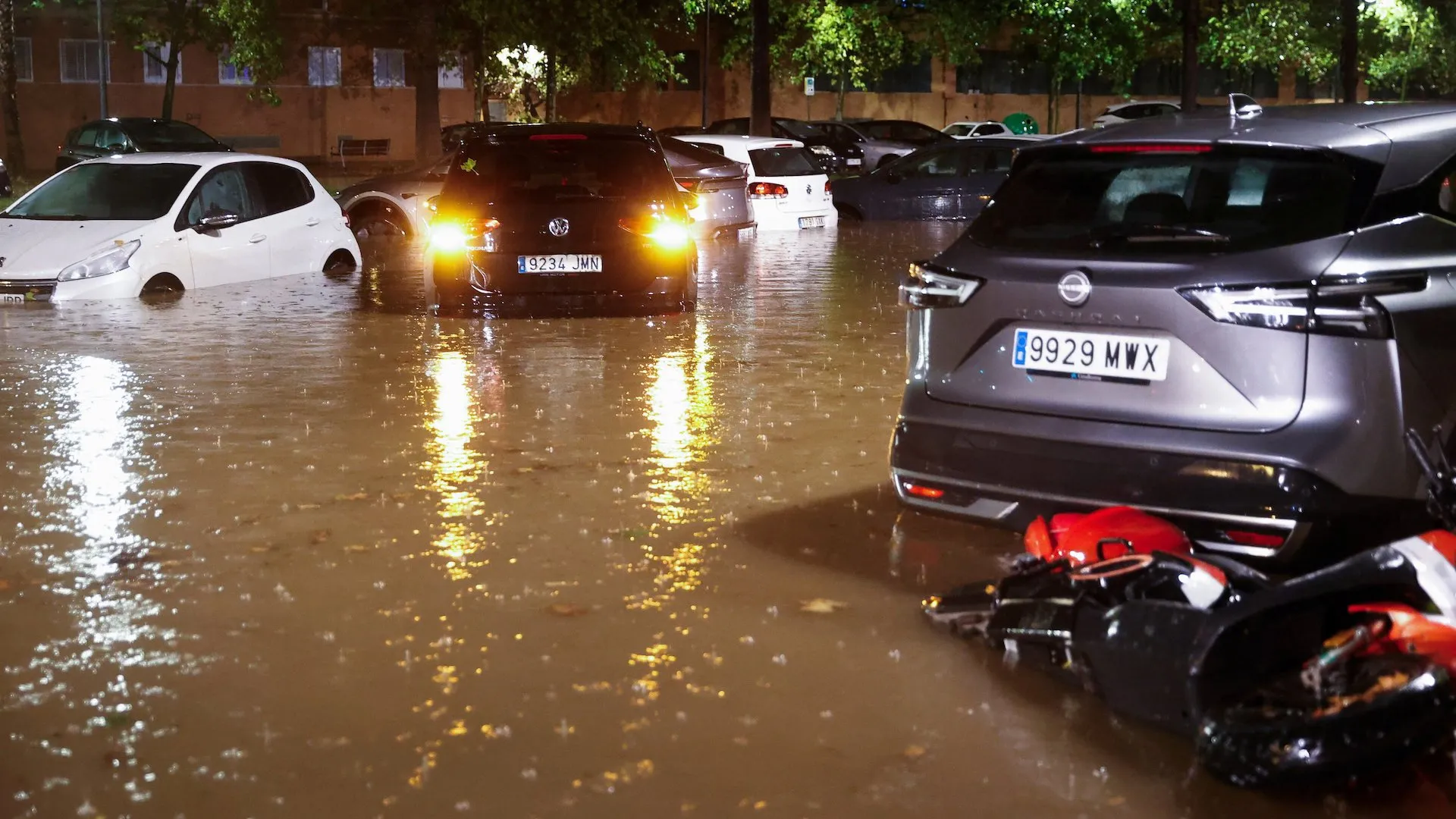
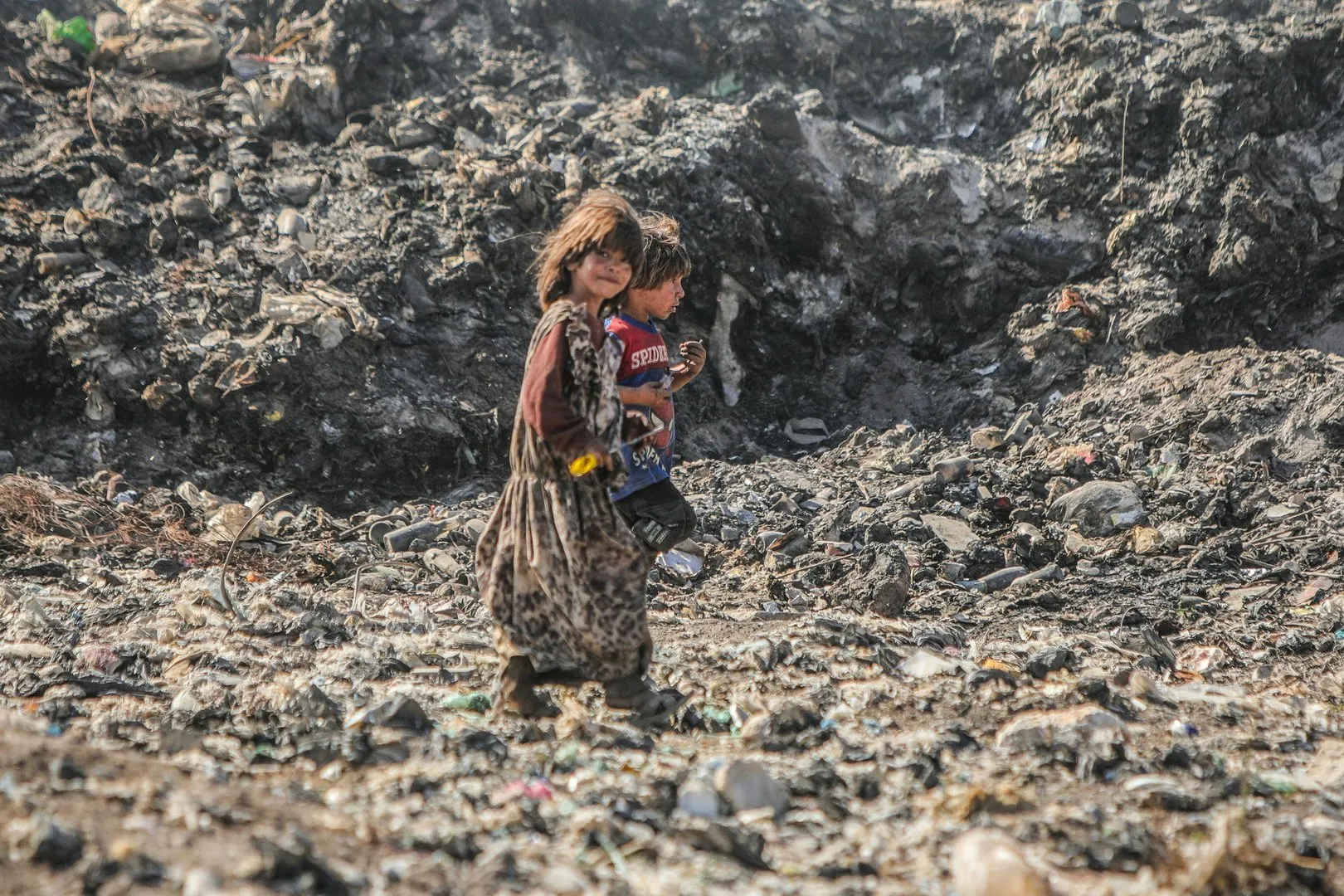
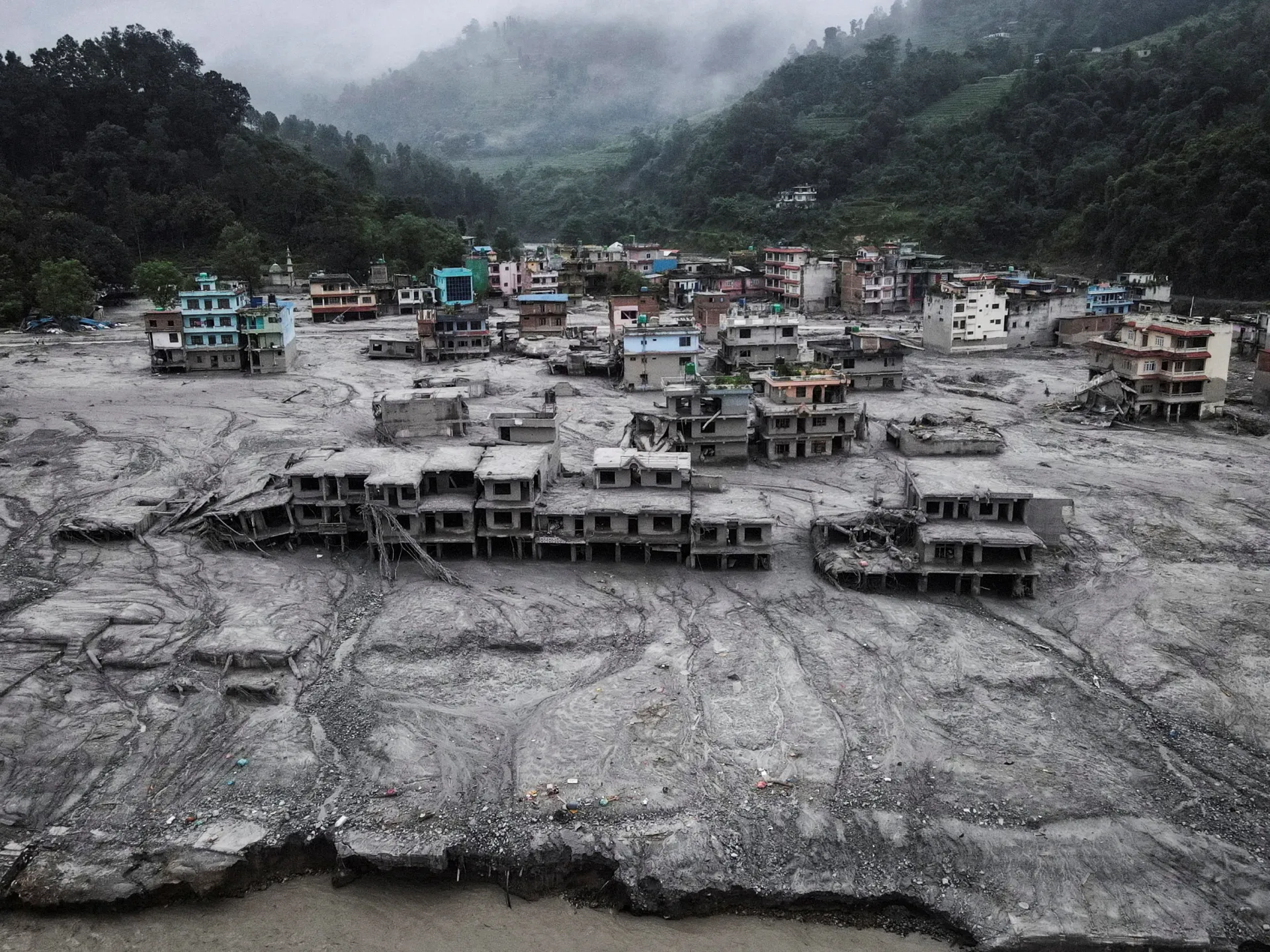
Meanwhile, the broader context of the summit is being framed ño event. Scientific reports presented to the body suggest the event could result in up to 450,000 deaths across regions ranging from Nigeria to the United States. This data, coupled with ongoing concerns regarding the future of UN climate leadership, highlights the disconnect between the assembly’s focus on current political maneuvers and the impending environmental challenges that threaten to destabilize the very nations currently debating at the podium.
In the immediate term, the international focus will likely remain on whether the reported US-Iran talks yield a tangible framework for de-escalation or if they serve merely as a temporary cooling-off period. If the “productive” nature of the talks fails to produce a formal agreement, the resulting disappointment could lead to a renewed spike in energy prices, which have currently stabilized on speculation. Furthermore, the assembly will face pressure to reconcile the high-level focus on security with the mounting pressure from environmental agencies regarding the next phase of the climate crisis. Should the UN fail to address the projected El Niño mortality rates with concrete policy commitments, it is likely that the current administration will face criticism for allowing the assembly to become a venue solely for conflict management rather than global humanitarian protection.