

U.S. inflation cooled in July as energy costs saw a temporary retreat, though year-over-year figures remain high due to ongoing geopolitical disruptions.
Recent economic data indicates a cooling trend in United States consumer inflation throughout July, largely attributed to a temporary decline in energy costs. This fluctuation in pricing was driven r much of the year, the maritime passage has been a focal point of global economic instability, following the establishment of a maritime checkpoint nited States, and Israel.
While the month-over-month figures showed a brief reprieve for consumers, the year-over-year data paints a more complex picture. Energy costs have climbed significantly over the past twelve months, leaving household budgets strained. Although Brent crude prices experienced a 7 percent dip during the previous week, the market saw a reversal as optimism concerning the Strait of Hormuz dissipated. Current futures have trended upward, reflecting the persistent uncertainty surrounding global supply chains and geopolitical tensions.
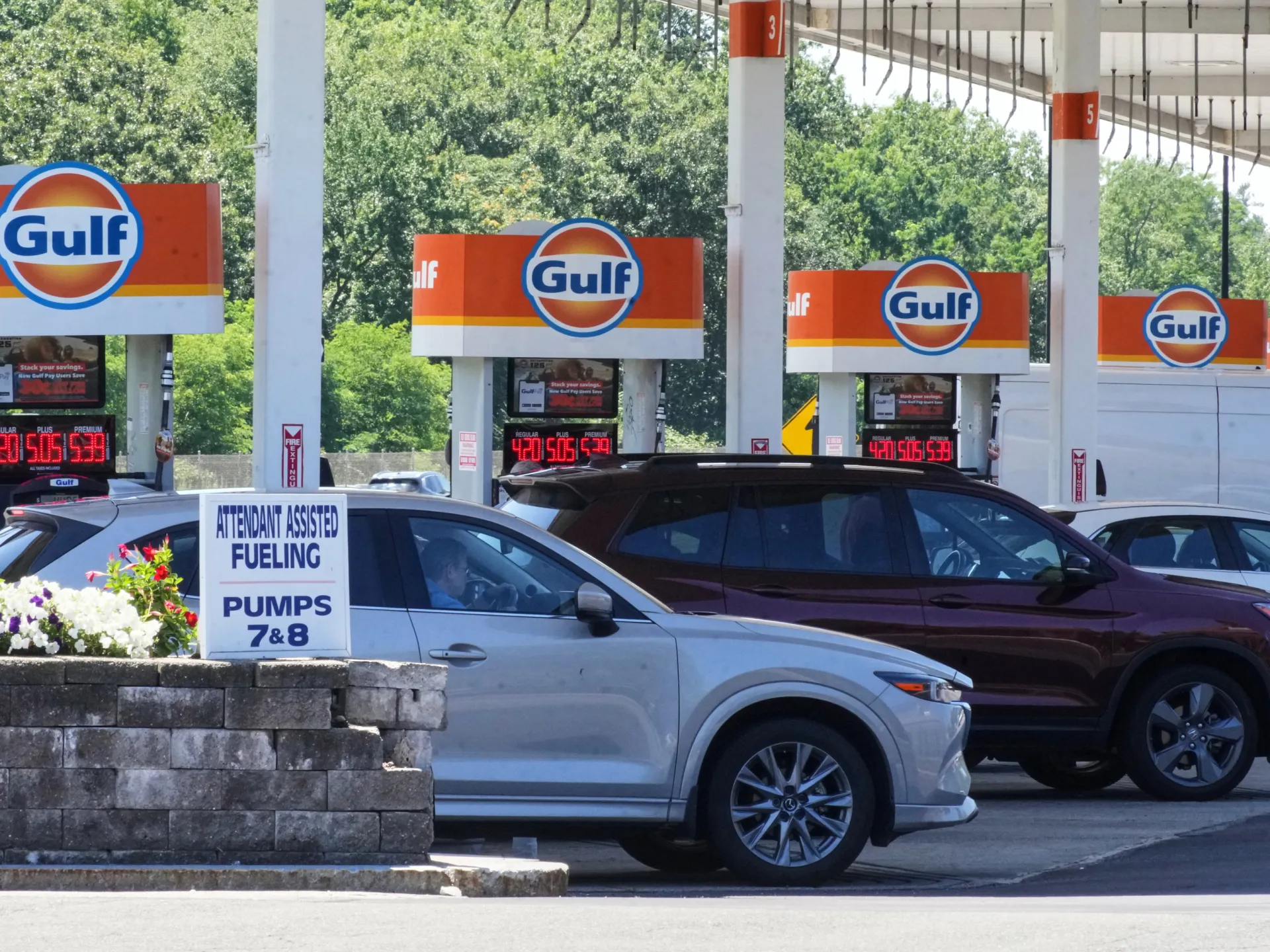
Gasoline prices serve as a primary indicator of these pressures. While they dropped ent higher than they were at this time last year. According to data from the American Automobile Association, the average cost of a gallon of gasoline has reached $4.03, a sharp increase from the $2.98 recorded just before the onset of the current regional conflict in late February.
The inflationary environment is occurring alongside a softening labor market, complicating the economic outlook for policymakers and citizens alike. Recent reports from the Bureau of Labor Statistics revealed a loss of 23,000 jobs in the U.S. economy, with contractions concentrated in the retail, hospitality, and local government sectors, specifically within education. Conversely, the healthcare sector has remained a relative outlier, continuing to record employment gains despite the broader downturn.
Data from the Jobs and Labor Turnover Report (JOLTS) further highlights a period of stagnation in the workforce. The report identified a "low-fire, low-hire" environment, suggesting that the labor market has become increasingly static. Employees are less likely to transition to new roles, and employers are showing increased caution in their hiring practices. This lack of movement in the labor force, combined with uneven job losses, creates a challenging backdrop for the Federal Reserve as it attempts to steer the economy toward a 2 percent inflation target.
With interest rates currently held steady at 3.50–3.75 percent, the Federal Reserve faces significant pressure as it prepares for its September policy meeting. This upcoming session will be the third overseen ticipants are closely watching the central bank for signs of a rate hike or a continued pause, as the committee weighs the threat of inflation against the risk of stifling economic growth.
Current market sentiment remains divided, as reflected anticipate that the Federal Reserve will maintain current interest rates. However, a significant minority of 38.4 percent expects a rate increase to the 3.75–4.00 percent range. This uncertainty has led to volatility in equity markets, with the Nasdaq and S&P 500 showing varied responses, while gold remains a preferred asset for investors seeking a hedge against ongoing economic instability.
Economic performance remains a decisive issue for the American public, particularly as the nation approaches upcoming electoral cycles. Polling data suggests that voters are deeply divided on which political party possesses the expertise to manage the current economic climate. Recent surveys show that 37 percent of Americans favor the Democratic approach to economic management, while 36 percent express confidence in the Republican platform.
This narrow margin of public opinion reflects the broader frustration felt ob market. As the Federal Reserve continues its delicate balancing act, the economic narrative will likely remain a central theme in the national discourse, overshadowing other policy debates as voters assess the impact of these financial conditions on their daily lives.