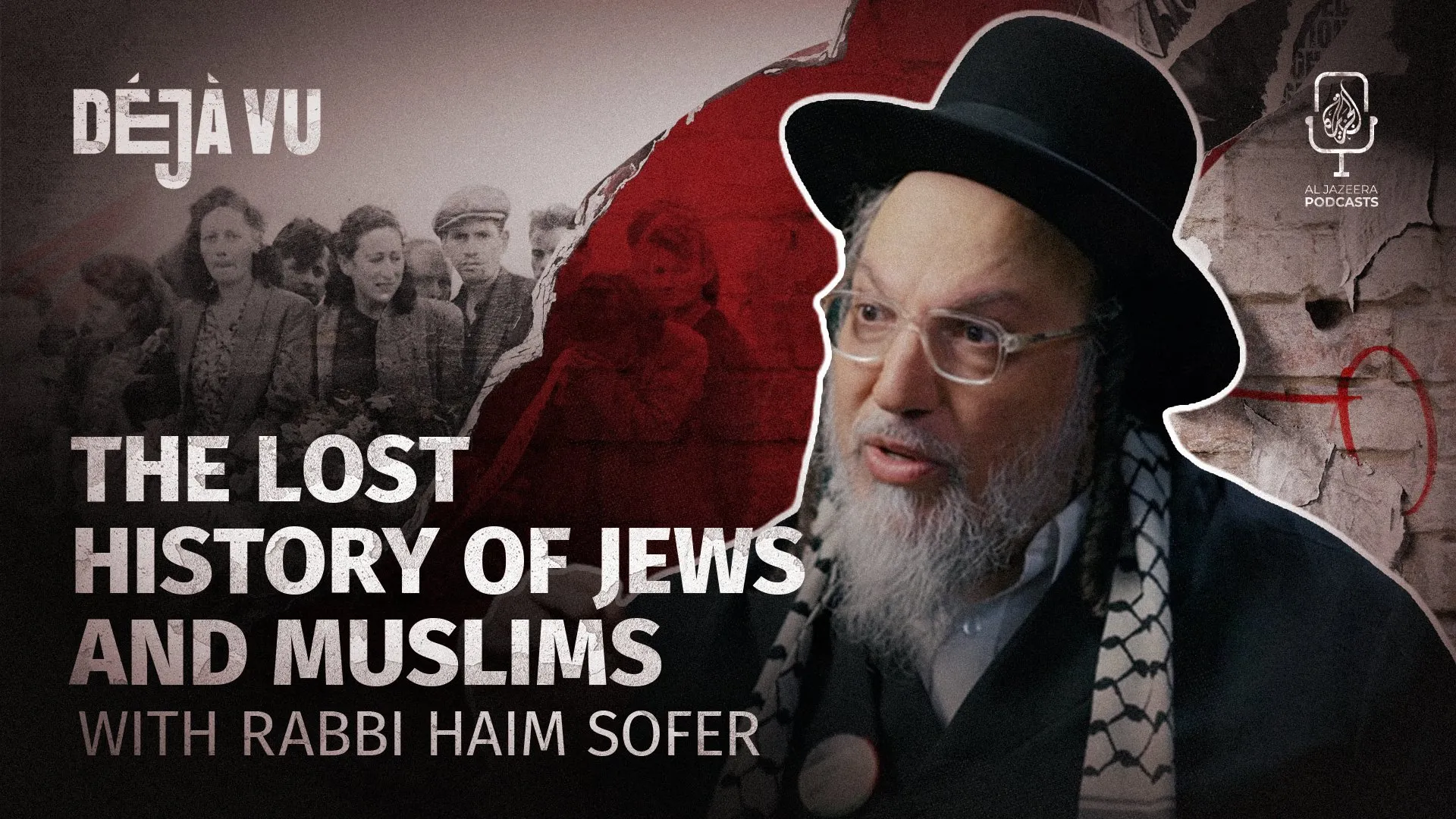
A look at the Neturei Karta movement and the historical arguments regarding Jewish identity, exile, and the impact of Zionism on Jewish-Muslim relations.
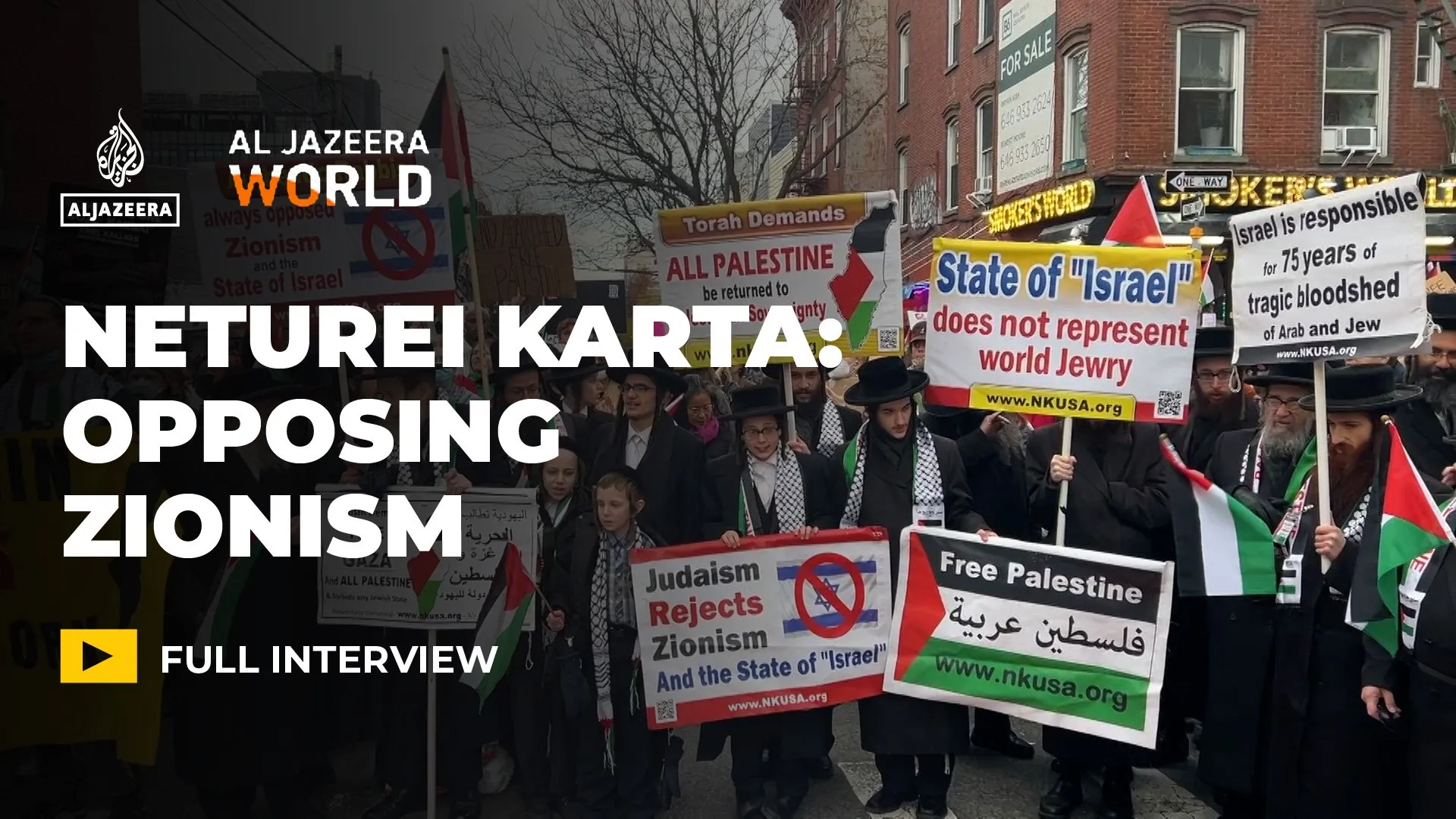
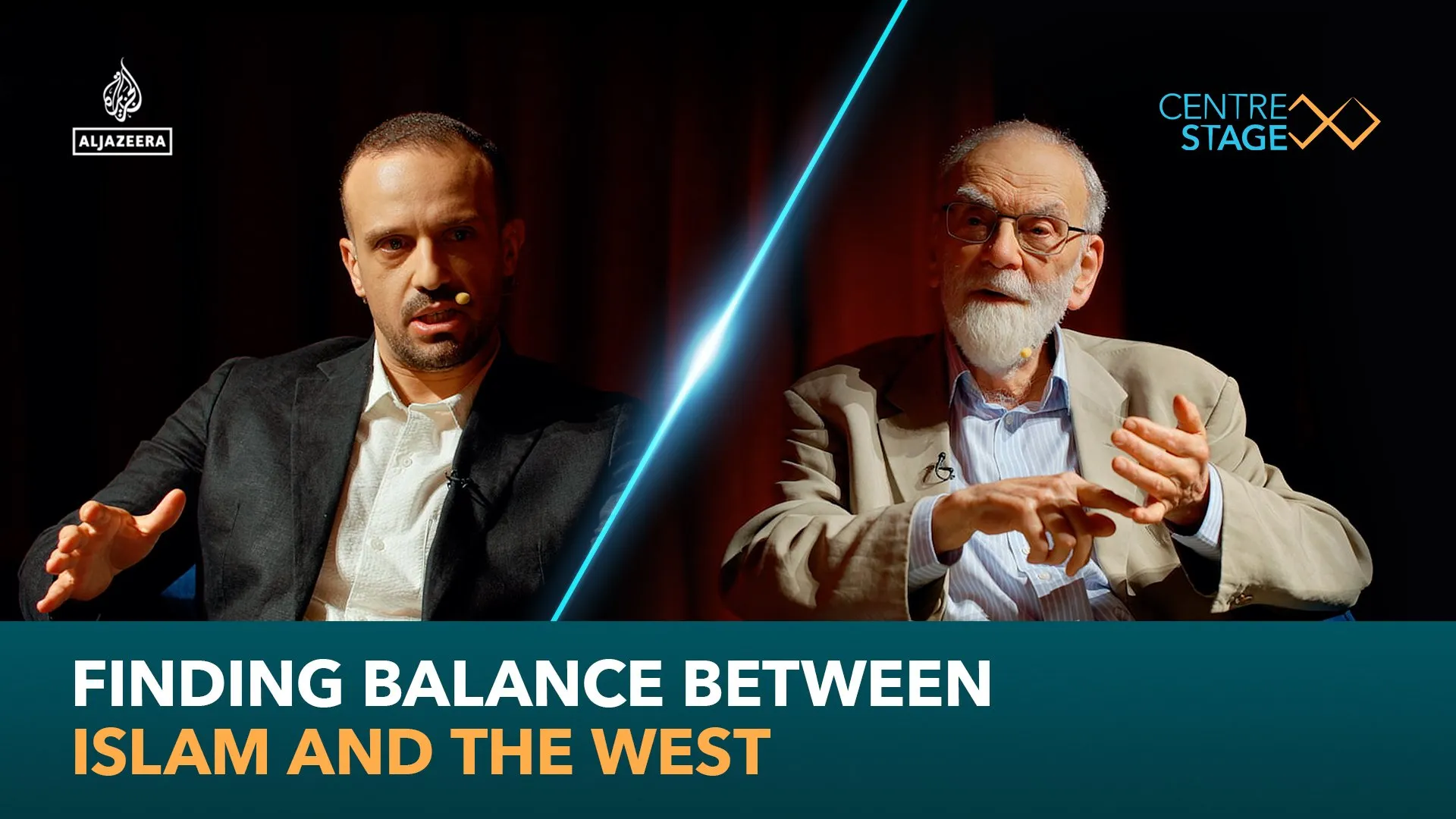
The intersection of Jewish identity, historical coexistence with Islamic cultures, and the political project of Zionism remains a subject of intense theological and historical debate. For the Neturei Karta movement, the existence of a modern Jewish state is not the fulfillment of spiritual prophecy but a fundamental disruption of the traditional Jewish mandate to live in exile until the arrival of the Messiah.
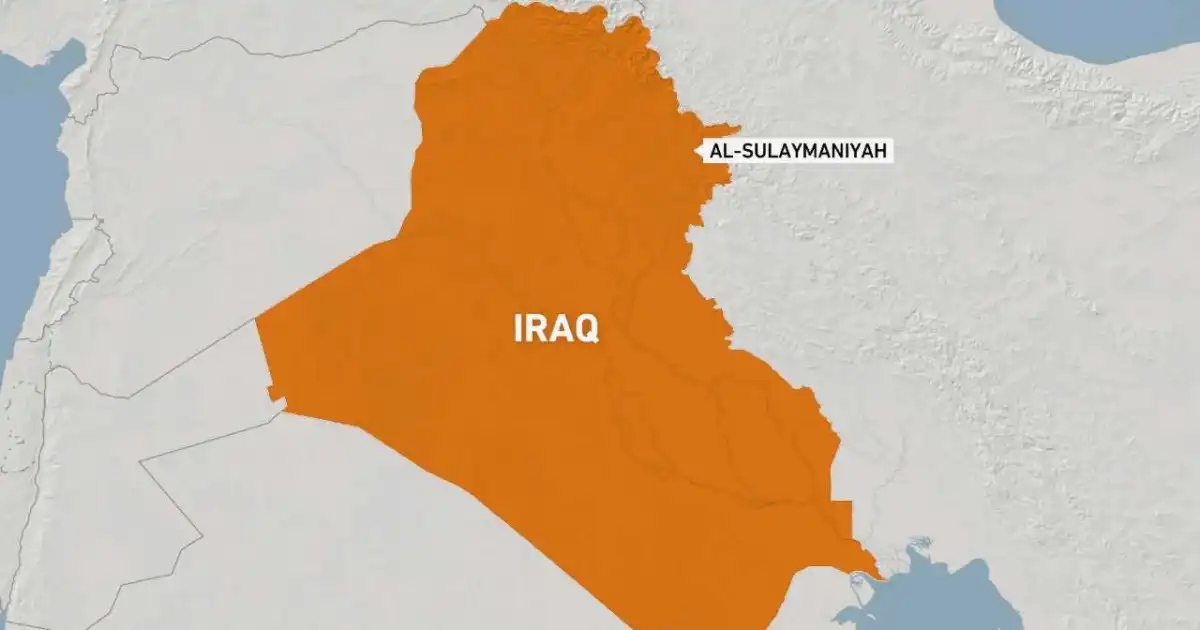
tellectual hubs of al-Andalus to the vibrant communities in Morocco and Iraq—scholars and religious leaders are challenging the narrative that conflict between these two groups is an immutable, ancient reality. Instead, the focus has shifted toward how the 20th-century emergence of political Zionism fundamentally altered these long-standing societal dynamics.
This discussion is critical because it strips away the assumption that the modern geopolitical landscape of the Middle East is the only possible iteration of Jewish-Muslim relations. rstanding of Jewish identity that does not rely on statehood as a primary pillar. For policy observers, understanding this internal Jewish opposition provides context for the diverse range of voices within the religious community, many of whom argue that the security and identity of Jewish people are best maintained through peaceful integration and religious observance rather than territorial nationalism.
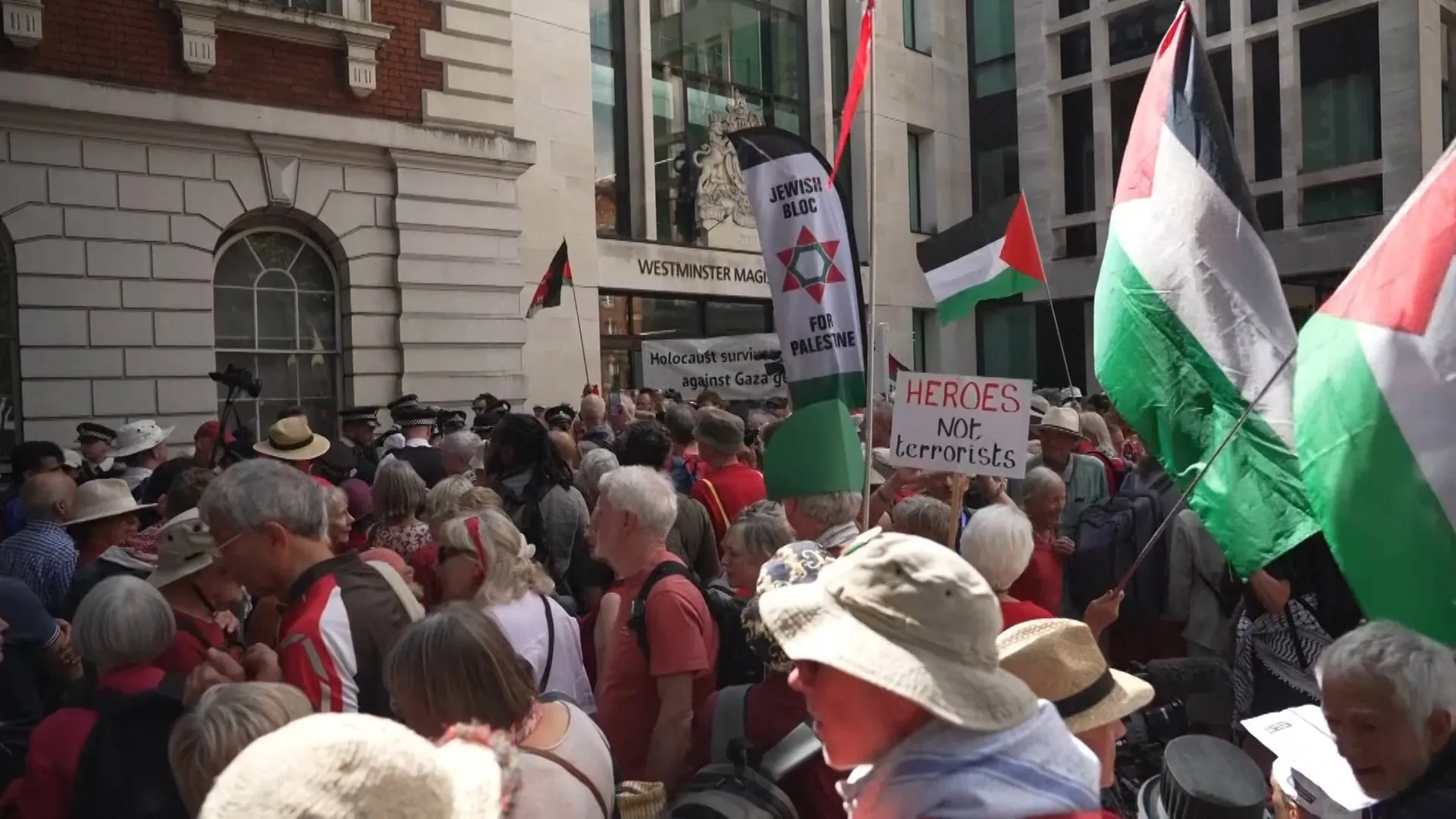
The Neturei Karta movement maintains a stance that is often overlooked in mainstream political discourse: that the creation of a Jewish state is a theological transgression. They argue that the exile of the Jewish people is a divine decree and that any attempt to end that exile through human-led political movements is a violation of sacred law. This perspective asserts that the push for a Third Temple and the assertion of political sovereignty are modern inventions that do not align with traditional rabbinic expectations.
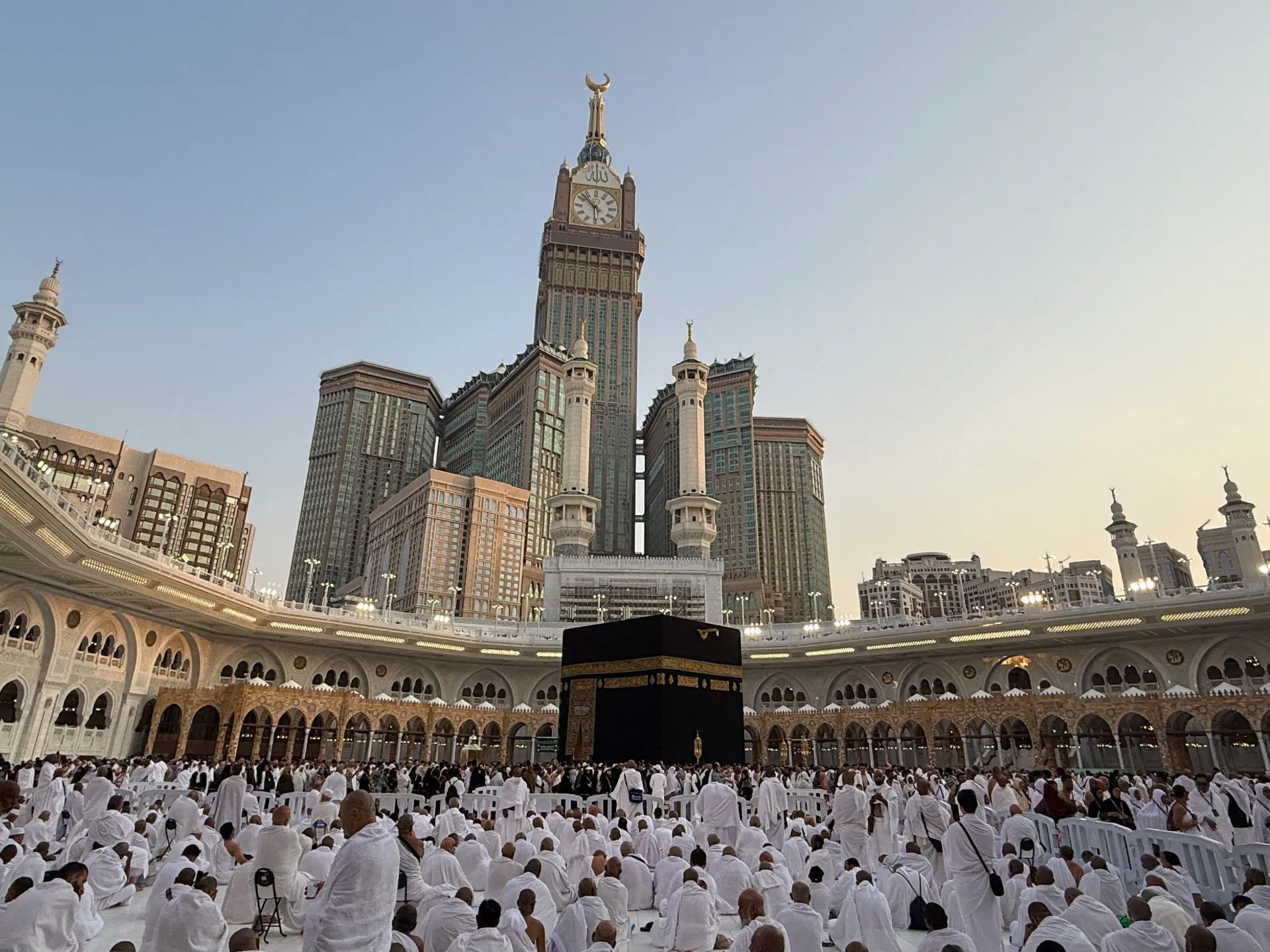
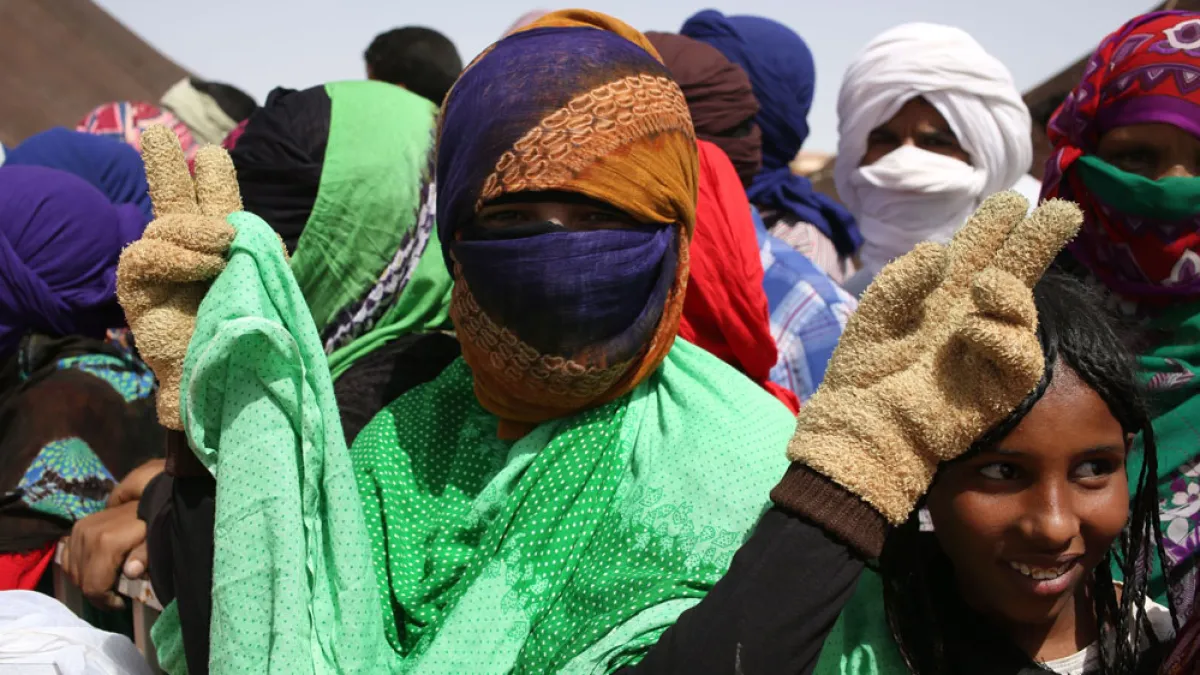
Proponents of this view point toward centuries of shared history where Jewish communities thrived under Islamic rule, particularly in regions like North Africa and the Middle East. They suggest that the tension seen today is a direct byproduct of nationalist ideologies imported during the modern era, rather than an inherent byproduct of religious difference. sh life can, and historically did, flourish outside of a state-centric framework.
The history of Jewish and Muslim interaction is frequently flattened into a narrative of perpetual antagonism. However, historical records from the medieval period, particularly in the Iberian Peninsula and various centers of the Ottoman Empire, suggest a more complex reality of trade, intellectual exchange, and communal cooperation. The modern era of Zionism, according to this school of thought, created a rupture that forced these communities into an "us-versus-them" binary that had not defined their interactions for the preceding millennium.
Critics of this historical revisionism often point to the shifts in the 20th century, where nationalistic fervor replaced the fluid social structures of the past. As borders were redrawn and nation-states became the primary vehicle for identity, the theological nuances that allowed for minority communities to exist under Islamic legal frameworks were increasingly pressured threads to understand how religious identity can be decoupled from the nationalist aspirations that continue to drive regional conflicts.
As the conversation around Zionism and Jewish identity evolves, it is likely that the theological arguments presented sponsored historical accounts. While these views remain a minority position within global Jewry, their persistence highlights the ongoing tension between religious traditionalism and modern political nationalism. Future analysis will likely focus on how these internal disagreements impact the broader reception of Middle Eastern policy, particularly as academic and religious spheres continue to re-examine the historical roots of Jewish-Muslim relations in the pre-Zionist era.