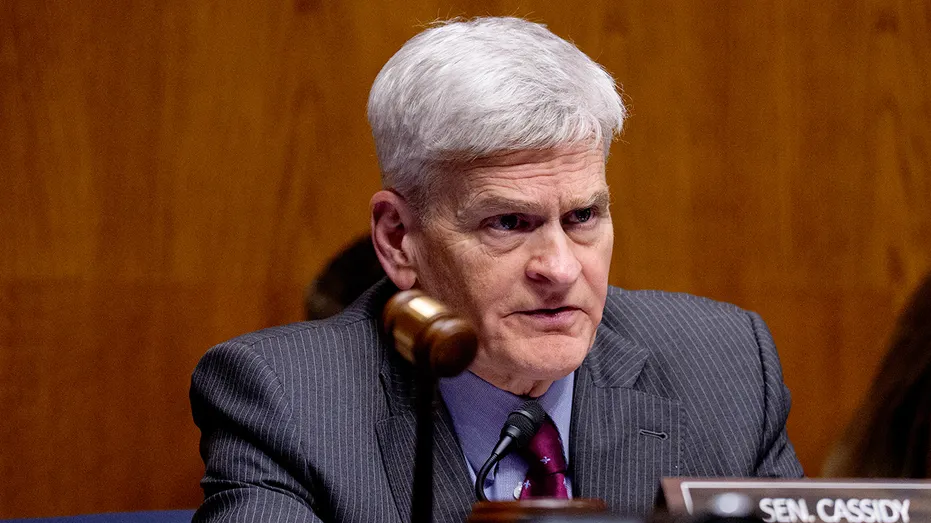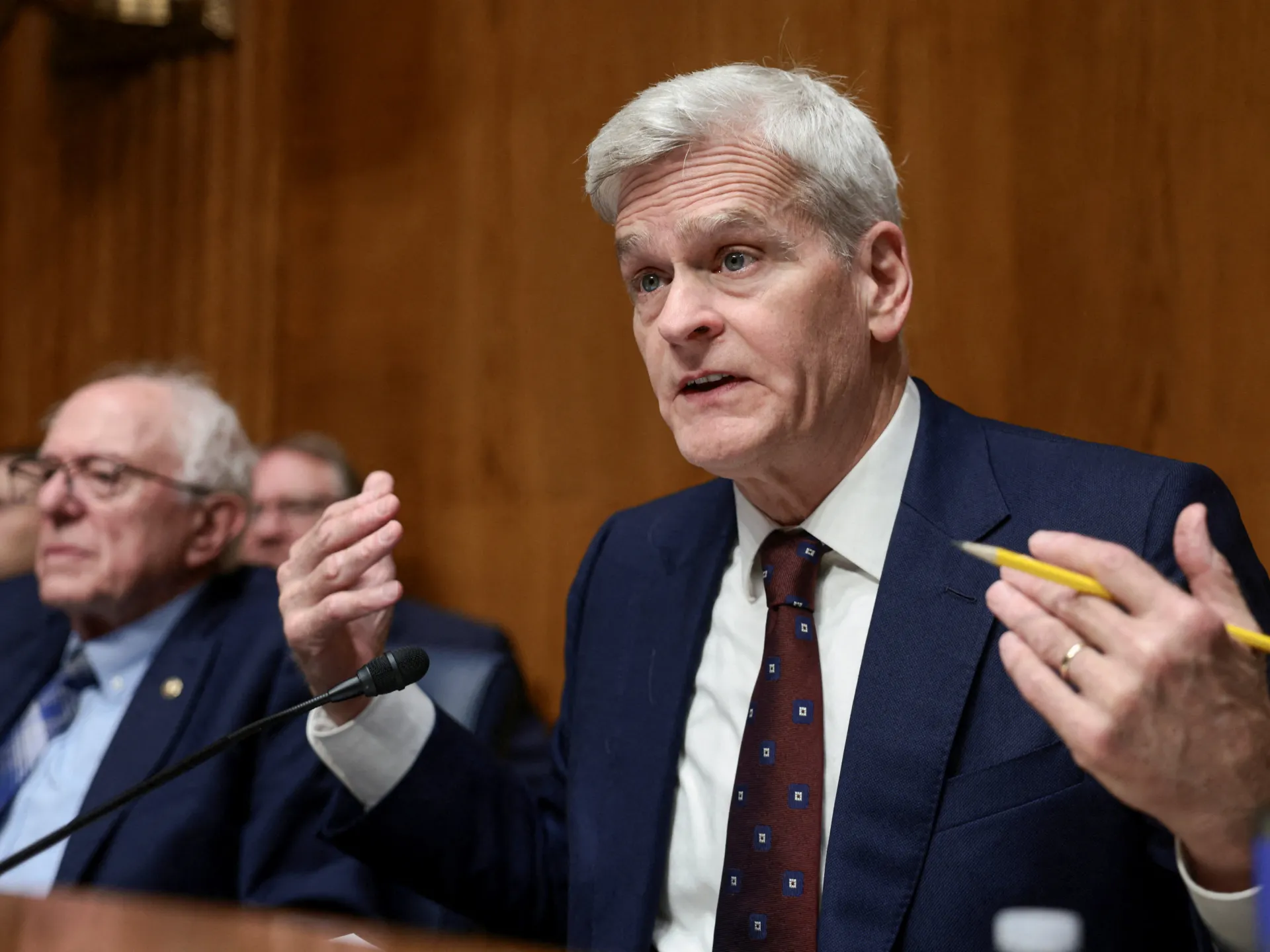
Senator Bill Cassidy has publicly challenged the administration’s vaccination policy, citing a sharp rise in measles deaths as a failure of science-based leadership.
The United States is currently grappling with its most significant measles outbreak in over three and a half decades, a situation that has prompted severe warnings from health professionals and lawmakers alike. This resurgence of a disease previously considered eliminated in the country has sparked a heated debate regarding the influence of political ideology on national health policy. As the infection rate climbs, the tragedy of losing lives to a fully preventable condition has become a focal point of intense legislative scrutiny.
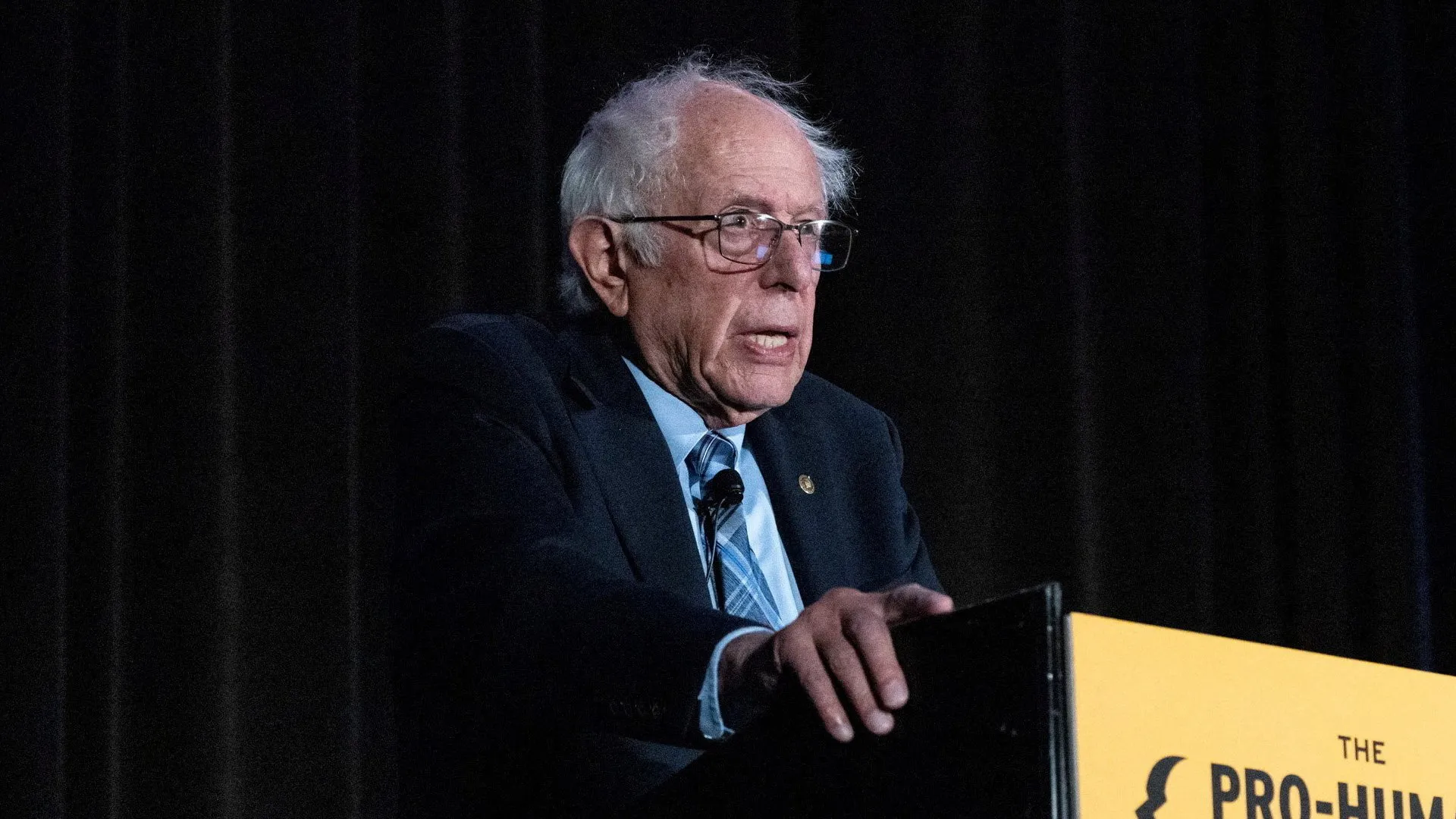
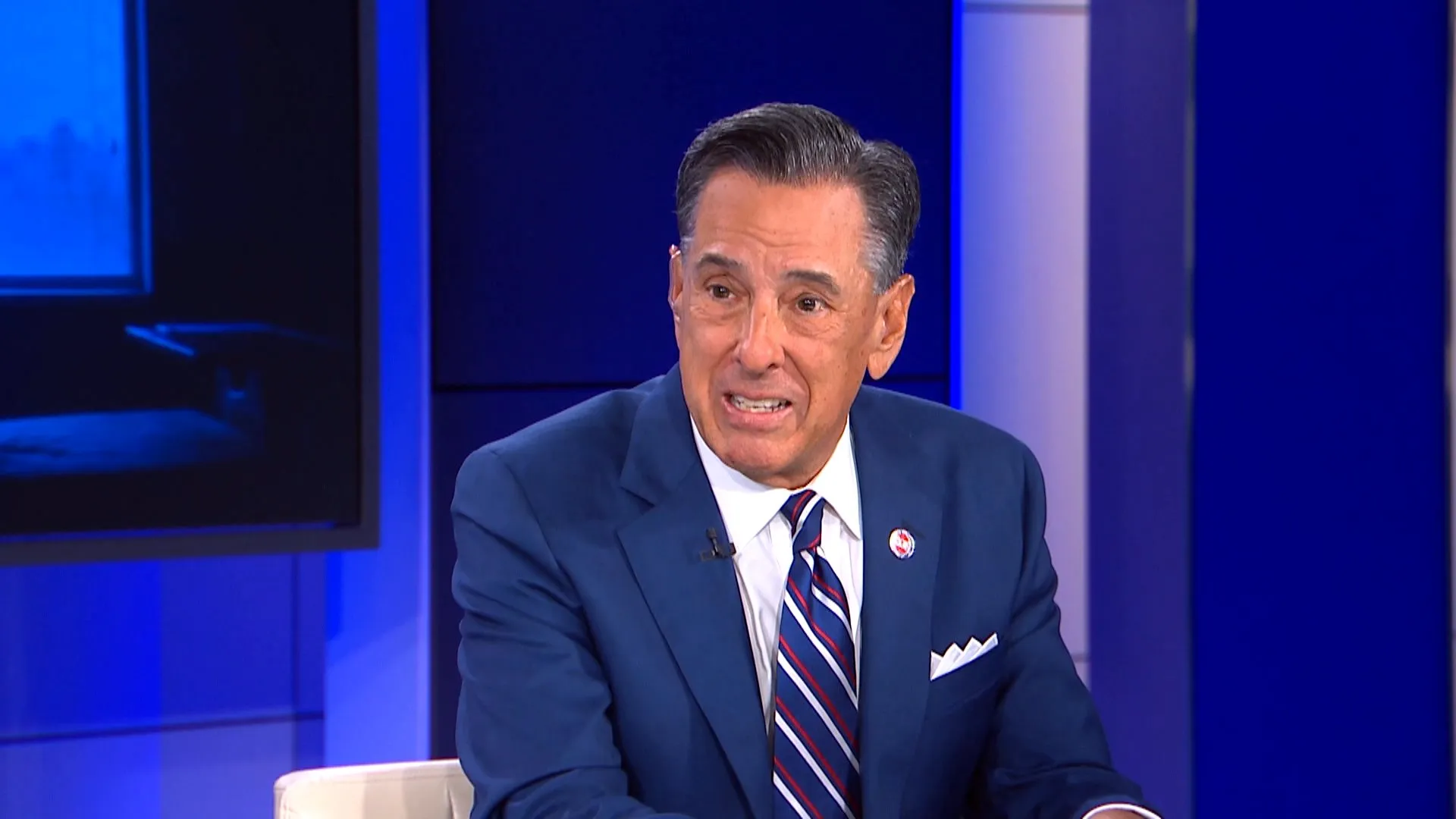
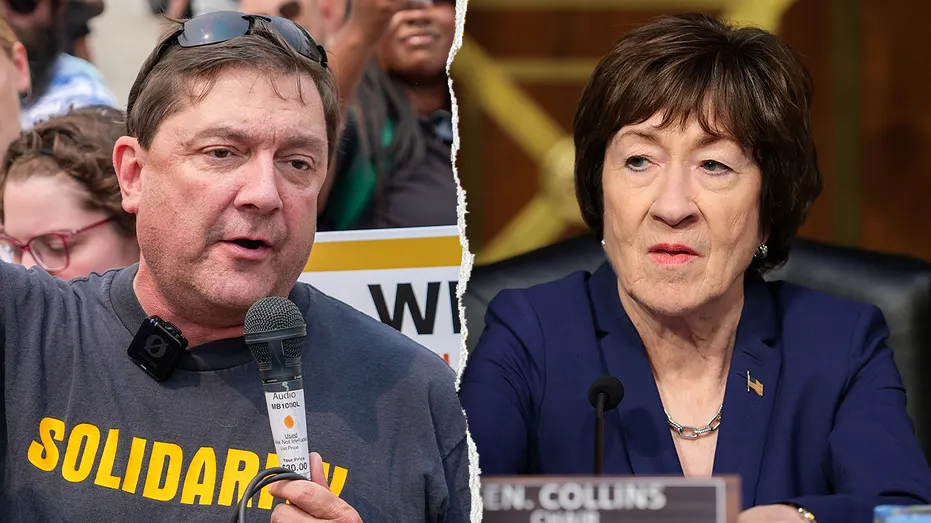
Senator Bill Cassidy, a Republican representing Louisiana and a medical doctor r of the Senate Health Committee, Cassidy has publicly linked the current crisis to the administration’s broader approach to immunization. His critique centers on the necessity of prioritizing empirical, scientific data over political rhetoric when making high-stakes decisions that directly impact the safety of the American public.
The severity of the current situation is underscored s directly attributed to the measles outbreak. At least one additional death remains under investigation, highlighting the urgency of the situation. For experts and lawmakers, these deaths represent a failure of public health communication and a dangerous erosion of trust in long-established medical protocols.
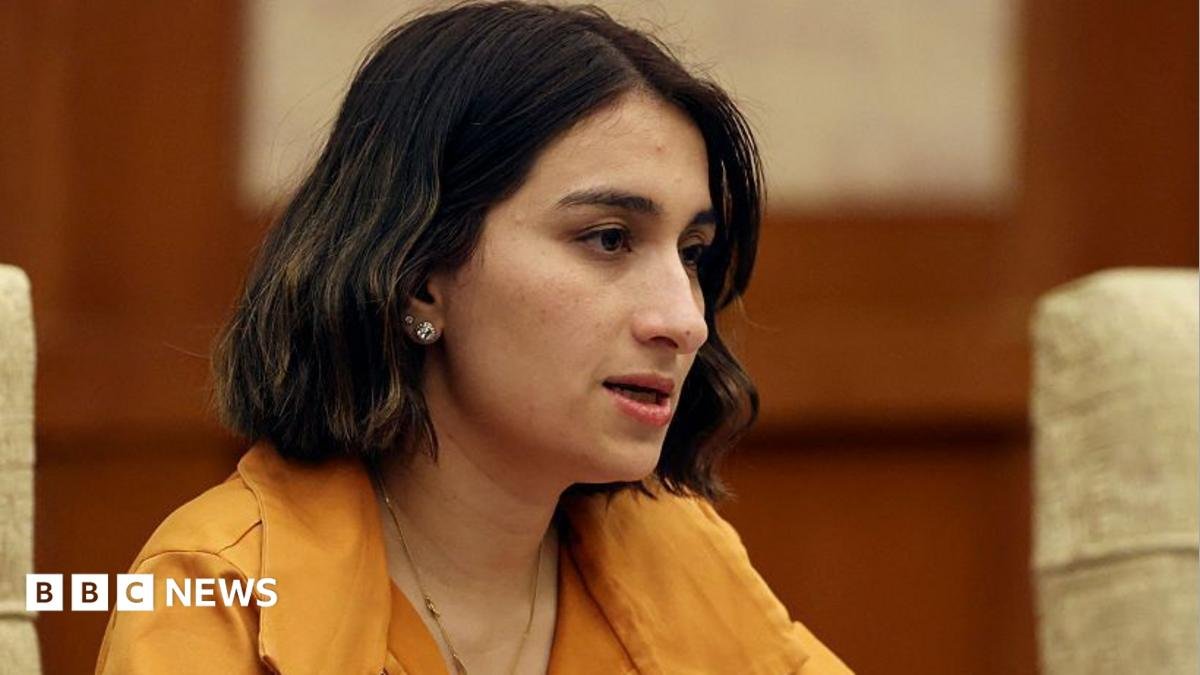
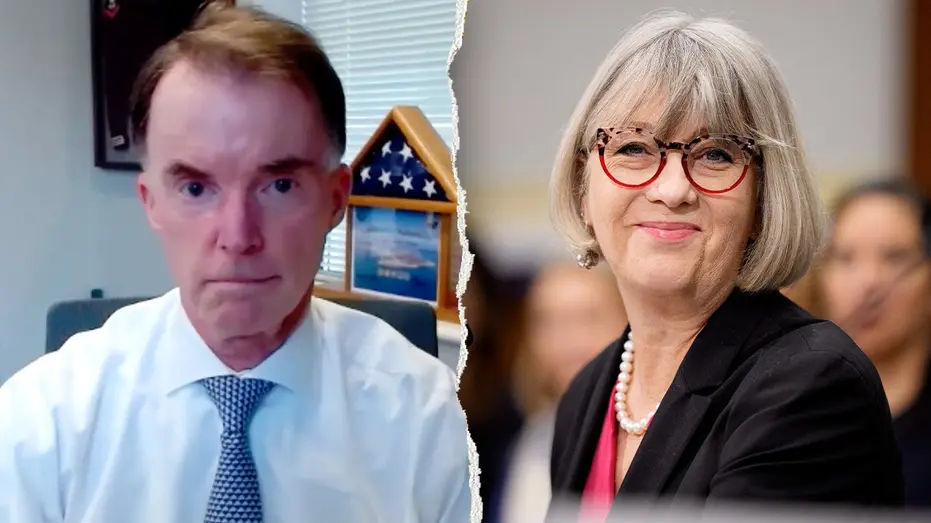
The Senate Health Committee is currently engaged in the rigorous process of vetting nominees for key public health positions within the administration. Among the candidates under review are Dr. Nicole Saphier, who has been nominated for the role of surgeon general, as well as candidates for the deputy secretary of Health and Human Services and leadership positions within the Substance Abuse and Mental Health Services Administration. Each of these roles requires Senate confirmation, a process that has become increasingly contentious.
During recent hearings, Senator Cassidy pressed Dr. Saphier on her stance regarding the safety and efficacy of the measles-mumps-rubella (MMR) vaccine. The questioning was specifically aimed at addressing persistent, debunked claims that have circulated within political spheres suggesting a link between childhood vaccinations and autism. While Saphier initially provided a measured response, Cassidy pushed for clarity, demanding an unequivocal statement on the scientific consensus regarding vaccine safety.
The confirmation process for the surgeon general post has been notably difficult, with the position remaining vacant since early 2025. Previous nominees faced significant pushback from the Senate, often due to concerns regarding their qualifications and their alignment with the administration’s controversial views on public health. The committee’s current deliberations reflect a broader struggle to fill these critical roles with individuals who are prepared to steer the nation’s health agenda based on established clinical evidence.
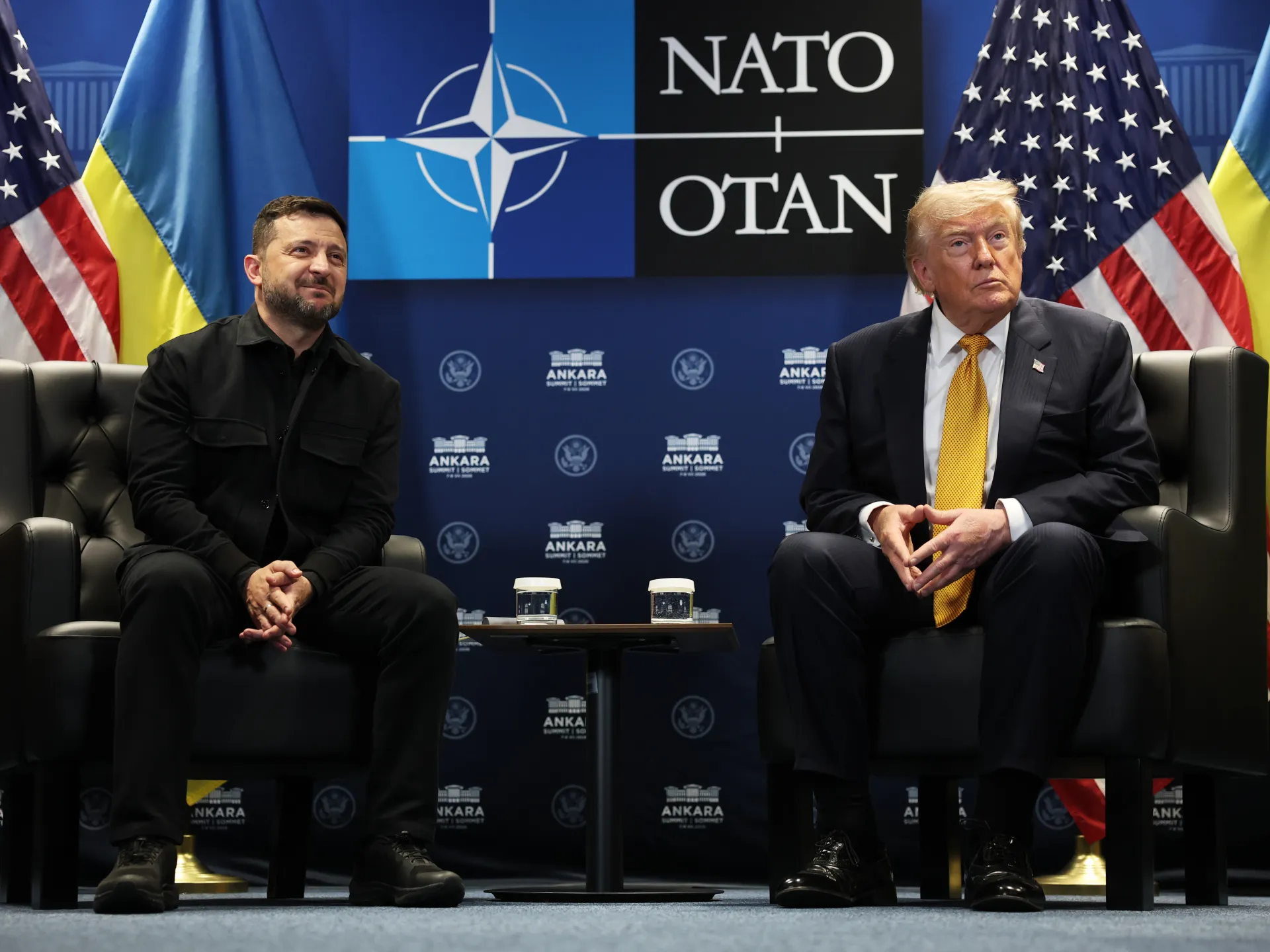
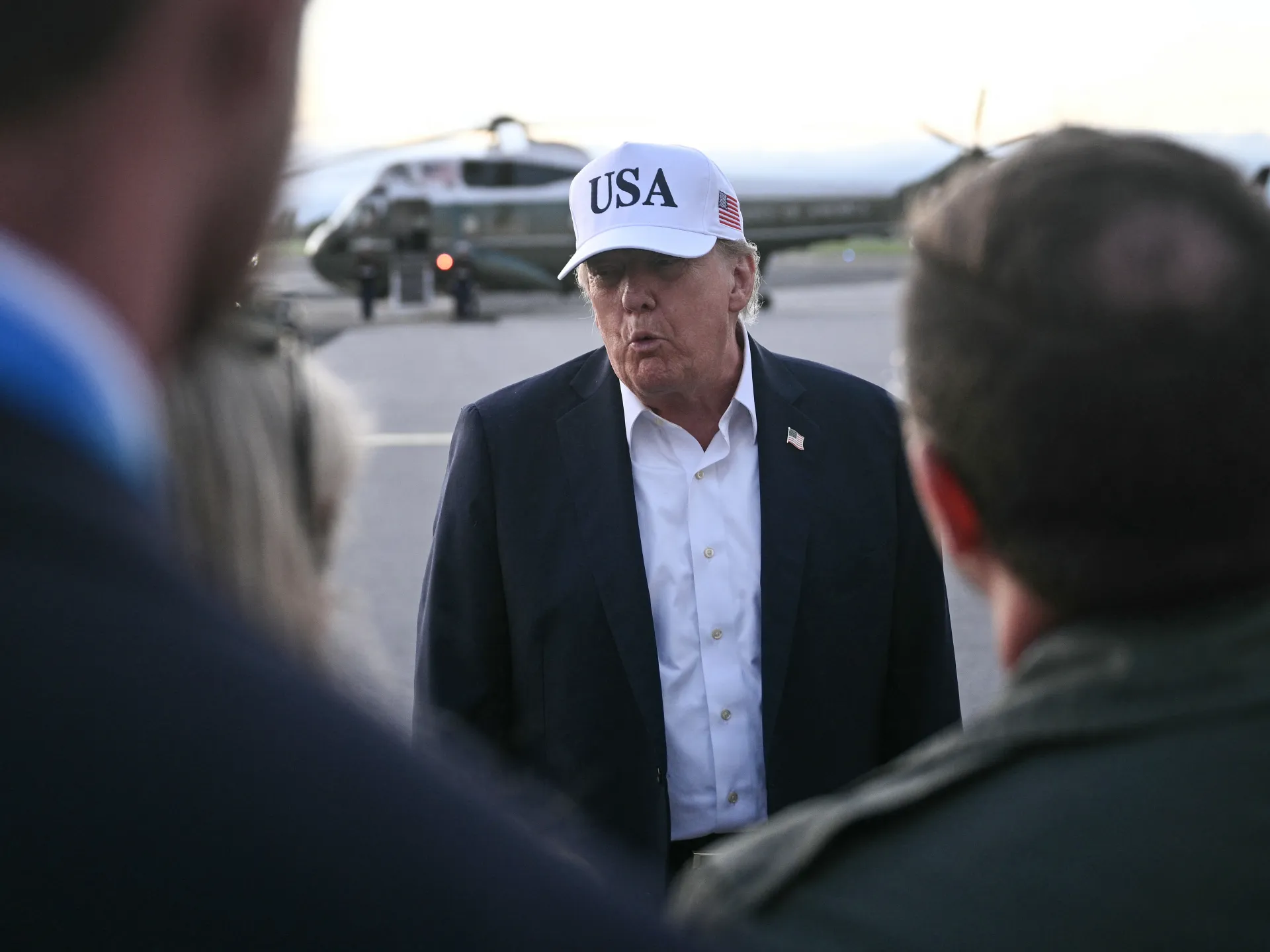
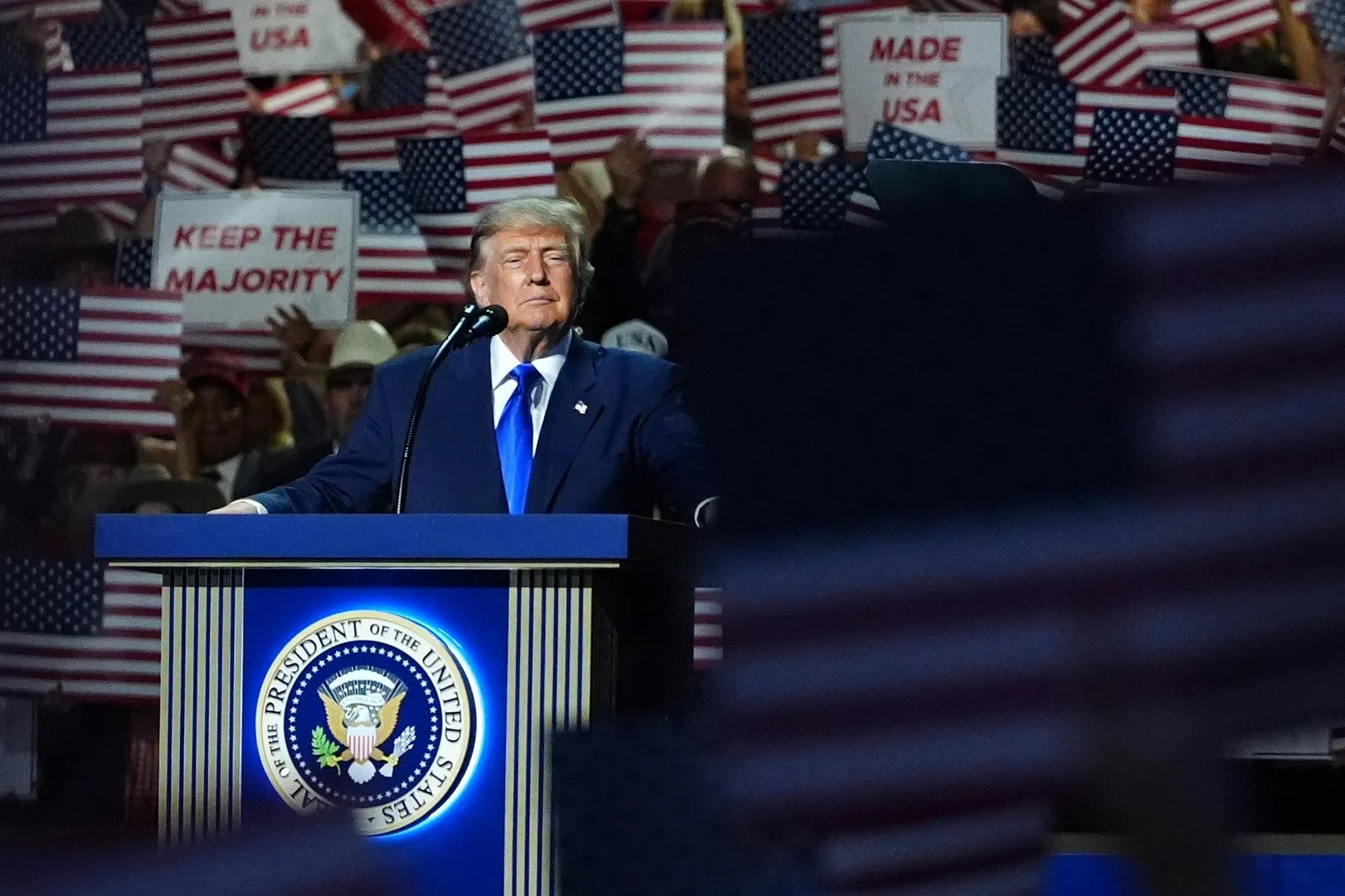
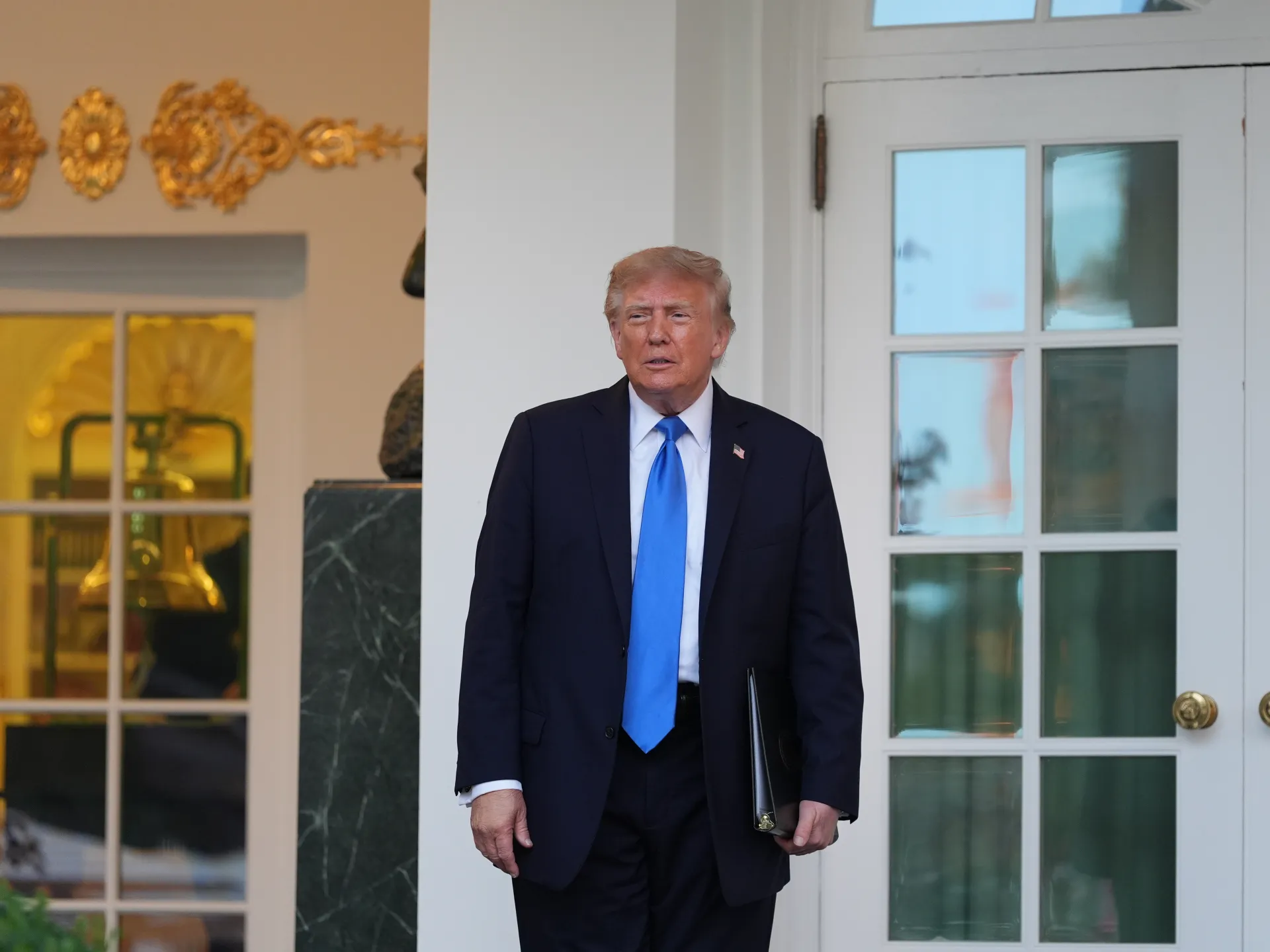
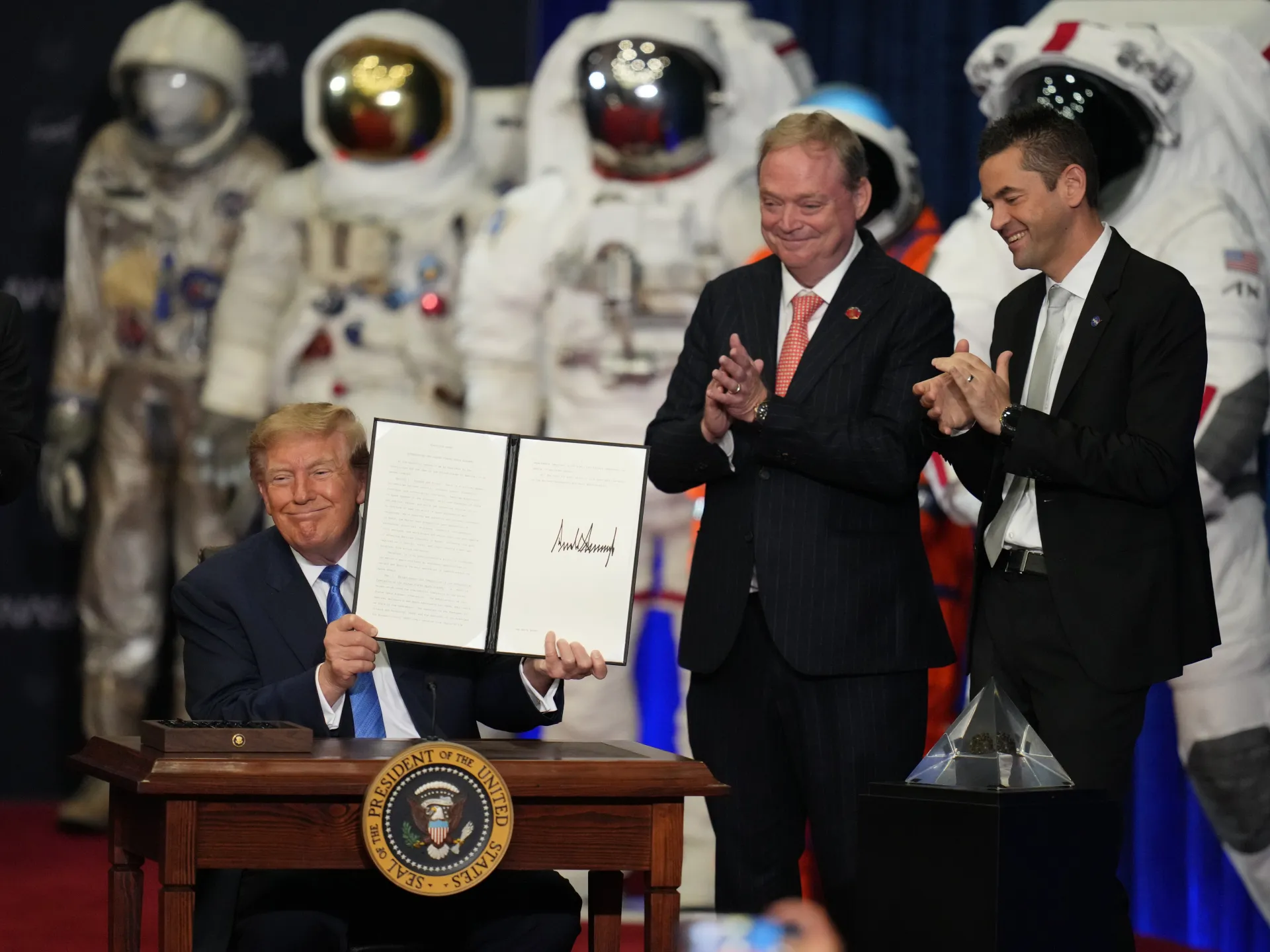
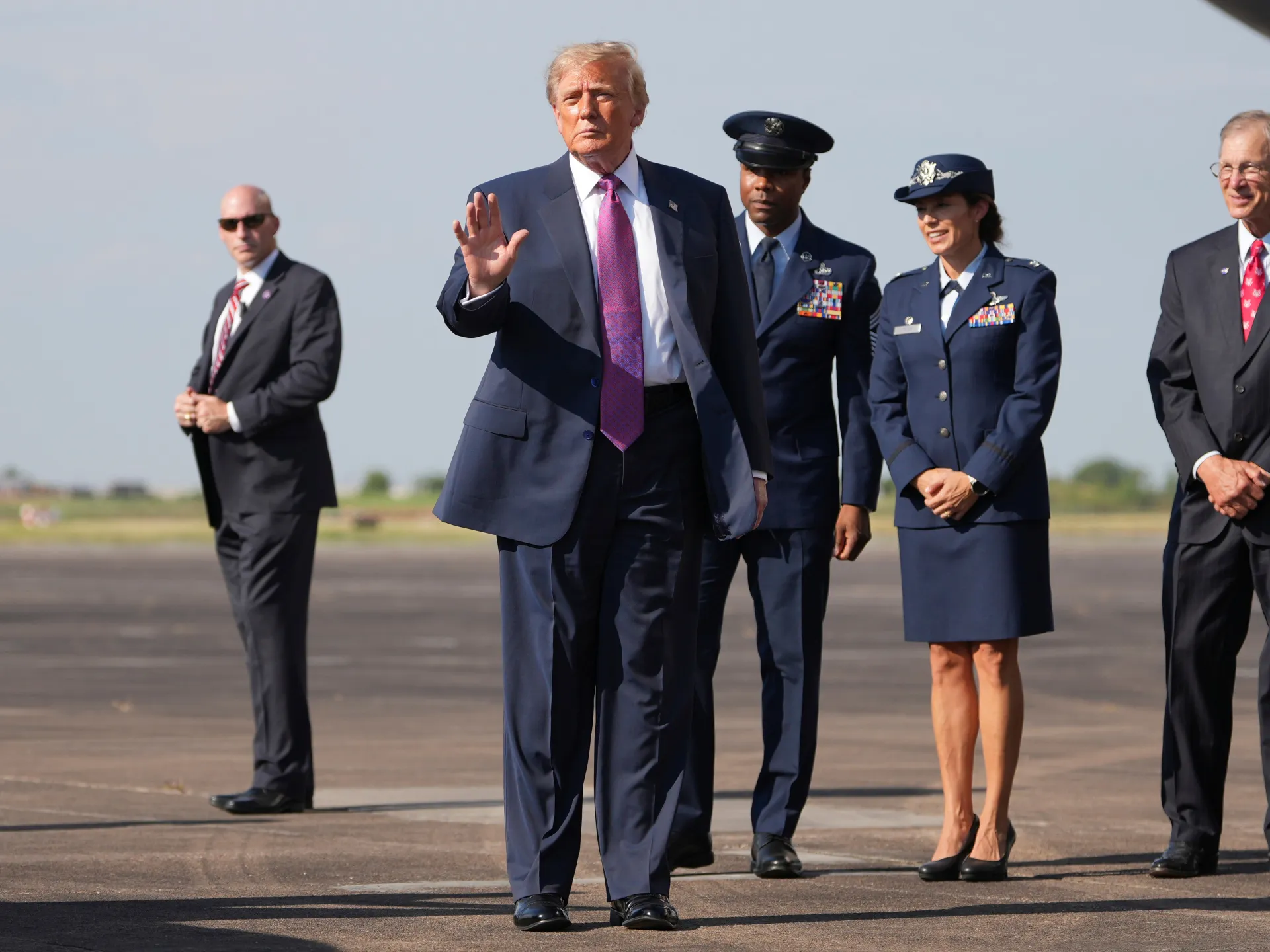
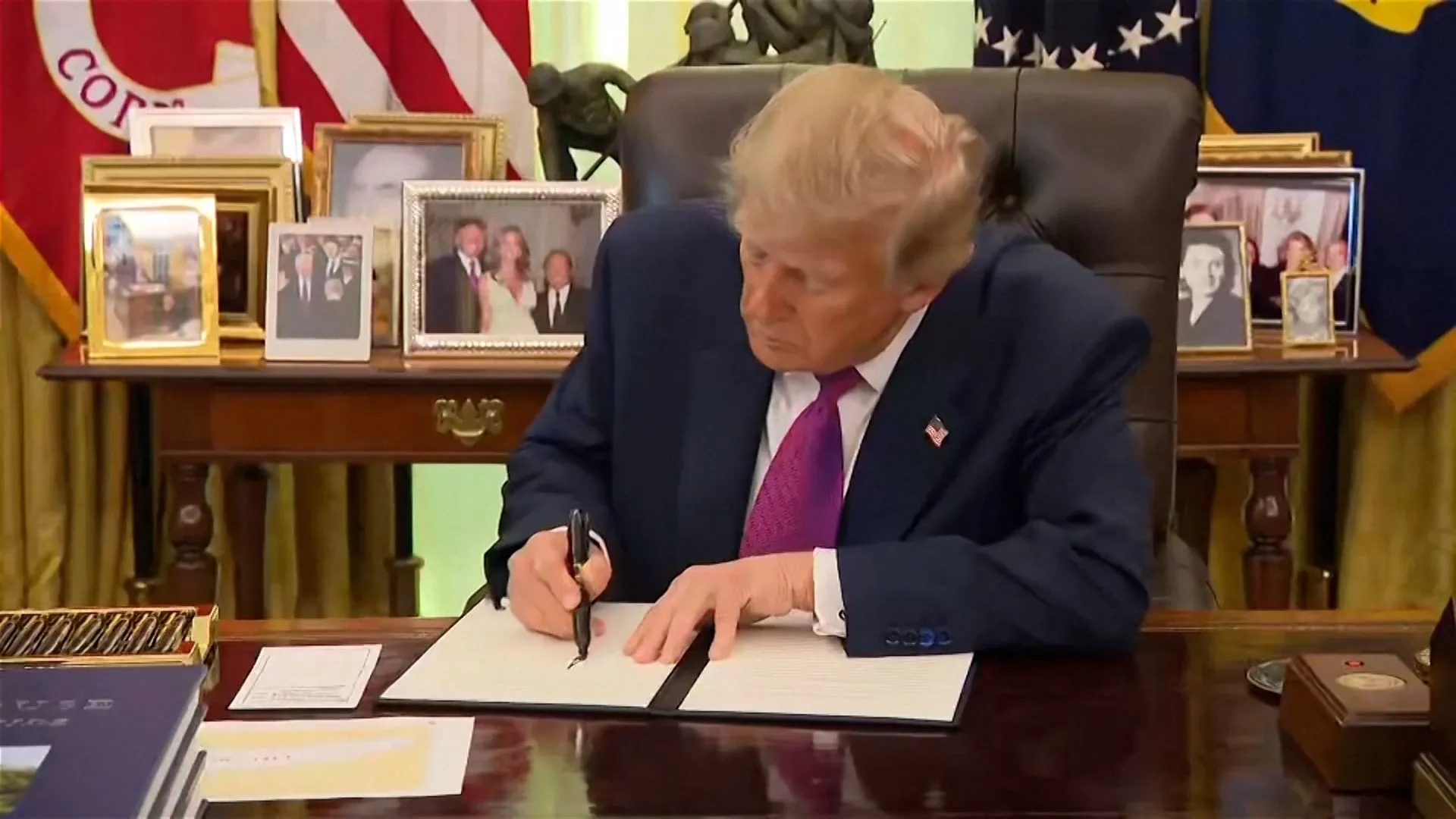
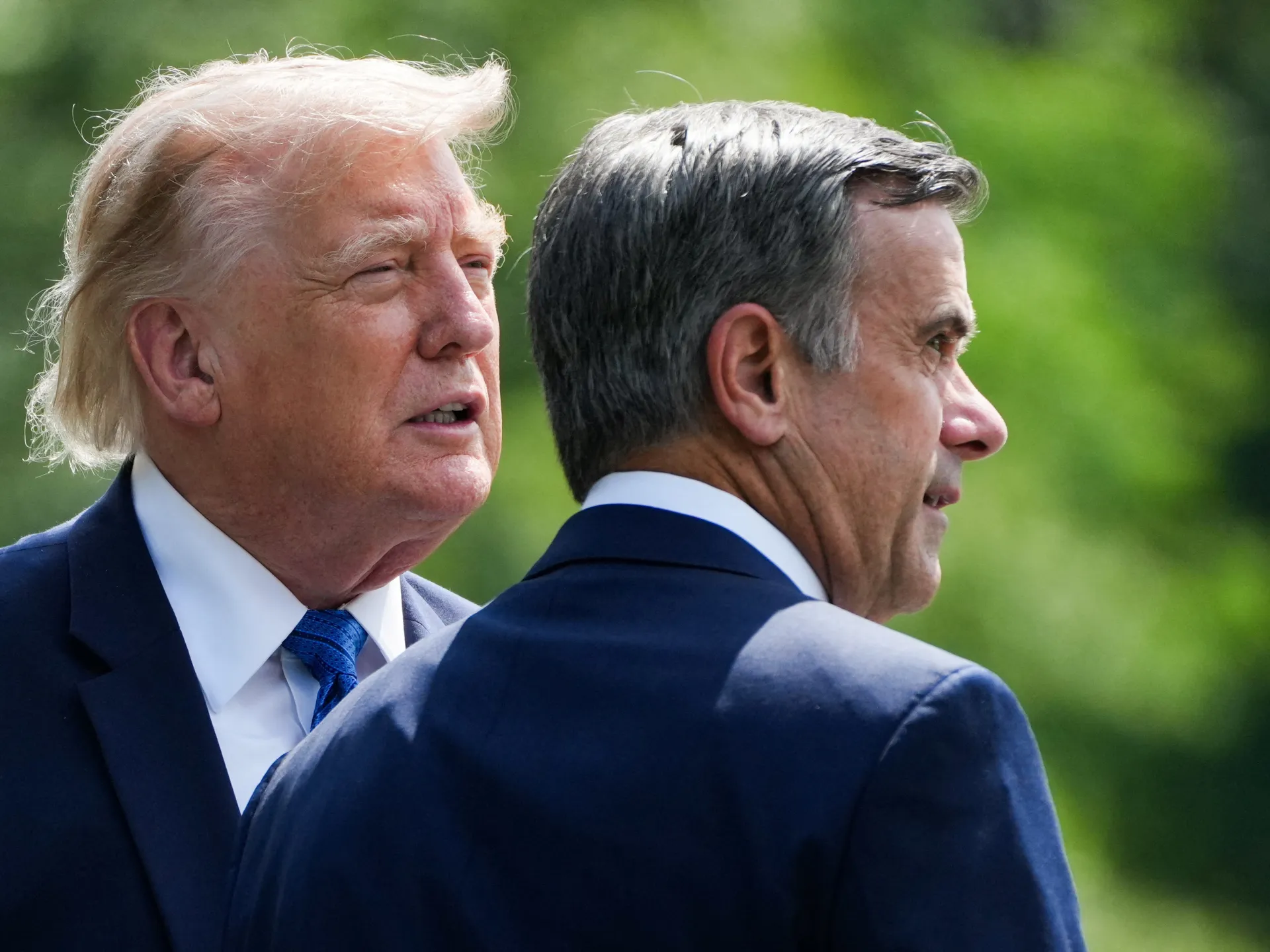
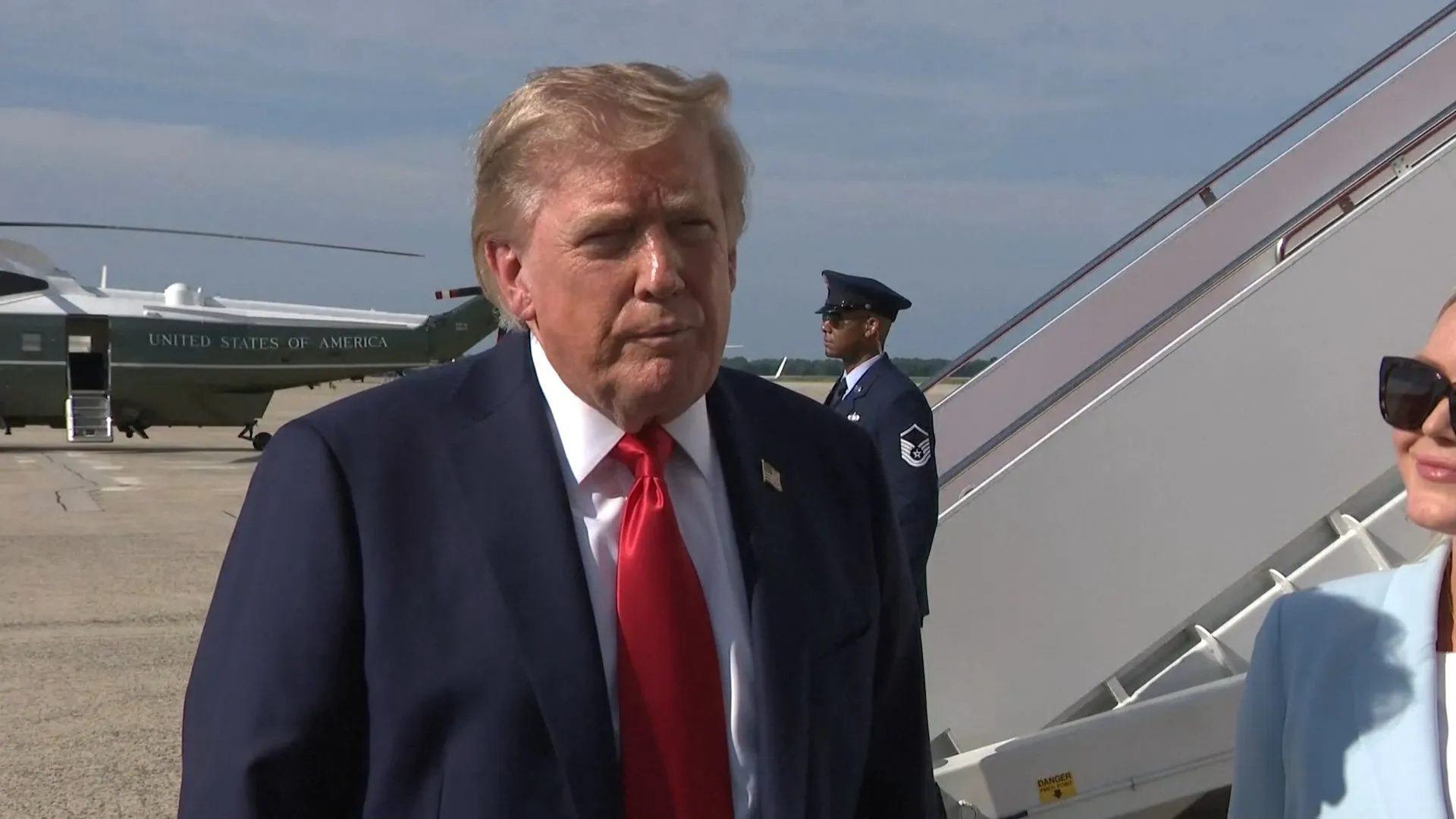
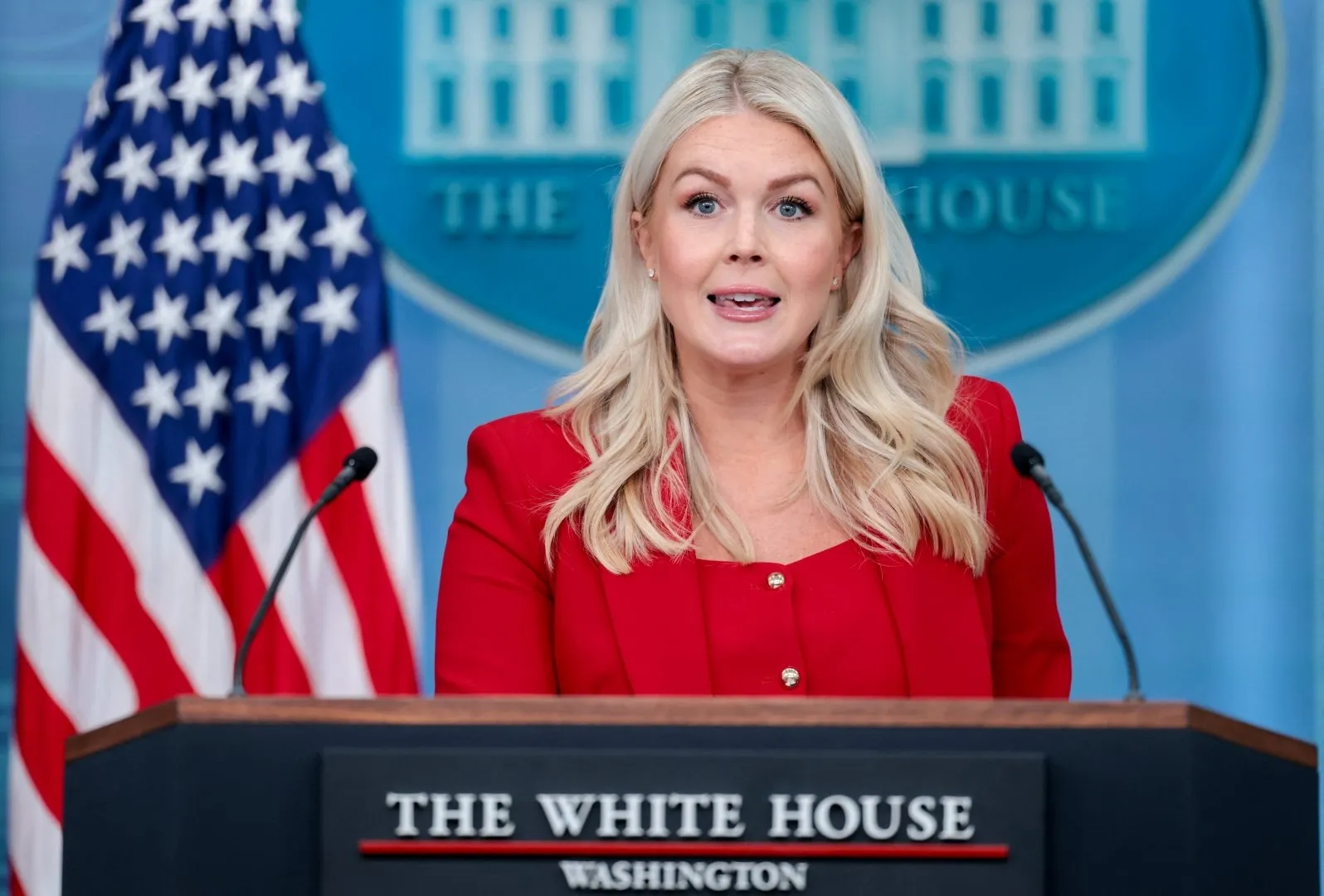
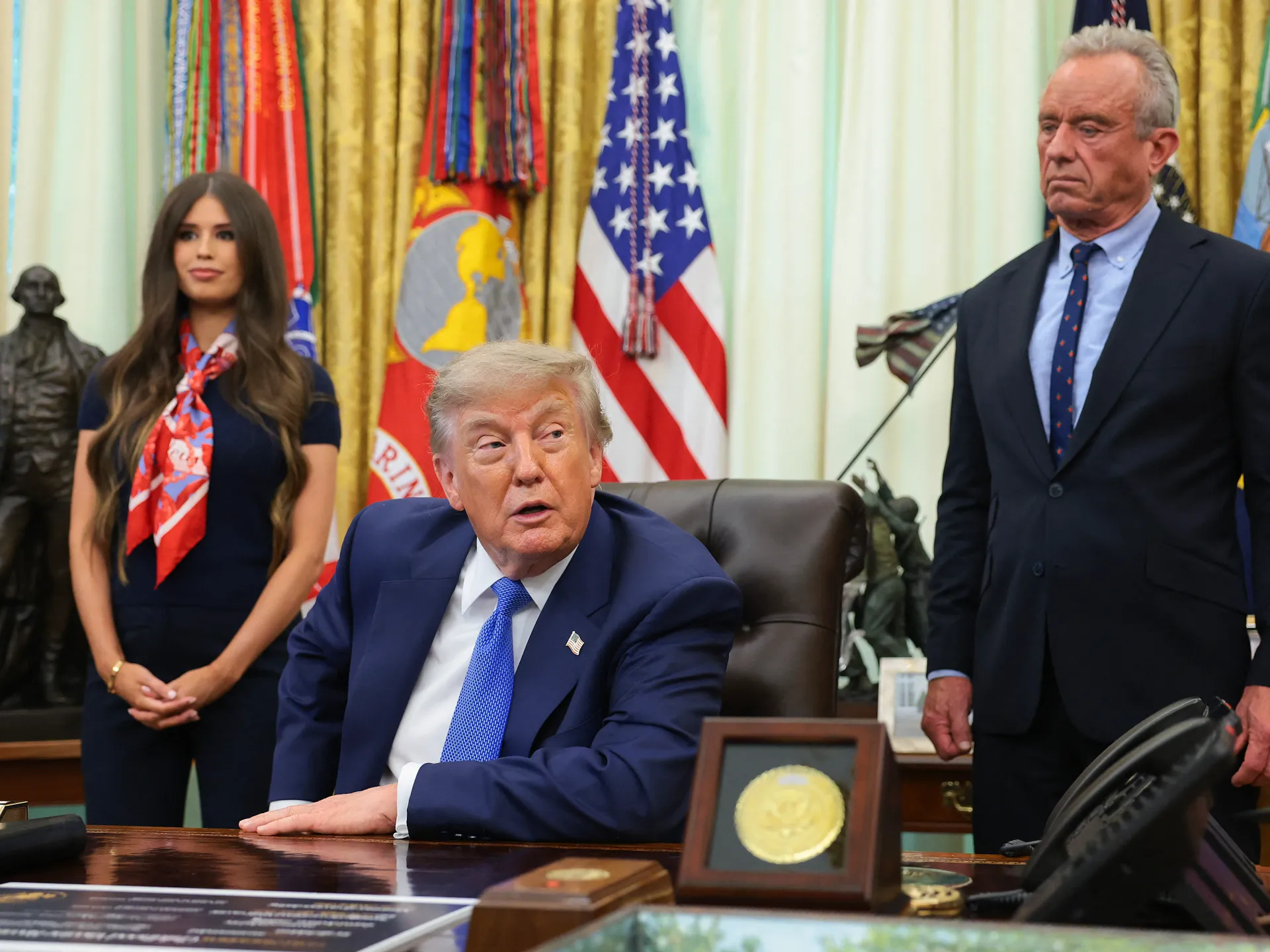
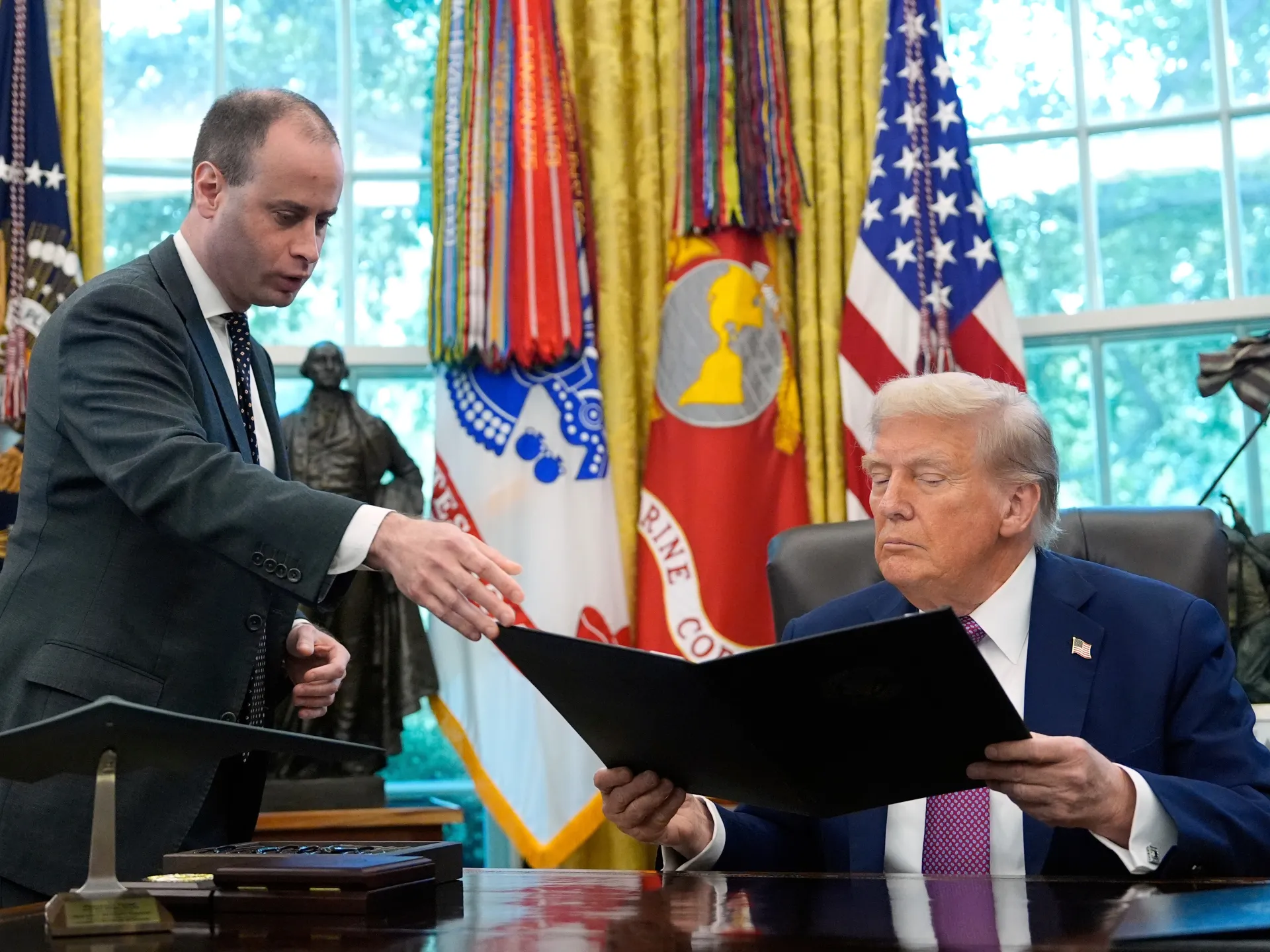
The tension between the White House and medical experts has been amplified Human Services Secretary Robert F. Kennedy Jr. and President Trump himself. Both have faced widespread criticism from the medical community for fostering skepticism regarding vaccines, which many health officials argue has directly contributed to the current decline in immunization rates.
Senator Cassidy’s outspoken position against these narratives marks a significant divergence from the party line. Having previously faced political repercussions for his actions, including his vote to impeach the president in 2021, Cassidy has demonstrated a willingness to challenge the administration’s policies on public health grounds. His stance emphasizes that the role of government officials in health agencies should be to act as stewards of public safety, rather than participants in ideological debates that jeopardize communal health.
As the Senate continues its review of administrative nominees, the debate serves as a stark reminder of the stakes involved in public health governance. With measles cases continuing to rise, the pressure on legislators to ensure that health officials are guided may ultimately dictate the effectiveness of the nation's response to this ongoing health crisis and the future of vaccination efforts across the country.