As Iranian women mount public protests against mandatory dress codes, the US government prepares to host Iranian officials at the UN General Assembly under strict limitations.
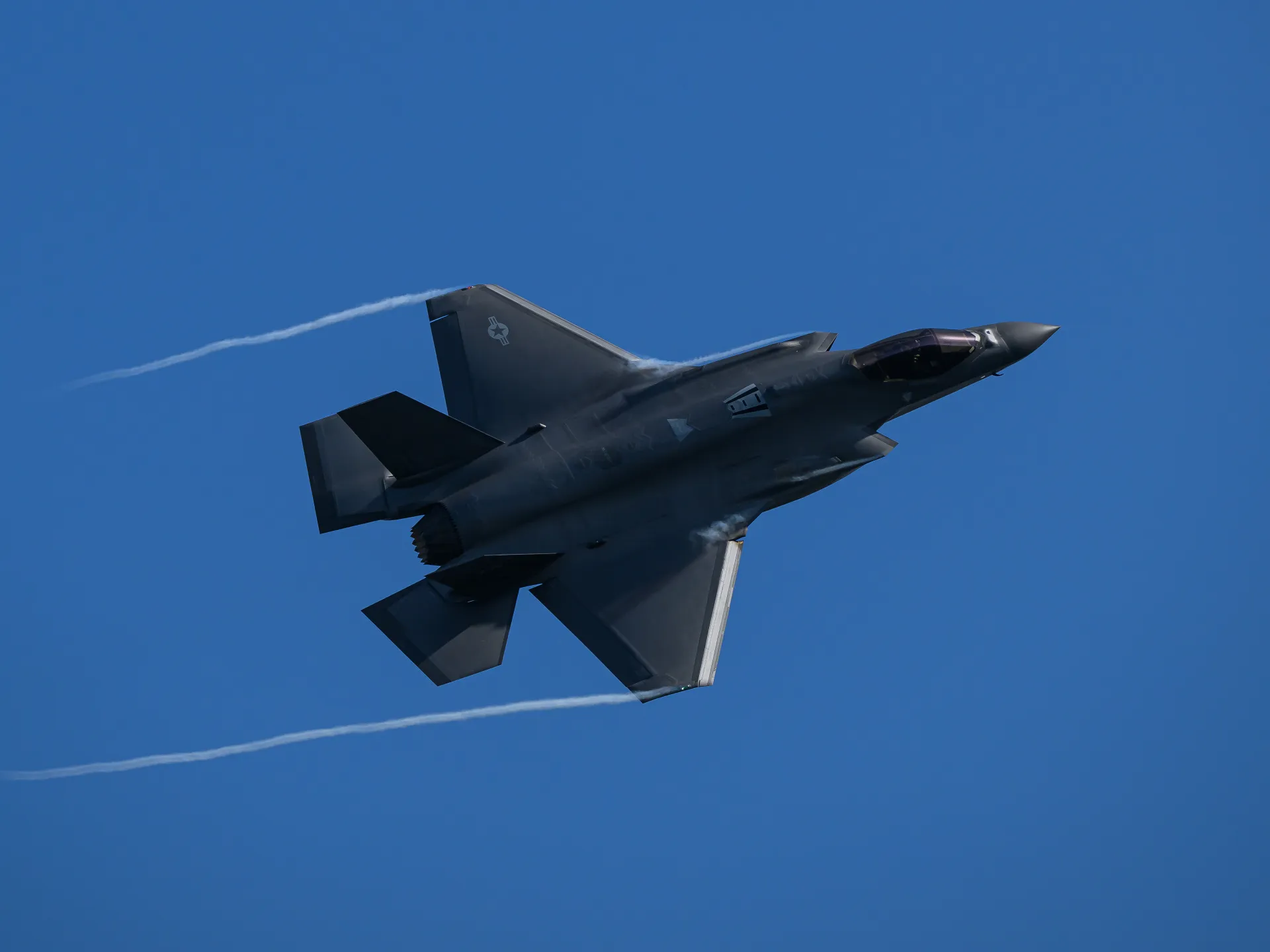
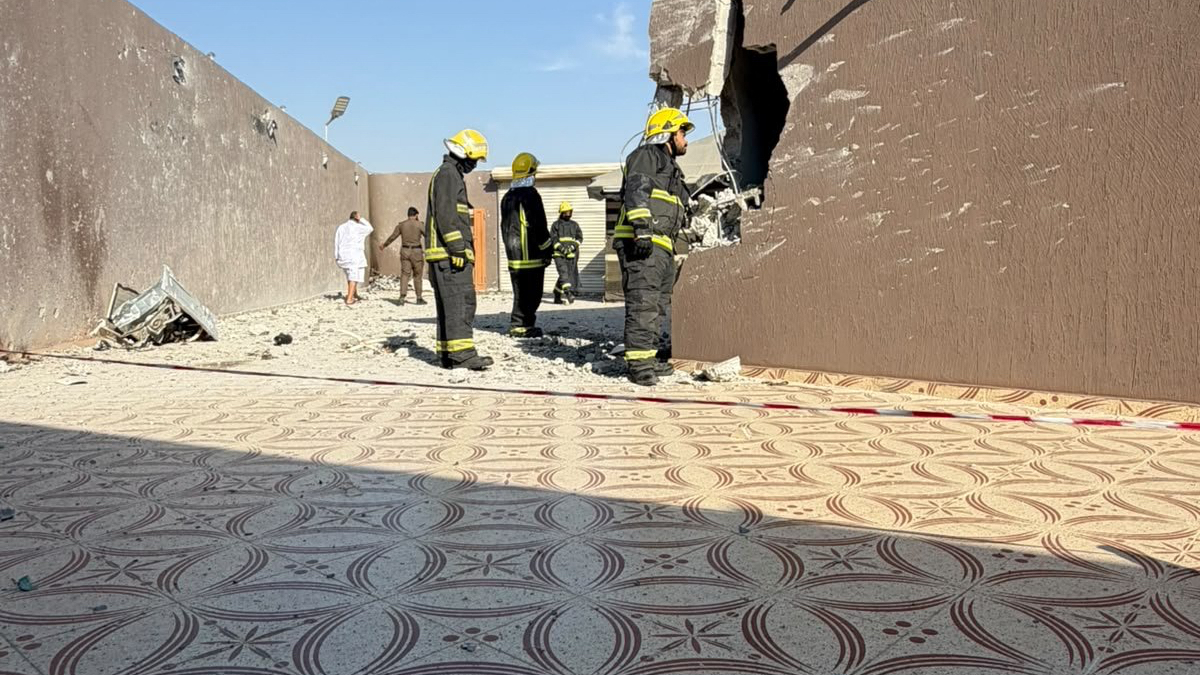
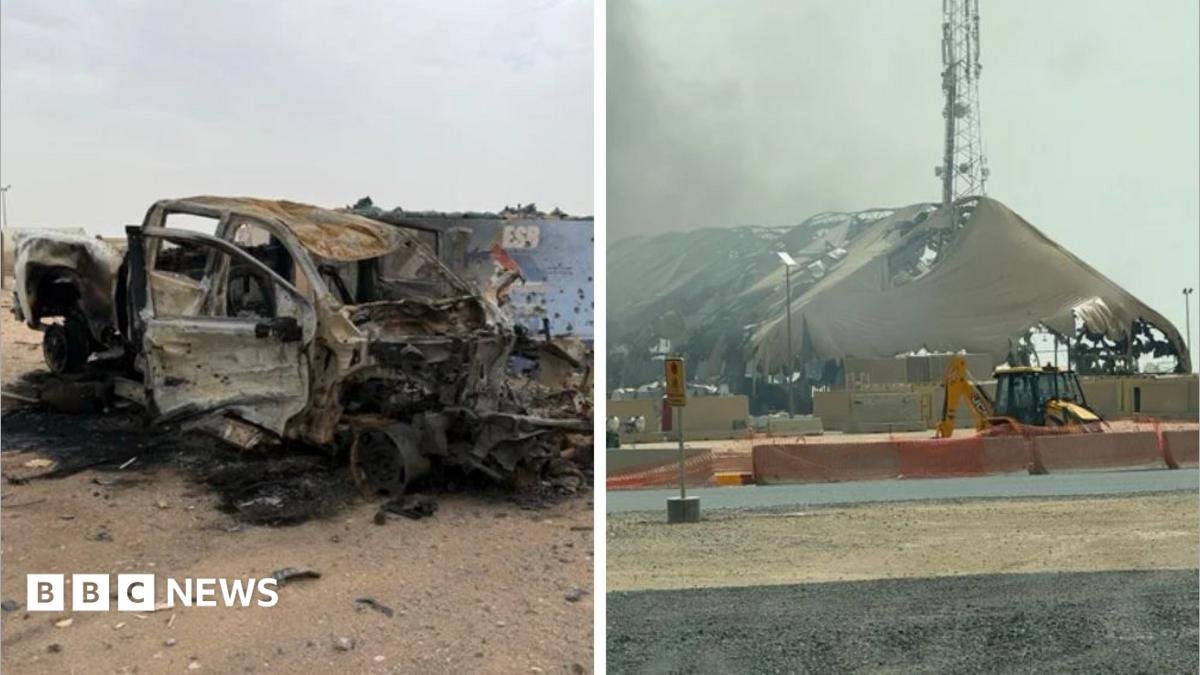
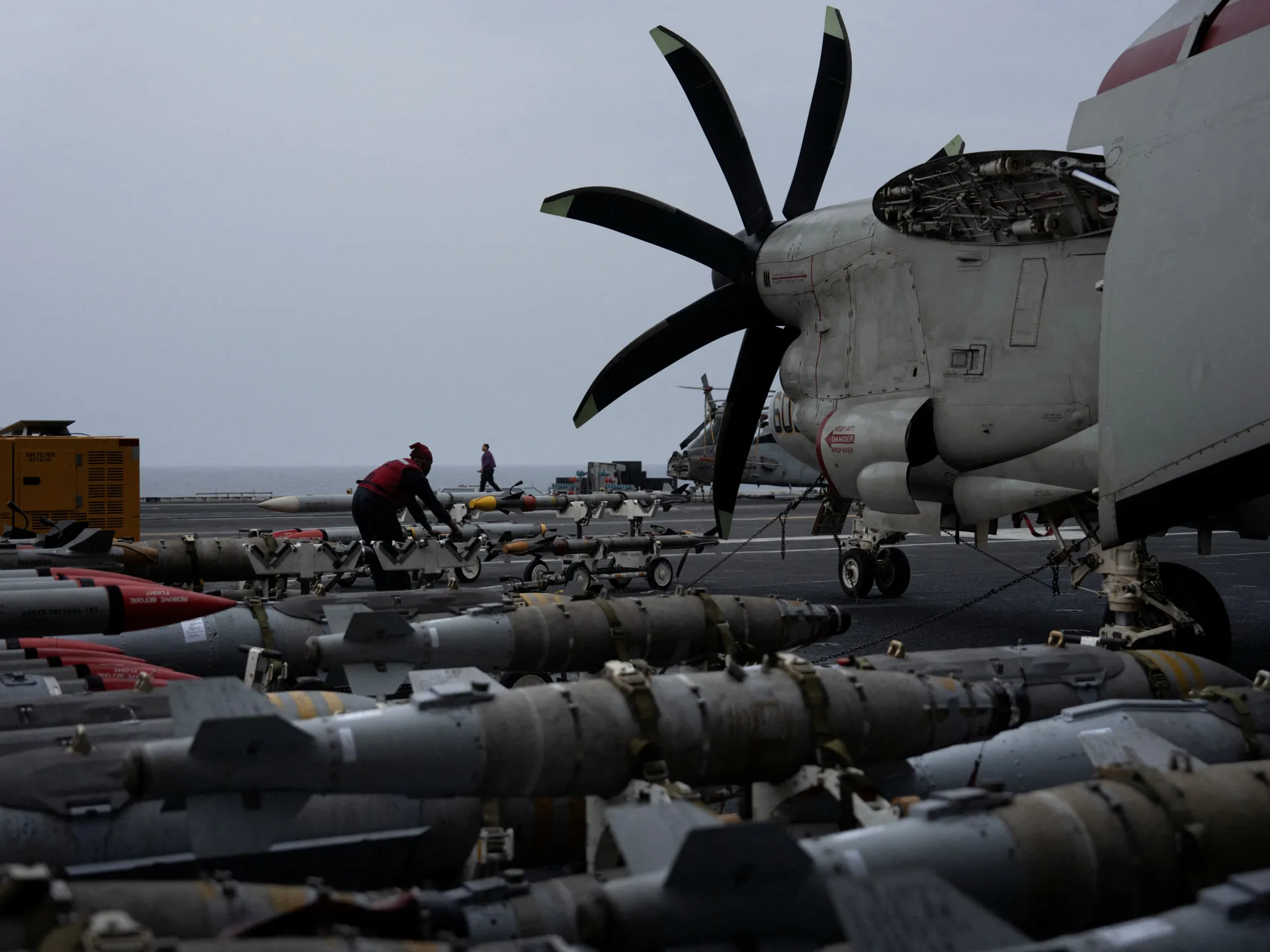
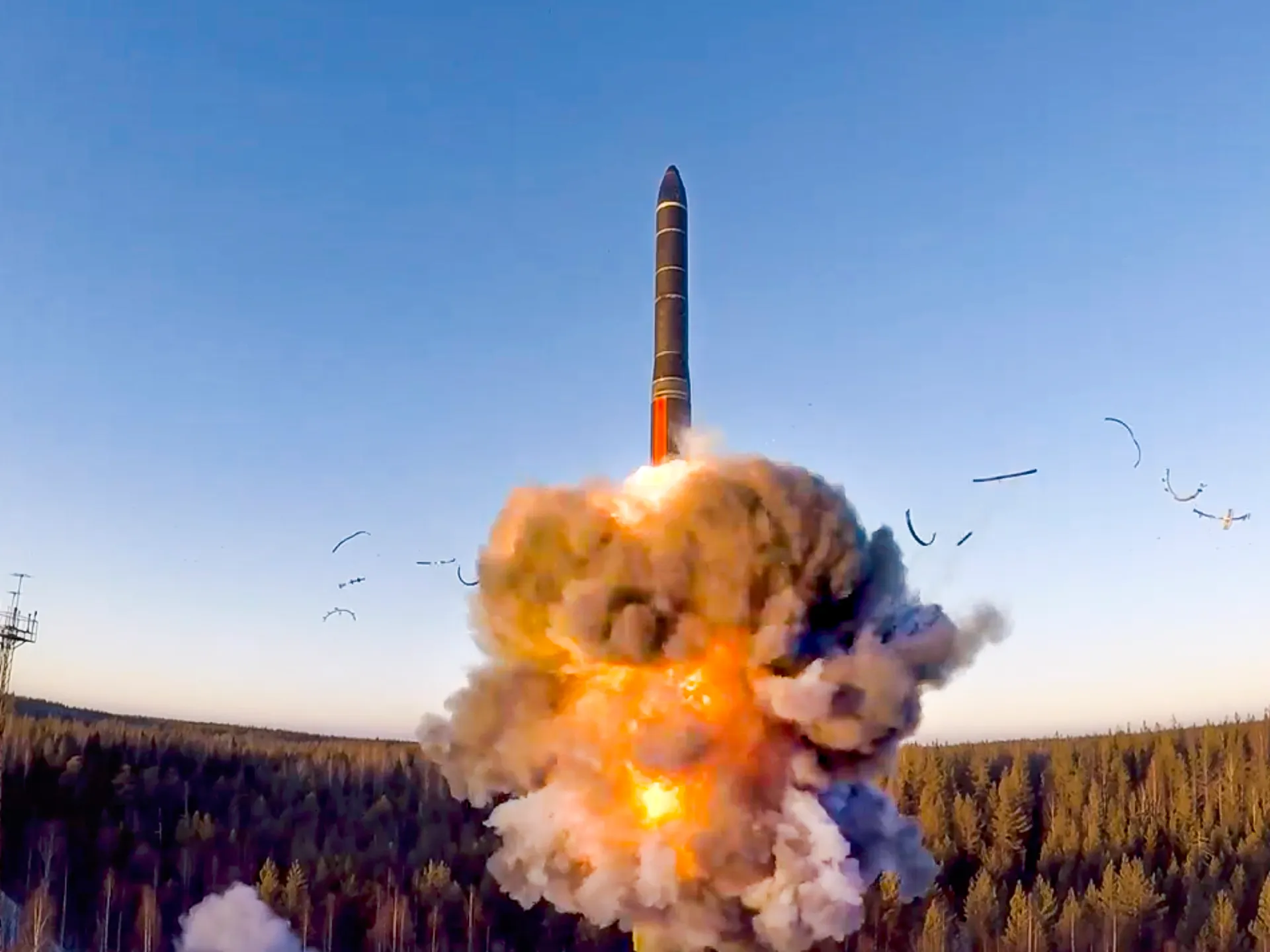
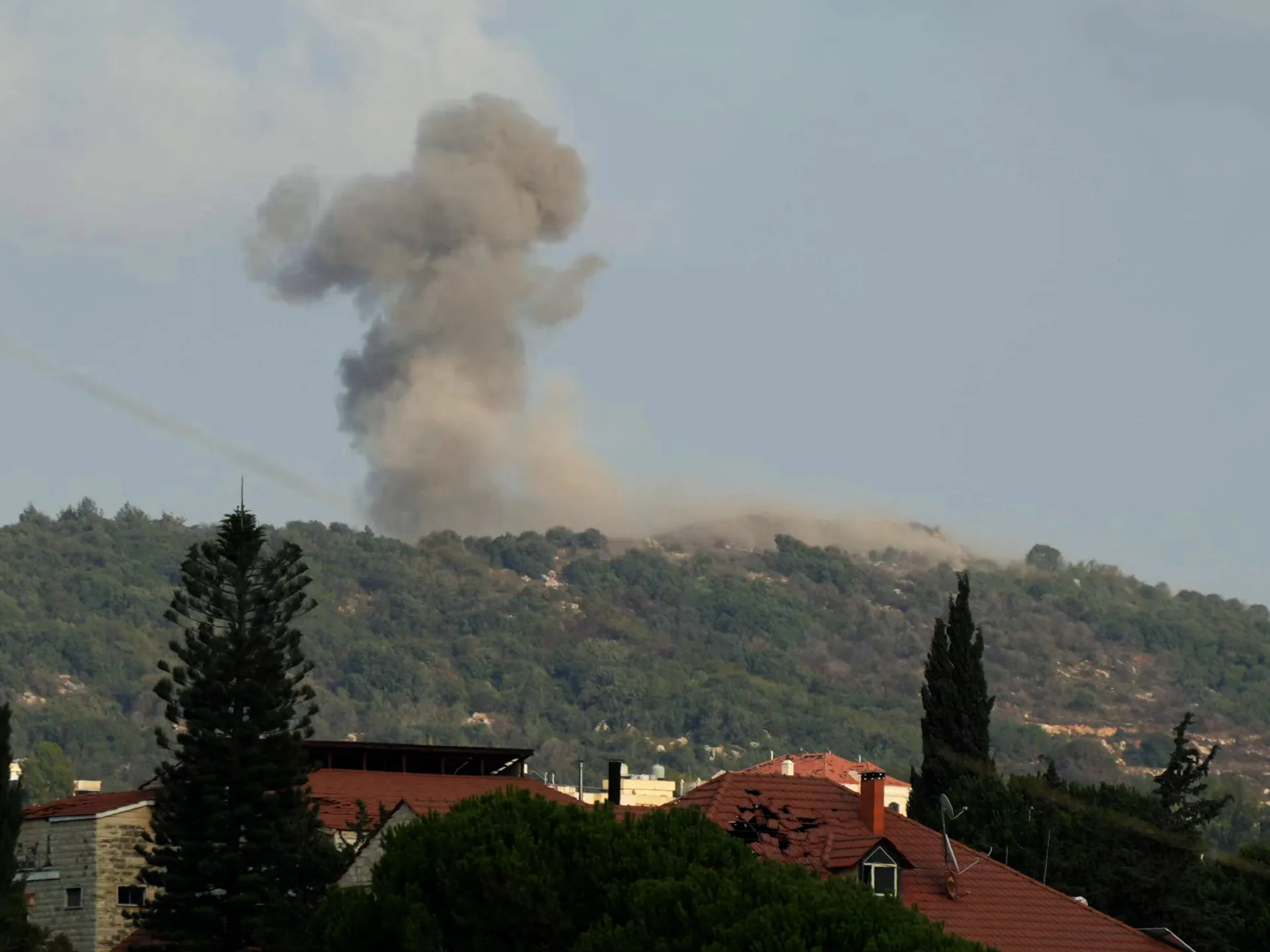
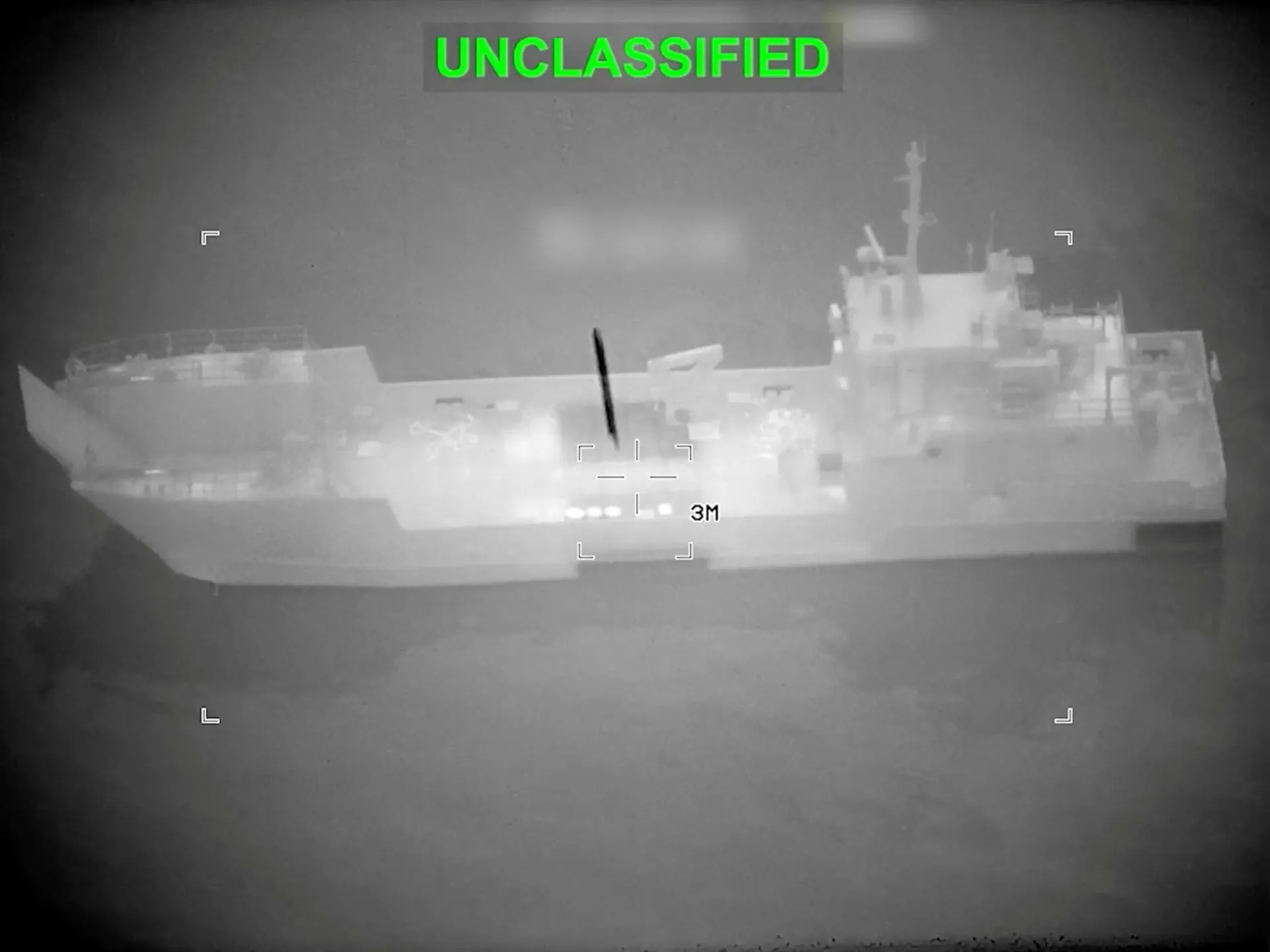
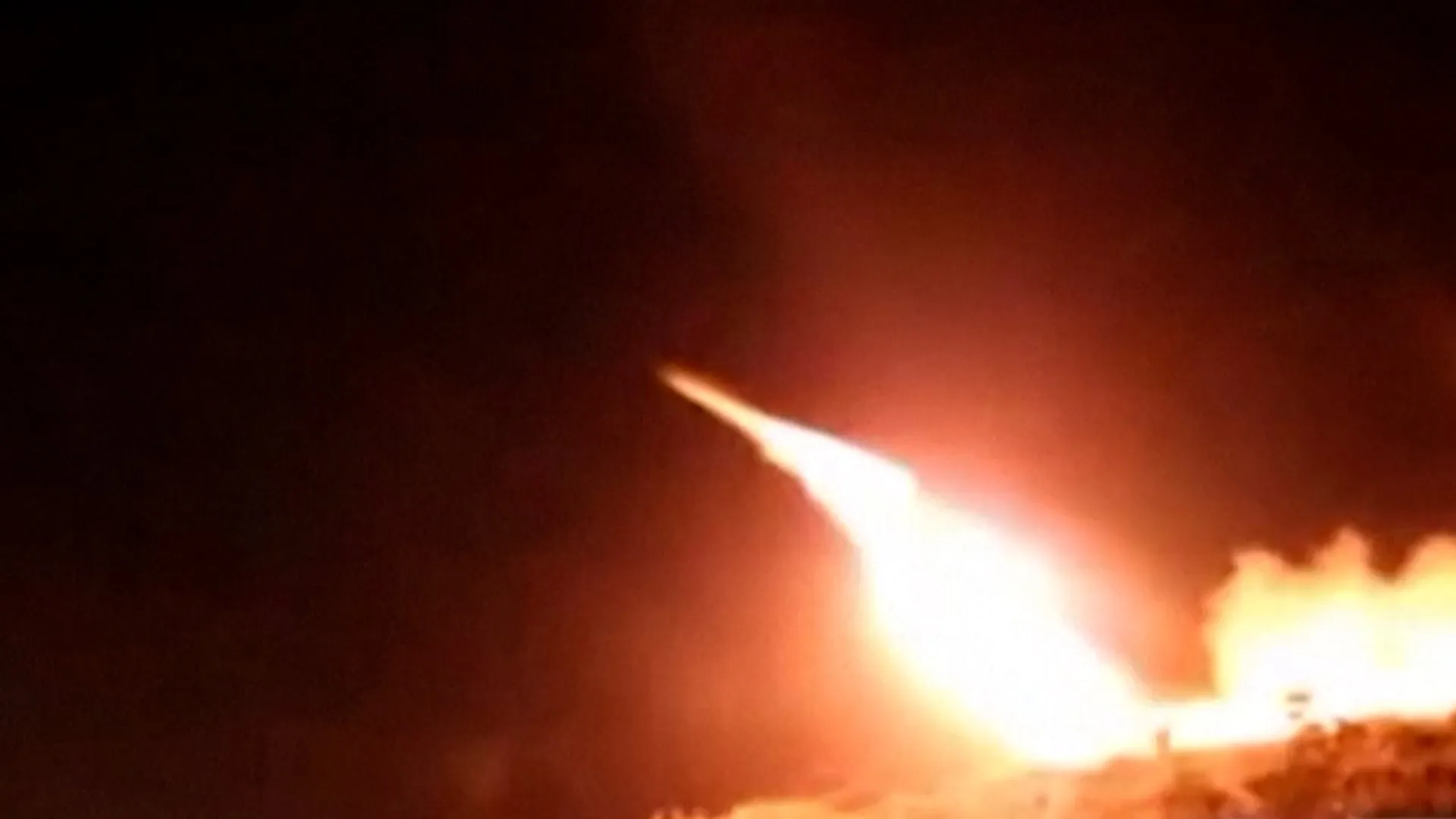
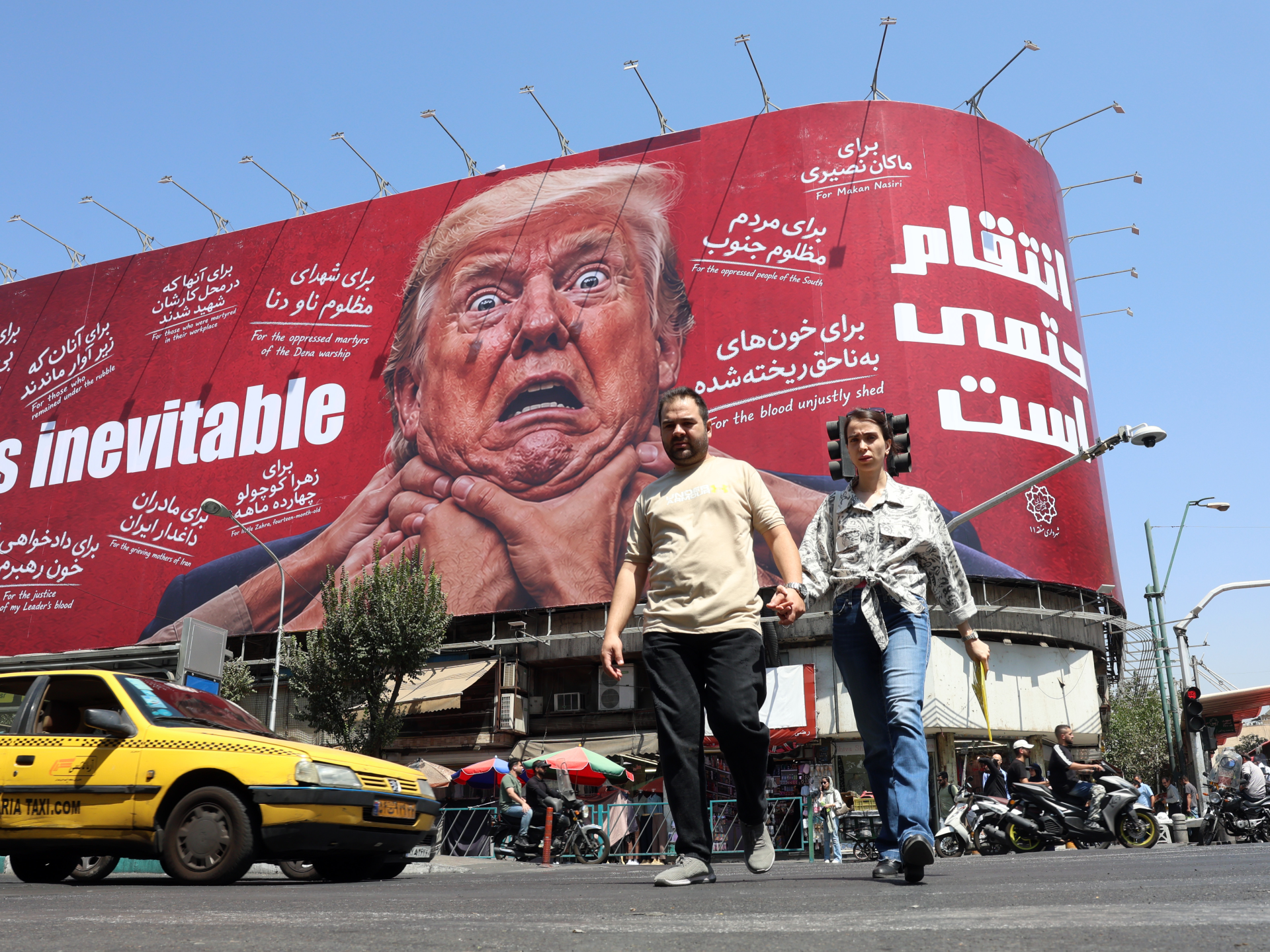
The convergence of domestic civil unrest in Iran and the intensifying US-Iran conflict creates a precarious geopolitical environment. As women in Tehran engage in high-profile acts of defiance against mandatory dress codes, the Iranian government is simultaneously attempting to project international legitimacy through the UN General Assembly. The friction between Iran's internal instability and its participation in global diplomatic forums reveals the deep vulnerability of a regime currently entangled in a seven-month-long war with the United States and Israel.
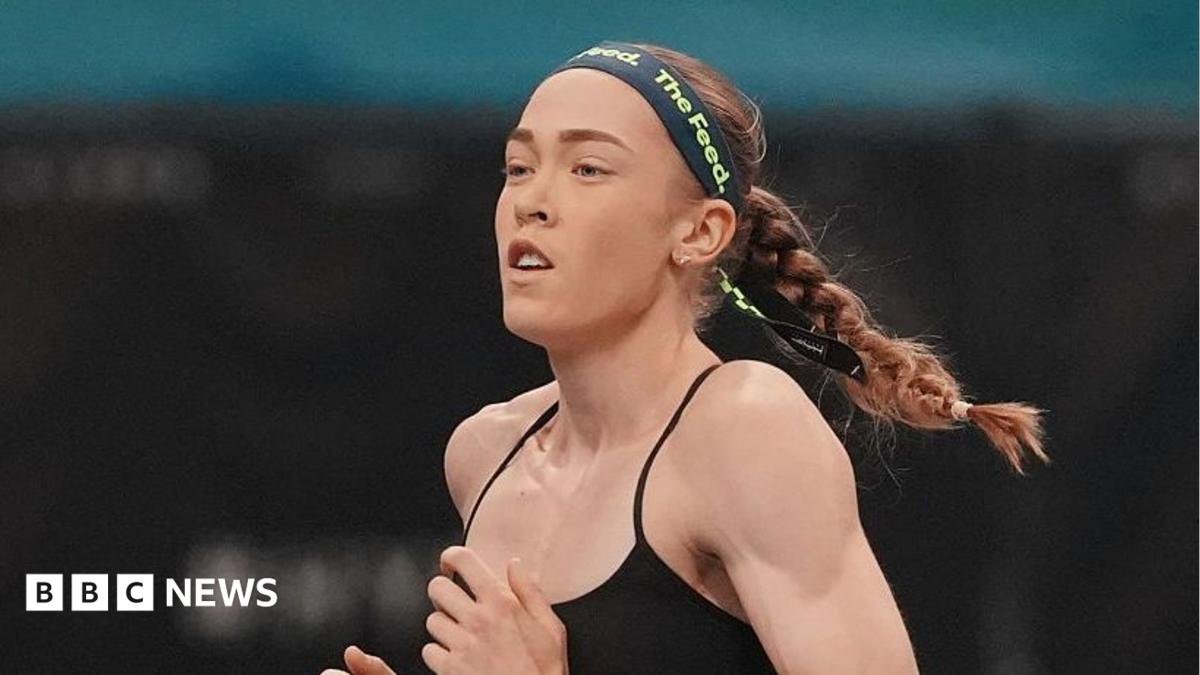
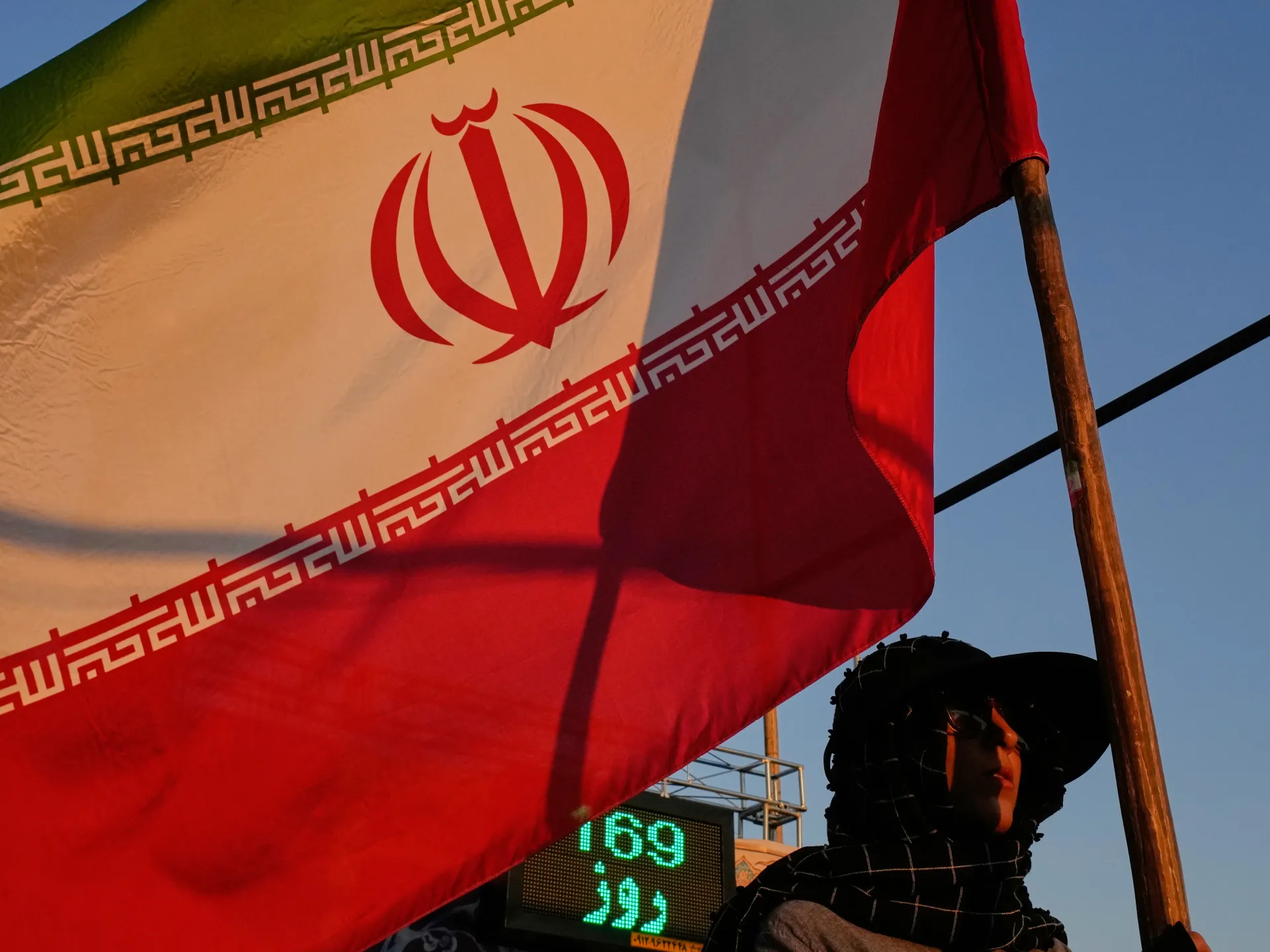
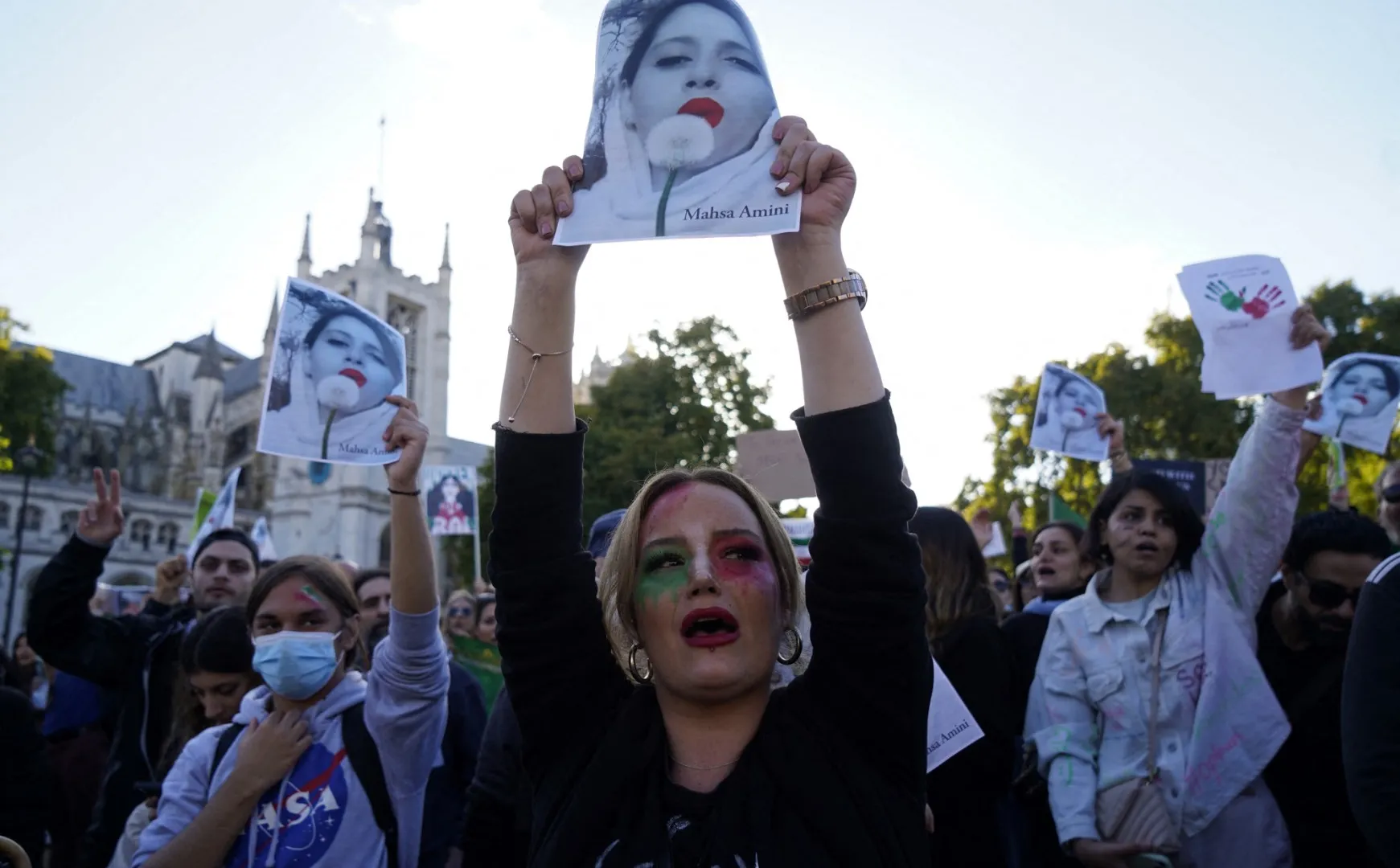
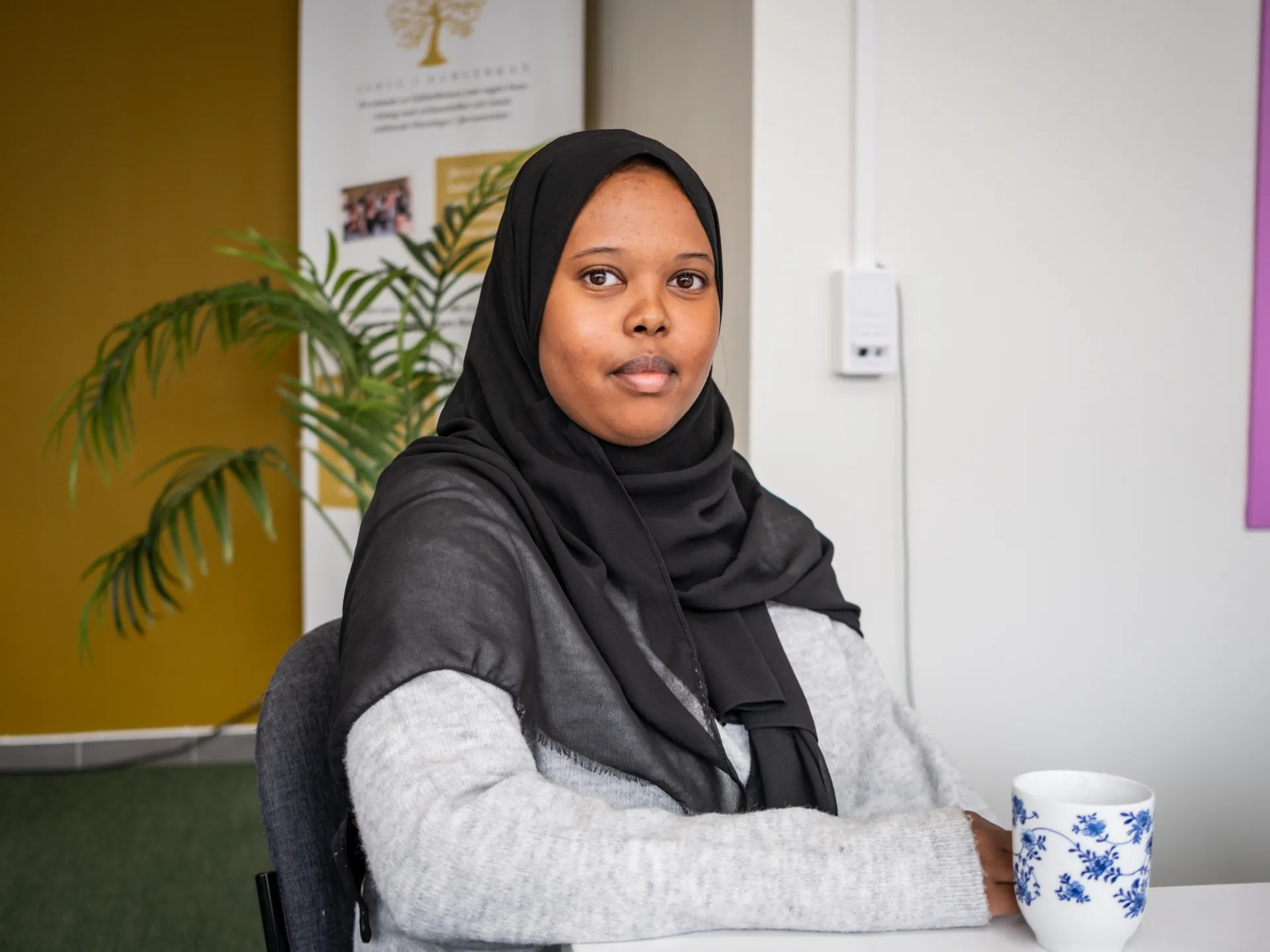
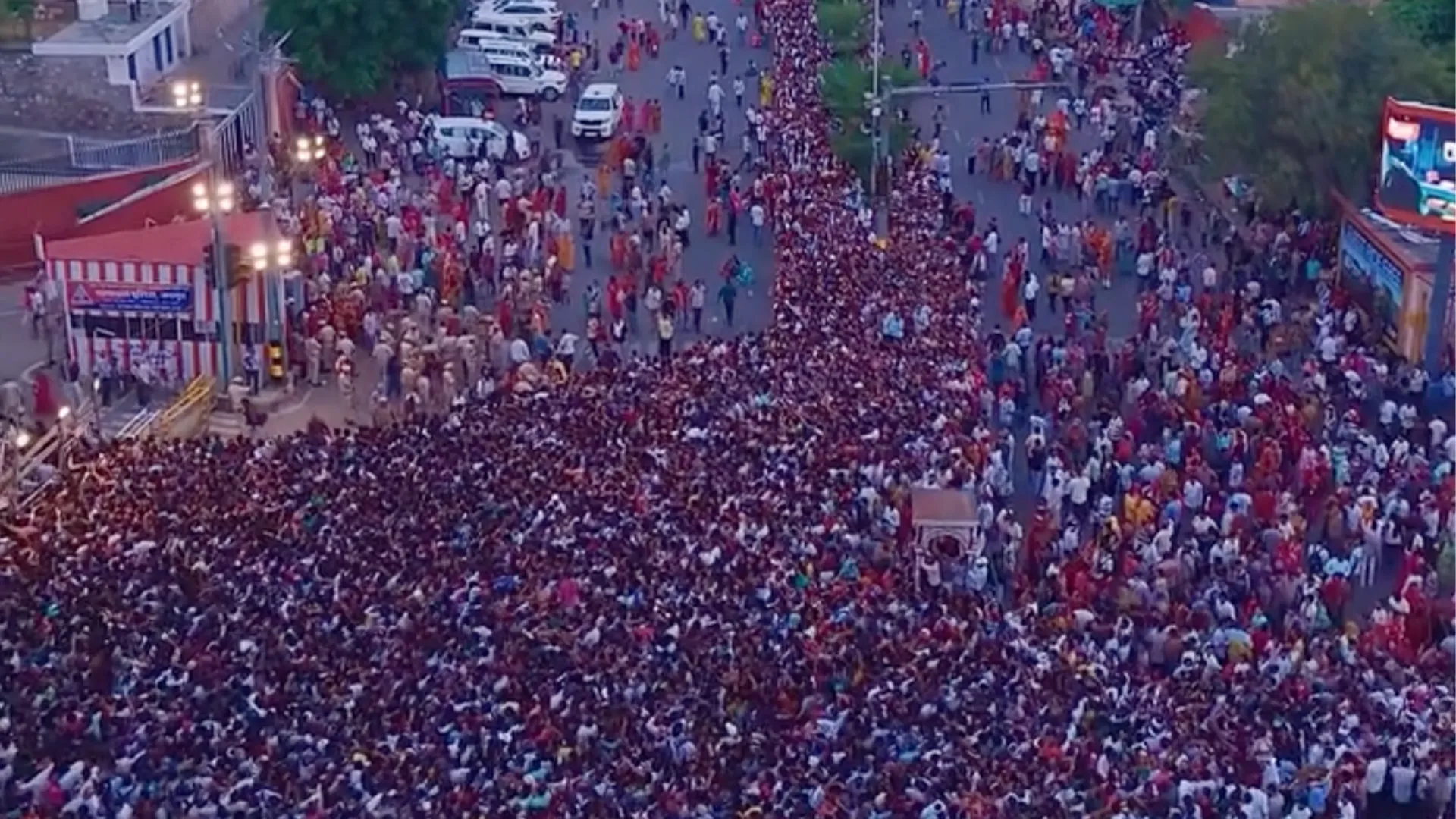
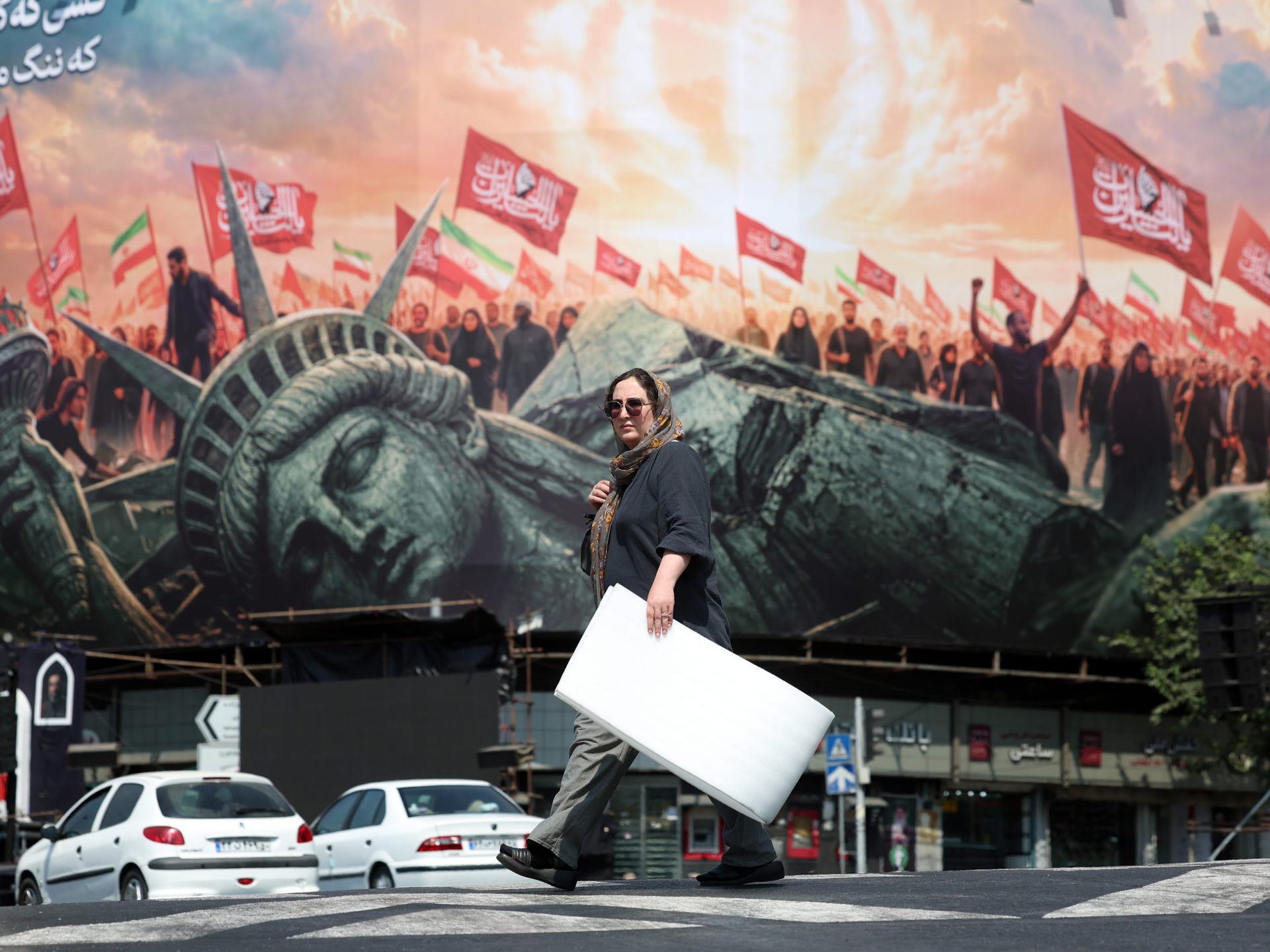
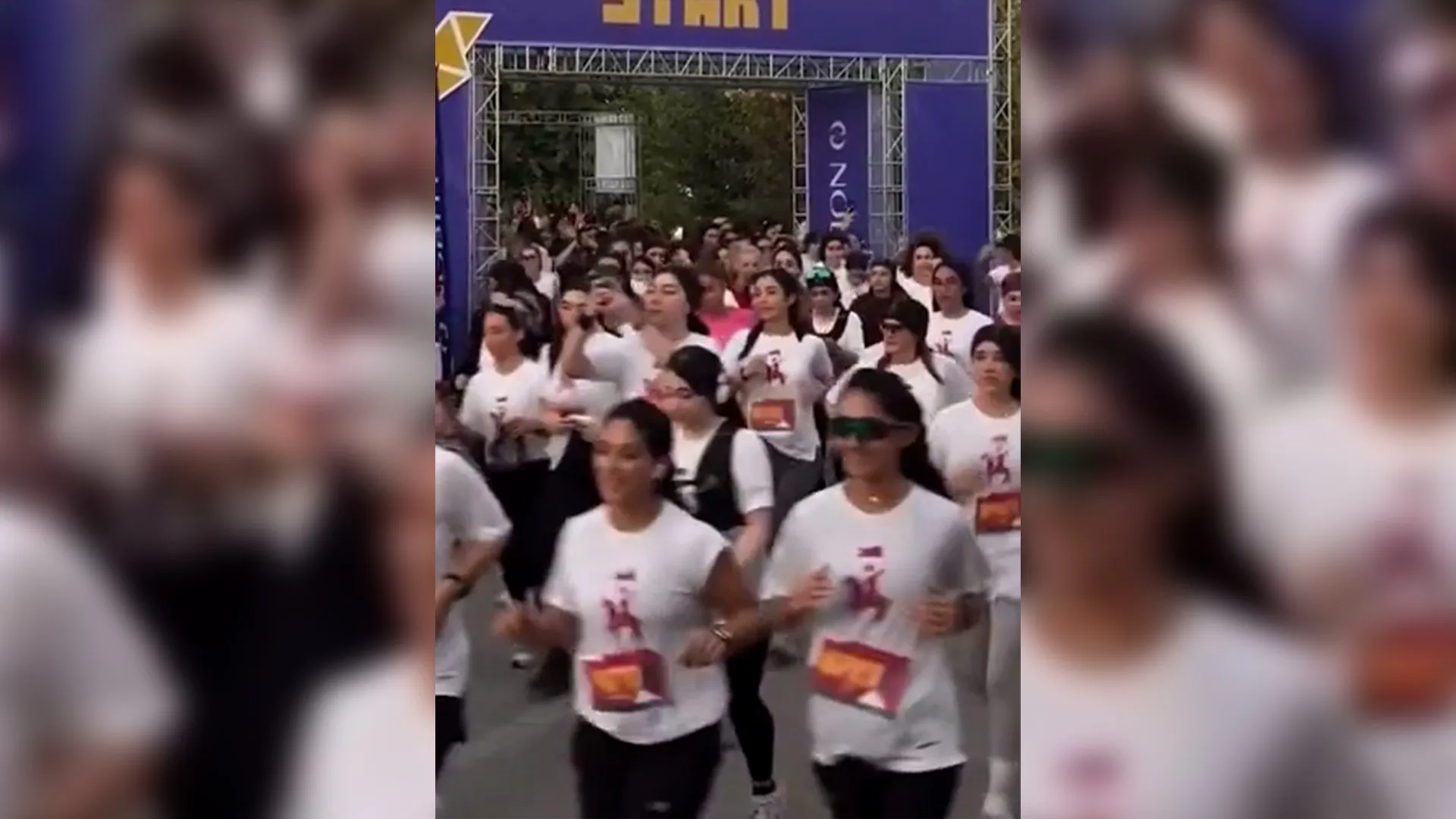
In a significant display of public resistance, hundreds of Iranian women recently competed in a marathon in Tehran without wearing the mandatory hijab. This event marked one of the most visible instances of civil disobedience since the widespread 'woman, life, freedom' protests of 2022. The act of running unveiled serves as a potent symbol of the ongoing struggle over personal autonomy within the country.
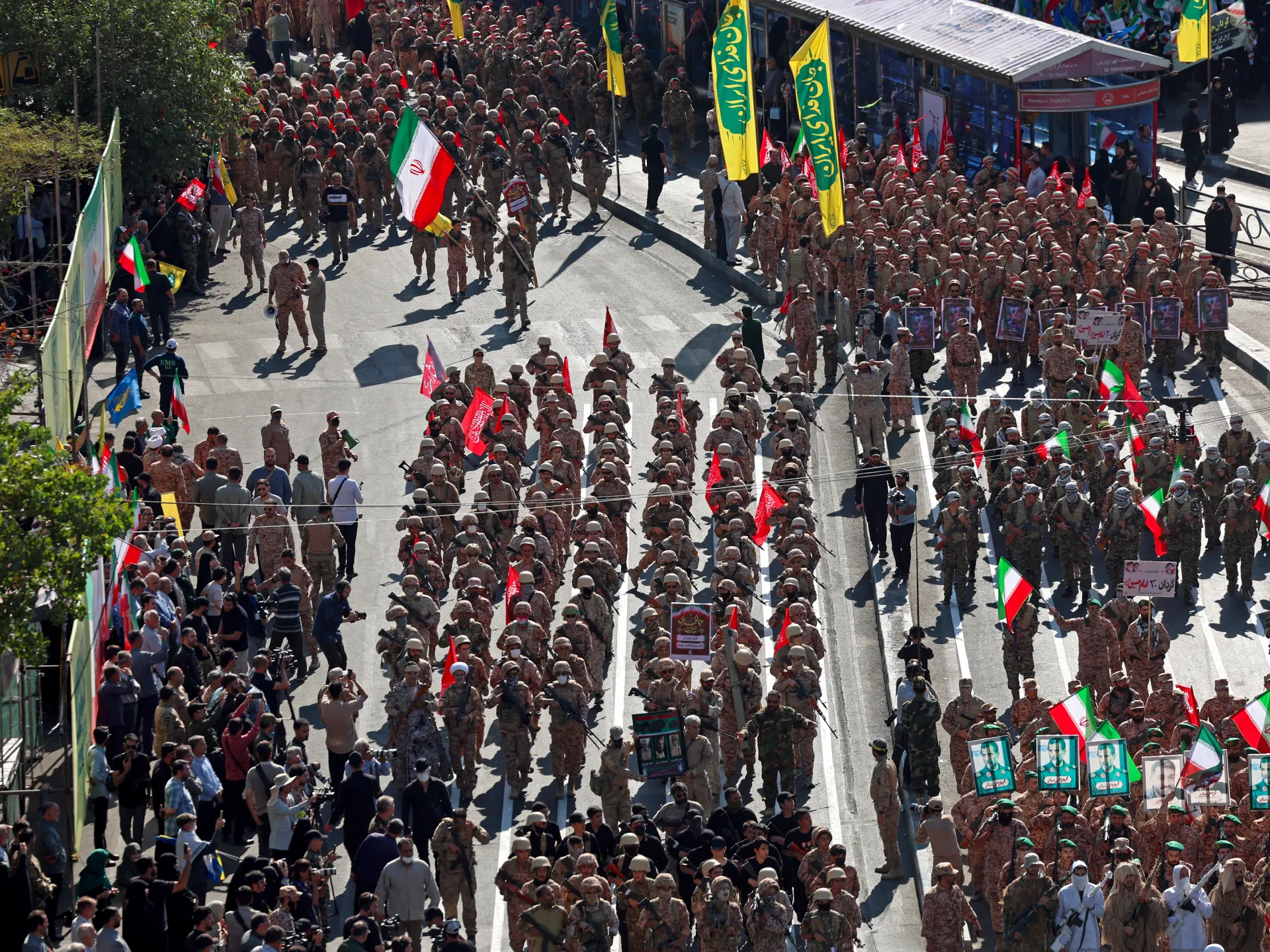
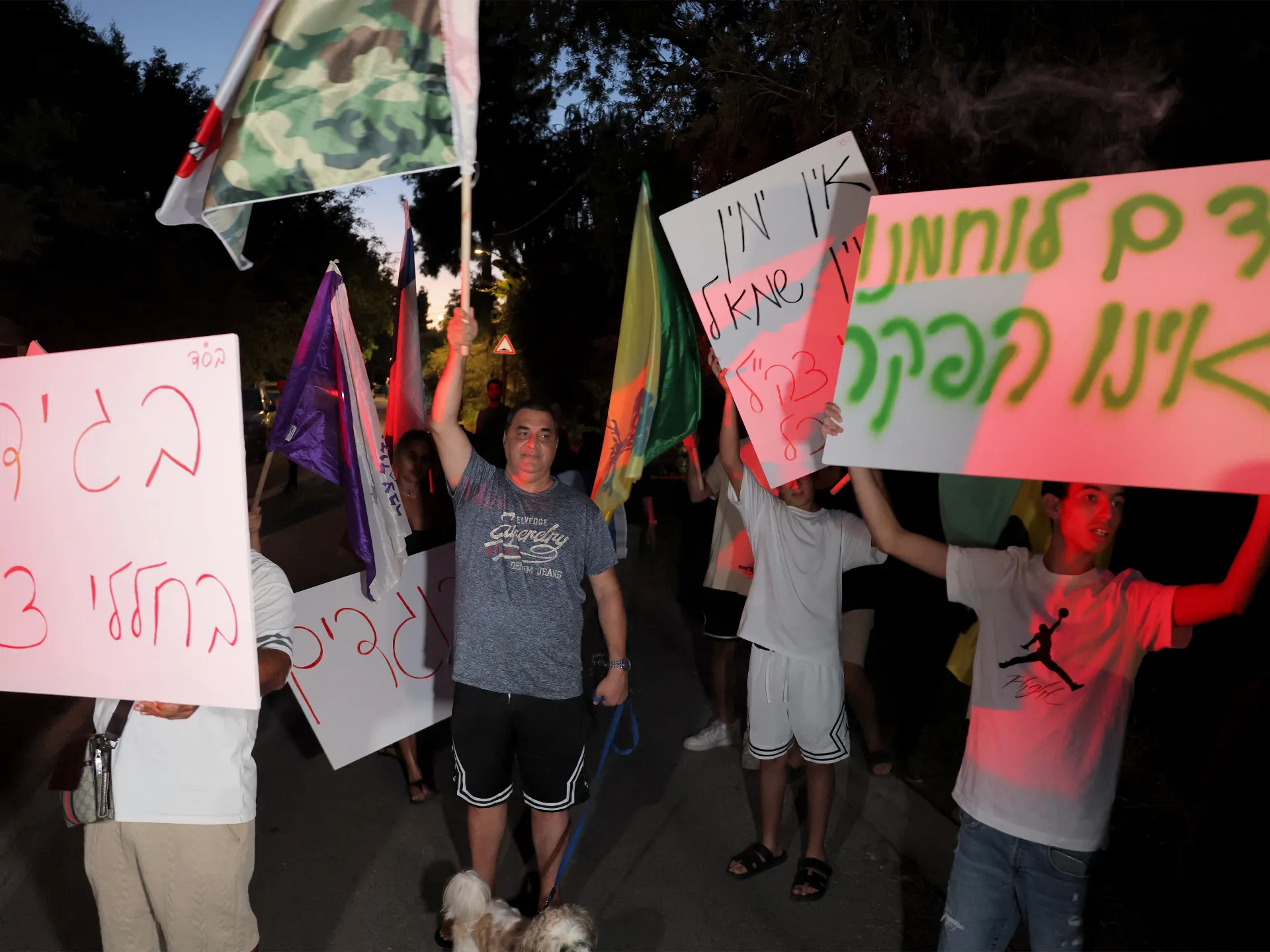
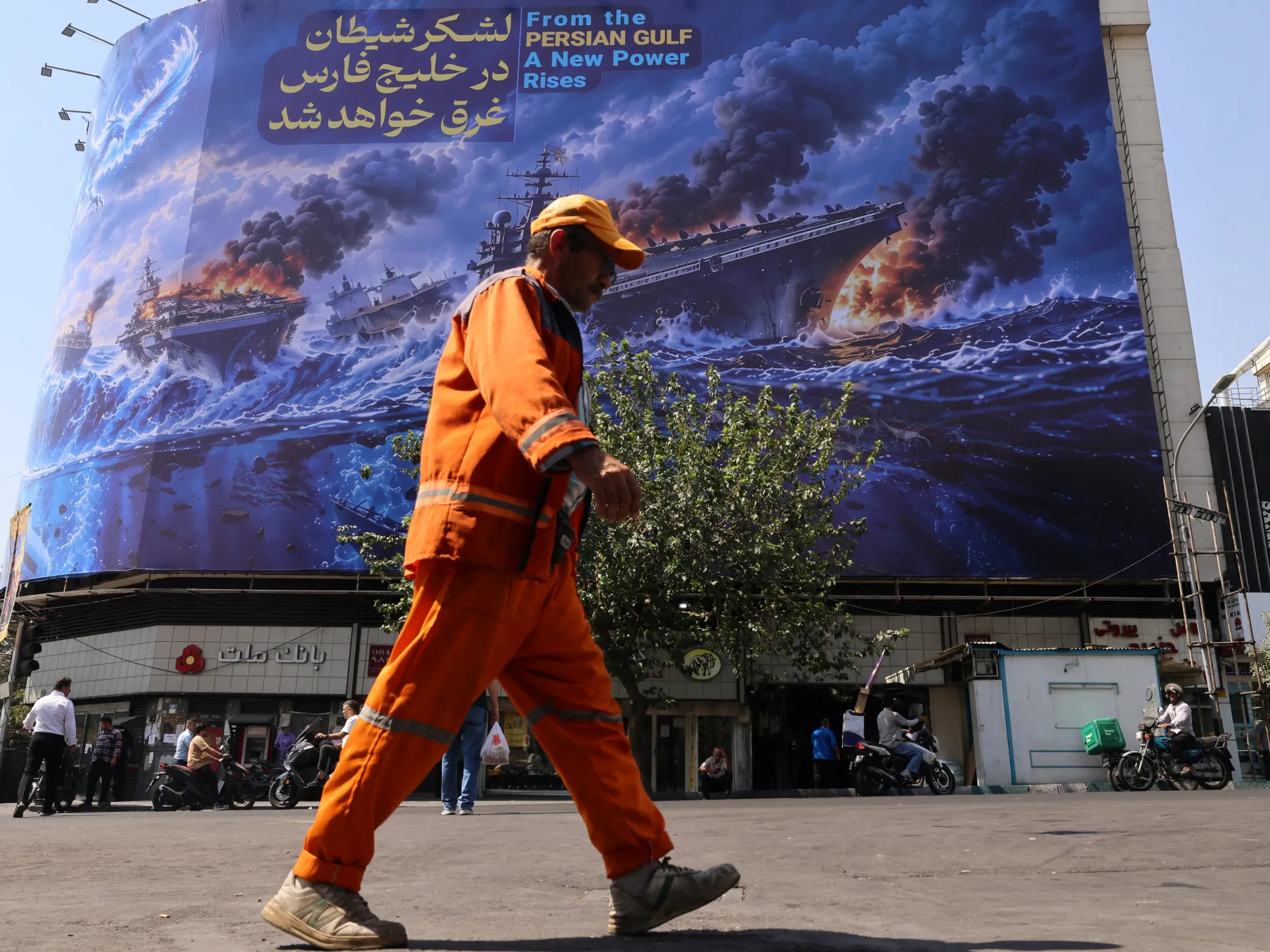
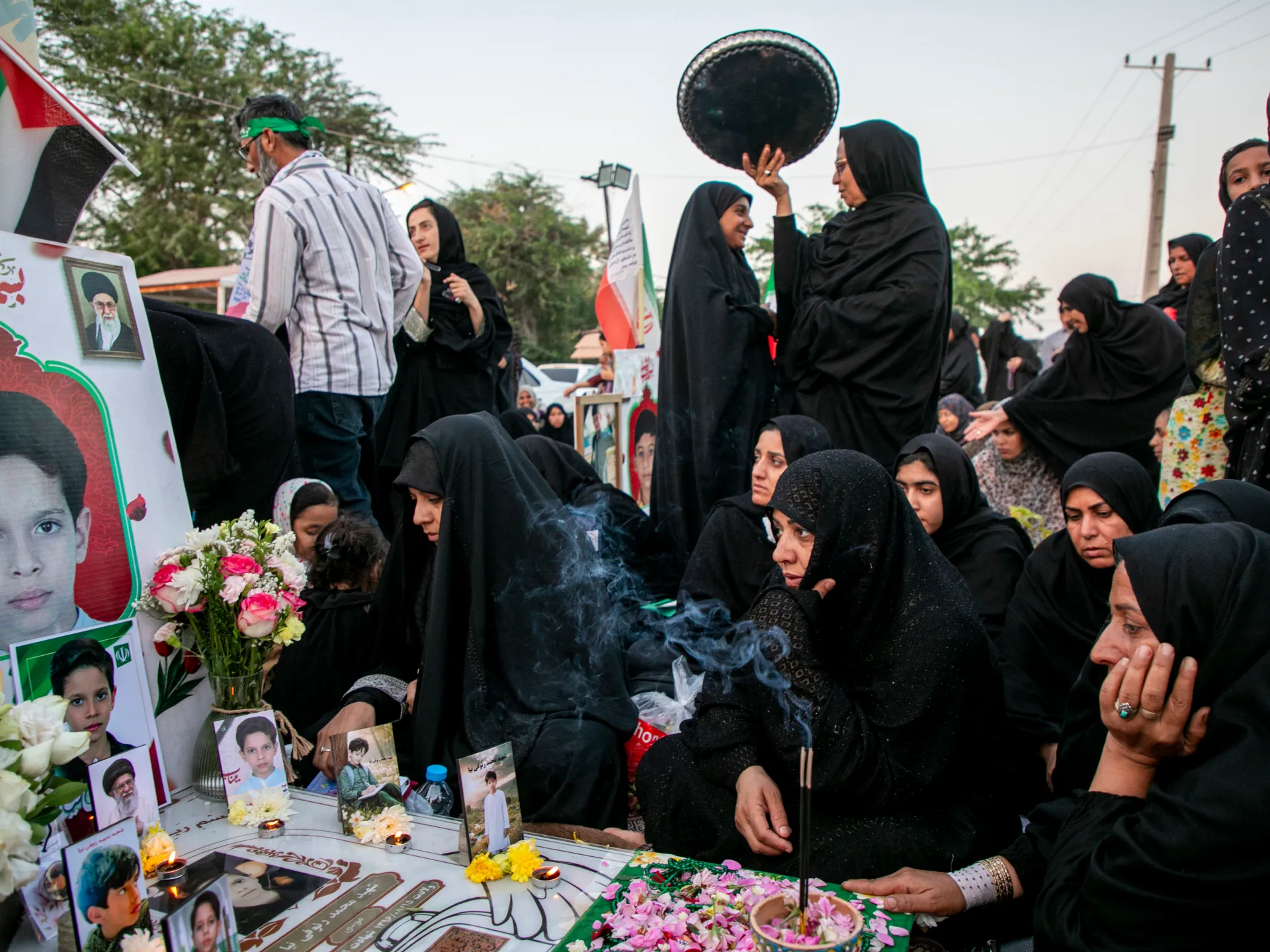
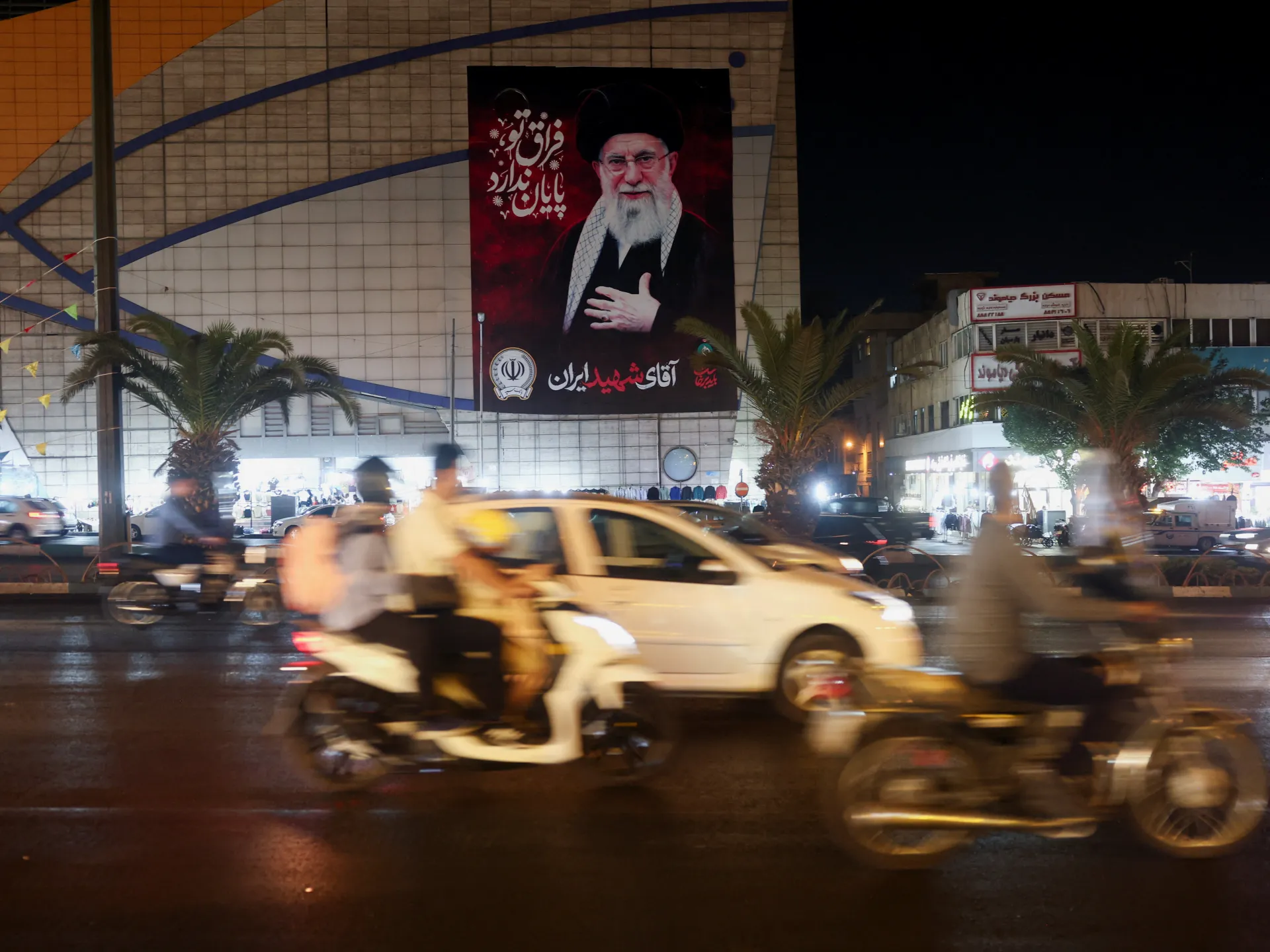
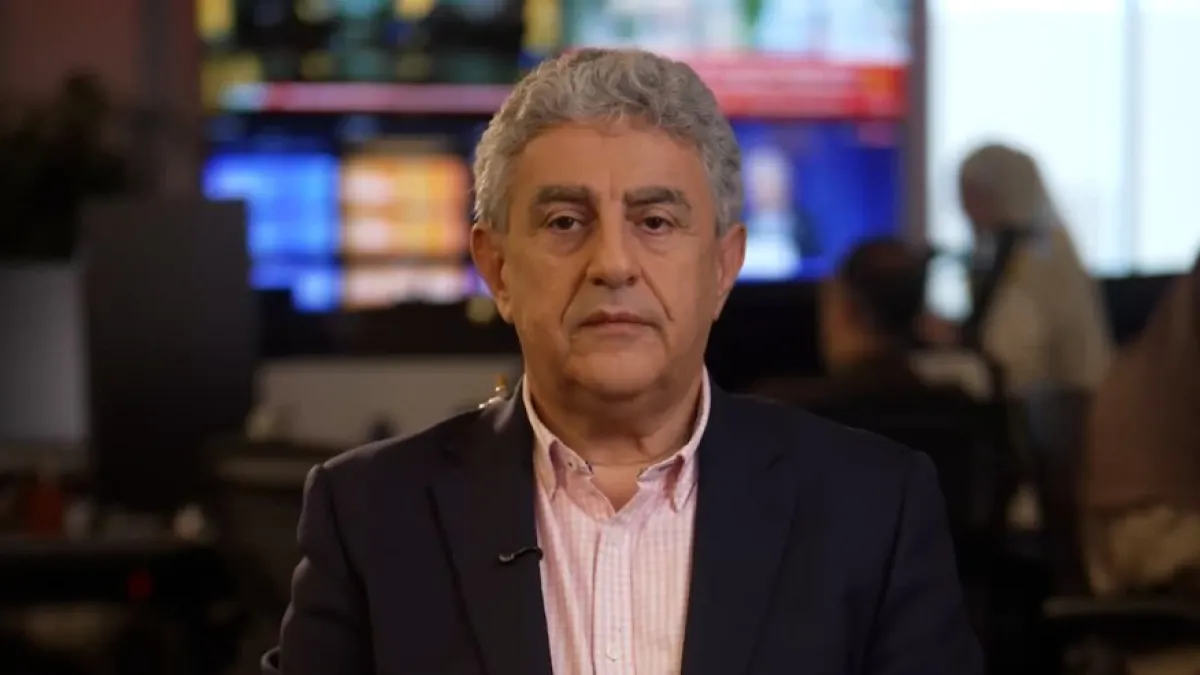
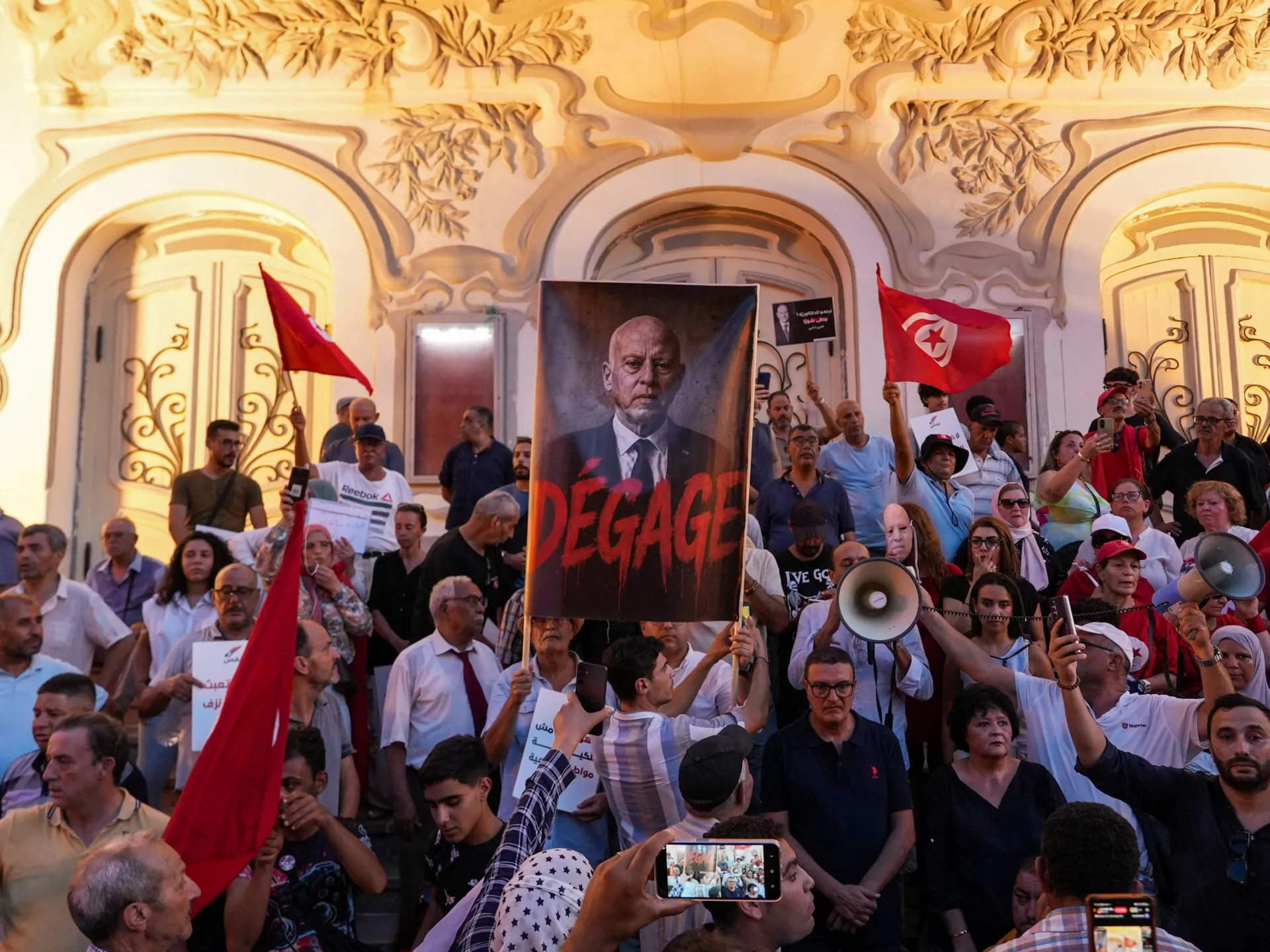
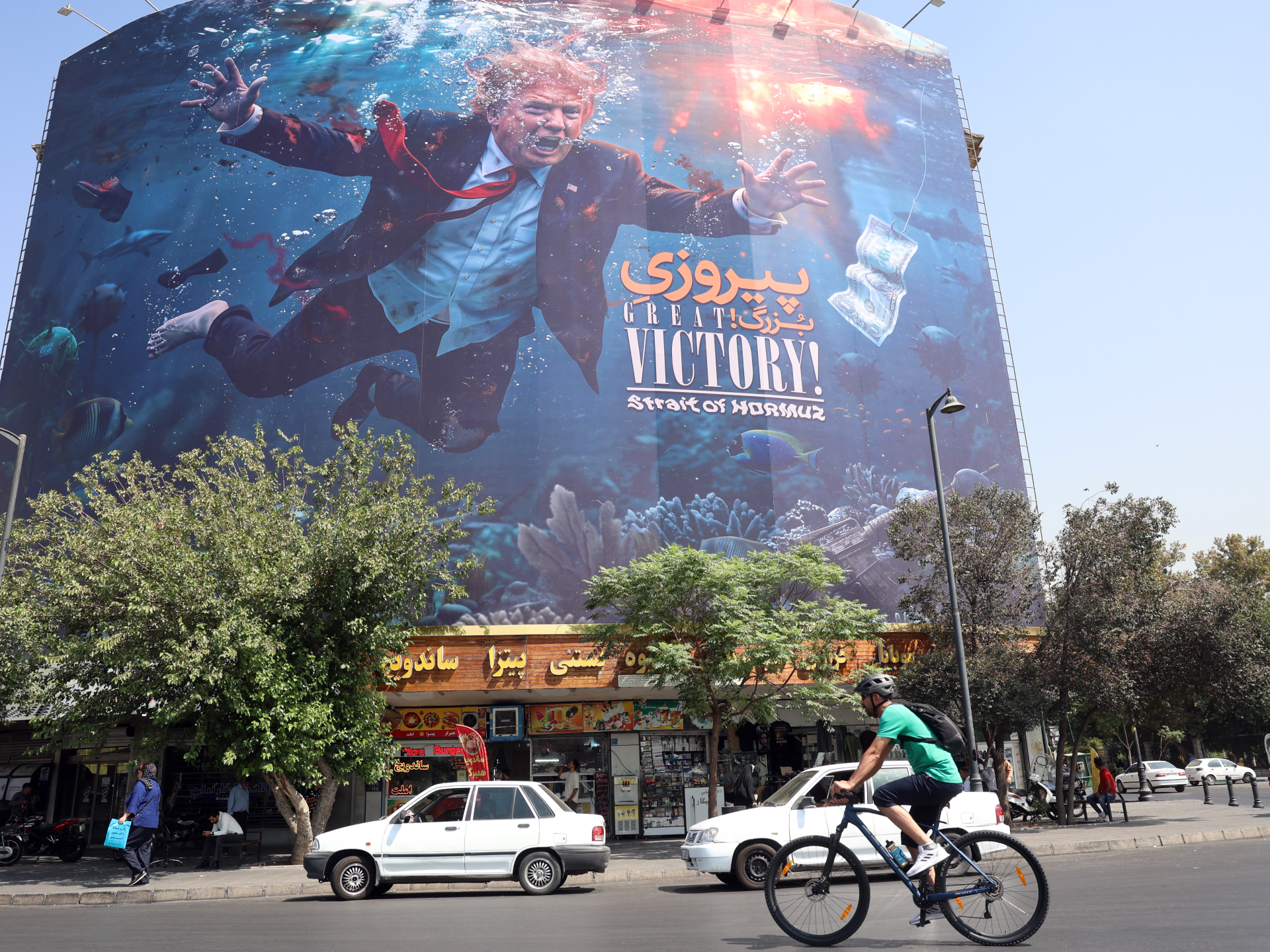
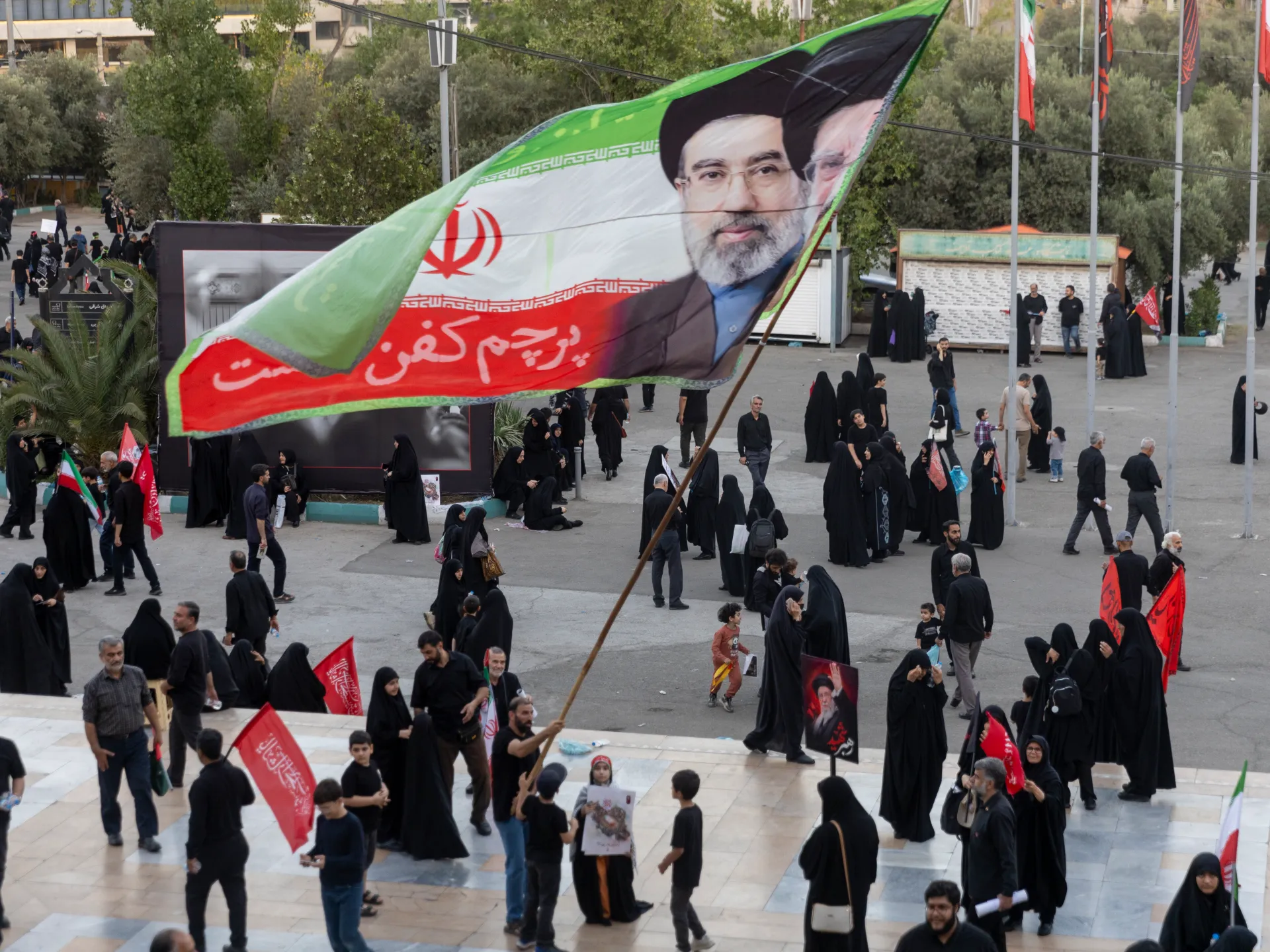
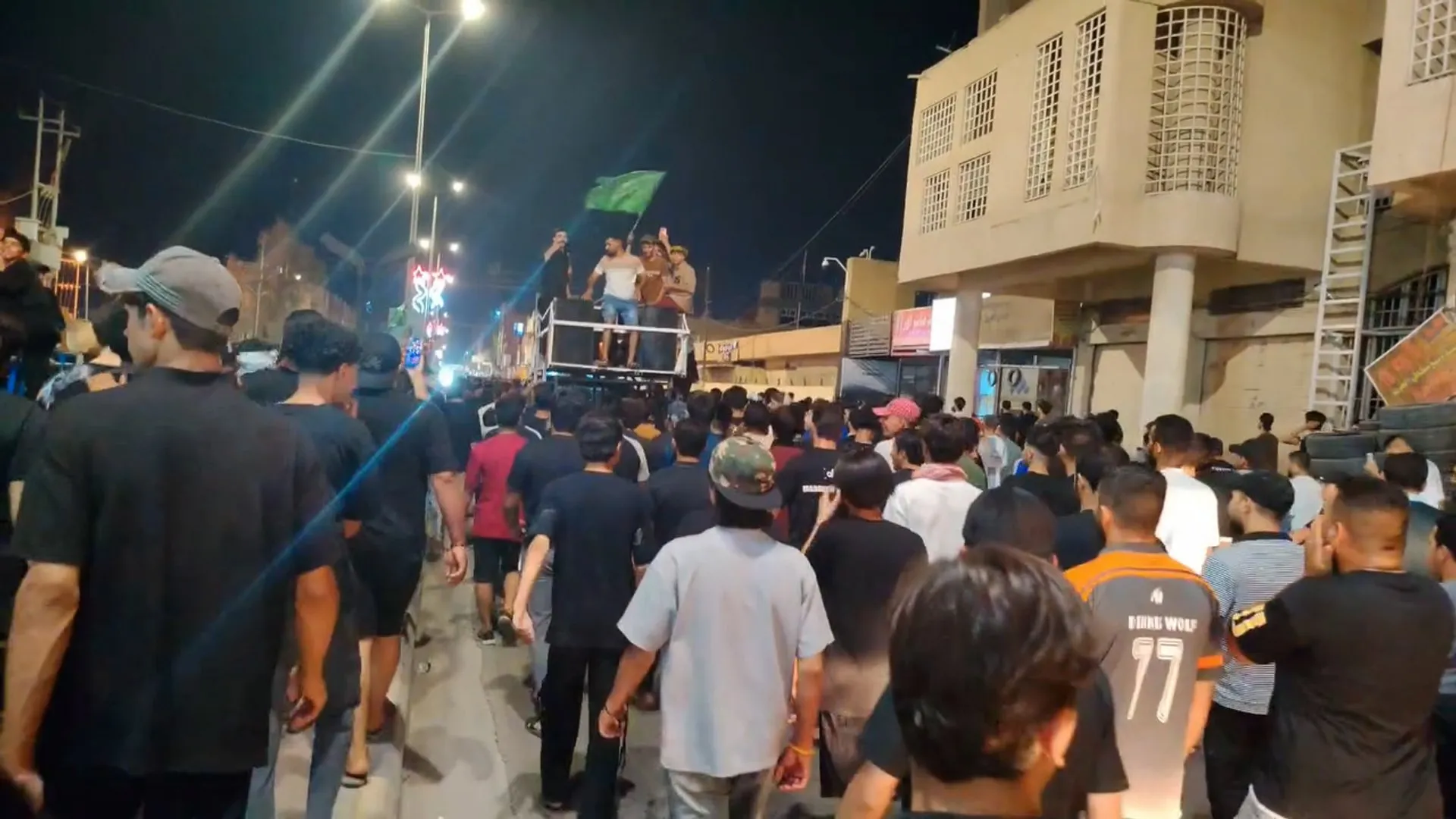
The state response to this defiance was swift and punitive. According to reports, authorities have moved to arrest the organizers of the marathon. This tension in the capital was further highlighted press support for the current war effort and the state’s policies, illustrating a deepening societal fracture.
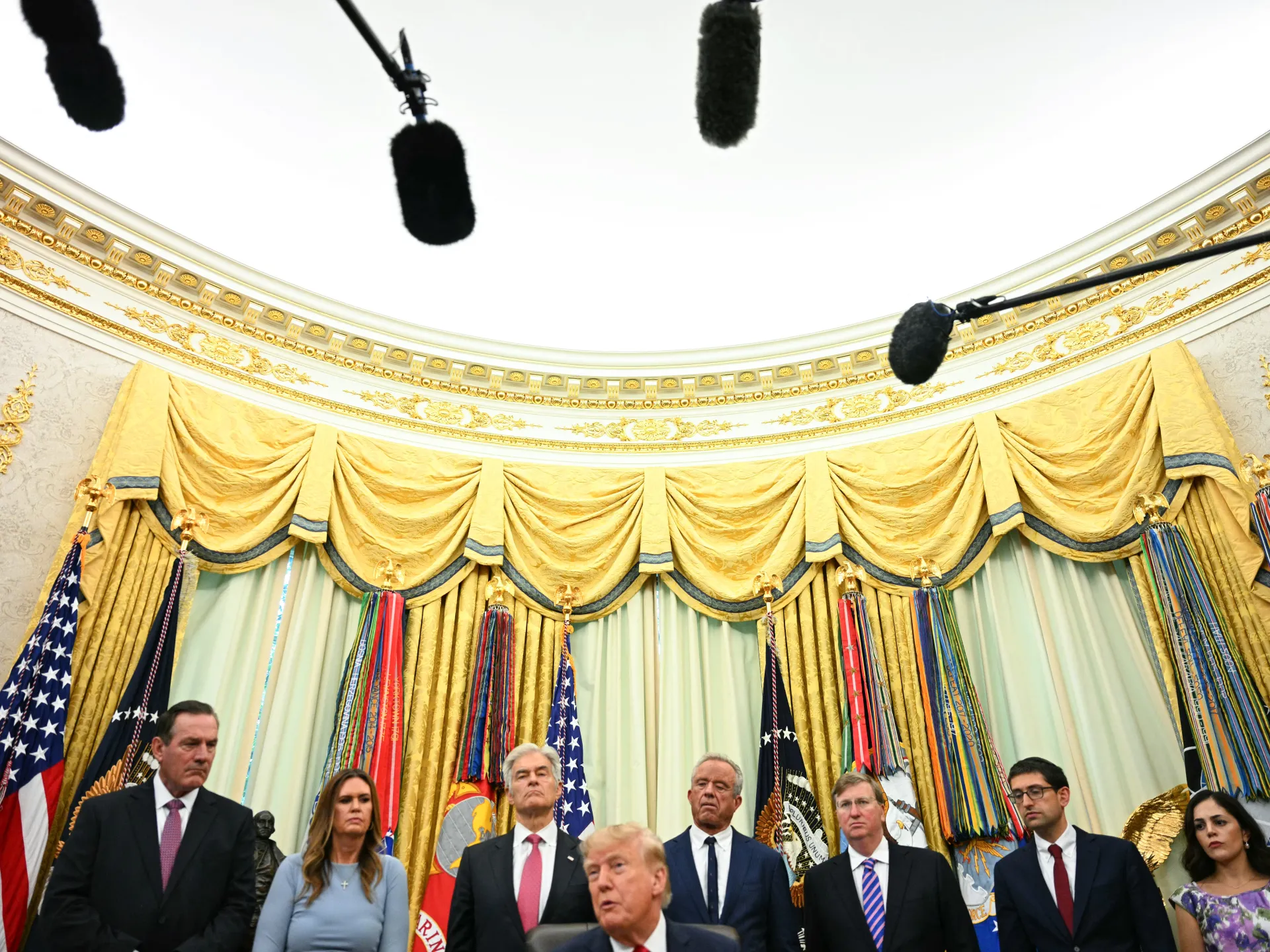
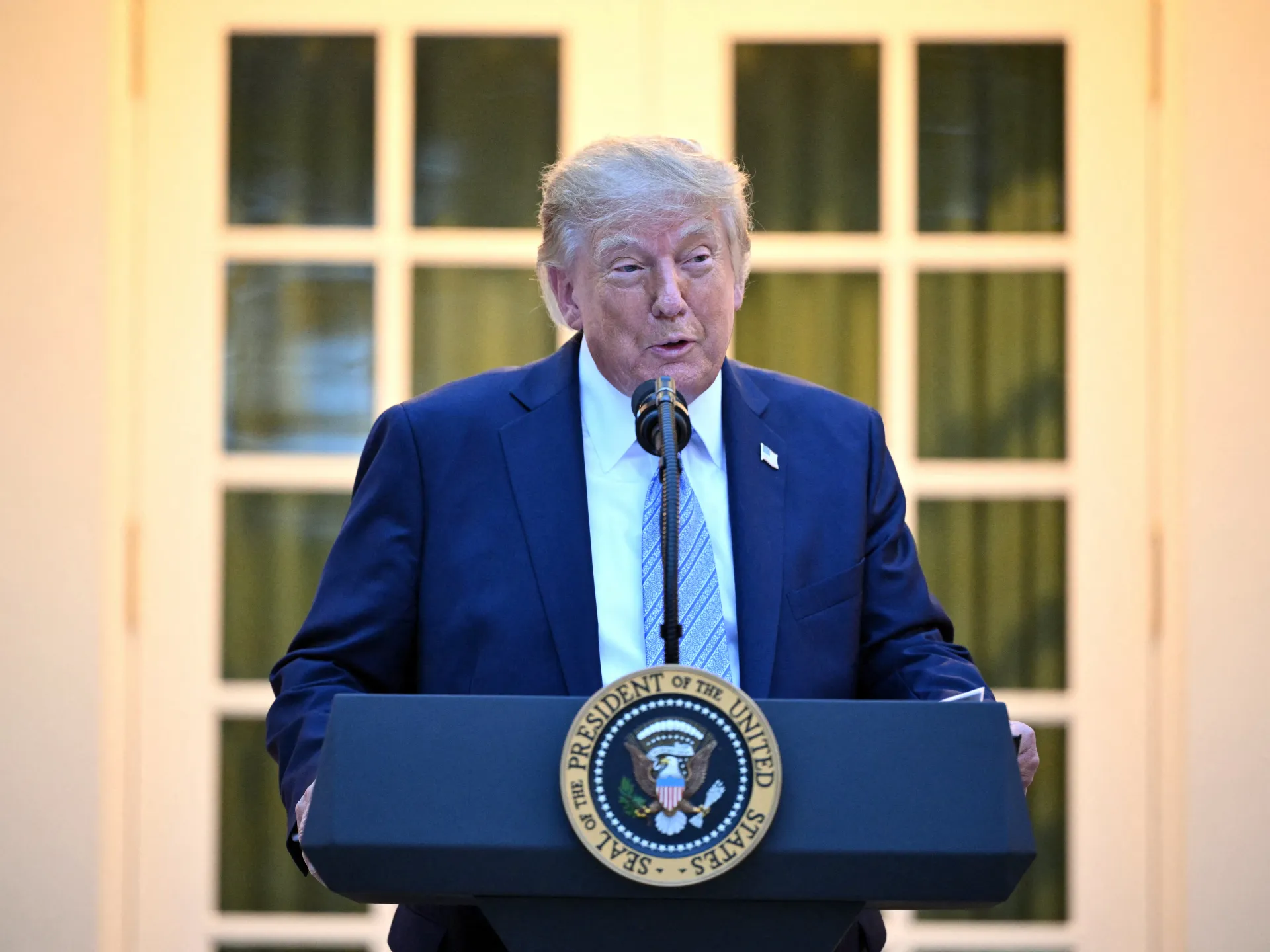
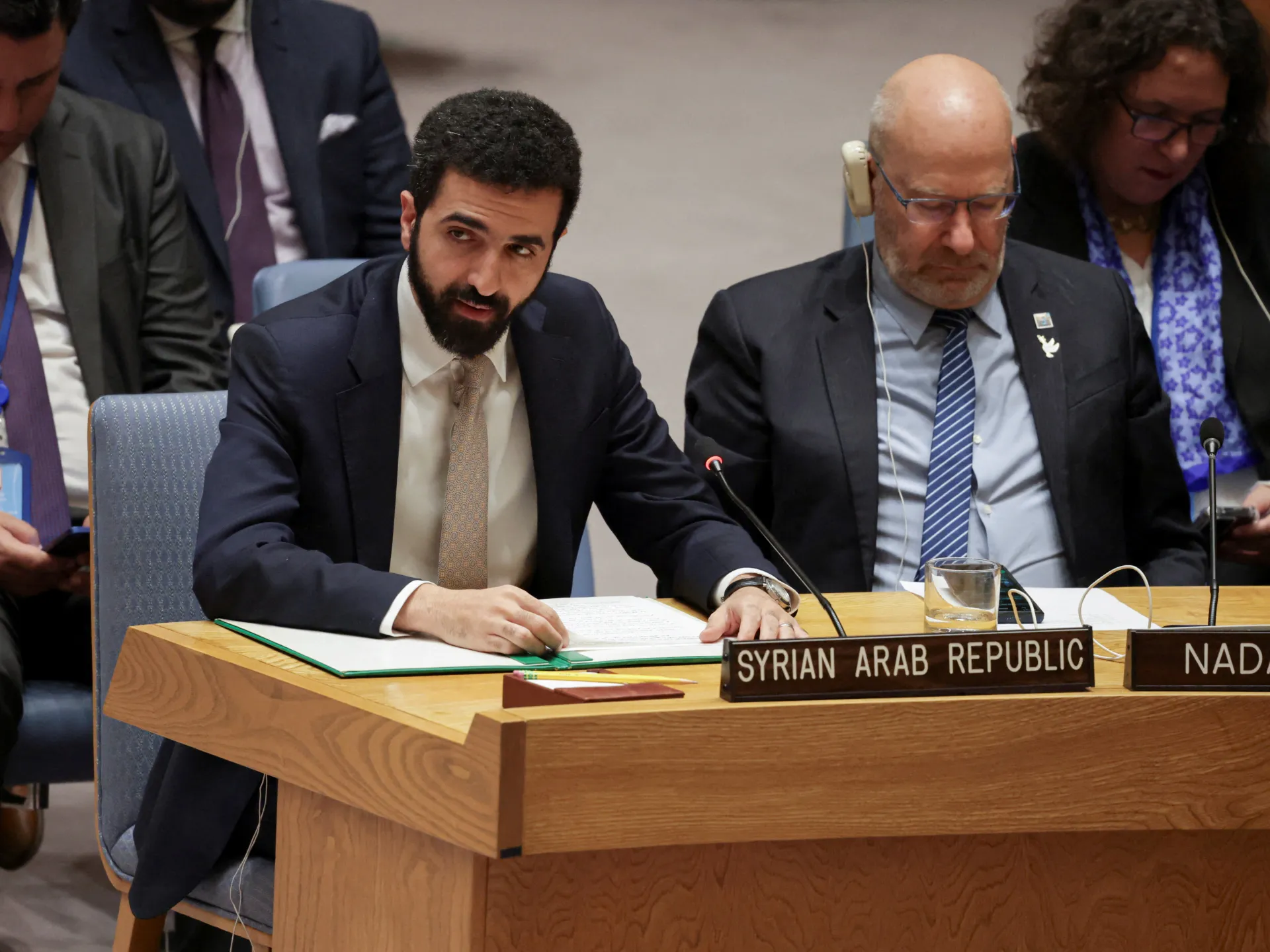
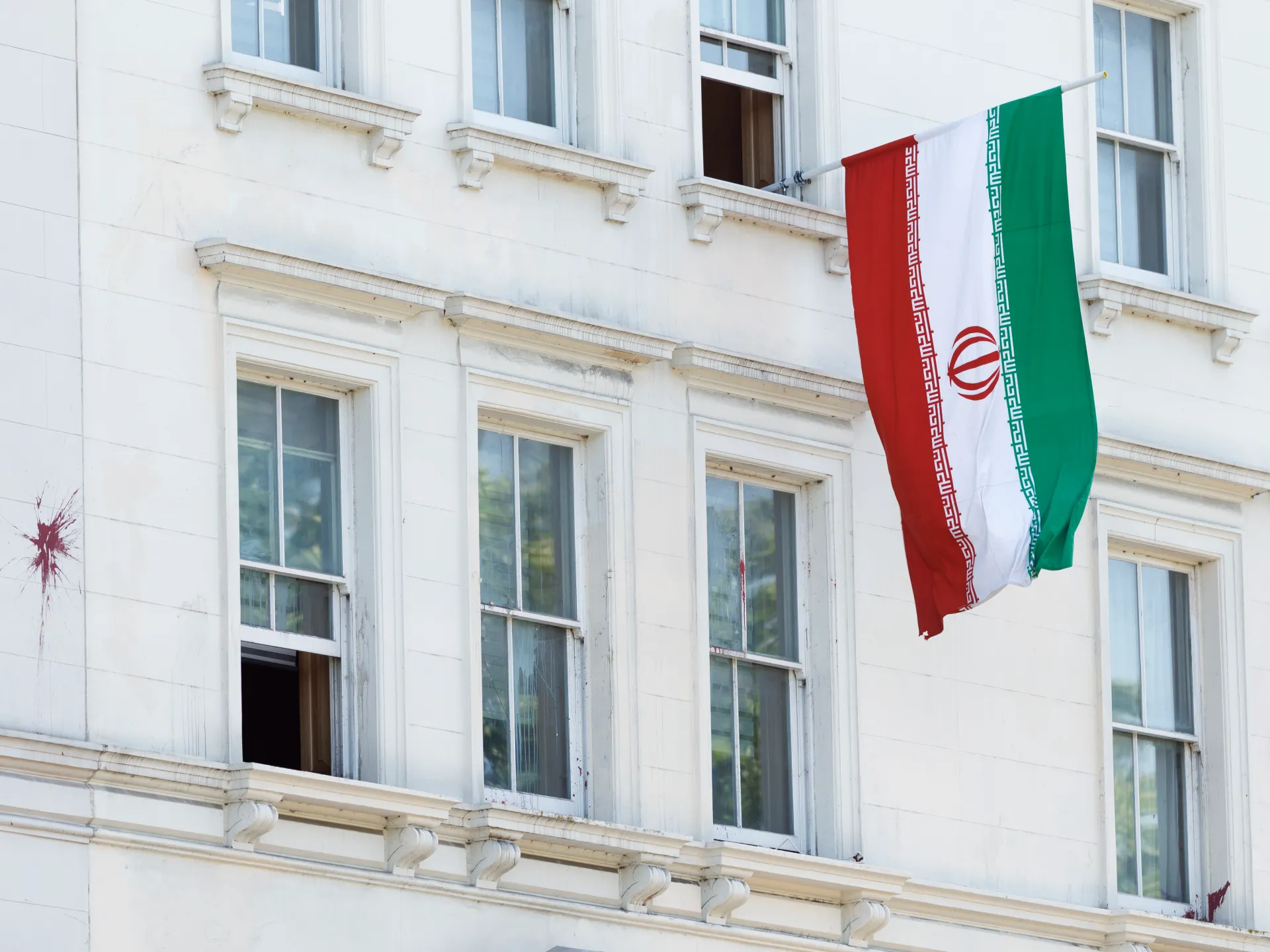
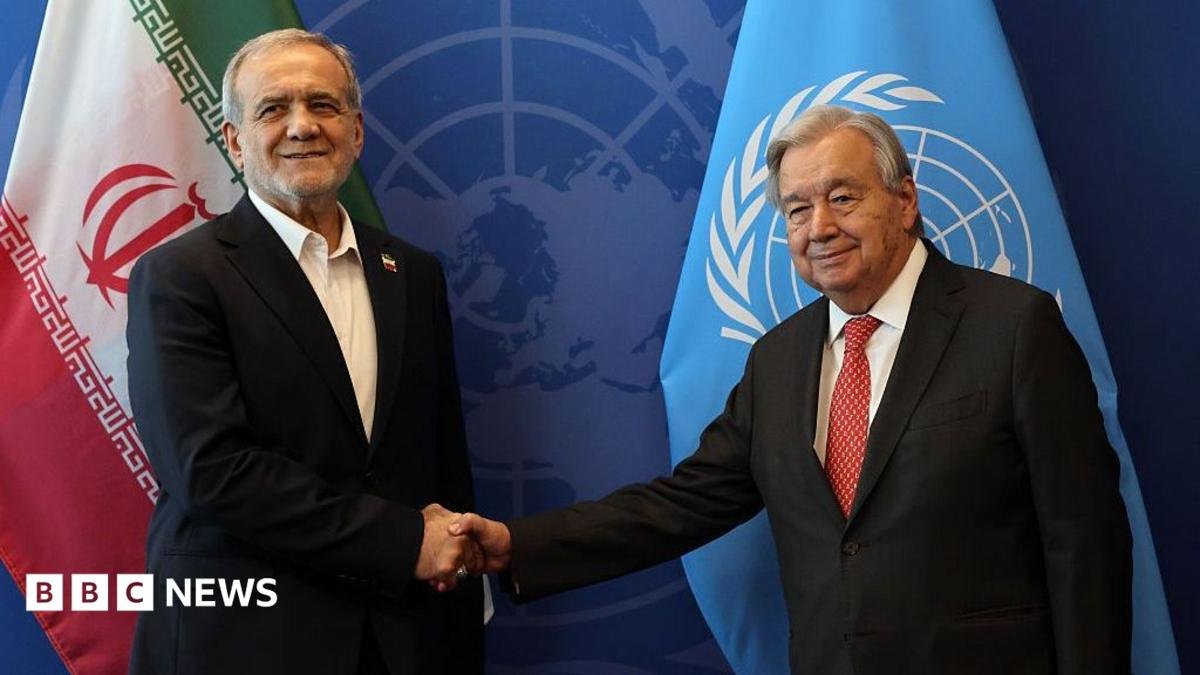
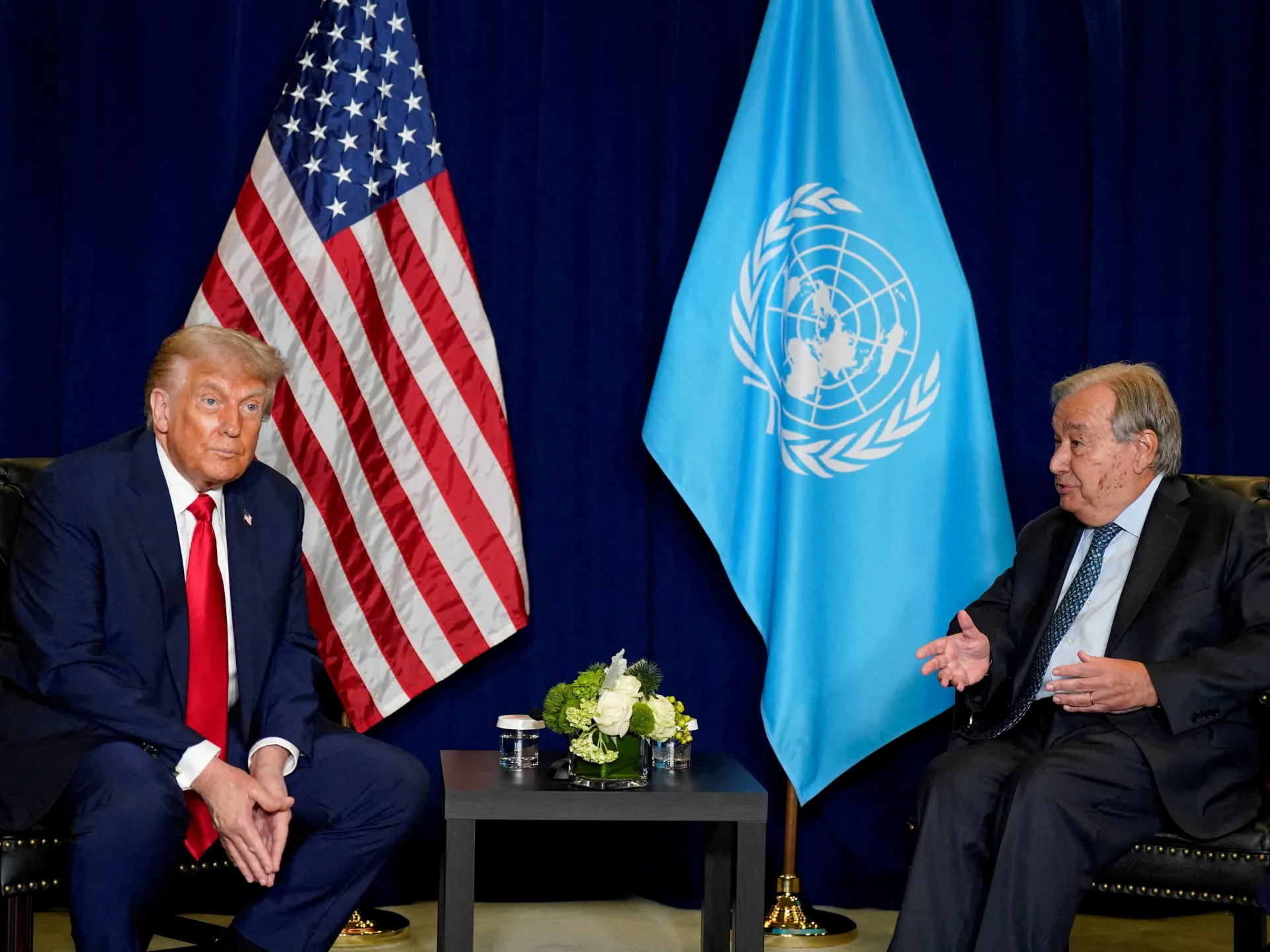
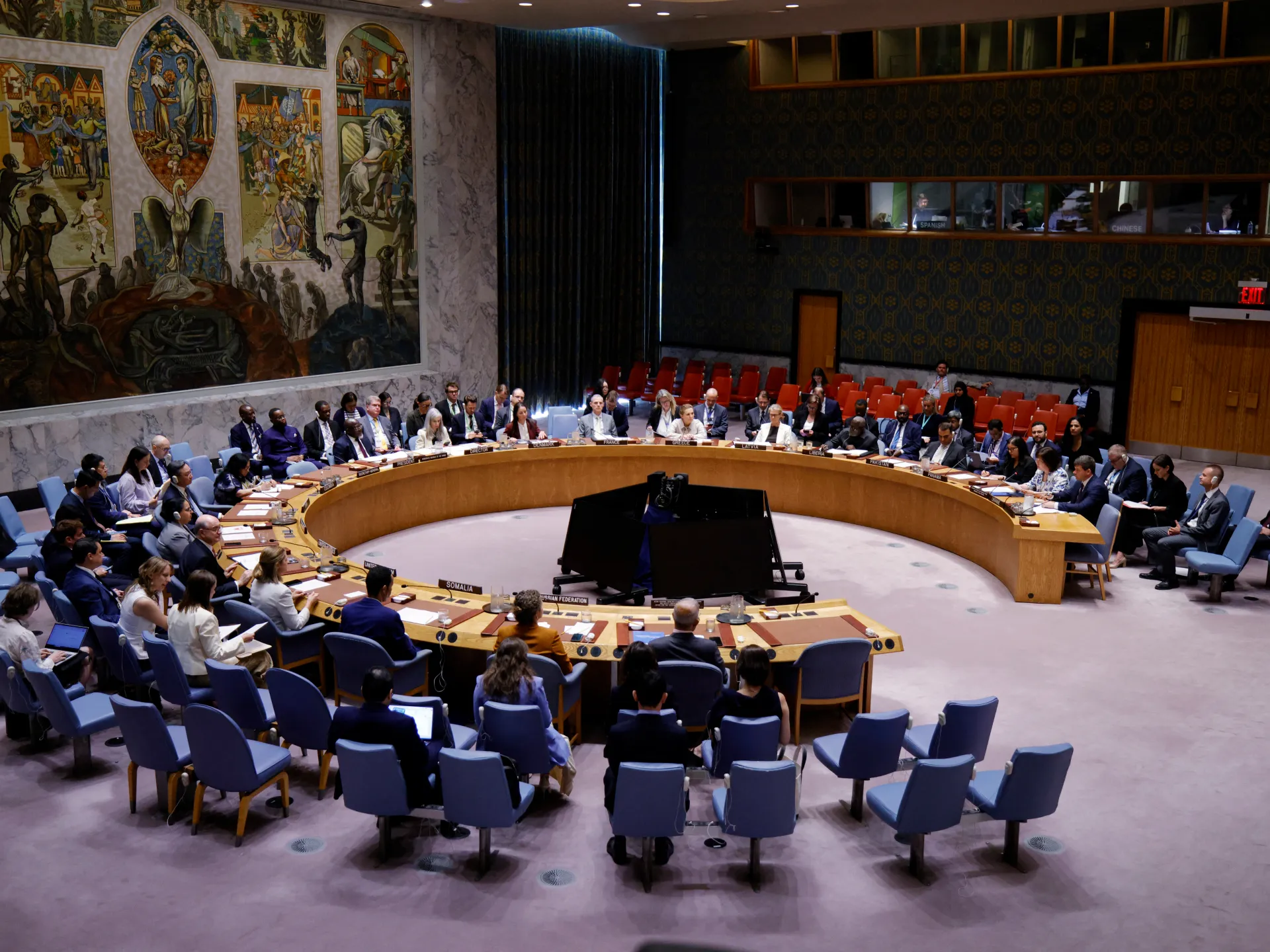
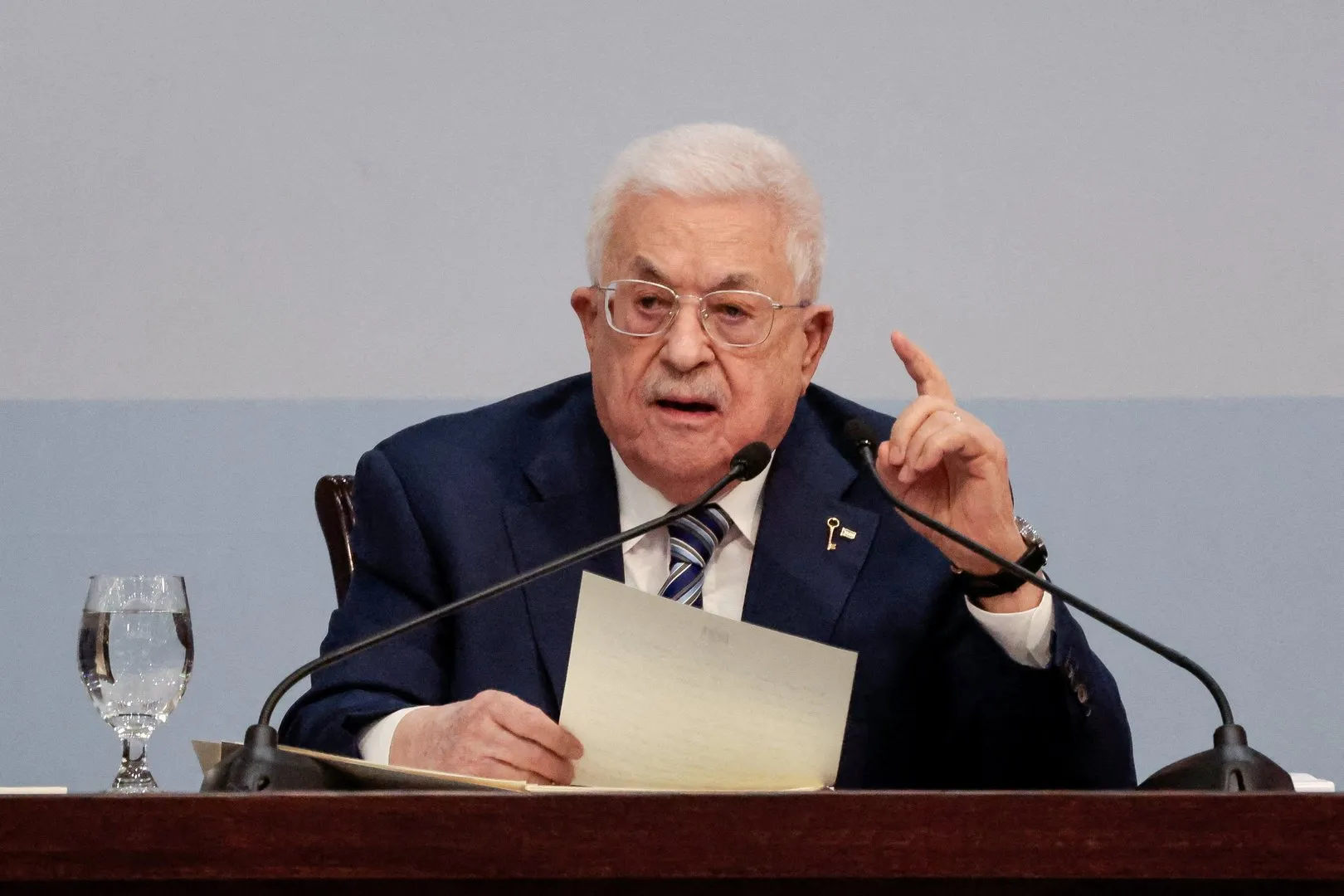
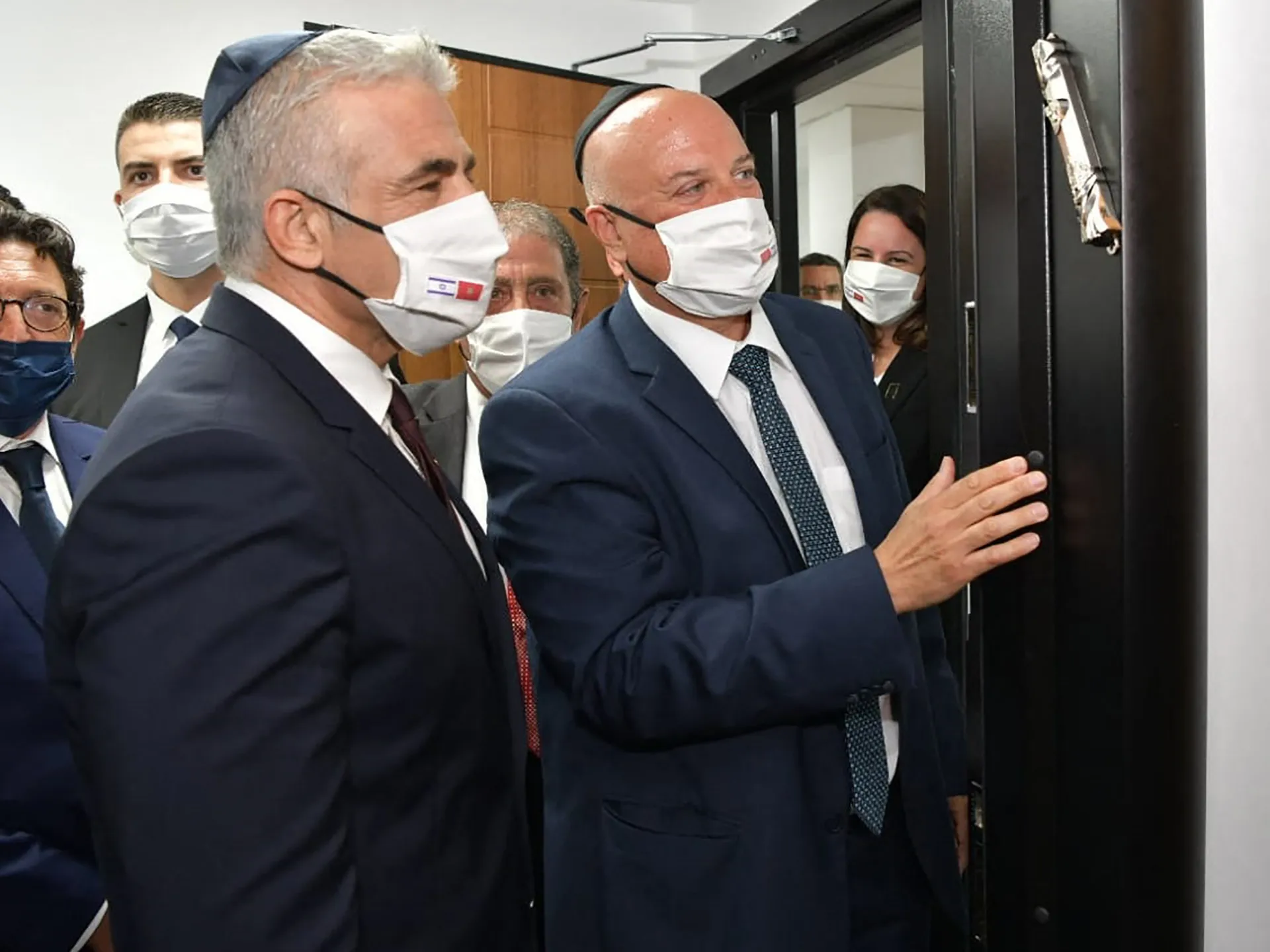
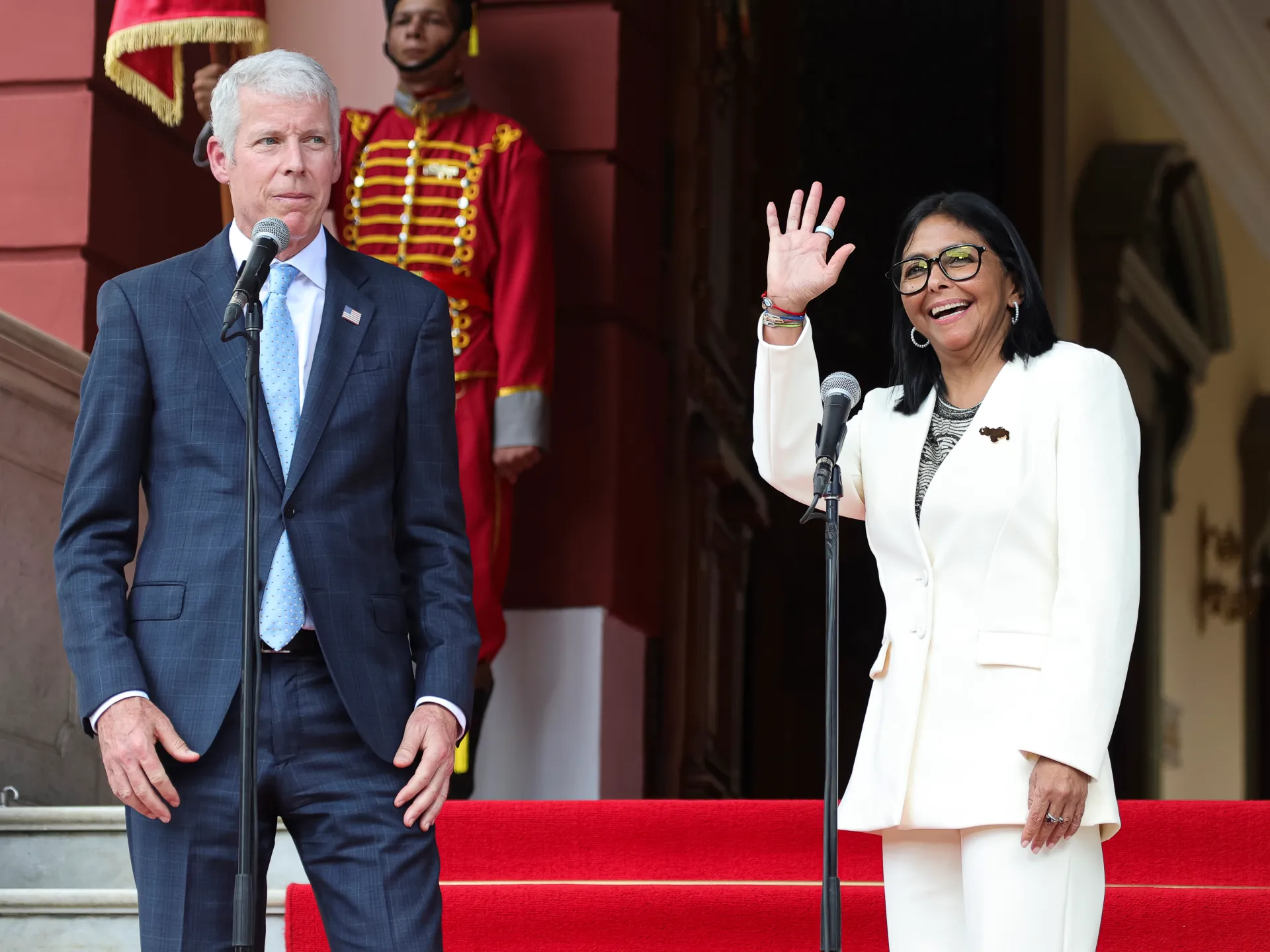
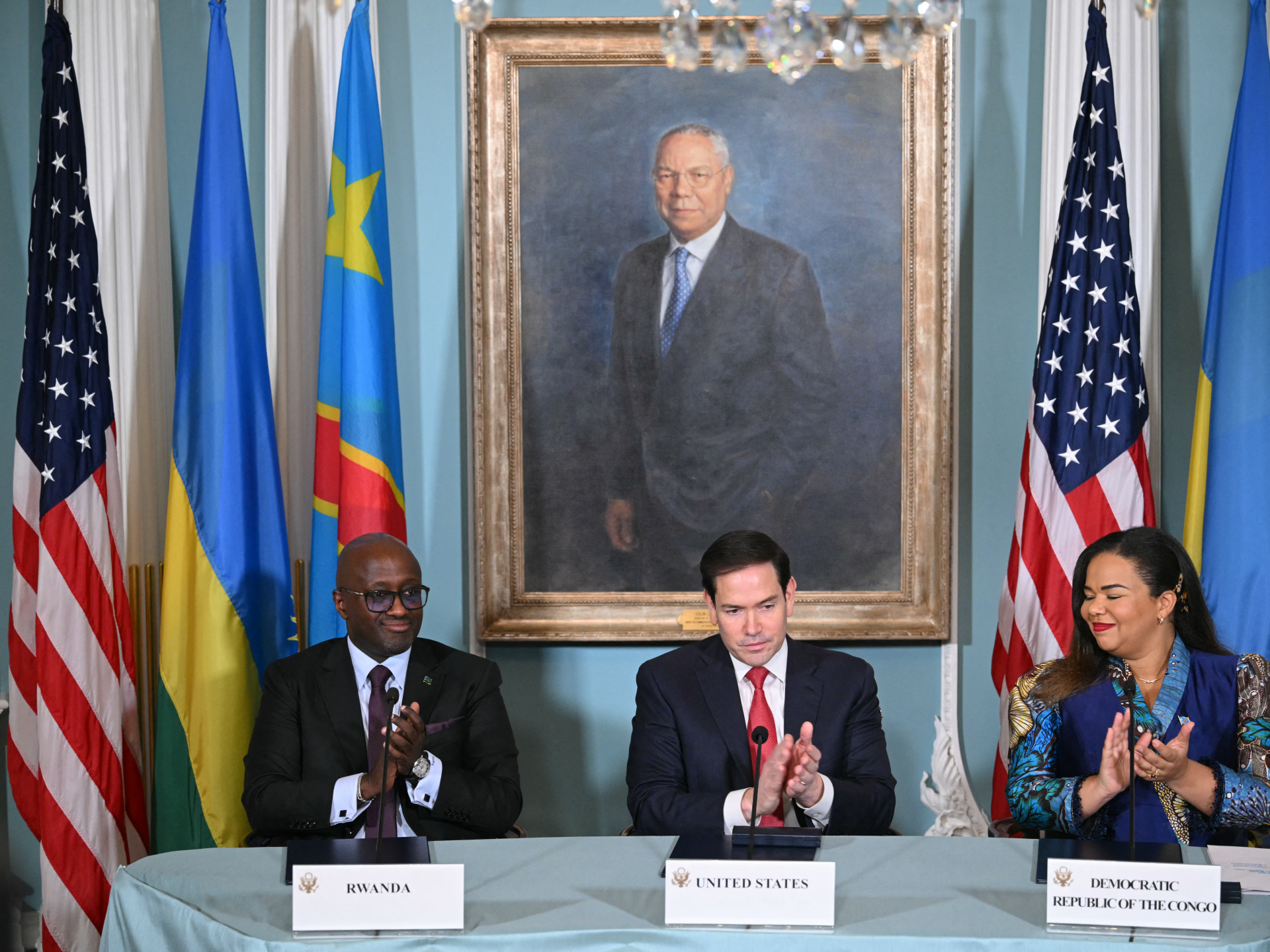
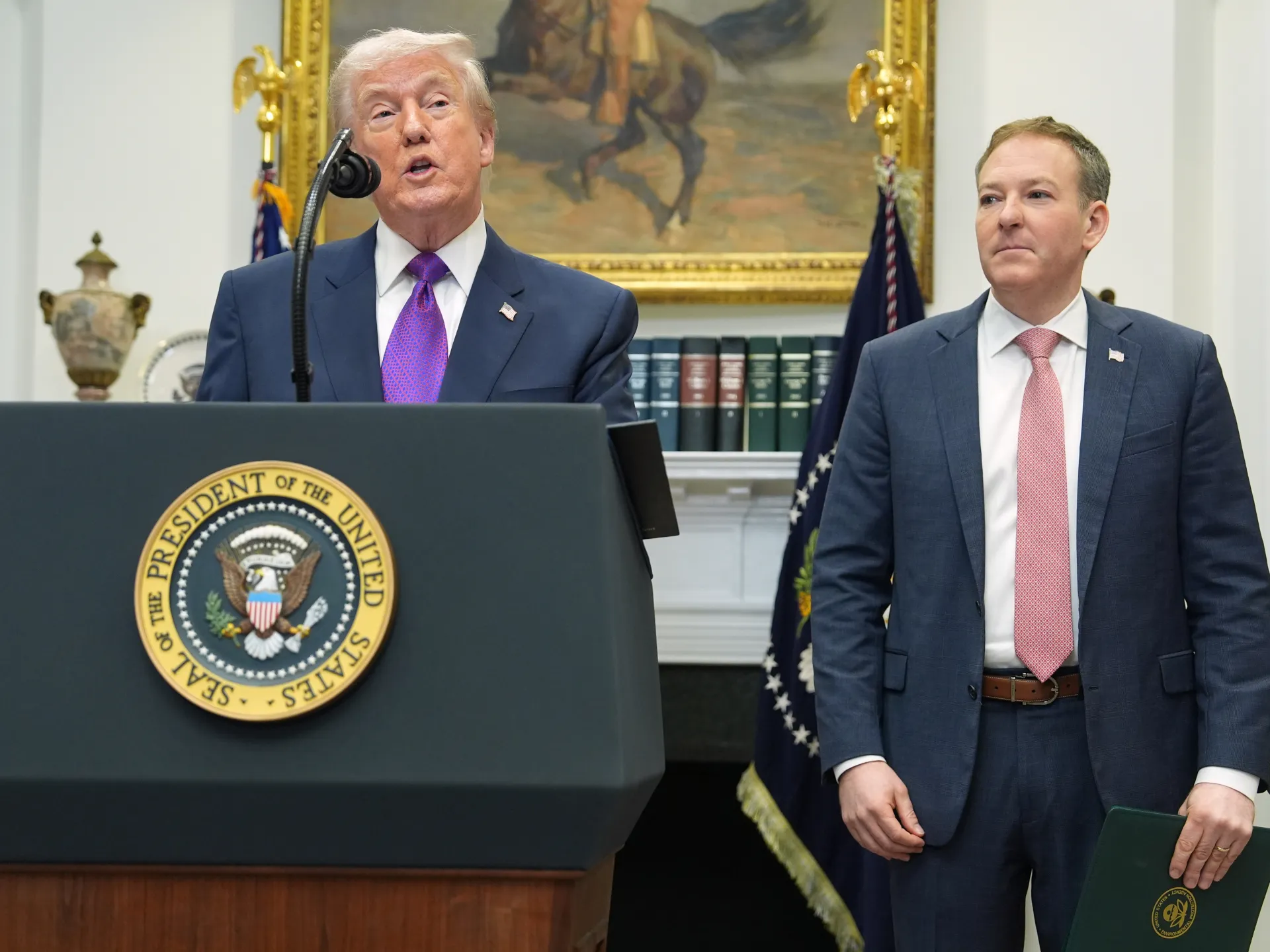
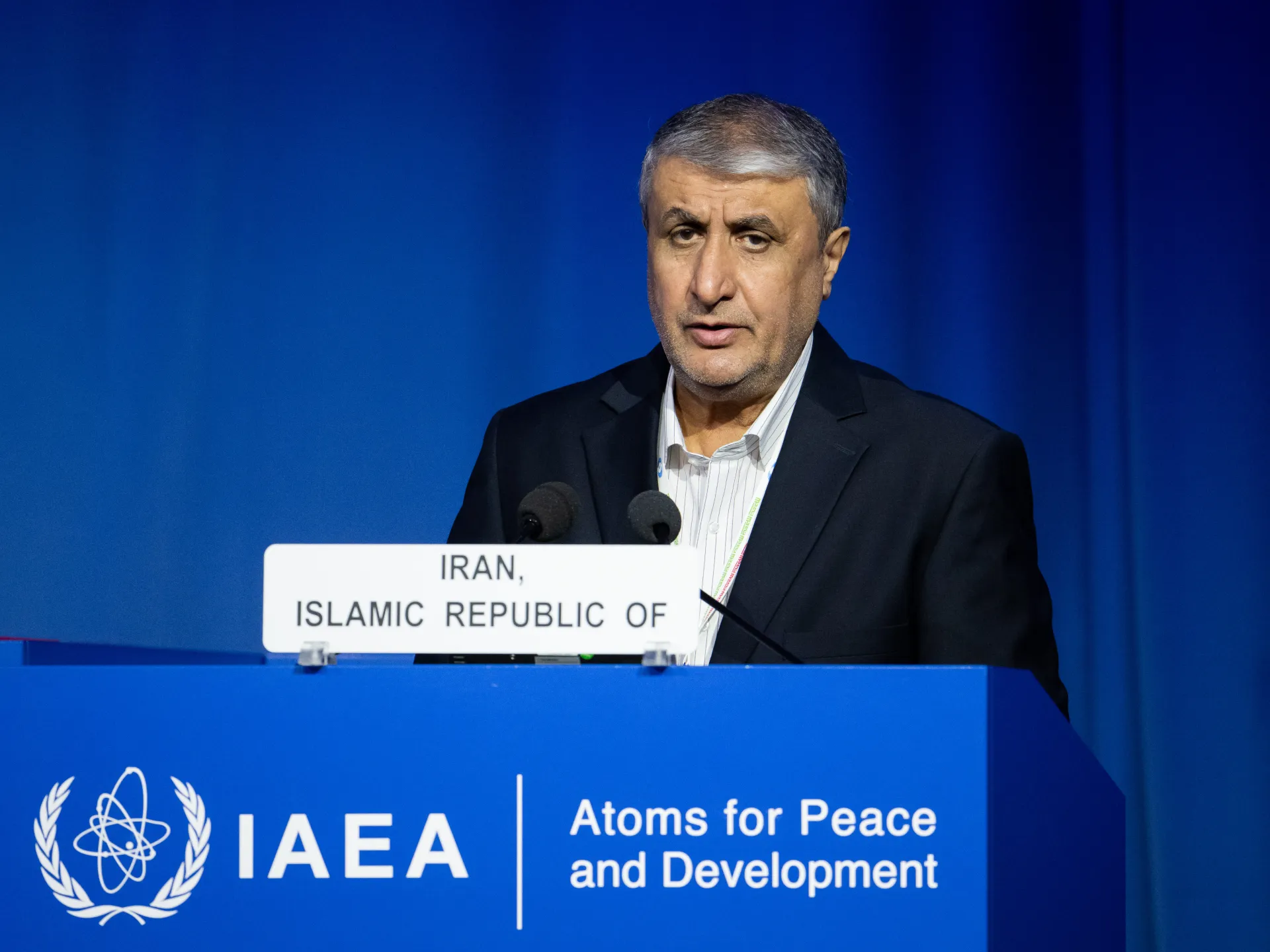
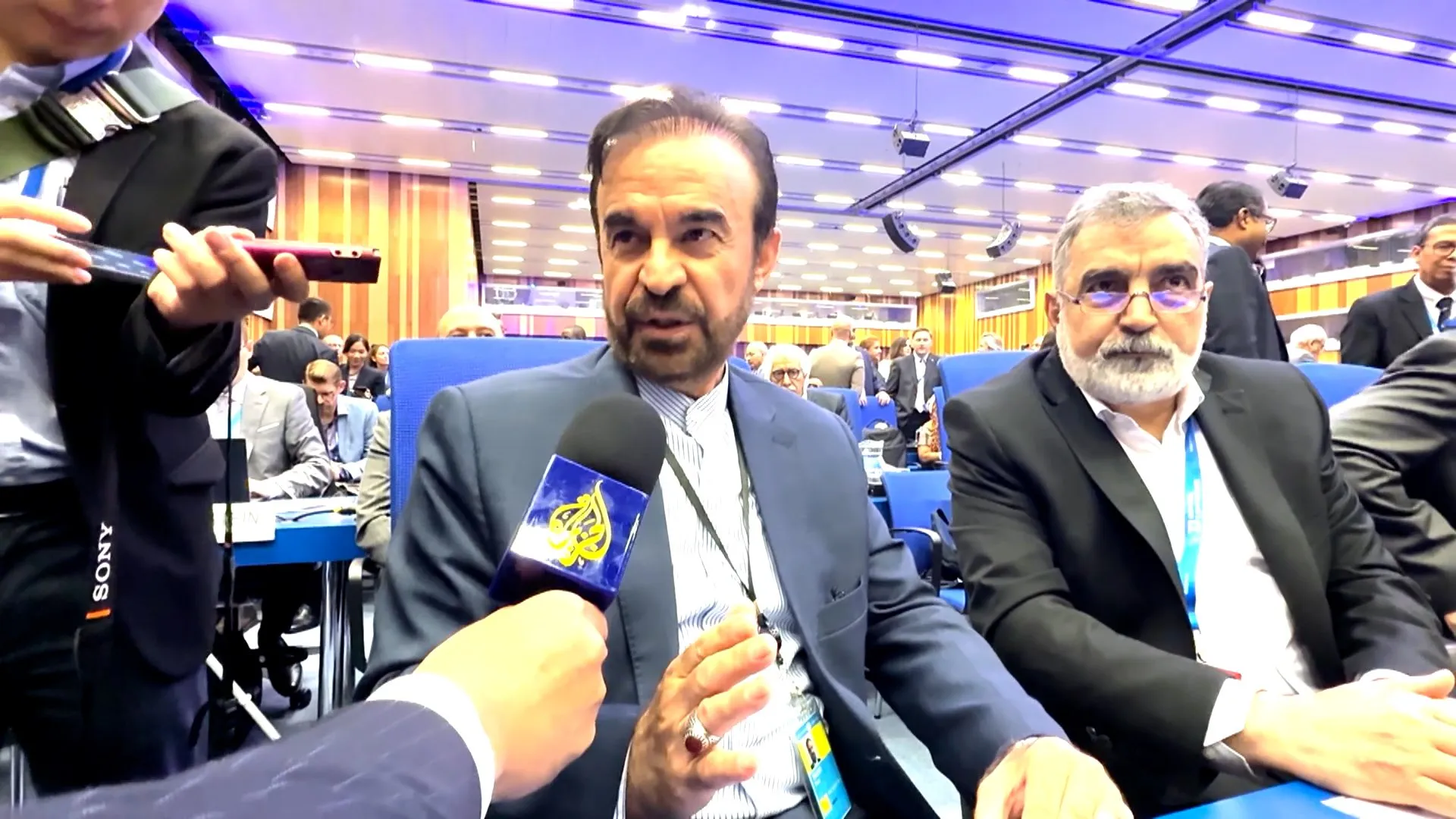
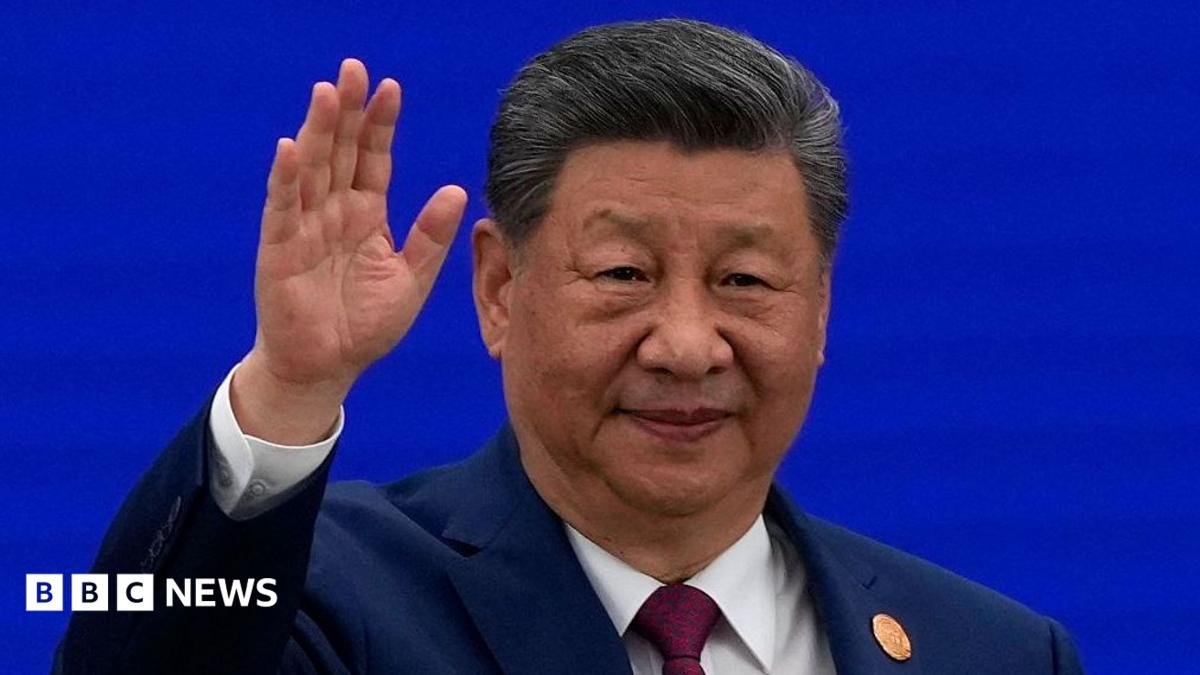
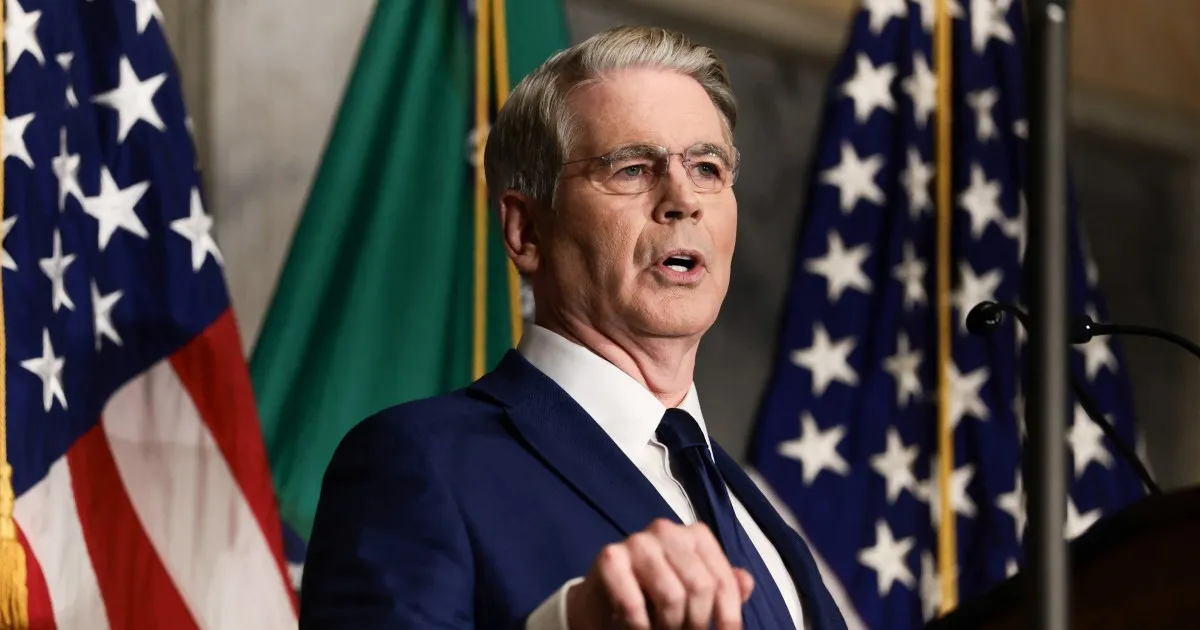
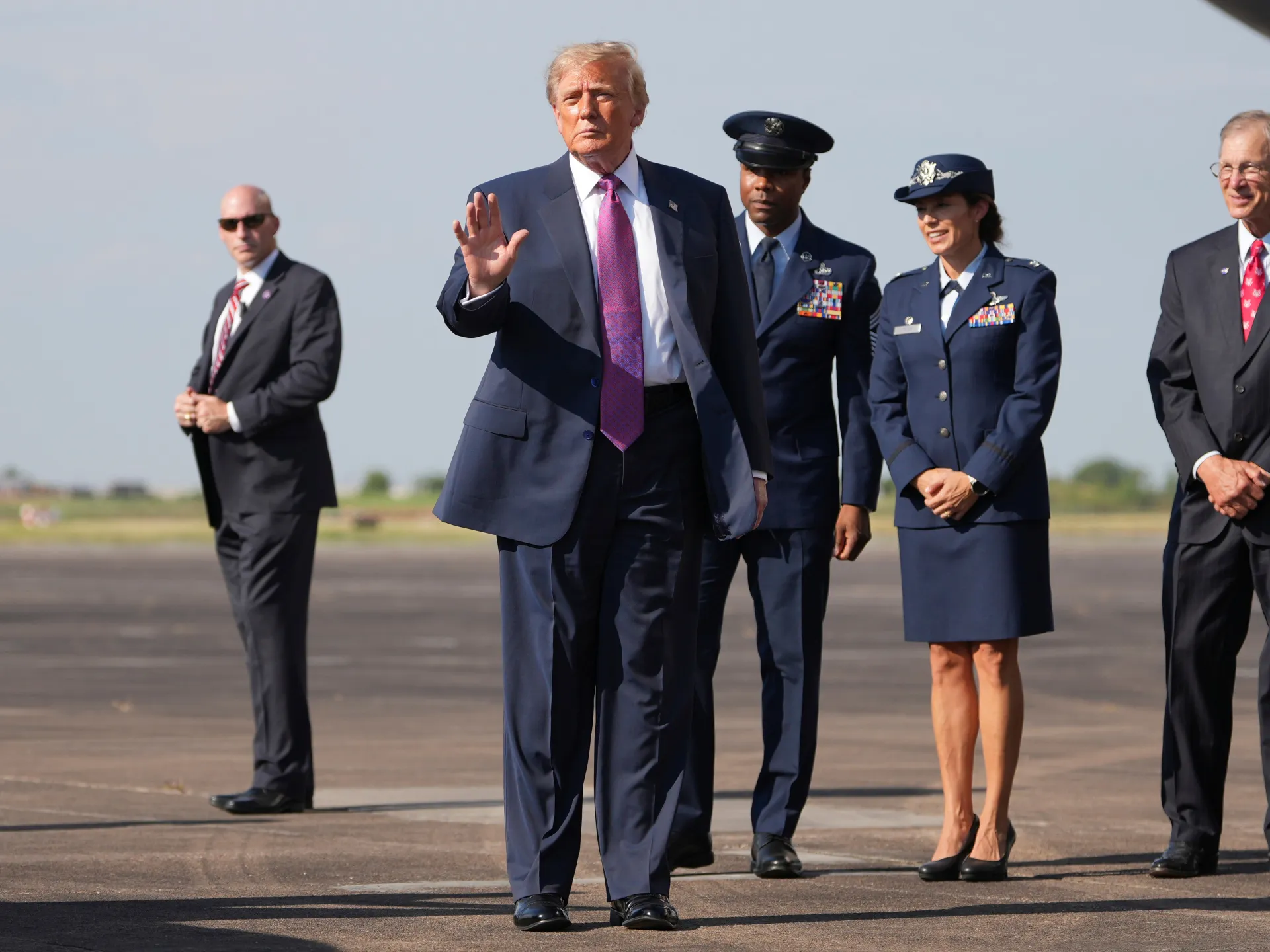
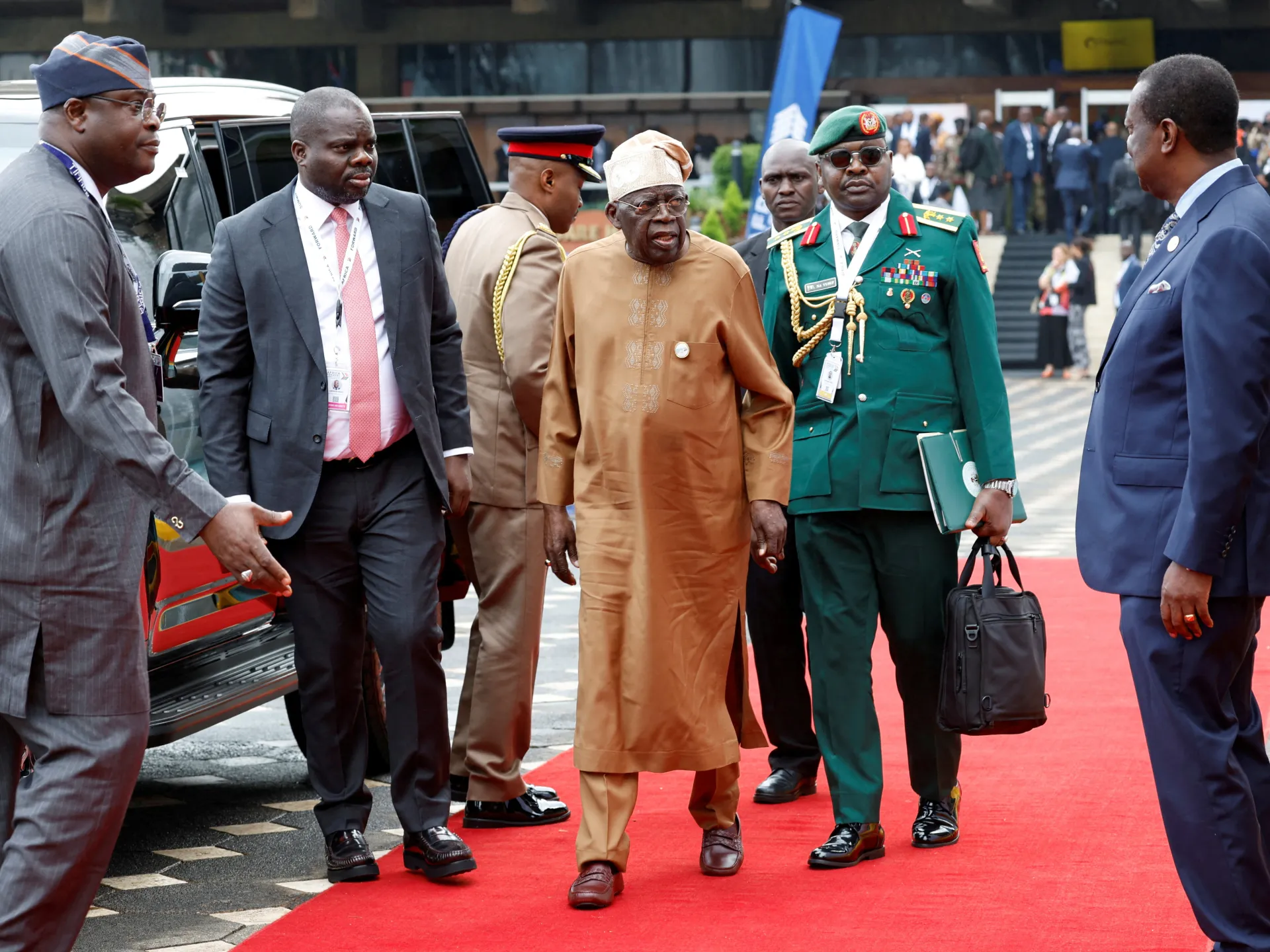
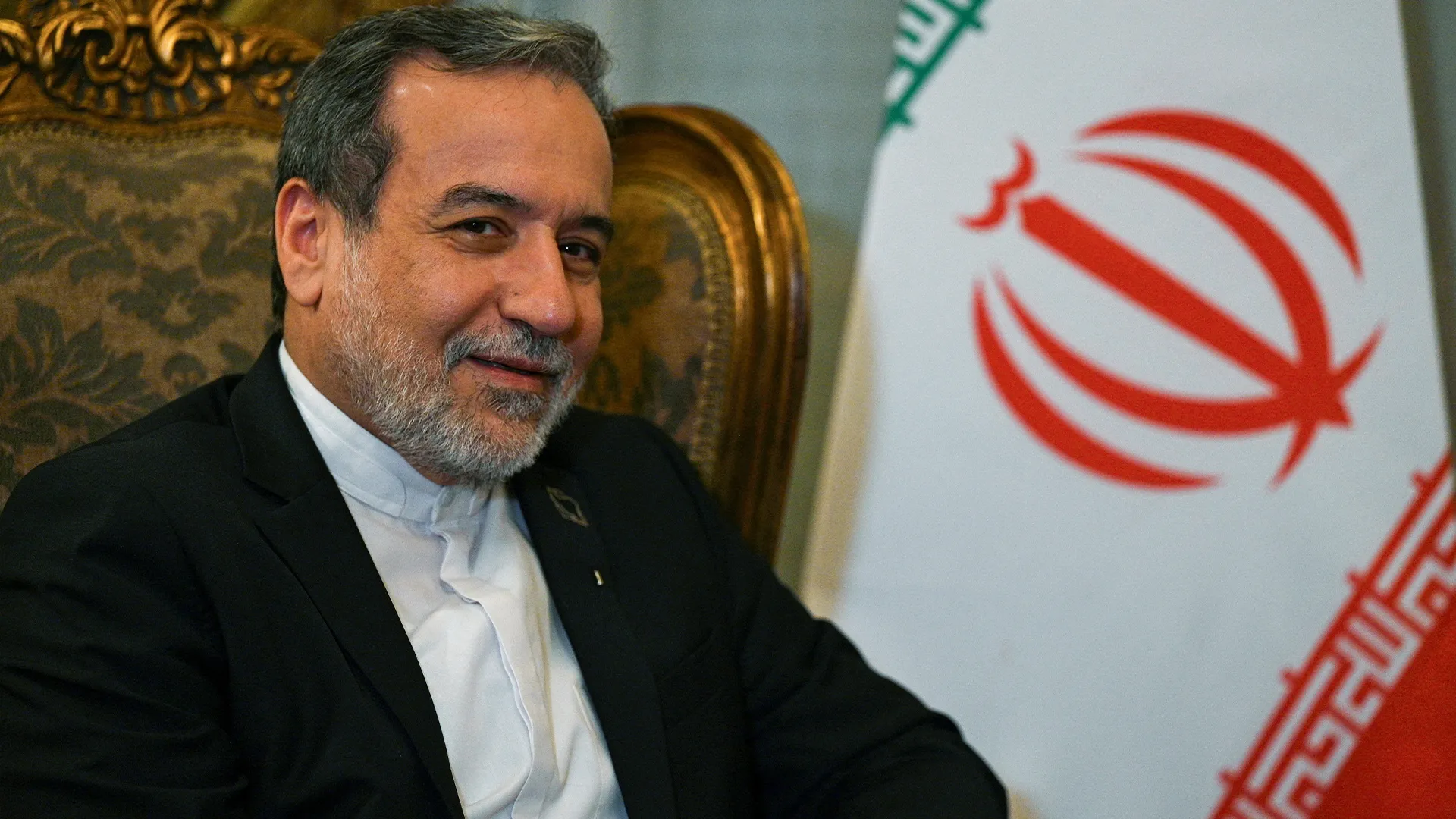
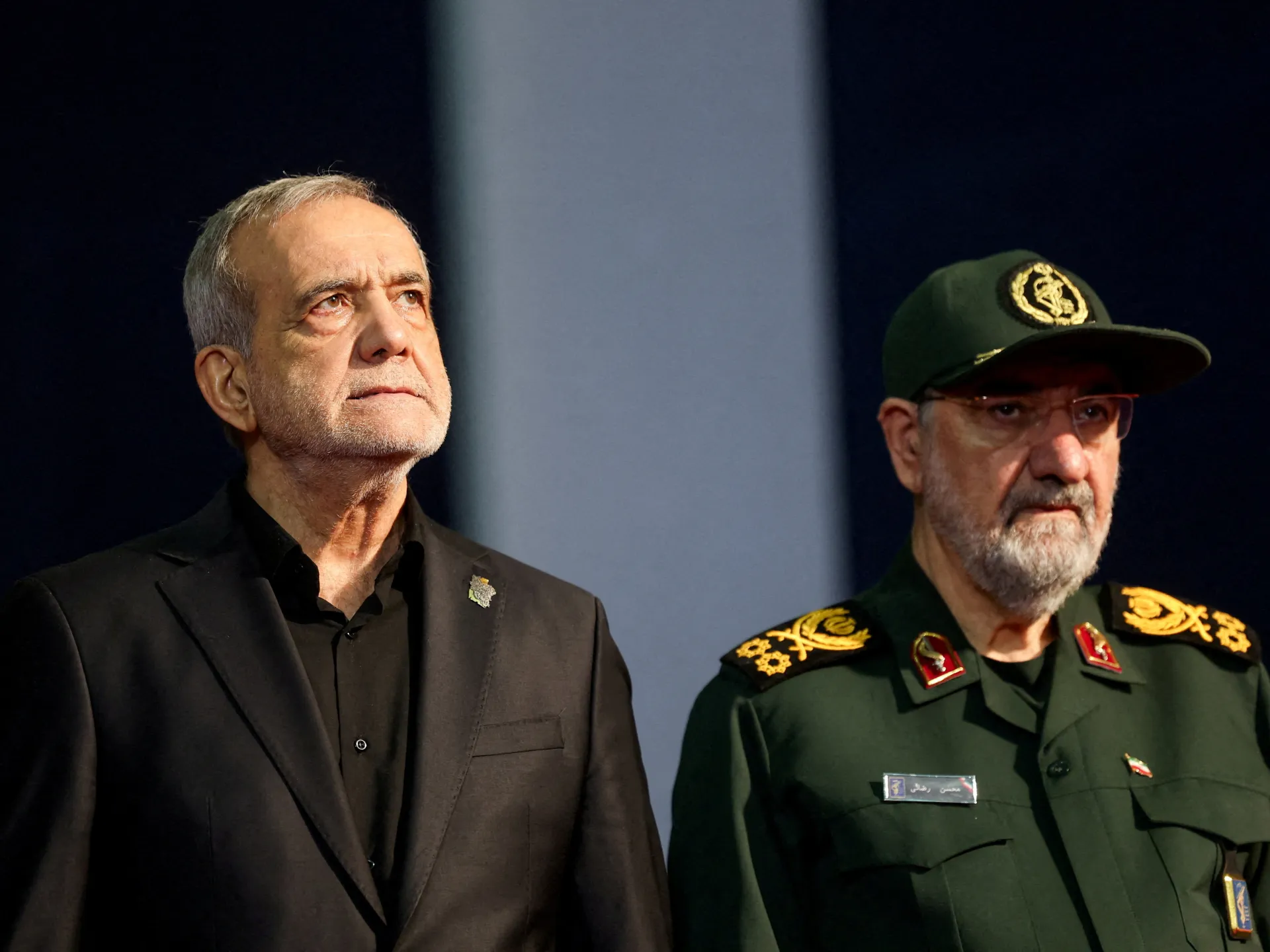
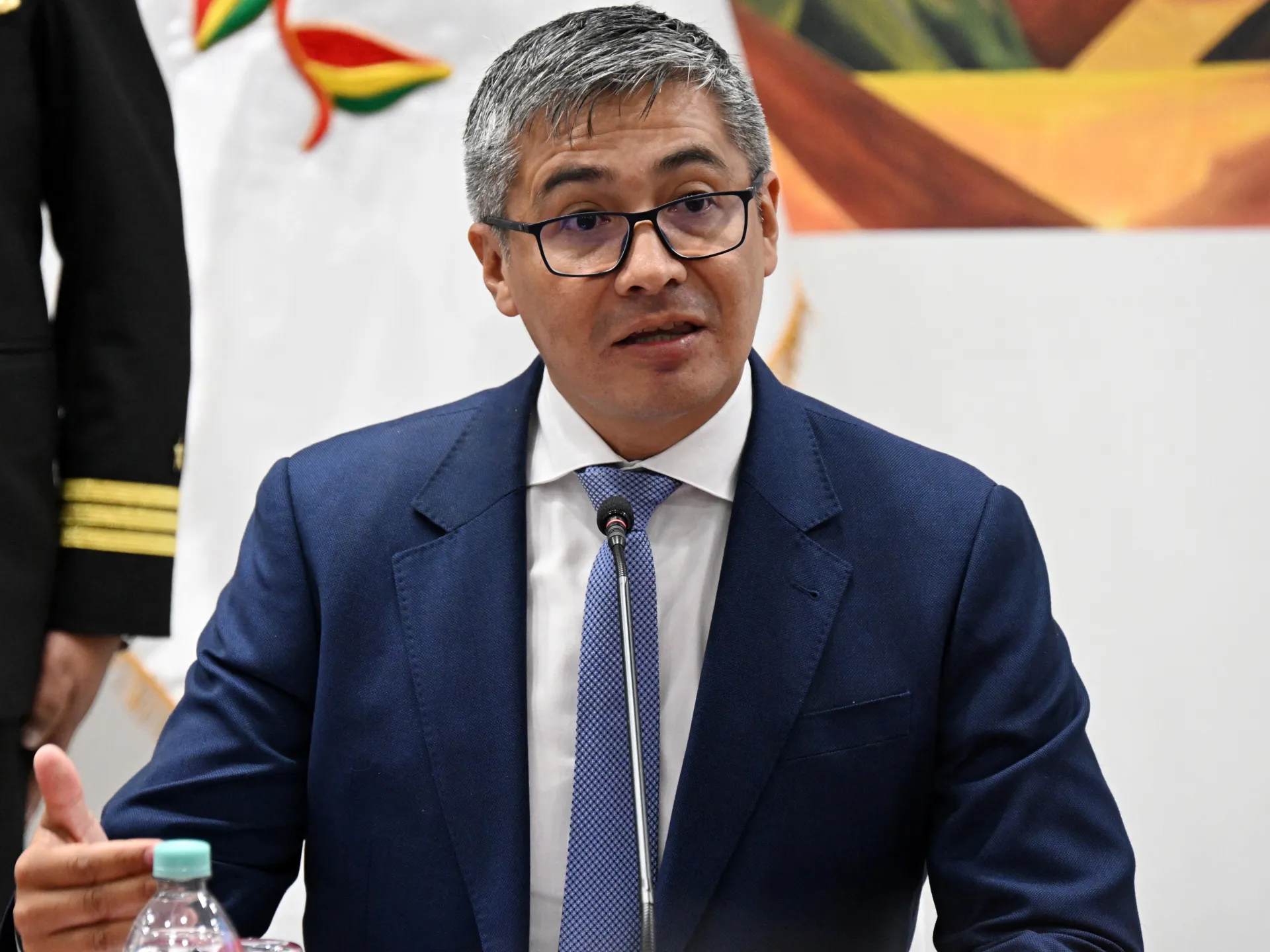
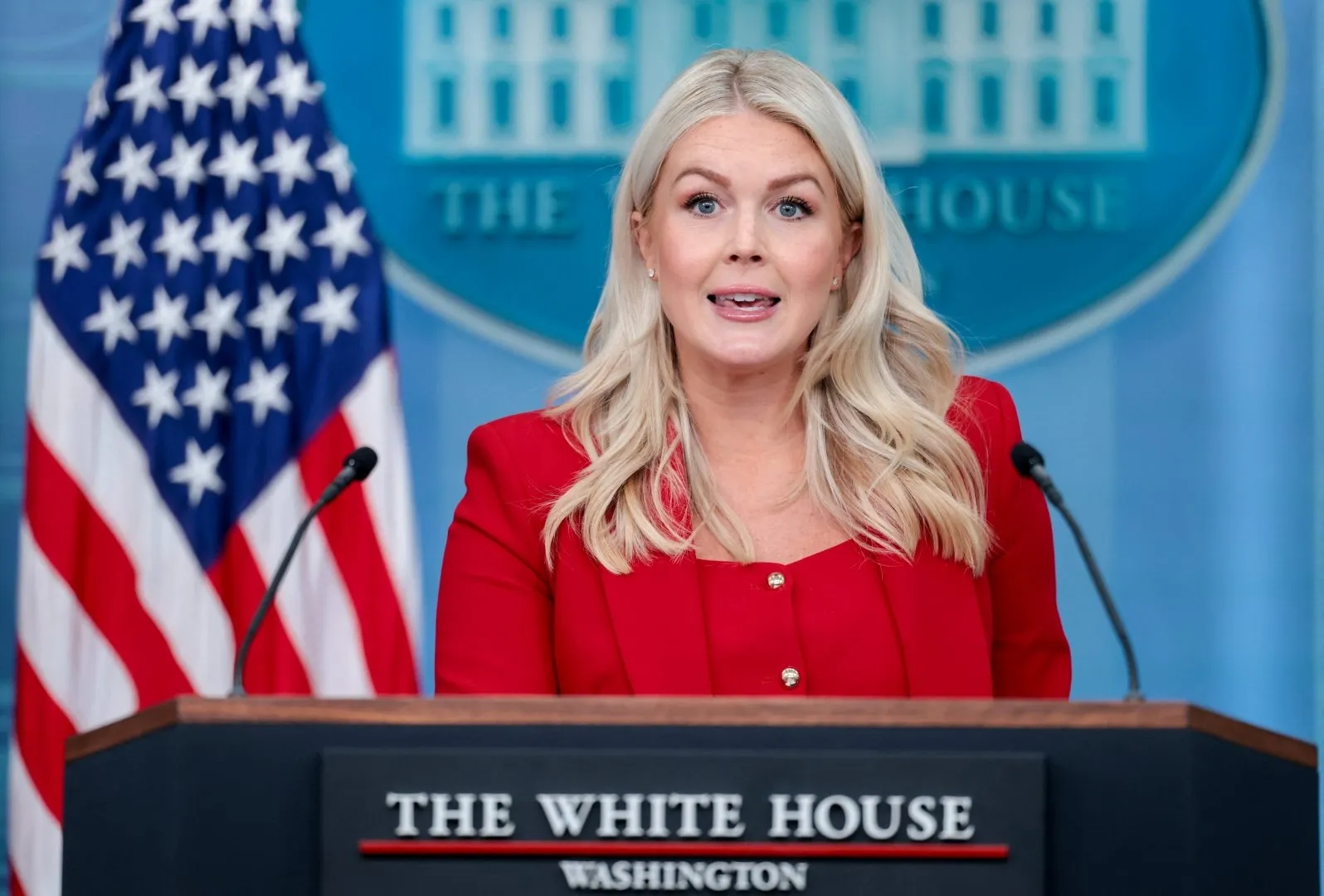
While the internal situation remains volatile, the United States has confirmed it will grant visas to an Iranian delegation, including President Masoud Pezeshkian and Foreign Minister Abbas Araghchi, to attend the 81st UN General Assembly in New York. The State Department justified the decision remain in an active conflict that began in February 2026.
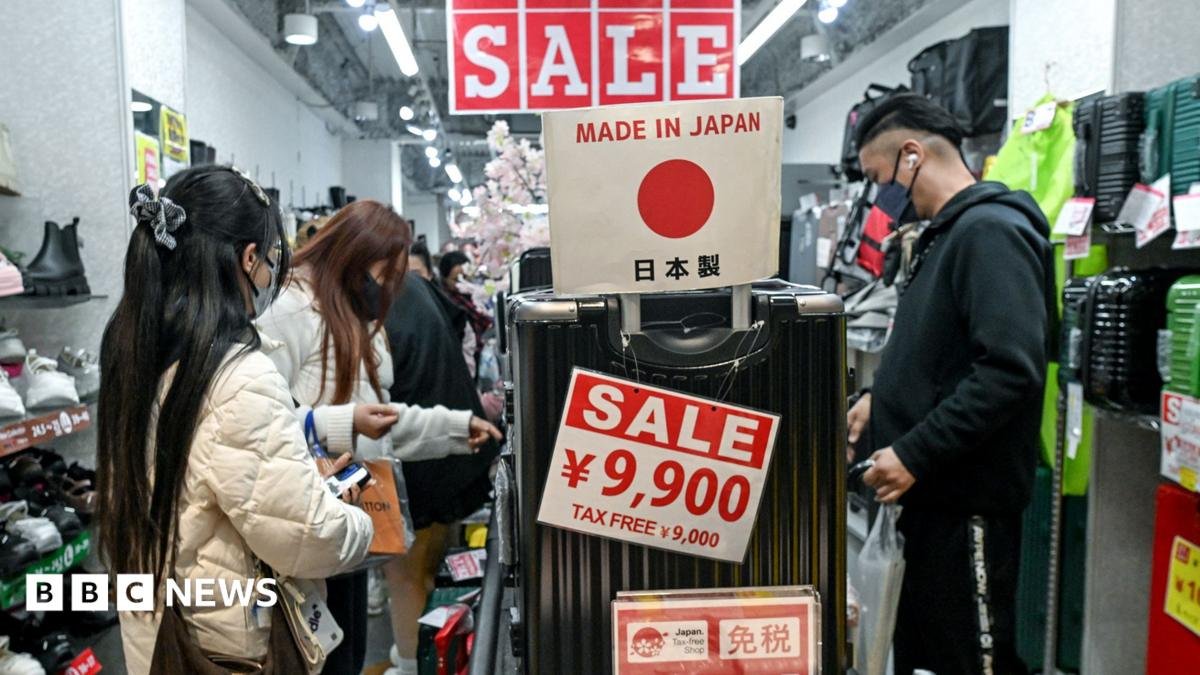
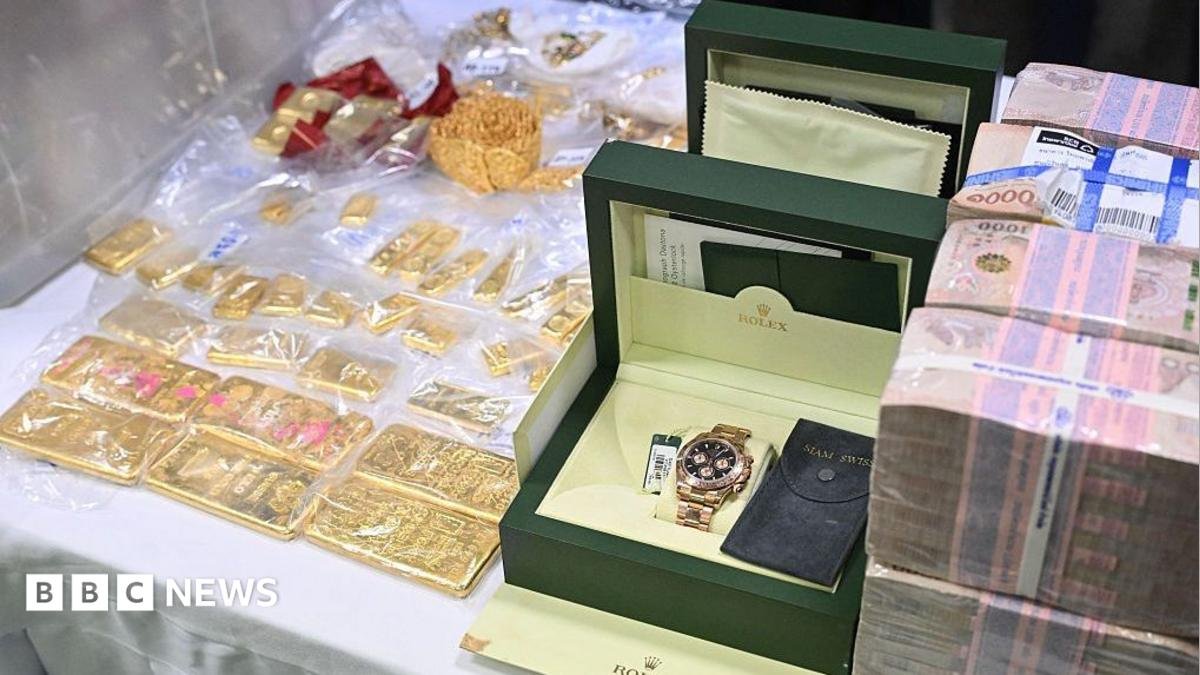
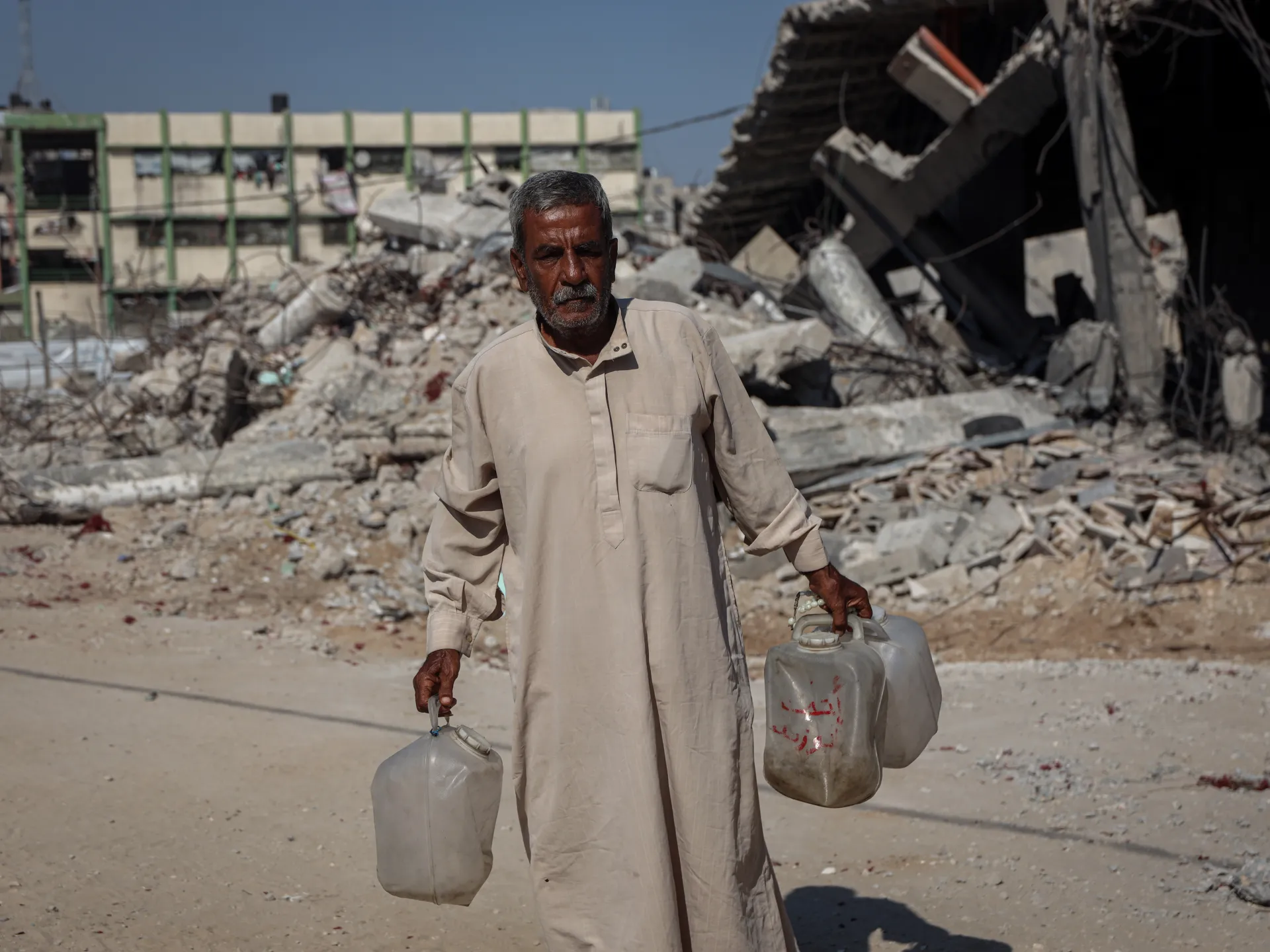
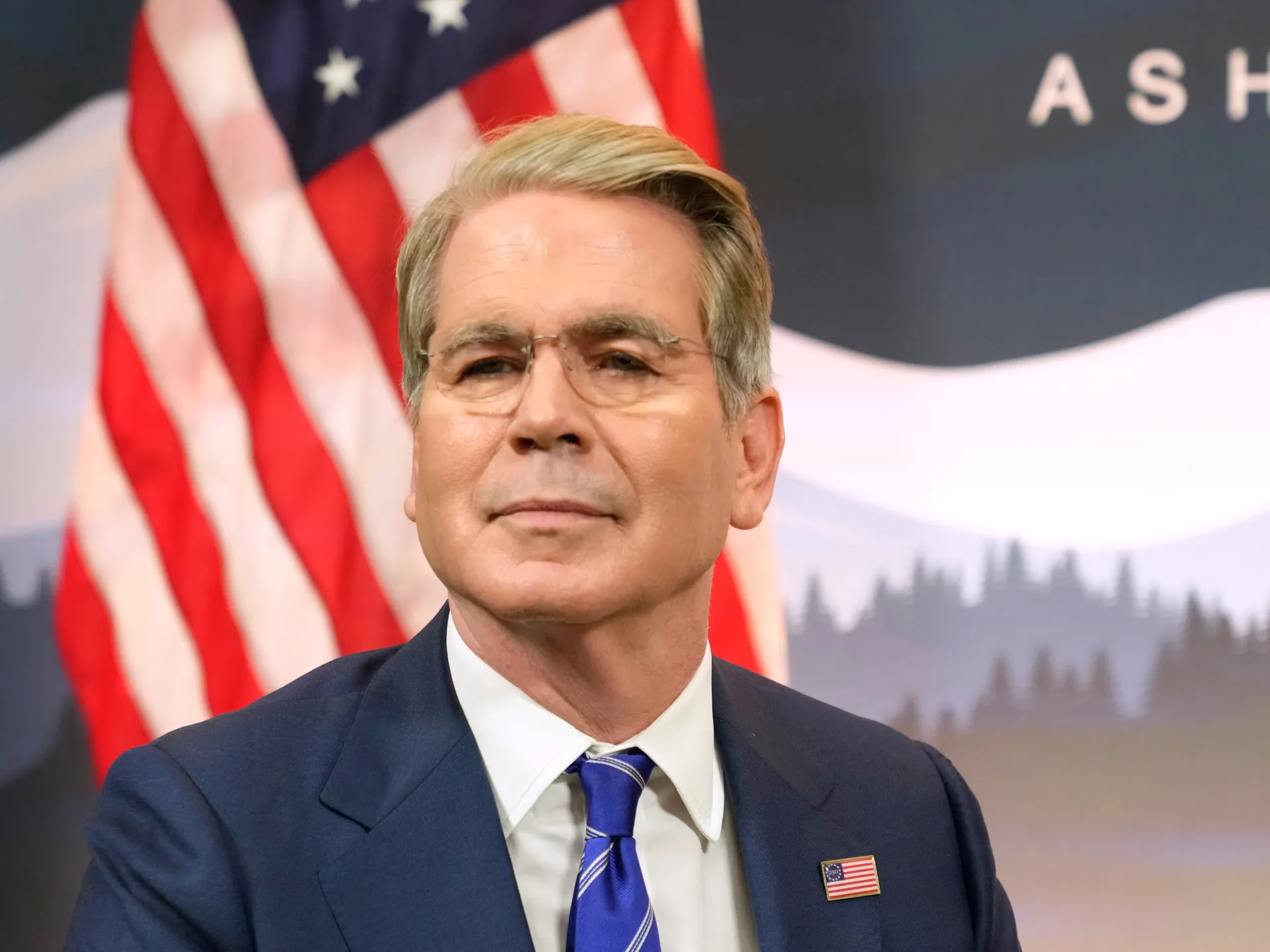
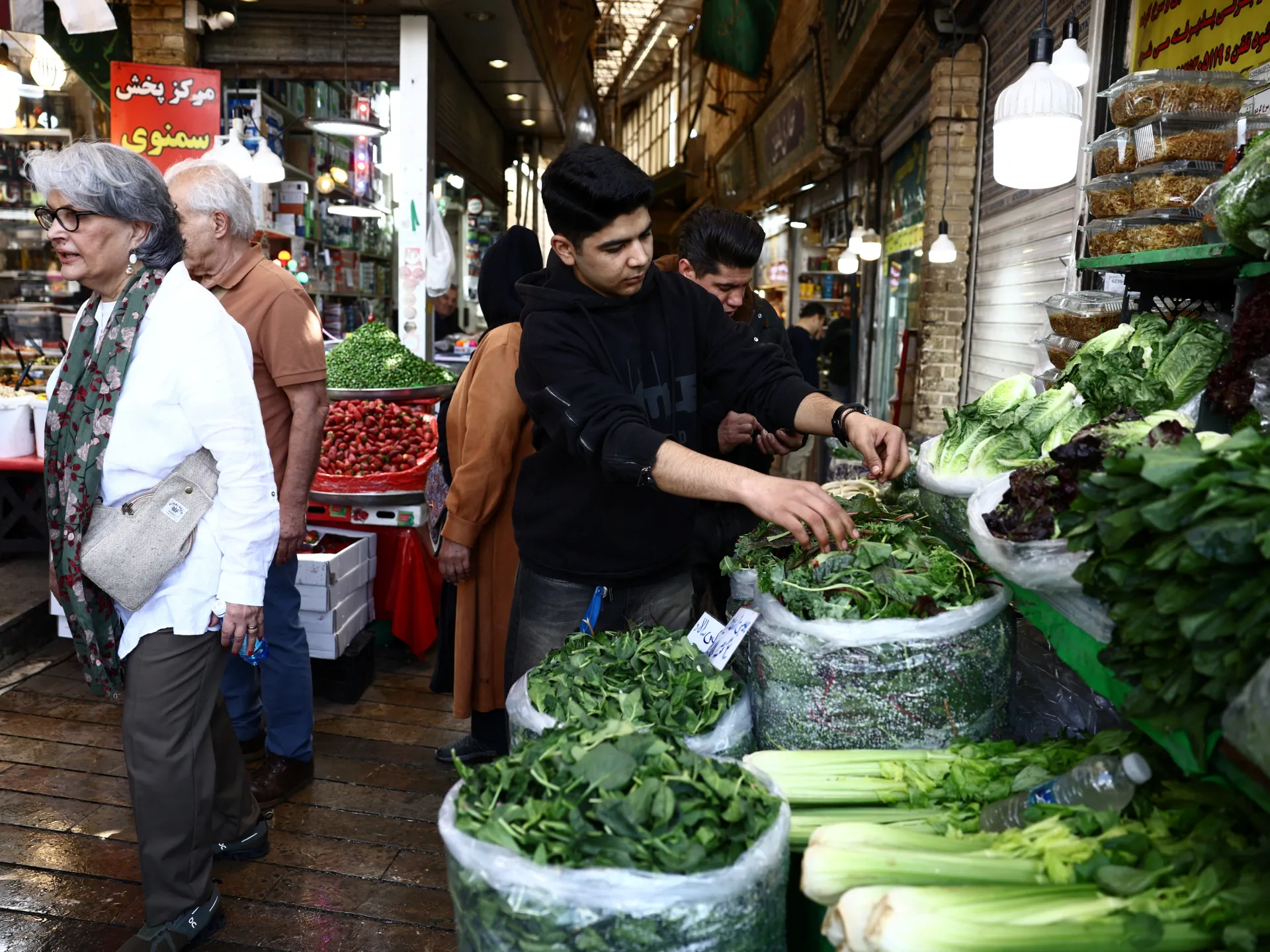
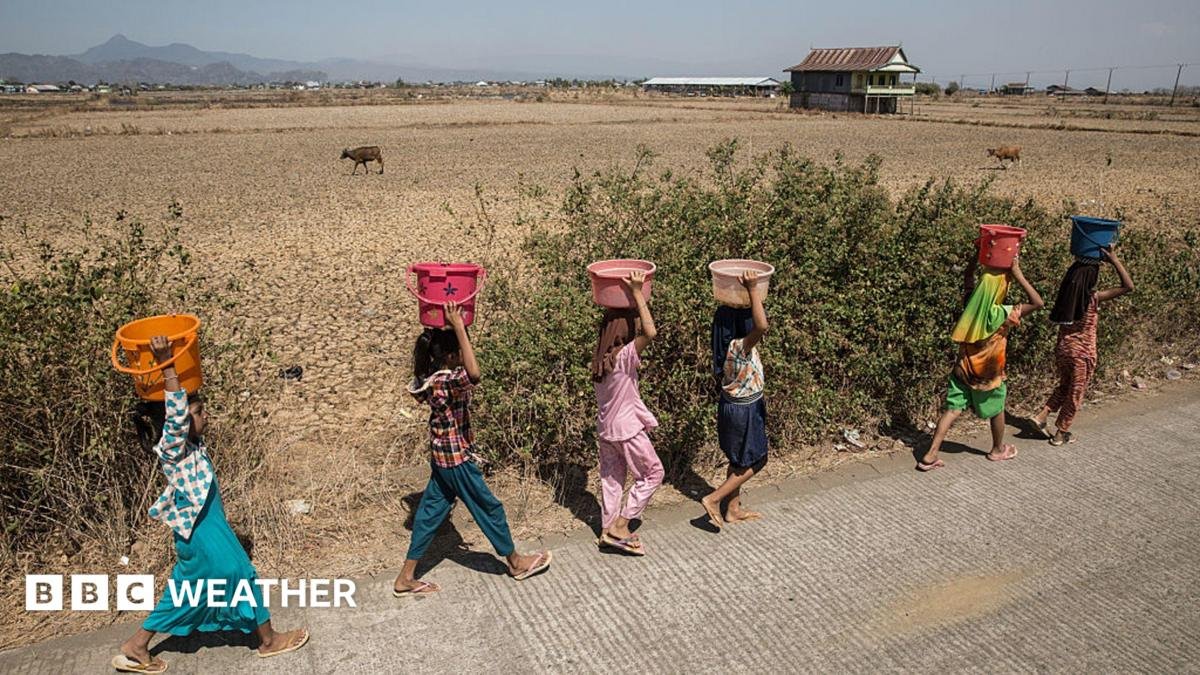
The US government has imposed strict conditions on the visitors. State Department officials noted that the delegation will be subject to travel restrictions and a ban on the purchase of luxury goods, including jewelry, automobiles, and alcohol. This approach is intended to prevent the Iranian leadership from engaging in what officials described as a 'luxury retail splurge' while the Iranian populace grapples with inflation and resource shortages, including water and electricity.
The upcoming UN General Assembly High Level Week is likely to serve as a high-stakes stage for the ongoing conflict. With President Pezeshkian scheduled to speak on Wednesday, the international community will be watching for signs of whether diplomatic channels remain open or if the rhetoric of the war will dominate the proceedings. Domestically, the arrest of the marathon organizers suggests that the Iranian regime will continue to prioritize internal security and dress-code enforcement, even as it attempts to manage its public image on the world stage. The economic impact of the war, characterized ould further destabilize both the regime's control and its international negotiations.