Grindr settles a major privacy lawsuit while NASA’s Hubble telescope achieves a historic orbit milestone amid shifting international diplomatic tensions.
As international stakeholders navigate the complexities of global digital privacy and the shifting landscape of geopolitical diplomacy, the convergence of scientific inquiry and corporate accountability highlights the disparate risks inherent in modern life. The decision ficant benchmark for how technology platforms must account for the stewardship of sensitive user information, particularly when that data pertains to health and personal identity. Simultaneously, scientific breakthroughs from the Hubble Space Telescope demonstrate a persistent human drive to quantify the universe, even as terrestrial conflicts threaten the stability required for such academic and diplomatic progress.
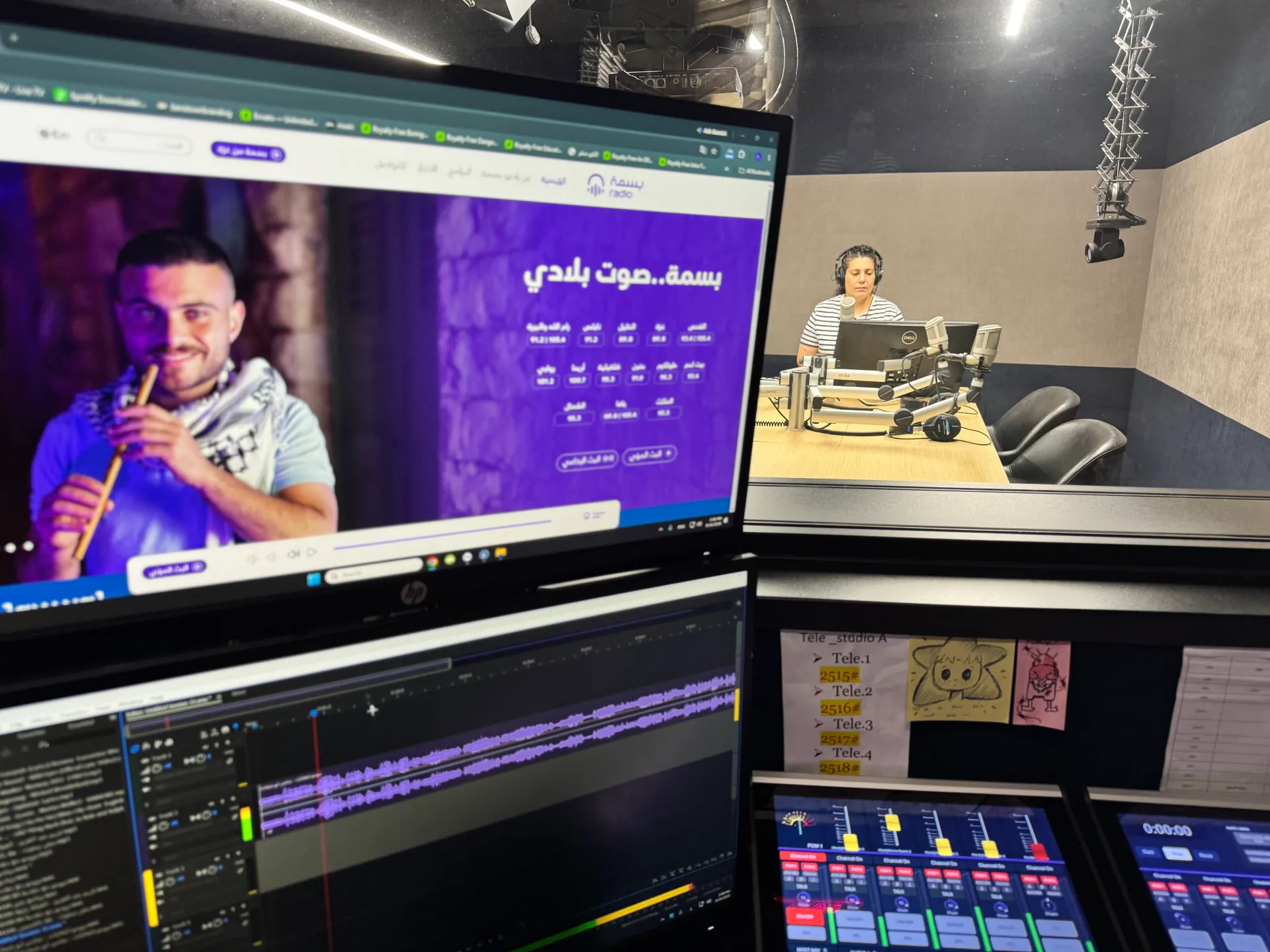
Grindr has reached a settlement totaling £26 million regarding allegations that it improperly shared sensitive personal information—including the HIV status of its users—with third-party analytics services. This resolution concludes a protracted legal battle that originated in the UK High Court in 2024. The class-action litigation, which involved over 11,000 claimants, alleged that the dating application breached privacy laws and Localytics for commercial purposes.
According to a regulatory filing with the US Securities and Exchange Commission, the company will finalize the payment in two equal installments of £13 million, with the final disbursement scheduled for March 2027. While the company maintains that the practices in question occurred before 2020 under previous ownership, it acknowledged the distress and loss of trust expressed y.
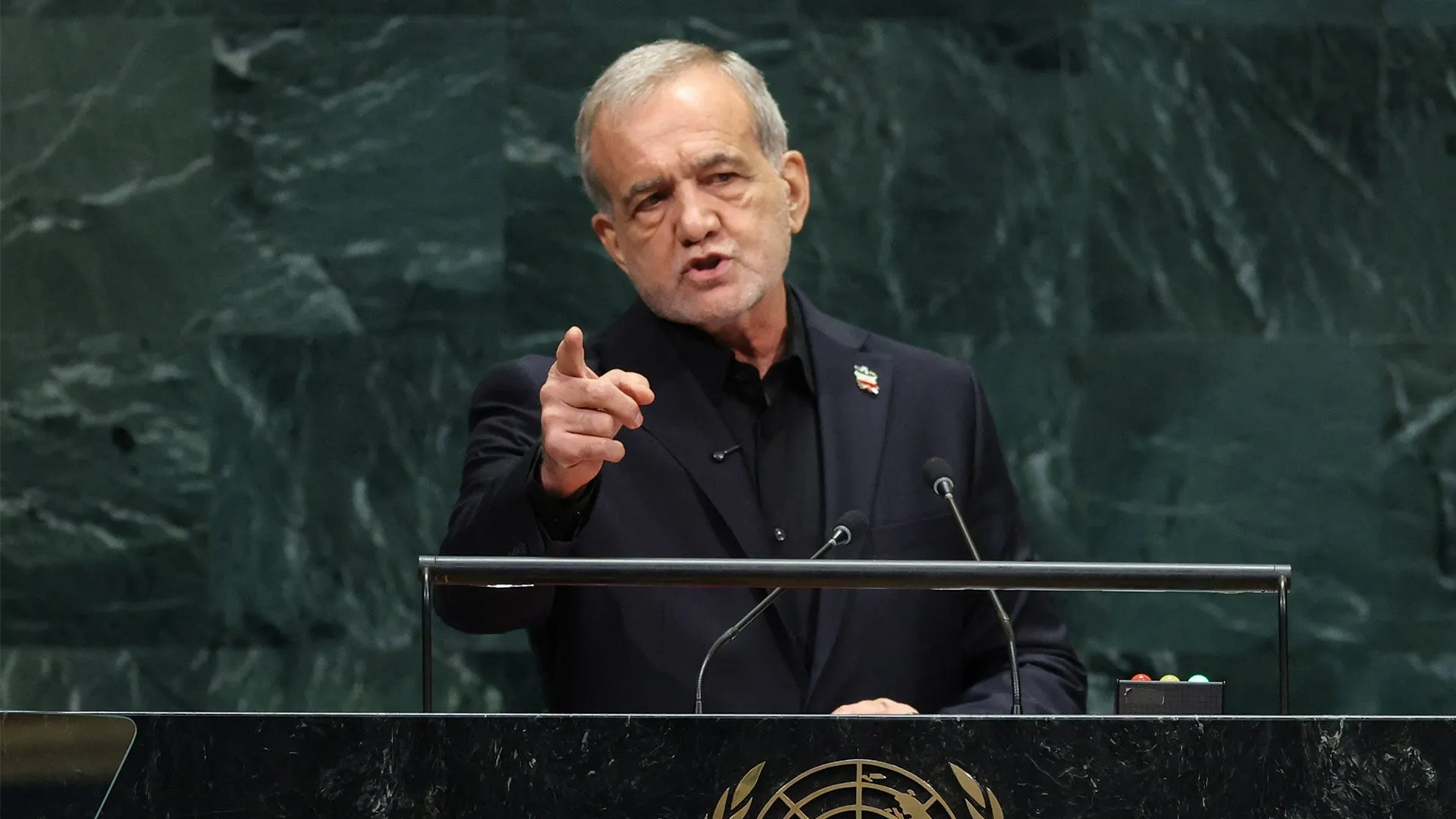
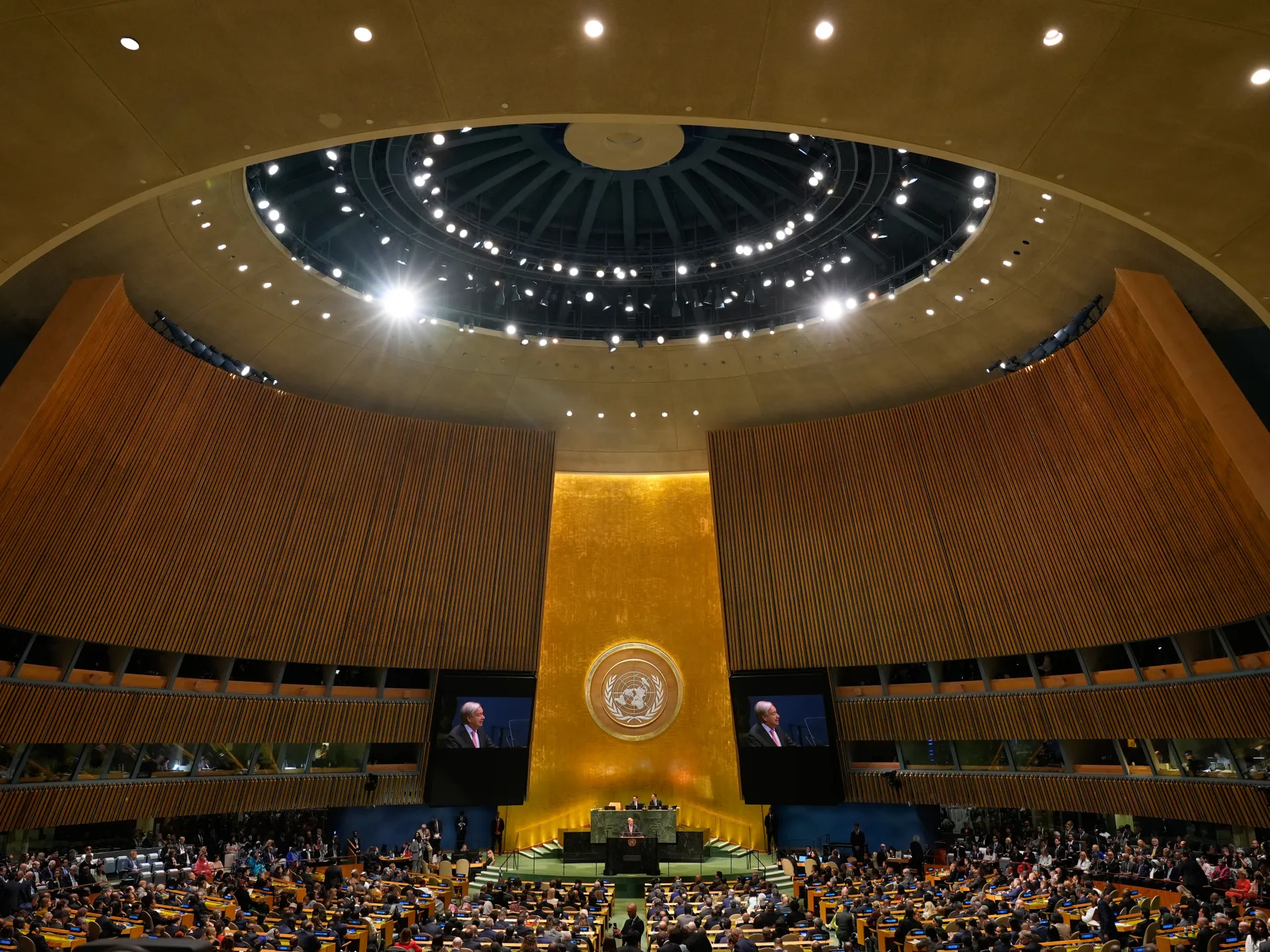
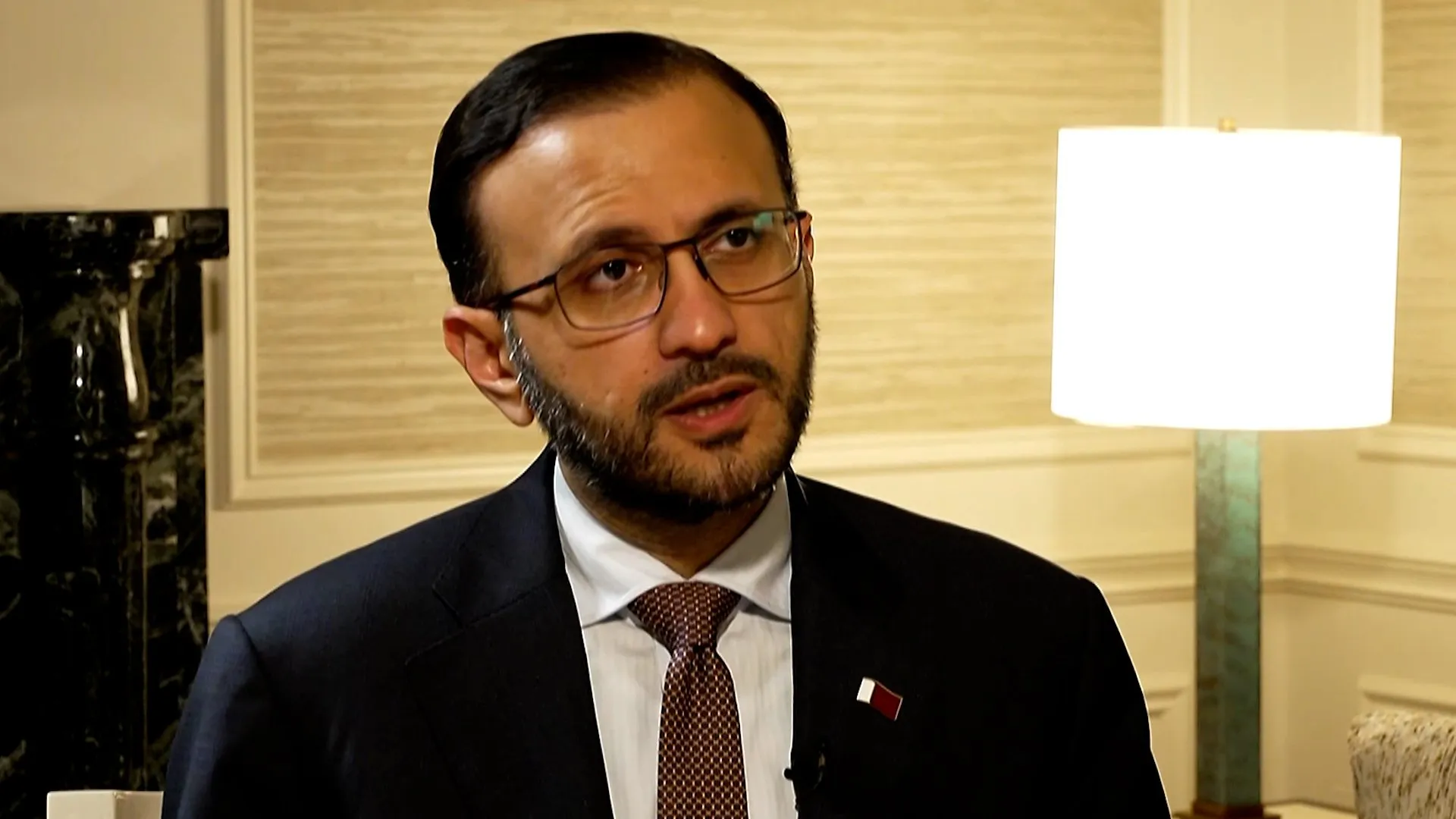
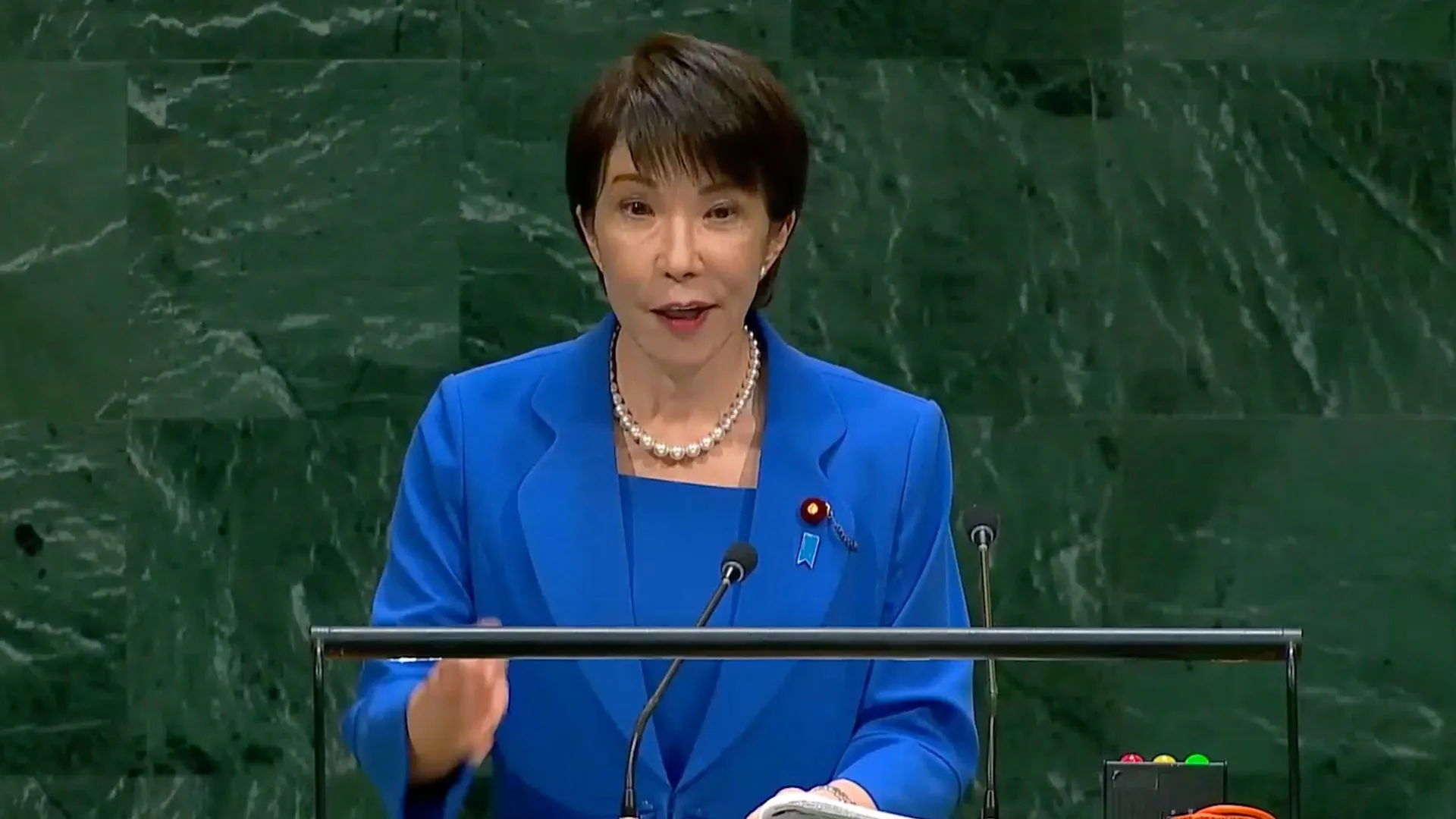
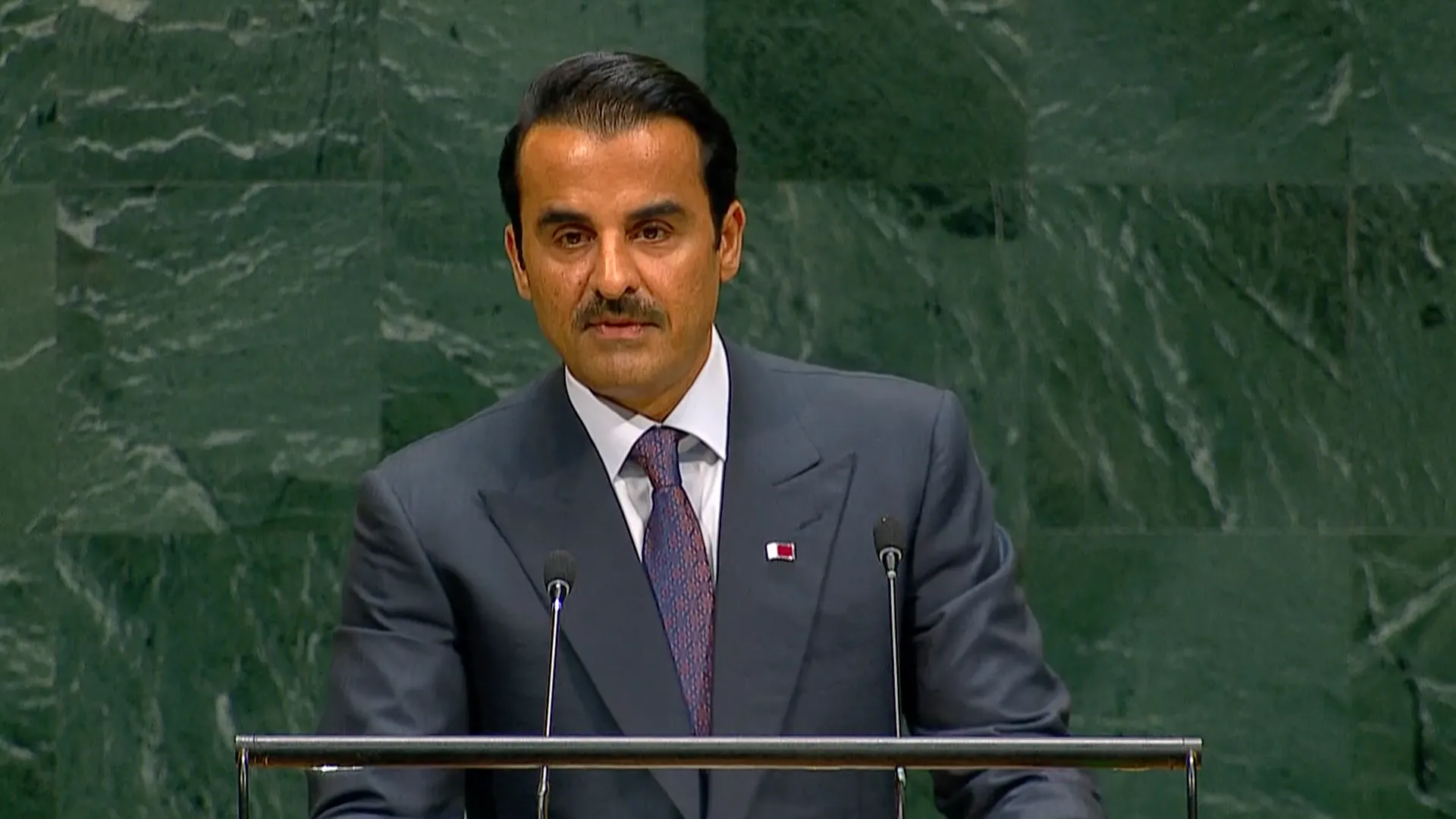
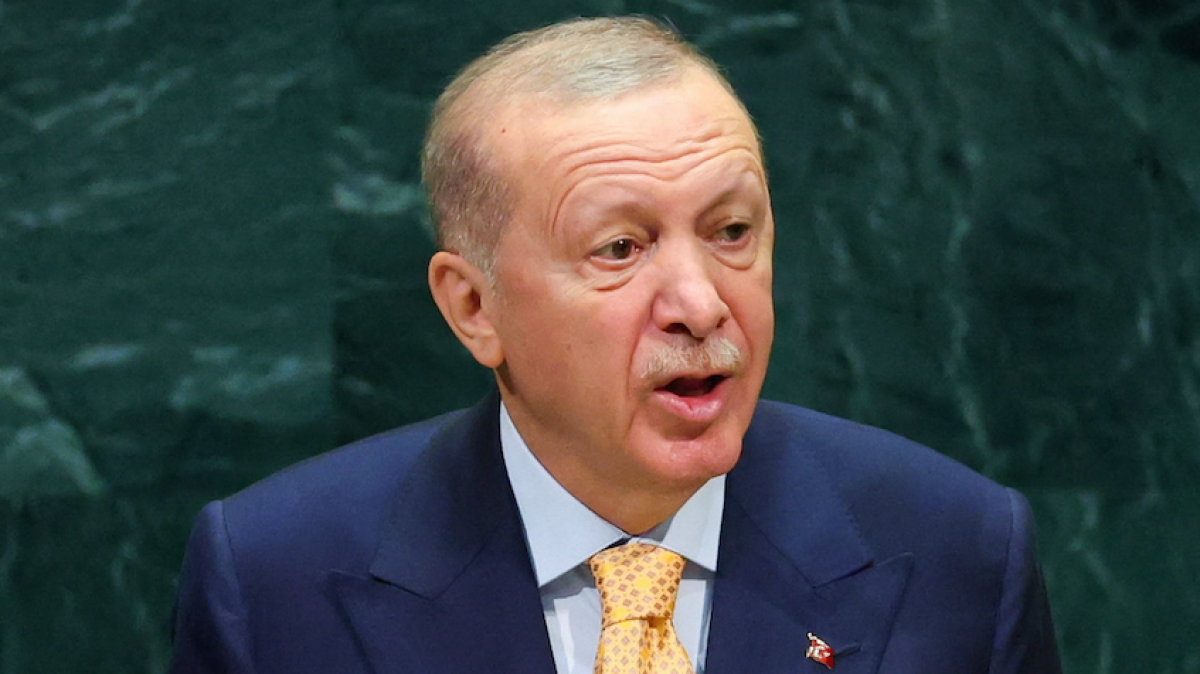
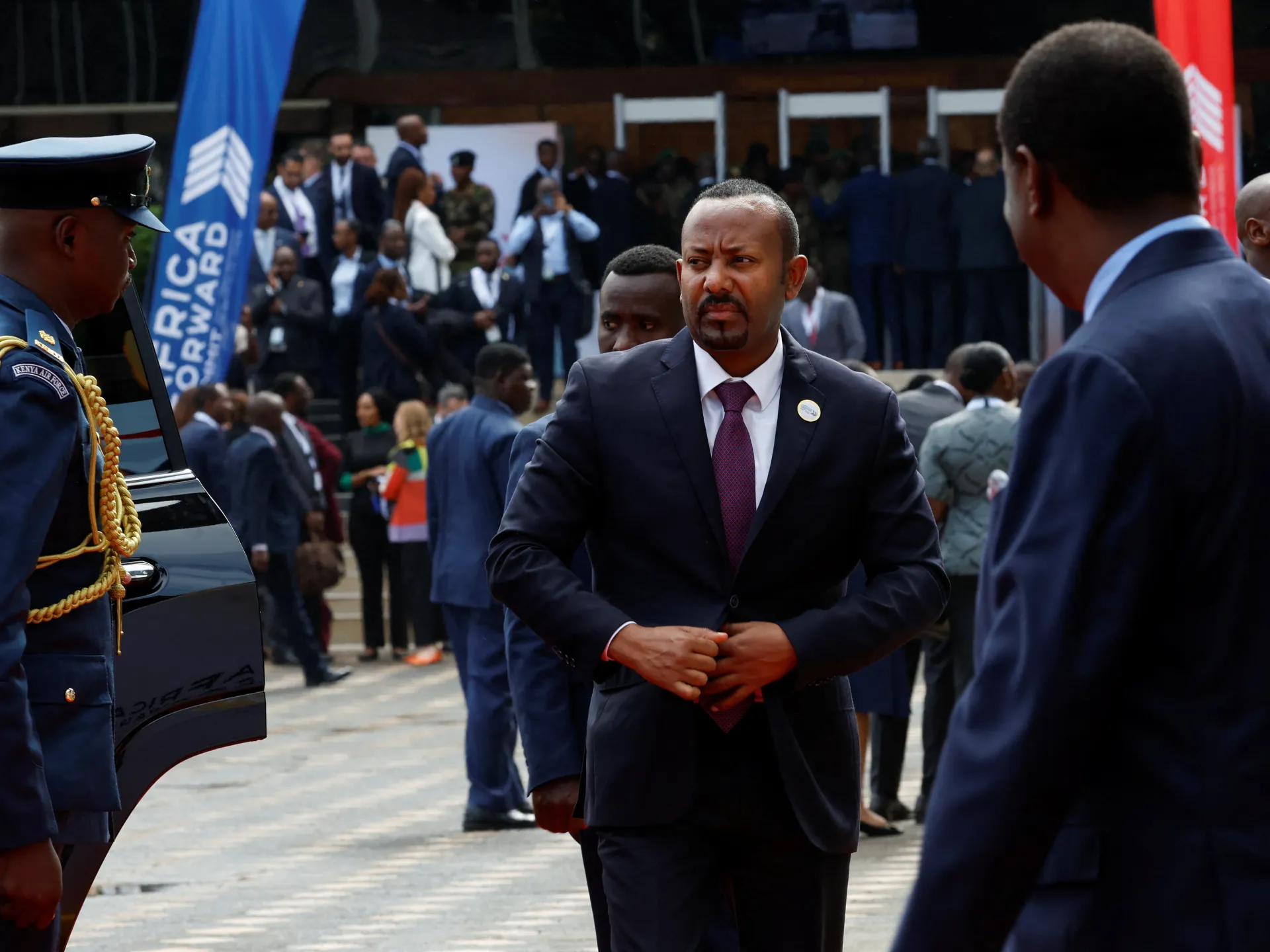
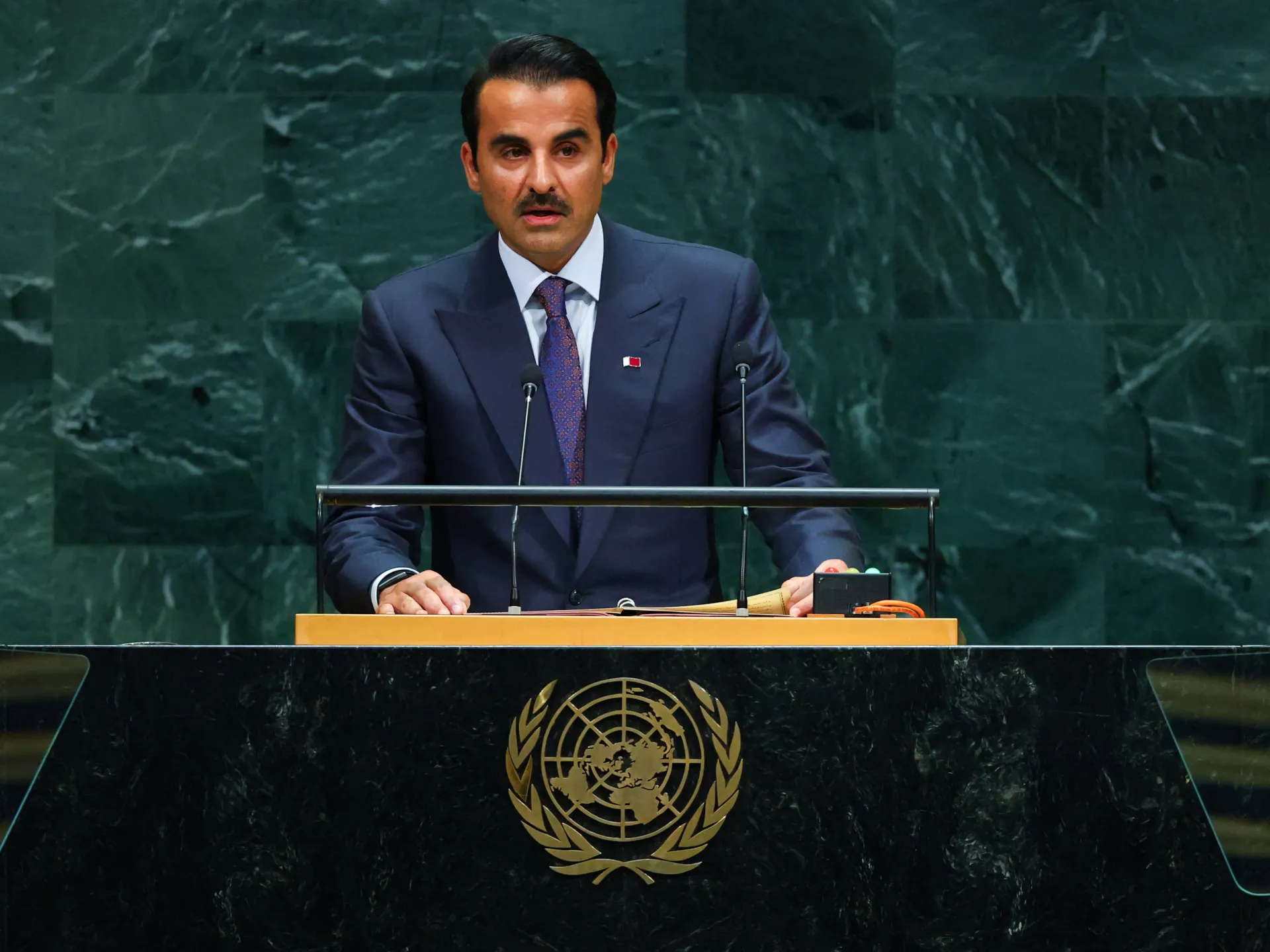
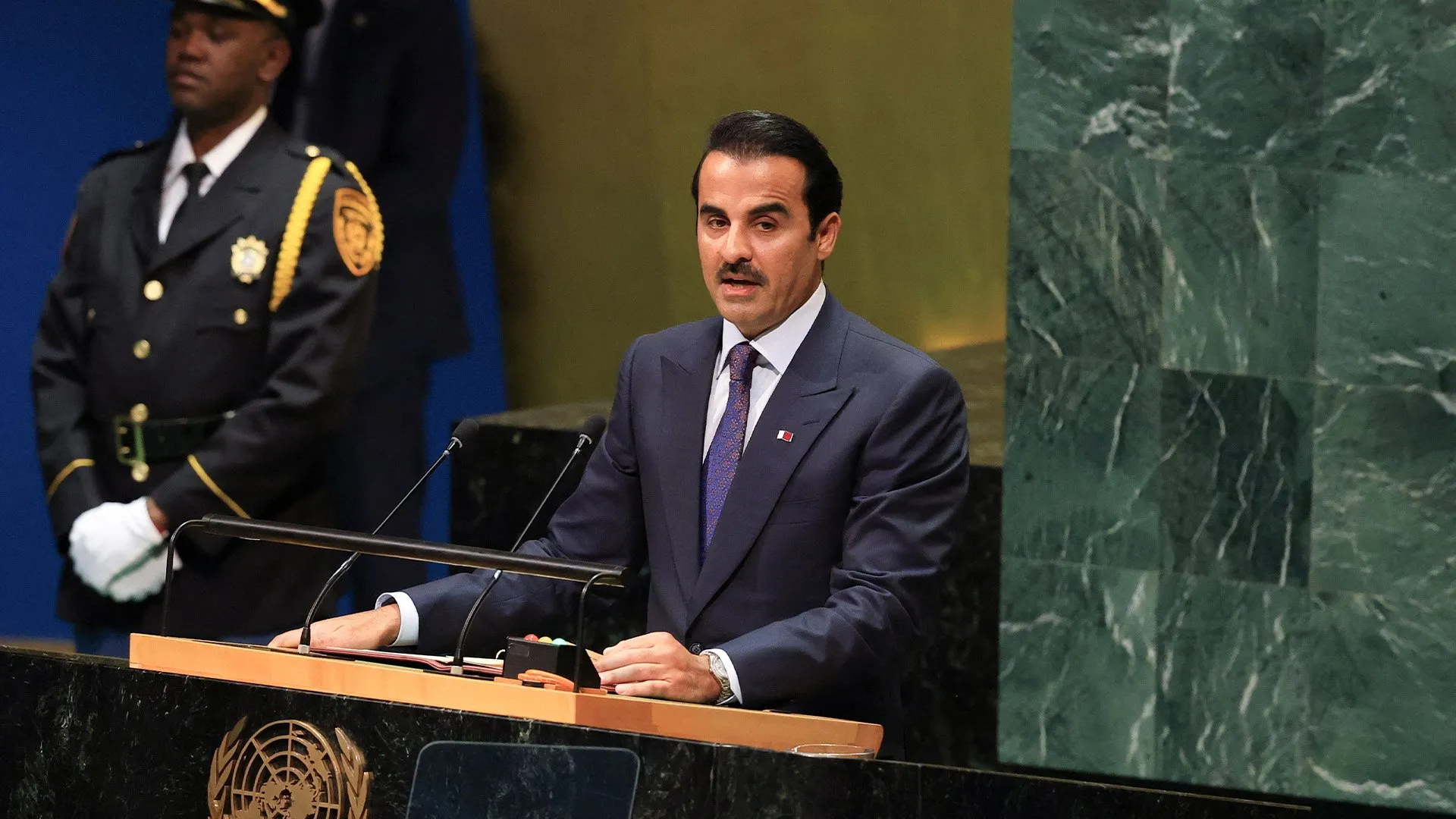
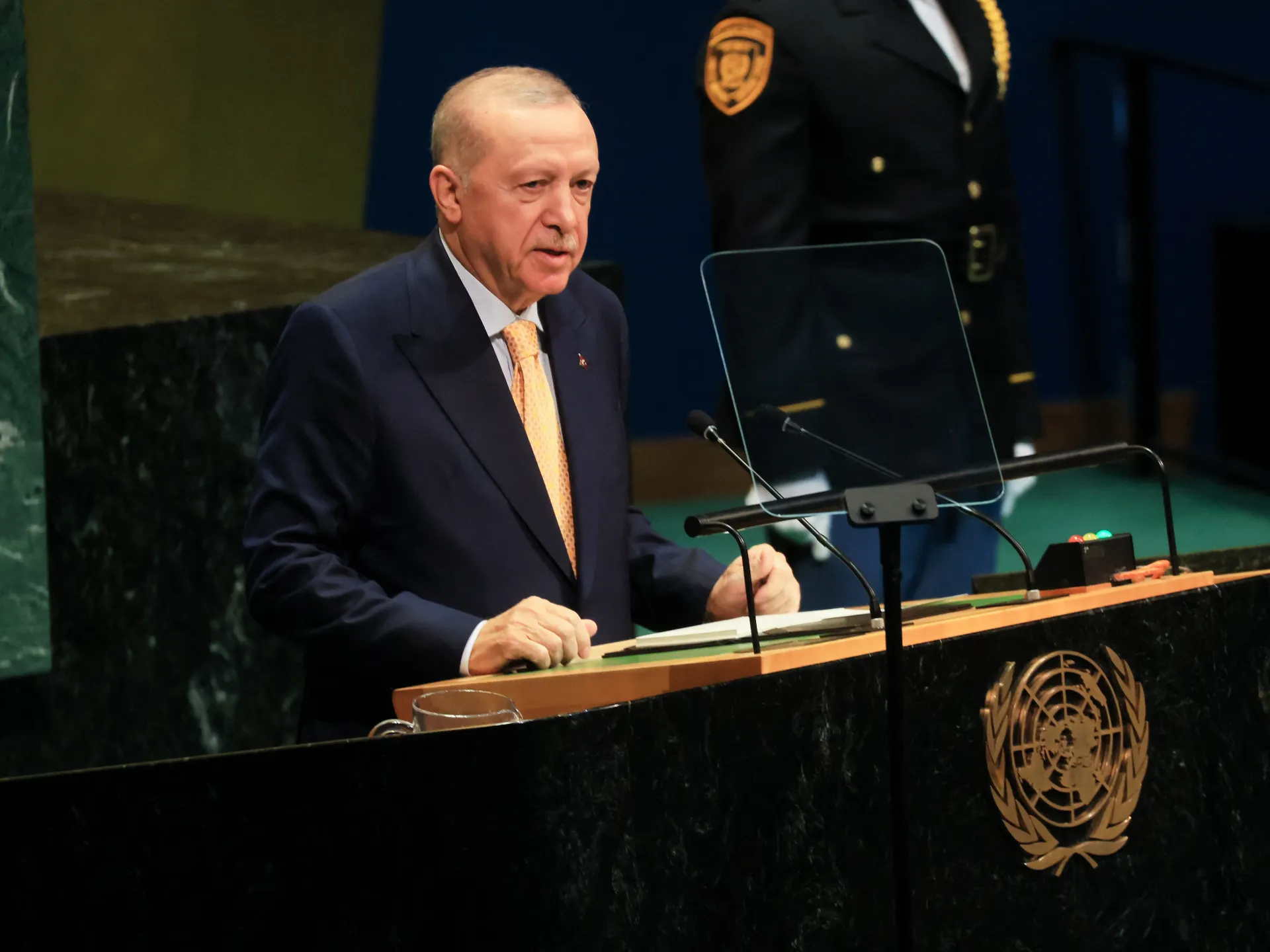
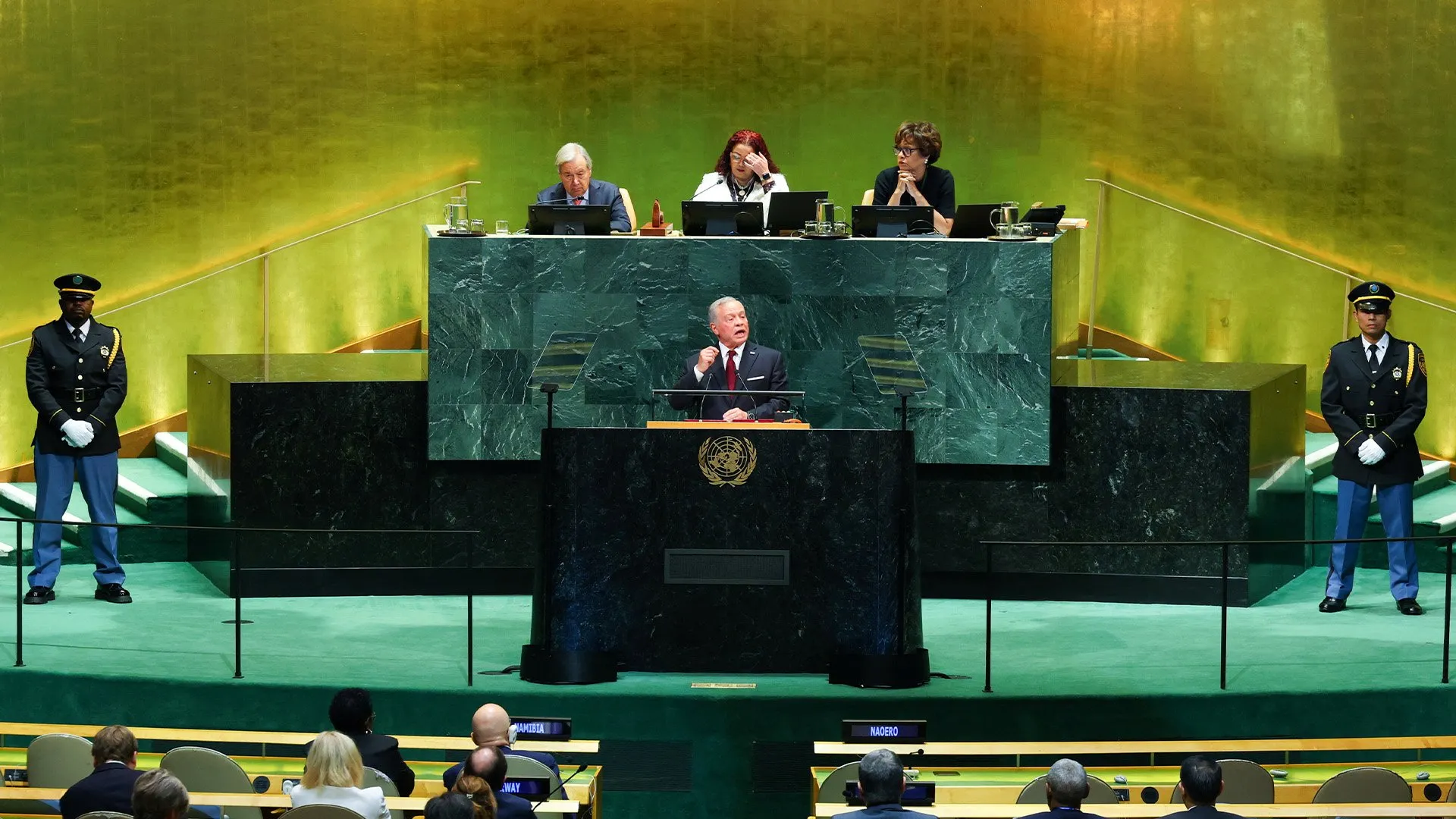
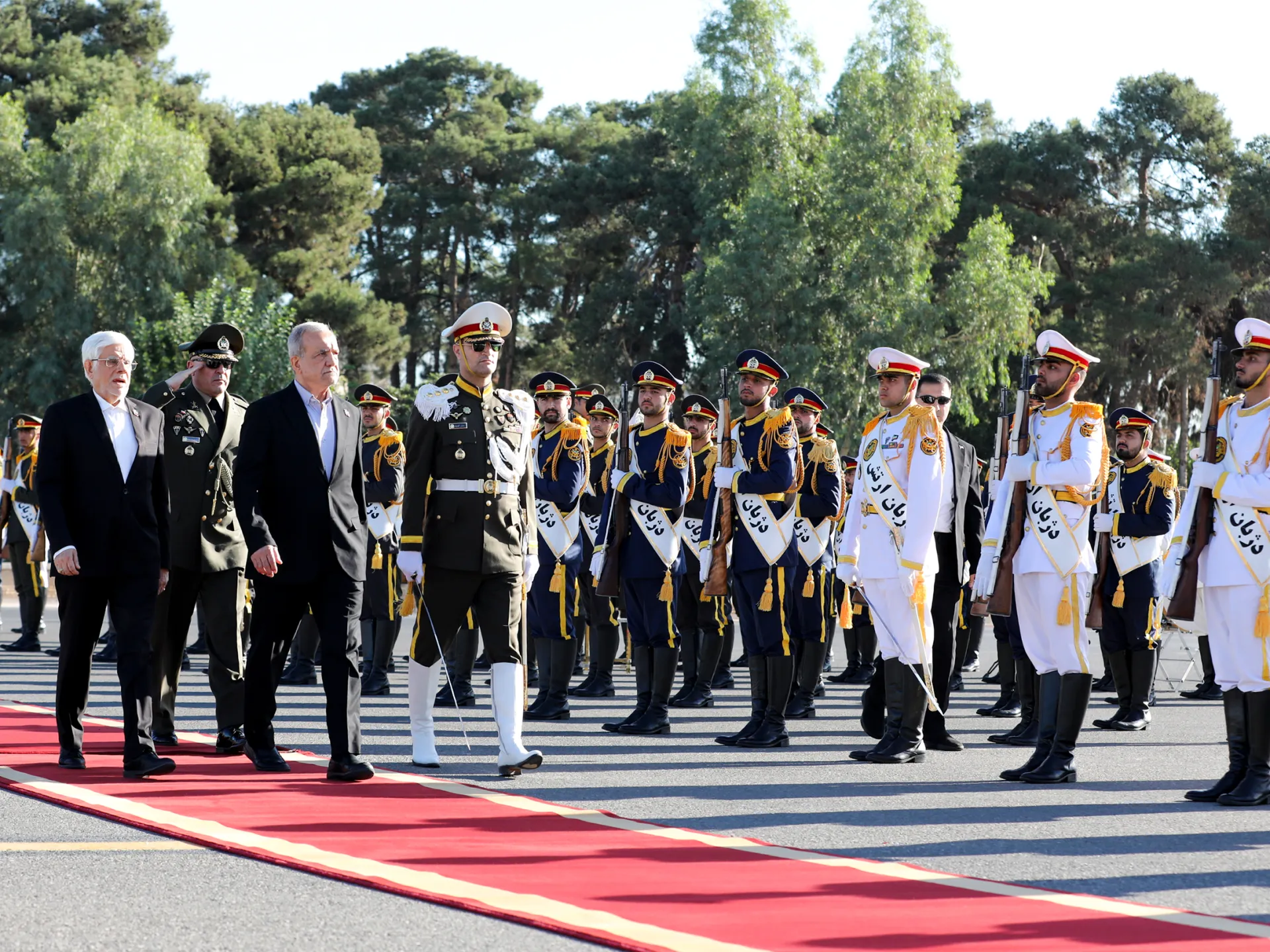
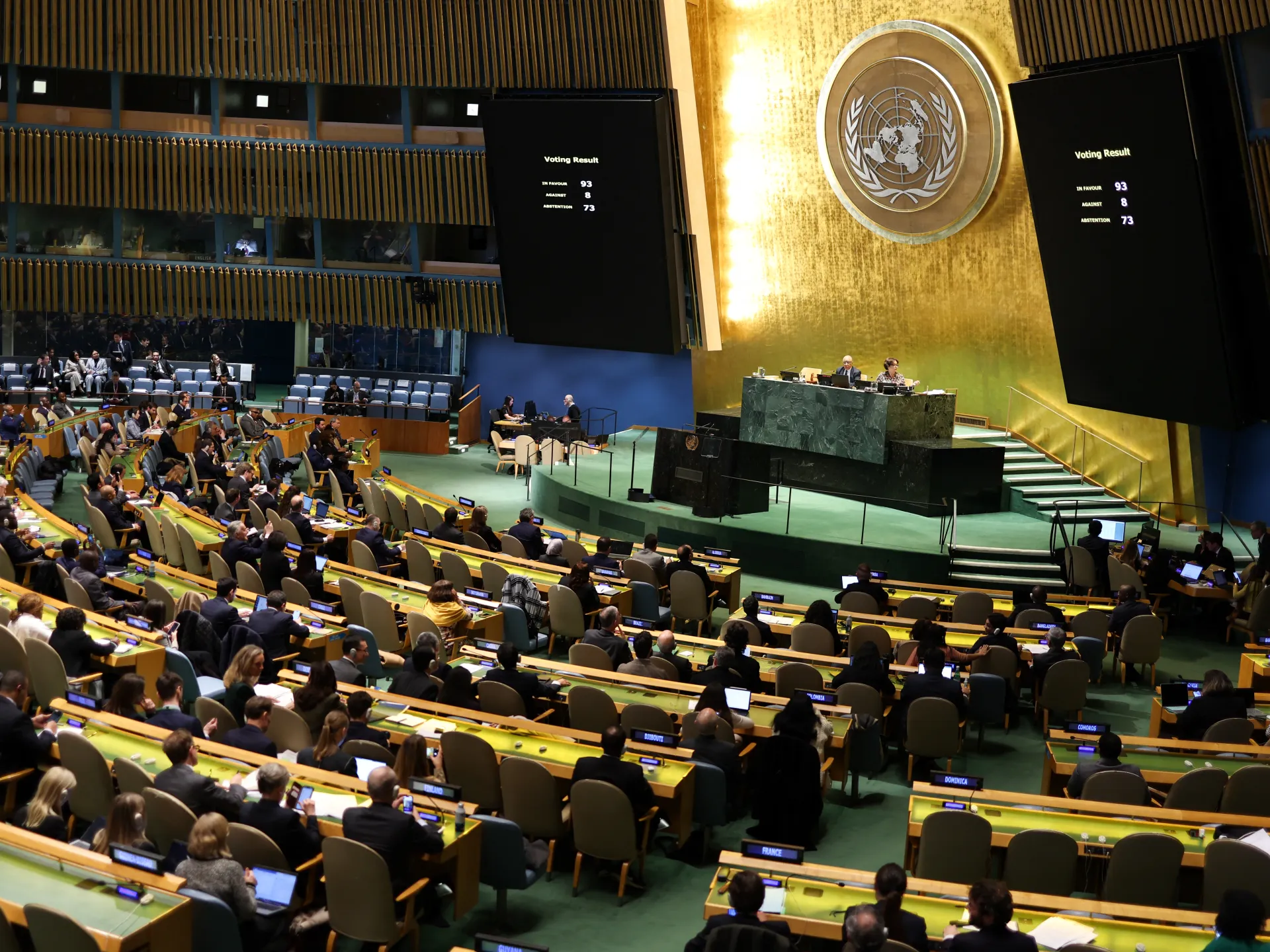
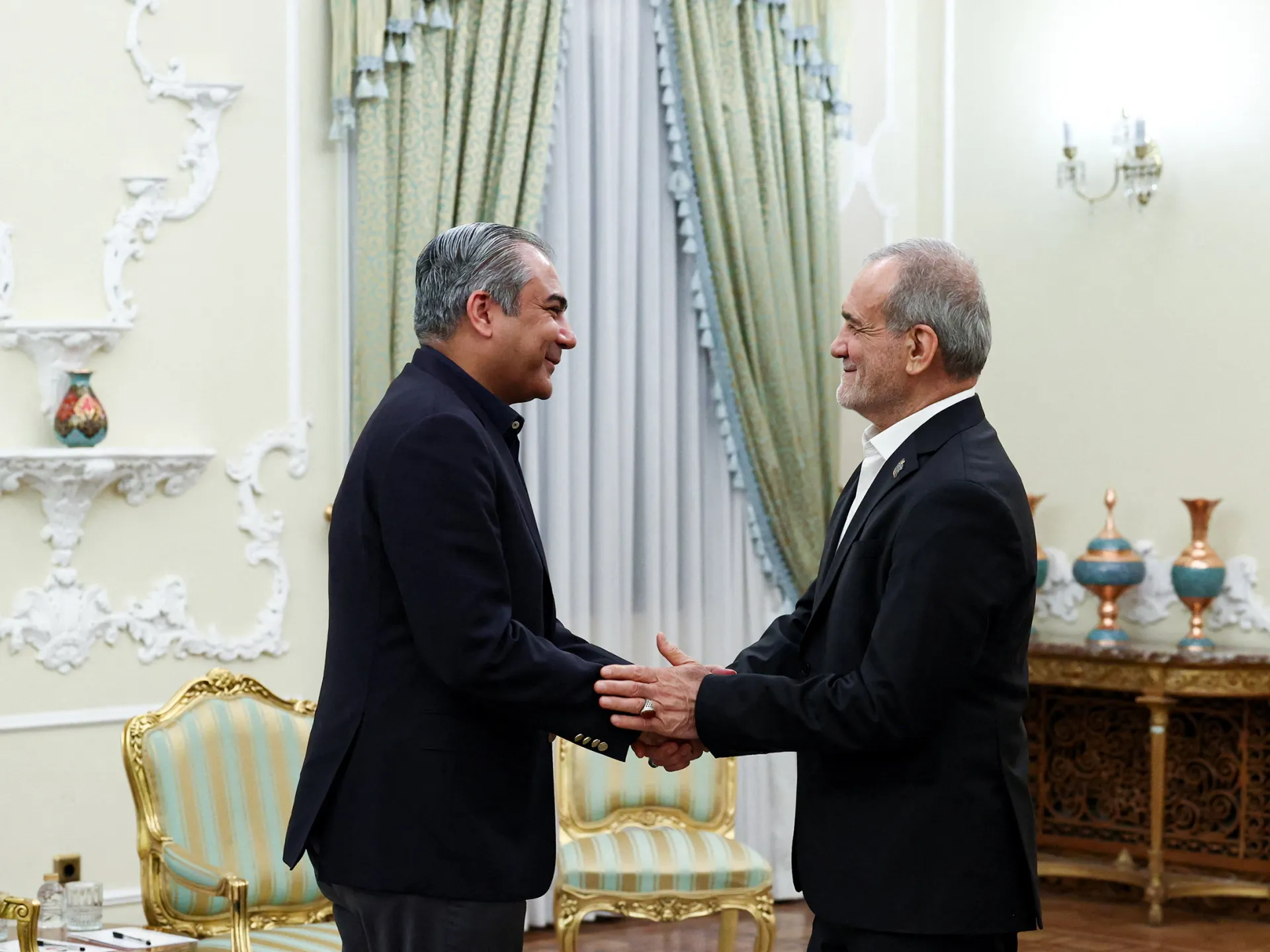
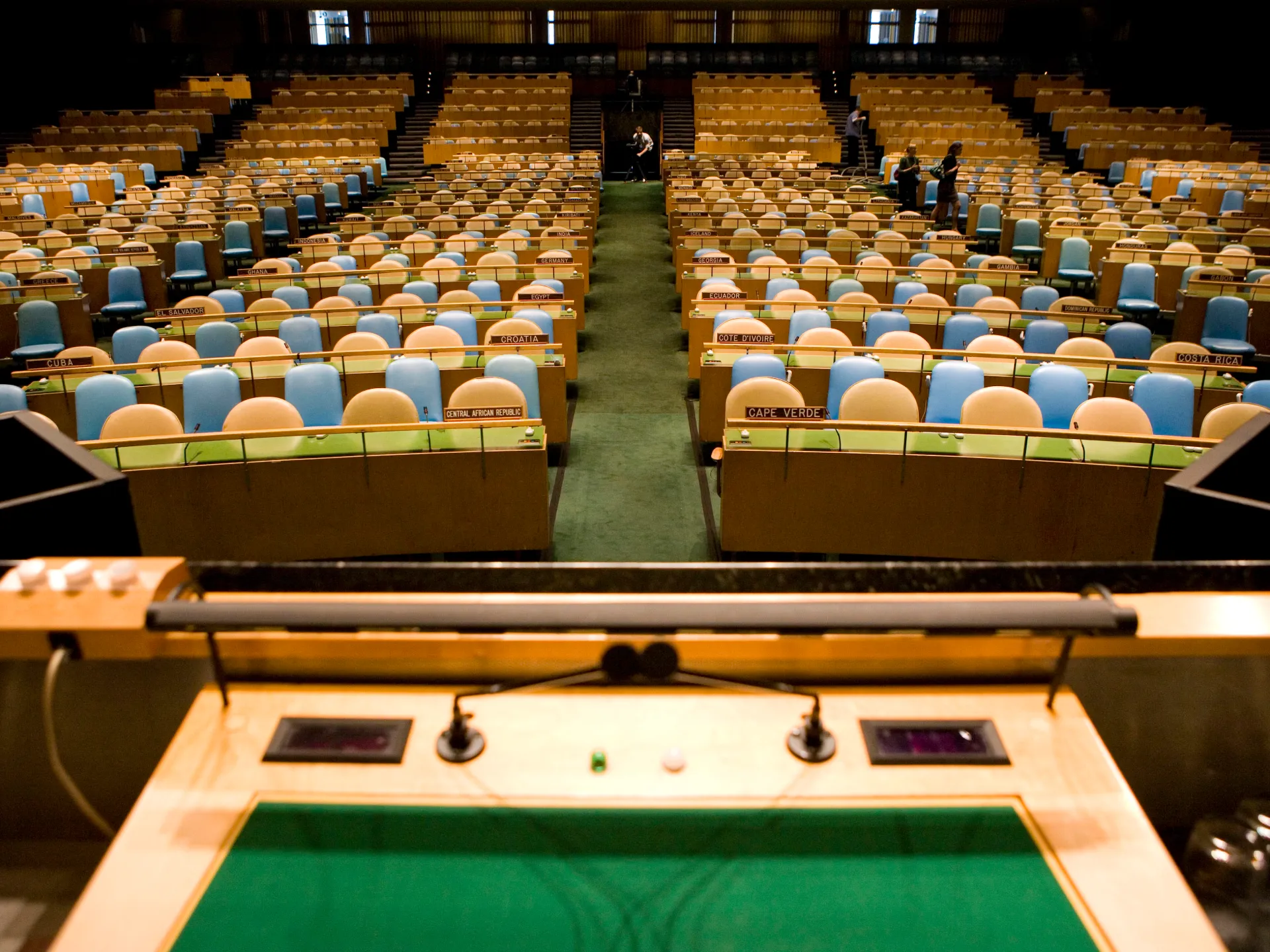
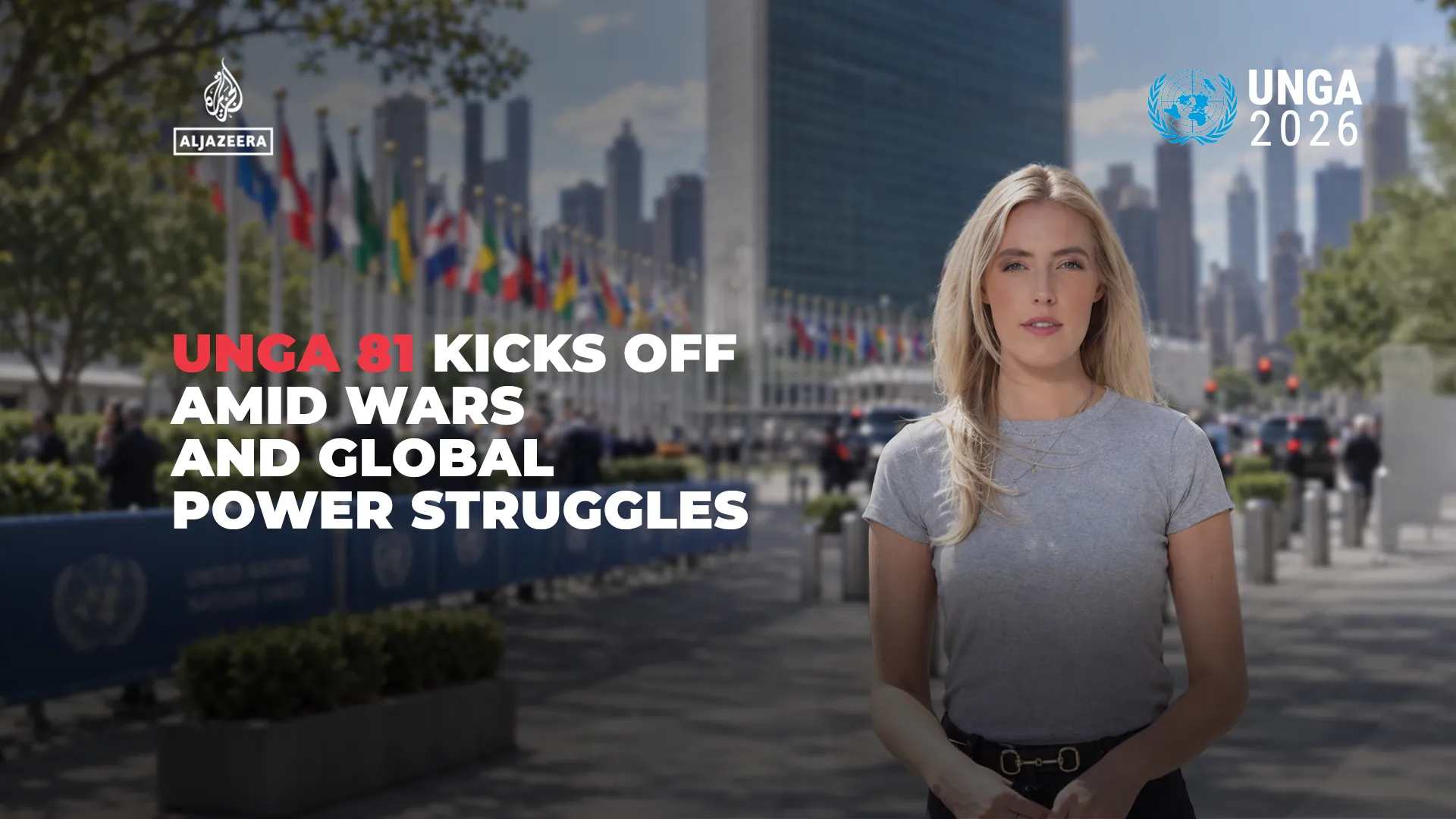
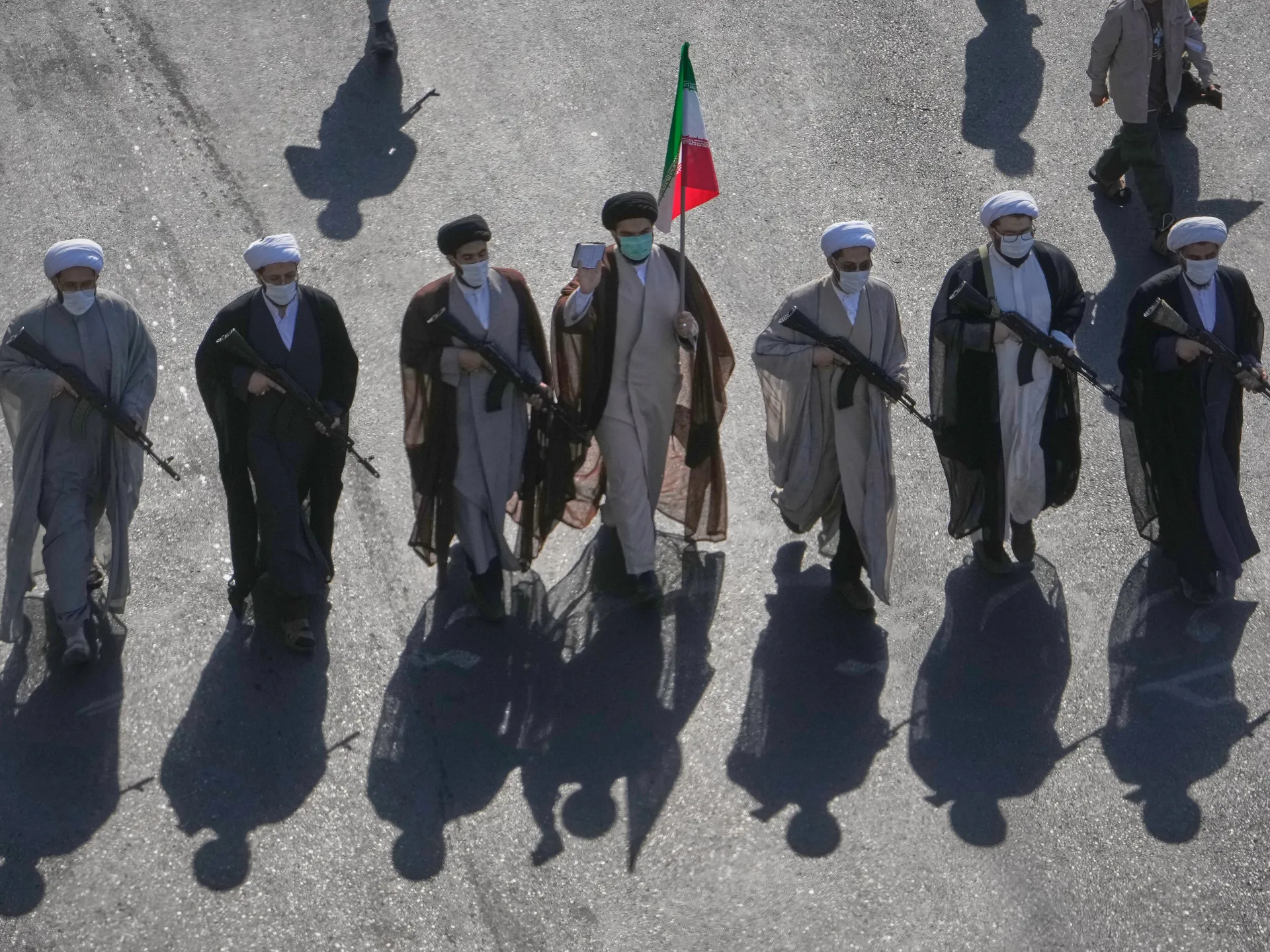
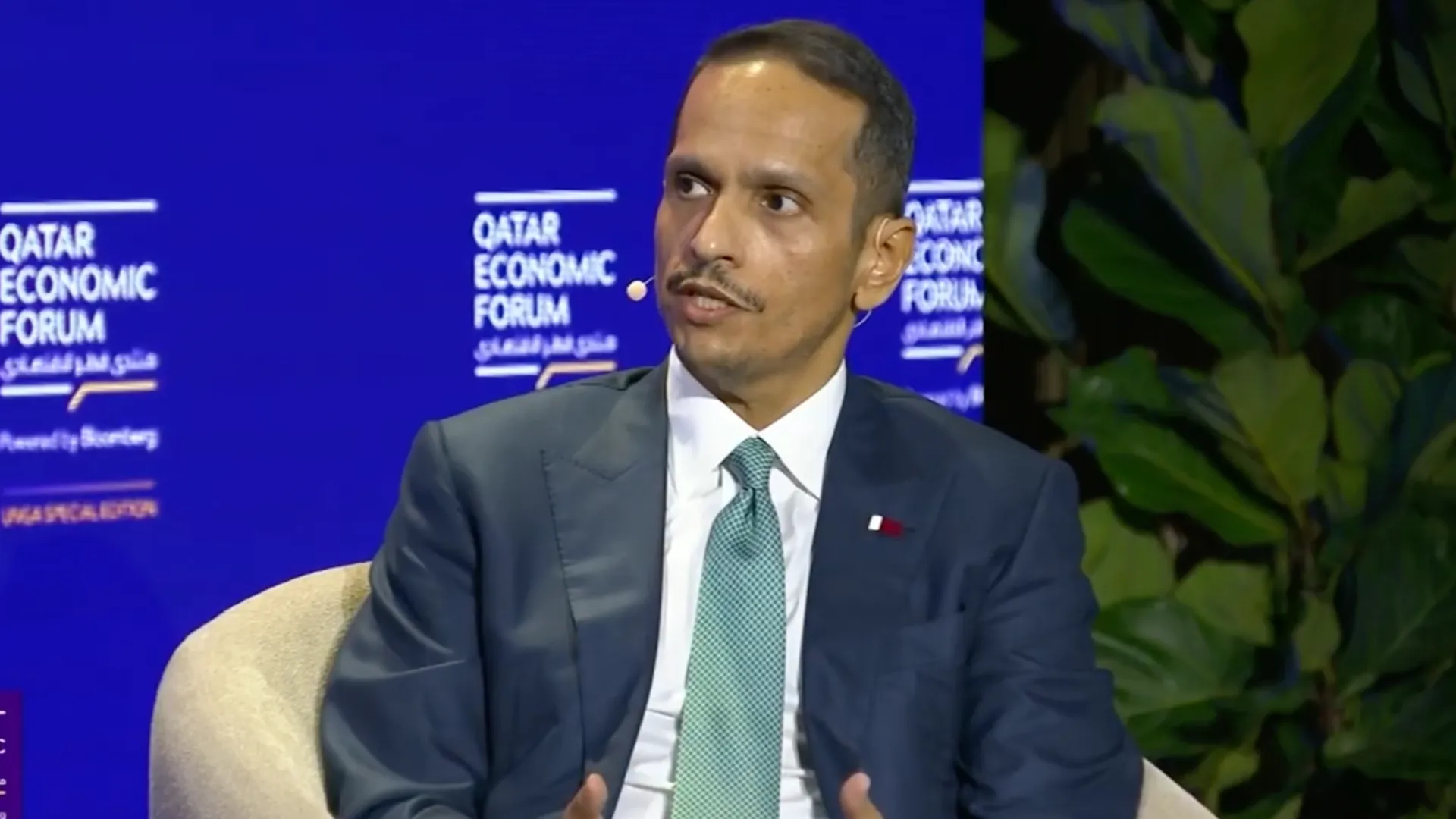
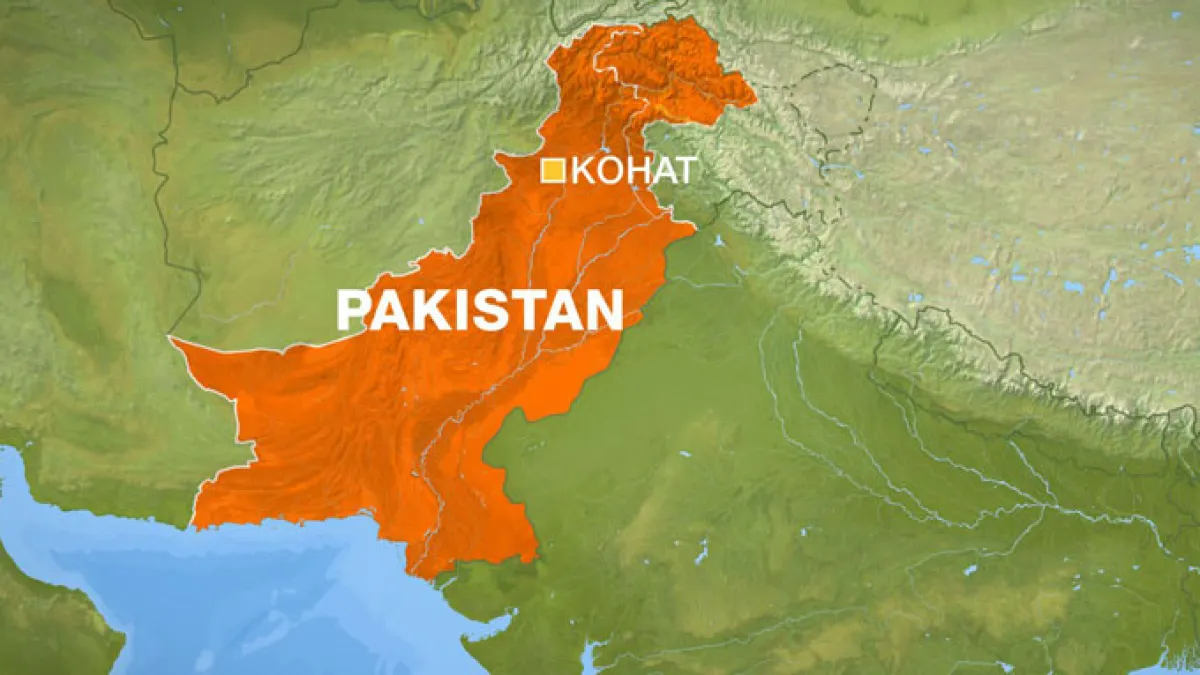
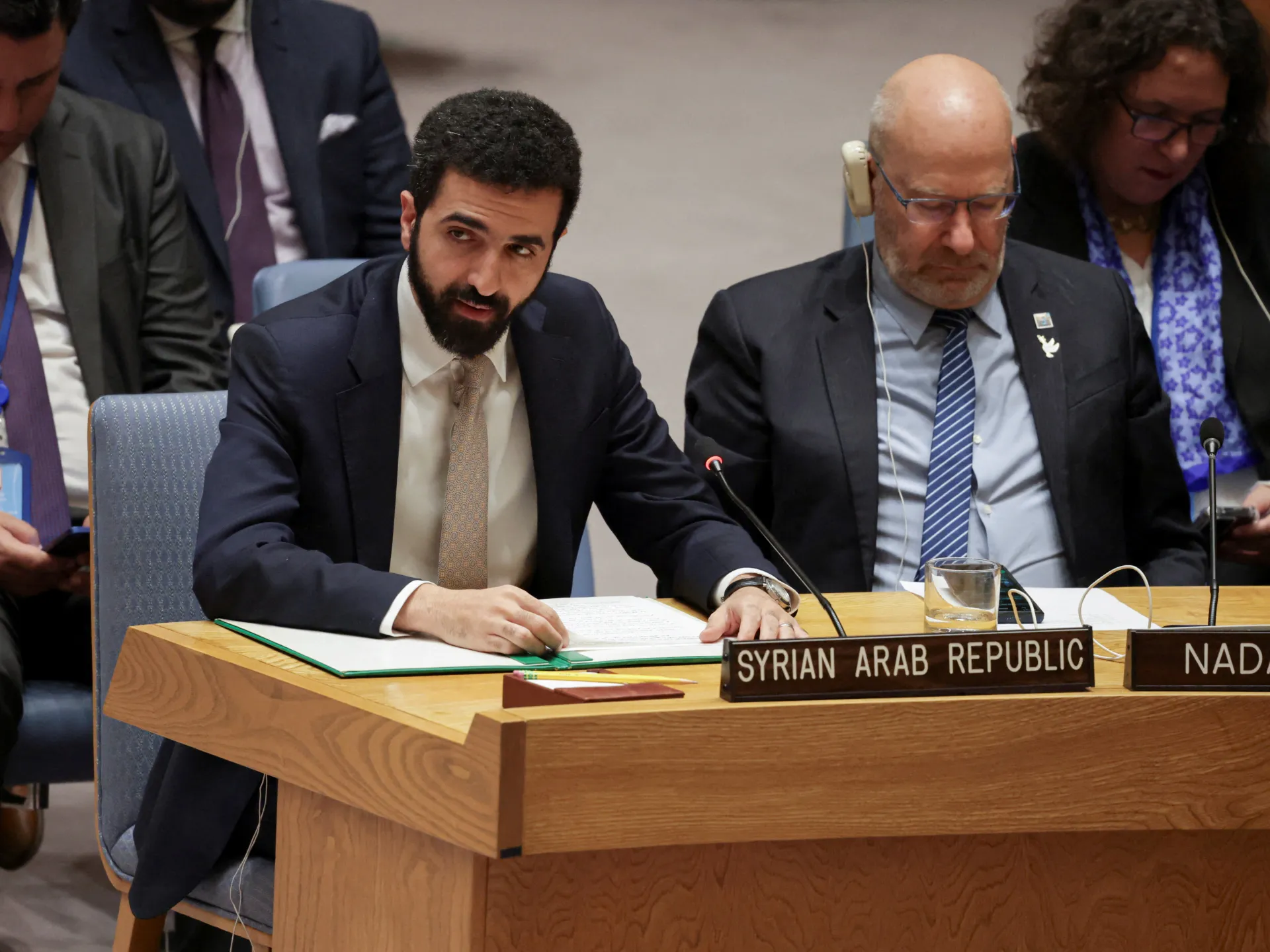
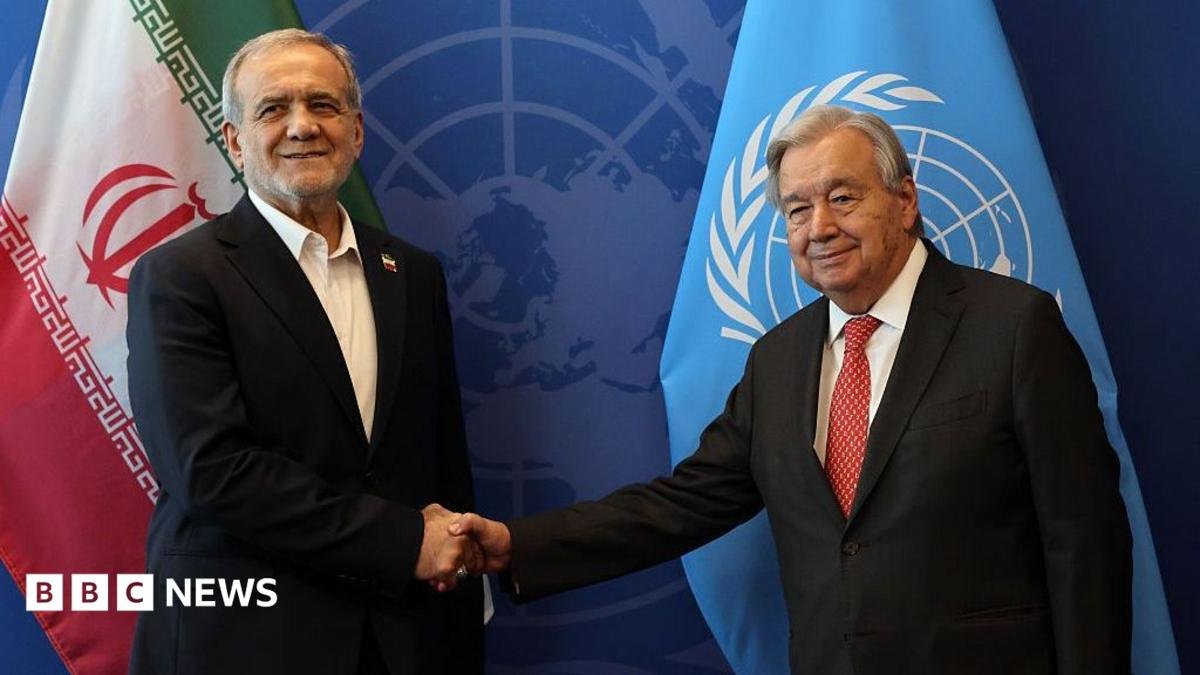
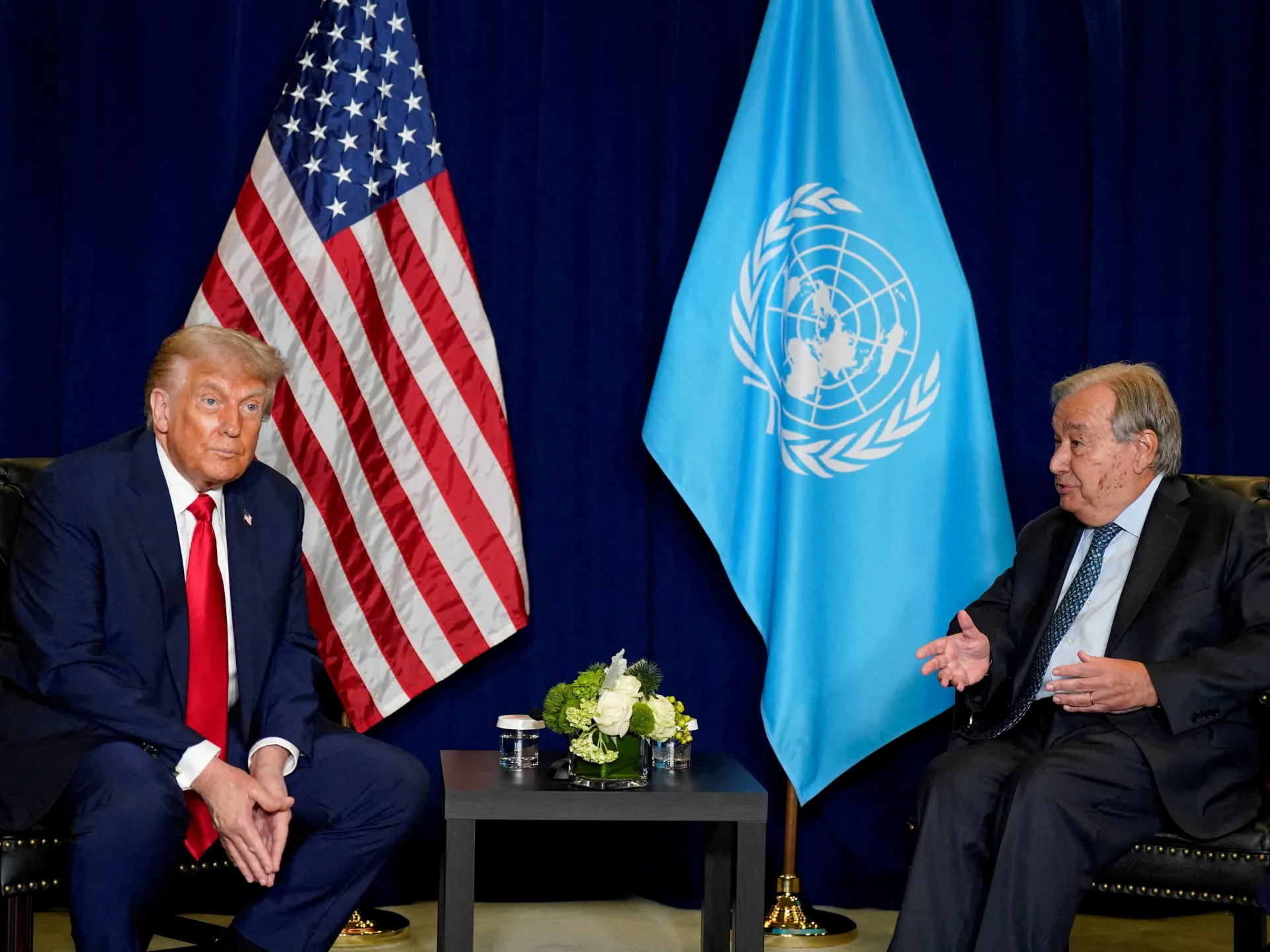
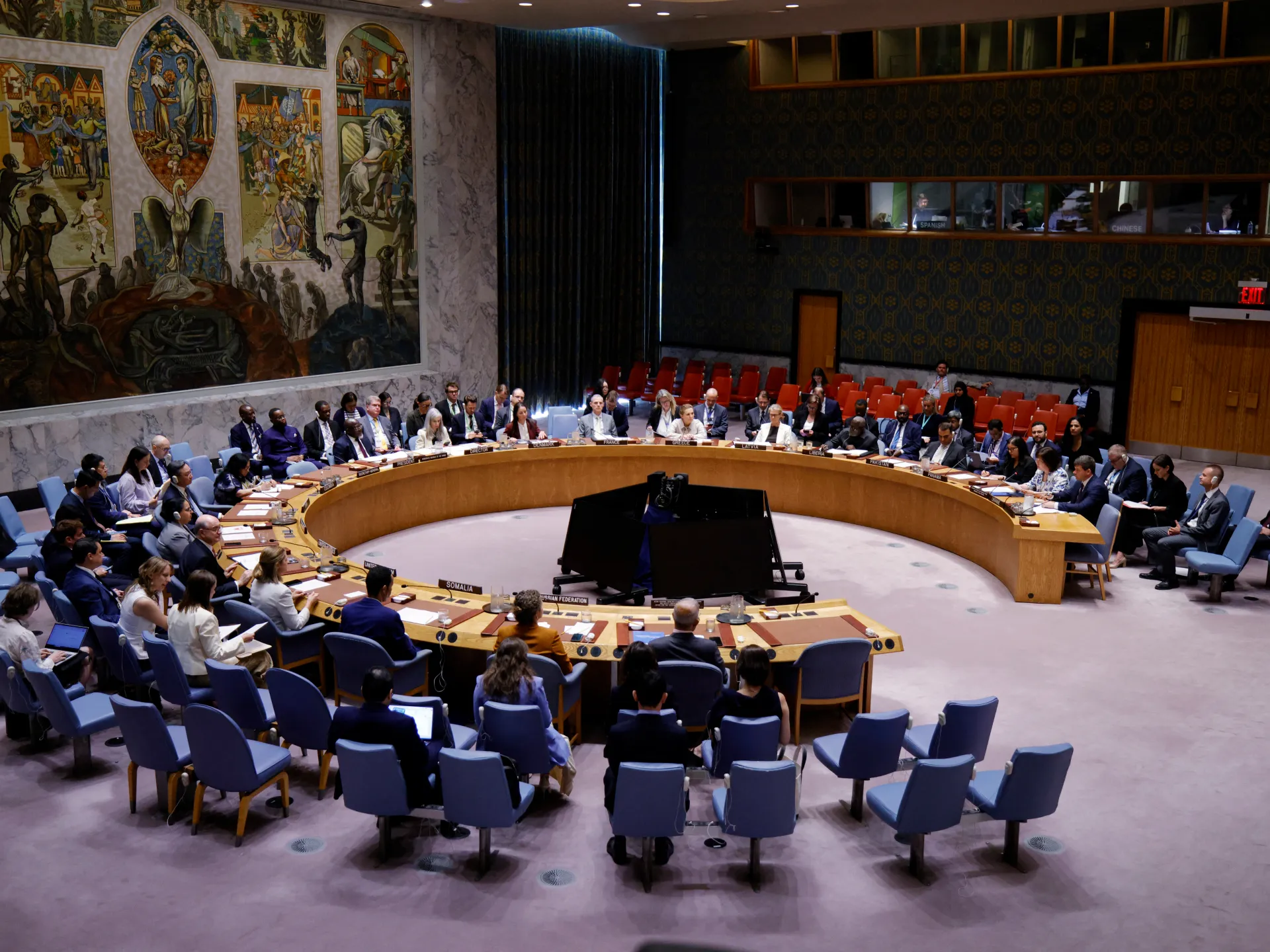
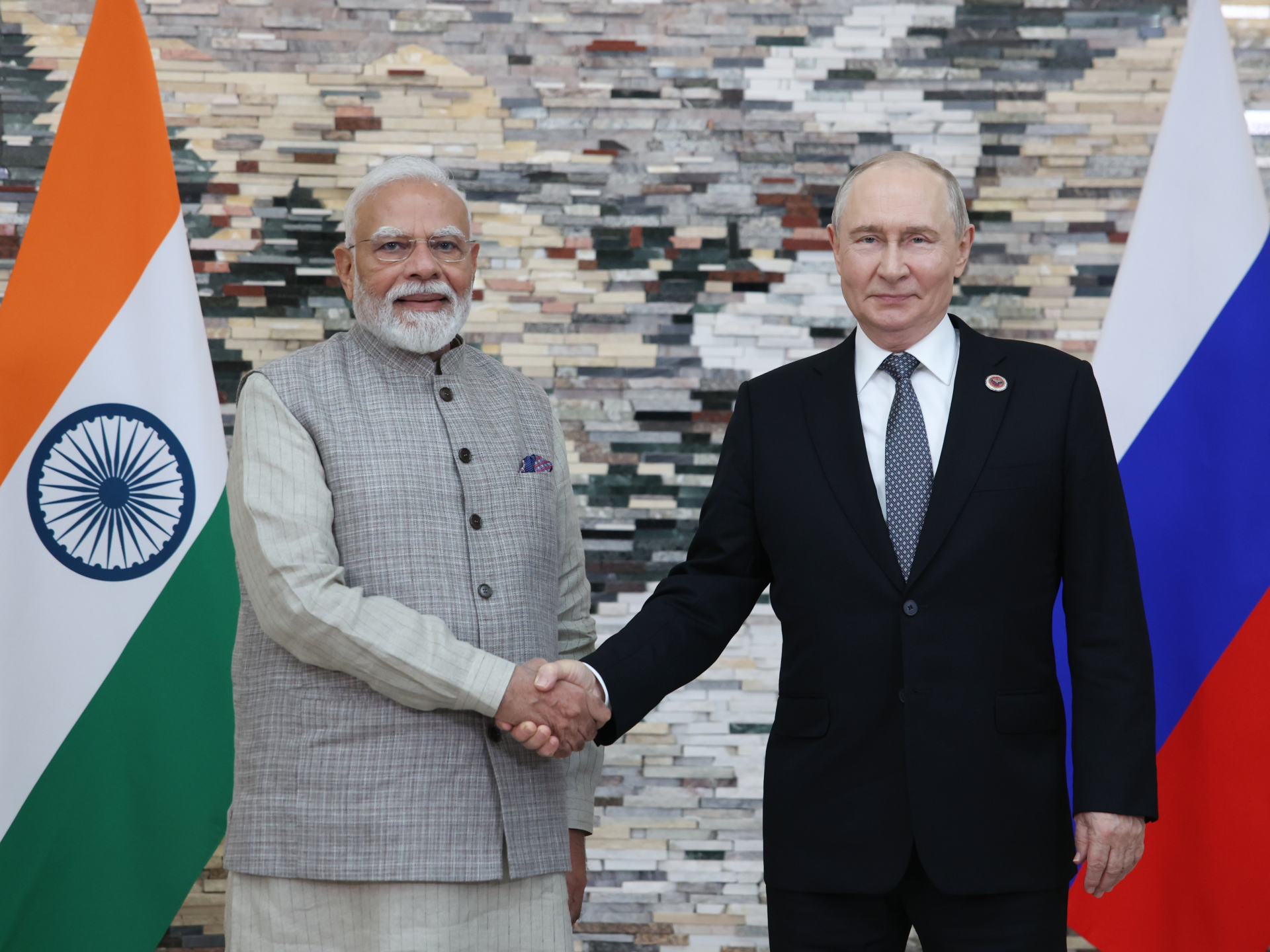
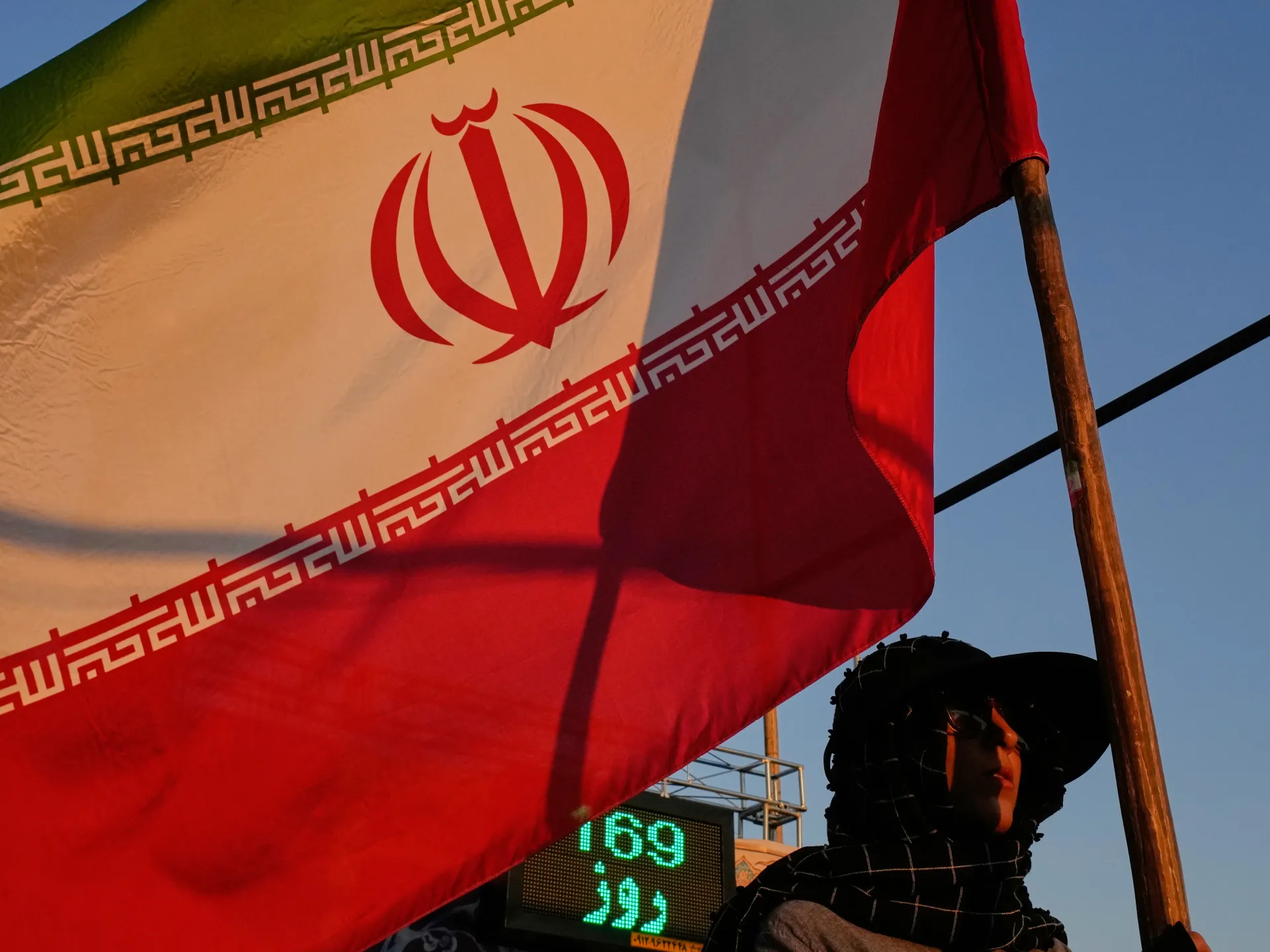
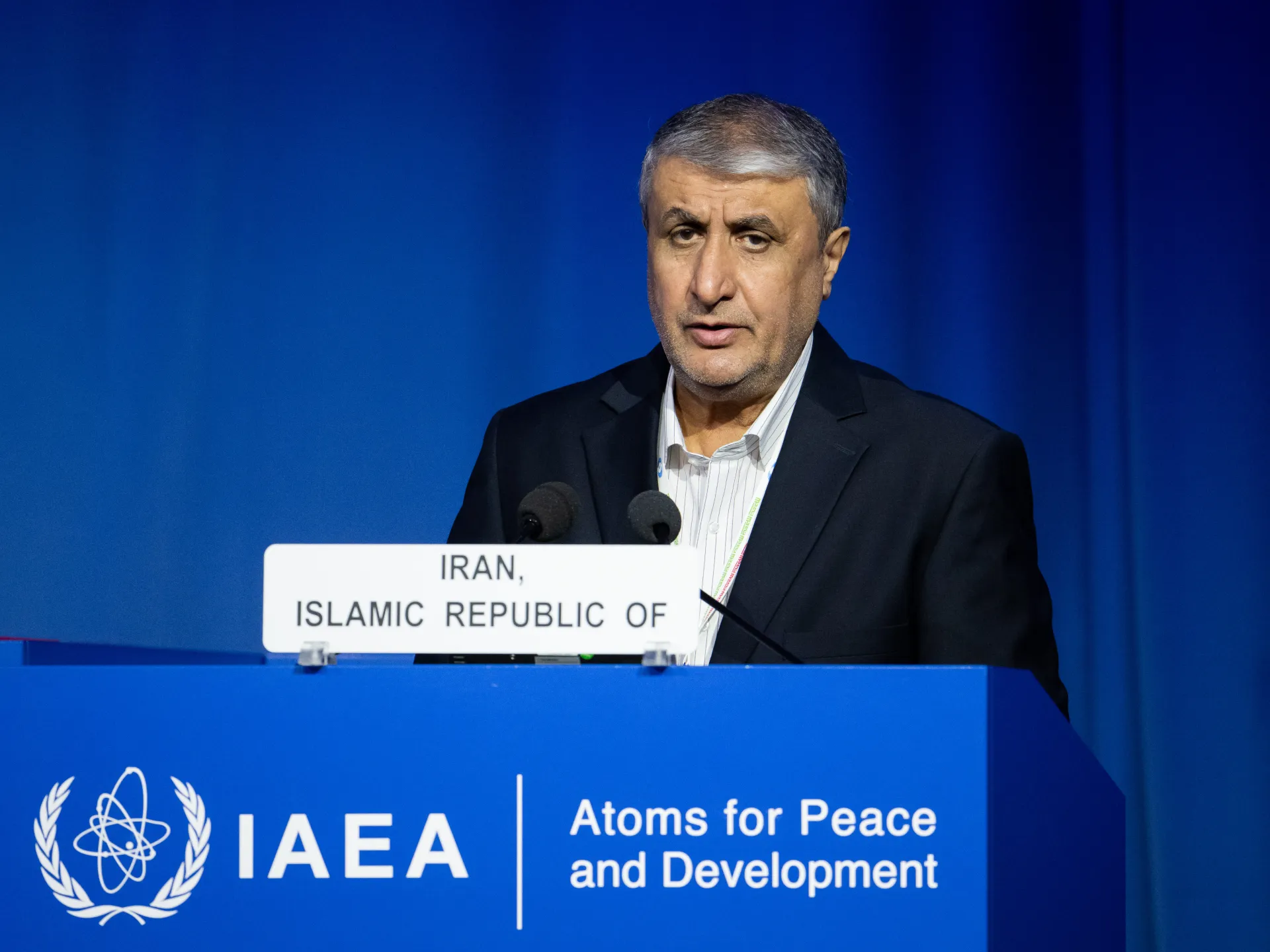
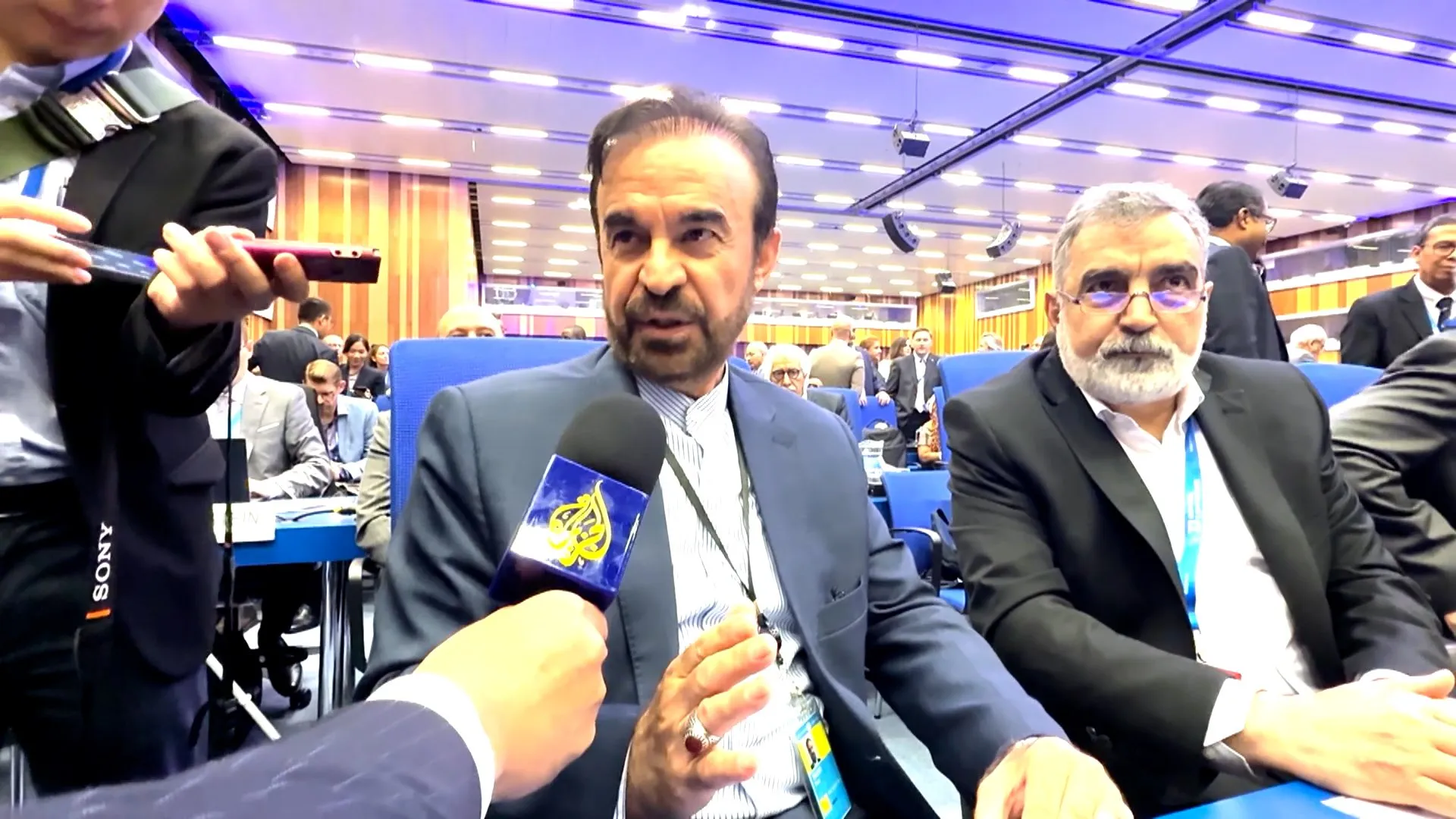
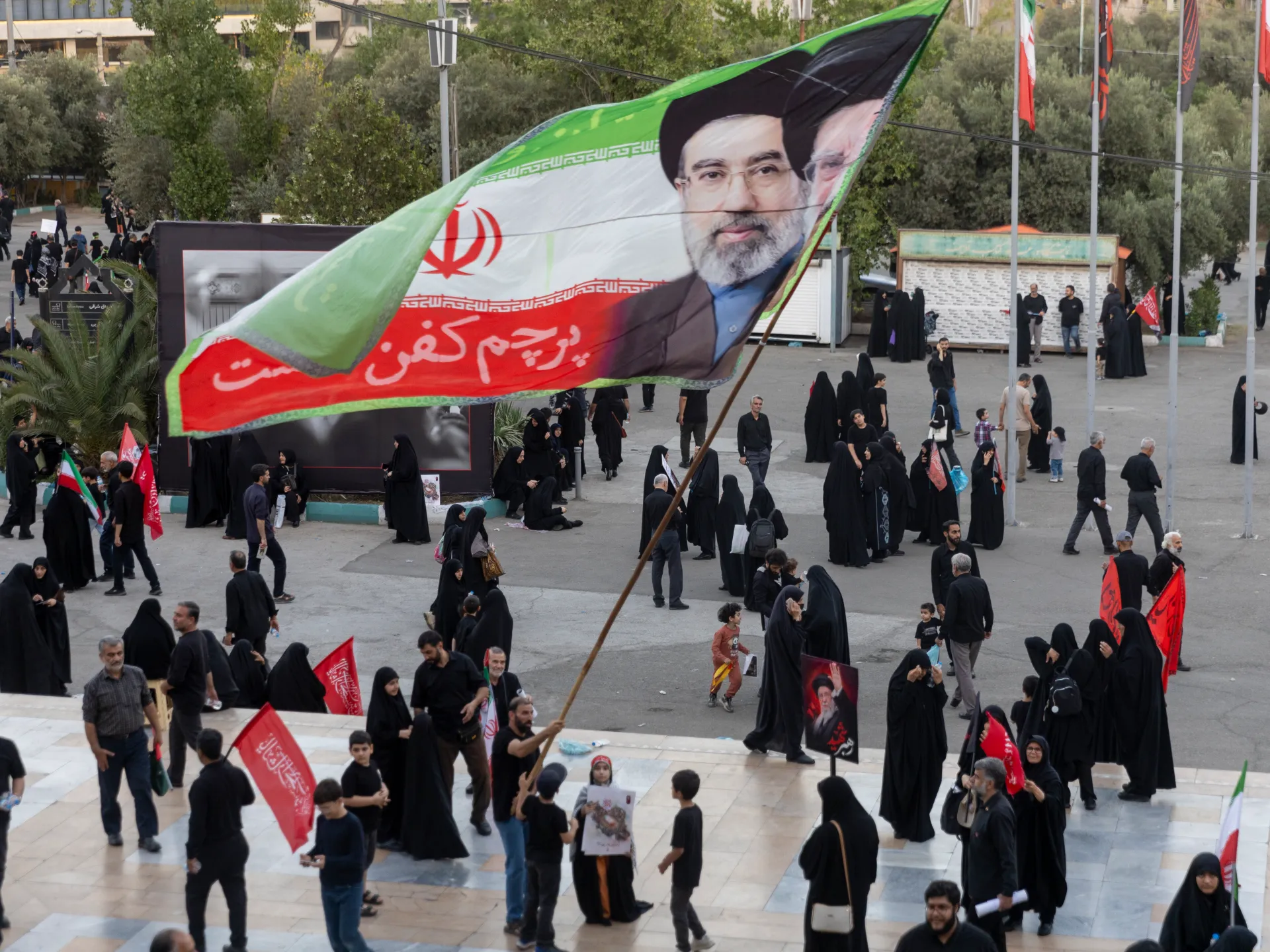
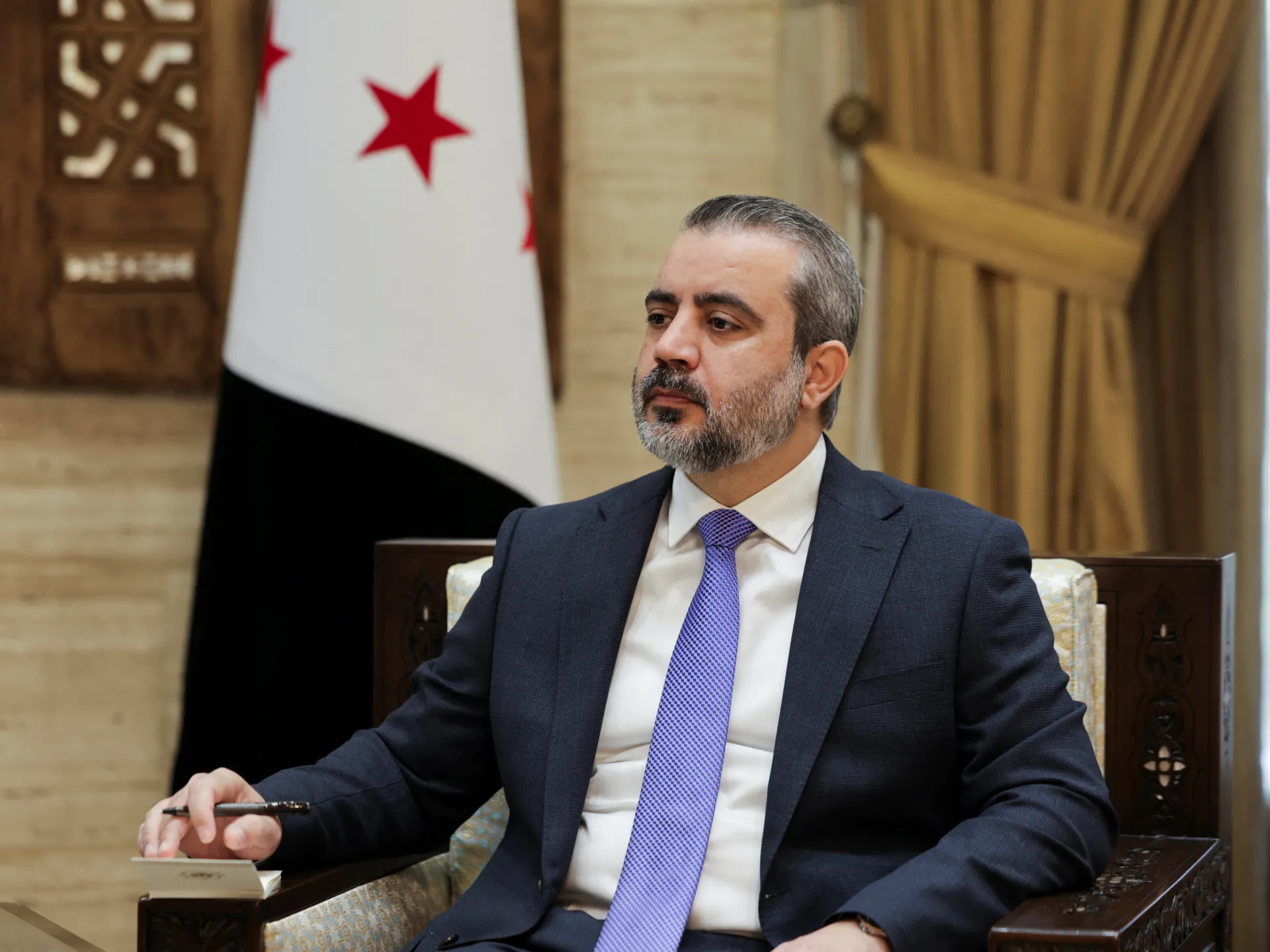
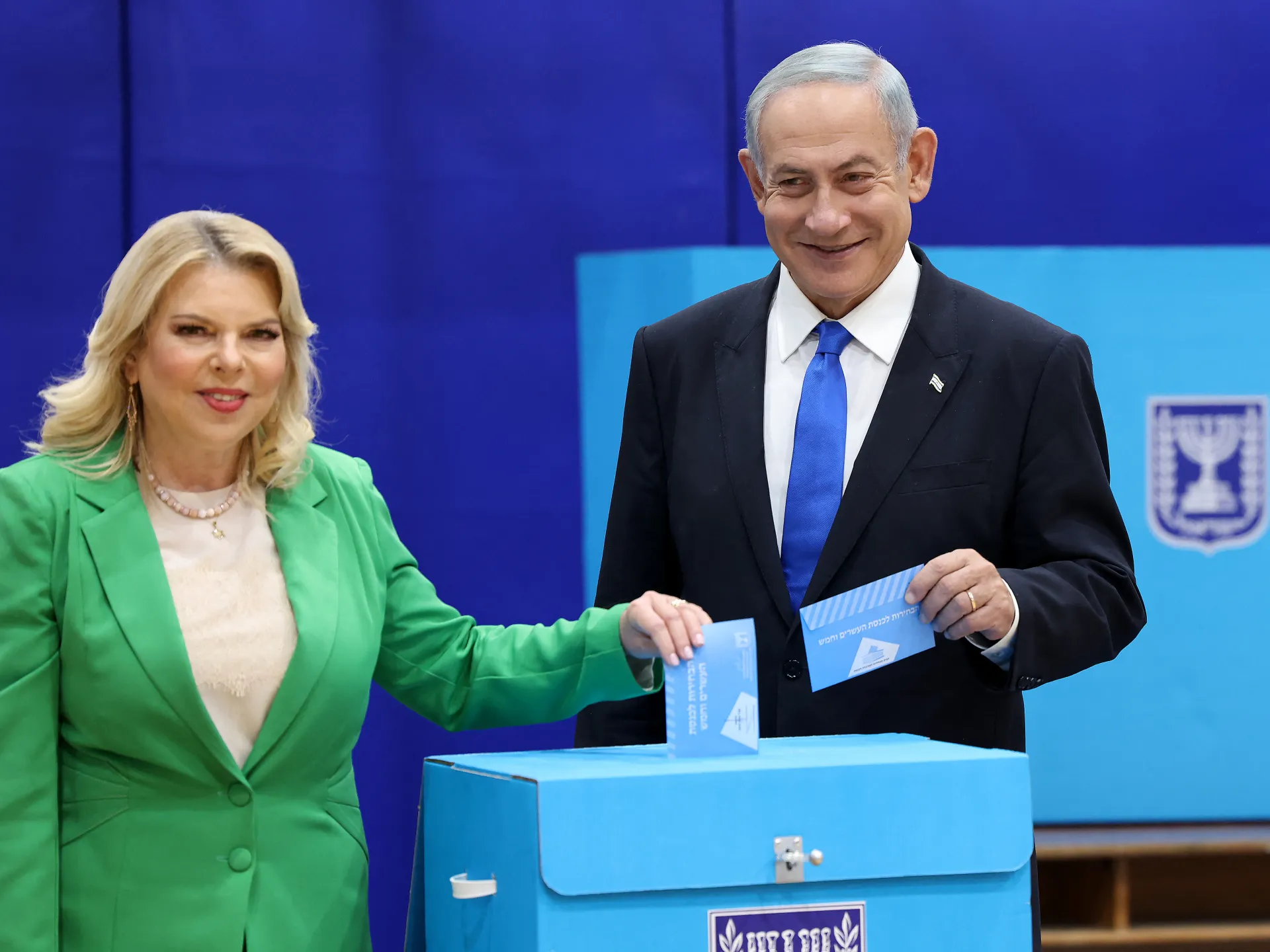
While legal frameworks address terrestrial privacy, international diplomatic efforts are currently focused on de-escalating tensions between Washington and Tehran. Iranian President Masoud Pezeshkian recently engaged in discussions with Pakistani Interior Minister Mohsin Naqvi in Tehran, marking a continued push for regional convergence. Simultaneously, Iranian Foreign Minister Abbas Araghchi traveled to New York for the 81st session of the United Nations General Assembly, utilizing a stop in Doha to coordinate with Qatari officials regarding potential avenues for dialogue with the United States. Qatar has confirmed it is actively working to facilitate a temporary agreement between the two nations.
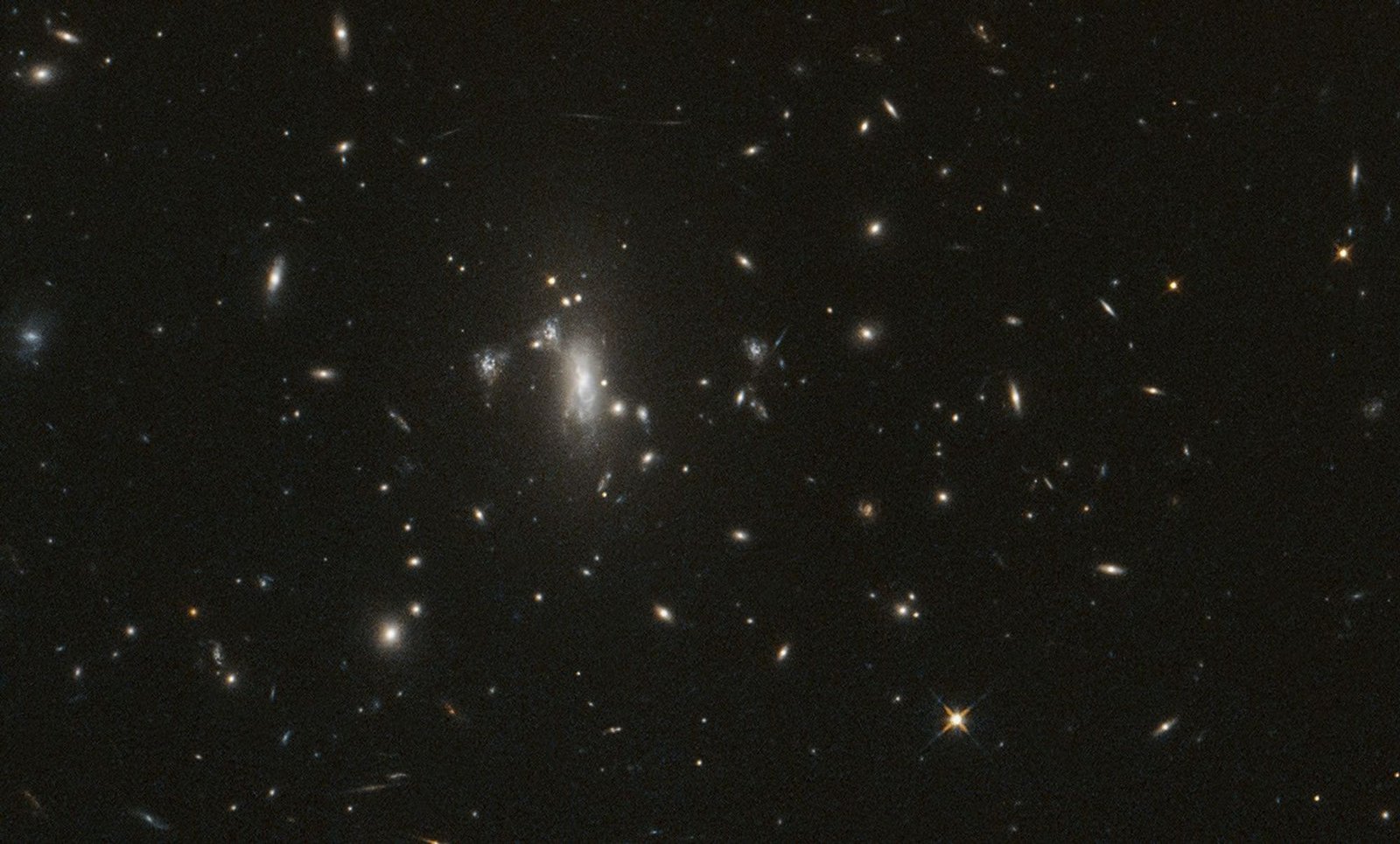
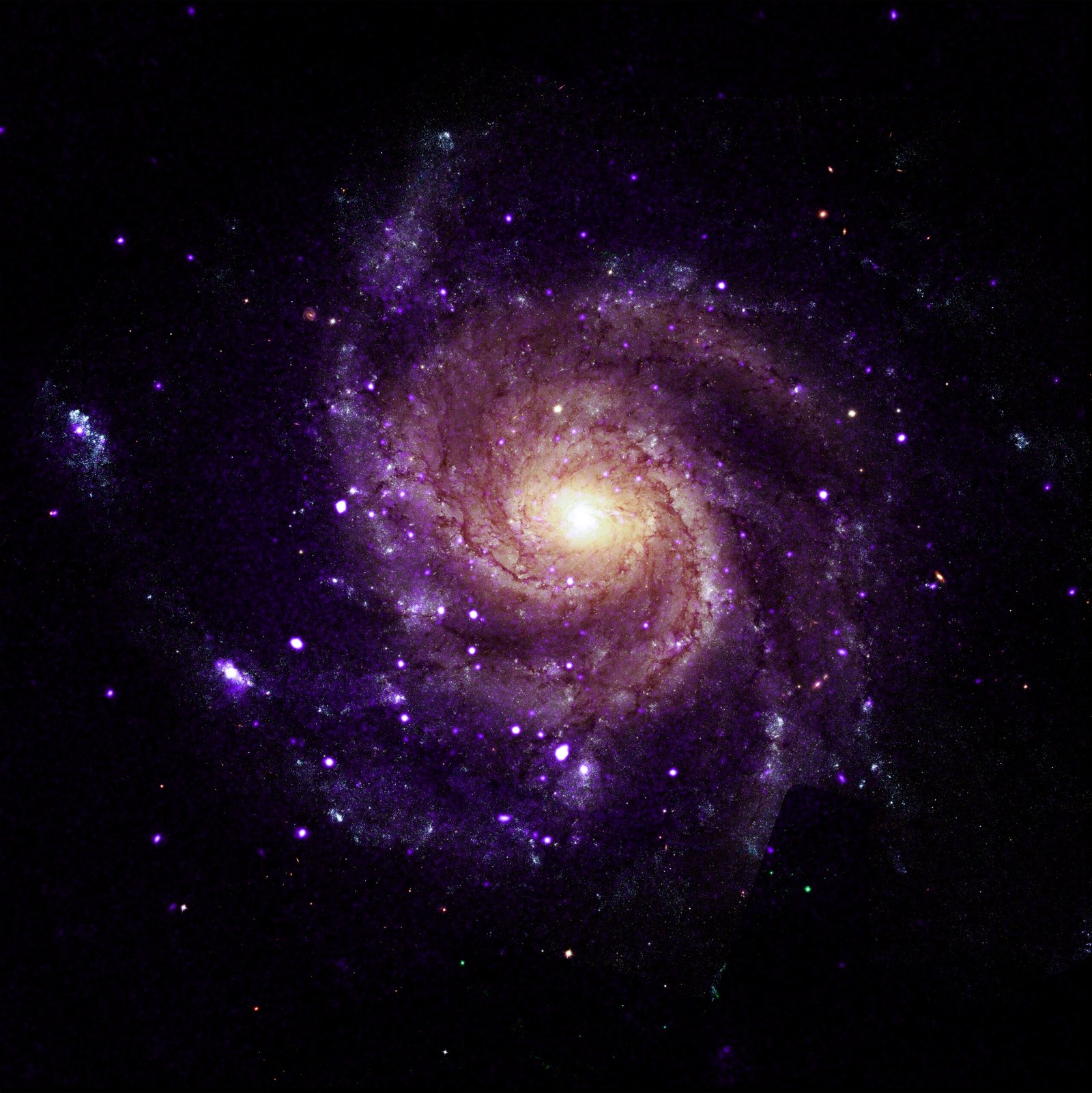
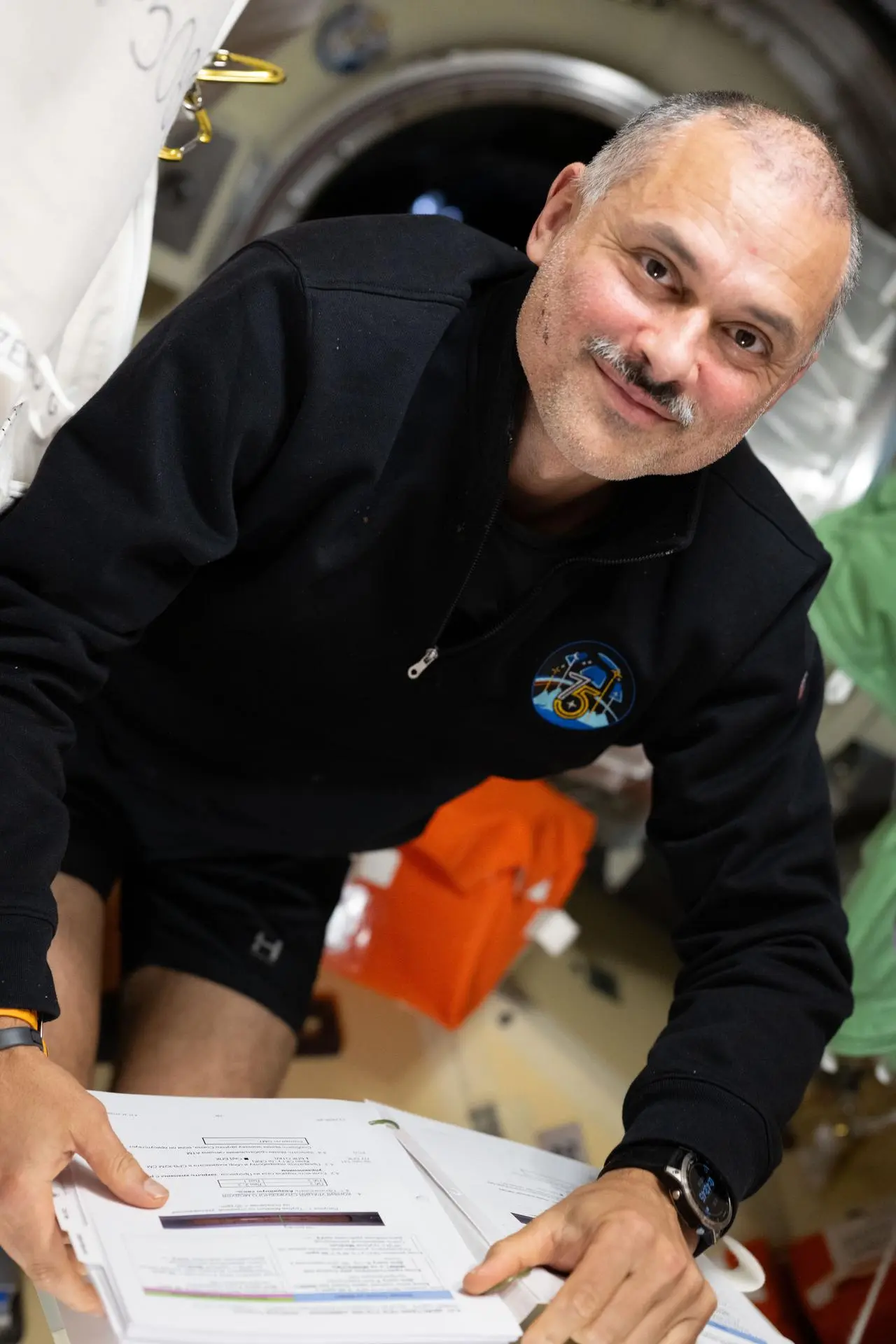
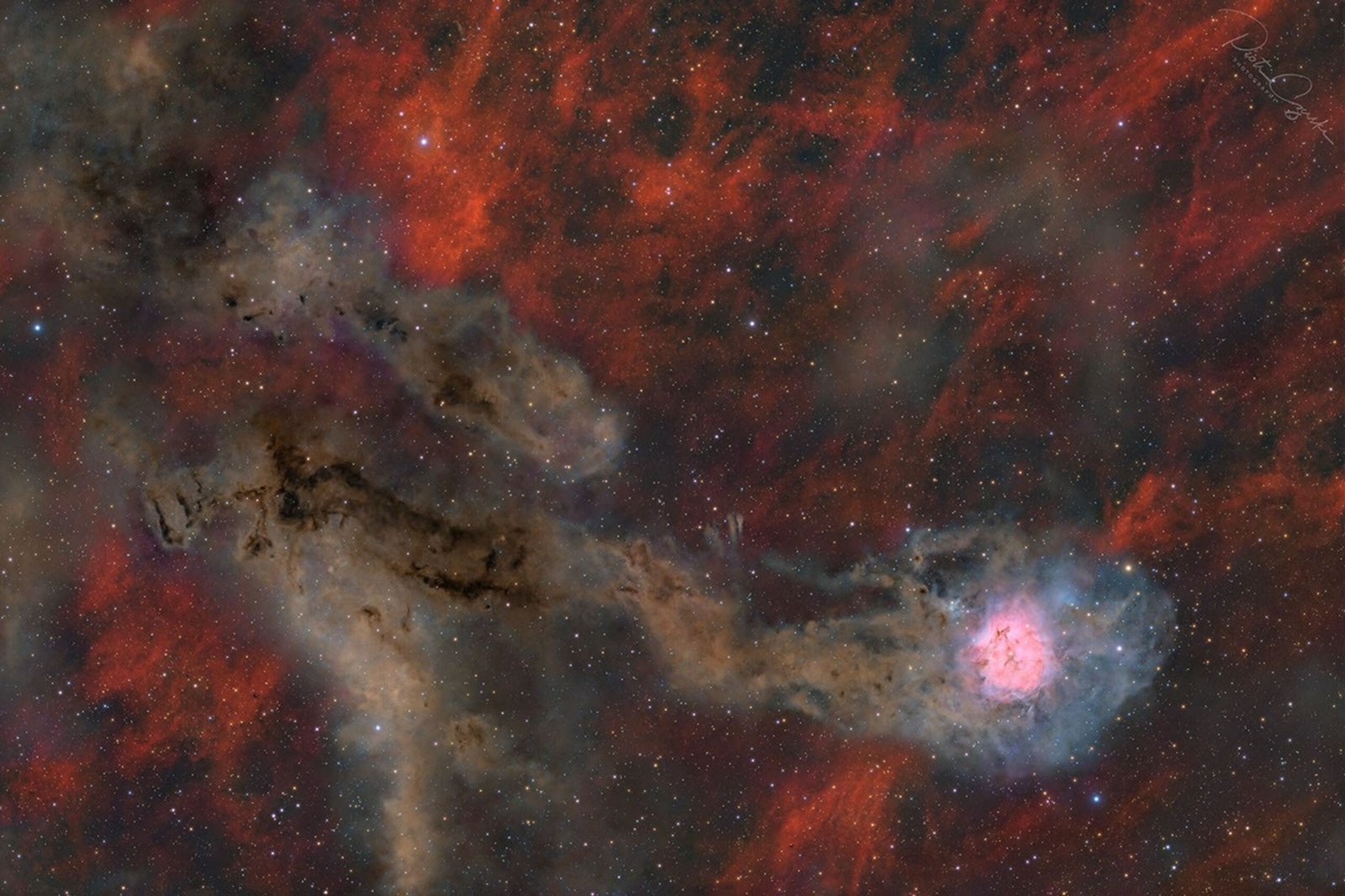
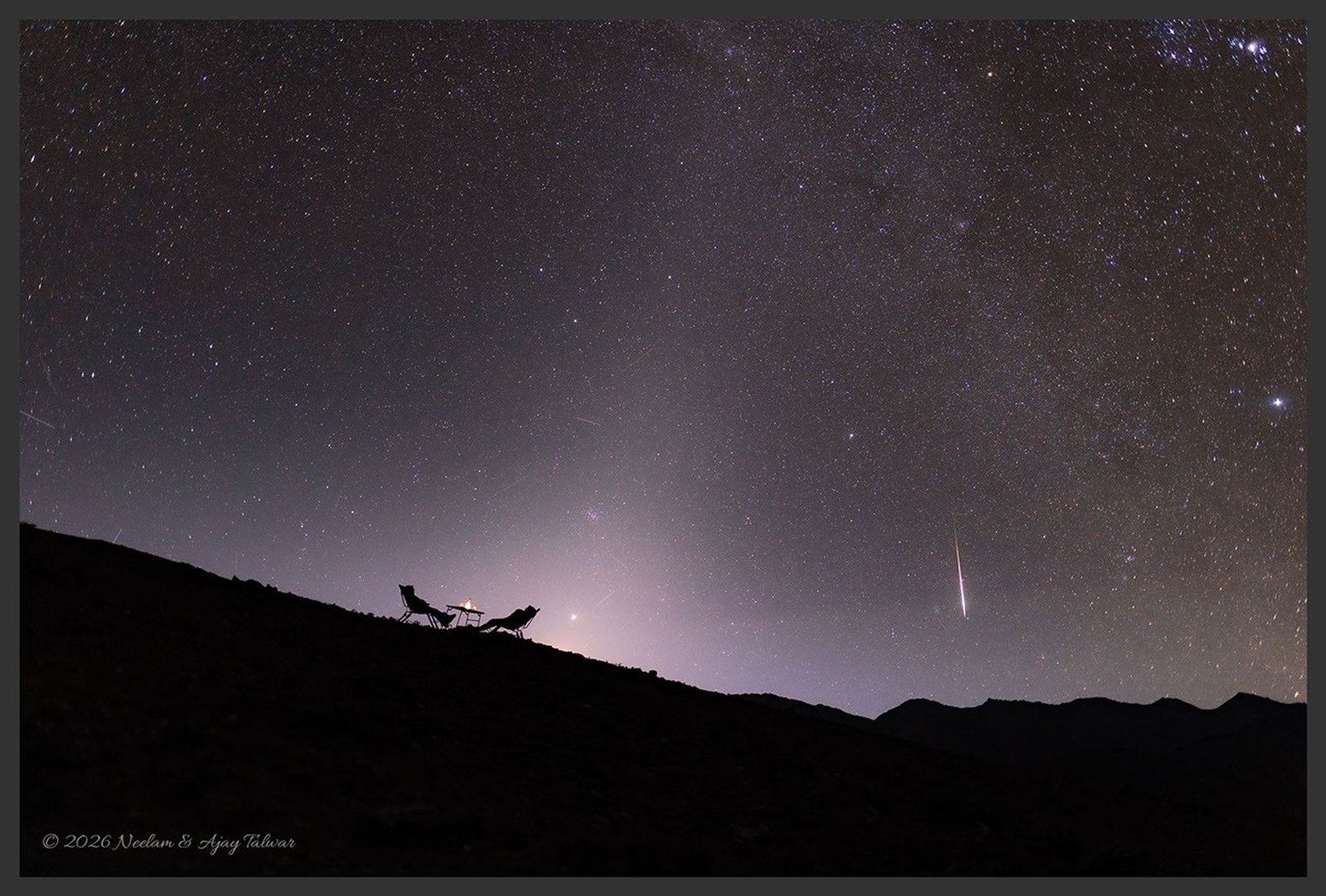
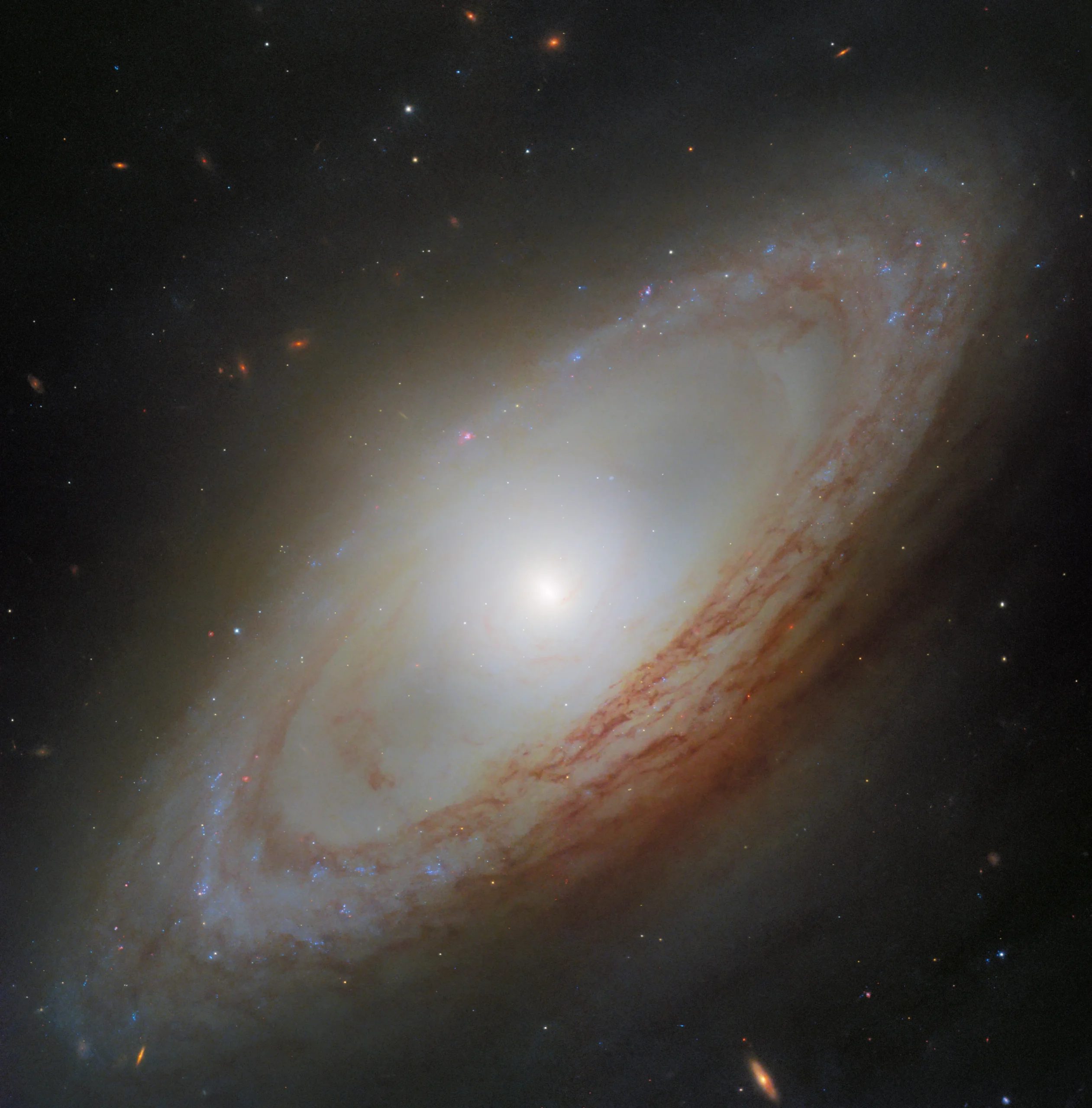
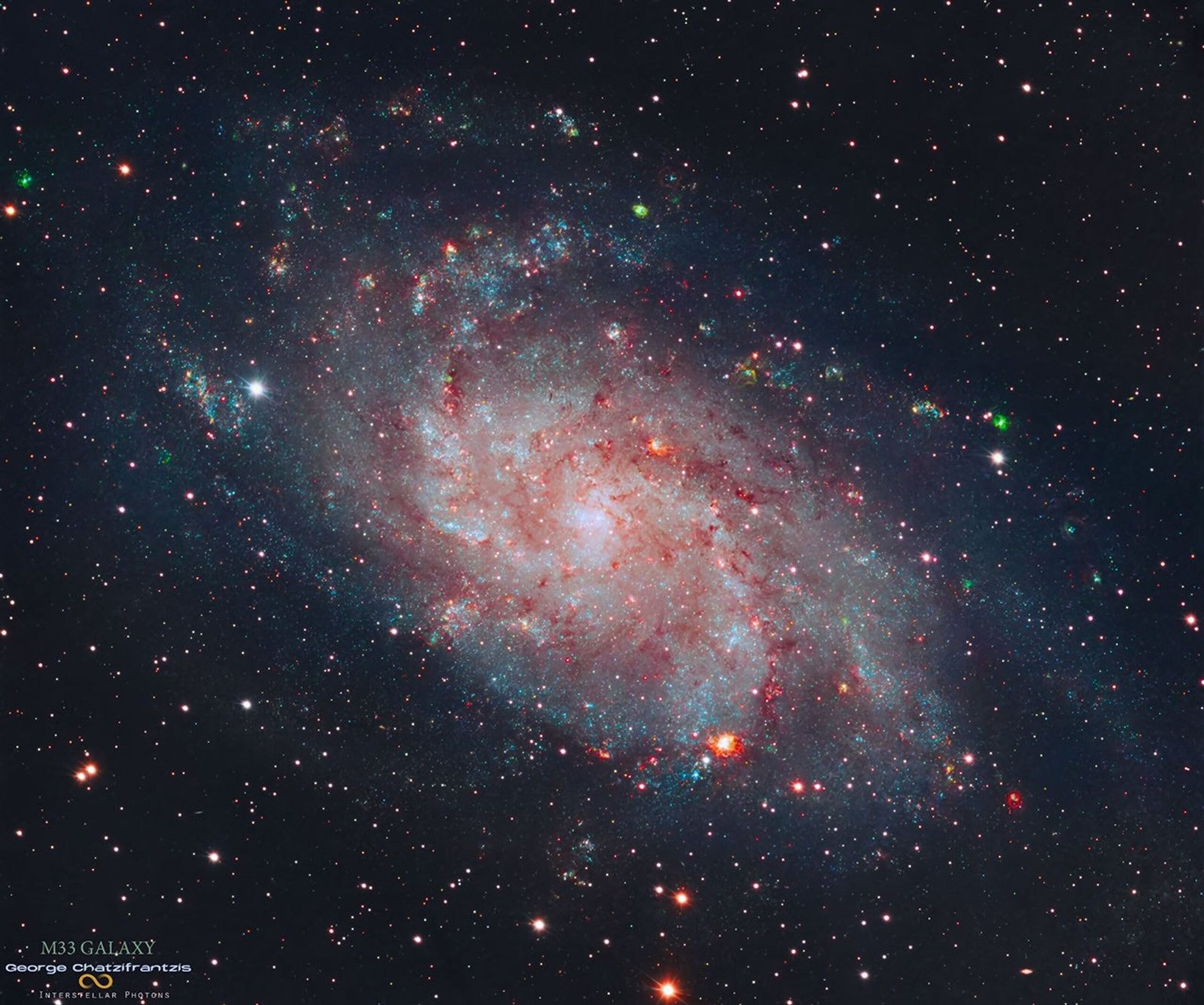
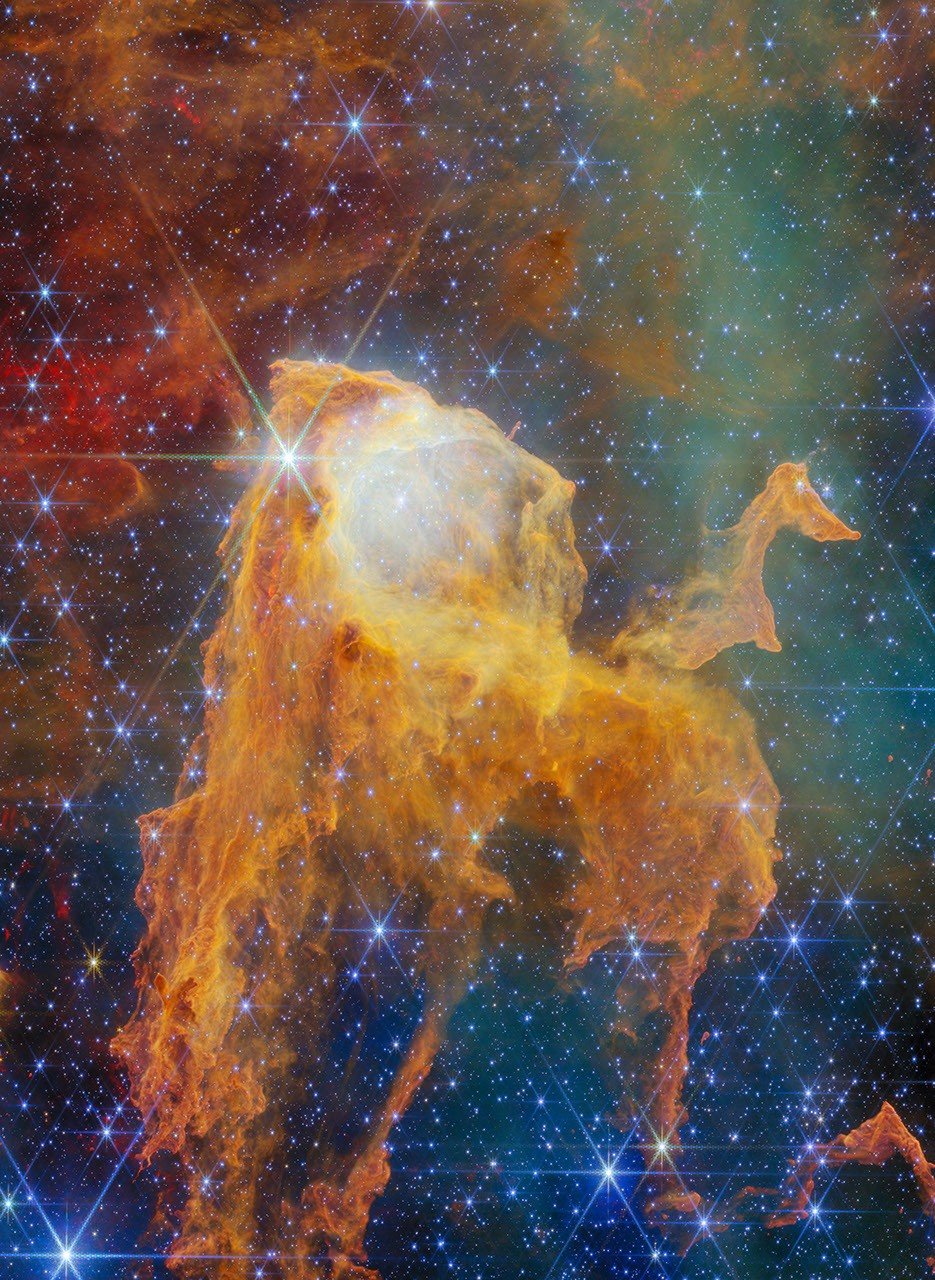
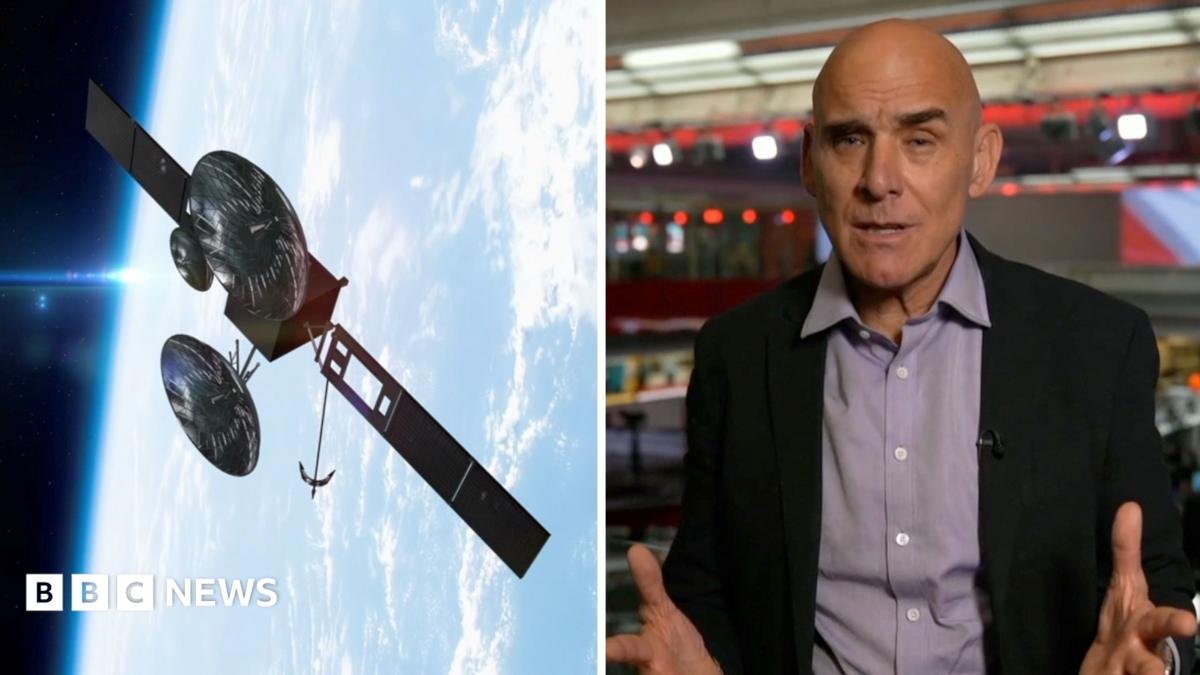
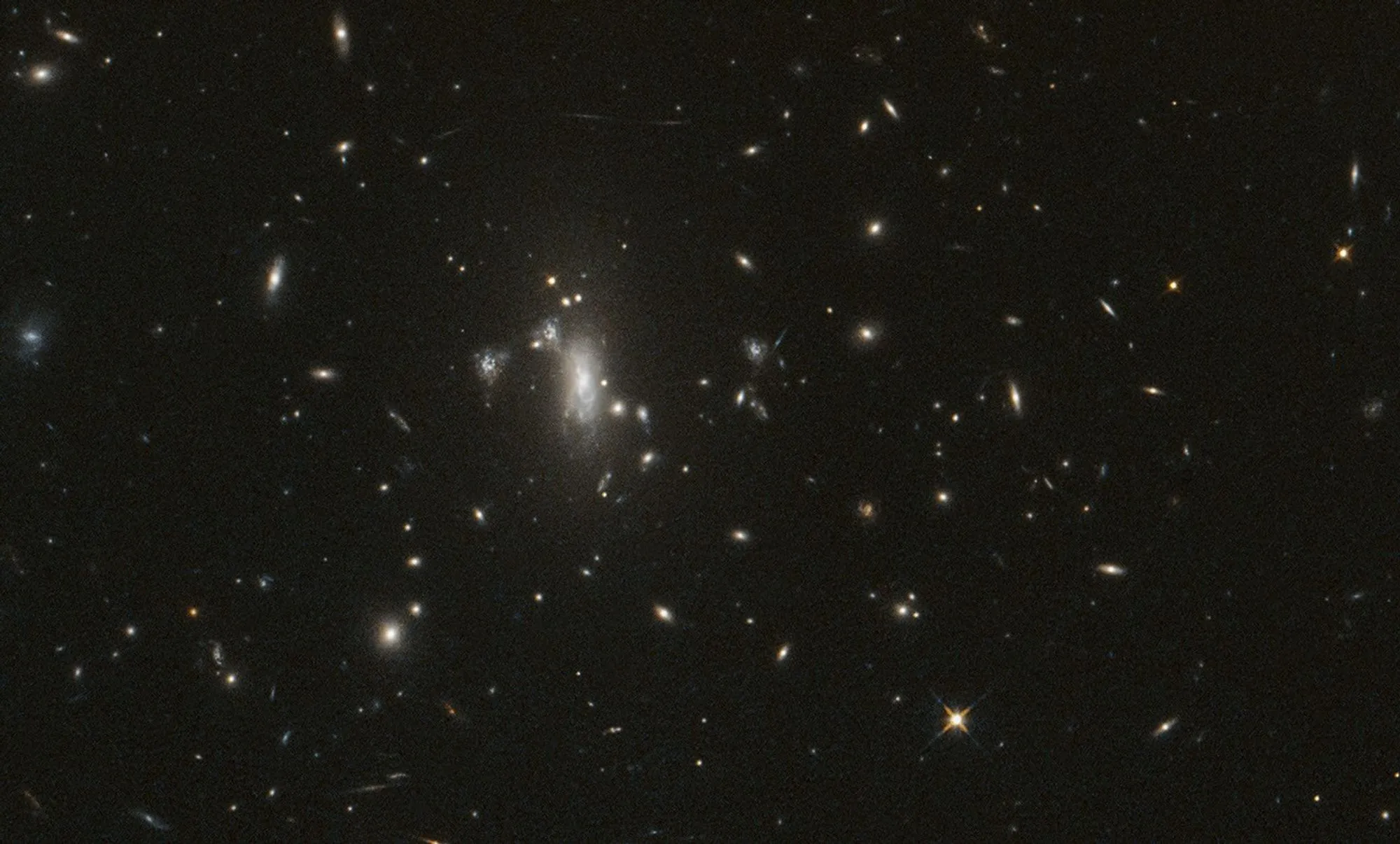
Contrasting these geopolitical hurdles, the scientific community continues to push the boundaries of observational astronomy. NASA’s Hubble Space Telescope recently achieved its 200,000th orbit of Earth. Among its current projects, the telescope is monitoring the galaxy cluster MACS J0417, which serves as a gravitational lens to magnify the distant supernova Athena. of the cluster and refine calculations regarding the universe's expansion. Additionally, Hubble has identified an anomaly in the spiral galaxy NGC 4698, where internal structures rotate perpendicular to the disk, suggesting a history of galactic merger activity.
The immediate future for Grindr involves managing the logistics of the settlement payments, which are scheduled to conclude in early 2027. For the international community, the focus remains on the UN General Assembly sessions. Analysts suggest that the success of Qatari and Pakistani mediation efforts will depend heavily on whether the current US administration chooses to pursue economic pressure or diplomatic engagement, as indicated e scientific sector, the data gathered the agency prepares to integrate new insights from the Nancy Grace Roman Telescope to further map the dark universe.