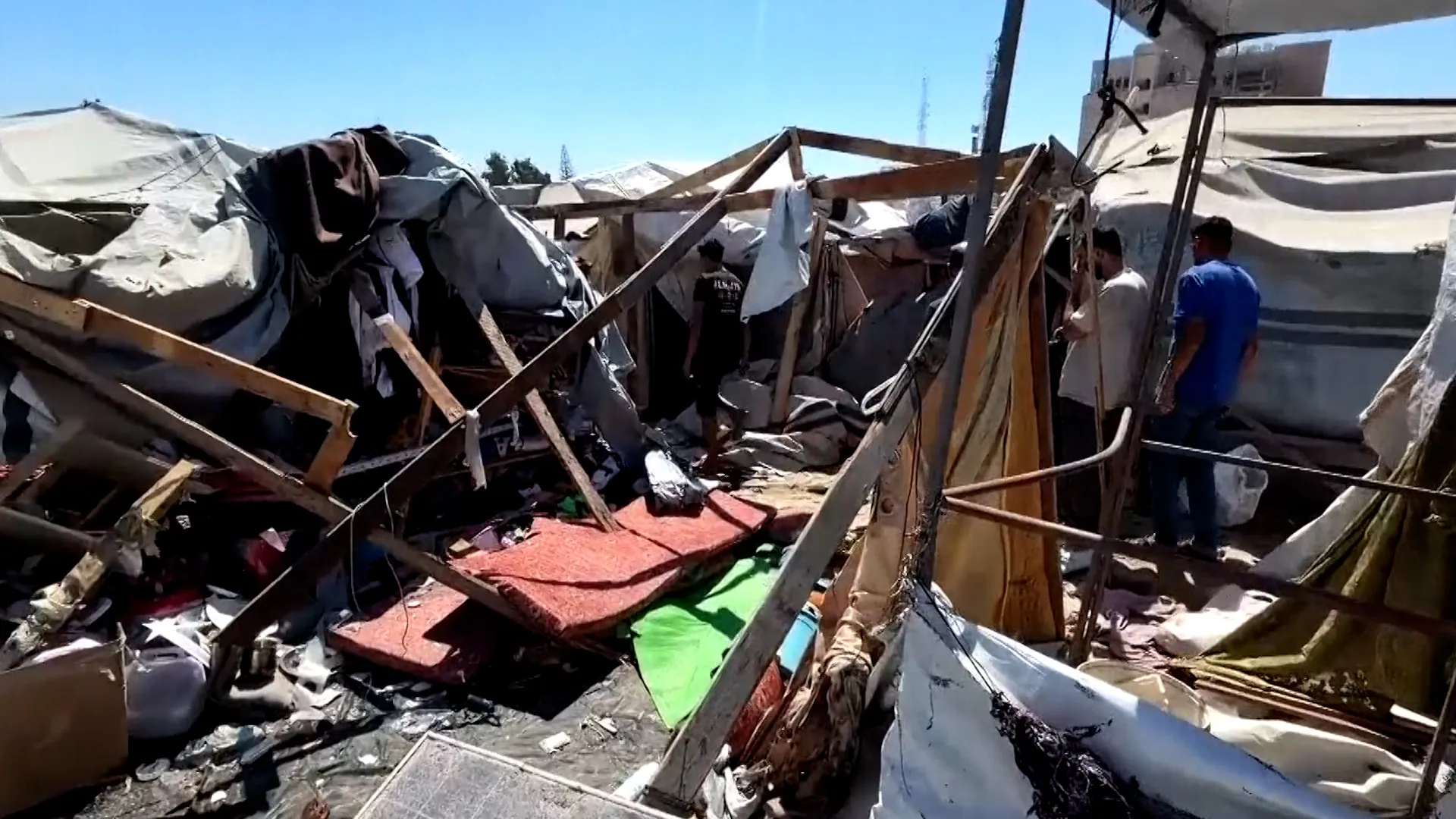
A group of 15 Palestinian residents, including children, remain trapped in their homes in Qusra, facing a critical lack of water and food due to a military-backed siege.
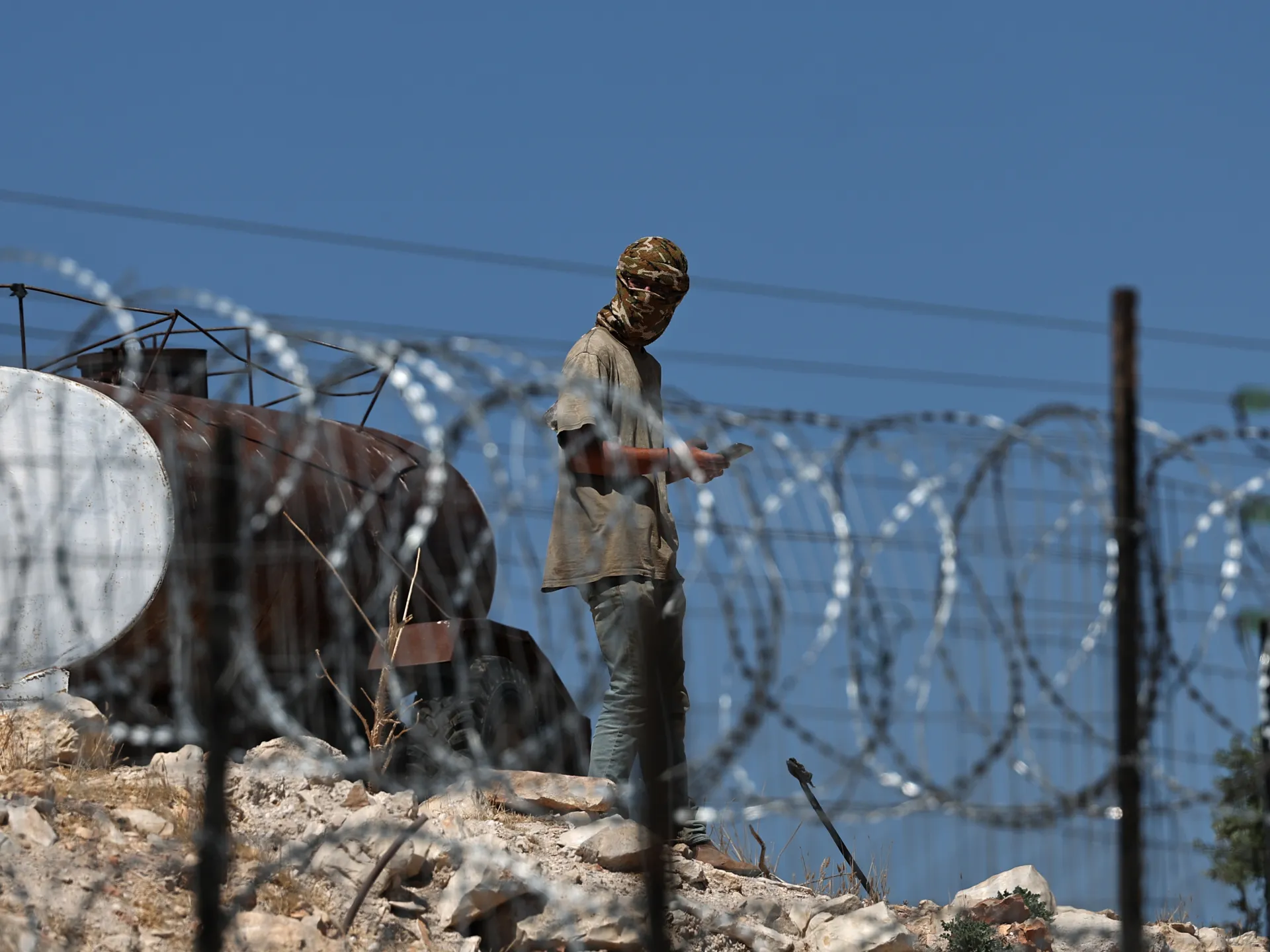
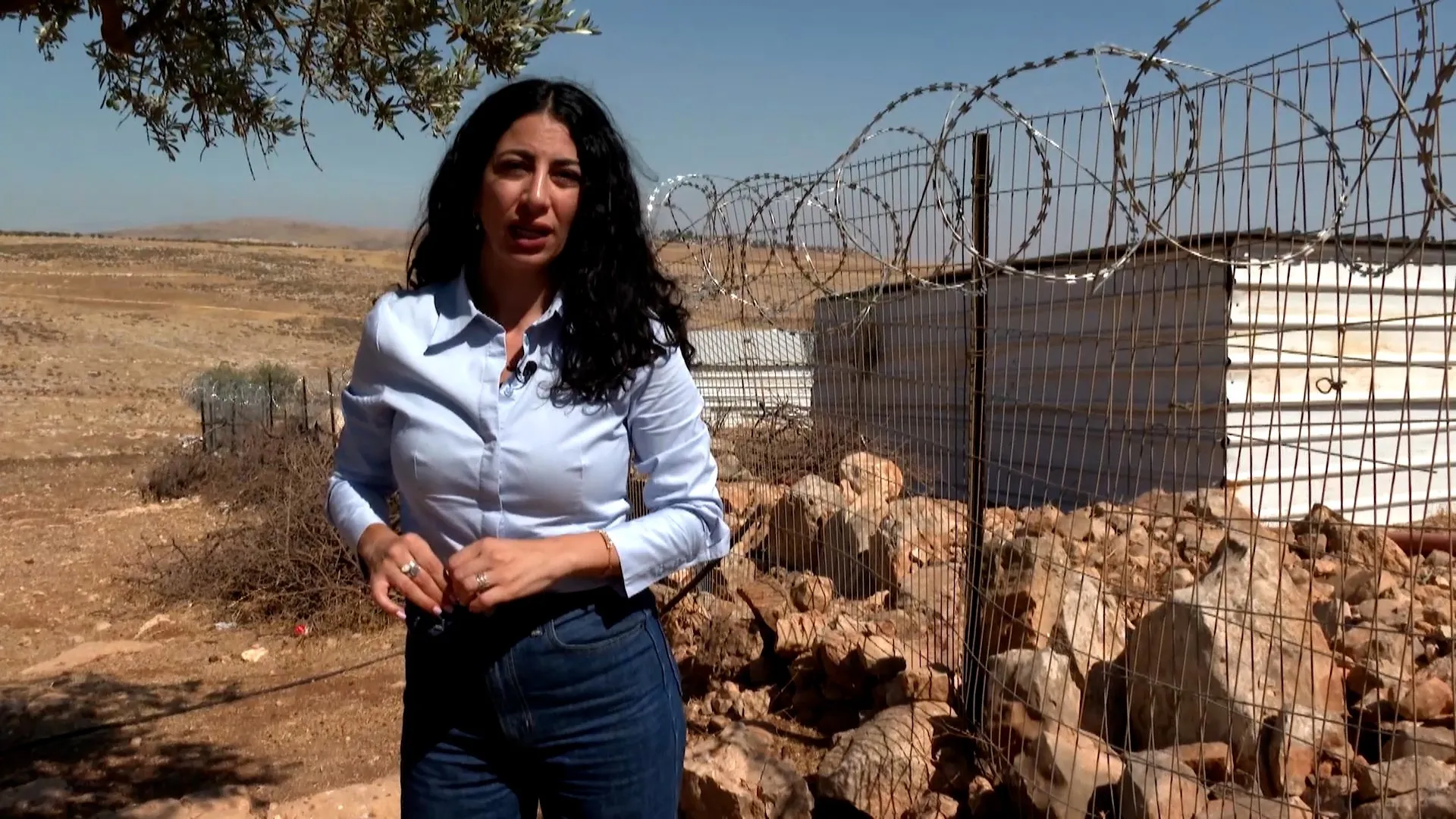
For over a week, a group of 15 Palestinian residents, including two children, have remained trapped within their homes in the Ras al-Ain district of Qusra, a village located south of Nablus. The situation has devolved into a severe humanitarian crisis, with the inhabitants effectively cut off from the outside world. Deprived of electricity, food, and clean water, these families are living in a state of constant fear as their movement is restricted
The United Nations has expressed grave concern regarding the conditions in the area, noting that those trapped are unable to access even the most basic necessities required for survival. The blockade has transformed the residential neighborhood into a zone of extreme deprivation, where the simple act of obtaining water has become a perilous endeavor. Local authorities, including the mayor of Qusra, have struggled to intervene as attempts to repair critical utility lines have been met with physical interference and hostility.
Efforts to alleviate the suffering of the besieged families have faced significant hurdles due to active interference ef was intercepted, with military personnel blocking and ultimately expelling a water tanker intended for the residents. While a small amount of food was eventually delivered via two vehicles, the ongoing refusal to allow water supplies into the area has left the families in a precarious state of health and sanitation.
The intimidation is not limited to the blockade itself. Reports indicate that municipal workers attempting to restore power and water infrastructure have been targeted l state. The coordination between these groups and the military presence in the area has been described tion, effectively preventing any form of relief from reaching those in need.
Despite the immense pressure to vacate their properties, the residents of the Ras al-Ain area have maintained a stance of firm resistance. One resident, Qusai Abu Reida, articulated the collective sentiment of the group, emphasizing that they view their homes as a vital link to their heritage and ancestors. The residents have committed to staying in their houses regardless of the deprivation, describing their resolve as a pact to remain on their land under any circumstances.
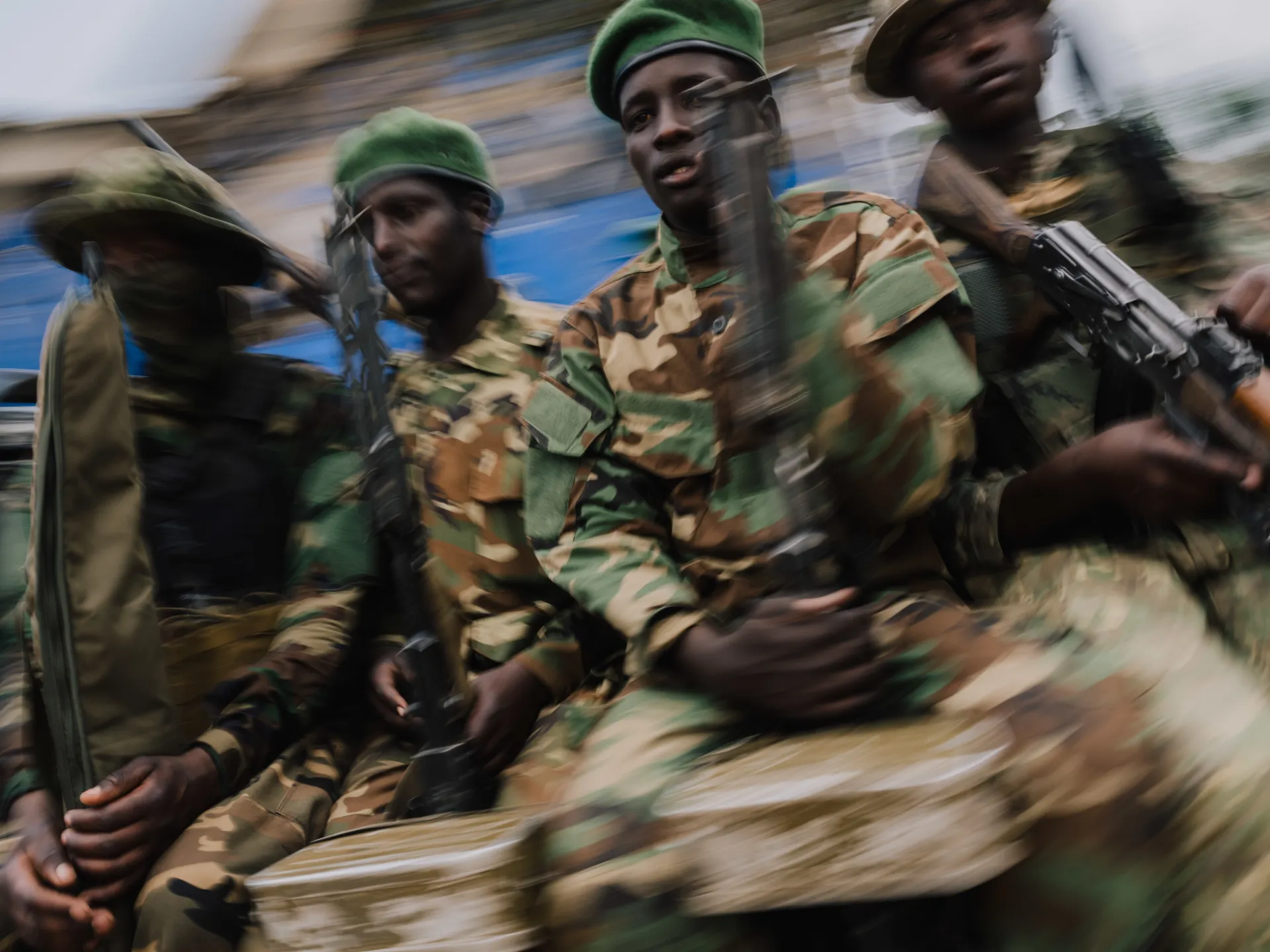
The Israeli military has established a presence in the vicinity, converting a residential home at the top of the hill into a military barracks. The area has been declared a closed military zone, a designation that has been used to exclude international observers and Israeli human rights activists who sought to support the residents. Ironically, while the military enforces this closure against those attempting to provide aid, it has simultaneously failed to act on existing eviction orders concerning illegal outposts established in the surrounding region.
Political analysts and human rights organizations have characterized the events in Qusra as part of a broader, calculated strategy. Experts suggest that the siege is intended to serve as a blueprint for the displacement of Palestinians across the occupied territories. o be the long-term seizure of land and the eventual expulsion of the local population through systemic pressure.
Amnesty International has highlighted that this situation is not an isolated incident but rather a manifestation of an accelerating pattern of settler violence that is backed and enabled established in recent years, the crisis in Qusra is viewed as a warning sign for other villages. The strategic goal, according to observers, is to signal to the wider Palestinian population that the tactics of intimidation and land seizure employed in Qusra are likely to be replicated elsewhere, further destabilizing the region.