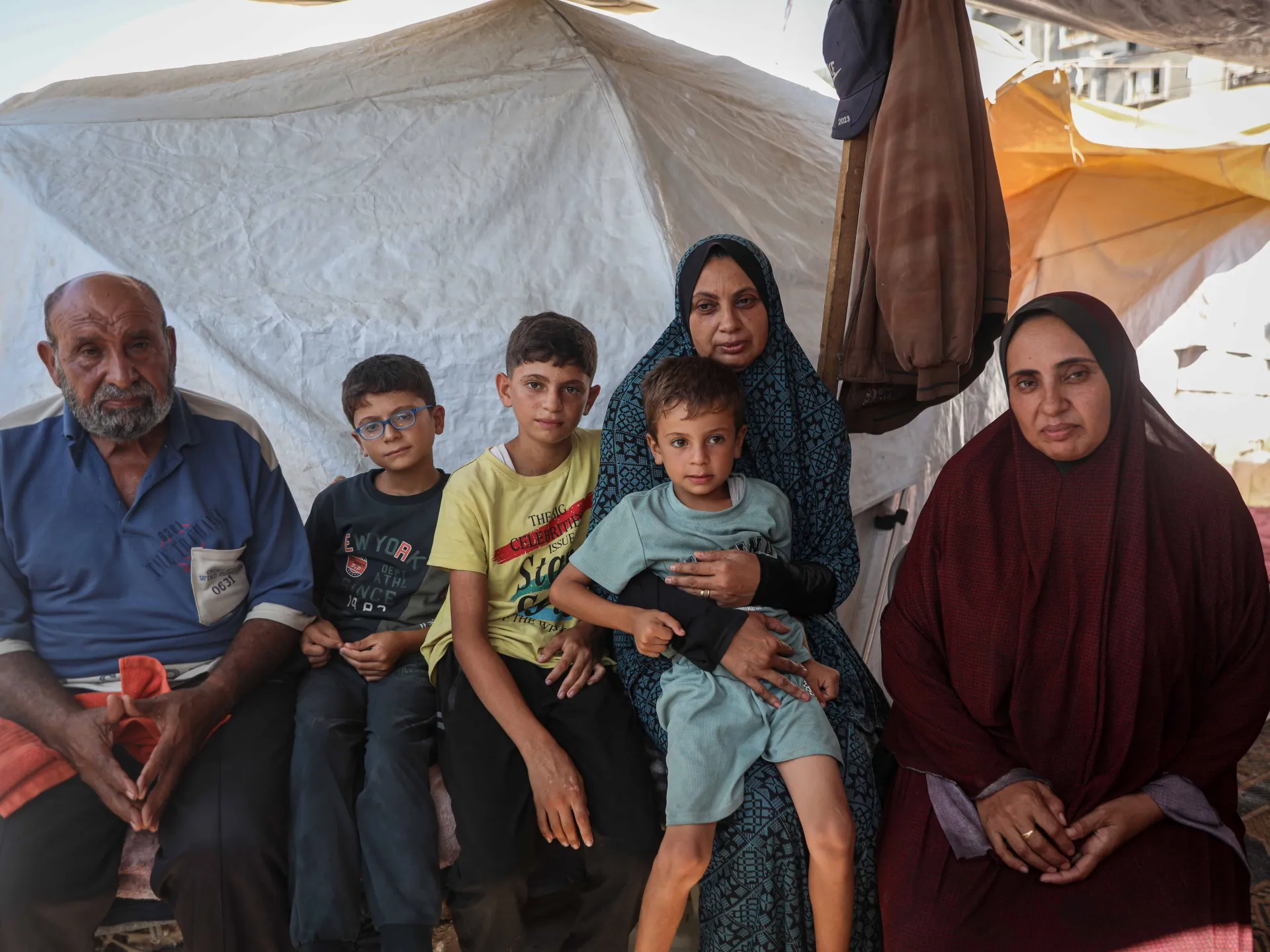

Families in Gaza are struggling to support children with autism as war destroys the specialized environments and medical care necessary for their wellbeing.
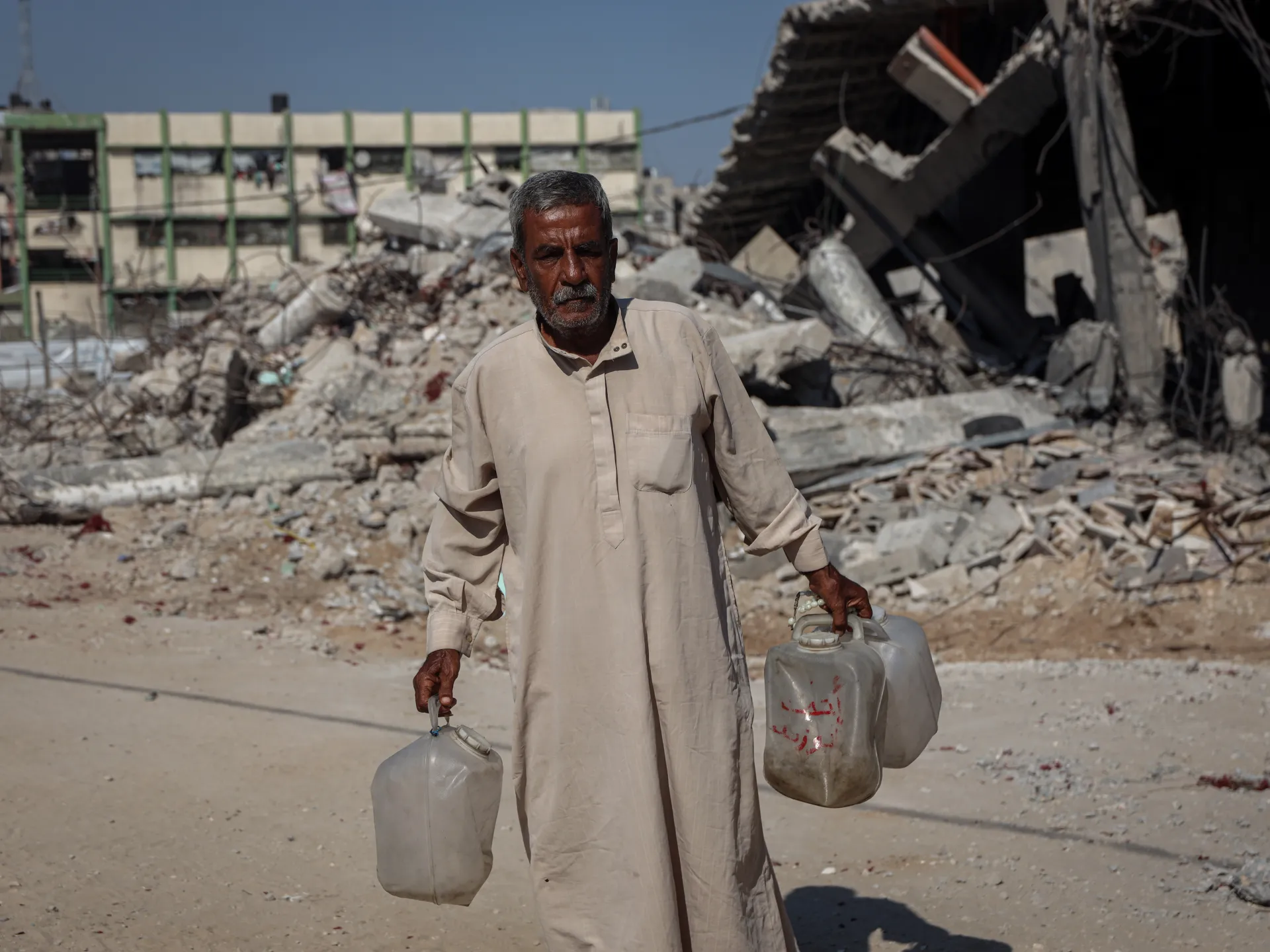
For children living with autism in the Gaza Strip, the ongoing conflict has resulted in more than just physical displacement; it has shattered the structured environments essential for their neurological health. Before the escalation of hostilities in late 2023, many young people on the autism spectrum were making significant strides in their development. They were attending specialized schools, engaging in sports, and participating in community activities that fostered communication and social skills. Today, those foundations have been replaced tructure collapse.
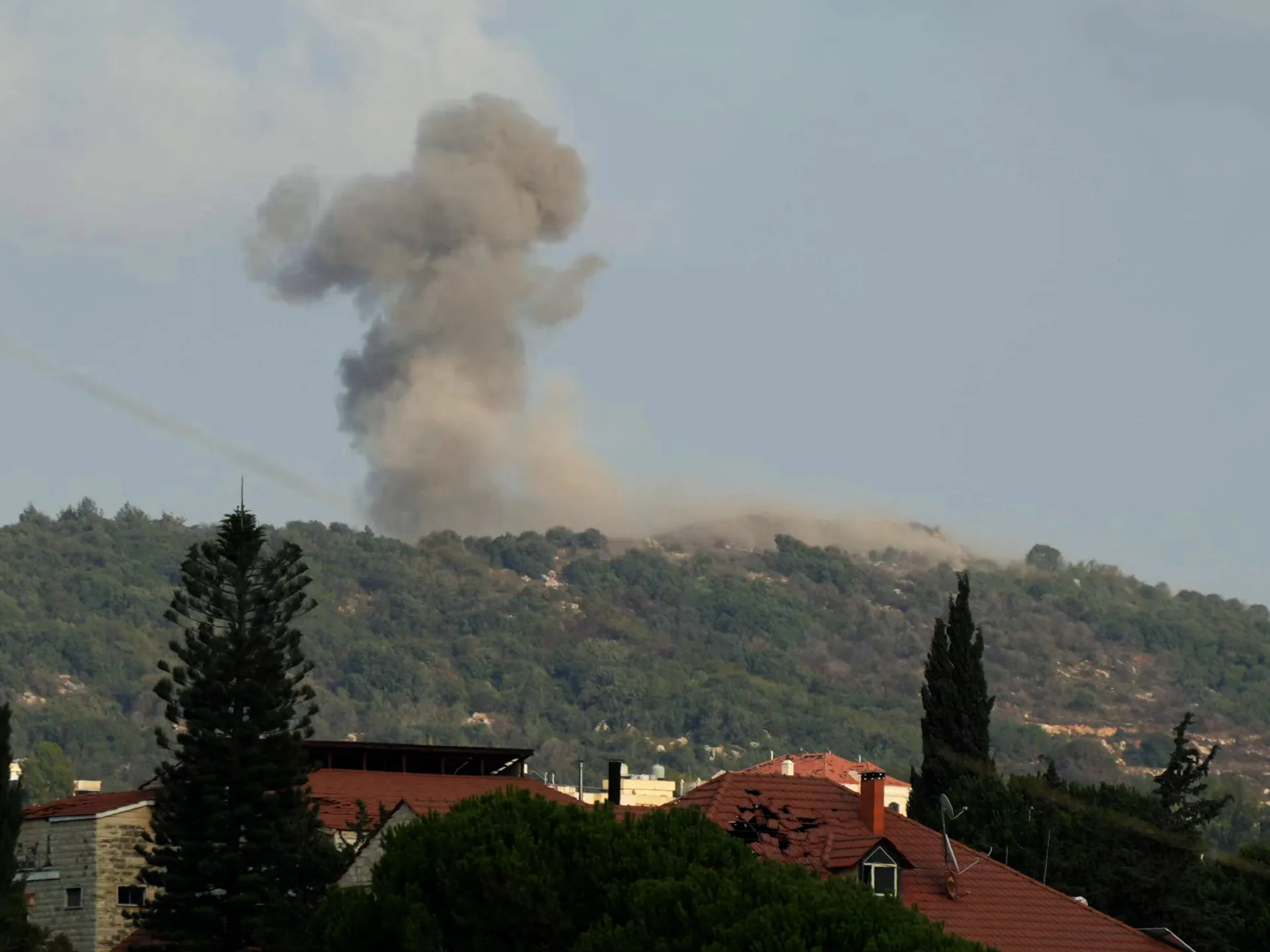
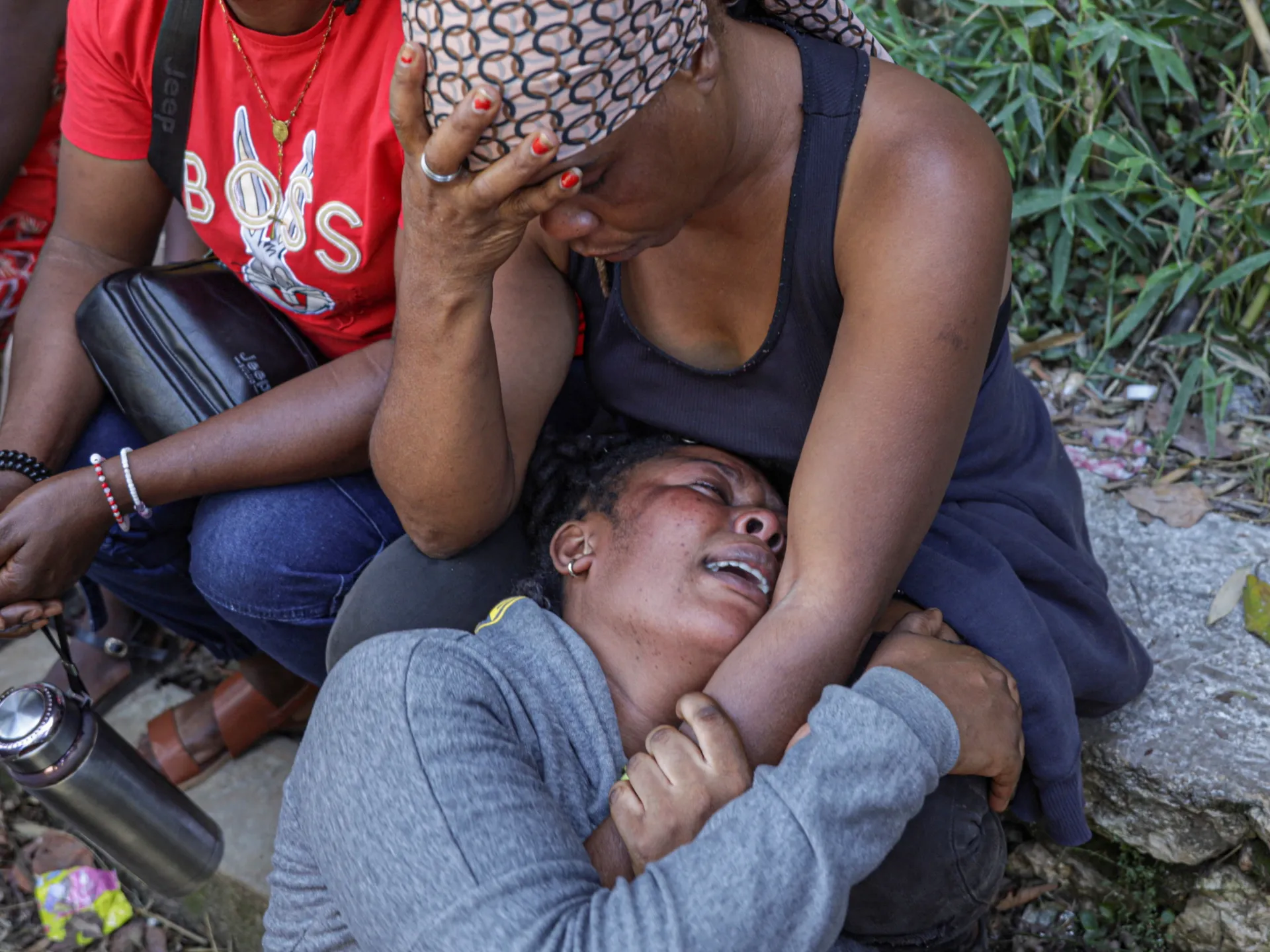
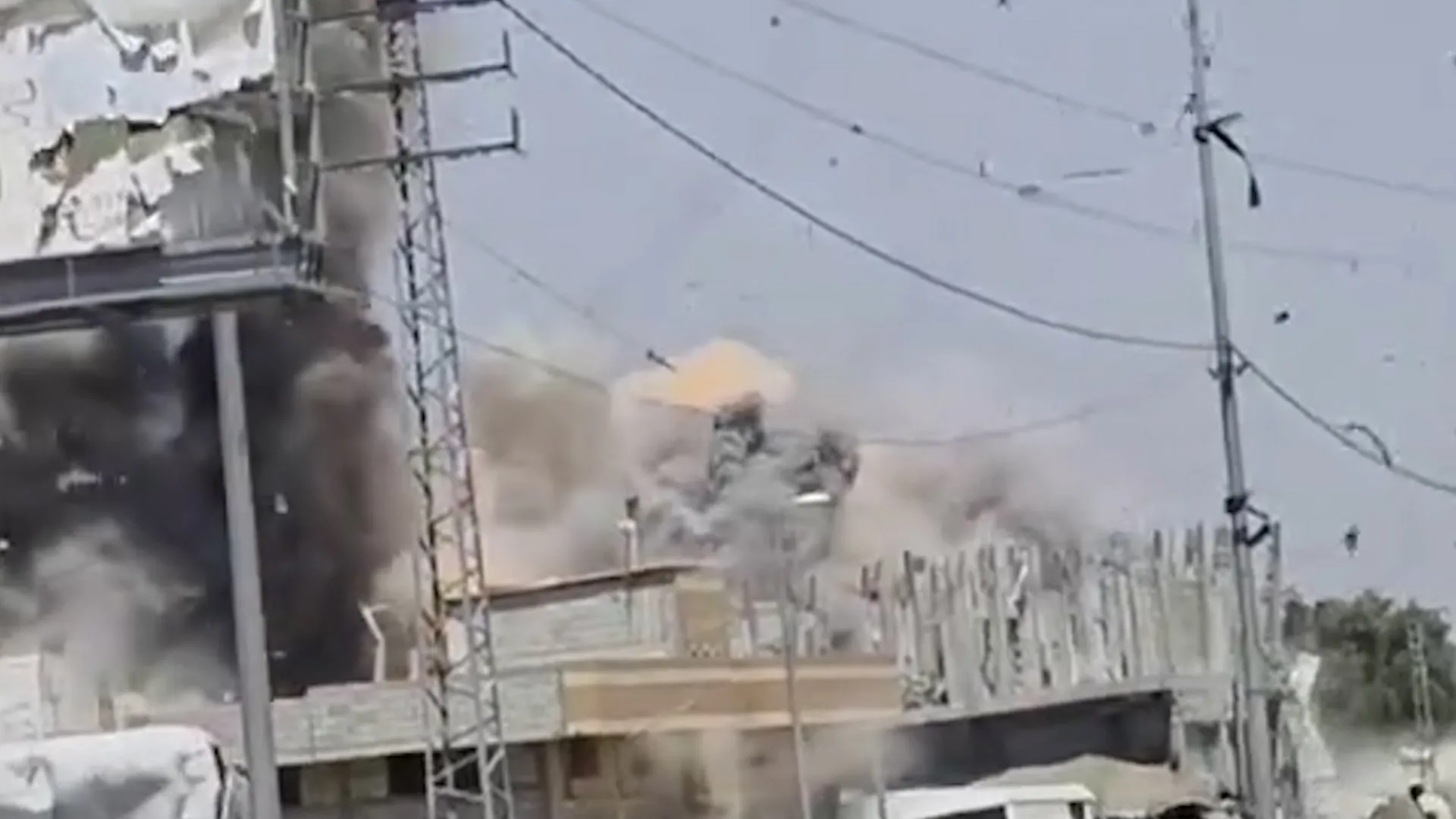
The case of 16-year-old Ahmed Hatem al-Mahabeel illustrates the profound regression many families are now witnessing. Once a student excelling in English and a dedicated participant in a local football academy, Ahmed now struggles with the psychological remnants of the violence. The sudden, deafening sounds of airstrikes trigger extreme panic attacks, forcing him to engage in repetitive self-soothing behaviors or, in moments of acute distress, self-harm. His mother notes that the loss of his school and the safety of his daily routine has undone years of therapeutic progress, leaving a teenager who once navigated the world with confidence now trapped in a state of constant fear.
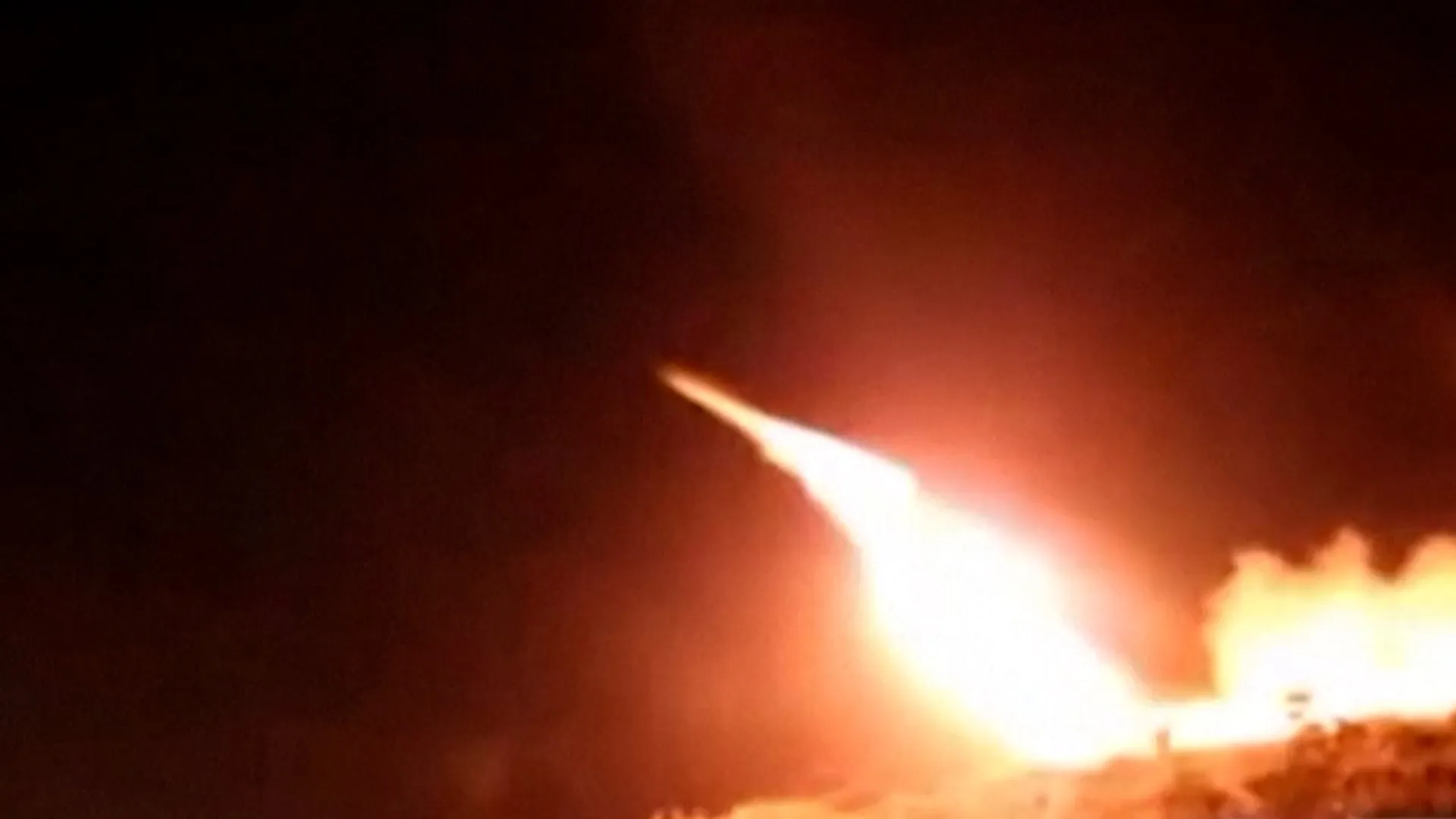
The sensory environment in a conflict zone is fundamentally hostile to the needs of individuals on the autism spectrum. Psychological specialists highlight that these children rely heavily on predictable environments to regulate their nervous systems. When displaced into tent encampments or damaged housing, the lack of a quiet, stable space makes it impossible for them to process the sensory input they receive. The result is a cycle of sleep deprivation, intense anxiety, and physical manifestations of distress that parents are often ill-equipped to manage without professional support.
This phenomenon is not isolated to a single neighborhood. In the Nuseirat refugee camp, 19-year-old Muneer al-Haj faces similar challenges. Before the war, Muneer was known for his artistic talent and his ability to communicate his needs clearly. Now, he spends much of his time pacing in agitation, attempting to block out the noise of ongoing military operations. The inability to provide him with a sense of security has led to a noticeable decline in his cognitive and social abilities, leaving his family to grapple with the emotional toll of watching their child struggle to retain his identity in the shadow of war.
Beyond the lack of therapeutic environments, the medical infrastructure in Gaza has faced near-total collapse, creating a secondary crisis for those requiring psychiatric medication. Many children with autism rely on specific anti-convulsant or sedative regimens to manage their brain chemistry and prevent severe behavioral outbursts. Due to severe shortages, parents have been forced to ration these medications, often cutting doses in half or going without them entirely. The result is a dangerous rebound effect that leaves the nervous system vulnerable to uncontrolled impulses and violent fits.
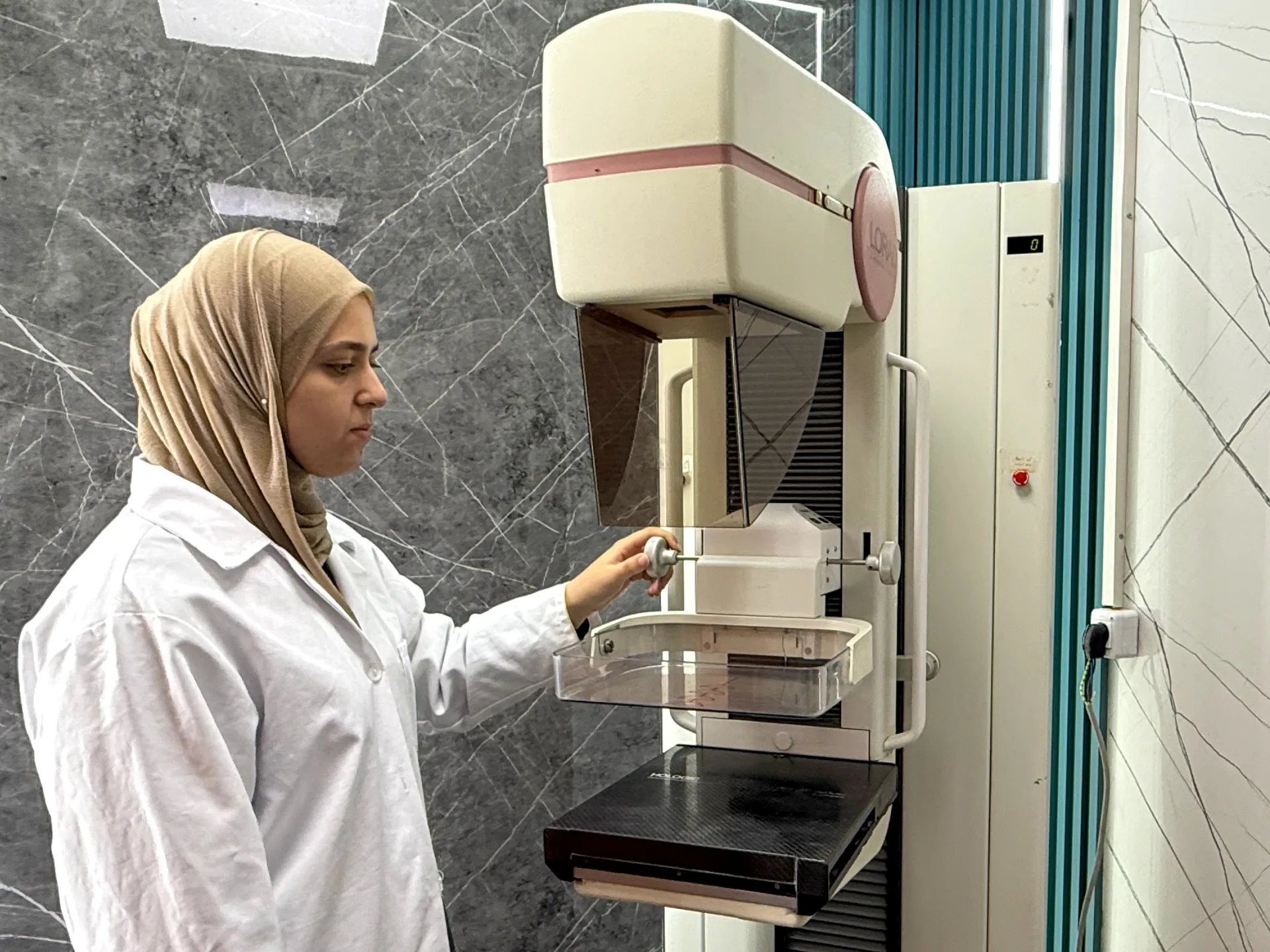
Experts point out that the absence of consistent medical oversight has turned what were once manageable conditions into life-threatening scenarios. The destruction of specialized facilities, such as the Palestine Center for Special Education, has removed the last vestiges of institutional support. With no rehabilitation equipment entering the enclave for extended periods and the loss of experienced medical staff, parents have been forced to take on the roles of therapists and caregivers under the most harrowing conditions imaginable. The lack of a predictable ecosystem, which serves as a neurological safety valve for autistic individuals, has created a long-term developmental crisis that will require extensive intervention even after the violence ceases.