Russia and Ukraine are rapidly advancing toward fully autonomous warfare as AI-integrated drones and battlefield management systems become essential tools for combat.
The landscape of modern warfare is undergoing a rapid, technology-driven transformation as both Russia and Ukraine accelerate the integration of artificial intelligence into their military operations. Recent combat reports suggest that the conflict has moved beyond human-piloted drones, with the emergence of fully autonomous systems capable of identifying, locking onto, and engaging targets without direct human intervention. This shift marks a significant departure from traditional remote-controlled warfare, introducing a new era where algorithms play a decisive role in life-or-death decisions on the front lines.
This transition toward autonomy is driven ignals between human operators and their drones. In what is often referred to as "last-mile" operations, AI-enabled onboard modules take control when communication links fail, ensuring that a strike reaches its intended destination. erational effectiveness even in highly contested electromagnetic environments, effectively turning unmanned vehicles into independent hunters.
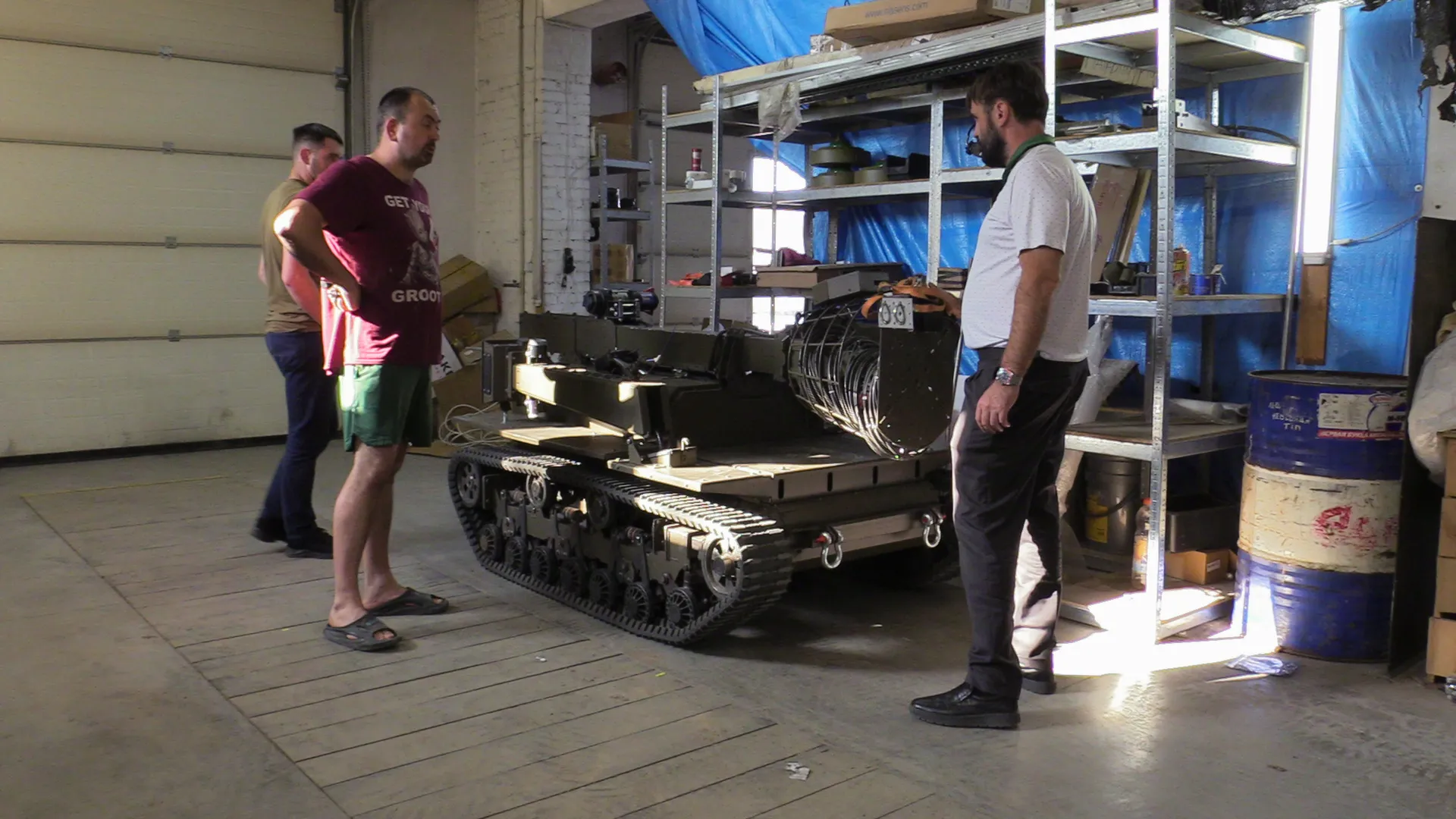
While autonomous drones represent the most visible aspect of this shift, they are merely one component of a broader, more complex ecosystem known as reconnaissance-strike architecture. These unified battlefield management systems serve as central nervous systems for military forces, integrating massive streams of data from sensors, satellites, and frontline drones. ordinate artillery, missile strikes, and drone deployments with unprecedented speed and precision.
Both nations have begun deploying sophisticated software platforms to manage this data, such as Ukraine’s DELTA system and Russia’s Svod Tactical Situational Awareness Complex. These platforms act as force multipliers, processing intelligence and feeding it to military assets to track and neutralize targets in minutes. The objective is to shorten the "kill chain"—the time between spotting an enemy and destroying them—thereby depriving the adversary of the time needed to react or reposition their forces.
The increasing reliance on AI-driven decision support systems raises profound concerns regarding accountability and the potential for unintended civilian casualties. Although military officials maintain that there is always a human in the loop to approve strikes, experts argue that the pressure of high-intensity combat often leads commanders to defer to the recommendations provided nced, or even superseded,
Furthermore, the technical limitations of these systems pose a severe risk to non-combatants. Current AI models, while adept at identifying high-contrast military objects like tanks or infrastructure, often struggle to distinguish between civilian and military targets. Because these systems operate on rigid, pre-programmed rules, they lack the nuanced situational awareness required to avoid collateral damage in complex urban environments. As both sides race to scale these technologies, the lack of a clear framework for responsibility in the event of an "algorithmic error" remains a critical point of contention among international observers.
The current race is no longer about which side can produce a functional prototype, but rather which side can deploy reliable, cost-effective autonomy at a massive scale. As engagement distances grow and the volume of drones on the battlefield increases, human-controlled systems are increasingly viewed as insufficient for the demands of modern combat. The next twelve months are expected to be pivotal, as the mass deployment of autonomous systems could drastically alter the tactical balance of the conflict.
As the technology matures, the focus will likely shift toward increasing the reliability of these systems under extreme conditions. The side that successfully integrates AI across thousands of units—ensuring they can operate autonomously without constant oversight—may secure a decisive tactical advantage. However, this progress comes at a steep price: the further removal of human moral agency from the act of warfare, turning the battlefield into a theater where machines execute lethal directives based on cold, automated calculation.