As international trade tensions rise, Canada is looking toward the European Union to secure its markets and counter protectionist pressures from the United States.
In response to evolving trade pressures from the United States, Canada is actively seeking to deepen its economic integration with the European Union. Faced with the threat of sweeping tariffs and protectionist policies initiated partner to bolster its economic sovereignty. ts from the volatility associated with unilateral American trade maneuvers.
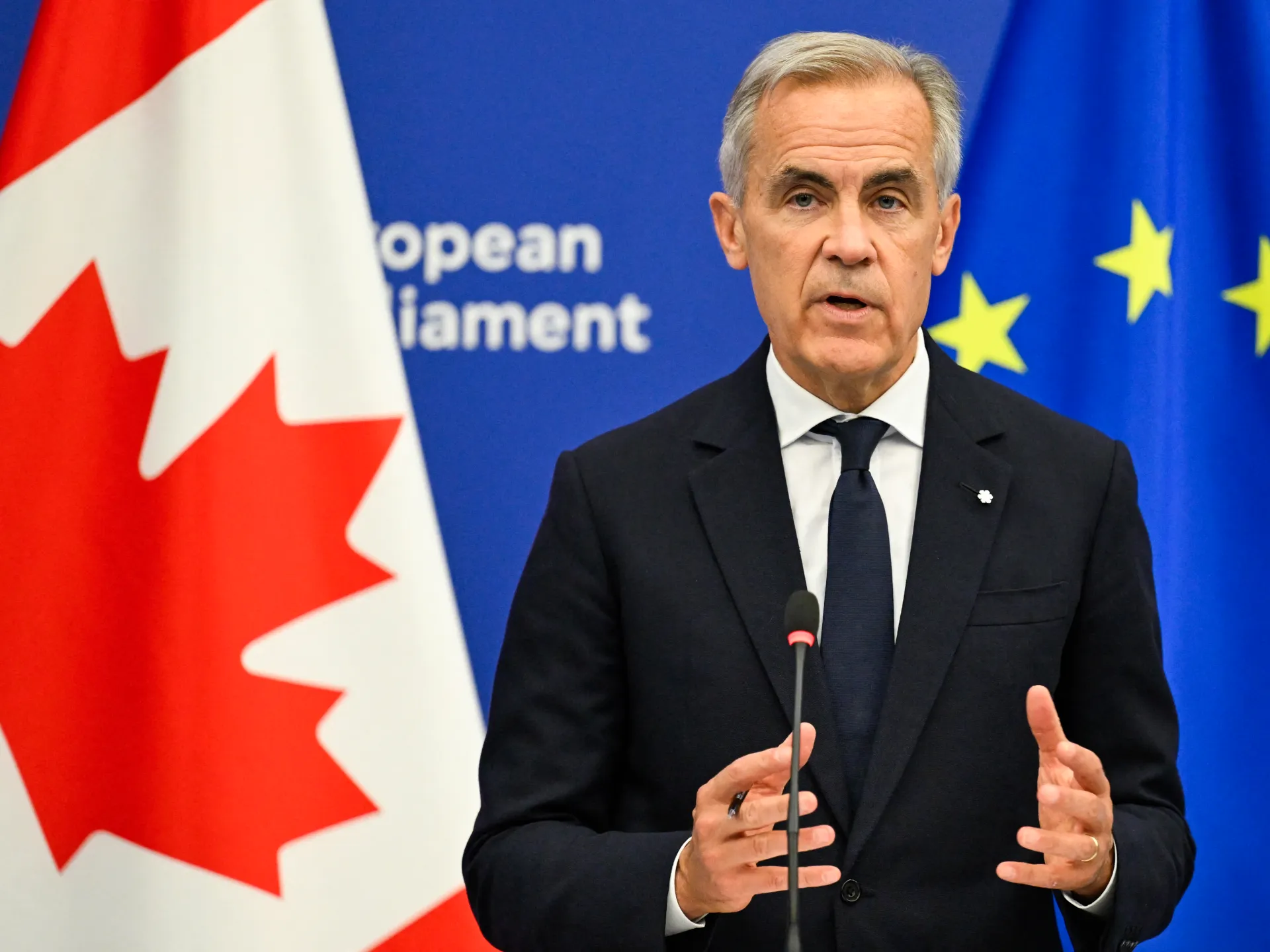
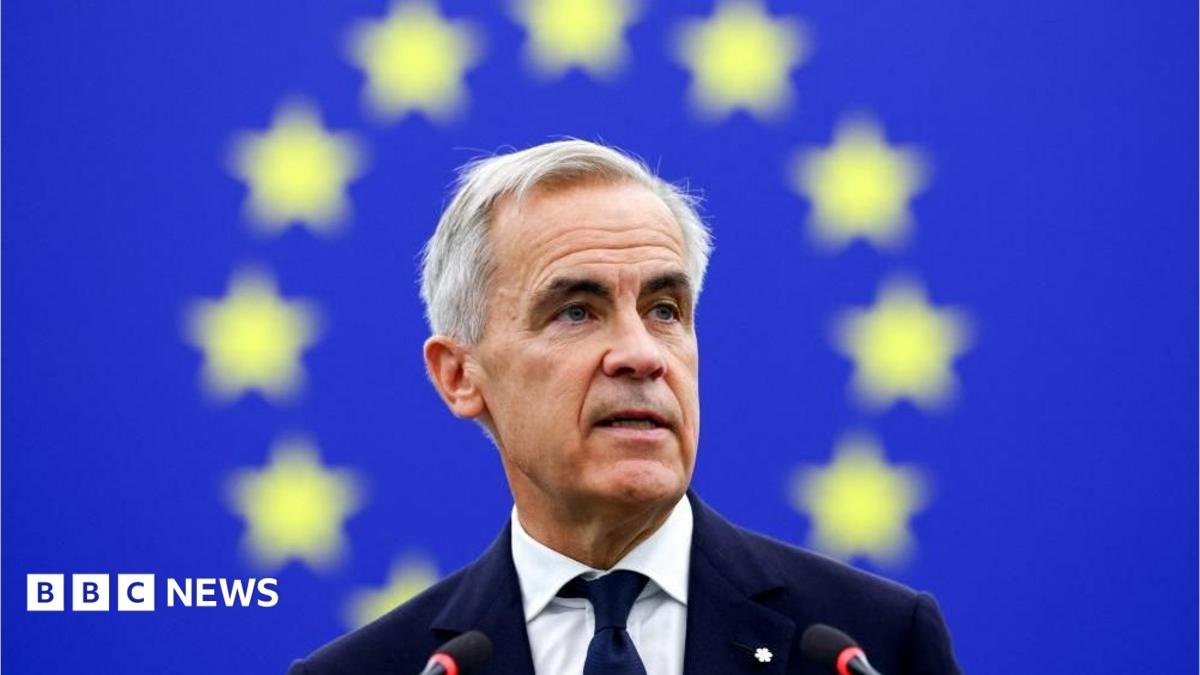
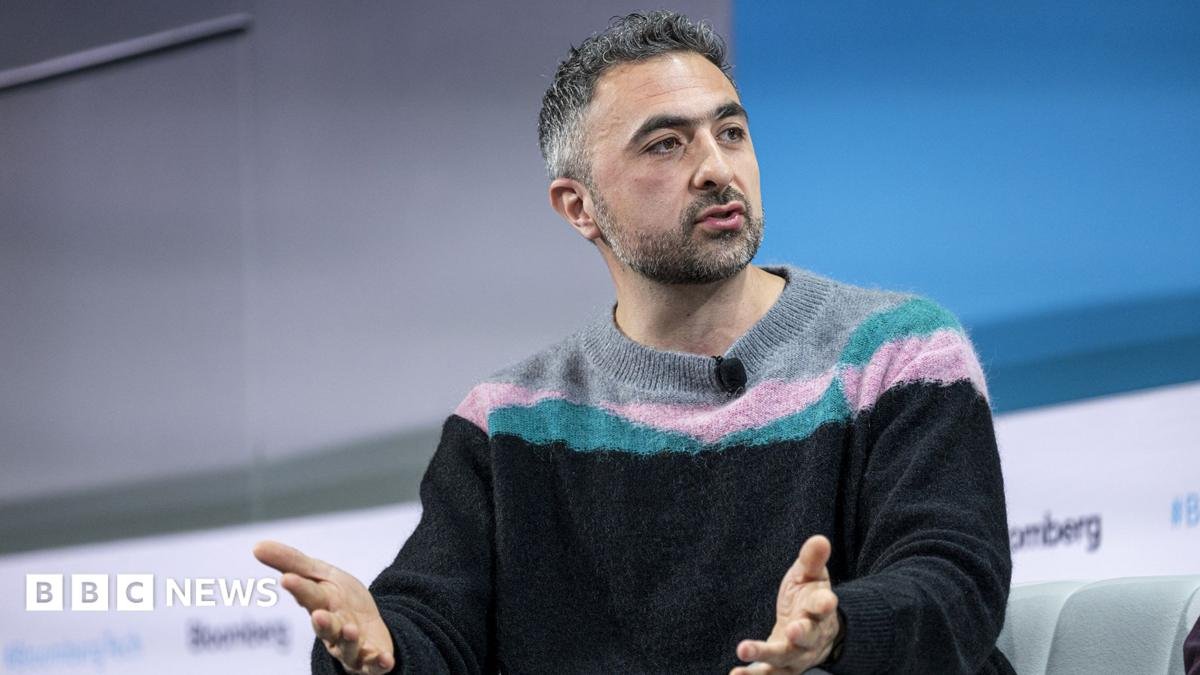
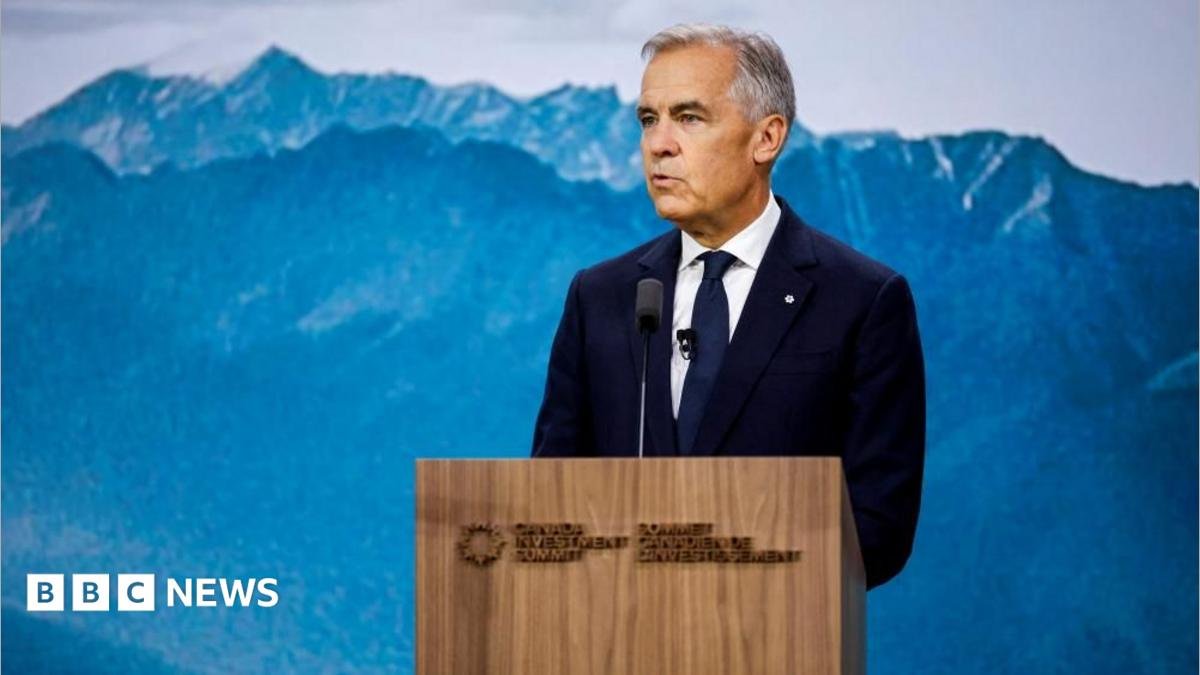
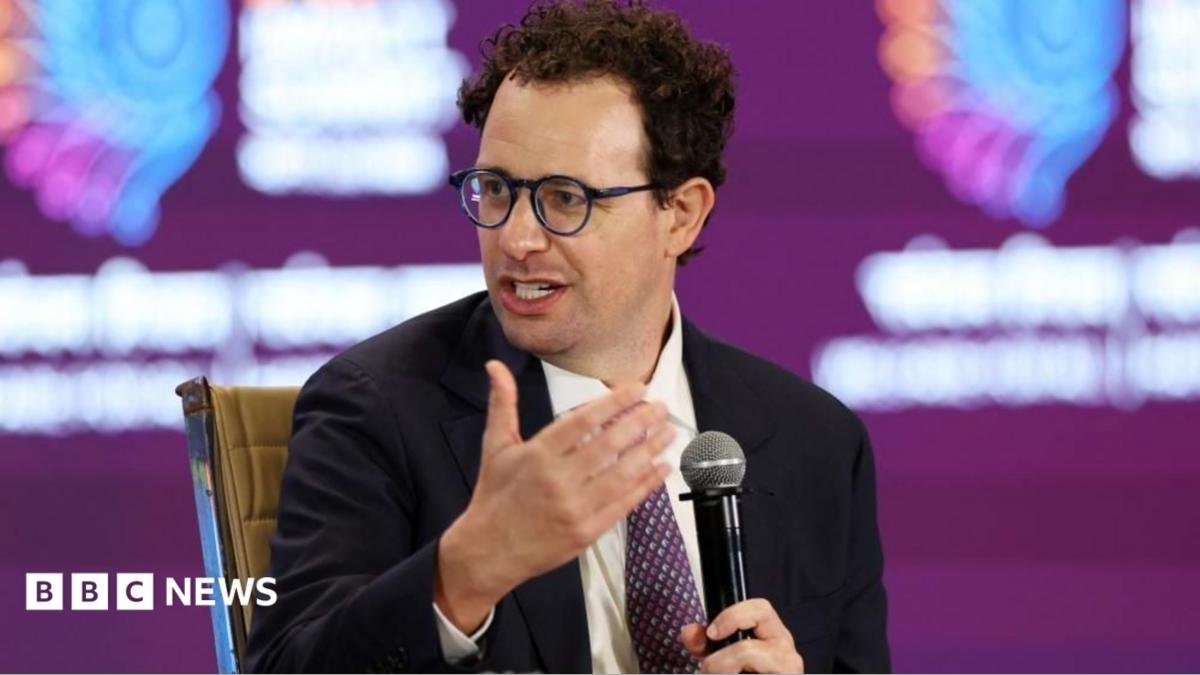
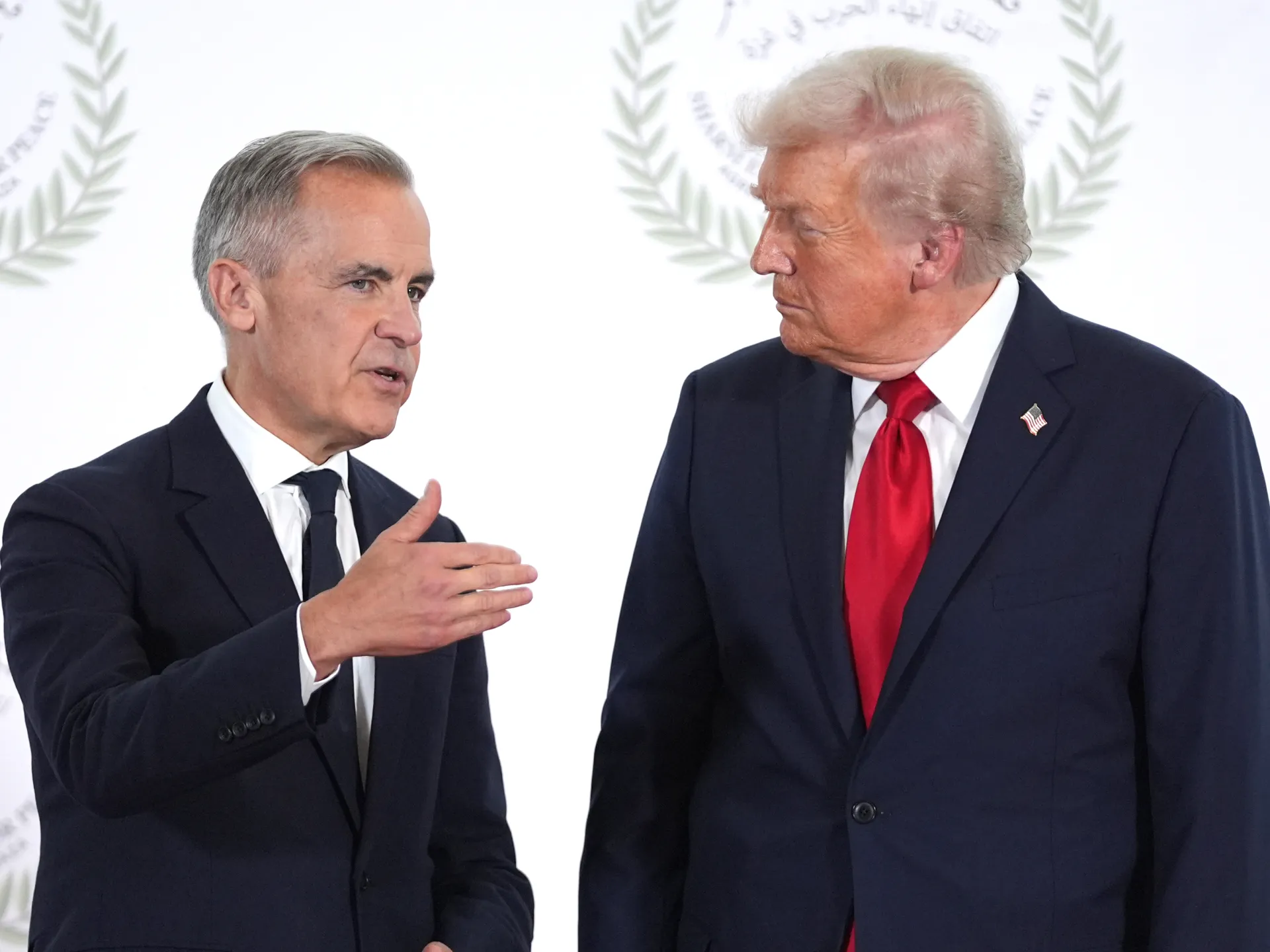
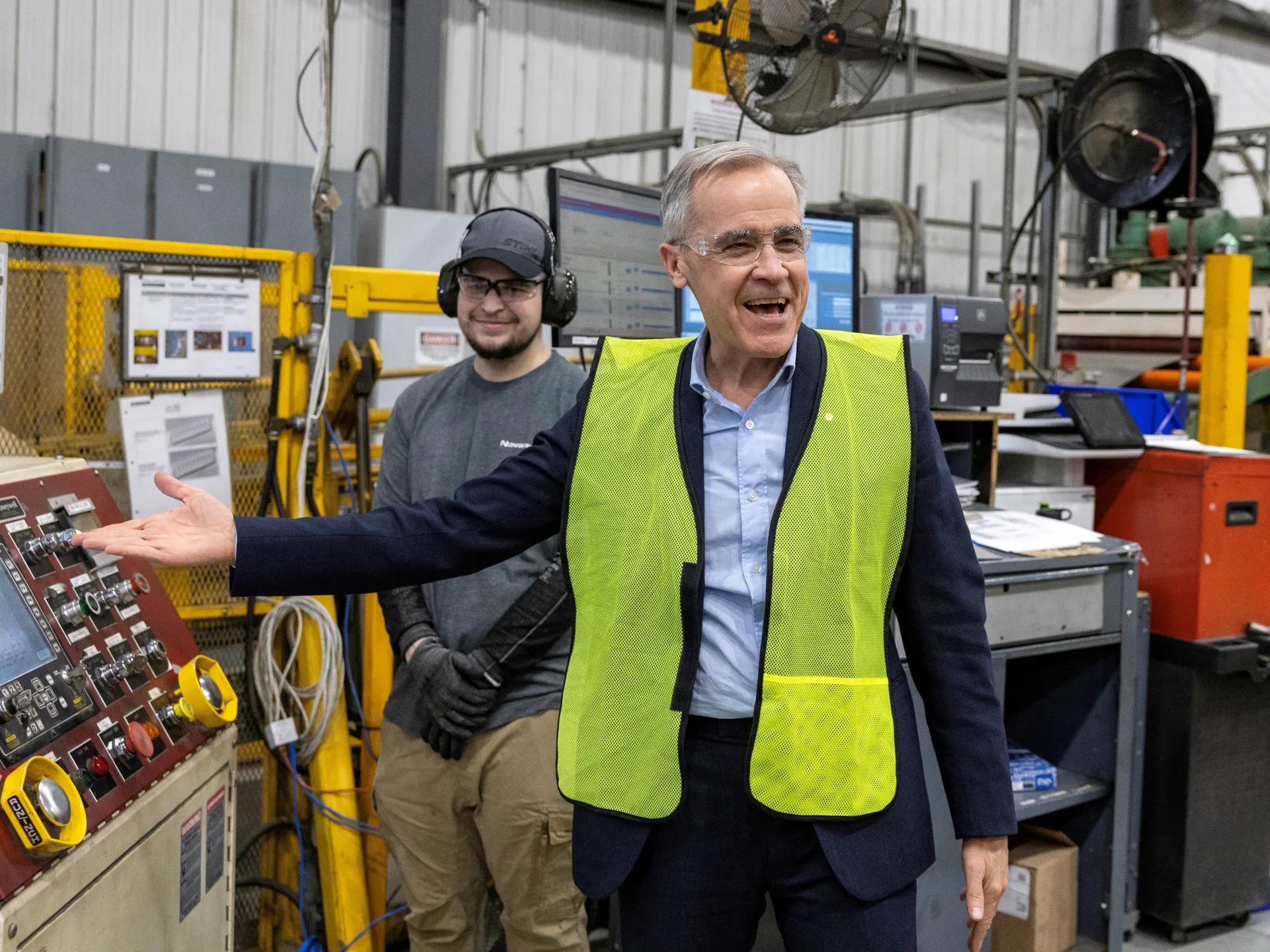
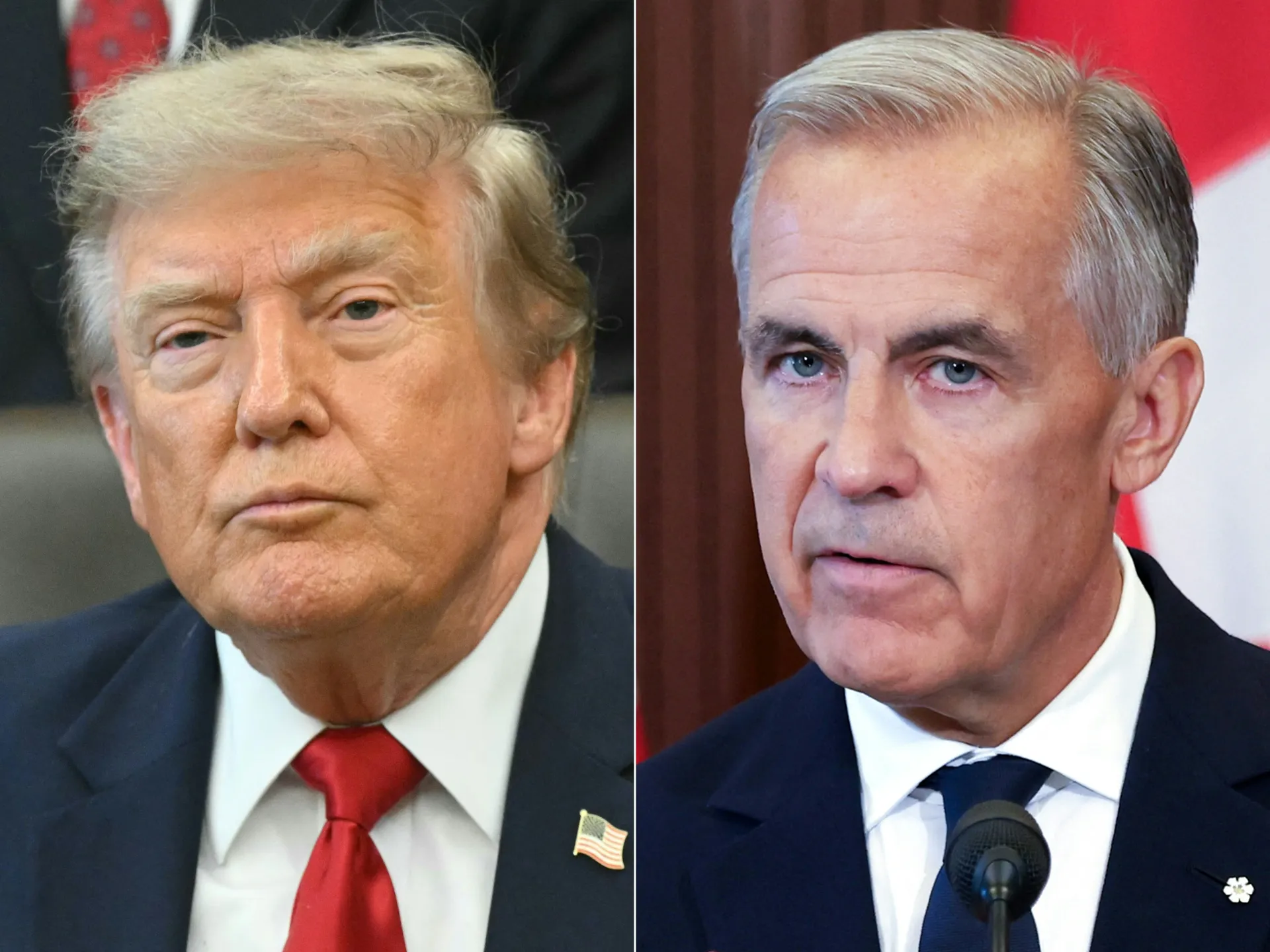
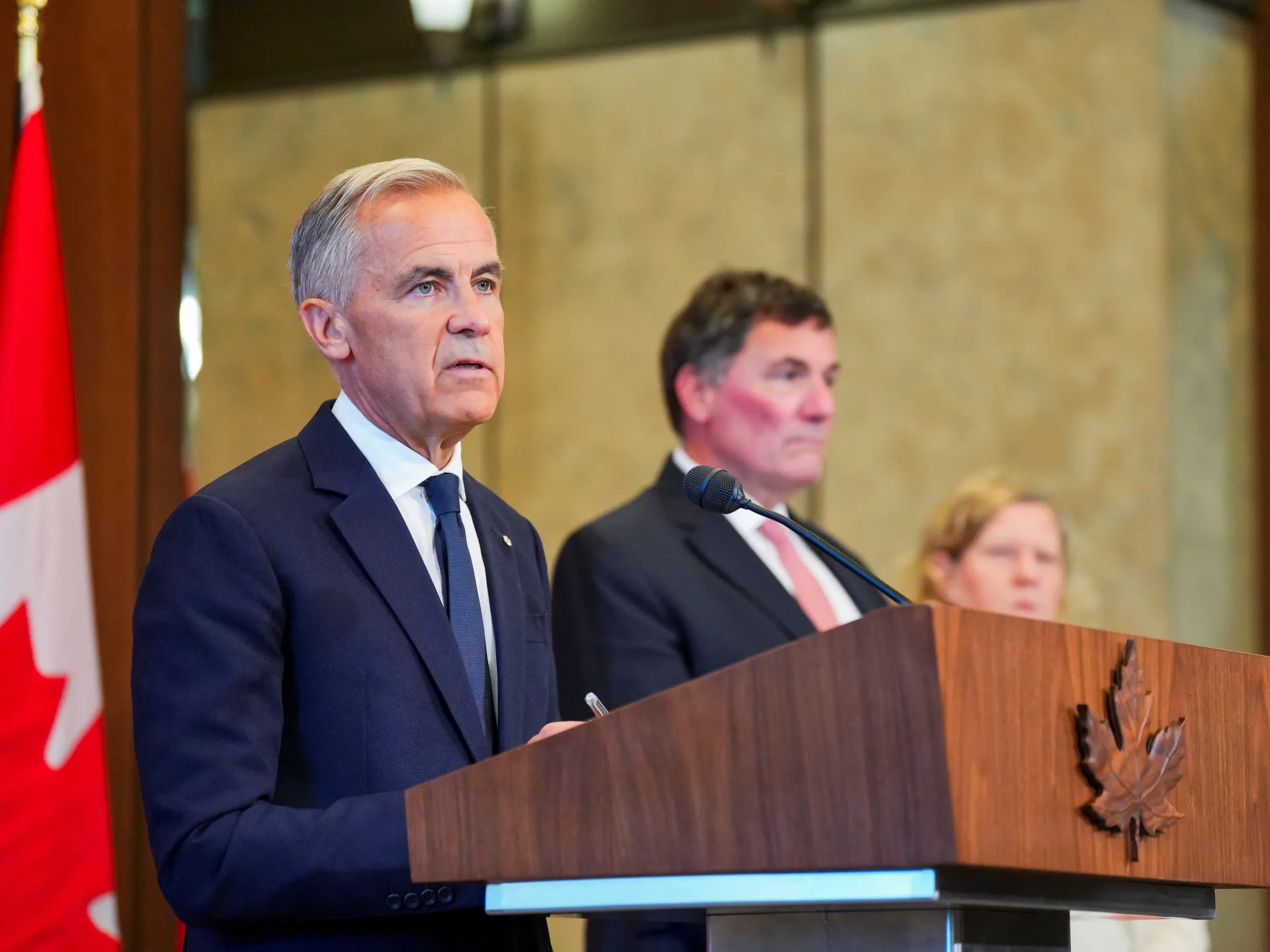
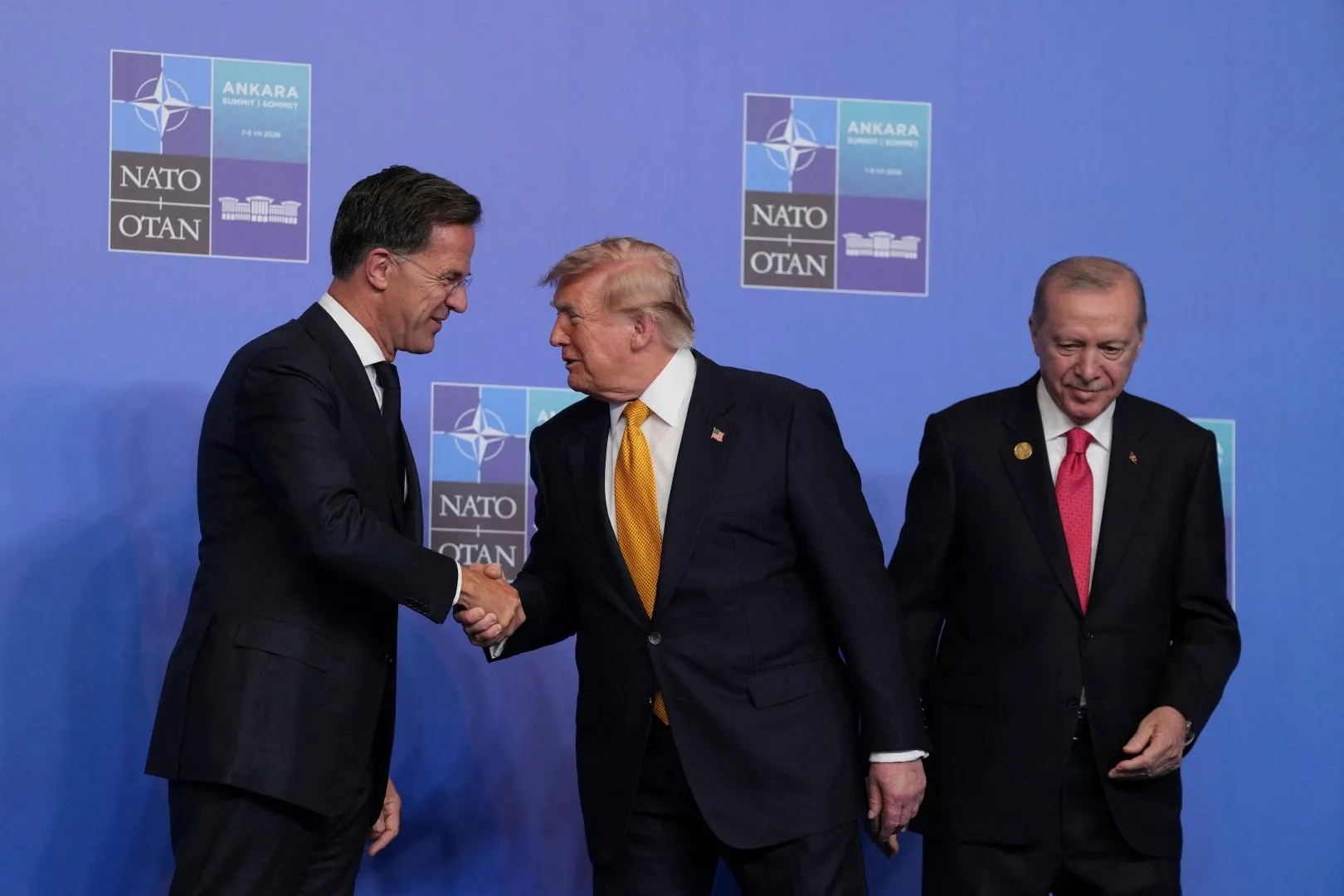
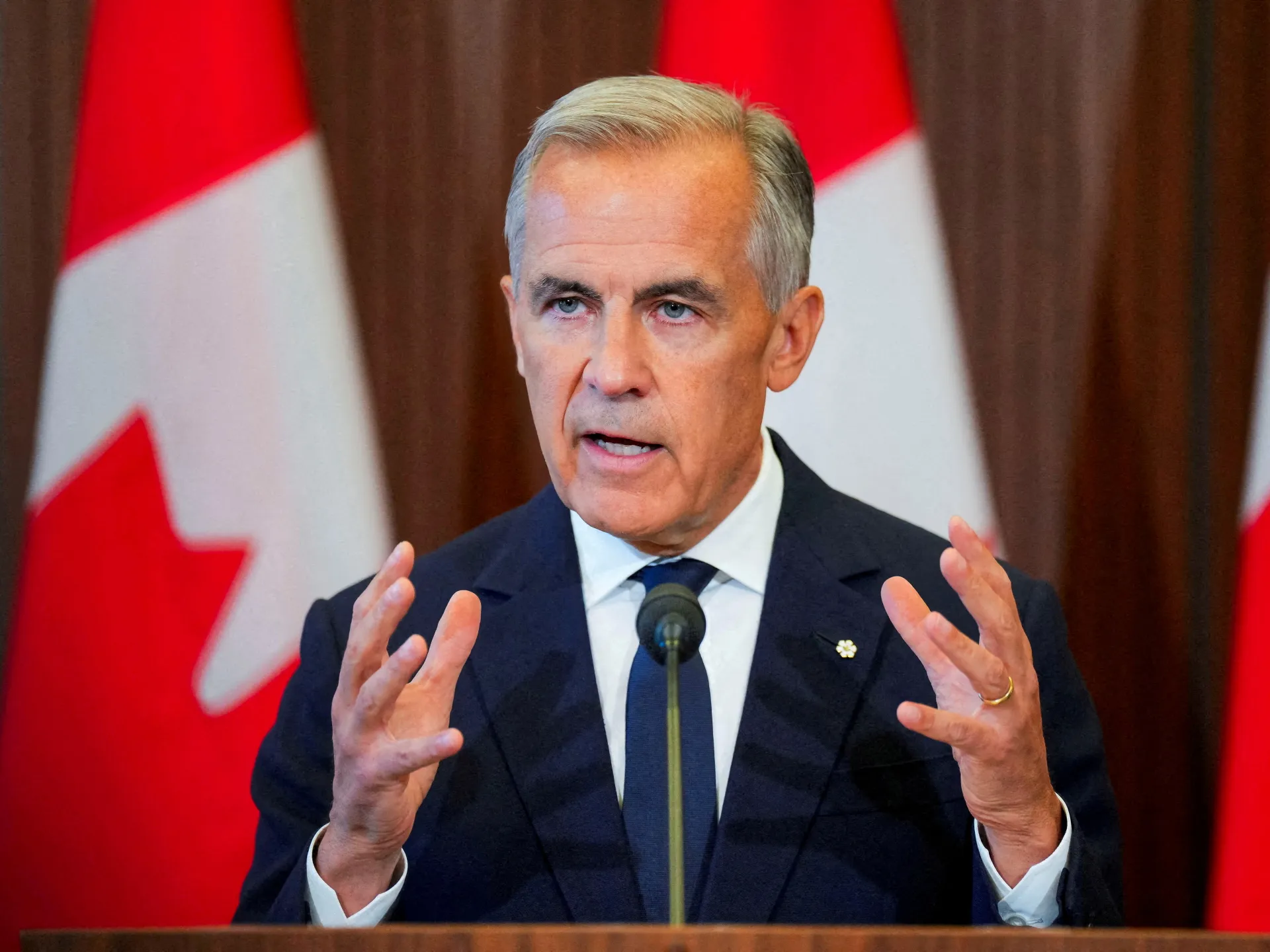
Mark Carney, a prominent figure in Canadian economic policy, recently addressed the European Parliament to advocate for a more robust framework of cooperation between the two regions. The underlying objective of this outreach is to ensure that no single external actor can dominate Canadian industry or compromise its national interests. This shift represents a broader trend of middle powers re-evaluating their dependency on traditional economic giants in favor of more diversified, multilateral networks.
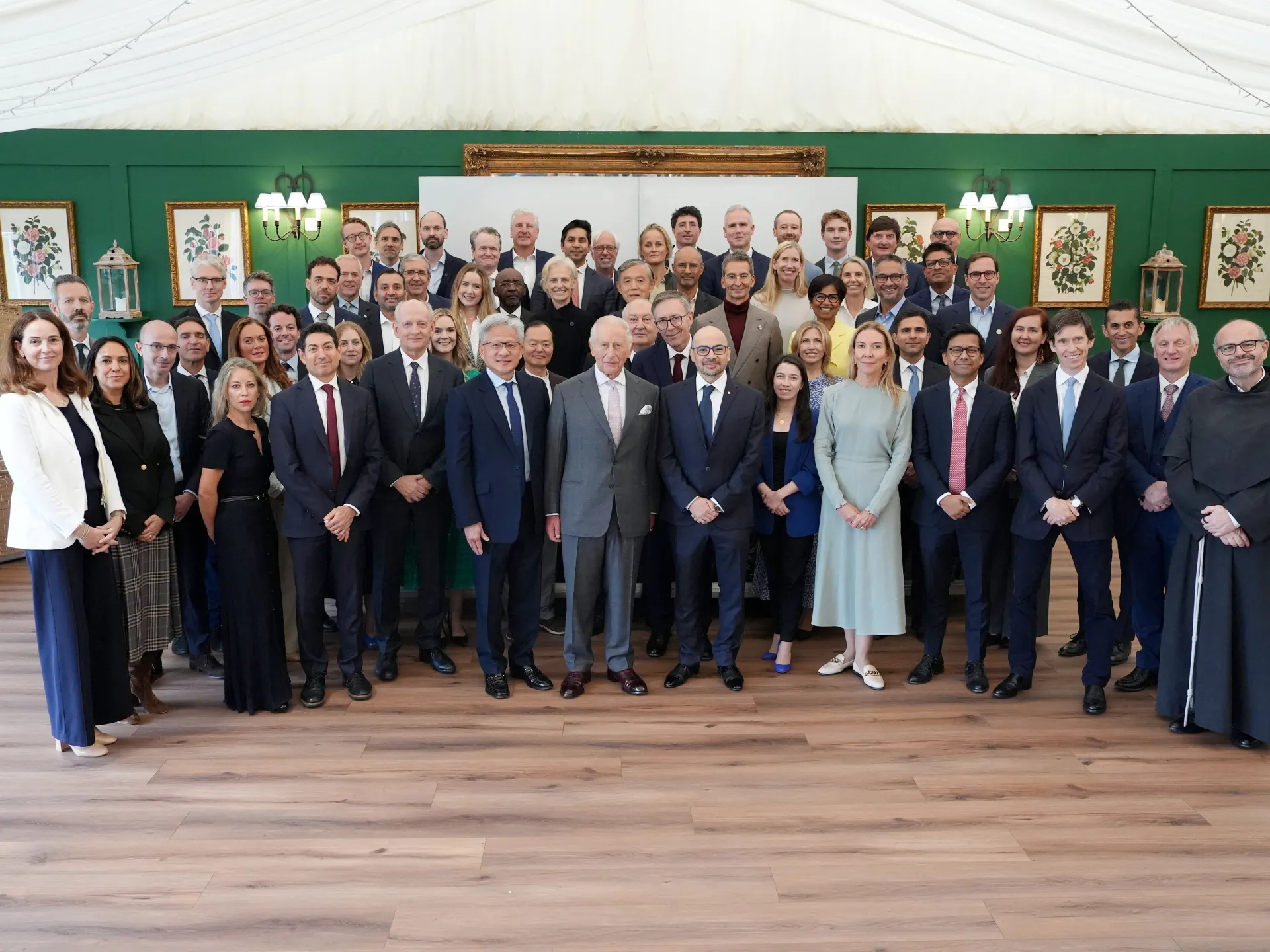
The concept of a 'middle power' alliance has gained significant traction as nations find themselves caught in the crossfire of major power competition. At the World Economic Forum, discussions centered on the necessity for these states to synchronize their responses to coercive trade practices. onomic leverage currently wielded
Proponents of this strategy argue that individual nations often lack the leverage to negotiate effectively with larger entities when trade disputes arise. However, could theoretically exert significant influence on the global stage. This approach is not intended to replace existing international institutions but rather to supplement them with a more agile and responsive coalition capable of defending the interests of smaller, trade-dependent economies.
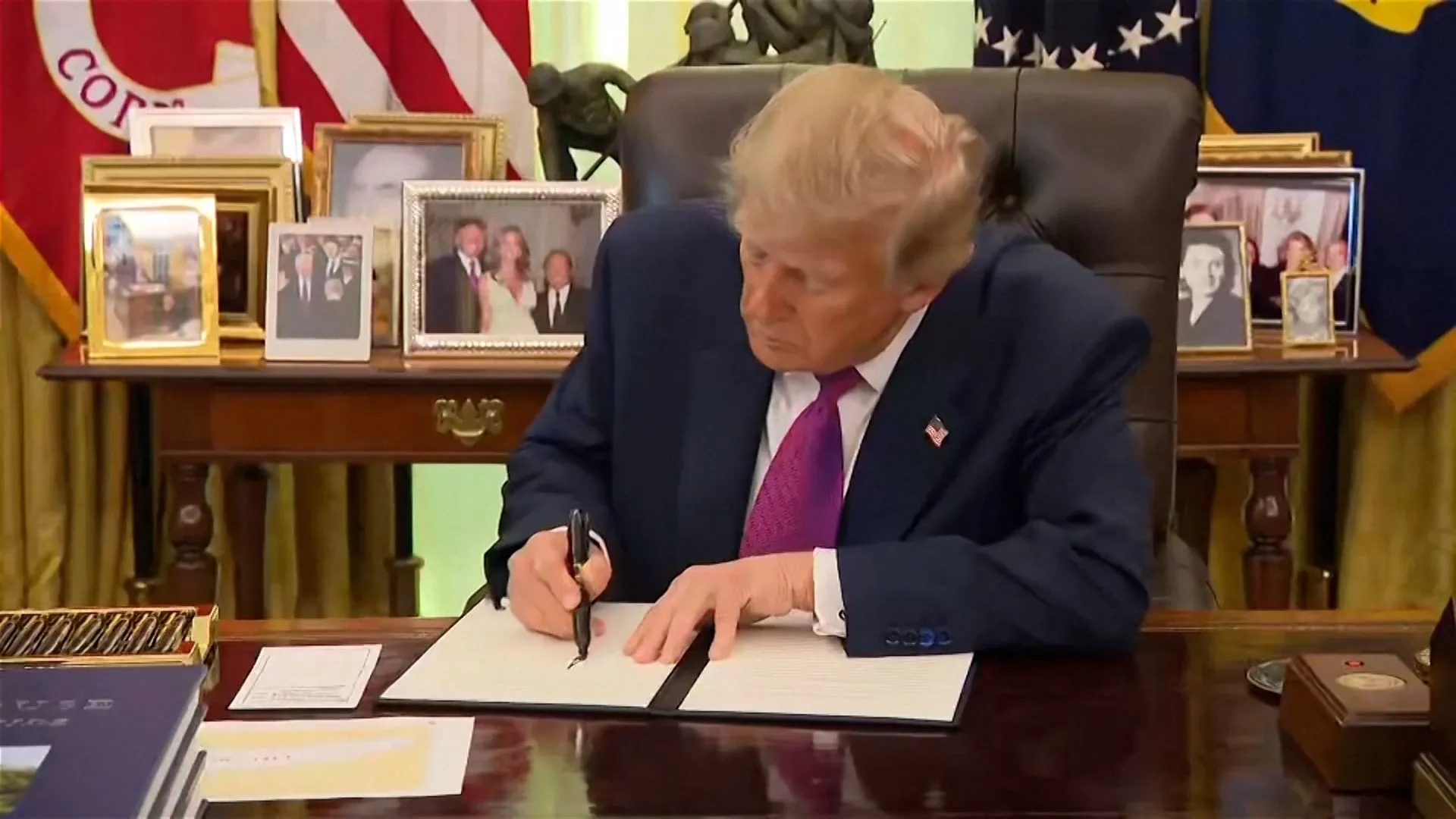
Canada’s recent decision to implement retaliatory tariffs against the United States serves as a high-profile case study in modern trade diplomacy. These measures have sparked a debate regarding whether such aggressive countermeasures represent a viable long-term strategy for middle powers. While some economists view these tariffs as a necessary tool to signal resistance against unfair trade practices, others warn of the potential for escalating economic instability.
The effectiveness of this retaliatory model is currently being analyzed countries within the European Union were to adopt a similar stance, the dynamics of transatlantic trade could shift dramatically. The central question remains whether a coordinated response can effectively deter protectionism without triggering a broader collapse in global trade cooperation, which remains essential for the prosperity of middle-tier economies.
While the vision of a unified middle-power bloc is compelling, significant hurdles remain. Divergent national interests, varying levels of economic development, and differing geopolitical priorities often complicate efforts to forge deep, lasting alliances. For Canada and its potential European counterparts, aligning regulatory frameworks requires navigating complex internal political landscapes that are often resistant to sudden shifts in trade orientation.
Furthermore, the reliance on established global trade mechanisms makes it difficult for these nations to bypass the influence of major powers entirely. Any new economic alliance must balance the desire for autonomy with the reality of deeply entrenched global supply chains. As the international community watches these developments, the future of middle power influence will likely depend on their ability to maintain diplomatic flexibility while pursuing a more independent economic course.