The traditional security-for-energy bargain between the U.S. and the Gulf has evolved into a system where American producers profit from regional instability.
For decades, the geopolitical arrangement between Washington and the Gulf nations was defined aintained open shipping lanes, while Gulf states ensured a consistent flow of energy to the global market, primarily denominated in U.S. dollars. This symbiotic relationship anchored the global economy for much of the late 20th and early 21st centuries. However, this historical bargain has undergone a radical transformation, shifting from a model of protection to one of direct competition.
Today, the United States no longer acts merely as a guarantor of Gulf energy security; it has become a primary competitor that benefits financially when regional instability hinders Gulf exports. As conflict in the Middle East disrupts supply chains, American energy corporations have successfully moved to capture market . This shift is not merely coincidental but reflects a new reality where U.S. energy dominance is sustained
The contemporary American approach to energy is characterized t. While Washington continues to seek strategic leverage over regional actors like Iran, energy giants are aggressively pursuing access to new reserves and favorable market conditions. The banner of “energy dominance” effectively bridges the gap between state-level diplomacy and the bottom line of private corporations.
A clear example of this dynamic is the involvement of major U.S. energy firms in the Eastern Mediterranean. rated Israel into a U.S.-backed energy hub alongside Egypt and Jordan. This infrastructure allows American-linked production to flourish in a region that is shielded from the volatility affecting the Persian Gulf. Consequently, the exercise of American power increasingly translates into significant commercial advantages for U.S.-based entities.
The economic viability of American shale and fracking operations requires a specific price environment—one that is high enough to ensure profitability but low enough to avoid triggering runaway inflation. Domestic producers, particularly those in the Permian basins, operate within a narrow margin that necessitates stable, elevated global prices. Persistent regional insecurity serves as a mechanism to maintain these price levels, as it introduces risk premiums that prevent the market from becoming oversupplied
This creates a precarious “no-war, no-peace” scenario that appears to suit multiple stakeholders. Total regional conflict would be catastrophic, potentially shuttering critical chokepoints like the Strait of Hormuz and endangering existing investments. Conversely, a comprehensive and durable diplomatic settlement would likely remove the risk premium, restoring confidence in Gulf supplies and lowering global prices. Therefore, the current state of managed tension provides an ideal environment where pressure is maintained without triggering a total collapse of the energy trade.
The greatest challenge facing Gulf producers is no longer the depletion of their massive reserves, but the erosion of their reputation for reliability. As tankers are delayed and force majeure clauses are invoked, international customers are increasingly forced to look toward the Atlantic for more predictable supply chains. Every cargo of liquefied natural gas that is replaced ppliers.
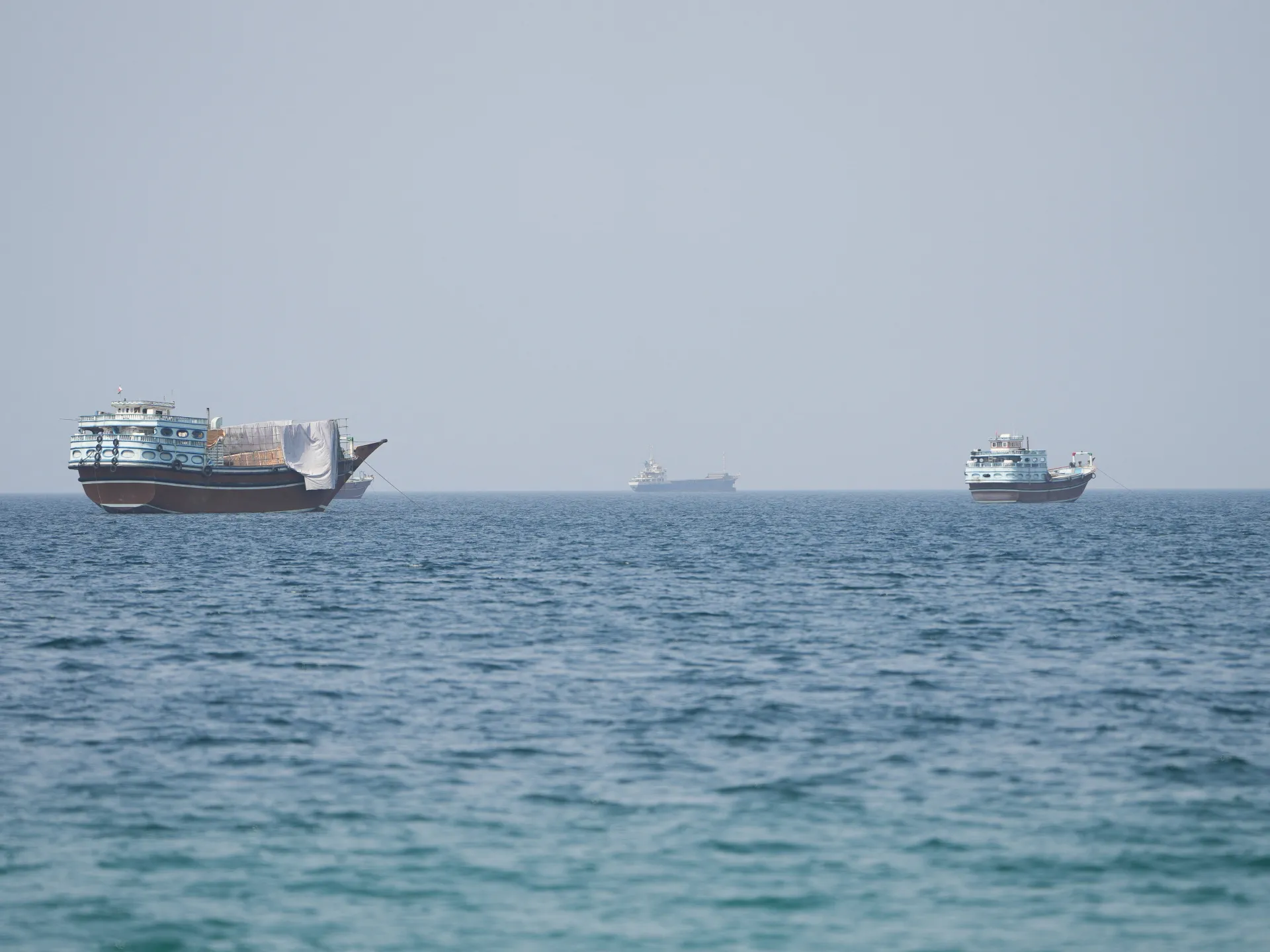
The vulnerability of the Strait of Hormuz remains a critical failure point that decades of arms procurement and security alliances have failed to resolve. As customers adapt to a reality where Gulf energy is no longer considered entirely dependable, the strategic value of the region diminishes in favor of a U.S.-led energy system. lier of alternative energy, the United States has fundamentally altered the power structure of the global energy market.