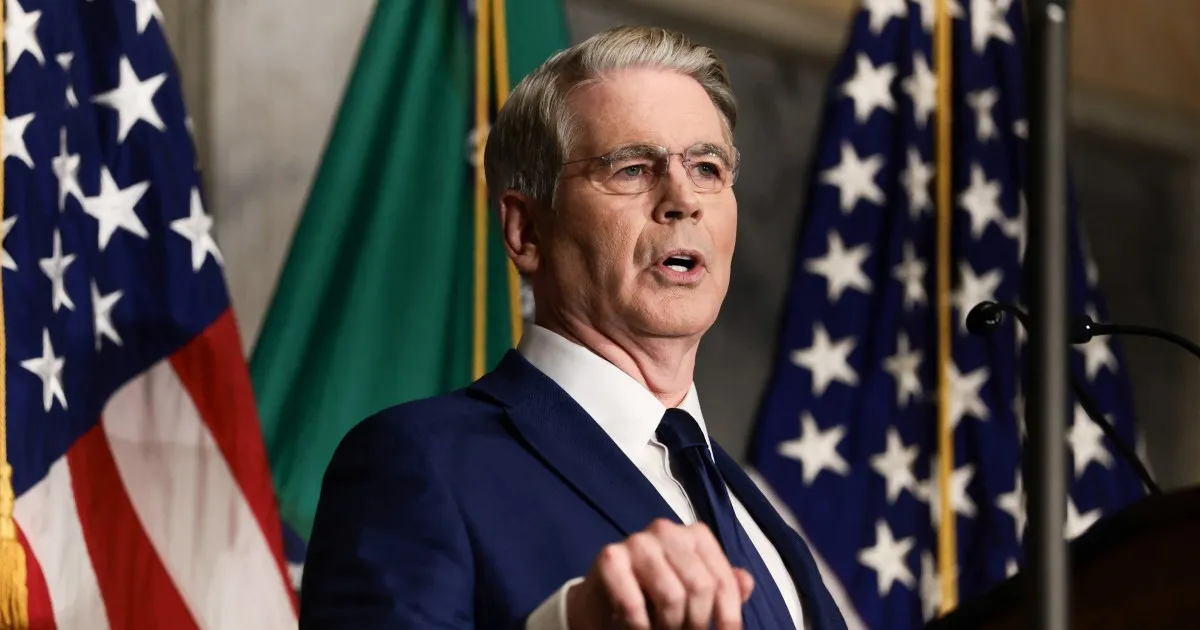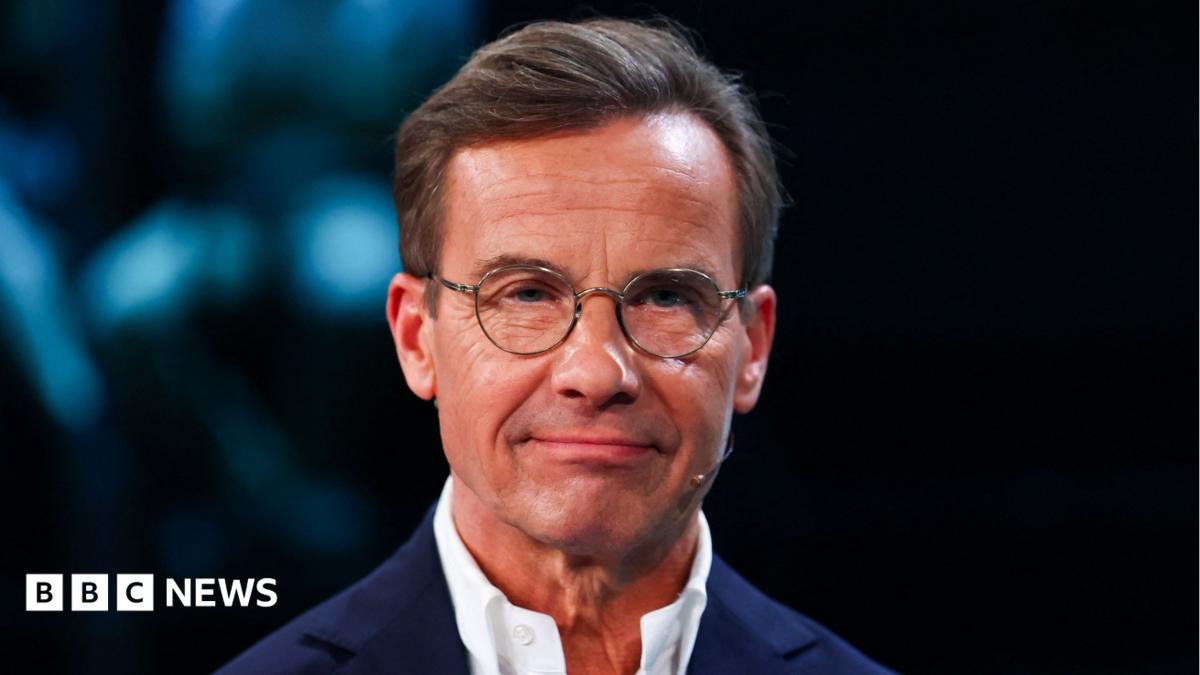
Prime Minister Ulf Kristersson has resigned following a narrow election defeat, leaving Sweden's political future in the hands of a fragmented opposition.
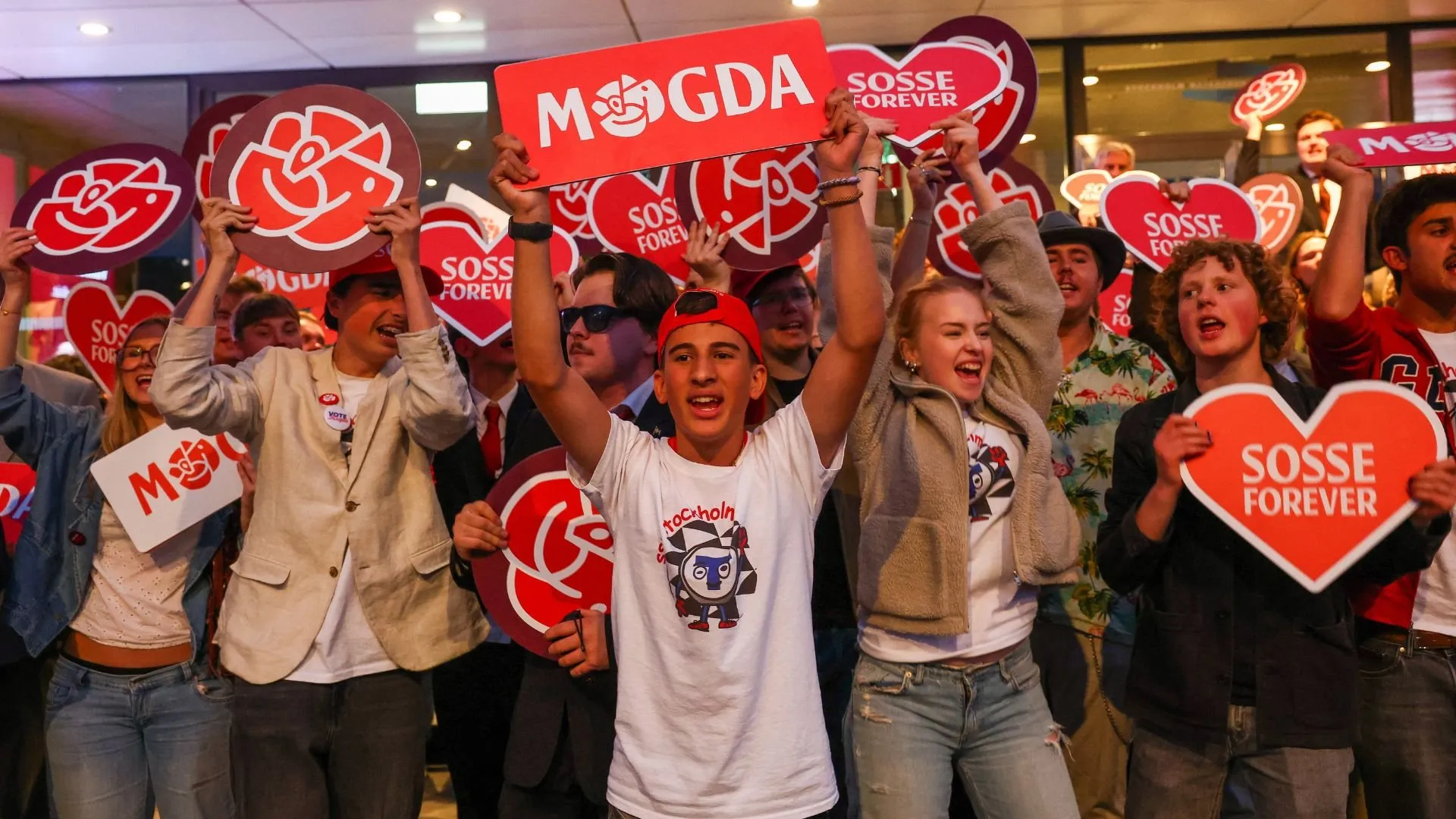
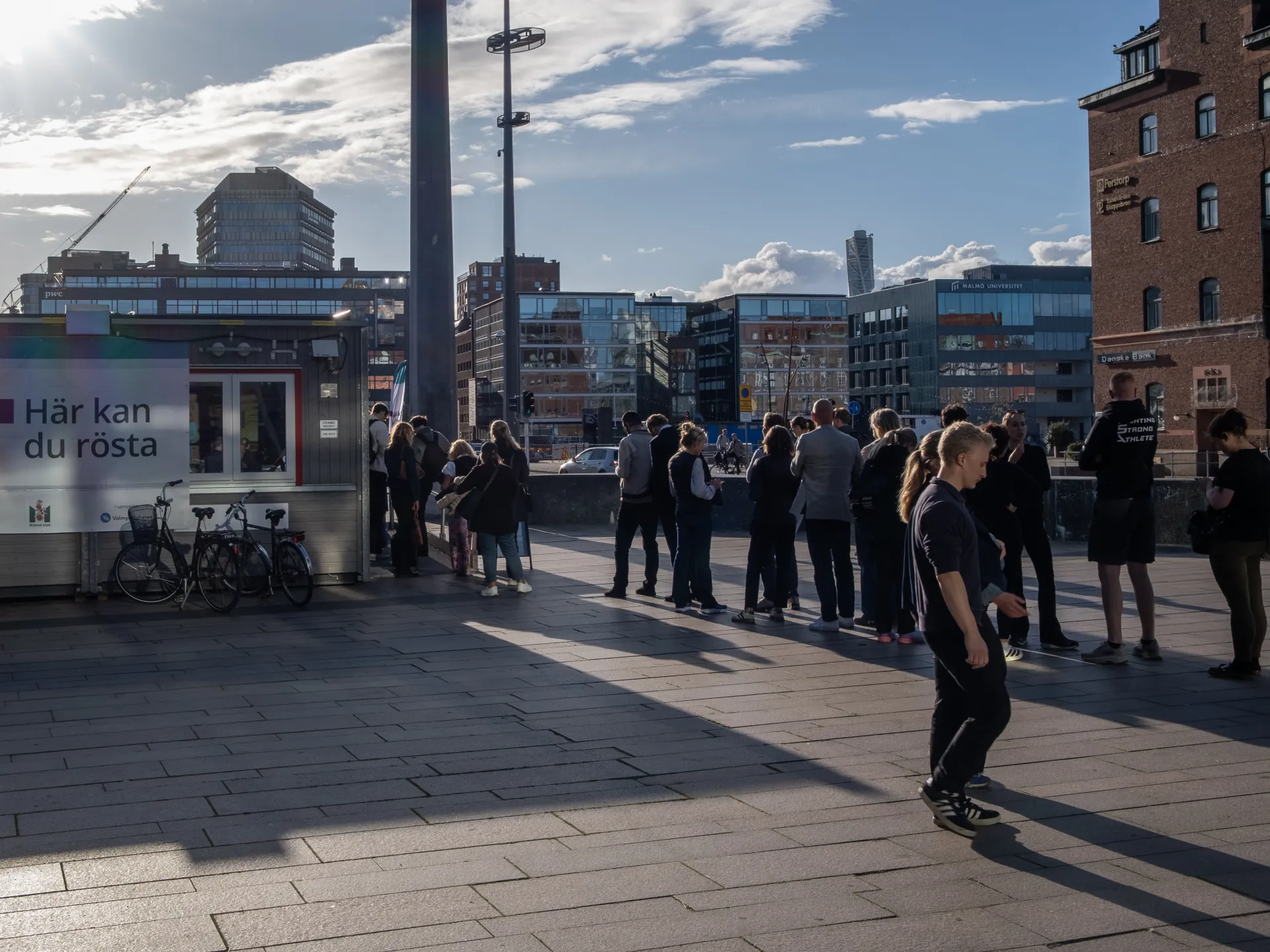
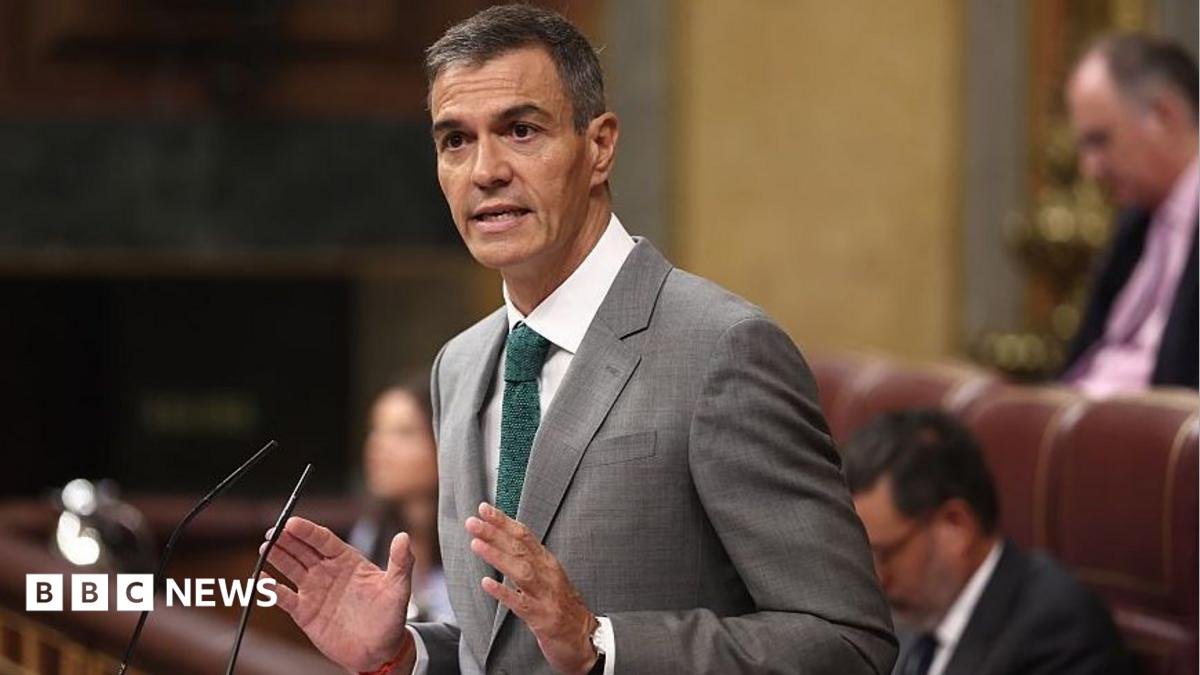
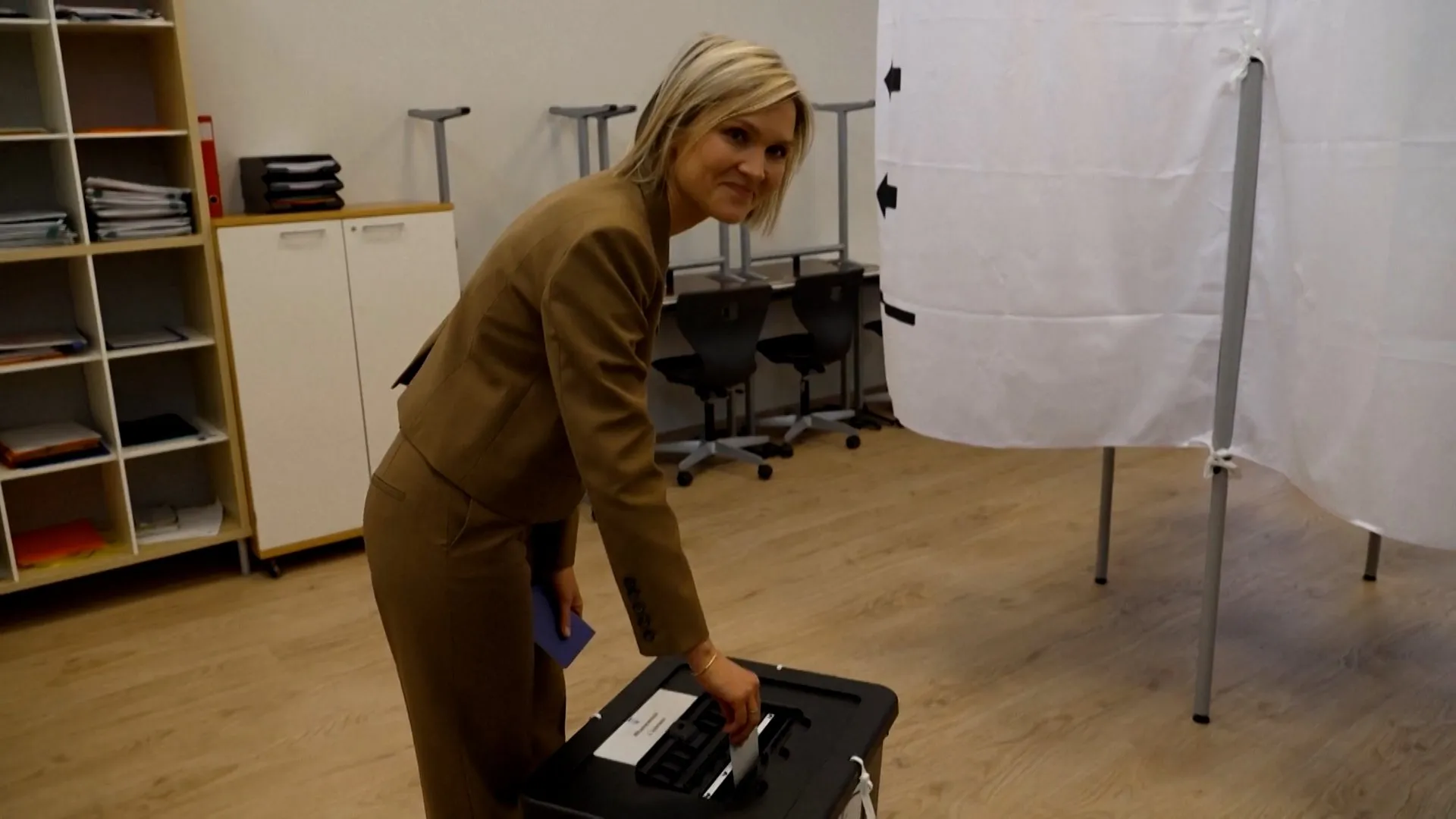
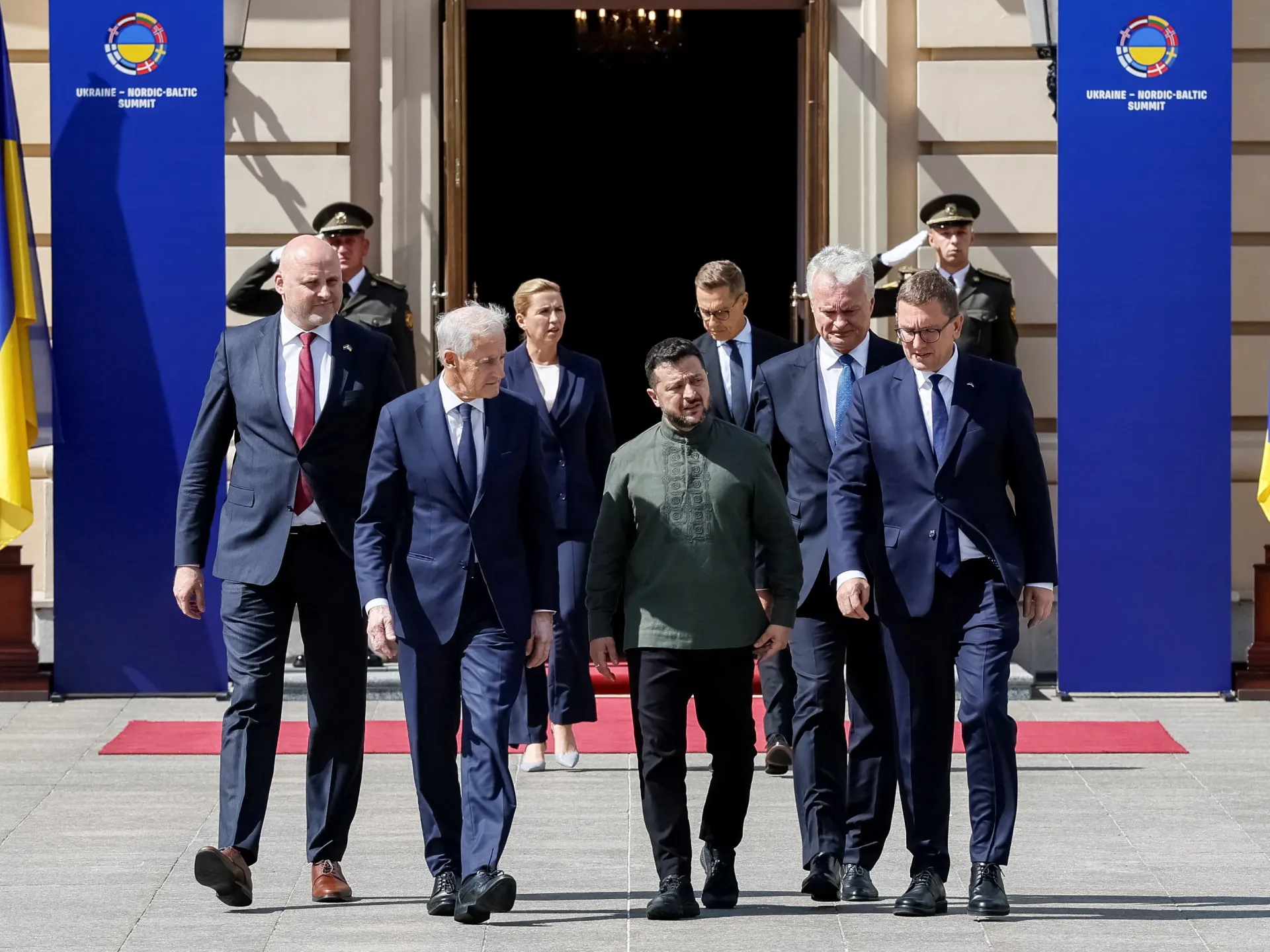
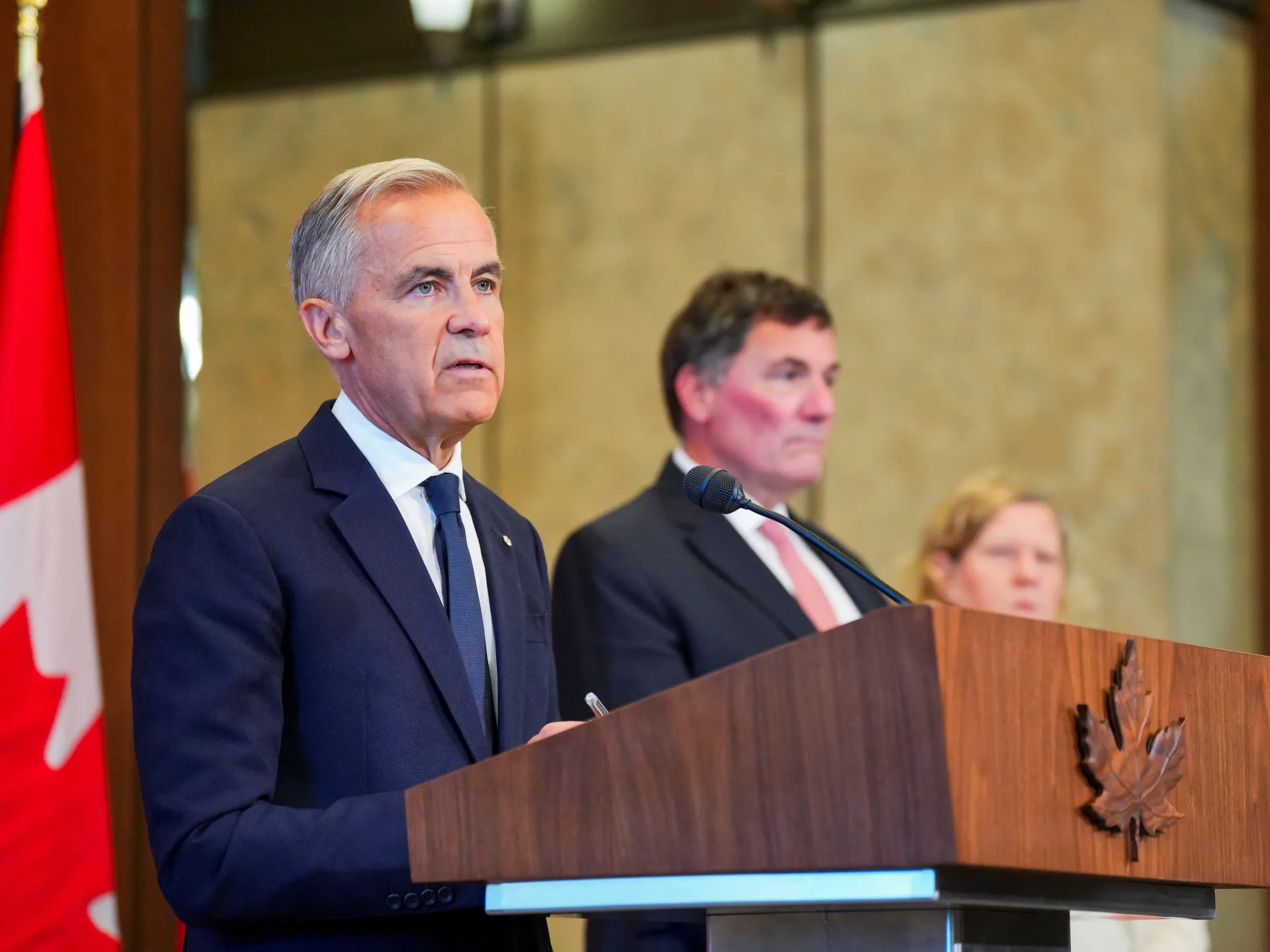
Sweden is currently navigating a period of significant political transition following the resignation of Prime Minister Ulf Kristersson. The conservative leader stepped down after his right-wing coalition failed to secure a majority in the most recent national elections. Despite a closely contested race, the preliminary results indicate that the opposition bloc has successfully claimed a narrow lead in the Riksdag, the nation’s legislative body.
The margin of victory highlights the deep polarization currently present in Swedish politics. With roughly 10 million citizens, the country saw a turnout that resulted in a difference of approximately 50,000 votes between the two competing political factions. This slim gap has left the right-wing bloc with an estimated 173 seats, falling short of the threshold required to maintain control of the government.
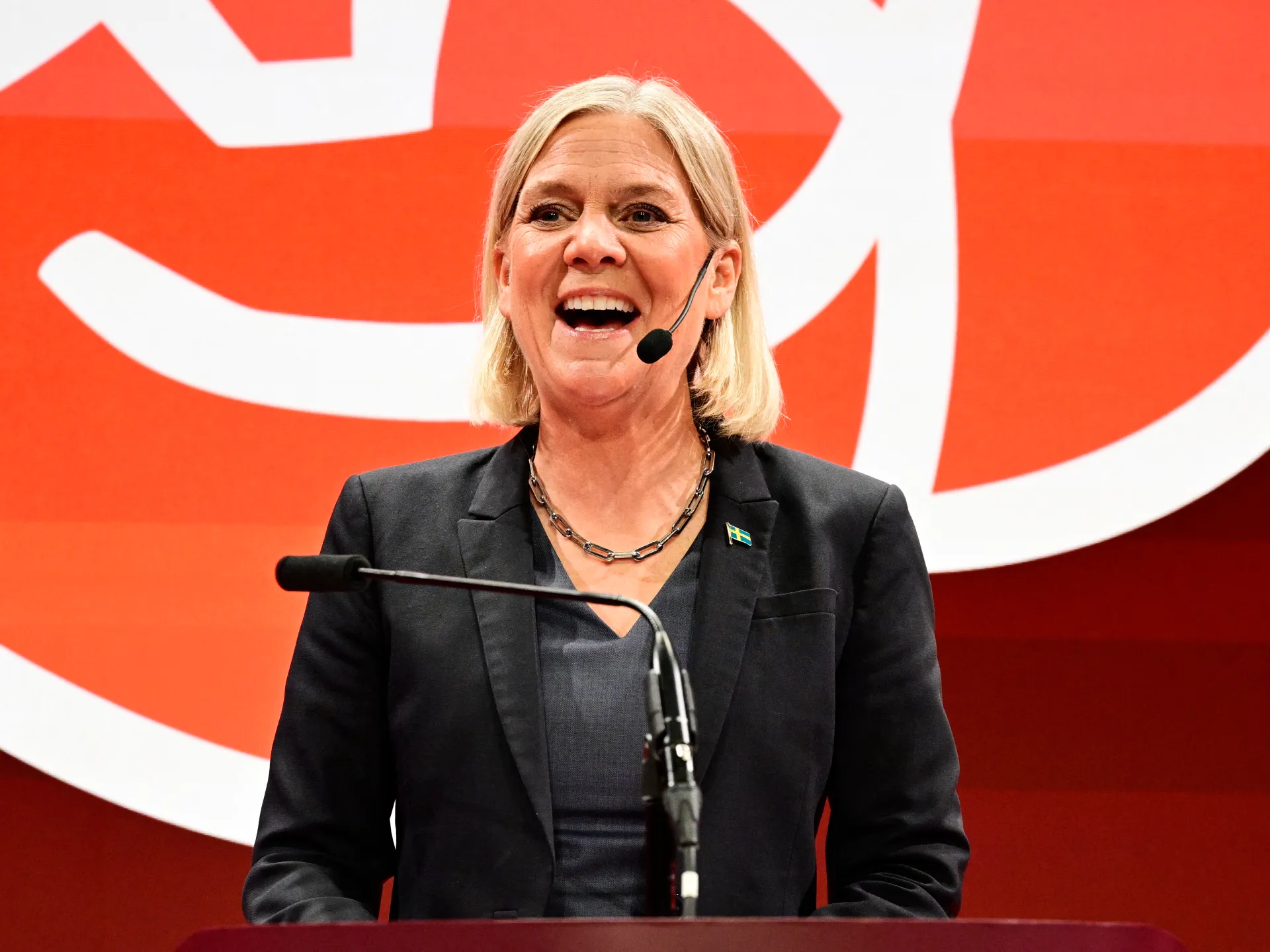
With the resignation of the incumbent Prime Minister, the focus has shifted toward the opposition and their efforts to assemble a functional governing coalition. The opposition leader has already initiated preliminary discussions with representatives from the Left Party, the Centre Party, and the Green Party. These negotiations are essential to determine whether a stable administration can be formed that satisfies the diverse interests of the left-wing bloc.
However, analysts warn that the path to a finalized government remains fraught with difficulty. The parties involved hold significantly different views on core economic policies, particularly regarding taxation and public spending. Given the history of Swedish parliamentary politics, where coalition-building has notoriously been a time-consuming process, observers expect that formalizing a new government could take weeks or even months.
The Swedish political landscape is characterized cally aligned on the left and four on the right. This structural arrangement necessitates a high degree of compromise and negotiation. The duration of government formation in Sweden has fluctuated wildly in recent years, reflecting the increasing complexity of securing a mandate.
Following the 2022 election cycle, it took the political establishment 37 days to reach an agreement on a new government. The situation was far more protracted in 2018, when coalition talks dragged on for 134 days before a breakthrough was reached. Given the current narrow margin of the opposition’s lead, there is a strong possibility that Sweden may face another extended period of political horse-trading before a new prime minister is formally appointed.
The outgoing coalition, led mocrats, and the Liberals. A central pillar of their platform involved the implementation of a more restrictive migration policy, which Kristersson had championed throughout his tenure. He had previously signaled intentions to integrate these supporting parties more formally into the cabinet had his bloc emerged victorious.
However, the election results delivered a unexpected blow to the Sweden Democrats, who experienced a decline in support for the first time since their entry into the Riksdag in 2010. The party lost three percentage points compared to their 2022 performance, a development that complicates the right-wing bloc's future strategy. As election authorities continue to certify the final counts of early and overseas ballots, the country awaits a formal resolution that will define its political trajectory for the coming term.