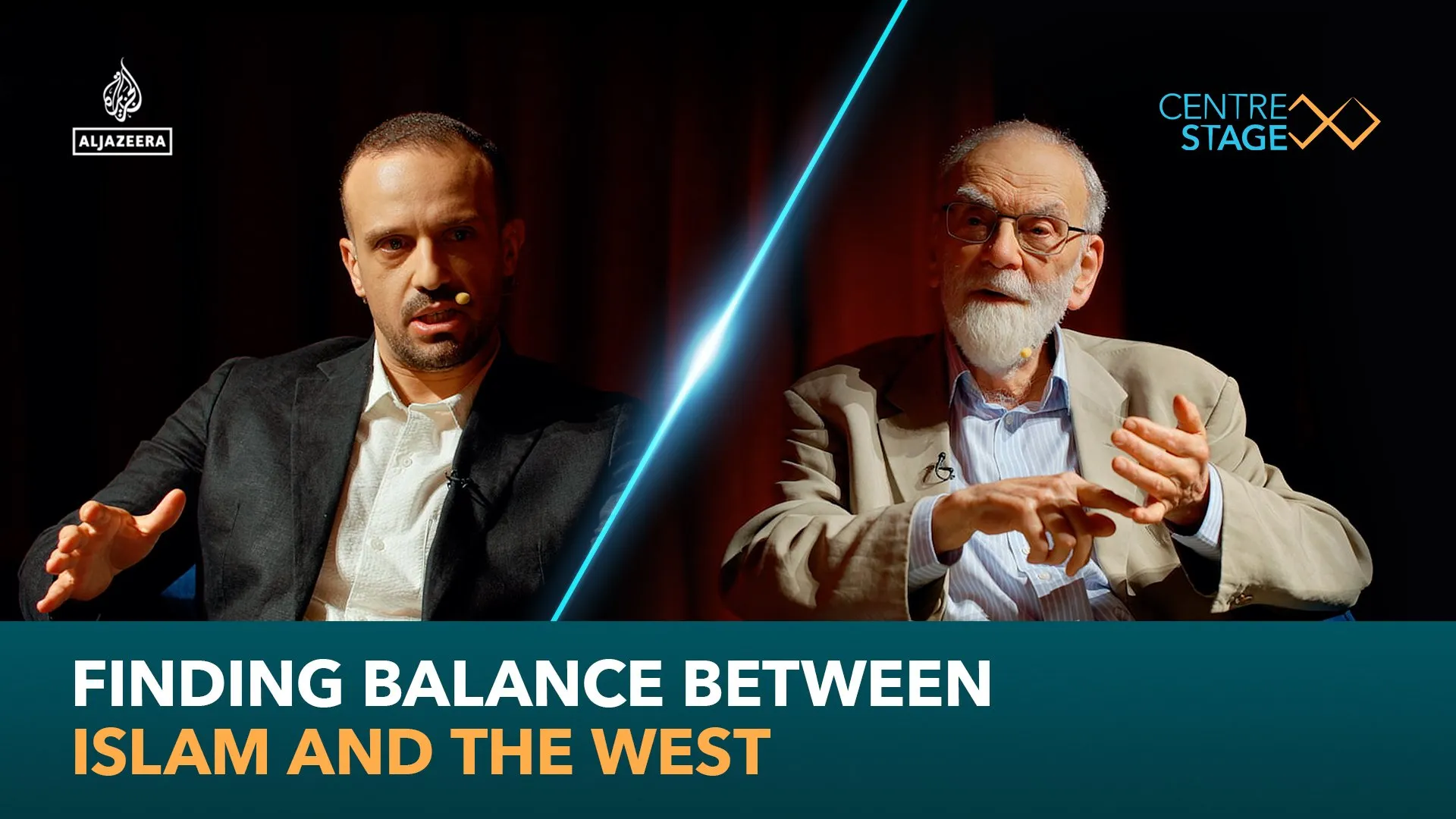
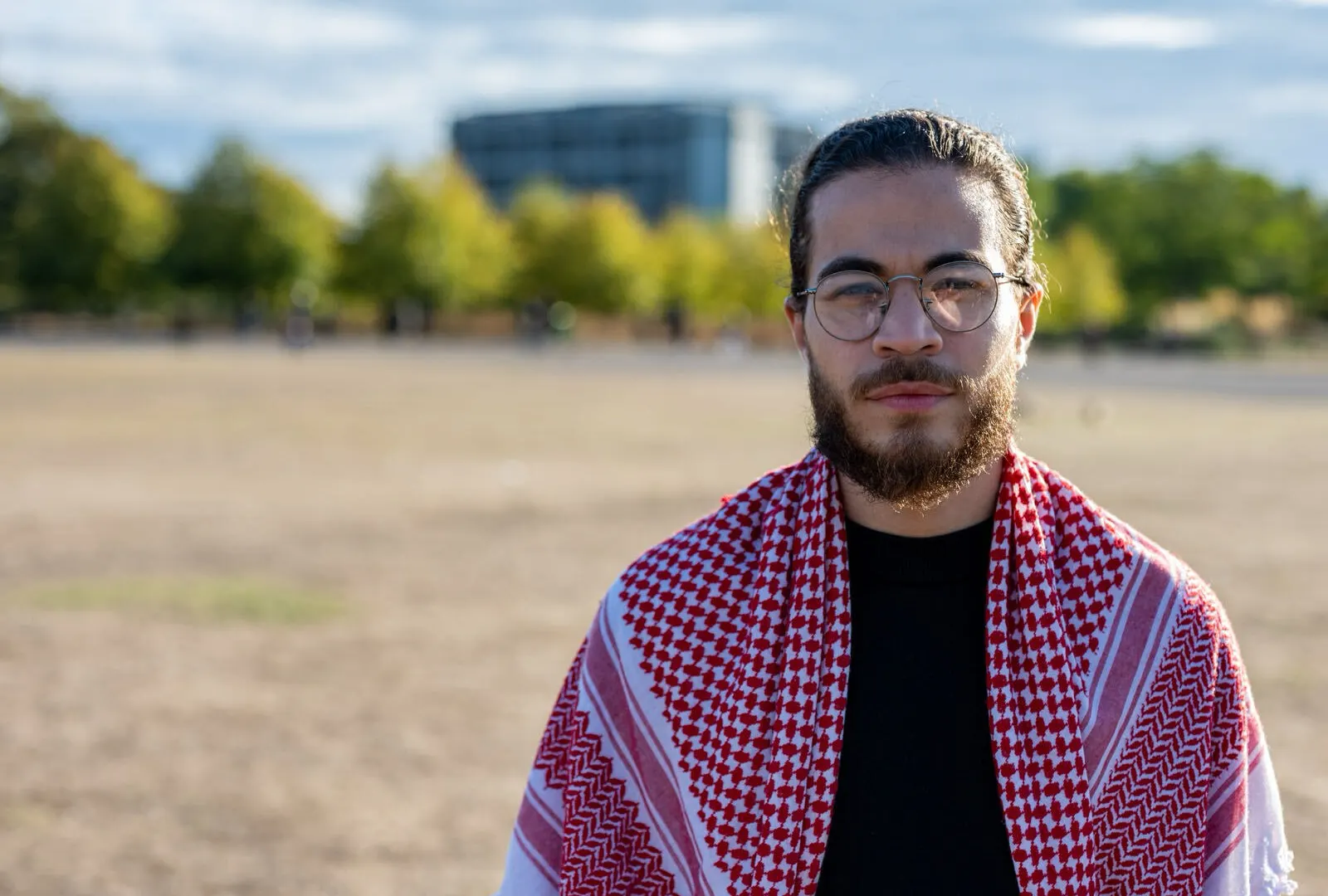
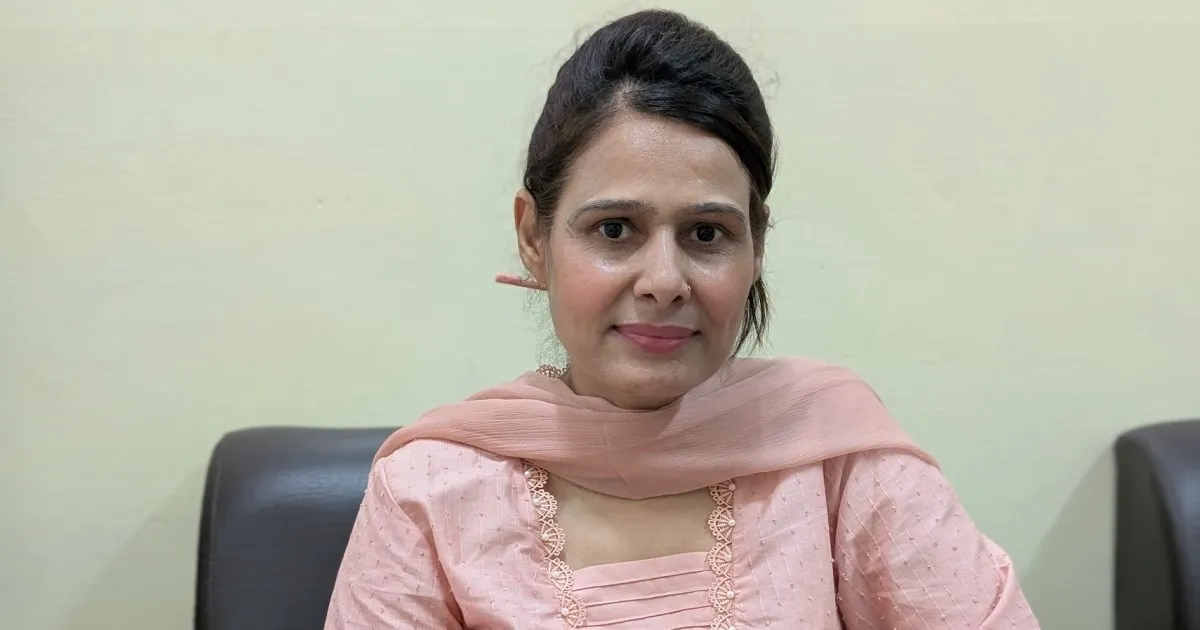
Historian Assal Rad explores how mainstream media outlets have influenced public perception of the Gaza conflict by normalizing the dehumanization of Palestinians.
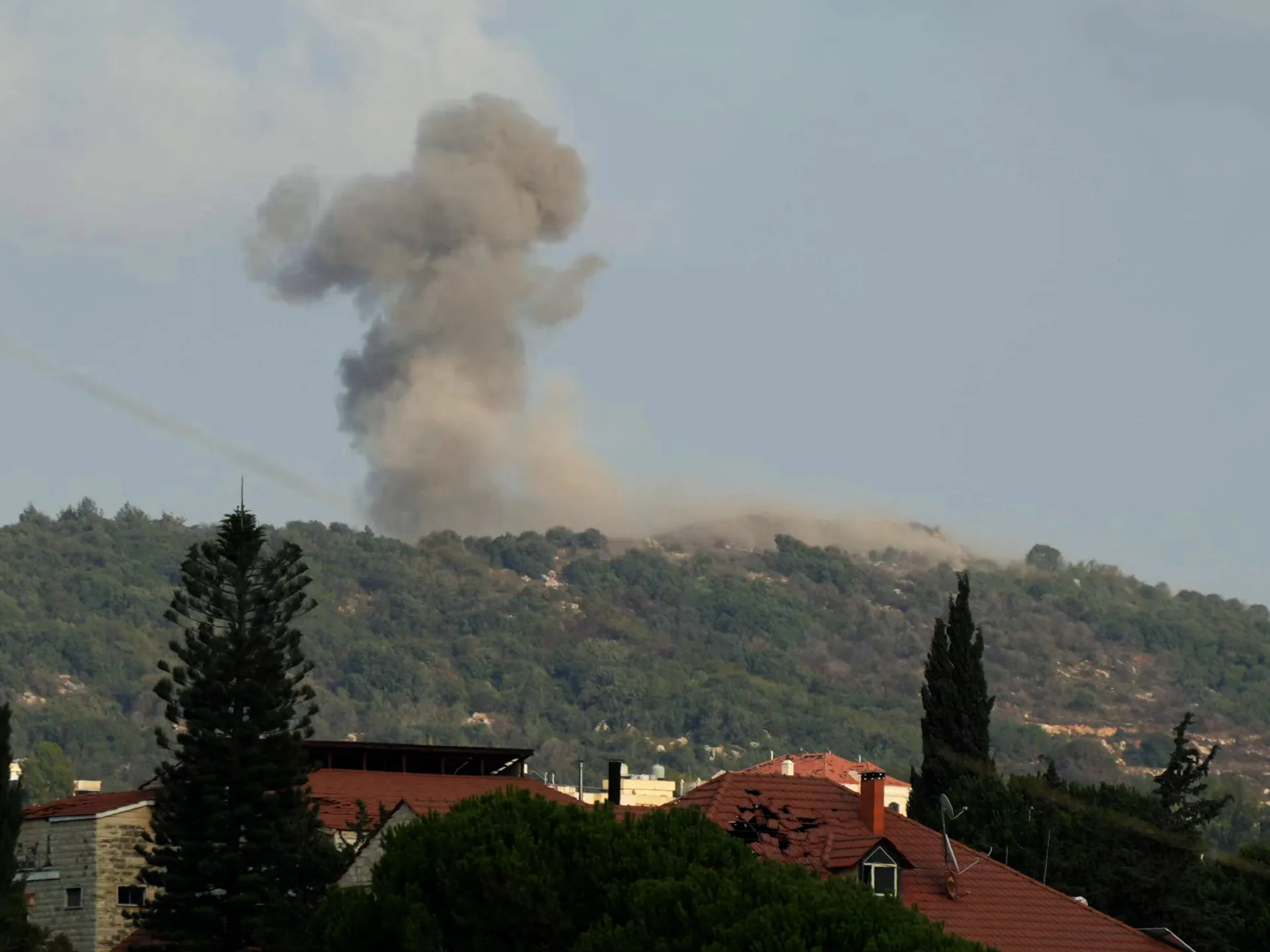
The role of legacy media in shaping public opinion regarding international conflicts is a subject of intense scrutiny, particularly when the discourse involves volatile regions such as Gaza and the West Bank. Historian Assal Rad, known for her critical analysis of journalistic practices, suggests that major news outlets have played a pivotal role in normalizing the dehumanization of Palestinians. logy, critics argue that media organizations have effectively manufactured consent for aggressive military campaigns.
Rad’s work emphasizes how specific linguistic choices function to shift the moral burden during times of crisis. When news outlets consistently prioritize certain narratives over others, the resulting public perception often aligns with state-sanctioned perspectives. This phenomenon, often described as the manufacturing of consent, relies on the repetition of specific frames that obscure the lived realities of occupied populations while providing justification for military actions.
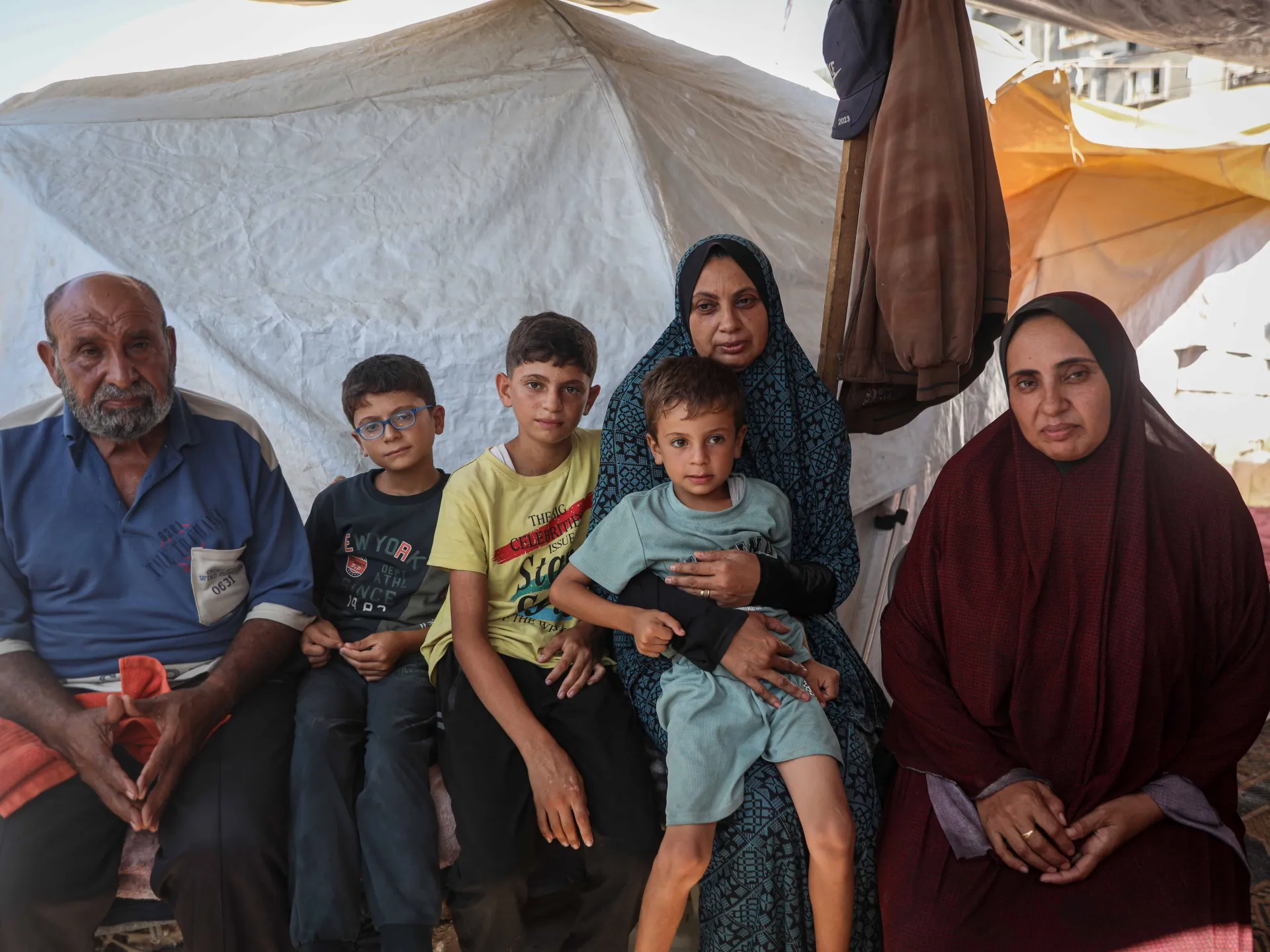
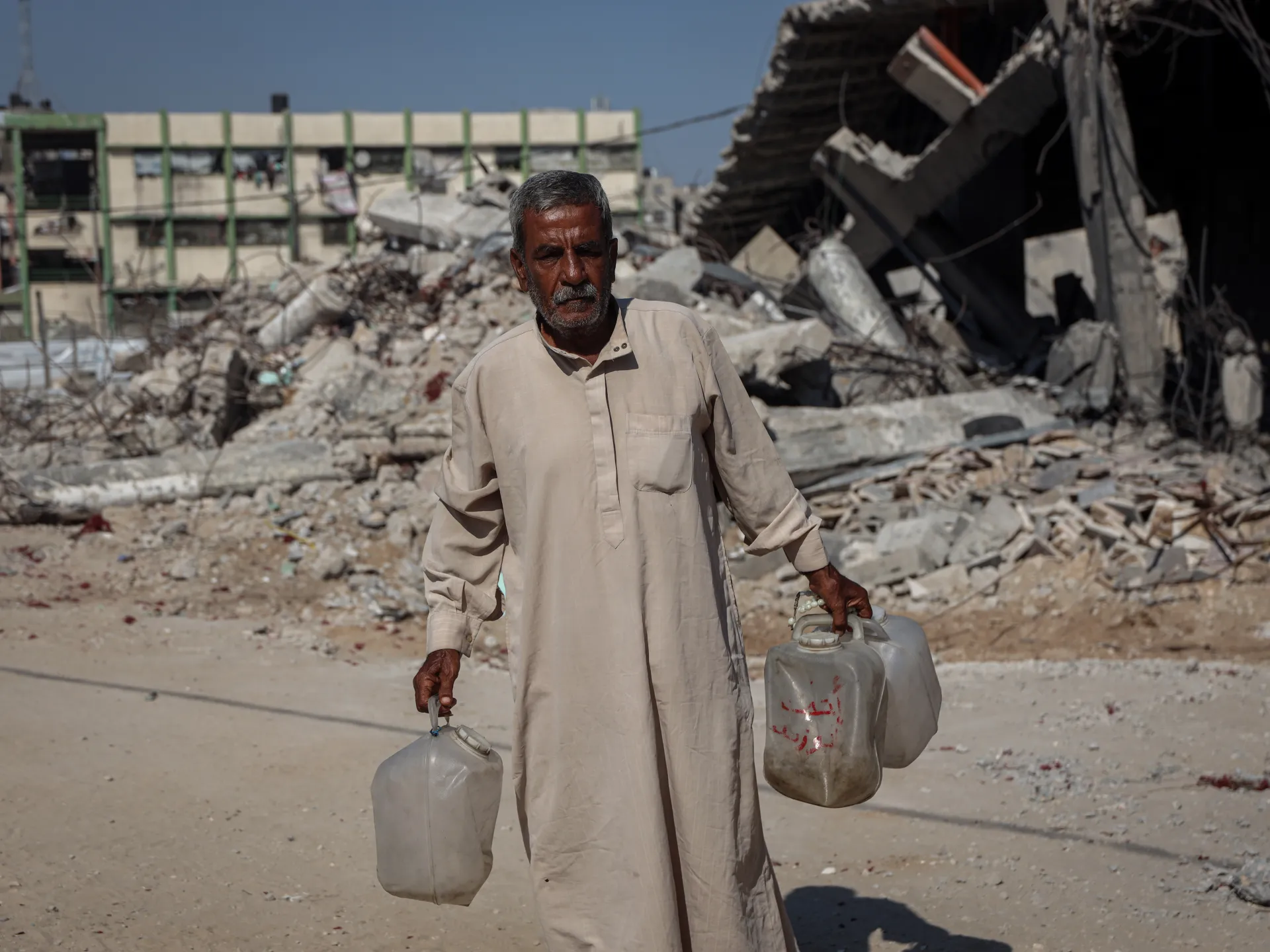
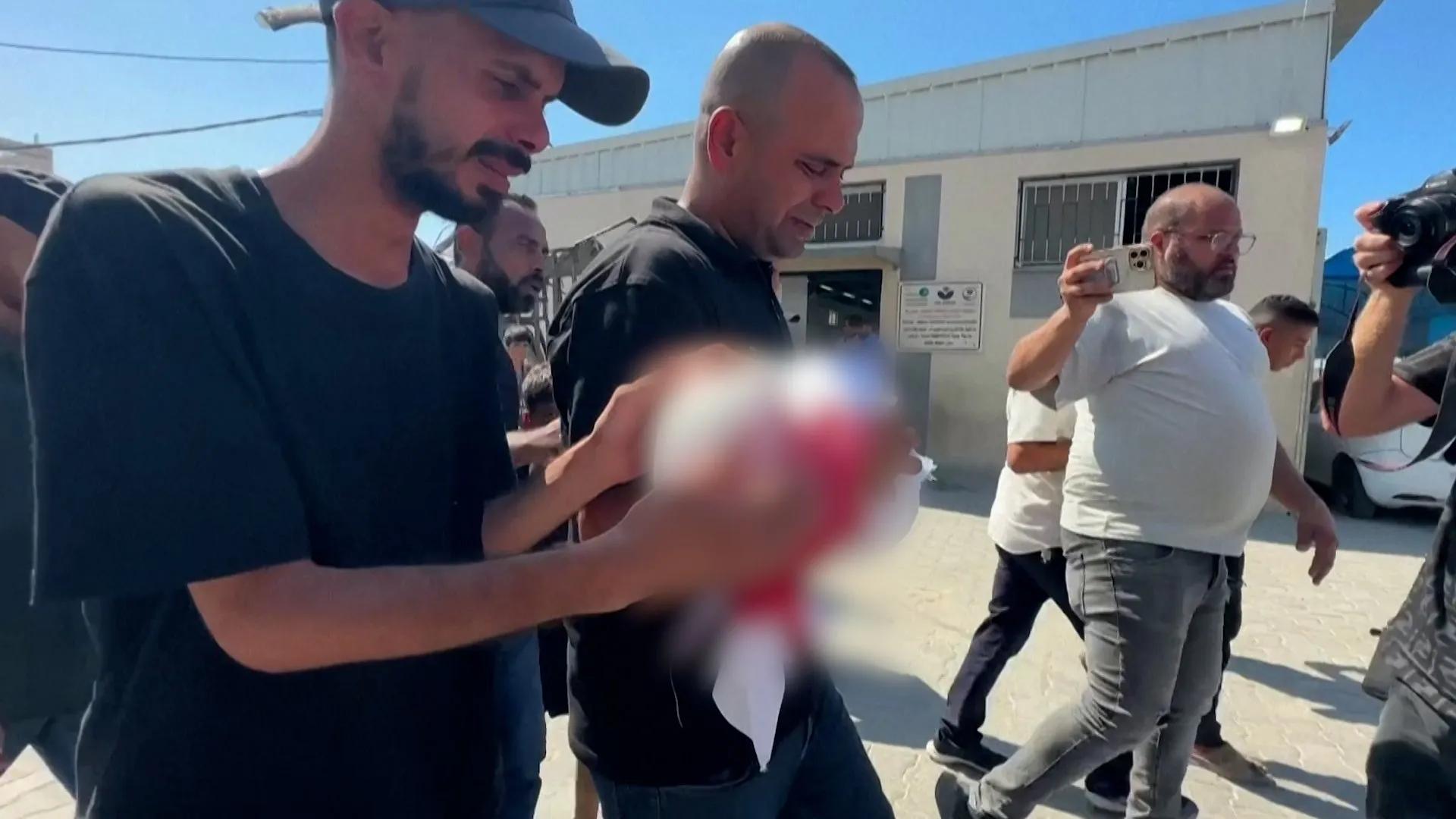
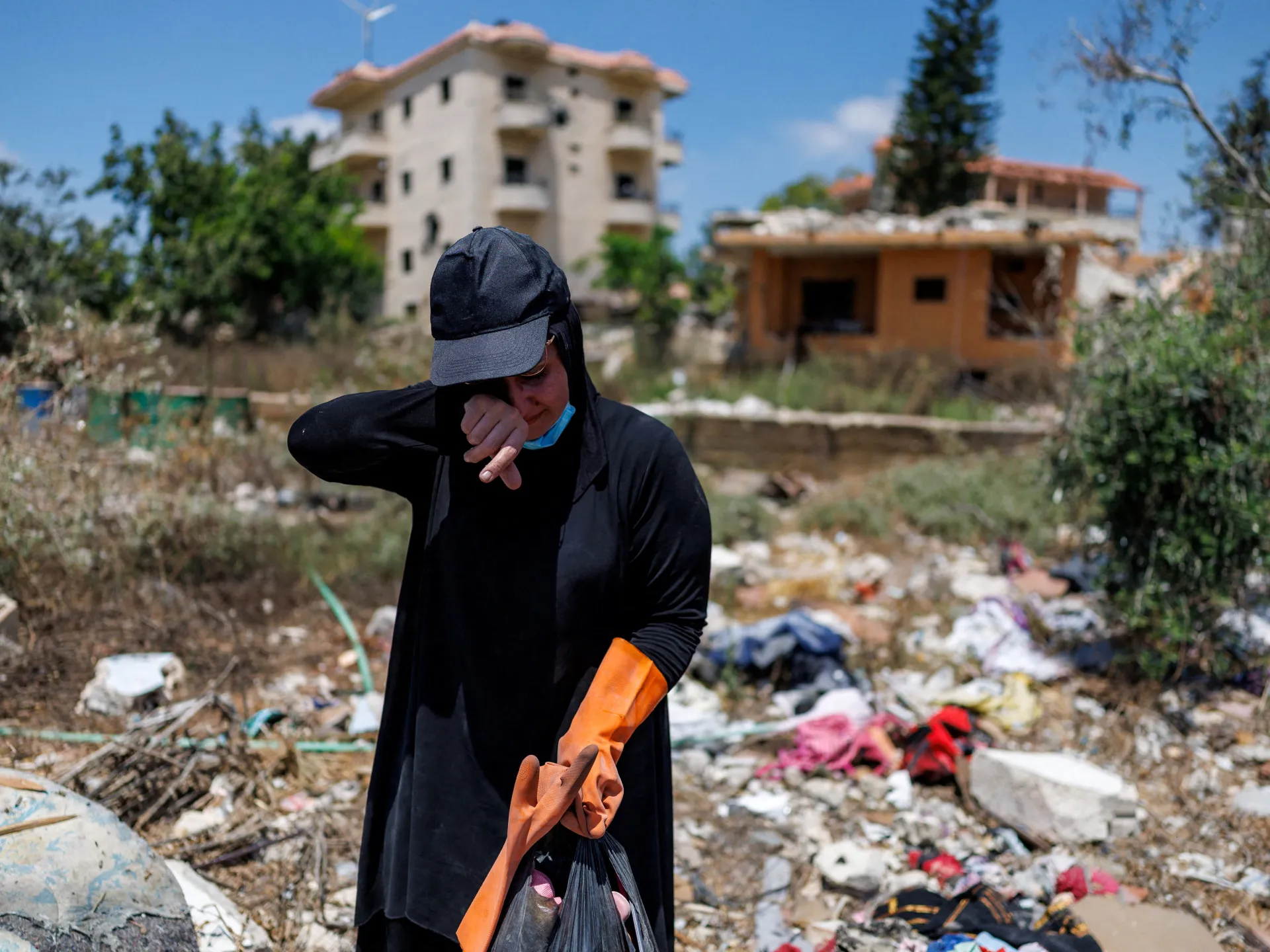
A central concern in contemporary media critique is the way in which headlines and story structures can strip individuals of their humanity. of those on the ground, outlets can create an information environment where civilian suffering is treated as an abstract statistic rather than a human tragedy. This process of dehumanization is not merely an oversight but a structural issue within newsrooms that prioritize institutional narratives.
The impact of this framing is profound, as it dictates the level of empathy afforded to different groups. When journalism fails to provide a balanced view, it risks becoming a conduit for state propaganda. This approach often involves the whitewashing of violent campaigns, where the actions of powerful actors are framed through a lens of necessity or defense, while the experiences of the vulnerable are sidelined or completely omitted from the broader conversation.
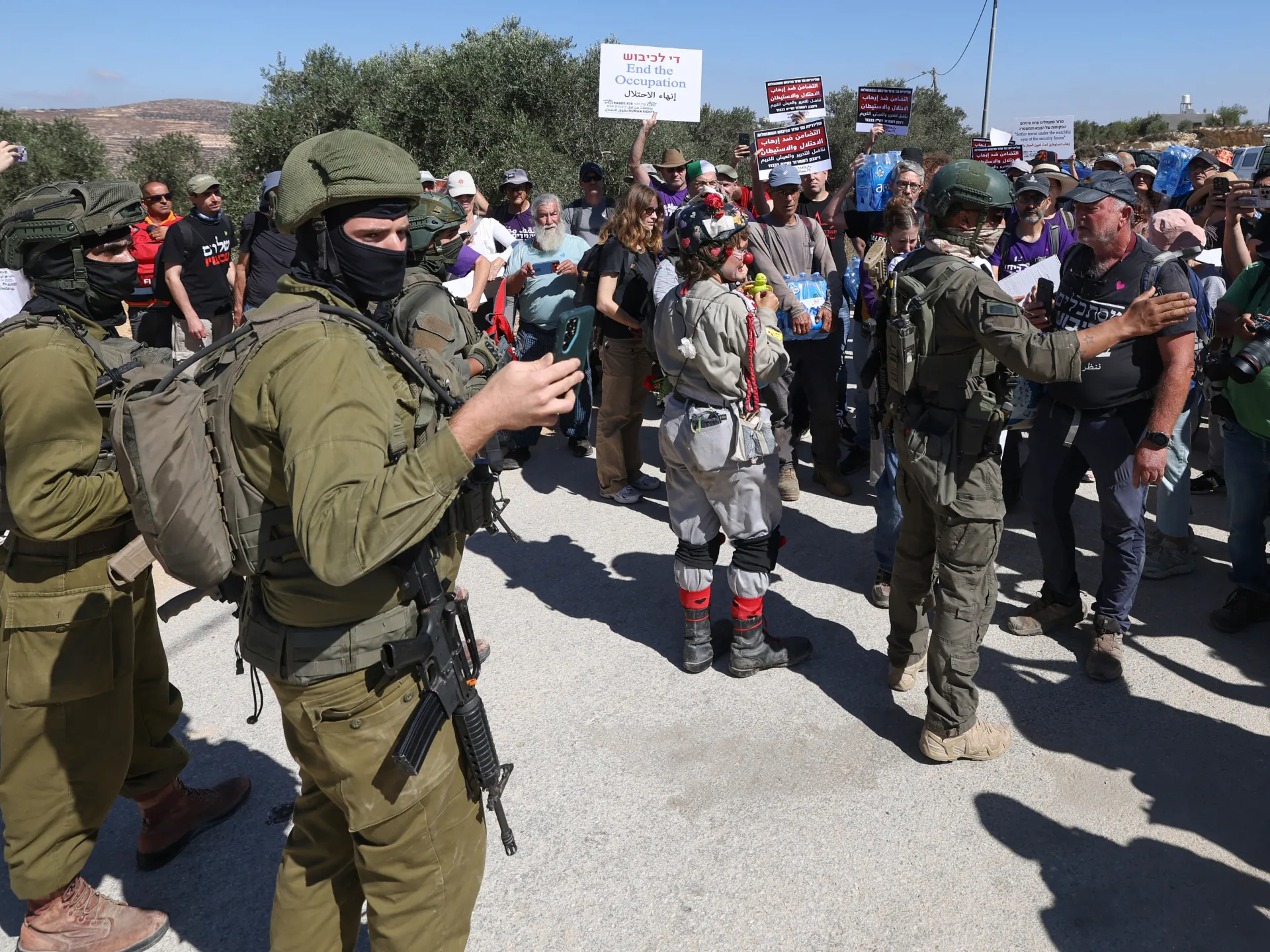
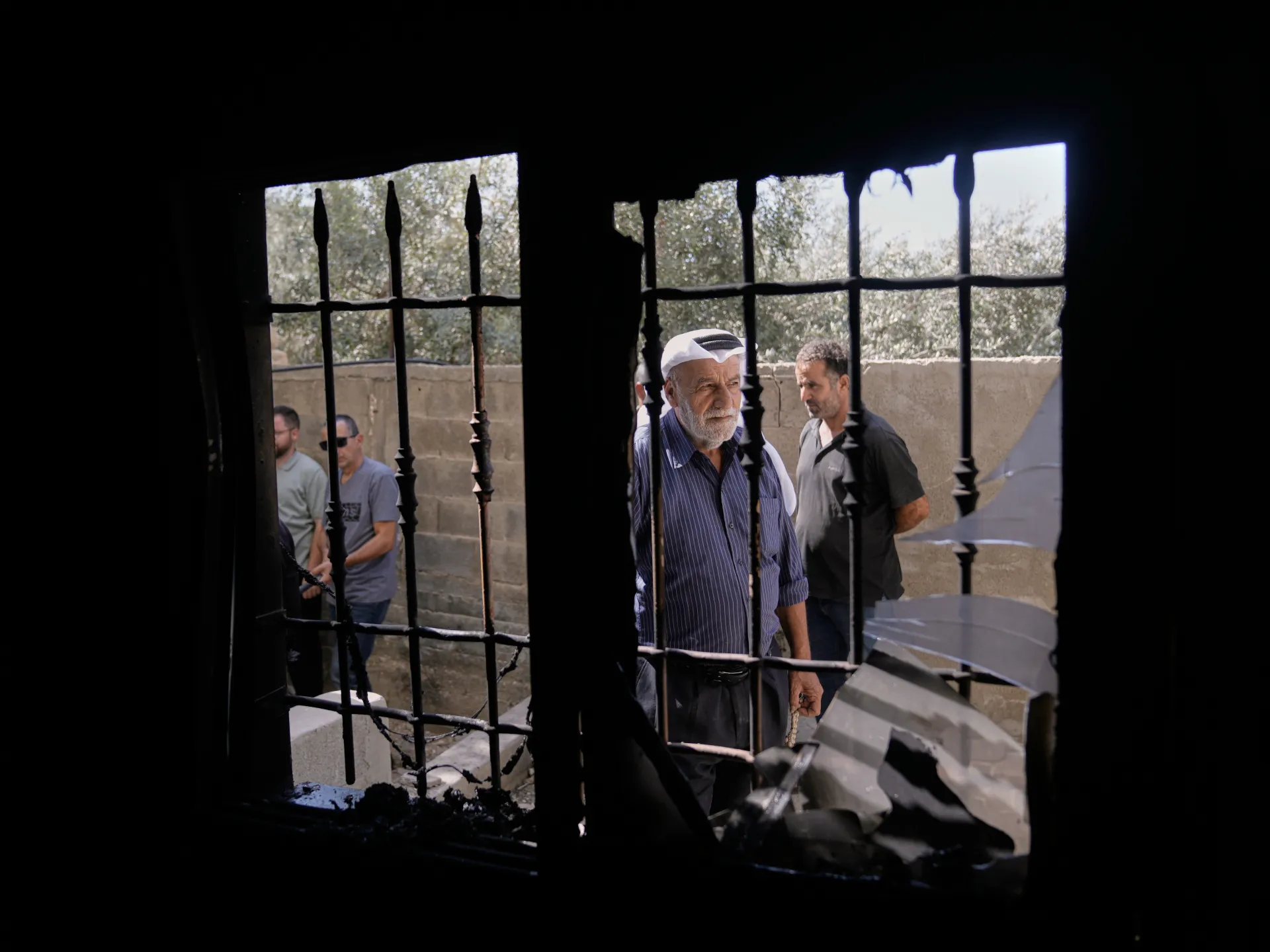
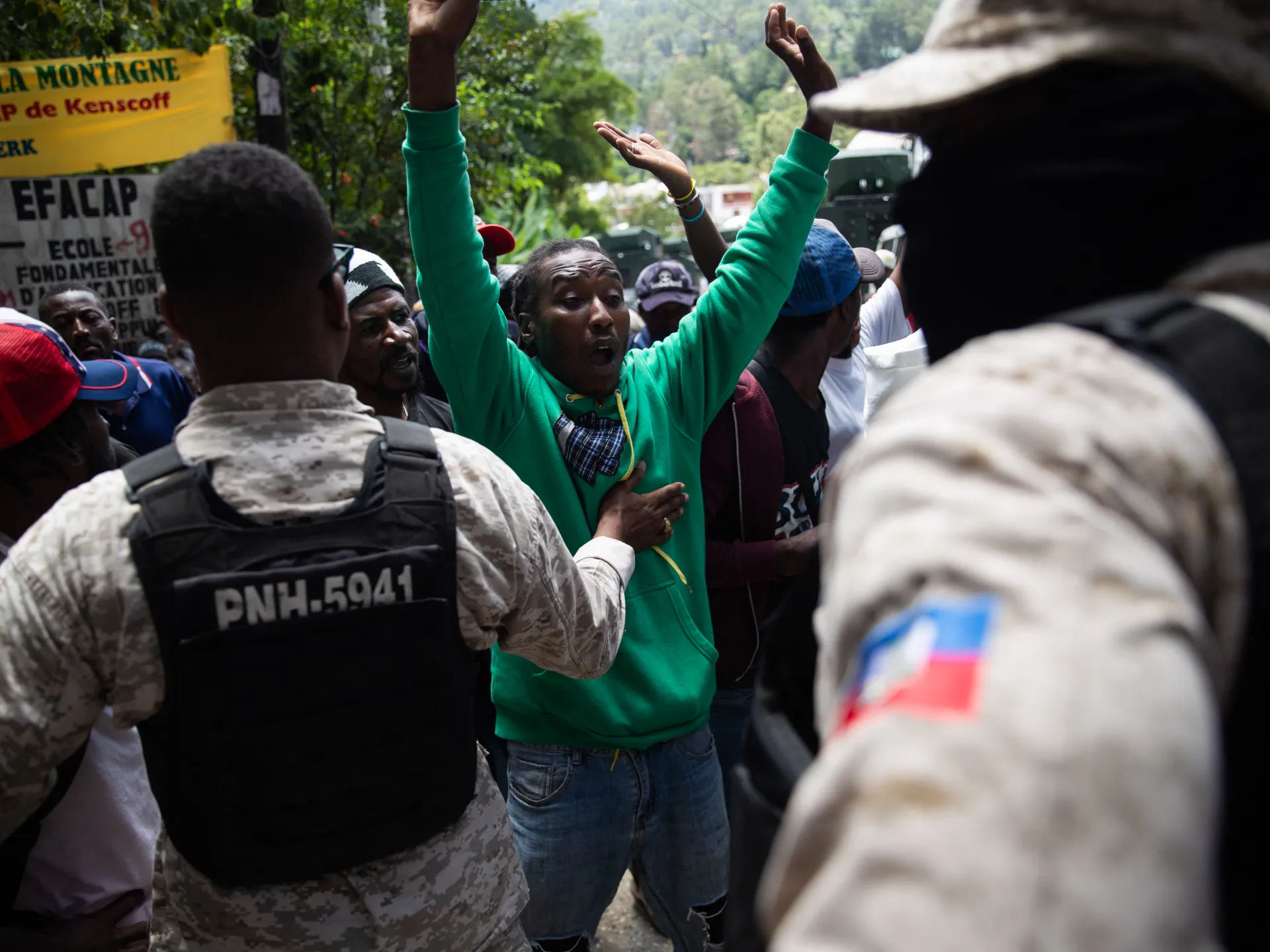
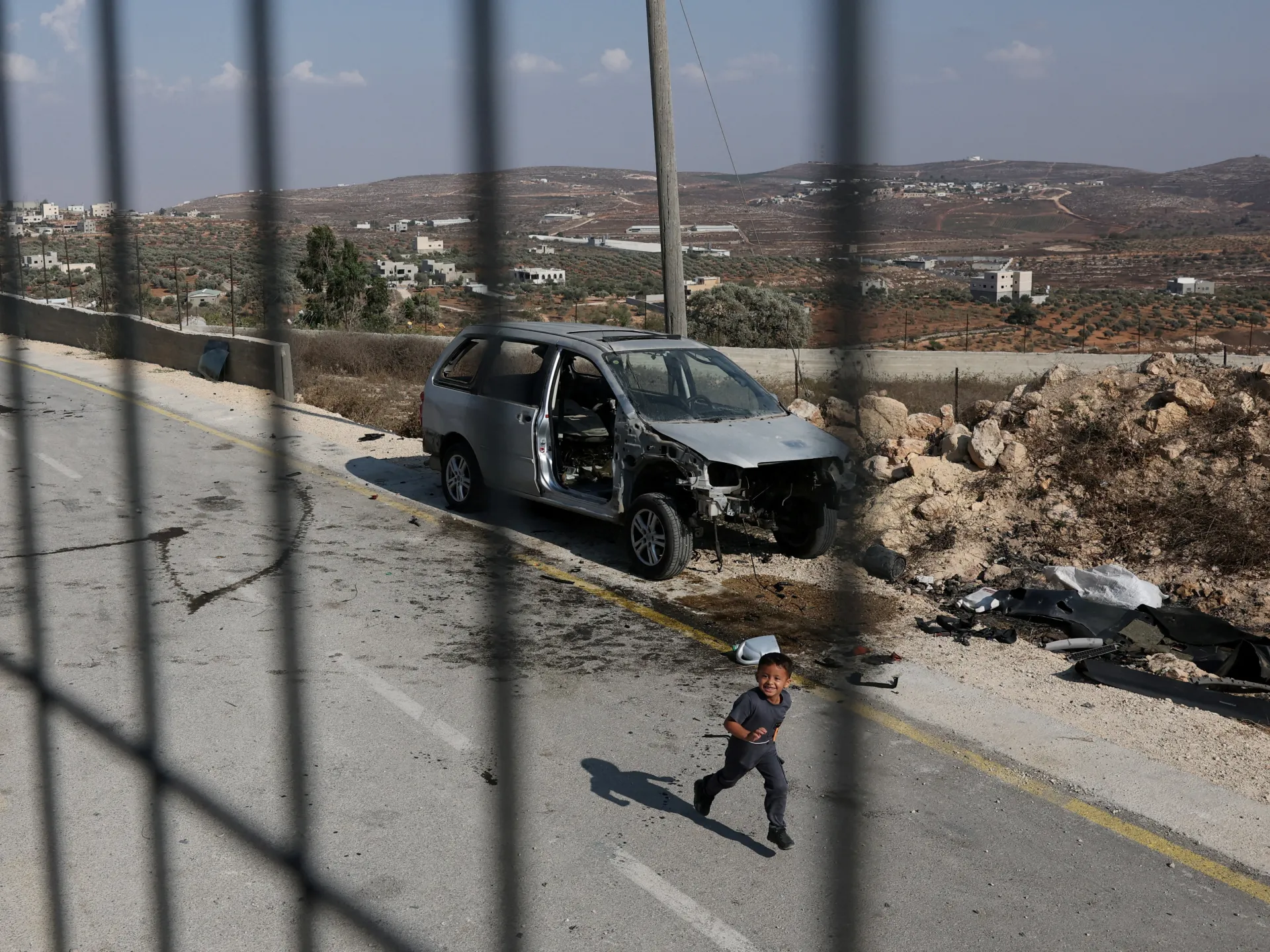
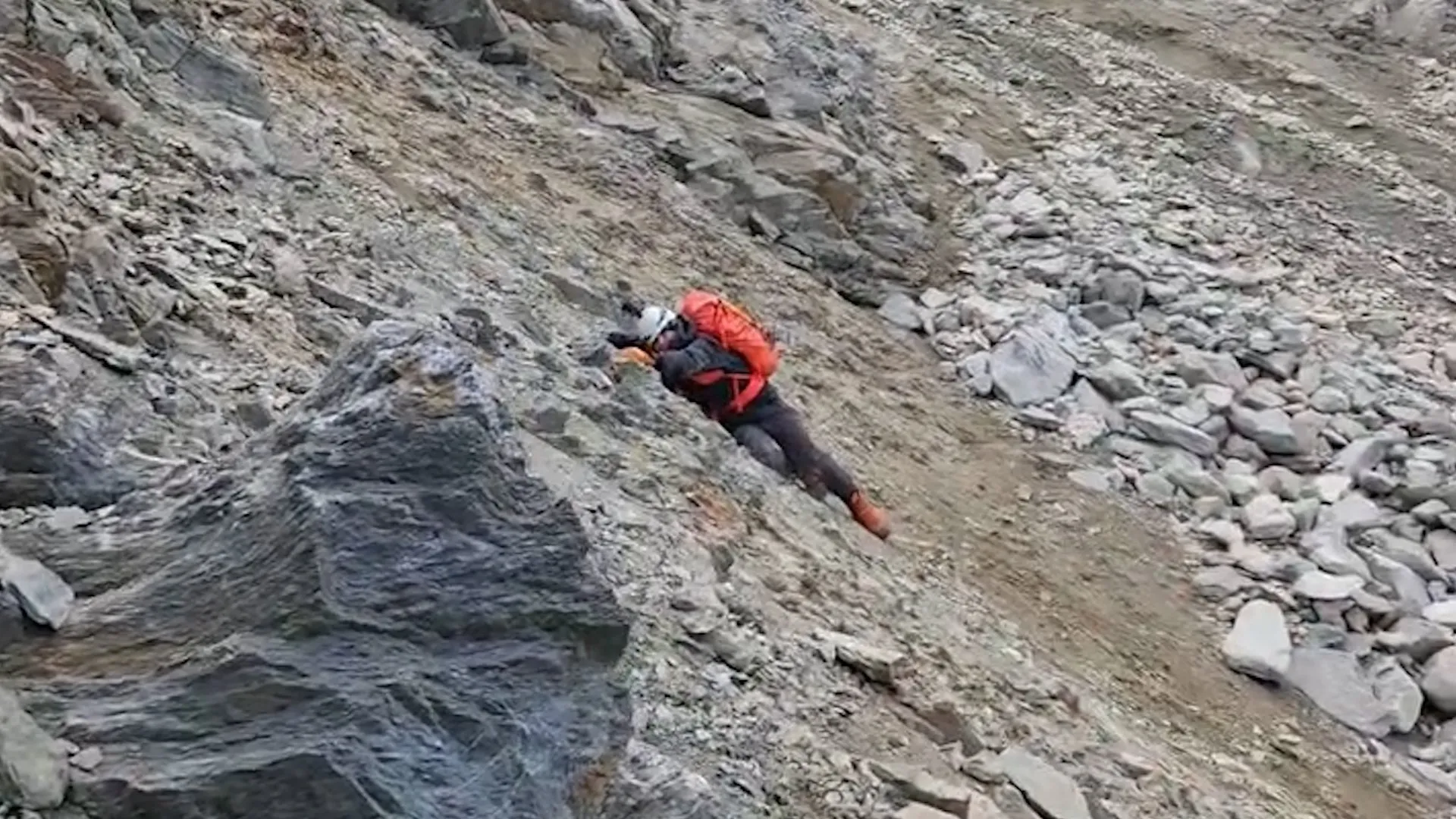
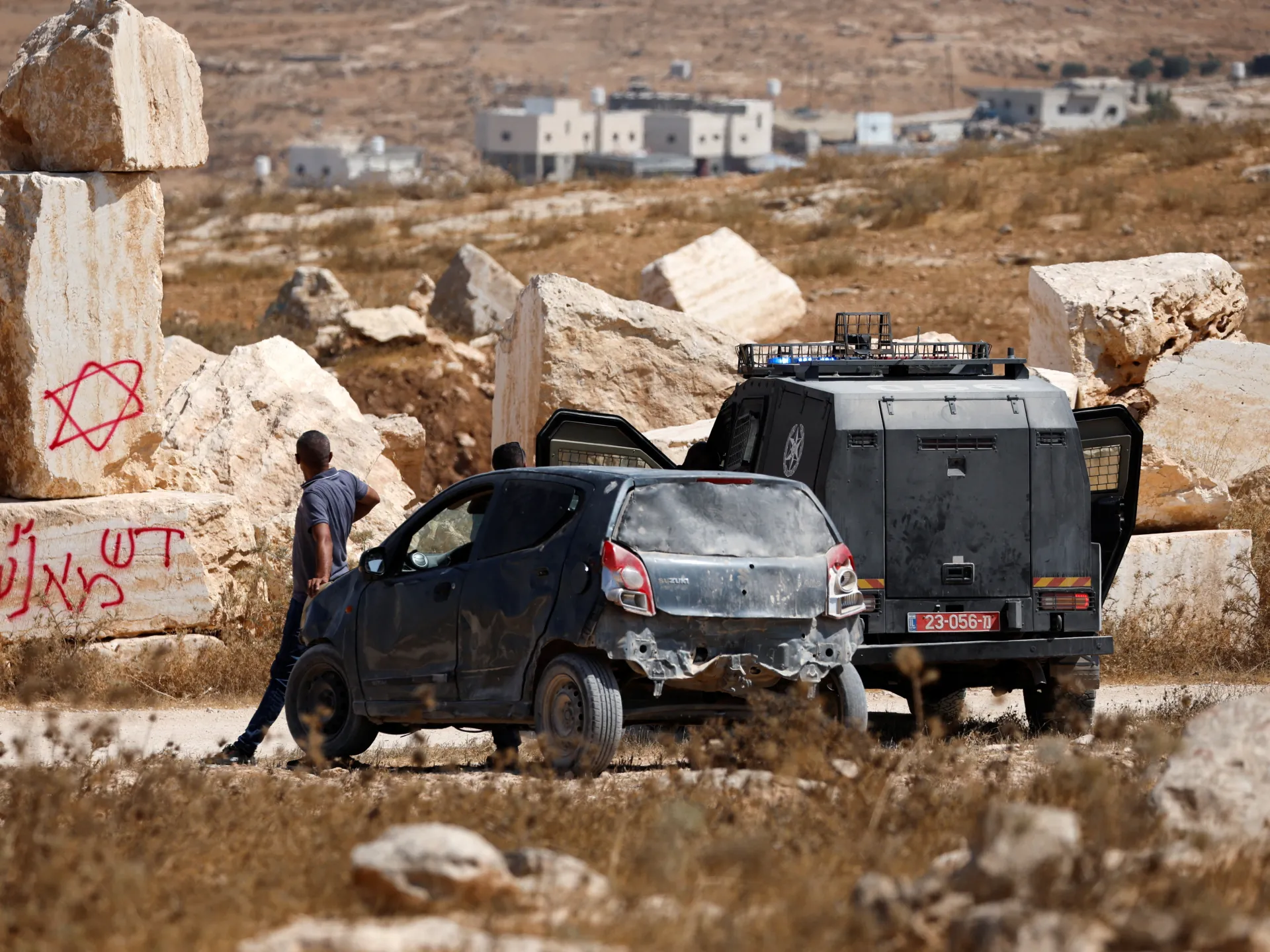
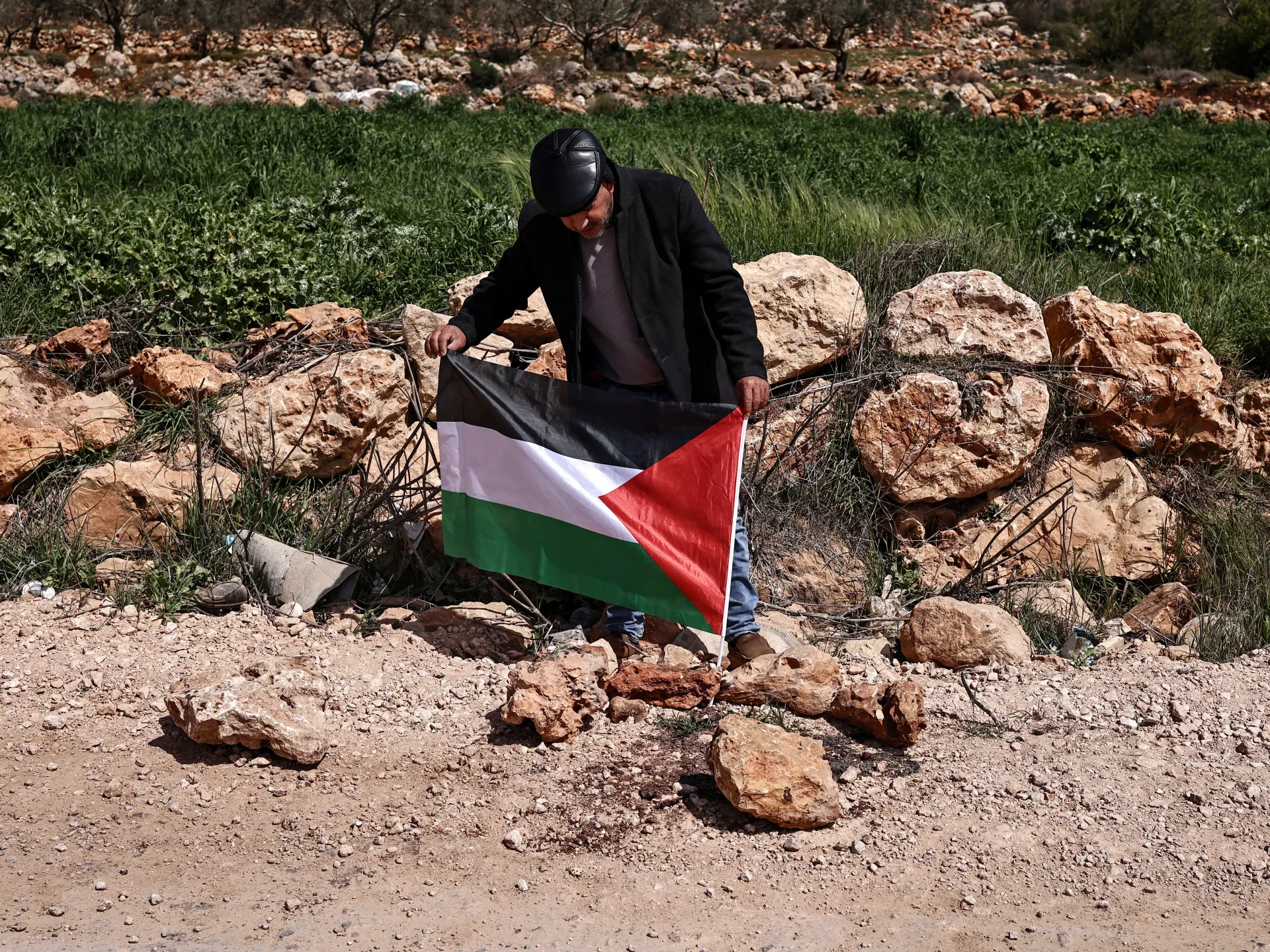
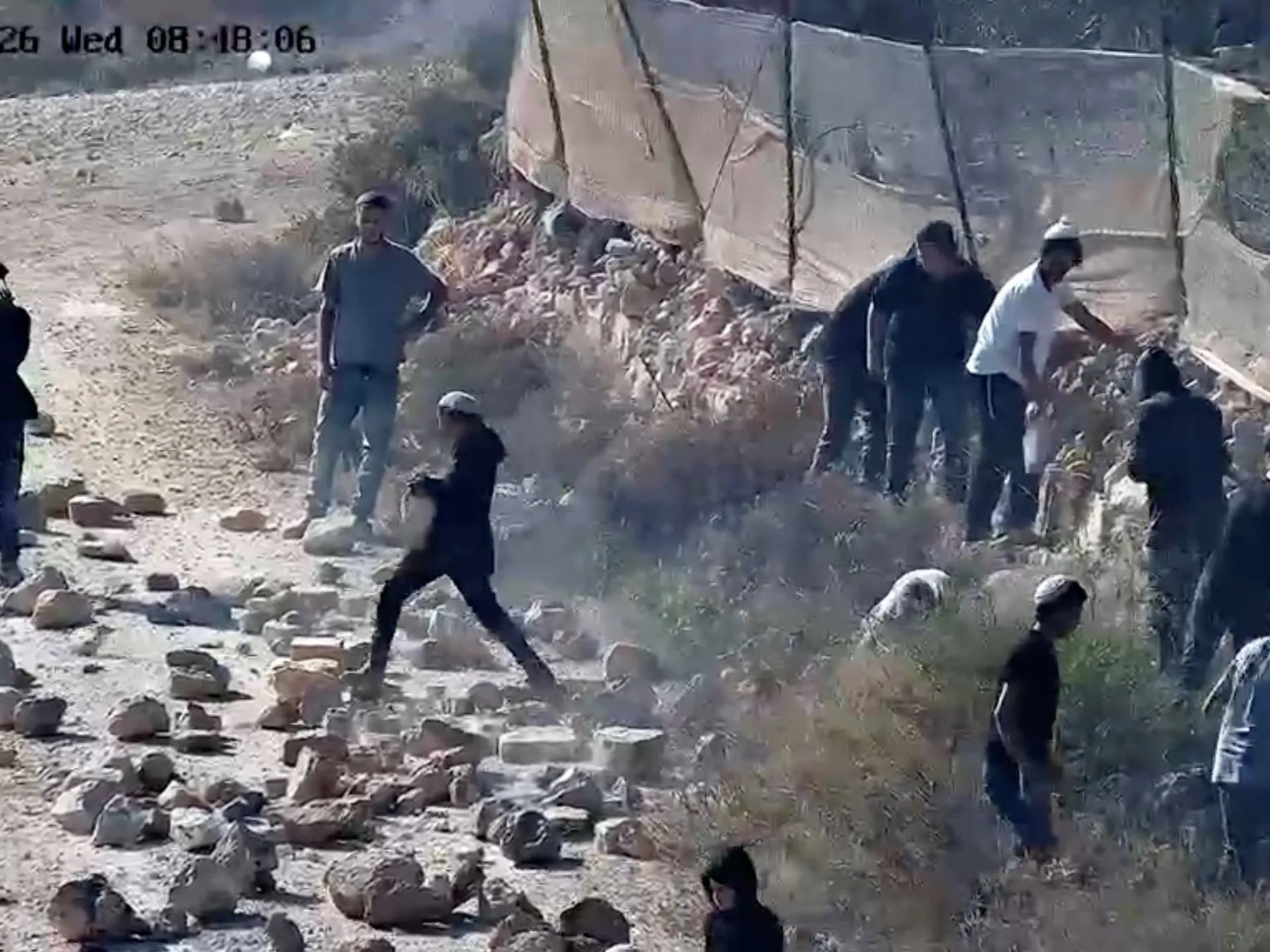
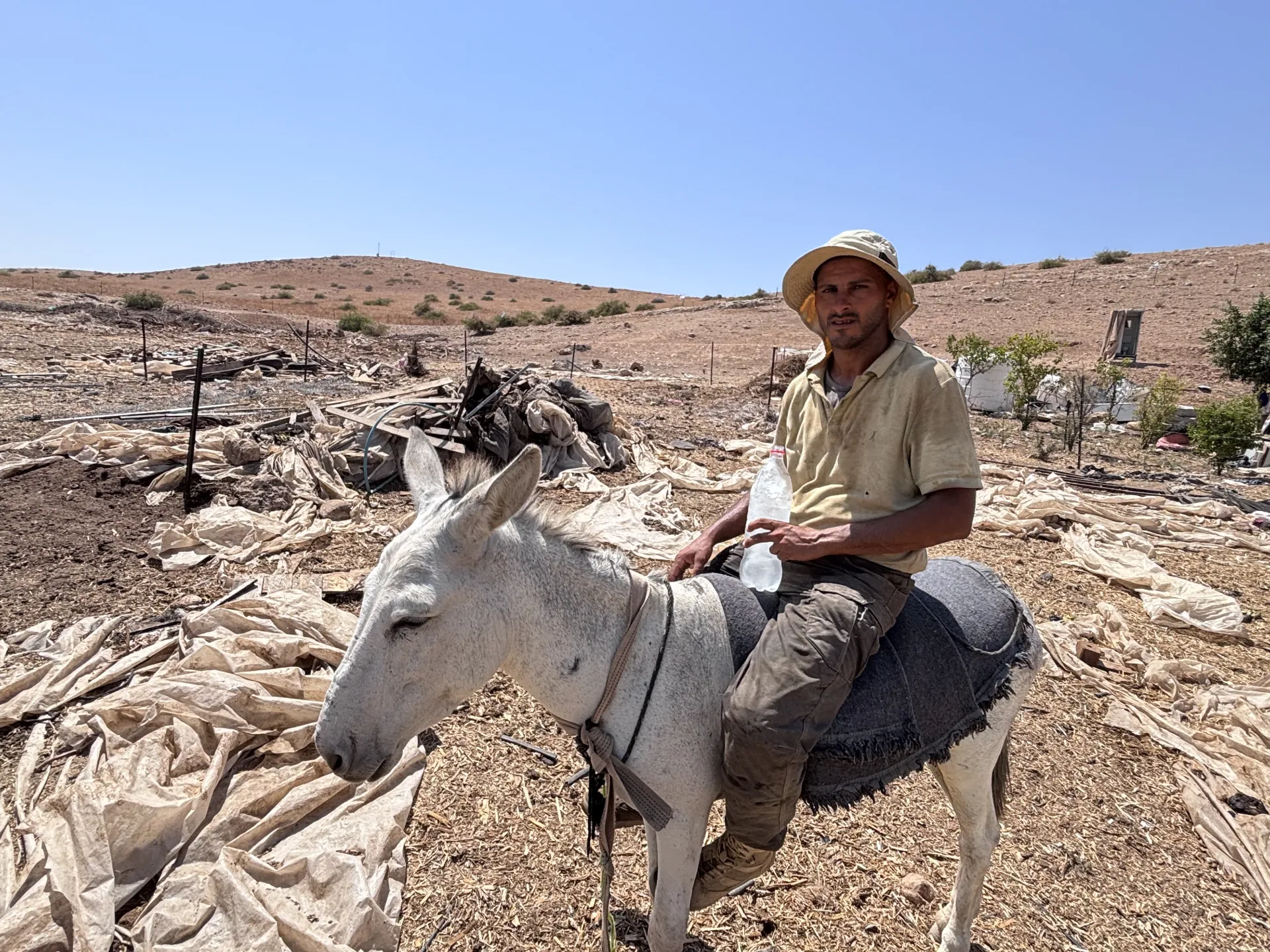
Beyond the editorial boardrooms, journalists operating in conflict zones face severe physical dangers that are inextricably linked to the political narratives surrounding their work. The situation in the occupied West Bank, for instance, has become increasingly hostile, with reporters working under constant threat. The experience of journalists like Ameed Shehade highlights the extreme risks involved in documenting the daily realities of occupation, as they navigate an environment where they are often viewed as targets.
Living and working with a target on one's back is a reality for many local correspondents who attempt to provide an authentic view of the conflict. When the media landscape is dominated creases. The failure of international media to adequately protect or elevate the work of those on the frontlines exacerbates the cycle of violence and misinformation, leaving the public with an incomplete understanding of the geopolitical stakes involved.
The ongoing discourse surrounding media responsibility suggests a need for a fundamental shift in how international conflicts are reported. As public distrust in mainstream institutions grows, there is an increasing demand for accountability and transparency in news production. Experts argue that restoring credibility requires a move away from state-aligned reporting toward a more rigorous investigation of facts and a greater emphasis on the human consequences of military and political decisions.
Ultimately, the challenge for the future of journalism lies in its ability to resist the pressure to manufacture consent for violence. established, often biased, narratives of power, media organizations have the potential to serve as a check on authority rather than an instrument of it. Addressing these systemic issues is essential for ensuring that future reporting fosters understanding rather than division.