While Turkish artisans adapt traditional metalwork to global fantasy markets, the government initiates a sweeping crackdown on LGBTQ+ organizations.
The contemporary Turkish experience is increasingly defined a backdrop of tightening ideological control. While traditional workshops in historic hubs like Izmir’s Kemeralti Bazaar struggle to remain relevant, they have found an unlikely lifeline in global pop culture. This transition from utilitarian production to fantasy-themed artistry represents a broader shift in how local economies adapt to digital-era demand. Simultaneously, the state’s aggressive stance against LGBTQ+ organizations, framed under the banner of protecting familial integrity, highlights a sharp divergence between the country’s globalized commercial aspirations and its rigid domestic socio-political climate. These two realities—the commercial ingenuity of the craftsman and the restrictive reach of the state—paint a complex portrait of a nation grappling with its identity in 2026.
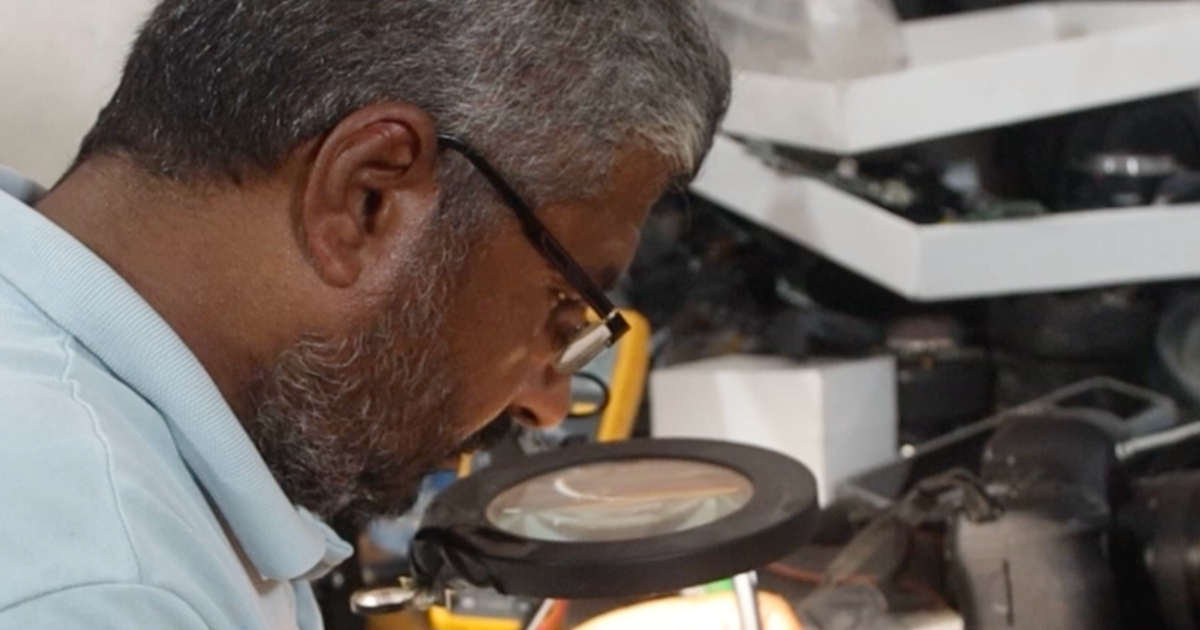
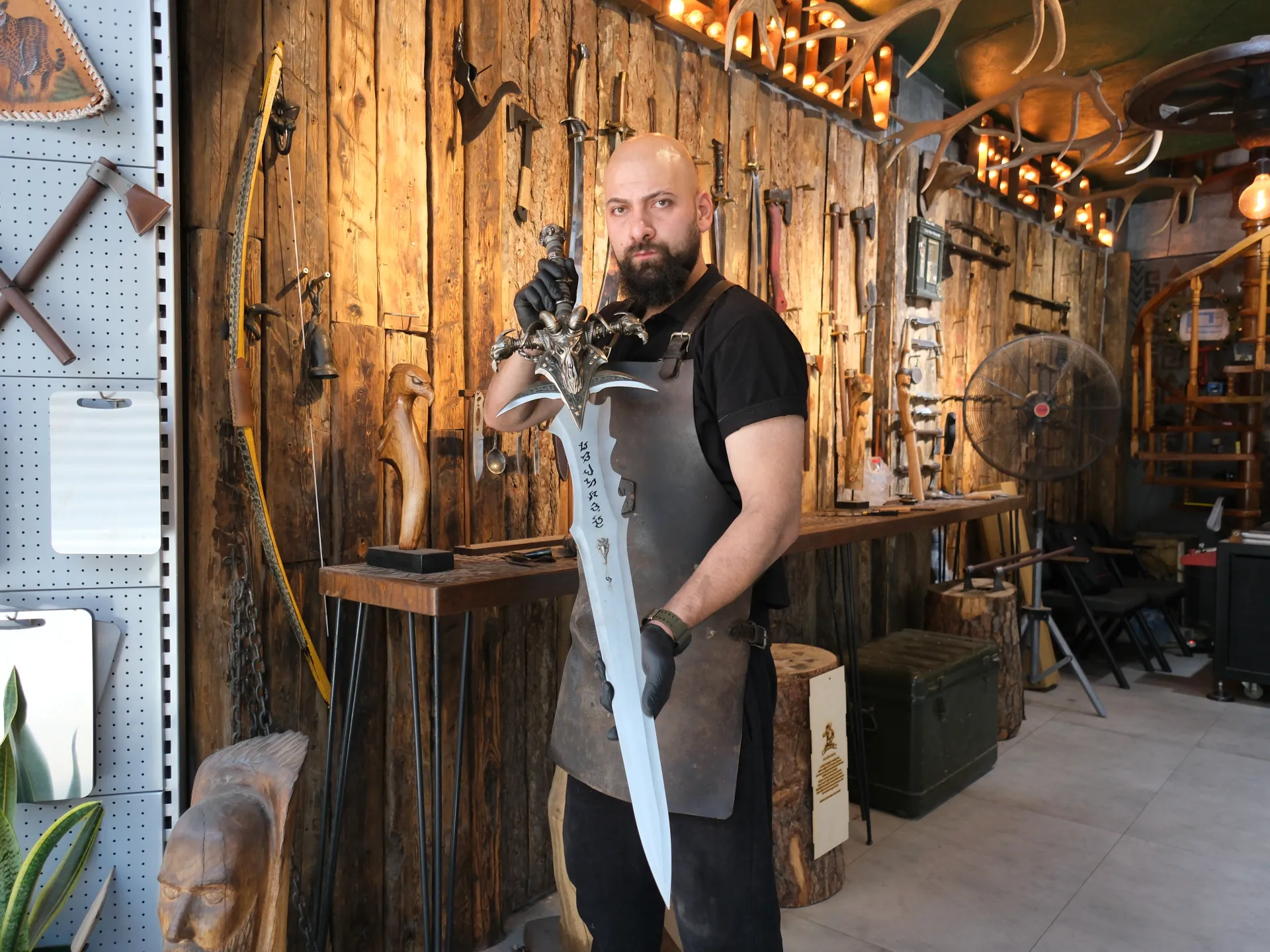
In the narrow, bustling streets of Izmir, the Akdemir family forge represents a generational bridge between the past and a digitally connected future. For decades, the workshop focused on agricultural tools and essential kitchen implements. Today, the rhythmic clang of the power hammer serves a different master. Suleyman Akdemir and his father, Omer, have successfully pivoted their ancestral craft to meet the demands of international fantasy enthusiasts, creating high-end, hand-forged weaponry inspired
This transition has not come at the expense of technique; rather, it has demanded a higher level of precision. While the workshop environment—filled with traditional hammers, tongs, and coal-fired steel—remains unchanged, the product line has expanded to include intricate fantasy pieces ordered l craftsmanship is sustained not to virtual worlds.
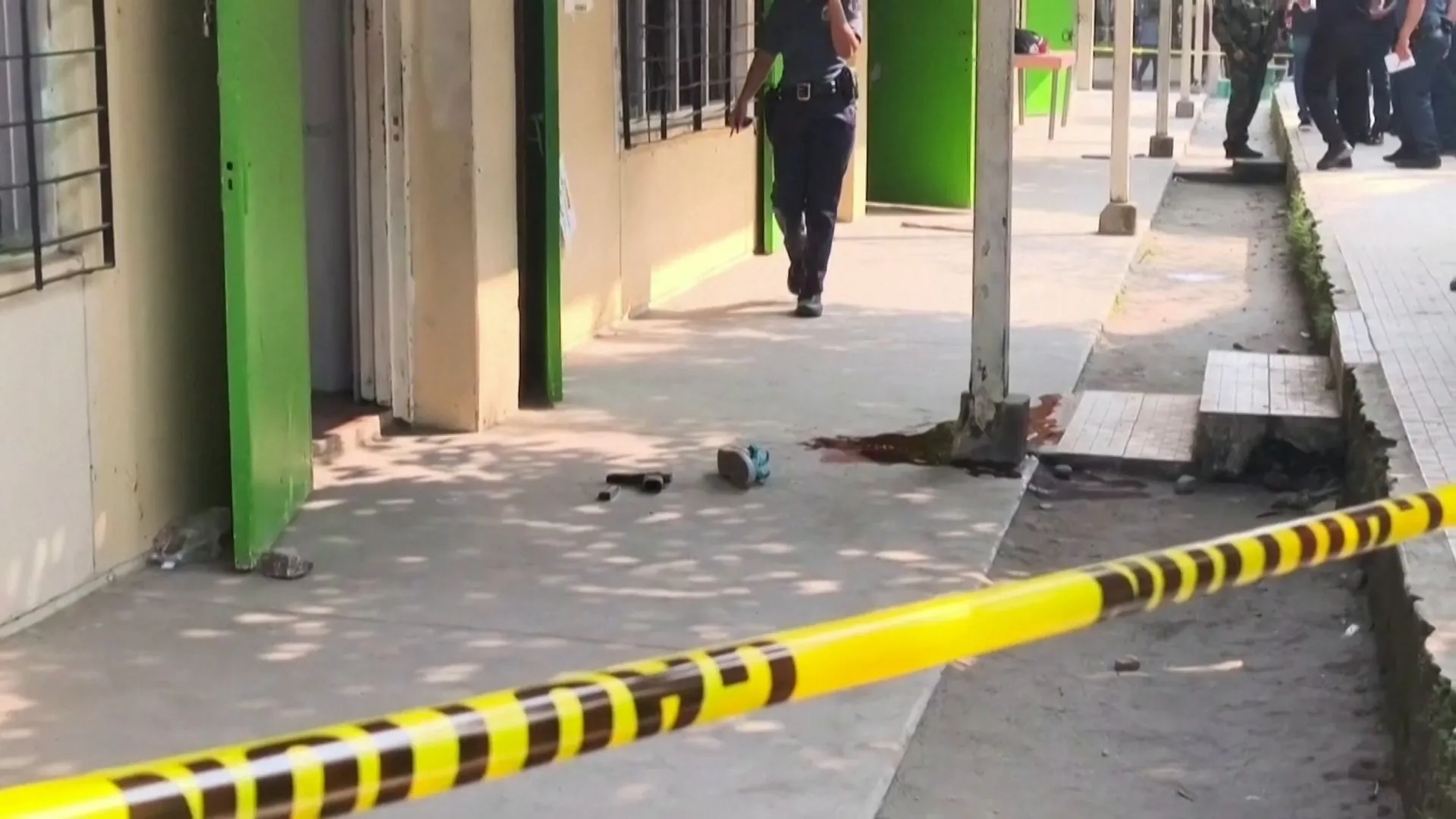
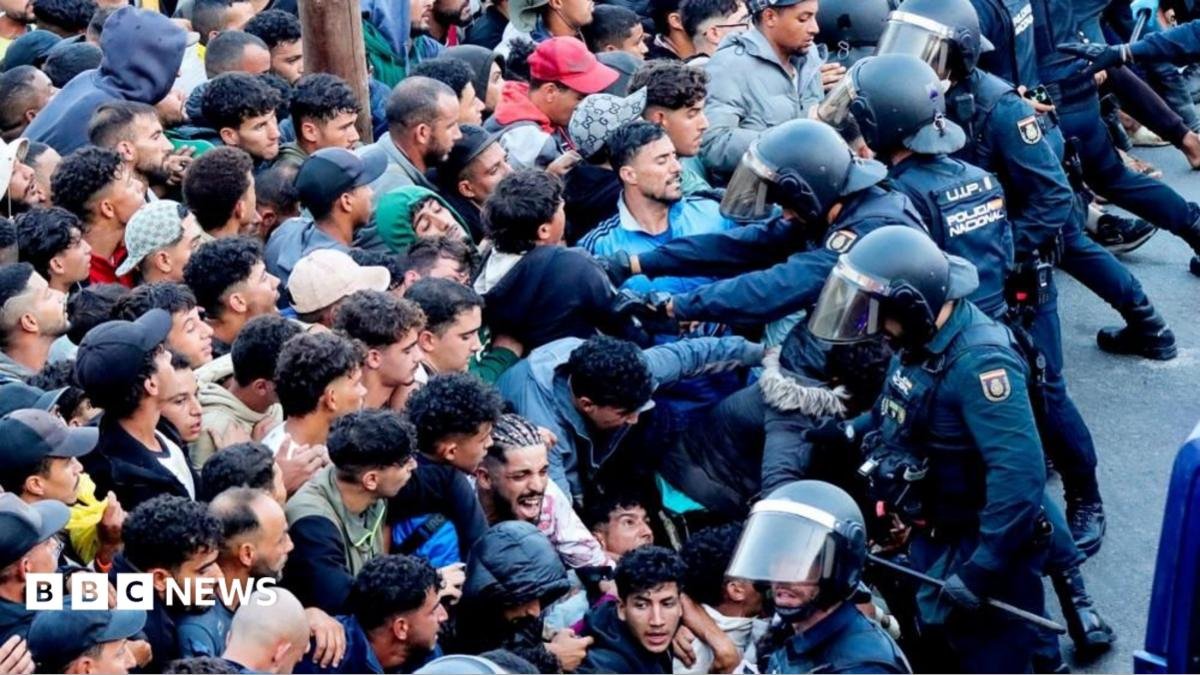
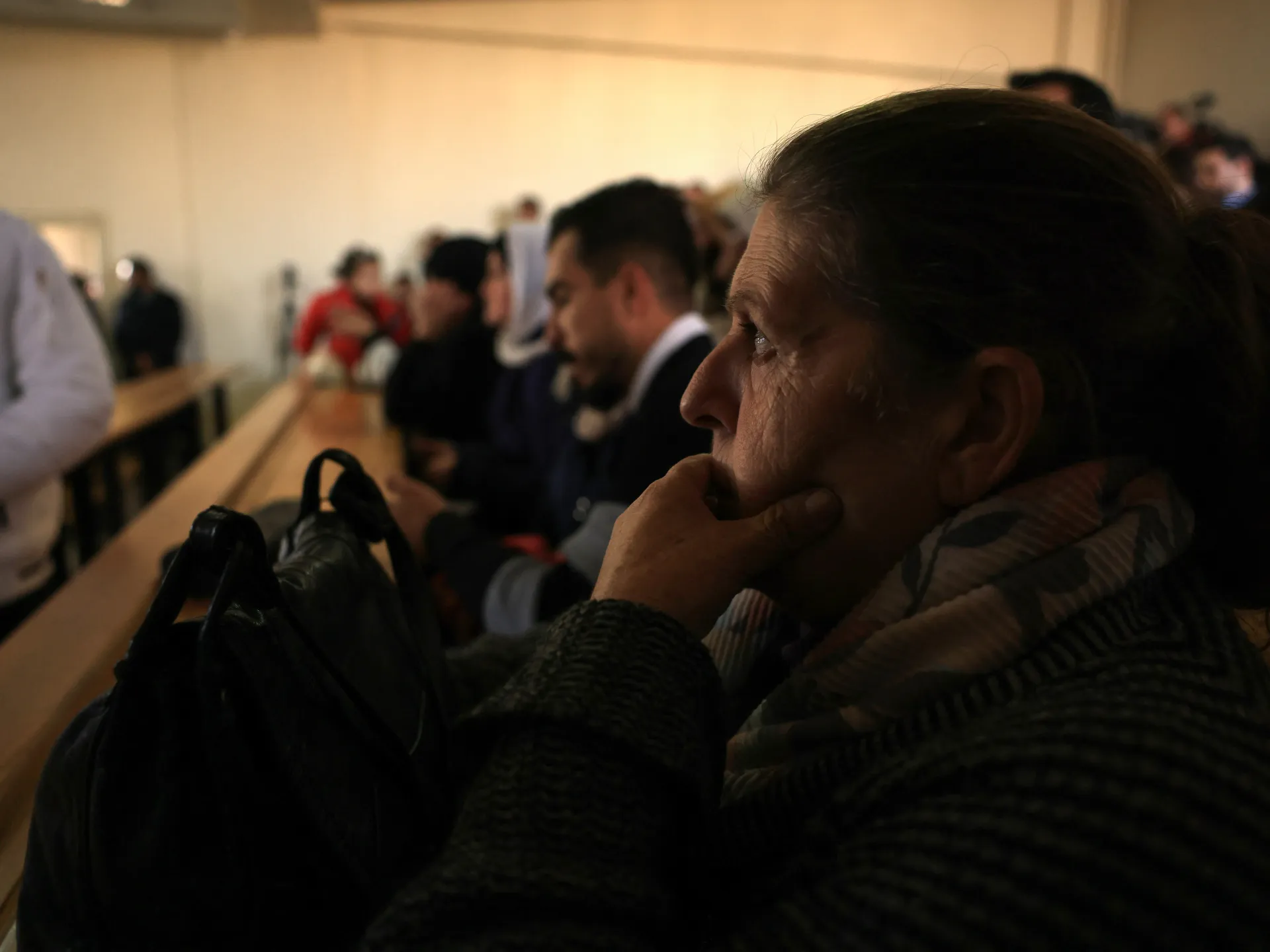
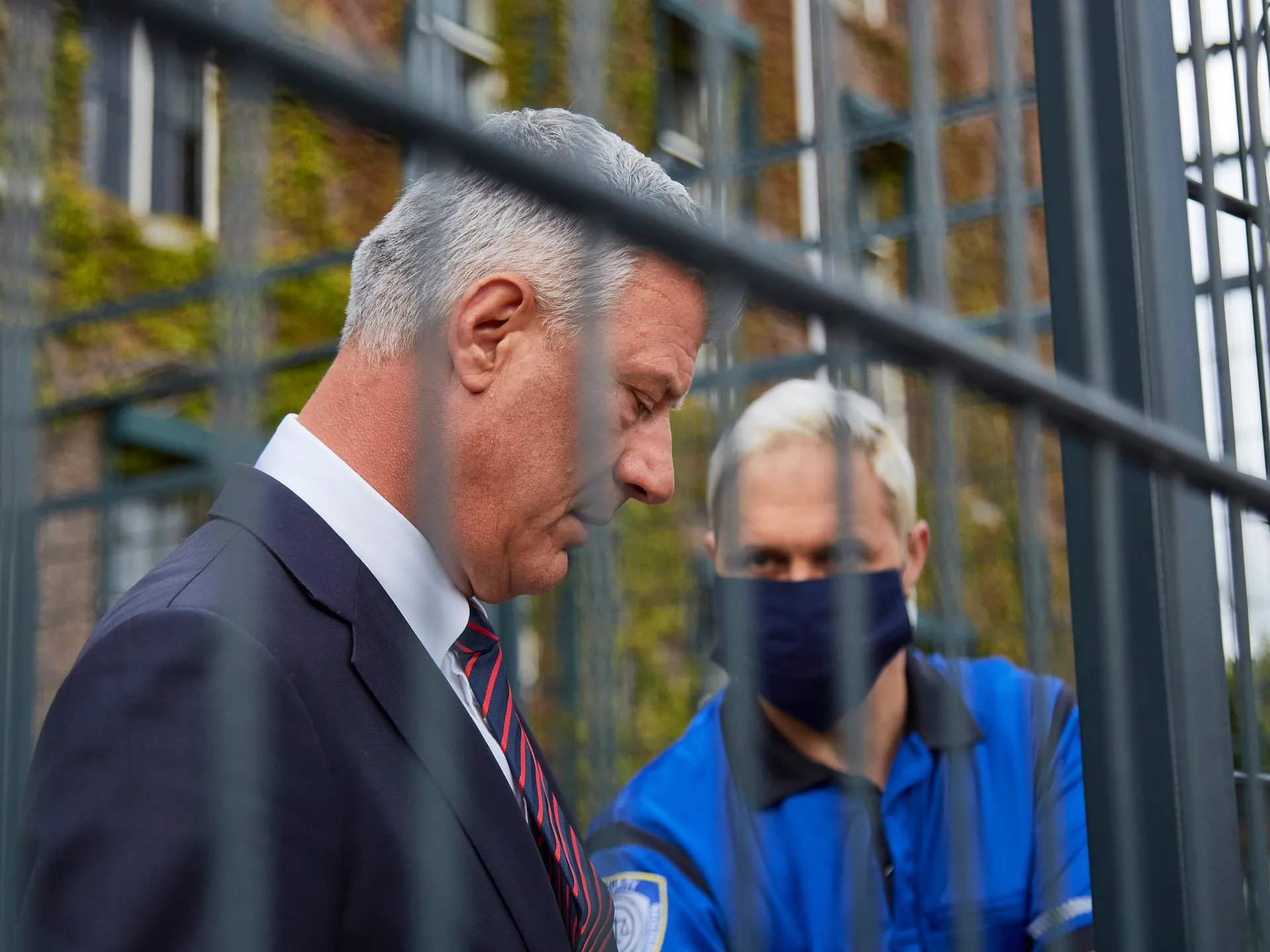
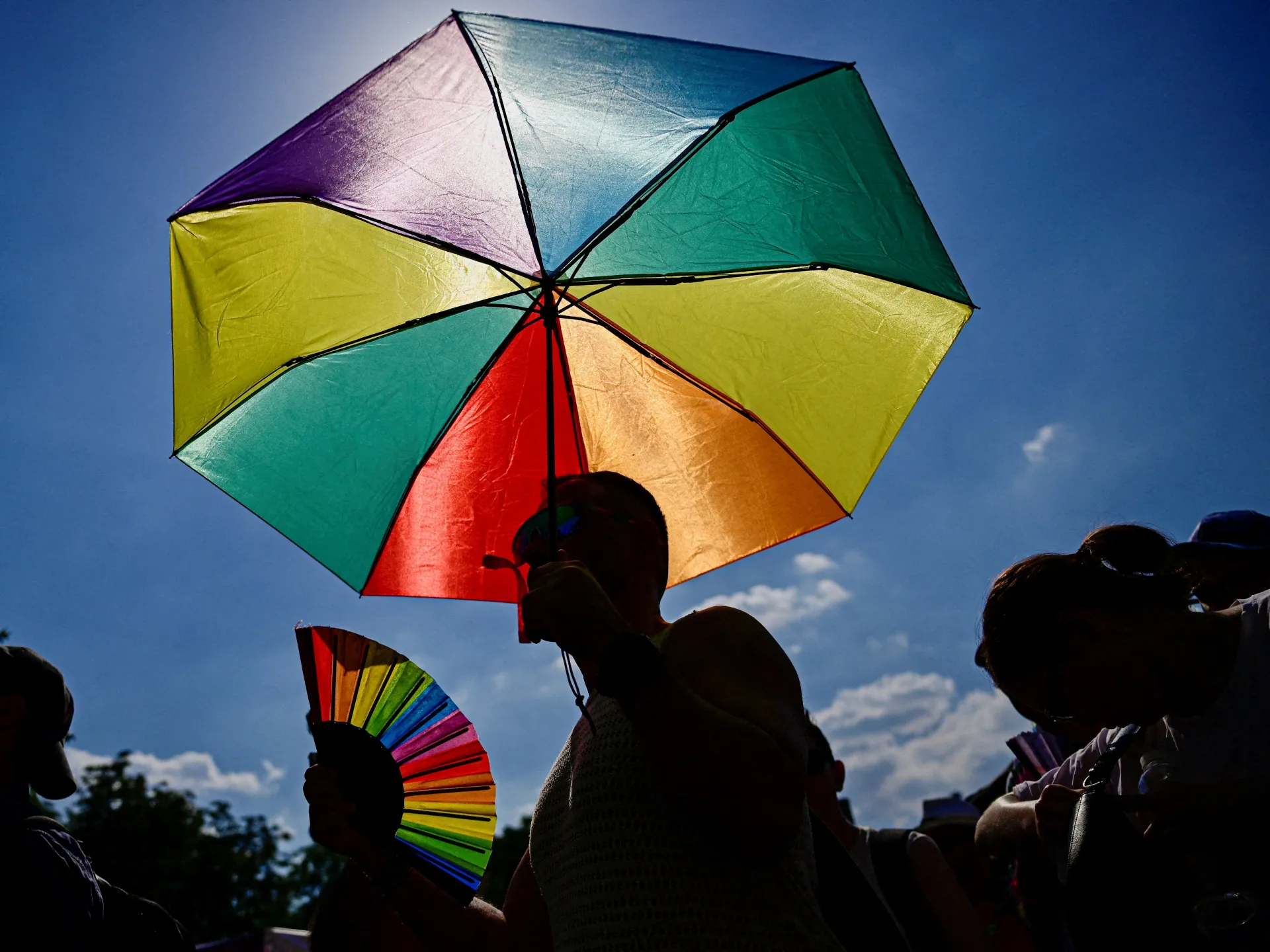
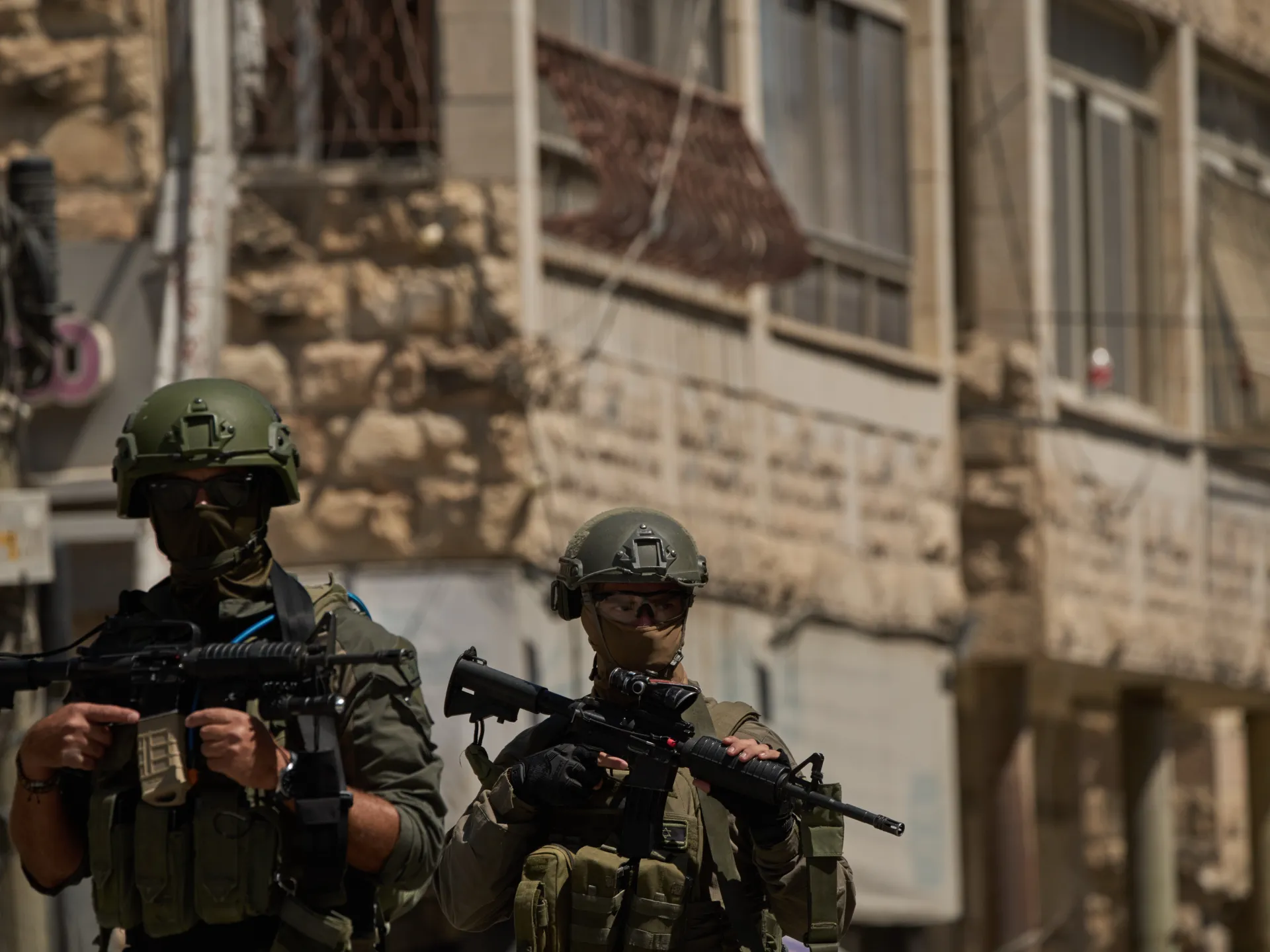
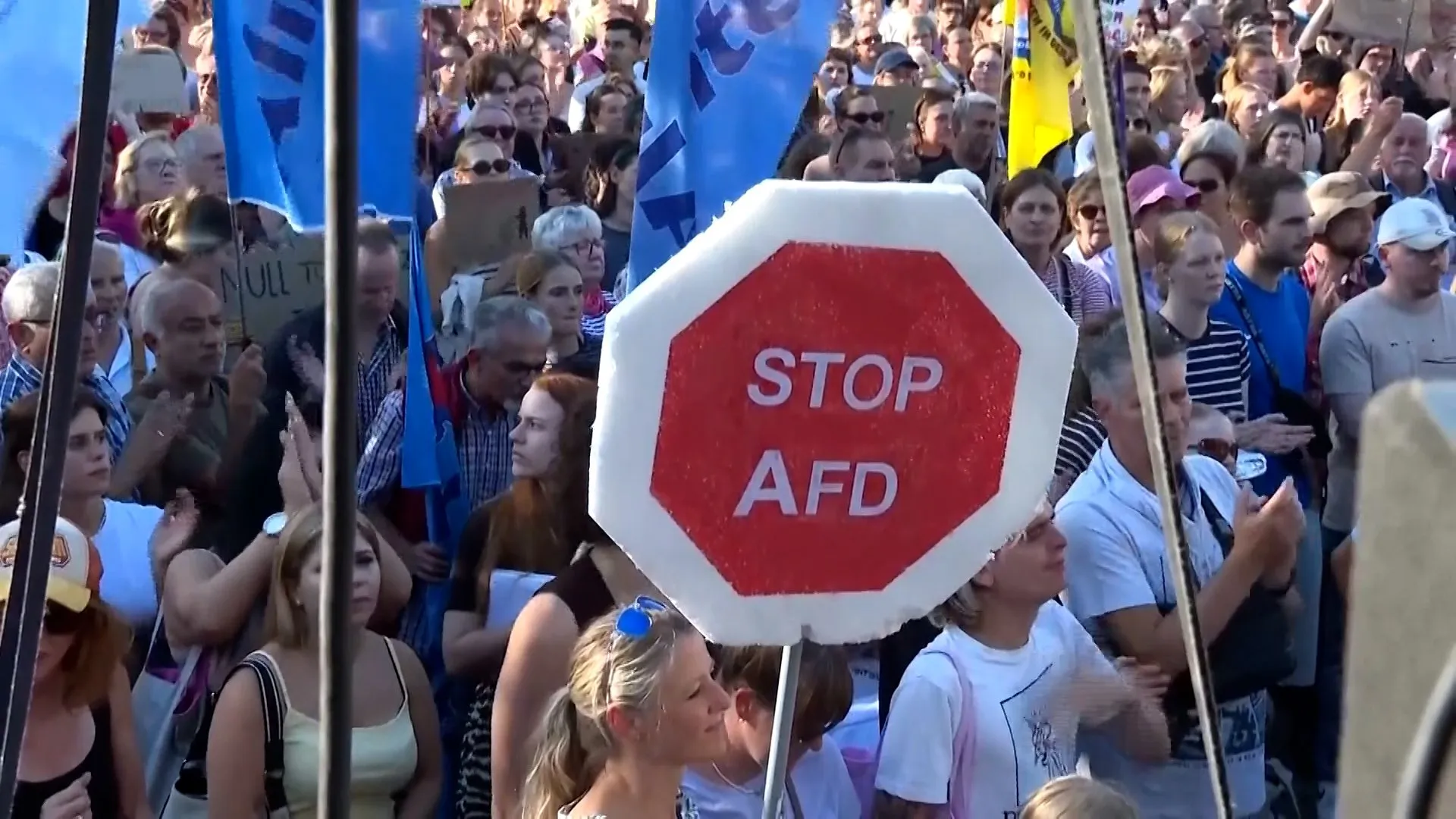
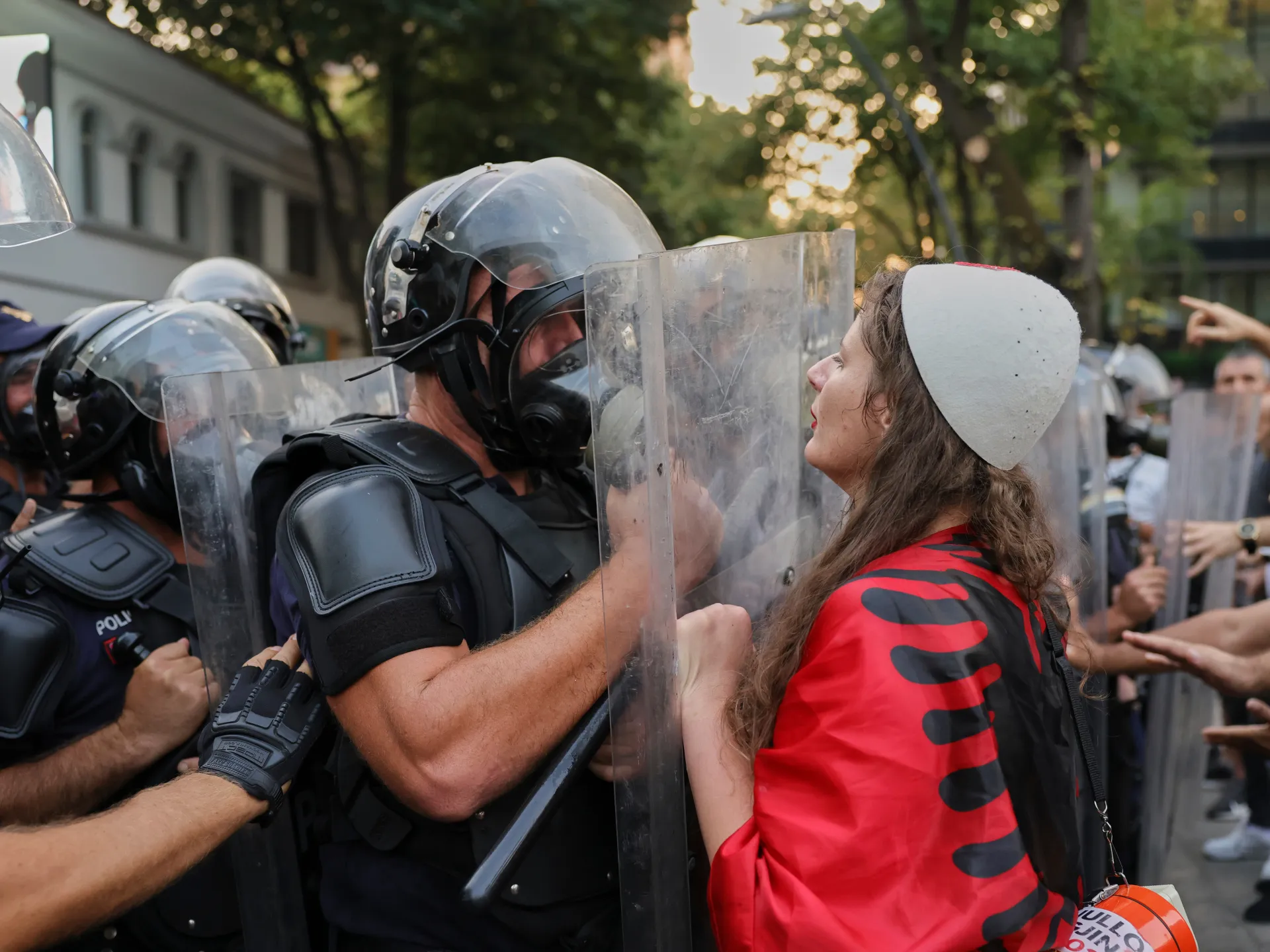
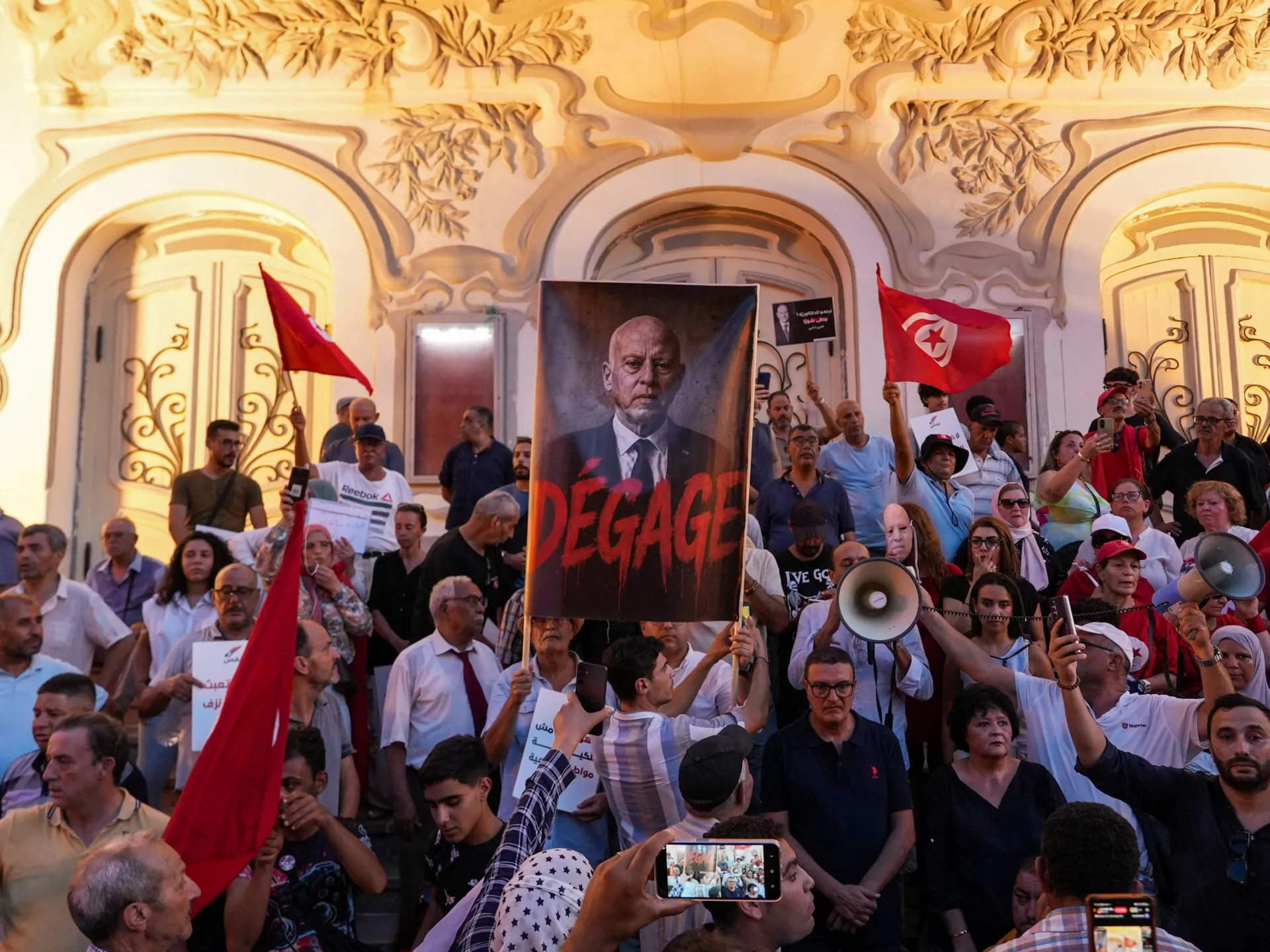
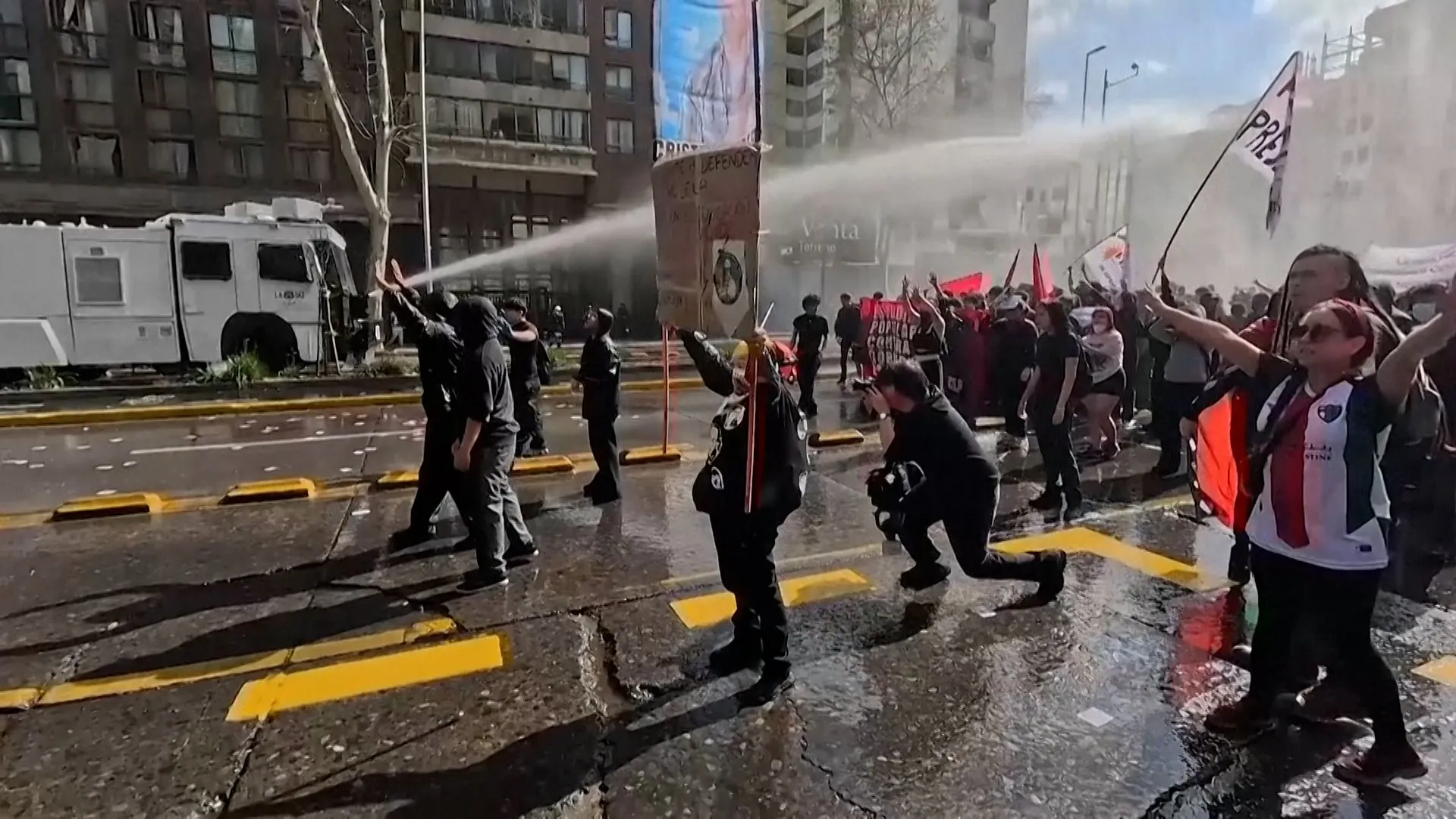
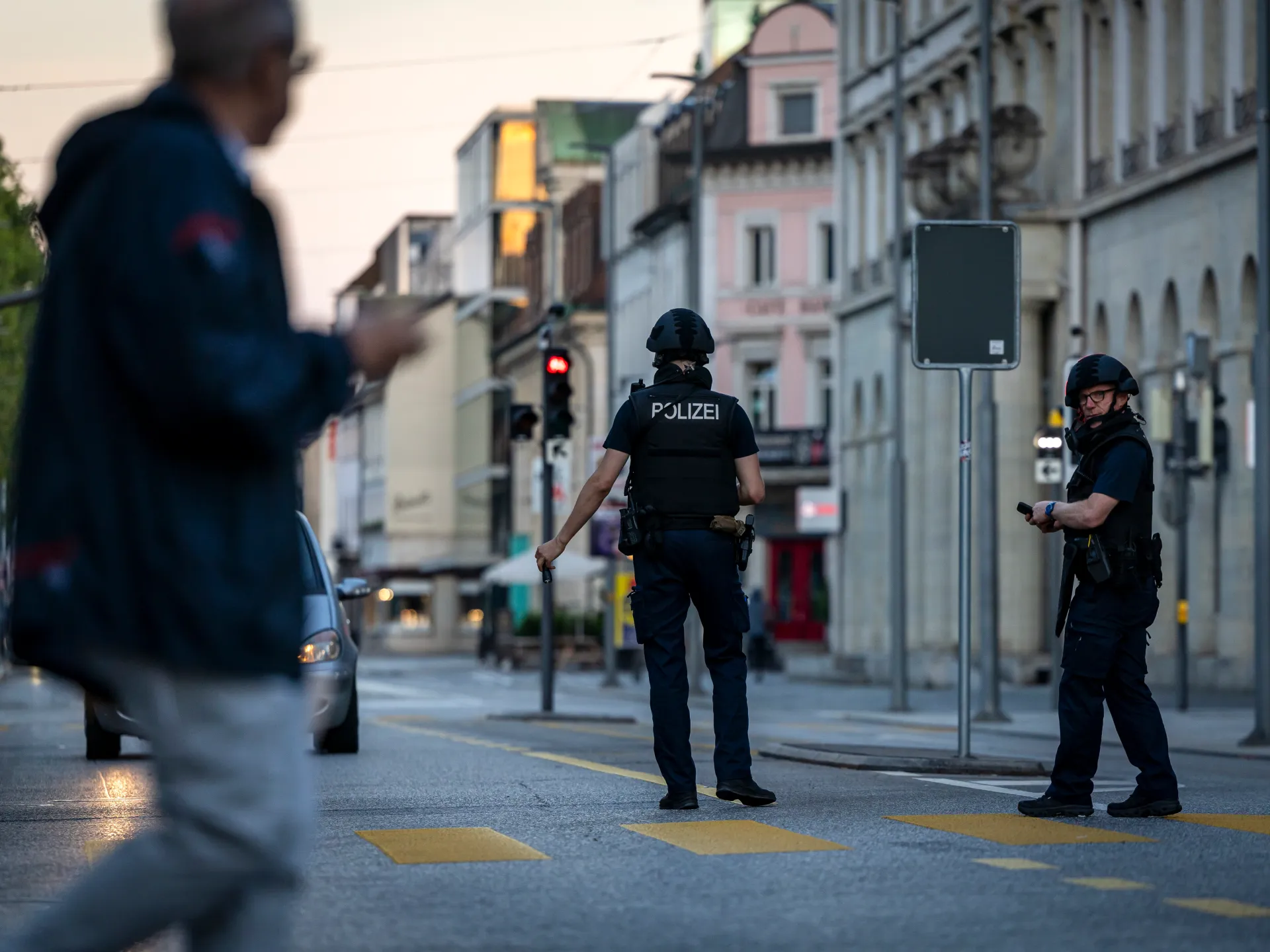
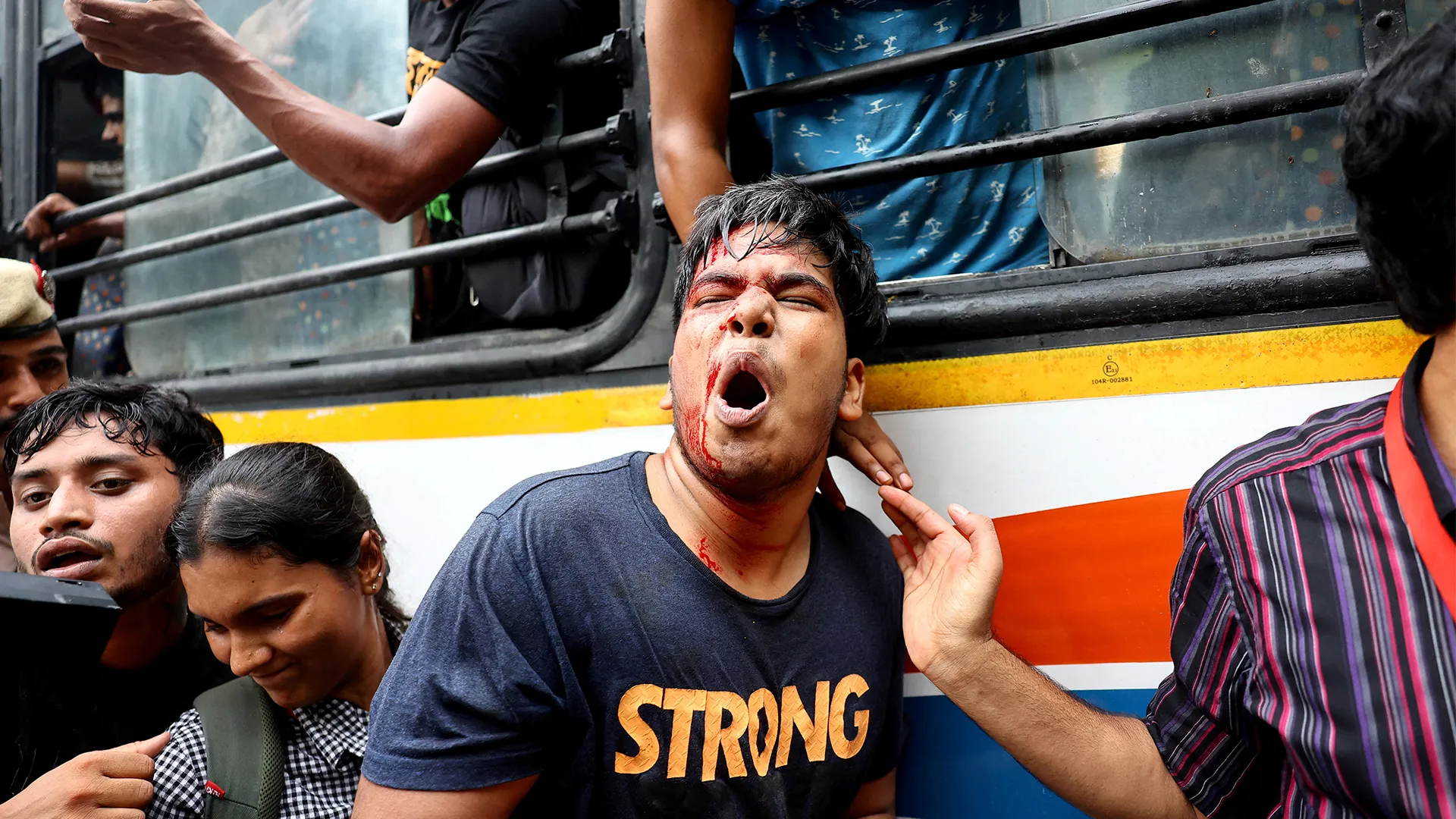
While some sectors of the Turkish economy find creative ways to modernize, the nation’s civil society faces a period of intense scrutiny. Over the weekend, authorities launched a series of coordinated raids across 12 provinces as part of a campaign officially titled "My Family is Safe." The operation, which officials describe as a necessary measure to uphold family values, has resulted in the widespread detention of activists and the targeting of specific organizations, including the LGBTQ+ association Kaos GL.
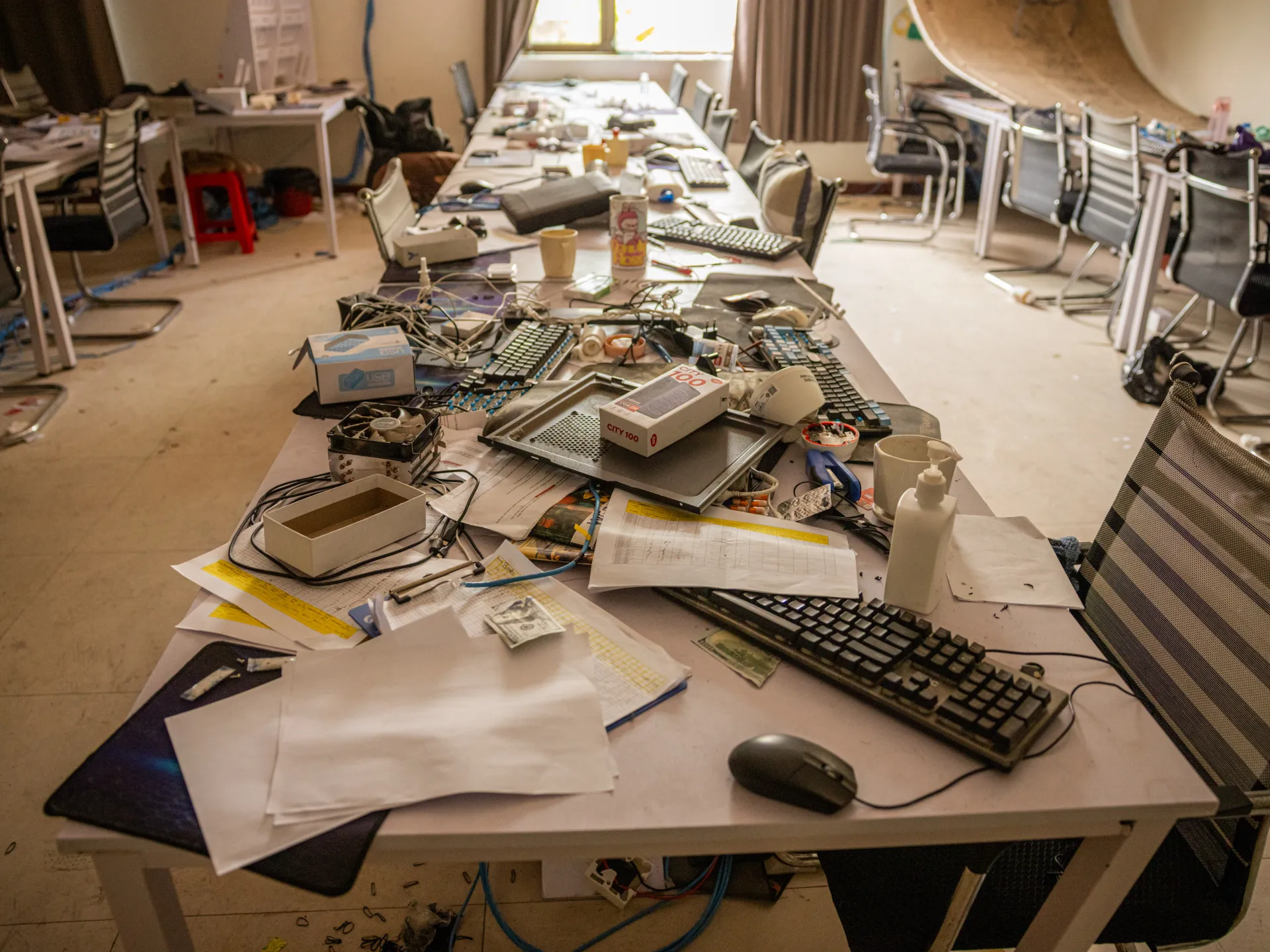
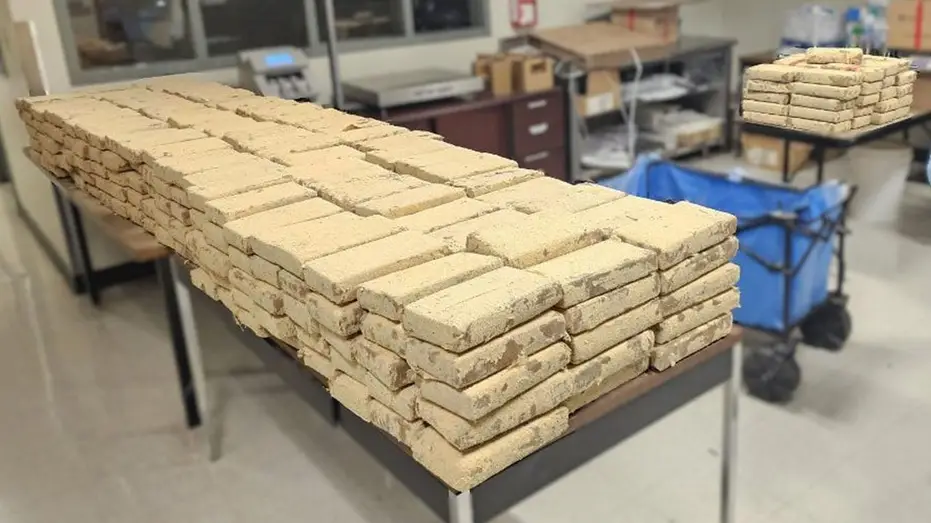
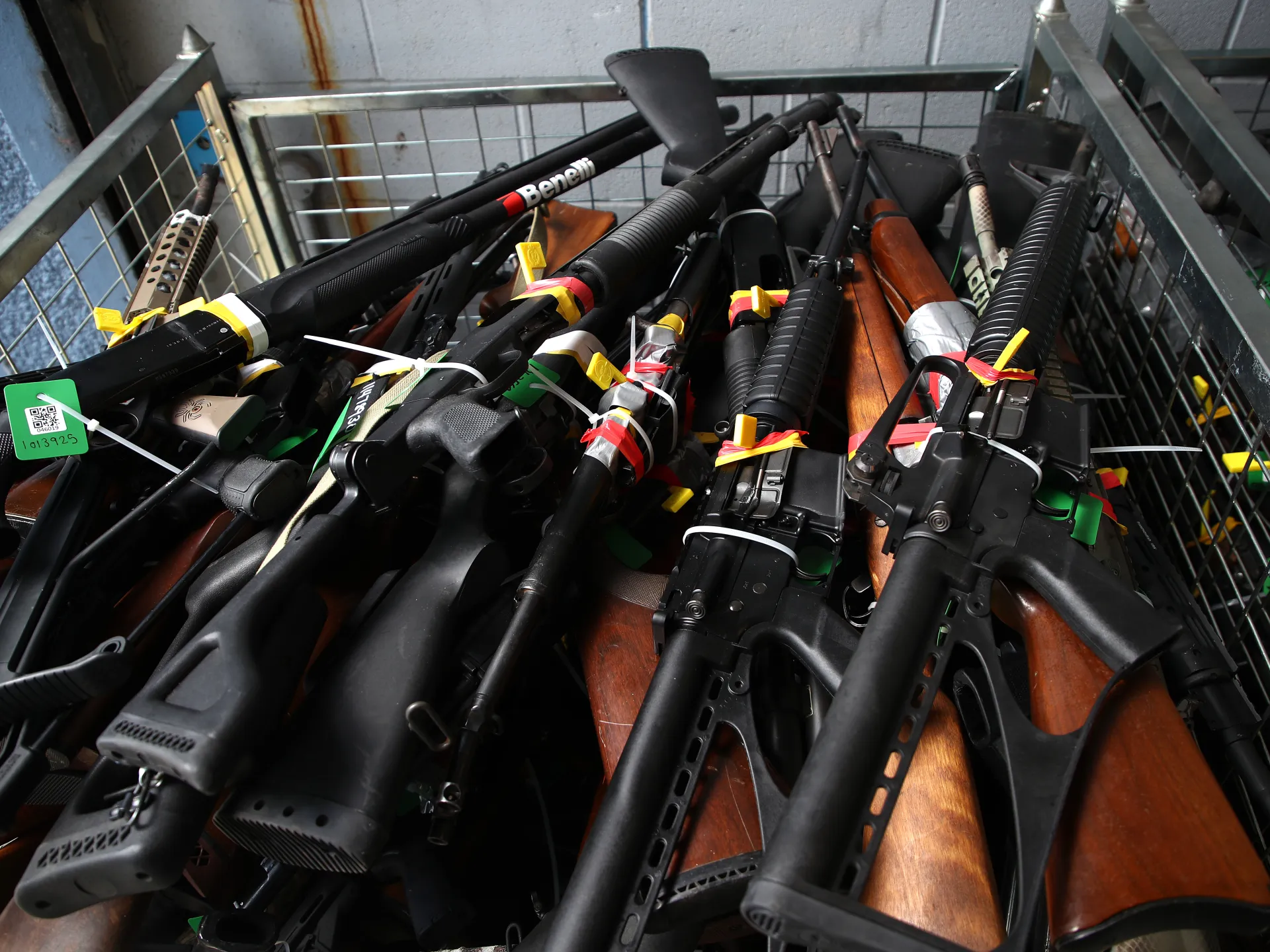
Official reports from the Istanbul chief prosecutor's office indicate that 26 individuals were taken into custody during the initial operations, with authorities seizing items ranging from digital equipment to firearms and illicit substances. Ankara’s prosecutor reported an additional 21 detentions related specifically to the investigation into Kaos GL. Conversely, the organization itself disputes these figures, claiming that at least 50 activists were detained, many during raids on private residences. The government has also moved to restrict online access, seeking the closure of social media accounts linked to approximately 15 organizations, citing "obscenity" as the primary justification.
The state-led "My Family is Safe" campaign is expected to continue as part of the broader "Decade of the Family" initiative, signaling that further legal action against civil society organizations is likely. As the government continues to frame these actions as moral and social protection, human rights observers anticipate heightened tension between Ankara and international advocacy groups. Meanwhile, in the private sector, the success of workshops like the Akdemir forge suggests that small-scale, highly specialized traditional businesses will continue to look toward the global internet-native market for survival. The dichotomy between these two trajectories—a narrowing space for social expression and an expanding space for globalized artisanal commerce—will likely remain the defining characteristic of the Turkish social landscape for the foreseeable future.