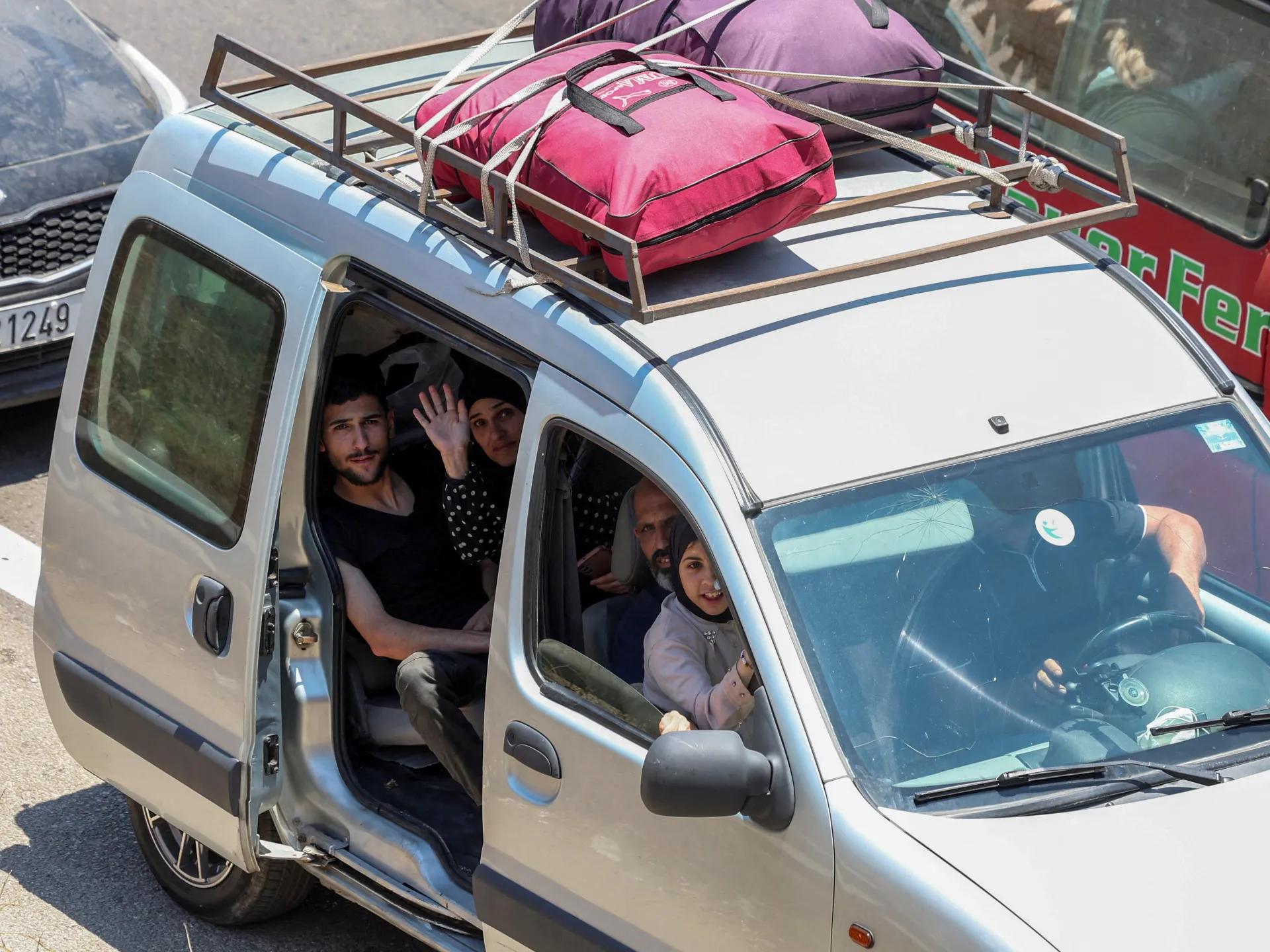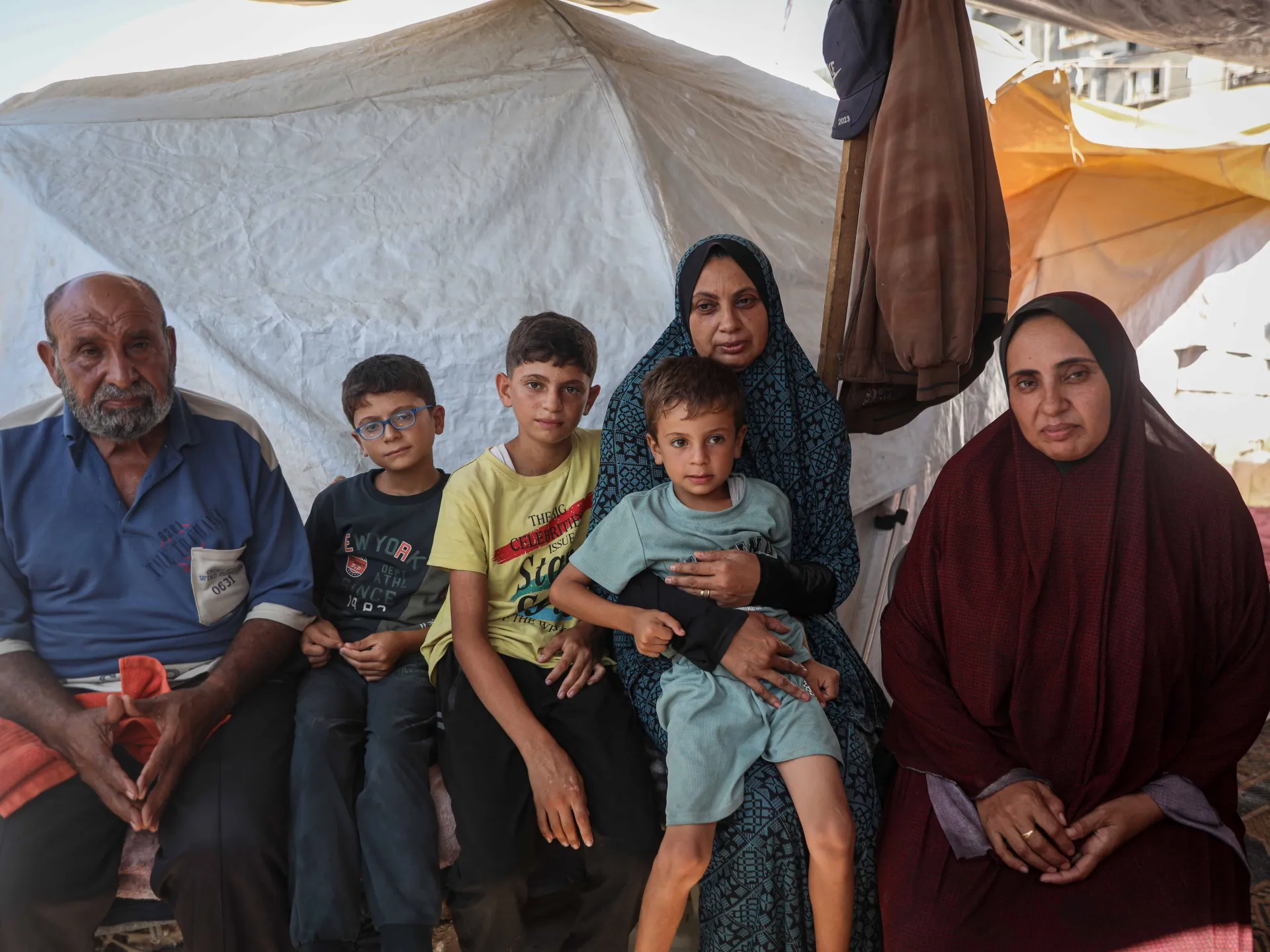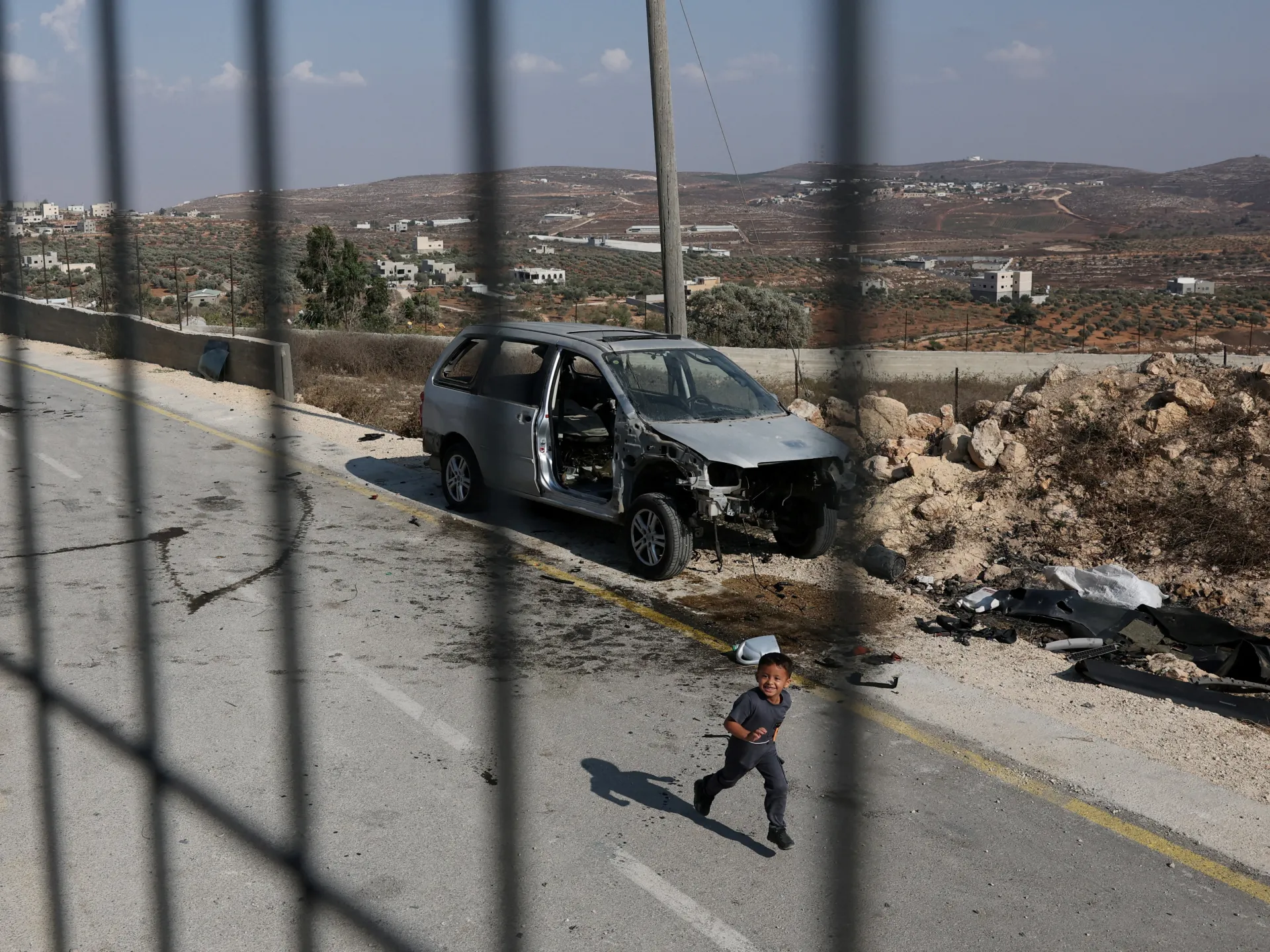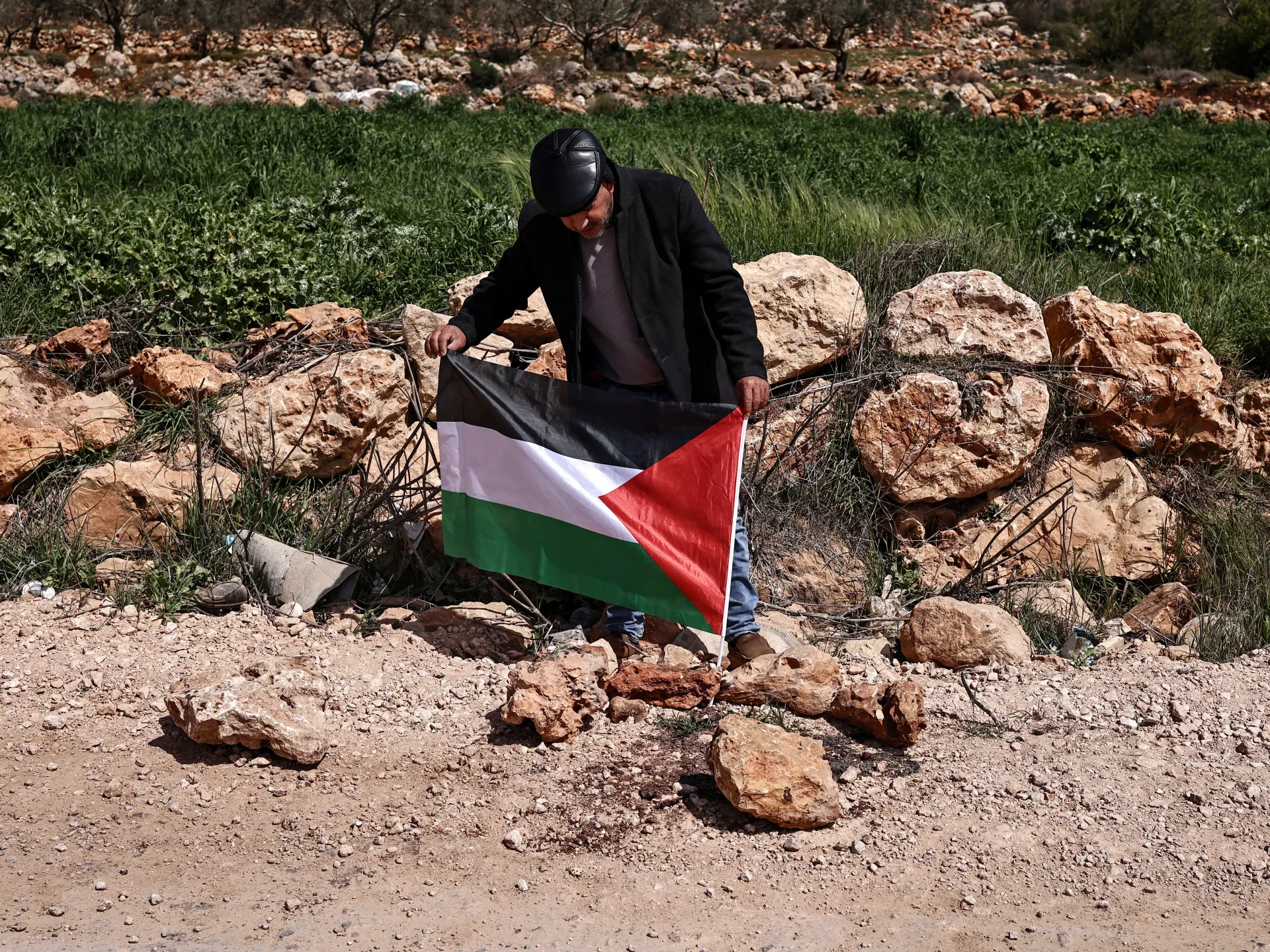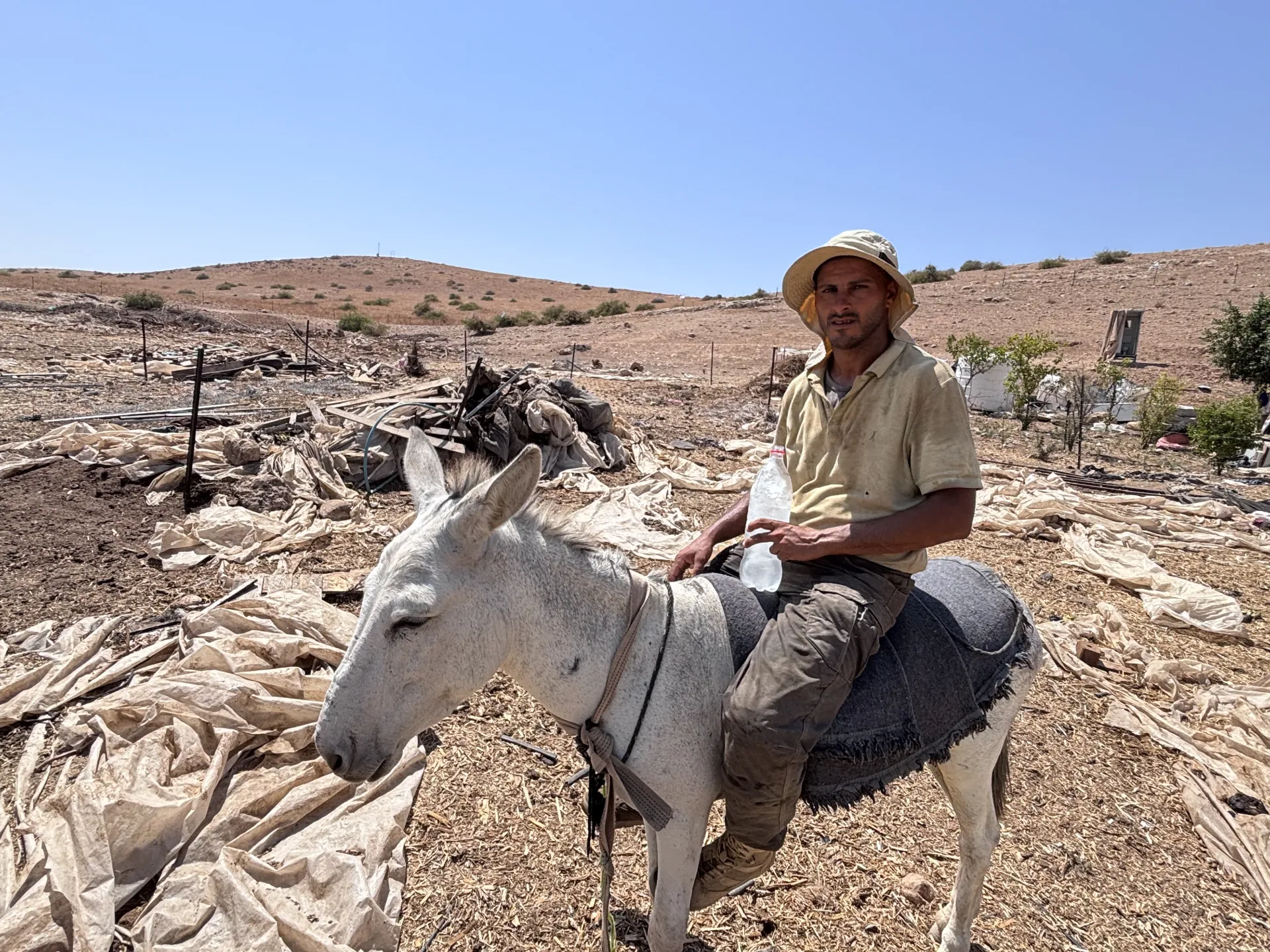
A Palestinian family in the Jordan Valley is living in the open after their home was demolished, despite holding a court injunction intended to protect them.
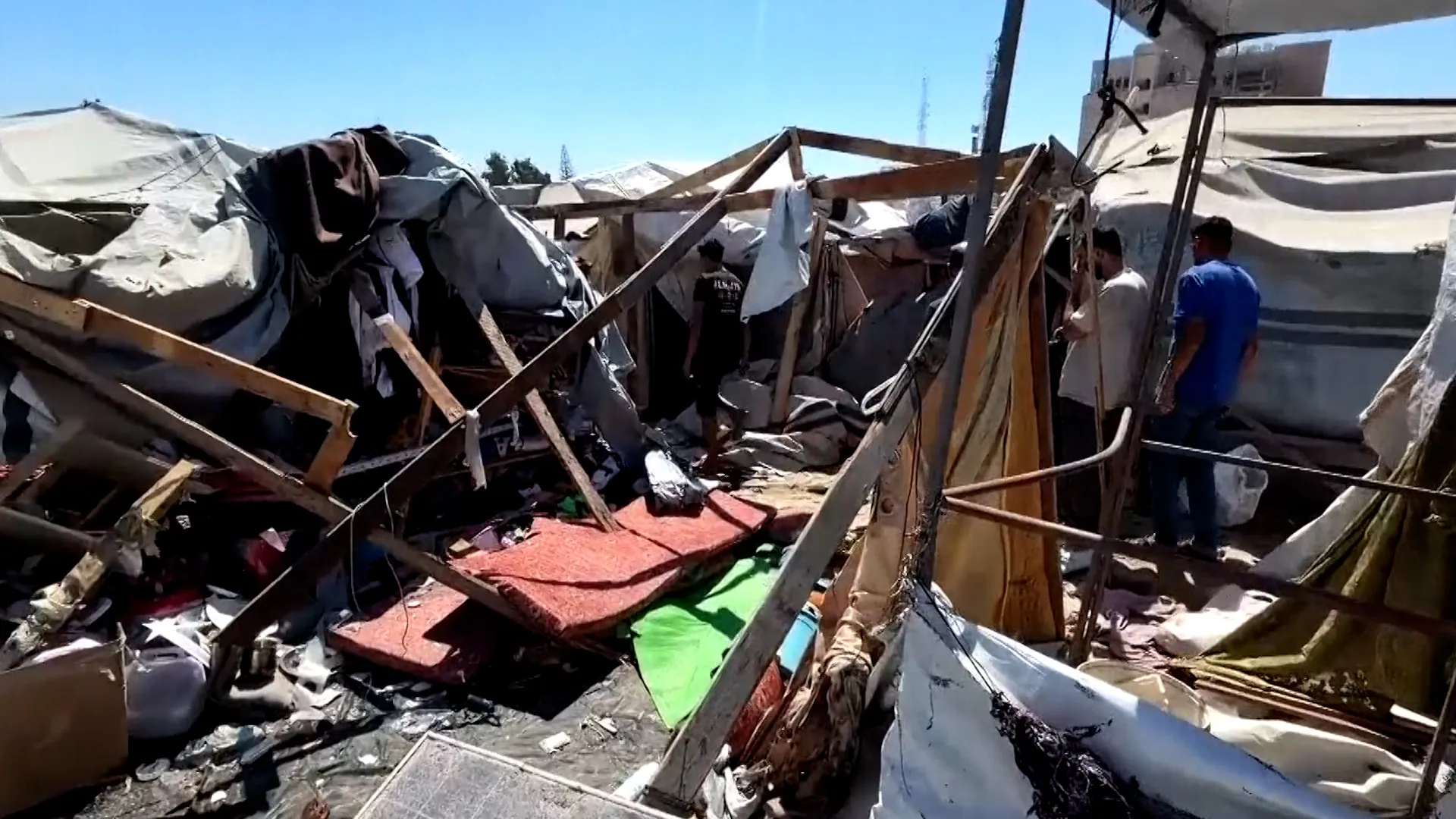
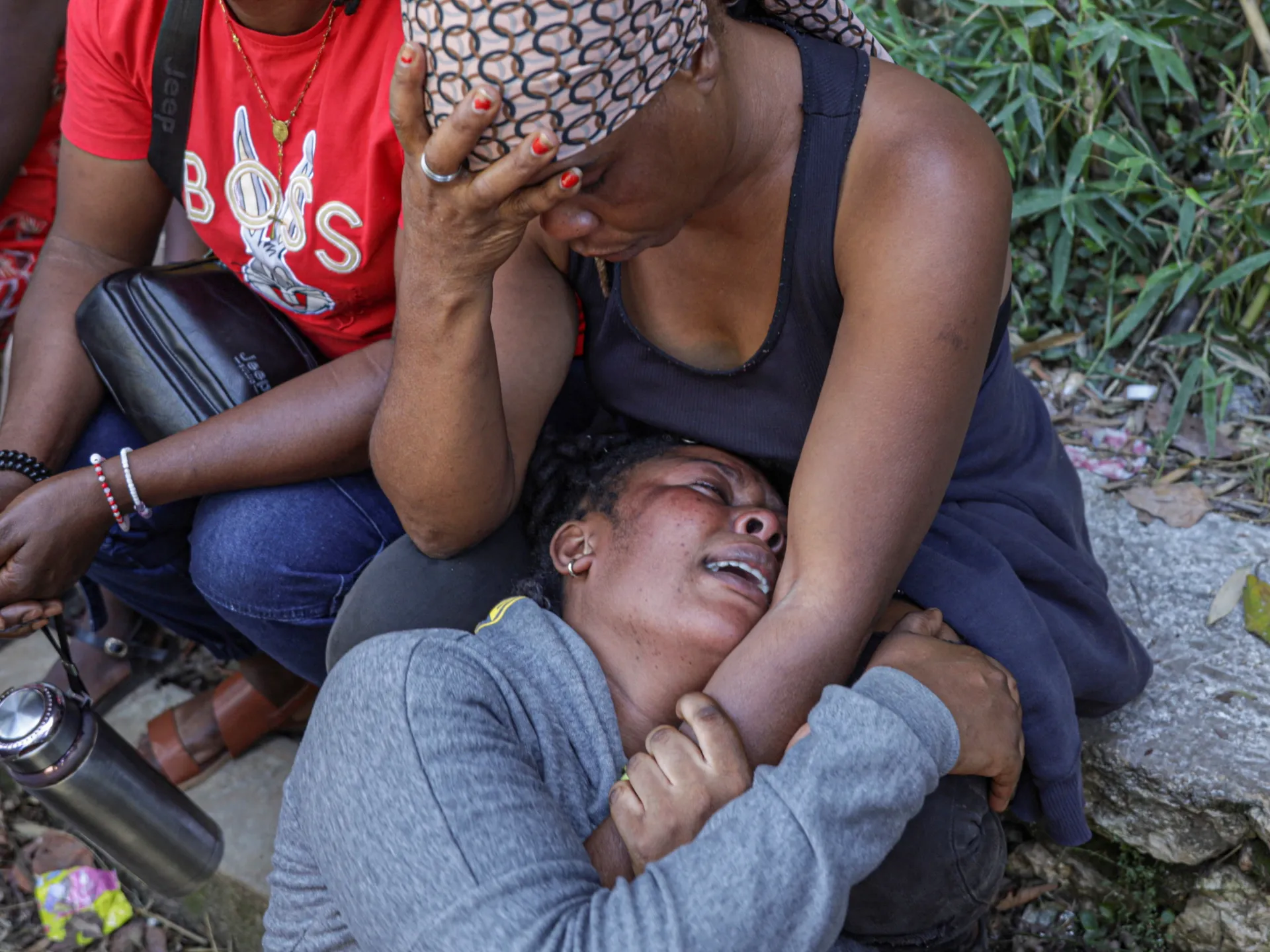
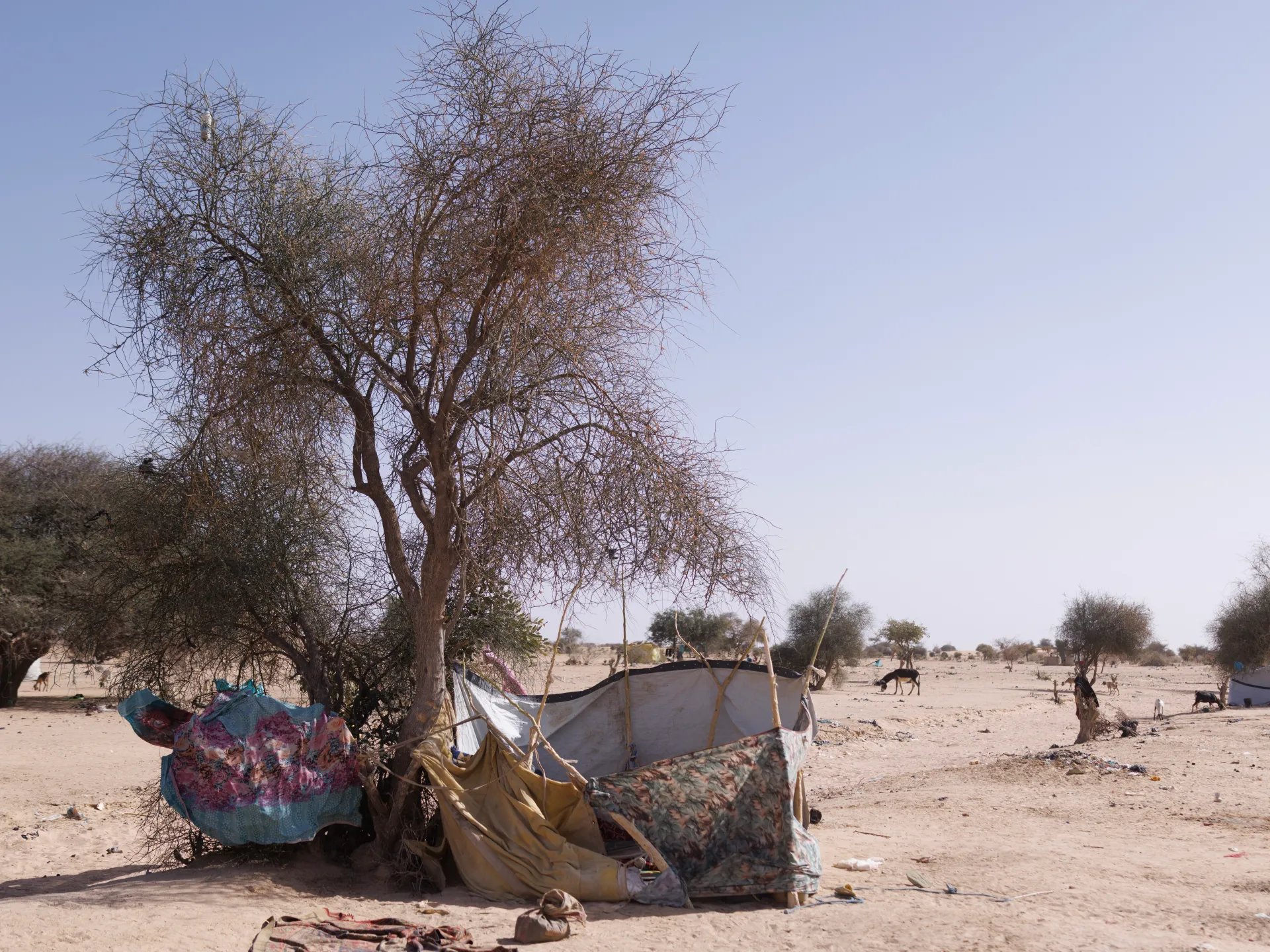
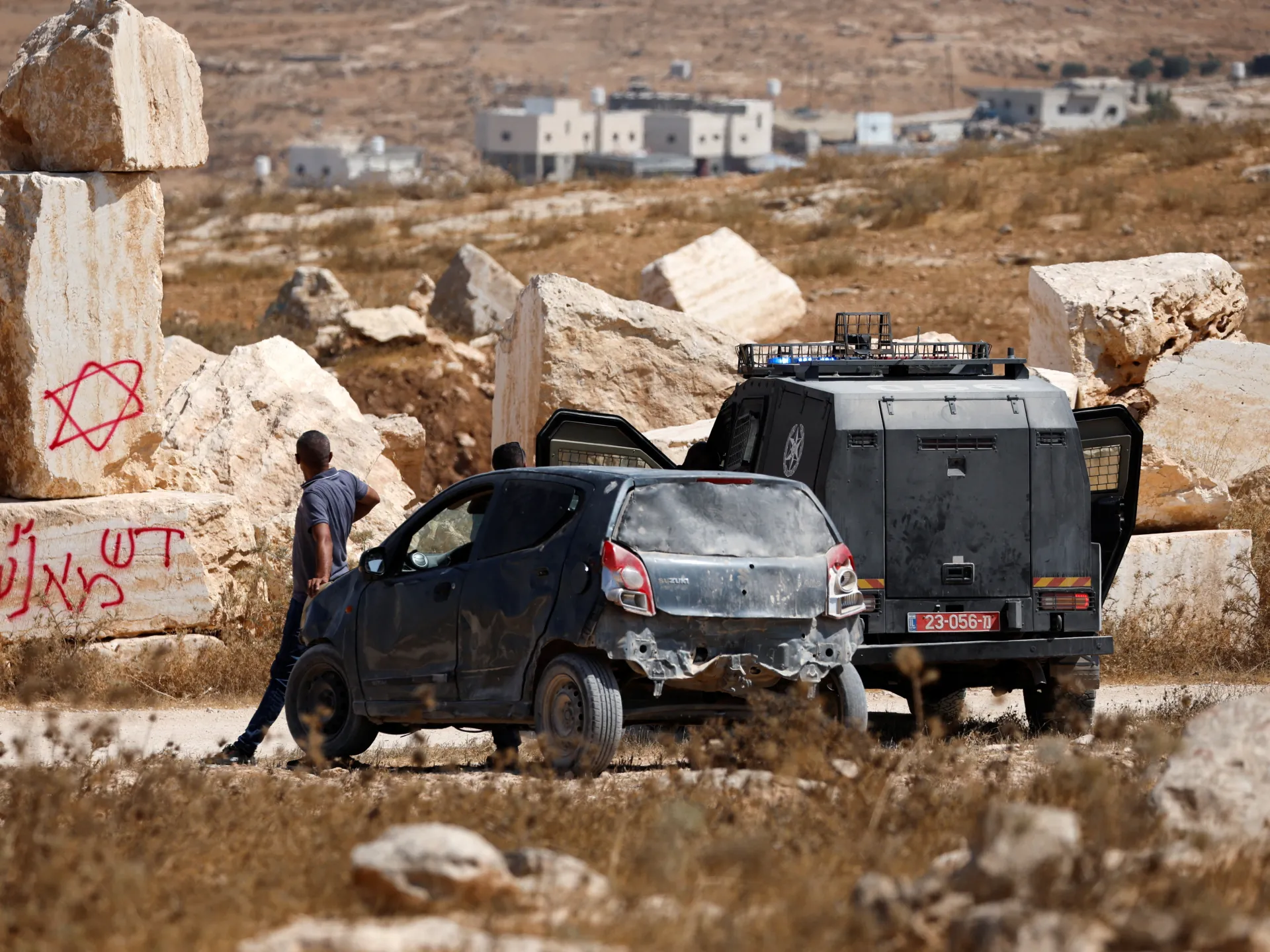
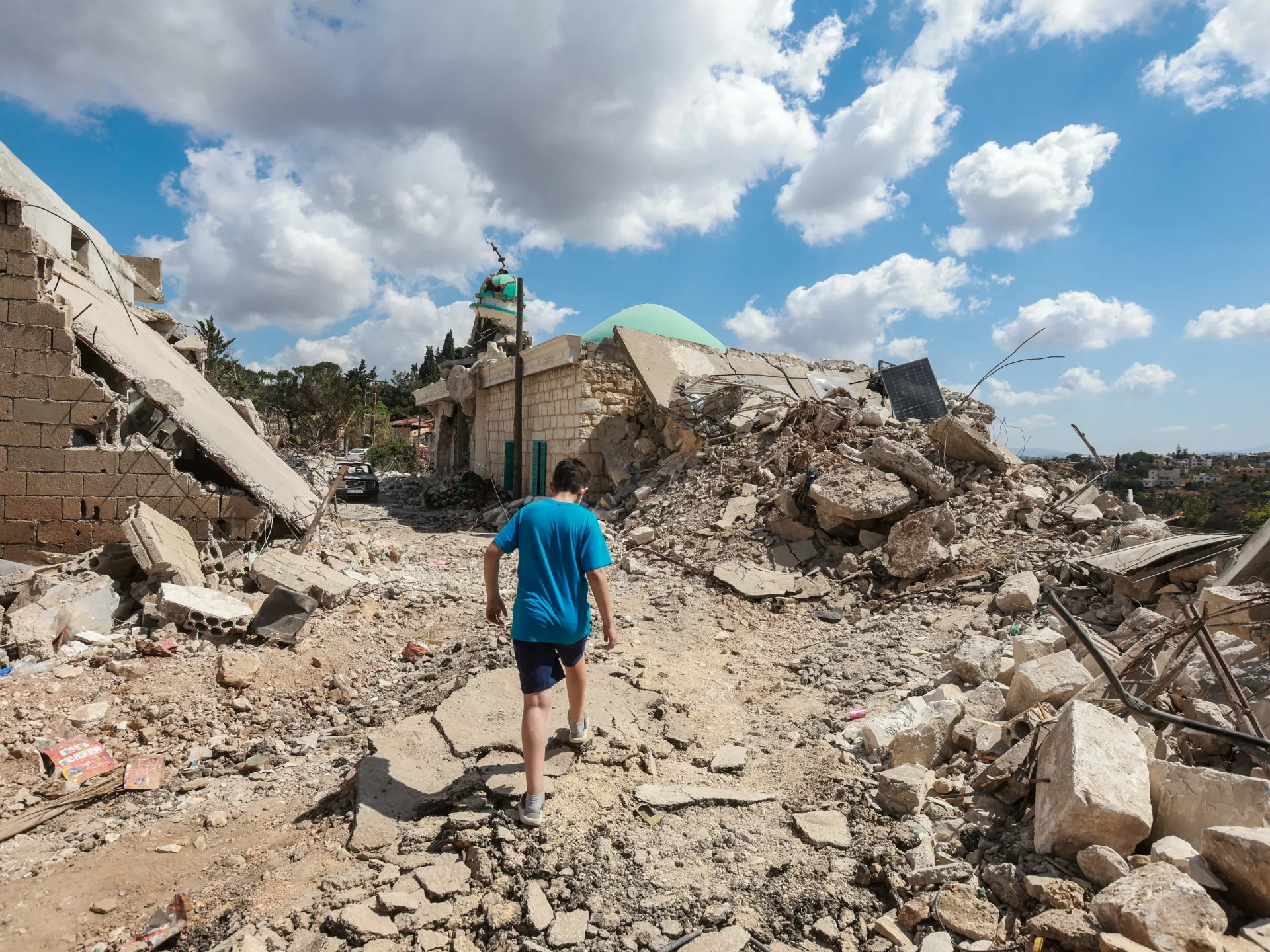
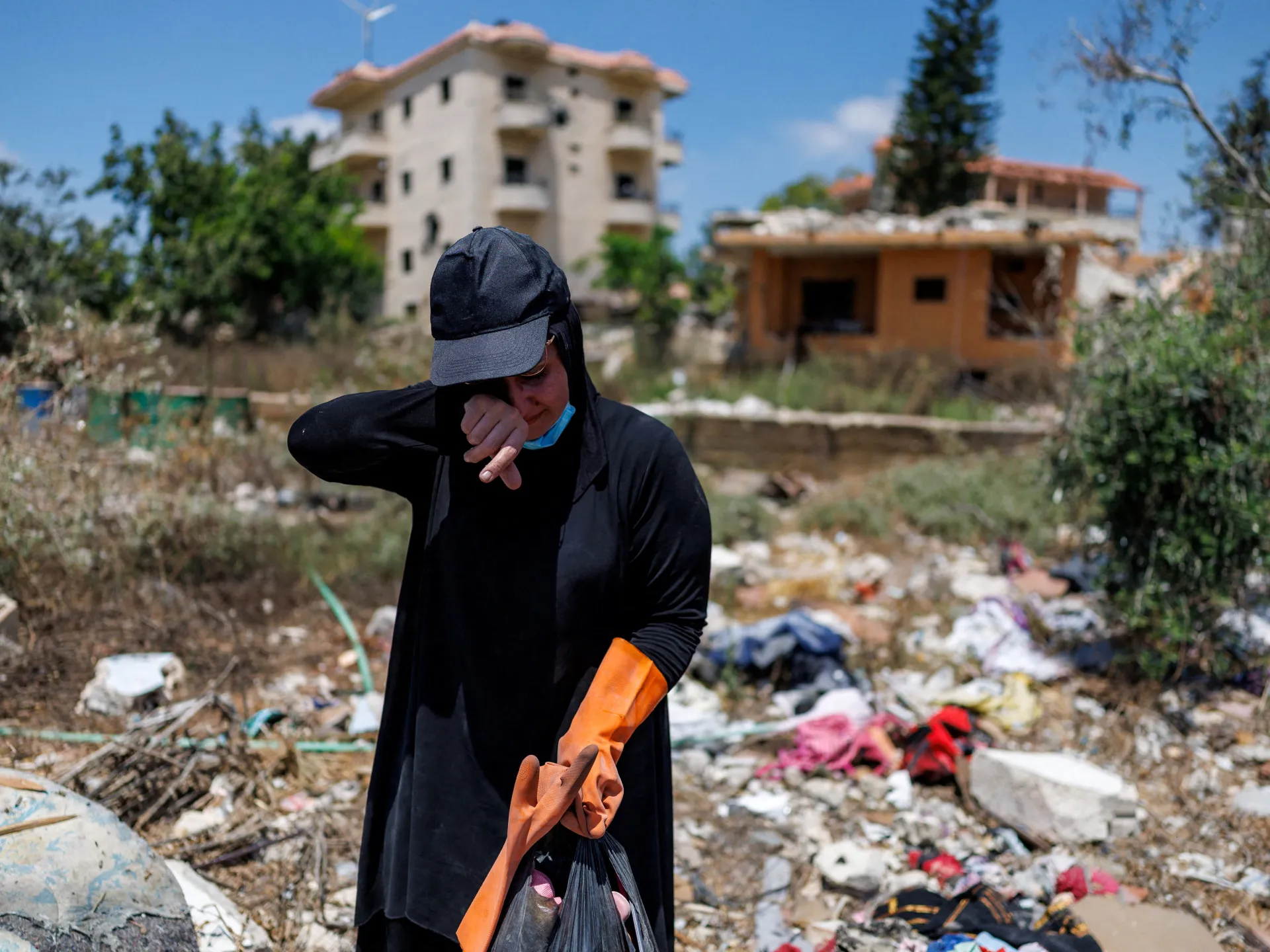
For Adel Daraghmeh and his family, the landscape of Ein el-Hilweh in the occupied West Bank has transformed from a ancestral home into a site of profound vulnerability. Living under a makeshift shelter composed of tarpaulins and old blankets, the family struggles to endure temperatures exceeding 43 degrees Celsius. Their displacement follows the demolition of their home, an event that occurred despite a standing Israeli Supreme Court injunction that was intended to protect their property from such destruction.
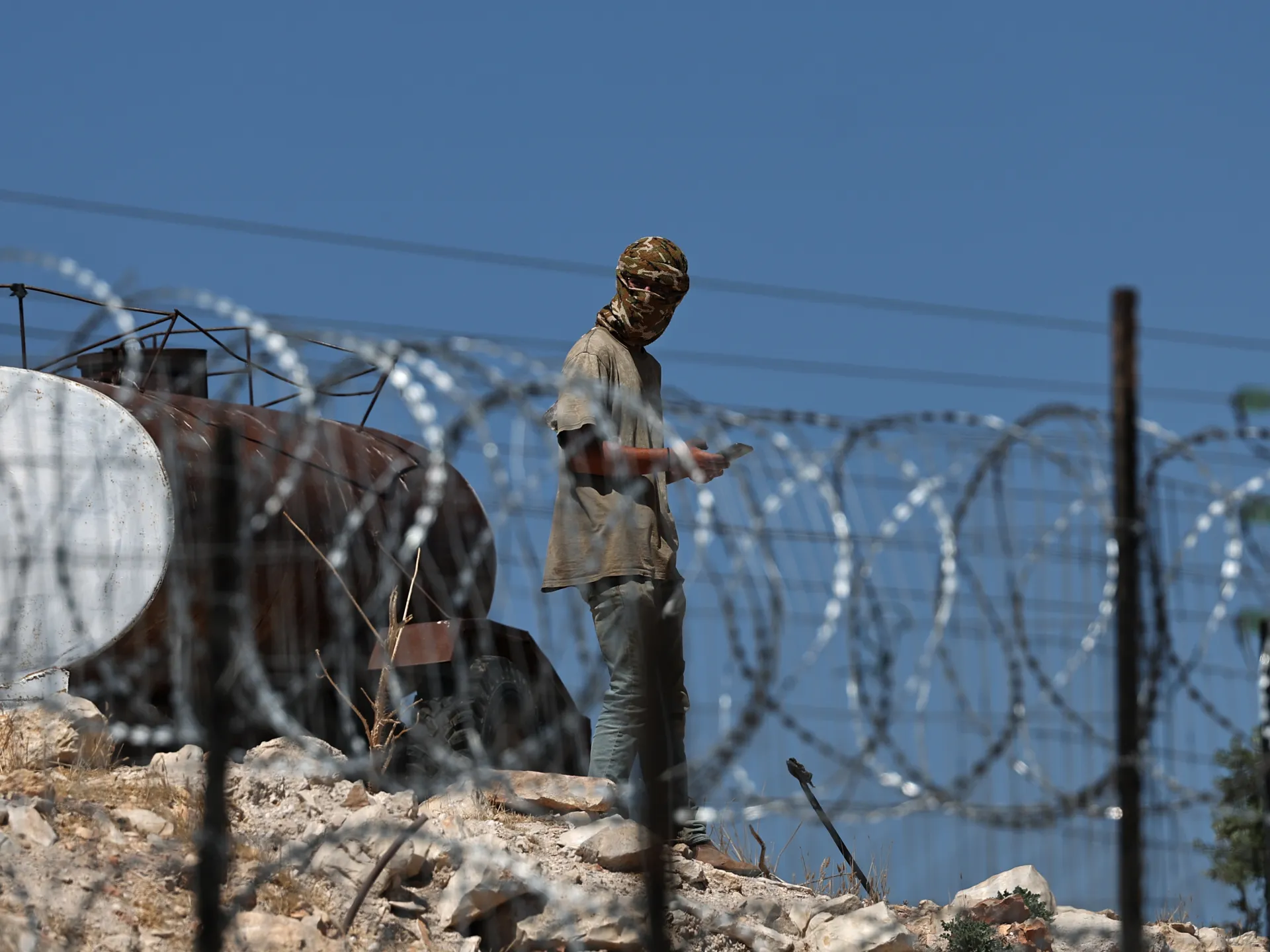
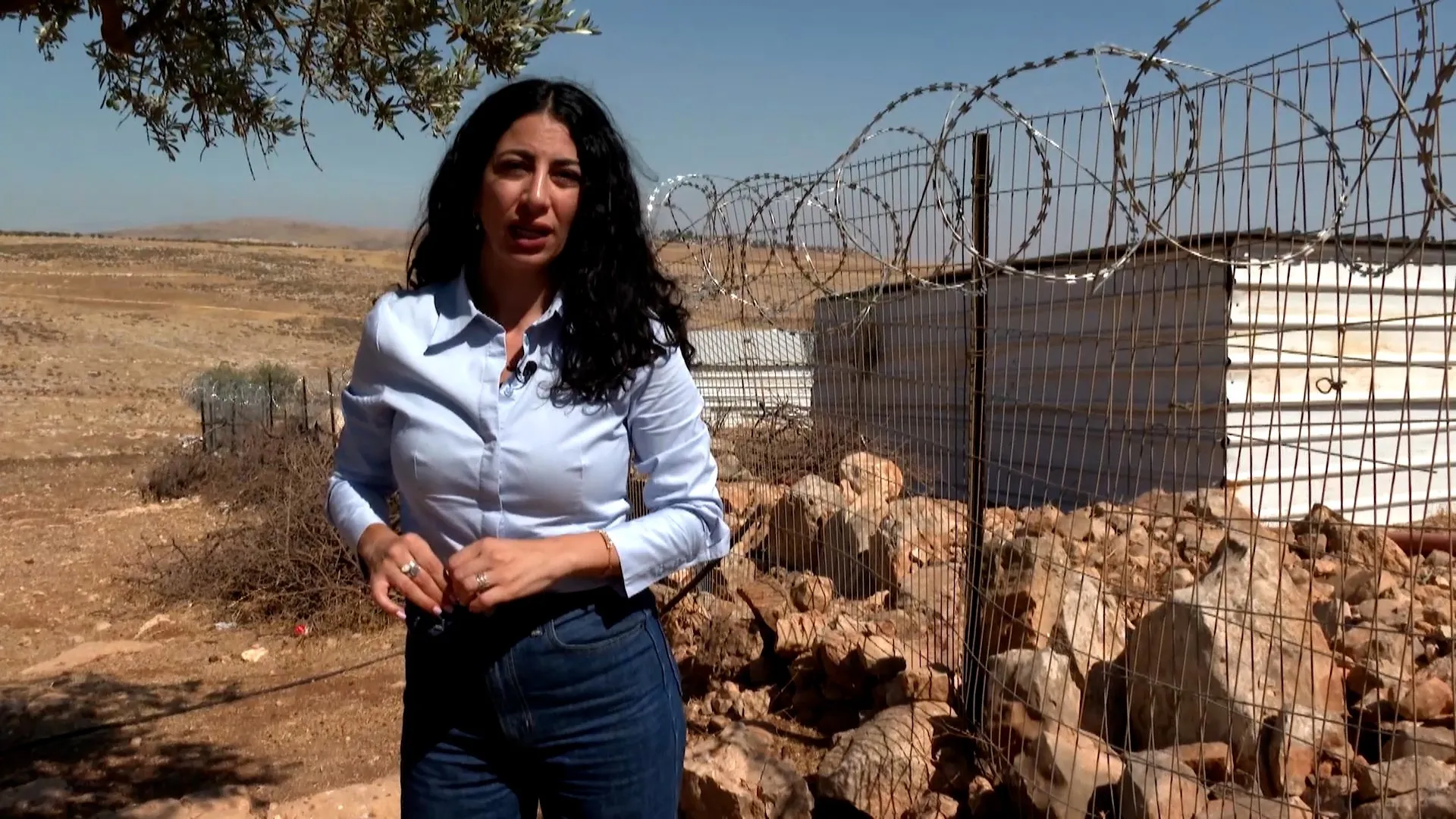
The loss extends far beyond the physical structure of their house. Essential supplies, including life-saving diabetes medication for Adel, were destroyed during the demolition process. With their solar panels and water access compromised, the family faces severe health risks and extreme hardship. The proximity of a newly erected settler-built fence has further restricted their access to traditional grazing lands, effectively severing their connection to the livelihood they have maintained for generations.
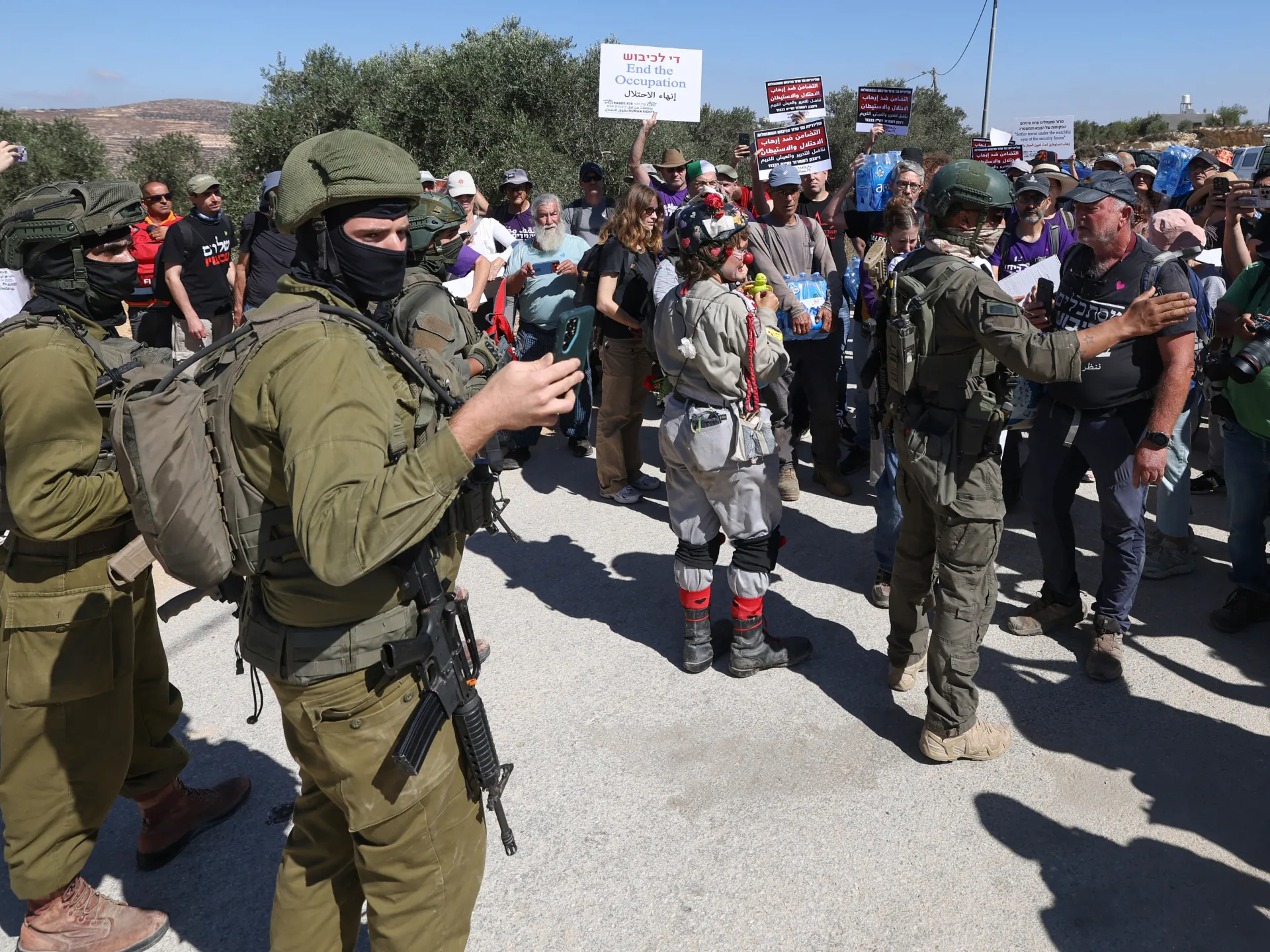
Legal representatives for the Daraghmeh family emphasize that the demolition occurred in direct violation of existing judicial orders. Despite attempts to present legal documentation to the soldiers and Civil Administration officials present during the operation, the family was given mere minutes to vacate the premises. The lack of adherence to court mandates highlights a growing concern among human rights advocates regarding the erosion of legal protections for Palestinian communities in Area C of the West Bank.
Legal experts argue that the planning and zoning systems in the region are fundamentally designed to disadvantage Palestinian residents. tinian construction while facilitating the expansion of Israeli settlements, the current framework creates a cycle of persistent instability. Even when residents attempt to navigate the legal process through appeals, they are often forced to engage with the same authorities responsible for the initial discriminatory policies.
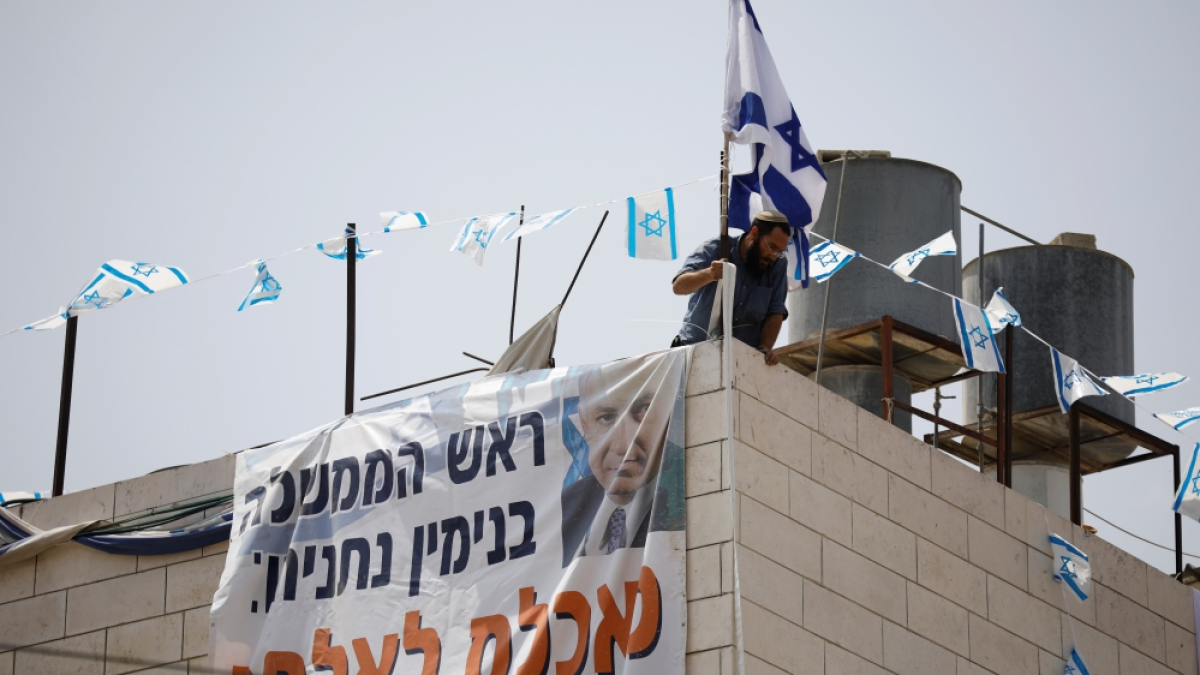
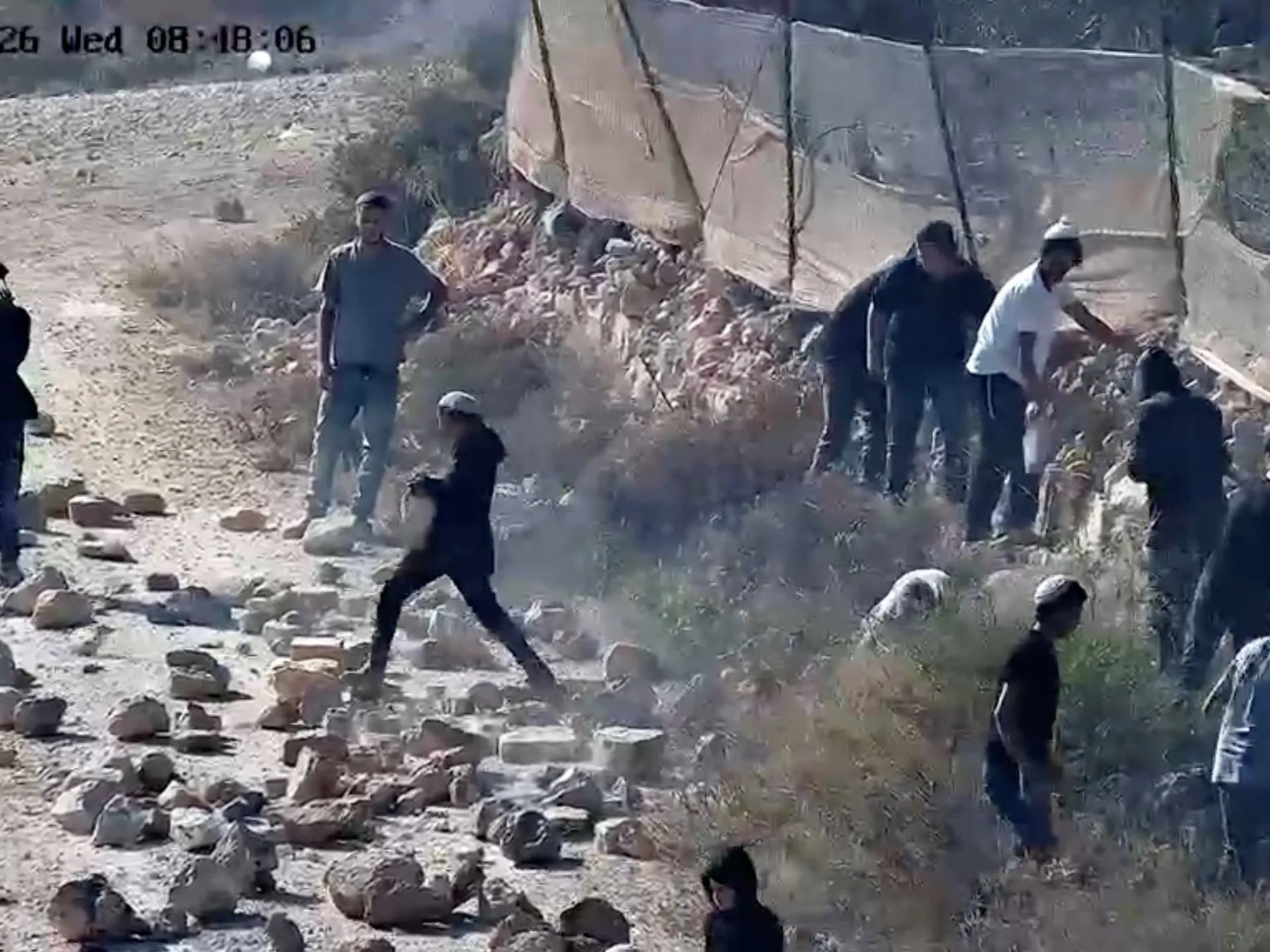
The lines between official state actions and settler activities have become increasingly blurred in the Jordan Valley. Families in the area report that soldiers, settlers, and administrative officials frequently act in concert, creating an environment of constant intimidation. This collaboration has led to the loss of livestock, the restriction of water resources, and the persistent threat of further demolitions. For the Daraghmeh family, the presence of these groups represents a singular, overwhelming force that dictates their survival.
Data from international monitoring organizations reflects a broader trend of displacement across the occupied territories. With thousands of structures demolished in recent years, the humanitarian impact is significant, particularly for children and elderly individuals who lack the resources to recover from such losses. As the family watches their remaining property and assets vanish, the psychological and physical toll continues to mount, leaving them in a state of perpetual uncertainty regarding their future.
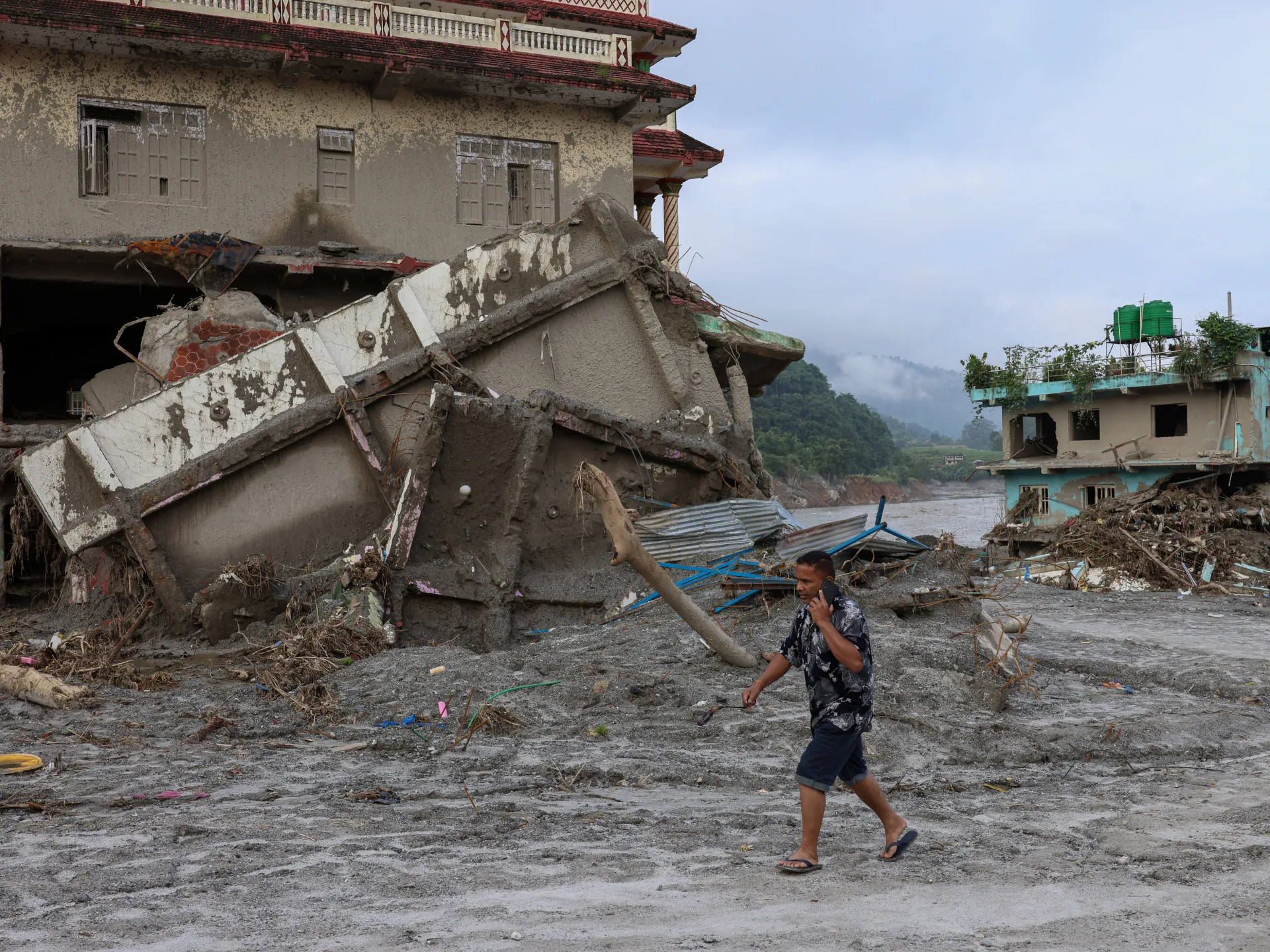
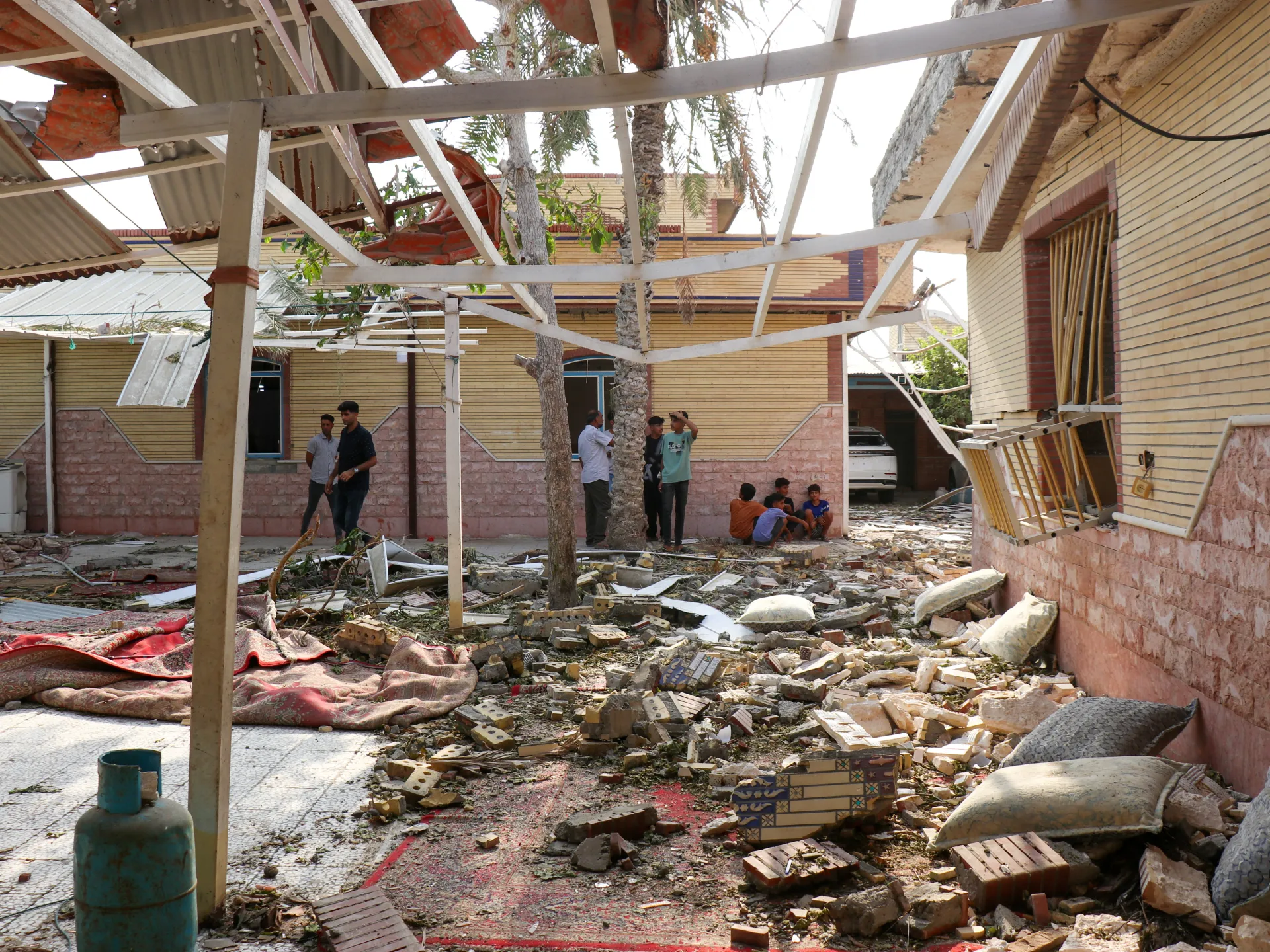
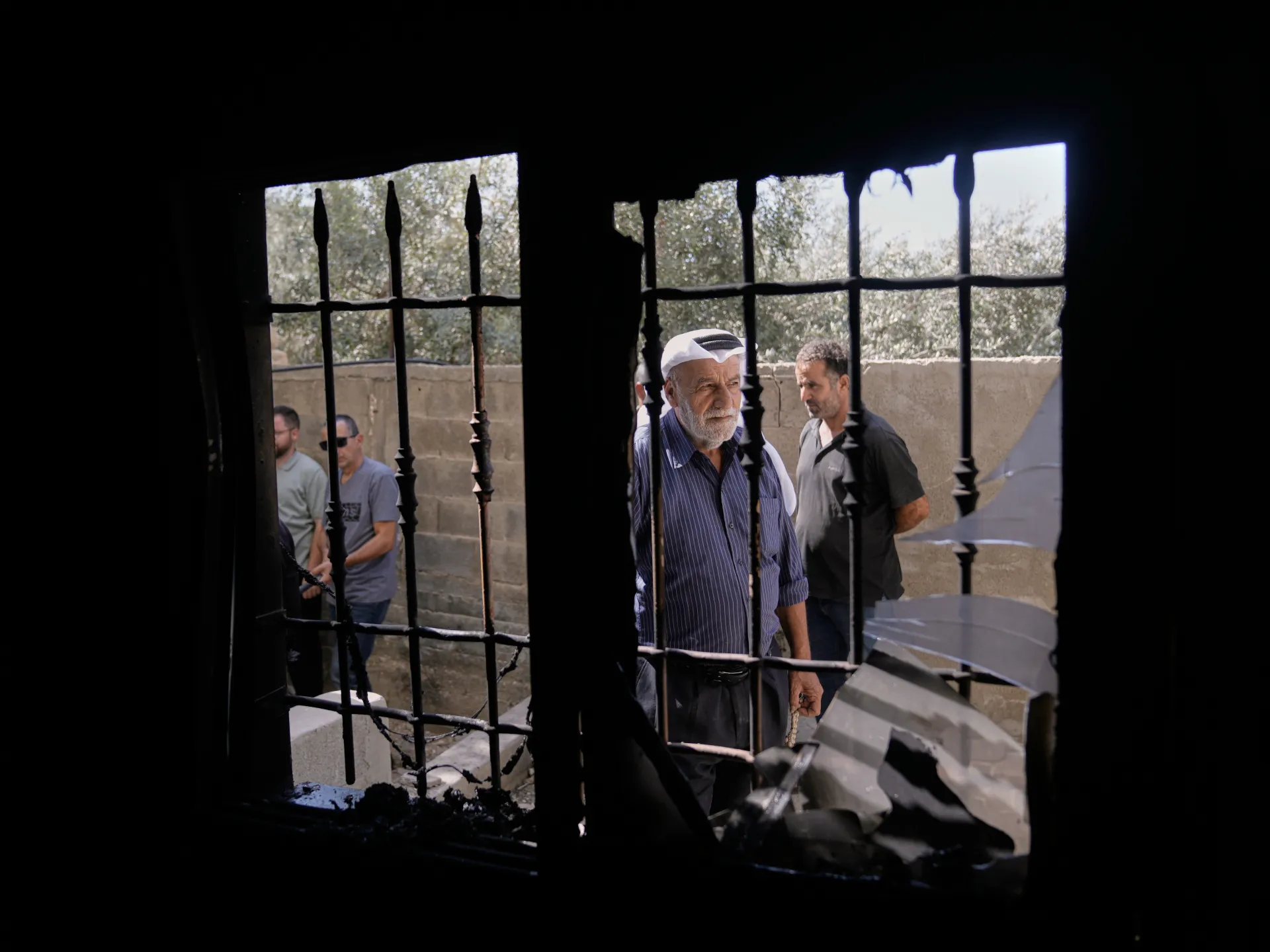
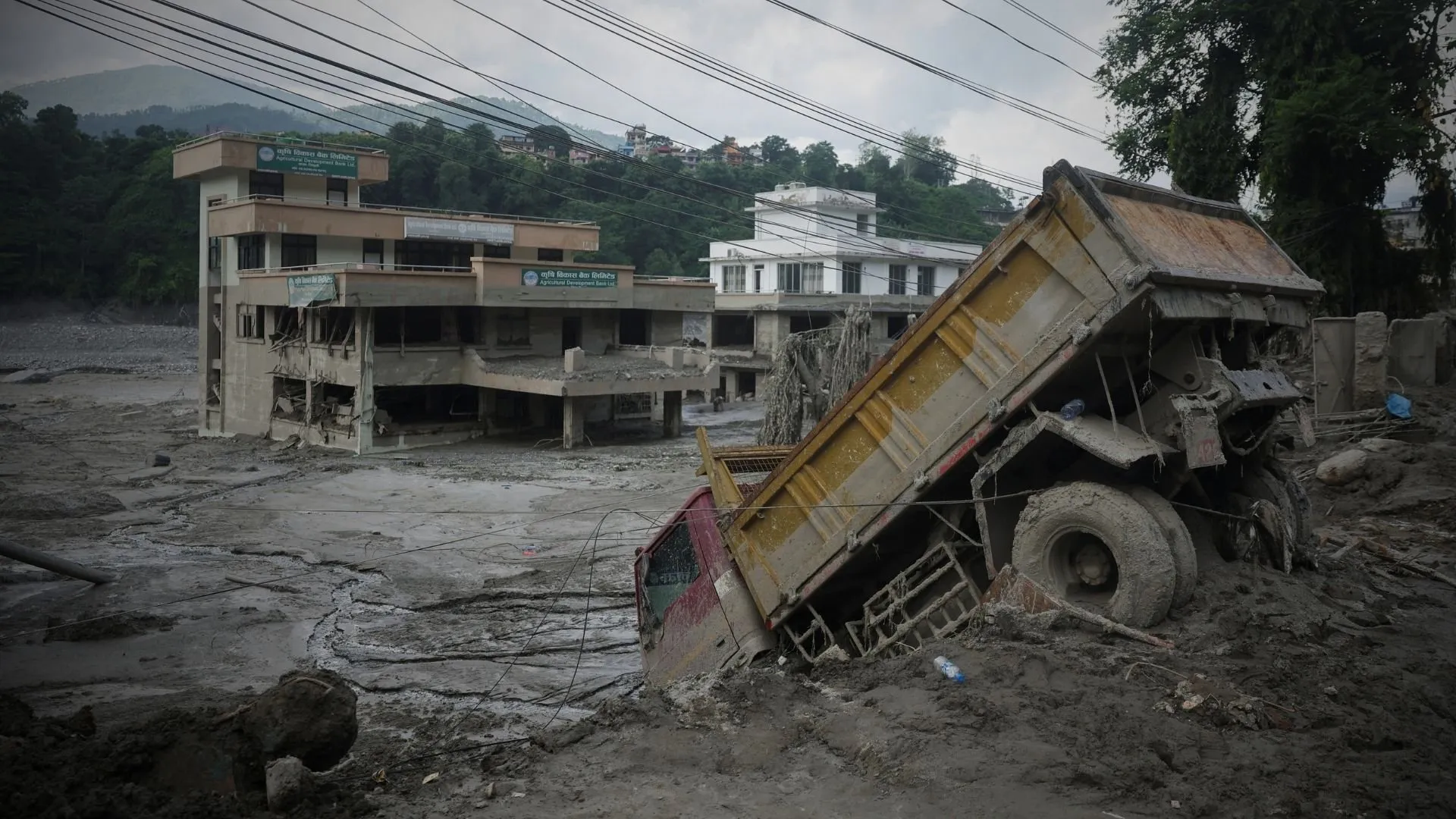
Despite the destruction of their homes and the ongoing theft of their livestock, the family remains tethered to the land that has defined their history. The remnants of their former lives—scorched rubble, twisted metal, and broken household goods—stand as a testament to what has been lost. For the younger generation, the fear of future raids remains constant, as they witness their relatives being forced into poverty and reliance on the limited support of their community.
Amidst the despair, the family clings to memories of a time before the current escalation. Moments of reflection on past celebrations and community life provide a brief respite from the harsh conditions of their current existence. However, the reality of their situation remains stark: they are homeless, under-resourced, and living in an area where the rule of law has been consistently superseded