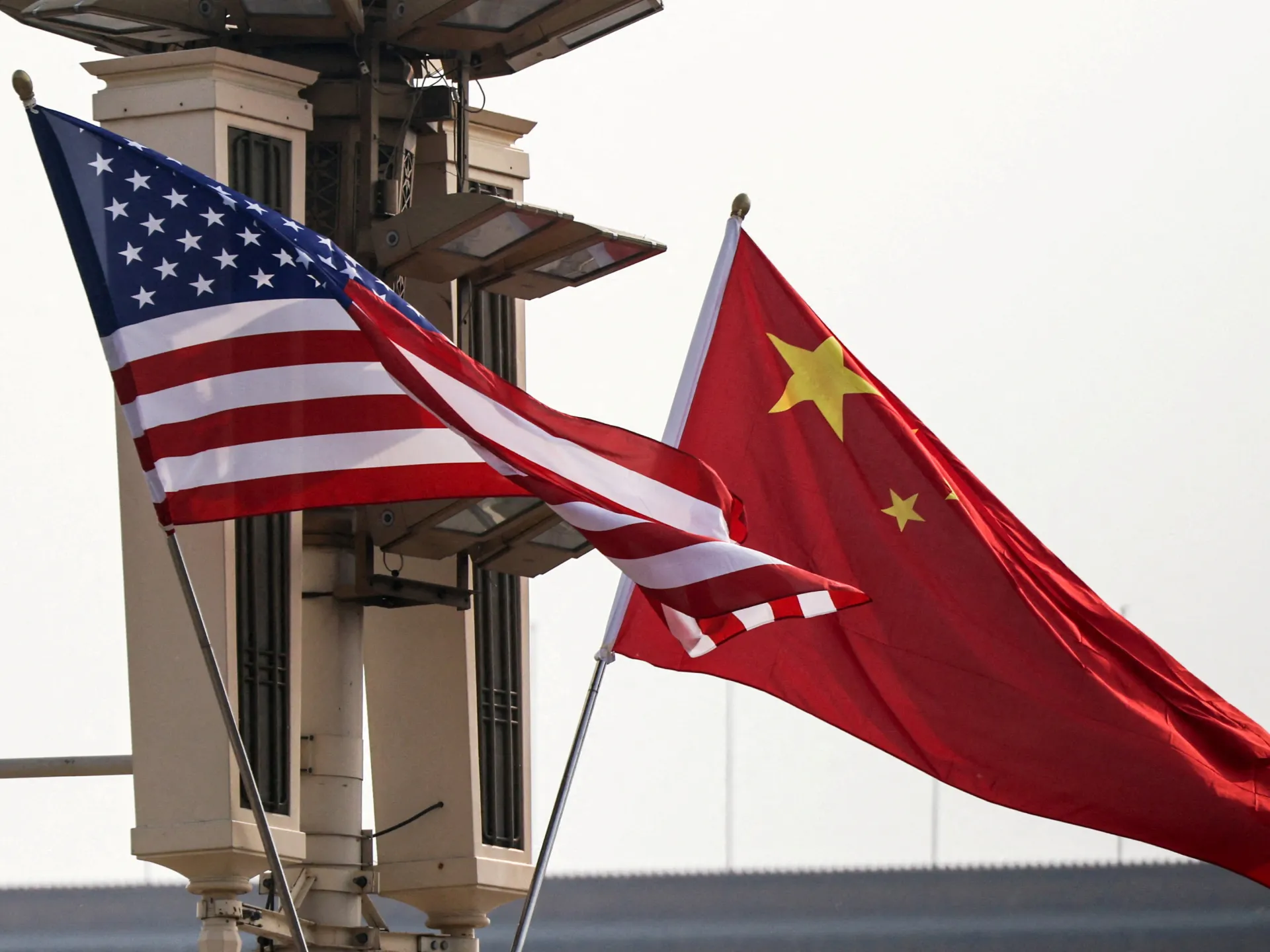
A proposed 50% tariff on Canadian spirits is creating uncertainty for the hospitality industry as trade negotiations between the U.S. and Canada reach a critical deadline.
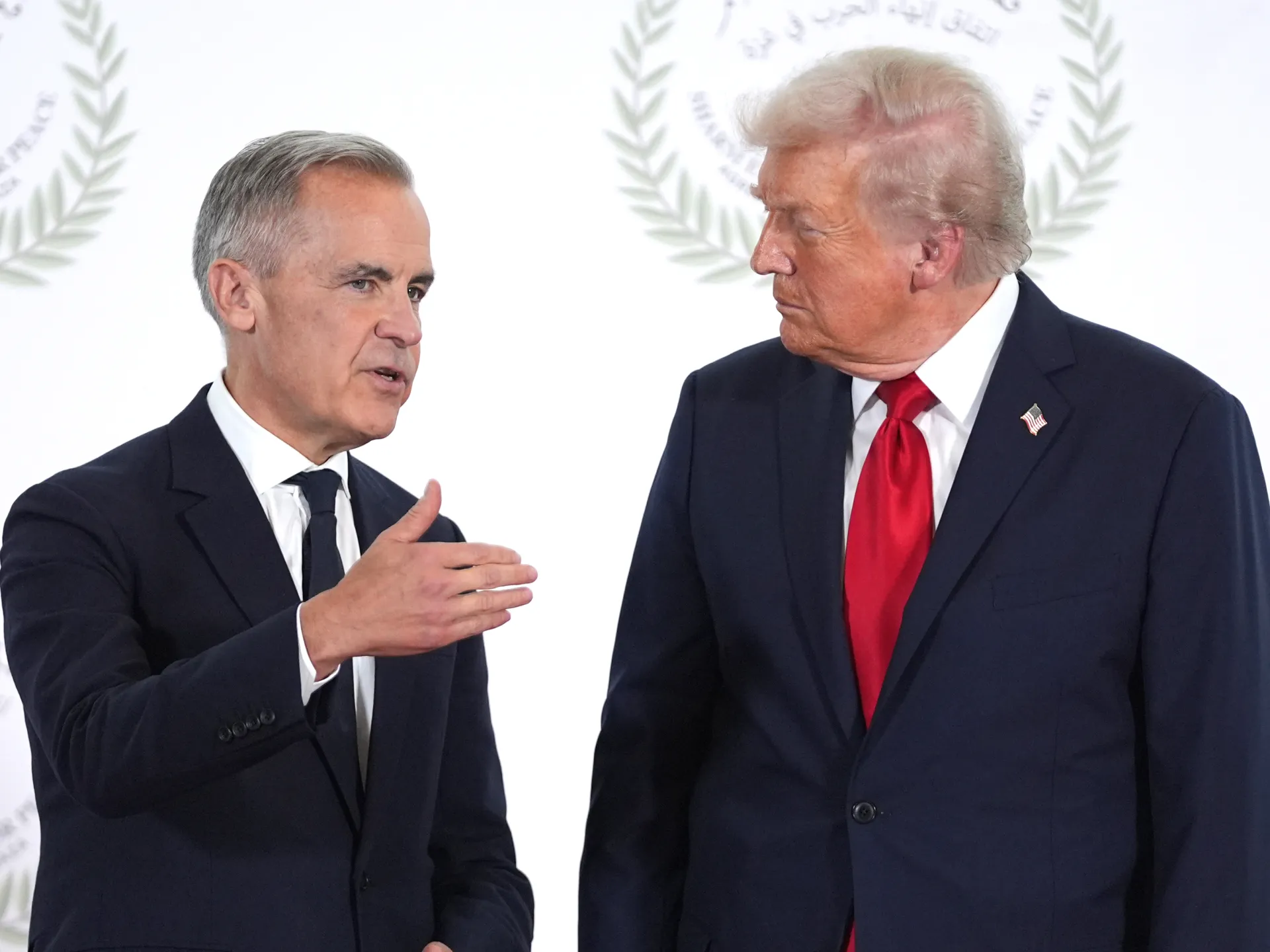
A brewing trade conflict between the United States and Canada has placed the spirits industry in a precarious position. As negotiations intensify between the Trump administration and Canadian leadership, a proposed 50% tariff on Canadian imports looms over the horizon. This potential levy threatens to impact a wide variety of goods, ranging from automobiles and dairy products to the alcoholic beverages found in bars and liquor stores across the United States.
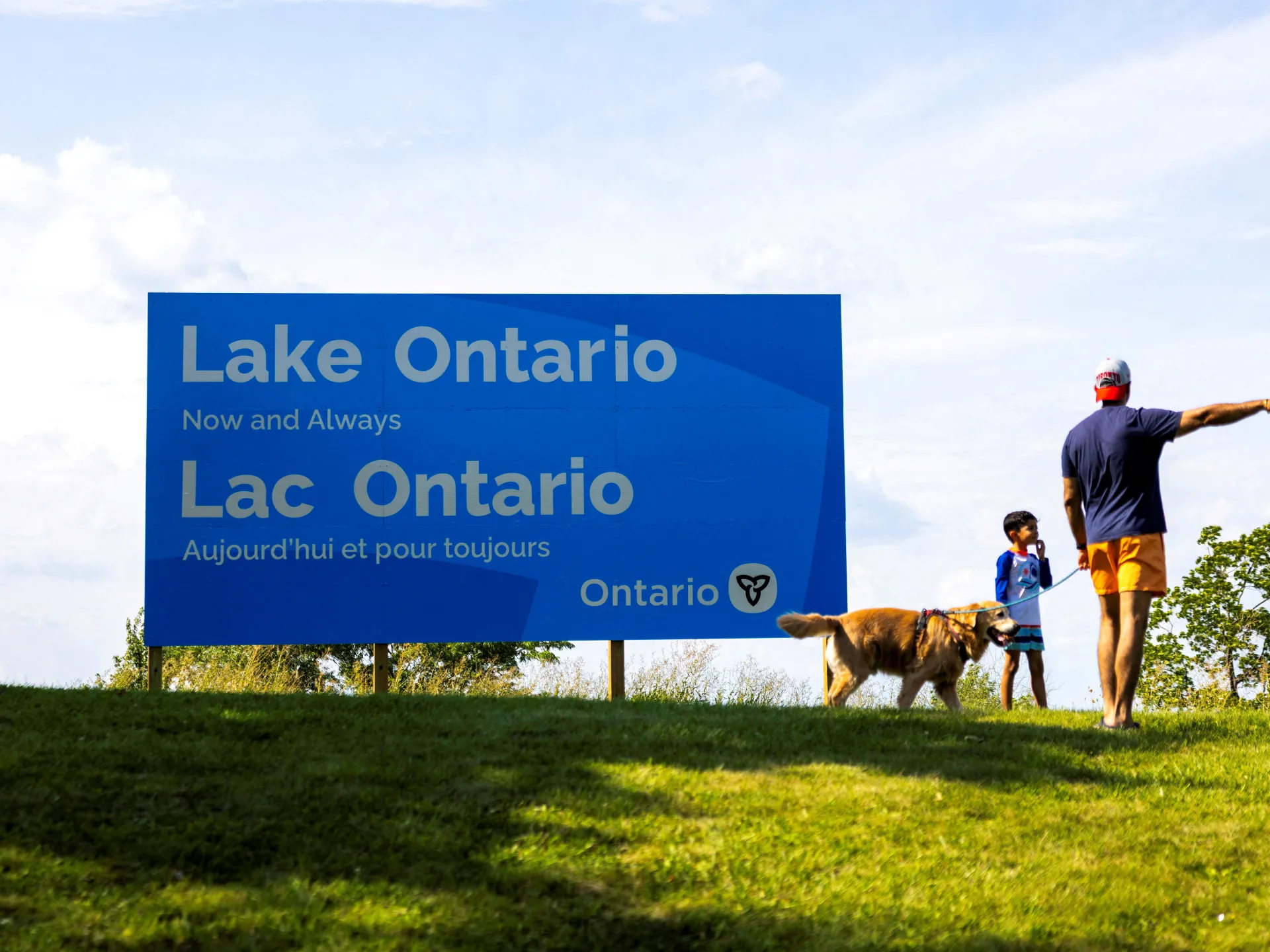
The situation stems from a broader trade dispute that has already caused significant friction between the two nations. In response to earlier American tariff policies, certain Canadian provinces implemented restrictive measures that effectively removed American-made distilled spirits from store shelves. This retaliatory action has hit the U.S. spirits industry hard, leading to a dramatic decline in exports that were once a cornerstone of the cross-border trade relationship.
Industry leaders are now watching the situation with intense scrutiny. The threat of a 50% tariff is viewed eir provincial bans and allow American products back into the market. However, the economic reality is far more complex than simple leverage, as the interconnected nature of the North American spirits trade means that any disruption could have lasting consequences for businesses on both sides of the border.
Before the onset of this trade friction, Canada served as a vital destination for American distillers, accounting for approximately $250 million in annual exports. The data reveals a stark decline in the wake of the dispute: U.S. spirit exports to Canada plummeted from $203 million between March and December of 2024 to just $60 million during the same period in 2025. This represents a staggering loss of $143 million in trade value in less than a year.
The fallout is felt most acutely in regions like Kentucky, which is responsible for producing the vast majority of the world's bourbon. With over 23,000 jobs tied to the local spirits industry, the state has been particularly vulnerable to international trade barriers. For these producers, the primary goal is not the imposition of new taxes on Canadian goods, but rather the restoration of the free-market access that historically supported their growth and employment stability.
While the administration views the threat of tariffs as a necessary tool to address the 73% drop in American distilled spirits exports, industry representatives warn that a trade war is not the ideal solution. The goal for many in the industry remains a return to a "zero-for-zero" tariff environment, where trade barriers are minimized to allow for the smooth flow of goods between the two neighboring economies.
The hospitality sector is bracing for the potential fallout of a 50% tariff, as both Canadian and American consumers have developed specific preferences for regional spirits. Unlike some commodities that can be easily substituted with domestic alternatives, many distilled products are unique. Consumers seeking specific Canadian whiskies or American bourbons often cannot simply switch to another brand without noticing a difference in quality or profile, which could impact the bottom line for restaurants and bars.
Furthermore, the scale of the trade relationship is significant. While the U.S. typically exports roughly $220 million worth of spirits to Canada each year, Canadian producers export more than $500 million in spirits to the American market. A 50% tariff would be a massive shock to the Canadian industry, but it would also inevitably reverberate through the U.S. hospitality economy mixologists and retailers.
As the midnight deadline for the potential tariff implementation approaches, the focus remains on whether last-minute diplomatic talks can avert a full-scale trade escalation. Industry stakeholders continue to urge for a negotiated settlement that prioritizes the removal of existing barriers, ensuring that the spirits market can regain its stability and avoid the long-term damage that a prolonged tariff war would inflict on both Canadian and American businesses.