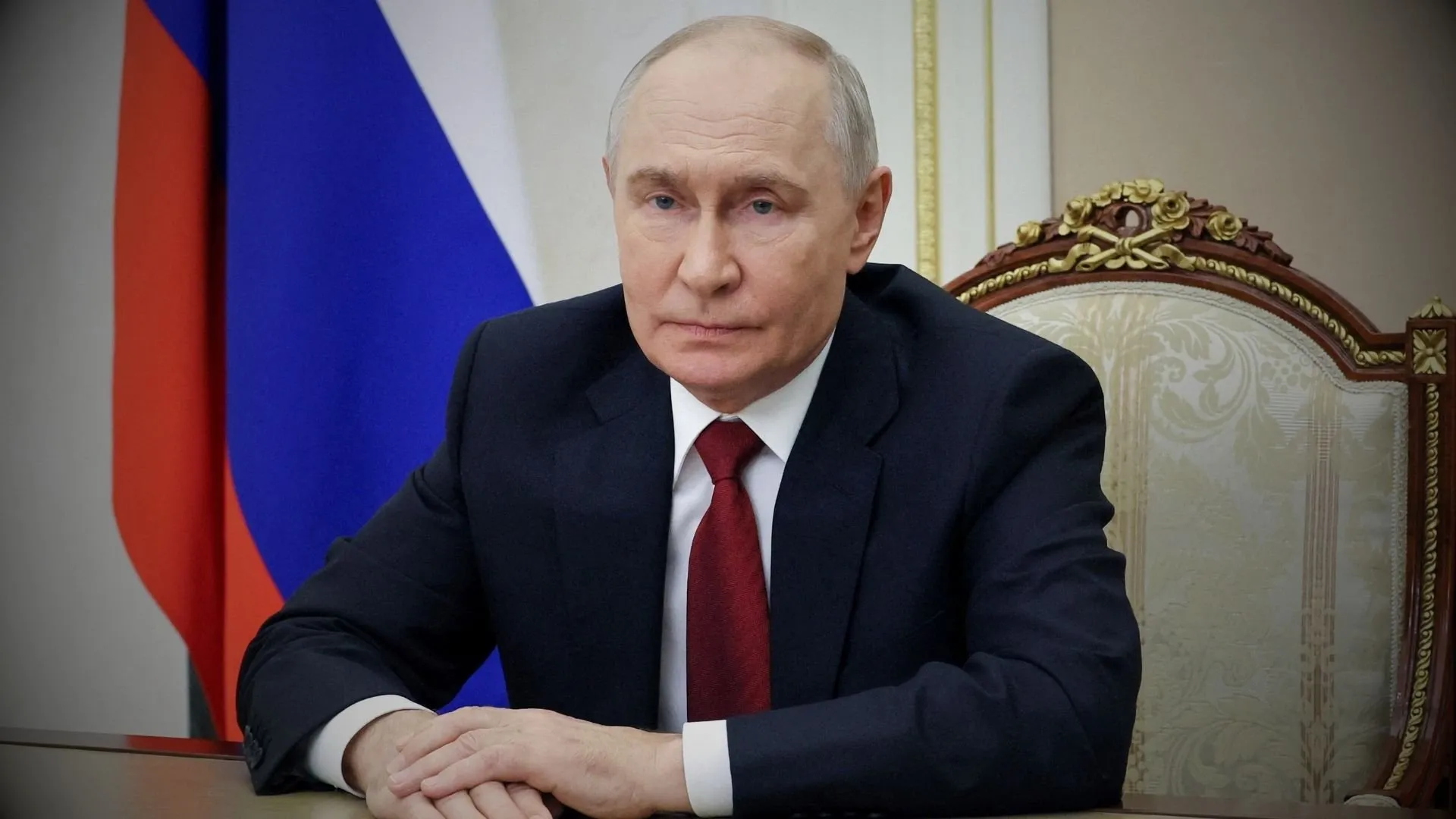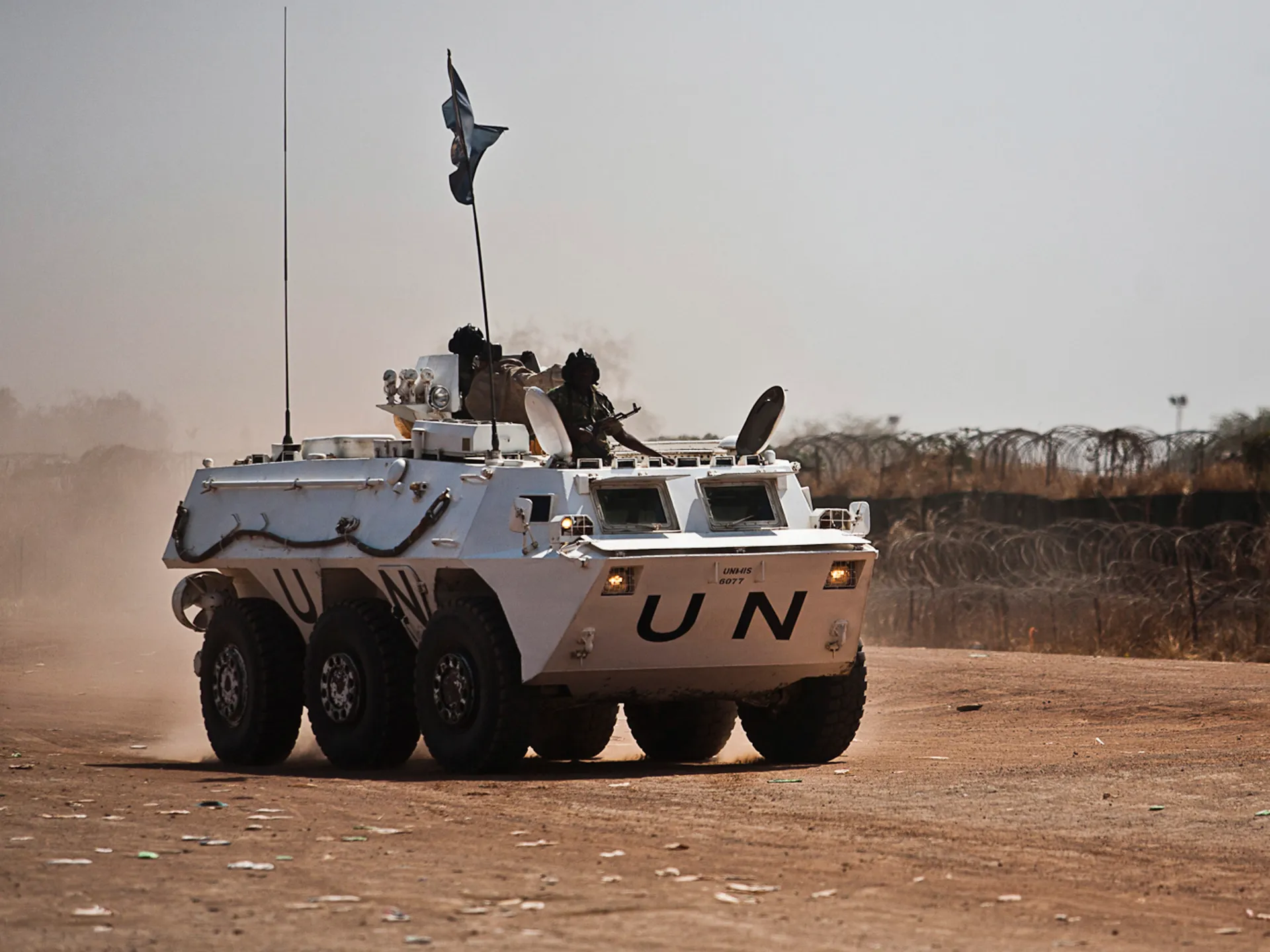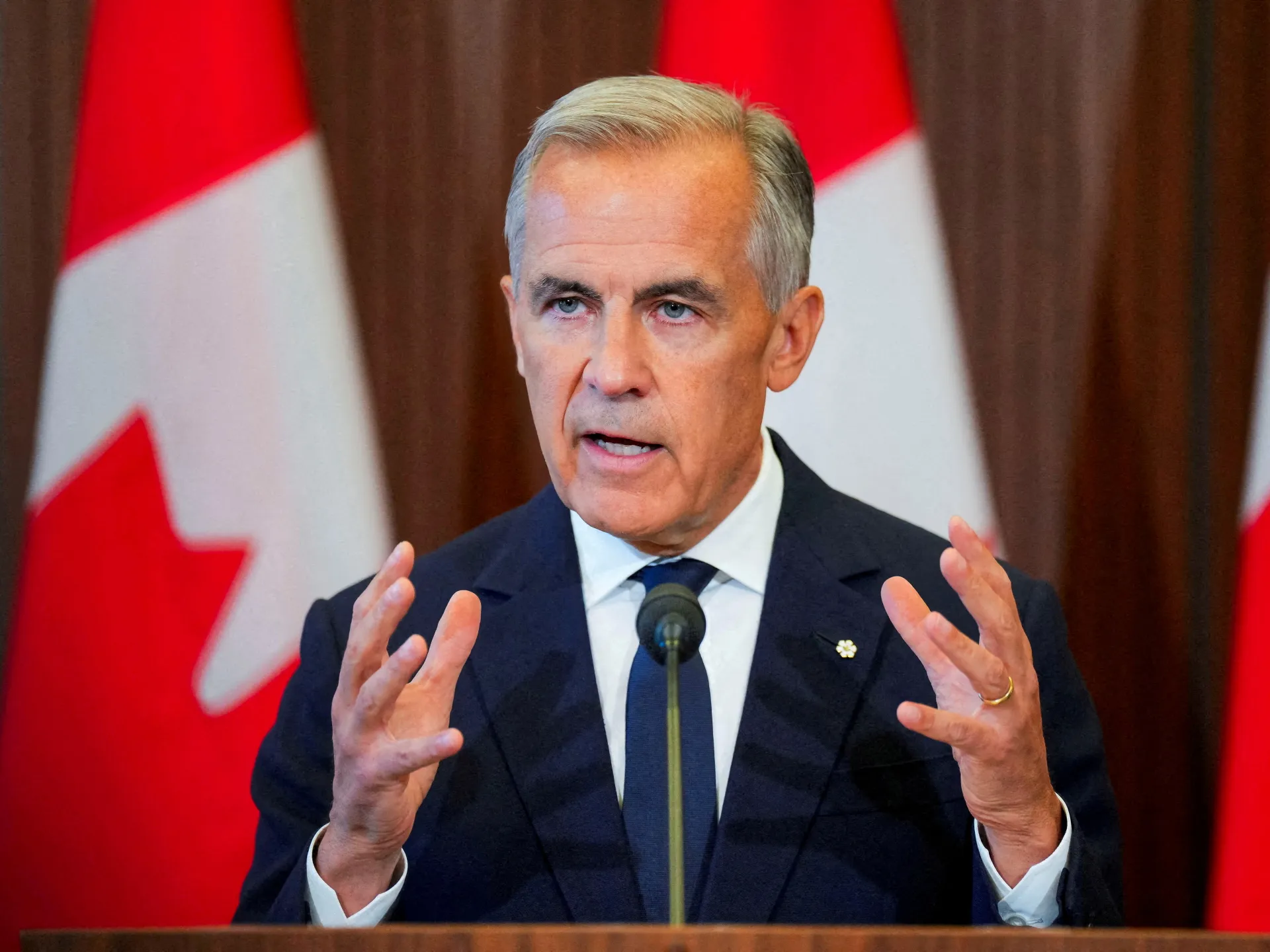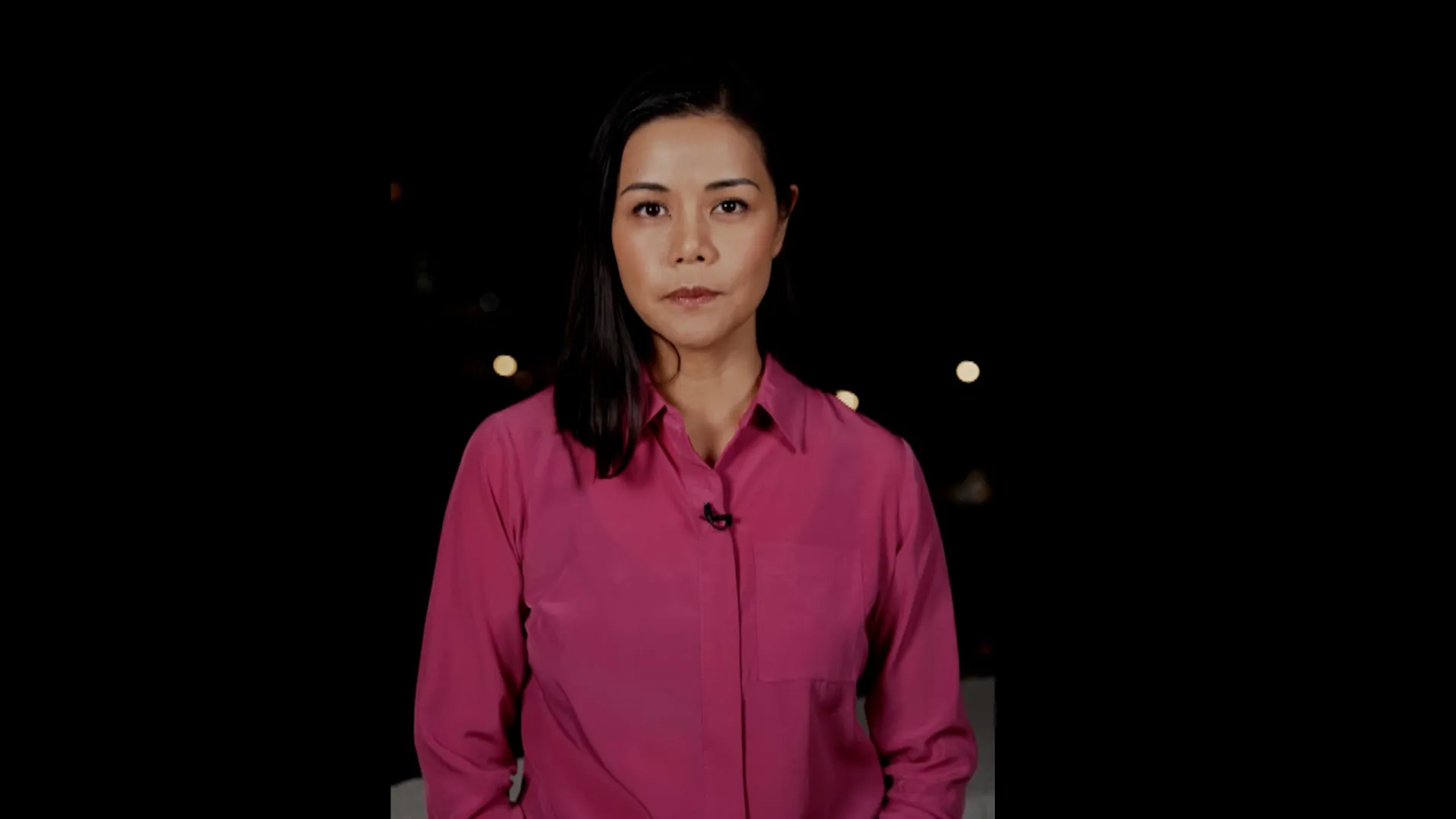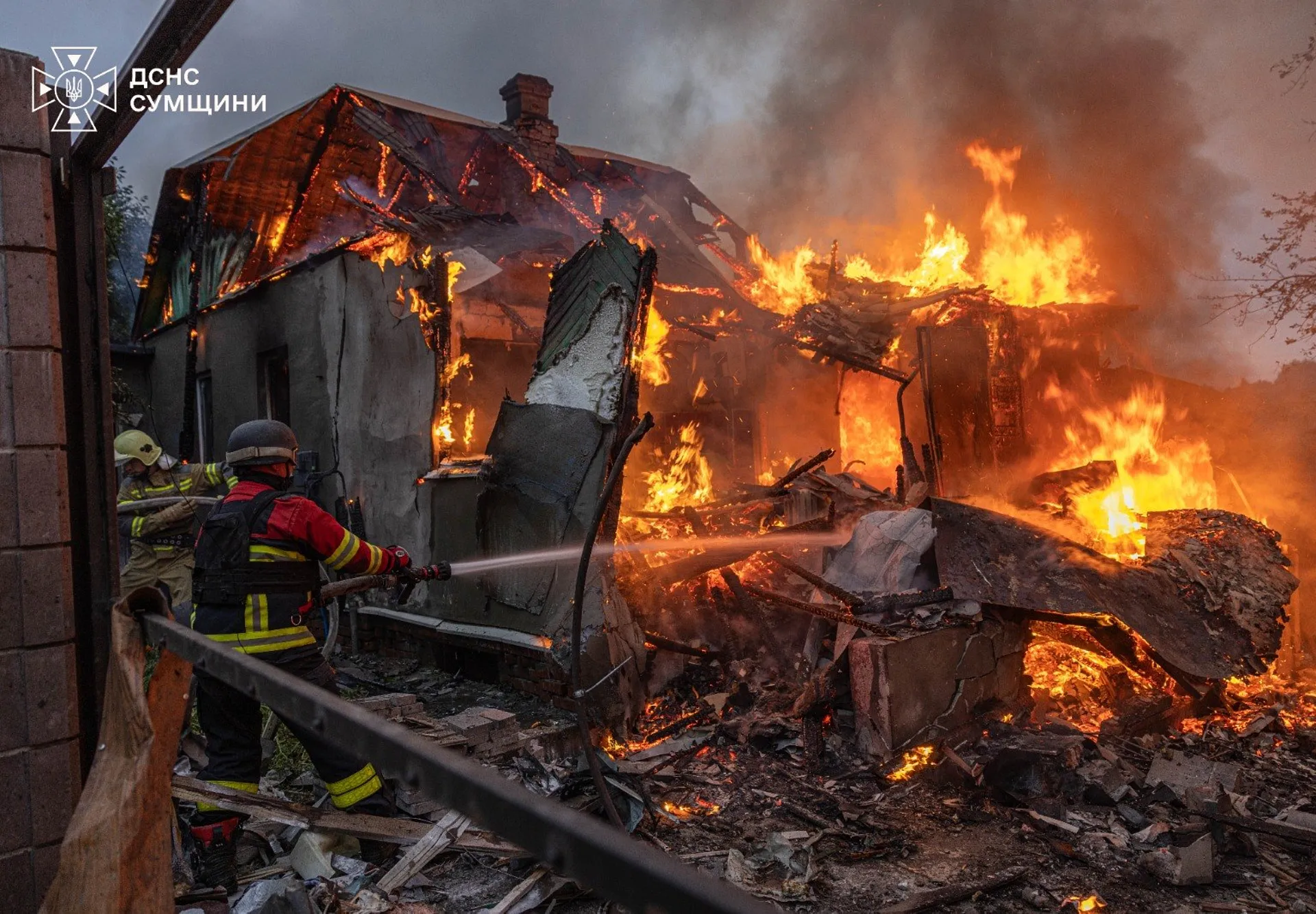
Russia has initiated a significant escalation in its hybrid warfare strategy, seizing assets of major Western corporations and issuing stern diplomatic warnings to the UK.
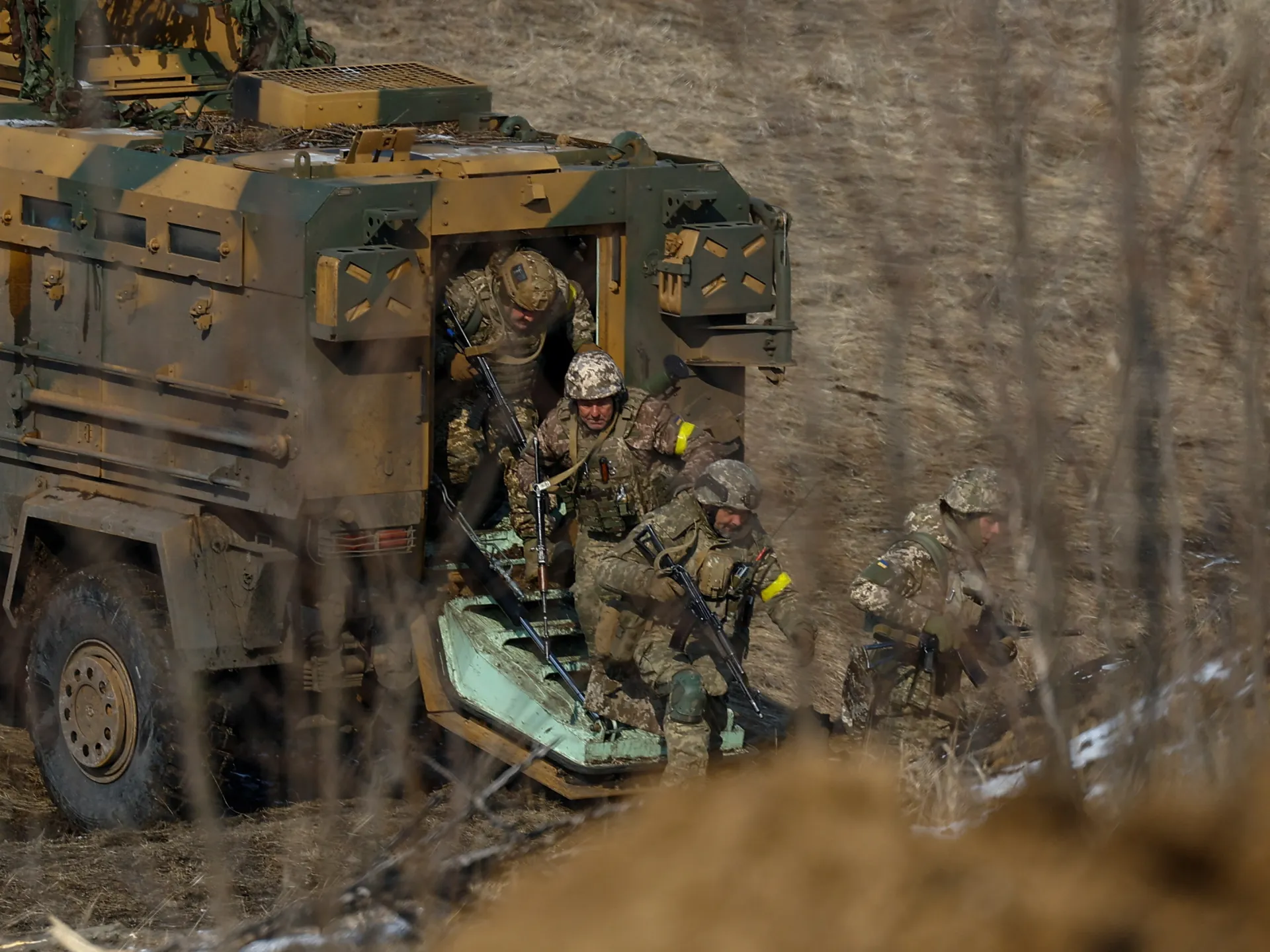
The intensifying cycle of confrontation between Moscow and European capitals marks a shift from conventional military support for Ukraine toward a high-stakes arena of hybrid warfare. gnaling that the economic costs of the war are no longer confined to trade sanctions; they now include the direct expropriation of physical capital. This strategy suggests an attempt to create domestic leverage while simultaneously deterring Western nations from further increasing their military aid packages. As these governments scramble to protect critical infrastructure from potential cyber-attacks and sabotage, the threshold for what constitutes an 'act of war' becomes increasingly blurred, testing the resilience of NATO’s collective defense commitments.
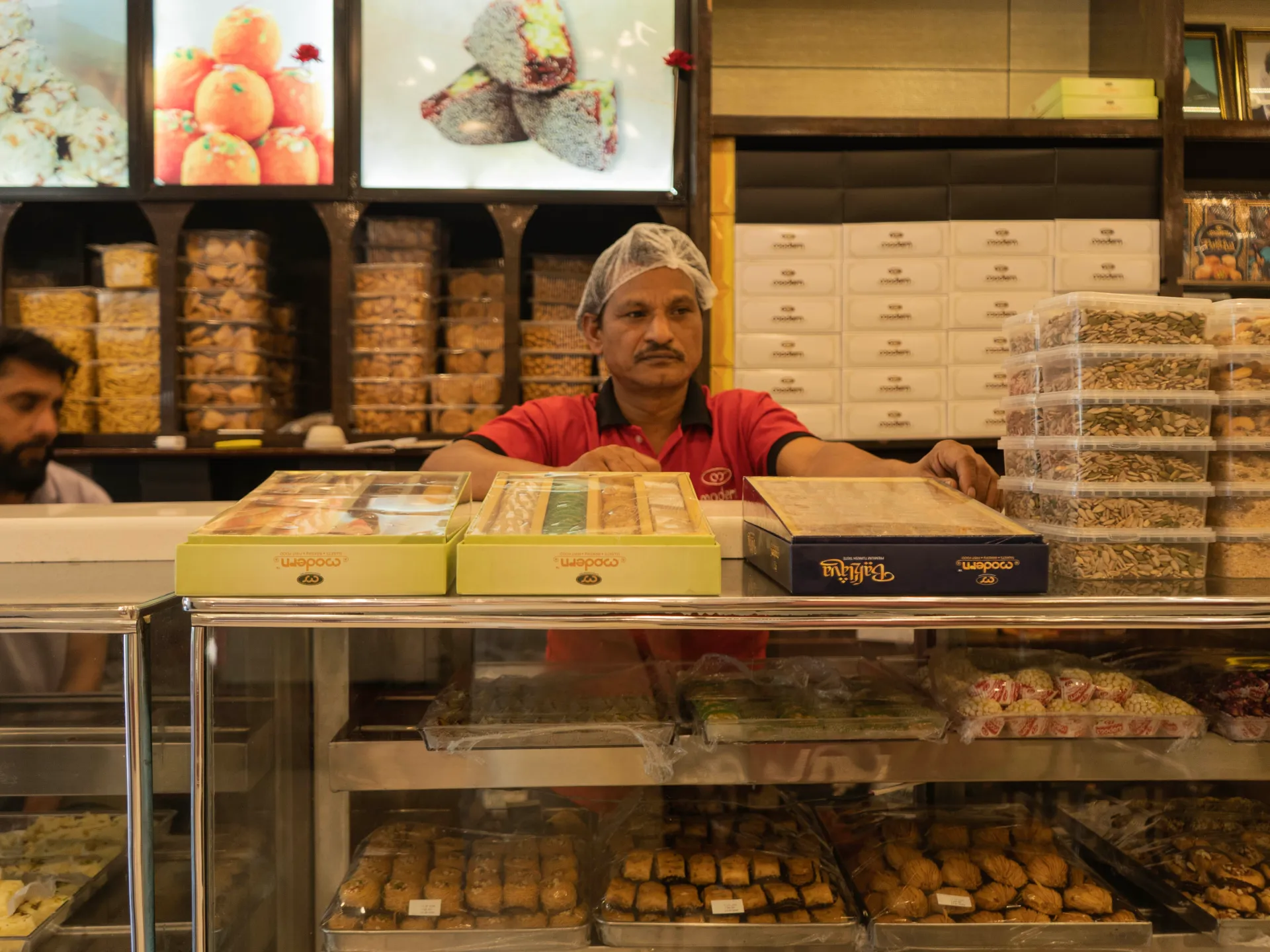
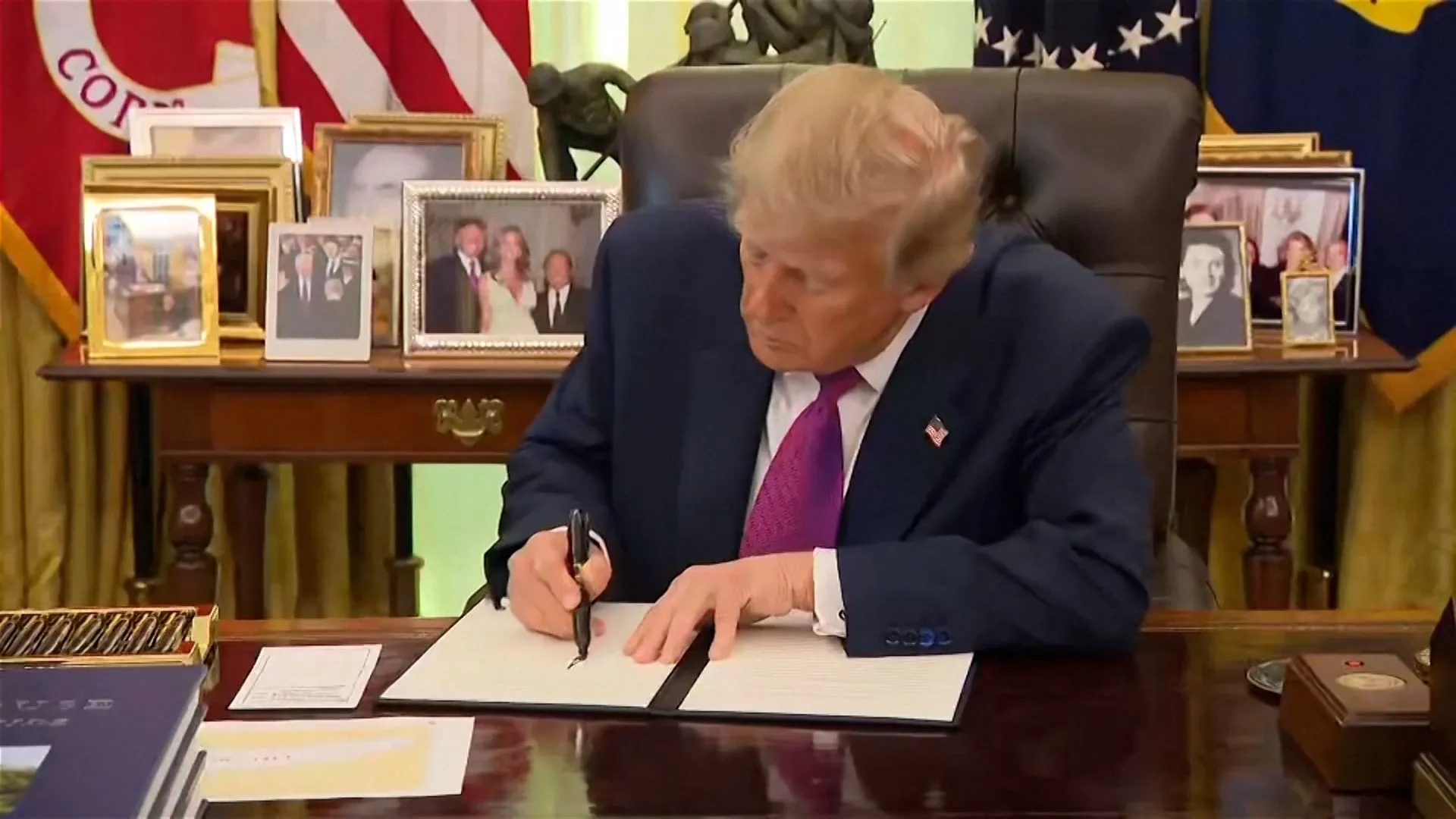
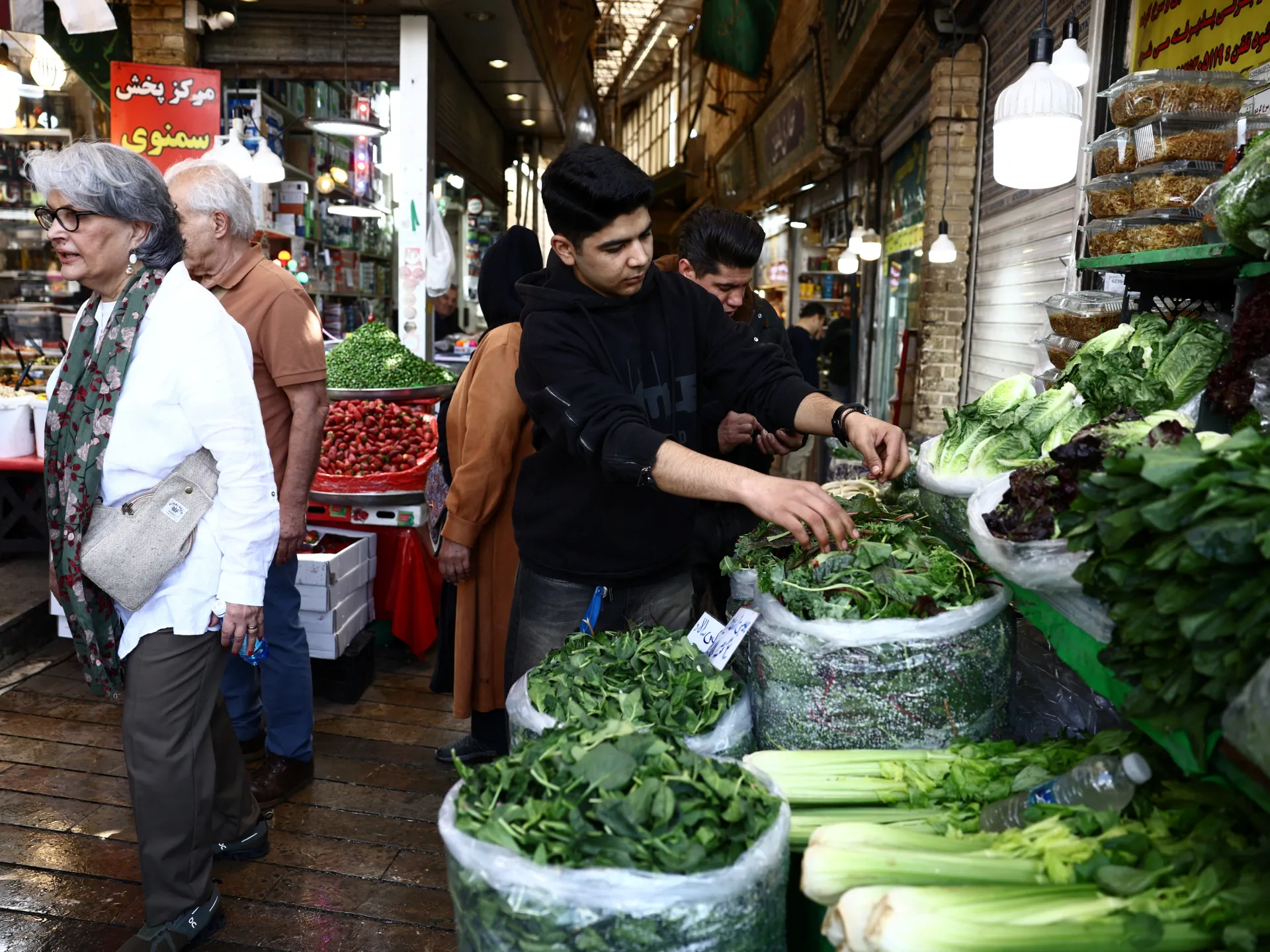
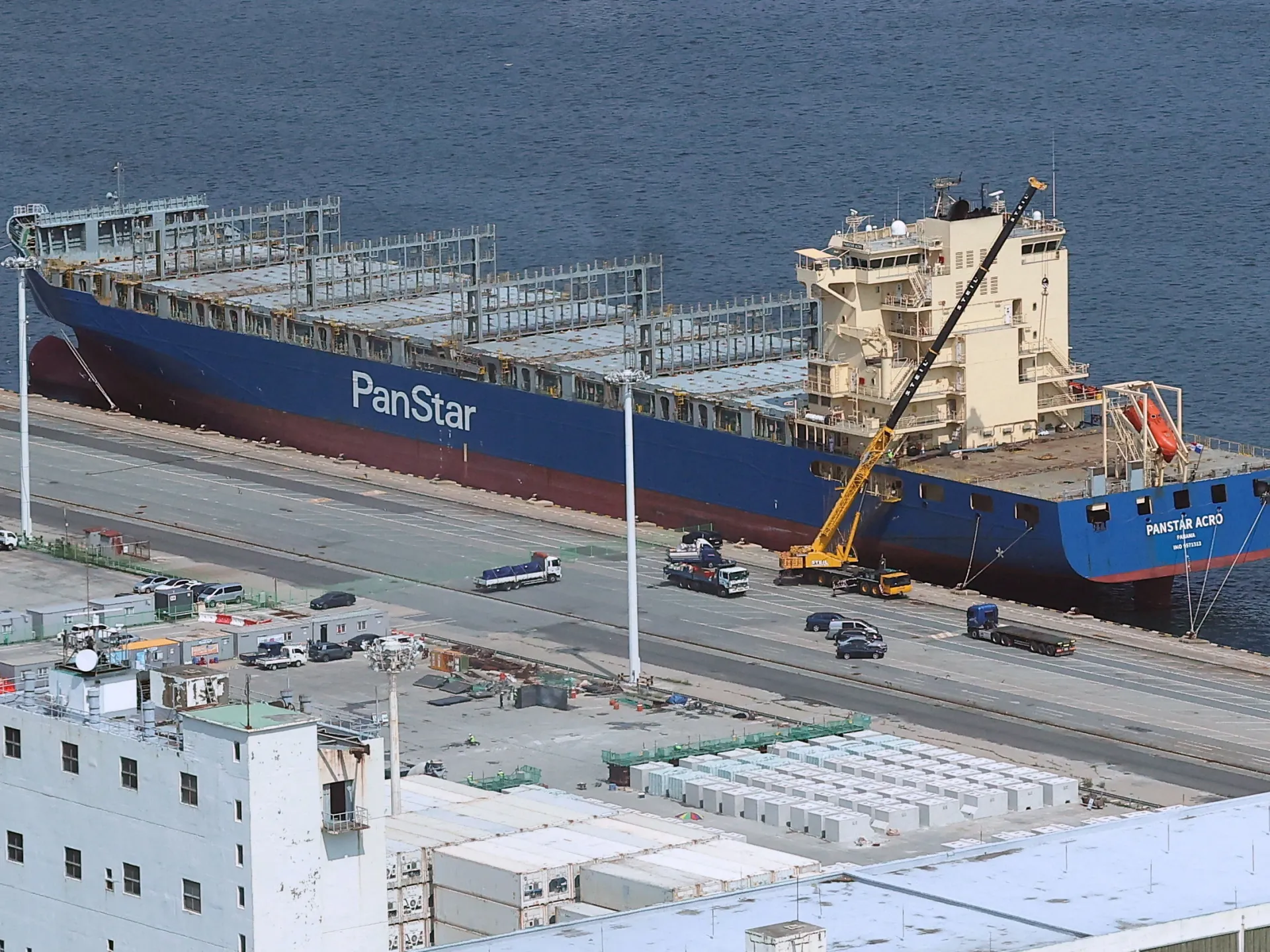
The Russian government has taken aggressive steps to undermine the economic presence of 'unfriendly' nations within its borders. A decree signed gn-owned businesses to a new state-controlled entity, LEV Management. This sweeping action includes the seizure of Russian operations belonging to Swiss food giant Nestle, as well as three French firms: the retailer Auchan, the DIY chain Lemana Pro (formerly Leroy Merlin), and the logistics firm FM Logistics.
Kremlin spokesman Dmitry Peskov characterized these seizures as 'temporary administration,' though the move underscores a growing trend of using corporate assets as a political lever. While Nestle has stated it is currently evaluating its legal options to protect its interests, the move is widely viewed military and diplomatic support to Kyiv. The selection of these specific companies—major players in the Russian consumer market—suggests that Moscow intends to demonstrate its capability to disrupt European economic stability without resorting to direct military confrontation.
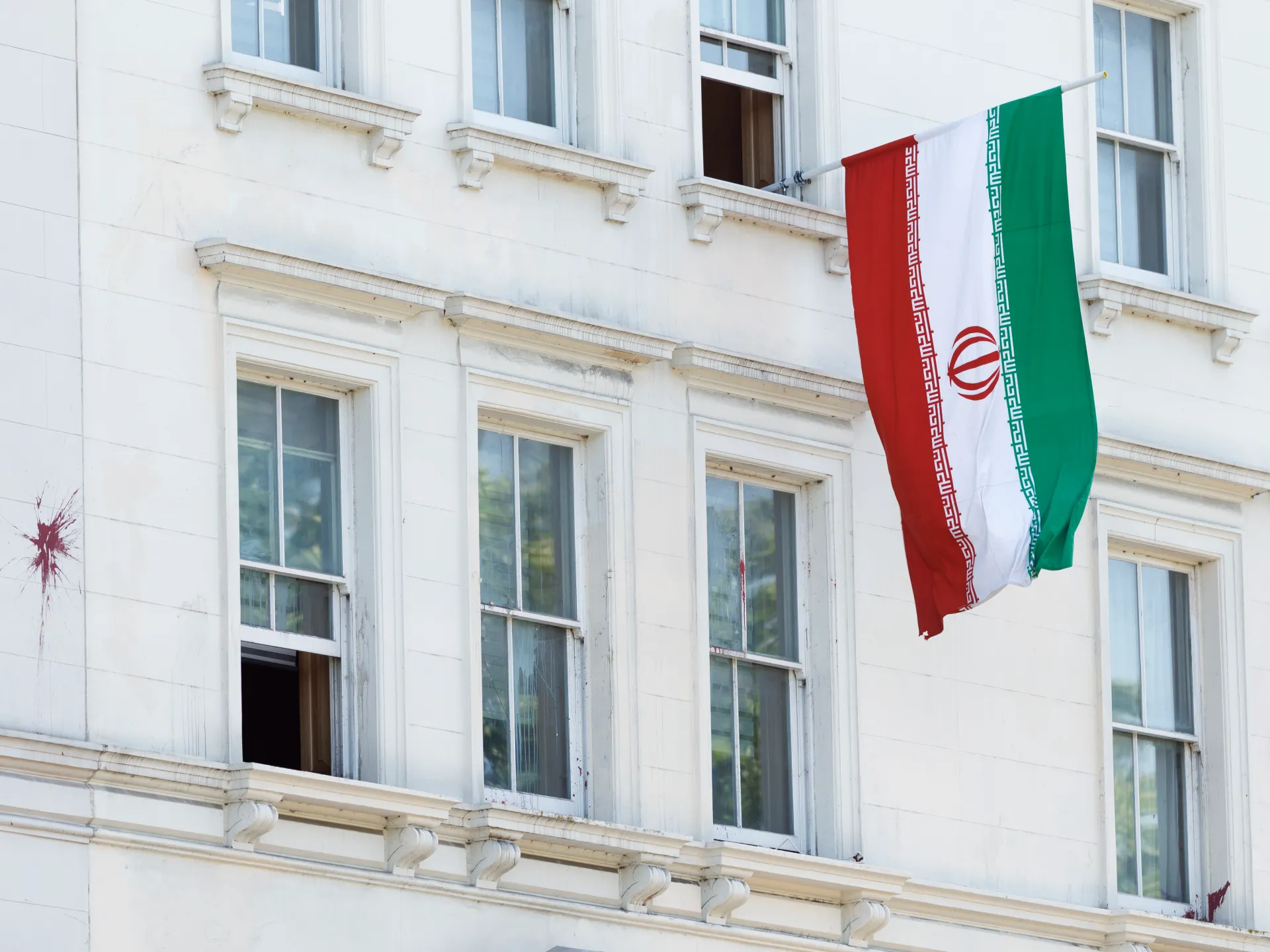
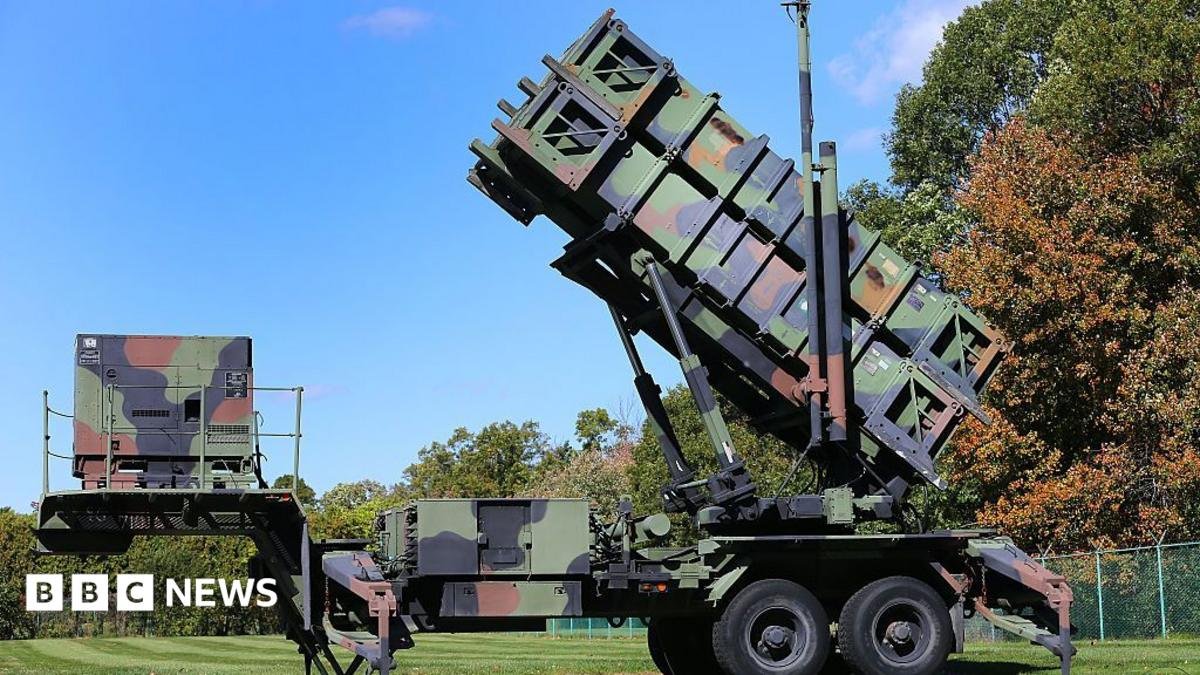
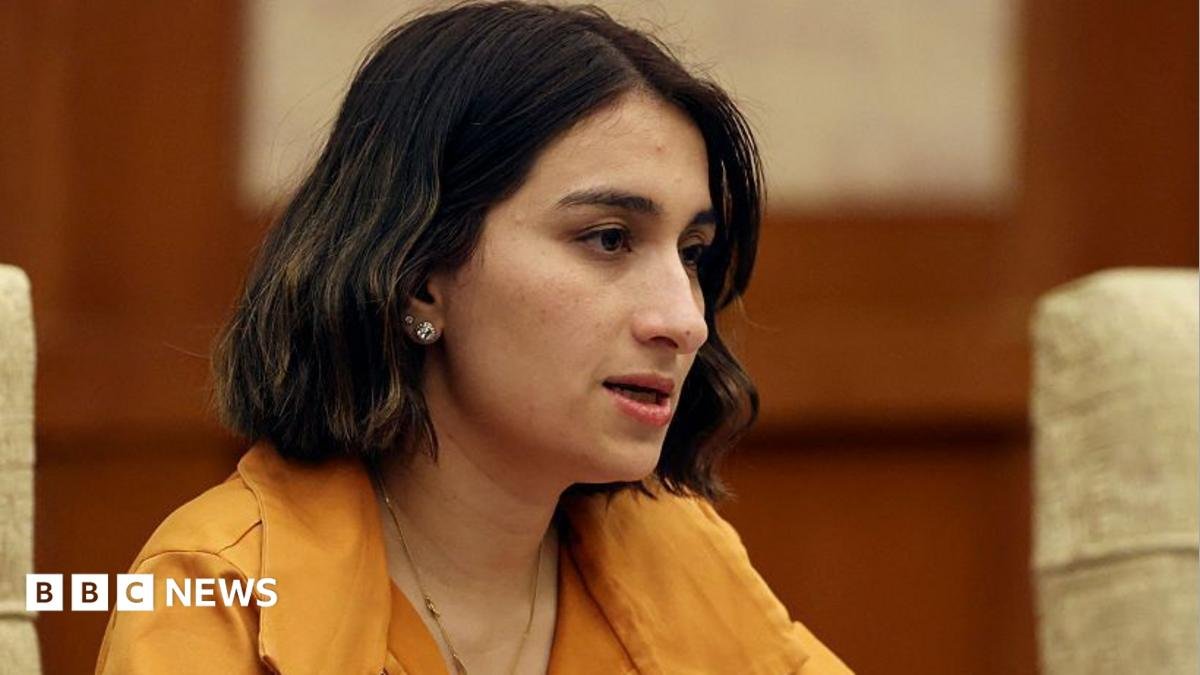
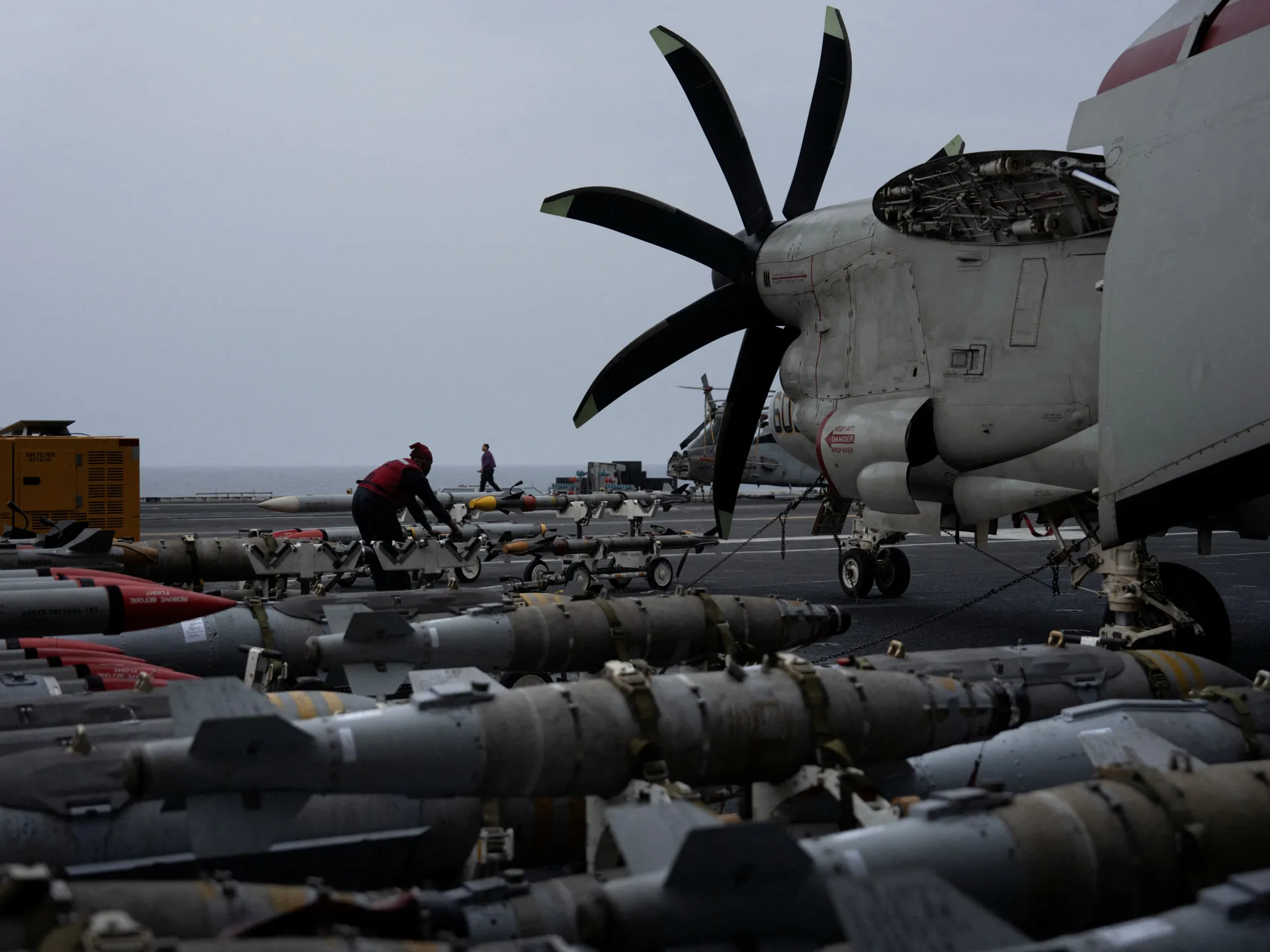
Simultaneous with these economic maneuvers, the diplomatic and security atmosphere in Europe has reached a fever pitch. The Russian Foreign Ministry summoned the British charge d'affaires, Danae Dholakia, to issue a formal protest over the United Kingdom's decision to increase arms shipments to Ukraine. Moscow labeled London as an 'accomplice' in what it described as 'bloody atrocities,' a rhetorical escalation that highlights the deepening rift between the two nations.
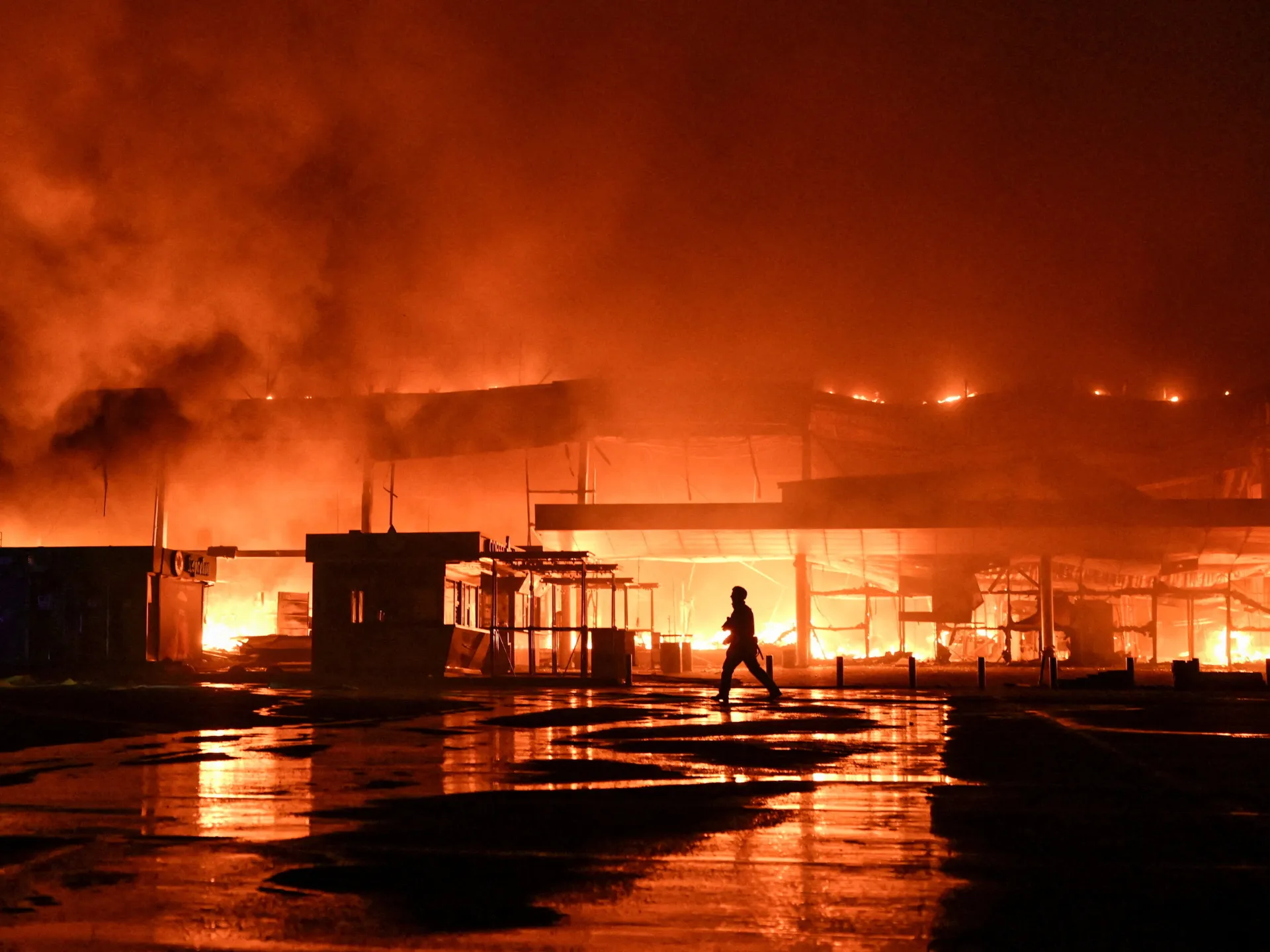
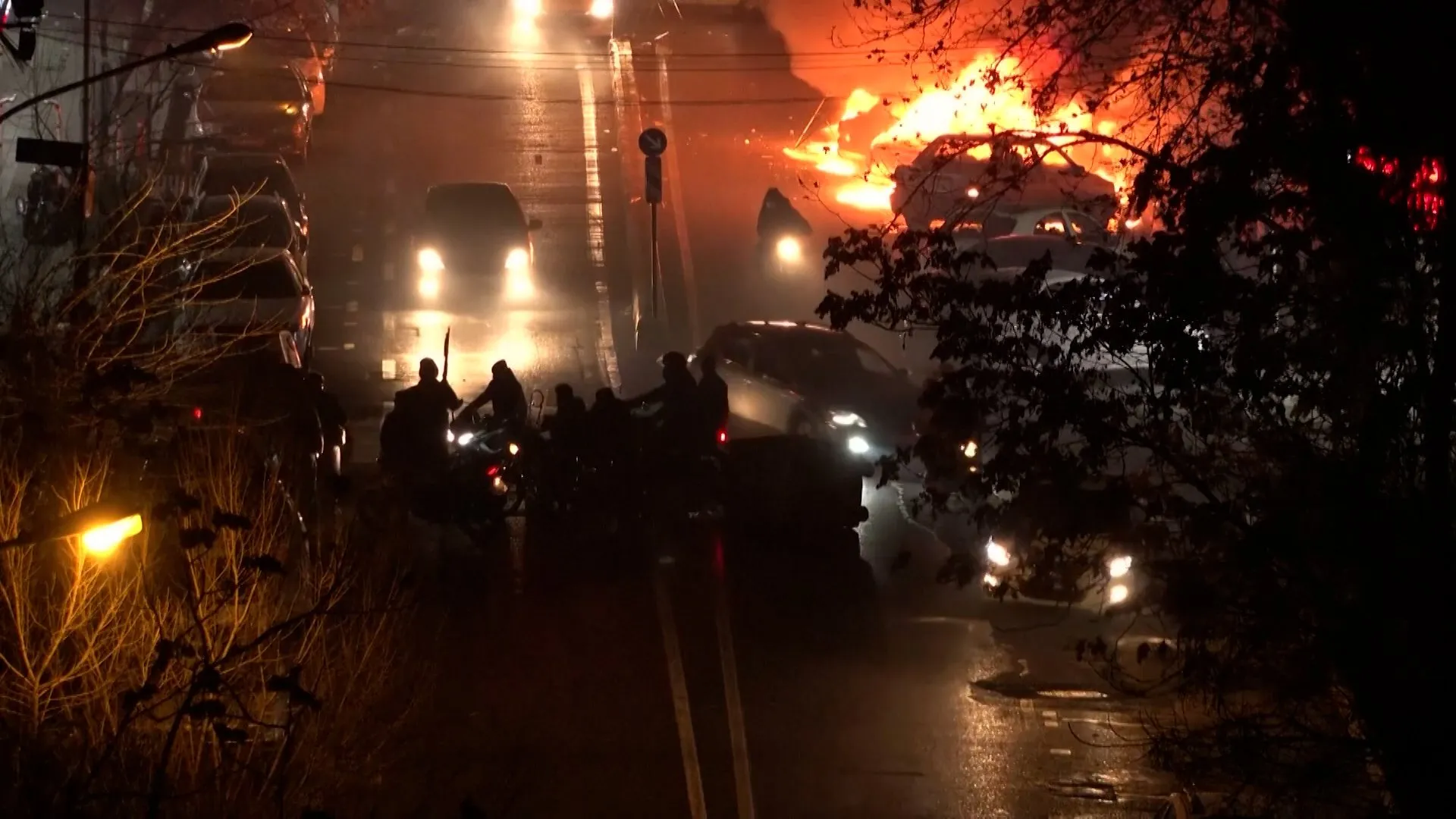
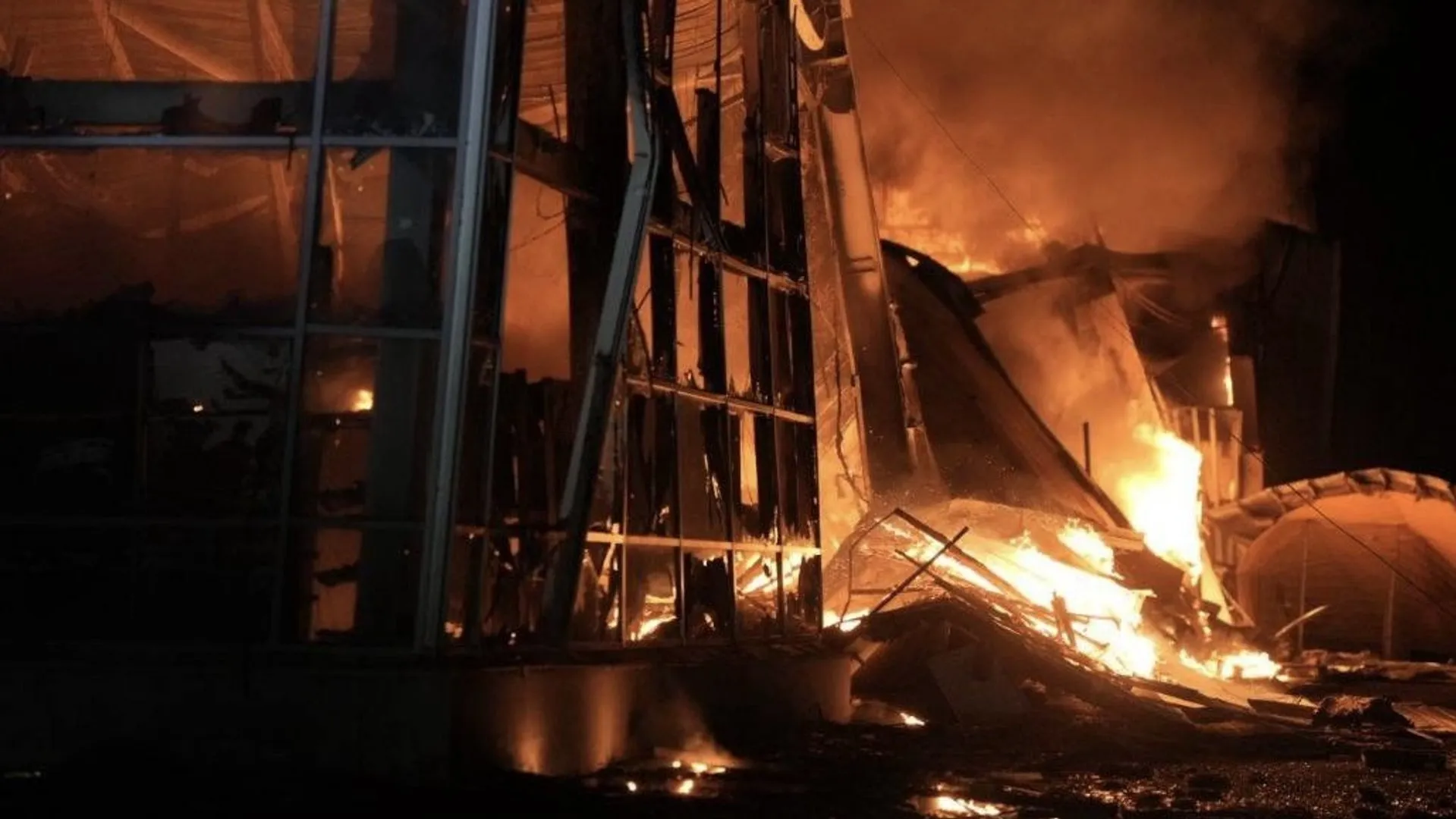
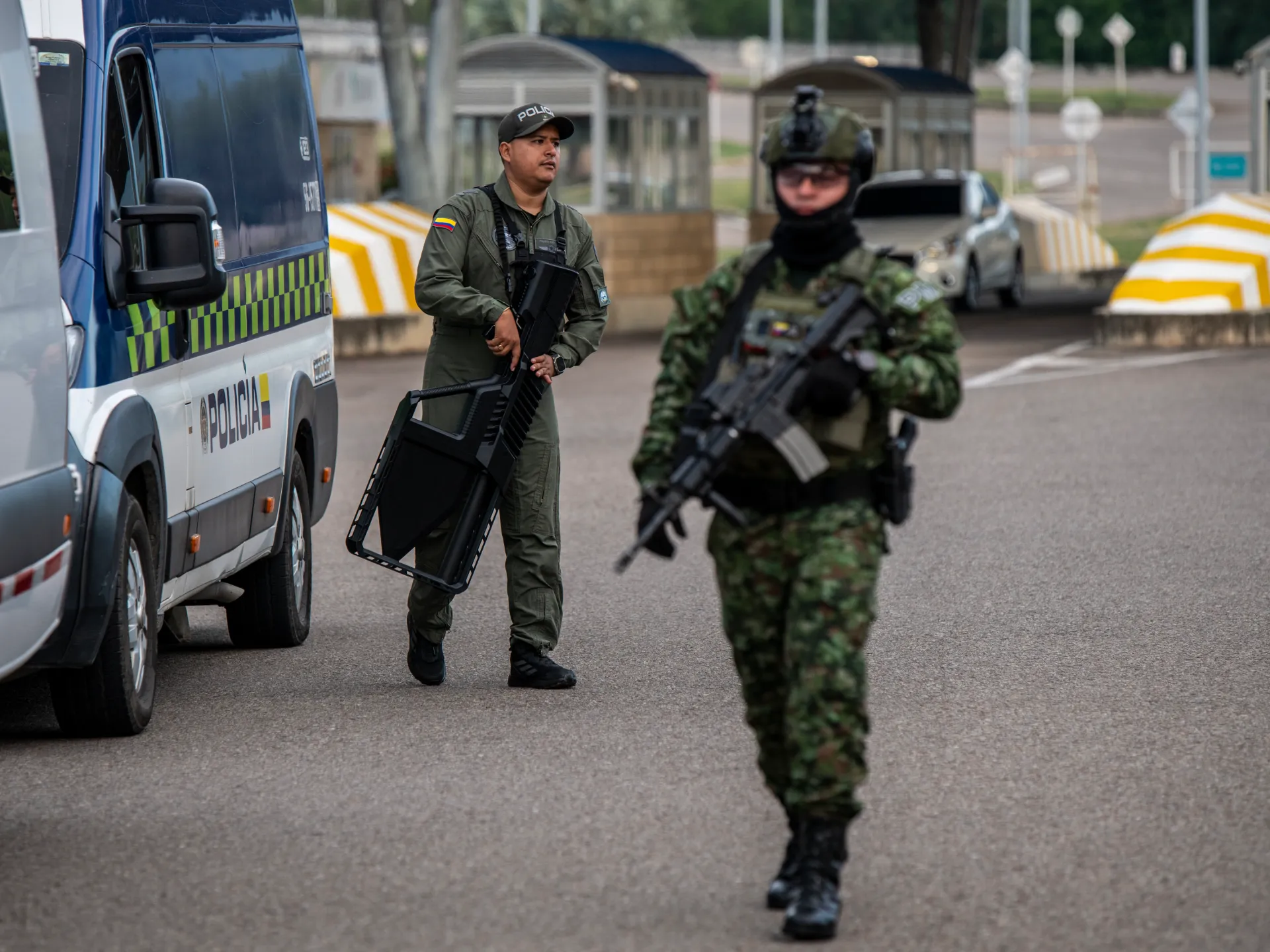
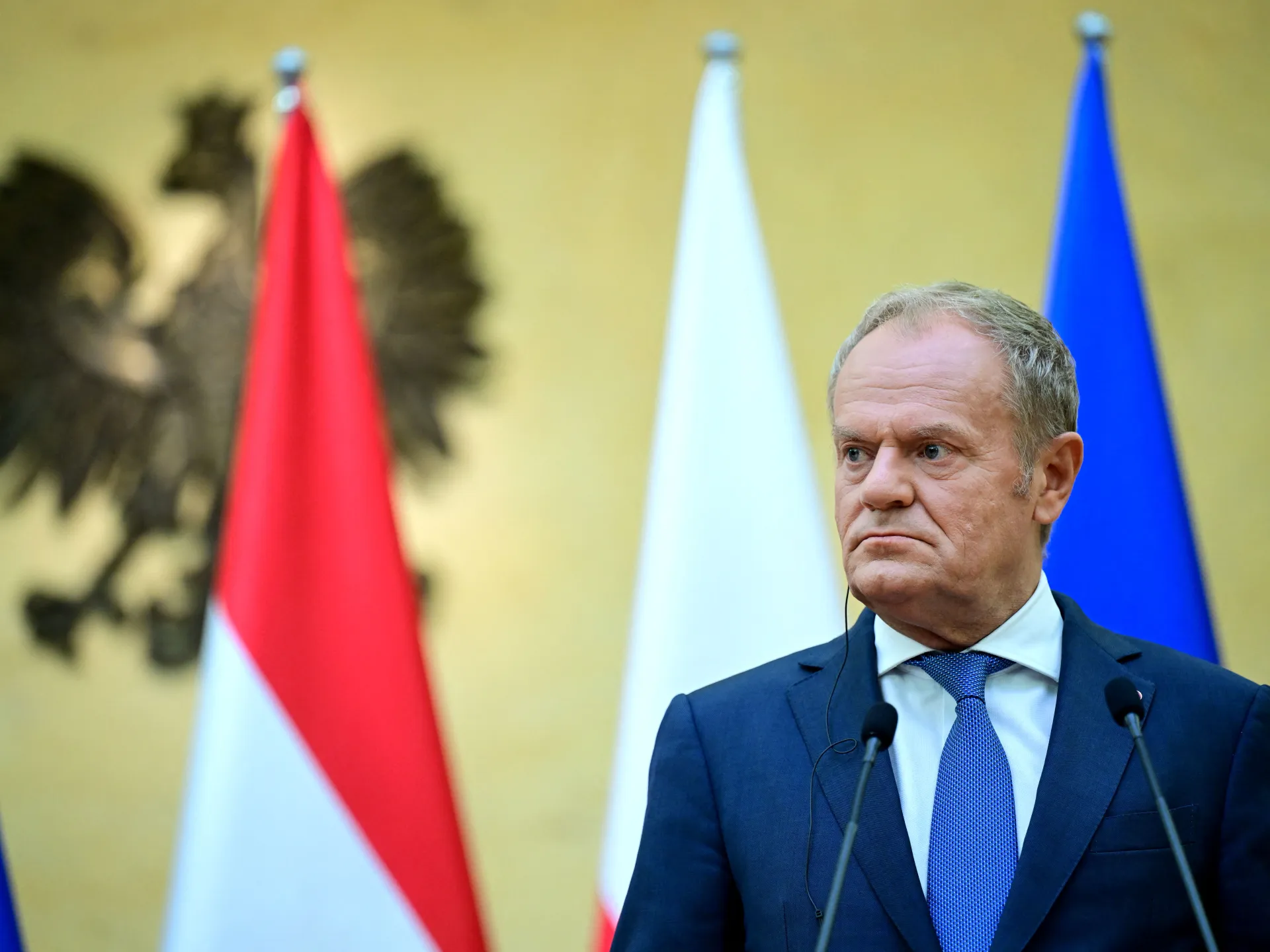
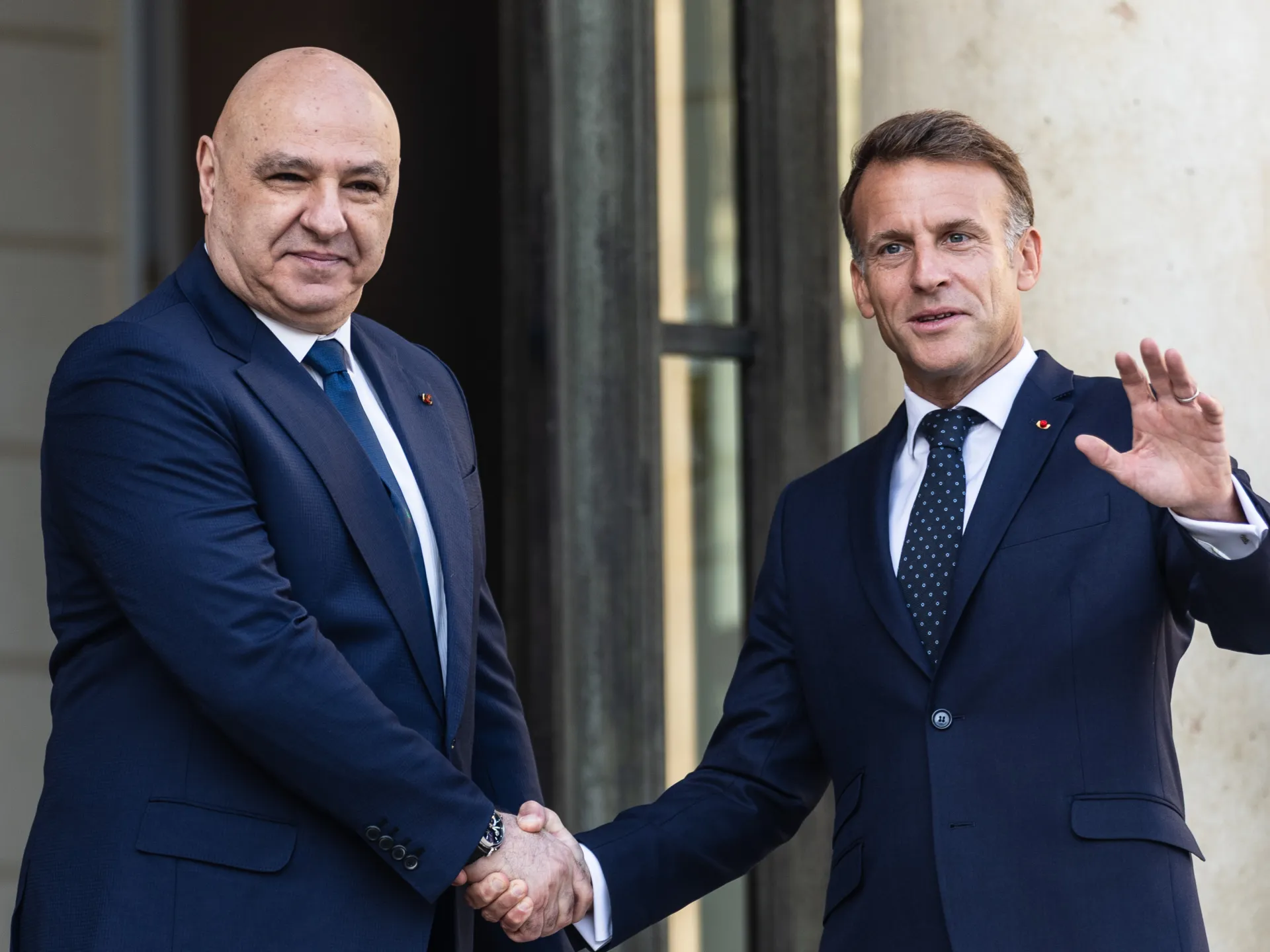
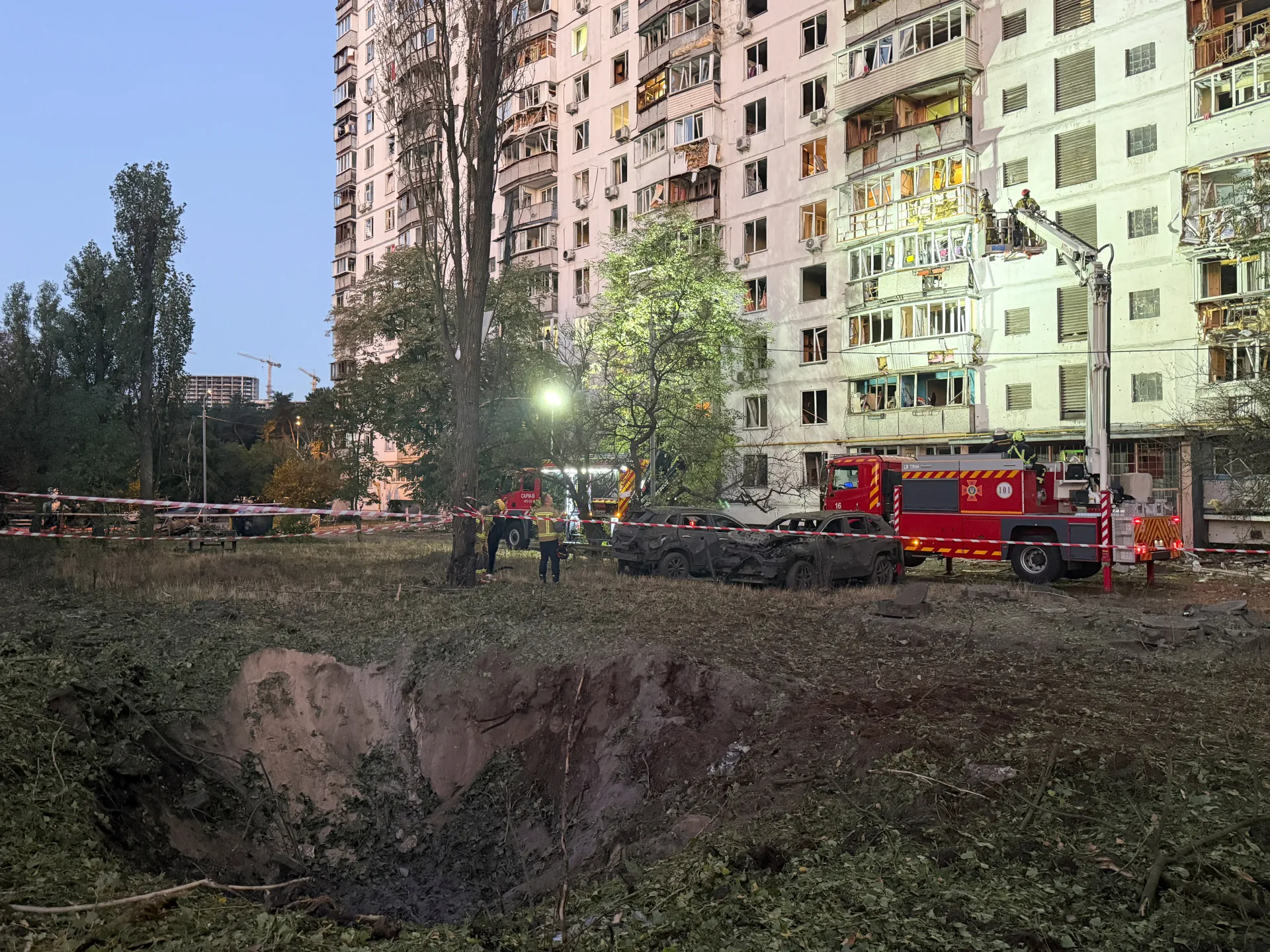
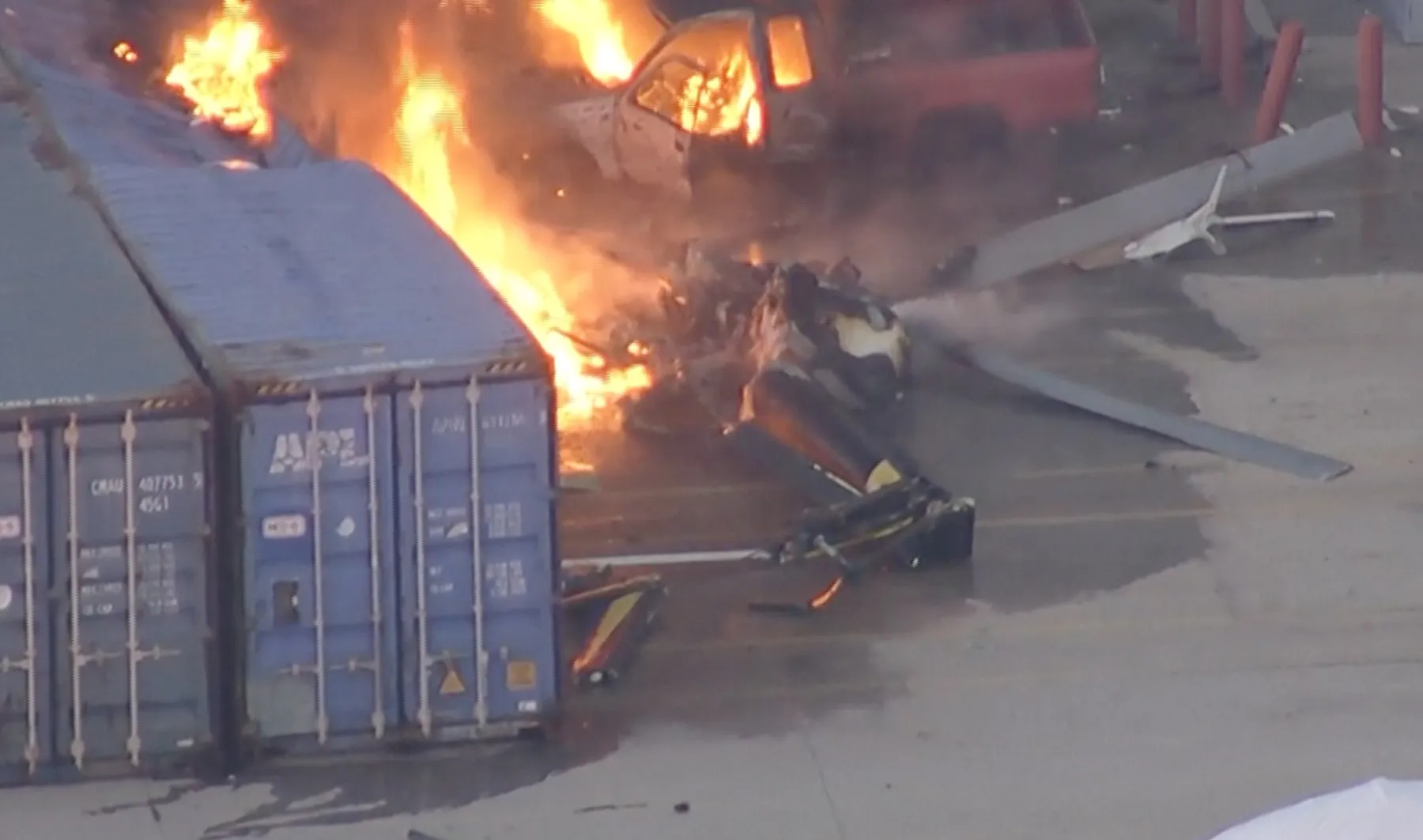
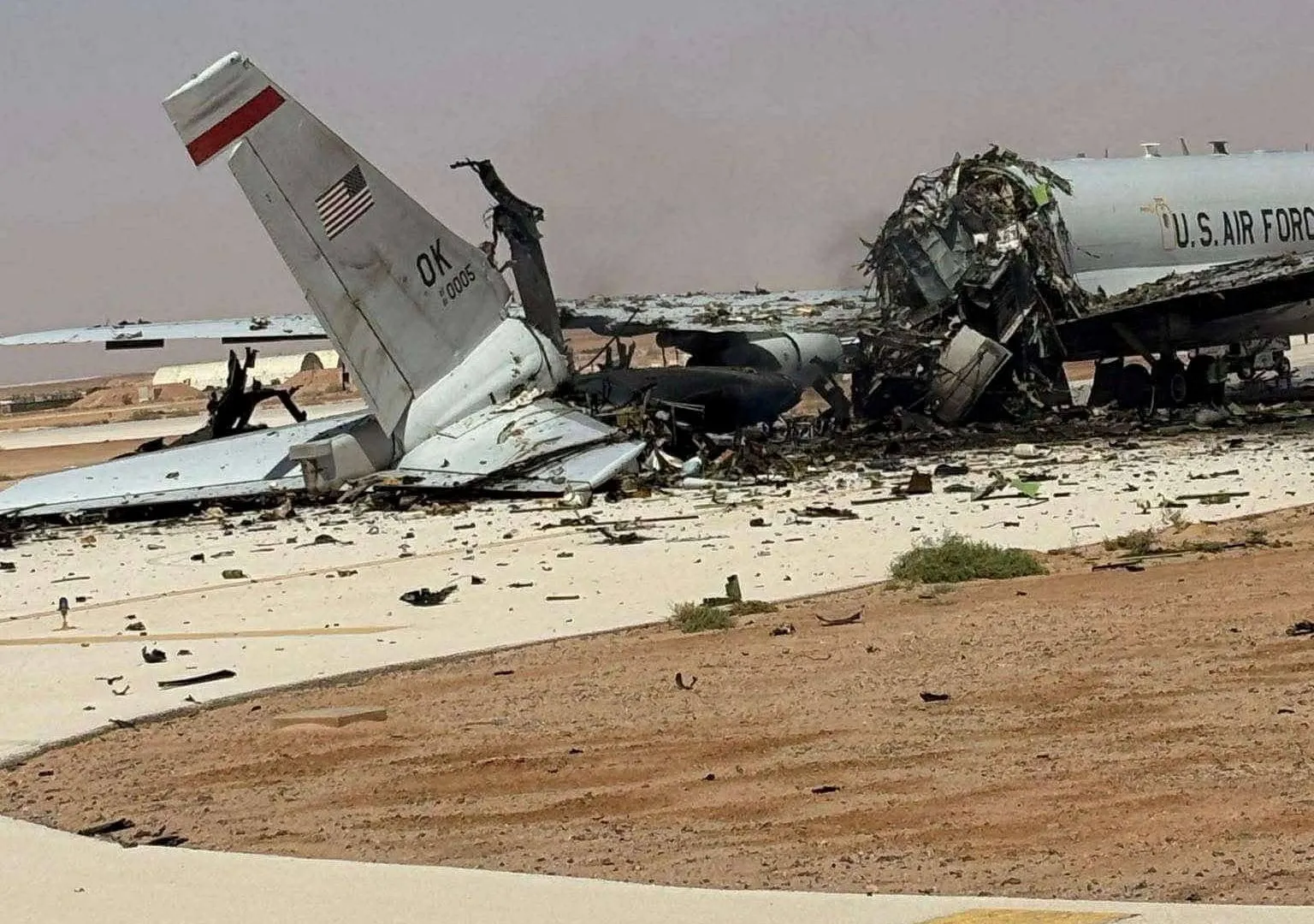
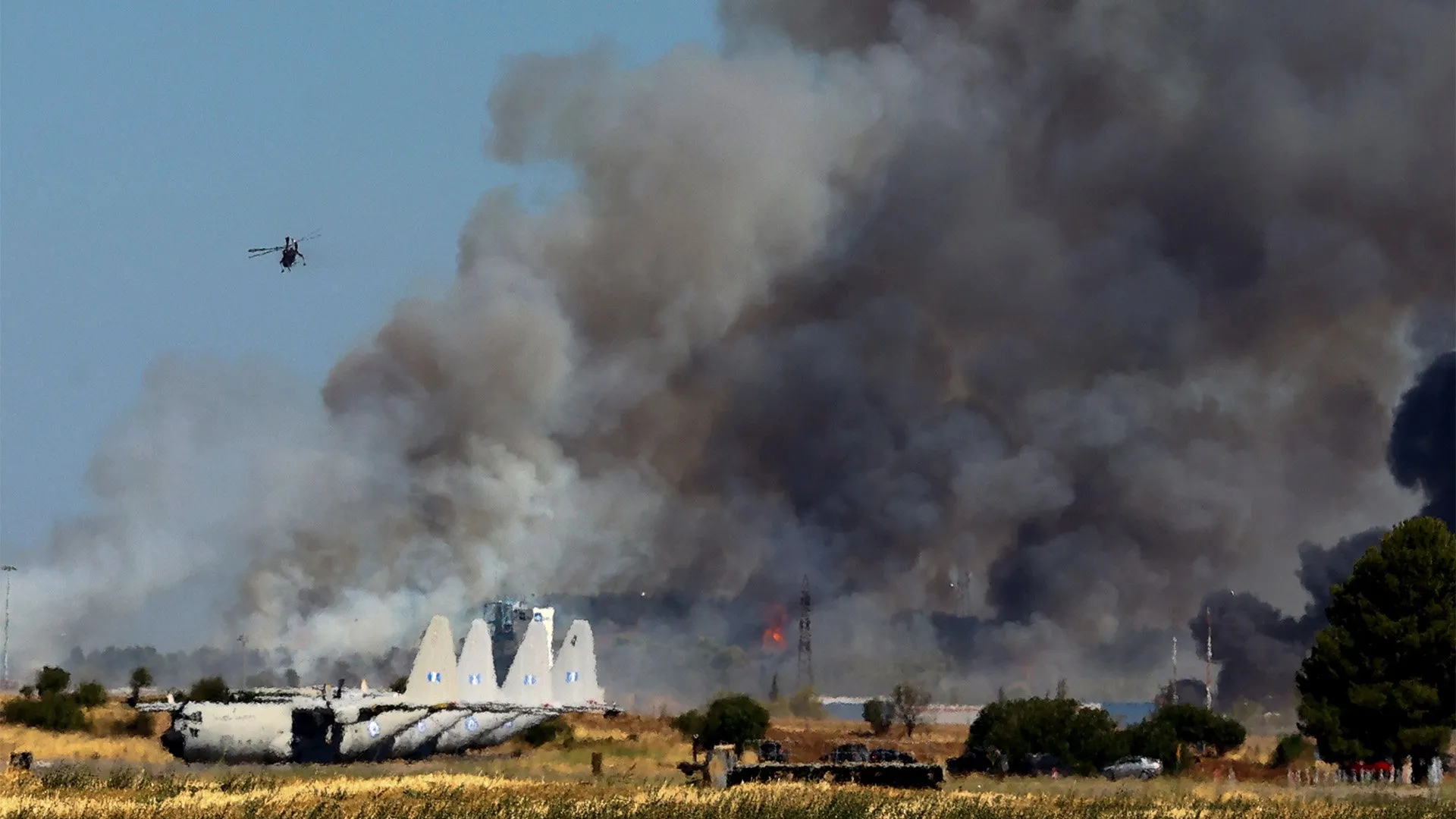
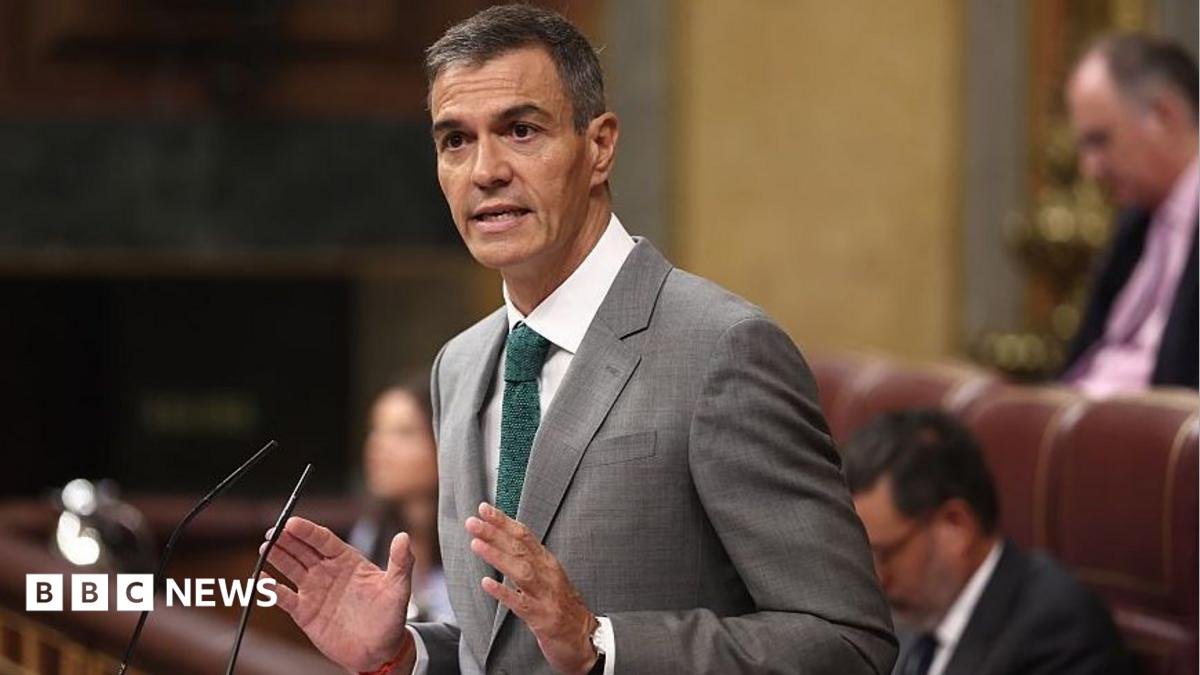
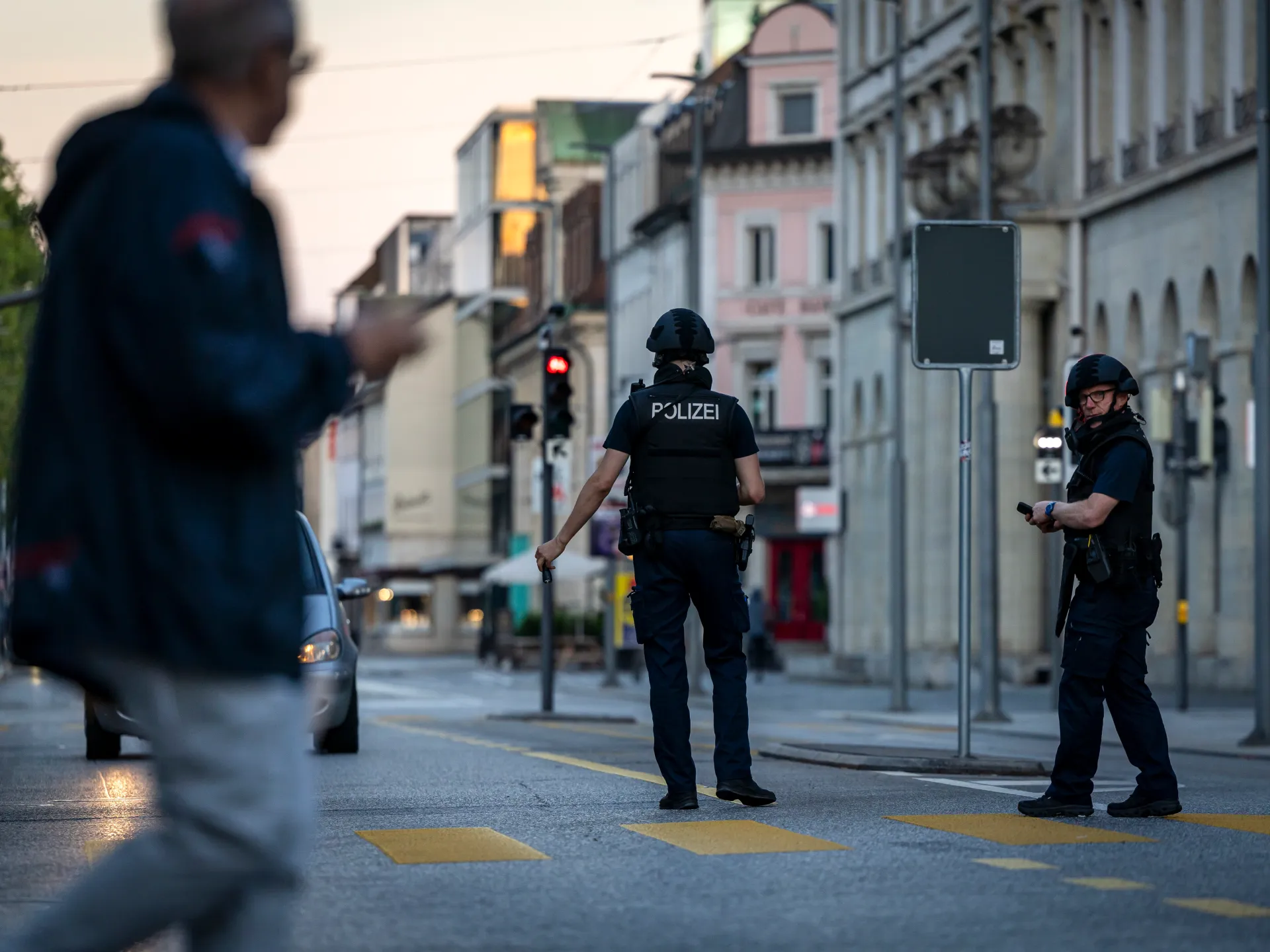
This diplomatic tension coincides with urgent warnings from across the continent regarding the risk of sabotage and cyber-attacks. Polish Prime Minister Donald Tusk has warned that Russia may be preparing to disguise hybrid operations as accidental incidents to avoid triggering NATO’s collective defense protocols. In response, French President Emmanuel Macron has ordered a comprehensive plan to secure France's most sensitive defense sites and critical infrastructure. Macron noted that the threat from Moscow has intensified significantly in recent weeks, necessitating a new level of vigilance among internal security agencies.
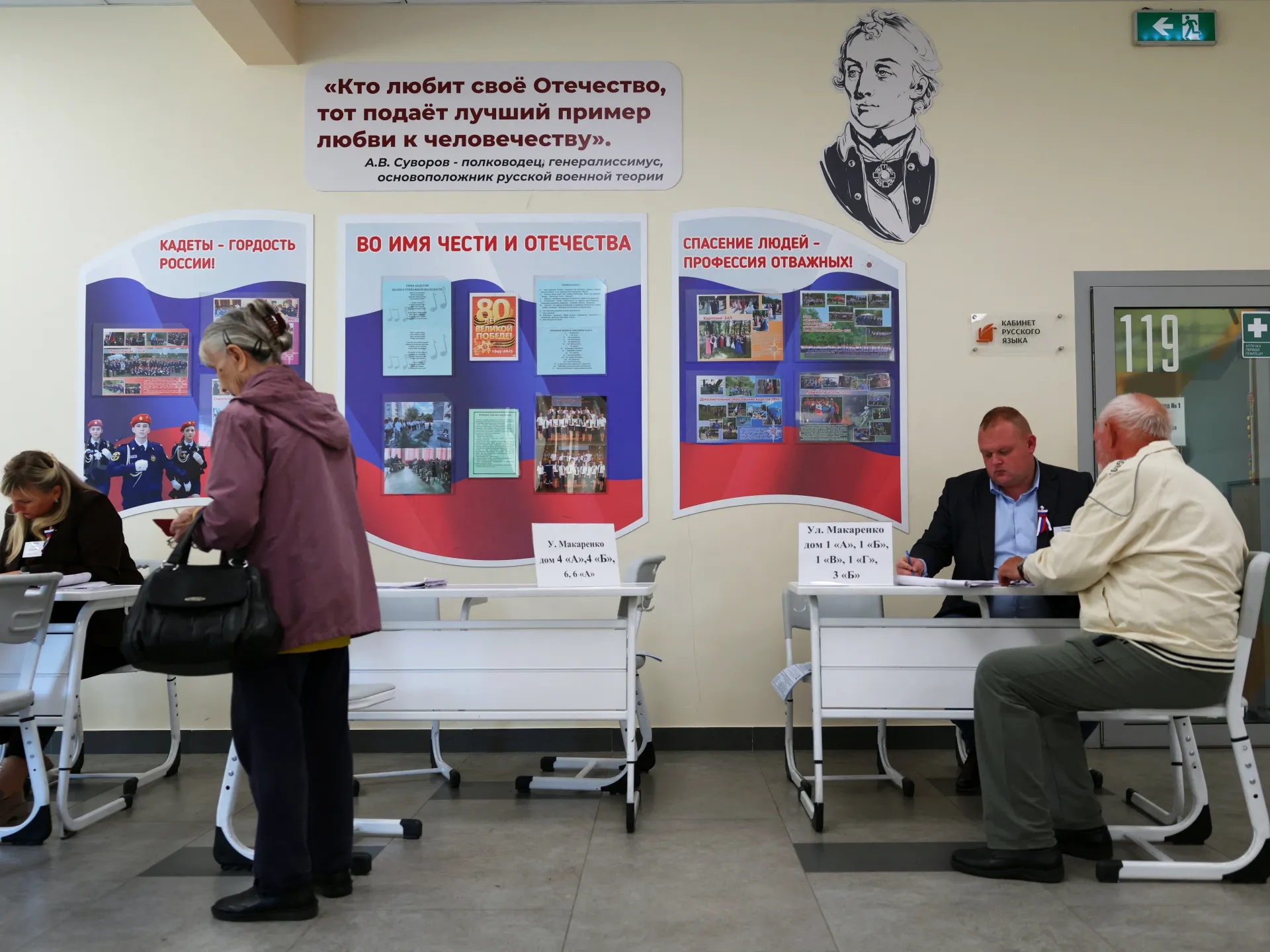
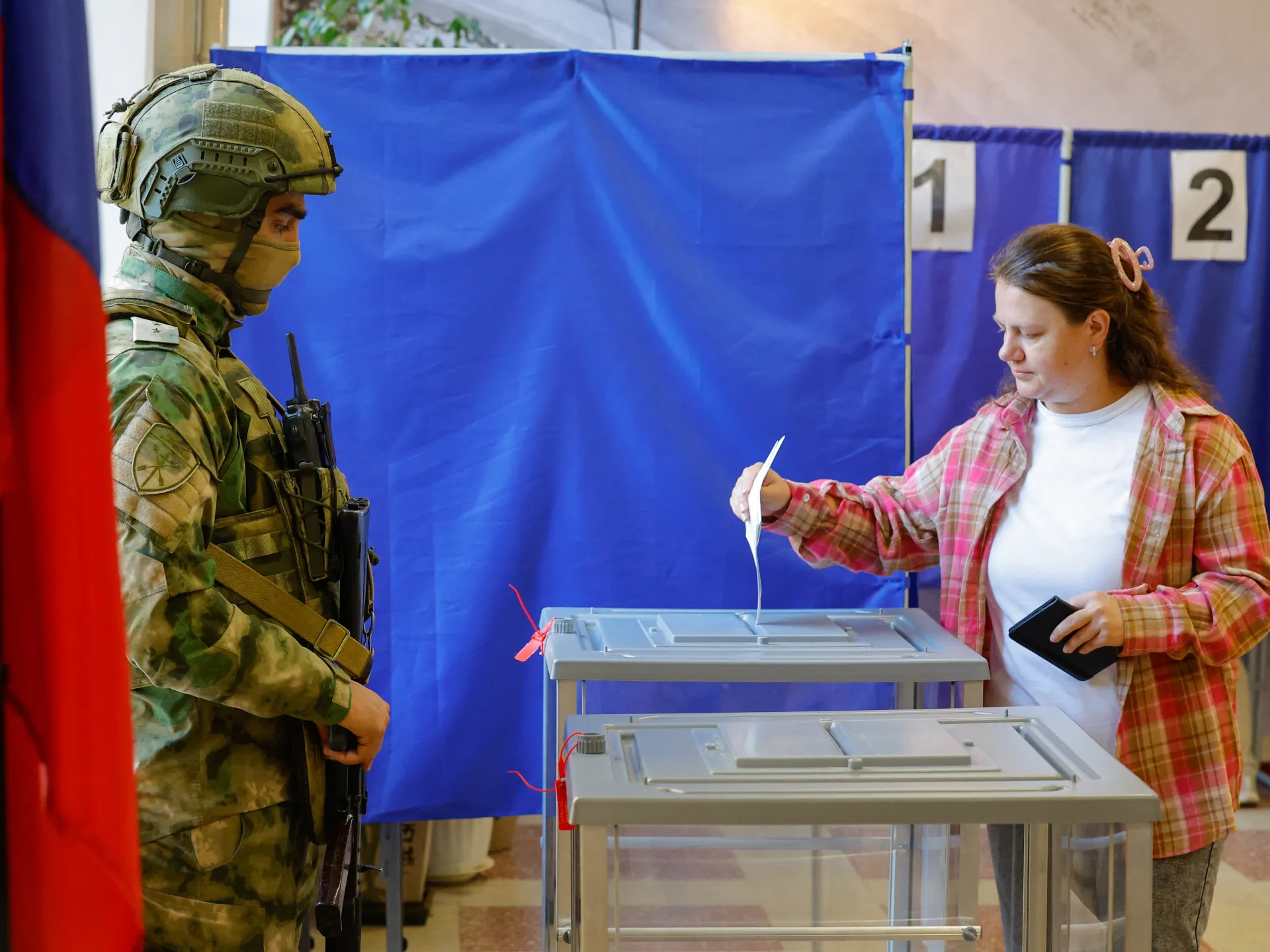
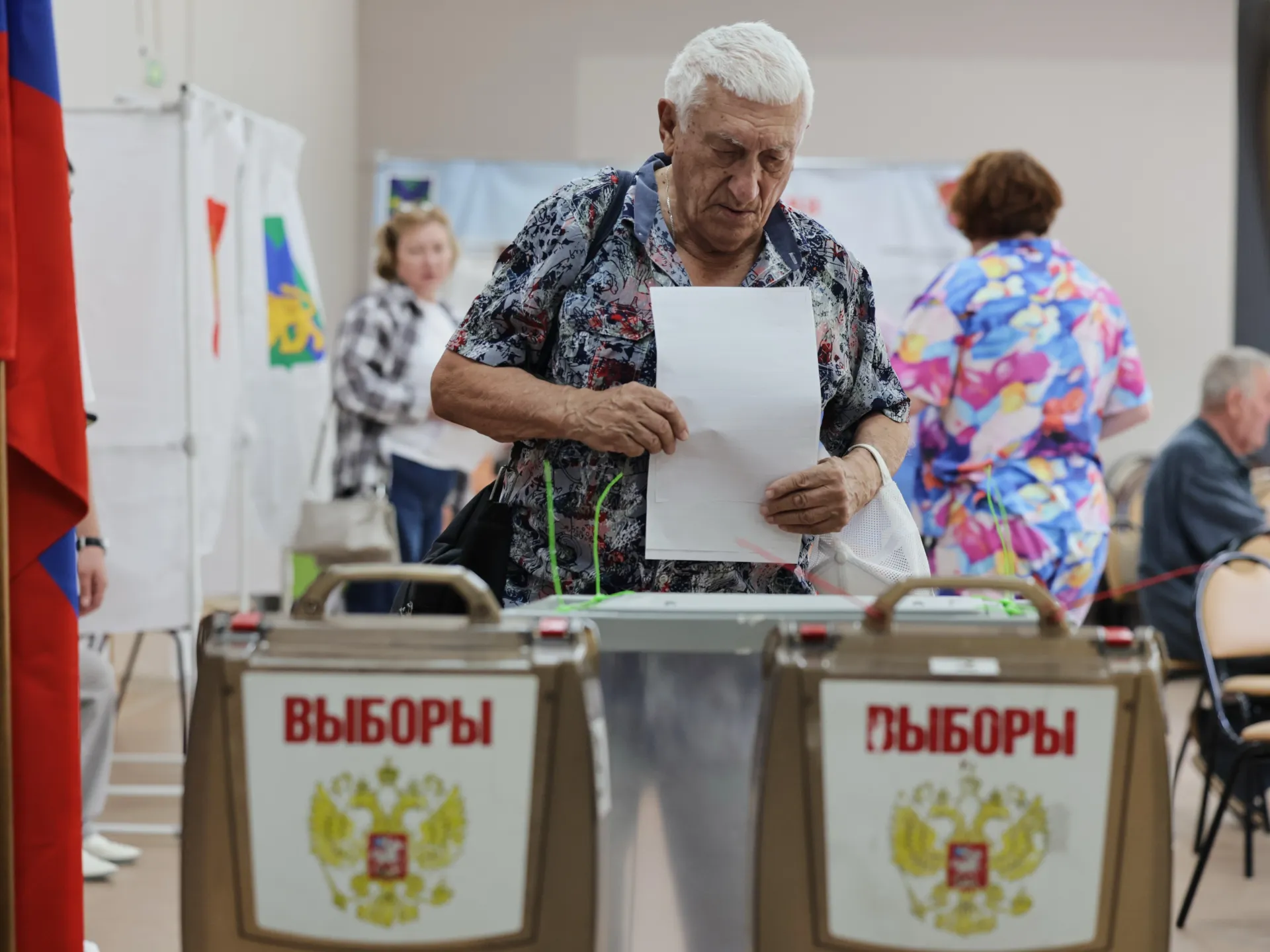
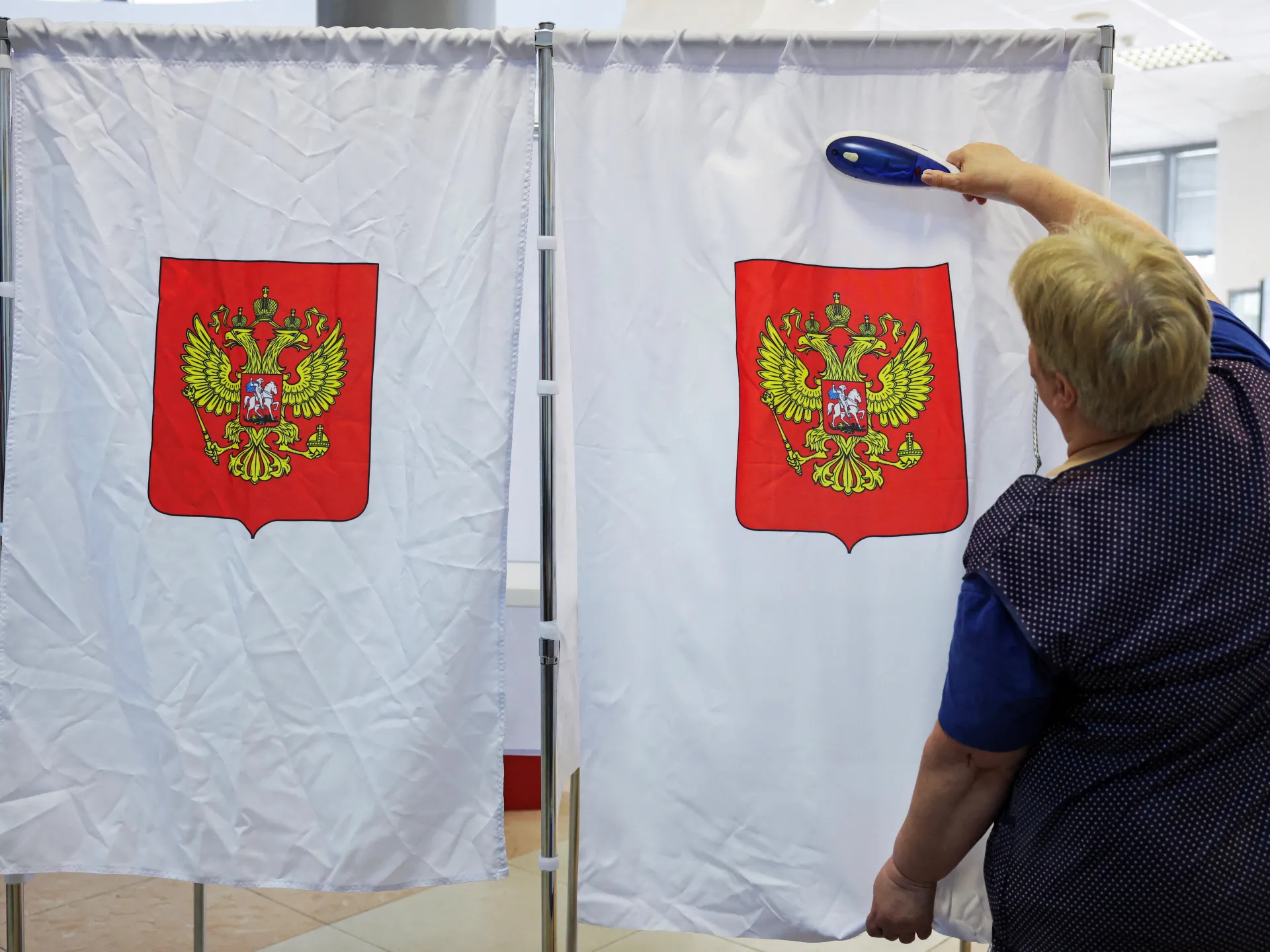
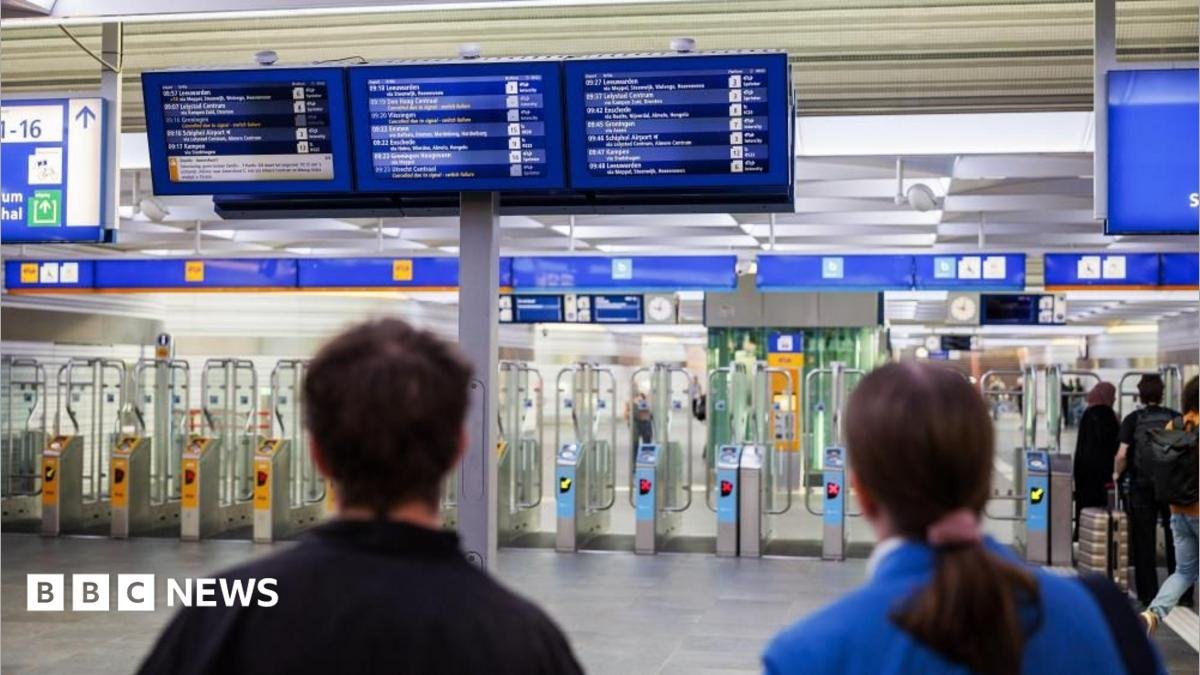
The likely next step in this conflict is a period of heightened surveillance and intelligence-sharing among Western allies. With officials in Poland and France publicly acknowledging the risk of 'accidental' hybrid incidents, European security services will likely pivot toward offensive cyber-defense strategies and increased physical security at energy and transport hubs. Economically, the 'temporary' seizure of Western assets suggests that a permanent exit from the Russian market may be forced upon many companies currently hoping to retain their footprints. As the Kremlin continues to frame domestic parliamentary processes as a mandate for its military objectives, the window for diplomatic de-escalation appears increasingly narrow, leaving Western leaders to navigate a precarious balance between supporting Ukraine and avoiding a direct, attribution-heavy clash with Moscow.