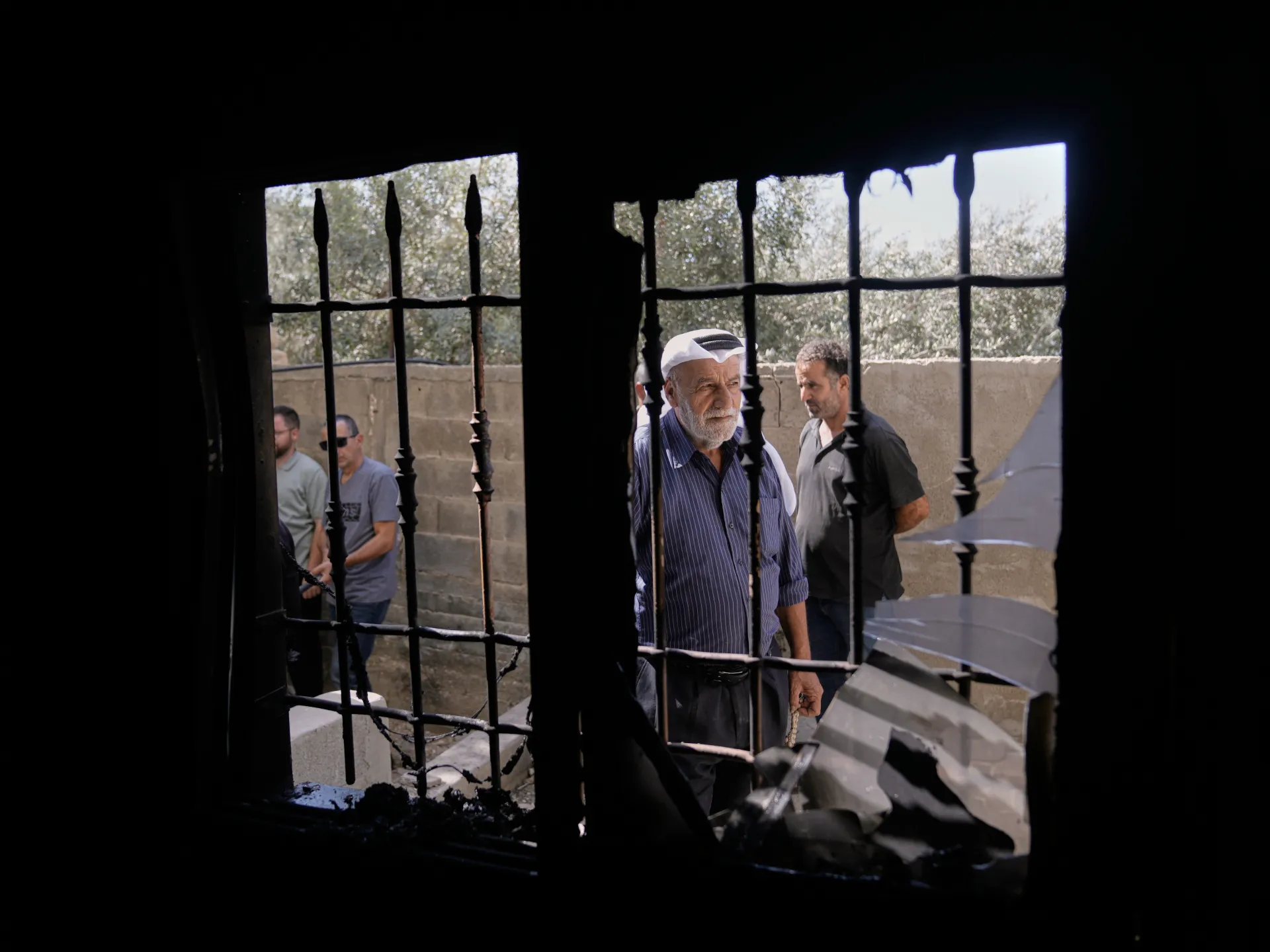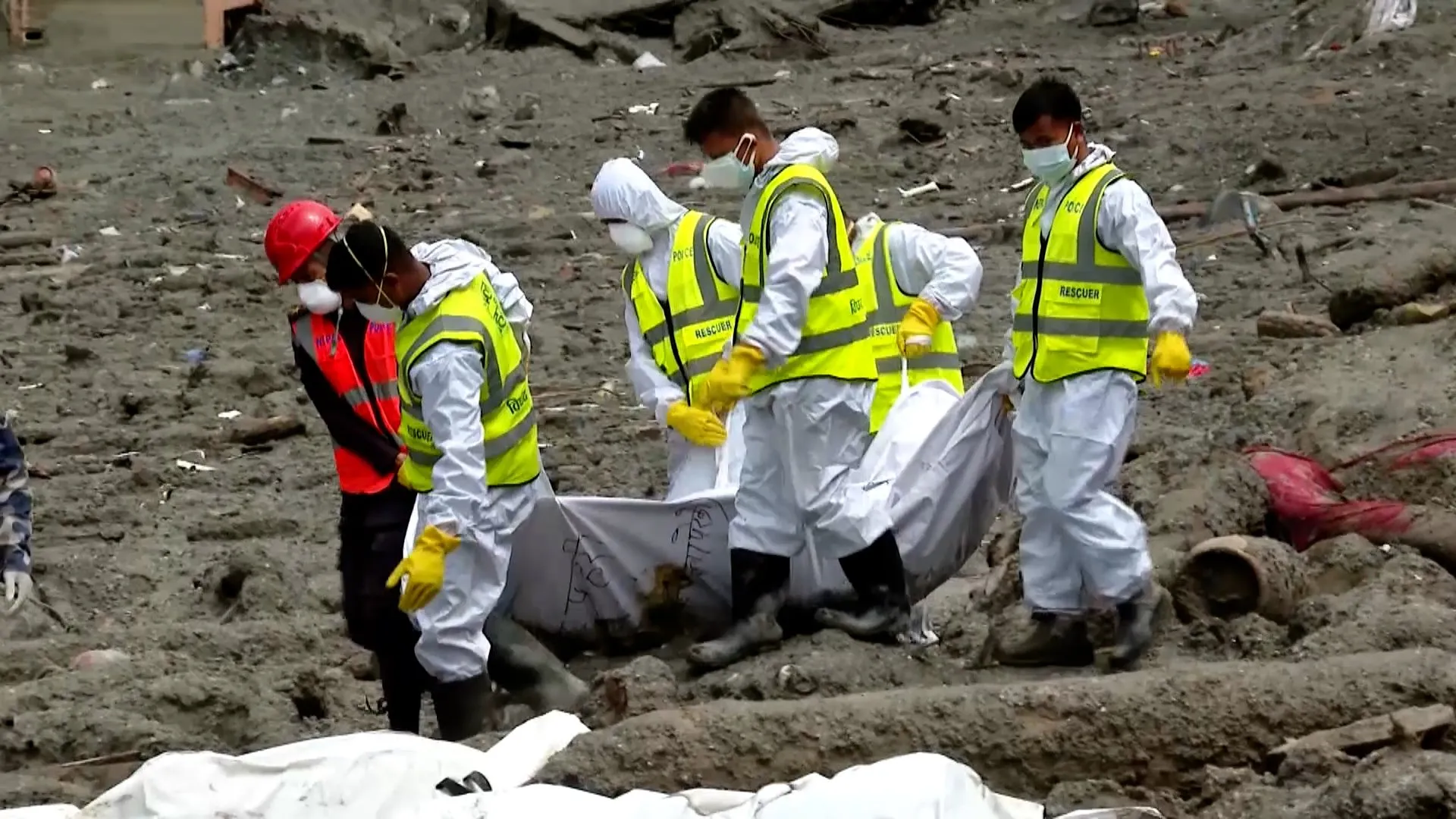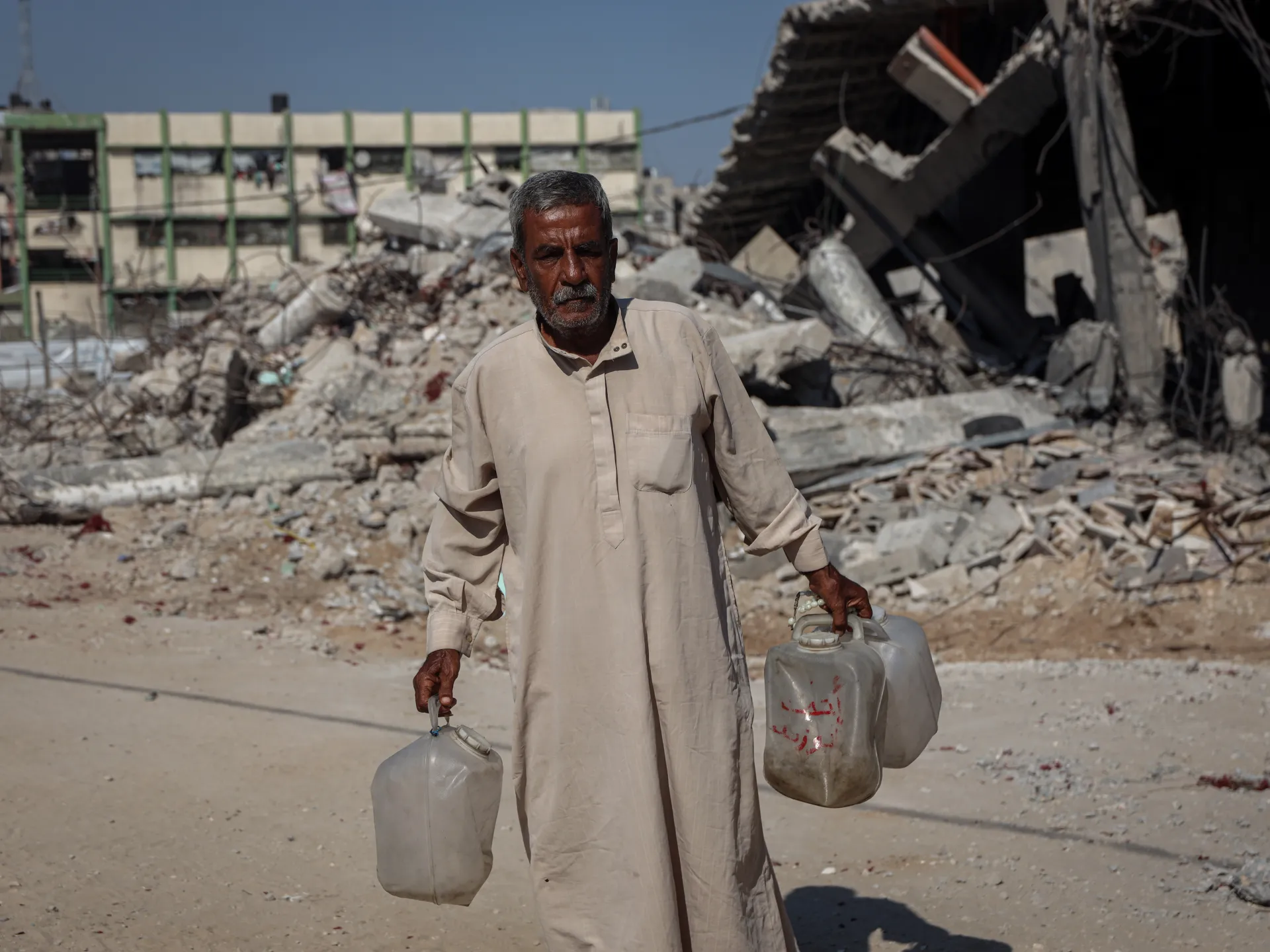

A Gaza Civil Defence worker has finally recovered the remains of 21 relatives from the ruins of their home after a three-year delay caused by the ongoing war.
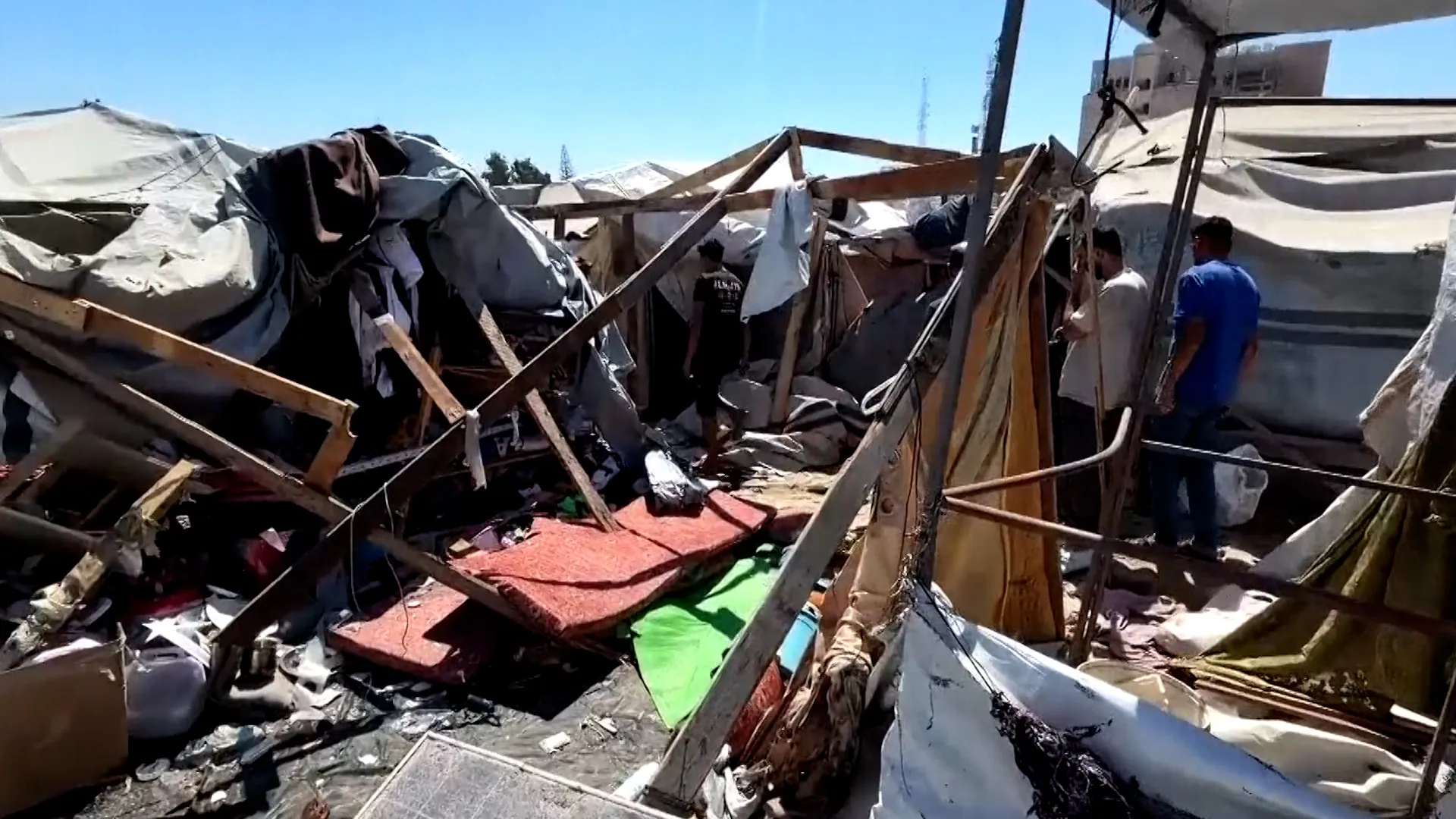
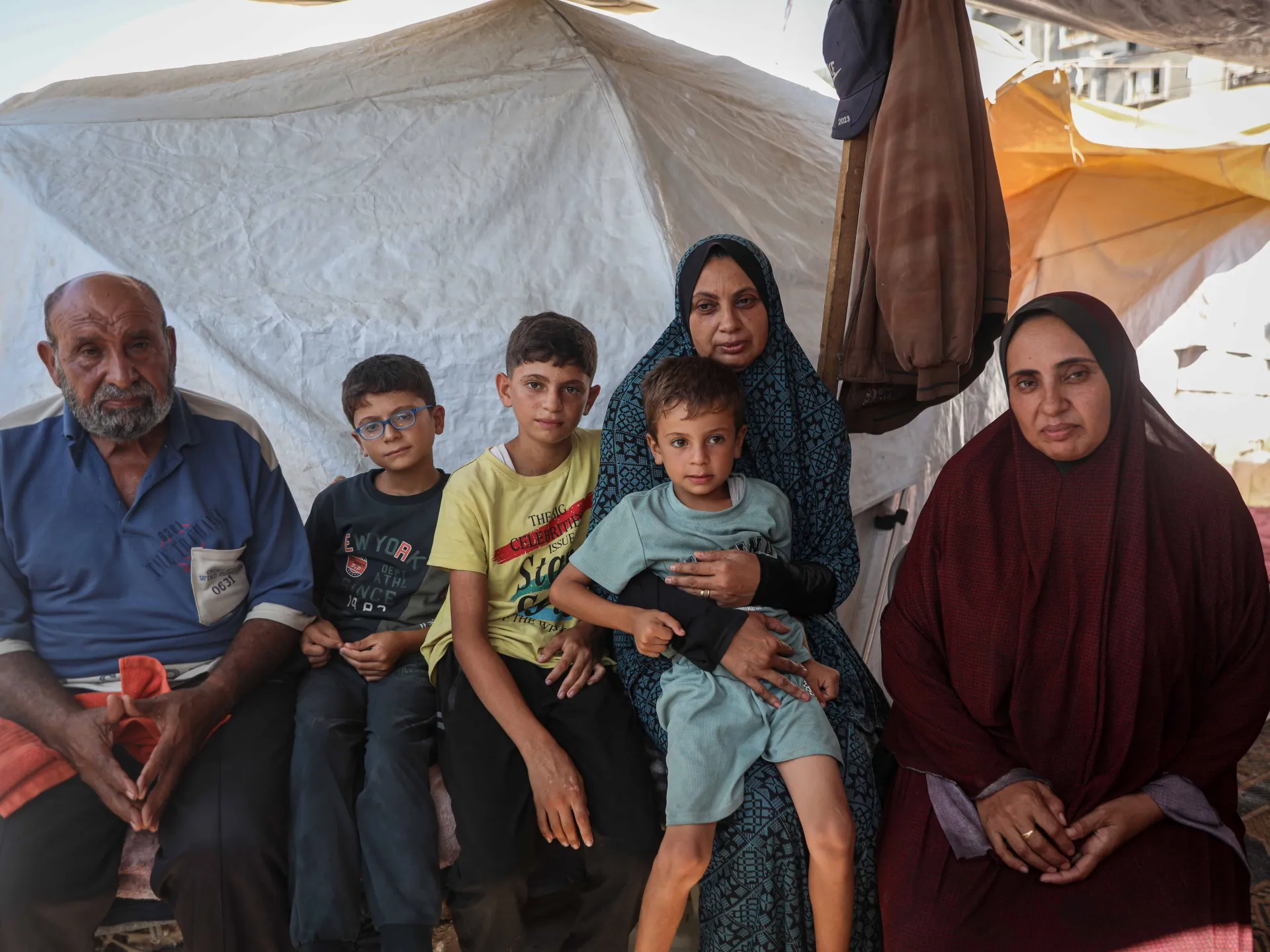
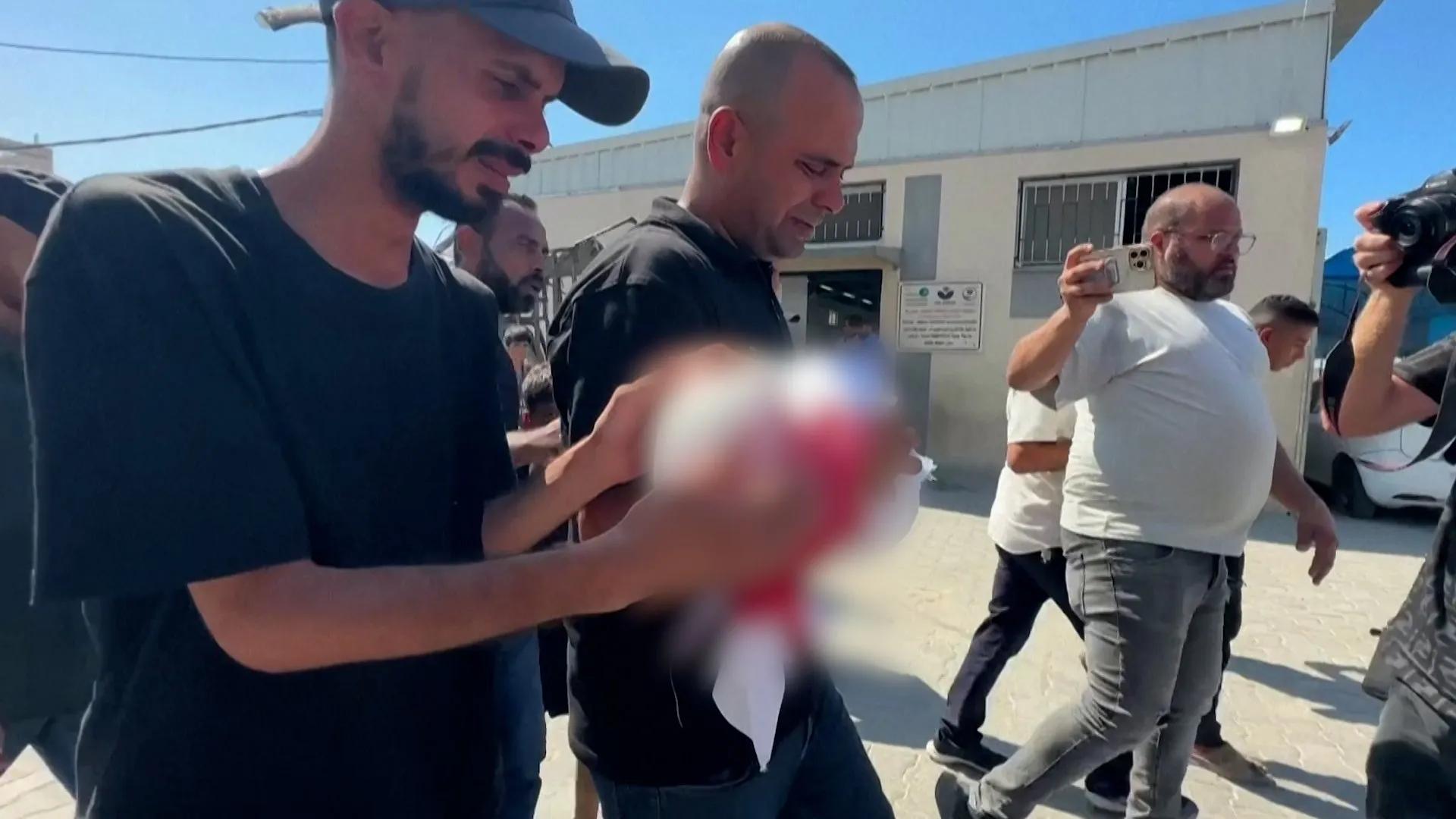
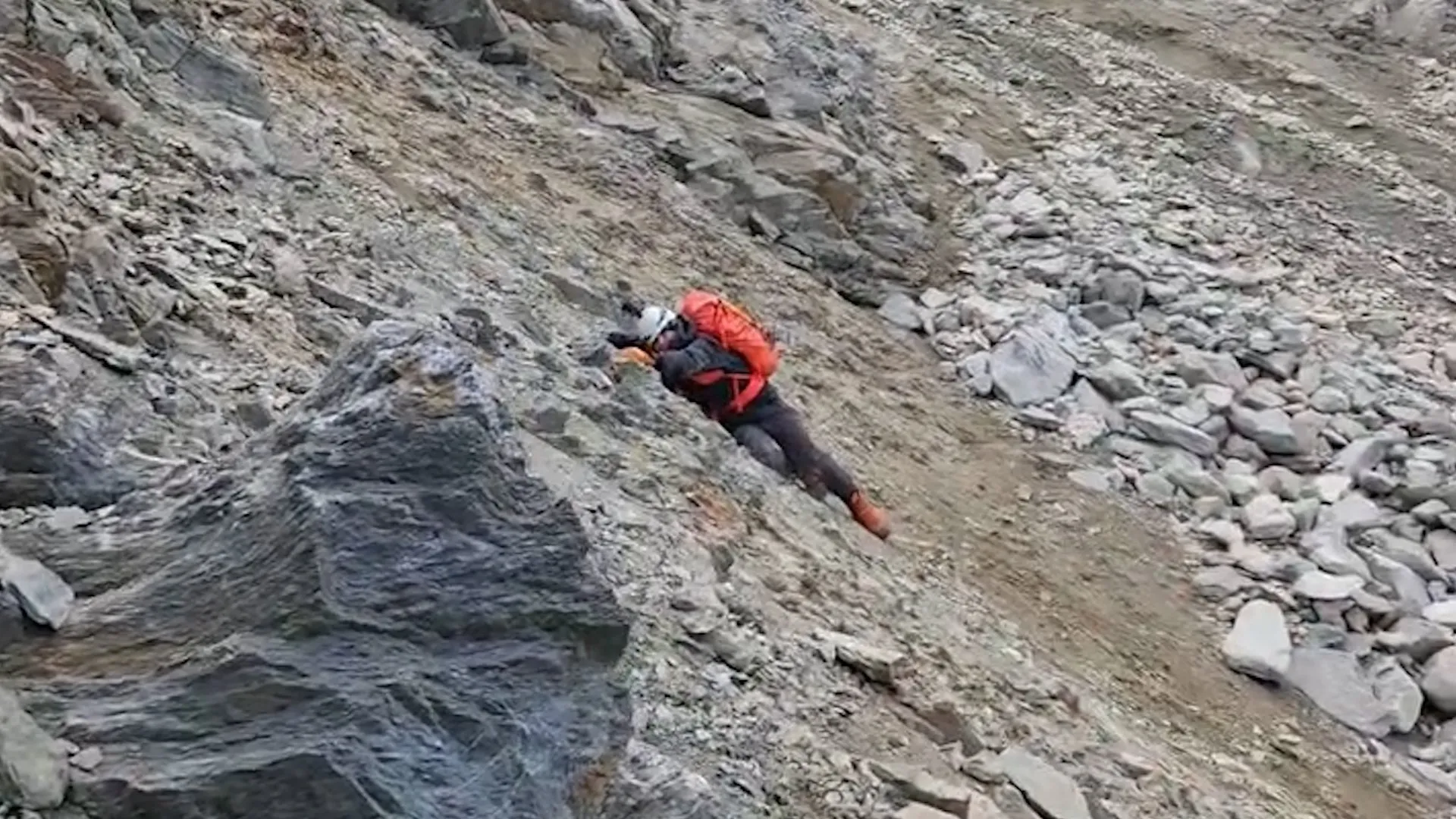
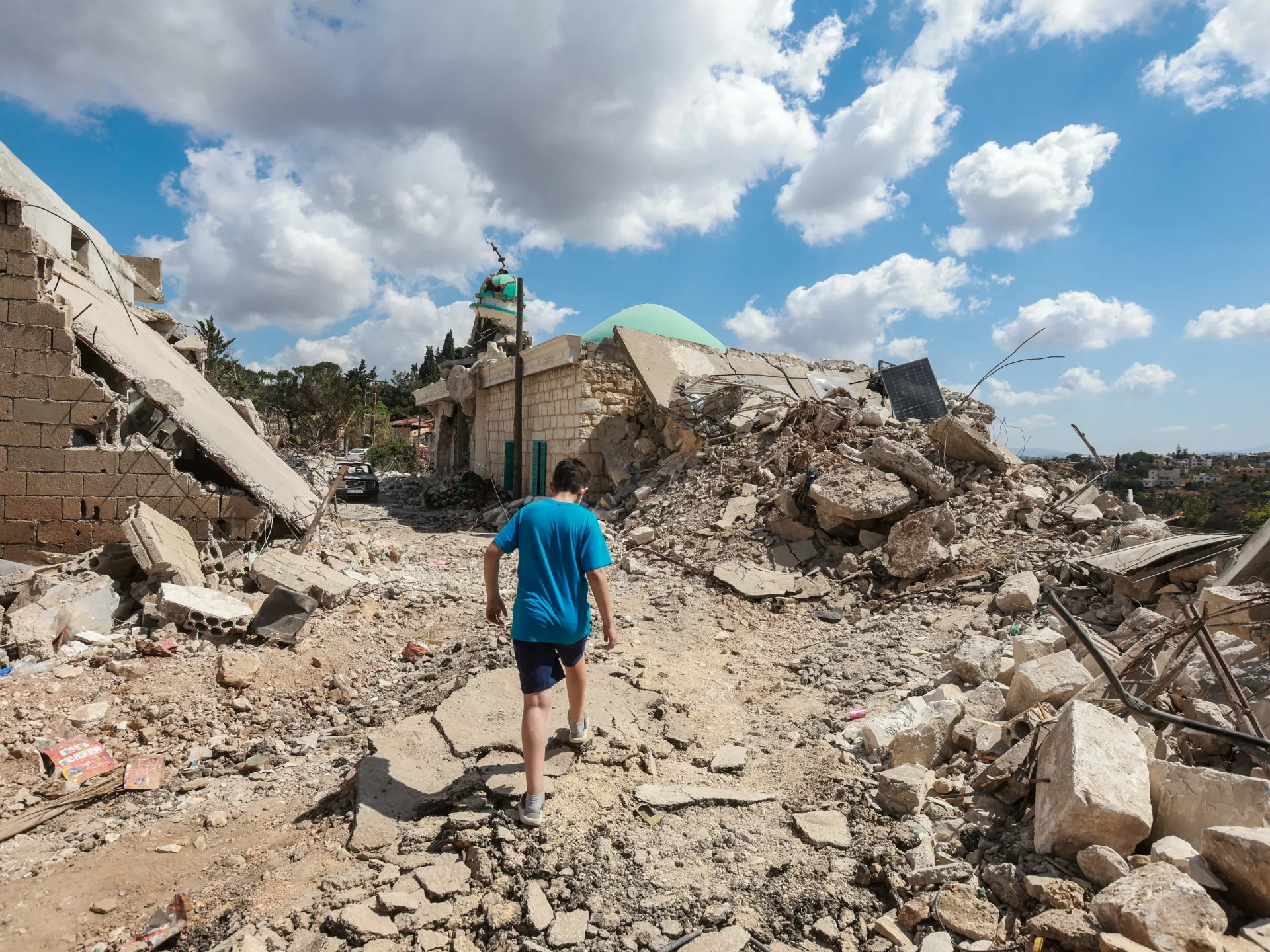
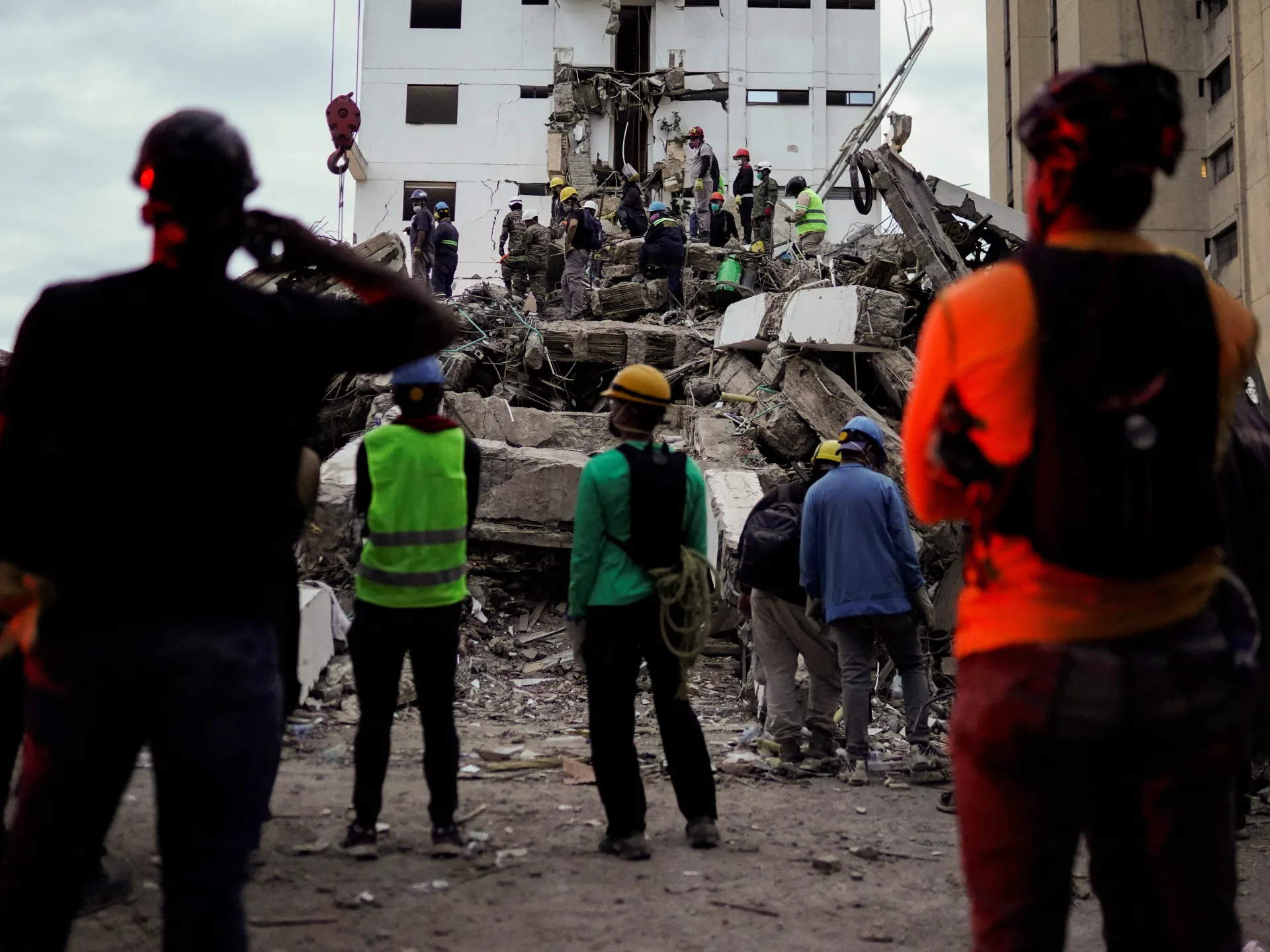
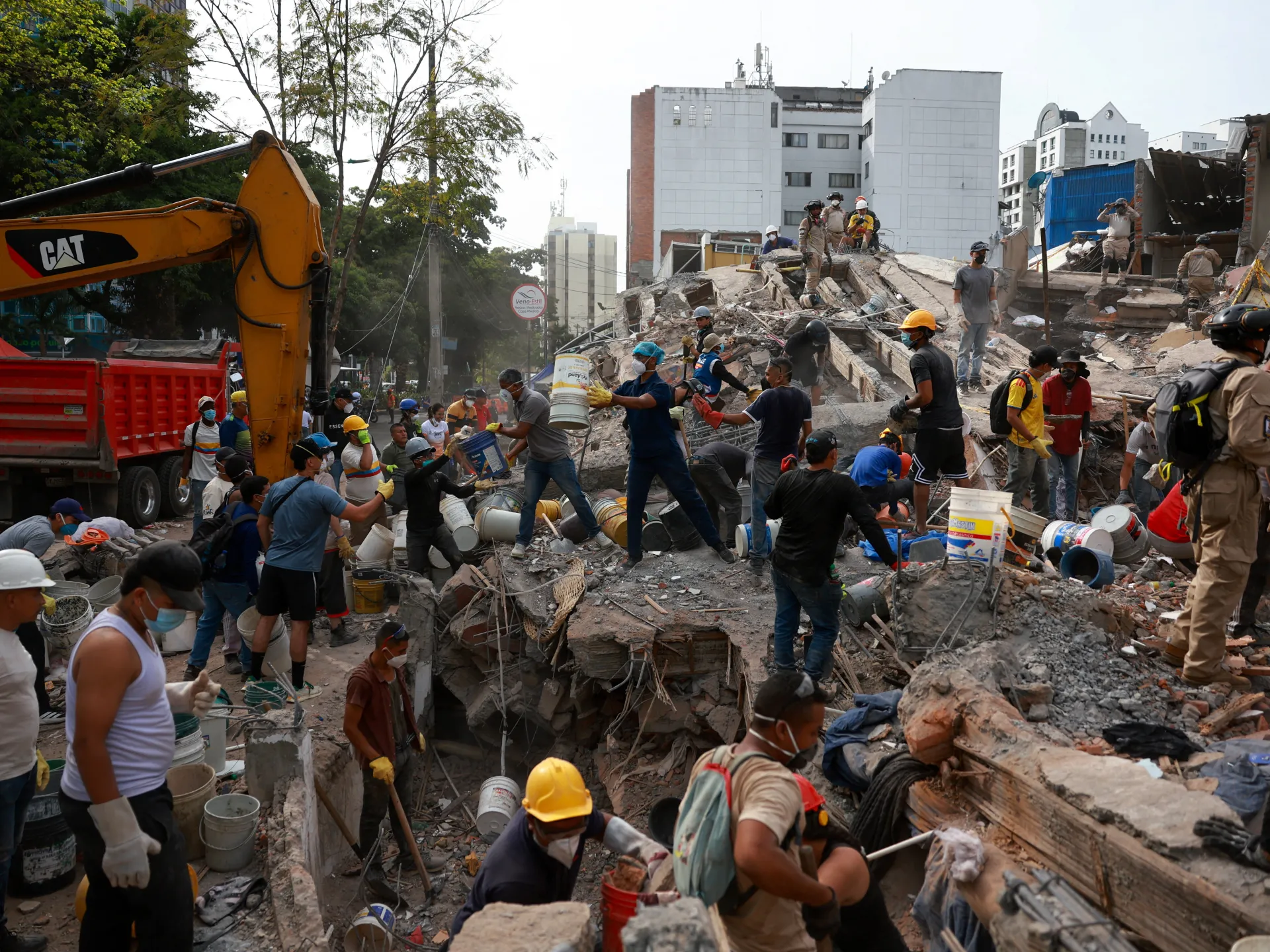
In a harrowing reminder of the prolonged humanitarian crisis unfolding in Gaza, a member of the local Civil Defence force recently successfully recovered the remains of 21 of his relatives. The recovery operation took place at the site of the family's former home, which had been reduced to a pile of twisted concrete and debris during the ongoing conflict. For this rescue worker, the mission was not merely a professional duty but a deeply personal endeavor that had been delayed for nearly three years due to the volatile security situation and the lack of necessary equipment to access the site.
The recovery process highlights the immense psychological and physical toll placed on emergency responders in the region. Civil Defence workers have been operating under extreme constraints since the hostilities began in October 2023, often working without adequate heavy machinery or safety gear. The ability to finally reach these remains provided a somber sense of closure for a family that had been forced to leave their loved ones beneath the ruins for a significant period.
The incident involving this specific recovery is just one small fragment of a much larger, catastrophic narrative. According to official reports, the total death toll in Gaza has surpassed 73,000 individuals since the escalation of violence in late 2023. These numbers represent not just statistics, but entire families, neighborhoods, and communities that have been irrevocably altered or erased
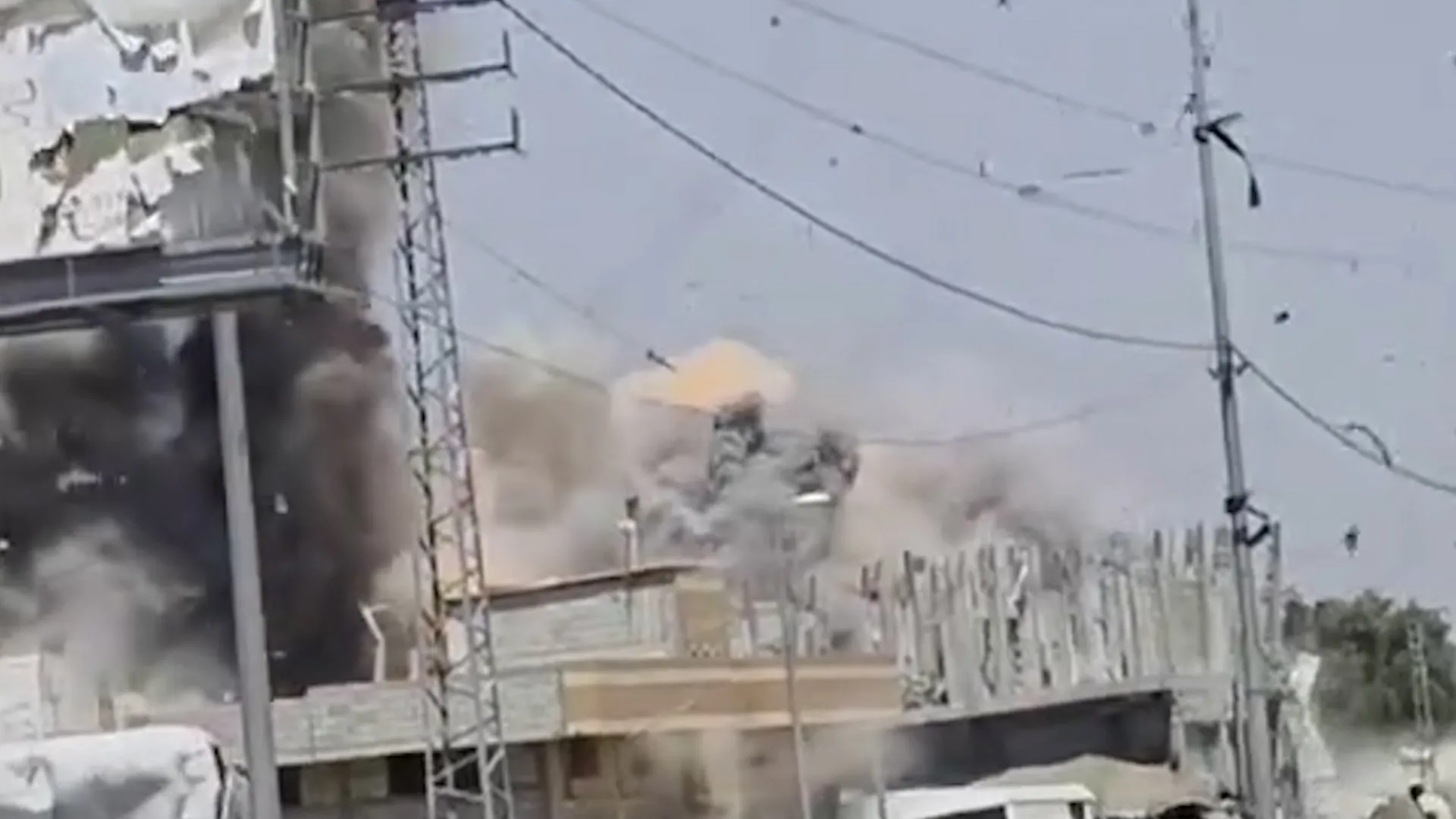
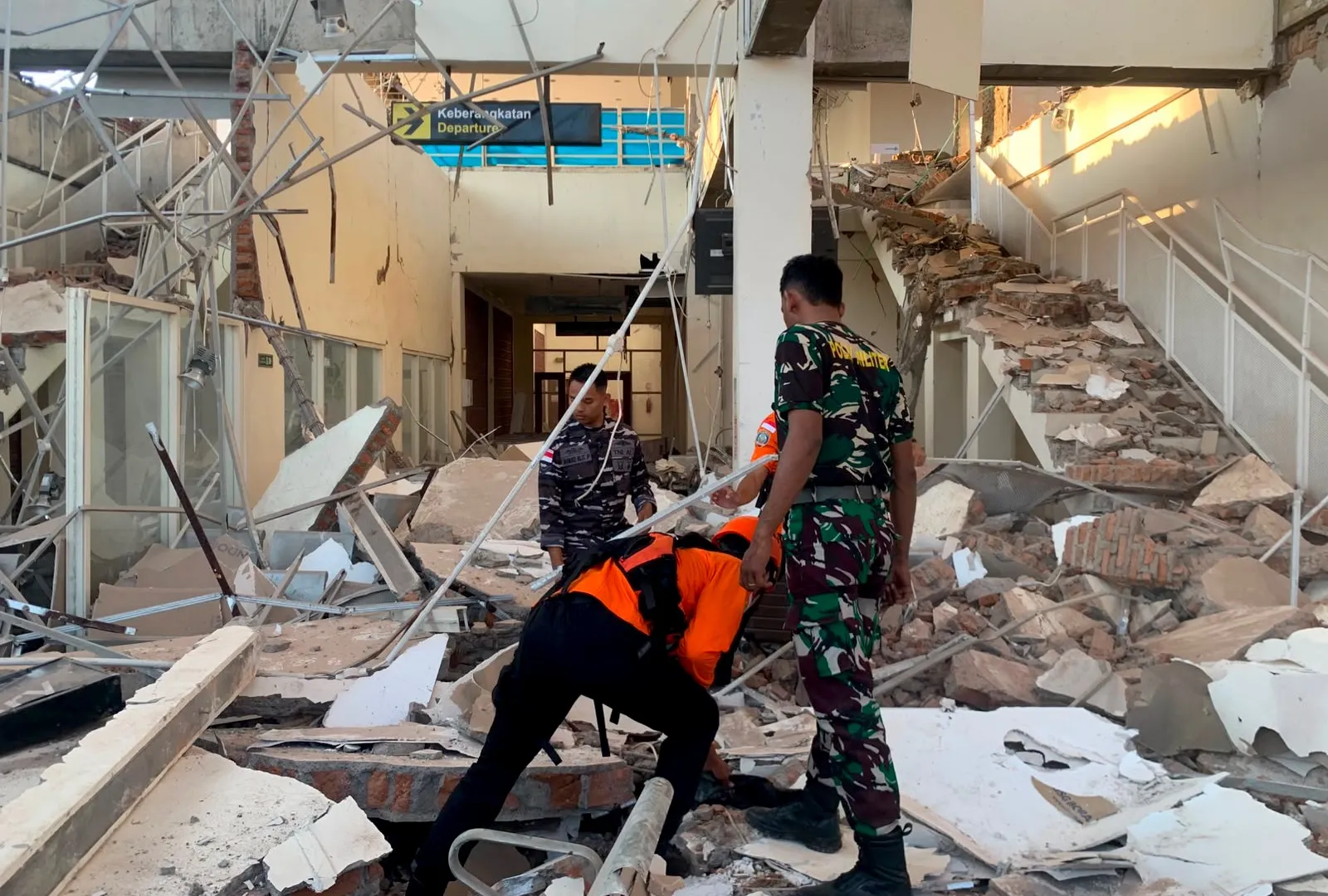
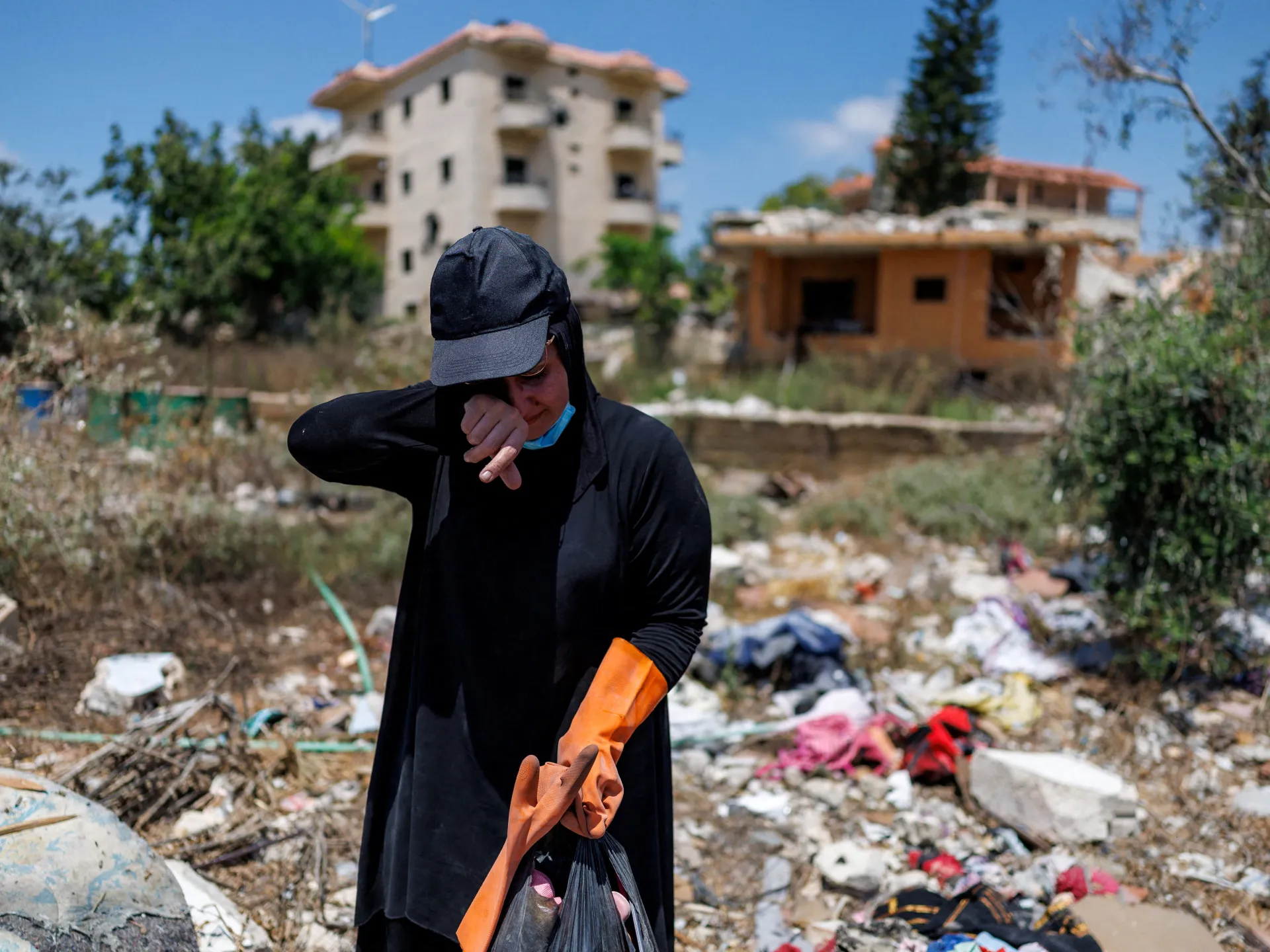
The destruction of residential infrastructure has been widespread, leaving thousands of homes uninhabitable and burying countless victims under massive amounts of debris. The Civil Defence teams, who are often comprised of volunteers and civil servants, face the daunting task of clearing these sites while navigating the risks of unexploded ordnance and secondary structural collapses. Their work is essential for the recovery of remains, which is a critical cultural and religious necessity for the people of Gaza.
Emergency responders in Gaza have been pushed to their absolute limits over the past three years. The lack of fuel, electricity, and functional heavy lifting equipment has turned what should be routine search-and-rescue operations into arduous, manual labor. Many Civil Defence workers have also lost their own family members, yet they continue to report for duty to assist others in their time of greatest need.
The situation is further complicated en access is granted, the sheer volume of rubble makes the recovery of bodies a slow and dangerous process. The international community has frequently been urged to provide more support for these local teams, yet the logistical blockade and the intensity of the conflict continue to hinder meaningful progress in clearing the wreckage that defines the current landscape of the territory.
As the conflict continues, the stories of individual families like those recovered war. For many, the recovery of a loved one's body is the only form of justice or peace they can hope for in a landscape defined rstated, as they are often required to balance the trauma of their own losses with the responsibility of serving their community.
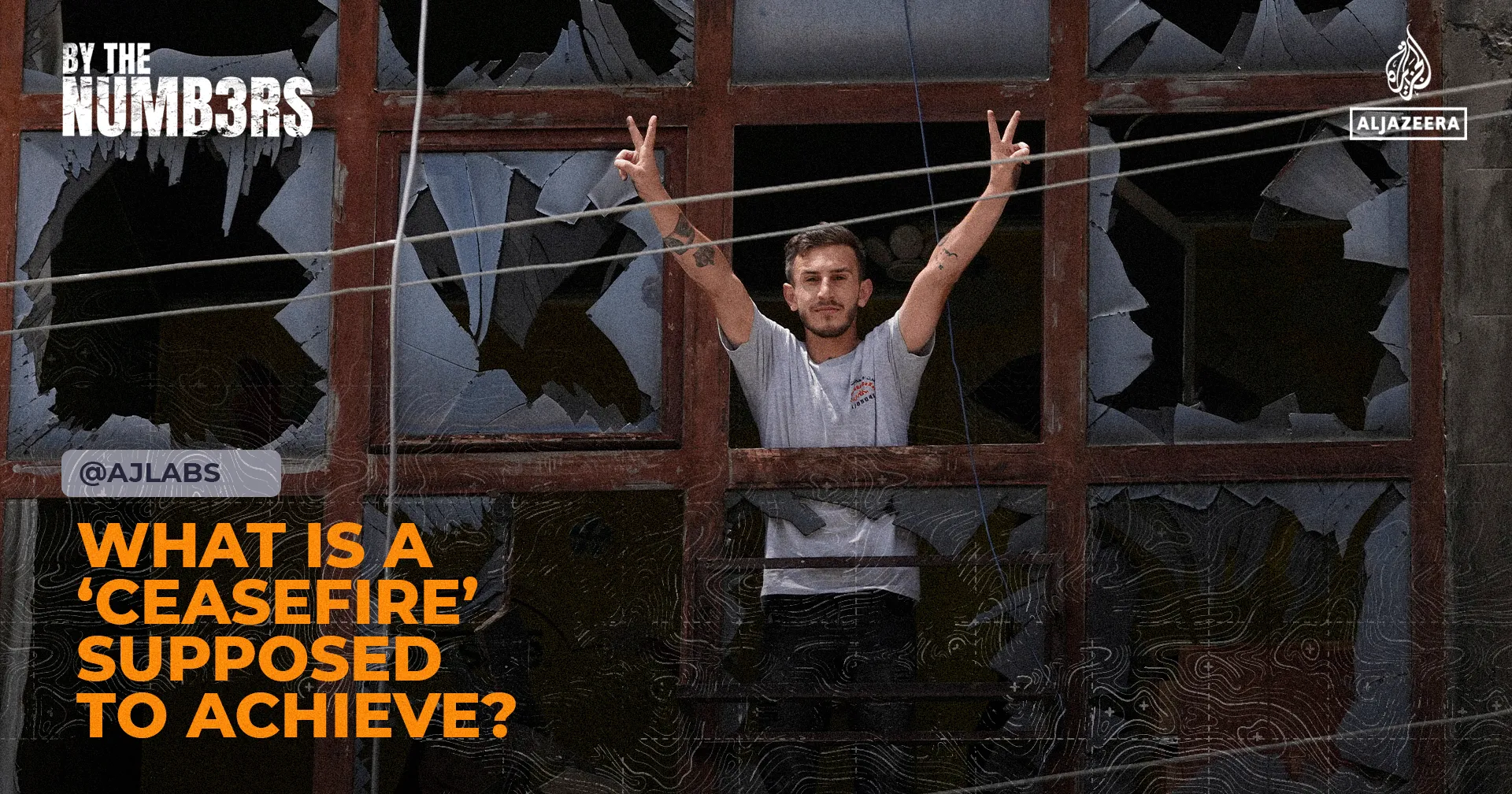
The recovery of 21 relatives from a single site is a stark illustration of the generational impact of the destruction. As families attempt to locate their kin, the work of the Civil Defence remains a vital, albeit painful, aspect of the ongoing crisis. Until a sustainable ceasefire is achieved and reconstruction efforts can begin in earnest, the sight of rescuers digging through the remnants of civilian homes will likely remain a defining image of this historic period.