

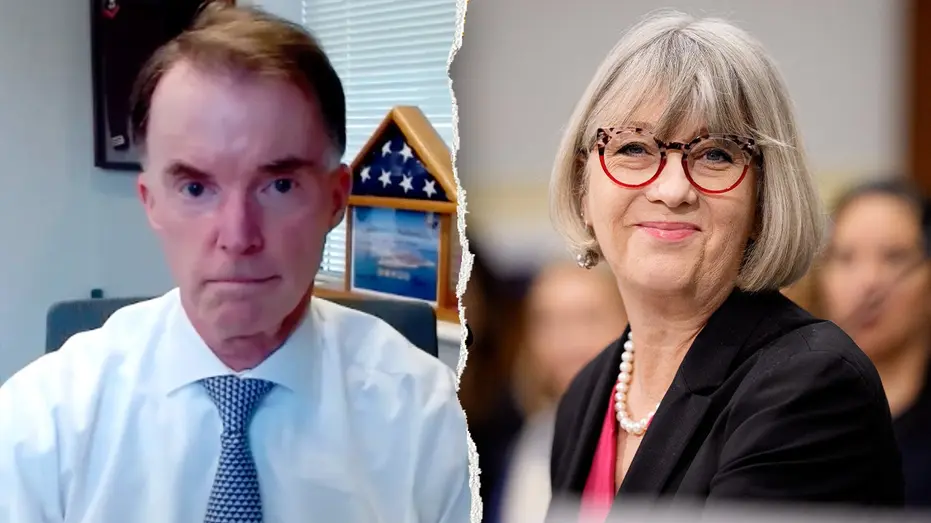
A legal expert is calling for a major leadership shift at the National Museum of American History, citing concerns over a perceived bias in historical interpretation.
A prominent legal expert has recently advocated for a comprehensive leadership overhaul at the Smithsonian’s National Museum of American History. The criticism centers on allegations that the institution has shifted its focus toward a cynical and self-critical interpretation of the American experience. According to these critiques, the museum has increasingly prioritized an ideological framework that categorizes historical interactions through a rigid lens of oppressors and the oppressed, moving away from a balanced chronological examination of the nation’s past.
The argument posits that while American history is undeniably marked nt curatorial strategy fails to adequately emphasize the subsequent national efforts to rectify these wrongs. Critics argue that the narrative should highlight the legislative and social milestones that followed, such as the ratification of the 13th, 14th, and 15th Amendments, as well as the landmark Civil Rights Acts. culture of national shame rather than providing a comprehensive educational experience.
The push for institutional change follows a series of heated congressional hearings and a critical White House report published in July 2026. This report alleged that the Smithsonian has become a vessel for specific political agendas, particularly those centered on Diversity, Equity, and Inclusion (DEI). The scrutiny has placed Director Anthea Hartig in a difficult position, as lawmakers and observers question the appropriateness of certain exhibit materials displayed during the nation’s 250th-anniversary celebrations.
During these high-profile commemorations, many visitors reportedly encountered exhibits that deviated significantly from traditional historical storytelling. Observers noted that displays focused heavily on themes of bondage, sexuality, and gender, often framing the Founding Fathers almost exclusively through their connections to slavery. This approach has drawn sharp rebuke from those who believe the museum should serve as a venue for celebrating the foundational principles of the United States, such as the Constitutional Convention of 1787, rather than serving as a platform for what some describe as historical flagellation.
The tension between different philosophies of historical interpretation remains a major point of contention in American cultural life. While some museum advocates and political figures have accused critics of attempting to whitewash history characterization. They maintain that acknowledging the reality of slavery—a practice common throughout ancient and modern civilizations—is entirely compatible with a patriotic celebration of American progress and resilience.
The argument for a "root and branch" reset of the museum’s current direction suggests that the issue is not limited to a single institution. Critics observe that these same ideological currents are increasingly prevalent in higher education and K-12 schooling. The goal, according to these proponents, is to ensure that national institutions reflect a balanced perspective that empowers citizens to understand the complexities of the past without resorting to narratives that are perceived as inherently hostile to the American story.
The broader cultural conversation surrounding this issue often circles back to the role of parents as the primary educators of their children. The movement toward school choice and homeschooling, which saw a significant surge during the COVID-19 pandemic, is viewed in public and institutional settings. As parents gained closer insight into the curricula and exhibits presented to their children, many felt compelled to take a more active role in directing their education.