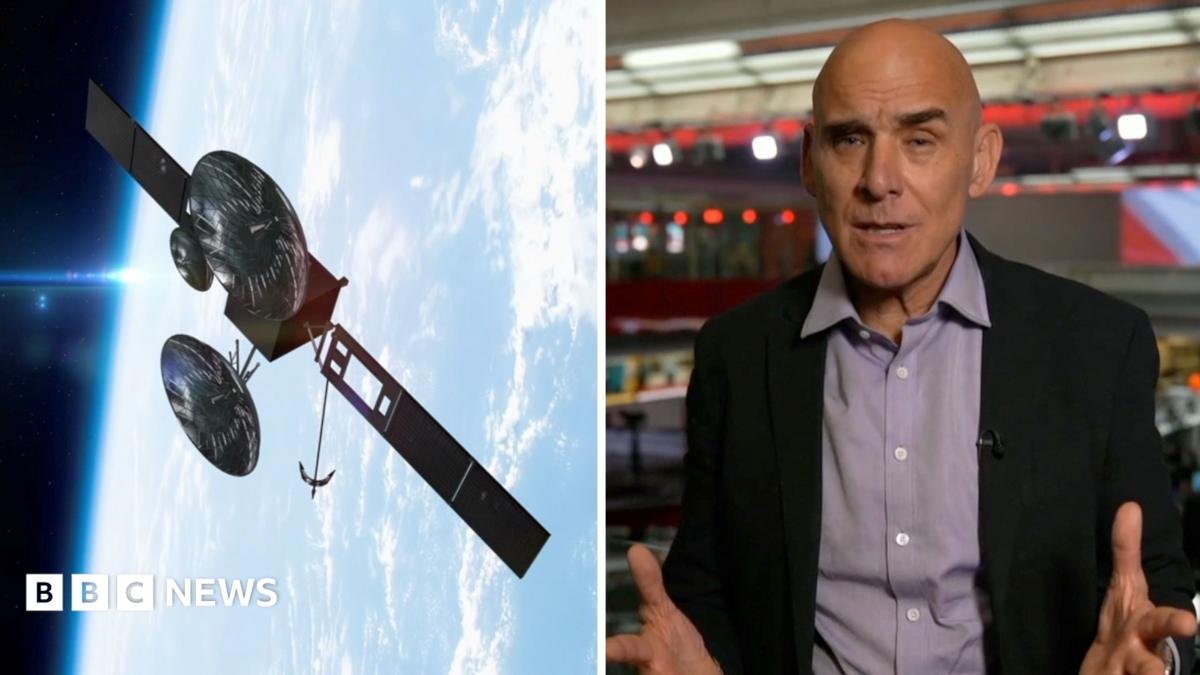
Recent US declarations regarding an orbital weapon have sparked a global debate on the militarization of space and the strategic future of counter-space capabilities.
The space domain has been a theatre for military competition since the inception of the space age. During the late 1960s, the Soviet Union pioneered early efforts in orbital weaponry through the Istrebitel Sputnikov (IS) program. These systems involved satellites specifically engineered to release projectiles that would detonate, creating a cloud of shrapnel intended to neutralize opposing spacecraft. While the technology of the time was rudimentary compared to modern standards, it established the precedent that Earth's orbit would not remain a sanctuary for peaceful exploration alone.
In the contemporary era, the reliance on satellite technology has grown exponentially. Advanced militaries now depend on orbital assets for critical functions, including secure global communications, precise reconnaissance, missile launch detection, and the provision of location data essential for modern precision-guided strikes. As warfare becomes increasingly tethered to data and connectivity, the vulnerability of these assets has driven major powers to develop counter-space capabilities designed to protect their own infrastructure while threatening that of their rivals.
While the United States government remains tight-lipped regarding the specific mechanics of its recently deployed on-orbit weapon, analysts have begun to theorize about its possible functions. Experts in astropolitics suggest that the platform likely focuses on electronic warfare rather than kinetic destruction. A radio-jamming or electronic interference suite would allow the US to neutralize enemy satellite communications without creating the long-term environmental hazards associated with physical debris.
Other possibilities include the deployment of close-proximity inspection and grappling vehicles. These systems possess the versatility to maneuver near other objects in orbit. While often framed as tools for satellite maintenance or the removal of orbital space junk, such technology inherently possesses a dual-use nature. A satellite capable of moving another object can easily be repurposed to relocate or disable an adversary’s hardware, functioning as a so-called hunter-killer platform in a high-stakes orbital environment.
The geopolitical dynamic in space is far from a solo endeavor. China and Russia have both demonstrated significant activity regarding rendezvous and proximity operations, often characterized as "buzzing" foreign satellites to test their maneuverability and response times. Russia, in particular, has focused on asymmetric approaches, investing heavily in ground-based missiles and air-launched anti-satellite (ASAT) systems to counteract the dense satellite constellations maintained
The strategic rationale for these investments is rooted in the concept of leveling the battlefield. Because the US and China rely heavily on extensive satellite networks for military operations, they are inherently more vulnerable to disruptions in low Earth orbit. Russia, possessing a smaller orbital footprint, faces fewer risks from the destruction of its own space assets. This imbalance creates a volatile situation where the threat of kinetic action—such as direct-ascent missile tests—remains a persistent concern for the stability of the orbital environment.
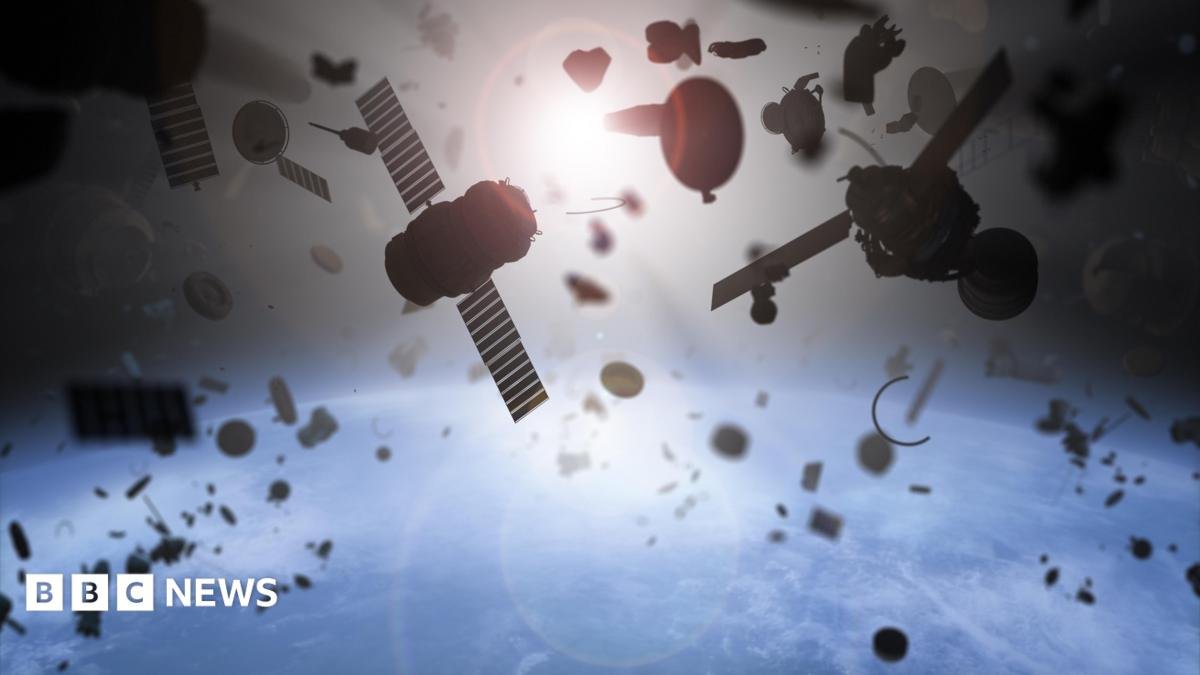
A primary concern for space security experts is the creation of orbital debris. Kinetic tests, which involve slamming a projectile into a target, generate thousands of high-velocity fragments that can remain in orbit for decades. Even a minuscule piece of plastic or metal, traveling at orbital velocities, possesses enough kinetic energy to destroy or critically damage functioning satellites. This creates a cascading risk, where one incident could potentially render specific orbits unusable for all nations.
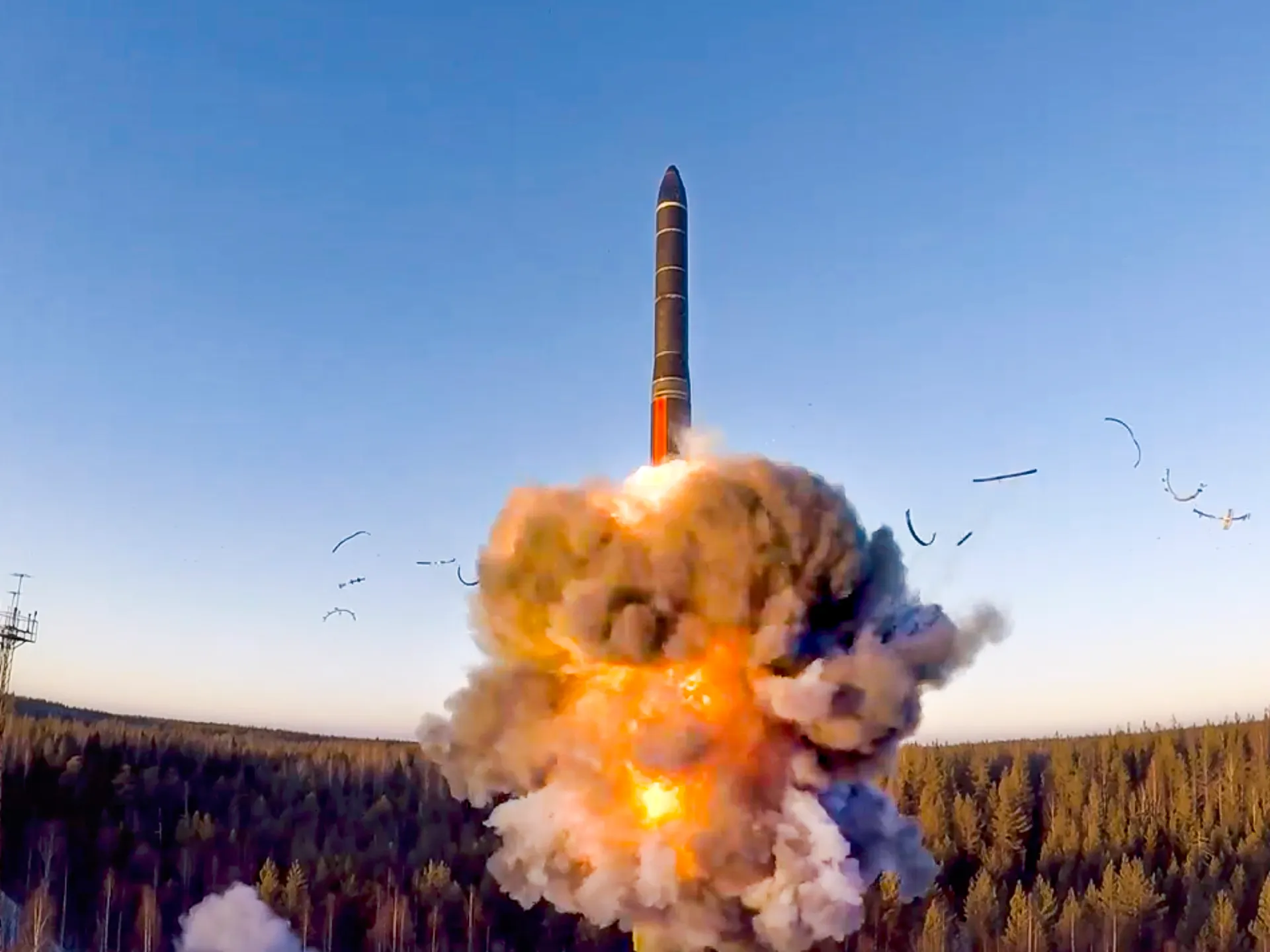
Furthermore, the specter of nuclear weaponry in space remains the most severe, albeit unlikely, scenario. While such an act would likely only occur in the context of a total conflict on the ground, the detonation of a nuclear device in space would generate an electromagnetic pulse (EMP) capable of disabling unhardened satellites across a vast region. Experts agree that the recent American announcement is less about a radical shift in technology and more about a strategic political signal, reflecting the increased necessity to deter rivals in a space-dependent security landscape.