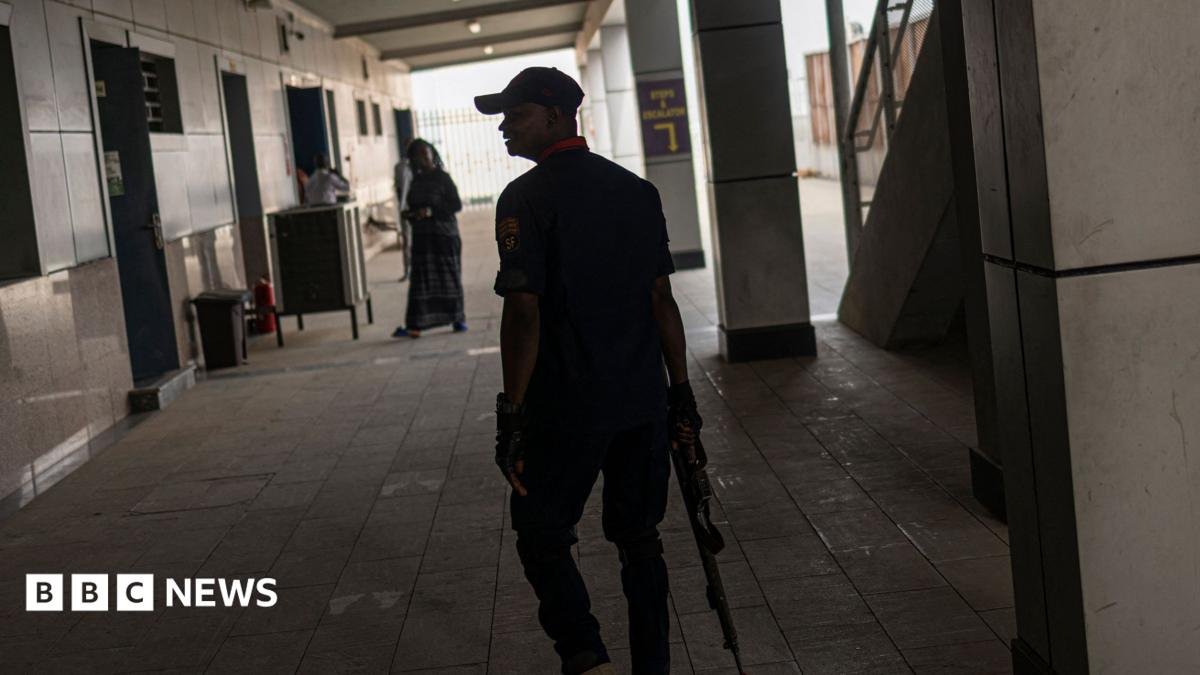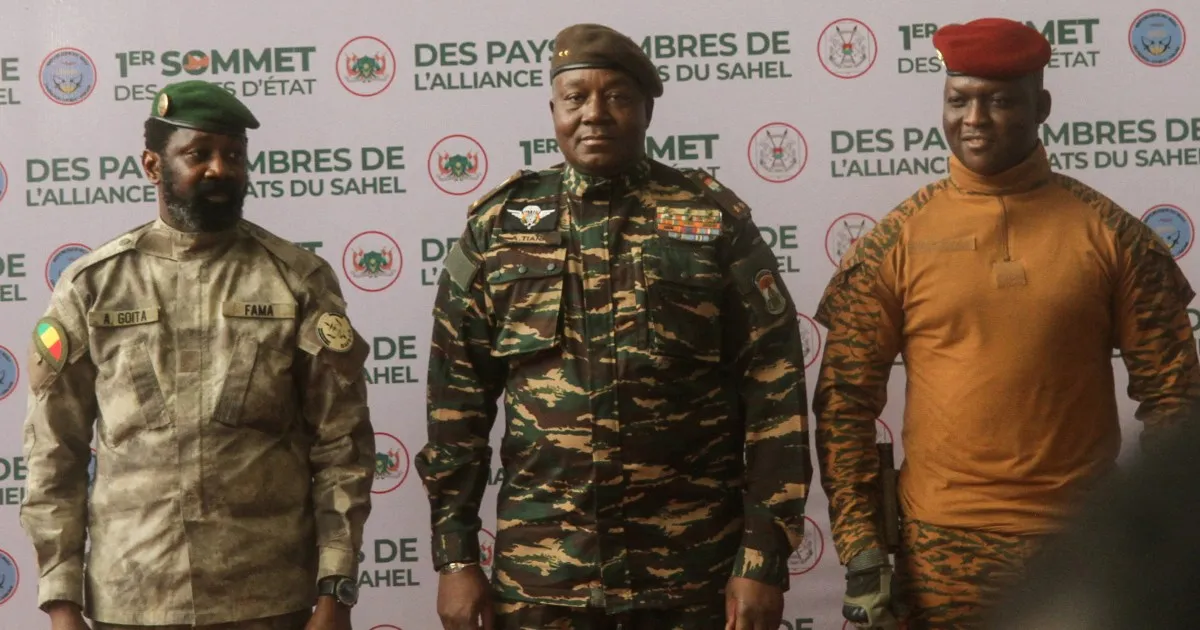
As the United Nations redefines its role in the Sahel and Western influence recalibrates, the rise of the Alliance of Sahel States signals a new era of regional security.
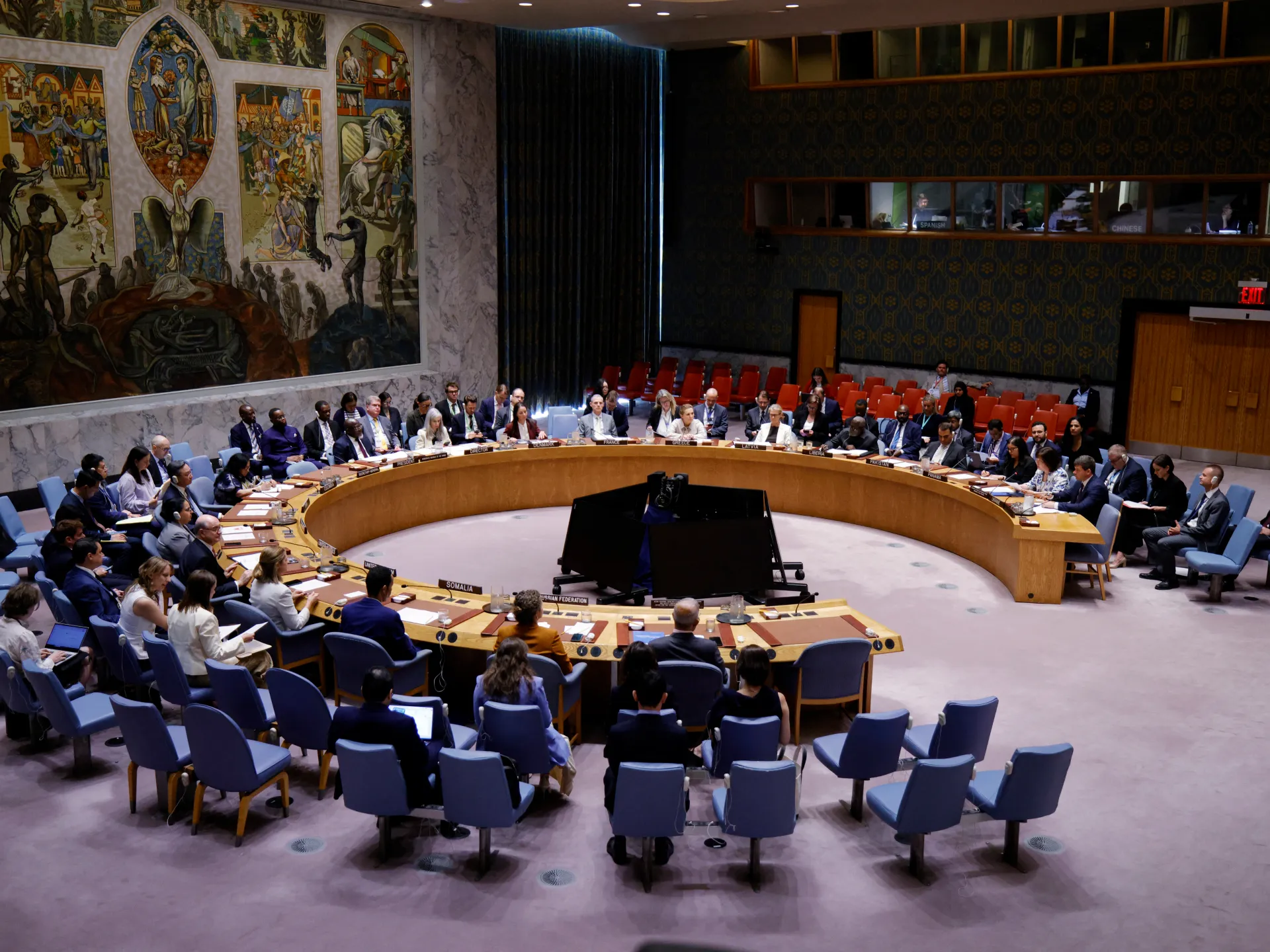
The Sahel region is undergoing a profound transformation as long-standing international security frameworks collapse and are replaced ns pivots from a peacekeeping posture to one of specialized political mediation, and Western military presence wanes, the central authority of regional blocs like ECOWAS is being challenged
This shift represents more than a withdrawal of troops; it is a fundamental renegotiation of the relationship between the Sahelian nations of Mali, Burkina Faso, and Niger and the international community. While the UN maintains a presence through its Office for West Africa and the Sahel (UNOWAS), the strategic landscape has shifted toward localized, regime-centric security models that prioritize national sovereignty over the collective security mandates that previously defined the region's stability efforts.
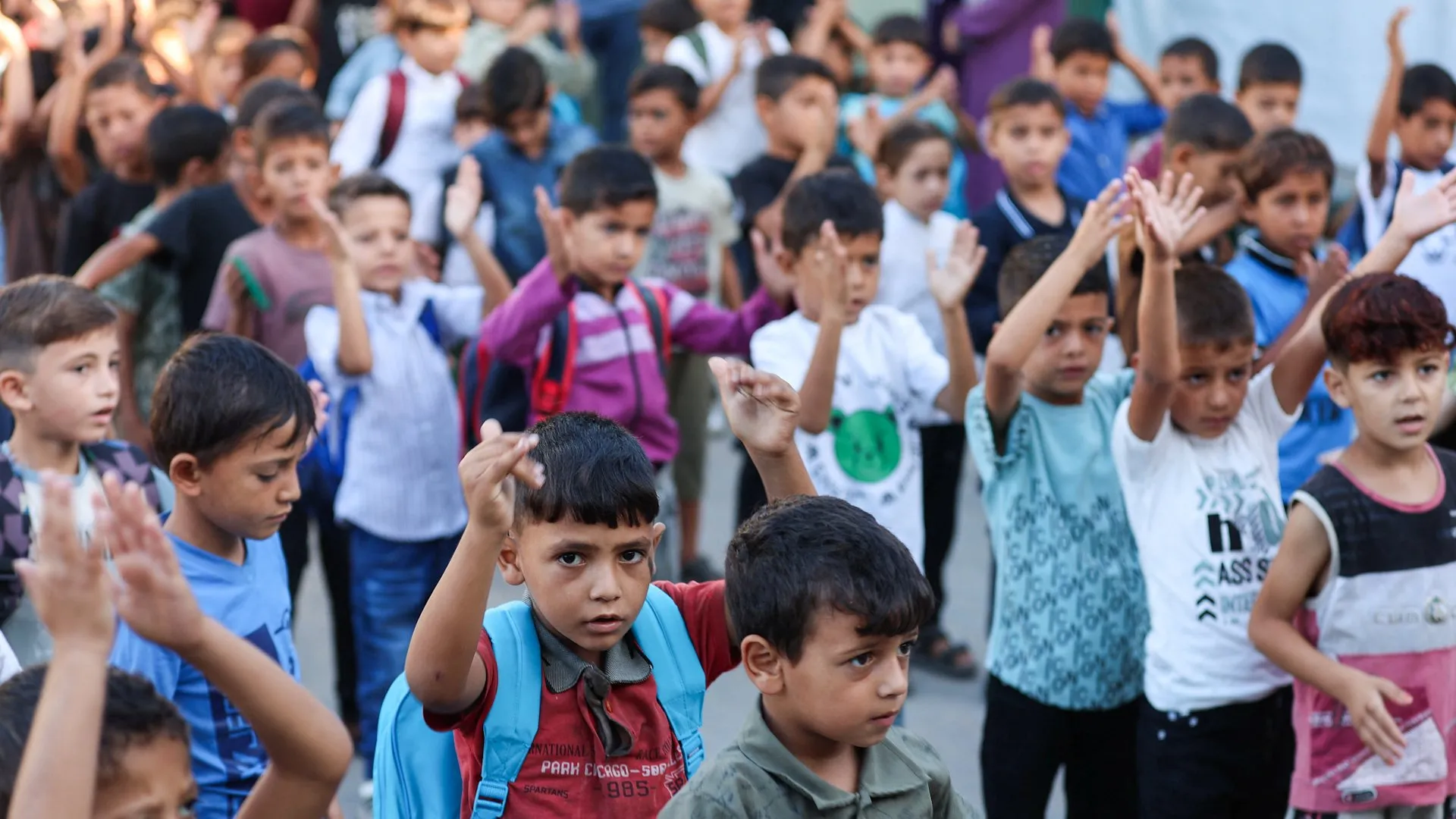
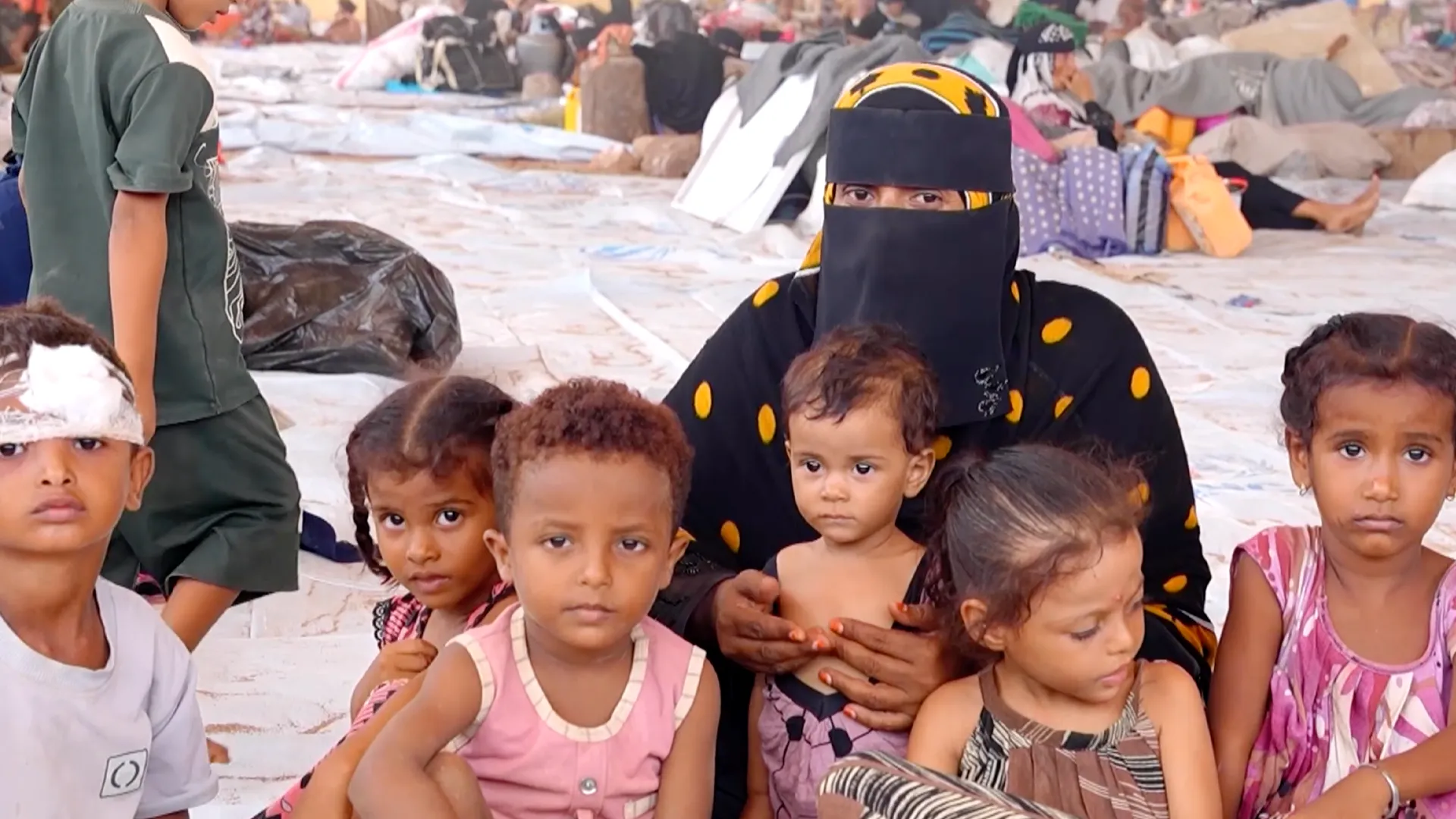
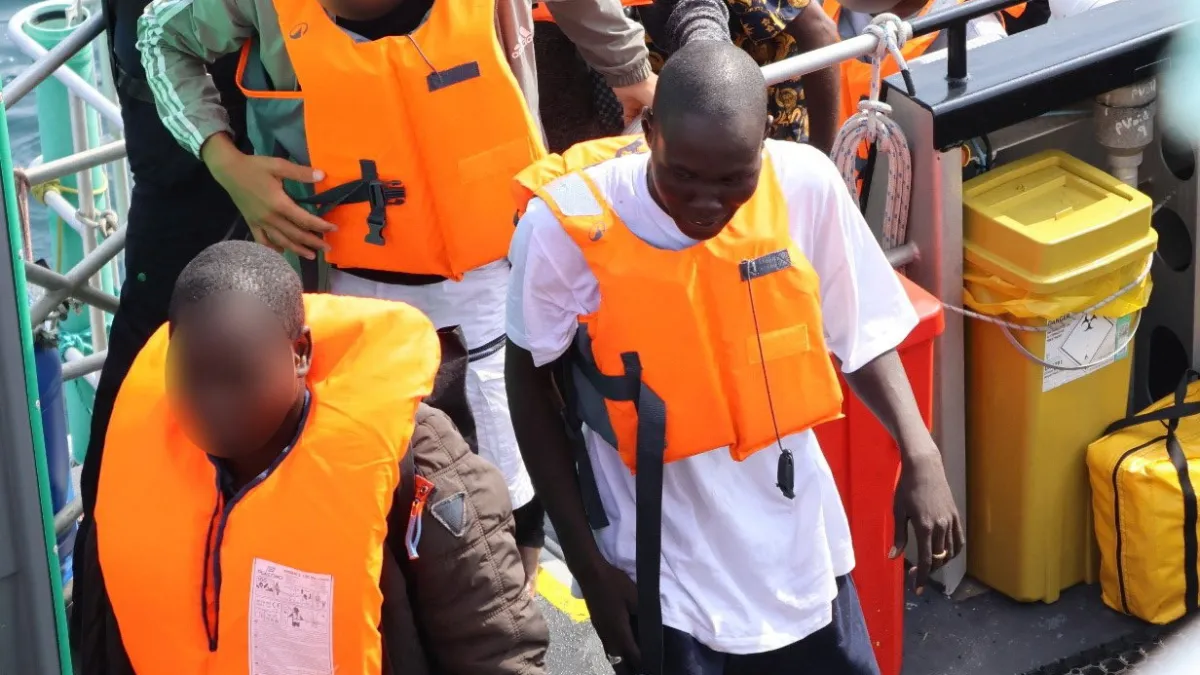
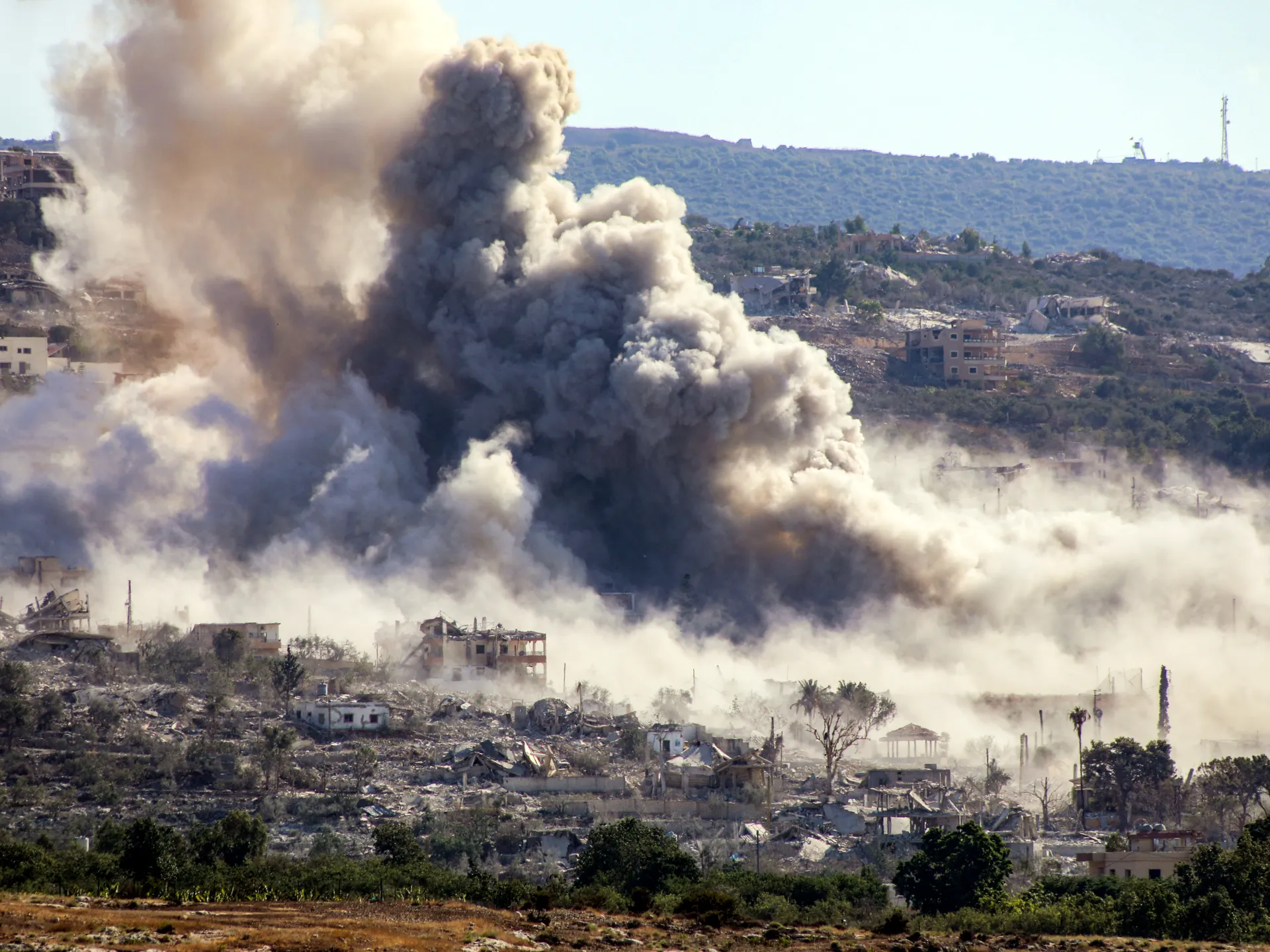
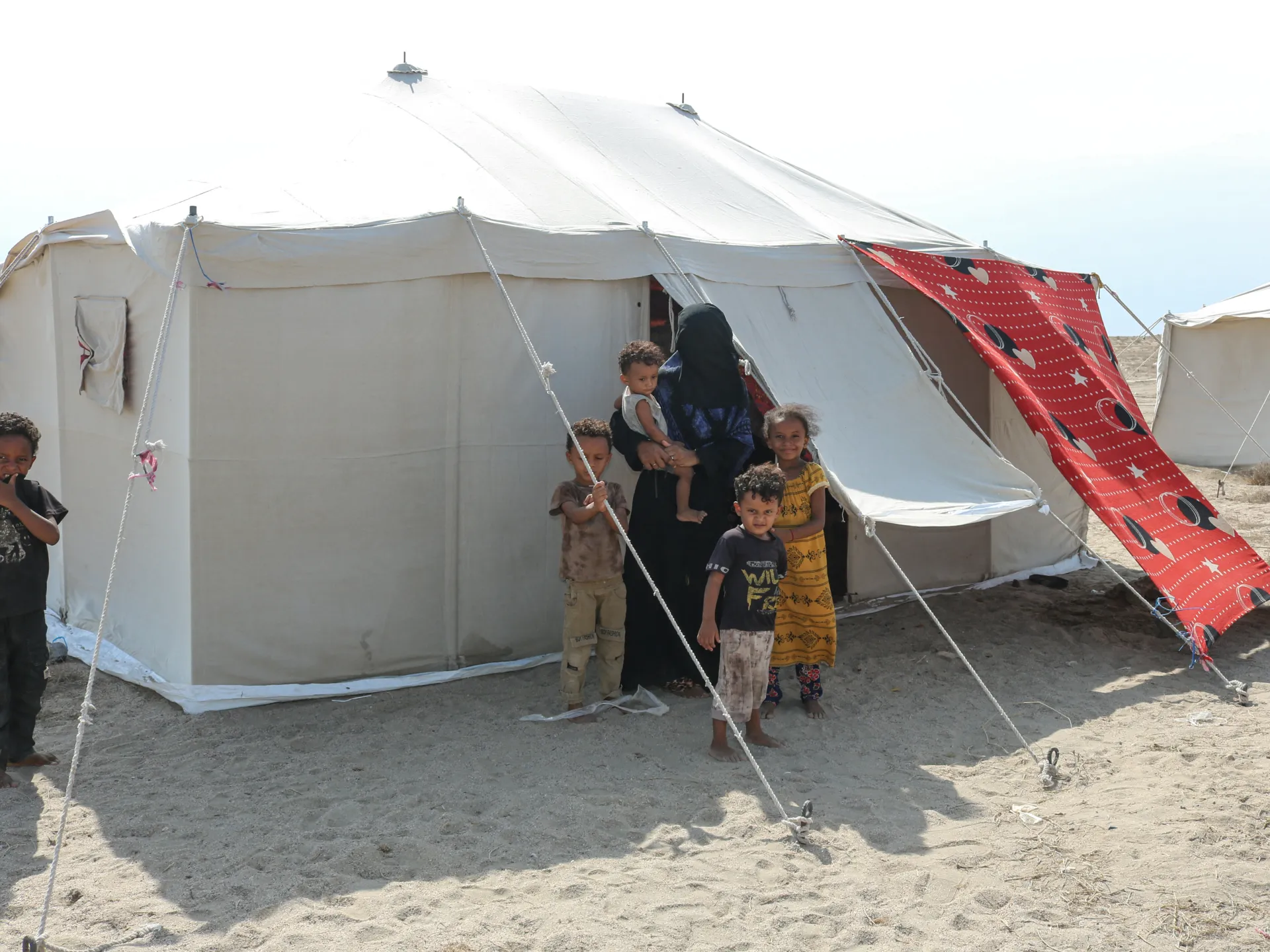
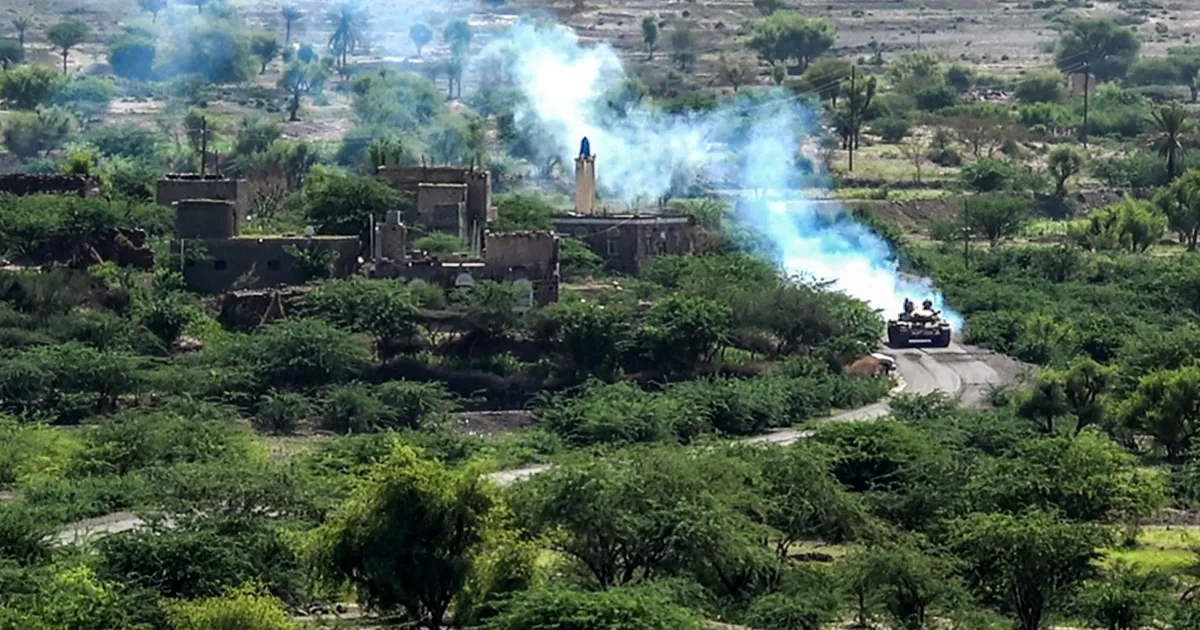
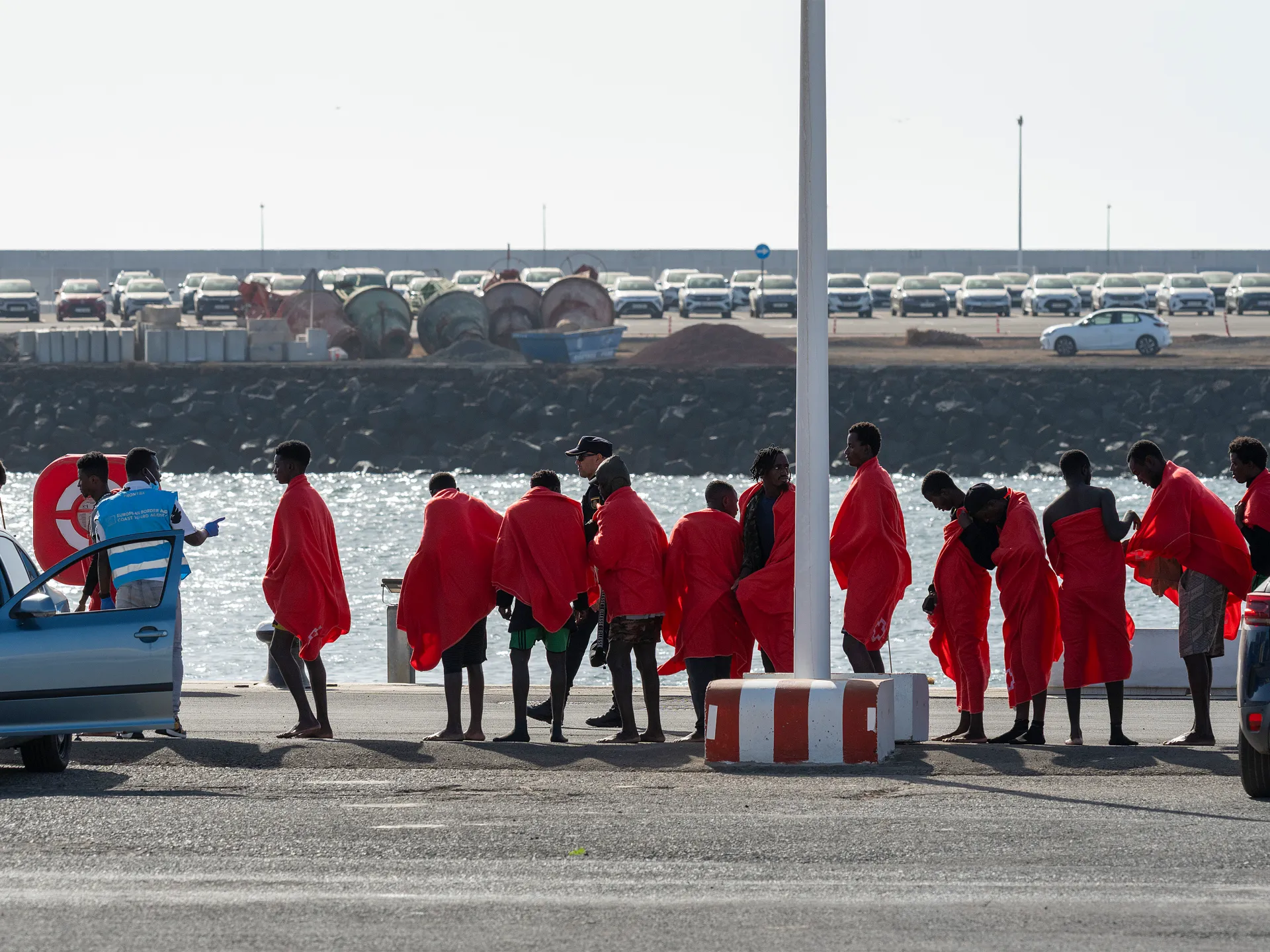
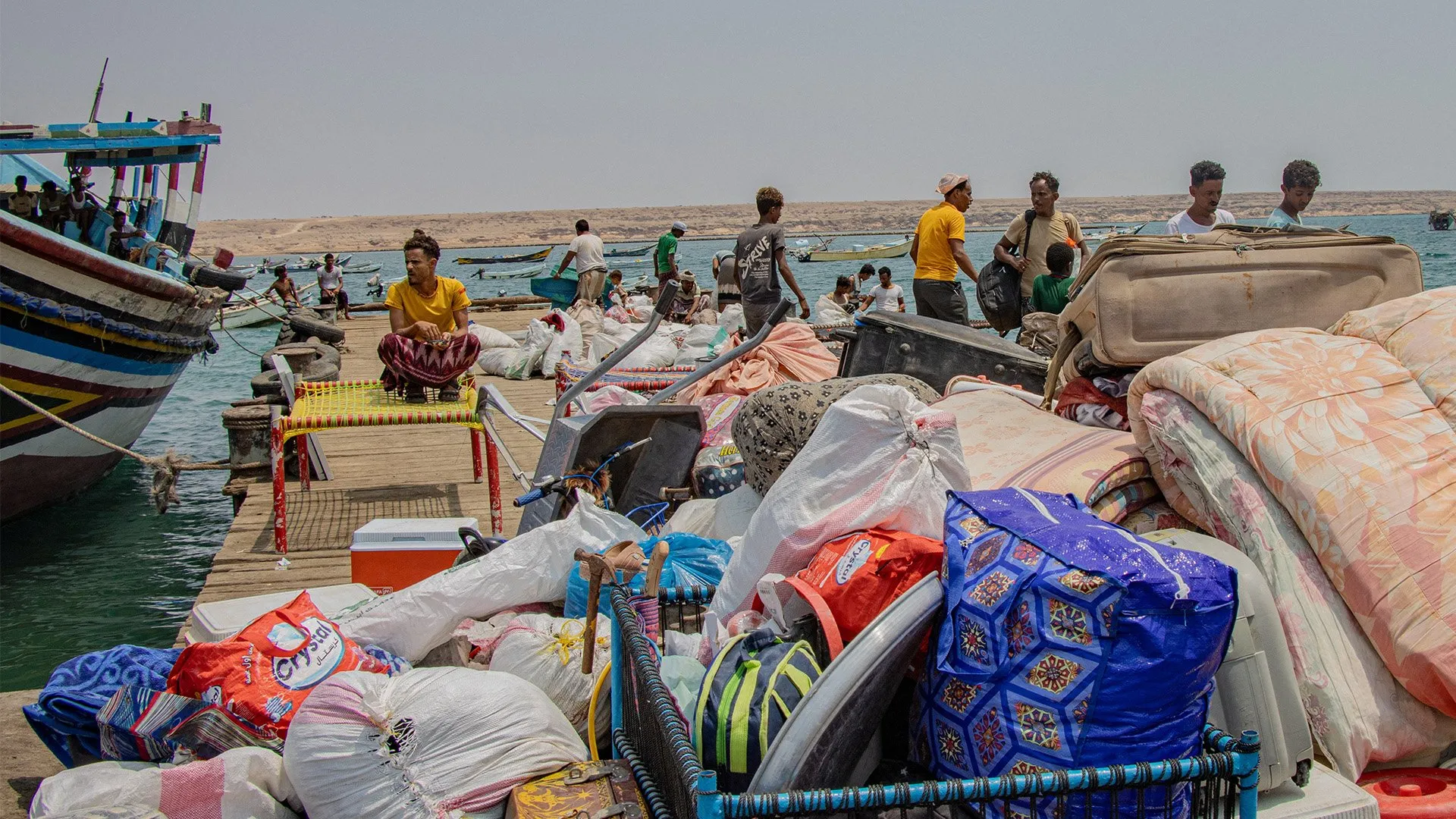
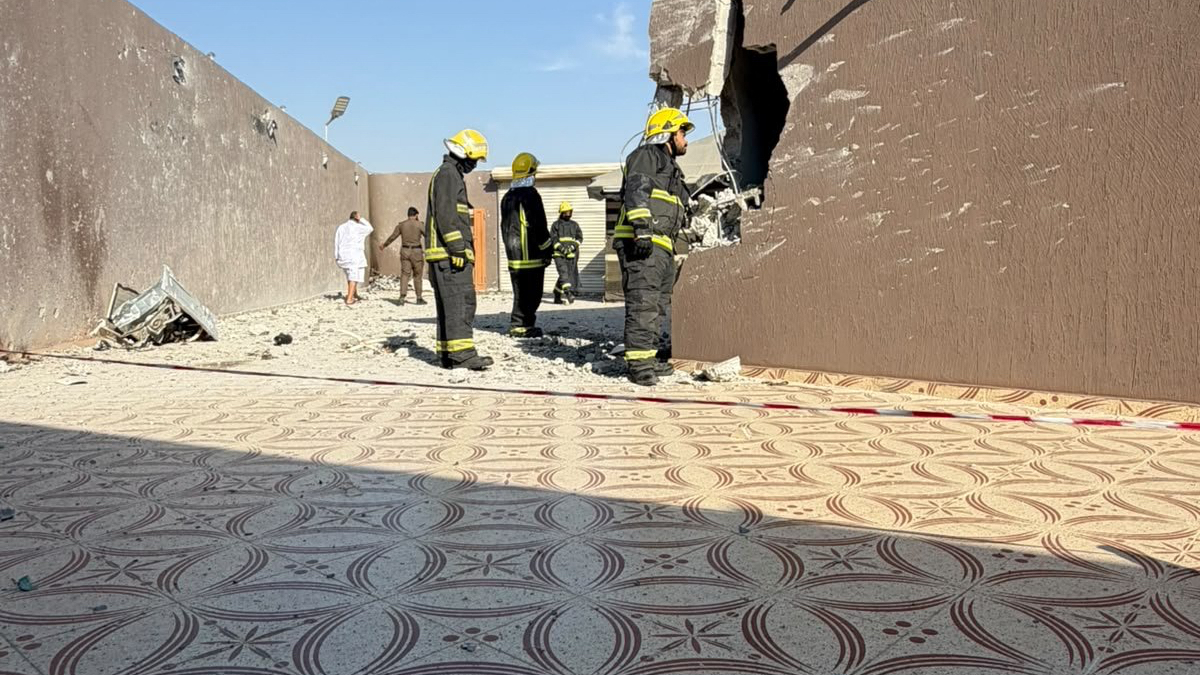
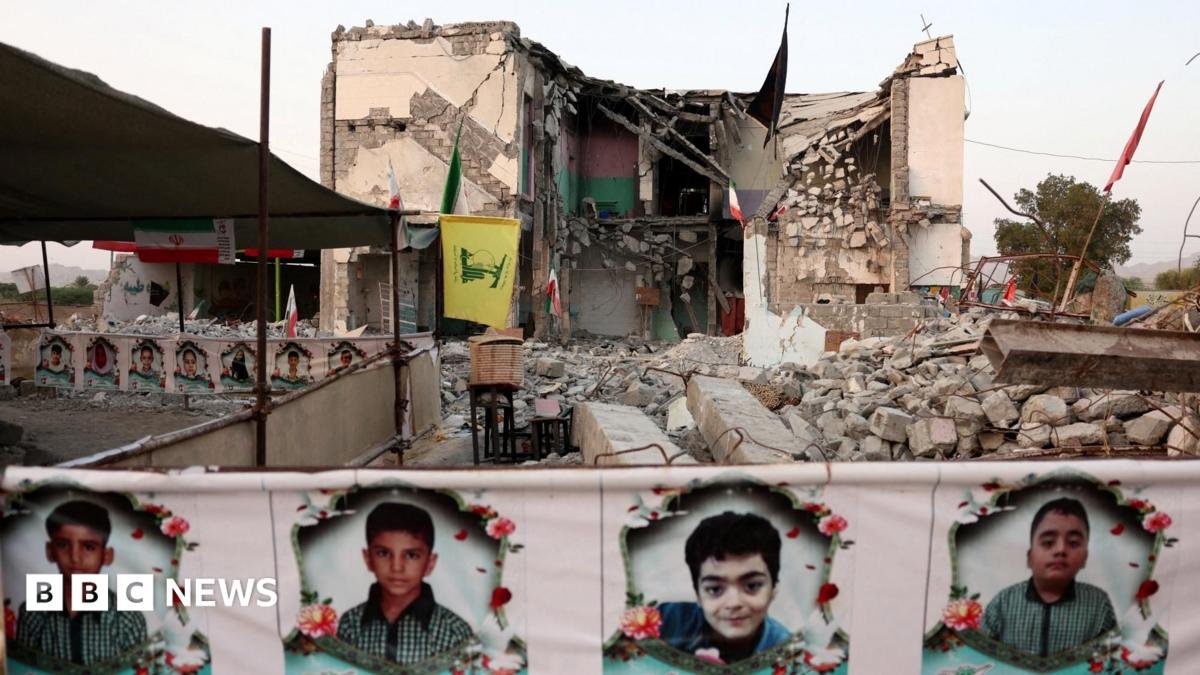
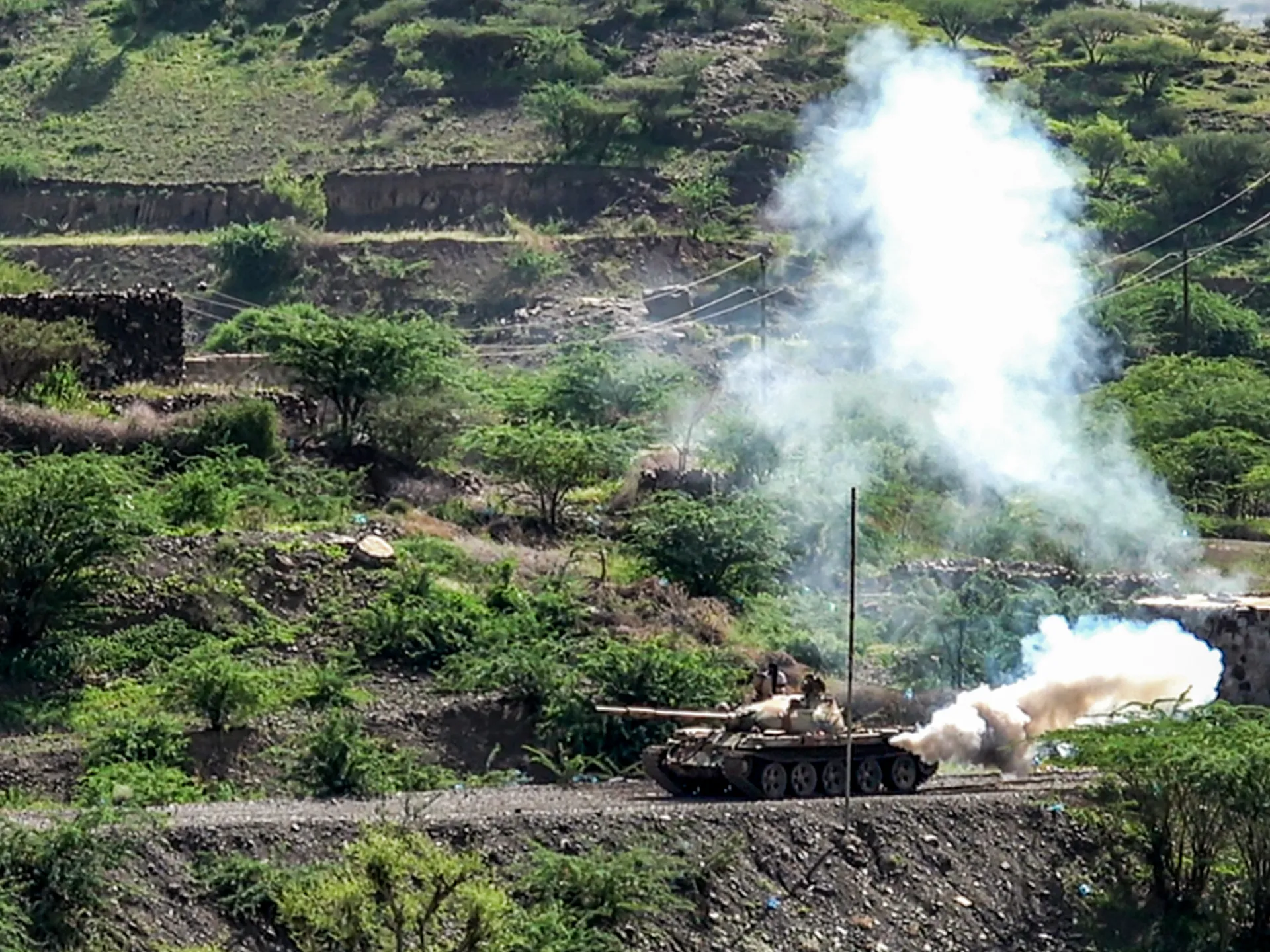
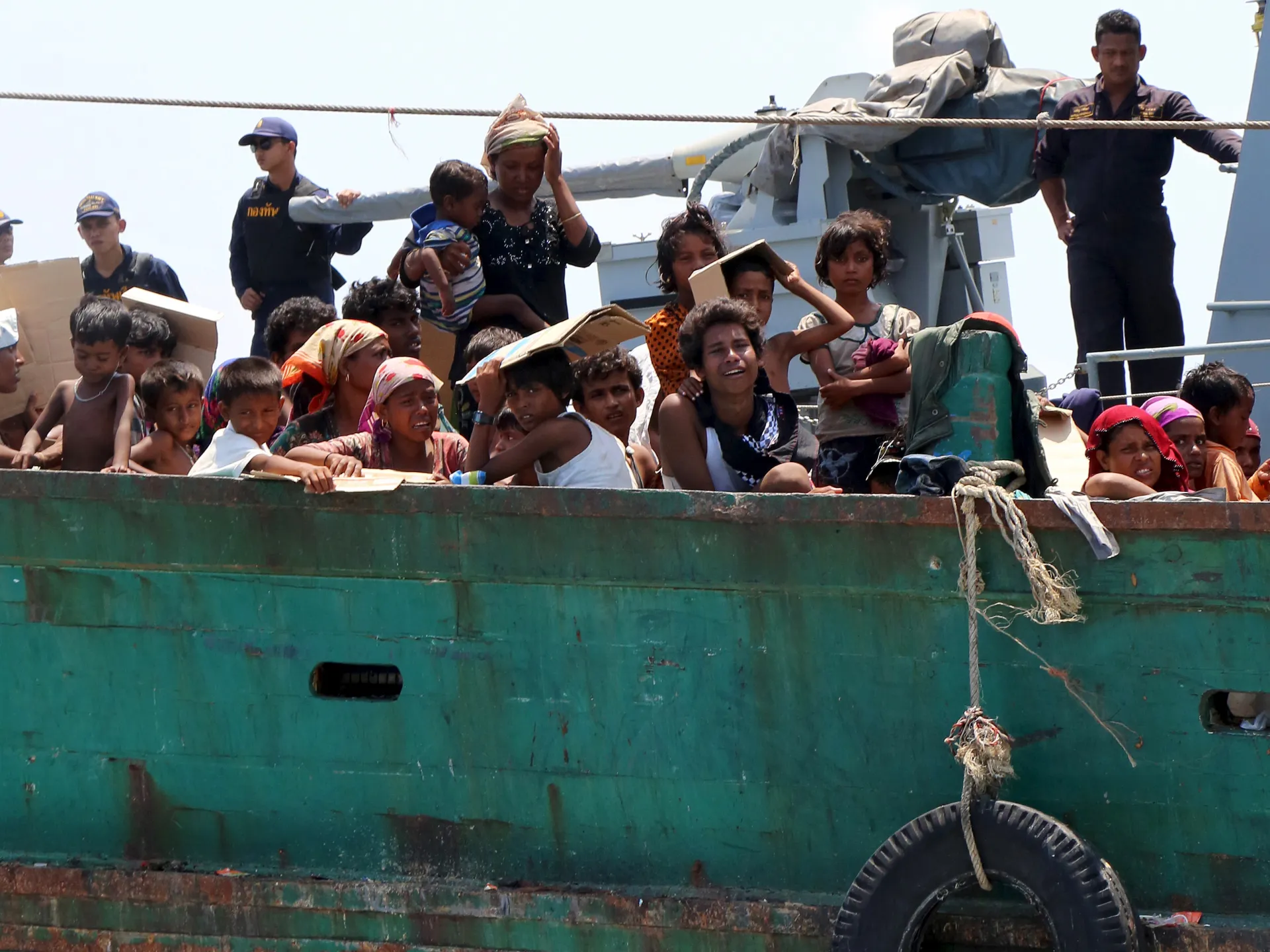
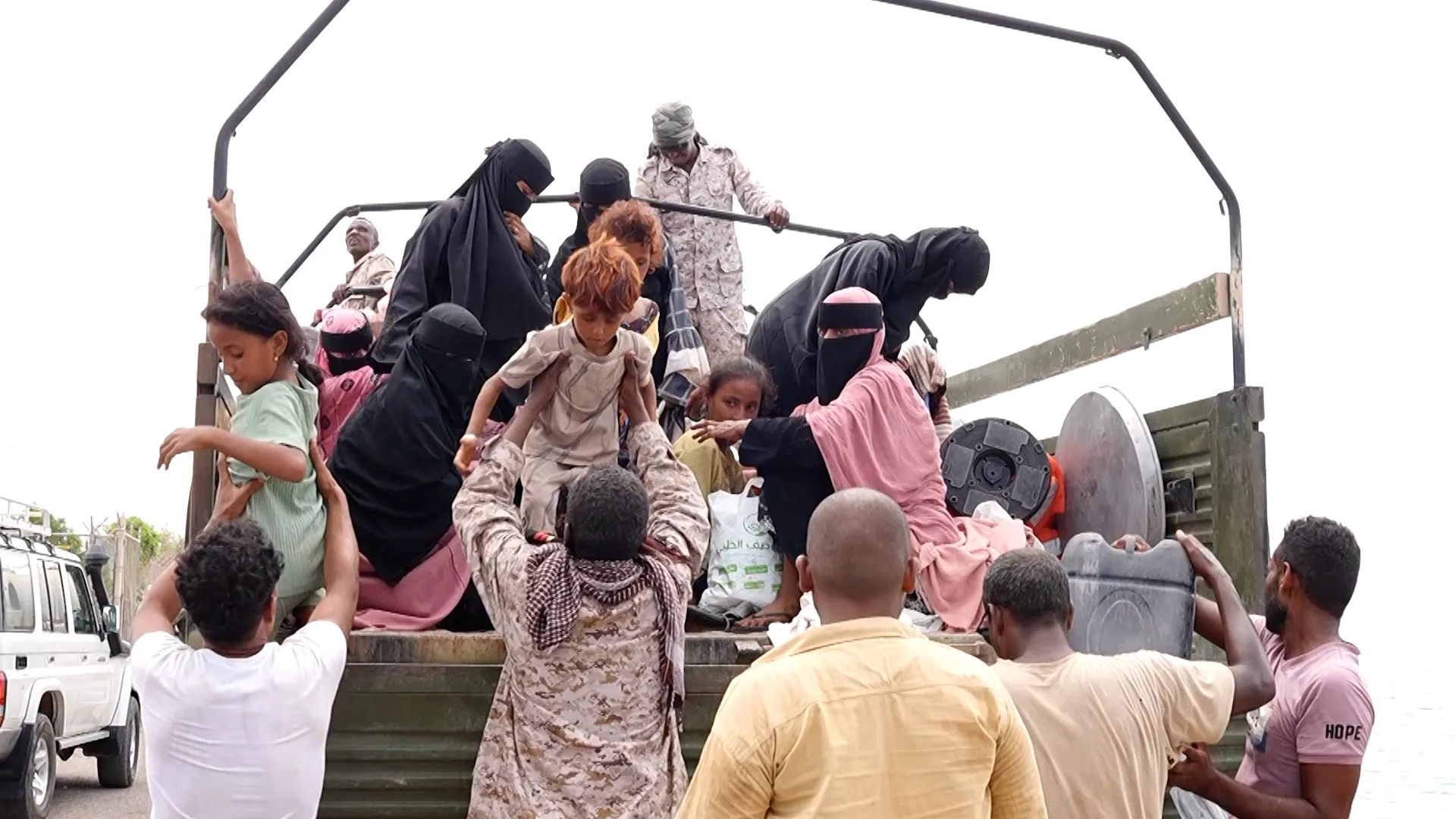
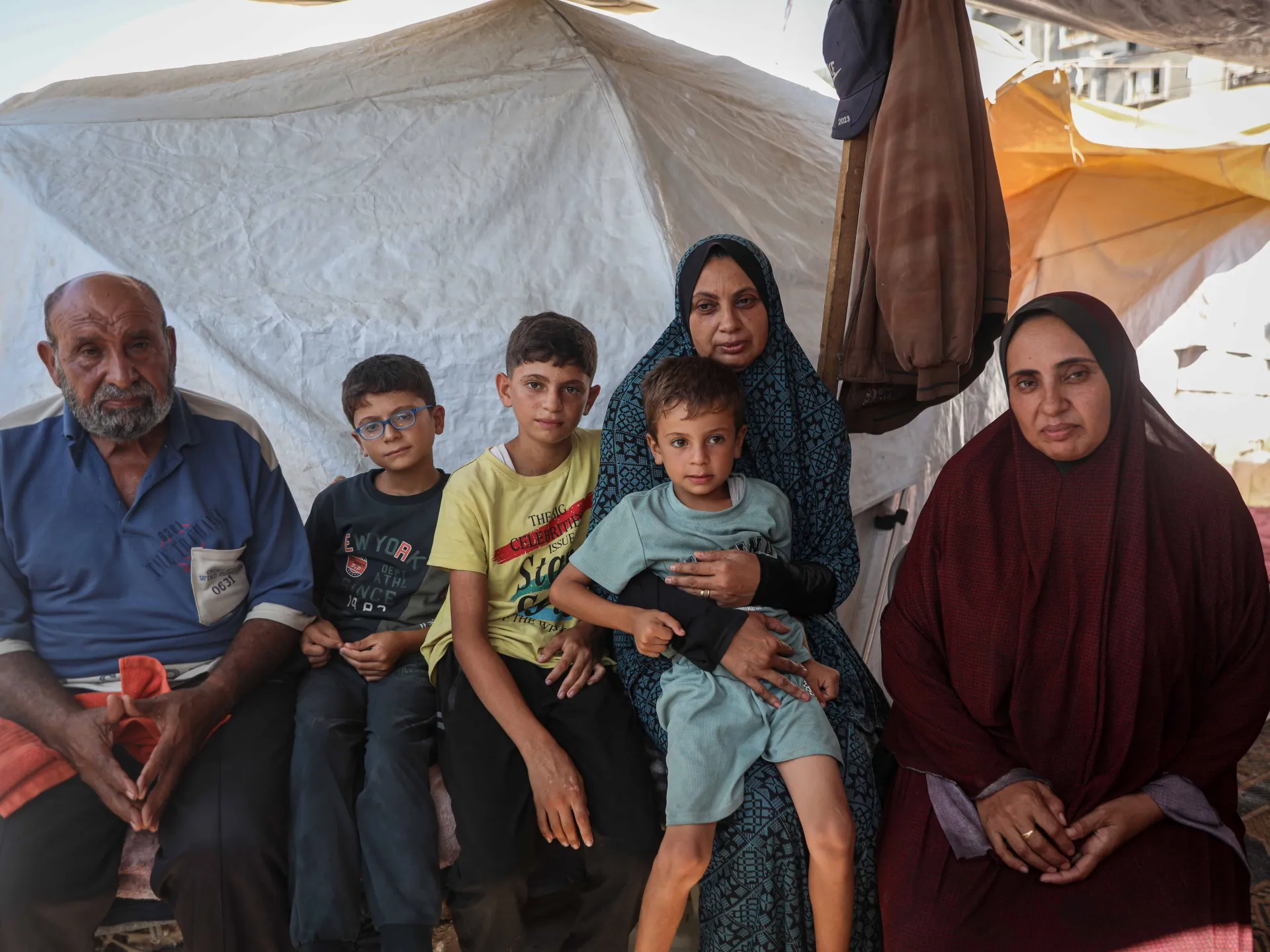
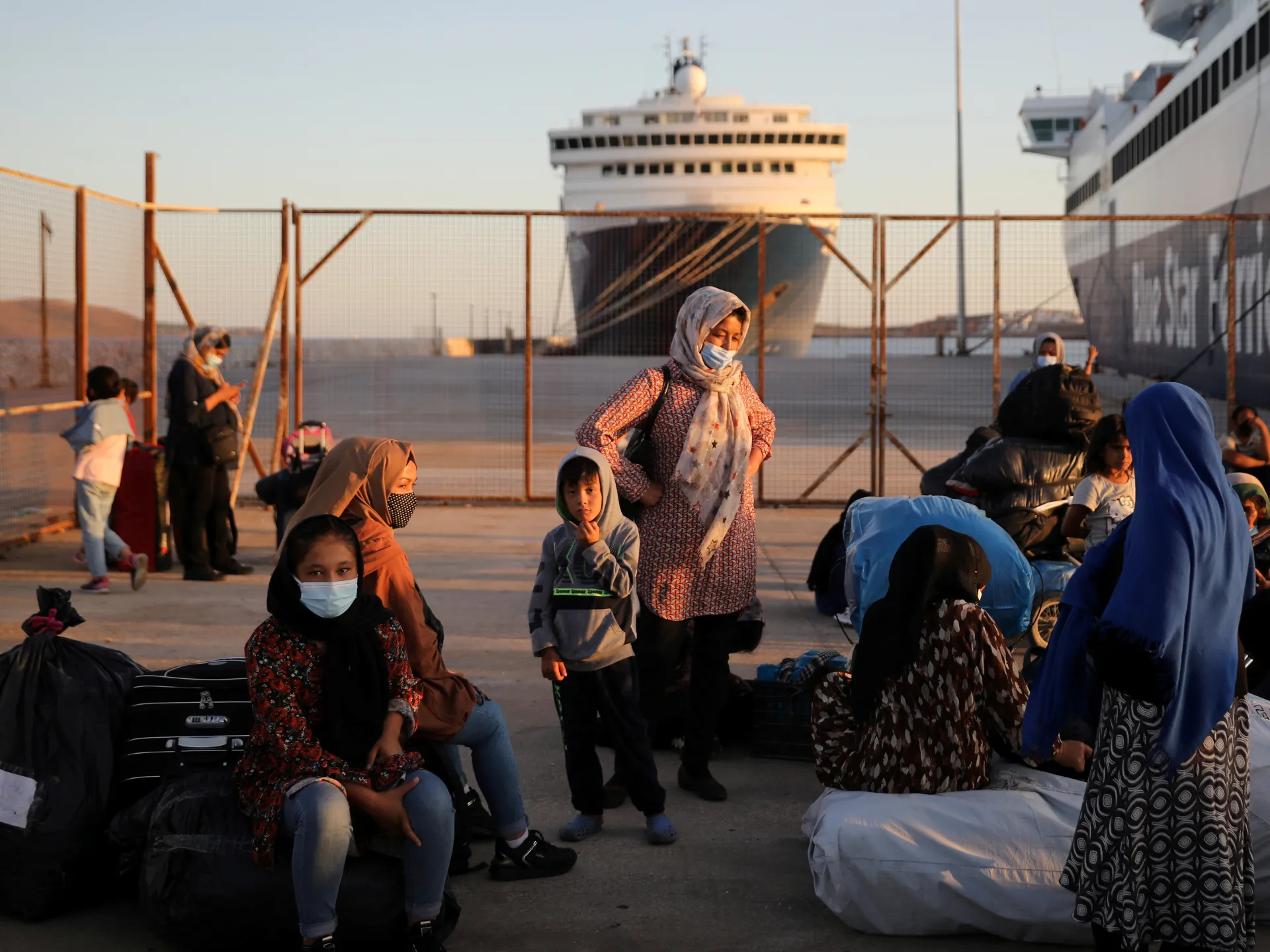
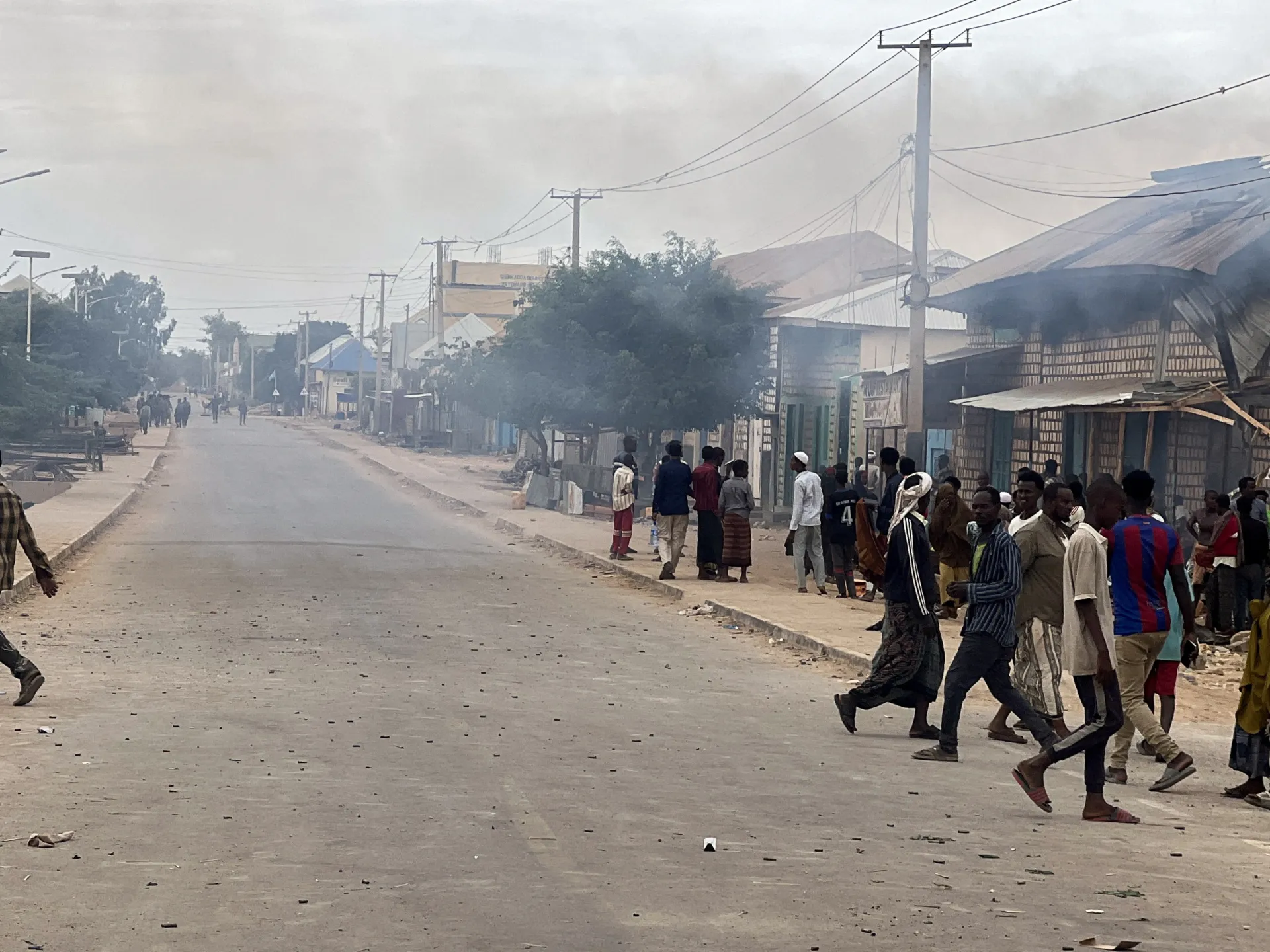
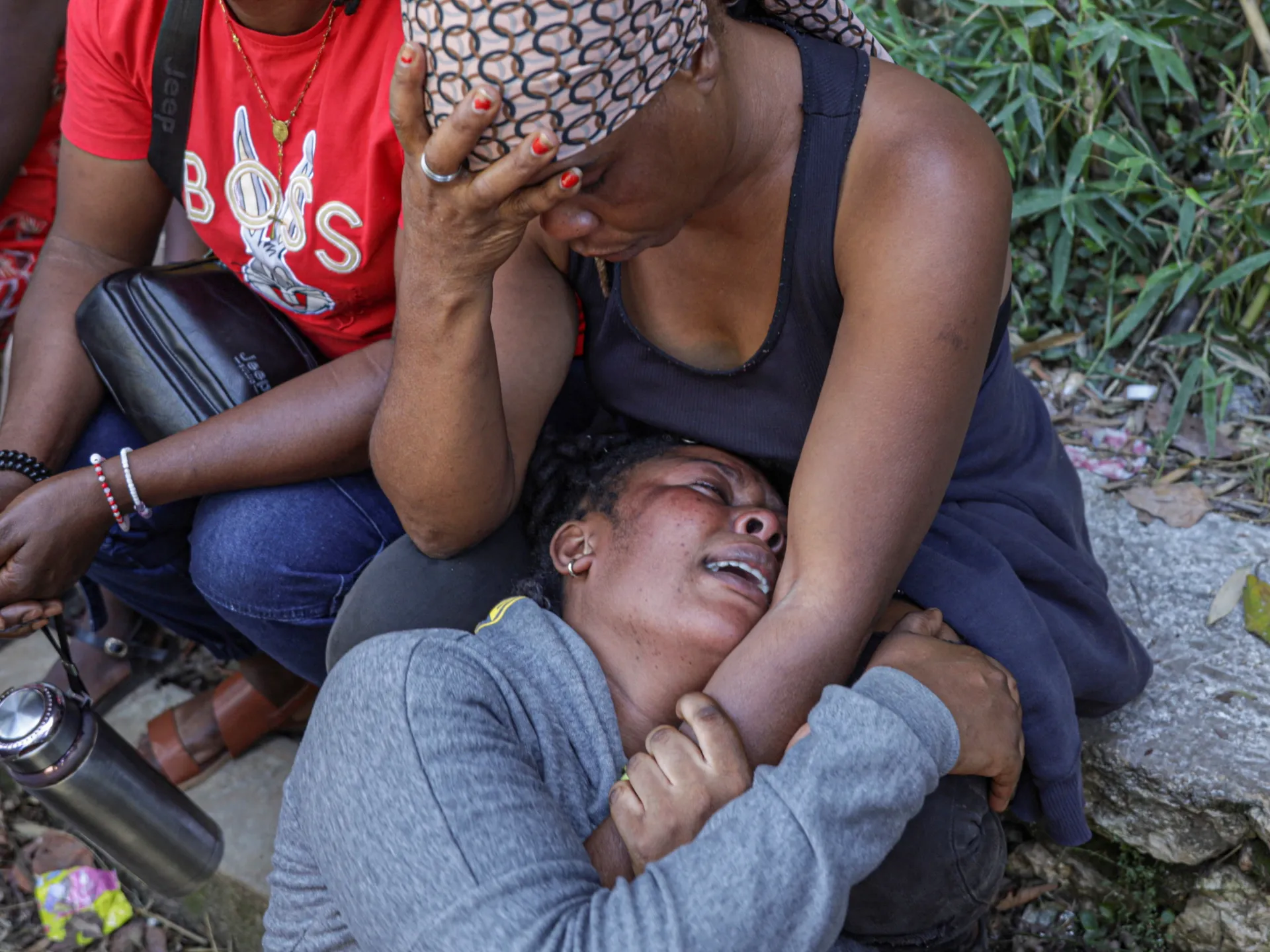
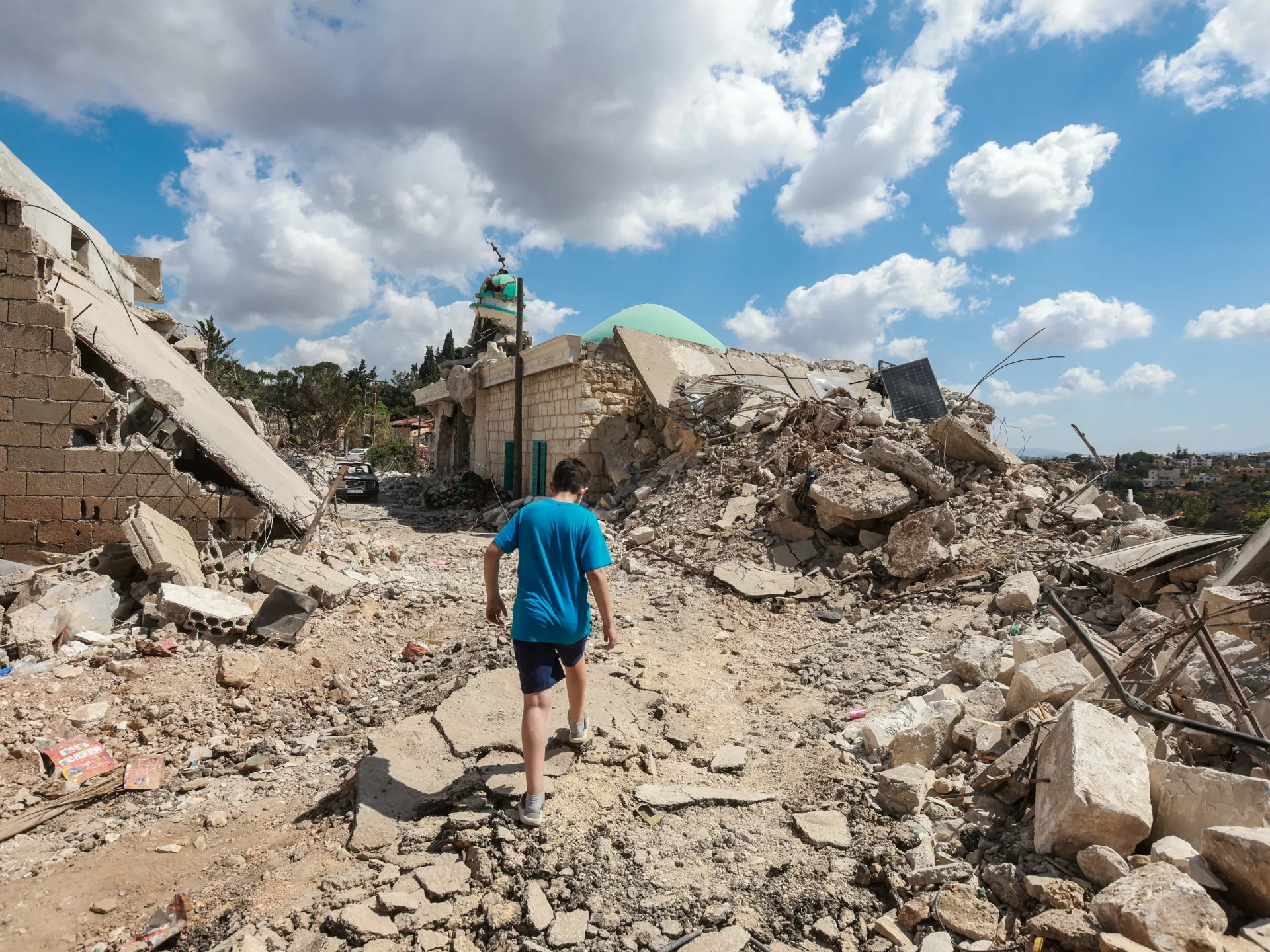
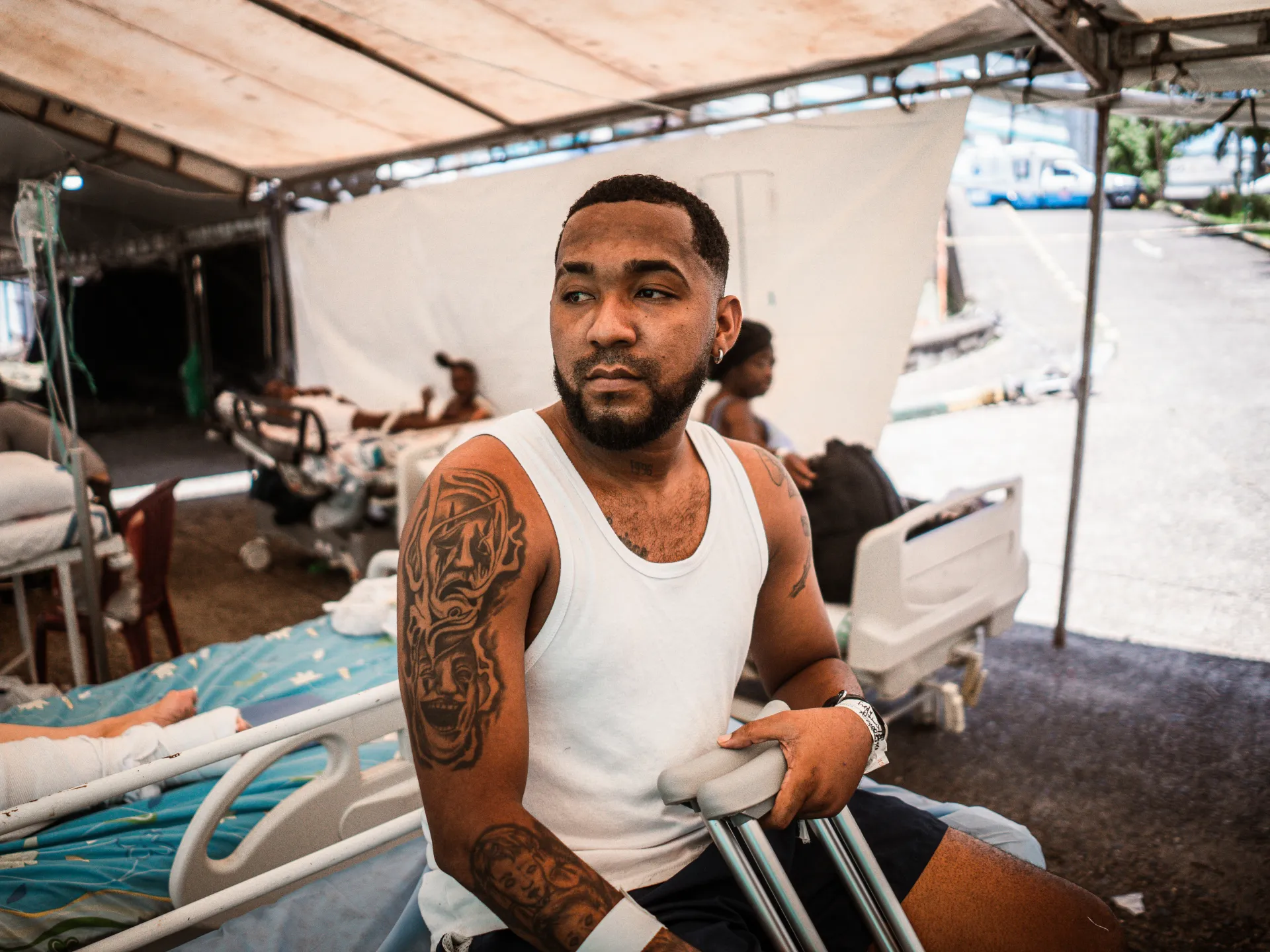
The transition in the Sahel serves as a litmus test for the future of international multilateralism in Africa. For decades, the UN and Western powers operated under the assumption that regional stability required a broad, multinational peacekeeping and counterterrorism footprint. The current reality—characterized suggests that the window for institutional-led security interventions is closing. This realignment carries significant risks, as the vacuum left to al-Qaeda and the Islamic State, potentially escalating the humanitarian crisis that continues to displace millions across porous borders.
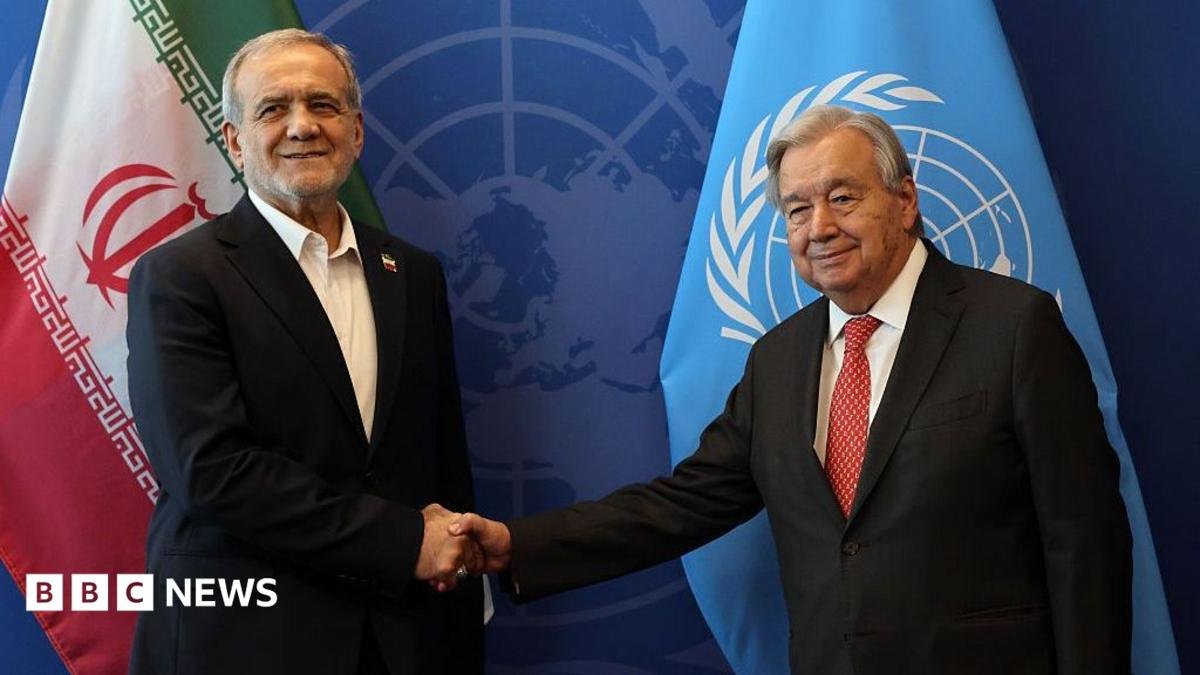
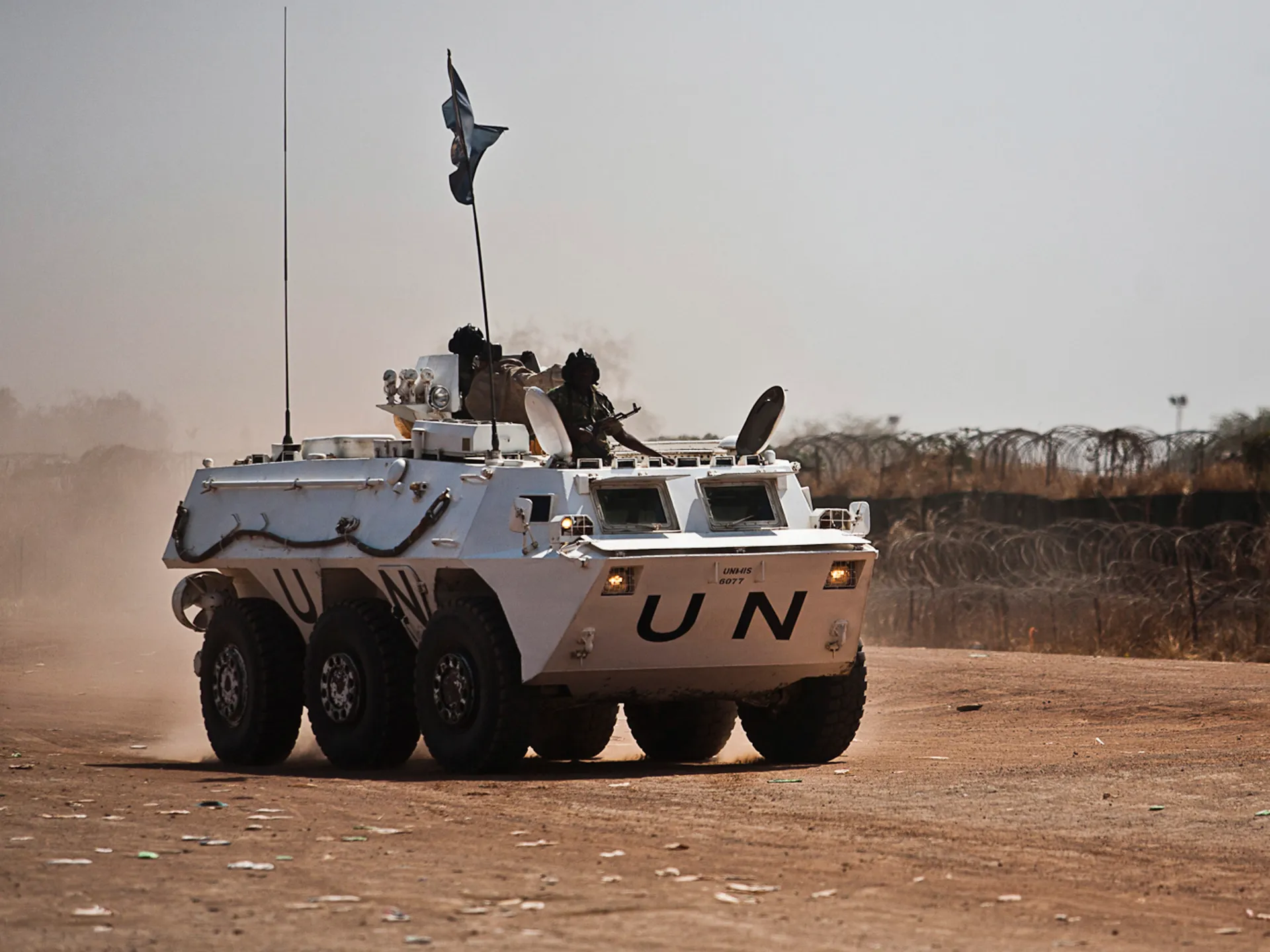
The conclusion of the United Nations Multidimensional Integrated Stabilization Mission in Mali (MINUSMA) marked the end of the UN's most visible and resource-intensive engagement in the region. In its place, the UN has shifted its focus to the UNOWAS special political mission, which emphasizes preventive diplomacy and mediation. However, analysts note that the leverage of these institutions has been severely curtailed intervention.
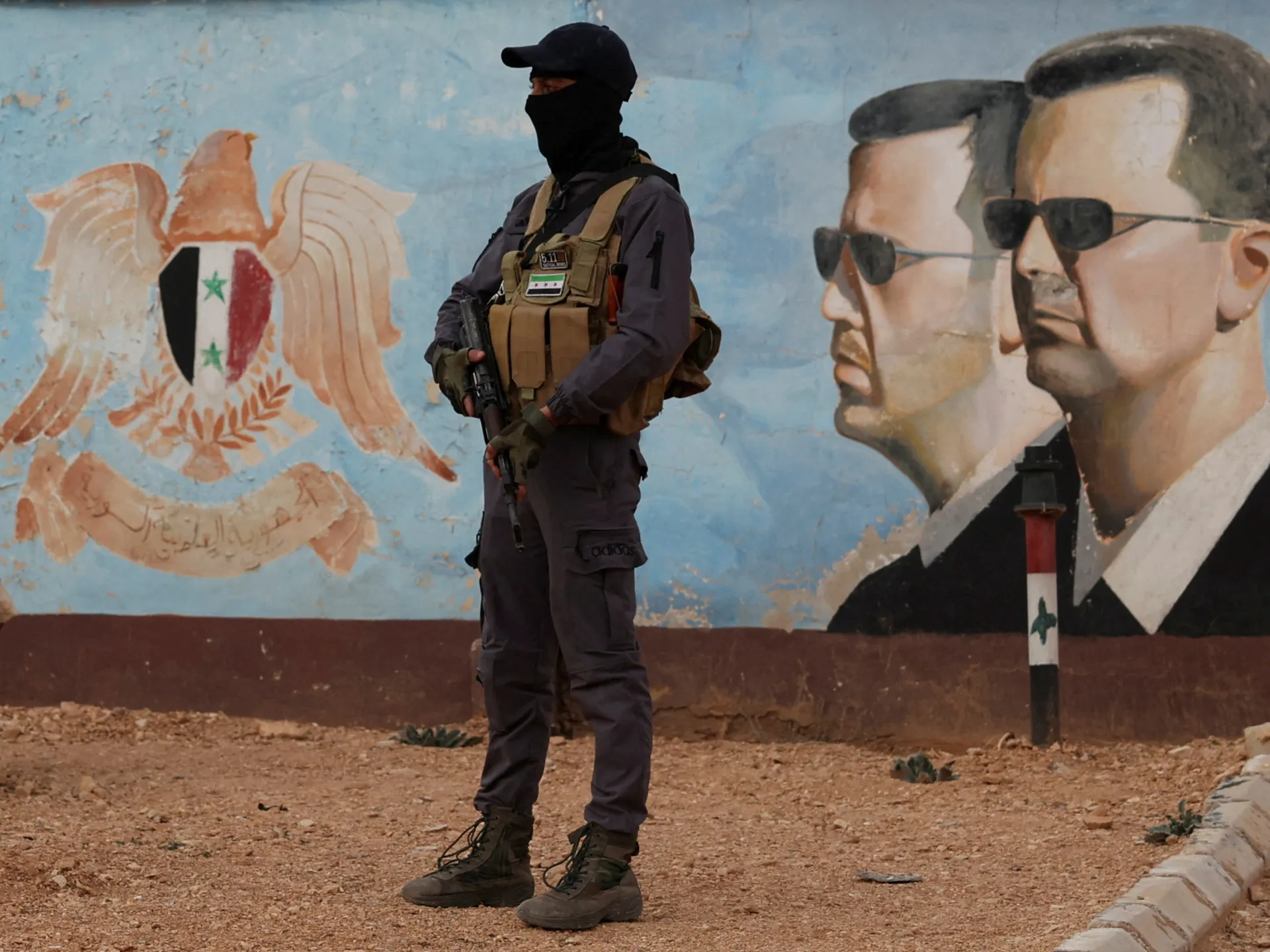
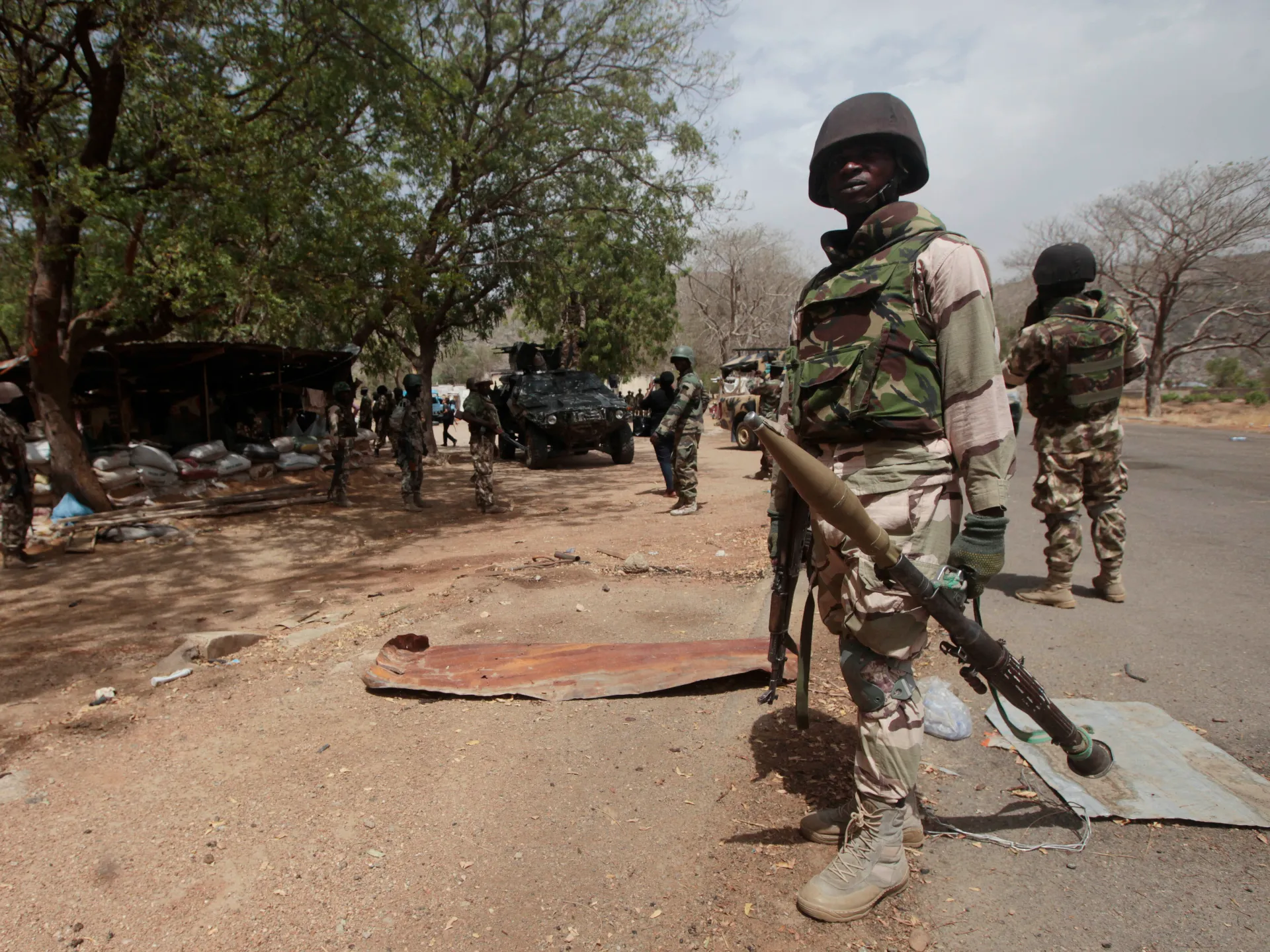
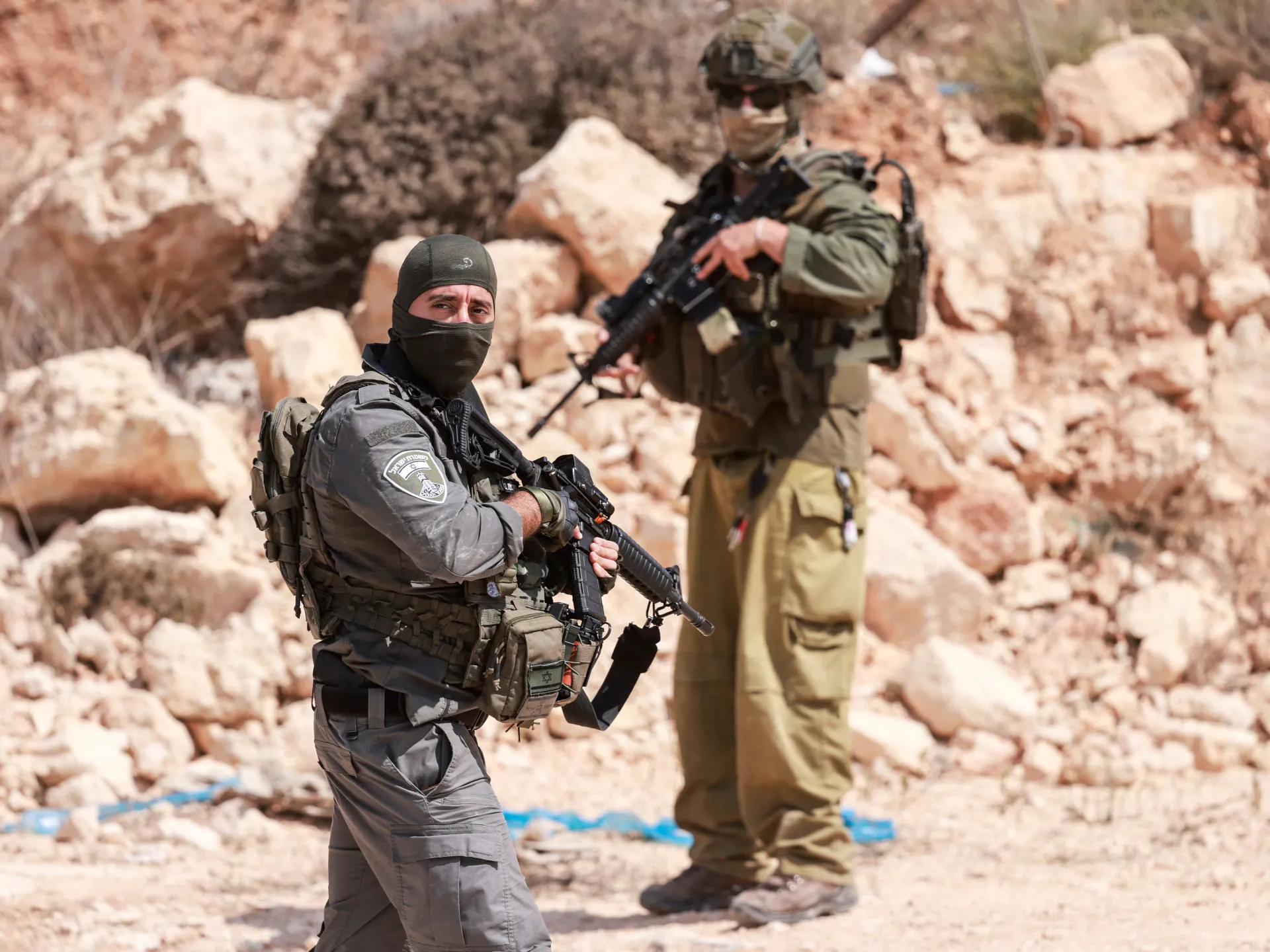
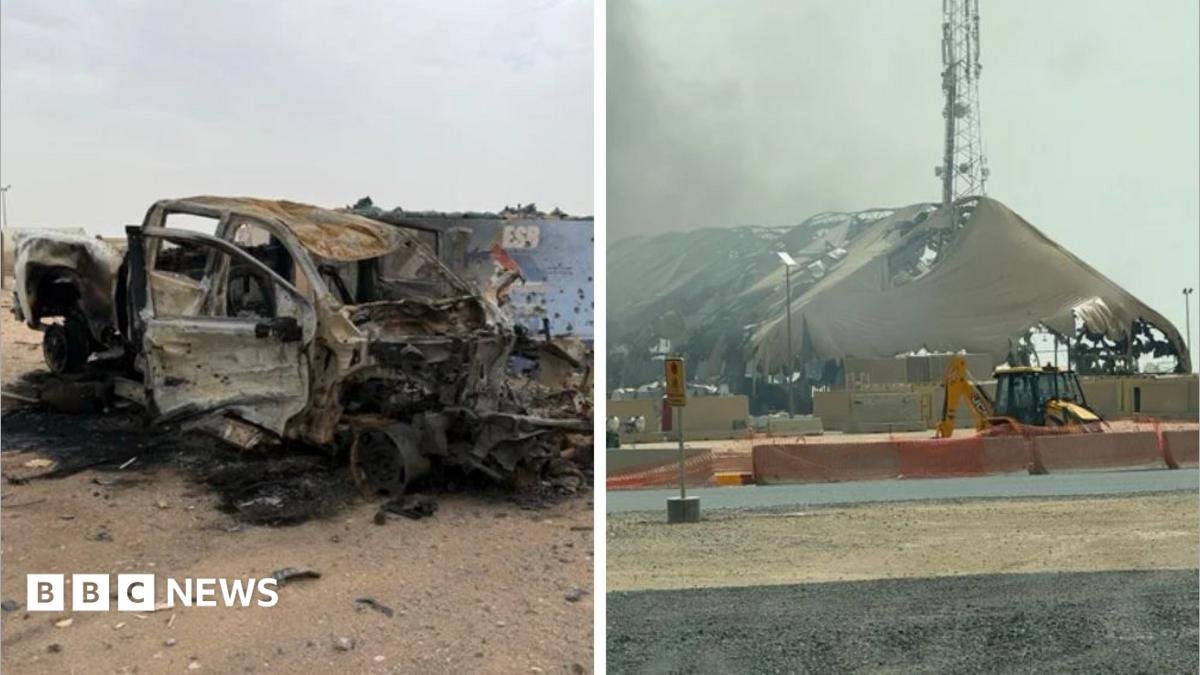
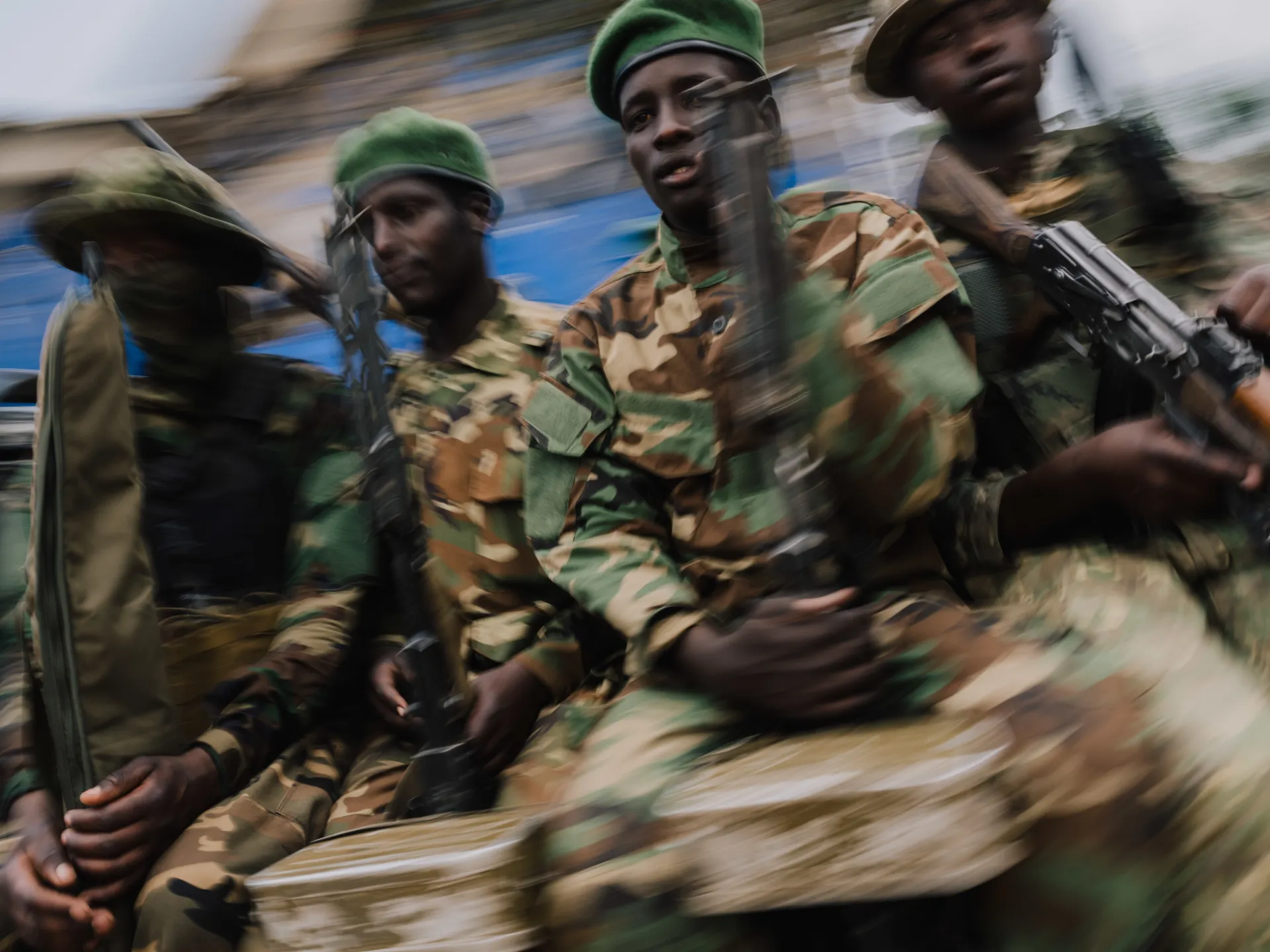
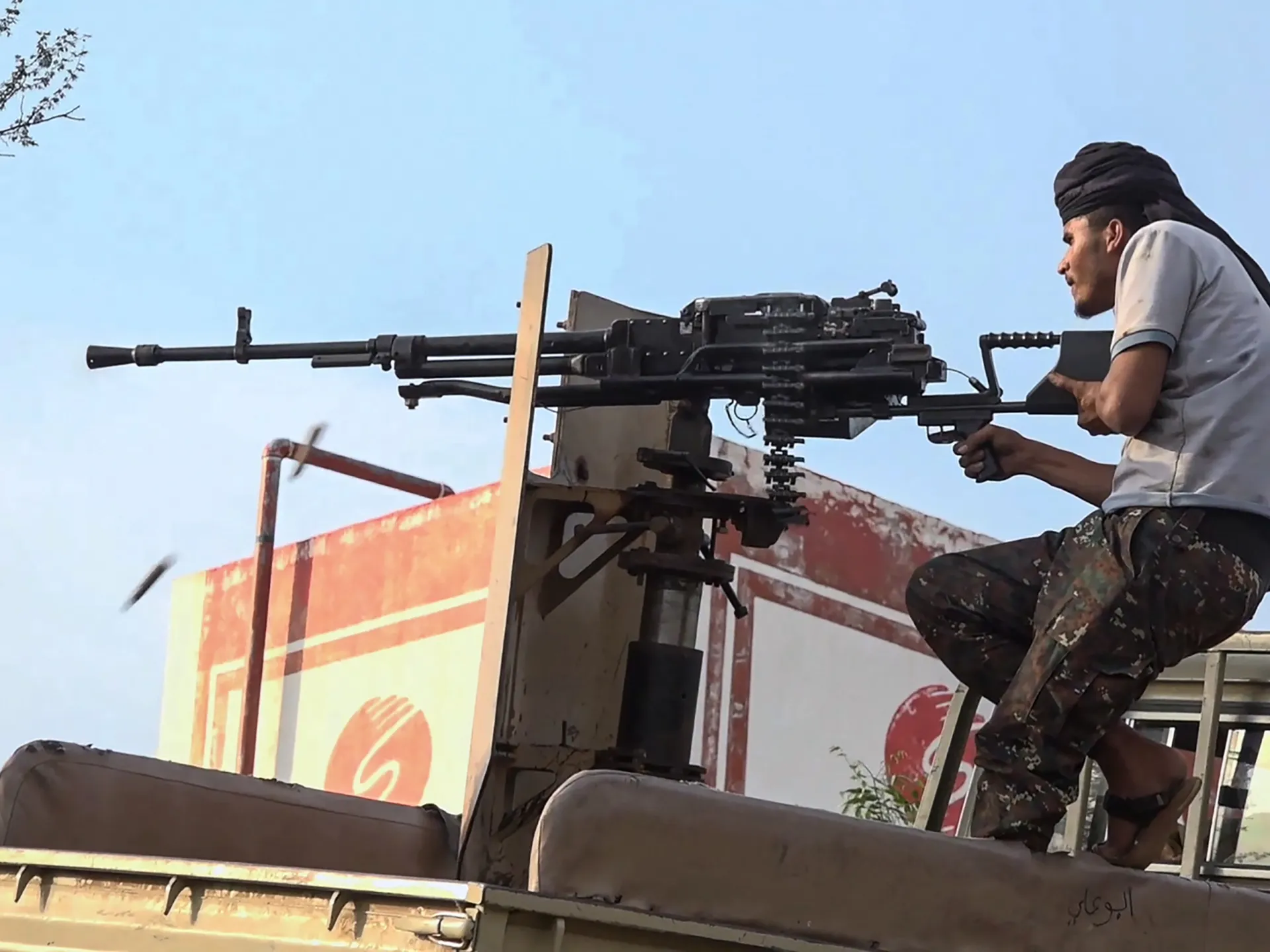
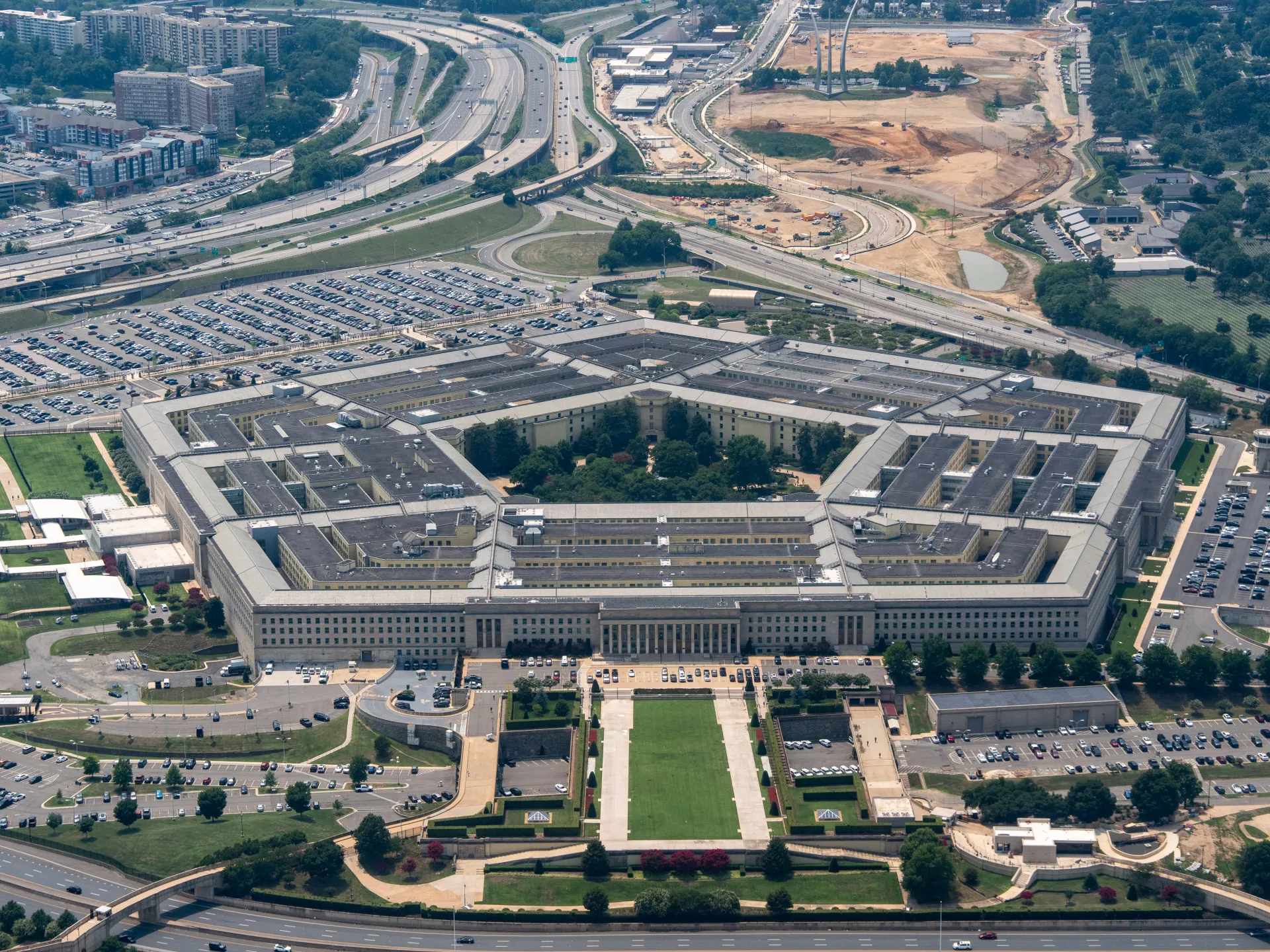
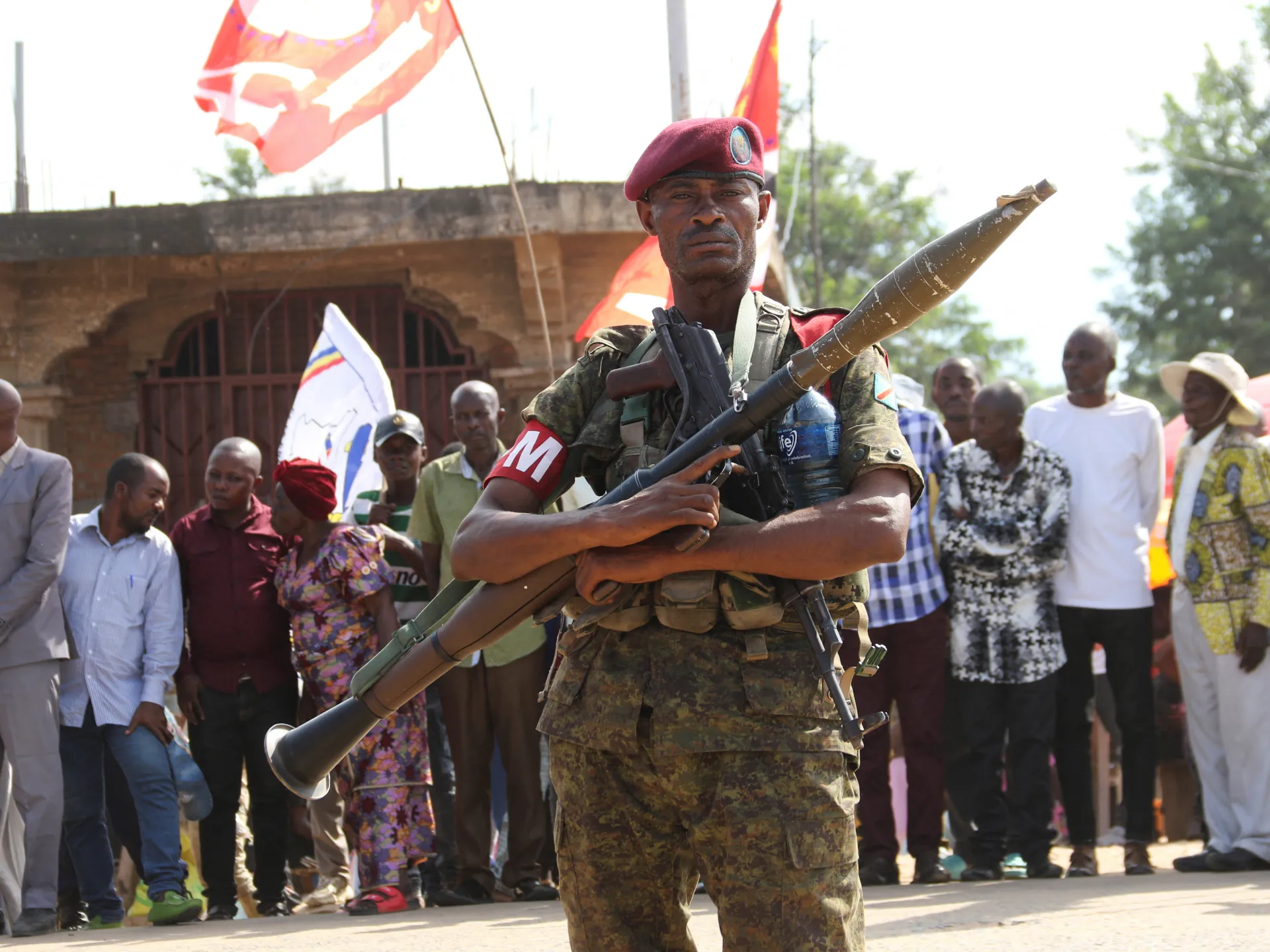
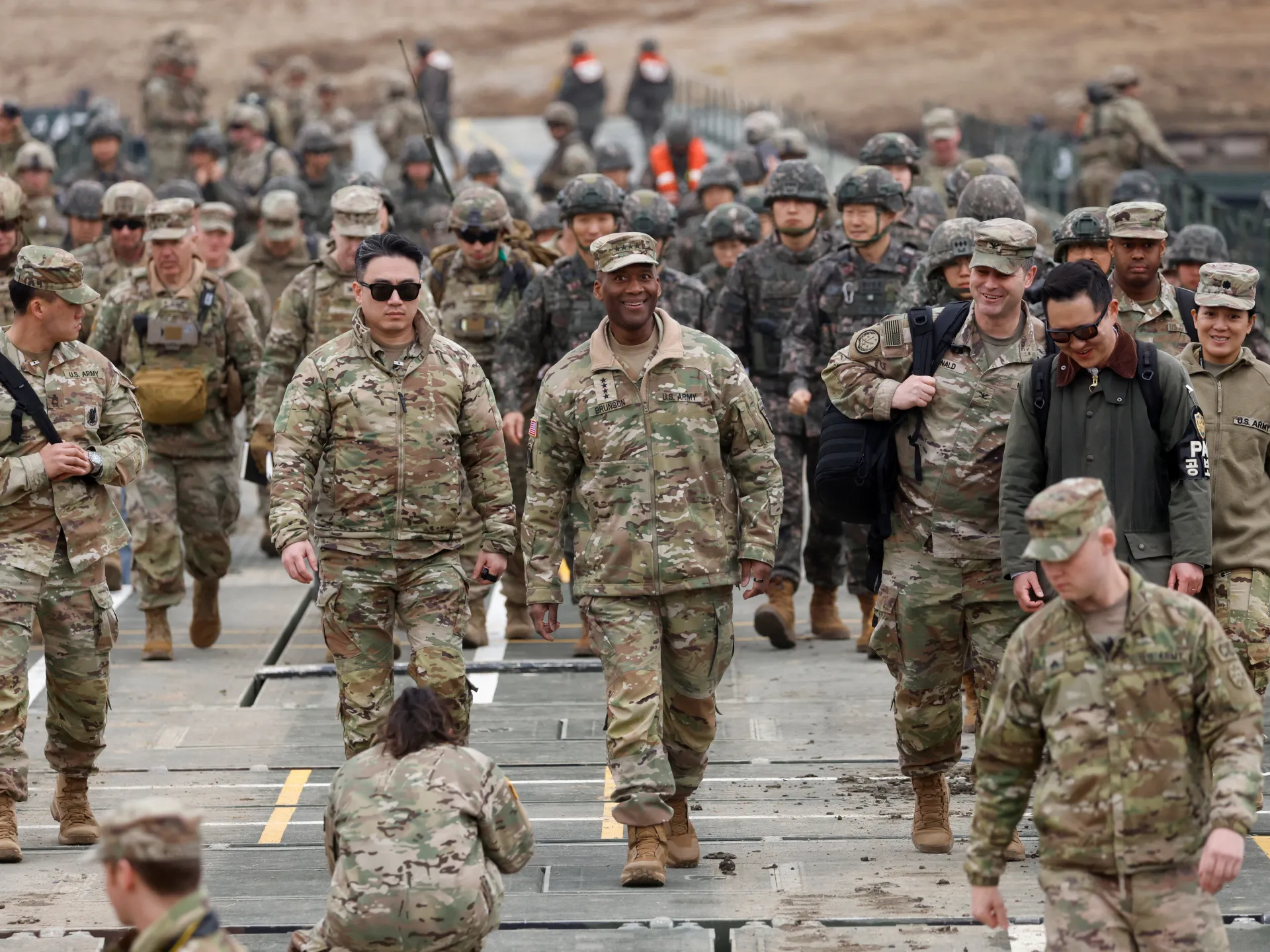
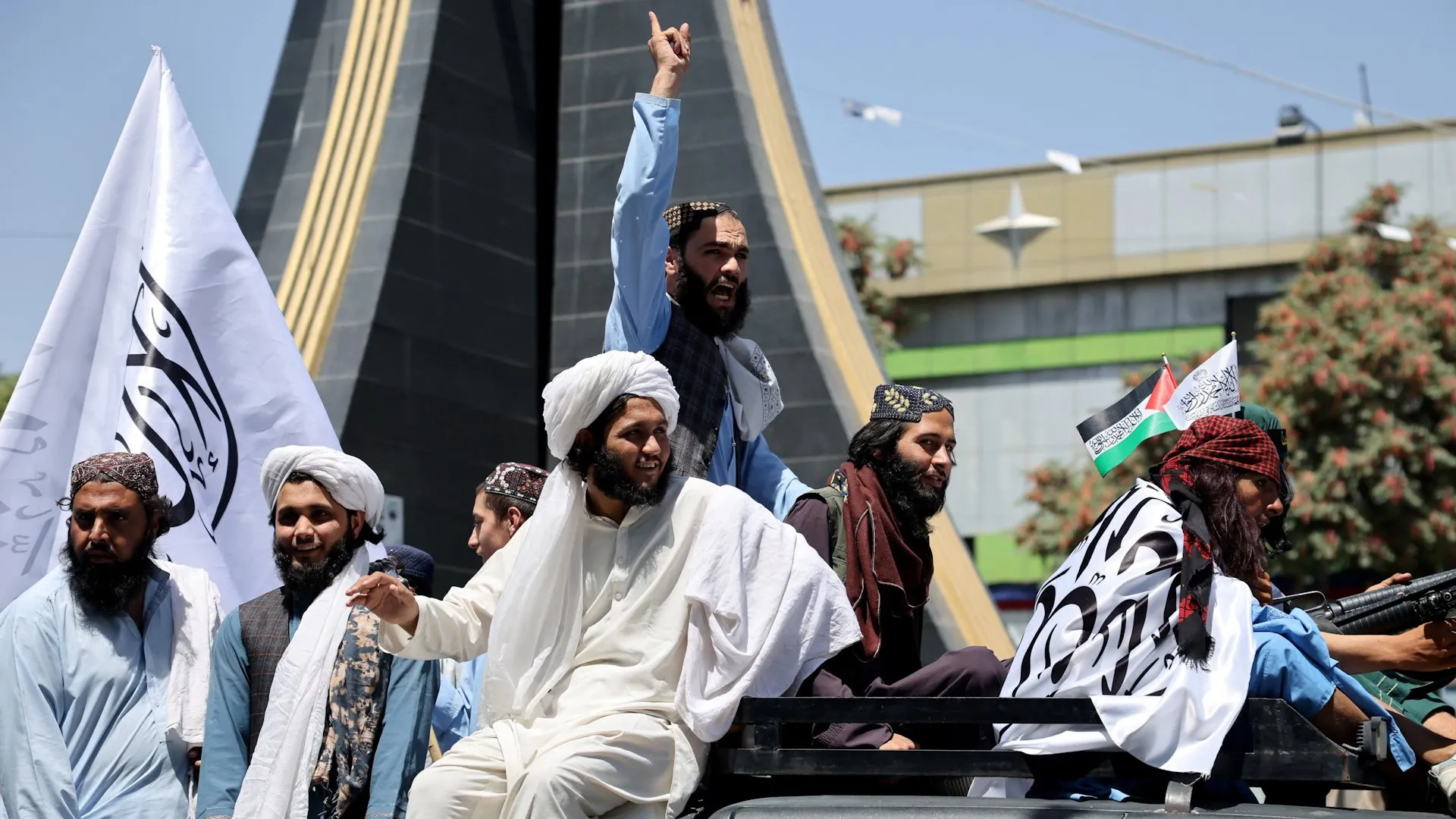
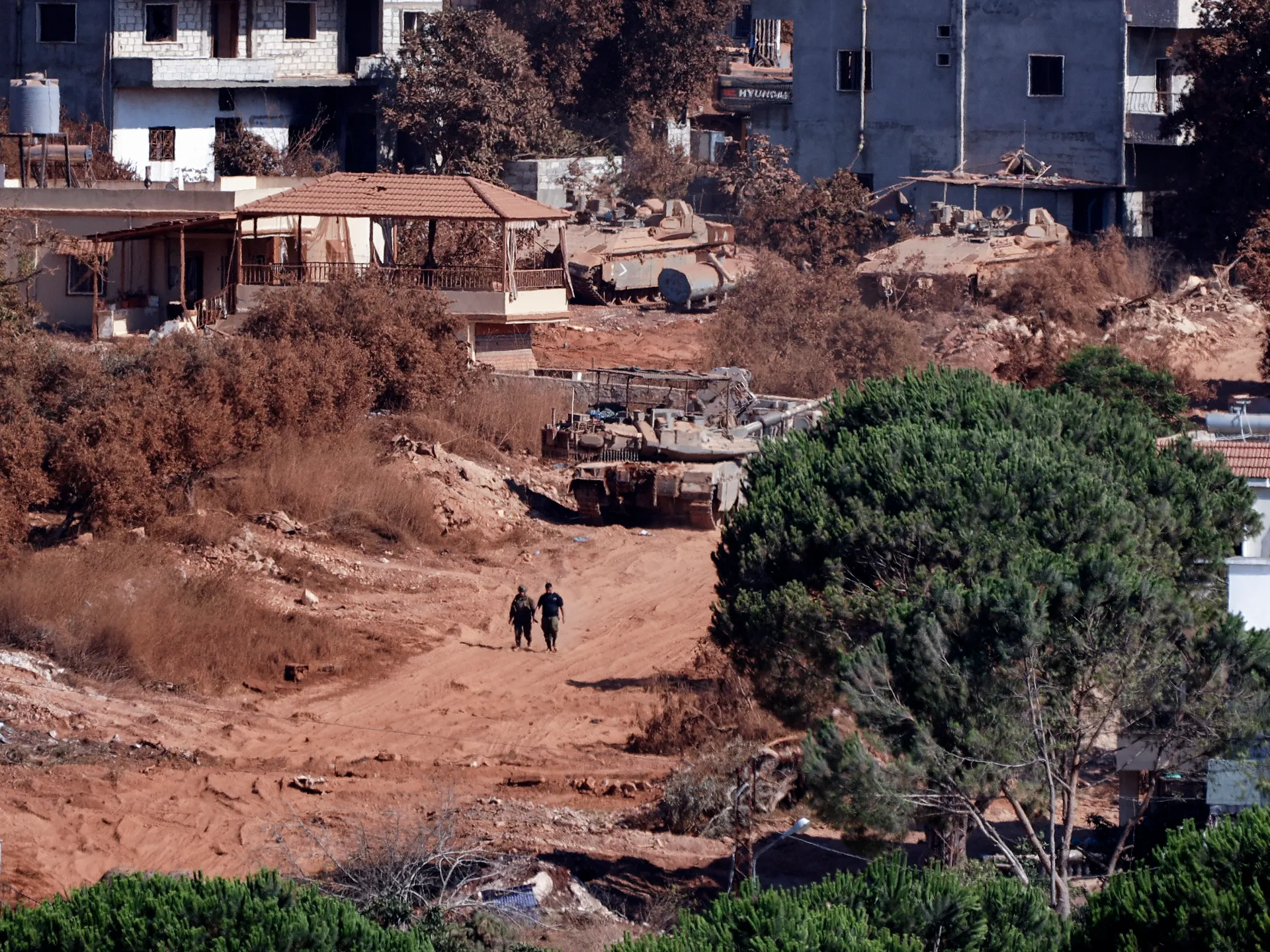
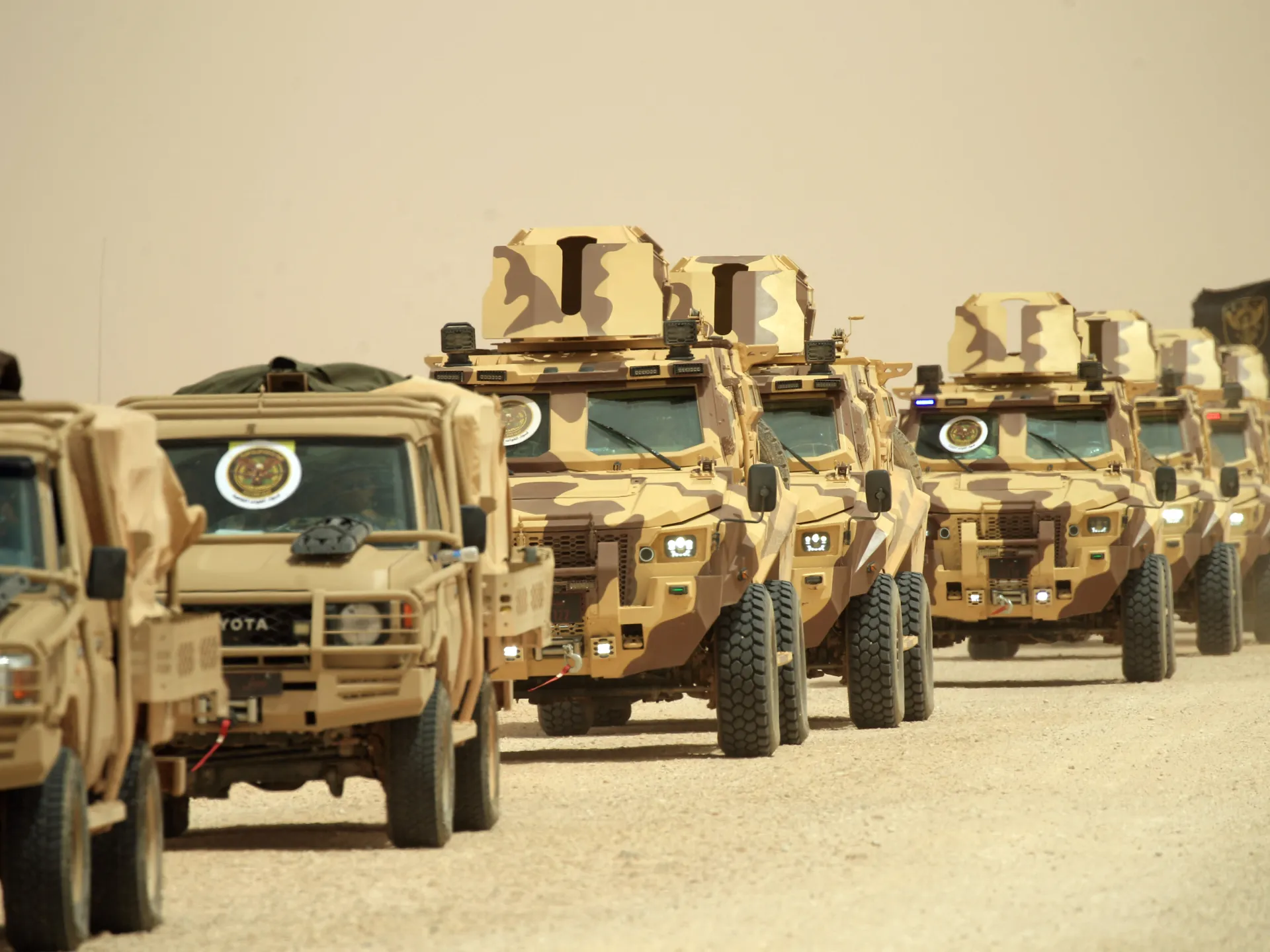
Simultaneously, the security architecture is being redefined his force has played a decisive role in providing regime protection to military governments in Mali and Niger, offering a form of stability that differs significantly from traditional UN counterinsurgency efforts. Meanwhile, the United States is actively attempting to regroup its military posture in the region, facing the dual challenge of navigating strained diplomatic relations with local military juntas while attempting to contain the expanding influence of jihadist insurgencies that continue to capitalize on the withdrawal of Western assets.
The departure of Mali, Burkina Faso, and Niger from the Economic Community of West African States (ECOWAS) in early 2025 signaled the total collapse of the existing regional political order. oversight in favor of a confederation that prioritizes military autonomy and strategic independence. This move has effectively stripped external institutions of their ability to exert pressure through diplomatic or economic sanctions, leaving the Sahel to navigate its security challenges through bilateral agreements rather than multilateral consensus.
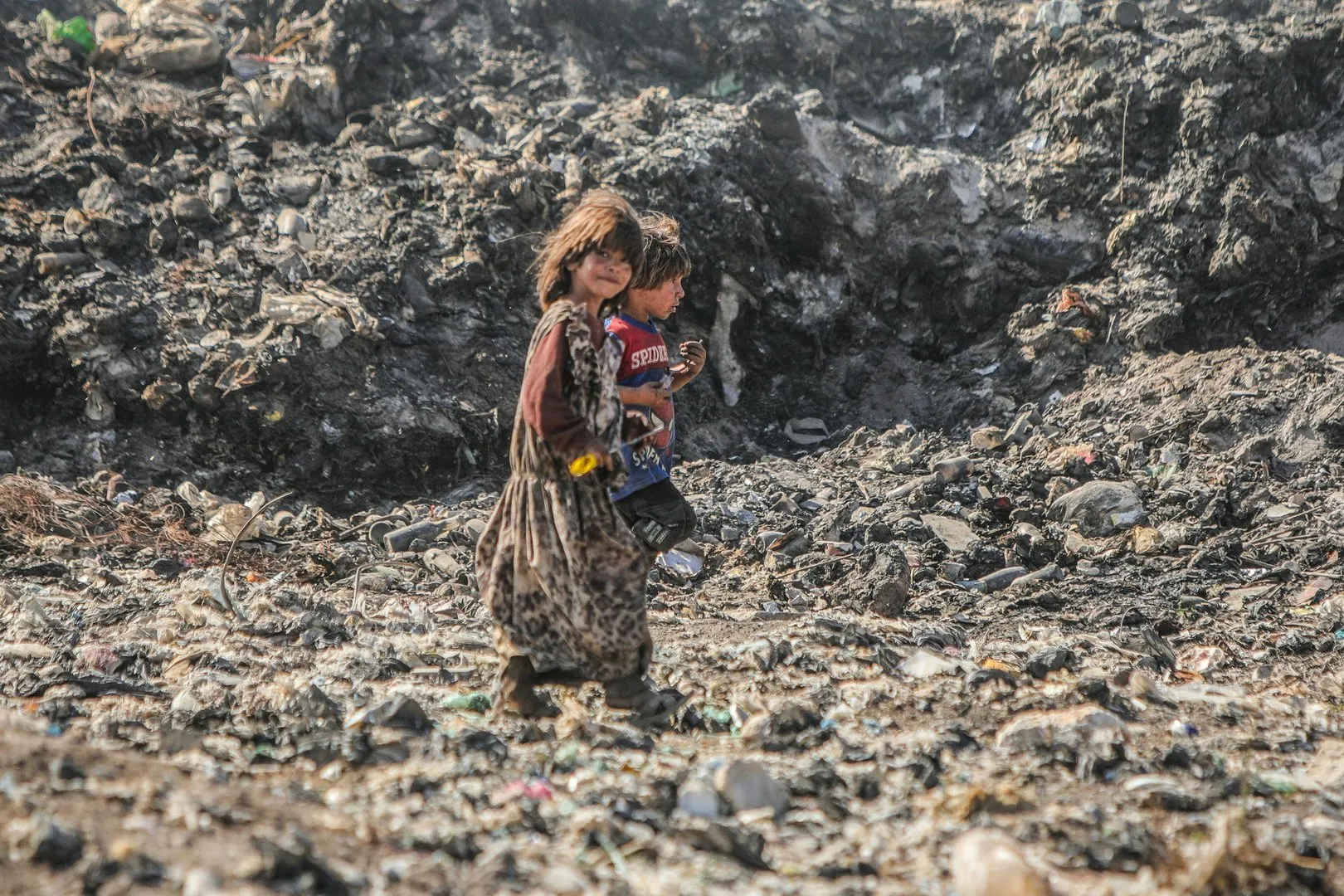
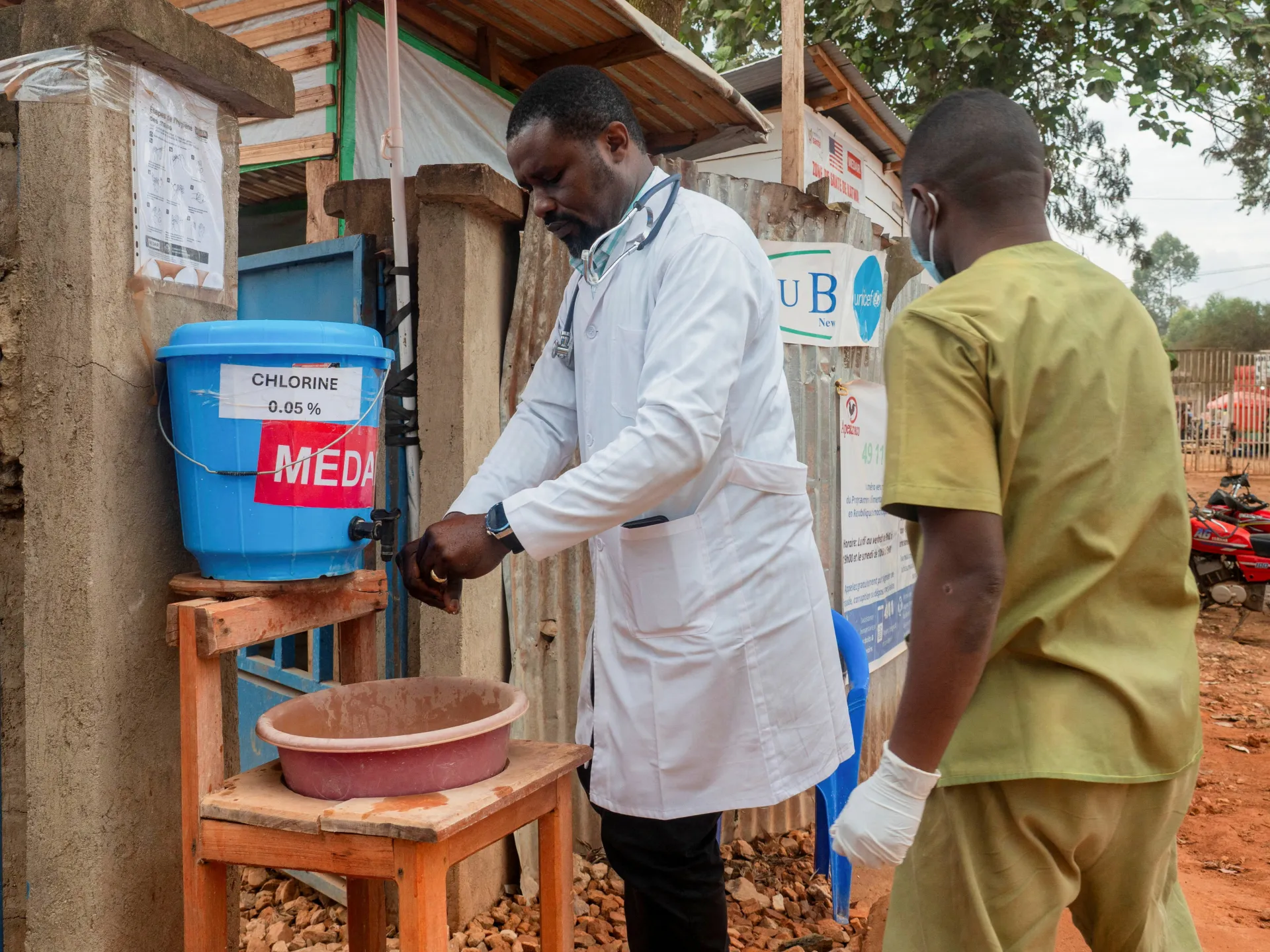
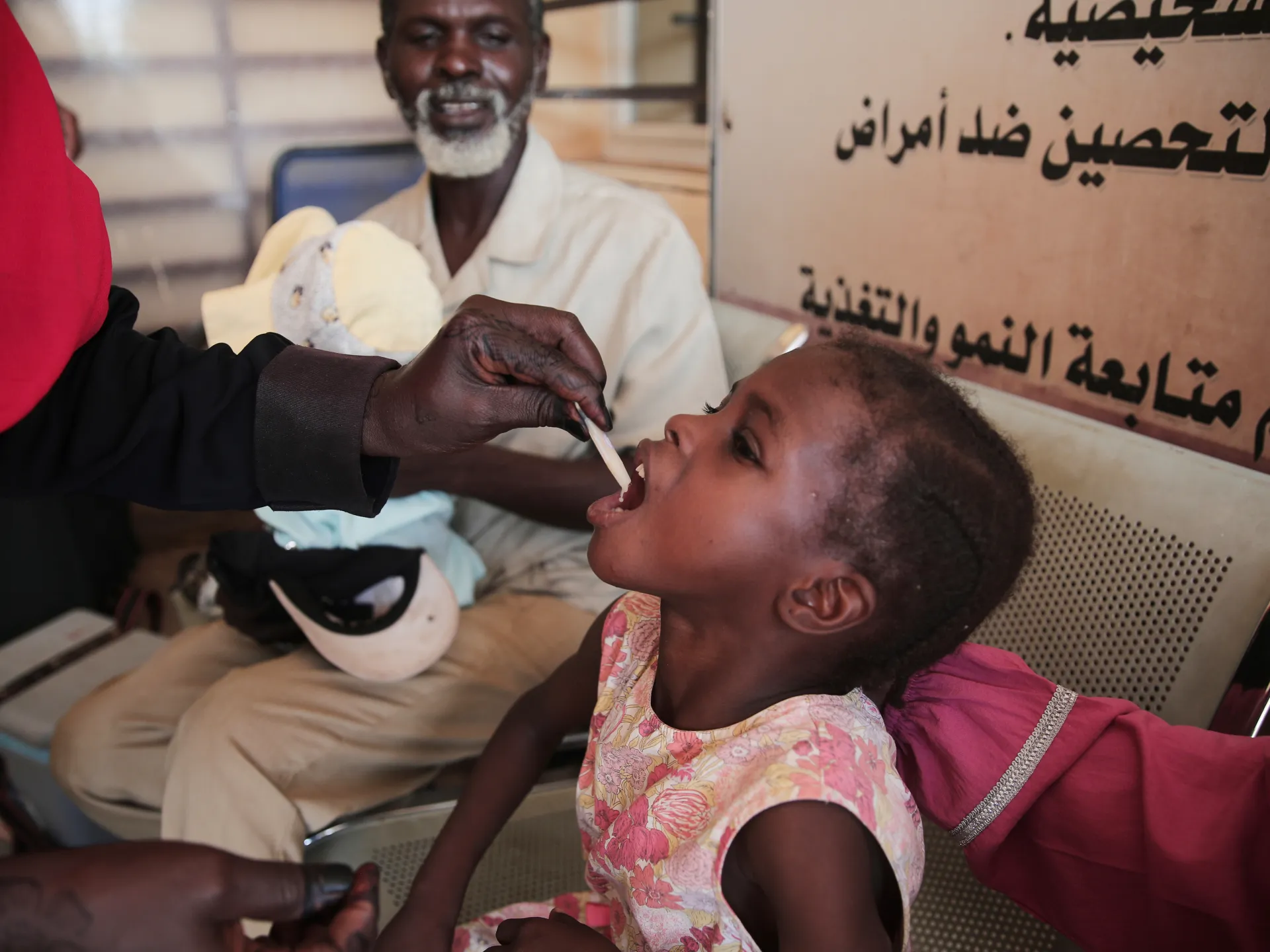
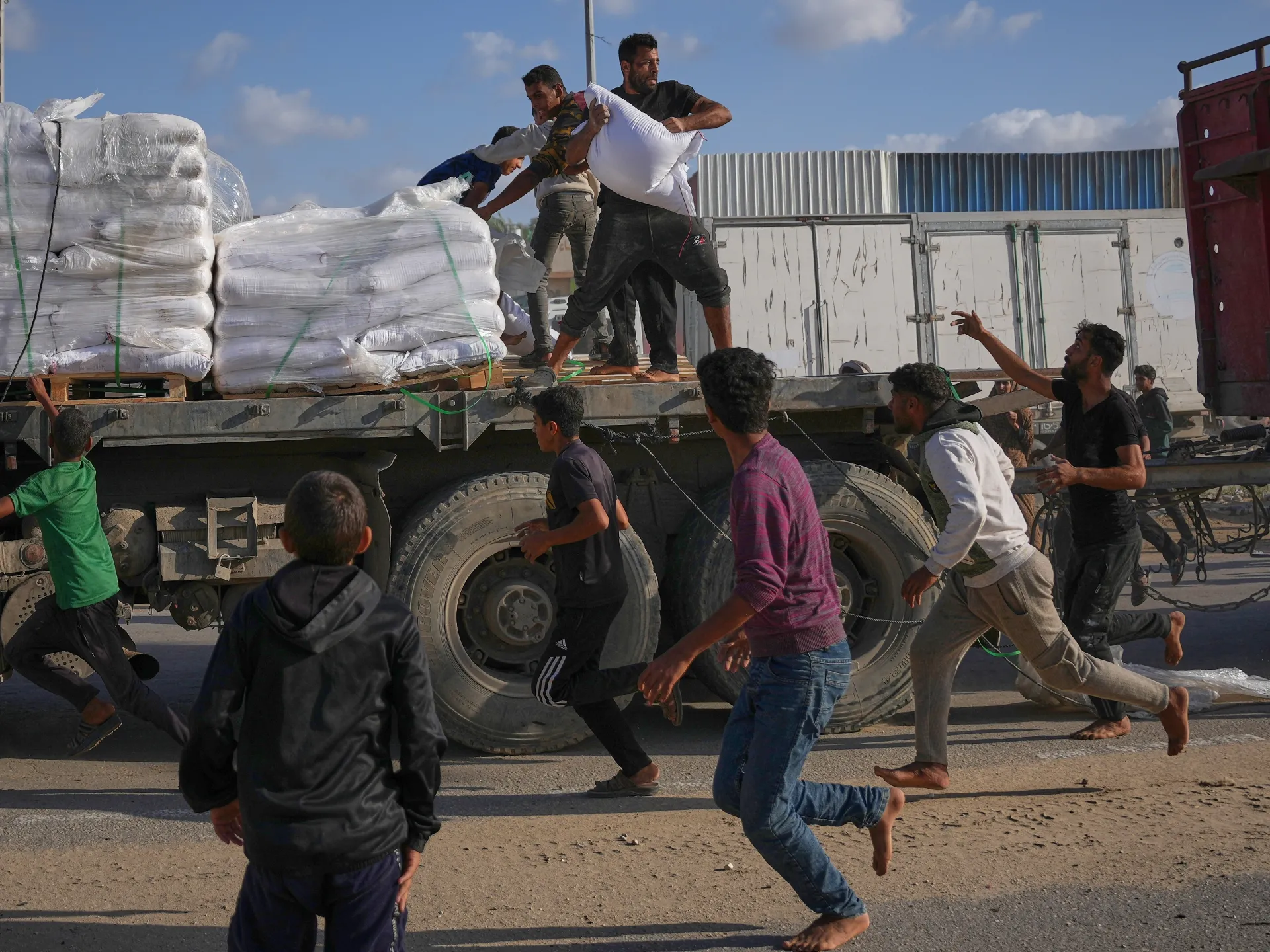
The trajectory for the Sahel suggests an era of continued volatility. As Western powers struggle to maintain influence, the reliance on the AES’s own security apparatus and external private military partners is likely to grow. The primary concern for the international community remains the humanitarian fallout; if the security environment remains fractured, the capacity for aid organizations to reach displaced populations will likely diminish further. Observers expect the upcoming independent UN strategic review to highlight the stark limitations of current diplomatic tools, potentially forcing a choice between total disengagement or a radically different model of humanitarian cooperation that functions outside the traditional security-first paradigm.