Russia concludes its first wartime parliamentary vote amidst mass drone attacks, while U.S. prosecutors unveil a global murder-for-hire plot linked to Kremlin intelligence.
The convergence of a high-stakes electoral cycle within Russia and a concurrent escalation of clandestine intelligence operations abroad signals a profound shift in the Kremlin's posture. e, the Russian government is attempting to codify public consent for its ongoing military actions in Ukraine. This domestic political consolidation is occurring in tandem with an increasingly aggressive posture toward the diaspora and Western-aligned individuals, as evidenced suggest that the distance between battlefield strategy and internal repression has effectively vanished, with the Russian state utilizing both ballot boxes and international murder-for-hire plots to maintain ideological and physical control over its objectives.
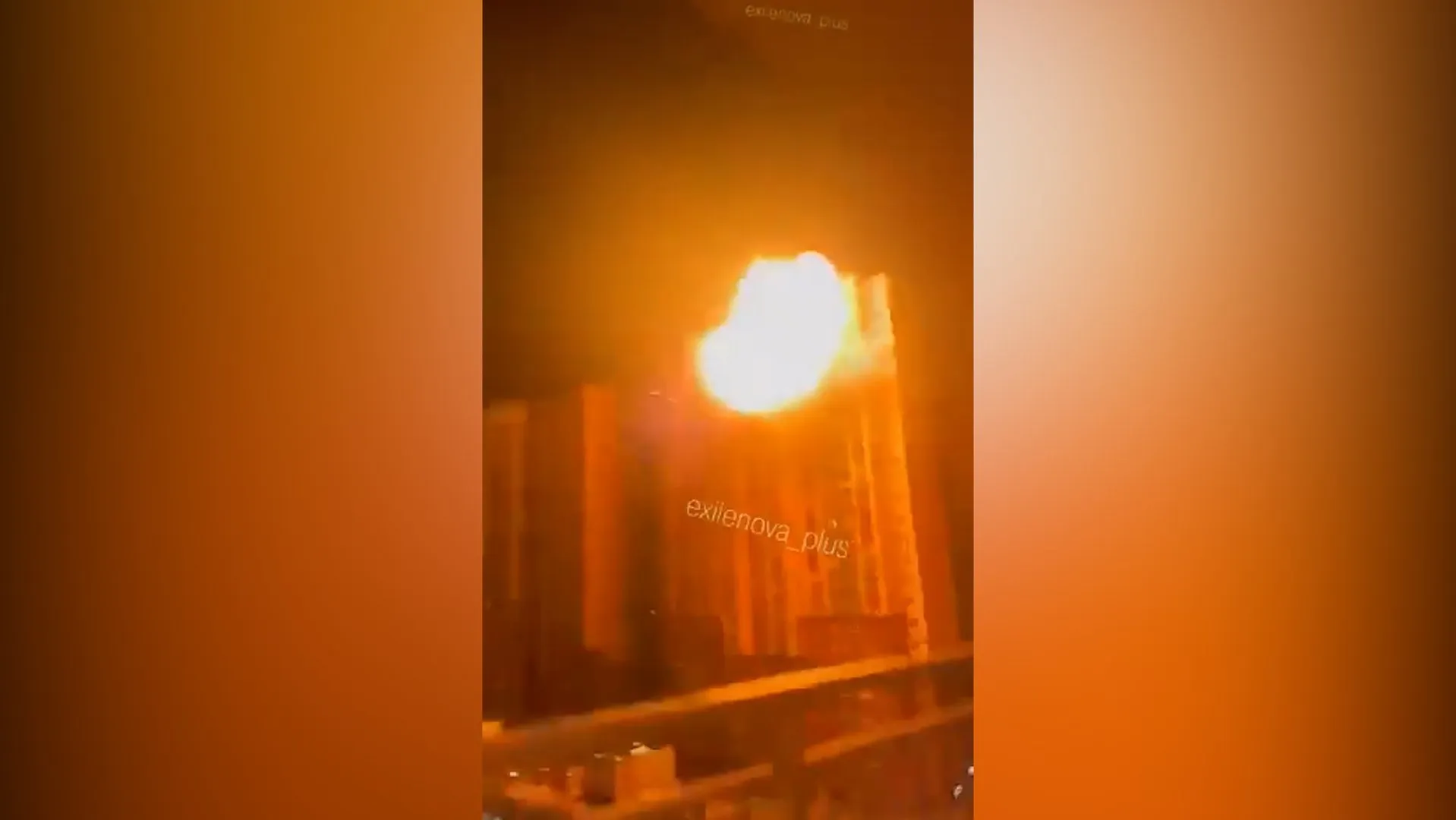
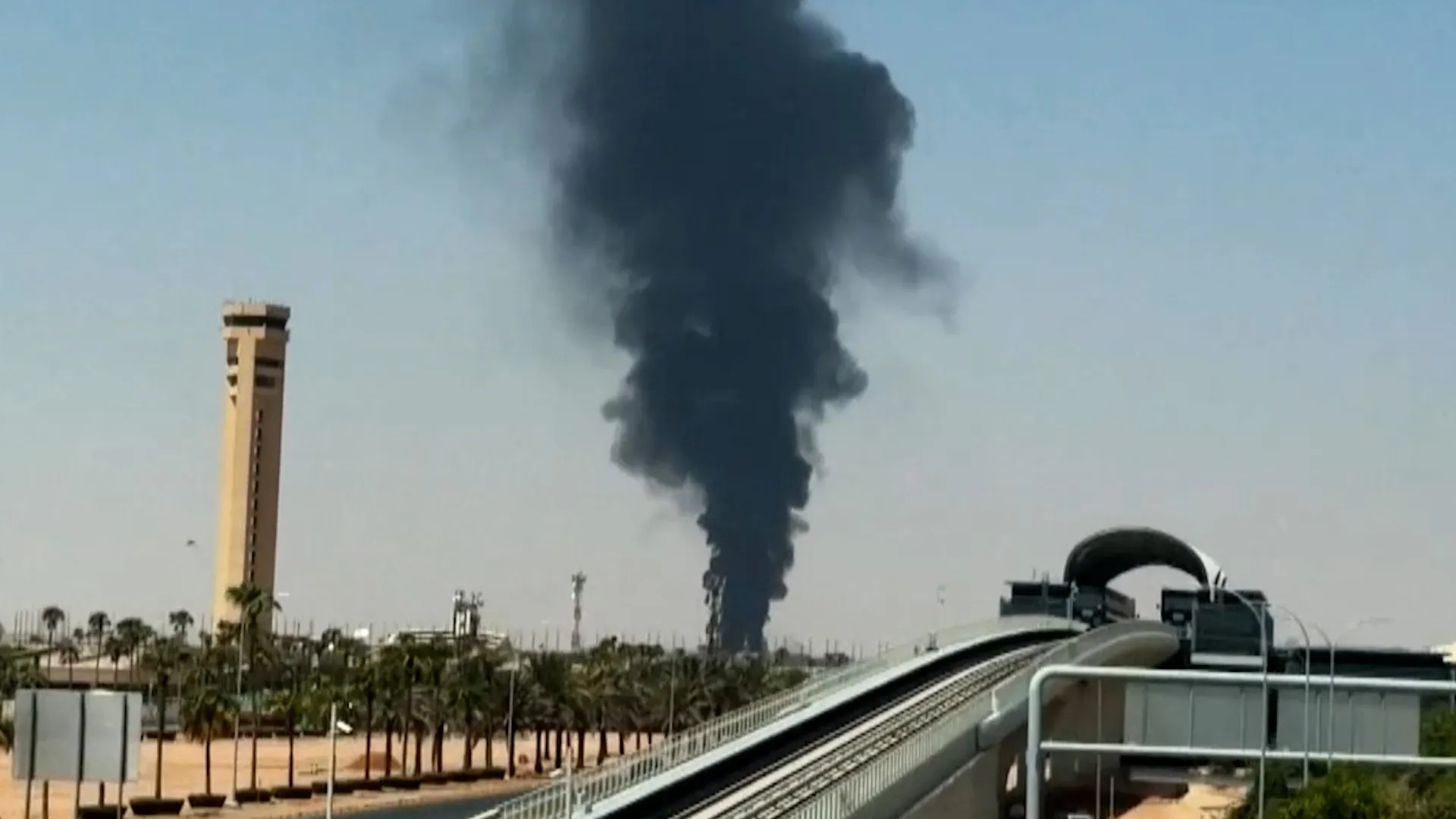
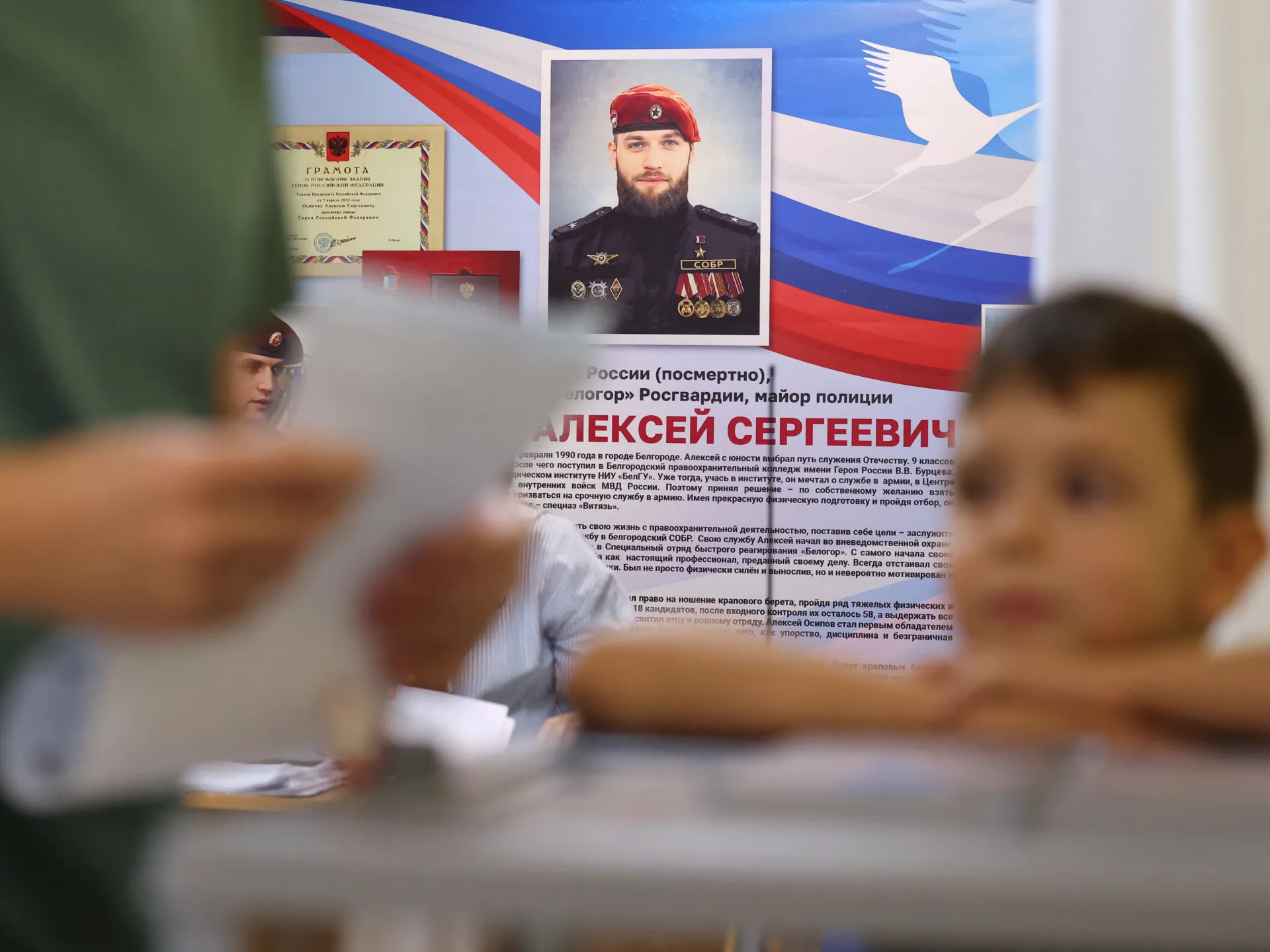
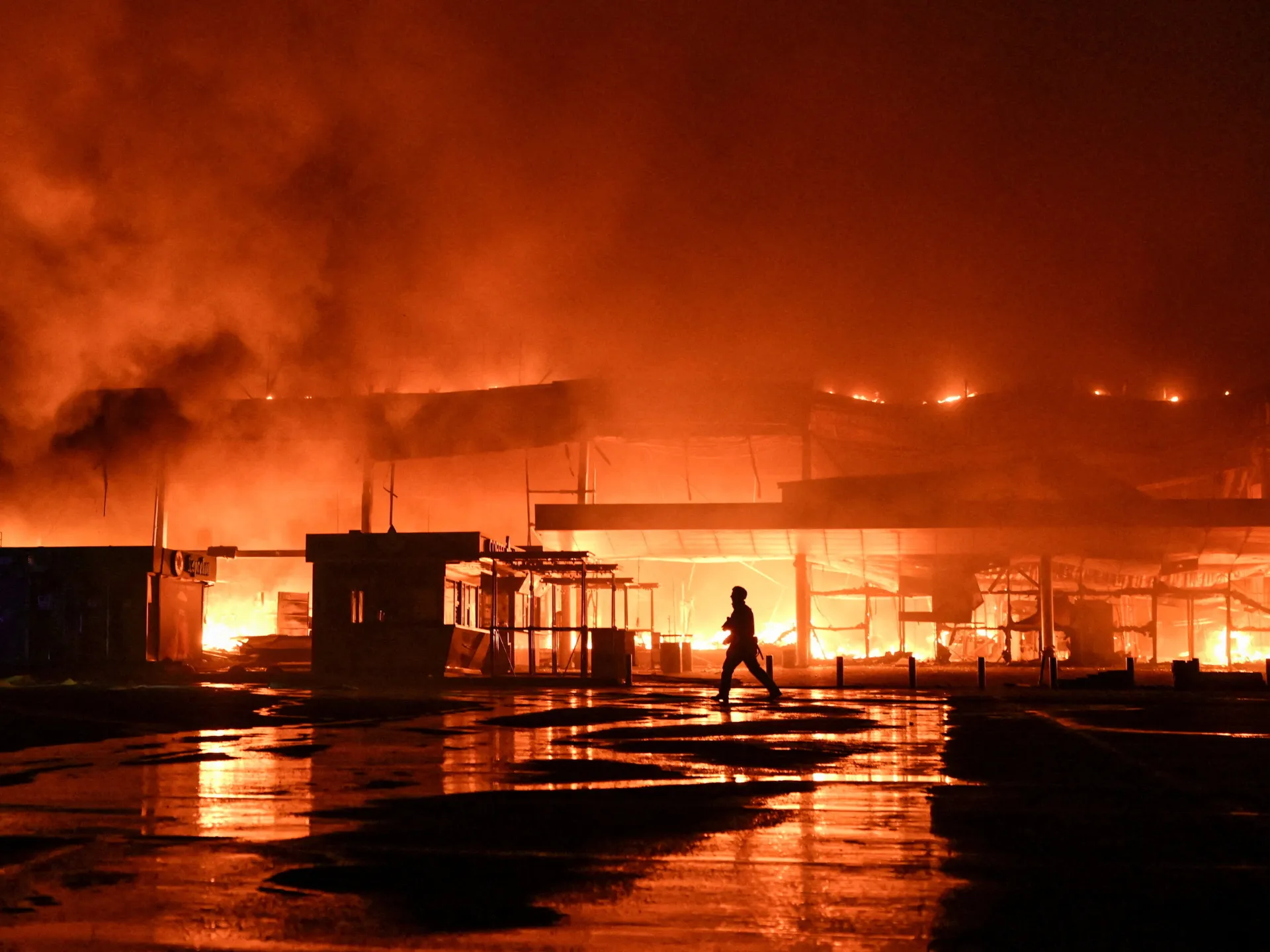
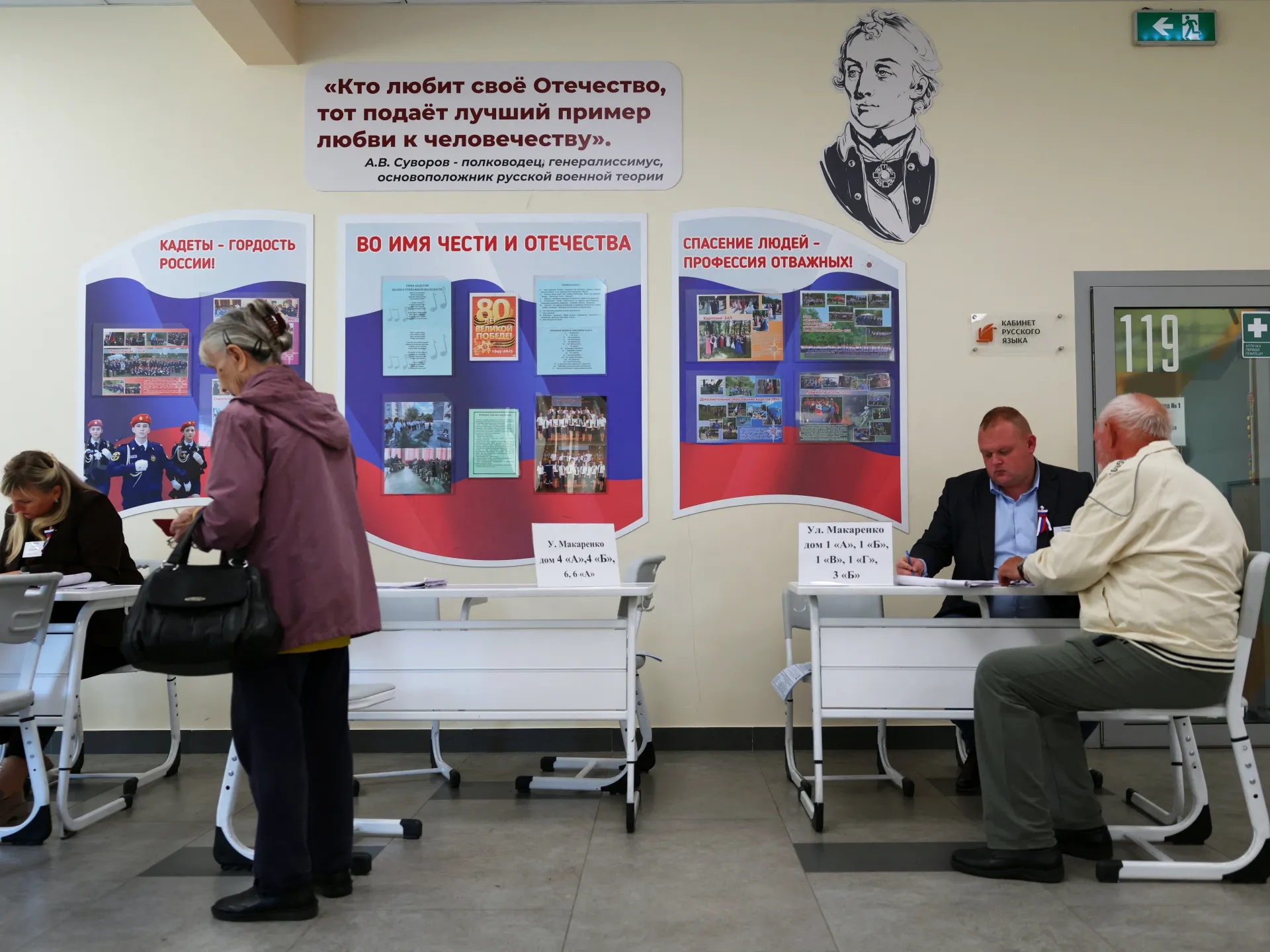
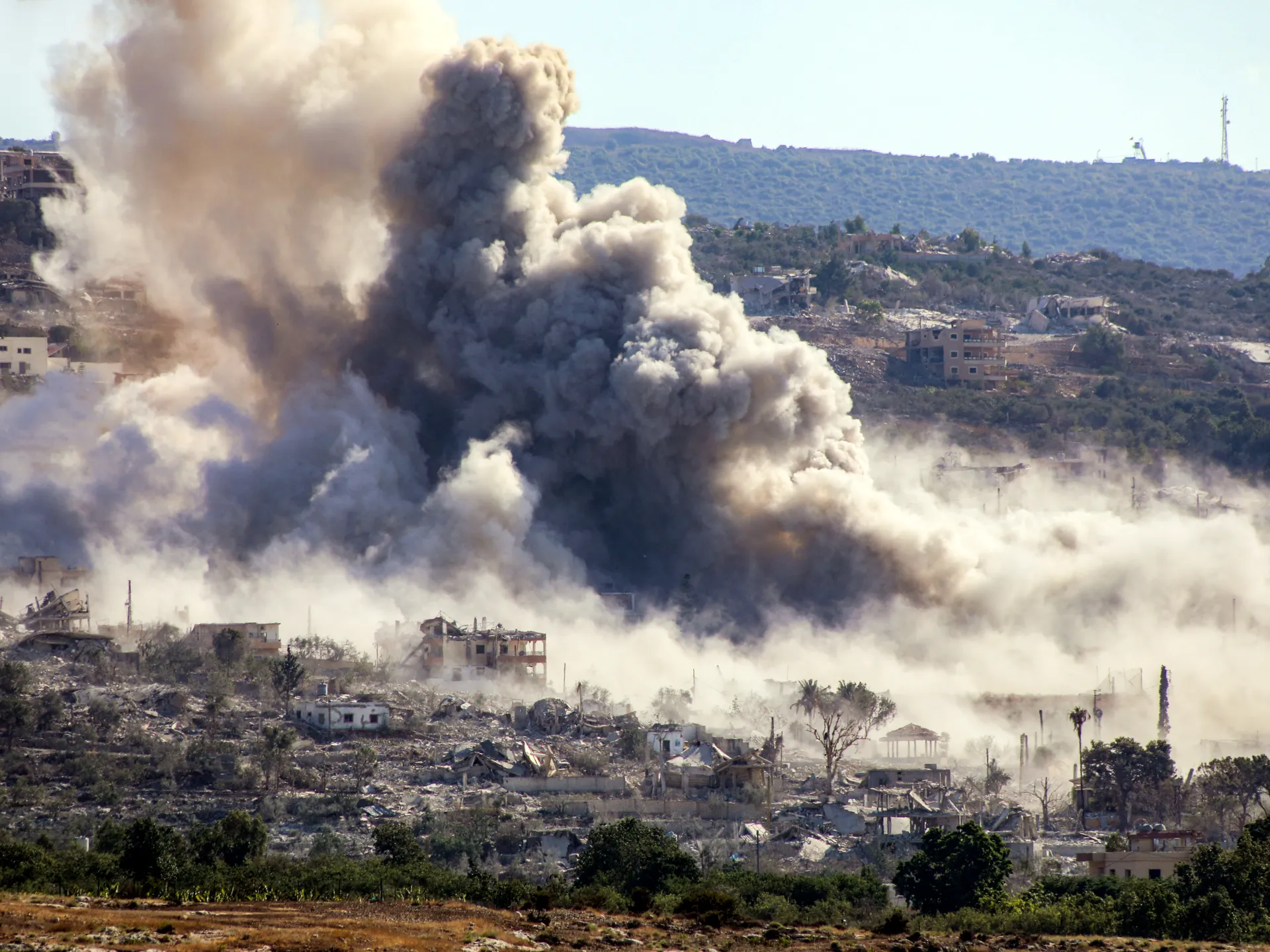
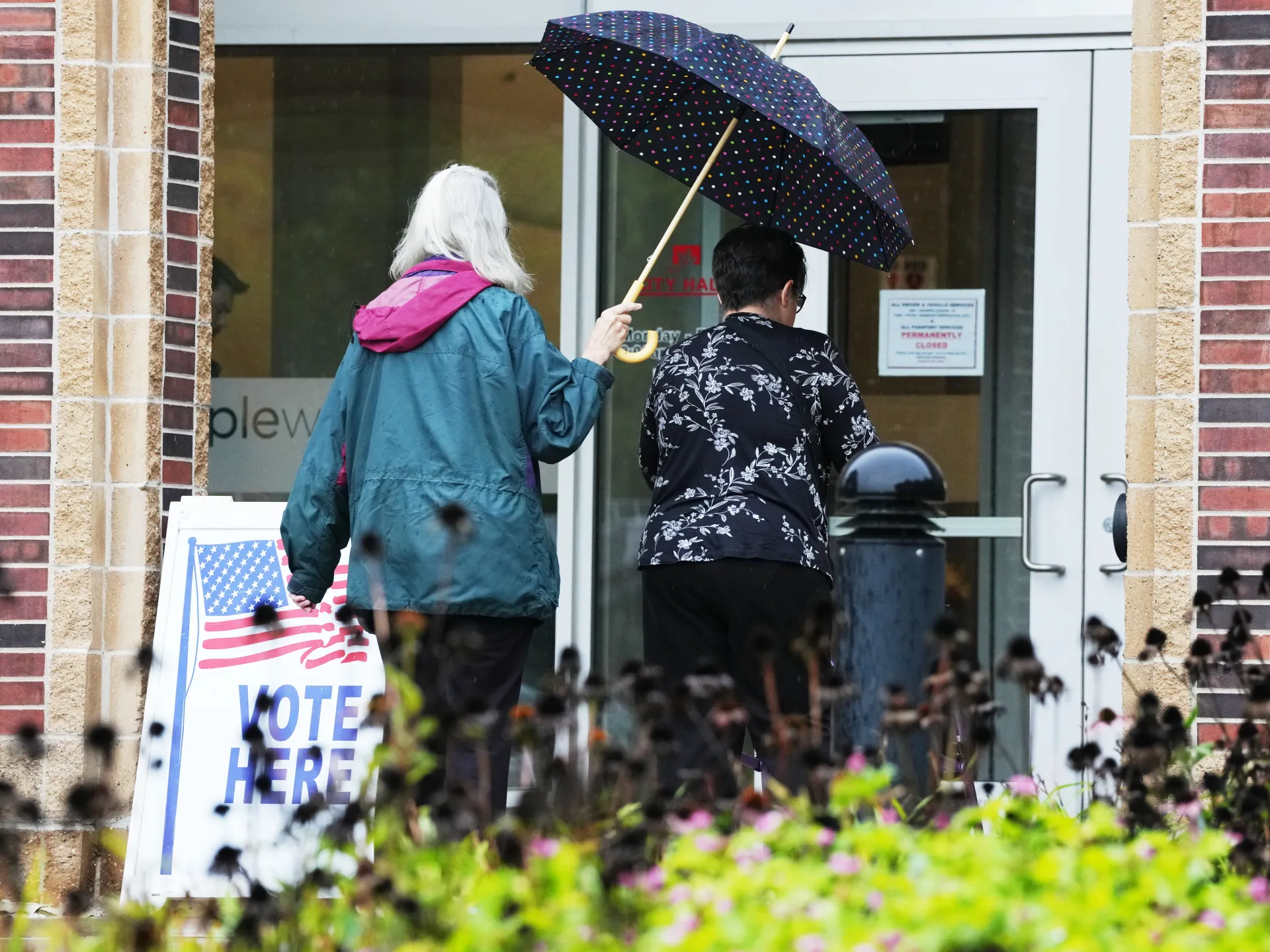
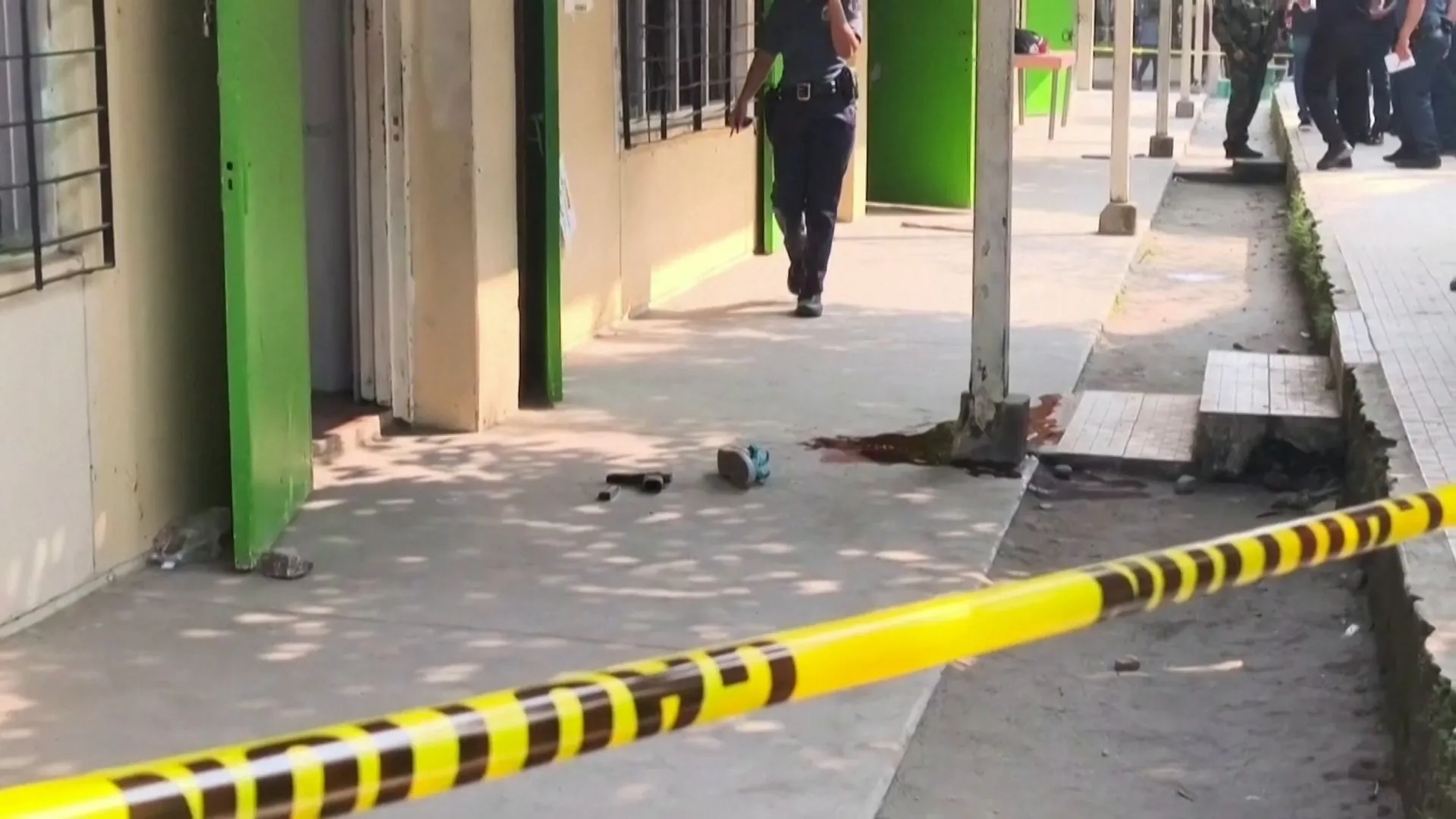
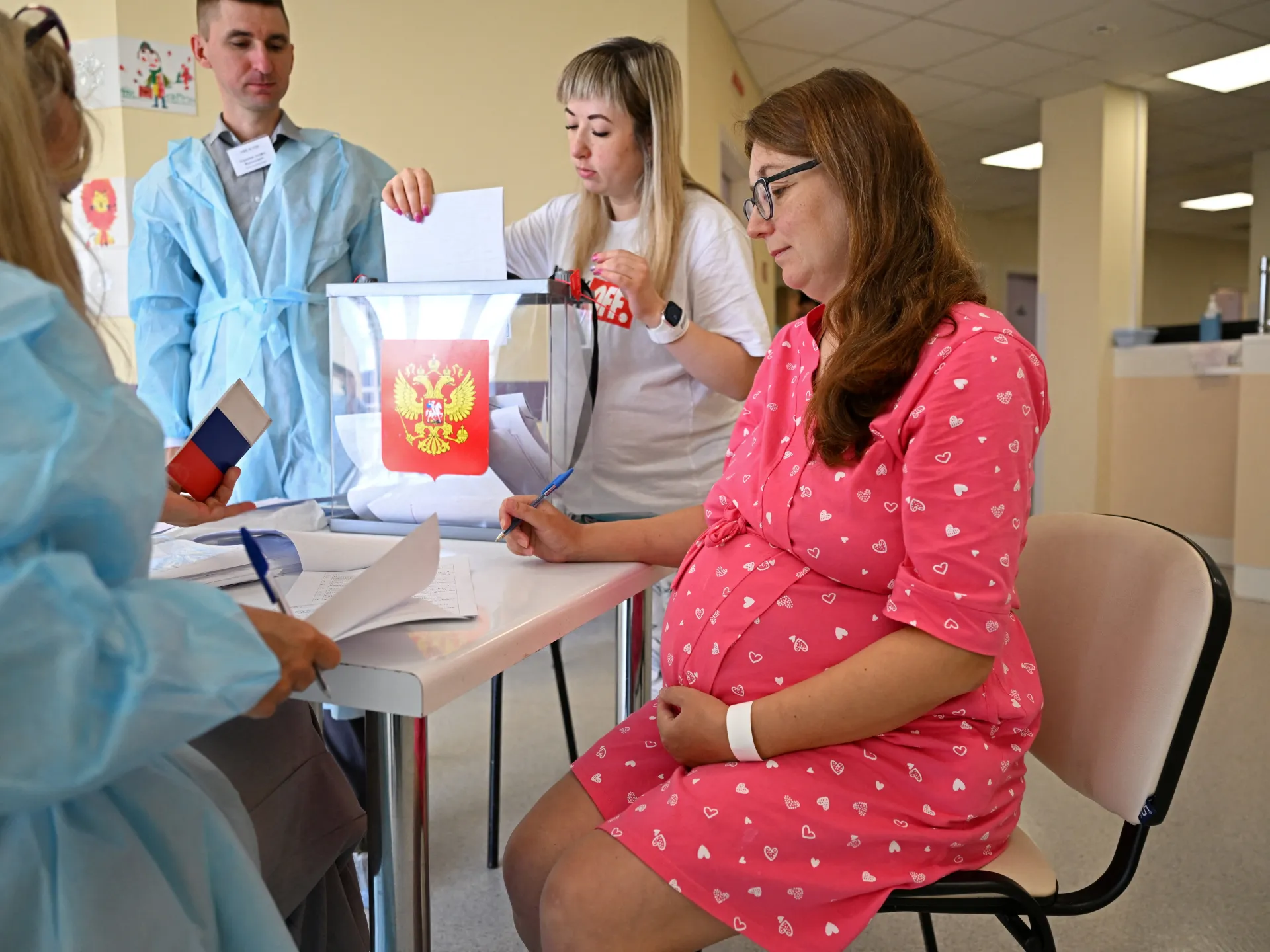
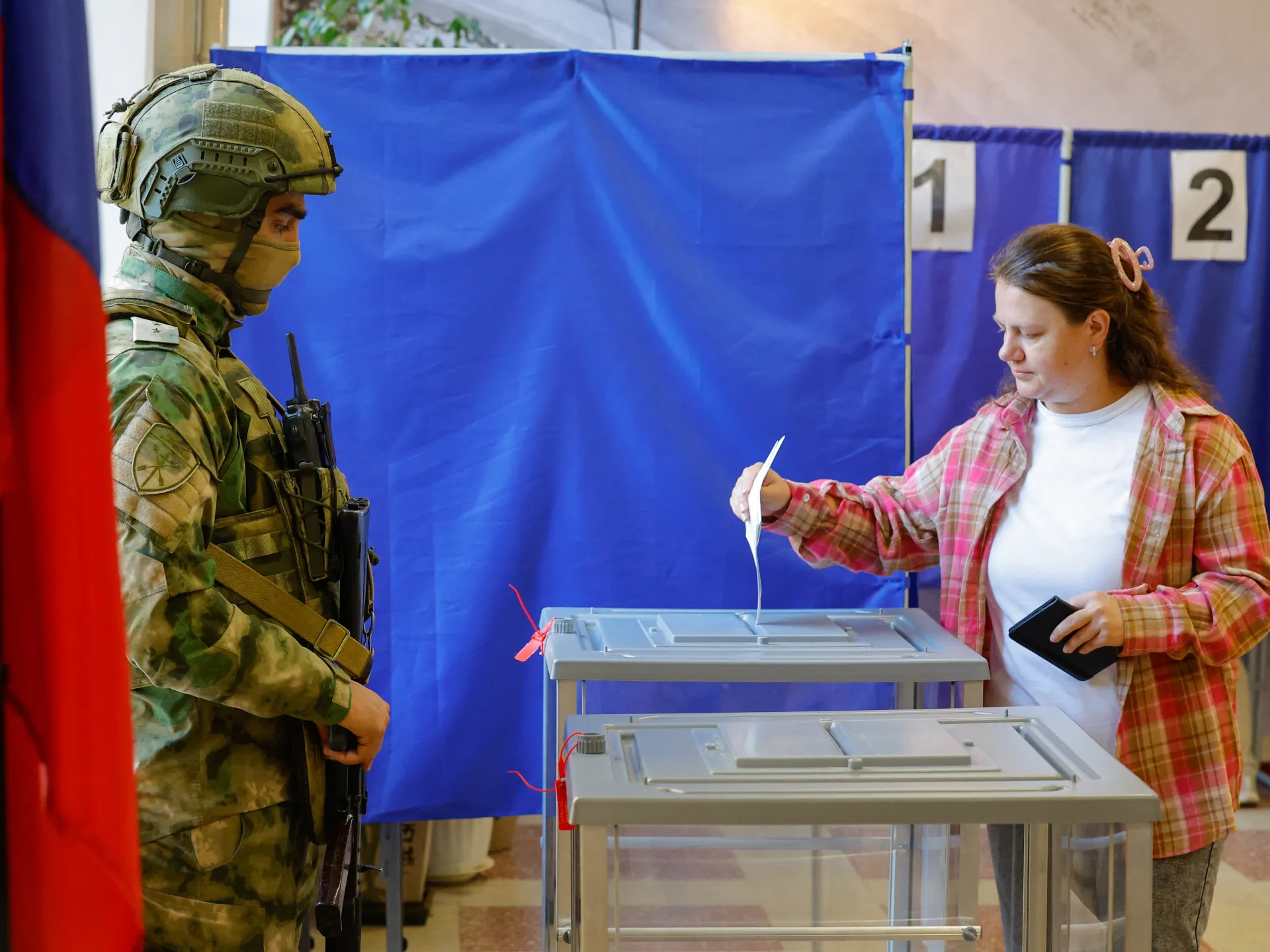
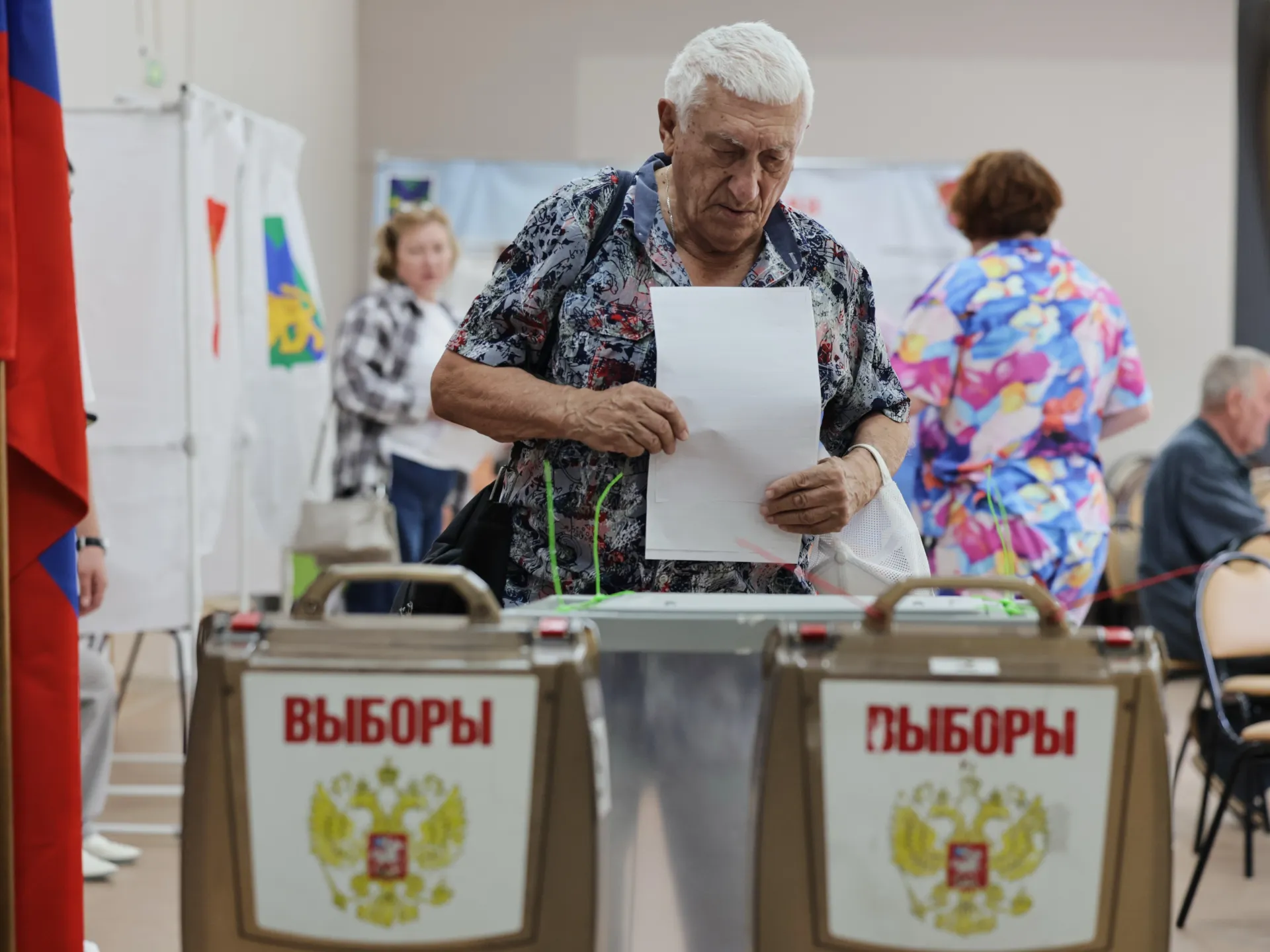
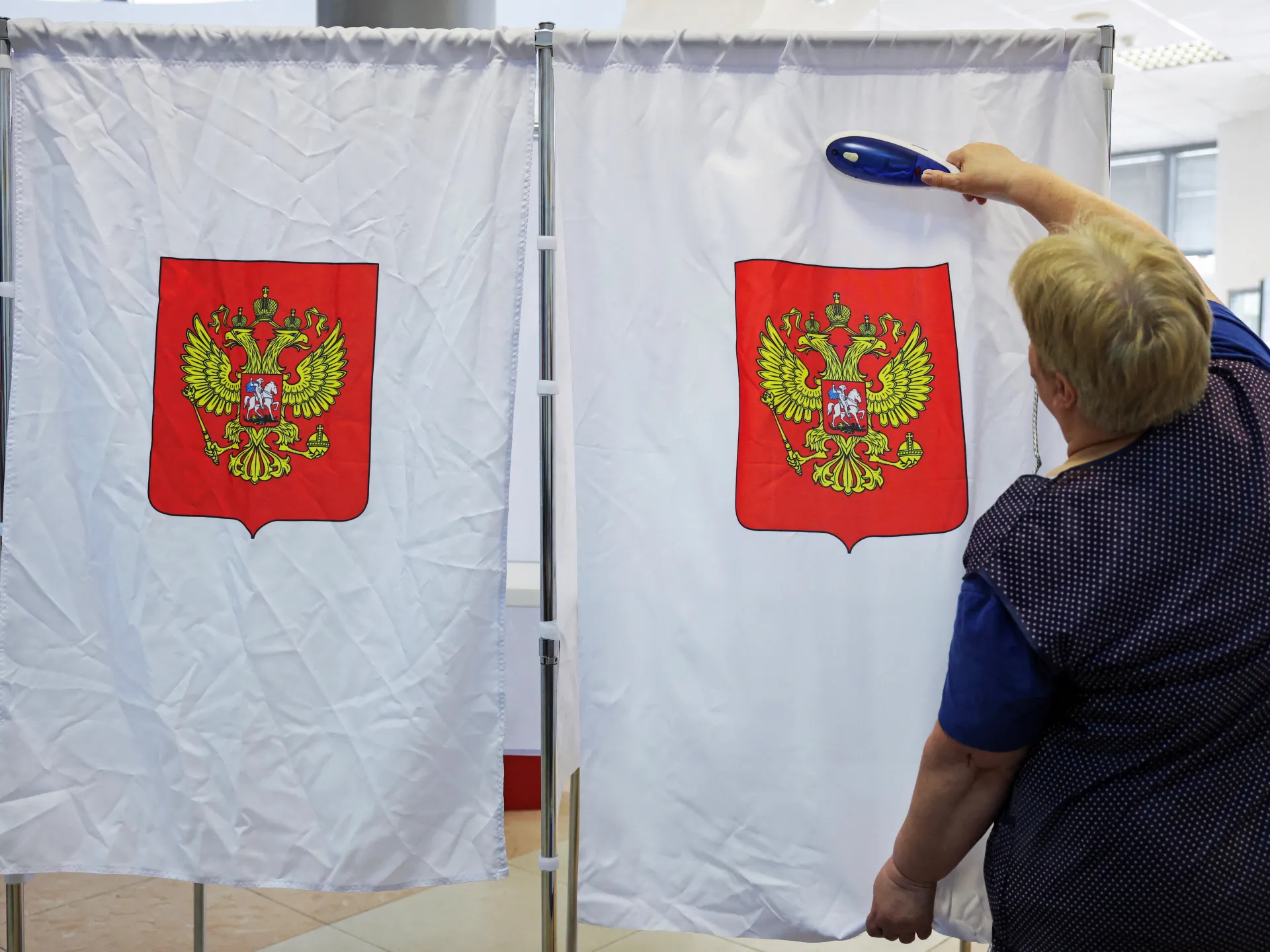
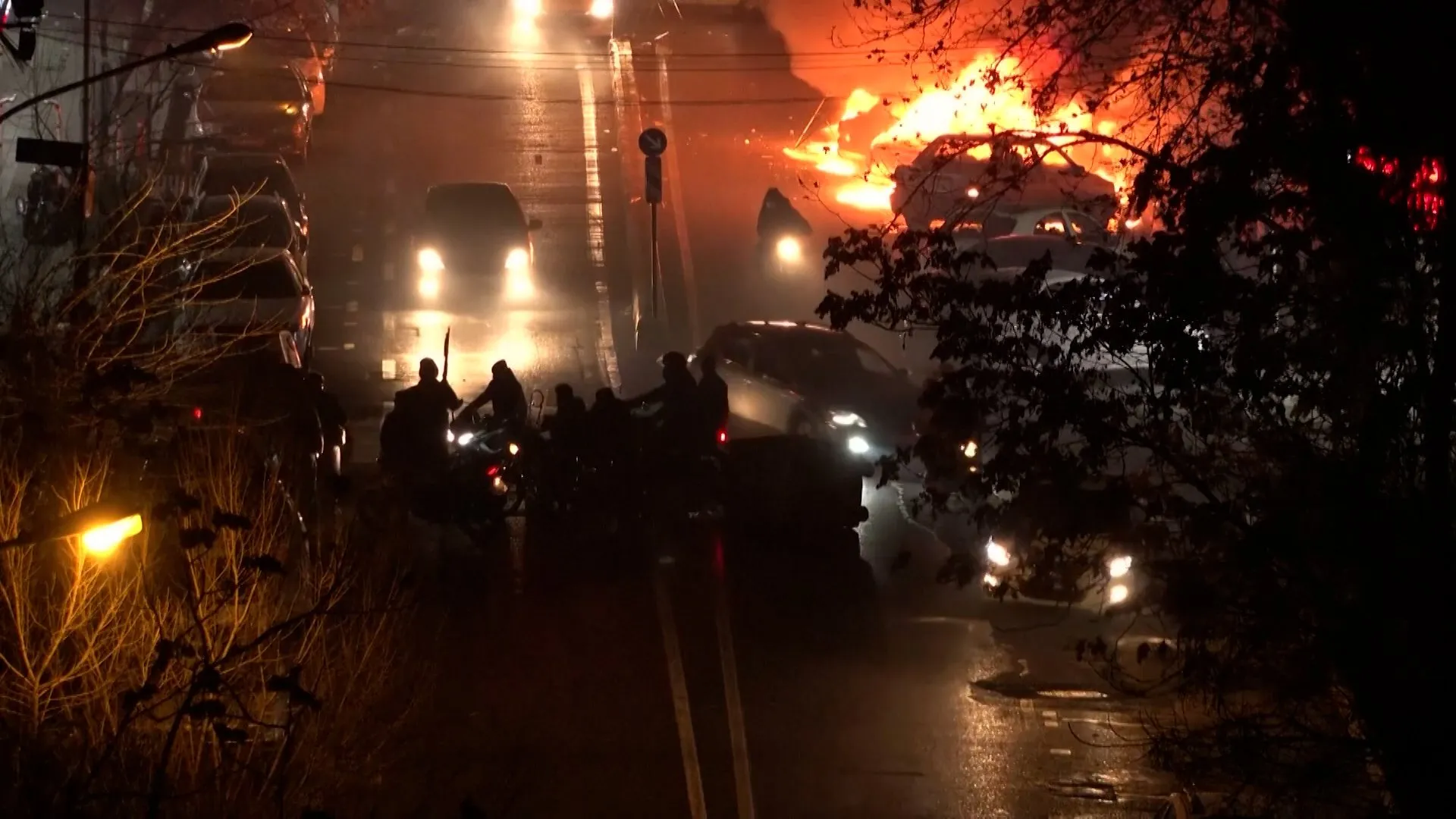
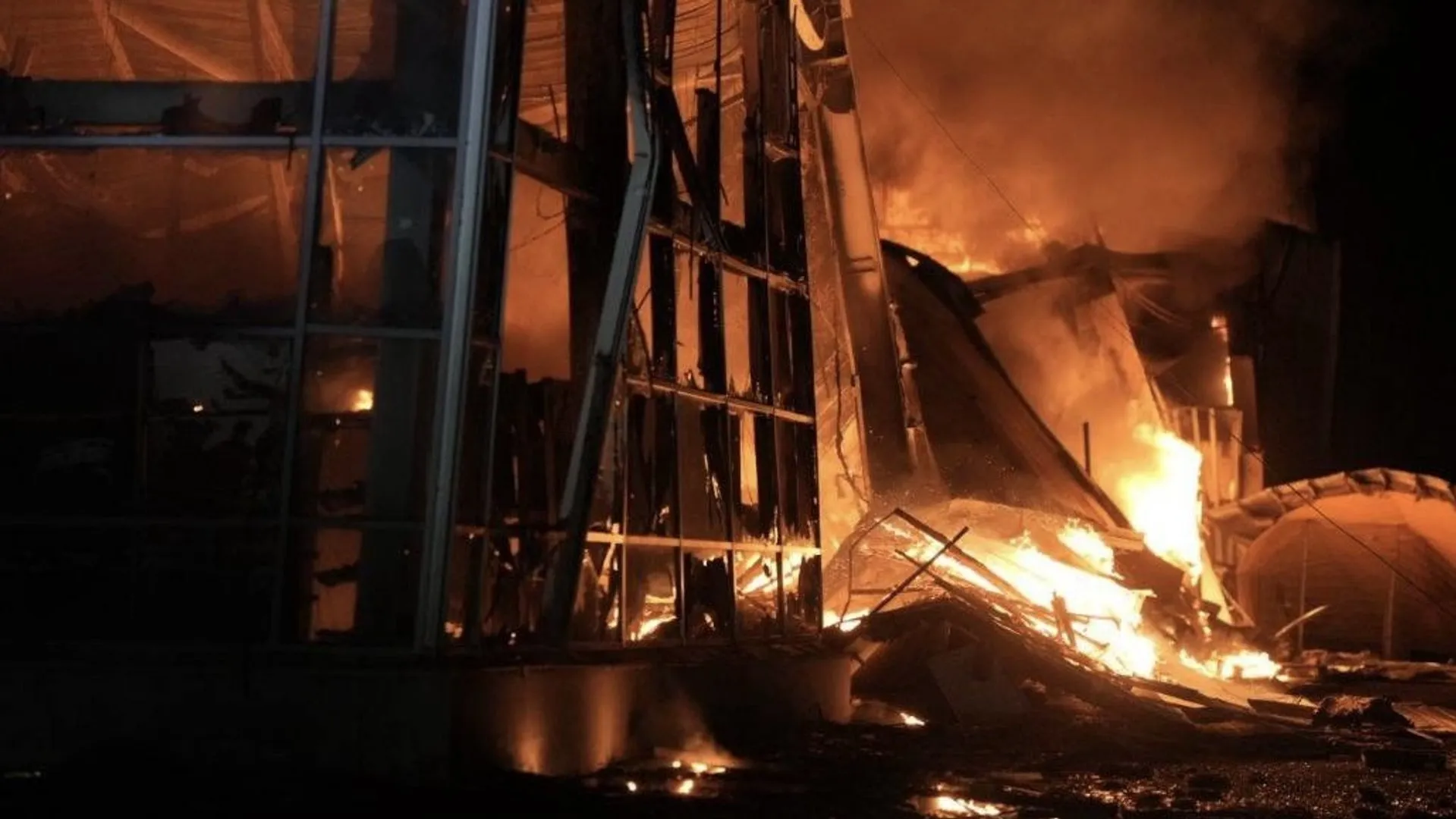
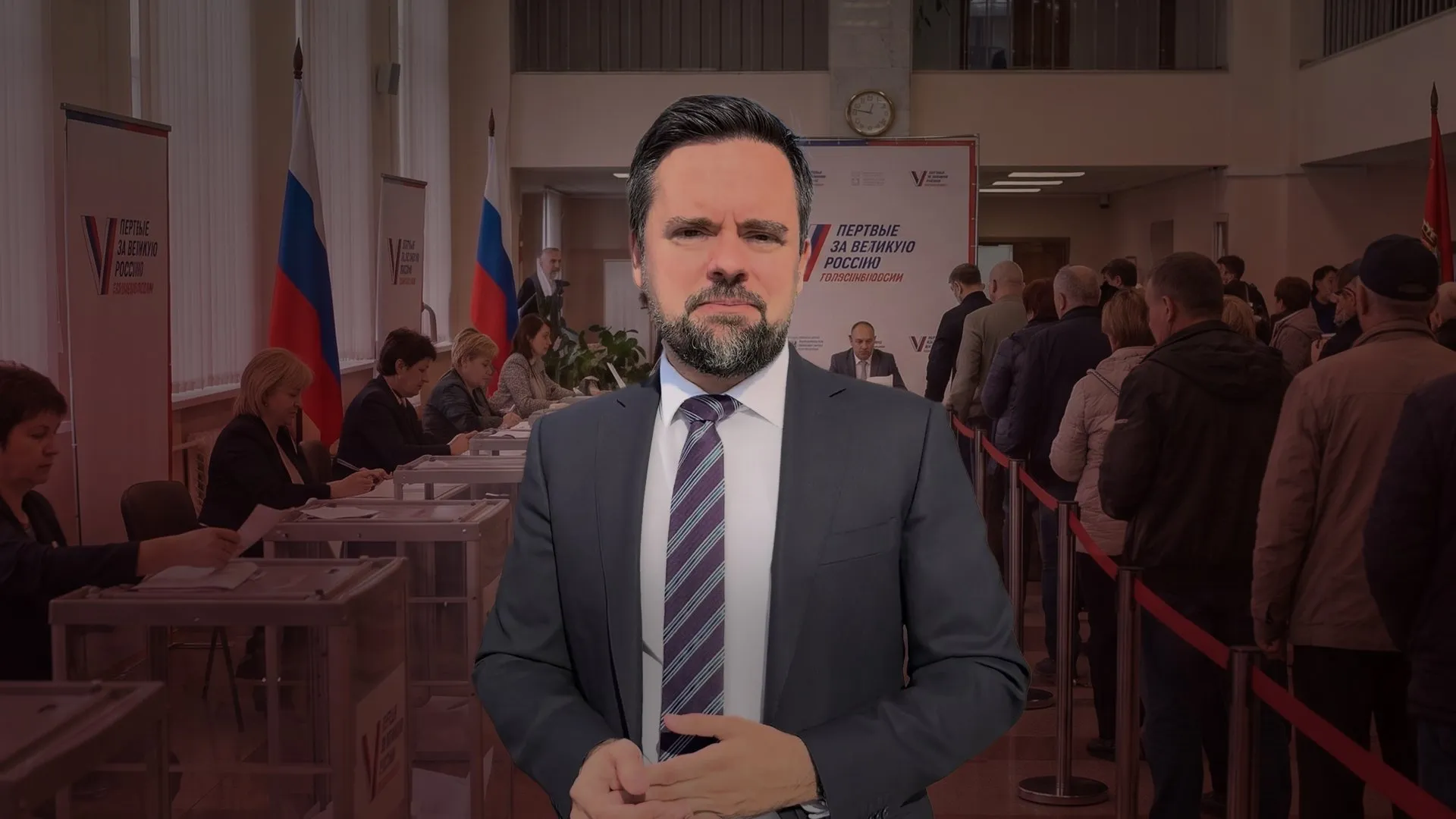
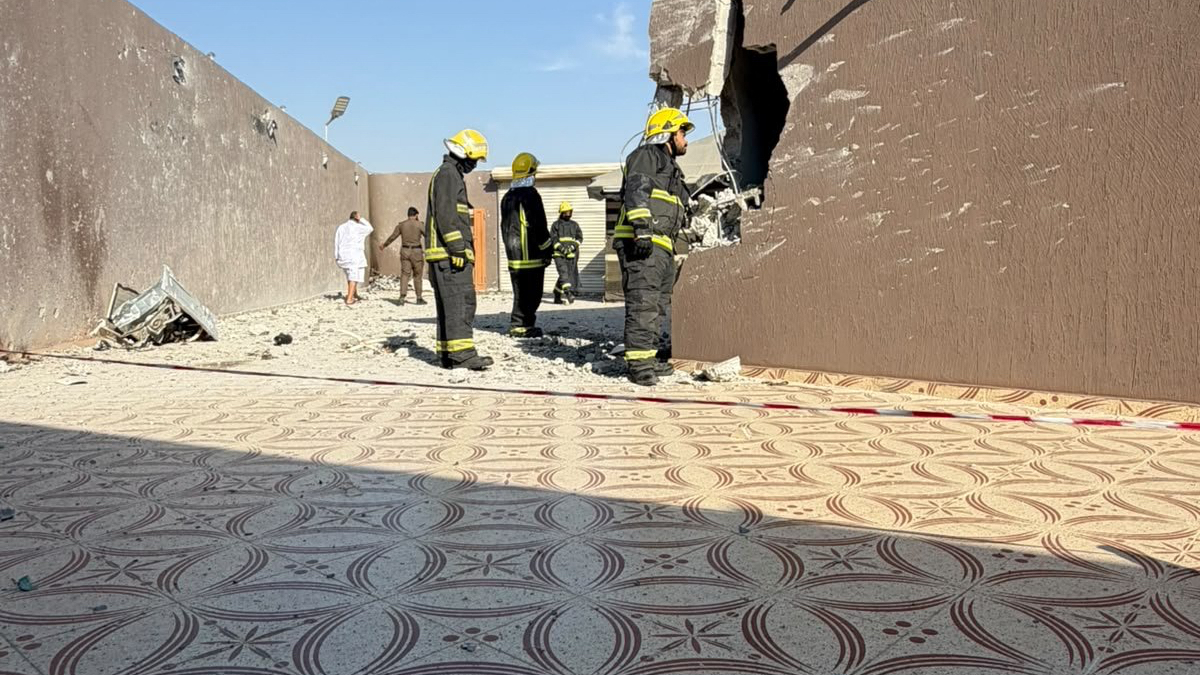
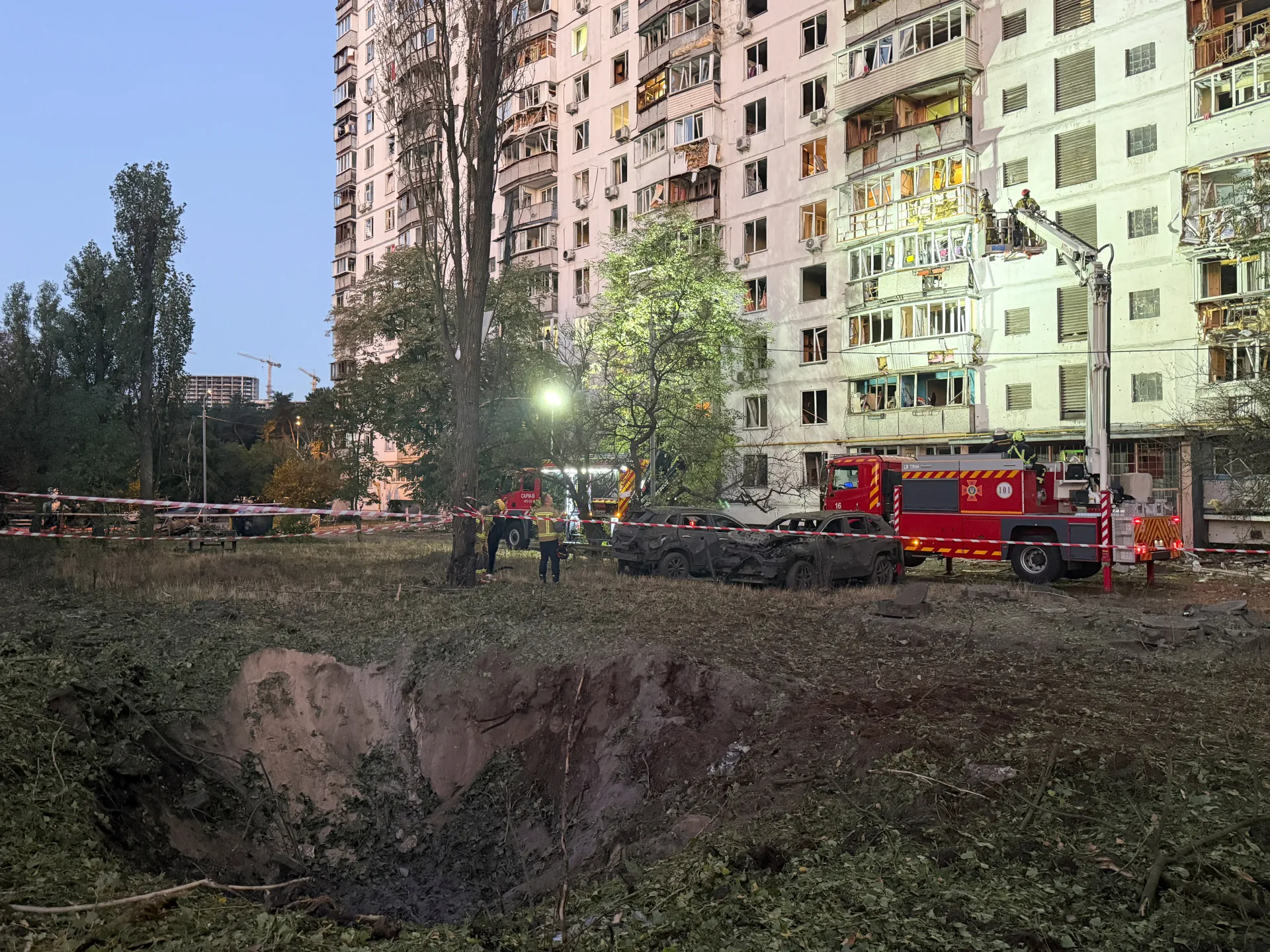
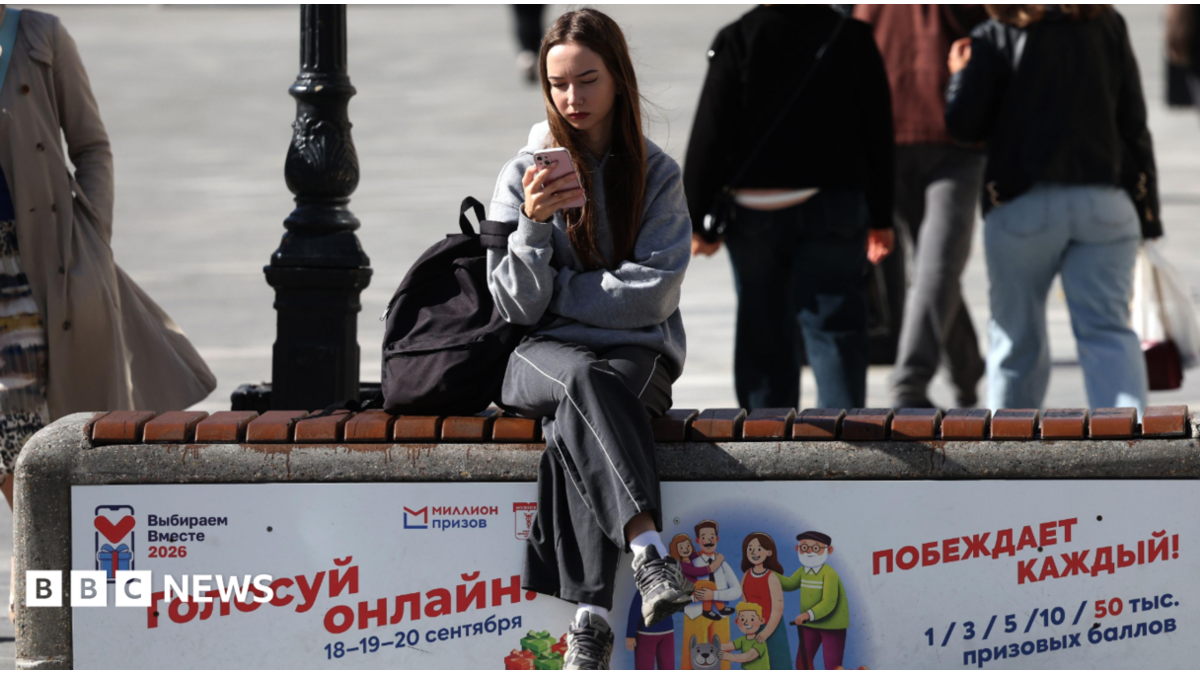
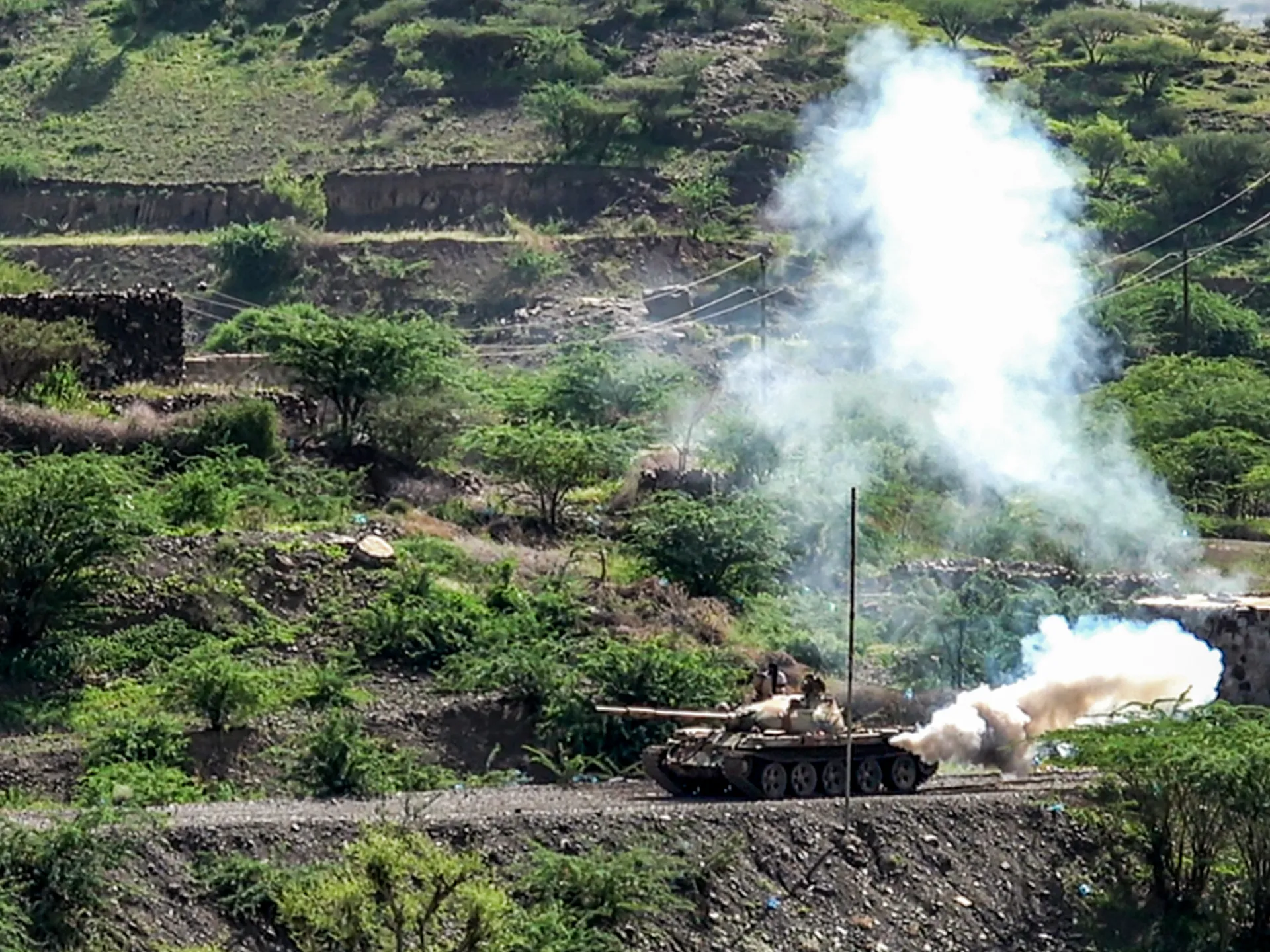
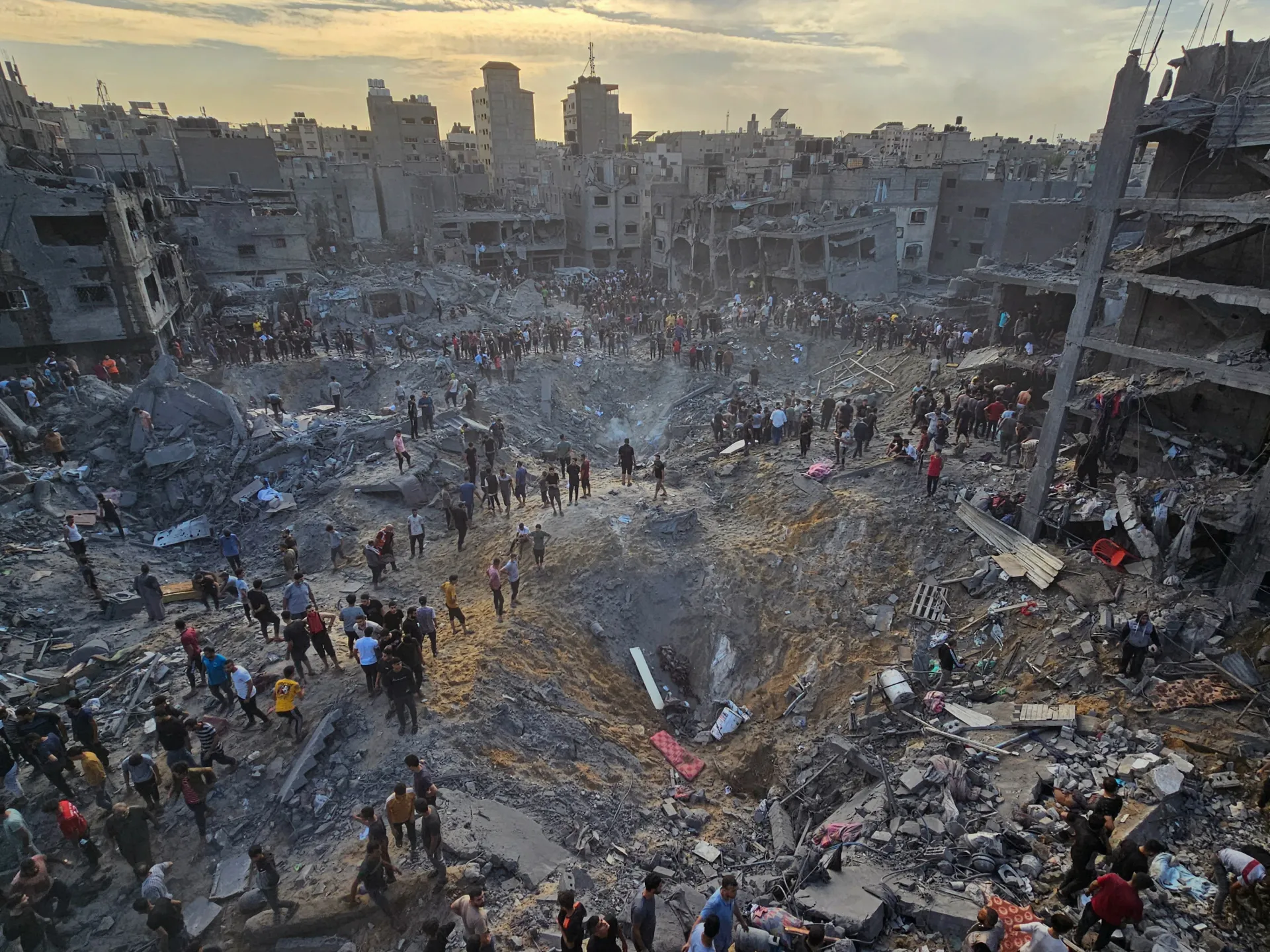
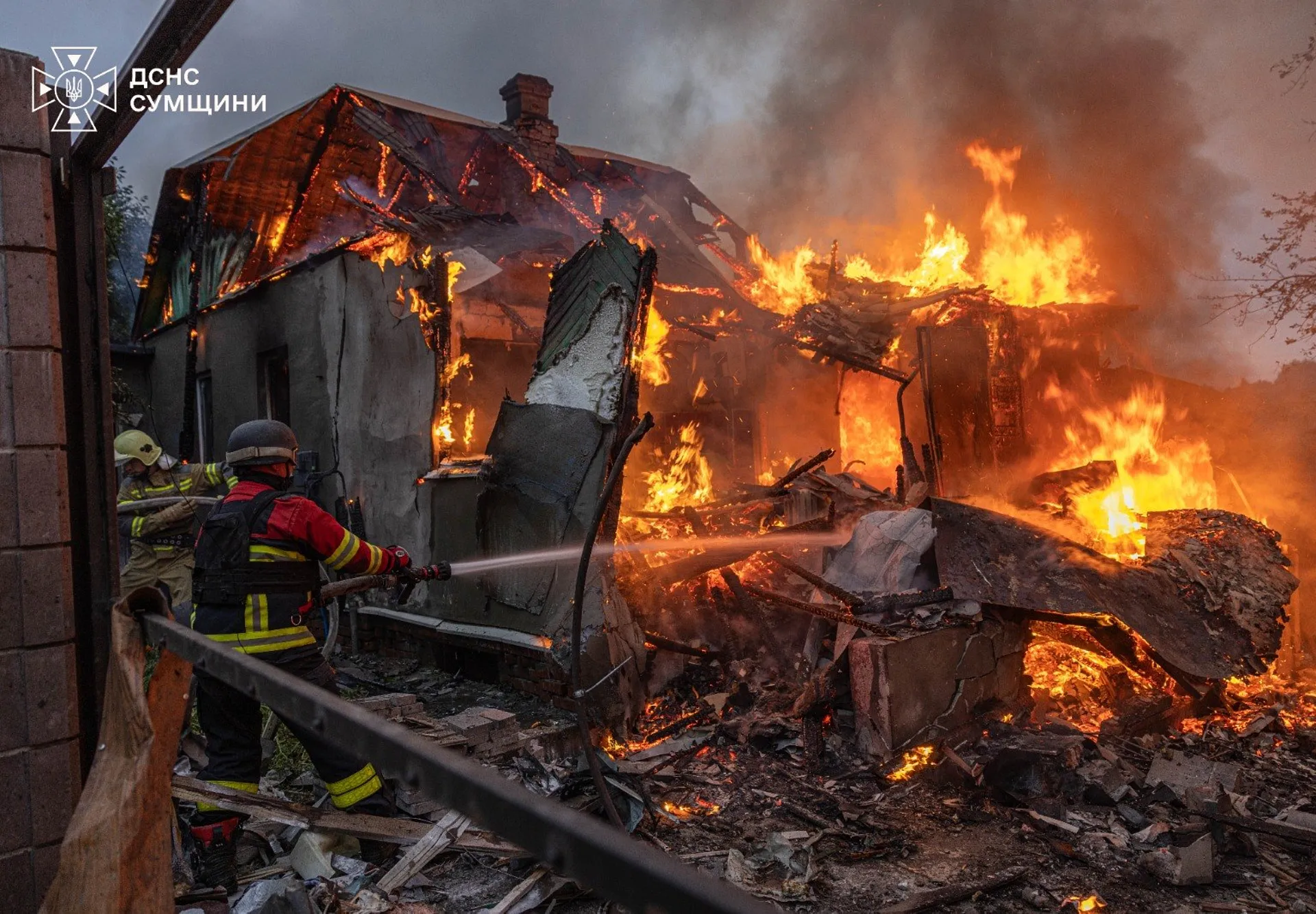
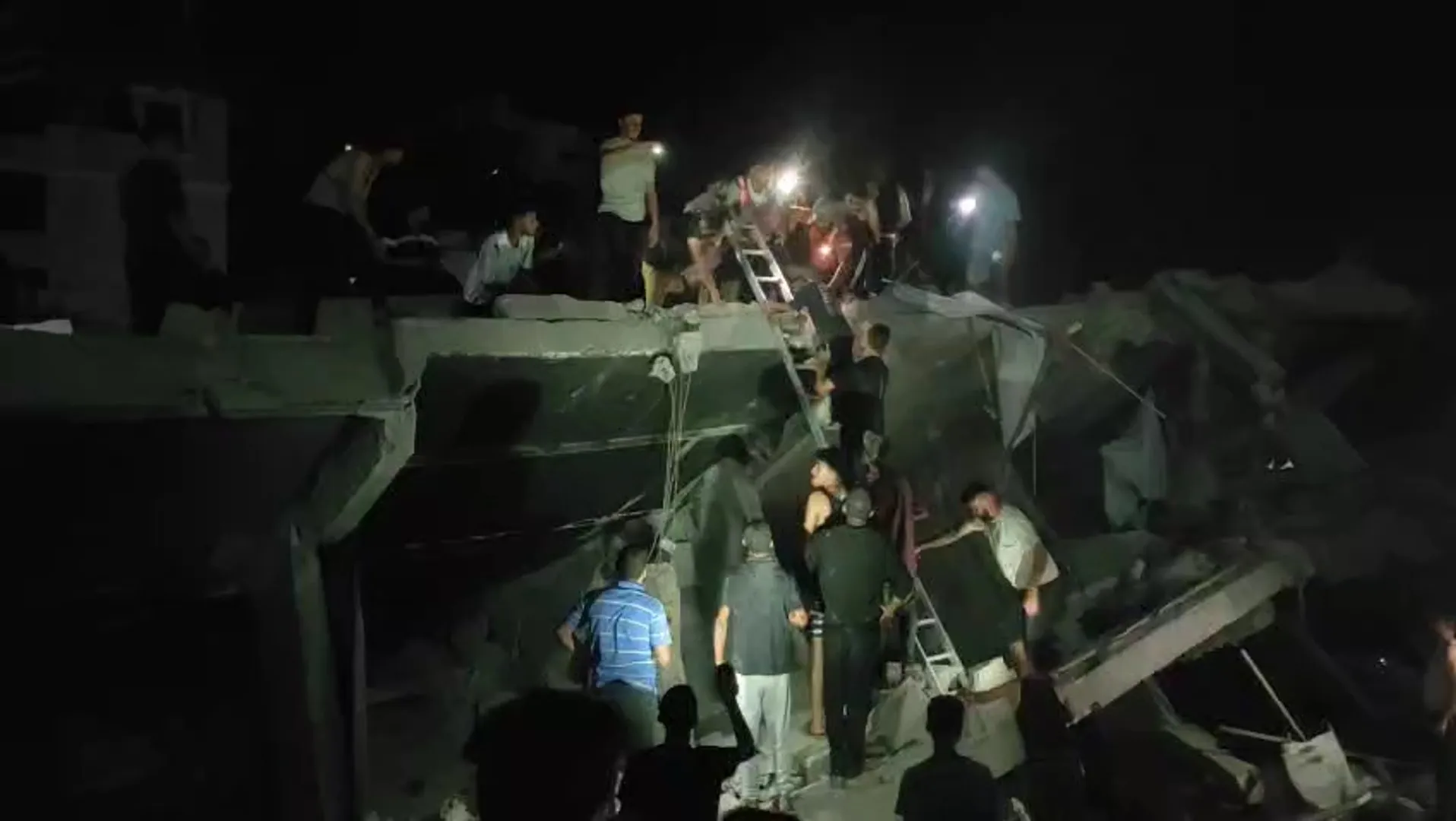
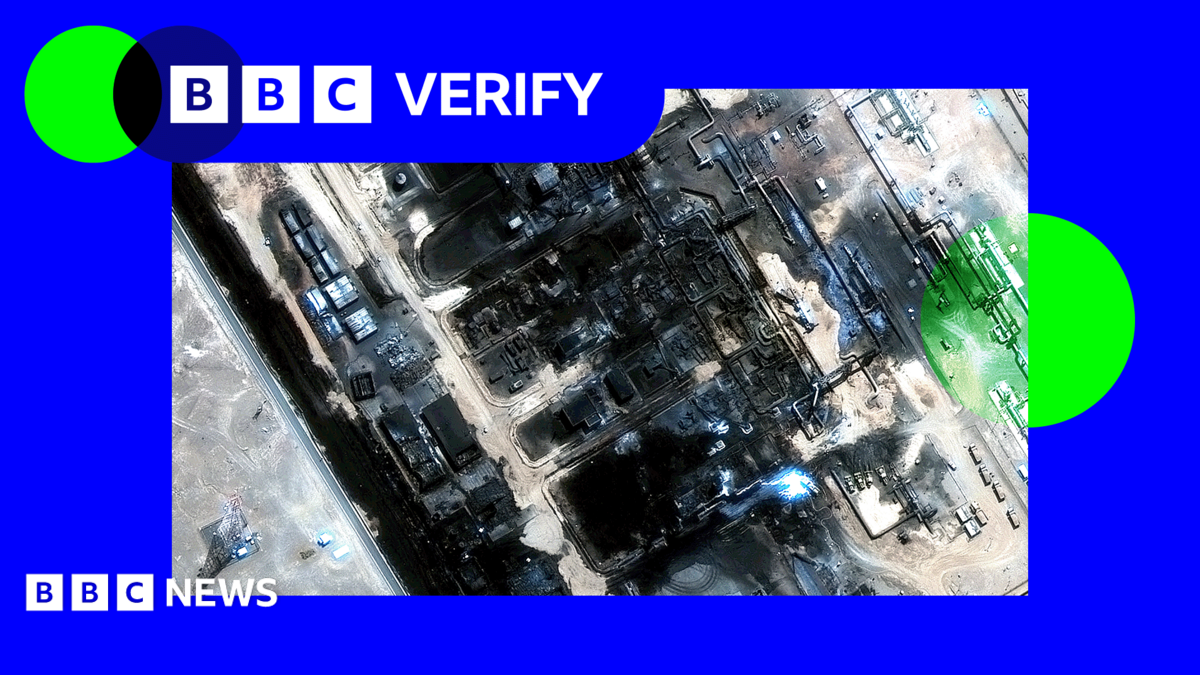
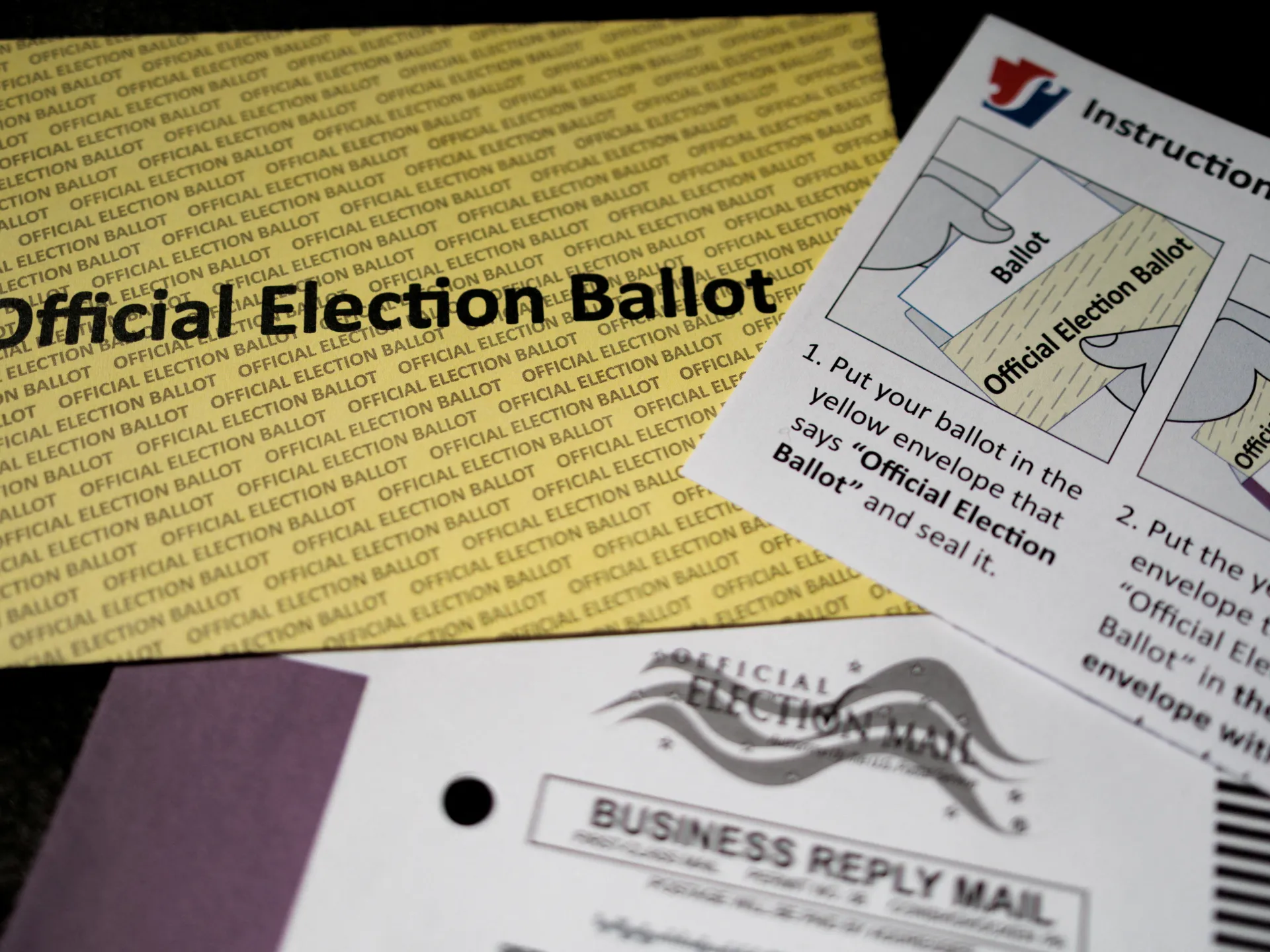
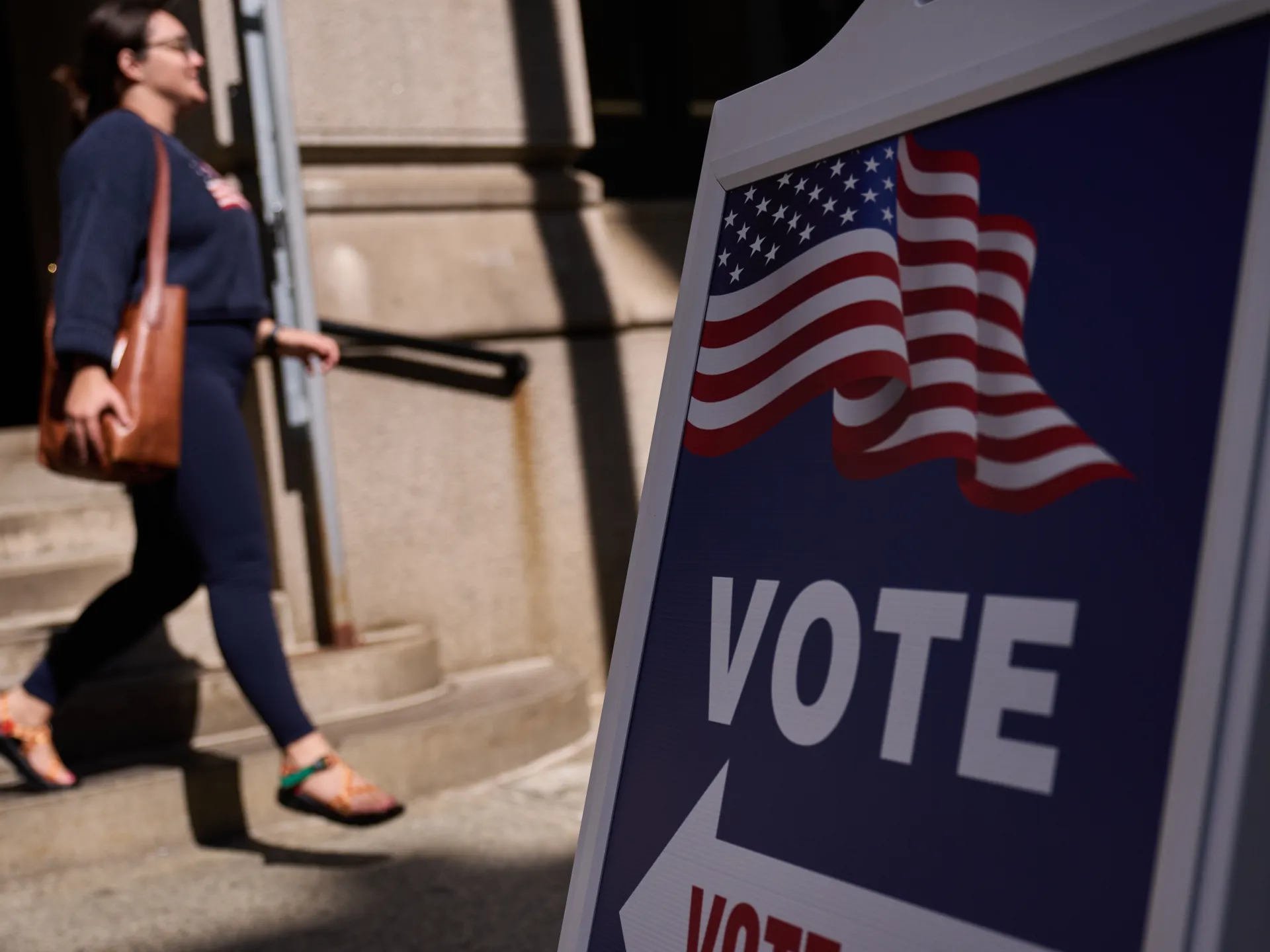
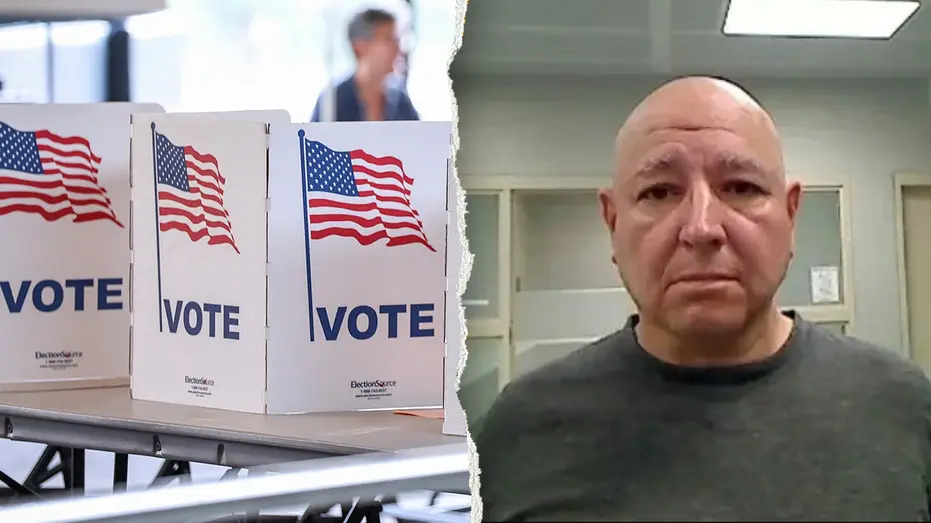
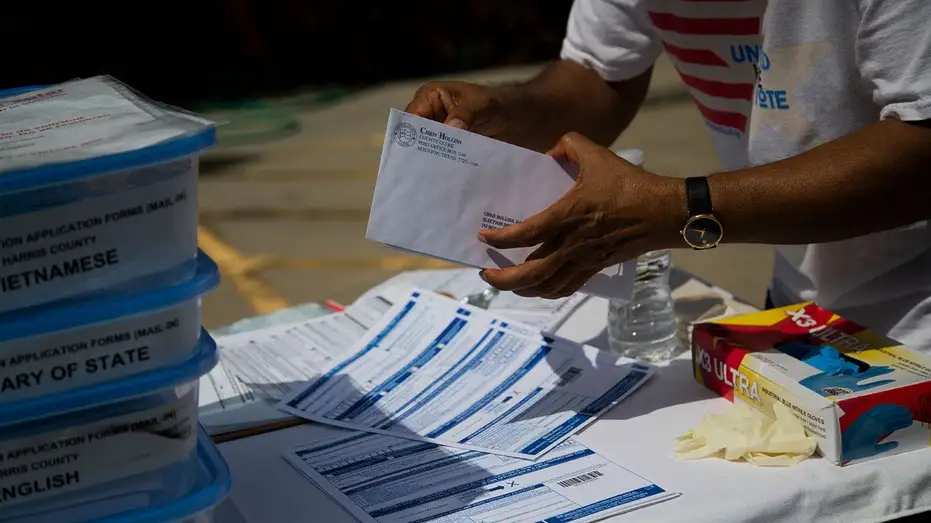
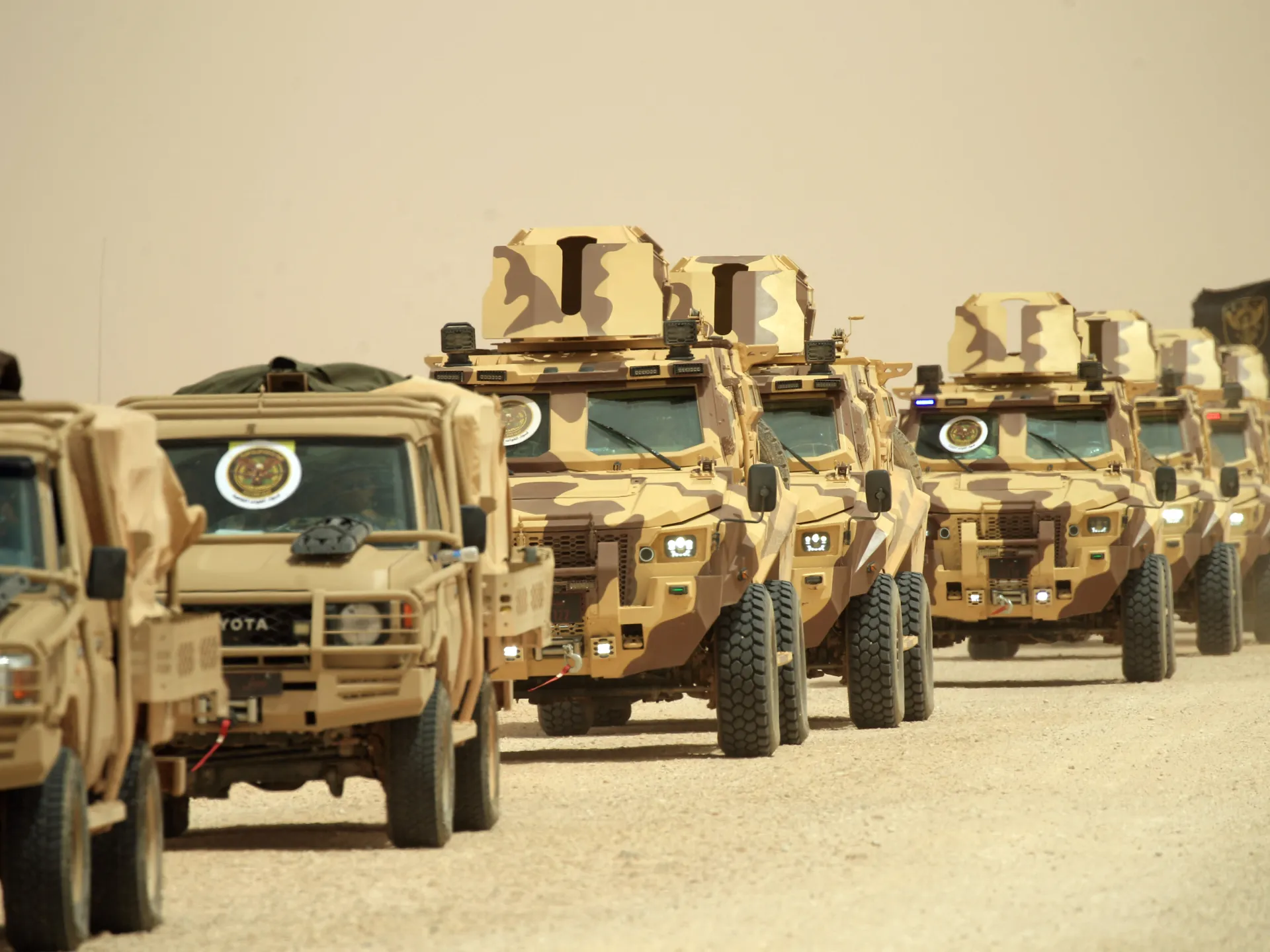
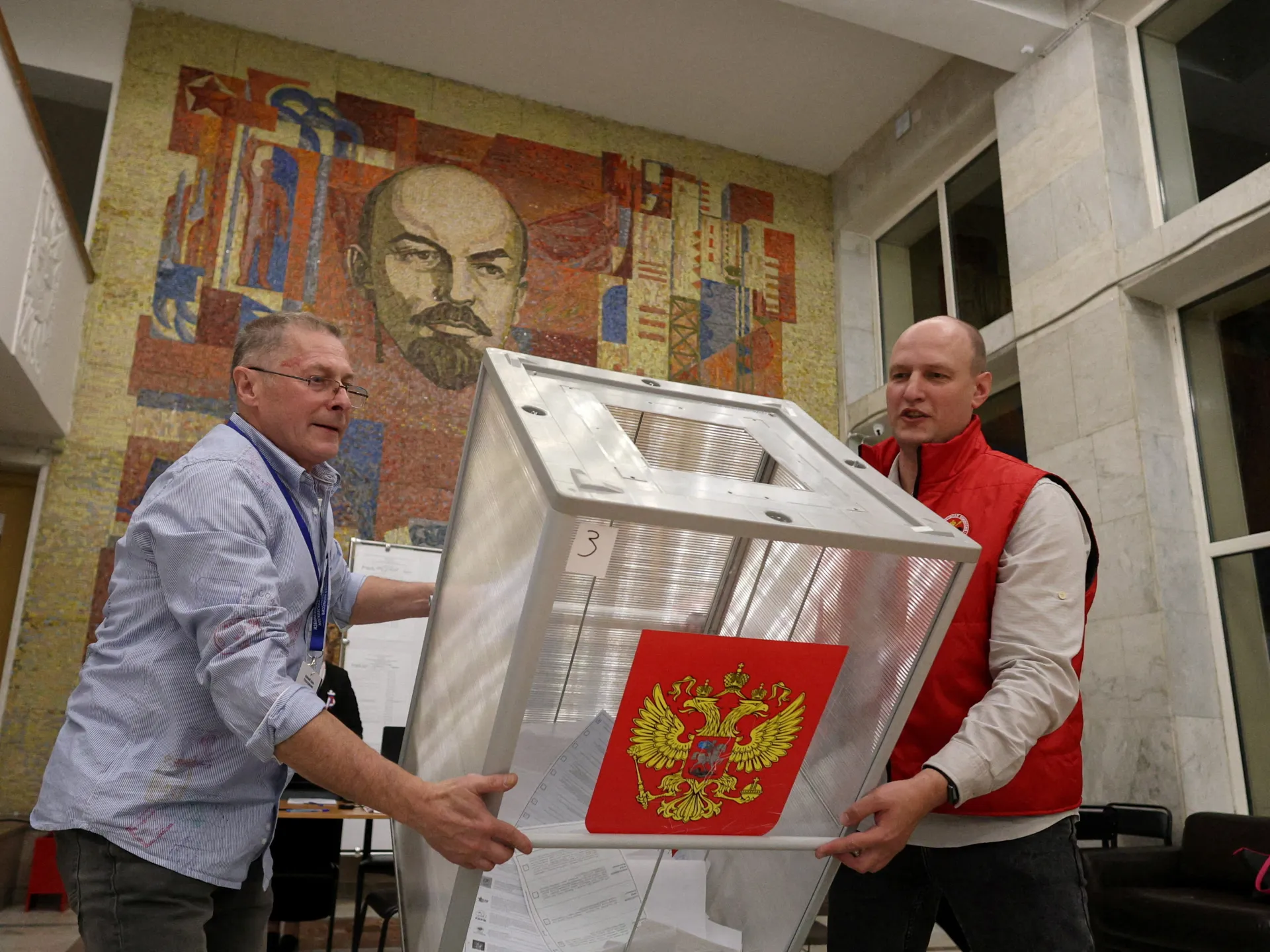
Polls have officially closed in Russia’s first parliamentary elections since the 2022 invasion of Ukraine. Central Election Commission officials reported a final turnout of 56.66 percent, a figure the Kremlin is positioning as a mandate for its current geopolitical trajectory. However, the electoral process was heavily punctuated ekend was marred ibed as the largest of its kind during the conflict. Moscow officials reported that 450 drones were downed in a single night, though the impact was severe enough to result in five confirmed fatalities across the Moscow region and occupied territories in Ukraine, including the death of an election official.
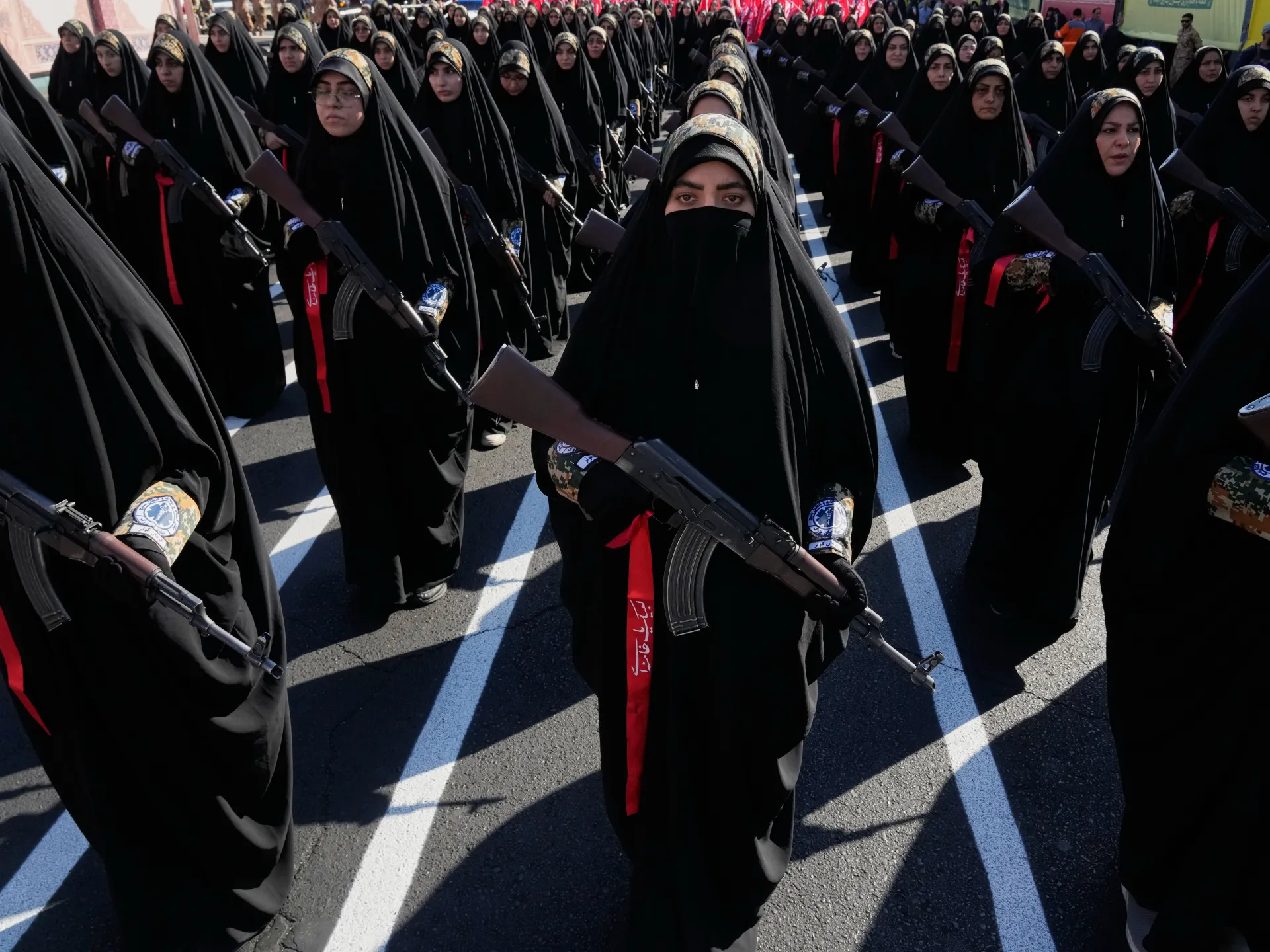
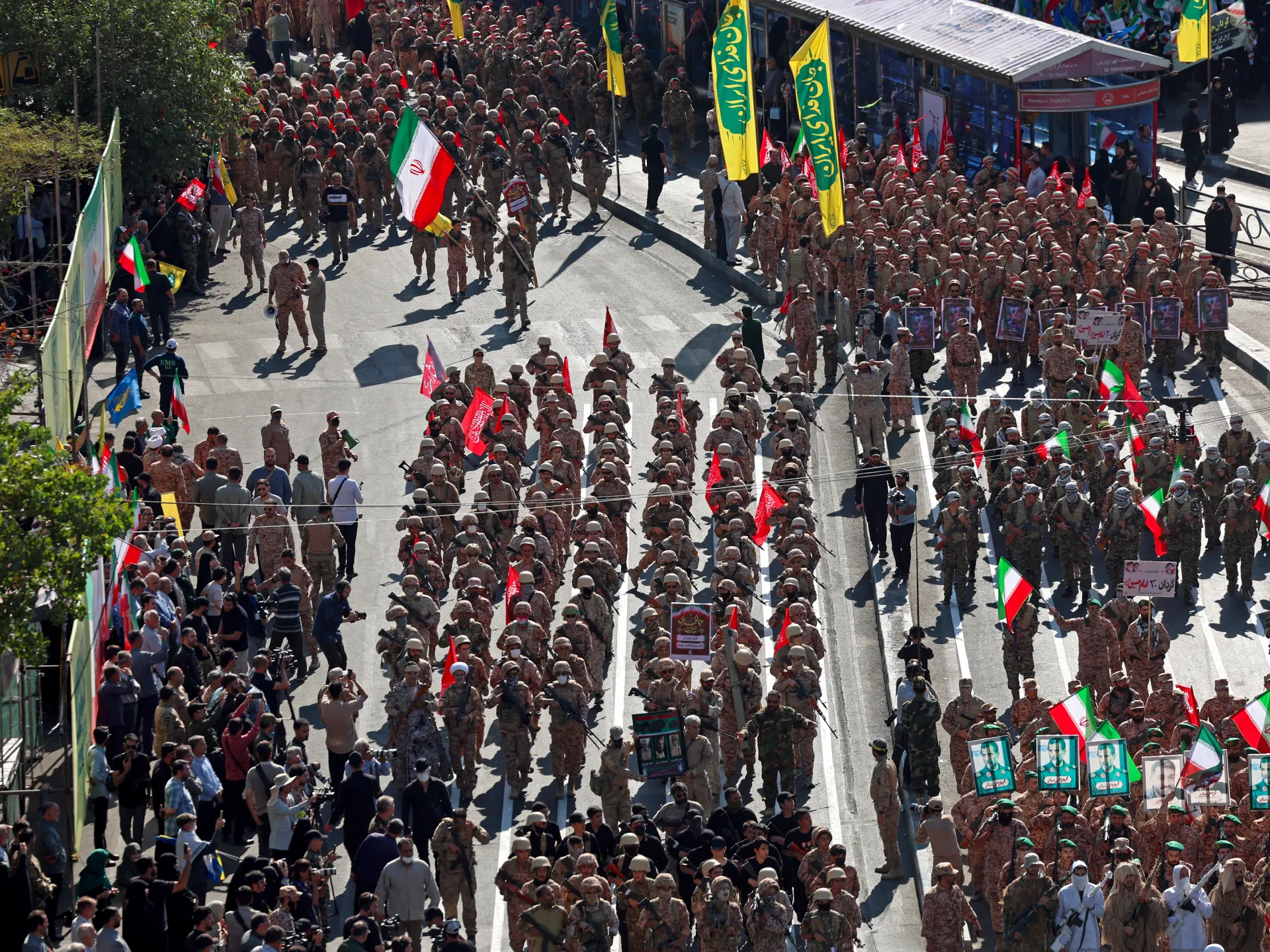
The institutional framework of the vote was characterized of any genuine dissent—including the exclusion of the Yabloko party, which had sought to campaign on an anti-war platform—the ruling United Russia party is set to maintain its absolute majority in the State Duma. The contest, which spanned several days and included balloting in illegally annexed Ukrainian territories, faced immediate international condemnation. The European Union has labeled the inclusion of occupied regions in the Russian vote as a blatant violation of international law, urging member states to withhold recognition of the results.
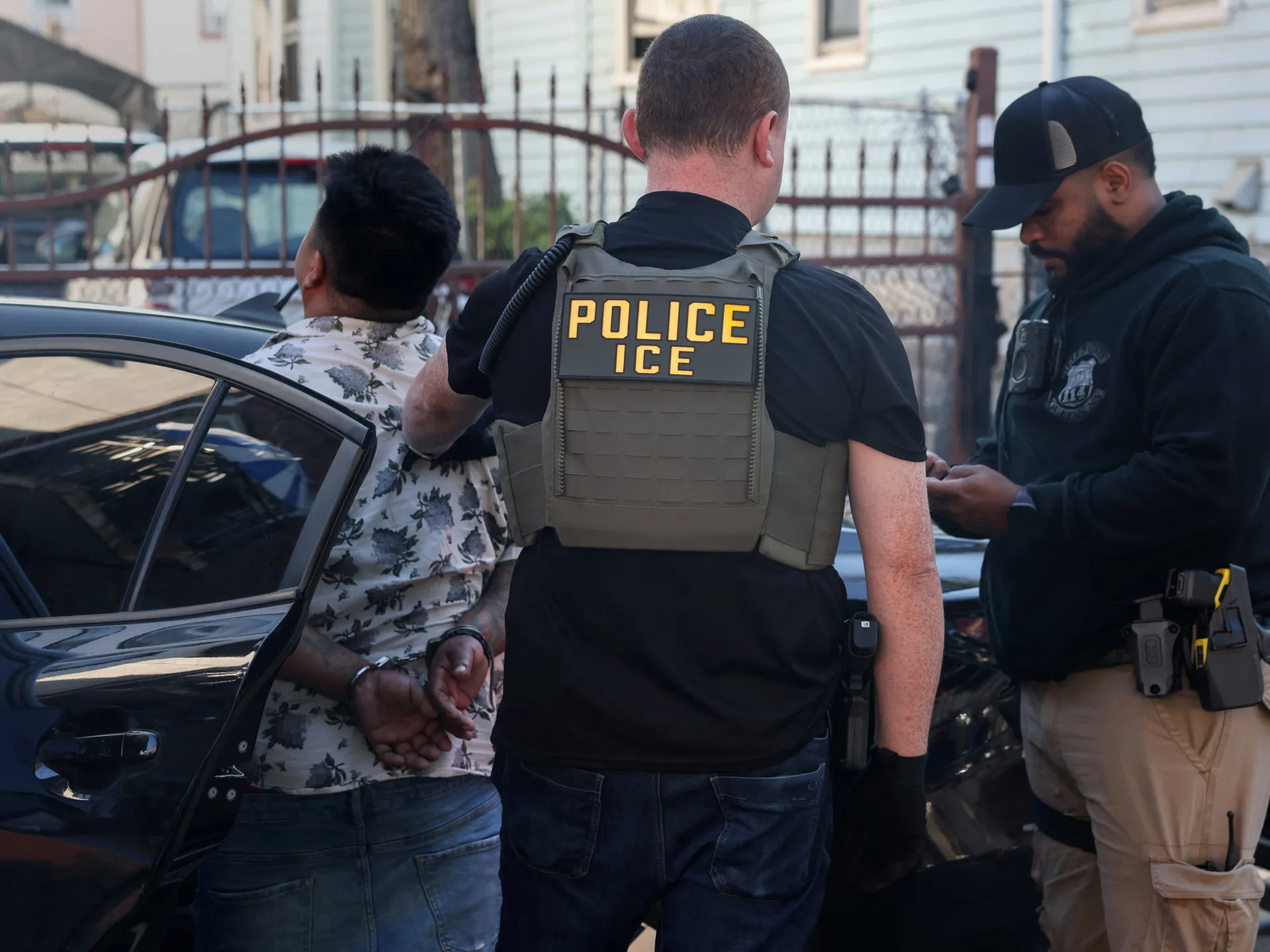
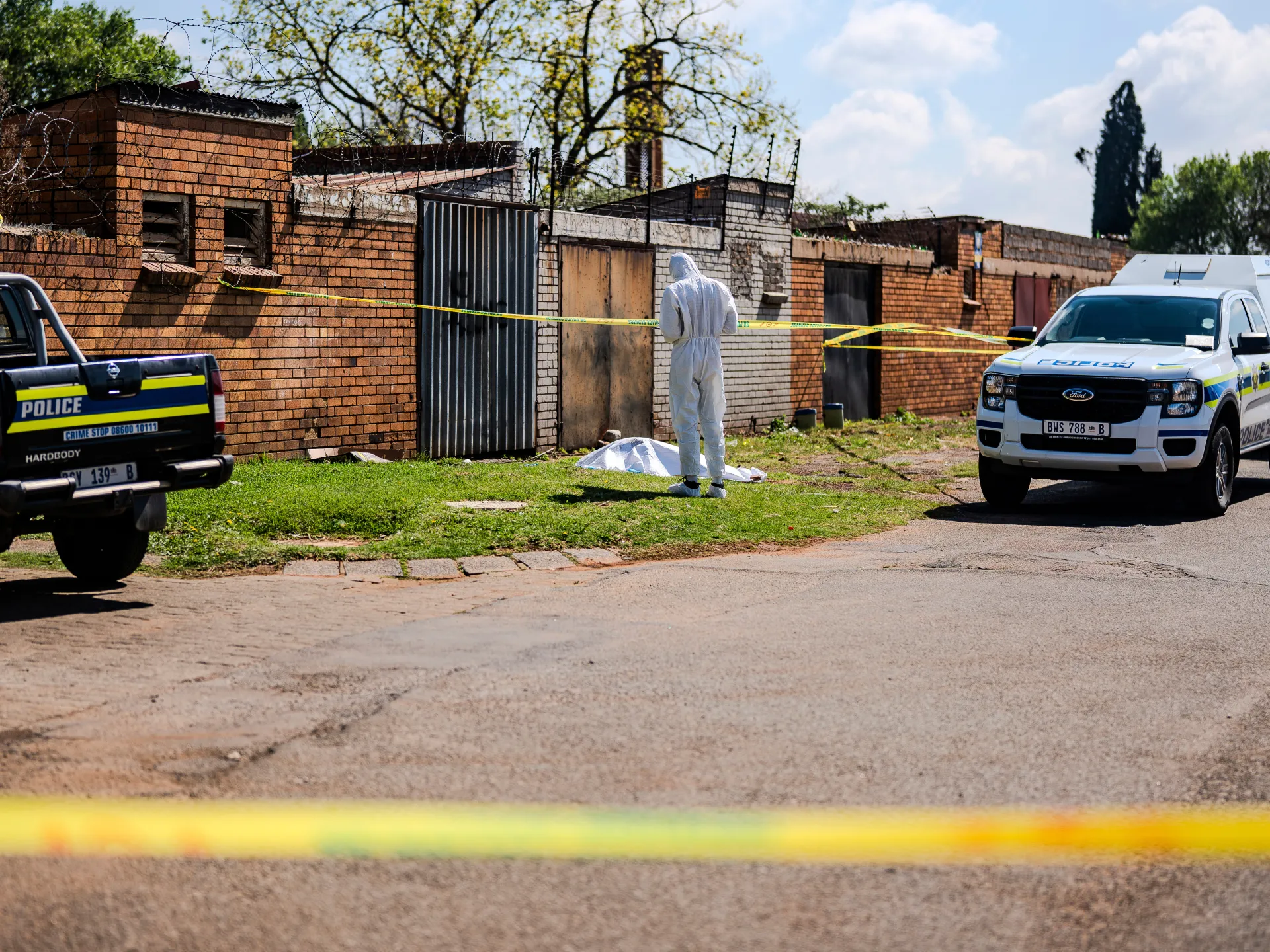
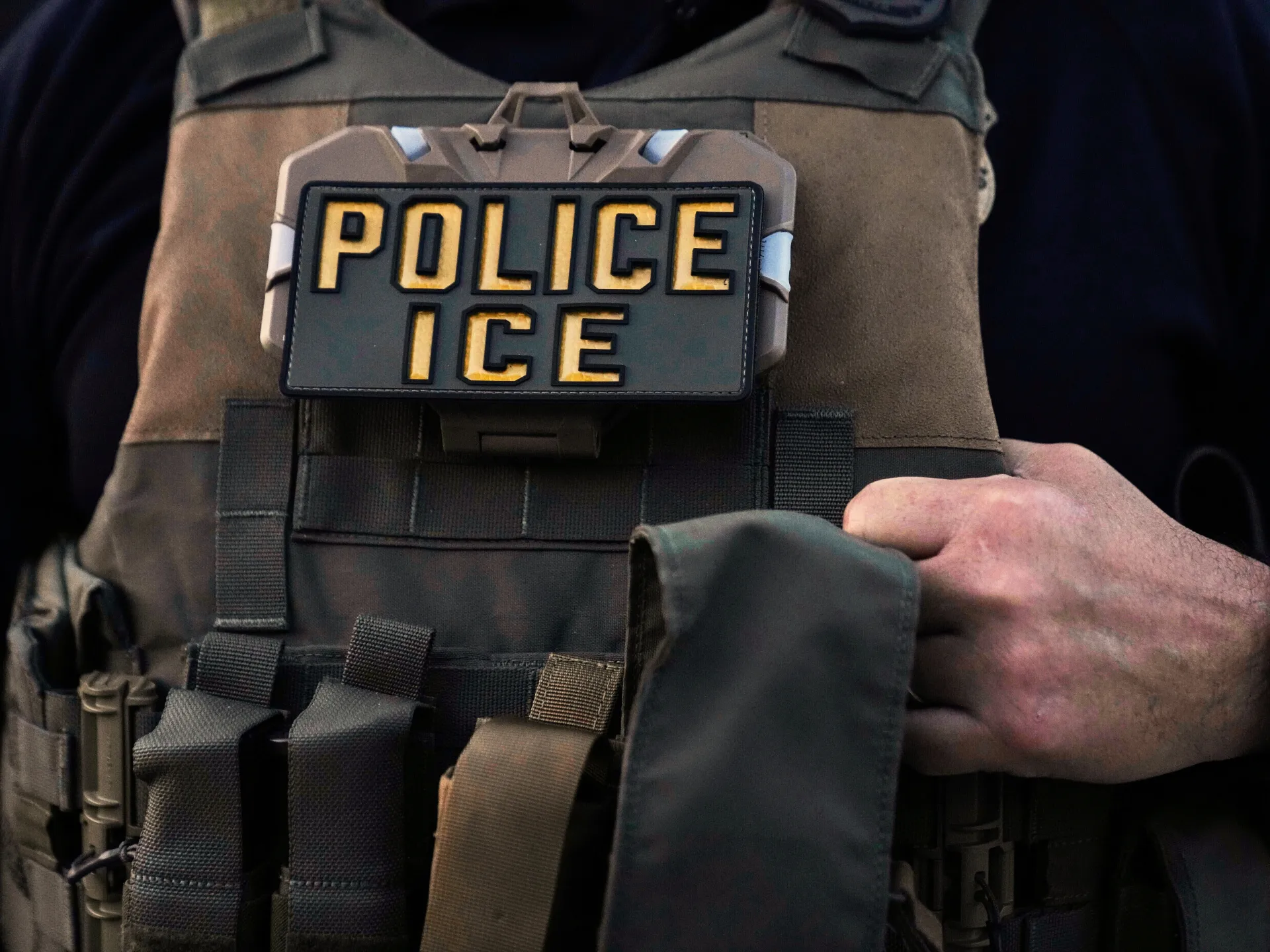
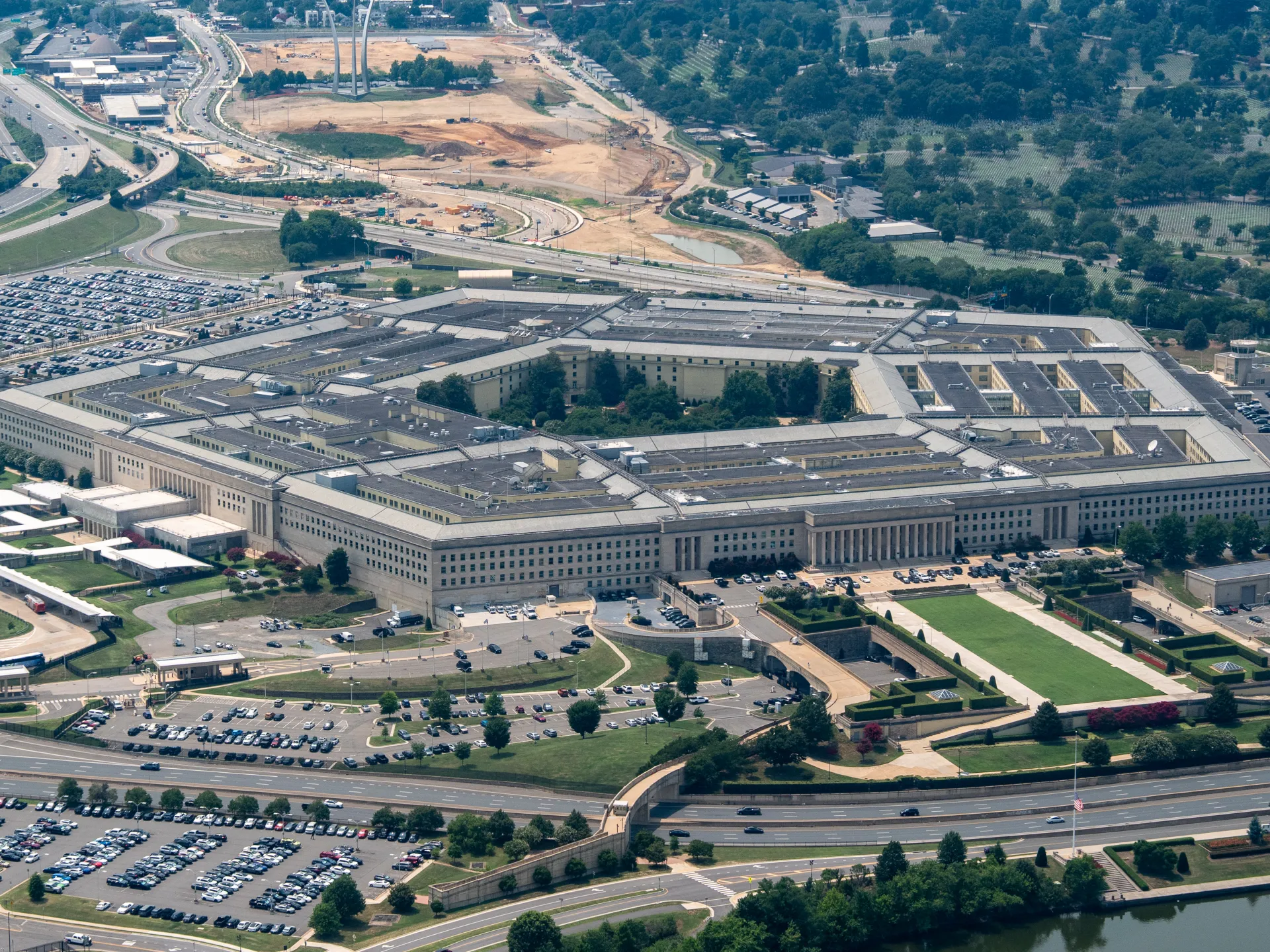
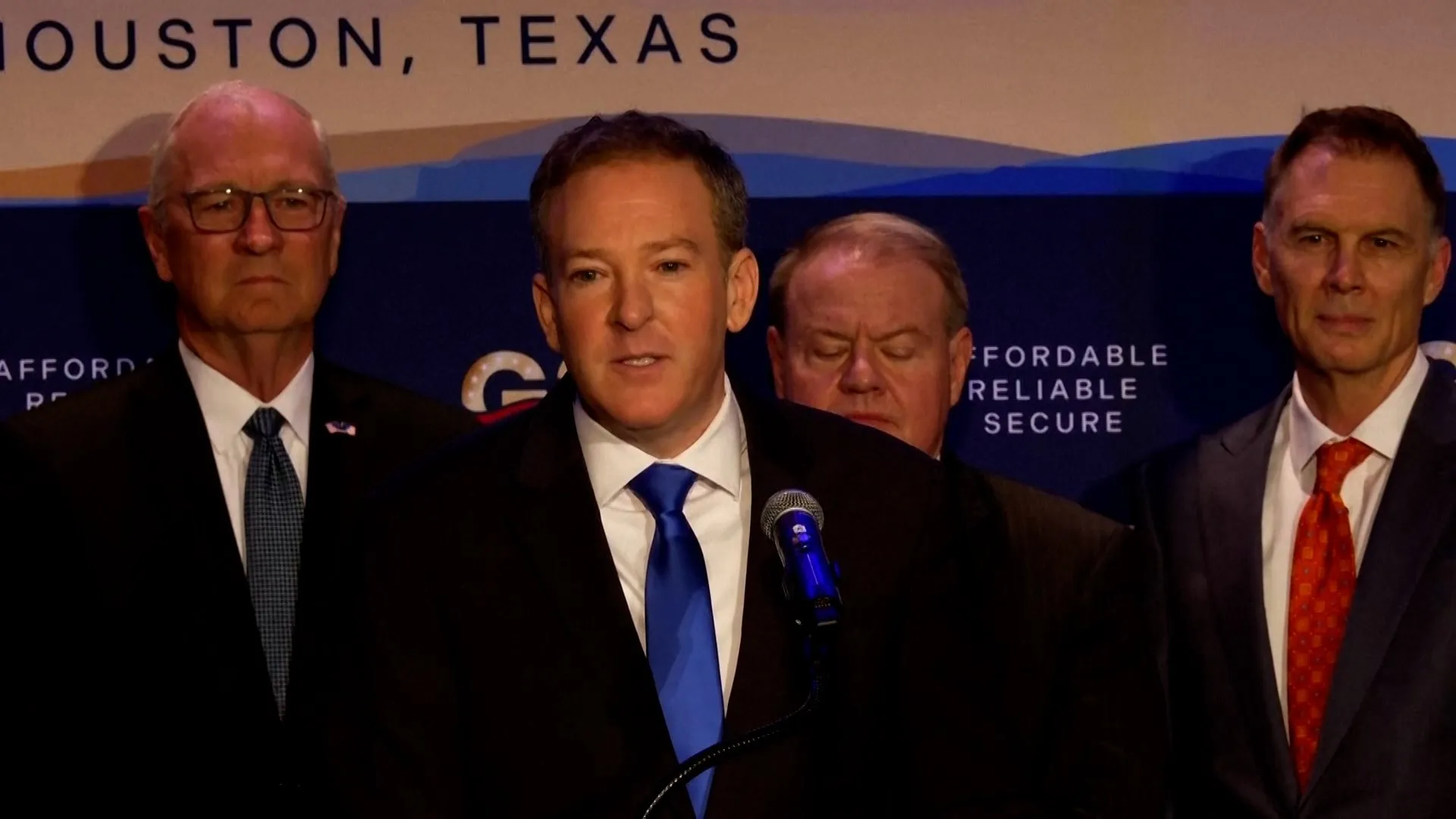
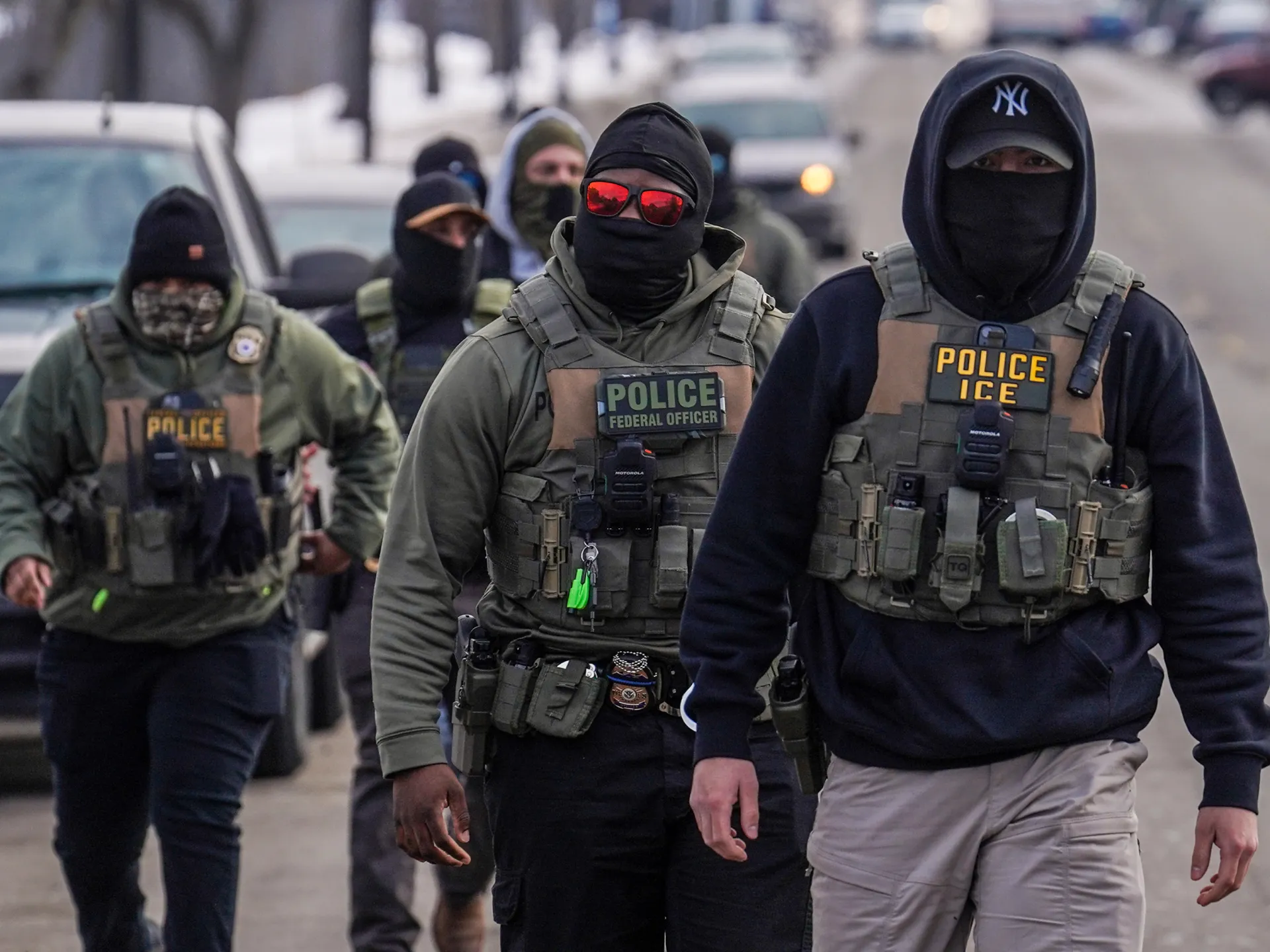
While the Kremlin sought to project stability through the ballot, U.S. federal prosecutors revealed a separate, covert dimension to the state's reach. The Department of Justice unsealed an indictment against five individuals accused of operating a global murder-for-hire network directed e Russian intelligence apparatus and an officer from the Federal Security Service (FSB), allegedly sought to eliminate individuals perceived as aligned with Ukraine, including a prominent Russian dissident residing within the United States.
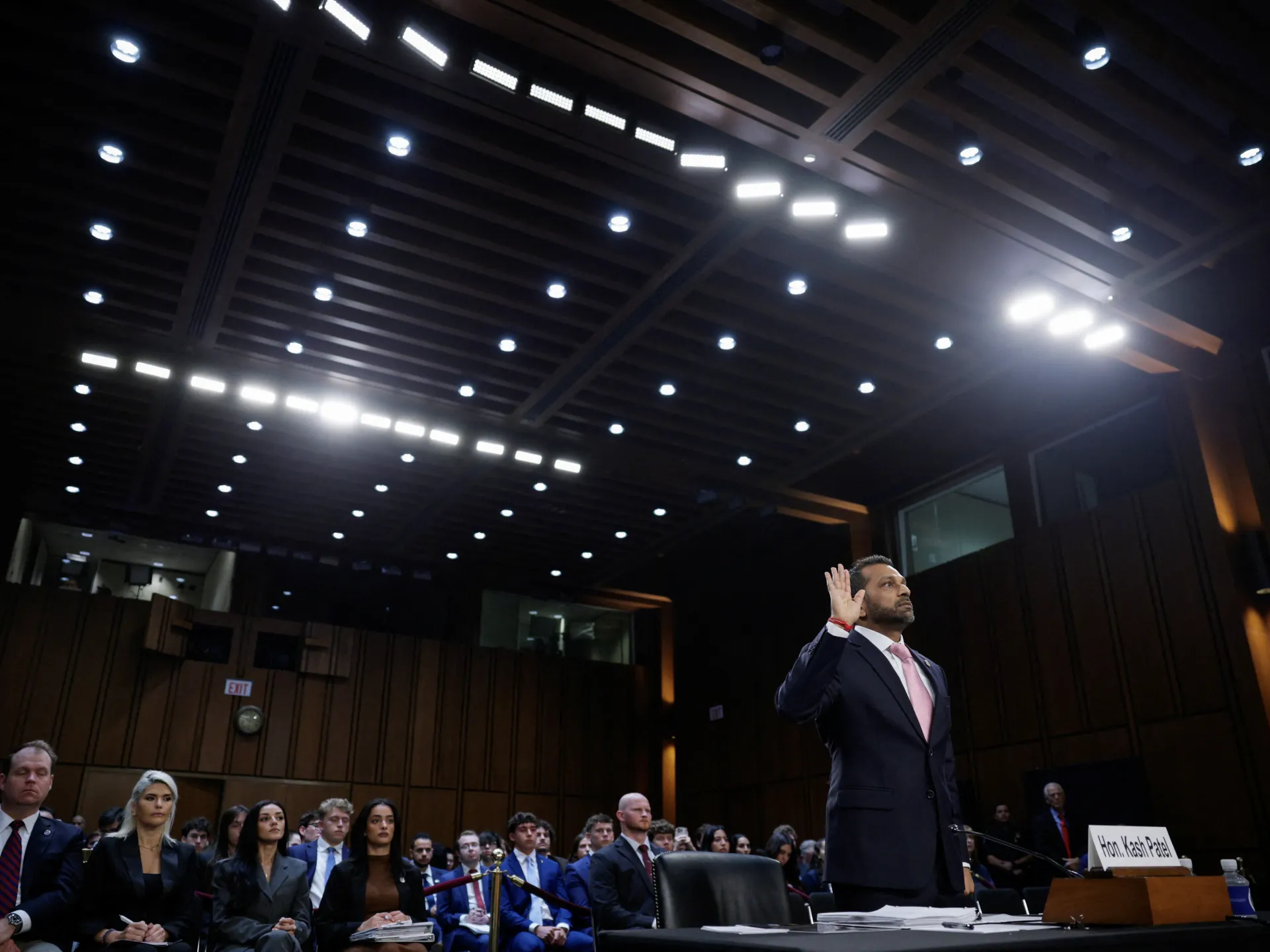
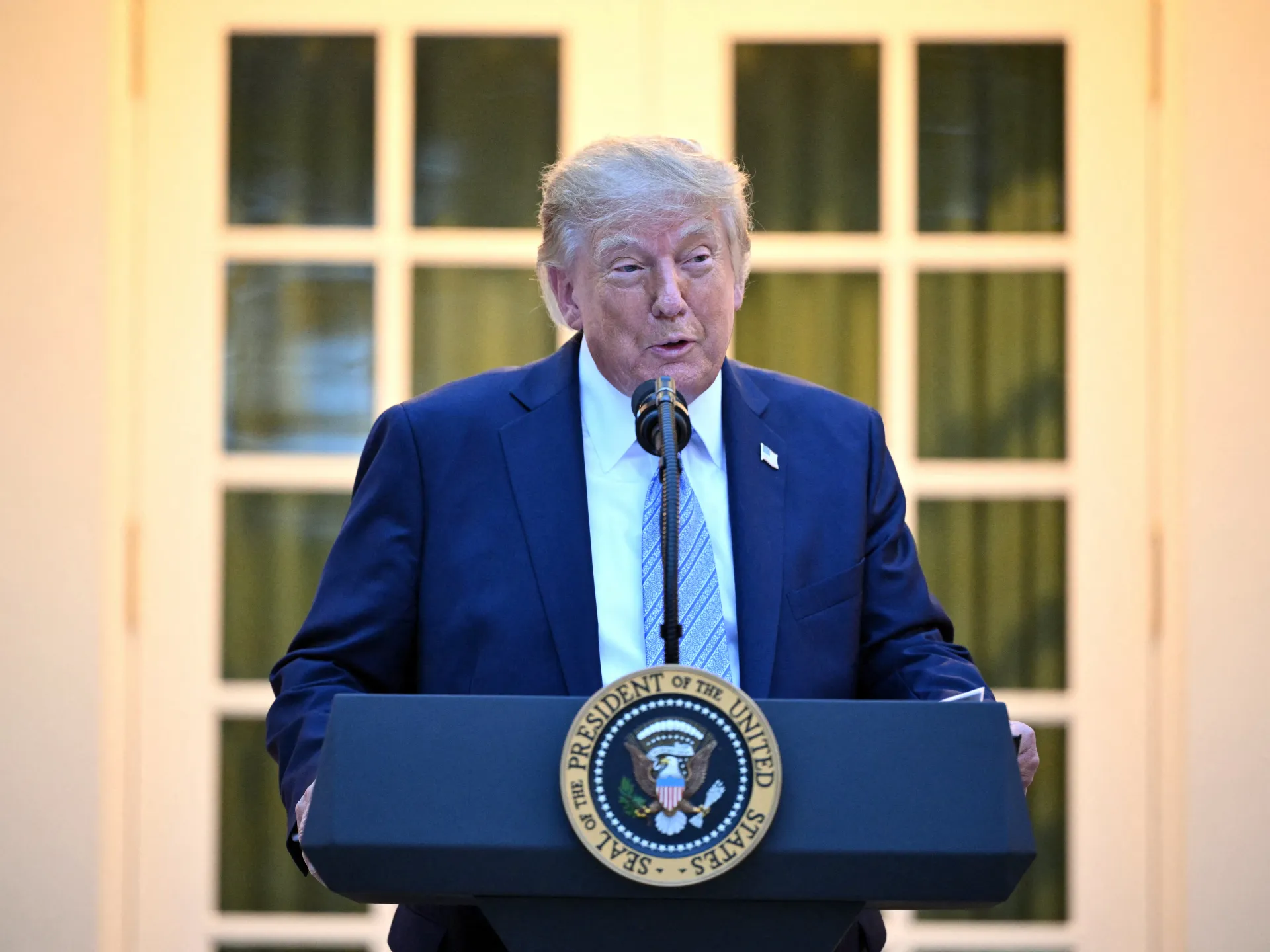
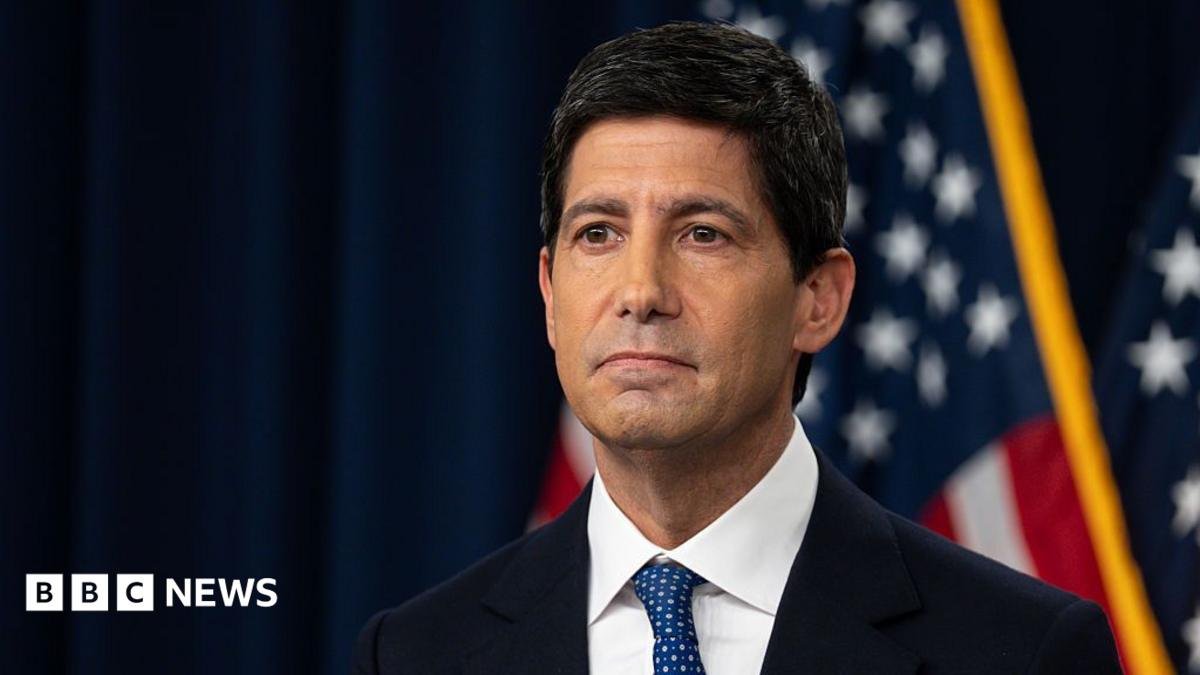
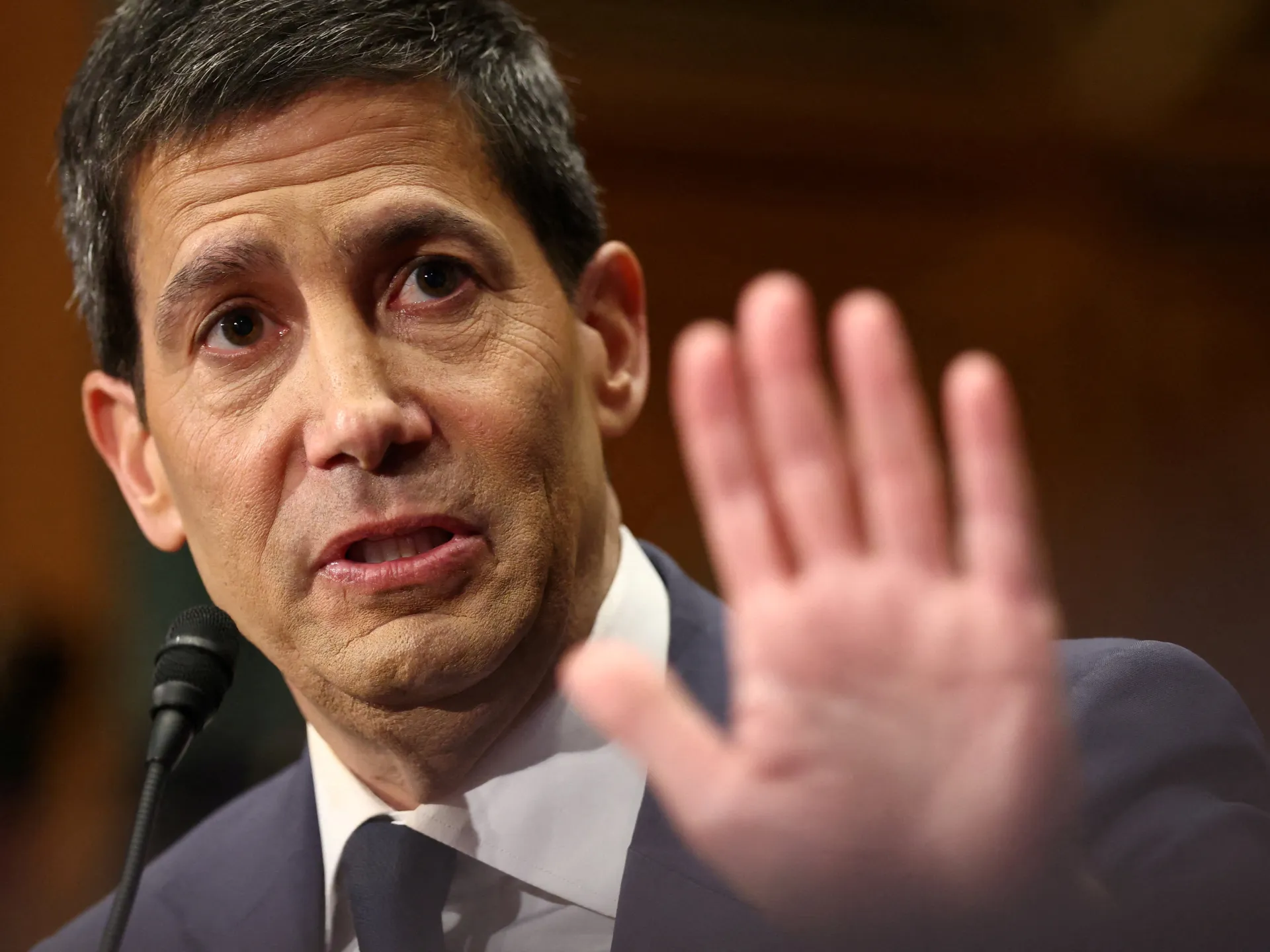
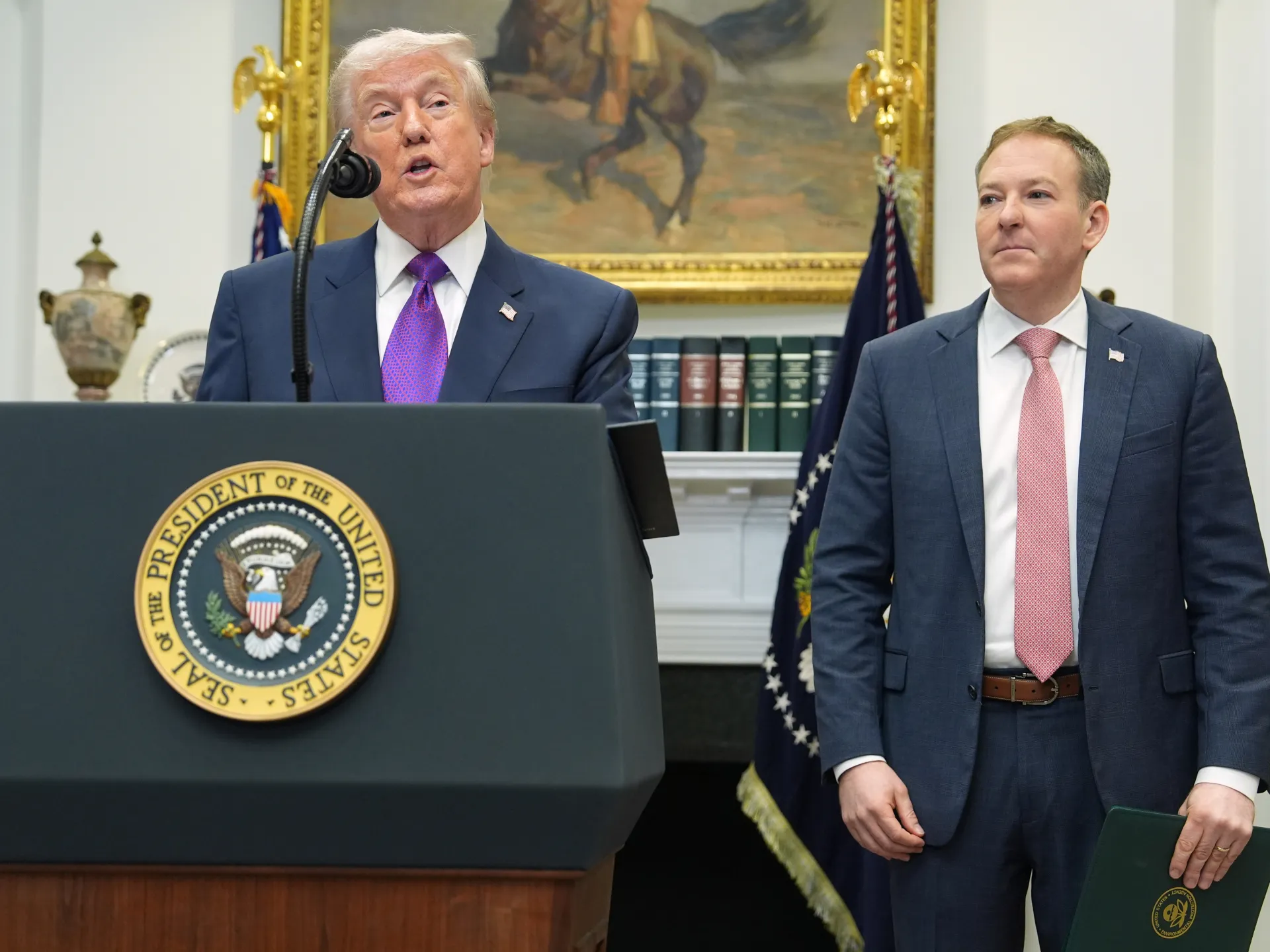
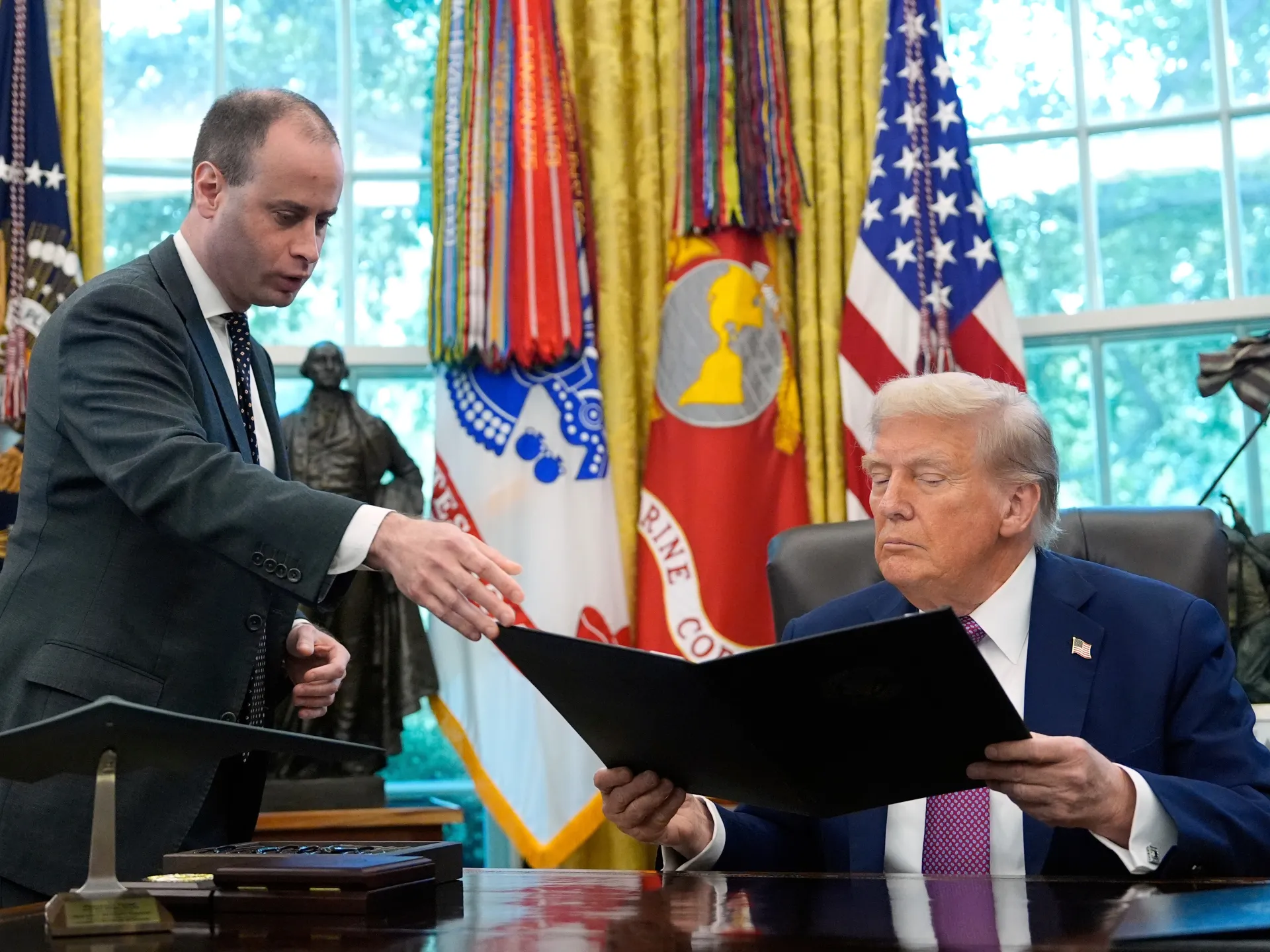
The investigation detailed a sophisticated recruitment process where suspects, including a Cuban national residing in Russia, allegedly attempted to hire U.S.-based operatives to conduct surveillance and "eliminate" targets for sums reaching $40,000. Attorney General Todd Blanche emphasized that these actions represent an attempt to "unleash violence and terror on American soil," marking a significant escalation in the scope of transnational repression. The Kremlin has dismissed these allegations, with spokesperson Dmitry Peskov stating that Moscow would not comment until presented with what he termed "credible evidence" or "tangible facts."
In the immediate aftermath of the election, the Kremlin is expected to utilize the "United Russia" victory to frame the war effort as a unified national crusade. This political cover likely serves to insulate the government from the economic costs of the conflict and the increasing vulnerability exposed any remaining "systemic opposition" to ensure that the new Duma remains entirely compliant with the administration's security directives.
Regarding the international legal front, the U.S. indictments are expected to further strain an already fractured diplomatic relationship between Washington and Moscow. As the five accused individuals remain at large, the DOJ’s move signals a shift toward more public, aggressive prosecution of intelligence-linked threats. It is probable that the U.S. and its allies will continue to uncover and disclose these clandestine operations, leading to an intensification of "gray zone" warfare where intelligence agencies and legal systems become the primary theaters of conflict.