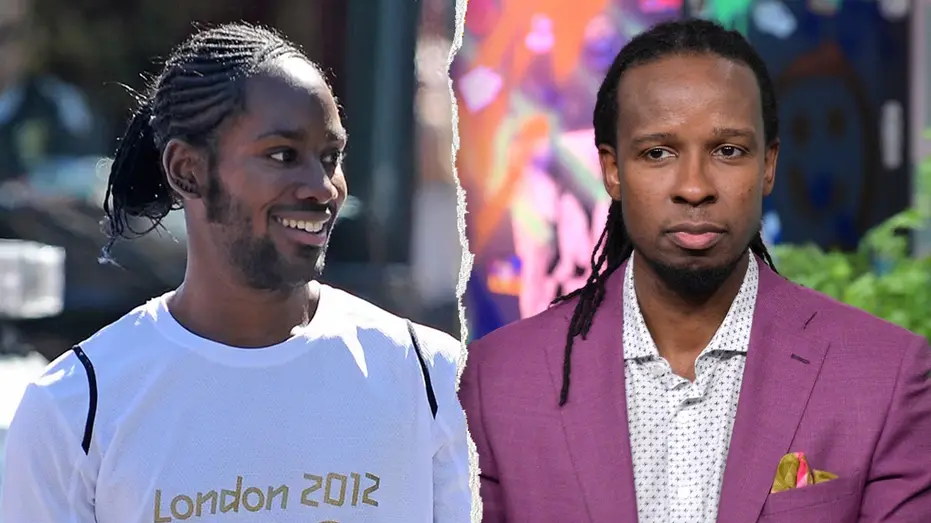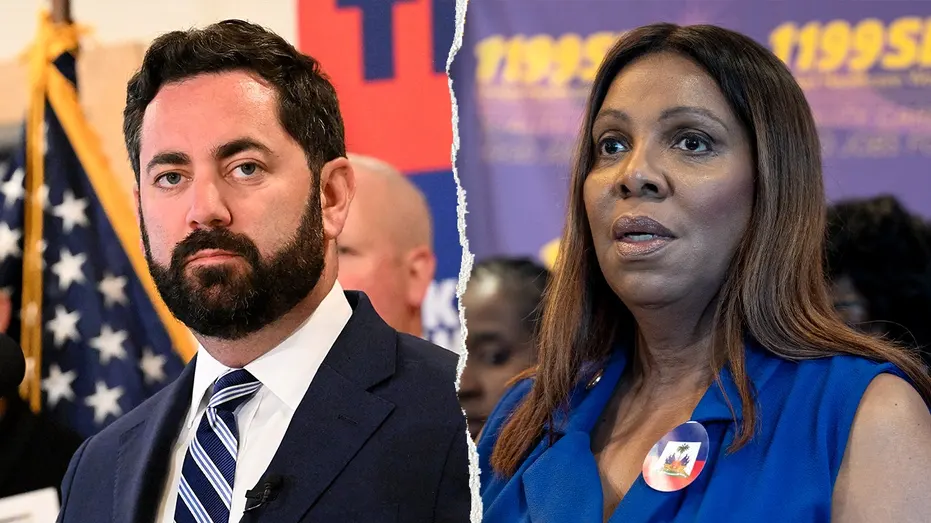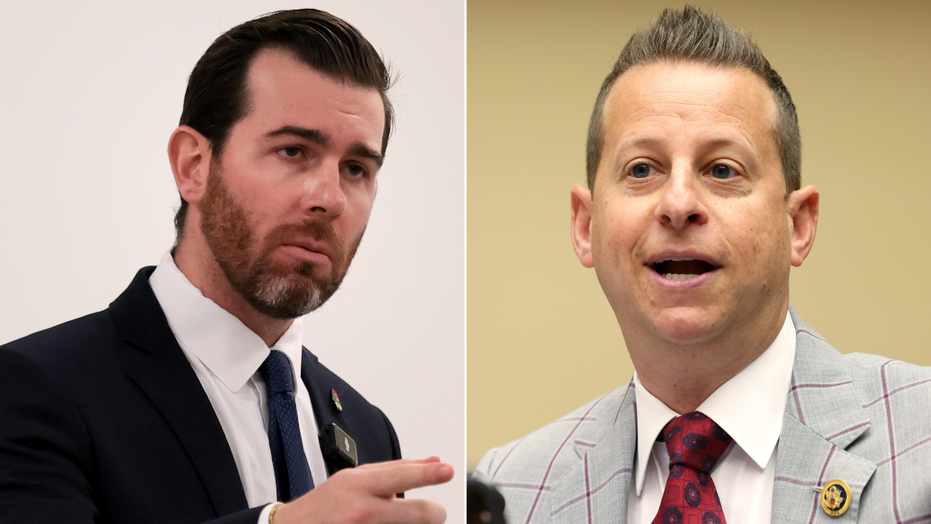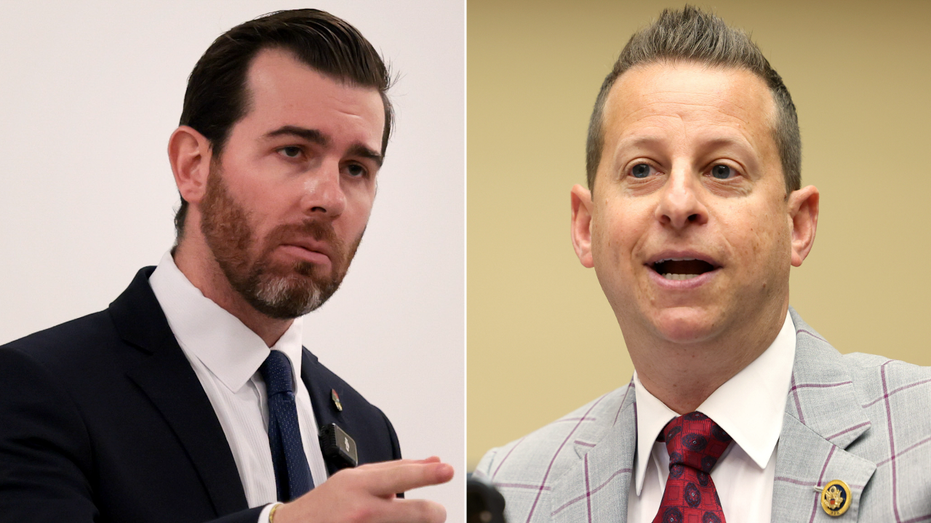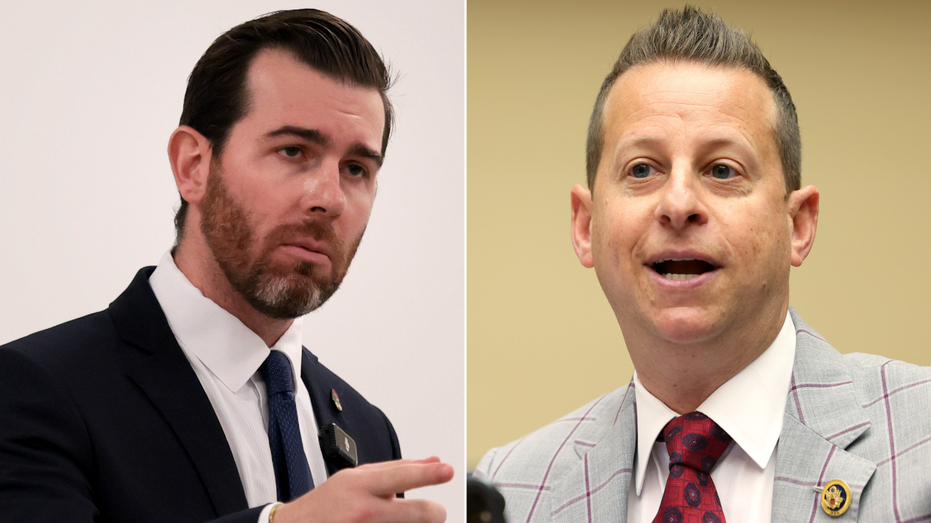
Incumbent Jared Moskowitz fended off a primary challenge from a DSA-backed socialist, marking a victory for the Democratic establishment in a competitive Florida district.
The recent primary election in Florida’s 25th Congressional District serves as a significant indicator of the ongoing struggle for the ideological soul of the Democratic Party. As the center-left establishment squares off against increasingly vocal progressive and socialist factions, the outcome of this specific race provides a clear snapshot of voter sentiment in competitive districts. The contest pitted incumbent lawmaker Jared Moskowitz against a challenger backed orm priorities.
For the Democratic Party, maintaining a balance between grassroots progressive energy and the pragmatic, moderate approach required to win in swing districts remains a complex challenge. While the far-left wing of the party has seen isolated victories in various local and state-level contests, the inability to unseat established figures in key congressional races suggests that mainstream voters remain wary of radical policy shifts. This dynamic is particularly evident in districts that require broad coalition building rather than narrow ideological appeals.
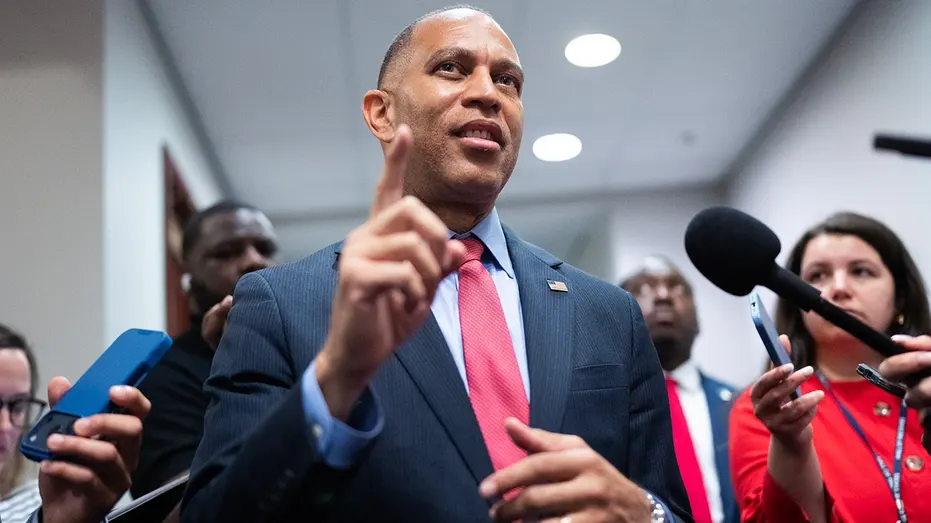
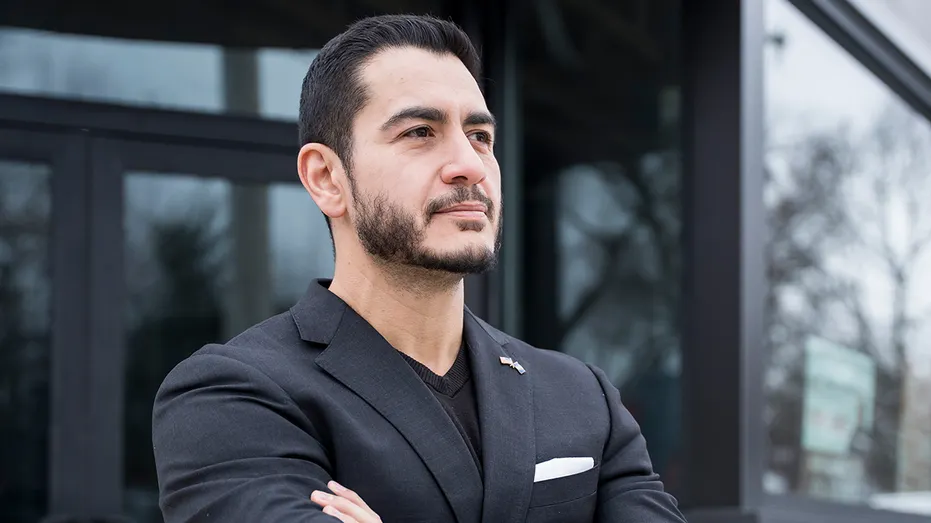
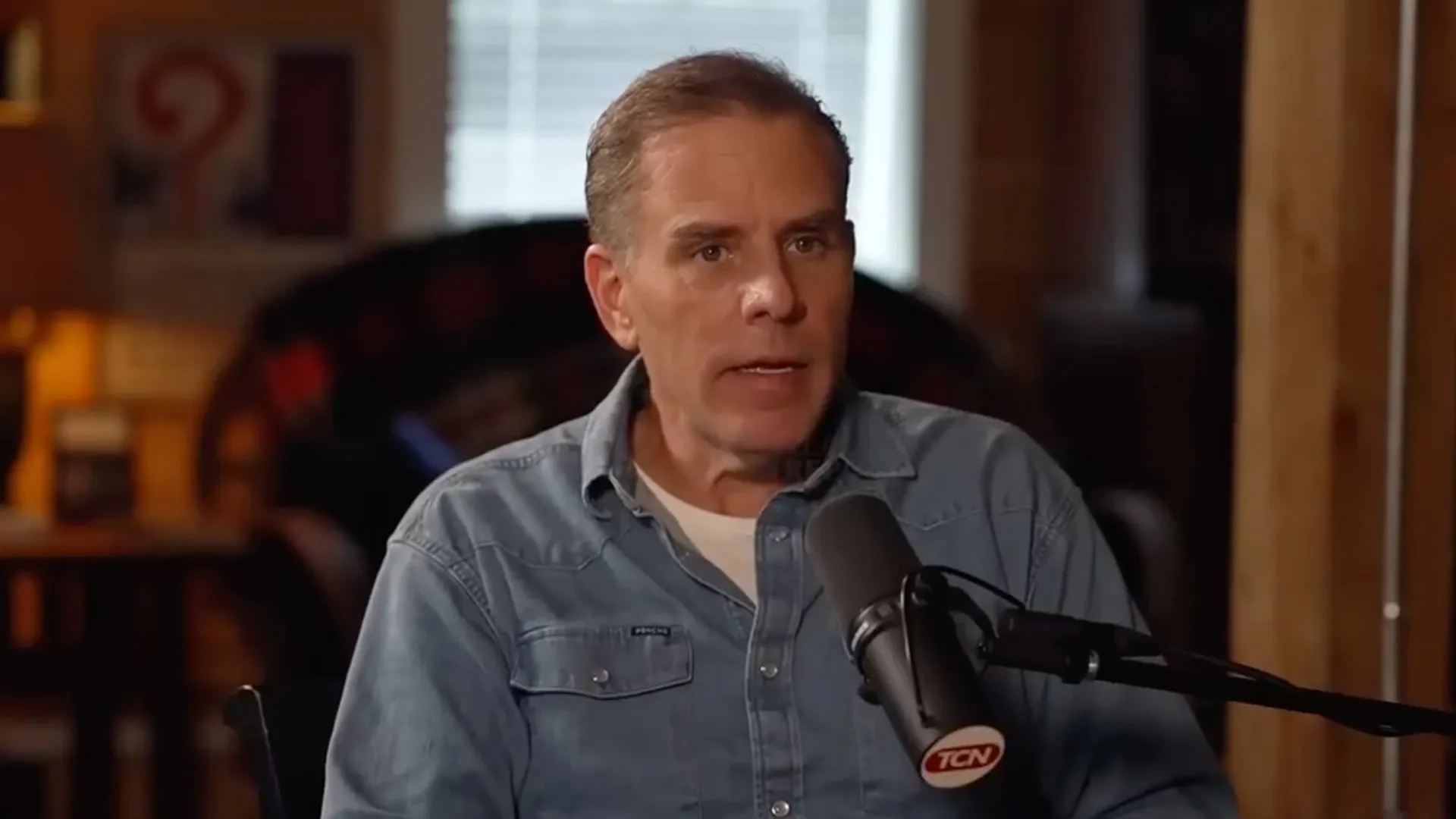
Jared Moskowitz, a two-term federal representative with a background as both a state legislator and a former Florida FEMA director, has built his political brand on institutional experience and clear, often vocal, policy positions. His support for robust military and security assistance to Israel has been a hallmark of his tenure, placing him firmly in the moderate camp that seeks to preserve traditional alliances. His campaign benefited from the backing of major pro-Israel political organizations, which provided a significant boost in resources and visibility.
Conversely, his primary challenger, a 33-year-old veteran of the 2016 Bernie Sanders presidential campaign, ran on an unashamedly socialist platform. His rhetoric frequently pushed the boundaries of standard political discourse, including calls for the abolition of the U.S. Senate—which he labeled an undemocratic institution—and strong criticism of Israel’s governing coalition. Despite securing endorsements from prominent far-left influencers and political streamers, his attempt to shift the district’s policy focus toward a more radical agenda ultimately failed to gain sufficient traction among the primary electorate.
The defeat of the DSA-backed candidate in Florida is part of a wider narrative regarding the electoral viability of the far-left movement in the current political climate. Across the United States, progressive groups have been aggressively seeking to expand their influence tive. However, these efforts have yielded mixed results, often running into a wall of institutional support for moderate incumbents who are seen as safer bets for general election victory.
Recent weeks have seen a string of setbacks for progressive insurgents in various states. While there have been occasional high-profile wins for the left in specific Senate and gubernatorial races, the broader trend in House contests remains firmly rooted in the center. These outcomes suggest that while socialist ideals have a dedicated and vocal base within the party, they have yet to achieve the mainstream consensus necessary to fundamentally alter the Democratic Party’s direction on a national scale.
With the primary challenge behind him, Moskowitz is now positioned to pivot toward the general election. The 25th District, which encompasses parts of Broward County, has undergone redistricting that has arguably shifted its leanings, making it a critical battleground. Moskowitz will be forced to defend his seat against a crowded Republican primary field, which includes several local figures such as former Boca Raton Mayor Scott Singer and former state representative George Moraitis, among others.
The general election cycle will likely test the strength of the incumbent’s moderate platform against a Republican opposition that is eager to capitalize on the district’s shift toward a redder political environment. For the Democratic Party, the challenge will be to unify its base after a contentious primary and ensure that the ideological split exposed eded to secure victory in November.