At least 12 people have died and 54 sustained injuries as devastating wildfires break out across northeastern Algeria during a severe regional heatwave.
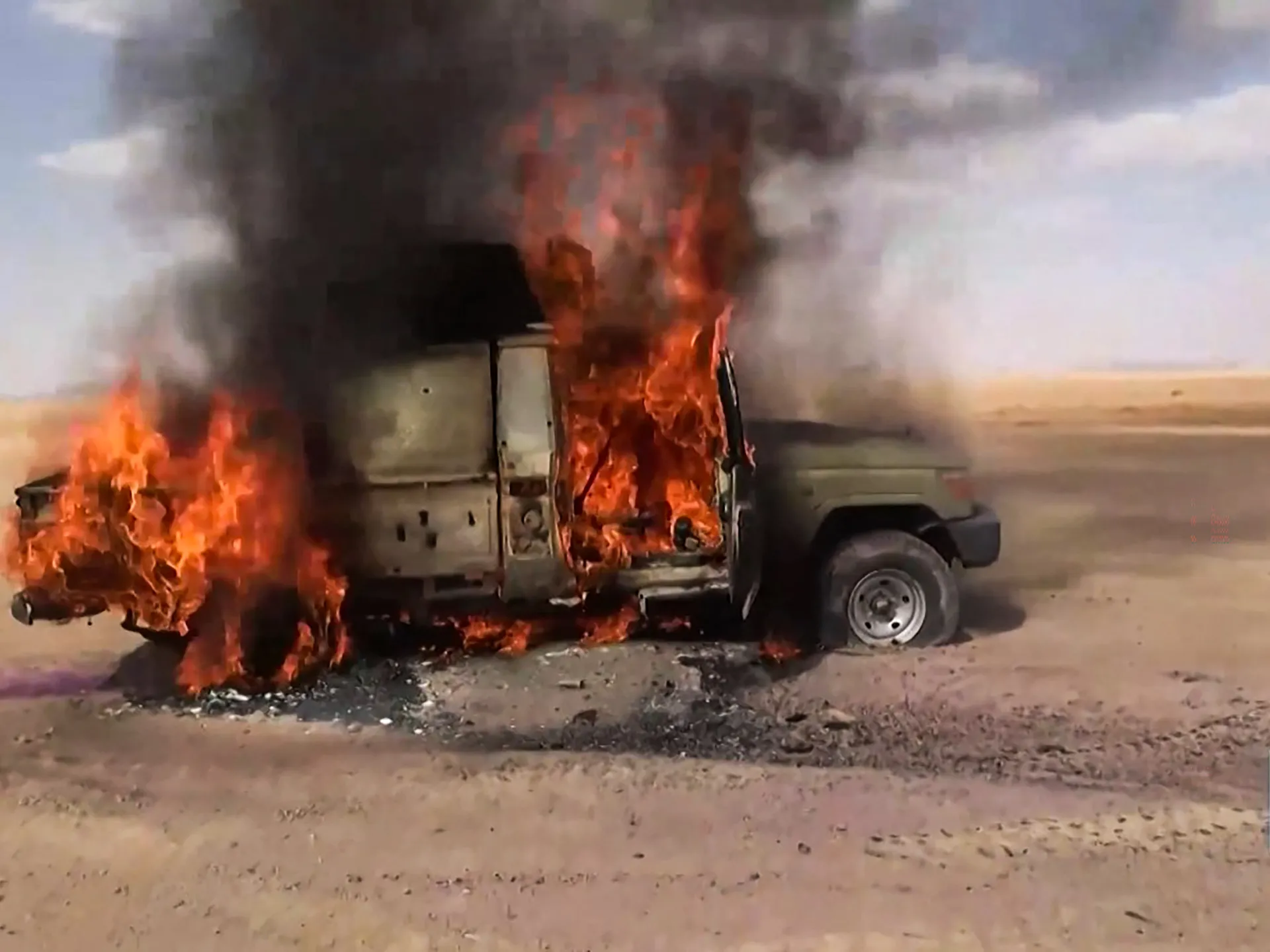
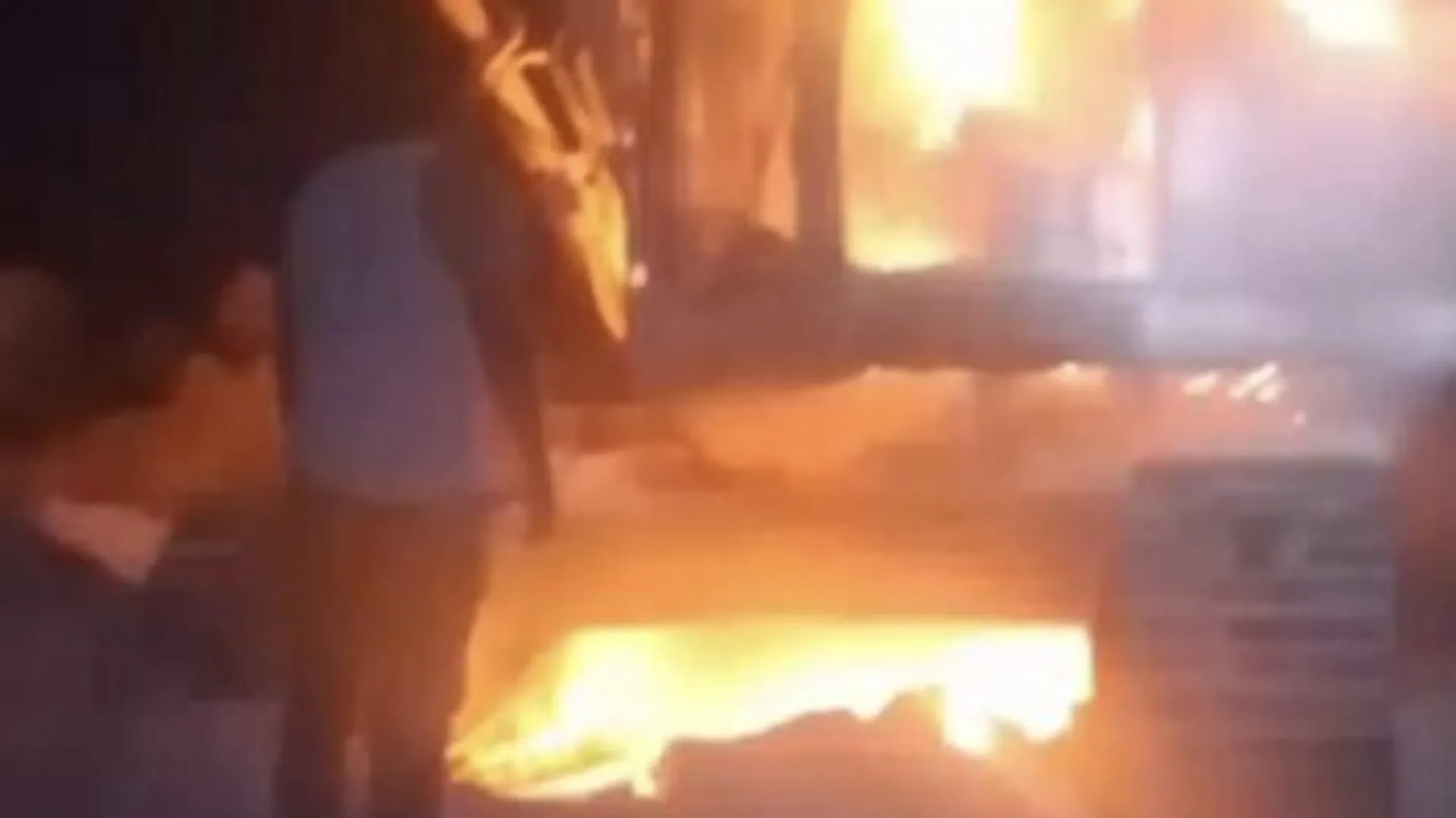
A series of intense wildfires has swept through northeastern Algeria, resulting in a tragic loss of life and significant injuries. Official government reports confirm that at least 12 individuals have perished as flames consumed forested areas across multiple provinces. The hardest-hit regions include Jijel, Bejaia, and Tizi Ouzou, where local authorities have been working tirelessly to manage the disaster and assist the displaced population.
The Minister of Interior, Said Sayoud, provided a breakdown of the casualties following his visit to a medical facility in Souk El Thenine. According to his report, the province of Jijel suffered the highest number of fatalities with five deaths, followed lled, with at least 54 people reported injured, suffering from varying degrees of burns and complications related to smoke inhalation.
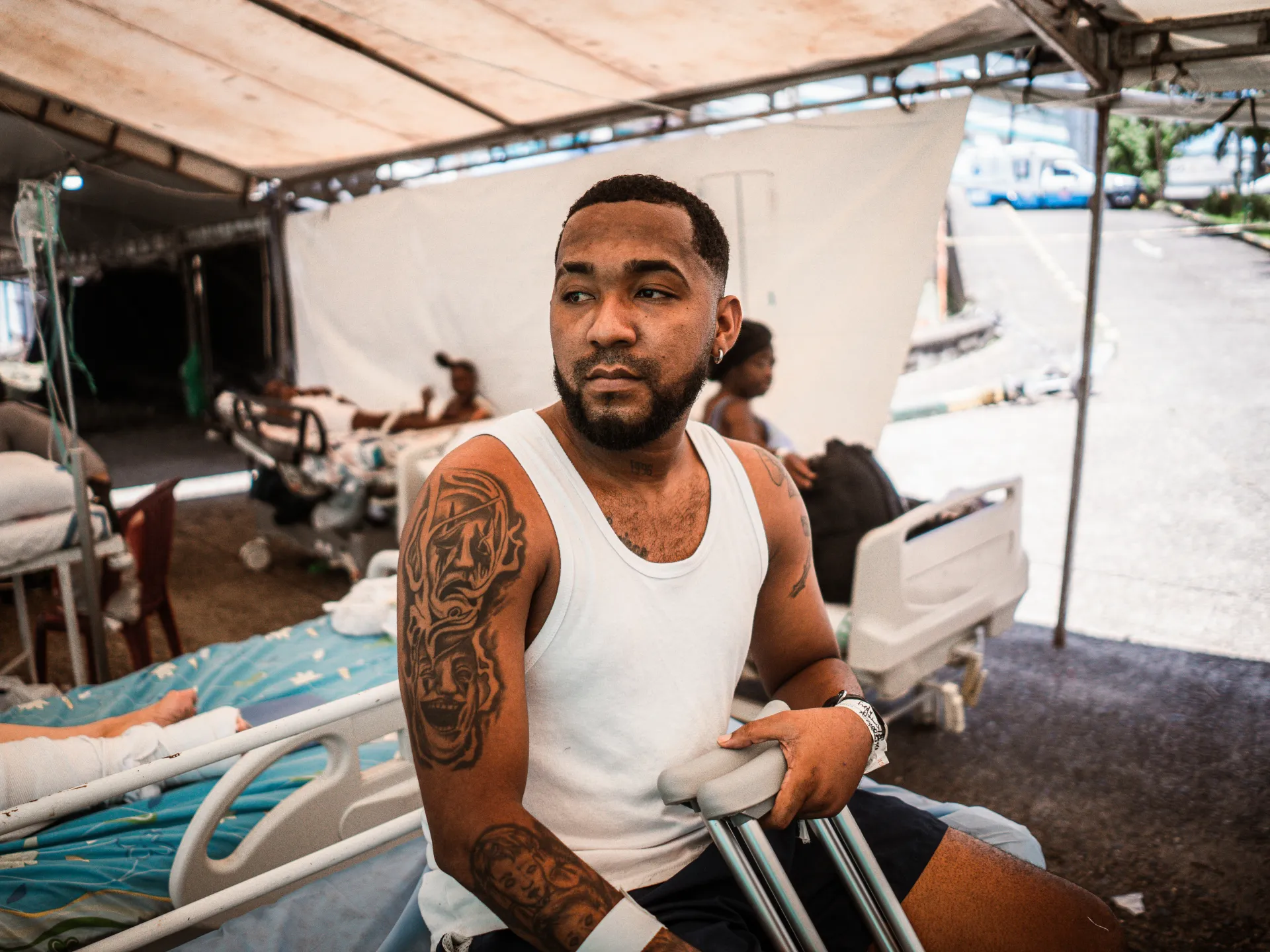
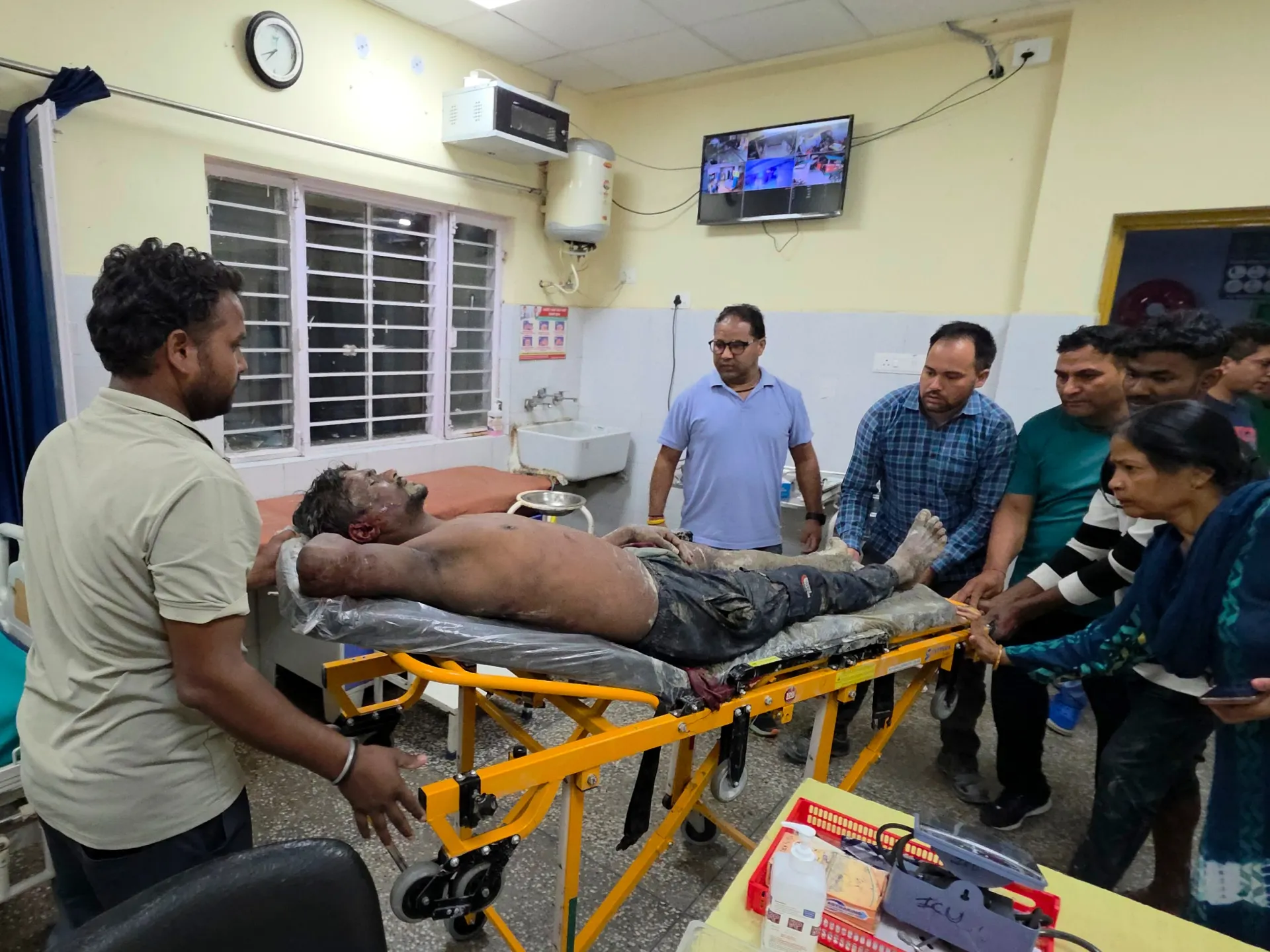
Medical personnel are currently attending to the survivors, many of whom remain in hospitals for urgent treatment. Officials have noted that among the injured, at least six individuals are listed in critical condition, highlighting the severity of the fires and the dangerous environments from which many residents were forced to flee.
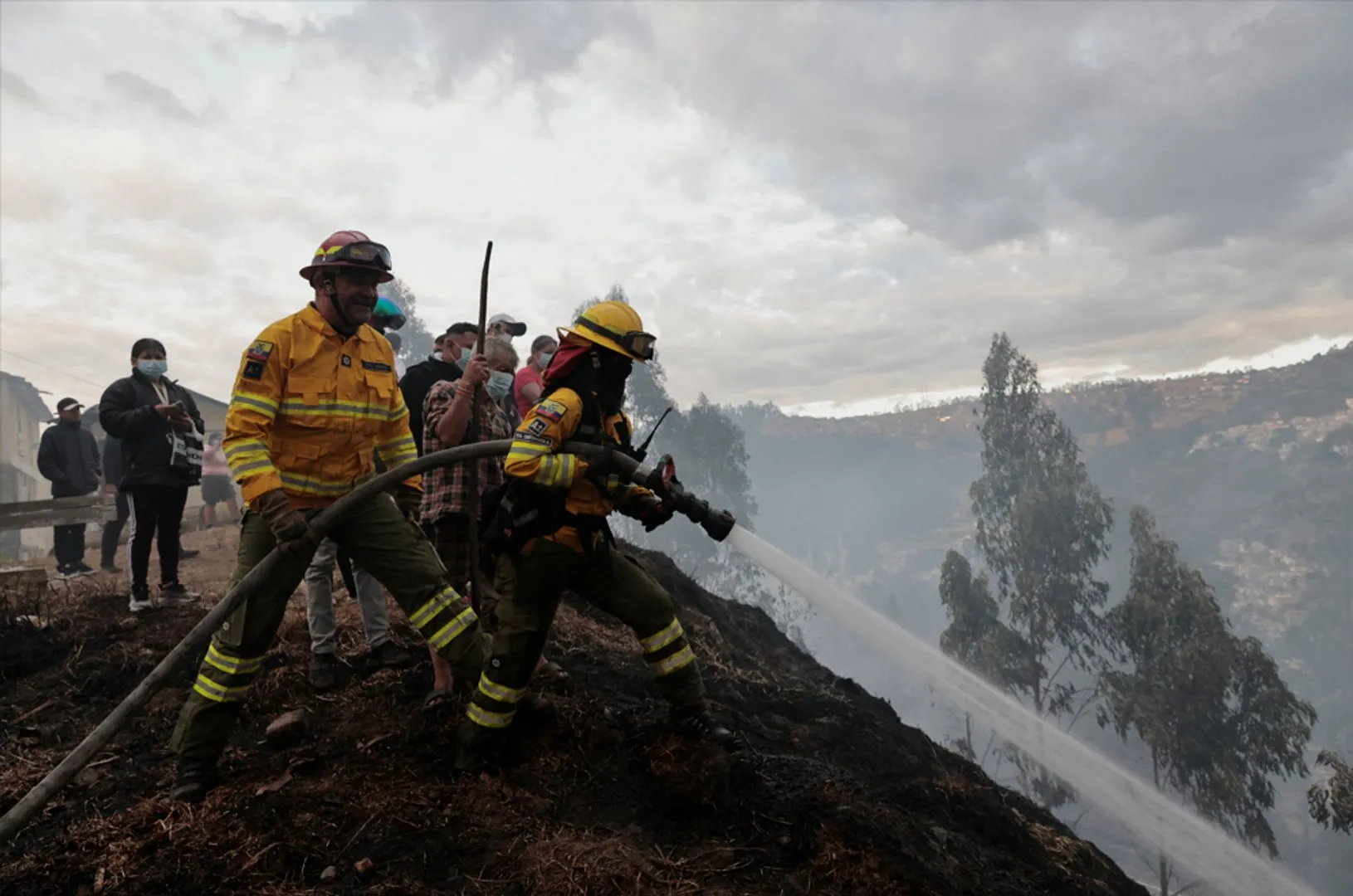
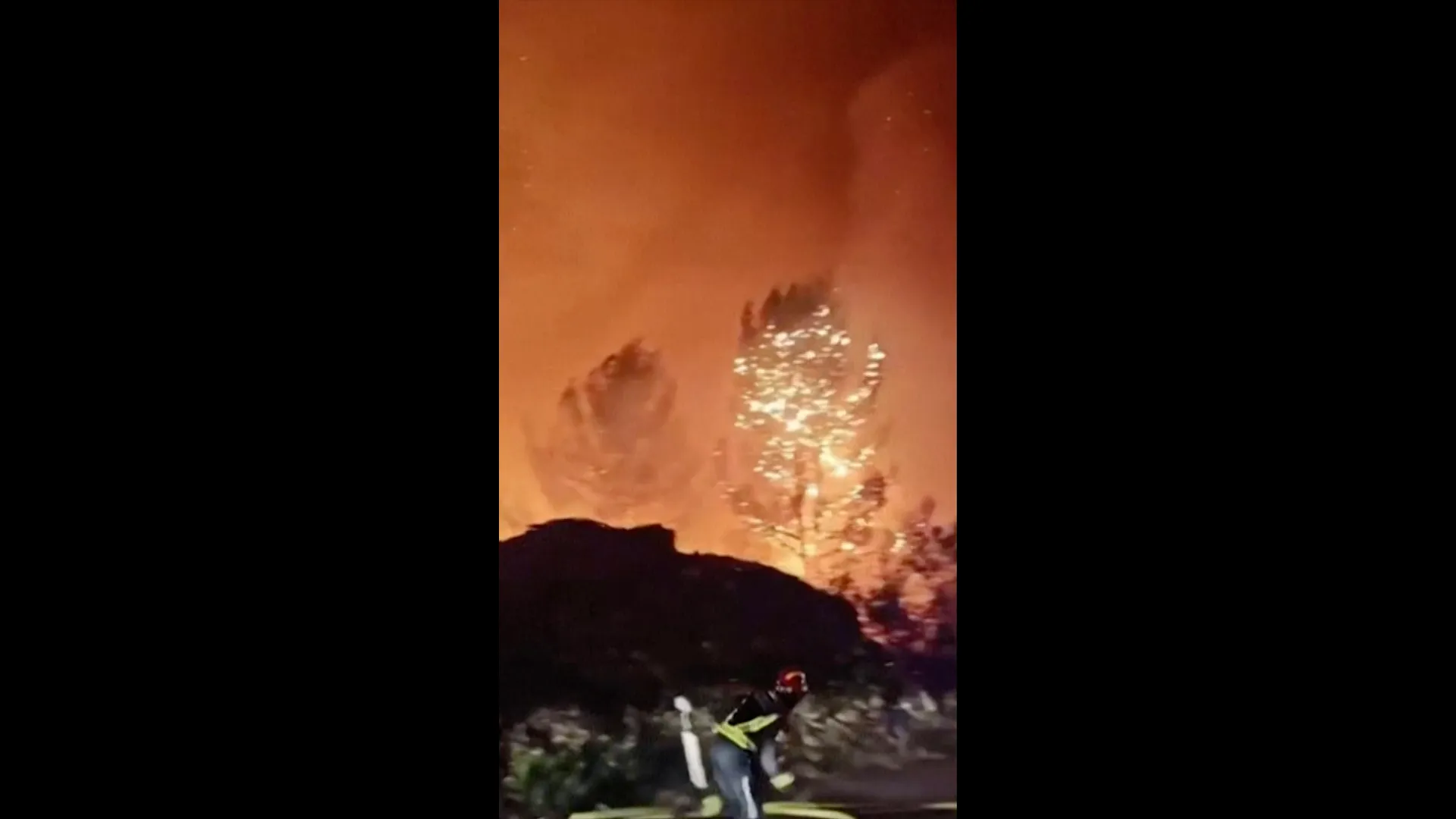
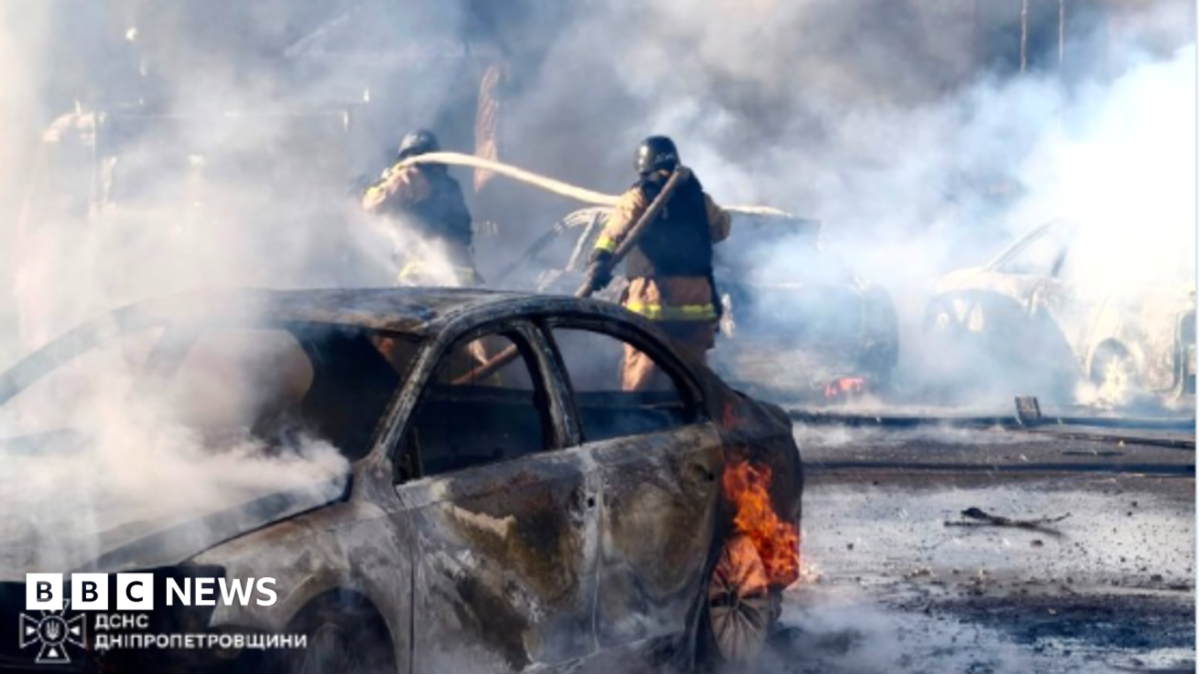
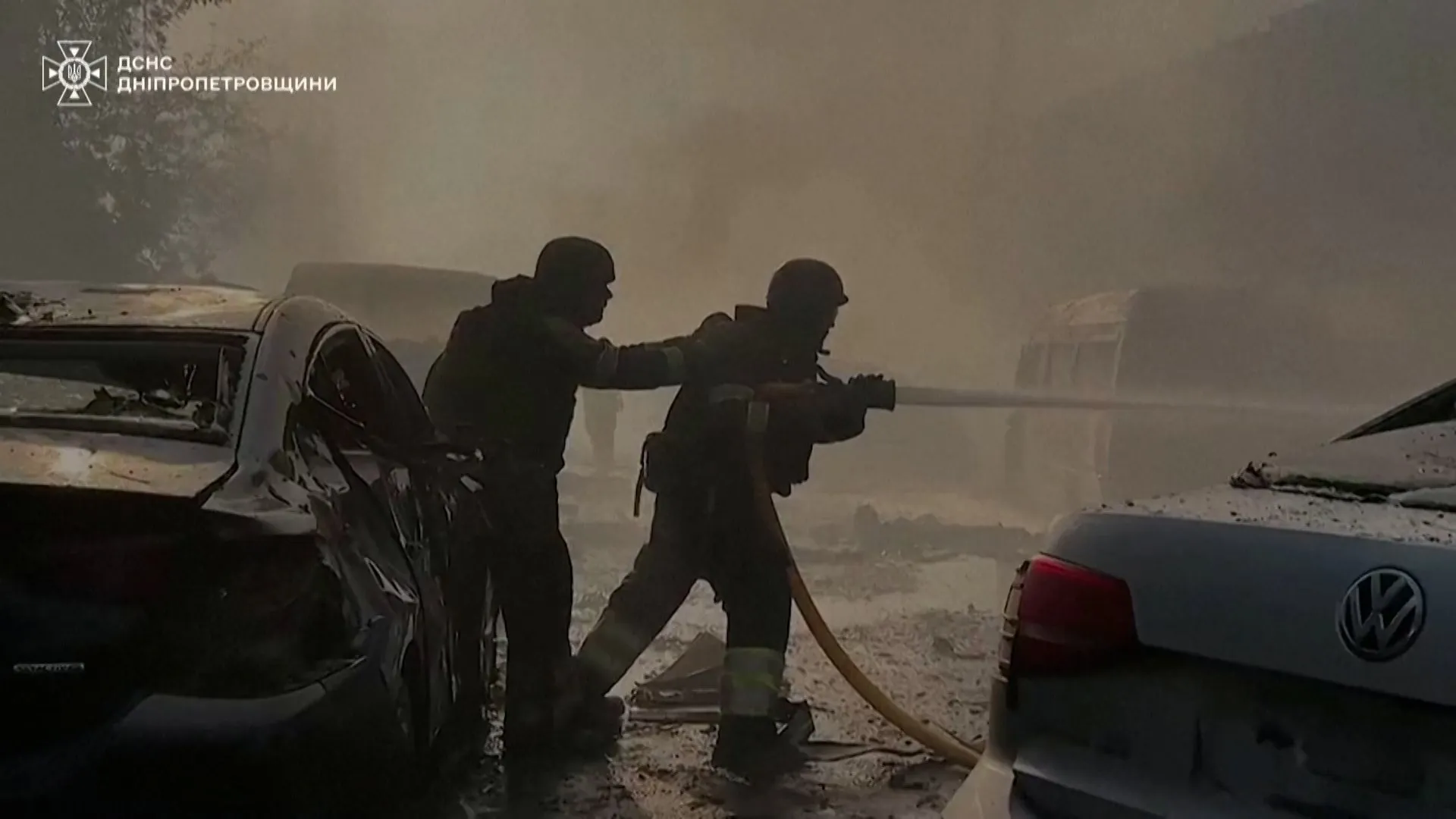
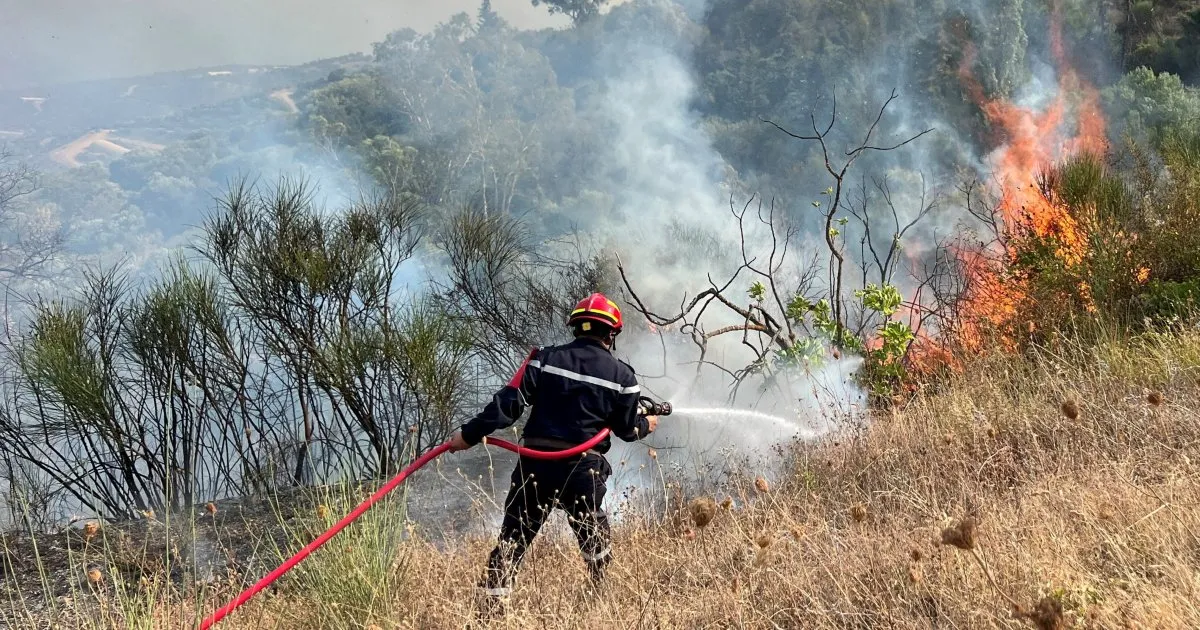
Civil Protection teams have faced a gargantuan task as they battle hundreds of fire outbreaks across the nation. On a single Wednesday, authorities recorded approximately 154 separate fire incidents. The scale of these blazes has necessitated a coordinated effort involving local emergency services, who are working to prevent the further spread of fire into residential zones and critical infrastructure.
While the situation remains fluid, firefighting efforts have seen some success in several provinces. Operations in areas such as Skikda, El Tarf, Bouira, Tizi Ouzou, and Tebessa have reached a stage where the fires are largely contained. However, the situation in Bejaia and Jijel remains precarious. In Bejaia alone, 18 hotspots were still active as of the latest reports, while Jijel is battling blazes across 12 different municipalities.
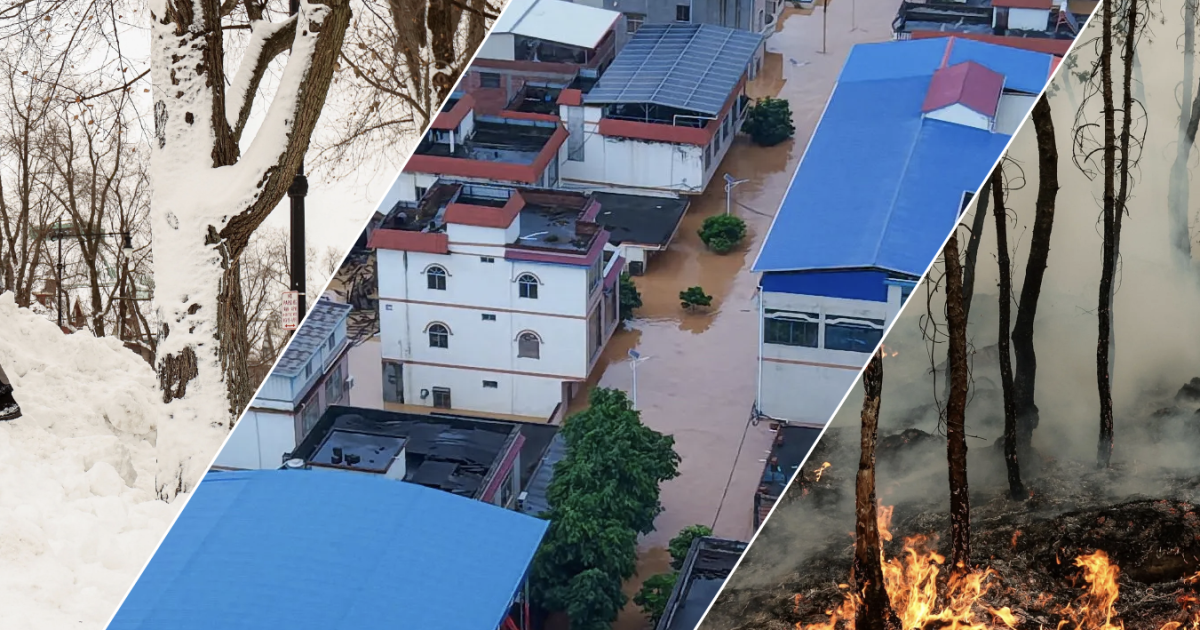
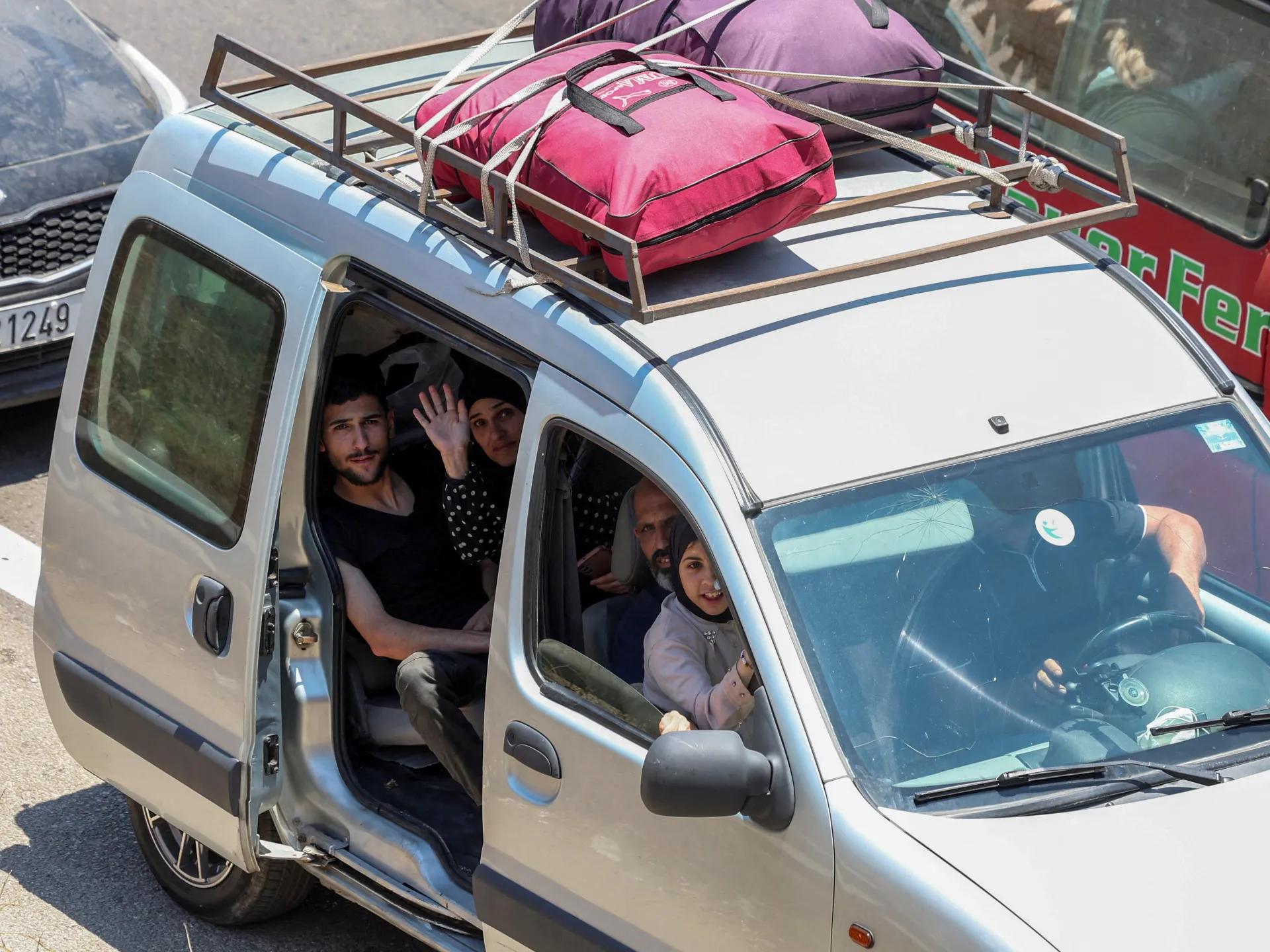
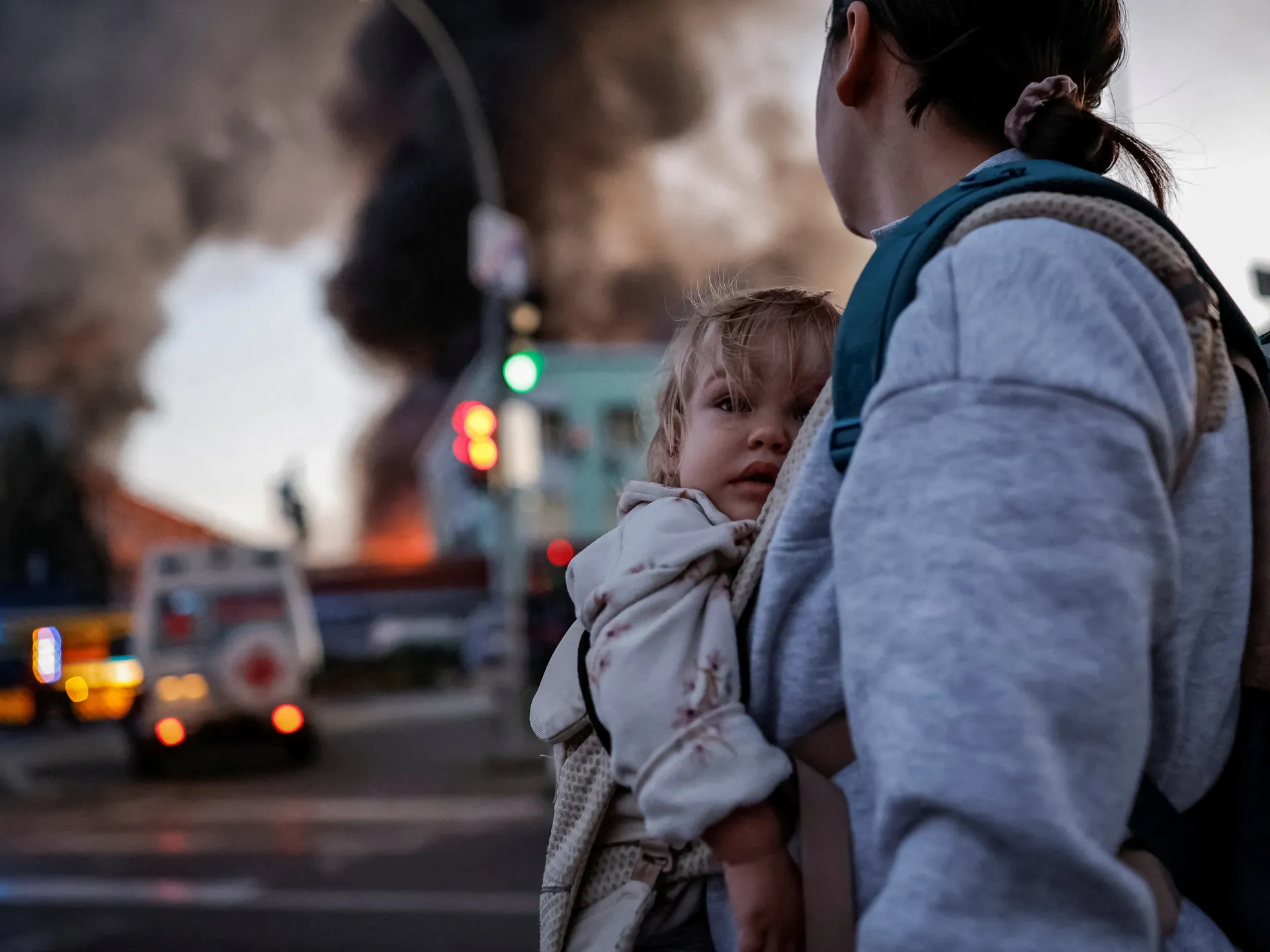
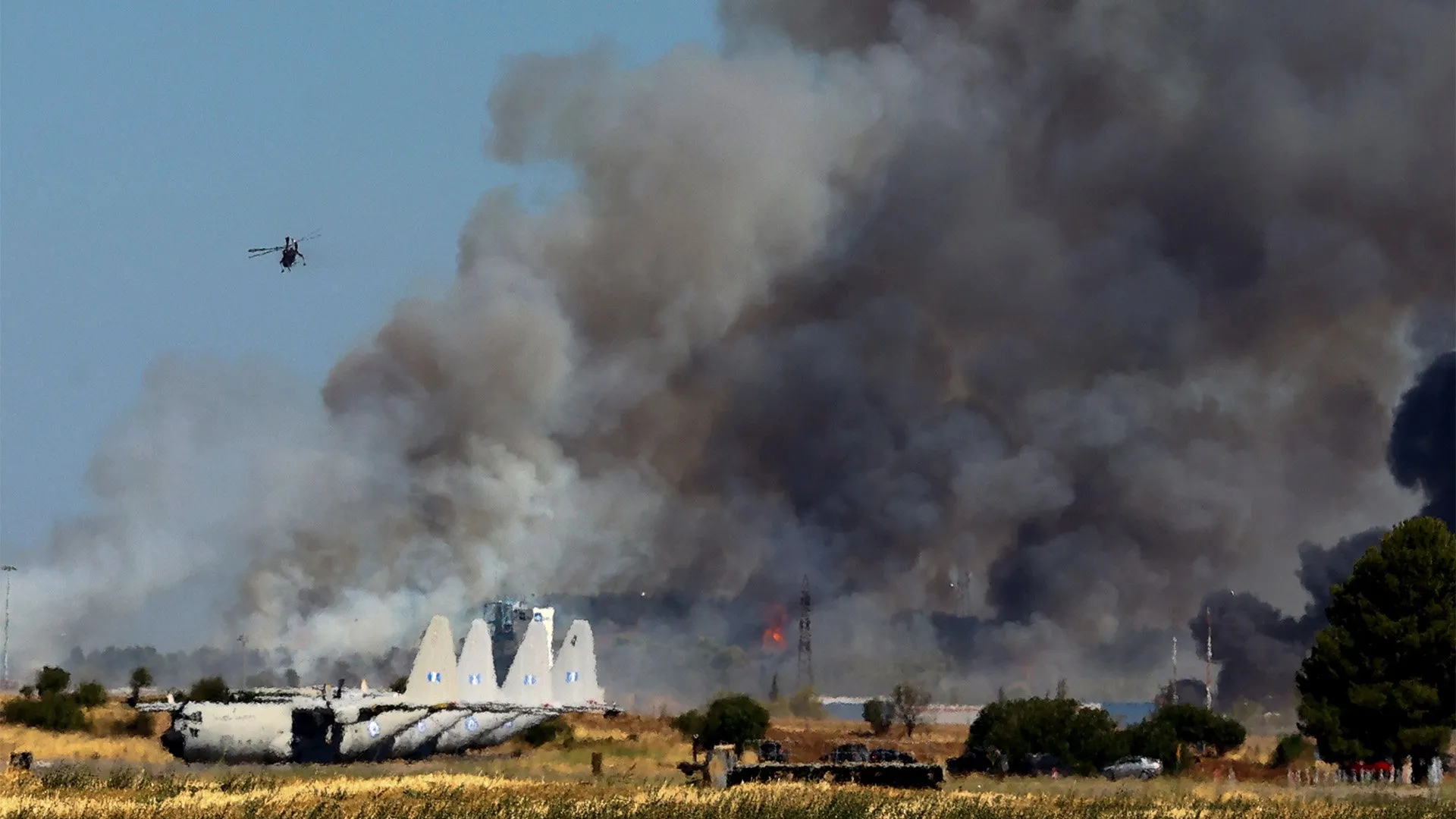
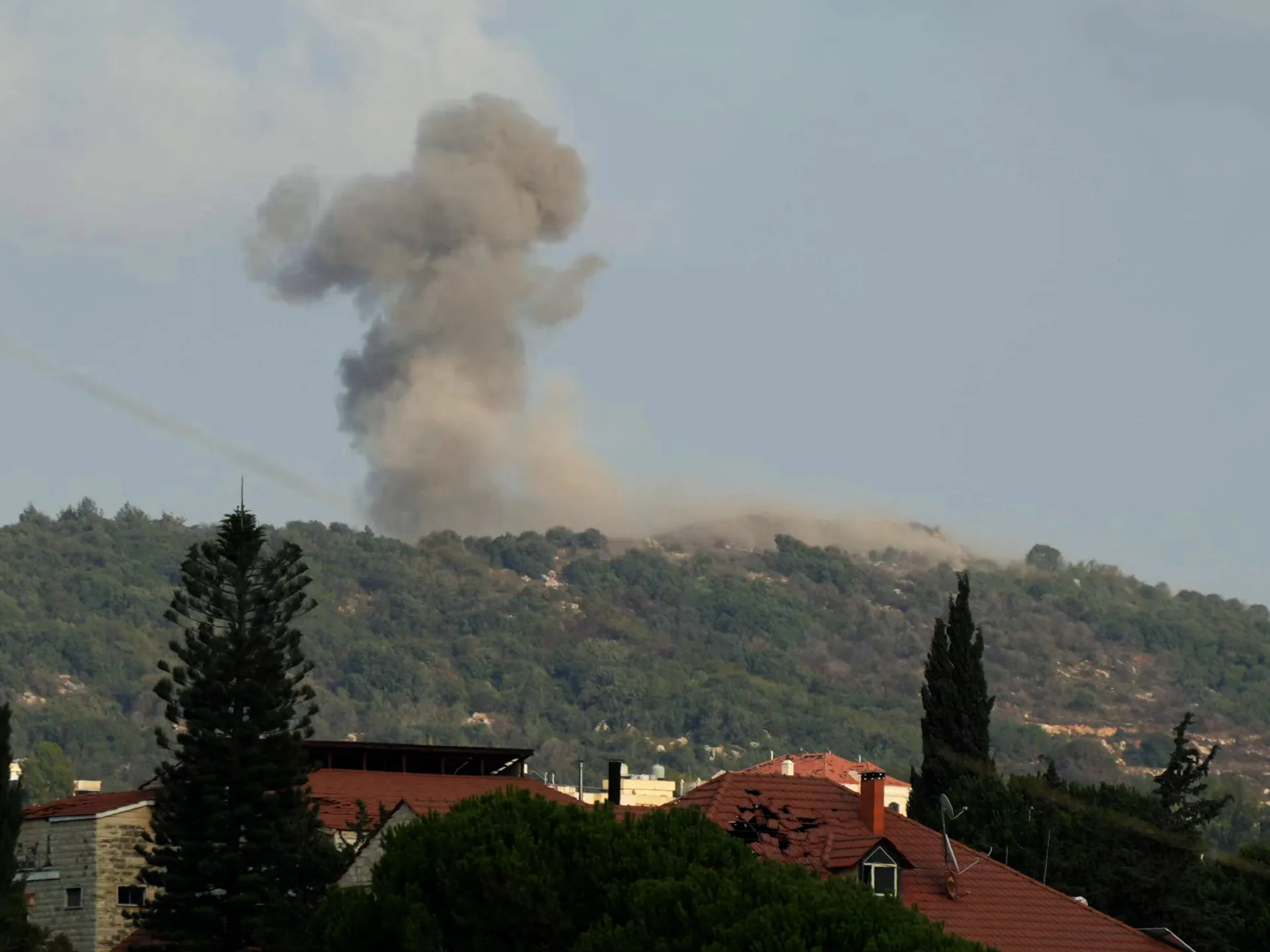
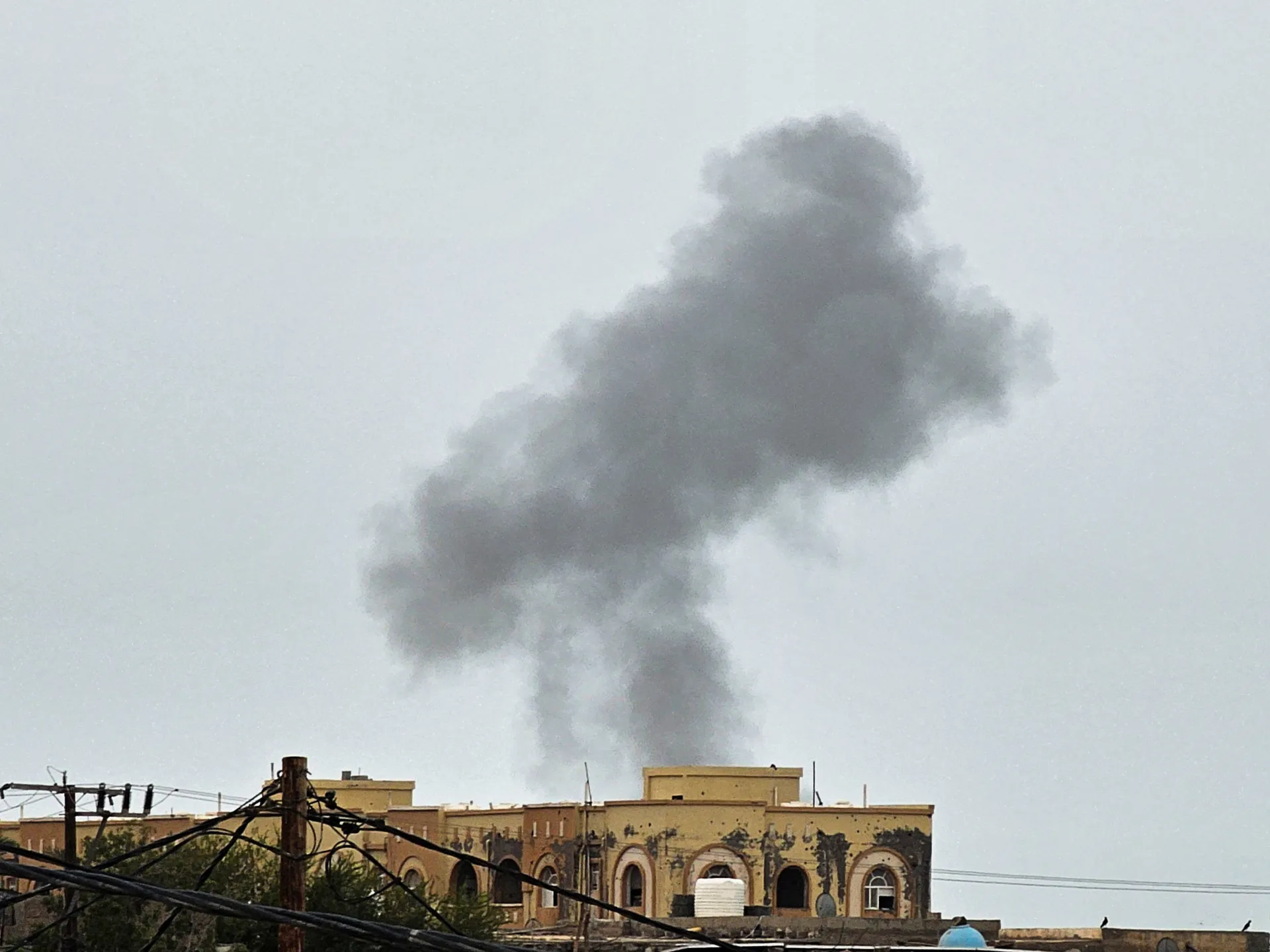
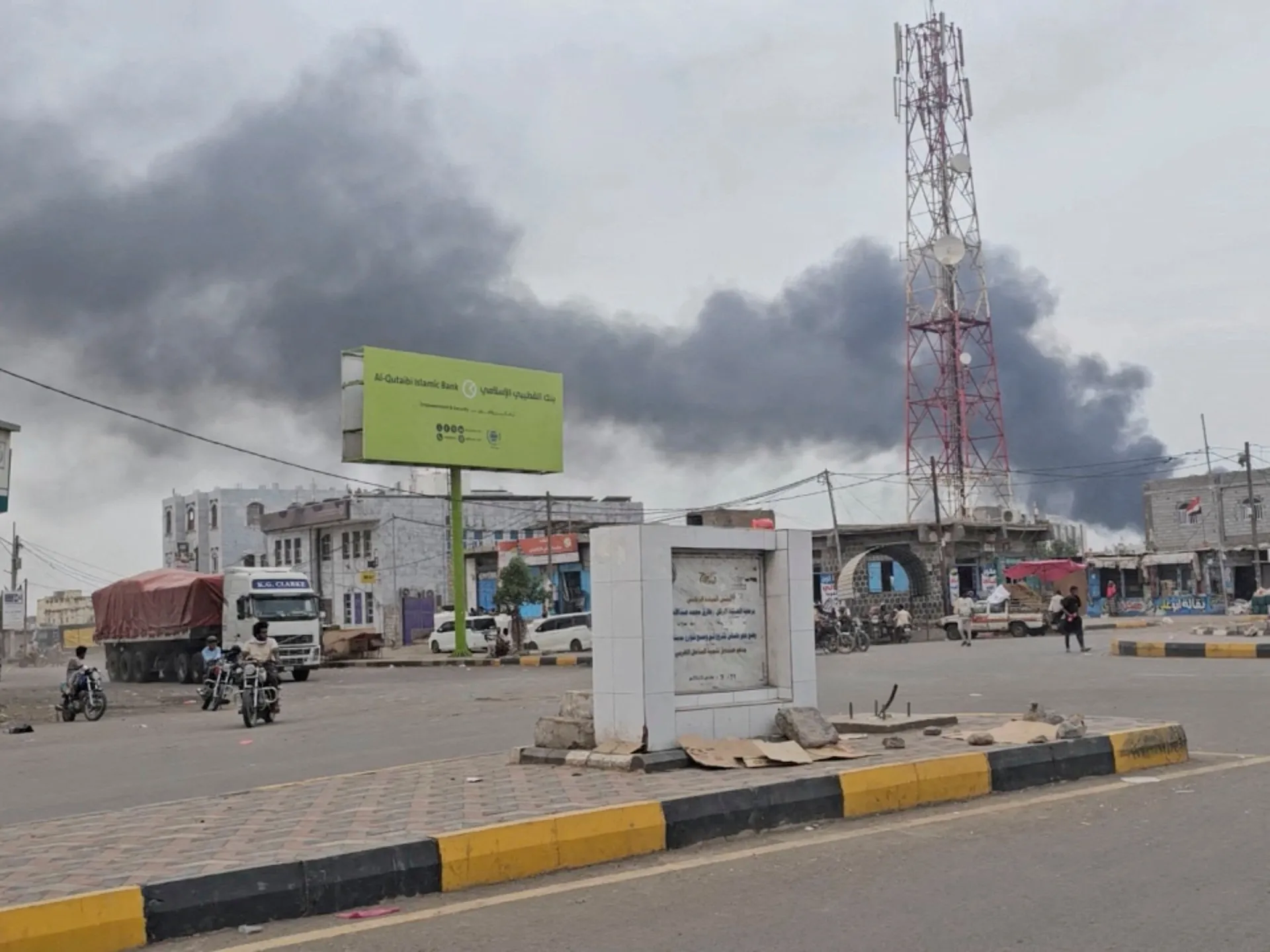
Evacuation protocols were activated to ensure the safety of citizens, with dozens of families being moved away from the path of the encroaching flames. The visual evidence of the disaster, broadcast through local media, shows thick plumes of smoke blanketing the affected regions, underscoring the extreme difficulty faced
The current catastrophe is part of a broader pattern of seasonal environmental challenges that Algeria faces during the peak summer months. The Mediterranean coastline, known for its dense forested areas, has become increasingly susceptible to fire disasters in recent years. This vulnerability is frequently linked to a combination of intense, prolonged heatwaves and fierce, dry winds that can transform a small spark into an uncontrollable inferno within hours.
Climate experts and local officials have observed that these environmental conditions are becoming more frequent and severe. The current crisis follows a difficult month for the region, which had already recorded at least six fire-related deaths just weeks prior. This recurring cycle of destruction places immense pressure on the country's Civil Protection infrastructure and highlights the need for robust disaster management strategies.
As authorities continue to monitor the situation, the focus remains on extinguishing the remaining hotspots and providing support to those who have lost their homes or family members. The combination of extreme weather and regional geography continues to pose a persistent threat, necessitating ongoing vigilance and public cooperation as the summer season progresses.